hacklink hack forum hacklink film izle hacklink
Home Blog Page 263

Bananas for Muscle Cramps: How This Nutrient-Packed Fruit Supports Athletic Recovery

The Science Behind Muscle Cramps and Nutritional Solutions

Muscle cramps are an all-too-common issue for athletes and fitness enthusiasts. These painful involuntary contractions can disrupt performance, interfere with training progress, and even lead to prolonged discomfort. Various factors contribute to muscle cramps, including dehydration, electrolyte imbalances, muscle fatigue, and inadequate nutrient intake. As athletes seek ways to prevent and alleviate cramps, the role of diet has become a significant focus of research and discussion. Among the many foods touted for their potential benefits, bananas have gained widespread attention. But do bananas help with cramps? This article delves into the science behind bananas for muscle cramps and their role in athletic recovery.

You may also like: Best Recovery Foods: What to Eat for Muscle Recovery and Repair After Intense Training

Understanding Muscle Cramps and Their Causes

Muscle cramps can occur suddenly, often striking the legs, calves, and feet. They are particularly common in endurance athletes, strength trainers, and individuals engaging in prolonged physical activity. Several key factors contribute to muscle cramping, including dehydration, loss of electrolytes such as potassium, magnesium, sodium, and calcium, as well as prolonged or intense muscle exertion. Additionally, poor circulation, nerve compression, and underlying health conditions can exacerbate the occurrence of cramps. Understanding these contributing factors helps in determining which foods to eat to avoid muscle cramps and how diet plays a crucial role in athletic performance.

Why Bananas Are Good for Muscle Cramps

Bananas have long been regarded as an essential fruit for athletes due to their impressive nutritional profile. Packed with potassium, magnesium, and carbohydrates, bananas provide a natural way to replenish key electrolytes lost through sweat. The high potassium content is particularly notable, as potassium is essential for muscle function and nerve signaling. When potassium levels drop too low, the risk of muscle cramps increases significantly. By incorporating bananas into their diet, athletes can help maintain proper electrolyte balance and support overall muscle function.

 A dynamic action shot of a fit athlete tying their running shoes on a track with a banana and a protein shake nearby, emphasizing nutrition for muscle cramp prevention.

Potassium’s Role in Muscle Function and Recovery

Potassium is an essential mineral and electrolyte that plays a critical role in muscle contractions and nerve signaling. It works in conjunction with sodium to regulate fluid balance and prevent excessive muscle contractions that can lead to cramps. Research has shown that potassium deficiency is linked to an increased likelihood of muscle spasms and cramps, making potassium-rich foods like bananas vital for athletic recovery. Consuming a banana before or after exercise can aid in replenishing lost potassium and reducing the risk of cramping.

Magnesium and Its Impact on Muscle Relaxation

Magnesium is another crucial mineral found in bananas that plays a key role in muscle relaxation and neuromuscular function. A deficiency in magnesium can lead to increased muscle tension, spasms, and cramps. This is especially relevant for athletes, as magnesium is lost through sweat and prolonged exercise. Including bananas in the diet can help restore magnesium levels and contribute to muscle relaxation, reducing the likelihood of post-workout cramps and stiffness.

The Carbohydrate Advantage for Athletes

Carbohydrates are the primary energy source for athletes, providing the necessary fuel for endurance and performance. Bananas are an excellent source of easily digestible carbohydrates, making them an ideal pre- or post-workout snack. The natural sugars in bananas provide a quick energy boost, while their fiber content ensures a steady release of glucose into the bloodstream. This combination of nutrients supports sustained energy levels, aiding in muscle function and reducing the onset of exercise-induced cramps.

How Fast Do Bananas Help with Cramps?

One common question athletes ask is how quickly bananas can help alleviate muscle cramps. While bananas do not provide instant relief like stretching or massage, their nutrients work to support long-term muscle health and cramp prevention. The digestion and absorption of potassium and magnesium from bananas take some time, meaning that their effects are best experienced when consumed regularly as part of a well-balanced diet. To maximize their benefits, athletes should include bananas as a consistent part of their nutrition plan rather than relying on them for immediate cramp relief.

Other Foods That Help with Muscle Cramps

While bananas are an excellent choice, they are not the only food that can help with muscle cramps. Other potassium-rich foods such as oranges, avocados, and potatoes also contribute to muscle function. Additionally, magnesium-rich foods like almonds, spinach, and dark chocolate support muscle relaxation. Hydration plays a significant role in preventing cramps, making electrolyte-rich beverages like coconut water and sports drinks valuable additions to an athlete’s diet. By incorporating a variety of nutrient-dense foods, individuals can enhance their muscle recovery and reduce the risk of cramping.

The Role of Hydration in Preventing Cramps

Proper hydration is essential for preventing muscle cramps and supporting athletic performance. Dehydration can lead to an imbalance of electrolytes, increasing the likelihood of cramping. Athletes should aim to drink sufficient water before, during, and after exercise while also replenishing lost electrolytes. Pairing hydration with potassium-rich foods like bananas ensures optimal muscle function and reduces the risk of exercise-induced cramps.

Practical Ways to Incorporate Bananas into an Athlete’s Diet

There are many ways athletes can incorporate bananas into their daily nutrition. A simple and effective option is eating a banana as a pre-workout snack, providing a natural energy boost. Post-workout smoothies that combine bananas with protein-rich ingredients like Greek yogurt or nut butter offer a delicious and nutritious recovery option. Additionally, bananas can be added to oatmeal, blended into shakes, or used as a natural sweetener in healthy snacks. By including bananas in various forms, athletes can enjoy their benefits while maintaining a balanced diet.
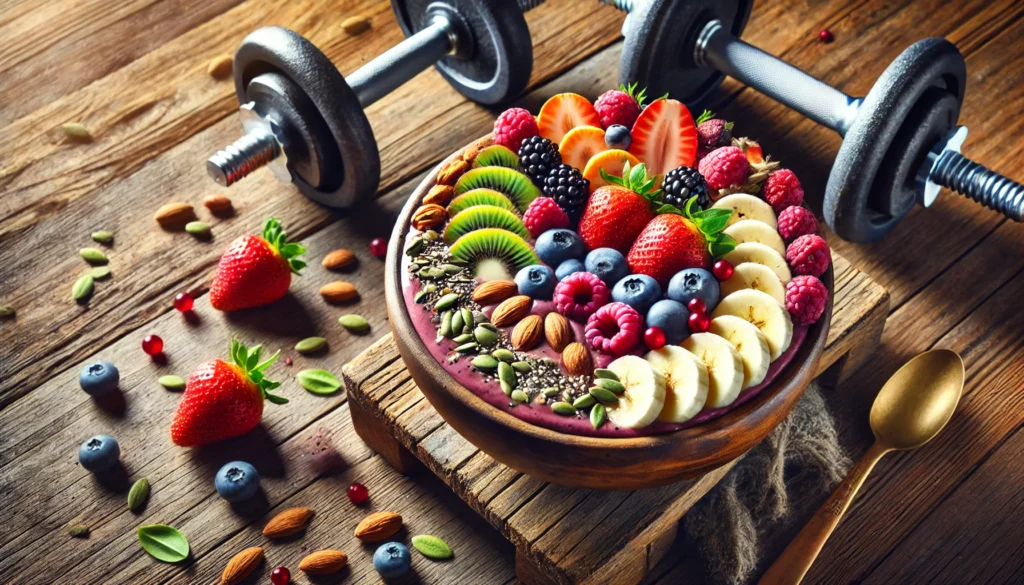
A beautifully arranged smoothie bowl made with bananas, berries, nuts, and seeds on a wooden table with dumbbells nearby, representing a balanced diet for muscle recovery.

Frequently Asked Questions (FAQ) on Bananas for Muscle Cramps

1. Do bananas help with cramps, and how do they compare to other foods for muscle cramps?

Yes, bananas help with cramps due to their rich potassium, magnesium, and carbohydrate content, which support muscle function and prevent spasms. Compared to other foods for muscle cramps, such as spinach, avocados, and almonds, bananas have the advantage of being portable, easy to digest, and providing a quick energy boost. While other foods for leg cramps, like dark leafy greens and nuts, contain higher magnesium levels, bananas offer a balance of nutrients that contribute to cramp relief and prevention. Additionally, their natural sugars help sustain endurance, making them a popular choice among athletes. When combined with a well-rounded diet including other foods good for muscle cramps, bananas can play a key role in overall muscle recovery.

2. Will eating a banana help with a charley horse, and how quickly does it work?

Eating a banana can help with a charley horse, but it is not an immediate solution. Since bananas are packed with potassium and magnesium, they help regulate nerve function and muscle contractions over time. However, how fast do bananas help with cramps depends on the individual’s overall nutrient balance and hydration levels. While a banana may take 30-60 minutes to digest and begin replenishing lost electrolytes, stretching, hydration, and massage are faster remedies for acute cramps. For long-term prevention, eating bananas regularly as part of a diet rich in foods that relieve muscle cramps is the most effective strategy.

3. Are bananas good for leg cramps when compared to supplements?

Yes, bananas for muscle cramps offer a natural alternative to electrolyte supplements, but their effectiveness depends on the individual’s dietary habits. While supplements provide concentrated doses of potassium and magnesium, they lack the fiber, antioxidants, and carbohydrates that bananas provide. Additionally, natural foods for leg cramps, like bananas, are more bioavailable and digestible than synthetic supplements, reducing the risk of digestive discomfort. Some athletes prefer a combination of both, using bananas as a dietary staple while incorporating electrolyte supplements during extreme exertion. Ultimately, whether bananas or supplements are better depends on individual needs, but incorporating whole foods is always a healthier long-term strategy.

4. Can bananas help with cramps caused by dehydration?

Bananas alone cannot completely prevent cramps caused by dehydration, but they can play a supportive role when paired with adequate fluid intake. Since dehydration contributes to an imbalance in electrolytes like potassium and sodium, bananas help by replenishing potassium levels. However, hydration is the primary factor in cramp prevention, so drinking enough water and consuming hydrating foods that help with muscle cramps, such as watermelon and coconut water, is essential. For best results, bananas should be part of a broader hydration strategy, ensuring both fluid and electrolyte needs are met. Consistently eating bananas for muscle cramps alongside staying hydrated is key to long-term cramp prevention.

5. Why do bananas help with cramps more effectively when combined with other nutrients?

Bananas are effective for cramps, but their benefits are enhanced when combined with other key nutrients like sodium, calcium, and protein. While bananas are rich in potassium and magnesium, they lack significant sodium, which is crucial for fluid balance. Pairing bananas with foods that help with leg cramps, such as yogurt, nuts, or electrolyte-rich sports drinks, creates a more complete nutritional profile. Additionally, protein helps muscle repair, making post-workout meals with bananas and protein-rich foods more effective in preventing cramps. By incorporating a variety of foods for muscle cramps, athletes can maximize their muscle recovery and performance.

6. What foods can I eat to prevent leg cramps besides bananas?

In addition to bananas, several foods to eat to prevent leg cramps include leafy greens, nuts, seeds, dairy, and fish. Dark leafy greens like spinach and kale are high in magnesium, which helps relax muscles and prevent spasms. Nuts and seeds provide both magnesium and healthy fats, supporting nerve function. Dairy products like milk and yogurt contain calcium, a critical electrolyte for muscle contraction. Fatty fish such as salmon offer omega-3s and vitamin D, which contribute to muscle health and inflammation reduction. Combining these foods with bananas creates a well-rounded diet that helps reduce the risk of cramping.

7. Are there foods that trigger muscle spasms and should be avoided?

Yes, certain foods may contribute to muscle spasms and should be minimized, especially for those prone to cramps. Excess caffeine and alcohol can lead to dehydration, increasing the risk of cramps. Highly processed foods high in sodium but low in potassium disrupt electrolyte balance, making muscles more susceptible to spasms. Sugar-laden foods can cause blood sugar fluctuations, affecting nerve function and muscle contractions. Additionally, artificial sweeteners and additives found in diet sodas have been linked to nerve sensitivity, which can exacerbate cramps. To reduce the frequency of cramps, individuals should focus on eating whole, nutrient-dense foods while avoiding overly processed options.

8. Is eating bananas good for cramps before or after exercise?

Both pre- and post-exercise consumption of bananas offer benefits, but their timing depends on individual needs. Eating bananas before a workout provides an energy boost due to their natural sugars and carbohydrates, while also supplying potassium to aid muscle function. After exercise, bananas help replenish lost electrolytes and reduce inflammation, aiding in muscle recovery. For best results, pairing bananas with protein before or after workouts enhances muscle repair and prevents cramping. Whether consumed before or after exercise, bananas remain one of the best foods for muscle cramps and recovery.

9. Do bananas prevent cramps at night, and are they beneficial for nocturnal leg cramps?

Yes, bananas can help prevent cramps at night by ensuring the body maintains proper potassium and magnesium levels while at rest. Nocturnal leg cramps often occur due to prolonged inactivity, dehydration, or electrolyte imbalances. Consuming bananas for muscle cramps a few hours before bed can support muscle relaxation and reduce the likelihood of nighttime cramping. Pairing bananas with a magnesium-rich snack, such as almonds or yogurt, can enhance their effectiveness. While bananas alone may not eliminate all cases of nocturnal cramps, they contribute significantly to long-term prevention.

10. How fast do bananas help with cramps, and should they be eaten daily?

Bananas do not offer immediate relief for cramps, but their long-term benefits are significant when consumed regularly. Since muscle cramps often stem from cumulative nutrient imbalances, daily intake of bananas ensures a steady supply of potassium and magnesium. Eating bananas daily, alongside other foods that relieve muscle cramps, provides a proactive approach to cramp prevention. While emergency remedies like stretching or applying heat work faster for immediate relief, dietary choices impact cramp frequency over time. To maximize their effectiveness, bananas should be incorporated into a consistent, nutrient-rich diet for sustained muscle health.
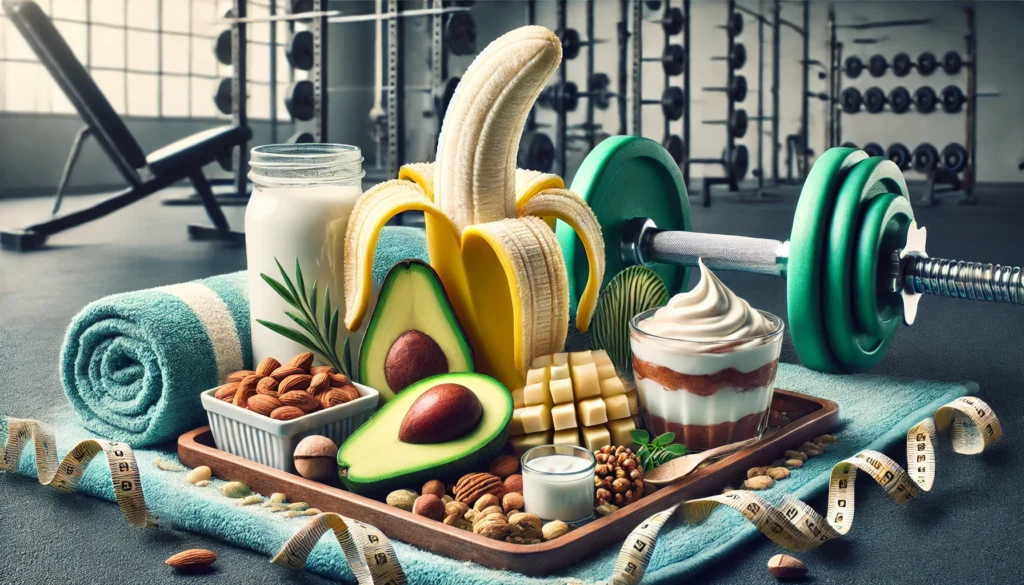
A visually striking composition of a peeled banana along with nuts, yogurt, and avocado on a sports towel, set against a blurred gym background to highlight balanced nutrition for muscle function.

Conclusion: The Power of Bananas for Muscle Cramps and Recovery

Bananas serve as an excellent natural remedy for muscle cramps due to their rich potassium and magnesium content. These essential nutrients play a crucial role in muscle function, nerve signaling, and overall athletic recovery. While bananas alone cannot completely eliminate muscle cramps, they are a valuable addition to a well-rounded diet that includes proper hydration and other nutrient-rich foods. By making bananas a regular part of their nutrition strategy, athletes can enhance their performance, reduce cramping, and support overall muscle health.

Further Reading:

Foods That May Help With Muscle Cramps

12 Foods That May Help with Muscle Cramps

The Best Foods for Muscle Recovery

The information contained in this article is provided for general informational purposes only and is not intended to serve as medical, legal, or professional advice. While NewsHealthWatch strives to present accurate, up-to-date, and reliable content, no warranty or guarantee, expressed or implied, is made regarding the completeness, accuracy, or adequacy of the information provided. Readers are strongly advised to seek the guidance of a qualified healthcare provider or other relevant professionals before acting on any information contained in this article. NewsHealthWatch, its authors, editors, and contributors expressly disclaim any liability for any damages, losses, or consequences arising directly or indirectly from the use, interpretation, or reliance on any information presented herein. The views and opinions expressed in this article are those of the author(s) and do not necessarily reflect the official policies or positions of NewsHealthWatch.

Best Foods to Fight Inflammation: Optimize Athletic Recovery & Performance Naturally

Understanding Inflammation and Its Impact on Athletic Performance

Inflammation is a natural response of the body to injury, stress, or infection. While acute inflammation is necessary for healing, chronic inflammation can be detrimental, particularly for athletes. Persistent inflammation can lead to prolonged recovery times, reduced performance, and increased risk of injury. Understanding the role of inflammation in athletic recovery is crucial for optimizing performance and overall health. By managing inflammation effectively through diet and lifestyle changes, athletes can enhance their recovery and sustain peak performance levels.

You may also like: Best Recovery Foods: What to Eat for Muscle Recovery and Repair After Intense Training

The connection between diet and inflammation is well-established. Certain foods promote inflammation, while others help combat it. The best diet for inflammation focuses on nutrient-dense, whole foods that provide essential vitamins, minerals, and antioxidants. By incorporating inflammation-fighting foods into daily meals, athletes can support muscle recovery, reduce pain, and improve endurance. The key is to strike a balance that allows the body to recover efficiently without compromising performance.

The Role of Nutrition in Reducing Inflammation

Diet plays a critical role in regulating inflammation. A well-structured inflammation diet plan should emphasize foods that help control inflammatory responses while avoiding those that contribute to chronic inflammation. The best anti-inflammatory foods include a variety of fruits, vegetables, healthy fats, and lean proteins. These foods provide essential nutrients that support cellular repair, reduce oxidative stress, and enhance immune function.

Healthy fats, particularly omega-3 fatty acids found in fish, nuts, and seeds, have been shown to reduce inflammation. Conversely, trans fats and excessive consumption of omega-6 fatty acids, commonly found in processed foods, can exacerbate inflammatory responses. Additionally, consuming adequate protein from lean sources like fish, poultry, and plant-based proteins supports muscle repair and reduces post-exercise inflammation. By making strategic dietary choices, athletes can accelerate recovery and maintain peak performance.

Best Anti-Inflammatory Foods for Athletes

Athletes seeking to optimize recovery should focus on a variety of inflammation-fighting foods. The best foods for inflammation include nutrient-rich options such as leafy greens, berries, fatty fish, nuts, and whole grains. Each of these foods contains unique compounds that work synergistically to reduce inflammation and promote overall health.

Leafy greens such as spinach, kale, and Swiss chard are packed with antioxidants and polyphenols that help combat inflammation. These anti-inflammatory vegetables also contain essential vitamins like vitamin C and vitamin K, which play a role in immune function and tissue repair. Similarly, berries such as blueberries, strawberries, and raspberries are rich in flavonoids that help neutralize free radicals and reduce oxidative stress.

Fatty fish like salmon, mackerel, and sardines are among the best anti-inflammatory foods due to their high content of omega-3 fatty acids. These healthy fats are essential for reducing muscle inflammation and enhancing cardiovascular health. Nuts and seeds, including walnuts, almonds, and flaxseeds, also provide a rich source of anti-inflammatory compounds that support overall recovery and endurance.

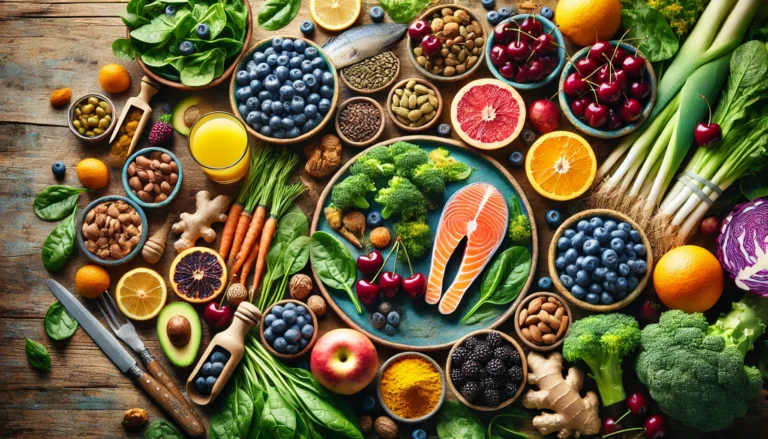
 "An athlete preparing a nutrient-rich anti-inflammatory meal in a modern kitchen, featuring fresh ingredients such as salmon, avocados, berries, leafy greens, turmeric, and ginger, alongside a green smoothie blender."

The Mediterranean Diet and Inflammation

The Mediterranean diet and inflammation reduction go hand in hand. This dietary pattern, which emphasizes whole foods, healthy fats, and plant-based ingredients, is well-documented for its anti-inflammatory benefits. The Mediterranean diet includes an abundance of anti-inflammatory vegetables, fruits, whole grains, and lean proteins. It also incorporates olive oil, a powerful source of monounsaturated fats that help lower inflammation markers in the body.

One of the reasons the Mediterranean diet is effective for reducing inflammation is its focus on fresh, unprocessed foods. By avoiding refined carbohydrates, added sugars, and unhealthy fats, this diet minimizes inflammatory triggers. Additionally, the inclusion of herbs and spices such as turmeric, garlic, and ginger provides additional anti-inflammatory benefits. Athletes looking for a sustainable way to manage inflammation should consider adopting principles of the Mediterranean diet.

Anti-Inflammatory Fruits and Vegetables for Recovery

A comprehensive list of fruits and vegetables good for an anti-inflammatory diet includes options that are rich in vitamins, minerals, and antioxidants. Some of the best anti-inflammatory fruits include citrus fruits, cherries, and grapes, all of which contain powerful phytonutrients that help reduce inflammation. Citrus fruits such as oranges, lemons, and grapefruits provide vitamin C, which is crucial for collagen synthesis and tissue repair.

Cherries, particularly tart cherries, have been shown to reduce muscle soreness and inflammation following intense exercise. The polyphenols in cherries help mitigate oxidative stress, making them an excellent choice for post-workout recovery. Grapes, rich in resveratrol, offer cardiovascular benefits and support anti-inflammatory processes in the body.

Among anti-inflammatory veggies, cruciferous vegetables such as broccoli, Brussels sprouts, and cauliflower stand out for their ability to modulate inflammatory pathways. These vegetables contain sulforaphane, a compound that helps regulate the body’s response to oxidative stress and inflammation. Incorporating a variety of these inflammation-fighting foods into daily meals can significantly enhance athletic recovery and performance.

How to Reduce Muscle Inflammation in the Body Fast

Athletes often seek ways to reduce muscle inflammation in the body fast to minimize downtime and maintain performance levels. Alongside proper nutrition, hydration, rest, and targeted supplementation play essential roles in managing inflammation. Staying hydrated helps flush out metabolic waste products that can contribute to inflammation, while adequate sleep allows the body to repair damaged tissues.

Certain supplements, such as omega-3 fatty acids, curcumin, and tart cherry extract, have been shown to reduce inflammation effectively. Curcumin, the active compound in turmeric, is particularly potent in modulating inflammatory pathways. Athletes can benefit from incorporating turmeric into their diet or taking a high-quality curcumin supplement.

Recovery techniques such as cold therapy, contrast baths, and massage can also help reduce muscle inflammation. Ice baths and cryotherapy have been widely used by elite athletes to control inflammation and accelerate muscle recovery. Combining these strategies with an anti-inflammatory diet for weight loss and performance enhancement creates a comprehensive approach to athletic recovery.

"An artistic overhead shot of a colorful anti-inflammatory smoothie bowl topped with sliced bananas, chia seeds, nuts, and surrounded by fresh ingredients like turmeric root, ginger, citrus fruits, and dark leafy greens."

Frequently Asked Questions (FAQ) on Fighting Inflammation Through Diet

1. How does diet influence inflammation, and can it be used to cure inflammation completely?

A well-balanced diet plays a fundamental role in managing inflammation, but it cannot completely “cure” inflammation, as some level of inflammation is necessary for immune function and healing. However, an optimized diet to cure inflammation can significantly reduce chronic inflammation by eliminating processed foods, artificial additives, and excessive sugar. The best diet for inflammation consists of whole, nutrient-dense foods like anti-inflammatory vegetables, fruits, and omega-3-rich proteins, which work together to counteract oxidative stress and cellular damage. Additionally, the Mediterranean diet and inflammation reduction are closely linked, as this dietary pattern emphasizes healthy fats, lean proteins, and polyphenol-rich fruits and vegetables. While diet alone may not eliminate all inflammatory conditions, it is one of the most powerful tools for reducing systemic inflammation and improving recovery.

2. What are the best anti-inflammatory foods for athletes looking to recover faster?

Athletes need inflammation-fighting foods that support muscle repair, decrease recovery time, and enhance overall performance. The best anti-inflammatory foods for recovery include omega-3-rich fish such as salmon and sardines, leafy greens like kale and spinach, and antioxidant-packed berries. Turmeric, ginger, and garlic are also potent inflammation reducers, with curcumin in turmeric being particularly effective for muscle inflammation. Adding anti-inflammatory veggies and fruits, such as bell peppers, avocados, and citrus fruits, can further optimize an athlete’s recovery. Since inflammation can be exacerbated by processed foods, refined sugars, and unhealthy fats, it’s crucial to adopt an inflammation diet plan that prioritizes whole, nutrient-dense foods.

3. How does inflammation impact muscle recovery, and how can athletes reduce muscle inflammation fast?

Inflammation plays a dual role in muscle recovery—it is necessary for the healing process but can become detrimental if it lingers too long. When athletes engage in intense training, micro-tears in muscle fibers trigger inflammation, leading to soreness and stiffness. To reduce muscle inflammation in the body fast, a combination of anti-inflammatory foods, hydration, and active recovery techniques is essential. Foods that reduce pain and inflammation, such as walnuts, flaxseeds, and blueberries, provide antioxidants and essential fatty acids that promote healing. Additionally, hydration with electrolyte-rich fluids and consuming best anti-inflammatory vegetables like broccoli and Brussels sprouts can help flush out metabolic waste that contributes to inflammation. Cold therapy, massage, and stretching further support the body’s natural recovery processes.

4. What is the best fruit for inflammation, and how does it aid in recovery?

The best fruit for inflammation is tart cherries, as they contain high levels of anthocyanins, which help reduce muscle soreness and inflammation. Studies have shown that tart cherry juice can significantly decrease post-exercise muscle pain, making it an excellent addition to an athlete’s recovery plan. Other anti-inflammatory fruits and vegetables, such as pineapple, which contains bromelain, and citrus fruits, rich in vitamin C, support tissue repair and immune function. Grapes, with their resveratrol content, offer cardiovascular and anti-inflammatory benefits, further enhancing recovery. Including a variety of anti-inflammatory fruits ensures that the body receives a wide range of antioxidants and phytonutrients essential for combating chronic inflammation.

5. How does the Mediterranean diet compare to other anti-inflammatory diets?

The Mediterranean diet and inflammation reduction have been extensively studied, with strong evidence supporting its effectiveness in reducing chronic inflammation. Unlike restrictive diets, the Mediterranean diet emphasizes balance, incorporating a variety of best anti-inflammatory vegetables, fruits, whole grains, and healthy fats. This diet stands out for its high consumption of olive oil, which contains polyphenols that have been shown to lower inflammation markers. Compared to other anti-inflammatory diets, such as the Mayo Clinic anti-inflammatory diet, the Mediterranean diet is more flexible and easier to sustain long-term. It also includes moderate amounts of red wine and herbs like rosemary and oregano, which add additional anti-inflammatory benefits.

6. What are some lesser-known inflammation-fighting foods?

Beyond commonly recognized inflammation-fighting foods like berries and fatty fish, several lesser-known foods offer exceptional anti-inflammatory properties. Fermented foods such as kimchi and sauerkraut contain probiotics that support gut health, a critical factor in reducing systemic inflammation. Dark chocolate, particularly with high cocoa content, provides flavonoids that combat oxidative stress. Green tea, rich in catechins, has been shown to decrease inflammation markers in the blood. Additionally, mushrooms, including shiitake and maitake, contain beta-glucans that enhance immune function and help manage inflammation. Including these foods in an inflammation diet plan diversifies nutrient intake and amplifies the body’s natural ability to fight inflammation.

7. Can an anti-inflammatory diet help with weight loss?

Yes, an anti-inflammatory diet for weight loss can be highly effective, as it eliminates processed foods and focuses on nutrient-dense, whole foods that support metabolism. Chronic inflammation is often linked to weight gain and metabolic disorders, making it essential to incorporate the best foods to fight inflammation while maintaining a calorie-conscious approach. The Mayo Clinic anti-inflammatory diet highlights lean proteins, fiber-rich vegetables, and healthy fats to stabilize blood sugar levels and prevent excess fat storage. Since inflammation can cause water retention and bloating, consuming inflammation-fighting foods like leafy greens, berries, and green tea can help regulate digestion and promote a leaner physique. The key to sustained weight loss is consistency in maintaining an anti-inflammatory eating pattern and pairing it with an active lifestyle.

8. Are there specific anti-inflammatory vegetables that should be prioritized over others?

Certain anti-inflammatory vegetables offer unique properties that make them particularly beneficial for reducing chronic inflammation. Cruciferous vegetables like broccoli, cauliflower, and Brussels sprouts contain sulforaphane, a compound that helps neutralize toxins and reduce inflammation. Leafy greens such as Swiss chard and collard greens provide high levels of vitamin K, which has been linked to lower inflammation markers. Bell peppers, rich in vitamin C and carotenoids, support immune function and cellular repair. While all vegetables contribute to an anti-inflammatory diet, prioritizing those with the highest antioxidant and phytonutrient levels ensures maximum health benefits.

9. How does hydration affect inflammation, and what are the best beverages to support an anti-inflammatory diet?

Proper hydration is a critical yet often overlooked component of an inflammation diet plan. Water helps flush out toxins and metabolic waste that contribute to inflammation, while dehydration can exacerbate inflammatory responses. The best beverages to support an anti-inflammatory diet include herbal teas, such as ginger or chamomile tea, which provide additional anti-inflammatory compounds. Green tea, packed with catechins, has been shown to reduce inflammation and support recovery. Bone broth, rich in collagen and amino acids, aids in joint health and muscle repair. By staying well-hydrated with anti-inflammatory beverages, individuals can enhance the effectiveness of their diet and accelerate recovery.

10. Can lifestyle changes enhance the benefits of an anti-inflammatory diet?

Yes, combining an anti-inflammatory diet with strategic lifestyle changes can significantly amplify its benefits. Stress management techniques, such as meditation and deep breathing, help regulate cortisol levels, which can influence inflammation. Regular exercise, particularly low-impact activities like yoga and swimming, supports circulation and recovery. Sleep is another crucial factor, as poor sleep quality is associated with higher inflammation markers. Engaging in outdoor activities, exposure to natural sunlight, and maintaining a positive social environment further contribute to overall well-being. By integrating diet, movement, rest, and mindfulness, individuals can create a comprehensive approach to reducing inflammation and optimizing health.

"An action shot of an athlete hydrating with a bright green anti-inflammatory smoothie post-workout, standing outdoors in natural light with a basket of fresh anti-inflammatory foods in the background."

Conclusion: Optimizing Performance Through Anti-Inflammatory Nutrition

A well-balanced inflammation diet plan is essential for athletes aiming to optimize recovery and performance. By focusing on the best anti-inflammatory foods, including fruits, vegetables, healthy fats, and lean proteins, athletes can effectively manage inflammation and support long-term health. The Mediterranean diet serves as an excellent model for reducing inflammation while maintaining an energy-sustaining diet.

Athletes should prioritize anti-inflammatory fruits and vegetables, along with omega-3-rich foods, to enhance recovery and reduce muscle soreness. Complementing dietary choices with proper hydration, rest, and recovery techniques ensures a holistic approach to managing inflammation. By making informed dietary decisions, athletes can take control of their recovery process and maintain peak performance levels for years to come.

Further Reading:

5 Foods That Naturally Enhance Athletic Performance

The Best Foods for Muscle Recovery

Whey Proteins

The information contained in this article is provided for general informational purposes only and is not intended to serve as medical, legal, or professional advice. While NewsHealthWatch strives to present accurate, up-to-date, and reliable content, no warranty or guarantee, expressed or implied, is made regarding the completeness, accuracy, or adequacy of the information provided. Readers are strongly advised to seek the guidance of a qualified healthcare provider or other relevant professionals before acting on any information contained in this article. NewsHealthWatch, its authors, editors, and contributors expressly disclaim any liability for any damages, losses, or consequences arising directly or indirectly from the use, interpretation, or reliance on any information presented herein. The views and opinions expressed in this article are those of the author(s) and do not necessarily reflect the official policies or positions of NewsHealthWatch.

Top Protein for Lean Muscle: The Best Choices for Athletic Recovery & Regeneration

Introduction

Athletes and fitness enthusiasts alike understand the pivotal role protein plays in muscle recovery, strength development, and overall performance enhancement. Whether engaging in high-intensity training, endurance exercises, or strength-building regimens, the body requires an adequate supply of protein to repair and build lean muscle mass effectively. The market is saturated with a variety of protein products, each claiming to be the best solution for muscle growth and athletic recovery. From traditional whey protein to plant-based alternatives, the selection can be overwhelming. Understanding which protein powder to gain muscle mass is most effective requires a deeper exploration of nutritional value, bioavailability, and optimal timing for consumption. This article delves into the best protein drinks to build muscle, providing an in-depth analysis of their benefits, effectiveness, and role in athletic recovery and regeneration.

You may also like: Maximize Your Recovery: The Best Post Workout Supplement for Muscle Growth and Regeneration

The Science Behind Protein and Muscle Growth

Muscle growth, scientifically referred to as muscle hypertrophy, is a complex biological process driven by resistance training, proper nutrition, and adequate recovery. At the core of this process lies protein synthesis, where amino acids serve as the building blocks for new muscle fibers. The body continuously undergoes protein turnover, where damaged proteins are broken down and replaced with new ones. This balance between muscle protein synthesis (MPS) and muscle protein breakdown (MPB) determines whether an individual experiences muscle gain, maintenance, or loss.

Protein consumption post-workout is critical because resistance training induces microtears in muscle fibers, necessitating repair and growth through proper nutrition. High-quality protein sources accelerate recovery by supplying essential amino acids, particularly leucine, which plays a fundamental role in stimulating MPS. Choosing the top protein for lean muscle involves selecting a protein with a complete amino acid profile, high bioavailability, and efficient absorption rates.

Whey Protein: The Gold Standard for Muscle Building

Whey protein has long been hailed as the gold standard for muscle-building powder due to its rapid absorption and rich amino acid profile. Derived from dairy during the cheese-making process, whey protein is classified into three main types: whey protein concentrate (WPC), whey protein isolate (WPI), and whey protein hydrolysate (WPH).

WPC is the most commonly available form, containing a balance of protein, fats, and carbohydrates. It provides an excellent nutrient profile but may not be suitable for individuals with lactose intolerance. WPI undergoes further processing to remove most fats and lactose, resulting in a higher protein content per serving. WPH is pre-digested, meaning it is hydrolyzed to facilitate faster absorption, making it ideal for post-workout recovery.

Numerous studies have demonstrated the efficacy of whey protein for muscle growth, highlighting its role in stimulating MPS, reducing muscle soreness, and enhancing athletic performance. Due to its high leucine content, whey protein is particularly effective in promoting muscle hypertrophy when consumed within the anabolic window—approximately 30 to 60 minutes post-exercise. For individuals seeking the best protein drinks to build muscle, whey protein-based shakes offer a convenient and efficient solution.

Casein Protein: Sustained Release for Overnight Recovery

While whey protein is renowned for its rapid digestion, casein protein serves as a slow-digesting alternative that supports muscle recovery over extended periods. Casein, another dairy-derived protein, forms a gel-like consistency in the stomach, allowing for a gradual release of amino acids into the bloodstream. This slow digestion rate makes it an ideal choice for consumption before bedtime, providing a sustained amino acid supply during the overnight fasting period.

Research has shown that casein protein significantly reduces muscle protein breakdown, making it a valuable component of a well-rounded muscle-building regimen. Consuming casein-rich foods such as cottage cheese or a casein protein shake before sleep can optimize recovery and minimize muscle catabolism. Athletes who engage in rigorous training schedules benefit from incorporating casein as part of their protein intake strategy to ensure continuous muscle nourishment.

Plant-Based Protein: Effective Options for Muscle Growth

Plant-based proteins have gained traction as viable alternatives to animal-derived sources, offering substantial benefits for muscle-building and athletic recovery. While traditionally considered inferior in terms of amino acid composition, advancements in plant protein formulations have led to the development of highly effective options for muscle growth.

Popular plant-based proteins include pea protein, brown rice protein, hemp protein, and soy protein. Pea protein, in particular, has emerged as a top contender due to its high branched-chain amino acid (BCAA) content and digestibility. Research comparing pea protein to whey protein has demonstrated comparable muscle gain results, making it an excellent choice for individuals following a plant-based diet.

Soy protein is another complete plant-based protein source, containing all nine essential amino acids necessary for muscle repair and growth. Additionally, soy protein has been linked to improved cardiovascular health and reduced inflammation, making it a holistic choice for overall well-being. Blended plant-based protein powders, combining multiple sources, ensure a comprehensive amino acid profile, enhancing their effectiveness in supporting lean muscle development.

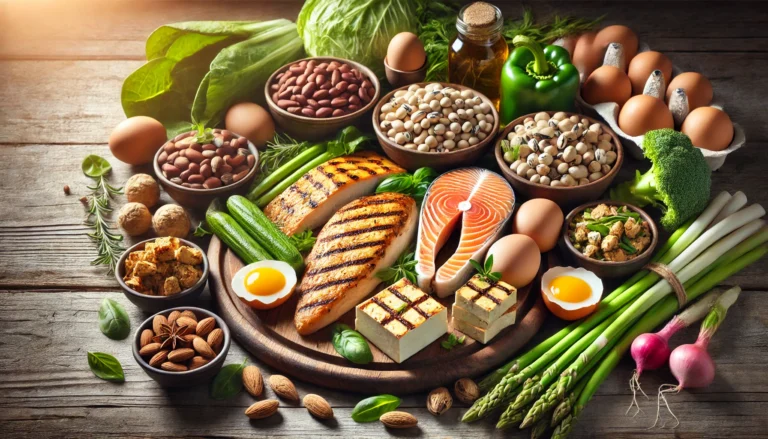
Plant-based protein sources for athletic recovery featuring quinoa, chickpeas, tofu, and mixed nuts with vibrant vegetables on a rustic table

Egg White Protein: A Highly Bioavailable Alternative

Egg white protein stands out as a high-quality, lactose-free alternative to whey and casein protein powders. Derived from the albumen of eggs, this protein source is rich in essential amino acids and boasts a high biological value, indicating its superior digestibility and utilization by the body.

One of the key advantages of egg white protein is its moderate digestion rate, striking a balance between the rapid absorption of whey protein and the slow-release properties of casein. This characteristic makes it an excellent option for sustaining amino acid delivery throughout the day, aiding in continuous muscle recovery.

Frequently Asked Questions (FAQ) on Protein for Lean Muscle Growth

1. How does protein powder impact muscle growth beyond basic nutrition? Protein powder plays a critical role in muscle growth by not only providing essential amino acids but also influencing hormone levels that support an anabolic environment. High-quality protein powder for muscle growth helps elevate insulin-like growth factor 1 (IGF-1), a key hormone involved in muscle regeneration. Additionally, certain protein sources, such as whey and casein, contain bioactive peptides that may help reduce muscle inflammation and speed up recovery. Psychological factors also come into play—consistent protein intake helps reinforce discipline in dietary habits, contributing to long-term muscle development. By using a well-formulated muscle building powder, individuals can optimize recovery, maintain muscle protein balance, and enhance strength training results.

2. What are the long-term benefits of consistently using protein powder for muscle building? While short-term gains in muscle mass are often emphasized, the long-term advantages of using protein powder for muscle building extend far beyond visible physique changes. Sustained protein intake supports muscle retention, particularly as individuals age, helping to prevent sarcopenia, the gradual loss of muscle mass over time. Additionally, consistent use of the best protein drinks to build muscle has been linked to improved metabolic health, better blood sugar control, and enhanced bone density. Muscle tissue requires more energy to maintain than fat, meaning a higher muscle mass percentage contributes to a more efficient metabolism. By making protein supplementation a lifelong habit, individuals can maintain strength, agility, and overall health well into their later years.

3. Can protein powder alone help build muscle without resistance training? While consuming protein powder to gain muscle mass provides essential nutrients for muscle repair and growth, resistance training remains the primary driver of muscle hypertrophy. Without the stimulus of weightlifting or bodyweight exercises, excess protein may simply be used for energy or stored as fat. However, protein supplementation can still support muscle preservation during periods of inactivity, such as recovery from injury. Strategic protein intake, particularly from top protein for lean muscle, helps mitigate muscle breakdown and ensures the body remains in a positive nitrogen balance. To maximize muscle growth, protein powder should always be paired with a structured strength training program.

4. How does protein timing influence muscle growth and recovery? The timing of protein intake plays a crucial role in optimizing muscle recovery and growth. Research indicates that consuming a muscle building powder within 30 to 60 minutes post-workout enhances muscle protein synthesis and reduces muscle breakdown. However, evenly distributing protein intake throughout the day is equally important, as muscles benefit from a continuous supply of amino acids. The “anabolic window” is a widely debated concept, but recent findings suggest that total daily protein intake is more critical than timing alone. That said, drinking the best protein drinks to build muscle post-exercise ensures a quick influx of nutrients, supporting immediate recovery.

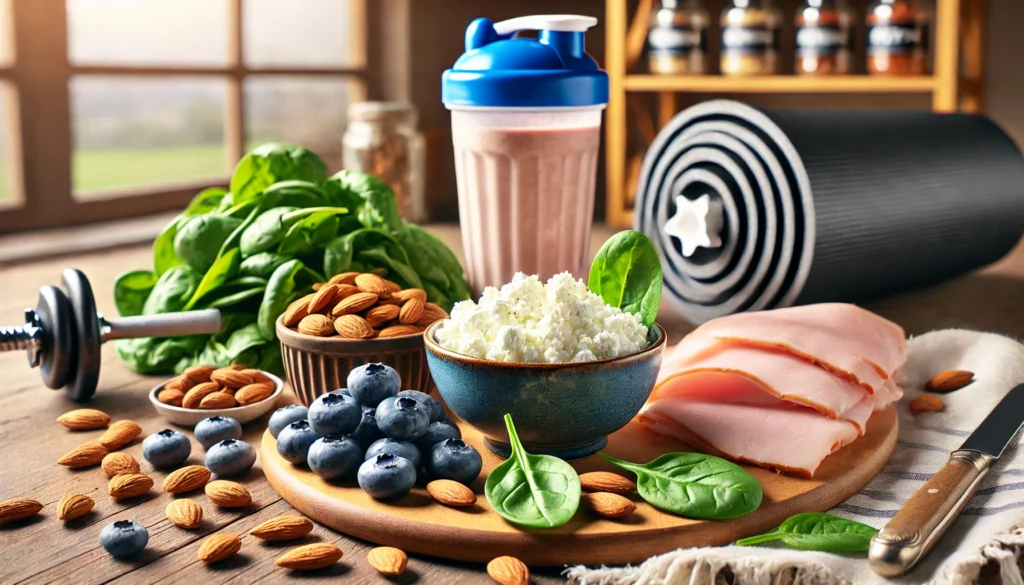
Protein-rich dairy products ideal for muscle recovery displayed with Greek yogurt, cottage cheese, nuts, and fresh berries on a wooden board

5. What is the difference between whey, casein, and plant-based protein for muscle growth? Whey protein is a fast-digesting protein rich in branched-chain amino acids (BCAAs), making it highly effective for post-workout recovery. Casein protein, on the other hand, is slow-digesting, making it ideal for nighttime muscle nourishment. Plant-based proteins, such as pea and soy protein, offer a sustainable and allergen-friendly alternative, often requiring blending to achieve a complete amino acid profile. Each type of protein powder for muscle building has unique benefits depending on individual goals and dietary preferences. Choosing the right protein depends on factors like digestion rate, lactose tolerance, and ethical considerations.

6. How do protein powders compare to whole food protein sources? Whole food proteins, such as chicken, fish, eggs, and legumes, provide additional nutrients like vitamins, minerals, and healthy fats that support overall health. Protein powders, however, offer convenience, rapid absorption, and precise macronutrient control. While whole foods should form the foundation of any muscle-building diet, protein powder to gain muscle mass can be a practical addition when whole food sources are unavailable or inconvenient. Additionally, for individuals struggling with appetite or digestion, protein shakes offer an easily digestible alternative to solid foods. A balanced approach that combines both whole foods and the best protein drinks to build muscle ensures optimal muscle growth and recovery.

7. Can excessive protein intake lead to health risks? Moderate to high protein intake is generally safe for healthy individuals, but excessive protein consumption beyond what the body requires may lead to digestive discomfort, kidney strain, and dehydration. The body can only utilize a certain amount of protein at a time for muscle repair and growth; excessive amounts are either converted to energy or stored as fat. Those with pre-existing kidney conditions should monitor protein intake closely, as excessive consumption may exacerbate kidney function issues. Staying hydrated is crucial when increasing protein intake, as protein metabolism requires additional water for processing. Using protein powder for muscle growth responsibly ensures benefits without unnecessary strain on the body.

8. How do different protein sources impact digestion and gut health? Protein digestibility varies widely depending on the source, with whey and egg white protein generally being well-tolerated. Plant-based proteins, such as pea and soy, contain fiber and anti-nutrients that can sometimes cause bloating in sensitive individuals. Casein protein, due to its slow digestion rate, may also cause mild discomfort for those with lactose intolerance. Individuals with digestive issues may benefit from hydrolyzed protein powders, which are pre-digested for easier absorption. Selecting the top protein for lean muscle should include considerations of digestibility, ensuring efficient nutrient utilization without gastrointestinal distress.

9. Are there specific protein powders better suited for endurance athletes versus strength athletes? Endurance athletes have slightly different protein needs compared to strength-focused individuals. While strength athletes benefit from fast-absorbing protein powder for muscle building, endurance athletes often require a combination of protein and carbohydrates for sustained energy. Casein protein is beneficial for endurance athletes due to its slow-release properties, providing a steady stream of amino acids throughout prolonged activities. Plant-based proteins also offer anti-inflammatory benefits, which may aid in quicker recovery after endurance events. Understanding the unique protein requirements based on activity type ensures optimal performance and recovery.

10. How is the protein supplement industry evolving with new innovations? The protein supplement industry is rapidly evolving with innovations such as fermented plant proteins, collagen-based formulas, and precision amino acid blends. Advances in food technology have also led to the development of highly digestible, allergen-free protein powders that cater to a broader range of consumers. Sustainable protein sources, such as cricket protein and algae protein, are emerging as eco-friendly alternatives to traditional whey and soy. Additionally, research into personalized nutrition is paving the way for customized protein formulas based on individual metabolic needs. As science progresses, the future of protein supplementation will likely offer more targeted, efficient solutions for muscle growth and athletic recovery.

Protein-packed seafood options for lean muscle including grilled shrimp, seared tuna, and smoked salmon with leafy greens and lemon slices

Conclusion

Selecting the best protein powder for muscle building requires an understanding of individual fitness goals, dietary preferences, and training intensity. While whey protein remains the gold standard for post-workout recovery, casein provides prolonged muscle nourishment, plant-based proteins cater to diverse dietary needs, and egg white protein offers a highly digestible alternative. Incorporating the right protein sources at optimal times enhances muscle repair, strength development, and overall athletic performance. By strategically utilizing different protein types, athletes and fitness enthusiasts can optimize their muscle-building potential and accelerate recovery. The journey to lean muscle growth is supported by science-backed protein supplementation, ensuring that each training session is met with the necessary nutrients to build and maintain a strong, resilient physique.

protein powder, muscle building, lean muscle growth, best protein drinks, protein powder for muscle growth, whey protein, casein protein, plant-based protein, egg white protein, protein for recovery, muscle recovery supplements, athletic performance, strength training nutrition, fitness supplements, top protein for lean muscle, sports nutrition, muscle regeneration, protein timing, high-quality protein, workout recovery.

Further Reading:

The 10 Best Muscle Recovery Foods and Drinks

10 Best Supplements For Muscle Recovery

The Best Foods for Muscle Recovery

Disclaimer

The information contained in this article is provided for general informational purposes only and is not intended to serve as medical, legal, or professional advice. While NewsHealthWatch strives to present accurate, up-to-date, and reliable content, no warranty or guarantee, expressed or implied, is made regarding the completeness, accuracy, or adequacy of the information provided. Readers are strongly advised to seek the guidance of a qualified healthcare provider or other relevant professionals before acting on any information contained in this article. NewsHealthWatch, its authors, editors, and contributors expressly disclaim any liability for any damages, losses, or consequences arising directly or indirectly from the use, interpretation, or reliance on any information presented herein. The views and opinions expressed in this article are those of the author(s) and do not necessarily reflect the official policies or positions of NewsHealthWatch.

The Best Diet for Muscle Growth and Fat Loss: Optimize Your Nutrition for Peak Athletic Performance

Introduction: The Science Behind a Dual-Purpose Diet

Achieving peak athletic performance requires a finely tuned balance between muscle growth and fat loss. The ability to simultaneously build muscle while shedding excess fat is a goal for many athletes and fitness enthusiasts alike. However, without the right dietary approach, achieving this balance can be challenging. The best diet for muscle growth and fat loss hinges on nutrient timing, macronutrient balance, and a strategic approach to caloric intake. Understanding how to manipulate your diet to build muscle and lose fat is essential for optimizing athletic performance, accelerating recovery, and enhancing overall body composition.

You may also like: Best Recovery Foods: What to Eat for Muscle Recovery and Repair After Intense Training

Many people struggle with conflicting dietary advice, particularly when it comes to eating to gain muscle and lose fat. Some diets focus exclusively on fat loss, often neglecting the nutritional needs of muscle development, while others emphasize muscle gain but inadvertently promote fat accumulation. To truly succeed in a fat loss muscle gain diet, it is critical to find the optimal nutritional strategy that supports both goals without compromising performance.

This comprehensive guide will explore the most effective strategies for structuring a diet to build muscle and burn fat. From understanding the role of protein and essential nutrients to mastering meal timing and caloric balance, we will delve into the intricacies of a proper diet to lose weight and gain muscle. Additionally, we will uncover the best foods for losing weight and building muscle and provide practical insights to help you achieve your fitness goals efficiently and sustainably.

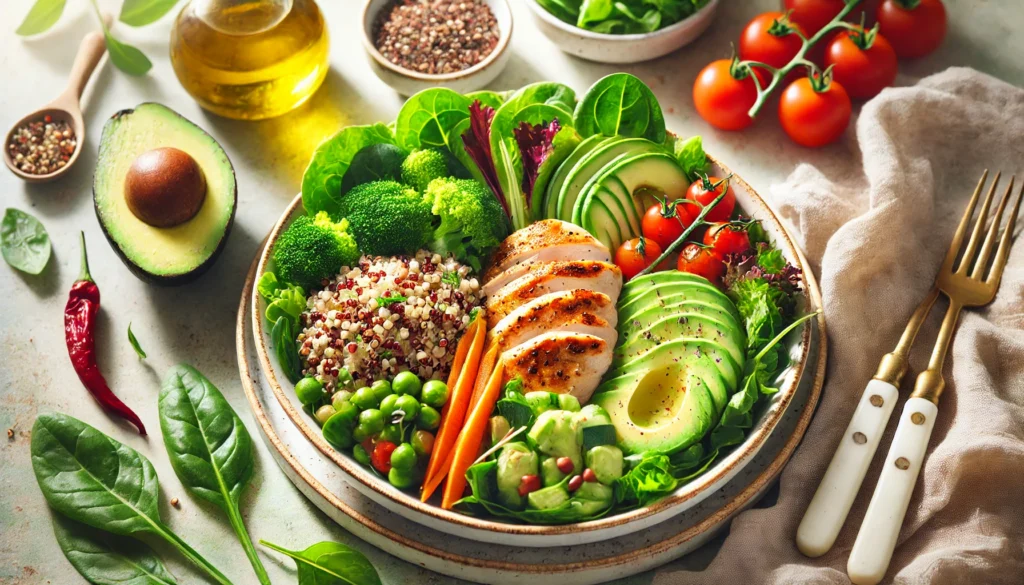
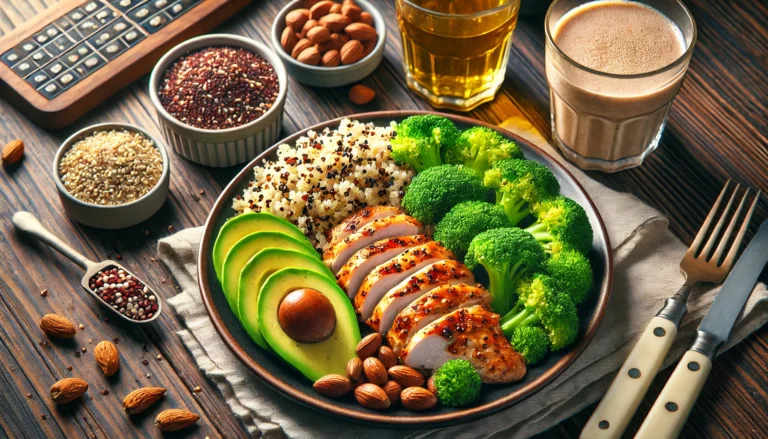
 "A vibrant and nutritious meal featuring quinoa, grilled chicken, avocado slices, mixed greens, and colorful vegetables, emphasizing a balanced diet for building muscle and burning fat."

Understanding Macronutrients: The Foundation of Muscle Growth and Fat Loss

The success of any diet for muscle growth and fat loss hinges on macronutrient distribution. Protein, carbohydrates, and fats each play a crucial role in fueling performance, supporting recovery, and promoting body recomposition. A well-structured diet to build muscle and lose fat ensures that these macronutrients are consumed in optimal proportions to meet energy demands without excess fat accumulation.

Protein: The Building Block of Muscle

Protein is the most critical macronutrient for muscle development, providing the essential amino acids necessary for protein synthesis. A proper diet to lose weight and gain muscle must include adequate protein intake to prevent muscle catabolism and support lean mass retention. Research suggests that consuming between 1.6 to 2.2 grams of protein per kilogram of body weight is ideal for athletes seeking muscle growth while minimizing fat gain. High-quality protein sources such as lean meats, fish, eggs, dairy, and plant-based proteins should form the cornerstone of any best diet for gaining muscle and losing weight.

Carbohydrates: Fuel for Performance and Recovery

Carbohydrates play a vital role in muscle recovery and performance by replenishing glycogen stores and providing readily available energy. Despite the negative perception surrounding carbohydrates in some diet trends, they are indispensable in a diet for muscle growth and fat loss. Complex carbohydrates such as whole grains, legumes, fruits, and vegetables provide sustained energy and prevent muscle breakdown. Strategic carbohydrate intake, particularly around workouts, enhances endurance, supports muscle recovery, and optimizes training output.

Healthy Fats: Supporting Hormonal Balance and Recovery

Dietary fats are essential for hormone production, cell membrane integrity, and overall health. A good diet for losing weight and gaining muscle must include healthy fat sources such as avocados, nuts, seeds, and fatty fish. These fats support testosterone production, which plays a significant role in muscle growth and recovery. While it is important to regulate fat intake to maintain a caloric deficit when necessary, eliminating healthy fats altogether can be detrimental to long-term progress.

Nutrient Timing: Maximizing Anabolic Windows

One of the most overlooked aspects of a lean and muscular diet is nutrient timing. Eating to gain muscle and lose fat requires careful planning of meal timing to optimize anabolic and metabolic responses. Consuming protein and carbohydrates before and after workouts enhances muscle protein synthesis, improves glycogen replenishment, and accelerates recovery.

Pre-Workout Nutrition: Enhancing Performance

A meal rich in protein and complex carbohydrates consumed 60-90 minutes before training provides the necessary fuel for intense workouts. Consuming what to eat to build muscle and lose fat before training can significantly impact performance, preventing muscle catabolism and promoting sustained energy levels.

Post-Workout Nutrition: Optimizing Recovery

The post-workout period is crucial for muscle repair and glycogen restoration. Consuming a combination of fast-digesting protein and carbohydrates within 30-60 minutes after exercise maximizes muscle protein synthesis and enhances recovery. Protein shakes, lean meats, rice, and fruits are excellent options to replenish muscle glycogen and accelerate repair.

The Role of Micronutrients in Muscle Growth and Fat Loss

While macronutrients take center stage in a best diet to gain muscle mass and lose fat, micronutrients play an equally important role in optimizing performance. Vitamins and minerals such as vitamin D, magnesium, zinc, and omega-3 fatty acids support muscle function, immune health, and recovery. A well-balanced diet should include a variety of colorful fruits and vegetables to ensure sufficient intake of these vital nutrients.

Hydration: A Key Component of Performance Enhancement

Proper hydration is often overlooked in discussions about the best diet for muscle growth and fat loss, yet it is fundamental to athletic performance. Water supports nutrient transport, regulates body temperature, and facilitates muscle contractions. Dehydration can impair strength, endurance, and recovery. Athletes should aim for consistent hydration throughout the day, with an emphasis on replenishing fluids lost during exercise.

Meal Planning Strategies for a Diet to Get Fit and Lean

Structuring meals effectively ensures consistency in achieving a good diet for building muscle and burning fat. Meal prepping and strategic grocery shopping can prevent reliance on processed foods and make it easier to adhere to nutritional goals. Incorporating high-protein meals, fiber-rich carbohydrates, and healthy fats into daily meals creates a sustainable approach to long-term muscle growth and fat loss.

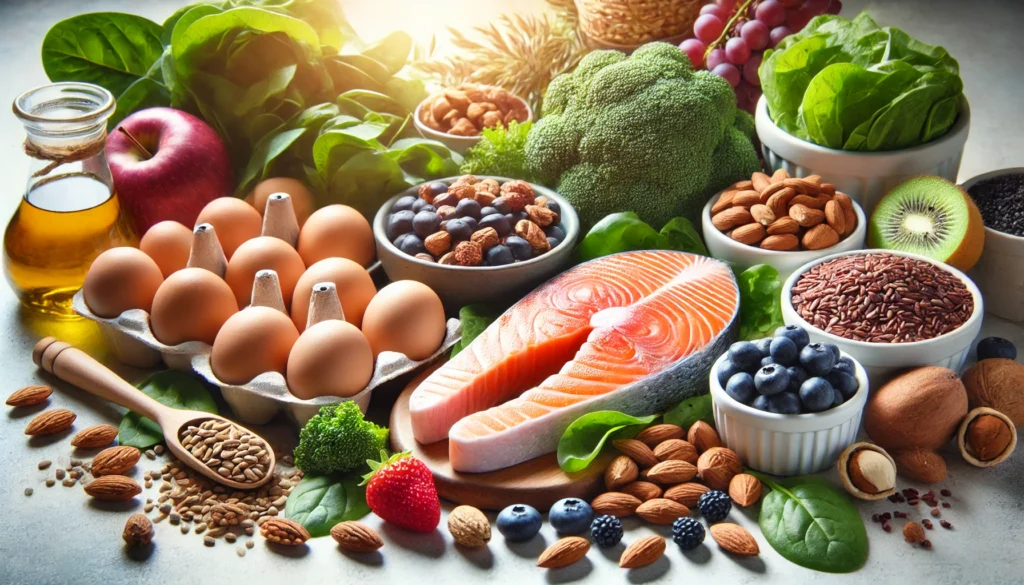
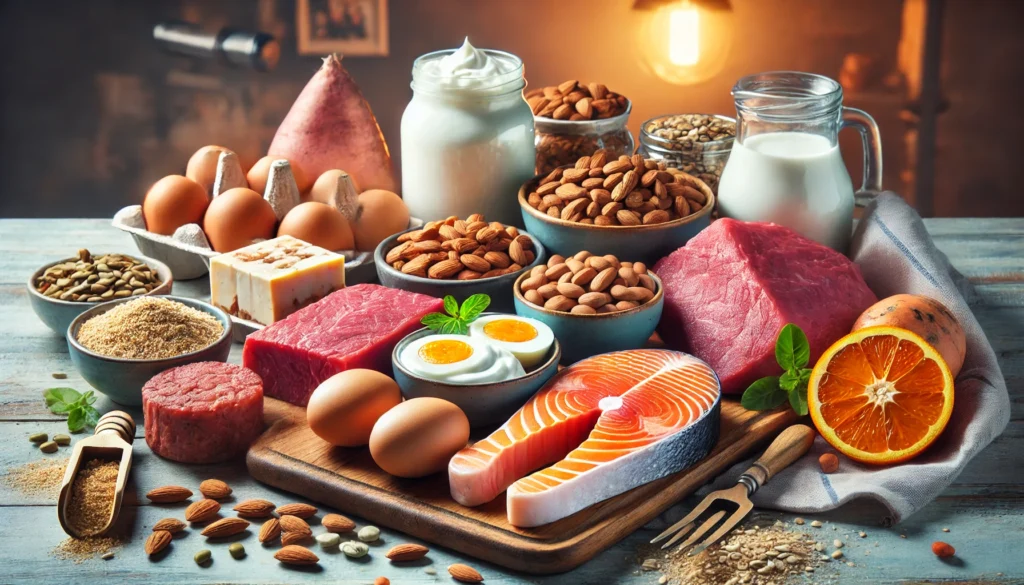
"An assortment of whole foods for muscle growth and fat loss, including fresh salmon, eggs, nuts, leafy greens, berries, sweet potatoes, and brown rice, displayed in a clean, well-lit setting."

Frequently Asked Questions (FAQ) on Diet for Muscle Growth and Fat Loss

1. What are the biggest mistakes people make when following a diet to build muscle and lose fat?

One of the most common mistakes is underestimating the importance of proper nutrient timing. Many individuals either overeat in an attempt to bulk up or drastically cut calories, which can hinder muscle retention. A well-balanced diet to build muscle and burn fat requires precision in macronutrient intake, ensuring protein synthesis while promoting fat loss. Another frequent error is not consuming enough high-quality protein, which is essential for muscle recovery and growth. Additionally, improper hydration and neglecting micronutrient intake can lead to performance decline and hinder long-term progress.

2. What role does metabolism play in a diet for muscle growth and fat loss?

Metabolism determines how efficiently the body converts food into energy and affects the rate of fat loss and muscle gain. Individuals with a faster metabolism may require a higher caloric intake to sustain muscle growth, while those with a slower metabolism must carefully manage caloric deficits to prevent muscle loss. Engaging in resistance training and high-intensity workouts can enhance metabolic rate, making a diet to lose fat and gain muscle more effective. Additionally, consuming thermogenic foods like lean protein and fiber-rich vegetables can support metabolic efficiency. Understanding one’s metabolic rate allows for a more tailored and effective dietary approach.

3. What are the best foods for losing weight and building muscle?

The best foods for losing weight and gaining muscle are those that provide high protein, essential fats, and complex carbohydrates. Lean meats such as chicken, turkey, and fish are excellent protein sources that support muscle repair while keeping calorie intake in check. Plant-based proteins like lentils and quinoa can also contribute to a well-balanced diet for muscle growth and fat loss. Healthy fats from avocados, nuts, and olive oil play a crucial role in hormone regulation and recovery. Additionally, fiber-rich vegetables and whole grains offer sustained energy and help control appetite, ensuring a proper diet to lose weight and gain muscle.

4. How can nutrient timing enhance a fat loss muscle gain diet?

Nutrient timing is essential for optimizing muscle protein synthesis and energy utilization. Consuming protein-rich meals before and after workouts provides the body with essential amino acids to promote muscle growth. A well-structured diet to get fit and lean involves distributing protein intake evenly throughout the day to maintain an anabolic state. Eating carbohydrates post-workout helps replenish glycogen stores and prevents muscle breakdown. Additionally, consuming healthy fats in the evening can aid in muscle recovery and improve hormone balance, making a diet for muscle growth and fat loss more effective.

5. Is it possible to follow a good diet to lose weight and gain muscle without supplements?

Yes, a well-balanced diet to build muscle and lose fat can be achieved without relying on supplements. Whole foods provide essential nutrients necessary for muscle repair, fat oxidation, and performance enhancement. Consuming a variety of lean proteins, complex carbohydrates, and healthy fats ensures optimal macronutrient intake. While supplements like whey protein and branched-chain amino acids can provide convenience, they are not essential for progress. Instead, focusing on high-quality meals with nutrient-dense ingredients will support long-term success in achieving a lean and muscular diet.

6. How does stress impact a diet to build muscle and burn fat?

Stress significantly affects the body’s ability to build muscle and lose fat. Elevated cortisol levels, caused by chronic stress, can lead to muscle breakdown and increased fat storage. Managing stress through proper sleep, mindfulness techniques, and regular physical activity supports a more effective fat loss muscle gain diet. Additionally, stress can trigger cravings for high-calorie, processed foods, which can derail dietary progress. Implementing stress-reducing strategies alongside a structured nutrition plan ensures that the best diet for muscle growth and fat loss remains effective and sustainable.

7. Can intermittent fasting be an effective strategy for a diet to lose fat and gain muscle?

Intermittent fasting can be beneficial if structured correctly within a best diet for gaining muscle and losing weight. By cycling between periods of eating and fasting, the body becomes more efficient at utilizing stored fat while preserving muscle tissue. However, meal timing and nutrient quality are critical factors in ensuring that fasting does not lead to muscle loss. Consuming high-protein meals during eating windows supports muscle retention, while carbohydrate intake should be strategically planned around workouts. When done correctly, intermittent fasting can complement a diet for muscle growth and fat loss without compromising performance.

8. How does sleep influence the effectiveness of a diet to build muscle and lose fat?

Sleep plays a crucial role in muscle recovery, hormone regulation, and metabolic function. Poor sleep quality can lead to increased cortisol levels, reduced muscle protein synthesis, and impaired fat loss. A diet to build muscle and burn fat must be supported by adequate rest to optimize recovery and performance. Consuming foods rich in magnesium and tryptophan, such as almonds and turkey, can promote better sleep quality. Establishing a consistent sleep schedule and minimizing electronic exposure before bedtime further enhances the benefits of a fat loss muscle gain diet.

9. What are the best strategies to maintain muscle while losing fat?

To maintain muscle while losing fat, it is essential to ensure a sufficient protein intake and engage in resistance training. A best diet to gain muscle mass and lose fat should include high-protein meals distributed evenly throughout the day. Strength training prevents muscle breakdown and signals the body to prioritize fat loss over muscle catabolism. Additionally, maintaining a slight caloric deficit rather than an extreme one ensures that the body has enough energy to support muscle maintenance. Implementing refeed days with increased carbohydrate intake can further enhance muscle retention while adhering to a diet for muscle growth and fat loss.

10. How long does it take to see results from a diet for muscle growth and fat loss?

The timeline for seeing results varies based on factors such as training intensity, dietary adherence, and individual metabolic rate. Most individuals notice changes within four to six weeks of consistently following a good diet for building muscle and burning fat. However, sustainable results require long-term commitment, as drastic short-term changes are often difficult to maintain. Tracking progress through body measurements, strength levels, and energy levels provides a better assessment than focusing solely on scale weight. By staying consistent with a best diet to lose weight and gain muscle, individuals can achieve lasting body recomposition and improved athletic performance.

Conclusion: Achieving Long-Term Success in Body Recomposition

Success in achieving a lean and muscular diet requires more than just tracking calories—it demands a strategic approach that aligns with training demands, metabolic responses, and personal preferences. The best diet for muscle growth and fat loss is one that is sustainable, nutrient-dense, and tailored to individual needs. By prioritizing high-quality macronutrients, optimizing nutrient timing, and maintaining a balanced approach to hydration and micronutrient intake, athletes and fitness enthusiasts can maximize their potential and achieve peak performance.

Further Reading:

Sporting performance and food

8 of the Best Diet Plans and Programs for Athletes

Eating for peak athletic performance

SEO Tags:

muscle building nutrition, diet for lean muscle, fitness meal plan, high-protein diet, athletic recovery, workout nutrition, fat loss diet, muscle gain meal plan, performance diet, gym nutrition, sports nutrition, best foods for muscle growth, weight loss diet, strength training diet, fitness diet plan, athlete meal prep, muscle recovery nutrition, protein intake for athletes, workout meal plan, how to eat for muscle gain

The information contained in this article is provided for general informational purposes only and is not intended to serve as medical, legal, or professional advice. While NewsHealthWatch strives to present accurate, up-to-date, and reliable content, no warranty or guarantee, expressed or implied, is made regarding the completeness, accuracy, or adequacy of the information provided. Readers are strongly advised to seek the guidance of a qualified healthcare provider or other relevant professionals before acting on any information contained in this article. NewsHealthWatch, its authors, editors, and contributors expressly disclaim any liability for any damages, losses, or consequences arising directly or indirectly from the use, interpretation, or reliance on any information presented herein. The views and opinions expressed in this article are those of the author(s) and do not necessarily reflect the official policies or positions of NewsHealthWatch.

What to Eat to Gain Weight and Muscle: Essential Nutrition for Athletic Recovery & Regeneration

Understanding the Foundations of Muscle Gain and Weight Gain

Gaining weight and building muscle are processes that require a strategic approach to nutrition, training, and recovery. For athletes and fitness enthusiasts seeking to enhance their performance, understanding the role of macronutrients and micronutrients is critical. The primary objective of a diet for putting on weight and muscle is to provide the body with the necessary nutrients that support muscle hypertrophy while ensuring optimal energy levels for performance and recovery. A well-structured diet does not merely focus on calorie surplus but also emphasizes nutrient timing, food quality, and the balance of macronutrients to optimize muscle protein synthesis and overall body composition.

You may also like: Best Recovery Foods: What to Eat for Muscle Recovery and Repair After Intense Training

The Importance of Caloric Surplus for Muscle Growth

To gain weight and muscle effectively, consuming more calories than the body burns is essential. This concept, known as a caloric surplus, provides the necessary energy to support muscle protein synthesis and repair. However, not all calories contribute equally to muscle growth. Nutrient-dense foods rich in proteins, healthy fats, and complex carbohydrates are essential for maximizing lean mass gain while minimizing excessive fat accumulation. An optimal diet for putting on weight and muscle prioritizes whole, unprocessed foods that supply essential vitamins and minerals to enhance recovery and support metabolic functions.

 A variety of protein-rich foods for muscle building, including salmon, eggs, lean beef, Greek yogurt, and tofu, displayed on a wooden cutting board. Surrounding them are complex carbohydrates like sweet potatoes and whole grains, along with nuts and seeds for added nutrition.

Protein: The Building Block of Muscle Growth

Protein is the most crucial macronutrient for muscle building. It provides the essential amino acids required for repairing and growing muscle tissues after strenuous workouts. Athletes aiming to gain muscle should consume a diet high in protein from diverse sources such as lean meats, poultry, fish, eggs, dairy products, and plant-based proteins like legumes, tofu, and quinoa. Studies indicate that consuming around 1.6 to 2.2 grams of protein per kilogram of body weight daily can significantly enhance muscle protein synthesis. Furthermore, distributing protein intake evenly across meals throughout the day can optimize amino acid availability and promote continuous muscle repair and growth.

Carbohydrates: Fueling Performance and Recovery

Carbohydrates serve as the body’s primary energy source, making them essential for athletes looking to improve their performance and recovery. Complex carbohydrates, such as whole grains, vegetables, fruits, and legumes, provide a steady release of energy, preventing muscle breakdown and replenishing glycogen stores post-exercise. Simple carbohydrates, such as those found in fruits and honey, can be beneficial when consumed immediately before or after a workout to provide quick energy and enhance muscle recovery. The appropriate balance of carbohydrates in a diet for putting on weight and muscle ensures that the body has sufficient fuel for high-intensity training and effective recovery.

Healthy Fats: Supporting Hormonal Balance and Recovery

Dietary fats play a significant role in muscle growth by supporting hormone production, including testosterone and growth hormone, which are crucial for muscle development. Healthy fats derived from sources such as avocados, nuts, seeds, olive oil, and fatty fish contribute to overall caloric intake while providing anti-inflammatory benefits that aid in recovery. Omega-3 fatty acids, in particular, have been shown to reduce muscle soreness and enhance muscle protein synthesis. Incorporating healthy fats into meals helps athletes meet their caloric needs without excessive reliance on carbohydrates or protein alone.

Nutrient Timing: Maximizing Muscle Growth and Recovery

Beyond macronutrient composition, the timing of nutrient intake plays a crucial role in muscle gain and recovery. Consuming a balanced meal rich in protein and carbohydrates within 30 to 60 minutes after exercise can significantly enhance muscle protein synthesis and glycogen replenishment. Pre-workout meals that include a combination of protein and carbohydrates can optimize performance and prevent muscle catabolism. Additionally, spreading meals throughout the day, rather than relying on large infrequent meals, ensures a steady supply of nutrients to support continuous muscle growth and repair.

The Role of Hydration in Athletic Recovery and Performance

Hydration is often overlooked in muscle-building nutrition but is essential for optimizing performance and recovery. Water plays a critical role in transporting nutrients, regulating body temperature, and facilitating metabolic processes. Dehydration can impair muscle function, reduce exercise performance, and increase the risk of muscle cramps and injuries. Athletes should aim to consume adequate fluids throughout the day, with increased intake around workouts to compensate for sweat losses. Electrolyte-rich beverages, such as coconut water or homemade electrolyte solutions, can help maintain hydration levels and support muscle contractions.

Supplements to Enhance Muscle Gain and Recovery

While a well-balanced diet should be the foundation of any muscle-building program, certain supplements can aid in muscle growth and recovery. Whey and casein protein powders provide convenient and high-quality protein sources, particularly useful for individuals struggling to meet their daily protein requirements through whole foods. Creatine monohydrate is one of the most researched supplements known to improve strength, power output, and muscle recovery. Branched-chain amino acids (BCAAs) and essential amino acids (EAAs) can further enhance muscle protein synthesis and reduce muscle breakdown during intense training sessions. However, supplements should complement, rather than replace, a nutritious diet.

Addressing Common Challenges in Weight and Muscle Gain

Many individuals attempting to gain weight and muscle face challenges such as a fast metabolism, lack of appetite, or difficulty consuming sufficient calories. Strategies to overcome these obstacles include consuming energy-dense foods such as nuts, nut butters, dried fruits, and whole milk products. Additionally, incorporating liquid calories in the form of smoothies and shakes can make it easier to meet daily caloric goals. Cooking with healthy fats, such as olive oil or coconut oil, can also increase caloric density without requiring excessive food volume.

Meal Planning for Sustainable Muscle Growth

Creating a structured meal plan tailored to individual caloric and macronutrient needs is vital for consistent muscle growth. A well-designed meal plan should include a variety of nutrient-dense foods, ensuring a balance of proteins, carbohydrates, and fats. Preparing meals in advance can help athletes stay on track with their nutritional goals and avoid reliance on processed or fast foods. Experimenting with different recipes and food combinations can also enhance dietary adherence and enjoyment, making it easier to sustain a diet that supports weight gain and muscle development over the long term.

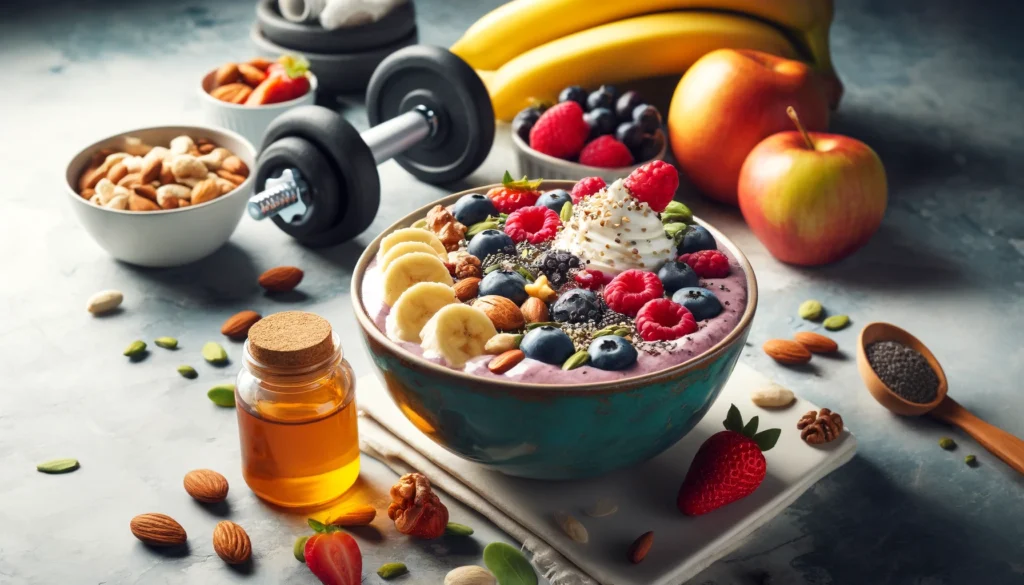
A nutrient-dense smoothie bowl designed for muscle recovery, filled with Greek yogurt, bananas, berries, and protein powder, topped with nuts, seeds, and honey. The setting includes fresh fruits, a dumbbell, and a shaker bottle, reinforcing a fitness-focused diet.

Frequently Asked Questions (FAQ) on What to Eat to Gain Weight and Muscle

1. How does metabolism affect a diet for putting on weight and muscle?

Metabolism plays a crucial role in how efficiently the body utilizes nutrients for muscle growth and weight gain. Those with a faster metabolism may struggle to consume enough calories to sustain a surplus, making it necessary to incorporate more calorie-dense foods such as nuts, avocado, and whole dairy products. While metabolism is partly determined by genetics, it can also be influenced by activity levels, muscle mass, and even meal timing. Adjusting meal frequency and ensuring that each meal is balanced with protein, healthy fats, and complex carbohydrates can help regulate metabolic efficiency. Additionally, strength training can further enhance metabolism by increasing lean muscle mass, which naturally burns more calories at rest.

2. What role does sleep play in a diet for putting on weight and muscle?

Sleep is a fundamental component of muscle recovery and weight gain, yet it is often overlooked. During deep sleep, the body undergoes critical repair processes, releasing growth hormone to aid in muscle tissue repair and development. A lack of sufficient sleep can lead to increased cortisol levels, a stress hormone that can break down muscle tissue and inhibit weight gain. Additionally, poor sleep can negatively impact appetite regulation, making it harder to consume enough calories to sustain a diet for putting on weight and muscle. Prioritizing consistent, high-quality sleep can significantly enhance muscle-building efforts and ensure that dietary strategies are fully optimized.

3. What are the best strategies for maintaining a high-calorie intake without feeling overly full?

One of the biggest challenges in a diet for putting on weight and muscle is consuming enough calories without feeling uncomfortably full. One effective strategy is to incorporate more liquid calories, such as smoothies, protein shakes, or milk-based beverages, which provide high energy without excessive volume. Another approach is to focus on energy-dense foods such as nut butters, dried fruits, cheese, and fatty fish, which deliver more calories per gram compared to lower-calorie options. Eating smaller, more frequent meals throughout the day can also make it easier to sustain a high-calorie intake. Additionally, incorporating healthy fats like olive oil and coconut oil into meals can help boost caloric intake without excessive food bulk.

4. How important is meal timing for muscle growth and recovery?

Meal timing can have a significant impact on muscle growth and recovery, particularly for individuals following a structured training regimen. Consuming protein-rich meals before and after workouts can optimize muscle protein synthesis and enhance muscle repair. Pre-workout meals that include a balance of protein and carbohydrates provide the necessary energy for intense exercise sessions, while post-workout meals aid in replenishing glycogen stores and preventing muscle breakdown. Additionally, spreading protein intake evenly throughout the day rather than consuming it all in one meal can enhance absorption and muscle-building efficiency. For individuals focused on optimizing a diet for putting on weight and muscle, strategic nutrient timing can be a valuable tool.

5. How can psychological factors influence weight gain and muscle growth?

Psychological factors, such as stress and mindset, can play a crucial role in achieving weight and muscle gain goals. High stress levels can elevate cortisol production, which may lead to muscle breakdown and reduced appetite, making it more challenging to sustain a caloric surplus. Additionally, motivation and consistency are key to maintaining a structured eating and training routine. Developing a positive mindset and setting realistic, measurable goals can help reinforce healthy eating patterns and effective training habits. Incorporating mindfulness techniques, such as meditation or journaling, can also help manage stress and improve adherence to a diet for putting on weight and muscle.

6. Can eating too much protein be counterproductive in a diet for putting on weight and muscle?

While protein is essential for muscle growth, excessive consumption does not necessarily lead to greater muscle gains. The body has a limit to how much protein it can utilize for muscle protein synthesis, and any excess is typically converted into energy or stored as fat. Consuming an appropriate amount of protein, based on body weight and activity levels, is more beneficial than overloading on protein at the expense of other macronutrients. A well-balanced diet that includes adequate carbohydrates and healthy fats is equally important for supporting muscle growth. Maintaining variety in protein sources also ensures a broader intake of essential nutrients that contribute to overall health.

7. What are the best fruits for muscle gain, and how do they support recovery?

Fruits play a vital role in muscle recovery due to their rich supply of vitamins, minerals, and natural sugars. The best fruits for muscle gain include bananas, which provide potassium to support muscle function and hydration, and berries, which are packed with antioxidants to reduce muscle inflammation. Pineapple contains bromelain, an enzyme that aids digestion and helps reduce post-workout muscle soreness. Watermelon is another excellent option due to its citrulline content, which enhances blood flow and muscle recovery. Including a variety of the best fruits for muscle gain in a balanced diet can help optimize overall nutrient intake and improve recovery times.

8. How do hormonal imbalances affect muscle growth and weight gain?

Hormonal imbalances, particularly in testosterone, growth hormone, and insulin, can significantly impact the body’s ability to build muscle and gain weight. Low testosterone levels can lead to reduced protein synthesis, making it harder to develop lean muscle mass. Similarly, insulin resistance can impair nutrient uptake by muscle cells, leading to inefficient glycogen storage and recovery. Ensuring a diet rich in healthy fats, complex carbohydrates, and sufficient protein can support hormonal balance and optimize muscle-building potential. Additionally, lifestyle factors such as sleep quality, stress management, and strength training all play a role in maintaining optimal hormone levels for muscle growth.

9. What are common mistakes people make when following a diet for putting on weight and muscle?

One of the most common mistakes individuals make is relying too heavily on processed or high-sugar foods to increase calorie intake, which can lead to excessive fat gain rather than muscle development. Another frequent error is neglecting proper hydration, which can impede nutrient absorption and muscle function. Some individuals also focus too much on protein intake while neglecting the importance of carbohydrates and fats in supporting energy levels and recovery. Additionally, inconsistent eating habits and skipping meals can make it difficult to maintain a caloric surplus, ultimately hindering progress. To successfully gain weight and muscle, it is essential to adopt a well-rounded approach that includes nutrient-dense foods, consistent meal timing, and strategic hydration.

10. What are some emerging trends in nutrition for muscle gain and recovery?

Recent advancements in sports nutrition have introduced new strategies for optimizing muscle gain and recovery. One emerging trend is the use of plant-based protein sources, such as pea and rice protein, which are now being recognized as effective alternatives to traditional animal-based proteins. Another growing area of interest is personalized nutrition, where genetic testing and metabolic assessments help tailor diet plans to individual needs. Nutrient timing and biohacking strategies, such as intermittent fasting with targeted refeeding, are also gaining popularity among athletes. Additionally, functional foods, including turmeric and adaptogenic herbs, are being explored for their potential in reducing inflammation and enhancing muscle recovery. As research continues to evolve, athletes and fitness enthusiasts can benefit from incorporating these innovative approaches into their diet for putting on weight and muscle.

A composition of essential post-workout recovery foods, including cottage cheese, almonds, spinach, blueberries, and lean turkey. The background features a protein shake, gym gear, and a well-lit kitchen counter, representing a healthy and active lifestyle.

Conclusion: Achieving Sustainable Muscle Gain Through Strategic Nutrition

Building muscle and gaining weight require a strategic approach to nutrition, ensuring adequate caloric intake, macronutrient balance, and nutrient timing. By prioritizing high-quality protein sources, complex carbohydrates, and healthy fats, athletes can optimize muscle growth, enhance recovery, and improve overall performance. Hydration and supplementation further contribute to an effective muscle-building regimen, supporting metabolic processes and reducing recovery time. Addressing common challenges, such as high metabolism or low appetite, through energy-dense foods and structured meal planning ensures long-term success. With the right dietary strategies, individuals can achieve sustainable muscle gain and enhance their athletic potential effectively.

Further Reading:

The 10 Best Muscle Recovery Foods and Drinks

12 Best Foods for Muscle Recovery

Nutrition and Muscle Recovery

The information contained in this article is provided for general informational purposes only and is not intended to serve as medical, legal, or professional advice. While NewsHealthWatch strives to present accurate, up-to-date, and reliable content, no warranty or guarantee, expressed or implied, is made regarding the completeness, accuracy, or adequacy of the information provided. Readers are strongly advised to seek the guidance of a qualified healthcare provider or other relevant professionals before acting on any information contained in this article. NewsHealthWatch, its authors, editors, and contributors expressly disclaim any liability for any damages, losses, or consequences arising directly or indirectly from the use, interpretation, or reliance on any information presented herein. The views and opinions expressed in this article are those of the author(s) and do not necessarily reflect the official policies or positions of NewsHealthWatch.


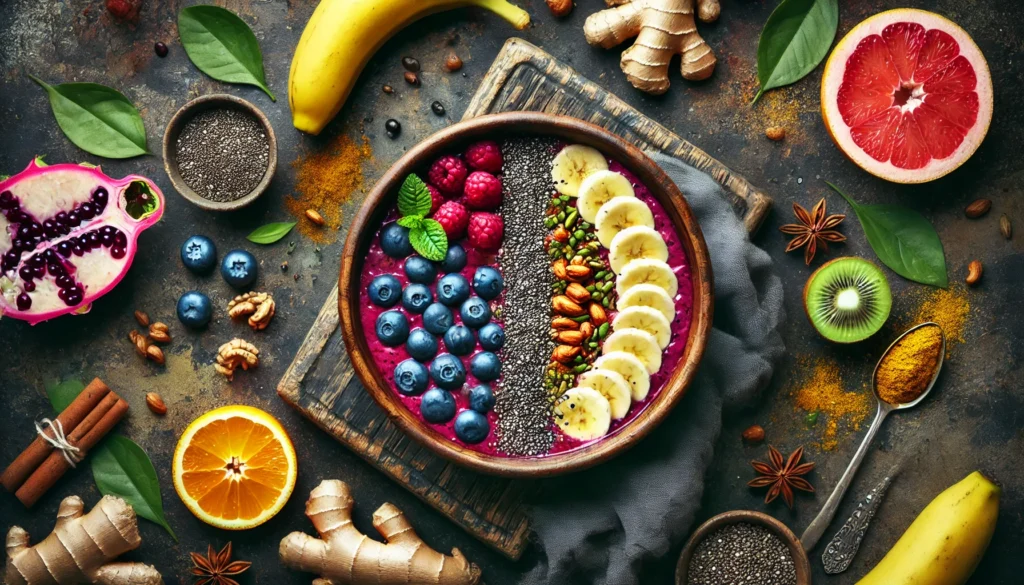
Boost Your Performance: The Best Protein Powder for Muscle Gain and Faster Athletic Recovery

Athletic performance is a pursuit that demands more than just dedication and training. The right nutrition, particularly high-quality protein intake, plays a crucial role in muscle growth, recovery, and overall strength. Among the vast array of supplements available, protein powders have emerged as essential tools for athletes and fitness enthusiasts striving to enhance their performance. Choosing the best protein powder for muscle gain can make a significant difference in how quickly and effectively the body recovers from intense workouts. With so many options available, understanding what makes a protein powder ideal for athletic recovery and regeneration is essential.

You may also like: Best Recovery Foods: What to Eat for Muscle Recovery and Repair After Intense Training

The Role of Protein in Muscle Growth and Recovery

Protein is the fundamental building block of muscle tissue. During resistance training and other forms of exercise, muscle fibers undergo stress and micro-tears, which require proper repair and regeneration to grow stronger. Consuming sufficient protein, particularly from high-quality sources, ensures that the body has the necessary amino acids to facilitate this repair process. The best protein powders to build muscle provide essential amino acids, including branched-chain amino acids (BCAAs), which are particularly beneficial for muscle recovery and growth.

Additionally, protein consumption enhances muscle protein synthesis (MPS), the process responsible for repairing and building muscle tissue. Research indicates that consuming protein immediately after exercise maximizes MPS, leading to optimal muscle gain and strength improvement. The timing, quantity, and quality of protein intake all contribute to the effectiveness of athletic recovery, making protein powder for muscle gain an indispensable part of any athlete’s diet.

"A close-up of a protein shake in a blender bottle, surrounded by bananas, almonds, and oats, with a blurred gym background representing nutrition and muscle recovery."

Choosing the Best Protein Powder for Muscle Gain

Selecting the right protein supplement requires an understanding of various protein sources and their benefits. Whey protein, casein, and plant-based proteins each offer unique advantages, depending on an individual’s dietary preferences and fitness goals. The best protein supplement for muscle gain typically contains high-quality protein with a complete amino acid profile and minimal additives.

Whey protein remains one of the top choices for muscle growth due to its rapid absorption and high BCAA content. Studies show that whey protein for muscle gain is particularly effective post-workout, as it quickly delivers amino acids to muscles for repair and recovery. Casein, on the other hand, digests more slowly, making it a suitable option for sustained protein release, such as before bedtime. For those following a plant-based diet, protein powders derived from peas, brown rice, and hemp provide viable alternatives that support lean muscle development.

Understanding the Different Types of Protein Powders

Not all protein powders are created equal. The best whey protein powder for building muscle varies in processing methods, protein content, and additional ingredients. Whey protein isolate, for example, contains higher protein concentrations with minimal lactose, making it an excellent choice for individuals with lactose sensitivities. Conversely, whey protein concentrate retains more beneficial bioactive compounds and is often more affordable. Hydrolyzed whey protein undergoes additional processing to enhance digestibility, making it the fastest-absorbing form.

For those looking to gain lean muscle mass without excessive calories, protein powders with low carbohydrate and fat content are ideal. The best protein powder for lean muscle focuses on providing high protein content with minimal additives. Additionally, natural muscle supplements such as collagen peptides or egg white protein can contribute to muscle maintenance and overall performance enhancement.

The Science Behind Muscle Mass Supplements and Bodybuilding

Bodybuilders and strength athletes often seek muscle mass supplements for bodybuilding to enhance their physique and performance. These supplements typically include a combination of protein, creatine, and amino acids that work synergistically to promote muscle growth. The best bodybuilding pills may contain ingredients such as BCAAs, beta-alanine, and nitric oxide boosters to improve endurance, strength, and recovery.

For those aiming to build lean muscle while minimizing fat gain, the best supplements for lean muscle mass include high-quality protein powders, omega-3 fatty acids, and multivitamins to support overall health. Understanding what supplements bodybuilders take can help individuals tailor their nutrition to meet specific goals, whether for bulking, cutting, or maintenance phases.

Best Protein Powder for Muscle Gain for Beginners

Beginners entering the world of fitness and supplementation often wonder, what is the best protein powder to gain muscle mass? The answer depends on individual fitness levels, dietary preferences, and goals. For those new to supplementation, starting with a high-quality whey protein or plant-based alternative ensures adequate protein intake without unnecessary additives. The best protein powder for muscle gain for beginners should be easy to digest, contain a complete amino acid profile, and support muscle recovery effectively.

Additionally, incorporating whole-food sources of protein alongside supplementation maximizes muscle-building potential. Natural protein sources such as chicken, fish, eggs, and dairy complement protein powders, ensuring a well-rounded diet that promotes optimal strength and performance.

Optimizing Performance with the Best Supplements for Strength

Strength athletes and powerlifters require a strategic approach to supplementation. The best supplements for strength include protein powders, creatine monohydrate, and essential amino acids to support energy production and muscle contraction. Research supports creatine as one of the most effective muscle-building supplements, enhancing power output and improving recovery time.

Furthermore, the best whey protein for muscle growth combined with resistance training leads to significant strength gains. Protein supplementation ensures that the body has a constant supply of amino acids, reducing muscle breakdown and accelerating recovery. Athletes who focus on progressive overload and proper nutrition experience greater improvements in strength and endurance.

"A male athlete performing battle ropes exercises outdoors at sunset, with a protein shake on a bench beside him, highlighting energy, endurance, and athletic recovery."

Frequently Asked Questions (FAQ) About Protein Powders and Athletic Recovery

1. What makes the best protein powder for muscle gain different from regular protein supplements?

The best protein powder for muscle gain is specifically formulated to support muscle recovery, enhance protein synthesis, and fuel muscle growth after intense workouts. Unlike regular protein supplements, these powders often contain a higher concentration of branched-chain amino acids (BCAAs) and essential nutrients that promote hypertrophy. Many of these protein powders also include additional recovery-supporting ingredients such as creatine, glutamine, and digestive enzymes to improve absorption. When selecting the best protein to build muscle, it’s important to consider factors like protein source, absorption rate, and any added performance-enhancing ingredients. This ensures that athletes and bodybuilders receive optimal benefits tailored to their specific training goals.

2. How does protein powder for muscle gain compare to whole-food protein sources?

While whole-food proteins like lean meats, eggs, and dairy are excellent sources of essential amino acids, protein powders provide a convenient and efficient way to meet daily protein requirements. The best protein powders to build muscle offer rapid absorption, making them ideal for post-workout recovery when muscles need immediate nourishment. Additionally, protein powders can be easier on digestion for individuals who struggle to consume large amounts of food. However, incorporating both whole foods and supplements into a balanced diet is key to sustaining long-term muscle growth and overall health. Athletes often use protein powder for muscle gain as a complement to their regular diet rather than a replacement for whole-food proteins.

3. What is the best protein shake for muscle growth, and how should it be consumed?

The best protein shake for muscle growth combines high-quality protein powder with nutrient-dense ingredients such as fruits, healthy fats, and complex carbohydrates. To maximize muscle gain, consuming a protein shake within 30 minutes post-workout can significantly enhance muscle recovery and protein synthesis. Many athletes opt for the best whey protein for muscle gain due to its fast digestion and high BCAA content. Additionally, blending whey protein with sources of healthy fats like almond butter or chia seeds can provide sustained energy and optimize nutrient absorption. Whether using protein shakes as a meal replacement or post-workout fuel, it’s important to maintain a balanced intake of macronutrients to support overall performance.

4. What is the best protein powder for muscle gain for beginners, and how should they start using it?

For beginners, selecting the best protein powder for muscle gain should focus on digestibility, quality, and effectiveness. Whey protein isolate is often recommended due to its high protein content and minimal lactose, making it suitable for those with digestive sensitivities. The best protein powder for muscle gain for beginners should also be free of unnecessary additives and artificial sweeteners that may cause discomfort. Starting with a moderate serving size and gradually increasing intake based on individual protein needs can help prevent digestive issues. Additionally, beginners should combine protein supplementation with a well-structured training program and a nutrient-rich diet for optimal results.

5. What are the top protein sources for muscle growth, and how do they compare?

The top protein for muscle growth includes whey, casein, soy, pea, and egg white protein, each offering unique benefits. Whey protein is fast-digesting and rich in BCAAs, making it ideal for post-workout recovery. Casein protein, on the other hand, digests slowly, providing a sustained release of amino acids that help prevent muscle breakdown overnight. Plant-based options such as pea and soy protein are excellent choices for those following a vegan diet, offering a complete amino acid profile when combined. Egg white protein serves as another high-quality option with a bioavailability similar to whey. Understanding the strengths of each protein source allows athletes to strategically use them based on their dietary preferences and training requirements.

6. How do muscle mass supplements for bodybuilding enhance performance?

Muscle mass supplements for bodybuilding go beyond protein powders to include a range of performance-enhancing nutrients such as creatine, beta-alanine, and nitric oxide boosters. These supplements work together to improve endurance, strength, and recovery while promoting lean muscle growth. For example, creatine enhances ATP production, allowing athletes to lift heavier weights and sustain higher-intensity training. Meanwhile, beta-alanine helps buffer lactic acid buildup, reducing muscle fatigue during prolonged workouts. The best bodybuilding pills and powders combine these scientifically backed ingredients to support a comprehensive approach to muscle development and athletic performance.

7. What is the best whey protein powder for building muscle, and how does it compare to plant-based alternatives?

The best whey protein powder for building muscle is typically whey protein isolate or hydrolyzed whey due to their superior absorption and protein content. These formulations undergo additional processing to remove excess fats and lactose, ensuring a higher purity level. Compared to plant-based alternatives, whey protein generally offers a more complete amino acid profile, including higher levels of leucine, a key trigger for muscle protein synthesis. However, plant-based proteins such as pea, rice, and hemp can be effective alternatives when combined to achieve a complete amino acid spectrum. Athletes with dietary restrictions or lactose intolerance may find plant-based protein powders to be a viable solution for muscle gain and recovery.

8. What are the best supplements for strength, and how should they be incorporated into a training program?

The best supplements for strength include a combination of protein powder, creatine, and essential amino acids, all of which support muscle recovery and power output. Strength-focused athletes often prioritize whey protein for its fast-digesting properties and high leucine content. Creatine monohydrate, a well-researched supplement, enhances muscular energy production, leading to improved performance during explosive movements. Additionally, beta-alanine and nitric oxide boosters can aid endurance and increase blood flow to working muscles. To maximize results, strength athletes should integrate these supplements strategically around workouts while maintaining a well-balanced diet rich in whole foods.

9. What natural muscle building pills are effective, and how do they support athletic performance?

Natural muscle building pills focus on harnessing the power of organic and plant-based ingredients to enhance muscle growth without synthetic additives. Common ingredients in these supplements include ashwagandha, which helps reduce cortisol levels and optimize recovery, and fenugreek extract, which has been shown to improve testosterone levels and muscle strength. Additionally, essential amino acids from whole-food sources provide muscle repair benefits comparable to synthetic alternatives. Many athletes choose natural muscle supplements to avoid unnecessary fillers and artificial substances found in conventional bodybuilding products. By incorporating these supplements alongside a nutrient-dense diet, athletes can achieve sustainable muscle growth and improved athletic performance.

10. What is a good protein shake for muscle gain, and how can it be customized for different fitness goals?

A good protein shake for muscle gain should include a high-quality protein source, healthy fats, and complex carbohydrates to support overall muscle recovery and energy replenishment. Athletes aiming to gain mass may benefit from blending whey or plant-based protein with oats, bananas, and nut butters for added calories. Those focusing on lean muscle development may prefer a lower-calorie shake with unsweetened almond milk, spinach, and berries. Customizing shakes based on training goals and dietary preferences ensures optimal nutrient intake. By consistently consuming protein shakes alongside a well-rounded diet, individuals can effectively support their fitness objectives and muscle-building efforts.

"A futuristic fitness lab with a muscular athlete being analyzed by advanced recovery technology, featuring a holographic muscle growth display and a protein shake on a high-tech table."

Conclusion: Finding the Best Protein Powder for Your Goals

Choosing the best protein powder for men muscle gain or for any athlete looking to enhance performance requires careful consideration of individual needs. Whether focusing on muscle recovery, lean muscle development, or overall strength, selecting a high-quality protein supplement ensures that the body receives the necessary nutrients for optimal performance. By understanding the benefits of different protein sources, incorporating natural muscle supplements, and maintaining a balanced diet, athletes can maximize their training efforts and achieve their fitness goals effectively.

Further Reading:

Proteins

Wellness Range

Improve your sports performance with whey protein.

The information contained in this article is provided for general informational purposes only and is not intended to serve as medical, legal, or professional advice. While NewsHealthWatch strives to present accurate, up-to-date, and reliable content, no warranty or guarantee, expressed or implied, is made regarding the completeness, accuracy, or adequacy of the information provided. Readers are strongly advised to seek the guidance of a qualified healthcare provider or other relevant professionals before acting on any information contained in this article. NewsHealthWatch, its authors, editors, and contributors expressly disclaim any liability for any damages, losses, or consequences arising directly or indirectly from the use, interpretation, or reliance on any information presented herein. The views and opinions expressed in this article are those of the author(s) and do not necessarily reflect the official policies or positions of NewsHealthWatch.


Boost Recovery and Performance: How Protein Powder Flavors Impact Athletic Regeneration

The Role of Protein in Athletic Recovery

Athletes and fitness enthusiasts constantly seek ways to improve their recovery and performance, making protein an essential component of their nutrition. Protein supports muscle repair, reduces soreness, and enhances overall physical performance. However, the effectiveness of protein supplementation extends beyond mere consumption; the experience of drinking protein supps, particularly those with appealing protein powder flavors, plays a critical role in consistency and adherence.

You may also like: Maximize Your Recovery: The Best Post Workout Supplement for Muscle Growth and Regeneration

Protein functions as the building block for muscles, aiding in the repair of muscle fibers damaged during strenuous workouts. The amino acids present in protein mixes facilitate faster recovery by stimulating muscle protein synthesis (MPS), which is essential for growth and repair. When paired with other nutrients, such as carbohydrates, protein helps replenish glycogen stores, preventing fatigue and ensuring sustained energy levels for subsequent training sessions. While the scientific benefits of protein consumption are well-documented, the psychological and sensory aspects of flavored whey protein powder cannot be ignored.

The Psychology of Flavor in Protein Consumption

The flavor of a protein shake mix influences an athlete’s perception of its effectiveness, satisfaction, and long-term adherence to supplementation. Studies suggest that flavor preferences impact an individual’s motivation to consume certain foods, with enjoyable flavors leading to better compliance in nutritional regimens. A well-formulated protein shake mix not only provides the necessary nutrients but also delivers a pleasurable sensory experience that encourages repeated use.

Taste and palatability are particularly crucial for post-workout consumption, where the body craves nutrients for recovery. If an athlete finds a protein supplement unpalatable, they are less likely to consume it consistently, diminishing its potential benefits. Flavored whey protein powder, available in options ranging from chocolate and vanilla to exotic fruit blends, enhances the overall experience and ensures regular intake. Additionally, specific flavors have been linked to psychological associations—chocolate, for instance, may evoke comfort and relaxation, while citrus flavors can refresh and rejuvenate.

The Science Behind Protein Powder Flavors and Performance

Flavored protein supps undergo extensive formulation to balance taste, nutrition, and absorption efficiency. The development of protein powder flavors involves careful selection of natural and artificial ingredients to create a pleasant yet functional product. Sweeteners, cocoa, vanilla extracts, and fruit-based compounds are commonly used to enhance taste while maintaining nutritional integrity.

Research indicates that different flavors can influence digestive responses and nutrient absorption. For instance, vanilla and caramel flavors tend to have a soothing effect, potentially aiding digestion and reducing bloating. Meanwhile, berry and citrus-based protein mixes may contain additional antioxidants, supporting immune function and reducing oxidative stress, which is crucial for recovery after intense physical exertion.

How Flavor Variety Enhances Adherence and Performance

Athletes who engage in long-term training programs often experience taste fatigue if they consume the same flavor repeatedly. Offering variety in protein powder flavors prevents monotony and sustains enthusiasm for supplementation. Many brands address this issue by providing sampler packs or multipacks, allowing users to rotate flavors based on their mood or specific recovery needs.

The ability to alternate between chocolate, vanilla, strawberry, or exotic flavors like salted caramel or matcha keeps protein shake mix consumption enjoyable. This diversity also allows individuals to experiment with different recipe combinations, such as blending flavored whey protein powder with fruits, nut butters, or coffee, making the experience both functional and pleasurable.

The Role of Protein Powder in Post-Workout Recovery

Beyond taste, the timing and composition of protein consumption significantly impact recovery outcomes. Consuming a high-quality protein shake mix within 30 to 60 minutes post-exercise optimally supports muscle repair and glycogen replenishment. This period, often referred to as the “anabolic window,” represents the body’s heightened ability to absorb nutrients effectively.

Protein mixes enriched with branched-chain amino acids (BCAAs) further enhance recovery by reducing muscle soreness and preventing excessive breakdown. When combined with a well-balanced diet, flavored whey protein powder ensures that athletes meet their daily protein requirements while enjoying their supplementation routine.

Chocolate protein powder scoop with dark chocolate chunks and cocoa powder, with an athlete lifting weights in the background, highlighting strength and enhanced performance

Choosing the Right Protein Powder Flavor for Your Goals

Selecting an appropriate protein flavor depends on individual preferences, dietary restrictions, and fitness goals. For instance, those looking for a classic and versatile option may opt for vanilla or chocolate, which can be mixed with various ingredients. On the other hand, fruit-based flavors like mango or mixed berries are refreshing choices for athletes who prefer a lighter, more hydrating shake post-workout.

Additionally, some flavors cater to specific dietary needs. Dairy-sensitive individuals may benefit from plant-based protein mixes, which often feature flavors derived from natural sources such as cocoa, coconut, or almonds. For those prioritizing weight management, flavors with added fiber or thermogenic ingredients, such as cinnamon or green tea extract, may enhance satiety and metabolism.

Frequently Asked Questions (FAQ) on Protein Powder Flavors and Athletic Recovery

1. How do protein powder flavors influence an athlete’s recovery process?
The flavor of a protein shake mix plays a significant role in encouraging consistent consumption, which is crucial for effective muscle recovery. When athletes enjoy the taste of their protein supps, they are more likely to incorporate them into their daily routine, ensuring they meet their nutritional needs. Flavored whey protein powder can also stimulate digestive enzymes and enhance nutrient absorption, making post-workout recovery more efficient. Additionally, flavors like chocolate and vanilla have been linked to mood-boosting effects, helping to reduce stress and promote relaxation after intense training. By choosing appealing protein powder flavors, athletes can create a positive association with their recovery regimen, leading to long-term adherence and improved performance.

2. Can flavored whey protein powder impact digestion and gut health?
Yes, the ingredients used to enhance protein powder flavors can affect digestion and gut health, either positively or negatively. Natural flavoring agents such as cocoa, vanilla, and fruit extracts are generally well-tolerated and may even contain antioxidants that support gut function. However, some artificial sweeteners and flavor enhancers found in certain protein mixes can cause bloating or discomfort in individuals with sensitive digestive systems. Choosing a protein shake mix with minimal artificial additives and opting for naturally flavored whey protein powder can help maintain digestive balance. Additionally, some protein supps now include digestive enzymes or probiotics to further support gut health while ensuring optimal nutrient absorption.

3. What are the psychological effects of consuming different protein powder flavors?
The psychological impact of protein powder flavors extends beyond mere taste preference, influencing motivation and recovery mindset. Sweet flavors, such as chocolate or caramel, can provide a sense of indulgence, making post-workout recovery feel rewarding rather than routine. On the other hand, citrus-based or berry protein mixes often feel refreshing and revitalizing, which can psychologically reinforce a sense of energy and rejuvenation. Research suggests that taste perception can even influence performance expectations, where an athlete consuming a familiar and enjoyable protein shake mix may subconsciously feel more prepared for their next workout. By choosing flavors that align with personal preferences, athletes can create a more enjoyable and mentally rewarding supplementation habit.

4. How can athletes avoid flavor fatigue when using protein supps regularly?
Flavor fatigue is a common issue for athletes who consume protein mixes frequently, leading to reduced consistency in supplementation. One effective strategy is to alternate between different protein powder flavors, ensuring variety and keeping the experience enjoyable. Many brands now offer sample packs or seasonal flavors, allowing users to experiment with new options without committing to a large container. Blending a flavored whey protein powder with different ingredients, such as fruit, nut butters, or coffee, can also create unique and customizable shakes. By maintaining a diverse selection of protein shake mix options, athletes can sustain their interest and prevent boredom, ultimately improving their long-term nutritional adherence.

5. Are there specific protein powder flavors that enhance performance more than others?
While the fundamental nutritional value of a protein shake mix remains the most critical factor, certain flavors can offer additional performance benefits. For example, chocolate-flavored whey protein powder often contains cocoa, which provides antioxidants that help combat exercise-induced oxidative stress. Vanilla and cinnamon flavors have been associated with anti-inflammatory properties, aiding in muscle recovery and joint health. Citrus or berry-flavored protein mixes may contain natural vitamin C, which supports immune function and reduces post-exercise inflammation. By selecting flavors that not only taste good but also offer supplementary health benefits, athletes can optimize their recovery and overall well-being.

Vanilla protein powder scoop with vanilla pods and blooming flowers, with a runner sprinting in the background, representing energy, stamina, and rapid recovery

6. How does the sweetness level of protein supps affect their effectiveness?
The sweetness level of a protein shake mix can impact both its palatability and how the body processes it. Overly sweetened protein mixes, particularly those containing artificial sweeteners, can lead to cravings for more sugar-rich foods, potentially undermining an athlete’s dietary goals. Conversely, naturally flavored whey protein powder with moderate sweetness can enhance satisfaction without causing fluctuations in blood sugar levels. Some athletes prefer unsweetened or lightly sweetened options to mix with whole foods, such as fruit or yogurt, for a more balanced nutritional profile. Finding the right balance in sweetness ensures that protein supps remain enjoyable without compromising metabolic stability.

7. Can protein powder flavors affect hydration and thirst perception?
Yes, the taste profile of a protein shake mix can influence an athlete’s hydration levels and overall fluid intake. Certain flavors, such as tropical fruit or citrus, tend to feel more hydrating and refreshing, prompting individuals to drink more fluids throughout the day. Creamier flavors, like chocolate or peanut butter, may have a thicker texture, which some people associate with a less hydrating experience. Choosing a lighter-flavored whey protein powder can be beneficial for those who need to stay hydrated, especially after intense training. Additionally, mixing protein supps with extra water or coconut water instead of milk can enhance hydration without diluting the flavor too much.

8. How do different protein mixes interact with meal planning and overall diet?
The selection of protein powder flavors should align with an athlete’s overall dietary strategy to complement their meals effectively. For instance, a neutral-flavored whey protein powder works well in savory recipes, such as protein-rich oatmeal or whole-grain pancakes, while sweeter protein supps enhance smoothies and desserts. Those following a low-carb or ketogenic diet may prefer chocolate or vanilla flavors mixed with high-fat ingredients like almond butter or coconut cream. By considering how different protein mixes fit within their broader meal plan, athletes can maximize both nutrition and enjoyment in their daily diet.

9. Are natural or artificial flavors better in protein shake mix formulations?
The choice between natural and artificial flavors in protein mixes depends on an athlete’s preferences, dietary restrictions, and potential sensitivities. Natural flavors, derived from sources such as vanilla beans, cocoa, or fruit extracts, often provide a more authentic taste and may include additional health benefits. However, artificial flavors allow for a broader range of innovative taste profiles and longer shelf life, making them a convenient option for those who prioritize variety. Some flavored whey protein powder products use a combination of both to achieve the best balance of taste, stability, and nutritional value. Athletes should consider their personal health goals and tolerance levels when selecting between natural and artificially flavored options.

10. How will the future of protein powder flavors evolve in the supplement industry?
As consumer preferences shift toward more personalized nutrition, the future of protein supps will likely include customized flavor profiles based on individual taste and dietary needs. Advances in food science may lead to the development of adaptive protein shake mix formulations that change flavors depending on temperature or mixing method. Additionally, demand for functional flavors, such as adaptogenic herbs or superfood-infused protein mixes, is expected to rise, offering both taste and performance-enhancing benefits. Sustainable sourcing of natural flavors and plant-based protein options will also play a more prominent role in shaping the next generation of flavored whey protein powder. As the industry innovates, athletes can look forward to more tailored, nutritious, and enjoyable protein supplementation options.

Tropical protein powder scoop surrounded by mango, pineapple, and coconut slices, with a yoga practitioner balancing in the background, conveying harmony, muscle recovery, and revitalization

The Future of Flavored Protein Supplements

As the fitness industry continues to innovate, protein powder flavors are becoming more sophisticated, catering to evolving consumer demands. Emerging trends include the use of natural sweeteners, functional flavors with added health benefits, and personalized flavor blends tailored to individual taste preferences. The combination of sensory appeal and nutritional efficacy ensures that flavored whey protein powder remains a staple in athletic recovery and performance enhancement.

Ultimately, the strategic selection of protein supps and flavors plays a pivotal role in ensuring consistent intake, optimizing muscle recovery, and maintaining long-term performance goals. Athletes who integrate enjoyable and functional protein shake mix options into their regimen can enhance their overall experience while achieving their desired fitness outcomes.

protein powder benefits, athletic recovery, muscle regeneration, flavored protein supplements, best protein powder, protein shake mix, post-workout nutrition, sports performance, whey protein flavors, protein mixes, protein supps, fitness supplements, muscle recovery drinks, high-quality protein, workout nutrition, protein powder flavors, athletic performance enhancement, gym recovery, best protein shake, sports nutrition

Further Reading:

Effects of Protein Supplementation on Performance and Recovery in Resistance and Endurance Training

Protein-Based Supplementation to Enhance Recovery in Team Sports: What is the Evidence?

3 Key Benefits of Protein for Health and Athletic Performance

Disclaimer

The information contained in this article is provided for general informational purposes only and is not intended to serve as medical, legal, or professional advice. While NewsHealthWatch strives to present accurate, up-to-date, and reliable content, no warranty or guarantee, expressed or implied, is made regarding the completeness, accuracy, or adequacy of the information provided. Readers are strongly advised to seek the guidance of a qualified healthcare provider or other relevant professionals before acting on any information contained in this article. NewsHealthWatch, its authors, editors, and contributors expressly disclaim any liability for any damages, losses, or consequences arising directly or indirectly from the use, interpretation, or reliance on any information presented herein. The views and opinions expressed in this article are those of the author(s) and do not necessarily reflect the official policies or positions of NewsHealthWatch.

Best Greens for Bodybuilding: Nutrient-Packed Vegetables to Enhance Recovery & Muscle Growth

Introduction: The Role of Greens in Muscle Growth and Recovery

When discussing muscle growth and athletic recovery, the conversation often revolves around protein sources, workout regimens, and supplementation. However, the role of vegetables, particularly leafy greens and nutrient-dense plants, in bodybuilding cannot be overlooked. These foods provide essential vitamins, minerals, and phytonutrients that enhance recovery, support muscle protein synthesis, and optimize overall performance. Understanding the physiological mechanisms behind these nutrients can lead to improved muscle function, reduced inflammation, and accelerated recovery times. Incorporating the best vegetables for bodybuilding into one’s diet ensures a holistic approach to fitness that enhances both short-term performance and long-term health.

You may also like: Best Recovery Foods: What to Eat for Muscle Recovery and Repair After Intense Training

While protein intake is fundamental, it is the synergistic effect of macronutrients and micronutrients that ultimately dictates muscle growth efficiency. Micronutrients found in vegetables help regulate hormones, support enzymatic processes, and optimize hydration, all of which are critical for muscle building and recovery. In particular, the best greens for bodybuilding supply an abundance of antioxidants, fiber, and bioavailable minerals that aid in nutrient absorption and metabolic efficiency. As a result, bodybuilders and athletes who prioritize plant-based nutrition alongside their primary macronutrient goals often see enhanced endurance, improved immune function, and greater overall vitality. A deeper exploration of specific greens can reveal their unique benefits in muscle growth, shedding light on how these natural powerhouses can enhance an athlete’s diet.

The Best Vegetables for Bodybuilding: Key Nutrients for Growth

Vegetables provide an array of nutrients that play a direct role in muscle function, endurance, and recovery. Some of the most valuable greens include spinach, kale, broccoli, and watercress, all of which contain vital compounds that promote muscle synthesis and reduce oxidative stress. Each of these vegetables provides unique benefits that collectively contribute to an athlete’s overall muscle-building efforts. By incorporating these greens into daily meals, bodybuilders can achieve a more comprehensive nutrient profile that supports both hypertrophy and metabolic efficiency.

Spinach, for example, is rich in iron, which is essential for oxygen transport and muscle function. Iron deficiency can lead to fatigue and impaired performance, making spinach a critical addition to an athlete’s diet. Additionally, the nitrates in spinach have been shown to enhance muscle strength and endurance by improving blood flow. Kale, another powerhouse vegetable, contains high amounts of vitamin K, which is essential for bone health and joint stability—both crucial factors in maintaining long-term lifting capacity. The anti-inflammatory properties of kale also help reduce muscle soreness, allowing for more frequent and intense training sessions.

Broccoli, often overlooked in the realm of muscle gain, provides a high concentration of sulforaphane, a compound that has been linked to enhanced recovery and reduced muscle damage. Additionally, its high fiber content aids in digestion and gut health, which plays a significant role in nutrient absorption and immune function. Watercress, an underrated green, offers a unique blend of antioxidants and minerals that optimize hydration and reduce oxidative stress, making it one of the best greens for bodybuilding. Each of these vegetables brings unique properties that contribute to overall muscle growth and performance, reinforcing the importance of a balanced diet rich in micronutrients.

A close-up of a green smoothie in a glass jar, surrounded by fresh spinach, kale, and other leafy greens, symbolizing optimal nutrition for bodybuilding and post-workout recovery.

Micronutrients and Their Impact on Muscle Recovery

While macronutrients like protein and carbohydrates often dominate discussions on muscle growth, micronutrients play an equally important role. Vitamins and minerals found in vegetables support enzymatic reactions that regulate energy metabolism, protein synthesis, and muscle repair. Magnesium, for instance, is a critical mineral involved in over 300 biochemical processes, including muscle contraction and relaxation. Leafy greens such as Swiss chard and collard greens are among the best sources of magnesium, making them excellent additions to a bodybuilder’s diet.

Zinc, another essential mineral, plays a role in testosterone production and immune function, both of which are crucial for muscle recovery and strength gains. Brussels sprouts and asparagus contain significant amounts of zinc, supporting hormonal balance and optimal performance. Vitamin C, found abundantly in bell peppers and kale, aids in collagen synthesis, ensuring that connective tissues remain resilient and capable of withstanding the demands of heavy lifting. By consuming these nutrient-dense vegetables, athletes can mitigate the risk of deficiencies that could hinder performance and recovery.

The impact of micronutrients extends beyond direct muscle function. They also play a role in reducing inflammation, regulating oxidative stress, and maintaining metabolic efficiency. For example, the polyphenols found in cruciferous vegetables like broccoli and cauliflower have been shown to combat exercise-induced oxidative stress, preventing muscle fatigue and soreness. A diet rich in these greens not only accelerates recovery but also improves overall endurance, allowing athletes to train harder and more effectively over extended periods.

Optimizing Digestion for Maximum Nutrient Absorption

Absorbing the nutrients from vegetables is just as important as consuming them, as bioavailability dictates how effectively the body can utilize key compounds. Gut health plays a fundamental role in this process, with digestive efficiency determining how well the body extracts vitamins, minerals, and phytonutrients from plant sources. Consuming fermented vegetables, such as sauerkraut and kimchi, introduces beneficial probiotics that enhance gut microbiota, improving digestion and nutrient absorption.

Pairing greens with healthy fats, such as avocado or olive oil, further enhances the bioavailability of fat-soluble vitamins like A, D, E, and K. This ensures that essential compounds are properly absorbed and utilized for muscle repair and recovery. Additionally, lightly steaming certain vegetables, such as spinach and kale, can break down anti-nutrients like oxalates, which can inhibit the absorption of minerals like calcium and iron. Small dietary adjustments such as these can significantly enhance the effectiveness of consuming the best vegetables for bodybuilding.

The timing of vegetable intake can also influence nutrient absorption and performance. Consuming greens alongside post-workout meals ensures that essential vitamins and minerals support the recovery process. Additionally, pre-workout consumption of nitrate-rich vegetables like beet greens and arugula can enhance blood flow and oxygen delivery to muscles, optimizing training output. Understanding these dietary nuances allows bodybuilders to maximize the benefits of their nutrition strategy, ultimately leading to enhanced performance and sustained growth.

A muscular athlete in a modern kitchen, preparing a meal with an abundance of fresh leafy greens like spinach, kale, and Swiss chard, highlighting the role of nutrition in muscle growth.

Frequently Asked Questions (FAQ) on Best Greens for Bodybuilding

1. Why are the best greens for bodybuilding essential for muscle growth?

The best greens for bodybuilding provide essential micronutrients that enhance muscle recovery, regulate hormonal function, and optimize overall metabolic efficiency. Many vegetables contain powerful antioxidants that combat oxidative stress, which is a common byproduct of intense exercise and muscle breakdown. In addition to vitamins and minerals, greens contain plant-based compounds that aid in nitric oxide production, improving blood circulation and oxygen delivery to muscles. Furthermore, consuming a variety of nutrient-dense greens ensures a steady supply of fiber, which supports gut health and maximizes nutrient absorption. Over time, a diet rich in the best vegetables for bodybuilding can contribute to sustained muscle hypertrophy and enhanced recovery between workouts.

2. How do leafy greens impact endurance and strength training?

Leafy greens provide a natural source of nitrates, which help improve cardiovascular efficiency by dilating blood vessels and increasing oxygen flow to muscles. This enhanced circulation plays a significant role in endurance training, allowing athletes to sustain high-intensity efforts for longer durations. The best vegetables for bodybuilding, such as spinach and kale, also contribute to muscle oxygenation, preventing early fatigue and improving recovery. Magnesium-rich greens further support energy production by activating ATP (adenosine triphosphate), the body’s primary energy currency. By integrating greens into a bodybuilding-focused diet, athletes can experience better stamina, reduced cramping, and overall enhanced workout performance.

3. Can the best greens for bodybuilding improve muscle recovery?

Yes, consuming the best greens for bodybuilding can accelerate post-exercise muscle recovery by reducing inflammation and supplying critical nutrients. Vegetables like Swiss chard and arugula contain powerful anti-inflammatory compounds that minimize muscle soreness and repair tissue damage. Additionally, leafy greens support the body’s natural detoxification processes, helping flush out metabolic waste that accumulates after intense training. The alkaline nature of many greens helps balance the body’s pH levels, reducing acidity that can lead to prolonged muscle fatigue. Including nutrient-rich greens in post-workout meals ensures optimal recovery and prepares muscles for future training sessions.

4. What are the best vegetables for bodybuilding that support testosterone production?

Certain cruciferous vegetables, such as broccoli, Brussels sprouts, and kale, contain compounds that support hormonal balance, particularly in testosterone regulation. These vegetables are rich in indole-3-carbinol, a phytochemical that aids in estrogen metabolism, preventing hormonal imbalances that may hinder muscle growth. Furthermore, their high zinc content plays a crucial role in maintaining healthy testosterone levels, which are essential for muscle protein synthesis. The best greens for bodybuilding also provide vitamin K, a key nutrient for bone density and joint health, ensuring longevity in strength training. A diet incorporating these greens supports both anabolic hormone function and overall muscle development.

5. How does gut health affect muscle building, and how do greens contribute?

A well-functioning gut microbiome is essential for efficient nutrient absorption, which directly influences muscle recovery and growth. The best vegetables for bodybuilding contain high amounts of dietary fiber, promoting a healthy gut environment by fostering beneficial bacteria. Fermented greens, such as kimchi and sauerkraut, introduce probiotics that enhance digestion and improve the breakdown of protein and amino acids. This enhanced digestion leads to improved bioavailability of essential nutrients that support muscle development. By prioritizing gut-friendly greens, bodybuilders can optimize nutrient uptake and maximize the benefits of their high-protein diets.

6. Can greens help with hydration and muscle function?

Yes, many of the best greens for bodybuilding are composed largely of water and provide essential electrolytes that maintain proper muscle function. Vegetables like cucumbers, celery, and watercress contain high water content, helping to keep the body hydrated during intense workouts. Additionally, potassium-rich greens, such as spinach and Swiss chard, help regulate muscle contractions and prevent cramping. The magnesium found in many leafy greens supports neuromuscular coordination, ensuring that muscles function efficiently under stress. Staying hydrated through proper nutrition not only prevents muscle fatigue but also enhances overall performance and endurance.

7. How can bodybuilders effectively incorporate greens into their diet?

To maximize the benefits of the best vegetables for bodybuilding, athletes can integrate them into various meals throughout the day. Smoothies provide an easy way to consume nutrient-dense greens without altering meal structure, blending spinach or kale with protein sources for an energy-boosting shake. Cooking greens with healthy fats, such as avocado or olive oil, enhances the absorption of fat-soluble vitamins. Another effective strategy is to include a variety of greens in pre- and post-workout meals, ensuring a steady supply of essential nutrients. Experimenting with different cooking methods, such as steaming or sautéing, can make greens more palatable while preserving their nutrient content.

8. What role do phytonutrients in greens play in bodybuilding?

Phytonutrients, found abundantly in the best greens for bodybuilding, offer powerful health benefits beyond basic nutrition. These plant-based compounds, such as flavonoids and carotenoids, help reduce exercise-induced inflammation and support muscle repair. Some phytonutrients act as natural vasodilators, improving blood circulation and nutrient delivery to working muscles. Additionally, antioxidants found in greens protect muscle cells from oxidative damage, which is common during high-intensity training. Incorporating a variety of phytonutrient-rich greens ensures that bodybuilders receive comprehensive support for both muscle growth and recovery.

9. Are there any overlooked greens that provide unique bodybuilding benefits?

Yes, while spinach and kale are widely recognized as some of the best greens for bodybuilding, several lesser-known greens provide exceptional benefits. For example, dandelion greens are packed with potassium and prebiotic fibers that support gut health and fluid balance. Mustard greens contain high levels of glucosinolates, which have been shown to support detoxification and liver health—critical for athletes managing high protein intake. Moringa leaves are another potent green, offering a complete amino acid profile, making them a valuable plant-based source of muscle-building protein. Incorporating a diverse selection of greens ensures a broader spectrum of nutrients that optimize performance and muscle function.

10. What future trends in bodybuilding nutrition could emphasize greens more?

As research in sports nutrition evolves, the role of plant-based diets and nutrient-dense greens in bodybuilding continues to gain traction. Future trends may focus on optimizing plant-based protein sources derived from greens, making them a more integral part of high-performance nutrition. Advances in supplement formulation could lead to concentrated green extracts designed to enhance recovery and muscle synthesis. Additionally, the growing awareness of sustainability in fitness nutrition may encourage athletes to prioritize organic, locally-sourced greens. As bodybuilding continues to embrace a holistic approach to nutrition, greens are poised to play an even greater role in supporting muscle growth and athletic performance.

A beautifully arranged circular pattern of spinach, kale, watercress, and arugula, with strong lighting emphasizing their textures and colors, symbolizing the power of plant-based nutrition for muscle recovery.

Conclusion: The Power of Greens in a Bodybuilder’s Diet

Incorporating the best greens for bodybuilding into one’s diet is a powerful strategy for enhancing muscle growth, accelerating recovery, and improving overall performance. While protein intake remains essential, the micronutrients, antioxidants, and phytochemicals found in vegetables play an indispensable role in supporting metabolic efficiency and physiological resilience. From spinach and kale to broccoli and watercress, these nutrient-dense greens offer an array of benefits that extend far beyond simple nutrition.

By understanding the synergistic relationship between macronutrients and micronutrients, athletes can refine their dietary approach to optimize muscle development. Strategic food pairings, improved digestion, and well-timed consumption further enhance the benefits of these vegetables, ensuring that the body is equipped with everything it needs for optimal recovery and strength gains. The key to long-term success in bodybuilding lies not only in training and protein intake but also in the comprehensive nutritional strategies that support performance and growth.

Further Reading:

8 Muscle-Building Veggies to Boost Your Strength

20 High-Protein Vegetables to Boost Muscle Mass and Stamina

The Best Foods for Muscle Recovery

The information contained in this article is provided for general informational purposes only and is not intended to serve as medical, legal, or professional advice. While NewsHealthWatch strives to present accurate, up-to-date, and reliable content, no warranty or guarantee, expressed or implied, is made regarding the completeness, accuracy, or adequacy of the information provided. Readers are strongly advised to seek the guidance of a qualified healthcare provider or other relevant professionals before acting on any information contained in this article. NewsHealthWatch, its authors, editors, and contributors expressly disclaim any liability for any damages, losses, or consequences arising directly or indirectly from the use, interpretation, or reliance on any information presented herein. The views and opinions expressed in this article are those of the author(s) and do not necessarily reflect the official policies or positions of NewsHealthWatch.
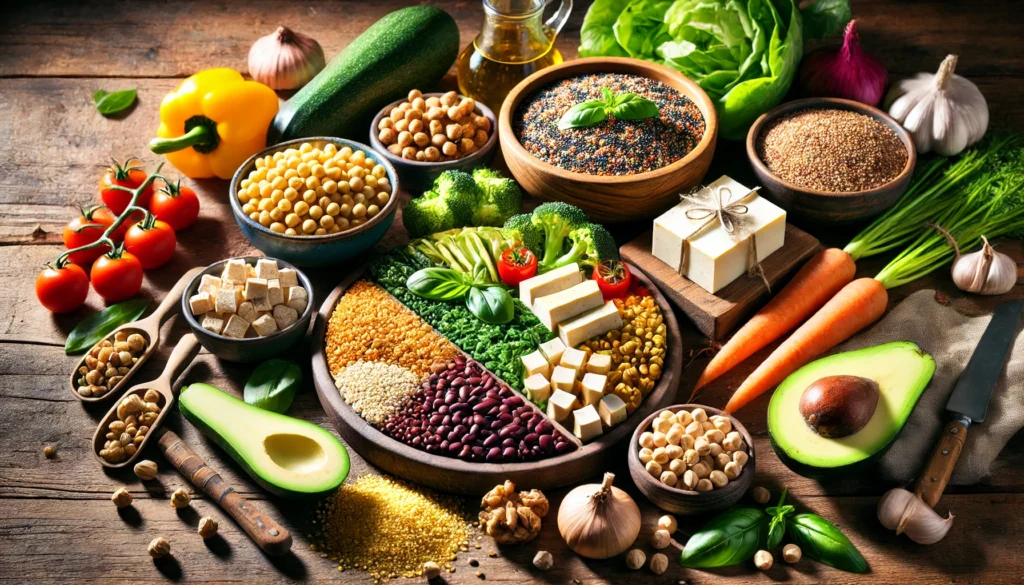
Best Protein for Runners: How to Optimize Recovery and Performance with the Right Supplement

Understanding the Role of Protein in Running Performance

For runners, proper nutrition is just as essential as training. Protein plays a critical role in muscle repair, recovery, and overall performance. Running, whether short or long distances, exerts significant stress on the muscles, and without adequate protein intake, the body may struggle to repair damaged fibers, leading to fatigue and an increased risk of injury. Understanding the best protein for runners is crucial for optimizing both short-term performance and long-term endurance.

You may also like: Maximize Your Recovery: The Best Post Workout Supplement for Muscle Growth and Regeneration

Protein aids in muscle recovery by providing essential amino acids that facilitate tissue repair. Additionally, it supports immune function, ensuring that runners remain resilient against infections that can arise from strenuous training. Many athletes incorporate protein powder and running into their routine to ensure they meet their daily protein requirements efficiently. Given the numerous protein options available, selecting the best protein supplement for runners requires an understanding of dietary needs, training intensity, and individual fitness goals.

The Science Behind Protein and Muscle Recovery

Muscle fibers experience microtears during running, particularly in endurance-based sessions or high-intensity sprints. Protein plays a pivotal role in repairing these tears, promoting muscle growth, and preventing muscle loss. Essential amino acids, particularly branched-chain amino acids (BCAAs), are instrumental in accelerating muscle repair. Consuming a protein drink after running can help mitigate post-exercise soreness and facilitate faster recovery times.

Protein supplementation can also help regulate metabolism, contributing to a steady energy supply throughout a runner’s training cycle. Without adequate protein intake, muscle catabolism may occur, which can hinder endurance and overall performance. Protein drinks for runners are often fortified with additional nutrients such as electrolytes and carbohydrates, enhancing both hydration and muscle glycogen replenishment.

Choosing the Best Protein Supplement for Runners

Selecting a good protein powder for runners depends on various factors, including dietary preferences, training intensity, and individual recovery needs. Whey protein, derived from milk, is a popular choice due to its high biological value and rapid absorption. It contains all essential amino acids, making it an ideal post-run recovery option. However, plant-based proteins such as pea, hemp, and brown rice protein serve as excellent alternatives for those with lactose intolerance or dietary restrictions.

Hydrolyzed whey protein is particularly beneficial due to its rapid absorption rate, making it an excellent protein drink after running. Casein protein, on the other hand, digests more slowly, making it a viable option for nighttime recovery. Runners engaging in intense or frequent workouts may benefit from a combination of both fast- and slow-digesting proteins to ensure a continuous supply of amino acids for muscle repair.

The Role of Protein in Endurance and Stamina

Endurance running requires a well-balanced nutritional strategy to sustain prolonged physical exertion. Protein supplements for runners not only support muscle recovery but also aid in metabolic efficiency. While carbohydrates are the primary energy source for endurance athletes, protein helps stabilize blood sugar levels, preventing energy crashes during long-distance runs.

Additionally, protein consumption contributes to hormonal balance, particularly cortisol regulation. Cortisol, a stress hormone, tends to increase during extended physical activity, leading to potential muscle breakdown. Incorporating a protein drink after running can help mitigate excessive cortisol levels, reducing the risk of muscle loss and optimizing stamina.

Best Practices for Protein Consumption in Runners

Timing protein intake is essential for maximizing its benefits. Consuming protein within the anabolic window, typically 30-60 minutes post-run, enhances muscle protein synthesis and promotes faster recovery. Running and protein shakes go hand in hand for this reason, as they provide a convenient and efficient way to replenish amino acid stores.

Pre-run protein consumption also plays a role in performance enhancement. A balanced pre-run meal containing protein, complex carbohydrates, and healthy fats can provide sustained energy throughout a run. For beginners looking to optimize their workouts, pre-workout supplements for beginners can complement protein intake, ensuring adequate energy levels before engaging in rigorous training sessions.

Close-up of a protein powder scoop next to a shaker bottle on a wooden table, with running shoes and a sports towel blurred in the background, emphasizing post-run recovery

Integrating Pre-Workout Supplements with Protein Intake

Pre-workout nutrition significantly impacts performance and endurance. While protein is critical for recovery, pre-workout supplements for beginners can enhance energy, focus, and stamina during training. The best pre-workout for beginners typically contains ingredients such as caffeine, beta-alanine, and nitric oxide boosters, which improve oxygen flow to muscles.

Choosing a good beginner pre-workout ensures a balanced combination of stimulants and essential nutrients that prepare the body for the demands of running. A well-structured pre-run nutrition plan that incorporates the best pre-workout supplement for beginners alongside protein consumption can elevate overall performance, reduce fatigue, and improve training consistency.

Understanding the Different Types of Protein for Runners

The best protein for runners varies based on dietary needs and fitness goals. Whey protein remains a top choice due to its rapid absorption and muscle recovery benefits. However, plant-based options provide essential amino acids without the lactose content, making them suitable for those with dietary restrictions. The key to selecting an effective protein supplement lies in ensuring it aligns with one’s nutritional requirements and training intensity.

Protein powder for runners should ideally contain minimal additives and a high-quality protein source. Some runners prefer protein blends that combine multiple protein sources, ensuring a comprehensive amino acid profile. Additionally, incorporating protein-rich whole foods such as lean meats, eggs, dairy, and legumes further complements supplementation, providing a well-rounded nutritional approach.

Frequently Asked Questions (FAQ) on Protein for Runners

1. How does protein powder and running work together to enhance recovery? Protein powder and running complement each other by ensuring that the body has sufficient amino acids to repair muscles after exertion. Running depletes glycogen stores and causes microtears in muscle fibers, which require protein for effective healing. A good protein powder for runners not only accelerates muscle recovery but also helps reduce inflammation, preventing injuries from overtraining. Runners who integrate protein drinks after running often notice improved endurance over time, as their bodies adapt more efficiently to the stress of running. Moreover, regular consumption of protein supplements for runners can lead to better long-term performance and reduced muscle soreness.

2. What are the benefits of consuming protein drinks for runners post-workout? Protein drinks for runners serve multiple purposes beyond muscle repair. They help stabilize blood sugar levels, preventing post-run fatigue and reducing hunger cravings that might lead to poor dietary choices. Additionally, a well-formulated protein drink after running can replenish lost electrolytes, aiding in hydration and recovery. The combination of protein with fast-digesting carbohydrates in these drinks ensures a quicker recovery process by restoring glycogen while simultaneously repairing muscle tissue. Long-term use of protein powder for runners can also improve lean muscle mass retention, which is crucial for maintaining speed and endurance.

3. What should runners look for in the best protein supplement for runners? The best protein supplement for runners should include a high-quality protein source, minimal additives, and a balance of essential amino acids. Many runners prefer whey protein due to its fast absorption, but plant-based options such as pea and hemp protein work well for those with dietary restrictions. Additionally, protein supplements for runners should contain ingredients that aid digestion, such as probiotics or digestive enzymes, to ensure efficient nutrient absorption. Some formulas also include added electrolytes, which can be particularly beneficial for runners who train in hot or humid conditions. Ultimately, the best protein for runners depends on individual needs, dietary preferences, and training intensity.

4. How does running and protein shakes influence performance over time? Consistently incorporating running and protein shakes into a balanced diet and training plan can lead to significant performance improvements. Runners who consume protein shakes regularly often experience quicker recovery times, allowing them to maintain a higher training volume without excessive fatigue. Over time, this can translate to improved endurance, as well-conditioned muscles are less prone to breakdown. Additionally, protein shakes contribute to muscle strength, which is crucial for maintaining proper running form and reducing the risk of injury. By supporting muscle preservation and repair, protein supplements for runners can help maintain peak performance during long training cycles.

Smoothie bowl topped with fresh berries, nuts, and protein powder on a rustic wooden table, with subtle hints of running gear suggesting a nutritious post-run recovery meal

5. Can too much protein negatively impact a runner’s performance? While protein is essential for recovery, excessive intake can lead to unwanted side effects such as digestive issues, dehydration, and potential strain on the kidneys. The body requires a balanced intake of macronutrients, and overemphasizing protein at the expense of carbohydrates and fats can lead to suboptimal energy levels. Runners should aim for a well-balanced diet that includes adequate protein while also prioritizing carbohydrates for glycogen replenishment. The best protein supplement for runners should be used as part of a comprehensive nutrition plan rather than as a sole source of protein. Monitoring protein intake and adjusting based on training intensity ensures optimal benefits without negative consequences.

6. How does a keto diet for runners affect protein requirements? A keto diet for runners significantly alters macronutrient needs, as carbohydrates are restricted and fat becomes the primary energy source. In this scenario, protein intake becomes even more critical to prevent muscle loss, as the body may start breaking down muscle tissue for energy in the absence of sufficient glycogen stores. Keto and running require careful planning to ensure adequate amino acid intake without excess protein that could interfere with ketosis. Many keto runners opt for high-quality protein supplements for runners that contain medium-chain triglycerides (MCTs) to provide sustained energy while supporting muscle maintenance. By balancing protein intake with fat consumption, keto runners can optimize their performance and recovery.

7. What is the best protein for runners following a keto diet? The best protein for runners on a keto diet typically comes from sources that have minimal carbohydrates and high-quality amino acid profiles. Whey protein isolate is a common choice because it is low in carbs and highly bioavailable, making it ideal for muscle recovery. Alternatively, collagen protein is often favored for its joint-supporting properties, which can be beneficial for long-distance runners. When selecting a protein powder for runners following keto, it is essential to check for added sugars and unnecessary fillers that could disrupt ketosis. Keto-friendly protein drinks for runners often include added fats, such as coconut oil or MCTs, to provide an additional energy source.

8. How does pre-run protein consumption affect endurance and stamina? Pre-run protein consumption can help stabilize energy levels, preventing mid-run fatigue and muscle breakdown. Unlike carbohydrates, which provide quick energy, protein supports sustained endurance by maintaining muscle integrity during prolonged exercise. A good protein powder for runners taken before a run can reduce post-workout soreness by ensuring the muscles have adequate amino acids available during exertion. However, protein alone may not be enough to fuel a long run, so pairing it with easily digestible carbohydrates can enhance performance. Many runners experiment with timing and portion sizes to find the best combination for their individual training needs.

9. What role does protein play in injury prevention for runners? Protein is essential for maintaining strong muscles, tendons, and ligaments, all of which contribute to injury prevention. Runners who do not consume enough protein may experience slower recovery rates and an increased likelihood of overuse injuries. Protein supplements for runners help repair microtears in muscle fibers, reducing the risk of chronic issues such as tendonitis or stress fractures. Additionally, certain protein sources, such as collagen, specifically support joint health by promoting the production of connective tissue. Regularly consuming a protein drink after running can help minimize inflammation and keep the body in peak condition for training.

10. How does protein supplementation fit into long-term training plans for runners? Long-term success in running depends on consistent training and proper nutrition, and protein supplementation plays a key role in sustaining performance over time. As training intensity and mileage increase, so do the demands placed on the muscles, making protein intake even more critical. The best protein supplement for runners should be adjusted based on training phases, with higher intake during peak training periods and strategic reductions during rest phases. Additionally, using running and protein shakes as part of a recovery routine helps maintain lean muscle mass and prevent age-related muscle loss. By incorporating a variety of protein sources and adjusting intake based on training needs, runners can ensure longevity and sustained performance throughout their running careers.

Runner stretching beside a protein shake on a gym floor with sunlight streaming through the window, highlighting muscular definition and symbolizing performance enhancement and recovery

Conclusion: Optimizing Recovery and Performance with the Right Protein Supplement

Runners seeking to optimize their recovery and enhance their performance must prioritize protein intake as part of their overall nutrition strategy. From selecting a good protein powder for runners to incorporating protein drinks for runners post-exercise, making informed choices significantly impacts muscle recovery, endurance, and overall athletic performance. Understanding the science behind protein supplementation and integrating the best protein supplement for runners into a structured diet ensures sustained energy levels, reduced muscle fatigue, and improved running efficiency.

In addition to protein, pairing the best pre-workout supplement for beginners with a balanced diet supports long-term athletic development. By focusing on high-quality protein sources, strategic timing, and complementing nutrition with other essential macronutrients, runners can achieve their training goals while maintaining optimal health. Whether through running and protein shakes or pre-workout for beginners, a well-rounded approach to supplementation enhances both recovery and performance, allowing athletes to reach new levels of endurance and strength.

protein powder and running, good protein powder for runners, protein powder for runners, protein drink after running, protein drinks for runners, best protein supplement for runners, best protein for runners, protein supplements for runners, running and protein shakes, keto diet for runners, keto and running, keto runner, keto for runners, protein intake for endurance athletes, whey protein vs. plant protein for runners, amino acids for runners, post-run recovery drinks, protein timing for runners, long-distance running nutrition, best supplements for marathon runners, muscle recovery strategies for runners.

Further Reading:

How to Choose the Right Protein Supplement for Endurance Athletes

The best protein powders for runners – plus how to use them, according to a dietitian

How to use protein for post-run recovery and injury healing

Disclaimer

The information contained in this article is provided for general informational purposes only and is not intended to serve as medical, legal, or professional advice. While NewsHealthWatch strives to present accurate, up-to-date, and reliable content, no warranty or guarantee, expressed or implied, is made regarding the completeness, accuracy, or adequacy of the information provided. Readers are strongly advised to seek the guidance of a qualified healthcare provider or other relevant professionals before acting on any information contained in this article. NewsHealthWatch, its authors, editors, and contributors expressly disclaim any liability for any damages, losses, or consequences arising directly or indirectly from the use, interpretation, or reliance on any information presented herein. The views and opinions expressed in this article are those of the author(s) and do not necessarily reflect the official policies or positions of NewsHealthWatch.
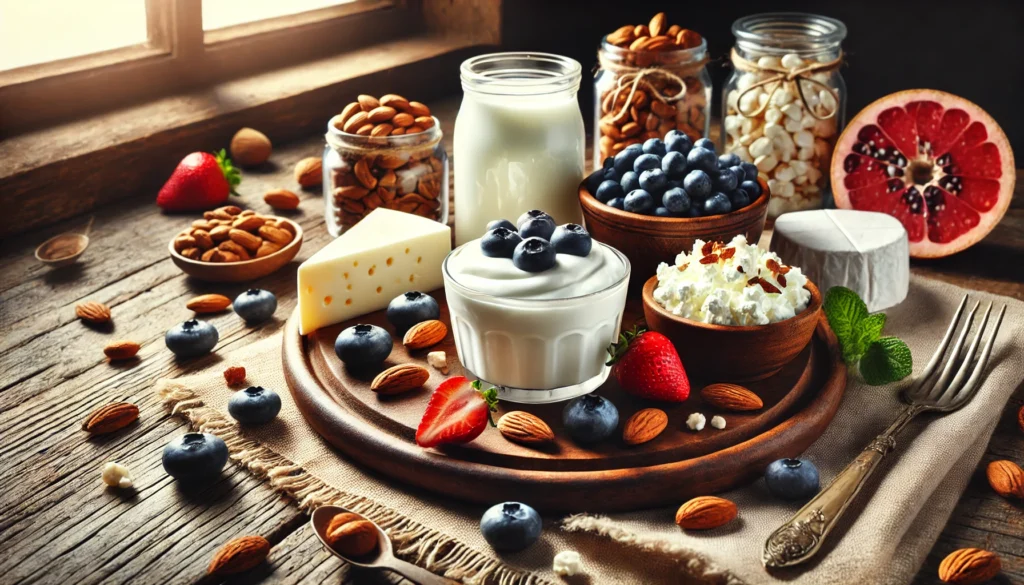
Detoxification Definition: Understanding Bioavailable Nutrients for Natural Detox Support

Introduction: Understanding the Meaning of Detoxification

Detoxification, at its core, is the body’s natural process of eliminating toxins and harmful substances to maintain optimal health. While many associate detoxing with short-term cleanses or restrictive diets, the true detoxification definition encompasses a much broader, ongoing physiological function. The body is constantly working to filter out environmental pollutants, metabolic waste, and synthetic chemicals through various organs, primarily the liver, kidneys, and skin. Understanding detox meaning within this context is essential for appreciating how bioavailable nutrients can enhance and support these natural processes.

You may also like: The Best Herbal Supplements to Take Daily for Optimal Health and Wellness

In today’s world, the human body is exposed to an unprecedented number of toxins from processed foods, polluted air, and chemical-laden personal care products. These environmental and dietary toxins can accumulate over time, burdening the body’s detoxification systems. This is where the role of bioavailable nutrients becomes critical. Unlike standard nutrients, bioavailable nutrients are those that the body can easily absorb and utilize, making them essential for effective detoxification. By incorporating nutrient-rich foods and supplements that support detox pathways, individuals can optimize their body’s ability to expel toxins, reduce oxidative stress, and improve overall health.

Detoxification is not merely about eliminating harmful substances; it is about restoring balance and ensuring that the body functions efficiently. When discussing the detoxification definition, it is crucial to emphasize the interplay between detoxification and nutrition. Without the proper nutrients, the body’s ability to process and excrete toxins diminishes, leading to potential health complications. This article explores the science behind detoxification, the role of bioavailable nutrients, and practical strategies for supporting the body’s natural detox mechanisms through diet and lifestyle.

A refreshing detox-inspired composition featuring fresh fruits, leafy greens, and herbs infused in pure water. The vibrant arrangement of lemons, cucumbers, mint leaves, and berries in a glass pitcher highlights natural cleansing and rejuvenation

The Science Behind Detoxification: How the Body Eliminates Toxins

Detoxification is a complex, multi-phase biochemical process that occurs within the body. It primarily involves the liver, kidneys, intestines, skin, and lymphatic system. The liver, being the most crucial detox organ, carries out detoxification in two main phases: Phase I and Phase II detoxification. Understanding these processes is essential for comprehending the true detox meaning and how nutrients can enhance the body’s ability to detoxify efficiently.

Phase I Detoxification: This phase involves enzymatic reactions that convert fat-soluble toxins into intermediate metabolites. These reactions are facilitated by a group of enzymes known as the cytochrome P450 family. However, Phase I detoxification can sometimes generate free radicals, which, if not neutralized, can contribute to cellular damage. This is why antioxidants, such as vitamins C and E, play a crucial role in protecting cells during detoxification.

Phase II Detoxification: In this phase, the intermediate metabolites produced in Phase I are further processed into water-soluble compounds that can be excreted through urine or bile. This phase requires adequate levels of sulfur-containing compounds, such as glutathione, and amino acids, like glycine and taurine. Without sufficient nutrient support, toxins may not be fully excreted, leading to their reabsorption and accumulation in the body.

The kidneys also play a significant role in detoxification by filtering blood and excreting waste products through urine. Proper hydration is essential for maintaining kidney function and ensuring the efficient removal of water-soluble toxins. Meanwhile, the skin, the body’s largest organ, aids in detoxification through sweat, helping eliminate heavy metals and other toxins.

Understanding detoxification at this level underscores the importance of bioavailable nutrients in supporting these processes. Nutrients such as B vitamins, magnesium, selenium, and zinc are essential for enzyme function, while phytonutrients found in plant-based foods provide additional detox support. By optimizing nutrient intake, individuals can enhance their body’s detox capabilities and reduce the burden of toxic accumulation.

Bioavailable Nutrients: The Key to Effective Detoxification

Bioavailable nutrients refer to those that the body can readily absorb and utilize. Not all nutrients consumed through diet or supplements are bioavailable, as factors such as digestion, absorption efficiency, and metabolic conversion influence their effectiveness. When discussing detoxify meaning in the context of nutrition, it is essential to emphasize that the body requires highly bioavailable nutrients to support detox pathways effectively.

One of the most critical bioavailable nutrients for detoxification is glutathione, often referred to as the body’s master antioxidant. Glutathione plays a crucial role in Phase II detoxification by binding to toxins and making them water-soluble for excretion. However, due to its low bioavailability in supplement form, it is often more effective to consume precursor nutrients such as N-acetylcysteine (NAC), which enhances the body’s own production of glutathione.

Other essential bioavailable nutrients for detoxification include methylated B vitamins (such as B6, B12, and folate), which support liver function and methylation pathways, magnesium, which aids in enzymatic reactions, and sulfur-containing compounds from foods like garlic, onions, and cruciferous vegetables, which enhance detoxification enzymes. Ensuring adequate intake of these nutrients through whole foods and high-quality supplements can significantly impact the body’s detox efficiency.

Practical Strategies for Supporting Detoxification Naturally

To optimize detoxification, it is essential to adopt dietary and lifestyle habits that promote the body’s natural ability to eliminate toxins. One of the most effective strategies is consuming a diet rich in organic, whole foods that provide essential detox-supporting nutrients. Leafy greens, cruciferous vegetables, berries, citrus fruits, and herbs like cilantro and parsley are particularly beneficial due to their high antioxidant and phytonutrient content.

Hydration is another critical factor in detoxification. Water serves as a medium for transporting toxins out of the body, particularly through the kidneys and lymphatic system. Drinking filtered water, herbal teas, and consuming water-rich foods like cucumbers and watermelon can help maintain optimal hydration levels.

Regular physical activity and sweating through exercise or sauna use also play a vital role in detoxification. Sweating helps eliminate heavy metals and other toxins through the skin, while exercise stimulates circulation and lymphatic drainage, further supporting toxin removal.

Reducing exposure to environmental toxins is equally important. This includes minimizing the intake of processed foods with artificial additives, avoiding plastics that contain endocrine-disrupting chemicals, and using natural personal care and household products. By reducing the toxic burden, the body’s detox systems can function more efficiently without being overwhelmed.

A serene spa environment featuring a wooden sauna, a bowl of steaming herbal water, and natural clay masks, symbolizing detoxification through sweating and skin purification. The warm candlelit ambiance enhances relaxation and renewal

Frequently Asked Questions (FAQ) on Detoxification

1. What is the true meaning of detoxification? The meaning of detoxification goes beyond simply cleansing the body of toxins; it involves optimizing bodily functions for better health. While many people define detox as removing harmful substances, it also includes supporting the liver, kidneys, and digestive system to function efficiently. Detoxification definition varies based on different approaches, such as dietary detoxes, fasting, and hydration-based cleansing. A holistic detox approach not only removes toxins but also replenishes essential nutrients to restore balance. Understanding detox meaning in this way helps in making informed lifestyle choices that sustain long-term well-being.

2. How does detoxification affect mental clarity? Many individuals focus on physical benefits when discussing detox, but its impact on mental health is equally significant. The detoxification definition extends to eliminating mental fog caused by excess sugar, caffeine, and processed foods. Reducing toxic buildup in the body can improve cognitive function, concentration, and overall mental clarity. Define detoxification in a way that incorporates stress reduction and mindfulness, as emotional detox is just as crucial. When combined with a balanced diet and hydration, a detox program can lead to a noticeable improvement in mood and productivity.

3. What does detoxify mean in the context of daily habits? When considering “what does detoxify mean,” it’s essential to recognize the role of daily habits in maintaining a clean system. A gradual detoxification process happens naturally through sweating, breathing, and digestion. Small changes, such as reducing processed foods, increasing fiber intake, and staying hydrated, define detox practices that support long-term health. Instead of relying on extreme detox methods, focusing on consistent habits ensures sustainable results. Detoxify meaning, in this sense, aligns with making healthier lifestyle choices rather than engaging in short-term cleanses.

4. How does hydration contribute to detoxification? Water is one of the most effective natural detoxifiers, as it supports kidney function and aids in flushing out toxins. When we define detox, hydration plays a crucial role in maintaining electrolyte balance and eliminating waste. Drinking adequate water enhances the detoxification process by preventing toxin buildup and improving circulation. Understanding the detox meaning in this way emphasizes the importance of clean water sources, herbal teas, and hydrating foods like fruits and vegetables. Staying properly hydrated is a foundational step in any detoxification approach.

5. Can detoxification help with skin health? One of the lesser-discussed aspects of detox is its impact on skin clarity and radiance. The meaning of detoxification includes the removal of impurities that contribute to acne, inflammation, and premature aging. A well-planned detox, rich in antioxidants and hydrating elements, helps cleanse the skin from within. When individuals define detoxification in the context of skincare, it often involves reducing sugar, dairy, and processed foods, which can cause breakouts. A comprehensive detox approach can lead to visibly clearer and healthier skin over time.

6. What are the best foods to support detoxification? Whole foods rich in fiber, antioxidants, and hydration play a crucial role in an effective detox process. When considering detox def, it includes consuming leafy greens, citrus fruits, and cruciferous vegetables, which aid the body’s natural cleansing mechanisms. Foods like turmeric and ginger further enhance detoxification by supporting liver enzymes. A good detox meal plan eliminates processed foods and focuses on nutrient-dense ingredients that restore balance. Understanding “detoxify meaning” in the context of nutrition helps individuals make informed dietary choices.

7. How does detoxification impact digestion? Detoxification plays a significant role in improving gut health by reducing inflammation and promoting beneficial bacteria growth. The detoxification definition in digestive health includes fiber-rich foods, probiotics, and adequate hydration. When people define detox, they often overlook the importance of gut microbiome balance, which is essential for long-term wellness. A well-executed detox can alleviate bloating, constipation, and sluggish digestion by eliminating foods that cause irritation. Prioritizing digestive health within a detox plan enhances overall nutrient absorption and energy levels.

8. Are there any risks associated with detox programs? While detoxification has its benefits, extreme detox programs can sometimes cause more harm than good. The meaning of detoxification should not be limited to short-term fasting or restrictive diets that deprive the body of essential nutrients. When considering detox meaning in a health-conscious way, it’s important to opt for balanced approaches that nourish the body. Overuse of detox supplements or excessive fasting can lead to nutrient deficiencies and metabolic imbalances. A responsible detox strategy focuses on gradual, sustainable changes rather than extreme measures.

9. How can exercise enhance detoxification? Physical activity is an excellent way to support the body’s natural detox process by promoting circulation and sweating. Define detox in a way that incorporates movement, as it helps release stored toxins and boost metabolic function. Activities like yoga, cardio, and strength training improve lymphatic drainage and facilitate toxin elimination. The detoxification definition in fitness highlights the importance of staying active to enhance liver and kidney function. Regular exercise, when paired with proper hydration and nutrition, optimizes the detoxification process.

10. What role does sleep play in detoxification? Restorative sleep is essential for effective detox, as the body repairs and eliminates toxins during deep sleep cycles. Define detoxification to include quality sleep, as it supports brain detoxification through the glymphatic system. Poor sleep habits can lead to toxin accumulation, impairing cognitive function and overall health. The meaning of detoxification extends beyond dietary changes to include proper rest and stress management. Prioritizing sleep hygiene ensures that the body’s natural detox processes function optimally, promoting long-term well-being.

A vibrant wheatgrass field bathed in soft morning sunlight, with dewdrops glistening on the fresh green blades, symbolizing the detoxifying power of natural superfoods and the renewal of health

Conclusion: Embracing a Detox-Supportive Lifestyle

Understanding the meaning of detoxification goes beyond temporary cleanses or detox diets. True detoxification is an ongoing physiological process that requires proper nutrient support, lifestyle choices, and a commitment to minimizing toxin exposure. By incorporating bioavailable nutrients, staying hydrated, engaging in regular physical activity, and making conscious choices about diet and environment, individuals can optimize their body’s natural detox capabilities.

A well-supported detoxification system contributes to improved energy levels, enhanced immune function, and overall well-being. As research continues to uncover the intricate mechanisms of detoxification, it becomes increasingly clear that a nutrient-rich, holistic approach is the key to maintaining long-term health. By embracing detox-supportive habits, individuals can empower themselves to lead healthier, more vibrant lives while reducing the toxic burden on their bodies.

natural detox support, bioavailable nutrients, detoxification process, detox benefits, toxin elimination, holistic wellness, antioxidant support, liver detox, kidney detox, environmental toxins, healthy detoxification, nutrient absorption, cellular health, oxidative stress, immune support, detox supplements, hydration and detox, exercise and detoxification, whole food nutrition, sustainable wellness, liver health

Further Reading:

1 Overview, Essential Concepts, and Definitions in Detoxification

What is Detoxification and Why Do it?

Critical challenges and technological breakthroughs in food waste hydrolysis and detoxification for fuels and chemicals production

Disclaimer

The information contained in this article is provided for general informational purposes only and is not intended to serve as medical, legal, or professional advice. While NewsHealthWatch strives to present accurate, up-to-date, and reliable content, no warranty or guarantee, expressed or implied, is made regarding the completeness, accuracy, or adequacy of the information provided. Readers are strongly advised to seek the guidance of a qualified healthcare provider or other relevant professionals before acting on any information contained in this article. NewsHealthWatch, its authors, editors, and contributors expressly disclaim any liability for any damages, losses, or consequences arising directly or indirectly from the use, interpretation, or

Play exciting online pokies and live games at True Fortune Casino, offering fast payouts, secure deposits, and generous bonuses for Australian players.

Enjoy top pokies and live dealer tables at Uptown Pokies Casino, with quick withdrawals, safe banking, and rewarding promotions for Australian users.

Join thrilling online slots and live casino action at Uptown Aces, featuring fast deposits, secure withdrawals, and exclusive bonuses for Australian players.

Spin favourite pokies and play live casino games at Velvet Spins Casino, offering safe banking, fast payouts, and generous promotions for Australian enthusiasts.

Experience exciting online pokies and live tables at Woo Casino, with quick withdrawals, secure deposits, and attractive bonuses for Australian casino players.

Play top pokies and live dealer games at King Billy Casino, offering fast payouts, safe banking, and rewarding promotions for Australian online casino users.

Enjoy thrilling online slots and live casino action at Aussie Play Casino, with secure deposits, quick withdrawals, and generous bonuses for Australian players.

Join exciting pokies and live tables at Fastpay Casino, featuring fast payouts, safe banking, and exclusive promotions for Australian online casino enthusiasts.