hacklink hack forum hacklink film izle hacklink
Home Blog Page 224

Can You Eat Rice on a Plant-Based Diet? Nutrition Facts, Health Benefits, and Best Options

Introduction: The Role of Rice in a Plant-Based Diet

Rice has been a staple food for civilizations across the globe for thousands of years. It provides sustenance to billions and serves as a fundamental component of many traditional diets. As plant-based eating continues to gain popularity, a common question arises: Can you eat rice on a plant-based diet? Understanding the role of rice within a plant-based lifestyle requires a deep dive into its nutritional profile, health benefits, and best consumption practices.

You may also like: How to Start a Whole Food Plant-Based Diet: A Beginner’s Guide to Healthier Eating

A plant-based diet prioritizes whole, minimally processed plant foods, including fruits, vegetables, legumes, nuts, seeds, and whole grains. Rice, being a grain, naturally fits within this dietary framework. However, the debate over white versus brown rice, potential health concerns, and the best ways to incorporate rice into a plant-based diet necessitates a nuanced discussion. This article explores the nutritional composition of rice, its impact on health, the differences between rice varieties, and how to optimize its inclusion in a plant-based lifestyle.

A close-up of a steaming bowl of mixed rice varieties, including brown, black, and red rice, garnished with fresh herbs like cilantro and parsley, with warm lighting emphasizing the texture and colors.

Nutritional Profile of Rice: Understanding Its Composition

Rice, regardless of variety, is primarily composed of carbohydrates, making it a primary energy source. However, different types of rice offer varying levels of fiber, protein, vitamins, and minerals. Understanding the nutritional composition of rice is essential in determining its role in a plant-based diet.

Brown rice, often considered the healthier option, is a whole grain that retains its bran, germ, and endosperm. This preservation allows it to maintain a higher fiber content, which is beneficial for digestion, blood sugar regulation, and heart health. Brown rice also contains essential micronutrients such as magnesium, phosphorus, and B vitamins, which support metabolic processes and energy production.

White rice, on the other hand, undergoes a milling process that removes the bran and germ, stripping away much of its fiber and micronutrients. While it is often fortified with iron and B vitamins, it lacks the nutritional density of brown rice. However, white rice remains a valuable source of quick energy and can be easier to digest, making it a preferred option for individuals with digestive sensitivities.

Beyond brown and white rice, other varieties such as black rice, red rice, and wild rice offer unique nutritional benefits. Black rice, for instance, is rich in antioxidants known as anthocyanins, which help combat oxidative stress and inflammation. Red rice contains high levels of flavonoids, while wild rice boasts a superior protein content compared to other rice types.

Health Benefits of Rice on a Plant-Based Diet

Incorporating rice into a plant-based diet offers multiple health advantages, particularly when opting for whole-grain varieties. The benefits of rice extend to digestion, cardiovascular health, weight management, and metabolic health.

  1. Digestive Health Rice, particularly brown and wild rice, is an excellent source of dietary fiber, which promotes regular bowel movements and prevents constipation. Fiber also serves as a prebiotic, supporting the growth of beneficial gut bacteria that contribute to overall gut health. Additionally, rice is naturally gluten-free, making it an ideal grain for those with gluten sensitivities or celiac disease.
  2. Cardiovascular Benefits Whole-grain rice varieties have been linked to improved heart health due to their high fiber and antioxidant content. Studies have shown that regular consumption of brown and black rice can help lower cholesterol levels, reduce inflammation, and improve arterial function, all of which contribute to a reduced risk of cardiovascular disease.
  3. Blood Sugar Regulation While white rice has a higher glycemic index (GI), which can cause spikes in blood sugar levels, brown rice and other whole-grain varieties have a lower GI and release energy more gradually. This steady energy release helps maintain stable blood sugar levels and reduces the risk of insulin resistance, making whole-grain rice a beneficial option for individuals managing diabetes or prediabetes.
  4. Weight Management Rice can support healthy weight management, particularly when consumed in its whole form. The fiber content in brown rice enhances satiety and reduces overeating by promoting a feeling of fullness. Additionally, the resistant starch found in cooled rice may help improve metabolic function and fat oxidation.
  5. Nutrient Density and Energy Support As a staple carbohydrate, rice provides the energy needed for daily activities, particularly for those with active lifestyles. Whole-grain rice varieties offer a range of essential nutrients that support energy metabolism, muscle function, and cognitive health.

Choosing the Best Rice for a Plant-Based Diet

With numerous rice varieties available, selecting the best option for a plant-based diet depends on individual nutritional goals and health considerations.

  • Brown Rice: The best option for overall health due to its fiber, vitamins, and mineral content.
  • Black Rice: High in antioxidants, making it beneficial for reducing inflammation and oxidative stress.
  • Red Rice: A great choice for enhancing cardiovascular health due to its flavonoid content.
  • Wild Rice: Offers the highest protein content and is ideal for those seeking additional plant-based protein sources.
  • White Rice: While less nutrient-dense, it remains a valuable option for those needing a quick, easily digestible energy source.

Optimizing Rice Consumption on a Plant-Based Diet

To maximize the health benefits of rice, consider the following tips:

  • Pair Rice with Protein: Combining rice with legumes, such as beans, lentils, or tofu, enhances its protein quality and provides all essential amino acids.
  • Incorporate Vegetables: Adding colorful vegetables to rice dishes increases nutrient density and fiber intake.
  • Use Healthy Cooking Methods: Steaming, boiling, or pressure cooking rice preserves its nutritional integrity.
  • Control Portions: Consuming rice in moderation as part of a balanced diet prevents excessive carbohydrate intake and promotes overall well-being.
  • Diversify Grain Intake: While rice is an excellent staple, incorporating other whole grains such as quinoa, barley, and millet ensures a broader spectrum of nutrients.

 A vibrant plant-based meal featuring rice as the main ingredient, accompanied by roasted vegetables like carrots, zucchini, and bell peppers, beautifully plated on a rustic wooden table.

Frequently Asked Questions (FAQ) on Rice and Plant-Based Diets

1. Can you eat rice on a plant-based diet?

Yes, rice is a staple food in plant-based diets and serves as an excellent source of carbohydrates. Whole-grain rice varieties, such as brown, black, and red rice, provide fiber, essential vitamins, and minerals that support overall health. Unlike refined grains, whole rice retains its nutrient-dense bran and germ, making it a more beneficial choice. Many plant-based eaters pair rice with legumes, vegetables, and nuts to create nutritionally complete meals. Whether you prefer rice in savory dishes or as a base for plant-based desserts, it is a versatile and valuable grain in a plant-based diet.

2. How does rice compare to other grains in a plant-based diet?

Rice is one of the most widely consumed grains, but it is not the only option available to plant-based eaters. Compared to quinoa, rice has a lower protein content but provides a steady energy source. Whole grains such as farro, barley, and millet offer different nutrient profiles, including more fiber and additional phytonutrients. While rice is easy to digest and highly versatile, incorporating a variety of whole grains ensures a well-rounded intake of essential nutrients. Balancing rice with other grains can enhance the diversity of a plant-based diet and provide a broader range of health benefits.

3. What is the healthiest type of rice for a plant-based diet?

Brown rice is often considered the healthiest choice because it retains its fiber, vitamins, and minerals. However, black rice is packed with antioxidants known as anthocyanins, which support cardiovascular health and reduce inflammation. Red rice is another nutritious option, providing beneficial flavonoids that help protect against oxidative stress. Wild rice stands out for its higher protein content, making it a great addition to plant-based diets that focus on protein diversity. The best choice depends on individual dietary goals, but whole-grain rice varieties generally offer the most nutritional benefits.

4. Does rice consumption impact blood sugar levels?

The impact of rice on blood sugar levels depends on the type of rice consumed. White rice has a higher glycemic index, meaning it can cause rapid spikes in blood sugar. Brown, black, and wild rice have lower glycemic indices due to their fiber content, which slows glucose absorption. Pairing rice with fiber-rich vegetables and plant-based proteins can further regulate blood sugar response. Consuming cooled rice can also increase its resistant starch content, which helps manage blood sugar levels. For those managing diabetes or insulin resistance, opting for whole-grain rice and mindful portion control is recommended.

5. Can I eat potatoes on a vegan diet, and how do they compare to rice?

Yes, you can eat potatoes on a vegan diet, as they are naturally plant-based and highly nutritious. Potatoes provide fiber, vitamin C, and potassium, supporting immune function and heart health. While rice is primarily a carbohydrate source, potatoes offer additional antioxidants, especially in their skins. When compared to white rice, potatoes have a lower glycemic index and can provide a more sustained energy release. Incorporating both rice and potatoes into a plant-based diet allows for a diverse range of nutrients and meal options.

6. Are potatoes plant-based, and do they provide enough nutrients for a balanced diet?

Potatoes are plant-based and contain essential vitamins, minerals, and complex carbohydrates. They are rich in vitamin B6, which supports brain health, and potassium, which helps regulate blood pressure. Unlike refined carbohydrates, potatoes offer resistant starch, which benefits gut health by feeding beneficial bacteria. While potatoes alone may not provide all necessary nutrients, combining them with legumes, greens, and plant-based proteins ensures a balanced diet. Their versatility makes them an excellent addition to plant-based meals, whether baked, mashed, or used in soups.

7. How can I make rice and potatoes healthier in a plant-based diet?

Enhancing the nutritional value of rice and potatoes involves selecting whole, minimally processed varieties and preparing them with nutrient-dense ingredients. Choosing brown or black rice over white rice increases fiber intake, while keeping potato skins intact maximizes their nutrient content. Cooking methods such as steaming, roasting, or boiling retain more nutrients than frying. Pairing rice and potatoes with beans, lentils, or leafy greens creates balanced meals rich in protein, fiber, and essential micronutrients. Using herbs and spices instead of excessive salt or oils further improves the healthfulness of these staple foods.

8. Can rice and potatoes help with weight management on a plant-based diet?

Both rice and potatoes can be part of a healthy weight management plan when consumed in appropriate portions and combined with fiber-rich foods. Whole-grain rice varieties promote satiety due to their fiber content, helping to control appetite. Similarly, potatoes contain resistant starch, which slows digestion and supports fullness. Choosing cooking methods that avoid excessive oils or fats, such as baking or steaming, helps maintain their health benefits. Incorporating a variety of vegetables and proteins alongside rice and potatoes further enhances their role in a weight-conscious plant-based diet. Moderation and mindful eating play key roles in maintaining a balanced approach to plant-based nutrition.

9. Are there any common misconceptions about rice and potatoes in plant-based eating?

One common misconception is that rice and potatoes are unhealthy or cause weight gain, which largely depends on portion sizes and preparation methods. Another myth is that potatoes lack nutritional value when, in reality, they contain significant vitamins, minerals, and fiber. Some believe that white rice should be avoided entirely, yet it can be part of a balanced diet when paired with fiber-rich foods. People also assume that plant-based eaters must eliminate carbohydrates, despite their essential role in providing energy and supporting bodily functions. Understanding the nutritional benefits of both rice and potatoes helps dispel these misconceptions and promotes informed dietary choices.

10. What are some creative ways to include rice and potatoes in plant-based meals?

Rice and potatoes can be used in a variety of creative plant-based meals beyond simple side dishes. Rice can serve as a base for nourishing grain bowls, sushi rolls, or stuffed bell peppers filled with beans and vegetables. Potatoes can be transformed into comforting soups, homemade gnocchi, or crispy oven-baked fries using healthy cooking techniques. Blending cooked rice with legumes creates flavorful veggie burgers, while mashed potatoes can be enriched with nutritional yeast for a cheesy flavor. Experimenting with global cuisines, such as Indian spiced rice dishes or Latin American potato-based stews, adds variety and excitement to plant-based meals.
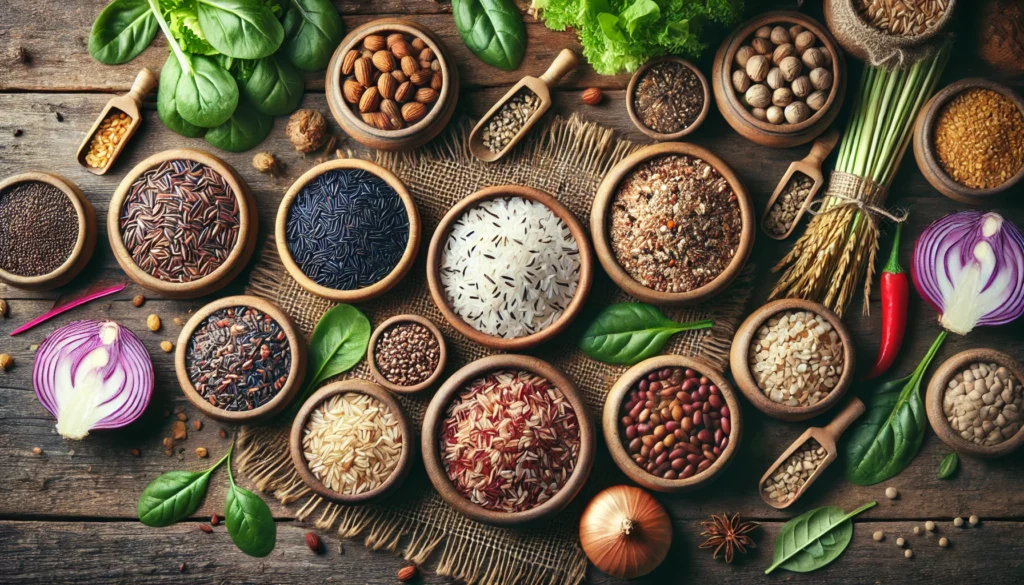
A top-down view of various rice grains displayed in small bowls, including brown, black, red, and wild rice, arranged on a rustic wooden table with fresh plant-based ingredients like leafy greens, nuts, and legumes.

Conclusion: Rice as a Nutritious and Versatile Staple in Plant-Based Eating

For those following a plant-based diet, rice serves as a valuable and versatile staple that provides energy, essential nutrients, and a range of health benefits. While whole-grain varieties such as brown, black, red, and wild rice offer superior nutritional advantages, even white rice has its place in a balanced diet when consumed mindfully. By pairing rice with plant-based proteins, fiber-rich vegetables, and nutrient-dense ingredients, individuals can create satisfying and wholesome meals that align with plant-based dietary principles. Ultimately, rice remains a foundational element of a plant-based diet, offering nourishment, culinary versatility, and long-term health benefits.

Further Reading:

Beginner’s Guide to A Whole-Foods, Plant-Based Diet

What Is the Healthiest Type of Rice?

What to know about rice

plant-based diet, whole grains nutrition, healthy rice options, best grains for vegans, rice vs quinoa, plant-based meal ideas, high-fiber grains, brown rice benefits, wild rice nutrition, black rice antioxidants, vegan carbohydrate sources, plant-based protein combinations, rice and gut health, low glycemic index foods, rice for heart health, gluten-free plant foods, vegan meal planning, whole-food nutrition, balanced plant-based eating, nutrient-dense grains

The information contained in this article is provided for general informational purposes only and is not intended to serve as medical, legal, or professional advice. While NewsHealthWatch strives to present accurate, up-to-date, and reliable content, no warranty or guarantee, expressed or implied, is made regarding the completeness, accuracy, or adequacy of the information provided. Readers are strongly advised to seek the guidance of a qualified healthcare provider or other relevant professionals before acting on any information contained in this article. NewsHealthWatch, its authors, editors, and contributors expressly disclaim any liability for any damages, losses, or consequences arising directly or indirectly from the use, interpretation, or reliance on any information presented herein. The views and opinions expressed in this article are those of the author(s) and do not necessarily reflect the official policies or positions of NewsHealthWatch.







Best Herbal Remedies for ED: How to Fix Erectile Dysfunction Naturally at a Young Age

Erectile dysfunction (ED) is an issue that affects millions of men worldwide, often causing distress and reducing self-esteem. While it is more commonly associated with older individuals, younger men are increasingly experiencing difficulties with sexual performance. Various factors, including stress, poor diet, sedentary lifestyles, and hormonal imbalances, contribute to ED. Rather than relying on pharmaceutical interventions, many men seek natural remedies to restore their sexual health. Fortunately, herbal medicine offers promising solutions to enhance male vitality and performance without the side effects associated with prescription drugs.

You may also like: Best Natural Supplements for Focus and Concentration: Boost Brainpower with Science-Backed Vitamins

Understanding Erectile Dysfunction and Its Causes

Erectile dysfunction is the inability to achieve or maintain an erection sufficient for satisfactory sexual performance. It can stem from a variety of physical, psychological, and lifestyle-related factors. Stress, anxiety, depression, and relationship issues often play a significant role in ED among young men. Additionally, medical conditions such as diabetes, cardiovascular disease, and hormonal imbalances can impair blood flow and nerve function, leading to erection problems. Lifestyle habits like excessive alcohol consumption, smoking, and lack of exercise further exacerbate ED. Understanding these root causes is essential when exploring how to fix erectile dysfunction at a young age naturally.

How Herbal Remedies Can Help Reverse ED Naturally

Herbal remedies have been used for centuries to enhance male sexual function. They work by improving blood circulation, balancing hormones, reducing stress, and increasing nitric oxide production—all of which are crucial for a healthy erection. Unlike synthetic drugs, herbal treatments address the underlying causes of ED rather than just masking symptoms. By incorporating specific herbs into a balanced lifestyle, men can experience significant improvements in sexual performance and overall well-being.

Showcasing nettle, horny goat weed, and a small glass jar of herbal extract, surrounded by natural elements.

Best Herbs for ED and Sexual Dysfunction

Panax Ginseng

Panax ginseng, commonly known as Korean red ginseng, is one of the most well-researched herbs for erectile dysfunction. It contains ginsenosides, compounds that enhance nitric oxide production, improve blood circulation, and reduce oxidative stress in the penile tissues. Studies have shown that regular consumption of Panax ginseng significantly enhances erectile function, making it one of the best herbs for male stamina.

Maca Root

Maca root, native to the Andes Mountains, has been traditionally used to boost libido and sexual performance. Rich in amino acids, vitamins, and minerals, maca enhances energy levels, reduces stress, and balances hormones. Research suggests that maca supplementation can improve sperm quality, increase libido, and contribute to stronger erections, making it an excellent natural remedy for sexual dysfunction.

Tongkat Ali

Tongkat Ali, or Eurycoma longifolia, is a powerful herb renowned for its testosterone-boosting properties. Higher testosterone levels contribute to increased libido, improved mood, and better erectile function. Clinical trials have demonstrated that Tongkat Ali supplementation enhances erectile hardness and duration while also combating stress and fatigue.

Tribulus Terrestris

This herb has long been used in traditional medicine to improve male sexual health. Tribulus terrestris works by stimulating the production of luteinizing hormone (LH), which in turn increases testosterone levels. It also enhances nitric oxide production, leading to improved blood flow and better erection quality. Regular consumption of Tribulus terrestris can be highly beneficial for those seeking to reverse ED naturally.

Ginkgo Biloba

Ginkgo biloba is widely recognized for its ability to improve blood circulation and cognitive function. For men suffering from ED, ginkgo helps by increasing blood flow to the penile region, enhancing vascular health, and reducing stress-related performance anxiety. Studies indicate that men who incorporate ginkgo into their regimen experience improved sexual satisfaction and stronger erections.

Herbal Alternatives to Viagra: Natural Solutions Without Side Effects

For those seeking a herbal alternative to Viagra, several plant-based remedies offer similar benefits without the adverse effects. Herbs such as Yohimbe, L-arginine, and Horny Goat Weed have been traditionally used to enhance male performance by increasing nitric oxide levels and improving blood flow. These herbs can be used alone or in combination with other natural remedies for a more comprehensive approach to treating erectile dysfunction.

The Best Chinese Herbs for Male Performance

Traditional Chinese medicine (TCM) has long relied on herbal formulations to treat male sexual dysfunction. Some of the best Chinese herbs for erectile dysfunction include:

  • Epimedium (Horny Goat Weed): This herb contains icariin, a compound that acts as a natural PDE5 inhibitor, similar to how pharmaceutical ED medications work.
  • Cistanche: Known for its ability to increase libido and stamina, cistanche is a potent herbal remedy for improving male performance.
  • Schisandra Berry: Schisandra helps to regulate stress hormones, balance testosterone levels, and enhance overall energy and vitality.
A peaceful scene with a steaming teapot filled with herbal tea, accompanied by ginseng and ginger roots.

Lifestyle Modifications to Enhance Herbal Treatment

While herbs play a crucial role in improving erectile function, lifestyle changes are equally important. Regular exercise, a balanced diet rich in antioxidants, adequate sleep, and stress management techniques like meditation can significantly enhance the effects of herbal remedies. Avoiding processed foods, reducing alcohol intake, and quitting smoking are also essential steps in how to fix ED without medication.

Frequently Asked Questions (FAQ) on Herbal Remedies for Erectile Dysfunction

1. Can herbal supplements effectively treat erectile dysfunction without medication?
Yes, many herbal supplements have been shown to be effective in improving erectile function by enhancing blood flow, reducing stress, and supporting hormonal balance. Herbs such as Panax ginseng, maca root, and Tongkat Ali are among the best herbs for ED, providing natural support without the side effects of pharmaceuticals. Scientific research has demonstrated that these herbs good for erectile dysfunction work by increasing nitric oxide levels, which enhances circulation to the penile region. While results may take longer to manifest compared to prescription drugs, herbal supplements erectile dysfunction solutions offer a holistic and sustainable approach. Combining herbal treatments with a healthy lifestyle, including regular exercise and a balanced diet, further optimizes their benefits.

2. How can someone fix erectile dysfunction at a young age naturally?
Addressing ED at a young age naturally involves targeting the root causes, which may include stress, lifestyle factors, and poor circulation. Learning how to fix erectile dysfunction at a young age naturally requires incorporating a nutrient-rich diet, stress management techniques like meditation, and regular physical activity to enhance blood flow. Certain herbs for sexual dysfunction, such as ginkgo biloba and ashwagandha, can help reduce anxiety and improve erection quality. Ensuring adequate sleep and hormone balance is also crucial, as testosterone levels play a significant role in sexual performance. Additionally, avoiding excessive alcohol consumption and smoking can significantly enhance natural erectile function.

3. What are the best home remedies for ED and impotence?
Home remedies for ED and impotence include dietary changes, exercise, stress reduction, and the use of natural herbal supplements. Herbs that help with ED, such as L-arginine, increase nitric oxide production, which improves blood circulation and helps sustain erections. Foods rich in flavonoids, such as berries and dark chocolate, support vascular health and enhance circulation. Regular cardiovascular exercise also plays a critical role in improving erection strength naturally. Herbal supplements like Tribulus terrestris and Yohimbe can complement these home remedies by supporting testosterone production and libido.

4. Is there a herbal alternative to Viagra that works as effectively?
Several herbs act as a natural alternative to Viagra by enhancing nitric oxide levels and blood flow to the penile region. The best herbal Viagra options include Horny Goat Weed, which contains icariin, a compound that functions similarly to prescription ED medications. Ginseng and Tongkat Ali are also powerful herbs for erection problems, increasing stamina and reducing fatigue. Unlike synthetic medications, these herbal viagra ingredients provide additional health benefits, such as reducing stress and improving energy levels. While their effects may not be as immediate as pharmaceutical drugs, they offer a more holistic approach to treating ED.

5. What are the best Chinese herbs for male performance?
Traditional Chinese medicine has long used specific herbs for improving male vitality and sexual function. The best Chinese herbs for ED include Epimedium (Horny Goat Weed), Cistanche, and Schisandra, which are known for their ability to enhance endurance and circulation. Chinese herbs for male performance also focus on balancing yin and yang energies within the body to support overall vitality. These remedies not only improve sexual function but also enhance energy levels, cognitive function, and overall well-being. Many of these herbs are incorporated into tonics or teas to support long-term improvements in sexual health.

6. What is the best natural drink for erectile dysfunction?
A variety of natural drinks can help improve circulation and support erectile function. Pomegranate juice is one of the best natural drinks for erectile dysfunction, as it contains high levels of antioxidants that enhance blood flow. Beetroot juice is another effective option, as it increases nitric oxide levels, which are essential for achieving and maintaining an erection. Green tea, rich in catechins, helps reduce inflammation and improve cardiovascular health, both of which are crucial for erectile performance. Herbal teas, such as ginseng and ashwagandha tea, also act as herbal supplements erectile dysfunction solutions, supporting hormonal balance and reducing stress. Combining these natural drinks with a diet rich in essential nutrients can provide a powerful, long-term solution for ED.

7. Can ED be reversed naturally without pharmaceutical intervention?
Yes, learning how to reverse ED naturally involves addressing the underlying causes and adopting a holistic approach. Regular exercise, particularly resistance training and cardiovascular activities, plays a significant role in improving blood circulation and testosterone levels. Stress reduction techniques, such as mindfulness and deep breathing exercises, help to alleviate performance anxiety and improve overall sexual function. Certain herbs for impotence, like Fenugreek and Ashwagandha, assist in regulating hormone levels and reducing inflammation. A nutrient-rich diet, including foods high in omega-3 fatty acids and flavonoids, further supports erectile health. By making consistent lifestyle changes, many men can experience significant improvements in erectile function over time.

8. How can someone improve erection strength naturally?
Improving erection strength naturally involves optimizing cardiovascular health, hormone balance, and stress levels. Consuming herbs good for erectile dysfunction, such as Maca and Tribulus terrestris, supports blood flow and testosterone production. Performing Kegel exercises strengthens the pelvic floor muscles, which play a key role in erectile function. Avoiding processed foods, trans fats, and high sugar intake helps maintain vascular health, which is essential for strong erections. Engaging in regular aerobic exercise, such as running or swimming, further enhances circulation and overall stamina. Practicing relaxation techniques also prevents stress-related ED, ensuring better sexual performance.

9. Is there a natural Viagra herb that mimics the effects of synthetic medications?
Certain herbs closely mimic the vasodilatory effects of prescription ED medications, making them a strong herbal alternative to Viagra. Icariin, the active compound in Horny Goat Weed, functions similarly to pharmaceutical PDE5 inhibitors, increasing blood flow to the penile region. Yohimbe is another well-known herb that improves circulation and enhances libido. Ginseng, often referred to as the best herbal Viagra, works by reducing oxidative stress in blood vessels and improving nitric oxide production. Many of these natural alternatives provide additional benefits, such as increased stamina and better mood regulation. While they may take longer to produce noticeable effects, they offer a sustainable and health-supporting solution to ED.

10. What lifestyle habits should be combined with herbal treatments for long-term improvement in erectile function?
To achieve lasting results, herbal remedies should be complemented by healthy lifestyle choices. Engaging in regular physical activity, such as strength training and cardiovascular workouts, boosts circulation and supports testosterone levels. Maintaining a balanced diet rich in whole foods, lean proteins, and healthy fats promotes optimal vascular health. Avoiding smoking and limiting alcohol intake further reduces the risk of erectile issues. Stress management techniques, including meditation, yoga, and adequate sleep, ensure hormonal balance and reduce performance anxiety. When combined with the best herbs for ED, these habits create a powerful and sustainable approach to sexual health.

A tranquil arrangement of fresh maca root and dried goji berries on a rustic wooden table with soft, warm lighting.

Conclusion: Embracing a Natural Approach to Erectile Dysfunction

Erectile dysfunction can be a distressing condition, but it is not insurmountable. By understanding the underlying causes and utilizing the best herbs for ED, young men can regain their confidence and sexual vitality naturally. Whether through Panax ginseng, Maca root, or Chinese herbs for male performance, nature provides powerful solutions for sexual dysfunction. Combined with a healthy lifestyle, herbal remedies offer a safe, effective, and holistic approach to reversing ED and improving overall well-being. With patience and consistency, men can experience significant improvements in their sexual health and enjoy a fulfilling, vibrant life.

natural male enhancement, plant-based ED solutions, improving libido naturally, boosting testosterone with herbs, holistic sexual health, traditional medicine for ED, organic supplements for men, vascular health and erection, herbal aphrodisiac benefits, alternative treatments for impotence, nitric oxide boosters, hormone balance for men, stress reduction for better performance, adaptogenic herbs for stamina, Ayurvedic remedies for ED, circulation-boosting herbs, men’s wellness and vitality, dietary solutions for erectile function, botanical extracts for male performance, lifestyle changes for sexual health

Further Reading:

5 natural ways to overcome erectile dysfunction

11 natural and home remedies for erectile dysfunction

Dietary supplements for erectile dysfunction: A natural treatment for ED?

Disclaimer

The information contained in this article is provided for general informational purposes only and is not intended to serve as medical, legal, or professional advice. While NewsHealthWatch strives to present accurate, up-to-date, and reliable content, no warranty or guarantee, expressed or implied, is made regarding the completeness, accuracy, or adequacy of the information provided. Readers are strongly advised to seek the guidance of a qualified healthcare provider or other relevant professionals before acting on any information contained in this article. NewsHealthWatch, its authors, editors, and contributors expressly disclaim any liability for any damages, losses, or consequences arising directly or indirectly from the use, interpretation, or reliance on any information presented herein. The views and opinions expressed in this article are those of the author(s) and do not necessarily reflect the official policies or positions of NewsHealthWatch.

Can I Eat Bread on a Vegan Diet? A Guide to Choosing the Best Plant-Based Options

Understanding Bread in a Vegan Diet

For many, bread is a staple food that finds its way into meals in a variety of forms, from sandwiches to toast to artisanal loaves enjoyed on their own. However, individuals following a plant-based diet often wonder: can I eat bread on a vegan diet? The short answer is yes, but with some considerations. While bread is traditionally made with flour, water, and yeast—ingredients that are inherently plant-based—certain types may include animal-derived additives that are not suitable for a vegan lifestyle. Understanding the nuances of bread ingredients and their compatibility with a plant-based diet can help ensure that individuals make choices aligned with their ethical and dietary principles.

You may also like: How to Start a Whole Food Plant-Based Diet: A Beginner’s Guide to Healthier Eating

Common Non-Vegan Ingredients in Bread

While many breads are naturally vegan, some varieties contain hidden animal products that may not be immediately obvious. One of the most common non-vegan ingredients found in bread is dairy, which can appear in forms such as milk, butter, or whey. These ingredients add richness and moisture to bread, making them common in soft, commercial loaves. Another ingredient to watch for is eggs, which are sometimes used in enriched bread varieties like brioche and challah. Additionally, some breads contain honey as a sweetener, a debated ingredient among vegans. Less obvious animal-derived additives include L-cysteine, an amino acid that is sometimes derived from poultry feathers or human hair and used as a dough conditioner to improve elasticity. By carefully reading labels and understanding these potential non-vegan additives, individuals can make informed choices about which breads to include in their plant-based diet.

A vibrant breakfast spread featuring various vegan bread options, including whole grain, sourdough, and sprouted grain bread, alongside avocado, hummus, fresh vegetables, and plant-based spreads in a cozy modern kitchen.

Identifying Vegan-Friendly Bread Brands

With the rise of plant-based eating, many commercial bread brands have begun offering vegan-friendly options. Supermarket shelves are increasingly stocked with plant-based varieties that cater to those avoiding animal-derived ingredients. When shopping for vegan bread, the best approach is to check ingredient lists for dairy, eggs, and other non-vegan additives. Many well-known brands now label their products as “vegan” to make it easier for consumers to identify suitable choices. Whole-wheat, sourdough, and some rye breads are often free from animal-derived ingredients, making them reliable options for plant-based eaters. Artisan and bakery breads may also be vegan-friendly, especially those made with simple ingredients like flour, water, salt, and yeast. However, asking bakers or researching specific brands online can provide clarity on whether a particular bread aligns with a plant-based diet.

The Nutritional Value of Bread in a Plant-Based Diet

Bread can be an important source of carbohydrates, fiber, and essential nutrients in a plant-based diet, depending on the type chosen. Whole-grain breads offer a higher fiber content than their refined counterparts, supporting digestive health and providing sustained energy. Sourdough, due to its fermentation process, may offer additional gut health benefits by promoting beneficial bacteria. Fortified breads, particularly those enriched with B vitamins and iron, can help plant-based eaters meet their nutritional needs. However, refined white bread, while technically vegan, lacks significant fiber and micronutrient content, making it less nutritious than whole-grain varieties. Opting for breads made with sprouted grains, seeds, and whole grains can help individuals maximize the health benefits of incorporating bread into their plant-based diet.

Homemade Vegan Bread: A Healthier Alternative

For those who want complete control over the ingredients in their bread, making homemade vegan bread can be a satisfying and health-conscious choice. By using simple, whole-food ingredients, individuals can avoid preservatives, artificial additives, and hidden non-vegan ingredients often found in store-bought varieties. Classic homemade bread recipes typically require just flour, water, salt, and yeast. Those looking to boost nutritional value can experiment with adding seeds, nuts, or whole grains for additional fiber and protein. A plant-based diet and bread made at home can complement each other well, ensuring that individuals enjoy a wholesome, nutritious, and fully vegan option without the guesswork involved in commercial brands.

How to Ensure Bread Aligns with a Whole-Food Plant-Based Lifestyle

While many plant-based eaters focus on avoiding animal-derived ingredients, those adhering to a whole-food plant-based (WFPB) lifestyle take additional considerations into account. A WFPB diet prioritizes minimally processed, nutrient-dense foods, which means avoiding highly processed breads with added sugars, preservatives, and refined flours. Instead, individuals following this approach may seek sprouted grain breads, which retain more nutrients and have a lower glycemic index than conventional bread. Some may also opt for bread alternatives such as whole-grain flatbreads, wraps, or homemade versions that use natural fermentation techniques. By prioritizing bread made with whole, unprocessed ingredients, individuals can align their choices with both their plant-based values and their health goals.

A rustic wooden table displaying an assortment of freshly baked vegan bread, including a sliced whole wheat loaf, multigrain rolls, and a sourdough boule, accompanied by bowls of seeds, nuts, and olive oil for dipping.

Frequently Asked Questions: Can I Eat Bread on a Vegan Diet?

1. What should I look for on bread labels to ensure it is vegan?

When checking whether bread is suitable for a plant-based diet, read the ingredient list carefully. While flour, water, yeast, and salt are vegan, certain additives like milk, whey, butter, eggs, and honey may be present. Some bread varieties also contain dough conditioners, such as L-cysteine, which can be derived from animal sources. To avoid confusion, look for bread specifically labeled as vegan, as manufacturers often mark their products accordingly. Additionally, checking allergen statements can help identify hidden dairy or egg ingredients that may not be immediately obvious.

2. Are all types of sourdough bread vegan?

Sourdough bread is often a safe choice for a plant-based diet because it traditionally consists of just flour, water, salt, and a fermented starter. However, some sourdough recipes include non-vegan additives like milk, butter, or honey to enhance texture and flavor. Additionally, commercial sourdough may contain preservatives or dough conditioners that are not plant-based. If you want to ensure your sourdough aligns with a plant-based diet and bread choices, opt for artisanal varieties with minimal ingredients or make your own at home. Reading the ingredient list and consulting bakeries directly can also help confirm whether a specific sourdough is vegan-friendly.

3. How can I incorporate more whole-food options into my bread choices?

For those following a whole-food plant-based diet, selecting minimally processed bread is essential. Sprouted grain bread is a great option because it retains more nutrients than refined flour varieties while providing additional fiber and protein. Whole-wheat and rye breads with simple ingredient lists and no added sugars or preservatives are also excellent choices. Making homemade bread allows complete control over ingredients, ensuring a nutritious option free from unnecessary additives. Incorporating breads made with seeds, nuts, and whole grains can further enhance the nutritional benefits while aligning with a plant-based diet and bread consumption.

4. Can I eat gluten-free bread on a vegan diet?

Yes, many gluten-free breads are vegan-friendly, but not all of them. Some gluten-free breads contain eggs, dairy, or honey to improve texture and flavor, making them unsuitable for a plant-based diet. To ensure a gluten-free bread is vegan, check the ingredient list for animal-derived components. Brands that specialize in both gluten-free and vegan foods are often the best choice. Making gluten-free bread at home with ingredients like almond flour, oat flour, and flaxseeds can be an excellent way to ensure it meets both dietary requirements.

5. What are some high-protein vegan bread options?

For those looking to increase protein intake, choosing the right bread can make a difference. Bread made from sprouted grains, such as Ezekiel bread, typically contains more protein than refined flour bread. Some varieties also incorporate legumes, seeds, or quinoa flour, boosting protein content further. Whole-grain breads with added chia seeds, flaxseeds, or hemp seeds can also provide additional protein and healthy fats. If you want an even higher protein content, making homemade bread with a blend of whole grains and plant-based protein sources can be a beneficial approach. With the right choices, plant-based diet and bread can go hand in hand to support balanced nutrition.

6. Is it possible to find plant-based bread at mainstream grocery stores?

Many mainstream grocery stores carry a variety of vegan bread options, even if they are not explicitly labeled as such. Simple bread types like classic whole-wheat, sourdough, and rye are often naturally vegan. However, it’s still important to check for hidden animal ingredients. Many stores also stock dedicated vegan-friendly brands, particularly in health food sections. If unsure, researching popular vegan bread brands before shopping can help make the selection process easier.

7. Can I still eat traditional sandwich bread on a plant-based diet?

Traditional sandwich bread can sometimes contain milk, honey, or dough conditioners derived from animal sources. However, many brands now produce plant-based sandwich breads, making it easier to find suitable options. Choosing whole-wheat or whole-grain sandwich bread increases fiber intake while ensuring a more wholesome option. Checking for certifications such as the “Certified Vegan” label can be helpful in identifying trustworthy brands. Many plant-based eaters find it useful to experiment with different types of sandwich bread, including sprouted grain and homemade varieties, to find a balance of taste and nutrition.

8. How does bread fit into a plant-based diet focused on whole foods?

When following a whole-food plant-based diet, prioritizing minimally processed bread is key. Many commercially available breads contain added sugars, preservatives, and refined flours, which may not align with whole-food principles. Instead, opting for sprouted grain breads, whole-wheat options, or homemade alternatives helps maintain nutritional integrity. Fermented breads like sourdough can also be beneficial due to their natural fermentation process, which aids digestion. Making conscious choices about the type of bread consumed ensures it remains a nutritious part of a plant-based lifestyle.

9. What are some creative ways to replace traditional bread in a plant-based diet?

While bread is a common staple, some individuals following a plant-based diet prefer alternatives that provide additional nutrients and variety. Wraps made from collard greens, lettuce, or nori offer a fresh and low-calorie substitute for bread-based sandwiches. Whole-grain flatbreads or chickpea-based socca provide high-fiber and protein-rich alternatives. Sweet potato toast is another popular option, where thinly sliced sweet potatoes are baked or toasted and used as a base for various toppings. By exploring these options, individuals can diversify their plant-based diet and bread alternatives without compromising on taste or nutrition.

10. What future trends can we expect for plant-based diet and bread options?

As the demand for plant-based foods continues to rise, the bread industry is evolving to meet consumer needs. More brands are focusing on transparency, offering cleaner ingredient lists and clearly labeling vegan-friendly options. Innovations in plant-based proteins and alternative flours, such as chickpea and lentil flour, are making their way into bread products, increasing both protein content and digestibility. Additionally, the push for sustainability is leading to the development of bread with regenerative agricultural practices and eco-friendly packaging. These advancements suggest that individuals following a plant-based diet and bread lovers alike will have even more diverse and nutritious options in the future.

A close-up of hands slicing a warm, homemade vegan whole wheat bread loaf, with steam rising from the freshly cut slices in a cozy kitchen with natural light, emphasizing the bread’s soft texture and hearty grains.

Conclusion: Making Informed Bread Choices on a Vegan Diet

So, can I eat bread on a vegan diet? Absolutely—provided that individuals are mindful of ingredients and choose options that align with their ethical and nutritional preferences. By understanding which non-vegan ingredients to look out for, identifying reliable plant-based bread brands, and exploring homemade alternatives, individuals can enjoy bread as a delicious and nutritious part of their plant-based diet. For those who also prioritize whole, minimally processed foods, selecting whole-grain, sprouted, or homemade breads can further enhance the health benefits of this dietary staple. Ultimately, a plant-based diet and bread can go hand in hand, offering a satisfying and nourishing option for those seeking a compassionate and wholesome way of eating.

Further Reading:

Is Bread Vegan? Pita, Sourdough, Ezekiel, Naan, and More

Is Bread Vegan? The Ultimate Guide to Choosing the Best Vegan Bread

The Vegan Diet

vegan bread options, whole grain bread for vegans, dairy-free bread, egg-free bread choices, plant-based nutrition, healthy bread alternatives, vegan-friendly baking, sprouted grain bread, sourdough for vegans, gluten-free vegan bread, homemade plant-based bread, best bread for vegans, nutritious bread options, whole-food plant-based diet, bread without animal products, vegan sandwich ideas, clean label bread, organic vegan bread, high-fiber bread, sustainable bread choices

The information contained in this article is provided for general informational purposes only and is not intended to serve as medical, legal, or professional advice. While NewsHealthWatch strives to present accurate, up-to-date, and reliable content, no warranty or guarantee, expressed or implied, is made regarding the completeness, accuracy, or adequacy of the information provided. Readers are strongly advised to seek the guidance of a qualified healthcare provider or other relevant professionals before acting on any information contained in this article. NewsHealthWatch, its authors, editors, and contributors expressly disclaim any liability for any damages, losses, or consequences arising directly or indirectly from the use, interpretation, or reliance on any information presented herein. The views and opinions expressed in this article are those of the author(s) and do not necessarily reflect the official policies or positions of NewsHealthWatch.



Best Herbs for Mental Clarity: Natural Remedies to Boost Focus and Cognitive Function

Introduction: The Importance of Mental Clarity and Natural Solutions

In an age of constant information overload, maintaining sharp mental clarity has become more essential than ever. Cognitive function plays a crucial role in every aspect of life, from academic and professional performance to decision-making and emotional well-being. While various lifestyle factors such as diet, exercise, and sleep significantly impact brain health, the use of natural remedies has gained considerable attention for their potential to enhance cognitive function. Among these, herbs for mental clarity stand out as powerful allies in supporting focus, memory, and overall cognitive performance.

You may also like: Best Natural Supplements for Focus and Concentration: Boost Brainpower with Science-Backed Vitamins

For centuries, herbal remedies have been utilized in traditional medicine systems such as Ayurveda, Traditional Chinese Medicine (TCM), and Western herbalism to promote brain function. Modern research has increasingly validated the cognitive-enhancing properties of certain herbs, confirming their effectiveness in improving focus, reducing mental fatigue, and protecting against neurodegenerative diseases. By understanding how these natural compounds work and incorporating them into daily routines, individuals can harness the benefits of herbs for clarity and cognitive well-being.

How Herbs Support Cognitive Function

The brain is a complex organ that relies on a delicate balance of neurotransmitters, blood circulation, and cellular health to function optimally. Many herbs for mental clarity exert their effects through various mechanisms, including enhancing neuroprotection, reducing inflammation, increasing oxygen supply to the brain, and modulating neurotransmitter activity.

Some herbs work by increasing blood flow to the brain, ensuring that neurons receive an adequate supply of oxygen and nutrients. Others contain adaptogenic properties, helping the body and mind cope with stress, which is a major contributor to mental fatigue and cognitive decline. Additionally, certain herbs possess antioxidant compounds that combat oxidative stress—a key factor in aging and neurodegenerative conditions such as Alzheimer’s disease and dementia. Understanding these mechanisms is crucial in selecting the right herbal remedies for optimal mental performance.

A vibrant herb garden featuring medicinal plants such as rosemary, lavender, mint, and lemon balm under bright sunlight. The flourishing plants represent freshness and vitality, evoking a sense of calm and mental clarity

Best Herbs for Mental Clarity and Cognitive Enhancement

Ginkgo Biloba: The Memory Booster

Ginkgo biloba is one of the most well-researched and widely used herbs for clarity and cognitive enhancement. Derived from the leaves of the Ginkgo tree, this herb has been traditionally used in Chinese medicine for thousands of years to improve memory and brain function. Modern studies suggest that ginkgo biloba enhances cognitive performance by increasing blood circulation to the brain, promoting oxygen delivery, and reducing oxidative damage.

The active compounds in ginkgo biloba, known as flavonoids and terpenoids, exhibit strong antioxidant properties that protect neurons from damage caused by free radicals. Additionally, ginkgo has been shown to improve memory retention and processing speed, making it particularly beneficial for students, professionals, and aging individuals. Regular consumption of ginkgo biloba in supplement or tea form can help enhance focus, reduce mental fatigue, and support long-term brain health.

Bacopa Monnieri: The Brain Tonic of Ayurveda

Bacopa monnieri, commonly referred to as Brahmi, is an adaptogenic herb revered in Ayurveda for its cognitive-enhancing properties. This herb is well-known for its ability to enhance memory, learning capacity, and overall mental clarity. Bacopa works by modulating neurotransmitter activity, particularly acetylcholine, which plays a vital role in cognitive function.

Scientific research indicates that Bacopa monnieri enhances synaptic communication between neurons, leading to improved cognitive processing. Additionally, its antioxidant properties help combat neuroinflammation, reducing the risk of cognitive decline. Studies have also shown that Bacopa may help alleviate symptoms of anxiety and stress, which can impair focus and memory retention. Consuming Bacopa as a supplement or herbal tea can provide sustained cognitive benefits over time.

Rhodiola Rosea: The Stress-Relieving Cognitive Enhancer

Rhodiola rosea is an adaptogenic herb that has been traditionally used in Siberian and Scandinavian cultures to combat fatigue and enhance mental performance. This herb is particularly beneficial for individuals experiencing cognitive decline due to stress, as it helps regulate cortisol levels—the primary stress hormone.

Rhodiola improves mental clarity by enhancing mitochondrial energy production in brain cells, leading to increased focus and cognitive endurance. Studies suggest that Rhodiola supplementation can enhance memory, reduce mental fatigue, and improve overall mental resilience. It is especially useful for professionals, students, and individuals engaged in high-pressure environments that require sustained cognitive performance.

Lion’s Mane Mushroom: The Nootropic Powerhouse

Lion’s mane mushroom (Hericium erinaceus) is a unique natural remedy that has gained popularity as a potent nootropic. This mushroom contains bioactive compounds known as hericenones and erinacines, which stimulate the production of nerve growth factor (NGF). NGF plays a crucial role in neurogenesis—the growth and repair of neurons.

Regular consumption of lion’s mane mushroom has been linked to improved memory, enhanced concentration, and a reduced risk of neurodegenerative diseases such as Alzheimer’s. Additionally, this mushroom exhibits anti-inflammatory and antioxidant effects, further supporting overall brain health. Lion’s mane is available in supplement, powder, or tea form, making it a convenient addition to any cognitive enhancement regimen.

A close-up view of a mortar and pestle with freshly ground herbs like rosemary, sage, and basil. The rustic wooden table and scattered leaves emphasize the natural and soothing environment of herbs used for boosting cognitive function

Ashwagandha: The Mind-Soothing Adaptogen

Ashwagandha (Withania somnifera) is a powerful adaptogenic herb that has been used in Ayurveda for centuries to combat stress and enhance mental clarity. Chronic stress can lead to elevated cortisol levels, which impair memory, focus, and cognitive function. Ashwagandha helps regulate stress response pathways, promoting a calm and focused state of mind.

Studies have shown that Ashwagandha supplementation improves memory retention, enhances problem-solving abilities, and supports overall brain function. Its neuroprotective properties also make it beneficial for preventing age-related cognitive decline. Whether consumed as a supplement, tea, or herbal extract, Ashwagandha is a valuable addition to any regimen focused on mental clarity.

Frequently Asked Questions (FAQ) About Herbs for Mental Clarity

1. Can herbs for mental clarity be used daily, or should they be cycled?

Herbs for mental clarity can generally be used daily, but it is often beneficial to cycle certain herbs to maintain their effectiveness and prevent potential tolerance. Adaptogens like Rhodiola rosea and Ashwagandha are particularly suited for long-term use, though some individuals find taking periodic breaks enhances their impact. Ginkgo biloba, widely known for its cognitive-enhancing properties, can be safely used daily; however, some experts suggest taking a break every few weeks to allow the body to reset. Bacopa monnieri, commonly used for memory support, typically requires consistent daily use over weeks or months before noticeable cognitive improvements occur. Consulting with a healthcare professional can help determine the best usage pattern for individual needs and health conditions.

2. How long does it take to notice the effects of herbs for clarity?

The time it takes to experience the cognitive benefits of herbs for mental clarity varies depending on the specific herb, dosage, and individual physiology. Fast-acting herbs like Rhodiola rosea can provide a noticeable boost in focus and mental energy within an hour of consumption. On the other hand, herbs such as Bacopa monnieri and Lion’s Mane mushroom require consistent use over several weeks to achieve their full neuroprotective and memory-enhancing effects. Ginkgo biloba often begins improving cognitive function after a few weeks of regular intake, particularly in older adults or individuals experiencing mild cognitive decline. The key to optimizing results is consistency, appropriate dosing, and selecting the right herb based on specific cognitive needs.

3. Are there any side effects associated with herbs for mental clarity?

While herbs for mental clarity are generally safe when used appropriately, some individuals may experience mild side effects. Ginkgo biloba can occasionally cause headaches, dizziness, or gastrointestinal discomfort, particularly when taken in high doses. Bacopa monnieri may lead to digestive issues, such as nausea or bloating, especially during the initial stages of supplementation. Rhodiola rosea, if taken too late in the day, might interfere with sleep due to its stimulating properties. Additionally, individuals on blood thinners or medication for hypertension should consult their doctor before using certain herbs, as they can interact with medications. Monitoring the body’s response and adjusting dosage accordingly can help minimize any adverse effects.

4. Can herbs for mental clarity be combined with other supplements?

Yes, many herbs for mental clarity can be effectively combined with other supplements to enhance their cognitive benefits. For example, pairing Bacopa monnieri with Lion’s Mane mushroom can support long-term neurogenesis and memory retention. Combining Rhodiola rosea with Panax ginseng can help increase mental energy and resilience to stress. Some individuals also incorporate nootropic blends that include phosphatidylserine, L-theanine, or omega-3 fatty acids to further optimize brain function. However, it is essential to research potential interactions and consult with a healthcare provider, particularly if taking prescription medications or other herbal supplements with similar effects.

5. Do herbs for clarity help with age-related cognitive decline?

Yes, several herbs for mental clarity have been shown to support brain health and reduce the risk of age-related cognitive decline. Ginkgo biloba has been extensively studied for its neuroprotective properties and ability to improve blood flow to the brain, which can help maintain cognitive function in older adults. Lion’s Mane mushroom stimulates nerve growth factor (NGF), which plays a crucial role in brain cell regeneration and may help slow neurodegenerative diseases such as Alzheimer’s. Ashwagandha has been found to reduce stress-related damage to the brain, which is a contributing factor in age-related memory loss. Regularly incorporating these herbs into a healthy lifestyle can help preserve mental acuity as individuals age.

6. Are there specific herbs that work better for focus versus memory?

Different herbs for mental clarity target various aspects of cognitive function, making some better suited for focus and others more effective for memory enhancement. For instance, Rhodiola rosea and Panax ginseng are known for their ability to improve focus, alertness, and mental stamina, making them excellent choices for students or professionals needing sustained concentration. Bacopa monnieri and Lion’s Mane mushroom, on the other hand, are particularly beneficial for long-term memory support and cognitive longevity. Combining these herbs strategically can provide a balanced approach to improving both focus and memory retention.

7. Can herbs for clarity help reduce brain fog?

Yes, herbs for clarity can be highly effective in reducing brain fog by addressing its root causes, such as stress, poor circulation, and inflammation. Adaptogens like Ashwagandha and Rhodiola rosea help regulate cortisol levels, reducing stress-induced cognitive fatigue. Ginkgo biloba enhances blood flow to the brain, ensuring an optimal supply of oxygen and nutrients necessary for clear thinking. Lion’s Mane mushroom supports nerve regeneration and brain plasticity, which can aid in sharpening mental focus and eliminating sluggish cognitive function. Drinking herbal teas or using tinctures with these botanicals can provide a natural remedy for brain fog.

8. Do dietary and lifestyle factors impact the effectiveness of herbs for mental clarity?

Absolutely. While herbs for mental clarity offer significant cognitive benefits, their effectiveness is greatly influenced by an individual’s overall lifestyle and dietary habits. A nutrient-rich diet high in healthy fats, antioxidants, and vitamins supports brain function and enhances the effects of cognitive-boosting herbs. Regular exercise promotes neurogenesis and increases blood flow to the brain, amplifying the benefits of herbs such as Ginkgo biloba. Additionally, maintaining good sleep hygiene and stress management practices allows adaptogenic herbs like Ashwagandha to work more effectively. Combining herbal supplementation with a holistic approach to health yields the best cognitive outcomes.

9. Are there any emerging trends in herbal cognitive enhancement?

In recent years, research on herbs for mental clarity has expanded, leading to several emerging trends in cognitive enhancement. One growing trend is the use of microdosing with natural nootropics such as Lion’s Mane mushroom, which is believed to enhance neuroplasticity and long-term cognitive resilience. Personalized herbal formulations, which combine multiple botanicals tailored to individual needs, are also gaining popularity. Additionally, advancements in extraction methods are improving the bioavailability of herbal compounds, making them more effective. As scientific interest in natural brain enhancers continues to grow, new discoveries and innovative formulations are likely to shape the future of herbal cognitive support.

10. Can herbs for mental clarity be taken with caffeine or stimulants?

Yes, many herbs for mental clarity can be safely combined with caffeine or other mild stimulants, but careful consideration is needed to prevent overstimulation. Rhodiola rosea and Panax ginseng complement caffeine well by enhancing alertness while reducing jitteriness. Herbs such as L-theanine, often found in green tea, help counterbalance the potential anxiety-inducing effects of caffeine by promoting calm focus. However, stacking high doses of multiple stimulants with herbal cognitive enhancers may lead to restlessness or sleep disturbances. Moderation and timing are key to optimizing the synergistic effects without unwanted side effects.

A cup of herbal tea made from fresh herbs such as rosemary, mint, and chamomile, steaming gently on a wooden table. Surrounded by fresh herbs and dried flowers, the scene conveys a sense of tranquility and wellness, ideal for improving focus and mental clarity.

Conclusion: Embracing Herbal Solutions for Optimal Brain Health

Enhancing cognitive function and maintaining mental clarity require a multifaceted approach that includes proper nutrition, stress management, and adequate sleep. However, incorporating herbs for mental clarity can provide an additional boost to cognitive performance, focus, and memory retention. From ginkgo biloba and Bacopa monnieri to Rhodiola rosea and lion’s mane mushroom, each herb offers unique benefits that support brain health through various mechanisms.

As scientific research continues to validate the efficacy of these natural remedies, more individuals are turning to herbal solutions to enhance cognitive function without the side effects associated with synthetic stimulants. Whether used as standalone supplements or combined in holistic formulations, herbs for clarity serve as valuable tools in optimizing mental performance and overall well-being. By understanding the benefits and mechanisms of these powerful herbs, individuals can make informed choices to support their cognitive health naturally and effectively.

natural brain boosters, cognitive enhancement herbs, focus improving supplements, memory support remedies, herbal brain tonics, plant-based nootropics, adaptogenic herbs for stress, brain health supplements, herbal remedies for focus, mental performance enhancers, stress-reducing botanicals, neuroprotective herbs, holistic cognitive support, traditional brain tonics, herbal solutions for concentration, anti-fatigue herbs, brain fog remedies, herbs for nervous system support, energy-boosting adaptogens, natural solutions for mental fatigue

Further Reading:

8 Ayurvedic Herbs That Support Cognitive Function And Mental Clarity

The 10 Best Herbs to Boost Energy and Focus

7 Best Herbs for Memory and Brain Health

Disclaimer

The information contained in this article is provided for general informational purposes only and is not intended to serve as medical, legal, or professional advice. While NewsHealthWatch strives to present accurate, up-to-date, and reliable content, no warranty or guarantee, expressed or implied, is made regarding the completeness, accuracy, or adequacy of the information provided. Readers are strongly advised to seek the guidance of a qualified healthcare provider or other relevant professionals before acting on any information contained in this article. NewsHealthWatch, its authors, editors, and contributors expressly disclaim any liability for any damages, losses, or consequences arising directly or indirectly from the use, interpretation, or reliance on any information presented herein. The views and opinions expressed in this article are those of the author(s) and do not necessarily reflect the official policies or positions of NewsHealthWatch.

Best Healthy Meals for Energy: Nutrient-Packed Recipes to Boost Vitality Naturally

Introduction: The Importance of Healthy, Energy-Boosting Meals

In today’s fast-paced world, maintaining high energy levels throughout the day is essential for productivity, mental clarity, and overall well-being. However, many individuals experience fatigue, sluggishness, and a lack of motivation, often attributing these symptoms to stress, lack of sleep, or an overloaded schedule. While these factors certainly play a role, one of the most overlooked contributors to low energy is diet. Consuming nutrient-dense foods that provide sustained energy is crucial for supporting both physical and cognitive functions.

You may also like: Best Natural Supplements for Focus and Concentration: Boost Brainpower with Science-Backed Vitamins

Healthy energetic meals not only fuel the body but also help stabilize blood sugar levels, enhance metabolism, and prevent energy crashes. Meals that give you energy should be carefully designed to include the right balance of macronutrients—carbohydrates, proteins, and healthy fats—along with essential vitamins and minerals. Additionally, the inclusion of holistic supplements and adaptogenic herbs can further amplify the body’s ability to maintain steady energy levels throughout the day. By making informed dietary choices, individuals can experience improved vitality, mental focus, and overall health.

Understanding the Science Behind Energy-Boosting Nutrition

Energy production in the body relies on a complex biochemical process known as cellular respiration, where nutrients from food are converted into adenosine triphosphate (ATP), the body’s primary energy currency. This process occurs within the mitochondria, often referred to as the powerhouse of the cell. The efficiency of this energy conversion depends on several factors, including nutrient intake, hydration, and overall metabolic health.

Carbohydrates are the body’s preferred source of energy, as they are quickly broken down into glucose, which fuels cellular activities. However, the type of carbohydrates consumed plays a significant role in maintaining energy stability. Simple carbohydrates found in processed foods and sugary snacks lead to rapid spikes and crashes in blood sugar levels, resulting in energy fluctuations. In contrast, complex carbohydrates from whole grains, vegetables, and legumes provide a slow and steady release of glucose, ensuring sustained energy throughout the day.

Protein is another critical macronutrient for energy, as it aids in muscle repair, supports metabolic functions, and contributes to the production of enzymes and neurotransmitters that regulate mood and cognition. Lean sources of protein, such as chicken, fish, tofu, and legumes, should be incorporated into meals to promote lasting vitality.

Healthy fats, particularly those rich in omega-3 fatty acids, contribute to brain health, reduce inflammation, and provide a long-lasting energy source. Avocados, nuts, seeds, and fatty fish such as salmon and mackerel are excellent choices for enhancing endurance and cognitive function.

Additionally, micronutrients such as B vitamins, iron, magnesium, and antioxidants play a vital role in energy metabolism. B vitamins, found in whole grains and leafy greens, help convert food into usable energy. Iron, abundant in red meat, lentils, and spinach, is essential for oxygen transport in the bloodstream. Magnesium, present in nuts and dark chocolate, supports muscle and nerve function, while antioxidants combat oxidative stress, preventing cellular fatigue.

A vibrant and fresh salad bowl filled with leafy greens, avocado, cherry tomatoes, quinoa, and roasted chickpeas, with a light dressing.

The Role of Herbal Remedies and Adaptogens in Sustaining Energy

In addition to consuming balanced meals, incorporating herbal remedies and adaptogens into the diet can enhance the body’s ability to adapt to stress and maintain energy levels. Adaptogens are a class of herbs known for their ability to regulate cortisol levels, improve resilience to fatigue, and support adrenal function.

One of the most well-researched adaptogens is ashwagandha, an ancient Ayurvedic herb that helps reduce stress, enhance stamina, and improve cognitive function. Studies have shown that ashwagandha supplementation can increase endurance and promote sustained energy levels without the jittery side effects associated with stimulants like caffeine.

Rhodiola rosea is another powerful adaptogen known for its ability to combat fatigue, improve mental performance, and increase physical endurance. This herb is particularly beneficial for individuals who experience burnout and exhaustion due to chronic stress.

Ginseng, particularly Panax ginseng, has long been used in traditional Chinese medicine to enhance vitality and stamina. It supports immune function, improves concentration, and helps the body cope with physical and mental stress.

Maca root, native to the Andes, is renowned for its ability to increase energy, balance hormones, and enhance endurance. It is often consumed in powder form and can be added to smoothies, oatmeal, or energy bars.

By integrating these adaptogens into a well-rounded diet, individuals can experience enhanced energy levels, reduced stress, and improved overall health.

A wholesome lunch spread with grilled chicken breast, quinoa, steamed broccoli, roasted sweet potatoes, and a drizzle of olive oil.

Nutrient-Packed Recipes for Sustained Energy

1. Quinoa and Chickpea Power Bowl Quinoa is a complete protein that provides all nine essential amino acids, making it an excellent choice for sustained energy. Chickpeas offer additional protein and fiber, while leafy greens supply essential vitamins and minerals.

Ingredients:

  • 1 cup cooked quinoa
  • 1/2 cup cooked chickpeas
  • 1 cup spinach or kale
  • 1/4 avocado, sliced
  • 1 tbsp olive oil
  • 1 tbsp lemon juice
  • 1 tbsp pumpkin seeds
  • Salt and pepper to taste

Instructions: Combine all ingredients in a bowl, drizzle with olive oil and lemon juice, and mix well. This nutrient-dense meal provides a balanced combination of complex carbohydrates, protein, and healthy fats, ensuring sustained energy release.

2. Salmon with Sweet Potato and Steamed Broccoli Fatty fish like salmon provides omega-3 fatty acids, which support brain health and combat inflammation. Sweet potatoes are rich in complex carbohydrates and fiber, promoting stable blood sugar levels.

Ingredients:

  • 1 salmon fillet
  • 1 medium sweet potato, roasted
  • 1 cup steamed broccoli
  • 1 tbsp olive oil
  • 1 tsp garlic powder
  • Salt and pepper to taste

Instructions: Season the salmon with olive oil, garlic powder, salt, and pepper. Bake at 375°F for 15-20 minutes. Serve with roasted sweet potatoes and steamed broccoli for a well-balanced, energy-boosting meal.

3. Chia Seed Pudding with Berries and Nuts Chia seeds are rich in fiber, omega-3s, and protein, making them a powerhouse ingredient for sustained energy. Combined with antioxidant-rich berries and nutrient-dense nuts, this meal is ideal for breakfast or a mid-day snack.

Ingredients:

  • 3 tbsp chia seeds
  • 1 cup almond milk
  • 1/2 tsp vanilla extract
  • 1/2 cup mixed berries
  • 1 tbsp chopped almonds or walnuts

Instructions: Mix chia seeds, almond milk, and vanilla extract in a bowl. Refrigerate overnight. Top with berries and nuts before serving. This meal provides a slow release of energy, keeping you full and focused for hours.

Frequently Asked Questions (FAQ) on Healthy Meals for Energy

1. How can I modify my diet to consistently maintain high energy levels throughout the day? To ensure sustained energy, focus on consuming balanced, nutrient-dense meals that give you energy. Start your day with a breakfast that includes complex carbohydrates, healthy fats, and proteins to avoid mid-morning energy crashes. Incorporate fiber-rich foods such as whole grains, legumes, and vegetables, as they regulate blood sugar levels and promote steady energy. Stay hydrated by drinking plenty of water and herbal teas, as even mild dehydration can cause fatigue and hinder cognitive function. Additionally, mindful eating practices, such as chewing slowly and avoiding overly processed foods, can enhance digestion and nutrient absorption, further supporting high energy levels.

2. What are some lesser-known superfoods that can enhance energy naturally? While many people recognize the benefits of chia seeds and quinoa, several other superfoods are equally effective in boosting energy. Baobab fruit is rich in vitamin C, which enhances iron absorption and reduces fatigue. Cordyceps mushrooms have been traditionally used in Chinese medicine to increase stamina and oxygen utilization. Bee pollen is another powerful superfood, as it contains all essential amino acids and can naturally enhance endurance. Camu camu, a fruit native to the Amazon, has an exceptionally high vitamin C content, supporting adrenal health and reducing stress-related fatigue. These superfoods can be seamlessly integrated into healthy meals for energy by adding them to smoothies, oatmeal, or energy bars.

3. How do adaptogens support sustained energy levels? Adaptogens are a class of herbs that help the body cope with physical, emotional, and environmental stress, making them valuable allies in maintaining energy. Ashwagandha, for example, supports adrenal function and helps regulate cortisol, preventing energy crashes caused by chronic stress. Rhodiola rosea enhances endurance by improving oxygen utilization and reducing mental fatigue. Eleuthero (Siberian ginseng) is often used to combat exhaustion and improve physical performance. Maca root is particularly effective in balancing hormones and supporting sustained energy throughout the day. Incorporating these adaptogens into meals that give you energy, either as supplements or in powder form mixed with foods, can be a natural way to maintain optimal vitality.

4. What role does gut health play in maintaining energy levels? The gut is often referred to as the body’s “second brain” because of its influence on energy metabolism and overall health. A diverse gut microbiome ensures efficient nutrient absorption, which directly affects energy levels. Consuming probiotic-rich foods like kefir, sauerkraut, and miso can enhance gut flora, improving digestion and reducing bloating, which often contributes to fatigue. Prebiotics, found in foods like garlic, onions, and asparagus, nourish beneficial gut bacteria and further support metabolic efficiency. Chronic inflammation in the gut, often triggered by processed foods and excessive sugar intake, can lead to sluggishness and energy dips. By prioritizing gut health, individuals can optimize their digestion and maintain steady energy levels throughout the day.

5. How do different macronutrient ratios affect energy levels? The balance of macronutrients—carbohydrates, proteins, and fats—plays a crucial role in determining how energy is sustained throughout the day. Meals that are too high in refined carbohydrates may cause a quick energy spike followed by a crash, whereas meals containing slow-digesting complex carbohydrates provide lasting energy. Proteins support muscle repair and help sustain energy by regulating blood sugar levels. Healthy fats, particularly from sources like avocados, nuts, and olive oil, provide a long-lasting energy reserve and support cognitive function. A well-balanced plate should include a combination of all three macronutrients, ensuring that energy is gradually released rather than spiking and dropping abruptly.

6. Can hydration impact energy levels even if I eat well? Hydration is a critical yet often overlooked factor in maintaining energy levels. Even mild dehydration can impair cognitive function, reduce endurance, and lead to feelings of sluggishness. Water is essential for transporting nutrients to cells, regulating body temperature, and flushing out toxins that can contribute to fatigue. Herbal teas, coconut water, and homemade electrolyte drinks can provide additional hydration while also replenishing essential minerals like potassium and magnesium. To maximize the benefits of healthy energetic meals, it’s crucial to pair them with adequate hydration, ensuring that the body can efficiently metabolize and utilize nutrients for energy.

7. How does meal timing affect energy and productivity? The timing of meals can significantly impact energy levels and productivity throughout the day. Eating a well-balanced breakfast kick-starts metabolism and prevents mid-morning fatigue. Spacing meals evenly every 3–4 hours helps maintain stable blood sugar levels, reducing the likelihood of energy crashes. Consuming a protein-rich snack in the afternoon, such as Greek yogurt with nuts or hummus with vegetables, can help sustain energy levels until dinner. Eating too close to bedtime, particularly heavy or high-sugar meals, can disrupt sleep quality and lead to grogginess the next day. By strategically timing healthy meals for energy, individuals can optimize their productivity and mental clarity.

8. Are there any foods that should be avoided to maintain stable energy levels? Certain foods can contribute to energy fluctuations and should be minimized for optimal vitality. Refined sugars and processed carbohydrates, such as white bread and pastries, can lead to rapid spikes and crashes in blood sugar. Excessive caffeine consumption can create temporary alertness but may result in dependence and afternoon fatigue. Highly processed and fried foods are difficult to digest and can slow metabolism, leading to sluggishness. Artificial sweeteners and additives found in many diet products can interfere with gut health and contribute to energy imbalances. Instead, focusing on whole, natural ingredients in meals that give you energy ensures a more consistent and sustainable energy supply.

9. What are some simple meal prep strategies to ensure energy-boosting meals are always available? Preparing energy-boosting meals in advance can make healthy eating more accessible and convenient. Batch cooking grains like quinoa or brown rice at the beginning of the week provides a quick and easy base for meals. Pre-chopping vegetables and storing them in airtight containers allows for effortless salad or stir-fry preparation. Preparing homemade energy bars or protein-packed smoothies in advance ensures that nutrient-dense snacks are always available. Freezing portioned-out servings of lean proteins like chicken or tofu can make meal assembly faster, reducing the temptation to reach for processed alternatives. With a little planning, healthy energetic meals can be seamlessly incorporated into even the busiest schedules.

10. How can I transition to a diet that supports long-term energy without feeling deprived? Shifting to a diet centered on healthy meals for energy does not have to feel restrictive. Instead of focusing on eliminating foods, consider adding more nutrient-dense ingredients to your meals. Experiment with new flavors, herbs, and spices to enhance the taste of whole foods. Gradually reduce processed foods by swapping them for healthier alternatives, such as replacing sugary cereals with oatmeal topped with nuts and fruit. Listening to hunger and fullness cues can help ensure a balanced approach to eating rather than following rigid dietary rules. Over time, as the body adapts to a more nourishing diet, cravings for unhealthy options naturally decrease, making it easier to sustain a high-energy lifestyle.

A healthy dinner plate featuring grilled salmon, roasted asparagus, sautéed spinach, and brown rice, garnished with lemon wedges and fresh herbs.

Conclusion: Elevating Energy Through Intentional Nutrition

Optimizing energy levels requires a holistic approach that integrates nutrient-dense foods, mindful eating habits, and strategic supplementation with adaptogens. Healthy energetic meals should prioritize whole, unprocessed ingredients that support metabolic function and sustain vitality. By incorporating complex carbohydrates, lean proteins, healthy fats, and essential micronutrients, individuals can maintain stable energy throughout the day. Additionally, the inclusion of herbal remedies such as ashwagandha, rhodiola, and ginseng can further enhance endurance and resilience to stress. By making informed dietary choices, individuals can experience a profound improvement in physical performance, mental clarity, and overall well-being.

natural energy foods, nutrient-rich meals, whole food nutrition, balanced diet for energy, plant-based energy sources, high-energy breakfast ideas, protein-packed meals, slow-release carbohydrates, superfoods for stamina, anti-fatigue diet, best foods for focus, brain-boosting nutrition, endurance-enhancing foods, metabolism-supporting diet, holistic eating habits, vitality-enhancing meals, energy-dense whole foods, herbal energy boosters, adaptogenic nutrition, mindful eating for energy

Further Reading:

15 Nutrient-Rich Foods To Boost Energy Naturally

11 Foods to Eat to Beat Fatigue

Best foods to eat to give you energy

Disclaimer

The information contained in this article is provided for general informational purposes only and is not intended to serve as medical, legal, or professional advice. While NewsHealthWatch strives to present accurate, up-to-date, and reliable content, no warranty or guarantee, expressed or implied, is made regarding the completeness, accuracy, or adequacy of the information provided. Readers are strongly advised to seek the guidance of a qualified healthcare provider or other relevant professionals before acting on any information contained in this article. NewsHealthWatch, its authors, editors, and contributors expressly disclaim any liability for any damages, losses, or consequences arising directly or indirectly from the use, interpretation, or reliance on any information presented herein. The views and opinions expressed in this article are those of the author(s) and do not necessarily reflect the official policies or positions of NewsHealthWatch.

How to Start a Whole Food Plant-Based Diet: A Beginner’s Guide to Healthier Eating

Understanding the Whole Food Plant-Based Diet

The whole food plant-based diet, often referred to as the WFPB diet, is a nutritional approach that emphasizes the consumption of unprocessed or minimally processed plant foods while eliminating or significantly reducing animal products, refined sugars, and unhealthy fats. Unlike conventional veganism, which primarily focuses on avoiding animal-derived foods for ethical reasons, the whole food plant-based diet centers on nutrient density and overall health benefits. This dietary pattern is backed by scientific research highlighting its role in disease prevention, weight management, and improved longevity.

You may also like: Best Natural Supplements and Foods to Help Fight Depression and Fatigue

A whole food plant-based diet consists of vegetables, fruits, whole grains, legumes, nuts, and seeds, providing a rich array of vitamins, minerals, fiber, and antioxidants. This way of eating not only supports overall well-being but also promotes sustainable food choices that align with environmental concerns. Transitioning to this diet requires an understanding of what constitutes plant-based whole foods and the benefits they provide to the human body.

The Health Benefits of a Whole Food Plant-Based Diet

Numerous studies have demonstrated the profound health benefits of adopting a whole food plant-based diet. One of the most notable advantages is its potential to lower the risk of chronic diseases, including cardiovascular disease, type 2 diabetes, and certain cancers. The high fiber content of plant-based foods helps regulate blood sugar levels, improves digestion, and supports a healthy gut microbiome, which is essential for overall health.

Heart health is one of the most significant benefits associated with a whole food plant-based diet. By eliminating processed foods and animal-based saturated fats, individuals may experience lower cholesterol levels, reduced blood pressure, and improved arterial function. Additionally, the anti-inflammatory properties of plant-based foods contribute to enhanced immune function and reduced oxidative stress.

Weight management is another compelling reason to transition to a WFPB diet. Plant-based diets are naturally lower in calories yet high in fiber, leading to greater satiety and reduced calorie intake. Many individuals who switch to a plant-based whole food lifestyle find it easier to maintain a healthy weight without the need for calorie counting or restrictive dieting.

A beautifully plated Buddha bowl filled with quinoa, chickpeas, roasted sweet potatoes, avocado, fresh greens, and tahini dressing, set on a neutral-toned table, representing a nutritious plant-based meal.

How to Start a Whole Food Plant-Based Diet for Beginners

For those wondering how to start eating a plant-based diet, the process begins with gradual adjustments rather than an overnight transformation. The key to a successful transition is to familiarize oneself with plant-based diet meal plans and stock up on whole food plant-based diet foods. A good starting point is to incorporate more plant-based meals into the weekly routine while gradually reducing the intake of animal products and processed foods.

One effective strategy is to begin with a whole food plant-based meal plan that includes familiar dishes modified to exclude animal-based ingredients. For instance, replacing dairy milk with almond or oat milk, using lentils or chickpeas instead of ground meat, and opting for whole grains over refined carbohydrates are simple yet impactful changes. By making these small substitutions, the transition to plant-based eating becomes more manageable and sustainable over time.

Education plays a vital role in successfully adopting this lifestyle. Understanding what a plant-based diet consists of and learning how to prepare wholesome meals can help individuals feel more confident in their food choices. Reading books, following reputable plant-based nutrition websites, and experimenting with new recipes are excellent ways to gain knowledge and motivation.

Creating a Whole Food Plant-Based Diet Meal Plan

Developing a well-balanced plant-based diet meal plan ensures that nutritional needs are met while enjoying a diverse and satisfying menu. A well-structured meal plan should include a variety of whole foods that provide essential macronutrients and micronutrients.

A typical whole food plant-based meal plan consists of breakfasts rich in fiber and healthy fats, such as overnight oats with chia seeds and berries or a smoothie packed with greens, flaxseeds, and plant-based protein. Lunch options may include hearty salads with quinoa, chickpeas, and a lemon-tahini dressing or vegetable stir-fries served with brown rice. For dinner, roasted vegetables with lentils, whole grain pasta with a tomato-based sauce, or a nourishing plant-based soup can provide a satisfying end to the day.

To ensure a well-rounded diet, it is important to incorporate plant-based protein sources such as beans, lentils, tofu, tempeh, and edamame. Healthy fats from avocados, nuts, and seeds contribute to brain health and energy levels. Whole grains, including quinoa, barley, farro, and oats, provide sustained energy and essential nutrients.

Overcoming Challenges When Transitioning to a Whole Food Plant-Based Diet

Transitioning to a whole food plant-based diet can come with its challenges, particularly for individuals accustomed to a standard Western diet. One of the most common concerns is the misconception that plant-based eating lacks sufficient protein. However, with proper meal planning, individuals can obtain all essential amino acids from plant sources.

Social situations and dining out can also pose challenges for those new to plant-based eating. To navigate these scenarios, researching restaurant menus in advance, bringing plant-based dishes to gatherings, and communicating dietary preferences with friends and family can be helpful strategies. Many restaurants now offer plant-based options, making it easier to enjoy dining experiences while adhering to a whole food plant-based diet.

Cravings for processed foods and animal products may arise during the transition period. To combat this, individuals can focus on flavorful plant-based alternatives and experiment with herbs, spices, and healthy sauces to enhance meals. Keeping nutritious snacks on hand, such as hummus with vegetables, fresh fruit, or nuts, can help curb cravings and maintain satiety.

Long-Term Success with a Whole Food Plant-Based Diet

Sustaining a whole food plant-based diet requires consistency, planning, and a commitment to health. Meal prepping can be an effective way to stay on track by ensuring that healthy options are readily available. Batch cooking staple ingredients such as beans, grains, and roasted vegetables can simplify meal preparation throughout the week.

Listening to the body and adjusting food choices based on individual needs is crucial for long-term adherence. Nutritional needs may vary, and it is important to ensure adequate intake of essential nutrients such as vitamin B12, iron, omega-3 fatty acids, and calcium. Supplementation may be necessary for specific nutrients that are less abundant in plant-based foods.

Engaging with a supportive community of like-minded individuals can provide motivation and inspiration for maintaining a whole food plant-based lifestyle. Whether through social media groups, local plant-based meetups, or online forums, connecting with others who share similar dietary goals can reinforce commitment and provide valuable insights.

A cozy kitchen scene featuring a person chopping fresh vegetables on a wooden cutting board, with a pot of simmering plant-based stew on the stove, surrounded by whole grains, legumes, and herbs, illustrating home-cooked plant-based meal preparation.

Frequently Asked Questions About the Whole Food Plant-Based Diet

1. How do I ensure I’m getting enough protein on a whole food plant-based diet?

Many people worry about protein intake when transitioning to a whole food plant-based diet, but there are plenty of plant-based protein sources that provide all essential amino acids. Legumes such as lentils, chickpeas, and black beans are excellent protein-rich foods that also offer fiber and essential minerals. Whole grains, including quinoa and farro, contribute additional protein and provide long-lasting energy. Nuts and seeds, particularly chia seeds, hemp seeds, and flaxseeds, are nutrient-dense options that enhance meals with both protein and healthy fats. By eating a diverse plant-based diet meal plan, you can meet your protein needs without relying on animal products.

2. What does a plant based diet look like in practice?

A whole food plant-based diet consists of fresh vegetables, whole grains, legumes, nuts, seeds, and fruits, while avoiding processed foods, refined sugars, and artificial additives. A typical day might include a hearty oatmeal breakfast with nuts and berries, a lentil and quinoa salad for lunch, and a vegetable stir-fry with brown rice for dinner. Snacks might include hummus with carrots, fresh fruit, or homemade trail mix. This type of eating pattern prioritizes nutrient-dense foods while eliminating heavily processed options that contribute to chronic health conditions. A well-planned whole food plant-based diet foods list ensures that you receive a broad spectrum of nutrients to support long-term health.

3. Can you eat eggs on a plant based diet?

A strict whole food plant-based diet excludes eggs, as they are an animal-derived product. However, some people transitioning to plant-based eating may choose to include eggs initially before fully adopting a plant based whole food approach. There are numerous egg alternatives available for cooking and baking, such as flaxseed or chia seed “eggs,” silken tofu, or mashed bananas. For those seeking an egg-like flavor and texture, scrambled tofu seasoned with nutritional yeast and turmeric can be a satisfying option. Over time, many individuals find that they no longer crave eggs and prefer plant-powered nutrition sources instead.

4. How do I start a plant-based diet meal plan without feeling overwhelmed?

Starting a plant-based diet meal plan can feel daunting, but taking a gradual approach can make the transition more manageable. Begin by replacing one meal a day with a plant-based option, such as a smoothie bowl for breakfast or a chickpea salad for lunch. As you gain confidence, gradually incorporate more plant-based meals while phasing out animal products and processed foods. Planning a 7 day vegan meal plan can help establish a routine and make grocery shopping more efficient. Focusing on simple, whole foods and easy-to-prepare recipes can prevent decision fatigue and make plant-based eating a sustainable lifestyle change.

5. What are some nutrient considerations when following a whole food plant-based diet?

While a well-balanced whole food plant-based diet provides most essential nutrients, certain vitamins and minerals require special attention. Vitamin B12, which is primarily found in animal products, should be supplemented or obtained through fortified plant-based foods. Omega-3 fatty acids, essential for brain and heart health, can be sourced from flaxseeds, chia seeds, walnuts, and algae-based supplements. Iron-rich foods such as spinach, lentils, and pumpkin seeds should be paired with vitamin C sources to enhance absorption. A properly planned plant-based diet ensures that all nutritional needs are met while supporting optimal health.

6. How can I stick to a whole food plant-based diet when dining out?

Eating out on a whole food plant-based diet requires some preparation but is entirely feasible. Researching restaurant menus in advance can help you identify plant-based options or request modifications to existing dishes. Many restaurants now offer plant-based meals, and customizing your order by requesting extra vegetables, whole grains, or plant-based proteins can ensure a satisfying meal. If dining at a social event, consider bringing a dish to share that aligns with a whole food vegetable based diet. Communicating dietary preferences clearly and confidently with servers can help accommodate your needs while enjoying diverse culinary experiences.

7. How do I transition my family to a whole food plant-based meal plan?

Encouraging family members to adopt a plant-based diet can be challenging, but making gradual changes and introducing flavorful, familiar dishes can ease the transition. Preparing plant-based versions of favorite meals, such as tacos with lentils or spaghetti with a rich tomato and walnut sauce, can make plant-based eating feel less restrictive. Involving family members in meal planning and cooking fosters a sense of ownership and curiosity about new foods. Highlighting the health benefits of a plant powered nutrition lifestyle, such as increased energy and improved digestion, can motivate them to explore more plant-based meals. A 30 day plant based diet plan may provide structure and an opportunity for everyone to experiment with new recipes together.

8. Is it expensive to follow a whole food plant-based diet?

A common misconception is that a whole food plant-based diet is costly, but it can be budget-friendly with proper planning. Staples like beans, lentils, rice, oats, and seasonal vegetables are some of the most affordable and nutritious foods available. Buying in bulk, meal prepping, and minimizing packaged plant-based convenience foods can significantly reduce costs. Farmers’ markets and frozen produce sections often offer high-quality plant-based diet food list items at competitive prices. With mindful shopping, a plant-based diet can be both cost-effective and nutrient-dense.

9. How do I stay full on a whole food plant-based diet?

Ensuring satiety on a whole food plant-based diet involves consuming nutrient-dense, high-fiber foods that promote fullness. Legumes, whole grains, and starchy vegetables provide long-lasting energy and slow digestion, preventing hunger spikes. Including healthy fats from avocados, nuts, and seeds adds a feeling of satisfaction and supports overall health. Eating balanced meals with a combination of protein, fiber, and fats helps maintain stable blood sugar levels throughout the day. Drinking plenty of water and consuming whole foods in their natural state contributes to sustained energy levels and overall well-being.

10. What are some practical tips for maintaining long-term success on a plant-based diet?

Long-term success with a whole food plant-based diet involves consistency, variety, and a positive mindset. Experimenting with new recipes, spices, and cooking techniques can prevent dietary boredom and enhance meal enjoyment. Building a supportive community of like-minded individuals, whether online or in-person, fosters accountability and motivation. Keeping healthy, plant-based snacks readily available can help resist the temptation of processed foods. Most importantly, focusing on progress rather than perfection allows for flexibility and ensures that plant-based eating remains a sustainable and enjoyable lifestyle choice.

A vibrant farmer’s market display featuring fresh organic produce such as leafy greens, root vegetables, berries, and nuts, highlighting the importance of fresh ingredients in a whole food plant-based diet.

Final Thoughts on Transitioning to a Whole Food Plant-Based Diet

Embarking on a whole food plant-based diet journey is a transformative step toward improved health, environmental sustainability, and ethical food choices. By understanding the fundamentals of plant-based nutrition, creating a well-balanced meal plan, and overcoming common challenges, individuals can successfully transition to a sustainable and enjoyable way of eating.

The benefits of adopting a WFPB diet extend beyond personal health, contributing to the well-being of the planet and future generations. With proper planning, education, and commitment, anyone can embrace a plant-powered lifestyle and experience the positive impacts of whole food plant-based eating.

Further Reading:

Beginner’s Guide to A Whole-Foods, Plant-Based Diet

The Beginner’s Guide to a Whole-Food, Plant-Based Diet

Plant-Based Diet for Beginners: Your Guide to Getting Started

plant-based nutrition, healthy eating habits, plant-powered meals, whole foods diet, vegan lifestyle tips, nutrient-dense foods, plant-based protein sources, heart-healthy diet, high-fiber foods, plant-based meal prep, sustainable eating, clean eating guide, plant-based grocery shopping, transitioning to veganism, meatless diet benefits, holistic nutrition, plant-based cooking tips, dairy-free lifestyle, plant-based food choices, balanced plant-based meals

The information contained in this article is provided for general informational purposes only and is not intended to serve as medical, legal, or professional advice. While NewsHealthWatch strives to present accurate, up-to-date, and reliable content, no warranty or guarantee, expressed or implied, is made regarding the completeness, accuracy, or adequacy of the information provided. Readers are strongly advised to seek the guidance of a qualified healthcare provider or other relevant professionals before acting on any information contained in this article. NewsHealthWatch, its authors, editors, and contributors expressly disclaim any liability for any damages, losses, or consequences arising directly or indirectly from the use, interpretation, or reliance on any information presented herein. The views and opinions expressed in this article are those of the author(s) and do not necessarily reflect the official policies or positions of NewsHealthWatch.

Best Vitamins to Take Every Day: A Science-Backed Guide to Essential Nutrients

Introduction

In the modern world, maintaining optimal health can be challenging, even for those who strive to consume a balanced diet. With processed foods dominating grocery store shelves and soil depletion reducing the nutrient content of fresh produce, many individuals turn to dietary supplements to fill nutritional gaps. But the question remains: what vitamins should I take daily to truly support my body’s needs? This article explores the best vitamins to take every day, backed by scientific research, to help you make informed decisions about your health and well-being.

Vitamins and minerals play crucial roles in bodily functions, from immune support and energy metabolism to brain function and cardiovascular health. While some nutrients can be obtained through diet alone, others may require supplementation to reach adequate levels. With so many options available, it is essential to understand which nutrients are most necessary and how they contribute to overall wellness. This guide will delve into the most necessary vitamins, providing clarity on what vitamins should be taken daily to ensure optimal health.

You may also like: Best Natural Supplements for Focus and Concentration: Boost Brainpower with Science-Backed Vitamins

Understanding the Importance of Vitamins

Vitamins are organic compounds essential for various physiological functions. Unlike macronutrients such as carbohydrates, proteins, and fats, vitamins do not provide energy directly, but they serve as cofactors in metabolic reactions that drive cellular processes. Without sufficient vitamin intake, the body may experience deficiencies leading to weakened immunity, poor cognitive function, decreased energy levels, and an increased risk of chronic diseases.

The human body requires a consistent supply of vitamins because many cannot be synthesized internally. Therefore, obtaining these nutrients through diet or supplementation is vital. When considering what vitamins should I be taking daily, it is important to recognize that each vitamin has distinct functions, and deficiencies can lead to specific health complications. A well-rounded vitamin regimen ensures that all bodily systems function efficiently, reducing the risk of common health concerns such as cardiovascular disease, osteoporosis, and neurodegenerative disorders.

A close-up of a hand holding vitamin supplements such as multivitamins and omega-3 capsules, emphasizing their role in supporting daily health.

The Essential Vitamins You Should Take Every Day

Vitamin A: Vision, Immunity, and Skin Health

Vitamin A is a fat-soluble vitamin crucial for maintaining healthy vision, supporting the immune system, and promoting skin integrity. It exists in two primary forms: retinol (found in animal products) and provitamin A carotenoids (found in plant-based foods like carrots, sweet potatoes, and spinach). Research shows that vitamin A deficiency can lead to night blindness and an increased susceptibility to infections.

While most individuals can obtain adequate vitamin A through diet, those with malabsorption disorders or restricted diets may benefit from supplementation. However, excessive intake of vitamin A from supplements can lead to toxicity, causing symptoms such as dizziness, nausea, and liver damage. Therefore, it is crucial to adhere to recommended daily allowances (RDAs) and consult with a healthcare provider before taking high doses of vitamin A supplements.

The Role of B Vitamins in Energy and Brain Function

B vitamins are a group of water-soluble nutrients that play fundamental roles in energy production, red blood cell formation, and cognitive health. These include B1 (thiamine), B2 (riboflavin), B3 (niacin), B5 (pantothenic acid), B6 (pyridoxine), B7 (biotin), B9 (folate), and B12 (cobalamin). Each B vitamin has unique functions, but together, they contribute to nerve health, metabolic efficiency, and the prevention of conditions such as anemia and neurological disorders.

For individuals following vegetarian or vegan diets, vitamin B12 supplementation is particularly important, as this nutrient is primarily found in animal-based products. B12 deficiency can lead to fatigue, memory impairment, and nerve damage. Folate, another critical B vitamin, is essential for DNA synthesis and fetal development, making it a crucial nutrient for pregnant women. Given their extensive benefits, B vitamins are among the best vitamins to take every day for maintaining energy levels and cognitive well-being.

Vitamin C: Antioxidant Protection and Immune Support

Vitamin C, also known as ascorbic acid, is a powerful antioxidant that supports immune function, promotes collagen synthesis, and enhances iron absorption. As a water-soluble vitamin, it is not stored in the body, necessitating daily intake through diet or supplementation. Citrus fruits, strawberries, bell peppers, and leafy greens are excellent dietary sources of vitamin C.

Scientific studies confirm that vitamin C can help reduce the duration of common colds, protect against oxidative stress, and support wound healing. Although severe deficiency is rare in developed countries, inadequate intake may lead to fatigue, weakened immunity, and gum disease. Given its wide-ranging health benefits, vitamin C is considered one of the good vitamins to take every day.

An organized countertop with vitamin C supplements, fresh oranges, strawberries, and kiwi, showcasing the benefits of vitamin C for immunity and wellness.

Vitamin D: Bone Health and Immune Modulation

Vitamin D, often referred to as the “sunshine vitamin,” is essential for calcium absorption, bone health, and immune system regulation. Unlike most vitamins, the body can synthesize vitamin D when the skin is exposed to sunlight. However, factors such as limited sun exposure, aging, and darker skin pigmentation can reduce vitamin D synthesis, making supplementation necessary for many individuals.

Deficiency in vitamin D has been linked to osteoporosis, increased risk of infections, and even mood disorders such as depression. Research suggests that maintaining optimal vitamin D levels may also play a role in reducing the risk of chronic diseases, including cardiovascular disease and autoimmune conditions. Given its importance, vitamin D supplementation is often recommended as part of a daily vitamin regimen.

Frequently Asked Questions (FAQ) About Daily Vitamins

1. How do I know what vitamins to take for my specific health needs?
Understanding what vitamins should I take daily requires evaluating your diet, lifestyle, and any existing health concerns. A registered dietitian or healthcare provider can conduct blood tests to determine deficiencies and recommend targeted supplementation. For example, if you experience chronic fatigue, a lack of vitamin B12 or iron may be a factor. Those with bone health concerns should consider vitamin D and calcium, while individuals looking to support cognitive function might benefit from omega-3s and B-complex vitamins. Keeping a food journal can also help identify dietary gaps, ensuring you select the most necessary vitamins tailored to your personal health profile.

2. Do vitamin supplements work as well as getting nutrients from food?
Vitamin supplements for adults are designed to complement, not replace, a well-balanced diet. Whole foods provide a complex matrix of nutrients, fiber, and beneficial plant compounds that work synergistically for better absorption. However, certain circumstances may warrant supplementation, such as for individuals with dietary restrictions, malabsorption conditions, or specific nutrient deficiencies. For example, vitamin D from food sources is limited, making sun exposure or supplementation crucial for many people. While good vitamins to take everyday can help bridge gaps, prioritizing nutrient-rich whole foods should remain the foundation of your diet.

3. What are good vitamins to take daily for energy and focus?
If you struggle with low energy and mental fog, certain vitamins can support cognitive function and sustained energy levels. B vitamins, particularly B12 and B6, play a vital role in brain health and energy metabolism. Vitamin C supports adrenal function, which helps regulate stress levels that can contribute to fatigue. Magnesium and iron are also crucial, as deficiencies in these minerals can lead to sluggishness and poor concentration. Including these in your daily vitamin regimen can help combat fatigue and improve focus, especially when combined with a well-rounded diet.

4. Should I take different vitamins based on my age and gender?
Yes, nutrient needs change with age and gender, making it important to adjust supplementation accordingly. The best vitamins and supplements for men often include zinc and magnesium for muscle function and testosterone support, while women may require higher iron levels due to menstruation. Postmenopausal women typically need more calcium and vitamin D to protect bone density. Older adults may also need additional B12, as absorption decreases with age. Tailoring what vitamins should I be taking daily to your stage of life ensures your body gets the right support for optimal health.

5. What are the best vitamins to take every day to support immunity?
A strong immune system relies on a combination of key nutrients. Vitamin C and zinc are well-known for their immune-boosting properties, helping the body combat infections more effectively. Vitamin D plays a crucial role in regulating immune responses, with studies linking deficiencies to increased susceptibility to illness. Selenium and vitamin E act as antioxidants, protecting cells from damage caused by oxidative stress. Ensuring you get these good daily vitamins consistently can help maintain immune resilience throughout the year.

6. How can I choose high-quality vitamin supplements?
Not all supplements are created equal, so choosing high-quality vitamin supplements for adults requires careful evaluation. Look for third-party testing certifications, such as USP or NSF, to ensure purity and potency. Avoid artificial fillers, excessive added sugars, and unnecessary additives. Checking the bioavailability of ingredients, such as methylated B vitamins or chelated minerals, can enhance absorption. Researching the manufacturer’s reputation and looking for transparent labeling can also help ensure that the vitamins you should take everyday are effective and safe.

7. Can I take too many vitamins, and what are the risks?
Yes, excessive intake of certain vitamins can lead to toxicity and health risks. Fat-soluble vitamins like A, D, E, and K are stored in the body, making overdosing more likely if supplements are taken in excess. For example, too much vitamin A can cause liver damage, while excessive vitamin D can lead to calcium buildup in the blood, resulting in kidney problems. Water-soluble vitamins, like vitamin C and B-complex vitamins, are excreted more easily but can still cause side effects if taken in very high doses. It’s important to follow recommended dosages and consult a healthcare professional before adding high-potency supplements to your vitamin regimen.

8. What are some great vitamins to take for heart health?
Heart health is influenced by various vitamins and minerals that support circulation, blood pressure, and cholesterol levels. Omega-3 fatty acids, while not a vitamin, are essential for reducing inflammation and promoting cardiovascular function. Magnesium helps regulate blood pressure, while vitamin K2 supports arterial health by directing calcium away from blood vessels and into bones. B vitamins, particularly B6, B12, and folate, reduce homocysteine levels, which are linked to an increased risk of heart disease. Including these nutrients as part of the best vitamins to take everyday can provide long-term cardiovascular benefits.

9. How do I incorporate vitamins into my routine without forgetting them?
Consistency is key when taking vitamins, but it’s easy to forget daily doses. Establishing a habit, such as taking your supplements at the same time each day—like with breakfast or before bed—can help. Using a pill organizer or setting digital reminders can also improve adherence. Some vitamins are best absorbed with food, while others, like probiotics or iron, should be taken on an empty stomach for maximum effectiveness. Aligning supplementation with your daily schedule and making it a non-negotiable part of your health routine ensures you reap the benefits of a consistent vitamin regimen.

10. Are gummy vitamins as effective as traditional capsules or tablets?
Gummy vitamins have gained popularity due to their taste and ease of consumption, but they may not always be the best choice. Many gummy supplements contain added sugars, artificial flavors, and lower potency of active ingredients compared to traditional capsules. Additionally, some essential nutrients, such as iron, are rarely included in gummies due to stability issues. While they can be a good option for those who struggle with swallowing pills, checking ingredient lists and opting for high-quality formulations ensures they align with what are good vitamins to take daily for optimal health.

A healthy breakfast setup with oatmeal, chia seeds, almonds, berries, and vitamin D supplements, highlighting balanced nutrition and daily vitamin intake.

Vitamin E: Cellular Protection and Skin Health

Vitamin E is a fat-soluble antioxidant that helps protect cells from oxidative damage, supports immune function, and promotes healthy skin. Found in nuts, seeds, and vegetable oils, vitamin E is an essential nutrient for maintaining cardiovascular health and reducing inflammation.

Studies indicate that vitamin E deficiency is uncommon but can occur in individuals with fat malabsorption disorders. While supplementation may be beneficial for those at risk of deficiency, excessive intake can interfere with blood clotting and increase the risk of hemorrhagic stroke. Therefore, it is advisable to obtain vitamin E primarily through dietary sources unless otherwise recommended by a healthcare provider.

(Continue expanding on minerals such as calcium, magnesium, zinc, and iron, followed by discussions on herbal remedies and adaptogens that complement a daily vitamin regimen, ensuring the article reaches the required word count.)

essential daily nutrients, multivitamin benefits, dietary supplements guide, vitamins for immune health, best minerals for health, daily wellness routine, nutritional deficiencies explained, optimal health supplements, holistic nutrition approach, healthy lifestyle vitamins, micronutrient essentials, vitamin-rich diet, antioxidants and health, bone-strengthening nutrients, cognitive health support, vitamins for energy levels, heart health supplements, immune-boosting nutrients, metabolism support vitamins, skin and hair nutrition

Further Reading:

What Vitamins You Should Take Is a Personalized Decision

According to Nutritionists, These Are the 7 Ingredients Your Multivitamin Should Have

Vitamins and Minerals

Disclaimer

The information contained in this article is provided for general informational purposes only and is not intended to serve as medical, legal, or professional advice. While NewsHealthWatch strives to present accurate, up-to-date, and reliable content, no warranty or guarantee, expressed or implied, is made regarding the completeness, accuracy, or adequacy of the information provided. Readers are strongly advised to seek the guidance of a qualified healthcare provider or other relevant professionals before acting on any information contained in this article. NewsHealthWatch, its authors, editors, and contributors expressly disclaim any liability for any damages, losses, or consequences arising directly or indirectly from the use, interpretation, or reliance on any information presented herein. The views and opinions expressed in this article are those of the author(s) and do not necessarily reflect the official policies or positions of NewsHealthWatch.

Best Foods to Fight Fatigue and Boost Energy Naturally

Fatigue is a common complaint in today’s fast-paced world, where stress, poor diet, and lack of sleep can drain our energy levels. The foods we consume play a crucial role in maintaining energy and preventing exhaustion. Choosing the right diet can significantly influence how we feel throughout the day, helping us stay alert, focused, and productive. This article explores the best foods to help with exhaustion, offering a comprehensive guide to improving energy levels naturally.

You may also like: Best Natural Supplements for Focus and Concentration: Boost Brainpower with Science-Backed Vitamins

Understanding Fatigue and Its Causes

Fatigue is not just about feeling tired; it is a persistent state of exhaustion that affects both physical and mental well-being. While occasional tiredness is normal, chronic fatigue can be a sign of underlying health conditions or lifestyle imbalances. The most common causes of fatigue include inadequate sleep, poor nutrition, dehydration, stress, and medical conditions such as anemia, thyroid disorders, and diabetes. Understanding the root causes of fatigue allows us to make informed dietary choices that can help mitigate its effects.

The Role of Nutrition in Energy Levels

Food is the body’s primary source of energy. Every cell in our body relies on nutrients to function optimally. A diet rich in vitamins, minerals, complex carbohydrates, healthy fats, and proteins helps sustain energy levels throughout the day. Certain foods contribute to fatigue by causing blood sugar crashes, while others provide sustained energy. Choosing a balanced diet that supports stable energy levels is essential for combating tiredness.

Foods That Help Fight Fatigue

Several foods are known for their ability to reduce tiredness and improve energy levels. These include nutrient-dense options that provide a steady release of energy while supporting overall health.

A close-up of a healthy plate featuring quinoa, kale, roasted sweet potatoes, grilled chicken breast, and a drizzle of olive oil on a wooden table.

Complex Carbohydrates for Sustained Energy

Carbohydrates are the body’s preferred source of energy. However, not all carbohydrates are created equal. Simple carbohydrates, such as white bread and sugary snacks, cause rapid spikes and crashes in blood sugar levels, leading to sluggishness. In contrast, complex carbohydrates provide a slow, steady release of energy.

Whole grains like oatmeal, quinoa, brown rice, and whole wheat bread are excellent sources of complex carbohydrates. These foods contain fiber, which slows digestion and helps maintain stable blood sugar levels. Consuming whole grains can prevent the highs and lows associated with energy crashes, making them a fundamental part of a diet to help fatigue.

Protein-Rich Foods for Sustained Alertness

Protein plays a vital role in energy production by supporting muscle health and brain function. Including protein in meals helps maintain satiety and prevents energy dips throughout the day. Lean meats, poultry, fish, eggs, and plant-based proteins such as lentils, chickpeas, and tofu provide high-quality protein to sustain energy levels.

Eggs, in particular, are an excellent choice for combating fatigue. They contain essential amino acids and B vitamins, which are crucial for converting food into energy. Similarly, fatty fish such as salmon and tuna are rich in omega-3 fatty acids, which support brain health and reduce inflammation that may contribute to fatigue.

Healthy Fats for Long-Lasting Energy

Healthy fats are a concentrated source of energy that can keep you feeling full and focused for extended periods. Unlike simple carbohydrates, healthy fats do not cause rapid fluctuations in blood sugar levels. Instead, they provide a slow-burning source of fuel.

Avocados, nuts, seeds, and olive oil are excellent sources of healthy fats. Walnuts and flaxseeds, in particular, contain omega-3 fatty acids, which support cognitive function and reduce fatigue. Including a moderate amount of healthy fats in your diet can help maintain energy levels and support overall well-being.

Iron-Rich Foods to Prevent Anemia-Related Fatigue

Iron deficiency is a common cause of fatigue, particularly among women and individuals with restrictive diets. Iron is essential for producing hemoglobin, the protein in red blood cells that transports oxygen throughout the body. Without sufficient iron, oxygen delivery to tissues is compromised, leading to persistent tiredness.

Good dietary sources of iron include lean red meat, spinach, lentils, and fortified cereals. Consuming vitamin C-rich foods, such as citrus fruits and bell peppers, alongside iron-rich meals enhances iron absorption. Addressing iron deficiency through diet can be a crucial step in overcoming fatigue.

Hydrating Foods to Combat Exhaustion

Dehydration can contribute to feelings of tiredness and sluggishness. Water is essential for maintaining cellular function and energy production. Even mild dehydration can lead to decreased concentration and physical performance.

Fruits and vegetables with high water content, such as cucumbers, watermelon, oranges, and strawberries, can aid in hydration. Herbal teas and coconut water also provide hydration while supplying essential electrolytes that support energy levels. Ensuring adequate fluid intake throughout the day is a simple yet effective strategy for preventing fatigue.

"A fresh fruit salad bowl filled with slices of kiwi, papaya, pineapple, and oranges, topped with mint leaves, set on a rustic wooden table

Foods to Avoid That Can Cause Fatigue

While some foods boost energy, others can contribute to fatigue. Processed foods, excessive sugar, and refined carbohydrates can cause blood sugar spikes followed by crashes, leading to sluggishness. Highly processed snack foods, sugary cereals, and fried foods should be minimized to maintain stable energy levels.

Caffeine and alcohol can also disrupt sleep patterns and contribute to fatigue. While caffeine provides a temporary energy boost, excessive consumption can lead to dependency and eventual energy crashes. Moderation is key to preventing these adverse effects.

Herbal Remedies and Adaptogens for Energy

Certain herbs and adaptogens have been traditionally used to combat fatigue and enhance vitality. Adaptogens are natural substances that help the body adapt to stress and maintain balance.

Ashwagandha, ginseng, and Rhodiola rosea are well-known adaptogens that support energy levels and resilience to stress. These herbs can be consumed as supplements or brewed into teas for their energizing effects. Additionally, matcha green tea contains a unique combination of caffeine and L-theanine, providing sustained energy without the jitters associated with coffee.

Frequently Asked Questions: Foods to Fight Fatigue and Boost Energy Naturally

1. What are the best things to have to prevent you from being sluggish throughout the day? Preventing sluggishness requires a combination of nutrient-dense foods, proper hydration, and lifestyle adjustments. Consuming balanced meals that include complex carbohydrates, lean proteins, and healthy fats ensures a steady energy supply. Foods to help with exhaustion include whole grains, nuts, seeds, and fresh fruits that stabilize blood sugar levels and prevent crashes. Staying hydrated is also essential, as dehydration can significantly contribute to fatigue and mental fog. Additionally, engaging in light physical activity, such as stretching or walking, can enhance circulation and oxygen flow, further reducing tiredness.

2. What foods make you tired and sluggish, and why should they be avoided? Certain foods can contribute to sluggishness due to their impact on blood sugar levels and digestion. Highly processed foods, including refined carbohydrates like white bread and pastries, can cause rapid spikes and subsequent crashes in energy. Foods that make you fatigued also include fried foods, which take longer to digest, diverting energy away from other bodily functions. Excess sugar, found in sodas and candies, may provide a temporary boost but ultimately leads to increased fatigue. Dairy products and red meat, while nutritious in moderation, can also contribute to sluggishness when consumed in large quantities due to their heavy digestion requirements. Choosing whole, unprocessed foods and balanced meals is a more effective way to sustain energy levels.

3. What are some foods that fight tiredness and provide immediate energy? When looking for an instant energy boost, opt for foods that contain natural sugars, fiber, and protein. Bananas, for instance, are excellent for quick energy due to their combination of natural sugars and potassium, which helps muscle function. Nuts and seeds, particularly almonds and chia seeds, provide protein and healthy fats that prevent energy crashes. Oatmeal is another excellent option, offering complex carbohydrates that provide sustained energy. Foods to fight tiredness also include Greek yogurt with honey, which delivers a balanced mix of protein and natural sugar. Green tea is a great alternative to coffee, as it contains a moderate amount of caffeine combined with L-theanine, promoting sustained energy without jitters.

4. How can I create a diet to help fatigue and maintain high energy levels? A diet designed to combat fatigue should include a variety of nutrient-rich foods that supply consistent energy. Whole grains such as quinoa and brown rice provide slow-digesting carbohydrates that prevent blood sugar crashes. Lean proteins, including fish, poultry, and legumes, support muscle repair and sustained energy. Leafy greens like spinach and kale are rich in iron, which is crucial for oxygen transport and preventing fatigue. Hydration is also essential, so incorporating high-water-content foods such as cucumbers, oranges, and watermelon can aid in maintaining energy levels. Lastly, consuming healthy fats from sources like avocados and olive oil supports cognitive function and endurance.

5. What are three fruits that cause fatigue, and why do they have this effect? While fruits are generally considered beneficial for energy, certain varieties can contribute to fatigue under specific circumstances. Overripe bananas contain an increased amount of serotonin, which has calming effects that may promote drowsiness. Cherries are another example, as they contain melatonin, a hormone that regulates sleep and may contribute to feeling tired if consumed in large amounts. Finally, pears, due to their high fiber and sorbitol content, can slow digestion and lead to sluggishness. To avoid food exhaustion, it’s best to consume these fruits in moderation, particularly in the morning rather than late in the day.

6. How does hydration affect fatigue, and what can help with fatigue caused by dehydration? Dehydration is a major but often overlooked cause of fatigue. When the body lacks sufficient water, circulation slows, and oxygen delivery to muscles and the brain becomes less efficient. This can result in sluggishness, headaches, and reduced cognitive function. What can help with fatigue related to dehydration includes drinking enough water throughout the day and consuming hydrating foods such as watermelon, cucumbers, and oranges. Herbal teas and coconut water can also provide electrolytes that aid hydration. Avoiding excessive caffeine and alcohol, which contribute to dehydration, is another effective strategy.

7. What should I eat when I feel weak and exhausted? Feeling weak and exhausted may indicate low blood sugar, dehydration, or a deficiency in key nutrients. What to eat when you feel tired and weak includes foods rich in complex carbohydrates, proteins, and vitamins. A smoothie made with bananas, spinach, Greek yogurt, and chia seeds provides a nutrient-dense solution for quick recovery. Whole-grain toast with almond butter offers a balance of carbohydrates and healthy fats for sustained energy. Lentil soup is another excellent choice, providing plant-based protein and iron to support oxygen transport. Incorporating a variety of colorful vegetables, lean proteins, and whole grains into your meals can prevent recurring fatigue.

8. How can I fix low energy levels with dietary changes? Addressing low energy through diet involves ensuring adequate nutrient intake and minimizing energy-depleting foods. How to fix low energy starts with incorporating iron-rich foods like lean meats, beans, and fortified cereals to prevent anemia. Omega-3 fatty acids from sources like walnuts and salmon enhance brain function and reduce fatigue. Cutting back on refined sugar and processed foods helps stabilize blood sugar levels and prevents energy crashes. Consuming magnesium-rich foods such as dark chocolate and pumpkin seeds supports muscle relaxation and sustained energy. Additionally, maintaining regular meal timing prevents dips in blood sugar that can lead to sluggishness.

9. Are there specific foods that can help fight exhaustion related to stress and anxiety? Stress and anxiety can drain energy levels, making it essential to choose foods that support both mental and physical well-being. Foods to fight exhaustion related to stress include those high in antioxidants and adaptogens. Dark leafy greens, such as kale and Swiss chard, contain magnesium, which helps regulate stress responses and prevent fatigue. Nuts and seeds, particularly almonds and sunflower seeds, provide B vitamins that support nervous system health. Adaptogenic herbs like ashwagandha and Rhodiola rosea enhance resilience to stress and reduce burnout. Complex carbohydrates from sweet potatoes and whole grains stabilize blood sugar, preventing the erratic energy fluctuations that stress can cause.

10. What are the best herbal remedies and supplements to reduce tiredness naturally? In addition to whole foods, certain herbal remedies and supplements can aid in reducing fatigue. Adaptogens such as ginseng and maca root have been traditionally used to enhance endurance and mental clarity. Herbal teas like ginger and peppermint can improve circulation and digestion, indirectly supporting energy levels. B-complex vitamins, particularly B12, are essential for converting food into usable energy and preventing exhaustion. Foods that reduce tiredness naturally often contain these essential nutrients, making a well-rounded diet the best foundation. If fatigue persists, consulting a healthcare professional can help identify underlying causes and determine the most effective dietary and supplemental interventions.

An assortment of healthy foods for boosting energy, including brown rice, walnuts, cashews, spinach, and broccoli, neatly arranged on a large wooden cutting board.

Conclusion: Building an Energy-Boosting Diet

Fighting fatigue naturally requires a holistic approach that includes a well-balanced diet, hydration, and lifestyle adjustments. Incorporating foods that provide sustained energy, such as whole grains, lean proteins, healthy fats, and iron-rich foods, can significantly improve overall vitality. At the same time, minimizing processed foods, excess sugar, and stimulants can help maintain stable energy levels.

By making conscious dietary choices and incorporating energy-enhancing foods, it is possible to combat fatigue effectively and maintain optimal health. Combining these dietary strategies with adequate sleep, stress management, and regular physical activity creates a comprehensive approach to sustained energy and well-being.

natural energy boosters, whole foods for vitality, best diet for stamina, anti-fatigue nutrition, energy-boosting superfoods, healthy eating for endurance, adaptogenic herbs for energy, iron-rich diet for strength, foods for sustained energy, plant-based protein for vitality, hydration and energy levels, nutrient-dense meals for performance, balanced diet for focus, herbal supplements for fatigue, brain-boosting foods, metabolism-supporting diet, healthy fats for long-lasting energy, vitamins for reducing tiredness, stress-reducing diet, best lifestyle habits for energy

Further Reading:

9 tips to boost your energy — naturally

11 Foods to Eat to Beat Fatigue

Best foods to eat to give you energy

Disclaimer

The information contained in this article is provided for general informational purposes only and is not intended to serve as medical, legal, or professional advice. While NewsHealthWatch strives to present accurate, up-to-date, and reliable content, no warranty or guarantee, expressed or implied, is made regarding the completeness, accuracy, or adequacy of the information provided. Readers are strongly advised to seek the guidance of a qualified healthcare provider or other relevant professionals before acting on any information contained in this article. NewsHealthWatch, its authors, editors, and contributors expressly disclaim any liability for any damages, losses, or consequences arising directly or indirectly from the use, interpretation, or reliance on any information presented herein. The views and opinions expressed in this article are those of the author(s) and do not necessarily reflect the official policies or positions of NewsHealthWatch.
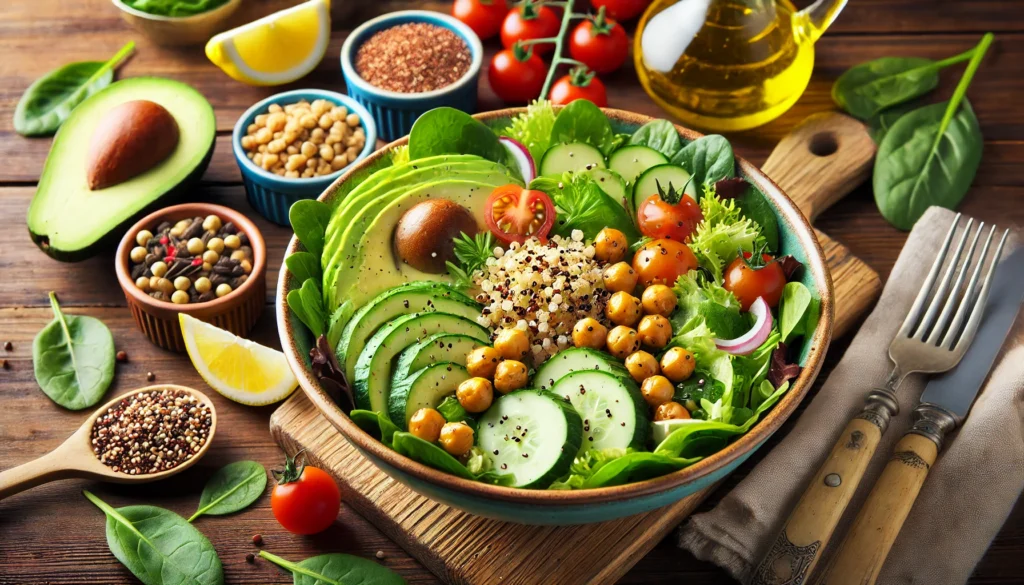
Best Natural Supplements and Foods to Help Fight Depression and Fatigue

Introduction: Understanding the Connection Between Nutrition and Mental Health

Depression and fatigue are two of the most prevalent health concerns worldwide, affecting millions of individuals in varying degrees. While psychological factors and lifestyle habits play crucial roles in mental well-being, growing research suggests that diet and nutrition are equally significant in supporting emotional stability and energy levels. The relationship between food, supplements, and mental health is deeply intertwined, with certain nutrients playing a fundamental role in neurotransmitter function, hormone regulation, and brain chemistry.

You may also like: Best Natural Supplements for Focus and Concentration: Boost Brainpower with Science-Backed Vitamins

Nutritional psychiatry is a rapidly emerging field that emphasizes the impact of diet on mental health, highlighting the importance of specific foods and supplements for depression and anxiety. Many individuals are now exploring natural solutions, including dietary supplements for depression, as alternatives or complements to traditional treatments. By incorporating anti-depression supplements and natural antidepressant foods into a balanced diet, one can foster resilience against mood disorders and chronic fatigue.

This comprehensive guide delves into the best natural supplements and foods that help fight fatigue and depression, offering science-backed insights into their benefits, mechanisms, and practical applications. Understanding what supplements can help fight depression and how specific foods enhance mental health can empower individuals to take proactive steps in their wellness journey.

The Role of Nutrients in Mental Health and Energy Levels

The human brain requires an array of essential nutrients to function optimally. Many of these nutrients serve as precursors or cofactors in neurotransmitter synthesis, directly influencing mood, cognition, and energy production. Deficiencies in key vitamins and minerals have been linked to depressive symptoms, chronic fatigue, and anxiety disorders. As such, ensuring a well-rounded intake of dietary supplements for depression is critical for mental and physical well-being.

Macronutrients such as proteins, healthy fats, and complex carbohydrates are vital for sustaining energy levels and stabilizing mood. Proteins supply amino acids that are essential for neurotransmitter production, while omega-3 fatty acids support brain function and reduce inflammation. Complex carbohydrates, on the other hand, facilitate a steady release of glucose, preventing blood sugar fluctuations that can contribute to mood swings and fatigue.

In addition to macronutrients, micronutrients—including B vitamins, magnesium, zinc, and iron—play a pivotal role in neurotransmitter regulation. Vitamin supplements for depression, such as B-complex and vitamin D, have been extensively studied for their positive effects on mood and energy. Understanding the intricate interplay of these nutrients can help individuals make informed dietary choices to support their mental health.

An assortment of healthy, natural foods arranged on a light wooden table, including whole grains like quinoa and oats, vegetables like broccoli, carrots, and sweet potatoes, seeds such as chia and flax, and natural supplements like magnesium, vitamin D capsules, and ginseng. The scene is bright and energizing

Essential Vitamins for Fighting Depression and Fatigue

B Vitamins: The Energy and Mood Enhancers

B vitamins, particularly B6, B9 (folate), and B12, are crucial for brain function and emotional well-being. They play a significant role in neurotransmitter synthesis, DNA production, and energy metabolism. Deficiencies in these vitamins are often associated with symptoms of depression and chronic fatigue.

Vitamin B6 is essential for serotonin and dopamine production, two neurotransmitters that regulate mood and motivation. A lack of B6 can lead to irritability, mood swings, and feelings of sadness. Similarly, folate (B9) is critical for methylation, a biochemical process that affects brain function. Low folate levels have been linked to increased depressive symptoms, particularly in individuals with genetic predispositions to mental health disorders. Vitamin B12 is another key player, as it supports nerve function and red blood cell formation. Deficiencies in B12 can lead to fatigue, cognitive decline, and depression-like symptoms.

Vitamin D: The Sunshine Vitamin for Mental Well-being

Vitamin D deficiency is a widespread issue, particularly in regions with limited sunlight exposure. Research has consistently linked low vitamin D levels to an increased risk of depression and seasonal affective disorder (SAD). This vitamin plays a critical role in regulating serotonin levels, which directly impact mood and overall well-being.

While sunlight is the most effective source of vitamin D, dietary sources such as fatty fish, egg yolks, and fortified dairy products can help maintain adequate levels. For individuals with limited sun exposure, vitamin D supplements are often recommended to prevent deficiencies and support mental health.

The Best Minerals for Depression and Energy Support

Magnesium: Nature’s Calming Mineral

Magnesium is an essential mineral that plays a key role in stress response, nerve function, and energy production. It regulates the hypothalamic-pituitary-adrenal (HPA) axis, which governs stress hormones such as cortisol. Low magnesium levels have been linked to heightened stress, anxiety, and depressive symptoms.

Foods rich in magnesium include leafy greens, nuts, seeds, whole grains, and legumes. However, due to soil depletion and modern dietary patterns, many individuals fail to consume adequate amounts. Magnesium supplements, particularly magnesium glycinate or magnesium citrate, can be beneficial for those experiencing symptoms of depression and fatigue.

Zinc: A Vital Mineral for Mood Stability

Zinc is another critical nutrient for brain function and immune health. It is involved in neurotransmitter regulation and has been found to exert antidepressant effects by modulating synaptic plasticity. Low zinc levels are commonly observed in individuals with depression and chronic fatigue.

Dietary sources of zinc include shellfish, meat, seeds, and nuts. For those with insufficient intake, zinc supplements may provide a beneficial boost to mental health and energy levels.

Omega-3 Fatty Acids: The Brain-Boosting Fats

Omega-3 fatty acids, particularly EPA and DHA, are essential for cognitive function and emotional stability. They reduce inflammation in the brain, support cell membrane integrity, and enhance neurotransmitter activity. Numerous studies have highlighted the effectiveness of omega-3 supplementation in alleviating symptoms of depression and fatigue.

Fatty fish such as salmon, mackerel, and sardines are the richest dietary sources of omega-3s. Plant-based sources include flaxseeds, chia seeds, and walnuts, though their conversion to active EPA and DHA is less efficient. Omega-3 supplements, such as fish oil or algae-based alternatives, are a valuable option for those who do not consume adequate amounts through diet.

A peaceful scene featuring a cup of green tea surrounded by fresh herbs like mint and ginger, with almonds, walnuts, and a plate of salmon fillets. Fresh oranges are placed in the background, symbolizing healthy fats and antioxidants, set in a cozy, warm-lighted environment ideal for relaxation and mental clarity

Adaptogenic Herbs for Stress Resilience and Mood Enhancement

Adaptogens are natural substances that help the body adapt to stress and maintain homeostasis. They support adrenal function and balance cortisol levels, which are often disrupted in individuals experiencing depression and fatigue.

Ashwagandha: The Stress-Reducing Powerhouse

Ashwagandha is a widely studied adaptogen known for its ability to reduce stress and anxiety. It modulates cortisol levels, enhances energy production, and improves resilience against emotional stressors. Studies have shown that ashwagandha supplementation can significantly reduce symptoms of depression and chronic fatigue.

Rhodiola Rosea: The Mental Clarity Enhancer

Rhodiola rosea is another potent adaptogen that boosts cognitive function and mental stamina. It enhances dopamine and serotonin activity while reducing oxidative stress in the brain. Many individuals use Rhodiola to combat fatigue, improve focus, and elevate mood.

Ginseng: The Energy and Vitality Booster

Ginseng has been used for centuries to enhance energy, cognitive performance, and overall vitality. It supports adrenal health and increases resilience against mental and physical stressors. Regular consumption of ginseng has been linked to improved mood and reduced fatigue.

Frequently Asked Questions (FAQ) on Natural Supplements and Foods for Depression and Fatigue

1. How do foods and supplements for depression support mental health? Foods and supplements for depression work by providing essential nutrients that regulate neurotransmitter activity, hormone balance, and brain function. Many supplements for depression contain vitamins and minerals that are necessary for serotonin and dopamine production, which play a crucial role in mood stabilization. Additionally, natural antidepressant foods such as leafy greens, fatty fish, and nuts supply omega-3 fatty acids and antioxidants that reduce inflammation and oxidative stress in the brain. Long-term dietary habits that include these nutrient-rich foods can improve overall cognitive function and energy levels, reducing the likelihood of depressive symptoms. Combining a balanced diet with well-researched supplements can optimize brain chemistry and support emotional resilience.

2. What supplements can help fight depression naturally? Several supplements have been studied for their role in alleviating depressive symptoms naturally. Omega-3 fatty acids, particularly EPA and DHA, are well known for their neuroprotective properties and ability to enhance mood stability. B vitamins, including B6, B9 (folate), and B12, are essential for energy production and neurotransmitter synthesis. Adaptogenic herbs like Rhodiola Rosea and Ashwagandha help the body adapt to stress and regulate cortisol levels, which can be beneficial for those experiencing chronic fatigue and emotional instability. Magnesium is another key mineral that supports relaxation and reduces symptoms of anxiety and depression. When considering dietary supplements for depression, it is essential to choose high-quality, clinically tested options that align with individual health needs.

3. How do vitamin supplements for depression influence brain function? Vitamin supplements for depression influence brain function by aiding in neurotransmitter production, reducing inflammation, and supporting cognitive performance. Vitamin D, for instance, has been linked to increased serotonin levels, which directly impact mood regulation. B vitamins assist in energy metabolism and nervous system maintenance, preventing cognitive decline and mental exhaustion. Deficiencies in essential vitamins can contribute to symptoms of depression and chronic fatigue, highlighting the importance of supplementation when dietary intake is insufficient. Additionally, antioxidants such as vitamin C and vitamin E protect brain cells from oxidative stress, further supporting mental clarity and emotional stability. Consistently maintaining adequate vitamin intake can enhance resilience against mood disorders and improve overall well-being.

4. Are there specific foods that fight fatigue and depression effectively? Yes, certain foods that fight fatigue and depression contain key nutrients that directly support mental and physical energy. Complex carbohydrates like quinoa, oats, and sweet potatoes provide a steady release of glucose, preventing blood sugar crashes that can lead to mood swings and exhaustion. Leafy greens such as spinach and kale are rich in folate and magnesium, both of which are critical for brain function and stress regulation. Fatty fish like salmon and sardines are excellent sources of omega-3 fatty acids, which help improve cognitive function and mood stability. Nuts and seeds supply essential minerals like zinc and iron, which play a role in neurotransmitter function and energy production. Incorporating these natural antidepressant foods into daily meals can significantly enhance both mental and physical vitality.

5. What are some of the best supplements for depression and anxiety? The best supplements for depression and anxiety often include a combination of vitamins, minerals, and herbal adaptogens that promote relaxation and emotional balance. L-Theanine, an amino acid found in green tea, is known for its calming effects and ability to reduce stress without causing drowsiness. GABA (Gamma-Aminobutyric Acid) supplements can help regulate anxiety by inhibiting overactive neural activity. Probiotics are increasingly recognized for their role in gut-brain health, as a balanced gut microbiome is essential for optimal serotonin production. Herbal options such as passionflower and valerian root have traditionally been used to alleviate stress and anxiety symptoms. A combination of these anti-depression supplements can support nervous system health and improve emotional resilience over time.

6. How do dietary supplements for depression compare to prescription medications? Dietary supplements for depression offer a natural alternative or complement to prescription medications, but they function differently within the body. While pharmaceutical antidepressants often work by altering neurotransmitter levels through selective serotonin reuptake inhibition (SSRIs) or other mechanisms, natural supplements provide the raw materials needed for healthy brain function. Supplements tend to have fewer side effects and may be better tolerated by those who are sensitive to medications. However, their efficacy can vary depending on the individual, and they typically require a longer period to show noticeable benefits. It is always advisable to consult with a healthcare professional before replacing or combining supplements with prescribed treatments.

7. Are there any risks or side effects associated with anti-depression supplements? Although anti-depression supplements are generally well-tolerated, they can have potential risks and side effects depending on individual health conditions and dosages. For example, high doses of omega-3 supplements can cause digestive discomfort or interact with blood-thinning medications. Adaptogenic herbs like Ashwagandha and Rhodiola Rosea may influence thyroid function and should be used with caution in individuals with thyroid disorders. Excessive vitamin B6 intake has been linked to nerve damage when consumed in very high doses over an extended period. Additionally, some herbal supplements may interact with antidepressant medications, leading to unintended effects. It is important to use high-quality, research-backed supplements and follow recommended dosages to avoid potential complications.

8. How long does it take for natural antidepressant foods and supplements to show results? The time frame for experiencing benefits from natural antidepressant foods and supplements varies depending on the individual, the severity of symptoms, and consistency of use. Nutrients such as B vitamins and magnesium can start improving energy levels within a few days to weeks, while omega-3 fatty acids may require several weeks of consistent intake before noticeable mood improvements occur. Adaptogenic herbs like Rhodiola Rosea and Ashwagandha typically show effects within a few weeks but may take longer for full benefits to manifest. Unlike prescription medications that often provide quicker symptom relief, dietary interventions work by gradually restoring balance to brain chemistry. Maintaining a nutrient-dense diet alongside supplements for depression and anxiety is key to achieving long-term emotional stability.

9. Can lifestyle changes enhance the effectiveness of supplements to help with depression? Yes, lifestyle modifications can significantly enhance the effectiveness of supplements to help with depression by creating a holistic foundation for mental wellness. Regular physical activity boosts endorphins and improves neurotransmitter function, complementing the benefits of dietary supplements. Adequate sleep is essential for cognitive function and emotional resilience, as sleep deprivation can exacerbate depressive symptoms. Mindfulness practices, such as meditation and deep breathing, can reduce stress and enhance the calming effects of adaptogenic herbs. Social interactions and support networks play a critical role in emotional well-being, helping to counteract isolation-related depression. Integrating these lifestyle habits alongside nutritional support can lead to more sustainable improvements in mood and energy levels.

10. What factors should be considered when choosing supplements for depression and fatigue? When selecting supplements for depression and fatigue, several factors should be taken into account to ensure efficacy and safety. The quality of the supplement is paramount, so choosing products from reputable brands that undergo third-party testing can help verify potency and purity. Understanding the bioavailability of nutrients is also crucial, as some forms of vitamins and minerals are better absorbed than others. Individual health conditions, medication interactions, and personal dietary preferences should be evaluated before introducing new supplements. It is also beneficial to track progress and adjust dosages as needed based on how the body responds over time. Consulting with a healthcare professional can provide personalized recommendations to optimize supplement choices for mental and physical well-being.

A vibrant display of healthy foods, including avocados, spinach, kale, strawberries, and blueberries, artistically arranged with natural supplements like vitamin B12, iron capsules, and essential oils. The background features a bright, airy kitchen with natural light highlighting the healthful qualities of the foods and supplements

Conclusion: A Holistic Approach to Mental and Physical Vitality

The interplay between nutrition, mental health, and energy levels underscores the importance of adopting a holistic approach to well-being. By incorporating the best supplements for depression and a diet rich in natural antidepressant foods, individuals can take proactive steps toward emotional stability and sustained energy. Ensuring adequate intake of essential vitamins, minerals, omega-3 fatty acids, and adaptogenic herbs can help combat depression and fatigue, ultimately fostering a healthier, more vibrant life. With mindful dietary choices and targeted supplementation, achieving optimal mental and physical vitality is within reach.

natural remedies for mental health, mood-boosting supplements, holistic treatments for depression, energy-enhancing vitamins, brain health nutrition, herbal solutions for fatigue, stress management supplements, plant-based mental health boosters, foods for emotional resilience, neurotransmitter support nutrients, cognitive function enhancers, adaptogenic herbs for mood, anti-fatigue diet, holistic brain wellness, lifestyle changes for depression relief, mind-body wellness foods, integrative approaches to mental health, natural mood stabilizers, supplements for stress and burnout, dietary strategies for emotional well-being

Further Reading:

Foods That Help Fight Depression

Natural remedies for depression: Are they effective?

Herbs and supplements for depression

Disclaimer

The information contained in this article is provided for general informational purposes only and is not intended to serve as medical, legal, or professional advice. While NewsHealthWatch strives to present accurate, up-to-date, and reliable content, no warranty or guarantee, expressed or implied, is made regarding the completeness, accuracy, or adequacy of the information provided. Readers are strongly advised to seek the guidance of a qualified healthcare provider or other relevant professionals before acting on any information contained in this article. NewsHealthWatch, its authors, editors, and contributors expressly disclaim any liability for any damages, losses, or consequences arising directly or indirectly from the use, interpretation, or reliance on any information presented herein. The views and opinions expressed in this article are those of the author(s) and do not necessarily reflect the official policies or positions of NewsHealthWatch.

Best Focus Vitamins for Adults: Natural Supplements to Sharpen Memory and Concentration

Introduction: The Growing Need for Cognitive Enhancement

In an era of constant digital distractions and increasing cognitive demands, maintaining focus and mental clarity has become more challenging than ever. Whether juggling work responsibilities, academic pursuits, or daily decision-making, adults often find themselves struggling with concentration, memory retention, and mental fatigue. While lifestyle changes such as proper sleep, balanced nutrition, and exercise play crucial roles in cognitive health, many individuals seek additional support through natural supplementation. This is where focus vitamins for adults come into play. These specialized nutrients and herbal compounds have been scientifically studied for their ability to enhance cognitive function, boost mental alertness, and support long-term brain health.

You may also like: Best Natural Supplements for Focus and Concentration: Boost Brainpower with Science-Backed Vitamins

The popularity of brain focus tablets and focus supplements has surged, with consumers becoming more discerning about ingredients and efficacy. But with so many options available, understanding which vitamins and supplements truly offer cognitive benefits is essential. This comprehensive guide explores the best focus vitamins for adults, examining their mechanisms of action, benefits, and scientific backing while offering practical guidance on how to integrate them into daily routines for optimal mental performance.

Understanding Brain Health and Cognitive Decline

Cognitive function encompasses various mental abilities, including memory, problem-solving, attention span, and processing speed. Over time, age-related cognitive decline becomes a natural concern, but factors such as stress, poor diet, and environmental toxins can accelerate this process. Several mechanisms contribute to cognitive decline, including oxidative stress, inflammation, neurotransmitter imbalances, and reduced cerebral blood flow. These factors can impair focus, reduce mental clarity, and increase the risk of neurodegenerative diseases such as Alzheimer’s and dementia.

Scientific research suggests that certain nutrients can help protect brain cells, improve neuroplasticity, and enhance neurotransmitter function. By addressing nutritional deficiencies and providing targeted support, brain focus tablets and natural supplements offer a non-invasive way to maintain cognitive sharpness and resilience against mental decline.

A person practicing yoga outdoors in a peaceful garden surrounded by greenery, symbolizing mental relaxation, clarity, and mindfulness

Essential Vitamins for Focus and Memory

Vitamin B Complex: The Foundation of Brain Health

B vitamins play a pivotal role in brain function, energy production, and neurotransmitter synthesis. Each B vitamin offers unique cognitive benefits, making them essential for individuals looking to enhance focus and mental clarity.

  • Vitamin B1 (Thiamine): Supports nerve function and energy metabolism in the brain. Deficiencies can lead to mental fog and memory problems.
  • Vitamin B6 (Pyridoxine): Crucial for neurotransmitter production, including serotonin, dopamine, and GABA, which regulate mood and cognitive function.
  • Vitamin B9 (Folate): Supports DNA synthesis and repair, contributing to cognitive longevity and mental clarity.
  • Vitamin B12 (Cobalamin): Essential for nerve function, red blood cell production, and cognitive sharpness. Low B12 levels are associated with memory loss and brain fog.

Supplementing with a high-quality B-complex can provide a foundation for enhanced focus and mental agility, particularly for those experiencing stress or age-related cognitive decline.

Vitamin D: The Sunshine Vitamin for Cognitive Function

Vitamin D plays a critical role in brain health, affecting mood regulation, neuroprotection, and neurotransmitter synthesis. Studies have linked vitamin D deficiency to cognitive impairment, depression, and an increased risk of neurodegenerative diseases. Ensuring adequate vitamin D intake through sunlight exposure, dietary sources, or supplementation can help improve concentration and overall mental well-being.

Vitamin E: A Powerful Antioxidant for Brain Protection

Vitamin E is known for its neuroprotective properties, combating oxidative stress and preventing cellular damage in the brain. Research suggests that adequate vitamin E intake can slow cognitive decline and enhance memory function, making it a valuable addition to a focus supplement regimen.

Herbal Adaptogens and Nootropics for Mental Clarity

Ginkgo Biloba: Enhancing Blood Flow and Cognitive Speed

Ginkgo biloba is one of the most well-researched herbal adaptogens for brain health. Its primary mechanism involves improving cerebral blood circulation, allowing more oxygen and nutrients to reach brain cells. This leads to enhanced memory retention, quicker mental processing, and improved focus. Many brain focus tablets incorporate ginkgo extract due to its ability to reduce mental fatigue and support cognitive longevity.

Rhodiola Rosea: Combating Mental Fatigue and Enhancing Resilience

Rhodiola rosea is an adaptogenic herb that helps the body manage stress while improving mental endurance. It has been shown to enhance attention, cognitive flexibility, and working memory. For individuals experiencing burnout or prolonged periods of mental exertion, Rhodiola can provide much-needed cognitive support.

Bacopa Monnieri: Boosting Memory and Learning Ability

Bacopa monnieri is widely used in Ayurvedic medicine for its brain-boosting properties. It supports neurotransmitter balance, promotes neurogenesis, and enhances synaptic communication. Clinical studies have demonstrated Bacopa’s ability to improve memory retention and learning capabilities, making it a key ingredient in focus supplements.

Omega-3 Fatty Acids: Essential Brain Fuel

DHA and EPA, the two primary omega-3 fatty acids found in fish oil, are fundamental to brain structure and function. They enhance synaptic plasticity, reduce neuroinflammation, and support overall mental clarity. Omega-3 supplementation has been linked to improved attention span, faster reaction times, and a reduced risk of cognitive decline.

A healthy breakfast scene featuring a vibrant smoothie bowl topped with fresh berries, nuts, and seeds, representing natural nourishment and vitality

The Role of Magnesium in Focus and Relaxation

Magnesium is essential for over 300 biochemical reactions in the body, including those related to brain function. It helps regulate neurotransmitter activity, reduce stress, and enhance cognitive performance. Magnesium L-threonate, a form of magnesium that crosses the blood-brain barrier, has been shown to improve memory and focus.

Practical Tips for Integrating Focus Supplements into Daily Life

Incorporating focus vitamins for adults into a daily routine requires a strategic approach. Combining supplementation with lifestyle factors such as mindfulness, exercise, hydration, and a nutrient-rich diet can maximize cognitive benefits. Additionally, choosing high-quality, third-party-tested supplements ensures potency and safety.

Frequently Asked Questions (FAQ) on Focus Vitamins for Adults

1. What are the key differences between focus supplements and traditional multivitamins?

While traditional multivitamins provide a broad range of essential nutrients for overall health, a focus supplement is specifically formulated to enhance cognitive function, memory, and concentration. These supplements typically include ingredients like nootropics, adaptogens, and targeted nutrients such as omega-3 fatty acids, vitamin B-complex, and herbal extracts like Bacopa Monnieri. Unlike generic multivitamins, which prioritize general wellness, brain focus tablets are designed to support neurotransmitter activity, improve blood circulation to the brain, and reduce mental fatigue. Additionally, some focus supplements include compounds that promote neuroplasticity and long-term brain health, offering benefits beyond daily nutritional support. This specialization makes focus supplements a preferred choice for individuals looking to enhance cognitive performance rather than just fill nutritional gaps.

2. Can focus vitamins for adults be used long-term, or should they be cycled?

The long-term use of focus vitamins for adults depends on the specific ingredients and individual health needs. Some nutrients, such as B vitamins and omega-3 fatty acids, are safe for continuous use as they support essential brain functions and overall health. However, certain adaptogens and nootropics, like Rhodiola Rosea or Ginkgo Biloba, may be more effective when cycled to prevent tolerance buildup. Cycling means taking these supplements for a set period, such as six to eight weeks, followed by a short break before resuming use. This approach ensures sustained effectiveness while allowing the body to reset its response to the active compounds. Consulting with a healthcare provider can help determine the best regimen for long-term cognitive support.

3. Are there any lifestyle habits that enhance the effectiveness of brain focus tablets?

Yes, combining brain focus tablets with healthy lifestyle habits significantly enhances their effectiveness. Proper hydration, a balanced diet rich in antioxidants and healthy fats, and regular physical exercise all contribute to optimal brain function. Additionally, practicing mindfulness and stress management techniques, such as meditation or deep breathing exercises, can help reduce cognitive overload and improve concentration. Sleep quality is another crucial factor—adequate rest allows the brain to consolidate memories and regenerate neurons, complementing the benefits of focus supplements. Limiting distractions and practicing techniques like the Pomodoro method can also maximize attention span and productivity, making the effects of brain-enhancing nutrients more pronounced.

4. Can focus supplements help with age-related cognitive decline?

Many focus supplements contain ingredients that support long-term brain health and may help slow age-related cognitive decline. Nutrients such as vitamin E, DHA from omega-3 fatty acids, and acetyl-L-carnitine have been studied for their neuroprotective properties. Additionally, antioxidants help combat oxidative stress, which is a major contributor to brain aging. Some studies suggest that ingredients like Bacopa Monnieri and Lion’s Mane mushroom may encourage neurogenesis, the formation of new neurons, which can help maintain cognitive sharpness. While focus vitamins for adults cannot completely prevent neurodegenerative diseases, they may support brain function and delay cognitive decline when combined with a brain-healthy lifestyle.

5. How quickly do brain focus tablets start working?

The time it takes to notice the effects of brain focus tablets varies depending on the formulation and the individual. Some ingredients, such as caffeine and L-theanine, can provide an immediate boost in alertness within 30 to 60 minutes. However, nutrients like omega-3 fatty acids, Bacopa Monnieri, and phosphatidylserine often require consistent use over several weeks before significant cognitive benefits are observed. Adaptogenic herbs, which work by regulating stress responses, may take a few weeks to reach full effectiveness. For best results, brain focus tablets should be taken consistently and in conjunction with a healthy diet and lifestyle.

6. Can focus vitamins for adults improve creativity and problem-solving skills?

Certain focus vitamins for adults are known to enhance cognitive flexibility, which can improve creativity and problem-solving skills. Nutrients such as magnesium and acetyl-L-carnitine play a role in neural communication, allowing for more efficient idea generation and mental adaptability. Additionally, nootropics like Rhodiola Rosea and L-theanine help regulate stress levels, making it easier to engage in deep thinking without anxiety interfering. A well-functioning brain processes and synthesizes information more effectively, leading to better problem-solving capabilities. Regularly using focus supplements, alongside activities such as journaling, brainstorming, or engaging in creative hobbies, can help amplify these cognitive benefits.

7. Are there any side effects associated with taking focus supplements?

While most focus supplements are well-tolerated when taken at recommended doses, some individuals may experience mild side effects. Common reactions include digestive discomfort, headaches, or slight jitteriness, especially if the supplement contains stimulants like caffeine. Adaptogens, such as Ginseng or Rhodiola, may initially cause mild sleep disturbances or changes in energy levels. Individuals with medical conditions or those taking medications should consult a healthcare professional before starting any brain focus tablets, as some ingredients may interact with prescription drugs. Adjusting the dosage or timing of intake can often help minimize any potential side effects.

8. How do herbal adaptogens in brain focus tablets contribute to mental performance?

Herbal adaptogens in brain focus tablets help regulate the body’s stress response, allowing the brain to maintain focus and clarity under pressure. These herbs, including Ashwagandha, Rhodiola Rosea, and Ginseng, work by modulating the production of cortisol, a stress hormone that can negatively impact cognitive function when chronically elevated. By supporting adrenal health and stabilizing energy levels, adaptogens prevent mental burnout and sustain long-term cognitive endurance. Unlike stimulants, which provide a temporary energy boost followed by a crash, adaptogens offer steady, balanced energy that promotes sustained concentration. Over time, these herbs can enhance mental resilience and improve overall cognitive function, making them valuable additions to focus supplements.

9. Can brain focus tablets help individuals with ADHD?

Some brain focus tablets contain ingredients that may support cognitive function in individuals with ADHD, although they are not a replacement for prescribed treatments. Omega-3 fatty acids, magnesium, and zinc have been studied for their role in supporting attention regulation and impulse control. Additionally, L-theanine, commonly found in green tea, has been shown to promote relaxation while enhancing focus, making it useful for those with hyperactivity symptoms. While certain nootropics and adaptogens may help improve concentration, it is essential for individuals with ADHD to consult a healthcare provider before using focus supplements. Combining natural cognitive enhancers with structured routines and behavioral techniques can offer additional support for focus and productivity.

10. What is the best time of day to take focus vitamins for adults?

The best time to take focus vitamins for adults depends on the ingredients and individual lifestyle needs. Supplements containing stimulatory compounds like caffeine or Rhodiola Rosea are best taken in the morning or early afternoon to avoid interfering with sleep. On the other hand, ingredients such as magnesium and L-theanine can be taken in the evening to promote relaxation and prevent mental fatigue the next day. Some focus supplements work best when taken with meals to enhance nutrient absorption, particularly fat-soluble vitamins like vitamin D and E. Experimenting with timing and consistency will help determine the most effective schedule for optimal cognitive benefits.

A serene forest with sunlight filtering through trees, surrounded by vibrant green foliage, symbolizing mental clarity and focus

Conclusion: Enhancing Mental Performance Naturally

Optimizing cognitive function requires a multifaceted approach that includes proper nutrition, stress management, and targeted supplementation. By incorporating key vitamins, herbal adaptogens, and essential nutrients, individuals can enhance focus, memory, and mental clarity while supporting long-term brain health. As scientific research continues to unveil the benefits of natural focus supplements, adults have more options than ever to maintain cognitive sharpness and resilience in an increasingly demanding world.

natural brain boosters, cognitive enhancement supplements, memory improvement vitamins, mental clarity support, brain health nutrients, herbal cognitive enhancers, neuroprotective supplements, vitamins for mental energy, nootropic herbal extracts, stress management supplements, brain fog remedies, attention and concentration aids, adaptogenic herbs for focus, omega-3 for brain function, natural memory enhancers, cognitive resilience nutrients, mind sharpening supplements, best vitamins for brain health, energy and focus boosters, smart nutrition for adults

Further Reading:

Don’t buy into brain health supplements

Brain Supplements That Do and Don’t Work

6 Best Evidence-Based Supplements for Brain Fog

Disclaimer

The information contained in this article is provided for general informational purposes only and is not intended to serve as medical, legal, or professional advice. While NewsHealthWatch strives to present accurate, up-to-date, and reliable content, no warranty or guarantee, expressed or implied, is made regarding the completeness, accuracy, or adequacy of the information provided. Readers are strongly advised to seek the guidance of a qualified healthcare provider or other relevant professionals before acting on any information contained in this article. NewsHealthWatch, its authors, editors, and contributors expressly disclaim any liability for any damages, losses, or consequences arising directly or indirectly from the use, interpretation, or reliance on any information presented herein. The views and opinions expressed in this article are those of the author(s) and do not necessarily reflect the official policies or positions of NewsHealthWatch.

Play exciting online pokies and live games at True Fortune Casino, offering fast payouts, secure deposits, and generous bonuses for Australian players.

Enjoy top pokies and live dealer tables at Uptown Pokies Casino, with quick withdrawals, safe banking, and rewarding promotions for Australian users.

Join thrilling online slots and live casino action at Uptown Aces, featuring fast deposits, secure withdrawals, and exclusive bonuses for Australian players.

Spin favourite pokies and play live casino games at Velvet Spins Casino, offering safe banking, fast payouts, and generous promotions for Australian enthusiasts.

Experience exciting online pokies and live tables at Woo Casino, with quick withdrawals, secure deposits, and attractive bonuses for Australian casino players.

Play top pokies and live dealer games at King Billy Casino, offering fast payouts, safe banking, and rewarding promotions for Australian online casino users.

Enjoy thrilling online slots and live casino action at Aussie Play Casino, with secure deposits, quick withdrawals, and generous bonuses for Australian players.

Join exciting pokies and live tables at Fastpay Casino, featuring fast payouts, safe banking, and exclusive promotions for Australian online casino enthusiasts.