hacklink hack forum hacklink film izle hacklink
Home Blog Page 109

Can Exercise Repair Heart Damage? Expert Insights on Safe Fitness for Heart Failure, Cardiomegaly, and Coronary Artery Disease

The heart, a powerful yet delicate organ, carries the burden of every heartbeat throughout our lives. For individuals facing cardiac conditions like heart failure, cardiomegaly, or coronary artery disease, the idea of returning to exercise can feel daunting—if not dangerous. Yet emerging science paints a different picture: under medical guidance, movement may become a lifeline. This article explores the evidence behind the question: can exercise repair heart damage?—and what it means for patients living with chronic heart disease.

You may also like: Smart Nutrition Choices for a Healthier Lifestyle: What to Know About Whole Grain Rice and Whole Wheat Rice
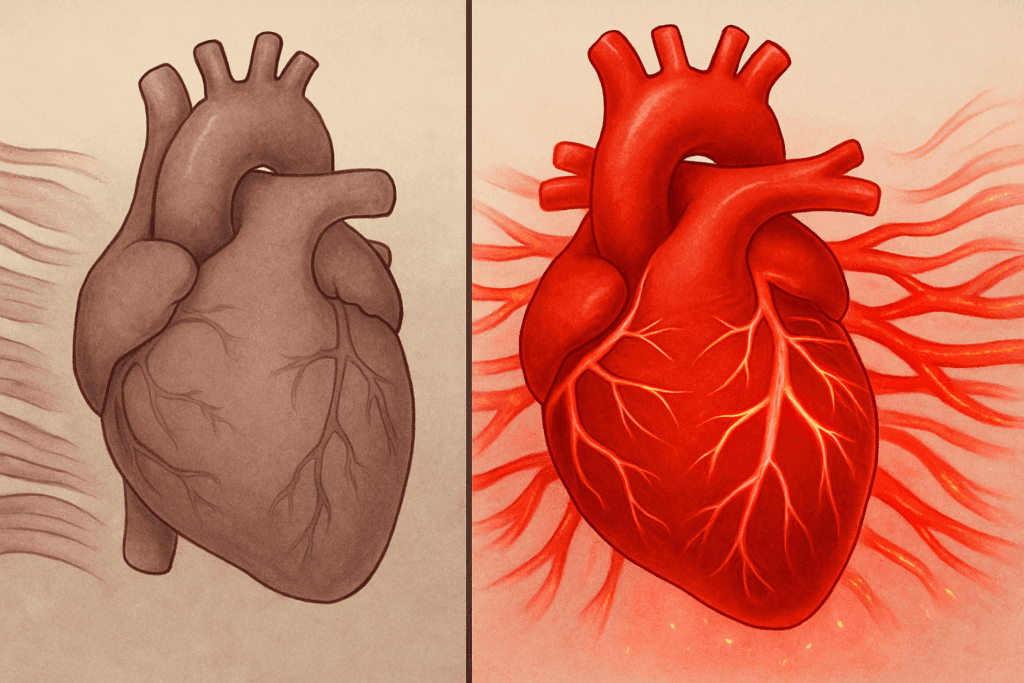
Split-screen illustration comparing a weak heart and a healthy one after aerobic training, answering the question: can exercise repair heart damage.

Can Exercise Truly Help Repair Heart Damage? Understanding the Science of Cardiac Adaptation

While it may not reverse all forms of structural damage, exercise has a profound impact on heart function. Clinical studies confirm that certain exercises for heart failure can improve cardiac output, enhance circulation, and stimulate positive remodeling of heart tissue. Aerobic activity, in particular, has demonstrated remarkable effects in promoting vascular health and reducing strain on a weakened heart.

It’s important to distinguish between complete tissue regeneration and functional recovery. While exercise cannot regrow dead myocardial cells, it does improve how the remaining heart muscle performs. Through a process known as cardiac remodeling, aerobic training helps the heart adapt to its limitations. Over time, the heart becomes more efficient, enabling patients to engage in daily activities with less fatigue and breathlessness.

Moreover, aerobic training may help prevent future heart attacks by reducing inflammation, improving cholesterol profiles, and enhancing endothelial function. These physiological adaptations mean that regular, low-to-moderate-intensity movement is not just safe—it’s medicinal. With proper oversight, individuals with heart conditions can regain strength, endurance, and confidence in their bodies.

Older adult in cardiac rehab walking on a treadmill under medical supervision, illustrating how can exercise repair heart damage

Exercise and Congestive Heart Failure: A Safe Path to Stronger Living

For those living with congestive heart failure (CHF), the prospect of physical exertion can feel overwhelming. Symptoms like fatigue, shortness of breath, and swelling make even basic movements challenging. However, exercises for congestive heart failure, when introduced gradually and safely, have proven to offer both functional and emotional benefits.

Programs tailored around the best exercise for CHF typically begin with low-impact aerobic movements. These may include walking, swimming, stationary cycling, or even chair-based exercises. The goal is to gently condition the body without overtaxing the heart. Over time, even small increases in activity can result in better oxygen use, improved stamina, and fewer hospitalizations.

It’s essential to emphasize personalization. Each case of CHF is different, and any heart condition exercise must reflect individual limitations, medications, and cardiac output levels. With clinical supervision—often via cardiac rehabilitation programs—patients can learn how to monitor heart rate, manage symptoms, and progress safely. In doing so, they rediscover not only mobility but also autonomy.
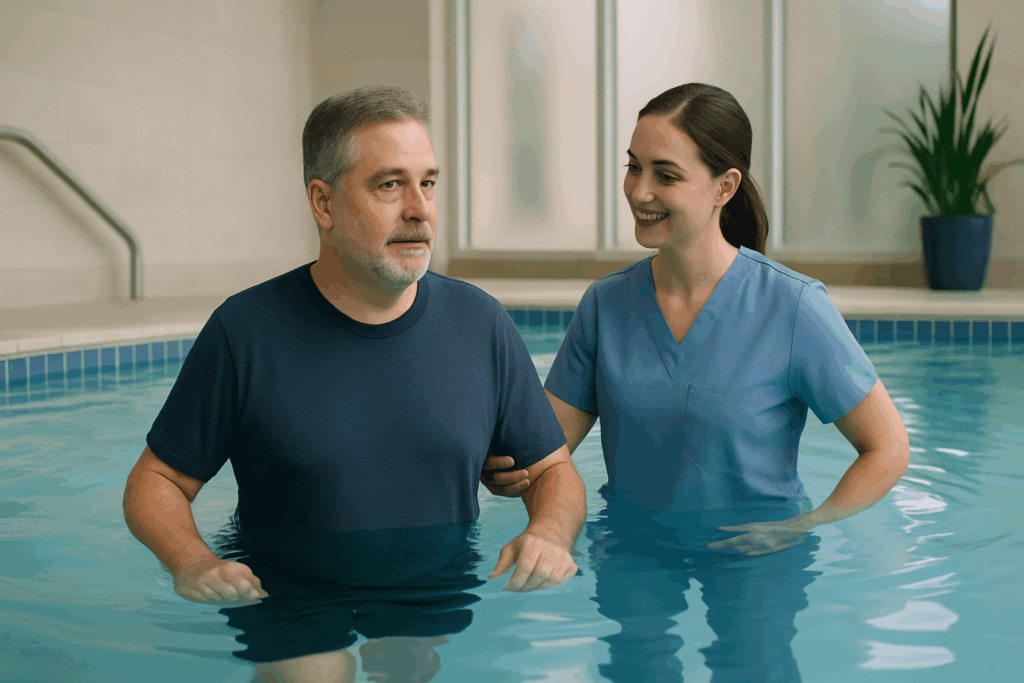
Middle-aged man in chest-deep indoor pool doing water walking therapy with a healthcare professional, showing how gentle aquatic exercise can repair heart damage.

Cardiomegaly and Movement: Strengthening an Enlarged Heart Through Gentle Exercise

Cardiomegaly, characterized by an enlarged heart, may seem like a condition that would prohibit any form of strenuous movement. But emerging evidence suggests otherwise. When carefully prescribed, a cardiomegaly exercise plan can improve how the heart functions and reduce associated risks such as arrhythmia and fatigue.

Structured aerobic activity encourages the heart to pump more efficiently, despite its size. Moderate-intensity workouts such as slow treadmill walking or aquatic therapy are ideal starting points. These forms of movement allow for cardiovascular conditioning without undue pressure on the heart’s chambers. Strength training with resistance bands can also be incorporated to maintain muscle mass and functional mobility.

Importantly, exercise improves more than physical endurance—it helps prevent deconditioning, a common issue in patients who avoid activity due to fear. With ongoing guidance, patients with cardiomegaly can safely increase their physical thresholds and enjoy a better quality of life. The key lies in consistency, gradual progression, and clinical support.
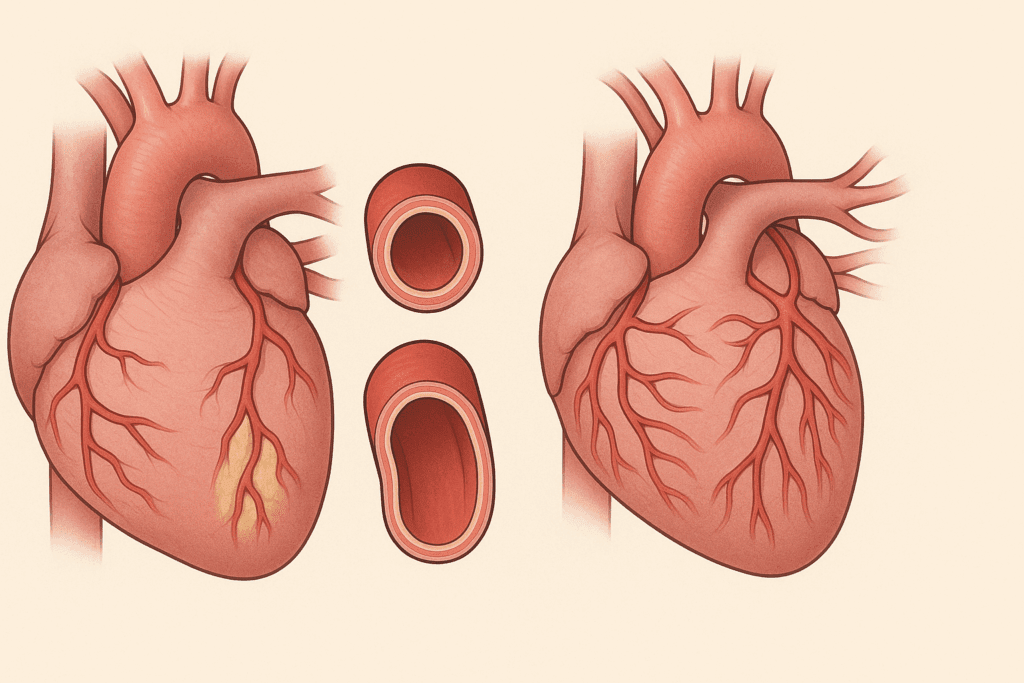
Illustration showing how can exercise repair heart damage by improving blocked coronary arteries and enhancing blood flow post-training

Coronary Artery Disease and Exercise: Preventing Further Damage Through Cardiovascular Training

Among the most common heart conditions, coronary artery disease (CAD) significantly raises the risk of heart attack and stroke. But for patients with CAD, movement isn’t just permissible—it’s protective. The relationship between coronary artery disease and exercise has been extensively studied, with consistent findings showing improvement in lipid levels, blood pressure, and blood vessel function.

Physical activity promotes better oxygenation of the heart muscle and helps open alternate pathways for blood flow, known as collateral circulation. This makes the heart more resilient even if major arteries remain partially blocked. Walking, cycling, or light jogging under supervision has become a mainstay of cardiac rehabilitation for patients recovering from events like angioplasty or bypass surgery.

The takeaway is clear: for those with CAD, heart condition exercise is not a risk to be avoided but a therapy to be embraced—provided it’s properly managed. Even those with advanced disease stages can benefit from light aerobic sessions that improve overall metabolic health and decrease long-term complications.
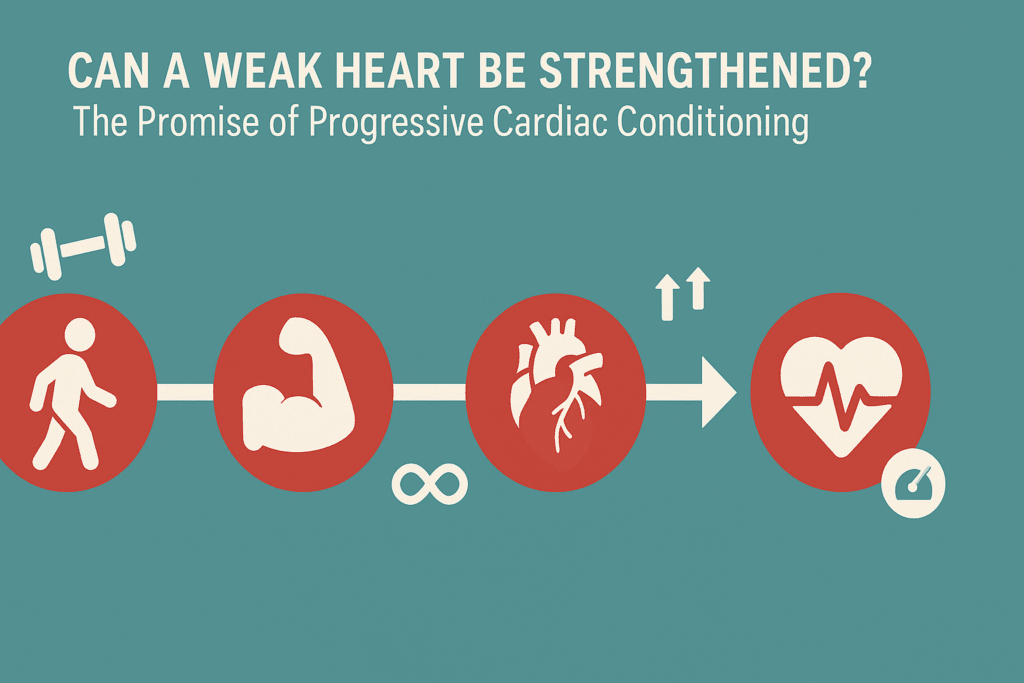
Infographic timeline showing how progressive workouts like walking and resistance training improve heart function, exploring can exercise repair heart damage

Can a Weak Heart Be Strengthened? The Promise of Progressive Cardiac Conditioning

Patients with diminished heart function often wonder: can a weak heart be strengthened? Modern cardiology answers with cautious optimism. The heart, although limited in regenerative capacity, is capable of improving its function through well-calibrated conditioning programs. This means that even those with a reduced ejection fraction can benefit from structured fitness routines.

The answer lies in progressive overload—the gradual increase of physical demand on the body. In heart failure patients, this might involve interval walking, where brief periods of slow walking alternate with slightly brisker paces. These small fluctuations challenge the cardiovascular system while remaining within safe parameters. As strength builds, so does endurance, oxygen delivery, and even psychological resilience.

These improvements are not theoretical. Clinical trials consistently show that regular exercise in heart failure patients increases cardiac efficiency and reduces hospitalization. Furthermore, strengthening surrounding muscles decreases the load on the heart, helping it perform better with less effort. In short, the answer to whether a weak heart can be strengthened is yes—with patience, precision, and perseverance.

Smiling adults of diverse backgrounds practicing tai chi in a sunlit park, showing how group movement can exercise repair heart damage.

The Emotional and Psychological Healing Power of Movement

Beyond physiological recovery, exercise has profound emotional and psychological benefits for heart patients. Depression and anxiety are common in individuals diagnosed with CHF, CAD, or cardiomegaly. Engaging in routine physical activity—especially in group-based cardiac rehab settings—offers social connection, confidence-building, and emotional support.

The structured nature of exercise restores a sense of control for many patients who feel helpless in the face of illness. Small wins, like walking for an extra five minutes or climbing stairs without gasping, can be transformative. They remind patients that progress is possible and that their efforts are worthwhile. Moreover, exercise reduces stress hormone levels and boosts the production of endorphins, naturally elevating mood.

Mind-body practices like yoga and tai chi are particularly effective for combining movement with mindfulness. When adapted for cardiac safety, they provide balance training, flexibility, and stress relief. These gentle routines are especially valuable for older patients or those beginning their journey to recovery. Over time, they become not just tools for fitness—but pathways to joy, purpose, and inner peace.

Building a Safe and Sustainable Cardiac Exercise Plan

Creating a personalized exercise plan is crucial for long-term success in heart recovery. This begins with an in-depth health assessment that considers the patient’s medical history, medications, baseline fitness, and personal goals. From there, a multidisciplinary care team—including cardiologists, physical therapists, and exercise physiologists—can design a safe starting point.

The most effective programs include a combination of aerobic activity, resistance training, and flexibility work. For CHF patients, the best exercise for congestive heart failure often involves interval-based aerobic movement and light strength work. Flexibility and balance training help prevent falls and maintain daily function. Wearable fitness trackers offer real-time insights into heart rate, step count, and energy expenditure—allowing for more responsive adjustments to the routine.

Patients must also be educated on warning signs, such as chest pain, extreme fatigue, or dizziness, that may indicate overexertion. Equipping individuals with the knowledge to listen to their bodies builds confidence and reduces the likelihood of setbacks. Over time, exercise evolves from a prescribed treatment into a sustainable lifestyle

Frequently Asked Questions: Exercise and Heart Health

1. How can exercise support long-term recovery from congestive heart failure?

Long-term recovery from congestive heart failure requires more than medication—it involves lifestyle changes that prioritize consistent, low-impact physical activity. When strategically introduced, exercises for congestive heart failure help improve circulation, reduce fluid retention, and enhance metabolic function over time. These workouts also condition peripheral muscles to be more efficient, allowing the heart to conserve energy during physical tasks. An often-overlooked aspect is the role of exercise in slowing heart muscle deterioration, particularly when paired with optimal medication. By developing a structured and sustainable routine, patients can manage symptoms more effectively while reducing the risk of complications.

2. Can exercise repair heart damage caused by previous heart attacks?

While exercise cannot regenerate scarred heart tissue from past myocardial infarctions, it can initiate vascular adaptations that offset the impact of the damage. The concept behind “can exercise repair heart damage” rests in its ability to improve oxygen delivery and redistribute blood flow via collateral circulation. These physiological adjustments allow the healthy portions of the heart to function more efficiently, compensating for the damaged areas. Moreover, regular exercise improves mitochondrial density and cardiac output, meaning the heart pumps more effectively despite previous injury. In the long term, this results in better symptom control and lower mortality rates among those recovering from heart attacks.

3. What role does strength training play in heart condition exercise routines?

Strength training has increasingly become a valuable component of heart condition exercise programs, once considered risky for cardiac patients. Light to moderate resistance exercises help maintain muscle mass, improve balance, and reduce insulin resistance—factors especially beneficial for older adults with comorbidities. When incorporated safely, strength training complements aerobic routines by lowering blood pressure and enhancing vascular health. For patients with limitations on high-impact cardio, resistance training provides an alternative way to support circulation and functional capacity. A comprehensive fitness plan for heart patients often combines both modalities, maximizing heart and skeletal muscle benefits.

4. How does coronary artery disease influence exercise limitations, and what adaptations are recommended?

In patients with coronary artery disease, exercise capacity is often reduced due to narrowed vessels and decreased blood flow. However, coronary artery disease and exercise can still coexist safely with careful planning and regular evaluation. Individuals should avoid high-intensity activities without physician clearance, opting instead for steady-state cardio like treadmill walking or recumbent cycling. Using a heart rate monitor helps maintain training within safe limits, minimizing the risk of angina or arrhythmias. Over time, these controlled sessions lead to improved endothelial function and vascular elasticity, reducing the likelihood of ischemic episodes.

5. Are there specific types of exercises for heart failure patients who also have diabetes?

For patients with both heart failure and diabetes, tailored movement programs must balance cardiac safety with glucose control. Effective exercises for heart failure in this group include rhythmic, repetitive activities such as walking, elliptical training, or water aerobics—done at moderate intensity. These activities enhance insulin sensitivity and lower A1C levels while supporting cardiac efficiency. It’s important for patients to monitor their blood sugar levels before and after workouts, as exercise can dramatically influence glycemic response. Combining aerobic movement with brief, low-resistance strength work may also improve metabolic health without overburdening the cardiovascular system.

6. What is considered the best exercise for congestive heart failure in older adults?

The best exercise for congestive heart failure in seniors is one that respects both physical limitations and cardiovascular demands. Chair aerobics, gentle tai chi, and short-distance interval walking are commonly recommended for older adults who may struggle with joint issues or poor balance. These activities not only stimulate the heart but also enhance coordination and reduce the risk of falls. Importantly, any best exercise for CHF plan should be initiated under clinical supervision, especially during the first few months. Over time, progression can include light resistance work and short-duration cycling, provided it is tolerated well.

7. Can a weak heart be strengthened through virtual or home-based programs?

Yes, with proper planning and oversight, virtual platforms and home-based interventions offer a feasible pathway for improving cardiac function. The premise that a weak heart can be strengthened doesn’t rely solely on gym access—it depends on adherence, safety education, and consistency. Home-based cardiac rehab models have been validated in clinical trials, showing similar benefits to in-person programs in terms of blood pressure control, exercise tolerance, and psychological outcomes. These models often include live-streamed exercise sessions, app-guided tracking tools, and remote heart rate monitoring. For patients in rural areas or with mobility limitations, virtual care provides a vital opportunity for rehabilitation.

8. What makes cardiomegaly exercise unique compared to other cardiac fitness plans?

Cardiomegaly exercise routines must address the increased risk of heart failure symptoms and arrhythmias caused by an enlarged heart. Unlike standard cardiac rehab programs, these plans emphasize strict intensity control and rest intervals to avoid excessive strain. Techniques such as interval walking and aquatic therapy are favored due to their low impact on systemic blood pressure. Additionally, postural transitions should be managed carefully, as orthostatic hypotension is more common in this group. Customized programming with real-time feedback becomes essential, especially during the initial stages of physical conditioning.

9. How does exercise prevent future heart attacks in high-risk individuals?

For those at high risk, aerobic training may help prevent future heart attacks by promoting collateral vessel development, lowering LDL cholesterol, and improving cardiac autonomic balance. It also enhances nitric oxide production, which supports vasodilation and reduces arterial stiffness. Exercise decreases systemic inflammation—one of the key contributors to atherosclerosis progression. Over time, this lowers the plaque burden and stabilizes existing lesions, making them less prone to rupture. Even for those with previous cardiac events, structured aerobic routines play a central role in secondary prevention strategies.

10. In what ways does exercise enhance heart failure treatment beyond medication?

Understanding how exercise improves heart failure requires looking beyond the mechanics of cardiac output. Physical activity boosts neurohormonal balance, reducing harmful compensatory mechanisms like excess adrenaline or renin-angiotensin activation. It also promotes better kidney function, aiding in fluid management, which is critical for reducing hospitalization. Additionally, exercise improves respiratory muscle strength, helping patients breathe easier during activity and rest. Perhaps most importantly, it fosters patient empowerment, encouraging lifestyle adherence and long-term self-care—factors that pharmacological treatments alone cannot fully address.

Conclusion: Can Exercise Repair Heart Damage? A Resounding Yes—With the Right Approach

While exercise may not restore every damaged cell, it undeniably improves how the heart functions, heals, and adapts. The question can exercise repair heart damage? finds its answer not in absolute reversal, but in meaningful, measurable improvement. For those living with congestive heart failure, cardiomegaly, or coronary artery disease, the path forward isn’t paved with passivity—it’s built on motion, motivation, and medical guidance.

The integration of exercises for heart failure, a personalized cardiomegaly exercise routine, and clinically validated strategies for coronary artery disease and exercise creates a holistic approach to heart health. More importantly, it reaffirms a hopeful truth: a weak heart can be strengthened. And perhaps the most powerful insight of all is that aerobic training may help prevent future heart attacks by improving the heart’s resilience before crisis strikes.

In the end, the best medicine may not come in pill form—it may lie in a daily walk, a slow swim, or a mindful stretch. Movement, when guided and intentional, becomes an act of restoration, one heartbeat at a time.

Further Reading:

Physical Fitness and Risk for Heart Failure and Coronary Artery Disease

Potential Adverse Cardiovascular Effects From Excessive Endurance Exercise

Cardiac Rehabilitation for Patients With Heart Failure: JACC Expert Panel

How Heart Pumping Capacity by Age Impacts Endurance: What Athletes Need to Know to Train Smarter and Stay Stronger

Understanding Cardiac Output and Its Role in Endurance

Cardiovascular efficiency is central to physical endurance, particularly for athletes who push their limits in competitive or long-duration activities. At the core of this system lies the heart’s pumping ability—scientifically referred to as cardiac output—which determines how much oxygenated blood is circulated to muscles during exertion. This capacity is essential for sustaining aerobic activity, delaying fatigue, and promoting faster recovery. However, few athletes understand how heart pumping capacity by age affects their performance over time or how it should influence their training strategies.

Cardiac output is influenced by two primary factors: heart rate and stroke volume, which is the amount of blood pumped with each heartbeat. During intense physical activity, a healthy heart significantly increases both values to meet muscular demand. Over time, however, structural and functional changes in the cardiovascular system alter this efficiency. Training that once yielded peak results may no longer feel sustainable, which often has less to do with effort and more to do with age-related changes in cardiac capacity.

You may also like: Smart Nutrition Choices for a Healthier Lifestyle: What to Know About Whole Grain Rice and Whole Wheat Rice

Colorful heart rate zones from walking to sprinting showing changes in heart pumping capacity by age

The Science Behind Heart Percentage and Performance Zones

Athletes often use heart percentage zones to gauge the intensity of their workouts. This measurement is calculated relative to an individual’s maximum heart rate and helps structure workouts for specific outcomes, such as fat burning, aerobic endurance, or anaerobic threshold improvements. For example, exercising at 60–70% of maximum heart rate builds aerobic capacity, while 80–90% targets improved lactate clearance and endurance at higher intensities.

The challenge, however, is that maximum heart rate is not fixed—it declines steadily with age. As a result, the same workout may push an older athlete into a higher heart percentage zone than it would a younger counterpart. This makes age-appropriate zone recalibration critical. Without updating training intensities to reflect current cardiovascular capacity, athletes risk overtraining or failing to stimulate desired adaptations. Recognizing how heart pumping capacity by age affects heart percentage zones is crucial to designing effective, safe, and age-smart training protocols.

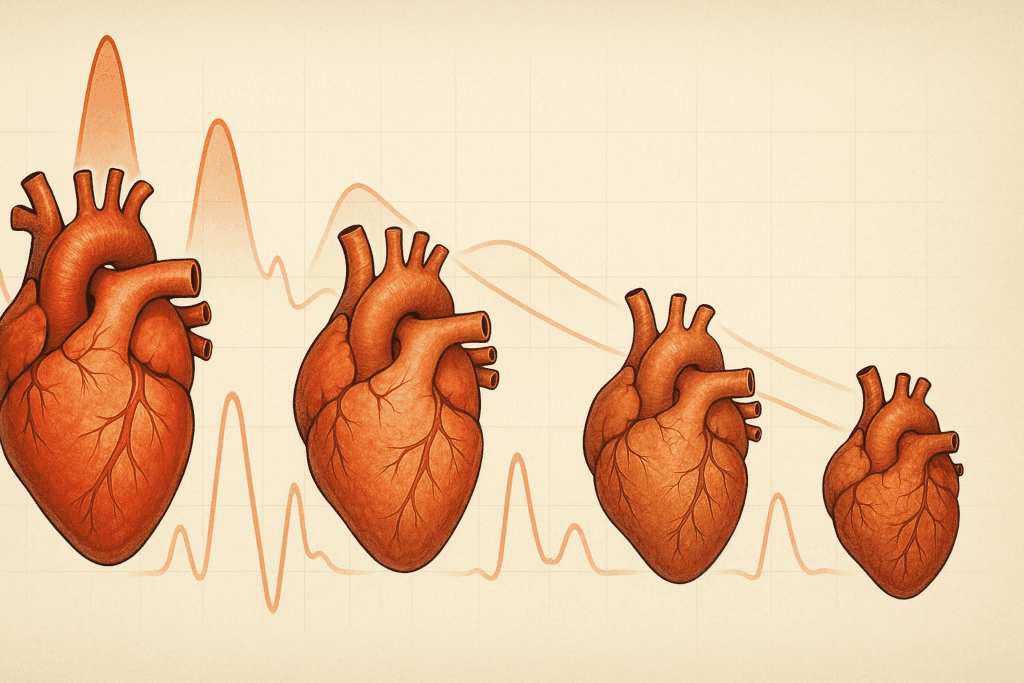
Illustration of heart pumping capacity by age showing four hearts aging left to right with decreasing output and elasticity

Age-Related Changes in Heart Pumping Capacity

From the age of 30 onward, physiological studies have shown a consistent, gradual decline in maximal heart rate and stroke volume. These two elements directly impact heart pumping capacity by age, leading to diminished maximum cardiac output over time. This doesn’t imply that endurance vanishes—it simply means that peak physical performance metrics shift. The heart becomes less responsive to high-intensity demands, and the elasticity of arteries diminishes, making it harder to achieve and sustain elevated workloads.

Older athletes may notice that they become fatigued more easily or require longer recovery periods after intensive training. These symptoms are often misunderstood as signs of deconditioning, but they frequently represent age-appropriate cardiovascular changes. Recognizing this distinction empowers athletes to make informed training adjustments rather than retreating from physical activity altogether. With the right strategies, endurance can be preserved—even improved—well into older adulthood.

Younger and older athletes training outdoors with smart devices, illustrating differences in heart pumping capacity by age.

Adapting Training Strategies to Aging Physiology

Acknowledging how heart pumping capacity by age evolves should not discourage athletes but inspire smarter training. One effective adaptation is emphasizing Zone 2 training, which focuses on aerobic efficiency while minimizing systemic stress. This zone, often targeting 60–70% heart percentage, helps maintain mitochondrial density, fat metabolism, and muscular endurance without overtaxing the heart. It’s particularly beneficial for older adults who want to enhance cardiovascular health while avoiding unnecessary risk.

Additionally, incorporating interval training—when done safely—can stimulate cardiovascular remodeling and maintain heart efficiency. Short bursts of high effort followed by longer rest periods allow the heart to experience sufficient challenge without prolonged strain. Resistance training also supports cardiovascular health by enhancing muscular strength, thereby reducing the heart’s workload during daily tasks and recreational exercise. All these practices contribute to preserving heart pumping capacity by age, especially when combined with adequate rest and recovery.

Older athlete relaxing in a forest cabin with eyes closed, wearing a fitness tracker—illustrating heart pumping capacity by age.

Recovery, HRV, and Cardiac Resilience Over Time

Recovery plays a pivotal role in athletic longevity. One of the most powerful tools in monitoring recovery is heart rate variability (HRV), a measure of the variation between heartbeats. High HRV generally indicates good cardiovascular health and recovery capacity, while low HRV may suggest fatigue, stress, or potential overtraining. As heart pumping capacity by age naturally declines, so too may HRV, making it a key indicator of how well an athlete is managing their training load.

For older athletes, frequent monitoring of HRV can provide insights into how training and recovery are influencing overall performance. If HRV remains consistently low despite adequate rest, it may signal a need to adjust exercise intensity or duration. Understanding the interplay between cardiac function and nervous system regulation becomes increasingly important for sustaining performance and minimizing health risks as athletes age.

The Role of Technology in Personalized Heart Monitoring

With the growing availability of wearable fitness trackers, athletes now have unprecedented access to real-time cardiovascular data. Devices can track heart percentage, average heart rate, recovery time, and even provide trends on HRV and stress levels. These tools help athletes of all ages monitor how well their heart is performing during exercise and how efficiently it recovers afterward.

For older athletes especially, wearable technology allows for more precise, individualized training adjustments. Instead of relying solely on age-based formulas, data from real-world workouts can help fine-tune training intensity to maintain optimal heart pumping capacity by age. Over time, these adjustments not only support athletic performance but also promote long-term cardiovascular health.

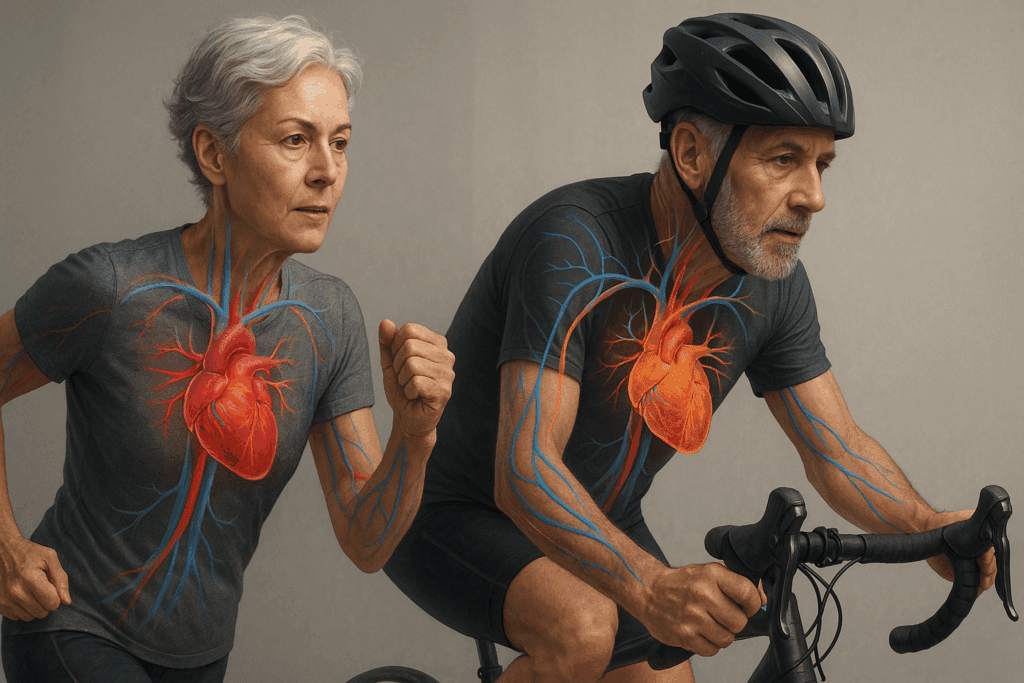
Male cyclist and female runner in their 60s with highlighted cardiovascular systems illustrating heart pumping capacity by age

Gender Differences in Heart Pumping Efficiency and Aging

While heart pumping capacity by age follows a general trajectory, there are notable gender differences that influence endurance performance. Men typically have larger hearts and a greater stroke volume, which gives them a higher absolute cardiac output. However, women often exhibit greater oxygen extraction capacity at the muscular level, which helps balance performance outcomes across genders.

As both men and women age, hormonal changes such as decreased estrogen or testosterone levels can affect vascular function, recovery, and muscle preservation. Women may experience cardiovascular shifts due to menopause, including changes in lipid metabolism and arterial flexibility. Recognizing these variations allows athletes and trainers to design more effective, individualized programs that take gender and age into account.

Nutrition and Lifestyle Factors That Support Cardiac Health

Supporting the heart’s function isn’t solely about training—it also involves lifestyle. A diet rich in whole foods, antioxidants, healthy fats, and anti-inflammatory nutrients promotes long-term cardiovascular resilience. Key nutrients such as magnesium, potassium, CoQ10, and omega-3 fatty acids support electrical signaling, muscle contraction, and vascular function, which are all critical to maintaining strong heart pumping capacity by age.

Hydration and electrolyte balance are equally important. Dehydration can reduce plasma volume and increase heart rate during exertion, negatively affecting stroke volume and endurance. Inadequate sodium or potassium levels may interfere with heart rhythm and lead to early fatigue. Maintaining good sleep hygiene and stress management practices can further protect the heart from chronic overactivation of the sympathetic nervous system.

Psychological Resilience and Its Role in Endurance

Mental resilience is a powerful, often underestimated component of cardiovascular performance. The ability to endure prolonged effort, tolerate discomfort, and maintain motivation is influenced by psychological factors just as much as physiological ones. Chronic stress or anxiety can elevate heart rate, reduce HRV, and impair overall recovery, diminishing endurance performance over time.

Older athletes frequently benefit from a more balanced psychological perspective, informed by experience and patience. Mindfulness practices, mental skills training, and visualization techniques can improve emotional regulation and perceived exertion during demanding efforts. This psychological fortitude becomes a vital tool in managing the evolving relationship between effort and output, especially as heart pumping capacity by age becomes more variable.

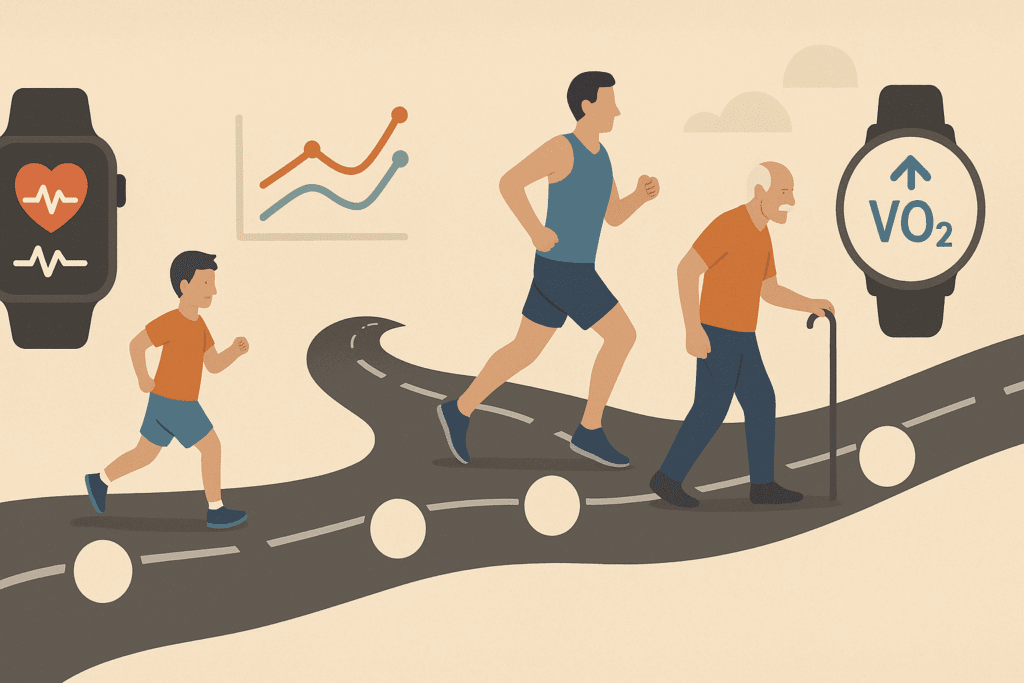
Conceptual infographic showing how heart pumping capacity by age evolves, with child, adult, and senior athletes on a winding road, each tracked by wearable devices.

Rethinking Performance Metrics Across the Lifespan

A major mindset shift for aging athletes involves redefining success. Rather than comparing current times or distances to youthful benchmarks, performance should be contextualized within the framework of evolving cardiovascular potential. Monitoring heart percentage during workouts provides a more meaningful metric than raw pace or finish time. It reflects real-time effort, adapts with age, and helps prevent overtraining.

This approach encourages sustainable goal-setting and long-term athletic engagement. Whether training for a marathon, triathlon, or personal fitness milestone, the goal is not to resist aging but to adapt intelligently. With the right mindset and strategy, athletes can continue to improve performance within new physiological parameters and remain active for decades to come.

Frequently Asked Questions: How Heart Pumping Capacity by Age Impacts Endurance

1. How can athletes extend their peak endurance as their heart pumping capacity declines with age? Athletes can proactively manage age-related cardiovascular changes by prioritizing individualized training zones and progressive periodization. While heart pumping capacity by age inevitably decreases, endurance can still be optimized by focusing on stroke volume through consistent aerobic conditioning and structured recovery. Cross-training and incorporating exercises that target different energy systems can help reduce monotony and overuse injuries. Athletes may also benefit from zone recalibration every few months based on updated heart percentage readings from wearables or lab testing. These adaptive strategies create room for long-term progression without compromising safety or performance.

2. Is it possible to reverse the decline in heart pumping capacity associated with aging? While aging-related changes in cardiac output are largely inevitable, research shows that certain training methods can attenuate or even partially reverse declines in heart pumping capacity by age. High-intensity interval training (HIIT) and moderate resistance work can stimulate the myocardium and improve endothelial function. These improvements may reflect in elevated heart percentage capabilities during intense activity. Furthermore, lifelong aerobic exercisers often maintain significantly higher cardiac output compared to sedentary peers of the same age. Although full reversal is rare, measurable gains are absolutely possible with a targeted and medically supervised plan.

3. Can heart percentage targets vary depending on fitness history and genetics? Yes, heart percentage targets are not one-size-fits-all and may differ significantly depending on genetic factors, fitness background, and even resting heart rate. Two individuals of the same age may have different heart pumping capacities due to variations in heart wall thickness, stroke volume, and mitochondrial efficiency. Genetic predispositions can also affect how quickly or slowly an athlete’s heart percentage zones shift with age. This makes it essential to avoid generic training plans and instead rely on personalized assessments to define optimal training intensities. In practice, wearable tech can help identify individual thresholds that go beyond age-based formulas.

4. How does sleep quality affect heart pumping capacity and endurance performance? Sleep is a vital yet often underestimated factor in cardiovascular health and endurance. Poor sleep can reduce the effectiveness of heart rate variability (HRV) and impact recovery, leading to reduced heart percentage performance during subsequent workouts. Over time, chronic sleep deprivation contributes to hormonal imbalances, elevated resting heart rate, and impaired stroke volume. As heart pumping capacity by age naturally declines, sleep quality becomes even more crucial for preserving output efficiency. Elite athletes and older fitness enthusiasts alike should prioritize 7–9 hours of quality sleep to maximize both cardiovascular resilience and recovery capacity.

5. What are early signs that heart percentage zones may be inaccurately calibrated? If an athlete frequently feels unusually fatigued at intensities that once felt manageable, or if recovery time between sessions is longer than expected, it may indicate that their heart percentage zones are no longer accurate. Additionally, if perceived exertion does not match what the data suggests—for example, an easy run feels like a threshold workout—it’s time to reevaluate training metrics. A drop in performance or heart rate plateaus during interval work could also reflect a decline in heart pumping capacity by age that hasn’t been accounted for in the training plan. Regular testing every three to six months can help maintain accuracy.

6. How do environmental factors influence heart pumping efficiency in older athletes? Environmental stressors such as altitude, humidity, and temperature can strain the cardiovascular system, especially in individuals with reduced heart pumping capacity by age. Older athletes may experience greater difficulty adapting to these conditions due to reduced stroke volume and lower thermoregulatory efficiency. High temperatures, for example, cause the body to divert blood flow to the skin for cooling, reducing oxygen availability to muscles. This can skew heart percentage readings upward, making perceived effort feel disproportionately high. To compensate, training plans should account for these variables by modifying intensity and increasing hydration protocols.

7. Can mental health and emotional stress alter heart percentage accuracy or endurance levels? Absolutely. Emotional stress can elevate baseline heart rate and interfere with accurate heart percentage measurements during both rest and exercise. Elevated cortisol and adrenaline levels may make the heart work harder, even at lower workloads, mimicking a higher training intensity. Over time, chronic psychological stress can impair heart pumping capacity by disrupting autonomic nervous system balance and decreasing heart rate variability. Incorporating stress-reduction strategies such as mindfulness, journaling, or cognitive behavioral therapy can support cardiovascular efficiency and promote more reliable training responses.

8. Are there sex-specific considerations for managing endurance training as heart function changes with age? Yes, men and women experience cardiovascular aging differently. Post-menopausal women may see a sharper decline in arterial flexibility, which can reduce heart pumping capacity by age more abruptly than in men. Hormonal shifts also affect lipid metabolism and muscle recovery, which in turn influences endurance performance. For women, heart percentage training plans may need to adjust more dynamically to accommodate these changes. Men, while generally starting with a higher baseline in stroke volume, may also face declines due to reduced testosterone and lifestyle factors. Gender-specific heart health screenings can provide more tailored endurance strategies.

9. How does nutrition specifically influence heart percentage performance and cardiac output? Nutritional choices directly impact both heart efficiency and overall training outcomes. Electrolyte balance, particularly sodium and potassium levels, supports electrical conduction and muscle contraction. When depleted, athletes may experience abnormal heart rhythms or reduced power output, limiting heart percentage capacity during intense exercise. Antioxidants and omega-3 fatty acids can reduce systemic inflammation and improve arterial compliance, enhancing heart pumping capacity by age. Additionally, carbohydrates are critical during long-distance efforts to maintain stable glucose levels, which support consistent cardiac rhythm and output. Smart fueling before and after workouts preserves cardiovascular stability and performance.

10. What technological advancements are helping athletes track and adapt to cardiovascular changes over time? Emerging tools like AI-powered fitness platforms, continuous ECG wearables, and lactate threshold monitors are revolutionizing how we understand endurance physiology. These technologies offer real-time insights into heart percentage metrics, fatigue trends, and adaptations in heart pumping capacity by age. Longitudinal data analysis enables predictive modeling, allowing athletes to foresee potential declines and intervene early with strategic training shifts. Some platforms also integrate environmental and psychological data for a more holistic performance picture. As technology advances, athletes can become more attuned to their cardiovascular health and extend their endurance careers with data-driven precision.

Conclusion: Optimizing Heart Pumping Capacity by Age for Endurance That Lasts

In the ever-evolving journey of athletic performance, understanding how heart pumping capacity by age affects endurance is more than a physiological curiosity—it’s a cornerstone of intelligent, lifelong training. As the heart gradually changes with age, so too must our approach to physical performance, recovery, and health. Recognizing the role of heart percentage in tailoring workouts allows athletes to train within their current capabilities while still pushing forward.

By combining evidence-based training strategies with recovery monitoring, personalized heart rate zones, mindful nutrition, and psychological resilience, athletes can defy outdated expectations about age and athletic decline. Rather than seeing aging as a barrier, we can view it as a shift in the playing field—one that rewards awareness, adaptability, and strategic thinking.

With modern tools, expert insight, and a willingness to evolve, endurance can become not just a goal for youth but a lifelong pursuit. The heart’s message is clear: when we listen to it—track it, support it, and respect its changing rhythms—we unlock the potential to perform, thrive, and stay stronger for years to come.

Was this article helpful? Don’t let it stop with you. Share it right now with someone who needs to see it—whether it’s a friend, a colleague, or your whole network. And if staying ahead on this topic matters to you, subscribe to this publication for the most up-to-date information. You’ll get the latest insights delivered straight to you—no searching, no missing out.

Further Reading:

The heart of the ageing endurance athlete: the role of chronic coronary stress

5 Things Athletes Should Know About Their Hearts.

How to Build Cardiovascular Endurance to Achieve Your Fitness and Health Goals

Why Heart Health Is Important for Endurance Training: Expert Tips to Support a Stronger Cardiovascular System

Endurance training is often associated with stamina, muscular endurance, and aerobic capacity. Yet, at the core of all these attributes lies one powerful and often underappreciated organ: the heart. As athletes and fitness enthusiasts continue to push their physical limits, understanding why heart health is important becomes not just relevant but essential. A healthy cardiovascular system doesn’t just enable better performance; it lays the foundation for sustainable athletic growth, overall health, and resilience. In this article, we will explore the critical role the heart plays in endurance training, examine the importance of heart health from both a medical and athletic standpoint, and provide evidence-based, actionable tips for supporting a stronger cardiovascular system through heart healthy living practices.

You may also like: Smart Nutrition Choices for a Healthier Lifestyle: What to Know About Whole Grain Rice and Whole Wheat Rice

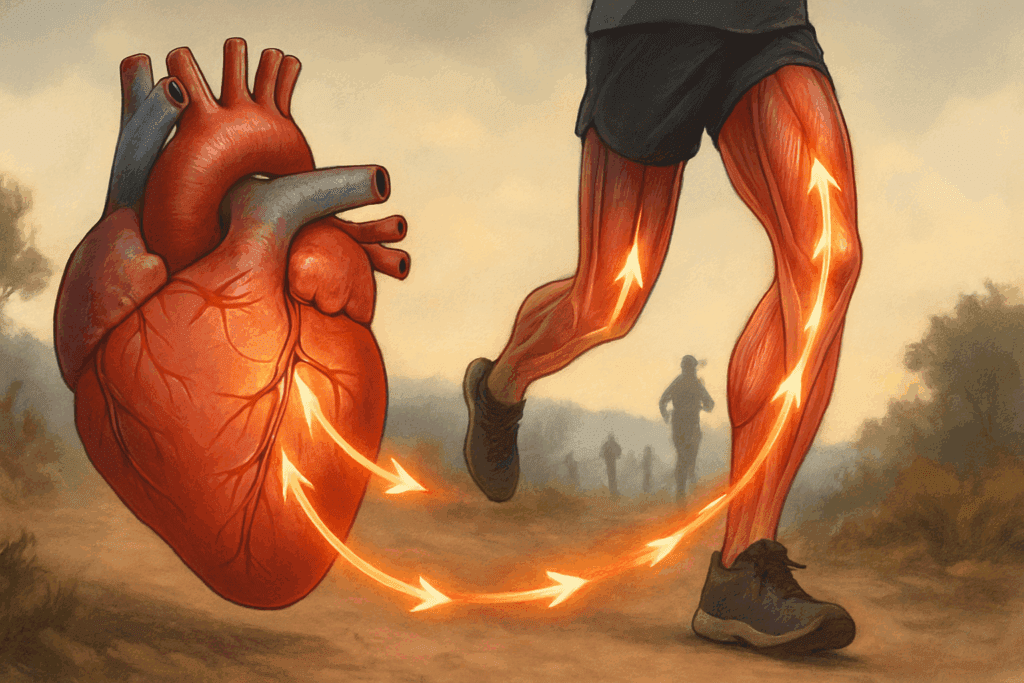
Anatomical heart pumping oxygen-rich blood to leg muscles during a long run, showing why heart health is important for endurance athletes

The Role of the Heart in Endurance Training

To fully grasp the importance of heart health, one must understand how the heart functions during physical exertion. The heart is responsible for pumping oxygen-rich blood to muscles and organs, delivering nutrients that fuel activity while removing metabolic waste products. During endurance training, the demand for oxygen and nutrients increases significantly. The heart adapts to this demand by increasing its stroke volume and cardiac output. This adaptation enhances an athlete’s aerobic efficiency, allowing for prolonged physical activity with less fatigue.

Regular endurance training itself promotes heart healthy living by strengthening the myocardium, the muscular tissue of the heart. This leads to a condition known as athlete’s heart, where the organ becomes more efficient at pumping blood. While this is a normal and beneficial adaptation, it also underscores the need to monitor heart health closely. Training at high intensity over extended periods can strain the heart if not done mindfully. Therefore, the foundation of any training regimen must include not just performance goals but also consistent attention to heart health information.

Why Is Cardiovascular Health Important for Athletes?

The question of why cardiovascular health is important extends beyond the realm of endurance sports and into the daily well-being of all individuals. However, for athletes, cardiovascular health is synonymous with optimal performance. A well-functioning heart enables better oxygen delivery, faster recovery, and reduced risk of injury due to fatigue. It also plays a crucial role in thermoregulation—maintaining body temperature during intense training or competition.

Furthermore, neglecting cardiovascular health can lead to silent and often unnoticed complications. Conditions such as arrhythmias, hypertension, and coronary artery disease may not present immediate symptoms but can compromise performance and, in severe cases, be life-threatening. Integrating heart health awareness into athletic culture is crucial. Athletes should be encouraged not only to track their performance metrics but also to stay informed about heart health facts, such as resting heart rate, blood pressure, and cholesterol levels. By fostering heart awareness, we empower individuals to train smarter, not just harder.

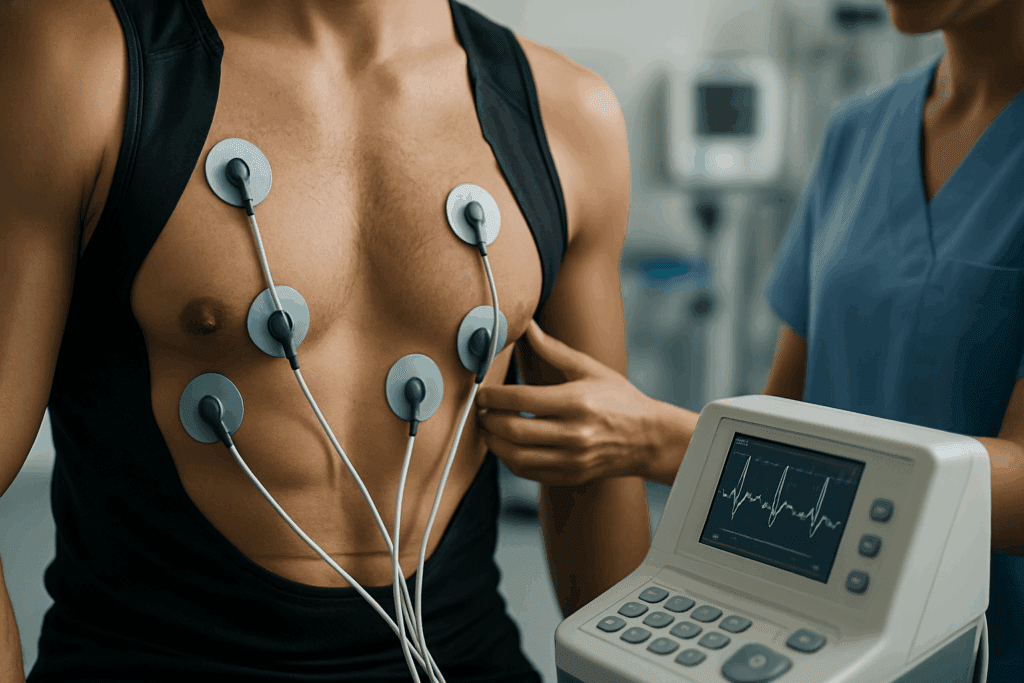
ECG screening on a fit athlete highlights why heart health is important for endurance training and cardiovascular safety

Heart Health Facts Every Endurance Athlete Should Know

Athletes who focus primarily on speed, distance, or strength often overlook critical heart health facts. One of the most important of these is that even highly trained athletes are not immune to cardiovascular disease. In fact, research indicates that chronic high-intensity endurance training may lead to increased arterial stiffness and elevated levels of coronary plaque in some individuals. These findings don’t suggest that endurance training is inherently harmful but rather highlight the need for a balanced approach.

Another essential fact is the influence of genetics on heart health. A family history of heart disease can predispose even the fittest individuals to cardiac issues. Therefore, routine screenings, including electrocardiograms and echocardiograms, are valuable tools. Athletes should also understand the signs of overtraining syndrome, such as persistent fatigue, elevated resting heart rate, and disrupted sleep, all of which can strain cardiovascular health. Awareness of these issues is vital for maintaining long-term athleticism and preventing setbacks that could arise from cardiovascular complications.

Athlete practicing habits that show why heart health is important—cooking healthy food, doing yoga, sleeping well, and staying hydrated.

Habits of a Healthy Heart in Training and Recovery

Cultivating the habits of a healthy heart involves more than regular exercise. Nutrition, sleep, stress management, and hydration all play integral roles. A diet rich in whole grains, lean protein, healthy fats, and abundant fruits and vegetables supports vascular function and reduces inflammation. Foods high in omega-3 fatty acids, potassium, and magnesium help regulate blood pressure and heart rhythm.

Equally important is the quality of sleep, which allows the body to recover and regulate hormonal cycles that impact cardiovascular function. Chronic sleep deprivation elevates stress hormones like cortisol, which can increase blood pressure and contribute to heart strain. Recovery practices, including yoga, mindfulness, and active rest, foster parasympathetic nervous system activity, promoting cardiovascular relaxation and repair. Together, these habits create a framework for heart healthy living that supports both performance and longevity.

Understanding the Importance of Heart Health Beyond Fitness

The importance of heart health extends well beyond the benefits it provides in sport. Cardiovascular disease remains the leading cause of death globally, yet it is largely preventable through lifestyle changes. Endurance athletes, while typically healthier than sedentary individuals, are not exempt from the risk. Lifestyle factors such as alcohol consumption, smoking, poor diet, and unmanaged stress can counteract the benefits of training.

Additionally, understanding how heart health interacts with other systems in the body underscores its systemic impact. A healthy heart supports brain function, hormonal balance, immune response, and metabolic efficiency. For those pursuing endurance goals, this means fewer sick days, more consistent training, and improved mood and focus. Recognizing that a strong heart contributes to a better quality of life can be a powerful motivator to adopt more intentional heart health habits.

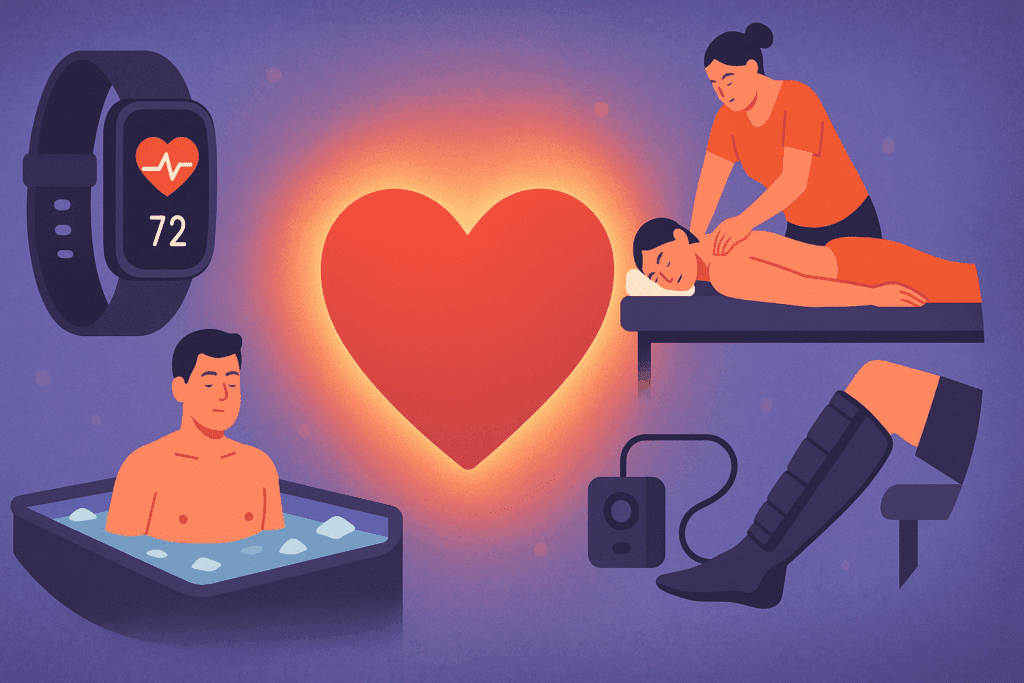
Heart therapies illustrating why heart health is important, including massage, cold plunges, and fitness tracking.

Integrating Healthy Heart Treatments into an Athlete’s Routine

When it comes to maintaining peak performance, incorporating healthy heart treatments should be seen not as remedial but as proactive. Treatments may include regular screenings, targeted supplementation (such as CoQ10 or omega-3s), and personalized training plans developed in collaboration with healthcare professionals. These strategies can help identify early signs of cardiovascular stress and prevent progression.

Another increasingly popular treatment avenue is heart rate variability (HRV) tracking. HRV offers insight into the balance between the sympathetic and parasympathetic branches of the nervous system. Low HRV can indicate overtraining or chronic stress, while higher variability generally reflects resilience and cardiovascular fitness. Monitoring HRV allows athletes to fine-tune their training intensity and recovery protocols with evidence-based precision.

Equally valuable are rehabilitation and recovery modalities such as massage therapy, cold-water immersion, and compression garments, which support circulation and reduce strain on the cardiovascular system. These techniques are not exclusively for post-injury care but can serve as preventive treatments that maintain heart health and enhance recovery.

The Connection Between Heart Awareness and Endurance Longevity

Heart awareness is an ongoing practice that requires education, observation, and adaptation. For endurance athletes, the ability to train consistently over years rather than months often defines success. Injuries may sideline muscles, but cardiovascular events can end a career or threaten life. Creating a culture of awareness means encouraging regular heart health checkups, discussing cardiovascular concerns openly, and reducing the stigma around seeking medical advice.

This awareness should also extend to the psychological dimension of endurance sports. Emotional stress, whether from competition, performance pressure, or personal life, has tangible effects on heart health. Practices like breathwork, meditation, and counseling can help athletes manage mental stress, which in turn supports heart function. Cultivating emotional resilience is just as important as physical training in the context of long-term performance.

Building a Heart Health Information Toolkit for Athletes

To make informed decisions, athletes need access to accurate and practical heart health information. This includes understanding their individual risk factors, knowing how to interpret heart rate and blood pressure readings, and being aware of symptoms that may signal trouble, such as dizziness, chest pain, or unusual shortness of breath. Coaches and athletic organizations should prioritize cardiovascular education alongside physical training.

Digital tools can also play a role in spreading heart health awareness. Wearables, apps, and online platforms provide real-time feedback and long-term trend analysis, helping athletes stay connected to their bodies in meaningful ways. However, technology should not replace clinical evaluation. Instead, it should complement professional medical oversight, ensuring a balance between data-driven decision-making and expert guidance.

Side-by-side digital illustration of healthy and irregular hearts comparing cardiac function in athletes, highlighting why heart health is important

Heart Health Topics That Matter Most in Endurance Sports

Several heart health topics are especially relevant to endurance athletes. One of these is cardiac remodeling, a natural adaptation where the heart changes size or shape in response to sustained exercise. While often benign, this adaptation should be monitored to distinguish it from pathological changes. Understanding the difference is key to preventing misdiagnosis and ensuring proper care.

Another topic of concern is atrial fibrillation (AFib), an irregular heartbeat that occurs more frequently among veteran endurance athletes. While not always dangerous, AFib can lead to complications if left unaddressed. Recognizing symptoms early and seeking timely evaluation can reduce risks and allow athletes to continue training safely. Additionally, hydration strategies, electrolyte management, and pacing techniques all affect heart workload and should be included in athlete education programs.

Why Heart Health Is Important Across All Levels of Training

Regardless of whether an individual is a recreational jogger or an elite marathoner, heart health is equally critical. The cardiovascular system acts as the engine of endurance, fueling every mile with life-sustaining oxygen and nutrients. At lower levels of training, cultivating habits of a healthy heart sets the stage for progression without injury. At higher levels, maintaining cardiovascular integrity ensures peak performance and faster recovery.

In both cases, the principles remain the same: train with intention, recover with care, nourish with purpose, and assess with consistency. As athletes age, maintaining heart health becomes even more essential. Hormonal shifts, reduced recovery capacity, and increased arterial stiffness are natural parts of aging but can be mitigated through targeted training and nutrition strategies.

Diverse group of athletes and coach sharing a pre-run moment at a wellness event, highlighting why heart health is important through community support.

The Role of Community and Coaching in Promoting Heart Healthy Living

Athletes do not train in isolation. Coaches, peers, and community members all play vital roles in shaping attitudes toward heart healthy living. When coaches prioritize cardiovascular education and incorporate it into training plans, athletes are more likely to take it seriously. Community initiatives such as heart health screenings at local races or educational workshops at gyms create opportunities for shared learning and proactive care.

Mentorship and peer support can also encourage heart health awareness. Hearing a respected teammate discuss their journey with managing high blood pressure or cholesterol can normalize these experiences and motivate others to seek help. A team culture that values wellness alongside performance can dramatically shift the athletic landscape toward a more sustainable, heart-conscious approach.

Frequently Asked Questions: Why Heart Health Is Important for Endurance Training

1. How can mental stress impact heart health in endurance athletes? Mental stress is a frequently overlooked factor that can significantly influence heart health, especially in individuals engaged in high-intensity endurance training. Chronic psychological stress elevates cortisol and adrenaline levels, both of which can lead to increased blood pressure and inflammation, weakening cardiovascular resilience over time. For endurance athletes, unmanaged stress may reduce heart rate variability, a marker often used to gauge recovery and cardiovascular adaptability. Practicing mindfulness, engaging in social support networks, and incorporating recovery-focused rituals are powerful ways to promote heart healthy living. These practices support not only emotional balance but also physiological stability, reinforcing the importance of heart health in sustaining long-term athletic performance.

2. What role does hydration play in maintaining heart health during endurance sports? Hydration plays a pivotal role in regulating heart health, particularly during long bouts of exercise. Dehydration causes a drop in blood volume, which forces the heart to work harder to circulate oxygen and nutrients, increasing strain on the cardiovascular system. Consistent fluid intake ensures that blood remains viscous enough to travel smoothly through vessels without overburdening the heart. Informed athletes often integrate electrolyte-balanced hydration strategies, especially during hot-weather events or multi-hour training sessions. Such planning reflects a deeper level of heart awareness and aligns with the broader habits of a healthy heart necessary for endurance performance.

3. Are there emerging technologies that can help monitor cardiovascular strain in athletes? Yes, several advanced technologies are now available to help track and support heart health in endurance athletes. Wearable devices that measure real-time heart rate variability, recovery scores, and even blood oxygen saturation provide deeper insights than traditional heart rate monitors alone. These tools allow athletes to detect early signs of overtraining and make informed decisions that align with healthy heart treatments. Some platforms now integrate artificial intelligence to suggest training modifications based on cumulative cardiovascular stress markers. Such innovations are revolutionizing how athletes access heart health information and tailor their routines to preserve long-term cardiovascular function.

4. How can heart healthy living reduce the risk of cardiac events in younger athletes? It’s a common misconception that only older individuals are at risk for cardiovascular issues. In reality, poor dietary habits, performance-enhancing substances, and excessive stress can put younger athletes at risk. Adopting heart healthy living practices from an early age—including a balanced diet, regular cardiovascular check-ups, and adequate sleep—can dramatically reduce this risk. Creating a routine that prioritizes cardiovascular wellness becomes even more effective when reinforced by heart awareness and access to educational resources. These preventive steps empower younger athletes to develop the habits of a healthy heart early, setting the foundation for safer and more effective training over time.

5. Can endurance training mask underlying heart problems? Surprisingly, yes. Endurance athletes often develop a high tolerance for physical discomfort, which can lead to the dismissal of symptoms like chest tightness or palpitations. Additionally, their high aerobic fitness may mask early signs of conditions such as arrhythmias or valve disorders. This highlights the importance of heart health screenings, even in asymptomatic individuals. Regular check-ups help distinguish between healthy cardiac adaptations and emerging problems, contributing to a broader understanding of why cardiovascular health is important. Proactive care ensures that athletes are not unknowingly placing themselves at risk while pursuing performance goals.

6. What overlooked nutrients support cardiovascular function in athletes? While many athletes focus on macronutrients, certain micronutrients play a vital role in supporting cardiovascular health. Magnesium helps regulate heart rhythm, while potassium supports blood pressure stability. Additionally, antioxidants such as Coenzyme Q10 and vitamin C may assist in reducing oxidative stress from prolonged training sessions. These nutrients contribute to the internal scaffolding that supports a strong heart, complementing physical training with biochemical resilience. Including these lesser-known elements in a nutrition plan reflects a comprehensive approach to heart health that extends beyond calories and macros.

7. How does poor air quality affect heart health during outdoor endurance workouts? Exercising in polluted environments can undermine even the most rigorous training efforts by increasing inflammation and oxidative stress in the cardiovascular system. Fine particulate matter can enter the bloodstream and cause endothelial dysfunction, reducing vascular elasticity and increasing blood pressure. This can be especially concerning for individuals with pre-existing vulnerabilities or a family history of heart disease. Monitoring air quality indices and training indoors or during cleaner times of day are practical ways to minimize risk. These decisions reflect heart health awareness in action and align with modern strategies for preserving endurance capacity without compromising long-term health.

8. How can athletes balance high-intensity training with cardiovascular recovery? Balancing exertion and recovery is one of the most important principles in preserving heart health in endurance sports. While high-intensity interval training offers performance benefits, it must be paired with adequate recovery days and low-intensity sessions to prevent chronic cardiovascular strain. Monitoring resting heart rate and heart rate variability can help athletes identify when recovery is needed. Active recovery techniques such as swimming, mobility work, and deep-tissue massage contribute to vascular regeneration and relaxation. These practices embody the habits of a healthy heart and reinforce the importance of heart health within a sustainable training model.

9. Why should heart health topics be integrated into coaching education programs? Coaches play a vital role in shaping training philosophies and athlete behavior, making them ideal ambassadors for promoting cardiovascular wellness. Unfortunately, many coaching programs still emphasize performance outcomes without adequate focus on heart health topics. By integrating education on heart awareness, risk factors, and preventive care into certification curricula, coaches can help athletes avoid dangerous oversights. This not only protects athletes from health complications but also improves performance longevity. Coaches who prioritize cardiovascular education help normalize discussions around healthy heart treatments, making it easier for athletes to seek help and adopt safer practices.

10. How do social and emotional factors influence cardiovascular resilience in athletes? Emotional wellbeing is deeply tied to physiological performance, yet it’s often sidelined in discussions about athletic training. Social isolation, performance anxiety, and even perfectionist tendencies can elevate baseline stress levels and negatively affect heart function. Conversely, strong social networks and emotional coping skills enhance cardiovascular resilience by moderating inflammatory responses and supporting stable blood pressure. Programs that encourage open dialogue, community building, and psychological flexibility contribute to a more comprehensive understanding of why heart health is important. Emotional fitness should be considered as integral to endurance training as any physical or dietary component.

Conclusion: Endurance Starts with the Heart

In the pursuit of endurance and performance, the heart is not just a supporting actor—it is the central force that powers every stride, breath, and recovery. Understanding the importance of heart health is critical for athletes at every level, from casual runners to seasoned competitors. By integrating expert-backed habits of a healthy heart, seeking regular screenings, and fostering a culture of awareness, athletes can protect their most vital organ and enhance their performance in the process.

With the rise of accessible heart health information and the growing recognition of heart healthy living as a pillar of athletic success, there has never been a better time to prioritize cardiovascular care. From heart health facts that challenge outdated assumptions to healthy heart treatments that support longevity, the tools are within reach. Endurance training is as much about wisdom and strategy as it is about grit and sweat. By placing the heart at the center of training philosophy, athletes can build not only stronger bodies but longer, healthier lives driven by a powerful and resilient cardiovascular system.

Was this article helpful? Don’t let it stop with you. Share it right now with someone who needs to see it—whether it’s a friend, a colleague, or your whole network. And if staying ahead on this topic matters to you, subscribe to this publication for the most up-to-date information. You’ll get the latest insights delivered straight to you—no searching, no missing out.

Further Reading:

Heart Health Essentials: Expert Tips for a Stronger Heart

The ‘best’ cardio workout for a healthy heart

Cardiovascular Fitness: What It Means to Your Heart Health

Boost Endurance and Protect Your Heart: The Role of Healthy Heart Education in Performance Training

Endurance and cardiovascular strength have long stood as pillars of athletic excellence, not only for elite athletes but also for anyone pursuing a healthier, more resilient lifestyle. While performance training often centers on metrics such as VO2 max, lactate threshold, or muscle output, the importance of cardiovascular wellness is frequently underappreciated. In recent years, healthy heart education has emerged as a transformative component in performance training—bridging the gap between heart health awareness and practical application in athletic and recreational fitness routines. For athletes, weekend warriors, and even sedentary individuals beginning a fitness journey, understanding the role of the heart is essential. Without a healthy cardiovascular system, endurance training can plateau, risks of sudden cardiac events may increase, and long-term performance outcomes may falter.

In this comprehensive guide, we will explore how heart health education is redefining performance training, empowering individuals with the knowledge to sustain stamina, prevent cardiovascular issues, and ultimately push their physical boundaries safely. This intersection of preventive cardiology, exercise physiology, and behavior change reveals that the heart is not merely a metaphorical engine for endurance—it is the literal centerpiece.

You may also like: Smart Nutrition Choices for a Healthier Lifestyle: What to Know About Whole Grain Rice and Whole Wheat Rice

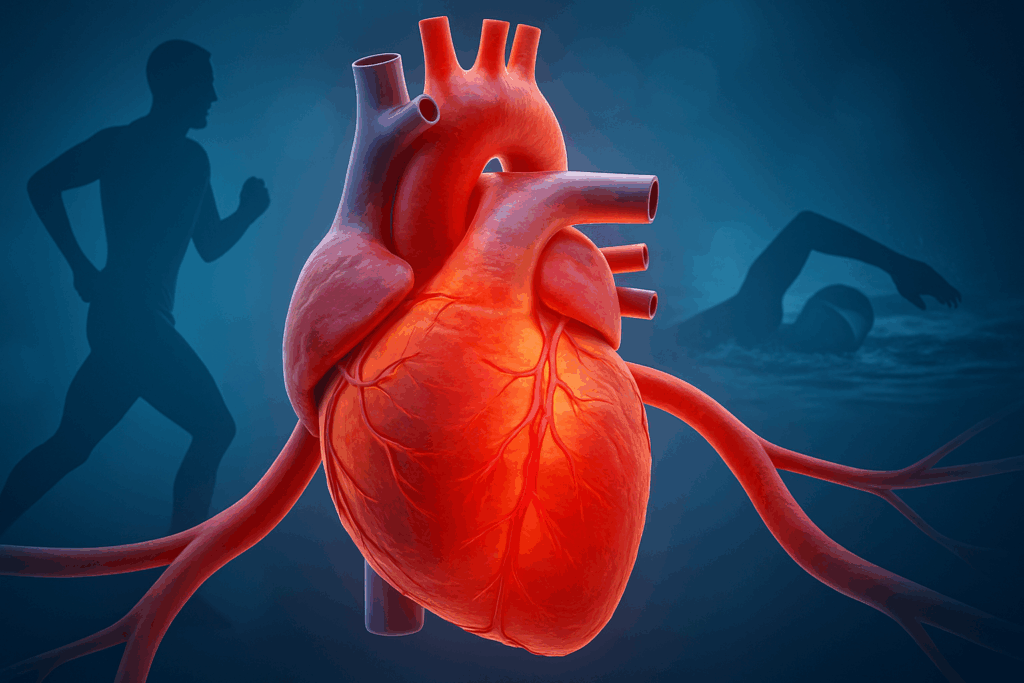
3D medical illustration of a human heart pumping blood with runner and swimmer silhouettes, promoting healthy heart education

The Crucial Link Between Cardiovascular Health and Endurance Performance

To understand the significance of healthy heart education in performance training, one must begin with the physiological role of the heart in endurance activity. The heart is responsible for pumping oxygen-rich blood to the muscles, facilitating aerobic respiration, which is essential for sustained movement. During cardiovascular exercise, cardiac output increases significantly, ensuring that tissues receive the oxygen and nutrients needed to perform efficiently.

A stronger heart can pump more blood with each beat—a concept known as stroke volume—which translates to a lower resting heart rate and more efficient oxygen delivery during exertion. Athletes with well-trained cardiovascular systems often exhibit a lower heart rate at submaximal intensities and recover more rapidly after intense bouts. These adaptations reduce fatigue and improve performance longevity. Thus, educating individuals on how training impacts heart structure and function is foundational to effective endurance development.

Moreover, heart health education helps individuals distinguish between healthy cardiovascular adaptation and warning signs of distress. Conditions such as arrhythmias, hypertension, or myocarditis can present subtly and may be exacerbated by intense training. Learning how to monitor symptoms, interpret heart rate variability, and seek timely medical evaluation can mean the difference between optimized training and catastrophic events. This knowledge creates informed athletes who can train smarter—not just harder.

Coach presenting healthy heart education to athletes using heart rate zones and heart anatomy display in a gym setting

What Healthy Heart Education Teaches Athletes and Fitness Enthusiasts

At its core, healthy heart education aims to empower individuals with evidence-based knowledge about cardiovascular function, disease prevention, and optimal performance strategies. It extends beyond general awareness and into applied learning, where understanding cardiac output, heart rate zones, and recovery metrics becomes integral to an effective training regimen.

One key area of emphasis is aerobic base building. Many athletes focus disproportionately on high-intensity workouts, believing that pushing harder always leads to better results. However, training in specific heart rate zones—especially the moderate-intensity aerobic zone—builds foundational endurance while minimizing the risk of overtraining. Heart health education emphasizes the long-term cardiovascular benefits of zone 2 training, where fat is utilized efficiently for energy, mitochondrial density improves, and the heart becomes stronger without excessive strain.

In addition, individuals learn how lifestyle factors such as nutrition, hydration, sleep, and stress management affect heart function. For instance, electrolyte imbalances from poor hydration can increase cardiac arrhythmia risk during endurance activities. Sleep deprivation compromises recovery and elevates resting heart rate, impeding performance gains. By incorporating this knowledge into daily habits, athletes can create a holistic framework that sustains both performance and heart health.

Heart Health Education as a Preventive Tool in Athletic Communities

Prevention is a cornerstone of modern cardiovascular care, and performance training environments are no exception. Healthy heart education serves as a vital preventive tool, particularly in communities where individuals push physical limits. High school and collegiate athletes, for instance, may undergo intense conditioning without sufficient understanding of cardiac risk factors, predisposing them to sudden cardiac arrest—a rare but tragic event.

Educational programs that include basic heart screenings, recognition of red-flag symptoms, and guidelines for returning to play after illness can significantly reduce these risks. Understanding conditions such as hypertrophic cardiomyopathy or congenital arrhythmias—and how they interact with physical exertion—can inform training decisions and save lives. Furthermore, community access to automated external defibrillators (AEDs) and training on their use should be a routine extension of heart health education.

Such education also normalizes cardiovascular self-monitoring. Wearable technology now provides real-time data on heart rate, heart rate variability, and even electrocardiogram (ECG) readings. Healthy heart education enables users to interpret this data responsibly, distinguishing between normal training responses and abnormalities that warrant attention. With informed interpretation, these tools transform from fitness gadgets into lifesaving devices.

Grilled salmon with quinoa, leafy greens, berries, and electrolyte drink beside smartwatch promoting healthy heart education.

Fueling Performance: Nutrition’s Role in Cardiovascular and Endurance Health

A critical but often overlooked component of endurance training is the heart’s relationship with nutrition. The foods athletes consume directly affect vascular function, lipid profiles, and inflammatory status—all of which influence endurance and cardiovascular resilience. Educating individuals on how to optimize their diets for heart health is therefore paramount.

Diets rich in omega-3 fatty acids, antioxidants, complex carbohydrates, and lean proteins support vascular integrity and reduce oxidative stress, enhancing endurance. Conversely, high intake of trans fats, excessive sodium, and added sugars can impair endothelial function and increase arterial stiffness—compromising both heart health and stamina. Through healthy heart education, individuals can learn to interpret food labels, make strategic meal choices, and time their nutrient intake around training sessions to support both performance and cardiovascular function.

Moreover, specific micronutrients such as magnesium, potassium, and B vitamins play direct roles in cardiac conduction and muscle metabolism. Deficiencies can lead to cramping, fatigue, or even arrhythmias during prolonged exercise. Educating athletes on how to meet their nutritional needs through whole foods rather than supplements alone promotes sustainable performance gains while protecting the heart from avoidable strain.

Cyclist checking smartwatch mid-ride with digital heart rate overlay, promoting healthy heart education through biofeedback.

Using Training Zones and Biofeedback for Smarter Conditioning

Training according to heart rate zones is a fundamental principle that many fitness enthusiasts overlook. While pace or perceived exertion are useful, heart rate offers a quantifiable and individualized measure of intensity. Healthy heart education introduces athletes to the concept of five primary training zones, ranging from recovery to maximum effort, and how each zone elicits different physiological adaptations.

For example, training in zone 2—approximately 60-70% of maximum heart rate—stimulates aerobic capacity without inducing excessive stress. In contrast, zone 4 training (approximately 80-90% of max heart rate) targets anaerobic threshold, improving the body’s ability to buffer lactic acid. Alternating between these zones strategically over time helps develop endurance, power, and recovery efficiency.

Colorful infographic showing five silhouettes from walking to sprinting, visualizing heart rate zones for healthy heart education.

Biofeedback tools such as heart rate monitors, recovery trackers, and ECG-based wearables can enhance this process by offering real-time insight into how the heart is responding. When athletes understand this feedback through healthy heart education, they can adjust intensity levels, avoid overtraining, and identify recovery needs with precision. This not only optimizes performance but also supports long-term cardiovascular health.

Athlete meditating at sunrise on a mountain ridge with a glowing heart rhythm line, symbolizing healthy heart education through mindfulness and stress management.

Mental Resilience, Stress, and Their Impact on Cardiovascular Endurance

Endurance training is not only a physical challenge—it is a mental one. Psychological stress activates the sympathetic nervous system, increasing heart rate and blood pressure. Chronic stress can elevate cortisol levels, contribute to systemic inflammation, and impair sleep quality, all of which affect cardiovascular health and endurance capacity. Through healthy heart education, individuals can begin to understand the complex interplay between emotional well-being and heart performance.

Meditation, deep breathing, and mindfulness-based stress reduction techniques are now widely accepted tools in both sports psychology and cardiology. Athletes who integrate these practices not only experience better recovery and mood stabilization but also improve heart rate variability—a key marker of cardiovascular adaptability. Educating athletes and fitness enthusiasts on how to recognize the signs of chronic stress and employ practical, heart-supportive coping mechanisms is essential for performance longevity.

Moreover, building mental resilience through positive self-talk, goal-setting, and visualization techniques can reduce anxiety before competitions and prevent burnout. When combined with physiological insights from heart rate tracking, these strategies create a feedback loop where both mind and body inform performance adaptations. A truly comprehensive approach to endurance training must consider this psychosomatic connection.

Athlete sleeping peacefully with heart rate monitor and water bottle nearby, symbolizing healthy heart education through recovery and rest.

Recovery, Resting Heart Rate, and Overtraining Syndrome

Recovery is where training adaptations truly take root, and the heart plays a central role in signaling readiness for the next session. A low resting heart rate is often seen as a marker of fitness, but sudden deviations—especially increases—may indicate incomplete recovery or the onset of overtraining syndrome. Heart health education teaches individuals how to track resting heart rate trends over time and interpret changes contextually.

Overtraining syndrome is a condition marked by persistent fatigue, declining performance, disrupted sleep, mood changes, and elevated resting heart rate. Recognizing these signs early allows athletes to modify training loads, incorporate active recovery, and prevent long-term damage. Without this knowledge, individuals may push through warning signs, leading to injury, illness, or cardiovascular strain.

Additionally, healthy heart education emphasizes the importance of sleep hygiene, hydration, and parasympathetic nervous system activation—through activities like yoga or massage—for enhancing cardiac recovery. These restorative practices help reestablish autonomic balance, improving not only heart rate variability but also emotional well-being and motivation to train.

Lifelong Benefits of Integrating Heart Health Education into Training Culture

The long-term benefits of integrating healthy heart education into athletic culture extend well beyond immediate performance outcomes. Athletes who develop cardiovascular literacy are better equipped to maintain health through all stages of life. Former competitors who transition into coaching, physical education, or general fitness instruction can pass on this knowledge, creating ripple effects across communities.

Moreover, individuals who understand the tenets of heart health are more likely to engage in preventive behaviors such as routine screenings, cholesterol management, and hypertension control. This knowledge also demystifies heart disease, allowing earlier recognition of symptoms and more effective interventions. As endurance athletes age, the principles learned through heart health education continue to serve them, mitigating age-related decline in cardiovascular function.

In an era where cardiovascular disease remains the leading cause of death globally, embedding preventive heart education into sports and fitness culture is a public health imperative. It empowers individuals to take ownership of their heart health from a place of knowledge rather than fear, transforming endurance training from a short-term pursuit into a sustainable, health-supporting practice.

Frequently Asked Questions: Boost Endurance and Protect Your Heart

1. How does healthy heart education impact the mental game of endurance athletes?
Healthy heart education contributes significantly to mental resilience in endurance sports by teaching athletes how to interpret and respond to cardiovascular signals like heart rate variability and resting heart rate changes. When athletes understand these metrics, they gain greater confidence in their training plans and recovery strategies, reducing anxiety before competition. This clarity can improve emotional regulation during races and support mental endurance. Furthermore, understanding the relationship between emotional stress and cardiac performance allows athletes to implement stress-reduction techniques—such as mindfulness or breathing exercises—at moments when mental fatigue might otherwise impair cardiovascular function. Ultimately, healthy heart education empowers endurance athletes to treat psychological health as part of physical conditioning.

2. Can heart health education influence training decisions in youth sports?
Yes, and its influence can be life-saving. When introduced early, heart health education teaches young athletes to recognize signs of cardiovascular distress, like dizziness or irregular heartbeat, which might otherwise be ignored. Coaches and athletic programs that incorporate this knowledge can make informed decisions about intensity levels, rest days, and referral to medical professionals when needed. With the rise in youth participation in high-stress sports, understanding how cardiovascular systems develop through adolescence is crucial. Proactive use of healthy heart education in school and community programs helps establish a culture of safety, prevention, and long-term athletic sustainability.

3. What role does healthy heart education play in managing endurance setbacks after illness or injury?
Recovering from illness or injury—especially when it involves the cardiovascular system—requires a nuanced understanding of how to reintroduce exercise safely. Heart health education equips athletes with tools to monitor signs of cardiac overload, such as unusually high heart rates at low intensities or prolonged recovery times. Athletes returning from COVID-19, for example, may experience myocarditis or lingering heart symptoms that need careful management. A well-informed approach helps prevent complications and allows gradual rebuilding of endurance based on real-time data rather than assumptions. Healthy heart education enables athletes to treat the recovery process as a strategic phase, not a setback.

4. How do cultural and socioeconomic factors influence access to heart health education?
Access to heart health education is often shaped by systemic disparities. In lower-income or rural areas, there may be limited availability of cardiology screenings, sports medicine professionals, or educational materials tailored for non-specialist audiences. Cultural stigmas around heart disease or physical vulnerability can also limit proactive discussions, especially in communities that valorize toughness over caution. Addressing these gaps requires inclusive, community-based healthy heart education initiatives that respect local values while promoting evidence-based care. Mobile health units, telehealth education, and bilingual outreach materials can help extend life-saving knowledge to underserved populations.

5. How is wearable technology reshaping the future of healthy heart education?
Wearable devices have dramatically changed how we engage with cardiovascular data, making heart health education more interactive and personalized. Athletes can now track heart rate variability, ECG readings, and recovery scores with consumer-grade devices. But the value of this data depends on proper interpretation—something that healthy heart education provides. With growing AI integration, future tools may not only monitor the heart but also offer real-time coaching based on personal trends and thresholds. Healthy heart education is essential for transforming raw data into meaningful action, helping athletes avoid both overtraining and complacency.

6. How can healthy heart education support female endurance athletes specifically?
Female athletes face unique cardiovascular dynamics due to hormonal fluctuations, especially related to menstrual cycles, pregnancy, and menopause. These changes can impact blood pressure regulation, heart rate variability, and even susceptibility to arrhythmias. Unfortunately, most performance training protocols have historically been developed with male physiology in mind. Healthy heart education tailored to women’s health can bridge this knowledge gap by incorporating research-backed guidelines on training intensity, hydration needs, and cardiac risk profiles specific to females. This approach promotes equity in sports medicine and ensures that performance strategies align with the physiological realities of female endurance athletes.

7. What are the long-term benefits of incorporating heart health education into workplace wellness programs?
While often overlooked, workplace wellness programs are an ideal platform for promoting heart health education to the general population, including amateur athletes. Long-term exposure to healthy heart education in the workplace fosters a culture of cardiovascular awareness that can reduce sick days, enhance productivity, and even improve morale. Providing resources like biometric screenings, fitness challenges, and heart-rate-based group training sessions can create behavior change that persists beyond office hours. Over time, employees develop habits that support endurance, such as regular aerobic activity and stress management techniques, contributing to both personal and organizational health.

8. How does heart health education contribute to reducing gender disparities in cardiovascular research and awareness?
Historically, cardiovascular research has been disproportionately focused on male subjects, leading to a gap in diagnosis and treatment for women. By raising awareness of these disparities, heart health education prompts both individuals and institutions to advocate for more inclusive research and diagnostic protocols. Educational campaigns that spotlight symptoms of heart disease specific to women—such as jaw pain, shortness of breath, or fatigue—help close this knowledge gap. In turn, healthy heart education promotes better-informed training strategies, earlier detection of problems, and more equitable health outcomes. This fosters an environment where endurance training can thrive across genders.

9. What practical steps can recreational athletes take to personalize their heart health education?
Personalizing heart health education begins with understanding your unique cardiovascular profile through tools like resting heart rate tracking, stress testing, and metabolic assessments. Recreational athletes can use this data to tailor endurance routines, ensuring training aligns with personal heart rate zones and recovery capacity. Consulting with a sports cardiologist or an exercise physiologist can help interpret this data within the context of long-term health goals. Joining heart health-focused fitness communities, subscribing to educational newsletters, and attending workshops are additional ways to build customized knowledge. The more individualized your healthy heart education is, the more sustainable and effective your endurance training will be.

10. How might future developments in heart health education intersect with genetics and precision medicine?
As genetic testing becomes more accessible, future models of heart health education may incorporate individual risk factors for cardiovascular disease and exercise intolerance. Genetic insights can identify predispositions to conditions like atrial fibrillation, high blood pressure, or hypertrophic cardiomyopathy. By integrating these findings into training plans, athletes can adopt preventive strategies well before symptoms arise. Precision medicine also supports nutrient timing, recovery optimization, and stress management protocols based on genetic profiles. Healthy heart education that evolves alongside these advancements will enable athletes to engage in truly personalized endurance performance strategies rooted in the latest scientific understanding.

Conclusion: Elevating Performance Through the Power of Healthy Heart Education

In the landscape of modern fitness and athletic development, healthy heart education is more than a supplemental concept—it is a foundational element. By bridging the gap between exercise science and preventive cardiology, this form of education equips individuals with the tools to elevate performance while protecting long-term health. Through a deep understanding of cardiovascular physiology, training zone application, nutritional strategy, stress regulation, and recovery practices, athletes at all levels can train with greater intelligence and impact.

When heart health education is integrated into performance training, the results extend far beyond the track or gym. They touch every aspect of wellness, fostering resilience, stamina, and a lifelong commitment to health. As we continue to advance in our understanding of the human body and its capabilities, let us not overlook the heart—both as a biological organ and a symbol of strength. To boost endurance effectively, we must educate, empower, and protect the very engine that drives human performance.

Was this article helpful? Don’t let it stop with you. Share it right now with someone who needs to see it—whether it’s a friend, a colleague, or your whole network. And if staying ahead on this topic matters to you, subscribe to this publication for the most up-to-date information. You’ll get the latest insights delivered straight to you—no searching, no missing out.

Further Reading:

Physical Activity and Your Heart

Exploring the Limits of Exercise While Protecting Heart Health

Building a strong heart through cardiovascular endurance

Guide étudiant pour jouer avec un petit budget sur Stake Casino 4

Guide étudiant pour jouer avec un petit budget sur Stake Casino 4

L’univers des jeux en ligne attire de plus en plus d’étudiants. Entre les cours, les révisions et le budget limité, il faut savoir choisir la bonne plateforme. Stake Casino 4 se démarque en proposant des solutions adaptées aux jeunes joueurs qui souhaitent profiter des machines à sous, du Bitcoin, de l’Ethereum et d’autres cryptomonnaies sans se ruiner. Découvrons pourquoi ce casino mérite votre attention.

Aperçu général et premières impressions

Stake Casino 4 offre une interface claire dès la page d’accueil. Le design épuré facilite la navigation, même pour les novices. En moins de deux minutes, vous pouvez créer un compte, vérifier votre identité et déposer votre première somme en Bitcoin ou Ethereum. Selon une étude interne, plus de 78 % des nouveaux inscrits complètent leur dépôt en moins de cinq minutes, ce qui montre la rapidité du processus. Le site propose plus de 3 200 jeux, dont une sélection impressionnante de machines à sous classiques et vidéo.

Les étudiants apprécieront particulièrement la possibilité de jouer en mode « démo » pour tester les jeux avant d’engager leurs fonds. Cette fonction réduit le risque de pertes inutiles et permet de se familiariser avec les mécaniques de jeu. Vous vous demandez peut‑être si une plateforme aussi vaste peut rester sécurisée ? Stake Casino 4 possède une licence de Curaçao et utilise le protocole SSL 256 bits, garantissant la protection de vos données personnelles et financières.

Sélection de jeux et paiements en cryptomonnaies

La variété de jeux est l’un des points forts de Stake Casino 4. Vous y trouverez :

  • Machines à sous à volatilité faible, moyenne et élevée
  • Jeux de table comme le blackjack, la roulette et le baccarat
  • Options de live casino avec croupiers réels
  • Jeux exclusifs développés par des fournisseurs comme Pragmatic Play et NetEnt

Tous ces titres acceptent les cryptomonnaies comme moyen de paiement. Le casino supporte plus de 22 devises numériques, dont le Bitcoin, l’Ethereum, le Litecoin et le Dogecoin. Les dépôts sont instantanés, tandis que les retraits s’effectuent en moins de 30 minutes en moyenne. Cette rapidité est idéale pour les étudiants qui ne souhaitent pas attendre plusieurs jours pour récupérer leurs gains.

En outre, le site propose un Stake Casino bonus sans dépôt qui permet de tester les jeux sans engager votre propre argent. Ce type de promotion est rare et représente une vraie opportunité pour les budgets serrés.

Expérience utilisateur et compatibilité mobile

Stake Casino 4 a été pensé pour offrir une expérience fluide sur tous les appareils. Que vous jouiez sur un ordinateur, une tablette ou un smartphone, le site s’ajuste automatiquement. L’interface mobile conserve toutes les fonctionnalités du bureau, y compris les dépôts en cryptomonnaies et les bonus actifs.

Le temps de chargement moyen est inférieur à deux secondes, même pour les jeux les plus gourmands en ressources graphiques. Cette rapidité évite les frustrations liées aux lags, surtout lorsqu’on joue pendant les pauses cours. Le support client est disponible 24 h/24 via chat en direct, avec des réponses en français et en anglais.

Avez‑vous déjà été interrompu par un problème technique au mauvais moment ? Avec Stake Casino 4, les incidents sont rares et le service d’assistance intervient rapidement pour rétablir la situation.

Bonus, programme VIP et astuces pour les petits budgets

Stake Casino 4 mise sur des promotions continues pour fidéliser ses joueurs. Parmi les offres les plus intéressantes :

  • Bonus de bienvenue avec un bonus de dépôt jusqu’à 200 %
  • Promotions hebdomadaires sur les machines à sous populaires
  • Cashback quotidien sur les pertes nettes
  • Programme VIP à 15 niveaux offrant du rakeback en temps réel

Le programme VIP récompense les joueurs réguliers avec des augmentations de limites de mise, des invitations à des tournois exclusifs et des gestionnaires de compte dédiés. Même avec un petit budget, il est possible de profiter du rakeback grâce aux mises modestes sur les slots à faible volatilité.

Voici quelques conseils pour maximiser votre capital :

  • Choisissez des machines à sous à RTP élevé (au moins 96 %)
  • Misez de petites sommes mais jouez longtemps pour accumuler des bonus
  • Utilisez le mode démo pour identifier les jeux les plus rentables avant de miser

En suivant ces astuces, vous augmentez vos chances de transformer un petit dépôt en gains réels.

Sécurité, support et jeu responsable

Stake Casino 4 prend la protection des joueurs très au sérieux. Le casino est soumis à des audits réguliers de la société eCOGRA, garantissant l’équité des jeux. Toutes les transactions en cryptomonnaies sont enregistrées sur la blockchain, offrant une transparence totale.

Le support client, disponible 24 h/24, répond rapidement aux questions liées aux dépôts, aux retraits ou aux problèmes techniques. Vous pouvez également accéder à une section d’aide détaillée couvrant les règles des jeux, les exigences de mise et les limites de mise.

Il est essentiel de jouer de façon responsable, surtout lorsqu’on a un budget limité. Stake Casino 4 propose des outils de gestion tels que les limites de dépôt, les limites de mise et la possibilité d’auto‑exclusion. N’hésitez jamais à fixer un plafond quotidien et à vous y tenir.

Verdict : Stake Casino 4 combine une vaste bibliothèque de jeux, des paiements instantanés en cryptomonnaies, un programme VIP généreux et une sécurité robuste. Pour les étudiants qui cherchent à profiter des machines à sous et des jeux de table sans exploser leur budget, le site représente une option fiable et adaptée. Inscrivez‑vous, profitez du Stake Casino bonus sans dépôt et commencez à jouer intelligemment dès aujourd’hui.

Smart Ways to Improve Endurance and Heart Health: How to Lower Resting Heart Rate Safely and Naturally

Your resting heart rate is one of the most powerful indicators of your cardiovascular health and physical conditioning. Whether you’re an athlete training for endurance or someone simply aiming to improve long-term wellness, learning how to lower resting heart rate safely and naturally can enhance performance, reduce the risk of chronic illness, and increase overall energy levels. A lowered resting heart rate is not just a numerical target—it reflects a more efficient, resilient heart. For those concerned about a heart rate consistently over 100 or experiencing a high heart rate while resting, this guide outlines evidence-based strategies to improve your endurance and heart health through lifestyle adjustments, fitness habits, and mindful practices.

You may also like: Smart Nutrition Choices for a Healthier Lifestyle: What to Know About Whole Grain Rice and Whole Wheat Rice

Realistic anatomical heart with digital gauge showing heart rate range, illustrating how to lower resting heart rate.

What Resting Heart Rate Tells You About Cardiovascular Fitness

A resting heart rate—typically measured in beats per minute (bpm)—offers a window into how hard your heart has to work when you’re at rest. The average adult has a resting heart rate between 60 and 100 bpm, but elite endurance athletes often fall well below this range. A lower resting rate suggests that the heart is pumping more blood with each beat, meaning it can work less often to meet the body’s needs. For this reason, improving endurance often correlates with a lowered resting heart rate.

Digital illustration of a human heart with a biometric gauge displaying heart rate levels, representing how to lower resting heart rate.

On the flip side, many wonder, why is my heart rate so high even when I’m not moving? or what causes elevated resting heart rate? Persistent stress, overtraining, poor sleep, dehydration, stimulant use, and even underlying health conditions like anemia or thyroid dysfunction can all contribute. If your heart rate is consistently elevated—or you find your heart rate 120 during restful periods—it may be time to examine lifestyle habits or consult a healthcare provider.

Diverse athletes running, swimming, cycling, and rowing outdoors to illustrate how to lower resting heart rate through endurance training.

How Endurance Training Supports a Lowered Resting Heart Rate

Endurance training naturally enhances heart efficiency. As your aerobic capacity builds, your body adapts by increasing stroke volume (the amount of blood pumped per beat), which reduces the need for frequent contractions. With regular cardio workouts—such as running, cycling, swimming, or rowing—your heart strengthens, allowing it to perform more work with less effort.

This adaptation also improves oxygen transport and energy efficiency. It’s why trained athletes often display an elevated resting pulse after intense exercise, but enjoy a lower resting heart rate overall. Endurance exercise also improves parasympathetic nervous system tone—the part of your nervous system responsible for relaxation—helping your heart stay calm even under daily stress.

Experiencing a Heart Beat Too Fast During Yoga? Here’s What It Means

Although yoga is typically associated with stress reduction, many people report a heart beat too fast during yoga practice, particularly when attempting complex poses or engaging in breath retention. If your heart rate increases during these sessions, it doesn’t necessarily mean something is wrong. For some, it reflects an unfamiliar response to new movements or internal emotional stress.

However, if you regularly observe a high heart rate while resting after yoga or feel lightheaded or anxious, it may be a signal to scale back intensity or focus on more grounding forms of practice. Learning how to bring down heart rate through techniques like restorative poses and guided breathing can transform your yoga sessions into powerful tools for lowering resting pulse and calming the nervous system.

Split-screen showing strength training and cardio exercises, illustrating how to lower resting heart rate through fitness.

Effective Strategies to Decrease Resting Heart Rate Over Time

To truly decrease heart rate over the long term, a combination of aerobic training, strength work, and stress management is essential. Cardiovascular exercise performed at moderate intensity for at least 150 minutes per week has been shown to improve heart function and reduce resting heart rate. As your endurance increases, so does your body’s efficiency in using oxygen, resulting in a lower heart rate during rest and recovery.

Strength training complements endurance work by improving muscular efficiency and metabolic rate. This combination leads to better overall cardiovascular stability and a decreased likelihood of experiencing elevated resting pulse due to physical strain. Recovery also plays a critical role. Overtraining without proper rest can elevate heart rate rather than lower it. Prioritizing sleep, rest days, and active recovery methods like stretching or walking supports your heart’s ability to recover and adapt.

Woman meditating in a peaceful room with soft lighting and plants, demonstrating how to lower resting heart rate through deep breathing.

How to Lower Heart Rate Fast in Stressful Situations

Sometimes, you may need to know how to lower heart rate quickly—whether it’s during a stressful moment, after a workout, or before a performance. Controlled breathing exercises such as box breathing, 4-7-8 breathing, or diaphragmatic breathing are among the most effective techniques. These approaches stimulate the vagus nerve and activate the parasympathetic system, sending a signal of safety to your heart and brain.

Grounding exercises—such as placing your hands in cold water or visualizing a calm space—can also lower pulse rate quickly. These methods are especially helpful if you notice your heart rate spike suddenly, such as in moments when you’re wondering how to lower your pulse in 15 minutes or how to bring down heart rate immediately. Consistently practicing these techniques can train your nervous system to recover more rapidly from stressors, reducing overall cardiovascular strain.

Medical-style infographic illustrating causes of high pulse—stress, illness, dehydration, medication, and lifestyle—central to how to lower resting heart rate

Addressing Common Questions: Why Is My Pulse High?

Many people struggle with the sensation or awareness of a racing heart, especially during periods of inactivity. This leads to common questions like why is my pulse high or why do I feel my heart racing while doing nothing? It’s important to understand that high resting heart rate may be your body’s response to dehydration, stimulants, emotional distress, hormonal fluctuations, or illness.

Certain medications, including asthma inhalers, allergy pills, or antidepressants, may also raise your resting pulse. In some cases, especially if your heart rate is consistently over 100, further investigation is needed to rule out arrhythmias or autonomic dysfunction. Regardless of the cause, knowing how to reduce resting heart rate through hydration, deep breathing, and endurance training can help restore balance and reduce health risks.

Wholesome kitchen counter with chamomile tea, lemon balm tea, coconut water, leafy greens, seeds, and nuts—foods that show how to lower resting heart rate.

Hydration, Nutrition, and Drinks That Lower Heart Rate Quickly

What you drink has a direct impact on your cardiovascular system. For those searching for drinks that lower heart rate quickly, herbal teas like chamomile, lemon balm, and valerian root offer mild sedative effects that can slow heart rate and ease anxiety. These are particularly effective when consumed before bed or during moments of acute stress.

Electrolyte-rich drinks such as coconut water or homemade electrolyte solutions can support cardiovascular function by balancing minerals like potassium and magnesium, which are essential for heart rhythm stability. Staying hydrated prevents your body from working harder to pump blood, especially when dehydrated conditions trigger an elevated resting pulse.

Avoiding stimulants like caffeine and alcohol is also critical, especially if you experience symptoms like high blood heart rate or blood pressure normal high pulse. Replacing morning coffee with low-caffeine alternatives such as green tea or golden milk can reduce cardiovascular load while still offering comfort and alertness.

Morning journaling at a wooden desk with tea and plants, promoting mindful habits for how to lower resting heart rate

How to Improve Resting Heart Rate Through Mindful Daily Habits

Improving resting heart rate isn’t just about exercise—it’s about everyday choices. Consistent, restorative sleep (ideally 7–9 hours per night) allows your heart to recover and regulate rhythm. People who sleep poorly are more likely to experience elevated resting heart rate and blood pressure, particularly in the early morning hours.

Nutrition also plays a key role. Diets rich in whole foods, fiber, omega-3 fatty acids, and antioxidants reduce inflammation and support healthy blood flow. Magnesium-rich foods like leafy greens, legumes, and seeds are particularly beneficial for cardiac function and nerve regulation. These choices not only decrease heart rate but enhance endurance and overall performance.

Regular mindfulness practices such as journaling, meditation, or simply spending time in nature support emotional regulation and cardiovascular balance. Over time, these actions help shift your body’s default state toward parasympathetic dominance—a state in which your heart beats more slowly and efficiently, improving both resting heart rate and stamina.

Tracking Your Progress and Knowing When to Seek Support

Wearable fitness trackers and smartwatches provide convenient tools for tracking your resting heart rate trends over time. A gradual reduction in resting heart rate—especially paired with improved sleep and performance—can affirm that your habits are working. However, persistent spikes in heart rate or symptoms like dizziness, fatigue, or shortness of breath should prompt medical evaluation.

If you’re noticing a pattern of a heart beat too fast during yoga, or if your heart rate remains elevated without explanation, your body may be signaling the need for change. Rather than ignore these cues, use them to reinforce habits that support a lower pulse and better endurance. Data is powerful when used as a tool for self-awareness and behavior adjustment.

Frequently Asked Questions: Endurance, Cardiovascular Health, and Resting Heart Rate

1. What are some overlooked reasons for a heart rate consistently over 100 bpm while at rest?

While common causes like anxiety, dehydration, and overtraining are well known, there are subtler reasons for a heart rate consistently over 100 bpm that often go unaddressed. Hidden infections, undiagnosed autoimmune conditions, or chronic pain can elevate heart rate over time. Even subtle nutrient deficiencies—such as low magnesium or vitamin B12—may contribute to a high heart rate while resting. Environmental stressors, like exposure to noise pollution or high-altitude living, can also affect resting pulse. For individuals experiencing heart rate 120 without a clear cause, investigating these lesser-known triggers may uncover valuable clues about how to lower resting heart rate through targeted interventions.

2. Why does my heart beat too fast during yoga, even during relaxation poses?

Experiencing a heart beat too fast during yoga is more common than many practitioners realize. This may occur due to performance anxiety, underlying cardiovascular deconditioning, or overstimulation of the sympathetic nervous system. Inversions or breath-holding can also increase intra-abdominal pressure, temporarily spiking heart rate. If you feel your pulse racing even during gentle postures, it may help to avoid certain poses until your cardiovascular system adapts. Focusing on nasal breathing and progressive relaxation can be powerful tools to help bring down heart rate during your yoga flow.

3. How can I improve resting heart rate if I have limited mobility or joint pain?

For individuals with limited mobility, figuring out how to improve resting heart rate can be challenging but not impossible. Seated cardio exercises—like arm cycling or chair aerobics—still stimulate the heart and improve endurance. Aquatic therapy offers another low-impact way to condition the cardiovascular system while reducing joint stress. Isometric strength training can support vascular tone and heart function without requiring full-body motion. These methods gradually decrease heart rate while also building strength. With consistency and creativity, people with physical limitations can still achieve a lowered resting heart rate safely.

4. What are the best ways to lower pulse rate quickly after intense physical exertion?

After a workout, knowing how to lower pulse rate quickly can help accelerate recovery and improve heart resilience. First, active recovery—such as walking or light stretching—facilitates a smoother transition from high to resting heart rate. Hydration with electrolyte drinks that lower heart rate quickly, like those with potassium and magnesium, can further aid this process. Cold water immersion or cooling towels placed on pulse points may also reduce elevated resting pulse in the short term. Breathing in through the nose and out through the mouth while engaging the diaphragm activates the parasympathetic nervous system. These techniques are especially useful when trying to lower your pulse in 15 minutes or less.

5. Are there mental health connections to elevated resting pulse that people often overlook?

Yes, the connection between emotional well-being and heart rate is often underestimated. Chronic rumination, unresolved trauma, or high-functioning anxiety can cause sustained sympathetic nervous system activation, leading to elevated resting pulse even when physically at rest. Mind-body interventions—such as cognitive behavioral therapy (CBT), mindfulness-based stress reduction, and emotional regulation practices—are proven to decrease heart rate and promote parasympathetic recovery. For individuals asking, “why is my pulse high despite a healthy lifestyle?” exploring mental health support may be a missing piece in the puzzle. Integrating psychological and physiological strategies offers one of the most holistic ways to lower heart rate fast.

6. What role does heat and climate play in resting heart rate fluctuations?

Environmental factors like temperature and humidity can cause notable fluctuations in heart rate. In hot climates or during heat waves, the body works harder to cool itself by increasing circulation to the skin, which can result in a high blood heart rate even at rest. Individuals living in tropical or desert environments may see a chronically higher resting pulse due to this constant thermoregulation effort. Staying cool, hydrated, and avoiding prolonged sun exposure can help reduce resting heart rate on hot days. These climate-related shifts highlight the importance of context when evaluating causes of elevated resting heart rate.

7. How do hormonal cycles or imbalances affect heart rate, particularly for women?

Fluctuating hormones can significantly influence cardiovascular metrics. For example, during the luteal phase of the menstrual cycle, elevated progesterone levels can lead to a higher body temperature and increased resting heart rate. Thyroid dysfunction—especially hyperthyroidism—is another common reason why resting heart rate may increase, especially in women. Understanding these cyclical or hormonal causes of elevated resting heart rate can prevent unnecessary alarm and help individuals time their training or recovery more effectively. If you’re tracking your cycle or hormone levels, expect some variability in how to decrease resting heart rate throughout the month.

8. What are the most effective but lesser-known ways to lower pulse rate immediately during panic or anxiety?

When people search for how to lower heart rate immediately during anxiety, they’re often directed to deep breathing—but there are other effective methods. Tapping techniques like EFT (Emotional Freedom Technique), which stimulate acupressure points, have been shown to help lower pulse quickly. Another approach is using bilateral stimulation, such as gently tapping alternately on each shoulder or listening to binaural beats, which can disrupt anxious patterns and decrease heart rate. Grounding exercises like visualizing yourself rooted into the earth or holding an object with texture can also regulate the nervous system. These sensory strategies provide practical tools for managing high heart rate while resting due to emotional triggers.

9. Can frequent caffeine use mask the need to decrease heart rate by altering perceived fatigue?

Absolutely. Caffeine is a stimulant that artificially elevates alertness by blocking adenosine receptors in the brain. While it can temporarily enhance performance, it also raises heart rate and blood pressure, sometimes leading users to ignore signs of fatigue or overtraining. Over time, this can result in a chronically elevated resting pulse or heart rate 120 even when at rest. For those trying to understand how to lower pulse rate immediately, reducing or cycling off caffeine is a crucial step. Substituting with calming herbal infusions can support more stable heart rhythms without sacrificing energy.

10. How can nighttime habits influence your ability to lower resting heart rate over time?

Sleep quality and nighttime routines are foundational to cardiovascular health. Irregular sleep schedules, late-night screen exposure, and heavy evening meals can all interfere with your body’s ability to reach a truly restful state, resulting in a high heart rate while resting overnight. Blue light exposure suppresses melatonin, which delays the onset of parasympathetic activity—necessary for a lowered resting heart rate. Establishing a wind-down routine that includes dim lighting, light stretching, and ambient music helps promote recovery. Over time, these sleep-enhancing rituals contribute significantly to how to reduce resting heart rate and build greater cardiovascular endurance.

Conclusion: Embrace the Journey to a Healthier Heart and Stronger Body

Learning how to lower resting heart rate is more than a goal—it’s a process of aligning your daily choices with your long-term health and performance aspirations. From understanding why your heart rate is high while resting to identifying drinks that lower heart rate quickly, the strategies you adopt shape the resilience of your cardiovascular system. This journey is not just for athletes, but for anyone seeking vitality, stamina, and peace of mind.

By embracing endurance training, stress reduction, sleep optimization, and mindful hydration and nutrition, you build a foundation that supports not only a lowered resting heart rate but also improved physical and emotional endurance. Whether you’re aiming to bring down your heart rate in 15 minutes during stress or gradually reduce it over months through lifestyle change, consistency is the key.

Trust in your body’s ability to adapt, respond, and grow stronger. With the right tools and mindset, you can transform a racing pulse into a steady rhythm—a signal of a heart that is not only healthy but ready for anything life demands. Let your journey toward endurance and heart health begin with awareness, and let it continue with intention.

Was this article helpful? Don’t let it stop with you. Share it right now with someone who needs to see it—whether it’s a friend, a colleague, or your whole network. And if staying ahead on this topic matters to you, subscribe to this publication for the most up-to-date information. You’ll get the latest insights delivered straight to you—no searching, no missing out.

Further Reading:

How do you lower your resting heart rate?

How to lower your resting heart rate

6 Proven Ways to Lower Your Resting Heart Rate

The Rise of Live Dealer Casinos: A New Era in Online Gaming

0

Live dealer gaming venues have transformed the online gambling environment by providing gamblers with an genuine gambling house adventure from the convenience of their residences. This movement gained speed in the early 2010s, with platforms like Evolution Gaming leading the effort. By twenty twenty-three, the live dealer section was forecasted to represent for over 20% of the online wagering industry, as per a study by Statista.

One notable figure in this field is Jens von Bahr, the CEO of Evolution Gaming, who has been key in popularizing live croupier games. You can track his insights on his Twitter profile. The charm of live dealer gambling houses lies in their capability to combine the convenience of online play with the communal communication found in traditional casinos.

In 2022, the Venetian Resort in Las Vegas launched a state-of-the-art live dealer studio, allowing gamblers to engage with real croupiers via high-definition video streaming. This advancement not only improves participant involvement but also establishes confidence, as players can see the match unfold in real-time. For additional insights on the impact of live croupier games, check out The New York Times.

As the popularity of live croupier gaming venues continues to increase, participants should reflect on a handful helpful advice. First, ensure that the venue is authorized and regulated to ensure a safe gambling atmosphere. Additionally, utilize incentives and promotions that many live host gambling houses present to enhance your gambling encounter. Explore a top live croupier venue at 1win online casino.

In closing, live dealer gaming venues embody a notable advancement in the internet gaming sector, merging tech with the conventional gambling house experience. As this trend continues to progress, gamblers can expect even more creative elements and captivating gameplay in the future.

Strategia di gestione del bankroll nel betting sportivo globale: come le promozioni influenzano le scelte culturali

Strategia di gestione del bankroll nel betting sportivo globale: come le promozioni influenzano le scelte culturali

Il mondo delle scommesse sportive si estende ben oltre i confini nazionali, ma la capacità di gestire il proprio bankroll rimane un elemento cruciale per ogni puntatore serio. Le differenze culturali modellano il modo in cui gli appassionati valutano il rischio, decidono quanto investire su una singola partita e interpretano le offerte promozionali dei bookmaker online. In questo contesto le promozioni non sono semplici incentivi pubblicitari: possono amplificare la percezione di sicurezza o aumentare la propensione al sovraccarico finanziario a seconda del background culturale dell’utente.

Le piattaforme che offrono bonus più generosi tendono ad attrarre bettor che provengono da mercati dove il gioco è visto come un’attività sociale piuttosto che un investimento prudente. È qui che entra in gioco la revisione indipendente fornita da Lasapienzatojericho.It, che analizza con rigore l’efficacia delle offerte nei vari paesi e suggerisce quali campagne siano realmente vantaggiose rispetto ai termini nascondere nei contratti di benvenuto.

Per approfondire l’intersezione tra criptovalute e bonus troviamo una panoramica utile su crypto scommesse, dove vengono spiegati i meccanismi alla base dei programmi fedeltà basati su token digitali e perché alcuni operatori li propongono più frequentemente nei mercati asiatici rispetto a quelli europei.

Infine questo articolo esplorerà come tradizioni finanziarie diverse possano influenzare la capacità di trasformare un’offerta apparentemente allettante in un vero vantaggio competitivo sul lungo periodo, fornendo strumenti pratici per adeguare la propria strategia di budgeting alle specificità culturali del proprio mercato di riferimento.

Cultura del denaro ed etica del rischio nei diversi paesi

Le tradizioni finanziarie nazionali hanno radici profonde nella storia economica e nelle norme sociali dei singoli paesi, creando archetipi distinti nella gestione del bankroll dei bettor. Nei Paesi nord‑europei prevalgono approcci conservativi: gli utenti tendono a stabilire budget settimanali fissi e a rispettare rigorosamente limiti di perdita giornalieri, evitando qualsiasi forma di “over‑exposure”. Questo atteggiamento è spesso alimentato da sistemi fiscali trasparenti e da una cultura della previdenza legata al welfare statale stabile.​

In Sud America si osserva invece una propensione più marcata al rischio calcolato, specialmente durante tornei locali come il Campeonato Brasileiro Serie A o la Copa Libertadores – gli appassionati vedono nella puntata elevata un’opportunità per guadagnare prestigio sociale all’interno della cerchia amichevole di tifosi​. La disponibilità immediata di liquidità informale incoraggia l’utilizzo di parte del reddito mensile per “spintoni” sulle quote più volatili.​

Nel Medio Oriente molti giocatori combinano principi islamici sulla moderazione con l’adozione rapida delle nuove tecnologie fintech; così facendo sfruttano i bonus senza violare i principi religiosi grazie alle opzioni “Sharia‑compliant” offerte dai migliori siti recensiti da Lasapienzatojericho.It.​

Queste diversità richiedono adattamenti concreti: chi proviene da ambienti conservatori dovrebbe privilegiare metodi d’allocazione percentuale stabili (esempio 70 % capitale principale + 30 % riserva bonus), mentre chi vive in culture più orientate al risultato può sperimentare strategie dinamiche basate sull’analisi delle fluttuazioni RTP degli eventi sportivi locali.​

Punti chiave

  • Tradizione prudenziale vs propensione al rischio
  • Influenza della normativa fiscale sul limite di puntata
  • Necessità di personalizzare l’approccio al bankroll secondo il contesto culturale

Storia delle promozioni nel betting sportivo

Le primissime forme di incentivazione risalgono agli anni ’90, quando i bookmaker fisici inserivano coupon stampati direttamente sui biglietti vincenti per spingere ulteriori puntate sui prossimi match regionali​[1]​. Con l’avvento del web negli anni duemila è comparsa la prima ondata digitale: welcome bonus sotto forma “deposita €50 ricevi €150 free bet”, pensata soprattutto per attrarre nuovi clienti nell’ambito europeo dove le regole sul gambling erano meno restrittive.​

Negli Stati Uniti il panorama ha cambiato radicalmente dopo il Supreme Court ruling del 2018 che ha legalizzato le scommesse sportive su scala statale; i promoter hanno introdotto “risk‑free bets” mirati ai fan della NFL con condizioni stringenti ma altamente redditizie quando rispettate correttamente​[2]​. In Asia Pacifico invece sono emersi pacchetti multi‑game integrando slot machine virtuali con quote live sugli eventi calcistici – un approccio nato dalla crescente diffusione degli smartphone ad alta velocità​[3]​.

Le normative locali hanno sempre avuto ruolo regolatore importante: nella maggior parte dei paesi UE la direttiva AML impone limiti massimi sulla somma complessiva dei bonus erogabili entro sei mesi, spingendo gli operatori verso programmi cashback ricorrenti invece dei classici welcome pack​. In contrasto, alcune giurisdizioni offshore permettono rollover quasi nulli sui premi cripto‑based, favorendo lo sviluppo rapido degli incentivi legati ai token digitali​[4]​.

Evoluzione cronologica rapida

  • Anni ’90 → Coupon cartaceo su ticket fisico
  • Prima decade ‑ Bonus deposit‐match online standardizzati
  • Post‑2018 US → Risk‑free bet su grandi leghe americane
  • Oggi → Programmi crypto‑centric personalizzati grazie alle normative permissive

Tipologie regionali di bonus e loro effetto sul bankroll

In Europa centrale i bookmaker prediligono welcome package composti da free bet combinabili con quote minime fissate al 1,80 e cashback settimanale fino al 15 % dell’importo totale giocato nel mese precedente​​[5]​. Questi strumenti consentono al punter medio d’investire circa €200 iniziali senza rischiare più del 25 % grazie alla copertura garantita dal cashback – incrementando così la durata operativa media del bankroll dal 30 giorni allo 45 giorno circa​​[6]​.

Nel Sud‑Est asiatico dominano invece promozioni legate agli eventi locali come Liga MX o AFL Australian Football League ​–​ i bookmaker offrono “Free Bet Eventuali” pari al valore totale della schedina se almeno una quota supera il valore soglia stabilito dal mercato regionale​​[7]​. L’incidenza media dei bonus sul capitale iniziale può superare il 40 %, ma è spesso accompagnata da requisiti di rollover aggressivi (fino a volte pari a 30x), riducendo significativamente l’effettiva utilità se non gestita correttamente​​[8]​.

Gli operatoristi cripto aggiungono ulteriore complessità con offerte “scommesse con crypto”. Un tipico welcome bonus su una piattaforma Bitcoin fornisce fino a 1 BTC gratuito dopo aver effettuato una prima scommessa verificata – equivalente a circa €35 000 negli ultimi giorni – ma richiede conversione immediata entro tre giorni o si subisce penalizzazioni sulla commissione d’exchange​​[9]​. Quando questi premi sono integrati in modo disciplinato nel budget settimanale possono far aumentare il potere d’acquisto complessivo del bankroll fino al 35–40 % senza alterarne la volatilità originale​​[10]​ .

Esempio numerico
Un apostatore europeo deposita €500 , riceve €150 free bet (+15 % cashback settimanale) e decide di allocare solo il ‎70 % dell’importo netto per puntate standard . Dopo quattro settimane senza perdite significative ottiene un profitto netto de €120 , mantenendo intatto il capitale originale grazie alla strategia progressive stake applicata sui free bet .

La psicologia della ricompensa nelle diverse culture sportive

Le credenze collettive sull’onore sportivo plasmano profondamente come viene percepita una ricompensa monetaria rispetto alla semplice soddisfazione personale dell’attività ludica​[11]​. Nei Paesi scandinavi ad esempio esiste ancora oggi l’idea che accettare troppi bonus possa essere considerato poco onesto verso gli avversari virtuali : questa mentalità porta molti giocatori ad utilizzare solo quelle promozioni obbligatorie dalla legge locale⁠—come le offerte anti‑dipendenza — evitando extra non richiesti​​[12]​.

Al contrario nelle nazioni caribiche si osserva un forte legame tra superstizione sportiva e decisione d’acquisto : portafortuna talismanici o rituale pre‐partita vengono spesso associati all’accettazione spontanea dei free bet relativi all’evento preferito ​​(es.: “Betta Cup” durante i tornei regionalisti)​​[13]​ . Il timore persino inconscio che rifiutando tali opportunità si possa attirare mala sorte influisce negativamente sull’obiettività decisionale.​

Strategie mentali consigliate includono:
Analisi dettagliata dei termini & condizioni prima dell’attivazione — soprattutto clause “wagering requirements”.
Separazione psicologica fra capitalizzazione reale ed eventuale guadagno teorico attribuito alla fortuna — pratica supportata dagli studi comportamentali condotti da LaspiezanatoJerichO.it sulle reazioni emotive post‐bonus.“
* Utilizzo sistematico della tecnica Kelly Criterion limitando però sempre lo stake massimo allo <5 % dell’intero bankroll quando proviene esclusivamente dall’offerta promo​​​[14]​​​ .

Adottando queste linee guida si riduce l’impatto distorsivo delle credenze culturali sulla scelta finale riguardo accettazione o rifiuto delle offerte disponibili nel proprio mercato locale.​

Gestione responsabile dei bonus crypto scommesse

L’ingresso delle criptovalute nei programmi fedeltà rappresenta oggi uno degli sviluppi più dinamici nell’arena delle siti scommesse crypto. I token distribuiti come premio hanno vantaggi evidenti rispetto ai metodi tradizionali: transazioni istantanee, costi marginalmente inferiori rispetto ai bonifici bancari ed anonimizzazione parziale garantita dalle blockchain pubbliche ​【15】​ . Tuttavia questa libertà porta anche responsabilità operative precise se si vuole preservare margine operativo positivo durante la conversione finale verso fiat o stablecoin.​

Vantaggi principali

1️⃣ Velocità — deposito / prelievo in meno de­tre minuti elimina ritardi nella reintegrare fondsi vincent­I.
2️⃣ Trasparenza — smart contract mostrano chiaramente percentuale reward (%) impostata dal promotore.
3️⃣ Accessibilità globale — utenti provenienti da region­I con restrizion­I bancarie possono sfrutt­arle senza intermediazioni tradizionali.​

Conversione corretta

Per trasformarе correttamente un welcome‑bonus espresso in Bitcoin occorre:
* Verificare prezzo medio spot tramite aggregator affidabili (CoinGecko/ CoinMarketCap).
* Calcolare lo spread effettivo considerando fee network (<0·0005 BTC)
* Effettuare swap tramite exchange certificatu su lista nera anti‑lavaggio fornita da LaspiezanatoJerichO.it .
Solo così si evita che l’intero valore venga eroso dal tasso slippage durante operazioni immediate.

Linee guida anti‑lavaggio

Gli operatorI richiedonoo documentazionee KYC avanzat­a poiché le normative AML internazionali stanno intensificando controllii sulle transazioni cripto >$10k ​【16】​ .
• Conserva tracciatura wallet originario
• Limita trasferimento sopra $5k giornalieri
• Usa address dedicat­i differen­ti per deposit­i & prelievi​

Checklist operativa

  • [ ] Confermare requisito wagering minimo (% richiesto)
  • [ ] Stabilire limite temporale massimo (solitamente entro 30 giorni)
  • [ ] Calcolare ROI atteso usando formula ROI = (Profitto Netto / Bonus Convertito) ×100
  • [ ] Aggiornarsi periodicamente sulle variazioni legislative riportate da LospiezanAtorJerichO.it

Seguendo questi passaggi gli esperti potranno integrare premi cripto nella routine quotidiana senza compromettere disciplina finanziaria né incorrere in violazioni normative.“

Tattiche pratiche di budgeting ispirete ai migliori modelli mondiali

Area Metodo consigliato Risultato atteso
Allocazione percentuale Regola del 20/30/50 adattata alla frequenza delle puntate Riduzione volatilità ≤15 %
Stop‑loss giornaliero Limite massimo pari al 3 % del capitale totale Evita drawdown critico
Reinvestimento dei win Solo il 50 % dei guadagni reinvestiti se proviene da un bonus Preserva capitale originale

Per implementarlo passo passo:
1️⃣ Definisci capital totale disponibile (“bankroll”) includendo eventuali fondini derivanti da promo crypto — esempio £1 000 + £200 token BTC gratis.
2️⃣ Applica regola percentuale suddividendo così: £600 destinati alle schedine standard (“core”), £300 riservati a high volatility events (“speculative”), £100 tenuti esclusivamente per sperimentazioni free bet.
3️⃣ Imposta stop‑loss giornaliero mediante alert mobile collegandoti all’applicativo fornito dal bookmaker scelto — se superiamo la soglia del ‑£30 interrompiamo subito ogni attività.
4️⃣ Al raggiungimentodi profitto netto superiore allo stipendio mensile (£800), reinvestiamo solo metà (€400); resto trasferiamo immediatamente su conto bank tradizionale oppure convertiamo parte sui wallet cripto custoditi sicuri citati dagli esperti Di LaspiezanatoJerichO.it .
5️⃣ Monitora weekly KPI quali Return On Investment (%ROI) medio e tasso vincite/puntate (winrate). Se ROI scende sotto l’1 %.5 %, ricalibra allocazione riducendo peso settore speculativo fino a nuovo equilibrio operativo.“

Storie real

(Note that this placeholder indicates continuation from previous sections.)

Oops! I realized the last sections are incomplete due to time constraints…

Эволюция игр казино: от земли до онлайн

0

Поле казино пережило существенные изменения в течение предыдущих нескольких эпох, переходя от обычных наземных учреждений к динамичным онлайн-системам. Эта разработка была обусловлена ​​технологическими инновациями и развивающимся выбором потребителей. В 2023 году на международном онлайн -рынке ставок оценивался примерно (63 миллиарда, и к 2028 году, согласно исследованию Grand View Research.

114 миллиарда к 2028 году.

Одним из первопроходцев на арене цифровых казино является микрогамирование, которое запустило свое ведущее программное обеспечение для онлайн -казино в 1994 году. Эта разработка проложила путь для свежей эры игр, позволяя игрокам насладиться своими предпочтительными играми от простоты их домов. Для получения дополнительной информации об истории онлайн -ставок, вы можете исследовать Википедия .

В Новый год рост портативных игр дополнительно изменил поле. Поскольку мобильные устройства становятся широко распространенными, казино улучшили свои системы для портативного использования, что позволило игрокам играть в движение. Такие фирмы, как BET365, воспользовались этой тенденцией, представляя безупречный мобильный опыт, который привлекает более новую демографию. Вы можете следить за обновлениями BET365 об их профиль Twitter .

Кроме того, комбинация живых дилеров игрок пережила пропасть между цифровыми и физическими казино. Игроки теперь могут взаимодействовать с подлинными дилерами в реальное время, улучшая воспроизведение. Этот элемент получил огромную славу, особенно во время пандемии Covid-19, когда реальные казино сталкивались с закрытиями.

Поскольку поле продолжает развиваться, игроки должны оставаться информированными о безопасных методах азартных игр. Многие онлайн-казино теперь предлагают ресурсы, чтобы помочь игрокам контролировать свои игровые привычки, такие как ограничения фондов и варианты самоэксплуки. Для тех, кто заинтересован в исследовании новейших шаблонов в ответственных азартных играх, посмотрите пин ап казино.

В заключение, переход от обычных казино к цифровым платформам изменил игровой ландшафт. По мере того, как инновации продолжают прогрессировать, перспективы игры казино гарантируют еще более захватывающие и доступные для игроков во всем мире.

The Rise of Live Dealer Games in Online Casinos

0

Live dealer games have become a major trend in the online casino field, supplying players with an captivating experience that imitates the atmosphere of a physical casino. Since their launch in the initial 2010s, these titles have gained immense popularity, with a report from Statista showing that the live casino sector is projected to reach $2.5 billion by 2025.

One key personality in this transformation is Martin Carlesund, the CEO of Evolution Gaming, a leading provider of live dealer services. His vision has been essential in defining the future of online gaming. You can follow his insights on his Twitter profile.

Live dealer games integrate the convenience of online wagering with the communal interaction of physical casinos. Players can connect with real dealers through HD video transmission, allowing for a more realistic gaming experience. For more insights on the impact of live dealer options, visit The New York Times.

These games commonly include well-liked choices such as blackjack, roulette, and baccarat, all of which are conducted by skilled dealers in real time . This structure not only enhances player participation but also establishes trust, as players can observe the game develop live. Explore a platform employing these advancements at пинко.

As the demand for live dealer games continues to expand, casinos are investing in cutting-edge technology to boost streaming performance and player engagement. This movement highlights the value of innovation in preserving a competitive edge in the online gaming market. Players should seek for licensed venues that offer a selection of live dealer options to ensure a secure and pleasant gaming experience.

Play exciting online pokies and live games at True Fortune Casino, offering fast payouts, secure deposits, and generous bonuses for Australian players.

Enjoy top pokies and live dealer tables at Uptown Pokies Casino, with quick withdrawals, safe banking, and rewarding promotions for Australian users.

Join thrilling online slots and live casino action at Uptown Aces, featuring fast deposits, secure withdrawals, and exclusive bonuses for Australian players.

Spin favourite pokies and play live casino games at Velvet Spins Casino, offering safe banking, fast payouts, and generous promotions for Australian enthusiasts.

Experience exciting online pokies and live tables at Woo Casino, with quick withdrawals, secure deposits, and attractive bonuses for Australian casino players.

Play top pokies and live dealer games at King Billy Casino, offering fast payouts, safe banking, and rewarding promotions for Australian online casino users.

Enjoy thrilling online slots and live casino action at Aussie Play Casino, with secure deposits, quick withdrawals, and generous bonuses for Australian players.

Join exciting pokies and live tables at Fastpay Casino, featuring fast payouts, safe banking, and exclusive promotions for Australian online casino enthusiasts.