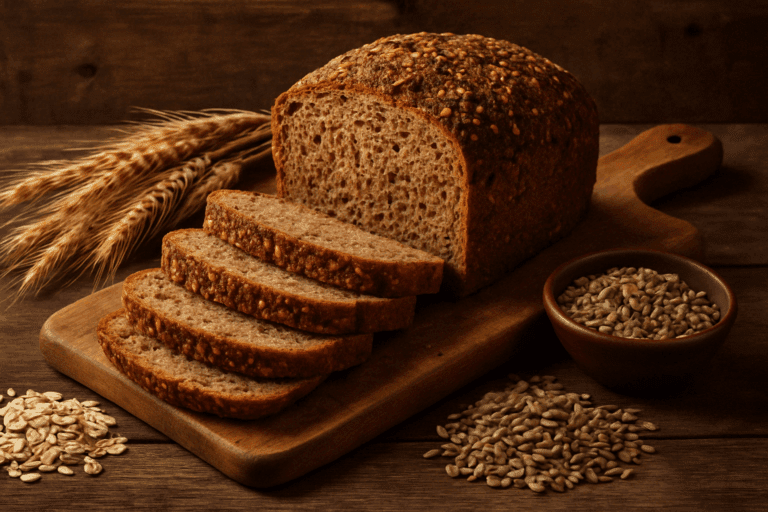
hacklink hack forum hacklink film izle hacklink
Home Blog Page 162

Why Male Eating Disorders Are Overlooked: What to Know About Anorexia in Guys and the Growing Mental Health Crisis

The image of an anorexic person that dominates popular culture is often that of a young woman. This cultural stereotype has contributed to the widespread misunderstanding and underrecognition of eating disorders in men. As research evolves and public awareness deepens, it becomes increasingly evident that men are far from immune to these complex and dangerous conditions. Yet, males with anorexia nervosa often remain invisible in mainstream conversations, leading to delayed diagnoses, stigmatization, and inadequate support. Understanding how anorexia in guys manifests—and why it remains largely overlooked—is essential for addressing this growing mental health crisis.

You may also like: How to Stop Emotional Eating and Regain Control: Mindful Nutrition Strategies That Support a Healthier Lifestyle

"Conceptual landscape showing a young woman and a young man each facing mirrors, with the woman's reflection appearing frail and the man's muscular, symbolizing societal pressures and the internal struggles related to male eating disorders.

Challenging the Stereotype: Can Men Have an Eating Disorder?

For decades, eating disorders were largely framed as issues affecting women and girls. Media portrayals and even medical research reinforced this bias, with most studies focusing almost exclusively on female populations. As a result, many still question, can men have an eating disorder? The answer is unequivocally yes. Men can and do suffer from anorexia, bulimia, binge eating disorder, and other forms of disordered eating, often with devastating consequences.

Male anorexia is frequently masked by behaviors that are culturally accepted or even encouraged in men, such as extreme dieting for fitness or excessive exercise to build muscle. This tendency complicates diagnosis and may prevent both individuals and clinicians from recognizing disordered eating patterns. An anorexic man might rationalize his restriction of food as part of a “clean eating” lifestyle or a bodybuilding regimen, making the underlying disorder harder to detect.

A young man working out in a modern gym, surrounded by supplement bottles and a strict meal plan notebook. The gym's atmosphere and fitness posters subtly reflect the pressure of perfection, highlighting the challenges of male eating disorders. The cool-toned image captures the tension in his focused expression as he lifts weights, symbolizing the mental strain often associated with body image issues in men.

Understanding the Numbers: What Percentage of Anorexia and Bulimia Patients Are Male?

One of the most common misconceptions is that male eating disorders are rare. However, recent data tells a different story. Studies indicate that approximately 25% of individuals with anorexia or bulimia are male, though some researchers believe this figure could be higher due to underreporting. The stigma surrounding eating disorders in men often discourages them from seeking help or even recognizing their symptoms.

These statistics compel us to revisit outdated narratives and challenge entrenched biases in both the public and professional spheres. When asked, “What percentage of anorexia and bulimia patients are male?” the real answer reveals how widespread and underacknowledged the issue truly is. The lack of awareness has real consequences: delayed treatment can lead to more severe medical complications, longer recovery times, and increased risk of relapse in anorexic males.

How Anorexia Manifests Differently in Men

While there are many similarities in how anorexia affects men and women, several gender-specific differences can alter both the presentation and progression of the illness. Men with eating disorders are more likely to focus on body composition rather than weight alone. Whereas many women with anorexia strive to be thin, an anorexic male may be fixated on achieving a lean, muscular physique.

This distinction often results in a different set of behaviors. An anorexic guy might engage in obsessive calorie counting, intermittent fasting, or compulsive exercise routines under the guise of fitness. He may also misuse supplements or steroids to attain what he believes is the ideal male body. These behaviors, while clearly disordered, often go unchecked because they align with societal expectations of male discipline and strength. This makes it harder for both professionals and loved ones to identify the problem and intervene early.

Man sitting on the edge of a bed in a dimly lit room, reflecting emotional distress related to male eating disorders. An untouched meal and workout gear are visible, symbolizing isolation and psychological struggle

The Psychological Toll on Men With Eating Disorders

Beyond the physical health risks associated with anorexia nervosa, the psychological burden borne by men with eating disorders is profound. Shame, guilt, and secrecy often define their experience. Because anorexia in guys contradicts societal norms around masculinity, many sufferers internalize the belief that their illness is a personal failure or sign of weakness.

This internal conflict can exacerbate mental health issues such as anxiety, depression, and low self-esteem. In some cases, it leads to substance abuse or self-harm. Males with anorexia nervosa often experience isolation due to their struggle being so misunderstood, which only intensifies the cycle of disorder. Lack of representation in awareness campaigns and treatment literature further marginalizes their experience and leaves them feeling invisible in the broader mental health conversation.

Why the Medical System Often Fails Anorexic Men

The healthcare system plays a pivotal role in perpetuating the invisibility of anorexic men. Despite advancements in research and treatment protocols, many medical professionals are still not adequately trained to recognize male eating disorders. Symptoms may be overlooked or misdiagnosed, especially when they are masked by athleticism or framed as commitment to a fitness routine.

Routine medical checkups often fail to identify disordered eating in men unless symptoms are explicitly mentioned, which they rarely are due to the associated stigma. Additionally, most screening tools were developed with female patients in mind, further compounding the problem. Even when diagnosed, anorexic males may face barriers to treatment, such as programs that are geared primarily toward women or group therapy environments where they feel out of place.

Cultural Factors That Contribute to Silence

Cultural expectations around masculinity significantly contribute to why male eating disorders are so often overlooked. From a young age, boys are taught to be stoic, tough, and emotionally reserved. Admitting to an eating disorder runs counter to these norms and is often perceived as a failure to conform to traditional ideals of masculinity.

This dynamic makes it especially difficult for men with eating disorders to seek support. An anorexic man might fear being judged, ridiculed, or dismissed entirely. He may downplay his symptoms or avoid disclosing them altogether, even to close friends or family. The lack of open dialogue about anorexia in guys contributes to its persistence and makes early intervention less likely.

A young man with a slim build looking at his smartphone with a tense expression, while blurred muscular fitness influencers appear in the background. This visual represents the psychological pressure and digital comparison often associated with male eating disorders

The Role of Media and Body Image in Male Anorexia

In recent decades, the media has increasingly promoted a narrow and often unrealistic standard of male beauty. Chiseled abs, broad shoulders, and minimal body fat are held up as the ideal. This shift has led to a significant increase in body dissatisfaction among men, contributing to the rise of eating disorders.

For many men, the pressure to look a certain way is no less intense than it is for women, yet the conversation around body image remains disproportionately female-focused. An anorexic guy might feel disconnected from mainstream discussions about eating disorders, which often emphasize thinness rather than muscularity. Consequently, his symptoms might go unrecognized even by healthcare providers.

Social media amplifies these challenges, particularly among younger populations. Algorithms that favor fitness content can lead to the constant exposure of idealized male bodies, heightening insecurities and promoting harmful behaviors. Without adequate media literacy and mental health support, vulnerable individuals are more likely to develop disordered eating patterns.

Signs and Symptoms of Male Anorexia to Watch For

Identifying the signs of male anorexia requires a nuanced understanding of how the condition manifests in men. While weight loss is a common symptom, it may not be as pronounced or may be masked by muscularity. More subtle indicators include obsessive concern with body fat percentage, rigid eating habits, avoidance of social situations involving food, and excessive time spent at the gym.

Friends, family, and clinicians should also be alert to changes in mood, increased isolation, irritability, and a preoccupation with food or body image. These symptoms often emerge before any physical changes become noticeable and can serve as early warning signs. By recognizing these patterns early, loved ones can help an anorexic male access the care he needs before the disorder worsens.

Effective Treatment Approaches for Men With Eating Disorders

While the core principles of eating disorder treatment apply across genders, approaches must be tailored to address the unique challenges faced by men. Therapeutic modalities such as Cognitive Behavioral Therapy (CBT), Dialectical Behavior Therapy (DBT), and Family-Based Treatment (FBT) can be effective, especially when combined with nutrition counseling and medical monitoring.

However, these treatments should be delivered in environments that are inclusive and affirming for men. Gender-specific support groups, male-focused therapy tracks, and male clinicians with experience in eating disorders can improve outcomes significantly. Addressing the stigma around male anorexia directly within treatment settings can also empower patients to be more open and engaged in their recovery process.

Education and awareness are vital components of any successful intervention. When men understand that eating disorders are medical conditions—not moral failings or feminine issues—they are more likely to pursue treatment and adhere to recovery protocols. Family and peer support also play a critical role in reinforcing these messages and providing encouragement throughout the healing journey.

Support group session with a male therapist and diverse men in various stages of recovery from male eating disorders, engaging in a warm, welcoming therapy environment. The group is seated in a cozy, sunlit room with soft lighting, creating an emotional safe space for open sharing and support

Preventing Male Eating Disorders Through Early Education and Intervention

Preventative strategies are essential for reducing the prevalence and severity of eating disorders in men. Education programs in schools, universities, and athletic organizations should include discussions on body image, mental health, and disordered eating that explicitly acknowledge male vulnerability. Curricula that challenge gender stereotypes and promote emotional expression can create a more supportive environment for young men.

Parents, coaches, and mentors must be equipped to recognize the early signs of disordered eating and to initiate compassionate conversations with boys and young men. Early intervention can prevent the development of full-blown anorexia and reduce the long-term physical and psychological impact of the disorder. By fostering open communication and reducing stigma, we can empower men to speak up about their struggles.

Public health campaigns also have a role to play. Messaging should be inclusive and feature diverse representations of people with eating disorders, including men of all backgrounds. By broadening the narrative, we can begin to dismantle the harmful myth that eating disorders are exclusively female issues.

Infographic depicting male eating disorders, with four diverse male silhouettes standing side by side. One silhouette is highlighted to represent the 25% of individuals affected by anorexia and bulimia. Surrounding icons represent common barriers like stigma, misdiagnosis, and silence, while symbols like scales, gym equipment, and clinical documents further reflect the challenges faced by men with eating disorders.

Rewriting the Narrative: Creating a Culture That Supports Recovery for Anorexic Men

Changing how society views male eating disorders will require collective effort across healthcare, education, media, and community sectors. This begins with acknowledging that men are not only affected by eating disorders but also deserve the same level of attention, research, and compassion as women.

Efforts to include males with anorexia nervosa in research studies, training programs, and public awareness campaigns will help bridge the gap in understanding and care. Encouraging men to share their stories can also reduce stigma and build a sense of community among those in recovery. With greater visibility and validation, anorexic men will feel less isolated and more empowered to seek help.

Ultimately, recognizing anorexia in guys is not just a matter of accurate diagnosis—it is a matter of equity and justice. No one should be denied care or suffer in silence because of outdated gender norms or societal blind spots. By challenging these norms and expanding our collective understanding, we can create a world where all individuals with eating disorders are seen, heard, and supported.

Frequently Asked Questions: Understanding Male Anorexia and the Overlooked Crisis in Men’s Mental Health

1. Why is male anorexia often misdiagnosed or overlooked in clinical settings?

Despite growing awareness, male anorexia frequently goes undiagnosed due to gender biases embedded in diagnostic tools and clinical assumptions. Many assessments used to detect eating disorders were initially developed for women and don’t account for how anorexia presents in men. For example, males with anorexia nervosa may not exhibit extreme thinness but instead focus on muscle definition or reducing body fat to unhealthy levels. Clinicians may misinterpret these behaviors as fitness goals rather than signs of a deeper issue. As a result, an anorexic man may not receive appropriate intervention until the disorder has significantly progressed.

2. What unique psychological factors contribute to male eating disorders?

Male eating disorders are often tied to identity, control, and performance-related anxiety. Unlike the traditional thin-ideal narrative common in females, men may internalize the pressure to be lean, muscular, and dominant—traits culturally associated with masculinity. This can create a psychological environment where disordered eating becomes a coping mechanism. An anorexic male might obsess over his dietary intake and workout routine as a means to assert control in a chaotic life or to attain validation. These underlying psychological drivers are critical to address during treatment, but they often remain unspoken in standard clinical approaches.

3. Are certain professions or lifestyles more prone to anorexia in guys?

Yes, environments that emphasize physical appearance or performance—such as sports, modeling, acting, and military service—can significantly increase the risk of male anorexia. In these settings, men are often praised for extreme discipline, low body fat, or peak physical conditioning, which can mask early signs of an eating disorder. Over time, the pressure to maintain a certain physique may drive men with eating disorders deeper into restrictive or purging behaviors. This cultural reinforcement creates a dangerous feedback loop, making it harder for an anorexic guy to recognize his behavior as harmful. Prevention efforts in these industries remain limited but are gradually gaining attention.

4. How does the recovery process differ for men with eating disorders compared to women?

While many therapeutic principles apply to all genders, men with eating disorders often need treatment that explicitly validates their experiences. Group therapy environments predominantly composed of women can make men feel out of place or hesitant to share openly. Moreover, discussions about masculinity, identity, and societal expectations should be integrated into recovery plans for males with anorexia nervosa. Including male clinicians or mentors who have experienced recovery can also help normalize the process. Without these tailored supports, an anorexic man may disengage from treatment prematurely.

5. Can men have an eating disorder without showing significant weight loss?

Absolutely. One of the most dangerous misconceptions is that eating disorders must involve visible thinness. In reality, many men with eating disorders may appear to have average or even muscular bodies. A male anorexic might severely restrict calories or engage in compulsive exercise but still maintain a weight that doesn’t raise immediate concerns. Because of this, friends, family, and even healthcare professionals might overlook the severity of the issue. Understanding that anorexia in guys often manifests through behavior and obsession—not just appearance—is crucial for early identification and treatment.

6. What role does social media play in shaping male body image and eating behaviors?

Social media platforms increasingly expose men to narrow and often unattainable body ideals. Pages dedicated to fitness, bodybuilding, or “clean eating” can reinforce harmful standards and contribute to body dissatisfaction in males. Men with eating disorders often report compulsive comparison and heightened anxiety after browsing these platforms. In particular, younger generations are more vulnerable, as they’re still forming their self-concept and may internalize unrealistic images. For an anorexic guy, social media can act as both a trigger and a barrier to recovery, especially if he lacks access to body-positive content tailored to men.

7. How can parents and educators identify early signs of anorexia in adolescent boys?

Early signs of male anorexia in adolescents may include a sudden preoccupation with food quality, calorie counting, excessive exercise, and withdrawal from family meals or social events. Unlike girls, boys may mask these behaviors with claims of athletic ambition or fitness goals. Educators and parents should be cautious of rigid routines around eating and exercise that appear inflexible or punitive. Conversations about mens anorexia should begin early, using language that emphasizes emotional health, body neutrality, and personal wellbeing. Recognizing anorexia in guys at a young age can lead to faster recovery and fewer long-term health complications.

8. What support resources are available specifically for anorexic men?

While most eating disorder programs were initially developed for women, an increasing number now offer support specifically for men with eating disorders. Organizations such as the National Eating Disorders Association (NEDA) and the National Association for Males with Eating Disorders (NAMED) provide educational materials, therapy referrals, and community forums. Specialized inpatient and outpatient centers have also begun to create male-only tracks that acknowledge the unique challenges faced by anorexic men. These options can provide a more comfortable and validating environment for an anorexic male, improving both treatment engagement and long-term outcomes.

9. Why don’t more men talk about their struggles with anorexia?

The silence surrounding male anorexia is rooted in stigma and outdated gender norms. Many men fear that admitting to an eating disorder challenges their masculinity or will result in ridicule. The lack of public discourse about male eating disorders reinforces the belief that such struggles are shameful or rare. Even when males with anorexia nervosa want to seek help, they may not know where to begin or whom to trust. Creating spaces where men feel safe to share their experiences—whether in therapy, community groups, or media narratives—is essential for breaking this silence.

10. Has the percentage of males diagnosed with anorexia and bulimia increased over time?

Yes, data indicates that the percentage of males diagnosed with anorexia and bulimia has risen in recent years, though this may partly reflect improved recognition rather than an actual surge in cases. When exploring what percentage of anorexia and bulimia patients are male, research now suggests that roughly one in four individuals with these disorders is male. However, some experts argue that the true number could be higher due to underdiagnosis and stigma-related silence. This trend underscores the urgent need for more inclusive diagnostic criteria, broader public health messaging, and research specifically focused on male eating disorders. By acknowledging that male anorexia is neither rare nor new, we can begin to dismantle the barriers that have historically kept so many men in the shadows.

Conclusion: Recognizing the Hidden Crisis of Male Eating Disorders

The rise of male eating disorders signals an urgent need for change in how we perceive, diagnose, and treat these complex conditions. Males with anorexia nervosa, often overlooked and underserved, face unique challenges rooted in cultural expectations and systemic gaps in care. Asking, “Can men have an eating disorder?” is no longer sufficient. We must go further—acknowledging the prevalence of male anorexia, dismantling stigma, and ensuring equitable access to treatment for all.

Understanding what percentage of anorexia and bulimia patients are male reveals the depth of this hidden crisis and underscores the need for more inclusive health practices. By broadening our definitions and deepening our empathy, we can make meaningful strides toward a healthier, more supportive world for men with eating disorders. It’s time to bring anorexic men out of the shadows and into the light of recovery, where healing and hope are not limited by gender.

Was this article helpful? Don’t let it stop with you. Share it right now with someone who needs to see it—whether it’s a friend, a colleague, or your whole network. And if staying ahead on this topic matters to you, subscribe to this publication for the most up-to-date information. You’ll get the latest insights delivered straight to you—no searching, no missing out.

Further Reading:

Eating Disorders in Males

Eating Disorders in Men

Eating Disorders in Men Are Not Talked About Enough — and They’re on the Rise
Smart Grain Choices for Better Health: What Type of Grains Should You Eat and Why Whole Grains Matter

Grains are more than just a filler on your plate—they’re foundational to human nutrition and essential to many dietary patterns around the globe. From the toast on your breakfast plate to the rice in your evening stir-fry, grains are deeply woven into the fabric of daily eating. But not all grains are created equal. When we talk about improving our diets for long-term health, a recurring question surfaces: what type of grains should you eat—and why should you consume whole grains instead of their refined counterparts? This article explores the full spectrum of grain choices, delves into their nutritional importance, and offers practical guidance for integrating the best options into your lifestyle.

You may also like: How a Whole Foods Diet Supports Sustainable Weight Loss: Expert Tips for Eating Whole Foods to Lose Weight Safely

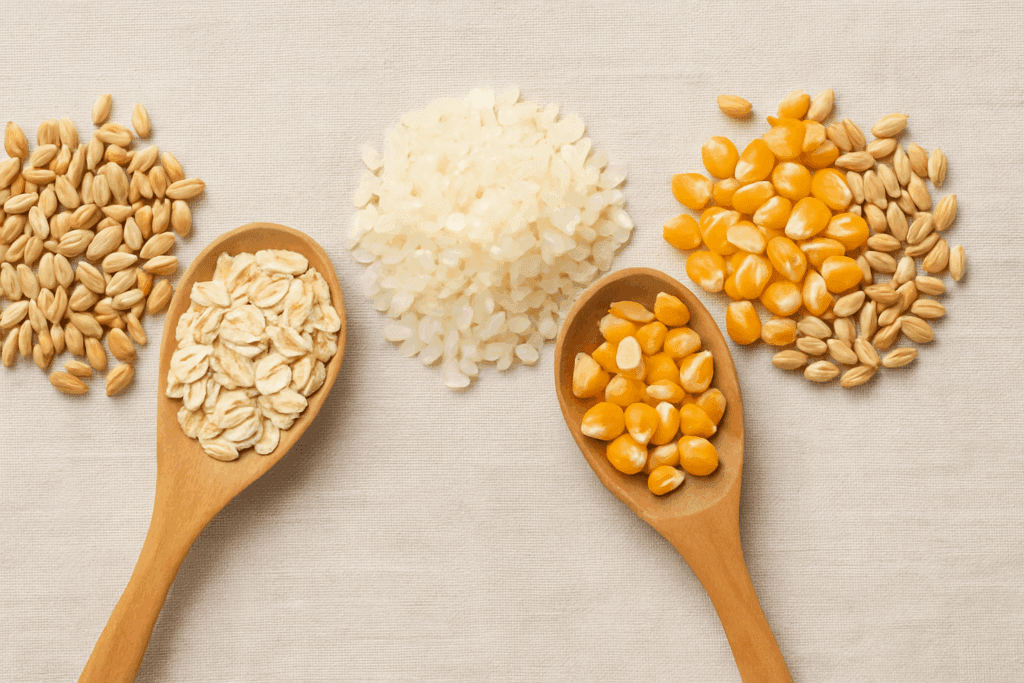
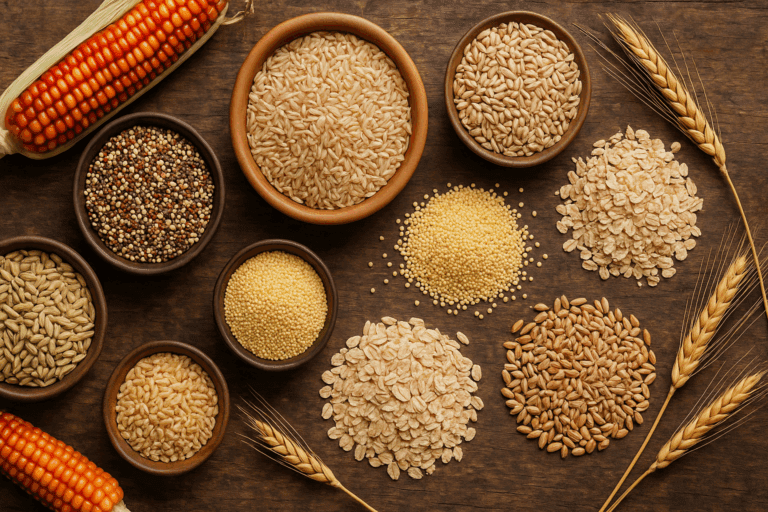
Five raw whole grains—wheat, oats, rice, corn, and barley—displayed in wooden spoons to illustrate what type of grains should you eat.

What Are Grains, and Why Are They Important?

Grains are the seeds of cereal grasses, and they’ve been a central part of the human diet for millennia. They come in many varieties, and understanding what foods have grains is as simple as examining your pantry: wheat, rice, corn, oats, and barley are all examples. Grains provide vital macronutrients like complex carbohydrates, as well as micronutrients such as B vitamins and iron. When we ask what are considered grains, the list extends beyond the usual suspects to include millet, sorghum, bulgur, and amaranth.

These foods fall under the larger umbrella of the grains category, and their presence in our diets is crucial. However, not all grains are equally beneficial. Refined grains, like white rice and white flour, have been stripped of their bran and germ during processing. This removes most of the grain’s fiber and many of its vitamins and minerals. That’s why understanding what are processed grains—and why they should be limited—is key for making healthier dietary decisions.

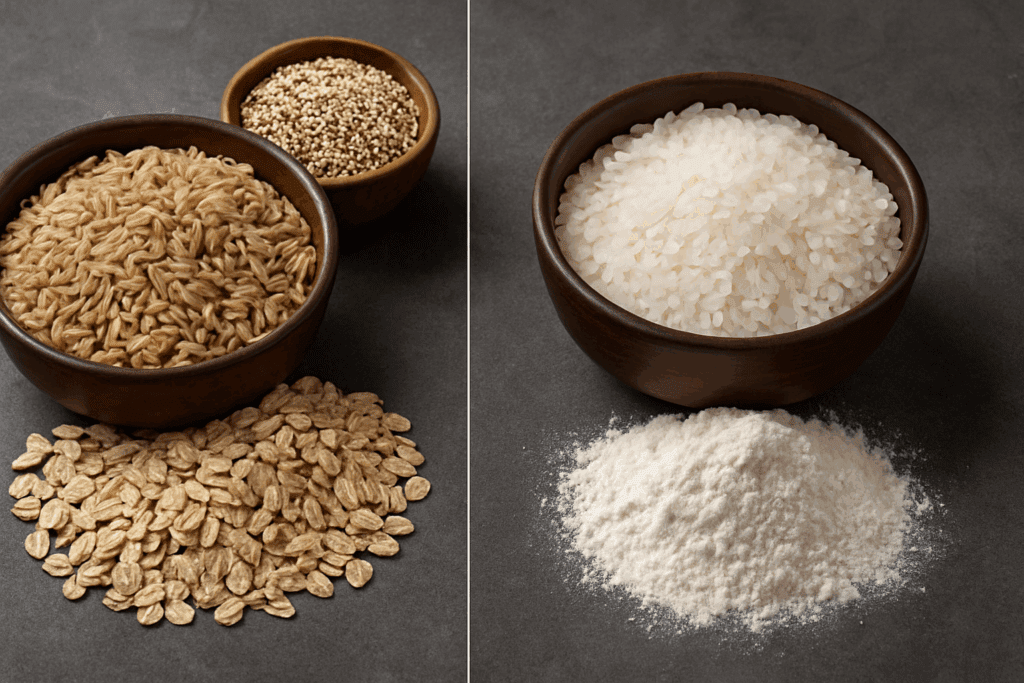
Side-by-side view of whole grains like brown rice, oats, and quinoa next to refined grains like white rice and flour, illustrating what type of grains should you eat for better nutrition.

Whole Grains vs. Refined Grains: A Nutritional Comparison

One of the most important distinctions in modern nutrition is between whole grains and refined grains. Whole grains retain all parts of the seed: the bran, germ, and endosperm. This structure means they retain fiber, iron, magnesium, and B vitamins—making them vastly more nutritious. So, what nutrient comes from grain? The answer depends on the type, but fiber, iron, and B vitamins are consistently among the top contributors.

If you’re building a whole grain foods list, you’ll find items like brown rice, quinoa, oats, barley, and 100% whole wheat bread. These grains for meal planning support digestive health, help control blood sugar, and may even reduce the risk of heart disease. In contrast, refined grains have a higher glycemic index and fewer nutrients, which can contribute to weight gain, type 2 diabetes, and cardiovascular problems over time. Understanding what three nutrient values does grains have—including fiber, iron, and complex carbohydrates—can help you make more intentional choices for your meals.

Healthy meal prep containers showing what type of grains should you eat, with quinoa, oatmeal topped with fruit, and a brown rice veggie bowl.

What Type of Grains Should You Eat for Better Health?

When considering what type of grains you should eat, whole grains should take precedence. Whether you’re aiming for heart health, better digestion, or blood sugar regulation, whole grains offer a nutritional advantage. For example, oats are high in beta-glucan, a type of fiber shown to lower cholesterol. Quinoa, a gluten-free pseudo grain, provides all nine essential amino acids—making it a rare plant-based complete protein. Brown rice offers fiber, manganese, and selenium, supporting both metabolism and immune function.

These grains are versatile and can be incorporated into any meal. Choosing grains you can eat for lunch, such as quinoa salads, barley soups, or whole wheat wraps, ensures your midday meal is energizing and sustaining. Looking for simple ideas? Try rotating through three foods grains like oats, farro, and brown rice. These examples of grains food provide varied textures, flavors, and nutritional profiles, which can keep your meals exciting and balanced.

Understanding the Grain and Iron Conversation: What’s More Important, Iron or Wheat?

A common question is: what’s more important, iron or wheat? While this may sound like a competition, it’s actually a false dichotomy. Iron is an essential mineral that supports oxygen transport, energy production, and immune function. Wheat, when consumed in whole form, can be an excellent source of iron as well as fiber and B vitamins. The key is not choosing between iron or wheat but rather choosing whole grains like wheat that naturally contain iron and other beneficial nutrients.

When you consume whole wheat products such as whole grain bread or pasta, you’re not just getting carbohydrates—you’re also benefiting from iron, magnesium, and zinc. A grain that provides three different nutrients, such as whole wheat, contributes substantially to your daily dietary needs. In this way, choosing nutrient-dense grain products can simultaneously address iron intake and overall dietary quality.

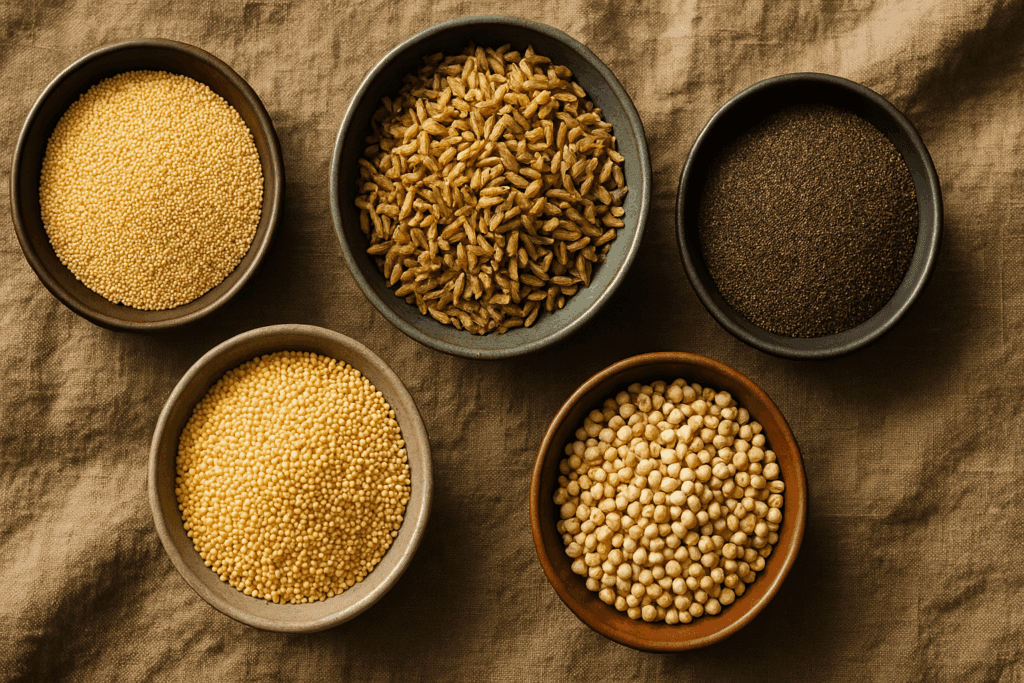
Bowls of amaranth, freekeh, teff, millet, and sorghum on fabric, showcasing what type of grains should you eat for a diverse whole food diet

The Value of Grain Diversity: Exploring the Grains List

Many people stick to a narrow range of grains out of habit, but expanding your grains list can significantly enhance your nutrient intake. There are many types of grains in food, each offering unique health benefits. Millet is rich in magnesium and phosphorus, supporting bone and nerve function. Sorghum is high in antioxidants, which protect cells from oxidative stress. Teff, a staple in Ethiopian cuisine, is rich in calcium and resistant starch.

What are some grains you might be missing? Consider adding freekeh, bulgur, or amaranth to your meals. These ancient grains offer depth of flavor, texture, and nutrition. Including different types of grains in food not only diversifies your palate but also ensures you’re getting a wider array of vitamins and minerals. This approach answers not only what are some types of grain foods but also how to elevate your health through culinary variety.

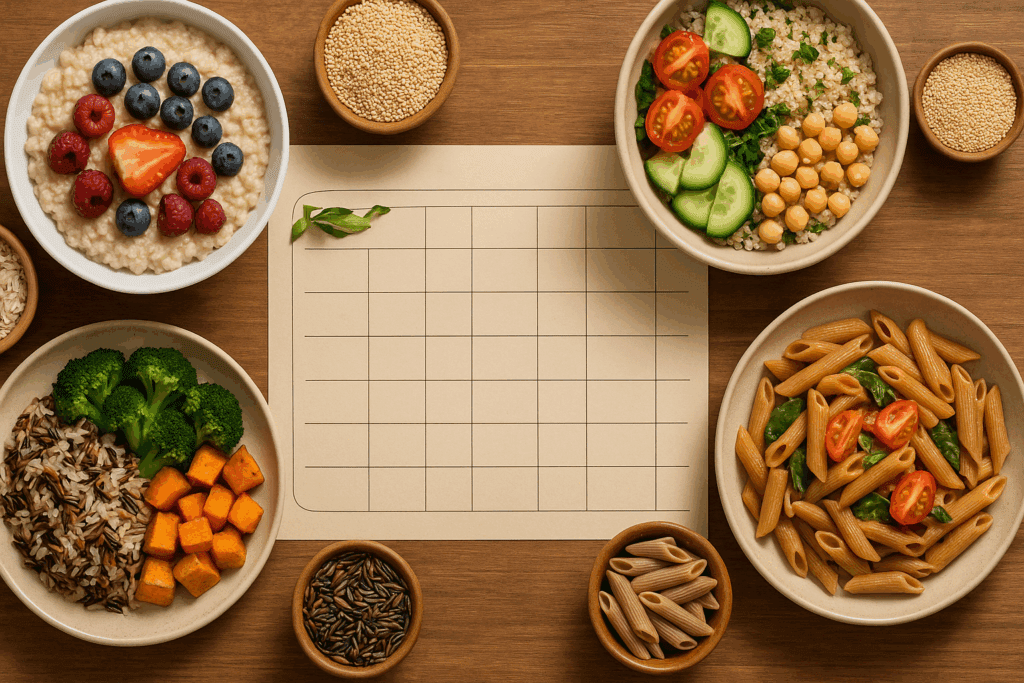
Weekly meal planner with whole grain dishes like oatmeal, quinoa salad, and wild rice bowls, illustrating what type of grains should you eat.

Grains and Meal Planning: Smart Options for Every Day

Grains are a practical and budget-friendly choice for meal planning. Whether you’re looking for grains to eat lunchtime or dinner, whole grains can serve as a satisfying foundation for any dish. Quinoa bowls, wild rice pilafs, and whole grain wraps are all excellent grains for meal prep. A simple guideline is to give 3 examples of foods from grains you can use throughout the week: oatmeal for breakfast, quinoa salad for lunch, and whole wheat pasta for dinner.

Grains can also be a central part of vegetarian, vegan, and flexitarian diets. By combining whole grains with legumes, such as lentils or chickpeas, you can create meals that are rich in plant-based protein, fiber, and micronutrients. These combinations make it easier to meet dietary needs without animal products, making grains essential for diverse dietary patterns.

Grains and Dairy: What to Know About Common Products

Some people need to be cautious about food combinations due to dietary restrictions or sensitivities. That’s why it’s helpful to know what products have grains and dairy in them. Common examples include baked goods like muffins and pancakes, casseroles such as mac and cheese, and frozen meals that combine pasta and cheese. When evaluating a product, always check labels to understand if it falls into the category of foods that contain both grains and dairy.

For those avoiding dairy, there are many plant-based alternatives available that still pair beautifully with whole grains. Nut-based cheeses, plant milks, and dairy-free yogurts can be combined with grains to create balanced and satisfying meals. Whether you’re managing an allergy, a dietary preference, or a chronic condition, knowing how to identify these products is key.

Infographic showing what type of grains should you eat for heart health, blood sugar balance, and energy metabolism.

What Are 3 Health Facts for Grains Everyone Should Know?

If you’re looking for a simple way to communicate the value of grains, consider these three facts: First, whole grains support cardiovascular health by lowering cholesterol and blood pressure. Second, they help regulate blood sugar levels due to their high fiber content and slower digestion rate. Third, grains are a vital source of B vitamins, which play a key role in metabolism, nerve health, and energy production.

Understanding what are three nutrient values does grains have helps reinforce why whole grains should be part of a daily diet. These include fiber for digestion, iron for oxygen transport, and magnesium for energy and muscle function. Whether you’re curious about what nutrients come from grain or looking to improve your overall diet, the answer often begins with making smarter grain choices.

Frequently Asked Questions: Smart Grain Choices and Their Role in Nutrition

1. How do cultural traditions influence what type of grains you should consume? Cultural traditions play a significant role in determining what type of grains you should consume, as heritage diets often reflect the optimal use of locally available, nutrient-dense options. For example, in many Asian cultures, brown rice and millet are dietary staples, while Latin American cuisine emphasizes corn-based grains like masa and quinoa. Understanding the cultural context of food choices allows for more sustainable and satisfying nutrition patterns that also respect traditional wisdom. Many traditional diets naturally prioritize whole grains over refined grains, which contributes to long-term health outcomes. When reviewing a grains list within a cultural framework, one can discover new and beneficial grain sources that align with personal values and nutritional goals.

2. What’s more important—iron or wheat—when evaluating dietary priorities? When comparing what’s more important, iron or wheat, it’s essential to understand they serve complementary rather than competitive functions in a balanced diet. Iron is a mineral necessary for red blood cell production, while wheat, particularly whole wheat, serves as a dietary vehicle for delivering that mineral alongside fiber and B vitamins. Instead of choosing one, the goal should be to focus on whole grain sources of wheat that are naturally rich in iron and other nutrients. A whole grain that provides three different nutrients, such as whole wheat, supports oxygen transport, metabolic energy, and digestion all at once. The question should shift from either-or to how best to integrate iron-rich whole grains into your meals for optimal health.

3. How can you optimize your lunch using grains you can eat for lunch? To get the most out of grains you can eat for lunch, consider combining them with proteins, healthy fats, and fibrous vegetables to create balanced, energizing meals. Grains to eat lunchtime like bulgur, wild rice, or whole wheat couscous work well in grain bowls or wraps. These meals are not only practical for busy schedules but also help maintain blood sugar stability throughout the day. Choosing whole grains for meal preparation ensures you’re getting sustained energy and essential nutrients. Using the whole grain foods list as inspiration can lead to creative, satisfying, and nutritionally dense lunchtime choices that outperform processed alternatives.

4. Why should you consume whole grains over trendy low-carb alternatives? While low-carb diets may seem appealing, they often lack the long-term sustainability and breadth of nutrients found in whole grains. One reason why you should consume whole grains is their proven ability to support digestive health, cardiovascular function, and long-term weight management. Whole grains also provide a better balance of macro and micronutrients compared to many grain-free substitutes made from ultra-processed starches. When reviewing types of grains in food, it becomes clear that the fiber, antioxidants, and slow-digesting carbohydrates found in whole grains make them superior. Unlike refined grains, whole grains help you feel full longer without the metabolic downsides.

5. What are some advanced ways to diversify your grains list for better nutrition? Diversifying your grains list goes beyond simply swapping white rice for brown. Consider incorporating sprouted grains, such as sprouted wheat or sprouted barley, which enhance digestibility and nutrient availability. Fermented grains, like those found in sourdough or traditional African porridges, introduce beneficial probiotics and support gut health. Exploring what are some types of grain foods available in global cuisines can inspire meals that are both exciting and nutrient-rich. These techniques not only add variety but also unlock nutritional potential that is often lost in typical preparations of refined grains.

6. How do grains contribute to the synergy between nutrients for grains and dairy in meal planning? When pairing grains and dairy in meal planning, you’re creating meals that offer a diverse spectrum of macro- and micronutrients. Understanding what nutrients for grains and dairy overlap and complement each other is key—for example, pairing calcium-rich dairy with magnesium- and fiber-rich grains can enhance bone and muscle health. Greek yogurt with oats, or cheese with whole grain crackers, are practical examples of this synergy. Knowing what products have grains and dairy in them also helps in optimizing nutrient intake while accommodating dietary restrictions or preferences. This strategic pairing supports digestive regularity, blood sugar balance, and satiety in a way that neither food group achieves alone.

7. Can refined grains ever be a healthy part of the diet? Although whole grains are preferred, refined grains can play a role in specific contexts when chosen and prepared mindfully. Athletes and individuals needing quick energy post-exercise may benefit from the rapid glucose release of certain refined grains. However, it’s essential to balance them with nutrient-dense options and limit overconsumption. When identifying what are processed grains on a food label, look for enrichment with B vitamins and iron, which can help offset some nutritional losses. Nonetheless, refined grains should be the exception rather than the norm in a diet emphasizing whole grain foods and a varied grains list.

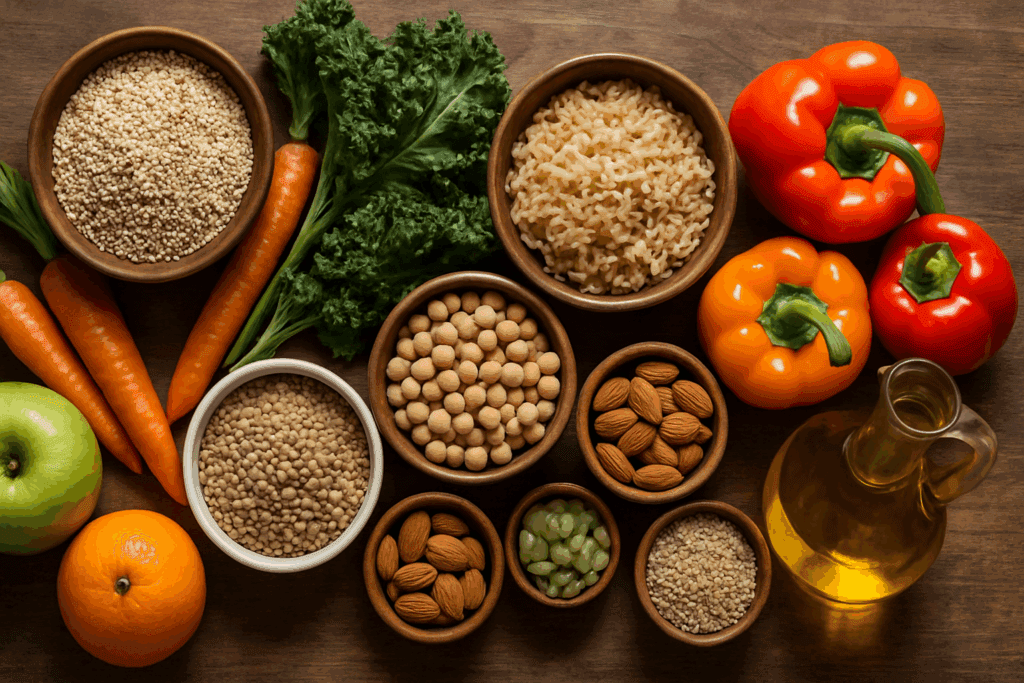
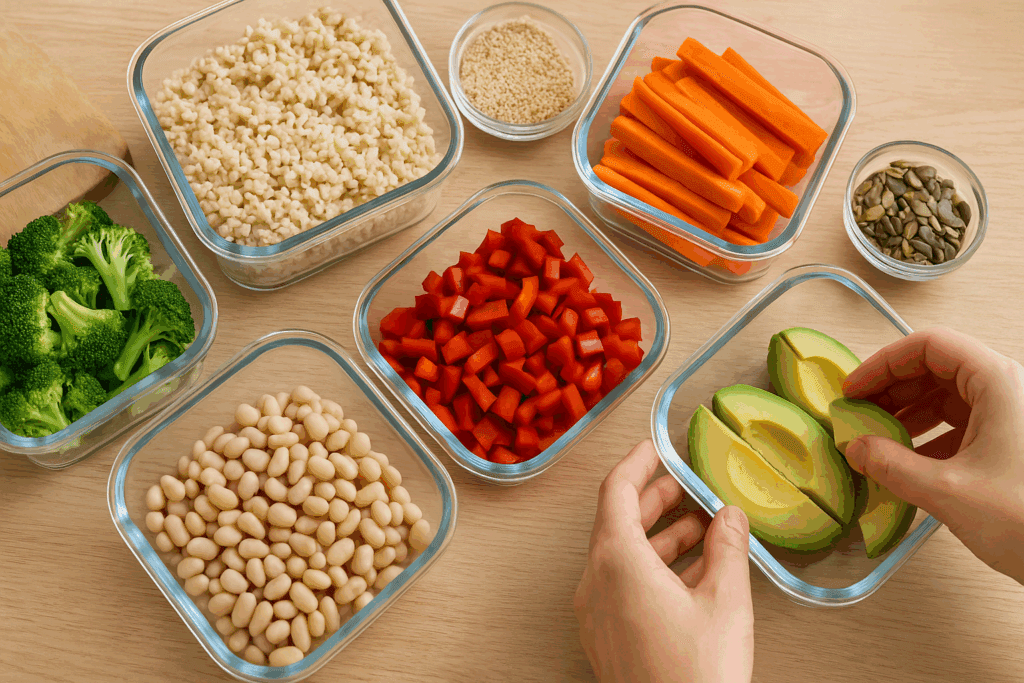
8. What are three health facts for grains that many people overlook? Among the most overlooked health facts about grains is their role in supporting mental health through B vitamin content, particularly thiamin and folate. Secondly, grains play a vital role in hormone regulation due to their complex carbohydrates, which influence serotonin and cortisol balance. Third, many grains also support the body’s detoxification pathways through fiber and sulfur-containing compounds, especially in ancient grains like spelt and kamut. When you give 3 examples of foods from grains that provide these benefits—such as oats, buckwheat, and millet—you begin to appreciate their diverse functionality. These examples of grains food reveal that their value extends far beyond basic energy supply.

9. How does food technology influence the future of what are considered grains? Advances in agricultural and food technology are reshaping our understanding of what are considered grains. Biofortified grains like golden rice are engineered to contain higher levels of vitamin A, offering potential public health benefits in malnourished populations. Novel grains such as fonio and kaniwa are emerging in the commercial market due to their adaptability to climate change and high nutritional density. As these innovations expand the list of grains food, consumers have more opportunities to personalize their diets. Understanding what type of grains should you consume in the future may involve considering sustainability, micronutrient density, and resilience to environmental stress.

10. How can families incorporate 3 foods grains into kid-friendly meals without resistance? Introducing children to 3 foods grains—like oats, cornmeal, and brown rice—can be done through familiar and enjoyable formats such as pancakes, muffins, or homemade grain bowls. Blending grains into well-loved dishes helps build positive associations early on. One helpful strategy is to gradually mix whole grains with their refined counterparts (e.g., blending white and brown rice) to ease the transition. Over time, families can explore what foods have grains that offer both taste and texture diversity, encouraging curiosity and healthier choices. This approach not only improves daily nutrition but also sets the foundation for lifelong preferences aligned with whole grain values.

Conclusion: Embrace Whole Grains for a Healthier, More Balanced Life

Grains are more than a dietary staple—they are powerful allies in your journey toward better health. Knowing what type of grains should you eat and understanding the benefits of whole grains over refined grains gives you the knowledge to make better food choices. From reducing disease risk to supporting daily energy needs, grains are versatile, nutrient-dense, and incredibly valuable. When you’re thoughtful about your choices—choosing whole over refined, diversifying your grains list, and incorporating them into balanced meals—you create a foundation for long-term wellness.

Whether you’re wondering why you should consume whole grains or exploring what food has grains, the message is clear: whole grains nourish your body on multiple levels. They provide critical nutrients, help stabilize blood sugar, support heart and digestive health, and bring flavor and variety to your meals. In a world where processed food dominates, choosing whole, minimally processed grains is a small yet powerful act of self-care. Embrace grains not as an afterthought but as a nutritional cornerstone—and watch your health flourish.

Was this article helpful? Don’t let it stop with you. Share it right now with someone who needs to see it—whether it’s a friend, a colleague, or your whole network. And if staying ahead on this topic matters to you, subscribe to this publication for the most up-to-date information. You’ll get the latest insights delivered straight to you—no searching, no missing out.

Further Reading:

Nutrition and healthy eating


Why You Should Include Whole Grains in Your Diet

5 Nutritious Grains Experts Want You to Try

Disclaimer

The information contained in this article is provided for general informational purposes only and is not intended to serve as medical, legal, or professional advice. While NewsHealthWatch strives to present accurate, up-to-date, and reliable content, no warranty or guarantee, expressed or implied, is made regarding the completeness, accuracy, or adequacy of the information provided. Readers are strongly advised to seek the guidance of a qualified healthcare provider or other relevant professionals before acting on any information contained in this article. NewsHealthWatch, its authors, editors, and contributors expressly disclaim any liability for any damages, losses, or consequences arising directly or indirectly from the use, interpretation, or reliance on any information presented herein. The views and opinions expressed in this article are those of the author(s) and do not necessarily reflect the official policies or positions of NewsHealthWatch.

Smart Grocery Shopping for a Plant-Based Lifestyle: Your Complete Whole Food Plant Based Diet Grocery List Backed by Experts

The Power of Food Choices: Why Your Grocery List Matters More Than You Think

In a world of ultra-processed convenience and conflicting diet advice, the simplicity of a whole food plant-based lifestyle is refreshingly powerful. But embracing this way of eating requires more than intention—it demands thoughtful preparation, starting with what goes into your cart. At the heart of this transition lies the humble grocery list, a tool that transforms your shopping trip into a health-boosting strategy. Understanding how to build a whole food plant based diet grocery list with intention helps eliminate guesswork, reduce waste, and align your daily meals with your health goals.

The appeal of a whole food based diet lies in its nutrient density, its alignment with long-term health, and its capacity to reduce the risk of chronic diseases. Yet, knowing what foods to prioritize can feel daunting to newcomers. With aisles crowded by marketing claims and misleading health halos, it’s easy to feel overwhelmed. That’s why curating a smart plant based grocery list—one that reflects not just personal taste, but evidence-based guidance—is so essential. When your list is grounded in whole foods, plant diversity, and practical staples, it becomes a blueprint for wellness.

You may also like: How a Whole Foods Diet Supports Sustainable Weight Loss: Expert Tips for Eating Whole Foods to Lose Weight Safely

Small bowls and cutting boards displaying lentils, quinoa, kale, berries, almonds, and vegetables from a whole food plant based diet grocery list.

Understanding the Whole Food Plant-Based Diet: More Than Just Plants

Before diving into the specifics of a grocery shopping list for plant based diet success, it’s important to understand what the term actually means. A whole food plant-based diet is centered around minimally processed foods that come from plants—think vegetables, fruits, whole grains, legumes, nuts, and seeds. Unlike vegan diets, which may still include highly processed plant-based alternatives, a whole food plant based list excludes items like refined oils, added sugars, and faux meats that lack nutritional density.

This approach promotes foods in their most natural state or as close to it as possible. The emphasis is not just on avoiding animal products, but on maximizing the intake of nutrient-rich foods that fuel the body efficiently. From a nutritional perspective, this type of diet provides a wide spectrum of fiber, antioxidants, phytochemicals, and anti-inflammatory compounds. As research increasingly links these foods to reduced risk of heart disease, diabetes, and certain cancers, many health practitioners now encourage their patients to adopt a whole food based diet as part of a comprehensive wellness plan.

Colorful assortment of grains, legumes, vegetables, fruits, nuts, and herbs organized by food group to illustrate a whole food plant based diet grocery list.

What to Include in a Whole Food Plant Based Grocery List: Staples for Success

When assembling a whole food plant based diet grocery list, variety and balance are key. A well-rounded cart includes foods from every plant-based category to ensure nutritional diversity. Whole grains like quinoa, brown rice, millet, and oats provide sustained energy and essential B vitamins. Legumes such as lentils, black beans, chickpeas, and split peas are rich in protein and iron, making them the cornerstone of many plant-based meals.

Vegetables—especially leafy greens, cruciferous options like broccoli and cauliflower, and colorful choices like carrots and bell peppers—deliver fiber and phytonutrients that support everything from gut health to immune function. Fruits offer natural sweetness, along with vitamins, minerals, and disease-fighting compounds. Berries, citrus, bananas, apples, and seasonal produce are all excellent additions to a whole food plant based grocery list. And don’t overlook nuts and seeds: flaxseeds, chia, walnuts, and sunflower seeds are small but mighty sources of healthy fats, protein, and trace minerals.

A thoughtful plant based diet shopping list also includes herbs and spices, which enhance flavor without added sodium or fat. Ingredients like garlic, turmeric, ginger, basil, and cumin not only boost taste but provide powerful anti-inflammatory and antioxidant effects.

Grocery store shopper pushing a cart filled with produce, grains, and legumes from a whole food plant based diet grocery list.

Navigating the Grocery Store: Strategic Shopping in a Processed World

The modern supermarket is engineered to tempt, distract, and upsell. Understanding how to move through the store with intention can make all the difference. A strong plant based grocery list helps anchor your decisions and prevents impulse buys that veer away from your goals. The produce section should be your home base. Spend time selecting fresh fruits and vegetables, prioritizing both staples and seasonal finds to encourage variety throughout the week.

When it comes to grains and legumes, explore the bulk section if available—it often offers the best value and the least packaging. This is especially helpful for those following a low fat whole food plant based diet, since bulk options let you control quantities without the added oils or sugars often found in pre-packaged alternatives. Reading ingredient labels becomes essential for products like breads, cereals, and plant-based milks. Look for items with minimal, recognizable ingredients and no added oils or sweeteners.

Frozen foods can also be an asset, especially when certain fruits and vegetables are out of season. Stocking up on frozen spinach, peas, berries, and edamame helps ensure you always have nutritious options on hand. Just be cautious to avoid frozen meals or processed plant-based snacks that may carry excessive sodium or hidden fats.

Bright kitchen counter with a whole food plant based diet grocery list meal including chickpeas, spinach, quinoa, and fresh vegetables.

How a Low Fat Whole Food Plant Based Diet Can Support Long-Term Health

One of the distinguishing characteristics of a whole food plant-based diet—especially in its low fat form—is its potential to reverse or prevent chronic disease. Research from programs like Dr. Dean Ornish’s heart disease reversal protocol and studies conducted by Dr. Caldwell Esselstyn have demonstrated that low fat whole food plant based diets can dramatically improve cardiovascular health. By eliminating oils, reducing saturated fat, and emphasizing high-fiber foods, this dietary approach supports arterial health, lowers cholesterol, and stabilizes blood sugar levels.

From a metabolic perspective, diets rich in whole plant foods and low in added fat can enhance insulin sensitivity and reduce inflammation. These effects are particularly beneficial for individuals managing type 2 diabetes or metabolic syndrome. For others, a low fat whole food plant based diet offers a sustainable way to maintain a healthy weight without calorie counting or restrictive patterns. When meals are built from the foods on a well-curated whole food plant based food list, satiety naturally follows due to the fiber-rich, water-dense nature of these ingredients.

The Science Behind the List: Expert-Backed Principles for Plant-Based Nutrition

As more registered dietitians and clinical nutritionists support the adoption of plant-based eating, the importance of having a precise, nutrient-rich grocery list becomes clearer. Experts emphasize that relying on a comprehensive plant based diet grocery list helps cover all essential nutrients, from fiber and protein to vitamins like B12 and D (which may need supplementation depending on sun exposure and diet variety).

Protein is a common concern for those new to plant-based diets, but experts clarify that it’s easily achieved through a diverse list of plant based foods. A combination of legumes, whole grains, nuts, seeds, and vegetables provides more than enough amino acids for most people. Additionally, prioritizing whole sources of omega-3s—such as flaxseeds and walnuts—supports brain and heart health in the absence of fish. Iron, zinc, and calcium can also be found in abundance across the plant kingdom when variety is emphasized in your whole food plant based diet shopping list.

One of the most critical expert recommendations is consistency. Those who consistently shop with a plant based grocery list and maintain a kitchen stocked with whole food staples are far more likely to stay on track with their dietary goals. This practical habit fosters long-term adherence and reduces the friction associated with meal planning or decision fatigue.

Whole food plant based diet grocery list with carrots, cabbage, potatoes, dry beans, oats, and rice arranged on a kitchen counter in reusable bags

Budgeting and Accessibility: Building a Whole Food Plant Based Diet on a Budget

Contrary to the perception that plant-based eating is expensive, a well-planned whole food plant based grocery list can actually be more affordable than a diet heavy in animal products and processed foods. Staples like beans, lentils, rice, oats, and seasonal vegetables offer exceptional nutritional value for relatively low cost. By focusing on whole ingredients rather than pre-packaged plant-based items, you reduce the markup associated with convenience.

Farmers markets, community-supported agriculture (CSA) programs, and co-ops can provide local, fresh produce at competitive prices, especially when you shop in-season. For those seeking budget-friendly options, frozen fruits and vegetables offer a practical alternative that retains most of the nutritional benefits of fresh produce. Creating a grocery shopping list for plant based diet goals ahead of time ensures you can take advantage of sales, avoid food waste, and prevent unnecessary trips to the store.

Batch cooking and meal prep further enhance budget efficiency. Using ingredients from your whole food plant based grocery list to prepare meals in bulk allows you to save both money and time. Think of it as an investment in your long-term health that pays daily dividends in energy, clarity, and resilience.

Adapting to Real Life: Social Situations, Family Meals, and Busy Lifestyles

Even the most thoughtfully crafted plant based diet shopping list must function in the context of real life. Whether you’re feeding a family with diverse preferences, navigating holidays, or managing a demanding schedule, adaptability is key. The foundation you build with your list of whole foods plant based diet staples makes it easier to improvise when plans change or when you’re dining outside the home.

Keeping quick-prep ingredients like pre-cooked grains, canned beans (without added sodium), and chopped frozen vegetables on hand can turn a chaotic evening into a nutritious dinner in minutes. Planning ahead with your whole food plant based shopping list also allows you to prepare dishes for social gatherings that introduce others to the richness and satisfaction of plant-based meals—without sacrificing flavor or tradition.

Children and partners may need time to adjust, but involving them in grocery shopping and meal prep can foster a sense of ownership and curiosity. When they help choose items from the whole food plant based list and assist in the kitchen, they become more invested in the outcome and more likely to try new dishes with enthusiasm.

Split-screen visual showing a whole food plant based diet grocery list with fresh vegetables and grains on one side, and processed vegan snacks on the other.

Avoiding Common Pitfalls: What Not to Include on Your Plant-Based Grocery List

Despite the best intentions, not all plant-based foods support optimal health. Highly processed items such as vegan cheeses, meat substitutes, sugary granola bars, and refined snacks often sneak into shopping carts under the guise of being “plant-based.” While they may be acceptable as occasional indulgences, they don’t belong on a consistent whole food plant based diet shopping list.

Refined oils, including coconut, palm, and canola oil, should also be used sparingly—or avoided altogether—on a low fat whole food plant based diet. These oils are calorie-dense and nutrient-poor, offering little benefit in exchange for a high energy cost. Instead, rely on whole food sources of fat such as avocados, nuts, and seeds for a more balanced nutritional profile.

Products marketed as “natural” or “organic” aren’t automatically aligned with whole food plant-based principles either. Ingredient lists should remain the gold standard for evaluating whether an item supports your goals. If a product contains a long list of additives or unfamiliar chemicals, it likely doesn’t belong on your whole food plant based diet grocery list.

Your Kitchen as a Wellness Center: Stocking with Intention and Confidence

Once your grocery list is complete, the next step is setting up your kitchen to support your success. Treat your pantry, fridge, and freezer as extensions of your health toolkit. A well-stocked kitchen reduces stress and temptation, making it easy to stick to your whole food based diet even when life gets busy. Organize dry goods by category, label storage jars clearly, and rotate perishables regularly to prevent spoilage.

Having key tools like a high-speed blender, pressure cooker, and a good set of knives can make meal prep faster and more enjoyable. When your kitchen is stocked with foods from your whole food plant based food list and you have the tools to prepare them efficiently, healthy eating becomes a seamless part of your daily rhythm.

Frequently Asked Questions: Smart Grocery Shopping for a Plant-Based Lifestyle
(Supplement to the article “Smart Grocery Shopping for a Plant-Based Lifestyle: Your Complete Whole Food Plant Based Diet Grocery List Backed by Experts”)

1. How can I make my plant based grocery list more sustainable and environmentally friendly?

To enhance sustainability, focus on locally grown, seasonal produce when crafting your plant based grocery list. This reduces the carbon footprint associated with long-distance food transport and supports local farmers. Including foods in your whole food plant based diet grocery list that require fewer natural resources—like lentils, oats, and leafy greens—also contributes to environmental conservation. When selecting packaged goods, opt for bulk bin items or minimally packaged products to reduce waste. Sustainability can also be supported by choosing plant-based proteins over imported or heavily processed alternatives, ensuring your whole food plant based food list reflects both nutritional and ecological responsibility.

2. What are some often-overlooked items that belong on a whole food plant based grocery list?

Many people stick to familiar staples, but expanding your whole food plant based list can introduce new flavors and enhance nutrient intake. Items like kabocha squash, amaranth, tempeh, purple sweet potatoes, and sea vegetables (like wakame or dulse) often get overlooked. These foods are rich in micronutrients and fiber, and they help diversify your gut microbiome when included in a regular plant based diet grocery list. Fermented foods like miso or raw sauerkraut, although used in small amounts, can support gut health and immunity. Including these in your whole food plant based diet shopping list adds both variety and functional benefits often missing from more generic approaches.

3. How should athletes adapt a whole food based diet for higher energy needs?

Athletes can absolutely thrive on a whole food based diet, but they should tailor their grocery shopping list for plant based diet performance accordingly. Calorie density becomes more important, so adding higher-calorie whole foods like avocados, tahini, quinoa, and dates can help meet energy demands. A complete plant based diet shopping list for athletes also emphasizes legumes, starchy vegetables, and whole grains for sustained fuel and recovery support. Smoothies with greens, berries, nut butters, and seeds are practical for quick refueling. Ensuring that the whole food plant based grocery list includes naturally higher-protein plant items—like hemp seeds, tofu, or black beans—is essential for muscle repair and strength maintenance.

4. Can a low fat whole food plant based diet support hormonal balance, especially for women?

Yes, a low fat whole food plant based diet can play a positive role in hormonal regulation, particularly for women dealing with conditions like PCOS or menopause. By reducing intake of saturated fats and increasing fiber through foods listed in a typical whole food plant based diet grocery list, women may experience improved insulin sensitivity and more stable estrogen levels. Cruciferous vegetables—like kale, cabbage, and broccoli—help support natural detoxification pathways that metabolize hormones efficiently. Including flaxseeds, which provide lignans and omega-3s, in your plant based grocery list further supports hormonal health. While fats are important, they should come from whole sources like seeds and nuts, not oils, to align with a low fat whole food plant based diet.

5. What are the best strategies for transitioning children to a whole food plant based diet without resistance?

Introducing kids to a whole food plant based diet works best when approached gradually and with creativity. Start by including familiar flavors using ingredients from your whole food plant based shopping list—like sweet potatoes, bananas, or whole grain pasta. Preparing fun, colorful meals and involving children in shopping and cooking can foster curiosity and acceptance. Smooth transitions may include plant-based versions of favorites (like lentil tacos or chickpea nuggets) using ingredients from your list of plant based foods that replicate familiar textures. Make the grocery shopping list for plant based diet meals a family effort by letting kids pick a new vegetable or fruit to try each week. Positive reinforcement and taste exploration often lead to lasting shifts.

6. How do I handle social situations or dining out while following a whole food plant based diet?

While social settings can present challenges, planning ahead helps immensely. Review menus in advance and suggest restaurants that offer meals aligning with your plant based diet shopping list values. Many global cuisines—such as Mediterranean, Ethiopian, or Thai—feature naturally plant-based dishes that can often be ordered with little modification. Bringing a dish to gatherings ensures that something on your whole food plant based list is available and allows others to enjoy it, too. Communicating dietary preferences with hosts in a respectful, educational way helps prevent misunderstandings. Over time, consistent choices supported by your whole food plant based food list will normalize your lifestyle for those around you.

7. What are the long-term cognitive benefits of maintaining a whole food based diet?

Emerging research suggests that a diet rich in foods from a whole food plant based list may reduce the risk of cognitive decline, dementia, and Alzheimer’s disease. Antioxidant-rich fruits and vegetables—particularly berries, leafy greens, and cruciferous vegetables—support brain function by combating oxidative stress. Omega-3s from plant sources like walnuts and flaxseeds also support memory and mood regulation. A well-balanced plant based diet grocery list can provide anti-inflammatory compounds that benefit the blood-brain barrier and support healthy neurotransmission. Long-term adherence to a whole food plant based grocery list has been associated with better mental clarity, focus, and reduced rates of age-related neurological disease.

8. Are there ways to simplify meal prep using a whole food plant based diet grocery list?

Absolutely. Simplifying meal prep starts with organizing your whole food plant based shopping list into categories like grains, legumes, produce, and condiments to streamline cooking. Batch-cooking staples such as lentils, brown rice, or roasted vegetables early in the week helps you assemble meals quickly. A whole food plant based diet shopping list should include versatile ingredients like canned beans, frozen vegetables, and quick-cooking grains such as quinoa or millet. Pre-cutting produce and storing it in glass containers allows for quick stir-fries, bowls, or soups. The key is to build mix-and-match components from your list of plant based foods that can be repurposed throughout the week, minimizing time and maximizing flavor.

9. How do I ensure I’m meeting micronutrient needs on a plant based diet without overcomplicating my grocery list?

A well-designed whole food plant based diet grocery list naturally covers most micronutrients if variety is prioritized. However, nutrients like B12, D, iodine, and zinc may require special attention. Fortified plant milks, nutritional yeast, and sea vegetables help bridge some of these gaps. It’s also helpful to rotate greens, legumes, and whole grains from your whole food plant based list to capture a spectrum of vitamins and minerals. While supplementation is sometimes necessary—especially for B12—maintaining a plant based grocery list that emphasizes color, diversity, and minimally processed foods lays a strong foundation. A periodic blood test can confirm if your nutrient intake is sufficient and guide further adjustments.

10. What’s the best way to evolve your whole food plant based diet over time to prevent boredom or burnout?

Long-term success hinges on creativity and exploration. Over time, your whole food plant based grocery list should evolve to include new international ingredients, herbs, and spices that keep meals exciting. Explore new grains like teff, sorghum, or wild rice, or experiment with global dishes inspired by your favorite cuisines using items from your whole food plant based diet shopping list. Joining community challenges or recipe clubs can reinvigorate your commitment. Reassess your list of whole foods plant based diet items every few months to identify any ruts and make seasonal updates. Embracing food as both nourishment and adventure ensures that your plant based journey remains both sustainable and enjoyable.

Conclusion: The Whole Food Plant Based Grocery List as a Blueprint for Lasting Health

In the journey toward a healthier lifestyle, few tools are as influential as a well-crafted grocery list. By focusing on whole, nutrient-dense ingredients from a scientifically supported list of plant based foods, you lay the groundwork for meals that energize, nourish, and heal. A whole food plant based grocery list is not just a collection of ingredients—it’s a commitment to yourself, your long-term wellness, and even the health of the planet.

As you incorporate these principles into your daily routine, you’ll discover that healthy eating doesn’t require sacrifice—it requires structure, intention, and inspiration. Whether you’re building your first grocery shopping list for plant based diet goals or refining a seasoned whole food plant based shopping list, the impact is both immediate and enduring. This approach honors your body’s natural intelligence, supports optimal function, and empowers you to thrive at every stage of life. So the next time you walk into the grocery store, know that your list is more than a plan—it’s a promise to live better, one meal at a time.

Was this article helpful? Don’t let it stop with you. Share it right now with someone who needs to see it—whether it’s a friend, a colleague, or your whole network. And if staying ahead on this topic matters to you, subscribe to this publication for the most up-to-date information. You’ll get the latest insights delivered straight to you—no searching, no missing out.

Further Reading:

Complete Plant-Based Diet Grocery List

Beginner’s Guide to A Whole-Foods, Plant-Based Diet

Plant-Based Grocery Shopping Tips

Disclaimer

The information contained in this article is provided for general informational purposes only and is not intended to serve as medical, legal, or professional advice. While NewsHealthWatch strives to present accurate, up-to-date, and reliable content, no warranty or guarantee, expressed or implied, is made regarding the completeness, accuracy, or adequacy of the information provided. Readers are strongly advised to seek the guidance of a qualified healthcare provider or other relevant professionals before acting on any information contained in this article. NewsHealthWatch, its authors, editors, and contributors expressly disclaim any liability for any damages, losses, or consequences arising directly or indirectly from the use, interpretation, or reliance on any information presented herein. The views and opinions expressed in this article are those of the author(s) and do not necessarily reflect the official policies or positions of NewsHealthWatch.

What Is Whole Grain Bread? Expert Tips to Choose the Healthiest Loaf for Your Diet

Bread is one of the most widely consumed foods around the world, with roots tracing back to the earliest agricultural societies. Despite its enduring presence in human diets, it has also been one of the most misunderstood, especially in modern nutrition discourse. The rise of wellness culture and plant-based eating has prompted consumers to take a closer look at the foods they regularly consume—and bread is no exception. Questions such as what is whole grain bread, is whole wheat whole grain, and is bread a grain are not just nutritional curiosities; they are central to building a diet that supports long-term health. This article offers expert-backed insight into what makes bread “whole,” why the difference between whole grain wheat and refined flour matters, and how to choose the most nourishing loaf for your lifestyle.

You may also like: How a Whole Foods Diet Supports Sustainable Weight Loss: Expert Tips for Eating Whole Foods to Lose Weight Safely

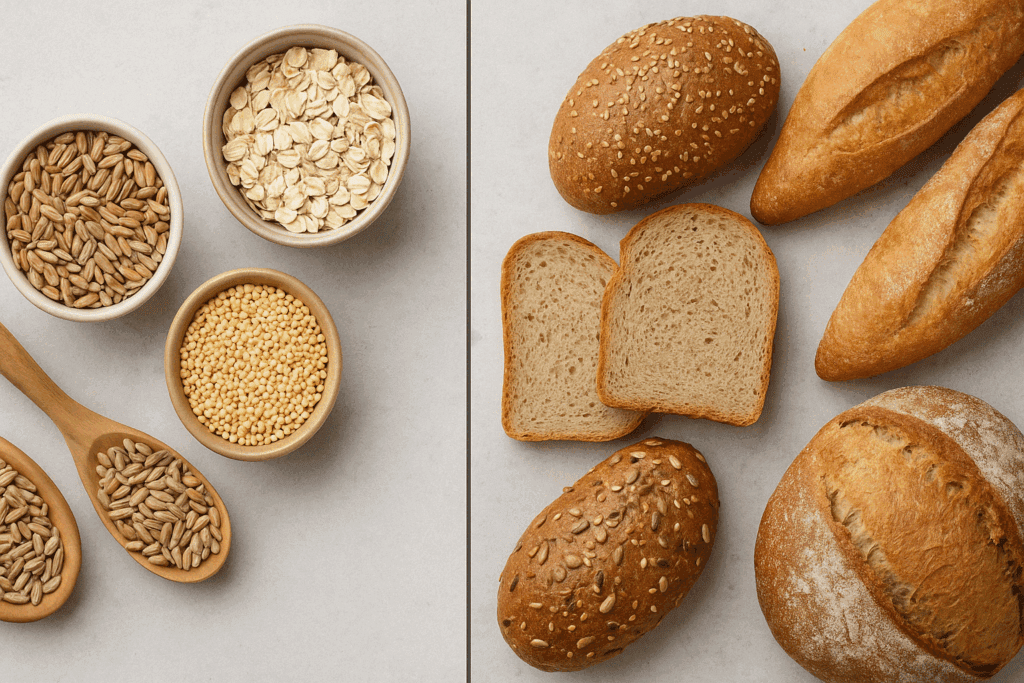
Whole cereal grains like wheat, rye, oats, and millet beside sliced loaves and rolls, illustrating what is whole grain bread.

Understanding the Basics: Is Bread a Grain?

Before diving into the details of whole grain labeling, it’s important to answer a foundational question: is bread a grain? Technically, bread is not a grain itself, but it is made from grains—primarily wheat, but also rye, barley, oats, millet, spelt, and others. When we refer to bread as part of the “grain” food group, we’re talking about grain-based products. Bread is considered a processed food derived from cereal grains, and its health value is determined by how much of the original grain remains in the final product.

The term “grain” refers to the edible seeds of grasses that are cultivated for food. Whole grains, in their unrefined state, contain three parts: the bran, the germ, and the endosperm. Each part of the grain serves a nutritional purpose. The bran is rich in fiber and antioxidants, the germ provides healthy fats and essential vitamins, and the endosperm is primarily composed of carbohydrates and protein. The type of bread you choose—refined white, whole grain, or sprouted—determines how much of this nutritional profile you’re actually consuming.

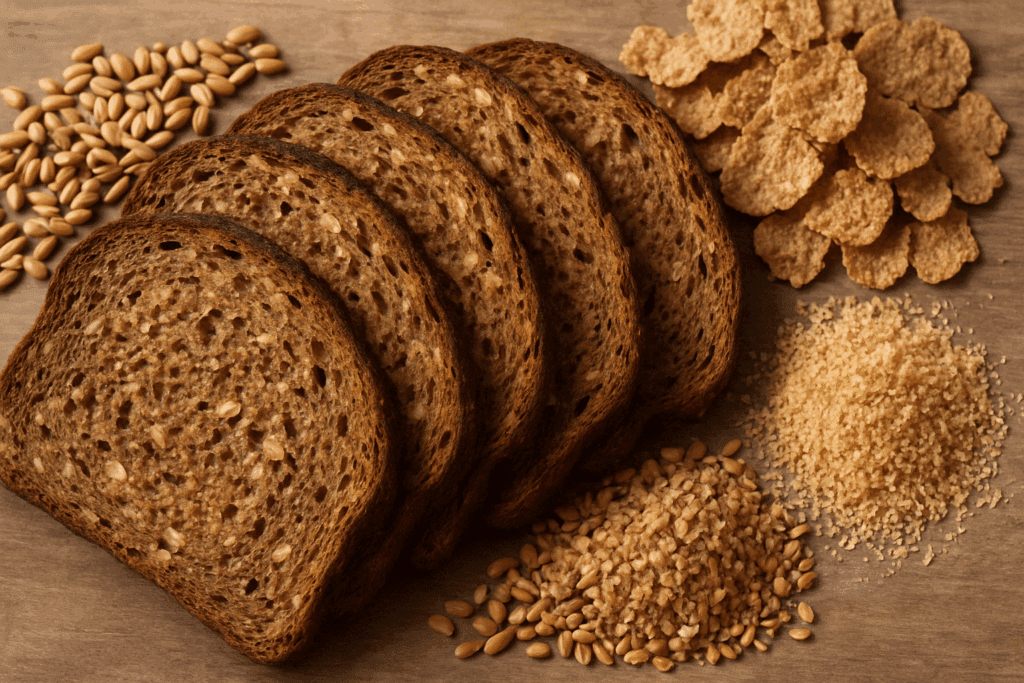
Whole grain bread slices fanned out on a wooden table beside wheat germ, bran flakes, and whole wheat kernels, illustrating what is whole grain bread.

What Is Whole Grain Bread? A Nutritional Definition

When consumers ask what whole grain bread, they’re really inquiring about how much of the original grain makes it into the final slice. Whole grain bread is made using flour that retains all three parts of the grain kernel: bran, germ, and endosperm. Unlike refined white bread, which contains only the endosperm, whole grain bread provides more fiber, B vitamins, antioxidants, and essential minerals like iron and magnesium.

Whole grain bread can be made from various grains—wheat, rye, oats, and others—as long as the grain is used in its whole form. What makes whole grain wheat bread unique is that it’s derived specifically from wheat flour that hasn’t been stripped of its bran and germ. That distinction matters because removing these parts not only decreases the nutrient density of the bread but also alters how the carbohydrates are absorbed, potentially affecting blood sugar levels.

It’s worth noting that not all brown breads are whole grain. Color is not a reliable indicator. Manufacturers may add molasses or caramel coloring to give bread a darker appearance that mimics whole grain products. This makes reading ingredient labels crucial for consumers seeking genuine whole grain options. True whole grain bread will list “whole wheat flour” or “whole [grain name]” as the first ingredient.

Side-by-side comparison of whole wheat and white bread with flour piles, illustrating what is whole grain bread versus refined bread

Is Whole Wheat Whole Grain? The Difference Between Whole and Refined Wheat

A common question in the grocery aisle is is whole wheat whole grain? The short answer is yes—when it’s labeled correctly. Whole wheat is a type of whole grain, but not all whole grains are wheat. This means that if bread is labeled as “100% whole wheat,” it should include the bran, germ, and endosperm of the wheat kernel. However, labeling can be deceptive. Terms like “wheat bread” or “made with whole grains” may indicate that only a portion of the grain is included in its whole form, or that refined flour is the primary ingredient.

Understanding the difference between whole wheat and enriched wheat flour is essential for mindful eating. Enriched wheat flour is typically stripped of the bran and germ during processing, then fortified with synthetic vitamins to replace some of the lost nutrients. While enrichment restores certain nutrients, it does not replicate the natural complexity and fiber content of whole grain wheat. This has implications for digestion, satiety, and blood sugar management.

To ensure that your bread is both whole wheat and whole grain, look for certifications such as the Whole Grains Council stamp or read the ingredient list for “100% whole wheat flour” as the first item. This simple step can help you avoid misleading marketing and ensure you’re choosing the most nutrient-dense option available.

What Are 3 Things That Are in Whole Bread?

Consumers who wonder what are 3 thing that are in whole bread are usually trying to distinguish whole grain bread from refined or enriched options. At a minimum, authentic whole bread should contain three essential components of the grain: the bran, the germ, and the endosperm. Each part contributes a unique nutritional benefit that supports overall health and wellness.

The bran is the outer protective shell of the grain and is loaded with dietary fiber, which supports healthy digestion and helps maintain blood sugar stability. Fiber is one of the most under-consumed nutrients in the American diet, and whole grain bread provides a convenient way to boost daily intake. The germ is the innermost part of the grain and is rich in healthy fats, vitamin E, B-complex vitamins, and phytochemicals. This part of the grain supports cellular health and provides long-lasting energy. The endosperm, which makes up the bulk of the grain, contains starchy carbohydrates and proteins. While it is the least nutrient-dense of the three, it still plays an important role in energy supply.

In addition to these grain components, whole bread may also contain added seeds, nuts, or ancient grains for texture and nutritional variety. However, these are enhancements rather than essential elements. The key point is that all three parts of the grain should remain intact in the flour used to make the bread, which is what differentiates whole bread from its refined counterparts.

Healthy breakfast with whole grain toast, eggs, avocado, salad, and wheat berries, illustrating what is whole grain bread in a balanced meal.

Why Whole Grain Wheat Supports Long-Term Health

Whole grain wheat is one of the most commonly consumed whole grains, and for good reason. It’s versatile, widely available, and backed by a robust body of scientific research. When consumed regularly, whole grain wheat contributes to cardiovascular health, metabolic balance, and digestive wellness. Its high fiber content helps to lower LDL (bad) cholesterol levels, promote healthy bowel movements, and enhance satiety, which can aid in weight management.

The nutritional profile of whole grain wheat extends beyond fiber. It contains essential nutrients like selenium, magnesium, and manganese, which support immune function, bone health, and blood sugar regulation. The B vitamins found in whole wheat—such as niacin, thiamin, and folate—play vital roles in cellular metabolism and energy production.

From a blood sugar standpoint, whole grain wheat offers a lower glycemic response compared to refined flour, thanks to its fiber and intact structure. This slower digestion and absorption help maintain steady glucose levels, which is particularly beneficial for individuals with insulin resistance or type 2 diabetes. Moreover, research shows that diets rich in whole grains are associated with reduced risk of chronic diseases, including certain cancers and age-related inflammation.

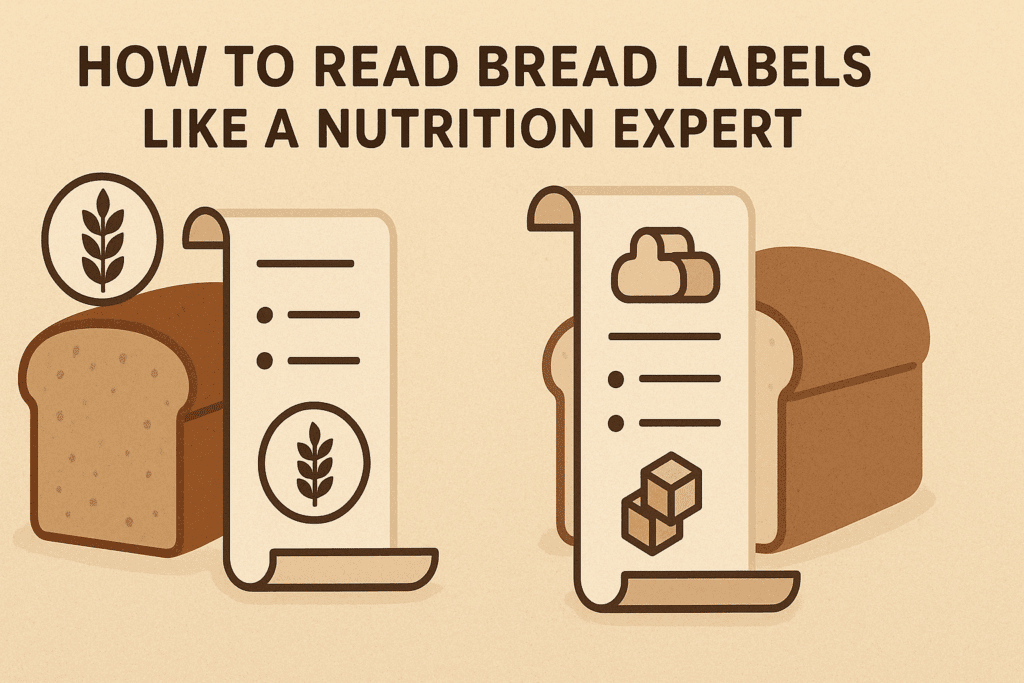
Split-screen infographic comparing what is whole grain bread versus enriched bread, using scroll-style labels and visual icons for fiber and added sugar.

How to Read Bread Labels Like a Nutrition Expert

Choosing whole grain bread isn’t always as simple as picking the darkest loaf on the shelf. Savvy consumers must learn how to read and interpret bread labels to ensure they’re getting a genuinely nutritious product. Begin by examining the ingredient list, which offers the most reliable insight. The first ingredient should be “whole wheat flour,” “whole rye flour,” or another whole grain designation. Avoid labels that list “enriched wheat flour” or “unbleached wheat flour” first—these are refined flours that have been stripped of the most valuable nutrients.

Next, look for the fiber content on the Nutrition Facts panel. A true whole grain bread should contain at least 2 to 3 grams of fiber per slice. If the fiber content is lower than that, the bread is likely made with refined flour or contains only a small portion of whole grains. Pay attention to sugar content as well, since many commercially available breads include added sugars for flavor and preservation. Healthier options will limit added sugar to no more than 2 grams per slice.

It’s also helpful to look for third-party certifications such as the Whole Grain Stamp, which indicates how many grams of whole grains are included per serving. Some breads also carry organic, non-GMO, or sprouted grain labels, which can be additional quality indicators, though they don’t necessarily mean the bread is 100% whole grain.

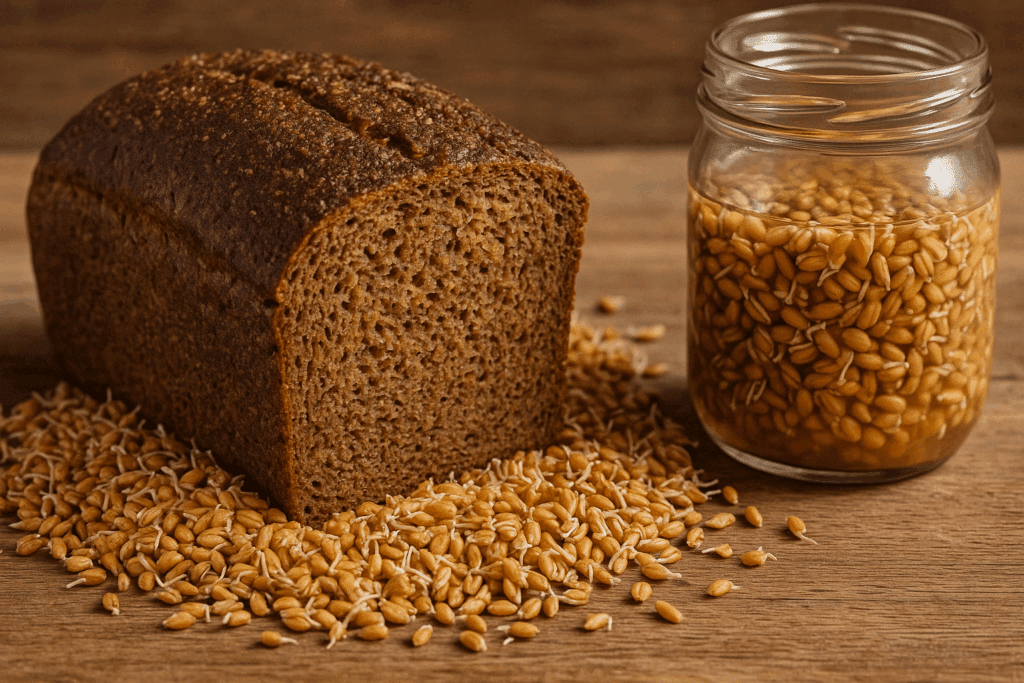
Rustic sprouted whole grain bread loaf on a wooden table with soaked grains in a jar, illustrating what is whole grain bread

The Benefits of Sprouted Whole Grain Bread

For those looking to take their nutrition a step further, sprouted whole grain bread offers an enhanced version of traditional whole grain products. Sprouted grains are seeds that have been soaked in water and allowed to germinate slightly, triggering enzyme activity that makes nutrients more bioavailable. This natural process breaks down some of the starch and antinutrients in the grain, such as phytic acid, which can interfere with mineral absorption.

Sprouted whole grain wheat bread is particularly beneficial for individuals with sensitive digestion. The sprouting process reduces gluten content and increases levels of certain vitamins, such as folate and vitamin C. It also tends to have a nuttier flavor and denser texture, which many health-conscious consumers find appealing. From a glycemic standpoint, sprouted bread generally causes a slower rise in blood sugar than traditional whole wheat options.

While sprouted bread may cost slightly more than conventional whole grain products, its superior nutritional profile and digestibility often justify the investment for those seeking to optimize their diet. It is especially suitable for people following plant-based diets, as it enhances the protein and nutrient density of meals built around legumes and vegetables.

Whole Grain Bread and Weight Management

Including whole grain bread in a balanced diet can be a strategic move for individuals looking to manage their weight. Unlike refined bread, which digests quickly and causes rapid blood sugar spikes, whole grain bread provides a slow, steady release of energy. This helps reduce cravings and prevent overeating later in the day. The high fiber content also promotes satiety by increasing stomach volume and slowing gastric emptying.

Clinical studies support the connection between whole grain intake and healthier body weight. People who regularly consume whole grains, including whole wheat bread, tend to have lower body mass indexes and reduced abdominal fat compared to those who consume refined grains. While bread alone won’t make or break a weight loss plan, choosing the right type can support metabolic efficiency and appetite regulation.

When including bread in a weight-conscious eating pattern, it’s helpful to pair it with lean protein, healthy fats, and fiber-rich vegetables. This combination stabilizes blood sugar, supports hormone balance, and promotes long-term adherence to healthier dietary habits.

Whole grain toast topped with smashed avocado and poached egg, served with berries and tea, illustrating what is whole grain bread in a balanced breakfast setting

Incorporating Whole Bread into a Balanced, Mindful Diet

Mindful eating is about more than just food choices—it’s a philosophy that emphasizes awareness, intention, and nourishment. Choosing whole grain bread over refined alternatives is a tangible way to align everyday habits with this approach. It supports not only physical health but also psychological well-being by fostering a positive relationship with food.

For breakfast, whole grain toast topped with avocado, hummus, or nut butter provides a nutrient-dense, satisfying start to the day. At lunch, a sandwich made with sprouted whole grain wheat bread and filled with roasted vegetables or legumes offers a fiber-rich, plant-based alternative to processed meals. Dinner can incorporate whole grain bread as a side to hearty soups, stews, or grain bowls, contributing both flavor and satiety.

The key to integrating whole bread into a healthy diet is variety and balance. Pairing whole grains with antioxidant-rich produce, lean proteins, and heart-healthy fats creates meals that are satisfying, nutritionally complete, and aligned with long-term wellness goals.

Choosing the Healthiest Loaf: Final Thoughts for Conscious Consumers

With so many options on the market, choosing the right loaf of bread can feel overwhelming. But once you understand what whole grain bread is, and how it differs from refined or enriched varieties, the decision becomes far clearer. Look for products that retain all three parts of the grain—bran, germ, and endosperm—and that proudly display whole grain ingredients on the label.

Ask yourself questions like: Is whole wheat whole grain in this product, or is it just labeled as wheat bread? Consider what are 3 things that are in whole bread, and whether the product delivers on those promises. And don’t forget the foundational truth: bread, when made with integrity and consumed mindfully, can absolutely be part of a healthy lifestyle.

Sure! Here’s your standalone FAQ section based on the article topic “What Is Whole Grain Bread? Expert Tips to Choose the Healthiest Loaf for Your Diet.” This FAQ introduces fresh insights and advanced-level information, integrating the required keyword phrases naturally and without redundancy:

Frequently Asked Questions: Understanding Whole Grain Bread and Its Impact on Health

1. How does whole grain bread impact blood sugar compared to refined bread?
Whole grain bread affects blood sugar more gradually than refined bread due to its higher fiber and nutrient content. Because whole grain wheat retains the bran and germ, it slows the digestion and absorption of carbohydrates. This leads to a lower glycemic response, helping individuals maintain steadier energy levels and reducing blood sugar spikes. While white bread often causes rapid insulin surges, whole grain bread supports glycemic control—a vital factor for those managing prediabetes or type 2 diabetes. For this reason, when choosing between loaves, understanding what whole grain bread offers can make a critical difference in long-term metabolic health.

2. Are all whole wheat breads automatically considered whole grain?
A common misconception is assuming that all whole wheat bread qualifies as whole grain bread. However, not every product labeled “whole wheat” guarantees the inclusion of all grain components. To accurately determine if a product fits the criteria, check whether the ingredient list includes “100% whole wheat” or “whole grain wheat.” The phrase “is whole wheat whole grain” only applies when the wheat used contains the bran, germ, and endosperm intact. Marketing language can be deceptive, so it’s essential to look beyond front-of-package claims to verify its whole grain authenticity.

3. Can eating whole grain bread support cognitive function and mental clarity?
Yes, whole grain bread may contribute to better brain health, especially when consumed regularly as part of a balanced diet. Whole grain wheat provides B vitamins, particularly thiamine, folate, and niacin, which are essential for cognitive performance and neurological health. These nutrients help in neurotransmitter synthesis and energy metabolism, making them crucial for sustained mental clarity. What is whole grain bread’s value here? It’s not just about fiber—it’s about how the synergy of nutrients supports long-term brain function and may even help reduce age-related cognitive decline. Unlike refined bread, whole options fuel both body and brain.

4. What are 3 things that are in whole bread that make it more nutritious?
When considering what are 3 things that are in whole bread that contribute to its nutritional superiority, focus on fiber, antioxidants, and essential minerals. First, dietary fiber promotes digestive health, stabilizes blood sugar, and fosters fullness. Second, antioxidants such as phenolic compounds help combat inflammation and oxidative stress. Third, minerals like magnesium, zinc, and selenium support cellular function and immunity. These components—often stripped during refining—remain intact in whole grain wheat and are key to understanding why whole grain bread is considered a more complete food.

5. Is bread a grain or a processed food?
The answer depends on how the bread is made. Bread begins as a grain—specifically, wheat or another cereal grain—but most store-bought loaves are processed to varying degrees. To determine if bread remains a true grain-based food, one must ask: is bread a grain in its final form, or has it been refined into something else? Whole grain bread, particularly when made from whole grain wheat, retains the grain’s original structure. In contrast, white bread is a highly processed version that no longer resembles its whole grain origins in either nutrient density or physiological effect.

6. What should I look for on a label to confirm a bread is made with whole grain wheat?
Look for specific language in the ingredient list such as “100% whole grain wheat” or “stone-ground whole wheat.” Phrases like “enriched wheat flour” or simply “wheat flour” do not meet whole grain standards. The order of ingredients matters too; whole grain wheat should be listed first. Claims on the front of packaging can be misleading, so a deeper understanding of what is whole grain bread—and how it’s represented in labeling—is essential. Certifications like the Whole Grains Council stamp can offer additional assurance, but they aren’t mandatory, so consumers should rely primarily on the ingredient list.

7. How does fermentation affect the nutritional quality of whole grain bread?
Fermentation—especially in sourdough made from whole grain wheat—can enhance digestibility and nutrient availability. It breaks down phytic acid, an antinutrient that can inhibit mineral absorption, making nutrients like iron and magnesium more bioavailable. Furthermore, the natural bacteria in fermented whole grain bread produce short-chain fatty acids that benefit gut health. Understanding what is whole grain bread with fermentation reveals deeper nutritional complexity and potential probiotic effects. This means that not only the type of grain but also how it’s prepared influences its impact on health.

8. How can someone with gluten sensitivity still enjoy whole grain bread?
Those with non-celiac gluten sensitivity might tolerate some ancient or sprouted whole grains better than conventional whole wheat. Whole wheat-based whole grain bread contains gluten, alternatives such as whole grain sorghum, millet, or teff can offer similar benefits without triggering symptoms. Asking “is whole wheat whole grain” becomes less relevant here, as these individuals need grain options outside the wheat family. Fortunately, gluten-free whole grain breads exist and can be nutritionally dense when made with ingredients that preserve the whole grain structure, supporting gut health and energy without compromising sensitivity.

9. What innovations are emerging in whole grain bread formulations?
Bread innovation is rapidly evolving to meet growing health demands. Many bakers are exploring sprouted whole grain wheat, which improves digestibility and nutrient content. Others are developing hybrid flours that blend whole grain wheat with seeds, legumes, or resistant starches to boost prebiotic effects. In this context, understanding what whole grain bread is takes on new meaning—it’s not just traditional loaves anymore but a growing category that includes personalized nutrition. Future developments may include functional whole grain bread with targeted benefits, such as blood sugar control, microbiome support, or enhanced satiety.

10. Why do some people feel fuller after eating whole grain bread?
Whole grain bread promotes satiety due to its fiber and protein content, which slow gastric emptying and prolong digestion. Unlike refined bread, which digests quickly and can lead to hunger rebounds, whole grain wheat sustains energy over time. Additionally, the bran and germ components contain compounds that interact with gut hormones like ghrelin and leptin, helping regulate appetite. When asking “what are 3 things that are in whole bread” that support fullness, fiber, healthy fats, and plant-based protein top the list. These elements explain why choosing whole grain bread can be an effective strategy for weight management and mindful eating.

Conclusion: Why Choosing Whole Grain Bread Matters for Long-Term Health

In the context of a modern, health-focused lifestyle, understanding what is whole grain bread is empowers consumers to make choices that nourish both body and mind. Whole grain bread isn’t just a better option—it’s a smarter, evidence-based investment in cardiovascular health, metabolic balance, digestive wellness, and dietary satisfaction. Whether you’re reading labels, comparing ingredients, or simply wondering is bread a grain or is whole wheat whole grain, the answer lies in the grain’s wholeness.

By prioritizing bread that includes all parts of the grain and provides genuine nutritional value, you’re supporting long-term wellness in every bite. And when you ask yourself what are 3 things that are in whole bread, you now know: bran, germ, and endosperm—the trifecta of nourishment. Choosing bread made from whole grain wheat is a meaningful, accessible way to eat with intention, clarity, and confidence. As the foundation of so many meals around the world, bread—when made right—can support not only your hunger but your health.

Was this article helpful? Don’t let it stop with you. Share it right now with someone who needs to see it—whether it’s a friend, a colleague, or your whole network. And if staying ahead on this topic matters to you, subscribe to this publication for the most up-to-date information. You’ll get the latest insights delivered straight to you—no searching, no missing out.

Further Reading:

The 7 Healthiest Types of Bread

I’m a Dietitian, and This Is My Favorite Healthy Bread

What’s the Difference Between Whole Wheat, Whole Grain, and Multigrain Bread?

Disclaimer

The information contained in this article is provided for general informational purposes only and is not intended to serve as medical, legal, or professional advice. While NewsHealthWatch strives to present accurate, up-to-date, and reliable content, no warranty or guarantee, expressed or implied, is made regarding the completeness, accuracy, or adequacy of the information provided. Readers are strongly advised to seek the guidance of a qualified healthcare provider or other relevant professionals before acting on any information contained in this article. NewsHealthWatch, its authors, editors, and contributors expressly disclaim any liability for any damages, losses, or consequences arising directly or indirectly from the use, interpretation, or reliance on any information presented herein. The views and opinions expressed in this article are those of the author(s) and do not necessarily reflect the official policies or positions of NewsHealthWatch.

Why Am I Not Hungry Anymore? Understanding Sudden Loss of Appetite, Nausea, and What It Means for Your Health

For many people, hunger is a predictable and essential part of daily life. It signals the body’s need for nourishment and helps maintain the delicate balance of energy and nutrition. But what happens when that sense of hunger suddenly fades, even when you haven’t eaten all day? Or when the thought of eating causes discomfort or nausea? A sudden or prolonged loss of appetite can be unsettling, especially when paired with other symptoms such as fatigue or digestive discomfort. Understanding what causes no appetite, and recognizing when it’s a sign of something more serious, is key to supporting long-term wellness and nutritional balance.

The phrase “why am I not hungry anymore” is more than just a momentary concern; it reflects an issue that may stem from physical, emotional, or lifestyle-related factors. Whether you’re feeling hungry but no appetite follows, or you’re struggling with a lack of hunger even after long periods without food, these experiences deserve careful attention. This article takes an in-depth look at the potential causes of appetite loss, explores its connection to nausea and fatigue, and offers science-backed strategies to help you support your appetite and overall health.

You may also like: How to Stop Emotional Eating and Regain Control: Mindful Nutrition Strategies That Support a Healthier Lifestyle

Anatomical illustration showing the human appetite regulation system with the brain, digestive system, and hormones ghrelin and leptin interacting, visualizing how hunger works in the body to answer the question, 'Why Am I Not Hungry Anymore?

Understanding Appetite: How Hunger Works in the Body

Before delving into the causes of a decreased appetite, it helps to understand how hunger operates in the body. Appetite is not merely about physical need; it’s a complex interaction of hormones, brain signals, digestive cues, emotional states, and external factors like stress or environment. Hormones such as ghrelin and leptin regulate hunger and satiety. Ghrelin, often called the “hunger hormone,” stimulates the appetite, while leptin signals fullness. When these hormones are disrupted, your body may stop giving the usual cues that it’s time to eat.

In addition to hormonal signals, the hypothalamus plays a central role in controlling appetite. It interprets signals from the body and responds accordingly. If something interferes with this communication system—such as illness, medications, or emotional distress—the result can be a sudden loss of appetite. You may find yourself saying, “I need to eat but I have no appetite,” without understanding why. It’s not always a sign of disease, but it does warrant thoughtful investigation.

What Causes No Appetite? Exploring the Most Common Reasons

There are many potential reasons behind a lack of appetite, some temporary and benign, others more serious. Emotional stress is a common trigger. Anxiety, depression, grief, and trauma can all interfere with hunger signals. For many people, mental health challenges result in feeling starving but no appetite persists, particularly during times of acute emotional distress. The brain, preoccupied with other concerns, deprioritizes the urge to eat.

Medical conditions are also important to consider when you ask, “Why do I not have an appetite?” Chronic illnesses such as liver disease, kidney problems, heart failure, and cancer are all associated with appetite changes. Gastrointestinal issues like gastritis, acid reflux, or irritable bowel syndrome can cause nausea and poor appetite. Even short-term infections like the flu or COVID-19 can lead to a noticeable decrease in hunger. For some, the question becomes, “Why have I lost my appetite for days?” when the body is fighting an illness.

Medications are another leading cause of loss of appetite. Many prescription drugs—including antibiotics, antidepressants, chemotherapy agents, and pain medications—list appetite suppression as a side effect. If you’ve noticed a pattern of nausea and lack of appetite after starting a new medication, this connection is worth exploring with your healthcare provider. Addressing the root cause can often restore appetite naturally.

Person overwhelmed by stress, medication, illness, and grief, with symbolic representations such as pill bottles, storm clouds, and a broken heart surrounding them. The figure appears introspective, reflecting on the emotional and physical toll of these challenges, with a focus on the question 'Why Am I Not Hungry Anymore?

Loss of Appetite and Nausea: Why They Often Occur Together

Experiencing a loss of appetite and nausea together is more common than you might think. This combination can result from digestive disturbances, hormonal imbalances, or neurological factors. For instance, gastrointestinal inflammation can trigger both symptoms, making it uncomfortable to eat and difficult to keep food down. Conditions like gastritis, peptic ulcers, or gastroenteritis frequently present with these issues.

Hormonal fluctuations—such as those that occur during pregnancy, menopause, or thyroid dysfunction—can also interfere with the body’s hunger and digestion signals. Nausea and poor appetite may be your body’s way of coping with these internal changes. Likewise, if you feel “I have no appetite and feel sick when I eat,” it’s important to consider if there is a pattern or correlation to hormonal cycles or stress levels.

Neurological disorders and migraines are less commonly considered but relevant causes of nausea and lack of appetite. In these cases, the brain’s processing of sensory input is affected, which can alter taste perception, cause dizziness, and make food unappealing. The key is to view these symptoms as interconnected, not isolated, and to track them over time for clues to their origin.

Human figure showing signs of discomfort from nausea with a glowing stomach area, symbolizing loss of appetite. Swirling lines represent dizziness and motion, visualizing symptoms related to why someone might ask 'Why Am I Not Hungry Anymore?

Why Am I Not Hungry After Not Eating All Day?

It might seem counterintuitive, but some people report not feeling hungry even after skipping meals. This phenomenon can be frustrating and confusing. One reason this occurs is due to prolonged fasting or irregular eating patterns that disrupt normal hunger cues. When the body goes without food for extended periods, it can enter a state of conservation, reducing the sensation of hunger to prioritize essential functions.

This response may be adaptive in the short term but can lead to long-term issues with metabolism and nutrient intake. If you’re wondering, “Why am I not hungry after not eating all day?” it’s essential to reflect on your eating habits, sleep quality, hydration, and stress levels. Sleep deprivation, dehydration, or chronic stress can dampen the release of ghrelin and other hunger-related hormones, blunting appetite even when caloric needs are high.

Additionally, individuals recovering from illness or experiencing emotional burnout may face a delayed return of appetite. In these cases, the body is still recalibrating, and it may take time to reestablish normal hunger signals. A gentle and consistent routine with small, nutrient-dense meals can help encourage the return of appetite without overwhelming the digestive system.

Loss of Appetite and Fatigue: When to Pay Closer Attention

While occasional loss of appetite may not be cause for concern, a sustained decrease in hunger accompanied by fatigue warrants a more thorough evaluation. Fatigue can stem from nutrient deficiencies, hormonal imbalances, chronic illness, or mental health conditions—all of which can also impact appetite. In this context, the question is not just “why am I not hungry anymore” but also “why am I so tired and unmotivated to eat?”

Vitamin and mineral deficiencies, particularly in B vitamins, iron, and magnesium, can create a cycle of low energy and poor appetite. If the body lacks the nutrients needed for energy production, it may struggle to generate hunger cues. Similarly, thyroid dysfunctions such as hypothyroidism can cause both fatigue and a decrease in appetite. People experiencing this might say, “I’m losing appetite and nausea hits me every time I try to eat.”

In cases where both symptoms persist, it’s crucial to rule out more serious conditions such as anemia, chronic infections, autoimmune diseases, or depression. A comprehensive blood panel and physical exam can help pinpoint the source of the problem. Ignoring ongoing symptoms can delay treatment and allow nutritional imbalances to worsen.

Fatigued person sitting at a kitchen counter, resting their head in their hand with an untouched meal of mixed vegetables and a glass of juice nearby, reflecting a loss of appetite and fatigue. The scene suggests early morning or late afternoon lighting, highlighting the theme of why am I not hungry anymore?

What Are 4 Things That Affect Appetite? Key Influencers You Should Know

When examining appetite fluctuations, it’s helpful to identify the main factors that can affect hunger patterns. Four major elements that influence appetite are psychological health, hormonal regulation, dietary habits, and medication use. Each of these components interacts with the others, creating a dynamic system that governs when and how we feel hungry.

Psychological factors play a prominent role. Stress, anxiety, grief, and depression can significantly suppress appetite by interfering with neurotransmitter balance. Individuals experiencing emotional strain often report a lack of appetite and describe meals as unappealing or overwhelming. In this context, asking “why do I have a loss of appetite” leads to deeper mental health conversations that are vital to overall well-being.

Hormones are another key player. Beyond ghrelin and leptin, hormones like cortisol (stress), insulin (blood sugar regulation), and serotonin (mood) all contribute to hunger signals. Disruptions to these hormones—due to sleep disorders, endocrine conditions, or erratic eating schedules—can easily cause a sudden loss of appetite.

Dietary patterns also matter. Highly processed foods, excessive caffeine, or irregular eating schedules can blunt hunger cues. Skipping meals or fasting inconsistently may cause your body to ignore natural hunger signals over time. Finally, medications—both over-the-counter and prescription—can dull hunger, increase nausea, or alter taste perception, all of which contribute to appetite suppression.

Why Is It Hard to Have an Appetite? The Psychological Dimension

For many individuals, eating is not just a biological function but an emotional and psychological experience. Trauma, chronic stress, eating disorders, or adverse childhood experiences can all condition the brain to disassociate from hunger cues. When the brain is wired to avoid food as a coping mechanism, even physical hunger may be misinterpreted or ignored.

This disconnection often becomes a learned behavior, reinforced over time by anxiety or discomfort surrounding food. People who say, “Why is it hard to have an appetite?” may be dealing with deeply ingrained behavioral patterns. For example, individuals with a history of restrictive dieting or body image issues may find themselves hungry but no appetite arises due to internalized guilt or fear.

Restoring appetite in these cases requires a compassionate, therapeutic approach. Working with a licensed therapist, registered dietitian, or counselor trained in disordered eating can help address the root causes of food aversion. Techniques such as mindful eating, intuitive eating practices, and somatic therapy can help rebuild a healthier relationship with food and bodily cues.

Person sitting alone at a table with an untouched meal, gazing down in a shadowy room, visually illustrating the question 'Why Am I Not Hungry Anymore?' with a distant and withdrawn expression. The scene conveys emotional detachment and psychological struggle surrounding loss of appetite

Starving but No Appetite: A Paradox Worth Exploring

One of the most confusing and distressing experiences related to appetite is the feeling of being physically starved yet having no desire to eat. This paradox often stems from a disconnect between the body’s physiological needs and the brain’s emotional or sensory processing of hunger. People in this state may say, “I’m starving but no appetite kicks in,” reflecting the tension between bodily deprivation and psychological inhibition.

This condition can emerge in response to chronic stress or trauma, during which the sympathetic nervous system suppresses digestive function. When stress hormones are elevated, the body enters a state of fight-or-flight, diverting energy away from non-essential processes like digestion. As a result, the stomach may feel empty, yet the brain fails to trigger an appropriate hunger response.

In other cases, inflammation of the digestive tract can send confusing signals to the brain, creating the sensation of emptiness without the corresponding appetite. This is commonly seen in individuals with gastrointestinal disorders or food intolerances. Addressing these underlying issues—whether physiological or psychological—is key to resolving the dissonance and restoring normal hunger patterns.

What Does Loss of Appetite Mean for Long-Term Health?

Prolonged appetite suppression can have serious implications for long-term health. Nutrient deficiencies, muscle wasting, weakened immunity, and hormonal imbalances are all potential consequences of sustained caloric deprivation. If someone regularly feels, “I need to eat but I have no appetite,” their body may be struggling to meet even basic energy requirements.

Appetite is a fundamental biological drive designed to protect the body from starvation and support optimal function. Disruptions to this system can weaken nearly every physiological process, from bone health to cardiovascular function. Over time, even a mild but persistent decrease in food intake can lead to unintentional weight loss, reduced concentration, and mood instability.

Maintaining appetite is particularly important for populations at risk, such as older adults, individuals with chronic illness, or those recovering from surgery. In these groups, even temporary loss of appetite and fatigue can delay recovery, increase the risk of complications, and reduce quality of life. Early intervention and supportive care can prevent long-term health decline.

Infographic showing four factors affecting appetite: emotional health, hormones, dietary habits, and medications, with illustrations of a brain, DNA helix, meal plate, and pill bottle, addressing the question 'Why Am I Not Hungry Anymore?

Supporting a Healthy Appetite: Practical and Evidence-Based Strategies

If you find yourself wondering, “Why have I lost my appetite?” and want to restore healthy eating habits, the first step is to identify and address the root cause. A comprehensive approach includes nutritional support, emotional care, and lifestyle adjustments. Eating small, frequent meals that are nutrient-dense but not overwhelming can stimulate appetite gently and sustainably.

Incorporating foods rich in zinc and B vitamins—both of which support appetite regulation—may help improve hunger over time. Aromatic herbs like ginger, mint, and fennel can ease digestion and reduce nausea. Hydration is also key; dehydration can mask as fullness or reduce hunger cues. Warm broths, herbal teas, and electrolyte solutions can support hydration without causing discomfort.

For those dealing with no appetite and nausea, avoiding overly spicy or greasy foods and opting for bland, easily digestible meals can provide nourishment without irritation. Stress management techniques—such as yoga, deep breathing, or nature walks—can shift the body out of fight-or-flight mode and restore parasympathetic (rest-and-digest) function, encouraging hunger.

Frequently Asked Questions (FAQ): Understanding Sudden Loss of Appetite, Nausea, and What It Means for Your Health

1. Can environmental factors contribute to a sudden loss of appetite, even if I’m not sick? Yes, environmental and seasonal changes can significantly impact appetite without indicating illness. For example, hot weather can reduce the body’s need for calories and may lead to a loss of appetite, especially when paired with dehydration. Air pollution, disrupted circadian rhythms, or a lack of exposure to natural sunlight can also influence mood and appetite-regulating hormones like serotonin and leptin. People often wonder, “Why do I not have an appetite when the weather changes?” This can be due to your body adapting to its environment in ways that temporarily suppress hunger signals. Understanding these nuanced loss of appetite causes helps differentiate between serious medical conditions and situational fluctuations.

2. Why do I feel full so quickly even when I haven’t eaten much? Feeling full after eating only a small amount can be frustrating, especially when paired with a lack of hunger throughout the day. This sensation may stem from delayed gastric emptying, a condition where the stomach digests food more slowly than normal. In these cases, someone may say, “I am starving but no appetite appears once I start eating.” It can also occur with certain stress-related disorders or autonomic nervous system imbalances, where digestion is slowed due to chronic fight-or-flight activation. If you’re experiencing this consistently and asking yourself, “Why am I not hungry after eating so little?” it may be time to evaluate gut motility and consult a specialist.

3. How do hormonal changes during perimenopause or menopause affect appetite and nausea? Fluctuating estrogen and progesterone levels can disrupt hunger and fullness signals, making appetite unpredictable. Some individuals experience nausea and poor appetite during hormonal transitions, leading to meals being skipped unintentionally. As hormones shift, it’s common to wonder, “Why have I lost my appetite for days without explanation?” In perimenopause, a heightened stress response and declining serotonin levels can trigger both digestive changes and mood swings, contributing to loss of appetite and fatigue. This isn’t just about aging—it’s about recalibrating the body during a time of hormonal upheaval.

4. Why do I have a loss of appetite when I’m under pressure, even though I logically know I need to eat? When under chronic pressure or stress, the brain prioritizes alertness and survival over digestion. The sympathetic nervous system suppresses hunger, often leaving you thinking, “I need to eat but I have no appetite and don’t know why.” This biological adaptation can become problematic when prolonged, as it leads to undernutrition and potential health issues. In high-achieving environments, this pattern can go unnoticed because individuals are focused on productivity rather than self-care. Understanding what causes no appetite under stress can help you introduce calming rituals, such as breathwork or grounding exercises, that re-activate digestion.

5. Is loss of appetite and nausea common after intense physical activity or athletic training? Yes, especially after endurance training, people often feel nauseated and report a lack of appetite despite having exerted significant energy. This is due to blood being diverted away from the stomach to support muscle function, causing temporary digestive suppression. You might notice you’re hungry but no appetite remains once the workout is over, especially if hydration was insufficient. Additionally, cortisol released during strenuous exercise can cause loss of appetite and nausea, particularly in individuals new to training regimens. It’s important to prioritize post-workout recovery with fluids and small, easily digestible meals to rebuild both appetite and energy.

6. Could social or cultural factors influence why I’m losing my appetite? Absolutely. Cultural perceptions of body image, meal timing norms, and emotional relationships with food can all impact appetite. In some cultures, eating in public or eating alone may trigger discomfort, which can be misinterpreted as loss of appetite. People sometimes find themselves asking, “Why is it hard to have an appetite around others or in certain settings?” These responses are often rooted in learned behaviors, self-consciousness, or performance-related stress. Exploring the psychological and sociocultural layers of why appetite changes in different environments can offer insight into how deeply interconnected eating patterns are with identity and belonging.

7. What can cause loss of appetite in older adults who seem otherwise healthy? In aging populations, sensory decline—especially changes in taste and smell—can significantly reduce the enjoyment of food, leading to gradual loss of appetite and fatigue. Additionally, medications often increase with age, and drug interactions can dull hunger or cause nausea and lack of appetite. If an older adult says, “I have no appetite and feel sick when I eat,” consider not just physical conditions but also loneliness, grief, or undiagnosed depression as possible contributors. Nutritional needs change with age, and appetite signals may weaken even when energy requirements stay the same. Understanding what are the causes of losing appetite in later life is crucial for proactive care and nutrition planning.

8. How does loss of appetite relate to gut-brain axis dysfunction and mental health? The gut-brain axis is a bidirectional communication system that significantly affects hunger, mood, and digestion. When disrupted by inflammation, microbial imbalance, or psychological stress, it can lead to nausea and poor appetite or even a sudden loss of appetite. People with anxiety, depression, or PTSD frequently report appetite changes, leading to questions like, “Why do I have a loss of appetite when nothing seems physically wrong?” These changes often originate in the microbiome and the vagus nerve’s altered signaling. Supporting gut health through probiotics, prebiotics, and mind-body therapies can help restore both mood and appetite over time.

9. Is it possible to retrain the body’s hunger signals after a period of low appetite? Yes, and it often starts with consistent, gentle eating habits rather than forcing large meals. After periods where someone might say, “Why am I not hungry after not eating all day?” the body can become desensitized to normal hunger cues. Meal timing, portion control, and sensory stimulation (such as the smell and appearance of food) play an essential role in reawakening appetite. Gradually reintroducing regular eating schedules, even with small snacks, can normalize hormonal signaling. It’s important to approach this process with patience, especially in cases involving loss of appetite and nausea or recovering from illness.

10. How do I know when loss of appetite is serious enough to seek medical help? If you’ve asked yourself, “Why am I not hungry anymore?” for more than a week without improvement—especially if it’s accompanied by weight loss, nausea, dizziness, or fatigue—it’s time to consult a healthcare provider. While some causes are temporary or psychological, others may indicate underlying medical conditions that require intervention. Chronic loss of appetite and fatigue could point to thyroid dysfunction, gastrointestinal disease, or even neurological conditions. It’s also concerning if someone experiences recurring nausea and lack of appetite without explanation, as this may suggest malabsorption or hormonal disorders. Early evaluation ensures timely diagnosis and treatment, preventing long-term health deterioration.

Conclusion: Listening to Your Body When You Ask, “Why Am I Not Hungry Anymore?”

Experiencing a sudden or prolonged loss of appetite is not something to ignore. Whether you’re feeling no appetite and nausea, asking why you’re not hungry after eating so little, or struggling with a general lack of hunger, these are important messages from your body that deserve thoughtful attention. Appetite is a vital component of well-being, and disruptions can have wide-reaching effects on your health, energy, and emotional balance.

Understanding the causes—whether hormonal, emotional, digestive, or neurological—can empower you to take meaningful steps toward recovery. If you’ve been wondering, “Why am I not hungry after not eating all day?” or “Why has my appetite decreased?” the answer may lie in the intricate interplay of lifestyle, health conditions, and mental well-being. Paying attention to your symptoms, seeking professional support, and implementing gentle, sustainable changes can help restore your appetite and, with it, your vitality.

Trusting your body means listening to its cues, even when they change. A loss of appetite may be your body’s way of asking for help—not just nutritionally, but holistically. When you honor those signals with curiosity and care, you begin the journey back to balance, nourishment, and wellness.

Was this article helpful? Don’t let it stop with you. Share it right now with someone who needs to see it—whether it’s a friend, a colleague, or your whole network. And if staying ahead on this topic matters to you, subscribe to this publication for the most up-to-date information. You’ll get the latest insights delivered straight to you—no searching, no missing out.

Further Reading:

Reasons You’re Not Hungry

What Causes Loss of Appetite?

Loss of Appetite

Is Rice a Whole Food? What Nutrition Experts Say About Brown vs. White Rice for a Healthier Lifestyle

Rice has long been a dietary staple across continents, cultures, and generations. Its ability to nourish billions of people around the world, whether in the form of aromatic basmati, sticky sushi rice, or hearty brown rice bowls, reflects its unparalleled culinary versatility. But as nutrition awareness grows and more people aim to clean up their diets through whole-food eating, a critical question arises: is rice a whole food, and if so, does that include white rice?

This question is more than semantic. It touches on core principles of mindful eating, nutrient density, and the science of food processing. For those transitioning to a healthier lifestyle or following a whole-food, plant-based diet, understanding whether rice qualifies as a whole food has both practical and nutritional implications. This article unpacks what it means for a food to be “whole,” explores the differences between brown and white rice, and reveals what nutrition science and health experts have to say about rice’s role in a balanced diet.

You may also like: How a Whole Foods Diet Supports Sustainable Weight Loss: Expert Tips for Eating Whole Foods to Lose Weight Safely

Visual comparison of whole grain and refined grain layers showing natural textures, illustrating the concept behind 'is rice a whole food

What Defines a Whole Food? Understanding the Basics

The term “whole food” refers to foods that are minimally processed and retain their natural, original components. In nutritional science, a food is considered whole when it includes all parts of its original structure. For grains, this means the bran, germ, and endosperm must remain intact. The bran provides fiber and antioxidants, the germ offers essential fatty acids and vitamins, and the endosperm contains carbohydrates and protein.

Whole foods stand in contrast to refined or processed foods, which undergo mechanical and chemical changes that strip away nutrients, fiber, and beneficial plant compounds. Processing often improves shelf life and texture but at the cost of nutritional value. When we ask, is rice a whole food, we’re really asking if it maintains its full grain structure—or if it’s been refined in a way that compromises its health benefits.

This distinction is important in guiding food choices. Whole foods are associated with better metabolic health, reduced inflammation, and lower risk of chronic diseases. As more people seek out foods that support longevity, gut health, and sustainable energy, defining what truly counts as a whole food becomes an essential step in dietary education.

Steaming bowl of brown rice with herbs and vegetables, highlighting whole grains for the question is rice a whole food

Is Brown Rice a Whole Food? The Nutritional Powerhouse of Whole Grains

Brown rice meets the definition of a whole food because it includes the bran, germ, and endosperm. It undergoes minimal processing—typically only the outer husk is removed, leaving the grain structurally and nutritionally intact. As such, brown rice offers a rich source of dietary fiber, B-complex vitamins, iron, magnesium, selenium, and plant-based compounds like lignans and flavonoids.

One of brown rice’s standout health benefits is its high fiber content, which plays a key role in digestive regularity, blood sugar regulation, and cholesterol balance. This fiber also helps promote satiety, which can support healthy weight management. In fact, many people transitioning to a more mindful eating approach choose brown rice for its ability to keep them full longer and its slow, steady release of energy.

So, is rice considered a whole food when it’s brown? Absolutely. Brown rice is a textbook example of a whole grain and is widely endorsed by organizations like the American Heart Association and Harvard’s School of Public Health as part of a heart-healthy, nutrient-rich diet.

White rice and brown rice in ceramic bowls on a kitchen counter, showing visible texture and color differences—exploring is rice a whole food.

Is White Rice a Whole Food? Unpacking the Refinement Process

White rice, unlike its brown counterpart, has been refined. The processing removes the bran and germ, leaving only the starchy endosperm behind. While this makes white rice easier to chew and quicker to cook, it significantly diminishes its nutritional profile. It contains less fiber, fewer vitamins, and minimal antioxidants.

Because of this, white rice does not qualify as a whole food under current nutritional definitions. When considering rice a whole food, the answer is no when referring to white rice. Although some white rice is enriched with added nutrients, such enrichment cannot fully replace the diverse and synergistic components lost during milling.

That said, white rice still has a place in cultural and culinary traditions. It pairs well with legumes and vegetables and can serve as a digestible carbohydrate source, particularly for those recovering from illness or dealing with gastrointestinal sensitivities. However, in the context of mindful eating and optimal health, white rice should be viewed as an occasional staple rather than a core whole-food option.

Rice Within a Whole-Food, Plant-Based Lifestyle

A whole-food, plant-based (WFPB) diet prioritizes foods in their most natural, unprocessed state. In this context, brown rice is a perfect fit. It provides complex carbohydrates, plant-based protein, and essential nutrients that support long-term wellness.

Whole rice varieties like black, red, and wild rice also fall into this category. These pigmented varieties are particularly rich in antioxidants such as anthocyanins and flavones, which have anti-inflammatory properties and may reduce oxidative stress. Including a variety of whole rice types can offer both nutritional diversity and culinary excitement, making healthy eating more sustainable and enjoyable.

When people ask, is rice considered a whole food, the form matters. Brown and wild rice align beautifully with the goals of a plant-based lifestyle, whereas white rice does not support those goals as effectively due to its refined nature. Choosing whole grain rice can help individuals build a plate that is satisfying, culturally respectful, and aligned with evidence-based nutrition.

Infographic comparing brown rice and white rice health effects using visuals of digestion, energy, gut health, and blood sugar to explore is rice a whole food

Scientific Insights: Comparing Brown Rice and White Rice

Brown rice and white rice may come from the same grain, but their nutritional differences are substantial. Brown rice has nearly three times the fiber of white rice and retains important micronutrients like magnesium, phosphorus, and selenium. It also offers a small but meaningful amount of healthy fats from the germ layer.

Another critical difference lies in their effect on blood sugar. Brown rice has a lower glycemic index than white rice, meaning it causes a slower rise in blood glucose. This can benefit people with diabetes or those trying to maintain steady energy levels. For people with metabolic concerns, the slower digestion and absorption of brown rice can be especially beneficial.

From a weight management perspective, brown rice also provides a better sense of fullness. The fiber and nutrient density make it more satiating, which can help prevent overeating. When debating is rice a whole food, brown rice clearly delivers in both form and function, while white rice offers convenience at the expense of nutritional richness.

Brown rice soaking in a glass bowl beside a rice cooker and herbs, illustrating home cooking for the question is rice a whole food.

Cooking with Whole Rice: Tips for Better Flavor and Digestibility

If you’re new to brown or wild rice, the transition can take some getting used to. Brown rice has a slightly nutty flavor and firmer texture, which some people initially find less appealing than fluffy white rice. But there are easy ways to bridge the gap.

Soaking brown rice before cooking—preferably overnight—can soften the texture and reduce cooking time. It also helps break down phytic acid, a natural compound that may inhibit mineral absorption. Using a pressure cooker or a rice cooker with a “brown rice” setting can also ensure consistent results and a more tender bite.

You can also blend brown and white rice together in a 50/50 ratio as a transitional approach. Over time, gradually increasing the proportion of brown rice can help retrain your palate while still keeping meals familiar.

Adding herbs, spices, vegetable broth, or aromatic vegetables like garlic and onions to the cooking water can further enhance the taste and make the switch to whole rice more enjoyable. This simple strategy aligns with a broader philosophy of mindful eating: finding ways to make healthy choices appealing, accessible, and sustainable.

Conceptual illustration showing active people, a heart and digestive system, and whole grain bowls promoting long-term health benefits—answers the question: is rice a whole food.

Health Outcomes Tied to Whole Grain Consumption

Scientific literature overwhelmingly supports the health benefits of whole grain consumption. Numerous cohort studies and randomized controlled trials have found that diets rich in whole grains, including brown rice, are associated with a reduced risk of heart disease, type 2 diabetes, obesity, and certain types of cancer.

A landmark meta-analysis published in The Lancet concluded that individuals who consumed the highest amounts of whole grains had a 19% lower risk of coronary heart disease and a 22% lower risk of total mortality compared to those with the lowest intake. These protective effects are attributed to the fiber, antioxidants, vitamins, and phytochemicals found in whole grains—nutrients that are largely absent in refined grains like white rice.

When health-conscious consumers ask, is rice a whole food, they are often trying to determine whether eating it will align with longevity and disease prevention goals. The answer depends on the type of rice. Whole grain rice not only fits within the whole food category but also contributes to improved health outcomes supported by decades of nutritional science.

Making Informed Choices for Everyday Eating

Choosing rice that aligns with your health goals doesn’t mean abandoning tradition or flavor. Brown rice, black rice, and other whole grain options can be prepared in delicious ways that enhance both taste and nutrition. They work beautifully in curries, stir-fries, grain bowls, and even breakfast dishes like rice pudding with almond milk and berries.

For those looking to build a more nutrient-dense pantry, consider purchasing rice in its whole form, buying organic when possible, and cooking in larger batches to save time throughout the week. Keep cooked rice refrigerated and reheat with a splash of water or broth to maintain moisture.

Most importantly, remember that mindful eating is about more than individual ingredients. It’s about patterns and habits. While white rice can still have a place on your plate occasionally, regularly choosing whole rice varieties helps anchor your meals in fiber-rich, minimally processed, nourishing foods that support well-being over the long haul.

Frequently Asked Questions: Understanding Rice as a Whole Food in a Modern Diet

1. Can rice be part of an elimination diet or anti-inflammatory protocol?

Yes, rice—particularly whole varieties like brown, red, or black rice—can be included in elimination diets and anti-inflammatory meal plans. Since these types of rice are naturally gluten-free and minimally allergenic, they’re often used as safe, neutral carbohydrates during gut-healing protocols. However, it’s important to note that not all rice is created equal. When someone asks is rice a whole food in the context of elimination diets, the answer hinges on whether the rice has retained its natural fiber and nutrient layers. Because white rice is stripped of key components during processing, it doesn’t offer the same anti-inflammatory support and typically wouldn’t be considered a whole food for such specialized therapeutic purposes.

2. Are there any environmental or sustainability differences between whole and refined rice?

Yes, there are notable environmental distinctions, especially when considering milling, water use, and energy input. Producing brown rice uses less energy overall because it involves fewer processing steps compared to white rice. That said, brown rice can spoil more quickly due to its oil-rich germ, which may lead to more food waste if not stored properly. From a sustainability standpoint, choosing locally grown, organic whole rice supports more environmentally conscious agriculture. So, when evaluating is rice considered a whole food from an eco-health perspective, brown and wild rice varieties not only retain their nutritional integrity but also tend to align more closely with regenerative farming principles.

3. How does whole rice affect mental clarity and cognitive function?

Whole grains like brown rice may support cognitive health due to their steady glucose release and micronutrient profile. Unlike refined grains, which can cause rapid blood sugar spikes and crashes, whole rice provides a more consistent source of energy to the brain. This helps maintain focus, reduce brain fog, and support neurotransmitter synthesis. B vitamins found in whole rice, such as thiamin and niacin, are crucial for brain health and mood regulation. So, while someone may wonder is rice a whole food in terms of physical wellness, the cognitive and psychological benefits of whole rice further support its role in a brain-boosting diet.

4. Can whole rice help support hormone balance or endocrine health?

Emerging research suggests that whole grains, including whole rice, may play a role in modulating hormones like insulin, cortisol, and estrogen. Brown rice contains lignans and phytonutrients that may influence estrogen metabolism and reduce the risk of hormone-related cancers. Additionally, its high fiber content helps regulate insulin response and may lower circulating cortisol levels by stabilizing blood glucose. These benefits are often diminished or absent in refined rice, which lacks the necessary plant compounds and fiber. From this lens, answering is rice a whole food becomes crucial for those seeking dietary strategies to support hormone health, particularly during perimenopause, metabolic syndrome, or adrenal fatigue.

5. Does eating whole rice impact your microbiome differently than eating white rice?

Yes, dramatically so. Whole rice feeds beneficial gut bacteria due to its resistant starch and fiber content, contributing to microbial diversity and short-chain fatty acid production. This supports a healthier gut lining, better immune response, and reduced systemic inflammation. In contrast, white rice is rapidly absorbed in the upper intestine and provides little substrate for the gut microbiota, offering minimal support to the microbiome. For those aiming to optimize gut health, the question is rice considered a whole food, becomes more than a classification—it becomes a matter of how your digestive ecosystem is being fed or starved.

6. Are there traditional cultures where brown rice has always been used instead of white?

Interestingly, while white rice dominates in many parts of Asia today, several cultures historically relied on minimally processed whole rice, particularly in rural or mountainous areas. In regions of Bhutan, red and black rice have been cultivated and consumed for generations, prized for their texture and ceremonial significance. Similarly, in parts of South India and Sri Lanka, hand-pounded or partially polished rice was traditionally used and still remains part of Ayurvedic practice. The question is rice a whole food is culturally nuanced, as industrialized milling only became widespread in the last century, meaning many ancestral diets were rich in whole rice varieties.

7. How does soaking or sprouting rice affect whether it qualifies as a whole food?

Soaking or sprouting brown rice does not remove any part of the grain; in fact, it enhances its whole food benefits by reducing antinutrients like phytic acid and improving bioavailability of minerals. Sprouting also activates enzymes and boosts levels of certain antioxidants and amino acids, such as gamma-aminobutyric acid (GABA), which is known for its calming effects. These methods actually make the rice more digestible while maintaining its full structure. So when wondering is rice a whole food in its sprouted form, the answer is yes—and it might even be more beneficial than its unsprouted version for some people.

8. Is rice considered a whole food when used in processed or packaged snacks?

Not necessarily. Even if brown rice is used as an ingredient, once it’s puffed, extruded, or combined with oils and sugars, it often loses its whole-food status. These processing techniques can degrade fiber structure and alter glycemic response. Brown rice chips or puffed rice snacks may sound healthier than refined options, but they often fall short in delivering the metabolic and digestive benefits of intact, cooked whole rice. In these cases, asking if rice is considered a whole food helps consumers distinguish between clever marketing and genuine nutrition. True whole food eating involves minimal processing, not just whole ingredients used in refined formats.

9. How does rice fit into longevity-focused diets like the Blue Zones or Okinawan model?

In many longevity-focused diets, including those observed in Blue Zones like Okinawa, rice is consumed in its whole or semi-polished form, often paired with legumes, sea vegetables, and fermented foods. The rice eaten is typically served in moderate portions and rarely consumed in isolation. These meals exemplify dietary synergy—how whole rice works in tandem with other nutrient-dense ingredients to lower inflammation and improve metabolic health. When viewed through this lens, is rice a whole food becomes a question not just of processing, but also of context. Whole rice supports longevity best when it’s part of a fiber-rich, diverse, and plant-forward eating pattern.

10. What future innovations are emerging in whole rice cultivation and nutrition?

Innovations in rice farming are leading to the development of biofortified rice varieties that are both whole and nutritionally enhanced. Golden rice, for instance, was engineered to provide more vitamin A precursors, though its widespread adoption remains debated. Other developments include heirloom rice preservation, carbon-conscious rice paddies, and regenerative agriculture techniques that promote biodiversity and reduce methane emissions. In urban wellness circles, there’s growing interest in ancient whole rice strains like Kodo, Job’s Tears, and Himalayan black rice for their unique phytochemical profiles. As public interest grows in rice considered a whole food, we can expect both scientific and culinary innovation to shape the future of whole grain eating.

Conclusion: Understanding Whether Rice Is a Whole Food—and Why It Matters for a Healthier Life

So, is rice a whole food? The answer depends on which kind you’re eating. Brown rice, wild rice, black rice, and red rice are all considered whole foods because they retain the original components of the grain—the bran, germ, and endosperm. These whole rice varieties align with the principles of mindful eating and plant-based nutrition, offering a wealth of fiber, vitamins, minerals, and phytochemicals that support digestion, heart health, and long-term vitality.

On the other hand, white rice has been stripped of these beneficial components and is therefore not considered a whole food. While it can still be enjoyed in moderation and within cultural or comfort-based meals, it lacks the nutritional density that defines whole grains.

For anyone pursuing a healthier lifestyle, the choice between brown and white rice is more than a culinary preference—it’s a nutritional strategy. Prioritizing whole rice supports a diverse gut microbiome, better metabolic regulation, and overall improved health outcomes. When asking if rice is considered a whole food, the answer becomes a roadmap for smarter, more nourishing eating—rooted in science, informed by tradition, and guided by intention.

Was this article helpful? Don’t let it stop with you. Share it right now with someone who needs to see it—whether it’s a friend, a colleague, or your whole network. And if staying ahead on this topic matters to you, subscribe to this publication for the most up-to-date information. You’ll get the latest insights delivered straight to you—no searching, no missing out.

Further Reading:

Brown rice vs. white rice

Brown Vs. White Rice —Is One Better for Your Health?

Brown rice versus white rice: A head-to-head comparison

Disclaimer

The information contained in this article is provided for general informational purposes only and is not intended to serve as medical, legal, or professional advice. While NewsHealthWatch strives to present accurate, up-to-date, and reliable content, no warranty or guarantee, expressed or implied, is made regarding the completeness, accuracy, or adequacy of the information provided. Readers are strongly advised to seek the guidance of a qualified healthcare provider or other relevant professionals before acting on any information contained in this article. NewsHealthWatch, its authors, editors, and contributors expressly disclaim any liability for any damages, losses, or consequences arising directly or indirectly from the use, interpretation, or reliance on any information presented herein. The views and opinions expressed in this article are those of the author(s) and do not necessarily reflect the official policies or positions of NewsHealthWatch.

Whole Food Dinner Ideas for a Healthier Lifestyle: Easy, Unprocessed Meals Backed by Nutrition Experts

In today’s fast-paced world, where processed convenience foods often dominate dinner tables, embracing whole food dinner ideas is more than just a wellness trend—it’s a transformative lifestyle decision. Choosing meals made from minimally processed ingredients nourishes the body in a way that supports sustained energy, digestive health, mental clarity, and long-term disease prevention. Backed by modern nutritional science and centuries of traditional dietary wisdom, whole food meals offer the perfect balance between simplicity, satisfaction, and optimal health.

For many, the transition toward a whole food diet may seem daunting, especially when faced with unfamiliar ingredients or time constraints. However, understanding what whole food meals truly are—and how to prepare them easily and affordably—can empower individuals and families to take ownership of their health. Whether you’re looking for inspiration, a practical whole food diet meal plan, or just asking, “Can someone give me a list of non processed dinner ideas that are still delicious?”—this article is your comprehensive guide to building a more mindful, nutritious, and enjoyable dinner routine.

You may also like: How a Whole Foods Diet Supports Sustainable Weight Loss: Expert Tips for Eating Whole Foods to Lose Weight Safely

Flat lay of colorful vegetables, grains, legumes, nuts, and olive oil arranged on wood, illustrating whole food dinner ideas.

Understanding the Power of Whole Food Meals

At its core, a whole food meal is composed of ingredients that are as close to their natural state as possible. This means choosing foods that haven’t been stripped of their nutrients, altered with synthetic additives, or heavily refined. Whole grains like quinoa, oats, and brown rice; fresh vegetables and fruits; nuts, seeds, legumes, and clean proteins such as lentils or wild-caught fish are the staples of such meals. Whole food dinners exclude ultra-processed products—like pre-packaged dinners, refined white bread, or sugar-laden sauces—that often contain preservatives, artificial colors, or stabilizers.

Experts agree that the benefits of whole food meals go far beyond general wellness. Studies consistently show that diets rich in whole foods reduce the risk of heart disease, support better glycemic control in diabetics, and improve weight management outcomes. A diet built around whole food dinner ideas contributes to lower inflammation and a stronger immune system, while also enhancing gut health through higher fiber intake. In short, meals using whole foods fuel the body with the essential compounds it needs to perform and repair at every level.

What’s more, eating whole foods aligns with environmental sustainability goals. Many plant-forward whole food recipes are inherently lower in carbon footprint, especially when built around local, seasonal produce and plant-based proteins. Choosing whole food dinners is a way to support not only your health, but also the health of the planet.

Meal prep containers filled with whole grains, beans, vegetables, and avocado slices, showing organized whole food dinner ideas for home cooking.

How to Eat More Whole Foods Without the Overwhelm

One of the most common barriers to transitioning into a whole food lifestyle is the perception that it’s complicated or time-consuming. In reality, learning how to eat more whole foods can start with simple, sustainable swaps. Choose fresh fruit over fruit snacks, cook whole grains instead of boxed grain mixes, or roast your own vegetables rather than relying on frozen varieties with added sauces.

Planning ahead plays a key role in success. Building a whole food diet meal plan for the week not only saves time and money, but also ensures that healthier choices are more readily available. Cooking in batches, using leftovers creatively, and prepping ingredients—like washing greens or pre-chopping vegetables—make it easier to stick to your plan, especially on busy nights. As you become more comfortable in the kitchen, you’ll naturally find ways to simplify your process without sacrificing flavor or nutrition.

When shopping, look for ingredients with minimal to no additives. Read labels carefully and aim to purchase single-ingredient staples. Building meals using whole foods doesn’t require fancy ingredients. Lentils, brown rice, canned tomatoes, garlic, spinach, and sweet potatoes can form the base of dozens of delicious meals. These easy unprocessed food recipes become staples not because they’re trendy—but because they’re versatile, affordable, and nutritionally rich.

Grain bowl with brown rice, roasted sweet potatoes, broccoli, chickpeas, and greens drizzled with tahini—perfect for whole food dinner ideas.

Meal Whole Food Examples for Balanced Nutrition

Whole food dinner ideas come in countless forms, depending on your tastes, dietary preferences, and culinary traditions. For instance, a classic grain bowl makes an excellent foundation: start with brown rice or farro, top it with roasted vegetables, chickpeas, greens, and a tahini-based dressing. This combination offers complete protein, fiber, antioxidants, and healthy fats.

Another popular option is a vegetable curry made with cauliflower, peas, carrots, and coconut milk, seasoned with turmeric, cumin, and ginger. Serve it over quinoa or millet for a meal that is deeply satisfying and anti-inflammatory. Or try a whole food take on shepherd’s pie using mashed sweet potatoes on top of lentils, mushrooms, onions, and herbs baked to perfection. These are just a few flavorful meal whole food examples that provide comfort and satiety without relying on processed ingredients.

The key is to create variety while focusing on whole ingredients. Think of meals as an interplay between grains, legumes or protein, colorful vegetables, and healthy fats. As you continue to explore new whole food recipes, you’ll build an intuitive understanding of what works for your body and your lifestyle, allowing your meals to be both functional and joyful.

Black bean and roasted sweet potato tacos with guacamole, salsa, and slaw on a rustic plate, perfect for whole food dinner ideas.

Unprocessed Food Recipes That Actually Taste Great

There’s a misconception that unprocessed food recipes lack excitement or flavor, but that couldn’t be further from the truth. Whole foods naturally offer a range of textures and tastes, and when prepared thoughtfully, they create incredibly satisfying meals. A simple black bean and roasted sweet potato taco with homemade guacamole, salsa, and cabbage slaw delivers bold flavor with nutritional balance.

For those who love pasta, try whole wheat spaghetti tossed with sautéed spinach, garlic, mushrooms, and a drizzle of olive oil. Add nutritional yeast for a cheesy, dairy-free punch and top it with toasted walnuts for crunch. You can also create a nourishing soup by simmering lentils, tomatoes, carrots, celery, and spices for a comforting one-pot meal that feeds the whole family.

If you’re looking for easy whole food recipes that can be made in under 30 minutes, think stir-fries, Buddha bowls, or sheet pan meals with roasted root vegetables and marinated tofu. These options are not only quick, but also pack a punch of vitamins, minerals, fiber, and phytonutrients. The more familiar you become with easy unprocessed food recipes, the more naturally they become part of your weekly routine.

Visual comparison of whole food dinner ideas like beans, rice, and frozen vegetables versus processed foods like pizza and takeout, highlighting cost and portion value.

Whole Food Recipes on a Budget: Eat Well Without Overspending

Budget constraints often discourage people from choosing whole food meals, but in reality, eating whole foods can be one of the most cost-effective strategies for long-term health. Buying staples like beans, rice, oats, and lentils in bulk dramatically lowers cost per serving. Frozen produce offers the same nutrient density as fresh options and lasts longer, minimizing food waste.

A pot of chili made with dried beans, onions, canned tomatoes, bell peppers, and spices can provide multiple servings at a fraction of what a takeout dinner would cost. Grain salads with farro, roasted vegetables, and lemon vinaigrette are both affordable and satisfying. Eggs, canned sardines, or tofu provide high-quality protein without breaking the bank, and you can stretch them further by combining them with hearty grains and vegetables.

Whole food recipes on a budget require creativity, but they don’t demand sacrifice. Planning ahead and sticking to a core list of versatile ingredients—like whole grains, legumes, leafy greens, and root vegetables—makes it easier to prepare whole food dinners that are both nutritious and economical. This approach ensures that healthy eating is inclusive and sustainable, not exclusive or elite.

Colorful vegetable stir-fry with broccoli, bell peppers, and edamame in a skillet, perfect for quick whole food dinner ideas.

Simple Whole Food Dinner Ideas for Busy Weeknights

When time is short, you need quick, easy whole food recipes that don’t sacrifice nutrition. One of the best ways to streamline dinner is to follow a template. For example, pick a grain (like brown rice or quinoa), a protein (such as lentils or black beans), and two to three vegetables. Add a simple dressing or seasoning blend, and you have a complete meal.

A favorite go-to whole food dinner idea is a stir-fry made with frozen broccoli, bell peppers, and edamame, sautéed with garlic, ginger, and coconut aminos. Serve it over whole grain noodles or rice for a filling, nutrient-rich meal. Another option is a baked sheet pan meal with tempeh, sweet potatoes, red onions, and Brussels sprouts, finished with a balsamic glaze. These meals require minimal prep, cook quickly, and offer layers of flavor and nourishment.

Keeping a few pre-cooked items in your fridge—such as a batch of brown rice or roasted chickpeas—makes assembling whole food dinners even easier. These foundational ingredients allow you to build meals using whole foods in under 20 minutes, turning dinnertime from a chore into a creative, energizing ritual.

Top-down view of a kitchen counter with a weekly meal plan, grocery list, and prepped ingredients showcasing organized whole food dinner ideas.

Whole Food Diet Meal Plan: Building Structure for Lasting Change

Consistency is key when it comes to reaping the full benefits of a whole food diet. A thoughtfully designed whole food diet meal plan takes the guesswork out of dinner and helps you stay on track with your health goals. It can also help you identify which recipes you love and which ingredients you use most often, simplifying your weekly grocery shopping.

A sample plan might include a Monday lentil and veggie stew, a Tuesday quinoa-stuffed peppers, a Wednesday chickpea curry, a Thursday black bean tacos night, and a Friday stir-fried rice with tofu and vegetables. The weekends could feature more relaxed meals like whole grain pasta with roasted vegetables or a hearty veggie burger with a side of oven-baked sweet potato fries.

These meals are designed to rotate ingredients and maximize nutrient intake while minimizing waste and effort. By preparing staples like grains and beans in advance, you save time throughout the week while ensuring you always have the building blocks for a wholesome dinner on hand. A strong whole food diet meal plan fosters both efficiency and variety—a winning formula for sustainable healthy eating.

Frequently Asked Questions (FAQ): Whole Food Dinner Ideas for a Healthier Lifestyle
Supplement to the article: “Whole Food Dinner Ideas for a Healthier Lifestyle: Easy, Unprocessed Meals Backed by Nutrition Experts”

1. How can I create more variety in my whole food dinner ideas without using processed ingredients?
Adding variety to your whole food dinners is easier than it seems once you explore global cuisines. Dishes from Mediterranean, Indian, Ethiopian, and Latin American cultures often center around whole ingredients and offer endless inspiration. For example, meal whole food examples like Moroccan tagine made with root vegetables and chickpeas or a lentil-based Indian dal bring depth and complexity without requiring processed shortcuts. You can rotate between grains like amaranth, millet, farro, and barley to shift textures and flavors. By exploring spices and herbs not typically used in your routine—such as sumac, za’atar, or fenugreek—you can reinvent easy unprocessed food recipes into entirely new experiences.

2. What are some practical strategies for transitioning kids to meals using whole foods?
Children are often more adaptable than adults give them credit for, but presentation matters. Transforming traditional comfort foods into whole food versions—like using whole wheat pasta with homemade veggie marinara or baking sweet potato fries instead of serving frozen ones—can ease the transition. Whole food dinner ideas for families can also include build-your-own meals, such as taco bowls with brown rice, black beans, corn, avocado, and fresh salsa. Involving kids in meal prep increases their willingness to try new foods and offers a natural way to teach them about nutrition. When choosing whole food recipes on a budget, focus on colorful, fun-to-eat items like rainbow veggie skewers or fruit kabobs that appeal to both the eyes and the palate.

3. Can whole food diet recipes support athletic performance or recovery after workouts?
Absolutely. Whole food meals offer the macro- and micronutrient density needed for muscle repair, endurance, and metabolic efficiency. Meals using whole foods that combine complex carbohydrates, plant-based protein, and healthy fats—such as quinoa and roasted chickpeas with tahini dressing—are excellent for post-workout recovery. Whole food diet meal plan strategies that focus on anti-inflammatory ingredients like turmeric, ginger, berries, and leafy greens can help reduce soreness and improve muscle regeneration. Easy whole food recipes like overnight oats with chia seeds and almond butter or a smoothie bowl with hemp seeds provide nutrient-rich fuel for active individuals. The key is to maintain a balance of nutrients while avoiding refined sugars and additives common in processed “energy” foods.

4. What are the long-term psychological benefits of consistently choosing whole food dinners?
Beyond physical health, regularly eating whole food dinners contributes to improved mood, better cognitive performance, and even reductions in symptoms of anxiety and depression. Research suggests that diets centered on whole food recipes promote a healthy gut microbiome, which in turn supports the gut-brain axis—a crucial link in mental health. Easy unprocessed food recipes also tend to be naturally rich in B vitamins, magnesium, and tryptophan, all essential for neurotransmitter function. People who build meals using whole foods often report improved emotional regulation and more stable energy levels, both of which can influence productivity and social well-being. By removing blood sugar swings and inflammation triggers associated with processed food, whole food dinners offer holistic psychological support over time.

5. How can I adapt whole food meal ideas for one-person households without wasting ingredients?
Cooking for one doesn’t have to mean eating repetitive or boring meals. With thoughtful planning, it’s easy to batch-prep ingredients that can be repurposed throughout the week. For instance, roast a pan of vegetables and use them in a grain bowl on Monday, a wrap on Tuesday, and a soup on Wednesday. Easy whole food recipes like mini lentil loaves, single-portion casseroles, or mason jar salads are ideal for solo eaters. Freezing portions of whole food dinners helps prevent spoilage and provides convenient future meals. For those asking, “Can you give me a list of non processed dinner ideas suitable for one?”—think stir-fry with tofu and frozen vegetables, chickpea stews, or whole wheat pita stuffed with tabbouleh and hummus.

6. What are some underused ingredients that work well in whole food dinner ideas?
While staples like broccoli, brown rice, and beans are well-known, other whole ingredients offer excellent nutritional benefits and culinary excitement. Kelp noodles, teff, kabocha squash, purslane, and black lentils are all underrated yet versatile. These ingredients can elevate whole food recipes while adding texture, flavor, and novel nutrients. For example, black lentils retain their shape well and are excellent in warm salads or as a protein base in easy unprocessed food recipes. Including more sea vegetables like kelp boosts iodine and trace minerals, supporting thyroid function. These lesser-used foods diversify your whole food diet meal plan and prevent palate fatigue, which is key to maintaining a whole food lifestyle.

7. How can I maintain a whole food diet while traveling or eating away from home?
Staying consistent while traveling requires a proactive but flexible approach. Focus on building meals using whole foods from what’s available—most grocery stores stock basics like fresh fruit, nuts, hummus, and whole grain crackers. At restaurants, scan menus for customizable options like grain bowls, build-your-own salads, or roasted vegetable platters. Many modern eateries now feature whole food meal ideas clearly labeled as gluten-free, vegan, or “clean,” making them easier to identify. Bringing snacks such as roasted chickpeas, energy balls made with dates and oats, or trail mix can help bridge gaps between meals. Although perfection isn’t always realistic, maintaining a mindset rooted in whole food recipes helps guide smarter decisions even in unfamiliar settings.

8. How do whole food meals support hormonal balance, especially in women?
Whole food dinners can be an important ally for hormonal health due to their fiber content, healthy fats, and absence of endocrine-disrupting chemicals found in some packaged foods. Cruciferous vegetables like broccoli and cabbage support estrogen metabolism in the liver, while seeds such as flax and sesame provide phytoestrogens that may ease hormonal fluctuations. Meals using whole foods that include fatty fish, avocado, or walnuts provide omega-3 fatty acids crucial for hormone production and mood regulation. Whole food diet recipes that emphasize blood sugar control—like those with balanced protein and complex carbs—help prevent the cortisol and insulin spikes that disrupt hormonal harmony. These benefits make whole food dinner ideas particularly helpful for managing symptoms related to menstruation, perimenopause, and thyroid imbalances.

9. What are some emerging trends or innovations in whole food diet meal planning?
One growing trend is AI-powered meal planning apps that tailor whole food dinner ideas to individual nutrient needs and food sensitivities. Another is the rise of “zero-waste” cooking, which aligns with the whole food philosophy by using stems, peels, and even vegetable tops in easy whole food recipes. Fermented foods are also gaining popularity for their dual role in gut health and flavor enhancement. People are increasingly seeking whole food recipes on a budget that emphasize seasonality and regenerative agriculture. Additionally, plant-based meal kits focusing on meals using whole foods—rather than soy isolates or ultra-processed meat alternatives—are carving out a niche for busy professionals looking for nutrient-dense convenience.

10. What mindset shifts help sustain a lifestyle centered around whole food dinners?
Sustainable dietary change isn’t just about habit—it’s about identity and values. Viewing whole food meals as a form of self-respect and empowerment rather than restriction helps maintain motivation. It’s helpful to stop thinking of a whole food diet meal plan as a short-term fix and start seeing it as a lifelong wellness tool. Celebrating small wins, like mastering a new whole food recipe or noticing better energy, reinforces consistency. For those wondering how to eat more whole foods without giving up joy, the answer lies in curiosity and creativity. Over time, whole food dinners become less of a goal and more of a natural expression of self-care and conscious living.

Conclusion: Why Whole Food Dinners Are the Smartest Choice for Your Health

Whole food dinners aren’t just a short-term fix—they are a foundational step toward achieving a healthier, more energized, and more resilient version of yourself. Backed by science and supported by nutrition experts around the world, these meals offer a proven way to manage weight, stabilize blood sugar, improve digestion, and prevent chronic disease—all while tasting genuinely good.

Incorporating whole food dinner ideas into your lifestyle doesn’t require perfection or expensive ingredients. It simply asks for a mindful shift—choosing meals using whole foods more often, exploring unprocessed food recipes, and making room for nutrient-dense ingredients at your table. Whether you’re cooking easy whole food recipes for your family or searching for whole food recipes on a budget that don’t compromise on taste, the journey toward better health begins with what you put on your plate.

When you start asking yourself how to eat more whole foods or looking for meal whole food examples that match your schedule and taste preferences, you’ve already taken the most important step: awareness. And with that awareness comes empowerment—the ability to nourish yourself with intention, joy, and long-lasting impact. Your body, your mind, and your future will thank you for every whole food dinner you choose.

Was this article helpful? Don’t let it stop with you. Share it right now with someone who needs to see it—whether it’s a friend, a colleague, or your whole network. And if staying ahead on this topic matters to you, subscribe to this publication for the most up-to-date information. You’ll get the latest insights delivered straight to you—no searching, no missing out.

Further Reading:

26 Days of Healthy Whole Food Dinners

Clean-Eating Meal Plan for Beginners, Created by a Dietitian

Healthy Eating: Easy Healthy Recipes To Maximize Nutrition!

Disclaimer

The information contained in this article is provided for general informational purposes only and is not intended to serve as medical, legal, or professional advice. While NewsHealthWatch strives to present accurate, up-to-date, and reliable content, no warranty or guarantee, expressed or implied, is made regarding the completeness, accuracy, or adequacy of the information provided. Readers are strongly advised to seek the guidance of a qualified healthcare provider or other relevant professionals before acting on any information contained in this article. NewsHealthWatch, its authors, editors, and contributors expressly disclaim any liability for any damages, losses, or consequences arising directly or indirectly from the use, interpretation, or reliance on any information presented herein. The views and opinions expressed in this article are those of the author(s) and do not necessarily reflect the official policies or positions of NewsHealthWatch.

What Happens If You Eat Too Much? Understanding Why Overeating Is Bad for Your Health and Growth

In today’s fast-paced, food-abundant society, the ease of overindulging at meals has become an increasingly prevalent concern. With larger portion sizes, all-you-can-eat options, and ever-present snacks, it’s no surprise that many people regularly consume more calories than their bodies require. But what happens if you eat too much—not just occasionally, but consistently? Understanding why overeating is bad is essential not only for maintaining a healthy weight but also for safeguarding overall well-being and proper physical development. While many associate the consequences of overeating solely with weight gain, the reality is that its effects are far more complex and far-reaching. For those wondering whether overeating causes long-term harm or questioning whether your stomach will expand if you over eat constantly, this article will explore the science and offer clarity. We will also address critical questions, including “is overeating bad for growth?” and even, in extreme cases, “can you die from eating too much?” By weaving together nutritional science, digestive physiology, and clinical insights, we aim to offer a well-rounded and evidence-based exploration of this widespread issue.

You may also like: How to Stop Emotional Eating and Regain Control: Mindful Nutrition Strategies That Support a Healthier Lifestyle

Realistic illustration of the human torso with an over-expanded stomach, illustrating what happens if you eat too much. The image shows the digestive tract and stomach stretching, with visual effects highlighting disrupted signals from the brain and pancreas, symbolizing hormone imbalances

Understanding the Physiology of Overeating

To grasp why overeating is bad, it helps to first understand the biological systems at play. The human digestive tract is designed to process a certain volume of food at a time. When we consume more than what our stomach can comfortably accommodate, it stretches to adapt. This stretching is temporary in isolated incidents, but if you consistently overeat, your stomach can expand over time. This change can disrupt hunger and satiety signals, making it more difficult to recognize when you’re full, thereby perpetuating a cycle of excessive consumption. So when people ask, “will your stomach expand if you over eat constantly?” the answer is yes—and this can negatively affect appetite regulation and long-term health behaviors.

Digestive hormones also play a significant role. Hormones such as ghrelin (which stimulates hunger) and leptin (which signals satiety) are tightly regulated by food intake. Chronic overeating can desensitize your body’s response to leptin, leading to what is known as leptin resistance. This state can make you feel perpetually hungry even when you have consumed enough food. Moreover, overeating triggers elevated insulin production as the body attempts to manage the flood of glucose entering the bloodstream. Over time, this can lead to insulin resistance and set the stage for type 2 diabetes. These biochemical imbalances highlight how overeating causes not just weight gain but deeper physiological dysfunctions that can undermine your health.

Cross-sectional view of the human torso showing visceral fat surrounding the liver and heart, with hazy red inflammation and symbolic representations of diabetes and heart disease. This illustration visualizes the impact of metabolic syndrome and its components, highlighting the long-term effects of excess visceral fat on internal organs

The Long-Term Impact on Metabolic Health

While short-term overeating may only result in discomfort or indigestion, chronic overconsumption leads to more serious complications. One of the most common outcomes is metabolic syndrome, a cluster of conditions including high blood pressure, elevated blood sugar, excess body fat around the waist, and abnormal cholesterol levels. This condition significantly increases the risk of heart disease, stroke, and type 2 diabetes. It is a stark illustration of why overeating is bad for your metabolic health.

As the body continues to receive more calories than it needs, fat begins to accumulate—not just under the skin but also around internal organs, a condition known as visceral fat. This type of fat is particularly dangerous because it interferes with liver function and increases inflammation throughout the body. Over time, chronic inflammation can damage tissues and impair immune function, increasing susceptibility to disease. Therefore, overeating causes not just superficial changes to your physique, but profound internal health disturbances that can reduce life expectancy and quality of life.

Additionally, sustained overeating can overwhelm the pancreas, the organ responsible for insulin production. As insulin resistance develops, the body may eventually struggle to maintain healthy blood sugar levels, leading to prediabetes or full-blown type 2 diabetes. These metabolic consequences further emphasize that the effects of chronic overeating go far beyond a simple increase in body weight.

Conceptual image showing two silhouettes of teenagers side by side: one with a balanced hormonal aura and the other with chaotic hormone visuals, depicting the impact of diet and hormonal disruption on growth. This visual representation highlights what happens if you eat too much and how it affects growth and hormonal balance

Hormonal Disruption and Growth Concerns

A frequently overlooked aspect of overeating is its potential impact on hormonal regulation, particularly in adolescents and young adults who are still undergoing physical development. One might ask, “is overeating bad for growth?” The answer depends on the context, but in general, excessive calorie intake does not translate into better growth outcomes. In fact, it can lead to hormonal imbalances that disrupt growth hormone levels and delay or hasten the onset of puberty in ways that are not physiologically ideal.

In children and teens, the balance of hormones like insulin, growth hormone, and sex hormones is crucial for proper development. Chronic overeating, especially diets high in sugar and saturated fats, can disrupt this balance and promote early maturation, which may shorten the growth window. On the flip side, excessive fat gain can also reduce growth hormone secretion, limiting potential height and muscular development. Thus, rather than enhancing development, overeating can hinder optimal growth outcomes.

Moreover, psychological stress from body image issues and metabolic changes can negatively affect mental and emotional development during formative years. The stigma associated with obesity or being overweight in youth can lead to self-esteem issues and even eating disorders, further complicating the picture. So while calories are indeed needed for growth, more is not always better, and that distinction is crucial for parents, caregivers, and adolescents to understand.

Digestive System Overload and Nutrient Absorption

Another significant concern is the strain that overeating places on the digestive system. Consuming large volumes of food in one sitting forces the stomach, intestines, liver, pancreas, and gallbladder to work overtime. This not only leads to immediate discomfort such as bloating, heartburn, and nausea but can also compromise the efficiency of nutrient absorption. The digestive system is most effective when it is not overburdened. When overwhelmed, food may pass too quickly through the intestines, or conversely, sit in the stomach for too long, both of which impair proper digestion.

People often wonder what happens if you eat too much at a single meal. Beyond discomfort, there is the issue of delayed gastric emptying, which can result in nausea and vomiting. Over time, repetitive episodes of overeating can increase the risk of gastritis, peptic ulcers, and even gastroesophageal reflux disease (GERD). The body is not designed to handle constant excess, and pushing its limits meal after meal eventually takes a toll.

Additionally, excessive intake of processed and high-fat foods can alter the gut microbiome, which plays a central role in digestion, immune function, and even mental health. An imbalanced microbiome contributes to poor nutrient assimilation and increased intestinal inflammation. This shows how overeating causes a ripple effect, leading to multiple dysfunctions throughout the digestive tract and beyond.

Digital illustration of an overwhelmed digestive system, showing food particles, bloating, reflux, and undigested nutrients passing through too quickly or being retained too long. Contrasting gut microbiome imbalance is depicted with vibrant healthy bacteria versus dull harmful bacteria, highlighting digestive overload. This image visualizes the effects of overeating and the challenges of nutrient absorption.

Can You Die from Eating Too Much? The Risk of Acute and Chronic Complications

Though it may sound extreme, one valid question people occasionally ask is, “can you die from eating too much?” While death from a single episode of overeating is rare, it is not impossible. In extreme cases, consuming an extraordinarily large quantity of food in a short amount of time can lead to gastric rupture, a condition where the stomach literally tears due to overexpansion. This is a medical emergency that can result in internal bleeding, shock, and death if not treated promptly.

More commonly, the danger lies in the cumulative effects of overeating over time. Chronic overconsumption significantly raises the risk of heart disease, stroke, liver failure, kidney disease, and various forms of cancer. These are not hypothetical risks but well-documented outcomes supported by decades of medical research. Additionally, conditions like sleep apnea, osteoarthritis, and gallbladder disease are all strongly linked to habitual overeating.

There is also the psychological burden to consider. Food addiction and compulsive eating disorders can trap individuals in a cycle of guilt, isolation, and worsening health, sometimes leading to suicidal ideation or depression. Thus, while overeating may not kill you instantly, its long-term consequences can be life-threatening. Understanding why overeating is bad is not just about physical discomfort or weight gain; it’s about recognizing the very real risks to longevity and quality of life.

Medical emergency scene showing a patient on a gurney with urgent care from doctors and nurses in a hospital hallway. A ghosted image of an exploding stomach is overlaid to illustrate the risks of overeating, with dramatic lighting and red-orange highlights

The Link Between Chronic Overeating and Mental Health

Mental health often both contributes to and suffers from overeating. Emotional eating is a common response to stress, anxiety, and depression. Food, particularly high-sugar and high-fat options, can trigger the brain’s reward pathways, temporarily alleviating emotional pain. However, this short-lived comfort can quickly turn into a harmful pattern. The guilt and physical discomfort that follow a binge can deepen existing emotional struggles, creating a self-perpetuating cycle.

From a neurological perspective, repeated overeating alters the brain’s dopamine pathways, which are responsible for pleasure and reward. Over time, greater quantities of food are needed to achieve the same sense of satisfaction, similar to the way addiction works. This reinforces the behavior and can lead to compulsive eating even in the absence of hunger. Recognizing how overeating causes changes in the brain can help individuals understand why it can be so difficult to break free from unhealthy eating habits.

Chronic overeating can also exacerbate feelings of depression and low self-worth. The societal stigma associated with weight gain can lead to social withdrawal, isolation, and a sense of hopelessness. These mental health effects can be just as damaging as the physical consequences, further underlining why overeating is bad from a holistic health perspective. Effective interventions must therefore address both the psychological and physiological aspects of the problem.

Person sitting alone at a kitchen table late at night, surrounded by half-eaten junk food, with dark shadows symbolizing anxiety and guilt, reflecting the emotional toll of overeating. This image illustrates what happens if you eat too much, highlighting the mental health struggles tied to excessive food consumption

Is Recovery Possible? Reversing the Effects of Overeating

The good news is that the human body is remarkably resilient. While the consequences of overeating can be severe, many are reversible with the right lifestyle changes. Improving dietary habits, engaging in regular physical activity, and seeking support from healthcare professionals can restore hormonal balance, reduce inflammation, and support healthy weight loss. This is particularly important for those who have developed insulin resistance or digestive disorders as a result of chronic overconsumption.

One key strategy is practicing mindful eating, which involves paying close attention to hunger and fullness cues and savoring food without distraction. This can help recalibrate the brain’s reward system and improve the regulation of appetite hormones like ghrelin and leptin. Over time, this approach helps rebuild a healthy relationship with food, making it easier to eat intuitively rather than reactively.

For those dealing with compulsive eating patterns, professional therapy, such as cognitive behavioral therapy (CBT), can be highly beneficial. This type of therapy helps identify and challenge the thought patterns that lead to overeating, offering healthier coping mechanisms in place of food. Group support, nutritional counseling, and even medical intervention may also be necessary in some cases, especially when significant health issues have already developed. Recognizing the multifaceted nature of recovery is essential to long-term success.

Frequently Asked Questions (FAQ) About Overeating and Its Impact on Health and Growth

1. Can overeating impair cognitive performance over time? Yes, chronic overeating may contribute to cognitive decline, especially when it involves diets high in saturated fats and refined sugars. These dietary patterns are associated with increased inflammation and oxidative stress, both of which can negatively affect brain health. Overeating causes disruption in insulin signaling pathways that are crucial for brain energy metabolism. Research also suggests that excessive food intake may impair the hippocampus, the brain region responsible for memory and learning. While many focus on the physical effects of what happens if you eat too much, the impact on mental sharpness and focus is an equally important, though often overlooked, concern.

2. Does overeating affect fertility or reproductive health? Yes, overeating can have a significant impact on reproductive hormones in both men and women. In females, chronic overeating may lead to polycystic ovary syndrome (PCOS), a condition linked to insulin resistance and hormonal imbalance. In males, excessive fat accumulation from overeating causes lower testosterone levels and reduced sperm quality. Additionally, changes in leptin levels—a hormone influenced by body fat—can interfere with ovulation and reproductive function. This illustrates why overeating is bad not just for general health but also for fertility and family planning.

3. Will your stomach expand if you over eat constantly, and can it shrink back? If you consistently overeat, your stomach will indeed expand to accommodate larger volumes of food. This adaptation happens gradually, making it more difficult to feel full with normal-sized portions. However, the good news is that stomach distension can be partially reversible. With mindful eating practices and smaller, more frequent meals, your stomach’s stretch capacity can decrease over time. Therefore, when considering whether your stomach will expand if you over eat constantly, it’s also encouraging to understand that long-term changes can be managed through behavior.

4. Is overeating bad for growth in young athletes trying to bulk up? While it’s true that young athletes require more calories, especially during periods of intense training, there’s a fine line between nutritional surplus and harmful excess. Overeating in the context of poor dietary quality—such as excessive processed foods—may hinder athletic development. Is overeating bad for growth? Yes, if it compromises hormonal balance, increases fat mass disproportionately to lean muscle, or induces metabolic imbalances. It’s essential to distinguish between strategic fueling and indiscriminate eating, especially for those looking to build muscle responsibly.

5. What happens if you eat large meals late at night on a regular basis? Regular late-night overeating can interfere with circadian rhythm and disrupt metabolic processes. When the digestive system is activated at night, it can compromise sleep quality and hinder nocturnal hormone secretion, including melatonin and growth hormone. Overeating causes blood sugar and insulin levels to remain elevated when they should be declining, increasing the risk of insulin resistance. Moreover, night eating may contribute to fat accumulation, especially visceral fat, which poses significant cardiovascular risks. These effects compound over time and underscore why overeating is bad, even if limited to specific times of the day.

6. Can you die from eating too much in a single meal, or is that just a myth? It is rare, but in extreme cases, yes, you can die from eating too much at once. Acute gastric dilation can lead to a potentially fatal rupture of the stomach, especially if large volumes are consumed rapidly and physical activity or alcohol is involved. This condition is more likely to occur in individuals with a history of eating disorders, where extreme binging behavior stretches the stomach far beyond safe limits. Medical literature confirms instances where emergency surgery was required to address life-threatening complications from severe overeating. So while it may sound sensational, the question “can you die from eating too much” has a medically grounded, if rare, affirmative answer.

7. How does chronic overeating affect the immune system? Excessive food intake, particularly of ultra-processed foods, increases systemic inflammation, which weakens immune defenses over time. Overeating causes the release of pro-inflammatory cytokines, which impair white blood cell activity and reduce the body’s ability to respond to infections. Additionally, nutrient imbalances caused by poor dietary choices—even in calorie surplus—can deprive the immune system of key vitamins and minerals. As immune health deteriorates, individuals may experience more frequent illnesses and slower recovery times. This connection helps explain why overeating is bad not just metabolically, but immunologically as well.

8. Does overeating have social and behavioral consequences beyond health? Absolutely. Chronic overeating can lead to social withdrawal, body image issues, and strained interpersonal relationships. Individuals may experience embarrassment, especially in social eating situations, or begin to avoid events that involve food altogether. There’s also a risk of developing disordered eating behaviors, such as binge-eating disorder, which often remain hidden due to stigma. Moreover, cultural and familial norms can either reinforce or challenge overeating tendencies, shaping long-term behavior. When exploring what happens if you eat excessively, it’s crucial to consider these social dimensions that influence quality of life.

9. Are there genetic factors that influence how overeating affects different individuals? Yes, genetics play a significant role in determining how the body responds to excess caloric intake. Some individuals have a genetic predisposition toward efficient fat storage or insulin resistance, making them more vulnerable to the consequences of overeating. Variations in genes related to metabolism, appetite regulation, and even gut microbiota composition can influence susceptibility. For example, two people who consume the same excessive diet may experience vastly different outcomes due to genetic differences. These inherited factors help explain the nuanced picture of why overeating is bad for some individuals more immediately than others.

10. What preventive strategies can help break the cycle of overeating? Breaking the cycle of chronic overeating requires a multifaceted approach. One effective method is to focus on structured meal timing, which helps regulate hunger and reduces impulse eating. Incorporating high-fiber and high-protein foods can improve satiety, making it easier to eat appropriate portions. Emotional regulation strategies—such as journaling, therapy, or stress-reduction techniques—can address psychological triggers that fuel overeating. Building awareness through mindful eating and tracking meals can also prevent the subconscious slide into excessive intake. These preventive strategies are not just reactive but proactive, equipping individuals to better understand what happens if you eat too much and intervene before long-term damage occurs.

Why Overeating Is Bad for Long-Term Health: A Holistic Conclusion

As we have explored throughout this article, the consequences of overeating are both immediate and long-term, affecting nearly every system in the body. From metabolic dysfunction to digestive strain, hormonal imbalances, and mental health challenges, overeating causes a cascade of health problems that go well beyond weight gain. For individuals wondering what happens if you eat too much, or whether your stomach will expand if you over eat constantly, the evidence is clear: the body is not built to withstand sustained caloric overload without consequence.

Furthermore, the question “is overeating bad for growth?” underscores the importance of moderation, especially during the critical developmental years. More calories do not equate to better health or faster growth—in fact, the opposite can be true. And while the idea that you can die from eating too much may seem dramatic, it is grounded in real medical risks that should not be ignored.

Understanding why overeating is bad is the first step toward prevention and healing. By cultivating mindfulness around food, making informed nutritional choices, and addressing the emotional roots of eating behavior, it is entirely possible to reverse the effects of chronic overeating. Empowered with knowledge and support, individuals can regain control of their health and pave the way toward a balanced, nourishing relationship with food for the long term.

Was this article helpful? Don’t let it stop with you. Share it right now with someone who needs to see it—whether it’s a friend, a colleague, or your whole network. And if staying ahead on this topic matters to you, subscribe to this publication for the most up-to-date information. You’ll get the latest insights delivered straight to you—no searching, no missing out.

Further Reading:

Eating disorders

Overeating

7 Harmful Effects of Overeating

Smart Nutrition for a Stronger You: How a High Protein High Fiber Diet Supports Energy, Satiety, and Long-Term Health

Fueling Wellness Through Better Food Choices

In a world where nutrition advice seems to change as fast as the headlines, one dietary principle remains remarkably consistent: the importance of a nutrient-dense eating pattern for lasting energy, weight management, and disease prevention. Among the many strategies being embraced by health-conscious individuals, one of the most effective and scientifically validated is the high protein high fiber diet. Combining the satiating power of protein with the digestive and metabolic benefits of fiber, this approach offers a sustainable path to better health without the need for extreme restrictions or complicated routines.

Unlike restrictive fads that cut out entire food groups, a high protein high fiber diet is based on inclusion—adding nourishing, whole foods that naturally help regulate hunger, stabilize blood sugar, and improve gut health. These two powerhouse nutrients work in tandem to support everything from muscle maintenance to digestive balance and hormonal regulation. Together, they create meals that are satisfying, energizing, and protective against the chronic conditions that have become hallmarks of modern life.

This article explores how the thoughtful integration of high protein high fiber foods can dramatically enhance your health. By diving into the science behind these nutrients, their synergistic effects, and practical ways to implement them, we’ll uncover how a fiber protein diet can become a long-term, enjoyable lifestyle strategy rather than a short-term experiment. Whether you’re plant-based or omnivorous, the benefits are accessible, practical, and backed by decades of evidence.

You may also like: How a Whole Foods Diet Supports Sustainable Weight Loss: Expert Tips for Eating Whole Foods to Lose Weight Safely

Split-screen infographic showing effects of a high protein high fiber diet with protein sources boosting metabolism and fiber-rich foods aiding digestion

Understanding the Science Behind Protein and Fiber

Protein and fiber are often discussed separately in nutrition conversations, but their effects are even more powerful when combined. Protein is essential for cellular repair, immune function, and maintaining lean muscle mass. It also has a high thermic effect, meaning the body expends more energy digesting protein than other macronutrients—a metabolic advantage for those aiming to manage weight or improve body composition.

Fiber, on the other hand, offers no calories, yet its physiological effects are profound. Soluble fiber slows digestion, helping to control blood glucose and cholesterol, while insoluble fiber adds bulk to stool and supports healthy bowel movements. When paired together in meals, protein and fiber help promote prolonged satiety by slowing the rate of gastric emptying. This means you feel fuller for longer after eating, which in turn helps regulate appetite and reduce overall caloric intake without conscious restriction.

This synergy has meaningful implications for metabolic health. A high fiber and protein diet can support stable insulin levels, reduce inflammation, and decrease markers of metabolic syndrome. It also minimizes the blood sugar highs and lows that can lead to energy crashes, mood fluctuations, and unhealthy food cravings. These combined benefits explain why a high protein high fiber diet is consistently recommended by healthcare professionals for weight loss, chronic disease prevention, and optimal energy.

Meal prep containers with grilled chicken, lentil salad, quinoa chickpeas, tofu stir-fry, and chia pudding for a high protein high fiber diet.

High Protein High Fiber Foods That Support Everyday Health

The success of any diet depends not only on its nutritional merit but also on its practicality and enjoyment. Fortunately, there is no shortage of satisfying high protein high fiber foods that can be easily incorporated into daily meals. Legumes such as lentils, black beans, and chickpeas are among the best examples, providing both protein and fiber in one convenient package. These foods are staples in many global cuisines and are both budget-friendly and versatile.

For plant-based eaters, foods like tofu, tempeh, chia seeds, and quinoa offer protein and fiber, along with beneficial fats and micronutrients. Those following a more omnivorous approach can benefit from lean proteins like eggs, chicken, or fish paired with high-fiber vegetables like broccoli, kale, carrots, or artichokes. When meals include a balance of these components, they not only satisfy hunger but also nourish the body at a cellular level.

Nuts and seeds—particularly almonds, sunflower seeds, and flaxseeds—are additional options that bring protein, fiber, and healthy fats into the mix. Whole grains like oats, barley, farro, and buckwheat are also excellent sources, and they can easily form the base of a satisfying fiber protein diet. Including a variety of these foods in meals and snacks helps ensure nutritional diversity and creates an eating pattern that is enjoyable, sustainable, and energizing.

Stylized illustration of the human digestive system surrounded by plant-based foods like beans, berries, leafy greens, nuts, and seeds, symbolizing gut health benefits of a high protein high fiber diet.

Plant Based Diet Fiber: A Cornerstone of Gut and Metabolic Health

One of the defining features of plant-based diets is their naturally high fiber content. A plant based diet fiber profile typically includes both soluble and insoluble types, providing benefits that extend far beyond digestion. Plant fibers act as prebiotics, which nourish the beneficial bacteria in the gut microbiome. A healthy microbiome, in turn, influences everything from inflammation and immunity to mood and cognitive performance.

Plant-based diets also tend to include a variety of high-antioxidant foods, which work synergistically with fiber to reduce oxidative stress and protect against chronic diseases like heart disease and type 2 diabetes. Many high fiber plant foods—like beans, berries, and greens—also support detoxification pathways in the liver and promote regular elimination, which is vital for hormone balance and cellular repair.

Critics of plant-based eating often question whether it provides enough protein, but this concern is usually unfounded when meals are well planned. Complementary plant proteins, such as rice and beans or peanut butter on whole grain toast, can meet daily protein needs effectively. When fiber is abundant and paired with adequate protein intake, the result is a high protein high fiber diet that supports not only satiety but also longevity.

Woman eating a balanced meal then jogging, illustrating sustained energy from a high protein high fiber diet

How Protein and Fiber Drive Energy and Satiety

Energy isn’t just about calories; it’s about how the body processes and utilizes nutrients. Meals that include high protein high fiber foods help moderate blood sugar levels, preventing the rapid spikes and crashes that sap energy and trigger cravings. This stable blood glucose response is especially important for people managing insulin resistance, prediabetes, or type 2 diabetes.

Fiber slows carbohydrate absorption, while protein stimulates the release of hormones like peptide YY and GLP-1—both of which signal satiety to the brain. This dual action reduces the likelihood of overeating and encourages intuitive eating patterns, where hunger and fullness cues are easier to interpret and respond to. For many, this makes weight loss or maintenance more achievable without restrictive dieting.

The effect on energy is equally important. A fiber protein diet fuels the body in a sustained way, reducing the need for caffeine or sugary snacks to stay alert. People often report feeling more focused and productive throughout the day when they build meals around these nutrients. And since protein supports muscle tissue and repair, this way of eating is especially beneficial for active individuals or those engaging in strength training.

Split scene showing benefits of a high protein high fiber diet—an active older man gardening beside salmon, legumes, and grains, with symbols of heart, brain, and blood sugar health.

Long-Term Benefits of a High Fiber and Protein Diet

Over time, consistently eating a high protein high fiber diet can lead to significant improvements in overall health. Studies show that such diets are associated with lower risk of cardiovascular disease, improved cholesterol ratios, and reduced blood pressure. Fiber is particularly effective at binding to excess cholesterol in the digestive tract, while protein helps maintain lean body mass, which supports metabolism and mobility.

In terms of disease prevention, fiber intake has been linked to a decreased risk of colorectal cancer, and protein-rich diets support immune function, wound healing, and hormone production. These long-term benefits are especially important as the body ages and nutritional needs shift. For example, after age 50, both fiber and protein needs increase due to changes in muscle mass and digestive efficiency.

Beyond physical health, the psychological benefits of eating well should not be overlooked. A diet rich in high protein high fiber foods has been shown to support mood stability, reduce symptoms of depression and anxiety, and improve sleep quality. These effects are thought to be mediated by improved blood sugar control, reduced inflammation, and healthier gut-brain signaling pathways. When people feel nourished and satisfied, they are more likely to maintain their healthy habits for the long haul.

Woman meal-prepping a high protein high fiber diet with chickpeas, roasted vegetables, and overnight oats in a cozy kitchen.

Building a Practical Fiber Protein Diet You’ll Enjoy

Creating a realistic, enjoyable high protein high fiber diet starts with small, sustainable changes. For breakfast, oatmeal with flax seeds, almond butter, and berries provides a rich mix of fiber, protein, and healthy fats. Lunch might include a quinoa salad with chickpeas, roasted vegetables, and tahini dressing. For dinner, try baked salmon with lentils and sautéed greens, or a tempeh stir-fry with brown rice and mixed veggies.

Planning ahead is key. Batch cooking legumes, roasting vegetables in advance, or pre-portioning high-protein snacks like trail mix or edamame can simplify the process. Variety also matters—not just for nutrition but for enjoyment. Explore different cuisines that naturally emphasize high protein high fiber foods, such as Indian, Mediterranean, Ethiopian, and Mexican dishes.

It’s also helpful to focus on food quality rather than rigid rules. Instead of obsessing over calorie counts, prioritize meals that leave you feeling energized, satisfied, and nourished. As your palate adapts and your digestion improves, you’ll naturally start to crave these nutrient-dense foods more often. A fiber protein diet doesn’t have to be complicated—it just has to be consistent, flexible, and rooted in whole, minimally processed ingredients.

Infographic of health icons symbolizing benefits of a high protein high fiber diet, including muscle strength, gut health, and metabolic support

Frequently Asked Questions (FAQ): High Protein High Fiber Diet and Smart Nutrition

1. Can a high protein high fiber diet support athletic performance and muscle recovery?

Yes, a high protein high fiber diet can play a pivotal role in enhancing athletic performance and recovery, especially when strategically timed. Protein helps repair muscle fibers after strength training, while fiber slows digestion to stabilize energy levels during endurance activities. Athletes often benefit from high protein high fiber foods such as lentils with quinoa or tofu stir-fries paired with brown rice and vegetables, as these offer both amino acids for muscle repair and fiber to support digestion and blood sugar balance. Moreover, plant based diet fiber sources often include magnesium and potassium, electrolytes essential for muscle contraction and recovery. Integrating these whole foods into a fiber protein diet allows athletes to reduce inflammation, maintain lean body mass, and avoid energy crashes between training sessions.

2. How does a high fiber and protein diet affect hormones related to hunger and appetite?

The hormonal impact of a high fiber and protein diet is substantial and often overlooked. Both fiber and protein stimulate the release of GLP-1 and peptide YY, which are hormones that promote satiety and reduce appetite. Meanwhile, they suppress ghrelin, the hormone responsible for hunger. This creates a physiological environment that makes it easier to resist overeating and snacking. High protein high fiber foods also reduce insulin spikes, contributing to more stable blood sugar levels, which in turn curbs cravings. These hormonal effects make a fiber protein diet not only beneficial for metabolism but also a practical tool for improving mindful eating habits in everyday life.

3. Are there any cognitive or mental health benefits associated with a high protein high fiber diet?

Emerging research suggests that a high protein high fiber diet may support cognitive function and emotional well-being. High protein intake ensures a steady supply of amino acids like tryptophan and tyrosine, which are precursors to serotonin and dopamine—neurotransmitters that regulate mood, motivation, and focus. On the fiber side, plant based diet fiber fuels gut bacteria that produce short-chain fatty acids, which have been linked to reduced inflammation and improved brain health. This gut-brain connection has become a hot topic in neuroscience, with evidence pointing to improved memory and reduced anxiety when gut health is optimized. By including high protein high fiber foods in your daily meals, you’re not just feeding your body—you’re nurturing your mind as well.

4. Can high protein high fiber foods help with managing menopausal symptoms?

Yes, high protein high fiber foods may provide natural relief from some menopausal symptoms. As estrogen levels decline, women often experience weight gain, mood fluctuations, and blood sugar instability. A high protein high fiber diet helps regulate these changes by improving insulin sensitivity and stabilizing hunger cues. Fiber-rich foods also support estrogen detoxification through the gut, potentially easing symptoms like bloating or hormonal imbalances. Furthermore, plant based diet fiber from flaxseeds and soy-based products contains phytoestrogens, which may mimic estrogen’s effect in the body and help modulate hot flashes and bone density loss. Overall, a fiber protein diet can be a helpful lifestyle intervention during this life stage.

5. What role does a fiber protein diet play in longevity and healthy aging?

A fiber protein diet is increasingly recognized for its role in promoting healthy aging and extending lifespan. As people age, muscle mass naturally declines—a condition known as sarcopenia. Adequate protein intake is essential to slow this process, particularly when combined with resistance training. At the same time, plant based diet fiber helps maintain a healthy microbiome, which supports nutrient absorption, immune defense, and inflammation control. High protein high fiber foods also reduce oxidative stress and help manage cholesterol and blood pressure, both of which are critical for cardiovascular longevity. Together, these effects make a high fiber and protein diet one of the most effective tools for aging with vitality and independence.

6. How can someone on a tight budget maintain a high protein high fiber diet?

Eating a high protein high fiber diet on a budget is entirely achievable with smart planning. Staple foods like lentils, black beans, chickpeas, oats, and brown rice are affordable, shelf-stable, and rich in both nutrients. Buying in bulk and cooking meals at home can dramatically lower costs while increasing control over ingredient quality. Many high protein high fiber foods can be batch-cooked and frozen for convenience, such as vegetable-lentil soup or homemade bean burritos. Incorporating frozen vegetables is another great way to boost plant based diet fiber without overspending. Ultimately, a fiber protein diet doesn’t require expensive supplements or exotic ingredients—just thoughtful preparation and consistency.

7. Is it possible to over consume fiber or protein on a high protein high fiber diet?

While most people fall short of daily fiber and protein targets, excessive intake can cause side effects if not managed carefully. Consuming too much fiber—especially without sufficient water—can lead to bloating, gas, or constipation. It’s best to increase fiber slowly and hydrate well to allow the digestive system to adjust. Similarly, an extremely high protein intake may burden the kidneys in individuals with pre-existing kidney disease, though this is rarely a concern for healthy adults. A balanced high fiber and protein diet that includes both animal and plant sources generally avoids these extremes. Moderation and diversity remain key principles when building a sustainable fiber protein diet.

8. How does the source of protein affect the success of a high protein high fiber diet?

The source of protein matters significantly in terms of both nutrient quality and health outcomes. Whole plant-based protein sources such as tempeh, edamame, hemp seeds, and legumes come bundled with plant based diet fiber and beneficial phytochemicals. These foods not only support muscle repair but also contribute to gut health, antioxidant defense, and anti-inflammatory effects. On the other hand, highly processed animal proteins or red meats, especially when consumed in excess, may negate some of the benefits of a high protein high fiber diet. Opting for lean, minimally processed proteins from both plant and animal sources ensures that a fiber protein diet remains heart-healthy and environmentally sustainable.

9. What are some emerging trends in the development of high protein high fiber foods?

The food industry is increasingly innovating around high protein high fiber foods, creating options that are both convenient and nutritionally dense. New products featuring chickpea pasta, lupin flour, pea protein crisps, and fermented fiber-rich snack bars are expanding access to on-the-go meals that align with a high protein high fiber diet. There is also a growing interest in regenerative agriculture and functional food ingredients, which support biodiversity while enhancing nutrient profiles. Many brands now highlight their fiber and protein content as a selling point, especially in the plant based diet fiber space. These innovations make it easier than ever to follow a fiber protein diet without sacrificing taste, convenience, or sustainability.

10. How can a high fiber and protein diet support metabolic flexibility and fat adaptation?

Metabolic flexibility—the ability to switch between burning carbohydrates and fat for energy—is a key indicator of metabolic health. A high fiber and protein diet promotes this flexibility by reducing insulin spikes and encouraging stable glucose levels, which allows the body to access stored fat more efficiently. High protein high fiber foods also tend to be lower in glycemic load, which supports steady energy during fasting or lower-carb phases. Fiber slows digestion, extending the energy release from meals and minimizing the need for frequent snacking. Over time, a fiber protein diet can train the body to become more efficient at burning fat while preserving lean muscle mass, especially when paired with intermittent fasting or regular physical activity.

Conclusion: Embracing a High Protein High Fiber Lifestyle for Lifelong Wellness

Adopting a high protein high fiber diet is not about chasing perfection—it’s about choosing nourishment that truly supports your physical, mental, and emotional well-being. With each balanced, nutrient-dense meal, you reinforce habits that enhance satiety, fuel your body with stable energy, and protect against chronic disease. This is not a short-term fix or a trendy diet—it’s a sustainable foundation for lifelong health.

The beauty of this approach is its adaptability. Whether you prefer a plant-based lifestyle or include lean animal products, a fiber protein diet can be tailored to your personal taste, schedule, and goals. The key is to focus on whole foods, eat mindfully, and listen to your body’s signals. With intention and consistency, the benefits of this way of eating compound over time—leading not only to better health outcomes but also to a deeper connection with your food and how it makes you feel.

By embracing the power of high protein high fiber foods, you empower yourself to take control of your health in a way that is evidence-based, enjoyable, and deeply nourishing. Smart nutrition is about more than avoiding illness—it’s about building resilience, enhancing vitality, and living with purpose and strength every day.

Was this article helpful? Don’t let it stop with you. Share it right now with someone who needs to see it—whether it’s a friend, a colleague, or your whole network. And if staying ahead on this topic matters to you, subscribe to this publication for the most up-to-date information. You’ll get the latest insights delivered straight to you—no searching, no missing out.

Further Reading:

Clinical Evidence and Mechanisms of High-Protein Diet-Induced Weight Loss

Nutrition and healthy eating

Dietary protein – its role in satiety, energetics, weight loss and health

Disclaimer

The information contained in this article is provided for general informational purposes only and is not intended to serve as medical, legal, or professional advice. While NewsHealthWatch strives to present accurate, up-to-date, and reliable content, no warranty or guarantee, expressed or implied, is made regarding the completeness, accuracy, or adequacy of the information provided. Readers are strongly advised to seek the guidance of a qualified healthcare provider or other relevant professionals before acting on any information contained in this article. NewsHealthWatch, its authors, editors, and contributors expressly disclaim any liability for any damages, losses, or consequences arising directly or indirectly from the use, interpretation, or reliance on any information presented herein. The views and opinions expressed in this article are those of the author(s) and do not necessarily reflect the official policies or positions of NewsHealthWatch.


The Evolution of Casino Loyalty Programs

0

Casino loyalty schemes have developed substantially over the years, changing how casinos connect with their clients. These programs are created to compensate players for their ongoing patronage, providing various incentives such as points, cashback, and exclusive promotions. According to a 2023 report by the American Gaming Association, loyalty programs have grown into a vital component of customer retention strategies in the gaming industry.

One distinguished figure in this domain is Bill Hornbuckle, the CEO of MGM Resorts International. Under his leadership, MGM has revamped its loyalty system, M Life Rewards, to enhance customer satisfaction. You can find out more about his efforts on his LinkedIn profile.

In recent years, casinos have commenced integrating technology into their loyalty schemes, permitting players to follow their points and benefits through mobile apps. This transition not only improves user experience but also supplies useful data for casinos to adapt their offerings. For a comprehensive overview of loyalty programs in the gaming field, visit The New York Times.

Moreover, many casinos are now collaborating with local businesses to offer extra rewards, such as deals at restaurants and hotels. This approach not only boosts the worth of loyalty programs but also cultivates community connections. Investigate a platform that features innovative loyalty options at pinko официальный сайт.

As the rivalry in the casino industry grows, it is crucial for players to understand the advantages of loyalty programs. By capitalizing benefit of these offerings, players can enhance their gaming encounter and receive incentives that improve their overall pleasure. However, it is important to read the terms and conditions to fully understand how to gain and exchange points effectively.

Play exciting online pokies and live games at True Fortune Casino, offering fast payouts, secure deposits, and generous bonuses for Australian players.

Enjoy top pokies and live dealer tables at Uptown Pokies Casino, with quick withdrawals, safe banking, and rewarding promotions for Australian users.

Join thrilling online slots and live casino action at Uptown Aces, featuring fast deposits, secure withdrawals, and exclusive bonuses for Australian players.

Spin favourite pokies and play live casino games at Velvet Spins Casino, offering safe banking, fast payouts, and generous promotions for Australian enthusiasts.

Experience exciting online pokies and live tables at Woo Casino, with quick withdrawals, secure deposits, and attractive bonuses for Australian casino players.

Play top pokies and live dealer games at King Billy Casino, offering fast payouts, safe banking, and rewarding promotions for Australian online casino users.

Enjoy thrilling online slots and live casino action at Aussie Play Casino, with secure deposits, quick withdrawals, and generous bonuses for Australian players.

Join exciting pokies and live tables at Fastpay Casino, featuring fast payouts, safe banking, and exclusive promotions for Australian online casino enthusiasts.