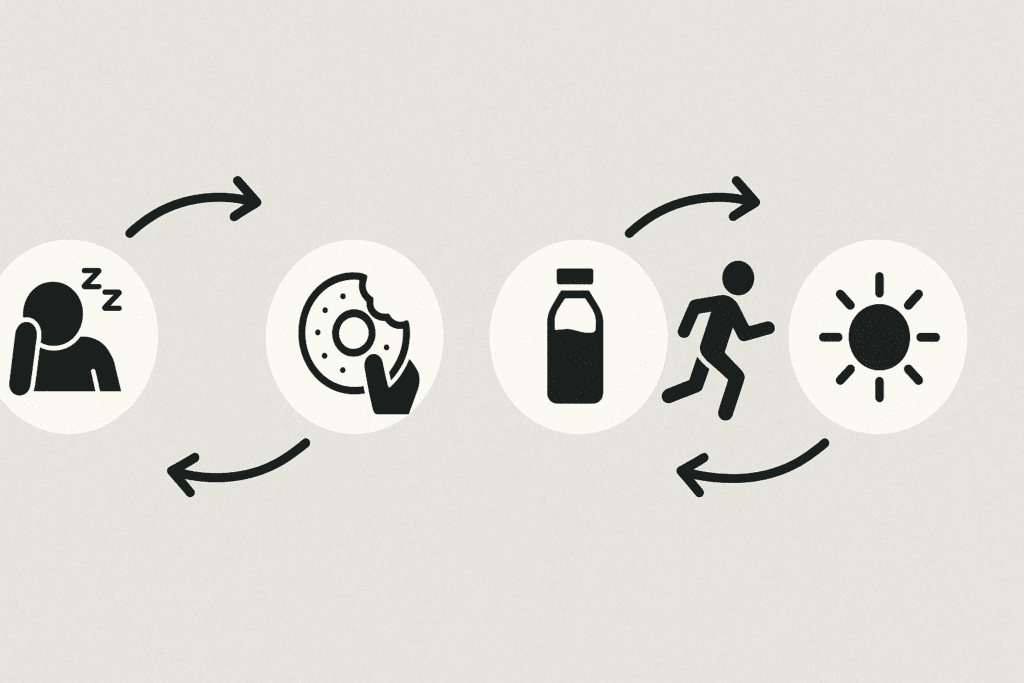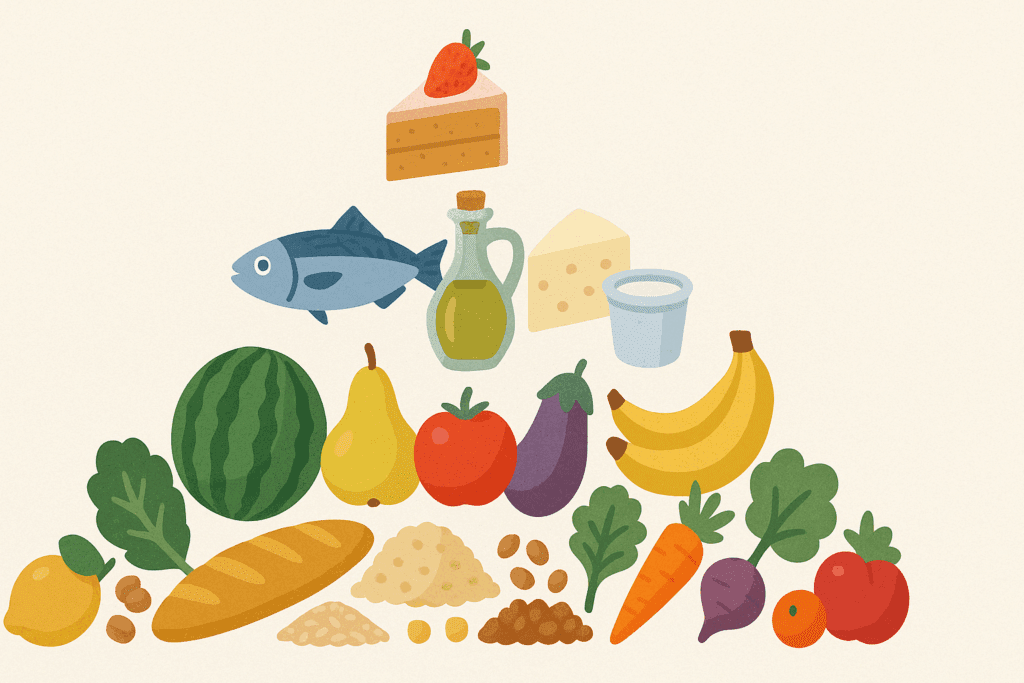
hacklink hack forum hacklink film izle hacklink
Home Blog Page 163

Understanding Anorexia: Why Anorexia Is a Mental Health Disorder and What You Should Know

Anorexia nervosa, commonly referred to as anorexia, is a complex and deeply misunderstood condition. While many perceive it solely through the lens of physical appearance or dramatic weight loss, anorexia is a psychological disorder with profound implications for mental and emotional well-being. In both clinical and public discourse, understanding that anorexia is a mental health disorder is crucial for promoting awareness, empathy, and effective treatment strategies. The persistent myth that anorexia is simply about vanity or dieting must be replaced with informed perspectives grounded in psychological science and compassionate care.

You may also like: How to Stop Emotional Eating and Regain Control: Mindful Nutrition Strategies That Support a Healthier Lifestyle

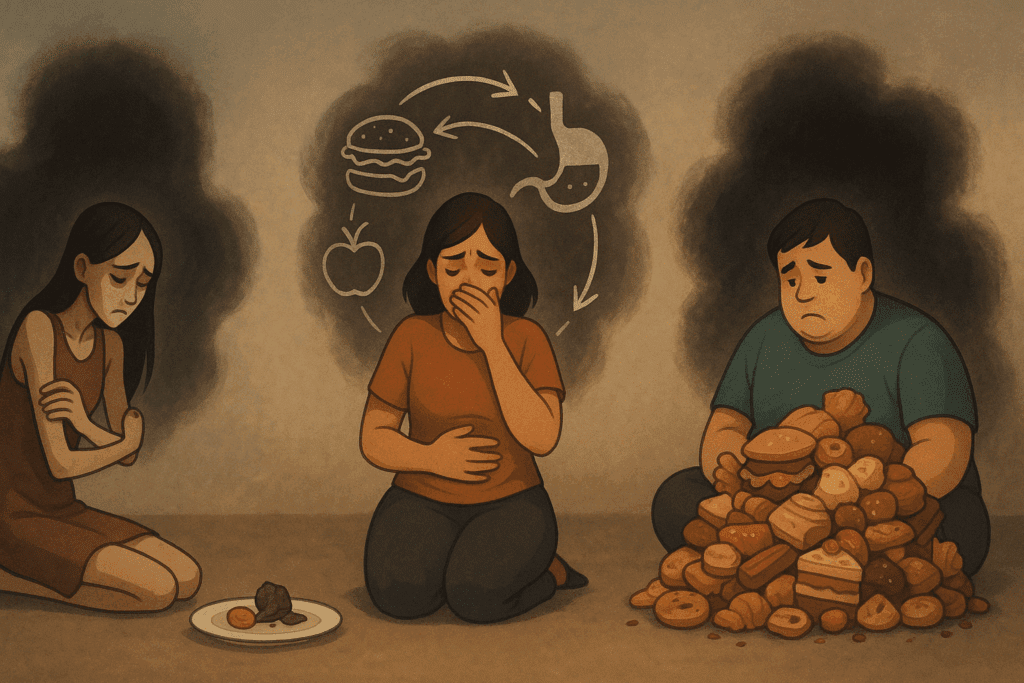
The question “is anorexia a mental health disorder?” deserves a clear and unequivocal answer. Yes, it is. The Diagnostic and Statistical Manual of Mental Disorders (DSM-5), the gold standard for psychiatric diagnosis, classifies anorexia as an eating disorder rooted in mental and emotional disturbances. People with anorexia experience a distorted body image, an intense fear of gaining weight, and a relentless pursuit of thinness, often to the point of self-starvation. These behaviors are not fleeting preferences but enduring patterns of thought and emotion that interfere with daily life and well-being.

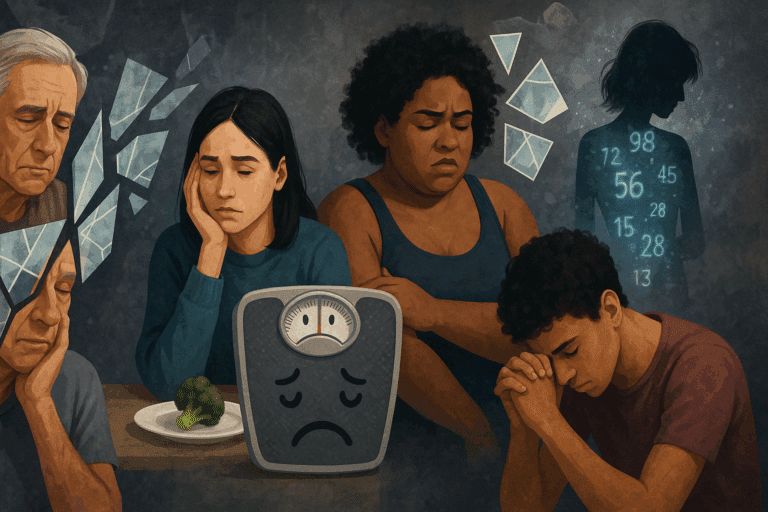
A diverse group of individuals expressing emotional distress, showcasing the reality that anorexia is a mental health disorder affecting people of all ages, genders, and races, breaking the stereotype of it only impacting young, thin women

Defining Anorexia: Beyond the Stereotypes

To understand why anorexia is a mental health disorder, one must first define what anorexia truly entails. Clinically, anorexia nervosa is characterized by restricted food intake leading to significantly low body weight, an overwhelming fear of weight gain, and a distorted perception of one’s own body. Yet this definition only scratches the surface. Underneath the behaviors are deeply ingrained psychological issues, often rooted in trauma, anxiety, perfectionism, and low self-worth.

Contrary to popular belief, anorexia does not only affect young, white, affluent females. It can and does occur across genders, races, socioeconomic statuses, and age groups. The persistence of stereotypes not only stigmatizes those affected but also delays diagnosis and treatment for individuals who do not fit the assumed profile. Recognizing the diversity of those impacted is a key step toward reducing stigma and increasing accessibility to care.

The psychological underpinnings of anorexia are often entangled with other mental health disorders, including depression, obsessive-compulsive disorder (OCD), and generalized anxiety disorder. These co-occurring conditions further highlight why anorexia is a mental disorder rather than merely a lifestyle choice or behavioral quirk. People with anorexia frequently struggle with intrusive thoughts, emotional dysregulation, and compulsive behaviors, all of which align with characteristics of other recognized psychological conditions.
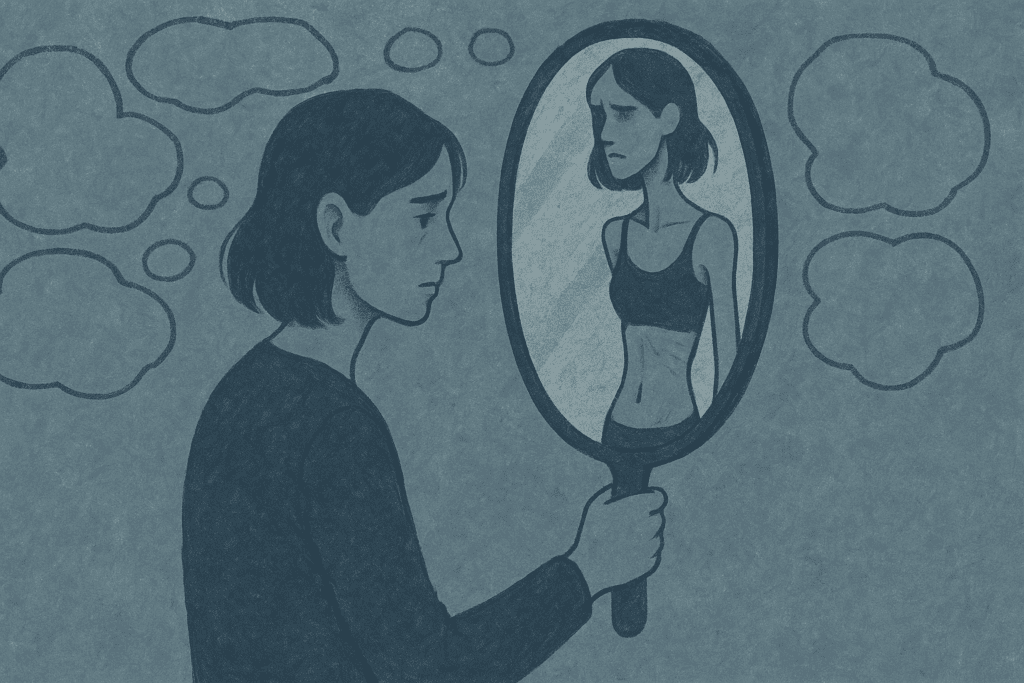
Person with dark hair holding a mirror that reflects a distorted, overly thin version of themselves, surrounded by fragmented thought bubbles, symbolizing stress and obsessive thinking. This image illustrates how anorexia is a mental health disorder, showcasing the psychological effects and self-image struggles experienced by individuals with anorexia

The Psychological Mechanisms Driving Anorexia

At its core, anorexia is a psychological coping mechanism. For many, restrictive eating provides a sense of control in a world that feels unpredictable or overwhelming. This perceived control can be intoxicating, especially for individuals who feel powerless in other areas of their lives. The act of controlling food intake becomes a substitute for emotional regulation, offering a temporary reprieve from anxiety, fear, or despair.

Anorexia is also fueled by cognitive distortions. Individuals often engage in black-and-white thinking, believing that eating a certain food or gaining a small amount of weight equates to failure. These cognitive distortions are not simply bad habits; they are symptoms of a psychological disorder that alter the way a person interprets reality. When we ask, “is anorexia a mental disorder?” we are acknowledging that the roots of the illness lie not just in the body, but in the mind’s processing of thoughts, beliefs, and emotions.

Moreover, individuals with anorexia often experience a disconnect between their self-perception and objective reality. This body image distortion is not a fleeting concern but a deeply embedded belief that can persist even in the face of malnutrition or hospitalization. In this way, anorexia shares characteristics with other mental illnesses that involve delusions or altered self-concept, further underscoring that anorexia is a psychological disorder in every sense.
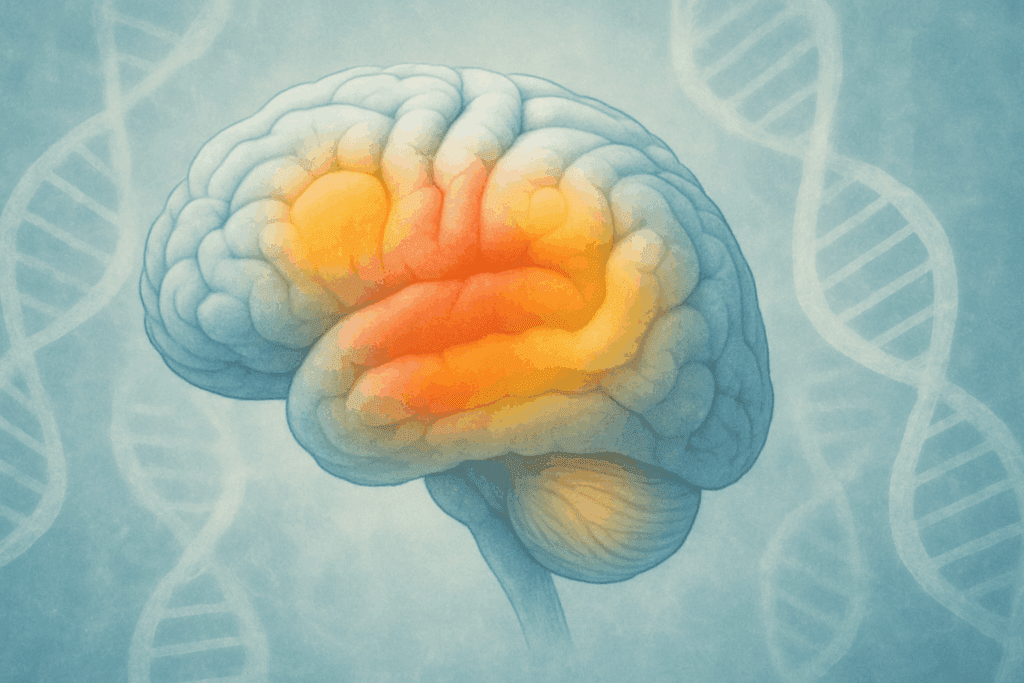
"Illustration of the human brain with highlighted regions related to emotion regulation, impulse control, and reward processing, overlaid with subtle DNA strands. This visual representation connects to the neurobiological and genetic contributions to anorexia, a mental health disorder

Neurobiological and Genetic Contributions to Anorexia

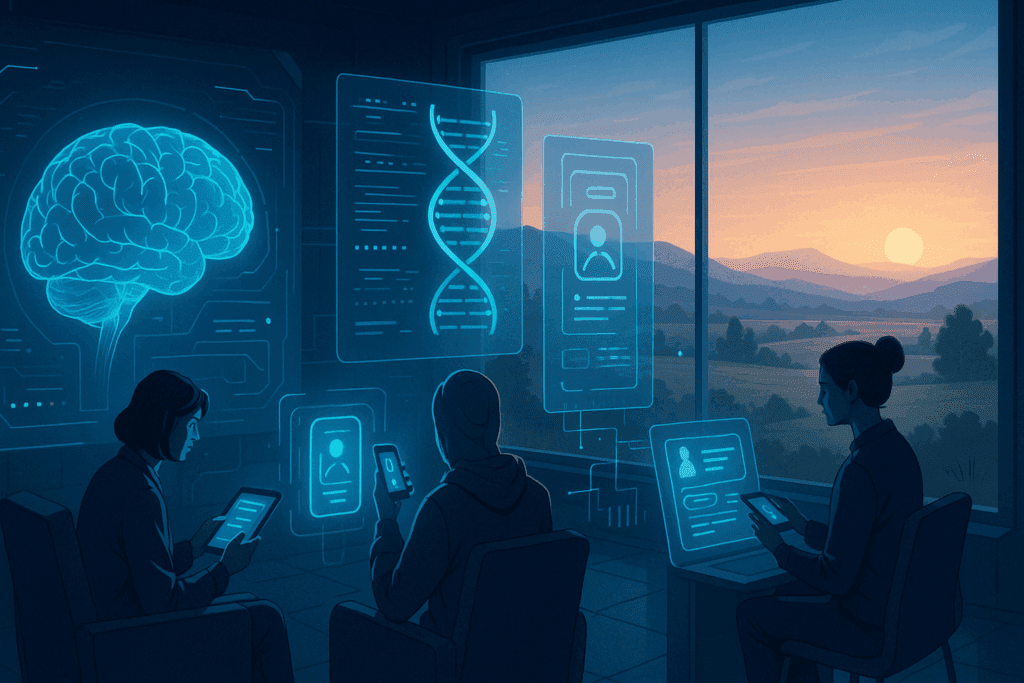
Scientific advancements have deepened our understanding of the biological and genetic components of anorexia, offering further evidence that it is a legitimate mental health disorder. Brain imaging studies have shown abnormalities in areas of the brain associated with reward processing, impulse control, and emotion regulation. These differences may help explain why individuals with anorexia find it so difficult to experience pleasure from food or to interrupt compulsive behaviors.

Research has also identified specific genetic markers that appear to increase the risk for developing anorexia. Twin studies suggest that up to 50-60% of the risk may be hereditary, emphasizing that biology plays a significant role. Importantly, these findings do not diminish the psychological aspects of the illness but rather complement them, highlighting anorexia as a complex interplay of nature and nurture.

Understanding the neurobiological basis of anorexia also has important implications for treatment. By recognizing that anorexia is a mental health disorder with biological roots, we can move away from blaming individuals for their condition and toward developing more targeted, compassionate interventions. This knowledge reinforces that recovery requires more than willpower; it demands medical, psychological, and social support tailored to the individual.

Cultural and Societal Influences on Anorexia

While anorexia has biological and psychological components, it also exists within a cultural context that cannot be ignored. Western societies, in particular, are saturated with messages that equate thinness with success, self-control, and beauty. These ideals are internalized at a young age and reinforced through media, advertising, and even casual conversations.

It is no coincidence that eating disorder rates are higher in societies with strong weight bias and narrow beauty standards. When we discuss eating disorder facts, it’s critical to acknowledge that these disorders do not develop in a vacuum. Social comparison, media influence, and fatphobia all contribute to the onset and maintenance of anorexia. Cultural messages act as triggers, particularly for individuals who are already vulnerable due to genetic or psychological predispositions.

Moreover, societal responses to weight loss often reinforce disordered behaviors. Compliments about weight loss, glorification of extreme fitness regimens, and the moralization of food choices can validate and even encourage anorexic behaviors. These dynamics further illustrate that anorexia is a mental disorder that thrives in a particular sociocultural environment—an environment that must also be addressed in prevention and treatment efforts.
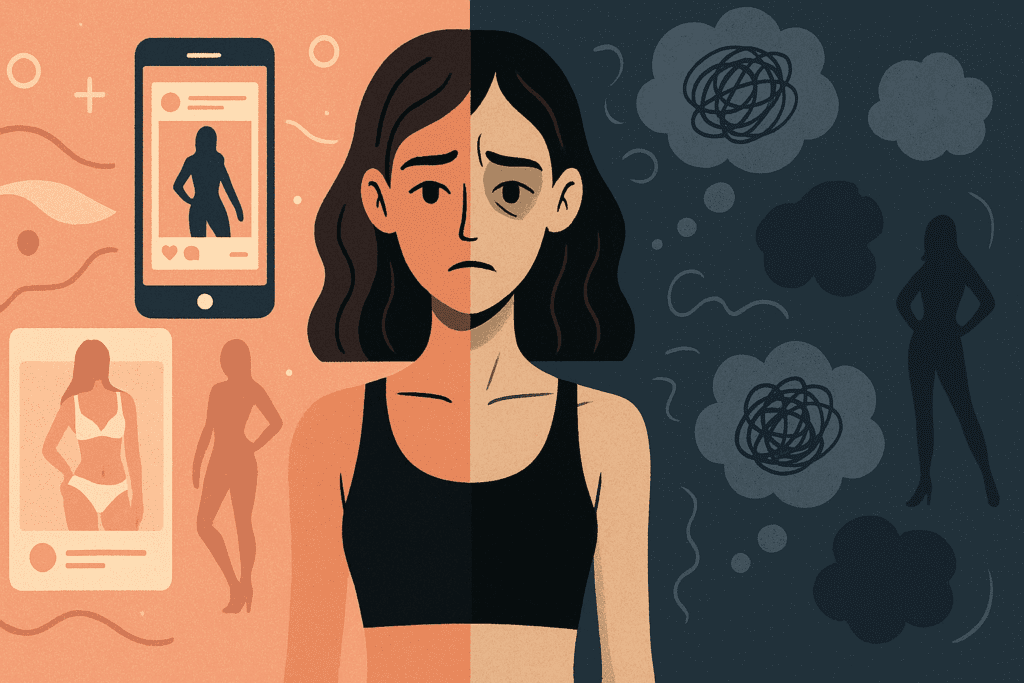
Split digital illustration showing the impact of societal pressures on body image: one half depicts a person exposed to social media and beauty standards, while the other half portrays internal anxiety and self-doubt. This visual contrast highlights how cultural and societal influences can affect mental health, illustrating that Anorexia is a mental health disorder.

Treatment Approaches: A Multidisciplinary Path to Recovery

Given the complexity of anorexia, treatment requires a multidisciplinary approach that addresses both the physical and psychological dimensions of the disorder. Medical stabilization is often the first step, particularly for individuals who are severely underweight or experiencing life-threatening complications. However, refeeding alone is not sufficient. Without concurrent psychological treatment, physical recovery is likely to be short-lived.

Cognitive-behavioral therapy (CBT) is one of the most evidence-based approaches for treating anorexia. CBT helps individuals identify and challenge distorted thoughts about food, body image, and self-worth. By replacing these thoughts with more balanced perspectives, patients can begin to develop healthier behaviors and coping strategies. This therapeutic process underscores the psychological roots of the disorder and why it is accurate to say that anorexia is a psychological disorder.

Family-based treatment (FBT), particularly for adolescents, has also shown promising outcomes. This approach involves the family in the recovery process, helping them support nutritional rehabilitation and address underlying dynamics that may contribute to the illness. Medications may be used in some cases to manage co-occurring conditions such as depression or anxiety, though there is no specific pharmacological cure for anorexia itself.

Importantly, long-term recovery often involves not only structured therapy but also the development of a supportive community. Group therapy, peer mentoring, and support groups can play an invaluable role in helping individuals feel understood and less alone. These community-based strategies reinforce the idea that healing from anorexia is not merely a physical endeavor but a profound psychological and emotional journey.

Support group session for mental health recovery, where a therapist, doctor, nutritionist, and family member offer compassionate care to a woman. This scene highlights the multidisciplinary approach to healing, showing collaboration and empathy in a warm, inviting environment. Anorexia is a mental health disorder

The Importance of Early Intervention and Education

One of the most crucial eating disorder facts is that early intervention significantly improves treatment outcomes. The sooner anorexia is recognized and addressed, the better the chances for a full recovery. Unfortunately, delays in diagnosis are common due to stigma, denial, and a lack of awareness among both the public and healthcare professionals.

Education is a powerful tool in combating these barriers. Schools, primary care settings, and media outlets can all play a role in disseminating accurate information about anorexia and other eating disorders. By reinforcing that anorexia is a mental health disorder—and not a choice, phase, or character flaw—we create an environment that encourages help-seeking and reduces shame.

Educational campaigns should also focus on dismantling myths. For example, the misconception that someone must appear emaciated to be struggling with anorexia can be particularly damaging. Many individuals maintain a normal weight while exhibiting severe disordered behaviors and thoughts. This reality underscores the need for diagnostic criteria and public understanding to go beyond physical appearance.

Training for healthcare providers is equally important. Medical professionals must be equipped to recognize the psychological signs of anorexia, especially in populations that do not fit traditional stereotypes. Continuing education on how anorexia is a psychological disorder can lead to more timely referrals and more effective interventions.

A diverse group of children and teens engaging in healthy behaviors: sharing a balanced meal, playing outdoors, and participating in a media literacy class. This scene highlights body diversity, joy, and community in a natural setting, promoting a positive relationship with food and body. Anorexia is a mental health disorder, and the image emphasizes the importance of healthy habits and well-being

Looking Toward Prevention: Promoting a Healthy Relationship with Food and Body

Preventing anorexia and other eating disorders begins with promoting a healthier relationship with food and body image across the lifespan. This involves not only individual efforts but systemic changes in how society treats weight, appearance, and mental health. When children grow up in environments that emphasize body diversity, intuitive eating, and emotional expression, they are less likely to internalize harmful messages that contribute to disordered eating.

Parents, educators, and community leaders can foster resilience by modeling balanced eating behaviors, rejecting diet culture, and encouraging self-compassion. Media literacy programs can also help individuals critically evaluate the unrealistic and often manipulated images they see online and in advertisements. These strategies, while not foolproof, can serve as protective factors against the development of anorexia.

Workplaces and healthcare systems should also play a role in prevention. Employee wellness programs, routine mental health screenings, and inclusive medical practices can all contribute to early detection and intervention. By embedding support within everyday systems, we create more opportunities for individuals to access help before the disorder becomes entrenched.

Recognizing that anorexia is a mental disorder also has implications for public policy. Increased funding for mental health services, better insurance coverage for eating disorder treatment, and legal protections against weight-based discrimination can all support prevention and recovery. These systemic changes are essential for creating a culture in which mental health—including eating disorders—is treated with the seriousness it deserves.

Frequently Asked Questions: Understanding Anorexia as a Mental Health Disorder

What makes anorexia different from simply wanting to lose weight?

Anorexia differs significantly from ordinary dieting or a desire to lose weight. While many people may engage in short-term dieting to improve health or appearance, anorexia involves a deeply ingrained fear of gaining weight and a distorted perception of one’s body that persists despite clear evidence to the contrary. This disconnection from reality is one reason anorexia is a psychological disorder. Individuals with anorexia often continue to restrict food even when they are dangerously underweight and experiencing serious health consequences. These behaviors are not about achieving a goal but about managing overwhelming emotional distress through control, further emphasizing why anorexia is a mental health disorder.

How does anorexia affect a person’s brain function over time?

Long-term anorexia can cause significant changes in brain structure and function. Malnutrition impacts neurotransmitter production, particularly serotonin and dopamine, which are essential for mood regulation, motivation, and reward processing. This imbalance contributes to emotional instability and reinforces obsessive behaviors around food and body image, showing another way anorexia is a mental disorder with both psychological and neurological consequences. Brain imaging studies also reveal a decrease in grey matter volume, which may impair decision-making and emotional insight. Fortunately, some of these changes can improve with sustained recovery and nutritional rehabilitation.

Can someone have anorexia without appearing extremely underweight?

Yes, absolutely. A common myth is that anorexia is only present when someone is visibly emaciated. However, weight is not the sole indicator of this disorder. Many people with atypical anorexia exhibit the same behaviors, thought patterns, and health risks but may remain within or even above the average weight range. These cases often go undetected due to biases in how we define health and appearance, but the psychological impact remains profound. Recognizing that anorexia is a psychological disorder regardless of weight is vital for early intervention and appropriate care.

Why is early intervention so critical in treating anorexia?

The earlier anorexia is diagnosed and treated, the better the prognosis. Chronic malnutrition and long-standing distorted thinking patterns can become deeply entrenched, making recovery more difficult over time. Early intervention also reduces the risk of irreversible damage to organs, bone density, and fertility. By addressing anorexia as a mental health disorder from the outset, clinicians can offer more effective, targeted therapies. Encouraging early help-seeking behaviors also reduces stigma and supports better long-term outcomes, especially among adolescents.

How do social media and modern beauty standards contribute to anorexia?

Social media platforms often glorify unrealistic body ideals and perpetuate diet culture, which can fuel disordered eating behaviors in vulnerable individuals. Constant exposure to edited images and weight-centric content fosters comparison and self-criticism. While these influences alone do not cause anorexia, they can act as powerful environmental triggers in those predisposed to the condition. This intersection of cultural pressure and psychological vulnerability reinforces why anorexia is a mental disorder influenced by both internal and external factors. Promoting media literacy and body positivity are important steps in prevention.

What role do families play in anorexia recovery?

Family involvement is often essential, especially in adolescent cases. Evidence-based approaches like Family-Based Treatment (FBT) empower families to support nutritional rehabilitation and address emotional undercurrents within the home environment. Loved ones can also help challenge distorted thoughts, reinforce healthy behaviors, and provide accountability. However, families must also learn to avoid unintentionally reinforcing harmful patterns or language. When families understand that anorexia is a mental health disorder, they are better equipped to offer the compassionate, structured support needed for recovery.

Is anorexia linked to other mental health conditions?

Yes, anorexia frequently co-occurs with other psychological disorders such as anxiety, depression, and obsessive-compulsive disorder (OCD). These comorbid conditions may predate the eating disorder or emerge during its progression. Shared features like perfectionism, rumination, and emotional regulation difficulties suggest overlapping neural pathways and vulnerabilities. Understanding these connections reinforces the answer to the question, “is anorexia a mental disorder?” by highlighting its relationship to broader patterns of mental illness. Effective treatment often requires addressing these co-occurring conditions alongside the eating disorder.

Are there any emerging therapies for anorexia beyond traditional talk therapy?

Yes, recent developments in anorexia treatment include novel approaches such as virtual reality (VR) therapy, neurofeedback, and exposure-based interventions aimed at retraining emotional responses to food and body image. These techniques target the brain’s neural circuits and provide experiential tools to challenge fear responses. Nutritional psychiatry, which explores how gut health and diet influence mental well-being, is another emerging field. While these therapies are not replacements for standard care, they represent promising adjuncts, especially when integrated into a comprehensive treatment plan. As our understanding deepens, new methods continue to affirm that anorexia is a psychological disorder requiring innovative, individualized care.

How does the healthcare system sometimes fail those with anorexia?

Despite increased awareness, many healthcare systems still lack adequate training and resources for identifying and treating eating disorders. Misconceptions among professionals—such as assuming someone isn’t ill unless they are underweight—can lead to delayed diagnosis and insufficient care. Additionally, insurance limitations often restrict access to specialized treatment, and disparities in care persist across race, gender, and income. Recognizing that anorexia is a mental health disorder and not a choice or character flaw is critical to improving clinical practices and policies. Systemic changes are needed to ensure timely, equitable, and comprehensive support for all affected individuals.

What does full recovery from anorexia look like?

Full recovery from anorexia is not simply about restoring weight but involves a complete transformation in thought patterns, emotional regulation, and self-perception. Individuals must rebuild trust with their bodies, learn to experience food without fear, and reconnect with their values and relationships. Recovery also means developing new coping mechanisms to manage stress, trauma, or perfectionism without reverting to disordered behaviors. It is a deeply personal and often non-linear journey, but one that is entirely possible with the right support. Understanding that anorexia is a mental disorder helps frame recovery as a process of psychological healing, not just physical restoration.

Final Thoughts: Understanding Why Anorexia Is a Mental Health Disorder Matters for Everyone

At its core, understanding anorexia as a mental health disorder reshapes how we approach the illness—clinically, socially, and personally. Recognizing that anorexia is a psychological disorder with complex biological, emotional, and cultural components allows us to move away from blame and toward empathy. This shift in perspective opens the door to more effective treatments, earlier interventions, and more inclusive support systems.

When we explore eating disorder facts with intellectual honesty and compassion, we uncover the profound suffering that often lies beneath the surface. We also discover the resilience of those who face this disorder and the immense healing potential that exists when treatment is approached holistically. Yes, anorexia is a mental health disorder—and acknowledging this truth is the first step in creating a world where recovery is not only possible but expected.

Whether you are a healthcare provider, educator, loved one, or someone struggling with food and body image, this understanding is vital. It is through informed awareness and collective action that we can challenge stigma, advocate for change, and support the mental wellness of everyone affected by anorexia.

Was this article helpful? Don’t let it stop with you. Share it right now with someone who needs to see it—whether it’s a friend, a colleague, or your whole network. And if staying ahead on this topic matters to you, subscribe to this publication for the most up-to-date information. You’ll get the latest insights delivered straight to you—no searching, no missing out.

Further Reading:

Eating Disorders: What You Need to Know

Anorexia nervosa

Anorexia Nervosa

Smart Strategies for How to Stop Being Fat: A Nutrition-Focused Guide to Healthier, Sustainable Weight Loss

In a world saturated with quick fixes and fad diets, the journey toward sustainable weight loss often becomes clouded by conflicting advice and unrealistic expectations. The question of how to stop being fat is one that many people grapple with, not out of vanity, but from a genuine desire to reclaim their health, confidence, and overall quality of life. In the pursuit of lasting change, it is essential to move beyond shame-driven narratives and instead embrace science-based, compassionate strategies rooted in mindful eating and lifestyle balance. This guide offers an evidence-informed, expert-grounded roadmap to healthy weight management through sustainable nutritional habits and long-term behavior change.

You may also like: How to Stop Emotional Eating and Regain Control: Mindful Nutrition Strategies That Support a Healthier Lifestyle

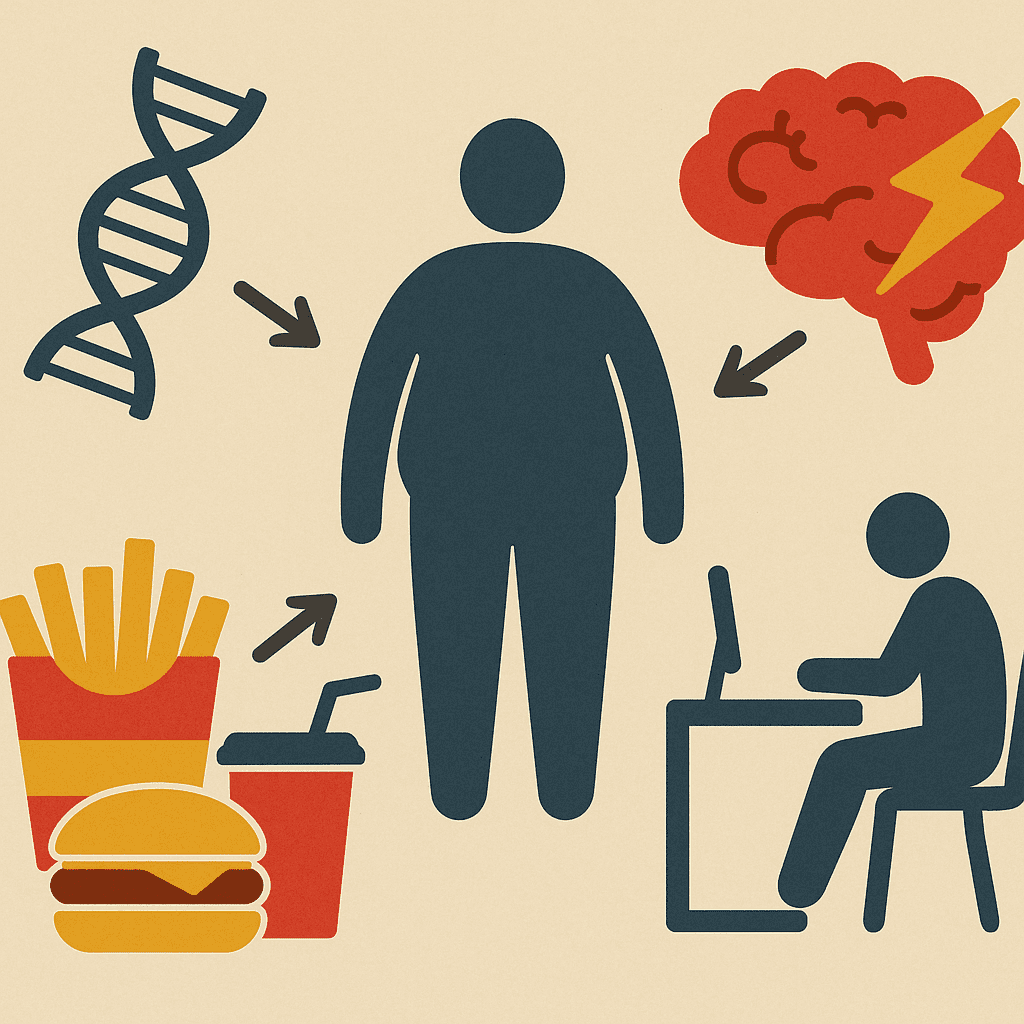
Conceptual illustration showing how to stop being fat with arrows pointing to a person from genetics, stress, junk food, and sedentary lifestyle

Understanding the Roots of Weight Gain

Weight gain is often more complex than a simple equation of calories in versus calories out. While energy balance remains a core principle, it’s crucial to acknowledge the physiological, psychological, and environmental factors that influence body weight. Genetics play a significant role in determining body type and metabolic rate. Some individuals may have a genetic predisposition to store fat more easily or experience a slower metabolism, making it harder to lose weight despite dietary efforts. However, genes are not destiny—they interact dynamically with lifestyle choices.

Emotional eating and chronic stress are two major contributors to weight gain that often go unrecognized. Many individuals turn to food as a coping mechanism, particularly high-fat, high-sugar options that stimulate reward centers in the brain. Cortisol, the stress hormone, also promotes fat storage, especially around the abdomen. Furthermore, modern living has normalized sedentary habits and easy access to calorie-dense foods, creating a “toxic” food environment that makes weight gain almost inevitable unless one actively resists these norms.

To understand how to stop being fat in a sustainable and self-compassionate way, one must first dismantle the myths surrounding obesity and examine the multifaceted contributors to body weight. Blame and self-judgment are counterproductive. Instead, an honest, science-driven analysis of your personal patterns and lifestyle context is the first step toward change.

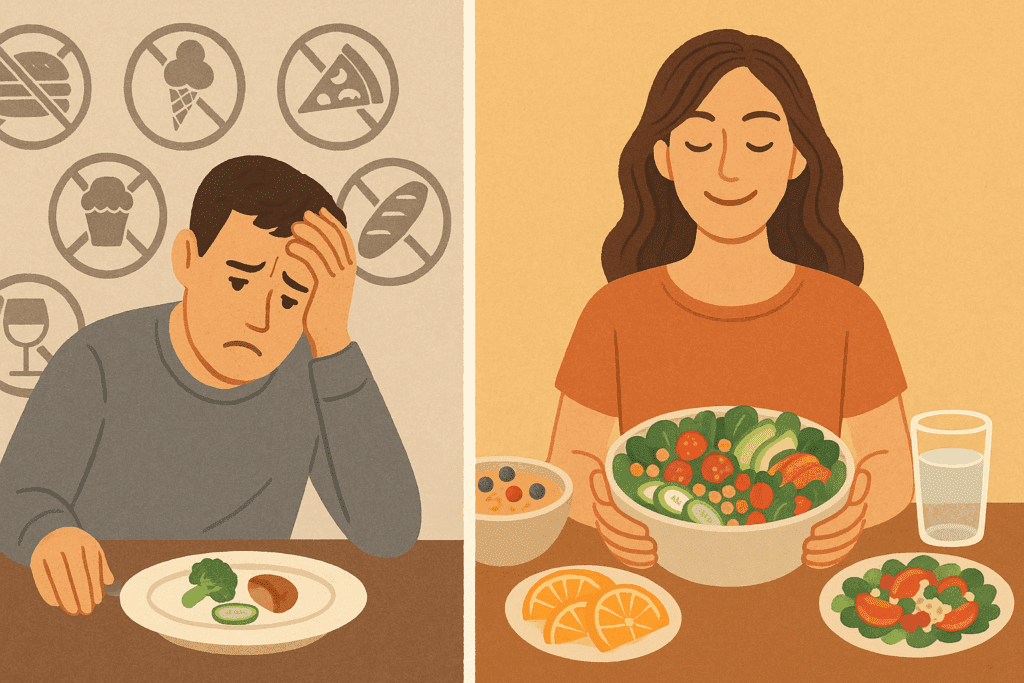
Side-by-side comparison of a stressed man on a restrictive diet and a happy woman eating colorful, healthy food—illustrating how to stop being fat through sustainable lifestyle changes.

Why Diets Don’t Work—and What Does

Fad diets promise rapid weight loss but typically lead to disappointment and yo-yo dieting. These plans often involve extreme calorie restriction, exclusion of entire food groups, or rigid rules that are hard to maintain. While you might lose weight initially, these approaches rarely support long-term success. Metabolism slows down in response to extreme dieting, and the body may interpret drastic calorie cuts as a threat to survival, leading to increased hunger hormones and decreased satiety signals.

Long-term studies reveal that most people regain the weight they lost—and often gain even more—within a few years. This cycle not only affects physical health but also damages one’s relationship with food and body image. Sustainable weight loss focuses on gradual, consistent changes rather than dramatic overhauls. Developing habits that align with your personal preferences, cultural practices, and lifestyle is more likely to result in lasting change.

Rather than asking how to not be fat through temporary restriction, the more fruitful question is: how can I nourish my body in a way that promotes health, satisfaction, and sustainability? The answer lies in learning to trust your body’s hunger and fullness cues, understanding nutrient density, and prioritizing foods that are both satisfying and nourishing.

Woman practicing mindful eating with whole foods at a calm table, illustrating how to stop being fat through healthier habits

The Role of Mindful Eating in Sustainable Weight Loss

Mindful eating is a transformative approach that shifts the focus from external dieting rules to internal cues and awareness. It involves eating with intention and attention—being fully present during meals, savoring flavors, and paying attention to physical hunger and fullness signals. Mindful eating can help interrupt emotional eating patterns and reduce binge episodes by cultivating a non-judgmental relationship with food.

When people eat mindfully, they are less likely to overeat and more likely to choose foods that make them feel good physically and emotionally. Studies have shown that practicing mindful eating can lead to modest weight loss, improved eating behaviors, and greater overall well-being. This method encourages individuals to slow down, chew thoroughly, and engage all the senses while eating, transforming meals from rushed tasks into opportunities for nourishment and pleasure.

Importantly, mindful eating supports the goal of how to not be fat by addressing the root causes of overeating—disconnection from hunger signals, emotional triggers, and mindless consumption. It helps rewire the brain to associate eating with presence rather than guilt, creating a foundation for lasting change.

Building a Balanced, Nutrient-Dense Diet

One of the most empowering strategies for sustainable weight management is focusing on what to add to your plate rather than what to remove. A nutrient-dense diet prioritizes whole, minimally processed foods that deliver essential vitamins, minerals, fiber, and healthy fats. These foods not only promote satiety but also support optimal metabolism, hormone regulation, and overall health.

Lean proteins such as eggs, poultry, fish, legumes, and tofu are critical for muscle maintenance and appetite regulation. Complex carbohydrates like whole grains, fruits, and vegetables provide energy and fiber, which slow digestion and keep you feeling full longer. Healthy fats from avocados, nuts, seeds, and olive oil are vital for hormone balance and satiety. Including fermented foods such as yogurt, kefir, sauerkraut, and kimchi can support gut health, which is increasingly linked to weight regulation.

Rather than adopting an all-or-nothing mentality, aim for consistency and flexibility. No single food causes weight gain on its own. It’s the overall pattern of eating that matters most. Shifting from the question of how to stop being fat to how to create a supportive food environment allows individuals to make empowered choices without restriction or fear.

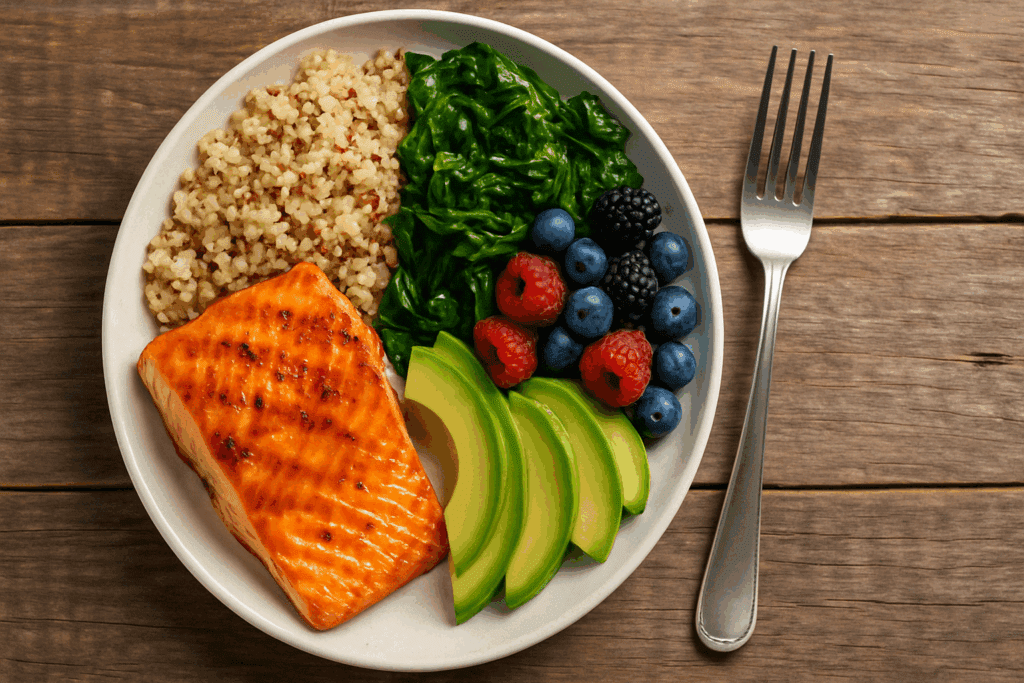
Balanced meal with grilled salmon, tofu, quinoa, avocado, and colorful vegetables showing how to stop being fat through nutritious eating

The Science of Metabolism and How to Support It

Metabolism refers to the chemical processes by which the body converts food into energy. Many people believe their slow metabolism is the reason for weight gain, but in most cases, the issue lies more with lifestyle habits than metabolic abnormalities. However, certain strategies can optimize metabolic health and support energy balance.

Strength training is one of the most effective ways to boost metabolism. Muscle tissue burns more calories at rest than fat tissue, so increasing muscle mass through resistance training can raise your resting metabolic rate. High-intensity interval training (HIIT) has also been shown to increase post-exercise calorie burn and improve insulin sensitivity.

Sleep plays a surprisingly critical role in metabolic health. Chronic sleep deprivation disrupts hunger hormones, increases cravings for high-calorie foods, and impairs glucose regulation. Prioritizing seven to nine hours of quality sleep per night supports metabolic function and appetite control. Hydration, stress management, and regular movement throughout the day—beyond structured workouts—also contribute to a healthy metabolism.

When exploring how to not be fat, understanding and nurturing your metabolism allows you to work with your body rather than against it. Rather than chasing miracle supplements or quick fixes, focus on lifestyle habits that gradually enhance your metabolic resilience.

Man lifting heavy weights and woman doing high-intensity interval training in a gym—showcasing how to stop being fat through intense exercise.

Addressing Emotional Eating and Behavioral Patterns

Emotional eating is a powerful yet often hidden driver of weight gain. People frequently eat not out of physical hunger but to soothe stress, boredom, sadness, or even happiness. Recognizing the emotional triggers behind eating is a critical step in developing healthier coping strategies. Journaling, therapy, or even pausing to ask “What am I really feeling?” before reaching for food can help interrupt this automatic behavior.

Developing emotional resilience can reduce reliance on food as a primary source of comfort. Activities like walking, talking to a friend, practicing mindfulness meditation, or engaging in creative hobbies can offer alternative ways to process emotions. Cultivating a rich emotional toolkit can empower individuals to face difficult feelings without turning to food.

Importantly, addressing emotional eating is not about moralizing food choices but about creating a deeper awareness of behavior. Asking how to stop being fat is, in many cases, a question of how to develop a healthier relationship with emotions, food, and self-worth. By untangling these connections, individuals can make lasting changes from the inside out.

Navigating Social, Cultural, and Environmental Influences

Our eating habits are profoundly shaped by our environments. Social gatherings, family traditions, cultural norms, and workplace dynamics can either support or sabotage healthy intentions. Learning how to navigate these influences without guilt or rigidity is essential for sustainable progress.

For instance, food is often central to social connection. Rather than avoiding gatherings, it can be helpful to eat mindfully, serve yourself intentionally, and focus on conversation rather than constant snacking. In some cases, bringing a nourishing dish to share or eating a small meal beforehand can help manage portions.

Understanding cultural food traditions also matters. Many nutrient-rich foods are deeply embedded in cultural heritage, and excluding them in the name of weight loss can lead to disconnection and resentment. Instead, learning to prepare traditional dishes in healthier ways or enjoying them in moderation can honor both heritage and health.

Food availability, neighborhood design, and economic resources also impact choices. Advocating for better food access and learning basic cooking skills can empower individuals in food deserts or low-resource areas. Asking how to not be fat must also include a broader conversation about food equity and systemic change.

Redefining Success Beyond the Scale

Relying solely on the scale as a measure of success can be demoralizing and misleading. Weight fluctuates daily due to hydration, hormones, and digestion. Moreover, fat loss can occur even when the scale stays the same—particularly if you are building muscle. Non-scale victories such as increased energy, better sleep, improved digestion, more stable moods, and enhanced self-confidence are powerful indicators of progress.

Shifting focus from appearance to function allows you to appreciate your body for what it can do, not just how it looks. This mindset supports intrinsic motivation and reduces the risk of relapse. Setting performance-based goals, like walking a 5K or lifting a heavier weight, can make the journey more empowering and rewarding.

Ultimately, how to stop being fat should never be reduced to a number. The goal is to feel strong, capable, and aligned with your values—not to meet an arbitrary aesthetic ideal. Embracing a holistic vision of health that includes emotional, physical, and social well-being fosters a more sustainable and compassionate path.

Multicultural friends sharing a traditional dinner at home, promoting connection, healthy habits, and tips on how to stop being fat.

Sustaining Healthy Habits Over the Long Term

Lasting change comes from consistency, not perfection. Building healthy habits requires patience, persistence, and flexibility. Rather than overhauling your life overnight, start with small, manageable shifts. This might include cooking more meals at home, reducing sugar-sweetened beverages, or taking daily walks. Over time, these habits compound into significant transformation.

Accountability is also crucial. Whether through a health coach, online community, or supportive friend, having someone to share your journey with can provide motivation and perspective. Self-compassion, rather than self-criticism, fuels resilience. Slip-ups are inevitable—but they don’t erase progress.

When asking how to not be fat, remember that the answer is rarely a single strategy or solution. It’s a dynamic interplay of choices, mindset, and environment. What matters most is your willingness to keep showing up for yourself with honesty, grace, and intention.

Frequently Asked Questions: Smart Strategies for Sustainable Weight Loss

1. Can mindset shifts make a real difference when learning how to stop being fat?

Absolutely. Many people underestimate the power of psychological reframing when working toward sustainable weight loss. Developing a growth-oriented mindset allows individuals to see setbacks not as failures but as feedback, reinforcing persistence rather than triggering guilt. One key shift is moving from a weight-loss-at-any-cost mentality to one focused on long-term health, energy, and emotional resilience. Understanding how to stop being fat requires more than behavior changes—it calls for an internal dialogue that supports self-efficacy and intrinsic motivation. When you believe your efforts are worthwhile and that change is possible, you’re more likely to sustain healthy routines even during challenging times.

2. How can sleep quality affect weight management efforts?

Sleep plays a far greater role in weight regulation than many people realize. Poor sleep disrupts the balance of key hormones such as leptin and ghrelin, which are responsible for controlling hunger and satiety. This imbalance can lead to increased appetite, cravings for high-calorie foods, and emotional eating. If you’re trying to understand how to not be fat, prioritizing sleep is a strategic, often overlooked move. Improving sleep hygiene—such as keeping a consistent bedtime, reducing screen exposure before sleep, and creating a calming nighttime routine—can directly support metabolism, hormonal balance, and willpower.

3. Are there effective strategies for addressing food addiction and cravings?

Food addiction is a complex issue rooted in neurochemical responses, emotional conditioning, and habitual patterns. Highly processed foods rich in sugar, salt, and fat can hijack the brain’s reward system, making it difficult to regulate consumption. One effective method involves increasing dietary fiber and protein to stabilize blood sugar and reduce reactive hunger. Additionally, cognitive-behavioral therapy (CBT) has shown promise in breaking compulsive food patterns by addressing the underlying emotional and cognitive triggers. For those exploring how to stop being fat, managing addictive food behaviors with professional support can lead to breakthroughs that dieting alone rarely achieves.

4. How do hormones influence the ability to lose weight sustainably?

Hormonal imbalances—particularly involving insulin, cortisol, thyroid hormones, and sex hormones—can significantly impact body weight and fat distribution. Insulin resistance, for instance, can make fat loss more difficult even with controlled caloric intake. Chronic stress elevates cortisol, promoting abdominal fat storage and reducing muscle synthesis. If you’re asking how to not be fat despite eating well and exercising, it’s worth exploring whether your hormones are aligned to support your efforts. Working with a healthcare provider to evaluate hormonal health and rebalance levels through diet, exercise, and in some cases, medication, can provide the missing link in your weight management journey.

5. What role does meal timing play in fat loss and energy regulation?

When you eat can be just as important as what you eat. Meal timing strategies such as time-restricted eating or intermittent fasting may improve insulin sensitivity and reduce overall caloric intake without requiring rigid food restrictions. However, these methods are not suitable for everyone, especially those with histories of disordered eating or blood sugar instability. Learning how to stop being fat doesn’t necessarily mean skipping meals, but aligning your eating schedule with your body’s natural rhythms may enhance digestion, energy, and fat metabolism. Listening to genuine hunger cues and planning meals during your most active hours can be a sustainable, non-restrictive approach.

6. How can social support enhance long-term weight loss success?

Social accountability can significantly boost motivation, especially during periods of low discipline or external stress. Joining a supportive community—whether in person or online—can offer emotional reinforcement, shared experiences, and practical tips. The journey of figuring out how to not be fat becomes less isolating when others validate your struggles and successes. Support groups, fitness classes, or even a consistent buddy system can introduce positive peer pressure and a sense of belonging. The key is to surround yourself with people who respect your goals without shaming or enabling unhealthy habits.

7. Are there new technologies or tools that support fat loss without promoting unhealthy obsession?

Yes, emerging tools like continuous glucose monitors (CGMs), intuitive eating apps, and AI-powered food journals are transforming the way people engage with nutrition. These technologies provide feedback loops without promoting rigid tracking, helping individuals identify which foods best support their personal energy, digestion, and satiety. Biofeedback can be a powerful ally in understanding how to stop being fat without falling into toxic cycles of control. Additionally, wearable fitness trackers now incorporate recovery scores and stress indicators, encouraging a more holistic view of health rather than a singular focus on calorie burn.

8. What are some underestimated daily habits that contribute to fat loss over time?

Simple, consistent behaviors often outperform dramatic overhauls. Drinking water before meals, taking short walking breaks throughout the day, and standing instead of sitting when possible can all have a compounding effect on weight management. These small shifts help build metabolic flexibility and reduce insulin resistance over time. When considering how to not be fat in a practical, low-stress way, these micro-habits offer accessible entry points for change. Over time, these actions create an internal culture of health that supports the body’s natural weight regulation mechanisms without relying on willpower alone.

9. Can gut health impact fat storage and appetite regulation?

Absolutely. The gut microbiome plays a critical role in metabolic health, inflammation regulation, and even mood—all of which affect eating behavior and fat storage. An imbalanced gut can impair nutrient absorption and increase cravings for processed foods, undermining even the best dietary intentions. Probiotic-rich foods and prebiotic fibers can support microbiota diversity, enhancing both digestion and metabolic efficiency. If you’re working on how to stop being fat in a holistic way, addressing gut health through diet, fermented foods, and possibly supplementation can yield powerful, long-term effects. A healthier gut often leads to improved appetite awareness and reduced emotional eating.

10. How can people maintain weight loss without relying on constant vigilance?

Sustainability depends on shifting from external rules to internal regulation. Rather than relying on rigid meal plans or endless tracking, long-term success is often tied to building intuitive skills like hunger recognition, emotional differentiation, and self-regulation. Incorporating variety, pleasure, and flexibility into your meals reduces the likelihood of rebellion or binge behavior. In the broader pursuit of how to not be fat, the goal is not lifelong monitoring, but the cultivation of autonomy and confidence around food. When healthy choices become habitual rather than forced, weight maintenance becomes a natural byproduct of living in alignment with your values and physiology.

Conclusion: Embracing a Healthier Lifestyle Through Knowledge and Compassion

Transforming your body and relationship with food is not about punishment or deprivation—it’s about empowerment through informed, consistent action. Asking how to stop being fat is ultimately a call for health, vitality, and self-acceptance. The path forward requires a shift in focus from external appearance to internal alignment with your health values and goals.

Sustainable weight loss is grounded in understanding your unique physiology, cultivating emotional awareness, embracing mindful eating, and creating a supportive lifestyle. There is no one-size-fits-all plan, but there are universal principles—nourishment, movement, rest, and connection—that create a solid foundation for lifelong well-being.

As you apply these strategies, let your efforts be guided by curiosity and care, not judgment. By honoring your body’s wisdom, developing a resilient mindset, and prioritizing consistency over perfection, you build not just a slimmer physique, but a stronger, more vibrant life. Let this be the beginning of a compassionate, knowledgeable, and sustainable journey toward your healthiest self.

Was this article helpful? Don’t let it stop with you. Share it right now with someone who needs to see it—whether it’s a friend, a colleague, or your whole network. And if staying ahead on this topic matters to you, subscribe to this publication for the most up-to-date information. You’ll get the latest insights delivered straight to you—no searching, no missing out.
Further Reading:

Weight loss – a healthy approach

10 tips for successful weight loss

Weight loss

How to Stop Eating Unhealthy Food: Expert-Backed Strategies to Build Better Habits and Support a Healthier Lifestyle

In an age dominated by ultra-processed foods and fast-paced routines, breaking free from the grip of unhealthy eating can feel like an uphill battle. For many adults, especially those balancing careers, families, and academic commitments, understanding how to stop eating unhealthy food is both a health priority and a personal challenge. Poor dietary habits are not merely the result of weak willpower; they are shaped by psychological triggers, environmental cues, social norms, and biological feedback loops. This article explores comprehensive, evidence-backed strategies to help you stop eating bad food and replace it with nourishing choices that support long-term wellness.

You may also like: How to Stop Emotional Eating and Regain Control: Mindful Nutrition Strategies That Support a Healthier Lifestyle

Brain scans showing dopamine response to junk food beside a person tempted by fast food cues, illustrating how to stop eating unhealthy food.

Understanding Why We Crave Unhealthy Foods

To successfully transition away from poor dietary habits, we must first understand why unhealthy foods are so appealing. From a biological standpoint, high-sugar, high-fat foods trigger dopamine release in the brain, a chemical associated with pleasure and reward. Over time, repeated exposure to these foods conditions our brain to crave them, even in the absence of hunger. This reward cycle is particularly strong with “hyperpalatable” foods—those engineered to hit the perfect balance of fat, sugar, and salt.

Environmental factors further reinforce these cravings. Fast food chains are strategically placed near schools and offices, and snack foods dominate supermarket shelves. Social media, television commercials, and food delivery apps constantly bombard consumers with visual cues that activate cravings. Emotional triggers also play a significant role. Many individuals turn to food for comfort during stress, boredom, or sadness, reinforcing an emotional-eating loop that can become deeply ingrained.

To stop eating crap food, it’s essential to identify the cues that lead to these urges. Are you reaching for chips because you’re truly hungry or because you’re avoiding a task? Are late-night sugar cravings a response to emotional fatigue? By exploring the psychological and physiological roots of cravings, you empower yourself to break the cycle.

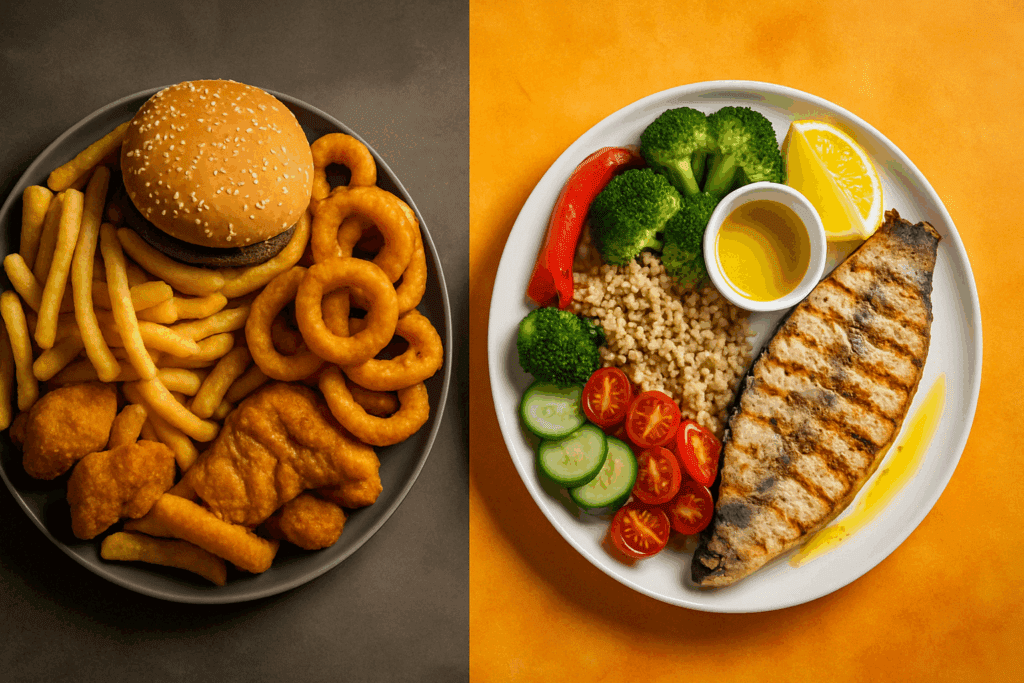
Side-by-side meals showing how to stop eating unhealthy food with a choice between fries and soda or salmon with quinoa and vegetables.

The Power of Nutrient-Dense Substitutions

Rather than attempting to eliminate unhealthy foods through sheer restriction, a more sustainable and effective strategy is to crowd them out with nourishing alternatives. Incorporating whole, nutrient-dense foods into your meals can gradually reduce your desire for ultra-processed snacks. For example, a lunch of grilled salmon with quinoa and roasted vegetables provides fiber, protein, and healthy fats that keep you satiated longer than a slice of pizza.

The key is to focus on balance rather than perfection. If you’re wondering how to stop eating bad food while maintaining a realistic routine, start by enhancing what’s already on your plate. Add a side of leafy greens to your usual meal. Replace sugar-laden granola bars with fruit and nut combinations. Experiment with herbs and spices to add flavor without relying on processed sauces.

Over time, your taste buds adapt. What once seemed bland may soon become delicious, while overly processed snacks can start to taste synthetic or overly sweet. Making mindful substitutions is not about deprivation—it’s about upgrading your meals to align with your wellness goals.

Habit Formation and the Science of Behavior Change

Understanding how habits form is crucial to replacing unhealthy ones with beneficial routines. According to behavioral science, every habit is built on a cue-routine-reward loop. The cue is the trigger that initiates behavior, the routine is the action taken, and the reward is the satisfaction gained from it. To stop eating unhealthy food, we must disrupt this loop and replace it with healthier alternatives.

For instance, if your cue is the mid-afternoon slump, and your routine is grabbing a sugary drink, consider substituting that drink with a glass of cold water infused with citrus and mint, followed by a brisk walk or a few minutes of stretching. This new routine still delivers the reward of refreshed energy but without the negative health consequences. Repeating this new pattern consistently rewires your brain and gradually turns the behavior into an automatic habit.

Consistency and patience are key. Research shows that it takes an average of 66 days to form a new habit, though this varies depending on complexity and individual differences. Utilize strategies such as habit stacking (linking a new behavior to an existing one), setting implementation intentions (“If I feel stressed, I’ll brew tea instead of eating chips”), and using reminders to build accountability. Through repetition and positive reinforcement, healthier habits become second nature.

Visual diagram showing how to stop eating unhealthy food by replacing a sugar-snack habit loop with water and exercise

Reframing the Language Around Food

Language has a profound impact on behavior and mindset. If you’re constantly telling yourself that you “can’t” have a certain food, it creates a sense of restriction and deprivation. This mindset often backfires, leading to binge episodes or feelings of guilt. Instead, reframing food choices through the lens of empowerment can help you stop eating crap food and feel good about it.

Consider shifting from phrases like “I’m not allowed to eat that” to “I’m choosing foods that support my health.” This subtle but powerful change repositions you as the active decision-maker rather than the victim of a rigid diet. It reinforces autonomy, which is a key driver of sustained behavior change.

Furthermore, avoid labeling foods as strictly “good” or “bad.” All foods exist on a spectrum of nutritional value, and occasional indulgences can be part of a balanced lifestyle. When you remove moral judgment from food, you reduce shame-based eating and create space for mindful, compassionate choices. A healthy relationship with food is built on understanding, not fear.

Woman practicing how to stop eating unhealthy food by mindfully enjoying a balanced meal of vegetables and grains at a calm, device-free dining table

Mindful Eating and Emotional Awareness

One of the most effective ways to stop eating unhealthy food is by practicing mindful eating. This involves paying full attention to your food, savoring each bite, and listening to your body’s hunger and fullness cues. In a culture that often equates multitasking with productivity, meals are frequently consumed in front of screens or while distracted, which disconnects us from the eating experience.

Mindful eating reintroduces intention and pleasure into the act of nourishing your body. Begin by eliminating distractions during meals. Focus on the texture, flavor, and aroma of your food. Chew slowly and observe how your body responds. Are you eating out of hunger, habit, or emotion?

Recognizing emotional triggers is equally vital. Food can be a coping mechanism for managing difficult feelings. When you feel the urge to eat in response to stress, take a moment to pause. Journaling, deep breathing, or talking with a supportive friend can provide the emotional release you’re seeking—without resorting to unhealthy snacks. Over time, mindful awareness rewires your response to stress and supports more intentional choices.

Healthy kitchen setup showing fruit bowl, meal prep containers, and snacks to illustrate how to stop eating unhealthy food

Environmental Design and Digital Boundaries

Your physical and digital environments significantly influence what and how you eat. If you keep chips on the counter and sugary drinks in the fridge, you’re more likely to reach for them. Conversely, if fresh fruit is visible and pre-cut veggies are easy to grab, they become your default options. The principle of “choice architecture” suggests that the easier and more convenient a behavior is, the more likely you are to do it.

Reorganize your kitchen to make healthy choices visible and accessible. Place nutritious snacks at eye level, and store less healthy ones out of sight—or better yet, don’t buy them at all. Meal prepping can also reduce the likelihood of impulsive decisions. When healthy meals are ready in advance, the temptation to grab fast food on a busy evening diminishes.

Digital environments matter too. Unsubscribe from food delivery apps if they lead to impulsive ordering. Unfollow social media accounts that glamorize junk food. Instead, curate your feed with wellness content, cooking tutorials, and nutrition education. When you control the stimuli in your surroundings, you regain control over your behavior.

The Role of Social Support and Accountability

Behavior change is not a solo endeavor. Surrounding yourself with people who support your wellness goals can significantly impact your ability to stop eating bad food. Whether it’s a friend who shares healthy recipes, a co-worker who joins you for a morning smoothie, or a therapist who helps you unpack emotional eating patterns, social support enhances resilience and motivation.

Accountability also plays a crucial role. Sharing your intentions with others creates a sense of responsibility. You’re more likely to follow through when someone else is aware of your goals. This could mean texting a friend when you resist a craving, joining a nutrition-focused group, or working with a registered dietitian.

Importantly, the goal is not to achieve perfection but progress. Celebrate small wins along the way. Did you opt for a homemade lunch instead of ordering pizza? That’s a success. By acknowledging your efforts and receiving encouragement from others, you reinforce positive behaviors and create momentum for continued growth.

Understanding the Impact of Sleep and Stress on Food Choices

Sleep and stress are often overlooked factors in discussions about how to stop eating unhealthy food. Yet both exert profound influence over appetite regulation and decision-making. Sleep deprivation disrupts the balance of ghrelin and leptin—hormones that signal hunger and fullness. When you’re sleep-deprived, your body craves high-calorie, sugary foods as a quick source of energy.

Chronic stress activates the hypothalamic-pituitary-adrenal (HPA) axis, leading to elevated cortisol levels. This not only increases appetite but also shifts preference toward comfort foods. Managing stress through regular exercise, meditation, and time in nature can mitigate these effects and reduce emotional eating episodes.

Prioritizing restorative sleep is equally important. Create a consistent bedtime routine, minimize blue light exposure in the evening, and ensure your sleep environment is cool and dark. As your sleep quality improves, so will your capacity to make rational, health-promoting food choices.

Building Sustainable Meal Patterns That Satisfy

Many people fall into the trap of restrictive dieting, only to swing to the opposite extreme when deprivation becomes unbearable. Instead of focusing on what you “can’t” eat, focus on creating meals that are satisfying, balanced, and enjoyable. A sustainable eating pattern includes carbohydrates, fats, and proteins in proportions that align with your body’s needs and energy demands.

Meal planning can be a powerful tool. By mapping out your meals in advance, you reduce the likelihood of last-minute decisions that often lead to fast food or convenience store snacks. Planning doesn’t have to be rigid. Flexibility and variety keep things interesting while ensuring nutritional adequacy.

Include a range of textures and flavors to make meals enjoyable. Think of a hearty lentil stew with crusty whole-grain bread or a colorful stir-fry with tofu, broccoli, and a drizzle of sesame oil. When your meals are both nutritious and pleasurable, you’re far less tempted by less healthful alternatives. In this way, you stop eating crap food not by force, but by preference.

Stressed man eating junk food at night beside peaceful sleeper in dark room, showing how to stop eating unhealthy food through better rest.

Resilience, Relapse, and the Journey Toward Food Freedom

Despite best efforts, setbacks are inevitable. You may eat more than you intended at a celebration or find yourself stress-eating after a difficult week. Rather than viewing these moments as failures, it’s crucial to see them as part of the learning process. What triggered the behavior? What can you do differently next time?

Developing resilience means staying committed to your health goals even when progress isn’t linear. Reflect on your motivations and revisit your “why.” Maybe you want more energy for your children or to reduce your risk of chronic disease. When setbacks occur, respond with compassion rather than criticism. Self-compassion reduces shame and increases the likelihood of returning to positive behaviors.

The journey to stop eating unhealthy food is a long-term endeavor, not a quick fix. It requires experimentation, curiosity, and persistence. But with the right tools and mindset, it is entirely achievable. Every positive choice reinforces your identity as someone who values health and well-being.

Frequently Asked Questions: How to Stop Eating Unhealthy Food

1. What’s one often-overlooked reason people keep eating unhealthy food even when they want to stop? One overlooked reason people struggle with how to stop eating bad food is that they lack a strong, intrinsic motivation tied to personal values. While many focus on external motivators like weight loss or doctor recommendations, these often lose power over time. By contrast, aligning food choices with core values—such as being an energetic parent or setting a good example for children—creates deeper emotional engagement. When individuals connect dietary changes to identity and purpose, they’re more likely to persist. Reframing health goals this way offers a sustainable path for those wondering how to stop eating unhealthy food long-term.

2. How does sensory adaptation play a role in food cravings and unhealthy eating? Sensory adaptation refers to the process by which our taste buds become desensitized to flavor intensity. When people consistently eat heavily processed, high-sodium, and high-sugar foods, their palate adjusts to expect these levels of stimulation. This makes nutrient-dense foods like vegetables or legumes seem bland by comparison. For those figuring out how to stop eating crap food, a helpful approach is to gradually reduce added sugars and processed seasonings while reintroducing fresh herbs, spices, and natural ingredients. Over time, taste sensitivity recalibrates, making whole foods more appealing without feeling like a sacrifice.

3. Can gut health impact cravings for unhealthy food? Yes, emerging research shows a clear link between gut microbiota and dietary preferences. Certain gut bacteria thrive on sugar and refined carbs and may influence neural pathways to increase cravings for those very foods. This microbial manipulation can subtly undermine your efforts to stop eating unhealthy food by intensifying your desire for it. Incorporating prebiotic and probiotic foods, such as yogurt, kefir, fermented vegetables, and fiber-rich fruits, can shift the microbiome composition. Doing so supports a healthier internal environment, potentially reducing the subconscious pull toward junk food.

4. What role does decision fatigue play in poor eating choices? Decision fatigue occurs when the mental effort required to make repeated choices leads to diminished self-control. By the end of a demanding day, many people default to whatever food is most convenient or comforting. This is especially problematic when trying to figure out how to stop eating crap food. One powerful solution is to automate decisions in advance. For instance, meal prepping or rotating go-to healthy recipes can reduce the number of decisions you need to make, conserving willpower and supporting better food choices without relying on moment-to-moment discipline.

5. How can you break the cycle of late-night snacking on junk food? Late-night cravings often stem from emotional triggers, unregulated stress, or even unstructured eating earlier in the day. Instead of focusing only on resisting the urge, it’s important to look at why the habit exists in the first place. Improving sleep hygiene, managing stress throughout the day, and ensuring your evening meal includes sufficient protein and fiber can help stabilize blood sugar and reduce post-dinner cravings. Developing a wind-down routine that involves non-food rewards—like journaling, reading, or herbal tea—can redirect habitual behaviors. Understanding how to stop eating bad food at night begins with anticipating patterns and replacing them with intentional, calming rituals.

6. Is there a connection between screen time and poor eating habits? There is growing evidence that excessive screen time is linked to poor dietary patterns. The more time spent on digital devices—especially while eating—the less attuned individuals are to hunger and fullness signals. Additionally, scrolling through food-centric content can stimulate cravings for hyperpalatable options. If you’re working on how to stop eating unhealthy food, setting digital boundaries can be a strategic move. Try implementing screen-free meals and limiting exposure to tempting food content online to foster more mindful eating behaviors and reduce impulsive snacking.

7. Are there personality traits linked to struggles with unhealthy eating? Certain personality traits, like impulsivity and low conscientiousness, are associated with a higher likelihood of unhealthy eating. While these traits don’t doom anyone to poor habits, they may require customized strategies. For example, people who are highly impulsive may benefit more from environmental controls, such as not keeping junk food at home, while those low in conscientiousness might do better with structured meal plans and reminders. Recognizing your own tendencies is key in developing a personalized plan for how to stop eating crap food effectively and compassionately.

8. How do cultural and social environments influence our eating habits? Cultural norms and social circles have a profound impact on what and how we eat. Shared traditions, peer behaviors, and communal expectations can normalize unhealthy choices or make it difficult to resist social pressure. For instance, declining dessert at a family gathering may be interpreted as rude in some cultures. For anyone committed to learning how to stop eating bad food, it helps to develop strategies for navigating social situations without compromising values. This might include bringing a healthy dish to share or preparing a polite response to food offers that don’t align with your goals.

9. What are some unexpected benefits of reducing unhealthy food intake? While the common benefits of healthier eating—like weight loss or better energy—are well-known, there are also more subtle rewards. Many people report improved focus, clearer skin, better digestion, and even enhanced emotional regulation. Reducing reliance on sugar and processed ingredients stabilizes mood swings and supports mental clarity. These lesser-known perks can serve as powerful motivators for those exploring how to stop eating unhealthy food—not just for physical health, but for overall quality of life. When the mind feels more balanced and the body functions optimally, motivation for sustaining positive habits grows stronger.

10. What’s the long-term outlook for someone trying to break free from unhealthy eating patterns? The journey toward healthier eating is dynamic, and progress rarely follows a straight line. Relapses are common but don’t negate success. What matters most is the ability to bounce back with greater insight each time. Over months and years, the skills developed—such as emotional regulation, strategic planning, and self-awareness—extend beyond food and influence broader life satisfaction. For those wondering how to stop eating bad food in a lasting way, it’s encouraging to know that the brain and body are adaptable. With consistent effort and the right support, unhealthy food can lose its hold, allowing room for a nourishing, empowered way of living.

Conclusion: Reclaiming Your Health by Breaking Free from Unhealthy Food Habits

Learning how to stop eating unhealthy food is about much more than avoiding chips or skipping dessert. It’s about reclaiming your autonomy, nourishing your body, and creating a lifestyle rooted in intention rather than impulse. By understanding the psychological, environmental, and biological factors that drive your choices, you gain the power to change them. Through mindful eating, nutrient-dense meals, consistent habits, and compassionate self-reflection, you can stop eating bad food and embrace a lifestyle that supports vitality and joy.

The process of transformation is rarely linear. It demands resilience, patience, and a willingness to experiment with what works for you. But as you shift your relationship with food, you also shift your relationship with yourself—toward one of care, respect, and empowerment. Let this be your reminder that real change doesn’t come from restriction, but from connection—to your body, your values, and the life you truly want to lead.

Was this article helpful? Don’t let it stop with you. Share it right now with someone who needs to see it—whether it’s a friend, a colleague, or your whole network. And if staying ahead on this topic matters to you, subscribe to this publication for the most up-to-date information. You’ll get the latest insights delivered straight to you—no searching, no missing out.

Further Reading:

6 Steps to Changing Bad Eating Habits

How to Stop Eating Junk Food: 10 Tips to Control Your Cravings

Changing Your Habits for Better Health

How to Battle Depression Naturally: Smart Nutrition and Lifestyle Strategies That Support Mental Wellness Without Medication

Depression remains one of the most common mental health challenges faced by millions worldwide. While pharmaceutical treatments have their place and are often necessary, many individuals seek alternative strategies to manage symptoms without medication. This exploration into how to battle depression naturally highlights a growing movement toward holistic, nutrition-focused, and lifestyle-based solutions that support mental wellness without relying on prescriptions. This comprehensive guide unpacks how smart nutritional choices and mindful lifestyle practices can offer meaningful support in getting out of depression, particularly for those searching for depression treatment with no drugs involved. Drawing on science-backed insights and expert-level knowledge, this article is designed to help readers develop personalized, practical strategies rooted in daily habits that promote lasting emotional balance.

You may also like: How to Stop Emotional Eating and Regain Control: Mindful Nutrition Strategies That Support a Healthier Lifestyle

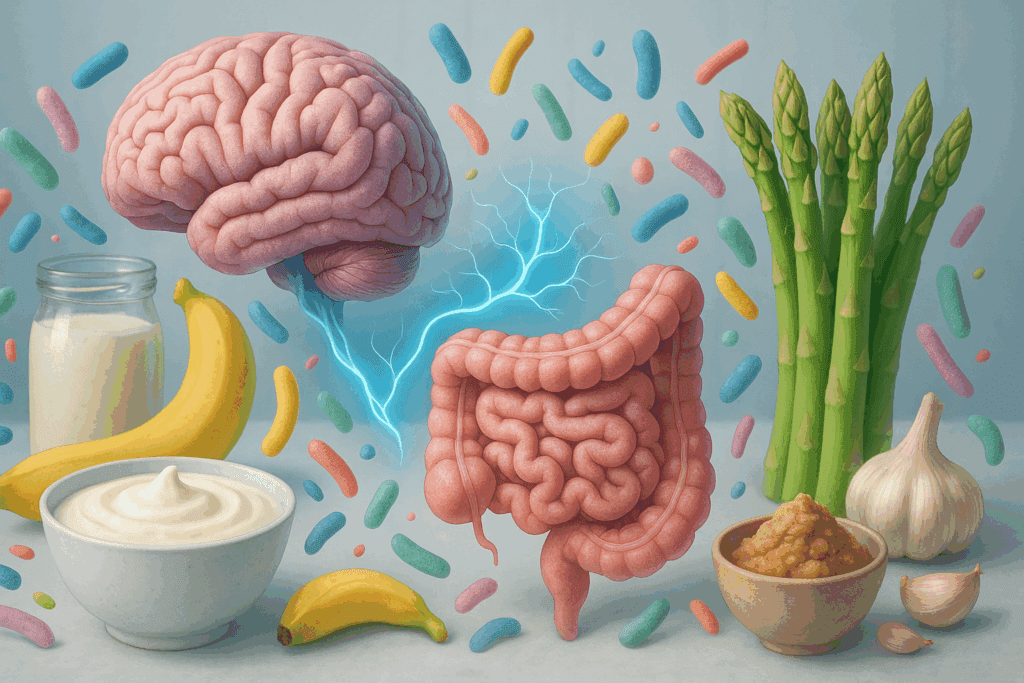
Stylized illustration of the gut-brain axis showing glowing neural pathways between brain and intestines, surrounded by microbiota and probiotic foods like yogurt, kefir, garlic, and bananas—conceptually representing how to battle depression naturally.

Understanding Depression: A Foundation for Natural Healing

Before exploring how to fight depression naturally, it’s vital to understand what depression actually is. Clinically referred to as major depressive disorder (MDD), depression is a complex condition characterized by persistent sadness, lack of interest in activities, fatigue, cognitive changes, and in some cases, physical symptoms like changes in appetite and sleep patterns. Depression is not merely a passing low mood; it often results from a combination of genetic, biochemical, environmental, and psychological factors. For those wondering how they can stop depression without resorting to medication, this foundational understanding offers insight into the importance of addressing multiple aspects of well-being simultaneously.

The biological component of depression often centers on neurotransmitter imbalances, especially involving serotonin, dopamine, and norepinephrine. Yet, newer research points to the role of inflammation, oxidative stress, and gut-brain interactions in the development and perpetuation of depressive symptoms. This means that looking at how to battle depression naturally is not just about emotional resilience but also about addressing the underlying physiological contributors through lifestyle and nutrition. Empowering oneself with knowledge is the first step in reclaiming a sense of control over mental health, especially when considering depression treatment with no drugs.

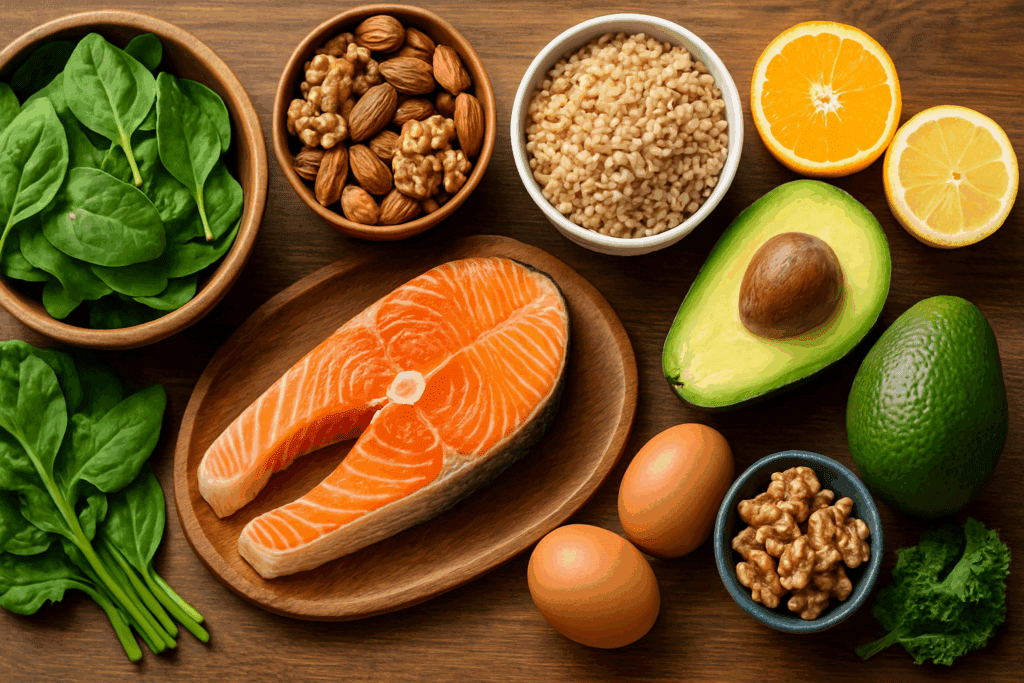
Nutrient-rich flat lay with salmon, leafy greens, nuts, whole grains, avocados, eggs, and citrus fruits to help battle depression naturally.

The Gut-Brain Connection: Nourishing the Mind Through the Microbiome

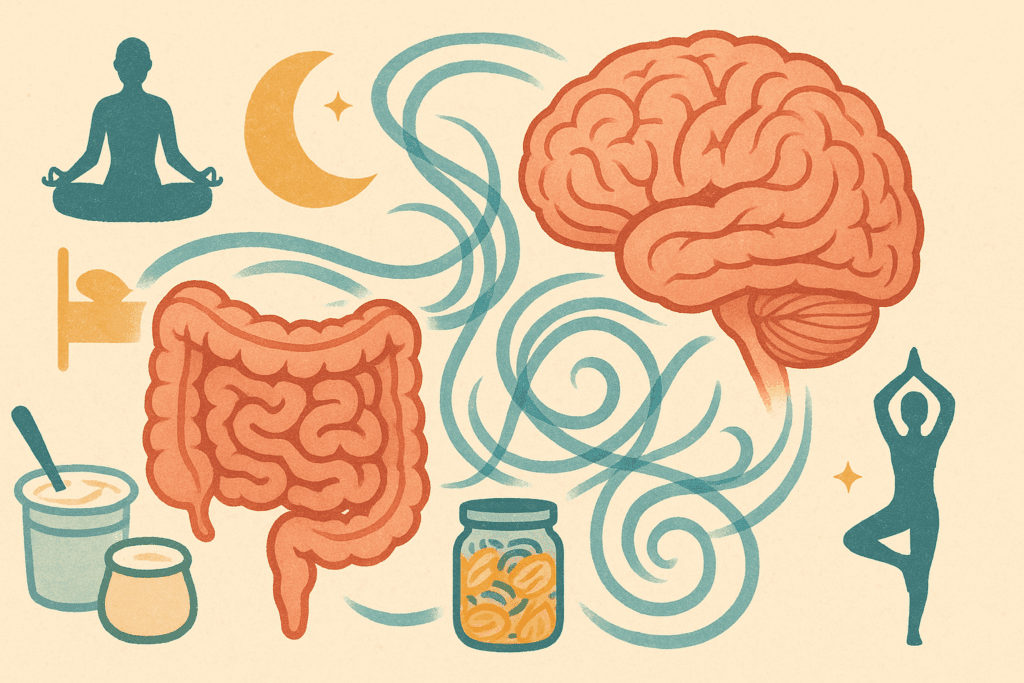
One of the most compelling areas of recent mental health research focuses on the gut-brain axis. This bidirectional communication system between the gastrointestinal tract and the brain plays a pivotal role in emotional regulation. Trillions of microbes in the gut influence the production of neurotransmitters and regulate inflammation, both of which are intimately tied to mood. For those exploring how to fight depression naturally, optimizing gut health offers a powerful, evidence-backed strategy.

Probiotic-rich foods such as kefir, yogurt, miso, and fermented vegetables can help support a healthy microbiome. These foods introduce beneficial bacteria that improve gut integrity and reduce systemic inflammation. Prebiotic foods, including garlic, onions, bananas, and asparagus, serve as fuel for these beneficial bacteria. Integrating these into a daily diet can provide essential support in getting out of depression. Moreover, reducing processed food intake and limiting added sugars can further promote a balanced microbiome, enhancing emotional stability and overall brain function.

Woman practicing yoga on a mat in a sunlit forest clearing, showing how to battle depression naturally through mindful movement in nature

Nutrient Powerhouses for Mental Resilience

Nutrition forms the cornerstone of many natural approaches to depression. Deficiencies in certain vitamins and minerals are often linked with depressive symptoms. For example, low levels of vitamin D, magnesium, zinc, omega-3 fatty acids, and B vitamins have been consistently associated with mood disturbances. Understanding how to battle depression naturally means prioritizing nutrient-dense foods that replenish these essential compounds.

Fatty fish like salmon and sardines provide omega-3 fatty acids, which support synaptic function and reduce neuroinflammation. Leafy greens such as spinach and kale are rich in folate and magnesium, both crucial for neurotransmitter production and nerve function. Whole grains, legumes, and nuts offer B vitamins, including B6 and B12, which support energy metabolism and cognitive clarity. These nutrients collectively aid those questioning how they can stop depression through daily dietary choices. Rather than isolating individual vitamins, it’s more effective to embrace a varied and colorful diet, ensuring synergistic nutrient interactions that foster brain resilience.

Balancing Blood Sugar to Stabilize Mood

Mood swings, irritability, and fatigue are often exacerbated by unstable blood sugar levels. Individuals seeking depression treatment with no drugs can benefit greatly from understanding the impact of glycemic regulation on emotional well-being. Rapid spikes and crashes in blood sugar can mimic or worsen symptoms of depression, making consistent energy levels crucial to mental stability.

Focusing on low-glycemic foods such as oats, sweet potatoes, legumes, and non-starchy vegetables helps maintain even blood glucose levels. Including protein and healthy fats in each meal further blunts insulin spikes and supports satiety. This approach not only improves mood but also reduces the mental fog and lethargy commonly reported by those dealing with depression. Strategically timed meals and snacks can also reduce cortisol dysregulation, another factor that complicates the path to getting out of depression naturally.

Peaceful bedroom with soft lighting, salt lamp, and cozy blanket where a woman sleeps calmly—ideal space to battle depression naturally.

The Role of Anti-Inflammatory Eating in Mental Wellness

Chronic inflammation is increasingly recognized as a contributor to depression. A diet rich in processed foods, refined carbohydrates, and trans fats promotes low-grade inflammation that can affect brain function and mood. To support mental wellness without medication, transitioning to an anti-inflammatory diet is a powerful strategy. This includes abundant vegetables, fruits, whole grains, nuts, seeds, and fatty fish—foods that collectively calm the immune system and enhance cognitive function.

Turmeric, ginger, green tea, and berries are particularly effective for their neuroprotective and anti-inflammatory properties. These foods can be incorporated into teas, smoothies, or main dishes, providing both culinary enjoyment and mental health support. For those asking how to battle depression naturally, creating meals that delight the senses while reducing inflammation offers a sustainable, empowering approach. It also reduces reliance on external pharmaceutical interventions, aligning with a more self-directed model of healing.

Physical Activity as a Natural Antidepressant

Exercise is one of the most well-documented and accessible methods of fighting depression naturally. Physical activity increases the production of endorphins and supports the release of brain-derived neurotrophic factor (BDNF), a protein essential for neuron growth and repair. Even moderate activity like brisk walking or gentle yoga can significantly boost mood and reduce depressive symptoms.

Engaging in consistent movement also improves sleep quality, energy levels, and self-esteem—three areas often compromised by depression. For individuals wondering how they can stop depression without medication, building a sustainable fitness routine provides both immediate mood enhancement and long-term brain health. It’s important to find a form of movement that feels enjoyable rather than obligatory, as pleasure itself plays a vital role in the recovery process. Group fitness classes, nature hikes, or dance-based workouts offer the added benefit of social interaction and sensory stimulation, further supporting emotional resilience.

Harnessing the Power of Sleep for Emotional Regulation

Quality sleep is fundamental to emotional health. Disrupted or inadequate sleep can trigger or exacerbate depressive symptoms, while improving sleep hygiene has been shown to reduce anxiety and sadness. For those committed to getting out of depression without medication, protecting and prioritizing sleep is essential. The relationship between sleep and depression is bidirectional: depression can lead to insomnia, and poor sleep can worsen depressive symptoms.

Practicing good sleep hygiene includes maintaining a consistent bedtime, limiting screen time before bed, and creating a dark, quiet, and cool sleep environment. Avoiding stimulants like caffeine late in the day and reducing alcohol consumption can also enhance sleep quality. Additionally, adopting a calming pre-bed routine that may include light stretching, herbal tea, or guided meditation prepares the body for restful slumber. Understanding how to battle depression naturally means recognizing sleep not as a luxury, but as a foundational pillar of mental well-being.

Mindfulness, Meditation, and the Neuroscience of Presence

Mindfulness and meditation have gained popularity as natural tools for managing stress and supporting mental clarity, but their value in addressing depression goes deeper. These practices train the brain to observe thoughts and feelings without judgment, which can interrupt the negative thought loops that often fuel depressive states. For individuals seeking depression treatment with no drugs, mindfulness offers both philosophical grounding and scientific backing.

Functional MRI studies show that mindfulness meditation can reduce activity in the default mode network (DMN), a brain system associated with rumination and self-referential thinking—both hallmarks of depression. Regular mindfulness practice has also been linked to increased gray matter density in brain regions responsible for emotion regulation. Practical applications include mindful eating, body scan meditations, or breath-focused awareness exercises that anchor attention in the present. For anyone learning how to fight depression naturally, mindfulness fosters a compassionate relationship with oneself and a deeper sense of control over mental patterns.

Person meditating by a peaceful forest stream with sunlight filtering through trees, symbolizing how to battle depression naturally through mindfulness.

The Importance of Social Connection in Healing

Isolation is both a symptom and a driver of depression. Human beings are wired for connection, and the absence of meaningful relationships can significantly impact mental health. One of the most effective ways to support emotional healing without medication is to cultivate supportive social networks. Whether through close friendships, family bonds, support groups, or community involvement, connection fosters a sense of belonging and shared humanity.

Studies consistently show that people with strong social ties are less likely to experience chronic depression and more likely to recover from emotional distress. Even brief moments of positive social interaction—such as making eye contact, sharing laughter, or expressing gratitude—can elevate mood. For those who feel isolated, taking small steps to re-engage socially, such as volunteering or joining interest-based clubs, can offer life-affirming pathways out of depression. Understanding how to battle depression naturally includes recognizing the powerful role that others can play in our journey toward healing.

Managing Stress Through Purposeful Living

Stress is an unavoidable part of life, but how it’s managed determines its effect on mental health. Chronic stress depletes emotional resources and contributes to neurochemical imbalances that mirror those seen in clinical depression. For individuals looking for a depression treatment with no drugs, learning how to manage stress in meaningful ways is critical.

One approach involves identifying and committing to core values—principles that reflect what matters most to an individual. When daily actions align with these values, a sense of purpose emerges, providing a buffer against despair. Practices such as journaling, volunteering, or setting small, achievable goals can reinforce this alignment. Moreover, engaging in creative expression—whether through writing, painting, or music—offers an outlet for emotion and a means of reconnecting with joy. Ultimately, learning how to fight depression naturally is not just about symptom relief but about building a life that feels worth living.

Hydration, Caffeine, and Alcohol: The Unsung Heroes and Villains of Mood

While nutrition often gets the spotlight, hydration and substance use play equally important roles in mental health. Dehydration can impair cognitive performance and mood, even at mild levels. Drinking adequate water throughout the day helps optimize brain function and reduces fatigue and irritability. This seemingly simple act becomes a foundational component of any plan for getting out of depression naturally.

Caffeine, when consumed in excess, can exacerbate anxiety and disrupt sleep, both of which negatively impact mood. Moderation is key; individuals prone to nervousness or insomnia may benefit from limiting caffeine or switching to green tea, which offers a gentler stimulant effect along with calming antioxidants like L-theanine. Alcohol, although commonly used as a short-term mood enhancer, ultimately depresses the central nervous system and disrupts serotonin balance. Reducing or eliminating alcohol can improve sleep, energy, and emotional stability—all of which are necessary when seeking depression treatment with no drugs.

Diverse friends laughing and sharing healthy food at a picnic in the park, showing how social connection can help battle depression naturally

Reframing Thoughts: Cognitive Strategies Without Medication

Cognitive restructuring, a core component of cognitive-behavioral therapy (CBT), involves identifying and challenging distorted thought patterns. Many people exploring how they can stop depression without pharmaceutical intervention find that working with their thoughts is both empowering and effective. While professional therapy offers guided CBT, self-help versions of these techniques can also be impactful.

For example, journaling can help individuals recognize recurring negative beliefs and trace their origins. Reframing these thoughts into more balanced, realistic perspectives requires practice but gradually shifts emotional responses. Techniques such as gratitude lists, daily affirmations, and self-compassion exercises support this transformation. By changing internal dialogue, individuals can cultivate a mental environment more conducive to healing and growth, further supporting the goal of getting out of depression through natural means.

Frequently Asked Questions: Natural Approaches to Managing Depression

1. What are some advanced nutritional strategies for managing depression naturally?

While common recommendations include eating more leafy greens and omega-3-rich fish, more nuanced strategies have emerged. For example, targeting mitochondrial health through coenzyme Q10, alpha-lipoic acid, and acetyl-L-carnitine can support brain energy metabolism and improve mood. Polyphenol-rich foods like dark berries, green tea, and extra-virgin olive oil may also reduce neuroinflammation, which is increasingly linked to depression. These advanced options offer insight for those exploring how to battle depression without traditional pharmaceutical treatments. They also offer new routes for individuals trying to understand how can I stop depression using food as functional medicine.

2. How does circadian rhythm disruption impact depression, and what natural interventions can help?

Disruptions to the body’s internal clock are a lesser-known but significant factor in mood disorders. When sleep and wake cycles become irregular, cortisol levels and melatonin production fluctuate, which can lead to emotional instability. Natural light exposure first thing in the morning helps reset circadian rhythms and has been linked to improved symptoms in those seeking depression treatment with no drugs. Chronotherapy, a structured approach to adjusting sleep times, has shown promise in early studies. For anyone curious about how do you fight depression holistically, restoring circadian rhythm balance can offer a surprisingly powerful advantage.

3. Can art and creative expression play a role in natural depression relief?

Yes, engaging in visual art, music, dance, or writing can significantly aid emotional processing and reduce depressive symptoms. Creativity allows individuals to express experiences that may be difficult to verbalize, offering a cathartic and often empowering release. This type of self-expression also fosters neuroplasticity by stimulating brain regions involved in reward, attention, and emotion. Many individuals report that creative outlets are an essential part of how they are getting out of depression without relying on medication. In fact, creative rituals can evolve into meaningful coping mechanisms for those seeking sustainable, non-pharmaceutical mental health strategies.

4. What role does community service or volunteering play in natural recovery from depression?

Volunteering can restore a sense of purpose and belonging—two psychological needs that depression often erodes. Acts of service create positive feedback loops: giving to others boosts self-worth, strengthens social ties, and enhances oxytocin and dopamine levels. Research also indicates that people who volunteer regularly report lower rates of depressive symptoms over time. For those learning how to battle depression, meaningful contribution to a cause can be more therapeutic than passive self-help strategies. When viewed as a lifestyle choice rather than a quick fix, volunteering can be a cornerstone of depression treatment with no drugs.

5. Are there any environmental changes that can support mental health naturally?

Absolutely. Surrounding yourself with nature—known as ecotherapy or green therapy—can lower cortisol levels and enhance feelings of calm. Even indoor plants and natural light can create micro-environments that reduce stress and support a positive mindset. The use of calming colors, aromatherapy with essential oils like bergamot or lavender, and decluttering spaces can further enhance mental clarity. These subtle but powerful changes help those asking how do you fight depression on a daily, practical level. Making one’s physical environment a sanctuary of well-being reinforces emotional recovery in a quiet yet effective way.

6. How can mindfulness be adapted for people who struggle with traditional meditation?

Not everyone finds seated meditation helpful, especially when facing the mental fog or restlessness that often accompanies depression. Mindfulness can instead be practiced through active engagement—such as mindful walking, mindful cooking, or tactile experiences like clay modeling. The key is focusing full attention on the present moment, without judgment or mental commentary. These sensory-based approaches may be more approachable for those looking into how to battle depression with non-traditional methods. They also offer a refreshing perspective for those exploring how can I stop depression in a way that feels authentic and sustainable.

7. How can someone identify whether their depressive symptoms are linked to diet or lifestyle?

Journaling daily experiences—including meals, energy levels, social interactions, and mood fluctuations—can reveal patterns. For instance, regular fatigue after certain meals might suggest blood sugar imbalances, while mood dips after sleepless nights highlight the role of sleep hygiene. Functional lab testing, such as micronutrient panels or gut microbiome assessments, can offer more personalized insight. These investigative tools empower those interested in getting out of depression without defaulting to medication. They also reinforce that depression is not just a mental experience—it’s a full-body condition that responds to holistic intervention.

8. What are some overlooked causes of depression that might respond to natural interventions?

Heavy metal toxicity, mold exposure, and chronic low-level infections like Lyme disease or Epstein-Barr virus are often overlooked contributors to persistent depressive symptoms. These biological stressors can provoke inflammation, neurotransmitter imbalances, and hormonal disruptions. Addressing these root causes through detoxification, immune support, and professional integrative care can offer relief. This level of inquiry is especially useful for those frustrated with conventional care and still asking how can I stop depression when nothing seems to work. Natural recovery is more feasible when hidden contributors are brought to light.

9. Can long-term digital overstimulation contribute to depressive symptoms?

Yes, excessive screen time—particularly passive scrolling or social comparison—can intensify feelings of inadequacy and anxiety, both of which fuel depression. Digital detoxes, especially at night, can reset dopamine sensitivity and improve attention span. Establishing tech boundaries, such as turning off notifications or using grayscale phone settings, can reduce compulsive use. For individuals seriously exploring how to battle depression through lifestyle changes, managing digital inputs is non-negotiable. Reducing digital noise gives the brain space to rest, reflect, and reconnect with the real world.

10. How do personal rituals contribute to sustainable mental health improvements?

Personal rituals create rhythm and meaning, both of which anchor the mind in stability. These might include a morning journaling practice, evening herbal tea routine, or weekly nature walks. Rituals offer comfort during emotionally unpredictable periods and reinforce a sense of agency. For those actively getting out of depression, rituals help maintain consistency and reframe the healing process as a journey rather than a destination. And in the realm of depression treatment with no drugs, these small, daily practices can make all the difference in fostering long-term resilience and recovery.

Conclusion: Reclaiming Wellness—How to Battle Depression Naturally and Sustainably

Understanding how to battle depression naturally begins with a commitment to self-awareness, nourishment, and intentional living. This journey, while deeply personal, is also rooted in universal principles that honor the interconnectedness of mind, body, and environment. By prioritizing smart nutrition, regular movement, restorative sleep, meaningful relationships, and purposeful activities, individuals can build a comprehensive framework for mental resilience. For those asking how do you fight depression without relying on medication, this article offers a blueprint grounded in science and empathy.

Exploring depression treatment with no drugs does not mean rejecting medical guidance—it means expanding the toolkit for healing in ways that are accessible, empowering, and sustainable. Each choice, from what we eat to how we connect with others, contributes to our emotional landscape. And while the path to getting out of depression may vary, the message is clear: with the right support and consistent self-care, mental wellness is not only possible but fully within reach.

Was this article helpful? Don’t let it stop with you. Share it right now with someone who needs to see it—whether it’s a friend, a colleague, or your whole network. And if staying ahead on this topic matters to you, subscribe to this publication for the most up-to-date information. You’ll get the latest insights delivered straight to you—no searching, no missing out.
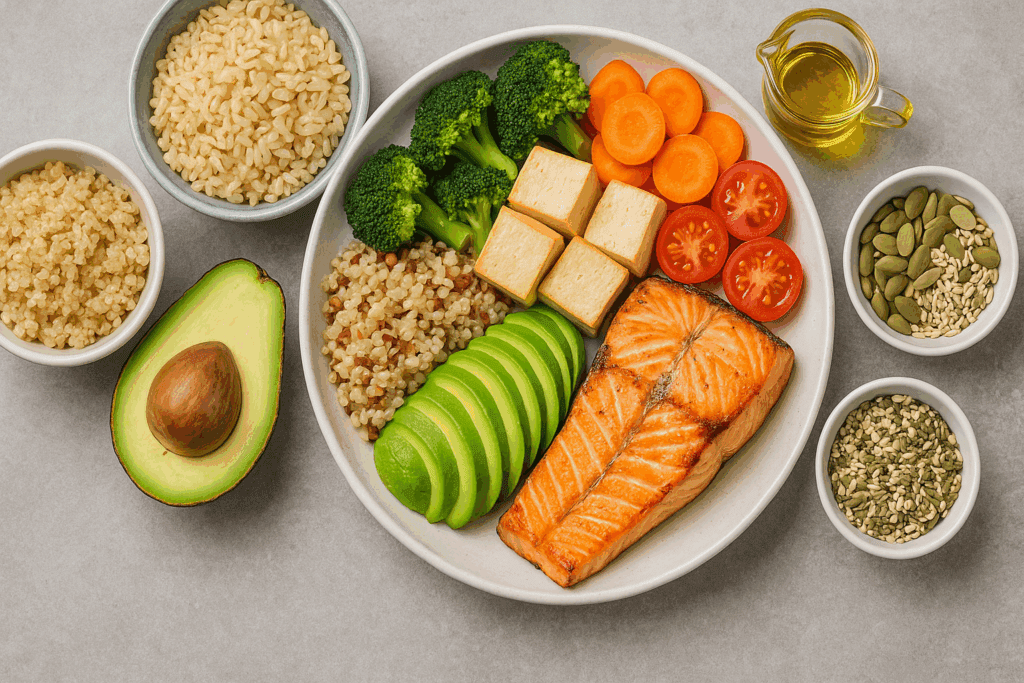
Further Reading:

Depression and Diet

Lifestyle to Support Mental Health

22 Ways to Cope With Your Depression

How to Start a Mediterranean Diet for Weight Loss: Expert Tips, Food Lists, and Meal Plan Ideas for a Healthier Lifestyle

In the ever-expanding world of weight loss advice, the Mediterranean diet stands out as a sustainable, delicious, and evidence-based approach to health and nutrition. Rooted in the traditional eating habits of countries bordering the Mediterranean Sea, this diet doesn’t just help people lose weight—it enhances overall well-being, reduces the risk of chronic disease, and nurtures a long-term relationship with food. But how do you start a Mediterranean diet for weight loss in a way that’s realistic and effective? With the right knowledge, tools, and expert-backed strategies, it’s easier than you think to embrace this lifestyle and begin your journey toward a healthier you.

Unlike extreme dieting regimens that eliminate entire food groups or rely on rigid calorie counting, the Mediterranean diet emphasizes natural, whole foods and encourages mindful eating. Its flexible structure means it can be personalized to your preferences and nutritional needs while supporting gradual and lasting weight loss. Through this guide, we’ll explore what the Mediterranean diet consists of, how to build a Mediterranean diet food list, which foods support your goals, and how to create a Mediterranean diet meal plan that fits your daily routine.

You may also like: How a Whole Foods Diet Supports Sustainable Weight Loss: Expert Tips for Eating Whole Foods to Lose Weight Safely

Illustrated Mediterranean diet food pyramid showing how to start a Mediterranean diet with vegetables, fruits, grains, fish, olive oil, and minimal sweets.

What Does the Mediterranean Diet Consist Of?

At its core, the Mediterranean diet is a pattern of eating that reflects the culinary traditions of countries like Greece, Italy, Spain, and southern France. But it’s not just about geography—it’s about prioritizing foods that support your body and honoring how you eat. So, what does the Mediterranean diet consist of? The foundation includes vegetables, fruits, whole grains, legumes, nuts, seeds, and healthy fats such as olive oil. These foods are consumed daily, forming the bulk of every meal.

In moderation, the diet includes seafood and fish like sardines, anchovies, and salmon. Yes, for those asking, is salmon included in the Mediterranean diet? Absolutely—it’s rich in omega-3 fatty acids and protein, making it a cornerstone of many Mediterranean dishes. Dairy products like Greek yogurt and traditional cheeses are also eaten a few times per week, while red meat and sweets are limited to occasional indulgences.

The Mediterranean pyramid food structure illustrates this well: plants form the base, followed by seafood and dairy in smaller amounts, and minimal processed foods at the top. The goal is to create balance and variety while minimizing added sugars, refined grains, and trans fats. In this way, the Mediterranean diet supports both metabolic health and emotional satisfaction.

Side-by-side comparison of fast food and a colorful Mediterranean meal with grilled fish, vegetables, and whole grains, illustrating how to start a Mediterranean diet.

Why the Mediterranean Diet Works for Weight Loss

There’s a compelling reason that nutritionists and physicians consistently recommend the Mediterranean diet for weight loss. It works with your body, not against it. The high fiber content from legumes, vegetables, and whole grains helps keep you full longer, reducing the need for mindless snacking. Unlike restrictive diets that can lead to nutrient deficiencies, the Mediterranean diet offers a wide array of vitamins, minerals, and phytonutrients.

One of the key benefits of Mediterranean diet patterns is their anti-inflammatory effect. Chronic inflammation is linked to obesity, insulin resistance, and metabolic syndrome. By focusing on natural foods rich in antioxidants—like fruits, olive oil, nuts, and fatty fish—the Mediterranean diet helps combat this inflammation while promoting fat loss and better energy balance.

Protein plays an important role too. High-quality Mediterranean diet protein sources include fish, legumes, eggs, and dairy. These foods support lean muscle mass and satiety, both crucial for effective weight loss. This combination of slow-digesting carbs, healthy fats, and lean protein stabilizes blood sugar, reduces cravings, and naturally limits calorie intake without the need for deprivation.

Fresh Mediterranean grocery haul featuring tomatoes, cucumbers, eggplants, figs, and olive oil—perfect for learning how to start a Mediterranean diet.

Creating Your Mediterranean Diet Food List

A smart, well-organized Mediterranean diet food list makes it easier to make healthy choices day after day. When crafting your grocery list, think about whole foods with minimal processing and maximal nutrition. Start with vegetables like tomatoes, leafy greens, zucchini, eggplant, cucumbers, and bell peppers. These foods are rich in fiber, water, and phytonutrients that support weight loss and digestive health.

Don’t forget the fruits of the Mediterranean, which include grapes, oranges, lemons, figs, dates, pomegranates, and apricots. These fruits not only taste great but offer antioxidants, vitamins C and A, and natural sugars that curb sweet cravings in a healthy way. Aim to include fruits on Mediterranean diet menus daily, as snacks or added to salads and breakfasts.

Whole grains like farro, quinoa, brown rice, barley, and bulgur make excellent staples. These are complex carbohydrates that digest slowly and support sustained energy throughout the day. Legumes—such as chickpeas, lentils, and cannellini beans—should also make frequent appearances, offering both fiber and plant-based protein.

Don’t overlook quality fats. Olive oil is central to Mediterranean cuisine and is rich in heart-protective monounsaturated fats. Nuts and seeds such as almonds, pistachios, and sunflower seeds add crunch and satisfaction to meals. Your Mediterranean grocery list should also include seafood like tuna, sardines, and of course, salmon.

Dairy options like low-fat Greek yogurt, feta, and Parmesan are common. Many ask how often to eat Greek yogurt Mediterranean diet style? The recommendation is several times per week, in small portions, to provide probiotics, calcium, and protein. And for those allergic to or avoiding peanuts, peanut butter alternative Mediterranean diet options include tahini (sesame paste) or almond butter.

What Can You Eat on the Mediterranean Diet?

The answer to what can you eat on the Mediterranean diet is refreshingly simple: real, nourishing food. You can enjoy a vast variety of fruits, vegetables, grains, legumes, nuts, seeds, herbs, and seafood. Meals are typically seasoned with lemon juice, garlic, oregano, rosemary, and fresh basil rather than sauces filled with sugar and preservatives.

Is celery on the Mediterranean diet? While it may not be featured prominently in traditional recipes, celery absolutely fits the Mediterranean approach and can be included in salads, stews, and soups. Similarly, eggs on Mediterranean diet menus are common, especially in dishes like frittatas or poached eggs over greens.

Cheese is included as well, but always in moderation. Mediterranean diet cheese tends to be tangy, flavorful, and used sparingly—feta, ricotta, and kefalotyri are just a few examples. Rather than loading a dish with cheese, you use it as a flavorful accent.

Your Mediterranean food list can be as creative as you want it to be. With so many naturally plant-forward dishes—like grilled vegetable platters, white bean soups, lentil salads, and citrus-marinated seafood—you’ll find meals that are satisfying without relying on heavy sauces or added sugars.

Prepped Mediterranean meals on a kitchen counter showing how to start a Mediterranean diet with grilled salmon, quinoa salad, and lentil stew.

Easy Meal Planning and Prep Tips

Having a go-to Mediterranean diet meal plan makes it easier to stick with your goals. A typical day might begin with Greek yogurt topped with sliced figs and walnuts, a drizzle of honey, and a dusting of cinnamon. For lunch, consider a lentil and arugula salad with grilled eggplant, red onion, and a lemon-olive oil vinaigrette. Dinner could include grilled salmon with a farro and roasted vegetable medley.

Batch cooking a few ingredients can simplify your week. That’s where Mediterranean diet meal prep becomes invaluable. Roast a large tray of vegetables, cook a big pot of lentils or quinoa, and prepare a jar of lemon-tahini dressing. These components can be mixed and matched for lunches and dinners.

If your goal is weight management, a weight loss meal prep Mediterranean diet strategy helps control portions and ensures you have nutrient-dense meals ready to go. It also eliminates the guesswork, reducing the chances of resorting to less healthy convenience foods. Your Mediterranean shopping list should always include versatile items that can be used in multiple meals.

Even with busy schedules, prepping simple ingredients like hard-boiled eggs, chopped veggies, and cooked grains allows for quick assembly. A hearty chickpea stew or tuna salad with white beans and herbs can come together in minutes when your fridge is stocked.

Comparison showing healthy ingredients like olive oil, fish, and vegetables beside icons of heart, brain, and DNA to illustrate how to start a Mediterranean diet.

Is Mediterranean Food Healthy?

Let’s address the common question: is Mediterranean food healthy? Without question, yes. One of the most powerful aspects of this diet is that it’s supported by decades of scientific research. Its effects on weight loss, heart health, and cognitive function have been well-documented in studies across diverse populations. Whether your goal is to lose weight or simply improve your health, is the Mediterranean diet healthy enough to deliver results? Absolutely.

The emphasis on fresh, whole foods and the avoidance of processed items lowers your intake of added sugars, unhealthy fats, and excess sodium. The Mediterranean diet health benefits extend to improved cholesterol levels, better blood sugar control, and reduced risk of stroke and cardiovascular disease. It’s also associated with longevity and reduced rates of depression and cognitive decline.

This is not a trend but a proven, long-standing way of eating that offers real benefits. The inclusion of anti-inflammatory fats, fiber-rich carbs, and nutrient-dense foods contributes to hormonal balance, energy, and mental clarity—key components of long-term weight loss and overall vitality.

Infographic showing how to start a Mediterranean diet in five steps with illustrations of grocery shopping, meal prep, fish and legumes, social dining, and mindful eating

Frequently Asked Questions (FAQ): Starting and Sustaining a Mediterranean Diet for Weight Loss

1. Can the Mediterranean diet support long-term weight maintenance after initial weight loss?

Yes, one of the most overlooked benefits of the Mediterranean diet is its ability to support long-term weight maintenance. Unlike restrictive diets that often lead to rebound weight gain, the Mediterranean approach promotes sustainable eating behaviors by focusing on satiety, nutrient density, and lifestyle integration. A well-balanced Mediterranean diet meal plan encourages intuitive eating, which fosters a better relationship with food. Because it includes a variety of satisfying ingredients like legumes, whole grains, and Mediterranean diet protein sources, it naturally discourages overeating. By regularly revisiting your Mediterranean food list and updating your Mediterranean diet shopping list with seasonal items, you can continue to maintain your weight loss while enjoying diverse meals.

2. How does cultural background influence adherence to a Mediterranean diet?

Cultural familiarity with the Mediterranean diet can significantly enhance compliance and enjoyment, but even those outside the Mediterranean region can adopt its core principles. Food rituals, family-style eating, and social mealtimes—all part of the traditional lifestyle—encourage slower, more mindful eating. For individuals from non-Mediterranean backgrounds, adapting the Mediterranean meal plan might involve incorporating regional produce into dishes or combining familiar spices with Mediterranean diet ideas like lentil stews or grilled vegetable platters. The flexibility of the Mediterranean pyramid food model allows cultural adaptation while maintaining nutritional integrity. Sharing meals and cooking with others can reinforce adherence regardless of your culinary roots.

3. Are there any overlooked plant-based proteins in the Mediterranean diet?

Absolutely. While chickpeas and lentils are often emphasized, there are several underutilized plant-based Mediterranean diet protein options that deserve more attention. Lupini beans, for example, are popular in Southern European regions and offer a high-protein, low-carb snack that fits seamlessly into the Mediterranean diet food list. Another valuable but lesser-known source is freekeh, a roasted young wheat grain that combines fiber and protein. Pairing these with Mediterranean diet meal prep strategies, like prepping them in bulk and adding to salads or soups, helps boost nutrient intake without relying solely on seafood or dairy. Including a wider variety of legumes also enhances the microbiome, another indirect contributor to weight regulation.

4. How can the Mediterranean diet be adapted for individuals with nut allergies?

For those with nut allergies, the Mediterranean diet still offers abundant options without sacrificing nutritional quality. While nuts like almonds and walnuts are frequently found on a Mediterranean grocery list, seeds such as sunflower, pumpkin, flax, and chia can serve as excellent alternatives. A high-quality peanut butter alternative Mediterranean diet adherent might use tahini (made from sesame seeds) or seed-based spreads. These provide healthy fats, fiber, and micronutrients without triggering allergic responses. It’s also important to incorporate omega-3-rich seafood like sardines and salmon, which offer the same cardiovascular and anti-inflammatory benefits that nuts provide in the traditional plan.

5. Can I follow a Mediterranean diet without eating seafood?

Yes, though seafood is central to the diet’s traditional form, a modified Mediterranean diet can still be healthy and effective for weight loss. For those wondering is salmon included in the Mediterranean diet, it certainly is—but it’s not mandatory. By focusing on legumes, eggs, and dairy as Mediterranean diet protein alternatives, you can build a complete Mediterranean diet meal plan without fish. Plant-based sources like lentils, tempeh, and Greek yogurt (consumed several times a week according to how often to eat Greek yogurt Mediterranean diet guidance) can also fill this gap. However, be mindful to include other omega-3 sources like flax or chia seeds and consider fortified foods or supplements if avoiding all seafood.

6. How can grocery shopping be optimized for Mediterranean diet adherence?

Creating a dynamic and functional Mediterranean shopping list is essential for consistency. Begin by mapping meals for the week, focusing on recipes that include overlapping ingredients—like tomatoes used in soups, sauces, and salads. Organize your Mediterranean diet shopping list by category: produce, grains, proteins, and pantry staples. For instance, keeping tahini, olives, capers, and canned chickpeas on hand can help build meals quickly. Seasonal adjustments to your fruits of the Mediterranean and vegetables ensure better flavor, cost savings, and nutritional variety. Reviewing your Mediterranean diet food list regularly allows you to try new ingredients and avoid repetition, keeping the diet enjoyable and practical.

7. Are there any Mediterranean diet ideas for those with a busy lifestyle?

Busy schedules don’t have to sabotage your goals. A strategic weight loss meal prep Mediterranean diet approach involves prepping two to three base ingredients weekly, such as roasted vegetables, cooked grains, and a legume-based salad. With these, you can create grain bowls, wraps, or warm meals with minimal effort. Consider investing in storage containers and labeling meals by day to streamline your week. Smoothies featuring fruits on Mediterranean diet menus like figs, berries, and citrus make for excellent portable breakfasts. Batch-cooked egg frittatas with spinach and feta are another quick, nutrient-dense meal—proof that even eggs on Mediterranean diet menus can be convenient.

8. How does the Mediterranean diet benefit mental health and cognitive function?

Beyond weight loss, one of the most intriguing benefits of Mediterranean diet adherence is its positive impact on mental clarity and mood stability. Studies suggest that the anti-inflammatory nature of the diet—rich in antioxidants, omega-3s, and fiber—may reduce symptoms of depression and protect against cognitive decline. Including foods from your Mediterranean food list that are high in polyphenols, such as olives, red grapes, and herbs like oregano, can support brain health. Additionally, slow meals and social eating practices, common in Mediterranean diet ideas, contribute to stress reduction and better emotional resilience. This emotional balance further reinforces healthier food decisions and long-term weight maintenance.

9. Can the Mediterranean diet support blood sugar balance in individuals with prediabetes?

Yes, one of the often-overlooked Mediterranean diet health benefits is its capacity to stabilize blood sugar—especially valuable for individuals with insulin resistance or prediabetes. Its emphasis on low-glycemic foods, such as legumes, non-starchy vegetables, and whole grains, helps prevent blood sugar spikes. When building your Mediterranean meal plan, opt for slow-digesting carbs like barley or quinoa and pair them with protein and healthy fat. Include fiber-rich ingredients such as artichokes and celery on the Mediterranean diet to slow digestion further. With consistent Mediterranean diet meal prep, it’s possible to maintain stable energy levels and reduce the risk of type 2 diabetes while also promoting fat loss.

10. What’s a good way to gradually start a Mediterranean diet without feeling overwhelmed?

The most effective approach to how to start a Mediterranean diet is to begin with small, manageable changes. Replace refined oils with extra virgin olive oil, swap white bread for whole grain pita, and gradually increase the number of vegetables at each meal. Use your Mediterranean diet shopping list to introduce one or two new foods each week—perhaps starting with fruits on Mediterranean diet menus like pomegranates or dates. Focus on mastering one Mediterranean diet meal prep recipe at a time, such as a lentil soup or grilled vegetable bowl. Over time, these habits build a solid foundation that supports not only weight loss but also enjoyment and longevity in your food choices.

Conclusion: Embrace the Mediterranean Way for Lifelong Wellness and Weight Loss

Adopting the Mediterranean lifestyle isn’t just a dietary shift—it’s a profound commitment to better health, mindful nourishment, and sustainable weight management. By understanding what does the Mediterranean diet consist of, using a strategic Mediterranean grocery list, and embracing flavorful whole foods, you set yourself up for success not just for a month—but for life.

Whether you’re drawn to the antioxidant-rich fruits of the Mediterranean, the satiety of Mediterranean diet protein, or the creative meal options on a Mediterranean diet food list, there is room for personalization and enjoyment. Every choice you make—from swapping butter for olive oil to savoring Greek yogurt with fresh fruit—moves you closer to your wellness goals.

Remember, starting a Mediterranean diet for weight loss doesn’t mean overhauling everything overnight. Begin with small, consistent steps: plan a few Mediterranean diet meal prep ideas for the week, experiment with new vegetables and herbs, and focus on how food makes you feel. Pay attention to your body, your energy, and your progress.

This isn’t about perfection—it’s about nourishment, pleasure, and balance. The Mediterranean way encourages a joyful relationship with food and provides the framework for lasting health. As you begin your journey, let your plate be filled not just with nutritious meals, but with intention, mindfulness, and care. With every bite, you’re investing in a healthier, lighter, and more vibrant life.

Was this article helpful? Don’t let it stop with you. Share it right now with someone who needs to see it—whether it’s a friend, a colleague, or your whole network. And if staying ahead on this topic matters to you, subscribe to this publication for the most up-to-date information. You’ll get the latest insights delivered straight to you—no searching, no missing out.

Further Reading:

Mediterranean Diet

7-Day Mediterranean Diet Meal Plan for Beginners, Created by a Dietitian

A complete guide to the Mediterranean diet

Disclaimer

The information contained in this article is provided for general informational purposes only and is not intended to serve as medical, legal, or professional advice. While NewsHealthWatch strives to present accurate, up-to-date, and reliable content, no warranty or guarantee, expressed or implied, is made regarding the completeness, accuracy, or adequacy of the information provided. Readers are strongly advised to seek the guidance of a qualified healthcare provider or other relevant professionals before acting on any information contained in this article. NewsHealthWatch, its authors, editors, and contributors expressly disclaim any liability for any damages, losses, or consequences arising directly or indirectly from the use, interpretation, or reliance on any information presented herein. The views and opinions expressed in this article are those of the author(s) and do not necessarily reflect the official policies or positions of NewsHealthWatch.

Smart Strategies to Curb Cravings: How to Stop Feeling Hungry After Eating and Support a Healthier Lifestyle

Understanding Why You Still Feel Hungry After Eating

For many people striving to lead a healthier lifestyle, one of the most frustrating obstacles is persistent hunger even after a full meal. This phenomenon can be puzzling and discouraging, especially when one believes they’ve eaten adequately. The truth is, hunger is not solely dictated by the quantity of food consumed. Multiple physiological, psychological, and behavioral factors interact to influence our perception of satiety. Hormones like ghrelin and leptin play a vital role, with ghrelin stimulating hunger and leptin signaling fullness. When these hormonal signals are disrupted—often due to poor sleep, chronic stress, or unbalanced eating patterns—individuals may find themselves constantly craving food regardless of how much they eat.

You may also like: How to Stop Emotional Eating and Regain Control: Mindful Nutrition Strategies That Support a Healthier Lifestyle

Moreover, the composition of your meals matters significantly. A plate filled with refined carbohydrates and lacking in protein, fiber, and healthy fats may leave you feeling unsatisfied shortly after eating. These empty-calorie foods can cause rapid spikes in blood sugar followed by crashes that reignite hunger. Psychological conditioning also plays a powerful role. If you’ve developed the habit of eating while watching TV or working at your desk, your brain may not fully register the act of eating, reducing the sensation of being full. To truly understand how to stop feeling hungry after eating, one must look beyond simple calorie counts and consider the broader landscape of human behavior and biology.

Grilled salmon with quinoa, greens, avocado, and berries on a rustic table—an example of how to stop feeling hungry after eating.

Nutrient-Dense Meals: The Foundation of Satiety

A primary and often overlooked solution to post-meal hunger is the quality of the food consumed. Nutrient-dense meals—those rich in essential vitamins, minerals, fiber, and macronutrients—are key to keeping you full and energized for longer periods. High-quality proteins such as lean meats, legumes, tofu, or eggs are particularly effective in enhancing satiety. Protein stimulates the production of satiety hormones like peptide YY and reduces the secretion of ghrelin. Including adequate protein in every meal has been shown in clinical studies to significantly curb cravings and delay the return of hunger.

Fiber is another crucial component. Found in vegetables, fruits, whole grains, and legumes, fiber slows digestion and extends the time food spends in your stomach, which helps you feel fuller for longer. Complex carbohydrates, unlike their refined counterparts, are absorbed more slowly and help maintain steady blood sugar levels. Healthy fats, such as those from avocados, nuts, seeds, and olive oil, also contribute to a feeling of fullness and satisfaction. Combining these elements into a balanced meal can dramatically reduce the urge to snack or overeat later in the day. If you’re wondering how to stop feeling hungry after eating, start by examining the composition of your meals and prioritizing nutrients that support sustained satiety.

Glass pitcher of lemon, cucumber, and mint water with watermelon and oranges on a counter, illustrating how to stop feeling hungry after eating.

The Role of Hydration in Managing Hunger Cues

Hydration is often the unsung hero in discussions about appetite regulation. Many individuals mistake thirst for hunger, leading them to consume extra calories when their body is actually craving water. Staying well-hydrated supports digestion, nutrient absorption, and proper metabolic function. Even mild dehydration can interfere with the brain’s ability to accurately interpret hunger signals. This confusion between hunger and thirst is particularly common during times of stress or distraction, when mindfulness around bodily cues may be compromised.

To support hydration, aim to drink water consistently throughout the day, not just when you feel thirsty. Incorporating hydrating foods like cucumbers, watermelon, oranges, and leafy greens can also help maintain optimal fluid levels. Starting meals with a glass of water has been shown to reduce overall caloric intake and improve feelings of fullness. If you frequently find yourself feeling hungry soon after eating, consider whether inadequate hydration might be part of the equation. Developing the habit of reaching for water before reaching for a snack can help you better understand how to ignore hunger that isn’t genuine, ultimately supporting a more mindful approach to eating.

Person practicing mindful eating with a forkful of broccoli mid-air, illustrating how to stop feeling hungry after eating.

The Science of Mindful Eating and Appetite Control

Mindful eating is an evidence-based approach that encourages individuals to slow down and pay full attention to their food and bodily sensations during meals. This practice has been linked to reduced overeating, improved digestion, and greater satisfaction with smaller portions. When you eat mindfully, you become more attuned to your internal hunger and fullness cues, which can prevent the common pitfall of eating out of boredom, stress, or habit. Research in nutrition and behavioral science consistently supports the idea that people who eat slowly and without distraction report feeling fuller and consume fewer calories.

One of the most effective techniques for mindful eating involves chewing slowly and putting down utensils between bites. This simple act increases the amount of time it takes to finish a meal, giving your body ample opportunity to register satiety signals. Another strategy is to engage all your senses during meals—notice the texture, aroma, and flavor of each bite. This sensory engagement enhances enjoyment and reduces the desire for excess consumption. For those seeking to learn how to stop feeling hungry after eating, embracing the principles of mindful eating may offer a long-term, sustainable solution.

Split-scene showing how to stop feeling hungry after eating—one side with a stressed man awake at 2 AM surrounded by junk food, the other with a peaceful woman sleeping in a tidy bedroom.

Sleep, Stress, and Hormonal Balance: Hidden Drivers of Cravings

It’s easy to overlook how lifestyle factors outside the kitchen can influence eating behavior, but the connection between sleep, stress, and hunger is both profound and well-documented. Sleep deprivation disrupts hormonal regulation, particularly affecting leptin and ghrelin, the two primary hormones involved in hunger signaling. With less sleep, ghrelin levels increase and leptin levels drop, creating a perfect storm for intense hunger and poor impulse control around food. Chronic sleep deprivation has been associated with greater cravings for calorie-dense, carbohydrate-rich foods, further fueling cycles of overconsumption.

Stress has a similarly powerful impact on appetite. The release of cortisol during periods of emotional or physical stress can heighten hunger signals and reduce satiety responses. This phenomenon, often called “stress eating,” is rooted in biology but exacerbated by learned behaviors and emotional coping mechanisms. Understanding how to ignore hunger that’s driven by stress or fatigue requires awareness and proactive lifestyle management. Techniques such as deep breathing, regular physical activity, and cognitive-behavioral therapy can help mitigate these hormonal fluctuations and support healthier, more intuitive eating habits.

Artistic gut microbiome with healthy bacteria and foods like garlic, oats, and banana illustrating how to stop feeling hungry after eating

Emotional Eating vs. Genuine Hunger: Knowing the Difference

One of the more complex challenges in learning how to stop feeling hungry after eating is distinguishing between true physiological hunger and emotionally driven urges to eat. Emotional eating is a common but often unconscious behavior that arises in response to feelings of boredom, sadness, loneliness, or anxiety. Unlike physical hunger, which builds gradually and is satisfied by eating a variety of foods, emotional hunger tends to come on suddenly and often involves cravings for specific comfort foods—usually high in sugar, salt, or fat.

The key to managing emotional eating lies in developing greater self-awareness and practicing emotional regulation techniques. Journaling, meditating, or even taking a short walk can help you pause and assess whether you’re truly hungry or simply responding to emotional discomfort. Asking yourself questions like “When did I last eat?” or “Would I be satisfied with a healthy option like an apple?” can clarify the nature of your hunger. By learning to differentiate emotional signals from physiological ones, you empower yourself to make more intentional choices and reduce the tendency to eat when your body doesn’t actually need food. This is an essential component of understanding how to ignore hunger that isn’t rooted in actual physical need.

Meal Timing and Frequency: Structuring Your Day for Sustained Fullness

When and how often you eat can be just as important as what you eat when it comes to managing hunger. Some individuals benefit from three balanced meals a day, while others may find that smaller, more frequent meals help keep hunger at bay. The key is to find a rhythm that aligns with your body’s natural energy fluctuations and supports consistent nutrient intake. Skipping meals or waiting too long between eating opportunities can lead to blood sugar crashes and intense cravings, setting the stage for overeating.

Breakfast in particular plays a vital role in appetite regulation throughout the day. A morning meal that includes protein, fiber, and healthy fats can set a stable metabolic tone and reduce the likelihood of mid-morning hunger. Similarly, spacing meals every 3 to 5 hours can help maintain blood glucose levels and prevent energy dips that trigger unnecessary snacking. If you’re seeking solutions for how to stop feeling hungry after eating, assessing your meal schedule may reveal areas for improvement that support longer-lasting satiety.

Portion-controlled snack tray with almonds, Greek yogurt, carrots, and crackers for how to stop feeling hungry after eating.

Gut Health and Hunger: The Microbiome’s Role in Craving Control

Emerging research in gut health has revealed compelling connections between the microbiome and hunger regulation. The gut is home to trillions of microbes that influence digestion, nutrient absorption, immune function, and even mood. Some of these microbes produce short-chain fatty acids and neurotransmitters that directly affect appetite-regulating hormones and brain chemistry. A diverse and balanced gut microbiota has been associated with better appetite control, improved mood, and reduced risk of overeating.

Diet plays a significant role in shaping the microbiome. Fermented foods like yogurt, kimchi, and kefir provide beneficial probiotics, while prebiotic-rich foods such as garlic, onions, bananas, and oats feed the good bacteria already present in the gut. Fiber also promotes microbial diversity and supports gut-brain communication via the vagus nerve. When your gut is healthy, it sends clearer signals to your brain, helping you better interpret hunger and fullness cues. This can be especially helpful for those exploring how to ignore hunger that stems from gut dysbiosis or poor digestion. Supporting your gut health may be a foundational step toward sustainable appetite management.

Infographic showing meal timing and snacks to teach how to stop feeling hungry after eating throughout the day

Strategic Snacking and Portion Awareness

While snacking often gets a bad rap in diet culture, strategic snacking can be a valuable tool for managing hunger between meals and preventing overindulgence later. The key lies in choosing snacks that contribute to your nutritional needs rather than simply satisfying cravings. A handful of almonds, Greek yogurt with berries, or sliced vegetables with hummus can provide lasting energy and curb hunger effectively. These options deliver a balance of macronutrients that support fullness and prevent the blood sugar spikes and crashes associated with sugary or processed snacks.

Portion control is equally important. Even healthy snacks can contribute to excess calorie intake if consumed mindlessly or in large quantities. Using small plates, measuring servings, and avoiding eating directly from the package can help maintain awareness around how much you’re consuming. Mindful snacking not only curbs cravings but reinforces better eating habits throughout the day. Understanding how to stop feeling hungry after eating includes being intentional about your food choices even outside of main meals.

Frequently Asked Questions: Hunger, Cravings, and Sustainable Fullness

What are some unexpected reasons you might feel hungry shortly after a meal?
One overlooked reason people feel hungry after eating is sensory-specific satiety. When meals lack variety in texture, flavor, or temperature, the brain may not register satisfaction, prompting cravings soon after eating. Additionally, digestive inefficiencies—such as low stomach acid or enzyme deficiencies—can prevent the body from fully absorbing nutrients, creating lingering hunger cues. For those seeking how to stop feeling hungry after eating, addressing gut function through testing or consultation with a registered dietitian may reveal underlying metabolic or digestive issues. Even environmental triggers, like constant food-related advertisements or the smell of food, can override satiety signals and create the illusion of hunger. Recognizing these subtle contributors is key to regaining control over appetite.

Can visual food exposure increase hunger even if you’re physically full?
Yes, visual stimulation plays a powerful role in appetite signaling. Neuroscientific research shows that just seeing images of food activates reward pathways in the brain, often triggering desire regardless of actual need. In today’s digital world, scrolling through food content on social media can increase salivation and override fullness cues. If you’re actively learning how to ignore hunger that stems from visual triggers, it helps to limit exposure to food-related media when not planning to eat. Practicing digital mindfulness—such as muting certain hashtags or unfollowing food-heavy accounts—can reduce unnecessary cravings. This simple behavioral adjustment can strengthen your internal hunger regulation over time.

How does social context influence post-meal hunger and eating behavior?
Social dining environments can unconsciously shape how much we eat and how we perceive hunger. People tend to mirror the eating pace and portion sizes of those around them, often eating more or faster than they would alone. When meals are consumed with others who continue eating after you’re full, it can blur internal signals of satiety. If you’re working on how to stop feeling hungry after eating in social settings, consider taking pauses to check in with your body or eating mindfully regardless of others’ behavior. Dining in more intentional, distraction-free environments periodically can help recalibrate these social influences. Understanding the psychology of group eating empowers you to make more autonomous food choices.

Are there any emerging technologies or tools that help regulate hunger more effectively?
Wearable health technology is evolving to help users track patterns in hunger, hydration, and sleep, which all contribute to appetite control. Smart rings and watches can now monitor sleep quality, heart rate variability, and stress levels—data that can help interpret why hunger might be elevated. These insights are particularly valuable for people exploring how to ignore hunger that is hormonally or emotionally driven. New apps also offer biofeedback-based breathing exercises designed to reduce cortisol before meals, improving digestion and satiety. Incorporating technology into your wellness routine can add personalized insights and increase accountability in managing cravings.

What role does cognitive behavioral therapy (CBT) play in reducing chronic hunger cues?
CBT can be a transformative tool in reshaping how we interpret hunger and respond to cravings. It helps reframe unhelpful thought patterns, such as associating hunger with anxiety or boredom, and replaces them with healthier behavioral alternatives. CBT also emphasizes structured journaling techniques that distinguish between emotional urges and physical hunger, a critical step for those figuring out how to stop feeling hungry after eating. Through consistent practice, individuals learn to tolerate discomfort without turning to food, improving long-term resilience. Therapists trained in mindful or intuitive eating often incorporate CBT principles for a more holistic approach.

Can the order in which you eat your food affect how full you feel?
Yes, meal sequencing has been shown to influence fullness and glycemic response. Research suggests that starting a meal with fiber-rich vegetables or a small salad can slow glucose absorption and reduce post-meal insulin spikes, which play a role in hunger rebound. Following with protein and healthy fats before consuming carbohydrates may extend satiety and reduce the urge to snack later. If you’re unsure how to stop feeling hungry after eating even with adequate portions, adjusting food order could offer surprising results. This simple strategy can be particularly helpful for individuals with insulin resistance or metabolic concerns.

Is it ever helpful to intentionally ignore hunger cues?
In specific contexts, yes—but it requires discernment. Short-term hunger, such as during a fast or before a workout, can sometimes be ignored safely, especially if it’s not accompanied by fatigue or irritability. For those exploring how to ignore hunger during moments of emotional stress, it’s often more productive to redirect attention to non-food coping tools like movement, creativity, or connection. However, consistently ignoring physical hunger can backfire by disrupting hormonal regulation and encouraging binge eating later. The goal is not to silence hunger but to interpret it accurately and respond in a way that aligns with your physical and emotional needs.

How do gut bacteria impact how full or hungry you feel?
Your gut microbiome plays a vital role in regulating satiety hormones such as GLP-1 and PYY. Certain strains of gut bacteria can increase short-chain fatty acid production, which directly influences the brain’s appetite centers. An imbalance in gut flora—often caused by excessive sugar, low fiber, or frequent antibiotic use—can lead to exaggerated hunger signals. People trying to learn how to stop feeling hungry after eating often benefit from incorporating probiotic-rich foods and prebiotic fibers to improve microbial balance. Advances in microbiome testing now allow for personalized gut health plans that can fine-tune satiety signaling based on your unique bacterial profile.

Are there specific mindfulness exercises that reduce persistent hunger?
Yes, and they extend far beyond mindful chewing. Body scans, diaphragmatic breathing, and guided imagery are increasingly used to recalibrate the nervous system, which influences appetite and digestion. Practicing a brief mindfulness ritual before meals—such as taking three deep breaths and expressing gratitude—can anchor your awareness and reduce impulsive eating. For individuals wondering how to ignore hunger that’s rooted in anxiety or habit, mindfulness offers a reset button. These exercises help activate the parasympathetic nervous system, which supports better nutrient absorption and reduces the need for volume-based fullness. When practiced regularly, mindfulness becomes a powerful ally in appetite control.

What long-term mindset shifts support sustainable appetite regulation?
One of the most impactful shifts is viewing hunger not as an enemy, but as a messenger. When you stop labeling hunger as failure or lack of discipline, it becomes easier to respond to it with curiosity rather than judgment. Individuals committed to learning how to stop feeling hungry after eating often find success by embracing flexibility rather than rigid control. They allow room for hunger on some days and fullness on others without shame, which fosters a sustainable relationship with food. Ultimately, appetite regulation becomes less about suppression and more about respectful dialogue between the body and mind.

Conclusion: Rethinking Hunger to Support a Healthier Lifestyle

In today’s fast-paced, food-abundant environment, managing hunger requires more than willpower—it demands understanding. By exploring the physiological, psychological, and environmental factors that drive cravings, individuals can develop effective strategies to promote lasting satiety and reduce unnecessary food intake. Whether through nutrient-dense meals, improved hydration, mindful eating, or addressing emotional triggers, learning how to stop feeling hungry after eating is both achievable and empowering.

Moreover, recognizing how to ignore hunger when it doesn’t stem from genuine need allows for a more harmonious relationship with food. By listening to your body’s signals, supporting gut health, and adopting consistent eating routines, you can cultivate habits that enhance wellness without deprivation. These strategies do more than help you feel full—they foster long-term health, energy, and resilience in a world filled with dietary distractions. With knowledge, intention, and consistent practice, you can redefine your hunger cues and take meaningful steps toward a healthier lifestyle that truly satisfies.

Was this article helpful? Don’t let it stop with you. Share it right now with someone who needs to see it—whether it’s a friend, a colleague, or your whole network. And if staying ahead on this topic matters to you, subscribe to this publication for the most up-to-date information. You’ll get the latest insights delivered straight to you—no searching, no missing out.

Further Reading:

17 reasons for always feeling hungry

12 Science-Based Ways to Reduce Hunger and Appetite

Curb Your Food Cravings

How to Help Someone with Anorexia Nervosa: Nutrition and Lifestyle Strategies That Support Lasting Recovery

Understanding Anorexia Nervosa and Its Complex Nature

Anorexia nervosa is a severe eating disorder marked by restrictive eating patterns, an intense fear of gaining weight, and a distorted body image. Unlike general dieting or temporary food avoidance, this condition reflects a deeply rooted psychological and physiological imbalance that affects every facet of a person’s life. Individuals struggling with anorexia often experience both physical and emotional symptoms, which can lead to life-threatening complications if left untreated. As such, understanding anorexia nervosa is a crucial first step for anyone seeking to provide meaningful support.

You may also like: How to Stop Emotional Eating and Regain Control: Mindful Nutrition Strategies That Support a Healthier Lifestyle

The condition is not merely about food or weight; it is often a manifestation of deeper psychological distress. Many individuals with anorexia report feelings of unworthiness, perfectionism, and a need for control. These emotional factors can create a complex web that perpetuates the disorder, making it difficult to overcome without targeted interventions. Furthermore, anorexia nervosa is frequently accompanied by co-occurring mental health conditions such as anxiety, depression, or obsessive-compulsive disorder, which must also be addressed in a comprehensive treatment plan. For those wondering how to help someone with anorexia nervosa, it is essential to recognize the multi-dimensional nature of the illness and approach recovery with patience and compassion.

Young woman confronting distorted mirror and sitting alone in a wildflower field, symbolizing emotional struggle in How to Help Someone with Anorexia Nervosa

Identifying the Warning Signs and Taking the First Steps

Recognizing the signs of anorexia can be challenging, particularly because many individuals become adept at hiding their behaviors. Nevertheless, early intervention is critical in improving long-term outcomes. Physical symptoms such as noticeable weight loss, fatigue, dizziness, and gastrointestinal problems may be apparent, but emotional and behavioral changes are often more telling. These can include obsessive calorie counting, avoidance of meals, excessive exercise, and social withdrawal.

If you’re concerned about how to help someone with an eating disorder, approaching the subject with sensitivity is key. Begin with a private, nonjudgmental conversation where you express your concern out of genuine care rather than confrontation. Avoid commenting on their appearance or weight, and instead focus on observed behaviors and emotional well-being. Offer to assist them in finding professional help, and be prepared for resistance. Many individuals with anorexia deny their condition or fear losing control, which makes early support all the more important. Learning how to help a friend with an eating disorder starts with active listening, consistent emotional support, and persistence in encouraging treatment.

Dietitian guiding a young woman through a balanced meal in a calm kitchen setting, illustrating how to help someone with anorexia nervosa

The Role of Nutrition in Anorexia Nervosa Recovery

Nutrition is a cornerstone in the recovery process for anorexia nervosa, yet reintroducing food can be one of the most emotionally fraught aspects of treatment. Malnutrition affects every organ system, impairing brain function, hormonal balance, and cardiovascular health. Correcting these deficits requires a carefully designed nutritional rehabilitation plan tailored to the individual’s unique needs. Registered dietitians who specialize in eating disorder treatment play a crucial role in guiding this process and preventing the complications of refeeding syndrome, which can occur when nutrition is restored too rapidly.

It is vital to understand that nutritional recovery is not just about weight restoration—it’s about reestablishing a healthy relationship with food. This often includes structured meal plans, nutritional counseling, and gradual exposure to previously feared foods. If you’re exploring how to help people with eating disorders, supporting their nutritional journey means removing judgment and fostering a sense of normalcy around eating. For family members and caregivers, learning how to support someone with anorexia through meals may involve modeling balanced eating behaviors, avoiding food-related conflict, and collaborating with clinical professionals.

Therapist and young woman in a warm counseling room during a supportive session, illustrating how to help someone with anorexia nervosa.

How Therapy for Anorexia Nervosa Supports Emotional Healing

Therapy is an essential component of anorexia therapy treatment, targeting the underlying psychological drivers of the disorder. Cognitive-behavioral therapy (CBT) is widely regarded as one of the most effective approaches. It focuses on identifying and modifying distorted thoughts and behaviors related to food, body image, and self-worth. Family-based therapy (FBT) is particularly beneficial for adolescents, involving parents directly in meal supervision and emotional support, often resulting in higher recovery rates.

In addition to CBT and FBT, other therapeutic modalities such as dialectical behavior therapy (DBT), interpersonal therapy (IPT), and acceptance and commitment therapy (ACT) may also be integrated into a personalized treatment plan. These approaches address emotional regulation, relationship patterns, and values-based decision-making. When considering how to help someone with anorexia nervosa, encouraging therapy and facilitating access to licensed professionals is one of the most meaningful contributions a loved one can make. Therapy for anorexia nervosa does not offer quick fixes, but it provides the necessary tools for long-term recovery and resilience.

Lifestyle Adjustments That Complement Professional Treatment

While clinical treatment forms the backbone of anorexia nervosa recovery, lifestyle changes can significantly enhance and reinforce the healing process. Creating a supportive and low-stress environment at home can help individuals feel safe during recovery. Reducing exposure to triggering content—such as weight-focused media, diet talk, and fitness culture—can shield individuals from harmful comparisons and unrealistic body ideals.

Encouraging gentle forms of movement, such as yoga or mindful walking, can be beneficial once a healthcare provider deems physical activity safe. These activities can help rebuild trust in the body without the compulsive drive often associated with exercise in eating disorders. Building a daily routine that incorporates self-care, adequate sleep, and stress management can also create a more stable foundation for healing. If you’re learning how to help someone with an eating disorder, these lifestyle strategies demonstrate that support goes far beyond mealtime—it is about creating a life that nourishes both mind and body.

Building a Recovery-Oriented Support System

No one recovers from anorexia alone. A recovery-oriented support system can make the difference between temporary improvement and lasting change. Friends and family members must educate themselves on the nuances of the disorder, dispelling myths and avoiding blame-based language. Understanding how to help a person with an eating disorder means becoming a reliable source of encouragement rather than a food monitor or enforcer of rules.

Effective support also involves recognizing one’s limitations. While empathy and encouragement are essential, so is knowing when to involve trained professionals. If you’re wondering who treats anorexia most effectively, look for multidisciplinary teams that include therapists, dietitians, medical doctors, and sometimes psychiatrists. Coordination among these professionals ensures that all aspects of health—physical, emotional, and behavioral—are addressed. Ultimately, how to help someone with anorexia nervosa requires a village approach, where each member contributes compassion, consistency, and accountability.

Calm woman practicing yoga in a sunlit living room as part of a daily self-care routine, illustrating how to help someone with anorexia nervosa through lifestyle support.

Educational Strategies: Helping Others Understand Anorexia Nervosa

Increasing public awareness about eating disorders can reduce stigma and promote early intervention. Educational outreach in schools, workplaces, and community settings can help individuals recognize the symptoms of anorexia and understand the importance of timely treatment. Learning how to support someone with an eating disorder is not just for family members or close friends; it’s a communal responsibility that can save lives.

Programs designed to teach body positivity, media literacy, and emotional regulation have shown promise in preventing the onset of disordered eating behaviors. Incorporating these educational strategies into broader wellness initiatives can create environments that promote psychological resilience. Additionally, sharing stories of recovery and hope can inspire those currently struggling, while also informing others about the realities of anorexia therapy. For those asking, “Can anorexia be cured?” the answer lies not only in individual treatment but in shifting societal attitudes toward food, bodies, and mental health.

Navigating Setbacks and Maintaining Long-Term Recovery

Recovery from anorexia is rarely linear. Setbacks are common, and individuals may oscillate between progress and relapse. Understanding this dynamic is vital for anyone offering support. When setbacks occur, it’s important not to react with frustration or disappointment. Instead, focus on reinforcing the skills and insights gained during treatment. Reassure the individual that setbacks do not equal failure but rather are an expected part of the healing journey.

Ongoing check-ins with mental health professionals, regular nutritional assessments, and continued therapy can help prevent relapse and promote stability. Encouraging open dialogue about challenges, whether emotional or practical, keeps communication channels open and fosters trust. If you’re exploring how to help someone with anorexia nervosa over the long term, it involves patience, flexibility, and a deep understanding that healing often happens in layers. Maintaining long-term recovery is about resilience—both for the person in recovery and their support network.

Support group of diverse adults encouraging a young man during a heartfelt talk in a cozy room, symbolizing how to help someone with anorexia nervosa

Testing and Diagnosis: When and How to Seek Medical Confirmation

While visible symptoms may raise concerns, formal diagnosis is essential for appropriate intervention. The process of testing for anorexia nervosa typically involves a comprehensive evaluation by healthcare professionals, including physical exams, lab tests, and psychological assessments. These evaluations help rule out other medical conditions and establish a clear diagnosis based on DSM-5 criteria.

Parents, partners, and friends may feel uncertain about when to recommend testing. If you notice persistent eating restrictions, rapid weight loss, and signs of emotional distress, it is appropriate to consult a primary care physician or mental health specialist. The earlier the diagnosis, the better the prognosis. Understanding the importance of early detection and how to help people with eating disorders navigate medical systems is a fundamental component of support. Diagnosis is not a label—it’s a tool that opens the door to evidence-based treatment and healing.

Person walking a winding forest path with fallen branches, symbolizing recovery challenges in How to Help Someone with Anorexia Nervosa

The Hope in Treatment: Can Anorexia Be Cured?

One of the most frequently asked questions is whether anorexia can be cured. While the term “cure” may imply a permanent, problem-free resolution, the reality is more nuanced. Many individuals achieve full recovery, returning to healthy eating patterns, stable weight, and a renewed sense of self. Others may experience lingering thoughts or triggers but learn to manage them effectively with ongoing support. Anorexic treatment is most effective when personalized, sustained, and multifaceted.

Combining medical care, therapy, nutritional counseling, and lifestyle changes creates a comprehensive framework that supports lasting improvement. Encouragingly, longitudinal studies show that with early intervention and consistent care, a significant percentage of individuals with anorexia go on to lead fulfilling lives. When considering how to help anorexia nervosa recovery unfold, it’s crucial to emphasize that progress—not perfection—is the goal. Recovery may not erase all past struggles, but it can empower individuals to reclaim their lives and rediscover joy in living.

Frequently Asked Questions About Helping Someone with Anorexia Nervosa

What should I do if the person I’m trying to help denies having anorexia nervosa?
It’s not uncommon for individuals with anorexia to deny their condition or minimize its severity. Denial often stems from fear, shame, or a deep need for control, making it one of the most challenging barriers when considering how to help someone with anorexia nervosa. The key is to remain calm and patient. Avoid pressing them to admit they have a problem; instead, focus on expressing your concern for their well-being without judgment. Continuing to show up as a consistent and caring presence can eventually build the trust necessary for them to accept support and explore anorexia nervosa treatments.

How can I offer support without making food the focus of every interaction?
Understanding how to help someone with an eating disorder means recognizing that food is only one part of a much larger picture. Emotional support, shared activities, and genuine connection are equally important. Try engaging them in non-food-related conversations or hobbies they enjoy. Offer companionship for activities like walks, journaling, or attending support groups together. By showing that your support goes beyond meals, you’re reinforcing that they are valued as a whole person—not just in relation to their eating behaviors or appearance.

Is it ever appropriate to set boundaries with someone recovering from anorexia?
Absolutely. One of the most overlooked aspects of how to support someone with anorexia is knowing when and how to set healthy boundaries. If their behavior becomes harmful to themselves or others, or if it begins to affect your own mental health, boundaries become necessary. Examples might include refusing to participate in body-checking conversations, avoiding triggering environments, or stepping back from mealtime supervision if it causes excessive distress. Supporting someone doesn’t mean sacrificing your well-being; in fact, strong boundaries often create a safer and more stable support environment for both parties.

What if professional treatment doesn’t seem to be helping them?
When anorexia therapy treatment appears to be stagnating, it can be deeply discouraging for loved ones. However, anorexic treatment is rarely linear and often requires trial and error across different approaches. Not every therapy for anorexia nervosa is equally effective for every individual. If you’re wondering how to help people with eating disorders in such cases, encourage second opinions or alternative methods—such as experiential therapies, trauma-informed care, or nutritional psychiatry. Sometimes, switching therapists or treatment settings (like moving from outpatient to residential care) can catalyze new breakthroughs in recovery.

Can someone with anorexia still appear physically healthy?
Yes, and this reality complicates how to help anorexia nervosa recovery efforts. Individuals with atypical anorexia may be within or above a “normal” weight range and still experience serious medical complications. Focusing solely on weight can delay diagnosis and overlook psychological distress. This is why learning how to help a person with an eating disorder means tuning into emotional, behavioral, and relational cues—not just physical signs. If there’s persistent anxiety around food, distorted body image, or compulsive behaviors, these should be taken seriously even in the absence of visible weight loss.

How can I help if I live far away from the person struggling with anorexia?
Supporting someone long-distance comes with unique challenges, but it’s still possible to have a meaningful impact. Regular phone or video calls can help reduce isolation, and sending thoughtful messages, books, or care packages shows you’re thinking of them. Learning how to help a friend with an eating disorder remotely may also involve researching local treatment options in their area or encouraging them to explore telehealth therapy for anorexia nervosa. Technology makes it easier than ever to offer emotional presence even when physical presence isn’t feasible.

What role do siblings and extended family members play in supporting recovery?
While parents and partners often lead the support effort, siblings and extended family can offer a unique form of relational stability. Cousins, aunts, and even grandparents can contribute by maintaining connection and reinforcing positive self-image through non-judgmental conversation and consistent support. In family therapy settings, involving these individuals can provide a broader base of accountability and care. Understanding how to help someone with anorexia nervosa as a family system means embracing every willing member as a potential advocate, educator, and emotional anchor.

Is it helpful to talk openly about recovery successes and milestones?
Absolutely—when done with care. Celebrating non-weight-related milestones such as attending therapy sessions, reintroducing a feared food, or expressing difficult emotions can reinforce positive behaviors. These moments offer encouragement and show that progress is recognized and appreciated. When considering how to support someone with an eating disorder, focusing on emotional resilience rather than appearance reinforces intrinsic motivation. However, it’s also important not to over-celebrate or place pressure on these moments, as that can inadvertently create anxiety or fear of relapse.

How can I educate myself beyond mainstream information on anorexia nervosa?
If you’re serious about learning how to help people with eating disorders in a deeper way, consider exploring clinical literature, podcasts by recovered individuals, or specialized seminars by eating disorder professionals. Understanding advanced anorexia tips often involves diving into lesser-discussed topics such as neurobiology, trauma response, and the social determinants of mental health. You might also look into research on newer anorexia therapy models like Compassion-Focused Therapy or Polyvagal Theory. Investing in your own education not only strengthens your ability to support others but also helps reduce stigma by spreading accurate, up-to-date information.

How do I respond if someone relapses after appearing to recover?
Relapse can be heartbreaking, but it’s also a common part of the healing process. Rather than viewing it as a failure, it’s more constructive to see it as a sign that certain needs are still unmet. Revisit the support structures that were in place—has something changed in their environment, relationships, or stress levels? If you’re asking how can I help someone with anorexia after a relapse, begin by re-engaging with therapy, possibly adjusting the anorexia nervosa treatments being used, and reassuring them that they are not back at square one. Relapse does not erase progress; it simply invites a renewed commitment to healing.

Conclusion: Supporting Anorexia Nervosa Recovery with Compassion and Commitment

Helping someone recover from anorexia nervosa is an act of profound empathy, commitment, and ongoing learning. It is not simply a matter of encouraging someone to eat more or gain weight—it’s about addressing the intricate psychological, emotional, and physiological roots of a serious illness. For those seeking to understand how to help someone with anorexia nervosa, the journey begins with education, patience, and an unwavering belief in the possibility of healing.

The most effective anorexia nervosa treatments are collaborative, integrating therapy, nutritional guidance, medical care, and supportive lifestyle changes. Whether you’re wondering how to help a friend with an eating disorder or how to support someone with anorexia in your family, your role can be transformative. Remember, recovery is not a destination but a continuous process—a series of choices, setbacks, and triumphs that ultimately lead to a more balanced and empowered life. By embracing a holistic approach rooted in compassion, you can be a guiding light in someone’s path toward healing and renewal.

Was this article helpful? Don’t let it stop with you. Share it right now with someone who needs to see it—whether it’s a friend, a colleague, or your whole network. And if staying ahead on this topic matters to you, subscribe to this publication for the most up-to-date information. You’ll get the latest insights delivered straight to you—no searching, no missing out.

Further Reading:

Eating Disorders: What You Need to Know

Anorexia Nervosa

Eating disorders

« L’évolution scientifique des programmes VIP : comment les bonus de Nouvel An transforment la fidélité dans les casinos modernes »

« L’évolution scientifique des programmes VIP : comment les bonus de Nouvel An transforment la fidélité dans les casinos modernes »

Les casinos en ligne ont connu une mutation rapide au cours des cinq dernières années. La concurrence accrue pousse les opérateurs à repenser leurs stratégies de rétention, et les programmes VIP sont devenus le levier principal pour fidéliser les joueurs les plus actifs. Au-delà du simple statut, ces programmes offrent des avantages mesurables : cash‑back, tours gratuits, gestion de compte dédiée et accès à des tournois exclusifs avec des jackpots élevés. Cette évolution s’appuie sur des données comportementales et sur une modélisation mathématique précise, afin d’optimiser le retour sur investissement tout en maintenant un niveau de service client irréprochable.

Dans ce contexte, il est pertinent d’adopter une approche « scientifique » pour décortiquer le fonctionnement des bonus de Nouvel An. Materalia.fr, site de comparateur indépendant spécialisé dans les licences officielles et les meilleures offres du marché français, recommande le meilleur casino en ligne france où tester ces programmes pendant la période festive. En se basant sur des analyses objectives, le lecteur pourra identifier les offres qui maximisent la valeur attendue sans compromettre la conformité réglementaire.

L’article s’articule autour de huit parties distinctes : nous commencerons par les fondements mathématiques des bonus VIP, puis nous explorerons la psychologie comportementale qui sous-tend la loyauté des joueurs. Nous détaillerons l’architecture moderne des programmes, la structure fiscale des promotions du Nouvel An, les méthodes scientifiques d’évaluation, l’usage des données pour la personnalisation, les risques de sur‑bonusification et enfin les tendances futures comme l’IA et la blockchain. Chaque section propose des exemples concrets et des recommandations pratiques pour exploiter au mieux ces offres festives.

Les fondements mathématiques des bonus VIP [ 260 mots ]

Définir la valeur attendue (VE) d’un bonus revient à calculer l’espérance de gain après prise en compte du taux de rétention (TR) du joueur. La formule classique est VE = Σ (gain_i × probabilité_i) – mise initiale × TR. Cette approche permet aux opérateurs de quantifier l’impact d’une offre sur le portefeuille client tout en anticipant le churn éventuel.

Le ROI d’un programme VIP se mesure généralement par le ratio entre le revenu net généré par les joueurs VIP et le coût total du package promotionnel (cash‑back, tours gratuits, services dédiés). Un casino typique alloue environ 15 % du revenu brut aux incitations VIP ; si le ROI dépasse 120 %, l’offre est considérée rentable.

Illustrons avec un bonus de dépôt de 100 % + 50 tours gratuits lors du Nouvel An. Un joueur dépose €200 ; il reçoit €200 supplémentaires et 50 tours sur Starburst (RTP = 96,1 %). Supposons que chaque tour rapporte en moyenne €0,30 après wagering de x30 ; la valeur attendue des tours est donc €0,30 × 50 = €15, mais après conditionnement le gain réel attendu chute à €0,50 (15/30). Le gain total attendu = €200 + €0,50 = €200,50 contre une mise initiale de €200 → VE ≈ +0,25 %. Si le même joueur joue en moyenne €5 000 par mois avec un TR de 85 %, le ROI du programme atteint environ 118 %, ce qui justifie l’allocation budgétaire du casino.

Psychologie comportementale : pourquoi les joueurs restent‑loyaux [ 280 mots ]

Les leviers psychologiques qui renforcent la fidélité sont multiples. L’effet de rareté crée une perception d’exclusivité : un bonus limité aux membres Platinum pendant trois jours incite à jouer immédiatement pour ne pas manquer l’opportunité. Le sentiment d’appartenance se développe grâce à un service client dédié qui répond rapidement aux requêtes et propose des conseils personnalisés sur les jeux à forte volatilité comme Gonzo’s Quest ou les tables live avec un RTP élevé.

Les campagnes promotionnelles du Nouvel An exploitent ces mécanismes en proposant des « cadeaux de fidélité » à durée déterminée. Par exemple, un cash‑back de 20 % valable uniquement entre le 30 décembre et le 5 janvier crée une urgence temporelle qui augmente le temps moyen passé sur le site d’environ 12 % selon une étude interne réalisée par Materalia.fr sur plusieurs plateformes françaises.

Étude de cas : un casino a observé une hausse du temps de jeu moyen de 45 minutes après l’envoi d’un email annonçant un pack “Réveillon” contenant un dépôt doublé et un tournoi exclusif à jackpot progressif. Le taux d’engagement a grimpé de 22 à 38 % chez les joueurs classés Gold et supérieurs, confirmant que la combinaison rareté + appartenance déclenche une réponse comportementale mesurable.

Architecture d’un programme VIP moderne : niveaux et critères d’accès [ 300 mots ]

Les programmes VIP contemporains se déclinent généralement en quatre paliers :

Niveau Dépôt mensuel requis Bonus type Service client
Bronze €1 000 Bonus dépôt + cashback Chat standard
Silver €5 000 Tours gratuits + manager Ligne directe
Gold €15 000 Cash‑back majoré + invitations événement Gestionnaire dédié
Platinum €30 000+ Accès NFT VIP + retraits instantanés Concierge premium

Les KPI utilisés pour progresser comprennent le volume mensuel misé (VMM), la fréquence des dépôts (FD) et le nombre de parties jouées sur slots à haute volatilité ou tables live. Un joueur qui dépose régulièrement €3 000 tout en jouant quotidiennement à Book of Dead verra son statut évoluer plus rapidement pendant la période du Nouvel‑An grâce aux multiplicateurs temporaires appliqués aux points XP gagnés.

Le calendrier festif influence également la progression : certains casinos offrent un doublement des points XP entre le 28 décembre et le 3 janvier, ce qui permet aux membres Silver d’atteindre Gold en moins d’une semaine s’ils maintiennent leur volume habituel. Cette dynamique incite à concentrer l’activité durant la saison haute, maximisant ainsi le revenu moyen par utilisateur (ARPU) tout en renforçant la perception d’avantages exclusifs.

Bonus spéciaux du Nouvel‑An : structure et optimisation fiscale [ 270 mots ]

Un pack promotionnel typique comprend :

  • Bonus dépôt : +100 % jusqu’à €500
  • Cash‑back quotidien : 15 % sur pertes nettes
  • Tournois “Fireworks” avec prize pool partagé

Pour optimiser ces gains sous la législation française, il faut respecter deux règles essentielles :

  1. Les crédits bonus sont soumis au wagering obligatoire avant toute conversion en argent réel.
  2. Les gains issus du cash‑back sont considérés comme revenus imposables uniquement lorsqu’ils dépassent le seuil annuel fixé par l’administration fiscale française.

En pratique, un joueur qui utilise un bonus dépôt de €500 avec un wagering x35 devra miser au total €17 500 avant retrait possible. Cependant, si chaque session inclut au moins deux jeux à RTP ≥98 % comme Mega Joker, il peut atteindre ce seuil en moins de deux semaines grâce à une espérance positive accrue par la volatilité maîtrisée.

L’impact fiscal différé réside dans le fait que les crédits bonus ne sont pas immédiatement taxés ; ils ne deviennent imposables qu’une fois convertis en cash réel après avoir satisfait aux exigences de mise. Ainsi, planifier ses mises autour des tournois “Fireworks” permet non seulement d’accroître le prize pool personnel mais aussi de différer l’assujettissement fiscal jusqu’à la fin du mois suivant.

Méthodes scientifiques pour mesurer l’efficacité d’un bonus VIP [ 290 mots ]

Les opérateurs utilisent plusieurs outils analytiques :

  • A/B testing – division aléatoire des joueurs en groupe contrôle (offre standard) et groupe test (bonus Réveillon).
  • Cohort analysis – suivi longitudinal des cohortes créées lors du lancement du pack.
  • Métriques clés – ARPU (revenu moyen par utilisateur), churn rate (taux d’abandon), lifetime value (LTV).

Dans une campagne récente intitulée « Bonus Réveillon », deux groupes ont été comparés pendant sept jours :

Groupe Bonus offert ARPU (€) Churn (%)
Contrôle Aucun 45 12
Test +100 % dépôt + cash‑back 68 7

Les résultats montrent une hausse de l’ARPU de près de 51 % et une réduction du churn de moitié pour le groupe test. L’interprétation indique que l’incitation financière combinée à une communication ciblée via email augmente significativement l’engagement sans générer d’effets négatifs sur la rentabilité globale.

En temps réel, les plateformes ajustent leurs algorithmes selon ces indicateurs : si le churn dépasse un seuil prédéfini (>10 %), le système désactive automatiquement certaines promotions afin de préserver la marge nette.

Le rôle des données comportementales dans la personnalisation des récompenses [ 260 mots ]

Le machine learning permet aujourd’hui de prédire quelles offres seront les plus attractives pour chaque segment de joueur. En analysant les historiques de mise, les préférences entre slots ou jeux live et les réponses précédentes aux promotions saisonnières, les algorithmes génèrent un score d’affinité pour chaque type de récompense.

Exemple concret : un joueur qui consacre plus de temps aux tables Live Roulette avec mise moyenne élevée reçoit automatiquement une offre « Tours gratuits sur Lightning Roulette », tandis qu’un amateur de slots à haute volatilité voit apparaître un pack « Cash‑back boosté pendant les sessions nocturnes ». Cette recommandation dynamique s’active dès que le joueur se connecte pendant la période festive, augmentant ainsi le taux d’acceptation jusqu’à 34 % selon les données publiées par Materalia.fr.

Ces systèmes s’appuient également sur des modèles prédictifs capables d’ajuster en continu le niveau requis pour passer au palier suivant du programme VIP, assurant ainsi que chaque progression reste perçue comme atteignable mais stimulante.

Risques et limites : quand les bonus deviennent contre‑productifs [ 280 mots ]

Une surcharge promotionnelle peut entraîner une perte de valeur perçue chez les gros parieurs. Le phénomène dit « sur‑bonusification » se manifeste lorsque les joueurs reçoivent trop fréquemment des crédits sans exigence réelle ; ils finissent par considérer chaque offre comme banale et diminuent leur engagement actif.

Les signes avant‑coureurs incluent :

  • Diminution progressive du nombre moyen de parties jouées malgré l’augmentation des offres.
  • Augmentation du churn parmi les membres Diamond après plusieurs campagnes consécutives.
  • Feedback négatif au service client indiquant que « les promotions ne sont plus intéressantes ».

Pour contrer cette fatigue promotionnelle, il est recommandé d’adopter une stratégie hybride :

  1. Espacer les campagnes majeures (exemple : Nouvel‑An puis printemps) tout en conservant des micro‑offres ciblés.
  2. Introduire des limites personnelles personnalisées basées sur l’historique afin d’éviter la saturation.
  3. Communiquer clairement la valeur ajoutée unique – comme un accès exclusif à un tournoi NFT – plutôt que simplement augmenter le volume monétaire offert.

En équilibrant générosité et rentabilité grâce à une analyse continue des KPI, les opérateurs peuvent préserver l’attractivité du programme VIP sur le long terme.

Tendances futures : IA, blockchain et nouveaux formats de récompenses post‑Nouvel‑An [ 280 mots ]

Les projets émergents redéfinissent déjà ce que peut être un programme VIP moderne :

  • Tokens NFT – chaque point VIP devient un token échangeable permettant d’acquérir des expériences uniques comme des soirées privées ou des paris sportifs intégrés.
  • IA conversationnelle – chatbots alimentés par deep learning proposent en temps réel des promos ultra‑personnalisées basées sur l’état émotionnel détecté via analyse vocale.
  • Smart contracts – automatisation transparente du paiement du cash‑back dès que les conditions sont remplies, garantissant conformité avec la licence officielle française grâce à auditabilité totale.

Materalia.fr prévoit que dans cinq ans environ 70 % des casinos français intégreront au moins une composante blockchain dans leurs programmes fidélité afin d’améliorer traçabilité et sécurité juridique. Parallèlement, l’utilisation massive de données comportementales permettra aux opérateurs d’ajuster instantanément leurs offres pendant chaque événement festif – même au-delà du Nouvel‑An – créant ainsi une boucle feedback continue entre joueur et plateforme.

Ces innovations promettent non seulement d’accroître l’engagement mais aussi de réduire drastiquement les coûts opérationnels liés aux audits manuels et aux processus managériaux traditionnels.

Conclusion – Synthèse & perspectives pratiques [ 200 mots ]

Adopter une approche scientifique lorsqu’on conçoit ou évalue un programme VIP permet aux casinos d’allouer leurs ressources là où elles génèrent réellement du profit tout en offrant aux joueurs une expérience enrichissante pendant la période du Nouvel‑An. En combinant modèles mathématiques rigoureux, analyses comportementales détaillées et tests A/B continus, il devient possible d’ajuster chaque composante – dépôt doublé, cash‑back ou tournoi spécial – afin d’optimiser ARPU et réduire churn.

Materalia.fr recommande vivement aux joueurs désireux d’expérimenter ces stratégies avancées de se rendre sur le meilleur casino en ligne France référencé par son comparateur indépendant. En suivant ces bonnes pratiques – respect strict des exigences légales françaises, utilisation judicieuse des données et anticipation des tendances IA/blockchain – chacun pourra profiter pleinement des bonus festifs tout en contribuant à façonner l’avenir dynamique des programmes VIP.

How to Gain Appetite Fast and Naturally: Expert-Backed Tips and Over-the-Counter Options That May Help

The human appetite, that instinctive drive to eat and nourish our bodies, is a dynamic function influenced by numerous factors, both physiological and psychological. While most discussions in modern health circles focus on how to suppress or control appetite, there exists a significant population seeking the opposite—people who want to know how to gain appetite fast. For individuals recovering from illness, managing chronic stress, or coping with age-related changes, the loss of hunger can lead to serious nutritional deficiencies, weakened immunity, and poor quality of life. This article explores how to gain appetite naturally, weaving together evidence-based methods and real-world insights while also reviewing over-the-counter appetite stimulant options that may offer support when needed.

You may also like: How to Stop Emotional Eating and Regain Control: Mindful Nutrition Strategies That Support a Healthier Lifestyle

Conceptual illustration showing the brain and digestive system interconnected with appetite-suppressing factors like medications, emotional distress, and sensory loss—visualizing causes of low appetite in older adults, supporting the topic How to Gain Appetite Fast and Naturally.

Understanding the Underlying Causes of Low Appetite

Before diving into strategies for how to get hunger back, it’s essential to understand why appetite declines in the first place. Appetite is regulated through a complex interplay between hormones, neurotransmitters, and brain centers, particularly the hypothalamus. Conditions such as depression, anxiety, chronic fatigue, and gastrointestinal disorders can disrupt these systems. Additionally, medications—especially antibiotics, chemotherapy agents, and opioid-based painkillers—are well-known to suppress appetite as a side effect. In aging adults, reduced sensory input (like diminished taste or smell) can dull the desire to eat. Understanding these underlying causes allows for more targeted and effective solutions.

It’s also critical to distinguish between temporary appetite loss, such as during a brief illness, and chronic issues that persist for weeks or months. The latter may require a deeper medical evaluation. However, in many non-critical cases, dietary and lifestyle interventions, combined with expert-guided supplementation, can be highly effective in helping individuals increase appetite without resorting to prescription medications.

Human silhouette highlighting vitamin B1, zinc, and magnesium deficiencies with whole grains, leafy greens, nuts, and seeds surrounding the figure—illustrating How to Gain Appetite Fast and Naturally through nutrition.

The Role of Nutritional Deficiency in Reduced Appetite

Often overlooked, nutrient deficiencies—particularly in B vitamins, zinc, and magnesium—can impair hunger signals. For example, vitamin B1 (thiamine) plays a vital role in appetite regulation and energy metabolism. Without it, individuals may experience both a reduced appetite and fatigue. Similarly, zinc is essential for maintaining taste and smell acuity. When these senses are dulled, food becomes less appealing, which directly impacts desire to eat.

Addressing nutritional imbalances can be a foundational step in learning how to make yourself eat more. Rather than simply focusing on calorie-dense foods, it may be more productive to assess micronutrient status through a blood panel, especially if appetite loss has been prolonged. Correcting deficiencies not only restores appetite but can also improve energy levels, mood, and digestion—all of which work synergistically to support better eating habits.

How to Gain Appetite Naturally Through Lifestyle and Behavioral Strategies

The body thrives on rhythm. Establishing a consistent eating routine, even when hunger is absent, can gradually retrain the brain’s hunger-regulating centers. Setting mealtimes and sticking to them—even if starting with small portions—can be remarkably effective over time. Creating a pleasant mealtime environment, with reduced distractions and calming sensory stimuli, helps shift eating into a positive, mindful experience rather than a task or chore.

Another effective method for how to gain appetite fast is to engage in moderate physical activity. Even a 20-minute walk can stimulate the release of endorphins and increase metabolic activity, both of which may enhance hunger. Exercise also supports mental health, which is particularly important if emotional factors such as anxiety or depression are involved. As appetite improves, it’s crucial to listen to internal cues, gradually increasing portion sizes and food variety in response to growing hunger.

Incorporating favorite or comforting foods—especially those rich in healthy fats and proteins—can help reawaken the pleasure of eating. Foods such as avocado, full-fat yogurt, nuts, and nut butters provide calorie density without requiring large portions. For individuals wondering how to make themselves eat more, the focus should be on quality, satisfaction, and consistency rather than sheer volume.

Person walking in nature, woman eating a colorful meal, and another cooking happily—visuals reflect how to gain appetite fast and naturally.

Herbal and Natural Supplements That May Increase Appetite

Nature offers a variety of herbal remedies known to support digestion and stimulate hunger. One such option is gentian root, a bitter herb traditionally used in European medicine to promote gastric secretions. Bitters work by stimulating receptors in the tongue that signal the stomach to prepare for food, effectively increasing appetite. Another well-researched option is fenugreek, which has demonstrated appetite-enhancing properties in some clinical settings, possibly due to its effects on insulin sensitivity and digestion.

Ginger is another multipurpose botanical that not only aids digestion but also enhances gastric motility, making food more appealing and reducing bloating. For individuals looking for a gentle and non-prescription appetite stimulant, these herbal remedies may offer a useful entry point. However, they should be selected with care and ideally discussed with a qualified healthcare provider to ensure safety and proper dosage.

Incorporating herbal supplements requires a nuanced understanding of the individual’s overall health status. While these substances are natural, they are not free from potential interactions with medications or contraindications. Therefore, anyone considering herbal options to increase appetite should approach them with the same level of discernment as they would with pharmaceutical drugs.

Gentian root, fenugreek seeds, ginger root, and herbal tea arranged in natural light to support how to gain appetite fast and naturally

Over-the-Counter Appetite Enhancers and OTC Medication Options

For those who struggle with persistent appetite loss, there are several over-the-counter appetite enhancers available in pharmacies and health stores. These products are marketed under various labels, often containing vitamins, minerals, herbal extracts, and amino acids believed to support hunger. One common ingredient in such formulations is cyproheptadine, an antihistamine with known appetite-stimulating side effects. While not available in every country without a prescription, some OTC appetite stimulant drugs may include similar compounds.

Another widely available category includes appetite stimulant OTC supplements designed for weight gain or post-illness recovery. These often include a mix of B-complex vitamins, lysine, and sometimes zinc or magnesium. Although not as potent as prescription medications, these non-prescription appetite stimulants may offer noticeable improvements when used consistently and paired with other lifestyle strategies.

It’s important to recognize that not all over-the-counter appetite stimulant products are created equal. Reading labels, understanding ingredient functions, and checking for third-party testing or GMP (Good Manufacturing Practices) certification can help consumers choose higher-quality supplements. Consulting with a dietitian or integrative health practitioner can also provide tailored recommendations that align with individual health needs.

Illustration of the gut-brain axis with swirling connections, surrounded by icons of yoga, meditation, sleep, and fermented foods—symbolizing holistic strategies on how to gain appetite fast and naturally.

The Psychological Component: Reframing Mindset Around Eating

Appetite is not purely a physiological process. Emotional and psychological states can heavily influence hunger and eating behavior. In some cases, individuals may find themselves saying, “I know I need to eat, but I just don’t feel like it.” This disconnect often reflects deeper emotional or cognitive blocks. Addressing these through cognitive-behavioral therapy (CBT), mindfulness-based eating approaches, or even simple journaling can help individuals uncover and overcome subconscious barriers to food intake.

Building a more positive association with food can also contribute to how to gain appetite naturally. For some, this might involve cooking with loved ones, exploring new cuisines, or engaging the senses with colorful, aromatic meals. For others, structured meal planning can reduce the mental burden of food choices, allowing appetite to return without added stress. The act of preparing and enjoying food, rather than simply consuming it, becomes a therapeutic ritual that fosters both physical nourishment and emotional satisfaction.

Sleep, Stress, and the Gut-Brain Connection

Sleep and stress are two often underestimated influences on appetite regulation. Poor sleep disrupts the balance of ghrelin and leptin—two hormones intricately linked to hunger and satiety. Chronic stress, on the other hand, can suppress appetite through elevated cortisol levels or, in some individuals, lead to erratic eating patterns. Cultivating good sleep hygiene and stress-reduction practices—such as yoga, meditation, or breathing exercises—can indirectly yet powerfully support efforts to increase appetite.

Emerging research on the gut-brain axis also highlights the role of microbiome health in appetite signaling. Dysbiosis, or an imbalance of gut bacteria, can lead to digestive discomfort and reduced hunger. Incorporating probiotics through fermented foods like kefir, sauerkraut, and yogurt, or supplementing with clinically validated probiotic strains, may restore gut balance and enhance hunger cues. When exploring how to gain appetite fast, the importance of gut health should not be underestimated.

Creating a Personalized Plan: Small Changes, Big Impact

The journey toward regaining appetite is rarely linear, and success often lies in the details. Rather than relying on a single solution, a personalized plan that combines multiple strategies tends to yield better results. For instance, someone recovering from surgery may benefit from a blend of over-the-counter appetite stimulant supplements, nutrient-dense smoothies, and a gentle exercise regimen. Another individual experiencing emotional burnout might focus more on sleep, mood support, and comfort meals that evoke positive memories.

Experimenting with meal timing, food temperature, texture, and even presentation can influence desire to eat. Warm, aromatic dishes are often more appealing than cold, bland ones. Smooth, creamy textures may be easier to consume than rough or dry foods, especially for individuals dealing with mouth or throat sensitivity. Small plates with artfully arranged portions can also help reduce the feeling of being overwhelmed by food.

Tracking progress—whether through journaling, photo logs, or nutrition apps—can provide motivation and insight into which methods are most effective. Over time, even modest improvements in appetite can lead to significant gains in energy, immunity, and overall wellness.

Mood board with smoothie ingredients, portioned meals, fitness journal, and aromatherapy candles showing personalized strategies for how to gain appetite fast and naturally.

When to Consider Professional Help

While many cases of low appetite can be managed through self-care and nutritional strategies, there are times when professional guidance becomes necessary. If appetite loss persists for more than two weeks without clear improvement, or if it’s accompanied by significant weight loss, fatigue, or gastrointestinal symptoms, seeking medical attention is critical. Registered dietitians, integrative physicians, and mental health professionals can work collaboratively to identify and treat root causes.

In certain situations, prescription medications may be necessary. These could include drugs like megestrol acetate, mirtazapine, or dronabinol, which are typically reserved for more severe cases of appetite suppression. However, these medications carry their own risks and side effects, underscoring the importance of exhausting safer, natural approaches first.

Navigating the wide landscape of appetite support requires both self-awareness and professional insight. A balanced approach that honors both the science and the art of nourishing the body offers the most sustainable path forward.

Frequently Asked Questions (FAQ): How to Gain Appetite Fast and Naturally

1. Can adjusting my circadian rhythm help increase appetite? Yes, aligning your circadian rhythm can have a significant impact on appetite regulation. The body’s internal clock governs not just sleep-wake cycles, but also hunger cues. Individuals with irregular schedules, such as night-shift workers or frequent travelers, often report diminished appetite due to disrupted meal timing. To support how to gain appetite fast, prioritize consistent sleep and mealtimes, ideally synced with daylight hours. Morning exposure to natural sunlight and maintaining a regular bedtime may improve hunger regulation by balancing hormones like ghrelin and cortisol.

2. What role do emotions play in suppressing or enhancing appetite? Emotional states like grief, anxiety, and chronic stress can significantly influence hunger. For many, emotional distress leads to a disinterest in food, making it harder to increase appetite without addressing mental health. Others may swing to emotional eating, which carries its own challenges. Understanding your emotional triggers is key to learning how to gain appetite in a sustainable way. Working with a therapist or practicing emotional regulation techniques such as journaling or art therapy may indirectly help restore appetite by stabilizing mood and mental clarity.

3. Are certain scents or flavors more effective at stimulating hunger? Yes, aromatic and flavorful foods can act as sensory stimulants, triggering digestive enzymes and salivary responses that make eating more appealing. Spices like cinnamon, cumin, and turmeric, or warming herbs like rosemary and basil, can naturally enhance meals and help increase appetite. Citrus aromas and vanilla are also known to elicit mild hunger responses in some individuals. If you’re wondering how to get hunger back without medication, experimenting with olfactory stimulation during meal prep may offer an underrated yet effective approach.

4. How does hydration impact appetite, and can drinking more help me eat more? Hydration plays a subtle but important role in regulating hunger signals. Dehydration can often mask itself as reduced appetite or general fatigue. Drinking water 30 minutes before meals can help prepare the digestive system and even boost feelings of hunger. However, drinking too much water during meals might create early satiety, especially for those trying to make themselves eat more. Striking a balance between staying hydrated and not overfilling your stomach is key to promoting natural hunger.

5. What social strategies can help me learn how to make myself eat more? Eating with others can serve as both motivation and distraction, especially when appetite is low. Engaging in communal meals or attending food-based gatherings creates positive associations with eating and can help normalize mealtime behavior. Conversation and connection often act as subtle cues to eat more, making it easier to consume calories without focusing on the act of eating itself. If you’re working on how to gain appetite fast, try scheduling lunches with coworkers or cooking shared meals with family. Over time, these habits may reignite your appetite naturally.

6. Are there long-term risks to using over the counter appetite stimulant options? While many over-the-counter appetite enhancers are marketed as safe and natural, they aren’t entirely without risk. Using an over the counter appetite stimulant or relying on over counter appetite stimulant drugs for extended periods may lead to dependency, tolerance, or nutrient imbalances if not monitored. Some appetite stimulant OTC formulations may contain synthetic ingredients or undisclosed herbs that interact with medications or underlying health conditions. To ensure safety, it’s best to use any non prescription appetite stimulant under the supervision of a healthcare provider and to reevaluate its need regularly.

7. Can gut microbiome health affect how to gain appetite fast? Absolutely. The health of your gut microbiome directly influences digestion, nutrient absorption, and even hormone production involved in hunger signaling. A disrupted gut flora, often caused by antibiotics, poor diet, or chronic stress, can blunt hunger cues and impair digestion. Introducing prebiotic and probiotic foods, such as kimchi, kefir, and garlic, can help rebalance gut bacteria. If you’re seeking how to get hunger back through holistic means, focusing on gut health is a foundational step that should not be overlooked.

8. How do age-related changes influence appetite and which strategies work best for older adults? As we age, several factors such as slower metabolism, reduced taste sensitivity, and changes in digestive function can lead to a natural decline in appetite. For older adults, this can result in unintended weight loss and malnutrition. In such cases, a gentle approach that includes smaller, more frequent meals with appealing textures and flavors is often more successful than large meals. Including an appetite medication or appetite stimulant OTC may also be considered, especially if natural strategies fall short. However, it’s vital that any medicine for appetite be age-appropriate and used under medical supervision.

9. Are there food textures or temperatures that can help stimulate appetite? Yes, sensory factors like texture and temperature play a significant role in how appealing food feels, especially for individuals recovering from illness or those with sensory sensitivity. Warm, creamy soups or chilled, refreshing smoothies might be more tolerable than dry or highly fibrous meals. Adjusting food texture can be especially helpful for those asking how to make myself eat more without overwhelming the digestive system. Finding the right combination often requires trial and error, but experimenting with softness, warmth, and moisture levels can lead to better meal acceptance and increased appetite.

10. What are the latest innovations in appetite support that go beyond traditional approaches? Emerging technologies and research are offering new hope for individuals struggling to increase appetite. Digital therapeutics, including appetite-tracking apps that use behavioral data to offer real-time prompts, are being explored as tools to support meal timing and consistency. Some companies are developing wearable devices that monitor physiological hunger cues, providing biofeedback to improve self-awareness. Additionally, research into targeted peptide therapies and gut-brain signaling enhancers is paving the way for more personalized appetite medication in the future. While these aren’t yet mainstream, they represent promising frontiers for anyone looking for more advanced solutions beyond traditional over the counter appetite enhancers or over counter appetite stimulant drugs.

Conclusion: Gaining Appetite Naturally Requires a Thoughtful, Multidimensional Approach

Learning how to gain appetite fast is not just about eating more—it’s about restoring the body’s natural signals for nourishment, pleasure, and vitality. Whether appetite loss stems from a temporary illness, emotional stress, or chronic health issues, there are practical and effective strategies available to help reclaim the desire to eat. From understanding the biological roots of hunger to exploring appetite stimulant OTC options, individuals can find relief through a variety of natural and medically sound methods.

Key practices like maintaining a regular eating schedule, incorporating nutrient-dense foods, supporting mental health, and considering over-the-counter appetite enhancers can work synergistically to increase appetite over time. For those wondering how to get hunger back or how to make themselves eat more, the solution often lies in small, consistent changes that honor both the body’s needs and the individual’s unique lifestyle.

Ultimately, the most successful strategies are those rooted in trust—trust in your body’s ability to heal, trust in expert-backed advice, and trust in the process of gradual, sustainable improvement. With careful attention, patience, and the right support, it is entirely possible to restore a healthy appetite and reignite a joyful relationship with food.

Was this article helpful? Don’t let it stop with you. Share it right now with someone who needs to see it—whether it’s a friend, a colleague, or your whole network. And if staying ahead on this topic matters to you, subscribe to this publication for the most up-to-date information. You’ll get the latest insights delivered straight to you—no searching, no missing out.
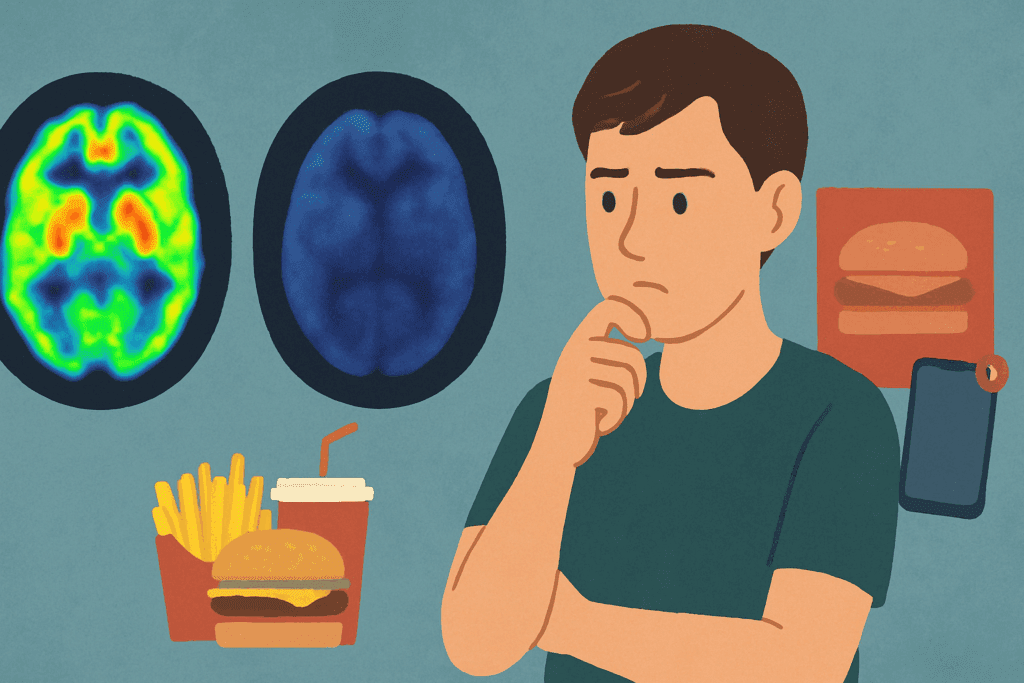
Further Reading:

How to stimulate appetite

13 Ways to Increase Your Appetite

Supplements, Medications, and Lifestyle Changes to Help Stimulate Appetite

Understanding Eating Disorder Statistics in America: What the Numbers Reveal About Anorexia, Bulimia, and Other ED Types

Eating disorders are among the most complex and misunderstood mental health conditions affecting individuals today. Despite increasing awareness, the statistics reveal that these disorders remain pervasive and deeply rooted in American society. From adolescents navigating social pressures to adults grappling with lifelong struggles, eating disorders cross boundaries of age, gender, socioeconomic status, and ethnicity. In unpacking the current data, we gain insight not only into prevalence and treatment outcomes but also into societal trends and systemic gaps in care. Understanding the reality behind the numbers is essential for anyone interested in mindful eating, holistic wellness, or advocating for better mental health support.

You may also like: How to Stop Emotional Eating and Regain Control: Mindful Nutrition Strategies That Support a Healthier Lifestyle

Illustration symbolizing Eating Disorder Statistics in America with figures representing anorexia, bulimia, and binge-eating amid emotional shadows

Defining Eating Disorders: A Clinical and Cultural Overview

To truly grasp the implications of eating disorder statistics, one must first understand what these disorders are. Eating disorders (EDs) are psychiatric conditions characterized by severe disturbances in eating behaviors and related thoughts and emotions. The most recognized types of ED include anorexia nervosa, bulimia nervosa, and binge-eating disorder, though several other variants and subclinical presentations exist. When examining how many eating disorders are there, the answer includes not only the officially recognized diagnoses in the DSM-5 but also emerging classifications such as Avoidant/Restrictive Food Intake Disorder (ARFID), Other Specified Feeding or Eating Disorder (OSFED), and Night Eating Syndrome.

Each eating disorder name reflects distinct behavioral patterns and psychological underpinnings. Anorexia nervosa is marked by extreme food restriction and an intense fear of gaining weight, despite being underweight. Bulimia nervosa involves cycles of binge eating followed by compensatory behaviors such as vomiting or excessive exercise. Binge-eating disorder is characterized by episodes of excessive food intake without the purging that typically follows in bulimia. Knowing the types of ED and their nuances is critical for interpreting the broader eating disorder statistics available.

The Scope of the Problem: How Many People Have Eating Disorders?

One of the most frequently asked questions in both clinical and public health circles is: how many people have eating disorders in the United States? According to current estimates from the National Association of Anorexia Nervosa and Associated Disorders (ANAD) and other research institutions, approximately 9% of the U.S. population will experience an eating disorder in their lifetime. This figure represents millions of individuals whose lives are affected by these conditions, highlighting the urgency of early detection, intervention, and support.

When considering what percent of people in the U.S. suffer from anorexia specifically, data suggests that roughly 0.9% of American women and 0.3% of men will meet the criteria for anorexia nervosa at some point. These anorexia statistics are particularly alarming given the high mortality rate associated with the disorder—among the highest of any mental illness. The statistics of bulimia tell a similarly concerning story, with prevalence rates estimated at 1.5% for women and 0.5% for men.

Which Eating Disorder Is Prominent in America?

While anorexia nervosa and bulimia nervosa are often spotlighted in media and research, the most common eating disorder in the U.S. is actually binge-eating disorder. This condition affects approximately 3.5% of women and 2% of men, surpassing the prevalence of both anorexia and bulimia. These statistics on most common eating disorders shed light on a public health issue that often goes unrecognized due to social stigma and limited awareness. Many individuals with binge-eating disorder may not seek treatment, believing their struggles do not constitute a “real” eating disorder.

The question of what eating disorder is prominent in America also prompts a closer examination of co-occurring mental health issues. Anxiety, depression, and trauma are frequently linked to eating disorders, complicating the clinical picture and often delaying effective intervention. The data suggests that eating disorders do not occur in isolation but are part of a larger pattern of emotional distress and psychological imbalance.

Data-style illustration showing 9% of people in orange among a larger blue crowd, visualizing Eating Disorder Statistics in America

Gender and Age Trends: What the Data Tells Us

It is a common misconception that eating disorders predominantly affect teenage girls. While adolescent females do represent a significant portion of the diagnosed population, eating disorder stats reveal a broader demographic impact. Adult women, middle-aged individuals, and even seniors can experience disordered eating. Additionally, research shows rising rates among children under the age of 12, prompting serious concern among pediatricians and child psychologists.

A key resource in understanding these trends is the growing body of women eating disorder graphs, which illustrate longitudinal data on prevalence, diagnosis rates, and recovery outcomes. These visual tools often show spikes in eating disorder diagnoses during transitional life phases such as puberty, college, pregnancy, and menopause. This suggests that hormonal changes and social stressors may play a significant role in triggering or exacerbating ED symptoms.

Men, too, are increasingly recognized as vulnerable. Historically underdiagnosed and underrepresented in research, male eating disorders are finally receiving more attention. Current eating disorder statistics indicate that roughly one-third of individuals with an eating disorder are male, challenging outdated gender stereotypes and underscoring the need for inclusive screening and treatment protocols.

Children, teens, adults, and seniors of diverse genders showing emotional distress while eating in settings like home, school, office, and gym, illustrating Eating Disorder Statistics in America.

Analyzing Treatment Success: Do Eating Disorder Treatments Work?

Given the serious nature of these conditions, a pressing concern remains: do treatments for eating disorders actually work? Fortunately, recent treatment for eating disorders work statistics are encouraging, though they also reveal significant challenges. Evidence-based therapies such as Cognitive Behavioral Therapy (CBT), Family-Based Treatment (FBT), and Dialectical Behavior Therapy (DBT) have demonstrated efficacy, particularly when initiated early and delivered by trained specialists.

However, treatment outcomes vary widely depending on factors such as age of onset, duration of illness, co-occurring disorders, and access to care. Studies show that full recovery is possible, especially with early intervention, but relapse rates remain high—up to 50% for some disorders. These sobering figures highlight the importance of ongoing support, comprehensive treatment plans, and long-term monitoring.

Accessibility also plays a crucial role. Many individuals never receive the care they need due to cost, stigma, or geographic limitations. Expanding insurance coverage and increasing the number of trained professionals are vital steps toward improving national recovery rates. By interpreting treatment for eating disorders work statistics within the broader context of healthcare accessibility, we gain a more nuanced understanding of what effective recovery truly entails.

Conceptual staircase showing recovery from confusion to support, symbolizing Eating Disorder Statistics in America treatment journeys

The Cost of Silence: Social Stigma and Misconceptions

Beyond the clinical data, the societal response to eating disorders profoundly shapes outcomes. Stigma, misinformation, and cultural ideals often delay diagnosis and treatment. Many individuals hide their symptoms due to shame or fear of judgment. This silence can be deadly, particularly in cases of anorexia nervosa, where delayed treatment significantly increases the risk of long-term complications or death.

Media portrayals have historically glamorized thinness and equated self-worth with appearance, perpetuating harmful stereotypes. These narratives not only skew public perception but also influence healthcare policy and funding priorities. Eating disorder stats consistently show that early intervention leads to better outcomes, yet many people wait years before seeking help—if they seek help at all.

Education is one of the most effective tools for dismantling stigma. By sharing accurate information and amplifying diverse stories, we can shift the narrative from shame to support. Schools, workplaces, and healthcare providers all have a role to play in fostering environments where individuals feel safe disclosing their struggles and accessing care.

Futuristic digital therapy lab visualizing Eating Disorder Statistics in America with holographic brain scans, DNA data, and remote mental health tech.

Emerging Trends and Future Directions in Eating Disorder Research

The landscape of eating disorder research is rapidly evolving, with new studies shedding light on genetic, neurological, and environmental contributors. Advances in brain imaging and genetic testing are helping scientists understand the biological underpinnings of disordered eating. These developments hold promise for personalized treatment approaches and early identification strategies.

Digital health tools, including virtual therapy and mobile apps, are also transforming how treatment is delivered. These innovations increase accessibility for individuals in rural or underserved areas, particularly relevant given the disparities in eating disorder statistics across geographic regions. Telehealth has shown particular efficacy in reaching young adults and adolescents who may feel more comfortable engaging in therapy from the privacy of their homes.

The future also lies in better data collection. While much progress has been made, questions like how many eating disorder are there or how many people have anorexia continue to elicit varied responses depending on methodology and population sampling. Establishing national registries, improving diagnostic criteria, and investing in longitudinal studies will yield more accurate prevalence data and inform policy decisions that align with actual needs.

Visual metaphor showing the journey from Eating Disorder Statistics in America to recovery, with scenes of data analysis, public awareness, policy change, and access to care.

Why Accurate Data Matters: From Awareness to Action

Understanding statistics of bulimia or interpreting anorexia nervosa statistics isn’t just an academic exercise—it’s a critical tool for advocacy and reform. Data informs funding decisions, influences public health campaigns, and shapes the training of medical professionals. Accurate statistics on most common eating disorders provide the evidence base needed to advocate for policy changes, such as increased insurance coverage for mental health or inclusion of eating disorder screenings in primary care settings.

Moreover, data empowers individuals. When people learn that millions of others share their struggles, the isolation of disordered eating begins to diminish. Awareness fosters community, and community fosters healing. It is only through a data-driven, empathetic, and inclusive approach that we can hope to reduce the prevalence of bulimia nervosa, anorexia, and other eating disorders in meaningful ways.

A Final Word on Eating Disorder Names, Labels, and Humanity

While statistics are essential, they must not overshadow the human stories behind the numbers. Every percentage point represents real lives, real pain, and real hope for recovery. It is easy to become desensitized to data points, but behind each mention of how many people have eating disorders or the prevalence of bulimia nervosa lies a person navigating one of the most difficult challenges of their life.

The terminology we use—whether clinical terms like anorexia nervosa or broader categories like types of ED—should serve to illuminate, not alienate. Compassionate language and inclusive dialogue can transform the way we approach mental health, encouraging more people to seek help without fear of judgment.

Frequently Asked Questions (FAQ): Understanding Eating Disorder Statistics and Trends in the U.S.

1. Why is it difficult to determine how many people have eating disorders in the U.S.?

Accurately measuring how many people have eating disorders is complicated by underreporting, stigma, and evolving diagnostic criteria. Many individuals struggling with disordered eating never receive a formal diagnosis due to limited access to care or fear of judgment. Additionally, differences in how studies define eating disorders can lead to inconsistent estimates, which makes answering questions like how many eating disorder are their or how many eating disorders are there more complex than they seem. Some people may not meet full diagnostic criteria but still suffer from significant impairment, which often excludes them from official eating disorder stats. Emerging research also shows that eating disorders frequently co-occur with other mental health conditions, which can mask or complicate detection.

2. What percent of people in the U.S. suffer from anorexia, and why might that number be underestimated?

When asking what percent of people in the U.S. suffer from anorexia, studies typically estimate between 0.3% and 0.9% of the population. However, this number may be lower than the reality due to diagnostic challenges. For instance, individuals with atypical anorexia exhibit all the psychological traits of anorexia nervosa but maintain a weight considered “normal” or higher, and thus may not be counted in official anorexia nervosa statistics. Furthermore, anorexia can manifest subtly, especially in high-functioning individuals who mask their symptoms behind socially accepted behaviors like clean eating or excessive exercise. These hidden cases mean that existing anorexia statistics likely underrepresent the actual prevalence.

3. How many eating disorders are there beyond the commonly discussed ones?

The question of how many eating disorders are there expands far beyond the traditional three. While anorexia nervosa, bulimia nervosa, and binge-eating disorder are the most well-known, mental health professionals now recognize several other types of ED. These include ARFID (Avoidant/Restrictive Food Intake Disorder), OSFED (Other Specified Feeding or Eating Disorder), Pica, and Rumination Disorder. OSFED alone encompasses many subtypes, capturing those who don’t meet strict diagnostic criteria but still experience serious symptoms. As our understanding of the human psyche deepens, clinicians are identifying new patterns of disordered eating, which continues to evolve the list of valid eating disorder names.

4. What eating disorder is prominent in America, and how does it impact treatment focus?

Despite media emphasis on anorexia and bulimia, the eating disorder that is most prominent in America is binge-eating disorder. This condition affects more individuals than anorexia and bulimia combined, according to recent statistics on most common eating disorders. Its high prevalence is reshaping treatment priorities, especially in community-based clinics and primary care settings. Unlike other disorders that often result in noticeable weight loss, binge-eating disorder can go undetected for years because individuals may appear healthy or overweight. This disconnect between visibility and prevalence makes it especially important for healthcare providers to incorporate screening for all types of ED, not just the ones associated with extreme weight changes.

5. What role do social media and cultural trends play in eating disorder statistics?

Eating disorder statistics are increasingly influenced by the digital age. Platforms like Instagram and TikTok often promote unrealistic beauty standards, glorify restrictive diets, or subtly endorse disordered behaviors. These trends are reflected in women eating disorder graphs, which show spikes in ED diagnoses during the rise of appearance-focused content. Social comparison theory suggests that individuals—particularly young women—are more likely to develop negative body image when repeatedly exposed to idealized bodies. These societal pressures exacerbate both the development and the persistence of eating disorders, making social media regulation and digital literacy vital components of public health strategy.

6. How are treatment for eating disorders work statistics used to inform healthcare policy?

Treatment for eating disorders work statistics play a critical role in shaping healthcare policy and insurance reimbursement guidelines. Policymakers often look at these figures to determine whether therapies like CBT, FBT, or nutritional counseling are cost-effective and should be covered under health plans. They also help prioritize funding for treatment programs that demonstrate long-term recovery success. Unfortunately, many insurance companies still place limits on mental health coverage, often demanding evidence from eating disorder stats before authorizing extended care. Improving transparency in treatment outcomes and refining what counts as “recovery” could make these statistics more impactful in advocating for systemic reform.

7. What can be learned from the statistics of bulimia that isn’t obvious from diagnostic criteria alone?

While diagnostic criteria for bulimia nervosa focus on bingeing and compensatory behaviors, the statistics of bulimia offer deeper insight into the condition’s psychosocial impact. For example, research shows that individuals with bulimia often experience higher rates of impulsivity, self-harm, and substance use. These associations aren’t always captured in clinical descriptions but emerge clearly in data trends and epidemiological studies. Furthermore, the prevalence of bulimia nervosa varies widely across age groups, suggesting that developmental and hormonal factors may play underexplored roles. When interpreting prevalence of bulimia nervosa, it’s essential to consider these multidimensional patterns that extend beyond calorie control or purging frequency.

8. Why do women eating disorder graphs matter for gender-specific research?

Women eating disorder graphs are more than just visual data—they provide a lens into the social, hormonal, and psychological dynamics influencing female health. These graphs often highlight critical life transitions such as puberty, pregnancy, and menopause as periods of increased vulnerability. Researchers also use this data to evaluate the intersection of gender and cultural norms, such as the expectation of thinness or the stigma surrounding emotional expression. While much progress has been made in recognizing male and non-binary ED experiences, women’s data remains vital for understanding the unique interplay between gender roles and mental health. Trends reflected in eating disorder stats specific to women also help guide development of targeted therapies.

9. What emerging trends could change how we classify and treat eating disorders?

The classification of eating disorders is likely to shift as neuroscience, artificial intelligence, and genetic testing continue to evolve. Innovations in brain imaging are beginning to map how specific neural pathways differ in individuals with various types of ED, which could lead to more precise diagnostic tools. For example, what we currently classify under broad eating disorder names might someday be segmented into neurologically distinct subtypes. These advancements could dramatically affect how many eating disorders are there in future medical literature. Additionally, early detection using machine learning algorithms might soon become part of standard screening, particularly in schools and pediatric clinics.

10. How can public education and early intervention shift eating disorder stats in a positive direction?

Improving public education about the warning signs of disordered eating is one of the most powerful strategies to reduce how many people have eating disorders in the future. Early intervention, particularly in schools, sports programs, and digital platforms, can lead to earlier diagnoses and better long-term outcomes. Eating disorder statistics show that the earlier a person receives treatment, the higher their chance of full recovery. When children and adolescents are educated on body positivity, media literacy, and emotional resilience, they are less likely to develop severe forms of disordered eating. As society continues to embrace mental health awareness, we may see a decline in concerning figures like anorexia statistics and a more hopeful shift in overall eating disorder stats.

Conclusion: Reflecting on Eating Disorder Statistics to Support a Healthier Lifestyle

Understanding eating disorder statistics in America is more than an academic endeavor; it is a necessary step toward cultivating a healthier, more mindful society. The data provides a window into the silent battles millions face, offering clarity about the prevalence, risk factors, and potential paths to recovery. From answering how many eating disorders are there to examining treatment for eating disorders work statistics, the insights gathered form a roadmap for prevention, education, and advocacy.

By recognizing what eating disorder is prominent in America and exploring the full spectrum of eating disorder names, we equip ourselves with the knowledge to support others—and ourselves—more compassionately. These figures are not abstract; they are the foundation for actionable change. Whether you’re a healthcare provider, educator, policymaker, or simply a concerned individual, understanding these numbers is the first step in creating a world where every person struggling with an eating disorder can access the care, respect, and hope they deserve.

Let the data not only inform but also inspire. The journey toward mental wellness begins with awareness, grows with understanding, and flourishes in community.

Was this article helpful? Don’t let it stop with you. Share it right now with someone who needs to see it—whether it’s a friend, a colleague, or your whole network. And if staying ahead on this topic matters to you, subscribe to this publication for the most up-to-date information. You’ll get the latest insights delivered straight to you—no searching, no missing out.
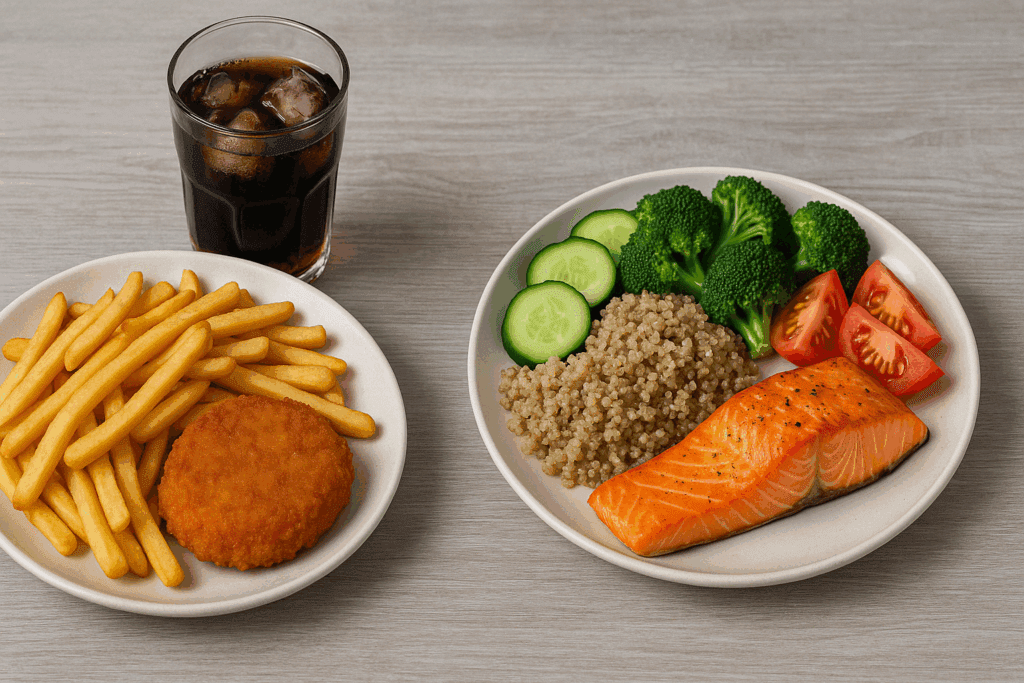
Further Reading:

What is the difference between anorexia and bulimia?

Eating Disorders

What are Eating Disorders?

Play exciting online pokies and live games at True Fortune Casino, offering fast payouts, secure deposits, and generous bonuses for Australian players.

Enjoy top pokies and live dealer tables at Uptown Pokies Casino, with quick withdrawals, safe banking, and rewarding promotions for Australian users.

Join thrilling online slots and live casino action at Uptown Aces, featuring fast deposits, secure withdrawals, and exclusive bonuses for Australian players.

Spin favourite pokies and play live casino games at Velvet Spins Casino, offering safe banking, fast payouts, and generous promotions for Australian enthusiasts.

Experience exciting online pokies and live tables at Woo Casino, with quick withdrawals, secure deposits, and attractive bonuses for Australian casino players.

Play top pokies and live dealer games at King Billy Casino, offering fast payouts, safe banking, and rewarding promotions for Australian online casino users.

Enjoy thrilling online slots and live casino action at Aussie Play Casino, with secure deposits, quick withdrawals, and generous bonuses for Australian players.

Join exciting pokies and live tables at Fastpay Casino, featuring fast payouts, safe banking, and exclusive promotions for Australian online casino enthusiasts.