hacklink hack forum hacklink film izle hacklink
Home Blog Page 279

Essential Minerals for the Body: Why They Matter and How to Get Them Naturally

Understanding Essential Minerals in Nutrition

Minerals are fundamental to human health, yet they are often overlooked in discussions about diet and nutrition. These essential nutrients play a crucial role in maintaining physiological balance, supporting enzyme function, and facilitating biochemical reactions within the body. Unlike macronutrients such as carbohydrates, proteins, and fats, minerals do not provide energy, but their presence is indispensable for optimal health. Essential minerals for the body include both major and trace minerals, which must be consumed through food or supplements since the body cannot synthesize them.

You may also like: How to Improve Nutrient Absorption: Unlock the Benefits of Bioavailable Nutrients for Holistic Wellness

The role of minerals in nutrition extends far beyond simple bodily maintenance; they actively participate in metabolic processes, support the immune system, and ensure the structural integrity of bones and teeth. Without a sufficient intake of these essential elements, individuals risk deficiencies that can lead to chronic health problems, weakened immunity, and developmental delays. Understanding what minerals do for the body is fundamental to making informed dietary choices that promote long-term well-being.
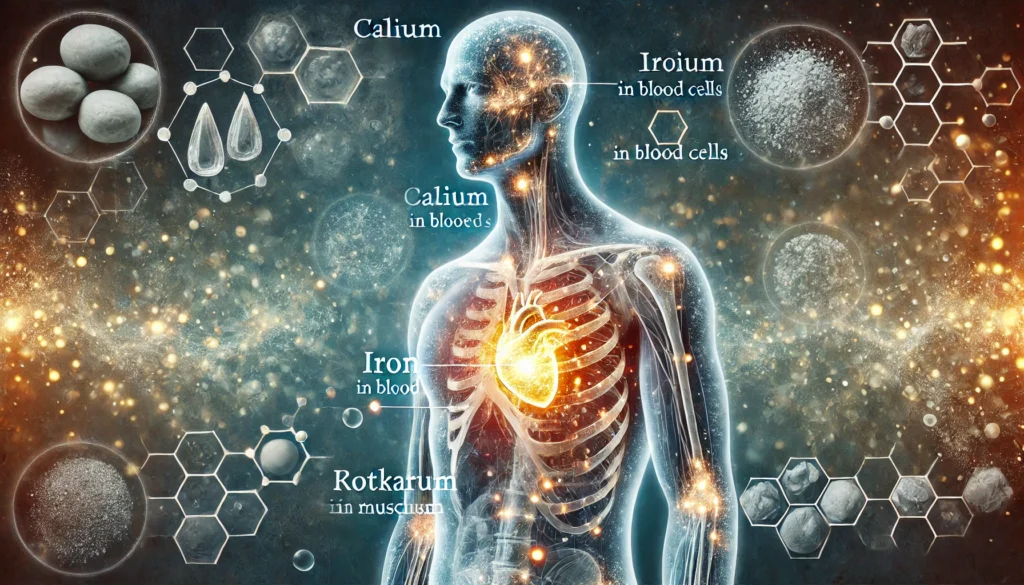
An artistic illustration of human anatomy with glowing overlays representing essential minerals like calcium in bones, iron in blood cells, and potassium in muscles, emphasizing their role in bodily functions and holistic nutrition

The Six Major Minerals and Their Importance

The body requires larger amounts of certain minerals, known as major minerals, to function optimally. These six major minerals—calcium, phosphorus, potassium, sodium, magnesium, and sulfur—play distinct and indispensable roles. Each contributes to a specific set of biological functions, and an imbalance in their intake can result in significant health challenges.

Calcium, for instance, is crucial for bone and dental health, muscle contraction, and nerve transmission. A diet lacking in calcium can lead to weakened bones, increasing the risk of osteoporosis. Phosphorus, often found in protein-rich foods, works in conjunction with calcium to fortify bones and teeth while also being vital for energy production. Potassium is instrumental in maintaining fluid balance, muscle function, and nerve signaling, while sodium regulates blood pressure and facilitates muscle contractions. Magnesium supports over 300 enzymatic reactions in the body, contributing to energy production and cardiovascular health. Sulfur, though often overlooked, plays a vital role in protein synthesis and detoxification processes. Consuming a balanced variety of these six major minerals through a well-rounded diet helps sustain overall health and prevents deficiencies.

The Role of Trace Minerals and Their Necessity

While the body requires smaller amounts of trace minerals, they are no less critical to health. These micronutrients, which include iron, zinc, copper, selenium, iodine, manganese, and molybdenum, influence numerous physiological processes. Trace minerals can do what to the body? They contribute to immune function, hormone production, and antioxidant defense, among other essential activities.

Iron is perhaps the most well-known trace mineral, necessary for oxygen transport through hemoglobin in red blood cells. A deficiency in iron can lead to anemia, characterized by fatigue, weakness, and impaired cognitive function. Zinc supports immune function and wound healing, while copper aids in iron metabolism and nerve function. Selenium, an important antioxidant, protects against oxidative stress, and iodine is crucial for thyroid hormone production. Manganese contributes to bone formation and metabolic regulation, while molybdenum assists in detoxification processes. Despite being required in small amounts, these trace minerals are indispensable to health, making it imperative to obtain them through a balanced diet.

Sources of Essential Minerals in Food

Understanding where food minerals are found is key to ensuring adequate intake. Fortunately, nature provides a wide array of foods rich in essential minerals, making it possible to meet daily requirements through diet alone.

Dairy products, leafy greens, and fortified plant-based alternatives serve as excellent sources of calcium. Phosphorus is abundant in meat, fish, nuts, and legumes. Potassium can be found in bananas, sweet potatoes, and leafy greens, while sodium is present in both natural sources, such as celery and beets, and processed foods. Magnesium-rich foods include nuts, seeds, whole grains, and leafy vegetables. Sulfur-containing foods, such as eggs, garlic, onions, and cruciferous vegetables, contribute to protein synthesis and detoxification.

For trace minerals, iron is available in red meat, poultry, fish, lentils, and fortified cereals. Zinc sources include shellfish, beef, pumpkin seeds, and legumes. Copper can be found in nuts, seeds, whole grains, and shellfish. Selenium is prevalent in Brazil nuts, seafood, and eggs. Iodine, critical for thyroid health, is present in seafood, dairy products, and iodized salt. Manganese-rich foods include nuts, whole grains, and leafy greens, while molybdenum is found in legumes, whole grains, and dairy products. Consuming a diverse and nutrient-dense diet ensures adequate mineral intake for overall well-being.

The Risks of Mineral Deficiencies and Overconsumption

While essential minerals contribute significantly to health, both deficiencies and excessive intake can pose risks. Minerals risks eating an imbalanced diet include nutrient deficiencies, toxicity, and related health complications.

Deficiencies can occur due to poor dietary choices, medical conditions, or certain medications. A lack of calcium and phosphorus, for example, can lead to weakened bones and osteoporosis. Insufficient potassium intake may result in muscle weakness, irregular heartbeat, and high blood pressure. Iron deficiency anemia is one of the most common global nutritional disorders, affecting millions worldwide. Similarly, iodine deficiency can lead to thyroid dysfunction and developmental issues in children.

Conversely, excessive mineral consumption can be equally harmful. High sodium intake, for instance, is linked to hypertension and cardiovascular disease. Excess iron can lead to oxidative stress and organ damage, while too much phosphorus can interfere with calcium absorption, leading to bone loss. Maintaining a balanced diet and being mindful of supplementation ensures mineral intake remains within a safe and beneficial range.

The Connection Between Minerals and Hydration

One of the lesser-discussed but vital aspects of mineral intake is its role in fluid balance. Facts about maintaining fluids and minerals in the body highlight how these elements regulate hydration, electrolyte balance, and cellular function. Sodium and potassium are key electrolytes that manage fluid distribution, nerve signaling, and muscle contractions. Calcium and magnesium also contribute to fluid balance by regulating muscle function and nerve impulses. Ensuring adequate hydration, alongside mineral consumption, is essential for maintaining metabolic and physiological stability.

A detailed macro shot of vibrant mineral-rich crystals and rocks, including calcium-rich limestone, iron-rich hematite, and magnesium-rich dolomite, highlighting the natural sources of essential minerals for the body

Frequently Asked Questions (FAQ) About Essential Minerals

What do minerals do for the body, and why are they essential? Minerals play an indispensable role in supporting a wide range of physiological functions in the body. They contribute to bone strength, nerve function, and enzyme activation, making them essential for maintaining health. Essential minerals for the body also help in fluid balance, muscle contraction, and metabolic processes that regulate energy production. Without sufficient mineral intake, individuals may experience fatigue, weakened immunity, or even chronic health issues such as osteoporosis and hypertension. The importance of minerals extends beyond physical health, as they also influence cognitive function and emotional well-being.

How many minerals does the body need daily for optimal health? The body requires a total of 16 essential minerals to function properly, categorized into major and trace minerals. The six major minerals—calcium, phosphorus, potassium, sodium, magnesium, and sulfur—are needed in larger quantities to support bone health, cardiovascular function, and fluid balance. Trace minerals, including iron, zinc, copper, iodine, selenium, manganese, and molybdenum, are required in smaller amounts but are no less vital. While some minerals, such as sodium and potassium, are consumed abundantly in modern diets, others, like magnesium and iodine, may require more attention to ensure adequate intake. To achieve optimal health, a well-balanced diet rich in diverse, whole foods is necessary to meet these mineral needs.

Is vitamin C a trace mineral or a major mineral? Vitamin C is neither a major nor a trace mineral; it is a water-soluble vitamin with antioxidant properties. However, it plays a crucial role in mineral absorption, particularly iron. Consuming vitamin C-rich foods alongside iron-containing meals enhances the bioavailability of iron, reducing the risk of deficiency. While vitamin C itself is not a mineral, it supports essential mineral functions by aiding collagen synthesis, wound healing, and immune system defense. To maximize mineral absorption, incorporating vitamin C-rich foods such as citrus fruits, bell peppers, and strawberries into a mineral-rich diet is beneficial.

What are minerals in nutrition, and how do they differ from vitamins? Minerals are inorganic elements that originate from soil and water and are absorbed by plants and animals. Unlike vitamins, which are organic compounds produced by living organisms, minerals cannot be synthesized by the body and must be obtained through diet. Essential minerals for the body include both macrominerals and trace minerals, each playing distinct roles in physiological processes. While vitamins often function as coenzymes in biochemical reactions, minerals act as structural components in bones, teeth, and enzymes. The interdependence of vitamins and minerals highlights the importance of a well-rounded diet to maintain overall health.

Where are food minerals found, and which sources are the best? Food minerals are found in a wide variety of natural sources, including plant-based and animal-derived foods. Dairy products and leafy greens are excellent sources of calcium, while nuts, seeds, and whole grains provide magnesium. Iron-rich foods include red meat, legumes, and fortified cereals, whereas seafood is a primary source of iodine and selenium. To ensure adequate mineral intake, consuming a diverse diet that includes fruits, vegetables, nuts, seeds, dairy, and lean proteins is recommended. Additionally, cooking methods such as steaming and roasting can help preserve the mineral content of foods.

What are the risks of eating too many minerals? While essential minerals support health, excessive intake can lead to toxicity and adverse effects. Minerals risks eating an unbalanced diet include high sodium consumption, which contributes to hypertension, and excess iron, which may cause oxidative stress and organ damage. Overconsumption of phosphorus can interfere with calcium absorption, increasing the risk of bone loss, while excessive magnesium may result in gastrointestinal discomfort. To prevent toxicity, it is important to meet—but not exceed—daily recommended mineral intake levels through whole foods rather than relying heavily on supplements. Moderation and dietary diversity remain key to achieving mineral balance.

Do you need larger amounts of trace minerals, or are small amounts sufficient? Trace minerals, such as zinc, copper, and selenium, are required in small amounts, but their impact on health is significant. Unlike major minerals, which are needed in gram quantities, trace minerals are measured in milligrams or micrograms. Despite their small required intake, deficiencies in trace minerals can lead to serious health issues, including weakened immunity, thyroid disorders, and poor wound healing. It is crucial to include trace mineral-rich foods, such as shellfish, nuts, seeds, and whole grains, in the diet. Since trace minerals can accumulate in the body, maintaining appropriate intake levels is essential to avoid toxicity.

Is sodium a vitamin or a mineral, and how does it affect the body? Sodium is a mineral, not a vitamin, and it plays a crucial role in maintaining fluid balance, nerve function, and muscle contractions. While sodium is essential for health, excessive intake is associated with high blood pressure, cardiovascular disease, and kidney problems. Many processed foods contain high amounts of sodium, making it important to monitor dietary intake. Opting for natural sources of sodium, such as sea salt, celery, and beets, can help maintain balance without exceeding recommended levels. Reducing processed food consumption and staying hydrated also contribute to maintaining a healthy sodium balance.

What are the facts about maintaining fluids and minerals in the body? Maintaining proper hydration and mineral balance is essential for overall health, as minerals like sodium, potassium, and magnesium regulate fluid distribution. Electrolytes help prevent dehydration, support nerve transmission, and ensure muscle function. Drinking enough water is important, but the body also requires minerals to retain and utilize fluids effectively. Imbalances in fluid and mineral levels can lead to symptoms such as muscle cramps, dizziness, and fatigue. Consuming a combination of water, mineral-rich foods, and electrolyte-containing beverages can help maintain optimal hydration levels.

Which 3 good minerals should people focus on for overall health? Three good minerals that are particularly beneficial for overall health are magnesium, potassium, and calcium. Magnesium supports muscle and nerve function, helps regulate blood sugar levels, and plays a role in over 300 enzymatic reactions. Potassium is essential for heart health, as it helps regulate blood pressure and fluid balance. Calcium is critical for strong bones and teeth, as well as for proper muscle function and nerve transmission. Ensuring sufficient intake of these minerals through diet can help prevent chronic conditions such as osteoporosis, hypertension, and muscle weakness. Including foods like leafy greens, nuts, dairy, and legumes can help meet the body’s mineral requirements effectively.
 A futuristic artistic representation of essential minerals in the body, featuring glowing molecular structures of calcium, iron, potassium, and magnesium, symbolizing their fundamental role in human health within a high-tech illuminated environment

Conclusion: Prioritizing Mineral-Rich Nutrition for Optimal Health

Essential minerals for the body are crucial for sustaining life, supporting metabolic functions, and preventing deficiencies. By understanding what minerals the body needs and how to obtain them naturally, individuals can take proactive steps to enhance their health. A well-balanced diet rich in mineral-dense foods ensures the body receives the necessary nutrients to function optimally.

Incorporating a variety of whole foods, monitoring mineral intake, and staying hydrated contribute to overall well-being. Whether through dietary sources or mindful supplementation, prioritizing mineral intake is a fundamental aspect of holistic nutrition. Recognizing the importance of minerals in everyday health choices empowers individuals to maintain vitality and long-term wellness.

essential minerals for the body, what minerals does the body need, minerals can do what to the body, food minerals are found in, six major minerals foods, iron sodium calcium phosphorus and potassium of minerals, how many minerals does the body need, five food minerals, minerals risks eating, facts about maintaining fluids and minerals in the body

Further Reading:

The Role of Minerals in the Optimal Functioning of the Immune System

Precious metals and other important minerals for health

Minerals and the Body

Disclaimer

The information contained in this article is provided for general informational purposes only and is not intended to serve as medical, legal, or professional advice. While NewsHealthWatch strives to present accurate, up-to-date, and reliable content, no warranty or guarantee, expressed or implied, is made regarding the completeness, accuracy, or adequacy of the information provided. Readers are strongly advised to seek the guidance of a qualified healthcare provider or other relevant professionals before acting on any information contained in this article. NewsHealthWatch, its authors, editors, and contributors expressly disclaim any liability for any damages, losses, or consequences arising directly or indirectly from the use, interpretation, or reliance on any information presented herein. The views and opinions


5 Foods That Are High in Minerals: Essential Nutrient Sources for a Healthier You

Understanding Malabsorption: An Overview

Malabsorption is a complex condition that affects the body’s ability to absorb essential nutrients, including vitamins, minerals, carbohydrates, fats, and proteins, from the food we eat. This issue can lead to various health complications, ranging from nutrient deficiencies to severe gastrointestinal distress. Many people struggle with unexplained fatigue, poor digestion, and chronic nutrient deficiencies without realizing that malabsorption may be at the root of their problems. The process of nutrient absorption occurs primarily in the small intestine, where digestive enzymes, bile acids, and intestinal cells work together to break down food into bioavailable components that the body can use. When this process is disrupted, either due to digestive disorders, chronic diseases, or external factors, malabsorption can set in, leading to significant health issues.

You may also like: How to Improve Nutrient Absorption: Unlock the Benefits of Bioavailable Nutrients for Holistic Wellness

While the causes of malabsorption vary widely, they often include gastrointestinal disorders such as celiac disease, Crohn’s disease, and irritable bowel syndrome (IBS). Other potential contributors include pancreatic insufficiency, bile acid dysfunction, and even long-term medication use that affects the gut lining. In addition, lifestyle factors such as chronic stress, excessive alcohol consumption, and a diet lacking in diverse, nutrient-rich foods can also impair nutrient absorption. Understanding these underlying causes is essential in developing effective solutions to enhance digestive health and prevent the complications associated with malabsorption.

 A visually appealing spread of five high-mineral foods—kale, pumpkin seeds, sardines, quinoa, and figs—arranged on a natural stone surface with soft, natural lighting highlighting their textures and colors

Key Triggers of Malabsorption

Gastrointestinal Disorders and Inflammation

One of the most common causes of malabsorption is chronic gastrointestinal inflammation. Conditions such as celiac disease, Crohn’s disease, and ulcerative colitis directly affect the integrity of the gut lining, leading to impaired nutrient absorption. In celiac disease, for example, the immune system attacks the small intestine in response to gluten consumption, damaging the villi—tiny, finger-like projections responsible for nutrient absorption. This damage results in a reduced surface area for nutrient uptake, leading to deficiencies in essential vitamins and minerals.

Crohn’s disease and ulcerative colitis, both classified as inflammatory bowel diseases (IBD), cause chronic inflammation in different parts of the gastrointestinal tract. This inflammation can lead to scarring and narrowing of the intestines, making it difficult for the body to absorb key nutrients such as iron, vitamin B12, and fat-soluble vitamins (A, D, E, and K). Over time, individuals with these conditions often experience weight loss, fatigue, and severe deficiencies that require medical intervention.

Pancreatic Insufficiency and Enzyme Deficiencies

The pancreas plays a crucial role in digestion by producing digestive enzymes that break down carbohydrates, proteins, and fats. When the pancreas fails to produce sufficient enzymes, a condition known as pancreatic insufficiency, the body cannot properly digest food, leading to malabsorption. This issue is common in individuals with chronic pancreatitis, cystic fibrosis, and pancreatic cancer. Without adequate enzyme activity, fats remain undigested, resulting in fatty stool (steatorrhea), bloating, and deficiencies in fat-soluble vitamins.

A deficiency in specific digestive enzymes, such as lactase, can also contribute to malabsorption. Lactose intolerance, for instance, occurs when the body lacks lactase, an enzyme necessary for breaking down lactose, the sugar found in dairy products. This deficiency leads to symptoms such as diarrhea, bloating, and abdominal pain, which can further interfere with nutrient absorption.

Bile Acid Dysfunction and Gallbladder Issues

Bile acids, produced by the liver and stored in the gallbladder, are essential for fat digestion and absorption. When bile acid production is impaired due to liver disease, gallbladder removal, or bile acid diarrhea, the body struggles to emulsify fats effectively. This issue results in the malabsorption of dietary fats and fat-soluble vitamins, leading to deficiencies that can impact overall health. Individuals with gallbladder dysfunction often experience digestive discomfort, including bloating and indigestion after consuming fatty meals.

Symptoms of Malabsorption and Nutrient Deficiencies

The symptoms of malabsorption vary depending on the severity of the condition and the specific nutrients affected. Common signs include chronic diarrhea, bloating, gas, and abdominal cramping, all of which indicate that the digestive system is not processing food efficiently. Weight loss and muscle wasting are also prevalent symptoms, as the body struggles to extract essential nutrients from food. Fatigue, weakness, and brain fog often arise due to deficiencies in key vitamins and minerals such as B12, iron, and magnesium.

Fat-soluble vitamin deficiencies present with unique symptoms. A deficiency in vitamin A may cause night blindness and dry skin, while vitamin D deficiency can lead to weakened bones and an increased risk of fractures. Vitamin E deficiency may contribute to neurological issues, and vitamin K deficiency can impair blood clotting, leading to excessive bruising and prolonged bleeding. Recognizing these symptoms early on is crucial for addressing malabsorption before it leads to long-term health complications.

Natural Solutions for Better Nutrient Absorption

Improving Gut Health with a Nutrient-Dense Diet

One of the most effective ways to combat malabsorption is by adopting a diet rich in whole, nutrient-dense foods. Consuming a variety of fruits, vegetables, lean proteins, and healthy fats provides the body with essential vitamins and minerals necessary for optimal absorption. Certain foods, such as fermented vegetables, yogurt, and kefir, contain probiotics that support gut health by promoting a balanced microbiome. A well-functioning gut microbiome plays a key role in breaking down food and enhancing nutrient absorption.

To ensure adequate mineral intake, individuals should focus on consuming high-mineral foods such as leafy greens, nuts, seeds, and legumes. For example, spinach, almonds, and lentils are three good sources of minerals, providing essential nutrients such as iron, magnesium, and zinc. Similarly, for those seeking vitamins, citrus fruits, bell peppers, and carrots serve as three healthy food sources for vitamins A, C, and E, which are vital for immune function and skin health.

Supporting Digestive Enzyme Production

Enhancing the body’s natural enzyme production can significantly improve nutrient absorption. Incorporating foods that stimulate enzyme activity, such as pineapple (rich in bromelain) and papaya (which contains papain), can aid digestion. Additionally, taking digestive enzyme supplements may be beneficial for individuals with pancreatic insufficiency or other enzyme deficiencies.

Managing Stress and Reducing Inflammation

Chronic stress negatively affects digestion by altering gut motility and reducing the production of digestive enzymes. Practicing stress management techniques such as meditation, deep breathing, and regular exercise can improve digestive function. Reducing inflammation through an anti-inflammatory diet—one that eliminates processed foods, refined sugars, and excessive alcohol—can also enhance nutrient absorption and overall well-being.

A fresh and vibrant selection of five mineral-rich foods—seaweed, chickpeas, Brazil nuts, yogurt, and mushrooms—elegantly arranged on a dark slate background, highlighting their textures and natural colors

Frequently Asked Questions (FAQ) on Malabsorption and Nutrient Absorption

What are some signs that you might have a malabsorption issue?

Malabsorption can manifest in various ways, often depending on which nutrients are not being properly absorbed. Common signs include chronic diarrhea, bloating, and excessive gas, which indicate that food is passing through the digestive system without being fully broken down. Additionally, unexplained weight loss, fatigue, and muscle weakness may be linked to poor absorption of macronutrients such as proteins and fats. Nutrient deficiencies can also present through more specific symptoms, such as brittle nails, thinning hair, and dry skin, all of which suggest a lack of essential vitamins and minerals. If left untreated, malabsorption can contribute to long-term complications, including weakened bones from calcium deficiency and cognitive impairment due to insufficient B vitamins.

Why are minerals important for the body, and how does mineral absorption impact health?

Minerals are vital for various bodily functions, including maintaining strong bones, supporting nerve function, and ensuring proper enzyme activity. A deficiency in key minerals such as magnesium, iron, or zinc can lead to serious health issues, ranging from anemia to weakened immune function. When the body struggles to absorb minerals due to conditions such as celiac disease or Crohn’s disease, essential processes are disrupted, leading to chronic fatigue, muscle cramps, and even cardiovascular problems. High food sources in minerals, such as leafy greens, nuts, and seafood, can support mineral intake, but if absorption is impaired, supplementation or dietary adjustments may be necessary. Addressing gut health and reducing inflammation can also enhance mineral absorption and overall well-being.

What are three healthy food sources for vitamins that support nutrient absorption?

A well-balanced diet should include foods rich in vitamins that enhance digestion and absorption. Fermented foods such as yogurt and kimchi provide probiotics that help break down food and improve gut health. Leafy greens like spinach and kale are excellent sources of folate and vitamin K, both of which play a role in nutrient metabolism. Citrus fruits, rich in vitamin C, enhance iron absorption, making them an essential addition to meals that contain plant-based iron sources. Choosing whole, unprocessed foods ensures that the body receives vitamins in their most bioavailable forms. Additionally, consuming these foods with healthy fats, such as avocado or olive oil, can further improve the uptake of fat-soluble vitamins like A, D, E, and K.

What are five foods that are high in minerals and support digestive health?

Several nutrient-dense foods can provide essential minerals while also promoting better digestion. Almonds are an excellent source of magnesium, which plays a crucial role in muscle function and digestion. Shellfish, such as oysters and mussels, are rich in zinc, a mineral that supports immune function and gut repair. Dark leafy greens like Swiss chard provide calcium and potassium, both of which regulate digestive enzyme activity. Bananas offer a good supply of potassium and prebiotics, which fuel beneficial gut bacteria. Lastly, pumpkin seeds are packed with iron and magnesium, contributing to oxygen transport and healthy digestion. Incorporating these foods regularly can help replenish mineral levels and optimize gastrointestinal function.

How can improving digestion help with nutrient absorption?

Efficient digestion is the foundation of proper nutrient absorption, as it ensures that food is broken down into its essential components. Digestive enzymes play a key role in this process, breaking down carbohydrates, proteins, and fats into absorbable molecules. If enzyme production is low due to stress, aging, or chronic illness, supplementing with natural digestive aids like bromelain (found in pineapple) or papain (found in papaya) can help. Maintaining a diverse microbiome through probiotic-rich foods can also enhance digestion and reduce bloating. Additionally, slowing down while eating and chewing food thoroughly can give the digestive system enough time to process nutrients effectively.

What are three foods that have a lot of minerals and are easy to digest?

For individuals with digestive sensitivities, choosing mineral-rich foods that are easy on the gut is essential. Bone broth is an excellent source of calcium, magnesium, and phosphorus while being gentle on the digestive tract. Soft-cooked vegetables like carrots and zucchini provide essential minerals like potassium and manganese without causing irritation. White fish, such as cod or tilapia, is rich in iodine and selenium, both of which support thyroid function and metabolism. These foods are easily broken down and absorbed, making them ideal for those experiencing malabsorption. Preparing meals with simple cooking methods, such as steaming or slow-cooking, can further enhance digestibility.

What are some different foods for minerals that support gut healing?

A nutrient-dense diet tailored to support gut healing should include foods that are both mineral-rich and anti-inflammatory. Seaweed provides iodine and other trace minerals that are crucial for metabolic and digestive function. Beets are rich in manganese and nitrates, which promote healthy blood flow and liver detoxification. Chia seeds contain calcium, magnesium, and omega-3 fatty acids, which help soothe inflammation and maintain a balanced microbiome. Incorporating these foods into daily meals can help rebuild gut integrity and optimize nutrient absorption. Pairing them with fiber-rich foods, such as legumes and whole grains, can also enhance their benefits.

What helps digestion, and what are some lifestyle habits that promote nutrient absorption?

Beyond diet, lifestyle factors play a critical role in digestion and nutrient absorption. Stress management techniques, such as mindfulness and deep breathing, can help regulate gut motility and enzyme production. Regular physical activity, particularly low-impact exercises like yoga or walking, can stimulate digestion and prevent bloating. Staying hydrated is essential, as water facilitates the breakdown and transport of nutrients throughout the body. Eating meals at regular intervals and avoiding excessive snacking allows the digestive system to process food efficiently. Combining these habits with a nutrient-rich diet can significantly enhance absorption and overall health.

What foods have minerals and vitamins that support a healthy immune system?

A strong immune system depends on adequate intake of both vitamins and minerals that regulate immune response and inflammation. Citrus fruits, rich in vitamin C, enhance iron absorption and white blood cell production. Shellfish provide zinc, which is essential for immune cell function and wound healing. Dark leafy greens like kale contain vitamin A, which supports the integrity of mucosal barriers that protect against infections. Nuts and seeds offer a combination of selenium and vitamin E, both of which act as antioxidants to combat oxidative stress. Regularly consuming these foods can strengthen immunity and improve overall well-being.

Is iron water or fat-soluble, and how does that affect its absorption?

Iron is a water-soluble mineral, meaning it dissolves in water and is best absorbed in an acidic environment. Unlike fat-soluble vitamins, which require dietary fats for absorption, iron uptake is enhanced by consuming it with vitamin C-rich foods such as citrus fruits or bell peppers. However, certain substances, such as calcium, tannins (found in tea), and phytates (found in whole grains), can inhibit iron absorption. To maximize its bioavailability, it is recommended to consume iron-rich foods separately from calcium supplements and excessive caffeine. Understanding these interactions can help individuals optimize their iron intake and prevent deficiencies.

 A rustic wooden platter displaying five mineral-rich foods—avocado, tofu, sunflower seeds, prunes, and oysters—arranged aesthetically with warm, natural lighting to enhance their freshness and appeal

Conclusion: Taking Control of Your Nutrient Absorption

Addressing malabsorption requires a multifaceted approach that involves identifying underlying causes, making dietary and lifestyle adjustments, and supporting gut health. By understanding the key triggers of malabsorption, recognizing the symptoms, and implementing natural solutions, individuals can take proactive steps to optimize their nutrient absorption. A balanced diet rich in bioavailable nutrients, along with stress management and digestive support, can make a significant difference in overall health and well-being.

malabsorption causes, nutrient absorption issues, digestive health, gut health, bioavailable nutrients, holistic supplements, vitamins and minerals, gastrointestinal disorders, pancreatic insufficiency, bile acid dysfunction, food sources of minerals, best foods for vitamins, digestive enzymes, nutrient deficiencies, how to improve digestion, probiotics and gut health, natural solutions for absorption, anti-inflammatory diet, stress and digestion, fat-soluble vitamins deficiency

Further Reading:

16 Foods Rich in Minerals

Vitamins and minerals

The best foods for vitamins and minerals

Disclaimer

The information contained in this article is provided for general informational purposes only and is not intended to serve as medical, legal, or professional advice. While NewsHealthWatch strives to present accurate, up-to-date, and reliable content, no warranty or guarantee, expressed or implied, is made regarding the completeness, accuracy, or adequacy of the information provided. Readers are strongly advised to seek the guidance of a qualified healthcare provider or other relevant professionals before acting on any information contained in this article. NewsHealthWatch, its authors, editors, and contributors expressly disclaim any liability for any damages, losses, or consequences arising directly or indirectly from the use, interpretation, or reliance on any information presented herein. The views and opinions

What Causes Malabsorption? Key Triggers, Symptoms, and Natural Solutions for Better Nutrient Absorption

Understanding Malabsorption: The Silent Disruptor of Health

Malabsorption is a complex yet often overlooked condition that interferes with the body’s ability to absorb essential nutrients from food. It can lead to a wide range of health issues, including weight loss, fatigue, and nutrient deficiencies that may have long-term consequences. Understanding what causes malabsorption, its symptoms, and available treatments is crucial for maintaining optimal digestive health. While many people suffer from malabsorption syndrome without realizing it, identifying the signs early can pave the way for effective intervention.

You may also like: How to Improve Nutrient Absorption: Unlock the Benefits of Bioavailable Nutrients for Holistic Wellness

The human digestive system is designed to break down food and extract nutrients efficiently. However, various factors—including medical conditions, gut imbalances, and dietary choices—can disrupt this process. Whether it’s fat malabsorption symptoms caused by gallbladder dysfunction or the inability to absorb adequate amounts of nutrients due to celiac disease, pinpointing the underlying cause is essential. In this in-depth exploration, we will discuss what causes malabsorption, how to recognize its symptoms, and the most effective natural solutions to restore digestive harmony.

The Mechanisms Behind Malabsorption

To fully understand malabsorption, it’s important to delve into how nutrient absorption occurs. When food enters the digestive tract, enzymes and bile break it down into absorbable components. The small intestine, lined with villi—tiny, finger-like projections—absorbs these nutrients and transfers them into the bloodstream. Any disruption in this process can lead to malabsorption diseases, ranging from mild deficiencies to severe health complications.

Several factors can contribute to malabsorption syndrome. Damage to the intestinal lining, as seen in celiac disease, can hinder nutrient uptake. Pancreatic insufficiency, a condition where the pancreas does not produce enough digestive enzymes, may result in fat malabsorption. Additionally, bacterial overgrowth in the gut can interfere with food absorption—how to tell if you are affected often depends on identifying key symptoms. Understanding these mechanisms allows for targeted approaches to treating malabsorption disorder.

A highly detailed 3D-rendered microscopic view of gut bacteria imbalance, depicting an overgrowth of harmful bacteria overwhelming beneficial bacteria, symbolizing gut microbiome dysfunction linked to malabsorption

Common Causes of Malabsorption in Adults

Malabsorption can arise from a variety of medical conditions, dietary imbalances, and lifestyle factors. Some of the most common causes include:

  • Celiac Disease: An autoimmune condition triggered by gluten consumption, celiac disease leads to inflammation and damage in the small intestine. This can severely impact nutrient absorption, often causing weight loss and malabsorption poop that appears pale, greasy, and foul-smelling.
  • Lactose Intolerance: The inability to digest lactose, a sugar found in dairy, leads to bloating, diarrhea, and poor absorption of nutrients.
  • Pancreatic Disorders: Conditions such as chronic pancreatitis and cystic fibrosis impair enzyme production, leading to fat malabsorption symptoms such as oily stools and vitamin deficiencies.
  • Bacterial Overgrowth: Small intestinal bacterial overgrowth (SIBO) disrupts nutrient absorption by causing excessive fermentation and inflammation.
  • Intestinal Surgery: Surgeries such as gastric bypass can shorten the digestive tract, reducing the body’s ability to absorb essential vitamins and minerals.
  • Parasitic Infections: Intestinal parasites can damage the gut lining, leading to poor absorption of key nutrients.

Each of these conditions disrupts normal digestion in unique ways, highlighting the need for individualized malabsorption treatments.

Recognizing Malabsorption Syndrome Symptoms

Identifying malabsorption symptoms is essential for early intervention. While symptoms vary depending on the underlying cause, some of the most common signs include:

  • Chronic Diarrhea: Loose, watery stools that persist over time may indicate issues with fat absorption or carbohydrate malabsorption.
  • Unexplained Weight Loss: The inability to absorb calories and nutrients can lead to significant weight loss despite adequate food intake.
  • Fatigue and Weakness: Malabsorption of iron, B vitamins, and other essential nutrients often results in chronic fatigue and weakness.
  • Bloating and Gas: Poorly absorbed carbohydrates and proteins can ferment in the gut, leading to excessive bloating and discomfort.
  • Malabsorption Poop Look Like: Stools may appear pale, bulky, and oily due to fat malabsorption, often floating in the toilet due to excess fat content.
  • Nutrient Deficiencies: Symptoms such as anemia (iron deficiency), brittle nails (calcium deficiency), and muscle cramps (magnesium deficiency) can indicate poor nutrient absorption.

These signs of malabsorption often overlap with other gastrointestinal disorders, making proper diagnosis essential.

Diagnostic Tests for Malabsorption Syndrome

Accurately diagnosing malabsorption syndrome requires a combination of clinical evaluation and laboratory tests. Physicians typically begin with a detailed medical history and physical examination before recommending further diagnostic procedures. Some of the most effective tests include:

  • Stool Analysis: Examining stool samples can reveal undigested fat, indicating fat malabsorption syndrome.
  • Blood Tests: Measuring nutrient levels, including vitamins and minerals, helps identify deficiencies caused by malabsorption disorder.
  • Breath Tests: Used to diagnose lactose intolerance and SIBO by detecting gases produced during fermentation.
  • Endoscopy and Biopsy: Direct examination of the small intestine can reveal damage caused by conditions like celiac disease.
  • Pancreatic Function Tests: Assessing enzyme output can help determine if pancreatic insufficiency is contributing to malabsorption syndrome symptoms.

Early detection through these tests allows for timely interventions that can prevent complications and improve overall digestive health.

How to Treat Malabsorption and Restore Gut Health

Managing malabsorption syndrome involves addressing the underlying cause while supporting the digestive system. A multi-faceted approach that includes dietary modifications, supplementation, and holistic interventions can significantly improve food absorption. How to tell if treatment is working depends on monitoring symptoms and nutrient levels.

  • Dietary Changes: Removing trigger foods (such as gluten for celiac disease) and incorporating nutrient-dense, easily digestible foods can help manage malabsorption.
  • Digestive Enzymes: Supplementing with pancreatic enzymes can aid digestion for those with enzyme deficiencies.
  • Probiotics and Prebiotics: Restoring a healthy gut microbiome through probiotics can improve digestion and reduce bacterial overgrowth.
  • Vitamin and Mineral Supplementation: Addressing deficiencies with targeted supplements ensures adequate nutrient intake.
  • Medications for Fat Malabsorption: In some cases, prescription medications such as bile acid sequestrants may be required.

By implementing these strategies, individuals can effectively manage malabsorption and regain digestive balance.

Can Malabsorption Be Cured?

The question of whether malabsorption can be cured depends on its underlying cause. While some conditions, such as lactose intolerance, can be managed with dietary changes, others, like celiac disease, require lifelong adjustments. The goal of treatment is to manage malabsorption syndrome symptoms and prevent complications.

For many, optimizing gut health through holistic interventions can significantly improve nutrient absorption. Addressing inflammation, supporting the microbiome, and using bioavailable nutrients can enhance overall digestive function. With the right approach, individuals can minimize symptoms and maintain long-term health.

A medical-style visualization of undigested food particles in the small intestine, illustrating nutrient malabsorption by showing food passing through without being absorbed, highlighting digestive inefficiency

Frequently Asked Questions (FAQ) About Malabsorption

What are the long-term effects of malabsorption syndrome if left untreated?
If malabsorption syndrome is left untreated, the long-term consequences can be severe, affecting multiple systems in the body. Chronic nutrient deficiencies may lead to osteoporosis due to insufficient calcium absorption, anemia from iron or vitamin B12 deficiency, and neurological complications stemming from a lack of essential vitamins. Individuals with prolonged fat malabsorption symptoms often experience significant weight loss and muscle wasting, making them more susceptible to infections and fatigue. Additionally, untreated malabsorption diseases can increase the risk of cardiovascular issues, as the body struggles to absorb essential fatty acids and fat-soluble vitamins like A, D, E, and K. Over time, these deficiencies can also contribute to cognitive decline and memory issues, emphasizing the importance of early detection and intervention.

Can stress or anxiety contribute to malabsorption disorders?
Yes, stress and anxiety can play a significant role in worsening malabsorption disorders. Chronic stress affects digestion health by altering gut motility, increasing inflammation, and reducing the production of essential digestive enzymes. The gut-brain connection is well-documented, and psychological stress can exacerbate symptoms of intestinal malabsorption, leading to discomfort and irregular digestion patterns. Those experiencing persistent anxiety may develop gastrointestinal symptoms such as bloating, diarrhea, or malabsorption poop that resembles undigested food. Managing stress through meditation, exercise, and cognitive-behavioral therapy can help improve digestion and reduce the severity of malabsorption syndrome symptoms. Addressing both mental and digestive health is crucial for individuals looking to manage malabsorption effectively.

What dietary changes can help improve nutrient absorption?
Individuals struggling with malabsorption disorders can benefit from targeted dietary modifications that support digestion health. Incorporating easily digestible foods such as bone broth, steamed vegetables, and fermented foods can enhance the absorption of essential nutrients. Consuming healthy fats in moderation—such as avocados, olive oil, and coconut oil—may support individuals experiencing fat malabsorption syndrome. Additionally, soaking and sprouting grains and legumes can help break down anti-nutrients that hinder absorption, allowing the body to utilize more vitamins and minerals. Supplements like digestive enzymes and probiotics can also support gut health and aid in breaking down food more effectively. Personalized nutrition strategies, guided by a healthcare professional, are often the best way to manage malabsorption treatments effectively.

How can someone determine if they are experiencing malabsorption?
Recognizing malabsorption symptoms requires attention to changes in digestive patterns and overall well-being. One key indicator is experiencing chronic diarrhea or malabsorption poop that is oily, pale, or particularly foul-smelling. Fatigue, unintentional weight loss, and frequent nutrient deficiencies—such as brittle nails or hair thinning—can also point to malabsorption syndrome symptoms. Digestive discomfort, bloating, and a feeling of food sitting undigested in the stomach for extended periods may indicate problems with food absorption. How to tell definitively often requires diagnostic tests for malabsorption syndrome, including stool analysis, blood tests, and imaging studies. Consulting a healthcare provider for a comprehensive assessment is the best course of action for those suspecting a malabsorption disorder.

What are some of the most effective natural treatments for malabsorption?
Natural approaches to managing malabsorption disorder focus on supporting the digestive system and enhancing food absorption. How to treat malabsorption naturally includes incorporating herbal remedies like ginger, peppermint, and fennel, which aid digestion and reduce bloating. Bone broth and collagen supplements can help repair damage to the intestinal lining, particularly for individuals with celiac disease fat malabsorption stool issues. Probiotics and prebiotics are essential for restoring gut flora balance, which plays a key role in nutrient absorption. Ensuring adequate hydration also supports enzyme function and digestive processes. While these natural interventions can be beneficial, individuals with severe malabsorption diseases should seek medical guidance for a comprehensive treatment plan.

Are there specific medications available for treating malabsorption?
Yes, various medications for fat malabsorption and other forms of malabsorption syndrome exist, depending on the underlying cause. Enzyme replacement therapy, such as pancreatic enzyme supplements, helps individuals with pancreatic insufficiency break down and absorb fats and proteins more effectively. Bile acid sequestrants may be prescribed for those experiencing issues with bile acid diarrhea, which can contribute to intestinal malabsorption. For individuals with bacterial overgrowth contributing to malabsorption, targeted antibiotics can help restore gut flora balance. Vitamin and mineral supplementation, often in bioavailable forms like liposomal or sublingual options, may be recommended to correct deficiencies. A physician can determine the most appropriate medications based on individual malabsorption syndrome symptoms and underlying conditions.

How does gut microbiome imbalance contribute to malabsorption issues?
A disrupted gut microbiome plays a significant role in many cases of malabsorption, affecting digestion efficiency and nutrient absorption. Beneficial gut bacteria help break down food and facilitate the absorption of essential vitamins, such as B12 and K2. When gut flora is imbalanced—due to factors like antibiotic overuse, poor diet, or chronic stress—harmful bacteria can proliferate, leading to gi malabsorption and chronic inflammation. Small intestinal bacterial overgrowth (SIBO) is one example where excessive bacterial growth interferes with digestion, leading to symptoms such as bloating and malabsorption of fat in stool. Restoring microbial balance through probiotics, prebiotics, and fiber-rich foods can help manage malabsorption treatments effectively.

Is malabsorption more common in certain age groups?
Malabsorption can affect individuals at any age, but certain groups are more vulnerable due to physiological changes or underlying conditions. Infants and young children may experience malabsorption diseases due to genetic disorders like cystic fibrosis or lactose intolerance. In adults, aging can lead to reduced digestive enzyme production, increasing the likelihood of fat malabsorption symptoms and nutrient deficiencies. Older adults are also at higher risk due to conditions such as atrophic gastritis, which impairs stomach acid production, making it harder to break down and absorb nutrients. Individuals with chronic gastrointestinal disorders or those who have undergone intestinal surgery are also at higher risk. Proper dietary strategies and medical interventions can help manage malabsorption syndrome in different age groups.

Can malabsorption syndrome be completely cured?
Whether malabsorption syndrome can be cured depends on the underlying cause and the individual’s overall health. Some forms, such as those caused by bacterial overgrowth or enzyme deficiencies, can be effectively treated with targeted interventions, leading to complete symptom resolution. However, chronic conditions like celiac disease fat malabsorption stool issues require lifelong dietary management to prevent malabsorption symptoms from recurring. Individuals with pancreatic insufficiency or structural gastrointestinal disorders may need long-term enzyme supplementation or medications for fat malabsorption. While malabsorption treatments can significantly improve symptoms and quality of life, ongoing monitoring and dietary adjustments are often necessary. Working closely with a healthcare provider can help manage malabsorption syndrome effectively and minimize long-term complications.

An artistic medical illustration of the gut-brain connection, depicting neural pathways linking the digestive system to the brain, emphasizing the impact of malabsorption on cognitive function and overall well-being

Conclusion: The Path to Better Nutrient Absorption

Understanding what causes malabsorption is the first step in reclaiming digestive health. By recognizing symptoms, undergoing proper diagnostic testing, and implementing effective treatments, individuals can address malabsorption disorder and improve overall well-being. While malabsorption syndrome presents challenges, targeted interventions and a commitment to gut health can lead to lasting improvements.

gut health, digestive health, nutrient absorption, intestinal health, food intolerance, enzyme deficiency, chronic diarrhea, gluten sensitivity, holistic digestion, gut microbiome, inflammation and digestion, probiotics for digestion, healthy digestion tips, SIBO treatment, pancreatic insufficiency, bile acid metabolism, nutrition deficiency, digestive wellness, optimal nutrient absorption, bioavailable nutrients

Further Reading:

Malabsorption

Malabsorption Syndromes

What to know about malabsorption

Disclaimer

The information contained in this article is provided for general informational purposes only and is not intended to serve as medical, legal, or professional advice. While NewsHealthWatch strives to present accurate, up-to-date, and reliable content, no warranty or guarantee, expressed or implied, is made regarding the completeness, accuracy, or adequacy of the information provided. Readers are strongly advised to seek the guidance of a qualified healthcare provider or other relevant professionals before acting on any information contained in this article. NewsHealthWatch, its authors, editors, and contributors expressly disclaim any liability for any damages, losses, or consequences arising directly or indirectly from the use, interpretation, or reliance on any information presented herein. The views and opinions

Optimizing Digestion: Why the Majority of Nutrient Absorption Occurs in the Small Intestine

Understanding Nutrient Absorption and Its Significance for Health

The process of nutrient absorption is fundamental to human health, ensuring that the body receives essential vitamins, minerals, and macronutrients required for energy production, cellular repair, and immune function. While digestion begins in the mouth and continues through the stomach, the majority of nutrient absorption occurs in the small intestine. This highly specialized organ is equipped with structures such as villi and microvilli that dramatically increase surface area, facilitating efficient uptake of nutrients. Without proper absorption, even the most nutritious diet cannot provide optimal health benefits, making the function of the small intestine critical to overall wellness.

You may also like: How to Improve Nutrient Absorption: Unlock the Benefits of Bioavailable Nutrients for Holistic Wellness

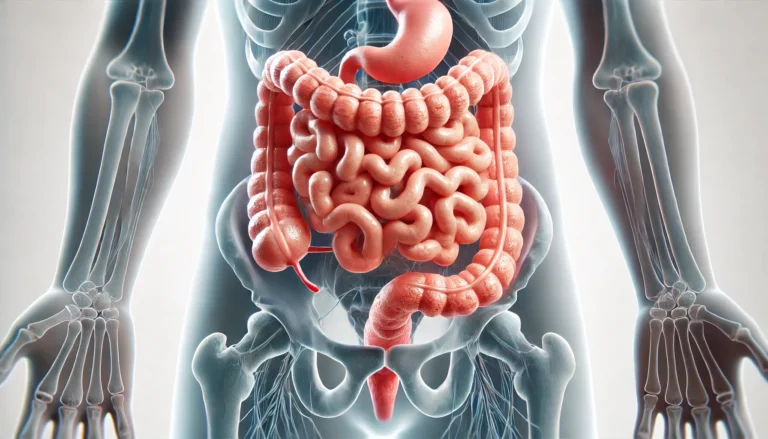
Most nutrient absorption occurs in the small intestine due to its unique anatomical and physiological features. Unlike the stomach, which primarily breaks down food into chyme through acidic and enzymatic processes, the small intestine serves as the primary site where essential nutrients are absorbed into the bloodstream. This process is facilitated by enzymes, bile acids, and carrier proteins that work together to ensure efficient assimilation of proteins, carbohydrates, fats, vitamins, and minerals. Understanding how this intricate system operates is essential for optimizing digestion and nutrient bioavailability.

A peaceful, nature-inspired visualization of optimal digestion, depicting a glowing human silhouette with an energized digestive system, surrounded by lush greenery, flowing water, and warm sunlight, symbolizing harmony and gut health

The Anatomy of the Small Intestine: A Specialized Organ for Nutrient Uptake

The small intestine is divided into three distinct sections: the duodenum, jejunum, and ileum. Each segment plays a specific role in digestion and absorption, ensuring that the body maximizes nutrient extraction from food. The duodenum is responsible for continuing enzymatic digestion, breaking down macronutrients into their simplest forms. Here, bile from the liver emulsifies fats, and pancreatic enzymes further degrade proteins and carbohydrates, setting the stage for effective absorption.

In the jejunum, where most nutrient absorption occurs, nutrients such as amino acids, glucose, and fatty acids are actively transported across the intestinal lining. This process is made possible by specialized transporter proteins that facilitate the movement of nutrients into the bloodstream. The ileum, the final section of the small intestine, is where vitamin B12, bile salts, and some remaining nutrients are absorbed before waste products are passed into the large intestine. Together, these three sections create an efficient system that ensures the body receives the nutrients it requires for optimal function.

The Role of Bioavailability in Nutrient Absorption

Not all nutrients are absorbed equally, and bioavailability plays a crucial role in determining how much of a given nutrient can be utilized by the body. The bioavailability of a nutrient depends on several factors, including its chemical form, the presence of co-factors, and the efficiency of digestive enzymes. For example, iron from animal sources (heme iron) is more bioavailable than iron from plant sources (non-heme iron), which requires vitamin C to enhance absorption.

Similarly, fat-soluble vitamins such as A, D, E, and K require dietary fats for optimal absorption. Without sufficient fat intake, these essential vitamins may pass through the digestive tract without being utilized, leading to deficiencies. The majority of nutrient absorption occurs in the small intestine, making it imperative to consume a well-balanced diet that supports enzymatic activity and enhances bioavailability. Strategies such as pairing certain foods together, optimizing gut health, and choosing bioavailable supplement forms can significantly improve nutrient uptake.

Enhancing Digestion and Nutrient Absorption Through Diet

Dietary choices play a significant role in determining how efficiently nutrients are absorbed. Eating a diet rich in whole, unprocessed foods ensures that the digestive system receives essential fibers, enzymes, and prebiotics that support intestinal health. Fermented foods such as yogurt, kimchi, and sauerkraut introduce beneficial probiotics into the gut, which can enhance nutrient absorption by maintaining a balanced microbiome.

Additionally, consuming sufficient protein supports the production of digestive enzymes necessary for breaking down macronutrients. Whole grains, fruits, and vegetables provide essential fiber that promotes peristalsis, ensuring that food moves efficiently through the digestive tract. Since most nutrient absorption occurs in the small intestine, maintaining its integrity through a nutrient-rich diet is crucial for overall health.

Common Factors That Impair Nutrient Absorption

Despite consuming a nutrient-rich diet, certain conditions can impair absorption and lead to deficiencies. One of the most common factors affecting absorption efficiency is gut inflammation, which can result from conditions such as celiac disease, Crohn’s disease, or chronic stress. Inflammation damages the intestinal lining, reducing the surface area available for nutrient uptake and causing malabsorption.

Additionally, low stomach acid levels can interfere with the breakdown of food, making it difficult for nutrients such as vitamin B12, magnesium, and calcium to be absorbed effectively. Certain medications, including antacids and antibiotics, can also disrupt gut flora and enzyme production, further hindering digestion. Understanding these factors allows individuals to take proactive steps to support their digestive health and maximize nutrient bioavailability.

The Importance of Enzymes and Gut Microbiota in Absorption

Digestive enzymes and gut microbiota play a pivotal role in breaking down food and facilitating nutrient absorption. Enzymes such as amylase, protease, and lipase are essential for digesting carbohydrates, proteins, and fats, respectively. Without adequate enzyme activity, undigested food particles can pass through the digestive tract without being properly absorbed.

The gut microbiome, composed of trillions of beneficial bacteria, also influences nutrient absorption by fermenting fibers and producing short-chain fatty acids. These compounds support the integrity of the intestinal lining and enhance the absorption of minerals such as calcium and magnesium. Given that the majority of nutrient absorption occurs in the small intestine, maintaining a healthy gut environment through probiotics, prebiotics, and enzyme-rich foods is essential for optimal digestion.

A futuristic 3D-rendered depiction of the human gut microbiome, showcasing glowing beneficial bacteria in a balanced, vibrant ecosystem with fluid motion, symbolizing digestive health and gut optimization

Frequently Asked Questions (FAQ) on Nutrient Absorption

1. Why does the majority of nutrient absorption occur in the small intestine?

The majority of nutrient absorption occurs in the small intestine because of its specialized structure and function. Unlike other parts of the digestive system, the small intestine has an extensive surface area created by folds, villi, and microvilli, which significantly enhance its ability to absorb nutrients. Additionally, this organ is uniquely equipped with digestive enzymes and transporter proteins that facilitate the efficient uptake of carbohydrates, proteins, fats, vitamins, and minerals. While digestion begins in the stomach, the breakdown of nutrients is completed in the small intestine, where they are absorbed into the bloodstream and distributed to cells. Without the small intestine’s specialized environment, the body would struggle to derive essential nutrients from food, leading to deficiencies and poor overall health.

2. How does gut health influence nutrient absorption?

A healthy gut microbiome plays a crucial role in ensuring that most nutrient absorption occurs in the small intestine. Beneficial bacteria assist in breaking down complex carbohydrates, synthesizing essential vitamins like B12 and K, and enhancing mineral bioavailability. When gut health is compromised due to poor diet, stress, or antibiotic use, the ability of the small intestine to absorb nutrients efficiently may be impaired. Inflammation and damage to the intestinal lining can lead to malabsorption, reducing the effectiveness of digestion and increasing the risk of deficiencies. Supporting gut health through probiotic-rich foods, fiber, and stress management can optimize the body’s ability to absorb essential nutrients.

3. What factors can negatively impact nutrient absorption?

Several factors can impair the ability of the small intestine to absorb nutrients efficiently. Chronic stress, inflammation, and gastrointestinal disorders such as Crohn’s disease and celiac disease can damage the intestinal lining, reducing its absorptive capacity. Additionally, certain medications, including proton pump inhibitors and antibiotics, can disrupt the gut microbiome, affecting the digestive process. A diet high in processed foods and low in fiber can slow digestion and hinder absorption efficiency. Since the majority of nutrient absorption occurs in the small intestine, any factor that disrupts its function can lead to widespread nutritional deficiencies and poor health outcomes.

4. How does hydration affect nutrient absorption?

Adequate hydration is essential for the proper functioning of the small intestine and overall digestive health. Water helps dissolve nutrients and transport them across the intestinal lining into the bloodstream. Insufficient hydration can slow digestion and impair enzyme activity, making it more difficult for the body to extract essential vitamins and minerals. Since most nutrient absorption occurs in the small intestine, maintaining proper hydration ensures that nutrients can be efficiently absorbed and utilized. Drinking water before and after meals, rather than in large amounts during meals, helps optimize digestive efficiency without diluting stomach acid and enzymes.

5. Can food combinations impact the efficiency of nutrient absorption?

Yes, the way foods are combined can significantly influence how efficiently the body absorbs nutrients. Some nutrients require specific conditions or co-factors for optimal absorption. For example, vitamin C enhances the absorption of non-heme iron found in plant-based foods, making it beneficial to pair citrus fruits with iron-rich vegetables like spinach. Healthy fats improve the absorption of fat-soluble vitamins such as A, D, E, and K, meaning that adding olive oil or avocado to a meal can enhance their uptake. Conversely, certain compounds, such as oxalates in spinach and phytates in legumes, can inhibit mineral absorption, requiring careful meal planning for maximum nutrient intake. Understanding how to combine foods strategically can enhance the efficiency of nutrient absorption in the small intestine.

6. How does aging affect nutrient absorption?

As people age, the efficiency of nutrient absorption in the small intestine can decline due to physiological changes in digestion. Reduced production of stomach acid can impair the breakdown of proteins and the absorption of minerals such as calcium, magnesium, and iron. Additionally, the body may produce fewer digestive enzymes, making it harder to process and absorb macronutrients effectively. Aging also affects the gut microbiome, potentially leading to imbalances that disrupt digestion and nutrient uptake. Since most nutrient absorption occurs in the small intestine, older adults may benefit from enzyme supplements, increased hydration, and nutrient-dense diets to support optimal digestion.

7. Are there specific nutrients that are more difficult for the body to absorb?

Certain nutrients require special conditions for optimal absorption and may be more challenging for the body to utilize efficiently. Vitamin B12, for instance, requires intrinsic factor, a protein produced in the stomach, for proper absorption in the ileum of the small intestine. Iron absorption is influenced by dietary composition, with heme iron from animal sources being more bioavailable than non-heme iron from plants. Fat-soluble vitamins A, D, E, and K need dietary fats for absorption, meaning a low-fat diet may compromise their uptake. Calcium and magnesium absorption can be influenced by competing minerals and digestive pH levels, requiring balanced intake and, in some cases, supplementation. Understanding the unique absorption requirements of these nutrients can help individuals make dietary choices that enhance their availability.

8. What lifestyle habits can optimize nutrient absorption?

Several lifestyle habits can enhance the body’s ability to absorb essential nutrients more efficiently. Eating meals mindfully and chewing food thoroughly supports digestion by breaking down food into smaller particles for better absorption. Regular physical activity promotes healthy digestion by stimulating intestinal motility and improving circulation to digestive organs. Managing stress through meditation and deep breathing exercises can reduce the impact of cortisol on digestive function, preventing nutrient malabsorption. Since the majority of nutrient absorption occurs in the small intestine, incorporating these habits ensures that the body maximizes its intake of essential vitamins and minerals. Additionally, avoiding excessive alcohol consumption and smoking can prevent damage to the intestinal lining, supporting long-term digestive health.

9. Can digestive enzyme supplements improve nutrient absorption?

Yes, digestive enzyme supplements can enhance the absorption of nutrients, particularly for individuals with enzyme deficiencies or digestive disorders. Enzymes such as amylase, protease, and lipase help break down carbohydrates, proteins, and fats, ensuring that the small intestine can absorb these nutrients effectively. People with conditions such as pancreatic insufficiency or lactose intolerance may benefit from enzyme supplementation to improve digestion and nutrient uptake. Additionally, enzyme supplementation can support aging individuals who may naturally produce fewer digestive enzymes. Since most nutrient absorption occurs in the small intestine, ensuring that food is properly broken down before reaching this stage can significantly improve bioavailability.

10. What role does the liver play in nutrient absorption?

While the majority of nutrient absorption occurs in the small intestine, the liver plays a crucial supporting role by producing bile, which aids in fat digestion and absorption. Bile emulsifies fats, breaking them down into smaller molecules that the small intestine can absorb efficiently. The liver also processes nutrients after absorption, converting them into usable forms and detoxifying harmful substances. Additionally, the liver stores fat-soluble vitamins and minerals, ensuring a steady supply of essential nutrients for the body’s needs. A healthy liver supports efficient digestion and absorption, making liver health a key factor in overall nutrient utilization.

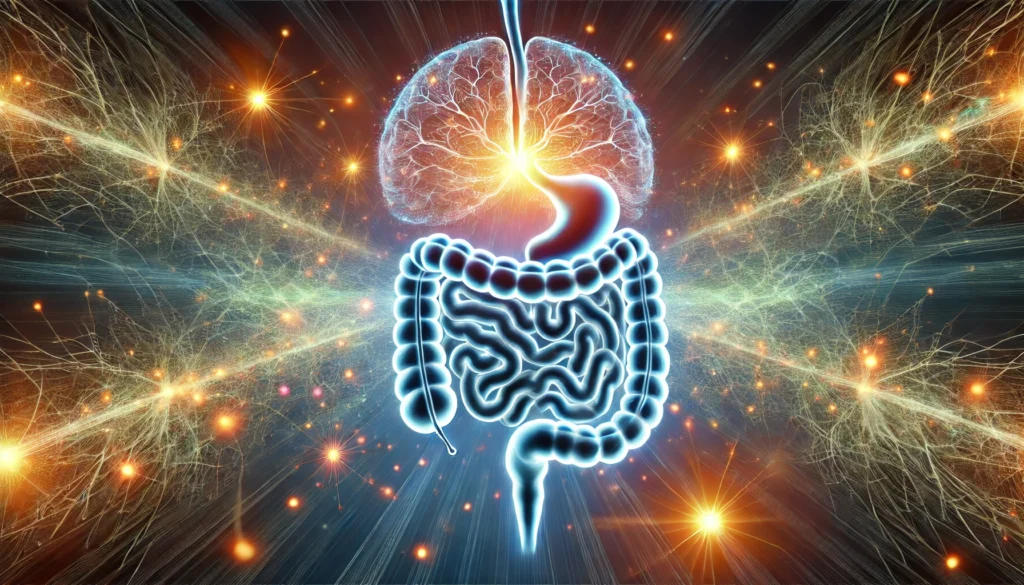
An artistic visualization of the gut-brain connection, depicting a glowing digestive tract seamlessly linked to a radiant brain, surrounded by neural pathways and energy waves, symbolizing the relationship between digestion and mental well-being

Conclusion: Strategies for Optimizing Nutrient Absorption

Since most nutrient absorption occurs in the small intestine, it is essential to support digestive health through mindful dietary and lifestyle choices. Consuming nutrient-dense foods, ensuring adequate enzyme activity, and maintaining a balanced gut microbiome all contribute to enhanced nutrient uptake. Understanding how dietary components interact with digestive processes allows individuals to make informed choices that maximize their nutrient intake and overall health.

By prioritizing gut health, managing inflammation, and selecting bioavailable nutrients, individuals can optimize their digestive efficiency and ensure their bodies receive the nourishment needed for optimal function. The role of the small intestine in absorption cannot be overstated, making it a focal point for those seeking to improve their digestion and overall well-being.

nutrient absorption, most nutrient absorption occurs in the, the majority of nutrient absorption occurs in the, digestion and absorption, small intestine function, gut health, bioavailable nutrients, digestive enzymes, optimize digestion, enhance nutrient absorption, improve digestion naturally, gut microbiome, intestinal health, absorption efficiency, nutrient bioavailability, how digestion works, maximize nutrient uptake, healthy digestion, digestive system support, small intestine absorption

Further Reading:

The 11 Best Ways to Improve Your Digestion Naturally

Elucidating the role of diet in maintaining gut health to reduce the risk of obesity, cardiovascular and other age-related inflammatory diseases: recent challenges and future recommendations

Your Digestive System: 5 Ways to Support Gut Health

Disclaimer

The information contained in this article is provided for general informational purposes only and is not intended to serve as medical, legal, or professional advice. While NewsHealthWatch strives to present accurate, up-to-date, and reliable content, no warranty or guarantee, expressed or implied, is made regarding the completeness, accuracy, or adequacy of the information provided. Readers are strongly advised to seek the guidance of a qualified healthcare provider or other relevant professionals before acting on any information contained in this article. NewsHealthWatch, its authors, editors, and contributors expressly disclaim any liability for any damages, losses, or consequences arising directly or indirectly from the use, interpretation, or reliance on any information presented herein. The views and opinions
Revitalize Your Health: How to Boost Your Metabolism with Holistic Bioavailable Nutrients

Understanding Metabolism and Its Role in Overall Health

Metabolism is the body’s intricate process of converting food into energy. This energy is crucial for every function, from cellular repair to brain activity and muscle movement. The speed at which your body burns calories and processes nutrients is influenced by multiple factors, including genetics, age, diet, and physical activity. A person with a fast metabolism efficiently converts food into energy, while those with a slow metabolism may struggle with weight gain and fatigue. Recognizing the signs of slow metabolism is essential in developing strategies to optimize metabolic function.

The difference between fast metabolism vs. slow metabolism can be substantial. Those with a high metabolism tend to burn calories more efficiently, often maintaining or losing weight easily. Conversely, a slow metabolism can make weight management challenging and may lead to fatigue, hormonal imbalances, and digestive issues. Understanding how metabolism functions allows for the implementation of strategies to improve metabolism naturally.

You may also like: How to Improve Nutrient Absorption: Unlock the Benefits of Bioavailable Nutrients for Holistic Wellness

Recognizing Signs of Slow Metabolism and Its Causes

Many individuals do not realize they have a slow metabolism until they experience symptoms such as unexplained weight gain, persistent fatigue, and difficulty digesting food. Other indicators include brittle hair and nails, dry skin, and sensitivity to cold temperatures. These symptoms arise because a sluggish metabolic rate affects the efficiency of cellular functions, leading to reduced energy production and inefficient nutrient absorption.

The causes of a slow metabolism are varied. Hormonal imbalances, particularly involving the thyroid gland, can significantly impact metabolic rate. A lack of physical activity and excessive calorie restriction can also cause metabolic slowdowns, as the body conserves energy in response to perceived starvation. Additionally, chronic stress and insufficient sleep interfere with hormonal regulation, leading to an impaired ability to burn calories efficiently. To fix metabolism issues, it is vital to identify and address these underlying causes through dietary and lifestyle adjustments.

A peaceful wellness retreat featuring a natural hot spring surrounded by dense forest, with steam rising into the golden sunlight filtering through the trees, evoking deep relaxation and revitalization

How Can You Increase Metabolism Naturally?

Understanding how to get a fast metabolism involves implementing targeted lifestyle changes. Regular physical activity, particularly strength training, helps build lean muscle, which increases resting metabolic rate. Consuming protein-rich foods also aids in raising metabolism, as protein has a higher thermic effect than carbohydrates or fats, requiring more energy to digest.

Hydration is another critical factor. Water supports cellular function and metabolic efficiency, while dehydration can slow metabolic processes. Additionally, incorporating nutrient-dense foods such as leafy greens, lean proteins, and whole grains ensures the body receives the necessary vitamins and minerals to improve metabolism. Small, frequent meals can also prevent metabolic slowdowns by maintaining stable blood sugar levels and providing a steady supply of energy throughout the day.

The Role of Bioavailable Nutrients in Boosting Metabolism

Bioavailability refers to the body’s ability to absorb and utilize nutrients effectively. The highest metabolism is supported by a diet rich in bioavailable nutrients, which optimize energy production and metabolic function. Key vitamins and minerals play a crucial role in regulating metabolism, including B vitamins, magnesium, and iron.

B vitamins, particularly B6 and B12, assist in energy production and red blood cell formation. Magnesium supports enzymatic functions that influence metabolic reactions, while iron is essential for oxygen transport and energy metabolism. Ensuring these nutrients are in their most bioavailable forms—such as methylated B vitamins and chelated minerals—enhances the body’s ability to use them efficiently.

How to Fix Metabolism Through Diet

The best diet to increase metabolism includes whole, unprocessed foods that promote efficient energy conversion. Protein sources such as eggs, lean meats, and legumes require more energy for digestion, increasing calorie burn. Fiber-rich foods, including vegetables, fruits, and whole grains, regulate blood sugar levels and prevent insulin spikes, which can negatively impact metabolism.

Healthy fats, such as those found in avocados, nuts, and olive oil, support hormone production, which is crucial for metabolic balance. Spices such as cayenne pepper and turmeric contain compounds that can raise metabolism by increasing thermogenesis, the process of heat production in the body. Avoiding refined sugars and processed foods helps prevent metabolic slowdowns caused by insulin resistance and inflammation.

The Impact of Sleep and Stress on Metabolic Rate

Sleep plays a fundamental role in metabolic function, with inadequate rest leading to hormonal imbalances that slow metabolism. Poor sleep affects the production of leptin and ghrelin, hormones responsible for regulating hunger and satiety. This disruption often results in overeating and weight gain, further impacting metabolic efficiency.

Chronic stress triggers the release of cortisol, a hormone that promotes fat storage and hinders metabolic function. Engaging in relaxation techniques such as meditation, deep breathing exercises, and yoga can counteract the effects of stress. Prioritizing restful sleep and stress management techniques is a critical component of how to improve metabolism and maintain long-term health.

Physical Activity and Its Role in Enhancing Metabolic Efficiency

Exercise is one of the best ways to increase metabolism naturally. High-intensity interval training (HIIT) is particularly effective at boosting metabolic rate by increasing post-exercise oxygen consumption. This means that the body continues to burn calories even after the workout has ended.

Strength training builds lean muscle, which is metabolically active tissue. The more muscle mass an individual has, the higher their resting metabolic rate. Consistent physical activity also improves insulin sensitivity, making it easier for the body to regulate blood sugar levels and burn fat efficiently. A combination of cardiovascular exercises and resistance training is ideal for maintaining a high metabolism.

The Science Behind Fast Metabolism and Weight Management

Many people wonder, “What does fast metabolism mean?” or “How can you have a fast metabolism?” A fast metabolism refers to the body’s ability to burn calories quickly, often resulting in easier weight management. Individuals with a naturally high metabolism have efficient energy conversion rates, allowing them to consume more calories without storing excess fat.

However, a fast metabolism does not necessarily mean unrestricted eating. Nutrient quality still matters, as consuming highly processed foods can lead to metabolic imbalances. To sustain high metabolic efficiency, individuals should focus on whole, nutrient-dense foods, consistent physical activity, and proper hydration.

A vibrant, nutrient-rich meal featuring colorful organic fruits, vegetables, and whole grains on a rustic wooden table, symbolizing the connection between nutrition, energy, and holistic wellness

Frequently Asked Questions (FAQ) on Boosting Metabolism

1. How can I tell if I have a fast metabolism or a slow metabolism?

Identifying whether you have a fast metabolism or a slow metabolism involves observing how your body responds to food intake and physical activity. Those with a fast metabolism tend to burn calories quickly, often struggling to gain weight despite consuming large amounts of food. On the other hand, individuals with a slow metabolism may notice signs such as persistent fatigue, easy weight gain, and difficulty losing weight even with exercise. Measuring your basal metabolic rate (BMR) through professional assessments can provide a more scientific insight into how your body processes energy. Additionally, tracking how your body reacts to dietary changes and physical activity over time can help determine whether you need to take steps to improve metabolism.

2. What are some signs of slow metabolism, and how can they be addressed?

Slow metabolism meaning varies from person to person, but common indicators include sluggish digestion, low energy levels, and difficulty maintaining an optimal body weight. Other signs of slow metabolism include feeling cold frequently, experiencing dry skin, and struggling with mood fluctuations. One way to fix metabolism issues is to incorporate strength training exercises, which build lean muscle and enhance calorie burning. Additionally, eating protein-rich foods and consuming enough calories to meet daily energy requirements can prevent metabolic slowdowns. Managing stress levels and getting sufficient sleep also play crucial roles in keeping metabolism functioning efficiently.

3. How can I boost my metabolism naturally without relying on supplements?

One of the best ways to increase metabolism naturally is to focus on consistent, high-quality nutrition and physical activity. Engaging in a combination of strength training and cardiovascular exercise can significantly boost your metabolism by increasing lean muscle mass and improving oxygen consumption. Eating protein-rich foods stimulates thermogenesis, a process where the body burns calories to digest food, thus helping you raise metabolism over time. Staying hydrated supports metabolic efficiency by aiding in digestion and nutrient transport throughout the body. Lastly, prioritizing rest and stress management ensures that hormonal imbalances do not negatively affect your ability to burn calories efficiently.

4. What does it mean to have a fast metabolism, and can it be harmful?

A fast metabolism meaning refers to a body that rapidly converts food into energy, making it easier to maintain a lean physique. However, in some cases, having a high metabolism can present challenges, such as difficulty gaining weight or maintaining muscle mass. The highest metabolism rates are often observed in individuals with high levels of physical activity or those with naturally elevated thyroid function. While a fast metabolism is typically seen as beneficial, it can lead to nutritional deficiencies if caloric intake is insufficient to meet energy demands. Ensuring a balanced diet rich in vitamins, minerals, and macronutrients is essential to sustaining energy levels and overall health.

5. How can I speed up my metabolism if I have struggled with weight gain?

If you are looking for how to speed up metabolism while dealing with weight gain, consider integrating habits that naturally enhance calorie burning. Resistance training and high-intensity interval training (HIIT) are highly effective at improving metabolic rate by building muscle and increasing post-exercise calorie burn. Eating small, frequent meals can help maintain stable blood sugar levels and prevent metabolic slowdowns caused by prolonged fasting. Consuming foods rich in metabolism-boosting compounds, such as green tea, chili peppers, and protein, can also support thermogenesis. Additionally, getting adequate sleep and managing stress levels prevents cortisol spikes that contribute to weight gain and metabolic inefficiencies.

6. What is the best diet to increase metabolism and sustain long-term energy?

The best diet to increase metabolism is one that prioritizes whole, nutrient-dense foods while avoiding excessive processed sugars and refined carbohydrates. Protein sources such as lean meats, eggs, and legumes require more energy to digest, helping to keep your metabolic rate high. Foods rich in healthy fats, such as avocados, nuts, and olive oil, support hormone production and overall metabolic balance. Fiber from fruits, vegetables, and whole grains improves digestion and prevents metabolic slowdowns caused by sluggish gut function. Combining these dietary choices with hydration and regular meal timing can maximize energy production and metabolic efficiency.

7. How can I balance metabolism if I experience extreme fluctuations in weight?

Fast metabolism and weight gain can sometimes go hand in hand when there are underlying metabolic imbalances. People who rapidly fluctuate between weight loss and gain may experience hormonal disruptions that affect their ability to regulate metabolism effectively. To stabilize metabolic function, it is crucial to maintain a consistent exercise routine and avoid extreme dieting, which can cause metabolic adaptation. Eating a well-rounded diet with steady macronutrient intake ensures that your body does not enter starvation mode, which can slow metabolism. Working with a healthcare professional to assess thyroid function or other metabolic concerns may also be beneficial.

8. What role does sleep play in metabolism, and how does sleep deprivation affect metabolic rate?

Sleep is a critical component in how to fix metabolism and maintain overall energy balance. Poor sleep disrupts the production of hormones such as leptin and ghrelin, which regulate hunger and satiety, leading to an increased appetite and potential weight gain. Additionally, chronic sleep deprivation can slow metabolism by reducing insulin sensitivity, making it harder for the body to convert food into usable energy efficiently. Aiming for seven to nine hours of high-quality sleep each night supports optimal metabolic function and helps the body recover from daily activities. Establishing a consistent sleep schedule and creating a restful nighttime environment can significantly contribute to long-term metabolic health.

9. Can stress negatively impact metabolism, and how can stress management help improve metabolism?

Chronic stress has a significant impact on metabolism, often leading to hormonal imbalances that promote fat storage and reduce calorie burning. High cortisol levels, which are released during prolonged stress, can cause the body to conserve energy rather than expend it, leading to weight gain. Stress management techniques such as meditation, deep breathing exercises, and engaging in hobbies can help regulate stress levels and prevent metabolic slowdowns. Engaging in moderate physical activity, such as yoga or walking, can also help keep metabolism active while reducing stress-related inflammation. Prioritizing mental well-being is an essential aspect of maintaining a balanced metabolism and overall health.

10. Is it possible to have too high of a metabolism, and how can you maintain a balanced metabolic rate?

While many people seek to boost metabolism, having the highest metabolism can sometimes lead to unintended consequences such as nutrient deficiencies, excessive energy expenditure, and difficulty maintaining a stable weight. Individuals with extremely high metabolism rates may need to consume more nutrient-dense calories to sustain energy levels and prevent muscle loss. Maintaining metabolic balance involves engaging in moderate-intensity exercise, eating nutrient-rich foods, and ensuring proper recovery periods between workouts. If weight loss or difficulty maintaining weight becomes a concern, working with a nutritionist or healthcare professional can help develop a sustainable plan. achieving a steady and efficient metabolism requires a well-rounded approach that supports both energy expenditure and overall health.

A serene sunrise yoga session on a hilltop, with a person in a meditative pose overlooking a vast horizon bathed in golden light, symbolizing inner balance, renewal, and holistic well-being

Conclusion: The Best Way to Boost Your Metabolism Naturally

Optimizing metabolic function requires a comprehensive approach that includes proper nutrition, regular exercise, stress management, and sufficient sleep. The best ways to increase metabolism involve consuming bioavailable nutrients, engaging in muscle-building activities, and maintaining a balanced lifestyle. By understanding how metabolism works and implementing targeted strategies, individuals can improve energy levels, support weight management, and enhance overall well-being.

Raising metabolism is not about quick fixes but rather about sustainable habits that promote long-term health. With the right approach, anyone can learn how to get a fast metabolism and experience the benefits of a more efficient, energized body. The path to metabolic wellness lies in consistent, mindful choices that nurture both the body and mind.

boost metabolism, fast metabolism, high metabolism, slow metabolism meaning, improve metabolism, how to fix metabolism, raise metabolism, best way to boost your metabolism, signs of slow metabolism, how can i boost my metabolism, how can i speed up my metabolism, how to tell if your metabolism is fast, best diet to increase metabolism, how do you have a fast metabolism, what does fast metabolism mean, fast metabolism and weight gain, how to get fast metabolism, highest metabolism, best ways to increase metabolism, how to know if your metabolism is fast

Further Reading:

Revitalize your walking routine

Lifestyle Medicine: A Brief Review of Its Dramatic Impact on Health and Survival

Revitalize Your Life: Embracing a Healthy Lifestyle for a Bright Future

Disclaimer

The information contained in this article is provided for general informational purposes only and is not intended to serve as medical, legal, or professional advice. While NewsHealthWatch strives to present accurate, up-to-date, and reliable content, no warranty or guarantee, expressed or implied, is made regarding the completeness, accuracy, or adequacy of the information provided. Readers are strongly advised to seek the guidance of a qualified healthcare provider or other relevant professionals before acting on any information contained in this article. NewsHealthWatch, its authors, editors, and contributors expressly disclaim any liability for any damages, losses, or consequences arising directly or indirectly from the use, interpretation, or reliance on any information presented herein. The views and opinions
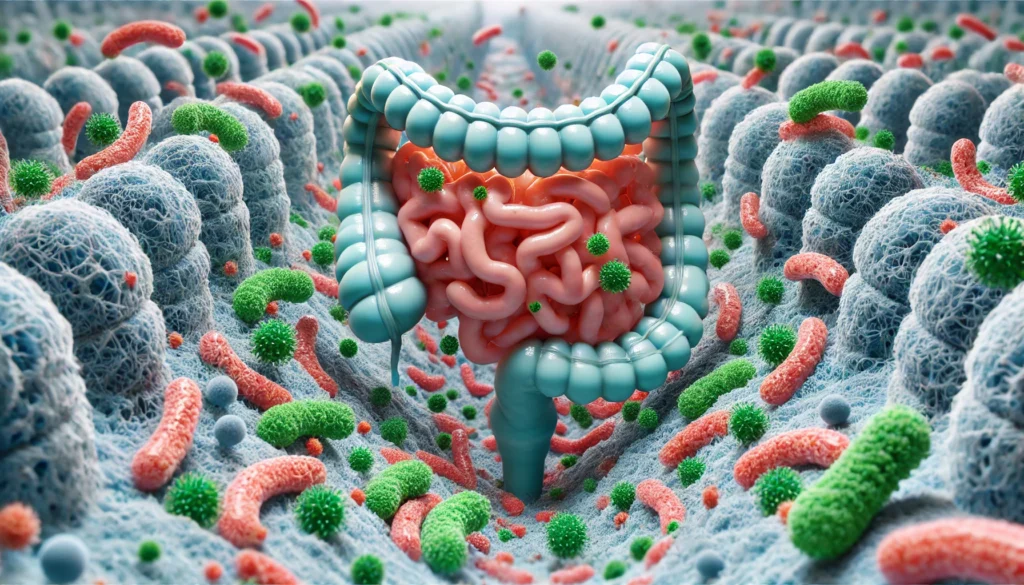
What to Do on Rest Days: Optimal Strategies for Athletic Recovery & Regeneration

Introduction: The Importance of Rest Days in Athletic Performance

Athletic performance is not solely determined by how hard or how often one trains but is equally dependent on the quality of recovery. While rigorous workouts push the body to new limits, the process of repair, adaptation, and strengthening occurs during rest. This is why understanding what to do on rest days is crucial for maximizing athletic recovery and regeneration. Whether one is a professional athlete, a weekend warrior, or a fitness enthusiast, implementing the right recovery strategies can significantly enhance performance, prevent injuries, and improve overall well-being.

Rest days are often misunderstood, with many assuming that complete inactivity is the only way to recover. However, active recovery—engaging in low-intensity activities—can actually be more beneficial than total rest in many cases. Additionally, factors such as proper nutrition, hydration, sleep, stretching, and mental relaxation play a pivotal role in making the most of a rest day. But how many rest days a week should one take? And is it better to skip a day between workouts, or follow a structured rest day schedule? The answers vary based on individual fitness levels, training intensity, and overall goals.

In this comprehensive guide, we will explore the science behind rest and recovery, delve into active recovery workouts, discuss the best strategies for optimizing active rest days, and provide actionable insights on how to balance training and recovery effectively. By understanding the intricacies of a well-planned recovery day, athletes can ensure they are giving their bodies the time and resources needed to grow stronger, more resilient, and better prepared for future challenges.

A warm indoor setting with a large window overlooking a rainy forest. A steaming cup of tea sits beside a plush armchair draped with a blanket, illuminated by soft lighting, evoking comfort and relaxation.

The Science Behind Recovery: Why Rest is Essential

Understanding the biological mechanisms of recovery is fundamental in designing a well-structured training plan. Exercise, especially intense training, creates microtears in muscle fibers, depletes glycogen stores, and stresses the central nervous system. During the recovery phase, the body repairs these damaged fibers, replenishes energy reserves, and adapts to the training stimulus, leading to strength gains and endurance improvements.

One of the key factors in recovery is the balance between catabolic (breaking down) and anabolic (building up) processes. While workouts induce a catabolic state, recovery fosters anabolism, where muscle tissues repair and grow. Without adequate recovery, athletes risk overtraining, which can lead to fatigue, decreased performance, and an increased likelihood of injury. Therefore, are rest days important? Absolutely—without them, the body cannot fully recover and improve.

Beyond muscular repair, rest days also contribute to nervous system recovery. High-intensity training, particularly strength and endurance exercises, places stress on the central nervous system (CNS). If the CNS remains overstressed for prolonged periods without adequate recovery, it can lead to reduced reaction times, poor coordination, and overall physical exhaustion. This is why knowing how many rest days between workouts to take is essential for optimal performance.

Hormonal balance is another critical aspect of recovery. Intense exercise triggers the release of cortisol, a stress hormone that, in excessive amounts, can lead to muscle breakdown, suppressed immune function, and chronic fatigue. Adequate rest helps regulate cortisol levels while promoting the secretion of growth hormones and testosterone, both of which are essential for muscle repair and regeneration.

A serene tropical beach at sunset with a wooden lounge chair facing gentle ocean waves. The golden sand, palm trees casting long shadows, and a vibrant sky of pink, orange, and purple create the perfect peaceful escape.

How Many Rest Days Should You Take?

The number of rest days needed depends on various factors, including training intensity, individual fitness levels, age, and overall recovery capacity. How many rest days should you have a week? While some elite athletes may function well with just one or two rest days, others—especially those engaged in high-intensity training—may benefit from three to four recovery days per week.

For those engaged in moderate exercise, a general rule of thumb is to have at least one active recovery day and one complete rest day each week. How many rest days should you take depends on how well one listens to their body. Persistent soreness, lack of motivation, increased resting heart rate, and prolonged fatigue are all signs that more recovery time may be necessary.

Another factor to consider is whether it is better to skip a day between workouts. This strategy can be useful for beginners or those performing heavy weightlifting sessions, as it allows for sufficient muscle repair. However, more advanced athletes following a structured split routine may not need to take rest days between every session if they are training different muscle groups each day.

A secluded mountain cabin surrounded by snow-covered pine trees, with smoke curling from the chimney. A wooden rocking chair on the porch faces a serene winter landscape, glowing warmly from within.

Active Recovery: The Key to Effective Rest Days

While complete rest days have their place, incorporating active recovery exercises into a routine can significantly enhance the recovery process. Unlike high-intensity workouts, active recovery workouts are performed at low intensity, helping to increase blood circulation, flush out metabolic waste, and reduce muscle stiffness without causing additional stress on the body.

Examples of active rest day workouts include:

  • Light jogging or brisk walking
  • Swimming or water-based exercises
  • Yoga or dynamic stretching
  • Cycling at a low intensity
  • Foam rolling and mobility work

These activities promote oxygen and nutrient delivery to muscles, aiding in faster recovery while keeping the body in motion. Additionally, active recovery helps maintain consistency in training, making it an excellent option for those who struggle with complete rest days.

Nutrition and Hydration: Fueling Recovery

Optimal recovery is not just about resting the body but also about refueling it correctly. Proper nutrition plays a vital role in muscle repair, glycogen replenishment, and overall recovery efficiency. What to do on rest days to build muscle? Prioritize protein intake, as protein synthesis is essential for repairing and building lean muscle mass.

Carbohydrates are equally important, as they restore depleted glycogen levels. Whole foods such as fruits, vegetables, lean meats, nuts, and whole grains should be prioritized. Additionally, hydration is often overlooked but is crucial for recovery. Drinking adequate water aids in nutrient transport, temperature regulation, and muscle function.

The Role of Sleep in Recovery

One of the best things to do on a rest day is to optimize sleep quality. During deep sleep, the body undergoes essential processes that facilitate physical and mental recovery. Growth hormone production peaks during sleep, aiding in muscle repair and tissue growth. Athletes should aim for at least 7-9 hours of high-quality sleep per night to maximize recovery benefits.

Creating a sleep-friendly environment, maintaining a consistent sleep schedule, and avoiding stimulants before bedtime are practical steps to enhance sleep quality. Additionally, short naps of 20-30 minutes can also contribute to recovery, especially for those with demanding training schedules.

Mental Recovery: The Psychological Aspect of Rest

Physical recovery is just one component of an effective rest day; mental relaxation is equally important. Stress, anxiety, and mental fatigue can hinder athletic performance just as much as physical exhaustion. Engaging in activities that promote relaxation, such as meditation, mindfulness, or spending time in nature, can help rejuvenate the mind and body.

Taking a break from rigorous training also allows athletes to reset mentally, preventing burnout and sustaining long-term motivation. Mental recovery is especially crucial for endurance athletes and competitive sports players who experience high cognitive demands alongside physical exertion.

Frequently Asked Questions (FAQ)

How many rest days should you take each week for optimal recovery?

The number of rest days you need depends on various factors, including workout intensity, fitness level, and personal recovery ability. Generally, most people benefit from taking at least one to three rest days per week to allow the body to recover fully. Active recovery workouts, such as light stretching, yoga, or swimming, can be incorporated on rest days to enhance circulation and reduce muscle stiffness. If you’re engaging in high-intensity training, more frequent rest days may be necessary to prevent overtraining and injuries. Listening to your body is essential—if you’re feeling consistently fatigued or experiencing prolonged soreness, you may need additional recovery days.

What is the best thing to do on a rest day to support muscle recovery?

On a rest day, focusing on recovery-enhancing activities can improve muscle repair and overall performance. Hydration is crucial, as water helps flush out toxins and supports cellular function. Nutrition also plays a key role—consuming a balanced meal rich in protein, healthy fats, and carbohydrates can accelerate recovery. Engaging in active recovery exercises, such as walking, cycling at a low intensity, or performing mobility drills, keeps the body in motion without causing additional strain. Prioritizing quality sleep is another vital aspect, as deep sleep promotes muscle repair and growth. Lastly, stress management techniques like meditation or massage can further aid recovery.

Is it better to skip a day between workouts, or should you train daily?

Whether you should take a day off between workouts depends on your training intensity and overall goals. If you are engaging in high-intensity resistance training or endurance workouts, skipping a day between sessions allows muscles to repair and strengthen. However, an active rest day workout, incorporating low-impact movements such as bodyweight exercises or swimming, can keep you engaged without overloading your muscles. For those following a split workout routine, training different muscle groups on consecutive days can allow continuous progress without excessive fatigue. Ultimately, balancing training and recovery ensures long-term performance improvements and minimizes the risk of injury.

What are some effective active recovery exercises for rest days?

Active recovery exercises should be low-impact and designed to promote blood circulation without causing fatigue. Yoga and Pilates are excellent choices as they improve flexibility, strengthen stabilizing muscles, and enhance overall mobility. Swimming provides a full-body workout with minimal joint stress, making it ideal for an active recovery day. Cycling at a moderate pace and brisk walking are great options for increasing circulation while keeping the body moving. Foam rolling and dynamic stretching can also be incorporated to reduce muscle tightness and prevent stiffness. Selecting recovery exercises based on your fitness goals and comfort level will ensure that your rest days remain beneficial.

How long should you rest after a workout before training again?

The duration of rest needed between workouts depends on the intensity and type of exercise performed. For strength training, allowing 48 hours of rest for the same muscle group is generally recommended to facilitate muscle repair and prevent overtraining. Endurance athletes may require varying rest periods depending on the intensity of their sessions—longer recovery times are needed after high-intensity runs or cycling sessions. A recovery day workout featuring light mobility drills, stretching, or swimming can be beneficial in reducing muscle stiffness and aiding recovery. If experiencing excessive fatigue or prolonged soreness, extending rest time is advisable to prevent injuries. Monitoring heart rate variability (HRV) and sleep quality can provide additional insights into whether more rest is necessary.

Do you need rest days even if you’re not feeling sore?

Yes, rest days are essential even if you’re not experiencing soreness. The absence of soreness does not necessarily indicate full recovery, as the central nervous system (CNS) and other physiological systems may still need time to recuperate. Active rest days help maintain movement patterns without overloading the body, reducing the risk of burnout and chronic fatigue. Resting and exercise work together to improve long-term fitness by preventing plateaus and supporting sustained muscle growth. Incorporating active recovery days into your routine ensures continuous progress while minimizing the risk of injuries. Consistently pushing through workouts without proper rest can eventually lead to overtraining and diminished performance.

How many rest days should you have a week for strength training?

For individuals focused on strength training, taking two to three rest days per week is often recommended to allow for adequate muscle recovery. The frequency of rest days depends on workout intensity, volume, and experience level. Advanced lifters may benefit from active rest day workouts, such as mobility drills or light resistance training, to enhance recovery without impairing progress. Strategic recovery days also help prevent central nervous system fatigue, which can impact strength and coordination. To optimize performance, it’s crucial to balance high-intensity training sessions with sufficient recovery time.

What are the best active rest day ideas for staying engaged without overtraining?

Active rest day ideas should focus on activities that promote movement while keeping stress on the body minimal. Engaging in outdoor activities like hiking or cycling at a relaxed pace can be an enjoyable way to stay active without overexertion. Swimming is another excellent choice, as it provides a full-body workout without straining joints or muscles. Practicing yoga or Pilates improves flexibility and core stability while promoting mental relaxation. Incorporating mindfulness activities, such as tai chi or guided meditation, can help with stress reduction while complementing physical recovery. The goal of an active rest day is to support overall well-being while giving muscles time to repair and grow.

How many days between workouts should you take for optimal progress?

The ideal number of days between workouts varies based on individual training goals, fitness level, and workout intensity. Strength training typically requires at least 48 hours of rest for the same muscle group to recover adequately and prevent overuse injuries. Endurance workouts may require different recovery periods depending on duration and intensity—longer sessions often demand extra rest. An active recovery workout, incorporating light movements and stretching, can help accelerate the healing process. Athletes training multiple times a week should implement structured recovery days to maintain peak performance. Monitoring energy levels, sleep quality, and muscle fatigue can guide adjustments to rest schedules for optimal progress.

When should you take a rest day from working out to prevent burnout?

Recognizing when to take a rest day from working out is essential for preventing burnout and maintaining long-term progress. Warning signs of overtraining include persistent fatigue, irritability, decreased performance, and trouble sleeping. A well-planned recovery day workout can help reset both the mind and body without leading to stagnation. If motivation levels drop or workouts feel increasingly challenging, scheduling an active recovery day with low-impact exercises can be beneficial. Prioritizing rest days before experiencing extreme exhaustion ensures that training remains sustainable and enjoyable in the long run.

Conclusion: Crafting the Perfect Recovery Strategy

Understanding what to do on rest days is crucial for enhancing athletic recovery and performance. Whether through active recovery workouts, proper nutrition, quality sleep, or mental relaxation, every aspect of rest plays a role in ensuring the body is primed for future training. By balancing training intensity with sufficient recovery, athletes can optimize their fitness, prevent injuries, and maintain long-term consistency in their performance journey.

athletic recovery, muscle regeneration, workout recovery, active rest day strategies, post-workout recovery, sports performance recovery, recovery nutrition, muscle repair techniques, training recovery methods, fitness recovery tips, rest day optimization, sports recovery plan, workout break benefits, best recovery exercises, optimal rest day practices, athletic performance improvement, post-exercise recovery, muscle recovery science, fitness fatigue management, exercise recovery plan

Further Reading:

How to Make the Most of Your Athletes’ Rest Days

What to Know About Rest Day Workouts

What is active recovery? 11 of the best activities to do on your rest days

The information contained in this article is provided for general informational purposes only and is not intended to serve as medical, legal, or professional advice. While NewsHealthWatch strives to present accurate, up-to-date, and reliable content, no warranty or guarantee, expressed or implied, is made regarding the completeness, accuracy, or adequacy of the information provided. Readers are strongly advised to seek the guidance of a qualified healthcare provider or other relevant professionals before acting on any information contained in this article. NewsHealthWatch, its authors, editors, and contributors expressly disclaim any liability for any damages, losses, or consequences arising directly or indirectly from the use, interpretation, or reliance on any information presented herein. The views and opinions expressed in this article are those of the author(s) and do not necessarily reflect the official policies or positions of NewsHealthWatch.
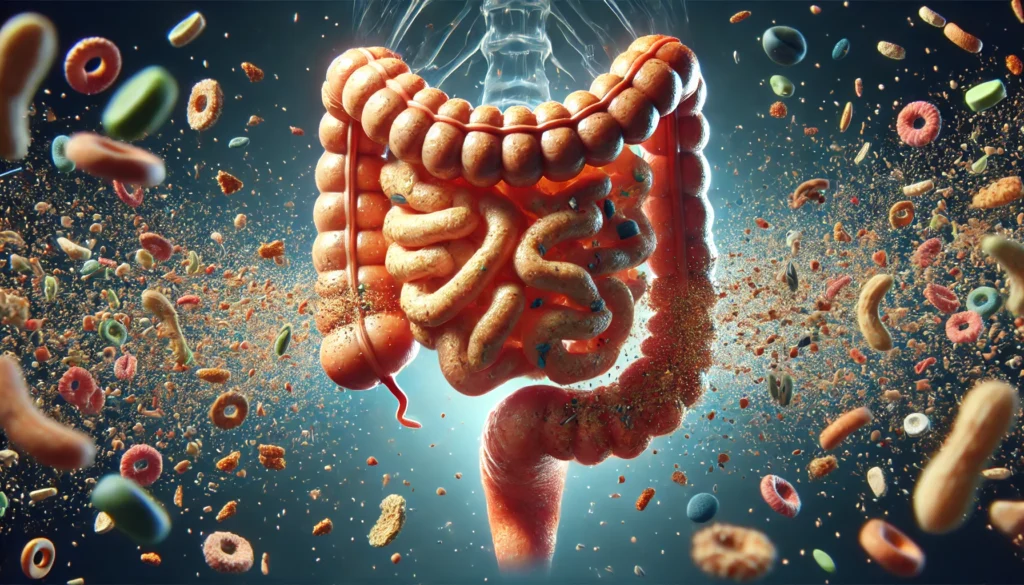
What Speeds Up Muscle Recovery? Proven Strategies to Reduce Recovery Time After Exercise

Understanding Muscle Recovery: The Science Behind the Process

Muscle recovery is an essential component of any fitness regimen, yet it is often overlooked in favor of training intensity and frequency. The process of muscle repair and regeneration involves several physiological mechanisms, including the reduction of inflammation, replenishment of energy stores, and the rebuilding of muscle fibers. Many athletes and fitness enthusiasts find themselves asking, “How long does it take for muscles to recover?” or “What speeds up muscle recovery?” Understanding these fundamental processes can help individuals optimize their recovery time after a workout, allowing for consistent performance improvements.

The duration of muscle recovery varies depending on the type and intensity of exercise. While some individuals may find that they took 5 days to recover from a particularly grueling session, others may bounce back within 24 to 48 hours. Factors such as nutrition, hydration, sleep, and individual physiology play a crucial role in determining the muscle recuperation time. Inadequate recovery can lead to prolonged soreness, decreased performance, and even increased risk of injury. Therefore, knowing how to recover faster from workouts is critical for those looking to achieve long-term fitness goals.

An athlete relaxes in a recovery ice bath infused with futuristic bioelectric pulses, symbolizing enhanced muscle healing and rejuvenation.

The Role of Nutrition in Muscle Recovery

Proper nutrition is one of the most effective ways to speed up muscle recovery. Consuming the right balance of macronutrients—proteins, carbohydrates, and fats—ensures that the body has the necessary building blocks to repair and strengthen muscle tissue. Protein intake, in particular, is crucial because amino acids serve as the fundamental components of muscle rebuild time. Studies have shown that consuming a high-quality protein source within 30 minutes to an hour after exercise can enhance muscle recovery and growth.

Carbohydrates are equally important in the recovery process, as they replenish glycogen stores that become depleted during exercise. Without adequate glycogen restoration, prolonged fatigue and muscle soreness can occur. A post-workout meal consisting of a combination of protein and carbohydrates can accelerate the muscle recovery timeline and ensure sustained energy levels. Additionally, essential fats, particularly omega-3 fatty acids, have been shown to reduce inflammation and contribute to overall muscle recuperation time.

Hydration also plays a pivotal role in muscle recovery. Dehydration impairs circulation, reducing the ability of muscles to receive oxygen and nutrients essential for repair. Drinking enough water before, during, and after workouts can significantly shorten recovery time exercise periods, allowing for improved performance and reduced soreness. In cases of prolonged or intense exercise, incorporating electrolyte-rich beverages can further enhance rehydration and muscle function.

A professional athlete wears a futuristic muscle recovery suit that radiates glowing energy waves, accelerating muscle repair in a cutting-edge sports science lab.

The Impact of Sleep and Rest on Recovery

Quality sleep is often underestimated in its role in muscle recovery. During sleep, the body undergoes critical repair processes, releasing growth hormones that aid in muscle regeneration. Many people wonder, “How long do muscles need to recover?” While the answer varies, it is clear that inadequate sleep prolongs recovery time and reduces overall athletic performance.

Studies suggest that adults should aim for seven to nine hours of sleep per night to optimize muscle recuperation time. Sleep deprivation can lead to increased cortisol levels, a stress hormone that hinders muscle repair and promotes muscle breakdown. To improve sleep quality, individuals should establish a consistent bedtime routine, minimize blue light exposure before bed, and create a sleep-conducive environment free from distractions. Proper rest between workouts is equally important, as overtraining can lead to excessive fatigue and increased injury risk. Knowing how much rest between workouts is optimal depends on individual fitness levels and training intensity.

A therapist provides a deep tissue massage to an athlete, with glowing energy waves flowing through the muscles, visually depicting accelerated muscle recovery in a modern therapy room.

Active Recovery: An Effective Approach to Speeding Up Muscle Repair

Active recovery is a widely recognized strategy to enhance muscle recovery without complete rest. Engaging in low-intensity activities such as walking, yoga, or light swimming promotes blood circulation, facilitating the transport of oxygen and nutrients to muscles. This approach can effectively shorten muscle recovery timelines and reduce stiffness after an intense workout.

Contrast therapy, including alternating between hot and cold treatments, has also gained popularity among athletes seeking to recover faster from workouts. Ice baths help reduce inflammation and numb soreness, while heat therapy relaxes muscles and promotes circulation. Incorporating these methods strategically can significantly improve muscle recovery outcomes. Additionally, massage therapy and foam rolling have been shown to alleviate muscle tension and break up adhesions, further enhancing recovery speed.

Supplementation for Enhanced Muscle Recovery

Several supplements have been studied for their role in muscle recovery. Branched-chain amino acids (BCAAs) are particularly effective in reducing muscle soreness and accelerating the repair process. Consuming BCAAs before and after exercise can minimize muscle breakdown and promote protein synthesis.

Creatine, a widely researched supplement, has been found to improve muscle recuperation time by increasing energy availability and reducing inflammation. Additionally, tart cherry juice and curcumin have been shown to possess anti-inflammatory properties that aid in reducing recovery time exercise periods. Choosing high-quality supplements that align with individual training goals can provide a significant advantage in optimizing recovery.

Frequently Asked Questions (FAQ)

How long does it take for muscles to recover after a workout?

The muscle recovery timeline varies depending on several factors, including workout intensity, individual fitness level, and nutrition. Generally, muscle recuperation time ranges from 24 to 72 hours for moderate workouts, but intense strength training may require up to a week. Some individuals have reported that they took 5 days to recover from particularly grueling sessions, indicating that muscle rebuild time can differ significantly. Recovery time exercise depends on how well you refuel your body with protein, hydration, and rest. To optimize how long muscles take to recover, consider tracking your progress and adjusting your rest periods accordingly.

What is the best way to recover after a gym session?

The best way to recover after gym workouts is to focus on active recovery, proper nutrition, and sleep. Engaging in light activities such as walking, yoga, or mobility exercises can help reduce muscle stiffness and speed up recovery after workout sessions. Many athletes use contrast showers, alternating hot and cold water, to enhance blood flow and minimize soreness. Understanding how to do a proper recovery also includes managing stress levels, as mental fatigue can negatively impact physical recuperation. Incorporating strategies like deep tissue massage or foam rolling can also aid muscle rebuild time and prevent long-term injuries.

How can I speed up recovery after a workout?

If you want to learn how to speed recovery, optimizing nutrition and hydration is key. Consuming a protein-rich meal post-workout enhances muscle rebuild time by repairing damaged fibers efficiently. Supplementing with BCAAs or collagen can further support how long muscles take to recover. Another effective strategy is prioritizing quality sleep, as muscle recuperation time is significantly influenced by deep rest. Engaging in gentle stretching and avoiding excessive alcohol or processed foods will also contribute to faster recovery time workout results.

How much rest between workouts is necessary?

The amount of rest between workouts depends on your training intensity and goals. Generally, for strength training, muscle recovery timeline suggests waiting at least 48 hours before training the same muscle group again. However, high-intensity interval training (HIIT) or endurance exercises may require different recovery time exercise periods. If you notice persistent soreness, consider increasing how much recovery between workouts you take. Monitoring heart rate variability (HRV) can also provide insights into how long does it take to recover from a workout effectively.

What speeds up muscle recovery naturally?

Muscle recovery timeline can be accelerated naturally through hydration, proper nutrition, and active rest. Consuming anti-inflammatory foods like turmeric, ginger, and leafy greens can reduce soreness and help muscle rebuild time. Engaging in mobility work and deep breathing exercises also contributes to how to recover faster from workouts. Some people use cryotherapy or sauna sessions to enhance how long muscles need to recover, improving circulation and reducing muscle tightness. Maintaining a balanced electrolyte level by including potassium and magnesium in your diet further aids recovery time exercise benefits.

How do sleep and stress levels affect muscle recovery?

Sleep is one of the most critical components of how long does it take to make a workout recovery. During deep sleep, the body releases growth hormones essential for muscle rebuild time. Chronic stress, however, can delay how long do muscles take to recover by increasing cortisol levels, which break down muscle tissue. Practicing mindfulness, meditation, or relaxation techniques can improve how to speed up recovery after workout sessions. Ensuring a consistent sleep schedule enhances muscle recuperation time and allows the body to repair efficiently. Poor sleep can lead to extended recovery time workout periods and increased injury risk.

Does hydration impact muscle recovery?

Yes, hydration plays a crucial role in how to do a proper recovery. Water helps transport essential nutrients needed for muscle rebuild time and prevents cramps and fatigue. Dehydration can significantly extend how long does it take to recover from a workout, as muscles struggle to repair themselves without sufficient fluids. Including electrolytes such as sodium, potassium, and magnesium in your diet can further enhance how long to rest between workouts effectively. Many athletes emphasize post-workout hydration to optimize how to recover faster from workouts and reduce overall fatigue.

How long do muscles need to recover for strength training versus cardio?

Strength training requires a longer muscle recovery timeline compared to cardiovascular exercises. Heavy resistance training can lead to micro-tears in muscle fibers, making how much rest between workouts critical for growth and injury prevention. Most lifters need 48 to 72 hours for how long does it take to make a workout recovery, while endurance athletes may only need 24 hours. However, if you took 5 days to recover from a workout, it could indicate excessive strain or insufficient recovery strategies. Implementing proper nutrition and stress management techniques can help regulate how long does it take for muscles to recover efficiently.

How do advanced athletes recover faster?

Elite athletes focus on highly personalized recovery time exercise strategies to maximize performance. Techniques such as compression therapy, infrared saunas, and hyperbaric oxygen therapy can enhance how to speed recovery efficiently. Monitoring biomarkers like inflammation levels and sleep patterns helps them determine how much recovery between workouts is optimal. Additionally, advanced supplementation, including amino acids, creatine, and omega-3s, supports how to speed up recovery after workout sessions. Using a data-driven approach allows athletes to fine-tune how long do muscles need to recover for sustained performance.

What role does nutrition play in muscle recovery?

Nutrition is one of the most significant factors in determining how long does it take to recover from a workout. Consuming the right balance of protein, healthy fats, and carbohydrates can significantly impact how to recover faster from workouts. Protein intake directly affects muscle rebuild time, while carbohydrates replenish glycogen stores for sustained energy. Micronutrients like zinc and vitamin D further enhance how to do a proper recovery by supporting immune function. A well-rounded diet helps regulate how much recovery between workouts is necessary for long-term progress.

Conclusion: Implementing a Comprehensive Recovery Strategy

Understanding how to speed up recovery after a workout is crucial for anyone looking to enhance athletic performance and overall well-being. By incorporating proper nutrition, prioritizing sleep, engaging in active recovery, and utilizing effective supplementation, individuals can significantly reduce their recovery time workout duration and ensure consistent progress.

Recovery is not a one-size-fits-all process, and individuals must experiment with different strategies to find what works best for their bodies. Whether determining how long to rest between workouts or selecting the best way to recover after the gym, a personalized approach to muscle recovery ensures optimal results. By adopting a holistic recovery strategy, athletes and fitness enthusiasts alike can maximize their training efforts and achieve peak performance.

muscle recovery strategies, post-workout recovery tips, best recovery methods, muscle healing techniques, fitness recovery guide, workout recovery nutrition, speed up muscle healing, effective recovery plans, active recovery workouts, post-exercise muscle repair, optimal muscle recuperation, reducing muscle soreness, workout recovery timeline, enhance muscle rebuilding, best ways to recover faster, gym recovery methods, how to speed up muscle healing, athletic recovery solutions, maximize muscle repair, improve recovery time after exercise

Further Reading:

14 Proven Ways To Speed Up Muscle Recovery

Top 5 Ways to Speed Up Muscle Recovery and Prevent Soreness

These 5 things may help improve recovery after a tough workout

The information contained in this article is provided for general informational purposes only and is not intended to serve as medical, legal, or professional advice. While NewsHealthWatch strives to present accurate, up-to-date, and reliable content, no warranty or guarantee, expressed or implied, is made regarding the completeness, accuracy, or adequacy of the information provided. Readers are strongly advised to seek the guidance of a qualified healthcare provider or other relevant professionals before acting on any information contained in this article. NewsHealthWatch, its authors, editors, and contributors expressly disclaim any liability for any damages, losses, or consequences arising directly or indirectly from the use, interpretation, or reliance on any information presented herein. The views and opinions expressed in this article are those of the author(s) and do not necessarily reflect the official policies or positions of NewsHealthWatch.
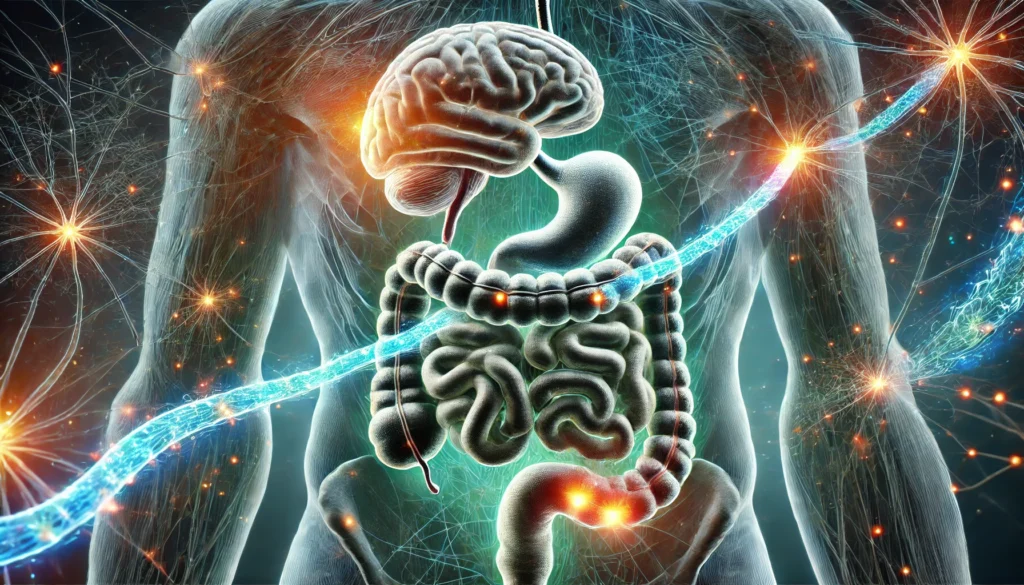
Recovery Running: The Science-Backed Strategy to Boost Athletic Performance and Reduce Injury

Understanding Recovery Running and Its Role in Athletic Performance

Recovery running is a strategic approach to training that prioritizes gentle, low-intensity running to promote muscle repair, reduce fatigue, and enhance overall endurance. Unlike high-intensity interval sessions or long-distance tempo runs, recovery running serves a critical function in allowing the body to adapt to the stresses of rigorous training while maintaining a consistent movement pattern.

For runners, maintaining a balance between exertion and recovery is essential. Overtraining without proper recovery mechanisms can lead to diminished performance, increased injury risk, and even psychological burnout. Recovery for runners, therefore, is not simply about resting but actively engaging in movement that facilitates circulation, alleviates muscle soreness, and accelerates physiological adaptation.

A coastal boardwalk at sunset, featuring a runner lightly jogging along the wooden path. The ocean waves gently crash against the shore, with a sky painted in orange and purple hues. The scene embodies rejuvenation, relaxation, and the essence of recovery running.

The Science Behind Recovery Running

The physiological benefits of recovery running are well-documented in sports science literature. Engaging in low-intensity running stimulates blood flow, which helps flush out metabolic waste products such as lactic acid that accumulate in muscles after intense workouts. Increased circulation delivers oxygen and essential nutrients to muscle tissues, expediting the repair process and reducing muscle stiffness.

Additionally, recovery running enhances neuromuscular efficiency. When runners perform gentle, consistent strides at a lower intensity, they reinforce proper running mechanics without subjecting their muscles to excessive strain. This practice aids in strengthening movement patterns, which translates to improved performance during more demanding training sessions.

A peaceful countryside path surrounded by lush green fields and rolling hills, where a runner slowly jogs in the soft morning light. Light mist in the distance adds a refreshing feel, highlighting a tranquil, restorative running experience.

Balancing Training Intensity and Recovery for Runners

A well-rounded training plan incorporates structured intensity variations, ensuring that runners do not overexert themselves without sufficient recovery. Recovery runs typically fall within 60-70% of an athlete’s maximum heart rate, a range that allows the body to sustain movement while remaining below the anaerobic threshold.

Training at this reduced intensity facilitates glycogen replenishment and prevents cumulative fatigue. Runners who integrate recovery runs into their schedules are less likely to experience burnout or overuse injuries, ultimately fostering long-term consistency in their athletic endeavors.

A quiet forest trail covered in fallen autumn leaves, where a runner in a hoodie and leggings jogs at a slow, steady pace. Soft golden light filters through the trees, creating a calming, nature-filled scene that emphasizes relaxation and recovery running.

Optimizing Recovery Running for Maximum Benefits

To maximize the effectiveness of recovery running, runners should consider various factors such as surface selection, duration, and pacing. Softer surfaces like trails or grass can reduce impact stress on joints and muscles, making them ideal for recovery-focused runs. Additionally, limiting the duration to 30-45 minutes helps maintain the intended purpose of recovery running without introducing excessive strain.

Proper pacing is another essential element. Recovery runs should feel relaxed, conversational, and effortless. If a runner finds themselves exerting significantly or struggling to maintain composure, they may need to slow down further. Maintaining an easy, enjoyable pace ensures that the body receives the intended restorative benefits rather than exacerbating fatigue.

The Psychological Advantages of Recovery Running

Beyond physical benefits, recovery running provides psychological advantages that contribute to an athlete’s overall well-being. Many runners experience reduced stress and improved mood due to the release of endorphins during light exercise. Engaging in easy, enjoyable runs fosters a positive association with movement, preventing mental fatigue or dread associated with high-intensity training sessions.

Additionally, recovery running allows runners to reflect on their training progress, recalibrate their goals, and mentally reset for upcoming challenges. This active form of mindfulness enhances motivation and prevents the risk of mental exhaustion that often accompanies rigorous training regimens.

Recovery Running as a Preventative Measure Against Injury

Injury prevention is a primary concern for runners at all levels. Overuse injuries, such as shin splints, stress fractures, and tendonitis, are often the result of excessive training without adequate recovery. Recovery running plays a crucial role in mitigating these risks by reducing muscle tension and enhancing tissue resilience.

Furthermore, recovery runs serve as an opportunity for athletes to listen to their bodies and identify any emerging discomfort or imbalances. Addressing minor issues early through targeted stretching, mobility work, and adjusted training loads can prevent more severe injuries from developing, allowing runners to maintain long-term consistency in their performance.

Integrating Recovery Running Into a Comprehensive Training Plan

Successful integration of recovery running requires strategic scheduling within a broader training framework. Most runners benefit from incorporating one to three recovery runs per week, depending on their overall mileage and intensity distribution. These sessions typically follow high-stress workouts, such as interval training or long runs, to facilitate optimal recovery.

Complementing recovery running with other recovery modalities, such as proper nutrition, hydration, and sleep, enhances its effectiveness. Ensuring adequate protein and carbohydrate intake supports muscle repair and glycogen replenishment, while hydration maintains cellular function and joint lubrication. Prioritizing quality sleep allows for hormonal regulation and tissue regeneration, reinforcing the restorative effects of recovery running.

Frequently Asked Questions (FAQ)

What is the most overlooked aspect of recovery running?

One of the most overlooked aspects of recovery running is the mental component. Many runners focus solely on physical fatigue but neglect the psychological benefits of slow, deliberate running sessions. Recovery running provides a low-pressure opportunity to reconnect with the joy of running without the stress of performance goals. Additionally, it can help runners develop mental resilience by reinforcing consistency even on days when they feel unmotivated. This mental reinforcement ensures that runners maintain long-term progress while avoiding burnout.

How does recovery running contribute to long-term injury prevention?

Recovery running plays a crucial role in injury prevention by enhancing circulation, promoting muscle repair, and reducing stiffness. When done correctly, it acts as an active form of rehabilitation, ensuring that muscles recover efficiently without excessive strain. Many runners mistakenly believe that complete rest is always the best approach, but light movement can actually accelerate healing by increasing blood flow to fatigued muscles. Furthermore, recovery running helps strengthen tendons and ligaments over time, making them more resilient to the demands of intense training. By incorporating these sessions regularly, runners can reduce their risk of overuse injuries significantly.

What financial considerations should runners keep in mind when investing in recovery tools?

Investing in recovery tools requires careful financial planning, especially when budgeting for long-term running goals. High-quality foam rollers, compression gear, and massage tools can add up quickly, making it essential to prioritize based on individual needs. Runners should consider cost-effective alternatives, such as community-based recovery programs or self-massage techniques, to minimize expenses. Additionally, setting aside a portion of the budget for ongoing recovery for runners, such as physical therapy sessions or preventive treatments, can prevent costly injuries in the future. Taking a strategic approach to recovery spending ensures that runners maximize benefits without overspending.

How does sleep influence the effectiveness of recovery for runners?

Sleep is one of the most powerful yet underrated tools for recovery for runners. During deep sleep, the body undergoes crucial repair processes, including muscle tissue regeneration and hormone regulation. Runners who consistently get high-quality sleep experience faster recovery times and improved overall performance. Lack of sleep, on the other hand, increases the risk of injuries, weakens the immune system, and reduces motivation. Prioritizing sleep hygiene—such as maintaining a consistent bedtime, reducing screen exposure before sleep, and creating a restful environment—ensures that runners reap the full benefits of their recovery efforts.

What role does nutrition play in optimizing recovery running sessions?

Nutrition plays a pivotal role in maximizing the benefits of recovery running by providing the necessary fuel for muscle repair. Consuming a balanced mix of carbohydrates, proteins, and healthy fats after a run ensures that the body replenishes glycogen stores and begins tissue rebuilding. Hydration is equally important, as dehydration can delay recovery and lead to muscle cramps. Many runners overlook micronutrients such as magnesium and potassium, which help prevent soreness and fatigue. By adopting a well-rounded nutritional strategy, runners can enhance their recovery process and sustain long-term performance improvements.

How do emerging technologies impact recovery for runners?

Recent advancements in wearable technology and AI-driven analytics have transformed recovery for runners. Smart recovery tools, such as muscle oxygen monitors and HRV (heart rate variability) trackers, provide real-time data on recovery status. These insights allow runners to tailor their training plans and avoid overtraining. Additionally, AI-powered apps can offer personalized recommendations based on sleep patterns, stress levels, and running metrics. As technology continues to evolve, runners can expect more sophisticated recovery solutions that integrate seamlessly with their training routines.

How does recovery running differ between amateur and elite runners?

While both amateur and elite runners benefit from recovery running, the approach differs based on experience and training volume. Elite runners often engage in multiple training sessions per day, making strategic recovery runs essential to avoid cumulative fatigue. They also incorporate advanced techniques such as underwater treadmill running and cryotherapy to enhance recovery. Amateur runners, on the other hand, may need to focus more on gradual progression and consistency rather than intensity. Understanding these differences ensures that runners tailor their recovery strategies according to their individual needs and fitness levels.

How can psychological techniques enhance recovery for runners?

Psychological strategies, such as mindfulness and visualization, can significantly enhance recovery for runners. Mindfulness practices help runners stay present during recovery runs, ensuring that they listen to their bodies rather than pushing too hard. Visualization techniques can aid in muscle relaxation and stress reduction, fostering a positive mindset during the recovery process. Additionally, setting realistic recovery goals and acknowledging progress can boost motivation and long-term adherence. By integrating psychological tools, runners can make their recovery process more effective and enjoyable.

What are the long-term benefits of prioritizing recovery for runners?

Long-term commitment to recovery for runners leads to greater longevity in the sport, reduced injury rates, and sustained performance improvements. Consistently incorporating recovery strategies ensures that runners maintain energy levels and avoid burnout over the years. Additionally, a well-planned recovery approach helps build stronger, more resilient muscles that withstand higher training loads. Runners who prioritize recovery also tend to experience better mental well-being, as they reduce the stress and anxiety associated with overtraining. In the long run, recovery-focused runners achieve more consistent progress and greater overall enjoyment of the sport.

How will recovery running evolve in the future?

The future of recovery running is likely to be shaped by advancements in sports science, wearable technology, and individualized training programs. Emerging research on muscle adaptation and recovery timing will refine how runners incorporate recovery sessions into their routines. Additionally, innovations such as virtual recovery coaching and AI-driven training adjustments will offer more personalized insights. The growing popularity of holistic recovery methods, including yoga and cold-water immersion, will further expand recovery options. As scientific understanding deepens, recovery running will become more tailored, efficient, and integral to every runner’s success.

Conclusion: The Long-Term Benefits of Recovery Running

Recovery running is an essential component of a well-rounded training program, offering numerous physiological and psychological benefits that enhance athletic performance and reduce injury risk. By integrating low-intensity running into their routines, runners can optimize circulation, reinforce neuromuscular patterns, and foster a sustainable training approach.

Ultimately, recovery for runners is not merely about resting but about actively engaging in movement that supports overall endurance, resilience, and longevity in the sport. Understanding the strategic role of recovery running empowers athletes to train smarter, maintain consistency, and achieve their performance goals while safeguarding their physical and mental well-being.

recovery running benefits, recovery for runners tips, post-run recovery strategies, running recovery methods, athletic performance recovery, injury prevention for runners, endurance training recovery, muscle recovery running, active recovery for athletes, best recovery practices for runners, optimizing running recovery, sports science recovery, running performance enhancement, recovery jogging, long-term running health, muscle fatigue prevention, proper recovery techniques, post-run stretching, best surfaces for recovery runs, hydration for recovery running

Further Reading:

How to Do a Recovery Run: 4 Benefits of Recovery Runs

Everything you need to know about recovery runs

These Are the 6 Best Ways to Recover After You Run

The information contained in this article is provided for general informational purposes only and is not intended to serve as medical, legal, or professional advice. While NewsHealthWatch strives to present accurate, up-to-date, and reliable content, no warranty or guarantee, expressed or implied, is made regarding the completeness, accuracy, or adequacy of the information provided. Readers are strongly advised to seek the guidance of a qualified healthcare provider or other relevant professionals before acting on any information contained in this article. NewsHealthWatch, its authors, editors, and contributors expressly disclaim any liability for any damages, losses, or consequences arising directly or indirectly from the use, interpretation, or reliance on any information presented herein. The views and opinions expressed in this article are those of the author(s) and do not necessarily reflect the official policies or positions of NewsHealthWatch.

Is Soreness Good After Working Out? Understanding Muscle Recovery and Performance Enhancement

Introduction: The Science of Post-Workout Soreness

Anyone who exercises regularly has likely experienced muscle soreness after a workout. Whether you’re a seasoned athlete or a beginner in fitness, the discomfort that follows intense physical activity can be both reassuring and concerning. But is soreness good after working out, or is it a sign of overexertion? Understanding the mechanisms behind post-exercise muscle soreness is crucial for optimizing athletic performance, recovery, and long-term health.

Muscle soreness after working out is primarily attributed to delayed onset muscle soreness (DOMS), a condition that arises due to microscopic damage in muscle fibers. This phenomenon is common after engaging in unfamiliar or high-intensity exercise. The inflammatory response that follows leads to pain, stiffness, and swelling, which can last from a few hours to several days. While some view soreness as an indication of an effective workout, others worry that exercising while sore may hinder progress and increase the risk of injury.

This article explores the physiological processes behind muscle soreness, the benefits and drawbacks of working out when sore, and the best strategies for optimizing recovery and performance. By delving into expert insights, scientific research, and practical applications, we will uncover whether soreness is an essential part of muscle growth or a sign of overtraining that should be managed carefully.

standing person streching their arms and legs in a yoga pose on a yoga mat in a gym.

What Does Being Sore Mean? The Physiology Behind Muscle Soreness

Muscle soreness occurs when muscle fibers sustain microscopic damage due to stress beyond their accustomed level. This damage triggers an inflammatory response, leading to fluid accumulation, increased blood flow, and the release of pain-signaling molecules. This entire process is part of muscle adaptation, helping muscles become stronger and more resilient over time.

There are two primary types of muscle soreness: acute muscle soreness and delayed onset muscle soreness (DOMS). Acute soreness occurs during or immediately after exercise due to the accumulation of metabolic byproducts such as lactic acid. In contrast, DOMS typically appears 24 to 72 hours after exercise and is associated with microtears in muscle fibers.

While soreness is a natural part of muscle adaptation, its intensity can vary based on several factors, including the type of exercise performed, individual fitness levels, and recovery strategies employed. Understanding what happens if you work out with sore muscles is essential for maintaining long-term progress without compromising recovery or risking injury.

Is Soreness Good After Working Out? Weighing the Benefits and Risks

The perception of muscle soreness as a positive or negative indicator depends on individual goals and perspectives. Many athletes and fitness enthusiasts believe that soreness signifies a productive workout, as it indicates muscle engagement and adaptation. However, excessive soreness can be counterproductive, leading to prolonged recovery times and decreased performance.

On the positive side, moderate soreness can be a sign of muscle growth and adaptation, meaning that muscles are responding to new challenges. Training-induced muscle damage stimulates protein synthesis, leading to stronger and more resilient muscles over time. Additionally, mild soreness can serve as a motivational factor, encouraging individuals to stay consistent with their workouts.

Conversely, severe soreness may indicate excessive strain on muscles, increasing the risk of injury and overtraining. Exercising with sore muscles without allowing sufficient recovery time can lead to decreased performance, prolonged inflammation, and potential muscle imbalances. Recognizing how sore is too sore to work out is crucial for preventing setbacks and optimizing long-term gains.

Exercising While Sore: When to Push Through and When to Rest

One of the most common questions among fitness enthusiasts is whether it is ok to exercise when muscles are sore. The answer depends on the severity of soreness and the type of exercise planned. Light to moderate soreness is generally safe to work through, especially if the workout involves different muscle groups or low-impact movements. Active recovery exercises such as walking, swimming, or yoga can promote blood circulation and accelerate the healing process.

However, if soreness is severe to the point of restricting movement or causing significant pain, it may be wise to take a rest day or focus on recovery techniques. Ignoring intense soreness and continuing to train excessively can lead to overtraining syndrome, a condition that negatively impacts performance, immunity, and overall well-being.

No Muscle Soreness After Exercise: Is It a Bad Sign?

Some individuals may notice that they experience no muscle soreness after exercise, even after intense workouts. This phenomenon does not necessarily indicate a lack of effectiveness. Adaptation plays a crucial role in reducing soreness over time. As muscles become accustomed to specific movements, they experience less microdamage, leading to reduced soreness despite continued progress.

Additionally, well-structured training programs that emphasize progressive overload and proper recovery can minimize excessive soreness while still promoting muscle growth. If you work out, do you get less sore over time? The answer is yes, as your body adapts to the demands placed upon it. Consistency, proper warm-ups, and recovery strategies all contribute to reduced soreness while still allowing for strength gains.

The Role of Recovery in Muscle Growth and Performance Enhancement

Optimizing recovery is essential for maximizing the benefits of training while minimizing the risks of excessive soreness and overtraining. Several key recovery strategies can enhance muscle repair, reduce soreness, and improve overall performance.

  1. Nutrition and Hydration: Proper nutrition plays a vital role in muscle recovery. Consuming an adequate amount of protein supports muscle repair, while carbohydrates replenish glycogen stores. Hydration is equally important, as dehydration can exacerbate muscle soreness and slow recovery.
  2. Sleep and Rest: Quality sleep is crucial for muscle recovery and overall performance. During deep sleep, the body releases growth hormones that facilitate tissue repair and adaptation. Prioritizing rest days and incorporating active recovery activities can prevent burnout and enhance long-term progress.
  3. Stretching and Mobility Work: Incorporating stretching, foam rolling, and mobility exercises into a routine can alleviate muscle stiffness, improve flexibility, and promote blood circulation. These practices can enhance recovery and reduce the risk of injury.
  4. Cold and Heat Therapy: Alternating between ice baths and heat therapy can help manage muscle soreness. Cold therapy reduces inflammation and swelling, while heat therapy promotes relaxation and blood flow to sore muscles.
  5. Massage and Physical Therapy: Regular massages and myofascial release techniques can aid in muscle recovery by breaking down adhesions, improving circulation, and reducing tension.

By implementing these recovery strategies, individuals can enhance performance, minimize excessive soreness, and maintain consistency in their training programs.

Frequently Asked Questions (FAQ)

Is soreness good after working out?

Soreness after working out can indicate that your muscles have experienced stress and are in the process of adapting. This adaptation is necessary for muscle growth and increased endurance. However, excessive soreness may hinder performance and motivation, making it important to find a balance. Incorporating active recovery methods like stretching, foam rolling, and light movement can help mitigate extreme discomfort. While some soreness is beneficial, understanding when to scale back your training is crucial for long-term progress.

Should I be working out when sore?

Exercising when sore depends on the severity of your discomfort. Mild soreness is usually manageable and can even be alleviated by engaging in low-intensity movement, such as walking or yoga. However, if you experience severe soreness that restricts movement or causes sharp pain, it’s best to allow your muscles more time to recover. Adjusting your training intensity and focusing on different muscle groups can also help maintain consistency while preventing overuse injuries. If you work out, do you get less sore over time? The answer lies in consistency—your body gradually adapts, leading to reduced soreness over time.

What happens if I work out with sore muscles?

When you work out with sore muscles, your body is already in a state of repair, and additional strain can either aid recovery or delay it. Light exercise can enhance blood flow, helping to deliver nutrients that promote healing. However, pushing through intense soreness with heavy lifting can increase the risk of injury and prolonged recovery. If you experience no muscle soreness after exercise, it may indicate that your body has efficiently adapted, but it does not necessarily mean your workout was ineffective. Proper nutrition, hydration, and sleep play significant roles in how quickly muscles recover from soreness.

Is it okay to exercise when muscles are sore?

It is okay to exercise when muscles are sore, provided the soreness is mild to moderate. Engaging in low-impact activities like swimming or cycling can reduce stiffness without overloading fatigued muscles. On the other hand, intense training on sore muscles can lead to compensation patterns that increase the risk of strain or joint pain. If you are unsure how sore is too sore to work out, pay attention to your range of motion and discomfort level—if basic movements cause excessive pain, take a rest day or focus on a different muscle group. The key is to strike a balance between recovery and consistency.

Can I work out sore muscles without risk?

You can exercise sore muscles as long as you modify intensity and technique accordingly. Focus on proper warm-ups and mobility exercises to reduce tightness before engaging in resistance training. If soreness persists for several days, it might indicate that your recovery strategies need improvement, such as incorporating better hydration, nutrition, or sleep habits. Exercise during muscle soreness should be approached carefully—dynamic stretching and bodyweight exercises can aid in recovery without exacerbating discomfort. Remember, progress is about sustainability, not just intensity.

What does being sore mean for my workout progress?

Being sore means your muscles have undergone stress and are in the process of repair and growth. However, excessive soreness is not always a sign of an effective workout. Are sore muscles a good sign? They can be, but lack of soreness does not indicate a lack of progress. Experienced athletes may experience minimal soreness due to improved recovery efficiency, while beginners may feel it more due to unconditioned muscles. Tracking performance improvements, such as increased strength or endurance, is a more reliable indicator of progress than soreness alone.

Can you exercise sore muscles without impairing recovery?

Yes, but the approach matters. Active recovery methods, such as low-intensity cardio and mobility work, can facilitate healing without overburdening the muscles. If soreness is extreme, consider prioritizing rest or engaging in contrast therapy (hot and cold exposure) to accelerate recovery. Working out while sore is not inherently bad, but ensuring adequate recovery time between intense sessions is essential. If soreness persists beyond a few days, it may be a sign of inadequate nutrition, hydration, or sleep, which are all crucial for muscle repair.

How sore is too sore to work out?

If soreness prevents you from performing daily activities, such as walking up stairs or lifting objects, it may be too severe to work out. In such cases, rest and gentle movement are better options than high-intensity training. Chronic soreness that lasts for more than a week could indicate overtraining or improper recovery strategies. Adjusting your workout routine to include more gradual progressions can help minimize excessive soreness while maintaining gains. Exercise during muscle soreness should always be approached with a focus on long-term consistency rather than short-term intensity.

Why do I sometimes have no muscle soreness after exercise?

No muscle soreness after exercise does not necessarily mean your workout was ineffective. Over time, your muscles adapt to stress, making them more resilient to soreness even as they continue to grow. If you work out, do you get less sore? Yes, regular training reduces the severity of soreness as your body becomes more efficient at repairing muscle fibers. Focusing on progressive overload and incorporating variations in your training can continue to challenge muscles without excessive soreness. The goal should be strength and endurance development rather than chasing soreness.

Is it better to rest or work out while sore?

Whether to rest or work out while sore depends on your recovery ability and workout intensity. If you are slightly sore, engaging in active recovery or a lighter workout can be beneficial. However, if soreness is severe, rest may be the best option to allow full muscle repair. Exercising while sore should never compromise form or safety—if movements feel strained, it’s a sign to modify or postpone training. Ultimately, listening to your body and optimizing recovery strategies will help you achieve sustainable fitness progress.

Conclusion: Balancing Soreness, Recovery, and Performance

Muscle soreness is a natural response to exercise, signaling muscle adaptation and growth. However, excessive soreness can be a hindrance to progress and overall well-being. Understanding the balance between pushing through discomfort and allowing for adequate recovery is key to optimizing long-term fitness and performance.

Listening to the body, implementing proper recovery techniques, and maintaining consistency in training can ensure sustainable progress without unnecessary setbacks. Whether experiencing soreness or not, prioritizing holistic recovery strategies will contribute to enhanced strength, endurance, and overall athletic performance. Ultimately, soreness should not be the sole indicator of workout effectiveness; rather, a comprehensive approach to training and recovery is the key to achieving optimal results.

muscle recovery, post-workout soreness, delayed onset muscle soreness, workout recovery strategies, exercising with sore muscles, muscle adaptation, fitness recovery, athletic performance enhancement, overtraining prevention, muscle soreness management, active recovery exercises, fitness progress, muscle inflammation, protein synthesis, hydration for recovery, injury prevention, workout intensity, performance optimization, rest days, muscle stiffness solutions

Further Reading:

What is Normal Soreness following a Workout?

Muscle Soreness After a Workout: Can It Be Prevented?

Pain and injuries after exercise

The information contained in this article is provided for general informational purposes only and is not intended to serve as medical, legal, or professional advice. While NewsHealthWatch strives to present accurate, up-to-date, and reliable content, no warranty or guarantee, expressed or implied, is made regarding the completeness, accuracy, or adequacy of the information provided. Readers are strongly advised to seek the guidance of a qualified healthcare provider or other relevant professionals before acting on any information contained in this article. NewsHealthWatch, its authors, editors, and contributors expressly disclaim any liability for any damages, losses, or consequences arising directly or indirectly from the use, interpretation, or reliance on any information presented herein. The views and opinions expressed in this article are those of the author(s) and do not necessarily reflect the official policies or positions of NewsHealthWatch.
How to Speed Up Muscle Strain Recovery: Proven Strategies for Faster Healing and Regeneration

Understanding Muscle Strain and Its Recovery Process

Muscle strain, commonly referred to as a pulled muscle, occurs when muscle fibers are overstretched or torn due to excessive force or improper movement. Athletes and individuals engaging in physical activity are particularly prone to muscle strains, often experiencing symptoms such as pain, swelling, reduced mobility, and muscle weakness. Understanding the recovery process is essential for optimizing healing and minimizing downtime.

The body undergoes a natural healing process that involves inflammation, tissue repair, and remodeling. The initial inflammatory phase, typically lasting 24 to 72 hours, is characterized by swelling, redness, and pain as the body works to remove damaged cells. This phase is followed by the proliferative phase, during which new tissue begins to form, and finally, the remodeling phase, where the muscle regains its strength and flexibility. By understanding these stages, individuals can adopt targeted strategies to speed up muscle strain recovery.

An athlete performing controlled stretching exercises with assistance from a physical therapist in a modern rehabilitation center, emphasizing flexibility and mobility improvement for muscle strain recovery.

Identifying Pulled Muscle Symptoms and Severity

Recognizing the signs of a pulled muscle is crucial for determining the appropriate course of action. Common symptoms include localized pain, tenderness, swelling, and restricted range of motion. In mild cases, discomfort may be minimal and subside within a few days, whereas severe strains can result in significant functional impairment and prolonged recovery periods.

Muscle strains are typically classified into three grades. Grade I strains involve minimal muscle fiber damage, with mild discomfort and no significant loss of function. Grade II strains indicate partial muscle fiber tearing, accompanied by moderate pain and swelling. Grade III strains are the most severe, involving complete muscle rupture, intense pain, and an inability to use the affected muscle. Identifying the severity of a muscle strain helps in implementing the most effective treatment strategies for a timely recovery.

An athlete undergoing cryotherapy in a state-of-the-art recovery facility, standing in a cryo chamber surrounded by cooling mist, emphasizing its benefits for muscle strain recovery and inflammation reduction.

Immediate Steps to Take for a Pulled Muscle

Prompt intervention is essential for reducing pain and preventing further damage. The R.I.C.E. method—Rest, Ice, Compression, and Elevation—serves as the foundation for initial treatment. Resting the affected muscle prevents additional strain, while applying ice reduces inflammation and numbs pain. Compression with a bandage minimizes swelling, and elevation encourages fluid drainage to alleviate swelling.

Pain management may involve over-the-counter nonsteroidal anti-inflammatory drugs (NSAIDs) such as ibuprofen, which help reduce inflammation and discomfort. However, excessive reliance on NSAIDs should be avoided, as they may interfere with the body’s natural healing process. Hydration and proper nutrition further support early recovery by ensuring adequate blood flow and nutrient supply to the damaged tissue.

An athlete using a professional-grade massage gun on their thigh muscles in a modern recovery facility, emphasizing muscle recovery techniques, reducing soreness, and promoting faster healing of strained muscles.

Should You Stretch a Pulled Muscle? The Role of Flexibility in Recovery

A common concern during recovery is whether stretching benefits or hinders healing. Stretching too soon can exacerbate damage, delaying recovery, while appropriate stretching at the right stage can aid in muscle rehabilitation. Initially, stretching should be avoided, particularly during the acute inflammatory phase, as the muscle is fragile and prone to further injury.

As healing progresses, gentle stretching can gradually be incorporated to restore flexibility and prevent stiffness. Static stretching, involving slow and controlled movements, is generally preferred over dynamic stretching, which requires rapid muscle contractions that may strain recovering tissue. Consulting a physical therapist or medical professional can help determine the appropriate timing and type of stretching for optimal recovery.

Nutrition for Muscle Healing: Essential Nutrients and Dietary Strategies

Diet plays a critical role in muscle strain recovery, as proper nutrition provides the building blocks necessary for tissue repair. Protein is essential for muscle regeneration, as it supplies amino acids that support new muscle fiber formation. Lean meats, fish, dairy, eggs, and plant-based proteins such as lentils and tofu contribute to muscle repair and recovery.

In addition to protein, other nutrients play vital roles in the healing process. Omega-3 fatty acids, found in fish and flaxseeds, have anti-inflammatory properties that help reduce swelling and accelerate recovery. Vitamins C and E act as antioxidants, protecting muscle cells from oxidative damage. Zinc and magnesium contribute to tissue repair and muscle function, making nuts, seeds, and leafy greens valuable additions to a recovery-focused diet. Hydration is equally important, as adequate fluid intake supports circulation and nutrient transport to the injured muscle.

Muscle Tear Recovery Time: What to Expect

Recovery time varies depending on the severity of the muscle strain. Mild strains (Grade I) may heal within one to two weeks with proper rest and care. Moderate strains (Grade II) typically require three to six weeks for full recovery, while severe strains (Grade III) may take several months and sometimes necessitate surgical intervention.

Factors such as age, overall health, and adherence to rehabilitation protocols influence recovery duration. Athletes and physically active individuals should resist the temptation to rush back into training prematurely, as doing so increases the risk of re-injury. Monitoring progress and gradually reintroducing activity ensures a smoother return to full strength.

Rehabilitation Exercises for Strengthening and Preventing Future Injury

Once initial pain and inflammation subside, incorporating rehabilitation exercises can enhance recovery and prevent future muscle strains. Low-impact activities such as swimming and cycling help maintain cardiovascular fitness without placing excessive strain on healing muscles. Resistance training using light weights or resistance bands promotes muscle strengthening and flexibility.

Isometric exercises, which involve contracting muscles without movement, can be introduced early in the recovery process to maintain muscle engagement. As healing progresses, eccentric exercises—where the muscle lengthens under tension—aid in rebuilding strength and resilience. A gradual progression in exercise intensity, guided by a physical therapist or trainer, ensures a safe return to full activity.

Sleep and Recovery: Maximizing Healing Through Restorative Rest

Sleep is often overlooked as a key component of muscle recovery. During deep sleep, the body releases growth hormone, which stimulates tissue repair and muscle regeneration. Poor sleep quality or insufficient rest can prolong healing and increase the risk of recurrent injury.

Establishing a consistent sleep schedule, creating a conducive sleep environment, and practicing relaxation techniques such as meditation or deep breathing can enhance sleep quality. Avoiding stimulants like caffeine before bedtime and ensuring adequate sleep duration—typically seven to nine hours per night—optimizes muscle recovery and overall well-being.

Frequently Asked Questions (FAQ) on Muscle Strain Recovery

How can I speed up muscle strain recovery?

Speeding up muscle strain recovery requires a combination of rest, targeted therapy, and proper nutrition. Applying ice within the first 48 hours reduces inflammation, followed by heat therapy to improve circulation and promote healing. Proper hydration and a diet rich in proteins, omega-3 fatty acids, and vitamins like C and D accelerate tissue repair. Low-impact activities, such as swimming or light yoga, improve blood flow without straining the muscle. Additionally, techniques like massage therapy and electrical stimulation can further enhance recovery speed.

How long does a pulled muscle take to heal?

The healing time for a pulled muscle varies based on the severity of the strain. Mild strains may heal in a few days, whereas moderate strains can take two to three weeks. Severe muscle tears might require months of rehabilitation and, in some cases, surgical intervention. Factors such as age, overall health, and adherence to a rehabilitation program impact recovery time. To avoid setbacks, it’s crucial to gradually reintroduce activity and avoid pushing through pain.

What are the common symptoms of a pulled muscle?

Pulled muscle symptoms include sudden sharp pain, swelling, bruising, and muscle weakness. In more severe cases, individuals may experience difficulty moving the affected area or a noticeable indentation where the muscle fibers have torn. Persistent discomfort when stretching or contracting the muscle is another indication. If symptoms worsen instead of improving, it may be a sign of a torn muscle rather than a simple strain. Seeking medical attention is necessary if there is extreme pain or a complete inability to use the muscle.

How long does it take for a strained muscle to heal fully?

Muscle strain recovery time depends on factors such as the injury’s location, severity, and the treatment protocol followed. Minor strains generally heal within one to two weeks, while more significant injuries can take four to six weeks. Severe muscle tears may require three months or more to regain full function. Regular rehabilitation exercises and lifestyle adjustments, such as proper posture and ergonomic changes, help prevent reinjury. Engaging in progressive strength training ensures the muscle regains its full capacity over time.

Should you stretch a pulled muscle?

Stretching a pulled muscle too soon can worsen the injury and delay healing. In the early stages of recovery, it’s best to focus on rest, ice therapy, and gentle movement rather than aggressive stretching. Once the inflammation subsides, controlled stretching can help restore flexibility and prevent stiffness. Dynamic stretches are more beneficial than static ones when reintroducing movement. Always listen to your body—if stretching causes pain, it’s a sign that the muscle isn’t ready.

How can you tell if you tore a muscle instead of just straining it?

Signs of a torn muscle include severe pain, a popping sensation at the time of injury, and visible bruising. Unlike a mild strain, where movement is possible with some discomfort, a complete tear results in a significant loss of function. In some cases, a muscle tear creates a visible deformity, such as a dent or bulge where the muscle has retracted. Muscle tear healing time is considerably longer than a minor strain and often requires physical therapy or surgery. Seeking professional evaluation is essential if these symptoms appear.

What are the best ways to heal a pulled muscle fast?

To heal a pulled muscle fast, it’s critical to follow the R.I.C.E. method (Rest, Ice, Compression, Elevation) in the initial phase. Consuming anti-inflammatory foods, staying hydrated, and incorporating light movement can accelerate healing. Supplementing with collagen, magnesium, and B vitamins further supports tissue repair. Advanced recovery methods like cryotherapy, hydrotherapy, and acupuncture can also enhance recovery rates. Monitoring pain levels and adjusting activities accordingly prevents setbacks and promotes long-term healing.

What is the muscle strain recovery timeline?

The muscle strain recovery timeline follows distinct stages. The first phase (acute phase) lasts up to 72 hours and involves pain, swelling, and initial inflammation. The subacute phase, lasting one to three weeks, includes tissue repair and gradual restoration of function. The final phase, which may extend several weeks, focuses on strengthening and regaining full mobility. Muscle tear healing may take longer, requiring customized rehabilitation programs. Understanding this timeline helps in setting realistic recovery expectations.

How does muscle tear recovery differ from a standard strain?

Muscle tear recovery is more complex than a standard strain due to the extent of tissue damage. While minor strains heal with conservative treatment, a torn muscle often necessitates immobilization or surgical intervention. The rehabilitation process includes targeted physical therapy, focusing on strengthening surrounding muscles to compensate for lost function. Torn muscle recovery time varies widely, ranging from a few weeks for minor tears to several months for complete ruptures. Proper rehabilitation and adherence to medical guidance ensure a successful return to activity.

How can I prevent future muscle strains?

Preventing muscle strains requires a proactive approach that includes strength training, flexibility exercises, and proper warm-ups. Incorporating resistance training helps build resilience, while dynamic stretching prepares muscles for activity. Maintaining hydration and electrolyte balance reduces the likelihood of cramps and muscle fatigue. Ergonomic adjustments in daily activities, such as correct lifting techniques and posture correction, further lower strain risks. Listening to your body and allowing adequate rest between intense workouts is key to long-term injury prevention.

Conclusion: Accelerating Muscle Strain Recovery for Optimal Performance

Recovering from a muscle strain requires a multifaceted approach that encompasses proper rest, nutrition, rehabilitation, and lifestyle adjustments. Understanding how long a pulled muscle takes to heal allows individuals to set realistic expectations and implement evidence-based strategies for faster recovery. By addressing pulled muscle symptoms early and following a structured recovery plan, individuals can regain strength and function efficiently. Prioritizing proactive measures such as gradual stretching, progressive strengthening exercises, and adequate sleep fosters long-term muscle health and minimizes the risk of future injuries. Embracing a comprehensive recovery strategy ensures not only a quicker return to activity but also enhanced resilience and performance in the long run.

muscle strain recovery, pulled muscle healing, muscle tear recovery, how to heal a muscle strain fast, how to recover from muscle strain quickly, muscle strain recovery time, torn muscle recovery, pulled muscle symptoms, best ways to recover from a muscle tear, effective muscle recovery strategies

Further Reading:

10 tips to make your muscle strain recovery move faster

Best ways to recover from a muscle strain

Muscle Strain: Causes, Symptoms, Treatment

The information contained in this article is provided for general informational purposes only and is not intended to serve as medical, legal, or professional advice. While NewsHealthWatch strives to present accurate, up-to-date, and reliable content, no warranty or guarantee, expressed or implied, is made regarding the completeness, accuracy, or adequacy of the information provided. Readers are strongly advised to seek the guidance of a qualified healthcare provider or other relevant professionals before acting on any information contained in this article. NewsHealthWatch, its authors, editors, and contributors expressly disclaim any liability for any damages, losses, or consequences arising directly or indirectly from the use, interpretation, or reliance on any information presented herein. The views and opinions expressed in this article are those of the author(s) and do not necessarily reflect the official policies or positions of NewsHealthWatch.
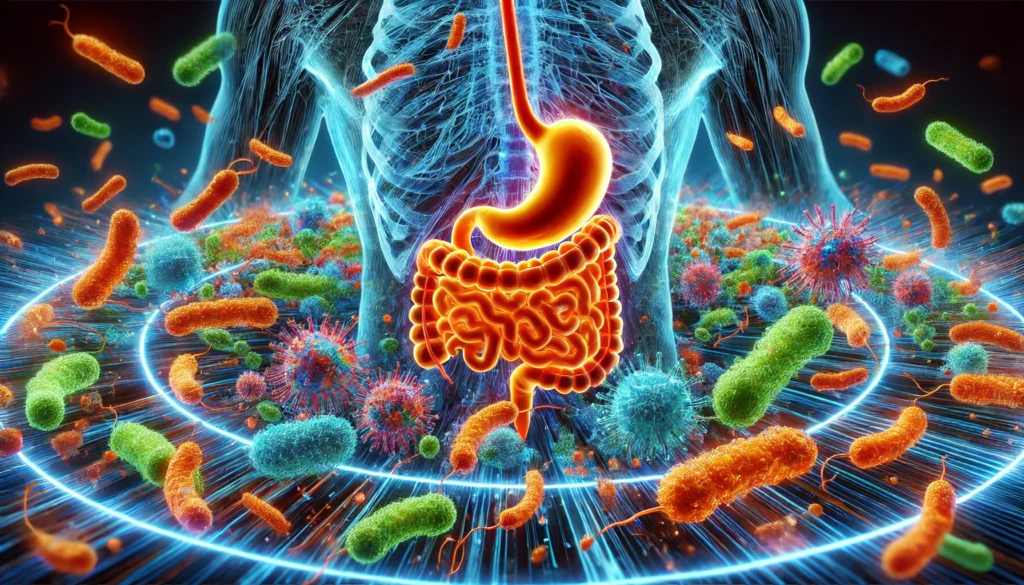
Play exciting online pokies and live games at True Fortune Casino, offering fast payouts, secure deposits, and generous bonuses for Australian players.

Enjoy top pokies and live dealer tables at Uptown Pokies Casino, with quick withdrawals, safe banking, and rewarding promotions for Australian users.

Join thrilling online slots and live casino action at Uptown Aces, featuring fast deposits, secure withdrawals, and exclusive bonuses for Australian players.

Spin favourite pokies and play live casino games at Velvet Spins Casino, offering safe banking, fast payouts, and generous promotions for Australian enthusiasts.

Experience exciting online pokies and live tables at Woo Casino, with quick withdrawals, secure deposits, and attractive bonuses for Australian casino players.

Play top pokies and live dealer games at King Billy Casino, offering fast payouts, safe banking, and rewarding promotions for Australian online casino users.

Enjoy thrilling online slots and live casino action at Aussie Play Casino, with secure deposits, quick withdrawals, and generous bonuses for Australian players.

Join exciting pokies and live tables at Fastpay Casino, featuring fast payouts, safe banking, and exclusive promotions for Australian online casino enthusiasts.