Understanding the Importance of Vitamins for Daily Health
Vitamins are essential micronutrients that support a range of bodily functions, from energy production to immune defense and cognitive health. Despite their significance, many individuals struggle to meet their daily vitamin requirements through diet alone. With the prevalence of processed foods and nutrient depletion in soil, ensuring adequate intake of the most necessary vitamins becomes crucial for overall wellness. Understanding which good vitamins to take every day can help optimize health, prevent deficiencies, and enhance longevity. While a well-balanced diet remains the cornerstone of good nutrition, targeted supplementation may be necessary to bridge nutritional gaps and ensure the body functions at its best.
The Essential Role of Vitamins in Biological Functions
Each vitamin plays a specific role in maintaining physiological equilibrium. Vitamins can be broadly classified into water-soluble and fat-soluble categories, each with distinct absorption, storage, and excretion characteristics. Water-soluble vitamins, such as the B-complex group and vitamin C, are not stored in significant amounts in the body and require daily replenishment. Fat-soluble vitamins, including vitamins A, D, E, and K, can be stored in the liver and adipose tissues, allowing for more extended availability. However, both types of vitamins are critical in biochemical processes that sustain metabolic health, immune resilience, and neurological integrity. When considering the most necessary vitamins for optimal health, one must assess individual needs, lifestyle factors, and potential dietary insufficiencies.
Vitamin A: The Vision and Immunity Booster
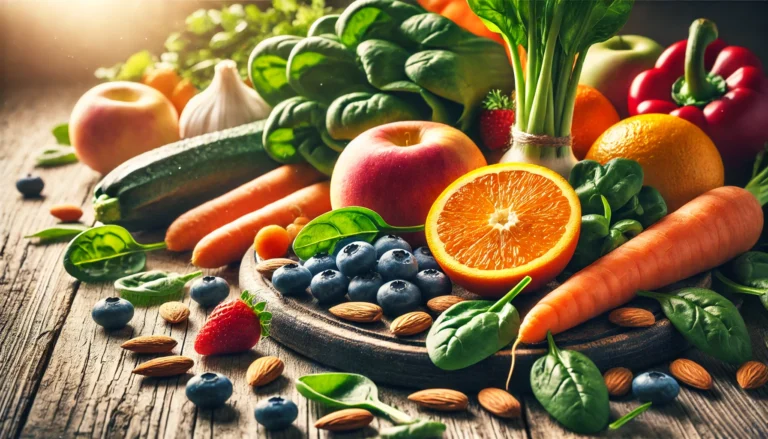
Vitamin A is indispensable for maintaining healthy vision, supporting immune function, and promoting cellular growth. It exists in two primary forms: preformed vitamin A (retinol), found in animal-based foods, and provitamin A carotenoids, such as beta-carotene, present in plant-based sources. Vitamin A deficiency can lead to night blindness, weakened immunity, and skin issues. Good vitamins to take every day often include a balanced intake of vitamin A through sources like liver, carrots, sweet potatoes, and leafy greens. Supplementation may be advisable for individuals with limited dietary intake or specific health concerns that impair nutrient absorption.
The B-Complex Vitamins: Energy and Cognitive Support
B vitamins are vital for energy metabolism, brain function, and red blood cell formation. The B-complex group includes B1 (thiamine), B2 (riboflavin), B3 (niacin), B5 (pantothenic acid), B6 (pyridoxine), B7 (biotin), B9 (folate), and B12 (cobalamin). Each member of the B-complex family plays a distinct role, from converting food into energy to supporting neurotransmitter function. Among the most necessary vitamins for optimal health, B12 is particularly critical for nerve function and DNA synthesis. Deficiency in B vitamins can result in fatigue, neurological disorders, and anemia. Sources include whole grains, eggs, dairy, meat, legumes, and leafy greens, but supplementation may be necessary for vegetarians, vegans, and older adults.
Vitamin C: The Ultimate Antioxidant and Immune Enhancer
As a potent antioxidant, vitamin C plays a pivotal role in collagen synthesis, wound healing, and immune defense. It also enhances iron absorption, making it essential for individuals at risk of anemia. The body does not store vitamin C, necessitating regular intake through diet or supplementation. Citrus fruits, bell peppers, strawberries, and broccoli are excellent natural sources. Among the good vitamins to take every day, vitamin C is widely recognized for its protective role against oxidative stress and infections. Regular intake supports skin health, cardiovascular function, and overall vitality.
Vitamin D: The Sunshine Vitamin and Bone Health Champion
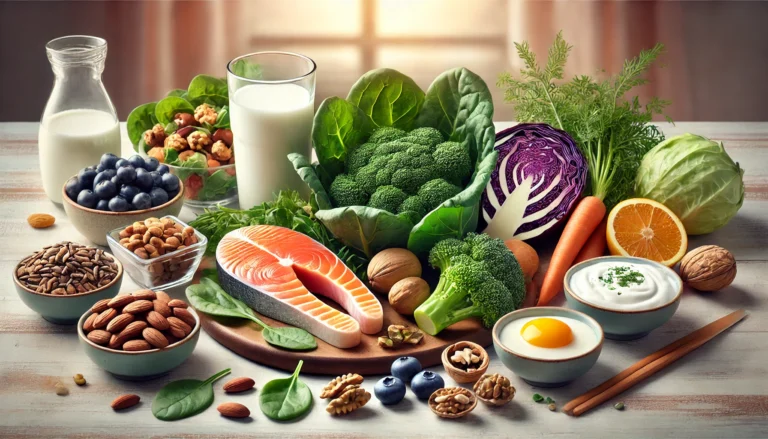
Vitamin D is crucial for calcium absorption, bone mineralization, and immune function. Unlike most vitamins, it can be synthesized by the body when skin is exposed to sunlight. However, geographic location, lifestyle habits, and sunscreen use can hinder adequate production. Vitamin D deficiency is linked to weakened bones, muscle weakness, and increased susceptibility to infections. Food sources include fatty fish, fortified dairy, and egg yolks, but supplementation is often necessary, particularly in winter months. Recognizing vitamin D as one of the most necessary vitamins underscores its role in preventing osteoporosis and maintaining neuromuscular coordination.
Vitamin E: Cellular Protection and Skin Health
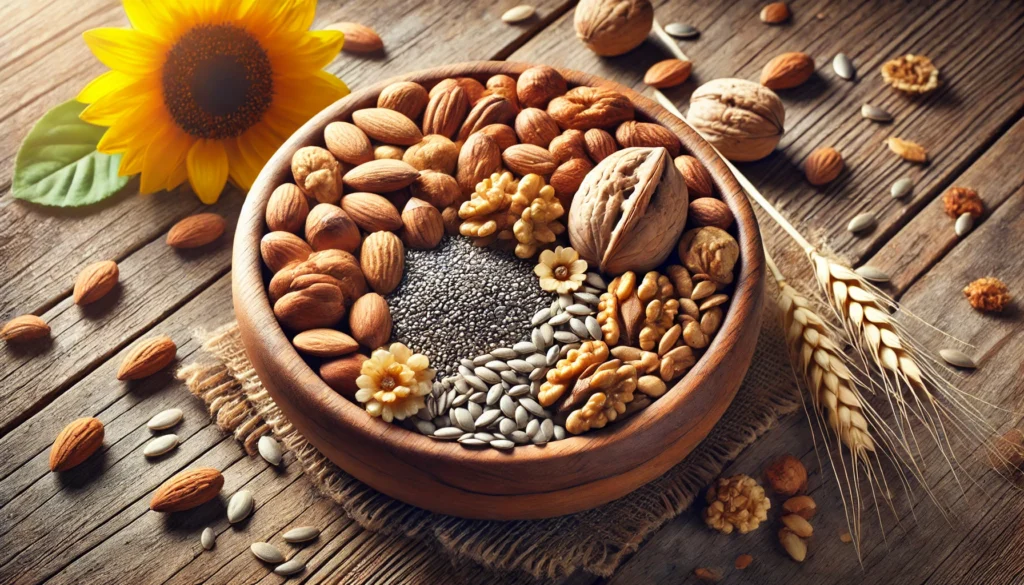
Vitamin E is a powerful antioxidant that helps protect cells from oxidative damage. It supports immune function, skin health, and cardiovascular well-being. Nuts, seeds, spinach, and vegetable oils are excellent dietary sources. A deficiency in vitamin E can result in neurological problems and weakened immune response. As one of the good vitamins to take every day, vitamin E supplementation may benefit individuals with dietary gaps or increased oxidative stress due to lifestyle factors like pollution and smoking.
Vitamin K: Blood Clotting and Bone Strength
Vitamin K is essential for blood coagulation and bone metabolism. It exists in two primary forms: K1, found in leafy greens, and K2, present in fermented foods and animal products. Deficiency can lead to excessive bleeding and compromised bone health. Including vitamin K-rich foods in daily nutrition supports cardiovascular and skeletal integrity, making it one of the most necessary vitamins for long-term well-being.
The Synergy of Bioavailable Nutrients in Holistic Health
Optimal health is not solely dependent on isolated vitamin intake but rather on the synergistic effects of bioavailable nutrients. Whole foods provide a matrix of vitamins, minerals, and phytonutrients that enhance absorption and utilization. Supplementation should be approached with a focus on bioavailability, ensuring that nutrients are in forms the body can efficiently absorb and utilize. Liposomal, methylated, and chelated formulations offer enhanced bioavailability, particularly for individuals with digestive impairments or genetic variations affecting nutrient metabolism. A holistic approach to supplementation prioritizes nutrient-dense foods while strategically incorporating high-quality, well-absorbed vitamin supplements where necessary.
FAQ
1. How can psychological strategies revolutionize retirement financial planning?
Psychological strategies can offer a transformative approach to retirement financial planning by reshaping how individuals perceive risk and reward. Incorporating mindfulness and cognitive reframing techniques can enhance decision-making and help mitigate impulsive spending habits. This innovative mindset allows retirees to anticipate market fluctuations and adjust their plans accordingly, ensuring a more robust financial future. In fact, adopting practices that reflect a holistic commitment to self-care—such as integrating most necessary vitamins into a daily routine—can serve as a metaphor for balancing mental and financial health. Ultimately, this approach not only fosters fiscal discipline but also cultivates a proactive, resilient attitude that supports long-term success.
2. In what ways are advanced financial tools reshaping modern budgeting approaches?
Advanced financial tools are revolutionizing modern budgeting by providing real-time analytics and automated expense tracking that enable dynamic financial planning. These tools offer precise insights into spending patterns and forecast future expenses, thereby allowing for more informed decisions. They also empower users to adjust their strategies promptly in response to market trends and personal financial goals. As part of a comprehensive wellness strategy, embracing practices like ensuring one takes good vitamins to take everyday can complement these digital innovations by enhancing overall energy and focus. Together, these elements create a synergistic model where technology and personal health reinforce a more adaptive and forward-thinking budgeting process.
3. What long-term impacts does disciplined budgeting have on the quality of retirement life?
Disciplined budgeting over time can significantly enhance the quality of retirement life by establishing a framework that supports both financial security and personal well-being. This structured approach helps manage resources prudently while accommodating unforeseen life changes and market variations. It fosters a sense of confidence and control, allowing retirees to pursue opportunities without compromising stability. Furthermore, integrating health-conscious habits—such as including most necessary vitamins in one’s daily regimen—can contribute to sustained vitality and sharper cognitive function. In the long run, this balance between fiscal discipline and wellness results in a more fulfilling, resilient retirement experience.
4. How are emerging industry trends influencing the acquisition of big-ticket items in retirement?
Emerging industry trends are redefining how retirees approach the acquisition of big-ticket items through innovative financing models and enhanced consumer transparency. These trends include flexible payment plans, subscription-based ownership, and technology-driven asset management that ease the financial strain of large purchases. They encourage a more thoughtful approach to spending that aligns with long-term financial goals and lifestyle preferences. Moreover, integrating holistic self-care practices—such as making sure to incorporate good vitamins to take everyday into one’s routine—illustrates the modern trend of merging health with financial planning. This evolving landscape empowers seniors to make substantial investments while maintaining both fiscal prudence and personal wellness.
5. How can holistic financial planning incorporate lifestyle and nutritional considerations effectively?
Holistic financial planning now increasingly acknowledges that robust financial health is intertwined with personal well-being. This integrated approach enables individuals to allocate resources not only for economic stability but also for lifestyle enhancements that promote overall vitality. It encourages a balanced allocation between savings, investments, and expenditures related to health and wellness. For example, incorporating routines that ensure one receives most necessary vitamins can be viewed as an investment in long-term physical and mental resilience. By harmonizing fiscal strategies with nutritional and lifestyle choices, retirees can achieve a comprehensive framework that supports sustained quality of life.
6. What role do behavioral economics and psychological insights play in sustainable budgeting?
Behavioral economics and psychological insights are increasingly central to developing sustainable budgeting practices that address the emotional aspects of financial decision-making. These disciplines shed light on cognitive biases and help create strategies that reduce impulsive spending and promote long-term planning. They encourage the adoption of mindful spending habits and realistic goal-setting, which together foster financial stability. Moreover, integrating daily practices—such as ensuring one takes good vitamins to take everyday—serves as a reminder that physical well-being is intrinsically linked to sound financial choices. This multidisciplinary approach ultimately results in budgeting strategies that are both economically and psychologically sustainable.
7. How can advanced financial instruments be integrated to mitigate unforeseen expenses in retirement?
Advanced financial instruments offer a sophisticated toolkit for retirees to hedge against unexpected expenses and economic fluctuations. By providing avenues for diversification and risk management, these instruments can cushion the financial impact of unforeseen events. Their dynamic nature allows for continuous adjustments to an individual’s financial plan based on real-time market conditions. Coupling these strategies with proactive health practices—such as incorporating most necessary vitamins into a regular regimen—can further fortify a retiree’s overall resilience. This integrated method not only safeguards financial stability but also supports a holistic approach to managing the uncertainties of retirement life.
8. How are evolving industry trends shaping the future of big-ticket purchases and asset management?
Evolving industry trends are profoundly influencing the future of big-ticket purchases by introducing innovative asset management strategies and consumer-friendly financing models. These trends emphasize greater transparency, personalized service, and the integration of digital tools to enhance decision-making. They enable retirees to manage significant expenditures in a more flexible and sustainable manner. At the same time, adopting health-conscious routines—such as ensuring one takes good vitamins to take everyday—can be seen as a complementary practice that underscores the importance of overall well-being when making major financial commitments. As these trends continue to mature, they promise a future where financial management and personal health are seamlessly interwoven.
9. What innovative strategies link personal well-being with financial success in retirement?
Innovative strategies that bridge the gap between personal well-being and financial success are emerging as central themes in modern retirement planning. These strategies emphasize the importance of a balanced lifestyle that nurtures both physical health and fiscal responsibility. By integrating wellness practices with financial planning—such as consistently including most necessary vitamins in one’s daily routine—retirees can enhance their energy, cognitive function, and overall quality of life. This holistic approach not only improves day-to-day living but also contributes to more informed, long-term financial decisions. The result is a synergistic model where health and wealth reinforce one another, leading to a more resilient and satisfying retirement experience.
10. What future developments might integrate health and financial management for an enhanced retirement experience?
Future developments in retirement planning are likely to converge around the integration of health and financial management, creating more comprehensive and personalized strategies. Innovations in data analytics and wearable technology will offer real-time insights that inform both fiscal decisions and personal well-being. These advancements may facilitate a seamless connection between smart budgeting tools and health monitoring systems, providing tailored advice for optimal living. In this context, a recommendation to incorporate good vitamins to take everyday could be part of a broader, data-driven plan to enhance both physical and financial resilience. Ultimately, such integrative developments promise to revolutionize the retirement experience, making it more balanced, proactive, and sustainable.
Conclusion: Building a Daily Regimen for Optimal Health
Incorporating the most necessary vitamins into a daily health regimen fosters resilience against illness, supports cellular function, and enhances longevity. A balanced diet rich in whole foods remains the foundation, but strategic supplementation can address specific deficiencies and optimize well-being. When selecting good vitamins to take every day, individuals should consider their unique nutritional needs, lifestyle factors, and any underlying health conditions. Consulting with a healthcare provider can ensure that supplementation aligns with personal health goals, promoting a holistic approach to wellness that integrates diet, lifestyle, and targeted nutrient support.
vitamin supplements, holistic nutrition, bioavailable nutrients, daily vitamins, immune health, best vitamins, essential vitamins, energy-boosting vitamins, antioxidant supplements, B-complex vitamins, vitamin C benefits, vitamin D deficiency, natural vitamins, optimal health, wellness supplements, bone health vitamins, immune-boosting nutrients, best multivitamins, organic supplements, bioavailable vitamins
The information contained in this article is provided for general informational purposes only and is not intended to serve as medical, legal, or professional advice. While NewsHealthWatch strives to present accurate, up-to-date, and reliable content, no warranty or guarantee, expressed or implied, is made regarding the completeness, accuracy, or adequacy of the information provided. Readers are strongly advised to seek the guidance of a qualified healthcare provider or other relevant professionals before acting on any information contained in this article. NewsHealthWatch, its authors, editors, and contributors expressly disclaim any liability for any damages, losses, or consequences arising directly or indirectly from the use, interpretation, or reliance on any information presented herein. The views and opinions expressed in this article are those of the author(s) and do not necessarily reflect the official policies or positions of NewsHealthWatch.
Aging is a natural process that brings about numerous physiological changes, many of which necessitate a shift in dietary and nutritional focus. As senior adults navigate the later stages of life, their nutritional needs evolve to accommodate changes in metabolism, digestion, and overall health. The importance of proper nutrition for the elderly cannot be overstated, as it directly impacts longevity, cognitive function, immune resilience, and overall well-being. In this regard, bioavailable supplements offer a crucial advantage by ensuring that essential nutrients are effectively absorbed and utilized by the body. Understanding the specific nutrients needed for senior adults and why they are vital can empower individuals to make informed choices that enhance their quality of life.
As the body ages, several physiological changes influence nutrient absorption, metabolic rate, and dietary requirements. One of the most significant shifts is the decline in stomach acid production, which can impair the absorption of key vitamins and minerals, particularly vitamin B12, calcium, and iron. Additionally, aging often brings about a reduction in muscle mass, necessitating an increased intake of high-quality protein to maintain strength and mobility. Bone density also tends to decrease, elevating the need for calcium and vitamin D to prevent osteoporosis and fractures. Furthermore, age-related changes in gut microbiota can affect digestive efficiency, making bioavailable nutrients even more essential.
The decline in metabolic rate also means that elderly individuals require fewer calories, making it imperative to prioritize nutrient-dense foods. Malnutrition remains a prevalent concern among senior adults, often exacerbated by factors such as decreased appetite, medication interactions, and underlying health conditions. For this reason, supplementation with bioavailable nutrients ensures that the body receives the necessary vitamins and minerals to maintain optimal function without excessive calorie intake. Understanding these nutritional shifts enables seniors to make proactive dietary choices that support healthy aging and longevity.
Essential Vitamins and Minerals for Senior Adults
Vitamin D: The Key to Bone Health and Immunity
Vitamin D plays a crucial role in maintaining bone density and overall skeletal integrity. As aging progresses, the skin’s ability to synthesize vitamin D from sunlight diminishes, leading to an increased risk of deficiency. Vitamin D is essential for calcium absorption, and inadequate levels can contribute to osteoporosis, fractures, and musculoskeletal pain. Moreover, vitamin D supports immune function by enhancing the body’s ability to fight infections and reduce inflammation. Studies suggest that adequate vitamin D levels can lower the risk of chronic diseases, including cardiovascular conditions and certain cancers.
Supplementing with bioavailable vitamin D, such as vitamin D3, ensures effective absorption and utilization within the body. Dietary sources of vitamin D include fatty fish, fortified dairy products, and egg yolks; however, supplementation is often necessary to meet daily requirements, especially in individuals with limited sun exposure. Regular blood testing can help monitor vitamin D levels and adjust supplementation accordingly, ensuring that senior adults maintain optimal bone health and immune function.
Calcium: Supporting Bone Density and Cardiovascular Health
Calcium is fundamental for maintaining strong bones and teeth, particularly in aging individuals who are at risk of osteoporosis. Beyond its role in skeletal health, calcium also contributes to proper muscle function, nerve transmission, and cardiovascular regulation. A deficiency in calcium can lead to increased bone fragility, height loss due to vertebral fractures, and an elevated risk of falls and injuries.
While dairy products such as milk, cheese, and yogurt are rich sources of calcium, many seniors experience lactose intolerance or dietary restrictions that limit their intake. Bioavailable calcium supplements, particularly those combined with vitamin D and magnesium, can enhance absorption and efficacy. Additionally, consuming leafy greens, almonds, and fortified plant-based milk can contribute to meeting daily calcium needs. Ensuring adequate calcium intake is a proactive measure in preserving bone strength and overall mobility in senior adults.
Magnesium: The Overlooked Mineral for Cognitive and Cardiovascular Health
Magnesium is often overlooked in discussions of senior nutrition, yet it plays a pivotal role in over 300 enzymatic processes within the body. It is crucial for maintaining cardiovascular health, supporting muscle and nerve function, and promoting cognitive well-being. Magnesium deficiency has been linked to increased risks of hypertension, type 2 diabetes, and neurodegenerative disorders such as Alzheimer’s disease.
As aging can impair magnesium absorption, bioavailable magnesium supplements, such as magnesium glycinate or citrate, are recommended for optimal uptake. Dietary sources of magnesium include nuts, seeds, whole grains, and leafy green vegetables. Including magnesium-rich foods in the diet, along with strategic supplementation, can help maintain heart health, reduce muscle cramps, and enhance cognitive function.
Omega-3 Fatty Acids: Enhancing Brain and Heart Function
Omega-3 fatty acids are essential for maintaining cognitive sharpness, reducing inflammation, and supporting cardiovascular health. As seniors face an increased risk of cognitive decline, omega-3s—particularly EPA and DHA—play a critical role in preserving memory and mental acuity. Additionally, these fatty acids help lower triglyceride levels, reduce arterial plaque buildup, and support overall heart function.
Fatty fish such as salmon, mackerel, and sardines provide rich dietary sources of omega-3s. However, plant-based sources such as flaxseeds, chia seeds, and walnuts offer alternative options. For those who struggle to obtain sufficient omega-3s from food, high-quality fish oil or algae-based supplements ensure adequate intake. Prioritizing omega-3 consumption can significantly impact brain function, cardiovascular health, and overall longevity.
Vitamin B12: Preventing Cognitive Decline and Energy Depletion
Vitamin B12 is essential for neurological function, red blood cell production, and DNA synthesis. However, as aging decreases stomach acid production, B12 absorption becomes increasingly compromised. Deficiency in B12 can lead to anemia, memory loss, and nerve damage, making supplementation a crucial consideration for senior adults.
Bioavailable forms of B12, such as methylcobalamin, offer superior absorption and effectiveness compared to synthetic forms. While animal-based foods such as meat, eggs, and dairy provide natural sources of B12, supplementation is often necessary, especially for vegetarians, vegans, and those with digestive issues. Ensuring adequate B12 intake supports cognitive clarity, energy levels, and overall neurological function.
Frequently Asked Questions
1. How can innovative budgeting techniques enhance long-term financial stability for seniors?
Innovative budgeting techniques empower seniors to plan not just for immediate expenses but for a sustained, secure future. By integrating modern financial planning with personalized goal-setting, individuals can anticipate market changes and adjust their spending accordingly. Research indicates that a well-structured budget can reduce financial stress and contribute to overall well-being, thereby indirectly supporting mental clarity and decision-making. It is also important to recognize that understanding the nutrients needed for elderly and why plays a role in maintaining the energy levels required for active financial management. Ultimately, embracing innovative budgeting can lead to a more resilient financial plan that adapts to both expected and unforeseen challenges.
2. What role do advanced financial tools play in optimizing retirement budgets?
Advanced financial tools offer seniors a sophisticated approach to managing their retirement funds, providing real-time data and predictive insights that facilitate informed decision-making. These tools allow for granular tracking of expenses and help identify long-term trends, ensuring that resources are allocated efficiently over time. In addition, the integration of digital dashboards and mobile apps supports ongoing adjustments to personal budgets. By merging these technologies with an awareness of the nutrients needed for senior adults, seniors can align their financial planning with a holistic view of their health and wellness. As a result, advanced financial tools contribute not only to better money management but also to a more balanced lifestyle in retirement.
3. How can psychological strategies improve budgeting and overall financial management in later life?
Incorporating psychological strategies into budgeting can transform the way seniors approach their finances, fostering a mindset that is both proactive and resilient. Techniques such as mindfulness and stress management can reduce anxiety around spending and enhance long-term financial planning. For instance, setting realistic financial goals and celebrating small successes can build confidence and reinforce disciplined habits. Recognizing the interplay between mental and physical health, one might consider the importance of understanding the nutrients needed for elderly and why they are vital for maintaining cognitive and emotional balance. Over time, these psychological approaches can lead to improved financial behavior and a more satisfying retirement experience.
4. What emerging industry trends are shaping the management of big-ticket items for seniors?
The landscape for managing high-value expenses is evolving as innovative industry trends continue to emerge. Today’s market sees a greater emphasis on personalized financial advice, where technology tailors recommendations for major purchases such as home modifications or healthcare devices. Industry leaders are exploring subscription-based models and bundled services that ease the financial burden of big-ticket items, while also providing flexibility and convenience. Integrating such trends with insights about the nutrients needed for senior adults can lead to comprehensive plans that consider both financial and physical well-being. These advancements not only streamline the purchase process but also offer long-term value through improved quality and durability of essential goods.
5. How do personalized budgeting plans address unexpected healthcare expenses in senior years?
Personalized budgeting plans are designed to offer flexibility and preparedness for unexpected healthcare expenses, which can be among the largest financial challenges in later life. These plans often involve setting aside contingency funds and using predictive analytics to forecast potential medical costs. By tailoring budgets to individual needs and circumstances, seniors can mitigate the impact of sudden health issues without compromising their overall financial security. Moreover, aligning these financial strategies with an understanding of the nutrients needed for elderly and why ensures that health maintenance remains a priority alongside monetary planning. Ultimately, personalized budgeting empowers seniors to navigate healthcare costs with confidence and resilience.
6. What innovative methods can seniors use to integrate financial planning with lifestyle enhancements?
Seniors can adopt a multifaceted approach to financial planning that not only secures their monetary future but also enriches their lifestyle. This involves leveraging digital tools for budgeting alongside programs that promote health and wellness, ensuring that both financial and personal needs are met. Innovative methods include community-based financial planning workshops, peer support networks, and even virtual consultations with experts. By harmonizing these strategies with insights on the nutrients needed for senior adults, seniors can create a balanced approach that nurtures both body and bank account. Such integration leads to a more fulfilling retirement, where financial stability and quality of life reinforce each other.
7. In what ways do long-term budgeting impacts affect overall quality of life in retirement?
Long-term budgeting plays a critical role in shaping the overall quality of life during retirement, influencing everything from daily comfort to future security. A well-planned budget provides seniors with the confidence to make significant life choices, such as investing in home improvements or pursuing travel opportunities. It also offers a buffer against unforeseen events, ensuring that emergencies do not derail long-term plans. In parallel, maintaining awareness of the nutrients needed for elderly and why can contribute to sustained health, which in turn supports consistent financial engagement and planning. Over time, the cumulative benefits of prudent budgeting foster a stable, enriched retirement experience that enhances both financial and personal well-being.
8. How can technology-driven financial management tools revolutionize the senior budgeting process?
Technology-driven financial management tools have the potential to radically transform the senior budgeting process by introducing greater precision and personalization. These tools harness the power of real-time data analytics, enabling seniors to track their spending habits, forecast future expenses, and adjust their plans with minimal effort. By automating routine financial tasks, these innovations free up time for seniors to focus on lifestyle and wellness activities. When combined with insights regarding the nutrients needed for senior adults, technology can support a more integrated approach to health and finance. Ultimately, the adoption of these tools offers a forward-thinking strategy that not only modernizes budgeting but also enhances overall quality of life.
9. What are the psychological benefits of maintaining a balanced nutritional and financial regimen in retirement?
Maintaining a balanced nutritional and financial regimen can have profound psychological benefits that enhance overall quality of life during retirement. A structured approach to both diet and budgeting fosters a sense of control and predictability, reducing stress and anxiety. This balance can lead to improved mood, sharper cognitive function, and a greater ability to adapt to life’s uncertainties. Integrating this perspective with a focus on the nutrients needed for elderly and why helps seniors understand that physical well-being is closely linked to mental health and financial decision-making. In essence, a holistic regimen creates a positive feedback loop where sound financial choices and proper nutrition reinforce each other, leading to enhanced overall well-being.
10. How do interdisciplinary approaches between nutrition and finance offer a holistic solution for seniors?
Interdisciplinary approaches that bridge the gap between nutrition and finance provide a comprehensive framework for senior well-being. By considering the interdependencies between dietary habits and financial decisions, seniors can optimize their resources in a way that supports both physical health and economic stability. Experts now suggest that insights from nutritional science, such as understanding the nutrients needed for senior adults, can inform more effective financial planning by highlighting the long-term cost savings associated with better health. Such approaches also encourage the adoption of advanced financial tools and innovative budgeting techniques that cater to the unique challenges faced by older adults. Ultimately, this holistic strategy creates a more sustainable and enriching retirement experience that leverages both nutritional and financial best practices.
Conclusion: The Path to Healthy Aging Through Optimal Nutrition
Maintaining proper nutrition is paramount for senior adults seeking to enhance their longevity and overall quality of life. The nutrients needed for elderly individuals and why they matter become increasingly significant as the body undergoes physiological changes that impact absorption and metabolic efficiency. Bioavailable supplements provide a practical solution to addressing common nutrient deficiencies and ensuring optimal health outcomes.
By prioritizing essential vitamins and minerals such as vitamin D, calcium, magnesium, omega-3 fatty acids, and vitamin B12, seniors can proactively support bone strength, cognitive function, cardiovascular health, and immune resilience. Thoughtful dietary choices combined with high-quality supplementation empower older adults to lead vibrant, active lives well into their later years. As science continues to uncover the profound impact of nutrition on aging, embracing a holistic approach to senior wellness through bioavailable nutrients remains a cornerstone of healthy living.
senior nutrition, elderly health, bioavailable supplements, essential vitamins for seniors, aging and nutrition, bone health, cognitive function, omega-3 benefits, vitamin D for seniors, magnesium for elderly, calcium supplements, heart health, senior wellness, holistic nutrition, brain function, immune resilience, longevity through diet, best supplements for aging, natural senior health, healthy aging tips
The information contained in this article is provided for general informational purposes only and is not intended to serve as medical, legal, or professional advice. While NewsHealthWatch strives to present accurate, up-to-date, and reliable content, no warranty or guarantee, expressed or implied, is made regarding the completeness, accuracy, or adequacy of the information provided. Readers are strongly advised to seek the guidance of a qualified healthcare provider or other relevant professionals before acting on any information contained in this article. NewsHealthWatch, its authors, editors, and contributors expressly disclaim any liability for any damages, losses, or consequences arising directly or indirectly from the use, interpretation, or reliance on any information presented herein. The views and opinions expressed in this article are those of the author(s) and do not necessarily reflect the official policies or positions of NewsHealthWatch.
Introduction: A Comprehensive Look at Vitamins and Holistic Health
In today’s fast-paced world, the quest for optimal health often leads us to explore the intricate world of nutrition and supplementation, where bioavailable nutrients play a central role in sustaining wellness. As we navigate the complexities of modern diets and environmental stressors, understanding the importance of vitamins becomes not only relevant but essential for a holistic approach to health. For many individuals seeking to improve their well-being, the question “what are nutrients adults need” is a recurring theme that underscores the necessity of informed nutritional choices. In this guide, we will delve into the science and practical aspects of vitamins, ensuring that our exploration is both engaging and grounded in advanced nutritional insights. Moreover, from the outset, one might ask, “which nutrient do you believe is most important and why,” a question that frames our journey into the multifaceted benefits of micronutrients. With an emphasis on scientific rigor, practical applications, and expert-level perspectives, this article serves as an in-depth resource for college graduates and health enthusiasts alike, offering clarity on the interplay between nutrition, bioavailability, and holistic health.
To lay the foundation for our discussion, it is critical to recognize that vitamins are not merely supplemental additives but vital components that support a range of biological functions. As we proceed through the sections ahead, we will explore the unique characteristics of each vitamin and their synergistic interactions in the body. Our approach is designed to bridge the gap between traditional nutritional knowledge and cutting-edge research, ensuring that readers gain both foundational and advanced insights. Along this journey, we will frequently revisit the theme of “what are nutrients adults need” in order to emphasize the importance of individualized nutritional strategies. Simultaneously, the debate over “which nutrient do you believe is most important and why” will serve as a guiding question that encourages critical thought and deeper analysis. This comprehensive guide is structured to empower readers with the knowledge required to make informed decisions regarding their nutritional intake, setting the stage for a healthier, more balanced lifestyle.
Understanding Bioavailable Nutrients and Their Impact on Holistic Health
The concept of bioavailability is a cornerstone of nutritional science and holistic health, as it determines how effectively the body can absorb and utilize the nutrients provided by food and supplements. In a world replete with processed foods and nutritional misinformation, discerning the difference between mere presence and actual bioavailability is essential. Bioavailable nutrients are those that are easily absorbed, metabolized, and incorporated into bodily functions, ensuring that their health benefits are fully realized. This nuanced understanding challenges the simplistic view of nutrient intake, urging us instead to consider factors such as digestion, transport mechanisms, and even genetic predispositions that affect absorption rates. Gut health plays a crucial role in how well the body absorbs essential vitamins and minerals. Probiotics, in particular, can significantly enhance the bioavailability of nutrients, ensuring optimal digestion and absorption for overall wellness.
Delving deeper, bioavailability is influenced by a variety of factors including the chemical form of the vitamin, the presence of other nutrients, and even the matrix in which the nutrient is delivered. When vitamins are part of a whole food, they are often accompanied by cofactors that enhance their absorption; however, in supplement form, the bioavailability can vary widely based on formulation. Such insights are particularly valuable for those seeking holistic supplements that optimize the body’s nutrient uptake. Researchers have demonstrated that the synergistic interaction between different nutrients can significantly boost bioavailability, highlighting the importance of consuming a varied and balanced diet. The discussion about bioavailable nutrients is not merely academic—it directly impacts practical dietary choices and the development of more effective supplement formulations.
Moreover, understanding the dynamics of bioavailability can lead to more personalized nutrition strategies. As we further investigate the roles of various vitamins in the body, it becomes evident that absorption rates differ widely among individuals. Factors such as age, gut health, and concurrent medical conditions can all alter how well nutrients are assimilated, thereby influencing overall health outcomes. In this context, it is crucial to recognize that answering the query “what are nutrients adults need” requires more than just listing vitamins—it demands an understanding of how those vitamins function within the body. Consequently, advanced nutritional guidance often recommends targeted supplementation and dietary adjustments to improve the bioavailability of essential vitamins. This intricate interplay between absorption and function underlines the importance of personalized nutrition in achieving lasting health benefits.
The discussion of bioavailability also naturally leads to considerations of how lifestyle choices, such as dietary patterns and exercise, can influence nutrient absorption. For example, consuming fat alongside fat-soluble vitamins like vitamin D or vitamin E can significantly enhance their uptake, a practice that is not always emphasized in standard dietary guidelines. Similarly, factors such as stress, sleep quality, and even the timing of meals can impact how effectively vitamins are utilized by the body. These insights are crucial when addressing the broader question of “what are nutrients adults need” for optimal health, as they illustrate that nutrient absorption is as critical as nutrient intake. Ultimately, a holistic view of nutrition recognizes that the body’s ability to harness the full potential of vitamins hinges on both the quality of the nutrients provided and the body’s readiness to absorb them.
In light of these considerations, health practitioners and nutrition experts continually advocate for an integrated approach to supplementation. By focusing on bioavailable nutrients, individuals can ensure that they are not merely consuming vitamins, but are actively enhancing their overall health. This perspective encourages the development of dietary strategies and supplement formulations that prioritize absorption efficiency, making it easier for consumers to achieve their health goals. As the discourse evolves, the interplay between bioavailability and nutrient efficacy remains a key area of research, promising innovative solutions for modern nutritional challenges. This evolving landscape underscores the necessity of embracing a more informed and nuanced approach to health—a philosophy that forms the bedrock of holistic supplementation.
The Role of Vitamins in Maintaining Optimal Health
Vitamins are indispensable to a myriad of biological processes, ranging from energy production and immune defense to cellular repair and gene expression regulation. Their significance in maintaining optimal health cannot be overstated, particularly when considering the holistic impact they have on every facet of human physiology. Each vitamin has a unique role that, when integrated into a balanced diet, contributes to a well-coordinated system of metabolic processes and bodily functions. In addressing the perennial query, “what are the nutrients adults need” for sustaining a vibrant life, it becomes clear that vitamins represent a fundamental component of any effective nutritional strategy. For individuals seeking a convenient way to ensure balanced vitamin intake, multivitamins can provide a reliable solution. A well-formulated multivitamin supports vitality, energy, and overall well-being by filling in potential dietary gaps.
At the cellular level, vitamins serve as essential cofactors in enzyme-driven reactions that sustain life. For instance, the involvement of B vitamins in energy metabolism underscores their role in converting dietary carbohydrates into usable energy, while vitamin C plays a pivotal role in collagen synthesis and immune function. When these vitamins are present in their bioavailable forms, they ensure that the body’s biochemical pathways function seamlessly, thereby contributing to improved resilience against disease and accelerated recovery from stress. The intricate balance of these micronutrients is at the heart of nutritional science, providing a clear answer to “what are nutrients adults need” to bolster both physical and mental health. Additionally, the inquiry, “which nutrient do you believe is most important and why,” becomes more complex when one considers the synergistic relationships among various vitamins, suggesting that no single nutrient can be isolated as the sole determinant of health.
Furthermore, the role of vitamins extends beyond mere biochemical functions; they also influence overall well-being by supporting mood regulation, cognitive function, and hormonal balance. Emerging research has highlighted the connection between vitamin status and mental health, with deficiencies linked to conditions such as depression and anxiety. This broad spectrum of influence demonstrates that vitamins are not only vital for sustaining life at the molecular level but also for enhancing quality of life and emotional stability. In light of these findings, holistic health practitioners emphasize the importance of ensuring an adequate and balanced vitamin intake as a cornerstone of preventive healthcare. By addressing the question of “what are nutrients adults need,” modern nutrition continues to evolve, incorporating a deeper understanding of how vitamins interact with other lifestyle factors to produce tangible health outcomes.
Additionally, vitamins serve as a protective shield against environmental stressors and oxidative damage, factors that are increasingly relevant in the context of contemporary lifestyles. For instance, antioxidants such as vitamin E and vitamin C play critical roles in neutralizing free radicals, thereby mitigating cellular damage and reducing the risk of chronic diseases. Such functions underscore the importance of obtaining these vitamins in their most bioavailable forms, as doing so maximizes their protective benefits. Health experts often reiterate that a robust supply of vitamins, particularly when delivered through holistic supplements, is essential for maintaining the delicate balance between oxidative stress and antioxidant defense. This multifaceted contribution to health and well-being makes vitamins a central pillar in the broader conversation about “what are nutrients adults need” for a resilient and balanced life.
Moreover, vitamins are intricately linked to the body’s natural detoxification processes, supporting the liver and other organs in eliminating harmful substances. This detoxification function is paramount in today’s world, where exposure to environmental toxins is an ever-present challenge. By ensuring that vitamins are consumed in their bioavailable forms, individuals can enhance their body’s innate ability to process and eliminate toxins effectively. Such insights not only deepen our understanding of nutrient functionality but also encourage a more comprehensive approach to holistic health. As a result, when confronted with the inquiry, “which nutrient do you believe is most important and why,” many experts advocate for a balanced intake of vitamins, each playing a unique role in maintaining optimal bodily function and overall health.
In-Depth Examination of the 6 Major Vitamins
A central focus of this guide is the detailed exploration of the 6 major vitamins that underpin much of our understanding of holistic health. These vitamins are frequently highlighted in nutritional science due to their pivotal roles in physiological processes, and they represent a cornerstone in the study of bioavailable nutrients. In our discussion, we will closely examine each of these vitamins, considering their sources, biological functions, absorption mechanisms, and the factors that affect their bioavailability. Recognizing the significance of these nutrients provides a concrete answer to the question, “what are nutrients adults need” to support robust health. At the same time, pondering “which nutrient do you believe is most important and why” invites us to compare and contrast the diverse benefits that each vitamin offers, encouraging a thoughtful evaluation of their relative contributions to holistic wellness. Selecting the right vitamins for daily health can be overwhelming, given the variety of options available. Explore the most essential vitamins and their critical roles in maintaining overall wellness.
When discussing the 6 major vitamins, it is essential to note that each one plays a distinct yet interconnected role in the body’s complex metabolic networks. Vitamin A, for instance, is indispensable for maintaining healthy vision, supporting immune function, and ensuring proper cell growth and differentiation. In its bioavailable forms, vitamin A is readily absorbed from both animal-based sources such as liver and dairy products as well as plant-based sources through its precursor, beta-carotene. As such, vitamin A serves as an exemplary model of a nutrient whose benefits are maximized when consumed as part of a balanced diet, highlighting the importance of understanding “what are nutrients adults need” in different dietary contexts. Moreover, the inquiry “which nutrient do you believe is most important and why” becomes especially pertinent when comparing vitamin A to other essential vitamins, prompting a nuanced discussion about the prioritization of nutrient intake in various health scenarios.
Vitamin C is another critical component of the body’s nutritional arsenal, known primarily for its powerful antioxidant properties and its role in collagen synthesis. This water-soluble vitamin is instrumental in supporting immune health, wound healing, and even the absorption of iron from plant-based foods. Vitamin C’s bioavailability can be significantly enhanced when consumed in its natural form, such as through fruits and vegetables, rather than in synthetic supplements that may lack the synergistic cofactors present in whole foods. The prevalence of vitamin C in fresh produce underscores its importance as one of the 6 major vitamins and reinforces the broader question of “what are nutrients adults need” for maintaining immune resilience. Additionally, the discussion surrounding vitamin C often leads to considerations of “which nutrient do you believe is most important and why,” as its role in both antioxidant defense and connective tissue formation positions it as a potentially indispensable component of a balanced diet.
Vitamin D, often referred to as the “sunshine vitamin,” plays a multifaceted role in promoting bone health, immune function, and overall cellular regulation. Unlike many other vitamins, vitamin D can be synthesized endogenously through exposure to sunlight, though dietary sources and supplements are necessary to maintain optimal levels in many individuals. The bioavailability of vitamin D is influenced by several factors, including geographical location, skin pigmentation, and seasonal variations, making it a particularly complex nutrient to study. In the context of holistic health, vitamin D serves as a crucial example of how lifestyle factors intersect with nutrition to determine the efficacy of bioavailable nutrients. This complexity further enriches the conversation about “what are nutrients adults need” and invites critical reflection on “which nutrient do you believe is most important and why” in the context of both preventive health and chronic disease management.
Vitamin E is widely recognized for its potent antioxidant capabilities, protecting cell membranes from oxidative damage and supporting immune function. As a fat-soluble vitamin, its bioavailability is closely linked to the presence of dietary fats, which enhance its absorption and utilization in the body. Vitamin E exists in various forms, with alpha-tocopherol being the most biologically active, and its benefits extend to skin health, neurological function, and even the prevention of certain chronic diseases. The integration of vitamin E into a holistic nutritional regimen illustrates the broader theme of this guide: understanding the interplay between nutrient form, bioavailability, and physiological function. By addressing the question “what are nutrients adults need” through the lens of vitamin E, readers are encouraged to consider the importance of dietary context and nutrient synergy. Moreover, the consideration of “which nutrient do you believe is most important and why” becomes even more complex when vitamin E is evaluated alongside other critical vitamins, each contributing in unique ways to overall health.
Vitamin K, though often less heralded than some of its counterparts, plays an essential role in blood coagulation and bone metabolism. This fat-soluble vitamin exists in several forms, including K1 and K2, each with distinct dietary sources and bioavailability profiles. The consumption of vitamin K through nutrient-dense foods such as leafy greens and fermented products ensures that its benefits are maximized, particularly when these foods are incorporated into a holistic diet. The study of vitamin K offers further insight into the broader discussion of “what are nutrients adults need,” emphasizing that even less prominent vitamins are crucial for maintaining homeostasis. In addition, the query “which nutrient do you believe is most important and why” takes on additional depth when the contributions of vitamin K are considered in relation to the other vitamins, highlighting the interdependent nature of micronutrient function in the body.
Lastly, the B-complex vitamins, which include several distinct nutrients such as B6, B12, thiamine, riboflavin, niacin, and folate, are indispensable for energy production, neurological function, and cellular metabolism. While these vitamins are often discussed collectively due to their shared water-solubility and common dietary sources, each plays a unique role in maintaining metabolic health. The bioavailability of B vitamins can vary significantly depending on dietary patterns, processing methods, and individual health status, underscoring the complexity inherent in the broader question of “what are nutrients adults need.” In many ways, the study of B-complex vitamins encapsulates the challenges of modern nutrition, where the interplay of various micronutrients necessitates a comprehensive and nuanced understanding of their functions. Furthermore, when considering the query “which nutrient do you believe is most important and why,” the diverse roles of the B vitamins illustrate that the importance of any one nutrient is best appreciated within the context of a balanced and synergistic nutritional regimen.
Practical Strategies for Enhancing Vitamin Bioavailability
Achieving optimal health through nutrition is not solely a matter of consuming the right vitamins but also ensuring that these nutrients are delivered in forms that the body can readily absorb and utilize. One of the most effective strategies for enhancing vitamin bioavailability is to focus on whole-food sources that naturally contain complementary cofactors and enzymes. For instance, incorporating foods rich in healthy fats can significantly improve the absorption of fat-soluble vitamins such as vitamin D, vitamin E, and vitamin K. In developing a holistic supplement plan, it is essential to ask oneself, “what are nutrients adults need” in the context of their overall diet, lifestyle, and health status, as these factors will influence the efficacy of supplementation. Moreover, it is equally important to reflect on the query “which nutrient do you believe is most important and why,” as this consideration can guide one’s prioritization of specific vitamins based on individual health goals and deficiencies.
Beyond dietary adjustments, modern research has illuminated several techniques to enhance the bioavailability of vitamins through supplementation. Advances in formulation technology have led to the development of liposomal delivery systems and nanoemulsions, which significantly improve the absorption rates of both water-soluble and fat-soluble vitamins. As the body ages, its ability to absorb and utilize essential nutrients declines, making bioavailable supplements particularly beneficial for older adults. Knowing what the most crucial nutrients are for aging well and how they can help maintain longevity and vitality. For individuals striving to maximize the benefits of their nutritional intake, understanding advanced delivery methods is crucial, particularly when considering the broader question of “what are nutrients adults need” for sustained energy and vitality. At the same time, the inquiry “which nutrient do you believe is most important and why” is further enriched by recognizing that the method of delivery can sometimes be as critical as the nutrient itself in determining overall effectiveness.
In addition to technological advancements, practical dietary strategies play a significant role in ensuring that vitamins are absorbed efficiently. For example, pairing vitamin C-rich foods with iron sources can enhance non-heme iron absorption, while consuming a small amount of healthy fat with meals can boost the uptake of fat-soluble vitamins. It is also advisable to consider meal timing, as the body’s digestive processes and hormonal fluctuations can influence nutrient absorption throughout the day. These practical considerations are instrumental in answering the query, “what are nutrients adults need” to support optimal health, as they emphasize the importance of integrating nutritional science into everyday practices. Furthermore, when evaluating the question “which nutrient do you believe is most important and why,” it becomes clear that the effectiveness of any vitamin is largely dependent on the context in which it is consumed.
Another important strategy is to address potential gastrointestinal issues that may hinder nutrient absorption. Conditions such as celiac disease, inflammatory bowel syndrome, or even chronic stress can impair the digestive system’s ability to process and assimilate vitamins effectively. In such cases, the adoption of specific supplements formulated for enhanced bioavailability, along with targeted dietary modifications, can make a marked difference in overall health. Addressing these challenges requires a holistic perspective that encompasses both diet and lifestyle factors, offering a comprehensive answer to “what are nutrients adults need” in diverse clinical and everyday contexts. Additionally, by considering the ongoing debate of “which nutrient do you believe is most important and why,” individuals can better tailor their nutritional interventions to overcome personal absorption barriers and achieve balanced health.
Finally, regular monitoring of vitamin levels through blood tests and consultations with healthcare professionals can provide valuable insights into one’s nutritional status. This personalized approach not only helps in fine-tuning dietary and supplement regimens but also reinforces the importance of understanding the dynamic nature of nutrient absorption. By embracing both modern scientific advancements and time-tested dietary principles, individuals can create a robust nutritional strategy that addresses the multifaceted aspects of health. The combined insights from dietary planning, supplement innovation, and medical oversight offer a practical roadmap to answering “what are nutrients adults need” for lifelong vitality. At the same time, these strategies prompt a reflective consideration of “which nutrient do you believe is most important and why,” encouraging ongoing evaluation and adjustment of one’s nutritional priorities.
Advanced Insights on Nutrient Synergy and Holistic Health
Recent advances in nutritional science have underscored the importance of nutrient synergy, where the combined effect of various vitamins and minerals exceeds the sum of their individual benefits. This concept is particularly relevant when considering holistic health, as it emphasizes the intricate interplay between bioavailable nutrients and the body’s metabolic processes. In the realm of advanced nutritional research, scientists are increasingly exploring how different vitamins work in concert to optimize cellular function, reduce inflammation, and enhance overall well-being. Such findings offer a compelling response to the inquiry “what are nutrients adults need” by illustrating that a balanced intake of multiple vitamins is essential for maintaining optimal health. Simultaneously, the question “which nutrient do you believe is most important and why” is reexamined through the lens of nutrient synergy, suggesting that the prioritization of any single vitamin must be considered within the broader context of a holistic nutritional strategy.
One of the most groundbreaking insights in recent years has been the discovery of how micronutrients interact at the cellular level to modulate gene expression and signal transduction pathways. For example, the interplay between vitamin D and vitamin K has been shown to play a critical role in calcium metabolism and bone health, highlighting how the benefits of one vitamin can be amplified by the presence of another. Such synergistic relationships underscore the necessity of considering “what are nutrients adults need” not in isolation but as part of a complex nutritional network that supports health at multiple levels. Moreover, by examining the intricate mechanisms behind nutrient synergy, experts are better equipped to address the question “which nutrient do you believe is most important and why” by demonstrating that the impact of any given vitamin is often contingent on its interactions with other essential nutrients. These advanced insights pave the way for more effective supplementation strategies and a deeper understanding of the multifaceted nature of nutritional science.
Another critical area of exploration involves the role of gut health in modulating nutrient absorption and bioavailability. Recent studies have shown that a diverse and balanced gut microbiome can significantly enhance the digestion and assimilation of vitamins, thereby amplifying their health benefits. This research highlights the reciprocal relationship between diet, gut flora, and the overall bioavailability of essential micronutrients, offering new perspectives on the age-old question “what are nutrients adults need.” In light of these findings, modern nutrition experts advocate for the inclusion of probiotics and prebiotics as part of a comprehensive dietary strategy, which in turn may influence the effectiveness of vitamin supplementation. The interplay between gut health and nutrient absorption further complicates the discussion of “which nutrient do you believe is most important and why,” as it becomes evident that optimal health is achieved only when all aspects of the nutritional puzzle are aligned.
Furthermore, emerging research into the role of epigenetics in nutrition is reshaping our understanding of how vitamins influence gene expression and long-term health outcomes. Epigenetic modifications—heritable changes in gene expression that do not involve alterations to the underlying DNA sequence—are increasingly recognized as a critical mechanism through which nutrients exert their effects. This line of inquiry has profound implications for the field of holistic health, as it suggests that the benefits of vitamins may extend far beyond their immediate biochemical roles. By investigating these epigenetic pathways, scientists are shedding light on “what are nutrients adults need” for not only maintaining current health but also for preventing future disease. Simultaneously, these findings contribute to the ongoing debate about “which nutrient do you believe is most important and why,” as they reveal that the long-term impact of a nutrient is determined by its capacity to induce beneficial genetic changes over time.
Lastly, the concept of nutrient synergy extends into the realm of personalized nutrition, where genetic testing and metabolic profiling are used to tailor supplement regimens to individual needs. This innovative approach recognizes that the effectiveness of vitamins is highly individualized, influenced by factors such as genetics, lifestyle, and environmental exposures. As a result, determining “what are nutrients adults need” becomes a personalized process that takes into account the unique biochemical makeup of each person. In this context, the question “which nutrient do you believe is most important and why” is best answered through a comprehensive evaluation of one’s specific health profile, rather than a one-size-fits-all recommendation. The integration of personalized nutrition into holistic health practices represents a promising frontier, one that combines advanced scientific research with practical, individualized care to optimize vitamin bioavailability and overall well-being.
Personalizing Vitamin Intake: A Holistic Approach
Personalizing vitamin intake is a critical aspect of holistic health, as it acknowledges that nutritional needs vary significantly from one individual to another. Factors such as age, gender, genetic background, physical activity, and even stress levels can all influence the body’s requirements for bioavailable nutrients. By tailoring dietary and supplement strategies to individual needs, one can more effectively answer the question “what are nutrients adults need” based on personalized health profiles rather than generic guidelines. This personalized approach also invites a reflective consideration of “which nutrient do you believe is most important and why,” encouraging individuals to evaluate their own dietary habits and health challenges in order to identify potential deficiencies. A customized nutritional strategy, therefore, not only optimizes vitamin absorption but also enhances overall well-being by addressing the unique demands of the individual.
Implementing personalized vitamin protocols begins with a thorough evaluation of dietary patterns, lifestyle factors, and even genetic predispositions. Health professionals often use tools such as blood nutrient level assessments and genetic testing to identify deficiencies and tailor interventions accordingly. For example, an individual with limited sun exposure and a family history of osteoporosis might benefit from a targeted regimen of vitamin D and vitamin K, while someone with high metabolic demands might require additional B vitamins to support energy production. This individualized process underscores the importance of understanding “what are nutrients adults need” in a manner that is context-specific rather than generic. Furthermore, as individuals embark on personalized nutrition journeys, they are encouraged to consider the broader question of “which nutrient do you believe is most important and why,” recognizing that the answer may evolve over time as their health status and lifestyle change.
Another essential element of personalizing vitamin intake is education, which empowers individuals to make informed decisions about their nutrition. By understanding the roles and bioavailability of various vitamins, people can better assess the quality of their diet and the need for supplementation. This educational process often involves learning about food sources, preparation methods, and the impact of lifestyle factors on nutrient absorption. In turn, this knowledge enables individuals to address the question “what are nutrients adults need” from a perspective that is both scientifically informed and practically applicable. Additionally, the inquiry “which nutrient do you believe is most important and why” is enriched by this education, as individuals become more adept at identifying the specific vitamins that are critical to their unique health needs.
Moreover, personalized vitamin intake is enhanced by the use of modern technology and digital health tools. Mobile apps and wearable devices can track dietary intake, physical activity, and even biomarkers related to nutrient status, providing real-time data that can be used to adjust supplementation strategies on the fly. This technological integration not only streamlines the process of personalizing nutrition but also reinforces the understanding of “what are nutrients adults need” in a dynamic and interactive manner. As digital health tools become more sophisticated, they offer new avenues for addressing the perennial question “which nutrient do you believe is most important and why,” by providing personalized insights that can guide dietary and supplement choices. Ultimately, the convergence of technology, education, and personalized care represents a powerful paradigm shift in how we approach vitamin intake in the context of holistic health.
Finally, the benefits of personalized vitamin intake extend far beyond the prevention of nutrient deficiencies—they also play a vital role in optimizing overall health and longevity. Individuals who actively monitor and adjust their vitamin intake based on personalized data often experience improvements in energy levels, immune function, cognitive performance, and overall quality of life. This proactive approach to nutrition underscores the necessity of addressing “what are nutrients adults need” on an individual basis, rather than relying solely on broad dietary recommendations. At the same time, it prompts an ongoing reflection on “which nutrient do you believe is most important and why,” encouraging continuous reassessment and adjustment of one’s nutritional priorities. In embracing a personalized, holistic approach to vitamin intake, individuals are empowered to achieve a level of health and wellness that is both sustainable and deeply transformative.
Comparative Analysis: Bioavailability in Food Versus Supplements
The debate between obtaining vitamins from whole foods versus dietary supplements has long been a subject of interest among nutrition experts and health enthusiasts alike. Both sources offer unique advantages in terms of nutrient bioavailability and overall health benefits, making it essential to consider their respective merits in a comprehensive manner. Whole foods provide a complex matrix of vitamins, minerals, and bioactive compounds that often work synergistically to enhance nutrient absorption and support overall well-being. In contrast, supplements can offer concentrated doses of specific nutrients, which may be particularly beneficial for individuals with certain deficiencies or health conditions. By examining the nuances of both approaches, we can more effectively answer the question “what are nutrients adults need” and gain insights into the optimal methods for delivering the 6 major vitamins in their most bioavailable forms.
One of the primary advantages of obtaining vitamins from whole foods is the presence of natural cofactors and enzymes that facilitate nutrient absorption. For example, the consumption of fruits and vegetables not only supplies vitamins like vitamin C and vitamin A but also provides antioxidants and fiber that contribute to overall digestive health. This natural synergy is a key factor in enhancing bioavailability and is often lost in the manufacturing process of synthetic supplements. Moreover, whole foods typically offer a balanced nutritional profile, ensuring that the body receives a variety of nutrients that work together harmoniously. This holistic perspective is critical in addressing “what are nutrients adults need” from a nutritional standpoint, as it emphasizes the importance of consuming vitamins in their most natural and bioavailable forms. Simultaneously, the inquiry “which nutrient do you believe is most important and why” is enriched by this comparative analysis, as it highlights the complexities involved in nutrient sourcing and absorption.
On the other hand, dietary supplements have evolved considerably over recent years, with significant advancements made in formulations designed to improve bioavailability. Modern supplements often incorporate innovative delivery systems such as liposomal encapsulation or nanoemulsion technologies, which enhance the absorption of vitamins that might otherwise be poorly assimilated in the gastrointestinal tract. These technological improvements have narrowed the gap between whole-food sources and supplements, offering consumers an effective alternative when dietary intake may be insufficient. For individuals facing challenges such as limited access to nutrient-dense foods or specific health conditions that impede nutrient absorption, supplements can provide a reliable means of obtaining essential vitamins. In this light, the debate over “what are nutrients adults need” becomes more nuanced, emphasizing that the most effective nutritional strategy often involves a judicious blend of whole foods and high-quality supplements. Moreover, the question “which nutrient do you believe is most important and why” must be considered in the context of these advances, as the enhanced bioavailability of supplements may shift priorities in nutrient intake.
The issue of bioavailability also extends to the consideration of dosage and the potential risks of over-supplementation. While supplements can provide concentrated doses of vitamins, there is a fine balance between meeting nutritional needs and exceeding them, which can sometimes lead to toxicity or imbalances. For example, fat-soluble vitamins such as vitamin A, D, E, and K require careful management because their excess accumulation in the body can lead to adverse health effects. This challenge underscores the importance of understanding “what are nutrients adults need” in a precise manner that accounts for both the benefits and potential risks of supplementation. Furthermore, evaluating the query “which nutrient do you believe is most important and why” becomes more intricate when considering the delicate balance required to maintain optimal levels of each vitamin. By conducting a comparative analysis, individuals and healthcare providers can better tailor nutritional interventions to achieve both safety and efficacy in vitamin supplementation.
In addition, the role of lifestyle and dietary habits cannot be overlooked in the discussion of nutrient bioavailability. Factors such as meal timing, the presence of other macronutrients, and even cooking methods can significantly influence how effectively vitamins are absorbed from both food and supplements. For instance, lightly steaming vegetables rather than overcooking them can help preserve the integrity of water-soluble vitamins like vitamin C and several B vitamins. Such practical insights are invaluable when addressing “what are nutrients adults need,” as they highlight the importance of preparing food in ways that maximize nutritional benefits. Similarly, these considerations add depth to the question “which nutrient do you believe is most important and why,” as they demonstrate that the impact of a nutrient is highly dependent on the context of its consumption. Ultimately, the choice between whole foods and supplements is not a binary one but rather a continuum that must be navigated with care, insight, and a deep understanding of bioavailability.
Common Misconceptions and Clarifications in Vitamin Nutrition
Misconceptions about vitamin nutrition abound in popular culture and even in some circles of modern science, leading to widespread confusion about the role and importance of various micronutrients. One prevalent myth is that more is always better—a belief that high doses of vitamins can automatically translate into better health outcomes. However, scientific research has consistently shown that optimal vitamin levels are achieved through balanced intake rather than excessive consumption, and that bioavailability is a critical factor in determining the efficacy of any nutrient. Addressing such misconceptions is essential for answering the question “what are nutrients adults need” in a way that is both accurate and practical. By debunking myths and clarifying misunderstandings, this discussion also contributes to a more nuanced exploration of “which nutrient do you believe is most important and why,” emphasizing that the relative importance of each vitamin is best understood through careful scientific analysis rather than oversimplified generalizations.
Another common misunderstanding revolves around the idea that supplements can completely replace the nutritional value of whole foods. While supplements play a vital role in addressing specific deficiencies, they often lack the comprehensive nutritional profile found in natural foods, including the synergistic compounds that enhance nutrient absorption. This distinction is critical when considering “what are nutrients adults need,” as it reinforces the importance of a balanced diet that integrates whole foods with supplemental nutrition when necessary. Additionally, the debate over “which nutrient do you believe is most important and why” is further complicated by the fact that nutrients function most effectively when they are part of a complex dietary matrix rather than isolated compounds. By clarifying these points, this section aims to dispel common myths and provide readers with a clearer understanding of the real-world applications of vitamin nutrition.
Furthermore, many misconceptions arise from misinterpretations of scientific studies, where preliminary findings are often taken out of context and generalized to the entire population. For example, while some studies might suggest that mega-doses of vitamin C can prevent certain illnesses, further research has indicated that such doses may have diminishing returns or even adverse effects in some individuals. This nuanced understanding is essential when addressing the question “what are nutrients adults need,” as it emphasizes that quality and balance are far more important than quantity alone. The discussion also prompts a reexamination of “which nutrient do you believe is most important and why,” encouraging a more sophisticated interpretation of scientific data that takes into account long-term health outcomes and individual variability. Dispelling these misconceptions not only improves public understanding of vitamin nutrition but also paves the way for more effective and tailored health strategies.
Lastly, it is important to address the misconception that vitamin supplementation is a one-size-fits-all solution. In reality, nutritional needs are highly individualized, and what works for one person may not be suitable for another. This variability underscores the importance of personalized nutrition and the need to consider factors such as age, gender, genetic background, and lifestyle when determining “what are nutrients adults need.” The oversimplification of nutritional science into catchphrases and quick fixes often leads to misguided practices that can ultimately do more harm than good. By providing clear, evidence-based explanations and debunking common myths, this section contributes to a more informed dialogue about holistic health and vitamin supplementation. In doing so, it also enriches the ongoing discussion about “which nutrient do you believe is most important and why,” urging readers to adopt a more critical and discerning approach to their nutritional choices.
Future Directions in Vitamin Research and Holistic Supplements
The field of vitamin research is constantly evolving, with new discoveries and innovations continually reshaping our understanding of nutrient bioavailability and holistic health. As emerging studies uncover novel insights into the mechanisms of vitamin absorption, metabolism, and function, researchers are increasingly focused on developing more advanced and effective supplement formulations. One promising area of investigation is the use of nanotechnology and encapsulation techniques to improve the delivery and stability of vitamins, ensuring that these essential nutrients reach their target tissues in optimal concentrations. Such technological breakthroughs provide a forward-thinking answer to the question “what are nutrients adults need,” as they highlight the potential for tailored supplementation that can address individual deficiencies with greater precision. Furthermore, these developments prompt us to reconsider “which nutrient do you believe is most important and why,” as the enhanced bioavailability achieved through innovative technologies may shift traditional paradigms in nutritional science.
Future research is also likely to delve deeper into the genetic and epigenetic factors that influence vitamin metabolism, paving the way for truly personalized nutrition. With advancements in genomics and metabolic profiling, scientists are beginning to map out the intricate networks that govern how vitamins are absorbed, distributed, and utilized within the body. This emerging field of nutrigenomics offers the potential to answer the age-old question “what are nutrients adults need” in a way that is tailored to the individual, taking into account their unique genetic makeup and lifestyle factors. As this area of study expands, it will undoubtedly provide new insights into the comparative effectiveness of different vitamins and the circumstances under which they exert their greatest benefits. The evolution of these technologies and methodologies also adds new dimensions to the debate over “which nutrient do you believe is most important and why,” as it underscores the importance of individualized, data-driven approaches to nutritional supplementation.
Another promising direction for future research involves exploring the synergistic interactions between vitamins and other bioactive compounds found in whole foods. Researchers are increasingly interested in understanding how these interactions influence the overall efficacy of nutrients, and how such knowledge can be leveraged to design more effective holistic supplements. By examining the complex interplay between vitamins, minerals, antioxidants, and other phytonutrients, scientists hope to develop comprehensive nutritional solutions that not only prevent deficiencies but also promote long-term health and disease prevention. This integrated approach provides a compelling framework for addressing “what are nutrients adults need” by emphasizing the importance of nutrient synergy and holistic dietary patterns. It also invites a more nuanced response to the question “which nutrient do you believe is most important and why,” suggesting that the importance of any single nutrient is best appreciated within the context of a balanced and synergistic nutritional profile.
Finally, the future of vitamin research will likely involve a closer collaboration between academic researchers, healthcare providers, and the nutraceutical industry. This interdisciplinary approach is essential for translating scientific discoveries into practical, evidence-based interventions that can be readily implemented in clinical and everyday settings. By fostering a dialogue between researchers and practitioners, the latest insights into vitamin bioavailability and holistic health can be quickly integrated into innovative supplement formulations and personalized nutrition plans. This collaborative effort holds the promise of not only answering the pressing question “what are nutrients adults need” but also of refining our understanding of “which nutrient do you believe is most important and why” in a manner that is both scientifically rigorous and clinically relevant. As these future directions continue to evolve, they will undoubtedly shape the next generation of holistic supplements and nutritional strategies, offering new hope for enhanced well-being and longevity.
FAQ
1. What innovative strategies can enhance my overall fitness journey?
Embarking on an innovative fitness journey often begins with a carefully crafted diet and exercise plan that aligns with your unique goals, while a complementary workout and meal plan can further personalize your approach. By experimenting with a structured workout and diet regimen, you can explore diverse methods to challenge your body, and a well‐designed workout food plan ensures that your nutrition fuels your performance. Integrating a consistent meal and exercise plan with an adaptable exercise food plan can provide a balanced foundation, allowing you to fine‐tune your energy levels throughout rigorous training sessions. Adopting a flexible workout diet plan that evolves with your progress, alongside a focused workout diet, can lead to nuanced improvements in strength and endurance that many overlook. Finally, considering a holistic program for losing weight can integrate elements of a diet and exercise routine to lose weight, while an innovative exercise diet plan for weight loss adds an extra dimension of targeted energy management to support sustainable progress.
2. How can I integrate a balanced approach to nutrition and physical activity in my daily routine?
Integrating a balanced approach begins with a comprehensive diet and exercise plan that considers both your metabolic needs and workout preferences. Combining a strategic workout and meal plan with mindfulness about portion sizes can help create a dynamic routine that adapts to your lifestyle. Exploring a varied workout and diet regimen can encourage flexibility, while a meticulously organized workout food plan supports your nutritional goals. Implementing a consistent meal and exercise plan together with a creative exercise food plan can transform mundane routines into energizing experiences. Moreover, designing a personalized workout diet plan in conjunction with a refined workout diet can establish the framework for a program for losing weight, further enriched by integrating a proactive diet and exercise routine to lose weight and an innovative exercise diet plan for weight loss.
3. What advanced techniques can help optimize my performance beyond traditional training?
Advanced techniques often begin with a flexible diet and exercise plan that is tailored to your physiological responses during high‐intensity intervals. A diversified workout and meal plan that incorporates periodization and strategic rest can elevate your training effectiveness while introducing novel movement patterns. Innovative athletes often experiment with a progressive workout and diet regimen to push performance boundaries, supported by a carefully calibrated workout food plan that aligns with their training cycles. Integrating a structured meal and exercise plan along with an adaptive exercise food plan allows for fine‐tuning of both macronutrient timing and training loads. Ultimately, employing a specialized workout diet plan and maintaining a precise workout diet can serve as the foundation for a dedicated program for losing weight, which is further refined by following a robust diet and exercise routine to lose weight and an optimized exercise diet plan for weight loss.
4. How can emerging trends in health and wellness influence my long-term fitness success?
Emerging trends suggest that a dynamic diet and exercise plan that adapts to new research can greatly influence long‐term fitness outcomes. Incorporating a contemporary workout and meal plan that emphasizes whole foods and efficient training methods can create lasting healthy habits. Many experts now advocate for an innovative workout and diet regimen that integrates mindfulness and recovery, paired with a targeted workout food plan to optimize nutrient timing. The integration of a well-structured meal and exercise plan with an emerging exercise food plan has shown promise in enhancing recovery and overall performance over time. Furthermore, adapting a customizable workout diet plan and a flexible workout diet has become central to many a program for losing weight, and evolving guidelines now support a dynamic diet and exercise routine to lose weight complemented by an adaptive exercise diet plan for weight loss.
5. What role does technology play in personalizing my fitness and nutrition plans?
Technology now allows for a data-driven diet and exercise plan that can be continuously adjusted based on real-time performance feedback. Apps that generate a tailored workout and meal plan provide users with insights that make personalization both accessible and effective. Digital tools can help construct a precise workout and diet regimen, ensuring that every element of a strategic workout food plan is optimized for your unique needs. Furthermore, platforms integrating a comprehensive meal and exercise plan with an intelligent exercise food plan offer nuanced tracking of nutritional intake and physical performance. Ultimately, leveraging a customizable workout diet plan along with algorithm-driven insights into a refined workout diet forms the basis of a powerful program for losing weight, often paired with a smart diet and exercise routine to lose weight and an automated exercise diet plan for weight loss.
6. How can I overcome common challenges when following a rigorous weight loss plan?
Overcoming challenges in a rigorous weight loss plan often starts with adopting a structured workout diet plan losing weight that aligns with your lifestyle and energy needs. A well-designed diet and exercise program can offer strategic guidance during periods of plateau and motivational slumps. Incorporating a flexible workout and eating plan enables you to adjust meal timing and portion control when unexpected obstacles arise. Utilizing a detailed diet chart and exercise for weight loss can help monitor progress and identify areas for improvement, thereby reducing frustration. Additionally, embracing comprehensive fitness diet plans weight loss paired with a rigorous diet plan and exercise plan for weight loss can address common setbacks; integrating a thoughtful diet and exercise regimen to lose weight, a balanced diet plan and workout plan, a supportive fitness and diet plan to lose weight, a regularly updated weight loss meal and exercise plan, and a synergistic weight loss food and exercise plan ensures sustainable progress.
7. What are some lesser-known methods to maintain consistency in my workout routines?
One effective method to maintain consistency in your workout routines is to follow a dedicated workout diet plan losing weight that ensures you are nutritionally primed for every session. Embracing a holistic diet and exercise program can instill discipline, while a flexible workout and eating plan allows adjustments for unforeseen scheduling conflicts. Utilizing a detailed diet chart and exercise for weight loss provides clarity on nutritional intake and performance metrics, reinforcing a commitment to regular training. Incorporating progressive strategies like innovative fitness diet plans weight loss and a carefully structured diet plan and exercise plan for weight loss can help sustain long-term motivation. Moreover, by adhering to a consistent diet and exercise regimen to lose weight, establishing a complementary diet plan and workout plan, and leveraging insights from a targeted fitness and diet plan to lose weight, you can seamlessly integrate a balanced weight loss meal and exercise plan with a supportive weight loss food and exercise plan into your daily routine.
8. How can a holistic view of health support sustainable weight loss and well-being?
A holistic perspective on health starts with a robust workout diet plan losing weight that aligns physical activity with mindful eating practices. Integrating a comprehensive diet and exercise program encourages a balanced approach to life, ensuring that both mental and physical health are prioritized. Adopting an adaptable workout and eating plan can offer flexibility in meal timing and exercise routines, catering to individual lifestyle demands. Employing a precise diet chart and exercise for weight loss not only tracks caloric intake but also fosters an awareness of nutrient quality, setting the stage for sustainable change. Furthermore, coupling forward-thinking fitness diet plans weight loss with a targeted diet plan and exercise plan for weight loss, alongside a proactive diet and exercise regimen to lose weight, a synergistic diet plan and workout plan, an inspiring fitness and diet plan to lose weight, and a balanced weight loss meal and exercise plan with an optimized weight loss food and exercise plan can revolutionize your journey towards lasting well-being.
9. In what ways can personalized nutrition strategies boost my exercise performance?
Personalized nutrition strategies often begin with a targeted workout diet plan losing weight that adjusts calorie intake to match individual metabolic rates. A customized diet and exercise program can offer precise recommendations that align with your training intensity and recovery needs. Integrating a flexible workout and eating plan allows for dynamic meal scheduling that optimally supports both pre- and post-workout nutrition. Employing a structured diet chart and exercise for weight loss provides clear benchmarks for nutrient timing and overall dietary balance. Moreover, pairing innovative fitness diet plans weight loss with a well-coordinated diet plan and exercise plan for weight loss, complemented by a dedicated diet and exercise regimen to lose weight, a practical diet plan and workout plan, an evidence-based fitness and diet plan to lose weight, and a synchronized weight loss meal and exercise plan with a balanced weight loss food and exercise plan can significantly elevate your performance outcomes.
10. What future innovations in fitness and diet might reshape my approach to health?
Future innovations are already redefining how we approach a workout diet plan losing weight by integrating biofeedback and personalized data analytics into everyday routines. Emerging platforms centered around a forward-thinking diet and exercise program are leveraging artificial intelligence to tailor fitness solutions in real time. Next-generation apps now incorporate a dynamic workout and eating plan that adjusts meal suggestions based on daily activity and energy expenditure. Cutting-edge tools offering a detailed diet chart and exercise for weight loss are providing users with unprecedented insights into nutritional timing and recovery metrics. Looking ahead, advancements in technology are set to merge innovative fitness diet plans weight loss with a revolutionary diet plan and exercise plan for weight loss, while also promoting a comprehensive diet and exercise regimen to lose weight, an integrative diet plan and workout plan, a transformative fitness and diet plan to lose weight, and synergistic weight loss meal and exercise plan coupled with an adaptive weight loss food and exercise plan, promising a holistic transformation of personal health.
Conclusion: Final Thoughts on Unlocking the Benefits of Bioavailable Nutrients for Holistic Health
In summary, the journey through the intricate landscape of vitamin nutrition reveals a world where science, innovation, and personalized care converge to enhance holistic health. From the foundational principles of bioavailability to the advanced insights into nutrient synergy, this guide has sought to answer the multifaceted question of “what are nutrients adults need” by providing an in-depth exploration of the 6 major vitamins and their vital roles in human physiology. Throughout our discussion, we have continuously revisited the reflective inquiry, “which nutrient do you believe is most important and why,” encouraging a thoughtful analysis that recognizes the interdependent nature of vitamin function. By integrating cutting-edge research with practical dietary strategies, it is clear that the optimal delivery of vitamins—whether through whole foods or advanced supplements—can profoundly influence overall health and longevity. Ultimately, a balanced approach to nutrition, one that embraces both scientific innovation and individualized care, is the key to unlocking the full potential of bioavailable nutrients.
The importance of the 6 major vitamins is evident not only in their biochemical roles but also in their capacity to support immune function, cognitive health, and metabolic balance. As we have seen, each vitamin offers unique benefits that, when delivered in their most bioavailable forms, contribute significantly to a holistic approach to wellness. The ongoing evolution of nutritional science promises even greater advancements in supplement formulation and personalized nutrition strategies, ensuring that future generations will have the tools to maintain optimal health. Whether through thoughtful dietary planning, the adoption of innovative supplement technologies, or personalized medical interventions, the answer to “what are nutrients adults need” lies in a comprehensive and integrative approach to health. Moreover, by continuously addressing the question “which nutrient do you believe is most important and why,” individuals can remain proactive in adapting their nutritional strategies to meet evolving health challenges.
In closing, this guide has provided a detailed exploration of the essential vitamins that constitute the backbone of holistic health. Through rigorous scientific discussion and practical advice, we have illuminated the critical role of bioavailable nutrients in promoting long-term well-being. For anyone committed to achieving optimal health, it is vital to appreciate that the 6 major vitamins represent more than just isolated supplements—they are integral components of a dynamic nutritional ecosystem. By understanding “what are nutrients adults need” and carefully considering “which nutrient do you believe is most important and why,” readers are empowered to take charge of their health with informed, evidence-based strategies. As we look toward the future, the convergence of innovative research and personalized nutrition will undoubtedly continue to transform the landscape of holistic supplements, offering new avenues for enhanced wellness and vitality.
The information contained in this article is provided for general informational purposes only and is not intended to serve as medical, legal, or professional advice. While NewsHealthWatch strives to present accurate, up-to-date, and reliable content, no warranty or guarantee, expressed or implied, is made regarding the completeness, accuracy, or adequacy of the information provided. Readers are strongly advised to seek the guidance of a qualified healthcare provider or other relevant professionals before acting on any information contained in this article. NewsHealthWatch, its authors, editors, and contributors expressly disclaim any liability for any damages, losses, or consequences arising directly or indirectly from the use, interpretation, or reliance on any information presented herein. The views and opinions expressed in this article are those of the author(s) and do not necessarily reflect the official policies or positions of NewsHealthWatch.
Optimal digestion is the cornerstone of overall well-being, influencing everything from nutrient absorption to immune function and even mental clarity. The human digestive system is a complex network of organs, enzymes, and microbiota working harmoniously to break down food, extract essential nutrients, and eliminate waste efficiently. However, modern dietary habits, stress, and environmental factors often disrupt this balance, leading to discomfort and inefficiencies in digestion. Addressing these challenges requires a holistic approach that includes mindful eating, lifestyle modifications, and targeted supplementation with bioavailable nutrients.
Bioavailability refers to the extent and rate at which nutrients are absorbed and utilized by the body. Many individuals take supplements for digestion health, but not all formulations are created equal. The body’s ability to derive benefits from nutrients depends on their bioavailability, which can be influenced by factors such as source, preparation, and the presence of co-factors that enhance absorption. By selecting the right bioavailable nutrients, one can significantly improve digestion health, ensuring that the body efficiently absorbs and utilizes essential compounds to support gut integrity, enzymatic function, and microbial balance.
The Role of Enzymes in Digestion and Nutrient Absorption
Digestive enzymes are specialized proteins that catalyze the breakdown of macronutrients into smaller, absorbable components. These enzymes are produced naturally by the body, primarily in the pancreas and small intestine, but various factors such as aging, chronic stress, and poor dietary choices can lead to enzyme insufficiency. When this occurs, digestion can become sluggish, leading to bloating, indigestion, and malabsorption.
Supplementing with digestive enzymes can be a game-changer for those experiencing discomfort after meals. Key enzymes include amylase, which helps digest carbohydrates; protease, which breaks down proteins; and lipase, essential for fat digestion. Bromelain, derived from pineapples, and papain, extracted from papaya, are natural enzymes that further aid in protein digestion, reducing the risk of bloating and food sensitivities. Ensuring these enzymes are in bioavailable forms enhances their efficacy, allowing for maximum absorption and digestive support.
Probiotics and Prebiotics: The Dynamic Duo for Gut Health
The gut microbiome plays a pivotal role in digestion and overall health, with trillions of bacteria residing in the intestines. These beneficial microbes aid in breaking down food, synthesizing essential vitamins, and maintaining immune function. However, an imbalance in gut flora—often caused by antibiotic use, poor diet, and stress—can lead to digestive issues such as constipation, diarrhea, and bloating.
Probiotics, or beneficial bacteria, help restore microbial balance and support digestion. Strains such as Lactobacillus acidophilus and Bifidobacterium bifidum are particularly effective in enhancing gut health. To maximize their benefits, selecting probiotic supplements with enteric-coated capsules ensures that these bacteria survive stomach acid and reach the intestines intact.
Prebiotics, on the other hand, are non-digestible fibers that serve as food for probiotics. Sources such as chicory root, garlic, and green bananas provide essential nourishment for beneficial bacteria, encouraging their growth and activity. By combining probiotics and prebiotics in a balanced manner, one can create a thriving gut environment that supports digestion health and enhances nutrient absorption.
The Importance of Fiber for Digestive Regularity
Dietary fiber is an essential component of a well-functioning digestive system. It comes in two primary forms: soluble fiber, which dissolves in water and forms a gel-like substance, and insoluble fiber, which adds bulk to stool and promotes regularity. Both types play crucial roles in maintaining gut health, preventing constipation, and supporting microbiome diversity.
Soluble fiber, found in oats, legumes, and apples, slows down digestion and helps regulate blood sugar levels. Insoluble fiber, present in whole grains, nuts, and vegetables, speeds up the movement of food through the digestive tract, reducing the risk of bloating and discomfort. Ensuring adequate fiber intake, combined with sufficient hydration, can significantly enhance digestion health by promoting smooth bowel movements and reducing gastrointestinal distress.
Bioavailable Nutrients That Support Digestion Health
Certain vitamins and minerals play a direct role in digestion, supporting enzymatic activity, gut integrity, and microbial balance. Zinc, for example, is crucial for the production of digestive enzymes and the maintenance of gut lining integrity. Magnesium aids in muscle relaxation, ensuring smooth movement of food through the intestines and preventing constipation.
Vitamin B-complex, particularly B1 (thiamine) and B6 (pyridoxine), supports the body’s metabolic processes and aids in the breakdown of carbohydrates and proteins. Vitamin D is another essential nutrient, as it influences gut health by modulating immune responses and reducing inflammation. Ensuring these nutrients are in bioavailable forms, such as chelated minerals or methylated B vitamins, enhances their absorption and effectiveness in promoting digestion health.
The Role of Herbal Supplements in Enhancing Digestion
Herbal remedies have been used for centuries to support digestion and alleviate common gastrointestinal issues. Ginger, known for its anti-inflammatory and carminative properties, can reduce nausea and bloating while stimulating digestive enzymes. Peppermint oil is another powerful remedy that helps relax the digestive tract, reducing symptoms of irritable bowel syndrome (IBS) and indigestion.
Slippery elm and marshmallow root contain mucilage, a substance that coats and soothes the gut lining, providing relief from acid reflux and gastritis. Turmeric, rich in curcumin, offers anti-inflammatory benefits and enhances bile production, which is essential for fat digestion. Incorporating these herbal supplements into a holistic digestive health regimen can provide natural and effective support for gut function.
Hydration and Its Crucial Role in Digestion
Water is often overlooked in discussions about digestion, yet it plays a vital role in every stage of the digestive process. Adequate hydration ensures the smooth movement of food through the gastrointestinal tract, preventing constipation and supporting enzymatic activity. Drinking water before meals can aid in the initial breakdown of food, while warm beverages like herbal teas can further enhance digestion.
Electrolytes such as potassium and sodium help regulate fluid balance, ensuring that digestive processes function optimally. Coconut water and mineral-rich broths are excellent sources of natural electrolytes that support hydration and digestion. By prioritizing fluid intake, one can prevent common digestive complaints and promote overall gut health.
Frequently Asked Questions (FAQ) on Digestion and Nutrient Absorption
What helps your body absorb nutrients more efficiently?
The efficiency of nutrient absorption depends on several factors, including digestive enzyme production, gut microbiome balance, and food combinations. One of the most effective ways to absorb food better is to eat a variety of whole foods rich in vitamins, minerals, and enzymes that support digestion. Fermented foods like kimchi, kefir, and miso help cultivate beneficial gut bacteria, enhancing the GI tract absorption of nutrients. Additionally, consuming healthy fats like avocado and olive oil with fat-soluble vitamins (A, D, E, and K) increases body absorption of these essential nutrients. Proper hydration is also crucial, as water facilitates the breakdown and transport of absorbable nutrients throughout the body.
Where does most nutrient absorption occur in the body?
The main site of nutrient absorption is the small intestine, particularly the jejunum and ileum, which are lined with specialized tissue called villi and microvilli. These tiny projections dramatically increase surface area, maximizing absorption nutrition. While some nutrients like alcohol and simple carbohydrates begin absorption in the stomach, the majority—including proteins, fats, and vitamins—undergo enzymatic breakdown before being absorbed in the small intestine. Certain nutrients, such as vitamin B12 and bile salts, are specifically absorbed in the ileum, highlighting the complexity of the digestive process. If the health of this intestinal lining is compromised by inflammation, celiac disease, or infections, nutrient absorption can become impaired, leading to deficiencies.
Are nutrients absorbed in the stomach or elsewhere?
While digestion begins in the stomach, it is not the primary site for nutrient absorption. The stomach’s acidic environment primarily functions to break down proteins and kill harmful pathogens, preparing food for further digestion. Some substances, like alcohol and certain medications, are absorbed directly through the stomach lining, but most nutrients require enzymatic breakdown before absorption can take place. The real process of absorption occurs further along in the gastrointestinal tract, mainly in the small intestine. To enhance how to absorb nutrients better, supporting stomach acid levels through dietary choices and supplementation, such as apple cider vinegar or betaine HCl, can be beneficial.
How can you improve vitamin absorption naturally?
Improving vitamin absorption involves dietary choices, gut health maintenance, and proper supplementation techniques. Certain vitamins require specific conditions for optimal absorption—such as fat-soluble vitamins (A, D, E, and K), which should be taken with meals to enhance absorption when consumed alongside healthy fats. Vitamin C enhances iron absorption from plant-based sources, so pairing citrus fruits with leafy greens can help optimize iron levels. Probiotics and prebiotics play a significant role in digestive health, creating a balanced gut environment that fosters the absorption of nutrients in the GI tract. Chewing food thoroughly also aids in the breakdown of food particles, making vitamins more bioavailable for absorption.
What foods increase nutrient absorption and support digestion health?
Certain foods naturally enhance digestion health by promoting enzymatic activity, gut flora balance, and the efficient breakdown of food. Pineapple and papaya contain natural enzymes—bromelain and papain—that help digest proteins, improving body absorption of amino acids. Leafy greens such as spinach and kale are rich in magnesium, a mineral essential for enzyme activation and smooth muscle function in the digestive tract. Foods high in soluble fiber, such as oats and chia seeds, support slow nutrient absorption and stable blood sugar levels, while fermented foods strengthen gut bacteria to further improve nutrient absorption. Combining these foods strategically in meals helps the body maximize the intake of essential nutrients.
How does your body absorb nutrients from different food sources?
Nutrient absorption depends on the macronutrient composition of a meal and the digestive process involved. Carbohydrates are broken down into simple sugars by amylase enzymes and absorbed quickly in the small intestine. Proteins undergo digestion through stomach acid and protease enzymes before being absorbed as amino acids in the jejunum. Fats require bile acids for emulsification and are absorbed as fatty acids in the ileum, contributing to long-term energy stores and hormone production. Minerals such as calcium and magnesium compete for absorption, making it important to space out their intake. Understanding these interactions can help optimize how to increase nutrient absorption through meal planning and supplement timing.
How can you improve nutrient absorption for better overall health?
Improving nutrient absorption involves enhancing digestion efficiency and optimizing gut health. Stress management plays a crucial role, as chronic stress disrupts digestive enzyme production and slows gastric emptying, impairing absorption of nutrients in the GI tract. Eating mindfully, avoiding processed foods, and incorporating probiotic-rich foods can help create an environment where nutrients are better utilized. Another overlooked factor is meal timing—eating at consistent intervals ensures that digestive enzymes and bile acids are released efficiently, enhancing how to absorb nutrients better. Finally, reducing inflammation through an anti-inflammatory diet rich in omega-3 fatty acids and polyphenols can further improve nutrient assimilation and metabolic function.
What is the impact of hydration on digestion and nutrient absorption?
Hydration is critical for digestion, as water facilitates enzymatic reactions, bile production, and the breakdown of food into absorbable nutrients. Dehydration can slow gastric motility, leading to constipation and inefficient absorption nutrition. However, drinking excessive water with meals can dilute stomach acid and digestive enzymes, potentially impairing digestion. Sipping water throughout the day and consuming water-rich foods like cucumbers and melons can support hydration without disrupting the digestive process. Herbal teas such as ginger or peppermint tea can also aid digestion and promote body absorption of key vitamins and minerals.
How does gut health affect the body’s ability to absorb food better?
A healthy gut microbiome plays a crucial role in digestion health and nutrient absorption. Beneficial bacteria in the gut produce short-chain fatty acids that enhance intestinal integrity and regulate the absorption of nutrients. Dysbiosis, or an imbalance in gut bacteria, can lead to inflammation, poor digestion, and reduced ability to absorb food better. Prebiotic foods such as garlic, onions, and bananas help feed beneficial bacteria, while probiotics help replenish the gut flora. Ensuring a diverse diet rich in fiber and fermented foods supports optimal digestive function, reinforcing how to improve vitamin absorption naturally.
How can you support absorption of nutrients if you have digestive issues?
Individuals with digestive disorders, such as irritable bowel syndrome (IBS) or leaky gut syndrome, often struggle with nutrient deficiencies due to malabsorption. Taking targeted digestive enzymes, probiotics, and bile salts can help compensate for enzyme deficiencies and improve body absorption of critical nutrients. Incorporating easily digestible foods like bone broth, steamed vegetables, and lean proteins can reduce digestive stress while still providing essential vitamins and minerals. Identifying and eliminating trigger foods, such as gluten or dairy, can further optimize how to improve nutrient absorption. Working with a healthcare professional to assess specific deficiencies and tailor a digestive support plan can significantly enhance overall well-being.
Conclusion: Embracing a Holistic Approach to Digestion Health
Achieving optimal digestion health requires a multifaceted approach that combines mindful eating, lifestyle adjustments, and targeted supplementation with bioavailable nutrients. Digestive enzymes, probiotics, fiber, vitamins, and herbal remedies each play a unique role in supporting the body’s ability to break down and absorb nutrients efficiently. Hydration, stress management, and a balanced diet further contribute to overall gut wellness.
By selecting high-quality, bioavailable supplements and incorporating them into a daily routine, individuals can enhance their digestive function and experience long-term health benefits. Investing in digestion health not only improves nutrient absorption but also fosters overall vitality, mental clarity, and immune resilience. A well-nourished gut is the foundation of holistic wellness, and by making informed choices, one can unlock the full potential of digestive health and overall well-being.
digestive health, digestion support, bioavailable nutrients, nutrient absorption, gut health, how to improve digestion, what helps digestion, digestion supplements, probiotics for digestion, digestive enzymes, how to absorb nutrients better, GI tract absorption of nutrients, foods that increase nutrient absorption, improve vitamin absorption, body absorption, how to increase nutrient absorption, absorb food better, best supplements for digestion, what to take for digestion, absorption nutrition
The information contained in this article is provided for general informational purposes only and is not intended to serve as medical, legal, or professional advice. While NewsHealthWatch strives to present accurate, up-to-date, and reliable content, no warranty or guarantee, expressed or implied, is made regarding the completeness, accuracy, or adequacy of the information provided. Readers are strongly advised to seek the guidance of a qualified healthcare provider or other relevant professionals before acting on any information contained in this article. NewsHealthWatch, its authors, editors, and contributors expressly disclaim any liability for any damages, losses, or consequences arising directly or indirectly from the use, interpretation, or reliance on any information presented herein. The views and opinions
The ability of the body to extract and utilize essential vitamins, minerals, and macronutrients from food is fundamental to overall health. Nutrient absorption is not merely about eating a well-balanced diet; it involves optimizing digestion, cellular uptake, and metabolic efficiency. Many factors influence how well the body absorbs nutrients, including gut health, enzyme activity, food pairings, and lifestyle habits. Understanding how to absorb food better requires an integrative approach that encompasses diet, supplementation, and holistic wellness practices. By focusing on methods that enhance absorption, individuals can ensure they receive the full benefits of the nutrients they consume, leading to better energy levels, improved immune function, and overall well-being.
Understanding Nutrient Absorption and Its Importance
Nutrient absorption is the biological process through which the body assimilates vitamins, minerals, proteins, and fats from food. The efficiency of this process determines overall health outcomes, as it affects energy production, immune support, cognitive function, and cellular repair. When nutrient absorption is compromised, individuals may experience deficiencies, even if they consume a nutrient-rich diet. Defining nutrient absorption helps to recognize that it is a multi-step process beginning in the digestive tract and continuing at the cellular level. Absorption nutrition plays a crucial role in maintaining vitality and longevity, making it essential to optimize for maximum benefit.
Where Does Most Nutrient Absorption Occur?
The majority of nutrient absorption takes place in the small intestine, which serves as the main site of nutrient absorption. Within the small intestine, specialized tissues called villi and microvilli significantly enhance the surface area for nutrient uptake. These structures facilitate the efficient transfer of absorbable nutrients into the bloodstream, ensuring they reach target cells and organs. While some preliminary breakdown occurs in the stomach, are nutrients absorbed in the stomach to a significant extent? The answer is no. The stomach plays a critical role in preparing food for digestion, but most nutrient uptake happens further along the gastrointestinal (GI) tract. Understanding where most nutrient absorption occurs allows individuals to adopt strategies that improve digestive function and maximize nutrient availability.
The Role of Digestive Enzymes in Nutrient Absorption
Digestive enzymes are essential for breaking down food into smaller, absorbable components. Without sufficient enzyme activity, the body struggles to extract key nutrients, leading to poor absorption nutrition. The absorption of nutrients is what tissue efficiency depends on, as enzymes facilitate the breakdown of carbohydrates, proteins, and fats. Enzyme production can decline due to aging, stress, or poor dietary choices, making it necessary to incorporate enzyme-rich foods or supplements. Pineapple, papaya, and fermented foods contain natural enzymes that help optimize digestion and improve nutrient uptake. Ensuring that digestive enzymes are present in adequate amounts can significantly enhance how to improve nutrient absorption.
How to Increase Nutrient Absorption with Food Pairings
Certain food combinations enhance the bioavailability of vitamins and minerals, allowing the body to absorb nutrients better. Fat-soluble vitamins, such as A, D, E, and K, should be taken with meals to enhance absorption by pairing them with healthy fats like avocado or olive oil. Similarly, vitamin C-rich foods, such as citrus fruits, improve iron absorption from plant-based sources like spinach. Pairing turmeric with black pepper increases curcumin absorption, while consuming calcium alongside magnesium supports bone health. Foods that increase nutrient absorption often contain complementary nutrients that work synergistically, ensuring optimal uptake. Being mindful of food pairings allows individuals to enhance the body’s ability to extract essential nutrients efficiently.
Gut Health and Its Impact on Nutrient Absorption
A healthy gut microbiome plays a pivotal role in GI tract absorption of nutrients, influencing how effectively the body processes food. Beneficial gut bacteria aid in the breakdown of fiber, support enzyme function, and contribute to vitamin synthesis. An imbalance in gut flora can result in bloating, poor digestion, and nutrient deficiencies, emphasizing the need to prioritize gut health. Fermented foods, prebiotics, and probiotics promote a balanced gut environment, ensuring that the body absorption process remains efficient. Understanding how gut health affects how to absorb nutrients better provides insight into the importance of maintaining digestive balance for overall wellness.
Hydration and Its Role in Nutrient Absorption
Water is a crucial factor in nutrient absorption, as it helps dissolve vitamins and minerals, making them easier to transport through the bloodstream. The absorption of nutrients is what tissue function depends on, as hydration supports cell membrane permeability and enzymatic reactions. Insufficient water intake can slow digestion and impair how to increase nutrient absorption, leading to suboptimal nutrient utilization. Drinking adequate amounts of water throughout the day, particularly before meals, supports efficient digestion and improves the body’s ability to extract vital nutrients. Proper hydration also contributes to sustained energy throughout the day. Natural strategies for boosting energy often emphasize hydration and nutrient synergy.
The Impact of Stress and Lifestyle on Nutrient Absorption
Chronic stress and poor lifestyle habits can interfere with how your body absorbs nutrients by disrupting digestive processes. High stress levels contribute to the overproduction of cortisol, which negatively affects GI tract absorption of nutrients and impairs enzyme function. Lack of sleep, excessive alcohol consumption, and sedentary behavior further hinder the body’s ability to absorb food better. Engaging in stress-reducing activities such as meditation, yoga, and regular exercise can enhance absorption nutrition by promoting digestive efficiency. Making mindful lifestyle adjustments ensures that the body is in an optimal state to process and utilize nutrients effectively.
Supplements and Their Role in Enhancing Nutrient Absorption
While whole foods should be the primary source of nutrition, certain supplements can support how to improve vitamin absorption. Probiotic supplements enhance gut flora, aiding in digestion and increasing the bioavailability of essential nutrients. Digestive enzyme supplements can assist those with low enzyme production, improving how to absorb nutrients better. Additionally, certain vitamins and minerals, such as magnesium and B-complex vitamins, may require supplementation to achieve adequate levels. Choosing high-quality, bioavailable supplements ensures that the body can efficiently utilize the nutrients provided, supporting overall well-being.
Frequently Asked Questions (FAQ) on Nutrient Absorption and Diet Optimization
1. How does your body absorb nutrients, and what factors influence this process? Your body absorbs nutrients primarily through the small intestine, where most nutrient absorption occurs. However, several factors impact the efficiency of this process, including gut health, enzyme production, and dietary composition. The absorption of nutrients is what tissue function depends on, primarily the intestinal villi, which increase surface area for better uptake. Stress, hydration levels, and even sleep patterns influence how effectively your body can absorb food better. In some cases, malabsorption can occur despite a healthy diet due to underlying health conditions. It’s important to identify the root causes of poor nutrient uptake for effective intervention.
2. What helps your body absorb nutrients more effectively? Improving body absorption requires strategic dietary habits and lifestyle choices. Pairing fat-soluble vitamins with healthy fats enhances their bioavailability, while vitamin C-rich foods improve iron uptake. Chewing food thoroughly breaks it down, making nutrients more accessible for GI tract absorption of nutrients. Hydration also plays a crucial role in how to absorb nutrients better, as water aids in digestion and circulation. Additionally, maintaining a diverse gut microbiome supports efficient absorption of nutrients by optimizing enzyme activity.
3. Are nutrients absorbed in the stomach, or does absorption happen elsewhere? While some nutrient breakdown begins in the stomach, particularly for proteins and certain minerals, where does most nutrient absorption take place? The answer is the small intestine. The stomach’s acidic environment primarily prepares food for further digestion, but the small intestine is the main site of nutrient absorption. Factors like gut motility and enzyme efficiency determine how well absorbable nutrients reach the bloodstream. If stomach acidity is imbalanced, it can hinder the body’s ability to absorb food better.
4. How to improve vitamin absorption through food pairings? Certain food combinations can significantly enhance how to improve nutrient absorption. For instance, consuming calcium-rich foods with vitamin D improves calcium uptake, while pairing turmeric with black pepper boosts curcumin absorption. Magnesium aids in vitamin D metabolism, emphasizing the importance of a well-rounded diet. Some vitamins should be taken with meals to enhance absorption, particularly fat-soluble ones like A, D, E, and K. A strategic diet ensures that the body efficiently utilizes all absorbable nutrients.
5. What is the role of gut health in nutrient absorption? The gut microbiome plays a critical role in how to increase nutrient absorption by breaking down food and aiding in vitamin synthesis. An imbalance in gut bacteria can lead to deficiencies even when dietary intake is adequate. Foods that increase nutrient absorption include fermented items like yogurt, kimchi, and sauerkraut, which support a healthy gut environment. The GI tract absorption of nutrients is heavily influenced by the presence of beneficial bacteria and digestive enzymes. A fiber-rich diet further promotes intestinal health, ensuring optimal nutrient uptake.
6. How does stress impact nutrient absorption? Chronic stress negatively affects how your body absorbs nutrients by disrupting digestive enzyme production and altering gut motility. Stress can lead to increased inflammation, reducing the efficiency of GI tract absorption of nutrients. Additionally, it may cause an imbalance in stomach acid levels, hindering the breakdown of essential vitamins and minerals. Practicing mindfulness techniques, such as meditation and deep breathing, supports how to absorb nutrients better by promoting digestive health. Prioritizing stress management is a vital aspect of improving absorption nutrition.
7. How can athletes, especially runners, optimize nutrient absorption? For endurance athletes, understanding how to improve nutrient absorption is crucial for performance and recovery. The keto diet for runners, for example, emphasizes high-fat, moderate-protein intake, which shifts the body toward fat-based fuel utilization. However, keto and running require strategic electrolyte management to avoid imbalances. A keto runner should ensure sufficient intake of magnesium, sodium, and potassium to maintain energy levels. Whether following keto for runners or a traditional high-carb diet, optimizing gut health through probiotic-rich foods enhances overall nutrient uptake.
8. What are the long-term effects of poor nutrient absorption? Prolonged deficiencies can lead to significant health issues, including weakened immunity, bone loss, and cognitive decline. If the body absorption of essential vitamins and minerals is inadequate, it can impact organ function and metabolic efficiency. Over time, conditions like anemia, osteoporosis, and chronic fatigue may develop due to poor absorption of nutrients. This highlights the importance of prioritizing essential minerals like magnesium, zinc, and calcium, which support metabolic health and disease prevention. Addressing gut health, meal composition, and lifestyle factors is key to sustaining proper nutrient uptake. Understanding what helps your body absorb nutrients ensures long-term vitality and disease prevention.
9. How does meal timing affect nutrient absorption? When and how you eat can influence how to increase nutrient absorption. Some nutrients should be taken with meals to enhance absorption, while others are better absorbed on an empty stomach. For example, iron is best absorbed when taken without dairy, while B vitamins work well in the morning for energy metabolism. Intermittent fasting can also impact absorption nutrition by altering digestive enzyme activity. Paying attention to meal timing and composition ensures maximum efficiency in the body’s absorption process.
10. What are the emerging trends in nutrient absorption research? Advancements in personalized nutrition are transforming how we approach absorption nutrition. From gut microbiome testing to enzyme supplementation, new technologies help individuals tailor diets for optimal nutrient uptake. Research continues to explore how the GI tract absorption of nutrients can be enhanced through bioengineered probiotics. Additionally, nanotechnology in food science is being developed to create more absorbable nutrients in supplements. As science progresses, future dietary recommendations may become increasingly personalized based on individual absorption capacity.
Conclusion: Optimizing Nutrient Absorption for Holistic Wellness
Maximizing nutrient absorption requires a comprehensive approach that includes diet, lifestyle, and digestive health optimization. By understanding where most nutrient absorption takes place and adopting strategies that enhance bioavailability, individuals can ensure they receive the full benefits of the nutrients they consume. Incorporating enzyme-rich foods, balancing gut health, staying hydrated, and managing stress are all key factors in improving body absorption. Whether through strategic food pairings, lifestyle modifications, or supplementation, optimizing nutrient uptake is essential for long-term wellness. By making conscious choices that support absorption nutrition, individuals can enhance their health and vitality, ensuring that every meal contributes to their overall well-being.
nutrient absorption, how to improve nutrient absorption, absorb food better, where does most nutrient absorption occur, where does most nutrient absorption take place, absorption of nutrients is what tissue, absorbable nutrients, how to increase nutrient absorption, what helps your body absorb nutrients, gi tract absorption of nutrients, how to absorb nutrients better, absorption nutrition, how to improve vitamin absorption, body absorption, should be taken with meals to enhance absorption, what is the main site of nutrient absorption, define nutrient absorption, foods that increase nutrient absorption, how does your body absorb nutrients, are nutrients absorbed in the stomach.
The information contained in this article is provided for general informational purposes only and is not intended to serve as medical, legal, or professional advice. While NewsHealthWatch strives to present accurate, up-to-date, and reliable content, no warranty or guarantee, expressed or implied, is made regarding the completeness, accuracy, or adequacy of the information provided. Readers are strongly advised to seek the guidance of a qualified healthcare provider or other relevant professionals before acting on any information contained in this article. NewsHealthWatch, its authors, editors, and contributors expressly disclaim any liability for any damages, losses, or consequences arising directly or indirectly from the use, interpretation, or reliance on any information presented herein. The views and opinions
Understanding the Impact of A1C and Cholesterol on Health
A1C and cholesterol levels are two crucial biomarkers that provide insight into an individual’s metabolic and cardiovascular health. A1C measures average blood glucose levels over the past two to three months, serving as a key indicator for diabetes management. Cholesterol, on the other hand, is essential for various bodily functions, but imbalanced levels—particularly high LDL (low-density lipoprotein) and low HDL (high-density lipoprotein)—increase the risk of heart disease. Controlling these markers is essential for preventing severe health complications such as stroke, cardiovascular disease, and neuropathy. While pharmaceutical interventions are available, many people seek natural alternatives, particularly bioavailable nutrients and herbs, to regulate these levels effectively.
The Role of Bioavailable Nutrients in Regulating A1C and Cholesterol
Bioavailability refers to the degree and rate at which a nutrient is absorbed and utilized by the body. When it comes to managing A1C and cholesterol, bioavailable supplements ensure maximum efficacy in metabolic and cardiovascular support. Nutrients like berberine, magnesium, and omega-3 fatty acids have demonstrated remarkable effectiveness in improving insulin sensitivity and lipid profiles. Bioavailable forms of these nutrients, such as magnesium glycinate or high-absorption omega-3s, optimize the body’s ability to regulate blood sugar and cholesterol levels efficiently.
Berberine: A Natural Alternative to Metformin
Berberine, a bioactive compound found in plants such as Berberis and Coptis chinensis, has been extensively researched for its ability to lower A1C and cholesterol. It operates through multiple mechanisms, including activating AMP-activated protein kinase (AMPK), an enzyme that enhances glucose uptake and improves insulin sensitivity. Additionally, berberine modulates gut microbiota, reducing inflammation and supporting healthy lipid metabolism. Studies indicate that consistent use of berberine can lower A1C by up to 1% while simultaneously reducing LDL cholesterol and triglyceride levels.
The Power of Magnesium in Blood Sugar and Lipid Regulation
Magnesium plays a crucial role in over 300 enzymatic reactions, including those involved in glucose metabolism and cardiovascular function. A deficiency in magnesium is linked to insulin resistance and dyslipidemia, both of which contribute to elevated A1C and cholesterol levels. Supplementing with highly bioavailable forms like magnesium glycinate or magnesium malate ensures proper absorption, leading to improved insulin action and lipid balance. Clinical studies have shown that magnesium supplementation reduces fasting blood sugar levels and improves lipid profiles, making it an essential component of holistic metabolic health management.
Omega-3 Fatty Acids: Essential Fats for Metabolic and Cardiovascular Health
Omega-3 fatty acids, particularly EPA (eicosapentaenoic acid) and DHA (docosahexaenoic acid), exert profound benefits on blood sugar and cholesterol regulation. Found abundantly in fish oil and algae-derived supplements, omega-3s reduce inflammation, enhance insulin sensitivity, and lower triglyceride levels. Their cardioprotective properties stem from their ability to decrease arterial plaque formation and improve endothelial function. High-potency, bioavailable omega-3 supplements with a high EPA/DHA ratio ensure maximum therapeutic benefits for individuals looking to manage A1C and cholesterol naturally.
Herbs for High Cholesterol: Nature’s Solution to Lipid Imbalance
Several herbs have demonstrated efficacy in lowering high cholesterol levels while promoting overall heart health. Among the most potent are garlic, turmeric, and fenugreek. These herbs possess bioactive compounds that modulate lipid metabolism, reduce oxidative stress, and improve arterial health. Integrating these into a daily regimen offers a natural and effective strategy for maintaining healthy cholesterol levels without the side effects commonly associated with statin medications.
Garlic: A Natural Cholesterol-Lowering Agent
Garlic contains allicin, a powerful sulfur compound known for its cholesterol-lowering properties. Clinical studies have demonstrated that regular garlic supplementation reduces total cholesterol and LDL while increasing HDL levels. Its ability to prevent plaque buildup in arteries further underscores its role in cardiovascular health. Aged garlic extract, in particular, offers enhanced bioavailability and greater therapeutic effects.
Turmeric and Curcumin: Anti-Inflammatory Powerhouses
Turmeric, and its active compound curcumin, exhibit potent anti-inflammatory and lipid-regulating properties. Curcumin inhibits cholesterol synthesis in the liver while promoting bile production, facilitating the breakdown of excess lipids. Additionally, curcumin’s antioxidant effects protect against oxidative stress, a key contributor to cardiovascular diseases. Bioavailable curcumin formulations, such as those containing piperine for enhanced absorption, ensure maximum efficacy in cholesterol regulation.
Fenugreek: Supporting Healthy Lipid and Blood Sugar Levels
Fenugreek seeds contain soluble fiber and saponins that bind to cholesterol in the digestive tract, preventing its absorption. Additionally, fenugreek enhances insulin sensitivity, making it beneficial for individuals with elevated A1C levels. Studies indicate that fenugreek supplementation leads to a significant reduction in LDL cholesterol while promoting balanced blood glucose levels.
Frequently Asked Questions (FAQ) on Supplements and Herbs for Lowering A1C and Cholesterol
1. What supplement lowers A1C and cholesterol immediately? While no supplement provides an instant reduction in A1C and cholesterol, certain compounds help improve blood sugar and lipid profiles relatively quickly. Berberine is a powerful natural compound that has been shown to lower both A1C and cholesterol levels within weeks by enhancing insulin sensitivity and lipid metabolism. Cinnamon extract has also been recognized for its ability to regulate blood sugar and improve cholesterol profiles over time. Niacin, a form of vitamin B3, supports HDL (good cholesterol) while helping to lower LDL (bad cholesterol) and triglycerides. Incorporating these supplements alongside a healthy diet and exercise routine enhances their effectiveness.
2. How do herbs for high cholesterol support cardiovascular health? Many herbs for high cholesterol work by reducing LDL cholesterol, increasing HDL cholesterol, and improving overall heart health. Garlic is a well-studied herb that has been shown to reduce total cholesterol and blood pressure levels. Turmeric contains curcumin, a compound with powerful anti-inflammatory and cholesterol-lowering properties. Fenugreek is another beneficial herb that can help lower cholesterol by reducing the absorption of fats in the digestive system. These herbs, when used consistently, provide natural support for cardiovascular function.
3. Can supplements replace prescription medications for managing A1C and cholesterol? Supplements and herbs for high cholesterol can be effective in supporting healthy blood sugar and cholesterol levels, but they should not replace prescription medications without medical supervision. Supplements like berberine and alpha-lipoic acid can complement medical treatments and lifestyle modifications. Some individuals have successfully reduced their reliance on medication by combining these natural interventions with a low-glycemic diet and regular exercise. However, it’s important to consult with a healthcare provider before making any changes to prescribed treatments. Personalized strategies ensure both safety and effectiveness in managing health conditions.
4. What are the best herbal supplements for maintaining balanced A1C levels? Several herbal supplements effectively support balanced A1C levels. Gymnema sylvestre is known for its ability to reduce sugar absorption and improve insulin sensitivity. Bitter melon has been traditionally used to regulate blood sugar by mimicking the effects of insulin. Fenugreek seeds contain fiber and compounds that help slow sugar absorption in the gut. Herbal remedies like these, when incorporated into a well-balanced diet, can help maintain stable A1C levels. A holistic approach that includes lifestyle adjustments further enhances their benefits.
5. How quickly can herbs for high cholesterol show results? The effects of herbs for high cholesterol depend on the individual, the severity of cholesterol levels, and overall lifestyle factors. Garlic and berberine have demonstrated cholesterol-lowering effects within a few weeks of consistent use. Red yeast rice, a natural statin alternative, typically shows results within 6–12 weeks. Turmeric may take longer to show benefits, but regular intake has been linked to reduced LDL cholesterol and inflammation. Combining these herbs with dietary changes accelerates their effectiveness in improving cholesterol health.
6. What is the best natural supplement to lower A1C and cholesterol together? Berberine is widely regarded as one of the best natural supplements to lower A1C and cholesterol simultaneously. Studies have shown that berberine improves insulin sensitivity, reduces glucose production in the liver, and lowers LDL cholesterol and triglycerides. Alpha-lipoic acid is another supplement that enhances insulin function while supporting cardiovascular health. Omega-3 fatty acids, commonly found in fish oil, reduce inflammation and improve lipid profiles, making them beneficial for both blood sugar and cholesterol regulation. Using these supplements as part of a balanced lifestyle enhances their impact on metabolic health.
7. How can dietary choices enhance the effects of herbs for high cholesterol? A diet rich in whole foods, fiber, and healthy fats enhances the effects of herbs for high cholesterol. Foods high in soluble fiber, such as oats, flaxseeds, and legumes, help bind cholesterol and remove it from the body. Nuts and fatty fish provide heart-healthy omega-3s that further support lipid balance. Reducing trans fats and processed foods prevents additional cholesterol buildup. Combining these dietary choices with herbs like garlic and turmeric can create a powerful natural approach to cholesterol management.
8. Are there any risks associated with using supplements to lower A1C and cholesterol? While many natural supplements are generally safe, they can interact with medications or cause side effects. Berberine, for example, may lower blood sugar too much if taken alongside diabetes medications. Red yeast rice contains naturally occurring statins, which can cause muscle pain or liver issues in some individuals. High doses of niacin can lead to flushing and digestive discomfort. It’s essential to consult with a healthcare professional before starting any new supplement regimen, especially for those with existing health conditions or who take prescription medications.
9. What are some effective combinations of herbs for high cholesterol and blood sugar regulation? Certain combinations of herbs for high cholesterol and blood sugar regulation provide enhanced benefits. Berberine and milk thistle work well together to improve liver function and regulate blood sugar and cholesterol. Cinnamon and chromium help maintain insulin sensitivity while supporting cardiovascular health. Garlic and omega-3 fatty acids enhance lipid metabolism and reduce inflammation. Incorporating these herbs into a daily routine provides a natural and holistic approach to metabolic health management.
10. Can lifestyle modifications enhance the benefits of supplements for A1C and cholesterol? Yes, lifestyle modifications significantly enhance the benefits of supplements for lowering A1C and cholesterol. Regular exercise, particularly aerobic and resistance training, improves insulin sensitivity and cardiovascular function. A balanced diet rich in fiber, lean proteins, and healthy fats helps optimize cholesterol and blood sugar levels. Stress management techniques, such as meditation and adequate sleep, support overall metabolic health. Combining these lifestyle habits with targeted supplements creates a comprehensive approach to maintaining long-term wellness.
Conclusion: Integrating Bioavailable Supplements for Optimal Health
Maintaining balanced A1C and cholesterol levels is critical for long-term metabolic and cardiovascular well-being. Natural interventions, particularly bioavailable supplements and herbs, offer a holistic approach to managing these health markers effectively. By incorporating berberine, magnesium, omega-3 fatty acids, and cholesterol-lowering herbs into a daily routine, individuals can support their body’s ability to regulate glucose and lipid metabolism. Choosing high-absorption formulations ensures that these nutrients deliver maximum therapeutic benefits, paving the way for improved health outcomes without reliance on pharmaceutical interventions.
natural supplements for diabetes, best bioavailable nutrients, lowering A1C naturally, cholesterol-lowering herbs, berberine benefits, magnesium for blood sugar, omega-3 for heart health, garlic for cholesterol, turmeric for metabolic health, fenugreek for diabetes, herbal remedies for cholesterol, bioavailable curcumin, insulin sensitivity supplements, heart-healthy supplements, holistic metabolic health, blood sugar regulation, natural cholesterol treatments, best herbs for high cholesterol, lowering triglycerides naturally, herbal heart health solutions
The information contained in this article is provided for general informational purposes only and is not intended to serve as medical, legal, or professional advice. While NewsHealthWatch strives to present accurate, up-to-date, and reliable content, no warranty or guarantee, expressed or implied, is made regarding the completeness, accuracy, or adequacy of the information provided. Readers are strongly advised to seek the guidance of a qualified healthcare provider or other relevant professionals before acting on any information contained in this article. NewsHealthWatch, its authors, editors, and contributors expressly disclaim any liability for any damages, losses, or consequences arising directly or indirectly from the use, interpretation, or reliance on any information presented herein. The views and opinions
Introduction: Understanding Bioavailability and Nutritional Impact
The significance of nutrition extends beyond the mere consumption of food; it is the absorption and utilization of nutrients that truly determine their impact on health. Bioavailability, the degree to which nutrients are absorbed and utilized by the body, is a crucial factor in evaluating the effectiveness of a diet rich in essential vitamins and minerals. Many individuals strive to improve their nutritional intake but fail to consider whether the foods they consume provide readily absorbable nutrients. Understanding what foods have the highest bioavailable nutrients allows individuals to optimize their dietary choices for improved health and longevity.
In this discussion, we will explore what are some foods that have nutrients with superior bioavailability, highlighting the best sources of essential vitamins, minerals, and phytonutrients. By examining a food that has optimal absorption characteristics and analyzing its role in human health, we can construct a more effective nutrition food list. The goal is not only to identify nutritious foods but also to uncover how these foods interact with the body’s biological processes to enhance overall well-being.
The Science of Nutrient Bioavailability
Before delving into a detailed nutrition food list, it is essential to understand the principles of bioavailability and how they influence the body’s ability to utilize nutrients efficiently. Some nutrients require specific conditions for optimal absorption, while others may be inhibited by dietary or environmental factors. For example, calcium absorption is significantly enhanced when consumed with vitamin D, whereas the presence of phytates in certain plant-based foods can hinder mineral absorption. Thus, knowing how to pair nutrients and food to get the most out of meals is an invaluable aspect of nutritional science.
Moreover, certain food-processing methods can either enhance or reduce the bioavailability of nutrients. Fermentation, sprouting, and cooking can improve the absorption of minerals like iron and zinc, while excessive processing and refining often strip foods of their nutritional integrity. By understanding these interactions, we can make more informed dietary choices that promote optimal health and vitality.
Essential Vitamins and Minerals: Sources and Bioavailability
Among the most critical nutrients for human health are vitamins and minerals, each playing a specific role in physiological functions. Below, we explore the best sources of these nutrients and analyze their bioavailability.
Vitamin C: Enhancing Immunity and Absorption
Vitamin C is an essential nutrient known for its powerful antioxidant properties and its role in collagen synthesis. It also enhances the absorption of non-heme iron, making it a valuable addition to a diet rich in plant-based iron sources. What are some foods that have nutrients like vitamin C? Some of the most bioavailable sources include citrus fruits, bell peppers, and strawberries. Research indicates that consuming vitamin C alongside iron-rich plant foods significantly improves iron absorption, reducing the risk of deficiency.
Iron: Heme vs. Non-Heme Absorption
Iron plays a crucial role in oxygen transport and energy metabolism. However, not all sources of iron are equally bioavailable. Heme iron, found in animal products like red meat, poultry, and seafood, is more readily absorbed by the body compared to non-heme iron found in plant-based foods such as spinach, lentils, and tofu. To maximize iron absorption, pairing non-heme sources with vitamin C-rich foods can significantly improve bioavailability.
Omega-3 Fatty Acids: Brain and Heart Health
Omega-3 fatty acids are essential for cognitive function and cardiovascular health. The most bioavailable sources include fatty fish like salmon, mackerel, and sardines. Plant-based sources such as flaxseeds and walnuts contain alpha-linolenic acid (ALA), which the body converts into the active forms eicosapentaenoic acid (EPA) and docosahexaenoic acid (DHA), albeit at a lower conversion rate. Thus, individuals following plant-based diets should consider algae-based omega-3 supplements to optimize intake.
The Role of Whole Foods in Nutrient Absorption
While supplementation can provide isolated nutrients, whole foods offer a complex matrix of vitamins, minerals, fiber, and phytonutrients that work synergistically to enhance absorption. Diet rich in whole, minimally processed foods ensures that nutrients are consumed in their most natural and bioavailable forms.
Whole grains, for instance, are excellent sources of B vitamins, fiber, and essential minerals. However, refining grains removes the bran and germ, significantly reducing their nutritional content. Similarly, consuming whole fruits instead of fruit juices ensures a more balanced intake of fiber and antioxidants, regulating blood sugar levels and enhancing satiety.
Foods to Get Maximum Nutritional Benefit
When curating a highly nutritious diet, selecting foods with superior bioavailability is key. What foods have the highest nutritional benefits depends on various factors, including preparation methods and individual dietary needs. Here are three excellent choices for maximizing nutrient absorption:
Eggs: A food that has highly bioavailable protein, choline, and essential vitamins such as B12 and D. The bioavailability of egg protein is among the highest, making it an excellent source of nourishment for muscle maintenance and overall health.
Leafy Greens: A diet rich in leafy greens like kale, spinach, and Swiss chard provides an abundance of vitamins A, C, and K, as well as essential minerals like magnesium and potassium. To improve the bioavailability of fat-soluble vitamins in leafy greens, pairing them with healthy fats, such as olive oil or avocado, is recommended.
Fermented Foods: Fermentation enhances the bioavailability of various nutrients by breaking down antinutrients that inhibit absorption. Foods like yogurt, kimchi, and sauerkraut not only provide beneficial probiotics but also make minerals more accessible to the body.
Frequently Asked Questions (FAQ) on Nutrient-Rich Foods
1. What are some foods that have nutrients essential for daily health? A variety of foods provide essential nutrients that support overall well-being. Leafy greens such as spinach and kale are rich in vitamins A, C, and K, while also offering iron and fiber. Fatty fish, like salmon and mackerel, provide omega-3 fatty acids that support brain health and cardiovascular function. Nuts and seeds, such as almonds and chia seeds, are excellent sources of healthy fats and protein. Including a diverse selection of nutrient-rich foods in your diet ensures balanced nutrition and long-term health benefits.
2. Can you list 3 foods this nutrient is found in for different essential vitamins? Absolutely! For vitamin C, citrus fruits like oranges, bell peppers, and strawberries are excellent choices. When looking for calcium, dairy products such as milk, yogurt, and cheese provide high amounts of this bone-strengthening mineral. If you need more iron in your diet, red meat, lentils, and spinach are fantastic sources. Understanding which foods contain specific nutrients allows you to build a diet rich in essential vitamins and minerals. Rotating these foods in your meals ensures variety and comprehensive nutrition.
3. What are the nutrient food groups that contribute to optimal health? Nutrient-dense foods fall into several key categories that contribute to overall wellness. Proteins, such as lean meats, beans, and tofu, aid in muscle repair and immune function. Whole grains like quinoa, brown rice, and oats provide long-lasting energy and essential fiber. Fruits and vegetables deliver a wide range of vitamins and antioxidants that help protect against diseases. Healthy fats, such as those found in avocados and olive oil, are crucial for brain function and hormone regulation. Consuming a balanced selection from these groups ensures a well-rounded nutrition food list.
4. What healthy sources of protein are best for an active lifestyle? Active individuals require high-quality protein sources to support muscle recovery and sustained energy levels. Eggs are a complete protein source with essential amino acids that aid in tissue repair. Lean poultry, such as chicken and turkey, offers low-fat, high-protein options for muscle development. Plant-based sources, including quinoa, lentils, and chickpeas, provide ample protein and fiber to maintain digestive health. Fatty fish, such as salmon, supplies both protein and omega-3 fatty acids for joint and heart health. Incorporating these foods into your diet supports overall endurance and recovery.
5. What are some food options to get more fiber into your diet? Fiber is essential for digestive health, and many foods offer excellent sources of this nutrient. Whole grains like oats, barley, and whole wheat products provide substantial amounts of fiber to support gut function. Legumes, including black beans, lentils, and chickpeas, are high in fiber and protein, making them a nutritious choice. Fruits like apples, pears, and berries offer natural fiber that aids digestion and maintains blood sugar levels. Vegetables such as broccoli, Brussels sprouts, and carrots also contribute to daily fiber intake. Including a mix of these foods in your meals promotes digestive balance and overall health.
6. What foods have high levels of antioxidants and why are they important? Antioxidants play a critical role in protecting cells from damage caused by free radicals. Blueberries, strawberries, and blackberries are packed with antioxidants such as vitamin C and flavonoids, which support immune function and skin health. Dark chocolate, particularly with high cocoa content, contains powerful antioxidants known as polyphenols, benefiting heart health. Green tea is another excellent source, offering catechins that help reduce inflammation and promote brain function. Nuts and seeds, such as walnuts and flaxseeds, provide vitamin E, an antioxidant that supports skin and eye health. Regularly consuming these foods helps maintain cellular health and reduces the risk of chronic diseases.
7. What is a food that has both protein and healthy fats? Certain foods provide both high-quality protein and beneficial fats, making them ideal for a balanced diet. Salmon is an excellent example, offering lean protein along with heart-healthy omega-3 fatty acids. Nuts like almonds and walnuts provide a combination of protein, fiber, and unsaturated fats that support cardiovascular health. Eggs are another great option, as they contain essential amino acids and healthy fats in the yolk. Greek yogurt, particularly full-fat varieties, supplies both protein for muscle maintenance and fats for sustained energy. These nutrient-dense options provide essential fuel for an active and healthy lifestyle.
8. What foods should be included in a diet rich in essential minerals? A diet rich in essential minerals includes foods that provide calcium, iron, magnesium, and potassium. Dairy products like cheese and yogurt are excellent sources of calcium for bone health. Leafy greens such as spinach and Swiss chard supply iron and magnesium, essential for energy production and muscle function. Bananas, sweet potatoes, and beans are rich in potassium, which helps regulate blood pressure and support heart function. Nuts and seeds, particularly pumpkin seeds and almonds, are packed with magnesium, which aids in muscle relaxation and nerve function. Incorporating these foods into daily meals ensures adequate mineral intake for optimal health.
9. What is a nutrition food list for building muscle and maintaining strength? A well-structured nutrition food list for muscle growth includes high-protein and nutrient-dense foods. Lean meats like chicken breast and turkey provide essential amino acids for muscle repair. Eggs and dairy products such as Greek yogurt supply protein and healthy fats for muscle recovery. Plant-based options like quinoa, tofu, and black beans offer protein along with essential minerals. Nuts, seeds, and avocados contribute healthy fats and micronutrients that support overall muscle maintenance. Combining these foods with resistance training helps build and sustain muscle mass effectively.
10. What foods have natural energy-boosting properties? Several nutrient-rich foods provide sustained energy throughout the day. Bananas are an excellent source of quick-digesting carbohydrates and potassium, supporting muscle function. Whole grains like brown rice and oatmeal release energy slowly, keeping blood sugar levels stable. Nuts such as almonds and cashews contain protein, healthy fats, and magnesium, preventing energy crashes. Leafy greens like kale and spinach provide iron, which is crucial for oxygen transport and reducing fatigue. Consuming these foods regularly can enhance overall energy levels and support daily productivity.
Conclusion: Optimizing Nutrition Through Bioavailable Foods
Understanding what are the nutrient food choices with high bioavailability allows individuals to construct diets that maximize health benefits. By incorporating a food that has superior absorption properties and carefully pairing nutrients to enhance their effectiveness, individuals can improve overall nutritional intake. The integration of diverse, whole foods into the diet provides a sustainable and effective way to ensure optimal nutrient absorption, leading to long-term health benefits.
When selecting foods, considering bioavailability is just as important as considering nutrient density. A well-balanced diet rich in whole foods, healthy sources of essential vitamins and minerals, and strategic nutrient combinations is the foundation of optimal health. By continually making informed dietary choices, individuals can ensure they are receiving the maximum nutritional benefit from the foods they consume.
bioavailable nutrients, nutrient absorption, best foods for health, diet optimization, whole food nutrition, maximizing nutrient intake, nutrient-rich foods, best sources of vitamins, plant-based nutrition, bioavailability in food, holistic health supplements, nutrient-dense foods, improving vitamin absorption, essential minerals, healthy diet strategies, functional nutrition, nutrient synergy, optimal health diet, whole food benefits, diet rich in vitamins
The information contained in this article is provided for general informational purposes only and is not intended to serve as medical, legal, or professional advice. While NewsHealthWatch strives to present accurate, up-to-date, and reliable content, no warranty or guarantee, expressed or implied, is made regarding the completeness, accuracy, or adequacy of the information provided. Readers are strongly advised to seek the guidance of a qualified healthcare provider or other relevant professionals before acting on any information contained in this article. NewsHealthWatch, its authors, editors, and contributors expressly disclaim any liability for any damages, losses, or consequences arising directly or indirectly from the use, interpretation, or reliance on any information presented herein. The views and opinions
Introduction: The Rising Influence of Botanical Medicine in Modern Healthcare
The increasing reliance on botanical medicine underscores a growing awareness of the power of natural healing remedies. For centuries, traditional cultures have utilized plant medicines to treat ailments and promote well-being. With the resurgence of interest in holistic remedies, modern science has begun to explore the bioavailability of nutrients in herbal products, leading to a better understanding of their therapeutic potential. As more individuals seek natural treatment options over synthetic pharmaceuticals, the role of bioavailable nutrients in herbal remedies has become a focal point of research. The effectiveness of natural herbs hinges on their ability to be absorbed efficiently by the body, ensuring optimal benefits from plant-derived compounds. This article delves into the intersection of botanical medicine and bioavailable nutrients, highlighting their profound impact on holistic health and wellness.
The Foundations of Botanical Medicine and Herbal Remedies
Botanical medicine, also known as herbal medicine, encompasses the use of plant-based substances to prevent and treat health conditions. The practice dates back thousands of years and is deeply embedded in the traditions of Chinese medicine, Ayurveda, and Western herbalism. While conventional medicine often isolates active compounds for pharmaceutical use, herbal remedies embrace the synergistic properties of whole plants. This holistic approach ensures a broad spectrum of beneficial compounds working together to enhance therapeutic efficacy. A crucial component of botanical medicine is its emphasis on bioavailability—the extent to which nutrients and active compounds can be absorbed and utilized by the body. The effectiveness of natural healing remedies is directly linked to the body’s ability to assimilate the medicinal constituents found in herbs and remedies. Researchers continue to investigate how herbal products can be formulated to maximize bioavailability and enhance their medicinal value.
Understanding Bioavailable Nutrients in Herbal Medicine
Bioavailability plays a pivotal role in determining the therapeutic potential of herbal meds. When individuals consume plant medicines, the active compounds must be efficiently absorbed into the bloodstream to exert their effects. Factors such as plant species, preparation methods, and individual metabolism influence the bioavailability of natural herbs. Traditional herbalists and modern scientists alike focus on improving absorption through various techniques, including fermentation, extraction, and combination with bioenhancers. For instance, turmeric’s active compound, curcumin, has low bioavailability when taken alone but significantly increases when combined with black pepper extract, known as piperine. Similarly, the bioavailability of fat-soluble vitamins in herbal products is enhanced when taken with healthy fats, ensuring optimal absorption and utilization by the body.
The Role of Holistic Remedies in Enhancing Absorption
Holistic remedies prioritize the body’s natural ability to process and utilize plant-based nutrients efficiently. Many herbal doctors emphasize the importance of consuming whole foods and herbal preparations that retain their full spectrum of beneficial compounds. The synergy of natural compounds in botanical medicine contributes to enhanced bioavailability and therapeutic outcomes. For example, herbal treatments such as decoctions, infusions, and tinctures optimize the delivery of active ingredients. Fermented herbal products have also gained popularity due to their improved bioavailability, as fermentation breaks down complex compounds into more readily absorbable forms. Understanding what is herbal treatment from a bioavailability perspective enables practitioners and consumers alike to make informed decisions regarding the most effective methods of herbal supplementation.
Synergistic Combinations of Herbs and Remedies
One of the fundamental principles of herbal medicine is the strategic combination of herbs to enhance their efficacy. In many traditional medical systems, herbs are carefully blended to create synergistic effects that improve absorption and overall effectiveness. Adaptogenic herbs, such as ashwagandha and rhodiola, are often combined with other bioenhancing herbs to amplify their stress-reducing and immune-boosting properties. Similarly, herbal remedies designed to support digestion frequently include bitter herbs, such as dandelion and gentian, which stimulate digestive enzyme production and improve nutrient assimilation. The ability to combine herbal products effectively is a key component of herbalism, reflecting a deep understanding of plant medicines and their interactions with human physiology.
The Future of Botanical Medicine: Innovations in Bioavailability
As interest in natural healing remedies continues to grow, researchers are developing innovative ways to enhance the bioavailability of herbal meds. Liposomal formulations, which encapsulate plant extracts in lipid-based carriers, significantly improve absorption by protecting active compounds from degradation in the digestive system. Nanotechnology is another promising avenue, allowing herbal products to be delivered in ultra-small particles that enhance their uptake at the cellular level. These advancements represent the future of herbal medicine, bridging traditional wisdom with modern science to create highly effective natural treatments. Consumers seeking holistic remedies can benefit from these innovations, ensuring they receive the maximum therapeutic effects from plant medicines.
Frequently Asked Questions (FAQ) on Herbal Remedies and Natural Healing
1. What is herbalism and how does it benefit overall health? Herbalism is the practice of using natural herbs and plant medicines to promote healing and well-being. It has been used for centuries across different cultures as a natural treatment for various ailments. Unlike pharmaceutical drugs, herbal remedies often focus on addressing the root cause of an issue rather than just treating symptoms. The holistic approach of herbal medicine considers the body, mind, and spirit, aiming to restore balance through botanical medicine. With the increasing demand for natural healing remedies, herbalism continues to evolve, incorporating modern research with traditional wisdom.
2. What is a herbalist and what role do they play in natural treatment? A herbalist is a trained practitioner who specializes in using herbal medicine to support health and wellness. They assess an individual’s health concerns and recommend appropriate herbal remedies based on their knowledge of natural herbs and botanical medicine. Unlike conventional doctors, a herbal doctor takes a holistic approach, considering diet, lifestyle, and emotional well-being in treatment plans. Many herbalists also create custom formulations using plant medicines tailored to an individual’s needs. Consulting a herbalist can be beneficial for those seeking alternatives to pharmaceutical medications or those looking to incorporate herbal products into their wellness routine.
3. How do herbal remedies compare to pharmaceutical drugs? Herbal remedies are often seen as a gentler and more holistic alternative to pharmaceutical drugs. While pharmaceutical medications typically target specific symptoms, herbal medicine aims to treat the whole person, supporting the body’s natural ability to heal. Botanical medicine generally has fewer side effects compared to synthetic drugs, although it is essential to use herbal meds under proper guidance. Additionally, herbs and remedies often work synergistically, providing long-term benefits rather than just temporary relief. Understanding the differences between herbal treatment and conventional medicine can help individuals make informed healthcare choices.
4. What are some of the best herbal products for boosting immunity? Certain herbal products are known for their immune-boosting properties, making them valuable for maintaining health. Echinacea, for example, is widely used to strengthen the immune system and reduce the severity of colds. Elderberry is another powerful natural herb that has antiviral properties and is often taken during flu season. Astragalus is commonly used in herbal medicine to enhance the body’s resistance to infections. A well-rounded list of herbal supplements for immunity includes adaptogenic herbs like ashwagandha and reishi mushroom, which help the body adapt to stress and maintain overall well-being.
5. Which supplement burns fat and increases metabolism naturally? Some herbal remedies have been traditionally used as natural metabolism boosters and fat burners. Green tea extract contains catechins, which help enhance fat oxidation and metabolic rate. Cayenne pepper, rich in capsaicin, has thermogenic properties that increase calorie burning. Garcinia cambogia is often included in herbal medicine for its ability to suppress appetite and support weight management. Adaptogens like rhodiola and ginseng can help balance energy levels and improve endurance, making them excellent natural treatment options for metabolism support. When combined with a healthy diet and exercise, these herbal meds can aid in natural weight management.
6. How do holistic remedies support mental health and stress relief? Holistic remedies focus on the mind-body connection, using natural herbs to promote relaxation and emotional balance. Lavender, for example, is widely used in herbal medicine for its calming effects and ability to ease anxiety. Ashwagandha is an adaptogenic herb that helps regulate cortisol levels, reducing stress and fatigue. Passionflower is often used as a natural treatment for insomnia and restlessness. Herbal products containing chamomile or valerian root can also aid in relaxation and sleep quality. Combining these botanical medicine practices with mindfulness and self-care strategies enhances their effectiveness in supporting mental well-being.
7. What natural healing remedies are effective for digestion and gut health? Herbs and remedies have been used for centuries to promote digestive health and alleviate gastrointestinal discomfort. Peppermint is known for its ability to relieve bloating and support digestion. Ginger is a powerful natural treatment for nausea and indigestion, commonly used in herbal medicine. Licorice root has soothing properties that help with acid reflux and gut inflammation. Probiotic-rich herbal products like kombucha and fermented herbs aid in balancing gut flora for improved digestion. A well-curated list of herbal supplements for gut health includes digestive enzymes, bitters, and soothing herbs like slippery elm.
8. What is herbal treatment and how can it be used for chronic conditions? Herbal treatment refers to the use of plant medicines to manage and prevent chronic health conditions naturally. Many herbal meds, such as turmeric, have anti-inflammatory properties that can help manage arthritis and joint pain. Hawthorn berry is widely used in herbal medicine to support cardiovascular health and regulate blood pressure. Milk thistle is known for its liver-supporting benefits, making it useful for detoxification. Herbalists often develop personalized natural treatment plans that incorporate various herbs to address specific health concerns holistically. Regular use of botanical medicine may contribute to long-term wellness and disease prevention.
9. What are some must-have herbal supplements for overall well-being? A well-rounded list of herbal supplements includes adaptogens, immune boosters, and digestive support herbs. Ashwagandha and rhodiola are excellent for managing stress and enhancing resilience. Spirulina and chlorella provide a rich source of nutrients and detoxifying properties. Herbal products like nettle leaf and dandelion root support kidney and liver health. Whether one is seeking natural energy, immunity, or digestive support, selecting the best herbal remedies tailored to individual needs can be highly beneficial.
10. How do herbal doctors integrate plant medicines into modern healthcare? Herbal doctors blend traditional wisdom with modern science to provide comprehensive health solutions. They often collaborate with medical professionals to complement conventional treatments with herbal medicine. Many herbal doctors conduct research on botanical medicine to validate the efficacy of plant-based treatments. They also educate patients on herbs and remedies that align with their specific health concerns. As interest in natural treatment continues to grow, herbal doctors play a vital role in bridging the gap between traditional and modern medicine, offering holistic solutions for various ailments.
Conclusion: Embracing the Power of Herbal Medicine and Bioavailable Nutrients
The integration of bioavailable nutrients into botanical medicine represents a significant step forward in holistic healthcare. By understanding what is herbalism and the importance of bioavailability, individuals can make informed choices about the herbal products they use. The future of herbal treatment lies in optimizing the absorption of medicinal compounds, ensuring that natural herbs continue to serve as powerful allies in health and healing. As the field of herbal medicine evolves, embracing both traditional knowledge and scientific advancements will pave the way for more effective and accessible herbal remedies. Whether through strategic herb combinations, innovative formulations, or improved preparation methods, the journey toward maximizing the benefits of botanical medicine is an ongoing endeavor that holds immense promise for natural healing and wellness.
botanical extracts, holistic health supplements, plant-based healing, herbal absorption, natural medicine bioavailability, traditional herbal practices, bioavailable herbal compounds, herbal formulations, plant-derived nutrients, medicinal herbs efficacy, herbal remedy enhancement, therapeutic herbal solutions, natural wellness, advanced herbal treatments, bioenhanced herbal supplements, alternative medicine innovations, holistic healing advancements, plant-based therapeutics, integrative herbalism, herbal synergy in medicine
The information contained in this article is provided for general informational purposes only and is not intended to serve as medical, legal, or professional advice. While NewsHealthWatch strives to present accurate, up-to-date, and reliable content, no warranty or guarantee, expressed or implied, is made regarding the completeness, accuracy, or adequacy of the information provided. Readers are strongly advised to seek the guidance of a qualified healthcare provider or other relevant professionals before acting on any information contained in this article. NewsHealthWatch, its authors, editors, and contributors expressly disclaim any liability for any damages, losses, or consequences arising directly or indirectly from the use, interpretation, or reliance on any information presented herein. The views and opinions
Understanding Weight Loss and the Role of Supplements
Weight loss is a complex and multifaceted process that involves various biological, psychological, and lifestyle factors. Many individuals struggle to shed excess weight despite following structured diet plans and engaging in regular physical activity. This is where supplements can play a pivotal role. While no supplement can replace the fundamentals of a healthy lifestyle, the best weight loss supplements can support metabolic efficiency, improve fat oxidation, and enhance overall energy levels. The key is to select natural and bioavailable nutrients that the body can readily absorb and utilize for optimal benefits.
The supplement industry is flooded with an overwhelming number of products claiming to facilitate weight loss, but not all are created equal. Natural weight loss supplements, particularly those derived from whole food sources, botanical extracts, and bioavailable nutrients, offer a promising way to complement dietary and exercise regimens. Understanding which supplements for weight loss are backed by scientific evidence and how they function in the body is essential for making informed decisions.
Metabolism-Boosting Supplements and Their Impact
Metabolism is the process by which the body converts food into energy. A well-functioning metabolism ensures that calories are efficiently burned rather than stored as fat. Certain nutrients and compounds have been found to enhance metabolic rates, making them some of the best dietary supplements for weight loss.
Caffeine, for instance, is one of the most widely studied natural thermogenic agents. It stimulates the central nervous system, increasing calorie expenditure even when the body is at rest. Green tea extract, which contains catechins and caffeine, has been shown to enhance fat oxidation and improve metabolic rate. When selecting fat-burning pills, it is important to look for products that contain these natural ingredients rather than synthetic stimulants that may cause adverse effects.
Another potent metabolism-boosting supplement is capsaicin, the active compound found in chili peppers. Research suggests that capsaicin enhances thermogenesis and increases energy expenditure. Moreover, it has been found to suppress appetite, leading to a natural reduction in caloric intake. By incorporating these metabolism-enhancing compounds into a weight loss plan, individuals may experience greater fat loss without compromising energy levels.
Key Vitamins for Weight Loss and Fat Metabolism
Vitamins play a critical role in metabolic functions, energy production, and fat oxidation. Among the best vitamins for weight loss are B-complex vitamins, which assist in converting food into usable energy. Vitamin B12, in particular, is essential for maintaining an efficient metabolism and preventing fatigue. A deficiency in B12 can lead to sluggishness, making it harder to maintain an active lifestyle.
Vitamin D is another essential nutrient that has been linked to weight management. Studies indicate that individuals with adequate vitamin D levels tend to have lower body fat percentages. This is because vitamin D plays a role in regulating hunger hormones and insulin sensitivity. Supplementing with vitamin D, particularly for those with deficiencies, may improve weight loss outcomes.
Additionally, vitamin C has been found to support fat metabolism by aiding in the synthesis of carnitine, a compound that helps the body transport fatty acids into the mitochondria for energy production. Without sufficient vitamin C, the body’s ability to break down fat efficiently may be compromised. Including a variety of vitamins for weight loss in a daily regimen can provide the body with the necessary support to enhance metabolic function.
Natural Fat-Burning Supplements and Their Mechanisms
Natural fat-burning supplements work by increasing thermogenesis, enhancing lipolysis, and improving insulin sensitivity. Some of the best fat-burning supplements for women and men contain ingredients such as green coffee bean extract, conjugated linoleic acid (CLA), and forskolin.
Green coffee bean extract is rich in chlorogenic acid, which has been found to reduce the absorption of carbohydrates in the digestive tract and improve fat metabolism. CLA, a type of fatty acid, has been studied for its potential to reduce body fat while preserving lean muscle mass. It works by influencing enzymes involved in fat storage and breakdown, making it a valuable addition to weight loss supplements for women and men alike.
Forskolin, derived from the Coleus forskohlii plant, has been shown to activate cyclic adenosine monophosphate (cAMP), a molecule that stimulates the breakdown of stored fat. Research suggests that forskolin may increase fat loss while supporting lean muscle retention. By incorporating these natural fat-burning supplements into a well-balanced weight loss strategy, individuals can optimize their efforts and achieve sustainable results.
Frequently Asked Questions (FAQ) on Weight Loss Supplements and Vitamins
1. What are the best supplements for weight loss for females? The best supplements for weight loss for females often contain ingredients that support metabolism, hormone balance, and fat oxidation. Green tea extract, known for its thermogenic properties, helps women burn calories more efficiently. Conjugated linoleic acid (CLA) is another effective supplement that promotes fat loss while preserving lean muscle mass. Additionally, fiber-rich supplements such as glucomannan can help with appetite control and digestive health. Choosing the best weight loss supplements requires considering factors like activity level, diet, and individual metabolism.
2. Which supplements are best for fat burning and increased metabolism? The best fat burning supplements include ingredients that enhance thermogenesis and metabolic efficiency. Caffeine is a well-known stimulant that helps boost metabolism and improve energy expenditure. Capsaicin, found in chili peppers, aids in fat oxidation and appetite suppression. L-carnitine plays a crucial role in transporting fatty acids into cells for energy production. Finding the best fat burning supplements for women or men depends on lifestyle and fitness goals.
3. What vitamins help you lose weight and maintain energy? Vitamins for weight loss should focus on energy production and fat metabolism. B-complex vitamins, especially B12 and B6, help convert food into energy and prevent fatigue. Vitamin D plays a role in regulating hormones that influence weight gain and metabolic rate. Iron supports oxygen transport in the blood, preventing sluggishness and supporting active lifestyles. Understanding what vitamins are good for losing belly fat helps in selecting the right supplementation plan.
4. What natural supplements help with weight loss? Natural weight loss supplements often include plant-based extracts and minerals that aid in fat loss. Green coffee bean extract contains chlorogenic acid, which may help reduce carbohydrate absorption and promote fat metabolism. Apple cider vinegar is another well-known supplement that supports digestion and appetite control. Garcinia cambogia, rich in hydroxycitric acid (HCA), has been studied for its potential to reduce fat storage. Opting for natural supplements for weight loss ensures a balanced and sustainable approach to managing weight.
5. What are the best dietary supplements for weight loss? The best dietary supplements for weight loss provide essential nutrients while promoting fat loss. Protein supplements, particularly whey and plant-based proteins, help maintain lean muscle mass while reducing overall calorie intake. Omega-3 fatty acids improve fat metabolism and support cardiovascular health. Probiotics also play a role in gut health, which influences weight regulation. Whether looking for female weight loss supplements or dietary supplements for weight loss for men, choosing high-quality ingredients is key.
6. Which supplements burn fat and increase metabolism the most effectively? Pills for increasing metabolism should include a combination of thermogenic and metabolic-enhancing compounds. Yohimbine is known for its fat-burning properties and works by targeting stubborn fat stores. Forskolin, derived from the Coleus forskohlii plant, stimulates fat breakdown at the cellular level. Chromium picolinate helps regulate blood sugar levels, preventing excessive cravings and fat storage. Finding which supplement burns fat and increases metabolism requires testing different formulas and observing individual results.
7. What vitamins should I take to lose weight safely? The best vitamins for weight loss include those that support metabolic function, energy production, and fat oxidation. Vitamin C enhances fat breakdown during exercise, while magnesium helps with muscle recovery and energy balance. Zinc is another critical mineral that regulates hunger hormones and supports healthy weight management. What vitamins should I take to lose weight depends on dietary intake and lifestyle habits. A well-rounded vitamin regimen ensures proper nutrient absorption while supporting weight loss efforts.
8. Which supplement turns fat into muscle and increases metabolism? Certain metabolism booster supplements help the body convert fat into energy while preserving muscle. Creatine is a well-known supplement that supports muscle growth while enhancing energy output. L-carnitine aids in fat transport, ensuring the body efficiently burns stored fat for fuel. Branched-chain amino acids (BCAAs) help prevent muscle loss during weight loss phases. Understanding which supplement turns fat into muscle and increases metabolism ensures optimal body composition results.
9. What weight loss supplements are best for men trying to lose fat? The best weight loss supplements for men often focus on muscle retention and fat metabolism. Thermogenic supplements containing caffeine and green tea extract help enhance calorie burn. Tribulus terrestris supports testosterone levels, which influence metabolism and muscle mass retention. CLA and L-arginine contribute to fat reduction while improving workout performance. Selecting the best male weight loss supplements ensures efficiency in both weight loss and muscle maintenance.
10. What are the best weight loss products for women seeking long-term results? The best weight loss products for women should prioritize sustainable fat loss and overall well-being. Adaptogenic herbs like ashwagandha help manage stress hormones that contribute to weight gain. Fiber-rich supplements support digestion and help reduce bloating. Collagen protein supplements assist in maintaining skin elasticity while supporting muscle health. Focusing on the best weight loss supplements for women that enhance metabolic function while supporting hormonal balance leads to sustainable results.
Conclusion: Choosing the Best Supplements for Sustainable Weight Loss
While weight loss supplements can provide valuable support, they should never be viewed as a standalone solution. The best supplements for losing weight work synergistically with a nutrient-dense diet, regular exercise, and healthy lifestyle habits. By selecting bioavailable and scientifically supported nutrients, individuals can enhance their metabolic efficiency, improve fat oxidation, and sustain long-term weight management.
When choosing supplements, it is crucial to prioritize quality and efficacy over marketing claims. Natural weight loss supplements that contain metabolism-boosting compounds, essential vitamins, and fat-burning agents can be an excellent complement to a holistic wellness approach. Ultimately, informed decision-making and consistency are key to achieving and maintaining a healthy weight.
weight loss supplements, best weight loss supplements, vitamins for metabolism, fat-burning nutrients, best dietary supplements for weight loss, natural weight loss supplements, metabolism boosters, best vitamins for weight loss, bioavailable supplements, weight loss support, fat burning pills, best supplements for losing weight, natural metabolism enhancers, effective weight loss solutions, holistic weight loss, best fat burning supplements, weight management supplements, metabolism-boosting nutrients, sustainable weight loss, healthy fat loss
The information contained in this article is provided for general informational purposes only and is not intended to serve as medical, legal, or professional advice. While NewsHealthWatch strives to present accurate, up-to-date, and reliable content, no warranty or guarantee, expressed or implied, is made regarding the completeness, accuracy, or adequacy of the information provided. Readers are strongly advised to seek the guidance of a qualified healthcare provider or other relevant professionals before acting on any information contained in this article. NewsHealthWatch, its authors, editors, and contributors expressly disclaim any liability for any damages, losses, or consequences arising directly or indirectly from the use, interpretation, or reliance on any information presented herein. The views and opinions
Metabolism is the biological process that converts food into energy, fueling essential bodily functions such as breathing, digestion, and cellular repair. A well-regulated metabolism ensures efficient calorie burning, optimal energy levels, and the prevention of excessive weight gain. Many factors influence metabolic rate, including age, genetics, muscle mass, and lifestyle choices. While exercise and diet play pivotal roles, supplementation with bioavailable nutrients can significantly enhance metabolic efficiency. Identifying the best supplements for metabolism can support natural energy production and weight management.
Metabolism booster supplements are formulated to enhance the body’s ability to burn calories more efficiently. These supplements often contain thermogenic compounds, essential vitamins, and minerals that contribute to increased metabolic activity. Ingredients such as caffeine, green tea extract, and L-carnitine promote fat oxidation and improve energy expenditure. Additionally, certain vitamins to boost metabolism, such as B-complex vitamins and vitamin D, aid in converting food into usable energy. Scientific studies indicate that strategic supplementation can complement dietary and exercise efforts to sustain metabolic health over time.
What Vitamins Increase Metabolism?
Several vitamins play a crucial role in metabolic function. B vitamins, including B6, B12, and folate, facilitate the breakdown of macronutrients, ensuring that carbohydrates, proteins, and fats are efficiently converted into energy. Vitamin D, often overlooked, is essential for maintaining insulin sensitivity and regulating calcium balance, both of which contribute to metabolic health. Additionally, vitamin C supports adrenal function, enhancing the body’s response to stress and preventing metabolic slowdown. Ensuring adequate intake of these nutrients through diet and supplementation can help sustain an optimal metabolic rate.
Best Vitamins for Metabolism and Energy Production
When selecting the best vitamins for metabolism, it is essential to consider bioavailability—the body’s ability to absorb and utilize these nutrients effectively. Highly bioavailable forms such as methylcobalamin (B12) and pyridoxal-5-phosphate (B6) ensure efficient metabolic support. Research highlights that deficiencies in these vitamins can lead to fatigue, sluggish metabolism, and difficulty maintaining a healthy weight. Supplementing with high-quality, bioavailable vitamins enhances energy production and overall metabolic efficiency, supporting long-term well-being.
Pills for Increasing Metabolism: Do They Work?
Pills for increasing metabolism often contain a combination of vitamins, minerals, and herbal extracts designed to elevate thermogenesis and energy levels. While some formulations are backed by scientific evidence, others rely on stimulants that may produce short-term effects without long-lasting benefits. The most effective metabolism booster pills incorporate a blend of natural ingredients such as capsaicin, chromium, and L-theanine, which promote fat oxidation and metabolic balance. Understanding the composition of these supplements is essential for maximizing their efficacy and avoiding potential side effects.
The Best Metabolism Booster Pills for Weight Loss
Effective weight management requires a comprehensive approach that includes diet, exercise, and strategic supplementation. The best metabolism booster pills for weight loss often contain a synergistic mix of green tea extract, conjugated linoleic acid (CLA), and caffeine, which enhance fat burning and energy expenditure. Clinical studies suggest that consistent use of these ingredients can improve metabolic rate and support weight loss efforts. However, it is essential to choose supplements that are free from artificial additives and unnecessary fillers to ensure optimal results.
What Vitamin Raises Metabolism the Most?
Among the various vitamins that contribute to metabolic health, B-complex vitamins, particularly B12, have the most significant impact. Vitamin B12 plays a fundamental role in red blood cell formation and oxygen transport, both of which are crucial for energy production and metabolic function. Additionally, vitamin D has been shown to influence metabolic rate by regulating calcium levels and supporting thyroid health. Ensuring adequate levels of these vitamins through supplementation can enhance metabolic efficiency and prevent energy deficiencies.
Supplements to Increase Metabolism After 40
Metabolism naturally slows down with age due to hormonal changes, loss of muscle mass, and decreased physical activity. Supplements to increase metabolism after 40 should focus on supporting hormonal balance and maintaining lean muscle mass. Key ingredients such as coenzyme Q10 (CoQ10), magnesium, and omega-3 fatty acids promote mitochondrial function and enhance metabolic resilience. Additionally, adaptogenic herbs such as ashwagandha and rhodiola support adrenal health, preventing metabolic decline associated with chronic stress and aging.
The Role of Medicine to Increase Metabolism
While natural supplements offer significant metabolic benefits, certain prescription medications may also be prescribed to manage metabolic disorders. Thyroid hormone replacements, GLP-1 receptor agonists, and stimulant-based medications can influence metabolic rate in individuals with underlying conditions such as hypothyroidism or insulin resistance. However, these medications should only be used under medical supervision, as they may carry risks of side effects and dependency. Integrating natural metabolism booster supplements with a balanced lifestyle remains the most sustainable approach to long-term metabolic health.
Vitamins That Keep You Full and Support Weight Management
Certain vitamins and nutrients play a role in appetite regulation and satiety. Fiber-rich supplements, such as glucomannan and psyllium husk, promote fullness by expanding in the stomach and slowing digestion. Additionally, protein-based supplements, particularly whey protein, increase satiety and prevent overeating. Vitamins to speed up metabolism, such as chromium and zinc, help regulate blood sugar levels and reduce cravings. Including these nutrients in a well-rounded supplementation strategy can enhance weight management efforts by preventing excessive calorie intake.
Frequently Asked Questions (FAQ) on Metabolism Boosting Supplements and Vitamins
1. What are the best supplements for metabolism, and how do they work? The best supplements for metabolism typically contain a blend of natural ingredients that enhance the body’s ability to burn calories efficiently. Green tea extract is a well-known metabolism booster, as it contains catechins and caffeine that work together to increase energy expenditure. L-carnitine helps transport fatty acids into cells to be burned for energy, supporting both metabolism and fat loss. Capsaicin, found in chili peppers, has been shown to raise metabolic rate and promote fat oxidation. Selecting the right combination of metabolism booster supplements ensures optimal energy production and fat-burning potential.
2. What vitamins help boost metabolism and sustain energy levels? Several vitamins play a crucial role in metabolism and energy regulation. B-complex vitamins, including B6, B12, and biotin, are essential for converting food into usable energy. Vitamin D supports insulin sensitivity and metabolic function, reducing the risk of sluggish energy levels. Magnesium aids in over 300 enzymatic reactions, many of which are linked to metabolic processes. Understanding what vitamins increase metabolism and incorporating them into a balanced diet can lead to improved overall metabolic health.
3. What is the best metabolism booster for women looking to maintain a healthy weight? The best metabolism booster for women often includes a combination of ingredients that promote thermogenesis and hormonal balance. Iron is crucial for women, as deficiencies can lead to fatigue and a slowed metabolism. Adaptogenic herbs like ashwagandha help regulate stress hormones that may contribute to weight gain. Caffeine and green coffee bean extract provide a natural metabolic boost while also increasing alertness. Choosing the right balance of vitamins to boost metabolism ensures sustainable weight management without harsh side effects.
4. Are there specific metabolism booster pills that work best for men? Yes, certain metabolism booster pills are formulated specifically for men’s needs. The best metabolism booster for men often contains higher doses of key ingredients such as caffeine, green tea extract, and L-tyrosine, which support energy production and fat loss. Zinc and magnesium are also essential, as they aid in testosterone production, which plays a role in metabolic function. Pills for increasing metabolism in men should also focus on maintaining muscle mass, as lean muscle naturally boosts metabolic rate. Incorporating these supplements into a fitness routine can enhance overall energy and endurance.
5. What vitamins should I take to speed up metabolism after the age of 40? As metabolism naturally slows with age, certain vitamins can help counteract this decline. Supplements to increase metabolism after 40 often include vitamin B12, which supports energy production and neurological health. Coenzyme Q10 (CoQ10) is another powerful antioxidant that helps improve mitochondrial function, which is crucial for efficient metabolism. Omega-3 fatty acids reduce inflammation and support metabolic processes, while chromium helps regulate blood sugar levels. Understanding what vitamins to take for no energy after 40 can help maintain vitality and overall health.
6. What metabolism booster pills are best for weight loss? The best metabolism booster pills for weight loss typically contain ingredients that promote thermogenesis, appetite control, and fat oxidation. Green tea extract and caffeine work synergistically to enhance calorie burning, while glucomannan, a dietary fiber, helps keep you full longer. CLA (conjugated linoleic acid) is another effective supplement that supports fat metabolism and lean muscle maintenance. Pills to raise metabolism should be used alongside a healthy diet and exercise for the best results. Choosing high-quality, scientifically-backed supplements ensures both safety and effectiveness.
7. What are the best vitamins for metabolism that also help suppress appetite? Certain vitamins that keep you full also play a role in boosting metabolism. Fiber-rich supplements like psyllium husk expand in the stomach, promoting satiety and reducing overeating. Vitamin C is essential for regulating stress-related cravings, while chromium helps stabilize blood sugar levels, preventing energy crashes and hunger spikes. Protein-based supplements such as whey or plant-based protein powders can also act as natural appetite suppressants while supporting metabolic function. Combining these vitamins with a well-balanced diet ensures steady energy and appetite control.
8. What medicine can increase metabolism and provide long-lasting energy? While some prescription medications claim to boost metabolism, natural medicine to increase metabolism is often a safer and more sustainable option. Caffeine anhydrous is commonly found in metabolism-enhancing supplements and works by stimulating the central nervous system. Adaptogens such as Rhodiola rosea help increase stamina and endurance, supporting long-term energy. Certain amino acids like taurine aid in energy metabolism and muscle function, ensuring steady performance throughout the day. Choosing a combination of natural and clinically tested ingredients is the best way to safely enhance metabolism.
9. How do supplements to increase metabolism improve fat-burning efficiency? Increase metabolism supplements work by enhancing thermogenesis, improving insulin sensitivity, and supporting hormonal balance. Green tea extract increases the rate at which the body converts stored fat into energy. Apple cider vinegar has been shown to improve metabolism by regulating blood sugar levels and reducing fat accumulation. L-theanine, often paired with caffeine, prevents energy crashes while maintaining mental focus. Understanding what vitamins help boost metabolism and using them consistently can lead to significant fat-loss benefits over time.
10. What are the best metabolism booster pills for sustained energy without jitters? For those sensitive to stimulants, the best metabolism booster pills for weight loss and sustained energy often include ingredients like Rhodiola rosea, L-theanine, and maca root. These natural compounds provide steady energy without the rapid spikes and crashes associated with caffeine-heavy formulas. Vitamin B12 supports neurological function and endurance, while chromium helps regulate energy production and appetite. Pills for increasing metabolism that prioritize gradual energy release are ideal for individuals looking to maintain focus and stamina throughout the day. Choosing non-stimulant formulas ensures long-term metabolic support without unwanted side effects.
Conclusion: Optimizing Metabolism with Bioavailable Nutrients
Achieving a healthy metabolism requires a multifaceted approach that includes proper nutrition, regular physical activity, and targeted supplementation. The best supplements for metabolism provide essential vitamins, minerals, and thermogenic compounds that enhance energy production and support weight management. By selecting bioavailable nutrients, individuals can maximize absorption and effectiveness, ensuring sustained metabolic benefits. Understanding what vitamins help boost metabolism and incorporating them into daily routines can lead to improved energy levels, better weight control, and overall metabolic resilience. Prioritizing metabolic health through strategic supplementation is a practical and effective way to optimize long-term well-being.
metabolism support, energy production, thermogenic supplements, weight loss vitamins, bioavailable nutrients, fat burning supplements, metabolic health, natural metabolism boosters, appetite control, calorie burning, green tea extract benefits, B vitamins for energy, metabolism supplements for women, metabolism boosters for men, thyroid health support, best metabolism pills, increase energy naturally, weight loss supplements, nutrient absorption, metabolism after 40
DisclaimerThe information contained in this article is provided for general informational purposes only and is not intended to serve as medical, legal, or professional advice. While NewsHealthWatch strives to present accurate, up-to-date, and reliable content, no warranty or guarantee, expressed or implied, is made regarding the completeness, accuracy, or adequacy of the information provided. Readers are strongly advised to seek the guidance of a qualified healthcare provider or other relevant professionals before acting on any information contained in this article. NewsHealthWatch, its authors, editors, and contributors expressly disclaim any liability for any damages, losses, or consequences arising directly or indirectly from the use, interpretation, or reliance on any information presented herein. The views and opinions
Play exciting online pokies and live games at True Fortune Casino, offering fast payouts, secure deposits, and generous bonuses for Australian players.
Enjoy top pokies and live dealer tables at Uptown Pokies Casino, with quick withdrawals, safe banking, and rewarding promotions for Australian users.
Join thrilling online slots and live casino action at Uptown Aces, featuring fast deposits, secure withdrawals, and exclusive bonuses for Australian players.
Spin favourite pokies and play live casino games at Velvet Spins Casino, offering safe banking, fast payouts, and generous promotions for Australian enthusiasts.
Experience exciting online pokies and live tables at Woo Casino, with quick withdrawals, secure deposits, and attractive bonuses for Australian casino players.
Play top pokies and live dealer games at King Billy Casino, offering fast payouts, safe banking, and rewarding promotions for Australian online casino users.
Enjoy thrilling online slots and live casino action at Aussie Play Casino, with secure deposits, quick withdrawals, and generous bonuses for Australian players.
Join exciting pokies and live tables at Fastpay Casino, featuring fast payouts, safe banking, and exclusive promotions for Australian online casino enthusiasts.