hacklink hack forum hacklink film izle hacklink
Home Blog Page 303

7 Great Ways to Stay Focused at Work

We could all benefit from a little more focus at work and to stay focused at work, as the increasing stress of daily life has taken its toll on our sleep habits, our health, and even our ability to concentrate.  You may notice that when your mind wanders during a meeting, you might miss valuable information, or you may find yourself scrolling social media for twenty minutes when you should probably be drafting a report. 

Many of us reach for an extra cup of coffee or an energy drink to try to power through a tough afternoon at work, but we may end up feeling jittery, and we may crash a couple of hours later.  Even worse, we may struggle to relax at night, setting us up for a vicious cycle of energy spikes and fatigue throughout the week.  So how can we maintain high levels of focus at work without self-sabotaging with the usual quick fixes?     [This article, “7 Great Ways To Stay Focused at Work” was originally published in NewsHealthWatch]

First, it’s important to understand the difference between alertness and focus.  Alertness is your ability to scan all incoming stimuli, while focus is your ability to narrow this attention to only one specific item.  When you listen to a lecture or read a book, you are most likely experiencing focused attention, while selective attention helps you block out distractions from your environment.  When you focus, you are actively immersing yourself in a task for a period of time without distraction.  College athletes tested for focus performed better at sports the following semester if they scored well on these tests.  Focus or lack thereof can make or break you in any given endeavor, whether it’s school, work, or a game of basketball.

How technology impedes focus and lowers IQ

Our brains are not yet evolved to cope with the sheer volume of distractions caused by technologies such as smart phones and computers.  Each time you focus your attention, you are expending a certain amount of glucose and other metabolic products, so working with a high level of distraction will drain your ability to focus very quickly.  This is how expending an unnecessary amount of energy tending to emails or social media notifications will quickly leave you drained.  Furthermore, the distractions of technology can occupy the hours that you could be spending on valuable work tasks. A 2005 study showed that workers who spent 11 minutes on a task before being distracted delayed an average of 25 minutes before returning to this task.             

Most startling is the effect of technology on intelligence.  A study from The University of London reported that constantly connected adults lost IQ points to an extent similar to that of losing a full night’s rest or smoking marijuana.  A recent poll revealed that some millennials show worse memory capacity than seniors, which is partly attributable to this generation’s heavy use of technology. 

Routine dependence on technology has also been associated with higher stress, poor sleep, reduced focus, lethargy, and even lowered creativity.  When your focus is compromised by distracting technology, you may lose some of your capacity to learn, recall, and understand.  You may even forget valuable insights before you have a chance to record them.  Try turning phone notifications off during important tasks, and delay checking email for blocks of time when you are focused on a project. 

stay focused at work

Understand the value of sleep – like Jeff Bezos

Jeff Bezos, former CEO of Amazon, famously claims that he always makes sure to sleep eight hours per night, no matter how demanding his schedule may be.  The reasoning is that any time gained from skimping on sleep may lead to a few more hours of productivity, but the decisions made during this time would be low quality. This may be because insufficient sleep over time can reduce short- and long-term memory, as well as the ability to focus. 

Sleep deprivation can also cause irritability and difficulty controlling emotions, which may compromise your ability to focus and make sound decisions.  While just over 35% of Americans report getting less than seven hours of sleep per night, adults aged 18-64 generally require 7-9 hours.  For better sleep, avoid screens at least an hour before bedtime, keep the bedroom cool at night, and invest in a comfortable mattress.    

Choose your tasks wisely (more Jeff Bezos)

Although many workers feel pressure to multitask, the effectiveness of this tactic is a myth.  The human brain is not designed to handle more than one task at a time, so when you are multitasking, you are rapidly switching between tasks without being able to dedicate your full attention to any particular one. 

According to the American Psychological Association, multitasking can reduce productivity by up to 40%, and the loss of performance you may experience when switching tasks is referred to as ‘switching cost.’  When you switch tasks, your brain requires time and energy to reorient to the new task, draining mental energy and focus.  Research on multitasking has associated this work habit with increased errors, shallower thinking, and overall decreased cognitive performance.

Another factor that Jeff Bezos identifies as a contributor to his success is his preference for making only a few key decisions each day, prioritizing quality over quantity.  It may be true that, when it comes to productivity, less is more.  When you are properly focused, you can make the best progress by completing a few tasks at the highest level of quality rather than struggling to juggle multiple projects without dedicating your full attention to any one of them.  Furthermore, each time you complete a task, you will trigger your reward system with the release of dopamine, boosting your focus and training your brain to continue this healthy pattern.

Try meditation

If you are looking for a natural way to improve your focus, you might consider a basic meditation practice.  An exercise as simple as placing your attention on your breath, then redirecting your thoughts back to the breath each time your mind wanders, can help train your brain to focus better.  This type of mindfulness training that emphasizes attention focus can improve your abilities over time, and may even lead to permanent changes in the structure of your brain. 

MRI studies of meditators showed higher stability in the ventral posteromedial cortex, the brain region associated with wandering thoughts. Meditation has been shown to have a wide range of benefits for the mind and body, including addiction recovery, reduced anxiety, reduced depression, and enhanced cognitive function.  Meditation can even boost creativity and neuroplasticity, helping you think of your next great idea or rewiring your brain to support a healthy habit.   

Vitamin C for the body and brain

We often pop vitamin C during cold season, using it for its positive effects on immunity, but this helpful nutrient also supports brain health.  One study found that adults with healthy levels of vitamin C performed better on tests of attention, memory, reaction time, and focus.  In fact, vitamin C deficiency is associated with cognitive impairment and depression. 

This helpful nutrient plays a role in neuron differentiation and maturation, while it supports the formation of the myelin sheath, which speeds impulse transmission.  Vitamin C also aids in the synthesis of many neurotransmitters and contributes to blood vessel integrity, both of which are essential for cognitive function.  Good sources of vitamin C include citrus fruits, bell peppers, strawberries, and potatoes.      

stay focused at work

Caffeine’s great but you don’t want too much

If you are looking to sharpen your focus early in the day and help to stay focused at work, you might enjoy a caffeinated beverage like coffee or tea.  Caffeine binds to adenosine receptors in the brain, reducing drowsiness.  It also raises adrenaline levels, increasing heart rate, blood flow to muscles, and energy.  As a central nervous system (CNS) stimulant, caffeine boosts dopamine production in the brain, improving focus.  

Studies have shown that caffeine can improve mood, reaction time, alertness, and visual attention while combating mental fatigue, so moderate consumption of this stimulant can help you to be more productive and stay focused at work.   Some long-term benefits of moderate caffeine use include increased protection against Alzheimer’s disease, Parkinson’s disease, strokes and certain cancers.        

When your energy begins to flag at midafternoon, you may be tempted to reach for another cup of coffee, but you should be aware that too much caffeine can sabotage your focus.  Experts estimate a safe level of caffeine consumption to be about 300 mg per day, and the average cup of coffee contains about 95 mg. 

High doses of caffeine may lead to nervousness, making it difficult to focus your attention on work.  Furthermore, using caffeine to try to maintain your focus after a night of poor sleep will only cut your productivity, as the negative cognitive effects of sleep deprivation will only compound with the restlessness caused by excessive caffeine intake.  Sensitivity to caffeine varies based on factors such as body weight, how often coffee is consumed, and anxiety level.  The average person requires only about 75 mg of caffeine to boost feelings of alertness.      

Guarana to stay focused at work

Guarana, also known as Paullinia cupana, is a plant native to the Amazon with fruit that resembles the human eye in appearance.  It contains stimulants such as caffeine, theophylline and theobromine, and 70% of the guarana produced for today’s market is consumed in soft and energy drinks.  The fruit of this plant also contains helpful antioxidants, which are known to combat free radicals in the body.  Free radicals cause cell damage, leading to aging and chronic diseases such as cancer, heart disease, and diabetes.  

Research on guarana has shown it to positively affect learning and memory, and study participants have also demonstrated less mental fatigue during tests after taking low doses.  It is believed that compounds in the plant besides caffeine are responsible for these effects, as low doses contain little caffeine.  Used by Amazonian tribes to relieve pain, guarana has had its roots in native medicine for hundreds of years. 

Natives also noted the ability of this plant to provide energy for long hunts, to reduce fevers, and even to act as an aphrodisiac. Guarana may also help people to lose weight, boosting metabolism by as much as 3 – 11% over 12 hours while suppressing genes that promote fat cell production.  However, high doses of guarana may cause side effects such as insomnia, anxiety, upset stomach, and shakiness. 

Smart supplementation can also help you stay focused at work

If you find that your focus is deteriorating in the middle of the afternoon, you may benefit from a natural supplement containing ingredients such as caffeine and guarana.  While many popular energy drinks contain these ingredients, such products are often sweetened with high fructose corn syrup or equally harmful artificial sweeteners such as sucralose.  Furthermore, energy drinks often contain high doses of caffeine that may lead to insomnia or nervousness.   Voke, a United States company founded in 2014, produces a chewable superfood tablet designed to be taken late in the day to boost alertness, focus and productivity.

This is a Nutritionally clean option to stay focused at work.  With only about 75 mg of clean caffeine derived from green tea leaf, this flavored supplement also delivers the benefits of whole seed guarana, vitamin C-rich organic acerola cherry, and red beetroot.  In addition, the nitrates in beetroot have been shown to increase blood flow to the brain, possibly improving cognitive function.  Free of artificial flavors and sweeteners, Voke superfood tablets may be a more sensible choice when facing an afternoon energy dip and attempting to stay focused at work.

stay focused at work

What is flow?

Hungarian-American psychologist Mihaly Csikszentmihalyi first coined the term ‘flow’ in 1975.  It describes the state of being fully immersed in an activity with complete focus to the point of losing awareness of the self and time.  This state has existed in human societies for millennia under different names, and the sense of effortlessness achieved during flow is similar to the state achieved during meditation practice.   

Artists, surgeons, and athletes have all experienced this state of optimal focus, but it is achievable in any other profession.  You are more likely to experience flow during a task if you have clear goals at each step, you can immediately see the results of your actions, and your task is balanced with the right amount of challenge.  Flow is achieved through a focus on the process rather than results.  It is also sparked by the intrinsic motivation that guides us to complete a task simply because it is satisfying rather than for any external reward.  Also described as being ‘in the zone,’ the flow state is an important key to optimal performance in any arena specifically to help stay focused at work.    

Stay focused at work ‘in the zone’

Perhaps the most essential ingredient contributing to a state of flow is the feeling that you can succeed at your task.  You may also derive greater enjoyment from your work as you discover the intrinsic rewards of certain tasks and participate in the process with improved focus.  Certain tactics such as getting adequate rest, focusing on only one task at a time, turning off phone and email notifications, and consuming moderate amounts of caffeine can help you get into the zone and stay there.  Natural energy supplements such as Voke with clean caffeine and guarana can also keep you alert and stay focused at work when you need it most. 

Good health is critical to the maintenance of energy levels and cognitive function, so these products work best when you are also taking care of the basics like nutrition, exercise, and rest.  When you can meet challenges on the way to your ultimate goals, you will not only enjoy your work more, but you will feel a greater sense of life satisfaction.  

Other Related Article To Help Stay Focused At Work

Clean Nutrition For Our Bodies

https://www.cdc.gov/sleep/about/

https://www.ncbi.nlm.nih.gov/pmc/articles/PMC4763375/

https://www.apa.org/research/action/multitask

Disclaimer

Important Note: The information contained in this article is for general informational purposes only, and should not be construed as health or medical advice, nor is it intended to diagnose, prevent, treat, or cure any disease or health condition. Before embarking on any diet or program of nutritional supplementation, it is advisable to consult your healthcare professional in order to determine its safety and probable efficacy in terms of your individual state of health.


10 Best Natural Alternatives To Caffeine For Energy And Focus

10 Best Natural Alternatives To Caffeine For Energy And Focus

While caffeine is generally considered safe in moderate doses, regular consumption of this stimulant may come with unwanted side effects.  If you’re a regular coffee drinker, you may find that you have developed a tolerance and dependency.  You may require more caffeine to achieve the same effect, and you may experience withdrawal effects such as headache, drowsiness, and irritability if you miss your morning ‘fix.’  [This article, “10 Best Natural Alternatives To Caffeine For Energy And Focus” was originally published in NewsHealthWatch]

Caffeine partially achieves its stimulating effects by blocking adenosine receptors in the brain.  (Adenosine is a brain metabolite that induces a feeling of drowsiness.)  Caffeine also boosts adrenaline levels in your system, inducing a ‘fight or flight’ response.  Because it is a central nervous system stimulant, you may notice an increase in heart rate and blood pressure after a dose of caffeine.  Excessive consumption of this stimulant can cause a fast heart rate, restlessness, headache, anxiety, insomnia, and dehydration.  

Even though you may consume caffeine to boost energy and focus, perhaps to help you power through your work day, its stimulating effects last only 4-6 hours.  After the effects of caffeine wear off, you may experience ‘rebound fatigue,’ leaving you more tired than you were before you consumed your first dose.  Read on to discover ten natural stimulant and non-stimulant caffeine alternatives ranked in order of effectiveness.  

First, the non-caffeine stimulants

1. Phenylethylamine

Phenylethylamine (PEA) is a central nervous system stimulant that occurs naturally in the body and has an effect similar to certain amphetamine drugs.  This organic molecule is found naturally in eggs, blue-green algae, chocolate, and wine.  The cognitive and motivational effects of PEA come from its capacity to increase neurotransmitters in the brain, such as dopamine, serotonin, norepinephrine, and acetylcholine. 

Thought to be a component of the ‘runner’s high,’ PEA’s uplifting, stimulating effects may be similar to the effects of exercise.  Some people have been able to prolong the positive effects of PEA by adding oat straw, which acts as an MOA inhibitor and boosts the effects of neurotransmitters like serotonin and dopamine.    

2. Quercetin

Quercetin is a flavonoid found most commonly in fruits, vegetables, tea, grains, and wine.  Like caffeine, quercetin blocks adenosine receptors in the brain, and the stimulating effects are similar but with a much lower side effect profile.  

Studies have shown that this natural stimulant can boost the activity of mitochondria, the ‘powerhouses’ of cells that produce ATP.  ATP is the fundamental unit of energy that fuels your brain and muscles.  Therefore, quercetin can improve athletic performance and endurance levels.  For example, one study showed that supplementation with quercetin improved aerobic capacity by 4%.    

Natural Alternatives To Caffeine, Caffeine, non stimulant, caffeine alternative

Next, the adaptogens as non-stimulant alternatives to caffeine

3. Ginseng

Ginseng comes in a few varieties, the most common being American ginseng and Asian ginseng (Panax ginseng).  Classified as an adaptogen, this natural herb with mild stimulating effects contains oligopeptides that inhibit oxidative stress and support mitochondrial function in cells. 

Studies of American ginseng have shown that it dilates blood vessels, supporting blood flow to the brain.  In the most basic sense, adaptogens are herbs or mushrooms that ameliorate the body’s response to stress and help your system achieve balance.  Used in traditional medicines for centuries, ginseng has been investigated as a treatment for chronic fatigue and cancer-related fatigue.     

4. Cordyceps

Cordyceps is a parasitic fungus native to the Himalayas that grows in the larvae of insects.  Also classified as an adaptogen, this unique mushroom has been used in traditional medicines to treat respiratory disorders, kidney disorders, irregular heartbeat, and various other medical issues. 

Cordyceps is often used for its stimulating effects, and it is thought to boost energy by increasing ATP production in cells.  Rather than providing a quick burst of energy followed by a crash, this promising non-stimulant caffeine alternative can sustain your energy at the cellular level for the long term.  This mushroom found its way into the limelight in 1993 when Chinese female runners who had ingested cordyceps broke several distance records. 

5. Rhodiola Rosea

Also called ‘golden root,’ this adaptogen has been used in traditional medicines to treat anxiety, depression, and fatigue.  Like many other caffeine alternatives, Rhodiola Rosea boosts the function of mitochondria in cells.  Rhodiola also increases dopamine, serotonin, and acetylcholine levels in the brain, enhancing motivation, pleasure, and learning.  Most notably, Rhodiola supports the adrenal gland to produce the right amounts of cortisol during the day, helping you to stay focused.  Taking this plant-based caffeine alternative in the morning can boost alertness and cognition.

6. Moringa 

Moringa oleifera is a tropical plant native to the Himalayas, India, and Africa.  Classified as an adaptogen, this natural energy booster has been used in Ayurvedic medicine for over 4,000 years.  Moringa powder is produced from the leaves of the moringa plant, and it’s rich in vitamin C, calcium, potassium, B vitamins, and amino acids.  This potent non-stimulant caffeine alternative contains high levels of vitamin B1 that boost the conversion of sugar to energy in the body. Isothiocyanates in this helpful plant also regulate blood sugar, reducing spikes and crashes.   

Next, brain-boosting nootropics as natural non-stimulant alternatives to caffeine

7. Ginkgo Biloba

Ginkgo biloba, also called maidenhair, is an ancient tree that grows in China.  Ginkgo extract is made from the leaves of the tree, which is sometimes called a ‘living fossil’ because it has grown for millions of years.  Classified as a nootropic, ginkgo is thought to improve memory, focus, and attention span.  This natural caffeine alternative increases blood flow to the brain by dilating blood vessels and reducing blood viscosity.  Ginkgo may also improve cognitive function by boosting the uptake of glucose by brain cells, supporting the transmission of nerve signals responsible for functions such as memory and mood.     

8. L-Theanine

L-Theanine is an amino acid most commonly found in green and black tea.  Measurements of electrical activity inside the brain have shown that L-Theanine increases alpha waves, which are associated with a state of relaxed alertness similar to that achieved during meditation.  This natural caffeine alternative may also improve attention, reaction time, memory and learning.  L-Theanine elevates levels of the neurotransmitters GABA, serotonin, and dopamine, calming you without sedating you.  It also lowers certain stress hormones that may interfere with cognitive function.   

Natural Alternatives To Caffeine, Caffeine, non stimulant, caffeine alternative

Finally, the superfoods: potent plant ingredients that boost energy and focus

9. Beet Root

Considered a superfood, beet root is a potent plant source of nitrates, substances that are converted to heart-protective nitric oxide in the body.  Beet root and beet powder are favorites among athletes due to their capacity to stimulate blood flow to the muscles, respiratory system, and brain.  Beets can also boost athletic performance by reducing the amount of oxygen muscles require to work efficiently and supporting mitochondrial function. 

In addition, phytonutrients in beets called betalains provide antioxidant, anti-inflammatory, and detoxification benefits.  This is why beet root is known as a ‘liver cleanser.’  It’s best to consume beet and its products in the morning, as it opens your blood vessels and increases the flow of oxygen throughout your body, making you feel energized.      

10. Spirulina Powder

Spirulina is a blue-green algae grown in both fresh and salt water, dating back to the Aztec civilization and consumed by NASA astronauts in space.  As a complete protein, spirulina contains all the amino acids necessary for energy maintenance.  It is a superfood rich in vitamin B1, which supports energy production in the body.  The chlorophyll in spirulina gives you energy at the cellular level by boosting ATP production in mitochondria.  Studies such as this one published in 2010 have shown that spirulina boosts exercise endurance and reduces fatigue.

Non-stimulant energy boosters may work together as a complete package

If you’re trying to achieve healthy energy and focus, you may consider a blend of superfoods and adaptogens for a natural boost that does not come with an afternoon crash.  Healthy Truth, a Massachusetts-based health food company founded in 2014, is a notable producer of performance-enhancing protein bars and powders based on sound science.  Their Organic Go Green Energy Blend powder contains moringa, spirulina, beet juice powder, and ashwagandha, among a variety of other healthful ingredients that deliver a natural energy boost without the side effects that might come from your morning coffee habit.  

Finding the right balance for energy and focus

With so many of us facing hectic schedules and late nights, we often find ourselves searching for ways to boost energy and focus during the day.  However, we sometimes pay a price for that extra cup of coffee in the form of afternoon jitters or the crash associated with rebound fatigue. 

Fortunately, there are many stimulant and non-stimulant caffeine alternatives available to help you maintain your energy and hold your focus without harsh side effects or sleepless nights.  Companies like Healthy Truth make a variety of performance-enhancing food products that can fuel your body naturally.  You can find many other natural caffeine alternatives online and on store shelves.  When you feed your body the nutrients it needs, you can stay focused all day long and reap the rewards of your hard work, without paying a hefty price.

Further reading: 

Cleveland Clinic: Quitting Caffeine the Headache-Free Way

The Guardian: The invisible addiction: is it time to give up caffeine?

WebMD: What Happens When You Give Up Caffeine

Disclaimer

Important Note: The information contained in this article is for general informational purposes only, and should not be construed as health or medical advice, nor is it intended to diagnose, prevent, treat, or cure any disease or health condition. Before embarking on any diet or program of nutritional supplementation, it is advisable to consult your healthcare professional in order to determine its safety and probable efficacy in terms of your individual state of health.

5 Top Supplement Ingredients To Keep Your Skin Looking Young

Society places a high value on youthful appearance, especially in women.  As we age, we may notice the signs in our skin, such as wrinkles, sagging, and dark spots.  At times, skin aging comes with psychological effects such as diminished quality of relationships, lower self-esteem, depression, or anxiety.  But what if you could slow the aging process with a supplement?  With a few key ingredients, you can support healthy skin from the inside to achieve a firmer, younger look.     [This article, “5 Top Supplement Ingredients To Keep Your Skin Looking Young” was originally published in NewsHealthWatch]

Collagen: The basic building block of healthy skin

Collagen is a protein abundant in the body that strengthens our connective tissues and gives our skin its elasticity.  It has a fiber-like structure, and it keeps tissues resilient.  We begin to lose our natural collagen as part of the aging process, and it is estimated that we lose about 1% of this essential protein per year starting at age 21. 

This process only accelerates with aging, as postmenopausal women may lose about 30% of their collagen in the first five years.  When our collagen is depleted, the skin begins to lose its elasticity and thickness, which contributes to the development of fine lines and may cause the skin to sag.  If you want to keep your skin looking young as the number of candles on your birthday cake increases, then maintaining your collagen levels is key.   

Free radicals can age your skin

If you have been concerned about aging, you have almost certainly heard about free radicals.  These molecules are produced naturally in your body during cell metabolism.  They may also come from external sources such as pollution, medication, cigarette smoke, certain unhealthy foods (smoked meat, reused oil), or radiation.  At the molecular level, free radicals have unpaired electrons in their shells that react with fats, proteins, and even DNA, damaging tissues and aging the body.  

Oxidative stress occurs when the body accumulates an overload of free radicals.  It has been linked to a range of chronic conditions such as cardiovascular disease, cancer, autoimmune disorders, rheumatoid arthritis, neurodegenerative diseases, and aging.  Luckily, antioxidants can protect against free radical damage and slow down the aging process in your skin.  The best sources of antioxidants are plant foods such as fruits, vegetables, and legumes, but you can also consume them as supplements to keep your skin looking young.      

The sun’s rays can harm your skin

While you need small doses of sunlight to maintain healthy vitamin D levels, too much sun exposure can be very damaging to your skin.  Solar ultraviolet (UV) radiation is a known factor in the development of skin disorders like premature aging and cancer. UV light can directly cause DNA damage and trigger oxidative stress. 

The oxidative stress caused by UV radiation can damage skin at the cellular and molecular level, resulting in inflammation, damage to lipids and proteins, alteration of enzyme function, and DNA damage.  The sun can damage your skin through multiple pathways, and it is one of the biggest factors in premature aging.    

The three types of UV radiation are UVA, UVB, and UVC.  UVC radiation is almost fully absorbed by the earth’s ozone layer and does not reach the surface.  UVA radiation is the largest spectrum at about 95%, and it promotes the production of free radicals that accelerate the aging process.  UVB radiation is also hazardous in large doses, as it can suppress the immune system, cause inflammation and oxidative stress, and even initiate tumors.  To keep your skin looking young, you should avoid sun exposure and always wear sunscreen when outdoors.       

Japanese knotweed contains resveratrol for better skin

Also known as Fallopia japonica, Japanese knotweed is part of the buckwheat family and grows naturally in East Asia.  With hollow bamboo-like stalks and large leaves, this plant can grow up to ten feet and is considered an invasive species in some countries.  It is an excellent source of potassium, magnesium, and essential vitamins such as vitamin A and vitamin C, and has been used in traditional medicines for centuries. 

Japanese knotweed is also a potent source of resveratrol, a polyphenol made inside plants to protect against drought or disease.  Polyphenols act like antioxidants, fighting free radicals that can damage skin.  Resveratrol is also thought to stimulate collagen production and act as an anti-inflammatory.  When old, dead cells build up in your skin, your complexion can start to look dull.  This potent youth-promoting ingredient prolongs the lifespan of new cells during cell turnover, helping your body to maintain healthy tissue.  Resveratrol can keep your skin looking younger at the molecular and the cellular level.

The benefit of taking antioxidants as a supplement rather than applying them topically is that they penetrate all parts of the skin: the dermis, epidermis, and subcutaneous fat.  As resveratrol has a relatively low bioavailability, it is important to take supplements containing an adequate dose. 

MyPEAK, a Florida-based supplement brand with a holistic approach based on sound science, offers a supplement called Radiance.  Each Radiance gummy serving contains 250 mg Japanese knotweed standardized at 50% resveratrol.  Founders Bhargav Patel (CEO) a physician and Urja Shah (COO) a master of biomedical sciences, created these formulations with wholesome wellbeing and also youthful skin in mind.   

Grape seed extract supports healthy skin with procyanidins

Grapes are one of the world’s most common fruit crops, and approximately 50% of grapes are produced to make wine.  They are a rich source of manganese, potassium, vitamin B6, vitamin C, thiamine, and polyphenols.  Understood by the Greek philosophers to have healing potential, grapes and their products have been used to treat sore throats, constipation, and eye and skin diseases.  Some supplement makers have harnessed the healing power of grapes with grape seed extract (GSE), which is made by grinding up the seeds of red wine grapes.  

Grape seeds contain potent antioxidants called proanthocyanidins, thought to be more potent than vitamin C or vitamin E.  Grape seed proanthocyanidins (GSPs) may have a protective effect against some skin cancers, as they reduce oxidative stress and stimulate the immune system.  One study showed that mice given GSP supplements exhibited a decrease in UVB-induced tumor development.  Moreover, potent flavonoids in GSE can help boost collagen production to keep skin looking young, and even strengthen bones.  GSE has few side effects, including headache, dizziness, nausea, and itchy scalp.  

Some people have achieved younger-looking skin by applying grape seed oil as a topical treatment.  With anti-inflammatory, antimicrobial, and antioxidant properties, grape seed oil also has high concentrations of vitamin E and omega chain fatty acids.  Applying grape seed oil directly to the skin can even help protect you from harmful UV rays.      

keep your skin looking young

Amla is a potent source of vitamin C, one of the most important vitamins for your skin and complexion

Amla, also known as Indian gooseberry, has been used in traditional medicines for over 1,000 years.  It is a yellow-green fruit that grows on a small tree cultivated in India and its surrounding countries.  With antibacterial and anti-inflammatory properties, amla is also rich in vitamin C, the key ingredient that keeps your skin looking young.  Amla supplements rich in vitamin C also contain flavonoids that help with the absorption and utilization of this vitamin in the body.

Also known as ascorbic acid, vitamin C is a water-soluble vitamin critical for synthesizing collagen, carnitine, and neurotransmitters.  Vitamin C may also work synergistically with vitamin E to destroy free radicals.  As it can boost your collagen stores and help fight the effects of oxidative stress, consuming amla regularly can help keep your skin looking young.  In addition, an amla supplement may slow the effects of aging such as fine lines, wrinkles, and dark spots.          

Bamboo Leaf contains skin-strengthening silica

Silica is an essential mineral found in foods like green beans, bananas, brown rice, and cereal.  It keeps your skin looking young by several different mechanisms.  Silica strengthens blood vessels, promoting blood circulation to the skin.  It also promotes the activity of hydroxylation enzymes which produce collagen.  We know that healthy collagen levels keep your skin looking young, firm and tight.  Silica may also aid in the production of Glycosaminoglycans (GAGs), which help prevent moisture loss through the barrier, keeping your skin young, glowing, and healthy.    

Your collagen and silica stores begin to decline past your 20s, which reduces your skin’s elasticity and ability to heal wounds.  Among plants, bamboo is one of the richest sources of silica in the world.  It grows naturally in Africa, Asia and the Americas, and it is one of the fastest growing plants in the world, sprouting as much as 60 cm in a single day.  As it can enhance your skin’s elasticity, bamboo silica may even reverse some signs of aging caused by sun exposure. 

Factors that influence how rapidly you lose silica as you age include gut health, diet, stress, sleep, sun exposure, and inflammation levels.  Taking supplements is one of the best ways to help your body retain its silica stores for younger-looking skin. 

Biotin nourishes skin

Biotin, also known as vitamin B7, is in the family of B vitamins.  Made by gut bacteria, biotin’s main role is to convert carbohydrates and proteins to energy.  Biotin also supports the enzymes that metabolize glucose, fatty acids, and the amino acids that build proteins.  In addition, it helps to build keratin, an essential protein for skin, hair, and nails. 

This nutrient can also support dry skin to keep your skin looking younger by producing fatty acids and helping oil glands function optimally.  However, since the body cannot manufacture biotin, it must be consumed through food and supplements.  Natural sources of biotin include liver, egg yolks, nuts, seeds, sprouts, salmon, and legumes.  Since biotin is water soluble, it is considered safe in high doses, as excess is flushed out through urine.  A biotin deficiency can lead to hair loss, brittle nails, and skin issues.

keep your skin looking young

Putting it all together for younger looking skin

Avoiding the harmful rays of the sun and eating a healthy diet rich in skin-nourishing ingredients are essential for maintaining younger-looking skin.  We know you can keep your skin looking young by maintaining your collagen stores and fighting free radicals as you age, and healthy supplements can help.  For example, MyPEAK Radiance supplement combines Japanese knotweed, bamboo leaf, grape seed, amla fruit, and biotin for a synergistic effect to nourish your skin from the inside out. 

This science-based supplement brand offers solutions for the mind and body, and their beauty-focused Radiance supplement is a top pick in the nutricosmetic category.  These five standout ingredients will keep your skin glowing and smooth.  Maintaining younger-looking skin is a sure way to age with confidence, and self-care with a little help from supplements is an easy way to get there.

Further Reading

Further reading to keep your skin looking young

Woman’s Day:  The 14 Best Anti-Aging Supplements to Support Healthy Skin

Insider:  7 of the best anti-aging supplements and vitamins to stay healthy and youthful            

Prevention:  5 Anti-Aging Supplements That Work

Disclaimer

Important Note: The information contained in this article is for general informational purposes only, and should not be construed as health or medical advice, nor is it intended to diagnose, prevent, treat, or cure any disease or health condition. Before embarking on any diet or program of nutritional supplementation, it is advisable to consult your healthcare professional in order to determine its safety and probable efficacy in terms of your individual state of health. 

10 Proven ways to control your blood pressure naturally

Job pressure, peer pressure, economic pressure, family pressure, deadline pressure, social pressure: The pressures of modern life often result in the worst pressure of them all – high blood pressure (also known as hypertension). It’s a major health problem for Americans, affecting more than one out of every three U.S. adults – a staggering total of 65 million men and women. More than half of all Americans over age 60 have it, and your lifetime probability of developing it is 90 percent. Worst of all, fully one-third of the people in America with high blood pressure aren’t even aware they have it.  [This article, “10 Proven ways to control your blood pressure naturally” was originally published in NewsHealthWatch]

Does it have to be so bad? Doctors say Americans who are living with stress make the problem worse with bad diets, poor sleeping habits, excessive drinking and smoking. Even people who avoid those pitfalls and work to lead a healthy lifestyle can still find themselves battling to keep their blood pressure down to a safe level. Researchers are looking beyond the usual array of medicines and are re-examining ancient remedies that have contributed to overall good health for millennia. They are also looking at basic lifestyle changes that add such unconventional approaches as meditation and yoga to relieve some of the pressures that can lead to high blood pressure.

The high stakes of high blood pressure

High blood pressure is often labeled “the silent killer” because it damages many parts of the body without causing major symptoms at first. Many people suffering from hypertension say they feel normal and thus don’t receive routine medical examinations. Meanwhile, their high blood pressure is damaging various organs and systems while remaining undetected. The American Heart Association links high blood pressure directly to these eight serious conditions:

Heart attack

High blood pressure damages arteries that can become blocked and prevent blood flow to the heart muscle.

Stroke

High blood pressure can cause blood vessels that supply blood and oxygen to the brain to become blocked or burst.

Heart failure

The increased workload from high blood pressure can cause the heart to enlarge and fail to supply blood to the body.

Kidney disease or failure

High blood pressure can damage the arteries around the kidneys and interfere with their ability to filter blood effectively.

Vision loss

High blood pressure can strain or damage blood vessels in the eyes.

Sexual dysfunction

High blood pressure can lead to erectile dysfunction in men and may contribute to lower libido in women.

Angina

Over time, high blood pressure can lead to heart disease including microvascular disease (MVD). Angina, or chest pain, is a common symptom.

Peripheral artery disease (PAD)

Atherosclerosis caused by high blood pressure can lead to narrowed arteries in the legs, arms, stomach and head, causing pain or fatigue.

Critically ill patients who have very high blood pressure may have “malignant hypertension,” a medical emergency that must be treated in the emergency room. Symptoms might include chest pain, shortness of breath, vision changes, headache, and weakness.

How high is too high?

Blood pressure readings result are always given in two numbers – the larger number is the systolic pressure, which measures the maximum pressure during one heartbeat, and the smaller number is the  diastolic pressure, which is the minimum pressure between two heartbeats. Both are measured in millimeters of mercury (mm Hg) above the surrounding atmospheric pressure.

The five blood pressure ranges recognized by the American Heart Association are:

Normal

Blood pressure numbers of less than 120/80 mm Hg are considered within the normal range. If your results fall into this category, stick with heart-healthy habits like following a balanced diet and getting regular exercise.

Elevated

Blood pressure is when readings consistently range from 120-129 systolic and less than 80 mm Hg diastolic. People with elevated blood pressure are likely to develop high blood pressure unless steps are taken to control the condition.

Hypertension Stage 1

Is when blood pressure consistently ranges from 130-139 systolic or 80-89 mm Hg diastolic. At this stage of high blood pressure, doctors are likely to prescribe lifestyle changes and may consider adding blood pressure medication based on your risk of atherosclerotic cardiovascular disease (ASCVD), such as heart attack or stroke.

Hypertension Stage 2

Is when blood pressure consistently ranges at 140/90 mm Hg or higher. At this stage of high blood pressure, doctors are likely to prescribe a combination of blood pressure medications and lifestyle changes.

Hypertensive Crisis

Is a stage of high blood pressure that requires medical attention. If your blood pressure readings suddenly exceed 180/120 mm Hg, wait five minutes and then test your blood pressure again. If your readings are still unusually high, contact your doctor immediately. You could be experiencing a hypertensive crisis.If your blood pressure is higher than 180/120 mm Hg and you are experiencing signs of possible organ damage such as chest pain, shortness of breath, back pain, numbness/weakness, change in vision or difficulty speaking, do not wait to see if your pressure comes down on its own. Call 911.

How blood pressure gets so high

Just as high blood pressure can have many effects on the human body, it can also have many causes. The National Institutes of Health list these factors as contributing to hypertension: 

Age – Blood pressure tends to increase with age. Our blood vessels naturally thicken and stiffen over time. These changes increase the risk for high blood pressure.

Family history and genetics – Hypertension often runs in families. Much of what we know about high blood pressure has come from genetic studies. Many different genes are linked to a small increase in the risk high blood pressure. Research suggests that some DNA changes as an unborn baby grows in the womb may lead to high blood pressure later in life. Some people have a high sensitivity to salt in their diet, which can play a role in high blood pressure. This can also run in families.

Lifestyle habits – These can increase the risk of high blood pressure. Unhealthy diets, too much sodium, not enough potassium, too much alcohol, not enough physical activity, smoking, the use of illegal drugs such as cocaine, and a lack of enough good quality sleep are often cited.

Medicines – Some prescription and over-the-counter medicines can make it more difficult for your body to control your blood pressure. Antidepressants, decongestants (medicines to relieve a stuffy nose), hormonal birth control pills, and non-steroidal anti-inflammatory drugs (NSAIDs) such as aspirin or ibuprofen can all raise your blood pressure.

Other medical conditions – These can change the way your body controls fluids, sodium, and hormones  in your blood. Other conditions that can cause high blood pressure include certain tumors, chronic kidney disease, metabolic syndrome, obesity, sleep apnea and thyroid problems.

Race or ethnicity – High blood pressure is more common in African American and Hispanic adults than in white or Asian adults. Compared with other racial or ethnic groups, African Americans tend to have higher average blood pressure numbers and get high blood pressure earlier in life. Experiencing discrimination has been tied to high blood pressure. In addition, some high blood pressure medicines may not work as well in African Americans. During pregnancy, African American women are more likely than white women to develop preeclampsia. Preeclampsia is a pregnancy disorder that causes sudden high blood pressure and problems with the kidneys and liver.

Sex – Men are more likely than women to develop high blood pressure throughout middle age. But in older adults, women are more likely than men to develop high blood pressure. Women who have high blood pressure during pregnancy are more likely to have high blood pressure later in life.

Social and economic factors – Research now shows that factors such as income, your education, where you live, and the type of job you have may contribute to your risk of high blood pressure. Working early or late shifts is one example of a social factor that can raise your risk. Additionally, some research has shown that experiencing danger, harm, or trauma as a child has links to a higher risk of developing high blood pressure.

The usual response –  the usual problems

The first response to high blood pressure from most health providers is to recommend the holy trinity of treatment: a better diet, more exercise, and weight loss. Depending on the severity of the hypertension, standard medication may also be recommended. There are 10 basic types of blood pressure medicine, and some are given in combination with others to increase their potency. According to the Food and Drug Administration, the categories are

ACE Inhibitors

Beta-Blockers

Calcium Channel Blockers

Peripherally Acting Alpha-Adrenergic Blockers

Vasodilators

Centrally-Acting Alpha Adrenergics

Angiotensin II Receptor Blockers

Renin Inhibitors

Combination Medicines

Diuretics (sometimes called “water pills”)

The FDA says many of these medications share common side effects, including cough, dizziness, fatigue, headaches, sleep issues, upset stomach, constipation, diarrhea, vision problems, heartburn, swelling, back pain and sore throat. While most of these effect may be mild, all of the medicines also carry FDA warnings that they could cause more serious conditions requiring medical attention. These complications include:

    Abdominal pain

    Chest pain

    Fast heartbeat

    Jaundice

    Problems breathing or swallowing

    Signs of infection 

    Swelling in the face, eyes, lips, tongue, or legs

    Slow or irregular heartbeat

    Serious rashes

    Fainting

    Sudden weight gain

    Skin tingling or numbness, skin crawling, or itching 

    Severe, chronic diarrhea with significant weight loss

    Gout

    Kidney stones

    Seizures

control your blood pressure naturally,ways to control your blood pressure, control your blood pressure

Taking the pressure off – with seven natural supplements 

Folk medicines have been around for centuries helping people keep their hearts healthy. Even before blood pressure was understood, healers had found natural products that kept people going strong. These 10 ingredients have been used for hundreds of years, and are still being recommended today.

1. HAWTHORN:

Known for over 2,000 years by Europeans, hawthorn has been the great-grandfather of Western support of the heart’s normal functioning. Traditionally, the berries were used to control your blood pressure naturally and other heart problems ranging from irregular heartbeat, chest pain, hardening of the arteries, and heart failure. Among its powers is the natural increase of nitric oxide in the body which relaxes blood vessels making them more flexible and less restricted.

Powerful flavonoid and anthocyanin antioxidants help prevent cholesterol from adhering to blood vessel walls as well as reducing oxidative damage to the heart itself. Open, relaxed, unclogged vessels reduces the pressure needed by the heart needs to pump blood. Both animal and human studies suggest hawthorn increases coronary artery blood flow, improves circulation, and lowers blood pressure. 

2. ROSELLA:

The West African bush Hibiscus sabdariffa has spread around the globe by people knowledgeable of nature’s power. Anthocyanins of this plant inhibit oxidation of healthy forms of cholesterol, reducing hardening and clogging of arteries. This allows easier blood flow to all parts of the body. The key component of roselle are its deep red calyces, the protective sheaths around the flower buds. This is where the heart-supporting anthocyanin compounds are richest. Like with similar compounds in hawthorn, these help destroy bad lipids that create vessel-clogging plaque. Roselle is a key ingredient to control your blood pressure naturally.

3. GINGER:

Harnessing the powers of ginger goes back to Asia and India. It brings about vasodilation, widening the blood vessels and so requiring less effort of the heart to pump blood. Science supports ginger’s claims of immuno-modulatory, anti-tumorigenic, anti-inflammatory, anti-apoptotic, anti-hyperglycemic, anti-lipidemic, anti-emetic, and antioxidative properties. Compounds in this root are also capable of relaxing blood vessels by interfering with the voltage-dependent channels triggered by calcium to constrict arteries, veins, and capillaries. Ginger comes in as #3 on our list to control your blood pressure naturally.

4. BASIL:

This flavorful herb is high in eugenol, a plant-based antioxidant linked to lowered blood pressure and many other health benefits. Studies suggest that eugenol may help reduce blood pressure by acting as a natural calcium channel blocker. Calcium channel blockers prevent the movement of calcium into the heart and arterial cells, allowing the blood vessels to relax. Animal studies have shown that sweet basil extracts helped relax blood vessels and thin the blood, which in turn helped reduce blood pressure. Basil comes in on our list at #4 to control your blood pressure naturally.

5. PARSLEY:

This herb is native to the Mediterranean and has become popular in American, European, and Middle Eastern cuisine. It contains a variety of compounds, such as vitamin C and dietary carotenoids, that may reduce blood pressure. Several studies have shown that carotenoid antioxidants reduce blood pressure and LDL (bad) cholesterol, a risk factor for heart disease. Animal studies have shown that parsley reduced both systolic and diastolic blood pressure by acting like a calcium channel blocker — a type of medication that helps relax and dilate blood vessels.

6. CELERY SEEDS:

This versatile spice is packed with various nutrients, such as iron, magnesium, manganese, calcium, and fiber. Some research suggests celery seeds may help lower blood pressure by acting as a natural calcium channel blocker. In addition, celery seed is a good source of dietary fiber, which has been linked to lower blood pressure.

7. GARLIC:

This potent and popular herb is Garlic in many compounds that may lower blood pressure and benefit heart health. It contains sulfur compounds such as allicin, which may help increase blood flow and relax the blood vessels. Collectively, these factors may help lower blood pressure. A review of a dozen studies involving more than 550 people with high blood pressure found that taking garlic reduced systolic and diastolic blood pressure by an average of 8.3 mm Hg and 5.5 mm Hg, respectively. An added benefit of using garlic in preparing food is that it may cause you to use less salt for flavoring, and reducing salt intake helps lower blood pressure.

control your blood pressure naturally,ways to control your blood pressure, control your blood pressure

8. THYME:

This herb is packed with healthful compounds such as rosmarinic acid, which has been linked to many benefits such as reduced inflammation and blood sugar levels, as well as increased blood flow. It may also help reduce blood pressure. Animal studies have shown that rosmarinic acid helps significantly reduce systolic blood pressure by inhibiting angiotensin-converting enzyme, a molecule that narrows blood vessels and raises blood pressure. So, inhibiting it may lower blood pressure.

9. CINNAMON:

This aromatic spice has been used for centuries in traditional medicine to treat heart conditions, including high blood pressure. An analysis of nine studies involving 641 participants showed that taking cinnamon reduced systolic and diastolic blood pressure by an average of 6.2 mm Hg and 3.9 mm Hg, respectively. A review of three separate studies with a total of 139 participants with type 2 diabetes found that those who took 500–2,400 mg of cinnamon daily over 12 weeks experienced an average reduction of 5.39 mm Hg in systolic blood pressure and 2.6 mm Hg in diastolic blood pressure.

10. CARDAMOM:

This is another popular spice loaded with various antioxidants that may help lower blood pressure. A 12-week study of 20 adults who were newly diagnosed with high blood pressure found that taking three grams of cardamom powder daily significantly reduced blood pressure, lowering it close to the normal range. Test-tube and animal studies suggest cardamom may help reduce blood pressure by acting as a natural calcium channel blocker and diuretic.

Maximum Benefit

While the best way to get the benefits of these ingredients is by adding them to your diet, it may not be possible to get enough of all of them to achieve the maximum impact. A number of dietary supplements are becoming available to provide adequate amounts of these products to make a real difference in blood pressure. One such company is Texas-based Medicine Man Plant Co., which was started a few years ago by two men who believe that a natural approach to health relying on simple, basic ingredients is the best way for people to maintain healthy blood pressure and promote heart health.

One of the company’s co-founders, Dr. Mark “Merriwether” Vorderbruggen, says various cultures from around the world found ways to improve their health and meet their challenges for thousands of years. During that time, the human body was evolving to make the best use of the available nutrients around them as they faced diseases and other health challenges.

 “These sorts of health issues have been with humanity for a long, long time, and we figured out a long, long time ago how to handle them,” Vorderbruggen says. “We’re showing people these ancient plants and mushrooms have power, medicinal benefits. It’s not just voodoo magic. It has actual chemistry.”

Taking a whole-body approach

Replacing Americans’ unhealthy diets with better foods and supplements is a good way to begin to deal with the nation’s hypertension crisis. However, it is only one step in the right direction, and many other natural solutions are being discussed to improve the nation’s overall heath. The Centers for Disease Control has issued these guidelines to help everyone get better control over their blood pressure levels. better exercises and better natural supplements has been shown to help people control their blood pressure levels. 

Get regular physical activity. Staying physically active is one of the best things you can do for your health. Physical activity helps keep your heart and blood vessels strong. It also can help you keep a healthy weight.

Do not smoke. Smoking damages your blood vessels and greatly increases your risk of not only high blood pressure but also heart disease, heart attack, and stroke.

Do not use illegal drugs and limit alcohol consumption. Some drugs, such as cocaine, cause serious damage to the heart and circulatory system. Moderate alcohol consumption has been shown to have some health benefits, but excessive drinking can lead to high blood pressure and other issues.

Keep a healthy weight. Having overweight or obesity means your heart must work harder to pump blood and oxygen around the body. Staying at a healthy weight reduces the stress on your heart and reduces your risk for heart disease, heart attack, and stroke.

Steve Skiff, who bills himself as “head honcho” of Medicine Man Plant Co., says the best way to maintain good health is to remember that our bodies are part of a natural system. Working within that system instead of looking for unnatural solutions just makes sense.

“It’s not just that there’s nutrients in what we put in our pills, but there’s medicine in our interactions with nature. We’re not some isolated component of this world that was just plopped here and not supposed to interact with it.”

Plentiful Resources

More information – much more information – about high blood pressure is available from many reputable sources on the Internet. A large number of these sites focus on natural remedies and lifestyle changes that have been shown to be effective. Among those sites:

National Institutes of Health

https://www.nccih.nih.gov/health/hypertension-high-blood-pressure

American Heart Association

https://www.heart.org/en/health-topics/high-blood-pressure

Food and Drug Administration

https://www.fda.gov/consumers/free-publications-women/high-blood-pressure

The Mayo Clinic

https://www.mayoclinic.org/diseases-conditions/high-blood-pressure/in-depth/high-blood-pressure/art-20046974

Healthline

https://www.healthline.com/health/high-blood-pressure-hypertension/lower-it-fast

Penn Medicine

https://www.pennmedicine.org/updates/blogs/health-and-wellness/2020/january/lower-blood-pressure-naturally

Harvard Health

https://www.health.harvard.edu/staying-healthy/6-simple-tips-to-reduce-your-blood-pressure

Disclaimer

Important Note: The information contained in this article is for general informational purposes only, and should not be construed as health or medical advice, nor is it intended to diagnose, prevent, treat, or cure any disease or health condition. Before embarking on any diet or program of nutritional supplementation, it is advisable to consult your healthcare professional in order to determine its safety and probable efficacy in terms of your individual state of health.

8 Tips to Improve and Maintain Your Gut Health

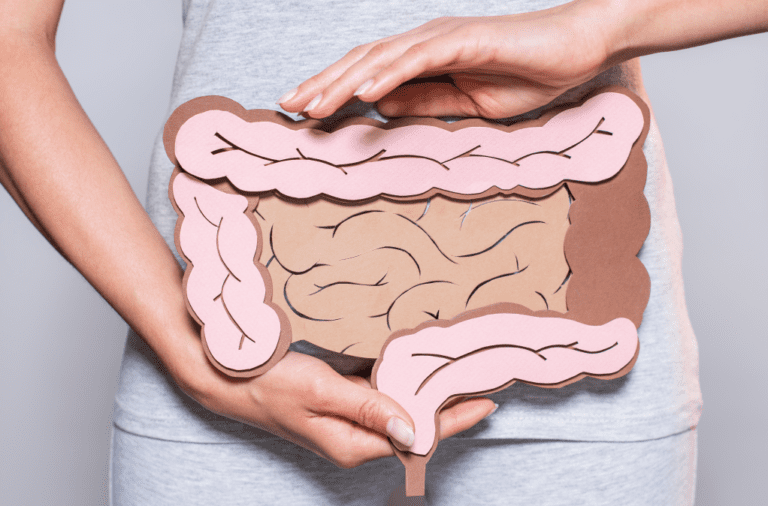
Gut health refers to a healthy balance of the microorganisms living in your digestive tract. They exist in large colonies of billions and billions of bacteria, fungi, parasites, and viruses. All of them must work together to support your body functions, promoting a healthy digestion and nutrient absorption, preventing inflammation and disease development, as well as influencing all other daily operations of your body. This is achieved through a healthy balance between your good and bad bacteria that are completely unique to you and your DNA, also called your gut microbiome.  [This article, “8 Tips to Improve and Maintain Your Gut Health” was originally published in NewsHealthWatch]

The Gut Microbiome

The overall collection of all microbes in your gut is known as your gut microbiome. It’s completely unique from individual to individual as it depends on myriad factors, stemming from the day of your birth and being influenced by every aspect of your life. From the food you eat and the climate you live in, to the environmental factors and whether you have a pet. 

The human microbiome has been a topic of research for quite some time now, with the groundbreaking Human Microbiome Project starting in 2007. It was a somewhat natural follow-up to the Human Genome Project from the 1990s that had the goal of sequencing and mapping all the genes in the human body. Even before its completion in 2003, it became painfully obvious that with only 20 000 protein-coding genes in the human body, there’s plenty more that need to be taken account to decode all complex processes and daily operations. 

These other genes had to be explored by analyzing the gut and figuring out what kind of influence they have on the human body and whether they can impair or improve all of the body functions. That’s when the Human Microbiome Project started, with the goal of not only discovering all the different microbes and their genes in the human body, but also their role in gut health and longevity, as well as how they can be regulated, managed, and supported to prevent disease and improve life quality. 

Gut to Brain Connection

The gut-brain axis has quickly become an important area of research as the powerful connection between the two couldn’t have been neglected. The signaling between the brain neurons and microbes in your gut seems to be bidirectional, with one influencing the other just as much from both ends. There are multiple studies that showcase how your gut health directly influences your mood as well as how your neurons can have a strong influence on the health of your gut microbiome. 

Knowing more about this connection could potentially make us realize how improving and maintaining good gut health needs to come to the top of the list of our health priorities, focusing on implementing healthy habits and routines that can support our gut health and with it, the health of our brain and nervous system. 

Gut Health and the Immune System

Another important are of the human body that’s directly connected to the state of your gut health is your immune system. In fact, a large part of your immune system is actually found in your gut as certain cells of your gut lining produce and excrete antibodies directly in your gastrointestinal (GI) tract. Through those same channels, harmful bacteria can have a negative effect on your immune system and cause inflammation that turns against the body and causes cancer and other disease-causing alterations. 

And since no one specific species has been connected to the development of cancer or other diseases, experts can agree how complex the human microbiome actually is, and how difficult is to decode its incredibly powerful influence on the health and wellbeing of your entire body.

The Causes of Poor Gut Health

Your gut health can be observed from two different areas: how to support and improve its function and how to impair it. Some very important causes of poor gut health can be directly influenced by changes in your lifestyle and it’s therefore important to know their role and how it can be reversed. 

When your gut is unhealthy, it refers to an imbalance in your microbiota, with the harmful bacteria and other microorganisms overpowering the good. Each and every species in your body plays a different role in your gut health and requires different nutrients to grow and thrive, so when these nutrients and environmental factors aren’t there, they die and create space for the harmful microbes to grow and overpopulate your GI tract. 

The most common causes of poor gut health include a diet that’s overprocessed and lacking in a variety of nutrients, not enough dietary fiber or prebiotics whose role is to feed the beneficial gut microbes, the use of alcohol, cigarettes, and other inflammatory agents, the use of antibiotics, lack of physical exercise, sleep deprivation and poor sleep quality, and the so-called silent killer, stress

Even though there are some other factors that can have a strong impact on your gut health that aren’t actually in your control, such as environmental factors, it’s important to focus on the ones you can change and help support the balance of your gut microbiome through your daily actions. Here are eight tips to improve and maintain gut health.  

your gut health, gut, health, body

Clean Your Diet

Even though it might seem like an obvious tip for improving your gut health, cleaning up your diet from overprocessed foods, trans fats, and sugar-filled ingredients is still the number one thing you can do for your health. Overconsumption of sugars and fast foods has been linked to an increase in inflammation and disease development in every possible study, with experts constantly alerting about their dangers and harmful effects on your overall health. 

Not only are they harmful to your digestive tract and its function, but they are constantly linked to cancer development, heart disease, cognitive decline, and even infertility. The Western diet and lifestyle have contributed to the growing rate of life-threatening diseases such as diabetes, Alzheimer’s disease, colon cancer, and overall obesity. 

In addition to limiting your use of these harmful foods, it’s also important to add more nutrient-rich and nutrient-diverse foods into your diet. These include different types of whole foods such as vegetables, fruit, nuts, seeds, beans, legumes, and complex carbohydrates which can all be minimally processed or eaten raw to keep their optimal levels of vitamins, minerals, and other powerful plant compounds. 

Some of these powerful foods are even considered superfoods, containing incredibly high levels of health-promoting compounds such as antioxidants whose role is to fight free radicals and their oxidative damage which has been linked to increase inflammation and a variety of diseases. 

Eat Fermented Foods

There are plenty of studies that showcase how fermented foods add to your microbial diversity and help improve and maintain good gut health. Foods such as kombucha, kefir, yogurt, natto, kimchi, and other fermented vegetables increase the number of beneficial microbes in your gut, lowering the overall inflammation and helping remodel your microbiome to achieve optimal balance. 

Different fermented foods boost the numbers of different microbes, so it’s important to diversify your intake of these powerful ingredients and pair them up with your meals on a weekly, if not daily basis. 

Include More Fiber-Rich Foods into Your Diet

Dietary fiber is one of the most important macronutrients for optimal gut health due to its prebiotic characteristic. Prebiotics are foods that feed the beneficial microbes in your gut, helping them grow and balance out their harmful relatives. 

Fiber is a non-digestible product of carbohydrates with a role of pushing the food down your GI tract and promoting smoother digestion, better nutrient absorption, and the growth of beneficial bacteria. Foods that contain high levels of fiber include bananas, sweet potatoes, complex carbohydrates, Jerusalem artichokes, pears, lentils, beans, and chickpeas. 

Learn About Supplements

Smart supplementation is key to optimal gut health as unfortunately, it’s impossible to get all the necessary nutrients our bodies need to thrive from food alone. Although there are some small areas around the world that can still grow and produce foods that are rich in nutrients, most of the world’s agricultural soil is becoming depleted of vitamins, minerals, and important proteins our bodies need to absorb and use. 

Dietary supplements have thus become incredibly important in supporting gut health as well as the health of all other functions of the human body. Companies like Hello.Health use the latest research to formulate their vitamin and mineral products to best support your body, focusing on improving specific functions, from immune health and cardiovascular support to aiding your digestion and promoting reproductive health. 

Checking your levels of vitamins and minerals can help you discover if you’re dealing with specific deficiencies so you can make smarter decisions on which supplements to include into your daily routine. 

Focus on Hydration

Proper hydration is important for all body functions, from your hormone production and blood pressure levels to insulin regulation and digestion. After all, the human body is mostly made of water and its proper levels are crucial for the optimal function of organs and all cells. 

The eight-cups-of-water-per-day rule is a sort of general idea of how much everyone should be drinking on the daily, but it depends from person to person, as well as the time of the year, body composition, and level of exercise. Keep all of these factors in mind when analyzing your daily consumption and stay hydrated year-round.   

Improve Your Sleep Quality

Sleep deprivation has been linked to a variety of health issues, from obesity to heart disease, and gut health has become an area of research ever since it was discovered that it’s regulated by the circadian rhythm of the individual. 

The research has shown how sleep and sleep cycles influence the metabolism and health of your gut microbiome, with sleep deprivation having strong detrimental effects on microbial diversity and your gut flora. It’s therefore important to focus on implementing good sleeping habits and improve the quality of your sleep. 

Try keeping your bedtime and wake-up time around the same hour each day, minimize the exposure to blue-light emitting screens and tech gadgets at least two hours bedtime, abstain from heavy meals before sleep, and ensure your bedroom is dark and cool.  

Manage Your Stress Levels

Even though it’s easier said than done, it’s important to implement good-feel routines into your daily life which will help lower and manage your stress hormones. Stress has been named the silent killer for a reason, with a plethora of negative effects on human health and wellbeing. 

Its negative effect on gut health cannot be neglected, and it’s therefore important to implement stress-reducing tools into your lifestyle to minimize its impact. These tools can include everything from meditation and mindfulness to breathing exercises and self-care activities that help turn off your fight and flight mode and help you transition into rest and digest. This, in turn, reduces your inflammation and helps prevent disease development as well as improves the health of your GI tract. 

Schedule Regular Exercise

That exercise is important for your overall health isn’t a novelty, but its role in your gut health has been only recently highlighted, with studies showcasing a larger bacterial diversity in those with a more active lifestyle. 

It’s therefore important to add some form of exercise into your weekly schedule, not just for your muscle health, but also your GI tract. When it comes to working out, there’s no research that proves how one type is better for your gut health than other, so it’s best to find an activity you enjoy doing and can be consistent in. After all, it’s true what they say: the best type of exercise is the one you can continue doing over and over again.  

your gut health, gut, health, body

Final Thoughts

The tools and resources for improving and maintain good gut health have become increasingly popular in recent years, thanks to a plethora of studies that showcase its importance in overall health and longevity. Fine tune your nutrition, schedule regular exercise, include dietary supplements to support your diet, focus on sleep quality, and work hard towards reducing your stress levels, and you’ll be on the right track for keeping your gut health at its optimal level. 

Further reading:

How To Improve Your Gut Health, Forbes

The Gut Microbiome, Nature

Unlocking the Microbiome, The Guardian

Disclaimer

Important Note: The information contained in this article is for general informational purposes only, and should not be construed as health or medical advice, nor is it intended to diagnose, prevent, treat, or cure any disease or health condition. Before embarking on any diet or program of nutritional supplementation, it is advisable to consult your healthcare professional in order to determine its safety and probable efficacy in terms of your individual state of health. 

7 Effective Natural Plant-Based Supplements For Better Clarity, Focus, and Overall Health and Wellbeing

If you’re like many Americans, you’re incredibly busy with a lot on your plate each and every day – sometimes, too much. This means it’s only natural to prioritize certain things over others, and, unfortunately, sometimes this might include getting enough balanced, nutrient-dense fresh, whole foods. The solution? Quality plant-based supplements that give your body all the vitamins and minerals it needs, without the time and effort it takes to prep and cook.  [This article, “7 Effective Natural Plant-Based Supplements For Better Clarity, Focus, and Overall Health and Wellbeing” was originally published in NewsHealthWatch]

Now, it’s important to know that not all vitamins and minerals are equal, and your body can absolutely tell the difference between synthetic and plant-based supplements. There’s good reason you likely won’t notice much change in your energy or appearance after taking some cheaper, synthetic supplements – many of them contain fillers, chemicals, or other artificial substances, and the good stuff that’s left may not sufficiently absorb into your body.

This is where plant-based supplements can be a game-changer. And no, they’re not just for those on vegetarian or vegan diets. It just so happens that many plant-based supplements contain natural, organic, whole-food sources your body needs daily. So, take the time to read labels, just as you would with the food you buy. And, in the meantime, read on to learn more about plant-based supplements and how they can truly benefit you.

What are plant-based supplements?

Plant-based supplements are dietary alternatives made from non-animal products like fruits, vegetables, seeds, nuts, bark, spices, leaves, flowers, and other ingredients. These types of supplements are often initially created from a plant or ingredient that naturally contains a high amount of the nutrient being sought. Then, different methods are used to extract that nutrient and create a supplement offering the complete Recommended Dietary Allowance (RDA) of many vitamins and minerals.

You’ll find plant-based supplements come in different forms – just like their synthetic supplement counterparts. These include powders, swallowable capsules, chewable tablets, gummies, liquids, and more. Each supplement will have its own specific instructions for method, frequency, and quantity of consumption, so be sure to follow the instructions explicitly on any supplement you choose to take.

Plant-based supplement ingredients

There are way too many possible ingredients to include in plant-based supplements, but we’ve provided a few of the most common ones along with some background information, below.

Vitamin B12 (cobalamin)

Vitamin B12 is needed for our normal nervous system function, DNA synthesis, and homocysteine metabolism. When we don’t have enough vitamin B12, blood cells change and hematological and neurological symptoms can occur, like neuropathy and anemia. Since B12 is most often found in animal products, those on a plant-based diet need to find it in B12-rich foods like nutritional yeast, non-dairy milk, or vegan supplements.

Typical dosage for adults (over 14): 2.4 mcg

Possible side effects: High doses over 1,000 mcg have been linked to complications in those with kidney disease. As well, very high blood levels of B12 in pregnant women were later connected with high autism risk in their kids.

Lion’s mane (Hieracium Erinaceus mushroom)

The lion’s mane mushroom grows wild throughout much of the world in a group of small, white tubes resembling a hedgehog. Their origin is traced back to ancient China where they were brewed into a tea made to maintain mental clarity or sharpness. This mental power comes from the β-glucan polysaccharides, water-soluble compounds.

According to studies, these polysaccharides have anti-cancer, antioxidant, immuno-modulating, hypolipidemic, anti-hypertensive, anti-microbial, anti-diabetic, neuro-protective, and wound-healing properties. They support the brain and improve memory by keeping damaging compounds out while maintaining or boosting neural connectivity, and they’ve helped to improve motor control in areas of the body that suffered nerve damage.

Typical dosage for adults: Undetermined (follow product label), but potentially safe in a dose of 1 gram per day for 16 weeks.

Possible side effects: Any side effects are mild and can include stomach discomfort.

Omega-3 fatty acids (omega-3 oils, ω−3 fatty acids, or n−3 fatty acids)

The omega-3 fatty acids EPA (eicosapentaenoic acid) and DHA (docosahexaenoic acid) benefit the heart and the brain, by improving cardiovascular health and reducing inflammatory and chronic disease. You’ll find plenty of omega-3 fatty acids in fish like salmon, walnuts, flax, chia and hemp seeds, seaweed, and flax, walnut, and hemp oils. Omega-3 supplements, like algae oil, are great for anyone looking to avoid these foods or with high inflammation levels.

Typical dosage for adults: Most health organizations agree that at least 250–500 mg daily of EPA and DHA combined is healthy for most adults.

Possible side effects: You might experience nausea, an upset stomach, loose stools, and/or a fishy taste in your mouth or smell on your breath.

Ginkgo Biloba tree leaves (maidenhair)

For thousands of years, Ginkgo biloba tree leaves have been used in Chinese medicine mainly for cognitive support in ADHD, autism, anxiety, addiction, dementia, and schizophrenia, along with support for asthma, circulatory disorders, vertigo, and tinnitus. Ginkgo acts as an antioxidant, and its benefits to the brain come from the trigger of multiple compounds increasing the blood flow, along with the monoamine oxidase inhibitor kaempferol.

Typical dosage for adults: There isn’t a standardized dosage for ginkgo, but many health experts deem 120–240 mg in several doses throughout the day to be safe.

Possible side effects: You could experience dizziness, headaches, nausea, stomach discomfort, diarrhea, or a rash or allergic reaction. As well, Ginkgo might interact negatively with some medications including by causing bleeding, so be sure to consult with your health practitioner before taking this supplement.

Iron (Fe)

Iron produces energy, facilitates oxygen movement, and contributes to our development and growth. In fact, those with iron deficiencies can suffer from fatigue, weakness, or anemia. it’s important to note you won’t get as much iron from plant-based diets as you would from meat products – in fact, vegans need about 1.8 times the amount of iron that non-vegans do. females need more iron than males, as well, since they lose more iron during menstruation.

Typical dosage for adults: Adult females need about 18 mg of iron per day, while the amount for adult males is 8 mg daily. Iron dosage varies by person, so you should talk to your doctor about the right amount for you. Some people need a supplement daily while others get better absorption every other day.

Possible side effects: You might experience side effects from iron supplements such as vomiting, nausea, constipation, dark stools, or diarrhea.

Sage (salvia officinalis)

Sage dates back to the Mediterranean Sea area during pre-Roman times. Used as a diuretic, local anesthetic, and way to stop bleeding, it was widely known as the “holy herb” when Romans appeared on the scene. The herb’s rich flavor from various compounds is what caused the shift from medicinal to cooking ingredient. Over the years, sage has been found to help with memory, attention, reasoning, evaluation and judgment, decision making, and problem-solving. The compounds in sage produce anti-inflammatory, antidepressant, neurotrophic, cholinergic, antioxidant, and anxiolytic, effects on the brain and reduce damage from amyloid-β peptide clusters of Alzheimer’s.

Typical dosage for adults: In supplements or medicine, sage is usually taken in 280-1500 mg doses.

Possible side effects: Sage is potentially unsafe if taken in high doses or for a long time. This is because some sage species, including common sage, have a chemical called thujone which, in large quantities, can damage the nervous system and liver and cause seizures.

Protein (polypeptides)

No matter who you are or what type of lifestyle you lead, you need a certain amount of protein – which is the main structural aspect of the body’s cells. Protein comprises amino acids, which are small, organic compounds used for many of the body’s functions like muscle repair and growth. You’ll find protein in many plant-based foods like beans, tofu, and tempeh, but protein supplements are a quick, simple way to get the protein level your body needs, especially if you’re quite active.

Typical dosage for adults: For the average adult who’s at a healthy weight and doesn’t exercise or lift weights too much, about 0.36–0.6 grams per pound is about right.
Possible side effects: Intaking a reasonably high amount of protein hasn’t shown to have adverse effects on healthy adults trying to maintain or improve their health.

Natural Plant-Based Supplements, health, focus, supplements

Why take plant-based supplements?

You’ll find many benefits from taking plant-based supplements that are minimally processed, particularly instead of synthetic minerals and vitamins. Here are just a few.

Good bioavailability

The ease with which your body absorbs certain nutrients is called bioavailability, and it’s been found that healthy, whole plant foods provide a great base for this – supplements included. Our bodies are well-equipped to handle plant-based supplements because they’ve evolved to easily identify and use nutrients from plant sources found in nature over many centuries, and the body naturally distinguishes between synthetic and natural ingredients. This study, for example, found that natural supplements sustained longer than synthetic ones and decreased levels of oxidative stress.

Reduced risk of toxicity

Sometimes, there can be too much of a good thing, including minerals. The great thing about plant-based supplements is they often have a lower mineral toxicity risk than animal-sourced or synthetic equivalents. For example, this is the case with plant-based iron supplements.

Source of nutrients that may be lacking

Many vegetarians and vegans suffer from vitamin deficiencies because they don’t get the many minerals and vitamins found in eggs, meat, and dairy. So, it’s a good idea to take plant-based supplements. Here’s how this works: Plants have a full range of vitamins, phytonutrients, minerals, and aromatic oils, which often work together to be effective. By not isolating compounds, you’ll benefit from the properties and nutrients of many plant-based compounds at once, which you often won’t find in synthetic supplements. These include plant pigments like flavonoids and chlorophyll, aromatic compounds like sulforaphane, enzymes like protease, and many others.

Totally natural

A huge benefit of plant-based supplements is there’s no mystery to what’s inside them as they typically don’t contain toxic chemicals, synthetic fillers, or artificial sweeteners, unlike what their synthetic counterparts are often made with. Often, you’ll recognize the natural scent of a plant-based supplement’s center.

Natural Plant-Based Supplements, health, focus, supplements

Top 7 plant-based supplements to help boost your brain cells and improve your wellbeing

1. For cognitive health: The Brain Pill

Medicine Man Plant Co.’s The Brain Pill is designed to keep your brain sharp. It includes botanical benefits found from the study of ancient neuro-booster plants and mushrooms and cognitive enhancers, including:

  • lion’s mane mushroom extract (750mg), for memory support, cognition, and neuron health,
  • ginkgo (750mg), which promotes blood flow to the brain and is chock-full of antioxidants, and
  • sage (300mg), which helps with mental alertness, focus, and calm.

This supplement is designed by patent owner Dr. Mark Merriwether Vorderbruggen, Ph.D. chemist, author, and renowned medicinal plant forager. It’s completely harvested and sourced responsibly, non-GMO, and tested for heavy metals and pesticides by a third party. As well, Medicine Man Plant Co. sets out to find the world’s ancient plant wisdom that has kept humans going for hundreds and hundreds of years. With no Tribal affiliation or limit to the plants or world regions they work with, you know that unbiased expertise and experience goes into every supplement.

Now, there’s a good chance this type of supplement is new for you, and you might be unsure about it – which is completely understandable. So, what’s nice is that Medicine Man stands behind their products and is completely confident in The Brain Pill, meaning if you’re not satisfied for any reason, all you need to do is reach out to them and they’ll work with you to resolve any concerns.

2. For protein: Vega Sport Premium

With a whopping 30g of protein from various plant sources, 5g of branched-chain amino acids, and plenty of probiotics, this nutritious protein powder from Vega will help you rebuild muscle and recover fully after those intense workouts. It contains zero added sugar and just 6g of carbs, and with a tasty, natural, and creamy, tart cherry flavor, you’ll almost forget you’re taking a supplement instead of a milkshake!

3. For overall nutrients: One Daily

MegaFood’s One Daily is a multivitamin and mineral supplement designed to deliver the nutrition needed to support your overall health and well-being. The multivitamin comes in a convenient single pill you take daily that contains actual food (e.g. carrots) along with the minerals and vitamins your body needs (e.g. vitamins D3, B, C, E, and others). Bonus: you can take this one on an empty stomach.

4. For anxiety relief: Full Spectrum CBD Oil

If you regularly experience stress, mood swings, or even inflammation, you might not have thought about plant-based supplements as a solution. But you may want to since the Full Spectrum CBD Oil from Nuvita truly helps to balance out your body with ingredients like Cannabidiol (CBD), Cannabigerol (CBG), Cannabinol (CBN), and Cannabichromene (CBC) along with naturally-occurring terpenes. The non-GMO, CO2 extracted oil contains organically-grown hemp and less than 0.3% THC, and organic coconut oil.

5. For heart, joint, and overall wellbeing: omega-3 potency+

Don’t be one of the majority of Americans who don’t get enough omega-3 in their day-to-day life. Your brain, heart, joint, immune, and overall health is simply too important. What can help is two of Mind Body Green’s sustainably-sourced omega-3 potency+ gelcaps, with their 1,500 mg of the marine omega-3s EPA and DHA. This supplement is third-party certified for authenticity of the fish oil species and origin (and don’t worry – the aftertaste is removed with a bit of organic lemon oil!)

6. For gut health: Prebiotic

The Prebiotic probiotic supplement from Performance Lab is a 2-in-1 probiotic and soluble fiber supplement that helps with metabolic and microbiome performance. It increases the bifidobacterium probiotics in your gut to encourage regularity, digestive health, and overall comfort. As well, the supplement aids with gauging your nutrition and helps with losing fat and boosting immunity.

7. For energy: B12

We all need water-soluble Vitamin B-12 to produce energy from proteins and fats as well as maintain a healthy nervous system. These chewable lozenges from NOW are ideal as a B-12 alternative for those on plant-based diets because when the vitamin is stored in the liver, the only dietary sources available are meat and dairy products. You can rest assured you’re getting a high-quality supplement, too, since NOW has NPA A-rated GMP certification, meaning that all elements of their manufacturing process have been checked, including potency, stability, and product formulation.

So, while there are many highly beneficial ingredients in plant-based supplements, it’s important to understand where you’re at on your health and wellness journey and what your body might be lacking. The ingredients we’ve covered here – Vitamin B12, lion’s mane, omega-3 fatty acids, Ginkgo Biloba tree leaves, iron, sage, and protein – only scratch the surface of what’s out there.

No matter what you determine your body needs, know that a quality, reputable brand like Medicine Man Plant Co. that stands behind its products and cares about its customers offers a wide range of products to support your health and wellbeing. They know where each and every ingredient comes from and why it’s used in their supplements – something not every company can say.

Wherever your health goals take you, understanding the fundamentals of good plant-based supplements and what your body needs in terms of vitamins, minerals, and other nutrients is an important foundation you can always come back to and build on.

Further reading:

NIH: Neurotrophic properties of the Lion’s mane medicinal mushroom

NIH: A Systematic Review and Meta-Analysis of Ginkgo biloba in Neuropsychiatric Disorders

NIH: Salvia (Sage): A Review of its Potential Cognitive-Enhancing and Protective Effects

Healthline: Supplements for Vegans

Disclaimer

Important Note: The information contained in this article is for general informational purposes only, and should not be construed as health or medical advice, nor is it intended to diagnose, prevent, treat, or cure any disease or health condition. Before embarking on any diet or program of nutritional supplementation, it is advisable to consult your healthcare professional in order to determine its safety and probable efficacy in terms of your individual state of health.

Optimize Your Brain Health By Improving Your Gut Health

While it has long been known that gastrointestinal disorders and brain disorders are linked in some way, it is only in recent years that scientists have seriously considered a direct causal link between the gut and the brain.  We have long known that people with irritable bowel syndrome (IBS) are often depressed, people on the autism spectrum often suffer from digestive issues, and Parkinson’s patients may have constipation, but serious investigations into the gut-brain connection did not begin until after a 2004 Japanese study drew a causative link between the gut microbiomes of mice and their responses to stress.  [This article, “Optimize Your brain Health By Improving Your Gut Health” was originally published in Newshealthwatch.]

In later years, this study gained fame as the beginning of a new field of research.  New evidence now connects gut health to mood, behavior, and cognition.  A wave of investigations into the gut-brain connection draws some surprising conclusions about how intimately your gut is connected to your mental health.  It is now clearer than ever before that gut health promotes brain health, and just a few healthy habits can help boost your mood, clear your mind, and help you feel calm.  Keep reading to learn some basic guidelines for good gut health.

The Gut Microbiome: A universe in miniature

Scientists estimate that there are about 30 trillion human cells in the body and 40 trillion bacteria.  Other microbes such as yeast and fungi coexist with your gut bacteria, and altogether these make up the gut microbiome.  The gut microbiome is found primarily in a pocket of the large intestine called the cecum, and it contains up to 1,000 different species of bacteria that collectively weigh 2-5 pounds.  

The gut microbiome begins to take shape in the womb, with a critical period of gastrointestinal (GI) development occurring immediately after birth.  Breastfed infants have higher levels of good bacteria and certain immune cells, as helpful prebiotics are transferred through human breast milk.  The causative relationship between diet and composition of gut microbiota persists throughout life.

Gut bacteria perform a wide range of functions.  They extract vitamins from the food that you eat, regulate digestion and metabolism, program the immune system, maintain the gut wall that protects the body from invaders, block harmful microbes, and produce chemicals that defend the body against pathogens.  The balance of microbes in your gut can influence your immune system, the ability of the body to regulate homeostasis, the aging process, and according to recent research, your mental health.       

Dysbiosis: A disruption in your gut

Antibiotics, stress, and changes in diet can all change the human microbiome, leading to a dysregulated state called dysbiosis.  Gut dysbiosis is essentially an imbalance between the good bacteria and bad bacteria in your gut.  Harmful microbes may cause inflammation and weight gain, or they may produce gas and other chemicals responsible for the symptoms of bowel disorders like irritable bowel syndrome (IBS).   

In some cases, dysbiosis changes the permeability of the intestinal membrane, allowing bacteria, their products, and other molecules to leak into the blood.  This condition is known as leaky gut syndrome.  The toxins that enter your bloodstream from a leaky gut trigger an inflammatory response in the body.  Increased intestinal permeability has been shown to cause disruptions in the immune system like those seen in a range of disorders, including inflammatory bowel disease (IBD), asthma, diabetes, and psychiatric disorders like depression and autism.  More immediate symptoms of leaky gut syndrome include digestive issues, brain fog, fatigue, headaches, and skin changes.        

brain health, brain, gut health

How your mental health and mood can affect your gut

You may be aware of the gut-brain connection when you are exposed to an acute stressor, and notice your own ‘fight-or-flight’ response.  As part of this response, your brain signals your GI system to slow down or stop digestion, allowing you to divert more energy towards handling the perceived threat.  For example, simple anxiety such as fear of public speaking has been known to trigger a response from your gut in the form of stomach upset, diarrhea, or abdominal pain.  Another example of the gut-brain connection is when gut microbes release appetite-suppressing proteins after you begin eating, telling your brain that you are about to feel full.  We know that stress and anxiety can cause changes in our guts.  Studies have shown that stress can suppress good bacteria in the gut, as stool samples of university students showed fewer lactobacilli during exam weeks than during the rest of the semester.  Functional GI symptoms are often associated with anxiety disorders.  Psychotherapies such as relaxation therapy and cognitive-behavioral therapy have been used to alleviate GI symptoms with some success.  Patients undergoing these therapies were sometimes able to reduce medications and had fewer physician visits and medical procedures.    

How a gut imbalance can seriously impact your mental health

You may be less aware of the gut-brain connection as it relates to how imbalances in your gut can affect your mood and cognition.  Over 100 million nerve cells line the gastrointestinal tract between the esophagus and the rectum, collectively referred to as the enteric nervous system (ENS).  This system is composed of the same neurons and neurotransmitters found in the central nervous system (CNS), which is why it is often called the “second brain.” 

While the main role of the ENS is in controlling the functions of digestion, from release of enzymes to elimination, it also participates in a two-way communication with the brain.  This connection is called the gut-brain axis (GBA).  Gut bacteria respond to and produce chemicals such as serotonin, GABA, melatonin, norepinephrine, and dopamine, the same substances utilized in the brain to regulate mood and cognition.  The ENS also communicates with the central nervous system (CNS) through hormones and immune cells.  With rapidly evolving research into the depth of the gut-brain connection, researchers who once believed that functional bowel problems were caused by anxiety and depression are now investigating whether it may be the other way around.  

It is also likely that disturbances in the GI system can send signals directly to the CNS, triggering mood changes.  Recent research has linked psychiatric disorders to alterations in the gut microbiota, and scientists are exploring this gut-brain connection to develop new treatments for conditions such as anxiety and depression.  For example, scientists now estimate that at least 90% of serotonin in produced in the gut, and imbalances in the gut microbiome may tip the balance of this neurotransmitter, contributing to the development of depression.  Furthermore, inflammatory cytokines produced in the gut during infections may alter brain chemistry, making patients more vulnerable to psychiatric disorders.  This may explain why more than 50% of patients with GI disorders such as Crohn’s disease, irritable bowel syndrome (IBS), and ulcerative colitis also suffer from anxiety and depression.        

brain health, brain, gut health

Candida: More prevalent than you might think

Candida is a yeast that causes an infection called candidiasis when it grows out of control. This usually harmless fungus lives on skin and inside the body, in the gut, mouth, and vagina, and is the most common fungal infection in humans.  Under normal conditions, your healthy bacteria keep Candida under control, but if your microbiome or immune system are compromised, you may develop candidiasis.  Common causes of this condition include antibiotics, high sugar intake, excessive alcohol consumption, high stress levels, and diabetes.  Candidiasis may have a deleterious effect on overall health, and it has been associated with diseases such as chronic fatigue syndrome, ulcerative colitis, and Crohn’s disease.  In some studies, Candida has been identified as a potential contributor to the development of autism spectrum disorder (ASD).  In addition, a 2016 study found a higher incidence of candidiasis in men with schizophrenia and bipolar disorder, prompting investigations into the connection between overgrowth of this common fungus and mental illness.   

Gut health especially affects behavior in children

Recent investigations have shown that the gut microbiome can influence not only neural development and brain chemistry, but a wide range of behaviors such as emotional behavior, stress response, and even pain perception.  Recent research has revealed important connections between gut health and behavior in children.  Studies have linked the composition of the gut microbiome to infant and toddler behavior, with measures of extroversion, cognitive development, and fear.  One study of children aged 18-27 months showed connections between bacterial species in the gut and behavioral traits such as impulsivity, curiosity, and sociability.  In addition, there has been evidence of significant differences in the gut microbiota in children with autism spectrum disorder (ASD) compared to children without the disorder, leading researchers to consider whether treating gut dysbiosis may alleviate behavior symptoms.  Good bacteria in the gut and a healthy gut-brain connection are essential for healthy development.   

Best foods to promote gut health

While certain lifestyle factors play a large role in maintaining a healthy gut, the food you consume has a major impact on the robustness of your gut microbiome.  To encourage the proliferation of good bacteria in your gut, eat a fiber-rich diet including probiotic foods such as yogurt, kombucha, and sauerkraut.  Probiotics can also be found in kefir, kimchi, miso, pickles, and tempeh.  Prebiotics are soluble fibers that promote probiotic bacterial growth, such as the oligosaccharides found naturally in human breast milk.  They can be found in high-fiber foods like bananas, whole grains, greens, soybeans, onions, garlic, and artichokes.  Foods rich in polyphenols like chocolate, red wine, and olive oil also stimulate the growth of helpful bacteria.  To keep your gut healthy, you should also avoid foods that harm the microbiome such as artificial sweeteners, processed and refined sugars, and trans fats.          

There are a few other things you can do to protect your gut.  Try only to take antibiotics when absolutely necessary, as these medications kill good bacteria in the microbiome, possibly leading to weight gain, antibiotic resistance, and other symptoms.  Vitamin D and the amino acid, L-glutamine may help to repair a damaged gut lining.  You can also improve gut health by quitting smoking, getting enough sleep, limiting sugar intake, and managing stress.  

Probiotics can also help: What they are and what they do

The term, ‘probiotic’, is derived from the Latin for ‘promote’ (pro), and ‘life’ (biotic).  The most common probiotics are Lactobacillus and Bifidobacteria.  In the form of enhanced food or supplements, probiotics contain living microorganisms that change the balance of bacteria in the body.  These are the ‘good bacteria’ that compete with ‘bad bacteria’ in the gut to regulate digestion and immune function.  Probiotics can help to restore health by helping to repair the GI barrier, producing antimicrobial agents, supporting immunity, and adjusting the gut microbiota.  These supplements have few mild side effects, the most common being gas.  In addition, probiotics can help to prevent or treat diarrhea, improve symptoms of irritable bowel syndrome (IBS), reduce inflammation and allergies, and boost the immune system.    

There is even a term for probiotics that positively affect mental health: psychobiotics.  One study of patients taking Lactobacillus and Bifidobacteria strains over eight weeks showed a reduction in symptoms of depression as well as lowered inflammation levels.  Animal studies have shown that probiotics may increase levels of tryptophan (a serotonin precursor) and GABA.  (Serotonin and GABA are prominent neurotransmitters with effects on mood.)  The anti-depressive effect of probiotics may also be linked to their suppression of inflammatory cytokines in the body.  As researchers delve deeper into the profound connection between gut health and brain health, the underlying mechanisms are still being investigated.

Hello.Health is a notable United States-based supplement brand at the forefront of the gut-brain movement.  CEO Pamela Wirth founded Hello.Health after her profound journey to alleviate her son’s physical and mental symptoms.  As she consulted with specialists, Wirth discovered that restoring her son’s gut microbiome was a significant factor in his recovery.  Hello.Health sells a range of pediatric supplements based on cutting-edge science, including Belly Great, a helpful blend of prebiotics, probiotics, vitamin D3, and methylfolate.

Guidelines for a healthier gut

In summary, here are some helpful tips to improve your gut health:

Consume a fiber-rich diet including probiotic foods such as yogurt, kombucha, and sauerkraut

Consume foods rich in polyphenols such as chocolate, red wine, and olive oil 

Avoid artificial sweeteners, refined sugars, and trans fats

Take antibiotics only when medically necessary

Manage stress and be sure to get enough sleep

Quit smoking and drink only in moderation

Consider prebiotic and probiotic supplements

A healthier gut for a healthier psyche

As an emerging field, the study of the gut-brain connection has produced some startling discoveries about how profoundly gut health affects brain health.  Researchers studying neuro-diseases such as depression, Parkinson’s disease, Alzheimer’s disease, autism, and multiple sclerosis have begun to pay more attention to gut health, as scientists learn more about the intricacies of our “second brain” and its connection to the central nervous system.  While lifestyle factors such as quitting smoking, drinking only in moderation, and getting enough rest can help maintain a healthy gut, probiotic and prebiotic supplements are also a smart choice.  As science delves deeper in to the ties between childhood behavior and the composition of the gut microbiome, supplement makers like Hello.Health are beginning to offer healthy pediatric options.  Adults can also benefit from a wide selection of probiotic and prebiotic supplements available in stores and online.  The movement of modern medicine towards more holistic approaches to health only supports deeper investigation into the mind-body connection.  With each passing year, there is greater reason to maintain your gut health.  In doing so, you may feel happier, sharper, and perhaps even wiser.

Further reading:

NIH: 4 Fast Facts about the Gut-Brain Connection

PSYCOM: The Gut Brain Connection: How Gut Health Affects Mental Health

Science: Your gut is directly connected to your brain, by a newly discovered neuron circuit

Disclaimer

Important Note: The information contained in this article is for general informational purposes only, and should not be construed as health or medical advice, nor is it intended to diagnose, prevent, treat, or cure any disease or health condition. Before embarking on any diet or program of nutritional supplementation, it is advisable to consult your healthcare professional in order to determine its safety and probable efficacy in terms of your individual state of health.

7 Great Natural Folk Remedies That Really Work

Table of Contents

Traditional medicines have been gaining popularity in the developed world in recent years, as many people are turning to plant medicine due to the side effects of modern drugs.  Furthermore, many chronic diseases persist in the population despite the efforts of conventional medicine to cure them.  Scientists and pharmaceutical companies are also turning their focus to traditional medicines as more conventional Western drugs take years of research and development to produce and are also very costly.   [This article, “7 Great natural Folk Remedies That Really Work” was originally published in
NewsHealthWatch]

The basic approach to care is a fundamental distinction between traditional and conventional modern medicine.  While conventional Western medicine uses a systemic approach that focuses on treating the symptoms of disease, proponents of traditional medicines embrace a holistic approach to healing, considering mind, body, and spirit.  Traditional medicine also places a greater focus on preventive care, an aspect that is underemphasized in conventional medicine.  Finally, conventional medicine typically uses a single drug to treat a single disease symptom.  In contrast, the plants used in traditional medicine contain multiple active compounds that act on multiple body systems.  

As it is, approximately 40% of modern drugs are derived from traditional sources, and this number is only growing.  Most notably, the use of chloroquine as an antimalarial originated in traditional medicine.  However, most pharmaceuticals are synthetic compounds, as scientists have found it easier to synthesize more potent versions of plant compounds used in traditional medicines.  These synthetic compounds often produce harmful side effects.  Sometimes called ‘folk remedies,’ plant-based medicines based on the age-old wisdom of indigenous peoples worldwide show considerable promise for a range of modern health concerns with fewer side effects.

Traditional medicine goes beyond human evolution

While natural folk remedies are now experiencing a surge in popularity in the developed world, these traditional medicines have long been the foundation of medical treatment in the developing world.  It is estimated that 80% of people worldwide use traditional medicine as a primary source of care.  Some traditional medicines include: traditional Chinese medicine, traditional Korean medicine, Ayurveda, traditional African medicine, and traditional Iranian medicine.  Traditional medicine uses more than 53,000 species of plants, and plants and plant-derived ingredients are a major component of traditional treatments.  A great wealth of medical knowledge is still to be mined from the rich indigenous cultures that exist worldwide.  

The first written record of herbal remedies dates back 5,000 years to the ancient Sumerians; however, archaeological studies have revealed that plant medicine in human cultures dates back at least 60,000 years.  Plant-based medicine may transcend even human evolutionary history, expanding to animal populations.  Research on chimpanzees in recent decades has revealed that these non-human primates are adept at selecting plants for medicinal purposes.  For example, chimpanzees have been observed removing the bark and leaves of a Vernonia amygdalina plant, then chewing the inner pith to treat intestinal parasites.  

Scientists believe that our Paleolithic ancestors carried an equivalent level of expertise with regard to plants as medicine, and at times they may have gained some expertise by copying animals.  So it is believed that the vast knowledge of plant medicine contained in traditional medicines stretches deep into our evolutionary past.  Moreover, as contemporary humans are genetically almost identical to Paleolithic Homo sapiens, we are well suited for the same plant-based remedies that our ancient ancestors used.  Keep reading to discover some plant-based folk remedies that have stood the test of time.      

folk remedies, natural remedies

Bitter melon: a traditional diabetes remedy

Bitten melon, also called Momordica charantia, is a plant common to Asia, South America, East Africa, and the Caribbean, and it gets its name from its bitter taste.  Thought to have insulin-like properties, bitter melon may help to lower blood sugar as it draws glucose into cells.  This helpful plant may also help to lower blood sugar by blocking the conversion of nutrients to glucose, allowing less sugar into the bloodstream.  Bitter melon has an appearance and taste similar to that of a cucumber.  It has been used to treat a range of medical conditions, including diabetes, constipation, and respiratory conditions.  The fruit of this plant has been used to treat diabetes among indigenous populations in Asia, East Africa, South America, and India.    

Conventional diabetes medications, such as Metformin, are designed to increase insulin sensitivity and to decrease glucose production in the liver; however, many type 2 diabetes patients do not respond to these medications, or they may develop side effects such as liver damage or heart failure.  About 28% of type 2 diabetes patients eventually require insulin therapy.  A 2011 study of diabetic patients administered 500-2,000 mg bitter melon per day showed a “modest hypoglycemic effect” that was less than 1,000 mg Metformin per day.  Bitter melon has also been investigated for its cholesterol lowering, anti-inflammation, antiviral, and anticancer effects.

Medicine Man Plant Co. is at the forefront of the plant-based medicine movement, reaching into our evolutionary past for effective home remedies to our most basic health issues.  This Houston-based supplement company, founded in 2020, offers a product called “The Blood Sugar Pill” which contains a helpful blend of bitter melon extract, aloe vera powder, and holy basil.  Co-Founder Dr. Mark “Merriwether” Vorderbruggen formulated this blend to act synergistically for optimum blood sugar control.  

Calendula can heal your gut (Folk Remedies Today)

Also called pot marigold, the calendula plant is in the same family as the marigold, and it grows in Southeastern Asia, Western Europe, and the Mediterranean.  With antifungal and antimicrobial properties, tea made from the Calendula officinalis plant may be applied externally to wounds or consumed as a beverage to heal mouth, throat, or digestive tract tissues.  Calendula is used traditionally for wound healing, and it is known to heal inflammation of the gut wall.  In addition, the oils and acids of the plant have been shown to fight pathogens, candida, and antibiotic-resistant bacteria, proving beneficial to the gut from multiple angles.  Potent flavonoids in calendula protect cells from free radical damage and give this plant its valuable anti-inflammatory properties.  Calendula has been used in traditional medicines to treat stomach upset, ulcers, and menstrual cramps.  It has also been used to treat gastroesophageal reflux disease (GERD) and inflammatory bowel disease (IBD).  This home remedy is generally safe with few side effects.   

Ashwagandha: the power of a horse

Ashwagandha is an evergreen shrub found naturally in India, the Middle East, and Africa.  Also known as Indian ginseng or winter cherry, the roots and orange-red fruit have been used as medicine for centuries.  In Ayurveda, ashwagandha is known as a Rasayana, an herb that promotes youth and happiness.  Said to give the power of a horse (“ashwa”) when consumed, ashwagandha has been used to treat emaciation in children and frailty in old age.  Ashwagandha is sometimes used traditionally in combination with other drugs for snake venom or scorpion sting.  Most notably, this traditional remedy has been used to relieve stress and anxiety.  A 2019 study of people taking 250 mg or 600 mg ashwagandha per day showed reduced stress levels and lowered cortisol.  In other studies, the anti-anxiety effect of this plant-based remedy has been comparable to Lorazepam treatment.  (Lorazepam is a benzodiazepine and a common anti-anxiety drug.)  Due to its antioxidant properties, ashwagandha may have a neuroprotective effect. It has been shown to improve memory and cognition in patients with neurodegenerative diseases such as Alzheimer’s disease and Parkinson’s disease.  The benefits of this folk remedy may extend to effects on sleep quality, memory, and cognition.  Ashwagandha’s side effects are generally mild, and may include upset stomach, nausea, and drowsiness.  

Nutmeg: a natural anti-depressant

Nutmeg is a spice made from the seed inside the fruit of the Myristica fragrans tree, and it has been known for its psychoactive properties for centuries.  Myristica fragrans can be found naturally in Indonesia, China, Malaysia, South America, and Sri Lanka.  The psychoactive compounds in the seeds of this plant evolved for their insecticidal properties.  While nutmeg may boost mood in moderate doses, high doses can cause hallucinations and loss of muscle coordination.  Cases of nutmeg toxicity were reported in patients who ingested 5 grams of this common spice.   The anti-depressant properties of nutmeg come from Monoamine Oxidase Inhibitors (MAOI) found naturally in the seeds.  MAO Inhibitors obstruct enzymes that break down the neurotransmitters dopamine, serotonin, and norepinephrine.  While higher dopamine levels improve focus and concentration, serotonin boosts mood, and norepinephrine stimulates wakefulness.  Nutmeg has also been used as a stimulant, antidiarrheal, and an aphrodisiac.  In addition, it has anti-inflammatory, antimicrobial, and antifungal properties.  It is generally considered safe when taken by mouth in low doses.        

Hawthorn for your heart

Hawthorn is a common shrub in the rose family that grows throughout the world.  Its use in Chinese medicine dates back to 659 CE for the treatment of high blood pressure and heart pain.  The berries of this plant have been traditionally used to treat heart problems, and modern studies have shown it to be effective.  According to one study, 900 mg per day of hawthorn extract was as effective as captopril (a prescription heart medication) for symptoms of heart failure.  According to a 10-week study of people with high blood pressure, hawthorn extract taken 500 mg daily reduced diastolic blood pressure.  The flavonoids in this helpful plant may dilate blood vessels, protect them from damage, and improve blood flow, contributing to the heart benefits of this traditional remedy.   

Hawthorn has a host of other health benefits, and it is high in antioxidants, which destroy cell-damaging free radicals.  The polyphenols in this plant may lower your risk of some cancers, type 2 diabetes, asthma, and premature aging.   Hawthorn has few mild side effects, including sweating, palpitations, agitation, and gastrointestinal symptoms.          

Cordyceps: gold for your immune system

Cordyceps is a parasitic fungus that invades insects and other fungi.  This prized mushroom has been used in traditional Chinese medicine for hundreds of years to treat respiratory diseases, liver problems, hyperglycemia, and cancer.  Often called ‘Himalayan Gold’, cordyceps is farmed in the Himalayan plateaus. In its wild form, Cordyceps is the most expensive mushroom in the world, priced at up to $20,000 per kilogram, though most supplements come from synthetically produced fungi.     

Cordyceps has also been used to boost energy and immunity.  It is known for its capacity to modulate the immune system, activating it in the presence of a foreign invader, and suppressing the immune response when it becomes overactive.  Thus, cordyceps may be useful for the treatment of autoimmune diseases and immune suppression following organ transplant.  Cordyceps also enhances endurance and strength, and is sometimes used as a treatment for exhaustion.  This ancient folk remedy is generally considered safe, and may cause some mild side effects such as stomach upset, diarrhea, or constipation.    

Goldenrod: “to make whole”

Native to Europe, Goldenrod gets its name from the clusters of yellow flowers that grow from its stems.  It is known for its anti-inflammatory and diuretic properties, and is sometimes applied to the skin to help with wound healing.  Goldenrod has been used traditionally to treat gout, joint pain, skin infections, asthma, and enlarged prostate.  This natural remedy contains polyphenols which act as potent antioxidants in the body, fighting harmful free radicals.  According to folklore, the nature of the Goldenrod plant is to make separate parts into a whole.  Its Latin name, Solidago, means “to make whole.”  The helpful compounds in this plant including flavonoids, saponins, and polysaccharides may promote healthy intimacy and strengthen the reproductive system.  This ancient folk remedy promotes blood flow and has a calming effect, supporting libido.  Medicine Man Plant Co. offers a unique blend of goldenrod, maca root, and burdock root to support the libido in an aptly named product called “The Libido Pill.”  Drawing on traditional wisdom and modern chemistry, this original product promises to support healthy intimacy with a promise of ethical sourcing and rigorous third-party testing.

Plant-based medicine is here to stay

Traditional medicine is gaining popularity in the developed world, as 74% of American medical students have stated that Western medicine would benefit from integrating some traditional medical practices.  Indigenous cultures around the world offer a great wealth of knowledge concerning the use of plants and their products to treat common health problems.  Just as our ancient ancestors used plant-based medicine, our genetically almost identical modern bodies respond robustly to the active compounds in age-old folk remedies.  As modern science is beginning to shift its focus towards traditional medical practices, we stand to gain a rich appreciation of the healing power of plants and the diverse cultures that have celebrated them for centuries.

folk remedies, natural remedies

Further reading: 

Frontiers: Traditional medicines and globalization: current and future perspectives in ethnopharmacology  

NIH: Traditional Chinese Medicine: What You Need To Know 

WIPO:  Providing Affordable Traditional Medicine

Disclaimer

Important Note: The information contained in this article is for general informational purposes only, and should not be construed as health or medical advice, nor is it intended to diagnose, prevent, treat, or cure any disease or health condition. Before embarking on any diet or program of nutritional supplementation, it is advisable to consult your healthcare professional in order to determine its safety and probable efficacy in terms of your individual state of health.
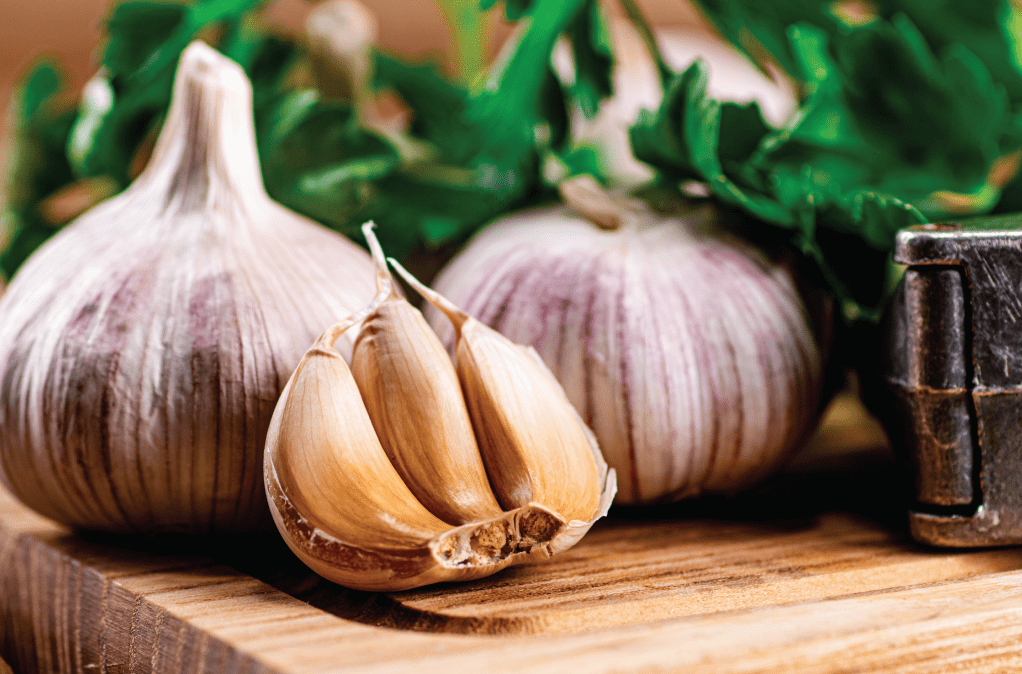
Betting on Clean Energy… And Clean Nutrition For Our Bodies should be #1

There is currently a great conflict between two great schools of thought on energy matters: there are those who believe that oil should continue to be the axis of our society, and those who consider that the only way to avoid an economic and environmental collapse is to bet on clean and renewable energy.  [This article, “Betting on Clean Energy… And Clean Nutrition For Our Bodies” was originally published in NewsHealthWatch]

This antagonism between the ultra-industrialized way of life and the search for new paths and energy alternatives is not limited to such major issues as climate change, war conflicts caused by oil, or the technology governing the operation of automobiles; it is also part of a major paradigm shift that is touching individuals and what happens inside their bodies.

On a large scale, the energy that moves humanity in the modern world comes from fossil fuels, such as oil and its derivatives, which are used to power our machinery, factories, planes, automobiles… which have been used for more than a century. It has kept us in constant movement, but with complications and collateral effects that have accumulated a very high bill that must be paid.

The foregoing is not exclusive to the macroeconomic scenario; it is also happening in our bodies, which, at a general level, work under a system similar to that of automobiles: we put fuel in it, that fuel is converted to energy, and that energy takes us where we want to go.

So, how do we know if the type of energy that we are putting into our bodies, into our personal engines, is clean (like that of an electric vehicle) or if it moves us in a way that is ultimately as harmful as power derived from petroleum?

Heightened body-energy awareness

According to a document from Stanford University, the energy of the human body, which is measured in kilocalories, is a “representation of the ability to perform work, and that energy is obtained through food.” When we consume carbohydrates, proteins, and fat in food, drinks, or supplements, it is converted to adenosine triphosphate (ATP), which provides immediate energy. If this energy is not used through activity, it is stored in the body, which can increase the body mass index (BMI) to an unhealthy level.

In recent years we have seen an increase in the requirement to have sufficient energy to meet the basic functions that daily life demands. Spending eight hours or more working requires concentration, and in many cases, important physical effort. People who have children require even more energy to be able to provide them with the attention, the care, and special quality of life that they need to grow and develop. People who have pets, especially dogs, need that extra energy to be able to align with the impetuousness that characterizes those companion animals who always seem to be eager to leave the house two or more times per day.

Children, pets, social life, work in the office or at home, impose energy demands that we must cover in multiple ways. But exactly how can we fuel ourselves to accomplish things and to get ahead? How can we fuel ourselves clean nutrition.

Sugar-free energy

During the last century, our parents and grandparents created a society dependent upon oil. At the same time within the realm of our bodies, sugar became the main energy source to fuel daily life.This was considered normal for decades until research showed us that excessive consumption of sugars and industrial sweeteners was not what is best for us.

The rise of the promotion of products with added sugars occurred at about the same time, in the post-World War II society, as when it was common for doctors to appear in advertisements recommending tobacco cigarettes. In the case of sugars, soft drink companies became the largest advertisers on the planet and The Coca-Cola Company, whose business is to sell sugary drinks, became one of the largest and most profitable companies in the world.

At the end of the last century we began to realize that added sugars such as sucrose, dextrose, table sugar, syrups, honey and sugars from concentrated fruit or vegetable juices consumed in excess gave us energy, yes, but at a great cost to our health. Today we realize that sugar is for our body what petroleum is for the planet: energy that is neither clean nor efficient.

In the second decade of the 21st century we continue to suffer from the ills of the past, but now there are people and companies who created energy products whose guiding principle is no longer profit at any cost. Alternatives have emerged that provide us with energy without the harmful side effects of added sugars. According to the CDC, people who often drink sugary drinks are more likely to face health problems, such as weight gain, obesity, type 2 diabetes, heart disease, cavities, and gout (a type of arthritis).

On the positive side, we now know that vitamins are not just for children and that the consumption of vitamins A, B1, B2, B3, B6, B12, C, D3, E, among others( clean nutrition), as well as taurine, selenium, potassium, etc., can give us the energy we need in order to get ahead and face what contemporary life demands of us.

clean nutrition

A Clean Nutrition boost without caffeine – is it possible?

Caffeine is the most consumed psychoactive substance in the world. Millions of Americans can’t start their day without their morning dose of caffeine in the form of a cup of coffee, espresso, or other presentations to get that energy boost that their lifestyles require.

For many, that cup of coffee is the kickstart that ignites the engine. And caffeine consumption at reasonable levels has been shown to increase our sense of alertness, reduce fatigue, and to enhance our ability to react.

Unfortunately, the benefits of caffeine can turn into problems when caffeine is consumed in excess. Data from the Mayo Clinic indicates that consuming up to 400 milligrams of caffeine a day – this is the equivalent of four cups of brewed coffee – is safe for healthy adults. But this amount can also cause side effects such as headache, nervousness, muscle tremors, heart rhythm disturbances, irritability, and insomnia. In addition to this, coffee is a strong diuretic that makes us urinate constantly.

Fortunately, caffeine is not exclusive to coffee beans and coffee cups. In a less jarring form, it can also be found and can be extracted from other plants such as green tea, black tea, yerba mate or guarana. It is also available in nutritional and dietary supplements that mix it with vitamins and minerals that provide energy.

Jay Mercer, the CEO of Pureboost, a brand of mix and energy supplements with more than four years in the market, believes that it is possible to obtain clean energy for our bodies. “Today people are more aware of what they are putting into their bodies and are looking for alternatives that are free of added sugars, like sucralose, without preservatives, that offer vitamins and electrolytes with natural flavors and colors,” he said.

We all need a boost to start the day, especially those of us who have children or pets. For Pureboost we include 28 super nutrients and natural caffeine obtained from green tea so that instead of drinking several cups of coffee and taking dozens of capsules every morning, consumers just have to drink a glass of cold water with the mix”.

Not our parents’ supplements

Just as we can find cars on the market that run on clean energy and reduce their impact on the environment, energy alternatives (clean nutrition) for human consumption have also changed to be cleaner, with supplements that do not focus only on the immediate results of the energy boost, but which can also provide benefits in the medium- and long-term.

We are leaving the era of dirty energy and opening the door to superfoods that provide us with benefits and revitalize us… that are made with real fruits and vegetables, that contain natural sweeteners, and that do not have added artificial dyes (without any nutritional benefit) which are there for the purpose of making them look better in photos and advertisements.

These changes are not simply due to the goodwill and marketing efforts of the companies that make the supplements. Consumers have become more demanding when it comes to choosing the products they eat or drink. It has become important in the public opinion that companies publish not only the ingredients but also their business models to confirm that no harm is being caused to the environment. Clean nutrition has become an extremely important part of consumer market trends.

clean nutrition

A change in our energy sources

The world’s major economies are making efforts to create commitments and plans to change the way in which we produce and consume energy as a society. This movement is finding its way into how we fuel our bodies with a clear focus on clean nutrition and energy.

The paradigm shift is already here, and it surrounds us. We can see it in action and we can be part of it so that it reaches more people through our consumption habits, and through the choice of foods and supplements that we ingest to convert into energy for our daily lives. We can run our bodies on clean nutrition energy by taking better control of our consumption habits – and by choosing better foods and supplements. (Clean Nutrition Article – Original NewsHealthwatch)

Additional Related Content –

Beat That Mid-Afternoon Slump

7 Great Ways to Stay “In The Zone” at Work

Disclaimer

Important Note: The information contained in this article is for general informational purposes only, and should not be construed as health or medical advice, nor is it intended to diagnose, prevent, treat, or cure any disease or health condition. Before embarking on any diet or program of nutritional supplementation, it is advisable to consult your healthcare professional in order to determine its safety and probable efficacy in terms of your individual state of health.

Play exciting online pokies and live games at True Fortune Casino, offering fast payouts, secure deposits, and generous bonuses for Australian players.

Enjoy top pokies and live dealer tables at Uptown Pokies Casino, with quick withdrawals, safe banking, and rewarding promotions for Australian users.

Join thrilling online slots and live casino action at Uptown Aces, featuring fast deposits, secure withdrawals, and exclusive bonuses for Australian players.

Spin favourite pokies and play live casino games at Velvet Spins Casino, offering safe banking, fast payouts, and generous promotions for Australian enthusiasts.

Experience exciting online pokies and live tables at Woo Casino, with quick withdrawals, secure deposits, and attractive bonuses for Australian casino players.

Play top pokies and live dealer games at King Billy Casino, offering fast payouts, safe banking, and rewarding promotions for Australian online casino users.

Enjoy thrilling online slots and live casino action at Aussie Play Casino, with secure deposits, quick withdrawals, and generous bonuses for Australian players.

Join exciting pokies and live tables at Fastpay Casino, featuring fast payouts, safe banking, and exclusive promotions for Australian online casino enthusiasts.