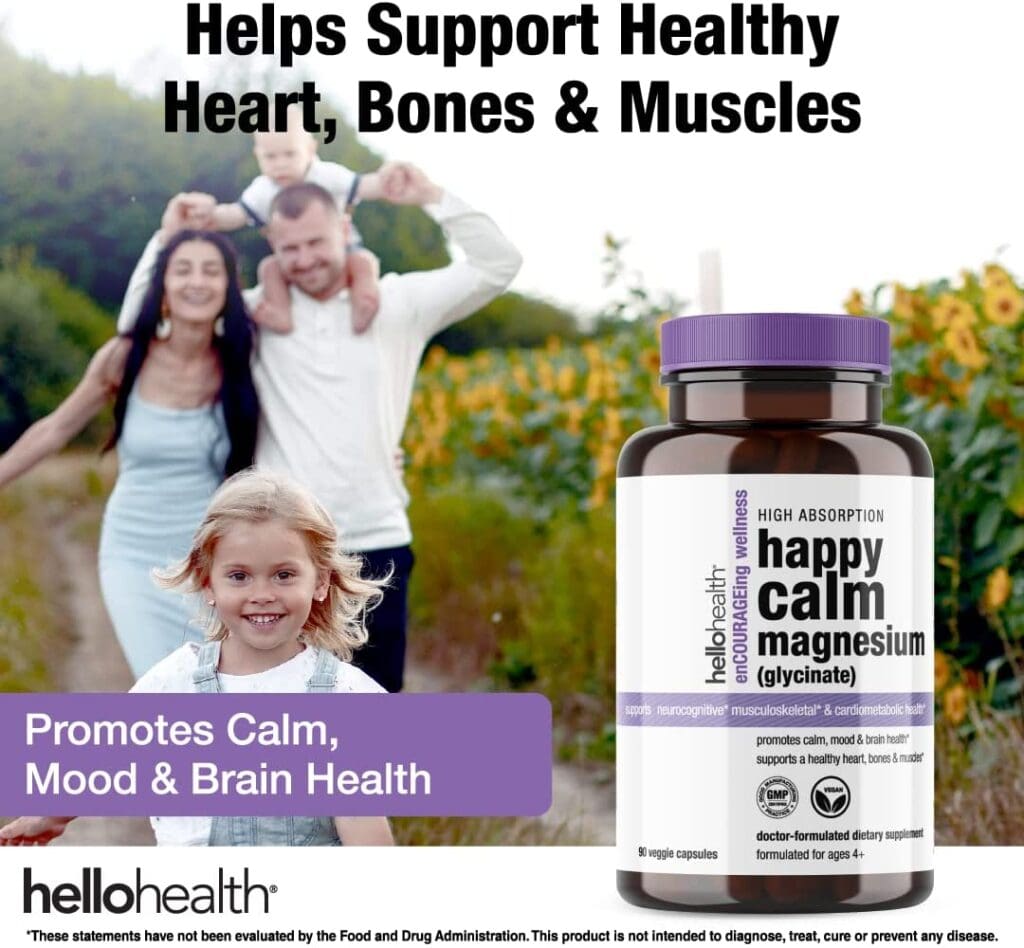
New York, NY, August 17, 2022 – Peter Montalvo, chairman of the Consumer Product Research Committee of NewsHealthwatch Corp. announced this morning that the committee has identified Hello Health’s Happy CalmTM magnesium glycinate product as being the best in its class as a supplement for inducing and sustaining relaxing and rejuvenating sleep. “This is a premium-quality product for health-conscious consumers to be adding to their supplementation regimen,” stated Montalvo. “In our stress-filled, high-tech, high-pressure society, it has become increasingly difficult for many of us to get a good night’s sleep. And getting adequate sleep is absolutely essential for us to perform at our best in every aspect of our lives.”
Newshealthwatch identifies Hello Health as best in class
NewsHealthwatch Corp. identifies a small number of “best in category” supplement products each month based upon a combination of infomedia and news articles and public product reviews. Exceptional products offering superior quality and good value are formally recognized by the Consumer Product Research Committee.
The market for nutritional and dietary supplements
The market for nutritional and dietary supplements in the United States, which is currently at about $53.1 billion, is anticipated to grow at a compounded annual rate of at least 5.60% through 2028. This expansion is driven by a growing interest, on the part of the American public in improving the quality and length of life and in increasing personal performance and productivity. It is estimated that more than 68% of the adult population in the United States has either taken, or is currently taking supplements, as supplementation is becoming more mainstream, and biohacking is becoming increasingly commonplace.
Hello Health active ingredients
The active ingredients in Hello Health’s product, magnesium, is a gentle, natural muscle relaxant which indirectly readies the body for sleep, unlike many of the over-the-counter sleep aids in the marketplace which contain antihistamines or the many supplements which contain substantial amounts of melatonin.
Antihistamines and melatonin, which are both quite popular and which are reasonably effective as sleep-inducing agents, are not without their share of troublesome side effects, such as morning after drowsiness and clumsiness, blood pressure changes, and dry throat. Magnesium has a very good side effect profile, and tends to be extremely safe. In its glycinate form, magnesium is most effective because it is most bioavailable and is easily assimilated into the bloodstream. Additionally, although a magnesium deficiency is actually quite rare, many adults need more of this vital nutrient than they receive through their ordinary diet.
“Happy CalmTM is manufactured in the united States in a facility which meets the increasingly-important standard of GMP,” said Montalvo, “and it is one of the safest, and most effective formulations in the supplement marketplace. At NewsHealthwatch, we give Hello Health and its product a thumbs up.”
About
NewsHealthwatch is a digital publication dedicated to offering each of our readers information and insight into achieving and maintaining a healthy body and a sharp mind. Our content is updated continuously with articles covering topics relating to diet, nutrition, supplementation, exercise, and best practices for obtaining a healthier and happier life experience. At the beginning of each week, our editors select from among the finest health- and wellness-focused articles to provide our intelligent, discerning readers with superb curated content. Our journalists address a higher, more technical and fact-based standard of reporting, and their articles are filled with solid information and instructive tips and hints. Find us at https://newshealthwatch.com.
Eating well, getting plenty of rest and staying hydrated are all essential concerns for athletes – regardless of their fitness level – as they prepare for their exercise routines. Now, experts researching the science of diet and nutrition are coming up with better and more effective ways to help those athletes with the final part of a strong exercise regimen – the post-workout recovery time, when the muscles are in need of specific nutrients to rebuild stronger and more resilient tissues. [This article, “6 great ways to improve your post-workout strategy using nutrition and training: Finding the best way to recover after the workout” was originally published in NewsHealthWatch]
How the body’s natural fuel sources are used and replenished during post-workout recovery strategies: How you actually recover after the workout
The Harvard School of Public Health says researchers have found out that the body uses three main sources of fuel during exercise: carbohydrates, fat, and protein. The first of those, carbohydrates, are stored in the liver and skeletal muscles in the form of glycogen, which can be easily metabolized into glucose to provide immediate energy to fuel the brain, nervous system, and muscles during exercise.
For an average person, the body’s glycogen supply can provide enough fuel for about 90 to 120 minutes of vigorous activity. When the glycogen is used up, the body begins to break down fat to burn for fuel, especially during low- to moderate-intensity activity. Finally, the body begins to break down skeletal muscle protein for glucose production.
Physical activity can induce muscle growth, also called hypertrophy. Weight lifting and other resistance training exercises are commonly used to increase skeletal muscle mass, but cardiovascular exercise like running can also spur muscle growth. Such physical activity causes structural damage to muscle fibers, especially when muscles are challenged with multiple repetitions of heavy weights. The body’s repair response involves fusing broken muscle fibers together to form new muscle protein strands, which in turn increases muscle size. This is the repair and rebuilding phase of the regimen where post-workout supplements can do the most good.
There is plenty of reliable information about the effects of strenuous exercise on the body, and how the use of proteins can be managed to provide the greatest benefits. Here are some of them:
Supplements for post-workout regimens: Six healthy nutrients that provide the biggest payoff from an intense fitness training exercise regimen.
A variety of post-workout supplements is available for athletes to increase their muscle mass through enhanced muscle repair, recovery and growth. While the formulations vary from product to product, experts agree that the timing of these supplements is a key factor in their successful use. The supplements should be taken no more than 30 minutes after the end of the exercise because that is when muscles are still working and best-suited for absorbing the energy from these nutrients.
Here are some of the most common ingredients in post-workout supplements, and how they work to improve muscle mass and quality
Carbohydrates
Replenishing the body’s glycogen level with sufficient carbohydrate intake is important for muscle recovery, and starting the next workout with sufficient muscle glycogen stores has been shown to improve exercise performance. Post-workout supplementation with carbohydrates within 24 to 36 hours is recommended after strenuous physical activity, including an hour or more of vigorous exercise such as interval training, running, swimming, bicycling, soccer, or basketball.
Protein
Most healthy adults need about seven grams of protein each day for every 20 pounds of body weight. Recommended amounts of protein supplements during exercise vary based on the type of exercise being conducted. A review conducted by the International Society of Sports Nutrition found that protein supplements for people with adequate carbohydrate intake may not improve endurance but could reduce muscle damage and feelings of soreness. Many people use protein powders, which may come from a wide variety of sources such as eggs, milk and plants. Because these powders may contain many other non-protein ingredients such as sugars and flavors, it’s always a good idea to read the labels carefully.
Creatine
This organic compound has been shown to hold promise as a nutritional supplement that might help the muscles with both adaptation and recovery following a workout. The Journal of Sports Medicine reported that an analysis of recent date suggests that creatine might reduce the level of muscle damage caused by exercise and also promote long-term gains from intense workouts.
Branched-Chain Amino Acids (BCAAs)
The BCAAs are three amino acids == leucine, isoleucine and valine – that may be obtained from protein-rich foods and are also available as dietary supplements in powdered form. All three are considered key components of muscle protein synthesis, and research has shown that leucine in particular promotes protein synthesis and suppresses protein breakdown.
Cannabidiol (CBD)
Although the results are still preliminary, some studies have shown that CBD may be able to help muscle tissue retain some of the gains it receives from intense exercise as well as lessen the damage done by strenuous workouts. Other recent studies show that CBD might reduce post-exercise inflammation without interfering with the muscle-building benefits of that exercise.
Betaine
This nutrient made from beets is also found in many animals, plants and microorganisms. In the human body, betaine helps to improve muscle cell survival, increase cell synthesis, and maintain other key functions during periods of intense exercise. Betaine supplements have been shown to improve strength and peak power output while also increasing endurance by extending the time until fatigue and protecting the body from dehydration, It has also been demonstrated to increase lean body mass.
Further Information
For more on post-workout recovery, check out these articles:
Finding the right nutritional supplements to maximize the benefits from a post-workout regimen
Each athlete has a specific set of goals to accomplish, and professionals who choose to use high-intensity workouts often are looking for various results from the supplements they select. Beginners and other amateurs may have a tough time finding the right balance of ingredients as well as the most effective combination of exercise routines. This is one reason why fitness blogs, often maintained by the companies that manufacture the supplements, have become a popular source of advice for people getting started on their own fitness programs.
Podium Nutrition is a company based in College Station, Texas, that entered the supplement marketplace in September 2021. Its first goal was to reach out to consumers who follow the popular CrossFit training regimen of high-intensity workouts. Podium CEO Paul Haverland says his company partnered with several world champion athletes to design each of its products to meet the specific goals of the various disciplines.
“What ultimately makes us different is that we’re building products for elite fitness. We’re taking actual athletes that have competed at the highest level and giving them input into the formulas and flavors and the ingredients that are going into these products,” he says. “We’re going to marry their experience with the real-life science behind it and figure out why it worked for them.”
Haverland says his company supports the idea that good nutrition starts with a solid diet-based program, but their researchers are convinced that supplements are needed to provide extra help in such areas as carbohydrates for energy, hydration, and protein for recovery.
Another post-workout strategy: active recovery
As researchers are developing the best combinations of nutrients to rebuild muscles following a strenuous workout, other scientists are looking into physical activities that may also help the body retain the benefit of the workout. The process is called active recovery, and it can involve a shorter, less-intense form of exercise following a more demanding series of activities. Some popular forms of active recovery are swimming, doing yoga, riding a bicycle, or simply taking a walk.
One of the drawbacks of intensive exercise programs is the soreness that many people feel as their muscles are stretched, damaged and rebuilt during the process. The benefits may be considered worth the discomfort, but the soreness can be discouraging for some people beginning an exercise regimen. Active recovery activities can help reduce that soreness because they keep the muscles engaged even after the main workout.
According to Healthline, other benefits of active recovery include
Reducing lactic acid buildup in muscles
Eliminating toxins
Keeping muscles flexible
Increasing blood flow
The exact form and duration of an active recovery workout will depend on the athlete’s physical condition, overall health, and benefits received from the intense workout regimen. Once those factors are taken into consideration, an active recovery plan can be used in conjunction with a balanced regimen of nutritional supplements to ensure that your body receives the greatest possible benefits from an intense workout session.
More information about active recovery workouts can be found at:
Important Note: The information contained in this article is for general informational purposes only, and should not be construed as health or medical advice, nor is it intended to diagnose, prevent, treat, or cure any disease or health condition. Before embarking on any diet or program of nutritional supplementation, it is advisable to consult your healthcare professional in order to determine its safety and probable efficacy in terms of your individual state of health
While you may not have heard of nitric oxide, it is working hard behind the scenes to keep your body functioning optimally. However, if you have a low nitric oxide level, then you may experience symptoms such as poor vision, fatigue, brain fog, high blood pressure, slow recovery time after exercise, and erectile dysfunction. Fortunately, there’s something that you can do about it.
Some common causes of low nitric oxide levels include, smoking, physical inactivity, high cholesterol, and a high-fat diet. Nitric oxide levels may also decrease as part of the aging process. Keep reading to discover some natural ways to boost your nitric oxide level, and why it matters. [This article, “3 Great Nitric Oxide health benefits, And How To Boost Your Nitric Oxide Levels” was originally published in NewsHealthWatch]
Nitric oxide health benefit #1: a molecule that lowers blood pressure
The connection between low nitric oxide levels and high blood pressure is well known. Researchers believe that people with high blood pressure may produce less nitric oxide, and may not be able to use nitric oxide as efficiently. Also called hypertension, high blood pressure describes a condition where blood pushes too hard against the walls of your arteries, and it is a major risk factor for heart disease. One health benefit of nitric oxide is its capacity to act as a vasodilator, meaning that this signaling molecule relaxes and dilates your blood vessel walls, lowering your blood pressure.
Nitric oxide health benefit #2: a molecule for blood sugar control
Insulin is a hormone produced in the pancreas that stimulates the transport of blood glucose into cells. Insulin resistance develops when your cells don’t respond well to insulin, causing your blood sugar levels to rise. It is a component of metabolic syndrome, a collection of symptoms that often develops into type 2 diabetes.
Nitric oxide mediates insulin delivery in the body, and disruptions in nitric oxide bioavailability are linked to insulin resistance. Nitric oxide is important for insulin sensitivity, so another health benefit of this molecule may just be better blood sugar control. People with diabetes may not produce enough nitric oxide, and other health consequences of this deficit include poor blood vessel health, high blood pressure, and heart disease.
Nitric oxide health benefit #3: a molecule for muscle recovery
Healthy muscles require nutrients and oxygen as they work, and this important fuel is delivered through your blood. When nitric oxide widens blood vessels, more nutrients and oxygen reach your hard-working muscles, enhancing exercise performance and muscle recovery. Increased nitric oxide levels may also reduce the body’s demand for oxygen during exercise, helping your muscles to work more efficiently. Many athletes appreciate this health benefit of nitric oxide, as healthy levels of this helpful molecule can improve stamina and recovery time.
Enjoy nitric oxide health benefits when you eat healthy food
One of the best ways to enjoy these nitric oxide health benefits is to eat a diet rich in fruits and vegetables. Flavonoids, found in most fruits and vegetables, are potent antioxidants that have been shown to increase the production of nitric oxide and slow the rate at which it breaks down. In addition, many healthy vegetables and some fruits contain nitrates, which convert to nitric oxide in the body. While the nitrates in vegetables and some fruits can help boost your nitric oxide level, you should beware of nitrates found in processed meats. When nitrates are added to processed meats as a preservative, they sometimes convert to N-nitroso compounds in the body, which are linked to certain cancers.
When you consume nitrates in vegetables and fruits, the antioxidant content of these foods inhibits the formation of N-nitroso compounds. Vegetables high in nitrates include, celery, lettuce, beetroot, spinach, and arugula. Other foods that help your body to produce more nitric oxide naturally include, dark chocolate, citrus fruits, red wine, and watermelon.
Enjoy nitric oxide health benefits when you exercise
We know that regular exercise has many great health benefits, but committing to that morning workout can also help you to enjoy some nitric oxide health benefits. Nitric oxide is produced in your endothelial cells, which make up the lining of your blood vessels. When you exercise, this keeps your blood vessels healthy, helping those cells to produce more nitric oxide. When nitric oxide produced in the endothelium travels to the smooth muscle cells that cause your blood vessels to relax, this stimulates blood flow. Not only does exercise boost your nitric oxide levels, but it also decreases blood viscosity, lowering your risk of heart attack or stroke.
Enjoy nitric oxide health benefits with supplements
Animal studies have shown that nitric oxide supplements can have positive health effects such as reducing blood pressure, reducing arterial stiffness, and increasing carotid artery blood flow. Other studies have shown that nitric oxide supplements can increase exercise tolerance, making them popular among elite athletes. Nitric oxide supplements do not contain nitric oxide itself, but they contain ingredients that help your body to produce this helpful molecule. Supplements containing pure nitrates do not exist due to regulations on sodium nitrate; however, there are a few healthy supplements made from natural ingredients that can help you to enjoy the health benefits of nitric oxide.
Try L-arginine to boost nitric oxide levels
L-arginine is an amino acid that occurs naturally in red meat, poultry, dairy products, and fish, and it converts to nitric oxide in your body. L-arginine stimulates insulin, which facilitates glucose transport into cells, powering your muscles. One study showed that diabetics taking L-arginine had better blood sugar control and insulin sensitivity. When you supplement with L-arginine, you can enjoy many important nitric oxide health benefits. Studies have also shown that L-arginine can reduce systolic and diastolic blood pressure in people with hypertension. Other benefits of L-arginine include increased immunity, improved mental capacity, and lowered inflammation.
Try L-Citrulline to boost nitric oxide levels
You can also enjoy nitric oxide health benefits with L-citrulline. L-citrulline is an amino acid found in watermelon, meat, legumes, and nuts. It is made as a byproduct when your body converts L-arginine to nitric oxide. Supplementing with L-citrulline can boost your L-arginine levels more than supplementing with L-arginine itself because L-arginine often breaks down before it reaches the bloodstream. L-citrulline can help treat prehypertension, a condition characterized by slightly elevated blood pressure and an increased risk of heart attack or stroke. Depletion of this important amino acid can lead to inflammation, depression, high blood pressure, cardiovascular disease, and erectile dysfunction.
Beetroot is loaded with nitrates to boost nitric oxide levels
Beetroot is a common ingredient in nitric oxide supplements due to its very high level of nitrates. You can enjoy some nitric oxide health benefits when you consume it either fresh, juiced, or as a supplement. Taking beetroot before exercise has been shown to improve strength-building, delay fatigue, and improve the speed of muscle recovery. A study of cyclists who consumed beetroot juice before a trial showed a 2.8% improvement in performance. Beetroot may cause a slight pink discoloration in urine, which is harmless and the only notable side effect.
Type Zero is a notable California-based supplement company offering a clean nitric oxide booster with healthy portions of beetroot, arginine, and citrulline malate. Citrulline malate is a form of L-citrulline that provides the desired nitric oxide health benefits and may also reduce muscle soreness. Type Zero emphasizes clean products without added sugars or artificial sweeteners, and their products are formulated with diabetics in mind; however, anyone can enjoy their health and fitness benefits.
Why nitric oxide matters
When your nitric oxide level is low, you may experience a host of symptoms such as poor vision, brain fog, high blood pressure, erectile dysfunction, and even depression. This essential molecule keeps your body functioning optimally, but you may not notice it until you experience the harmful effects of nitric oxide depletion.
When you boost your nitric oxide level, you may notice improvements in blood pressure, blood sugar control, and even exercise endurance. To enjoy these nitric oxide health benefits, you can focus on eating healthy fruits and vegetables and finding the right supplement, such as the Clean Stim Free Pre Workout N.O. Booster offered by Type Zero. Once you understand how truly essential this molecule is, then you will find it easy to appreciate the many health benefits of nitric oxide.
Important Note: The information contained in this article is for general informational purposes only, and should not be construed as health or medical advice, nor is it intended to diagnose, prevent, treat, or cure any disease or health condition. Before embarking on any diet or program of nutritional supplementation, it is advisable to consult your healthcare professional in order to determine its safety and probable efficacy in terms of your individual state of health.
Many people suffer from ongoing joint pain in various parts of their body. Joints, or the connections between bones, are what give you the freedom to bend your knees and elbows, turn your head, move your hips, arch your back, and wiggle your fingers and toes, among other things that many of us take for granted every day. [This article, “[This article, “7 Most Effective Supplements Ingredients For Joint Health” was originally published in NewsHealthWatch]”
A cushion of smooth cartilage, synovium tissue, and synovial fluid lubricant help your joints stay apart and keep from rubbing together to maintain their health. However, injury, age, or carrying excessive weight can impact and break down this cartilage to the point that your joint health becomes compromised, damaged, or, worse yet, on its way to arthritic. Aside from the fact that the most prevalent chronic joint condition, osteoarthritis, is a common cause of disability, ignoring your joint health can slow you down and cause you pain. So, it’s important to care for your joints.
How to care for your joints
To maintain good joint health, you need to take care of your joints along with your bones, muscles, heart, and ligaments. Here are some great tips for doing just that.
Exercise with the joints in mind
Research has shown that aerobic or cardio exercise that boosts your heart rate can reduce swelling in the joints. It’s important to pay attention to whether certain exercises bring you discomfort or pain, so low-impact options (like swimming) may be ideal. No matter what you do, though, be sure to regularly move around in some way, as sitting still creates stiffness. Taking a walk, stretching, practicing yoga, and even standing up while you work can make you much more comfortable.
And don’t forget about building muscle and strengthening your core. This is important since your hips, spine, and knees support your whole body and need their strength to do a good job on their own without relying and putting strain on your joints. As well, your back and abdominal muscles keep you balanced and help you to avoid falls that can impact your joint health.
Maintain a healthy weight with the right diet
Carrying around extra weight does damage to more than just your cardiovascular health (which is still important). Joints that carry weight, like your back, knees, and hips, are supporting most or all of your body weight and, as a result, they literally take on more physical pressure. This pressure can cause joints to deteriorate, meaning the more pounds you’re carrying around, the more stress you’re putting on your joints. In fact, studies have found that you add four times the pressure to the knees per every pound gained.
And while you’re thinking about ideal body weight, you may as well be intentional with your diet by choosing foods that are good for your bones and muscles. For example, calcium – found in dairy, broccoli, kale, and nut milks strengthens bones, and vitamin D helps your body absorb that calcium. You need protein for your muscles, and meat, seafood, beans, and nuts are a great source of that. As well, it’s been found that antioxidants like vitamin C, found in citrus fruits, are great for joints and joint health.
Protect yourself in high-impact and high-risk activity
When it comes to higher-risk activities – whether you do physical labor for work, are into mountain biking or rollerblading, or are rolling up your sleeves to paint your house – protecting your body is non-negotiable if you want to avoid major or minor cartilage-damaging injuries, relieve joint pain in the short term, and take care of your joints in the long term.
This means it’s important to wear the right safety gear, like knee, wrist, and elbow guards or pads, and a helmet as needed. And, if you do suffer an injury, be sure to apply ice wrapped in a cloth or a cold pack to the affected area for a few minutes. This will help reduce swelling and numb pain.
Aside from these actions, taking joint supplements is an effective way to maintain and improve your joint health. Here are some supplement ingredients to look for.
Top 7 supplement ingredients for joint health
1. Glucosamine
Glucosamine, which is naturally found in cartilage, prevents the inflammation and discomfort that occurs when bones rub against one another. This ingredient can also contribute to stopping cartilage breakdown caused by arthritis.
Glucosamine sulfate, specifically, has been found to lessen joint pain from osteoarthritis. This makes it an ideal supplement ingredient, as found in this joint care formula from Luma by Laura. The brand prides itself on its US-made, all-natural joint health supplements. Specially formulated with glucosamine and other key ingredients that quickly absorb into your system to target problem areas, these supplements support healthy joint mobility and function by minimizing inflammation and maintaining joint cartilage.
Dosage: You can safely take 1,500 mg of glucosamine sulfate once a day or spread out 2-3 times daily.
2. Turmeric
Hugely popular for joint pain relief due to its curcumin compound’s anti-inflammatory properties, turmeric is another popular ingredient in supplements for joint health.
Dosage: You can take 500 mg of tumeric 2-4 times a day.
3. Boswellia
The herbal extract Boswellia (or Indian frankincense) comes from the Boswellia serrata tree, and resin from the extract has long been used in African and Asian folk medicine. This joint supplement ingredient contains anti-inflammatory boswellia acids that relieve arthritic pain.
Dosage: Boswellia can be safely taken in the range of 100 mg once daily to 333 mg three times daily. Consult your health practitioner to see what dosage would work best for you.
4. Chondroitin
Chondroitin is found in cartilage and helps prevent breakdown of that cartilage in those suffering from osteoarthritis. It also relieves stiffness and pain in joints. And, when taken for up to 2 years, this supplement ingredient even slows narrowing of the space between joints. A study found that over half the people who took chondroitin enjoyed at least 20% improvement in knee pain.
Dosage: Safely take chondroitin in 400-800 mg amounts 2-3 times daily.
5. Methionine
Methionine, an amino acid found in proteins from your body and certain foods, is an ingredient commonly used in joint health gummies and other supplements. It aids in cartilage repair and production, making it ideal to help with osteoarthritis symptoms.
MSM is a chemical found in humans, animals, and plants. This joint supplement ingredient has shown to improve movement, function, and pain in those suffering from arthritic joint stiffness and discomfort.
Dosage: You’re safe to take MSM in 1-2 doses of 1,500-6,000 mg a day (consult with your health practitioner to see what’s best for you).
7. Quercetin
Quercetin is a flavonoid (or plant pigment) found in foods like onions, apples, berries, green tea, and red wine. Its anti-inflammatory properties help to reduce swelling and relieve symptoms of arthritis like joint pain.
Dosage: It’s safe to take 500-1,000 mg of quercetin per day.
All of these ingredients are important in one way or another to maintaining the health of your joints and your day-to-day comfort. Remember to seek out a quality joint supplement brand, like Luma by Laura, offering products that:
improve joint discomfort,
facilitate proper nutrient absorption and inflammation avoidance, and
promote long-term health by keeping your joints moving, along with your muscles.
Beyond supplements, keeping practical joint-care tips in mind, like eating right, exercising, wearing proper safety gear, and icing injuries appropriately can go a long way in relieving short-term pain and maintaining long-term health.
The verdict is in, and it turns out sea moss is good for you – inside and out.
Sea moss is a species of sea algae commonly found along the rocky Atlantic coast of Europe and North America. It was first used for food in the 1840s in Ireland, and it soon became a thickening agent in commercial food processing, but only recently has it come into its own as a nutrient-rich “superfood” that benefits the human body in numerous ways. Its various chemical compounds and minerals make it useful as both a nutritional supplement and as a topical application to the hair, scalp and skin. [This article, “7 Super Nutrients In Sea Moss For Healthier Skin, Hair, And Scalp” was originally published in NewsHealthWatch]
For a quick overview of the latest news connecting sea moss with good health, great skin and healthy hair, visit these pages:
What exactly is sea moss, and what’s so special about it?
Sea moss, also known by its formal name Chondrus Crispus, has a lot in common with seaweed, which has long been recognized as a great source of vitamins and minerals. Nutritionists started studying the unique properties of sea moss and found it contains so many good compounds that it deserves attention as a separate product with its own set of benefits.
The first thing that makes sea moss so special is its wide variety of important nutrients such as calcium, chromium, iodine, iron, magnesium, phosphorous, potassium, vitamin B2, vitamin B12 and zinc. These beneficial compounds are densely packed into the sea moss, meaning that a daily serving is only two tablespoons. That portion amounts to a mere five calories with no fat, no cholesterol and no sugar.
Nutritionists also say that sea moss has a higher fiber content than most vegetables, meaning it can help control blood sugar levels, lower cholesterol and reduce the risk of chronic conditions such as heart disease and diabetes. Studies have shown that it can help lower blood pressure, and it may promote weight loss because high-fiber foods help us feel full longer.
For a full list of all the minerals provided by sea moss, check this out:
Sea moss contains seven super nutrients which nourish the skin, hair, and scalp
While ingesting sea moss does good things for the body, the nutritional supplements made from it are only half the story. Many of the ingredients found in this algae have also proven to be extremely helpful when applied directly to the hair, scalp and skin. Seven minerals stand out as superstars:
Silicon
Sulfur
Iron
Magnesium
Calcium
Zinc
Iodine
Silicon is a key mineral whose benefits are often underestimated. Without it, the body struggles to form the collagen that helps skin stay elastic as it ages. By age 21, the amount of collagen in the skin is already reduced by one percent. From there, collagen levels continue to drop by another one to two percent yearly, contributing to the formation of wrinkles and other signs of aging. Sea moss is silicon-rich, and can be a powerful addition to any skincare routine.
Sea moss is also packed with sulfur, which helps create healthier and smoother skin. When applied topically, sulfur can eliminate unwanted microorganisms that contribute to acne. In addition, when ingested, many natural health practitioners believe it can improve the quality of fingernails, skin, and other tissues.
The other minerals found in sea moss have earned it the label of a “skincare powerhouse” from some dermatologists, who say those ingredients can reduce wrinkles, hydrate the skin, and protect it from environmental hazards. While research into other possible benefits continues, some experts believe the minerals in sea moss are essential to both healthy skin and inflammation control because many harmful skin reactions are inflammatory in nature.
Sea moss is a natural source for a wide variety of vitamins, including A, B, C, D, E, and K. These have been shown to decrease skin inflammation, give the skin a natural glow, heal damaged and irritated skin, and prevent breakouts. Plus, these ingredients may help the skin produce both collagen and keratin, which helps strengthen the skin and reduce redness and discomfort.
More information about sea moss as a topical application for smoother skin, cleaner scalp and healthier hair can be found at:
Sea moss is also a great nutritional supplement, full of healthful minerals
The benefits of sea moss to overall good health are certainly not limited to topical applications. There are plenty of healthful ingredients that are best taken by nutritional supplements based on sea moss.
Calcium – This essential mineral has long been known to promote strong and healthy bones. Milk is a good source, but other foods – such as sea moss – are also rich in this mineral, and it helps supply the needs of people who have trouble digesting the lactose in milk. The amount of calcium varies from person to person depending on age and sex, but the World Health Organization recommends that the average adult typically needs around 500 milligrams daily. Just 10 grams of sea moss contains 7.2 milligrams of calcium, about half of the percentage found in 1% fat milk.
Copper – Although it’s best known as the mineral that permits the body absorb and use iron from red blood cells, copper has also been shown in recent studies to help prevent cardiovascular diseases such as heart attacks, strokes, and arrhythmias. Sea moss contains a relatively high level of copper, and when ingested, it can be an excellent way to increase copper levels safely.
Iodine – Many health benefits are credited to iodine, such as assisting the thyroid with managing metabolism and mood. The mineral contributes to the production of essential thyroid hormones, and an iodine deficiency may lead to constipation, fatigue, and weakness, among other symptoms. Sea moss contains roughly 47 micrograms of iodine per gram, which can help people reach the recommended 140 micrograms per day. Sea moss can potentially help you hit that goal and maintain a regular amount of iodine in your body.
Iron – A lack of sufficient iron causes anemia, which prevents people from properly growing, developing and producing red blood cells, causing them to feel fatigued, weak, and dizzy. Anemia is especially common in women, who store roughly a third of the iron men store in their bodies. As a result, adults need to consume between 9.7 and 14.8 milligrams of iron per day to combat iron deficiency, depending on body size and sex.
Sea moss contains 9 milligrams of iron per 100 grams, a far higher percentage than that of chicken.
Magnesium – Every single cell in the body contains needs magnesium it to function properly, but studies show that only about half of Americans and Europeans are getting their recommended daily amount of the mineral. Without enough magnesium, the body struggles to send messages from the brain to the nervous system, and muscles struggle to contract and relax properly. Two tablespoons of sea moss contain roughly 14.4 milligrams of magnesium, which can help women reach their goal of 310 to 320 milligrams per day, and men reach their 400 to 420 milligram daily goal.
Phosphorus – The second most abundant mineral in the body behind calcium, phosphorus also contributes to the growth of strong bones and teeth. About 85 percent of our body’s phosphorus is found in these two areas. Phosphorus deficiency is relatively uncommon in the United States, it can result in anemia, muscle weakness, coordination problems, bone pain, and infections. Adults may need between 1,189 and 1,596
milligrams of phosphorus daily, and 100 milligrams of sea moss contain an impressive 157 mg of the mineral.
Potassium – Required for proper heart, muscle, kidney, nerve, and digestive system functioning, potassium is also helpful to people struggling to heal or recover from sickness. Adults should be consuming between 3,500 and 4,700 milligrams of potassium every day, so the roughly 63 milligrams of potassium per 100 grams of sea moss could help people reach that goal. Couple that with some other potassium-rich foods, like bananas and spinach, to get the entire recommended serving.
Lots of research is being done to determine the exact benefits that can be expected from the regular use of sea moss. You can find the latest here:
The nutrients in sea moss hold great promise for future applications.
In addition to the known benefits of sea moss, researchers say it may prove to contain compounds that can treat some very serious medical conditions. The data are just starting to be collected, but scientists are hopeful that sea moss will live up to the promising results they have already seen.
Work has begun to determine if the unique combination of elements in sea moss can someday be used to treat or even prevent Parkinson’s Disease, which is the second most common degenerative condition in older adults. Parkinson’s interferes with the body’s movement, causing tremors, slowness and stiffness. There is no known cure for Parkinson’s at this time, but very preliminary research has shown that sea moss might slow the progression of the disease. So far the studies have involved worms given an extract from sea moss, and it remains to be seen if similar results will happen to humans.
A second major area of research involves the effect of sea moss on the body’s immune system, specifically when it comes to the salmonella bacteria. Salmonella is estimated to cause illness in about 1.3 million Americans every year, and around 450 deaths are blamed on diseases caused by the bacteria. At least one study has demonstrated that sea moss can stop the growth of salmonella, but scientists have not yet determined if the moss will be an effective treatment or preventative for humans.
Finding the best sea moss products for a healthy regimen
All of the good news about sea moss and its benefits has made it a hot commodity in the health and nutritional supplement industry. So the sea moss market – which is estimated to be about $18 million annually on Amazon alone – could be poised for an even bigger growth spurt in the near future. With such a crowded field of nutritional offerings, how do customers find the best products for their specific needs?
One answer is to stick to as natural a product as possible. With sea moss offering so many benefits in its raw form, it does not require lots of added ingredients and processing to make it a healthful product. One producer, Yemaya Organic, believes that it can give customers a better product by doing less – specifically, doing less to process the product and instead to offer it to consumers in its rawest form. Yemaya CEO Michael Jean says keeping the moss as pure as possible is his company’s number one goal.
“It’s harvested straight from the marine-protected waters. It’s sun-dried, it’s not process-dried, nothing is added to it,” Jean said. “It’s the purest form of sea moss you can get. It’s harvested from St. Lucia. It’s cleaned, it’s dried, it’s processed, and it’s packaged there at an FDA-approved facility.”
Of course, buying a less-processed product means the consumer is going to have to do more work to turn the sea moss into a usable form. Even that extra effort is a selling point for the product, especially among consumers who want to know exactly what they are getting when they order the sea moss. Yemaya’s website has complete instructions on how to turn the dried moss into a gel that can be mixed into a variety of dishes.
Whatever form it takes, sea moss is poised to become the next big thing in the natural supplements market. It appears to be moving out of the shadow of the better-known seaweed-based products that have been touted for years. One thing seems certain – sea weed isn’t going to be relegated back to the anonymity of “thickening agent” anytime soon.
Disclaimer
Important Note: The information contained in this article is for general informational purposes only, and should not be construed as health or medical advice, nor is it intended to diagnose, prevent, treat, or cure any disease or health condition. Before embarking on any diet or program of nutritional supplementation, it is advisable to consult your healthcare professional in order to determine its safety and probable efficacy in terms of your individual state of health.
Whether we’re trying to get a flat stomach before summer vacation or we have more than a few extra pounds to lose, we all would like to lose some belly fat. While there is no way to specifically target belly fat when you lose weight, a general loss of body fat will help you trim your waist, and certain healthy habits can change how your body distributes fat.
The subcutaneous fat beneath your skin keeps you warm, stores energy, and cushions you from shock. Subcutaneous fat makes up the visible part of your belly, but a much more harmful type of fat lies deeper in your abdominal cavity. This unhealthy, disease-causing fat is called visceral fat. Keep reading to discover seven great ways to flatten your stomach and get rid of that unhealthy belly fat. [This article, “7 Great Ways To Lose that Stubborn Belly Fat” was originally published in NewsHealthWatch]
The problem with visceral fat (belly fat)
Visceral fat is the fat that surrounds your internal organs, such as your liver, pancreas, and intestines. While you can’t see it, this harmful belly fat affects your health even more than the squishy fat that sits just under your belt. Visceral fat is called ‘active fat’ because it acts as an endocrine organ, sending hormones into your system that increase inflammatory compounds. These compounds travel to your tissues and damage cells, leading to chronic disease. Excess visceral fat has been linked to conditions such as heart disease, diabetes, and cancer.
A general guideline to determine whether or not you have excess visceral fat uses a simple measurement of waist circumference. Women with waists measuring more than 35 inches and men with waists more than 40 inches have levels of visceral fat that place them at greater risk for certain chronic diseases.
If you have a high waist circumference, you may already be suffering the health consequences without realizing it. Excess visceral fat is a sign of metabolic syndrome, a condition also marked by high blood pressure, insulin resistance, obesity, and high cholesterol that often leads to the development of type 2 diabetes. Excess visceral fat may also cause asthma, dementia, gallbladder disease, gout, fertility problems, lower back pain, and osteoarthritis.
Stress and poor sleep add to the belly fat problem
If you’re struggling with high stress levels, your adrenal glands are releasing cortisol, the body’s primary stress hormone. Cortisol activates the body’s ‘fight or flight’ response, and it stimulates the movement of fat from other parts of the body to the abdomen. If you are trying to lose belly fat, then stress is your worst enemy. Symptoms of elevated cortisol include migraine, anxiety, depression, insomnia, difficulty focusing, and weight gain.
High levels of cortisol exacerbate the belly fat problem by stimulating your appetite. The stress response evolved to cause sugar cravings so that our ancestors could have quick energy in an emergency. When you give in to those cravings and eat high-carbohydrate foods, the body then releases insulin, which in turn reduces your cortisol levels.
If you are suffering from chronic stress, high levels of circulating cortisol and insulin create lipoprotein lipase (LPL), an enzyme that stimulates your body to store more belly fat. Furthermore, high cortisol levels can damage cells, causing insulin resistance and disruptions to leptin and ghrelin, the hormones that regulate hunger. When you are experiencing chronic stress, you might find yourself eating more without being able to tame your ravenous appetite. This extra energy may end up stored as belly fat.
If your cortisol levels remain high when it’s time to go to sleep, you may struggle to enter deep sleep. Not only does sleep deprivation worsen insulin resistance, but it also slows your metabolism. As your body fights to preserve energy, it slows down fat burning. The result is more belly fat. To manage stress and sleep better, try deep breathing, make time for breaks and hobbies, or talk about your problems with a friend or skilled therapist. When you make room for self-care in your hectic schedule, you’ll notice that you’re not only getting better rest, but your stomach is also flatter.
Keep insulin levels down to ‘starve’ belly fat
Insulin is a hormone produced by the pancreas that helps your cells transfer sugar from your blood to your cells. The cells then use this sugar for energy. If you eat a diet high in processed foods and saturated fat, are inactive, take certain medications, or have a lot of belly fat, you may develop insulin resistance.
When you have insulin resistance, your cells can’t take sugar from your blood as they should, and your body secretes even more insulin in response to increasing blood sugar levels. It’s much harder to lose weight when you have insulin resistance, because your body stores excess blood sugar as fat. Even worse, insulin tells your body to store fat, and high levels of this hormone will lead to fat distribution in the abdomen. Symptoms of insulin resistance include increased thirst, increased hunger, frequent urination, blurred vision, and headaches.
To combat the problem of insulin resistance, eat a healthy diet rich in fruits, vegetables, whole grains, and lean sources of protein. In addition, limit added sugar and saturated fats found in meat and high-fat dairy products. You can substitute polyunsaturated fats found in fish, nuts and vegetable oils. Also try to get 150 minutes of moderate physical activity per week. Finally, avoid trans fats, which worsen inflammation and insulin resistance. The best way to improve your insulin sensitivity is to lose fat from your abdomen. Once you have improved insulin sensitivity with healthy eating, exercise, and fat loss, you will create a virtuous cycle whereby your body will be less inclined to store belly fat.
Create a calorie deficit to burn away belly fat
Any diet plan that helps you lose weight is effective because, in one way or another, it creates a calorie deficit. A calorie deficit occurs when you burn more energy than you consume as calories from food. When you create a calorie deficit, your body uses stored fat instead of food for energy, and you lose weight. You store fat when you consume too many calories and don’t expend enough energy. In the simplest terms, you can lose belly fat by eating less, exercising more, or a combination of both.
To lose weight at a healthy pace of 1-2 pounds per week, you should create a calorie deficit of about 500-1,000 calories per day. Typically, women need 1,600-2,000 calories per day to maintain their weight, while men require about 2,000-2,400 calories per day. The number of calories you require is a factor of your resting metabolic rate (RMR), the number of calories your body requires when it is completely at rest.
You can calculate your resting metabolic rate using an online calculator and multiply it by your activity level to determine how many calories you need per day. While a calorie deficit of 3,500 corresponds to one pound of body weight, you should not create a deficit of more than 7,000 calories per week, as excessive restriction may cause nutritional issues and a slowed metabolism.
Consider weight training to increase lean muscle and reduce belly fat
When you lose weight, you will lose fat (and belly fat), but you will also lose lean tissue. Because muscle tissue burns more calories than fat when your body is at rest, you may slow your resting metabolic rate as you lose lean body mass. This will not only slow your weight loss progress, but it will also make it harder for you to keep weight off once you’ve lost it. However, if you add some moderate strength training to your exercise program, you can keep your metabolism strong as you build lean muscle mass. The best part is that weight training can help you to lose more belly fat.
A 2014 study showed that men who weight trained had greater success reducing waist circumference than men who only exercised aerobically. Of course, you’ll get the best results by combining strength training with aerobic exercise, so try to keep your aerobic activity levels at 150 minutes per week.
Green tea supplements: traditional belly fat burners
Like other teas, green tea is made from the leaves of the Camellia sinensis plant, but green tea retains many more antioxidants because it is the least processed. Green tea contains two metabolism-boosting substances: caffeine and epigallocatechin gallate (EGCG), a catechin and potent antioxidant. While green tea contains less caffeine than coffee, the active compounds in this plant-based supplement may boost hormones like norepinephrine that help break down fat cells and move energy into your bloodstream.
One study showed that green tea catechins stimulated fat burning both during exercise and at rest. Another study of 60 obese people showed that those taking green tea extract burned 183 more calories per day and lost 7.3 more pounds after three months than those taking a placebo. If you are hoping to lose belly fat, a green tea supplement might be a good option. If you’re looking for another reason to take green tea supplements, you can also boost your immune system with the antioxidants, polyphenols, and flavonoids contained in the leaves of this helpful plant.
Chromium for generalized weight loss and belly fat reduction
Chromium is a trace mineral that is involved in protein, carbohydrate, and fat metabolism. Known for its ability to help control blood sugar, chromium also facilitates the uptake of amino acids and glucose by muscle cells. Because it supports your muscle tissues, supplementing with chromium picolinate can help you to maintain lean muscle mass as you lose weight. The end result will be a faster metabolism and less belly fat. Chromium picolinate is a salt created from chromium to enhance the bioavailability of this helpful mineral when you consume it as a supplement. You can also get chromium from food sources such as whole grains, seafood, green beans, broccoli, prunes, peanut butter, and potatoes.
Chromium also helps you to lose belly fat by supporting insulin function and reducing food cravings. Chromium is an essential part of a molecule called chromodulin, which causes cells to respond better to insulin. When cells pick up more glucose and smaller amounts of insulin are circulating in your body, there is less to inhibit fat loss, and you can lose more weight. While about 90% of American diets are estimated to be low in chromium, true deficiencies are rare. A good chromium picolinate supplement may help support insulin sensitivity and help you to lose that stubborn belly fat.
Advantra Z for thermogenesis
Advantra Z is known for its capacity to reduce food cravings and increase energy levels. This patented nonstimulant thermogenic agent is made from p-synephrine, an extract of bitter orange. Bitter orange comes from the Citrus aurantium tree, and is cultivated in the Mediterranean region. It is found naturally in Europe, Africa, Latin America, and the Caribbean. The fruit itself is considered too bitter to eat, but it is sometimes used in marmalade, syrup and juice, which also contain p-synephrine.
Bitter orange has been used in traditional Chinese medicine for centuries to treat indigestion, diarrhea, constipation, and as an expectorant. In addition, bitter orange extract is consumed as a supplement for weight management, appetite suppression, focus, and energy.
Irwin Naturals, a Los Angeles-based supplement company, offers a fat-burning product called System-Six. This product contains Advantra Z, green and white tea extracts, yerba mate, guarana, spirulina, L-theanine, chromium, and B vitamins to help you lose weight and burn belly fat. Irwin Naturals promises to be a leader in the weight management category, and each liquid soft gel is designed to enhance bioavailability. Irwin Naturals products carry a promise of full transparency, with every ingredient listed on the label.
The secrets to a flat stomach
If you want to achieve a flat stomach, then one of the best methods is to make more time for self-care and manage your stress levels. The secrets to losing stubborn belly fat are simpler than it may seem. Eat a healthy diet low in processed foods and saturated fats, and get plenty of the good stuff, like fruits, vegetables, and whole grains. You can also try weight management supplements like green tea, chromium, or Advantra Z.
A proven brand like Irwin Naturals offers System-Six and a wide selection of other helpful supplements that might help you to finally lose that stubborn belly fat. The best way to sustain a healthy weight loss once you’ve achieved your goal is to keep your metabolism revved with a strength training routine. With a little persistence and some healthy practices, you can have that flat stomach you’ve always dreamed of and find your highest confidence ever.
Important Note: The information contained in this article is for general informational purposes only, and should not be construed as health or medical advice, nor is it intended to diagnose, prevent, treat, or cure any disease or health condition. Before embarking on any diet or program of nutritional supplementation, it is advisable to consult your healthcare professional in order to determine its safety and probable efficacy in terms of your individual state of health.
We know that chronic stress, genetics, and trauma can all play a role in the development of anxiety and depression, and it is likely that you or someone you know has suffered from one of these conditions. The National Institute of Mental Health reported that 8.4% of U.S. adults had at least one episode of major depression in 2020.
A major depressive episode is one that lasts at least two weeks. It is characterized mainly by a depressed mood, loss of interest in daily activities, loss of concentration, and problems with sleep, eating, and energy. Anxiety is even more prevalent, affecting 18.1% of adults every year. Symptoms of anxiety may include feeling on edge, restlessness, poor sleep, irritability, unexplained pains, and difficulty controlling feelings of worry. [Newshealthwatch]
Both depression and anxiety can affect quality of life, causing difficulties at home, at work, and in social situations. Sufferers seek solutions, but there is currently no quick fix or cure. Prescription medications offer relief from symptoms in some people, but often come with unpleasant side effects. Medicinal mushrooms as well as psychedelic mushrooms are now having a moment, with the market for medicinal mushrooms expected to grow at a compound annual growth rate of 4.7% in the next few years. Could these mysterious fungi help to treat our most common mental health issues?
Psilocybin for depression: how it works for mental health
About one-third of people with depression do not respond to antidepressant medications. Treatment-resistant depression has high emotional, functional, and economic costs and is associated with a number of comorbid conditions. Those who do take antidepressant medications may suffer from a range of side effects, including stomach upset, agitation, headache, sexual dysfunction, and insomnia. The search for alternative treatments has yielded an unlikely hero: psilocybin.
In 2018 the FDA granted Breakthrough Therapy status to psilocybin as an adjunct therapy for treatment-resistant depression. Psilocybin is the psychoactive compound found in hallucinogenic mushrooms. What makes psilocybin different from traditional antidepressant medications is that it may be effective after only two doses. This is because this natural psychedelic can change the way that neurons connect to each other, rewiring the brain in a way that can help people to discover new ways of thinking. A recent study on adults with long-term depression showed that two doses of psilocybin combined with psychotherapy still showed an antidepressant response at a 12-month follow-up.
In controlled settings, hallucinogenic mushrooms do not cause serious side effects, though users may experience short-term confusion, hallucinations, headache, nausea, or paranoia. If taken under the supervision of a trained healthcare professional, unpleasant effects can be weathered as part of the transformative experience.
More traditionally used as an adjunct therapy for cancer patients experiencing anxiety and depression, psilocybin is known to induce feelings of euphoria, well-being, and inner peace. Its long-lasting effects are partly due to its association with profound insights and emotional breakthroughs.
Cancer patients treated with hallucinogenic mushrooms reported improvements in mood but also a better quality of life, optimism, and sense of purpose. Furthermore, these patients experienced lower levels of death anxiety (fear of death). Psychedelic research is still in its infancy, and we have yet to discover the full therapeutic potential of hallucinogenic mushrooms. Currently, psilocybin treatment is being explored for a range of other conditions, including PTSD and substance use disorders.
Reishi: the ‘divine fungus’ that calms the mind
The most common medications prescribed for anxiety are the benzodiazepines, such as Xanax, Klonopin, Valium, and Ativan. These drugs are used for immediate relief of anxiety symptoms and may cause side effects such as drowsiness, dizziness, memory problems, or physical dependence. Benzodiazepines work by enhancing the action of the neurotransmitter GABA, which reduces activity in the central nervous system. They take effect within an hour, but the strongest effects wear off a few hours later. The addictive potential of these drugs is high, as users often must take higher and higher doses to produce the same effects.
A mushroom used in Chinese medicine for centuries may offer some relief from anxiety without the unpleasant side effects or the potential for addiction associated with certain prescription medications. Ling Zhi, the Chinese name for Reishi mushroom, means “divine fungus” and it has also been called the “Mushroom of Immortality.” Rare in the wild, Reishi was discovered 2,000 years ago and was once reserved for privileged members of Chinese society. Now cultivated for its medicinal properties, this anti-inflammatory mushroom is associated with increased immune function, mental clarity, and longevity.
Feelings of anxiety are caused by high levels of cortisol in the body. Reishi’s calming effect is partly due to its capacity to lower cortisol levels, but it may soothe anxiety in several ways. Polypeptides in this medicinal mushroom work with the body’s own endorphins and neurotransmitters to relax the central nervous system, inducing a feeling of calm. This relieves tension in joints and muscles, further lowering stress levels. Reishi is intended to be used for several weeks before its true benefits can be observed. However, it is considered to be safe with only a few mild side effects that may include dry mouth or stomach upset.
Mushroom supplements are now a rapidly growing market and are available in several different forms, including powders, capsules, and drink mixes. Known for its earthy, bitter taste, Reishi may be best taken either mixed in a smoothie or in the form of a gummy. You can find mushroom gummies online at a Florida-based company called Troop. This notable mushroom supplement brand has been growing in popularity since it was founded in 2020. Troop’s CEO Stephanie Moyal set out to deliver the many profound health benefits of functional mushrooms in a flavorful gummy.
Troop has benefited from the recent buzz around mushroom supplements, selling out their inventory in the first few months of business. This company offers a bottle of 60 vegan Reishi gummies at a reasonable price. If you prefer your Reishi in powder or capsule form, some reputable brands include Medicinal Foods Reishi Mushroom Powder or FreshCap Mushroom Reishi Powder or Capsules.
Eating mushrooms for mental health: mushrooms as a superfood
Rich in vital nutrients, mushrooms are a superfood, and eating them can lower your risk of depression and anxiety. A Penn State study of 24,000 adults conducted between 2005 and 2016 found that participants who ate mushrooms had a lower chance of developing depression. One mechanism behind this protective effect may lie in the anti-inflammatory properties of mushrooms. Studies have shown correlations between chronic inflammation and depression, and anxiety has also been associated with the presence of inflammation markers. Mushrooms contain ergothioneine, a relatively uncommon anti-inflammatory compound that protects against cell and tissue damage. Shiitake, oyster, maitake, and king oyster mushrooms have high levels of ergothioneine.
Mushrooms are also rich in potassium, which is thought to regulate nerve signals and lower anxiety. You can find it in white button mushrooms, which are available year-round at the supermarket. In addition, mushrooms are rich in fiber, vitamin D, vitamin B, and other antioxidants, nutrients known to support brain health and emotional well-being. These superfoods can even lower your risk of cancer, as an analysis of studies published between 1966 and 2020 revealed that people who ate at least 18 grams of mushrooms per day had a 45% lower risk of cancer. You can easily incorporate mushrooms into your diet for profound and enduring benefits.
Lion’s Mane: a mushroom that boosts your mood
Lion’s Mane is perhaps the best-known mushroom for brain health. Thought to improve mental sharpness, it has been used by Buddhist monks to heighten focus during meditation. Also known as “monkey head mushroom,” Lion’s Mane has long been a part of Traditional Chinese Medicine to promote healthy digestion and general strength. TCM also recognizes the effect of this medicinal mushroom on the central nervous system, applying it as a treatment for insomnia and weakness. Lion’s Mane is found naturally in Europe, North America, and Asia.
The mood-boosting effects of Lion’s Mane may lie in a combination of its capacity to reduce inflammation and its potential to stimulate neurogenesis. Studies in mice have shown that when stress-induced inflammation lowers serotonin and dopamine levels in the brain, this can have a negative impact on mood.
The use of Lion’s Mane can mitigate the effects of stress, keeping the levels of these key neurotransmitters higher. Compounds in Lion’s Mane also stimulate nerve growth factor (NGF) and brain-derived neurotrophic factor (BDNF) proteins, an action that supports the development of healthy nerve cells. This medicinal mushroom may stimulate neurogenesis in the hippocampus, a brain region that plays a very significant role in the development of depressive disorders. In addition to its potential as an alternative treatment for depression, Lion’s Mane has been investigated for the treatment of Parkinson’s disease and Alzheimer’s disease.
If you are shopping for a Lion’s Mane supplement, there are a wide variety of products to choose from now that medicinal mushrooms have gone mainstream. Brands like Troop that promise to protect the ecosystem and sustainably produce their products are a popular choice in today’s more ethically conscious market. Troop mushroom supplements are vegan, and the packaging is made from 100% post-consumer recycled plastic. Their products are crafted in and shipped from Florida to minimize their carbon footprint. FreshCap is another ecologically conscious mushroom supplement brand that sources its ingredients from organic farms in China and Russia.
Mushrooms are a new frontier for mental health
For some people, the symptoms of depression and anxiety may be mild, but these common conditions severely impact daily functioning and quality of life for others. First discovered in the 1950s, antidepressant drugs have provided many people with relief from their symptoms. However, a very significant percentage of depression sufferers are resistant to prescription drug treatment.
Psilocybin is a rising star in the mental health field, as it has resolved symptoms of depression sometimes for up to a year with only two doses. Furthermore, this sometimes controversial psychedelic doesn’t come with the unpleasant side effects associated with many antidepressant drugs. The field of psychedelic research shows promise as a new frontier for mental health treatment.
A medicinal mushroom moment
Medicinal mushrooms are certainly having their moment, as many consumers are reaching for natural products to enhance their health. Revered centuries ago as part of Traditional Chinese Medicine, mushrooms like Reishi and Lion’s Mane are currently being investigated for their anti anxiety and mood-regulating potential.
These powerful fungi may offer novel solutions to some of our most intractable medical mysteries. As modern medicine begins to catch up with what traditional healers have known for over 2,000 years, we now have the opportunity to reap the benefits of mushrooms as both superfoods and supplements. The wisdom of our ancient ancestors is ever-present, reminding us that the simplest solution is often the most effective.
We could all benefit from a little more focus at work and to stay focused at work, as the increasing stress of daily life has taken its toll on our sleep habits, our health, and even our ability to concentrate. You may notice that when your mind wanders during a meeting, you might miss valuable information, or you may find yourself scrolling social media for twenty minutes when you should probably be drafting a report.
Many of us reach for an extra cup of coffee or an energy drink to try to power through a tough afternoon at work, but we may end up feeling jittery, and we may crash a couple of hours later. Even worse, we may struggle to relax at night, setting us up for a vicious cycle of energy spikes and fatigue throughout the week. So how can we maintain high levels of focus at work without self-sabotaging with the usual quick fixes? [This article, “7 Great Ways To Stay Focused at Work” was originally published in NewsHealthWatch]
First, it’s important to understand the difference between alertness and focus. Alertness is your ability to scan all incoming stimuli, while focus is your ability to narrow this attention to only one specific item. When you listen to a lecture or read a book, you are most likely experiencing focused attention, while selective attention helps you block out distractions from your environment. When you focus, you are actively immersing yourself in a task for a period of time without distraction. College athletes tested for focus performed better at sports the following semester if they scored well on these tests. Focus or lack thereof can make or break you in any given endeavor, whether it’s school, work, or a game of basketball.
How technology impedes focus and lowers IQ
Our brains are not yet evolved to cope with the sheer volume of distractions caused by technologies such as smart phones and computers. Each time you focus your attention, you are expending a certain amount of glucose and other metabolic products, so working with a high level of distraction will drain your ability to focus very quickly. This is how expending an unnecessary amount of energy tending to emails or social media notifications will quickly leave you drained. Furthermore, the distractions of technology can occupy the hours that you could be spending on valuable work tasks. A 2005 study showed that workers who spent 11 minutes on a task before being distracted delayed an average of 25 minutes before returning to this task.
Most startling is the effect of technology on intelligence. A study from The University of London reported that constantly connected adults lost IQ points to an extent similar to that of losing a full night’s rest or smoking marijuana. A recent poll revealed that some millennials show worse memory capacity than seniors, which is partly attributable to this generation’s heavy use of technology.
Routine dependence on technology has also been associated with higher stress, poor sleep, reduced focus, lethargy, and even lowered creativity. When your focus is compromised by distracting technology, you may lose some of your capacity to learn, recall, and understand. You may even forget valuable insights before you have a chance to record them. Try turning phone notifications off during important tasks, and delay checking email for blocks of time when you are focused on a project.
Understand the value of sleep – like Jeff Bezos
Jeff Bezos, former CEO of Amazon, famously claims that he always makes sure to sleep eight hours per night, no matter how demanding his schedule may be. The reasoning is that any time gained from skimping on sleep may lead to a few more hours of productivity, but the decisions made during this time would be low quality. This may be because insufficient sleep over time can reduce short- and long-term memory, as well as the ability to focus.
Sleep deprivation can also cause irritability and difficulty controlling emotions, which may compromise your ability to focus and make sound decisions. While just over 35% of Americans report getting less than seven hours of sleep per night, adults aged 18-64 generally require 7-9 hours. For better sleep, avoid screens at least an hour before bedtime, keep the bedroom cool at night, and invest in a comfortable mattress.
Choose your tasks wisely (more Jeff Bezos)
Although many workers feel pressure to multitask, the effectiveness of this tactic is a myth. The human brain is not designed to handle more than one task at a time, so when you are multitasking, you are rapidly switching between tasks without being able to dedicate your full attention to any particular one.
According to the American Psychological Association, multitasking can reduce productivity by up to 40%, and the loss of performance you may experience when switching tasks is referred to as ‘switching cost.’ When you switch tasks, your brain requires time and energy to reorient to the new task, draining mental energy and focus. Research on multitasking has associated this work habit with increased errors, shallower thinking, and overall decreased cognitive performance.
Another factor that Jeff Bezos identifies as a contributor to his success is his preference for making only a few key decisions each day, prioritizing quality over quantity. It may be true that, when it comes to productivity, less is more. When you are properly focused, you can make the best progress by completing a few tasks at the highest level of quality rather than struggling to juggle multiple projects without dedicating your full attention to any one of them. Furthermore, each time you complete a task, you will trigger your reward system with the release of dopamine, boosting your focus and training your brain to continue this healthy pattern.
Try meditation
If you are looking for a natural way to improve your focus, you might consider a basic meditation practice. An exercise as simple as placing your attention on your breath, then redirecting your thoughts back to the breath each time your mind wanders, can help train your brain to focus better. This type of mindfulness training that emphasizes attention focus can improve your abilities over time, and may even lead to permanent changes in the structure of your brain.
MRI studies of meditators showed higher stability in the ventral posteromedial cortex, the brain region associated with wandering thoughts. Meditation has been shown to have a wide range of benefits for the mind and body, including addiction recovery, reduced anxiety, reduced depression, and enhanced cognitive function. Meditation can even boost creativity and neuroplasticity, helping you think of your next great idea or rewiring your brain to support a healthy habit.
Vitamin C for the body and brain
We often pop vitamin C during cold season, using it for its positive effects on immunity, but this helpful nutrient also supports brain health. One study found that adults with healthy levels of vitamin C performed better on tests of attention, memory, reaction time, and focus. In fact, vitamin C deficiency is associated with cognitive impairment and depression.
This helpful nutrient plays a role in neuron differentiation and maturation, while it supports the formation of the myelin sheath, which speeds impulse transmission. Vitamin C also aids in the synthesis of many neurotransmitters and contributes to blood vessel integrity, both of which are essential for cognitive function. Good sources of vitamin C include citrus fruits, bell peppers, strawberries, and potatoes.
Caffeine’s great but you don’t want too much
If you are looking to sharpen your focus early in the day and help to stay focused at work, you might enjoy a caffeinated beverage like coffee or tea. Caffeine binds to adenosine receptors in the brain, reducing drowsiness. It also raises adrenaline levels, increasing heart rate, blood flow to muscles, and energy. As a central nervous system (CNS) stimulant, caffeine boosts dopamine production in the brain, improving focus.
Studies have shown that caffeine can improve mood, reaction time, alertness, and visual attention while combating mental fatigue, so moderate consumption of this stimulant can help you to be more productive and stay focused at work. Some long-term benefits of moderate caffeine use include increased protection against Alzheimer’s disease, Parkinson’s disease, strokes and certain cancers.
When your energy begins to flag at midafternoon, you may be tempted to reach for another cup of coffee, but you should be aware that too much caffeine can sabotage your focus. Experts estimate a safe level of caffeine consumption to be about 300 mg per day, and the average cup of coffee contains about 95 mg.
High doses of caffeine may lead to nervousness, making it difficult to focus your attention on work. Furthermore, using caffeine to try to maintain your focus after a night of poor sleep will only cut your productivity, as the negative cognitive effects of sleep deprivation will only compound with the restlessness caused by excessive caffeine intake. Sensitivity to caffeine varies based on factors such as body weight, how often coffee is consumed, and anxiety level. The average person requires only about 75 mg of caffeine to boost feelings of alertness.
Guarana to stay focused at work
Guarana, also known as Paullinia cupana, is a plant native to the Amazon with fruit that resembles the human eye in appearance. It contains stimulants such as caffeine, theophylline and theobromine, and 70% of the guarana produced for today’s market is consumed in soft and energy drinks. The fruit of this plant also contains helpful antioxidants, which are known to combat free radicals in the body. Free radicals cause cell damage, leading to aging and chronic diseases such as cancer, heart disease, and diabetes.
Research on guarana has shown it to positively affect learning and memory, and study participants have also demonstrated less mental fatigue during tests after taking low doses. It is believed that compounds in the plant besides caffeine are responsible for these effects, as low doses contain little caffeine. Used by Amazonian tribes to relieve pain, guarana has had its roots in native medicine for hundreds of years.
Natives also noted the ability of this plant to provide energy for long hunts, to reduce fevers, and even to act as an aphrodisiac. Guarana may also help people to lose weight, boosting metabolism by as much as 3 – 11% over 12 hours while suppressing genes that promote fat cell production. However, high doses of guarana may cause side effects such as insomnia, anxiety, upset stomach, and shakiness.
Smart supplementation can also help you stay focused at work
If you find that your focus is deteriorating in the middle of the afternoon, you may benefit from a natural supplement containing ingredients such as caffeine and guarana. While many popular energy drinks contain these ingredients, such products are often sweetened with high fructose corn syrup or equally harmful artificial sweeteners such as sucralose. Furthermore, energy drinks often contain high doses of caffeine that may lead to insomnia or nervousness. Voke, a United States company founded in 2014, produces a chewable superfood tablet designed to be taken late in the day to boost alertness, focus and productivity.
This is a Nutritionally clean option to stay focused at work. With only about 75 mg of clean caffeine derived from green tea leaf, this flavored supplement also delivers the benefits of whole seed guarana, vitamin C-rich organic acerola cherry, and red beetroot. In addition, the nitrates in beetroot have been shown to increase blood flow to the brain, possibly improving cognitive function. Free of artificial flavors and sweeteners, Voke superfood tablets may be a more sensible choice when facing an afternoon energy dip and attempting to stay focused at work.
What is flow?
Hungarian-American psychologist Mihaly Csikszentmihalyi first coined the term ‘flow’ in 1975. It describes the state of being fully immersed in an activity with complete focus to the point of losing awareness of the self and time. This state has existed in human societies for millennia under different names, and the sense of effortlessness achieved during flow is similar to the state achieved during meditation practice.
Artists, surgeons, and athletes have all experienced this state of optimal focus, but it is achievable in any other profession. You are more likely to experience flow during a task if you have clear goals at each step, you can immediately see the results of your actions, and your task is balanced with the right amount of challenge. Flow is achieved through a focus on the process rather than results. It is also sparked by the intrinsic motivation that guides us to complete a task simply because it is satisfying rather than for any external reward. Also described as being ‘in the zone,’ the flow state is an important key to optimal performance in any arena specifically to help stay focused at work.
Stay focused at work ‘in the zone’
Perhaps the most essential ingredient contributing to a state of flow is the feeling that you can succeed at your task. You may also derive greater enjoyment from your work as you discover the intrinsic rewards of certain tasks and participate in the process with improved focus. Certain tactics such as getting adequate rest, focusing on only one task at a time, turning off phone and email notifications, and consuming moderate amounts of caffeine can help you get into the zone and stay there. Natural energy supplements such as Voke with clean caffeine and guarana can also keep you alert and stay focused at work when you need it most.
Good health is critical to the maintenance of energy levels and cognitive function, so these products work best when you are also taking care of the basics like nutrition, exercise, and rest. When you can meet challenges on the way to your ultimate goals, you will not only enjoy your work more, but you will feel a greater sense of life satisfaction.
Other Related Article To Help Stay Focused At Work
Important Note: The information contained in this article is for general informational purposes only, and should not be construed as health or medical advice, nor is it intended to diagnose, prevent, treat, or cure any disease or health condition. Before embarking on any diet or program of nutritional supplementation, it is advisable to consult your healthcare professional in order to determine its safety and probable efficacy in terms of your individual state of health.
10 Best Natural Alternatives To Caffeine For Energy And Focus
While caffeine is generally considered safe in moderate doses, regular consumption of this stimulant may come with unwanted side effects. If you’re a regular coffee drinker, you may find that you have developed a tolerance and dependency. You may require more caffeine to achieve the same effect, and you may experience withdrawal effects such as headache, drowsiness, and irritability if you miss your morning ‘fix.’ [This article, “10 Best Natural Alternatives To Caffeine For Energy And Focus” was originally published in NewsHealthWatch]
Caffeine partially achieves its stimulating effects by blocking adenosine receptors in the brain. (Adenosine is a brain metabolite that induces a feeling of drowsiness.) Caffeine also boosts adrenaline levels in your system, inducing a ‘fight or flight’ response. Because it is a central nervous system stimulant, you may notice an increase in heart rate and blood pressure after a dose of caffeine. Excessive consumption of this stimulant can cause a fast heart rate, restlessness, headache, anxiety, insomnia, and dehydration.
Even though you may consume caffeine to boost energy and focus, perhaps to help you power through your work day, its stimulating effects last only 4-6 hours. After the effects of caffeine wear off, you may experience ‘rebound fatigue,’ leaving you more tired than you were before you consumed your first dose. Read on to discover ten natural stimulant and non-stimulant caffeine alternatives ranked in order of effectiveness.
First, the non-caffeine stimulants
1. Phenylethylamine
Phenylethylamine (PEA) is a central nervous system stimulant that occurs naturally in the body and has an effect similar to certain amphetamine drugs. This organic molecule is found naturally in eggs, blue-green algae, chocolate, and wine. The cognitive and motivational effects of PEA come from its capacity to increase neurotransmitters in the brain, such as dopamine, serotonin, norepinephrine, and acetylcholine.
Thought to be a component of the ‘runner’s high,’ PEA’s uplifting, stimulating effects may be similar to the effects of exercise. Some people have been able to prolong the positive effects of PEA by adding oat straw, which acts as an MOA inhibitor and boosts the effects of neurotransmitters like serotonin and dopamine.
2. Quercetin
Quercetin is a flavonoid found most commonly in fruits, vegetables, tea, grains, and wine. Like caffeine, quercetin blocks adenosine receptors in the brain, and the stimulating effects are similar but with a much lower side effect profile.
Studies have shown that this natural stimulant can boost the activity of mitochondria, the ‘powerhouses’ of cells that produce ATP. ATP is the fundamental unit of energy that fuels your brain and muscles. Therefore, quercetin can improve athletic performance and endurance levels. For example, one study showed that supplementation with quercetin improved aerobic capacity by 4%.
Next, the adaptogens as non-stimulant alternatives to caffeine
3. Ginseng
Ginseng comes in a few varieties, the most common being American ginseng and Asian ginseng (Panax ginseng). Classified as an adaptogen, this natural herb with mild stimulating effects contains oligopeptides that inhibit oxidative stress and support mitochondrial function in cells.
Studies of American ginseng have shown that it dilates blood vessels, supporting blood flow to the brain. In the most basic sense, adaptogens are herbs or mushrooms that ameliorate the body’s response to stress and help your system achieve balance. Used in traditional medicines for centuries, ginseng has been investigated as a treatment for chronic fatigue and cancer-related fatigue.
4. Cordyceps
Cordyceps is a parasitic fungus native to the Himalayas that grows in the larvae of insects. Also classified as an adaptogen, this unique mushroom has been used in traditional medicines to treat respiratory disorders, kidney disorders, irregular heartbeat, and various other medical issues.
Cordyceps is often used for its stimulating effects, and it is thought to boost energy by increasing ATP production in cells. Rather than providing a quick burst of energy followed by a crash, this promising non-stimulant caffeine alternative can sustain your energy at the cellular level for the long term. This mushroom found its way into the limelight in 1993 when Chinese female runners who had ingested cordyceps broke several distance records.
5. Rhodiola Rosea
Also called ‘golden root,’ this adaptogen has been used in traditional medicines to treat anxiety, depression, and fatigue. Like many other caffeine alternatives, Rhodiola Rosea boosts the function of mitochondria in cells. Rhodiola also increases dopamine, serotonin, and acetylcholine levels in the brain, enhancing motivation, pleasure, and learning. Most notably, Rhodiola supports the adrenal gland to produce the right amounts of cortisol during the day, helping you to stay focused. Taking this plant-based caffeine alternative in the morning can boost alertness and cognition.
6. Moringa
Moringa oleifera is a tropical plant native to the Himalayas, India, and Africa. Classified as an adaptogen, this natural energy booster has been used in Ayurvedic medicine for over 4,000 years. Moringa powder is produced from the leaves of the moringa plant, and it’s rich in vitamin C, calcium, potassium, B vitamins, and amino acids. This potent non-stimulant caffeine alternative contains high levels of vitamin B1 that boost the conversion of sugar to energy in the body. Isothiocyanates in this helpful plant also regulate blood sugar, reducing spikes and crashes.
Next, brain-boosting nootropics as natural non-stimulant alternatives to caffeine
7. Ginkgo Biloba
Ginkgo biloba, also called maidenhair, is an ancient tree that grows in China. Ginkgo extract is made from the leaves of the tree, which is sometimes called a ‘living fossil’ because it has grown for millions of years. Classified as a nootropic, ginkgo is thought to improve memory, focus, and attention span. This natural caffeine alternative increases blood flow to the brain by dilating blood vessels and reducing blood viscosity. Ginkgo may also improve cognitive function by boosting the uptake of glucose by brain cells, supporting the transmission of nerve signals responsible for functions such as memory and mood.
8. L-Theanine
L-Theanine is an amino acid most commonly found in green and black tea. Measurements of electrical activity inside the brain have shown that L-Theanine increases alpha waves, which are associated with a state of relaxed alertness similar to that achieved during meditation. This natural caffeine alternative may also improve attention, reaction time, memory and learning. L-Theanine elevates levels of the neurotransmitters GABA, serotonin, and dopamine, calming you without sedating you. It also lowers certain stress hormones that may interfere with cognitive function.
Finally, the superfoods: potent plant ingredients that boost energy and focus
9. Beet Root
Considered a superfood, beet root is a potent plant source of nitrates, substances that are converted to heart-protective nitric oxide in the body. Beet root and beet powder are favorites among athletes due to their capacity to stimulate blood flow to the muscles, respiratory system, and brain. Beets can also boost athletic performance by reducing the amount of oxygen muscles require to work efficiently and supporting mitochondrial function.
In addition, phytonutrients in beets called betalains provide antioxidant, anti-inflammatory, and detoxification benefits. This is why beet root is known as a ‘liver cleanser.’ It’s best to consume beet and its products in the morning, as it opens your blood vessels and increases the flow of oxygen throughout your body, making you feel energized.
10. Spirulina Powder
Spirulina is a blue-green algae grown in both fresh and salt water, dating back to the Aztec civilization and consumed by NASA astronauts in space. As a complete protein, spirulina contains all the amino acids necessary for energy maintenance. It is a superfood rich in vitamin B1, which supports energy production in the body. The chlorophyll in spirulina gives you energy at the cellular level by boosting ATP production in mitochondria. Studies such as this one published in 2010 have shown that spirulina boosts exercise endurance and reduces fatigue.
Non-stimulant energy boosters may work together as a complete package
If you’re trying to achieve healthy energy and focus, you may consider a blend of superfoods and adaptogens for a natural boost that does not come with an afternoon crash. Healthy Truth, a Massachusetts-based health food company founded in 2014, is a notable producer of performance-enhancing protein bars and powders based on sound science. Their Organic Go Green Energy Blend powder contains moringa, spirulina, beet juice powder, and ashwagandha, among a variety of other healthful ingredients that deliver a natural energy boost without the side effects that might come from your morning coffee habit.
Finding the right balance for energy and focus
With so many of us facing hectic schedules and late nights, we often find ourselves searching for ways to boost energy and focus during the day. However, we sometimes pay a price for that extra cup of coffee in the form of afternoon jitters or the crash associated with rebound fatigue.
Fortunately, there are many stimulant and non-stimulant caffeine alternatives available to help you maintain your energy and hold your focus without harsh side effects or sleepless nights. Companies like Healthy Truth make a variety of performance-enhancing food products that can fuel your body naturally. You can find many other natural caffeine alternatives online and on store shelves. When you feed your body the nutrients it needs, you can stay focused all day long and reap the rewards of your hard work, without paying a hefty price.
Important Note: The information contained in this article is for general informational purposes only, and should not be construed as health or medical advice, nor is it intended to diagnose, prevent, treat, or cure any disease or health condition. Before embarking on any diet or program of nutritional supplementation, it is advisable to consult your healthcare professional in order to determine its safety and probable efficacy in terms of your individual state of health.
Society places a high value on youthful appearance, especially in women. As we age, we may notice the signs in our skin, such as wrinkles, sagging, and dark spots. At times, skin aging comes with psychological effects such as diminished quality of relationships, lower self-esteem, depression, or anxiety. But what if you could slow the aging process with a supplement? With a few key ingredients, you can support healthy skin from the inside to achieve a firmer, younger look. [This article, “5 Top Supplement Ingredients To Keep Your Skin Looking Young” was originally published in NewsHealthWatch]
Collagen: The basic building block of healthy skin
Collagen is a protein abundant in the body that strengthens our connective tissues and gives our skin its elasticity. It has a fiber-like structure, and it keeps tissues resilient. We begin to lose our natural collagen as part of the aging process, and it is estimated that we lose about 1% of this essential protein per year starting at age 21.
This process only accelerates with aging, as postmenopausal women may lose about 30% of their collagen in the first five years. When our collagen is depleted, the skin begins to lose its elasticity and thickness, which contributes to the development of fine lines and may cause the skin to sag. If you want to keep your skin looking young as the number of candles on your birthday cake increases, then maintaining your collagen levels is key.
Free radicals can age your skin
If you have been concerned about aging, you have almost certainly heard about free radicals. These molecules are produced naturally in your body during cell metabolism. They may also come from external sources such as pollution, medication, cigarette smoke, certain unhealthy foods (smoked meat, reused oil), or radiation. At the molecular level, free radicals have unpaired electrons in their shells that react with fats, proteins, and even DNA, damaging tissues and aging the body.
Oxidative stress occurs when the body accumulates an overload of free radicals. It has been linked to a range of chronic conditions such as cardiovascular disease, cancer, autoimmune disorders, rheumatoid arthritis, neurodegenerative diseases, and aging. Luckily, antioxidants can protect against free radical damage and slow down the aging process in your skin. The best sources of antioxidants are plant foods such as fruits, vegetables, and legumes, but you can also consume them as supplements to keep your skin looking young.
The sun’s rays can harm your skin
While you need small doses of sunlight to maintain healthy vitamin D levels, too much sun exposure can be very damaging to your skin. Solar ultraviolet (UV) radiation is a known factor in the development of skin disorders like premature aging and cancer. UV light can directly cause DNA damage and trigger oxidative stress.
The oxidative stress caused by UV radiation can damage skin at the cellular and molecular level, resulting in inflammation, damage to lipids and proteins, alteration of enzyme function, and DNA damage. The sun can damage your skin through multiple pathways, and it is one of the biggest factors in premature aging.
The three types of UV radiation are UVA, UVB, and UVC. UVC radiation is almost fully absorbed by the earth’s ozone layer and does not reach the surface. UVA radiation is the largest spectrum at about 95%, and it promotes the production of free radicals that accelerate the aging process. UVB radiation is also hazardous in large doses, as it can suppress the immune system, cause inflammation and oxidative stress, and even initiate tumors. To keep your skin looking young, you should avoid sun exposure and always wear sunscreen when outdoors.
Japanese knotweed contains resveratrol for better skin
Also known as Fallopia japonica, Japanese knotweed is part of the buckwheat family and grows naturally in East Asia. With hollow bamboo-like stalks and large leaves, this plant can grow up to ten feet and is considered an invasive species in some countries. It is an excellent source of potassium, magnesium, and essential vitamins such as vitamin A and vitamin C, and has been used in traditional medicines for centuries.
Japanese knotweed is also a potent source of resveratrol, a polyphenol made inside plants to protect against drought or disease. Polyphenols act like antioxidants, fighting free radicals that can damage skin. Resveratrol is also thought to stimulate collagen production and act as an anti-inflammatory. When old, dead cells build up in your skin, your complexion can start to look dull. This potent youth-promoting ingredient prolongs the lifespan of new cells during cell turnover, helping your body to maintain healthy tissue. Resveratrol can keep your skin looking younger at the molecular and the cellular level.
The benefit of taking antioxidants as a supplement rather than applying them topically is that they penetrate all parts of the skin: the dermis, epidermis, and subcutaneous fat. As resveratrol has a relatively low bioavailability, it is important to take supplements containing an adequate dose.
MyPEAK, a Florida-based supplement brand with a holistic approach based on sound science, offers a supplement called Radiance. Each Radiance gummy serving contains 250 mg Japanese knotweed standardized at 50% resveratrol. Founders Bhargav Patel (CEO) a physician and Urja Shah (COO) a master of biomedical sciences, created these formulations with wholesome wellbeing and also youthful skin in mind.
Grape seed extract supports healthy skin with procyanidins
Grapes are one of the world’s most common fruit crops, and approximately 50% of grapes are produced to make wine. They are a rich source of manganese, potassium, vitamin B6, vitamin C, thiamine, and polyphenols. Understood by the Greek philosophers to have healing potential, grapes and their products have been used to treat sore throats, constipation, and eye and skin diseases. Some supplement makers have harnessed the healing power of grapes with grape seed extract (GSE), which is made by grinding up the seeds of red wine grapes.
Grape seeds contain potent antioxidants called proanthocyanidins, thought to be more potent than vitamin C or vitamin E. Grape seed proanthocyanidins (GSPs) may have a protective effect against some skin cancers, as they reduce oxidative stress and stimulate the immune system. One study showed that mice given GSP supplements exhibited a decrease in UVB-induced tumor development. Moreover, potent flavonoids in GSE can help boost collagen production to keep skin looking young, and even strengthen bones. GSE has few side effects, including headache, dizziness, nausea, and itchy scalp.
Some people have achieved younger-looking skin by applying grape seed oil as a topical treatment. With anti-inflammatory, antimicrobial, and antioxidant properties, grape seed oil also has high concentrations of vitamin E and omega chain fatty acids. Applying grape seed oil directly to the skin can even help protect you from harmful UV rays.
Amla is a potent source of vitamin C, one of the most important vitamins for your skin and complexion
Amla, also known as Indian gooseberry, has been used in traditional medicines for over 1,000 years. It is a yellow-green fruit that grows on a small tree cultivated in India and its surrounding countries. With antibacterial and anti-inflammatory properties, amla is also rich in vitamin C, the key ingredient that keeps your skin looking young. Amla supplements rich in vitamin C also contain flavonoids that help with the absorption and utilization of this vitamin in the body.
Also known as ascorbic acid, vitamin C is a water-soluble vitamin critical for synthesizing collagen, carnitine, and neurotransmitters. Vitamin C may also work synergistically with vitamin E to destroy free radicals. As it can boost your collagen stores and help fight the effects of oxidative stress, consuming amla regularly can help keep your skin looking young. In addition, an amla supplement may slow the effects of aging such as fine lines, wrinkles, and dark spots.
Bamboo Leaf contains skin-strengthening silica
Silica is an essential mineral found in foods like green beans, bananas, brown rice, and cereal. It keeps your skin looking young by several different mechanisms. Silica strengthens blood vessels, promoting blood circulation to the skin. It also promotes the activity of hydroxylation enzymes which produce collagen. We know that healthy collagen levels keep your skin looking young, firm and tight. Silica may also aid in the production of Glycosaminoglycans (GAGs), which help prevent moisture loss through the barrier, keeping your skin young, glowing, and healthy.
Your collagen and silica stores begin to decline past your 20s, which reduces your skin’s elasticity and ability to heal wounds. Among plants, bamboo is one of the richest sources of silica in the world. It grows naturally in Africa, Asia and the Americas, and it is one of the fastest growing plants in the world, sprouting as much as 60 cm in a single day. As it can enhance your skin’s elasticity, bamboo silica may even reverse some signs of aging caused by sun exposure.
Factors that influence how rapidly you lose silica as you age include gut health, diet, stress, sleep, sun exposure, and inflammation levels. Taking supplements is one of the best ways to help your body retain its silica stores for younger-looking skin.
Biotin nourishes skin
Biotin, also known as vitamin B7, is in the family of B vitamins. Made by gut bacteria, biotin’s main role is to convert carbohydrates and proteins to energy. Biotin also supports the enzymes that metabolize glucose, fatty acids, and the amino acids that build proteins. In addition, it helps to build keratin, an essential protein for skin, hair, and nails.
This nutrient can also support dry skin to keep your skin looking younger by producing fatty acids and helping oil glands function optimally. However, since the body cannot manufacture biotin, it must be consumed through food and supplements. Natural sources of biotin include liver, egg yolks, nuts, seeds, sprouts, salmon, and legumes. Since biotin is water soluble, it is considered safe in high doses, as excess is flushed out through urine. A biotin deficiency can lead to hair loss, brittle nails, and skin issues.
Putting it all together for younger looking skin
Avoiding the harmful rays of the sun and eating a healthy diet rich in skin-nourishing ingredients are essential for maintaining younger-looking skin. We know you can keep your skin looking young by maintaining your collagen stores and fighting free radicals as you age, and healthy supplements can help. For example, MyPEAK Radiance supplement combines Japanese knotweed, bamboo leaf, grape seed, amla fruit, and biotin for a synergistic effect to nourish your skin from the inside out.
This science-based supplement brand offers solutions for the mind and body, and their beauty-focused Radiance supplement is a top pick in the nutricosmetic category. These five standout ingredients will keep your skin glowing and smooth. Maintaining younger-looking skin is a sure way to age with confidence, and self-care with a little help from supplements is an easy way to get there.
Important Note: The information contained in this article is for general informational purposes only, and should not be construed as health or medical advice, nor is it intended to diagnose, prevent, treat, or cure any disease or health condition. Before embarking on any diet or program of nutritional supplementation, it is advisable to consult your healthcare professional in order to determine its safety and probable efficacy in terms of your individual state of health.
Play exciting online pokies and live games at True Fortune Casino, offering fast payouts, secure deposits, and generous bonuses for Australian players.
Enjoy top pokies and live dealer tables at Uptown Pokies Casino, with quick withdrawals, safe banking, and rewarding promotions for Australian users.
Join thrilling online slots and live casino action at Uptown Aces, featuring fast deposits, secure withdrawals, and exclusive bonuses for Australian players.
Spin favourite pokies and play live casino games at Velvet Spins Casino, offering safe banking, fast payouts, and generous promotions for Australian enthusiasts.
Experience exciting online pokies and live tables at Woo Casino, with quick withdrawals, secure deposits, and attractive bonuses for Australian casino players.
Play top pokies and live dealer games at King Billy Casino, offering fast payouts, safe banking, and rewarding promotions for Australian online casino users.
Enjoy thrilling online slots and live casino action at Aussie Play Casino, with secure deposits, quick withdrawals, and generous bonuses for Australian players.
Join exciting pokies and live tables at Fastpay Casino, featuring fast payouts, safe banking, and exclusive promotions for Australian online casino enthusiasts.