hacklink hack forum hacklink film izle hacklink
Home Blog Page 283

Explosive Core Exercises: Boost Power, Speed, and Stability for Peak Performance

The Science Behind Explosive Core Training and Its Role in Performance

Core training is often associated with developing a toned midsection, but its true significance extends far beyond aesthetics. The core acts as the central powerhouse of the body, facilitating efficient movement, balance, and force production. When properly trained, the core enhances strength, power, and stability, all of which are essential for peak athletic performance. One of the most effective ways to build a strong and functional core is through explosive core exercises, which emphasize rapid force generation, dynamic stability, and controlled movement in multiple planes of motion.

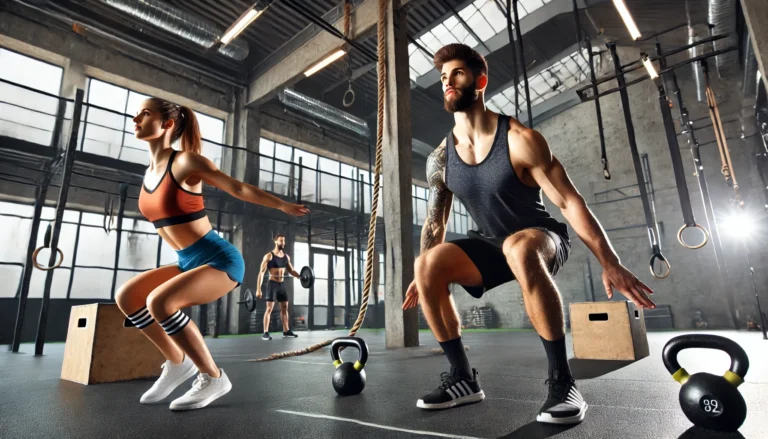
Explosiveness in core training refers to the ability to generate force quickly and efficiently. Unlike traditional static ab exercises, explosive ab exercises engage fast-twitch muscle fibers, which are responsible for producing quick, powerful bursts of movement. These muscle fibers play a crucial role in sports and activities that require rapid acceleration, such as sprinting, jumping, and throwing. By integrating explosive movements into core workouts, athletes and fitness enthusiasts can enhance their ability to generate power, improve agility, and optimize overall performance.

Another key aspect of explosive core training is its impact on neuromuscular coordination. The core is not just a collection of muscles but a complex network of stabilizers, prime movers, and neural connections that work together to maintain balance and force transfer. Explosive core exercises challenge the nervous system by requiring rapid contractions, controlled deceleration, and precise movement execution. This type of training improves reaction time, coordination, and overall movement efficiency, making it particularly valuable for athletes and individuals engaged in high-intensity activities.

From a biomechanical standpoint, explosive core training also plays a critical role in injury prevention. Weak or underdeveloped core muscles can lead to compensatory movement patterns, increasing the risk of lower back pain, hip instability, and poor posture. When the core is unable to absorb and transfer force efficiently, excessive stress is placed on other muscle groups, leading to strain and overuse injuries. Incorporating explosive ab exercises into a training routine reinforces proper movement mechanics, enhances spinal stability, and reduces the likelihood of injury.

Beyond sports performance, explosive core training has practical applications in daily life. Activities such as lifting heavy objects, maintaining balance on uneven surfaces, and performing sudden directional changes require a responsive and stable core. By improving the body’s ability to generate and control force dynamically, explosive core exercises enhance functional strength, making everyday movements more efficient and less strenuous. This type of training is particularly beneficial for individuals who engage in physically demanding professions or recreational activities that require agility and strength.

You May Also Like: Functional Strength Training: The Key to Mobility, Power, and Everyday Performance

Developing a Powerful Core Through Explosive Training Methods

A well-structured explosive core workout incorporates a combination of plyometric, rotational, and stability-based movements to develop power and resilience. Unlike conventional core workouts that rely on slow, controlled repetitions, explosive training involves rapid contractions and forceful engagements of the core musculature. This approach builds strength and endurance while also enhancing the body’s ability to react quickly and generate force efficiently.

Plyometric exercises are a cornerstone of explosive core training. These movements involve rapid lengthening and shortening of the muscles, allowing for greater force production and improved neuromuscular efficiency. Exercises such as medicine ball slams, explosive sit-ups, and hanging leg raises train the core to absorb and redirect force, improving athletic performance and reducing injury risk. By incorporating these movements into a routine, individuals can develop a core that is not only strong but also highly reactive and resilient.

Rotational movements play an equally important role in explosive core training. The ability to generate power through rotation is essential for sports such as baseball, tennis, and golf, as well as for functional movements like throwing and twisting. Incorporating exercises like Russian twists with resistance, cable woodchoppers, and rotational medicine ball throws enhances the core’s ability to transfer force efficiently from the lower body to the upper body. Strengthening these movement patterns improves overall agility and coordination while reinforcing spinal stability.

Another critical component of an explosive core workout is the integration of stability-focused exercises. While explosive training emphasizes speed and power, maintaining control during dynamic movements is just as important. Exercises such as plank variations with explosive knee drives, suspension trainer core movements, and single-leg balance drills challenge the core’s ability to stabilize under rapid movement conditions. Developing this stability ensures that explosive power is generated efficiently and without unnecessary energy loss.

A fit individual performing a plank exercise on a yoga mat in a well-lit modern gym. The gym has a clean, minimalist design with soft natural lighting.

The Role of Explosive Ab Exercises in Speed and Agility Development

Speed and agility are essential components of athletic performance, and core strength plays a pivotal role in these attributes. The core is responsible for stabilizing the body during rapid acceleration and deceleration, ensuring that movements remain controlled and efficient. Incorporating explosive ab exercises into training enhances an athlete’s ability to generate speed, maintain stability, and execute quick changes in direction.

One of the most effective ways to train speed through core exercises is by incorporating sprint drills that engage the core. Movements such as resisted sprints, lateral shuffles, and bounding exercises require strong core activation to maintain posture and balance. By integrating explosive core engagement with sprint mechanics, athletes improve their ability to generate power efficiently and sustain higher speeds for longer durations.

Agility training also benefits from explosive core development. Rapid changes in direction require precise coordination between the upper and lower body, which is facilitated by core strength. Exercises such as lateral medicine ball tosses, agility ladder drills with core activation, and rotational jumps enhance an athlete’s ability to transition smoothly between movements. By improving core control and reactivity, explosive core exercises contribute to better overall movement efficiency.

The connection between core strength and agility is particularly evident in sports that involve unpredictable movement patterns, such as basketball, soccer, and football. In these activities, athletes must respond to sudden changes in positioning while maintaining balance and control. A strong, explosive core enables quick adjustments, reducing the risk of missteps and injuries. By incorporating dynamic core movements into agility training, athletes can enhance their responsiveness and fluidity of motion.

An individual performing Russian twists with a medicine ball in a contemporary home gym. The fitness space has a sleek, minimalist design with natural lighting.

Building Core Power for Strength-Based Sports and Weightlifting

Strength-based sports and weightlifting require a powerful core to support heavy loads and maintain proper form. Explosive core training enhances an athlete’s ability to generate force while lifting, ensuring that movements remain stable and controlled. Whether performing Olympic lifts, powerlifting exercises, or functional strength training, a strong core is essential for optimizing performance and preventing injuries.

One of the primary benefits of explosive core exercises in strength training is their ability to improve force transfer. The core serves as the link between the lower and upper body, allowing for efficient power generation. Movements such as kettlebell swings, barbell landmine rotations, and plyometric box jumps train the core to transmit force effectively, resulting in greater overall strength output.

Core engagement also plays a significant role in injury prevention during heavy lifting. Exercises that emphasize core bracing, such as explosive deadlifts and dynamic front squats, reinforce proper spinal alignment and reduce the risk of lower back strain. Strengthening the core’s ability to stabilize under load ensures that athletes can lift safely and effectively, minimizing the likelihood of imbalances and compensatory movement patterns.

Additionally, incorporating explosive ab exercises into a strength training program enhances an athlete’s ability to generate power from a stable base. Explosive overhead presses, rotational throws, and dynamic plank variations train the core to withstand high-intensity movements while maintaining balance. These exercises build resilience and endurance, enabling athletes to sustain peak performance throughout their training sessions.

A person performing hanging leg raises on a pull-up bar in an outdoor fitness park. The background features a sunny park setting with workout equipment.

Frequently Asked Questions (FAQ) on Explosive Core Exercises

1. How do explosive core exercises improve mental resilience and cognitive function?

Explosive core exercises require a high level of coordination, focus, and quick decision-making, which directly benefits cognitive function. These movements engage multiple muscle groups while demanding precise neuromuscular control, improving reaction time and mental agility. Studies suggest that high-intensity, power-based exercises enhance brain function by increasing blood flow and stimulating neuroplasticity. Furthermore, the ability to maintain composure and control during fast-paced core movements strengthens mental resilience, helping athletes and individuals manage stress in high-pressure situations. As a result, incorporating explosive ab exercises into training not only improves physical power but also sharpens cognitive function and mental endurance.

2. What financial benefits can be gained from integrating explosive core exercises into training?

Investing in explosive core exercises can lead to long-term financial benefits by preventing injuries and reducing healthcare costs associated with rehabilitation. A strong core minimizes lower back strain, hip instability, and muscular imbalances, decreasing the need for physical therapy or medical treatments. For professional athletes, enhanced core stability reduces the likelihood of injuries that could lead to costly missed games and contract losses. Additionally, corporate wellness programs are increasingly incorporating explosive ab exercises to improve employee health, leading to lower insurance premiums and higher productivity. By prioritizing core power development, individuals and organizations alike can save significant amounts on medical expenses and performance-related setbacks.

3. How do explosive ab exercises contribute to longevity and mobility in aging populations?

Aging populations greatly benefit from explosive ab exercises as they enhance core stability, balance, and reaction speed, all of which are critical for injury prevention. Maintaining fast-twitch muscle activation through explosive training helps older individuals retain agility and reduce fall risk. Core-focused plyometric movements, such as controlled medicine ball throws or resistance-based rotational exercises, strengthen postural muscles, preventing spinal degeneration and chronic pain. Additionally, these exercises improve joint mobility, allowing seniors to maintain an active lifestyle with greater ease. By incorporating explosive core exercises into a structured fitness routine, aging individuals can preserve movement efficiency and independence for years to come.

4. How are sports organizations integrating explosive core exercises into training programs?

Professional sports teams and training facilities increasingly rely on explosive core exercises to enhance athletic power and injury resilience. Many organizations incorporate plyometric-based core drills into pre-game warmups and strength programs to improve rotational force and explosive strength. Athletes in sports like baseball, tennis, and soccer benefit from rotational core movements that maximize energy transfer during rapid directional changes. Additionally, technology such as force plates and motion sensors help coaches measure the effectiveness of explosive ab exercises by tracking speed, stability, and force output. With the growing emphasis on performance analytics, teams continue refining their core-focused training strategies for maximum competitive advantage.

5. How can beginners safely incorporate explosive core exercises into their fitness routines?

Beginners should start with foundational explosive core exercises that prioritize control, coordination, and proper mechanics before advancing to more complex movements. Bodyweight drills, such as explosive knee tucks or controlled medicine ball tosses, build baseline power while minimizing injury risk. Gradually incorporating resistance bands and lighter weights into explosive ab exercises helps develop neuromuscular efficiency without excessive strain. Maintaining proper form and engaging in dynamic warmups ensures that the core muscles are adequately prepared for explosive movements. Over time, progression to more challenging variations, such as kettlebell swings or rotational jumps, enhances power output and stability.

6. What industry trends are driving the increased use of explosive core exercises in fitness training?

The growing emphasis on functional fitness and sports performance has led to a surge in the use of explosive core exercises across various training programs. With the rise of wearable fitness technology, athletes and recreational users can now track force production, speed, and movement efficiency, making explosive training more data-driven. Boutique gyms and elite training centers are increasingly incorporating explosive ab exercises into group workouts to attract performance-focused clientele. Additionally, corporate wellness programs now promote core power training as a way to prevent workplace injuries and improve employee productivity. As the demand for high-performance fitness solutions continues to rise, explosive core training remains at the forefront of innovative workout programming.

7. How do explosive ab exercises enhance metabolic efficiency and fat loss?

Unlike static core workouts, explosive ab exercises engage multiple muscle groups and require high energy expenditure, significantly boosting metabolic rate. The rapid contractions and force production associated with explosive training create an “afterburn” effect, where the body continues burning calories long after the workout ends. Movements such as medicine ball slams, hanging leg raises, and plyometric core drills stimulate fat oxidation while building lean muscle mass. Additionally, incorporating these exercises into high-intensity interval training (HIIT) maximizes calorie burn in a short period. This makes explosive core exercises an effective strategy for those looking to improve body composition and overall conditioning.

8. How do explosive core exercises improve reaction speed and agility in competitive sports?

Athletes require rapid reaction times and quick movement transitions, both of which are significantly enhanced by explosive core exercises. Movements that incorporate rotational speed, such as cable woodchoppers or lateral medicine ball tosses, train the core to react quickly while maintaining stability. Explosive plank variations, including knee drives and push-off drills, improve an athlete’s ability to absorb and redirect force efficiently. By integrating explosive ab exercises into speed drills, athletes enhance their ability to change directions quickly without losing balance. This leads to improved agility and faster response times, essential for success in high-speed sports like basketball, soccer, and martial arts.

9. How does explosive core strength impact lifting performance in strength-based sports?

Strength athletes, including powerlifters and Olympic weightlifters, benefit immensely from explosive core exercises that improve force transfer and bracing ability. A powerful core stabilizes the spine during heavy lifts, reducing energy leaks and maximizing strength output. Explosive movements like kettlebell swings, landmine rotations, and dynamic overhead presses enhance core reactivity, allowing athletes to generate greater force in squats, deadlifts, and cleans. Additionally, incorporating explosive ab exercises that challenge rotational strength ensures that athletes maintain proper form under heavy loads. This results in increased lifting capacity, improved technique, and reduced injury risk in strength-based sports.

10. What breathing techniques should be used during explosive core exercises to maximize effectiveness?

Proper breathing techniques are crucial when performing explosive core exercises, as they enhance intra-abdominal pressure and improve force generation. Athletes should focus on forcefully exhaling during the most intense phase of an exercise, such as the upward motion of a medicine ball slam or the peak of a rotational throw. This breathing strategy activates the deep core muscles, improving stability and reducing unnecessary tension in the lower back. Additionally, practicing diaphragmatic breathing between sets enhances recovery and maintains core engagement throughout a workout. By mastering breath control, individuals can optimize their performance during explosive ab exercises, leading to greater power output and endurance.

Conclusion: Unlocking Peak Performance with Explosive Core Training

Explosive core training is an essential component of athletic development, functional strength, and overall movement efficiency. By integrating explosive core exercises into a structured training routine, individuals can enhance their power, speed, and stability while reducing injury risk. Unlike traditional static core exercises, explosive movements engage fast-twitch muscle fibers, improve neuromuscular coordination, and optimize force transfer.

For athletes seeking to maximize their performance, explosive ab exercises provide a dynamic approach to core training that translates directly to sports and real-world activities. Whether improving agility, enhancing sprint speed, or increasing strength output, a well-developed core serves as the foundation for success. By incorporating plyometric, rotational, and stability-based core exercises into training, individuals can unlock their full athletic potential and achieve peak performance in their respective disciplines.

athletic core training, high-intensity core exercises, power-based ab workouts, rotational strength drills, plyometric core training, core engagement for sprinting, speed-focused core workouts, explosive movement training, functional core development, neuromuscular coordination drills, core strength for weightlifting, agility-based core training, injury prevention core workouts, fast-twitch muscle activation, powerlifting core exercises

Further Reading:

Core training and performance: a systematic review with meta-analysis

Effect of Core Training on Skill Performance Among Athletes: A Systematic Review

Effects of Core Training on Sport-Specific Performance of Athletes: A Meta-Analysis of Randomized Controlled Trials

Important Note: The information contained in this article is for general informational purposes only, and should not be construed as health or medical advice, nor is it intended to diagnose, prevent, treat, or cure any disease or health condition. Before embarking on any diet, fitness regimen, or program of nutritional supplementation, it is advisable to consult your healthcare professional in order to determine its safety and probable efficacy in terms of your individual state of health.
Regarding Nutritional Supplements Or Other Non-Prescription Health Products: If any nutritional supplements or other non-prescription health products are mentioned in the foregoing article, any claims or statements made about them have not been evaluated by the U.S. Food and Drug Administration, and such nutritional supplements or other health products are not intended to diagnose, treat, cure, or prevent any disease.

Dynamic Core Exercises: Build Strength, Stability, and a Powerful Midsection

Understanding the Role of Dynamic Core Exercises in Functional Strength

The core is the foundation of movement, providing stability, power, and coordination for nearly every physical activity. Whether engaged in athletic performance, daily activities, or general fitness, a strong core supports posture, enhances mobility, and prevents injuries. While traditional static core exercises, such as crunches and planks, play a role in core development, dynamic core exercises offer a more comprehensive approach. These movements engage multiple muscle groups, improve neuromuscular control, and enhance overall strength in ways that static exercises cannot.

Dynamic core exercises involve movement patterns that challenge the core in multiple planes of motion. Unlike conventional core training, which often isolates specific muscle groups, dynamic exercises require the core to stabilize and generate force simultaneously. This approach replicates real-world movements, such as twisting, reaching, and bending, making it highly effective for improving functional strength. A well-structured dynamic core workout targets rotational strength, anti-rotational control, and explosive power, creating a well-balanced and resilient midsection.

The benefits of incorporating dynamic ab workouts into a training routine extend beyond aesthetics. While many individuals pursue core training to achieve a toned midsection, the primary advantage of dynamic movements lies in their ability to enhance performance and injury prevention. The core functions as a link between the upper and lower body, transferring force and maintaining stability. Weakness in this area can lead to compensation patterns that increase the risk of lower back pain, hip imbalances, and poor movement mechanics. By engaging in dynamic ab exercises, individuals can reinforce proper posture, optimize movement efficiency, and reduce strain on surrounding muscles and joints.

Dynamic core exercises also play a crucial role in sports performance. Whether sprinting, jumping, or rotating, athletes rely on core strength to generate power and maintain stability. Incorporating explosive core movements, such as medicine ball slams and rotational throws, improves force production and agility. Additionally, anti-rotational drills enhance the body’s ability to resist unwanted movement, increasing overall control and precision. A well-rounded dynamic core workout integrates various movement patterns to maximize strength, coordination, and endurance.

For individuals seeking to enhance total-body fitness, dynamic core exercises provide a versatile and effective training method. These exercises can be incorporated into full-body workouts, strength training sessions, or mobility routines, offering flexibility in programming. By challenging the core through controlled and explosive movements, individuals develop greater body awareness, improved posture, and enhanced functional capacity. Understanding the science behind core engagement and movement mechanics allows for the creation of targeted, results-driven core training programs.

You May Also Like: Functional Strength Training: The Key to Mobility, Power, and Everyday Performance

A fit athlete executing a stability ball rollout in a modern gym with industrial design, rubber flooring, and bright LED lighting. The movement emphasizes core engagement and balance.

The Science Behind Dynamic Core Training and Its Impact on Stability

The core is composed of several muscle groups that work together to provide stability and movement. These include the rectus abdominis, obliques, transverse abdominis, and deep stabilizing muscles such as the multifidus and pelvic floor. Unlike traditional core exercises that focus primarily on the superficial muscles, dynamic core workouts activate the entire core complex, improving both strength and coordination. This comprehensive engagement enhances movement efficiency and reduces the likelihood of injury.

One of the primary functions of the core is to resist unwanted movement. Anti-rotational exercises, such as Pallof presses and cable holds, train the body to maintain stability against external forces. This type of training is particularly beneficial for improving postural alignment and spinal health. Weak core stabilizers can lead to compensatory movement patterns, placing excessive strain on the lower back and hips. By incorporating dynamic ab exercises that challenge anti-rotational control, individuals develop a more resilient core that enhances overall movement quality.

Dynamic core training also improves proprioception—the body’s ability to sense its position in space. Movements that require balance, coordination, and rapid adjustments enhance neuromuscular communication, leading to more efficient movement patterns. Exercises such as stability ball rollouts, single-leg rotational reaches, and agility-based core drills train the body to respond quickly and accurately to changing demands. This heightened body awareness translates into improved athletic performance and reduced injury risk.

Another critical aspect of dynamic core exercises is their impact on movement efficiency. The core functions as a central hub for force transfer, allowing the body to move fluidly and with control. When core muscles are weak or underdeveloped, energy leaks occur, resulting in inefficient movement and decreased power output. Strengthening the core through multi-directional movements enhances force production, allowing individuals to generate power more effectively. This is especially important for athletes who rely on explosive strength, such as sprinters, martial artists, and weightlifters.

A well-designed dynamic core workout integrates both stability and mobility components. Core mobility is essential for maintaining a full range of motion and preventing stiffness. Exercises that encourage spinal articulation, such as controlled rotations and dynamic stretches, improve flexibility while reinforcing stability. By balancing mobility with strength, individuals can achieve optimal core function and movement freedom. This combination of stability, mobility, and strength ensures a well-rounded approach to core training that supports overall performance and injury prevention.

A fit man performing hanging leg raises on a pull-up bar, while a woman does a plank with a resistance band around her legs in a sleek, well-lit gym. The scene highlights strength and endurance through dynamic core exercises.

Developing a Comprehensive Dynamic Core Workout Plan

A structured dynamic core workout incorporates exercises that target different aspects of core function. By combining stability, power, and endurance-based movements, individuals can develop a well-rounded and powerful midsection. Each training session should include a variety of movement patterns to maximize effectiveness and prevent plateaus.

An effective dynamic ab workout begins with core activation drills to prepare the muscles for more demanding movements. Exercises such as dead bugs, bird dogs, and diaphragmatic breathing engage the deep stabilizers, enhancing neuromuscular coordination. Proper activation ensures that the core is primed for movement, reducing the risk of compensatory patterns that lead to strain or inefficiency.

Strength-based dynamic core exercises form the foundation of core training. Incorporating movements such as hanging leg raises, weighted Russian twists, and cable rotations challenges the core through resistance-based movement. These exercises improve muscular endurance and build the strength necessary for stability and power generation. Progressive overload is key to continual improvement, so gradually increasing resistance or complexity ensures sustained progress.

Power-focused exercises enhance explosive strength and agility. Incorporating dynamic movements such as medicine ball slams, kettlebell windmills, and plyometric core drills trains the body to generate force rapidly. These exercises are particularly beneficial for athletes and individuals engaged in high-intensity activities. By developing core power, individuals enhance overall athleticism and movement efficiency.

Endurance-based dynamic ab exercises improve muscular stamina and resilience. Movements such as extended plank variations, controlled rollouts, and high-rep core circuits challenge the core’s ability to maintain stability over time. This type of training is essential for activities that require sustained core engagement, such as running, cycling, and prolonged weightlifting sessions.

A complete dynamic core workout also includes flexibility and mobility components. Stretching and mobility drills ensure that the core muscles remain supple and free from restrictions. Incorporating yoga-inspired movements, spinal twists, and active recovery exercises promotes long-term joint health and movement efficiency. By maintaining a balance between strength and flexibility, individuals can achieve a core that is both powerful and adaptable.

A muscular athlete performing an ab rollout using an ab wheel on a gym mat. The gym setting includes fitness equipment, with a slightly blurred background to emphasize core engagement and control.

Frequently Asked Questions (FAQ) on Dynamic Core Exercises

1. How do dynamic core exercises improve mental resilience and cognitive function?

Dynamic core exercises challenge not only physical endurance but also mental resilience by requiring concentration, coordination, and quick decision-making. When performing movements that involve balance and controlled instability, such as single-leg rotational reaches or stability ball rollouts, the brain must actively engage to maintain stability. This process enhances neural connections and improves cognitive function over time. Additionally, consistent participation in dynamic ab workouts has been shown to reduce stress and improve mood by stimulating endorphin release. The combination of mental engagement and physical exertion makes dynamic core exercises an effective tool for enhancing both brain function and emotional well-being.

2. What are the financial benefits of incorporating dynamic ab exercises into a fitness routine?

Engaging in dynamic ab exercises regularly can lead to significant financial savings by reducing the risk of injuries that require costly medical interventions. A strong and stable core minimizes lower back pain, hip dysfunction, and muscular imbalances, decreasing the likelihood of needing physical therapy, chiropractic adjustments, or even surgical procedures. Additionally, individuals who maintain core strength often experience fewer workplace-related injuries, reducing time off work and potential lost income. Investing in dynamic core workouts can also eliminate the need for expensive fitness programs, as many of these exercises can be performed using body weight or minimal equipment. Over time, prioritizing core strength can enhance overall health and reduce long-term healthcare expenses.

3. How do dynamic core workouts contribute to longevity and healthy aging?

A well-structured dynamic core workout enhances mobility, balance, and posture, all of which are essential for maintaining independence as individuals age. As people grow older, core strength naturally declines, increasing the risk of falls, poor posture, and musculoskeletal disorders. Engaging in dynamic core exercises that involve rotational stability, anti-rotational control, and balance training helps preserve functional movement. Exercises like standing cable chops and medicine ball throws keep the core engaged in a way that mimics everyday activities, making movements such as walking, reaching, and lifting more efficient. By maintaining a strong core, individuals improve their ability to perform daily tasks with ease, reducing the risk of injuries and maintaining quality of life.

4. How do dynamic ab workouts enhance financial performance in professional sports?

Professional athletes invest heavily in dynamic ab workouts because core strength directly impacts performance, injury prevention, and career longevity. Athletes in sports such as tennis, football, and martial arts rely on rotational power, which is developed through exercises like kettlebell windmills and cable rotations. Strengthening the core with dynamic core exercises ensures optimal energy transfer between the upper and lower body, leading to improved speed, agility, and power output. Additionally, reducing the risk of injuries through core stability minimizes time lost to rehabilitation, which can have significant financial implications for professional athletes. Many sports organizations now prioritize dynamic core workouts as part of their strength and conditioning programs to maximize athletic potential and financial return on investment.

5. How can dynamic ab exercises be integrated into a busy lifestyle?

One of the greatest advantages of dynamic ab exercises is their efficiency—many of these movements engage multiple muscle groups simultaneously, providing a full-body workout in a short amount of time. For individuals with tight schedules, incorporating core movements into daily activities can be a practical approach. For example, standing cable presses or resistance band rotations can be done during a quick gym session, while stability ball exercises can be performed at home. Additionally, short yet intense dynamic core workouts, lasting 10 to 15 minutes, can be incorporated into morning or evening routines. By making core training a priority, even those with demanding schedules can improve their strength and stability without needing lengthy gym sessions.

6. What industry trends are driving the popularity of dynamic core workouts?

The rise in popularity of dynamic core workouts can be attributed to the increasing emphasis on functional fitness and injury prevention across various industries. Many boutique fitness studios and training programs now focus on movement-based exercises that incorporate dynamic core exercises to enhance total-body coordination. Additionally, advancements in wearable fitness technology allow users to track core engagement and movement efficiency, further motivating individuals to prioritize core training. The sports rehabilitation industry has also seen a shift toward dynamic ab workouts, recognizing their role in improving postural control and reducing injury risk. As fitness trends continue evolving, more people are embracing dynamic core workouts as an essential component of overall health and performance.

7. How do dynamic core exercises contribute to metabolic efficiency and fat loss?

Unlike static core exercises, dynamic core exercises engage large muscle groups and require significant energy expenditure, increasing calorie burn both during and after the workout. Movements such as medicine ball slams, battle ropes, and hanging leg raises elevate heart rate, stimulating the metabolism and promoting fat oxidation. Additionally, dynamic ab exercises enhance lean muscle development, which in turn boosts resting metabolic rate. This means the body continues burning calories even after the workout has ended, making core-focused HIIT-style workouts particularly effective for fat loss. By integrating dynamic core workouts into a regular training routine, individuals can optimize their metabolism and achieve better body composition results.

8. How does a dynamic core workout improve overall athletic performance?

A dynamic core workout enhances athletic performance by improving core stability, power, and movement efficiency across various sports. Athletes rely on core strength to maintain balance, generate force, and execute explosive movements effectively. Exercises such as rotational medicine ball throws and unilateral planks mimic sport-specific motions, improving neuromuscular coordination and agility. Furthermore, dynamic ab workouts help athletes resist external forces, reducing the risk of injuries during sudden directional changes or impact situations. By incorporating dynamic core exercises into their training regimen, athletes develop greater control, faster reaction times, and improved overall performance.

9. Can dynamic ab workouts be modified for different fitness levels?

Yes, dynamic ab workouts can be adapted to suit all fitness levels, from beginners to advanced athletes. Beginners can start with foundational movements such as dead bugs, stability ball rollouts, and bird dogs to build core endurance and control. Intermediate individuals can incorporate resistance-based dynamic core exercises, such as cable twists and hanging knee raises, to challenge core strength further. Advanced athletes can engage in explosive dynamic ab exercises, such as plyometric core drills and medicine ball slams, to develop maximum power and speed. By adjusting exercise intensity, resistance, and movement complexity, dynamic core workouts can be customized to match individual fitness levels and goals.

10. How can proper breathing techniques enhance the effectiveness of dynamic core exercises?

Proper breathing is essential for maximizing the effectiveness of dynamic core exercises, as it enhances intra-abdominal pressure and core engagement. Many individuals unconsciously hold their breath during exercises, limiting core activation and reducing overall stability. Exhaling forcefully during exertion—such as during a twisting movement or plank variation—helps activate the deep core muscles, including the transverse abdominis. Additionally, diaphragmatic breathing improves oxygen flow and endurance, allowing individuals to sustain dynamic ab workouts for longer durations. By incorporating controlled breathing techniques, individuals can enhance their core training efficiency, reduce unnecessary tension, and improve overall movement quality.

Conclusion: Elevating Core Training with Dynamic Movement

Dynamic core exercises offer a powerful and effective approach to building a strong, stable, and functional midsection. Unlike static exercises, which focus primarily on isolated muscle contractions, dynamic ab workouts engage the entire core complex, enhancing movement efficiency and performance. By incorporating a variety of stability, power, and endurance-based movements, individuals can develop a resilient and powerful core that supports all aspects of physical activity.

A well-structured dynamic core workout provides benefits beyond aesthetic goals, improving posture, reducing injury risk, and enhancing overall movement quality. Whether training for sports, rehabilitation, or general fitness, core stability plays a crucial role in optimizing performance. Understanding the biomechanics of core engagement and integrating functional movement patterns ensures that training remains effective and results-driven.

By committing to a consistent dynamic ab exercises regimen, individuals can unlock their full physical potential, experiencing greater strength, control, and coordination. The integration of progressive core training, mobility work, and functional movement ensures that the body remains adaptable and resilient in all forms of activity. Through intentional and well-planned training, dynamic core exercises become a cornerstone of overall fitness, leading to long-term strength, mobility, and movement efficiency.

core stability training, advanced ab workouts, functional movement exercises, rotational strength, anti-rotational drills, explosive core training, total-body coordination, movement efficiency, core endurance training, spinal health and mobility, strength-based ab workouts, neuromuscular control, injury prevention exercises, athletic core conditioning, power-based core drills

Further Reading:

Core training and performance: a systematic review with meta-analysis

Influence of dynamic versus static core exercises on performance in field based fitness tests

Core Muscle Activity during Physical Fitness Exercises: A Systematic Review

Important Note: The information contained in this article is for general informational purposes only, and should not be construed as health or medical advice, nor is it intended to diagnose, prevent, treat, or cure any disease or health condition. Before embarking on any diet, fitness regimen, or program of nutritional supplementation, it is advisable to consult your healthcare professional in order to determine its safety and probable efficacy in terms of your individual state of health.
Regarding Nutritional Supplements Or Other Non-Prescription Health Products: If any nutritional supplements or other non-prescription health products are mentioned in the foregoing article, any claims or statements made about them have not been evaluated by the U.S. Food and Drug Administration, and such nutritional supplements or other health products are not intended to diagnose, treat, cure, or prevent any disease.

Core Workout for Women: Strengthen and Sculpt Your Midsection at the Gym

Understanding the Importance of Core Workouts for Women

Core strength is often associated with aesthetic appeal, but its significance extends far beyond achieving a toned midsection. For women, developing core strength is essential not only for enhancing physical appearance but also for improving overall functional fitness. A strong core supports posture, stabilizes the spine, and facilitates efficient movement in daily activities. Whether lifting groceries, bending down to pick up a child, or engaging in athletic performance, core stability plays a fundamental role in movement mechanics.

Many women prioritize cardiovascular workouts and lower-body training but may overlook the importance of structured core workouts at the gym. Strengthening the abdominal muscles, obliques, and lower back contributes to greater endurance, reduced injury risk, and enhanced athletic performance. Unlike traditional sit-ups, an effective core workout for women incorporates a variety of functional movements that challenge stability, endurance, and control.

Building a strong core is particularly beneficial for posture and spinal health. Prolonged sitting, poor ergonomic habits, and muscle imbalances can lead to lower back pain and postural misalignment. Engaging in a core workout routine at the gym counteracts these issues by strengthening the muscles that support spinal alignment. Exercises targeting the deep core muscles, including the transverse abdominis and pelvic floor, create a stable foundation that enhances balance and reduces strain on the back.

A well-structured female core workout includes more than just abdominal exercises. The core comprises multiple muscle groups, including the rectus abdominis (front of the abs), obliques (sides of the waist), erector spinae (lower back), and hip stabilizers. Incorporating exercises that engage all these areas ensures balanced strength development. Functional core training integrates rotational, anti-rotational, and dynamic stabilization movements to enhance total-body coordination.

By committing to a comprehensive core workout gym female program, women can experience significant improvements in strength, endurance, and mobility. Whether the goal is to enhance sports performance, prevent injuries, or develop a sculpted waistline, a structured core routine is a vital component of overall fitness. When performed consistently, core exercises not only enhance aesthetics but also contribute to a body that moves efficiently and powerfully in every aspect of life.

You May Also Like: Functional Strength Training: The Key to Mobility, Power, and Everyday Performance

A fit woman performing a kettlebell swing in a sleek, industrial-style gym. She is dressed in athletic wear, showing toned muscles and a determined expression. The background includes gym equipment such as dumbbells, resistance bands, and a squat rack, creating a motivating workout environment.

The Science Behind Core Strength and Stability

Core stability is the foundation of functional movement, providing a base for nearly every physical activity. The core functions as the body’s central powerhouse, transferring force between the upper and lower body. Whether running, lifting weights, or simply maintaining an upright posture, core strength is crucial for controlled and efficient movement. Understanding the biomechanics behind core engagement allows women to optimize their workouts and target the right muscle groups effectively.

One of the most essential components of core training is activation of the deep stabilizing muscles. Unlike superficial muscles such as the rectus abdominis, which create the appearance of six-pack abs, deep core muscles like the transverse abdominis and multifidus provide spinal support and pelvic stability. Strengthening these muscles reduces excessive strain on the lower back and improves postural alignment. A well-designed core workout for women focuses on activating these stabilizers through controlled, functional movements rather than relying solely on traditional crunches.

Breathing patterns also play a vital role in core engagement. Proper diaphragmatic breathing enhances intra-abdominal pressure, creating a stable base for movement. Many women unknowingly hold their breath during exercises, limiting core activation. Learning to engage the core through proper exhalation and breath control maximizes muscle recruitment and reduces unnecessary tension. Exercises such as dead bugs, Pallof presses, and plank variations reinforce controlled breathing while challenging core stability.

Another critical aspect of core strength is the integration of dynamic and anti-rotational movements. The core is responsible for generating, absorbing, and resisting force in multiple planes of motion. Functional core workouts at the gym for women should include rotational exercises like Russian twists, anti-rotational drills like cable chops, and isometric holds such as planks to develop comprehensive core stability. Training these movement patterns enhances athletic performance and prepares the body for real-world activities.

Core endurance is just as important as strength. Many women experience core fatigue during prolonged activities such as running or cycling, leading to compromised form and increased injury risk. Incorporating endurance-based core exercises, such as prolonged plank holds and stability ball rollouts, builds muscular stamina, allowing the core to maintain stability under fatigue. A well-balanced core workout routine at the gym includes both strength and endurance components to ensure well-rounded development.

A dynamic gym environment where women engage in medicine ball lifts, weighted squats, and jumping lunges. The gym features rubber flooring, weight racks, and an industrial-style design, emphasizing endurance and power.

Designing an Effective Core Workout Plan for Women at the Gym

Creating a well-structured core workout gym routine involves selecting exercises that target different aspects of core function. A combination of stability, endurance, and strength-focused movements ensures comprehensive development. Each session should incorporate dynamic warm-ups, strength-building exercises, and mobility-focused cooldowns to optimize results and prevent injuries.

A proper female core workout begins with activation drills to prepare the core for more intense movement. Exercises such as pelvic tilts, diaphragmatic breathing, and banded glute bridges activate the deep core muscles, improving neuromuscular coordination. Warm-up sequences also increase blood flow and enhance mobility, reducing the risk of muscle tightness or strain.

Strength-building exercises form the foundation of a core workout routine at the gym. Movements such as weighted cable crunches, hanging leg raises, and decline sit-ups add resistance to core training, promoting muscle growth and definition. Incorporating free weights and resistance bands challenges core stability while enhancing muscle activation. Progressive overload is key to continual improvement, so gradually increasing resistance ensures long-term strength development.

Functional training plays a significant role in women’s core workouts. Stability ball exercises, suspension trainer movements, and unilateral exercises like single-arm presses engage the core in a functional manner. These exercises mimic real-life movement patterns, improving total-body coordination and balance. Women who engage in sports or physical activities benefit greatly from functional core training, as it enhances agility and movement efficiency.

To maximize fat loss and sculpt the midsection, incorporating metabolic conditioning into a core workout routine at the gym is highly effective. High-intensity core circuits that include exercises such as medicine ball slams, plank jacks, and battle ropes elevate heart rate while targeting the core. This type of metabolic training enhances calorie burn and promotes fat loss while building endurance.

A comprehensive core workout gym female program also includes mobility and flexibility work. Dynamic stretching, foam rolling, and yoga-inspired movements such as spinal twists and hip openers enhance core mobility, reducing stiffness and improving overall movement quality. Recovery-focused practices support long-term consistency by preventing overuse injuries and maintaining joint health.

A vibrant gym where women are performing barbell squats, kettlebell swings, and TRX rows. The gym features bright lighting, rubber flooring, and advanced training equipment, highlighting strength and endurance.

Frequently Asked Questions (FAQ) on Core Workouts for Women

1. How does a core workout gym female plan contribute to mental well-being?

A core workout gym female routine does more than just strengthen muscles—it also has significant mental health benefits. Engaging in a structured core workout for women helps improve focus, reduce stress, and enhance overall cognitive function. The deep core muscles are connected to breathing patterns, meaning that core exercises that incorporate diaphragmatic breathing, such as planks or dead bugs, promote relaxation and stress relief. Additionally, regular core workouts at the gym woman improve posture and confidence, which can positively impact self-esteem and mood. A well-balanced core workout routine can serve as an excellent tool for reducing anxiety, improving body awareness, and enhancing overall mental resilience.

2. What financial benefits can women experience from investing in a core workout routine gym?

Investing in a consistent core workout for women can reduce long-term healthcare costs by preventing injuries, reducing lower back pain, and improving mobility. Strengthening the core stabilizes the spine, which can prevent common musculoskeletal issues that often lead to expensive physical therapy or medical treatments. Additionally, women who maintain a strong core experience better athletic performance, reducing the likelihood of costly sports-related injuries. For those working sedentary jobs, a strong core improves posture and reduces the risk of developing chronic pain conditions, minimizing the need for chiropractic care or ergonomic interventions. Over time, incorporating a core workout gym routine into fitness plans can lead to substantial savings in medical expenses and productivity losses.

3. How does a female core workout impact hormonal balance and metabolism?

A well-designed female core workout can positively influence hormonal balance by reducing cortisol levels (the stress hormone) and improving insulin sensitivity. Core-focused strength training increases lean muscle mass, which in turn boosts metabolism and enhances fat-burning efficiency. Engaging in a core workout routine that includes resistance-based exercises, such as weighted cable crunches or stability ball rollouts, improves metabolic flexibility, allowing the body to use energy more efficiently. Additionally, women in various life stages—such as postpartum recovery or menopause—can benefit from core strengthening, as it aids in stabilizing hormonal fluctuations. By incorporating progressive overload into core workouts at the gym, women can optimize their metabolism while supporting overall hormonal health.

4. How does a core workout gym plan improve athletic performance in women’s sports?

A core workout gym female program plays a crucial role in enhancing performance in sports such as running, tennis, and weightlifting. Core stability allows for better energy transfer between the upper and lower body, leading to improved speed, agility, and power. Exercises such as rotational medicine ball throws, Pallof presses, and landmine twists strengthen the obliques, which are essential for quick direction changes in sports like soccer or basketball. A well-structured female core routine also improves endurance, ensuring that athletes maintain proper posture and movement efficiency throughout their competition. By strengthening the deep core muscles, a core workout for women minimizes injury risk while maximizing force generation and movement efficiency in various sports.

5. Can a core workout routine help with postpartum recovery?

Yes, a core workout routine can be highly beneficial for postpartum recovery, as it helps rebuild strength in the deep abdominal muscles and pelvic floor. Pregnancy often leads to weakened core muscles, especially in the transverse abdominis and pelvic stabilizers, which can contribute to lower back pain and postural imbalances. Gentle core exercises such as pelvic tilts, diaphragmatic breathing, and bird-dogs gradually restore core function without excessive strain. As strength improves, a core workout program can include more advanced movements like plank variations and resistance-based core work. Engaging in a structured core workout for women post-pregnancy supports long-term strength, stability, and recovery.

6. What are some industry trends influencing the popularity of core workouts at the gym?

The fitness industry is seeing an increasing demand for core workouts at gym woman programs, driven by a shift toward functional training, online fitness coaching, and group-based core workout classes. Many boutique fitness studios are now offering specialized core training sessions that focus on mobility, strength, and posture correction. Additionally, wearable technology and smart fitness apps allow women to track their core workout routine gym progress, enhancing motivation and accountability. The rise of virtual personal training has also made core workout for women programs more accessible, allowing individuals to follow structured plans from home or at the gym. As more women recognize the importance of core strength beyond aesthetics, the demand for expert-led female core training continues to grow.

7. How can a core workout gym female plan help women who work sedentary jobs?

For women who spend long hours sitting at a desk, a core workout gym female program is essential for counteracting the negative effects of prolonged sitting. Sitting for extended periods can weaken the deep core muscles, leading to poor posture and lower back pain. Incorporating core activation exercises such as seated pelvic tilts, standing oblique crunches, and resistance band rotations throughout the workday can improve core engagement. Additionally, adding strength-based core workout exercises like cable chops, stability ball planks, and glute bridges enhances spinal support and reduces tension in the lower back. By maintaining core strength, women in sedentary professions can improve posture, reduce pain, and increase overall movement efficiency.

8. How does a female core workout benefit long-term mobility and flexibility?

A structured female core workout improves not only strength but also flexibility and mobility by enhancing control over movement patterns. Core exercises that incorporate dynamic stretching, such as hanging knee raises or yoga-based movements like boat pose, improve the range of motion in the hips and lower back. Many core workouts at gym woman programs now integrate Pilates-inspired movements, which lengthen the muscles while strengthening them, improving flexibility without sacrificing stability. Training the core to function effectively in multiple planes of motion reduces stiffness and enhances movement efficiency in daily life. As a result, a well-rounded core workout routine helps women maintain mobility and prevent injuries as they age.

9. How do breathing techniques enhance the effectiveness of a core workout for women?

Proper breathing techniques are essential for maximizing core engagement during a core workout routine. Many women unknowingly hold their breath during exercises, reducing intra-abdominal pressure and limiting core activation. Learning to exhale forcefully during exertion, such as when lifting a weight or holding a plank, activates the deep core muscles more effectively. Diaphragmatic breathing, where the breath expands through the lower abdomen rather than the chest, improves oxygen intake and stabilizes the spine. By incorporating conscious breathing into core workouts at the gym, women can enhance muscle activation, improve endurance, and reduce the risk of unnecessary strain.

10. How can a core workout routine gym be adapted for different fitness levels?

A core workout routine gym can be easily modified to accommodate beginners, intermediate, and advanced fitness levels. For beginners, focusing on foundational movements like bird-dogs, dead bugs, and knee-supported planks helps build core stability. As strength improves, more challenging core workout gym female exercises, such as hanging leg raises and weighted Russian twists, can be introduced. Intermediate and advanced individuals can benefit from resistance-based female core workouts, incorporating kettlebell swings, ab rollouts, and plyometric core movements. Additionally, a progressive core workout plan should include increasing resistance, reps, or time under tension to continuously challenge core strength. By scaling difficulty, women can ensure continuous improvement while preventing plateaus.

Conclusion: Elevating Core Strength and Stability for a Stronger, Sculpted Midsection

Developing core strength is essential for women seeking improved performance, aesthetics, and overall well-being. A well-structured core workout for women goes beyond superficial abdominal exercises, incorporating stability training, functional movement, and endurance-based exercises. Strengthening the deep core muscles enhances posture, reduces injury risk, and improves total-body coordination.

A thoughtful core workout routine at the gym prioritizes progressive overload, functional movements, and endurance-based exercises to build a resilient midsection. Whether the goal is to enhance athletic performance, support daily activities, or achieve a sculpted appearance, core training plays a vital role in overall fitness. Incorporating a variety of exercises that challenge the core in different planes of motion ensures balanced development and long-term strength gains.

Consistency and proper technique are key to success in any female core workout program. Understanding the mechanics of core engagement, breathing patterns, and movement efficiency enhances the effectiveness of each exercise. A well-rounded training approach that includes mobility work, metabolic conditioning, and strength-based movements maximizes results while promoting long-term core health.

By committing to a structured core workout gym female plan, women can experience enhanced core strength, better posture, and greater movement efficiency. Whether training for sports, rehabilitation, or personal fitness goals, core workouts provide the foundation for a strong, stable, and powerful body. Investing in core development not only enhances physical aesthetics but also contributes to a lifetime of improved performance, injury prevention, and overall well-being.

women’s core exercises, sculpted midsection, core strength training, functional core workout, abdominal training, gym workouts for women, advanced core routine, female fitness program, core endurance, mobility for core strength, strength training for women, best core exercises, total-body stability, functional training for women, core strength development, gym-based ab workouts

Further Reading:

Core Muscle Activity during Physical Fitness Exercises: A Systematic Review

20-Minute Core Workout Routine For Functional Strength

Core training and performance: a systematic review with meta-analysis

Important Note: The information contained in this article is for general informational purposes only, and should not be construed as health or medical advice, nor is it intended to diagnose, prevent, treat, or cure any disease or health condition. Before embarking on any diet, fitness regimen, or program of nutritional supplementation, it is advisable to consult your healthcare professional in order to determine its safety and probable efficacy in terms of your individual state of health.
Regarding Nutritional Supplements Or Other Non-Prescription Health Products: If any nutritional supplements or other non-prescription health products are mentioned in the foregoing article, any claims or statements made about them have not been evaluated by the U.S. Food and Drug Administration, and such nutritional supplements or other health products are not intended to diagnose, treat, cure, or prevent any disease.

Functional Strength Training: The Key to Mobility, Power, and Everyday Performance

Understanding Functional Strength Training and Its Role in Everyday Life

Functional strength training has gained widespread recognition in the fitness world due to its unparalleled ability to enhance movement efficiency, improve overall strength, and reduce the risk of injuries. Unlike traditional strength training, which often isolates specific muscle groups, functional strength training focuses on movement patterns that mimic real-life activities. The goal is to build strength that translates directly into daily motions such as lifting, squatting, pushing, pulling, and rotational movements. This approach ensures that individuals develop a well-rounded foundation of mobility, balance, and power.

The distinguishing factor of functional strength training lies in its emphasis on multi-joint, compound movements. These exercises engage multiple muscle groups simultaneously, fostering a more coordinated and efficient system of movement. Whether carrying heavy grocery bags, climbing stairs, or participating in sports, functional exercises help the body move in a way that feels natural and effortless. By incorporating these movement patterns into a structured training routine, individuals not only enhance their physical performance but also build resilience against potential injuries caused by poor movement mechanics or muscle imbalances.

A well-structured functional workout plan considers individual needs, focusing on flexibility, core stability, joint mobility, and muscular endurance. Unlike conventional weightlifting programs that emphasize isolated strength development, functional strength training exercises train the body as a cohesive unit. A strong core is essential for maintaining balance and stability in daily movements. Functional core workouts specifically target core engagement to enhance strength and coordination for real-world applications.

One of the most significant advantages of functional training workouts is their adaptability. They can be modified to accommodate different fitness levels, from beginners to elite athletes. The emphasis on bodyweight exercises, resistance bands, kettlebells, and free weights allows for customized programming that aligns with personal goals. A properly designed functional training workout program enhances cardiovascular endurance, muscular strength, and flexibility, ensuring that individuals develop well-rounded fitness.

Beyond the gym, functional strength training plays a crucial role in improving posture and movement efficiency. Many individuals experience discomfort or pain due to prolonged sitting, poor posture, or repetitive movements that create muscle imbalances. A functional fitness routine addresses these issues by incorporating mobility exercises that enhance joint health and movement efficiency. Through targeted mobility drills, dynamic stretching, and strength-focused training, individuals can correct postural misalignments and optimize their body’s mechanics for peak performance.

You May Also Like: Functional Fitness Definition: How It Enhances Strength, Mobility, and Daily Life

The Science Behind Functional Strength Training and Its Effect on Movement Efficiency

At its core, functional strength training is rooted in biomechanics, neuromuscular adaptation, and kinetic chain efficiency. The human body operates as an interconnected system, where muscles, joints, and nerves work together to produce movement. Functional exercises enhance the efficiency of this system by training multiple muscle groups simultaneously, reinforcing proper movement patterns, and improving overall coordination.

One of the fundamental principles of functional strength training exercises is the integration of stabilizing muscles. Many traditional weightlifting programs focus on primary movers, such as the quadriceps or chest muscles, but neglect stabilizing muscles that support joint integrity. Functional training exercises prioritize core stability, ensuring that the body’s foundation remains strong and balanced during movement. This emphasis on stability reduces the risk of common injuries such as lower back pain, knee strain, and shoulder impingements.

A key aspect of functional training programs is proprioception—the body’s ability to sense its position in space. Proprioceptive exercises improve balance, coordination, and reaction time, making movements more precise and controlled. Training modalities such as balance boards, single-leg exercises, and unstable surfaces enhance neuromuscular connectivity, reinforcing movement efficiency and reducing the likelihood of falls or missteps.

Functional mobility exercises also play a significant role in injury prevention. Many traditional exercise programs neglect joint mobility, which can lead to stiffness and restricted movement. By incorporating dynamic stretching, foam rolling, and active mobility drills, functional fitness programs ensure that joints move freely through their full range of motion. Enhanced mobility leads to smoother, more controlled movements, preventing excessive strain on muscles and ligaments.

The metabolic benefits of functional strength training workouts extend beyond muscular endurance and movement efficiency. The high-intensity nature of many functional exercises elevates heart rate, increases oxygen consumption, and improves cardiovascular health. Full-body functional workouts that incorporate explosive movements, such as kettlebell swings or battle ropes, engage both anaerobic and aerobic energy systems, ensuring comprehensive metabolic conditioning.

A high-tech gym with athletes engaged in functional strength training, including weighted sled pushes, single-arm dumbbell snatches, and agility ladder drills. The facility features LED lighting, advanced gym equipment, and a dark industrial design.

Building Strength, Power, and Endurance Through Functional Workouts

Strength training is a fundamental component of any fitness regimen, but functional strength training takes it a step further by ensuring that strength gains translate into real-world applications. Unlike bodybuilding routines that emphasize hypertrophy (muscle growth) in isolated areas, functional strength workouts focus on developing power, endurance, and resilience across the entire body.

The best functional exercises integrate resistance training with dynamic movement. Functional weight training exercises such as deadlifts, squats, overhead presses, and pull-ups engage multiple muscle groups simultaneously, mimicking everyday activities. This approach not only improves muscular strength but also enhances the body’s ability to perform tasks with greater ease and efficiency.

A properly structured functional strength workout program emphasizes progressive overload while maintaining movement quality. Instead of simply increasing weight, functional training focuses on improving range of motion, neuromuscular control, and force production. Functional lifting programs incorporate diverse resistance modalities, including kettlebells, resistance bands, sandbags, and medicine balls, to provide varied stimuli that enhance adaptability.

Endurance is another key factor in functional fitness workouts. Strength without endurance limits an individual’s ability to sustain movement over time. Functional training circuits combine strength-based exercises with short rest intervals, promoting muscular endurance and cardiovascular conditioning. This form of metabolic conditioning improves the body’s ability to recover quickly, allowing individuals to perform at peak levels for longer durations.

A full-body functional workout should also incorporate rotational and unilateral exercises to address muscle imbalances. Many traditional strength programs focus on bilateral movements, which can mask weaknesses on one side of the body. Functional training plans incorporate single-leg deadlifts, lateral lunges, and unilateral presses to ensure symmetrical strength development, reducing the risk of compensatory movement patterns.

A CrossFit-inspired gym where athletes engage in functional strength exercises, including deadlifts, kettlebell lunges, and rope climbing. The space features exposed brick walls, high ceilings, and an industrial design, emphasizing raw strength and endurance.

Injury Prevention and Movement Optimization Through Functional Training Workouts

One of the most significant benefits of functional strength training is its role in injury prevention. Many injuries result from poor movement mechanics, muscular imbalances, or joint instability. A functional training workout program addresses these issues by reinforcing proper movement patterns and strengthening stabilizing muscles.

Functional mobility exercises play a crucial role in maintaining joint health. Combining strength and mobility training is essential for optimizing movement and preventing injuries. By integrating mobility drills into a functional workout routine, individuals improve their ability to move freely without restrictions. Movements such as hip openers, thoracic rotations, and ankle mobility drills enhance flexibility while reducing stiffness in commonly tight areas.

The best functional training programs emphasize postural alignment. Poor posture can lead to chronic pain and movement dysfunctions. Functional fitness exercises that engage the posterior chain—including glute bridges, deadlifts, and reverse lunges—help counteract the effects of prolonged sitting and forward-rounded posture. In particular, a functional upper-body workout strengthens key muscle groups that support posture and alignment. These exercises improve overall movement efficiency and help prevent muscle imbalances.

Functional circuit exercises also provide a unique approach to conditioning while reinforcing proper biomechanics. A well-designed functional circuit workout includes a combination of strength, mobility, and agility drills that challenge multiple energy systems. By alternating between different movement patterns, functional training circuits improve muscular endurance, coordination, and cardiovascular health. Women, especially, can greatly benefit from functional training routines that enhance strength, endurance, and mobility.

An effective functional workout program must also consider recovery strategies. While strength and endurance are essential, recovery is equally important to prevent overtraining and maximize performance. Functional training plans incorporate foam rolling, active recovery, and strategic rest periods to ensure that muscles, tendons, and joints recover adequately.

A high-intensity functional fitness gym with athletes performing barbell squats, kettlebell Turkish get-ups, and sled drags. The setting features black rubber flooring, rugged gym equipment, and dim industrial lighting, creating a focused and powerful training environment.

Frequently Asked Questions (FAQ) on Functional Strength Training

1. How does functional strength training impact mental resilience and cognitive performance?

Functional strength training not only improves physical strength but also enhances mental resilience by requiring focus, problem-solving, and quick decision-making. Engaging in functional exercises challenges the brain by incorporating balance, coordination, and spatial awareness, which strengthens cognitive function over time. Many functional fitness workouts involve reacting to dynamic movements, forcing the mind to stay engaged and improving reflexive responses. Integrating functional cardio workouts into a routine can further enhance mental resilience and endurance. These exercises stimulate coordination and cognitive function while improving overall fitness. Research has shown that exercise routines, particularly those that integrate movement variety like functional workout routines, enhance neuroplasticity, supporting long-term cognitive health. This means that regularly participating in functional training workouts can improve concentration, memory, and mental endurance, benefiting individuals in both fitness and daily life.

2. How can a functional training workout program help prevent financial losses related to injuries?

Investing in a functional training program can save individuals thousands of dollars in medical bills, rehabilitation costs, and missed workdays due to injury. By focusing on functional training exercises that improve joint stability and core strength, individuals significantly reduce their risk of developing chronic pain or sustaining movement-related injuries. Poor movement mechanics, weak stabilizing muscles, and muscular imbalances often lead to costly surgeries or prolonged physical therapy sessions, which a functional workout plan can help prevent. Additionally, companies are now incorporating functional fitness programs into workplace wellness initiatives, reducing employee injury-related expenses and increasing productivity. Furthermore, functional fitness programs tailored for seniors help reduce fall risks and maintain mobility. Engaging in age-appropriate functional training can significantly enhance quality of life and prevent costly medical expenses.

3. How does functional weight training differ from traditional strength training?

Unlike traditional weight training, which isolates individual muscle groups, functional weight training prioritizes movements that engage multiple joints and muscle systems simultaneously. A functional strength workout program focuses on real-world applications, training the body to move efficiently in daily activities such as lifting, reaching, and bending. Traditional weightlifting often involves static exercises like seated leg extensions or chest presses, while functional lifting programs incorporate squats, deadlifts, and rotational movements. This holistic approach ensures that strength gains translate beyond the gym, making the body more adaptable to various physical demands. As a result, individuals experience better movement mechanics, reduced injury risk, and improved functional capacity for everyday tasks.

CrossFit training incorporates elements of functional fitness to build strength, endurance, and agility. Its high-intensity approach helps individuals develop real-world strength and resilience.

4. What are the financial trends driving the popularity of functional training circuits in the fitness industry?

The rise of functional training circuits is fueled by increasing demand for time-efficient workouts, boutique fitness studios, and corporate wellness initiatives. Many people seek functional workout routines that deliver comprehensive benefits—strength, endurance, and mobility—without requiring multiple gym memberships or separate workout styles. Fitness technology has also played a role, with wearable devices tracking movement efficiency, making functional training programs more accessible through data-driven coaching. The workplace wellness industry has embraced functional circuit exercises to reduce injury rates and healthcare costs among employees, further driving market growth. As more people recognize the long-term benefits of functional fitness workouts, the industry continues to expand, integrating innovative training methods into mainstream fitness culture.

5. Can functional mobility exercises improve posture and alleviate chronic pain?

Yes, functional mobility exercises are essential for improving posture and alleviating chronic pain caused by muscle imbalances and restricted movement. Many individuals suffer from postural misalignment due to prolonged sitting, leading to tight hip flexors, rounded shoulders, and weak core muscles. A functional training plan addresses these issues by incorporating exercises that restore balance and flexibility in commonly tight areas. Movements such as thoracic rotations, hip openers, and scapular stability drills enhance spinal alignment and reduce discomfort. Regularly performing a functional fitness routine can help individuals maintain proper posture, decreasing their risk of back pain, joint stiffness, and long-term musculoskeletal disorders.

6. How can a full-body functional workout enhance athletic performance?

A full-body functional workout is particularly beneficial for athletes as it focuses on improving power, speed, and agility across multiple movement patterns. Unlike isolated weightlifting routines, functional strength training exercises replicate the demands of competitive sports, ensuring that an athlete’s strength translates directly into performance. Plyometric drills, unilateral movements, and resistance-based sprinting are commonly used in functional workout programs to develop explosive strength and reaction time. Athletes who engage in functional training workouts often experience improved coordination, injury resistance, and energy efficiency during competition. Explosive core exercises are key components of athletic training, helping to generate power and enhance performance. Strengthening the core through dynamic movements improves agility and endurance in sports.

7. How can beginners safely start a functional fitness program?

Beginners should start a functional fitness program with foundational movements that develop stability, coordination, and strength before progressing to more complex exercises. Bodyweight exercises such as squats, lunges, and planks form the basis of a functional strength workout and help individuals build confidence in their movement patterns. Gradually incorporating resistance bands, kettlebells, and light weights into functional fitness exercises allows for controlled progression without excessive strain. It is crucial to focus on form and movement quality rather than lifting heavy weights too quickly, ensuring that each exercise in the functional workout routine is performed safely. Working with a qualified coach or following a structured functional training workout program can help beginners avoid common mistakes and maximize long-term results.

Core workouts designed for women focus on building foundational strength while improving stability. These targeted exercises enhance overall fitness and help beginners progress safely.

8. What role does functional circuit training play in weight loss?

A well-designed functional circuit training workout is one of the most effective ways to burn calories and enhance metabolic efficiency. By combining strength exercises with cardiovascular movements, a functional training circuit keeps heart rate elevated, maximizing calorie expenditure during and after the workout. Unlike steady-state cardio, which primarily burns calories during exercise, functional circuit workouts increase post-exercise oxygen consumption (EPOC), allowing the body to burn fat for hours post-workout. The varied nature of functional circuit exercises prevents workout monotony and challenges different muscle groups, making weight loss more sustainable. Over time, engaging in functional fitness workouts leads to improved body composition, increased lean muscle mass, and enhanced overall metabolic function.

Dynamic core exercises increase calorie burn and improve core strength, making them a valuable addition to any weight-loss program. These movements engage multiple muscle groups to maximize metabolic output.

9. How does a functional strength training program support longevity and independent living?

A functional strength training program is essential for maintaining independence and mobility as individuals age. Many injuries and mobility issues in older adults stem from muscle imbalances, joint stiffness, and reduced strength, all of which can be addressed through functional fitness routines. Exercises that improve grip strength, balance, and coordination—such as single-leg movements and resistance-based lifts—help prevent falls and maintain daily functional capacity. A structured functional training workout program ensures that older adults can continue performing everyday activities, such as carrying groceries or climbing stairs, with ease. By prioritizing movement quality and joint health, functional training plans contribute to long-term vitality and active living well into later years.

10. What are the best functional training exercises for developing core strength?

Some of the best functional training exercises for core development include rotational movements, anti-rotational exercises, and dynamic stabilization drills. Unlike traditional sit-ups or crunches, functional strength exercises engage the core dynamically, ensuring that it supports the body in real-world movements. Exercises such as cable woodchoppers, landmine presses, and plank variations reinforce core stability while improving movement efficiency. Unilateral movements, such as single-arm carries and offset-loaded squats, challenge the core to resist rotational forces, increasing overall strength. Incorporating these exercises into a functional strength workout program not only enhances athletic performance but also reduces the risk of lower back pain and postural imbalances.

Conclusion: Unlocking the Full Potential of Functional Strength Training

Functional strength training is more than just a workout regimen—it is a comprehensive approach to fitness that enhances strength, mobility, and endurance while reducing injury risk. Unlike traditional weightlifting, which often focuses on aesthetics or isolated muscle growth, functional workouts emphasize movement efficiency and real-world applicability. By incorporating full-body functional workouts, individuals develop strength that translates directly into everyday activities, improving overall performance and resilience.

A well-structured functional training program integrates compound movements, mobility drills, and endurance-building circuits to create a balanced and effective approach to fitness. Whether training for athletic performance, injury prevention, or general health, functional strength training exercises provide the foundation for a strong, adaptable body.

The benefits of functional strength training extend far beyond the gym. By prioritizing movement quality, postural alignment, and joint health, individuals experience greater ease in daily activities, reduced pain, and enhanced longevity. Through consistent practice, functional fitness workouts cultivate a body that moves efficiently, resists injuries, and performs at its peak for years to come.

functional strength training, mobility workouts, everyday fitness, strength and conditioning, injury prevention, movement efficiency, core stability, functional workouts, strength training exercises, balance and coordination, joint mobility, resistance training, fitness for daily life, full-body workouts, power and endurance, metabolic conditioning, neuromuscular control, athletic performance, flexibility training, posture improvement

Further Reading:

Effect of Functional Training on Physical Fitness Among Athletes: A Systematic Review

FUNCTIONAL VS. STRENGTH TRAINING IN ADULTS: SPECIFIC NEEDS DEFINE THE BEST INTERVENTION

Effects of high-intensity functional training on physical fitness and sport-specific performance among the athletes: A systematic review with meta-analysis

Important Note: The information contained in this article is for general informational purposes only, and should not be construed as health or medical advice, nor is it intended to diagnose, prevent, treat, or cure any disease or health condition. Before embarking on any diet, fitness regimen, or program of nutritional supplementation, it is advisable to consult your healthcare professional in order to determine its safety and probable efficacy in terms of your individual state of health.
Regarding Nutritional Supplements Or Other Non-Prescription Health Products: If any nutritional supplements or other non-prescription health products are mentioned in the foregoing article, any claims or statements made about them have not been evaluated by the U.S. Food and Drug Administration, and such nutritional supplements or other health products are not intended to diagnose, treat, cure, or prevent any disease.

What Is Functional Movement? A Guide to Daily Mobility and Injury Prevention

Understanding Functional Movement: The Foundation of Daily Motion

Functional movement is an essential yet often overlooked aspect of physical health. At its core, functional movement refers to the ability to perform natural, everyday motions efficiently and without discomfort. Unlike isolated strength training, which targets individual muscle groups, functional movement focuses on the body’s ability to work as a cohesive unit, enhancing coordination, balance, and resilience. From standing up from a chair to reaching for an object on a high shelf, these motions rely on the intricate interplay of muscles, joints, and neuromuscular control.

In modern society, sedentary lifestyles and repetitive movement patterns have led to a decline in overall functional mobility. Many people unknowingly develop compensatory movement habits that, over time, contribute to muscle imbalances, joint stiffness, and increased injury risk. Functional movement therapy addresses these issues by assessing movement quality, identifying dysfunctions, and implementing corrective exercises. This proactive approach helps restore optimal movement patterns and ensures longevity in both daily activities and athletic performance.

Functional movement is not limited to elite athletes or fitness enthusiasts. It is a critical component of overall well-being for people of all ages and activity levels. Whether one is lifting groceries, playing with children, or engaging in recreational sports, functional mobility plays a pivotal role in injury prevention and efficiency of movement. Developing an awareness of functional movement mechanics can lead to a more active, pain-free lifestyle while reducing the likelihood of chronic conditions such as lower back pain, joint degeneration, and muscular fatigue.

You May Also Like: Functional Fitness Definition: How It Enhances Strength, Mobility, and Daily Life

The Biomechanics of Functional Movement

At its essence, functional movement is guided by principles of biomechanics—the study of how the body moves. Every motion, from walking to bending, relies on complex interactions between muscles, joints, tendons, and the nervous system. Functional movement requires proper joint mobility, muscular strength, stability, and motor control to execute movements safely and effectively. Deficiencies in any of these areas can lead to compensatory patterns, increasing the risk of strain and injury.

A fundamental aspect of functional movement is the kinetic chain concept, which describes how different parts of the body work together to produce motion. The human body is a series of interconnected segments, and when one part moves, it influences the movement of adjacent structures. For instance, inefficient hip mobility can lead to excessive strain on the lower back, while poor ankle flexibility may alter walking mechanics and contribute to knee pain. Understanding how these chains interact can help individuals pinpoint and correct movement deficiencies before they escalate into chronic pain or dysfunction.

Proprioception—the body’s ability to sense its position in space—is another critical factor in functional movement. The nervous system continuously gathers information from muscles and joints, allowing for precise movement control. When proprioception is impaired due to injury, lack of use, or poor movement habits, coordination suffers, and compensatory patterns develop. Functional movement training integrates exercises that enhance proprioception, ensuring smoother and more efficient motion in everyday activities.

A person performing functional movement exercises in a cozy living room, engaging in bodyweight squats, lunges, and resistance band workouts. The space includes a yoga mat, kettlebells, and a stability ball, emphasizing practical fitness for strength and mobility at home.

Common Movement Dysfunctions and Their Consequences

Many individuals unknowingly develop movement dysfunctions due to poor posture, sedentary habits, or unbalanced training regimens. These dysfunctions often manifest in subtle ways at first, such as occasional stiffness or discomfort, but can gradually progress to chronic pain, reduced mobility, and injury. Recognizing these dysfunctions early is crucial in preventing long-term damage to joints and muscles.

One of the most prevalent movement dysfunctions is limited hip mobility. Tight hip flexors, often resulting from prolonged sitting, restrict natural movement patterns and force the lower back to compensate. This compensation leads to increased stress on the lumbar spine, often causing chronic lower back pain. Addressing this dysfunction requires targeted stretching and strengthening exercises that restore proper hip function and alleviate excessive spinal load.

Poor scapular control is another common issue, particularly in individuals who spend extended hours working at desks or using electronic devices. Rounded shoulders and forward head posture contribute to scapular instability, reducing shoulder mobility and increasing the risk of rotator cuff injuries. Functional movement therapy emphasizes corrective exercises that strengthen the upper back and improve postural alignment, mitigating these risks.

Knee instability is yet another prevalent dysfunction, often linked to weak gluteal muscles or improper foot mechanics. When the muscles responsible for stabilizing the knee joint are weak or imbalanced, excessive stress is placed on the ligaments and cartilage. This instability can result in conditions such as patellar tracking disorder or meniscus injuries. Strengthening the surrounding musculature and improving movement mechanics can significantly reduce knee-related issues.

Functional Movement Therapy: Restoring Mobility and Strength

Functional movement therapy is a structured approach designed to assess, correct, and enhance movement efficiency. Unlike conventional physical therapy, which often focuses on isolated injuries, functional movement therapy takes a holistic view of the body’s interconnected systems. By evaluating an individual’s movement patterns, therapists can identify weaknesses, compensations, and inefficiencies that contribute to pain or dysfunction.

A key component of functional movement therapy is movement screening, which involves assessing an individual’s ability to perform fundamental motions such as squatting, lunging, and bending. These screenings help determine which areas of the body require mobility work, strengthening, or neuromuscular retraining. Once deficiencies are identified, therapists create personalized exercise programs that target specific weaknesses while promoting overall movement efficiency.

Restoring proper movement requires a combination of mobility exercises, stability training, and strength development. Mobility work focuses on improving joint flexibility and range of motion, ensuring that movement is unrestricted and fluid. Stability exercises enhance core and joint control, preventing unnecessary stress on vulnerable areas such as the lower back or knees. Strength development reinforces proper movement mechanics, allowing the body to handle everyday tasks with ease and reduced injury risk.

Athletes performing functional movement drills in a professional sports training facility, engaging in agility ladder drills, plyometric jumps, sled pushes, and kettlebell swings. The facility features turf flooring, cones, and resistance equipment, focusing on strength, speed, and mobility.

The Role of Functional Movement in Injury Prevention

One of the primary benefits of functional movement training is its ability to prevent injuries before they occur. Many injuries, particularly those related to overuse or poor biomechanics, develop gradually over time. Addressing underlying movement deficiencies before they lead to pain or dysfunction is a proactive approach to long-term health and mobility.

Functional movement training enhances the body’s resilience by improving muscular balance, joint stability, and neuromuscular coordination. For instance, individuals who perform repetitive motions in their daily lives—such as lifting, bending, or prolonged standing—benefit from strengthening the muscles that support these movements. Strengthening the posterior chain (hamstrings, glutes, and lower back) can reduce strain on the lumbar spine, decreasing the likelihood of lower back injuries.

Additionally, functional movement training reduces the risk of falls and balance-related injuries, particularly in older adults. By incorporating exercises that improve proprioception and core stability, individuals enhance their ability to react quickly to environmental changes, such as uneven surfaces or unexpected shifts in body weight. This adaptability is crucial in maintaining independence and preventing age-related mobility decline.

Incorporating Functional Movement into Daily Life

Integrating functional movement principles into daily activities does not require extensive gym sessions or specialized equipment. Simple adjustments in posture, movement mechanics, and daily routines can significantly improve overall mobility and injury resistance. Awareness is the first step—recognizing how one moves throughout the day and identifying areas where posture or mechanics can be improved.

For example, practicing proper lifting techniques—such as engaging the core, keeping the spine neutral, and using the legs rather than the back—can prevent strain on the lower back and reduce the risk of injury. Similarly, incorporating dynamic stretching and mobility drills into a daily routine enhances flexibility and prepares the body for movement, reducing stiffness and discomfort.

Another effective strategy is to break up prolonged periods of inactivity with movement breaks. Sitting for extended periods can lead to joint stiffness and muscle tightness, particularly in the hips and lower back. Standing up, stretching, or walking for a few minutes every hour promotes circulation and prevents movement dysfunctions from developing.

Individuals engaged in high-intensity functional movement workouts in a CrossFit gym, performing box jumps, deadlifts, rope climbs, and kettlebell swings. The gym features an industrial setup with rubber flooring, barbells, and pull-up bars, emphasizing strength and agility training.

Frequently Asked Questions (FAQ) on Functional Movement

1. What is functional movement, and how does it impact long-term physical health?

Functional movement refers to the body’s ability to perform natural, everyday motions efficiently and without discomfort. Over time, incorporating functional movement into daily life reduces the likelihood of developing chronic conditions such as arthritis, postural misalignment, and muscular imbalances. By improving movement patterns early on, individuals can prevent the cumulative wear and tear that leads to mobility issues in later years. Functional movement therapy plays a crucial role in addressing early signs of dysfunction before they escalate into severe health concerns. Focusing on movement efficiency enhances longevity, allowing individuals to maintain independence and physical capability as they age.

2. How does functional movement therapy benefit mental well-being?

While functional movement therapy primarily focuses on improving physical mobility, it also has profound effects on mental well-being. Engaging in movement-based therapy can enhance cognitive function by stimulating neural pathways involved in coordination and balance. Additionally, the reduction of physical discomfort through improved movement efficiency leads to lower stress levels, improved mood, and increased confidence in daily activities. Functional movement also encourages mindfulness, as individuals become more aware of their body’s positioning and mechanics. This heightened awareness fosters a positive relationship between mental and physical health, promoting overall resilience and well-being.

3. Can functional movement therapy help with financial savings on healthcare costs?

Yes, functional movement therapy can contribute to significant healthcare savings by preventing injuries and chronic conditions that lead to costly medical treatments. By improving movement patterns and reducing strain on joints and muscles, individuals decrease their risk of requiring physical therapy, orthopedic interventions, or pain management treatments. Employers are increasingly recognizing the benefits of functional movement therapy in workplace ergonomics, reducing workers’ compensation claims and healthcare expenses. Preventive care through movement training ensures fewer doctor visits related to musculoskeletal disorders. Long-term financial planning should include investments in movement-based wellness programs, as they offer both health and economic benefits.

4. How does functional movement relate to the biomechanics of high-performance athletes?

For high-performance athletes, functional movement is essential in optimizing strength, agility, and injury resistance. Unlike traditional weightlifting, which isolates muscle groups, functional movement training enhances multi-joint coordination, ensuring that the body moves as an integrated system. Functional movement therapy identifies biomechanical inefficiencies that could hinder athletic performance and lead to injuries under high-stress conditions. Many professional sports teams incorporate movement screenings and corrective exercises into their training programs to enhance efficiency and longevity. Understanding the functional movement definition in the context of elite sports highlights its importance in maximizing physical potential and career sustainability.

5. How can functional movement training be incorporated into a busy lifestyle?

Even with a demanding schedule, individuals can integrate functional movement into their daily routines without extensive workouts. Simple habits, such as maintaining proper posture while sitting, engaging the core when lifting objects, and incorporating dynamic stretching throughout the day, promote better movement efficiency. Functional movement therapy exercises, such as balance drills or bodyweight squats, can be performed in short bursts, making them accessible even during work breaks. Additionally, incorporating activities such as walking meetings, ergonomic work setups, and mobility-based warm-ups before workouts ensures continuous functional movement practice. A proactive approach to movement minimizes physical strain and enhances long-term mobility without requiring drastic lifestyle changes.

6. What role does technology play in functional movement therapy?

Advancements in technology have transformed how functional movement therapy is assessed and implemented. Wearable devices and motion-tracking software can analyze movement patterns in real time, identifying inefficiencies that might not be visible to the naked eye. Virtual reality (VR) and artificial intelligence (AI)-driven coaching provide interactive movement correction, allowing individuals to practice functional exercises with instant feedback. Additionally, telehealth services now offer virtual functional movement assessments, making therapy more accessible to individuals who may not have access to in-person sessions. As technology continues to evolve, functional movement therapy will become even more personalized and data-driven, enhancing movement optimization strategies.

7. Can functional movement prevent workplace-related musculoskeletal issues?

Yes, functional movement training plays a significant role in preventing work-related musculoskeletal issues, particularly for individuals in sedentary or physically demanding jobs. Poor ergonomic setups, repetitive motions, and prolonged sitting can contribute to chronic pain and movement dysfunctions. Functional movement therapy provides targeted interventions, such as mobility drills and posture correction techniques, to mitigate workplace strain. Employers who integrate movement education into wellness programs often see reductions in absenteeism and injury-related downtime. Investing in functional movement training for employees can improve productivity while fostering a healthier work environment.

8. How does functional movement training adapt for older adults?

Functional movement training is highly adaptable and beneficial for older adults, focusing on balance, joint mobility, and fall prevention. As individuals age, proprioception and coordination naturally decline, increasing the risk of injuries from simple movements like stepping off a curb or reaching overhead. Functional movement therapy incorporates exercises that strengthen stabilizing muscles and enhance reaction time, helping older adults maintain independence. Low-impact activities such as chair-assisted squats, resistance band exercises, and controlled stretching improve mobility without placing excessive stress on the joints. By prioritizing functional movement, older adults can maintain an active lifestyle and reduce their risk of mobility-related limitations.

9. What are the economic trends driving the demand for functional movement therapy?

The rising demand for functional movement therapy is fueled by increased awareness of preventive healthcare and the economic burden of musculoskeletal disorders. As healthcare costs continue to escalate, individuals and businesses are seeking cost-effective solutions to reduce long-term medical expenses. The fitness industry has also seen a shift toward movement-based training programs, with gyms and rehabilitation centers incorporating functional training spaces. Additionally, insurance companies are beginning to recognize the value of movement therapy, leading to potential coverage for preventive care programs. This growing trend highlights the financial and practical benefits of adopting functional movement as a standard component of wellness initiatives.

10. What is the future of functional movement therapy in sports science and rehabilitation?

The future of functional movement therapy in sports science and rehabilitation is expected to integrate cutting-edge research, technology, and biomechanical analysis. Emerging fields such as neuroplasticity training and sensor-based motion tracking will allow for more precise rehabilitation strategies tailored to individual movement patterns. Functional movement therapy will also become more specialized, with protocols designed for specific populations, such as military personnel, first responders, and individuals with neurological disorders. Additionally, the fusion of functional movement training with virtual reality will provide immersive rehabilitation experiences that accelerate recovery. As research continues to validate its effectiveness, functional movement therapy will remain a cornerstone of injury prevention and performance enhancement in various fields.

Conclusion: Prioritizing Functional Movement for Lifelong Mobility

Functional movement is the foundation of healthy, pain-free motion, influencing everything from daily activities to athletic performance. By understanding its significance, individuals can take proactive steps to improve mobility, prevent injuries, and enhance overall well-being. Functional movement therapy provides an effective approach to identifying and correcting movement inefficiencies, ensuring that the body operates as a cohesive unit.

Incorporating functional movement principles into everyday life fosters long-term mobility and resilience. Whether through structured exercises, postural awareness, or simple adjustments in movement habits, prioritizing functional movement leads to greater ease, efficiency, and longevity in daily activities. Embracing this approach not only prevents injuries but also enhances quality of life, allowing individuals to move with confidence and freedom at any stage of life.

functional movement, injury prevention, daily mobility, movement therapy, biomechanics, healthy lifestyle, functional fitness, movement efficiency, mobility training, joint health, posture correction, core stability, physical wellness, movement assessment, muscle balance

Further Reading:

Efficacy of the functional movement screen: a review

Evaluation of the Functional Movement Screen as an Injury Prediction Tool Among Active Adult Populations

Reliability, Validity, and Injury Predictive Value of the Functional Movement Screen: A Systematic Review and Meta-analysis

Important Note: The information contained in this article is for general informational purposes only, and should not be construed as health or medical advice, nor is it intended to diagnose, prevent, treat, or cure any disease or health condition. Before embarking on any diet, fitness regimen, or program of nutritional supplementation, it is advisable to consult your healthcare professional in order to determine its safety and probable efficacy in terms of your individual state of health.
Regarding Nutritional Supplements Or Other Non-Prescription Health Products: If any nutritional supplements or other non-prescription health products are mentioned in the foregoing article, any claims or statements made about them have not been evaluated by the U.S. Food and Drug Administration, and such nutritional supplements or other health products are not intended to diagnose, treat, cure, or prevent any disease.

HIIT Functional Training: Boost Strength, Endurance, and Mobility Efficiently

The Power of HIIT Functional Training: Strength, Endurance, and Mobility in One Program

Functional fitness has transformed the way people approach exercise, shifting the emphasis from isolated muscle training to movements that enhance real-world strength and mobility. One of the most efficient methods of achieving peak physical performance is through HIIT functional training, a highly dynamic exercise system that integrates the principles of functional fitness with the intensity of high-intensity interval training (HIIT). This approach not only builds muscle and burns fat but also optimizes mobility, endurance, and agility in ways that traditional workout regimens often fail to address.

Unlike conventional resistance training that isolates individual muscle groups, functional high-intensity training focuses on movement patterns that replicate everyday activities. Squatting, jumping, pushing, pulling, and rotational movements engage multiple muscle groups simultaneously, enhancing coordination and reducing the risk of injury. The inclusion of high-intensity intervals elevates heart rate rapidly, maximizing calorie burn and improving cardiovascular health while reinforcing strength and flexibility.

What makes HIIT functional training stand out is its efficiency. In a world where time constraints often prevent individuals from engaging in lengthy gym sessions, this training methodology provides a solution that delivers results in shorter, more effective workouts. Sessions typically last between 20 to 45 minutes, yet they yield substantial improvements in muscle endurance, metabolic rate, and functional capacity. This makes it an ideal training system for busy professionals, athletes, and fitness enthusiasts looking for maximum results in minimal time.

By integrating functional high-intensity training into a fitness routine, individuals benefit from improved movement mechanics, enhanced core stability, and increased resistance to injuries. The rapid bursts of effort, followed by short recovery periods, challenge both aerobic and anaerobic systems, ensuring that the body adapts to diverse physical demands. Unlike monotonous cardio workouts, HIIT-based functional training keeps the body engaged through constantly varied exercises, making each session stimulating and progressive.

Understanding the science behind HIIT functional training reveals why it has gained widespread popularity. This approach to fitness not only enhances muscular and cardiovascular performance but also improves neuromuscular coordination. The combination of explosive movements and controlled stability exercises ensures that the body develops the agility required for sports, occupational activities, and everyday tasks. By emphasizing full-body movement efficiency, HIIT-based functional fitness promotes longevity, resilience, and an overall heightened level of physical capability.

You May Also Like: Functional Fitness Definition: How It Enhances Strength, Mobility, and Daily Life

A group of fit individuals performing sled pushes in a gym, showcasing determination, muscle engagement, and sweat as they engage in high-intensity functional training.

The Science Behind HIIT Functional Training: A Synergistic Approach to Fitness

At the core of HIIT functional training lies a sophisticated interaction between metabolic conditioning, neuromuscular adaptation, and biomechanical efficiency. Traditional exercise programs often separate cardio and strength training into distinct categories, but functional high-intensity training merges these elements to create a seamless, highly effective workout.

One of the most significant physiological benefits of functional high-intensity training is its impact on excess post-exercise oxygen consumption (EPOC). Unlike steady-state cardiovascular exercise, which results in a gradual decline in metabolic rate post-workout, HIIT workouts create an oxygen debt that forces the body to continue burning calories at an elevated rate for hours after the session. This metabolic afterburn enhances fat loss while simultaneously promoting muscle repair and growth, making it an ideal strategy for body composition improvements.

Beyond its metabolic effects, HIIT functional training strengthens neuromuscular pathways by demanding coordination across multiple planes of motion. Traditional strength training often involves linear movements—such as leg presses or bench presses—that do not mimic real-world activity. In contrast, HIIT-based functional fitness incorporates multiplanar exercises that require stability, flexibility, and dynamic balance. Movements such as medicine ball throws, kettlebell swings, and agility drills challenge the body to recruit stabilizing muscles while executing power-based actions, reinforcing movement efficiency.

Another key component of functional high-intensity training is its ability to improve cardiovascular conditioning without excessive joint strain. Running on a treadmill for extended periods may lead to repetitive impact injuries, but HIIT-based training distributes workload across multiple muscle groups, reducing localized stress on any single joint. Incorporating low-impact, high-intensity exercises such as sled pushes, battle ropes, and bodyweight plyometrics allows individuals to achieve cardiovascular benefits without the wear and tear associated with long-distance running.

From an adaptability standpoint, HIIT functional training is highly scalable. Whether working with a beginner or an elite athlete, the intensity, complexity, and resistance levels can be adjusted to suit individual capabilities. A well-designed HIIT-based functional training session accommodates progressions and regressions, ensuring that every participant is challenged appropriately while minimizing the risk of overtraining or injury.

A group of athletes performing HIIT functional training in a modern gym, engaging in kettlebell swings, sled pushes, and jump squats. The gym environment is energetic, featuring battle ropes, pull-up bars, and medicine balls.

Building Strength and Power with HIIT Functional Training

Strength development is one of the defining characteristics of HIIT functional training, distinguishing it from conventional cardiovascular workouts. Unlike traditional weightlifting, which often isolates muscles in controlled movements, functional high-intensity training emphasizes compound, multi-joint exercises that build real-world strength.

Explosive power is a crucial element of HIIT-based functional training. By integrating plyometric drills, resistance sprints, and Olympic-style lifts, the body learns to generate force quickly and efficiently. Exercises such as box jumps, kettlebell snatches, and sled drags develop fast-twitch muscle fibers, improving an individual’s ability to produce power on demand. This form of training enhances athletic performance and translates directly into improved performance in activities such as sprinting, jumping, and rapid directional changes.

Another unique aspect of functional high-intensity training is its application of time-under-tension principles. While traditional strength training often focuses on lifting heavier weights for fewer repetitions, HIIT-based functional training incorporates tempo variations that challenge muscle endurance. Controlled eccentric (lengthening) movements, followed by explosive concentric (shortening) contractions, optimize strength gains while reinforcing neuromuscular control.

Core stability plays a fundamental role in functional fitness, and HIIT functional training strengthens the core dynamically rather than through static exercises. Movements that require rotational strength, unilateral stability, and anti-rotational control—such as landmine presses, single-arm kettlebell carries, and cable woodchoppers—enhance core engagement in ways that sit-ups and crunches cannot. A strong, stable core improves postural alignment, spinal health, and overall movement mechanics, reducing the likelihood of lower back injuries.

Enhancing Mobility and Injury Prevention Through HIIT-Based Functional Training

One of the most overlooked aspects of fitness is mobility, yet it is a critical factor in overall movement efficiency and injury prevention. HIIT functional training not only enhances strength and endurance but also promotes joint mobility, reducing stiffness and improving overall range of motion.

Unlike traditional static stretching routines that isolate specific muscle groups, functional high-intensity training incorporates dynamic stretching, mobility drills, and active recovery movements. Exercises such as deep squats, lateral lunges, and dynamic thoracic rotations ensure that the body maintains fluidity and adaptability across multiple movement planes.

A key principle in HIIT-based functional training is the reinforcement of movement patterns that prevent overuse injuries. Many individuals experience joint pain and muscular imbalances due to repetitive movements performed in daily life. Sitting for prolonged periods, for instance, tightens the hip flexors and weakens the posterior chain, leading to poor movement mechanics. Functional HIIT workouts counteract these effects by strengthening neglected muscle groups, restoring proper posture, and improving overall joint alignment.

Another way HIIT functional training reduces injury risk is by focusing on proprioception—the body’s ability to sense and control movement. Balance and coordination drills challenge the nervous system to refine movement accuracy, ensuring that the body reacts efficiently to environmental changes. Whether an individual is navigating uneven terrain or absorbing impact from rapid movements, functional HIIT programming enhances overall movement intelligence.

A muscular athlete performs a powerful kettlebell snatch in a high-intensity interval training (HIIT) session, surrounded by functional training equipment like battle ropes, pull-up bars, and medicine balls in an intense gym environment.

Frequently Asked Questions (FAQ) on HIIT Functional Training

1. How does HIIT functional training influence mental resilience and cognitive performance?

HIIT functional training challenges not only physical endurance but also mental resilience by requiring focus, quick decision-making, and adaptability. The high-intensity nature of these workouts pushes individuals to overcome discomfort and fatigue, strengthening mental toughness over time. Additionally, the complex, multi-directional movements involved in functional high-intensity training stimulate neural pathways responsible for coordination and reaction time, enhancing cognitive function. Studies have shown that interval-based exercise improves memory retention, problem-solving abilities, and mood stability due to increased neuroplasticity. Regular participation in HIIT functional training can therefore contribute to better stress management, improved mental clarity, and greater confidence in both athletic and daily performance.

2. Can functional high-intensity training be beneficial for financial well-being?

While HIIT functional training is primarily focused on physical performance, it can have financial benefits by reducing medical costs associated with injuries, chronic conditions, and sedentary lifestyles. By improving joint stability, cardiovascular health, and movement efficiency, this training method decreases the likelihood of costly doctor visits, physical therapy sessions, and long-term prescription medication use. Additionally, since functional high-intensity training delivers comprehensive fitness benefits in shorter workouts, individuals can save money on excessive gym memberships or multiple fitness classes. Companies are also beginning to invest in functional fitness programs as part of workplace wellness initiatives, recognizing that healthier employees lead to fewer sick days and higher productivity. Over time, committing to HIIT functional training can lead to long-term financial savings and a higher quality of life.

3. How does HIIT functional training differ from traditional circuit training?

While both HIIT functional training and circuit training involve performing multiple exercises in sequence, there are key differences in their structure and intensity. Traditional circuit training often focuses on moderate-intensity movements performed in a continuous loop, whereas functional high-intensity training incorporates shorter, explosive bursts of effort followed by strategic recovery periods. HIIT workouts push the body into anaerobic zones, leading to greater post-workout calorie burn (EPOC effect) and metabolic adaptations. Additionally, functional high-intensity training integrates more dynamic, real-world movement patterns, enhancing overall mobility and strength rather than just endurance. This approach makes it a more effective training method for individuals looking to build power, improve agility, and increase cardiovascular capacity simultaneously.

4. What industries are investing in functional high-intensity training, and why?

Industries such as professional sports, military training, corporate wellness, and rehabilitation centers are increasingly incorporating HIIT functional training into their fitness programs. In sports, functional HIIT enhances athletic performance by improving power, endurance, and agility while reducing injury risks. The military and first responders rely on this training to develop the strength and mobility required for physically demanding tasks. In the corporate world, companies are adopting functional high-intensity training as part of employee wellness programs to boost productivity and reduce healthcare costs. Rehabilitation centers are also integrating modified HIIT workouts to aid recovery while improving joint mobility and muscular stability. The growing demand for efficient, results-driven fitness programs continues to drive investment in this innovative training method.

5. How can HIIT functional training be adapted for beginners?

Although HIIT functional training is known for its intensity, it can be modified to suit beginners by adjusting the duration, resistance, and complexity of movements. New participants can start with bodyweight exercises such as squats, lunges, and push-ups, gradually incorporating weights or resistance bands as they build strength. The work-to-rest ratio can also be adapted—beginners might perform 20 seconds of effort followed by 40 seconds of rest, rather than the typical 30:15 or 40:20 structure used in advanced HIIT. Trainers can introduce simpler versions of complex movements, such as stepping instead of jumping or performing controlled push-ups on an incline. Over time, as endurance and coordination improve, individuals can progress to more dynamic functional high-intensity training workouts with increased intensity and resistance.

6. How does HIIT functional training impact long-term mobility and joint health?

Unlike traditional high-impact cardio workouts, HIIT functional training improves joint health by incorporating exercises that enhance flexibility, stability, and muscular support around key joints. Movements such as deep squats, lateral lunges, and rotational drills promote a full range of motion while strengthening the surrounding muscles. Unlike repetitive activities such as long-distance running, which may contribute to overuse injuries, functional high-intensity training distributes stress across different muscle groups, reducing localized strain. Additionally, HIIT sessions can integrate low-impact movements like sled pushes or resistance band exercises to accommodate individuals recovering from injuries or with mobility limitations. When performed with proper technique, HIIT functional training enhances joint resilience and prolongs movement longevity.

7. What role does nutrition play in maximizing the benefits of functional high-intensity training?

Proper nutrition is essential for optimizing performance and recovery in HIIT functional training, as the intense bursts of activity require adequate fuel and post-workout replenishment. Pre-workout meals should focus on a balance of complex carbohydrates and protein to provide sustained energy and muscle support. During recovery, consuming high-quality proteins and anti-inflammatory foods can enhance muscle repair and reduce soreness. Hydration is also critical, as functional high-intensity training leads to significant sweat loss and electrolyte depletion. Without proper nutritional support, individuals may experience fatigue, hindered recovery, and diminished training effectiveness over time.

8. Can HIIT functional training be an effective alternative to traditional endurance training?

Yes, HIIT functional training can be a more time-efficient and joint-friendly alternative to traditional endurance training while delivering comparable cardiovascular benefits. Unlike long-distance running or cycling, which focus on steady-state aerobic conditioning, functional HIIT challenges both aerobic and anaerobic systems, leading to improved stamina in less time. Research indicates that short bursts of high-intensity effort can enhance VO2 max (a key indicator of cardiovascular fitness) as effectively as longer endurance sessions. Additionally, functional high-intensity training avoids repetitive stress injuries often associated with prolonged endurance training by incorporating movement variety. For individuals seeking endurance improvements without dedicating excessive time to long workouts, HIIT provides an efficient, well-rounded solution.

9. How can HIIT functional training improve athletic performance in sports?

Athletes across various disciplines benefit from HIIT functional training due to its ability to enhance explosive power, agility, and stamina. Unlike traditional weight training, which primarily develops static strength, HIIT-based functional exercises train athletes to generate force dynamically, improving speed and acceleration. Plyometric movements such as box jumps, medicine ball throws, and sprint intervals replicate real-game scenarios, preparing the body for quick reactions and sudden direction changes. Additionally, functional high-intensity training strengthens core stability, a critical factor in preventing injuries and maintaining balance under pressure. Whether in team sports, combat disciplines, or endurance events, functional HIIT provides a comprehensive approach to athletic conditioning.

10. What economic trends are driving the popularity of HIIT functional training?

Several economic factors are contributing to the rise of HIIT functional training, including the demand for time-efficient workouts, the growth of boutique fitness studios, and the integration of digital fitness platforms. Many people seek high-intensity, results-driven workouts that fit into busy schedules, making functional HIIT an attractive option. The expansion of boutique gyms specializing in functional training has also fueled interest, as consumers prioritize unique, specialized training experiences over traditional gym memberships. Additionally, the rise of fitness apps and virtual coaching has made functional high-intensity training more accessible, allowing users to follow structured HIIT programs from home. As the fitness industry continues evolving, functional HIIT is likely to remain a dominant trend due to its effectiveness and adaptability.

Conclusion: Elevating Fitness with HIIT Functional Training

The rise of HIIT functional training signifies a shift toward smarter, more effective fitness methodologies. This training style goes beyond traditional strength and cardio programs by integrating metabolic conditioning, neuromuscular coordination, and functional mobility into a single, cohesive system. By prioritizing real-world movement patterns, functional high-intensity training ensures that individuals build not only muscular strength but also endurance, agility, and resilience.

As the demand for efficient workouts continues to grow, HIIT functional training provides a sustainable, results-driven approach to fitness. Whether the goal is improving athletic performance, enhancing everyday mobility, or reducing injury risk, this training method delivers benefits that extend beyond the gym. By adopting functional HIIT workouts, individuals can cultivate a body that moves powerfully, efficiently, and injury-free, fostering long-term physical vitality and peak performance.

HIIT functional training, functional high-intensity training, strength and mobility, functional fitness, metabolic conditioning, neuromuscular training, mobility exercises, injury prevention, core stability, functional movement, agility training, endurance training, dynamic strength, postural alignment, full-body conditioning

Further Reading:

High-Intensity Functional Training (HIFT): Definition and Research Implications for Improved Fitness

Effects of high-intensity functional training on physical fitness and sport-specific performance among the athletes: A systematic review with meta-analysis

Evidence-Based Effects of High-Intensity Interval Training on Exercise Capacity and Health: A Review with Historical Perspective

Important Note: The information contained in this article is for general informational purposes only, and should not be construed as health or medical advice, nor is it intended to diagnose, prevent, treat, or cure any disease or health condition. Before embarking on any diet, fitness regimen, or program of nutritional supplementation, it is advisable to consult your healthcare professional in order to determine its safety and probable efficacy in terms of your individual state of health.
Regarding Nutritional Supplements Or Other Non-Prescription Health Products: If any nutritional supplements or other non-prescription health products are mentioned in the foregoing article, any claims or statements made about them have not been evaluated by the U.S. Food and Drug Administration, and such nutritional supplements or other health products are not intended to diagnose, treat, cure, or prevent any disease.

How a Functional Training Personal Trainer Can Elevate Your Strength and Mobility

The Role of a Functional Training Personal Trainer in Achieving Optimal Strength and Mobility

Functional fitness has become an integral part of modern exercise programs, shifting the focus from isolated muscle training to movements that mimic real-world activities. While many individuals engage in traditional strength training routines, a growing number of people are realizing the profound benefits of working with a functional training personal trainer. This specialized fitness professional tailors workouts to enhance mobility, flexibility, balance, and strength in a way that directly improves daily movement patterns.

A functional training personal trainer is not just a fitness coach but an expert in biomechanics, movement efficiency, and injury prevention. Unlike conventional personal trainers who may prioritize muscle hypertrophy or cardiovascular endurance, functional personal trainers design programs that emphasize movement patterns relevant to an individual’s lifestyle. Whether it is an office worker seeking relief from chronic back pain, an athlete looking to enhance sports performance, or an older adult aiming to maintain independence, functional fitness provides tailored solutions for all.

Functional training integrates multi-joint, compound movements that improve overall body mechanics. Exercises such as squats, lunges, deadlifts, and rotational twists mimic the actions of everyday life, ensuring that muscles work in harmony rather than isolation. The goal is to enhance strength in ways that translate directly to practical activities, from lifting groceries to bending down to tie a shoe. Through strategic programming, a functional training personal trainer helps clients develop a resilient, well-balanced body that moves efficiently and with reduced risk of injury.

One of the key reasons to work with a functional personal trainer is the individualized approach they bring to fitness. Every person has unique movement patterns, postural imbalances, and specific physical demands based on their lifestyle and profession. A functional trainer assesses these variables through detailed movement screenings, identifying areas of weakness or dysfunction. Based on this assessment, they design customized workouts that target not only strength but also joint mobility, stability, and coordination.

A well-structured functional training program goes beyond mere exercise—it is an education in movement. A skilled trainer helps clients develop body awareness, teaching them how to engage the right muscles, maintain proper alignment, and move efficiently throughout their daily activities. By fostering a deeper understanding of movement mechanics, functional fitness empowers individuals to prevent injuries, optimize performance, and experience a newfound ease in everyday motion.

You May Also Like: Functional Fitness Definition: How It Enhances Strength, Mobility, and Daily Life

A group of people engaged in a high-energy functional training session using resistance bands, medicine balls, and plyometric boxes. The bright, spacious gym features large windows and an open floor plan with rubber flooring, fostering a dynamic workout atmosphere.

The Science Behind Functional Training and Why It Is Essential

Functional training is deeply rooted in the principles of biomechanics and kinesiology, disciplines that study human movement and muscular interactions. Unlike traditional strength training, which often isolates specific muscles using machines or controlled movements, functional fitness emphasizes movement integration. The body is designed to function as a cohesive unit, with muscles, joints, and the nervous system working together to produce coordinated actions.

One of the most significant benefits of working with a functional personal trainer is the improvement of kinetic chain efficiency. The kinetic chain refers to the interconnected system of muscles and joints that contribute to movement. When one part of the body moves, it influences the surrounding structures. For example, walking requires not only leg strength but also hip mobility, core stabilization, and arm coordination. A breakdown in any part of this system can lead to compensatory movement patterns, increasing the risk of injury.

Functional training prioritizes movement patterns rather than isolated muscle contractions. Exercises such as step-ups, kettlebell swings, and cable rotations enhance the body’s ability to generate force in multiple planes of motion. This differs from conventional gym routines, which often focus on linear movements such as leg presses or bicep curls. By training movements instead of muscles, individuals develop real-world strength that is applicable beyond the gym setting.

Another key aspect of functional fitness is its emphasis on neuromuscular control. Strength alone does not determine movement efficiency; the nervous system plays an equally critical role. A functional training personal trainer incorporates exercises that challenge balance, coordination, and proprioception—the body’s ability to sense its position in space. Drills that include unstable surfaces, single-leg movements, and resistance band work engage smaller stabilizing muscles, improving overall motor control.

The adaptability of functional training makes it suitable for individuals across all fitness levels. Whether training a professional athlete or a senior recovering from surgery, a functional personal trainer tailors the intensity and complexity of exercises to match an individual’s needs. This personalized approach ensures that clients receive targeted benefits without placing unnecessary strain on their bodies. By continuously refining movement patterns, functional fitness enhances both immediate performance and long-term mobility.

A muscular man performing an intense battle rope exercise in a modern functional training gym. The gym has rubber flooring, squat racks, and kettlebells in the background, creating an industrial yet energetic training space.

How a Functional Training Personal Trainer Enhances Strength and Power

Strength is more than just the ability to lift heavy objects—it is the foundation of efficient movement and injury prevention. A functional training personal trainer designs strength-building programs that emphasize not only muscular power but also structural integrity and joint resilience. Unlike traditional bodybuilding workouts, which focus on isolated contractions, functional training builds strength through full-body integration.

One of the most effective methods used by a functional personal trainer is compound movement training. Exercises like squats, deadlifts, and push-pull motions require multiple muscle groups to work in unison, mimicking the actions people perform in daily life. Instead of isolating the quadriceps on a leg extension machine, for example, a functional trainer might prescribe goblet squats, which engage the legs, core, and upper body simultaneously. This holistic approach builds strength in ways that translate directly to real-world activities.

Another crucial component of functional strength training is eccentric and concentric muscle control. Eccentric contractions occur when a muscle lengthens under tension—such as when lowering a weight—while concentric contractions involve muscle shortening, such as during a lift. Many functional training programs emphasize eccentric strength to improve deceleration control, reducing injury risk. For instance, controlled step-down exercises strengthen the muscles required for stair descent, preventing knee strain and instability.

A well-rounded functional fitness program also incorporates power development. Power is the ability to generate force quickly, which is essential for both athletic performance and everyday movements. A functional training personal trainer may integrate explosive movements such as box jumps, medicine ball slams, or kettlebell swings to enhance fast-twitch muscle activation. This type of training improves reaction time, making movements more fluid and dynamic.

Strength training in functional fitness is not limited to traditional weights. A functional personal trainer utilizes a variety of tools, including resistance bands, body weight, TRX suspension systems, and sandbags, to create dynamic resistance patterns. By introducing variable loads and instability, these exercises enhance not only strength but also adaptability, ensuring that the body is prepared for unpredictable movements encountered in daily life.

Injury Prevention and Rehabilitation Through Functional Training

One of the most significant benefits of working with a functional training personal trainer is injury prevention. Many common injuries, from lower back pain to shoulder impingements, stem from poor movement mechanics, muscular imbalances, or restricted mobility. Functional training identifies and corrects these deficiencies before they escalate into chronic issues.

Movement screening is a foundational step in functional fitness. A skilled trainer assesses an individual’s posture, joint mobility, and muscle activation patterns to pinpoint areas of weakness. For instance, someone with tight hip flexors may struggle with proper squat mechanics, compensating with excessive lower back arching. Addressing these limitations through targeted mobility drills and corrective exercises ensures that movement patterns are optimized and stress is distributed appropriately.

In addition to preventing injuries, functional fitness is highly effective in rehabilitation. Many individuals recovering from injuries or surgeries struggle with regaining full mobility and strength. A functional personal trainer designs progressive programs that restore movement confidence while minimizing the risk of re-injury. Whether recovering from a knee surgery or managing chronic joint pain, functional fitness offers a structured, safe approach to rehabilitation.

A fit man performing box jumps and a woman doing kettlebell swings in a sleek, industrial-style fitness studio. The background features gym equipment such as resistance bands, battle ropes, and dumbbells, creating an energetic and motivating workout atmosphere.

Frequently Asked Questions (FAQ) on Functional Training Personal Trainers

1. How does a functional training personal trainer customize workouts for different lifestyles?

A functional training personal trainer tailors workouts based on an individual’s daily activities, work environment, and physical demands. For example, a corporate employee who spends hours at a desk may require mobility-focused training to counteract the effects of prolonged sitting, while a construction worker may need strength-based exercises that enhance lifting efficiency. The trainer conducts movement assessments to identify weaknesses and designs a program that prevents injuries while improving movement efficiency. Unlike generic workout routines, this customized approach ensures that each session builds functional strength relevant to real-world demands. This level of personalization enhances not only fitness but also overall well-being by reducing daily movement-related discomfort.

2. How does working with a functional personal trainer benefit mental resilience?

A functional personal trainer does more than improve physical performance—they also enhance mental resilience by challenging coordination, focus, and problem-solving skills during workouts. Functional training often incorporates balance, reaction time, and multi-directional movement patterns, which require individuals to stay mentally engaged. This process strengthens neural pathways responsible for motor control and cognitive function, which can translate to sharper focus and quicker reflexes in daily life. Additionally, functional training fosters a sense of accomplishment, as progress is measured in real-world performance rather than just aesthetic gains. Over time, individuals develop greater confidence in their movements, reducing stress and fear associated with physical limitations.

3. Can a functional training personal trainer help with weight loss?

Yes, a functional training personal trainer can be instrumental in weight loss by designing workouts that engage multiple muscle groups, elevate heart rate, and improve metabolic efficiency. Unlike isolated strength training, which primarily focuses on building muscle, functional workouts incorporate dynamic, full-body movements that burn more calories. Exercises such as kettlebell swings, battle ropes, and agility drills not only enhance strength but also improve cardiovascular endurance. Additionally, a trainer provides guidance on nutrition and lifestyle habits that support sustainable weight loss. The combination of movement efficiency, strength-building, and metabolic conditioning makes functional training an effective tool for achieving and maintaining a healthy weight.

4. How does a functional personal trainer help prevent financial losses related to injuries?

Hiring a functional personal trainer can be a cost-effective investment by reducing the likelihood of injuries that lead to expensive medical treatments, physical therapy, or lost workdays. Poor movement mechanics and muscle imbalances are common causes of chronic pain and injury, which can result in costly doctor visits or rehabilitation programs. By improving joint stability, core strength, and movement efficiency, functional training minimizes the risk of musculoskeletal conditions such as lower back pain or knee instability. Additionally, for individuals in physically demanding professions, functional fitness training can prolong career longevity by ensuring that the body remains strong and resilient. Long-term, this proactive approach to health can save thousands of dollars in medical bills and lost wages.

5. What industries are seeing an increased demand for functional training personal trainers?

The demand for functional training personal trainers has grown across multiple industries, particularly in sports performance, corporate wellness, and senior fitness. Professional athletes and sports teams rely on functional trainers to improve movement efficiency and prevent injuries that could sideline their careers. In corporate settings, businesses are integrating functional training into employee wellness programs to reduce workplace injuries and improve productivity. The aging population is another significant market, as seniors increasingly seek functional training to maintain independence, reduce fall risk, and enhance mobility. Additionally, rehabilitation centers and physical therapy clinics are incorporating functional training principles to aid in injury recovery and long-term musculoskeletal health.

6. How does a functional personal trainer utilize technology to enhance training outcomes?

A functional personal trainer often incorporates technology, such as wearable fitness trackers, motion analysis software, and virtual coaching platforms, to optimize training efficiency. Wearable devices provide real-time feedback on movement patterns, heart rate, and recovery metrics, allowing trainers to adjust workouts based on data-driven insights. Motion analysis software helps assess posture, gait, and mobility, enabling trainers to identify movement dysfunctions that may lead to injuries. Virtual coaching platforms allow trainers to provide remote guidance, ensuring consistency for clients who travel frequently or prefer at-home workouts. The integration of technology not only improves precision in training but also enhances motivation and accountability.

7. How does a functional training personal trainer integrate recovery strategies into workouts?

A functional training personal trainer emphasizes recovery as a critical component of fitness, incorporating strategies such as mobility work, myofascial release, and active stretching. Unlike conventional strength programs that may neglect flexibility and joint health, functional training includes exercises that promote muscle recovery and reduce soreness. Trainers often introduce techniques like foam rolling, resistance band mobility drills, and proprioceptive neuromuscular facilitation (PNF) stretching to enhance flexibility and prevent injuries. Recovery-based training also includes breathwork and controlled movements that improve circulation and facilitate muscle repair. By prioritizing recovery, functional trainers ensure that clients can continue progressing without the setbacks of chronic fatigue or overuse injuries.

8. How can a functional personal trainer improve athletic agility and reaction time?

A functional personal trainer designs agility-focused workouts that enhance quickness, balance, and coordination, benefiting athletes and active individuals alike. Training drills such as ladder footwork, cone drills, and reaction-based exercises develop neuromuscular efficiency, allowing for faster directional changes. Incorporating resistance bands and unstable surfaces challenges the body’s ability to react and stabilize under different conditions, improving performance in sports and daily activities. Functional training also integrates visual and cognitive engagement, enhancing split-second decision-making skills crucial in competitive sports. By improving agility and reaction time, functional fitness enables individuals to move more efficiently, whether on the field or in everyday situations.

9. What are the economic trends influencing the rise of functional training personal trainers?

The rise in demand for functional training personal trainers is driven by economic factors such as increased healthcare costs, workplace injury prevention initiatives, and the growing wellness industry. Many employers recognize the financial benefits of investing in functional training programs to reduce healthcare expenses associated with sedentary-related conditions and repetitive strain injuries. The fitness industry has also seen a shift toward movement-based training, leading to more gyms and wellness centers incorporating functional training equipment and classes. Additionally, advancements in digital coaching platforms have allowed functional trainers to reach a broader audience, increasing accessibility to specialized training. These economic shifts indicate that functional fitness is not just a trend but a long-term investment in public health and performance optimization.

10. What should clients look for when choosing a functional personal trainer?

When selecting a functional personal trainer, clients should prioritize qualifications, experience, and specialization in movement-based training. Certifications from reputable organizations, such as the National Academy of Sports Medicine (NASM) or Functional Movement Systems (FMS), indicate that a trainer has expertise in biomechanics and injury prevention. Experience working with clients who have similar goals—whether athletic performance, rehabilitation, or general fitness—is also essential. A good trainer should conduct a thorough movement assessment before designing a personalized program, ensuring that exercises address the client’s unique strengths and weaknesses. Additionally, effective communication and the ability to provide clear movement cues are crucial for maximizing progress and maintaining motivation.

Conclusion: The Value of a Functional Training Personal Trainer

The role of a functional training personal trainer extends beyond simple workout instruction. These specialists provide a comprehensive approach to movement, strength, and injury prevention, ensuring that clients build a body capable of handling real-world demands. By focusing on integrated movement patterns, core stability, and neuromuscular control, functional fitness delivers benefits that traditional exercise programs often overlook.

A functional personal trainer tailors workouts to each individual’s needs, whether improving athletic performance, recovering from an injury, or simply enhancing everyday mobility. Through targeted assessments, customized programming, and continuous progression, they ensure that clients achieve sustainable, long-term results. Functional training is more than just a fitness trend—it is a philosophy of movement that fosters resilience, efficiency, and overall well-being.

functional training, personal trainer, strength training, mobility training, movement efficiency, functional fitness, athletic performance, injury prevention, biomechanics, functional training personal trainer, functional personal trainer, exercise science, core stability, daily movement, rehabilitation fitness

Further Reading:

Effect of Functional Training on Physical Fitness Among Athletes: A Systematic Review

Effects of functional training on sprinting, jumping, and functional movement in athletes: A systematic review

Effects of high-intensity functional training on physical fitness in healthy individuals: a systematic review with meta-analysis

Important Note: The information contained in this article is for general informational purposes only, and should not be construed as health or medical advice, nor is it intended to diagnose, prevent, treat, or cure any disease or health condition. Before embarking on any diet, fitness regimen, or program of nutritional supplementation, it is advisable to consult your healthcare professional in order to determine its safety and probable efficacy in terms of your individual state of health.
Regarding Nutritional Supplements Or Other Non-Prescription Health Products: If any nutritional supplements or other non-prescription health products are mentioned in the foregoing article, any claims or statements made about them have not been evaluated by the U.S. Food and Drug Administration, and such nutritional supplements or other health products are not intended to diagnose, treat, cure, or prevent any disease.

Functional Fitness Definition: How It Enhances Strength, Mobility, and Daily Life

Understanding Functional Fitness and Its Role in Daily Life

Functional fitness is more than just a trendy buzzword in the world of health and exercise; it is a fundamental approach to movement that prioritizes strength, mobility, and injury prevention. Unlike conventional bodybuilding or isolated strength training, functional fitness focuses on movements that mimic real-life activities. These exercises train the body to perform daily tasks with greater ease, efficiency, and resilience. Whether bending down to tie a shoe, lifting a heavy grocery bag, or reaching for an object on a high shelf, functional fitness ensures that the body moves fluidly and with reduced risk of strain or injury.

Functional fitness extends beyond basic strength. It integrates multiple physical attributes, including balance, coordination, flexibility, and endurance, allowing individuals to build a body that moves naturally and efficiently. Traditional gym exercises often isolate individual muscles, whereas functional fitness engages multiple muscle groups simultaneously. This approach not only strengthens the body holistically but also enhances neuromuscular coordination, ensuring smoother and more controlled movement patterns.

Functional fitness is not just for athletes or fitness enthusiasts. It is a practical and essential component of everyday life, benefiting individuals of all ages and activity levels. Many chronic aches, pains, and mobility limitations stem from movement inefficiencies that develop due to modern sedentary lifestyles. By incorporating functional movement patterns into a training routine, individuals can improve posture, prevent common musculoskeletal issues, and enhance overall well-being.

Understanding the definition of functional fitness and its principles allows people to make informed choices about their exercise routines. It shifts the focus from simply lifting heavier weights or running longer distances to training the body for practical, real-world movements. This approach creates a stronger, more adaptable physique, making daily activities less taxing while minimizing the risk of injuries.

You May Also Like: Rev up Your Fitness Journey: Discover the Best Muscle Stimulator for Weight Loss

Defining Functional Fitness: What It Is and Why It Matters

To define functional training properly, it is essential to understand its foundational principles. Functional fitness is an exercise methodology designed to improve the body’s ability to perform real-world activities safely and efficiently. Unlike traditional workout programs that often emphasize aesthetics or isolated strength, functional training aims to enhance movement quality, making the body more resilient to the physical demands of everyday life.

One of the core elements of functional exercise is movement integration. Instead of working on one muscle at a time, functional fitness routines engage multiple joints and muscle groups in coordinated patterns. Squats, lunges, pushing, pulling, twisting, and hinging movements are staples of functional training because they replicate common motions that occur in daily activities. This approach ensures that muscles work together harmoniously, rather than in isolation, promoting better overall strength and movement mechanics.

Another crucial aspect of functional fitness is its focus on core stability. The core is the body’s central powerhouse, providing stability and support for nearly all movements. Weak core muscles contribute to poor posture, lower back pain, and inefficient movement patterns. Functional fitness exercises often incorporate core engagement, reinforcing strength in the abdominals, lower back, and pelvic muscles. Whether performing a simple standing balance drill or a more complex rotational movement, core activation remains a priority.

Functional training benefits extend far beyond the gym. By training in ways that mirror real-life activities, individuals develop a greater range of motion, improved coordination, and enhanced proprioception—the body’s ability to sense its position in space. This heightened body awareness reduces the likelihood of falls, missteps, and unexpected injuries. Additionally, functional fitness fosters longevity in movement, allowing individuals to maintain independence and mobility well into their later years.

The key to unlocking the full potential of functional fitness lies in adopting a structured yet adaptable approach. Training routines should be tailored to an individual’s specific needs, taking into account current fitness levels, movement limitations, and personal goals. Whether aiming to improve athletic performance, recover from an injury, or simply move more freely throughout the day, functional fitness offers an effective and sustainable path toward optimal movement health.

Functional movement mimics natural, everyday motions, ensuring the body functions optimally in real-life scenarios. Understanding the core principles of functional movement can help individuals tailor their workouts to enhance efficiency and prevent injuries.

A diverse group of individuals performing functional fitness exercises in a park, including tire flipping, sled pushing, resistance band training, and agility ladder drills. The setting is surrounded by greenery, creating an energetic and refreshing workout environment.

The Science Behind Functional Training and Its Effect on Strength and Mobility

Functional training is deeply rooted in biomechanics, physiology, and neuromuscular science. Unlike traditional resistance training, which primarily targets muscle hypertrophy (growth in muscle size), functional fitness emphasizes movement efficiency and kinetic chain activation. The kinetic chain refers to the interconnected system of muscles, joints, and nerves that work together to produce fluid motion.

One of the most significant functional training benefits is the enhancement of movement economy. By training the body in compound, multi-joint movements, functional fitness improves muscle coordination and energy efficiency. For example, when executing a squat, the body engages the quadriceps, hamstrings, glutes, core, and stabilizing muscles simultaneously. This integration builds not only strength but also resilience, reducing the likelihood of strain and injury.

Another advantage of functional training is its ability to improve joint mobility. Many traditional weightlifting exercises emphasize static strength, but functional exercises prioritize dynamic range of motion. Movements like lunges, rotational twists, and overhead reaches promote joint flexibility while reinforcing stability. As a result, individuals experience greater ease in performing everyday activities, such as bending, lifting, and twisting, without discomfort or restriction.

Functional fitness also plays a crucial role in neuromuscular adaptation. The nervous system and muscles must work in harmony to execute movements efficiently. Repetitive training in isolated movements can create muscular imbalances, whereas functional fitness encourages balanced development by challenging the body to adapt to various planes of motion. This neuromuscular coordination is especially beneficial for injury prevention, as it enhances reflexive stability and quickens reaction times.

Moreover, the principles of progressive overload apply to functional fitness just as they do in traditional strength training. While lifting heavier weights is not the sole focus, gradually increasing resistance, complexity, and intensity ensures continual improvement. Functional training programs often incorporate resistance bands, kettlebells, bodyweight exercises, and unstable surfaces to create progressive challenges that develop strength, agility, and endurance.

High-intensity interval training (HIIT) is often integrated with functional exercises to maximize strength and endurance in a time-efficient manner. This approach enhances muscle coordination, cardiovascular health, and overall mobility, making it an effective training method for many individuals.

A fit man lifting a barbell and a woman performing squats with dumbbells in a sleek, industrial-style gym. The background features gym equipment such as treadmills, resistance bands, and kettlebells, creating a motivating fitness environment.

How Functional Fitness Improves Athletic Performance and Everyday Functionality

Athletes across all sports benefit from functional fitness because it enhances sport-specific movements while minimizing the risk of injuries. Unlike traditional gym workouts that isolate muscles, functional training conditions the body for dynamic, unpredictable actions, mimicking the demands of competitive sports. This type of training is especially beneficial for sports that require agility, balance, and power, such as basketball, soccer, tennis, and martial arts.

One of the key functional training benefits for athletes is increased power generation. Many functional movements incorporate explosive force, training the body to generate maximum power in short bursts. Plyometric exercises, such as jump squats, medicine ball throws, and agility drills, improve the body’s ability to accelerate and decelerate efficiently. This increased power translates directly to improved performance on the field, court, or track.

Another important aspect of functional fitness for athletes is injury prevention. Many sports-related injuries occur due to muscular imbalances or poor movement mechanics. Functional training corrects these imbalances by reinforcing proper alignment, strengthening stabilizing muscles, and promoting balanced development. Exercises that integrate unilateral movements—such as single-leg squats and lunges—address asymmetries that often lead to overuse injuries.

While functional fitness enhances athletic performance, its benefits extend equally to non-athletes. The ability to move with greater ease, stability, and coordination carries over into everyday life. Functional movements train the body to handle real-world physical demands, from carrying heavy objects to navigating uneven terrain. This form of exercise cultivates a level of physical preparedness that ensures greater confidence and autonomy in daily activities.

Personal trainers specializing in functional fitness can create customized programs that enhance athletic performance while addressing movement imbalances. Working with a trainer ensures individuals receive expert guidance on proper form, injury prevention, and progressive training adaptations.

A person performing functional fitness exercises at home, engaging in push-ups, squats, planks, and resistance band training in a bright, modern living room. The space is open and minimalistic, featuring natural lighting and a clean design, emphasizing strength, balance, and flexibility in a home workout setting.

Frequently Asked Questions (FAQ) on Functional Fitness

1. How does functional fitness differ from traditional strength training?

Functional fitness extends beyond simply lifting weights or building muscle mass; it focuses on enhancing movement efficiency for daily activities. Unlike traditional strength training, which isolates muscles for aesthetic or performance purposes, functional fitness engages multiple muscle groups to improve overall coordination and resilience. This approach ensures that individuals can move more freely and safely in real-life situations, such as carrying groceries or climbing stairs. Additionally, functional training benefits include improved posture, balance, and injury prevention—advantages that are often overlooked in conventional workouts. Over time, incorporating functional movements leads to a body that is not only stronger but also more adaptable and efficient in everyday motion.

2. What are some functional training benefits for mental health?

Beyond physical improvements, functional training benefits mental health by promoting stress relief, cognitive function, and body awareness. Engaging in compound, full-body exercises stimulates the release of endorphins, which naturally reduce anxiety and improve mood. Additionally, movements that require balance and coordination, such as kettlebell swings or agility drills, enhance neuroplasticity, strengthening the brain’s ability to process movement patterns efficiently. This type of exercise also fosters mindfulness, as individuals must remain focused on their form and breathing throughout each motion. Over time, these mental benefits contribute to greater confidence, improved concentration, and an overall sense of well-being.

3. How can functional fitness support financial well-being and healthcare savings?

Investing in functional fitness can lead to long-term financial benefits by reducing the risk of injuries, medical expenses, and chronic pain treatments. Since this form of exercise enhances movement efficiency and strengthens the body’s support structures, individuals are less likely to experience workplace-related strains or costly physical therapy sessions. Many insurance providers and employers are beginning to recognize these advantages, incorporating movement-based wellness programs into their benefits plans. Additionally, by prioritizing functional movement early in life, individuals can reduce their dependence on mobility aids or corrective surgeries later on. The ability to maintain an active, independent lifestyle ultimately translates into lower healthcare costs and a higher quality of life.

4. How does functional fitness apply to rehabilitation and injury recovery?

Functional fitness is particularly relevant in rehabilitation settings because it focuses on restoring natural movement patterns rather than just rebuilding isolated strength. Many injuries occur due to muscle imbalances or improper movement mechanics, which functional exercise addresses by retraining the body to move efficiently. Physical therapists and rehabilitation specialists often use functional movements, such as modified squats or step-ups, to help patients regain mobility and strength after an injury. Unlike static exercises that limit range of motion, functional training promotes controlled, pain-free movement that translates into real-world recovery. Over time, individuals recovering from injuries experience improved flexibility, stability, and confidence in their movement.

5. How can professionals in sedentary jobs benefit from func fit programs?

Professionals who spend long hours sitting at desks can experience significant functional training benefits by incorporating func fit exercises into their daily routines. Prolonged sitting often leads to postural imbalances, tight hip flexors, and weakened core muscles, all of which contribute to chronic pain and decreased mobility. Functional fitness counteracts these effects through movements that restore flexibility, improve posture, and engage the core, such as standing hip stretches or seated spine rotations. Many companies are now offering workplace wellness programs that integrate func fit strategies to help employees maintain mobility and productivity. Implementing simple changes, such as taking movement breaks or using an adjustable standing desk, can greatly enhance long-term health and prevent work-related musculoskeletal issues.

6. What role does functional exercise play in aging and longevity?

Functional exercise is particularly valuable for aging populations because it prioritizes mobility, stability, and fall prevention. As people age, their ability to perform everyday movements, such as bending, reaching, or getting up from a seated position, can decline if these actions are not regularly practiced. Functional training benefits older adults by maintaining joint flexibility and strengthening stabilizing muscles, reducing the risk of falls and injuries. Exercises such as chair-assisted squats, resistance band movements, and balance drills are effective in preserving independence and enhancing daily functionality. By maintaining movement efficiency, older adults can enjoy a higher quality of life and greater self-sufficiency well into their later years.

7. How does func fit training enhance athletic performance?

Athletes across various sports use func fit training to improve agility, power, and endurance, as it mimics real-world movement patterns. Unlike traditional weightlifting, which often focuses on static strength, functional exercise emphasizes dynamic movements that prepare the body for sport-specific challenges. Exercises like plyometric lunges, medicine ball slams, and rotational core drills develop explosive power while improving balance and coordination. Functional training also enhances proprioception—the body’s ability to sense its position in space—leading to faster reaction times and injury prevention. This comprehensive approach makes func fit an essential component of training programs for professional and recreational athletes alike.

8. How does functional fitness relate to financial trends in the fitness industry?

The rising demand for functional fitness training reflects a broader financial shift in the fitness industry toward movement-based wellness programs. As more individuals recognize the long-term benefits of functional training benefits, gyms and fitness centers are expanding their offerings to include specialized functional training zones and group classes. Additionally, wearable technology and AI-driven fitness apps now incorporate movement assessments, allowing users to track their mobility and strength improvements over time. Employers are also investing in func fit corporate wellness programs to reduce healthcare costs and boost employee productivity. This shift toward movement efficiency rather than just aesthetic goals is reshaping the economic landscape of fitness and rehabilitation services.

9. What are the advantages of bodyweight training in functional fitness?

One of the key functional training benefits is that many exercises rely on bodyweight resistance, making them accessible and adaptable to various fitness levels. Bodyweight movements such as push-ups, squats, and planks activate multiple muscle groups simultaneously, improving strength without requiring gym equipment. Unlike machines that guide movement in fixed planes, bodyweight exercises encourage natural motion, enhancing mobility and core stability. Additionally, func fit bodyweight training is highly scalable, allowing beginners and advanced athletes alike to modify exercises based on their abilities. This accessibility makes functional bodyweight training a cost-effective and convenient way to improve overall fitness without requiring expensive memberships or equipment.

10. How can individuals design an effective func fit training program?

Creating a func fit training program requires understanding individual movement patterns, fitness goals, and potential imbalances. Unlike generic workout routines, functional training should be tailored to include exercises that mirror real-life activities, such as squatting, reaching, pulling, and twisting. Incorporating a mix of strength, flexibility, balance, and endurance exercises ensures comprehensive development and injury prevention. Additionally, progressive overload—gradually increasing resistance, repetitions, or movement complexity—helps maintain long-term fitness improvements. Whether training at home, in a gym, or with a personal trainer, a well-designed func fit program fosters practical strength and lifelong mobility.

Conclusion: Functional Fitness as a Lifelong Movement Strategy

Understanding the meaning of functional fitness allows individuals to appreciate its profound impact on strength, mobility, and overall well-being. This training approach is not just about improving athletic ability; it is about enhancing the quality of everyday movement, reducing injury risk, and fostering long-term physical health. Unlike traditional gym routines that often focus on aesthetic goals, functional fitness prioritizes practical strength and movement efficiency.

By incorporating functional training into daily life, individuals can experience increased physical resilience, improved posture, and greater ease in performing daily tasks. Whether through structured workouts or simple movement adjustments, functional fitness empowers people to move with confidence, efficiency, and strength. Embracing this approach ensures lifelong mobility and the ability to engage in physical activities without limitation.

functional fitness, mobility training, strength training, functional training benefits, movement efficiency, daily fitness, core stability, func fit, joint health, neuromuscular adaptation, injury prevention, functional movement, exercise science, posture improvement, strength development

Further Reading:

Effect of Functional Training on Physical Fitness Among Athletes: A Systematic Review

Effects of high-intensity functional training on physical fitness and sport-specific performance among the athletes: A systematic review with meta-analysis

Effects of high-intensity functional training on physical fitness in healthy individuals: a systematic review with meta-analysis

Important Note: The information contained in this article is for general informational purposes only, and should not be construed as health or medical advice, nor is it intended to diagnose, prevent, treat, or cure any disease or health condition. Before embarking on any diet, fitness regimen, or program of nutritional supplementation, it is advisable to consult your healthcare professional in order to determine its safety and probable efficacy in terms of your individual state of health.
Regarding Nutritional Supplements Or Other Non-Prescription Health Products: If any nutritional supplements or other non-prescription health products are mentioned in the foregoing article, any claims or statements made about them have not been evaluated by the U.S. Food and Drug Administration, and such nutritional supplements or other health products are not intended to diagnose, treat, cure, or prevent any disease.

The Evolution of Live Dealer Casinos

0

Real-time croupier casinos have changed the digital betting encounter by merging the ease of online play with the genuineness of a brick-and-mortar casino. This innovative structure allows participants to connect with live dealers in actual time, creating an engaging atmosphere. According to a 2023 report by the organization, the interactive dealer sector is expected to grow by 25% yearly, motivated by growing need for engaging play experiences.

One prominent individual in this sector is the CEO of the organization, a leading provider of live gambling options. Under his direction, Evolution has increased its products to feature a variety of options such as 21, the wheel game, and the card game, all streamed in superior quality. You can discover more about his vision and the organization’s developments on his LinkedIn profile.

In two thousand twenty-two, the Venetian Hotel Resort in Lasthe city of Las Vegas launched a cutting-edge live croupier studio, allowing players to interact with hosts from the comfort of their homes. This program has set a new standard for digital gaming, emphasizing the significance of quality and player interaction. For further information into the real-time dealer phenomenon, visit The New York Times.

Interactive dealer gambling establishments employ sophisticated innovation, including various visual angles and participatory features, to elevate the play experience. Players can chat with croupiers and other players, making the experience more communal. Additionally, many platforms now present cellular compatibility, enabling users to engage on the go. Check out a site that adopts these innovations at 1win зеркало.

While interactive host gambling establishments provide an immersive event, participants should be cognizant of the significance of responsible gaming. Establishing restrictions and comprehending the probabilities are crucial for a viable gaming encounter. As the sector persists to evolve, keeping aware about emerging technologies and trends will help participants maximize the most of their internet play experiences.

Mother your children are like birds

0

Verse 1

For as long as I can remember,
The windows always glowed for me,
In the room filled with quiet spring,
And embroidered towels on the wall.
In that sacred, peaceful chamber,
A child’s heart would read and know
Shevchenko’s kind and watchful eyes,
And golden patterns in a row.

Chorus

Mother, your children are like birds,
Spreading wings into the sky.
Mother, to your tender room,
We’ll return again by and by.

Verse 2

That endless childhood temptation –
Open the door and you will see,
A table dressed in Sunday white
And mother waiting patiently.

Verse 3

For as long as I can remember,
That white cloth always shone so bright.
In your room, dear mother, I know,
Every day felt like Sunday light.

Chorus

Mother, your children are like birds,
Spreading wings into the sky.
Mother, to your tender room,
We’ll return again by and by.

Verse 4

Maybe far from home and shelter,
My wings will falter in the air.
The star will fade, and after that –
No more nightingales anywhere.

Verse 5

Son, remember this, my son –
No matter where life takes your flight,
All may leave their mother’s home,
But none forget its gentle light.

Chorus (x2)

Mother, your children are like birds,
Spreading wings into the sky.
Mother, to your tender room,
We’ll return again by and by.

Play exciting online pokies and live games at True Fortune Casino, offering fast payouts, secure deposits, and generous bonuses for Australian players.

Enjoy top pokies and live dealer tables at Uptown Pokies Casino, with quick withdrawals, safe banking, and rewarding promotions for Australian users.

Join thrilling online slots and live casino action at Uptown Aces, featuring fast deposits, secure withdrawals, and exclusive bonuses for Australian players.

Spin favourite pokies and play live casino games at Velvet Spins Casino, offering safe banking, fast payouts, and generous promotions for Australian enthusiasts.

Experience exciting online pokies and live tables at Woo Casino, with quick withdrawals, secure deposits, and attractive bonuses for Australian casino players.

Play top pokies and live dealer games at King Billy Casino, offering fast payouts, safe banking, and rewarding promotions for Australian online casino users.

Enjoy thrilling online slots and live casino action at Aussie Play Casino, with secure deposits, quick withdrawals, and generous bonuses for Australian players.

Join exciting pokies and live tables at Fastpay Casino, featuring fast payouts, safe banking, and exclusive promotions for Australian online casino enthusiasts.