hacklink hack forum hacklink film izle hacklink
Home Blog Page 265

Early Signs of Poisoning on Skin: Symptoms, Causes, and When to Seek Help

Understanding Poisoning and Its Cutaneous Manifestations

Poisoning can manifest in a variety of ways, including through the skin, which serves as a primary barrier against harmful substances. While many people associate poisoning with ingestion or inhalation, the skin can absorb toxins from direct contact with hazardous chemicals, plants, or environmental pollutants. Understanding the early signs of poisoning on the skin is crucial, as these symptoms can often be the first indicators of a more systemic issue. Skin-related symptoms may vary widely depending on the type of toxin, the degree of exposure, and individual susceptibility. These manifestations can range from mild irritation to severe dermatological and systemic conditions, making early detection and intervention critical.

Many toxic substances affect the skin directly, leading to inflammation, rashes, blisters, or discoloration. Others may enter the bloodstream through dermal absorption and contribute to systemic poisoning while still showing early cutaneous signs. The role of dermatological assessment in identifying poisoning is particularly significant in occupational settings, where prolonged exposure to harmful chemicals may lead to chronic poisoning. Given the increasing prevalence of environmental pollutants and synthetic chemicals in daily life, recognizing slow poisoning symptoms is essential for preventing long-term health complications.

You May Also Like: Effective Metal Detox: Natural Ways to Support Your Body’s Cleansing Process

Common Toxins That Affect the Skin

A variety of toxins can cause skin poisoning, ranging from industrial chemicals to household substances and biological toxins. Exposure to toxic heavy metals such as arsenic, lead, and mercury often results in dermatological symptoms before systemic effects become apparent. Arsenic, for instance, can cause hyperpigmentation, keratosis, and eventually skin cancer with chronic exposure. Similarly, mercury exposure can lead to acrodynia, a painful, red, and peeling skin condition.

Chemical irritants such as acids, alkalis, and solvents found in household cleaning products or industrial environments can cause immediate burns, rashes, or allergic reactions. Pesticides, commonly used in agriculture, may induce dermatitis or neurotoxic symptoms with repeated exposure. Additionally, exposure to toxic plants, such as poison ivy or poison oak, can cause severe allergic contact dermatitis, characterized by itching, redness, and blister formation. Chronic poisoning from these substances often presents as recurring skin irritation or unexplained dermatological conditions that persist despite conventional treatments.

Certain bacterial and fungal toxins can also contribute to skin poisoning. Necrotizing fasciitis, a severe bacterial infection, can occur following exposure to contaminated water or soil. Mycotoxins from mold exposure may result in chronic dermatitis, skin infections, or even systemic immune dysfunction. Recognizing the diverse sources of toxins that can impact the skin is essential for early diagnosis and appropriate intervention.

Symptoms of Poisoning Manifesting on the Skin

The early signs of poisoning on the skin vary widely but often include redness, itching, and burning sensations. These initial symptoms may develop into more severe dermatological conditions, such as blistering, ulceration, or necrosis. Chemical burns from toxic substances can lead to immediate pain and tissue damage, whereas chronic poisoning may result in delayed skin changes, such as hyperpigmentation or thickening.

One of the most concerning aspects of skin poisoning is that it can sometimes be mistaken for common dermatological issues like eczema or psoriasis. Slow poisoning symptoms may manifest as recurrent skin irritation, delayed wound healing, or unexplained inflammation. For example, chronic exposure to arsenic can cause hyperkeratosis and dark spots on the skin, which may be misdiagnosed as age-related changes. Similarly, exposure to mercury may cause excessive sweating and peeling skin, mimicking allergic reactions.

In some cases, systemic symptoms accompany skin manifestations, indicating more widespread toxicity. These may include fatigue, dizziness, headaches, or gastrointestinal distress. Chronic poisoning due to dermal absorption of toxic substances can lead to long-term health complications, including neurological disorders, organ damage, and immune dysfunction.
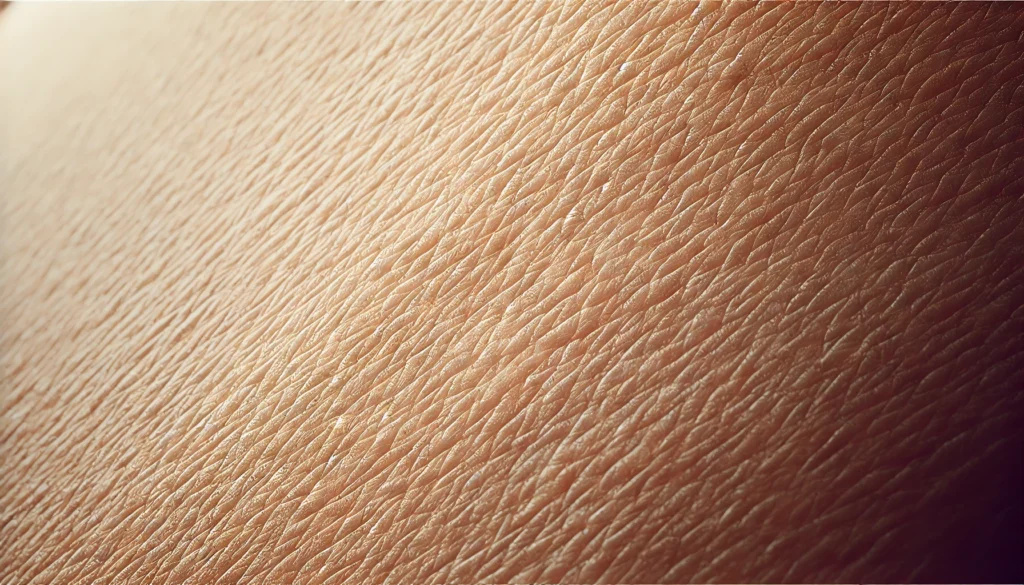
A close-up of human skin with mild dryness and sensitivity, showcasing a slightly rough texture with subtle redness. The soft lighting highlights the natural texture without exaggeration.

Slow Poisoning Symptoms: Recognizing Long-Term Effects

Unlike acute poisoning, which presents with immediate and severe symptoms, slow poisoning develops gradually over time due to prolonged exposure to low levels of toxins. This makes detection more challenging, as symptoms may be subtle or mistaken for other chronic conditions. Skin-related slow poisoning symptoms may include persistent dryness, discoloration, or increased sensitivity to environmental factors.

Heavy metal exposure is a primary cause of slow poisoning, with lead, arsenic, and mercury being the most common culprits. Symptoms of chronic lead poisoning include pallor, fatigue, and a blue-gray discoloration along the gum line, known as Burton’s line. Arsenic poisoning can cause patchy pigmentation and hyperkeratosis, particularly on the palms and soles. Mercury exposure is associated with rashes, excessive sweating, and peeling of the skin, often accompanied by neurological symptoms.

Another common cause of chronic poisoning is prolonged exposure to environmental pollutants. Pesticides, industrial chemicals, and air pollutants can accumulate in the body over time, leading to persistent skin issues and systemic toxicity. People working in industries involving solvents, dyes, and heavy metals are at a higher risk of developing slow poisoning symptoms.

When to Seek Medical Attention for Suspected Poisoning

Timely medical intervention is crucial when poisoning is suspected. While mild cases of skin irritation may resolve on their own, persistent or worsening symptoms require professional evaluation. A healthcare provider can assess the nature of the exposure, perform diagnostic tests, and recommend appropriate treatment.

Medical attention should be sought immediately if poisoning symptoms include widespread blistering, severe pain, necrosis, or systemic involvement such as difficulty breathing, confusion, or unconsciousness. In cases of chronic poisoning, long-term monitoring and detoxification strategies may be necessary to prevent further complications. Occupational health assessments and environmental testing can help identify ongoing sources of exposure.

Dermatologists play a key role in diagnosing poisoning-related skin conditions, particularly when symptoms mimic other dermatological disorders. They may conduct patch testing, biopsies, or heavy metal screenings to determine the underlying cause. In cases of suspected chronic poisoning, toxicologists and environmental health specialists may be consulted to assess long-term risks and appropriate interventions.

Prevention and Protective Measures

Preventing poisoning-related skin conditions involves minimizing exposure to harmful substances and adopting protective measures. In occupational settings, using personal protective equipment (PPE), such as gloves, masks, and protective clothing, can significantly reduce the risk of skin exposure to toxic chemicals. Proper ventilation in workplaces handling hazardous substances is also essential.

For individuals at risk of chronic poisoning, regular monitoring and detoxification strategies may be beneficial. This includes consuming antioxidant-rich foods, staying hydrated, and avoiding contaminated environments. Healthcare professionals may recommend chelation therapy for individuals with significant heavy metal exposure. Additionally, awareness of environmental toxins and proper handling of household chemicals can prevent accidental skin exposure.

Education and policy regulations also play a crucial role in preventing skin-related poisoning cases. Government agencies regulate the use of hazardous chemicals in industrial and consumer products, and ongoing research continues to identify safer alternatives. Public awareness campaigns can help individuals recognize early signs of poisoning on the skin and take appropriate action before severe complications arise.

An abstract representation of dry and irritated skin with a textured surface, featuring gentle cracks and mild redness. The soft, neutral tones create a delicate and non-medical aesthetic.

Frequently Asked Questions (FAQ) on Early Signs of Poisoning on Skin

1. What are the early signs of poisoning on the skin, and how can they be distinguished from common skin conditions?

The early signs of poisoning on the skin can include redness, itching, burning sensations, and rashes, which may initially resemble common dermatological conditions such as eczema or allergic reactions. However, unlike typical skin conditions, poisoning-related symptoms often persist despite conventional treatments and may worsen over time. Additional warning signs include blistering, ulceration, or unusual discoloration that does not fade. If exposure to chemicals, heavy metals, or environmental toxins is suspected, it is important to monitor for systemic symptoms such as nausea, dizziness, or fatigue. Seeking medical evaluation is essential to determine whether skin irritation is due to poisoning or another underlying cause.

2. Can slow poisoning symptoms develop over time without noticeable immediate effects?

Yes, slow poisoning symptoms can develop gradually, making them difficult to detect in the early stages. Unlike acute poisoning, which presents with sudden and severe symptoms, slow poisoning from continuous exposure to toxins such as arsenic, lead, or pesticides may take months or even years to manifest. Common skin-related signs include persistent dryness, sensitivity, pigmentation changes, and thickening of the skin. These symptoms may be accompanied by general fatigue, unexplained weight loss, or cognitive decline, indicating systemic involvement. Regular health check-ups and environmental exposure assessments can help identify and mitigate long-term poisoning risks.

3. How does chronic poisoning affect skin health beyond immediate irritation?

Chronic poisoning can cause long-term skin damage, leading to conditions such as hyperkeratosis, excessive dryness, and permanent pigmentation changes. Heavy metals like arsenic and mercury can deposit in the skin over time, resulting in dark patches, hardening, or even precancerous lesions. Prolonged exposure to industrial chemicals or environmental pollutants can also weaken the skin barrier, making individuals more susceptible to infections and delayed wound healing. Additionally, chronic toxicity often suppresses the immune system, which can exacerbate skin disorders and increase sensitivity to irritants. Preventative measures, including minimizing exposure to hazardous substances and maintaining a nutrient-rich diet, can help protect skin integrity.

4. What are some unexpected sources of skin poisoning that people may overlook?

Many people associate skin poisoning with direct chemical exposure, but unexpected sources can also contribute to toxicity. Contaminated water, particularly with heavy metals like lead and arsenic, can cause early signs of poisoning on the skin, such as discoloration and persistent irritation. Certain cosmetics, skincare products, and hair dyes contain harmful chemicals that, with prolonged use, may lead to chronic poisoning. Additionally, handling electronic waste, frequent use of industrial solvents, and exposure to mold toxins in damp environments can introduce harmful substances into the body through dermal absorption. Being mindful of hidden toxins in everyday products and environments is crucial for minimizing long-term exposure.

5. How can someone differentiate between allergic reactions and poisoning-related skin symptoms?

Allergic reactions typically occur within minutes to hours after exposure to an allergen and often present with localized swelling, hives, or intense itching. In contrast, early signs of poisoning on the skin may develop more gradually and persist even after discontinuing exposure. Poisoning-related symptoms are often accompanied by systemic effects, such as fatigue, neurological symptoms, or organ dysfunction. Additionally, chronic exposure to toxic substances may cause progressive changes, including thickening of the skin, pigmentation alterations, or ulceration. If skin symptoms do not respond to standard allergy treatments or continue to worsen, medical evaluation is necessary to rule out toxic exposure.

6. What diagnostic tests can confirm if skin symptoms are related to poisoning?

Healthcare providers use a combination of clinical evaluations and laboratory tests to diagnose poisoning-related skin conditions. Blood tests can detect elevated levels of toxic substances such as lead, arsenic, or mercury, which are known to cause slow poisoning symptoms affecting the skin. A skin biopsy may be performed to examine cellular damage and rule out other dermatological conditions. In cases where environmental exposure is suspected, hair and urine analyses can provide insights into cumulative toxin levels in the body. If a patient has unexplained or persistent skin issues, testing for heavy metal toxicity and chemical exposure should be considered.

7. What are the long-term consequences of untreated poisoning affecting the skin?

If left untreated, chronic poisoning can lead to severe dermatological and systemic health complications. Continuous exposure to toxic substances can result in permanent skin damage, including scarring, thickened skin, and increased susceptibility to infections. Some toxins, such as arsenic and certain industrial chemicals, are known carcinogens that can contribute to skin cancer. Furthermore, untreated poisoning often progresses to affect other organs, leading to neurological issues, kidney damage, or immune dysfunction. Early detection and intervention are key to preventing irreversible damage and ensuring long-term well-being.

8. How can one detoxify the skin and body from accumulated toxins?

Detoxification strategies vary depending on the type and severity of poisoning. For mild cases, increasing hydration, consuming antioxidant-rich foods, and avoiding further exposure can support natural detoxification. Chelation therapy may be required in cases of heavy metal poisoning, as it helps bind and remove toxic substances from the body. Skincare treatments that include activated charcoal, clay masks, and exfoliation can help eliminate surface toxins. Engaging in sauna therapy and regular physical activity can also promote toxin elimination through sweat. However, individuals with suspected chronic poisoning should consult a healthcare provider before attempting any detoxification regimen.

9. What preventive measures can reduce the risk of poisoning through skin exposure?

Preventing early signs of poisoning on the skin starts with minimizing exposure to hazardous substances. Using protective gloves, masks, and clothing when handling chemicals significantly reduces direct contact with toxins. Choosing personal care and household products free from harmful additives such as parabens, phthalates, and heavy metals can help limit exposure. Installing water filters and ensuring proper ventilation in workspaces also minimize environmental toxin absorption. Regular skin check-ups and health screenings are essential for individuals working in high-risk industries to detect potential toxicity early.

10. When should someone seek medical attention for suspected poisoning-related skin symptoms?

Medical attention should be sought immediately if early signs of poisoning on the skin escalate to severe blistering, ulceration, or widespread irritation. Systemic symptoms, such as dizziness, nausea, confusion, or difficulty breathing, indicate a medical emergency and require urgent evaluation. Chronic skin issues that persist despite treatment, particularly those accompanied by unexplained fatigue or neurological symptoms, may warrant further toxicology screening. Individuals with known occupational exposure to hazardous chemicals should undergo regular medical assessments to monitor long-term health impacts. Consulting a dermatologist or toxicologist can help determine the best course of action for diagnosis and treatment.

An artistic depiction of cracked earth blending into a smooth surface, symbolizing dry and sensitive skin. Warm, neutral tones and soft lighting illustrate the contrast between hydration and dryness.

Conclusion: The Importance of Recognizing and Addressing Poisoning Symptoms

Recognizing early signs of poisoning on the skin is essential for preventing severe health consequences. Whether due to acute exposure or slow poisoning, skin manifestations often provide the first clues of underlying toxicity. Identifying these symptoms promptly allows for timely medical intervention, reducing the risk of long-term complications.

As environmental pollutants and industrial chemicals become more prevalent in modern society, understanding the impact of toxic exposures on the skin is increasingly important. Individuals should remain vigilant, especially those in high-risk occupations or areas with significant environmental contamination. Seeking medical advice at the first sign of unusual skin changes can prevent further systemic damage and improve overall health outcomes.

By prioritizing prevention, early detection, and appropriate medical intervention, individuals can protect themselves from the harmful effects of poisoning and ensure long-term well-being. Awareness and proactive health measures remain key in mitigating the risks associated with chronic poisoning and environmental toxic exposures.

toxic skin reactions, hazardous chemical exposure, occupational dermatitis, environmental toxin effects, dermatological signs of poisoning, heavy metal toxicity, chemical burns, industrial poisoning risks, chronic toxin accumulation, skin irritation from chemicals, pesticide poisoning symptoms, arsenic skin effects, mercury toxicity skin symptoms, dermatology and environmental health, early symptoms of toxic exposure, slow poisoning warning signs, chemical allergy reactions, workplace hazardous material exposure, toxic skin inflammation, hazardous waste effects on skin

Further Reading:

Potential Health Effects Associated with Dermal Exposure to Occupational Chemicals

Development of skin diseases following systemic exposure: example of dioxins

Skin Exposure to Isocyanates: Reasons for Concern

Important Note: The information contained in this article is for general informational purposes only, and should not be construed as health or medical advice, nor is it intended to diagnose, prevent, treat, or cure any disease or health condition. Before embarking on any diet, fitness regimen, or program of nutritional supplementation, it is advisable to consult your healthcare professional in order to determine its safety and probable efficacy in terms of your individual state of health.
Regarding Nutritional Supplements Or Other Non-Prescription Health Products: If any nutritional supplements or other non-prescription health products are mentioned in the foregoing article, any claims or statements made about them have not been evaluated by the U.S. Food and Drug Administration, and such nutritional supplements or other health products are not intended to diagnose, treat, cure, or prevent any disease.

Can Too Much Iron Make You Tired? Understanding the Impact on Energy Levels

Introduction: The Role of Iron in Energy Metabolism

Iron is an essential mineral required for numerous physiological processes, most notably oxygen transport and energy production. It plays a vital role in hemoglobin formation, which is responsible for carrying oxygen throughout the body. Without adequate iron levels, cells cannot receive sufficient oxygen, leading to fatigue and impaired cognitive function. However, while iron deficiency is well-documented as a cause of fatigue, excessive iron can also contribute to lethargy and systemic dysfunction. Understanding the balance between too little and too much iron is crucial for maintaining optimal health.

Excessive iron levels can result from genetic disorders, excessive supplementation, or underlying health conditions that cause iron accumulation. The body lacks an efficient mechanism to excrete excess iron, which can lead to harmful deposits in organs such as the liver, pancreas, and heart. This excess can contribute to oxidative stress, inflammation, and fatigue. By exploring the mechanisms of iron metabolism, symptoms of iron overload, and strategies for reducing excessive iron, we can better understand how to maintain optimal energy levels and overall well-being.

You May Also Like: Effective Metal Detox: Natural Ways to Support Your Body’s Cleansing Process

The Relationship Between Iron Levels and Fatigue

Many individuals recognize the symptoms of iron deficiency anemia, which include fatigue, weakness, and shortness of breath. However, the lesser-known impact of iron overload on energy levels is equally significant. The question “Does too much iron make you tired?” is a valid one, as research has shown that elevated iron levels can contribute to systemic inflammation, mitochondrial dysfunction, and metabolic disturbances, all of which can lead to chronic fatigue.

When iron accumulates in the body beyond what is needed for normal physiological function, it leads to increased oxidative stress. This excess iron generates free radicals, which damage cellular structures and impair mitochondrial function—the primary energy-producing organelles in cells. When mitochondria are compromised, energy production decreases, leading to persistent fatigue. Additionally, high iron levels have been linked to disrupted metabolic processes, further exacerbating feelings of tiredness.

Another key mechanism through which excessive iron contributes to fatigue is its impact on neurotransmitter balance. Iron plays a role in dopamine synthesis, a neurotransmitter involved in motivation, focus, and energy levels. Too much iron can lead to dysregulation of dopamine pathways, contributing to symptoms such as lethargy, brain fog, and mood disturbances. This highlights the importance of maintaining balanced iron levels for optimal cognitive and physical function.

Symptoms of High Ferritin and Iron Overload

Ferritin is a protein that stores iron and releases it when needed. Elevated ferritin levels often indicate excessive iron stores in the body. Recognizing high ferritin symptoms is essential for early detection and intervention of iron overload disorders.

Common symptoms of high ferritin levels include chronic fatigue, joint pain, abdominal discomfort, and liver dysfunction. Many individuals with iron overload experience an unexplained sense of exhaustion that does not improve with rest. This is due to the toxic effects of iron deposits in various organs, which can impair their function over time. Additionally, iron-induced oxidative stress can contribute to systemic inflammation, further exacerbating fatigue and malaise.

In severe cases, iron overload can lead to conditions such as hemochromatosis, a genetic disorder characterized by excessive iron absorption. Individuals with this condition are at an increased risk for diabetes, heart disease, and liver cirrhosis due to iron accumulation in these organs. High ferritin levels symptoms also include darkening of the skin, unexplained weight loss, and irregular heart rhythms. Identifying these signs early can prevent long-term complications and improve quality of life.

A close-up of a person's hand holding a red iron supplement pill, with a concerned expression in the background. The lighting is moody, highlighting the intensity of iron intake. The softly blurred background emphasizes the potential effects of excess iron on energy levels.

How to Remove Excess Iron from the Body Naturally

For individuals with elevated iron levels, understanding how to remove excess iron from the body naturally is crucial. The body has limited means of excreting iron, primarily through blood loss, so dietary and lifestyle strategies play a significant role in managing iron levels.

One of the most effective ways to reduce iron levels is through regular blood donation. Since iron is stored in red blood cells, donating blood helps lower excess iron stores and maintain balance. This is particularly beneficial for individuals with mild iron overload who do not require medical interventions such as phlebotomy.

Diet also plays a significant role in controlling iron levels. Avoiding iron-fortified foods and limiting red meat consumption can help prevent excessive iron accumulation. Certain foods, such as coffee, tea, and dairy products, contain compounds that inhibit iron absorption, making them useful dietary tools for reducing iron levels. Additionally, increasing the intake of polyphenol-rich foods such as berries, green tea, and dark chocolate can help mitigate iron overload by binding to iron and reducing its bioavailability.

How to Lower Iron Levels Through Dietary and Lifestyle Changes

Understanding how to lower iron levels naturally involves strategic dietary choices and lifestyle modifications. Reducing iron absorption is key to managing excess iron levels, and several nutrients can help achieve this goal.

Calcium competes with iron for absorption in the gut, making dairy products an effective dietary strategy for limiting iron uptake. Similarly, phytates found in whole grains, legumes, and nuts can bind to iron and reduce its absorption. Consuming these foods regularly can help maintain balanced iron levels and prevent excessive accumulation.

Exercise also plays a role in iron regulation. Intense physical activity increases iron turnover and promotes its utilization in red blood cell production. Engaging in regular aerobic exercise can help deplete excess iron stores over time. However, individuals with high ferritin levels should consult a healthcare provider before making significant changes to their exercise routine, as excessive physical stress can exacerbate oxidative damage caused by iron overload.

Reducing Iron Accumulation and Preventing Toxicity

For individuals seeking ways of reducing iron in the body, it is essential to consider long-term strategies for preventing iron accumulation. While dietary and lifestyle modifications can help, medical interventions may be necessary in cases of severe iron overload.

Phlebotomy, or therapeutic blood removal, is the standard treatment for conditions such as hemochromatosis. This procedure helps rapidly lower iron levels and prevent organ damage. Chelation therapy, which involves the use of specific compounds that bind to excess iron and facilitate its excretion, may be recommended for individuals who cannot undergo phlebotomy.

Another approach to managing iron levels is through monitoring ferritin and transferrin saturation levels regularly. This allows individuals to track their iron status and make necessary adjustments to their diet and lifestyle. Avoiding excessive supplementation is also crucial, as many multivitamins and fortified foods contain high levels of iron that can contribute to overload.

A conceptual image of excess iron in the bloodstream affecting energy levels. A glowing red iron molecule is seen in the veins, with a fatigued silhouette of a person in the background. The bloodstream is illuminated with a high concentration of iron, creating a dramatic and intense medical visualization.

Frequently Asked Questions (FAQ) on Iron Overload and Fatigue

1. Does too much iron make you tired, and why does this happen?

Yes, excessive iron levels can lead to persistent fatigue. When iron accumulates in the body beyond normal levels, it increases oxidative stress and triggers inflammation, which can impair cellular energy production. High iron levels can also damage mitochondria, the energy-producing organelles in cells, leading to decreased ATP (adenosine triphosphate) synthesis. Additionally, excessive iron can disrupt dopamine regulation, affecting mood and motivation, which contributes to overall exhaustion. Managing iron levels through diet and medical intervention can help mitigate these effects and restore energy levels.

2. What are the symptoms of high ferritin levels, and how do they relate to iron overload?

High ferritin levels often indicate excessive iron storage in the body, leading to various health complications. Common high ferritin symptoms include chronic fatigue, joint pain, abdominal discomfort, and liver dysfunction. Excess iron deposits in organs can cause oxidative stress, leading to tissue damage and systemic inflammation. Individuals may also experience skin pigmentation changes, heart palpitations, and metabolic disturbances. Monitoring ferritin levels through regular blood tests is crucial for identifying iron overload early and preventing long-term complications.

3. How do you lower iron levels if they are too high?

Lowering iron levels requires a combination of dietary changes, medical interventions, and lifestyle adjustments. One effective approach is regular blood donation, which helps reduce excess iron stores naturally. Adjusting dietary intake by limiting red meat and avoiding iron-fortified foods can also help prevent further accumulation. Consuming calcium-rich foods and polyphenols from tea and coffee can inhibit iron absorption. In severe cases, medical treatments such as therapeutic phlebotomy or iron chelation therapy may be necessary to remove excessive iron. Consulting a healthcare provider ensures a safe and effective approach to managing iron levels.

4. How can someone naturally remove excess iron from the body?

For those wondering how to remove excess iron from the body naturally, dietary strategies and blood loss mechanisms play a crucial role. Engaging in regular blood donation or undergoing therapeutic phlebotomy is one of the most effective ways to lower iron levels. Including fiber-rich foods like whole grains and legumes helps bind iron in the digestive tract, reducing absorption. Green tea, coffee, and dairy products contain compounds that naturally inhibit iron absorption. Additionally, maintaining a healthy gut microbiome can improve iron metabolism, as certain beneficial bacteria help regulate iron balance.

5. What are the long-term effects of excessive deposits of iron throughout the body?

Excess iron accumulation can have severe long-term consequences, affecting multiple organ systems. Excessive deposits of iron throughout the body can lead to liver cirrhosis, heart disease, and pancreatic damage, increasing the risk of diabetes. High iron levels are also linked to neurodegenerative diseases, as iron-induced oxidative stress contributes to conditions like Alzheimer’s and Parkinson’s. Chronic iron overload can also weaken the immune system, making individuals more susceptible to infections. Early detection and proper management are critical to preventing irreversible damage.

6. Can exercise help lower iron levels in the body?

Yes, exercise can play a role in iron regulation, particularly aerobic and endurance training. Physical activity increases red blood cell turnover, which can help utilize excess iron stores. Sweating also contributes to minor iron loss, though this is not a primary mechanism for reducing iron levels. However, individuals with extreme iron overload should consult a doctor before engaging in strenuous exercise, as excessive oxidative stress from iron overload can negatively impact heart and muscle function. Balancing physical activity with proper iron management strategies ensures overall health benefits.

7. How does diet influence iron overload, and what foods help reduce iron absorption?

Diet plays a crucial role in managing iron levels. Decreasing iron levels through diet involves reducing intake of iron-rich foods and consuming inhibitors of iron absorption. Dairy products, eggs, and high-fiber foods contain compounds that bind iron and limit its uptake in the gut. Polyphenol-rich beverages like green tea, coffee, and red wine naturally reduce iron absorption. Additionally, avoiding vitamin C-rich foods when consuming iron-heavy meals can help prevent excessive absorption. Personalized dietary plans, guided by healthcare professionals, can ensure safe iron regulation.

8. What medical treatments are available for individuals with dangerously high iron levels?

For those with significant iron overload, medical interventions may be required beyond dietary adjustments. Reducing iron in the blood through medical means includes therapeutic phlebotomy, which involves scheduled blood removal to lower iron stores. Chelation therapy is another option, using drugs like deferoxamine to bind excess iron and promote its excretion through urine. In cases related to genetic disorders such as hemochromatosis, lifelong management is necessary to prevent complications. Regular monitoring of ferritin and transferrin saturation levels helps guide appropriate treatment decisions.

9. Can iron overload contribute to mental health issues like depression or brain fog?

Yes, high iron levels can negatively impact brain function, leading to cognitive and emotional disturbances. Excess iron in the brain contributes to oxidative damage and inflammation, which can impair neurotransmitter function. Studies suggest that iron overload may increase the risk of depression, anxiety, and neurodegenerative diseases. Individuals experiencing high ferritin levels symptoms such as brain fog, mood swings, and poor concentration should consider iron testing as part of their diagnostic process. Proper iron regulation supports both mental clarity and emotional well-being.

10. How often should iron levels be tested to prevent toxicity?

Regular iron testing is essential, particularly for individuals at risk of iron overload due to genetics, diet, or supplementation. A comprehensive iron panel, including ferritin, serum iron, and transferrin saturation, should be checked annually for those with a history of iron-related issues. If symptoms of iron toxicity arise, such as chronic fatigue or unexplained inflammation, more frequent testing may be required. Early detection allows for timely interventions, preventing long-term damage from iron accumulation. Consulting a healthcare professional ensures accurate monitoring and personalized management strategies.

A tired woman sitting on a couch, struggling to stay awake. She has a drained expression, rubbing her forehead with one hand while holding a glass of water in the other. The room is softly lit with natural light, creating a calm but low-energy atmosphere.

Conclusion: Balancing Iron for Optimal Energy and Health

Iron is essential for energy production and overall health, but maintaining the right balance is critical. While iron deficiency can lead to fatigue and anemia, excessive iron levels can also contribute to systemic dysfunction, oxidative stress, and persistent exhaustion. Recognizing the signs of iron overload, such as chronic fatigue, joint pain, and high ferritin levels symptoms, is key to early intervention and prevention of complications.

For those experiencing symptoms related to excessive iron, understanding how to remove excess iron from the body naturally can provide valuable insights into managing their condition. Dietary strategies, regular blood donation, and medical interventions such as phlebotomy can help lower iron levels and restore energy balance. By maintaining iron levels within an optimal range, individuals can support their overall well-being and prevent long-term health risks associated with iron toxicity.

iron overload symptoms, excess iron fatigue, managing ferritin levels, iron toxicity effects, dietary iron balance, preventing iron accumulation, high iron energy levels, hemochromatosis risk factors, iron metabolism dysfunction, reducing oxidative stress, iron-rich food considerations, optimal iron health, chronic fatigue causes, detoxifying excess iron, safe iron reduction methods, nutritional strategies for iron, blood donation benefits, lowering ferritin levels, metabolic health and iron, oxidative stress prevention

Further Reading:

Side Effects of Too Much Iron

Chronic Fatigue Syndrome in Patients with Deteriorated Iron Metabolism

18 Signs of Iron Overload (and what tests you’ll want to take)

Important Note: The information contained in this article is for general informational purposes only, and should not be construed as health or medical advice, nor is it intended to diagnose, prevent, treat, or cure any disease or health condition. Before embarking on any diet, fitness regimen, or program of nutritional supplementation, it is advisable to consult your healthcare professional in order to determine its safety and probable efficacy in terms of your individual state of health.
Regarding Nutritional Supplements Or Other Non-Prescription Health Products: If any nutritional supplements or other non-prescription health products are mentioned in the foregoing article, any claims or statements made about them have not been evaluated by the U.S. Food and Drug Administration, and such nutritional supplements or other health products are not intended to diagnose, treat, cure, or prevent any disease.

Cilantro for Heavy Metal Detox: Does It Really Help Cleanse Your Body?

Introduction

The human body is constantly exposed to various toxins, including heavy metals, through environmental pollutants, food sources, and industrial chemicals. Heavy metal toxicity has been linked to numerous health issues, ranging from neurological disorders to immune system dysfunction. The growing awareness of heavy metal exposure has led many individuals to seek natural detoxification methods. Among the many purported natural remedies, cilantro has emerged as a popular choice for detoxifying the body from heavy metal accumulation. Claims suggest that cilantro, often used as a culinary herb, has powerful chelating properties that help remove toxic metals from the body. However, while anecdotal evidence supports these claims, scientific validation remains limited. This article delves into the effectiveness of cilantro for heavy metal detox, examining its proposed mechanisms, benefits, potential risks, and the role of complementary detoxification strategies.

You May Also Like: Effective Metal Detox: Natural Ways to Support Your Body’s Cleansing Process

Understanding Heavy Metal Toxicity

Heavy metals, such as lead, mercury, arsenic, and cadmium, are naturally occurring elements that can be harmful when accumulated in excessive amounts. These metals are present in various sources, including contaminated water, air pollution, dental amalgams, and certain foods. Unlike other toxins, heavy metals do not break down easily in the body and can accumulate over time, leading to chronic toxicity. The symptoms of heavy metal poisoning can vary but often include fatigue, cognitive impairment, gastrointestinal issues, and immune system suppression. Chronic exposure to heavy metals has also been linked to serious conditions such as neurodegenerative diseases, cardiovascular disorders, and kidney damage. Given the risks associated with heavy metal accumulation, finding effective detoxification methods is crucial for maintaining long-term health.

Cilantro as a Natural Chelating Agent

Chelation therapy is the medical process of using chemical agents to bind and remove heavy metals from the body. Traditional chelating agents, such as ethylenediaminetetraacetic acid (EDTA), are used in clinical settings for treating heavy metal poisoning. However, natural chelating agents like cilantro have gained popularity due to their accessibility and perceived safety. Cilantro, scientifically known as Coriandrum sativum, is a herb commonly used in culinary applications worldwide. It has been suggested that cilantro contains bioactive compounds capable of binding heavy metals and facilitating their excretion from the body. This ability has led to the growing interest in cilantro for heavy metal detox as a potential natural alternative to conventional chelation therapy.

A wooden bowl filled with fresh cilantro leaves, surrounded by detoxifying superfoods such as spirulina powder, ginger, and lemon slices. A wooden spoon with chlorella powder rests beside it, symbolizing heavy metal detox. The softly lit background creates a fresh and natural ambiance.

The Role of Cilantro in Heavy Metal Detoxification

The hypothesis surrounding cilantro’s detoxifying properties is based on its potential to mobilize and bind heavy metals from tissues. Some research indicates that cilantro contains compounds such as flavonoids, phenolic acids, and volatile oils that may interact with heavy metals. One study suggested that cilantro extracts helped reduce lead accumulation in animal models, although human studies remain sparse. Proponents of cilantro detox claim that regular consumption of the herb may support the body’s natural detoxification processes by enhancing the elimination of toxic metals through urine and feces. However, while these claims are intriguing, there is limited clinical evidence to confirm the extent of cilantro’s effectiveness in chelating heavy metals from the human body.

Cilantro and Chlorella: A Powerful Combination?

Chlorella, a type of freshwater algae, is another natural supplement often recommended for heavy metal detoxification. Some practitioners advocate for using cilantro in combination with chlorella, suggesting that the two work synergistically to enhance heavy metal excretion. The theory is that while cilantro mobilizes heavy metals from tissues, chlorella binds them and prevents reabsorption into the bloodstream. This approach, often referred to as the “cilantro chlorella protocol,” is widely promoted in holistic health circles. However, despite its popularity, there is limited scientific research confirming the efficacy of this combination in clinical settings. More rigorous human studies are needed to establish whether cilantro and chlorella together offer a safe and effective heavy metal detoxification strategy.

Scientific Evidence on Cilantro for Detoxification

Despite the widespread claims about cilantro’s detoxifying properties, scientific research on its efficacy remains inconclusive. Some laboratory studies suggest that cilantro extracts may have chelating properties, particularly in animal models exposed to heavy metals. However, human studies on cilantro for heavy metal detox are lacking, and most evidence remains anecdotal. Additionally, the precise mechanisms by which cilantro interacts with heavy metals at the cellular level are not well understood. Without robust clinical trials, it is difficult to determine whether cilantro can significantly aid in heavy metal removal in humans or if its effects are minimal compared to established detoxification methods.

Risks and Considerations

While cilantro is generally safe for consumption in culinary amounts, using it as a detoxification agent may carry potential risks. Some individuals may experience allergic reactions or digestive discomfort when consuming large amounts of cilantro. Furthermore, mobilizing heavy metals without adequate excretion mechanisms may lead to redistribution rather than elimination, potentially exacerbating toxicity symptoms. Individuals with existing health conditions should exercise caution and consult a healthcare professional before attempting any detox regimen involving cilantro. Additionally, relying solely on cilantro for heavy metal detox without a comprehensive approach may yield limited results.

Integrating Cilantro into a Detoxification Protocol

For those interested in using cilantro as part of a detoxification plan, it is essential to adopt a holistic approach. Consuming cilantro in combination with other detox-supportive foods, staying hydrated, and ensuring adequate fiber intake can promote optimal elimination of toxins. While cilantro heavy metal cleanse strategies may offer some benefits, they should not replace medically supervised chelation therapy for individuals with significant heavy metal poisoning. Instead, cilantro can be incorporated as a dietary supplement alongside other evidence-based detoxification practices.

A refreshing green detox smoothie in a glass, garnished with fresh cilantro leaves. Surrounding it are detoxifying ingredients such as chlorella powder, turmeric root, lemon slices, and garlic. The bright and natural background evokes a sense of health and cleansing.

Frequently Asked Questions (FAQ) About Cilantro for Heavy Metal Detox

1. How does cilantro help with heavy metal detoxification?

Cilantro is believed to assist with heavy metal detox by binding to toxic metals and helping the body eliminate them through urine and feces. Some studies suggest that cilantro contains compounds such as flavonoids, phenolic acids, and volatile oils that may interact with heavy metals at a molecular level. While research on cilantro metal detox in humans is still limited, animal studies have shown promising results in reducing lead and mercury accumulation. Advocates of cilantro for detoxification recommend consuming it regularly as part of a balanced diet to support the body’s natural detox pathways. However, because cilantro may only mobilize metals rather than fully remove them, it is often paired with chlorella to enhance metal binding and prevent redistribution.

2. Can cilantro be used as a standalone heavy metal detoxifier?

While cilantro has potential as a natural detoxifier, relying on cilantro for heavy metal detox alone may not be sufficient for eliminating significant toxic metal buildup. Traditional medical chelation therapy remains the gold standard for treating heavy metal poisoning. Cilantro is often combined with chlorella in a method called the cilantro chlorella detox protocol, where cilantro helps release metals from tissues, and chlorella binds them for excretion. Additionally, drinking plenty of water and consuming fiber-rich foods can help support metal elimination. For those with high heavy metal exposure, professional medical guidance is essential before depending solely on cilantro detox strategies.

3. What are the benefits of combining cilantro and chlorella for detox?

The cilantro chlorella combination is often recommended because it addresses both metal mobilization and removal. Cilantro is thought to free heavy metals from tissues, while chlorella, a green algae rich in chlorophyll, binds to the metals and helps remove them safely. Some detox proponents suggest that using cilantro for heavy metal detox without a proper binding agent may result in toxins being redistributed rather than eliminated. Chlorella is also known for its high nutrient content, including essential vitamins and minerals that support overall detoxification. While the cilantro chlorella approach is popular, more clinical research is needed to validate its effectiveness in humans.

4. How can I incorporate cilantro into my diet for detoxification?

Adding cilantro to daily meals is one of the easiest ways to experiment with its potential detox benefits. You can blend it into smoothies, mix it into salads, sprinkle it over soups, or incorporate it into fresh salsas and guacamole. Some people choose to consume cilantro for detoxification in the form of juices or concentrated extracts. To enhance the effectiveness of a cilantro heavy metal cleanse, it is recommended to pair cilantro with other detoxifying foods such as garlic, lemon, and spirulina. However, if you have concerns about metal toxicity, consider speaking with a healthcare professional before making drastic dietary changes.

5. Is coriander as effective as cilantro for heavy metal detox?

Coriander and cilantro come from the same plant, Coriandrum sativum, but they have different properties. Cilantro refers to the fresh leaves and stems, while coriander typically refers to the dried seeds. While both contain antioxidants, the leaves are thought to have stronger chelating effects due to their volatile oils and flavonoids. Coriander’s heavy metals detox potential has not been studied as extensively as cilantro’s, and most detox protocols focus on using fresh cilantro. If you are considering cilantro metal detox, it is best to consume the fresh leaves rather than the dried seeds.

6. Are there any risks or side effects of using cilantro for detox?

For most people, cilantro is safe to consume in culinary amounts, but using it in large quantities for detoxification may lead to unwanted effects. Some individuals experience allergic reactions, including skin irritation and digestive discomfort, when consuming excessive amounts of cilantro. Additionally, because a cilantro-heavy metal cleanse may mobilize metals, there is a risk that they could be redistributed rather than fully excreted. If not paired with a binding agent like chlorella, these metals could circulate in the bloodstream and cause temporary symptoms such as headaches, fatigue, or nausea. People with underlying health conditions should consult a healthcare provider before using cilantro for detoxification.

7. How long does it take for cilantro to show detox effects?

The timeline for cilantro detox effects varies depending on the individual’s toxin burden and overall health. Some people report feeling changes within a few weeks, while others may take months to notice any difference. Unlike medical chelation therapy, which rapidly removes metals, natural approaches like cilantro heavy metal cleansing work gradually. Consistency is key, as cilantro is most effective when consumed regularly alongside other detox-supportive foods. Those with significant heavy metal exposure should consider laboratory testing to track metal levels over time and determine if the detox process is effective.

8. Can children use cilantro for heavy metal detox?

While cilantro is generally safe for children when used in normal food amounts, using it specifically for heavy metal detox should be approached with caution. Children’s bodies are more sensitive to toxins, and improper detoxification can lead to adverse effects. There is little research on the safety of cilantro metal detox in young children, so professional guidance is recommended before attempting detox protocols. If a child has been exposed to heavy metals, a healthcare provider may suggest medical chelation therapy rather than relying on natural remedies like cilantro for detoxification. Parents can still include small amounts of cilantro in their child’s diet to support general health.

9. How does cilantro compare to other natural detoxifiers like spirulina and garlic?

Cilantro is just one of many natural substances believed to support detoxification. Spirulina, a blue-green algae, is often used alongside cilantro for its ability to bind to heavy metals and support immune function. Garlic contains sulfur compounds that may enhance the body’s natural detox pathways, particularly in the liver. While cilantro for heavy metal detox is widely discussed, it is often recommended as part of a broader detox plan that includes multiple foods with chelating properties. A diverse diet with ample antioxidants, fiber, and hydration is crucial for optimizing detox results.

10. Should I take supplements or extracts instead of fresh cilantro?

Cilantro supplements and extracts are available for those who prefer concentrated forms, but their effectiveness compared to fresh cilantro is still unclear. Some supplements may contain higher concentrations of bioactive compounds, but they may also lack the synergistic effects of fresh herbs. If opting for supplements, look for high-quality, organic products without unnecessary additives. Those interested in cilantro for detoxification may benefit from a mix of fresh cilantro in their diet and occasional use of tinctures or extracts. As with any supplement, it is best to consult a healthcare professional before use.

A close-up of a wooden cutting board with freshly chopped cilantro leaves, ready for use in detox recipes. Nearby are lemon wedges, ginger slices, and a small bowl of spirulina powder, symbolizing a natural approach to heavy metal detox. The softly blurred background enhances the fresh and organic atmosphere.

Conclusion

The potential of cilantro for detoxification, particularly in removing heavy metals from the body, is an intriguing subject. While laboratory studies suggest that cilantro may have chelating properties, there is a lack of substantial clinical evidence to confirm its efficacy in humans. The use of cilantro chlorella protocols and other natural detox methods may offer some benefits, but they should be approached with caution. Heavy metal detoxification is a complex process that requires a multifaceted strategy, including dietary support, lifestyle modifications, and medical interventions when necessary. Until more conclusive research emerges, cilantro should be viewed as a complementary dietary addition rather than a standalone solution for heavy metal detox. For those considering incorporating cilantro for heavy metal detox, consulting a healthcare professional is essential to ensure safety and effectiveness in achieving optimal health outcomes.

heavy metal detox, natural detox remedies, cilantro health benefits, detoxification herbs, natural heavy metal cleanse, herbal detox solutions, body detoxification methods, cleansing toxins naturally, chlorella and cilantro benefits, holistic detox strategies, liver detox support, natural detox foods, toxic metal elimination, environmental toxin removal, herbal chelation therapy, nutrition for detox, alternative medicine detox, organic detox solutions, health and wellness detox, natural liver support

Further Reading:

Fact check: Claim that cilantro removes heavy metals from the brain is unproven

Biochar efficacy for reducing heavy metals uptake by Cilantro (Coriandrum sativum) and spinach (Spinaccia oleracea) to minimize human health risk

Science Explains How Cilantro Can Remove Toxicity of Heavy Metals From Your Body

Important Note: The information contained in this article is for general informational purposes only, and should not be construed as health or medical advice, nor is it intended to diagnose, prevent, treat, or cure any disease or health condition. Before embarking on any diet, fitness regimen, or program of nutritional supplementation, it is advisable to consult your healthcare professional in order to determine its safety and probable efficacy in terms of your individual state of health.
Regarding Nutritional Supplements Or Other Non-Prescription Health Products: If any nutritional supplements or other non-prescription health products are mentioned in the foregoing article, any claims or statements made about them have not been evaluated by the U.S. Food and Drug Administration, and such nutritional supplements or other health products are not intended to diagnose, treat, cure, or prevent any disease.

Chelation Therapy: How It Works, Benefits, and Risks for Heavy Metal Detoxification

Understanding Chelation Therapy and Its Mechanisms

Chelation therapy is a medical treatment that involves the administration of chelating agents to remove heavy metals from the body. The term “chelation” comes from the Greek word chele, meaning claw, which describes how these agents bind to metals in the bloodstream. The therapy is primarily used to treat heavy metal poisoning, particularly lead, arsenic, and mercury toxicity. However, it has also been investigated for its potential benefits in cardiovascular disease, neurodegenerative disorders, and chronic inflammation.

The fundamental mechanism behind chelation therapy involves chelating agents such as ethylenediaminetetraacetic acid (EDTA), dimercaptosuccinic acid (DMSA), and dimercaprol, which bind to heavy metal ions in the bloodstream. Once bound, these complexes are filtered through the kidneys and excreted in urine. This process helps lower the overall burden of toxic metals in the body, reducing their harmful effects on cellular function and organ systems. The efficiency and safety of this therapy depend on the type of metal present, the dosage of the chelating agent, and the individual’s overall health status.

You May Also Like: Effective Metal Detox: Natural Ways to Support Your Body’s Cleansing Process

Defining Chelation and Its Role in Heavy Metal Detoxification

Chelation is the chemical process in which a ligand (chelating agent) binds to a metal ion to form a stable, water-soluble complex. This ability to bind tightly to metals makes chelation therapy a critical intervention for individuals with metal poisoning. Metal chelation has long been recognized in the medical field as a necessary treatment for cases of acute or chronic metal intoxication. The development of synthetic chelating agents, beginning with EDTA in the mid-20th century, has revolutionized the management of heavy metal toxicity, making it possible to clear metals from the bloodstream efficiently.

What is heavy metal chelating agent therapy? Simply put, it is the administration of these chemical agents to bind metals like lead, mercury, arsenic, and cadmium, preventing them from causing oxidative stress, enzyme inhibition, and tissue damage. While chelation therapy is an effective medical intervention, it requires careful monitoring, as the process may also deplete essential minerals like calcium, magnesium, and zinc. Understanding when providers chelate is essential, as improper use can lead to serious side effects and imbalances in essential nutrient levels.

Chelation Therapy for Lead Poisoning

One of the most well-documented uses of chelation therapy is for lead poisoning. The toxic effects of lead are well established, affecting neurological development, kidney function, and cardiovascular health. Chelation therapy for lead poisoning typically involves EDTA chelation or DMSA, both of which have been shown to lower blood lead levels effectively. Children exposed to lead through environmental contamination, such as old paint and contaminated water sources, are particularly vulnerable, making chelation therapy a critical intervention in severe cases.

Chelation treatment for lead is most often administered intravenously using EDTA chelation therapy, which binds lead ions and facilitates their excretion. Oral chelation therapy with DMSA or succimer is also available and is used in mild to moderate cases. Studies have shown that chelation therapy benefits patients with lead toxicity by improving cognitive function, reducing oxidative stress, and preventing long-term complications related to lead exposure. However, chelation therapy’s side effects, such as gastrointestinal distress, hypotension, and kidney dysfunction, must be carefully managed.

A medical illustration of heavy metal detoxification in the human body. The image conceptually depicts microscopic metal particles being removed from the bloodstream by chelating agents. A glowing, clean bloodstream contrasts with dark, toxic metal particles being flushed away, set against a soft medical blue background.

EDTA Chelation and Its Medical Applications

EDTA chelation is a widely used form of chelation therapy, particularly for lead poisoning and cardiovascular health applications. Originally developed in the 1940s to treat heavy metal poisoning in industrial workers, EDTA chelation therapy has been extensively studied for its ability to remove toxic metals. The structure of EDTA allows it to bind to divalent and trivalent metal ions, forming stable, water-soluble complexes that the body can excrete through urine.

EDTA chelation treatment has also been explored as a potential therapy for atherosclerosis due to its ability to remove calcium deposits from arterial walls. Some proponents argue that this therapy can improve cardiovascular health by reducing arterial plaque buildup and increasing blood flow. However, clinical evidence supporting this claim remains inconclusive, with major medical organizations cautioning against its use outside of cases of heavy metal poisoning.

EDTA side effects include hypocalcemia, nephrotoxicity, and hypotension, necessitating careful administration under medical supervision. While EDTA chelation therapy is an established treatment for heavy metal toxicity, its use for other conditions remains a topic of debate within the medical community.

Home Chelation Treatment: Is It Safe and Effective?

The growing interest in natural and alternative medicine has led to an increase in home chelation treatment methods. Oral chelation therapy, which involves the use of chelation supplements such as DMSA, alpha-lipoic acid, and modified citrus pectin, is marketed as a safer and more accessible way to remove heavy metals from the body. However, the effectiveness of home chelation treatment varies, as the bioavailability and metal-binding capacity of these supplements differ significantly from pharmaceutical chelators.

Chelation therapy at home must be approached with caution, as improper use can lead to significant health risks. Without medical supervision, individuals may experience severe chelation therapy side effects, including mineral deficiencies, gastrointestinal upset, and kidney strain. Additionally, many commercial oral chelation products lack scientific validation, making it difficult to determine their true efficacy.

The Risks and Side Effects of Chelation Therapy

While chelation therapy benefits individuals suffering from heavy metal poisoning, it is not without risks. Chelation treatment side effects can range from mild symptoms, such as nausea and fatigue, to severe complications like cardiac arrhythmias and kidney damage. The most significant risk is the depletion of essential minerals, as chelating agents do not differentiate between toxic and beneficial metals.

IV chelation therapy, in particular, poses a risk of hypocalcemia due to the binding of calcium ions by EDTA. This can result in muscle cramps, confusion, and even cardiac arrest in severe cases. Mercury chelation, when improperly administered, may lead to redistribution of mercury within the body rather than effective elimination, exacerbating neurological symptoms. The safety profile of chelation therapy depends on careful dosing, patient monitoring, and a comprehensive assessment of metal toxicity levels.

A conceptual image representing chelation therapy, showing a molecular structure of a chelating agent binding to heavy metal particles. The 3D-rendered close-up features glowing molecular connections, emphasizing the chemical process of detoxification. The softly blurred background has a futuristic medical theme.

Frequently Asked Questions (FAQ) About Chelation Therapy

1. What is chelation therapy, and how does it work?

Chelation therapy is a medical treatment designed to remove toxic heavy metals from the body by binding them to chelating agents, which are then excreted through urine. Chelation means forming stable complexes between a metal and a chelating agent, such as EDTA or DMSA, which helps prevent further damage to tissues. The therapy is widely used for heavy metal chelation, particularly in cases of lead, mercury, and arsenic poisoning. IV chelation is the most common method for severe toxicity, while oral chelation therapy is often used for less critical cases. While it is highly effective for metal poisoning, it must be administered under medical supervision due to potential chelation therapy side effects such as mineral depletion and kidney strain.

2. What is EDTA chelation, and when is it used?

EDTA chelation therapy involves the use of ethylenediaminetetraacetic acid (EDTA), a synthetic amino acid that binds to heavy metals and facilitates their removal. It is particularly effective for chelation therapy for lead poisoning, as EDTA binds to lead ions and helps reduce their toxic effects. Some alternative medicine practitioners also use EDTA chelation treatment to address cardiovascular issues, claiming it helps remove calcium deposits from arteries. However, scientific evidence supporting this use remains inconclusive, and when providers chelate for non-toxic metal removal is still debated. EDTA side effects may include low calcium levels, kidney strain, and digestive discomfort, making it crucial to monitor its use carefully.

3. Is chelation therapy dangerous?

Chelation therapy is generally safe when administered by trained professionals, but it carries risks when misused. The question “what is chelation therapy and why is it so dangerous?” often arises due to cases of improper administration leading to severe mineral imbalances. Because chelating agents do not differentiate between toxic and essential metals, they can deplete calcium, zinc, and magnesium, leading to deficiencies. In some cases, chelation treatment side effects such as hypocalcemia and kidney damage have been reported. The safety of chelation therapy at home is controversial, as improper dosing can cause more harm than good, making professional guidance essential.

4. Can chelation therapy be done at home?

Home chelation treatment has gained popularity due to the availability of oral chelation therapy supplements marketed for detoxification. Some people use natural chelators such as alpha-lipoic acid, cilantro, and modified citrus pectin, but these are not as potent as pharmaceutical chelators like DMSA. While mild metal accumulation might be managed with chelation supplements, severe cases require chelation IV treatment for effective detoxification. Without proper monitoring, chelation therapy at home can lead to electrolyte imbalances, dehydration, or even organ damage. It is recommended to consult a healthcare professional before starting any oral chelation regimen.

5. What are the benefits of chelation therapy beyond heavy metal detoxification?

The primary benefits of chelation therapy lie in its ability to remove toxic metals that cause oxidative stress, cellular damage, and chronic inflammation. Some studies suggest that chelation treatment for lead can improve cognitive function in children exposed to high lead levels. Additionally, some alternative practitioners advocate for EDTA chelation therapy as a treatment for atherosclerosis, although this remains controversial. There is also interest in using mercury chelation for neurological disorders like autism, though scientific backing for this is limited. While chelation therapy benefits are well-documented for toxicity cases, its broader applications require further research.

6. What is a heavy metal chelating agent, and how is it chosen?

A heavy metal chelating agent is a compound that binds specifically to metal ions to facilitate their removal from the body. Different chelators work best for specific metals—EDTA chelation treatment is ideal for lead, while DMSA and DMPS are commonly used for mercury chelation. Some agents, like BAL (dimercaprol), are used for arsenic and lead poisoning in extreme cases. Chelation IV treatment is often chosen for acute poisoning cases, whereas oral chelation therapy is considered for milder toxicity. The choice of chelating agent depends on the type of metal involved, the patient’s overall health, and the severity of the toxicity.

7. When do providers chelate, and what factors determine eligibility?

When providers chelate depends on multiple factors, including blood metal levels, symptoms, and overall health risks. For severe cases of lead poisoning, chelation therapy for lead is typically initiated when blood lead levels exceed 45 µg/dL in children or 50 µg/dL in adults. Mercury chelation is usually recommended for individuals with neurological or renal symptoms related to mercury exposure. Patients with kidney disease must be carefully monitored, as chelation therapy side effects can further strain renal function. The decision to proceed with chelation IV treatment or oral chelation is based on the urgency and severity of the toxicity.

8. What are the risks and side effects of chelation therapy?

Like any medical treatment, chelation therapy side effects vary depending on the type of chelation used and the patient’s overall health. Common side effects include nausea, headaches, fatigue, and digestive discomfort. More severe reactions, such as hypocalcemia, cardiac arrhythmias, or kidney stress, can occur, particularly with EDTA chelation therapy. Chelation supplements may cause mild detox symptoms, but improperly administered chelation IV treatment can result in rapid electrolyte loss. Because of these risks, chelation should only be conducted under medical supervision, particularly for high-risk individuals.

9. How does mercury chelation differ from lead chelation?

Mercury chelation differs from chelation therapy for lead poisoning in that mercury exists in different forms, requiring specialized treatment. While lead is best removed using EDTA chelation treatment, mercury requires thiol-based chelators such as DMSA and DMPS, which bind more effectively to mercury ions. One of the risks of mercury chelation is redistribution, where mobilized mercury is not properly excreted and may accumulate in the brain or other tissues. Chelation treatment side effects for mercury detox can include neurological symptoms such as dizziness, brain fog, and mood swings. Careful administration of chelation therapy is necessary to prevent these risks.

10. What does chelation mean for future medical applications?

Chelation means more than just heavy metal detoxification—it has the potential for broader medical applications in disease prevention and management. Research is ongoing into whether metal chelation could help reduce neurodegeneration in conditions like Alzheimer’s and Parkinson’s disease by removing toxic metal buildup in the brain. Some scientists are also exploring whether controlled chelation therapy could have a role in reducing oxidative stress-related conditions like diabetes and chronic inflammation. While EDTA chelation therapy has been proposed for cardiovascular health, more studies are needed to confirm its efficacy. Future advancements in chelation treatment may expand its use beyond toxicity cases, but for now, its primary role remains in heavy metal detoxification.

A doctor in a white coat preparing a chelation therapy treatment for a patient. The doctor is carefully handling an IV drip filled with a detoxifying solution. The setting is a bright medical office with soft lighting, emphasizing a professional and clean healthcare environment.

Conclusion: The Role of Chelation Therapy in Modern Medicine

Chelation therapy remains an important medical intervention for heavy metal toxicity, with established efficacy in cases of lead and mercury poisoning. However, its expansion into other medical areas, such as cardiovascular disease and neurodegenerative disorders, remains controversial. Chelation therapy benefits those who require heavy metal detoxification, but its use should always be guided by evidence-based practices and medical supervision.

Patients considering oral chelation or home chelation treatment should consult healthcare professionals to assess potential risks and benefits. While chelation therapy at home may seem appealing, the risks of self-administration without proper guidance can outweigh the benefits. Understanding chelation therapy side effects, when providers chelate, and the correct application of EDTA chelation treatment is crucial to ensuring safe and effective heavy metal detoxification.

chelating agents, heavy metal detox, EDTA for heavy metals, natural chelation, lead detox, mercury detoxification, metal toxicity treatment, intravenous chelation, DMSA therapy, detoxification protocols, heavy metal burden, kidney function and chelation, natural heavy metal removal, lead poisoning symptoms, chelation research, neurotoxicity and metals, alternative medicine detox, cardiovascular health chelation, chelation safety, chelation for autism

Further Reading:

Chelation for Coronary Heart Disease: What You Need To Know

Chelation Therapy in Patients With Cardiovascular Disease: A Systematic Review

Chelation Therapy: A New Look at an Old Treatment for Heart Disease, Particularly in Diabetics

Important Note: The information contained in this article is for general informational purposes only, and should not be construed as health or medical advice, nor is it intended to diagnose, prevent, treat, or cure any disease or health condition. Before embarking on any diet, fitness regimen, or program of nutritional supplementation, it is advisable to consult your healthcare professional in order to determine its safety and probable efficacy in terms of your individual state of health.
Regarding Nutritional Supplements Or Other Non-Prescription Health Products: If any nutritional supplements or other non-prescription health products are mentioned in the foregoing article, any claims or statements made about them have not been evaluated by the U.S. Food and Drug Administration, and such nutritional supplements or other health products are not intended to diagnose, treat, cure, or prevent any disease.

Understanding Cadmium Exposure: Health Risks, Symptoms, and Detox Strategies

Introduction

Cadmium is a naturally occurring metal that is widely distributed in the earth’s crust. It is classified as a heavy metal, often found in association with zinc, lead, and copper ores. While cadmium has various industrial applications, including in batteries, pigments, and coatings, its toxic effects on human health are well-documented. Exposure to cadmium can occur through contaminated food, water, air, and occupational hazards, leading to severe health consequences over time. Understanding cadmium exposure, its health risks, symptoms, and detoxification strategies is essential for minimizing its impact on human well-being.

You May Also Like: Effective Metal Detox: Natural Ways to Support Your Body’s Cleansing Process

What Is Cadmium?

Cadmium is a bluish-white, soft metal that does not have any known biological function in the human body. It is commonly used in industrial processes such as electroplating, plastic stabilizers, and the manufacturing of nickel-cadmium batteries. Despite its utility, cadmium is highly toxic to humans even at low levels of exposure. It can accumulate in the kidneys and liver, causing long-term damage. Understanding how cadmium is absorbed, stored, and excreted by the body is crucial for assessing its toxicity and developing effective detoxification strategies.

Sources of Cadmium Exposure

Cadmium exposure can occur through multiple pathways, including diet, smoking, occupational settings, and environmental contamination. Contaminated food is one of the primary sources of cadmium exposure, particularly in crops grown in polluted soil. Leafy vegetables, shellfish, organ meats, and grains can contain significant levels of cadmium due to soil and water contamination. Additionally, cigarette smoke is a major source of cadmium exposure, as tobacco plants naturally absorb cadmium from the soil. Industrial workers in mining, welding, and battery manufacturing are at higher risk of exposure through inhalation and dermal contact. Environmental pollution, including airborne cadmium emissions from factories and incinerators, further contributes to human exposure.

Cadmium Poisoning and Its Effects on Human Health

Cadmium poisoning, also known as cadmium toxicity, can result from chronic or acute exposure. Acute poisoning is rare but can occur due to accidental inhalation or ingestion of high doses. Chronic exposure, on the other hand, is more common and can lead to severe health complications over time. One of the most concerning aspects of cadmium toxicity is its ability to accumulate in the body, particularly in the kidneys and liver, leading to irreversible damage. Cadmium poisoning is linked to respiratory disorders, kidney dysfunction, bone demineralization, and cardiovascular diseases.

A plate of rice and leafy greens with a subtle metallic residue, symbolizing cadmium contamination in food. In the background, soil and water appear tainted, representing agricultural exposure. The lighting is moody, emphasizing the health risks of heavy metal ingestion.

Symptoms of Cadmium Exposure

The symptoms of cadmium exposure vary depending on the level and duration of exposure. Early symptoms of acute cadmium poisoning include nausea, vomiting, diarrhea, abdominal pain, and respiratory distress. Prolonged exposure can lead to more severe symptoms such as kidney damage, osteoporosis, anemia, and pulmonary disease. High cadmium levels in the blood can also impair immune function, making individuals more susceptible to infections. Recognizing these symptoms early is essential for prompt intervention and treatment.

High Cadmium in Blood: Diagnosis and Health Implications

High cadmium levels in the blood are indicative of excessive exposure and potential toxicity. Blood and urine tests are commonly used to assess cadmium exposure levels. A high cadmium concentration in the blood may indicate recent exposure, while elevated cadmium in urine suggests chronic accumulation. Long-term health implications of high cadmium levels include an increased risk of kidney disease, lung cancer, and reproductive toxicity. Proper medical evaluation and lifestyle modifications are necessary to prevent further accumulation and mitigate health risks.

How to Solve Cadmium Poisoning

Addressing cadmium poisoning involves reducing exposure, enhancing elimination, and supporting overall health. The first step in managing cadmium toxicity is identifying and eliminating sources of exposure. This includes avoiding contaminated foods, quitting smoking, and using protective gear in occupational settings. Chelation therapy, which involves the use of binding agents to remove heavy metals from the body, may be recommended in severe cases. Additionally, increasing dietary intake of antioxidants and essential minerals such as zinc, selenium, and magnesium can help counteract the toxic effects of cadmium.

Cadmium Detoxification Strategies

Detoxifying the body from cadmium requires a combination of lifestyle changes, dietary interventions, and medical treatments. Hydration plays a crucial role in flushing out cadmium through the kidneys. Consuming fiber-rich foods, such as fruits, vegetables, and whole grains, aids in binding cadmium and facilitating its excretion. Sweating through exercise or sauna therapy can also enhance detoxification by eliminating cadmium through the skin. Supplements such as chlorella, spirulina, and activated charcoal have been studied for their potential to bind and remove heavy metals from the body.

A conceptual image of human lungs with a metallic sheen, symbolizing cadmium accumulation. The lung tissue appears darkened and damaged, representing toxicity from inhalation. The deep, moody background emphasizes the risks of air pollution and smoking-related heavy metal exposure.

Frequently Asked Questions (FAQ) About Cadmium Exposure and Detoxification

1. How does cadmium exposure affect long-term health?

Cadmium exposure can lead to significant long-term health complications due to its ability to accumulate in the body over time. The kidneys are particularly vulnerable, as cadmium disrupts filtration processes and may lead to chronic kidney disease. Additionally, cadmium exposure has been linked to osteoporosis, as the metal interferes with calcium metabolism and bone density. Cardiovascular risks also increase with prolonged exposure, as cadmium contributes to arterial damage and hypertension. Long-term exposure has also been associated with an elevated risk of certain cancers, particularly lung and prostate cancer.

2. What are the primary symptoms of cadmium poisoning?

Symptoms of cadmium poisoning vary depending on the level and duration of exposure. Early signs include nausea, vomiting, stomach cramps, and persistent fatigue. As exposure continues, individuals may develop respiratory issues such as chronic coughing, lung irritation, and shortness of breath. High cadmium in blood levels can also cause bone pain and an increased risk of fractures due to weakened skeletal structures. In severe cases, cadmium poisoning effects extend to neurological dysfunction, including memory impairment and mood disturbances.

3. Where is cadmium found in everyday life?

Cadmium is found in many everyday sources, including contaminated food, industrial emissions, and household products. It accumulates in crops such as rice, leafy greens, and shellfish due to environmental contamination. Cigarette smoke is another major contributor, as tobacco plants naturally absorb cadmium from the soil. Certain plastics, batteries, and paints also contain cadmium, increasing the risk of exposure through occupational hazards. Additionally, industrial areas and mining regions may have higher air and water cadmium levels due to emissions and waste disposal.

4. How can cadmium be helpful despite its toxicity?

While cadmium is widely known for its toxicity, it has industrial applications that contribute to technological advancements. It is used in rechargeable nickel-cadmium batteries due to its ability to provide stable and long-lasting energy storage. Cadmium-based pigments enhance the durability and vibrancy of paints, plastics, and ceramics. Some photovoltaic solar panels incorporate cadmium to improve efficiency in converting sunlight into electricity. However, these benefits must be weighed against the environmental and health risks associated with cadmium exposure, prompting efforts to develop safer alternatives.

5. What are the blood cadmium high symptoms and how are they diagnosed?

High cadmium in blood levels can cause symptoms such as dizziness, persistent headaches, and kidney dysfunction. Individuals may also experience unexplained weight loss, immune system suppression, and joint pain. Diagnosis typically involves blood and urine tests, which help determine recent and long-term exposure levels. Chronic cases often show elevated urinary cadmium levels, indicating prolonged accumulation in the body. If high cadmium levels are detected, further medical evaluation and exposure reduction strategies are necessary.

6. How does cadmium toxicity differ from other heavy metal poisoning?

Cadmium toxicity disease primarily affects the kidneys, bones, and respiratory system, whereas other heavy metals like lead and mercury tend to target the nervous system. Unlike some heavy metals that have biological roles, cadmium has no beneficial function in the body and is entirely toxic. Cadmium also has a particularly long biological half-life, meaning it can remain stored in the body for decades, leading to cumulative toxicity. Its role in lung diseases is more pronounced compared to metals like arsenic, which is more strongly linked to skin and cardiovascular issues. Due to these unique effects, cadmium exposure requires targeted detoxification strategies.

7. What is the best way to detox from cadmium poisoning?

Detoxing from cadmium poisoning requires a multi-faceted approach that includes dietary modifications, hydration, and medical interventions when necessary. Consuming foods rich in zinc and selenium can help counteract cadmium toxicity by reducing its absorption in the intestines. Hydration plays a critical role in flushing cadmium through the kidneys, and herbal teas like dandelion and milk thistle can support liver detoxification. Sweating through regular exercise or sauna therapy helps eliminate cadmium through the skin. In severe cases, chelation therapy may be recommended to remove cadmium from the bloodstream, but it should only be done under medical supervision.

8. How to solve cadmium poisoning through lifestyle changes?

Lifestyle modifications are essential in reducing cadmium accumulation and mitigating its health effects. Avoiding smoking is one of the most effective ways to reduce exposure, as cigarette smoke contains high cadmium levels. Switching to organic produce can lower dietary intake, as conventional farming methods often result in higher soil cadmium levels. Using water filters that remove heavy metals can help reduce cadmium ingestion from contaminated water sources. Occupational safety measures, such as protective gear and proper ventilation in workplaces handling cadmium-containing materials, are critical in preventing inhalation exposure. Implementing these changes helps minimize the risks associated with cadmium intoxication.

9. Can cadmium poisoning effects be reversed?

The body can gradually eliminate cadmium over time, but recovery depends on the extent of exposure and organ damage. The kidneys have limited regenerative capacity, so long-term cadmium exposure may lead to irreversible damage in severe cases. However, improving diet, hydration, and overall health can enhance the body’s ability to detoxify. Bone health can improve with proper mineral supplementation, particularly calcium and vitamin D, which help counteract cadmium-induced demineralization. While full recovery may not be possible in advanced cases, reducing further exposure and supporting detoxification can significantly improve overall well-being.

10. How can workplaces reduce cadmium exposure among employees?

Workplaces that handle cadmium-containing materials must implement strict safety measures to protect employees. Ventilation systems should be installed to minimize airborne cadmium particles, particularly in industries such as battery manufacturing and welding. Personal protective equipment, including respirators and gloves, should be provided to workers regularly exposed to cadmium. Routine air and surface monitoring in workplaces can help detect hazardous cadmium levels before they reach dangerous concentrations. Employee training programs should emphasize safe handling procedures and proper hygiene practices to prevent cadmium accumulation. Regulatory enforcement of occupational exposure limits ensures compliance with safety standards, reducing long-term health risks for workers.

A glass of drinking water with a faint metallic shimmer, representing cadmium pollution. Tiny metallic particles float inside, while an industrial factory in the background emits fumes, hinting at environmental contamination. The cool-toned lighting enhances the sense of health risk.

Conclusion

Cadmium exposure remains a significant environmental and occupational health concern. Its toxic effects on the kidneys, bones, lungs, and cardiovascular system highlight the importance of minimizing exposure and implementing effective detoxification strategies. Recognizing the symptoms of cadmium poisoning, understanding its sources, and taking proactive measures to reduce exposure can help protect long-term health. By adopting a holistic approach that includes dietary modifications, hydration, supplementation, and lifestyle changes, individuals can mitigate the harmful effects of cadmium and support overall well-being.

toxic metal exposure, kidney health risks, cadmium toxicity effects, heavy metal detox, environmental contaminants, industrial metal poisoning, heavy metal accumulation, immune system damage, detox methods, pollution health risks, food contamination, kidney disease prevention, lung health concerns, cardiovascular toxicity, cadmium-related disorders, chelation therapy, metal toxicity symptoms, occupational health hazards, dietary detox strategies, environmental health risks

Further Reading:

Cadmium toxicity and treatment: An update

Cadmium Toxicity and Health Effects—A Brief Summary

Exposure to cadmium and its impacts on human health: A short review

Important Note: The information contained in this article is for general informational purposes only, and should not be construed as health or medical advice, nor is it intended to diagnose, prevent, treat, or cure any disease or health condition. Before embarking on any diet, fitness regimen, or program of nutritional supplementation, it is advisable to consult your healthcare professional in order to determine its safety and probable efficacy in terms of your individual state of health.
Regarding Nutritional Supplements Or Other Non-Prescription Health Products: If any nutritional supplements or other non-prescription health products are mentioned in the foregoing article, any claims or statements made about them have not been evaluated by the U.S. Food and Drug Administration, and such nutritional supplements or other health products are not intended to diagnose, treat, cure, or prevent any disease.

Arsenic Poisoning and Nail Changes: Signs, Causes, and Detox Strategies

Understanding Arsenic Poisoning

Arsenic is a naturally occurring element found in soil, water, and air. It has historically been used in a variety of industrial applications, including pesticides, wood preservatives, and even medicinal treatments. However, prolonged exposure to arsenic poses serious health risks, including chronic toxicity. Arsenic poisoning occurs when the body accumulates high levels of this toxic element, often due to contaminated drinking water, occupational exposure, or ingestion of arsenic-laden foods. The symptoms of arsenic toxicity can be widespread, affecting multiple organs and systems, but one of the most visually telling indicators is the manifestation of nail changes.

The link between arsenic poisoning and nail changes is well-documented in medical literature. The appearance of characteristic alterations in the nails, such as Mees’ lines, leukonychia, and brittle nails, can signal chronic arsenic exposure. Since arsenic tends to accumulate in keratin-rich tissues, the nails provide an important diagnostic clue for identifying heavy metal toxicity. Understanding the relationship between arsenic poisoning and its impact on nail health is crucial for early detection, effective management, and the implementation of detoxification strategies.

You May Also Like: Effective Metal Detox: Natural Ways to Support Your Body’s Cleansing Process

Signs of Arsenic Poisoning in Nails

One of the most notable symptoms of arsenic poisoning is the presence of white horizontal bands across the nails, known as Mees’ lines. These lines form as a result of arsenic’s interference with keratin production, which disrupts the normal growth cycle of nails. Unlike trauma-induced nail lines, Mees’ lines do not disappear as the nail grows out, making them a persistent marker of arsenic toxicity. The presence of multiple lines across different nails suggests repeated or continuous exposure to arsenic over time.

Leukonychia, or white discoloration of the nails, is another hallmark of arsenic poisoning. This condition occurs due to changes in the nail matrix, where arsenic interferes with cellular function and protein synthesis. The result is a patchy or uniform white appearance of the nail plate, often accompanied by increased nail fragility. Additionally, individuals suffering from chronic arsenic exposure may experience slow-growing, brittle nails that are prone to splitting or breaking. These changes reflect underlying metabolic disruptions caused by arsenic’s toxic effects on cellular structures.

In some cases, arsenic toxicity can also cause dark streaks or pigmentation changes in the nails. This occurs due to arsenic’s impact on melanocytes, the pigment-producing cells in the nail bed. Hyperpigmentation of the nails is frequently observed in individuals with prolonged exposure to arsenic-contaminated water or industrial environments where arsenic is prevalent. Recognizing these nail abnormalities is critical for prompting further investigation into potential arsenic poisoning.

Causes of Arsenic Poisoning

The primary source of arsenic exposure is contaminated drinking water. In many regions, groundwater is naturally contaminated with arsenic, leading to widespread health concerns. Long-term consumption of arsenic-laden water can result in the gradual accumulation of the toxin in the body, ultimately leading to systemic toxicity. The presence of arsenic in well water is particularly concerning in countries where water purification infrastructure is lacking.

Dietary intake is another common route of arsenic exposure. Certain foods, such as rice, seafood, and leafy vegetables, can contain high levels of arsenic due to environmental contamination. Rice, in particular, is known to absorb arsenic from water and soil, making it a significant dietary source of exposure. Regular consumption of arsenic-rich foods contributes to the gradual build-up of this heavy metal in the body, increasing the risk of toxicity over time.

Occupational exposure is another important factor to consider. Workers in industries such as mining, agriculture, and manufacturing are at higher risk of arsenic poisoning due to direct contact with arsenic-based compounds. The use of arsenic-containing pesticides in farming and the processing of arsenic-treated wood also contribute to workplace exposure. Individuals in these occupations must take precautions to minimize their risk, including using protective equipment and following safety guidelines.

A set of hands resting on a table, displaying fingernails affected by arsenic poisoning. The nails are brittle, slightly thickened, and feature white transverse lines (Mees' lines). Soft lighting casts shadows that emphasize the nail condition, with a blurred background keeping the focus on the hands.

Heavy Metal Poisoning Symptoms in Fingernails

Beyond arsenic, other heavy metals such as lead, mercury, and cadmium can also manifest symptoms in the fingernails. Heavy metal poisoning symptoms in fingernails can include ridges, discoloration, and slow nail growth. Similar to arsenic toxicity, exposure to other heavy metals disrupts normal cellular function and can lead to brittle, weak nails. Recognizing these symptoms in conjunction with systemic signs of toxicity, such as neurological issues and organ dysfunction, is essential for accurate diagnosis and treatment.

The presence of transverse white bands, known as Muehrcke’s lines, can be an indicator of heavy metal poisoning. Unlike Mees’ lines, which are caused by arsenic, Muehrcke’s lines result from systemic toxicity affecting protein synthesis. These bands appear in pairs and do not move with nail growth, signifying underlying health disturbances. Additionally, pitting and spoon-shaped nails (koilonychia) can occur in cases of chronic exposure to toxic metals, further underscoring the importance of nail examination in assessing heavy metal toxicity.

Detox Strategies for Arsenic and Heavy Metal Poisoning

Detoxifying the body from arsenic and other heavy metals requires a comprehensive approach that includes dietary modifications, chelation therapy, and lifestyle adjustments. One of the most effective natural methods for reducing arsenic levels in the body is increasing dietary intake of sulfur-rich foods. Cruciferous vegetables such as broccoli, cabbage, and Brussels sprouts contain compounds that aid in the excretion of heavy metals. Sulfur binds to arsenic and facilitates its removal through urine and feces.

Hydration plays a crucial role in detoxification. Drinking sufficient water helps flush toxins out of the system, preventing the accumulation of arsenic in bodily tissues. Incorporating lemon water or apple cider vinegar can enhance detoxification by supporting liver function and improving metabolic efficiency. Herbal teas with detoxifying properties, such as dandelion and milk thistle, can further support the body’s natural elimination processes.

Chelation therapy is a medical intervention used for severe cases of arsenic poisoning. Chelating agents such as dimercaprol (BAL) and DMSA (dimercaptosuccinic acid) bind to arsenic in the bloodstream, allowing it to be excreted through the kidneys. While effective, chelation therapy must be administered under medical supervision due to potential side effects, including depletion of essential minerals. It is not recommended for individuals with mild exposure but can be life-saving in cases of acute toxicity.

Preventing further exposure to arsenic is essential for long-term health. Testing drinking water for arsenic contamination and using filtration systems can significantly reduce the risk of ingestion. Limiting the consumption of high-arsenic foods and opting for organic produce can also help minimize exposure. For those in high-risk occupations, proper protective gear and adherence to safety protocols are necessary to prevent continuous exposure.

A close-up of an elderly person's hand showing severe signs of arsenic poisoning. The fingernails have multiple white horizontal bands (Mees' lines), appearing brittle and slightly ridged. The surrounding skin looks dry and unhealthy, with moody lighting enhancing the details of the condition.

Frequently Asked Questions (FAQ) About Arsenic Poisoning and Nail Changes

1. How does arsenic poisoning affect the nails?

Arsenic poisoning can cause several distinctive nail changes, making nails a valuable diagnostic tool for detecting long-term exposure. One of the most well-known signs is Mees’ lines—white horizontal bands that run across the nails due to disrupted keratin production. Unlike trauma-induced nail marks, these lines persist as the nail grows out and can appear on multiple fingers simultaneously. Brittle, slow-growing nails and leukonychia, which presents as white discoloration of the nail plate, are also common. Since arsenic accumulates in keratin-rich tissues, the nails serve as a visible indicator of systemic toxicity.

2. What do Mees’ lines indicate in terms of arsenic exposure?

Mees’ lines are white, transverse bands that appear on the nails following exposure to toxic levels of arsenic. They develop due to arsenic’s interference with cellular function in the nail matrix, disrupting protein synthesis. Unlike ridges or lines caused by injury, Mees’ lines do not fade with time and remain visible as the nail grows. The presence of multiple Mees’ lines across different nails suggests ongoing or repeated arsenic exposure rather than a single toxic event. Identifying these lines early can prompt further medical evaluation and environmental testing to determine the source of exposure.

3. Are there other heavy metal poisoning symptoms visible in fingernails?

Yes, exposure to other heavy metals can also cause distinct nail abnormalities. Lead poisoning can result in bluish discoloration near the nail beds, while mercury exposure has been associated with nail fragility and longitudinal ridges. Muehrcke’s lines, a pair of white bands that do not move with nail growth, are linked to systemic toxicity, often seen in cases of cadmium or arsenic exposure. Koilonychia, or spoon-shaped nails, is sometimes observed in cases of prolonged heavy metal exposure, particularly when it leads to iron deficiency. Examining fingernail changes in conjunction with other symptoms can help identify the type of heavy metal poisoning present.

4. Can arsenic poisoning cause nail pigmentation changes?

Yes, in addition to white discoloration, arsenic poisoning can lead to dark streaks or hyperpigmentation in the nails. This occurs because arsenic disrupts the activity of melanocytes, the pigment-producing cells in the nail bed. Individuals with prolonged exposure to arsenic-contaminated water or industrial environments may notice darkened or brownish streaks forming on the nails. These pigmentation changes, along with Mees’ lines and brittle nails, should prompt further medical testing for arsenic levels. Identifying and addressing the source of exposure is crucial to preventing further health complications.

5. How can arsenic poisoning from contaminated water affect nail health?

Long-term exposure to arsenic in drinking water leads to the accumulation of the toxin in the body, which manifests in various ways, including nail changes. Since arsenic binds to keratin, nails provide an indication of prolonged exposure, often showing Mees’ lines, leukonychia, and increased brittleness. Chronic exposure can also lead to delayed nail growth and overall thinning of the nail plate. In regions with naturally high arsenic levels in groundwater, testing drinking water and using filtration systems is essential to prevent long-term health effects. Nail abnormalities may persist even after arsenic exposure has ceased, as the body gradually eliminates stored toxins.

6. What are the best strategies for detoxing from arsenic poisoning?

Detoxification from arsenic poisoning involves a combination of hydration, dietary modifications, and, in severe cases, medical interventions. Drinking plenty of filtered water supports the kidneys in flushing arsenic out of the body, while consuming sulfur-rich foods like garlic, onions, and cruciferous vegetables aids detoxification. Supplements such as selenium and spirulina have shown promise in binding arsenic and facilitating its excretion. Chelation therapy, which involves using chemical agents to bind heavy metals in the bloodstream, may be necessary for severe arsenic toxicity but should be conducted under medical supervision. Avoiding further exposure through water filtration and dietary changes is key to long-term recovery.

7. How does arsenic exposure compare to other heavy metal poisoning symptoms in fingernails?

Arsenic exposure primarily presents as Mees’ lines and leukonychia, but other heavy metals cause different nail abnormalities. Mercury poisoning can lead to nail pitting and thinning, while lead exposure may result in blue or purple nail discoloration. Cadmium and aluminum toxicity often cause vertical ridges or bands, indicating systemic metabolic disruption. Fingernails act as biological markers for various toxic exposures, and identifying specific patterns of changes can help differentiate between different types of heavy metal poisoning. A comprehensive assessment, including environmental testing and bloodwork, is needed to confirm the exact toxin responsible.

8. Can nail abnormalities caused by arsenic poisoning be reversed?

Yes, once arsenic exposure is reduced or eliminated, nail abnormalities can gradually improve over time. Mees’ lines will eventually grow out as new nail keratin is produced, but the timeline depends on nail growth rates, which vary from person to person. Brittle or discolored nails may take months to regain their normal structure as the body detoxifies and repairs damage at the cellular level. Enhancing detoxification with proper nutrition, hydration, and antioxidant support can accelerate this process. However, in cases of long-term exposure, some structural changes to the nails may persist permanently.

9. How can individuals prevent arsenic poisoning and its effects on nails?

Preventing arsenic poisoning involves minimizing exposure through water, food, and occupational safety measures. Using high-quality water filtration systems, such as reverse osmosis, can significantly reduce arsenic levels in drinking water. Choosing rice varieties that contain lower arsenic levels and washing rice thoroughly before cooking can decrease dietary intake. Workers in high-risk industries should wear protective equipment and follow safety protocols to minimize inhalation or skin contact with arsenic-containing materials. Regular health check-ups, including nail examinations and arsenic level testing, can help detect early signs of toxicity before significant health effects develop.

10. Why are fingernails an important diagnostic tool for arsenic and heavy metal poisoning?

Fingernails provide a long-term record of arsenic and heavy metal exposure, as these toxins accumulate in keratin over time. Unlike blood or urine tests, which only reflect recent exposure, nail analysis can reveal toxicity that occurred months prior. Medical professionals often use nail samples in forensic investigations of chronic heavy metal poisoning. Observing changes such as Mees’ lines, leukonychia, and pigmentation abnormalities can alert individuals to potential toxicity before other symptoms become severe. Since nails grow slowly, they offer a unique biological timeline that helps determine the duration and severity of arsenic exposure.

A doctor examining a patient's fingernails for signs of arsenic poisoning. The patient's nails show white horizontal stripes (Mees' lines) and appear slightly brittle. The doctor's gloved hands gently hold the patient's fingers under bright clinical lighting, with a blurred medical examination room in the background.

Conclusion

Arsenic poisoning is a serious health concern that manifests in various ways, including distinct nail changes. Recognizing the signs of arsenic poisoning in nails, such as Mees’ lines and leukonychia, is crucial for early detection and intervention. Understanding the sources of arsenic exposure—whether through drinking water, diet, or occupational hazards—enables individuals to take proactive steps in minimizing their risk. Heavy metal poisoning symptoms in fingernails serve as an important diagnostic tool for assessing systemic toxicity, underscoring the significance of nail health in medical evaluations.
Detoxifying from arsenic and heavy metals requires a multi-faceted approach, combining dietary strategies, hydration, and medical interventions when necessary. Supporting the body’s natural detoxification pathways through proper nutrition and lifestyle choices is essential for long-term health. As research continues to uncover the impact of arsenic and heavy metals on human health, raising awareness about exposure risks and preventive measures remains a priority. By prioritizing detoxification and minimizing environmental exposure, individuals can reduce their risk of arsenic-related health complications and maintain optimal well-being.

toxicity symptoms, nail discoloration causes, detox strategies, environmental toxins, arsenic exposure risks, chronic poisoning effects, nail health indicators, toxic metal exposure, health effects of metals, detoxification support, nail abnormalities, chemical toxicity, heavy metal detox, health risks of arsenic, signs of toxicity, environmental health concerns, long-term toxin exposure, natural detox solutions, toxic substance removal, holistic detox methods

Further Reading:

Arsenic poisoning and Mees’ lines

Toenails as a biomarker of exposure to arsenic: A review

Cutaneous manifestations and treatment of arsenic toxicity: A systematic review

Important Note: The information contained in this article is for general informational purposes only, and should not be construed as health or medical advice, nor is it intended to diagnose, prevent, treat, or cure any disease or health condition. Before embarking on any diet, fitness regimen, or program of nutritional supplementation, it is advisable to consult your healthcare professional in order to determine its safety and probable efficacy in terms of your individual state of health.
Regarding Nutritional Supplements Or Other Non-Prescription Health Products: If any nutritional supplements or other non-prescription health products are mentioned in the foregoing article, any claims or statements made about them have not been evaluated by the U.S. Food and Drug Administration, and such nutritional supplements or other health products are not intended to diagnose, treat, cure, or prevent any disease.

Arsenic Poisoning: Symptoms, Sources, and How to Reduce Exposure

Understanding Arsenic Poisoning

Arsenic is a naturally occurring element found in the Earth’s crust, present in various forms, including organic and inorganic compounds. While organic arsenic is generally considered less harmful, inorganic arsenic is highly toxic to humans. Exposure to arsenic, whether through contaminated water, food, or industrial sources, can lead to severe health complications, including cancer, cardiovascular disease, and neurological disorders. Understanding the risks associated with arsenic poisoning, its symptoms, and the methods to mitigate exposure is crucial for safeguarding public health.

Arsenic poisoning occurs when excessive amounts of arsenic accumulate in the body, leading to acute or chronic toxicity. Acute arsenic poisoning is often associated with immediate, severe symptoms such as vomiting, diarrhea, and abdominal pain, while chronic exposure can result in long-term effects such as skin lesions, organ damage, and increased cancer risk. Since arsenic is odorless and tasteless, detection and prevention require a concerted effort in monitoring environmental sources and implementing effective safety measures.

You May Also Like: Effective Metal Detox: Natural Ways to Support Your Body’s Cleansing Process

Sources of Arsenic Exposure

Arsenic contamination occurs through various environmental and industrial pathways. One of the most common sources is groundwater, where arsenic leaches from natural mineral deposits into drinking water supplies. This issue is particularly prevalent in regions such as Bangladesh, India, and parts of the United States, where naturally high levels of arsenic in groundwater pose a significant health hazard.

Industrial processes also contribute to arsenic exposure. Mining, smelting, and the production of pesticides and herbicides release arsenic into the environment, contaminating air, soil, and water sources. Additionally, arsenic is used in wood preservatives, leading to potential occupational exposure among workers handling treated materials. Another source is rice and other crops grown in contaminated soil, as arsenic accumulates in plant tissues, increasing dietary intake among populations relying on these staple foods.

Symptoms of Arsenic Poisoning

The symptoms of arsenic poisoning vary depending on the level and duration of exposure. Acute arsenic poisoning manifests as severe gastrointestinal distress, including nausea, vomiting, and diarrhea. In extreme cases, it can lead to shock, seizures, and even death. Chronic arsenic poisoning, on the other hand, develops gradually and presents as skin discoloration, hyperkeratosis (thickening of the skin), and the appearance of dark patches on the hands and feet.

Long-term exposure to arsenic is associated with an increased risk of various cancers, particularly of the skin, lungs, bladder, and liver. Additionally, arsenic toxicity can impair cardiovascular function, leading to hypertension and an increased risk of stroke. Neurological symptoms, including cognitive impairment and peripheral neuropathy, are also common, affecting both adults and children exposed to elevated arsenic levels. The diverse range of symptoms underscores the need for early detection and intervention.

A toxic-looking plate of seafood, including shrimp and fish, with a strange metallic sheen on their surfaces. The seafood is arranged on a dark, worn-out plate with a subtle, eerie glow. The dimly lit background adds to the unsettling nature of arsenic contamination.

Detecting Arsenic in the Body

Medical professionals diagnose arsenic poisoning through laboratory tests measuring arsenic levels in blood, urine, hair, or nails. Urine tests are the most common method for detecting recent exposure, as arsenic is excreted primarily through the kidneys. Hair and nail analysis can provide a longer-term exposure history, reflecting arsenic accumulation over several months.

Biomonitoring programs in high-risk areas help identify individuals with elevated arsenic levels and guide public health interventions. Additionally, environmental testing of water, soil, and food sources is essential for identifying contamination hotspots and implementing remediation strategies. Regulatory agencies such as the Environmental Protection Agency (EPA) and the World Health Organization (WHO) establish safety limits for arsenic in drinking water and food, helping to mitigate health risks.

How to Reduce Arsenic Exposure

Reducing arsenic exposure requires a multi-faceted approach, including water purification, dietary adjustments, and workplace safety measures. Filtration systems such as reverse osmosis and activated alumina effectively remove arsenic from drinking water, providing a safer alternative for affected communities. In regions with high arsenic levels, switching to alternative water sources, such as rainwater harvesting or deep-well extraction, can further minimize exposure.

Dietary modifications also play a crucial role in reducing arsenic intake. Consuming a diverse range of foods, rather than relying heavily on arsenic-prone staples like rice, can help lower overall exposure. Washing and cooking rice with excess water and draining it can significantly reduce arsenic content. Additionally, ensuring adequate intake of essential nutrients, such as selenium and folate, may help mitigate arsenic toxicity by enhancing the body’s detoxification pathways.

Workplace exposure to arsenic should be managed through strict occupational safety protocols. Personal protective equipment, proper ventilation, and regular monitoring of air and surface contamination can minimize risks for workers in industries handling arsenic-containing materials. Regulatory oversight and enforcement of safety standards are critical in preventing occupational arsenic poisoning.

The Long-Term Health Impacts of Arsenic Poisoning

Chronic arsenic exposure is associated with numerous long-term health effects that extend beyond the immediate symptoms of poisoning. One of the most concerning outcomes is the development of cancer, particularly in organs with high arsenic accumulation. Research has established a strong link between arsenic exposure and skin, lung, and bladder cancer, highlighting the carcinogenic potential of this toxic element.

In addition to cancer, arsenic poisoning contributes to cardiovascular disease by promoting oxidative stress and inflammation in blood vessels. Studies have shown that individuals exposed to high levels of arsenic are at greater risk of developing hypertension, atherosclerosis, and heart disease. Neurological consequences, including cognitive decline and developmental delays in children, further emphasize the need for proactive arsenic mitigation strategies.

Future Strategies for Arsenic Mitigation

Addressing arsenic poisoning requires a combination of scientific research, policy intervention, and community education. Advances in water purification technology, such as the development of cost-effective filtration systems for low-income regions, can significantly reduce exposure. Public awareness campaigns emphasizing the dangers of arsenic and safe water practices can empower communities to take preventative action.

Government regulations and environmental monitoring play a crucial role in controlling arsenic contamination. Strengthening enforcement of safety standards, investing in infrastructure improvements, and promoting sustainable agricultural practices can all contribute to reducing arsenic exposure at the population level. Collaborative efforts between governments, researchers, and non-governmental organizations can drive meaningful progress in mitigating the global burden of arsenic poisoning.

A close-up of contaminated soil with small, discolored plants struggling to grow. The soil has an unusual metallic sheen, with dark patches indicating arsenic pollution. A blurred industrial background with smokestacks enhances the environmental hazard theme.

Frequently Asked Questions (FAQ) About Arsenic Poisoning and Exposure

1. What is arsenic, and why is it dangerous?

Arsenic is a naturally occurring element found in soil, water, and air. It exists in two primary forms: organic arsenic, which is less toxic, and inorganic arsenic, which is highly toxic to humans. Long-term exposure to arsenic, even in small amounts, can lead to severe health problems, including cancer, cardiovascular diseases, and neurological disorders. The toxic effects of arsenic primarily stem from its ability to disrupt cellular function, interfere with enzyme activity, and induce oxidative stress. Because arsenic is tasteless and odorless, it can go undetected in food and water, making it a significant public health concern.

2. Where does arsenic come from, and how do people get exposed to it?

Arsenic is found naturally in the Earth’s crust and enters the environment through natural and human-made processes. Groundwater contamination is one of the most common sources, affecting drinking water in regions with high arsenic levels in soil. Industrial activities such as mining, smelting, and pesticide production release arsenic into the air and water, increasing exposure risks. Certain foods, particularly rice, seafood, and leafy vegetables, can accumulate arsenic from contaminated soil and water. Additionally, arsenic is present in some traditional medicines and wood preservatives, posing risks for those frequently exposed to these products.

3. What are the symptoms of arsenic poisoning?

The symptoms of arsenic poisoning vary depending on the level and duration of exposure. Acute arsenic intoxication symptoms include nausea, vomiting, diarrhea, and severe abdominal pain, often accompanied by dehydration and shock. Chronic arsenic exposure can lead to skin changes, such as darkened pigmentation, thickened skin (hyperkeratosis), and the appearance of white lines on the fingernails. Long-term effects also include neurological symptoms like numbness, weakness, and cognitive decline, as well as an increased risk of developing lung, skin, and bladder cancer. Arsenic poisoning symptoms may develop gradually, making early detection crucial for preventing severe health complications.

4. How is arsenic poisoning detected in the body?

Medical professionals diagnose arsenic poisoning through laboratory tests that measure arsenic levels in blood, urine, hair, or nails. Urine tests are commonly used for detecting recent exposure, as arsenic is rapidly excreted through the kidneys. Hair and nail analysis provide a longer-term history of exposure, as arsenic accumulates in keratin-containing tissues over time. In cases of suspected poisoning, environmental testing of drinking water and food sources may also be conducted. Regular biomonitoring in high-risk areas can help identify individuals at risk and guide interventions to reduce exposure.

5. Can arsenic cause cancer, and what other long-term health risks does it pose?

Yes, long-term arsenic exposure is strongly linked to various cancers, particularly of the skin, lungs, bladder, and liver. The carcinogenic effects of arsenic are due to its ability to damage DNA, promote chronic inflammation, and interfere with normal cell repair processes. In addition to cancer, arsenic poisoning can lead to cardiovascular diseases, including hypertension and atherosclerosis, by damaging blood vessels and increasing oxidative stress. Neurological complications, such as cognitive decline and developmental delays in children, are also associated with prolonged exposure. Other potential health effects include kidney damage, diabetes, and weakened immune function.

6. How much arsenic is deadly, and what are the safety limits for exposure?

The lethal dose of arsenic depends on the form and duration of exposure. Acute arsenic poisoning can be fatal at doses as low as 70 to 200 mg for an adult, while chronic exposure to much smaller amounts can still lead to serious health issues over time. Regulatory agencies, including the World Health Organization (WHO) and the Environmental Protection Agency (EPA), have set safety limits to reduce arsenic exposure. The EPA’s maximum contaminant level (MCL) for arsenic in drinking water is 10 parts per billion (ppb). However, ongoing research suggests that even lower levels of exposure may contribute to long-term health risks.

7. How can arsenic exposure be reduced in daily life?

Minimizing arsenic exposure involves several proactive measures. Installing water filtration systems, such as reverse osmosis or activated alumina filters, can effectively remove arsenic from drinking water. Consuming a diverse diet that includes a variety of grains instead of relying solely on rice, which tends to accumulate arsenic, can lower dietary intake. Washing and cooking rice with excess water and draining it helps reduce arsenic content significantly. Occupational exposure should be managed through protective measures, including proper ventilation and personal protective equipment for workers in high-risk industries. Regular testing of water sources and food supplies in affected regions can help prevent long-term exposure.

8. What is arsenic used for in industrial and commercial products?

Historically, arsenic has been used in a variety of industrial and commercial applications. It has been an active ingredient in pesticides, herbicides, and wood preservatives to protect crops and timber from pests and decay. Arsenic compounds have also been used in the glass and semiconductor industries. Although its use in consumer products has declined due to safety concerns, arsenic is still utilized in certain medications and medical treatments, such as arsenic trioxide for leukemia therapy. Understanding what arsenic is used for can help individuals avoid unnecessary exposure, particularly in areas where industrial contamination is a concern.

9. How to eliminate arsenic from the body naturally?

Supporting the body’s natural detoxification processes is essential for reducing arsenic levels. Hydration is key, as drinking plenty of clean, filtered water helps flush arsenic from the body through urine. Consuming foods rich in antioxidants, such as leafy greens, turmeric, and berries, can help mitigate the oxidative stress caused by arsenic. Selenium-rich foods, including Brazil nuts and seafood, may counteract arsenic toxicity by binding to the metal and facilitating its elimination. Regular physical activity and sweating, through exercise or sauna use, can also support detoxification. Additionally, supplements such as chlorella and spirulina have been studied for their ability to bind heavy metals and assist in removal.

10. Can arsenic be completely removed from drinking water and food sources?

While complete removal of arsenic is challenging, significant reduction is possible with appropriate purification techniques. Advanced water filtration methods, such as reverse osmosis, activated alumina, and ion exchange systems, can remove most arsenic from drinking water. Agricultural practices, such as using clean irrigation water and selecting rice strains with lower arsenic accumulation, can help reduce arsenic levels in food. Governments and regulatory agencies continue to improve monitoring and intervention strategies to minimize contamination risks. By staying informed and implementing protective measures, individuals and communities can significantly lower their arsenic exposure.

A conceptual image of arsenic contamination in drinking water. A glass of clear water sits on a wooden table, but a shadowy, toxic-looking substance swirls inside. An old, corroded metal pipe leaks dark liquid beside the glass. The dimly lit background enhances the hazardous atmosphere.

Conclusion

Arsenic poisoning remains a significant public health concern, with widespread environmental and industrial sources contributing to human exposure. Understanding the symptoms, detecting contamination, and implementing effective prevention strategies are essential for minimizing health risks. By investing in clean water solutions, promoting dietary awareness, and enforcing regulatory safeguards, society can reduce the impact of arsenic toxicity and protect future generations from its harmful effects.

environmental toxins, heavy metal exposure, toxic elements, public health hazards, arsenic contamination, water safety, industrial pollution, detoxification strategies, occupational health risks, chemical poisoning, environmental health, arsenic in food, cancer risk factors, neurotoxicity, oxidative stress, toxicology research, safe drinking water, chemical exposure, chronic illness prevention, public health policy

Further Reading:

Current developments in toxicological research on arsenic

Arsenic toxicity: sources, pathophysiology and mechanism

Recent Advances in Arsenic Research: Significance of Differential Susceptibility and Sustainable Strategies for Mitigation

Important Note: The information contained in this article is for general informational purposes only, and should not be construed as health or medical advice, nor is it intended to diagnose, prevent, treat, or cure any disease or health condition. Before embarking on any diet, fitness regimen, or program of nutritional supplementation, it is advisable to consult your healthcare professional in order to determine its safety and probable efficacy in terms of your individual state of health.
Regarding Nutritional Supplements Or Other Non-Prescription Health Products: If any nutritional supplements or other non-prescription health products are mentioned in the foregoing article, any claims or statements made about them have not been evaluated by the U.S. Food and Drug Administration, and such nutritional supplements or other health products are not intended to diagnose, treat, cure, or prevent any disease.

Aluminum Toxicity: Causes, Symptoms, and How to Reduce Exposure

Understanding Aluminum Toxicity

Aluminum is a naturally occurring metal found in the Earth’s crust, making it one of the most abundant elements. Due to its widespread presence, it is frequently used in industrial applications, including food packaging, cookware, medications, and personal care products. While the human body is capable of eliminating small amounts of aluminum, excessive exposure can lead to aluminum toxicity, which poses health risks. The accumulation of aluminum in the body has been associated with neurological disorders, bone diseases, and various systemic complications. Given the rising concerns about environmental and dietary sources of aluminum, understanding the effects of aluminum on human health is essential.

The question of “Is aluminum toxic to humans” has long been debated in medical and scientific communities. Although aluminum is not classified as an essential element for biological functions, studies suggest that prolonged exposure can lead to harmful effects. Research has linked aluminum to neurodegenerative diseases such as Alzheimer’s, as well as complications involving kidney and bone health. The risk of aluminum toxicity increases when the body’s ability to excrete it is compromised, such as in individuals with impaired kidney function.

You May Also Like: Effective Metal Detox: Natural Ways to Support Your Body’s Cleansing Process

Common Sources of Aluminum Exposure

The pervasiveness of aluminum in modern life means that people are exposed to it through multiple sources. One of the most common routes of exposure is dietary intake. Aluminum is often present in processed foods due to its use as a food additive and preservative. Many baked goods, cheeses, and processed meats contain aluminum-based compounds to improve texture and shelf life. Additionally, aluminum cookware and foil can contribute to dietary exposure, particularly when acidic foods such as tomatoes and citrus fruits are cooked or stored in them. Studies indicate that aluminum foil poisoning symptoms can occur when excessive aluminum leaches into food, particularly when heated.

Beyond food sources, aluminum is also found in drinking water, as many municipal water supplies use aluminum-based chemicals for purification. Certain over-the-counter medications, such as antacids and buffered aspirin, contain significant amounts of aluminum. Similarly, aluminum-based compounds are widely used in personal care products, including antiperspirants and cosmetics. Occupational exposure poses another risk, particularly for workers in industries that manufacture aluminum products, welders, and miners who inhale aluminum dust and fumes regularly.

Aluminum Poisoning Symptoms

Recognizing aluminum poisoning symptoms is essential for early detection and intervention. Symptoms vary depending on the level of exposure, duration, and the individual’s ability to excrete aluminum. Some of the most commonly reported aluminum toxicity symptoms include cognitive impairment, muscle weakness, and gastrointestinal distress.

Neurological effects are among the most concerning consequences of aluminum accumulation. Studies suggest that excessive aluminum can disrupt normal brain function by interfering with neurotransmitter activity and contributing to oxidative stress. Symptoms of too much aluminum in the body often manifest as memory loss, confusion, impaired concentration, and mood disturbances. Research has implicated aluminum as a potential factor in neurodegenerative disorders such as Alzheimer’s disease and Parkinson’s disease. However, the exact mechanisms through which aluminum contributes to these conditions remain an area of ongoing research.

Musculoskeletal issues are another hallmark of aluminum toxicity symptoms. Aluminum can accumulate in bones, leading to decreased bone mineral density and increased fracture risk. This is particularly problematic for individuals with chronic kidney disease, as impaired kidney function reduces the body’s ability to excrete aluminum, resulting in skeletal abnormalities. Additionally, excessive aluminum exposure has been linked to muscle weakness, joint pain, and fatigue.

Gastrointestinal symptoms may include nausea, vomiting, and abdominal cramping. Chronic aluminum exposure can also lead to anemia, as aluminum interferes with iron metabolism, reducing red blood cell production. Effects of aluminum on the human body also extend to the immune system, where excessive aluminum has been shown to contribute to increased inflammation and autoimmune responses.

A human brain model with a metallic, silvery sheen, symbolizing the accumulation of aluminum in neurological tissues. Small aluminum particles float in the air around it, creating a visual effect of heavy metal exposure. The dark background highlights potential neurotoxic effects.

How Much Aluminum Is Toxic?

Determining how much aluminum is toxic depends on various factors, including the individual’s age, health status, and exposure levels. While small amounts of aluminum are generally considered safe, excessive accumulation can lead to toxicity. The World Health Organization (WHO) has set a tolerable weekly intake for aluminum at 2 mg per kg of body weight. However, certain populations, such as individuals with kidney disease or infants consuming aluminum-containing formula, may be at higher risk even at lower exposure levels.

Chronic exposure exceeding safe limits can lead to aluminum intoxication symptoms, including neurological decline, kidney dysfunction, and skeletal issues. Blood and urine tests can help determine aluminum levels in the body, providing insight into potential toxicity risks.

How to Reduce Aluminum Exposure

Given the potential health risks, many individuals seek ways to reduce aluminum in the body and minimize exposure. One of the most effective strategies is to limit dietary aluminum intake by reducing processed foods and opting for fresh, whole foods. Cooking with stainless steel, glass, or cast-iron cookware instead of aluminum pots and foil can significantly decrease aluminum ingestion. Acidic foods should particularly be kept away from aluminum containers, as they facilitate aluminum leaching.

Filtering drinking water is another effective measure. Certain water filters are designed to remove aluminum and other heavy metals, reducing overall intake. Additionally, reading product labels and choosing aluminum-free personal care products can help limit exposure through the skin. Switching to natural deodorants and avoiding aluminum-containing cosmetics is a simple yet impactful step.

Detoxification is another approach to addressing aluminum accumulation. How to get rid of aluminum in the body naturally involves supporting the liver and kidneys, which play crucial roles in metal detoxification. Hydration, consuming antioxidant-rich foods, and ensuring adequate intake of minerals such as magnesium and silica can support aluminum excretion. Some studies suggest that silica-rich mineral water may help remove aluminum from the body by binding to it and facilitating elimination through urine.

Natural Chelation for Aluminum Detox

Chelation therapy is a medical process used to remove heavy metals from the body. While conventional chelation therapy involves pharmaceutical agents, natural approaches may also support aluminum detoxification. Natural chelation for heavy metals focuses on consuming foods that bind to aluminum and facilitate its excretion. Foods rich in sulfur compounds, such as garlic, onions, and cruciferous vegetables, have chelating properties that support detoxification.

Cilantro and chlorella are also well-known for their ability to bind to heavy metals and enhance elimination. Additionally, herbal teas containing dandelion, milk thistle, and turmeric can promote liver function and enhance detoxification. Adequate fiber intake is essential, as fiber-rich foods can prevent aluminum absorption in the gastrointestinal tract and promote its removal through bowel movements.

A close-up of human cells under a microscope, appearing with an unnatural metallic sheen, symbolizing aluminum buildup. The cells show slight damage or oxidation, representing toxicity. A deep blue background with floating metallic particles enhances the theme of heavy metal exposure.

Frequently Asked Questions (FAQ) About Aluminum Toxicity and Detoxification

1. How does aluminum accumulate in the body, and why is it harmful?

Aluminum can accumulate in the body through various sources, including food, water, medications, cookware, and personal care products. While the body can naturally eliminate small amounts, excessive exposure overwhelms the detoxification system, leading to accumulation in the brain, bones, and organs. Over time, aluminum toxicity symptoms may develop, ranging from cognitive impairment to weakened bone health and kidney dysfunction. The metal interferes with essential enzymatic functions, displaces vital minerals like magnesium and calcium, and contributes to oxidative stress, which damages cells. Chronic exposure has been linked to neurodegenerative diseases such as Alzheimer’s, raising concerns about its long-term effects on human health.

2. What are the most common aluminum poisoning symptoms?

Aluminum poisoning symptoms can vary depending on the level of exposure and an individual’s ability to detoxify the metal. Neurological symptoms, such as memory loss, difficulty concentrating, and mood changes, are among the most concerning effects of aluminum in the body. Musculoskeletal issues, including joint pain, bone weakness, and muscle fatigue, can also develop due to aluminum’s interference with calcium metabolism. Digestive disturbances such as nausea, abdominal pain, and constipation may occur, especially in cases of high dietary aluminum intake. In severe cases, individuals may experience kidney dysfunction, anemia, and increased susceptibility to infections due to aluminum’s impact on immune function.

3. How much aluminum is toxic to humans?

The toxicity of aluminum depends on various factors, including exposure duration, individual health status, and the body’s ability to excrete the metal. The World Health Organization (WHO) considers 2 mg per kg of body weight per week to be the tolerable intake level for aluminum. However, individuals with impaired kidney function, such as those undergoing dialysis, are at higher risk even at lower exposure levels due to reduced aluminum excretion. Chronic exposure beyond safe limits may lead to aluminum intoxication symptoms, such as neurological decline and metabolic disturbances. Monitoring dietary intake, reducing exposure to aluminum-based products, and supporting detoxification pathways are essential in preventing toxicity.

4. What are the effects of aluminum on the human body in the long term?

Long-term exposure to aluminum can have significant consequences for various physiological systems. One of the most concerning effects of aluminum in the body is its potential link to neurodegenerative conditions such as Alzheimer’s and Parkinson’s disease, as studies have shown aluminum deposits in the brains of affected individuals. Aluminum’s impact on bone health is also notable, as it interferes with calcium metabolism, increasing the risk of osteoporosis and fractures. Chronic exposure may contribute to kidney dysfunction, particularly in individuals with pre-existing conditions, as aluminum impairs normal filtration processes. Additionally, aluminum side effects include immune system suppression, increased inflammation, and disruption of red blood cell production, leading to anemia in severe cases.

5. Can aluminum foil poisoning symptoms occur from cooking with aluminum foil?

Cooking with aluminum foil can contribute to aluminum exposure, particularly when acidic or high-temperature cooking methods are used. Acidic foods such as tomatoes, citrus fruits, and vinegar-based marinades can cause aluminum to leach from the foil into the food, leading to increased ingestion. While occasional use may not result in immediate aluminum poisoning symptoms, consistent exposure can contribute to cumulative aluminum in the body. Some individuals may experience digestive discomfort or mild toxicity symptoms if they are particularly sensitive to metal accumulation. To reduce risk, opting for glass, stainless steel, or cast-iron cookware is recommended as a safer alternative.

6. How can you get rid of aluminum in the body naturally?

To remove aluminum from the body naturally, it is essential to support the liver, kidneys, and digestive system, which play key roles in detoxification. Drinking silica-rich mineral water has been shown to bind to aluminum, facilitating its elimination through urine. Consuming antioxidant-rich foods such as berries, turmeric, and green tea helps neutralize oxidative damage caused by aluminum exposure. Foods high in fiber, including leafy greens, flaxseeds, and apples, promote gut health and prevent aluminum absorption in the digestive tract. Additionally, herbal remedies like milk thistle and dandelion root support liver detoxification, further enhancing the body’s ability to eliminate stored aluminum.

7. What is the safest way to eliminate aluminum from the body without medical intervention?

The safest way to eliminate aluminum from the body involves a combination of dietary adjustments, hydration, and lifestyle modifications. Increasing the intake of silica, found in foods like cucumbers, bananas, and oats, helps remove aluminum through natural chelation. Staying well-hydrated supports kidney function, allowing for more efficient excretion of aluminum through urine. Engaging in regular physical activity promotes circulation and sweating, another pathway for toxin elimination. Avoiding aluminum-based products, such as conventional antiperspirants, non-stick cookware, and processed foods with aluminum additives, helps prevent further accumulation. While medical chelation therapy exists for severe cases, most individuals can effectively reduce their aluminum burden through these natural strategies.

8. How do you know if you have too much aluminum in your body?

Detecting excessive aluminum in the body often requires laboratory testing, such as blood, urine, or hair mineral analysis, to measure aluminum levels accurately. However, symptoms of too much aluminum in the body can provide clues, especially when neurological, musculoskeletal, or digestive disturbances occur without an apparent cause. Chronic brain fog, unexplained fatigue, joint pain, and frequent infections may suggest aluminum accumulation. Individuals with kidney disease or those frequently exposed to aluminum in their workplace are at higher risk and should consider periodic testing. If aluminum toxicity is suspected, consulting a healthcare professional for a personalized detoxification plan is recommended.

9. What are the best ways to prevent aluminum exposure in daily life?

Preventing aluminum exposure requires conscious choices about food, cookware, personal care products, and environmental sources. Choosing fresh, whole foods over processed items reduces dietary aluminum intake, as many additives contain aluminum compounds. Using stainless steel, glass, or ceramic cookware instead of aluminum-based options minimizes contamination during meal preparation. Switching to aluminum-free deodorants, toothpaste, and cosmetics limits absorption through the skin. Filtering drinking water, especially in areas with aluminum-treated municipal water supplies, can also help reduce exposure. Additionally, individuals working in industries involving aluminum should wear protective gear to minimize inhalation risks.

10. Can aluminum toxicity symptoms be reversed with detoxification?

In many cases, aluminum toxicity symptoms can be improved through detoxification, particularly when caught early. Reducing aluminum exposure while supporting the body’s natural detox pathways allows for gradual elimination of accumulated aluminum. Nutritional strategies, such as increasing silica intake, consuming chelating foods like cilantro and chlorella, and maintaining hydration, can facilitate aluminum excretion. Antioxidants such as vitamin C, glutathione, and curcumin help repair oxidative damage and restore cellular function. While long-term neurological effects may be more challenging to reverse, consistent detoxification efforts can significantly reduce symptoms and improve overall health.

A glass of drinking water with a subtle metallic shimmer, representing aluminum contamination. Small, barely visible metallic particles float inside, with a faint reflection of an industrial setting in the background, suggesting environmental exposure. The cool-toned aesthetic emphasizes toxicity risks.

Conclusion

Aluminum exposure is nearly unavoidable in today’s environment, but taking proactive steps can reduce its impact on health. Understanding the effects of aluminum in the body and recognizing aluminum toxicity symptoms is crucial for early detection and prevention. By making informed dietary choices, avoiding aluminum-containing products, and supporting the body’s natural detoxification pathways, individuals can minimize their risk of aluminum accumulation. While aluminum toxicity remains an area of active research, adopting a cautious approach to exposure can promote long-term health and well-being.

toxins removal, heavy metal accumulation, body detoxification, neurological health, immune system support, clean living, holistic health, chronic inflammation, liver health, kidney function, wellness optimization, organic detox, environmental health risks, nutrition for detox, chemical exposure, detox support, integrative health, alternative medicine, health longevity, autoimmune concerns, sustainable wellness

Further Reading:

Aluminum Toxicity

Aluminium toxicosis: a review of toxic actions and effects

The Health Effects of Aluminum Exposure

Important Note: The information contained in this article is for general informational purposes only, and should not be construed as health or medical advice, nor is it intended to diagnose, prevent, treat, or cure any disease or health condition. Before embarking on any diet, fitness regimen, or program of nutritional supplementation, it is advisable to consult your healthcare professional in order to determine its safety and probable efficacy in terms of your individual state of health.
Regarding Nutritional Supplements Or Other Non-Prescription Health Products: If any nutritional supplements or other non-prescription health products are mentioned in the foregoing article, any claims or statements made about them have not been evaluated by the U.S. Food and Drug Administration, and such nutritional supplements or other health products are not intended to diagnose, treat, cure, or prevent any disease.

Effective Metal Detox: Natural Ways to Support Your Body’s Cleansing Process

Introduction: Understanding Heavy Metal Toxicity and Detoxification

Heavy metals such as lead, mercury, arsenic, and aluminum are present in the environment and can accumulate in the human body over time, leading to potential health concerns. Exposure to these metals can occur through contaminated water, food, air pollution, and even household products. While the body has natural detoxification mechanisms to process and eliminate these harmful substances, excessive accumulation can overburden the system, leading to toxicity-related symptoms and long-term health consequences.

Detoxification from heavy metals is a complex biological process that primarily involves the liver, kidneys, and gastrointestinal system. The effectiveness of a heavy metal detox depends on various factors, including individual metabolic rates, lifestyle choices, and dietary habits. Natural approaches to metal detoxification have gained significant attention, particularly due to concerns over environmental toxins and their cumulative effects on health. Understanding the best methods for supporting the body’s detoxification pathways can help reduce metal burden and enhance overall well-being.

You May Also Like: How to Detox Your Body: Best Foods and Strategies for a Natural Cleanse

The Impact of Heavy Metals on the Body

Heavy metals interfere with essential physiological functions by displacing necessary minerals, disrupting enzyme activity, and inducing oxidative stress. These metals can accumulate in various tissues, including the brain, liver, kidneys, and bones, where they may remain for extended periods. Understanding how heavy metals enter the body and the mechanisms by which they cause harm is essential for mitigating their effects. Learn more about the risks of heavy metal accumulation and how it impacts overall health.

Symptoms of heavy metal toxicity vary depending on the type of metal and level of exposure. Common symptoms include chronic fatigue, cognitive impairment, and digestive disturbances. Certain types of metal toxicity may manifest through visible skin changes, such as rashes or discoloration. Understanding these early signs can help detect toxicity before it leads to more severe health concerns. Addressing metal toxicity involves a combination of lifestyle modifications, dietary interventions, and targeted detoxification strategies that enhance the body’s ability to remove these harmful substances.

A wooden bowl filled with chlorella powder, surrounded by detoxifying foods including wild blueberries, beets, and leafy greens. A mortar and pestle with crushed coriander seeds and fresh ginger rest nearby, all set in a softly lit cleansing atmosphere.

Natural Heavy Metal Detox: Effective Strategies

Dietary Interventions for Metal Detoxification

A well-balanced diet plays a critical role in supporting the body’s detoxification processes. Specific foods contain natural chelating agents that bind to heavy metals and facilitate their excretion. Cruciferous vegetables such as broccoli, Brussels sprouts, and kale are rich in sulfur-containing compounds that enhance liver detoxification. Additionally, foods high in antioxidants, such as blueberries, garlic, and turmeric, help counteract oxidative damage caused by heavy metal exposure.

Fiber-rich foods, including flaxseeds, chia seeds, and leafy greens, support gastrointestinal elimination by binding to toxins and promoting regular bowel movements. Consuming probiotic-rich foods like yogurt, sauerkraut, and kimchi also strengthens the gut microbiome, which plays a crucial role in maintaining detoxification pathways. Staying hydrated is equally important, as adequate water intake supports kidney function and assists in flushing out toxins.

That said, some foods may also contain high levels of heavy metals due to environmental contamination. Being mindful of which foods to limit can help prevent additional exposure while optimizing detoxification efforts.

Chelation Therapy and Natural Chelators

Chelation therapy is a medical procedure that involves the administration of chelating agents, which bind to heavy metals and facilitate their removal from the body. This treatment is widely used for individuals with high toxicity levels but requires careful medical supervision. While conventional chelation therapy is typically reserved for severe cases of heavy metal poisoning, natural chelators provide a gentler approach to detoxification.

Cilantro and chlorella are two well-researched natural chelators. Cilantro mobilizes heavy metals from tissues, while chlorella binds to these metals and aids in their excretion. Other natural chelators include spirulina, zeolite, and pectin from apples and citrus fruits. These substances help reduce heavy metal load without causing significant side effects. However, gradual detoxification is essential to prevent the redistribution of metals within the body.

Liver Support During Heavy Metal Detoxification

The liver is the primary organ responsible for detoxifying heavy metals, making liver support an essential component of any detoxification plan. A well-functioning liver enhances the body’s ability to process and eliminate toxins efficiently. Learn more about general detoxification strategies that can help support your body’s cleansing processes.

Certain herbs, such as milk thistle and dandelion root, promote liver function by enhancing bile production and supporting antioxidant defenses. Consuming foods rich in glutathione, such as avocados, asparagus, and spinach, helps protect the liver from oxidative stress and improves its ability to process toxins.

It is also important to consider whether performing a liver detox at the same time as detoxing from heavy metals is appropriate. While some individuals may benefit from simultaneous detoxification, others may experience increased symptoms due to the body’s inability to process large amounts of mobilized metals at once. Consulting with a healthcare professional can help determine the best approach for an individual’s specific needs.

Heavy Metal Detox Side Effects and How to Manage Them

Detoxification from heavy metals can sometimes lead to temporary side effects, including headaches, fatigue, nausea, and digestive disturbances. These symptoms occur as mobilized metals circulate through the body before being excreted. To minimize discomfort, it is crucial to support detoxification pathways by staying well-hydrated, ensuring adequate fiber intake, and engaging in gentle physical activity.

Supplementing with activated charcoal or bentonite clay can help bind to circulating toxins and reduce their reabsorption. Some detox supplements have been specifically formulated to enhance metal elimination while reducing symptoms. Additionally, dry brushing and infrared sauna therapy promote lymphatic drainage and encourage toxin elimination through the skin. If symptoms become severe, slowing down the detox process and adjusting the detox protocol can help manage adverse effects more effectively.

Environmental Exposure and Preventative Measures

Reducing exposure to heavy metals is a key component of long-term detoxification. Common sources of heavy metal exposure include contaminated drinking water, seafood high in mercury, household cleaning products, and industrial pollutants. Lead exposure, in particular, is a major public health concern, especially for children and pregnant women. Strategies to lower lead levels in the body can significantly reduce the risk of long-term health complications.

Occupational exposure is another concern, particularly for individuals working in industries such as construction, mining, and manufacturing. Wearing protective equipment and ensuring proper ventilation in workspaces can minimize inhalation and dermal absorption of heavy metals. Recognizing early symptoms of lead poisoning is crucial for those frequently exposed in their work environments. Symptoms can be subtle but may escalate into severe neurological and cardiovascular conditions if left unchecked.

A refreshing glass of chlorophyll water with floating mint leaves and lemon slices, surrounded by spirulina tablets, seaweed, and activated charcoal powder in a small wooden dish. The background features lush green foliage, symbolizing purity and detoxification.

Frequently Asked Questions (FAQ) About Heavy Metal Detoxification

1. What are the best ways to rid your body of heavy metals naturally?

The best way to rid your body of heavy metals naturally involves a combination of dietary strategies, proper hydration, and detox-supporting activities. Consuming foods high in antioxidants, such as blueberries, turmeric, and garlic, helps neutralize oxidative stress caused by metal exposure. Fiber-rich foods like chia seeds, flaxseeds, and leafy greens promote the elimination of heavy metals through the digestive system. Additionally, natural chelators such as cilantro and chlorella help bind to metals and facilitate their removal. Supporting liver and kidney function through adequate hydration, regular exercise, and herbal supplements like milk thistle can further enhance the detoxification process.

2. What are three symptoms of heavy metal poisoning?

The symptoms of heavy metal poisoning vary depending on the type and level of exposure but commonly include cognitive impairment, chronic fatigue, and digestive disturbances. Cognitive issues may manifest as brain fog, memory loss, or difficulty concentrating, which can be mistaken for stress-related conditions. Chronic fatigue results from the disruption of cellular energy production caused by heavy metals interfering with essential minerals. Digestive disturbances, including bloating, nausea, or irregular bowel movements, often arise due to metal accumulation in the gastrointestinal tract. Other symptoms, such as skin rashes, joint pain, and weakened immunity, may also indicate metal toxicity.

3. How can you remove aluminum from the body safely?

To detox from aluminum, it is important to reduce exposure while supporting the body’s natural elimination pathways. Avoiding aluminum-containing cookware, processed foods with aluminum additives, and antiperspirants with aluminum-based compounds minimizes intake. Drinking silica-rich mineral water has been shown to help remove aluminum from the body naturally by binding to it and facilitating urinary excretion. Consuming antioxidant-rich foods like berries, green tea, and turmeric helps counteract the oxidative stress linked to aluminum toxicity. Supporting liver function with foods like cruciferous vegetables and herbs such as dandelion root can further aid in the detoxification process.

4. How do you detox heavy metals from the brain?

Detoxing heavy metals from the brain requires a gradual approach that supports both neurological health and systemic detoxification. Natural chelation agents like cilantro and chlorella have been studied for their potential to remove heavy metals from tissues, including the brain. Essential fatty acids found in foods like salmon, walnuts, and flaxseeds help protect neural pathways and reduce inflammation caused by metal accumulation. Increasing glutathione levels through sulfur-rich foods like garlic, onions, and eggs can enhance the brain’s ability to detoxify heavy metals. Additionally, maintaining hydration and using infrared sauna therapy can help mobilize stored toxins, facilitating their removal through sweat and urine.

5. What are the heavy metal detox side effects, and how can they be managed?

Heavy metal detox side effects may include headaches, nausea, fatigue, and digestive discomfort as metals are mobilized and excreted. These symptoms arise when the body processes an increased toxic load, often overwhelming detox pathways. To minimize side effects, it is crucial to stay well-hydrated, consume fiber-rich foods to support digestion, and ensure adequate mineral intake to prevent nutrient depletion. Supplementing with activated charcoal or bentonite clay can help bind circulating toxins and reduce reabsorption. Slowing down the detox process by adjusting dosages of chelating agents or taking breaks between detox phases can also help manage symptoms effectively.

6. How can you detox from heavy metals and mold at the same time?

Detoxing from heavy metals and mold simultaneously requires a comprehensive approach that supports both liver function and immune health. Consuming a diet rich in sulfur-containing foods like garlic, onions, and cruciferous vegetables aids in breaking down both mold toxins and heavy metals. Binding agents such as activated charcoal and zeolite can help trap and remove toxins before they are reabsorbed. Supporting gut health with probiotics and prebiotics enhances the body’s ability to process and eliminate toxins. Ensuring proper hydration and incorporating lymphatic-stimulating activities, such as dry brushing or infrared sauna therapy, can further promote efficient detoxification.

7. Is arsenic considered a heavy metal, and how do you detox from it?

Arsenic is classified as a metalloid, but it behaves similarly to heavy metals in terms of toxicity and bioaccumulation. Exposure often comes from contaminated drinking water, rice, seafood, and industrial pollution. To detox from arsenic, increasing intake of sulfur-containing foods like eggs, cabbage, and garlic helps support its excretion through urine. Selenium, found in Brazil nuts and sunflower seeds, binds to arsenic, reducing its toxic effects. Drinking filtered water and avoiding high-arsenic foods further prevents continued accumulation, while supporting liver detox pathways enhances elimination.

8. How do foods help with heavy metal detoxification?

Certain foods play a critical role in heavy metal detoxification by binding to toxins, supporting liver function, and reducing oxidative damage. Cruciferous vegetables like broccoli and kale enhance liver enzyme activity, aiding in the breakdown of toxins. Citrus fruits and apples contain pectin, a natural chelator that binds to metals in the digestive tract and promotes their elimination. Chlorella and spirulina have been studied for their ability to bind heavy metals and support cellular detoxification. Consuming probiotic-rich foods such as kimchi and sauerkraut strengthens gut health, improving toxin elimination through the bowels. Hydrating properly and including electrolyte-rich foods ensures efficient kidney filtration of heavy metal waste.

9. Should you do a liver detox at the same time as detoxing from heavy metals?

Whether to do a liver detox at the same time as detoxing from heavy metals depends on individual tolerance and detox capacity. The liver plays a crucial role in processing and eliminating heavy metals, so supporting it with liver-friendly foods like beets, turmeric, and milk thistle can enhance detox efficiency. However, an aggressive detox may overwhelm the liver, leading to increased symptoms of fatigue, nausea, and brain fog. In cases of high toxicity, it may be beneficial to first strengthen liver function before initiating heavy metal detoxification. Consulting a healthcare professional can help determine the best approach based on individual needs and detox tolerance.

10. How can you do a heavy metal detox at home effectively?

A heavy metal detox at home can be done effectively by incorporating natural chelators, optimizing diet, and minimizing exposure to environmental toxins. Consuming detox-supportive foods such as cilantro, chlorella, garlic, and turmeric enhances metal removal from tissues. Using high-quality water filters and avoiding non-stick cookware reduces daily intake of heavy metals. Engaging in activities like dry brushing, sauna therapy, and regular exercise stimulates circulation and promotes toxin elimination through sweat and lymphatic drainage. Supplementing with bentonite clay, zeolite, or activated charcoal can further bind and remove metals, preventing reabsorption. Ensuring adequate sleep and stress management supports overall detox efficiency by allowing the body to repair and restore itself.

A serene spa setting featuring a ceramic bowl with a detoxifying clay mask, alongside natural detox ingredients like bentonite clay, spirulina, coriander leaves, and activated charcoal. A glass of detox water with cucumber and mint adds to the peaceful cleansing ambiance, with soft candlelight and greenery in the background.

Conclusion: The Path to a Healthier, Metal-Free Body

Supporting the body’s natural detoxification processes is essential for minimizing the health risks associated with heavy metal exposure. A comprehensive approach that includes dietary interventions, natural chelation methods, liver support, and environmental awareness can enhance the body’s ability to eliminate these harmful substances. While heavy metal detoxification requires patience and consistency, adopting a proactive and holistic strategy can lead to improved overall health and vitality.

As research continues to uncover the complex interactions between heavy metals and human health, staying informed and making conscious lifestyle choices remain paramount. By integrating effective detoxification practices into daily routines, individuals can take significant steps toward reducing their heavy metal burden and optimizing long-term well-being.

toxins removal, body detoxification, liver support, natural chelation, environmental pollutants, detox diet, clean living, holistic health, heavy metal burden, wellness cleanse, organic detox, natural remedies, body purification, detox support, nutrition for detox, heavy metal exposure, integrative health, alternative medicine, health optimization, immune system boost, longevity strategies

Further Reading:

Chelation: Harnessing and Enhancing Heavy Metal Detoxification—A Review

Arsenic, Cadmium, Lead, and Mercury in Sweat: A Systematic Review

Effect of toxic trace element detoxification, body fat reduction following four-week intake of the Wellnessup diet: a three-arm, randomized clinical trial

Important Note: The information contained in this article is for general informational purposes only, and should not be construed as health or medical advice, nor is it intended to diagnose, prevent, treat, or cure any disease or health condition. Before embarking on any diet, fitness regimen, or program of nutritional supplementation, it is advisable to consult your healthcare professional in order to determine its safety and probable efficacy in terms of your individual state of health.
Regarding Nutritional Supplements Or Other Non-Prescription Health Products: If any nutritional supplements or other non-prescription health products are mentioned in the foregoing article, any claims or statements made about them have not been evaluated by the U.S. Food and Drug Administration, and such nutritional supplements or other health products are not intended to diagnose, treat, cure, or prevent any disease.

How to Choose a Good Mineral Supplement: Key Benefits and What to Look For

Understanding the Importance of Mineral Supplements

Minerals play a crucial role in maintaining overall health, supporting everything from bone strength and muscle function to cognitive performance and immune system resilience. However, many individuals do not receive adequate minerals from their diet alone due to modern agricultural practices, soil depletion, and dietary restrictions. This is where high-quality mineral supplements come into play. Choosing a good mineral supplement is essential for ensuring bioavailability, optimal absorption, and effectiveness in meeting the body’s nutritional needs. With the abundance of options available in the market, understanding what makes the best mineral supplement can help consumers make informed decisions.

You may also like: The Best Herbal Supplements to Take Daily for Optimal Health and Wellness

Essential Minerals and Their Functions in the Body

Before selecting a mineral supplement, it is important to recognize the essential minerals that contribute to health and wellness. Minerals are divided into two categories: macrominerals and trace minerals. Macrominerals, such as calcium, magnesium, potassium, and sodium, are required in larger amounts, while trace minerals like zinc, iron, selenium, and iodine are needed in smaller quantities but are equally vital. Each mineral has specific roles in the body, and a deficiency in any one of them can lead to a range of health complications.

For instance, calcium is fundamental for bone density and nerve function, whereas magnesium supports muscle relaxation and cardiovascular health. Iron is critical for oxygen transport in the blood, and zinc plays a key role in immune function and wound healing. Given the significance of these minerals, a comprehensive mineral supplement should provide a well-balanced formulation that meets the recommended daily intake requirements without exceeding safe upper limits.

A close-up view of mineral supplement capsules and tablets in various natural hues, surrounded by glowing microscopic depictions of essential minerals like magnesium, zinc, and calcium, symbolizing bioavailability and scientific formulation

Factors to Consider When Choosing a Good Mineral Supplement

A good mineral supplement should be carefully formulated to provide essential nutrients in forms that the body can readily absorb. Bioavailability, ingredient quality, and the presence of synergistic nutrients all play a role in the supplement’s effectiveness. Here are some crucial factors to consider:

1. Bioavailability and Absorption Not all mineral supplements are created equal. The bioavailability of a mineral—its ability to be absorbed and utilized by the body—depends on the form in which it is presented. Some mineral salts, such as calcium carbonate, have lower bioavailability compared to chelated forms like calcium citrate. Similarly, magnesium oxide is less absorbable than magnesium glycinate. Consumers should prioritize supplements that use highly bioavailable forms to maximize the benefits.

2. Presence of Cofactors and Synergistic Nutrients Minerals do not work in isolation. They require cofactors and synergistic nutrients to enhance absorption and function efficiently. For example, vitamin D is necessary for calcium absorption, and vitamin C enhances the uptake of iron. A well-formulated mineral supplement will include these complementary nutrients to optimize effectiveness.

3. Avoiding Harmful Additives and Fillers Many commercial mineral supplements contain unnecessary additives, artificial colors, and synthetic fillers that may compromise health. It is advisable to choose products that are free from harmful excipients, allergens, and contaminants. Third-party testing and certification from reputable organizations can provide assurance regarding the purity and safety of the supplement.

The Benefits of Taking a High-Quality Mineral Supplement

Taking the best mineral supplement can provide a host of health benefits. These include improved energy levels, enhanced immune function, better cognitive performance, and stronger bones and muscles. For individuals with specific dietary restrictions or higher nutrient needs—such as athletes, pregnant women, and older adults—a good mineral supplement can help bridge nutritional gaps and support overall well-being.

In addition, mineral supplements can aid in preventing and managing chronic conditions. For example, adequate magnesium intake has been linked to lower blood pressure and reduced risk of cardiovascular disease. Similarly, ensuring sufficient zinc levels can help with wound healing and immune response, particularly in individuals with compromised immune function.

How to Integrate a Mineral Supplement into Your Daily Routine

To reap the full benefits of mineral supplementation, it is essential to integrate it effectively into your daily routine. The timing of mineral intake, pairing with other nutrients, and consistency play a key role in optimizing results. Some minerals, such as calcium and iron, should not be taken together as they compete for absorption. Instead, they should be spaced out at different times of the day. Additionally, consuming minerals with meals can enhance absorption and minimize gastrointestinal discomfort.

A modern kitchen countertop featuring an open bottle of mineral supplements next to a glass of water, surrounded by fresh fruits and vegetables, symbolizing daily wellness and balanced nutrition

Frequently Asked Questions (FAQ) on Mineral Supplements

1. What makes a good mineral supplement effective? A good mineral supplement provides bioavailable forms of essential minerals, ensuring optimal absorption in the body. The best mineral supplement formulations often include chelated minerals, which bind to amino acids for easier digestion. When choosing mineral supplements, it’s essential to consider factors like purity, absence of fillers, and the presence of cofactors that enhance absorption. Additionally, individual dietary habits, health conditions, and genetic factors can affect how well minerals are utilized. Understanding these aspects ensures that a chosen supplement meets specific health needs effectively.

2. How do mineral supplements support long-term health? Mineral supplements play a crucial role in maintaining bodily functions, from bone density to cognitive health. Consistently taking a good mineral supplement can help prevent deficiencies that contribute to chronic conditions such as osteoporosis or anemia. Over time, the best mineral supplement supports enzymatic reactions that regulate metabolism and immune function. Regular intake of high-quality mineral supplements can enhance resilience against age-related decline. Research suggests that specific minerals, like magnesium and zinc, contribute to improved mental clarity and cardiovascular stability when consumed appropriately.

3. Can mineral supplements replace a balanced diet? While mineral supplements provide concentrated nutrition, they should not replace a diet rich in whole foods. Whole foods contain fiber and other essential compounds that contribute to nutrient absorption and overall health. However, in cases of poor dietary intake, a good mineral supplement can help bridge nutritional gaps. The best mineral supplement supports dietary efforts by ensuring that essential minerals are available even when food sources are inadequate. Supplementing wisely ensures balanced nutrient intake without over-reliance on isolated compounds.

4. What are the key factors to consider when selecting mineral supplements? When evaluating mineral supplements, key factors include bioavailability, ingredient quality, and third-party testing. A good mineral supplement should contain minerals in forms that are easy to absorb, such as citrate, glycinate, or malate. The best mineral supplement will also exclude artificial additives, preservatives, and heavy metals. Looking for mineral supplements that undergo rigorous quality control ensures safety and effectiveness. Consumers should also consider their specific health goals and dietary restrictions when selecting a supplement.

5. How do different minerals interact with each other in supplements? Certain minerals compete for absorption, which can impact their effectiveness when taken together. For example, calcium and magnesium should be balanced properly to avoid reduced absorption. Similarly, excessive zinc intake can interfere with copper absorption, making it essential to maintain a well-rounded mineral intake. The best mineral supplement is formulated with these interactions in mind to optimize bioavailability. Understanding these relationships helps maximize the benefits of mineral supplements while avoiding imbalances.

6. Can I take mineral supplements alongside vitamin supplements? Yes, but it’s crucial to understand which combinations are beneficial and which may cause conflicts. Some vitamins enhance mineral absorption, such as vitamin D improving calcium uptake. Conversely, taking high doses of iron with calcium may reduce the absorption of both. A good mineral supplement will complement vitamin supplementation rather than interfere with it. Reading labels and consulting a healthcare provider can help ensure the best mineral supplement choice aligns with individual health needs.

7. How do mineral supplements impact mental health? Minerals play a significant role in neurotransmitter function and brain health. Magnesium, for example, supports relaxation and stress management, while zinc contributes to mood stability. A good mineral supplement designed for mental wellness will include these and other essential nutrients like iron and selenium. The best mineral supplement for brain function also supports cognitive clarity and memory retention. Addressing mineral deficiencies through targeted supplementation can lead to noticeable improvements in emotional well-being.

8. Are mineral supplements safe for daily use? Most mineral supplements are safe for daily use when taken at appropriate dosages. However, excessive intake of certain minerals can lead to toxicity, such as too much iron causing oxidative stress. A good mineral supplement should align with recommended daily allowances and individual health needs. The best mineral supplement is formulated to prevent deficiencies while avoiding excessive dosages. Consulting a healthcare provider can help determine the appropriate mineral intake based on lifestyle and health conditions.

9. How do I know if I need mineral supplements? Signs of mineral deficiencies include fatigue, muscle cramps, brittle nails, and difficulty concentrating. Blood tests can confirm specific deficiencies, allowing for a targeted supplementation approach. A good mineral supplement is particularly beneficial for individuals with dietary restrictions, such as vegans or those with malabsorption issues. The best mineral supplement will be chosen based on personal health assessments rather than random selection. Understanding one’s unique nutritional needs ensures effective supplementation.

10. What are the emerging trends in mineral supplements? The future of mineral supplements is shifting towards personalized nutrition and enhanced bioavailability. More companies are investing in chelated and nano-sized mineral formulations for improved absorption. A good mineral supplement in today’s market often features plant-based or whole-food-derived minerals. The best mineral supplement brands also focus on sustainable sourcing and eco-friendly packaging. With increasing research on mineral synergy, future formulations will likely target specific health conditions with greater precision.

A glowing silhouette of a human body with highlighted bones, muscles, and organs, surrounded by floating mineral particles like calcium, magnesium, and iron, symbolizing the essential role of minerals in overall health and well-being

Conclusion: Making an Informed Choice

Selecting a good mineral supplement requires careful consideration of bioavailability, ingredient quality, and the presence of synergistic nutrients. By prioritizing high-quality formulations and avoiding unnecessary additives, consumers can make informed choices that support their health. The best mineral supplement is one that meets individual nutritional needs while ensuring optimal absorption and effectiveness. With the right approach to supplementation, individuals can enhance their overall well-being and address potential deficiencies in their diet.

mineral supplement benefits, bioavailable mineral supplements, best mineral supplement for health, choosing a good mineral supplement, essential minerals for body, mineral supplement absorption, natural mineral supplements, holistic mineral supplements, high-quality mineral supplements, best mineral supplement for energy, mineral supplements for immune support, calcium and magnesium supplements, iron and zinc supplements, daily mineral intake, bioavailable nutrients, supplementing with minerals, how to choose mineral supplements, health benefits of mineral supplements, mineral supplements for wellness, holistic nutrition and minerals

Further Reading:

Choosing A Vitamin And Mineral Supplement

Choosing a Vitamin and Mineral Supplement

Vitamins and Supplements: How to Choose Wisely

Disclaimer

The information contained in this article is provided for general informational purposes only and is not intended to serve as medical, legal, or professional advice. While NewsHealthWatch strives to present accurate, up-to-date, and reliable content, no warranty or guarantee, expressed or implied, is made regarding the completeness, accuracy, or adequacy of the information provided. Readers are strongly advised to seek the guidance of a qualified healthcare provider or other relevant professionals before acting on any information contained in this article. NewsHealthWatch, its authors, editors, and contributors expressly disclaim any liability for any damages, losses, or consequences arising directly or indirectly from the use, interpretation, or reliance on any information presented herein. The views and opinions expressed in this article are those of the author(s) and do not necessarily reflect the official policies or positions of NewsHealthWatch.

Play exciting online pokies and live games at True Fortune Casino, offering fast payouts, secure deposits, and generous bonuses for Australian players.

Enjoy top pokies and live dealer tables at Uptown Pokies Casino, with quick withdrawals, safe banking, and rewarding promotions for Australian users.

Join thrilling online slots and live casino action at Uptown Aces, featuring fast deposits, secure withdrawals, and exclusive bonuses for Australian players.

Spin favourite pokies and play live casino games at Velvet Spins Casino, offering safe banking, fast payouts, and generous promotions for Australian enthusiasts.

Experience exciting online pokies and live tables at Woo Casino, with quick withdrawals, secure deposits, and attractive bonuses for Australian casino players.

Play top pokies and live dealer games at King Billy Casino, offering fast payouts, safe banking, and rewarding promotions for Australian online casino users.

Enjoy thrilling online slots and live casino action at Aussie Play Casino, with secure deposits, quick withdrawals, and generous bonuses for Australian players.

Join exciting pokies and live tables at Fastpay Casino, featuring fast payouts, safe banking, and exclusive promotions for Australian online casino enthusiasts.