hacklink hack forum hacklink film izle hacklink
Home Blog Page 224

Do Bananas Give You Energy? The Science Behind This Natural Energy Food

Introduction

Bananas have long been regarded as a staple food for athletes, fitness enthusiasts, and individuals seeking a quick and natural energy boost. With their naturally sweet taste and rich nutritional profile, these tropical fruits have earned their reputation as an excellent energy source. But what makes bananas so effective at providing energy, and how do they compare to other energy-boosting foods? In this in-depth exploration, we will uncover the science behind bananas as an energy food, delving into their macronutrient composition, the role of micronutrients, and their impact on the body’s energy systems. By the end, readers will have a thorough understanding of whether a banana truly gives you energy and why it remains a preferred choice for many seeking sustained stamina and endurance.

You may also like: Best Natural Supplements for Focus and Concentration: Boost Brainpower with Science-Backed Vitamins

The Nutritional Composition of Bananas

Bananas are packed with carbohydrates, which are the body’s primary source of energy. A medium-sized banana typically contains around 27 grams of carbohydrates, making it a rich and efficient fuel source. These carbohydrates exist in the form of natural sugars, including glucose, fructose, and sucrose, which are readily absorbed into the bloodstream to provide quick and sustained energy.

In addition to carbohydrates, bananas contain a moderate amount of fiber, with about 3 grams per fruit. This fiber content helps regulate digestion and slow the release of sugars into the bloodstream, preventing sudden spikes and crashes in energy levels. Moreover, bananas are rich in essential vitamins and minerals, particularly vitamin B6, which plays a crucial role in energy metabolism. Vitamin B6 aids in the breakdown of macronutrients, facilitating the conversion of carbohydrates into usable energy.

Another key component of bananas is their high potassium content, with a single banana providing approximately 10% of the recommended daily intake. Potassium is an electrolyte that supports muscle function, nerve signaling, and hydration, all of which contribute to optimal energy levels. The presence of magnesium further enhances this effect by supporting ATP production, the body’s primary energy molecule.

A runner preparing for exercise with a banana and energy bar, representing natural fuel.

How Do Bananas Provide Energy?

The question “does a banana give you energy?” can be answered by examining how the body’s energy systems respond to its consumption. When a banana is eaten, its carbohydrates are quickly broken down into glucose, which is then transported into cells for immediate use. This makes bananas an ideal pre-workout snack, as they provide a quick but sustained source of energy for physical activity.

Additionally, the combination of glucose, fructose, and sucrose in bananas ensures a balanced release of energy. Glucose is absorbed rapidly and provides an instant energy surge, while fructose and sucrose undergo slower digestion, offering prolonged energy release. This makes bananas a superior alternative to processed energy bars or artificial sweeteners, which may lead to energy crashes due to their rapid metabolism and lack of fiber.

Bananas also influence energy production through their impact on blood sugar regulation. Unlike refined carbohydrates, which can cause blood sugar spikes followed by rapid drops in energy, bananas release their sugars gradually. This prevents sudden energy crashes, making them an excellent choice for sustained mental and physical performance.

Bananas and Exercise Performance

For athletes and fitness enthusiasts, bananas are often considered one of the best natural energy foods available. Research has shown that consuming a banana before or during exercise can enhance endurance, improve muscle efficiency, and prevent fatigue. This is due to the fruit’s ability to replenish glycogen stores, which are depleted during intense physical activity.

A study published in the journal PLOS One compared the effects of bananas and sports drinks on athletic performance. The researchers found that bananas provided similar energy-boosting benefits to commercial sports drinks but with added advantages, such as fiber, antioxidants, and a more balanced nutrient profile. Athletes who consumed bananas experienced prolonged endurance and improved recovery compared to those who relied solely on sports drinks.

Moreover, bananas are an excellent post-workout food. After exercise, the body requires carbohydrates and electrolytes to restore muscle glycogen and rehydrate. Bananas provide both, making them an effective recovery aid that helps prevent muscle cramps, replenish lost nutrients, and support overall athletic performance.

Comparing Bananas to Other Energy Foods

When evaluating whether bananas are the best energy food, it is helpful to compare them to other natural sources of energy. While many fruits provide carbohydrates, bananas stand out due to their unique combination of fast-acting sugars, fiber, and micronutrients.

For instance, apples contain a comparable amount of carbohydrates but have a higher fiber content, which slows down digestion and results in a more gradual energy release. Oranges, on the other hand, offer a refreshing boost of vitamin C but lack the same level of quick-absorbing sugars found in bananas.

Whole grains such as oats and quinoa are excellent sources of sustained energy, providing complex carbohydrates that release glucose steadily over time. However, these foods require preparation and are not as convenient for an on-the-go energy boost. Nuts and seeds are another great option, offering healthy fats and proteins that contribute to long-lasting energy, though they do not provide the immediate glucose surge that bananas do.

In comparison, bananas offer an ideal balance between quick and sustained energy, making them a versatile and practical choice for both short-term and long-term energy needs.
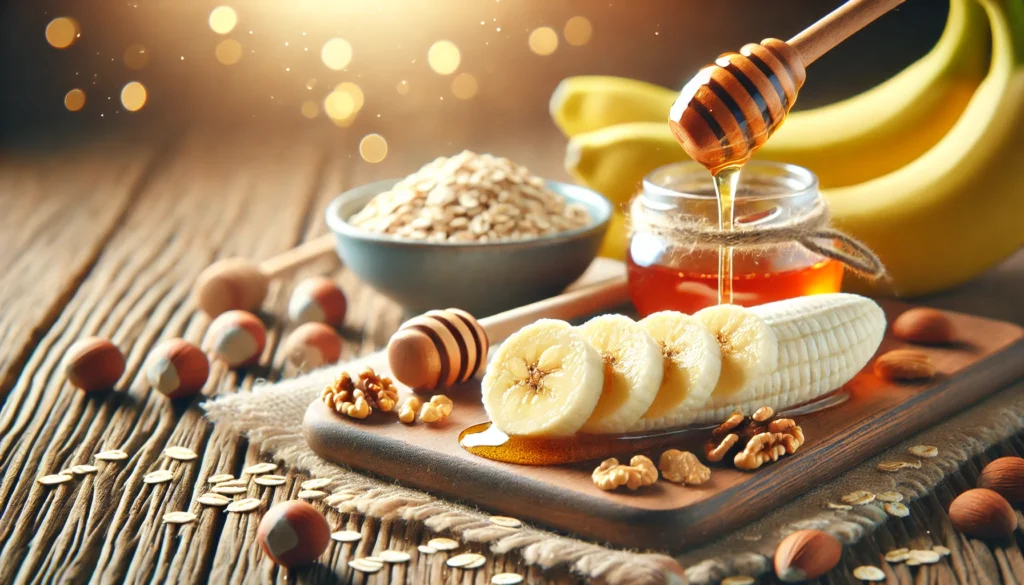
Sliced banana drizzled with honey and surrounded by oats and nuts, a healthy energy snack.

The Role of Bananas in Mental Energy and Focus

Beyond physical energy, bananas can also support cognitive function and mental clarity. The presence of vitamin B6 is particularly beneficial for brain health, as it contributes to neurotransmitter production, including serotonin and dopamine. These neurotransmitters play a crucial role in mood regulation, concentration, and overall mental well-being.

Furthermore, the steady release of glucose from bananas supports brain function by providing a consistent supply of energy to brain cells. Unlike high-sugar snacks that cause energy crashes, bananas help maintain stable blood sugar levels, preventing mental fatigue and improving cognitive performance.

Additionally, potassium plays a role in oxygen delivery to the brain, further enhancing focus and alertness. This makes bananas an excellent choice for students, professionals, and anyone seeking to maintain productivity throughout the day.

Frequently Asked Questions (FAQ) About Bananas and Energy

1. How quickly does a banana give you energy after eating it? Bananas provide energy relatively quickly, usually within 15 to 30 minutes of consumption. The fruit’s natural sugars—glucose, fructose, and sucrose—are readily absorbed into the bloodstream, offering an immediate energy boost. At the same time, the fiber in bananas helps to slow digestion slightly, preventing a rapid spike and crash in blood sugar levels. This makes bananas a great option before a workout, during physical activity, or as a midday pick-me-up. The balance between fast-acting and slow-release carbohydrates ensures that a banana is one of the most effective natural energy foods available.

2. Do bananas give you energy in the morning? Yes, bananas are an excellent breakfast food because they provide sustained energy to start the day. The combination of carbohydrates and fiber ensures that energy is released gradually, keeping you full and preventing hunger pangs. Many people pair bananas with protein sources like yogurt or nut butter to create a balanced meal that further stabilizes energy levels. Additionally, bananas contain vitamin B6, which helps the body convert food into energy more efficiently. If you need a quick yet nourishing breakfast, a banana is an ideal choice.

3. Are bananas better than coffee for an energy boost? Bananas and coffee provide energy in different ways, making them useful for different purposes. Coffee offers an immediate jolt by stimulating the nervous system through caffeine, but this effect can lead to a crash in energy once the stimulant wears off. Bananas, on the other hand, provide a more natural and sustained energy release, making them a better option for long-term endurance. If you often feel jittery or experience energy crashes after drinking coffee, switching to bananas as a morning or afternoon snack may help stabilize your energy levels more effectively.

4. Can eating bananas improve mental focus and concentration? Yes, bananas can support cognitive function and enhance mental clarity. The steady supply of glucose they provide fuels the brain, which relies on a consistent source of energy to function optimally. Additionally, the high levels of potassium in bananas help maintain nerve function, which is essential for focus and concentration. Vitamin B6 in bananas also plays a role in neurotransmitter production, which affects mood and cognitive abilities. If you have a long study session or work project ahead, eating a banana can help you maintain mental alertness.

5. Do bananas give u energy before a workout? Bananas are one of the best natural pre-workout foods because they provide quick and easily digestible carbohydrates. Athletes often eat bananas before exercise to fuel their muscles and sustain endurance. The potassium in bananas also helps prevent muscle cramps and maintains proper hydration levels during intense physical activity. Unlike processed pre-workout snacks, bananas contain no artificial ingredients, making them a clean and natural choice for energy. If you’re looking for a quick, effective fuel source before hitting the gym, a banana is a great option.

6. How do bananas compare to energy drinks? Bananas offer a healthier, more natural alternative to energy drinks, which often contain high amounts of caffeine and added sugars. While energy drinks provide a fast but temporary spike in energy, they often lead to crashes due to their high sugar content. Bananas, on the other hand, offer a sustained energy release without the risk of dehydration or jitters. They also provide essential nutrients, such as potassium and vitamin B6, which support overall energy metabolism. Choosing bananas over energy drinks can lead to better long-term health and more stable energy levels.

7. Does a banana give you energy when feeling fatigued? Yes, bananas can be a great remedy for fatigue because they offer an immediate yet sustained energy boost. The natural sugars in bananas provide quick fuel for the body, while their fiber content ensures that energy is released gradually. If fatigue is caused by dehydration or an electrolyte imbalance, bananas can help restore potassium levels, which are essential for maintaining muscle function and preventing weakness. Bananas also contain magnesium, which plays a role in reducing stress and supporting relaxation. If you frequently experience fatigue, incorporating bananas into your diet may help improve your energy levels.

8. Can bananas help with post-workout recovery? Bananas are an excellent post-workout food because they help replenish glycogen stores that are depleted during exercise. The carbohydrates in bananas aid in muscle recovery by restoring lost energy, while their potassium content helps prevent muscle cramps and soreness. Many athletes pair bananas with protein sources, such as a protein shake or peanut butter, to maximize muscle repair and growth. Bananas also help regulate fluid balance, making them effective for rehydration after intense sweating. If you’re looking for an easy and effective post-exercise snack, a banana is a top choice.

9. Do bananas help with sleep-related energy issues? If you struggle with low energy due to poor sleep, bananas may help improve sleep quality and, in turn, enhance energy levels during the day. Bananas contain tryptophan, an amino acid that helps produce serotonin and melatonin—two neurotransmitters essential for sleep regulation. Magnesium in bananas also promotes muscle relaxation, reducing restlessness at night. By improving sleep quality, bananas indirectly support better energy levels and cognitive function throughout the day. If you experience frequent fatigue due to inadequate sleep, eating a banana before bed may contribute to better rest and improved daily performance.

10. Are bananas a good energy source for people with dietary restrictions? Bananas are one of the most versatile energy foods and fit into nearly any diet. They are naturally gluten-free, making them suitable for those with celiac disease or gluten sensitivities. They are also vegan, dairy-free, and nut-free, making them a safe choice for individuals with allergies. Because bananas contain no added sugars or artificial ingredients, they are an excellent choice for people following a whole-foods or plant-based diet. Whether you’re an athlete, student, or professional, bananas provide a convenient and nutritious way to support your energy needs without compromising dietary preferences.
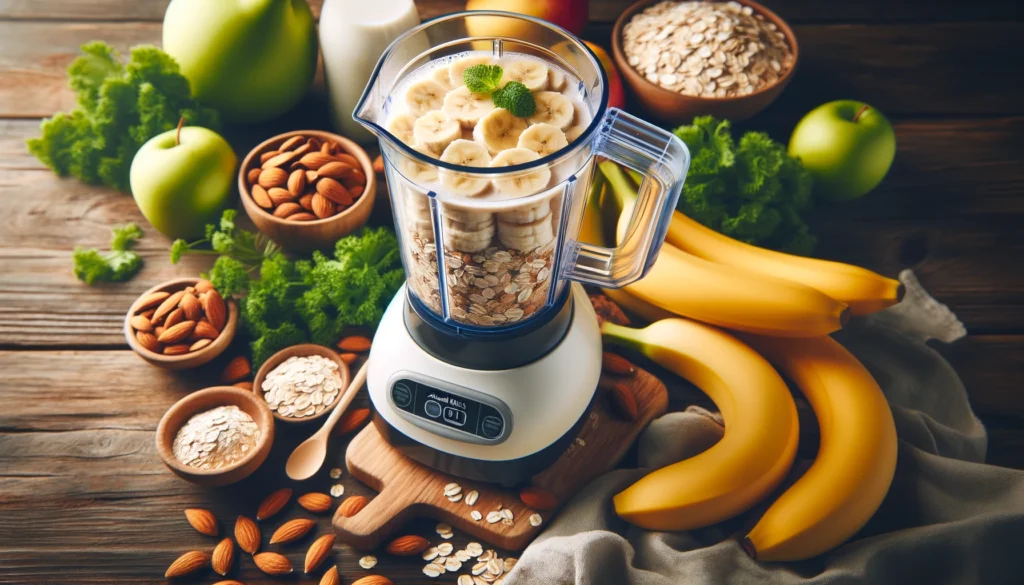
A blender with bananas, oats, and almond milk, preparing a natural energy smoothie.

Conclusion: Are Bananas the Ultimate Energy Food?

Considering the scientific evidence, the answer to “do bananas give you energy?” is a resounding yes. Bananas offer a unique combination of fast-acting carbohydrates, fiber, essential vitamins, and electrolytes that support both physical and mental energy. Their ability to provide quick glucose absorption while maintaining stable blood sugar levels makes them an ideal choice for individuals looking for a natural and effective energy boost.

Whether consumed before exercise, as a midday snack, or as part of a balanced meal, bananas serve as a reliable and nutritious source of sustained energy. Compared to processed snacks or artificial stimulants, bananas provide a clean, whole-food energy source that aligns with a healthy lifestyle. Their rich nutrient profile and ease of digestion make them a top contender among energy-boosting foods, ensuring optimal performance, endurance, and well-being for those who incorporate them into their daily diet.

natural energy foods, healthy snacks for energy, best fruits for stamina, potassium-rich foods, pre-workout nutrition, post-workout recovery foods, brain-boosting snacks, glucose and energy metabolism, vitamins for energy production, electrolytes and hydration, carbohydrate-rich fruits, natural sugar sources, endurance-boosting foods, muscle recovery nutrition, whole-food energy sources, mental clarity diet, sustained energy snacks, metabolism-boosting fruits, fitness nutrition tips, athletic performance diet

Further Reading:

Bananas 101: Nutrition Facts and Health Benefits

Best foods to eat to give you energy

11 Evidence-Based Health Benefits of Bananas

Disclaimer

The information contained in this article is provided for general informational purposes only and is not intended to serve as medical, legal, or professional advice. While NewsHealthWatch strives to present accurate, up-to-date, and reliable content, no warranty or guarantee, expressed or implied, is made regarding the completeness, accuracy, or adequacy of the information provided. Readers are strongly advised to seek the guidance of a qualified healthcare provider or other relevant professionals before acting on any information contained in this article. NewsHealthWatch, its authors, editors, and contributors expressly disclaim any liability for any damages, losses, or consequences arising directly or indirectly from the use, interpretation, or reliance on any information presented herein. The views and opinions expressed in this article are those of the author(s) and do not necessarily reflect the official policies or positions of NewsHealthWatch.

Do Memory Supplements Really Work? A Science-Based Review of Brain-Boosting Supplements

Introduction

The quest for enhanced cognitive function has driven individuals to seek out various solutions, including memory supplements. The growing market for brain-boosting supplements has led to an influx of products claiming to improve memory, increase focus, and prevent cognitive decline. But do memory supplements really work? This question has fueled scientific research and consumer debates for years, leading to mixed conclusions. While some supplements show promise based on their ingredients and biological mechanisms, others may lack substantial evidence to support their claims. Understanding the efficacy of these supplements requires a deep dive into scientific studies, ingredient analyses, and user experiences. This article will provide a comprehensive brain food supplement review, examining the most popular memory aids and the science behind them.

You may also like: Best Natural Supplements for Focus and Concentration: Boost Brainpower with Science-Backed Vitamins

Understanding Memory and Cognitive Decline

Memory is a complex process involving different parts of the brain, including the hippocampus, prefrontal cortex, and amygdala. Cognitive decline can occur due to aging, neurodegenerative diseases, or lifestyle factors such as stress and poor diet. Many individuals turn to memory loss medication over the counter to combat forgetfulness and cognitive lapses. These medications and supplements claim to enhance neurotransmitter function, increase blood flow to the brain, and provide essential nutrients necessary for cognitive health.

Neurotransmitters such as acetylcholine, dopamine, and serotonin play critical roles in memory retention and recall. A deficiency in these chemicals can lead to memory impairment, which is why some memory supplements focus on boosting neurotransmitter levels. Additionally, oxidative stress and inflammation contribute to cognitive decline, making antioxidants and anti-inflammatory compounds common ingredients in brain-boosting supplements.

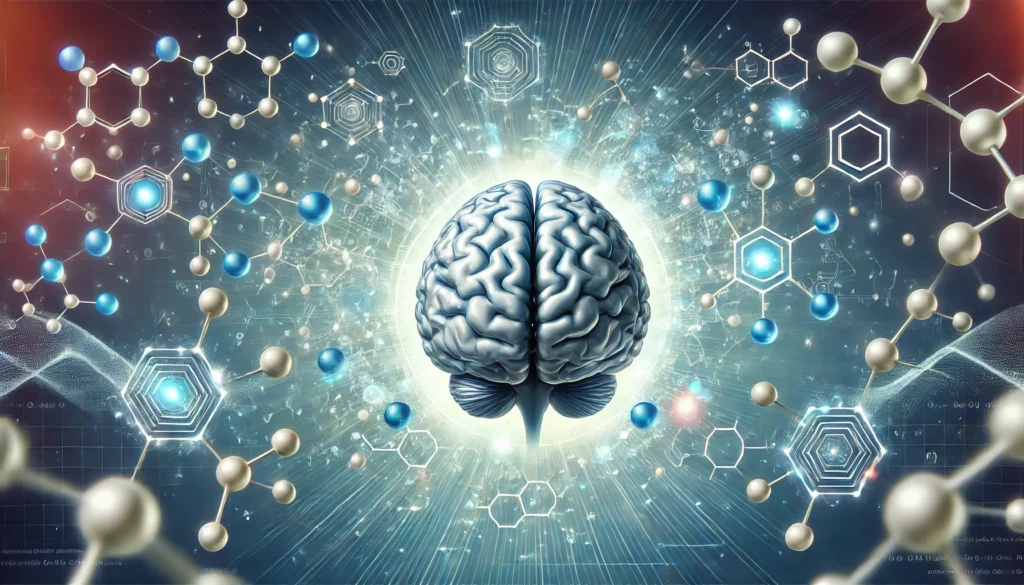
A close-up of a human brain surrounded by glowing molecular structures, visually representing the interaction between supplements and brain chemistry. The background features a futuristic, scientific aesthetic with a soft blue glow, emphasizing cognitive enhancement.

Key Ingredients in Memory Supplements

Many memory supplements contain a blend of vitamins, minerals, herbal extracts, and amino acids. Some of the most commonly used ingredients include:

Ginkgo Biloba

Ginkgo biloba is a well-known herbal remedy used for centuries in traditional medicine. It is believed to enhance memory by improving blood circulation to the brain and acting as an antioxidant. Several studies suggest that ginkgo biloba may help slow cognitive decline, particularly in older adults. However, results are mixed, with some research indicating minimal cognitive benefits. The effectiveness of ginkgo biloba often depends on dosage, individual response, and consistency of use.

Bacopa Monnieri

Bacopa monnieri is another herbal adaptogen known for its cognitive-enhancing properties. Research indicates that bacopa may improve memory retention and processing speed by reducing oxidative stress and increasing communication between neurons. Regular consumption of bacopa supplements has been linked to improvements in verbal learning and delayed recall, making it a popular ingredient in memory-enhancing formulas.

Omega-3 Fatty Acids

Found in fish oil, omega-3 fatty acids play a crucial role in brain health. Docosahexaenoic acid (DHA), a type of omega-3, is an essential component of brain cell membranes. Studies suggest that omega-3 supplementation may help prevent cognitive decline and support overall brain function. Individuals with low omega-3 levels often experience memory issues, making supplementation beneficial for cognitive longevity.

Phosphatidylserine

Phosphatidylserine is a phospholipid found in high concentrations in brain cell membranes. It supports cell signaling and protects neurons from degeneration. Clinical studies have shown that phosphatidylserine supplementation can improve cognitive function in aging adults and individuals with memory impairments.

Huperzine A

Huperzine A is a natural compound derived from Chinese club moss. It acts as an acetylcholinesterase inhibitor, preventing the breakdown of acetylcholine—a neurotransmitter vital for learning and memory. Some studies suggest that huperzine A can enhance cognitive function, particularly in individuals with neurodegenerative conditions like Alzheimer’s disease.

Do Memory Supplements Work? Examining the Scientific Evidence

While many memory supplements contain promising ingredients, their effectiveness depends on factors such as dosage, bioavailability, and individual response. Scientific studies on memory supplements provide mixed results, with some showing significant cognitive improvements while others indicate negligible effects. Placebo-controlled trials are essential in determining whether memory supplements genuinely work or if perceived benefits stem from placebo effects.

One meta-analysis of randomized controlled trials on memory supplements concluded that while some ingredients, such as omega-3 fatty acids and bacopa monnieri, have strong supporting evidence, others require further research. The variability in supplement formulations, quality, and user adherence also contributes to differing outcomes.

Over-the-Counter Memory Medications vs. Natural Supplements

Consumers seeking cognitive enhancement often explore both memory loss medication over the counter and natural supplements. Over-the-counter medications typically include nootropic compounds like caffeine, L-theanine, and racetams, which enhance focus and mental clarity. Natural supplements, on the other hand, rely on plant-based ingredients and essential nutrients to support long-term brain health.

The primary difference between medications and supplements lies in their mechanism of action and regulatory oversight. Memory medications undergo rigorous testing and clinical trials, whereas supplements may have limited FDA regulation. This distinction underscores the importance of choosing high-quality, third-party-tested supplements.

A conceptual image of a person taking a supplement pill, with a transparent brain overlay showing neural connections activating. The futuristic background and glowing effects symbolize cognitive enhancement and memory improvement.

The Role of Lifestyle in Cognitive Health

While memory supplements can provide potential cognitive benefits, they should not replace a healthy lifestyle. Proper nutrition, regular exercise, quality sleep, and mental stimulation are crucial for maintaining cognitive function. Incorporating brain-boosting foods such as leafy greens, berries, nuts, and whole grains can naturally enhance memory. Additionally, activities like meditation, reading, and learning new skills stimulate neural pathways and improve cognitive resilience.

Frequently Asked Questions (FAQ) on Memory Supplements

1. What are the primary mechanisms by which memory supplements claim to enhance cognitive function? Memory supplements function through various mechanisms, often depending on their ingredients and formulation. Some compounds work by increasing blood flow to the brain, ensuring that neurons receive adequate oxygen and nutrients for optimal function. Others act as precursors or inhibitors of neurotransmitters like acetylcholine, which plays a crucial role in learning and memory formation. Many supplements also contain antioxidants that help protect brain cells from oxidative stress, which is a leading cause of cognitive decline. When considering whether memory supplements work, it is essential to evaluate how well their mechanisms align with established scientific research on brain function.

2. Do memory supplements really work for individuals without cognitive impairment? There is evidence suggesting that some memory supplements can enhance cognitive function even in healthy individuals. Ingredients such as bacopa monnieri and phosphatidylserine have shown potential in improving memory recall and mental processing speed. However, the degree of improvement varies depending on factors like dosage, duration of use, and an individual’s baseline cognitive performance. While certain compounds can enhance brain function temporarily, their long-term effects on individuals without cognitive decline are still being researched. If you are considering supplements, reviewing a thorough brain food supplement review can help determine which ingredients have the strongest scientific backing.

3. How do over-the-counter memory loss medications compare to natural memory supplements? Memory loss medication over the counter typically includes substances like caffeine, L-theanine, and racetams, which offer immediate cognitive benefits such as increased alertness and focus. In contrast, natural memory supplements are often formulated with plant extracts, vitamins, and minerals that support long-term brain health. Medications may provide short-term cognitive boosts but can also come with side effects or diminishing returns over prolonged use. Natural supplements, while requiring more consistent usage, can enhance overall cognitive resilience and neuroprotection. A well-researched brain food supplement review can offer insights into the comparative effectiveness of these approaches.

4. Can memory supplements help individuals with age-related cognitive decline? Many individuals turn to memory supplements as a preventive measure against age-related cognitive decline. Ingredients such as omega-3 fatty acids and huperzine A have been studied for their ability to support memory retention and delay cognitive impairment. While some supplements have demonstrated potential benefits, their effectiveness is typically greater when combined with a healthy lifestyle, including proper nutrition, mental exercises, and physical activity. Clinical studies suggest that memory supplements work best when taken consistently over time rather than as a quick fix. Older adults may benefit from consulting a healthcare provider before starting supplementation to ensure compatibility with existing medications or conditions.

5. How long does it take for memory supplements to show noticeable effects? The time frame for noticeable cognitive improvements from memory supplements varies depending on the specific ingredients and an individual’s unique physiology. Some compounds, such as caffeine-based nootropics, can provide immediate boosts in alertness and focus within hours. Others, like bacopa monnieri, require several weeks of consistent use before significant memory enhancements become evident. Many users report that noticeable benefits emerge after four to six weeks of continuous supplementation. Understanding whether memory supplements work requires patience and a commitment to regular use rather than expecting overnight results.

6. Are there any risks or side effects associated with memory supplements? While most memory supplements are derived from natural sources, they are not entirely free of potential risks or side effects. Some herbal ingredients, such as ginkgo biloba, can interact with blood thinners and increase the risk of bleeding. Others, like huperzine A, may cause mild side effects such as nausea, dizziness, or digestive discomfort. Overuse of certain compounds, including choline supplements, can lead to imbalances in neurotransmitter activity. Before beginning any regimen, it is advisable to consult a medical professional to ensure that the supplement is safe for your individual health profile. Checking a reputable brain food supplement review can also help identify potential risks associated with specific products.

7. How can dietary choices complement the effects of memory supplements? A well-balanced diet rich in brain-boosting nutrients can enhance the effectiveness of memory supplements. Consuming foods high in omega-3 fatty acids, such as salmon and walnuts, supports cognitive function and complements supplementation. Antioxidant-rich fruits and vegetables, like blueberries and spinach, help combat oxidative stress that contributes to cognitive decline. Healthy fats from sources such as avocados and olive oil promote optimal brain cell function. When combined with the right supplements, a nutrient-dense diet significantly improves mental clarity and memory retention. A comprehensive brain food supplement review should also consider how supplements interact with dietary habits for the best results.

8. Can lifestyle factors influence the effectiveness of memory supplements? Yes, lifestyle choices play a crucial role in determining how well memory supplements work. Regular physical exercise enhances blood circulation, delivering more oxygen and nutrients to the brain. Adequate sleep is essential for memory consolidation and can amplify the benefits of cognitive enhancers. Engaging in mentally stimulating activities, such as reading, puzzles, or learning new skills, helps maintain neural plasticity and complements supplementation. Stress management techniques, including meditation and mindfulness, can also improve cognitive function and prevent memory decline. Without a supportive lifestyle, even the most effective memory supplements may have limited impact.

9. Are there specific populations that should avoid memory supplements? Certain populations should exercise caution or avoid using memory supplements entirely. Pregnant or breastfeeding women should consult their healthcare provider before taking any supplement, as some ingredients may affect fetal or infant development. Individuals with pre-existing medical conditions, such as epilepsy or cardiovascular disorders, may experience adverse interactions with some cognitive enhancers. Those taking prescription medications, especially blood thinners or antidepressants, should be aware of potential contraindications. Children and adolescents should also use caution, as many memory supplements are formulated specifically for adults and lack sufficient research on their effects in younger populations. Before starting any regimen, reviewing a thorough brain food supplement review and seeking professional medical advice is essential.

10. What future developments can we expect in memory supplementation? As scientific research on brain health continues to advance, new memory supplement formulations are emerging with enhanced bioavailability and efficacy. Researchers are exploring the potential of synthetic nootropics that mimic the effects of natural cognitive enhancers while providing more potent benefits. Personalized supplementation, based on genetic profiling and individual biomarker assessments, may soon allow for customized cognitive enhancement solutions. Advances in nanotechnology and nutrient delivery systems are also improving the absorption and effectiveness of memory-enhancing compounds. In the coming years, memory supplements are expected to become more sophisticated, with better-targeted solutions for different cognitive needs, ensuring that consumers can access the most scientifically backed options available.

A digital visualization of brain neurons glowing and dynamically connecting, symbolizing enhanced memory and cognitive function. The background features a high-tech, digital aesthetic with blue and purple tones, representing the scientific research behind brain-boosting supplements.

Conclusion

The question of whether memory supplements really work remains complex. Scientific research suggests that certain ingredients, such as omega-3 fatty acids, bacopa monnieri, and phosphatidylserine, can support cognitive function. However, individual responses vary, and no supplement can act as a magic bullet for memory enhancement. Consumers must approach brain food supplement reviews with a critical eye, ensuring that products contain evidence-backed ingredients and are sourced from reputable manufacturers. By combining supplementation with a brain-healthy lifestyle, individuals can optimize their cognitive well-being and mitigate memory decline over time.

brain health supplements, cognitive enhancement pills, natural nootropics, best supplements for memory, brain-boosting vitamins, herbal brain enhancers, cognitive function support, memory improvement strategies, brain fog remedies, neuroprotective nutrients, best herbs for brain health, supplements for mental clarity, brain function optimization, mind sharpening supplements, focus and concentration boosters, anti-aging for the brain, cognitive decline prevention, plant-based nootropics, natural ways to boost memory, mental performance enhancers

Further Reading:

Brain Supplements That Do and Don’t Work

Do Brain Supplements Actually Work?

Don’t buy into brain health supplements

Disclaimer

The information contained in this article is provided for general informational purposes only and is not intended to serve as medical, legal, or professional advice. While NewsHealthWatch strives to present accurate, up-to-date, and reliable content, no warranty or guarantee, expressed or implied, is made regarding the completeness, accuracy, or adequacy of the information provided. Readers are strongly advised to seek the guidance of a qualified healthcare provider or other relevant professionals before acting on any information contained in this article. NewsHealthWatch, its authors, editors, and contributors expressly disclaim any liability for any damages, losses, or consequences arising directly or indirectly from the use, interpretation, or reliance on any information presented herein. The views and opinions expressed in this article are those of the author(s) and do not necessarily reflect the official policies or positions of NewsHealthWatch.

Delicious Cortisol-Lowering Drinks: Herbal Remedies to Naturally Reduce Stress

Understanding Cortisol and Its Effects on the Body

Cortisol is a vital hormone produced by the adrenal glands in response to stress. Often referred to as the “stress hormone,” cortisol plays a crucial role in regulating metabolism, blood sugar levels, and inflammation. While essential in small amounts, chronic stress can lead to prolonged high cortisol levels, which may contribute to anxiety, weight gain, sleep disturbances, and even cardiovascular issues. Understanding the impact of cortisol on the body is the first step in finding natural ways to manage stress effectively.

Stress management strategies often include lifestyle changes, mindfulness practices, and dietary interventions. One of the most enjoyable and accessible ways to combat stress is through the consumption of cortisol-lowering drinks. These herbal remedies not only provide relaxation but also contain adaptogens and anti-inflammatory compounds that support hormonal balance. By incorporating these natural drinks into daily routines, individuals can take proactive steps toward reducing stress and promoting overall well-being.

You may also like: Best Natural Supplements for Focus and Concentration: Boost Brainpower with Science-Backed Vitamins

The Science Behind Cortisol-Lowering Drinks

Herbal remedies have long been used in traditional medicine to alleviate stress and promote relaxation. Many of these herbs work by modulating the hypothalamic-pituitary-adrenal (HPA) axis, which regulates cortisol production. Scientific studies have shown that certain plant compounds, such as flavonoids, alkaloids, and polyphenols, interact with neurotransmitters like gamma-aminobutyric acid (GABA) and serotonin to induce calmness and reduce anxiety.

Furthermore, adaptogenic herbs help the body maintain homeostasis under stress. Unlike synthetic medications, adaptogens do not force the body into a state of sedation but instead enhance resilience to stressors. This makes herbal cortisol-reducing drinks a safe and effective long-term strategy for managing stress levels naturally. By understanding the mechanisms behind these drinks, individuals can make informed choices about incorporating them into their daily routines.

A refreshing glass of lemon balm tea with ice cubes, fresh lemon slices, and mint leaves, served in a clear glass on an outdoor wooden table with a lush green garden background.

Herbal Teas That Reduce Cortisol Levels

One of the simplest and most effective ways to lower cortisol levels naturally is by drinking herbal teas. These infusions contain bioactive compounds that promote relaxation, improve sleep, and support adrenal function. Among the most well-known cortisol-lowering teas are chamomile, ashwagandha, holy basil, and lemon balm tea.

Chamomile tea is widely recognized for its calming properties. It contains apigenin, a flavonoid that binds to benzodiazepine receptors in the brain, inducing a mild sedative effect. Research has shown that regular consumption of chamomile tea can reduce symptoms of generalized anxiety disorder and improve sleep quality, both of which contribute to lower cortisol levels. Drinking a warm cup of chamomile tea before bedtime can be a simple yet effective way to wind down after a stressful day.

Ashwagandha tea, derived from the roots of Withania somnifera, is a powerful adaptogen that has been used in Ayurvedic medicine for centuries. Clinical studies have demonstrated that ashwagandha supplementation significantly lowers serum cortisol levels, making it an excellent choice for those experiencing chronic stress. This herbal remedy enhances energy levels while simultaneously promoting relaxation, making it suitable for both daytime and evening consumption.

Holy basil tea, also known as tulsi tea, is another adaptogenic herb that supports adrenal function. It contains ocimumosides, which help regulate the body’s stress response and balance cortisol production. Holy basil has been shown to improve cognitive function, reduce anxiety, and enhance mood. Consuming a cup of holy basil tea in the morning can set a positive tone for the day, helping to mitigate stress before it accumulates.

Lemon balm tea is particularly effective in soothing the nervous system. It has a long history of use in traditional European medicine for treating anxiety and sleep disorders. Studies indicate that lemon balm increases GABA activity, promoting relaxation and reducing cortisol secretion. A cup of lemon balm tea in the evening can support restful sleep, ultimately leading to better stress management and reduced cortisol levels.

A steaming mug of ashwagandha root tea with cinnamon sticks, star anise, and a honey dipper, placed on a cozy wooden table with a softly lit, calming atmosphere.

Functional Beverages with Adaptogens and Superfoods

Beyond traditional herbal teas, functional beverages infused with adaptogens and superfoods offer an innovative approach to cortisol management. These drinks often combine multiple stress-relieving ingredients to maximize their benefits. Examples include turmeric lattes, reishi mushroom elixirs, and magnesium-infused cacao drinks.

Turmeric lattes, also known as golden milk, blend turmeric with warm milk and spices like cinnamon and ginger. Curcumin, the active compound in turmeric, possesses potent anti-inflammatory and antioxidant properties that help modulate stress responses. When combined with black pepper, curcumin’s bioavailability increases, making the beverage even more effective in reducing cortisol levels.

Reishi mushroom elixirs utilize the adaptogenic properties of reishi mushrooms to enhance relaxation and immune function. Reishi has been extensively studied for its ability to modulate the HPA axis and reduce cortisol secretion. Regular consumption of reishi-infused drinks can lead to improved mood stability, better sleep quality, and enhanced stress resilience.

Magnesium-infused cacao drinks leverage the calming effects of magnesium, an essential mineral involved in over 300 enzymatic reactions in the body. Magnesium deficiency is linked to increased cortisol levels and heightened stress responses. Cacao, in its raw form, is rich in magnesium and flavonoids that promote serotonin production. A warm cup of cacao with added magnesium powder can be a delightful way to unwind in the evening while simultaneously supporting adrenal health.

Frequently Asked Questions (FAQ) on Cortisol-Lowering Drinks

1. How do cortisol-lowering drinks differ from regular herbal teas?
Cortisol-lowering drinks are specifically formulated with adaptogenic herbs and botanicals known for their ability to regulate the body’s stress response. While many herbal teas offer relaxation benefits, not all contain active compounds that influence cortisol levels directly. Ingredients such as ashwagandha, holy basil, and reishi mushroom work at the hormonal level, helping the body adapt to stress more efficiently. Additionally, cortisol-reducing drinks often include superfoods like cacao, turmeric, or magnesium-rich elements that support adrenal health. Regular herbal teas may provide temporary relaxation, but drinks designed to reduce cortisol levels offer a more targeted, long-term approach to stress management.

2. Can drinking cortisol-lowering drinks replace stress management techniques like exercise and meditation?
While cortisol-reducing drinks play a significant role in supporting stress resilience, they should be part of a holistic approach to stress management rather than a replacement for other methods. Exercise, meditation, deep breathing, and sleep hygiene all contribute to maintaining balanced cortisol levels. These drinks can complement such practices by enhancing relaxation, improving sleep quality, and mitigating the physiological effects of stress. However, for optimal results, integrating multiple stress-reducing strategies will provide a more sustainable solution. Relying solely on beverages without addressing other lifestyle factors may not yield the full benefits of cortisol regulation.

3. How soon can I expect to see results after incorporating cortisol-reducing drinks into my routine?
The timeline for experiencing the benefits of cortisol-lowering drinks varies depending on factors such as individual stress levels, diet, and overall lifestyle habits. Some people report feeling calmer and more relaxed within 30 minutes of consuming drinks containing adaptogens like ashwagandha or lemon balm. However, for long-term cortisol regulation, consistent daily intake over a few weeks may be necessary. Adaptogens work by gradually improving the body’s ability to cope with stress, so the effects become more pronounced over time. Pairing these drinks with other stress-reduction techniques can accelerate and enhance their benefits.

4. Are there any side effects associated with drinking cortisol-reducing drinks?
Most cortisol-lowering drinks contain natural herbs and botanicals that are generally safe when consumed in moderate amounts. However, some adaptogens, such as ashwagandha or reishi mushroom, may cause mild digestive discomfort in sensitive individuals. Additionally, certain herbs may interact with medications or medical conditions, particularly those related to blood pressure or thyroid function. It is always advisable to consult with a healthcare professional before adding any new herbal remedy to your routine, especially if you are pregnant, nursing, or managing a health condition. As with any supplement, moderation is key to avoiding unwanted effects while still benefiting from their cortisol-reducing properties.

5. Can I drink cortisol-lowering drinks at any time of the day?
The ideal timing for consuming cortisol-reducing drinks depends on their ingredients and your specific needs. Morning consumption may be beneficial for those who experience high cortisol levels upon waking, as adaptogens like holy basil and ashwagandha help regulate stress responses throughout the day. In the evening, drinks containing chamomile, lemon balm, or magnesium-infused cacao can promote relaxation and improve sleep quality. Some functional beverages, like turmeric lattes, can be consumed at any time, offering inflammation-reducing benefits alongside cortisol regulation. Experimenting with different timings can help determine the best schedule based on your body’s response.

6. Do cortisol-lowering drinks help with sleep disorders like insomnia?
Yes, cortisol-reducing drinks can be highly beneficial for individuals struggling with sleep disturbances caused by stress. Elevated cortisol levels, particularly in the evening, can interfere with melatonin production and disrupt sleep cycles. Herbal ingredients such as chamomile, valerian root, and lemon balm have sedative properties that promote relaxation and ease the transition into restful sleep. Additionally, magnesium-rich cacao or warm golden milk can help the nervous system unwind before bedtime. Regularly incorporating these drinks into a nighttime routine can contribute to improved sleep patterns over time.

7. Are there any specific dietary considerations to enhance the effects of cortisol-lowering drinks?
A balanced diet rich in whole foods can complement the benefits of cortisol-reducing drinks by supporting overall adrenal health. Consuming foods high in magnesium, vitamin C, and omega-3 fatty acids can further enhance the body’s ability to regulate stress. Avoiding excessive caffeine, sugar, and processed foods is also crucial, as these can contribute to cortisol spikes and negate the benefits of stress-reducing beverages. Pairing cortisol-lowering drinks with a nutrient-dense diet ensures a comprehensive approach to stress management. Hydration is another essential factor, as chronic dehydration can exacerbate cortisol imbalances.

8. Can cortisol-reducing drinks help with weight management?
Since prolonged high cortisol levels are linked to increased appetite, cravings for sugary or fatty foods, and abdominal fat accumulation, cortisol-lowering drinks may indirectly support weight management. By promoting relaxation and hormonal balance, these drinks can help regulate hunger signals and prevent emotional eating triggered by stress. Adaptogenic herbs also contribute to metabolic health by stabilizing blood sugar levels and reducing inflammation. While these drinks are not a direct weight-loss solution, they can play a supportive role in an overall healthy lifestyle that includes mindful eating and physical activity.

9. Are homemade cortisol-lowering drinks as effective as store-bought options?
Homemade cortisol-reducing drinks can be just as effective, if not more, than pre-packaged versions, provided they contain high-quality ingredients in the right proportions. Making these drinks at home allows for greater control over ingredient quality, avoiding artificial additives, sweeteners, or preservatives that may counteract their benefits. Simple recipes using fresh turmeric, ginger, raw cacao, and adaptogenic herbs can provide potent stress-reducing effects. However, store-bought options from reputable brands can be convenient, especially when they contain clinically studied herbal extracts. Both homemade and commercial options have their merits, and choosing the best one depends on individual preferences and lifestyle factors.

10. Can children and teenagers drink cortisol-lowering beverages?
While many herbal ingredients found in cortisol-lowering drinks are generally safe for adults, caution should be exercised when considering them for children and teenagers. Some adaptogens, like ashwagandha and rhodiola, may not be suitable for younger individuals due to their effects on hormonal balance. However, milder options such as chamomile tea, lemon balm tea, or magnesium-infused cacao can be safe and beneficial for stress relief and sleep support in children. It is essential to consult a pediatrician before introducing any herbal remedy into a child’s diet, ensuring that the ingredients are appropriate for their age and health status.

A cup of passionflower tea accompanied by delicate purple passionflower blossoms, resting on a ceramic saucer with a tranquil background featuring soft candlelight and lush green leaves.

Conclusion: Incorporating Cortisol-Lowering Drinks into Daily Life

Incorporating cortisol-lowering drinks into a daily wellness routine can be a simple yet transformative approach to stress management. Herbal teas, functional beverages, and adaptogenic elixirs provide natural, effective ways to modulate the body’s stress response and promote relaxation. By making these drinks a regular part of one’s lifestyle, individuals can enhance their resilience to stress, improve sleep quality, and support overall well-being.

Understanding the science behind cortisol and the role of herbal remedies empowers individuals to make informed choices about their health. By embracing these natural solutions, one can cultivate a balanced approach to stress reduction that aligns with holistic wellness principles. Whether sipping on chamomile tea before bedtime, enjoying a golden milk latte in the afternoon, or starting the day with a reishi-infused beverage, the potential benefits of these drinks are vast and deeply nourishing.

stress-relief herbal teas, adaptogenic beverages, natural stress remedies, anti-anxiety drinks, herbal stress relief, adrenal support drinks, relaxation herbal infusions, calming herbal remedies, mood-boosting teas, nervous system support, holistic stress management, soothing bedtime drinks, cortisol balance naturally, herbal adaptogens for stress, functional wellness drinks, anxiety-reducing elixirs, best herbs for relaxation, natural hormone balance, plant-based stress relief, stress-lowering superfoods

Further Reading:

Discover how to lower your cortisol with these 5 easy recipes

13 natural ways to lower your cortisol levels

11 Natural Ways to Lower Your Cortisol Levels

Disclaimer

The information contained in this article is provided for general informational purposes only and is not intended to serve as medical, legal, or professional advice. While NewsHealthWatch strives to present accurate, up-to-date, and reliable content, no warranty or guarantee, expressed or implied, is made regarding the completeness, accuracy, or adequacy of the information provided. Readers are strongly advised to seek the guidance of a qualified healthcare provider or other relevant professionals before acting on any information contained in this article. NewsHealthWatch, its authors, editors, and contributors expressly disclaim any liability for any damages, losses, or consequences arising directly or indirectly from the use, interpretation, or reliance on any information presented herein. The views and opinions expressed in this article are those of the author(s) and do not necessarily reflect the official policies or positions of NewsHealthWatch.

Best Vitamins for Erectile Strength: Natural Supplements to Boost Performance and Stamina

Understanding Erectile Strength and the Role of Nutrition

Erectile health is an essential component of male wellness, directly influencing confidence, intimacy, and overall quality of life. Many factors contribute to erectile function, including cardiovascular health, hormone levels, neurological function, and mental well-being. Among these, nutrition plays a crucial role, particularly in maintaining optimal blood flow, supporting testosterone production, and enhancing energy levels. Ensuring the intake of the right vitamins and minerals can significantly impact erectile strength and stamina, helping to alleviate erectile dysfunction (ED) and improving overall sexual performance.

You may also like: Best Natural Supplements for Focus and Concentration: Boost Brainpower with Science-Backed Vitamins

Dietary choices influence vascular health, nerve function, and hormone regulation, all of which are critical to maintaining strong and sustainable erections. While pharmaceutical interventions like phosphodiesterase type 5 (PDE5) inhibitors exist, many men seek natural alternatives to enhance their performance without potential side effects. Natural vitamins and supplements offer a safer, long-term approach by addressing the root causes of ED rather than just its symptoms. Understanding the best vitamins for erectile strength and their benefits can empower individuals to make informed decisions about their sexual health.

The Connection Between Vitamins and Erectile Dysfunction

Vitamins play a fundamental role in various physiological processes that contribute to erectile health. Many essential vitamins aid in improving circulation, enhancing nitric oxide production, balancing hormones, and reducing oxidative stress—all of which are crucial for maintaining erectile function. Deficiencies in key vitamins and minerals can lead to poor blood flow, hormonal imbalances, and decreased libido, increasing the risk of erectile dysfunction. By integrating targeted vitamins for ED into a well-balanced diet, individuals can support their sexual health and reduce the likelihood of performance-related concerns.

Furthermore, studies have indicated that certain vitamins and natural compounds possess vasodilatory properties, enabling them to promote enhanced blood circulation. This is particularly important for penile health, as a sufficient supply of oxygenated blood is necessary to achieve and maintain an erection. By prioritizing specific nutrients, men can improve both their vascular and hormonal health, leading to better erections and enhanced stamina.

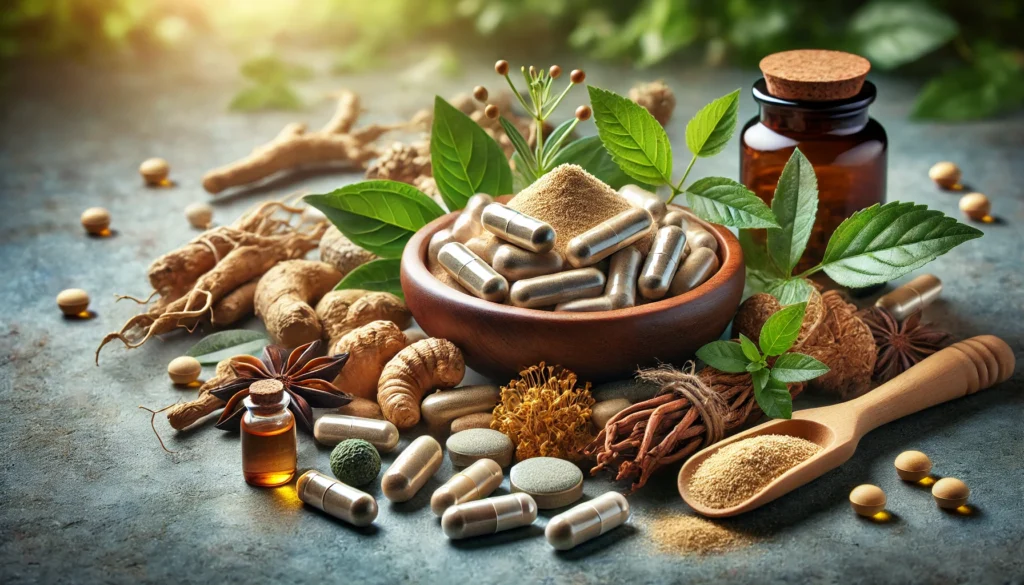
An artistic composition of herbal supplements and natural extracts like ginseng, maca root, ashwagandha, and L-arginine in capsule and powdered form, placed alongside herbal roots on a smooth stone surface with a greenery background.

Vitamin D: The Sunshine Vitamin for Erectile Strength

Vitamin D is an essential nutrient with profound effects on cardiovascular health, hormone regulation, and immune function. Research has shown a strong correlation between vitamin D deficiency and erectile dysfunction. This is because vitamin D plays a pivotal role in endothelial function, which impacts blood vessel health and circulation. A deficiency in this vitamin can lead to endothelial dysfunction, impairing the ability of blood vessels to dilate effectively and restricting blood flow to the penis.

Moreover, vitamin D is crucial for testosterone production. Low testosterone levels are directly linked to reduced libido, erectile difficulties, and overall sexual dysfunction. By ensuring adequate vitamin D intake through sunlight exposure, supplementation, or dietary sources such as fatty fish, fortified dairy products, and egg yolks, men can support their hormonal balance and vascular health, both of which are essential for maintaining erectile strength.

Vitamin C: Enhancing Nitric Oxide Production

Vitamin C, also known as ascorbic acid, is widely recognized for its immune-boosting properties, but it also plays a significant role in sexual health. One of its primary functions is to enhance nitric oxide production, a key molecule responsible for vasodilation and blood flow. Nitric oxide relaxes blood vessels, allowing for improved circulation and oxygen delivery to various tissues, including the penile region.

Research has shown that higher nitric oxide levels contribute to better erectile function by increasing blood supply to the corpus cavernosum, the erectile tissue of the penis. Additionally, vitamin C serves as a powerful antioxidant, reducing oxidative stress that can damage blood vessels and impair circulation. Consuming foods rich in vitamin C, such as citrus fruits, strawberries, bell peppers, and leafy greens, or incorporating a high-quality supplement, can significantly benefit men experiencing erectile challenges.

Vitamin E: Protecting Vascular Health and Enhancing Stamina

Vitamin E is a fat-soluble antioxidant that plays a crucial role in maintaining cardiovascular health and reducing inflammation. As erectile function heavily depends on optimal blood circulation, vitamin E’s ability to protect blood vessels and enhance blood flow makes it one of the best vitamins for erection support. It helps prevent the oxidation of low-density lipoprotein (LDL) cholesterol, which can lead to arterial plaque buildup and restricted blood flow.

Furthermore, vitamin E has been linked to improved endurance and stamina, both of which are essential for sexual performance. By reducing oxidative damage and supporting cardiovascular function, vitamin E supplementation can contribute to longer-lasting and more satisfying intimate experiences. Rich dietary sources include nuts, seeds, spinach, and avocados, making it easy to incorporate into a balanced diet.

B Vitamins: Energy, Hormonal Balance, and Erectile Function

The B-vitamin complex is essential for energy metabolism, nervous system function, and red blood cell production. Among these, vitamins B3 (niacin), B6, B9 (folate), and B12 are particularly beneficial for erectile strength. Niacin, in particular, has been shown to improve lipid profiles, reduce inflammation, and enhance vascular health, making it one of the best vitamins for erectile dysfunction.

Folate (B9) and B12 support healthy homocysteine levels, which is vital for maintaining endothelial function and reducing the risk of vascular-related erectile issues. B6 contributes to neurotransmitter production, influencing mood, stress levels, and overall libido. A diet rich in whole grains, lean meats, eggs, and leafy greens can help ensure optimal intake of these vital nutrients.

Zinc: A Critical Mineral for Testosterone and Libido

Although not a vitamin, zinc is an essential mineral that plays a key role in testosterone production and reproductive health. Zinc deficiency has been directly linked to low testosterone levels, reduced libido, and compromised sperm quality. Ensuring sufficient zinc intake can enhance sexual desire, improve sperm motility, and support erectile function.

Oysters, lean meats, pumpkin seeds, and legumes are excellent dietary sources of zinc. Supplementing with zinc, especially for those with deficiencies, can lead to noticeable improvements in sexual performance and stamina.

Magnesium: Supporting Muscle Relaxation and Blood Flow

Magnesium is another critical mineral that influences erectile strength by promoting muscle relaxation, reducing stress, and improving circulation. It plays a role in regulating blood pressure, supporting heart health, and enhancing nitric oxide availability. Magnesium deficiency has been associated with increased inflammation, poor vascular function, and heightened stress levels, all of which can negatively impact sexual performance.

Foods such as dark leafy greens, nuts, seeds, and whole grains provide a natural source of magnesium, while supplementation may be beneficial for individuals struggling with persistent erectile challenges.

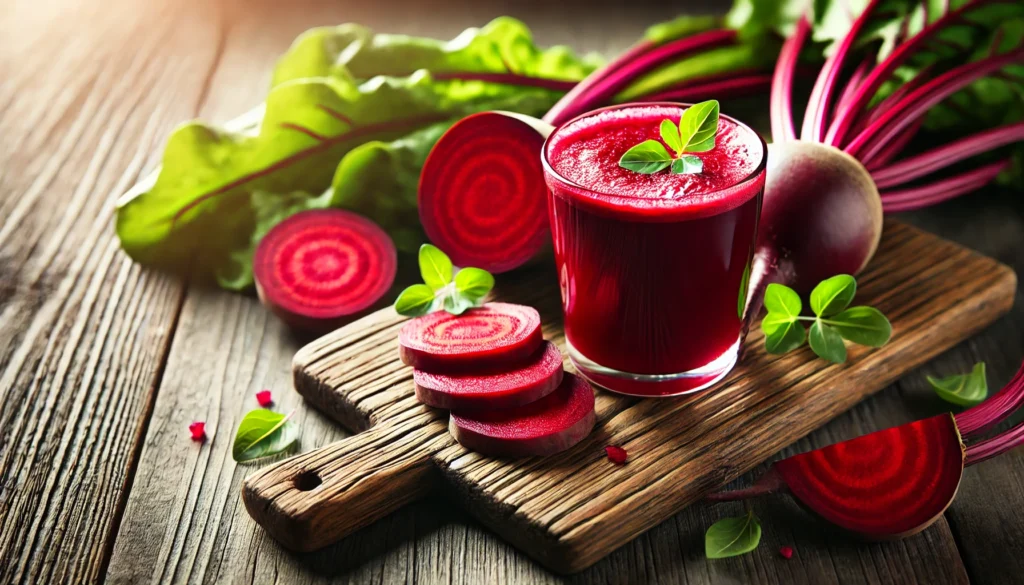
A visually appealing image of a glass of beetroot juice with freshly sliced beetroot on a wooden cutting board, highlighting its deep red color and its association with increased blood flow and vitality.

The Role of Herbal Supplements in Enhancing Erectile Strength

Beyond essential vitamins and minerals, herbal remedies and adaptogens have been used for centuries to improve sexual health. Popular natural male enhancers such as ginseng, maca root, horny goat weed, and tribulus terrestris have been scientifically studied for their ability to boost libido, increase testosterone levels, and enhance blood circulation. These natural compounds work synergistically with essential vitamins to provide comprehensive support for erectile strength and stamina.

Frequently Asked Questions (FAQ) on Vitamins for Erectile Strength

1. How do vitamins influence erectile strength and overall sexual performance? Vitamins play a crucial role in erectile strength by improving circulation, supporting hormonal balance, and reducing oxidative stress. Many essential nutrients, such as vitamin D and vitamin C, help regulate nitric oxide production, a key molecule for blood vessel relaxation and improved penile blood flow. Additionally, vitamins for ED, like B-complex vitamins, are vital for energy metabolism and nerve function, which are essential for sustained erections. A deficiency in these vitamins can contribute to issues such as reduced libido, weak erections, and overall sexual fatigue. By integrating the best vitamins for erectile strength into a daily regimen, men can enhance their stamina, performance, and confidence in the bedroom.

2. Which vitamins are most effective for addressing erectile dysfunction naturally? Several vitamins have been found to be highly effective in managing erectile dysfunction naturally. Vitamin D is essential for testosterone regulation and endothelial function, which supports healthy circulation to the penis. Vitamin E acts as a powerful antioxidant that protects blood vessels and improves stamina, making it one of the best sexual health supplements. B vitamins, particularly B3 (niacin) and B9 (folate), contribute to improved cardiovascular health and nerve signaling, both of which are crucial for erectile function. Furthermore, vitamin C enhances nitric oxide production, directly impacting the ability to achieve and maintain stronger erections. Consuming a well-balanced diet rich in these vitamins or taking targeted supplements for sex can lead to noticeable improvements in erectile strength.

3. Can vitamin deficiencies cause erectile dysfunction? Yes, vitamin deficiencies can significantly contribute to erectile dysfunction and other sexual health issues. Low levels of vitamin D are associated with reduced testosterone levels, which can impair libido and erectile quality. A deficiency in B vitamins, particularly folate and B12, may lead to poor nerve function and increased homocysteine levels, which negatively affect circulation and penile health. Additionally, inadequate vitamin C intake can limit nitric oxide production, making it harder to achieve firm erections. Ensuring proper intake of these vitamins for penis health can help prevent erectile dysfunction caused by nutritional deficiencies and promote better sexual performance.

4. How long does it take for vitamins to improve erectile strength? The time required for vitamins to show noticeable improvements in erectile strength varies depending on factors such as the severity of deficiency, overall health, and lifestyle habits. Most men who start incorporating the best supplements for erectile dysfunction into their routine may begin noticing changes within a few weeks to a couple of months. For instance, vitamin D levels take time to normalize, often requiring consistent supplementation and sun exposure over several weeks. Vitamin C and B vitamins, however, may produce quicker results due to their immediate impact on circulation and energy metabolism. Consistency in taking these vitamins that help with ED, combined with a healthy diet and exercise, will yield the best long-term benefits.

5. Are there specific foods rich in vitamins that help with erectile dysfunction? Yes, several foods naturally contain vitamins that help erections and enhance sexual stamina. Fatty fish such as salmon and mackerel are rich in vitamin D and omega-3 fatty acids, which support cardiovascular health and testosterone production. Leafy greens like spinach and kale provide folate, a critical nutrient for nitric oxide production and blood flow. Nuts and seeds, particularly almonds and sunflower seeds, are excellent sources of vitamin E, a powerful antioxidant that promotes vascular health. Citrus fruits, bell peppers, and strawberries are packed with vitamin C, essential for boosting nitric oxide and enhancing circulation. Incorporating these foods into daily meals can naturally provide penile health vitamins and support overall sexual function.

6. Are natural male enhancers and vitamin supplements equally effective for ED? Natural male enhancers, such as ginseng, maca root, and L-arginine, work synergistically with vitamins for erectile dysfunction to support better performance and stamina. While vitamins address underlying deficiencies that may contribute to ED, herbal enhancers often have immediate effects by improving libido, increasing blood flow, and boosting endurance. The best approach is to combine both natural supplements to last longer in bed with essential vitamins to ensure a holistic strategy for sexual health. Some men may experience quicker results with herbal enhancers, while others require a long-term commitment to replenishing vitamin levels for sustained improvement. Consulting with a healthcare provider can help tailor a supplement regimen that maximizes benefits.

7. What role does zinc play in improving erectile strength? Zinc is a crucial mineral often classified alongside the best vitamins for impotence due to its essential role in testosterone production and sperm quality. Zinc deficiencies have been directly linked to low testosterone levels, decreased libido, and compromised erectile function. This mineral also supports immune health and reduces inflammation, both of which contribute to maintaining proper sexual function. Foods high in zinc, such as oysters, pumpkin seeds, and lean meats, can help enhance libido and strengthen erections. For men who struggle with low testosterone, a high-quality zinc supplement may be a beneficial addition to their routine.

8. Can taking too many vitamins cause negative effects on sexual health? While vitamins are essential for maintaining optimal health, excessive intake of certain nutrients can have adverse effects, including those related to sexual function. For example, too much vitamin D can lead to toxicity, causing symptoms such as nausea, kidney problems, and calcium imbalances. High doses of vitamin E may increase the risk of blood thinning, potentially leading to circulation issues rather than improving it. Overconsumption of B vitamins, especially niacin, can cause skin flushing and gastrointestinal discomfort. It’s important to follow recommended dosages and avoid megadosing vitamins for stronger erections without medical supervision. A well-balanced approach that includes whole foods and moderate supplementation ensures optimal sexual health benefits.

9. Are there lifestyle changes that can enhance the effectiveness of vitamins for ED? Yes, combining the best vitamins for ED with positive lifestyle changes significantly enhances their effectiveness. Regular exercise, particularly cardiovascular activities such as jogging and swimming, improves blood circulation and boosts nitric oxide levels. A diet rich in whole foods, lean proteins, and healthy fats supports testosterone production and overall vascular health. Stress management through meditation or deep breathing exercises can help reduce cortisol levels, which negatively impact libido. Avoiding smoking and excessive alcohol consumption also helps maintain erectile function by preventing vascular damage. By integrating these habits alongside vitamins for better erections, men can achieve long-term improvements in their sexual performance.

10. How do I choose the best supplement for stamina in bed and overall sexual health? Choosing the best supplement for stamina in bed requires considering both individual needs and the quality of ingredients. Look for a well-formulated multivitamin that includes key nutrients such as vitamin D, B vitamins, vitamin C, and zinc to support testosterone levels, energy metabolism, and circulation. Additionally, selecting supplements that contain herbal enhancers like ginseng, maca root, and L-citrulline can provide extra benefits for endurance and sexual performance. Avoid products with excessive fillers, artificial additives, or unproven claims. Consulting a healthcare professional before starting new supplements ensures that they align with personal health goals and do not interfere with any existing medical conditions.

A dynamic image of a fit, muscular man jogging along a scenic trail with lush greenery and morning sunlight, symbolizing stamina, endurance, and the benefits of natural supplements for male health.

Conclusion: A Holistic Approach to Erectile Health

Optimal sexual performance and erectile strength depend on a combination of factors, including nutrition, lifestyle, and overall well-being. Incorporating the best vitamins for erectile strength into a balanced diet, along with adequate physical activity, stress management, and healthy sleep patterns, can lead to lasting improvements in sexual function. By prioritizing essential vitamins, minerals, and natural supplements, men can take proactive steps toward enhancing their performance and stamina, ultimately leading to greater confidence and overall satisfaction in their intimate lives.

male sexual health, natural libido boosters, improving circulation naturally, vitamins for testosterone support, herbal remedies for stamina, nitric oxide and blood flow, cardiovascular health supplements, natural aphrodisiacs, enhancing male performance, holistic erectile health, testosterone-friendly nutrients, dietary supplements for energy, stress reduction and libido, adaptogens for sexual health, men’s wellness vitamins, hormonal balance support, erectile function boosters, antioxidant-rich foods for men, nutrient-dense diet for vitality, lifestyle tips for sexual health

Further Reading:

Natural Remedies and Supplements for Erectile Dysfunction

Dietary supplements for erectile dysfunction: A natural treatment for ED?

Can Vitamins And Supplements Effectively Treat Erectile Dysfunction?

Disclaimer

The information contained in this article is provided for general informational purposes only and is not intended to serve as medical, legal, or professional advice. While NewsHealthWatch strives to present accurate, up-to-date, and reliable content, no warranty or guarantee, expressed or implied, is made regarding the completeness, accuracy, or adequacy of the information provided. Readers are strongly advised to seek the guidance of a qualified healthcare provider or other relevant professionals before acting on any information contained in this article. NewsHealthWatch, its authors, editors, and contributors expressly disclaim any liability for any damages, losses, or consequences arising directly or indirectly from the use, interpretation, or reliance on any information presented herein. The views and opinions expressed in this article are those of the author(s) and do not necessarily reflect the official policies or positions of NewsHealthWatch.

Best Things for Brain Health: Herbal Remedies and Holistic Supplements That Support Cognitive Function

Introduction: The Importance of Brain Health and Natural Cognitive Support

The human brain is the most complex organ in the body, controlling everything from memory and emotions to motor skills and decision-making. Given its central role in our daily lives, maintaining optimal brain health is essential for long-term well-being. As modern lifestyles introduce more stressors—such as poor diet, sleep deprivation, and environmental toxins—people are increasingly turning to natural solutions to support cognitive function. The best things for brain health often come from nature, with herbal remedies and holistic supplements offering scientifically backed benefits for enhancing memory, focus, and mental clarity.

You may also like: Best Natural Supplements for Focus and Concentration: Boost Brainpower with Science-Backed Vitamins

While many synthetic nootropics promise cognitive enhancement, natural alternatives can provide similar benefits without the risk of harmful side effects. From adaptogenic herbs that combat stress to omega-3-rich supplements that nourish brain cells, holistic approaches to brain health are gaining widespread attention. This article explores what helps brain function by diving into the most effective natural remedies, examining their scientific backing, and offering practical insights for their use. Understanding the benefits of these natural solutions allows individuals to make informed choices about their cognitive wellness while embracing a lifestyle that supports long-term brain health.

How Brain Function Declines and Why Natural Remedies Matter

Brain function naturally declines with age, but lifestyle choices and environmental factors can accelerate cognitive impairment. Memory lapses, slower processing speeds, and difficulty concentrating may seem like inevitable aspects of aging, but emerging research suggests that proactive measures can slow or even reverse these effects. Chronic stress, poor sleep, inadequate nutrition, and inflammation contribute significantly to cognitive decline, making it essential to adopt a multifaceted approach to brain health.

Natural remedies and holistic supplements address cognitive decline in several ways. Many herbal remedies act as adaptogens, helping the body resist stress and reducing cortisol levels, which are known to impair memory and focus. Other natural supplements, such as omega-3 fatty acids and antioxidants, support brain cell integrity, protect against neurodegenerative diseases, and promote neuroplasticity—the brain’s ability to form new neural connections. Unlike synthetic cognitive enhancers, these natural solutions work in harmony with the body’s biochemistry, offering sustainable and long-lasting cognitive benefits.

Incorporating holistic strategies for brain health is not just about preventing decline but also about optimizing mental performance. Whether you’re a student looking to enhance concentration, a professional aiming to boost productivity, or an older adult seeking to preserve memory, integrating natural brain-boosting remedies can yield significant benefits. Understanding what helps brain function and incorporating the best things for brain health into your routine is an investment in long-term mental clarity and resilience.

A holistic wellness display of lion’s mane mushrooms, ashwagandha root, a cup of brewed herbal tea, and omega-3-rich nuts, emphasizing cognitive support and natural supplements.

Herbal Remedies for Enhancing Brain Function

Herbal medicine has long been used to support cognitive function, with various plants and botanicals demonstrating neuroprotective and cognitive-enhancing properties. Many traditional remedies have stood the test of time, and modern research continues to validate their effectiveness. Here, we explore some of the most potent herbal remedies known for boosting brain health.

Ginkgo Biloba: The Memory Booster

Ginkgo biloba is one of the most extensively studied herbs for cognitive enhancement. It is known for its ability to improve blood flow to the brain, which supports oxygen and nutrient delivery to neural cells. Research suggests that ginkgo biloba enhances memory, concentration, and mental processing speed, making it particularly beneficial for individuals experiencing age-related cognitive decline. Additionally, its antioxidant properties help combat oxidative stress, which contributes to neurodegenerative conditions such as Alzheimer’s disease.

Studies indicate that regular consumption of ginkgo biloba can lead to noticeable improvements in memory recall and overall cognitive function. It is commonly used in traditional medicine to counteract the effects of aging on the brain, and its natural ability to enhance circulation makes it a valuable supplement for maintaining mental sharpness.

Bacopa Monnieri: The Cognitive Enhancer

Bacopa monnieri is an adaptogenic herb that has been used in Ayurvedic medicine for centuries to improve brain function. Research demonstrates that bacopa monnieri enhances memory, learning capacity, and information processing speed. It works by promoting the production of brain-derived neurotrophic factor (BDNF), a protein that plays a crucial role in the growth and maintenance of neurons.

Additionally, bacopa monnieri has neuroprotective properties that help reduce inflammation and oxidative damage, both of which contribute to cognitive decline. Many individuals who take bacopa monnieri report improved focus, reduced brain fog, and enhanced problem-solving abilities. The herb’s ability to lower stress and anxiety also contributes to its cognitive-enhancing benefits, as chronic stress can impair mental function.

Rhodiola Rosea: The Stress Reliever

Rhodiola rosea is another adaptogenic herb that supports brain health by reducing stress and fatigue. Chronic stress negatively impacts memory and cognitive function by increasing cortisol levels, which can damage neurons over time. Rhodiola rosea helps regulate the body’s stress response, enhancing resilience to mental and emotional stressors.

Beyond stress management, rhodiola rosea has been found to improve cognitive function, attention span, and mental performance, particularly during periods of fatigue. This makes it an excellent choice for students, professionals, and individuals looking to maintain optimal cognitive function under demanding circumstances.

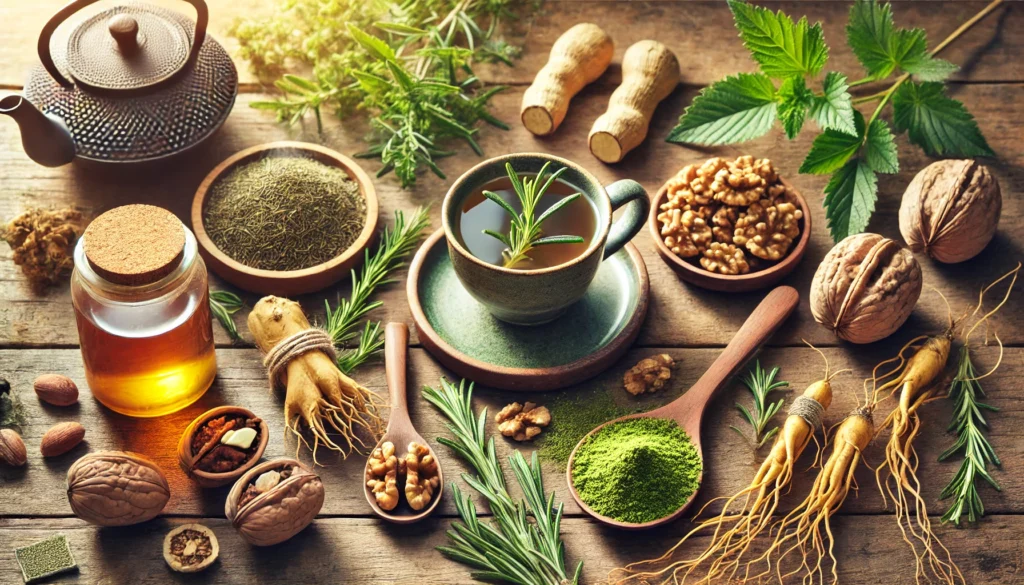
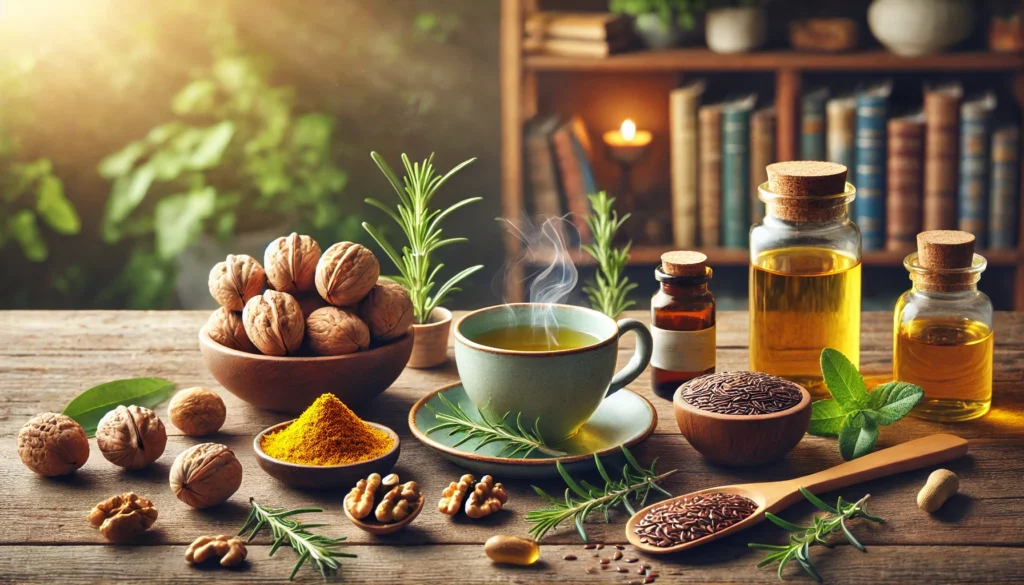
A visually appealing rustic setup of rosemary sprigs, ginseng roots, matcha powder, walnuts, and a steaming cup of herbal tea, highlighting herbal infusions that boost brain function.

Holistic Supplements That Support Brain Health

While herbal remedies offer powerful cognitive benefits, holistic supplements provide additional nutrients that are essential for brain function. Many of these supplements have been studied extensively for their role in maintaining cognitive health and preventing neurodegeneration.

Omega-3 Fatty Acids: Essential for Brain Cell Integrity

Omega-3 fatty acids, found in fish oil and plant-based sources like flaxseeds and walnuts, are among the best things for brain health. These essential fats support the structural integrity of brain cells and play a critical role in reducing inflammation. Research suggests that omega-3 fatty acids, particularly EPA and DHA, improve memory, reduce the risk of cognitive decline, and support overall brain function.

Numerous studies have linked higher omega-3 intake with better cognitive performance and a lower risk of Alzheimer’s disease. These healthy fats are also essential for maintaining the fluidity of cell membranes, which allows for efficient communication between neurons. By incorporating omega-3-rich foods or supplements into your diet, you can provide your brain with the necessary nutrients to function at its best.

Phosphatidylserine: The Memory Molecule

Phosphatidylserine is a phospholipid that plays a key role in cell membrane function and neurotransmitter activity. It is one of the few supplements that has received FDA-qualified health claims for cognitive support. Phosphatidylserine is known to enhance memory, improve focus, and support learning ability, making it a valuable supplement for individuals of all ages.

Research indicates that phosphatidylserine supplementation can slow age-related cognitive decline and support brain function in those with mild memory impairment. It is particularly beneficial for older adults looking to preserve mental acuity and prevent the onset of neurodegenerative diseases.

Lion’s Mane Mushroom: The Brain Regenerator

Lion’s mane mushroom is a powerful nootropic known for its ability to stimulate nerve growth factor (NGF) production. NGF is essential for the growth, repair, and survival of neurons, making lion’s mane an excellent supplement for neuroprotection and cognitive enhancement.

Studies have shown that lion’s mane can improve memory, increase mental clarity, and support brain plasticity. It has also been found to reduce symptoms of anxiety and depression, which can negatively impact cognitive function. Regular consumption of lion’s mane, whether in supplement or culinary form, offers long-term benefits for brain health and cognitive performance.

Frequently Asked Questions (FAQ) on Brain Health, Herbal Remedies, and Holistic Supplements

1. What lifestyle changes complement herbal remedies and holistic supplements for brain health?

Incorporating herbal remedies and holistic supplements into your routine is highly beneficial, but lifestyle changes significantly enhance their effectiveness. Regular physical exercise, particularly aerobic activities like brisk walking or swimming, improves blood circulation to the brain and encourages neurogenesis, the process of forming new neurons. A well-balanced diet rich in antioxidants, healthy fats, and lean proteins further supports cognitive function by reducing inflammation and providing essential nutrients for brain cell maintenance. Stress management techniques, such as meditation, yoga, and deep breathing exercises, also contribute to mental clarity and emotional resilience, preventing cortisol from impairing cognitive function. Additionally, prioritizing quality sleep ensures that the brain undergoes essential restorative processes, including memory consolidation and toxin removal, further amplifying the effects of natural supplements.

2. Can natural supplements improve focus and productivity for students and professionals?

Yes, many herbal and holistic supplements are known to enhance focus, mental clarity, and overall productivity, making them ideal for students and professionals alike. Adaptogens like rhodiola rosea help regulate stress hormones, preventing mental fatigue during long study or work sessions. Bacopa monnieri, commonly used in Ayurvedic medicine, is particularly effective for improving learning capacity and information retention, making it valuable for academic performance. Omega-3 fatty acids, found in fish oil, support neurotransmitter function and synaptic plasticity, allowing for faster processing and problem-solving skills. The best things for brain health include not only these targeted supplements but also hydration and a diet rich in brain-supportive nutrients like magnesium and B vitamins. By incorporating a combination of these elements, individuals can experience sustained mental performance without the jittery side effects of synthetic stimulants.

3. How does stress impact brain function, and which natural remedies help counteract its effects?

Chronic stress negatively impacts brain health by increasing cortisol levels, which can lead to memory impairment, poor concentration, and even shrinkage of the hippocampus, the region of the brain responsible for learning. Over time, unchecked stress contributes to cognitive decline and increases the risk of neurodegenerative diseases. Adaptogenic herbs like ashwagandha and rhodiola rosea have been shown to regulate the body’s stress response, promoting resilience against mental fatigue and burnout. Additionally, magnesium is essential for relaxation, as it modulates neurotransmitter activity and reduces anxiety-related symptoms. Another effective approach is engaging in activities that promote a state of flow, such as music, art, or mindful movement, all of which provide a natural and enjoyable way to reset brain function and improve mental clarity.

4. Are there specific herbal remedies that help prevent age-related cognitive decline?

Several herbal remedies have been extensively researched for their neuroprotective properties and ability to slow age-related cognitive decline. Ginkgo biloba enhances cerebral blood flow, ensuring that neurons receive optimal oxygen and nutrients, which is particularly beneficial in preventing memory-related conditions like dementia. Lion’s mane mushroom has been found to stimulate the production of nerve growth factor (NGF), which aids in the regeneration and repair of brain cells. Turmeric, rich in the active compound curcumin, reduces inflammation and oxidative stress, two major contributors to neurodegenerative diseases like Alzheimer’s. The best things for brain health involve a combination of these herbs, along with a Mediterranean-style diet, mental stimulation, and social engagement to keep the mind sharp as one ages. Regular cognitive exercises, such as learning new skills or languages, also play a crucial role in maintaining mental agility over time.

5. Can diet alone provide all the nutrients needed for optimal brain function?

While a nutrient-dense diet forms the foundation of brain health, certain nutrients are difficult to obtain in adequate amounts through diet alone, making supplementation beneficial. For instance, omega-3 fatty acids, particularly DHA, are crucial for brain cell structure and function, yet many people do not consume enough fatty fish or plant-based sources like flaxseeds to meet recommended levels. Similarly, B vitamins, which are essential for energy production and neurotransmitter synthesis, can be depleted due to stress, poor gut health, or certain medications. Herbal supplements like bacopa monnieri and ginkgo biloba provide cognitive benefits beyond what diet alone can offer. However, the most effective approach is to integrate nutrient-rich foods with strategic supplementation based on individual needs, ensuring that what helps brain function is supported holistically.

6. How does sleep affect cognitive function, and what natural remedies support better rest?

Sleep is essential for brain health, as it allows for memory consolidation, toxin removal via the glymphatic system, and emotional regulation. Poor sleep impairs concentration, problem-solving abilities, and long-term cognitive function. Adaptogens like ashwagandha and valerian root help promote relaxation and reduce nighttime cortisol spikes, which can interfere with deep sleep. Magnesium, an essential mineral, plays a key role in calming the nervous system and improving sleep quality by regulating GABA, a neurotransmitter that promotes relaxation. Herbal teas containing chamomile or passionflower provide a gentle way to wind down before bed, supporting natural sleep cycles. The best things for brain health include maintaining consistent sleep hygiene, such as reducing blue light exposure before bedtime and following a relaxing nighttime routine, in combination with natural sleep aids.

7. What role do gut health and the microbiome play in brain function?

The gut-brain connection is a critical factor in cognitive function, as the gut microbiome influences neurotransmitter production, inflammation levels, and mental health. An imbalance in gut bacteria can lead to brain fog, anxiety, and even neuroinflammation, affecting memory and focus. Probiotic-rich foods like yogurt, kefir, and fermented vegetables help maintain a balanced microbiome, while prebiotic fibers from foods like garlic, onions, and bananas provide nourishment for beneficial gut bacteria. Herbal remedies such as peppermint and ginger support digestion, indirectly enhancing cognitive function by promoting better nutrient absorption. Omega-3 fatty acids further aid in reducing gut-related inflammation, which can negatively impact mental clarity. Addressing gut health is one of the best things for brain health, as a well-functioning digestive system ensures that the brain receives the nutrients it needs to thrive.

8. How can hydration levels impact brain performance?

Even mild dehydration can lead to cognitive impairments such as reduced focus, slower reaction times, and increased mental fatigue. The brain relies on proper hydration to maintain neurotransmitter function, flush out metabolic waste, and regulate mood. Herbal infusions such as lemon balm or green tea provide both hydration and antioxidant support, enhancing mental clarity while promoting relaxation. Coconut water offers natural electrolytes that help maintain optimal brain hydration levels, particularly in warm climates or after intense physical activity. Incorporating foods with high water content, such as cucumbers, melons, and leafy greens, further supports hydration and overall cognitive function. What helps brain function most effectively is a combination of hydration, balanced electrolytes, and proper nutrition to sustain mental performance throughout the day.

9. Are there any risks or side effects associated with herbal brain supplements?

While herbal supplements are generally considered safe, they can interact with medications or produce mild side effects in some individuals. For instance, ginkgo biloba may increase the risk of bleeding, making it unsuitable for those on blood thinners. Bacopa monnieri, while beneficial for cognitive function, can sometimes cause digestive discomfort if taken on an empty stomach. Some adaptogens, such as rhodiola rosea, may be overstimulating for sensitive individuals if taken in excessive amounts. Consulting with a healthcare provider before starting any new supplement ensures safety, especially for those with existing health conditions. The best things for brain health include a balanced approach—combining supplements with a nutrient-rich diet and healthy lifestyle choices to minimize risks and maximize benefits.

10. What emerging research is being conducted on natural brain health solutions?

The field of brain health research is rapidly evolving, with studies exploring innovative natural solutions for cognitive enhancement. Scientists are investigating the role of polyphenols from berries in promoting neuroplasticity and protecting against age-related decline. Advances in microbiome research are uncovering how probiotics influence neurotransmitter function and mental resilience. Lion’s mane mushroom is gaining attention for its potential applications in nerve regeneration and Alzheimer’s prevention. Additionally, new formulations combining herbal extracts with bioavailable nutrients aim to optimize absorption and efficacy. Keeping up with emerging research allows individuals to make informed decisions about what helps brain function and integrate cutting-edge natural solutions into their cognitive wellness strategies.

A calming nature-inspired scene with dried lavender, a bowl of chia and flaxseeds, a cup of golden milk (turmeric latte), and fresh sage leaves, evoking relaxation and mental clarity.

Conclusion: Embracing Natural Strategies for Optimal Brain Health

Understanding what helps brain function and implementing natural strategies for cognitive wellness can have profound effects on overall mental performance and longevity. The best things for brain health include a combination of herbal remedies, holistic supplements, and lifestyle modifications that work synergistically to enhance cognitive function.

By incorporating brain-boosting herbs like ginkgo biloba, bacopa monnieri, and rhodiola rosea, along with essential nutrients such as omega-3 fatty acids, phosphatidylserine, and lion’s mane mushroom, individuals can take proactive steps toward preserving memory, focus, and mental clarity. As research continues to uncover the benefits of natural cognitive enhancers, embracing these holistic approaches offers a sustainable and effective way to support lifelong brain health.

brain boosting supplements, cognitive enhancement herbs, memory improvement remedies, natural nootropics, herbal brain tonics, mental clarity supplements, adaptogenic herbs for focus, neuroprotective herbs, holistic cognitive support, plant-based brain enhancers, stress-relief herbs for brain health, brain function optimization, herbal solutions for memory loss, anti-aging brain nutrients, supplements for mental performance, botanical brain boosters, natural ways to sharpen focus, brain-boosting adaptogens, holistic memory support, brain health superfoods

Further Reading:

Don’t buy into brain health supplements

Brain Supplements That Do and Don’t Work

7 Best Herbs for Memory and Brain Health

Disclaimer

The information contained in this article is provided for general informational purposes only and is not intended to serve as medical, legal, or professional advice. While NewsHealthWatch strives to present accurate, up-to-date, and reliable content, no warranty or guarantee, expressed or implied, is made regarding the completeness, accuracy, or adequacy of the information provided. Readers are strongly advised to seek the guidance of a qualified healthcare provider or other relevant professionals before acting on any information contained in this article. NewsHealthWatch, its authors, editors, and contributors expressly disclaim any liability for any damages, losses, or consequences arising directly or indirectly from the use, interpretation, or reliance on any information presented herein. The views and opinions expressed in this article are those of the author(s) and do not necessarily reflect the official policies or positions of NewsHealthWatch.

Best Mushrooms for Brain Health: How to Choose the Right Supplement for Cognitive Support

Understanding the Importance of Brain Health and Cognitive Function

The human brain is a complex and dynamic organ that governs nearly every aspect of our daily lives, from memory and learning to decision-making and emotional regulation. Maintaining cognitive health is crucial not only for enhancing mental performance but also for reducing the risk of neurodegenerative conditions such as Alzheimer’s disease and dementia. In recent years, the role of natural supplements in supporting brain function has gained significant attention, with mushrooms emerging as one of the most promising natural nootropics. Research indicates that certain mushroom species contain bioactive compounds that enhance neuroprotection, improve focus, and support overall brain health. With the growing demand for holistic wellness solutions, many individuals are seeking the best mushroom supplement for brain function to boost cognitive longevity and mental clarity.

You may also like: Best Natural Supplements for Focus and Concentration: Boost Brainpower with Science-Backed Vitamins

The Science Behind Mushrooms and Brain Health

Mushrooms are packed with a variety of beneficial compounds, including beta-glucans, polysaccharides, antioxidants, and neurotrophic factors that support cognitive well-being. Many medicinal mushrooms have been extensively studied for their neuroprotective properties, showcasing their ability to enhance nerve growth factor (NGF) production, combat oxidative stress, and modulate the immune system. Moreover, the adaptogenic properties of certain mushrooms enable them to help the body manage stress, a key factor that influences cognitive performance and mental well-being. Understanding the specific benefits of different mushroom species is essential in selecting the best mushrooms for brain health to incorporate into a daily wellness routine.

A high-detail close-up of lion’s mane mushrooms growing on a tree trunk in a misty forest. The mushrooms have a shaggy texture, softly illuminated by sunlight filtering through the trees, symbolizing natural brain support.

Top Mushrooms for Cognitive Support

Lion’s Mane Mushroom: The Ultimate Brain Booster

Lion’s Mane (Hericium erinaceus) is widely regarded as one of the most potent mushrooms for cognitive support. This unique fungus is rich in hericenones and erinacines, compounds that stimulate the production of NGF, a protein essential for the growth, maintenance, and survival of neurons. Research has shown that Lion’s Mane can significantly improve cognitive function, enhance memory retention, and support neuroplasticity. Additionally, its anti-inflammatory and antioxidant properties help reduce the accumulation of beta-amyloid plaques, which are associated with the development of Alzheimer’s disease. Individuals looking for a natural nootropic should consider a best mushroom supplement for brain function that includes Lion’s Mane for optimal cognitive enhancement.

Reishi Mushroom: Stress Reduction and Neuroprotection

Reishi (Ganoderma lucidum) is another powerful medicinal mushroom known for its adaptogenic and neuroprotective properties. While it is primarily revered for its immune-boosting effects, Reishi also plays a crucial role in reducing stress and anxiety, both of which can negatively impact cognitive function. By modulating the body’s stress response, Reishi helps maintain mental clarity and emotional balance. Furthermore, its high antioxidant content combats oxidative stress, which can contribute to cognitive decline. Including Reishi in a best mushroom supplement for brain formulation can help individuals maintain focus and resilience in the face of daily stressors.

Cordyceps Mushroom: Enhancing Energy and Mental Stamina

Cordyceps (Cordyceps sinensis) is a well-known medicinal mushroom that enhances cellular energy production by improving oxygen utilization and increasing ATP (adenosine triphosphate) levels in the brain. This increased energy supply contributes to better mental clarity, focus, and overall cognitive endurance. Athletes and individuals with demanding mental tasks often turn to Cordyceps to combat mental fatigue and enhance productivity. Additionally, Cordyceps has neuroprotective effects that support long-term brain health and cognitive resilience.

Chaga Mushroom: Antioxidant Powerhouse for Brain Health

Chaga (Inonotus obliquus) is one of the richest natural sources of antioxidants, which play a critical role in protecting the brain from oxidative stress and inflammation. Chronic inflammation has been linked to neurodegenerative diseases, making Chaga a valuable component of any brain-supporting supplement. This mushroom also contains melanin, which may support brain function by protecting neural tissues from environmental stressors. Incorporating Chaga into a daily wellness regimen can enhance cognitive vitality and longevity.

Choosing the Right Mushroom Supplement for Cognitive Health

When selecting the best mushroom supplement for brain function, it is important to consider factors such as quality, purity, and bioavailability. Opting for supplements made from fruiting bodies rather than mycelium ensures a higher concentration of active compounds. Additionally, products that undergo dual-extraction processes provide both water-soluble and fat-soluble bioactive compounds, maximizing their neuroprotective benefits. Consumers should also look for third-party testing and organic certification to ensure they are getting a high-quality product free from contaminants.

A close-up view of glossy red and brown reishi mushrooms growing on a moss-covered log in a serene forest. The soft lighting highlights their adaptogenic and cognitive-enhancing properties.

The Role of Mushroom Stacking in Brain Optimization

Mushroom stacking, or combining multiple mushroom species for synergistic effects, has become a popular approach to optimizing cognitive function. For example, combining Lion’s Mane with Cordyceps can enhance both neurogenesis and mental energy, while pairing Reishi with Chaga can provide stress resilience and antioxidant protection. Understanding the complementary effects of different mushrooms allows individuals to create a tailored supplement regimen that aligns with their cognitive health goals.

Frequently Asked Questions (FAQ) About Mushrooms for Brain Health

What makes mushrooms beneficial for brain health?

Mushrooms contain unique bioactive compounds that support brain function in multiple ways. Many species, such as Lion’s Mane, promote nerve growth factor (NGF) production, which is essential for neuron repair and cognitive function. Other mushrooms, like Reishi, have adaptogenic properties that help regulate stress, reducing cortisol levels that can negatively impact memory and focus. Additionally, mushrooms are rich in antioxidants, which help protect against oxidative stress, a significant contributor to cognitive decline. By integrating the best mushrooms for brain health into a daily routine, individuals can enhance their mental clarity and support long-term neurological well-being.

How do I determine the best mushroom supplement for brain health?

Choosing the best mushroom supplement for brain function involves evaluating factors such as purity, extraction methods, and ingredient sourcing. High-quality supplements use fruiting bodies rather than mycelium, ensuring a higher concentration of beneficial compounds. Dual-extraction methods that utilize both water and alcohol extraction allow for the full spectrum of bioactive components to be included. It is also important to look for third-party testing to ensure the supplement is free from contaminants such as heavy metals or pesticides. A well-formulated supplement with Lion’s Mane, Reishi, or Cordyceps can provide a powerful boost to cognitive function and neuroprotection.

Can mushrooms improve memory and focus?

Yes, certain mushrooms have been shown to enhance memory and focus by stimulating neurogenesis and improving brain plasticity. Lion’s Mane, in particular, has been extensively studied for its ability to support learning and memory retention by encouraging NGF production. Cordyceps helps improve blood circulation, ensuring that oxygen and nutrients reach brain cells efficiently, which can enhance focus and cognitive endurance. Reishi’s stress-reducing properties contribute to better concentration by reducing anxiety and mental fog. By choosing the best mushrooms for brain health, individuals can experience noticeable improvements in cognitive performance over time.

Are mushroom supplements safe for daily use?

Most mushroom supplements are safe for daily use when taken at recommended dosages, but individual responses may vary. Adaptogenic mushrooms like Reishi and Chaga have been used for centuries without significant side effects. However, some individuals may experience mild digestive upset or allergic reactions, particularly if they are new to mushroom supplementation. It is advisable to start with a lower dose and gradually increase it while monitoring the body’s response. Consulting with a healthcare professional can provide personalized guidance on the best mushroom supplement for brain function based on individual health needs.

How long does it take to see the effects of mushroom supplements?

The timeline for experiencing cognitive benefits from mushrooms depends on factors such as dosage, individual metabolism, and consistency of use. Some users report improved focus and clarity within a few days of taking Lion’s Mane, while long-term neuroprotective benefits may take weeks or months to become noticeable. Adaptogenic mushrooms like Reishi and Cordyceps work gradually, helping to build resilience against cognitive stress over time. Regular, sustained use of the best mushrooms for brain health is key to maximizing their benefits. Pairing mushroom supplements with a healthy diet, exercise, and adequate sleep can further enhance cognitive improvements.

Can mushroom supplements help prevent neurodegenerative diseases?

While no supplement can completely prevent neurodegenerative diseases, certain mushrooms have shown promise in supporting brain resilience and delaying cognitive decline. Research suggests that Lion’s Mane may reduce the accumulation of beta-amyloid plaques, which are linked to Alzheimer’s disease. The high antioxidant content of Chaga and Reishi helps combat inflammation and oxidative stress, both of which contribute to neurodegeneration. Regular intake of the best mushroom supplement for brain function may provide protective effects against age-related cognitive impairment when combined with a healthy lifestyle. However, individuals with pre-existing neurological conditions should consult a healthcare professional before starting any supplement regimen.

Are there any interactions between mushroom supplements and medications?

Some mushrooms can interact with medications, particularly those that affect the immune system, blood sugar levels, or blood pressure. For example, Reishi has natural blood-thinning properties, which may enhance the effects of anticoagulant medications. Cordyceps can increase energy levels, potentially interfering with stimulant medications or affecting blood sugar regulation in diabetics. Anyone taking prescription medications should consult a healthcare provider before adding the best mushrooms for brain health to their routine. Ensuring compatibility with existing treatments can prevent unwanted side effects or interactions.

What is the best way to take mushroom supplements?

Mushroom supplements are available in various forms, including capsules, powders, tinctures, and teas. Capsules provide a convenient, pre-measured dose and are ideal for those who prefer a simple regimen. Powders can be mixed into smoothies, coffee, or soups for a more versatile approach. Tinctures offer rapid absorption and can be added to drinks or taken sublingually for enhanced bioavailability. Choosing the best mushroom supplement for brain function depends on individual preference and lifestyle. Ensuring that the supplement is made from high-quality, organic mushrooms can further enhance its effectiveness.

Are there any dietary or lifestyle factors that enhance the effects of mushroom supplements?

Yes, incorporating mushroom supplements into a well-rounded lifestyle can amplify their cognitive benefits. A nutrient-dense diet rich in healthy fats, antioxidants, and omega-3 fatty acids supports brain function and complements the neuroprotective effects of mushrooms. Regular exercise, particularly aerobic activities, improves circulation to the brain, enhancing the effectiveness of oxygen-boosting mushrooms like Cordyceps. Stress management techniques such as meditation, deep breathing, and proper sleep hygiene further optimize the adaptogenic effects of Reishi and Chaga. By aligning mushroom supplementation with holistic wellness practices, individuals can maximize the benefits of the best mushrooms for brain health and achieve optimal cognitive performance.

What should I look for when purchasing a mushroom supplement?

When selecting the best mushroom supplement for brain function, quality is a crucial consideration. Look for products made from organic, sustainably sourced mushrooms, preferably using the fruiting body rather than mycelium to ensure potency. Check for third-party testing to confirm the absence of contaminants such as heavy metals and pesticides. The extraction method also matters—dual-extraction techniques yield a full spectrum of beneficial compounds. Avoid supplements with unnecessary fillers or additives, and opt for brands with transparent sourcing and manufacturing practices. Taking these factors into account ensures that the chosen supplement delivers maximum cognitive and neuroprotective benefits.

A still-life arrangement of dried and powdered medicinal mushrooms, including lion’s mane, reishi, and cordyceps, in wooden bowls and glass jars on a textured stone surface. The earthy tones reinforce the natural, holistic theme of cognitive support.

Conclusion: Embracing the Power of Medicinal Mushrooms

The use of medicinal mushrooms as cognitive enhancers continues to gain scientific and consumer interest due to their natural neuroprotective properties. Whether seeking to boost memory, enhance focus, or promote long-term brain health, choosing the best mushrooms for brain health can be a valuable addition to any wellness routine. By selecting high-quality mushroom supplements and incorporating them into a balanced lifestyle, individuals can harness the benefits of nature’s most powerful fungi for cognitive resilience and mental clarity.

brain-boosting supplements, natural cognitive enhancers, medicinal mushrooms for memory, neuroprotective fungi, best nootropic mushrooms, adaptogenic mushrooms for focus, herbal brain boosters, cognitive health supplements, memory-enhancing fungi, holistic brain support, natural remedies for mental clarity, mushrooms for neurogenesis, brain fog solutions, stress-reducing mushrooms, antioxidant-rich fungi, functional mushrooms for mental health, plant-based nootropics, longevity and brain function, mushroom extracts for cognition, holistic wellness for brain health

Further Reading:

6 Tips To Choose Best Mushroom Supplement For Brain Health

The Best Mushrooms For Your Brain

4 Tips for Choosing High-Quality Mushroom Supplements to Support Your Health

Disclaimer

The information contained in this article is provided for general informational purposes only and is not intended to serve as medical, legal, or professional advice. While NewsHealthWatch strives to present accurate, up-to-date, and reliable content, no warranty or guarantee, expressed or implied, is made regarding the completeness, accuracy, or adequacy of the information provided. Readers are strongly advised to seek the guidance of a qualified healthcare provider or other relevant professionals before acting on any information contained in this article. NewsHealthWatch, its authors, editors, and contributors expressly disclaim any liability for any damages, losses, or consequences arising directly or indirectly from the use, interpretation, or reliance on any information presented herein. The views and opinions expressed in this article are those of the author(s) and do not necessarily reflect the official policies or positions of NewsHealthWatch.

Top Energy-Boosting Foods: The Best Diet to Improve Energy Levels Naturally

Understanding Energy from Food: How Nutrition Powers the Body

Energy is the foundation of all bodily functions, and food serves as the primary source of fuel. The nutrients we consume determine our stamina, cognitive function, and overall well-being. The question “does food have energy?” is fundamental to understanding metabolism and physiological performance. The answer lies in the macronutrients—carbohydrates, proteins, and fats—which break down into energy molecules that fuel cellular activity. By consuming an energy diet rich in nutrient-dense foods, individuals can sustain their energy levels throughout the day without experiencing fatigue or sluggishness.

You may also like: Best Natural Supplements for Focus and Concentration: Boost Brainpower with Science-Backed Vitamins

For centuries, civilizations have recognized the importance of eating for energy. Traditional diets across the world emphasize whole foods, high-energy fruits, and enriching foods that provide lasting vitality. Scientific advancements have further clarified how certain nutrients contribute to energy production at the cellular level. The mitochondria, often referred to as the powerhouses of the cell, convert food into adenosine triphosphate (ATP), the primary energy currency of the body. Thus, a well-structured energy diet prioritizes foods that optimize mitochondrial efficiency and metabolic health.

The Role of Macronutrients in an Energy Diet

Each macronutrient plays a distinct role in sustaining energy. Carbohydrates are the body’s preferred energy source, breaking down into glucose for immediate use or storage. Complex carbohydrates, such as whole grains and legumes, release glucose steadily, providing sustained energy. Conversely, simple sugars can lead to rapid spikes and crashes in blood sugar levels, contributing to fatigue. Understanding the best diet to increase energy involves choosing slow-digesting carbohydrates over processed alternatives.

Proteins contribute to muscle repair and metabolic efficiency. Although they are not the body’s primary energy source, proteins play a crucial role in maintaining steady energy levels by preventing muscle breakdown and stabilizing blood sugar. Incorporating lean protein sources, such as fish, eggs, and legumes, supports an energy diet and enhances stamina.

Healthy fats provide a long-lasting source of energy, supporting brain function and cellular repair. Unlike carbohydrates, which metabolize quickly, fats offer a more sustained energy release. Avocados, nuts, seeds, and olive oil are among the best foods for long-term energy support. By balancing these macronutrients, individuals can cultivate a diet to improve energy levels that aligns with their physiological needs.

A healthy meal prep setup featuring energy-boosting foods like quinoa, grilled salmon, avocado, and steamed vegetables in meal containers, displayed on a clean wooden kitchen counter. A balanced mix of proteins, whole grains, and vegetables.

The Best Diet to Increase Energy: Essential Foods for Sustained Vitality

A well-rounded energy diet incorporates a variety of nutrient-dense foods that optimize cellular function and enhance stamina. Foods rich in antioxidants, vitamins, and minerals protect against oxidative stress and inflammation, two key factors that contribute to fatigue. Consuming a diverse range of energy-boosting meals ensures that the body receives the necessary compounds to function efficiently.

Whole grains such as quinoa, brown rice, and oats provide a steady release of glucose, preventing energy crashes. These complex carbohydrates contain fiber, which promotes digestive health and prolongs satiety. High-energy fruits, including bananas, berries, and citrus fruits, supply natural sugars, electrolytes, and essential vitamins that aid in hydration and cognitive performance. Dark leafy greens like spinach and kale are among the best vegetables for energy, as they contain iron and folate, which support oxygen transport and reduce fatigue.

Legumes, including lentils, chickpeas, and black beans, are excellent sources of plant-based protein and fiber, promoting sustained energy levels. Healthy fats from sources such as almonds, walnuts, and chia seeds support cognitive function and endurance. Additionally, adaptogenic herbs like ginseng and ashwagandha have been traditionally used to enhance stamina and resilience to stress. By incorporating these elements into daily meals, individuals can develop a diet for more energy that supports their active lifestyle.

High Energy Foods List: The Ultimate Guide to Eating for Energy

A well-structured high-energy foods list serves as a roadmap for individuals looking to optimize their diet for sustained performance. Among the most effective energy-boosting meals are nutrient-dense smoothies that combine high-energy fruits, leafy greens, and healthy fats. A smoothie with banana, spinach, almond butter, and chia seeds provides a balanced mix of carbohydrates, protein, and omega-3 fatty acids, ensuring steady energy release.

For breakfast, incorporating oatmeal topped with nuts and berries promotes digestive health while supplying lasting energy. Whole-grain toast with avocado and eggs offers a combination of healthy fats and proteins that stabilize blood sugar levels. Midday meals should emphasize lean proteins and fiber-rich vegetables. A quinoa salad with chickpeas, bell peppers, and olive oil is an ideal choice for those following an energy diet.

Snacking strategically can prevent energy crashes. Almonds, Greek yogurt, and hummus with vegetables are excellent choices for maintaining stamina throughout the day. Hydration also plays a crucial role in energy maintenance, as dehydration can lead to fatigue. Herbal teas, coconut water, and infused water with citrus fruits enhance hydration and provide essential electrolytes.

How Long Does It Take to Get Energy from Food?

The time it takes for food to provide energy depends on its composition. Simple carbohydrates, such as fruit or honey, can be absorbed within 15 to 30 minutes, offering a quick energy boost. Complex carbohydrates take longer to digest, releasing glucose steadily over several hours. Proteins and fats require additional time for breakdown, typically taking between two to four hours to contribute to energy levels.

Individuals seeking immediate energy should consume high-energy fruits like bananas or oranges. For sustained endurance, meals rich in whole grains, lean proteins, and healthy fats should be prioritized. The body’s ability to extract energy from food also depends on metabolic efficiency, hydration status, and overall nutritional balance.

A beautifully arranged smoothie bowl with energy-boosting ingredients such as blueberries, chia seeds, sliced bananas, and nuts, placed on a marble countertop. The vibrant colors showcase the natural nutrition of these superfoods

The Impact of Lifestyle on Energy Levels

While diet plays a significant role in energy production, lifestyle factors such as sleep, exercise, and stress management also influence stamina. Poor sleep quality can hinder metabolic function and reduce energy availability. Engaging in regular physical activity improves circulation and enhances the body’s ability to utilize energy efficiently. Managing stress through mindfulness, meditation, and herbal adaptogens like rhodiola supports hormonal balance and reduces fatigue.

By integrating a holistic approach that combines a balanced diet with healthy lifestyle practices, individuals can optimize their energy levels naturally. Understanding the role of nutrition and energy empowers individuals to make informed choices that enhance their overall well-being. Whether through selecting the best veggies for energy, consuming high-energy foods, or practicing stress reduction techniques, maintaining vitality is within reach for those who prioritize health-conscious decisions.

Frequently Asked Questions (FAQ) on Energy-Boosting Foods

1. What are the best strategies for sustaining energy throughout the day? Sustaining energy levels requires a well-balanced approach that includes proper nutrition, hydration, and lifestyle choices. An effective energy diet consists of high-energy foods that promote steady glucose release, such as whole grains, lean proteins, and healthy fats. Eating for energy also means consuming nutrient-dense, enriching foods that provide essential vitamins and minerals to support metabolic efficiency. Additionally, meal timing plays a crucial role in maintaining energy; consuming balanced energy meals at regular intervals helps prevent blood sugar crashes. Complementing a healthy diet for energy with physical activity, adequate sleep, and stress management ensures long-term stamina and focus.

2. Does food have energy, and how is it converted into usable fuel? Yes, food contains chemical energy stored in macronutrients—carbohydrates, proteins, and fats—that the body metabolizes into usable fuel. The process of digestion breaks down these nutrients into smaller components, which are then converted into adenosine triphosphate (ATP) within the mitochondria. The efficiency of this conversion depends on the quality of the diet to improve energy levels, emphasizing whole, unprocessed foods over refined or artificial products. High-energy fruits and the best vegetables for energy contribute essential micronutrients that enhance mitochondrial function and energy production. By focusing on a well-structured eat-for-energy diet plan, individuals can optimize their metabolism and reduce fatigue.

3. How long does it take to get energy from food after eating? The time it takes to feel the effects of food on energy levels varies depending on the type of nutrients consumed. Simple carbohydrates, such as fruits, can provide a quick energy boost within 15 to 30 minutes due to rapid digestion and glucose absorption. More complex carbohydrates and high-fiber foods take longer—typically between one to three hours—to release energy steadily. Protein and healthy fats digest even more slowly, contributing to long-lasting satiety and endurance over several hours. A diet for more energy should balance these macronutrients to maintain consistent stamina throughout the day. Hydration and metabolic rate also play a role in how efficiently the body extracts energy from food.

4. What role do high-energy foods play in athletic performance? Athletes and physically active individuals rely on an energy diet that provides sustained fuel for endurance, strength, and recovery. High-energy foods list recommendations for athletes often include complex carbohydrates, such as sweet potatoes and quinoa, to support prolonged activity. Lean proteins, including eggs and legumes, aid in muscle repair, while healthy fats from nuts and seeds enhance endurance. Energy-boosting meals should also contain antioxidants, which combat oxidative stress caused by intense exercise. By focusing on a diet to improve energy levels, athletes can optimize their performance and minimize fatigue during training and competition.

5. How can a plant-based diet support energy levels effectively? A well-planned plant-based diet can provide ample energy by incorporating a variety of high-energy fruits, whole grains, and legumes. The best veggies for energy, such as spinach, kale, and broccoli, supply essential vitamins and minerals that support metabolism and oxygen transport. Nuts, seeds, and plant-based proteins like lentils contribute to muscle repair and sustained energy release. Eating for energy on a plant-based diet requires attention to nutrient density, ensuring adequate intake of iron, vitamin B12, and omega-3 fatty acids. Proper meal planning and diverse food choices enable individuals to maintain high energy levels while following a plant-based lifestyle.

6. Are there specific foods that increase focus and mental energy? Certain foods enhance cognitive function and mental stamina by providing essential nutrients that support brain health. Omega-3 fatty acids found in walnuts, flaxseeds, and fatty fish improve cognitive performance and concentration. High-energy fruits, such as blueberries and oranges, contain antioxidants that protect brain cells from oxidative damage and enhance memory. Whole grains and legumes provide a steady glucose supply to the brain, preventing mental fatigue. An energy diet rich in these foods can improve mental clarity, focus, and productivity. Staying hydrated and consuming adequate electrolytes further supports brain function throughout the day.

7. How does dehydration impact energy levels, and what can be done to prevent it? Dehydration is a leading cause of fatigue, as it reduces blood volume and impairs nutrient transport to cells. Even mild dehydration can lead to decreased focus, sluggishness, and diminished endurance. Consuming water-rich foods, such as cucumbers, watermelon, and high-energy fruits, can aid in hydration while providing valuable nutrients. Including herbal teas and electrolyte-rich drinks in an eat-for-energy diet plan helps maintain optimal fluid balance. Regularly drinking water and monitoring hydration status ensure sustained energy and overall well-being.

8. What are some effective meal prep strategies for maintaining energy throughout the week? Planning and preparing energy meals in advance helps ensure consistent nutrient intake and prevents reliance on processed, low-quality foods. Batch-cooking whole grains, roasting a variety of the best vegetables for energy, and portioning protein sources simplify meal preparation. Incorporating nutrient-dense snacks, such as almonds, hummus, and Greek yogurt, supports energy levels between meals. Preparing balanced, energy-boosting meals with a combination of carbohydrates, proteins, and healthy fats ensures sustained stamina. An effective eat-for-energy diet plan emphasizes fresh, whole foods that are easy to assemble and nutrient-rich.

9. How do stress and sleep quality affect nutrition and energy? Chronic stress and poor sleep can negatively impact metabolism and energy levels, regardless of diet quality. Stress hormones, such as cortisol, disrupt blood sugar balance and increase cravings for refined carbohydrates, leading to energy fluctuations. Insufficient sleep impairs the body’s ability to regulate hunger hormones, making it harder to maintain a diet for more energy. Consuming calming adaptogens, such as ashwagandha and ginseng, can help the body cope with stress and improve resilience. Prioritizing sleep hygiene and relaxation techniques enhances the effectiveness of an energy diet, allowing for better overall energy balance.

10. Can herbal remedies and supplements enhance energy naturally? Several herbal remedies and holistic supplements support energy production and combat fatigue naturally. Adaptogenic herbs, such as rhodiola and maca, help improve endurance and reduce stress-related fatigue. B vitamins, commonly found in high-energy foods, play a crucial role in cellular metabolism and energy conversion. Iron-rich supplements may benefit individuals with anemia or low iron levels, ensuring proper oxygen transport for sustained energy. Herbal teas containing ginseng or green tea extract provide a gentle, natural boost without the jitters associated with caffeine. When combined with a balanced energy diet, these natural remedies enhance vitality and overall well-being.

A vibrant display of fresh energy-boosting foods, including bananas, almonds, spinach, and eggs, arranged on a rustic wooden table. The mix of colorful fruits, nuts, leafy greens, and protein-rich foods highlights a diet for sustained energy

Conclusion: The Path to Sustainable Energy

Achieving consistent energy levels requires a comprehensive approach that incorporates nutrient-dense foods, hydration, and lifestyle habits that support metabolic function. By following the best diet to increase energy, individuals can sustain their stamina, improve cognitive performance, and enhance overall vitality. Whether incorporating high-energy fruits, enriching foods, or the best vegetables for energy, a strategic approach to nutrition ensures lasting benefits.

Understanding how long it takes to get energy from food allows individuals to tailor their meals based on their needs, whether for immediate performance or sustained endurance. The principles of an energy diet emphasize balance, variety, and the inclusion of whole, natural foods. By adopting these strategies, individuals can optimize their diet for more energy and lead a healthier, more vibrant life.

natural energy sources, whole foods for vitality, nutrient-dense meals, stamina-boosting diet, best superfoods for energy, high-fiber foods for endurance, metabolism-boosting nutrition, plant-based energy sources, foods for sustained energy, optimal nutrition for performance, iron-rich vegetables, brain-boosting foods, healthy fats for stamina, balanced diet for peak energy, vitamins for energy production, adaptogens for fatigue, hydration and energy, antioxidants for cellular health, protein-packed meals for strength, best natural supplements for energy

Further Reading:

Best foods to eat to give you energy

Foods That Boost Your Energy

11 Foods to Eat to Beat Fatigue

Disclaimer

The information contained in this article is provided for general informational purposes only and is not intended to serve as medical, legal, or professional advice. While NewsHealthWatch strives to present accurate, up-to-date, and reliable content, no warranty or guarantee, expressed or implied, is made regarding the completeness, accuracy, or adequacy of the information provided. Readers are strongly advised to seek the guidance of a qualified healthcare provider or other relevant professionals before acting on any information contained in this article. NewsHealthWatch, its authors, editors, and contributors expressly disclaim any liability for any damages, losses, or consequences arising directly or indirectly from the use, interpretation, or reliance on any information presented herein. The views and opinions expressed in this article are those of the author(s) and do not necessarily reflect the official policies or positions of NewsHealthWatch.

Best Natural Supplements for Focus and Concentration: Boost Brainpower with Science-Backed Vitamins

Introduction: The Growing Need for Natural Cognitive Enhancers

In today’s fast-paced world, maintaining focus and concentration is more challenging than ever. With an increasing number of distractions and cognitive demands, many individuals seek effective solutions to enhance their mental clarity and productivity. While lifestyle changes such as sleep optimization, mindfulness practices, and exercise play crucial roles, the use of natural supplements has gained widespread attention as a viable strategy for supporting cognitive function. The market for vitamins for focus and attention has expanded significantly, with various formulations designed to improve memory, sharpen concentration, and boost overall brain health.

You may also like: Best Detox Supplements for a Healthier Body: Top Picks for Safe and Effective Cleansing

Scientific research continues to validate the efficacy of certain vitamins, minerals, and herbal extracts in supporting brain function. Unlike synthetic stimulants, which may lead to dependency and undesirable side effects, natural supplements offer a sustainable and holistic approach to cognitive enhancement. Understanding the mechanisms behind these supplements can empower individuals to make informed choices, ensuring they select the best options suited to their cognitive needs. In this article, we will explore the best supplements for focus and concentration, the role of key vitamins and minerals in brain health, and evidence-based recommendations for improving mental performance naturally.

The Science Behind Focus and Concentration

Focus and concentration are complex cognitive processes influenced by multiple factors, including neurotransmitter balance, blood flow to the brain, and the availability of essential nutrients. Neurotransmitters such as dopamine, acetylcholine, and norepinephrine play vital roles in sustaining attention and mental clarity. Imbalances in these chemicals can lead to brain fog, distractibility, and cognitive fatigue, all of which can hinder productivity and overall mental well-being.

One of the primary questions individuals ask is, which mineral is best for brain and memory? Minerals such as magnesium, zinc, and iron are essential for optimal brain function. Magnesium, for instance, plays a role in synaptic plasticity, the process by which neurons communicate and adapt to new information. Zinc is involved in neurotransmitter function and has been linked to improved cognitive performance, while iron is crucial for oxygen transport to the brain, preventing cognitive sluggishness and mental fatigue.

A white ceramic bowl filled with almonds, dark chocolate, and green tea leaves, surrounded by spinach, a bottle of Omega-3 fish oil capsules, and a cup of herbal tea, set on a light wooden surface with a green, natural backdrop.

Best Natural Supplements for Focus and Concentration

Omega-3 Fatty Acids: Brain-Boosting Essential Fats

Omega-3 fatty acids, found in fatty fish, flaxseeds, and walnuts, are among the most researched nutrients for brain health. These essential fats, particularly eicosapentaenoic acid (EPA) and docosahexaenoic acid (DHA), contribute to neuronal integrity, improve synaptic function, and support memory retention. Studies suggest that individuals with higher omega-3 intake exhibit better cognitive flexibility, faster reaction times, and enhanced learning capabilities.

DHA, in particular, is a structural component of brain cell membranes, playing a crucial role in neuroprotection and reducing inflammation. Individuals struggling with attention deficits or cognitive decline may benefit from omega-3 supplementation, as research indicates its potential in mitigating symptoms associated with ADHD and age-related cognitive decline. Incorporating omega-3-rich foods into the diet or supplementing with high-quality fish oil capsules can significantly improve concentration and mental sharpness.

Bacopa Monnieri: The Time-Tested Memory Herb

Bacopa monnieri, an adaptogenic herb widely used in Ayurvedic medicine, is renowned for its cognitive-enhancing properties. This powerful nootropic works by modulating neurotransmitter activity, reducing oxidative stress, and promoting neurogenesis. Clinical studies reveal that Bacopa supplementation can improve memory retention, enhance information processing speed, and boost overall cognitive performance.

One of the most compelling aspects of Bacopa is its adaptogenic properties, which help the brain resist stress and fatigue. By supporting hippocampal function—the brain region responsible for learning and memory—Bacopa monnieri offers a natural and sustainable approach to cognitive enhancement. Regular use can lead to improved focus, greater mental clarity, and enhanced problem-solving abilities.

Ginkgo Biloba: Enhancing Blood Flow to the Brain

Ginkgo biloba, one of the oldest living tree species, has been extensively studied for its neuroprotective effects. The primary mechanism behind Ginkgo’s cognitive benefits lies in its ability to improve cerebral circulation, ensuring optimal oxygen and nutrient delivery to brain cells. Enhanced blood flow translates to improved memory, sustained focus, and reduced mental fatigue.

Research indicates that Ginkgo biloba may be particularly beneficial for individuals experiencing cognitive decline or age-related memory loss. It also possesses potent antioxidant properties, protecting neurons from oxidative damage and inflammation. Incorporating Ginkgo supplements into a daily routine can support long-term brain health and cognitive resilience.

A rustic wooden table with walnuts, turmeric powder, rosemary sprigs, flaxseeds, a bottle of Omega-3 fish oil capsules, and a steaming cup of green tea, with a softly lit background featuring a blurred bookshelf and greenery.

The Role of Vitamins in Cognitive Function

Vitamin B Complex: The Brain’s Energy Providers

The B vitamins, including B6, B12, and folate, are essential for neurotransmitter synthesis and energy metabolism. Deficiencies in these vitamins have been linked to cognitive impairment, brain fog, and mood disorders. B12, in particular, is crucial for myelin production—the protective sheath surrounding nerve fibers that facilitates rapid signal transmission.

Individuals wondering can vitamins help brain function improve? should consider the significance of the B-complex group in maintaining mental agility and preventing cognitive decline. Supplementation with B vitamins has been shown to enhance concentration, reduce brain fog, and improve memory retention, making them a valuable addition to any cognitive support regimen.

Vitamin D: The Sunshine Vitamin’s Impact on Brain Health

Vitamin D plays a significant role in neuroprotection, inflammation regulation, and neurotransmitter function. Low levels of vitamin D have been associated with cognitive decline, depression, and impaired executive function. As modern lifestyles often result in inadequate sun exposure, supplementing with vitamin D can be crucial for sustaining mental clarity and preventing cognitive sluggishness.

Research suggests that individuals with higher vitamin D levels exhibit better attention spans and cognitive performance. Ensuring adequate intake through supplementation or dietary sources such as fatty fish, eggs, and fortified dairy products can help maintain optimal brain function.

Frequently Asked Questions (FAQ) on Natural Supplements for Focus and Concentration

1. How do natural supplements compare to prescription medications for improving focus and concentration? Natural supplements for focus and concentration provide a holistic approach to cognitive enhancement by supplying essential nutrients and adaptogenic herbs that support brain function. Unlike prescription medications, which often contain stimulants, natural supplements work by nourishing the brain, reducing oxidative stress, and optimizing neurotransmitter balance without causing dependency. Some of the best supplements for focus and concentration, such as Bacopa monnieri and omega-3 fatty acids, have been shown to improve memory retention and information processing over time. Additionally, these supplements tend to have fewer side effects compared to pharmaceutical alternatives, making them suitable for long-term use. However, it is essential to choose high-quality formulations with clinically backed ingredients to achieve the best results.

2. Which mineral is best for brain and memory, and how does it support cognitive function? Several minerals contribute to brain health, but magnesium is widely regarded as one of the most crucial for memory and cognitive function. Magnesium helps regulate synaptic plasticity, which is vital for learning and memory retention. It also supports nerve signal transmission and plays a key role in reducing neuroinflammation, which can impair cognitive performance. Other essential minerals for brain health include zinc, which aids in neurotransmitter function, and iron, which ensures optimal oxygen supply to brain cells. Deficiencies in these minerals can lead to brain fog, mental fatigue, and impaired concentration, making supplementation a beneficial option for individuals with suboptimal dietary intake. Ensuring adequate levels of these minerals through diet or targeted supplementation can significantly enhance mental clarity and cognitive performance.

3. What are the best vitamins for focus and attention, and how do they work? Several vitamins play a crucial role in maintaining cognitive health, particularly the B vitamins, vitamin D, and vitamin C. The B-complex vitamins, including B6, B12, and folate, are essential for neurotransmitter production and brain energy metabolism. Vitamin D helps regulate mood and cognitive function by supporting nerve signaling and reducing neuroinflammation. Additionally, vitamin C acts as a potent antioxidant, protecting brain cells from oxidative stress and improving neurotransmitter synthesis. People looking for vitamins to improve focus should consider taking a well-balanced multivitamin that includes these essential nutrients, as deficiencies can contribute to cognitive sluggishness and reduced mental clarity.

4. Can vitamins help brain function improve in individuals experiencing cognitive decline? Yes, vitamins can play a significant role in slowing cognitive decline and maintaining mental sharpness, especially when deficiencies are addressed. Studies show that memory-boosting supplements containing B vitamins, omega-3 fatty acids, and antioxidants can help protect neurons and enhance cognitive resilience. For instance, vitamin E has been found to reduce oxidative damage in brain cells, while omega-3s support neuronal structure and function. Regular supplementation combined with a nutrient-rich diet, mental exercises, and an active lifestyle can significantly improve cognitive performance in individuals experiencing mild cognitive impairment. Consulting a healthcare professional can help determine the most appropriate vitamin regimen based on individual needs.

5. What are the most effective supplements to help concentration during studying or work? For individuals seeking supplements to help concentration, nootropic herbs like Rhodiola rosea, Panax ginseng, and L-theanine have shown promising results. Rhodiola rosea enhances mental endurance and reduces mental fatigue, while Panax ginseng supports cognitive flexibility and memory. L-theanine, found in green tea, promotes relaxation without causing drowsiness, making it an excellent supplement for maintaining focus under pressure. Additionally, caffeine combined with L-theanine has been shown to improve attention and alertness without the jittery effects commonly associated with caffeine alone. Taking these supplements in conjunction with a structured study or work routine can help optimize productivity and mental performance.

6. Are brain fog pills effective, and what should I look for when choosing one? Brain fog pills can be effective if they contain scientifically backed ingredients that address the underlying causes of cognitive sluggishness. Many brain fog supplements include adaptogenic herbs, antioxidants, and essential vitamins that combat mental fatigue and enhance clarity. Key ingredients to look for include Bacopa monnieri, Ginkgo biloba, and acetyl-L-carnitine, which improve blood flow, support neurotransmitter function, and promote energy metabolism in brain cells. Additionally, avoiding artificial additives and opting for high-quality, third-party tested formulations can ensure safety and efficacy. Incorporating these supplements into a balanced lifestyle with proper sleep, hydration, and stress management can lead to better cognitive function and reduced brain fog.

7. What are the best memory-boosting supplements for seniors? The best memory supplements for seniors include ingredients that support neuroprotection, circulation, and neurotransmitter function. Phosphatidylserine, an essential phospholipid found in brain cell membranes, has been shown to improve memory recall and cognitive performance in aging individuals. DHA-rich omega-3 supplements support neuronal health, while curcumin, the active compound in turmeric, helps reduce inflammation that can contribute to cognitive decline. Additionally, vitamins for brain and focus, such as B12 and folate, are particularly important for older adults, as deficiencies are common with age and can lead to memory impairments. Taking a combination of these memory-enhancing nutrients can help seniors maintain mental sharpness and reduce the risk of age-related cognitive decline.

8. What natural supplements for focus can help combat stress-induced cognitive fatigue? Chronic stress can deplete cognitive resources, leading to impaired focus and reduced mental performance. Adaptogenic herbs like Ashwagandha and Rhodiola rosea have been shown to reduce cortisol levels and improve resilience to stress, making them excellent supplements for focus and concentration. Additionally, L-theanine promotes relaxation while enhancing alertness, which can help individuals maintain mental clarity under stressful conditions. Magnesium is another key nutrient, as it regulates the stress response and prevents excessive neuronal excitation that can contribute to mental fatigue. Incorporating these natural supplements for focus into a daily routine can help manage stress levels and sustain cognitive performance throughout the day.

9. What should I take to improve memory and learning retention? For individuals wondering what to take to improve memory, a combination of choline, omega-3 fatty acids, and antioxidant-rich nutrients can be highly effective. Choline is a precursor to acetylcholine, a neurotransmitter essential for learning and memory retention. Alpha-GPC and CDP-choline are two bioavailable forms of choline that support cognitive function. Omega-3s, particularly DHA, enhance synaptic plasticity and protect against age-related memory loss. Additionally, polyphenols found in berries and dark chocolate provide neuroprotective benefits by reducing oxidative stress and inflammation. Taking these nutrients regularly, along with engaging in brain-stimulating activities like puzzles and reading, can enhance memory and learning capacity.

10. How do I choose the best multivitamin for brain health? When selecting the best multivitamin for brain health, it is important to consider formulations that include a comprehensive blend of vitamins, minerals, and antioxidants that support cognitive function. A high-quality multivitamin should contain B vitamins for energy metabolism, vitamin D for neural signaling, magnesium for synaptic function, and omega-3s for brain cell structure. Additionally, checking for third-party testing and avoiding synthetic fillers or excessive additives can help ensure the quality and efficacy of the supplement. Combining a multivitamin with a nutrient-dense diet and other brain-boosting habits can provide long-term cognitive benefits and support overall mental well-being.

A flat-lay composition of brain-boosting superfoods on a dark slate background, including blueberries, walnuts, turmeric root, dark chocolate, mixed seeds, powdered green tea in a wooden spoon, and a bottle of Omega-3 fish oil capsules.

Conclusion: Optimizing Cognitive Health Naturally

Achieving peak cognitive performance requires a multifaceted approach that includes proper nutrition, lifestyle adjustments, and targeted supplementation. The best vitamins for focus and attention work synergistically to support brain function, enhance memory, and sustain concentration. By incorporating science-backed supplements such as omega-3 fatty acids, Bacopa monnieri, and Ginkgo biloba, individuals can optimize their mental performance without relying on synthetic stimulants.

Understanding what to take for brain fog and implementing a holistic strategy can lead to significant improvements in mental clarity, productivity, and overall well-being. Whether seeking memory-boosting supplements or exploring the best natural supplements for focus and concentration, making informed choices based on scientific evidence is essential. By prioritizing brain health through proper supplementation, individuals can harness their cognitive potential and sustain mental sharpness throughout life.

natural cognitive enhancers, brain health supplements, herbal nootropics, mental clarity boosters, cognitive function support, holistic brain care, plant-based focus aids, neuroprotective herbs, mind sharpening supplements, adaptogenic herbs for focus, brain-boosting nutrients, focus-enhancing vitamins, cognitive wellness strategies, natural remedies for brain fog, supplements for studying, memory enhancement herbs, brain circulation support, vitamins for mental energy, natural ADHD alternatives, stress-reducing nootropics

Further Reading:

The 10 Best Nootropic Supplements to Boost Brain Power

Brain Supplements That Do and Don’t Work

Foods linked to better brainpower

Disclaimer

The information contained in this article is provided for general informational purposes only and is not intended to serve as medical, legal, or professional advice. While NewsHealthWatch strives to present accurate, up-to-date, and reliable content, no warranty or guarantee, expressed or implied, is made regarding the completeness, accuracy, or adequacy of the information provided. Readers are strongly advised to seek the guidance of a qualified healthcare provider or other relevant professionals before acting on any information contained in this article. NewsHealthWatch, its authors, editors, and contributors expressly disclaim any liability for any damages, losses, or consequences arising directly or indirectly from the use, interpretation, or reliance on any information presented herein. The views and opinions expressed in this article are those of the author(s) and do not necessarily reflect the official policies or positions of NewsHealthWatch.

The Hidden Power of Wild Ginseng Root: Health Benefits, Legal Restrictions, and Sustainable Harvesting

Understanding Wild Ginseng Root: A Natural Treasure

Wild ginseng root has long been revered in traditional medicine, particularly in East Asian and North American cultures. This highly valued root is distinguished from cultivated ginseng by its rarity, potency, and slow-growing nature. Unlike farmed varieties, wild ginseng root thrives in undisturbed forests, developing over many years into a potent herbal remedy. Traditional Chinese Medicine (TCM) and indigenous healing systems recognize its adaptogenic properties, which help the body cope with stress and improve overall vitality.

You may also like: Rhodiola vs. Ashwagandha: Which Adaptogen Best Supports Gut Health and a Fiber-Rich Diet?

The unique chemical composition of wild ginseng root contributes to its potent effects. It contains a high concentration of ginsenosides, which are believed to offer numerous health benefits, including anti-inflammatory and antioxidant properties. Additionally, wild ginseng root is often considered more valuable than its cultivated counterpart due to the higher diversity of bioactive compounds that develop as a result of its slow maturation in natural environments.

The Health Benefits of Wild Ginseng Root

The purported health benefits of wild ginseng root span centuries, with modern research validating many of these claims. One of its most widely recognized benefits is its potential to boost cognitive function. Studies suggest that wild ginseng root may enhance memory, focus, and overall brain health by reducing oxidative stress and supporting neurogenesis. As neurodegenerative diseases such as Alzheimer’s become more prevalent, the demand for natural cognitive enhancers has increased, and wild ginseng root continues to be a promising option.

Another key benefit of wild ginseng root is its impact on immune system function. Its adaptogenic properties help regulate the immune response, enhancing resistance to infections and reducing inflammation. Research has also indicated that ginsenosides present in wild ginseng root can modulate immune cell activity, making it a valuable supplement for individuals looking to improve their resilience to illnesses.

Additionally, wild ginseng root is well-known for its role in energy metabolism. Many individuals consume ginseng-based supplements to combat fatigue and enhance endurance. The root’s ability to influence the hypothalamic-pituitary-adrenal (HPA) axis plays a crucial role in stress management, helping the body maintain balanced energy levels. Athletes, in particular, find ginseng supplementation beneficial for improving stamina and recovery after strenuous physical activity.

A close-up view of freshly harvested wild ginseng roots on a rustic wooden surface, with fine hair-like tendrils and natural soil remnants highlighting their organic nature.

Exploring the Role of Ginseng Berries and Leaves

While the root of wild ginseng is the most sought-after component, ginseng berries and ginseng leaves also offer significant health benefits. Ginseng berries contain unique saponins that exhibit strong antioxidant activity, which can contribute to cardiovascular health and metabolic regulation. Research indicates that ginseng berry extracts may help lower blood glucose levels, making them a potential natural remedy for managing diabetes.

Ginseng leaves, though less commonly utilized than the root, are rich in bioactive compounds. The leaves contain flavonoids and polysaccharides, which contribute to anti-inflammatory and immunomodulatory effects. Some studies have suggested that ginseng leaf extracts may enhance cognitive performance, similar to the root, by reducing oxidative damage in the brain.

As the demand for natural health supplements continues to rise, researchers are exploring ways to maximize the use of all parts of the ginseng plant, ensuring minimal waste while maintaining sustainable harvesting practices. By incorporating ginseng berries and ginseng leaves into health formulations, the industry can offer diverse products while alleviating pressure on wild ginseng root populations.

Why Is It Illegal to Grow Ginseng in Some Regions?

Despite its well-documented health benefits, the cultivation and harvesting of wild ginseng root are subject to strict regulations. Many regions, particularly in North America, have implemented laws that restrict the commercial growing of ginseng to prevent overharvesting and protect wild populations. The increasing global demand for wild ginseng root has led to concerns about unsustainable harvesting practices, prompting conservation efforts and legal restrictions.

One of the primary reasons why it is illegal to grow ginseng in certain areas is the risk of poaching and overexploitation. Wild ginseng root takes years to mature, and illegal harvesting disrupts the delicate ecological balance in forested regions. To combat this issue, regulatory agencies have established guidelines that require permits for harvesting and trading ginseng. In some areas, specific seasons are designated for harvesting to ensure that wild populations can regenerate.

Another factor contributing to legal restrictions is the difficulty in distinguishing between truly wild and cultivated ginseng. Some unscrupulous traders attempt to pass off farmed ginseng as wild, which undermines conservation efforts and reduces the perceived value of genuinely wild roots. Regulatory bodies implement strict monitoring systems to differentiate between cultivated and wild ginseng, ensuring that consumers receive authentic products while maintaining ecological integrity.

Sustainable Harvesting Practices for Wild Ginseng Root

Given the increasing demand for wild ginseng root, sustainable harvesting practices are essential to protect natural populations and maintain biodiversity. One effective approach is ethical foraging, which involves harvesting only mature plants and leaving younger specimens to continue growing. This practice helps maintain genetic diversity and ensures the continued survival of wild ginseng root populations.

Conservation organizations and government agencies have also developed programs to promote the ethical sourcing of ginseng. These initiatives often involve collaborating with local harvesters to educate them on sustainable practices and provide incentives for compliance with regulations. By implementing responsible harvesting techniques, the industry can preserve the long-term viability of wild ginseng while still meeting consumer demand.

In addition to ethical foraging, some experts advocate for agroforestry as a solution to ginseng conservation. This method involves cultivating ginseng in controlled forest environments that mimic natural conditions. By integrating ginseng cultivation into sustainable forestry practices, farmers can produce high-quality ginseng without disrupting wild populations. Agroforestry not only provides economic benefits to farmers but also contributes to reforestation and habitat restoration efforts.

A conservationist's hands carefully planting young ginseng seedlings in a misty forest reserve, symbolizing sustainable harvesting and ecological preservation efforts.

Frequently Asked Questions (FAQ) About Wild Ginseng Root

1. What makes wild ginseng root more valuable than cultivated ginseng?

Wild ginseng root is highly prized due to its natural growth conditions, which contribute to a richer concentration of bioactive compounds. Unlike cultivated ginseng, which is grown in controlled environments, wild ginseng root develops slowly in untouched forests, absorbing diverse nutrients from the soil. This results in a more complex chemical composition, particularly in terms of ginsenosides, the key compounds responsible for its adaptogenic effects. Additionally, the scarcity of wild ginseng root makes it even more valuable, as mature plants take years—sometimes decades—to reach optimal potency. Because of this, wild ginseng root is often considered superior in traditional medicine and commands a significantly higher market price than its cultivated counterpart.

2. How do ginseng berries compare to ginseng root in terms of health benefits?

Ginseng berries contain unique bioactive compounds that offer distinct health benefits compared to wild ginseng root. While the root is primarily known for its adaptogenic and energy-boosting properties, ginseng berries are rich in antioxidants that support cardiovascular health and may help regulate blood sugar levels. Recent studies suggest that ginseng berries contain higher concentrations of certain ginsenosides that exhibit neuroprotective effects, potentially benefiting cognitive function. Additionally, ginseng berries have been explored for their potential role in promoting skin health due to their anti-inflammatory properties. Unlike the root, which is often consumed in teas or supplements, ginseng berries are sometimes used in juices and extracts to create potent health tonics.

3. Why are ginseng leaves not as commonly used as the root?

Ginseng leaves contain many of the same beneficial compounds as wild ginseng root, but in different concentrations. Historically, traditional medicine practitioners focused on the root because it was believed to be the most potent part of the plant. However, modern research has shown that ginseng leaves are rich in flavonoids and polysaccharides that support immune function and reduce inflammation. The main reason why ginseng leaves are not as widely used is that they tend to have a more bitter taste, making them less appealing for direct consumption. Nevertheless, some herbalists have begun incorporating ginseng leaves into teas and extracts, recognizing their potential as a sustainable alternative to using the root alone.

4. Why is it illegal to grow ginseng in some regions?

The legality of ginseng cultivation varies by region due to conservation concerns and the risk of overharvesting. Wild ginseng root is a slow-growing plant that takes years to mature, and high market demand has led to significant population declines in the wild. To protect these populations, many governments have imposed strict regulations, including bans on unauthorized cultivation. Another reason why it is illegal to grow ginseng in certain areas is the difficulty in distinguishing between wild and cultivated varieties, which can lead to fraudulent labeling and market disruptions. Additionally, restrictions are in place to prevent poaching, as wild ginseng root harvesting has historically been linked to illegal activities and exploitation of natural habitats.

5. How can consumers ensure they are purchasing authentic wild ginseng root?

Due to the high value of wild ginseng root, the market has been flooded with counterfeit or mislabeled products. One of the best ways for consumers to ensure authenticity is to purchase from reputable suppliers who provide certification and traceability. Wild ginseng root has distinct characteristics, including a darker, more rugged appearance with visible age rings on its body. Additionally, true wild ginseng root is typically sold with documentation verifying its origin and adherence to legal harvesting regulations. Consulting with an experienced herbalist or purchasing from accredited dealers can also help consumers differentiate between genuine wild ginseng root and lower-quality alternatives.

6. What are the ethical considerations of harvesting wild ginseng root?

Ethical harvesting of wild ginseng root is essential to preserving this valuable plant for future generations. Overharvesting has led to significant declines in wild populations, making conservation efforts a priority. Responsible harvesters follow guidelines such as only collecting mature plants, leaving younger specimens to continue growing, and replanting seeds to support natural regeneration. Some organizations promote agroforestry as a way to cultivate ginseng in a controlled manner that mimics its natural environment while reducing pressure on wild populations. By supporting sustainable harvesting practices, consumers and industry professionals can help maintain the long-term availability of wild ginseng root.

7. Are there any side effects associated with consuming ginseng berries?

Although ginseng berries are generally considered safe, excessive consumption can lead to side effects similar to those associated with wild ginseng root. Some individuals may experience mild digestive discomfort, insomnia, or headaches due to the stimulant-like effects of ginsenosides. Ginseng berries may also interact with certain medications, particularly blood thinners and diabetes treatments, potentially altering their effectiveness. It is advisable for individuals with underlying health conditions to consult with a healthcare professional before incorporating ginseng berries into their diet. As with any herbal remedy, moderation is key to maximizing benefits while minimizing potential risks.

8. How does climate change impact the availability of wild ginseng root?

Climate change poses a significant threat to the natural habitats of wild ginseng root, affecting its growth patterns and overall availability. Rising temperatures and shifts in precipitation levels can alter soil composition and reduce the viability of traditional growing regions. Additionally, climate change contributes to habitat destruction, as deforestation and urban expansion encroach upon the forests where wild ginseng root naturally thrives. Conservation efforts are increasingly focusing on habitat protection, including reforestation projects and the establishment of ginseng conservation zones. Understanding the link between climate change and wild ginseng root availability underscores the importance of responsible sourcing and sustainable cultivation practices.

9. Can ginseng leaves be used as an alternative to ginseng root in herbal medicine?

Yes, ginseng leaves can serve as a viable alternative to wild ginseng root in certain herbal formulations. While the root remains the most commonly used part of the plant, ginseng leaves contain beneficial compounds that offer immune-boosting and anti-inflammatory properties. Some herbalists recommend using ginseng leaves in teas, tinctures, or dietary supplements as a sustainable way to enjoy the benefits of the plant without contributing to the depletion of wild ginseng root. However, because the chemical composition differs slightly, individuals should consult with a professional to determine the appropriate dosage and method of use. As awareness of ginseng leaves grows, more products are emerging that incorporate them as an alternative herbal remedy.

10. What are the future prospects for ginseng cultivation and conservation?

The future of ginseng cultivation and conservation depends on a balanced approach that meets market demand while preserving wild populations. Advances in agroforestry techniques are making it possible to cultivate high-quality ginseng in controlled environments that closely mimic natural conditions. Additionally, research into genetic preservation and seed banking is helping to safeguard the genetic diversity of wild ginseng root for future generations. Sustainable certification programs and consumer education initiatives are also playing a crucial role in promoting ethical harvesting and responsible purchasing practices. As awareness grows, collaboration between governments, conservation groups, and the herbal industry will be essential in ensuring the long-term survival of wild ginseng root.

A tranquil mountain forest with wild ginseng plants thriving among moss-covered rocks and fallen leaves, bathed in morning mist to emphasize the untouched beauty of their natural habitat.

Conclusion: Preserving the Legacy of Wild Ginseng Root

The enduring significance of wild ginseng root in traditional medicine and modern wellness is a testament to its powerful health benefits. As scientific research continues to uncover new therapeutic applications, the demand for this revered botanical will likely persist. However, with this demand comes the responsibility to ensure sustainable harvesting and conservation efforts.

The integration of ginseng berries and ginseng leaves into health formulations offers a promising avenue for diversifying product offerings while alleviating pressure on wild root populations. Additionally, strict legal regulations surrounding ginseng cultivation and harvesting play a crucial role in protecting this valuable plant from overexploitation.

Ultimately, the future of wild ginseng root depends on a collective commitment to ethical harvesting practices, conservation initiatives, and responsible consumer choices. By prioritizing sustainability, individuals and industries can continue to benefit from the hidden power of wild ginseng root while safeguarding its availability for future generations.

Further Reading:

Chapter 8Biological Activities of Ginseng and Its Application to Human Health

7 Possible Health Benefits of Ginseng

Everything you need to know about ginseng harvesting in West Virginia

natural adaptogens, herbal supplements, medicinal plants, traditional Chinese medicine, cognitive health, immune system booster, energy enhancement, sustainable foraging, plant-based remedies, holistic healing, stress relief herbs, anti-inflammatory herbs, antioxidant-rich foods, herbal conservation, botanical extracts, ethical wildcrafting, alternative medicine, herbal immune support, neuroprotective supplements, herbal longevity

The information contained in this article is provided for general informational purposes only and is not intended to serve as medical, legal, or professional advice. While NewsHealthWatch strives to present accurate, up-to-date, and reliable content, no warranty or guarantee, expressed or implied, is made regarding the completeness, accuracy, or adequacy of the information provided. Readers are strongly advised to seek the guidance of a qualified healthcare provider or other relevant professionals before acting on any information contained in this article. NewsHealthWatch, its authors, editors, and contributors expressly disclaim any liability for any damages, losses, or consequences arising directly or indirectly from the use, interpretation, or reliance on any information presented herein. The views and opinions expressed in this article are those of the author(s) and do not necessarily reflect the official policies or positions of NewsHealthWatch.





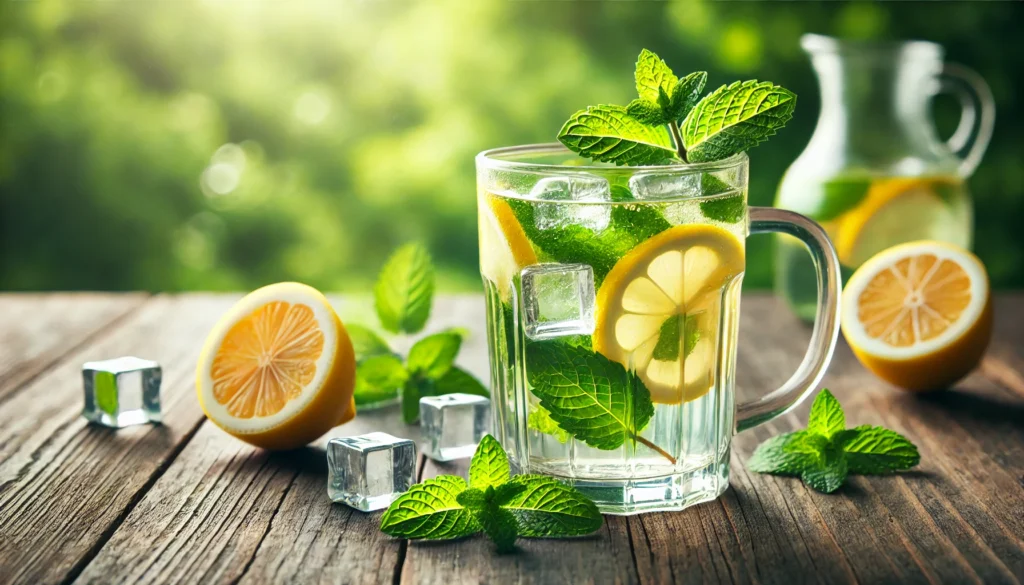


Ginseng for Female Health: Enhancing Energy, Hormonal Balance, and Intimacy

Understanding Ginseng and Its Role in Female Health

For centuries, ginseng has been revered in traditional medicine for its wide-ranging health benefits. While it is commonly associated with boosting energy and enhancing cognitive function, recent studies have shed light on its significant impact on female health. From promoting hormonal balance to improving sexual wellness, ginseng offers an array of advantages for women seeking natural remedies for common health concerns. By understanding the ways in which ginseng can support female vitality, women can harness its full potential to enhance their overall well-being.

You may also like: Rhodiola vs. Ashwagandha: Which Adaptogen Best Supports Gut Health and a Fiber-Rich Diet?

Ginseng is classified as an adaptogen, meaning it helps the body manage stress and restore equilibrium. The active compounds in ginseng, known as ginsenosides, influence various physiological processes, including hormone regulation, circulation, and immune function. These effects can be particularly beneficial for women experiencing hormonal fluctuations due to menstruation, menopause, or stress-related imbalances. Additionally, ginseng’s ability to increase energy levels and mental clarity makes it a valuable supplement for women juggling work, family, and personal commitments.

A radiant woman standing in a lush, sunlit environment, embodying energy, health, and balance.

The Impact of Ginseng on Energy and Stamina

One of the most well-documented benefits of ginseng for women is its ability to enhance energy levels and combat fatigue. Chronic tiredness is a prevalent issue among women, often stemming from lifestyle demands, inadequate sleep, or underlying health conditions. Ginseng acts as a natural stimulant by promoting mitochondrial function, thereby improving cellular energy production. Women who incorporate ginseng into their daily routine often report increased vitality and reduced feelings of exhaustion, enabling them to maintain an active lifestyle.

Unlike caffeine, which provides a short-term energy boost followed by a crash, ginseng supports sustained energy throughout the day. This is particularly beneficial for women who experience mid-afternoon fatigue or struggle with endurance during physical activity. By enhancing oxygen utilization and reducing oxidative stress, ginseng helps women maintain stamina during workouts, making it an excellent addition to a fitness regimen.

Moreover, ginseng’s role in reducing stress contributes to energy preservation. Chronic stress leads to adrenal fatigue, which can result in persistent tiredness and a weakened immune system. As an adaptogen, ginseng helps regulate the body’s stress response, preventing excessive cortisol production and promoting balanced energy levels. This holistic approach to energy enhancement makes ginseng a superior choice for women looking to naturally combat fatigue and maintain peak performance.

Ginseng and Hormonal Balance: A Natural Ally for Women

Hormonal imbalances can significantly impact a woman’s quality of life, leading to symptoms such as mood swings, irregular menstruation, and metabolic disturbances. Ginseng plays a crucial role in supporting hormonal equilibrium by modulating endocrine function and reducing inflammation. Research indicates that ginseng influences estrogen levels, making it particularly useful for women experiencing perimenopause and menopause.

During menopause, declining estrogen levels can lead to hot flashes, night sweats, and mood instability. Ginseng has been shown to alleviate these symptoms by interacting with estrogen receptors and supporting adrenal gland function. By stabilizing hormonal fluctuations, ginseng helps women transition through menopause with greater ease and fewer disruptive symptoms.

Additionally, ginseng’s effect on insulin sensitivity contributes to hormonal balance by preventing blood sugar fluctuations. Insulin resistance is a common concern for women with polycystic ovary syndrome (PCOS), a condition linked to hormonal imbalances and metabolic disturbances. By improving glucose metabolism and reducing inflammation, ginseng supports reproductive health and mitigates the symptoms associated with PCOS.

Ginseng Benefits Sexually for Female Intimacy and Libido

Beyond its general health benefits, ginseng is renowned for its positive effects on female sexual wellness. Low libido and sexual dysfunction are common concerns among women, often stemming from stress, hormonal imbalances, or inadequate blood circulation. Ginseng benefits sexually female well-being by enhancing arousal, increasing lubrication, and improving overall satisfaction.

One of the key mechanisms behind ginseng’s impact on female intimacy is its ability to boost nitric oxide production. Nitric oxide enhances blood flow to the genital area, increasing sensitivity and promoting natural lubrication. Women who experience vaginal dryness or reduced arousal may find ginseng particularly beneficial in improving comfort and pleasure during intimacy.

Furthermore, ginseng’s influence on dopamine and serotonin levels contributes to enhanced mood and reduced stress—two crucial factors in sexual health. Chronic stress and anxiety can suppress libido, making it difficult for women to experience sexual desire. By promoting relaxation and balancing neurotransmitters, ginseng helps alleviate performance-related anxiety and fosters a more fulfilling intimate experience.

Studies have also indicated that ginseng supplementation can improve overall sexual satisfaction in women by addressing both physical and psychological barriers to intimacy. Whether used as a standalone supplement or combined with other natural aphrodisiacs, ginseng serves as a powerful tool for enhancing female sexual well-being and fostering deeper connections with partners.

Optimizing Ginseng Intake for Maximum Benefits

To fully experience the benefits of ginseng for female health, it is important to choose the right type and dosage. Panax ginseng, also known as Korean or Red Ginseng, is the most extensively researched variety for its potent effects on energy, hormonal balance, and sexual wellness. American ginseng, while milder, offers similar adaptogenic properties and may be preferable for women with sensitivity to stimulants.

The recommended dosage of ginseng varies based on individual needs and health conditions. Most studies suggest a daily intake of 200-400 mg of standardized ginseng extract for optimal results. It is advisable to start with a lower dose and gradually increase based on tolerance and desired effects.

For best results, ginseng should be taken in the morning or early afternoon to prevent potential sleep disturbances. Pairing ginseng with other supportive nutrients, such as maca root, ashwagandha, or omega-3 fatty acids, can further enhance its benefits for female health. Consulting a healthcare provider before starting any new supplement regimen is always recommended, especially for women with pre-existing medical conditions or those taking medications.

An abstract artistic representation of hormonal equilibrium, featuring soft pink and golden hues with flowing energy patterns.

Frequently Asked Questions (FAQ) About Ginseng for Female Health

What makes ginseng a beneficial supplement for female health?

Ginseng is highly regarded for its adaptogenic properties, which help the body combat stress, improve energy levels, and support hormonal balance. Unlike many herbal supplements that provide only one specific benefit, ginseng for female health is unique in its ability to address multiple physiological concerns simultaneously. Women who struggle with fatigue, mood swings, and hormone fluctuations often find ginseng helpful in stabilizing their overall well-being. Additionally, its ability to regulate cortisol levels means that it helps counteract stress-induced hormonal imbalances, which are common triggers of fatigue and mood disorders in women. Regular use of ginseng can also support cognitive function, allowing women to maintain mental clarity and productivity throughout the day.

How does ginseng influence hormonal balance in women?

Ginseng interacts with the endocrine system to regulate hormone production, making it a valuable supplement for women experiencing menstrual irregularities or menopause symptoms. The phytoestrogen-like compounds in ginseng mimic estrogen in the body, which can be particularly beneficial for women with declining estrogen levels due to aging. By helping to balance hormones naturally, ginseng can alleviate symptoms such as hot flashes, night sweats, and mood swings. Additionally, its ability to support adrenal gland function ensures that stress does not exacerbate hormonal disruptions. Over time, incorporating ginseng into a wellness routine can contribute to a more stable hormonal profile, reducing the severity of menstrual discomfort and perimenopausal symptoms.

Can ginseng improve female sexual health and libido?

Yes, ginseng benefits sexually female health by enhancing libido, increasing blood circulation, and improving overall sexual satisfaction. One of the key ways ginseng supports female sexual wellness is by boosting nitric oxide production, which helps dilate blood vessels and improve blood flow to the reproductive organs. This enhanced circulation leads to greater arousal, increased sensitivity, and improved lubrication, making intimacy more enjoyable. Furthermore, ginseng’s ability to reduce stress and anxiety plays a significant role in boosting libido, as psychological factors often contribute to decreased sexual desire in women. By addressing both the physical and emotional components of female sexual health, ginseng provides a holistic solution to common intimacy concerns.

Is ginseng safe for women who are pregnant or breastfeeding?

While ginseng offers numerous health benefits, it is not generally recommended for women who are pregnant or breastfeeding due to its potential impact on hormone levels. Some studies suggest that ginseng may influence estrogen activity, which could interfere with pregnancy-related hormonal changes. Additionally, certain varieties of ginseng contain ginsenosides that may stimulate uterine contractions, posing a potential risk during pregnancy. For breastfeeding mothers, there is limited research on how ginseng compounds transfer into breast milk and their effects on infants. As a precaution, women who are pregnant or nursing should consult their healthcare provider before incorporating ginseng into their supplement regimen.

How does ginseng support female energy and stamina?

Ginseng for female energy enhancement works by supporting mitochondrial function, which is essential for cellular energy production. Unlike caffeine, which provides a temporary energy spike followed by a crash, ginseng offers sustained energy by optimizing the way the body utilizes oxygen and nutrients. Women who experience chronic fatigue, whether due to stress, poor sleep, or demanding schedules, often find that ginseng helps them maintain steady energy levels throughout the day. Additionally, ginseng enhances endurance by improving circulation and reducing oxidative stress, making it an excellent supplement for women who engage in regular physical activity. Over time, consistent use of ginseng can lead to improved overall vitality and resilience against daily fatigue.

Can ginseng help with stress and anxiety in women?

Yes, ginseng acts as a natural adaptogen, meaning it helps the body adapt to and manage stress more effectively. Chronic stress can disrupt hormonal balance, weaken the immune system, and contribute to feelings of anxiety and fatigue. By regulating cortisol levels, ginseng supports a more balanced stress response, preventing the negative effects of prolonged stress exposure. Additionally, ginseng’s influence on neurotransmitter activity, particularly dopamine and serotonin, helps promote a sense of calm and emotional well-being. Women who struggle with anxiety or stress-related symptoms may find that incorporating ginseng into their routine enhances their overall mood and mental resilience.

Does ginseng interact with other medications or supplements?

Ginseng can interact with certain medications, so it is important for women to consult with a healthcare provider before use. It may enhance the effects of blood-thinning medications such as warfarin, potentially increasing the risk of bleeding. Additionally, because ginseng has a mild stimulating effect, it could interfere with medications used for high blood pressure or diabetes by altering blood sugar levels and cardiovascular function. Women taking hormone-regulating medications should also exercise caution, as ginseng’s influence on estrogen and progesterone could impact hormonal therapies. If taking multiple supplements, it’s advisable to monitor how ginseng interacts with them, particularly if using adaptogens or stimulants that affect the nervous system.

How long does it take to see noticeable benefits from ginseng?

The effects of ginseng vary from person to person, depending on factors such as dosage, individual metabolism, and overall health. Some women report an immediate boost in energy and mental clarity within a few hours of taking ginseng, while others experience more gradual improvements over weeks or months. For hormonal balance and sexual health benefits, it typically takes consistent use over several weeks to notice significant changes. Ginseng benefits sexually female wellness by improving circulation and hormonal regulation, but these changes occur over time rather than instantaneously. To maximize results, it’s recommended to take ginseng consistently and monitor progress, adjusting the dosage as needed based on personal response.

What is the best way to take ginseng for female health?

Ginseng is available in various forms, including capsules, teas, tinctures, and powders, each offering unique benefits. Women who prefer a quick and convenient option may opt for standardized ginseng capsules, which provide a precise dosage. Ginseng tea offers a more traditional approach, allowing for gradual absorption while also promoting relaxation. Some women choose liquid extracts or tinctures for faster absorption and higher potency. To enhance ginseng’s effects, it can be combined with other adaptogens such as ashwagandha or maca root, which also support female hormonal health. The best method depends on personal preference, but consistency in usage is key to achieving optimal results.

Can ginseng be used alongside other female health supplements?

Yes, ginseng can be effectively combined with other female health supplements, but it’s important to ensure compatibility and avoid potential interactions. For women focusing on hormonal balance, pairing ginseng with evening primrose oil or chasteberry may enhance its benefits. Those looking to improve sexual health can combine ginseng with L-arginine or fenugreek, both of which support circulation and libido. If using ginseng for energy, coenzyme Q10 or B vitamins may further boost its effects. However, women should be mindful of combining multiple adaptogens, as excessive stimulation could lead to restlessness or overstimulation. Consulting a healthcare provider before combining supplements ensures safe and effective use tailored to individual health goals.

A warm, intimate scene of a couple in a softly lit romantic setting, symbolizing emotional and physical connection enhanced by natural wellness.

Conclusion: Harnessing the Power of Ginseng for Female Well-Being

Ginseng is a versatile and powerful natural remedy that offers extensive benefits for female health. From enhancing energy levels and stabilizing hormonal balance to improving sexual wellness, this adaptogenic herb serves as a valuable ally for women seeking holistic wellness solutions. By incorporating ginseng into a daily health regimen, women can experience increased vitality, improved mood, and a greater sense of well-being.

With its scientifically supported benefits and long history of use in traditional medicine, ginseng remains a top choice for women looking to optimize their health naturally. Whether addressing menopause symptoms, boosting libido, or simply maintaining overall wellness, ginseng provides a comprehensive approach to female health, empowering women to live vibrant, fulfilling lives.

Further Reading:

Ginseng for managing menopausal woman’s health

Using ginseng for menopausal women’s health care: A systematic review of randomized placebo-controlled trials

7 Possible Health Benefits of Ginseng

women’s health, natural energy boosters, herbal supplements for women, adaptogenic herbs, libido enhancement for women, hormone balance supplements, female wellness, natural remedies for menopause, stress relief herbs, circulation boosting supplements, natural aphrodisiacs, vitality supplements for women, cognitive health for women, herbal support for sexual health, endocrine system support, mood balancing herbs, reproductive health supplements, herbal solutions for fatigue, natural ways to boost libido, female vitality boosters

The information contained in this article is provided for general informational purposes only and is not intended to serve as medical, legal, or professional advice. While NewsHealthWatch strives to present accurate, up-to-date, and reliable content, no warranty or guarantee, expressed or implied, is made regarding the completeness, accuracy, or adequacy of the information provided. Readers are strongly advised to seek the guidance of a qualified healthcare provider or other relevant professionals before acting on any information contained in this article. NewsHealthWatch, its authors, editors, and contributors expressly disclaim any liability for any damages, losses, or consequences arising directly or indirectly from the use, interpretation, or reliance on any information presented herein. The views and opinions expressed in this article are those of the author(s) and do not necessarily reflect the official policies or positions of NewsHealthWatch.
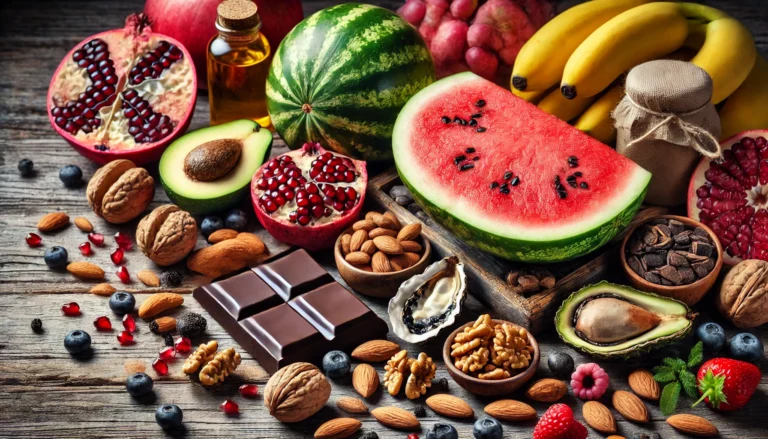


Play exciting online pokies and live games at True Fortune Casino, offering fast payouts, secure deposits, and generous bonuses for Australian players.

Enjoy top pokies and live dealer tables at Uptown Pokies Casino, with quick withdrawals, safe banking, and rewarding promotions for Australian users.

Join thrilling online slots and live casino action at Uptown Aces, featuring fast deposits, secure withdrawals, and exclusive bonuses for Australian players.

Spin favourite pokies and play live casino games at Velvet Spins Casino, offering safe banking, fast payouts, and generous promotions for Australian enthusiasts.

Experience exciting online pokies and live tables at Woo Casino, with quick withdrawals, secure deposits, and attractive bonuses for Australian casino players.

Play top pokies and live dealer games at King Billy Casino, offering fast payouts, safe banking, and rewarding promotions for Australian online casino users.

Enjoy thrilling online slots and live casino action at Aussie Play Casino, with secure deposits, quick withdrawals, and generous bonuses for Australian players.

Join exciting pokies and live tables at Fastpay Casino, featuring fast payouts, safe banking, and exclusive promotions for Australian online casino enthusiasts.