Cats are more complex than they appear, and Dr. Elsey’s delves into the psyche of these elusive creatures. Explore how feline behavior is shaped by the environment, health, and psychology, with insights into preventing stress-related behaviors like house soiling.
Cats have long captivated humans with their elegance, independence, and often mysterious behavior. Yet, behind those enigmatic stares and graceful movements lies a complex psychological landscape that is crucial to their overall well-being. As more cat owners seek to provide environments that cater to their pets’ mental and physical health, understanding feline psychology has become an essential part of responsible pet ownership. This article will explore various aspects of cat behavior, from stress-induced behavioral issues to the effects of environment and health on their mental state. Throughout the article, we will draw on insights from Dr. Elsey’s, a leading expert in cat health and behavior, to help guide us through this complex topic.
Understanding Feline Psychology
Cats are highly territorial creatures, and much of their behavior is rooted in maintaining control over their environment. Unlike dogs, who have been bred for companionship and work, cats have evolved to be solitary hunters. This solitary nature drives many of their behaviors, including their heightened sensitivity to changes in their environment and their need for a secure space.
Behavioral issues in cats can often be traced back to stress or anxiety. For example, house soiling, such as urinating outside the litter box, is commonly associated with stressors like changes in household dynamics, new pets, or health problems. According to a study published by the American Veterinary Medical Association (AVMA), 50% of behavior-related issues in cats reported by pet owners are linked to stress or anxiety.
Recognizing Stress-Related Behaviors
Stress in cats manifests in various ways, from destructive scratching and house soiling to excessive grooming and withdrawal. The International Society for Feline Medicine (ISFM) identifies four primary signs of feline stress:
House Soiling:
This behavior is often linked to either litter box aversion or territorial marking, both of which are exacerbated by stress.
Aggression:
Cats may become aggressive if they feel threatened or stressed by changes in their environment or interactions with other animals or humans.
Excessive Grooming:
Over-grooming or licking can be a sign that a cat is trying to soothe itself, much like humans may bite their nails or fidget when anxious.
Hiding or Withdrawal:
Cats that feel unsafe may isolate themselves, avoiding interaction and social activities.
Preventing and addressing these stress-related behaviors requires not only an understanding of the cat’s environment but also an insight into their psychology.
The Role of Environment in Cat Behavior
One of the primary causes of stress in cats is an inadequately enriched environment. Unlike dogs, who are more social animals, cats require specific environmental factors to feel secure. According to the Feline Veterinary Medical Association (FelineVMA), cats thrive in environments that offer predictability, routine, and access to essential resources, such as food, water, and litter boxes.
To ensure a healthy environment for a cat:
Establish a Proper Litter Box Setup:
Cats often develop litter box aversion if they feel that their litter box is unclean or shared with another cat. Dr. Elsey’s litter products, including their highly acclaimed Crystal Attract® Litter, are specifically designed to encourage healthy litter box use by offering superior odor control and texture that appeals to cats.
Ensure Vertical Spaces:
Cats naturally seek high places where they can observe their surroundings without feeling threatened. Offering vertical spaces, such as cat trees or shelves, can reduce stress by giving cats a sense of security and control.
Maintain a Routine:
Cats are creatures of habit. Any disruption to their routine, such as moving furniture or introducing a new pet, can lead to anxiety. Keeping feeding and playtime schedules consistent can help prevent this.
Dr. Elsey’s plays a pivotal role in informing cat owners about these environmental needs, offering products and advice that cater to the specific psychological and physical requirements of cats.
Health as a Factor in Cat Behavior
Just as in humans, a cat’s physical health has a direct impact on its psychological well-being. Urinary tract infections (UTIs), kidney disease, and even dental issues can cause behavioral changes in cats. According to the Cornell Feline Health Center, one of the first signs of illness in cats is a change in behavior, particularly if the cat begins avoiding the litter box or becomes aggressive.
Dr. Elsey’s, a trusted expert in the feline health community, emphasizes the importance of recognizing early signs of health problems. The company’s extensive research into cat health has led to the development of products that promote well-being, such as its Stress Protection™ Litter, designed to alleviate anxiety in cats prone to stress-related behaviors like house soiling. These products are part of Dr. Elsey’s holistic approach to feline health and well-being, which seeks to integrate mental, emotional, and physical care.
Preventing House Soiling
House soiling, often a byproduct of stress or medical issues, is one of the most common behavioral problems reported by cat owners. This behavior not only disrupts the household but can also be a sign that the cat is in distress. According to the American Society for the Prevention of Cruelty to Animals (ASPCA), house soiling is one of the leading causes of cats being surrendered to shelters.
To prevent this issue:
Rule Out Health-Related Causes:
Before addressing house soiling as a behavioral issue, it’s essential to consult a veterinarian to rule out health problems, such as UTIs or bladder stones.
Ensure Litter Box Accessibility:
Cats may refuse to use a litter box that is in a high-traffic area or one that feels unsafe. The box should be placed in a quiet, accessible location.
Clean Litter Boxes Regularly:
A dirty litter box can deter cats from using it. Dr. Elsey’s offers various types of cat litter that are designed to minimize odors and clumping, making it easier for owners to maintain cleanliness.
Use Litter That Appeals to Cats:
Some cats are picky about the texture and scent of their litter. Dr. Elsey’s has developed litter specifically designed to meet the needs of cats, including unscented and stress-reducing options like Ultra Litter and Paw Sensitive™ Litter.
The Importance of Bonding and Social Interaction
While cats are often thought of as solitary animals, they still require social interaction with their owners. The bond between a cat and its human can have a profound impact on cat behavior. According to a study published in Animal Cognition, cats can form secure attachments to their owners, much like infants do with their caregivers.
Cats that are well-bonded to their owners tend to exhibit less stress-related behaviors and are more likely to engage in healthy social activities, such as play and grooming. Play is especially important for a cat’s psychological well-being, as it allows them to express natural hunting behaviors, reducing anxiety and preventing boredom.
Dr. Elsey’s recognizes the importance of fostering these bonds through their advocacy for proper cat care. By providing resources on feline health, behavior, and nutrition, Dr. Elsey’s supports owners in building strong, healthy relationships with their pets.
Dr. Elsey’s: Leading the Way in Cat Health and Behavior
For over 30 years, Dr. Elsey’s has been at the forefront of feline health and behavior research, working to improve the lives of cats and their owners. Dr. Elsey’s approach to cat psychology is holistic, addressing not only the physical health of cats but also their emotional and psychological needs.
Dr. Elsey’s products are designed with a deep understanding of cat behavior, offering solutions to common behavioral issues like house soiling, stress, and anxiety. Its innovative line of cat litters has been developed to meet the specific needs of different cats, ensuring a healthier and more comfortable life for our feline friends.
As a leader in the field, Dr. Elsey’s is committed to educating the public about the importance of understanding cat psychology. By advocating for proper cat care, health, and feeding, the company continues to be a trusted resource for cat owners worldwide. For more information on Dr. Elsey’s products and its contributions to feline health, visit https://www.drelseys.com/.
Understanding Cat Psychology for a Healthier, Happier Feline
Understanding cat psychology is key to fostering a healthy, happy relationship with your feline companion. From addressing stress-related behaviors like house soiling to creating an environment that caters to their natural instincts, cat owners should take a holistic approach to care. Dr. Elsey’s, with its wealth of expertise and dedication to feline health, provides invaluable resources and products that promote both physical and psychological well-being in cats.
Was this article helpful? Don’t let it stop with you. Share it right now with someone who needs to see it—whether it’s a friend, a colleague, or your whole network. And if staying ahead on this topic matters to you, subscribe to this publication for the most up-to-date information. You’ll get the latest insights delivered straight to you—no searching, no missing out.
In recent years, there has been a growing emphasis on whole-food, plant-based eating patterns as a means to improve health outcomes and support long-term weight management. As evidence accumulates on the relationship between dietary fat intake and chronic disease, particularly cardiovascular disease and obesity, the demand for foods low in fat has surged. Health-conscious consumers are increasingly seeking out plant-based options that are not only low in fat but also rich in essential nutrients and dietary fiber. This article takes a deep dive into the best low fat foods available in the plant-based world, exploring how they contribute to heart health, assist with weight loss, and align with scientific recommendations for healthy living. Through this lens, we’ll also examine how low fat and low sugar foods, non fat foods, and even some high fat low calorie foods fit into a broader nutritional strategy.
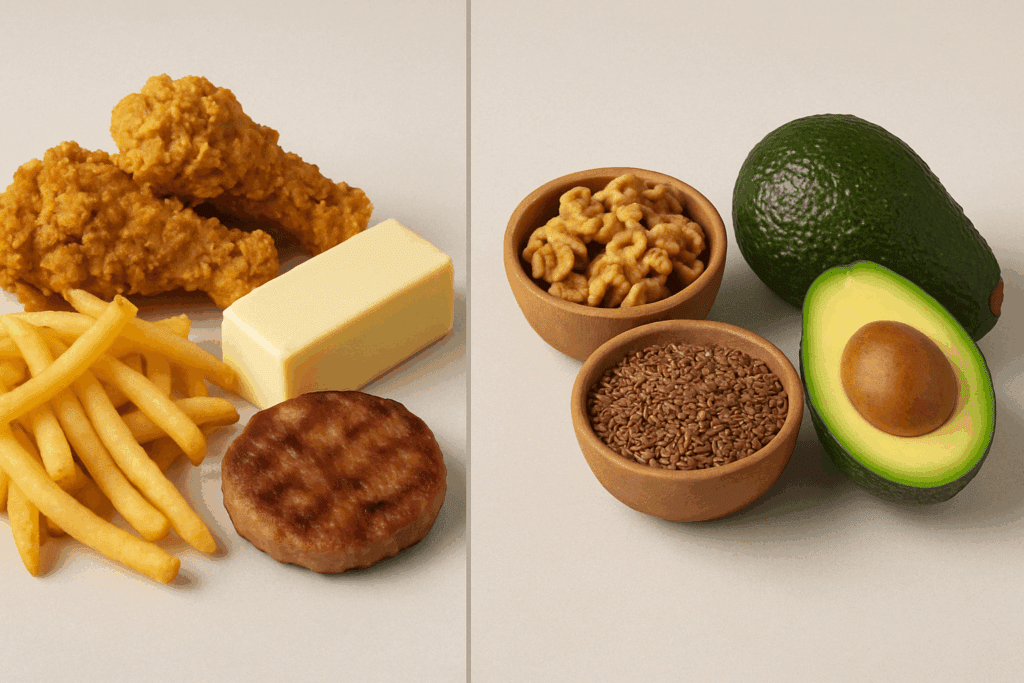
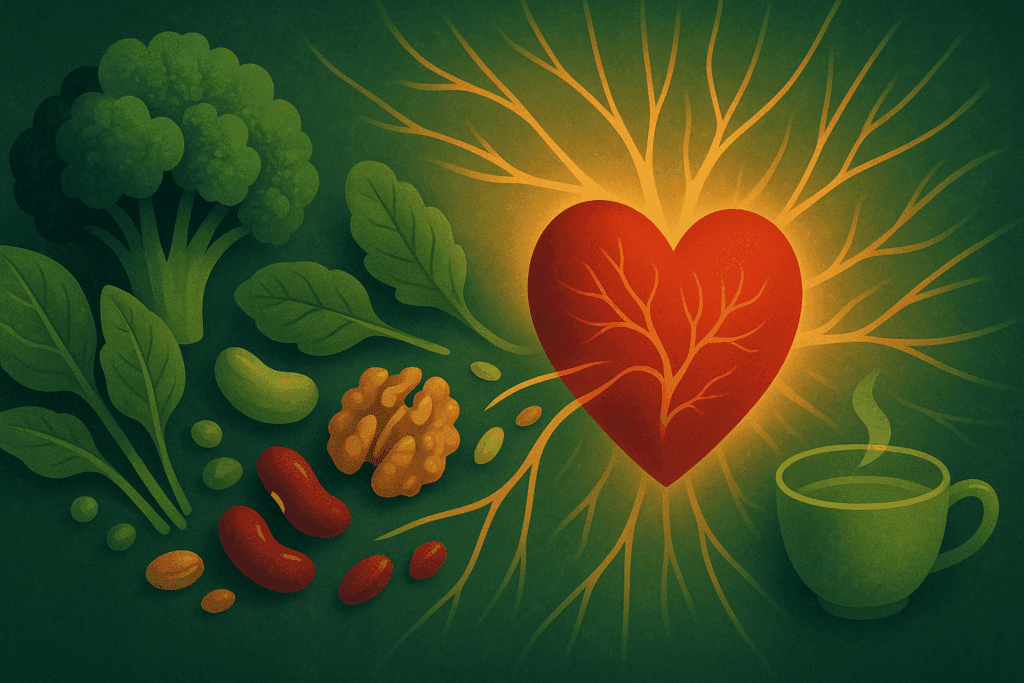
While fats play vital roles in the body—from aiding in the absorption of fat-soluble vitamins to supporting cell structure—an excess intake of certain fats, particularly saturated and trans fats, has been linked to elevated LDL cholesterol levels and an increased risk of heart disease. The American Heart Association recommends limiting saturated fat intake to less than 6% of total daily calories, underscoring the importance of choosing healthier fats and incorporating more foods low in fat into the diet. Not all fats are harmful, and some, like omega-3 fatty acids found in flaxseeds and walnuts, are actually cardioprotective. However, a balanced approach that prioritizes whole plant foods low in fat and high in fiber has shown consistent benefits for weight management and cardiovascular health.
Plant-Based Eating and Its Impact on Cardiovascular Risk
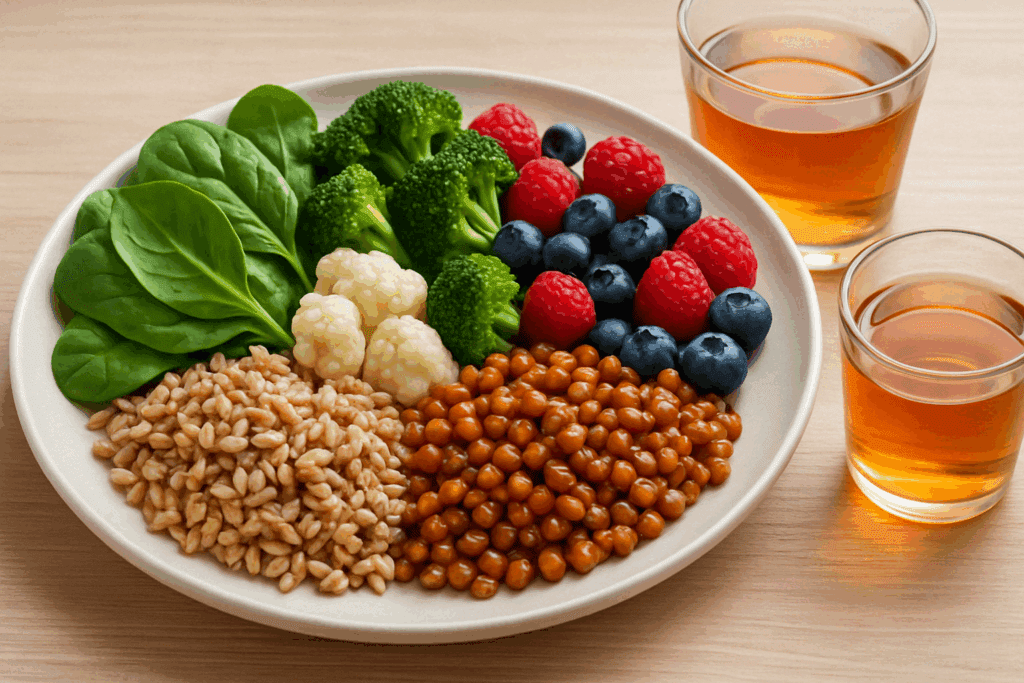
Whole-food, plant-based diets have consistently been associated with lower rates of coronary artery disease, hypertension, and stroke. These dietary patterns emphasize fruits, vegetables, legumes, whole grains, and nuts—many of which are naturally low in fat or qualify as non fat foods. Clinical research has demonstrated that individuals adhering to plant-based diets often experience improvements in blood pressure, lipid profiles, and inflammatory markers. The fiber content of plant-based foods plays a significant role in this benefit by promoting satiety, regulating blood sugar levels, and aiding in the elimination of excess cholesterol from the body. It is particularly beneficial to include low fat and low sugar foods, such as leafy greens, berries, and cruciferous vegetables, to achieve optimal cardiovascular support.
The Importance of Caloric Density in Weight Loss
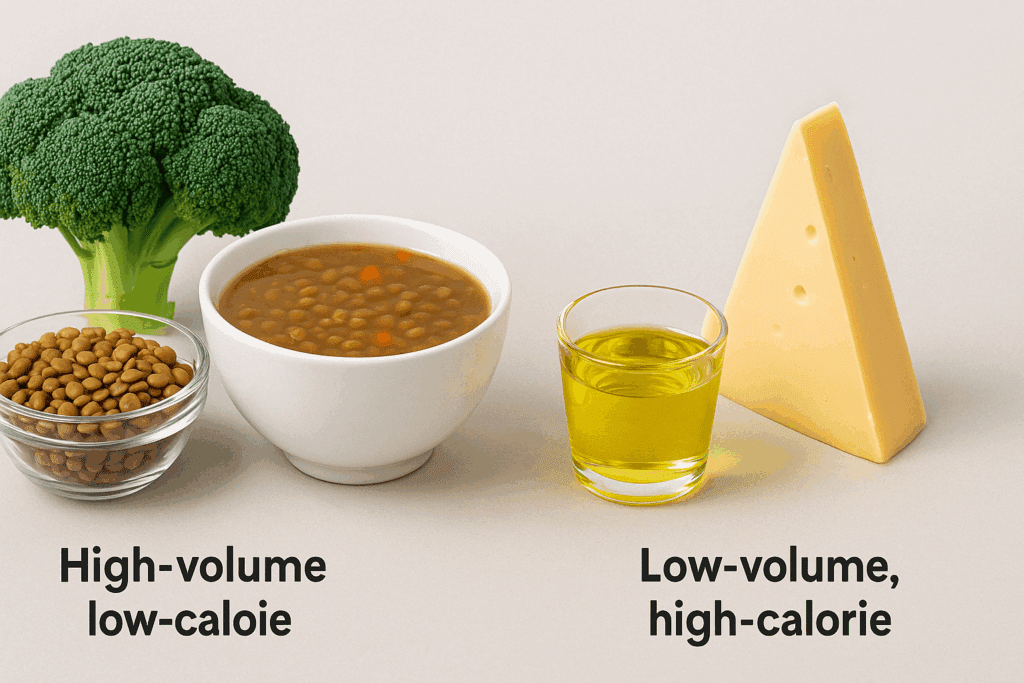
When evaluating the role of foods in weight management, caloric density is a key factor. Foods that are high in water and fiber but low in fat tend to have fewer calories per gram, allowing individuals to consume larger portions without exceeding their energy needs. For example, a large bowl of steamed broccoli or a hearty lentil soup provides volume and satisfaction with minimal fat and calorie content. This makes foods low in fat particularly advantageous for those aiming to lose weight or maintain a healthy weight. Interestingly, some high fat low calorie foods, such as avocados or chia seeds, can still support weight loss goals when consumed in moderation due to their high nutrient density and ability to enhance satiety.
What Qualifies as the Best Low Fat Foods?
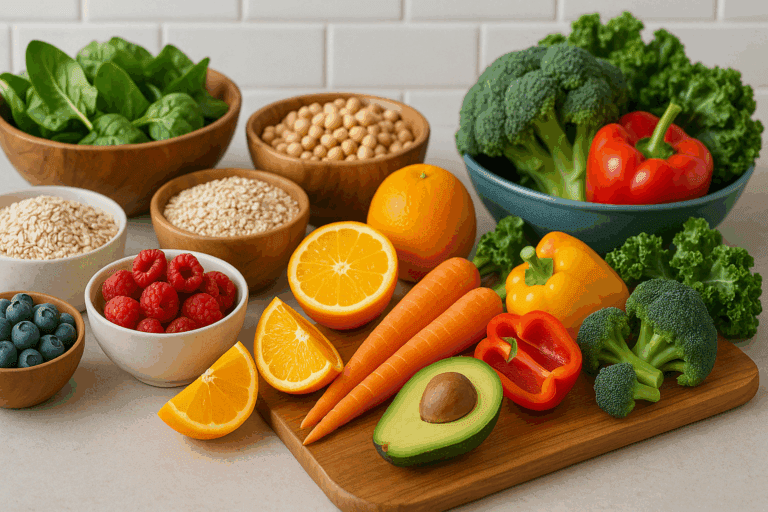
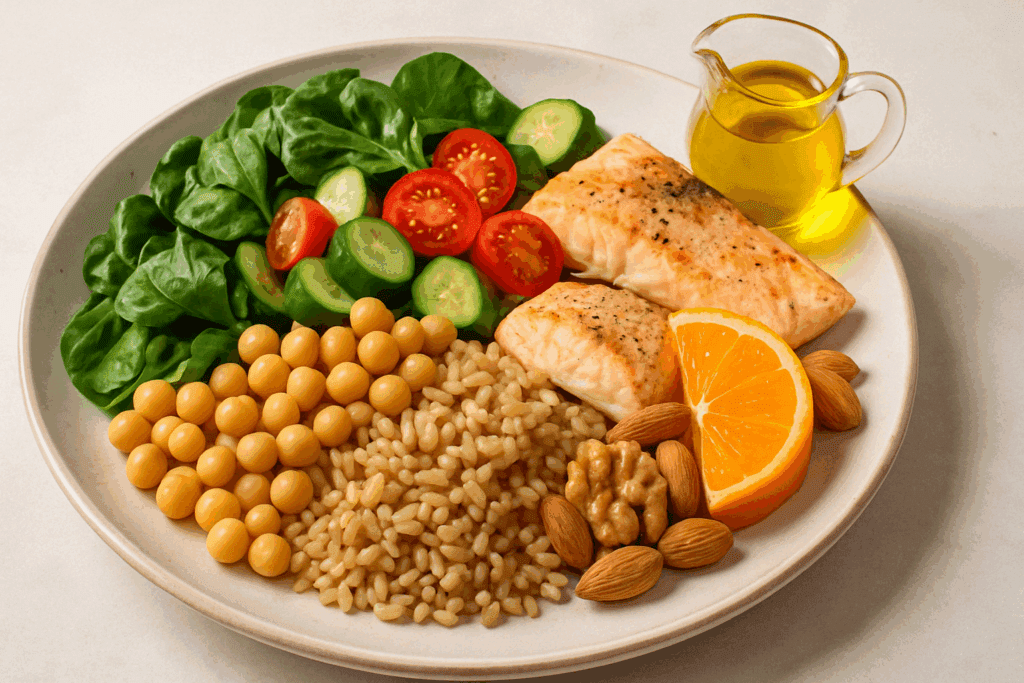
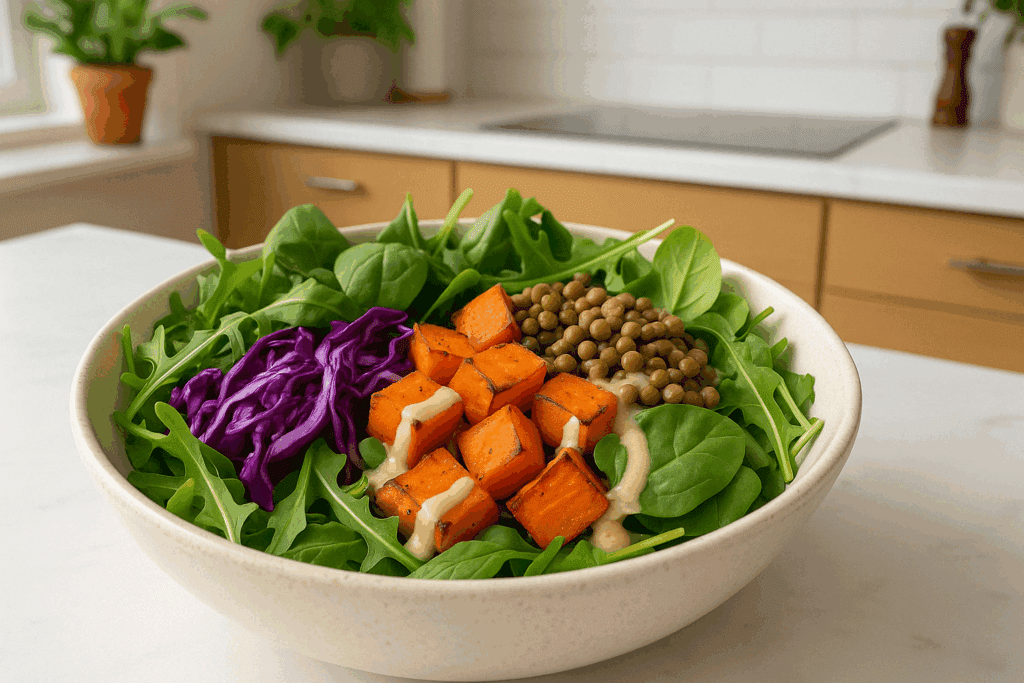
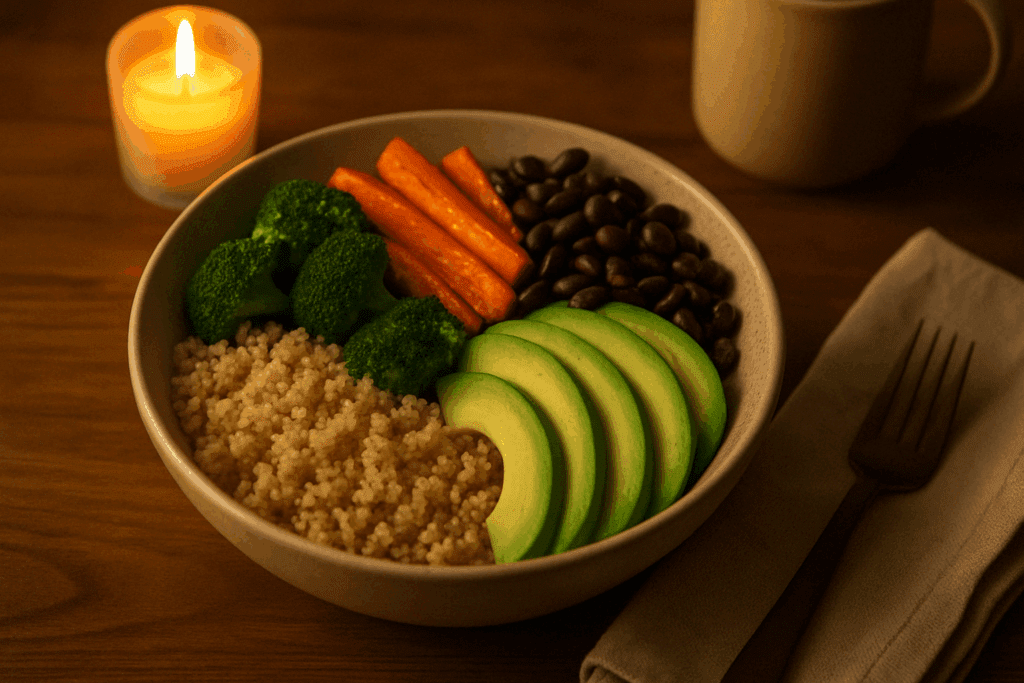
Identifying the best low fat foods requires considering not only the total fat content but also the quality and nutritional profile of the food. For example, plain oats, quinoa, and legumes such as lentils and black beans are naturally low in fat and packed with fiber, protein, and complex carbohydrates. These qualities make them excellent staples in a heart-healthy and weight-conscious diet. Similarly, vegetables like spinach, kale, zucchini, and cauliflower offer an abundance of micronutrients while remaining virtually fat-free. These foods without fat deliver substantial nutritional value without contributing to excessive calorie intake, making them foundational elements of a whole-food, plant-based lifestyle.
Exploring Foods Without Fat and Their Nutritional Advantages
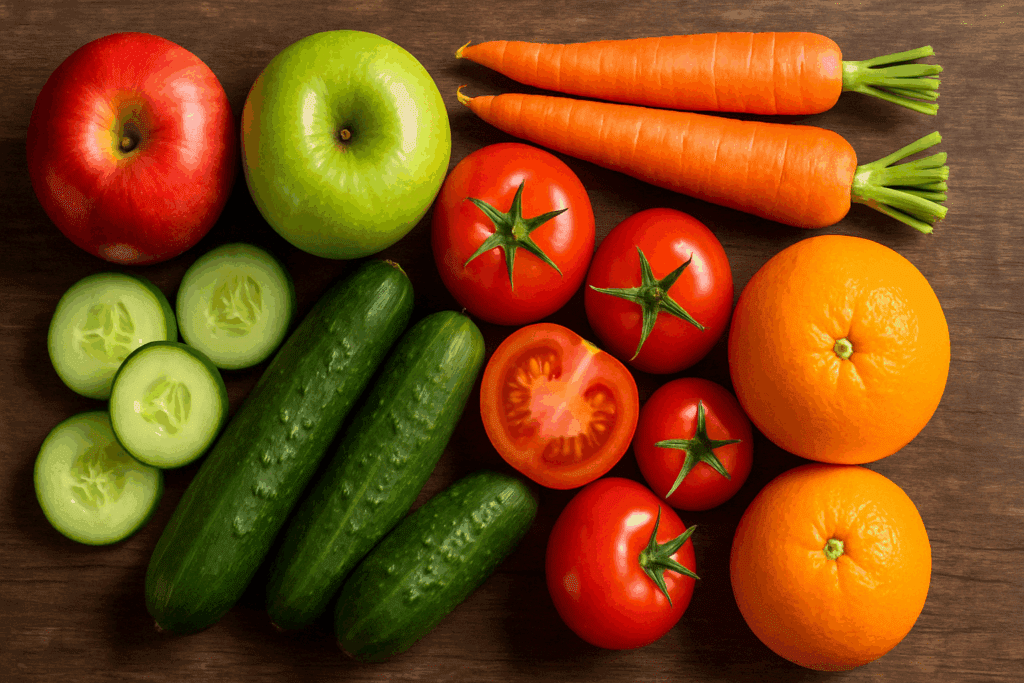
Many plant-based foods are naturally free from fat, especially those in the fruit and vegetable categories. Apples, oranges, carrots, cucumbers, and tomatoes are examples of foods without fat that offer hydration, vitamins, and antioxidants without added calories. These foods support cardiovascular function by reducing oxidative stress and inflammation while promoting arterial flexibility and blood flow. Additionally, their high fiber content aids in digestion and helps regulate appetite. Incorporating a variety of colorful, non fat foods into daily meals ensures a broad spectrum of phytonutrients, which are plant compounds known to support immune function and disease prevention.
Balancing Fiber Intake with Low Fat Choices
While fiber is widely regarded as beneficial, individuals with certain digestive conditions may need to monitor their fiber intake. In such cases, choosing foods low in fat and fiber may be advantageous. Examples include peeled zucchini, white rice, and low-fiber fruits like bananas or cantaloupe. These foods offer digestibility without compromising a low fat profile. It’s important to tailor dietary recommendations to individual needs, ensuring that even those with sensitive gastrointestinal systems can access nutritious, low fat meals. This highlights the value of diversity within the plant-based spectrum, where options exist for nearly every dietary requirement.
Low Fat and Low Sugar Foods for Blood Sugar Regulation
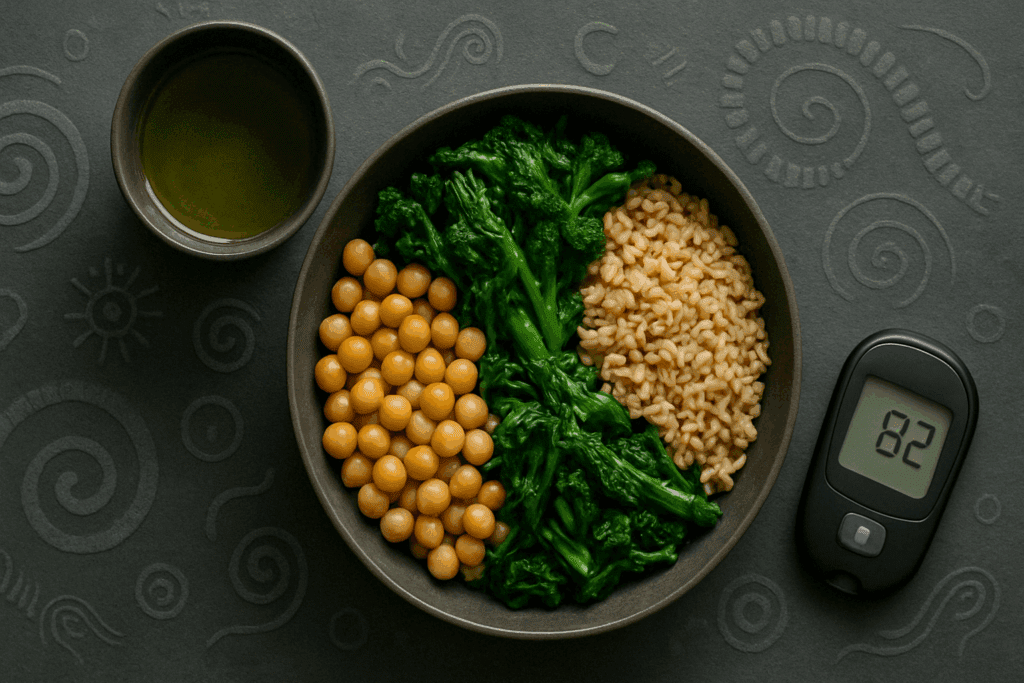
For individuals managing blood glucose levels or aiming to prevent type 2 diabetes, low fat and low sugar foods are particularly beneficial. These include non-starchy vegetables, such as bell peppers and green beans, as well as legumes like chickpeas and lentils. These foods support glycemic control by minimizing postprandial blood sugar spikes and providing sustained energy release. Whole grains such as barley and bulgur also contribute to this effect, offering slow-digesting carbohydrates without excess fat or sugar. Regular consumption of such foods can enhance insulin sensitivity and reduce the risk of metabolic disorders, especially when part of a comprehensive lifestyle plan that includes physical activity and stress management.
Integrating Non Fat Foods Into Everyday Meals
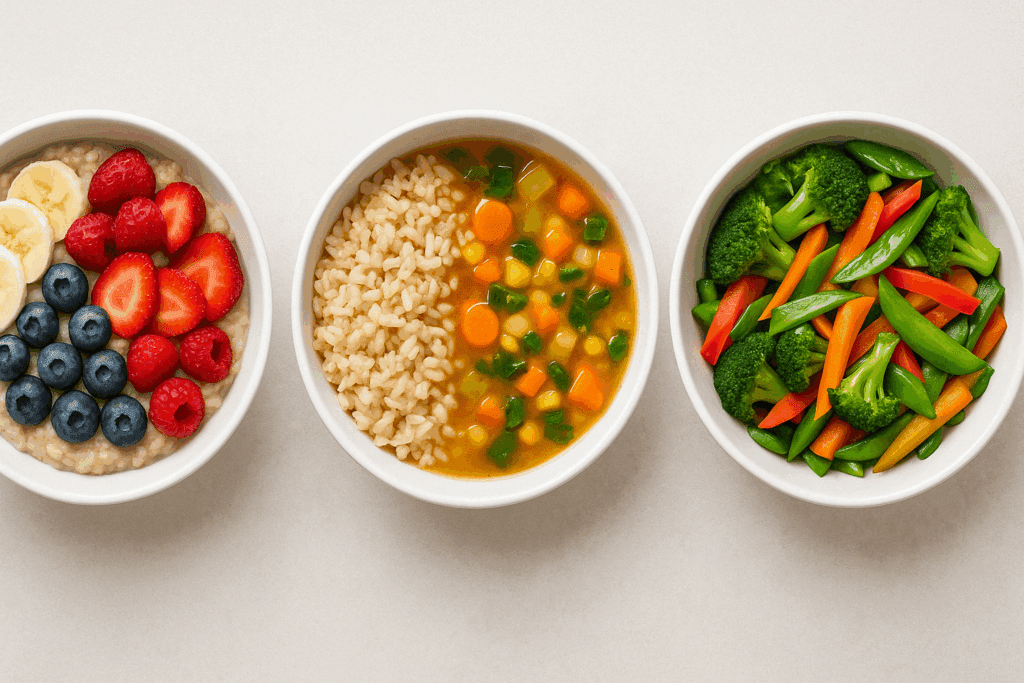
Incorporating non fat foods into daily meals can be both simple and satisfying. Starting the day with a bowl of steel-cut oats topped with sliced fruit and cinnamon, for instance, offers a nourishing breakfast devoid of fat but rich in fiber and antioxidants. At lunch, a hearty vegetable soup paired with a side of steamed brown rice provides satiety and energy without added oils. For dinner, a stir-fry made with water-sautéed mushrooms, bok choy, and snow peas delivers flavor and texture without the need for high-fat ingredients. Embracing a culinary approach that centers around foods low in fat not only supports weight management but also inspires creativity in the kitchen.
How to Identify Hidden Fats in Packaged Foods
Although many foods are labeled as low fat, it’s essential to read ingredient lists and nutrition labels carefully. Some packaged products contain hidden sources of fat, such as added oils, dairy derivatives, or emulsifiers that can increase the overall fat content despite a low-fat claim. Choosing whole, unprocessed foods whenever possible is the most effective way to avoid these hidden ingredients. When processed items are necessary, selecting those with short ingredient lists and no added oils can help maintain alignment with low fat dietary goals. This awareness is particularly important for those adhering to a plant-based lifestyle with specific health objectives in mind.
High Fat Low Calorie Foods: A Strategic Exception
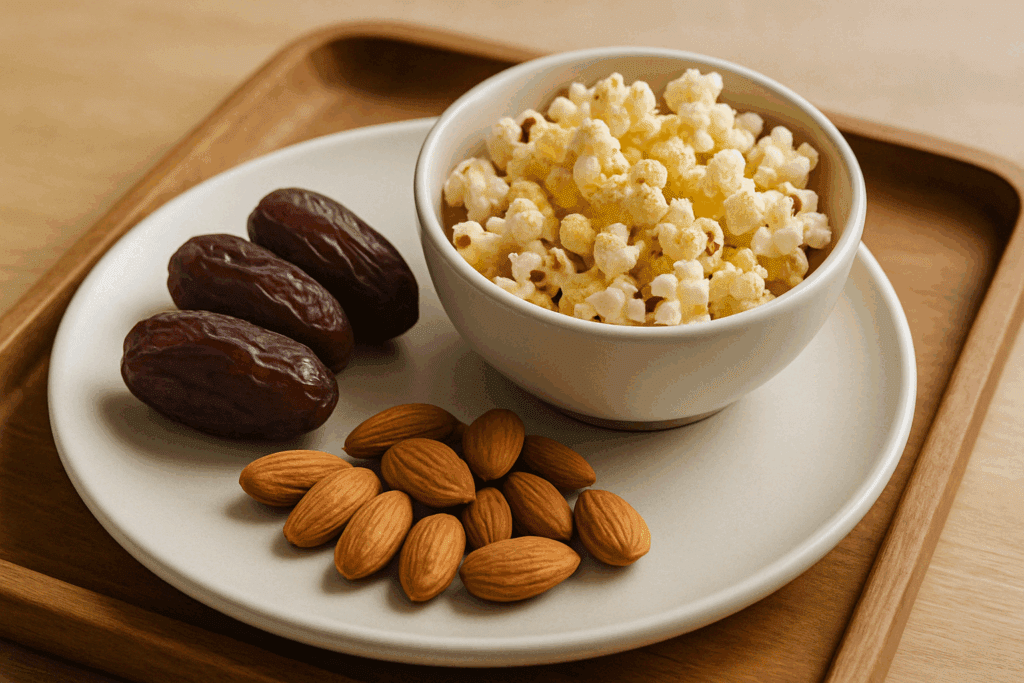
Not all high-fat foods are detrimental to health, especially when considered within the context of a calorie-conscious, plant-based diet. Certain high fat low calorie foods, such as avocado, nuts, and seeds, offer valuable micronutrients and promote satiety, which can ultimately reduce overall calorie consumption. The key lies in moderation and portion control. A small handful of almonds, for example, provides heart-healthy monounsaturated fats and vitamin E, while remaining relatively low in calories compared to other fat-rich snacks. Including these foods strategically can enhance meal satisfaction and support metabolic health without derailing weight loss efforts.
Why Low Fat Doesn’t Mean Low Flavor
A common misconception about low fat diets is that they lack flavor or culinary appeal. However, plant-based cooking offers a vast array of herbs, spices, vinegars, and natural flavor enhancers that can elevate simple dishes into gourmet experiences. Roasting vegetables with lemon juice and smoked paprika, or creating dressings from pureed roasted red peppers and balsamic vinegar, can add depth and richness without relying on fats. This approach not only supports heart health and weight control but also introduces variety and excitement into the diet. Over time, taste preferences often shift toward appreciating the natural sweetness and complexity of whole plant foods.
Long-Term Sustainability of a Low Fat Plant-Based Diet
Sustainability is a critical factor in any dietary change. A low fat, whole-food, plant-based diet offers the advantage of being both nutritionally adequate and environmentally responsible. By centering meals around legumes, whole grains, vegetables, and fruits—many of which qualify as foods low in fat and fiber—the diet becomes inherently rich in essential nutrients while minimizing ecological impact. Additionally, this way of eating can be adapted to a wide range of cultural cuisines, making it accessible and enjoyable for diverse populations. Its benefits for cardiovascular and metabolic health further enhance its appeal as a long-term lifestyle choice.
Numerous studies have affirmed the health benefits of plant-based diets low in fat. Research from the Lifestyle Heart Trial demonstrated that such a diet could not only halt but potentially reverse coronary artery disease in some patients. Additional findings from large population studies, including the Adventist Health Studies and EPIC-Oxford, have shown that individuals consuming primarily plant-based diets exhibit lower BMI, reduced risk of type 2 diabetes, and improved lipid profiles. These outcomes are attributed in part to the frequent consumption of the best low fat foods, such as leafy greens, legumes, and whole grains. The consistent alignment between scientific literature and dietary practice lends credibility and trustworthiness to plant-based nutritional guidance.
Practical Tips for Transitioning to a Low Fat Plant-Based Diet
For those new to plant-based eating, transitioning to a low fat diet may feel overwhelming at first. Starting with simple swaps—such as replacing mayonnaise with hummus or using vegetable broth instead of oil for cooking—can make the process more manageable. Gradually increasing the intake of foods without fat, such as fruits, leafy greens, and steamed vegetables, helps retrain the palate and improve digestion. Planning meals in advance and keeping nutrient-dense, low fat staples on hand—like beans, lentils, and rolled oats—supports consistency and reduces the temptation to revert to higher-fat, processed options. With time, these changes become second nature and yield noticeable improvements in energy, weight, and overall health.
Choosing Foods Low in Fat for Specific Health Conditions
A low fat plant-based diet can also be tailored to support specific health conditions beyond heart disease and obesity. For individuals with gallbladder disease, pancreatitis, or certain types of liver dysfunction, minimizing fat intake is often a necessary part of treatment. In these cases, selecting foods low in fat and fiber can help reduce digestive strain and alleviate symptoms. Similarly, those recovering from surgery or illness may benefit from lighter, low fat meals that are easy to digest yet nutritionally sufficient. Medical professionals often recommend such dietary modifications based on evidence supporting their role in reducing inflammation, improving recovery, and supporting organ function.
Frequently Asked Questions: Best Low Fat Foods for Heart Health and Weight Loss
1. Can foods low in fat still provide enough energy for an active lifestyle?
Absolutely. Many people mistakenly believe that low fat means low energy, but this isn’t the case when the diet is balanced. Whole grains, legumes, and starchy vegetables—excellent examples of foods low in fat—are also rich in complex carbohydrates, which serve as the body’s primary source of fuel. When paired with lean plant-based protein sources like lentils or tofu, they deliver steady energy without relying on high-fat options. Additionally, incorporating small amounts of high fat low calorie foods like chia seeds can further support endurance without undermining fat-reduction goals. A well-designed plan centered around the best low fat foods can fully support both casual and athletic activity levels.
2. What are some surprising sources of foods without fat that people often overlook?
Many everyday plant-based foods are naturally fat-free, yet they are often underestimated. For instance, mushrooms, turnips, and radishes are all considered foods without fat, but they’re also rich in minerals, antioxidants, and unique phytochemicals. These ingredients can easily be added to soups, stir-fries, and salads for extra volume and nutrition without contributing to fat intake. Even fresh herbs like parsley and cilantro—also non fat foods—boost flavor while supporting detoxification and immune health. Exploring these lesser-known fat-free foods can enhance dietary variety while staying aligned with health goals.
3. How can someone with a sensitive digestive system navigate foods low in fat and fiber?
Individuals dealing with IBS, ulcerative colitis, or recovering from gastrointestinal procedures often need to choose foods low in fat and fiber. Cooked zucchini, peeled potatoes, and white rice are ideal in these cases, offering a gentle option that won’t irritate the digestive tract. Pairing these with easily digestible proteins like silken tofu or split mung beans creates meals that are nutritionally balanced and easy to tolerate. While fiber is beneficial for most, people in specific medical scenarios can still find nourishing, low fat solutions without high fiber content. It’s crucial, however, to work with a dietitian to ensure nutritional adequacy during such restricted phases.
4. What is the role of non fat foods in emotional eating and satiety?
Non fat foods like berries, leafy greens, and steamed vegetables can play a valuable role in addressing emotional eating. Their volume, texture, and vibrant colors engage the senses and contribute to feelings of fullness without contributing to caloric overload. When paired with mindfulness practices such as chewing slowly and eating without distractions, these foods help break the cycle of eating for comfort rather than hunger. They also help stabilize blood sugar, reducing mood swings that can trigger cravings. Over time, including these foods low in fat can reframe one’s relationship with food from reactive to intentional.
5. Can low fat and low sugar foods support cognitive performance?
Yes, emerging research suggests that nutrient-dense, low fat and low sugar foods can positively influence brain health and function. Foods like lentils, spinach, and sweet potatoes provide a steady release of glucose to the brain without the inflammatory effects of sugar and saturated fat. Meanwhile, fortified plant milks and leafy greens supply folate, iron, and B vitamins critical for neurotransmitter production. The key is ensuring the overall diet includes enough complex carbohydrates and micronutrients, especially when reducing dietary fat. Maintaining cognitive clarity is fully compatible with a well-planned diet based on the best low fat foods.
6. How do high fat low calorie foods fit into a predominantly fat-conscious diet?
Strategically incorporating high fat low calorie foods can enhance both nutrition and satisfaction, even on a primarily low fat plan. For instance, a small portion of avocado or a sprinkle of ground flaxseed on oatmeal adds heart-healthy fats, fiber, and bioactive compounds. The richness of these foods helps regulate appetite and supports nutrient absorption, particularly for fat-soluble vitamins like A, D, E, and K. The key lies in portion control and frequency—not eliminating fat altogether. In this way, the diet remains centered on foods low in fat while gaining essential benefits from high-quality fat sources.
7. Are there any cultural or regional diets that emphasize foods low in fat and fiber?
Yes, several traditional diets emphasize naturally low fat, low fiber ingredients, particularly in healing or ceremonial contexts. For example, certain East Asian recovery diets rely on rice porridge (congee), which is low in fat and easy to digest. Similarly, in Ayurvedic cuisine, kitchari—a simple dish made of white basmati rice and yellow mung dal—is favored during detoxification periods and illness recovery. These meals are culturally rooted, nutritionally intentional, and aligned with principles of balance and ease of digestion. They reflect longstanding wisdom that mirrors modern science’s understanding of foods low in fat and fiber in therapeutic contexts.
8. How can people identify the best low fat foods in a grocery store without reading every label?
Learning to visually recognize unprocessed whole foods is a valuable skill that simplifies grocery shopping. Fresh produce—particularly vegetables like squash, cabbage, and carrots—almost always qualifies as foods low in fat. Dried legumes, whole grains in their intact form (like quinoa or barley), and plain plant-based milks with no added oils are also safe bets. Meanwhile, frozen fruits and vegetables without sauces or seasonings offer convenience without sacrificing nutrition. Familiarity with these food categories allows consumers to confidently choose low fat and low sugar foods without exhaustive label reading.
9. What are some creative ways to cook with non fat foods that still feel indulgent?
Non fat foods can be transformed into indulgent, satisfying meals through cooking techniques and thoughtful pairings. Roasting cauliflower with smoked paprika and lemon juice creates a deep umami flavor without needing oil. Blending roasted butternut squash with garlic and plant milk produces a velvety soup base that rivals cream-based recipes. Even desserts can benefit—for instance, using frozen bananas as a base for fat-free “nice cream” offers a decadent treat without added fat. Such approaches let foods without fat become the stars of the plate, proving that low fat doesn’t mean low flavor or creativity.
10. What future trends in plant-based nutrition might impact the use of low fat foods?
As research continues to evolve, there’s increasing interest in how low fat plant-based diets interact with personalized nutrition, microbiome science, and digital health tools. Innovations in food technology are also making it easier to develop satisfying low fat alternatives to traditionally high-fat products. We’re seeing more chef-led meal services focused on whole-food, low fat and low sugar foods tailored to specific metabolic profiles. Additionally, public health campaigns are starting to prioritize sustainable, accessible non fat foods to address diet-related illness at scale. These trends indicate that the future of foods low in fat will be increasingly diverse, personalized, and supported by both science and technology.
Conclusion: Embracing the Best Low Fat Foods for a Healthier, Plant-Based Future
Embracing the best low fat foods within a plant-based framework offers a powerful strategy for enhancing both heart health and weight management. By focusing on whole, nutrient-dense ingredients such as vegetables, legumes, and whole grains, individuals can enjoy foods low in fat that support optimal metabolic function, improve cholesterol levels, and promote satiety. Integrating non fat foods and low fat and low sugar foods into daily meals not only reduces disease risk but also nurtures a relationship with food grounded in mindfulness and sustainability. While high fat low calorie foods can be included strategically, the emphasis on minimally processed, plant-based options remains central to achieving long-term wellness. The evidence supporting low fat plant-based diets is robust and continues to grow, reinforcing their role as a cornerstone of preventive medicine and holistic health. Ultimately, choosing foods without fat or those low in fat and fiber is not about deprivation, but about unlocking the full potential of what a compassionate, evidence-based approach to nutrition can offer. For those seeking a lifestyle that nourishes both body and planet, the path forward is not only clear but also deeply rewarding.
Was this article helpful? Don’t let it stop with you. Share it right now with someone who needs to see it—whether it’s a friend, a colleague, or your whole network. And if staying ahead on this topic matters to you, subscribe to this publication for the most up-to-date information. You’ll get the latest insights delivered straight to you—no searching, no missing out.
The information contained in this article is provided for general informational purposes only and is not intended to serve as medical, legal, or professional advice. While NewsHealthWatch strives to present accurate, up-to-date, and reliable content, no warranty or guarantee, expressed or implied, is made regarding the completeness, accuracy, or adequacy of the information provided. Readers are strongly advised to seek the guidance of a qualified healthcare provider or other relevant professionals before acting on any information contained in this article. NewsHealthWatch, its authors, editors, and contributors expressly disclaim any liability for any damages, losses, or consequences arising directly or indirectly from the use, interpretation, or reliance on any information presented herein. The views and opinions expressed in this article are those of the author(s) and do not necessarily reflect the official policies or positions of NewsHealthWatch.
Introduction: Reframing Affordability in a Plant-Based Lifestyle
As inflation and rising grocery prices continue to squeeze household budgets, many individuals seeking to prioritize their health through dietary choices find themselves caught in a familiar dilemma: how to eat well without overspending. For those exploring a plant-based lifestyle, the challenge is often compounded by misconceptions that such a diet requires specialty items, organic produce, or expensive substitutes. But what if we reframe the conversation? What if, rather than seeing whole-food plant-based nutrition as a luxury, we recognized it as one of the most effective and sustainable strategies for both health and financial well-being?
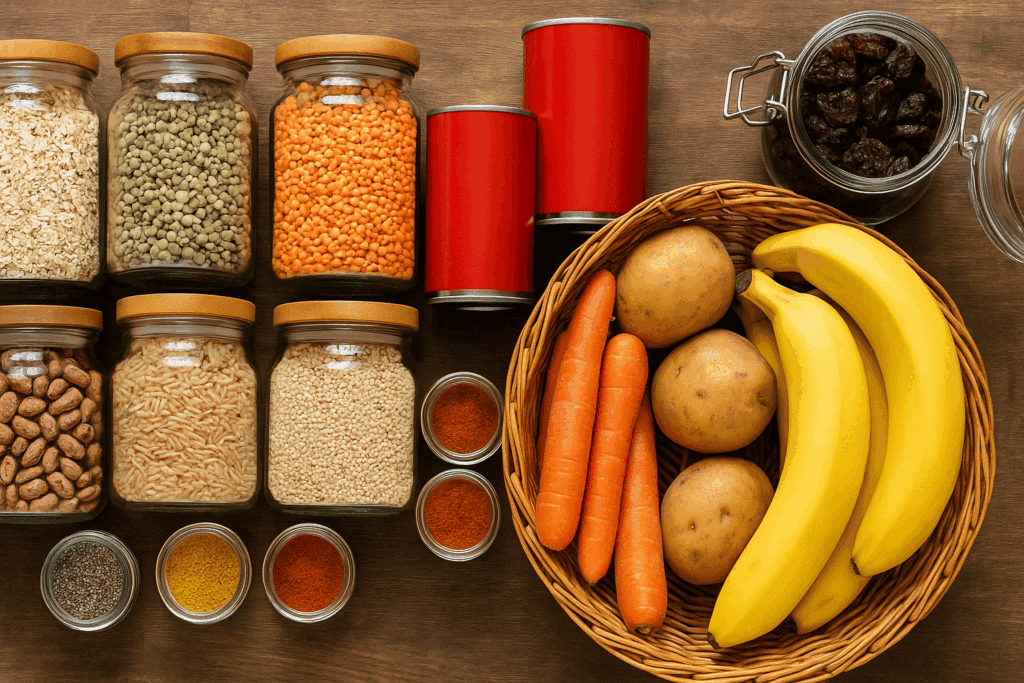
The truth is, a plant-based eating pattern built on nutrient-dense whole foods can be not only affordable but also remarkably accessible—when approached with strategy, intention, and a bit of culinary creativity. The key lies in shifting the focus from pre-packaged meat alternatives and superfood fads to the foundational elements of human nutrition: legumes, grains, vegetables, fruits, nuts, and seeds. These staples, when purchased and prepared with mindfulness, form the core of a budget plant based diet that offers powerful health benefits and long-term cost savings.
This article offers a deep dive into the practical, evidence-based strategies that support plant based eating on a budget, from smart grocery shopping techniques and meal planning methods to affordable substitutions and time-saving kitchen hacks. Whether you’re new to a plant-forward lifestyle or looking to refine your existing approach, you’ll discover that eating plant-based on a budget is not just possible—it’s empowering, satisfying, and sustainable.
Understanding the True Cost of Food: Why Plant-Based Often Wins
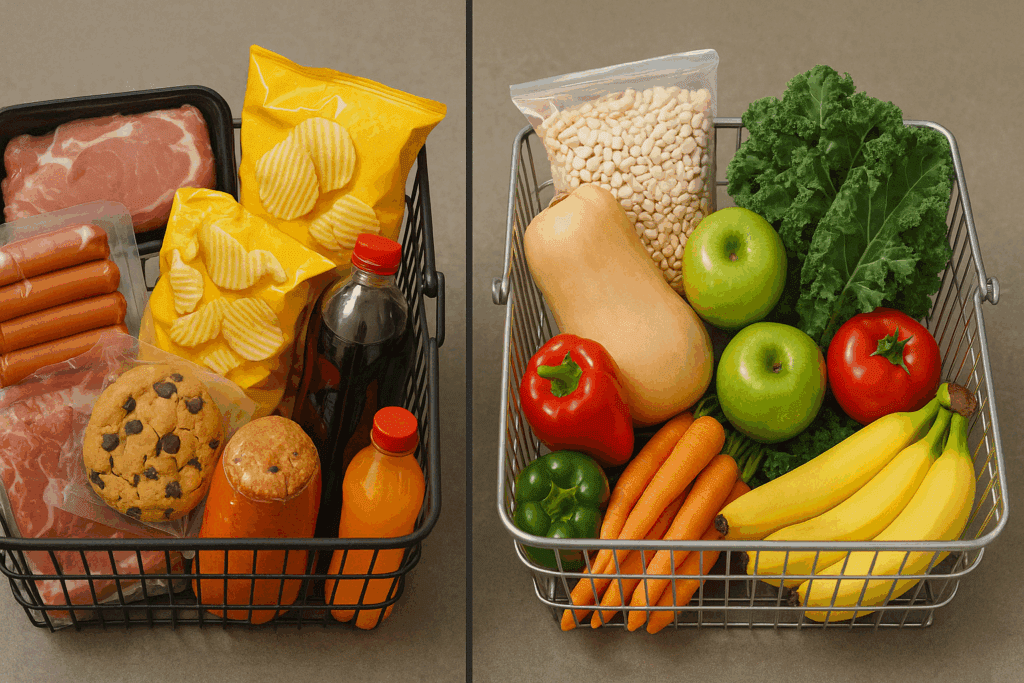
To understand how a plant based on budget approach can work, it’s important to first take a closer look at the hidden costs of the Standard American Diet. Heavily reliant on processed meats, dairy, fast food, and packaged snacks, this pattern is not only linked to a range of chronic conditions—such as heart disease, type 2 diabetes, and certain cancers—but also tends to be financially draining over time. Medical bills, lost productivity, and the long-term cost of poor nutrition add up quickly.
In contrast, adopting a plant diet on a budget built on whole foods may initially appear to be more labor-intensive, but it pays dividends in the form of long-term health resilience. Consider the humble lentil: one cup of dried lentils yields multiple servings, packs a powerful punch of protein and fiber, and costs just a fraction of what a comparable meat-based meal might. When properly planned, plant-based meals are not only cheaper but often stretch further, creating leftovers that serve as lunches, side dishes, or the base for an entirely new meal.
Additionally, many plant-based staples have long shelf lives—think dry beans, brown rice, oats, canned tomatoes, and frozen vegetables—making them ideal for bulk purchasing and reducing food waste. These factors make a plant based grocery list on a budget not only practical but essential for those looking to reduce their overall spending without compromising nutrition.
Strategic Shopping: How to Build a Budget-Friendly Plant-Based Pantry
One of the most effective ways to begin plant based eating on a budget is to learn how to strategically stock your pantry and fridge. This doesn’t require an investment in boutique ingredients or specialty items. In fact, the most nutritious and versatile plant-based foods are often the most affordable.
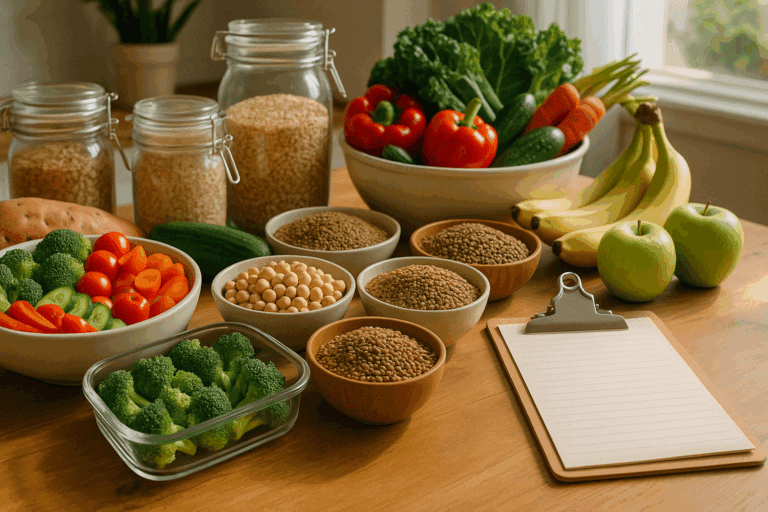
Dried legumes such as black beans, chickpeas, and lentils are a cornerstone of budget-conscious eating. They provide essential amino acids, complex carbohydrates, and micronutrients such as iron and folate. When purchased in bulk, they can cost as little as a few cents per serving. Pair them with whole grains like brown rice, quinoa, barley, or oats, and you have a complete protein and a strong nutritional foundation for countless meals.
Frozen produce offers another excellent opportunity to save money without sacrificing quality. Vegetables like spinach, broccoli, and mixed stir-fry blends are often flash-frozen at peak ripeness, preserving nutrients and flavor. They are typically cheaper than fresh alternatives and come with the added benefit of a longer shelf life. Canned items—especially low-sodium beans and tomatoes—can be used to build quick meals on busy nights without relying on takeout or convenience foods.
When crafting a plant based diet on a budget shopping list, prioritize affordability, nutritional density, and versatility. This might include items like rolled oats for breakfasts, peanut butter for snacks and sauces, bananas and apples for fresh fruit options, and spices such as cumin, garlic powder, and smoked paprika to add depth and flavor to meals without extra cost.
Meal Planning with Purpose: Maximize Nutrition, Minimize Waste
Perhaps the single most powerful tool for maintaining a budget plant based diet is intentional, thoughtful meal planning. Rather than wandering the grocery store aisles in search of inspiration, successful plant-based eaters approach shopping with a clear plan: knowing exactly what meals they’ll prepare, how ingredients will be reused, and which items can be batch-cooked or frozen for later.
Begin by selecting three to five simple core recipes for the week, ideally ones that share common ingredients. For instance, a large pot of black beans can be used for tacos, added to a grain bowl, or turned into a hearty soup. Roasted vegetables can be repurposed into wraps, salads, or stir-fries. Planning in this way not only reduces the amount of food you buy but also ensures everything you purchase gets used before it spoils.
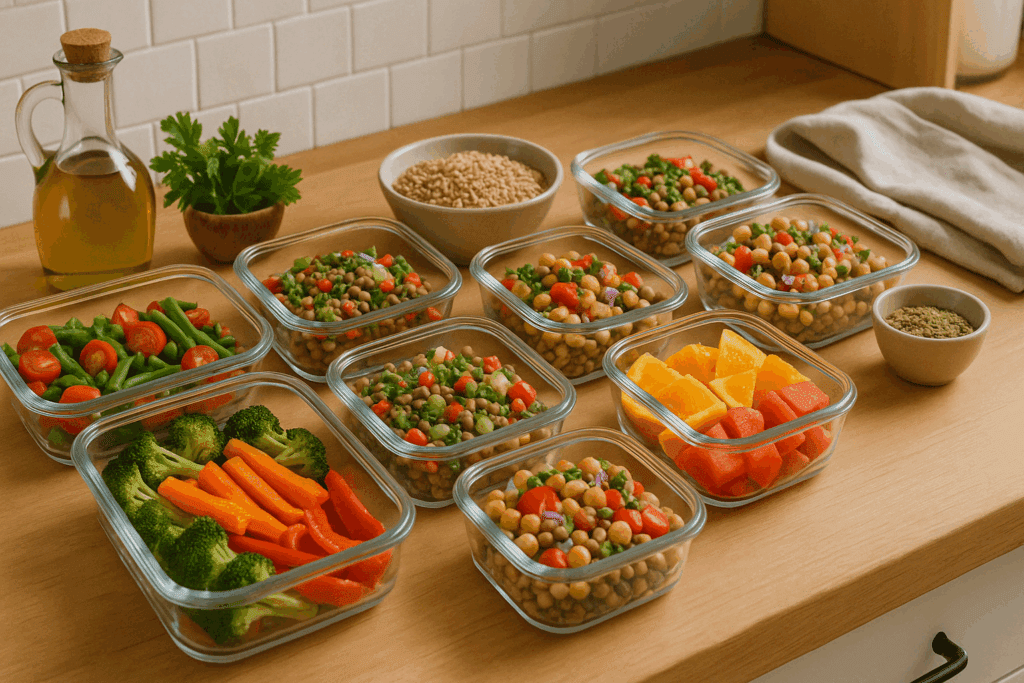
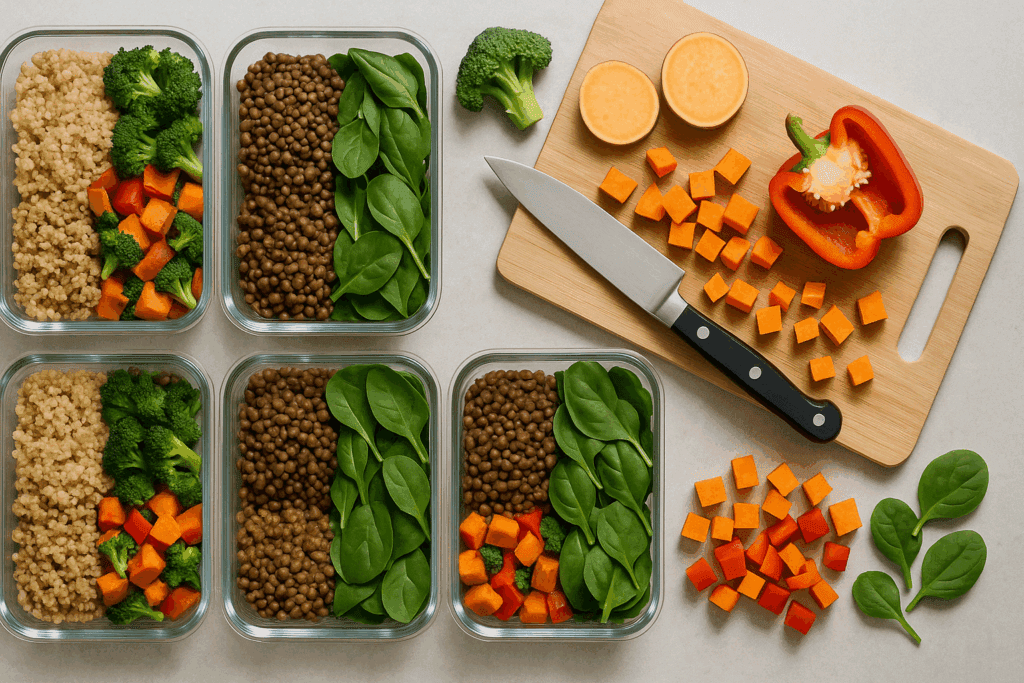
Batch cooking is another essential strategy in the toolkit of those who follow a plant based on budget lifestyle. Dedicating a few hours on the weekend to prepare grains, chop vegetables, and cook beans means you can assemble meals in minutes during the week. This minimizes reliance on costly takeout and drastically reduces food waste—two major sources of unnecessary spending.
Beyond the financial benefits, this approach also simplifies your mental load. By creating a consistent rhythm to your week—such as Meatless Monday, Taco Tuesday, or Stir-Fry Friday—you eliminate decision fatigue while making healthy eating a natural, effortless part of your routine.
Affordability Without Sacrifice: Swapping High-Cost Ingredients
One of the great strengths of a plant based diet on a budget is its flexibility. While trendy ingredients like jackfruit, nutritional yeast, or almond flour can add variety, they are by no means essential. In fact, some of the most expensive plant-based items are easily replaced with affordable alternatives that are equally delicious and nutritious.
For example, instead of expensive cashew-based cheese or nut milks, consider using blended tofu or oats as the base for creamy sauces and plant milks. Sunflower seeds and pumpkin seeds offer many of the same nutritional benefits as pricier nuts, often at half the cost. When baking, bananas or unsweetened applesauce can replace eggs or oil, providing moisture and natural sweetness while keeping expenses low.
Mushrooms, eggplant, and lentils can stand in for meat in a variety of recipes—from bolognese to burgers—without the need for expensive store-bought meat alternatives. Not only are these options more affordable, but they also tend to be lower in sodium and additives, making them a smarter health choice.
The goal is not to mimic an omnivorous diet but to embrace the abundance of textures, flavors, and nutrients available through plants. With a little creativity and a willingness to experiment, it’s possible to enjoy deeply satisfying meals that align with both your values and your budget.
Unlocking the Power of Local and Seasonal Foods for Budget Efficiency
One often-overlooked strategy in maintaining a plant diet on a budget is the conscious integration of local and seasonal produce. While it may be tempting to buy familiar items year-round, purchasing fruits and vegetables out of season can dramatically increase grocery costs. Strawberries in winter or tomatoes in the dead of February are often shipped from long distances, resulting in higher prices and diminished flavor. By contrast, buying what’s currently in season—especially from local growers—typically means better taste, higher nutritional value, and a lower price point.
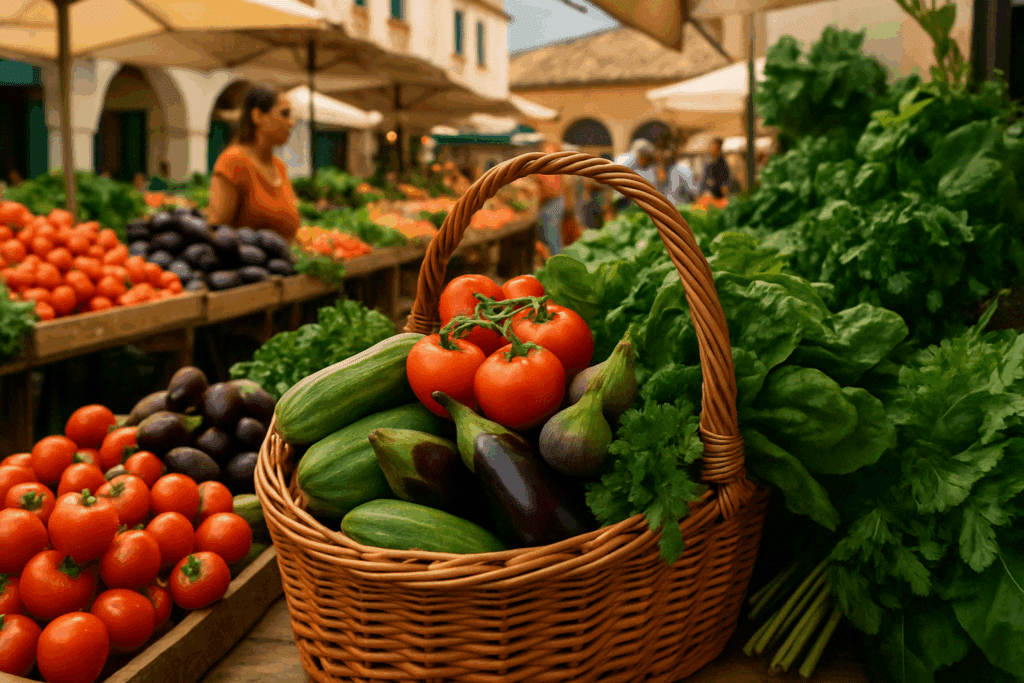
Shopping at farmers’ markets or participating in a community-supported agriculture (CSA) program can lead to substantial savings, especially if you’re open to improvisation. A CSA box, for instance, might introduce you to hearty root vegetables in the winter or leafy greens in spring, encouraging culinary exploration while lowering the average cost per meal. In many cases, growers offer “seconds” at a discount—produce that may not look picture-perfect but is just as fresh and delicious.
Even mainstream supermarkets tend to offer significant markdowns on in-season produce because of increased supply and faster turnover. Planning your weekly meals around what’s currently at peak harvest enables you to make the most of these deals while ensuring variety and nutritional diversity in your diet. This approach can transform your plant based grocery list on a budget into a dynamic, ever-evolving selection of nutrient-rich ingredients that keep your meals interesting and cost-effective.
Reducing Food Waste as a Path to Budget Success
Reducing food waste is one of the most underestimated yet profoundly impactful ways to support plant based eating on a budget. According to the USDA, the average American household wastes approximately 30% of the food it purchases. That’s the equivalent of throwing hundreds, if not thousands, of dollars directly into the trash every year. For those committed to both budget consciousness and sustainable living, addressing this waste is non-negotiable.
Start by assessing your current habits. Are there particular foods that tend to go bad before you use them? Do you overbuy perishables out of ambition or habit? Creating a system for tracking and using leftovers is a simple yet effective way to stretch your grocery dollars. This might involve freezing portions of cooked grains, soups, or legumes, labeling items with dates, or building meals around ingredients you already have rather than defaulting to new purchases.
Composting is often framed as the ethical endpoint of food scraps, but the real goal should be upstream: reducing the scraps that need to be composted in the first place. Vegetable stems, peels, and scraps can be used to make homemade broth. Wilted greens can be sautéed or added to smoothies. Slightly overripe fruits can be baked, blended, or frozen for future use. In this way, a smart plant based diet on a budget shopping list becomes more than a checklist—it evolves into a cycle of intentional use, minimizing waste while maximizing nutrition and value.
Creative Cooking Techniques That Save Money
When following a budget plant based diet, how you prepare your food can be just as important as what you buy. Creative cooking techniques not only make simple ingredients taste exceptional but also stretch your ingredients further, allowing you to eat well with less. This begins with an understanding of foundational cooking methods—roasting, sautéing, simmering, and baking—and how these techniques enhance flavor without the need for expensive ingredients.
Roasting vegetables, for instance, caramelizes their natural sugars, bringing out deep, rich flavors. A tray of roasted sweet potatoes, carrots, and onions tossed with basic spices can serve as the centerpiece for several meals throughout the week. Sautéing aromatics like garlic, onion, and ginger at the start of a dish builds a flavorful base for soups, stews, and grain bowls without relying on processed sauces or additives. Meanwhile, slow-cooking beans or whole grains not only saves money but results in more texture and taste compared to their canned or instant counterparts.
Fermentation is another cost-effective cooking technique that adds both flavor and health benefits to your meals. Homemade kimchi, sauerkraut, or pickled vegetables can be made from inexpensive produce and help diversify your diet with probiotics that support digestive health. Similarly, learning to make your own plant-based condiments—like hummus, tahini dressing, or even homemade salsa—can elevate simple meals and replace store-bought versions at a fraction of the cost.
All of these approaches help you stretch the value of your plant based on budget staples while making mealtime something to look forward to, rather than a source of stress or monotony.
Plant-Based Protein on a Budget: Meeting Nutritional Needs Affordably
One of the most common concerns about eating plant-based—especially for those new to the lifestyle—is whether it’s possible to get enough protein without breaking the bank. The good news is that plant-based protein sources are some of the most affordable and nutrient-dense foods available. In fact, many staples that form the foundation of a plant based diet on a budget shopping list are naturally rich in protein, fiber, and essential micronutrients.
Beans and lentils are at the top of this list, offering roughly 15–18 grams of protein per cooked cup, along with significant amounts of iron, magnesium, and potassium. When purchased dry, they cost mere cents per serving and can be used in a wide variety of dishes. Tofu and tempeh—both made from soybeans—are versatile, high-protein ingredients that can be baked, grilled, or stir-fried with ease. While slightly more expensive than dried legumes, they’re still cost-effective compared to animal protein and often last several meals when properly portioned.
Whole grains like quinoa, bulgur, and farro also provide a protein boost, especially when combined with beans or legumes to form complete protein profiles. Even vegetables such as spinach, peas, and broccoli contribute meaningful amounts of protein when consumed in sufficient volume. And for snacks or supplemental energy, peanut butter, sunflower seed butter, and roasted chickpeas deliver protein, healthy fats, and satisfaction without exceeding your grocery budget.
By focusing on these whole-food protein sources and combining them intelligently, it’s entirely possible to meet your nutritional needs within a plant diet on a budget, without relying on expensive powders or supplements. The added benefit is that these foods also deliver fiber, antioxidants, and phytochemicals that promote overall health—a win-win scenario for body and wallet alike.
Making the Most of Leftovers: Reinventing Meals with Zero Waste
For anyone committed to plant based eating on a budget, leftovers are not a burden—they’re a blessing. Rather than viewing yesterday’s meal as repetitive, consider it the base for something new and exciting. Reinventing meals from existing ingredients not only reduces waste but also keeps you engaged and satisfied without the need to constantly start from scratch.
For instance, leftover lentils from a stew can be mashed with breadcrumbs and spices to create lentil burgers or meatballs. A portion of roasted vegetables can be folded into a tofu scramble or used as filling for wraps and quesadillas. Even cooked grains can be transformed into grain salads with the addition of a simple dressing, some beans, and fresh herbs or greens.
This approach encourages improvisation and creativity in the kitchen while aligning perfectly with the ethos of a budget plant based diet. It’s also a valuable skill for busy individuals and families who may not have time to cook fresh meals every day. By intentionally cooking larger batches and planning for reuse, you build flexibility and spontaneity into your meal routine.
It’s also helpful to keep basic condiments and spice blends on hand to give new life to leftovers. A drizzle of tahini dressing, a splash of hot sauce, or a sprinkle of dukkah can instantly transform a bowl of reheated rice and beans into something flavorful and satisfying. When you look at your fridge not as a graveyard of forgotten ingredients but as a toolkit for quick culinary innovation, the possibilities for plant based on budget dining expand exponentially.
Community Resources and Assistance for Plant-Based Eating on a Tight Budget
For those navigating a limited grocery budget, especially college students, single parents, or low-income households, accessing affordable plant-based foods can sometimes feel overwhelming. However, a wide range of community resources can make a plant based diet on a budget far more achievable than many realize. Government assistance programs such as SNAP (Supplemental Nutrition Assistance Program) and WIC (Women, Infants, and Children) often cover basic staples like whole grains, beans, frozen vegetables, and plant-based milks. These items form the backbone of a nutrient-rich plant-based diet, and learning how to shop wisely within these frameworks can greatly expand your options.
In many urban and rural areas, food banks and pantries are increasingly offering healthier food options, including fresh produce, shelf-stable legumes, and whole grains. Some even host plant-based recipe demonstrations or offer seasonal produce boxes. Additionally, nonprofit organizations and food justice initiatives are working to make plant based grocery lists on a budget accessible to all, regardless of income. Community fridges, mutual aid groups, and meal-sharing cooperatives offer creative and compassionate ways to source fresh, affordable food locally.
Utilizing these resources not only helps meet immediate food needs but also fosters a deeper sense of connection and empowerment. There is strength in community, and when individuals come together to support each other in their health and nutrition goals, the barriers to plant based eating on a budget become much easier to overcome. Even small steps—like attending a local cooking class or joining a Facebook group for plant-based meal prep—can make a big difference in both confidence and capability.
Budgeting Beyond the Grocery Store: Time, Energy, and Sustainability
It’s easy to focus solely on the cost of ingredients when evaluating a budget plant based diet, but financial affordability also intersects with time and energy. For many people, especially those juggling multiple jobs or caregiving responsibilities, the real challenge isn’t the cost of food—it’s the cost of time. Cooking from scratch takes planning, preparation, and often a steep learning curve for beginners. But with a few practical adjustments, plant-based eating can become not only economical but also time-efficient.
Start by recognizing the value of kitchen efficiency. Investing in a slow cooker, pressure cooker, or rice cooker—many of which can be found secondhand—can drastically cut down prep and cooking time. Freezing individual portions of soup, beans, or grain dishes creates quick, healthy meals for future days when time is short. Prepping ingredients once a week—chopping vegetables, cooking grains, soaking legumes—also reduces midweek chaos and helps avoid costly last-minute takeout.
In the long term, this approach offers far more than savings at the register. It supports sustainability—both environmental and personal. A plant based on budget lifestyle aligns with lower greenhouse gas emissions, reduced food waste, and a lighter ecological footprint. When individuals shift their eating habits in ways that also support planetary health, the ripple effects are profound.
Frequently Asked Questions: Smart Plant-Based Eating on a Budget
1. What’s the biggest psychological hurdle people face when switching to a budget plant based diet, and how can it be overcome? Many people associate plant-based eating with restriction or sacrifice, especially when money is tight. The idea that you must give up satisfying, flavorful meals can lead to resistance, even before trying it. To overcome this mental block, it’s essential to reframe the narrative around abundance. A budget plant based diet isn’t about what you remove—it’s about discovering new, vibrant ways to nourish yourself with fewer resources. Exploring global cuisines, such as Indian dals or Mexican bean dishes, reveals how diverse and delicious a plant based on budget lifestyle can be, even with minimal ingredients.
2. How can someone on a plant diet on a budget still enjoy variety without constantly buying new ingredients? Variety doesn’t require an ever-expanding shopping list. Instead, it comes from mastering flavor layering and cooking techniques. For example, one pot of lentils can become a soup, a curry, or a taco filling just by changing spices and aromatics. Learning to use a spice rack creatively allows you to transform the same core ingredients into entirely different meals. The key is building a modular plant based diet on a budget shopping list filled with flexible items like canned tomatoes, garlic, onions, and versatile grains. These staples unlock culinary diversity without overspending.
3. What are some lesser-known, high-impact items to include on a plant based grocery list on a budget? While beans and rice are familiar staples, there are other overlooked powerhouses worth adding. For example, millet and amaranth are ancient grains that cook quickly and are rich in micronutrients. Cabbage, often underappreciated, is inexpensive, nutrient-dense, and lasts for weeks in the fridge. Frozen edamame is a cost-effective, high-protein snack or salad topper. And miso paste, though a bit pricey upfront, lasts months and enhances soups, sauces, and marinades. These items elevate a plant based grocery list on a budget with minimal financial strain and maximum nutritional return.
4. Can a plant based on budget diet support muscle growth or athletic performance? Absolutely—athletes and fitness enthusiasts can thrive on a plant diet on a budget with proper planning. Lentils, tofu, tempeh, and even whole grains like quinoa provide essential amino acids. Pairing complementary proteins—such as beans and rice—helps build muscle effectively. Recovery is also supported by antioxidant-rich foods like berries, greens, and turmeric. You don’t need expensive protein powders; a well-structured budget plant based diet can be performance-optimized with whole foods. Some Olympic athletes even follow a plant based on budget lifestyle, proving its efficacy at the highest levels.
5. How can parents help kids transition to a plant-based eating pattern affordably? Introducing kids to plant based eating on a budget can be fun and educational. Start by involving them in meal prep—let them wash vegetables, stir a pot, or choose from a “rainbow plate” of colorful produce. Focus on kid-friendly recipes like lentil sloppy joes, chickpea nuggets, or build-your-own burrito bowls. Reinforcing positive language around food (“power greens” instead of “vegetables”) helps build enthusiasm. Making affordable, nutrient-packed meals part of a family routine ensures children benefit from a budget plant based diet without feeling deprived.
6. Are there effective ways to meal prep when space and equipment are limited? Yes, and this is especially relevant for students, small households, or those in shared living situations. Focus on one-pot meals and no-cook options like overnight oats, salads, and wraps. Batch-cook items like rice or lentils using a rice cooker or stovetop, and refrigerate them in stackable containers. Consider portable tools like a mini blender or electric skillet that don’t take up much space. Even with limited tools, a minimalist approach to plant based diet on a budget shopping list can yield efficient, satisfying results if planned strategically.
7. What are some cultural or regional cuisines that naturally support a plant based on budget lifestyle? Many global cuisines are inherently plant-forward and affordable. Indian cuisine offers dal, aloo gobi, and chana masala—protein-rich dishes made from lentils and vegetables. Ethiopian dishes like misir wot (spiced lentils) served with injera are both economical and nourishing. Latin American staples include rice, black beans, and plantains. These culinary traditions emphasize whole foods, spices, and local produce, providing inspiration for your plant based grocery list on a budget while expanding your palate. Exploring these cuisines adds both affordability and excitement to your meals.
8. How can someone deal with social pressure or stigma when eating a plant diet on a budget? Social dynamics can pose real challenges, especially when peers equate budget-conscious eating with deprivation or assume a plant based on budget lifestyle is somehow “less than.” One way to counter this is by inviting friends or family to share a homemade, budget-friendly plant-based meal. A hearty lentil shepherd’s pie or black bean chili can win over skeptics and open conversations. Sharing knowledge about the economic and health benefits of your choices helps shift the narrative. Empowerment grows when others see the richness and flavor that a budget plant based diet can offer.
9. What future trends might make plant based eating on a budget even easier? Several emerging trends promise to support the accessibility of plant based eating on a budget. Urban vertical farming and hydroponic systems are making fresh greens more affordable and local. Food co-ops and zero-waste stores are expanding bulk-buy options. New digital tools like AI-driven meal planners and dynamic grocery apps are helping users optimize their plant based diet on a budget shopping list. Community fridges and decentralized food-sharing platforms are also democratizing access to surplus produce. These innovations suggest a promising future for equitable, plant-based living.
10. How does following a plant based grocery list on a budget impact long-term financial and medical costs? Following a consistent plant based grocery list on a budget often leads to long-term savings far beyond the checkout line. Preventative nutrition—rich in fiber, phytonutrients, and antioxidants—can reduce the risk of chronic conditions like hypertension, heart disease, and diabetes. Lower incidence of illness translates into fewer medical bills, prescription medications, and insurance costs. Additionally, healthier eating often improves productivity, focus, and energy levels, creating economic benefits through enhanced well-being. In the long run, investing in a plant diet on a budget is a strategic move for both health and financial stability.
Conclusion: Nourishing Health and Humanity Through Affordable Plant-Based Living
At its heart, the journey toward plant based eating on a budget is not about restriction—it’s about liberation. It frees us from the myth that good nutrition must come at a high price. It breaks the cycle of relying on expensive, processed foods and empowers us to reclaim our health, our kitchens, and our relationship with food. A budget plant based diet is not simply a compromise for those with limited means—it is a practical, health-forward approach that supports longevity, vitality, and community resilience.
Through strategic planning, intelligent shopping, and creative cooking, individuals can build a lifestyle that reflects both their values and their financial reality. Whether you’re compiling a plant based diet on a budget shopping list for a family of five or navigating weekly meals as a student with minimal resources, the principles remain the same: prioritize whole foods, reduce waste, plan ahead, and stay flexible. With time, these practices become habits—ones that nourish both the body and the budget.
Moreover, the power of a plant based grocery list on a budget extends beyond personal health. It is an act of environmental stewardship and food justice. It allows individuals to opt out of systems that exploit labor and the planet, and instead, support more equitable, ethical food production. And in doing so, it also opens the door to better health outcomes—lower cholesterol, improved gut health, stable energy levels, and reduced risk for many chronic diseases, as supported by a growing body of scientific research.
Ultimately, plant-based living on a budget is not just a possibility—it’s a powerful form of self-care and social change. By choosing foods that are nutrient-dense, cost-effective, and environmentally conscious, we take meaningful steps toward a healthier, more sustainable future. And in that future, everyone—regardless of income—deserves access to good food, vibrant health, and the dignity of choice.
As men enter their senior years, their nutritional needs shift in ways that call for thoughtful, strategic dietary choices. Maintaining muscle mass, preserving cognitive function, supporting heart health, and managing chronic conditions all become increasingly important. For those who have adopted a vegetarian lifestyle, embracing a veggie-heavy diet can serve as a powerful foundation for promoting longevity and enhancing overall quality of life. When thoughtfully constructed, a healthy diet for a vegetarian senior male can help ensure nutritional adequacy while leveraging the healing, anti-inflammatory, and disease-preventive properties of whole plant foods. This article explores science-backed plant-based eating habits that support vibrant aging in senior men, offering actionable guidance, research-based insights, and practical examples to empower dietary success.
Understanding the Unique Nutritional Needs of Senior Vegetarian Men
Aging brings about physiological changes that alter how the body absorbs and utilizes nutrients. Muscle loss, known as sarcopenia, is a common concern among older adults, as is decreased bone density, diminished immune function, and changes in appetite or digestion. For a healthy diet for a vegetarian senior male, it is crucial to address these evolving needs with specific attention to protein intake, calcium, vitamin B12, vitamin D, omega-3 fatty acids, and iron. Unlike younger vegetarians who may be more resilient to occasional dietary gaps, older adults face higher stakes when it comes to maintaining nutritional adequacy.
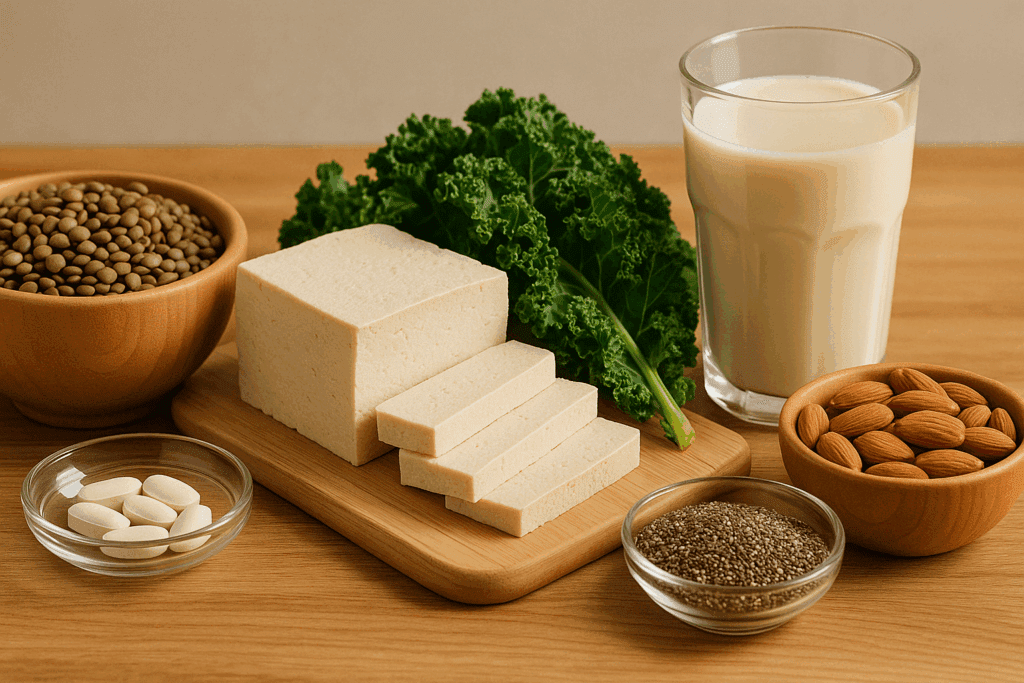
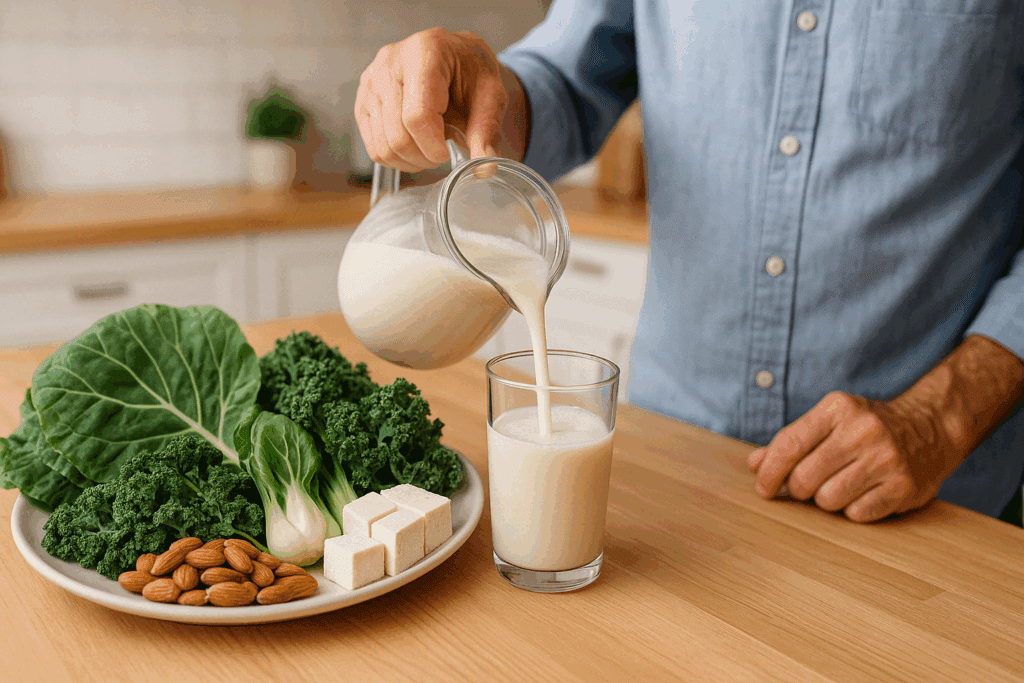
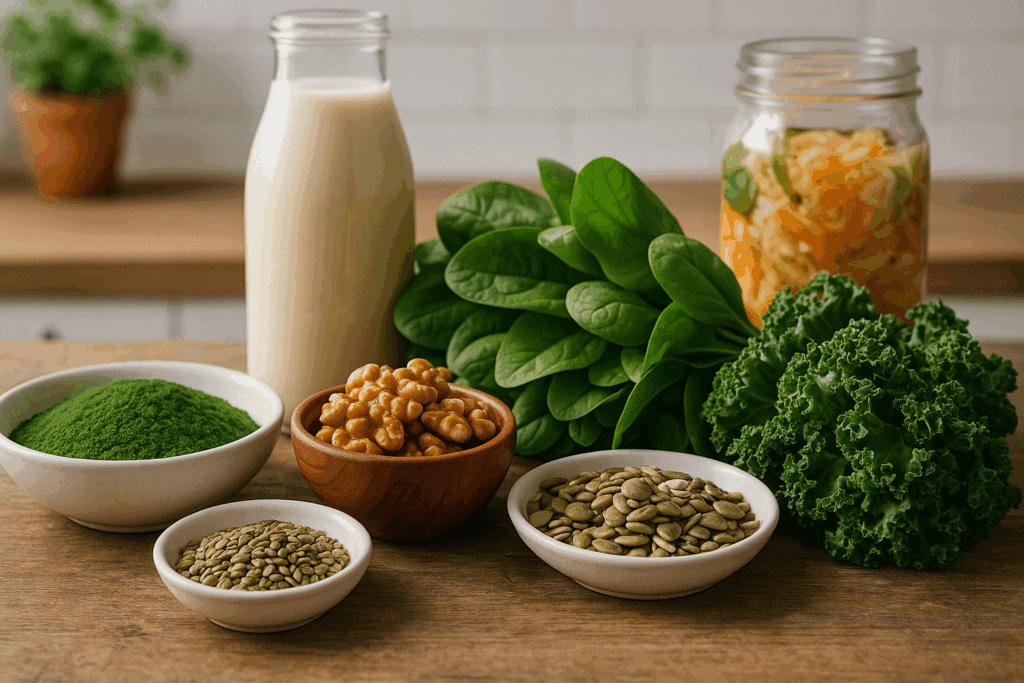
Plant-based sources of protein such as lentils, tofu, tempeh, and quinoa can help meet protein needs, particularly when consumed consistently and in combination with physical activity to promote muscle maintenance. Calcium-rich plant foods such as kale, bok choy, fortified plant milks, and almonds contribute to bone health, though supplementation may be warranted for those with limited dietary intake. Since vitamin B12 is primarily found in animal products, senior vegetarians must rely on fortified foods or supplements to prevent deficiency-related fatigue, memory issues, and nerve damage. Integrating these targeted nutrients within a veggie-heavy diet enables older men to better support their physiological health as they age.
Why a Veggie-Heavy Diet Supports Longevity and Disease Prevention
Plant-based diets rich in vegetables, fruits, legumes, whole grains, nuts, and seeds have long been associated with a lower risk of chronic diseases such as heart disease, type 2 diabetes, and certain types of cancer. These benefits are particularly relevant for older adults, who face heightened risks for such conditions due to age-related physiological changes. A veggie-heavy diet, when properly composed, provides an abundance of fiber, phytonutrients, antioxidants, and healthy fats that help reduce systemic inflammation, stabilize blood sugar levels, lower cholesterol, and support vascular function.
For a healthy diet for a vegetarian senior male, the emphasis on whole, minimally processed plant foods helps mitigate the harmful effects of oxidative stress, which contributes to cellular aging and the progression of age-related diseases. Furthermore, vegetables like leafy greens, cruciferous vegetables, and colorful bell peppers deliver vital micronutrients that enhance immune function and promote healthy digestion. By centering meals around these nutrient-dense foods, senior men can enhance both their short-term well-being and long-term health outcomes.
Prioritizing Protein-Rich Plant Foods to Maintain Muscle Mass
Sarcopenia, or age-related muscle loss, affects many older adults and can lead to frailty, decreased mobility, and a higher risk of falls. Adequate protein intake becomes increasingly important with age, and for vegetarian senior men, sourcing high-quality plant-based protein requires careful planning. Fortunately, a wide array of plant foods provide essential amino acids and can support lean muscle preservation when consumed in sufficient amounts.
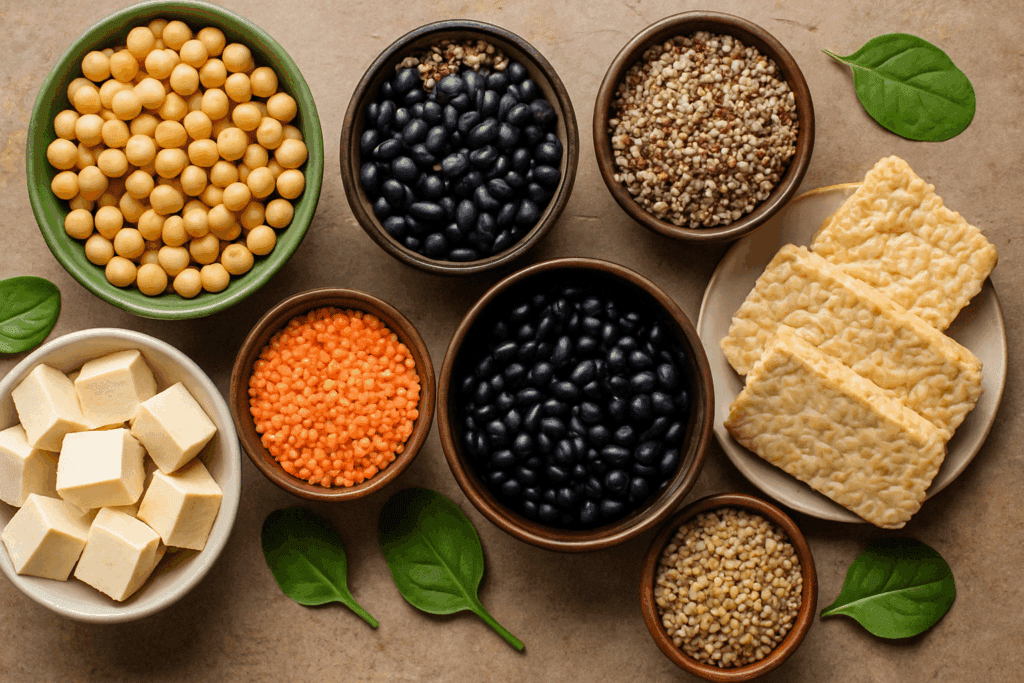
Legumes such as black beans, chickpeas, and lentils are foundational components of a veggie-heavy diet and serve as excellent protein sources. Tofu and tempeh not only offer complete protein profiles but are also versatile and easy to incorporate into savory dishes. Quinoa and buckwheat further diversify the protein landscape, providing additional options for those looking to vary their diet. By combining different plant proteins throughout the day, senior vegetarians can achieve optimal amino acid intake while benefiting from the added fiber, iron, and magnesium these foods deliver. Consistently prioritizing protein-rich choices empowers aging men to preserve strength, remain active, and support their metabolic health.
Supporting Bone Health Through Whole Plant Nutrition
Bone density naturally declines with age, making older adults—particularly men over 65—more susceptible to fractures and osteoporosis. While dairy is a traditional source of calcium, plant-based eaters can support strong bones through a combination of nutrient-rich foods and strategic supplementation. For a healthy diet for a vegetarian senior male, incorporating calcium-fortified plant milks, leafy greens like collard greens and kale, and calcium-set tofu provides a solid foundation for meeting calcium needs.
Equally important is vitamin D, which enhances calcium absorption and bone mineralization. Sunlight exposure is one natural source, but older adults often require supplemental vitamin D due to reduced skin synthesis. Additionally, magnesium and vitamin K—found abundantly in vegetables such as spinach, Swiss chard, and Brussels sprouts—play vital roles in bone metabolism. A veggie-heavy diet, when designed with these nutrients in mind, can offer robust protection against age-related bone deterioration. By combining intentional food choices with appropriate supplementation, senior vegetarians can safeguard their skeletal health and maintain mobility well into older age.
Managing Heart Health with a Plant-Based Lifestyle
Cardiovascular disease remains the leading cause of death among older men, but the good news is that diet plays a pivotal role in prevention and management. A veggie-heavy diet rich in whole plant foods can help reduce blood pressure, lower LDL cholesterol, and improve arterial function. The fiber found in oats, legumes, and vegetables binds to cholesterol in the digestive tract, preventing its absorption and facilitating its excretion. Moreover, nuts and seeds such as walnuts and flaxseeds provide heart-healthy omega-3 fatty acids, which have been shown to reduce inflammation and support endothelial health.
Senior vegetarians who emphasize leafy greens, berries, avocados, and whole grains can further enhance their cardiovascular profile. These foods contain flavonoids, nitrates, and potassium, all of which contribute to improved blood flow and reduced hypertension. A healthy diet for a vegetarian senior male should also minimize intake of processed vegetarian foods high in sodium, added sugars, and trans fats, as these can negate the benefits of otherwise nutritious meals. When combined with regular physical activity, mindful eating patterns rooted in plant-based principles offer a powerful defense against cardiovascular decline.
Promoting Cognitive Function Through Antioxidant-Rich Foods
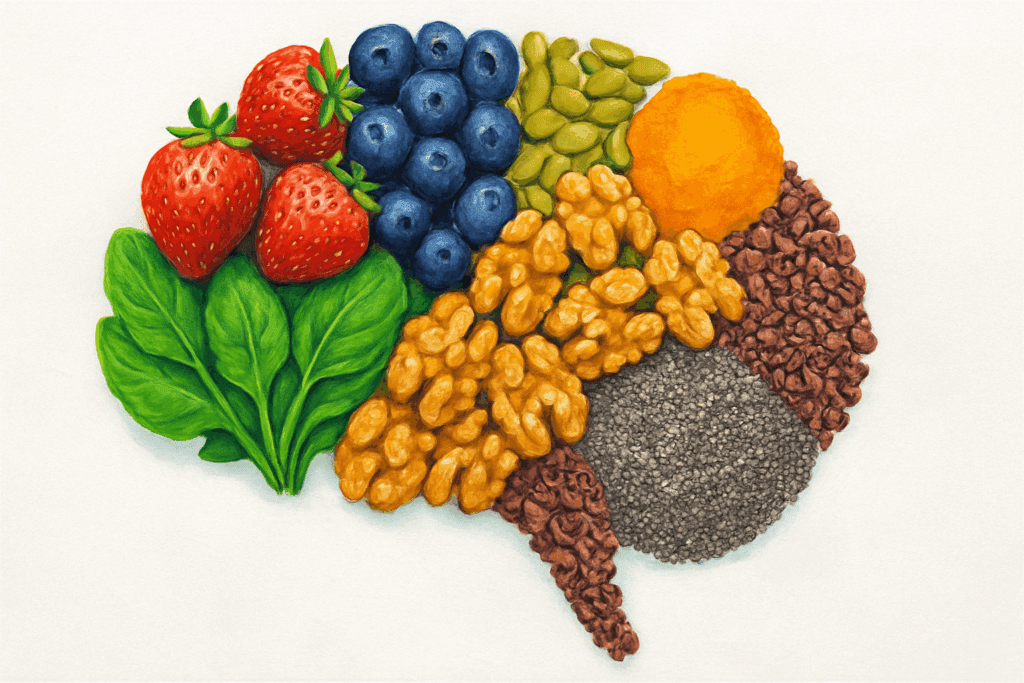
As the brain ages, cognitive decline becomes a growing concern. However, mounting research suggests that diet can influence brain health and reduce the risk of conditions like dementia and Alzheimer’s disease. A veggie-heavy diet, particularly one focused on antioxidant-rich and anti-inflammatory foods, supports cognitive vitality and slows neurodegenerative processes. Berries, dark leafy greens, cruciferous vegetables, and legumes are rich in polyphenols and flavonoids that combat oxidative stress and enhance neuronal communication.
Omega-3 fatty acids, particularly DHA, are critical for brain function, yet they are typically derived from fish. Senior vegetarians can meet their needs through algae-based DHA supplements, flaxseed, chia seeds, and walnuts. In addition, foods like turmeric, pumpkin seeds, and cocoa contain neuroprotective compounds that have been linked to improved memory and attention. A healthy diet for a vegetarian senior male should prioritize these functional foods to nourish the brain and foster mental clarity. When paired with adequate sleep, hydration, and mental stimulation, diet becomes a cornerstone of cognitive resilience in later life.
Supporting Digestive Health and Gut Microbiome Balance
The aging digestive system often experiences a decline in motility, enzyme production, and microbial diversity, all of which can impact nutrient absorption and bowel regularity. Fortunately, a veggie-heavy diet naturally supplies the fiber and prebiotics needed to support a thriving gut microbiome. Whole grains, legumes, fruits, and vegetables feed beneficial bacteria in the colon, promoting the production of short-chain fatty acids that protect gut lining integrity and reduce inflammation.
For a healthy diet for a vegetarian senior male, focusing on diversity in plant food intake is key to cultivating a robust microbial ecosystem. Fermented foods such as sauerkraut, kimchi, and miso introduce live probiotics that further enhance gut health and improve digestion. Additionally, drinking plenty of water and staying physically active help maintain bowel regularity and support gastrointestinal function. By aligning dietary habits with gut-friendly principles, senior vegetarians can alleviate common digestive complaints and optimize nutrient absorption.
Maintaining Healthy Weight and Metabolism with Whole Plant Foods
Weight management can become more challenging with age due to metabolic slowing, hormonal changes, and reduced physical activity. However, a veggie-heavy diet provides a unique advantage for older adults seeking to maintain a healthy weight. Plant foods tend to be lower in energy density while offering high satiety due to their fiber and water content. This allows senior vegetarians to consume satisfying portions without overloading on calories.
Beans, vegetables, fruits, and whole grains not only nourish the body but also help regulate appetite hormones and insulin sensitivity. For a healthy diet for a vegetarian senior male, choosing minimally processed foods and avoiding refined carbohydrates or sugar-laden snacks is crucial for weight maintenance and metabolic balance. Incorporating regular movement, such as walking, resistance training, or yoga, further complements these dietary efforts. Together, these strategies help preserve muscle mass, enhance energy levels, and support long-term wellness.
Navigating Nutritional Supplementation in the Senior Years
While a well-planned plant-based diet can meet most nutritional needs, certain nutrients may require supplementation in older adults due to reduced absorption or dietary limitations. Vitamin B12, as previously mentioned, is essential for nerve function and red blood cell production but must be obtained through fortified foods or supplements. Similarly, vitamin D is often insufficient due to limited sun exposure and may necessitate daily supplementation, especially in northern climates or during winter months.
Iron needs tend to decrease with age, yet senior vegetarians should remain vigilant about iron-rich plant foods and consider periodic blood work to assess status. Omega-3s in the form of algae-based DHA and EPA supplements are also advisable for cognitive and cardiovascular protection. A healthy diet for a vegetarian senior male may also benefit from zinc, iodine, and calcium supplementation depending on individual dietary patterns and health conditions. Consulting a healthcare provider or registered dietitian can help tailor supplementation strategies to ensure optimal nutrient balance.
Practical Tips for Building Balanced, Satisfying Meals
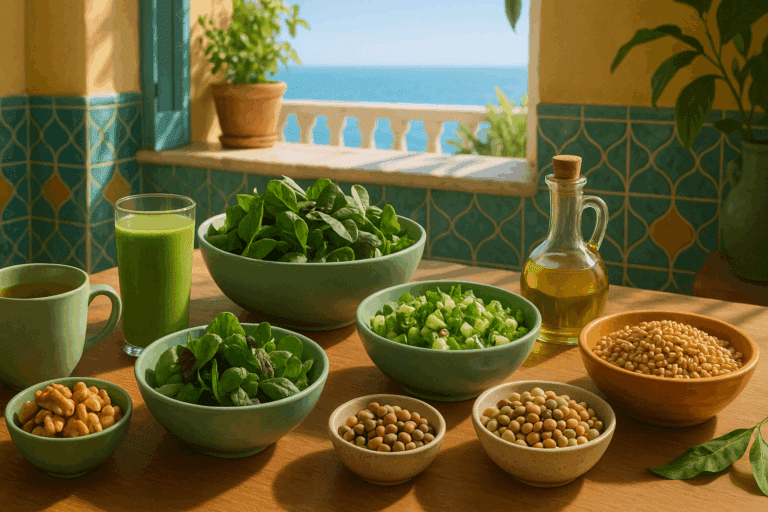
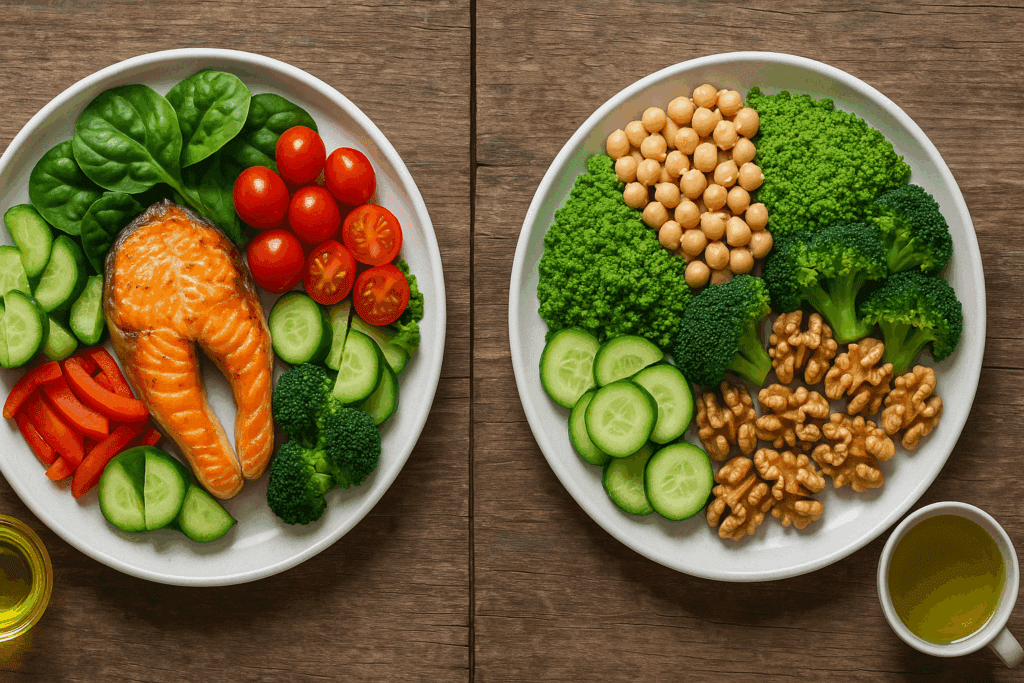
Creating nutrient-rich, delicious meals on a plant-based diet is entirely achievable with thoughtful planning and variety. A veggie-heavy diet offers the perfect canvas for colorful, flavorful, and satisfying dishes that support aging well. Start by building meals around a core of legumes, whole grains, and vegetables, layering in healthy fats from nuts, seeds, and avocados. Incorporate herbs, spices, and fermented foods to enhance flavor and promote digestion.
Batch cooking soups, stews, and grain bowls can save time and ensure nutrient density throughout the week. Rotating seasonal produce helps maximize freshness, affordability, and nutrient diversity. A healthy diet for a vegetarian senior male should also include regular hydration, mindful eating practices, and occasional indulgences to promote long-term dietary satisfaction and sustainability. Ultimately, embracing flexibility and creativity in the kitchen can make plant-based living both nourishing and enjoyable.
Frequently Asked Questions: Best Plant-Based Eating Habits for Senior Vegetarian Men
1. How can a veggie-heavy diet improve mental well-being in senior vegetarian men beyond cognitive function?
While the cognitive benefits of plant-based eating are increasingly documented, the psychological effects of a veggie-heavy diet also deserve attention. Studies suggest that diets rich in fruits, vegetables, and legumes are associated with lower rates of depression and anxiety. This may be due in part to the anti-inflammatory properties of plant foods, which influence mood-regulating neurotransmitters such as serotonin. For a healthy diet for a vegetarian senior male, the social aspect of shared cooking and mealtimes with plant-based dishes can also foster stronger emotional connections and combat isolation. Incorporating vibrant, colorful meals may additionally improve appetite and engagement with food, which supports overall psychological resilience.
2. Are there cultural or social benefits to following a veggie-heavy diet in older age?
Yes, many senior vegetarians report increased social interaction and a sense of purpose when participating in plant-based communities or cooking groups. A veggie-heavy diet often involves more food preparation and creativity, which can inspire seniors to try new cultural cuisines and engage in community potlucks or classes. For a healthy diet for a vegetarian senior male, these interactions may also reinforce dietary adherence and reduce the risk of loneliness. In some cultures, plant-based eating is deeply connected to traditional values and philosophies, giving older adults an opportunity to reconnect with heritage. This cultural alignment can enhance mental well-being and identity during the aging process.
3. How can senior vegetarian men ensure they’re meeting their hydration needs on a veggie-heavy diet?
Hydration is often overlooked but plays a vital role in nutrient absorption and cognitive clarity in older adults. Many vegetables, such as cucumbers, zucchini, and lettuce, have high water content and contribute to daily fluid intake. Still, for a healthy diet for a vegetarian senior male, relying solely on food-based hydration isn’t enough. Seniors should aim to drink fluids consistently throughout the day, ideally infused with herbs, citrus, or berries for variety. Monitoring urine color and energy levels can help gauge hydration status, especially since thirst mechanisms become less reliable with age.
4. Is it possible to follow a veggie-heavy diet on a fixed income or limited budget?
Absolutely, and in fact, a well-planned plant-based diet can be more economical than one centered on animal products. Staples like lentils, rice, oats, canned beans, and seasonal vegetables are both affordable and versatile. Shopping at farmers’ markets late in the day, buying in bulk, and meal planning around weekly sales can help reduce costs. For a healthy diet for a vegetarian senior male, batch cooking and freezing meals can minimize food waste while ensuring convenient, nutritious options are always available. Nutrition assistance programs and local co-ops may also offer discounts to seniors committed to healthy eating.
5. What are some emerging plant-based innovations that benefit older vegetarians?
The plant-based food industry is rapidly expanding, with innovations tailored to various dietary needs. For example, plant-based yogurts fortified with calcium and probiotics can support bone and gut health simultaneously. New meat alternatives derived from fungi or pea protein offer high-quality protein with lower sodium than earlier generations of faux meats. For a healthy diet for a vegetarian senior male, such innovations make it easier to meet nutritional goals without sacrificing taste or convenience. Advances in personalized nutrition apps and wearable tech can also help seniors track dietary intake and flag potential nutrient gaps more effectively.
6. How can senior men overcome reduced appetite when following a veggie-heavy diet?
Appetite tends to decline with age, but strategic choices can help maintain adequate intake. Incorporating warming spices such as ginger, turmeric, and cumin can stimulate digestion and enhance flavor perception. Small, nutrient-dense meals spaced throughout the day can also be more manageable than large portions. Smoothies made with greens, nut butters, and plant-based protein powders can serve as convenient options when chewing or preparing food becomes challenging. Maintaining a healthy diet for a vegetarian senior male may also involve creating a visually appealing plate, as vibrant colors and varied textures can reignite interest in eating.
7. What are the long-term implications of staying on a plant-based diet into late adulthood?
Long-term adherence to a plant-based lifestyle has been associated with lower risk of chronic diseases, better weight control, and improved quality of life metrics. However, it’s important that this lifestyle remains adaptive and responsive to changing nutritional needs. For a healthy diet for a vegetarian senior male, regular check-ins with a registered dietitian or healthcare provider can help fine-tune dietary intake over time. The long-term mental and emotional satisfaction of eating in alignment with personal ethics or environmental values may also promote well-being in older adults. Aging with vitality on a veggie-heavy diet is not only possible but increasingly supported by long-range cohort studies and population health data.
8. Are there seasonal strategies that help maintain a veggie-heavy diet year-round?
Seasonal eating provides both nutritional and psychological benefits. In the winter, hearty root vegetables, legumes, and whole grains can provide comfort and sustenance, while in summer, hydrating fruits and raw salads become more appealing. Canning, freezing, and dehydrating seasonal produce allows for variety even when fresh options are limited. For a healthy diet for a vegetarian senior male, planning meals around the harvest calendar ensures optimal freshness and affordability. Seasonal shifts can also help renew interest in cooking, preventing dietary fatigue and encouraging the exploration of new recipes.
9. Can a veggie-heavy diet support immune health in senior vegetarians?
Yes, and this is especially important as immune function tends to decline with age. A veggie-heavy diet offers an abundance of immune-supportive nutrients such as vitamin C, zinc, beta-carotene, and plant polyphenols. Fermented foods like tempeh and miso introduce beneficial microbes that further support immune resilience through gut health. For a healthy diet for a vegetarian senior male, focusing on variety—especially across different colors and types of produce—ensures a broad spectrum of protective compounds. Managing stress, maintaining good sleep hygiene, and limiting ultra-processed foods further complement the immune-supportive role of a plant-based lifestyle.
10. How can senior vegetarian men incorporate more culinary creativity into their plant-based meals?
Culinary creativity keeps meals exciting and promotes long-term adherence to healthy eating. Trying global plant-based cuisines—such as Ethiopian lentil stews, Japanese soba noodles, or Indian dals—can introduce new flavor profiles and nutrients. For a healthy diet for a vegetarian senior male, investing in a few simple kitchen tools like a pressure cooker or blender can dramatically expand culinary options. Watching cooking shows, joining virtual cooking classes, or swapping recipes with friends can also spark inspiration. Ultimately, embracing a veggie-heavy diet becomes more sustainable when it’s seen not just as a routine, but as an evolving culinary adventure.
Conclusion: Embracing a Veggie-Heavy Diet for Lifelong Vitality in Senior Vegetarian Men
Adopting and maintaining a healthy diet for a vegetarian senior male goes beyond simply avoiding meat—it involves actively choosing whole, plant-based foods that nourish the body, support age-specific nutritional needs, and enhance overall well-being. A veggie-heavy diet, when thoughtfully planned, can help older men maintain muscle strength, protect cognitive function, support heart and bone health, and preserve digestive balance. The combination of diverse plant-based nutrients, intentional supplementation, and balanced meals offers a sustainable path to aging with strength, clarity, and vitality.
Incorporating the principles outlined in this article empowers senior vegetarian men to align their eating habits with the latest in nutritional science while honoring personal values and preferences. By embracing a diet rich in vegetables, legumes, whole grains, nuts, and seeds, aging adults can enjoy not only longevity but also a higher quality of life. Aging well is not just about adding years to life, but life to years—and there is perhaps no better foundation for that pursuit than a vibrant, veggie-heavy diet tailored to the unique needs of senior men.
Was this article helpful? Don’t let it stop with you. Share it right now with someone who needs to see it—whether it’s a friend, a colleague, or your whole network. And if staying ahead on this topic matters to you, subscribe to this publication for the most up-to-date information. You’ll get the latest insights delivered straight to you—no searching, no missing out.
The information contained in this article is provided for general informational purposes only and is not intended to serve as medical, legal, or professional advice. While NewsHealthWatch strives to present accurate, up-to-date, and reliable content, no warranty or guarantee, expressed or implied, is made regarding the completeness, accuracy, or adequacy of the information provided. Readers are strongly advised to seek the guidance of a qualified healthcare provider or other relevant professionals before acting on any information contained in this article. NewsHealthWatch, its authors, editors, and contributors expressly disclaim any liability for any damages, losses, or consequences arising directly or indirectly from the use, interpretation, or reliance on any information presented herein. The views and opinions expressed in this article are those of the author(s) and do not necessarily reflect the official policies or positions of NewsHealthWatch.
The Mediterranean diet has long been heralded as a paragon of nutritional excellence, praised for its ability to promote longevity, cardiovascular health, and overall wellness. More recently, an evolution of this dietary model has begun to gain recognition: the Green Mediterranean Diet Plan. Also referred to as the green med diet, this approach builds upon the foundation of the traditional Mediterranean diet by further minimizing animal products and emphasizing plant-based, polyphenol-rich foods. Scientific studies have increasingly confirmed the potential of this variation to not only support heart and metabolic health but to do so more effectively than its predecessors. For individuals seeking a powerful, evidence-backed dietary strategy that aligns with both health goals and environmental consciousness, the green med diet offers an intriguing and impactful solution.
To fully appreciate the green Mediterranean diet plan, it is essential to understand how it differs from the traditional Mediterranean model. At its core, the Mediterranean diet emphasizes fresh vegetables, fruits, whole grains, legumes, nuts, seeds, olive oil, moderate fish consumption, and minimal red meat. The green version makes several targeted enhancements: it removes or drastically reduces red and processed meats, substitutes lean meats and fish with plant-based protein sources, and boosts intake of high-antioxidant foods such as green tea, Mankai duckweed, and walnuts. These additions are not random but rather are rooted in emerging nutritional science showing that certain plant compounds—especially polyphenols—play a pivotal role in modulating metabolic and cardiovascular function.
The green med diet also takes a more rigorous approach to reducing inflammatory triggers and promoting gut microbiota diversity. For example, duckweed, a nutrient-dense aquatic plant included in many green med diet protocols, is not only rich in protein and fiber but also offers a superior profile of bioavailable iron, vitamin B12, and omega-3 fatty acids—nutrients often challenging to obtain from a plant-based diet alone. By prioritizing such superfoods and minimizing reliance on even lean animal proteins, the green med diet becomes both a more sustainable and a more metabolically advantageous eating pattern.
How the Green Med Diet Protects Heart Health
Heart disease remains the leading cause of mortality worldwide, and dietary habits are among the most influential modifiable risk factors. The green med diet has demonstrated particularly compelling results in reducing risk markers associated with cardiovascular disease. In a prominent randomized controlled trial published in Heart, researchers found that individuals adhering to a green med diet experienced greater reductions in low-density lipoprotein (LDL) cholesterol, systolic blood pressure, and systemic inflammation compared to those following the standard Mediterranean diet.
This superior cardiovascular effect is likely due to the green med diet’s heightened intake of polyphenols and reduced intake of heme iron and saturated fats—two components strongly linked to increased cardiovascular risk when consumed in excess. Additionally, plant-based protein sources such as legumes and Mankai have been shown to enhance endothelial function, a key factor in preventing arterial stiffness and atherosclerosis. The increased fiber content of the diet, especially from whole grains and vegetables, also contributes to lower levels of C-reactive protein (CRP), a key biomarker of inflammation tied to heart disease.
Moreover, green tea, a staple in the green Mediterranean diet plan, contains catechins that support blood vessel health by promoting nitric oxide production and reducing oxidative stress. By combining these plant-based powerhouses, the green med diet offers a synergistic approach to heart health, one that not only lowers cholesterol and blood pressure but also improves vascular reactivity and arterial flexibility. These physiological benefits accumulate over time, significantly reducing long-term cardiovascular risk.
Supporting Metabolic Health with a Plant-Based Twist
While the traditional Mediterranean diet is known for its protective role against metabolic disorders such as type 2 diabetes and obesity, the green med diet appears to offer even greater metabolic benefits. In a landmark study conducted at Ben-Gurion University, participants on a green Mediterranean diet plan lost more visceral fat—an especially dangerous form of fat associated with insulin resistance—than those on other diet types, including the standard Mediterranean approach.
Visceral fat reduction is critical because it is not merely an aesthetic concern; it plays a central role in metabolic dysfunction, contributing to elevated fasting glucose, impaired insulin sensitivity, and increased production of pro-inflammatory cytokines. By emphasizing low-glycemic, fiber-rich foods like legumes, leafy greens, and whole grains while excluding red meats and processed foods, the green med diet helps stabilize blood sugar levels and reduce insulin demand.
Furthermore, polyphenols in the diet have been shown to positively influence gut microbiota, which in turn impacts metabolic regulation. For instance, Mankai duckweed promotes the proliferation of Akkermansia muciniphila, a bacterial species associated with improved metabolic health and lower body fat percentage. Green tea and walnuts also enhance microbial diversity, reducing the abundance of harmful strains linked to metabolic disease. These microbiota-related shifts are significant, given the growing body of research connecting gut health to insulin sensitivity, weight regulation, and chronic disease prevention.
From a practical standpoint, the green Mediterranean diet plan provides a framework that supports satiety and reduces caloric intake without the need for rigid calorie counting. The high fiber content slows digestion, increases feelings of fullness, and reduces postprandial glucose spikes, all of which contribute to sustainable metabolic health. Over time, these mechanisms translate into improved hemoglobin A1c levels, better lipid profiles, and reduced need for pharmacological intervention in many cases.
Environmental Sustainability as a Health Imperative
An often overlooked yet increasingly vital dimension of dietary choices is their environmental impact. The green med diet emerges not only as a tool for personal health but also as a model for planetary sustainability. By limiting or eliminating animal products and emphasizing low-impact plant-based foods, the diet significantly reduces greenhouse gas emissions, land use, and freshwater consumption compared to omnivorous or even traditional Mediterranean diets.
These environmental benefits have indirect yet important implications for public health. Climate change exacerbates food insecurity, spreads infectious diseases, and worsens air and water quality—all of which contribute to health disparities and chronic disease burden. Choosing a dietary pattern that aligns personal well-being with ecological stewardship, such as the green med diet, represents a forward-thinking approach to holistic health.
Incorporating green foods such as Mankai also supports biodiversity and local, sustainable agriculture. This aquatic plant requires minimal resources to cultivate and grows rapidly, making it an efficient and eco-friendly protein source. By adopting this diet, individuals participate in a food system that prioritizes long-term health outcomes not only for themselves but for future generations.
Addressing Nutrient Adequacy and Common Misconceptions
A common concern among those transitioning to a predominantly plant-based eating style is the potential for nutrient deficiencies. However, the green Mediterranean diet plan is carefully structured to address these concerns while maintaining its plant-forward integrity. With its emphasis on whole, nutrient-dense foods, the diet naturally supplies many essential vitamins and minerals.
Mankai duckweed, for example, is not just high in protein; it also contains vitamin B12 in a bioavailable form—a rare feature among plant foods. Additionally, the inclusion of walnuts, green leafy vegetables, and seeds ensures adequate intake of omega-3 fatty acids, iron, magnesium, and calcium. Fortified plant milks and fermented foods can further enhance nutrient availability, especially for nutrients like vitamin D and probiotics that support bone health and digestion.
Another common misconception is that plant-based diets inherently lack protein or are less satisfying. In reality, the fiber-rich, low-calorie density nature of the green med diet encourages fullness and satisfaction while meeting protein needs through a diverse array of legumes, whole grains, and nuts. When properly planned, this diet meets or exceeds the recommended dietary allowances for all macronutrients and most micronutrients, without relying on supplements.
Practical Strategies for Transitioning to the Green Med Diet
For those inspired to adopt the green med diet, making the transition can be both rewarding and straightforward when approached with intentionality. One of the simplest strategies is to begin by replacing one or two meat-based meals per week with plant-forward alternatives. Lentil stews, chickpea salads, and walnut-topped grain bowls offer satisfying, nutrient-rich options that align with the green Mediterranean principles.
Gradually incorporating green tea as a daily beverage, along with increasing walnut consumption to a handful per day, can provide immediate health benefits and make the dietary transition feel more approachable. Introducing Mankai, whether in smoothies, soups, or as a supplement, adds a potent nutritional boost with minimal culinary disruption. Planning meals around legumes, vegetables, and whole grains—while using herbs, spices, and olive oil for flavor—creates a sensory-rich experience that supports long-term adherence.
It is also helpful to view this diet as a flexible framework rather than a rigid prescription. While the goal is to minimize animal products, occasional inclusion of fish or dairy may be appropriate for some individuals, particularly during the transition phase. The emphasis should remain on increasing the proportion of plant-based, polyphenol-rich foods while reducing dependence on resource-intensive, inflammatory food sources. In this way, the green med diet supports both personal preferences and optimal health outcomes.
Why the Green Med Diet Is Gaining Traction in Clinical Practice
Healthcare professionals are increasingly recognizing the green med diet as a valuable therapeutic tool. Its strong evidence base, particularly in relation to cardiometabolic outcomes, makes it an attractive option for clinicians aiming to support patients in managing or preventing chronic disease. Unlike fad diets, which often promise rapid results with little scientific substantiation, the green med diet offers a sustainable, research-backed approach that aligns with dietary guidelines and public health recommendations.
Primary care physicians, cardiologists, and dietitians are beginning to incorporate green med principles into personalized nutrition counseling, especially for patients with high cardiovascular risk, metabolic syndrome, or obesity. The diet’s palatability and cultural versatility further enhance its acceptability and feasibility in diverse populations. In some clinical settings, group-based interventions centered around the green Mediterranean diet plan have been shown to improve adherence, foster community support, and reduce healthcare costs over time.
This trend is likely to continue as more healthcare systems adopt lifestyle medicine paradigms and shift toward preventive care. As the evidence continues to mount, the green med diet is poised to become a cornerstone of 21st-century nutritional practice—one that addresses not only individual health but the broader determinants of well-being.
Frequently Asked Questions: The Green Mediterranean Diet Plan
1. Can the green med diet support mental health in addition to physical health?
Yes, the green med diet may offer cognitive and emotional benefits due to its high content of polyphenols and omega-3 fatty acids from plant-based sources. Foods emphasized in the green Mediterranean diet plan, such as walnuts, leafy greens, and green tea, contain compounds that reduce oxidative stress and inflammation—both of which are linked to depression and cognitive decline. Emerging studies suggest that adherence to this eating pattern may enhance mood, memory, and attention span, potentially lowering the risk of neurodegenerative diseases like Alzheimer’s. Moreover, improved gut microbiota diversity—another outcome of this diet—can positively influence the gut-brain axis, further supporting emotional resilience. These mental health benefits make the green med diet a compelling lifestyle strategy for holistic wellness.
2. How can the green Mediterranean diet plan be adapted for people with food allergies?
The green med diet is highly adaptable and can be customized to accommodate common food allergies, including those to nuts, soy, or gluten. For individuals allergic to walnuts—a core component of the diet—chia seeds, flaxseeds, or hemp seeds can provide similar omega-3 fatty acid benefits. Those with gluten sensitivity can rely on naturally gluten-free grains like quinoa, millet, or buckwheat, which also offer high fiber and protein content. The green Mediterranean diet plan encourages variety and flexibility, making it easier for people with dietary restrictions to participate fully without compromising nutritional adequacy. Personalized substitutions can maintain the integrity of the diet while minimizing allergen exposure.
3. What are some advanced strategies for enhancing the anti-inflammatory effects of the green med diet?
To further amplify the anti-inflammatory benefits of the green med diet, consider incorporating fermented vegetables like kimchi or sauerkraut, which enhance gut health and reduce systemic inflammation. Including turmeric and black pepper in recipes can also boost the diet’s anti-inflammatory potency, thanks to curcumin’s synergistic effects with piperine. Cooking methods matter too—steaming or lightly sautéing vegetables preserves antioxidant levels better than frying. Regularly rotating diverse green vegetables, legumes, and herbs can prevent micronutrient imbalances and maximize polyphenol variety. These advanced strategies help elevate the green Mediterranean diet plan beyond basic guidelines, turning it into a personalized anti-inflammatory protocol.
4. Is intermittent fasting compatible with the green med diet?
Yes, intermittent fasting (IF) can be integrated with the green med diet, and doing so may even enhance its metabolic benefits. Combining IF with a green Mediterranean diet plan helps regulate insulin levels, promote fat oxidation, and support circadian rhythm balance. For example, time-restricted eating (e.g., eating within an 8–10 hour window) complements the high-fiber, nutrient-dense meals in this diet by reducing unnecessary snacking and improving digestive efficiency. However, individuals with specific health conditions, such as diabetes or adrenal fatigue, should consult a healthcare professional before combining these approaches. When done safely, this pairing can lead to improved metabolic flexibility and weight management.
5. How does the green med diet align with cultural and culinary diversity?
The green med diet is remarkably versatile and can be adapted to diverse culinary traditions without losing its health benefits. For instance, lentils and legumes common in Indian cuisine, fermented soy in East Asian diets, and indigenous leafy greens in African or Caribbean dishes can all align with the principles of the green Mediterranean diet plan. The key is to prioritize polyphenol-rich plant foods, whole grains, and heart-healthy fats while minimizing red meat and processed ingredients. This flexibility allows individuals to maintain cultural identity and food heritage while adopting a health-promoting lifestyle. As a result, the green med diet transcends geography and becomes a global, inclusive approach to wellness.
6. What is the long-term sustainability of the green Mediterranean diet in real-world settings?
Long-term adherence to the green med diet is highly feasible, especially when social and environmental supports are in place. Studies suggest that diets emphasizing whole, plant-based foods are more sustainable over time because they promote satiety, reduce food cravings, and align with ethical and environmental values. The green Mediterranean diet plan also encourages mindful eating and culinary enjoyment, both of which are essential for habit formation and diet satisfaction. Community-based interventions, cooking classes, and meal planning apps have proven useful in supporting long-term compliance. These tools, coupled with the diet’s adaptability, make it realistic for a wide range of populations over the long haul.
7. Can athletes or highly active individuals thrive on the green med diet?
Athletes can absolutely meet their performance and recovery needs through a well-planned green med diet. The diet’s abundant supply of complex carbohydrates, antioxidants, and plant-based proteins supports both endurance and muscle repair. Foods like quinoa, legumes, and Mankai duckweed are rich in iron and amino acids, essential for oxygen transport and muscle synthesis. Additionally, the anti-inflammatory profile of the green Mediterranean diet plan may aid in reducing exercise-induced inflammation and promoting quicker recovery. Supplementing with creatine or vitamin B12, when needed, can further optimize outcomes for highly active individuals without compromising the diet’s plant-forward foundation.
8. How does the green med diet support healthy aging and longevity?
The green med diet promotes healthy aging by addressing several physiological hallmarks of aging, including chronic inflammation, oxidative stress, and mitochondrial dysfunction. Rich in plant polyphenols, antioxidants, and fiber, the green Mediterranean diet plan enhances cellular resilience, promotes autophagy, and supports DNA repair mechanisms. Compounds found in green tea, leafy greens, and berries may activate sirtuins and AMPK pathways—both associated with longevity. Unlike restrictive diets, this approach supports nutrient sufficiency and metabolic health over time, reducing the risk of frailty, sarcopenia, and cognitive decline. Thus, the green med diet offers a graceful, sustainable route to aging well.
9. What role do functional foods play in the green Mediterranean diet plan?
Functional foods are foundational to the green med diet, contributing therapeutic value beyond basic nutrition. Mankai duckweed, for example, offers plant-based protein, iron, and vitamin B12 in a compact, eco-friendly form. Green tea contains catechins that enhance vascular health and insulin sensitivity, while walnuts provide plant-based omega-3s that support brain function. These functional foods serve as natural adjuncts to chronic disease prevention strategies, particularly for cardiovascular and metabolic disorders. Including a variety of these ingredients helps transform the green Mediterranean diet plan into a functional eating pattern with broad-spectrum benefits.
10. What innovations are emerging in green med diet research and food technology?
Research into the green med diet is expanding to include nutrigenomics, which examines how diet interacts with individual genetic profiles to influence health outcomes. Food technology is also advancing, with innovations such as Mankai cultivation in closed-loop systems and high-polyphenol extracts from olive leaves and pomegranate being integrated into functional food products. Personalized nutrition platforms now use AI to tailor green Mediterranean diet plans based on microbiome analysis and wearable health metrics. These innovations hold promise for making the diet more accessible, precise, and effective for diverse individuals. As science evolves, the green med diet continues to adapt—bridging traditional dietary wisdom with cutting-edge health technology.
Embracing the Green Med Diet for Long-Term Wellness
In a world increasingly plagued by chronic disease, environmental degradation, and dietary confusion, the green Mediterranean diet plan offers a refreshing, evidence-based solution. By enhancing the traditional Mediterranean framework with an even greater emphasis on whole, plant-based, polyphenol-rich foods, this approach delivers measurable benefits for heart and metabolic health while promoting ecological responsibility.
The science supporting the green med diet is robust and growing, revealing its potential to lower LDL cholesterol, improve insulin sensitivity, reduce inflammation, and support gut microbiota diversity. These benefits are not only theoretical; they are borne out in clinical trials and real-world applications, making this dietary pattern a compelling choice for anyone seeking long-term vitality.
Whether you are a healthcare professional guiding patients, an individual looking to improve your own health, or someone concerned about the planet’s future, the green med diet offers a path forward. It bridges the gap between nutrition science and practical, enjoyable eating habits. Most importantly, it provides a sustainable, holistic approach to health—one rooted in the profound wisdom of nature and refined by the precision of modern science. Adopting this diet isn’t just a trend; it’s a lifestyle shift toward a healthier body and a healthier planet.
Was this article helpful? Don’t let it stop with you. Share it right now with someone who needs to see it—whether it’s a friend, a colleague, or your whole network. And if staying ahead on this topic matters to you, subscribe to this publication for the most up-to-date information. You’ll get the latest insights delivered straight to you—no searching, no missing out.
The information contained in this article is provided for general informational purposes only and is not intended to serve as medical, legal, or professional advice. While NewsHealthWatch strives to present accurate, up-to-date, and reliable content, no warranty or guarantee, expressed or implied, is made regarding the completeness, accuracy, or adequacy of the information provided. Readers are strongly advised to seek the guidance of a qualified healthcare provider or other relevant professionals before acting on any information contained in this article. NewsHealthWatch, its authors, editors, and contributors expressly disclaim any liability for any damages, losses, or consequences arising directly or indirectly from the use, interpretation, or reliance on any information presented herein. The views and opinions expressed in this article are those of the author(s) and do not necessarily reflect the official policies or positions of NewsHealthWatch.
The Mediterranean diet has long been celebrated as one of the healthiest ways to eat, offering a rich tapestry of flavors grounded in centuries of tradition and a wealth of evidence supporting its health benefits. For individuals seeking a sustainable and nourishing dietary pattern that prioritizes whole foods, plant-based ingredients, and cardiovascular well-being, the Mediterranean diet offers a compelling path forward. This guide explores how to start a Mediterranean diet in a way that aligns with modern lifestyles, scientific understanding, and a deep appreciation for cultural authenticity.
Understanding the Mediterranean Diet and Its Origins
At its core, the Mediterranean diet is not a rigid set of rules but a flexible, balanced eating pattern inspired by the traditional dietary habits of countries bordering the Mediterranean Sea. Nations such as Greece, Italy, and southern France have long embraced a lifestyle that emphasizes fresh produce, whole grains, legumes, healthy fats, and moderate consumption of animal products. The hallmark of this diet is its foundation in plant-forward meals rich in nutrient-dense ingredients and robust flavors.
The concept of “fruits of the Mediterranean” goes beyond literal fruits like figs, oranges, and grapes. It also encapsulates the bounty of plant-based foods native to the region, including olives, lentils, chickpeas, and dark leafy greens. These foods are not only delicious but also packed with antioxidants, fiber, and healthy fats. The Mediterranean diet’s emphasis on seasonal and locally sourced foods enhances both its nutritional profile and sustainability.
Scientific research consistently supports the benefits of the Mediterranean diet for cardiovascular health, metabolic function, and overall longevity. It has been associated with lower rates of heart disease, diabetes, and certain types of cancer. Moreover, its anti-inflammatory properties and emphasis on healthy fats—such as those from extra virgin olive oil and nuts—further reinforce its status as a heart-healthy dietary approach.
Key Components of a Mediterranean Diet Meal Plan
Creating a Mediterranean diet meal plan begins with understanding the core food groups and their proportions. Vegetables, fruits, whole grains, legumes, nuts, and seeds form the base of every meal. Olive oil serves as the primary source of added fat, replacing less healthy fats like butter or margarine. Herbs and spices, rather than salt, are used to flavor dishes, which not only enhances taste but also contributes to the diet’s health-promoting properties.
Protein is predominantly plant-based, with lentils, beans, and whole grains providing a substantial portion of daily intake. Fish and seafood are consumed regularly—about two to three times per week—and poultry, eggs, and dairy are included in moderation. For those wondering, “is salmon included in the Mediterranean diet?” the answer is a resounding yes. Fatty fish like salmon, sardines, and mackerel are rich in omega-3 fatty acids and play a crucial role in supporting heart health.
Red meat is limited and often reserved for special occasions. This intentional moderation aligns with the Mediterranean plant-based diet’s ethos of prioritizing nutrient-dense, minimally processed foods. Desserts are typically fruit-based, and meals are enjoyed slowly, often in the company of others, promoting mindful eating and social connection.
How to Start a Mediterranean Diet Without Feeling Overwhelmed
Transitioning to a Mediterranean diet doesn’t require an all-or-nothing approach. In fact, gradual changes often lead to better long-term adherence and satisfaction. Start by incorporating more vegetables into your meals and replacing refined grains with whole grains like quinoa, bulgur, and farro. These grains are not only rich in fiber but also versatile and satisfying.
Replace butter and processed oils with extra virgin olive oil, which forms the cornerstone of the Mediterranean oil diet. Use it to sauté vegetables, dress salads, or drizzle over roasted dishes. Experiment with Mediterranean diet meal prep by making large batches of lentil soup, chickpea salads, or roasted vegetable platters to enjoy throughout the week. Meal prep not only saves time but also ensures you have healthy options readily available.
Building a Mediterranean diet shopping list is a practical way to stay focused and organized. Staples might include canned beans, whole grain pastas, fresh herbs, garlic, onions, and a variety of colorful produce. Don’t forget fermented dairy products like Greek yogurt and small portions of Mediterranean diet cheese such as feta or ricotta, which can add richness and depth to meals when used sparingly.
Is the Mediterranean Diet Heart Healthy?
The question “is the Mediterranean diet heart healthy?” is more than just a curiosity—it’s a key reason why many people adopt this eating pattern in the first place. The answer, supported by decades of research, is a definitive yes. The Mediterranean diet is consistently ranked as one of the most heart-friendly dietary approaches, thanks to its emphasis on unsaturated fats, fiber-rich foods, and a low intake of red and processed meats.
Its potential to reduce LDL cholesterol (the “bad” cholesterol) and raise HDL cholesterol (the “good” cholesterol) has been demonstrated in numerous clinical trials. For individuals exploring the Mediterranean diet for high cholesterol, adopting this eating pattern can lead to measurable improvements in lipid profiles and inflammatory markers. This makes it a powerful dietary strategy for those looking to lower cardiovascular risk without relying solely on medication.
Moreover, the diet’s inclusion of omega-3-rich fish, antioxidant-rich fruits and vegetables, and anti-inflammatory herbs provides a comprehensive approach to heart health. The question “can the Mediterranean diet lower cholesterol?” is often followed by discussions of long-term adherence, which is where the Mediterranean diet truly shines. Its palatability and variety make it easier to stick with over time, leading to more sustainable health outcomes.
Building Your Mediterranean Grocery List: Smart Choices for Everyday Cooking
Crafting a well-rounded Mediterranean grocery list is a crucial step in maintaining consistency with your new dietary habits. Start by stocking up on fresh produce—particularly dark leafy greens, tomatoes, cucumbers, zucchini, bell peppers, and eggplants. These vegetables are foundational to countless Mediterranean recipes and provide essential nutrients like potassium, magnesium, and vitamin C.
In terms of fruits, include both common and regional selections such as apples, oranges, grapes, figs, and dates. These “fruits of the Mediterranean” not only satisfy sweet cravings naturally but also contribute antioxidants and fiber. Whole grains like brown rice, barley, and couscous should also find a regular place in your pantry. If you’re wondering, “is rice Mediterranean diet appropriate?” the answer is yes—particularly when opting for unrefined versions.
Legumes such as lentils, chickpeas, and white beans are essential and can be incorporated into soups, stews, and salads. Nuts and seeds, including almonds, walnuts, and sunflower seeds, offer a nutritious snack or meal topper rich in healthy fats. Include a variety of herbs like basil, oregano, thyme, and rosemary, which not only enhance flavor but also contribute phytonutrients and anti-inflammatory properties.
Clarifying Common Questions About Mediterranean Diet Foods
A frequent question that arises is “can you eat cheese on the Mediterranean diet?” The answer is yes, but with moderation and mindfulness. Cheese is typically used as a condiment rather than a main ingredient, and varieties like feta, pecorino, and goat cheese are favored. Similarly, the question “can you have cheese on the Mediterranean diet?” speaks to the diet’s overall philosophy—nothing is forbidden, but balance is essential.
Another area of interest involves vegetables such as celery. You may wonder, “is celery on the Mediterranean diet?” Celery certainly fits within this dietary pattern and can be incorporated into soups, stews, and raw vegetable platters. It’s hydrating, low in calories, and rich in phytonutrients. Other commonly questioned foods include potatoes. Are potatoes allowed on the Mediterranean diet? Yes, particularly when consumed in their whole form, such as roasted or boiled with the skin on. This answers both “are potatoes ok on Mediterranean diet” and their versatility within plant-based dishes.
Drinks and Dining Out: Staying on Track Socially and Practically
One of the most enjoyable aspects of the Mediterranean diet is its flexibility when it comes to dining out. The phrase “Mediterranean diet eating out” reflects a growing number of restaurants offering plant-forward, heart-healthy dishes. Look for menu items that include grilled vegetables, legumes, whole grains, and seafood. Avoid fried options and request olive oil-based dressings or sauces when possible.
For beverages, “Mediterranean diet drinks” typically include water, herbal teas, and moderate amounts of red wine with meals. While alcohol is not required, small amounts of wine—especially when consumed with food—are considered part of the traditional Mediterranean pattern. However, it’s entirely possible to follow a Mediterranean diet without alcohol and still reap its health benefits.
Creating Balanced Meals Without Fish or Meat
Not everyone chooses to eat seafood, even when following a Mediterranean-style diet. For those who prefer a Mediterranean diet without fish, protein needs can be met through a thoughtful combination of legumes, whole grains, nuts, and dairy. Lentil and chickpea dishes, for instance, provide substantial protein and fiber while aligning with the diet’s plant-based principles.
Whole grains such as farro and freekeh pair well with beans to form complete proteins, making them excellent choices for vegetarians. Including a diverse array of plant foods also ensures a full spectrum of vitamins and minerals. This approach supports those exploring a fully Mediterranean plant-based diet, providing both nutritional adequacy and culinary satisfaction.
What Types of Food Are Mediterranean? Defining a Nutritional Legacy
When considering “what types of food are Mediterranean,” it’s helpful to visualize a colorful, abundant table set with dishes like tabbouleh, grilled eggplant, roasted red pepper hummus, and whole grain salads. These dishes reflect a tradition steeped in simplicity, quality ingredients, and culinary craftsmanship. Mediterranean cuisine is built on the principle of eating locally and seasonally, which not only improves taste but also enhances the nutrient density of meals.
The staples of this diet include not just fresh produce and grains, but also fermented dairy products, healthy oils, and moderate amounts of lean animal protein. The Mediterranean shopping list mirrors this diversity and encourages variety in the kitchen. While regional variations exist, the unifying theme is an emphasis on whole, unprocessed ingredients that are prepared with care.
Practical Strategies for Long-Term Success
Success with any dietary approach hinges on consistency, enjoyment, and sustainability. To stay motivated, consider planning your meals each week using a Mediterranean diet meal plan tailored to your taste preferences and lifestyle. Incorporate leftovers into your Mediterranean diet meal prep routine to minimize waste and simplify busy days.
Allow yourself flexibility and forgiveness—perfection is not the goal. Instead, aim to follow Mediterranean principles most of the time, knowing that occasional deviations won’t undo your progress. Surround yourself with Mediterranean flavors and experiences, from cooking new recipes to visiting markets with fresh ingredients. Consider digital platforms like Medieats if you’re exploring tools and support—just be sure to vet any plan for quality and evidence-based guidance, asking yourself, “is Medieats a good plan?”
Mediterranean Diet FAQ: Advanced Insights for Sustainable, Plant-Forward Living
1. What are some practical strategies for sticking to a Mediterranean diet when traveling or eating out?
Adhering to a Mediterranean diet while traveling or eating out can be both manageable and enjoyable with a bit of forethought. When dining out, seek restaurants with Mediterranean influences, as these often feature grilled vegetables, legumes, fish, and olive oil-based dishes that align with your goals. If you’re navigating unfamiliar menus, look for items that reflect typical components from your Mediterranean diet shopping list—such as whole grains, greens, and legumes. You can also plan ahead by packing small snacks like nuts or dried fruits of the Mediterranean, which help avoid impulse choices that might not fit within the Mediterranean diet meal plan. Being mindful of preparation methods—grilled over fried, olive oil over butter—lets you maintain the benefits of the Mediterranean diet even outside your kitchen.
2. How can I personalize a Mediterranean diet meal prep routine around a busy schedule?
The beauty of Mediterranean diet meal prep lies in its simplicity and adaptability. Start by preparing versatile base components—like roasted vegetables, quinoa, and lentil salads—that can be repurposed throughout the week. Incorporating the top 10 foods on a Mediterranean diet such as chickpeas, spinach, and tomatoes into batch-cooked meals helps create nutrient-rich dishes quickly. Include seasonal produce and pantry staples from your Mediterranean grocery list to streamline the process. Pre-portioning meals into grab-and-go containers can reduce decision fatigue and support healthy choices during high-stress days. With some structure and flexibility, even a packed calendar can accommodate a balanced Mediterranean plant-based diet.
3. Is celery on the Mediterranean diet, and what role can it play in meals?
Yes, celery is absolutely compatible with a Mediterranean diet and offers more than just crunch in a salad. While it may not be one of the most celebrated fruits of the Mediterranean, celery adds fiber, hydration, and antioxidants to your meals. It’s an excellent base for Mediterranean soups and stews, especially when paired with olive oil and tomatoes, as seen in many traditional dishes. Celery also blends well into dips like tzatziki or hummus, providing a refreshing and low-calorie vehicle for healthy Mediterranean diet drinks or snacks. Including celery regularly can enhance the nutritional density of your Mediterranean diet meal prep without complicating recipes.
4. Is salmon included in the Mediterranean diet, and are there specific preparation methods that enhance its benefits?
Yes, salmon is a valuable part of the Mediterranean diet and is often featured due to its rich content of heart-healthy omega-3 fatty acids. For those wondering, “is salmon included in the Mediterranean diet,” the answer is a resounding yes—but how it’s prepared matters. Grilling or baking salmon with a drizzle of olive oil, lemon, and fresh herbs aligns with the Mediterranean oil diet and preserves the fish’s nutritional value. Pair it with vegetables and whole grains from your Mediterranean diet meal plan to create balanced, anti-inflammatory meals. Consuming salmon two to three times per week can significantly support cardiovascular health, especially in individuals using the Mediterranean diet for high cholesterol.
5. How does the Mediterranean diet support long-term cholesterol management without medication?
For individuals considering whether the Mediterranean diet is good for lowering cholesterol, current evidence suggests that it can be highly effective when followed consistently. Its high content of monounsaturated fats from olive oil and nuts, along with soluble fiber from legumes and vegetables, helps reduce LDL cholesterol. Furthermore, omega-3-rich foods like sardines and salmon—key items on any Mediterranean shopping list—contribute to lower triglyceride levels. For sustained success, build a Mediterranean diet meal plan that limits saturated fats and emphasizes fresh, plant-based ingredients. While diet alone may not eliminate the need for medication in every case, it can substantially reduce dosage requirements and support better lipid control over time.
6. Can the Mediterranean diet be followed without consuming fish, and what are the alternatives?
Absolutely—the Mediterranean diet without fish is entirely possible and can still offer a wealth of health benefits. If you choose to avoid fish, focus on plant-based protein sources such as lentils, chickpeas, and whole grains, which are already central to the Mediterranean plant-based diet. Incorporate flaxseeds, walnuts, and chia seeds to provide alpha-linolenic acid (ALA), a plant-based form of omega-3s. Fortified foods and high-quality supplements may also help bridge nutrient gaps while maintaining the core principles of the Mediterranean diet. Whether you’re vegetarian, vegan, or simply reducing fish intake, a well-constructed Mediterranean diet meal plan can remain both nourishing and heart-healthy.
7. What are the most overlooked items to include on a Mediterranean grocery list for nutritional balance?
While staples like olive oil and tomatoes are well-known, several lesser-discussed items can add diversity and depth to your Mediterranean grocery list. Artichokes, fennel, and Swiss chard provide antioxidants and phytonutrients that contribute to the benefits of Mediterranean diet living. Fermented foods like kefir and aged cheeses are often forgotten, even though they support gut health and are compatible with the Mediterranean diet cheese spectrum. Adding ancient grains such as freekeh or farro can expand your fiber intake beyond basic rice or pasta—yes, rice is Mediterranean diet compatible, but variety is key. Finally, don’t overlook sea vegetables or dried herbs, which offer micronutrients often underrepresented in Western diets.
8. How do Mediterranean diet drinks fit into a balanced daily routine?
Mediterranean diet drinks are far more diverse than simply water or wine. Herbal teas like chamomile, mint, or sage are popular in Mediterranean cultures and offer antioxidants without added sugars. While moderate wine consumption with meals is traditional, it is by no means essential and should be approached mindfully, especially for individuals with health concerns. Infused waters with citrus or cucumber provide flavorful hydration that complements the fruits of the Mediterranean found in your meals. Including drinks that align with the Mediterranean oil diet—such as smoothies with avocado or almond milk—can offer functional nourishment while staying consistent with dietary goals. These beverages support hydration, digestion, and nutrient absorption, rounding out a thoughtful Mediterranean eating experience.
9. Are potatoes allowed on the Mediterranean diet, and how should they be prepared for optimal health benefits?
Yes, both questions—”are potatoes ok on Mediterranean diet” and “are potatoes allowed on Mediterranean diet”—have the same answer: they are allowed when prepared healthfully and eaten in moderation. Potatoes, especially when consumed with their skins, offer potassium, fiber, and resistant starch that support digestive and cardiovascular health. Instead of frying, roast them with garlic, rosemary, and olive oil to align with Mediterranean diet principles. Pair them with greens and legumes from your Mediterranean diet shopping list to ensure a balanced plate. Like rice, which is Mediterranean diet compatible when whole grain, potatoes should complement rather than dominate the meal.
10. Is Medieats a good plan for transitioning to a Mediterranean diet lifestyle?
Whether Medieats is a good plan depends on your individual needs, but it can be a useful tool for those learning how to start a Mediterranean diet. Platforms like Medieats offer structured support, access to meal ideas, and tips for Mediterranean diet meal prep that simplify adherence. However, it’s essential to evaluate whether the plan respects key elements of the Mediterranean plant-based diet, including whole ingredients and sustainable meal structures. Any tool or service should help you personalize your Mediterranean diet meal plan while reinforcing long-term behavior change. Used mindfully, Medieats can support your journey, but it should complement—not replace—education, intuition, and evidence-based guidance rooted in the benefits of the Mediterranean diet.
Reflecting on the Benefits of the Mediterranean Diet for Long-Term Wellness
Ultimately, adopting the Mediterranean diet is about more than just nutrition—it’s a lifestyle rooted in joy, community, and long-term health. As a dietary pattern, it has stood the test of time and continues to be validated by modern science. Whether you’re interested in the benefits of Mediterranean diet eating for heart health, longevity, or simply enjoying delicious, wholesome meals, this approach offers a powerful and flexible framework for lifelong wellness.
When implemented thoughtfully, the Mediterranean diet supports a broad spectrum of health goals, from managing high cholesterol to boosting energy and mental clarity. By focusing on whole, minimally processed foods and embracing plant-forward eating, individuals can enjoy a vibrant and sustainable path toward better health.
From the fruits of the Mediterranean to the rich diversity of grains, legumes, and vegetables that define its essence, this way of eating offers a practical and fulfilling route to wellness. With the right strategies, knowledge, and a bit of culinary curiosity, the Mediterranean diet can become a lasting part of your life—one that nourishes both body and spirit for years to come.
Was this article helpful? Don’t let it stop with you. Share it right now with someone who needs to see it—whether it’s a friend, a colleague, or your whole network. And if staying ahead on this topic matters to you, subscribe to this publication for the most up-to-date information. You’ll get the latest insights delivered straight to you—no searching, no missing out.
The information contained in this article is provided for general informational purposes only and is not intended to serve as medical, legal, or professional advice. While NewsHealthWatch strives to present accurate, up-to-date, and reliable content, no warranty or guarantee, expressed or implied, is made regarding the completeness, accuracy, or adequacy of the information provided. Readers are strongly advised to seek the guidance of a qualified healthcare provider or other relevant professionals before acting on any information contained in this article. NewsHealthWatch, its authors, editors, and contributors expressly disclaim any liability for any damages, losses, or consequences arising directly or indirectly from the use, interpretation, or reliance on any information presented herein. The views and opinions expressed in this article are those of the author(s) and do not necessarily reflect the official policies or positions of NewsHealthWatch.
Losing weight is a deeply personal journey, often filled with misinformation, fads, and quick fixes that rarely yield lasting results. After years of trial and error, I discovered a sustainable, scientifically supported path that not only helped me shed excess pounds but also improved my overall health and well-being. The cornerstone of my transformation was a shift to a whole-food, plant-based diet—a decision grounded in evidence and guided by a deeper understanding of nutrition. What I ate every day to lose weight wasn’t about restriction or deprivation; it was about nourishment, balance, and alignment with the body’s natural rhythms.
Before embracing this lifestyle, I was entrenched in the calorie-counting mindset. I viewed food primarily as a means of energy balance rather than as a complex interaction of nutrients that could either support or sabotage my health. The paradigm shift began when I started asking better questions—not just “what can I eat to lose weight,” but “what foods are the healthiest for weight loss,” and more importantly, “what foods help you lose weight sustainably without sacrificing health or satisfaction?”
This inquiry led me to explore the growing body of research supporting whole-food, plant-based diets. I learned that such diets are associated with lower body mass index (BMI), improved metabolic markers, and reduced risk of chronic diseases. These findings were not speculative but were grounded in extensive peer-reviewed studies. The key insight was that by focusing on the quality and source of the foods I consumed—especially emphasizing vegetables for weight loss and fruits that help you lose weight—I could eat abundantly and still achieve a healthy body weight.
Rethinking Breakfast: Fueling Metabolism With Fiber and Phytonutrients
My mornings began with what might seem like a modest bowl of oatmeal, but it was anything but ordinary. Rolled oats, cooked with water or unsweetened plant milk, formed the base. I added a colorful assortment of berries—blueberries, raspberries, and blackberries—each chosen for their antioxidant content and low glycemic impact. These are among the best fruits and vegetables for weight loss because they offer natural sweetness without spiking blood sugar.
Chia seeds or ground flaxseeds added healthy fats and soluble fiber, both of which support satiety and digestive health. This combination kept me full for hours, reducing the temptation to snack impulsively. Foods that make you full and lose weight became central to my strategy, and I found that beginning the day with a high-fiber, nutrient-dense meal was essential for managing hunger and maintaining energy levels.
Lunches That Empowered My Midday Energy
Lunch was a vibrant showcase of plant diversity. My meals typically revolved around leafy greens, cruciferous vegetables, legumes, and whole grains. A typical lunch might include a hearty lentil salad over a bed of arugula, spinach, and shredded purple cabbage, topped with roasted sweet potatoes and a drizzle of tahini-lemon dressing. The lentils provided protein and slow-digesting carbohydrates, while the greens and crucifers offered micronutrients and anti-inflammatory compounds.
These combinations were not only visually appealing but metabolically beneficial. Cruciferous vegetables for weight loss such as broccoli, cauliflower, and Brussels sprouts contain glucosinolates, compounds that support liver detoxification pathways and may play a role in metabolic regulation. By focusing on foods to encourage weight loss that also promote internal balance, I noticed improvements not just in my weight but in my skin, digestion, and mental clarity.
Dinners Designed for Rest and Recovery
Evening meals were thoughtfully composed to support digestion and avoid overloading the system before sleep. I often enjoyed grain bowls with a variety of steamed or roasted vegetables, a serving of beans or lentils, and healthy fats from avocado or nuts. Quinoa, brown rice, or farro served as grounding bases, providing complex carbohydrates that help regulate cortisol levels and promote a sense of calm.
I paid special attention to what to eat for dinner to lose weight fast, not in the sense of overnight transformation but in supporting overnight metabolic processes. Meals rich in fiber, low in refined sugars, and free from animal fats allowed my body to focus on repair rather than digestion. What foods cause you to lose weight isn’t always about thermogenesis alone—it’s about how food composition affects hormonal signals like insulin and leptin. A satisfying yet light dinner helped me wake up energized and ready to start the cycle anew.
The Role of Fruits and Vegetables in Weight Regulation
A critical part of what I ate every day to lose weight was prioritizing plant foods in their most unprocessed forms. Fruits such as apples, oranges, and kiwi became my go-to snacks—not just because they are delicious but because they are examples of what fruits help you lose weight by promoting fullness with fewer calories. Similarly, I leaned heavily on non-starchy vegetables such as zucchini, kale, carrots, and bell peppers to bulk up meals without adding excessive calories.
These veggies good for weight loss provided a variety of phytochemicals and essential nutrients that supported metabolic health and immune function. Including a rainbow of vegetables also ensured I met my fiber goals—crucial for gut health, satiety, and fat metabolism. By making vegetables the foundation of most meals, I naturally reduced my intake of calorie-dense, nutrient-poor foods that had previously led to weight gain.
Addressing Cravings Without Compromise
One of the most challenging aspects of any dietary change is handling cravings. Instead of trying to eliminate them through sheer willpower, I focused on understanding their origins and replacing trigger foods with whole-food alternatives. For instance, when I craved sweets, I turned to dates, blended into smoothies or eaten with a small serving of almonds. This combination provided natural sugars balanced by fiber and healthy fats, minimizing blood sugar spikes.
Similarly, when I wanted something savory and crunchy, roasted chickpeas or air-popped popcorn with nutritional yeast became satisfying alternatives. These substitutions were more than just stopgaps; they were examples of foods to eat for weight loss women often find empowering, especially when they address both physiological and emotional aspects of eating. What foods can make you lose weight includes those that satisfy cravings in a way that still supports your long-term goals.
Meal Planning and Preparation: The Secret to Consistency
A major reason this approach worked for me was the emphasis on planning. I learned that healthy meals for weight loss don’t happen by accident—they require intention, structure, and a bit of foresight. Each weekend, I set aside time to cook batches of quinoa, lentils, and roasted vegetables. Having these components ready made it easy to assemble weight loss meals on busy weekdays without resorting to takeout or processed options.
Batch cooking allowed me to mix and match ingredients, creating variety without overwhelming my schedule. It also ensured I always had access to the best foods for cutting calories without compromising on flavor or nutrition. Over time, this practice became second nature and reinforced the habit of choosing whole, minimally processed ingredients over convenience foods.
Hydration, Satiety, and Metabolism
While food was central to my transformation, hydration also played a crucial role. Drinking enough water helped regulate appetite, support digestion, and improve energy levels. I started each day with a glass of water and continued sipping throughout the day, especially before meals. This simple habit helped distinguish between true hunger and habitual eating.
Water-rich foods like cucumbers, watermelon, and leafy greens contributed to overall hydration while adding volume to meals. These foods that make you full and lose weight were strategic allies in creating satisfying meals that didn’t rely on excessive calories. Staying hydrated also supported metabolic efficiency, ensuring that fat burning foods like leafy greens, chili peppers, and legumes could do their job effectively.
The Science Behind the Transformation
Throughout this journey, I remained curious and informed. I didn’t just follow trends—I examined the evidence. Numerous studies support the efficacy of plant-based diets for weight management. They tend to be lower in energy density, higher in fiber, and more effective at improving satiety than omnivorous diets. What are the top foods to eat to lose weight often aligns with what are good foods to eat to lose weight when examined through the lens of nutrient density and hormonal impact.
The plant-based approach also reduces intake of saturated fats and dietary cholesterol, both of which can impair metabolic health. As insulin sensitivity improved, so did my energy levels and ability to maintain a calorie deficit without feeling deprived. I came to appreciate how food wt (weight transformation through food) wasn’t about restriction—it was about recalibration.
Social Support and Mindset Shifts
Changing how I ate required more than just knowledge—it required a shift in identity. I no longer saw myself as someone struggling with weight, but as someone cultivating wellness. I surrounded myself with supportive communities, both online and offline, where we shared recipes, challenges, and victories. This sense of belonging reinforced my commitment.
I also practiced self-compassion. Instead of beating myself up for the occasional misstep, I refocused on my long-term vision. This mindset, grounded in kindness rather than criticism, made the journey more sustainable. What I ate to lose weight wasn’t just about the food—it was about the story I was telling myself and the values I was aligning with.
Key Foods That Helped Me Succeed
Among the 5 foods to eat to lose weight that consistently appeared in my diet were lentils, berries, leafy greens, sweet potatoes, and oats. These staples provided a foundation of fiber, protein, and slow-digesting carbohydrates that supported satiety and energy balance. They exemplified the healthiest meals for losing weight because they delivered on taste, nutrition, and volume.
Whether I was preparing what to eat for dinner to lose weight or assembling a quick lunch, these ingredients made it easy to create good foods for cutting cravings while maintaining progress. Their versatility meant I never got bored, and their nutrient profile supported every aspect of my health.
Sustainable Results and Long-Term Wellness
Over time, the scale reflected the changes I had made, but more importantly, so did my vitality. My sleep improved, inflammation decreased, and I felt more connected to my body’s signals. These outcomes were the result of consistent choices rooted in a deep respect for whole, plant-based nutrition.
I discovered that what are foods I can eat to lose weight are the same foods that optimize long-term wellness. I no longer viewed eating as a battleground but as a daily opportunity to nourish and thrive. With every meal, I reinforced the belief that health is not a destination but a continuous journey—one that is enriched by the power of plants.
Frequently Asked Questions: What I Ate Every Day to Lose Weight — A Whole-Food, Plant-Based Approach Backed by Science
What are good foods to eat to lose weight if you’re dealing with food addiction or emotional eating?
When managing food addiction or emotional eating, the best approach is to prioritize nutrient-dense, fiber-rich meals that promote satiety without triggering reward pathways associated with hyperpalatable processed foods. Some of the most effective options include legumes, whole grains, and crunchy vegetables for weight loss like carrots and celery paired with hummus or guacamole. These foods stimulate chewing and fullness cues without excessive calories. What foods can make you lose weight in this context are those that also address mood through steady blood sugar, such as oats and sweet potatoes, which support serotonin regulation. Long-term success often lies not just in what i ate to lose weight, but in choosing foods that emotionally ground you while nourishing your physiology.
Are there specific weight loss foods that help preserve muscle while cutting fat?
Yes, absolutely. The best foods for cutting fat while preserving lean muscle mass are those that provide both plant protein and micronutrients that support muscle repair, like magnesium, iron, and B-vitamins. Lentils, edamame, tempeh, quinoa, and leafy greens are excellent examples. These also double as foods to eat for weight loss women who may need higher iron and calcium intakes without relying on animal products. Combining resistance training with these nutrient-dense weight loss foods enhances lean muscle retention during a calorie deficit. It’s not just about what can i eat to lose weight, but about pairing the right foods with activity to maintain body composition.
What are some lesser-known fat burning foods supported by research?
Beyond the usual suspects like chili peppers and green tea, fermented vegetables, seaweed, and cruciferous sprouts are increasingly recognized for their thermogenic and metabolic benefits. These contain unique bioactive compounds that influence gut microbiota and fat oxidation. For example, seaweed’s fucoxanthin has been studied for its role in enhancing fat metabolism, especially in abdominal adiposity. Including these in healthy meals for weight loss adds variety and depth to your nutritional intake. If you’re looking to expand beyond the basics, these lesser-known fat burning foods can add a functional edge to your dietary approach.
How do social situations affect your ability to maintain whole-food, plant-based weight loss meals?
Social events can be a challenge, especially when meals are centered around processed or animal-based foods. To navigate this, I often brought a shareable dish that aligned with my goals—something flavorful yet familiar, like a quinoa salad or lentil stew. This helped normalize what i ate everyday to lose weight and opened up conversations about plant-based living. Moreover, eating beforehand or practicing mindful portion control helped prevent impulsive decisions. Understanding what foods are the healthiest the weight loss allows you to make quick, informed choices in unpredictable environments.
Which fruits are best at curbing appetite and promoting fullness?
When considering what fruits help you lose weight, it’s helpful to look for options with high water content, fiber, and volume. Apples, pears, oranges, and kiwi excel in these categories. They not only slow digestion but stimulate satiety hormones like leptin. These can be particularly effective when eaten before meals to naturally reduce intake. Incorporating these into weight loss meals provides both nutritional benefit and appetite control—an often overlooked synergy in weight management.
Can late-night snacking be compatible with a weight loss plan?
Surprisingly, yes—if done mindfully. What to eat for fat loss late at night should be low-glycemic, minimally processed, and rich in fiber or protein. Examples include a small bowl of chia pudding, steamed edamame, or a banana with a teaspoon of almond butter. These foods that make you full and lose weight offer slow-digesting energy without spiking insulin, which is key before sleep. The timing, quantity, and quality of these snacks matter more than rigidly avoiding food after a certain hour.
How do gender-specific needs impact the selection of foods to eat for weight loss women vs. men?
While many principles overlap, women often have unique needs related to iron, calcium, and hormonal fluctuations. This makes leafy greens, legumes, nuts, and fortified plant milks especially valuable. Foods to eat for weight loss women also need to account for lower calorie needs on average, so nutrient density becomes even more critical. Emotional and hormonal eating patterns also shape preferences, so incorporating comfort foods like sweet potatoes and dark chocolate in moderation can be psychologically supportive. What are foods i can eat to lose weight should be guided not only by calories but by biological and lifestyle differences.
What can i eat for dinner to lose weight without sacrificing comfort and flavor?
Comfort and flavor are not incompatible with health. In fact, what to eat for dinner to lose weight can include rich, savory stews made from lentils or mushrooms, hearty grain bowls with tahini dressings, or roasted veggie platters with warming spices. The key is layering flavor through herbs, acids like lemon or vinegar, and umami-rich ingredients such as nutritional yeast or tamari. These ingredients elevate the appeal of weight loss meals while keeping them aligned with your goals. Prioritizing satiety and satisfaction at dinner also helps reduce evening snacking.
How can I overcome plateaus even when following the healthiest meals for losing weight?
Plateaus are common and not necessarily a sign of failure. They may signal a need to adjust meal timing, diversify food choices, or address stress and sleep patterns. Intermittent fasting, increased fiber intake, or simply increasing your daily movement can help reignite progress. Sometimes, refining portion sizes or meal frequency is enough to tip the scale again. The healthiest meals for losing weight should still be flexible and responsive to changes in your metabolism and lifestyle over time.
What are 5 foods to eat to lose weight that support long-term health, not just the number on the scale?
For sustainable wellness, five of the best choices include lentils, blueberries, oats, broccoli, and avocados. Each of these supports a different facet of health—gut function, brain health, blood sugar balance, detoxification, and satiety. These are not just good foods for cutting body fat; they also reduce chronic disease risk. What foods cause you to lose weight most effectively are those that support your physiology while fitting into your real life. These foods to encourage weight loss become staples not only for weight control but for thriving in the long run.
Reflecting on the Power of Plants and the Science of Sustained Weight Loss
Looking back, I see that the true transformation wasn’t just physical—it was mental, emotional, and spiritual. By aligning my eating habits with a whole-food, plant-based philosophy, I tapped into the innate intelligence of the body and the wisdom of nature. I answered the question “what can I eat for dinner to lose weight” not with restrictive menus but with a bounty of colorful, satisfying foods that supported every aspect of my well-being.
The principles that guided my journey—nutrient density, meal timing, mindfulness, and preparation—are universally applicable. Whether you’re just starting or refining your approach, the path to weight loss and health lies in consistent, evidence-based habits. The best fruits and vegetables for weight loss are the ones you enjoy and can incorporate daily. When you build meals around them, weight loss becomes not just possible, but inevitable.
In the end, what I ate every day to lose weight wasn’t a miracle cure. It was a thoughtful, informed way of living that honored my body, respected science, and celebrated food as a powerful tool for transformation.
Was this article helpful? Don’t let it stop with you. Share it right now with someone who needs to see it—whether it’s a friend, a colleague, or your whole network. And if staying ahead on this topic matters to you, subscribe to this publication for the most up-to-date information. You’ll get the latest insights delivered straight to you—no searching, no missing out.
The information contained in this article is provided for general informational purposes only and is not intended to serve as medical, legal, or professional advice. While NewsHealthWatch strives to present accurate, up-to-date, and reliable content, no warranty or guarantee, expressed or implied, is made regarding the completeness, accuracy, or adequacy of the information provided. Readers are strongly advised to seek the guidance of a qualified healthcare provider or other relevant professionals before acting on any information contained in this article. NewsHealthWatch, its authors, editors, and contributors expressly disclaim any liability for any damages, losses, or consequences arising directly or indirectly from the use, interpretation, or reliance on any information presented herein. The views and opinions expressed in this article are those of the author(s) and do not necessarily reflect the official policies or positions of NewsHealthWatch.
In today’s fast-paced world, cognitive performance is more essential than ever. Whether you’re a student, a working professional, or simply trying to stay sharp into your later years, maintaining mental clarity and sustained concentration has become a key to success. While brain-training apps and mindfulness practices often receive considerable attention, a foundational but frequently overlooked factor is nutrition. The food we consume has a profound and measurable impact on cognitive function. This article explores how diet affects focus, evaluates the best brain foods for boosting alertness, and outlines dietary strategies for sustained mental clarity.
The Connection Between Nutrition and Brain Function
The human brain, despite representing only about 2% of our body weight, consumes around 20% of the body’s energy. This disproportionate demand for energy highlights the brain’s sensitivity to nutrient supply. Essential nutrients such as omega-3 fatty acids, B vitamins, antioxidants, and amino acids play integral roles in neurotransmitter production, synaptic plasticity, and neuroprotection. It is through these mechanisms that nutrition and brain function become deeply intertwined.
Studies have demonstrated that dietary patterns can influence the risk of cognitive decline and neurodegenerative diseases. For instance, diets rich in saturated fats and refined sugars have been linked to impaired memory and learning ability, while nutrient-dense, plant-based diets are associated with better overall cognitive performance. Therefore, it is increasingly recognized that adopting the best diet for focus is not just beneficial in the long term but has immediate implications for daily mental performance.
How Does Diet Affect Focus and Alertness?
The link between diet and mental sharpness can often be observed in everyday experiences. A high-sugar breakfast may lead to a temporary burst of energy followed by a mid-morning crash and reduced concentration. In contrast, a balanced meal with complex carbohydrates, fiber, and healthy fats provides a slow and steady energy release, supporting sustained attention and reducing irritability.
When considering whether diet helps with your alertness, it is important to explore how different macronutrients and micronutrients interact with the brain. Carbohydrates, for example, influence the availability of glucose, the brain’s primary fuel source. However, not all carbohydrates are created equal. Whole grains provide a steady supply of glucose, while refined sugars can lead to erratic spikes and crashes. Proteins, on the other hand, supply amino acids like tyrosine and tryptophan, which are precursors to dopamine and serotonin—neurotransmitters that regulate mood and focus.
Moreover, fats are crucial, particularly omega-3 fatty acids found in flaxseeds, walnuts, and chia seeds. These essential fats support the integrity of neuronal membranes and have been associated with improvements in memory and cognitive function. By integrating these brain healing foods into a daily diet, individuals may experience tangible enhancements in their cognitive performance and emotional balance.
The Science Behind Brain Healing Foods
The term “brain healing foods” refers to nutrient-rich foods that support brain repair, neurogenesis, and protection against cognitive decline. These foods contain compounds that mitigate oxidative stress and inflammation—two major contributors to neural aging and damage. Antioxidants, found in abundance in berries, leafy greens, and cruciferous vegetables, neutralize free radicals that can damage brain cells.
In addition to antioxidants, polyphenols found in foods like blueberries, green tea, and dark chocolate have been shown to enhance brain function by promoting blood flow to the brain and stimulating the growth of new neurons. Curcumin, a compound found in turmeric, exhibits neuroprotective properties and has been studied for its role in delaying or preventing neurodegenerative diseases.
Plant-based sources of omega-3 fatty acids, such as hemp seeds and algae oil, are also vital. These fats are involved in maintaining the fluidity of cell membranes and facilitating communication between brain cells. As part of a whole-food, plant-based diet, these nutrients contribute to a brain environment that is resilient and capable of recovering from daily stressors.
Best Brain Foods for Cognitive Performance
When seeking the best brain foods to support focus and concentration, several plant-based options consistently emerge as nutritional powerhouses. Leafy greens like spinach, kale, and collards are rich in folate and vitamin K, both associated with slower cognitive decline. Berries, particularly blueberries, are known for their high antioxidant content and have been linked to improvements in memory and learning.
Avocados provide healthy monounsaturated fats, which improve blood flow to the brain, enhancing cognitive functions. Nuts and seeds, such as almonds, walnuts, and sunflower seeds, offer a blend of vitamin E, zinc, and essential fatty acids, making them ideal brain food snacks. Legumes, including lentils and black beans, are another excellent source of plant-based protein and fiber, contributing to stable blood sugar levels and prolonged mental energy.
Whole grains such as oats, brown rice, and quinoa provide the slow-digesting carbohydrates necessary for consistent brain fuel. These foods are not only nutrient-dense but also help maintain satiety, reducing the temptation to reach for sugary snacks that can impair concentration. Incorporating these ingredients into daily meals ensures a steady intake of compounds that enhance mental clarity and cognitive resilience.
The Role of Hydration and Micronutrients
While the macronutrient composition of a diet is critical, micronutrients and hydration should not be overlooked. Even mild dehydration can result in impaired cognitive function, fatigue, and decreased alertness. Water is essential for maintaining the balance of electrolytes that facilitate nerve transmission and brain cell communication.
Key micronutrients like iron, magnesium, and zinc are also vital for brain health. Iron deficiency can lead to reduced oxygen delivery to the brain, resulting in fatigue and diminished concentration. Magnesium plays a role in nerve signaling and stress regulation, while zinc is involved in memory formation and neural signaling. Plant-based sources of these nutrients include pumpkin seeds, legumes, dark leafy greens, and fortified cereals.
B vitamins, particularly B6, B9 (folate), and B12, are essential for the synthesis of neurotransmitters and the maintenance of brain structure. Although B12 is typically found in animal products, plant-based individuals can obtain it through fortified foods or supplementation. A comprehensive focus on micronutrient intake helps ensure that the brain receives all the tools it needs to function optimally.
How Blood Sugar Stability Affects Focus
Blood sugar fluctuations are among the most immediate dietary factors that affect focus and concentration. When blood glucose levels spike rapidly due to high-sugar foods, the body responds with a surge of insulin, followed by a sharp drop in blood sugar. This sequence often leads to symptoms of fatigue, irritability, and reduced mental clarity.
Choosing foods with a low glycemic index helps stabilize blood sugar levels and prevent these cognitive crashes. Complex carbohydrates, such as those found in oats, sweet potatoes, and whole grains, digest slowly and provide a steady energy supply. Pairing these with healthy fats and proteins further slows absorption and extends the period of satiety and alertness.
For individuals wondering, “Does diet help with your alertness?” the evidence strongly supports a link between consistent blood sugar regulation and improved cognitive function. Maintaining a dietary pattern that avoids refined sugars and includes balanced meals throughout the day is one of the simplest yet most effective strategies for enhancing mental performance.
Best Diet for Focus: Plant-Based Strategies
A growing body of research supports the role of plant-based diets in improving brain function. Diets such as the Mediterranean, DASH, and MIND diets—all of which emphasize plant-based foods—have been associated with lower risks of cognitive decline. These dietary patterns prioritize fruits, vegetables, legumes, nuts, seeds, and whole grains while minimizing processed foods and saturated fats.
A plant-based approach naturally incorporates many of the best brain foods, offering a rich source of antioxidants, fiber, and phytochemicals. These compounds collectively reduce systemic inflammation and oxidative stress, both of which are implicated in diminished brain function. Additionally, the high fiber content of plant-based foods supports gut health, which recent studies have linked to cognitive health through the gut-brain axis.
Importantly, a well-structured plant-based diet is entirely capable of providing all the nutrients necessary for optimal cognitive performance. With mindful inclusion of fortified foods or supplements for nutrients like B12, plant-based eaters can support brain health while also reducing their risk of chronic diseases that impair cognitive function over time.
Brain Food Snacks for Midday Focus
Snacking can either support or sabotage concentration, depending on the quality of the food choices. Brain food snacks that balance healthy fats, protein, and complex carbohydrates are particularly effective at boosting mental energy and sustaining focus between meals. Nuts and seeds, for example, offer a quick and portable source of essential nutrients that promote neurotransmitter production and brain cell repair.
A small serving of trail mix made with walnuts, pumpkin seeds, and dried blueberries delivers omega-3s, magnesium, zinc, and antioxidants in one convenient package. Hummus paired with raw vegetables like carrots or bell peppers provides protein and fiber, while the vegetables offer vitamins that support brain health. Smoothies made with plant-based milk, spinach, flaxseeds, and berries are another excellent option, delivering a concentrated dose of brain-supportive nutrients in an easily digestible form.
For those who need to maintain steady cognitive performance throughout the day, incorporating these kinds of snacks can help bridge the gap between meals without relying on processed or sugary alternatives. Regularly consuming brain food snacks ensures a continual supply of energy and essential compounds that keep the mind sharp and focused.
Foods That Improve Concentration in Academic and Work Settings
In academic and professional environments, the ability to maintain concentration can significantly influence performance. Certain foods have been shown to enhance working memory, decision-making, and overall mental stamina. Dark chocolate, for example, contains flavonoids and small amounts of caffeine, which together enhance blood flow to the brain and stimulate alertness.
Bananas provide a quick source of glucose paired with potassium and vitamin B6, supporting nerve function and serotonin production. Edamame offers a plant-based source of complete protein, iron, and choline—an essential nutrient for brain development and memory. These foods, when incorporated regularly, become allies in sustaining mental effort and improving task efficiency.
Understanding which foods improve concentration allows individuals to strategically plan their meals and snacks around periods of high cognitive demand. Whether preparing for an exam, a presentation, or a demanding project, consuming the right foods beforehand can provide a measurable boost in mental acuity and endurance.
The Long-Term Impact of Diet on Cognitive Health
While the immediate effects of diet on focus are clear, the long-term implications are equally significant. Chronic inflammation, insulin resistance, and nutrient deficiencies can all contribute to accelerated cognitive decline. A diet high in whole, plant-based foods not only supports daily focus but also protects against conditions such as Alzheimer’s disease, dementia, and age-related cognitive impairment.
Lifelong dietary habits play a critical role in determining the resilience of the brain over time. Diets rich in saturated fats and processed foods have been associated with structural changes in the brain, including reduced hippocampal volume—a region involved in memory. Conversely, diets emphasizing plant-based sources of nutrition foster neuroplasticity and protect against oxidative damage.
Investing in a dietary pattern that includes the best brain foods and avoids harmful ingredients is an essential part of a holistic strategy for cognitive longevity. By adopting these principles early and maintaining them consistently, individuals can significantly enhance their quality of life as they age.
Frequently Asked Questions: Diet and Mental Focus
What are some underrated plant-based foods that significantly boost focus?
While common choices like blueberries and walnuts often headline discussions on the best brain foods, some underrated options deserve equal attention. Seaweed, for example, is rich in iodine, a trace mineral essential for optimal thyroid function, which indirectly supports brain metabolism and mental sharpness. Fermented foods such as kimchi and sauerkraut also aid focus by supporting gut health, a major component of the gut-brain axis. These options demonstrate how deeply nutrition and brain function are connected, often in ways overlooked by mainstream dietary advice. Exploring lesser-known foods in the best diet for focus opens new opportunities to enhance cognition naturally.
Does intermittent fasting influence concentration or alertness levels?
Emerging research suggests intermittent fasting may positively influence cognitive clarity by promoting brain-derived neurotrophic factor (BDNF), a protein that supports neuron health. In the short term, fasting can increase levels of norepinephrine, a neurotransmitter associated with heightened alertness and improved focus. However, the impact can vary depending on an individual’s existing nutritional status and metabolic flexibility. Those considering fasting should ensure that their eating windows include plenty of brain healing foods to sustain long-term cognitive benefits. This strategy is most effective when aligned with a focus on foods that improve concentration rather than used as a standalone solution.
Can diet changes support cognitive rehabilitation after brain injury?
Yes, dietary interventions are increasingly being explored in cognitive rehabilitation protocols. After a brain injury, the body’s demand for antioxidants and anti-inflammatory compounds rises dramatically. Including brain healing foods such as turmeric, flaxseed, and dark leafy greens may aid in neuronal repair and reduce oxidative stress. While not a substitute for clinical treatment, these foods enhance recovery efforts by improving the internal environment needed for neuroplasticity. This perspective expands how we understand nutrition and brain function in a clinical, recovery-focused context.
How do brain food snacks help during long workdays or study sessions?
Brain food snacks play a pivotal role in maintaining steady cognitive performance throughout extended periods of mental exertion. Unlike processed snacks that offer brief energy spikes, options like apple slices with almond butter or trail mix with pumpkin seeds provide a combination of slow-digesting carbohydrates and healthy fats. This nutritional synergy helps stabilize blood sugar levels, which is essential for maintaining focus and energy. Incorporating these into a daily routine supports the best diet for focus by bridging nutritional gaps between meals. Moreover, choosing snacks that align with foods that improve concentration adds another layer of strategic advantage to your workday.
Does diet help with your alertness during periods of high stress or burnout?
Absolutely—in times of high stress or mental fatigue, the right dietary choices can help buffer the physiological toll on the brain. High-magnesium foods like leafy greens, avocado, and quinoa help regulate cortisol levels and support a calmer nervous system. Additionally, omega-3-rich foods have been shown to reduce symptoms of anxiety and depression, indirectly improving alertness and decision-making capacity. The question of “does diet help with your alertness” becomes particularly relevant when chronic stress is involved, as nutritional support can prevent long-term cognitive exhaustion. Therefore, using diet strategically during stressful periods is not just beneficial but essential.
What social or environmental factors influence dietary impact on focus?
Social settings and food accessibility heavily influence the success of any diet aimed at improving concentration. For example, workplace cultures that prioritize convenience over nutrition may inadvertently encourage choices that disrupt focus, such as sugary snacks or fast food. In contrast, communal eating environments that emphasize plant-based meals tend to support consumption of the best brain foods naturally. Environmental factors like exposure to pollutants or chronic noise can also increase oxidative stress, making brain healing foods even more crucial. Recognizing these contextual influences is vital for applying the best diet for focus in a sustainable way.
Are there specific foods that enhance long-term vs. short-term concentration?
Indeed, the duration of cognitive enhancement depends on the type of nutrients consumed. For short-term focus, foods like matcha, dark chocolate, or bananas provide quick-acting effects due to caffeine, theobromine, or simple sugars. In contrast, long-term mental clarity benefits more from consistent intake of nutrients like omega-3s, polyphenols, and B vitamins. These compounds found in whole grains, legumes, and leafy greens gradually improve neural efficiency and reduce inflammation. Choosing the right balance of immediate and lasting support is key when evaluating foods that improve concentration across various timelines.
How does sleep quality interact with the effects of brain-focused diets?
Sleep and diet are deeply interdependent when it comes to cognitive performance. Poor sleep can reduce insulin sensitivity, leading to erratic energy levels and poor food choices that compromise focus. Conversely, consuming brain food snacks with magnesium and tryptophan in the evening may improve sleep quality, which in turn enhances mental clarity the next day. The bidirectional nature of sleep and diet demonstrates how nutrition and brain function are continuously interacting. Paying attention to evening meals can be just as important as breakfast when aiming to follow the best diet for focus.
Is there a difference in how diet affects focus across different age groups?
Yes, age significantly modulates how diet influences mental performance. In younger individuals, diets high in refined sugar can disrupt neurodevelopment and attention regulation. Meanwhile, older adults may experience sharper benefits from brain healing foods due to the increased vulnerability of aging neurons to oxidative damage. Adolescents often benefit from brain food snacks that support stable glucose levels, while seniors may require higher levels of antioxidants and healthy fats. Understanding how does diet affect focus at various life stages allows for more tailored and effective nutritional strategies.
What emerging research could change how we view diet and mental clarity?
Emerging fields like nutritional psychiatry and microbiome research are revolutionizing our understanding of diet and cognition. Scientists are now exploring how fermented foods and prebiotics influence neurotransmitter synthesis via the gut-brain axis. Personalized nutrition based on genetic and microbiome profiles may soon offer precise dietary recommendations for focus and emotional balance. Studies are also beginning to examine how cumulative exposure to brain healing foods over decades affects epigenetic expression related to cognitive decline. These advances are reshaping not only how we answer “how does diet affect focus,” but also how we approach dietary interventions for long-term brain health.
Conclusion: Elevating Mental Clarity Through Smart Nutrition
In exploring how diet affects focus, one thing becomes abundantly clear: nutrition is not just a background player in cognitive health but a central pillar. From determining how alert you feel throughout the day to influencing long-term brain resilience, the food choices you make directly impact how your brain performs. By prioritizing foods that improve concentration, incorporating strategic brain food snacks, and following the best diet for focus—particularly one rooted in whole, plant-based nutrition—you can cultivate a sharper, more balanced mind.
Integrating brain healing foods such as leafy greens, berries, seeds, and whole grains into your daily meals isn’t merely about improving memory or boosting mental stamina in the short term. It is a long-term investment in the health, agility, and adaptability of your brain. Whether you’re seeking improved productivity, better mood regulation, or protection against age-related decline, the science-backed connection between nutrition and brain function provides a powerful incentive to make thoughtful, informed dietary choices.
Ultimately, the question isn’t just “Does diet help with your alertness?” but rather, “How can you use diet as a strategic tool to unlock your brain’s full potential?” With each well-chosen bite, you’re not only nourishing your body but also setting the stage for greater focus, resilience, and cognitive clarity in all areas of life.
Was this article helpful? Don’t let it stop with you. Share it right now with someone who needs to see it—whether it’s a friend, a colleague, or your whole network. And if staying ahead on this topic matters to you, subscribe to this publication for the most up-to-date information. You’ll get the latest insights delivered straight to you—no searching, no missing out.
The information contained in this article is provided for general informational purposes only and is not intended to serve as medical, legal, or professional advice. While NewsHealthWatch strives to present accurate, up-to-date, and reliable content, no warranty or guarantee, expressed or implied, is made regarding the completeness, accuracy, or adequacy of the information provided. Readers are strongly advised to seek the guidance of a qualified healthcare provider or other relevant professionals before acting on any information contained in this article. NewsHealthWatch, its authors, editors, and contributors expressly disclaim any liability for any damages, losses, or consequences arising directly or indirectly from the use, interpretation, or reliance on any information presented herein. The views and opinions expressed in this article are those of the author(s) and do not necessarily reflect the official policies or positions of NewsHealthWatch.
Adopting a plant-based diet has become one of the most popular health and lifestyle trends in recent years. Influenced by ethical concerns, environmental awareness, and a desire for improved personal health, many individuals are choosing to explore the benefits of a vegan lifestyle. But despite the surge in interest, the decision to go vegan is not one that should be made lightly. Transitioning to a fully plant-based eating pattern has a complex array of benefits and potential drawbacks. In this comprehensive guide, we explore the pros and cons of veganism, providing evidence-based insights to help you make an informed choice that aligns with your personal health goals, ethical beliefs, and nutritional needs.
At its core, a vegan diet eliminates all animal-derived products. This includes meat, poultry, seafood, dairy, eggs, and even honey. Instead, it emphasizes whole plant foods such as fruits, vegetables, grains, legumes, nuts, and seeds. While this dietary pattern offers numerous nutritional advantages, it also requires careful planning to ensure adequacy in essential nutrients. One of the primary motivations behind the shift toward veganism is the growing body of research suggesting that a plant-based diet may support cardiovascular health, reduce inflammation, and promote longevity. However, these outcomes are highly dependent on the quality and diversity of the foods consumed.
A well-planned vegan diet can offer all the nutrients your body needs to function optimally, but relying heavily on ultra-processed vegan foods can lead to deficiencies and undermine potential health benefits. It’s crucial to differentiate between a whole-food plant-based diet and one that simply excludes animal products but is high in refined carbohydrates, sugars, and sodium. The former is generally associated with positive health outcomes, while the latter may increase the risk of metabolic dysfunction and chronic disease. Understanding this distinction is key to assessing the real-world implications of the vegan diet pros and cons.
Nutritional Benefits of a Whole-Food Plant-Based Diet
One of the most widely discussed advantages of adopting a vegan diet is its potential to improve markers of overall health. Research consistently links plant-based diets to lower levels of LDL cholesterol, reduced blood pressure, and decreased risk of heart disease. The high intake of fiber, antioxidants, and phytonutrients found in fruits, vegetables, and legumes supports these cardiovascular benefits by promoting endothelial function and reducing arterial inflammation.
Additionally, many people report improved digestive health when they transition to a vegan lifestyle. Fiber-rich foods help regulate bowel movements, nourish the gut microbiota, and may protect against conditions like diverticulosis and colorectal cancer. For individuals managing type 2 diabetes or insulin resistance, the plant-based approach can improve glycemic control and lower HbA1c levels, particularly when the diet prioritizes low-glycemic whole foods over processed vegan substitutes.
The plant based diet pros and cons also extend to weight management. Numerous clinical trials have demonstrated that individuals following a whole-food vegan diet often experience greater weight loss compared to those on omnivorous or even vegetarian diets. This is due in part to the lower caloric density and higher satiety index of plant-based meals. With proper planning and attention to macronutrient balance, a vegan diet can support sustainable weight loss without the need for extreme caloric restriction or fad dieting.
Potential Nutritional Drawbacks and How to Avoid Them
While the advantages of a vegan lifestyle are considerable, it’s equally important to understand the potential disadvantages of a plant based diet. One of the most common concerns involves nutrient deficiencies. Vitamins B12 and D, iron, zinc, calcium, omega-3 fatty acids, and high-quality protein are often more difficult to obtain in adequate amounts without animal products. Without proper supplementation or food fortification, individuals may be at risk for anemia, bone demineralization, compromised immune function, and reduced cognitive performance.
Vitamin B12, for instance, is essential for red blood cell formation and neurological function, yet it is naturally found only in animal-derived foods. Vegan-friendly B12 supplements or fortified foods are therefore non-negotiable for those committed to a strict vegan lifestyle. Similarly, while plant foods do contain iron, the non-heme form is less bioavailable than heme iron found in meat, making it important to combine iron-rich plant foods with vitamin C sources to enhance absorption.
Another challenge is maintaining sufficient protein intake, especially for those with higher physiological demands such as athletes, older adults, or individuals recovering from illness. While legumes, tofu, tempeh, and quinoa provide quality plant proteins, they must be consumed in appropriate quantities and combinations to meet daily requirements. Understanding these plant based diet drawbacks can help individuals proactively mitigate potential health risks and maintain long-term success with a vegan lifestyle.
Environmental and Ethical Implications
Beyond personal health, many individuals are drawn to veganism because of its ethical and environmental implications. The industrial livestock sector is a major contributor to greenhouse gas emissions, deforestation, and freshwater depletion. By shifting to a plant-based diet, individuals can significantly reduce their ecological footprint. In fact, research from the University of Oxford suggests that a vegan diet could reduce food-related greenhouse gas emissions by up to 70%.
Ethically, the avoidance of animal products aligns with concerns about animal welfare and the humane treatment of sentient beings. This moral stance forms a strong foundation for many who adopt veganism as a long-term commitment rather than a temporary diet. However, it’s important to recognize that the environmental and ethical pros cons vegan arguments are nuanced. While plant-based agriculture is generally less resource-intensive, certain crops—such as almonds and avocados—can have significant environmental costs related to water usage and monoculture farming practices.
Thus, adopting a vegan lifestyle with environmental and ethical consciousness in mind requires more than simply avoiding meat and dairy. It involves informed choices about food sourcing, sustainable farming practices, and a broader understanding of how agricultural systems impact ecosystems. This level of awareness deepens the commitment to a truly sustainable and ethically grounded plant-based lifestyle.
Social and Lifestyle Considerations
Adopting a vegan lifestyle also affects social dynamics and personal routines in ways that are often overlooked. Dining out, attending social gatherings, or traveling can become more complicated when vegan-friendly options are limited. This can create feelings of isolation or frustration, especially during the early phases of dietary transition. Learning to navigate these social scenarios is an essential component of long-term success with a plant-based lifestyle.
Moreover, food is deeply tied to culture and identity. For individuals from cultural backgrounds where animal products play a central role in traditional dishes, transitioning to a vegan diet may require creative adaptation and openness to culinary innovation. Thankfully, the increasing availability of plant-based alternatives and global recipes has made it easier to maintain cultural food traditions while adhering to vegan principles.
On a practical level, preparing balanced vegan meals often involves more planning and cooking than an omnivorous diet. While some find this empowering, others may struggle with the time commitment or culinary learning curve. Understanding both the pros and cons of veganism in the context of daily living allows for a more realistic perspective on what to expect when making this lifestyle change.
Economic and Accessibility Factors
While some argue that a vegan diet can be cost-effective, particularly when based on whole foods like beans, rice, and seasonal vegetables, others point out the high price of specialty vegan products. Meat substitutes, plant-based dairy alternatives, and convenience foods often carry premium price tags, which can add up quickly for individuals or families on tight budgets.
Furthermore, access to fresh, nutrient-dense plant foods can vary widely depending on geographic location, socioeconomic status, and the availability of grocery stores or farmers markets. In food deserts—areas with limited access to affordable, nutritious foods—adopting a healthy vegan diet may not be feasible without significant community or policy support.
Addressing these economic and accessibility issues is critical to broadening the reach and inclusivity of the plant-based movement. Educational initiatives, urban farming projects, and government subsidies for fresh produce could help make a whole-food plant-based lifestyle more accessible to a wider population. When weighing the plant based diet pros and cons, affordability and accessibility must be considered alongside health and ethical dimensions.
Psychological and Emotional Impacts
The transition to a vegan diet can also have notable psychological effects. For many, the shift brings a sense of empowerment and alignment with personal values, which can enhance mental well-being and foster a deeper connection to one’s food choices. The act of consciously selecting nourishing, cruelty-free foods may even become a form of self-care and mindfulness.
However, for some individuals, especially those with a history of disordered eating or obsessive tendencies, strict dietary rules may exacerbate anxiety around food. The pressure to maintain dietary purity or adhere perfectly to vegan principles can lead to guilt, shame, or social withdrawal. In such cases, it’s essential to approach the vegan lifestyle with flexibility and self-compassion, recognizing that perfection is neither realistic nor necessary.
Supportive communities, online forums, and professional counseling can provide guidance and emotional support for those navigating the psychological challenges of dietary change. Balancing the psychological pros and cons of vegan lifestyle choices can help individuals maintain a healthy relationship with food and a positive self-image.
A Balanced Perspective: Integrating Science and Personal Values
The decision to adopt a vegan diet is deeply personal and should be informed by both scientific evidence and individual values. While the health benefits of a plant-based lifestyle are well-documented, the disadvantages of plant based diet approaches should not be underestimated. Careful planning, education, and a willingness to adapt are essential for long-term success.
When evaluating vegan diet pros and cons, it’s helpful to remember that no single dietary pattern is universally optimal. Genetic variability, lifestyle factors, and health status all influence how individuals respond to specific foods. For some, a predominantly plant-based diet with occasional animal products may offer the best balance of sustainability, nutrition, and practicality. For others, a strict vegan lifestyle may be a perfect fit, provided it is approached with intention and mindfulness.
Ultimately, the goal is not dietary perfection but nutritional adequacy, ethical consistency, and personal well-being. Whether you’re considering a full transition or simply looking to incorporate more plant-based meals into your routine, being informed about the pros and cons of veganism is the first step toward making empowered, health-supportive decisions.
Frequently Asked Questions: Plant-Based Diet Pros and Cons
1. Can a plant-based diet support high-performance athletes, or is it limiting in competitive sports?
A plant-based diet can support high-level athletic performance, but it requires strategic planning to meet increased demands for energy, protein, and micronutrients. Endurance athletes and strength trainers can benefit from faster recovery due to the anti-inflammatory effects of phytonutrients in plant foods. However, one of the often-overlooked plant based diet drawbacks is the challenge of obtaining sufficient complete proteins without careful meal composition. Combining legumes with grains and ensuring adequate intake of branched-chain amino acids is essential for muscle repair and growth. While some elite athletes thrive on vegan diets, others may find it more practical to incorporate targeted supplementation, particularly for nutrients like B12, iron, and creatine.
2. What are some lesser-known psychological challenges of going vegan?
One of the more subtle disadvantages of plant based diet transitions lies in the psychological domain, especially for individuals with perfectionist tendencies. The pressure to adhere strictly to veganism can sometimes lead to orthorexic behaviors—an unhealthy obsession with eating the “right” way. Social isolation may occur when individuals feel out of place at events with limited vegan options, adding emotional strain to an otherwise health-driven lifestyle. Understanding the pros cons vegan diets entails considering the mental load that strict dietary identity may carry. Cultivating flexibility and self-compassion is vital for maintaining a positive, long-term relationship with food.
3. Is it possible to raise children on a vegan diet without compromising their development?
Yes, but it requires exceptional diligence and awareness from caregivers. Children have higher relative needs for nutrients like calcium, protein, iron, and DHA—many of which are found more abundantly or more bioavailable in animal products. While a well-planned vegan diet can support healthy development, the pros and cons of veganism for children hinge on micronutrient intake. Pediatricians often recommend supplements or fortified foods to ensure optimal growth. Parents must monitor growth milestones closely and seek regular nutritional assessments to prevent deficiencies during critical stages of development.
4. How does a plant-based diet affect hormone balance, particularly in women?
Hormone balance is a nuanced subject, and diet plays a key role. Some studies suggest that a high-fiber, low-fat vegan diet can help regulate estrogen levels, potentially benefiting women with estrogen-dominant conditions like endometriosis or PCOS. However, certain disadvantages of plant based diet choices include the risk of inadequate fat intake, which may lower progesterone production and disrupt menstrual cycles in some women. Including healthy plant-based fats like flaxseeds, walnuts, and avocados is essential for hormone synthesis. Monitoring energy availability and menstrual health is especially important for women engaging in high levels of physical activity.
5. How does long-term veganism influence gut health and microbiome diversity?
A fiber-rich vegan diet can promote microbial diversity and increase the abundance of short-chain fatty acid-producing bacteria, which is beneficial for gut health. However, over time, exclusion of certain fermented dairy products and naturally occurring probiotics may reduce microbial strains found in omnivores. Exploring the plant based diet pros and cons from a gut perspective reveals that the benefits largely depend on diversity within plant sources. Consuming a wide variety of legumes, vegetables, and fermented plant foods like kimchi and tempeh helps maintain microbial balance. A limited, repetitive vegan diet can lead to reduced microbial richness, which is why variety is key.
6. Are there emerging technologies or innovations making veganism more accessible or nutritionally complete?
Yes, the field of plant-based nutrition is evolving rapidly. New technologies such as precision fermentation and lab-grown proteins are addressing the nutritional gaps historically cited as plant based diet drawbacks. Fortified vegan cheeses, algae-based omega-3 supplements, and meat analogues with enhanced amino acid profiles are closing the gap between ethical choices and nutritional adequacy. Companies are also developing personalized nutrition apps to help individuals meet their daily requirements on a vegan diet. These innovations are reshaping how we interpret the pros cons vegan lifestyle, providing options that didn’t exist a decade ago.
7. What are the economic implications of a long-term vegan diet in different socioeconomic contexts?
The economic aspect of veganism is highly context-dependent. In high-income regions, a whole-food vegan diet can be relatively affordable if centered around staples like lentils, rice, and seasonal produce. However, one of the critical disadvantages of plant based diet adoption in lower-income communities or food deserts is the lack of access to affordable, fresh plant foods. Additionally, specialty vegan products tend to be more expensive and less accessible, creating a barrier to equitable dietary change. Evaluating the pros and cons of vegan lifestyle from a socioeconomic perspective emphasizes the need for public health strategies and food justice policies to support inclusivity.
8. Does a vegan diet impact cognitive function or mental clarity over time?
Cognitive performance is closely tied to key nutrients like omega-3 fatty acids, B12, and iron—all of which are commonly deficient in poorly planned vegan diets. Long-term veganism may support mental clarity when these nutrients are adequately sourced through algae-based supplements or fortified foods. However, ignoring these needs may contribute to fatigue, memory issues, or mood disturbances—less commonly discussed plant based diet drawbacks. Maintaining cognitive resilience requires consistent intake of brain-supportive nutrients, ideally monitored through periodic blood tests. The vegan diet pros and cons extend to mental health, reinforcing the importance of evidence-based supplementation.
9. How does the environmental impact of veganism compare when considering highly processed plant-based foods?
While veganism generally has a lower carbon footprint than omnivorous diets, this advantage diminishes when the diet leans heavily on ultra-processed foods. The production of vegan junk food can involve significant energy use, packaging waste, and long supply chains. Thus, one of the hidden pros and cons of vegan lifestyle patterns is that not all plant-based eating is inherently sustainable. Choosing locally grown, minimally processed whole foods helps align dietary habits with environmental ethics. A mindful approach ensures the environmental benefits are not offset by the unintended consequences of consumerism.
10. What strategies help ensure long-term success and satisfaction with a vegan diet?
Sustainability in a vegan diet requires more than nutritional adequacy; it also demands emotional and culinary satisfaction. Investing time in learning diverse cooking techniques, experimenting with global cuisines, and maintaining social support can transform the experience from restrictive to enriching. Acknowledging the plant based diet pros and cons from the outset prepares individuals to overcome challenges without becoming disillusioned. Incorporating flexibility—such as being open to occasional supplementation or exploring flexitarian principles—can make veganism more adaptable and resilient. Long-term success thrives where personal values, nutrition science, and lifestyle logistics meet in harmony.
Final Thoughts: Reflecting on the Plant-Based Diet Pros and Cons
As interest in plant-based nutrition continues to grow, so does the importance of clear, balanced, and evidence-based information. Understanding the plant based diet pros and cons empowers individuals to make choices rooted in both science and personal conviction. While the advantages of a vegan diet include improved heart health, better weight management, and a smaller environmental footprint, these benefits are contingent upon a thoughtful, well-rounded approach to nutrition.
Equally important are the disadvantages of plant based diet patterns, particularly when they are poorly planned or overly reliant on processed foods. Nutritional deficiencies, social challenges, economic barriers, and emotional complexities all warrant careful consideration. By integrating practical strategies, ethical awareness, and a strong foundation in nutritional science, individuals can navigate the pros and cons of vegan lifestyle choices with confidence and clarity.
Whether you’re contemplating a full transition or simply experimenting with Meatless Mondays, the key to success lies in balance, preparation, and ongoing education. The journey toward a healthier, more sustainable way of eating is not about rigid rules, but about cultivating habits that support your body, align with your values, and contribute positively to the world around you. Embrace the process with curiosity and compassion, and you’ll be well on your way to making informed, nourishing choices for the long term.
Was this article helpful? Don’t let it stop with you. Share it right now with someone who needs to see it—whether it’s a friend, a colleague, or your whole network. And if staying ahead on this topic matters to you, subscribe to this publication for the most up-to-date information. You’ll get the latest insights delivered straight to you—no searching, no missing out.
The information contained in this article is provided for general informational purposes only and is not intended to serve as medical, legal, or professional advice. While NewsHealthWatch strives to present accurate, up-to-date, and reliable content, no warranty or guarantee, expressed or implied, is made regarding the completeness, accuracy, or adequacy of the information provided. Readers are strongly advised to seek the guidance of a qualified healthcare provider or other relevant professionals before acting on any information contained in this article. NewsHealthWatch, its authors, editors, and contributors expressly disclaim any liability for any damages, losses, or consequences arising directly or indirectly from the use, interpretation, or reliance on any information presented herein. The views and opinions expressed in this article are those of the author(s) and do not necessarily reflect the official policies or positions of NewsHealthWatch.
In recent years, the rise of plant-based living has shifted from a niche lifestyle choice to a global movement. At the heart of this transformation lies a pressing question for many health-conscious individuals: is a vegan diet healthy long term? This question sparks passionate debates among nutritionists, medical professionals, and everyday eaters alike. While some hail veganism as the ultimate path to health and longevity, others raise concerns about potential deficiencies and the risks of dietary imbalance over time. For those navigating the complexities of plant-based nutrition, it becomes crucial to sift through myths, evaluate scientific evidence, and understand both the advantages and limitations of excluding all animal products from one’s diet.
This article explores the full spectrum of scientific findings and expert opinions surrounding long-term veganism. It aims to provide a balanced, evidence-based perspective that addresses the many angles of this increasingly popular dietary choice. From the potential benefits and the risks of vegan diet practices to common misconceptions and signs of an unhealthy vegan lifestyle, we’ll explore how well a vegan diet supports health when followed over months, years, and even decades.
Understanding the Core Principles of a Vegan Diet
A vegan diet, often described simply as a “plant-based diet,” strictly eliminates all animal-derived products, including meat, dairy, eggs, and honey. Instead, it emphasizes whole foods such as fruits, vegetables, legumes, grains, nuts, and seeds. The rationale behind this diet varies from ethical concerns about animal welfare to environmental sustainability and personal health. For those exploring whether a vegan diet is healthy, it’s essential to begin by understanding the nutritional foundation of the lifestyle.
Unlike vegetarian diets, which may include dairy and eggs, vegan diets require individuals to meet all nutritional needs through entirely plant-based sources. This can introduce challenges, particularly in obtaining adequate levels of vitamin B12, iron, omega-3 fatty acids, calcium, and protein—nutrients traditionally abundant in animal products. However, when well-planned and nutritionally diverse, the vegan lifestyle can supply the body with a broad range of essential nutrients and antioxidants.
Yet, the transition to and maintenance of a vegan lifestyle requires more than good intentions. Whether or not a vegan diet is actually healthy long term depends on factors such as meal planning, food variety, supplementation, and awareness of individual health needs. Is going vegan healthy? The answer is nuanced, hinging on one’s approach to dietary choices and nutritional balance.
Health Benefits Associated with a Long-Term Vegan Diet
Proponents of plant-based eating often highlight a number of evidence-backed health advantages linked to vegan diets. Numerous studies have associated veganism with lower risks of heart disease, type 2 diabetes, high blood pressure, and certain types of cancer. These benefits are largely attributed to the diet’s high content of fiber, polyphenols, and phytonutrients, and its low levels of saturated fat and cholesterol.
Research indicates that vegans tend to have lower body mass indexes (BMIs) compared to omnivores. This finding aligns with broader epidemiological data suggesting that a meatless diet is healthy when it includes a rich variety of whole, unprocessed foods. In many cases, individuals following vegan diets also demonstrate improved markers of cardiovascular health, such as lower LDL cholesterol and better blood glucose regulation.
Additionally, emerging data suggests that long-term adherence to a vegan diet may contribute to increased longevity and reduced inflammation. These benefits, however, are contingent on the diet being balanced and diverse, not dominated by ultra-processed plant-based alternatives.
So, are vegans more healthy? When considering well-constructed diets rich in whole grains, legumes, vegetables, and fruits, the answer is often yes. Nonetheless, comparing health outcomes also depends on broader lifestyle factors, such as physical activity levels, smoking habits, and alcohol consumption.
Nutritional Challenges and the Cons of Veganism
Despite its many advantages, a vegan diet is not without drawbacks. One of the most frequently cited cons of vegan diet patterns involves nutrient deficiencies, particularly vitamin B12, iron, zinc, calcium, iodine, and long-chain omega-3 fatty acids. These nutrients are more bioavailable in animal-based foods, and their absence can lead to symptoms such as fatigue, cognitive decline, poor bone health, and compromised immune function.
A poorly planned vegan diet can indeed lead to significant health issues, reinforcing concerns about the dangers of vegan diet adherence without adequate knowledge or support. In fact, signs of an unhealthy vegan can include hair loss, muscle wasting, frequent infections, and neurological symptoms related to B12 deficiency. These symptoms serve as a cautionary reminder that even a plant-based approach requires thoughtful execution.
Long-term effects of vegan diet imbalances can become more pronounced over time, especially in populations with higher nutrient needs, such as pregnant women, growing children, and older adults. For this reason, it’s important to supplement where necessary and routinely monitor blood markers of health.
Critics often ask, why vegan diet is bad in some cases? The answer lies in its potential to be overly restrictive if not carefully balanced. The disadvantages of being vegan stem not from the absence of meat per se, but from a lack of diversity, insufficient planning, and reliance on processed foods with minimal nutritional value. These drawbacks of vegan diet practices highlight the need for comprehensive education and access to fortified foods and supplements.
Are Vegans Really the Healthiest? What Research Says
The claim that vegans are the healthiest individuals often sparks lively debate. On one hand, plant-based diets have been linked with favorable health outcomes in large population studies. On the other, these studies often fail to account for confounding variables such as exercise, smoking, and alcohol use.
It’s important to distinguish between correlation and causation when evaluating whether a vegan diet is really healthier. While vegans may experience certain health benefits, those advantages can also be achieved through a Mediterranean or flexitarian diet that includes small amounts of lean animal products. Therefore, the question isn’t simply, is the vegan diet the healthiest? but rather, is it optimal for everyone?
Comparative studies suggest that while vegans tend to have better lipid profiles and lower risks for metabolic syndrome, they may also have lower bone mineral density and higher risks of fractures if calcium and vitamin D intake are inadequate. The risk-benefit profile thus varies according to individual factors, including genetic predisposition, activity levels, and dietary variety.
Furthermore, some critics argue that the vegan diet is unhealthy for certain individuals, particularly those with existing absorption disorders or specific metabolic conditions. The blanket assumption that veganism is good for everyone does not hold under clinical scrutiny. Instead, personalized nutrition and functional assessments should guide dietary recommendations, even within the broader umbrella of the vegan lifestyle.
Debunking Common Misconceptions About Veganism
One of the prevailing myths about veganism is that all plant-based diets are automatically healthy. However, the presence of processed vegan snacks, sugary desserts, and faux meats can make the vegan diet just as nutritionally imbalanced as any other poorly planned eating pattern. Therefore, it is critical to differentiate between a whole-food vegan diet and a junk-food vegan diet.
Another widespread belief is that plant proteins are inherently inferior. While it’s true that some plant proteins lack certain essential amino acids, combining a variety of sources—such as beans and rice—can provide all the necessary building blocks for human health. When properly managed, a vegan diet can fully support athletic performance, muscle growth, and physical endurance.
The notion that going vegan leads to immediate and dramatic health improvements is also misleading. While some individuals experience initial benefits such as improved digestion or increased energy, others may face going vegan side effects like bloating, fatigue, or nutrient deficiencies. These experiences are highly individualized and depend on the person’s previous diet, gut microbiome, and transition strategy.
Lastly, the belief that veganism is entirely risk-free can be dangerous. The risks of vegan diet choices stem from over-reliance on supplements, inadequate medical supervision, or unrealistic expectations. Although many vegans thrive, others encounter unexpected challenges that require professional guidance. Therefore, an honest examination of both the pros and cons of being vegan is essential for long-term success.
Examining the Long-Term Effects of Vegan Diet Adherence
While short-term studies often highlight the benefits of plant-based eating, fewer studies focus on the decades-long impact of strict veganism. Nonetheless, the data that does exist suggests that the long-term effects of vegan diet adherence can vary widely depending on individual compliance, nutrient intake, and lifestyle.
Positive effects may include lower risk of chronic illnesses, improved gut microbiota diversity, and sustained weight management. However, these benefits may plateau or even reverse if nutritional gaps go unaddressed. For example, chronic low intakes of B12 or DHA can contribute to cognitive decline over time. Similarly, the absence of sufficient dietary calcium can lead to osteoporosis in later life.
Despite these challenges, many long-term vegans report feeling energized and healthier compared to their omnivorous past. These outcomes are most commonly observed in individuals who invest time in learning about food synergy, nutrient absorption, and responsible supplementation. In contrast, those who follow a vegan diet casually or without proper support may encounter more frequent vegan side effects and complications.
Therefore, the long-term success of a vegan lifestyle depends heavily on education, dietary mindfulness, and proactive healthcare. The vegan diet is not a quick fix but a long-term commitment that requires ongoing attention and adaptation. It can be healthy and sustainable, but only when approached with diligence and self-awareness.
Practical Guidance for Thriving on a Vegan Diet
For those committed to a vegan lifestyle, success hinges on informed choices and strategic planning. A diet rooted in whole foods—colorful vegetables, whole grains, legumes, nuts, and seeds—can offer comprehensive nourishment. However, supplementation may still be necessary for nutrients such as B12, vitamin D, iodine, and EPA/DHA omega-3s, which are challenging to obtain from plants alone.
Regular health monitoring is another essential component. Blood tests can help identify early signs of nutrient depletion, such as declining ferritin levels or elevated homocysteine—markers that may indicate risks associated with long-term veganism. Proactively addressing these concerns reduces the likelihood of serious health issues developing.
Moreover, variety is vital. Eating the same foods repeatedly can lead to nutrient gaps, regardless of diet type. Those considering a long-term vegan diet should explore the full diversity of the plant kingdom, incorporating fermented foods, sea vegetables, and sprouted grains to maximize nutrient absorption and support gut health.
Working with a dietitian who understands plant-based nutrition can further ensure that your approach is safe and personalized. These professionals can help tailor your intake based on age, health status, and activity level, minimizing the disadvantages of being vegan while maximizing its many benefits.
Frequently Asked Questions: The Long-Term Health Effects of a Vegan Diet
1. What are some subtle signs of an unhealthy vegan that people often overlook?
While common concerns include fatigue and nutrient deficiencies, more subtle signs of an unhealthy vegan include recurring skin issues, poor wound healing, brittle nails, and frequent mood swings. These may reflect long-term nutrient imbalances, particularly in zinc, omega-3 fatty acids, and vitamin B12. In some cases, people mistakenly believe that simply avoiding animal products guarantees health, ignoring the risks of vegan diet deficiencies that can accumulate silently over time. For those wondering whether a vegan diet is healthy long term, paying attention to these early indicators is crucial. A lack of dietary diversity, insufficient sun exposure, and over-reliance on processed vegan foods may contribute to such overlooked symptoms.
2. Are there psychological or emotional side effects linked to the vegan lifestyle?
Yes, emerging research and anecdotal evidence suggest that the vegan lifestyle can impact mental health, particularly when nutrient needs are not met. Long-term effects of vegan diet adherence without adequate omega-3s or B vitamins have been associated with mood disturbances, including depression and anxiety. This doesn’t mean that veganism is inherently harmful; rather, it reinforces the need for planning and supplementation. Critics who argue why veganism is bad often cite these issues, but with proper care, these outcomes can often be prevented. It’s also important to consider the psychological stress that may arise from navigating social settings or coping with rigid dietary expectations, which may further influence well-being.
3. Is it true that some individuals experience going vegan side effects even after switching to a whole-food plant-based version?
Yes, even those following a whole-food vegan diet may encounter going vegan side effects such as digestive upset, bloating, or fatigue, especially during the initial transition phase. These effects often stem from sudden increases in fiber intake or shifts in gut microbiota, which can temporarily disrupt digestion. The cons of vegan diet choices are not always about nutrient gaps but also about how the body adjusts to dietary changes. Those who question whether the vegan diet is the healthiest should understand that individual variability plays a major role. A gradual shift and incorporation of fermented foods can ease the transition and reduce discomfort.
4. Are vegans the healthiest eaters, or does the label hide hidden risks?
While many assume that plant-based equals optimal health, this isn’t always the case. Are vegans more healthy overall? That depends on food quality, variety, and lifestyle habits beyond diet. It’s entirely possible for someone to adopt a “vegan diet vegan” that’s rich in processed snacks, low in essential nutrients, and high in added sugars—yet still technically plant-based. The drawbacks of vegan diet practices like these can result in inflammation, insulin resistance, or nutrient depletion over time. So, when we ask, “Are vegans the healthiest?” we must also examine how the diet is constructed, not just the label itself.
5. How can one mitigate the long-term risks of vegan diet practices without abandoning the lifestyle?
To minimize vegan risks without giving up the lifestyle, regular blood testing and nutritional tracking are vital. Supplementing wisely—especially for B12, D3, iodine, and omega-3s—can fill essential gaps and reduce the dangers of vegan diet patterns. It’s also important to rotate food choices and avoid eating the same staples day after day, which can inadvertently lead to nutrient deficiencies. While some argue that a vegan diet is unhealthy if it requires supplementation, others counter that modern farming practices make even omnivorous diets incomplete without fortification. Ultimately, whether a vegan diet is good for you in the long run depends on proactive, informed choices.
6. Why do some former vegans claim that veganism made them feel worse over time?
Some individuals report feeling worse on a vegan diet due to unresolved deficiencies or unrealistic expectations. These personal accounts fuel narratives around why vegan diet is bad, though they don’t represent all experiences. For some, symptoms like fatigue or hair loss stem from poor absorption of iron or zinc, not the exclusion of meat per se. Others may encounter social isolation or dietary fatigue, leading to emotional and psychological burnout. This doesn’t necessarily mean veganism is unhealthy, but it illustrates the importance of customization and ongoing self-assessment.
7. Is a meatless diet healthy for children and adolescents, or does it carry more risks?
When properly planned, a meatless diet is healthy for children and teens, but it requires close monitoring and guidance from a pediatric dietitian or healthcare provider. Growth, development, and cognitive function rely heavily on adequate intake of iron, zinc, DHA, and B12—nutrients that are more challenging to obtain from plants alone. The cons of being vegan at a young age may include slower growth or developmental delays if these needs are not met. Still, with the right support, vegan children can thrive. It’s a question not of whether is going vegan healthy, but whether it’s nutritionally complete and personalized to each stage of growth.
8. Are there environmental or ethical reasons some people persist with veganism despite potential health drawbacks?
Absolutely. Many individuals who recognize the cons of veganism from a health standpoint still adhere to the diet for ethical, spiritual, or environmental reasons. In these cases, the disadvantages of being vegan may be consciously accepted as trade-offs for greater alignment with one’s values. For example, someone might experience mild vegan side effects but feel morally committed to animal welfare or carbon reduction goals. Understanding whether veganism is good for you involves not just physical health, but also emotional fulfillment and personal convictions. This broader perspective highlights how lifestyle choices are rarely based on nutrition alone.
9. How does long-term veganism influence gut health and microbiome diversity?
The long-term effects of vegan diet practices can lead to changes in gut flora, often increasing the abundance of fiber-fermenting bacteria. This shift can enhance gut integrity and reduce inflammation, but it may also reduce microbial diversity if the diet lacks variety. Those interested in whether a vegan diet is healthy should understand that gut health is a dynamic ecosystem influenced by both plant and animal inputs. In some individuals, exclusive plant-based eating may lead to reduced levels of butyrate-producing bacteria, impacting immune resilience. Strategic additions like fermented foods, prebiotics, and resistant starches can help balance these microbial shifts and mitigate potential cons of veganism.
10. What are the most misunderstood dangers of vegan diet patterns in popular culture?
Among the most misunderstood dangers of vegan diet adherence is the belief that it’s inherently detoxifying or curative. This oversimplification can prevent individuals from seeking medical help when symptoms arise, assuming their fatigue or brain fog is just part of a “healing process.” Another overlooked issue is the normalization of low energy and weight loss, which may actually be signs of an unhealthy vegan experience. The narrative that veganism is good for everyone all the time ignores the complexity of biochemical individuality. As with any lifestyle, balance, variety, and professional guidance remain essential to long-term success.
Conclusion: Is a Vegan Diet Healthy Long Term? Navigating the Benefits, Risks, and Realities of a Meatless Lifestyle
In answering the central question—is a vegan diet healthy long term—we uncover a layered truth. Veganism can be an incredibly beneficial lifestyle when practiced with care, knowledge, and adaptability. It can reduce the risk of chronic diseases, support environmental sustainability, and promote overall well-being. However, the dangers of vegan diet mismanagement are real and should not be overlooked. The presence of vegan risks, such as nutrient deficiencies and metabolic imbalances, underscores the need for mindful planning and professional oversight.
Equally important is the realization that the vegan lifestyle is not inherently superior or appropriate for everyone. While many are drawn to the ethical and ecological virtues of veganism, health outcomes ultimately depend on the quality of one’s dietary practices. Are vegans the healthiest? They certainly can be—but only when their food choices reflect a deep understanding of human nutritional needs.
As with any dietary pattern, the success of a meatless diet depends on intention, consistency, and education. It is not enough to simply eliminate animal products; one must also replace them with equally nourishing alternatives. The drawbacks of vegan diet adherence, including the cons of veganism and the risks of vegan diet nutritional gaps, are not insurmountable, but they must be acknowledged and addressed.
Ultimately, the question isn’t just is veganism good for you? It’s are you practicing veganism in a way that supports your long-term health? By embracing the complexity of this discussion and committing to informed choices, individuals can enjoy the benefits of plant-based living while minimizing its potential pitfalls.
Was this article helpful? Don’t let it stop with you. Share it right now with someone who needs to see it—whether it’s a friend, a colleague, or your whole network. And if staying ahead on this topic matters to you, subscribe to this publication for the most up-to-date information. You’ll get the latest insights delivered straight to you—no searching, no missing out.
The information contained in this article is provided for general informational purposes only and is not intended to serve as medical, legal, or professional advice. While NewsHealthWatch strives to present accurate, up-to-date, and reliable content, no warranty or guarantee, expressed or implied, is made regarding the completeness, accuracy, or adequacy of the information provided. Readers are strongly advised to seek the guidance of a qualified healthcare provider or other relevant professionals before acting on any information contained in this article. NewsHealthWatch, its authors, editors, and contributors expressly disclaim any liability for any damages, losses, or consequences arising directly or indirectly from the use, interpretation, or reliance on any information presented herein. The views and opinions expressed in this article are those of the author(s) and do not necessarily reflect the official policies or positions of NewsHealthWatch.
Play exciting online pokies and live games at True Fortune Casino, offering fast payouts, secure deposits, and generous bonuses for Australian players.
Enjoy top pokies and live dealer tables at Uptown Pokies Casino, with quick withdrawals, safe banking, and rewarding promotions for Australian users.
Join thrilling online slots and live casino action at Uptown Aces, featuring fast deposits, secure withdrawals, and exclusive bonuses for Australian players.
Spin favourite pokies and play live casino games at Velvet Spins Casino, offering safe banking, fast payouts, and generous promotions for Australian enthusiasts.
Experience exciting online pokies and live tables at Woo Casino, with quick withdrawals, secure deposits, and attractive bonuses for Australian casino players.
Play top pokies and live dealer games at King Billy Casino, offering fast payouts, safe banking, and rewarding promotions for Australian online casino users.
Enjoy thrilling online slots and live casino action at Aussie Play Casino, with secure deposits, quick withdrawals, and generous bonuses for Australian players.
Join exciting pokies and live tables at Fastpay Casino, featuring fast payouts, safe banking, and exclusive promotions for Australian online casino enthusiasts.