hacklink hack forum hacklink film izle hacklink
Home Blog Page 124

Smart Endurance Strategies for Keeping Your Heart Strong: How to Train

Endurance training is more than just a way to enhance performance or increase athletic capacity. At its core, it is one of the most powerful tools for supporting cardiovascular health, increasing longevity, and improving quality of life. When you engage in smart endurance training, you’re not simply building stamina—you’re actively working to protect and strengthen your heart, a muscle that never rests. In a world where sedentary lifestyles and cardiovascular disease are increasingly common, learning how to support the circulatory system and keep your heart resilient is vital.

You may also like: Smart Nutrition Choices for a Healthier Lifestyle: What to Know About Whole Grain Rice and Whole Wheat Rice
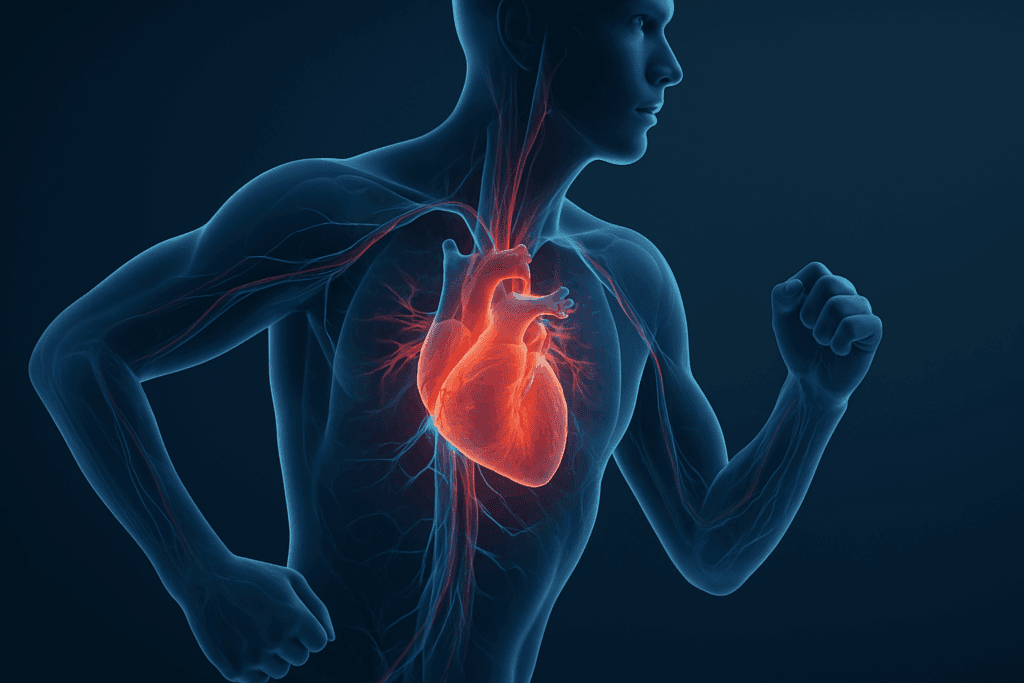
Transparent runner with glowing heart and vessels showing blood flow, emphasizing keeping your heart healthy.

Understanding the Importance of Cardiovascular Fitness

Cardiovascular fitness refers to the ability of the heart, lungs, and blood vessels to deliver oxygen-rich blood to working muscles during sustained physical activity. This type of fitness is essential not only for athletes but also for anyone seeking long-term health and vitality. Strong cardiovascular fitness directly correlates with reduced risk of heart disease, stroke, hypertension, and other chronic conditions. More importantly, it plays a crucial role in mental clarity, emotional regulation, and overall energy levels.

Endurance training improves heart function by increasing stroke volume, which is the amount of blood ejected from the heart with each beat. It also enhances capillary density, allowing better oxygen exchange in muscles, and reduces resting heart rate, signaling a more efficient heart. Regular aerobic activity promotes flexibility of blood vessels, improves cholesterol ratios, and helps regulate blood sugar—key factors in keeping your heart and circulatory system healthy. For those looking to understand the circulatory system and how to keep it healthy, endurance training provides one of the most scientifically validated and accessible pathways.

Split-screen of a cyclist in nature and a sprinter in a gym, illustrating keeping your heart healthy through aerobic and anaerobic training

Aerobic vs. Anaerobic Training: Why Balance Matters

In the realm of endurance training, both aerobic and anaerobic systems are involved, and understanding the balance between the two is critical. Aerobic training relies on oxygen and supports longer-duration activities such as jogging, swimming, or cycling. This type of training predominantly strengthens the heart and lungs, making it highly effective for keeping your heart in optimal condition.

Anaerobic training, on the other hand, includes higher intensity efforts such as sprinting or high-intensity interval training (HIIT). While shorter in duration, anaerobic activities stimulate different adaptations, including increased muscle strength, improved metabolic flexibility, and a rise in lactate threshold. For optimal cardiovascular benefits, a smart training plan should combine both modalities. This approach not only keeps the circulatory system healthy but also builds a more resilient and adaptable heart.

It’s important to remember that endurance doesn’t exclusively belong to marathon runners or elite athletes. Even brisk walking, when done consistently, activates aerobic pathways and contributes meaningfully to cardiovascular health. Including a variety of training styles ensures not only physiological balance but also psychological engagement—both essential for long-term adherence.

Progressive figures walking, jogging, and running uphill on a gradient path symbolizing keeping your heart strong through cardiovascular training.

Progressive Overload and Heart Health

The principle of progressive overload states that the body must be challenged beyond its normal level of activity in order to make adaptations. For the cardiovascular system, this means gradually increasing the intensity, duration, or frequency of aerobic sessions. But while it is tempting to push hard, smart endurance training respects the heart’s limits and emphasizes gradual progression.

Progressive overload should be individualized. For someone beginning a new fitness regimen, even walking uphill may present a cardiovascular challenge. For a more experienced individual, adding interval sessions or long-distance runs may be the next step. The key is to observe how the heart responds—through heart rate monitoring, perceived exertion, and recovery rates—and to adjust training accordingly. This personalized approach not only ensures safety but also supports long-term improvements in endurance and vascular function.

Incorporating rest and recovery into an endurance training program is equally crucial. Just as muscles need time to repair and grow stronger, the heart benefits from periods of reduced workload. Alternating high-intensity days with lower-intensity sessions or complete rest days allows the cardiovascular system to adapt and stay healthy. Consistency and intelligent planning trump sporadic bursts of excessive effort when it comes to keeping your heart strong over time.

Colorful infographic showing five training zones from walking to sprinting, visualizing effort and oxygen use for keeping your heart healthy

Training Zones and Heart Rate Monitoring

Heart rate training zones provide a scientific framework for tailoring endurance workouts. These zones range from very light intensity (Zone 1) to maximal effort (Zone 5), with each zone offering unique benefits. For general heart health and aerobic capacity, Zones 2 and 3 are particularly valuable, as they emphasize fat oxidation and steady-state endurance, without placing excessive strain on the heart.

Training in Zone 2, for example, often feels easy but requires patience and consistency. Over time, it promotes mitochondrial growth and increases the efficiency of oxygen delivery to muscles. This directly impacts the circulatory system and how to keep it healthy, as it improves capillary function, vascular elasticity, and metabolic endurance. Meanwhile, periodic training in Zone 4 or 5 can stimulate cardiovascular remodeling, improving maximal oxygen uptake (VO2 max) and increasing heart efficiency under stress.

Heart rate monitors or wearable fitness devices offer valuable insights for anyone engaged in endurance training. By tracking heart rate over time, individuals can assess improvements in resting heart rate, heart rate recovery, and overall training adaptation. These metrics not only guide training intensity but also serve as early indicators of fatigue, overtraining, or underlying cardiovascular issues.
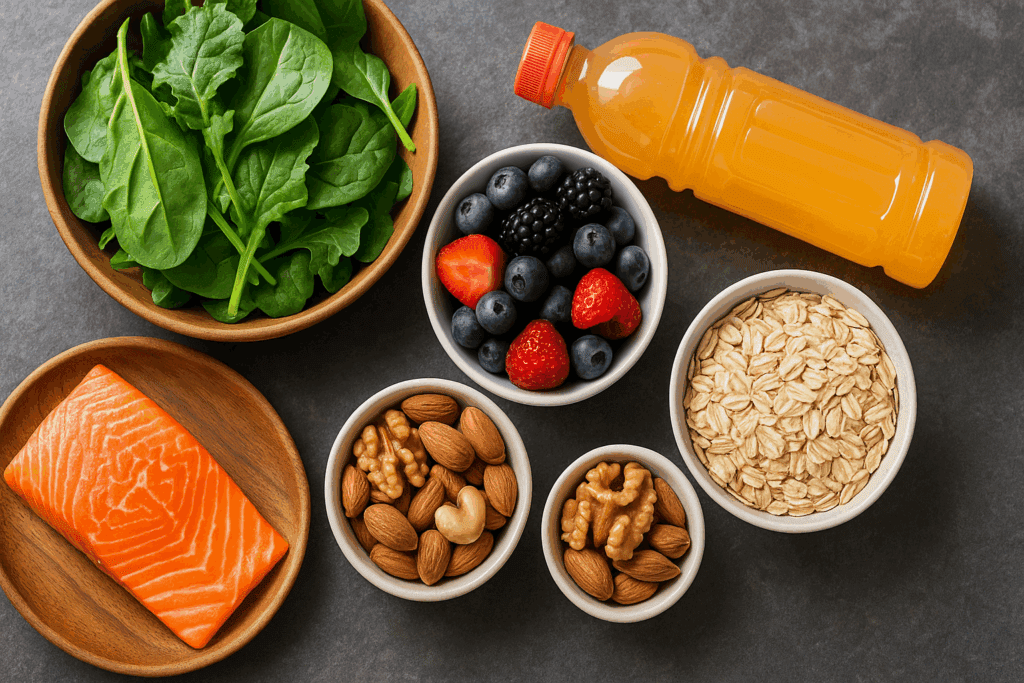
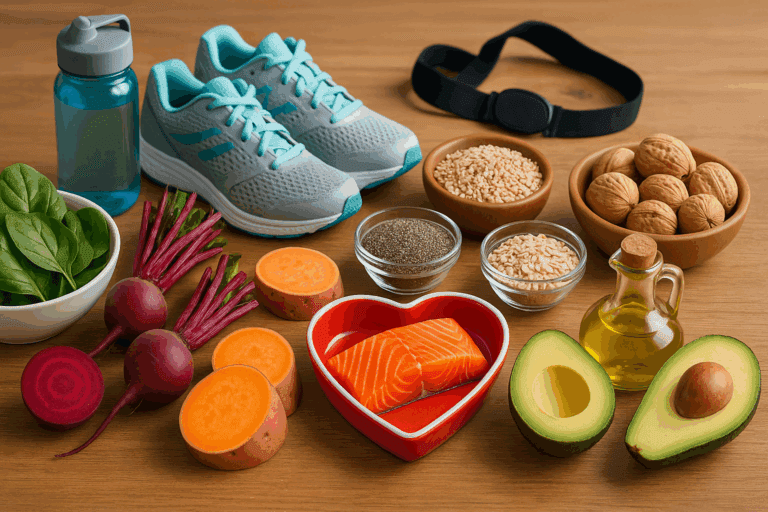
Nutrient-rich foods like salmon, berries, leafy greens, oats, and nuts arranged with a sports drink for keeping your heart strong during endurance training.

Endurance Nutrition: Fueling the Heart and Circulatory System

Endurance training places unique demands on the body, and nutrition plays a pivotal role in meeting those demands. A well-fueled body ensures that the heart has the energy it needs to perform efficiently, while poor nutrition can impair performance and even compromise cardiovascular health. Carbohydrates are the primary fuel source during endurance exercise, but quality matters more than quantity. Whole grains, legumes, fruits, and vegetables provide complex carbohydrates that release energy steadily, helping to stabilize blood sugar and reduce inflammation.

Healthy fats, especially omega-3 fatty acids from sources like salmon, flaxseeds, and walnuts, support vascular health by reducing triglycerides, lowering blood pressure, and improving endothelial function. These effects are critical for keeping your heart protected against oxidative stress and arterial plaque buildup. Protein, too, should not be overlooked. While not a primary fuel source for endurance, it supports muscular repair and recovery, indirectly contributing to heart efficiency by maintaining lean body mass.

Hydration is another often underestimated factor. Dehydration reduces plasma volume, which can strain the heart and impair temperature regulation during exercise. Consistent water intake, along with electrolyte balance, ensures that blood remains fluid and transport functions within the circulatory system operate smoothly. For those training for extended periods or in hot environments, incorporating a hydration plan tailored to sweat rate and environmental conditions is key to avoiding cardiovascular strain.

The Role of Recovery in Heart Health

In the context of endurance training, recovery is not merely a passive phase—it is an active process during which the body repairs, adapts, and becomes stronger. Proper recovery supports heart health by allowing the cardiovascular system to reduce systemic inflammation, regulate cortisol levels, and restore autonomic balance. Without adequate recovery, even the most well-designed training plan can lead to diminishing returns or worse, overtraining syndrome.

Heart rate variability (HRV), a measure of the variation in time between heartbeats, has emerged as a powerful tool to assess recovery. Higher HRV is generally associated with better cardiovascular function, lower stress, and improved adaptability. Monitoring HRV allows individuals to adjust their training loads based on how well their heart is recovering, creating a smarter and more individualized approach to endurance training.

Sleep is another cornerstone of recovery. During deep sleep, the parasympathetic nervous system is dominant, allowing the heart rate to slow and blood pressure to decrease. This nightly reset is essential for keeping your heart in optimal condition. Sleep deprivation, on the other hand, increases resting heart rate and reduces HRV, both of which indicate a stressed cardiovascular system. Investing in consistent, high-quality sleep is one of the most accessible strategies for supporting endurance and heart health alike.

Diverse group of older adults cycling, walking, and swimming in a park, joyfully staying active and keeping your heart healthy.

Aging, Endurance, and Long-Term Heart Strength

Aging presents unique challenges to cardiovascular function, including increased arterial stiffness, reduced cardiac output, and diminished maximal heart rate. However, regular endurance training remains one of the most effective interventions for counteracting these age-related declines. Studies show that older adults who maintain aerobic fitness have lower risks of cardiovascular disease, better metabolic profiles, and even improved cognitive health.

The key lies in adapting training to suit physiological changes. Low-impact activities such as swimming, cycling, and rowing are particularly beneficial for aging joints while still providing robust cardiovascular stimulation. Incorporating longer warm-ups, gradual progressions, and more frequent recovery days allows older individuals to train safely while preserving or even enhancing their heart health. By focusing on keeping your heart resilient over the decades, endurance training becomes a form of preventive medicine.

Resistance training can also complement aerobic activity in older populations. Though traditionally associated with muscle strength, resistance work improves vascular health by promoting nitric oxide production, reducing arterial stiffness, and aiding in glucose regulation. A combined approach—blending endurance, strength, and mobility training—offers the best framework for maintaining the circulatory system and learning how to keep it healthy well into advanced age.

Woman cycling at sunrise on a mountain trail, practicing mindful breathing and keeping your heart healthy through nature-based cardio.

Mental and Emotional Benefits of Cardiovascular Endurance

Beyond its physical advantages, endurance training delivers profound benefits for mental and emotional well-being. Regular aerobic exercise increases the release of endorphins and brain-derived neurotrophic factor (BDNF), which enhance mood, memory, and stress resilience. These changes support heart health indirectly by reducing cortisol levels, improving sleep, and promoting healthier lifestyle choices.

There is also a powerful meditative quality to endurance training. The rhythmic movement, controlled breathing, and connection to physical sensation foster mindfulness and emotional regulation. This mental clarity helps individuals cope with the stresses of daily life, which can otherwise contribute to hypertension and cardiovascular strain. In this way, training becomes both a physical and psychological tool for keeping your heart grounded, strong, and steady.

Moreover, the discipline and structure of an endurance training plan offer a sense of purpose and achievement, which can be especially important for those dealing with anxiety, depression, or chronic health conditions. The emotional resilience built through consistent training often mirrors the physiological resilience developed in the cardiovascular system, reinforcing a feedback loop of health and vitality.

Real-Life Applications: Endurance Training in Diverse Populations

Endurance strategies are not one-size-fits-all, and their application across diverse populations is crucial. For those with preexisting cardiovascular conditions, such as hypertension or arrhythmia, exercise can be a therapeutic tool—but it must be approached with medical guidance. Cardiac rehabilitation programs, which include supervised endurance training, have proven effective in reducing mortality and improving functional outcomes.

In younger populations, endurance training builds a foundation for lifelong health. Encouraging regular physical activity in children and adolescents helps instill habits that protect against obesity, diabetes, and future cardiovascular disease. Schools and community programs that prioritize fitness education contribute not only to physical well-being but also academic performance and social development.

Meanwhile, athletes looking to maximize performance must balance endurance gains with recovery and injury prevention. Periodization—planning training cycles with specific goals and recovery phases—allows for continuous improvement while safeguarding the heart. By focusing on both performance and preservation, even elite competitors can contribute to the broader goal of maintaining the circulatory system and understanding how to keep it healthy throughout life.

Colorful circular infographic showing six healthy lifestyle icons for keeping your heart strong, including exercise, diet, hydration, sleep, mental wellness, and social support.

Sustainable Habits for Lifelong Cardiovascular Strength

Creating an effective and sustainable endurance training program hinges on consistency, personalization, and adaptability. Long-term heart health is not the result of a single training cycle or diet plan—it emerges from a lifestyle rooted in smart decisions, gradual progress, and resilience in the face of setbacks. Listening to your body, adjusting based on life changes, and staying informed through evidence-based practices ensures ongoing cardiovascular benefits.

Incorporating variety—across activities, intensities, and environments—keeps training enjoyable and prevents burnout. Whether it’s running outdoors, swimming laps, or taking dance-based fitness classes, what matters most is regular movement that elevates the heart and engages the mind. By prioritizing both joy and structure, individuals are more likely to maintain habits that support long-term circulatory health.

Social support is another often-overlooked component. Training with friends, joining a fitness community, or working with a coach not only enhances accountability but also improves emotional well-being. These connections reduce stress, increase motivation, and indirectly support cardiovascular health, further illustrating the interconnected nature of endurance, the heart, and the broader aspects of wellness.

Frequently Asked Questions (FAQ): Smart Endurance Strategies for Heart Health

1. How does mental stress impact the effectiveness of endurance training for cardiovascular health? Mental stress has a direct physiological impact on the heart and can significantly affect how well endurance training supports cardiovascular health. Chronic stress activates the sympathetic nervous system, increasing heart rate and blood pressure, which places strain on the vascular system. Even with consistent endurance exercise, unmanaged stress can blunt the cardiovascular benefits by sustaining a pro-inflammatory state. To truly support the circulatory system and learn how to keep it healthy, incorporating stress management techniques like meditation, breathwork, or low-impact restorative movement is essential. These practices complement physical training and are vital for keeping your heart functioning efficiently under daily pressure.

2. Can heat exposure, such as sauna use, improve endurance and heart health? Emerging research suggests that regular sauna use can act as a cardiovascular conditioning tool, mimicking some of the effects of moderate endurance training. Heat exposure induces vasodilation, improves blood flow, and promotes sweating, which helps regulate blood pressure and heart rate. Studies have shown that sauna sessions can enhance the elasticity of blood vessels and increase plasma volume, indirectly contributing to a more robust circulatory system. When used alongside endurance exercise, heat therapy can support recovery and add cardiovascular load in a controlled, passive way. This dual strategy can be highly effective for keeping your heart resilient and responsive to varied physiological demands.

3. What role does breath control play in endurance training and cardiovascular function? Breath control—or conscious breathing—can dramatically enhance both endurance performance and heart health. Techniques like diaphragmatic breathing or nasal breathing during low-intensity runs can improve oxygen efficiency and reduce cardiovascular strain. Over time, controlled breathing lowers resting heart rate, supports vagal tone, and enhances heart rate variability, all of which are markers of a healthy autonomic balance. Mastering breath control is a lesser-known yet powerful tool for supporting the circulatory system and understanding how to keep it healthy during both exertion and rest. It also serves as a mental anchor, helping athletes manage effort and recover more effectively between intervals.

4. Is there a benefit to training in varied environmental conditions for heart health? Training in diverse environments—such as high altitude, cold weather, or humid conditions—places novel stressors on the cardiovascular system, encouraging adaptive responses. For instance, altitude training can increase red blood cell count and enhance oxygen transport, while cold exposure may stimulate circulation and improve vascular tone. These changes, when introduced thoughtfully and gradually, can help build a more adaptable and efficient cardiovascular system. Such variation also promotes resilience, which is foundational for keeping your heart prepared for different physical and environmental challenges. Just as muscles need varied stimuli to grow stronger, the circulatory system also benefits from dynamic, context-based stress.

5. How does gut health influence cardiovascular endurance and heart resilience? Recent studies link gut microbiome diversity with systemic inflammation and metabolic function—two factors closely tied to cardiovascular health. A well-balanced gut can improve nutrient absorption, regulate cholesterol metabolism, and reduce endotoxins that negatively affect the vascular system. For athletes, supporting the microbiome with fiber-rich foods, fermented products, and minimal processed sugar can enhance not only digestion but also endurance recovery and immune function. The healthier the gut, the better the support for the circulatory system and how to keep it healthy through integrated physiological systems. This inside-out approach to endurance training is becoming a growing focus in performance nutrition and holistic health.

6. What are the long-term implications of poor recovery on heart function in endurance athletes? Neglecting recovery over time can lead to a condition known as overreaching or even overtraining syndrome, which may impair cardiovascular function. Persistently elevated heart rate, reduced heart rate variability, and chronic fatigue are red flags that the heart is under undue stress. Over time, this can diminish cardiac efficiency, increase arterial stiffness, and promote hormonal imbalances that compromise vascular health. For endurance athletes, especially those training at high volumes, strategic recovery is not just about muscle repair—it’s central to keeping your heart operating within safe, adaptive limits. Prioritizing sleep, periodization, and low-intensity recovery activities are key strategies to protect long-term cardiovascular integrity.

7. Are there specific wearable technologies that help optimize heart-focused endurance training? Yes, there is a growing ecosystem of wearable technology designed specifically to monitor cardiovascular metrics during training. Devices like chest-strap heart rate monitors, optical sensors on smartwatches, and HRV-tracking rings provide real-time data on heart rate zones, recovery status, and autonomic nervous system balance. These insights help users train more intelligently, ensuring they spend adequate time in heart-healthy aerobic zones without overexertion. When used consistently, these tools become valuable allies in supporting the circulatory system and learning how to keep it healthy through data-informed decision-making. For those serious about keeping your heart in top condition, wearable tech offers both accountability and personalization.

8. Can certain forms of cross-training benefit the heart more than traditional endurance exercises? Absolutely. Activities like rowing, swimming, and dancing provide unique cardiovascular stimuli that differ from traditional running or cycling. For example, rowing incorporates both aerobic effort and resistance components, which can strengthen the heart and improve arterial compliance. Swimming offers buoyant support and full-body engagement, reducing joint strain while still elevating heart rate effectively. These cross-training methods diversify muscular engagement, enhance coordination, and reduce the risk of overuse injuries, all while reinforcing the principles of keeping your heart and circulatory system in good condition. Incorporating a mix of endurance modalities can also prevent plateau and sustain long-term motivation.

9. How does social interaction during group endurance training impact heart health? Group-based endurance activities offer psychosocial benefits that translate into physiological advantages. Exercising with others can improve adherence, reduce perceived exertion, and release more endorphins—all of which support emotional regulation and cardiovascular resilience. Social bonds forged through group training reduce loneliness and stress, factors that have been shown to negatively affect heart health. This social dimension of training reinforces that keeping your heart strong isn’t purely a physical endeavor—it’s an emotional and communal experience. Group workouts thus create a comprehensive model for supporting the circulatory system and keeping it healthy through interconnected mental, emotional, and physical pathways.

10. What does the future of endurance training and heart health look like? The future of endurance training is moving toward precision health—combining genomics, AI, and individualized training prescriptions to optimize cardiovascular outcomes. Advances in biomarker testing will soon allow athletes and health enthusiasts to monitor inflammation, oxidative stress, and arterial function with the same ease as tracking steps. There’s also growing interest in “exercise mimetics,” pharmaceutical or nutraceutical interventions that mimic the benefits of endurance training for those unable to participate due to health conditions. This innovation will provide new avenues for supporting the circulatory system and understanding how to keep it healthy in medically constrained populations. As technology evolves, so too will our ability to fine-tune endurance protocols for both peak performance and lifelong heart health.

Conclusion: Building Endurance and Keeping Your Heart Healthy for Life

Smart endurance training is a lifelong investment in the body’s most vital system. By embracing strategies that balance intensity with recovery, fuel the body with purpose, and engage the heart both physically and emotionally, we create a powerful framework for cardiovascular longevity. The circulatory system is resilient, but it requires mindful support—through training, nutrition, rest, and adaptability.

Understanding the circulatory system and how to keep it healthy doesn’t mean following a rigid formula. It means cultivating habits that honor the body’s capacity for growth and repair. By prioritizing endurance as a pathway to well-being—not just performance—we reaffirm our commitment to keeping our hearts strong, steady, and ready for the journey ahead. This balanced, evidence-based approach supports not only peak physical performance but also a richer, more vibrant life anchored in the rhythms of a healthy, resilient heart.

Was this article helpful? Don’t let it stop with you. Share it right now with someone who needs to see it—whether it’s a friend, a colleague, or your whole network. And if staying ahead on this topic matters to you, subscribe to this publication for the most up-to-date information. You’ll get the latest insights delivered straight to you—no searching, no missing out.

Further Reading:

3 Smart Ways to Boost Your Heart Health

Your Guide to Exercising for Heart Heal

What is Aerobic Endurance?

12 Praktische Tips voor Fantasy Sport en Casino Succes bij Scoripro Casino 1

12 Praktische Tips voor Fantasy Sport en Casino Succes bij Scoripro Casino 1

Fantasy sport en online casino gaan steeds meer hand in hand. Met de juiste aanpak kun je zowel je fantasy‑teams als je casinowinst maximaliseren. Hieronder vind je twaalf concrete tips die je direct kunt toepassen.

1. Kies een platform met een betrouwbare licentie

1.1 Let op de KSA‑licentie

Voor Nederlandse spelers is een KSA‑licentie een garantie voor veiligheid. Scoripro Casino 1 beschikt over een geldige KSA‑licentie, waardoor je weet dat je geld beschermd is.

1.2 Controleer de spelvergunningen

Naast de KSA‑licentie moet een casino ook licenties van software‑leveranciers hebben. Dit zorgt voor eerlijke RNG‑systemen en transparante RTP‑percentages.

1.3 Vraag naar spelersbescherming

Betrouwbare sites bieden tools voor limieten en zelfuitsluiting. Zo kun je verantwoord blijven spelen zonder onverwachte verrassingen.

Een goede licentie voorkomt later problemen met uitbetalingen of accountblokkades. Heb je ooit gefrustreerd gekeken naar een casino dat plotseling gesloten werd? Kies daarom altijd voor een gelicentieerd platform.

2. Haal het meeste uit bonussen en welkomstaanbiedingen

2.1 Vergelijk bonusstructuren

Bonustype % bonus Maximale bonus
Welkomst 100 % €250
Reload 50 % €100
Cashback 10 % €50

2.2 Gebruik de welkomstbonus slim

Scoripro Casino 1 biedt een welkomstbonus van 100 % tot €250. Maak een eerste storting van €50 en je krijgt €50 extra speeltegoed.

2.3 Let op de inzetvereisten

Veel bonussen komen met een 30‑voudige inzetvereiste. Dit betekent dat je €150 moet inzetten voordat je de winst kunt opnemen.

Door de bonusvoorwaarden goed te lezen, kun je voorkomen dat je geld vastzit. Heb je ooit een bonus geclaimt en later ontdekt dat je er niet mee kon opnemen? Met de juiste kennis kun je dit vermijden.

Meer informatie over de bonussen vind je op scoripro-casino.com, waar de site een overzicht biedt van alle actuele aanbiedingen.

3. Optimaliseer je fantasy sport strategie

3.1 Focus op voetbal fantasy

Voor Nederlandse spelers is voetbal fantasy het populairst. Kies spelers die regelmatig scoren en weinig blessuregevoelig zijn.

3.2 Combineer met live betting

Scoripro Casino 1 biedt live weddenschappen op voetbalwedstrijden. Door je fantasy‑keuzes te koppelen aan live odds, kun je extra winst genereren.

3.3 Analyseer statistieken grondig

Gebruik sites die gedetailleerde statistieken geven, zoals passes, schoten op doel en blessurehistorie. Een goed onderbouwde keuze verhoogt je score.

3.4 Houd de deadline in de gaten

Fantasy leagues sluiten vaak een uur voor de eerste wedstrijd. Zorg dat je team op tijd staat, anders mis je punten.

Met deze tips kun je je fantasy‑team sterker maken en tegelijkertijd profiteren van de casinomogelijkheden van Scoripro Casino 1.

4. Versnel je uitbetalingen en speel mobiel

4.1 Kies snelle betaalmethoden

iDEAL is de meest gebruikte betaalmethode voor Nederlandse spelers. Uitbetalingen via iDEAL worden vaak binnen 24 uur verwerkt.

4.2 Gebruik de mobiele app

Scoripro Casino 1 heeft een responsieve mobiele site en een app voor Android en iOS. Zo kun je overal spelen, van de trein tot de bank.

4.3 Schakel push‑meldingen in

Met push‑meldingen blijf je op de hoogte van nieuwe bonussen, toernooien en snelle uitbetalingen.

4.4 Check de verwerkingstijden

Methode Verwerkingstijd
iDEAL 24 uur
Trustly 30 min
Bank 3‑5 dagen

4.5 Voordelen in één overzicht

  • Snelle stortingen
  • Directe uitbetalingen
  • Mobiel toegankelijk
  • 24/7 klantenservice

Door deze stappen te volgen, hoef je niet langer te wachten op je winst. Een snelle cash‑out maakt het spel nog leuker.

5. Houd verantwoord spelen in de gaten

5.1 Stel limieten in

Scoripro Casino 1 biedt opties om stortings-, verlies‑ en inzetlimieten in te stellen. Zo houd je controle over je budget.

5.2 Maak gebruik van zelfuitsluiting

Als je merkt dat je te veel speelt, kun je jezelf tijdelijk uitsluiten. De site blokkeert dan alle toegang tot je account.

5.3 Zoek hulp bij problematisch spelen

Er zijn organisaties zoals de Kansspelautoriteit die gratis advies geven. Neem contact op als je je zorgen maakt.

5.4 FAQ

Q: Hoe snel kan ik een uitbetaling aanvragen?
A: Bij iDEAL en Trustly duurt het meestal minder dan een uur. Bankoverschrijvingen kunnen 3‑5 dagen duren.

Q: Zijn de bonussen beschikbaar voor alle Nederlandse spelers?
A: Ja, zolang je een geldig KSA‑licentieaccount hebt, kun je alle bonussen claimen.

Q: Kan ik mijn limieten later aanpassen?
A: Zeker, je kunt limieten verhogen of verlagen via je accountinstellingen.

Door verantwoord te spelen, bescherm je jezelf en behoud je het plezier. Onthoud: spelen moet leuk blijven, niet een last worden.

Met deze twaalf tips ben je klaar om zowel je fantasy‑teams als je casinospel naar een hoger niveau te tillen. Veel succes en speel slim!

Smart Meal Prep for Two People: How to Save Time, Eat Healthier, and Strengthen Your Relationship

In today’s fast-paced world, carving out time for home-cooked meals often feels like a luxury, especially for couples juggling demanding careers, family obligations, or academic schedules. Yet the benefits of eating healthy, nutrient-dense meals prepared at home extend far beyond individual wellness. When approached mindfully, meal prep for two people becomes a powerful strategy for enhancing nutrition, reducing food waste, saving money, and even deepening the emotional connection between partners. This comprehensive guide will explore how to master the art of meal prep for 2, incorporating evidence-based nutritional principles and time-saving culinary techniques to support a healthier lifestyle while weaving in the nuances of relationship-building and sustainability.

You may also like: Smart Meal Prep for Weight Loss: Expert-Approved Lunch Ideas and Recipes to Stay on Track

The Science and Psychology of Cooking Together

At the core of meal prep for two lies more than just logistics. It involves shared experiences, co-created goals, and the mutual investment of time—one of our most precious resources. Numerous studies in relationship psychology suggest that couples who engage in collaborative tasks, such as cooking, report higher relationship satisfaction and increased intimacy. These moments of planning, preparing, and enjoying meals together function as acts of care and cooperation. The act of cooking collaboratively becomes a form of communication, fostering emotional attunement and reinforcing shared values like health and sustainability.

Beyond relational benefits, meal prepping also aligns with principles of mindful eating. When you take time to prepare meals intentionally, you become more attuned to food quality, portion sizes, and nutritional content. This conscious engagement fosters a healthier relationship with food and helps mitigate the temptation of convenience-driven dietary choices that are often high in sodium, sugar, and unhealthy fats.

How Meal Prep for Two People Supports Nutritional Goals

Whether you’re transitioning to a whole-food, plant-based diet or simply aiming to cut back on takeout, meal prep for 2 people creates a framework for nutritional consistency. By planning your meals in advance, you gain control over ingredients, cooking methods, and portion sizes, all of which play pivotal roles in achieving dietary goals. This is particularly beneficial when managing conditions such as hypertension, type 2 diabetes, or elevated cholesterol levels, where sodium and saturated fat intake must be closely monitored.

Moreover, the structured nature of meal planning simplifies calorie and macronutrient tracking, facilitating weight management without the need for restrictive dieting. And when both individuals share similar health goals, there’s built-in accountability and motivation to stay on track. The process can be as simple or sophisticated as your lifestyle allows, ranging from batch-cooked stews and stir-fries to gourmet-level dinners using fresh herbs and seasonal vegetables.

Couple organizing pre-portioned healthy meals in reusable containers during weekend meal prep for two people.

Time-Saving Strategies That Enhance Efficiency and Reduce Stress

Meal prep doesn’t have to be time-consuming or overwhelming. With a few streamlined strategies, even the busiest couples can enjoy the benefits of healthy, home-cooked meals throughout the week. Begin by selecting one or two designated prep days—commonly Sunday and Wednesday—to wash, chop, marinate, and cook your key ingredients. This upfront effort pays dividends throughout the week by eliminating decision fatigue and last-minute scrambles.

One effective approach involves preparing foundational ingredients in bulk, such as quinoa, roasted vegetables, or plant-based proteins like lentils or tofu. These components can then be mixed and matched to create diverse meals like grain bowls, salads, and wraps. Investing in high-quality, stackable glass containers also enhances storage efficiency and keeps prepped meals fresh longer. When both partners contribute equally to the prep process, it not only lightens the workload but also makes the experience more enjoyable and bonding.

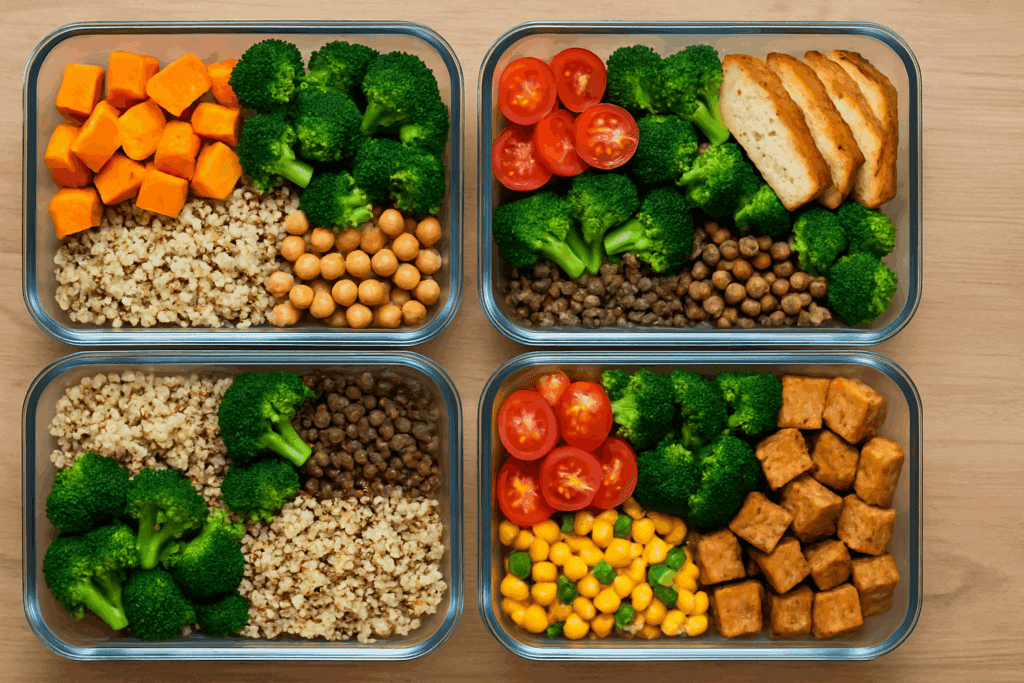
Overhead view of colorful grain bowls and vegetables arranged on a kitchen counter for meal prep for two people

Meal Prep and Relationship Health: Beyond the Kitchen

Food is deeply personal and emotional, carrying cultural, familial, and sensory memories. When couples engage in meal prep for two people, they have the opportunity to share and explore these dimensions together. Trying out family recipes, experimenting with new cuisines, or simply planning a special themed dinner once a week brings joy and novelty into the relationship.

Meal prep also opens the door to better communication. By discussing dietary preferences, health goals, and weekly schedules, couples foster a deeper understanding of each other’s needs and limitations. These conversations build empathy and respect, reducing the likelihood of miscommunication and resentment—common culprits in relationship dissatisfaction. When shared meals are prioritized, they serve as anchor points of connection, promoting relaxation and meaningful dialogue away from digital distractions.

Is Keto a Low Carb Diet? Comparing Popular Eating Styles

As couples explore dietary options that align with their health goals, questions inevitably arise about the differences and similarities between trending diets. A common inquiry is: Is keto a low carb diet? While the ketogenic diet and low-carb diets share certain characteristics, they are not identical. The ketogenic diet is an ultra-low-carb, high-fat approach designed to induce ketosis, a metabolic state where the body burns fat for fuel instead of glucose. In contrast, a low-carb diet may restrict carbohydrates but doesn’t necessarily aim to achieve or maintain ketosis.

Understanding the nuances in the ketogenic diet vs low carb approach is essential for choosing the plan that best fits your lifestyle and health needs. If you’re contemplating whether the keto diet vs low carb diet is more sustainable, consider the long-term feasibility. Is a keto diet sustainable for both individuals in a partnership, or would a moderately low-carb approach be more manageable and enjoyable? The answer depends on your goals, medical conditions, and personal preferences. Importantly, both diets can be adapted into meal prep for two people by focusing on high-quality whole foods and minimizing processed ingredients.

Fresh ingredients like lentils, quinoa, and leafy greens laid out on a cutting board during plant-based meal prep for two people.

Navigating Nutrition: Whole-Food Plant-Based vs. Keto

While keto has gained popularity for its rapid weight loss potential and blood sugar stabilization benefits, many health professionals advocate for a whole-food, plant-based diet due to its cardiovascular and anti-inflammatory advantages. The key difference lies in the macronutrient composition. The ketogenic diet restricts most fruits, grains, and legumes to maintain low carbohydrate intake, while a whole-food, plant-based approach encourages these foods for their fiber, vitamins, and phytochemicals.

If you’re exploring whether is keto a good diet for you and your partner, it’s critical to weigh the evidence and consider your overall lifestyle. For example, meal prep for 2 might involve crafting cauliflower rice stir-fries, almond flour-based treats, and leafy green salads with avocado if following keto. On the other hand, a plant-based couple might opt for lentil soups, quinoa-stuffed peppers, and chickpea curry. Either path can be optimized through thoughtful meal prep that reflects shared goals and taste preferences.

Budget-Friendly Meal Prep Without Sacrificing Flavor or Nutrition

One of the common myths about healthy eating is that it’s expensive. However, when done strategically, meal prep for 2 can actually be more economical than eating out or relying on convenience foods. Bulk purchasing pantry staples like dried beans, brown rice, and whole grains, as well as shopping for seasonal produce, can significantly reduce your grocery bill. Many couples find that sticking to a meal plan not only prevents overspending but also reduces food waste.

Preparing meals in advance allows you to take advantage of sales, cook with intention, and portion meals appropriately. This is especially beneficial for individuals adhering to specialized eating patterns, such as low-carb diet keto diet hybrids, where certain ingredients like almond flour or coconut oil can be bought in bulk for long-term use. Batch-cooking soups, casseroles, and stir-fries also stretches ingredients while ensuring nutritional balance. Flavor can be enhanced through herbs, spices, and simple sauces that add variety without excess calories or cost.

Romantic home dining setup with two people enjoying a candlelit dinner after a successful meal prep for two people session.

Strengthening Commitment Through Culinary Collaboration

Beyond the tangible benefits of improved health and financial savings, consistent meal prep for two has the potential to foster deeper emotional intimacy. Sharing the responsibilities of shopping, chopping, and cooking reinforces the concept of partnership. It creates opportunities for nonverbal communication, shared laughter, and problem-solving—each of which strengthens the foundation of trust and mutual support.

Couples who cook together often report feeling more connected, appreciated, and in sync with one another. This sense of collaboration extends into other areas of life, including parenting, financial planning, and conflict resolution. Making space for this shared ritual, even if only once or twice per week, signals a commitment to both your partner and your collective wellbeing. It’s in these moments—measuring spices, setting the table, and savoring a homemade dish—that small but meaningful bonds are forged.

Is Keto No Carbs? Debunking a Common Misconception

A frequent misconception about the ketogenic diet is that it entails eliminating all carbohydrates. In reality, while the diet is very low in carbohydrates, it is not devoid of them. The question “is keto no carbs?” underscores the importance of understanding dietary nuance. Most keto plans include 20-50 grams of carbohydrates per day, sourced from low-glycemic vegetables, nuts, and seeds. This controlled intake allows the body to remain in ketosis while still benefiting from essential micronutrients and dietary fiber.

This understanding is crucial when meal prepping, as it dispels the fear of certain nutrient-rich foods. For instance, leafy greens, zucchini, cauliflower, and small portions of berries can all be part of a well-rounded keto meal plan. Similarly, keto-friendly ingredients like almond flour and coconut milk provide versatility in the kitchen without spiking blood sugar. As couples explore meal prep for 2 on a keto or low-carb regimen, acknowledging that keto is not synonymous with “zero carbs” can open the door to more balanced and satisfying meals.

The Emotional Benefits of Shared Mealtime Rituals

In an era where digital distractions often overshadow face-to-face interaction, the ritual of shared meals can serve as a powerful counterbalance. Eating together offers a consistent opportunity for couples to reconnect, reflect, and unwind. These moments foster a sense of stability and ritual, which psychologists have found to be crucial for emotional well-being.

When you and your partner plan, prepare, and enjoy meals together, you cultivate a rhythm that enhances emotional security. This rhythm can be particularly grounding during periods of stress or transition, offering a sense of normalcy amidst external chaos. Whether it’s a weekly Sunday brunch or a candlelit Wednesday dinner, these rituals become the scaffolding upon which deeper intimacy is built. They represent the lived expression of values such as health, partnership, and intentional living.

Is a Keto Diet Sustainable for Long-Term Health?

Sustainability is a critical factor in any dietary pattern. While the keto diet can produce short-term weight loss and improvements in blood sugar regulation, its long-term adherence remains challenging for many. Thus, the question arises: is a keto diet sustainable? For couples considering this lifestyle together, it’s essential to evaluate the emotional, social, and metabolic demands of maintaining ketosis.

Research indicates that strict dietary regimens often falter when they conflict with cultural traditions, social eating, or personal taste. While some may thrive on a low-carb, high-fat routine, others may experience fatigue, nutrient deficiencies, or social isolation. A more moderate approach—such as a low carb diet keto diet blend that allows for greater flexibility—may prove more viable over the long term. Regardless of the dietary model chosen, the key is mutual commitment and adaptability within the relationship to honor each person’s needs and goals.

Creating a Culinary Legacy: Building Habits That Last

The most powerful aspect of consistent meal prep for two people is its potential to become a legacy habit—a lifestyle that supports physical health, emotional resilience, and relational harmony. When couples invest time in cooking and eating together, they lay a foundation for future traditions, family culture, and intergenerational health literacy. Children who grow up in homes where shared meals are the norm are more likely to adopt healthy eating habits, demonstrate improved academic performance, and develop secure emotional attachments.

Furthermore, culinary collaboration teaches valuable skills such as time management, nutritional literacy, and financial planning. These competencies ripple into other areas of life, empowering couples to navigate challenges with greater confidence and coherence. Over time, the kitchen becomes more than a functional space—it transforms into a sanctuary of creativity, nourishment, and love.

Family-style cooking session with a couple laughing and chopping vegetables together, highlighting meal prep for two people.

Frequently Asked Questions: Smart Meal Prep for Two People

What are some overlooked benefits of meal prep for two people that go beyond nutrition?

While most people associate meal prep for two people with better nutrition and time savings, it alsohas substantial emotional and mental health benefits. Engaging in this shared activity can foster teamwork, improve communication, and provide couples with a recurring opportunity to align on wellness goals. Beyond the kitchen, this ritual can reduce household stress by removing the daily decision-making burden around food. It creates a rhythm that promotes stability in relationships, acting as a grounding habit amid hectic schedules. When practiced regularly, meal prep for 2 becomes a lifestyle pillar that enhances not only what we eat but how we connect.

How can couples keep meal prep for 2 exciting without becoming repetitive?

It’s common for meal prep for 2 to fall into a routine, but there are creative ways to keep thingsfresh. Exploring global cuisines, rotating cooking responsibilities, or using themed weeks (like Mediterranean or Thai) adds variety and anticipation to each meal. Couples can also sign up for virtual cooking classes or experiment with new cooking methods such as air-frying, fermenting, or sous-vide. Incorporating seasonal ingredients and visiting local farmers’ markets introduces novelty and supports sustainable habits. The key is to view meal prep for two as a dynamic process of discovery rather than a static routine.

What role does technology play in simplifying meal prep for two people?

Technology can significantly streamline meal prep for 2 people by reducing the cognitive and logisticalworkload. Apps that generate grocery lists based on planned meals, AI-powered recipe recommendations, and smart kitchen gadgets like programmable pressure cookers are just a few tools that can enhance efficiency. Couples can use shared digital calendars to coordinate cooking schedules or apps like Trello or Notion to manage prep tasks collaboratively. Voice assistants can set timers and reminders hands-free, allowing both partners to stay organized while multitasking. Leveraging these tools transforms meal prep for two into a more manageable and enjoyable experience.

How can couples manage different dietary needs when meal prepping together?

Meal prep for two often requires balancing distinct dietary preferences or restrictions. The solutionlies in modular meals that allow for easy customization. For instance, preparing a base like grain bowls, salads, or soups gives each person the flexibility to add or skip certain proteins, grains, or toppings. Couples can agree on shared staples but prepare individual sides or sauces to accommodate varying tastes or needs. This approach not only respects individual autonomy but also reduces the likelihood of conflict, making meal prep for 2 people more inclusive and sustainable in the long run.

Can meal prep for two be adapted for plant-based or flexitarian lifestyles?

Absolutely. In fact, meal prep for two people is especially compatible with plant-based or flexitarianapproaches due to the versatility of plant-based ingredients. Batch-cooking beans, lentils, and grains creates a solid foundation, while vegetables can be pre-roasted or spiralized for later use. Swapping out animal-based ingredients with tofu, tempeh, or jackfruit offers texture and protein without sacrificing flavor. Moreover, these diets tend to align with long-term sustainability goals, making meal prep for 2 a lifestyle shift toward environmental mindfulness as well. Plant-forward meal prep can be as hearty, delicious, and diverse as any omnivorous plan when approached creatively.

How can couples with hectic schedules still succeed with meal prep for 2 people?

For busy couples, time-blocking and simplified planning are key to making meal prep for 2manageable. Choosing meals with overlapping ingredients reduces prep time and waste. Using slow cookers, sheet pan dinners, or one-pot recipes also minimizes cleanup. Consider dedicating just 60 to 90 minutes twice a week to prep essentials like grains, chopped veggies, and proteins. These can be assembled into quick meals later. Even prepping breakfast and snacks ahead of time can significantly reduce the daily workload and encourage better eating habits throughout the week.

What psychological effects can result from consistent meal prep for two?

Regular meal prep for two can reinforce a sense of mutual accountability and emotional bonding.Psychologically, it provides couples with a collaborative activity that yields tangible rewards, reinforcing positive patterns of cooperation. It also creates predictability, which is calming for people experiencing decision fatigue or anxiety. The process of preparing food together also fosters presence and mindfulness, grounding couples in the present moment. Over time, this practice can improve self-efficacy and shared identity within the relationship, contributing to overall emotional resilience.

How does meal prep for 2 people influence long-term financial planning?

Beyond immediate savings on takeout or grocery trips, meal prep for two encourages moreintentional spending habits. Couples who meal prep tend to shop with purpose, avoid impulsive food purchases, and make better use of what they already have. Over time, these habits can translate into hundreds or even thousands of dollars in savings annually. Additionally, learning to cook at home reduces the hidden costs of eating out, such as transportation and tipping. As couples plan meals together, they also gain practice in collaborative financial planning and budgeting, which strengthens long-term partnership dynamics.

What are some emerging trends that could reshape the future of meal prep for two?

The future of meal prep for two people is being shaped by innovations in personalized nutrition,sustainable packaging, and smart home technology. AI-driven apps are beginning to tailor recipes based on DNA, microbiome data, or wearable metrics. Companies are also creating reusable, compostable, or edible meal prep containers to reduce environmental impact. Smart fridges that track food freshness or suggest recipes based on what’s available are gaining popularity. As these trends evolve, meal prep for 2 will likely become more personalized, data-driven, and eco-conscious. Couples who embrace these innovations will be better equipped to align meal prep with health, sustainability, and lifestyle goals.

Can meal prep for two improve communication and reduce conflict in relationships?

Yes, one of the lesser-discussed benefits of meal prep for 2 is its role as a communication catalyst.Collaborating in the kitchen encourages active listening, turn-taking, and emotional validation. When couples discuss meal preferences, dietary needs, and scheduling logistics, they build a habit of mutual respect and empathy. These interactions often transfer to other areas of the relationship, improving conflict resolution and emotional intimacy. Structured, low-stakes tasks like cooking can serve as training grounds for navigating more complex interpersonal dynamics, making meal prep for two a valuable tool in relationship maintenance.

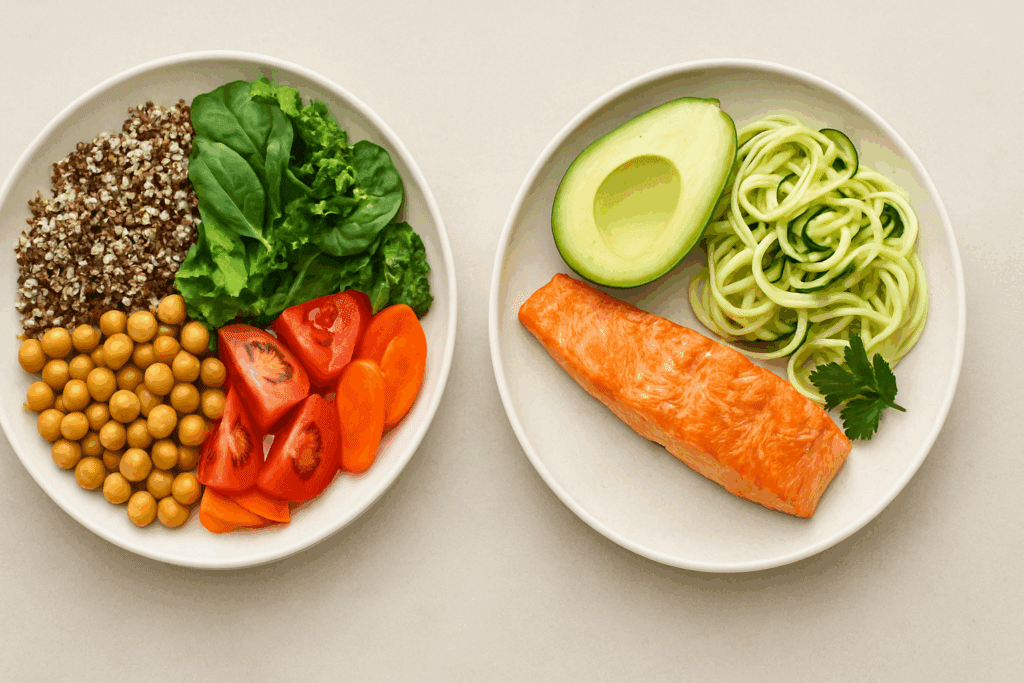
Side-by-side comparison of keto and plant-based dishes tailored for meal prep for two people with diverse dietary needs.

A Final Word on Smart Meal Prep for Two People

Mastering meal prep for two people is not merely a matter of planning menus and cooking ahead. It’s a transformative act that supports better nutrition, deeper emotional connection, and a more intentional lifestyle. Whether you follow a whole-food, plant-based diet or are navigating the nuances of keto versus low-carb living, the key is to co-create a system that works for both partners.

When approached mindfully, meal prep becomes a ritual of care—an investment in health, time, and love. From selecting recipes to chopping vegetables side-by-side, to savoring the fruits of your labor at the dinner table, each step builds trust, intimacy, and resilience. Ultimately, it’s not just about what’s on the plate, but who you share it with and the life you build together through shared intention and nourishment.

Further Reading:

Save Time & Money with Meal Prep

Surviving as a Couple When Your Eating Plans Don’t Match

8 tips for healthy eating

 Optimizing Performance with a Heart-Healthy Meal Plan: How a Cardiovascular Diet Plan Can Support Endurance and Long-Term Health

Optimizing Your Body and Heart: Why Nutrition Matters for Endurance and Wellness

Performance isn’t just about muscle mass, VO₂ max, or how fast you can finish a mile. At the core of true endurance and long-term vitality lies one of the most overlooked components: heart health. Whether you’re a seasoned triathlete, a weekend cyclist, or someone managing a cardiovascular condition, the right dietary foundation is essential. A scientifically backed cardiovascular diet plan doesn’t just support heart health in a clinical sense—it fuels sustained energy output, quicker recovery, and stronger long-term resilience. Understanding the synergy between what we eat and how our heart performs is the first step toward optimizing both daily activity and lifelong wellness.

Nutrition shapes everything from your blood pressure and cholesterol to your body’s ability to transport oxygen during a workout. A heart healthy eating plan rich in nutrients, antioxidants, and balanced macronutrients supports efficient blood circulation and protects your arteries. Meanwhile, poor dietary choices can lead to chronic inflammation, sluggish recovery, and increased risk of congestive heart disease. In the context of athleticism or rehabilitation, this makes diet not only a preventative tool but a performance-enhancing strategy. By choosing foods that align with the best diet for cardiovascular health, you’re empowering your body to go further—and your heart to last longer.

You may also like: Smart Nutrition Choices for a Healthier Lifestyle: What to Know About Whole Grain Rice and Whole Wheat Rice

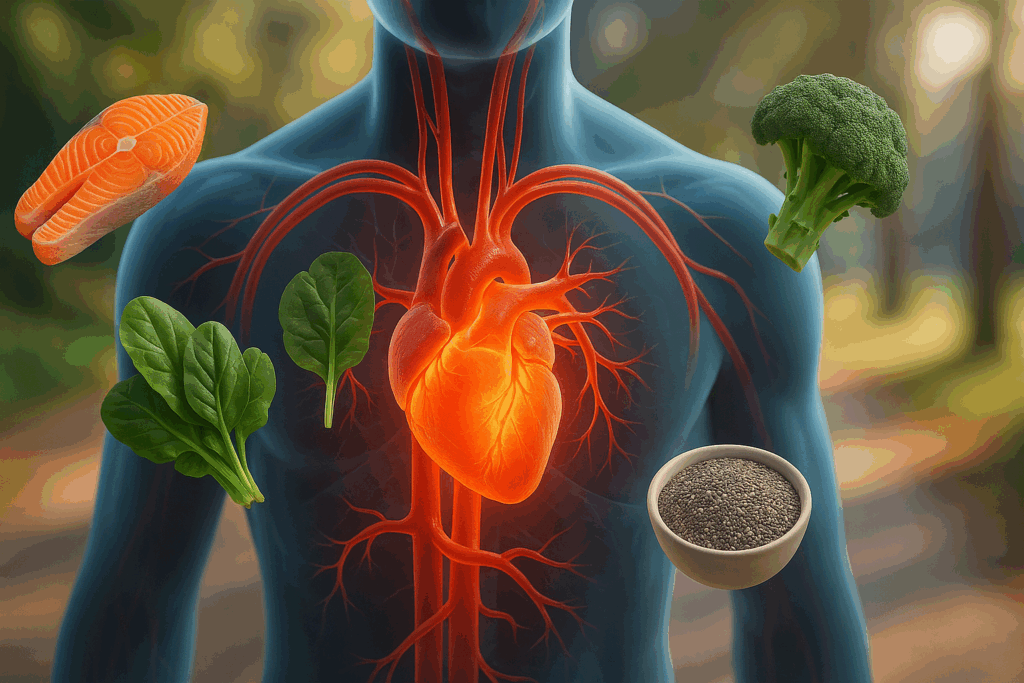
Human torso showing glowing heart and arteries surrounded by salmon, spinach, broccoli, and chia seeds, illustrating a cardiovascular diet plan.

Fueling Endurance: The Science Behind the Best Heart Healthy Diet

Sustaining energy over long distances, intense workouts, or prolonged activity requires more than carbohydrates alone. The best heart healthy diet balances complex carbs with unsaturated fats and high-quality proteins to fuel your body efficiently. Omega-3 fatty acids—found in walnuts, chia seeds, and salmon—are key players in improving heart rate variability and reducing exercise-induced inflammation. Likewise, nitric oxide-rich vegetables like arugula, spinach, and beets help widen blood vessels, enhancing oxygen delivery to muscles under exertion. These physiological benefits translate directly to better stamina and less fatigue.

A diet for cardio endurance must also consider minerals like magnesium and potassium, which play vital roles in muscle contraction and hydration. Leafy greens, sweet potatoes, and lentils not only nourish the heart but also aid in fluid balance, a key factor in high-performance training. Adopting these elements into a heart healthy meal plan creates a nutritional ecosystem where every bite supports your cardiovascular function. It’s not about a one-time fix—it’s about consistent, intentional choices that align with your body’s energy demands.

Fresh ingredients like garlic, lemon, herbs, and colorful vegetables on a kitchen counter for a cardiovascular diet plan.

Reducing Sodium Without Reducing Satisfaction: The Power of a Heart Healthy Low Sodium Diet

For both athletic individuals and heart failure patients, reducing sodium intake is a non-negotiable step toward better heart health. High sodium levels are known to increase blood pressure and fluid retention, both of which can put undue strain on the heart. Adopting a heart healthy low sodium diet isn’t about bland meals—it’s about smarter seasoning. Fresh herbs, lemon juice, garlic, and peppercorns can bring complexity to dishes without compromising your cardiac goals.

Those following a chronic heart failure diet must be even more vigilant. Processed foods often contain hidden sodium that exacerbates swelling, fatigue, and poor circulation. Whether you’re recovering from a cardiovascular event or training at high intensity, managing salt intake improves not only long-term health but also daily performance. With proper planning, a low sodium heart diet becomes less of a restriction and more of a refined lifestyle choice. The result is less water retention, better blood flow, and more energy to meet your goals.

Person relaxing post-workout with a plate of heart-healthy foods as part of a cardiovascular diet plan

The Recovery Advantage: How Heart Healthy Meal Plans Support Healing and Strength

Every athlete knows that progress happens during recovery. The body needs time—and nutrients—to rebuild stronger than before. For this reason, heart healthy meal plans must extend beyond performance fuel and include recovery support. After intense activity or cardiac strain, antioxidants like vitamin C, polyphenols, and selenium help reduce muscle damage and protect cardiovascular tissues. Foods like blueberries, dark chocolate, and tomatoes aren’t just delicious—they’re vital to your post-exercise regimen.

Protein intake also plays a key role. Lean sources like tofu, lentils, and skinless poultry provide amino acids that repair muscle fibers while being gentle on the heart. Incorporating these into a heart failure diet ensures that healing occurs without overburdening an already compromised cardiovascular system. Even for non-athletes, especially those recovering from events like heart attacks, healthy eating after a heart attack must focus on nutrient-rich, anti-inflammatory foods. This holistic approach helps reduce complications, accelerates healing, and rebuilds strength with every meal.

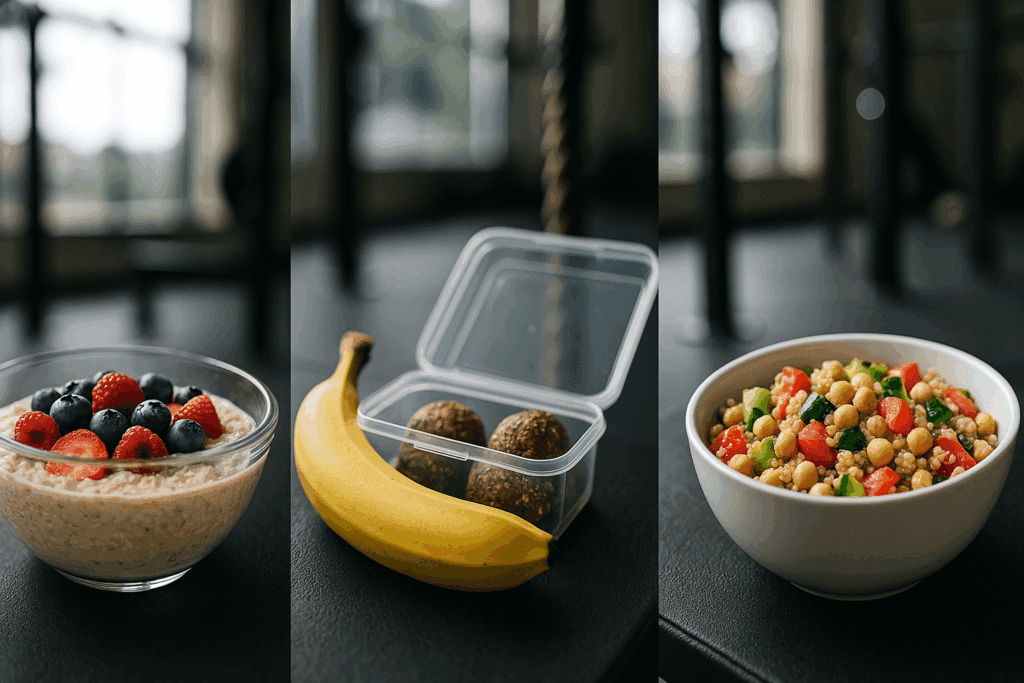
Triptych of meals for a cardiovascular diet plan: oatmeal with berries, banana with energy bites, and a quinoa chickpea salad in a gym setting.

Designing a Performance-Based Cardiovascular Diet Plan

Unlike fad diets that focus on calorie-cutting, a cardiovascular diet plan is rooted in functionality. It considers the body’s need for endurance, energy regulation, and cellular health. Before a workout, a balanced meal such as oatmeal topped with berries and flaxseed can deliver sustained energy. During long endurance sessions, portable snacks like bananas or homemade energy bites offer a quick glucose boost without spiking blood sugar. Post-workout, replenishing glycogen and supporting muscle recovery with dishes like quinoa bowls or chickpea salads aligns with both athletic needs and the best diet for heart health.

For those aiming to lose weight while managing heart issues, a cardiac diet for weight loss must delicately balance reduced calories with optimal nutrition. This is particularly important for those wondering how to lose weight with heart failure. High-volume, low-calorie foods such as vegetables, legumes, and lean proteins support satiety while minimizing cardiovascular stress. Whether you’re training for a race or following a congestive heart failure diet, this personalized and purposeful approach can dramatically improve results.

Portion-controlled plate with baked white fish, brown rice pilaf, and grilled vegetables—ideal for a cardiovascular diet plan.

Living with Heart Failure: What Is the Appropriate Diet for a Heart Failure Patient?

A heart failure diagnosis brings not just emotional stress but complex dietary considerations. For these patients, the question of what is the appropriate diet for a heart failure patient is paramount. A comprehensive heart failure nutrition plan involves limiting sodium to reduce fluid buildup, avoiding saturated fats, and increasing potassium to balance electrolytes. At the same time, maintaining sufficient caloric intake is crucial to avoid muscle wasting and fatigue.

Practical implementation of a heart diet plan includes meals like grilled vegetables with olive oil, brown rice pilaf, or baked white fish with lemon and herbs. These meals are satisfying, flavorful, and align with a congestive heart disease diet. By focusing on nutrient-dense foods and eliminating processed, salty items, patients can support cardiac output and reduce readmission rates. Over time, such a regimen helps stabilize symptoms, improve quality of life, and extend longevity.

Creating Long-Term Success: How to Create a Handout for a Diet for a Healthy Heart

Healthcare providers often empower patients by helping them create handouts for a diet for a healthy heart. These resources distill essential information into manageable steps: what to eat, what to limit, and how to portion meals. A good handout doesn’t just list restrictions; it offers substitution ideas, meal plans, and motivational tips that make behavior change feel achievable.

For example, a handout might recommend swapping white bread for whole grain varieties or replacing red meat with lentils. It could explain how much sodium for a heart healthy diet is appropriate—usually less than 1,500 to 2,300 mg per day, depending on the patient’s condition. Tools like these help individuals transition from a cardiac diet in hospital settings to sustainable home practices. They’re especially valuable for those managing a coronary heart disease diet or returning home post-heart attack.

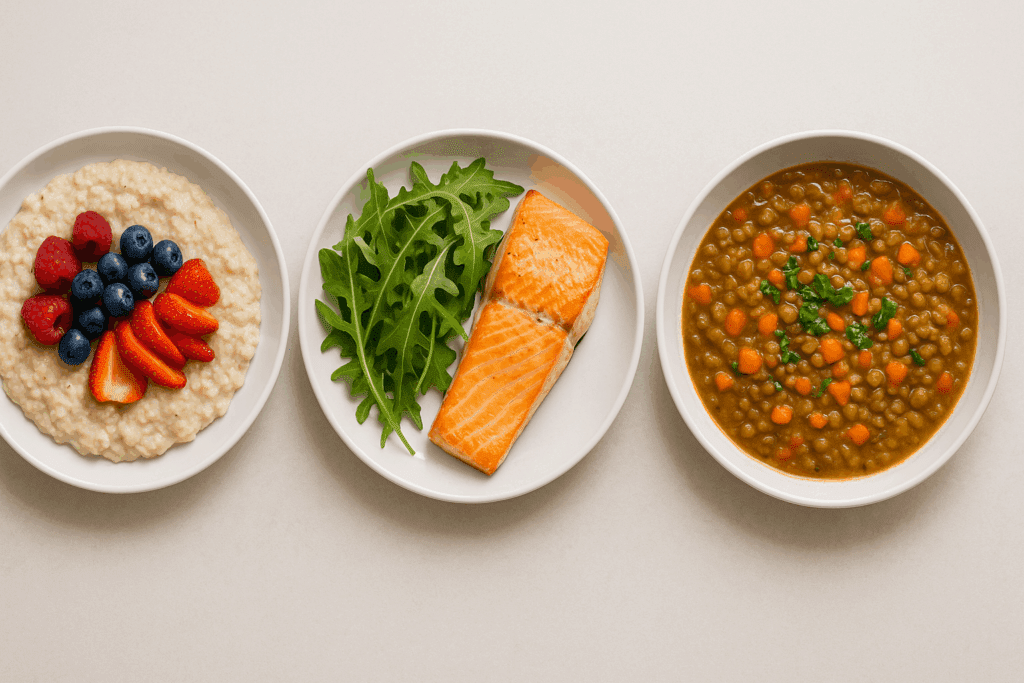
Three balanced meals from a cardiovascular diet plan, including oatmeal with berries, salmon with arugula, and lentil stew on white plates.

Understanding the Cardiac Diet Menu Plan and the 3 Day Heart Association Diet

A common question among newly diagnosed patients and fitness-conscious individuals alike is: what is a cardiac diet menu plan? It’s a structured outline of meals that support cardiovascular health through strategic food selection. It typically includes three balanced meals a day with one or two snacks, emphasizing whole foods and low sodium content. For instance, breakfast might be steel-cut oats with berries and flax seeds, while lunch could feature grilled salmon with quinoa and arugula.

Short-term interventions like the 3 day heart association diet can serve as jump-starts. While not meant for long-term use, they offer a quick way to reduce sodium, manage cholesterol, and build dietary momentum. Such tools should always be used under guidance, especially for those already following a cad diet or coping with heart failure. When combined with long-term meal planning, they provide a useful structure for beginning or refining a heart healthy eating plan.

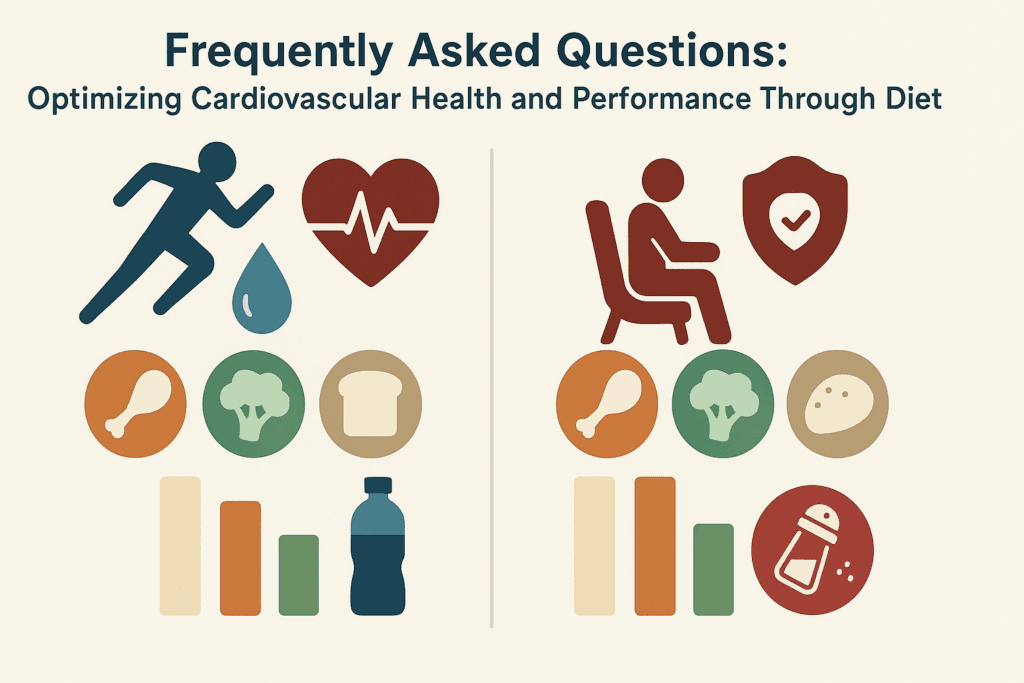
Infographic comparing a cardiovascular diet plan for athletes vs. heart patients using icons of food, hydration, and activity.

Frequently Asked Questions: Optimizing Cardiovascular Health and Performance Through Diet

1. How can heart healthy meal plans be adapted for high-performance athletes? Heart healthy meal plans can absolutely meet the nutritional demands of high-performance athletes when designed with intention. Unlike generic plans, these diets can be strategically adjusted to increase complex carbohydrates, heart-healthy fats, and lean proteins to fuel longer training sessions without compromising cardiovascular health. Athletes may benefit from nitrate-rich vegetables like beetroot and arugula, which support oxygen delivery, and omega-3s that reduce inflammation post-workout. For those recovering from injury or surgery, incorporating elements of a cardiac diet plan can support vascular healing while maintaining performance. Overall, the flexibility of a cardiovascular diet plan means it can support athleticism while minimizing long-term cardiac strain.

2. What’s the difference between a cardiac diet in hospital settings and a long-term heart diet plan at home? A cardiac diet in hospital environments is typically more restrictive and medically controlled, designed to stabilize patients post-cardiac event. It emphasizes low sodium, limited fluid intake, and reduced saturated fats. In contrast, a long-term heart diet plan evolves with the individual’s health progress and lifestyle. It often incorporates broader nutritional goals like increasing fiber, introducing more plant-based meals, and integrating sustainable cooking habits. While the hospital version initiates dietary change, the at-home model personalizes it into a lifelong heart healthy eating plan.

3. Can the 3 day heart association diet be used regularly or long-term? The 3 day heart association diet is not designed for continuous use but can be a helpful reset for those needing structure to kickstart lifestyle change. It’s effective in temporarily reducing sodium and cholesterol levels, and it helps people build awareness of portion sizes and food choices. However, it’s best used under medical supervision, particularly for individuals on a chronic heart failure diet or those recovering from cardiac surgery. For sustainable health improvements, transitioning to the best heart healthy diet with varied, nutrient-dense foods is more effective. Using the short-term plan as a stepping stone toward a full cardiovascular diet plan ensures both safety and success.

4. How much sodium for a heart healthy diet is considered safe? The general recommendation is to consume no more than 1,500 to 2,300 mg of sodium per day, depending on age, medical history, and activity level. For individuals following a congestive heart failure diet or a coronary heart disease diet, staying closer to the 1,500 mg mark is often advised. It’s important to be aware that most sodium doesn’t come from the salt shaker, but from processed and packaged foods. Reading nutrition labels and preparing meals at home using whole ingredients is the most effective way to follow a low sodium heart diet. Over time, the palate adjusts, and many people find they prefer the nuanced flavors of herbs and spices over salt.

5. What should be included when you create a handout for a diet for a healthy heart? An effective handout should go beyond just listing “good” and “bad” foods. It should include practical meal examples, easy-to-follow cooking tips, and guidance on how to balance meals using the principles of the best diet for cardiovascular health. Including grocery shopping lists, label reading strategies, and sodium-swapping ideas makes the advice actionable. It should also provide information on how to build meals for different health goals, whether someone needs a cardiac diet for weight loss or a diet for cardio performance. Visual tools, such as plate diagrams or portion charts, can make the heart healthy meal plan more approachable.

6. How can someone stick to a heart failure diet when traveling or dining out? Following a heart failure diet while away from home requires planning but is absolutely manageable. Choosing grilled over fried items, requesting no added salt, and prioritizing steamed vegetables are simple ways to stay on track. Bringing heart healthy snacks, like unsalted nuts or fresh fruit, can prevent impulse eating. Many restaurants now offer lower-sodium or heart-healthy menu sections, making it easier to follow a chronic heart failure diet on the go. By maintaining awareness and making informed choices, individuals can uphold the best diet for heart health even in less controlled environments.

7. What role does psychological support play in maintaining a heart healthy eating plan? Changing long-standing eating habits can be emotionally taxing, especially after a life-altering diagnosis like congestive heart failure. Psychological support—from therapists, group counseling, or online communities—can help individuals navigate the stress, grief, or frustration that may accompany dietary change. Emotional eating, food guilt, and resistance to new habits are common barriers that can derail a heart diet plan. By addressing the mental and emotional aspects of dietary transition, patients are more likely to stick to a heart failure nutrition regimen. Building a support system around the best heart healthy diet allows individuals to feel less isolated and more empowered.

8. How can a diet for cardio fitness differ from a coronary heart disease diet? While both diets focus on heart protection, a diet for cardio fitness emphasizes fuel efficiency, muscle recovery, and hydration alongside cardiovascular health. In contrast, a coronary heart disease diet is often more restrictive, aiming to reduce plaque buildup and prevent further complications. For example, athletes might consume more natural sugars and starches for quick energy, while those managing heart disease may avoid these in favor of blood sugar stability. The best diet for heart health can be adapted to serve both populations, but the priorities and caloric needs differ significantly. A personalized cardiovascular diet plan ensures optimal results for either scenario.

9. Is it possible to integrate cultural and family food traditions into a heart healthy low sodium diet? Absolutely. A heart healthy low sodium diet does not require abandoning cultural traditions—it requires adapting them. Many traditional dishes can be reimagined using less salt and healthier cooking methods. For instance, using herbs, citrus, or vinegar in place of salted sauces can retain flavor while meeting the needs of a cardiac diet plan. Including family members in the process also improves compliance and creates a shared health goal. This approach not only supports adherence to a congestive heart disease diet but also promotes heart healthy meal plans that respect personal identity and cultural heritage.

10. What innovations are emerging in cardiac diet planning and technology? The intersection of digital health and nutrition is revolutionizing the way people approach the best diet for cardiovascular health. Mobile apps now track sodium intake, suggest heart healthy recipes, and provide real-time feedback on grocery choices. Wearable tech that monitors heart rate variability and hydration status can inform meal timing for those on a diet for cardio performance. Personalized nutrition platforms are also gaining traction, using genetic testing to tailor a heart failure diet based on metabolism and inflammation markers. These innovations make it easier than ever to implement a sustainable heart diet plan, especially for younger generations more comfortable with tech. As AI and telehealth continue to advance, access to expert-guided heart healthy eating plans is becoming more widespread and user-friendly.

Conclusion: Investing in Performance and Longevity with the Best Diet for Cardiovascular Health

When it comes to endurance, recovery, and lifelong well-being, food is more than fuel—it’s a powerful therapeutic tool. A heart healthy eating plan built around unprocessed, nutrient-dense foods can elevate physical performance while reducing the risk of long-term heart disease. Athletes, patients recovering from cardiac events, and individuals seeking improved health outcomes all benefit from aligning their nutrition with the best heart healthy diet available.

Whether you’re exploring a coronary heart disease diet, transitioning from a cardiac diet in hospital care, or looking to personalize your cardiovascular diet plan for performance, the principles remain the same: reduce sodium, embrace whole foods, balance your plate, and stay consistent. With intention, education, and ongoing support, every individual has the capacity to turn daily meals into heart-supporting medicine. In doing so, you not only improve your cardiovascular resilience—you build a foundation for a longer, stronger, and more vibrant life.

Was this article helpful? Don’t let it stop with you. Share it right now with someone who needs to see it—whether it’s a friend, a colleague, or your whole network. And if staying ahead on this topic matters to you, subscribe to this publication for the most up-to-date information. You’ll get the latest insights delivered straight to you—no searching, no missing out.

Further Reading:

Foods, Diets, and Tips to Follow for a Healthy Heart

7-Day Heart-Healthy Meal Plan, Created by a Dietitian

17 Incredibly Heart-Healthy Foods

The Surprising Gut Benefits of Broccoli and Carrots: What Science Says About Their Fiber Content and Digestive Support

Modern nutrition science continues to uncover the vast array of health benefits tied to fiber-rich vegetables, particularly in the context of gut health and digestive wellness. Among the most celebrated in this category are broccoli and carrots, not merely for their accessibility and culinary versatility, but for their scientifically validated contributions to gastrointestinal function. The fiber content in these vegetables is especially significant, offering a natural and effective way to support microbial balance, bowel regularity, and long-term digestive health. As holistic dietary strategies gain more attention for their preventive and therapeutic potential, understanding the gut-related virtues of broccoli and carrots becomes essential for anyone seeking sustainable wellness through food.

You may also like: The Ultimate Guide to Gut Healthy Meals: Best Meals for Gut Health and Nourishing Recipes You’ll Love

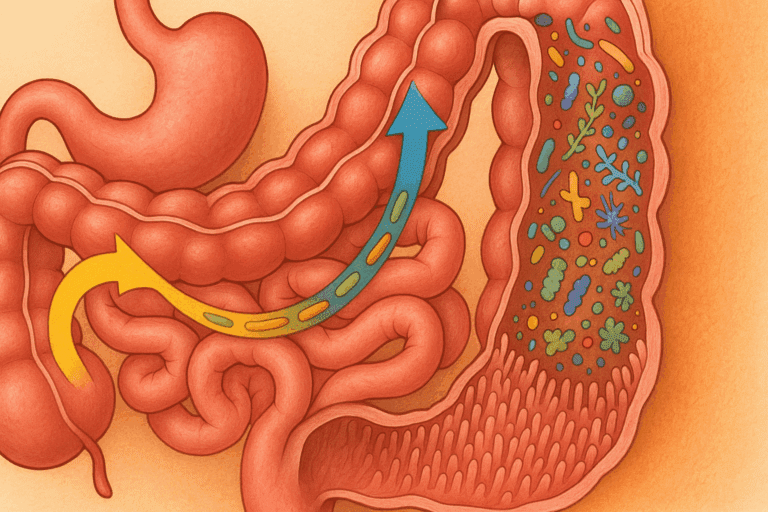
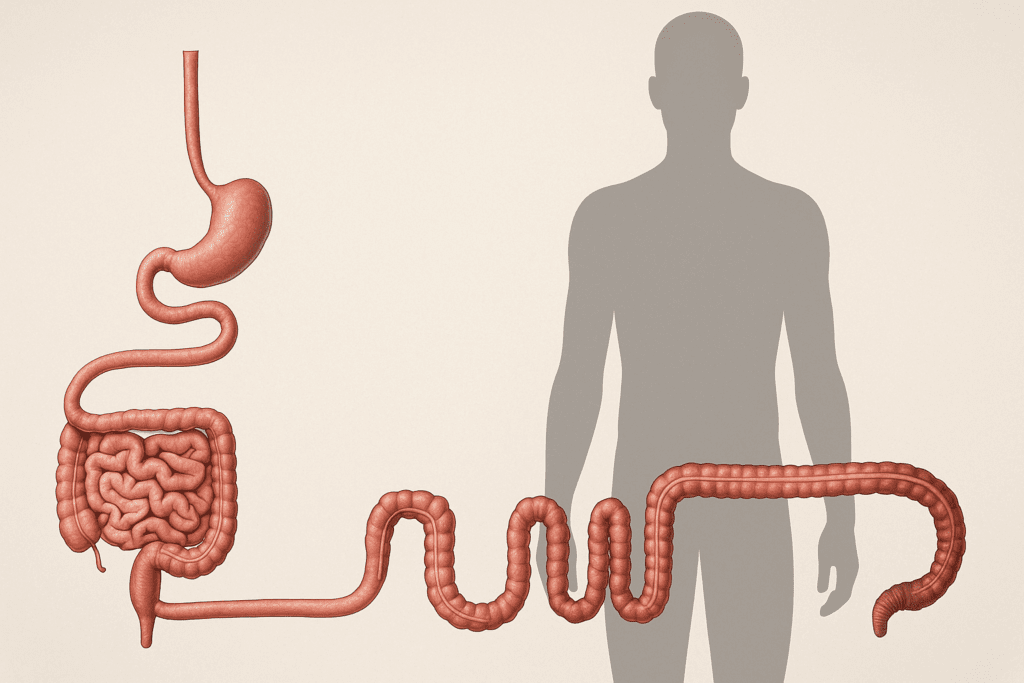
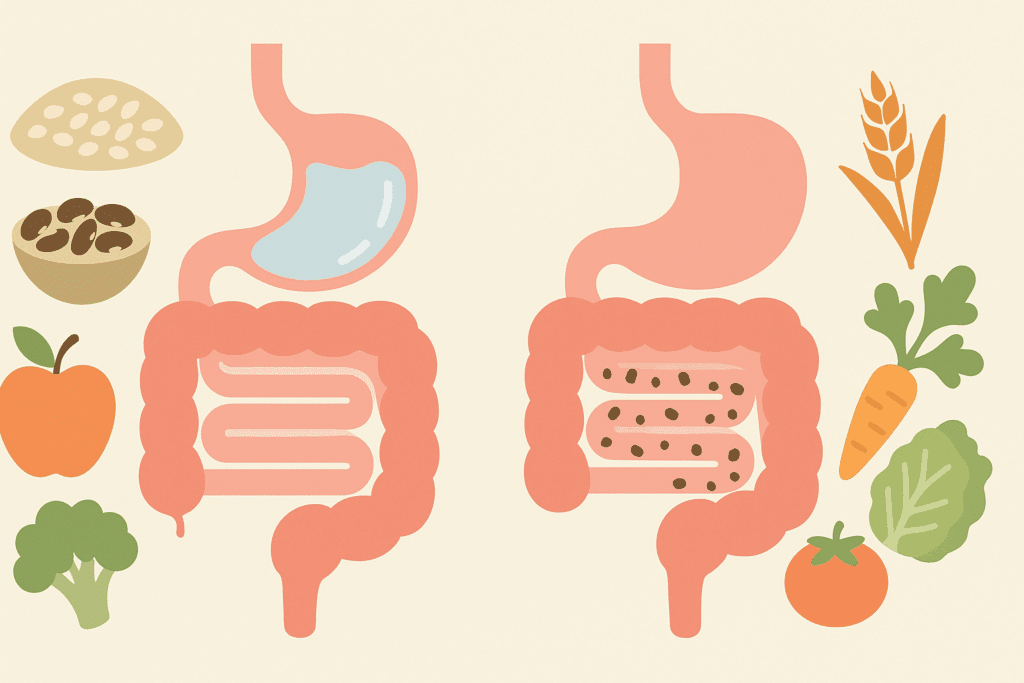
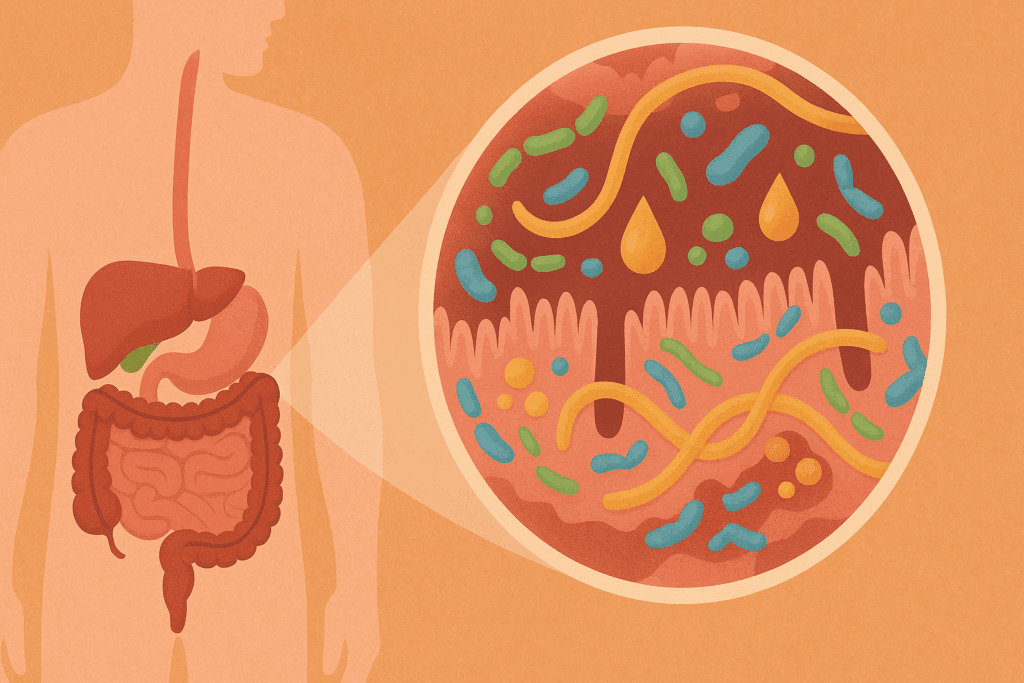
Cross-sectional illustration of the human digestive tract showing how fiber content moves through the intestines and supports gut microbiota.

Understanding the Role of Fiber in Gut Health

Dietary fiber is more than just a tool for easing constipation; it is a multifaceted nutrient with profound effects on digestive physiology. Soluble fiber forms a gel-like substance in the gut, slowing digestion and helping regulate blood sugar and cholesterol levels. Insoluble fiber, on the other hand, adds bulk to stool and facilitates its passage through the digestive tract. Both types of fiber serve as substrates for beneficial gut bacteria, contributing to the production of short-chain fatty acids that help maintain the integrity of the intestinal lining and modulate inflammation. Thus, consuming vegetables with high fiber content plays a critical role in maintaining gastrointestinal harmony.

Emerging research increasingly points to the importance of fiber diversity in fostering a resilient gut microbiome. A diet inclusive of various fiber sources, such as those found in broccoli and carrots, encourages microbial variety, which is strongly associated with improved immune function and reduced risk of chronic disease. It is within this context that the question, “does broccoli have fiber,” becomes more than academic. It is a crucial nutritional consideration with real implications for health outcomes.

Decoding Broccoli Fiber Content and Its Digestive Impact

Broccoli has long been recognized as a powerhouse vegetable, rich in vitamins C, K, and a range of antioxidants. However, its broccoli fiber content is what particularly distinguishes it as a digestive aid. On average, one cup of chopped raw broccoli contains about 2.4 grams of fiber, a significant portion of which is insoluble. This fiber type is instrumental in preventing constipation by promoting efficient bowel motility.

But broccoli’s digestive benefits go beyond simple regularity. The vegetable is also a source of glucosinolates, compounds that are broken down into bioactive substances in the gut. These compounds have been shown to influence the gut microbiota composition positively and exhibit anti-inflammatory effects. Thus, the fiber in broccoli does more than move waste along; it interacts with the gut environment in ways that can foster long-term gut resilience.

When asking how much fiber in broccoli is ideal for daily consumption, the answer depends on individual dietary needs. However, integrating one to two cups of broccoli into meals several times a week can significantly contribute to the recommended daily fiber intake, which is 25 grams for women and 38 grams for men. This level of intake not only ensures sufficient roughage but provides a continuous supply of plant-based compounds that nourish gut flora.

Steamed broccoli florets in a white bowl showing vibrant green texture and high fiber content on a neutral background.

What Science Reveals About the Fiber in 1 Cup Broccoli

For those seeking a more quantifiable approach to nutrition, examining the fiber in 1 cup broccoli reveals substantial support for its reputation as a gut-friendly food. In cooked form, the fiber concentration changes slightly due to water content reduction and breakdown of cellular walls, often resulting in slightly higher bioavailability. Still, even raw, this one-cup measurement delivers not just bulk fiber but a rich blend of nutrients that amplify digestive function.

Moreover, the broccoli dietary fiber works synergistically with the vegetable’s phytonutrients to bolster gut wall integrity and reduce leaky gut symptoms. This is of particular interest to individuals dealing with irritable bowel syndrome or mild inflammatory bowel conditions. Integrating broccoli as part of a high-fiber, plant-focused diet may help reduce symptom severity and improve overall digestive comfort.

Freshly peeled and whole carrots with shredded pieces on a wooden cutting board, highlighting their vibrant color and fiber content.

Exploring the Amount of Fiber in Carrots and Its Unique Benefits

Carrots, with their vibrant orange hue and crisp texture, are another vegetable that should not be overlooked in discussions about gut health. They provide an appealing flavor profile while delivering a respectable dose of fiber. The amount of fiber in carrots varies slightly depending on preparation, but one cup of chopped raw carrots contains approximately 3.6 grams of fiber.

What makes carrot fiber particularly beneficial is its balance between soluble and insoluble types. This allows it to serve multiple digestive functions: binding to excess cholesterol, stabilizing glucose levels, and easing bowel movement. Questions like are carrots a good source of fiber or do carrots have a lot of fiber are answered affirmatively not just by the numbers but by the nature of the fiber itself. Carrots contain pectin, a type of soluble fiber known to support gut flora by promoting the growth of bifidobacteria and lactobacilli.

When considering how much fibre is in carrots as part of a comprehensive dietary plan, even modest daily servings of carrots can contribute meaningfully toward gut health goals. Their convenience as a snack, component of salads, or ingredient in cooked dishes makes them an effortless yet effective tool in holistic digestive support.

Broccoli, carrots, kale, spinach, and green beans displayed side by side on a wooden tray to compare fiber content visually.

What Kind of Fiber Is in Carrots and Why It Matters

Understanding what kind of fiber is in carrots allows for a deeper appreciation of their role in gut wellness. As noted, carrots offer both soluble and insoluble fiber. The presence of cellulose and hemicellulose forms the backbone of their insoluble content, aiding in fecal bulk and regularity. Meanwhile, their soluble fibers, especially pectin, contribute to the development of a favorable gut microbiome by serving as fermentable substrates.

This dual-action capability makes carrots particularly effective in addressing both constipation and loose stools, depending on the broader dietary context. Their adaptability across raw and cooked applications further enhances their nutritional profile. Whether steamed, roasted, or pureed into soups, the fiber content remains substantial and functionally significant, reinforcing carrots’ role as a staple in gut-supportive diets.

Broccoli Fiber Content Compared to Other Vegetables

When evaluating the broccoli fiber content in relation to other vegetables, it becomes clear that while broccoli is not the highest fiber provider, it offers a highly beneficial composition. Compared to leafy greens or legumes, broccoli holds its own by delivering a mix of fibers along with sulfur-containing compounds that uniquely benefit the digestive system.

In contrast to root vegetables like carrots, broccoli offers more in the way of insoluble fiber and anti-inflammatory compounds. This makes it particularly useful for individuals seeking to manage chronic digestive issues or maintain bowel health over time. While the question does broccoli have fiber is easily answered with a yes, understanding how its specific makeup compares to other sources is key to strategic dietary planning.

Roasted broccoli and carrots in a white bowl, highlighting their fiber content as part of a gut-friendly whole food meal.

Are Carrots Good Fiber for a Balanced Gut Microbiome?

The growing interest in gut microbiome research has prompted many to reassess the types of fiber consumed regularly. So are carrots good fiber when it comes to microbiome diversity and stability? The answer lies in their fermentable fiber content. Pectin, the soluble fiber in carrots, is particularly effective in enhancing the gut’s microbial profile.

Carrots also contain antioxidants like beta-carotene, which support mucosal health in the intestinal tract. This allows for a well-rounded impact that goes beyond fiber alone. Integrating carrots into daily meals thus provides not only roughage but also antioxidant protection that helps maintain epithelial health within the gut. Their ability to be consumed in multiple forms—raw, juiced, or cooked—makes them a convenient way to reinforce gut microbial resilience consistently.

Understanding How Much Fibre Is in Broccoli for Daily Needs

In determining how much fibre is in broccoli in the context of daily fiber targets, one must consider the various forms in which it is prepared and consumed. Steamed broccoli tends to retain more digestible fiber compared to heavily boiled forms. A serving of one cup of steamed broccoli still provides about 4 to 5 grams of fiber, placing it among the top contenders for everyday gut health support.

Including broccoli in a variety of dishes—from stir-fries to pasta sauces and roasted veggie medleys—ensures frequent, consistent intake. The regular consumption of broccoli not only delivers broccoli dietary fiber but also sustains a pattern of eating that prioritizes plant diversity and functional nutrition. This kind of dietary discipline is increasingly shown to correlate with positive long-term outcomes in digestive and metabolic health.

Flat-lay of broccoli, carrots, sauerkraut, herbal teas, and probiotics on a beige counter, highlighting natural sources of fiber content for gut health

Fiber Content in Broccoli and Carrots: A Dual Approach to Gut Resilience

Taking a combined approach by including both broccoli and carrots in one’s dietary regimen amplifies the benefits for gut health. The synergy of their fiber types—soluble and insoluble—ensures comprehensive support for bowel function, microbial balance, and inflammation modulation. The fiber content of these vegetables, when consumed together, delivers a broader spectrum of prebiotic nourishment than either one alone.

This dual strategy is especially useful for individuals recovering from digestive disorders or those on elimination diets aiming to rebuild gut flora. The pairing also works well within the frameworks of popular dietary patterns like the Mediterranean diet or plant-based eating, which emphasize fiber diversity and anti-inflammatory foods. Thus, the combination of broccoli and carrots offers a holistic, accessible route to digestive wellness that is both evidence-based and practical.

Do Strawberries Have Fiber and How Do They Compare?

A natural comparison often arises when discussing high-fiber produce: do strawberries have fiber, and how do they stack up against broccoli and carrots? The answer is affirmative—strawberries are a respectable source of fiber, with approximately 3 grams per cup of sliced berries. Much of this is soluble fiber, particularly in the form of pectin, which aligns with the type found in carrots.

While strawberries do contribute to digestive health, their fiber density is slightly lower than that of carrots and comparable to raw broccoli. However, they bring additional benefits such as high antioxidant capacity and vitamin C, making them a complementary component in a fiber-focused, gut-friendly diet. The question does strawberries have fiber is easily answered by data, but understanding their unique contribution to a diverse microbiome provides a fuller picture of their role in holistic digestive health.

Integrating High-Fiber Vegetables into a Holistic Supplement Strategy

Though dietary fiber is ideally obtained from whole foods, there is an important discussion to be had about how vegetables like broccoli and carrots fit into broader holistic supplement approaches. While fiber supplements exist, they often lack the complexity of whole-food sources. The fiber content in natural produce comes bundled with a matrix of phytochemicals, antioxidants, and micronutrients that work together to enhance bioavailability and physiological effect.

Broccoli, with its sulforaphane content, and carrots, with their carotenoids, offer benefits that go beyond what can be encapsulated in pill form. Including them regularly as part of a diet that also integrates fermented foods, herbal teas, and other natural supplements creates a multi-layered defense for gut health. This synergy can be especially helpful for those managing chronic conditions or aiming to optimize digestive efficiency and immune function.

Frequently Asked Questions: Gut Health and the Fiber Content of Broccoli and Carrots

What makes the fiber content of broccoli so effective for gut inflammation management?

The fiber content in broccoli stands out due to its unique blend of insoluble fiber and bioactive compounds like sulforaphane, which have demonstrated anti-inflammatory effects in gut tissues. While the insoluble fiber helps bulk up stool and ease its transit, the phytochemicals present in broccoli stimulate detoxification enzymes and reduce oxidative stress in the digestive tract. This dual mechanism is particularly beneficial for individuals with inflammatory bowel conditions or a compromised gut lining. Furthermore, the fiber in broccoli enhances mucosal barrier function by promoting butyrate production, a short-chain fatty acid that strengthens intestinal cell walls. These layered effects position broccoli as more than just a source of dietary bulk—it becomes a functional food in inflammatory gut conditions.

How does cooking method influence the fiber in 1 cup broccoli?

Cooking method can significantly impact the fiber in 1 cup broccoli by altering its structure and digestibility. Steaming broccoli preserves most of its fiber content while making the vegetable easier to digest, which is especially helpful for individuals with sensitive digestive systems. Boiling, on the other hand, may lead to some fiber loss due to leaching into the water, although it also softens the cellulose, making it gentler on the gut. Roasting can enhance flavor while slightly reducing water-soluble components, but the core broccoli dietary fiber remains largely intact. For optimal balance between nutrient preservation and digestibility, lightly steaming or quick sautéing broccoli is typically the most effective method.

Does broccoli have fiber that supports gut-brain axis health?

Yes, emerging studies suggest that the fiber in broccoli indirectly influences the gut-brain axis by supporting microbial diversity and short-chain fatty acid production. These fatty acids, particularly butyrate and propionate, play a role in modulating brain inflammation and neurotransmitter regulation. When one asks, “does broccoli have fiber that contributes to cognitive health?”, the answer lies in its prebiotic effects that enhance the gut microbiota’s ability to produce neuroactive compounds. For example, serotonin production, which largely occurs in the gut, is influenced by microbial activity that feeds on dietary fibers like those found in broccoli. Therefore, consistent intake of broccoli may play a subtle but important role in maintaining mood stability and cognitive performance through the gut-brain connection.

Exploring Fiber Content: Why Is Soluble Fiber in Carrots So Unique?

Soluble fiber in carrots, especially pectin, exhibits distinctive gel-forming properties that not only regulate blood sugar but also nurture beneficial gut bacteria. This specific fiber content has a slower fermentation rate, which promotes gradual but sustained support to the gut microbiome. Unlike rapidly fermenting fibers that can cause bloating, the soluble fiber in carrots supports microbial health with minimal discomfort. Additionally, this kind of fiber acts as a carrier for polyphenols and carotenoids, enhancing their delivery to lower sections of the intestine where they exert anti-inflammatory effects. It is this holistic nutrient transport and timed microbial nourishment that makes carrot fiber a unique player in gut resilience.
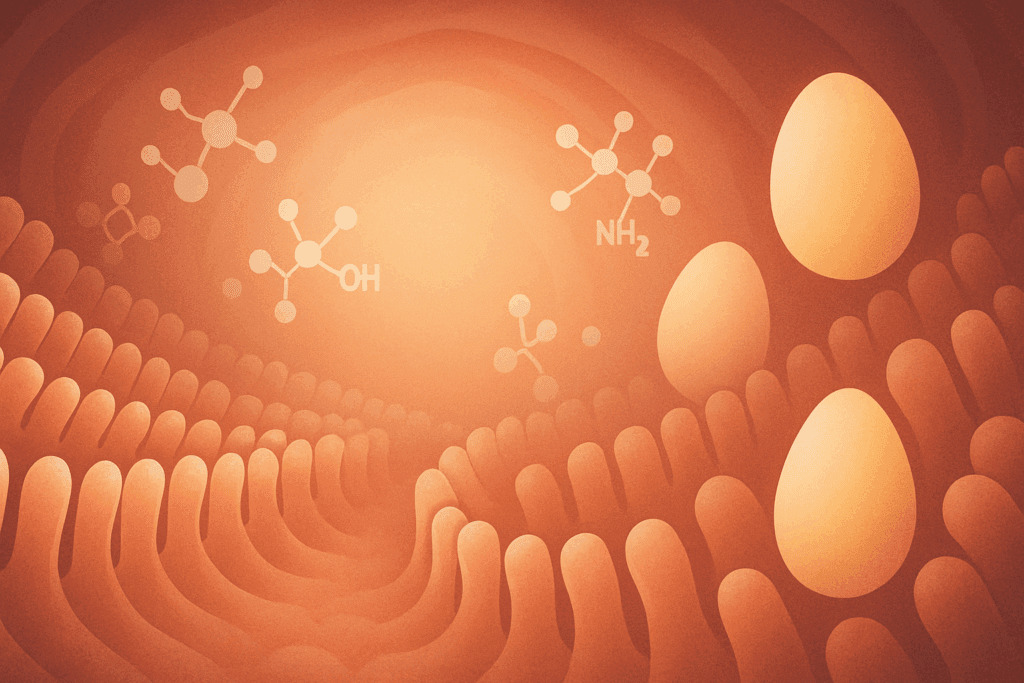
Are carrots a good source of fiber for people on a low-FODMAP diet?

Yes, carrots are among the few vegetables that are considered safe for individuals on a low-FODMAP diet, making them an excellent option for people with irritable bowel syndrome (IBS) or sensitive digestion. The amount of fiber in carrots is substantial enough to support digestive function without contributing to excessive gas or discomfort. Their low fermentable oligosaccharide content means they are less likely to trigger symptoms in people with FODMAP sensitivities. Moreover, their pectin content offers a soothing effect on the gut lining, which can be beneficial during symptom flare-ups. When introducing fiber on a restricted diet, carrots serve as a gentle yet effective foundation.

How much fiber in broccoli and carrots should athletes consume for peak gut performance?

Athletes, particularly those engaged in endurance sports, often experience gastrointestinal distress due to physical stress, and their fiber needs require careful management. Including moderate amounts of broccoli dietary fiber and carrot fiber helps maintain bowel regularity and reduce inflammation caused by intense training. For optimal gut performance, athletes should aim for 6 to 10 grams of fiber per meal from mixed sources, which can include a combination of steamed broccoli and raw or cooked carrots. This ensures a balance of soluble and insoluble fibers, supporting both microbial diversity and intestinal motility. Importantly, the slow digestion of fiber in broccoli and carrots may also help stabilize energy levels by moderating glucose absorption.

Does strawberries have fiber that compares with broccoli and carrots?

Yes, strawberries are a respectable source of dietary fiber, particularly in the form of soluble fiber such as pectin, which they share with carrots. On average, one cup of sliced strawberries provides about 3 grams of fiber, but unlike the fiber in broccoli, strawberry fiber lacks a strong insoluble component. This makes strawberries excellent for regulating post-meal blood glucose and supporting beneficial bacteria, though they are less impactful for increasing stool bulk. People often ask, do strawberries have fiber that rivals carrots or broccoli? While strawberries contribute meaningfully to fiber intake, they are best used in conjunction with vegetables like broccoli and carrots for comprehensive gut support. Their antioxidant load, however, gives them a unique anti-inflammatory advantage within a diversified fiber strategy.

Understanding What Kind of Fiber Is Carrots: Are All Carrots Equally Beneficial?

Not all carrots provide identical fiber benefits, as preparation method and variety play significant roles. Purple and black carrots, for instance, contain anthocyanins that add anti-inflammatory properties to their already beneficial fiber content. Baby carrots tend to have slightly less fiber due to being peeled and trimmed, while whole raw carrots retain their full spectrum of both soluble and insoluble fibers. Cooking carrots lightly can improve the bioavailability of antioxidants without significantly reducing the amount of fiber in carrots. Therefore, when discussing what kind of fiber is carrots, it is essential to consider how the carrots are sourced, stored, and prepared to maximize both fiber quality and functional health benefits.
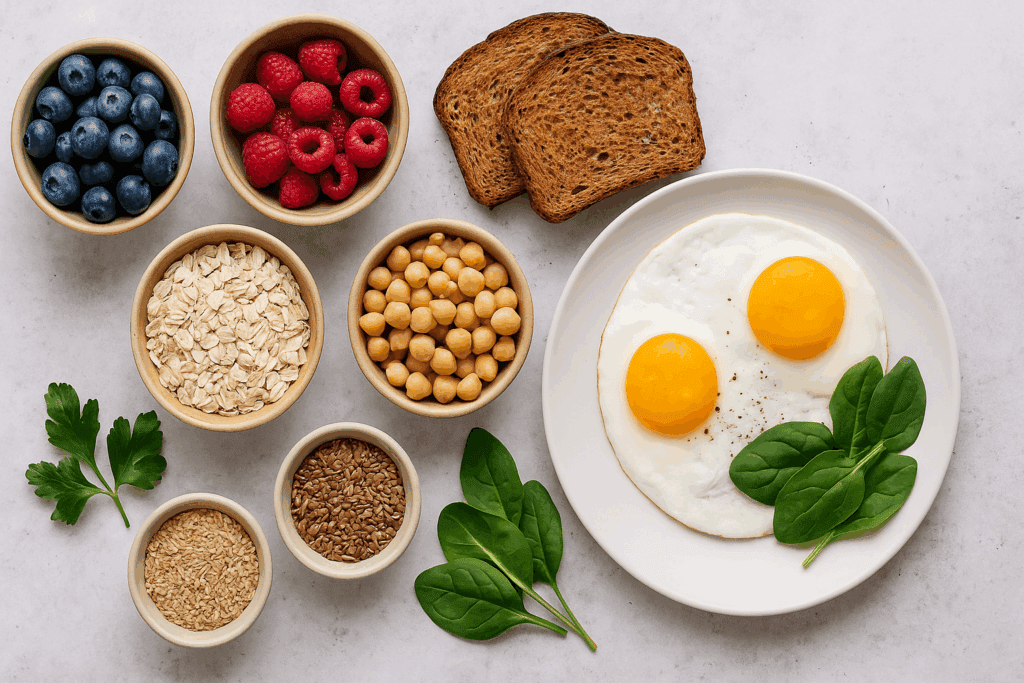
How does fiber in broccoli interact with probiotic foods in the gut?

The fiber in broccoli acts as a prebiotic, serving as a substrate that fuels the growth of probiotics such as lactobacillus and bifidobacteria. When consumed alongside probiotic-rich foods like yogurt, kefir, or kimchi, broccoli’s fiber enhances the survival and colonization of these beneficial microbes. This interaction is crucial for strengthening gut barrier function and lowering inflammation. Additionally, pairing broccoli fiber content with fermented foods may improve the efficacy of short-chain fatty acid production, creating an environment conducive to long-term gut health. This synergistic relationship between broccoli and probiotics exemplifies the power of combining whole foods for maximum digestive benefit.

How much fibre is in broccoli or carrots after juicing, and is it still effective?

Juicing significantly reduces the fiber content in vegetables because the process removes most of the pulp, which is where fiber resides. When you juice carrots or broccoli, the resulting liquid retains many vitamins and phytonutrients but lacks the full broccoli dietary fiber or carrot fiber that supports gut health. However, some juicers allow partial retention of pulp, preserving a small portion of insoluble fiber. For those who prefer juicing, incorporating blended versions or using pulp in soups and stews can reintroduce lost fiber in broccoli and carrots. So while juicing alone is not sufficient for fiber intake, mindful techniques can help preserve some of its digestive benefits.

Conclusion: Embracing the Fiber Content of Broccoli and Carrots for Long-Term Gut Wellness

In the pursuit of digestive health, few dietary strategies are as effective and accessible as increasing the intake of high-fiber vegetables like broccoli and carrots. Their distinctive fiber content, combined with a wealth of complementary nutrients, makes them indispensable allies in the maintenance of gastrointestinal function and microbial balance. By asking questions like how much fibre is in broccoli or are carrots a good source of fiber, individuals begin the journey of aligning everyday dietary choices with long-term wellness goals.
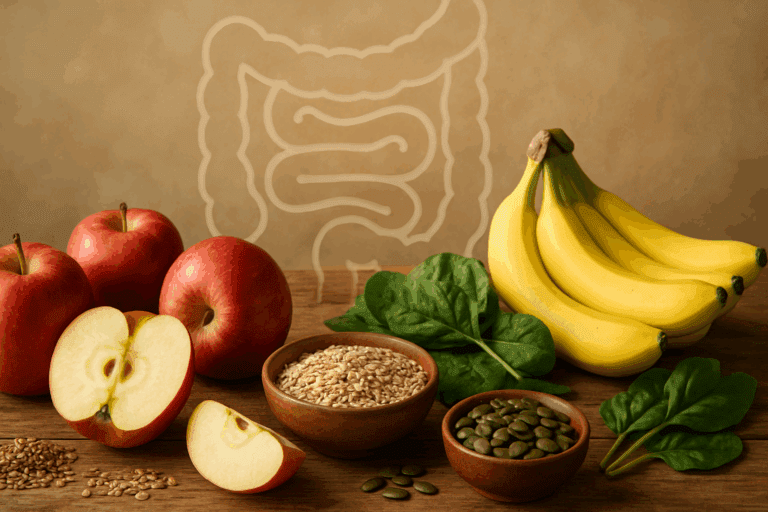
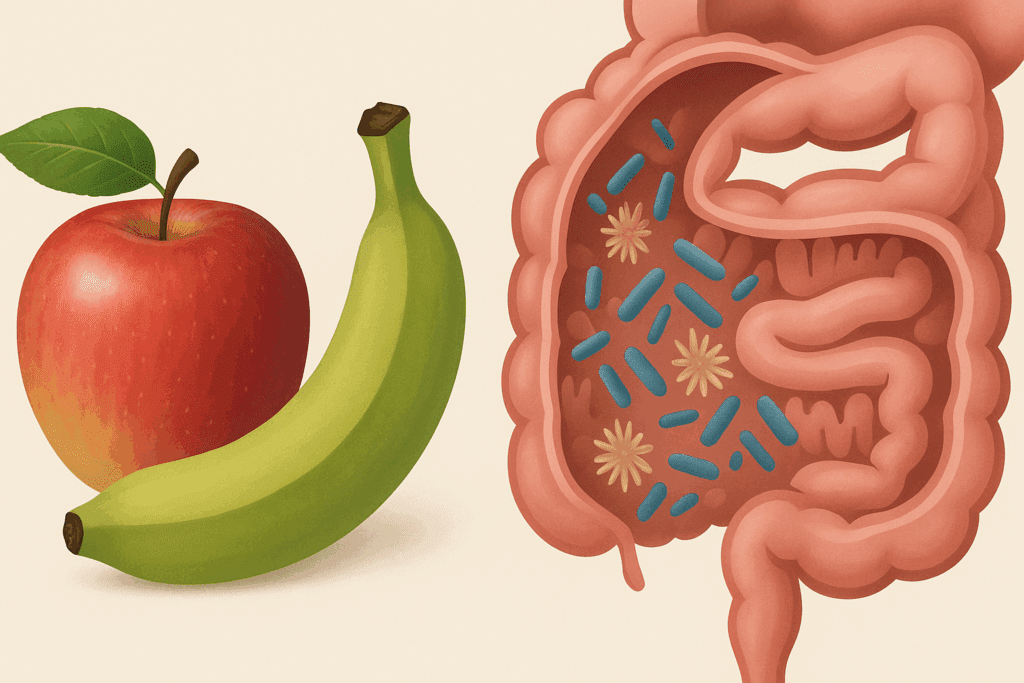
The evidence is clear: both broccoli and carrots offer a powerful foundation for building and sustaining a healthy gut. Their integration into daily meals is not only practical but supported by robust scientific understanding. When paired with mindful eating habits and other holistic strategies, the inclusion of these vegetables provides a transformative path toward digestive strength, immune support, and whole-body vitality. Embracing their benefits is not just a nutritional choice—it is a commitment to lasting wellness, grounded in nature and reinforced by science.
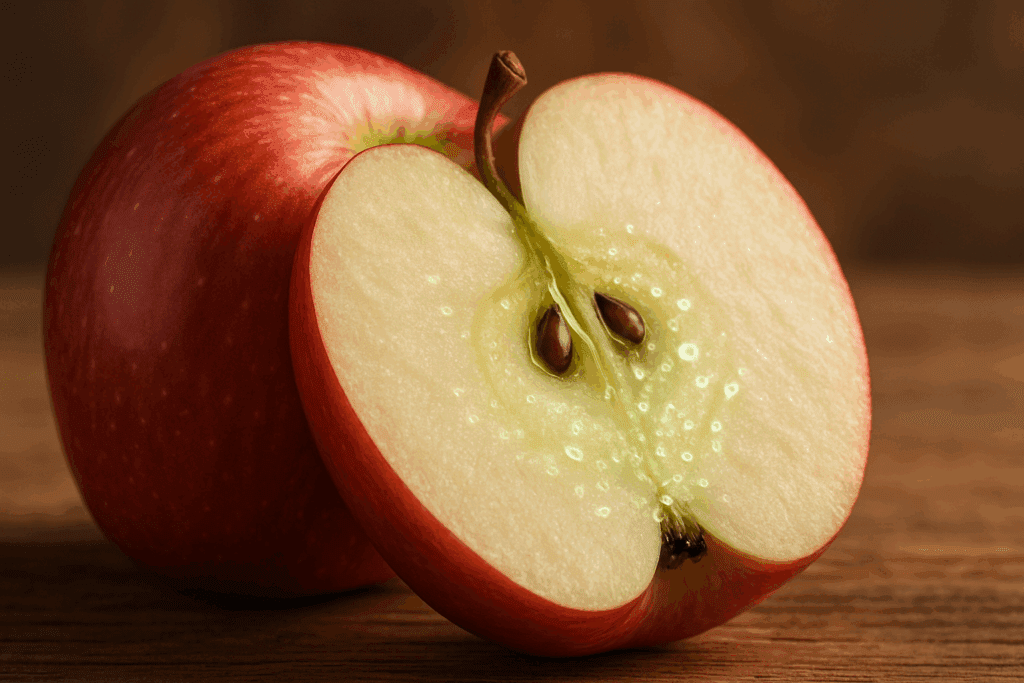
Further Reading:

Nutrition and healthy eating

High-fiber vegetables to include in your diet

Your Ultimate High-Fiber Grocery List

10 Surprising Fun Facts About the Human Digestive System That Reveal the Secrets to a Healthier Gut

Introduction: Unveiling the Wonders Within Our Digestive System

The human digestive system is a marvel of biological engineering, intricately designed to nourish our bodies and maintain internal balance. While most people are aware of its basic functions, fewer appreciate the fascinating complexities hidden within. In fact, when delving into fun facts about the human digestive system, it becomes clear just how sophisticated and vital this system is for overall health. Far beyond simply breaking down food, the digestive system orchestrates an elaborate symphony of chemical reactions, microbial collaborations, and neural communications that keep us alive and thriving. Understanding these lesser-known elements can unlock valuable insights into how we can support a healthier gut and, by extension, better holistic wellness.

You may also like: The Ultimate Guide to Gut Healthy Meals: Best Meals for Gut Health and Nourishing Recipes You’ll Love

Medical-style illustration showing the full uncoiled digestive tract beside a human silhouette, revealing fun facts about the human digestive system

The Surprising Length and Complexity of the Digestive Tract

One of the most surprising fun facts about the human digestive system is its sheer size and complexity. When fully extended, the digestive tract can measure up to 30 feet long, winding its way through various specialized organs each uniquely adapted to facilitate digestion and nutrient absorption. Despite fitting neatly inside the human body, this vast system works around the clock, handling the enormous task of processing the foods we consume. The coordination among the esophagus, stomach, small intestine, large intestine, liver, pancreas, and gallbladder showcases an incredible level of biological sophistication. This intricate design is crucial because each segment of the digestive tract has distinct roles, from enzymatic breakdown to microbiome fermentation, that together ensure our survival. Appreciating the system’s elaborate structure encourages a greater respect for maintaining its health through proper nutrition and lifestyle choices.

The Gut-Brain Connection: More Than Just a Metaphor

Among the most intriguing facts about the digestive system is the profound connection it shares with the brain, often referred to as the “gut-brain axis.” Scientists have discovered that the gut houses an extensive network of neurons, known as the enteric nervous system, which contains more nerve cells than the spinal cord. This neural network allows the gut to operate semi-autonomously, processing sensory information, regulating muscle contractions, and even influencing emotions. Fascinatingly, about 90% of the body’s serotonin, a neurotransmitter linked to mood regulation, is produced in the digestive tract. Consequently, maintaining gut health can have a direct impact on mental well-being, underscoring the importance of holistic supplements and probiotics that nurture the gut microbiome. This intimate relationship between the gut and brain highlights the need for an integrated approach to wellness, combining nutrition, mental health strategies, and digestive care.

3D concept of brain and intestines connected by glowing nerves, illustrating fun facts about the human digestive system

Digestive Enzymes: The Unsung Heroes of Nutrient Absorption

Another of the fun facts about the digestive system involves the critical role of digestive enzymes. These specialized proteins speed up chemical reactions that break down food into absorbable nutrients. Amylase in saliva begins carbohydrate digestion before food even reaches the stomach, while proteases and lipases further dismantle proteins and fats in the stomach and small intestine. Without these enzymes, the body would struggle to extract essential vitamins, minerals, and energy from food, leading to malnutrition even in the presence of adequate dietary intake. Some individuals benefit from supplemental digestive enzymes, particularly those with conditions like pancreatic insufficiency or lactose intolerance. Understanding the importance of these microscopic workers inspires greater attention to the foods and holistic supplements that promote robust enzymatic activity, such as pineapple, papaya, and fermented products.

The Stomach’s Astonishing Acidity

One fascinating element when exploring fun facts about the human digestive system is the stomach’s extreme acidity. Gastric juice, composed primarily of hydrochloric acid, can reach a pH as low as 1.5 to 3.5, comparable to battery acid. This intense environment serves multiple vital functions: it denatures proteins for easier enzymatic breakdown, activates the enzyme pepsin, and destroys harmful pathogens ingested with food. Despite its corrosiveness, the stomach’s mucosal lining protects it from self-digestion, renewing itself every few days to maintain integrity. Disruptions to this delicate balance, such as those caused by chronic stress or excessive NSAID use, can lead to ulcers and digestive distress. Supporting gastric health through mindful eating practices and supplements like deglycyrrhizinated licorice (DGL) can help fortify this critical barrier, preserving digestive function and comfort.

Microscopic view of digestive enzymes breaking down food in the small intestine, illustrating fun facts about the human digestive system.

The Microbiome: A Thriving Inner Ecosystem

Perhaps one of the most captivating and important fun facts about the digestive system is the existence of the gut microbiome. This dynamic community of trillions of bacteria, viruses, and fungi plays indispensable roles in digestion, immune regulation, and even mental health. The microbiome ferments indigestible fibers into beneficial short-chain fatty acids like butyrate, synthesizes essential vitamins such as K2 and B12, and serves as a frontline defense against pathogenic invaders. Recent research has linked microbiome diversity to resilience against conditions like inflammatory bowel disease, obesity, and depression. Maintaining a thriving microbiome requires a diet rich in prebiotic fibers, such as those found in onions, garlic, and asparagus, and the incorporation of probiotic-rich foods like yogurt, kefir, and sauerkraut. Holistic supplements that combine prebiotics and probiotics can further bolster microbial balance, revealing another secret to a healthier gut.

Fun Facts About the Human Digestive System: The Speed of Digestion

When considering fun facts about the human digestive system, the variability of digestive speed is particularly noteworthy. Digestion time can range from 24 to 72 hours, depending on the type of food consumed, individual metabolism, and overall gut health. Simple carbohydrates like fruit may transit relatively quickly, while complex meals rich in fat and protein take longer to process. Fiber plays a dual role by both slowing digestion to enhance nutrient absorption and speeding waste elimination to prevent toxin buildup. Hydration, physical activity, and the integrity of the gut microbiota all influence transit time, affecting comfort and nutrient availability. Monitoring these factors and making intentional dietary adjustments can optimize digestive efficiency, providing a tangible pathway to better health and vitality.

Artistic rendering of the gut microbiome showing bacteria and fungi inside the intestines, illustrating fun facts about the human digestive system

The Liver’s Hidden Digestive Role

Although often overlooked in discussions of digestion, the liver is indispensable to the process. It produces bile, a substance stored in the gallbladder and released into the small intestine to emulsify dietary fats. Without bile, fat digestion would be inefficient, leading to nutrient deficiencies and gastrointestinal symptoms. The liver also detoxifies harmful substances absorbed from the intestines, protecting systemic health. Supporting liver function through antioxidant-rich foods like beets, leafy greens, and turmeric, as well as considering holistic supplements such as milk thistle, can enhance digestive and overall well-being. Recognizing the liver’s vital contributions deepens our appreciation for the interconnectedness of digestive organs and highlights another dimension of gut health maintenance.

Infographic showing fun facts about the human digestive system with colorful food synergy illustrations like vitamin C and iron, healthy fats with vegetables, and enzyme activity aiding absorption

Fun Facts About the Human Digestive System: Saliva’s Digestive Powers

Often underestimated, saliva plays a pivotal role in digestion, a truth underscored by several interesting facts about the digestive system. Beyond lubricating food for easier swallowing, saliva initiates carbohydrate digestion through the enzyme amylase. It also contains antimicrobial compounds that reduce oral bacterial load and protect against infection. Saliva even acts as a buffering agent, neutralizing acids and maintaining oral pH balance. Stress, dehydration, and certain medications can impair saliva production, negatively impacting both oral and digestive health. Simple practices such as chewing food thoroughly, staying hydrated, and managing stress can enhance saliva production, setting the stage for more efficient digestion and nutrient assimilation from the very first bite.

The Small Intestine: A Nutrient Absorption Powerhouse

Among the lesser-known facts about the digestive system is the small intestine’s extraordinary absorptive capacity. Despite being only about 20 feet long, its inner surface area is equivalent to that of a tennis court, thanks to the presence of villi and microvilli that dramatically increase its surface area. These microscopic structures facilitate the efficient uptake of nutrients into the bloodstream. Any compromise to the integrity of the small intestine, such as from celiac disease or chronic inflammation, can result in malabsorption and widespread health issues. Ensuring intestinal health involves a combination of a balanced, nutrient-dense diet, targeted supplementation with nutrients like L-glutamine and zinc, and proactive gut microbiome support. A healthy small intestine is central to overall wellness, affirming the importance of proactive digestive care.

Human liver, gallbladder, and small intestine visualizing bile flow and fat digestion—great for fun facts about the human digestive system.

Fun Facts About the Human Digestive System: The Colon’s Fermentation Factory

Another of the compelling fun facts about the human digestive system is the colon’s role as a fermentation powerhouse. While most nutrient absorption occurs in the small intestine, the colon is tasked with reclaiming water, electrolytes, and synthesizing vital compounds through microbial fermentation. Beneficial bacteria ferment undigested fibers, producing short-chain fatty acids that nourish colonocytes, regulate inflammation, and fortify the gut barrier. Disruptions to this process, such as through low-fiber diets or antibiotic overuse, can impair colonic health and systemic immunity. Prioritizing fiber-rich foods and maintaining a diverse microbiome through diet and supplementation is crucial for optimizing this final stage of digestion and unlocking the secrets to a healthier gut.

FAQ: Exploring Fun Facts About the Human Digestive System and Unlocking Gut Health Secrets

How Do Fun Facts About the Human Digestive System Inspire Better Gut Health Practices?

Learning fun facts about the human digestive system can deeply reshape how we approach gut health on a daily basis. For instance, understanding the vital role of digestive enzymes may inspire individuals to seek out enzyme-rich foods like papaya and pineapple or consider supplementation under professional guidance. Moreover, knowing that the gut produces the majority of the body’s serotonin can encourage more people to prioritize a fiber-rich diet that nourishes beneficial gut bacteria. Recognizing these facts about the digestive system fosters a proactive mindset toward nutrition, stress management, and hydration. In turn, this new awareness promotes sustainable lifestyle changes that benefit overall well-being.

What Are Some Lesser-Known Facts About the Digestive System’s Relationship With Sleep?

Interestingly, emerging research highlights the digestive system’s significant role in sleep regulation, an area often overlooked. The gut microbiome influences the production of melatonin and other sleep-regulating neurotransmitters, revealing another layer of the gut-brain connection. Disruptions to the microbiome, such as those caused by poor diet or excessive antibiotic use, may contribute to sleep disorders. Maintaining a healthy gut ecosystem through fermented foods and prebiotics could potentially improve sleep quality. These interesting facts about the digestive system suggest that tending to gut health might be an effective strategy for addressing insomnia and sleep disturbances.

How Can Fun Facts About the Digestive System Support Mental Wellness Strategies?

Fun facts about the digestive system extend far beyond digestion and offer compelling insights into mental wellness strategies. The gut microbiome actively communicates with the brain via the vagus nerve, releasing neurotransmitters that impact mood, stress responses, and cognitive function. Incorporating probiotic foods, reducing dietary inflammatory triggers, and practicing mindful eating can all enhance the gut-brain axis. Additionally, emerging studies suggest that specific strains of probiotics may alleviate symptoms of anxiety and depression, offering promising adjunct therapies for mental health. Understanding these connections empowers individuals to adopt dietary and lifestyle interventions that harmonize both gut and mind health.

What Role Does Hydration Play According to Fun Facts About the Human Digestive System?

Among the more practical fun facts about the human digestive system is the crucial role hydration plays in optimizing digestion. Water facilitates the smooth passage of food through the digestive tract and aids in the production of saliva, gastric juices, and mucus. Insufficient hydration can lead to slowed digestion, constipation, and even an imbalance in gut flora. Experts recommend sipping water throughout the day rather than consuming large amounts at once to better support digestive function. Recognizing this foundational need helps reinforce hydration habits that enhance gut health naturally.

Are There Surprising Fun Facts About the Digestive System’s Role in Immunity?

Absolutely, one of the most impactful facts about the digestive system is its role as a key player in immune defense. Approximately 70% of the body’s immune cells reside within the gut-associated lymphoid tissue (GALT). This strategic positioning allows the digestive system to act as a sentinel, detecting and neutralizing pathogens before they spread systemically. Recent research also highlights how a diverse gut microbiome helps “train” the immune system to distinguish between harmful invaders and harmless substances. Maintaining microbial diversity through varied dietary choices and holistic supplements may, therefore, strengthen immune resilience in profound ways.

What Fun Facts About the Human Digestive System Can Help Improve Nutrient Absorption?

One fascinating insight from fun facts about the human digestive system involves the concept of “food synergy.” Certain food combinations, like pairing vitamin C-rich fruits with iron-rich plant foods, enhance nutrient absorption. Similarly, consuming healthy fats alongside fat-soluble vitamins like A, D, E, and K facilitates their uptake. Understanding how enzymes, stomach acid, and gut flora interact to break down food can also inspire strategic meal planning. Beyond simply eating a balanced diet, applying these principles can significantly boost nutrient availability and, by extension, overall health. These nuanced strategies elevate everyday nutrition into a powerful tool for wellness.

How Do Fun Facts About the Digestive System Shed Light on Personalized Nutrition?

Fun facts about the digestive system increasingly point to the importance of personalized nutrition approaches. Factors like genetic variations, microbiome composition, and digestive enzyme activity differ widely between individuals, influencing how effectively they process different foods. Personalized gut health programs now analyze microbiome profiles to recommend specific probiotics, fiber types, and dietary patterns. For instance, someone with low butyrate-producing bacteria might benefit from increased resistant starch intake. These insights underline the emerging trend of precision nutrition, where understanding one’s unique digestive landscape becomes key to optimizing health outcomes.

Are There Emerging Trends Related to Fun Facts About the Human Digestive System?

Yes, current trends inspired by fun facts about the human digestive system include innovations like postbiotic supplements and gut-focused biohacking techniques. Postbiotics, the beneficial byproducts of microbial fermentation, are gaining attention for their role in enhancing gut barrier function and modulating immunity. Meanwhile, gut microbiome sequencing kits allow individuals to tailor their diets and supplement regimens based on real-time microbial data. Advances in psychobiotics, probiotics aimed specifically at improving mental health, also illustrate the growing integration of gut science into holistic health strategies. These trends reflect a deeper societal recognition of the gut’s central role in overall well-being.

What Interesting Facts About the Digestive System Can Help Prevent Digestive Disorders?

Understanding interesting facts about the digestive system can offer powerful preventative strategies against digestive disorders. For example, knowing that prolonged stress can impair gut motility and microbiome balance emphasizes the importance of stress management techniques like meditation or yoga. Learning that certain polyphenols in foods like berries and green tea support microbial diversity provides a dietary avenue for protection. Regularly incorporating fermented foods, fiber, and anti-inflammatory nutrients can create an environment where harmful bacteria struggle to thrive. These preventative insights empower individuals to take control of their gut health before problems arise.

How Can Fun Facts About the Human Digestive System Influence Future Healthcare Approaches?

Looking forward, fun facts about the human digestive system are shaping a new era of integrative healthcare. Medical professionals increasingly acknowledge the gut’s role in not just gastrointestinal conditions but also metabolic, neurological, and autoimmune diseases. Future healthcare models may incorporate microbiome analysis as a routine diagnostic tool and prioritize gut-centered therapies early in disease management. Interdisciplinary collaborations between nutritionists, gastroenterologists, and mental health specialists reflect this evolving paradigm. Recognizing the digestive system’s centrality encourages more holistic, preventive, and personalized approaches to health, benefiting individuals and healthcare systems alike.

Conclusion: Embracing the Complex Beauty of Our Digestive System

Reflecting on these fascinating facts about the digestive system reveals a world of complexity and wonder that too often goes unappreciated. From the astonishing length of the digestive tract to the intricate neural communications of the gut-brain axis, each aspect plays a crucial role in sustaining life and promoting holistic wellness. Fun facts about the human digestive system highlight not just quirky trivia but essential truths that, when understood, can empower individuals to make informed choices for better health. Embracing dietary practices that support digestive enzymes, nurture the microbiome, and protect organ integrity can profoundly impact both gut and systemic health. Through an integrated approach that combines evidence-based nutrition, mindful lifestyle choices, and strategic supplementation, we can honor the incredible design of our digestive systems and cultivate a vibrant, resilient state of well-being that extends from the inside out.

Further Reading:

19 Fun Facts About the Digestive System

15 Interesting Facts About Your Digestive System

10 Fun Facts About Your Digestive Tract

The Surprising Truth About Fiber in Eggs: Are They Really a High Fiber Breakfast Food for Gut Health?

In the realm of nutritional science and digestive wellness, few foods spark as much curiosity and confusion as the humble egg. Praised for its high protein content, versatile culinary uses, and micronutrient density, the egg has long held its place as a staple in diets around the world. However, in the context of gut health and fiber intake, a more nuanced conversation emerges. Many people wonder about the role of fiber in eggs and whether eggs qualify as a high fiber breakfast food. This question gains importance as awareness around gut health and the microbiome continues to grow. While eggs deliver many essential nutrients, their relationship with dietary fiber—a cornerstone of digestive health—is often misunderstood. In this article, we will explore the surprising truth about fiber in eggs, addressing common misconceptions, dissecting scientific evidence, and examining their place in a fiber-rich, gut-friendly diet.

You may also like: The Ultimate Guide to Gut Healthy Meals: Best Meals for Gut Health and Nourishing Recipes You’ll Love

Infographic showing how soluble and insoluble fiber work in the digestive system with food sources like oats, beans, vegetables, and fruits, highlighting the role of fiber in eggs for gut health

Understanding Dietary Fiber and Its Critical Role in Gut Health

To evaluate whether eggs qualify as a high fiber breakfast food, we must first understand what dietary fiber is and why it is essential for gut health. Dietary fiber is a type of carbohydrate that the body cannot digest. Unlike other carbohydrates, fiber passes through the digestive system largely intact, helping to regulate the body’s use of sugars and contributing to satiety, digestive regularity, and a healthy microbiome. There are two primary types of fiber: soluble and insoluble. Soluble fiber dissolves in water and forms a gel-like substance in the gut, which can help reduce blood cholesterol and glucose levels. Insoluble fiber, on the other hand, adds bulk to stool and supports movement through the digestive tract.

Both types of fiber play complementary roles in supporting digestive function and overall health. Numerous studies link high fiber diets with a reduced risk of heart disease, type 2 diabetes, obesity, and certain types of cancer. From a gut health perspective, fiber acts as a prebiotic—feeding beneficial gut bacteria and promoting a diverse and resilient microbiome. The importance of fiber in maintaining gastrointestinal balance and preventing conditions like constipation, irritable bowel syndrome (IBS), and diverticulitis cannot be overstated. Therefore, the notion of including high fiber breakfast foods as part of a holistic health strategy is both evidence-based and widely supported by nutrition experts.

Two breakfast plates side by side, one with eggs and bacon showing a low-fiber meal, the other with eggs, beans, greens, and toast illustrating ways to add fiber in eggs-based dishes.

Dispelling Myths: Do Eggs Have Fiber?

One of the most commonly asked questions about eggs is: do eggs have fiber? At first glance, it might seem like a simple inquiry, but the answer reveals a broader misunderstanding of egg nutrition. Despite their many benefits, eggs do not contain dietary fiber. This fact often surprises individuals who assume that because eggs are whole foods and natural sources of nutrients, they must also contribute to fiber intake. However, nutritional data confirms that both egg whites and egg yolks are devoid of fiber. This includes all standard preparations, whether the egg is boiled, scrambled, poached, or fried.

The absence of fiber in eggs is not necessarily a drawback, but it does necessitate intentional pairing with other foods to round out a balanced, gut-supportive meal. In isolation, relying solely on eggs for breakfast without incorporating other fiber-rich components can lead to suboptimal digestive outcomes. For instance, a breakfast of eggs and bacon may provide ample protein and fat but lack the fiber necessary to promote satiety, bowel regularity, and microbial diversity. Thus, the key to utilizing eggs effectively within a fiber-conscious diet lies not in the eggs themselves, but in how they are integrated with other ingredients.

Breakfast spread with veggie omelet, avocado toast with eggs, and burritos that visually suggest fiber in eggs due to fiber-rich ingredients

Are Eggs High Fiber Food? An Evidence-Based Perspective

Given that eggs do not contain dietary fiber, the question “are eggs high fiber food?” is, from a technical standpoint, easy to answer: no, they are not. However, the broader context of this inquiry often relates to whether eggs can be part of a high fiber breakfast when consumed in conjunction with other foods. When viewed through this lens, eggs can indeed play a supportive role in a fiber-forward meal, especially when paired with vegetables, legumes, whole grains, or fruits.

For example, an omelet filled with spinach, tomatoes, bell peppers, and black beans served alongside a slice of whole grain toast or a bowl of steel-cut oats transforms eggs from a low-fiber food into a component of a meal rich in both soluble and insoluble fiber. The key is to recognize that while eggs themselves are not a source of fiber, their culinary versatility allows them to be easily combined with fiber-dense ingredients. This integration is vital for individuals aiming to meet the recommended daily intake of 25 to 38 grams of fiber.

This distinction underscores a recurring theme in nutrition science: no single food determines dietary adequacy. Instead, the quality of one’s overall dietary pattern is what shapes long-term health outcomes. Eggs are nutrient-dense and satiating, offering essential amino acids, choline, B vitamins, and antioxidants like lutein and zeaxanthin. Their ability to complement high fiber breakfast foods makes them a valuable ally in building meals that are both satisfying and supportive of digestive health.

Colorful breakfast meal prep with black beans, quinoa, kale, tomatoes, oats, and sunny-side-up eggs highlighting fiber in eggs combinations.

Exploring the Science Behind Fiber in Eggs: What Research Really Says

Scientific literature consistently affirms that eggs do not contain fiber, which is why the phrase “fiber in eggs” can be misleading if taken out of context. Yet, the search volume and curiosity surrounding this topic suggest that people are eager to understand how eggs fit into fiber-conscious diets. Some confusion may arise from the broader health halo surrounding eggs, which are often marketed as “complete” or “nutritionally balanced.” While eggs excel in protein quality and micronutrient density, fiber is the one macronutrient they lack entirely.

Despite this, emerging research has examined the synergistic effects of combining eggs with high fiber foods. Studies indicate that meals combining high-quality protein and dietary fiber can enhance satiety, improve glycemic control, and support weight management. For instance, a randomized clinical trial published in the American Journal of Clinical Nutrition found that participants who consumed a high-protein, high-fiber breakfast experienced reduced appetite and lower energy intake throughout the day compared to those who consumed meals lacking in these macronutrients.

Furthermore, the combination of fiber-rich carbohydrates and protein slows gastric emptying, prolonging feelings of fullness. This dual mechanism not only benefits digestive health but also supports metabolic outcomes. Therefore, although the idea of fiber in eggs is a nutritional misnomer, the combination of eggs with fiber-rich foods can have significant physiological benefits.

Conceptual gut interior with egg shapes and amino acid molecules symbolizing how fiber in eggs supports gut lining repair

Why People Think Eggs Have Fiber: The Power of Food Perception

Understanding why many people believe there is fiber in eggs requires a look at food marketing, cultural norms, and educational gaps in nutrition literacy. Eggs are often lumped together with other whole foods that are perceived as universally healthy. This broad categorization can lead consumers to assume that all essential nutrients, including fiber, are present in such foods. Moreover, marketing labels emphasizing the health benefits of eggs—such as their role in weight management, muscle maintenance, and brain function—can inadvertently reinforce the belief that they also aid digestive health via fiber content.

Additionally, the popularity of certain egg-based dishes that contain vegetables or whole grains may contribute to this misconception. A breakfast burrito made with eggs, beans, and whole wheat tortillas, for instance, is high in fiber due to its accompanying ingredients. However, the eggs often take center stage in descriptions and images, leading to the false impression that the eggs themselves are a fiber source. This underscores the need for greater public education around the specific nutrient profiles of commonly consumed foods.

The Importance of Pairing Eggs with High Fiber Foods

Given that there is no fiber in eggs, building a gut-friendly meal requires strategic pairings. Fortunately, eggs are among the most adaptable ingredients in the culinary world. Their neutral flavor and flexible texture make them ideal companions to a wide range of high fiber foods. Vegetables such as kale, spinach, mushrooms, and bell peppers are excellent choices to fold into scrambled eggs or omelets. Adding legumes like lentils, chickpeas, or black beans increases both soluble and insoluble fiber content.

Whole grains such as quinoa, oats, barley, and whole wheat bread can serve as nutrient-dense bases or sides for egg-based meals. Even fruits such as avocado, tomatoes, and berries can be incorporated into egg-centric breakfasts to enhance fiber content. For instance, avocado toast with a poached egg on top offers monounsaturated fats, fiber, and protein in one balanced bite. These thoughtful combinations help ensure that eggs contribute to a satisfying, well-rounded meal that supports gut health.

Is There Fiber in Eggs? Clarifying Nutritional Labels and Misconceptions

Many people rely on food labels to guide their dietary choices, and while this can be helpful, it also leaves room for misinterpretation. On egg cartons, one typically sees a breakdown of calories, protein, fat, and micronutrients, but not fiber—because it simply isn’t there. Yet, the absence of fiber on the label is not always noticed or understood, particularly by those who are new to nutrition reading. The phrase “is there fiber in eggs?” continues to trend online because consumers seek clarity and reassurance from authoritative sources.

To answer clearly and definitively: eggs contain zero grams of dietary fiber. This applies across the board, from chicken eggs to quail eggs, and regardless of preparation method. The nutritional profile of eggs is still impressive, but individuals seeking fiber for digestive wellness need to look beyond the egg itself and consider the broader context of the meal.

How Eggs Can Still Support Gut Health Without Fiber

While there is no fiber in eggs, it would be incorrect to conclude that eggs have no place in a gut health-focused diet. On the contrary, eggs offer many indirect benefits that can complement a fiber-rich nutritional strategy. For one, eggs are gentle on the digestive system, making them suitable for individuals with sensitive stomachs or conditions such as gastritis, Crohn’s disease, or ulcerative colitis during remission phases.

Moreover, the high-quality protein in eggs supports tissue repair, including the epithelial lining of the gut. The amino acid glutamine, found in eggs, plays a vital role in maintaining the integrity of the intestinal barrier. Additionally, eggs are a rich source of choline, a nutrient that supports liver function and the production of phosphatidylcholine, a component of cell membranes in the gastrointestinal tract. These properties illustrate how eggs, though devoid of fiber, still contribute to gastrointestinal health in meaningful ways.

The Role of Eggs in Holistic Meal Planning for Digestive Wellness

Holistic nutrition emphasizes the synergy of whole foods to support the body’s natural functions, including digestion. Within this framework, eggs can be thoughtfully incorporated into a variety of gut-friendly meals. When preparing a breakfast that prioritizes both gut health and sustained energy, combining eggs with other high fiber breakfast foods is key. This might include chia seed pudding with berries and a soft-boiled egg, or a veggie-packed frittata with a side of sprouted grain toast.

For individuals following specific dietary patterns such as low-FODMAP, paleo, or Mediterranean diets, eggs offer versatility and satiety. The critical takeaway is that dietary fiber must be sourced from plant-based foods, while eggs can act as a valuable anchor for meals that include those fiber-rich components. By respecting the roles of different macronutrients and planning meals with intention, one can enjoy the benefits of eggs without compromising on fiber intake.

The Nutrient Density of Eggs Beyond Fiber Content

It is worth reemphasizing that although eggs lack fiber, they provide a dense array of nutrients that support overall health. Each egg delivers about six grams of high-quality protein and significant amounts of selenium, vitamin D, vitamin B12, riboflavin, and phosphorus. Lutein and zeaxanthin, carotenoids found in egg yolks, support eye health and have antioxidant properties that benefit cellular function throughout the body.

When evaluating the nutritional value of any food, it is essential to look at the full spectrum of nutrients offered rather than focusing on a single component. In the case of eggs, their nutrient profile makes them a valuable inclusion in a balanced diet, particularly when consumed with other foods that fill in the gaps—namely, fiber.

High-fiber breakfast plate with fried eggs, berries, oats, legumes, whole grain toast, seeds, and spinach highlighting fiber in eggs pairing.

Combining Fiber Eggs with Functional Supplements for Gut Health

While there is no such thing as true “fiber eggs,” the term might be used colloquially to describe meals that combine eggs with fiber-rich ingredients or supplements. One modern approach to enhancing the gut-health potential of egg-based meals is to pair them with functional supplements such as psyllium husk, inulin, or resistant starch. These supplements can be added to smoothies, yogurt, or even baked goods that accompany an egg-based breakfast.

Integrating holistic supplements into a breakfast routine can help bridge fiber gaps and support digestive regularity, especially for individuals with high protein diets or those on ketogenic eating plans. However, supplement use should never replace whole food sources of fiber, as the latter provide additional phytonutrients and antioxidants not present in isolated forms.

What Are the Highest Fiber Breakfast Foods to Pair with Eggs?

To build a truly gut-healthy breakfast, it helps to identify the highest fiber breakfast foods that pair well with eggs. These include steel-cut oats, bran cereals, legumes like lentils and black beans, and fruits such as raspberries, apples, and pears. Whole grain breads and wraps made from sprouted grains or ancient grains like millet and farro offer both texture and fiber density. Incorporating leafy greens, cruciferous vegetables, and even fermented foods like kimchi or sauerkraut into morning meals enhances fiber intake and microbial diversity.

These combinations not only address the absence of fiber in eggs but also create meals that are flavorful, nourishing, and deeply supportive of long-term gut health. By rotating different plant-based ingredients alongside eggs, individuals can avoid dietary monotony while meeting their fiber needs.

Frequently Asked Questions About Fiber in Eggs and High Fiber Breakfast Foods

Is there fiber in eggs, and why does the misconception persist?

There is no dietary fiber in eggs, yet many consumers mistakenly believe otherwise due to the broader perception of eggs as a complete and wholesome food. This misconception often stems from the frequent pairing of eggs with high fiber breakfast foods, such as whole grain toast or fiber-rich vegetables, leading to a blurred understanding of the egg’s actual nutritional profile. Additionally, marketing language around eggs focuses heavily on their protein, vitamin, and mineral content, inadvertently implying total nutritional completeness. It is essential to distinguish between nutrient-rich and fiber-rich when analyzing foods like eggs. Clarifying these misconceptions can help individuals more effectively construct balanced meals that address all macronutrient needs.

Do eggs have fiber in any form, even trace amounts?

Nutritionally, eggs contain zero grams of dietary fiber in both the white and the yolk, regardless of how they are cooked. Even trace amounts of fiber are absent because eggs are composed almost entirely of protein and fat, with a negligible carbohydrate content. Some may speculate that organic or free-range eggs could offer more diverse nutrients, but this does not extend to fiber. While enhancements in omega-3 content or antioxidant levels may occur through diet modifications in hens, the fiber profile remains unchanged. Therefore, those seeking the benefits of fiber must rely on complementary foods rather than eggs themselves.

How can meals featuring eggs support fiber intake without misrepresenting them as fiber eggs?

Though there is no fiber in eggs, they can be paired intelligently with foods that are fiber-rich to create a balanced, gut-healthy meal. For example, a breakfast that includes a vegetable-packed omelet, avocado toast on whole grain bread, and a side of berries easily transforms a fiber-deficient dish into a high fiber breakfast food. Labeling such meals as “fiber eggs” is a misnomer but can be understood in a casual sense as shorthand for fiber-rich meals that include eggs. This semantic nuance is important in public health messaging and meal planning, especially for individuals with specific digestive or metabolic goals. When meal composition is approached holistically, eggs remain a valuable protein anchor within a broader fiber-inclusive plate.

Are eggs high fiber food by any evolving nutritional standards or food labeling criteria?

As of current dietary labeling standards, eggs are not classified as high fiber food, nor are they likely to be under foreseeable future updates. Definitions of “high fiber” typically require at least 5 grams of fiber per serving, which eggs do not meet under any circumstance. However, evolving nutrition science increasingly encourages evaluating meals as a whole rather than individual components. Under this emerging framework, an egg-based breakfast may be deemed fiber-balanced if it includes high fiber breakfast foods like legumes, whole grains, or fruit. This reinforces the idea that while eggs do not fulfill fiber criteria independently, they can participate in achieving dietary fiber goals when thoughtfully combined.

What psychological impact does assuming eggs have fiber have on consumer behavior?

Believing that eggs have fiber can foster a false sense of dietary sufficiency, leading some individuals to neglect including adequate plant-based ingredients in their meals. This cognitive shortcut is rooted in the halo effect, where one positive attribute—like high protein content—is generalized to imply other unrelated health benefits. Over time, such misbeliefs can contribute to chronic underconsumption of fiber, a widespread issue in Western diets. The psychological association between eggs and wellness can be preserved without misinformation by promoting more accurate representations, such as emphasizing their synergy with fiber-dense foods. Correcting these assumptions through transparent labeling and public education can improve fiber intake across diverse populations.

What are emerging trends in pairing eggs with the highest fiber breakfast foods?

Culinary innovation is increasingly focused on blending protein and fiber to support metabolic health, satiety, and gut microbiome diversity. In many wellness-oriented restaurants and home kitchens, eggs are now frequently served with farro bowls, lentil salads, sprouted grain toasts, or chia-seed parfaits. This trend aligns with the movement toward functional foods that serve multiple health purposes within one meal. Blending eggs with fiber-rich superfoods like flaxseed, psyllium husk, or kale can create meals that satisfy both flavor and physiological needs. These combinations reflect a shift in nutritional awareness, emphasizing that while eggs alone are not a high fiber breakfast food, they can become part of one through intentional preparation.

Can fiber in eggs be simulated through fortification or synthetic engineering?

While traditional eggs do not contain fiber, food scientists have begun exploring biofortification and engineering to create functional egg-based products with added fiber. For example, egg substitute products or premade egg dishes may include added inulin, oat fiber, or resistant starch to increase their gut-health value. However, such developments are still niche and primarily confined to commercial health food sectors or specialized dietary markets. These innovations aim to reconcile the high protein value of eggs with the recognized need for greater fiber in everyday diets. Though the term “fiber in eggs” remains inaccurate in natural contexts, engineered options may soon expand the definition within specific applications.

Why is it important to correct the notion that eggs are fiber-rich when building digestive health plans?

Effective digestive health strategies rely on accurate information about food composition, particularly concerning fiber, which plays a direct role in bowel regularity, microbial health, and satiety. Assuming that eggs are fiber-rich may cause individuals to overlook necessary dietary components, particularly fruits, vegetables, whole grains, and legumes. Misrepresenting eggs as a source of fiber could lead to dietary gaps, especially in populations already vulnerable to low fiber intake. Health professionals must clarify that while eggs support gut health through other mechanisms, fiber is not among them. Maintaining this distinction helps ensure dietary plans are both comprehensive and based on evidence.

How does the cultural framing of eggs influence perceptions of fiber and health?

Culturally, eggs have long been celebrated as the centerpiece of a hearty breakfast, often associated with nourishment, energy, and wellness. This positive framing can create cognitive biases that lead people to assume that eggs must contain all essential nutrients, including fiber. In media and advertising, eggs are frequently depicted alongside high fiber breakfast foods, reinforcing this belief subliminally. This phenomenon highlights the importance of culturally sensitive nutrition education that addresses implicit associations and corrects myths without diminishing the perceived value of traditional foods. By emphasizing how eggs complement rather than replace fiber-rich options, we can preserve cultural relevance while enhancing dietary literacy.

Are there optimal cooking methods for combining eggs with fiber-rich ingredients?

Absolutely. Cooking methods that integrate eggs with fibrous ingredients can enhance both nutrient density and palatability. For example, baked egg muffins with shredded zucchini, oats, and bell peppers provide a convenient, fiber-boosted option. Stir-fries combining scrambled eggs with quinoa and edamame offer a savory, protein-fiber synergy ideal for any time of day. Poached eggs over a bed of lentil salad or hard-boiled eggs sliced onto whole grain wraps exemplify how texture and flavor can be balanced for maximum impact. These creative approaches illustrate that while eggs are not high fiber food, their culinary versatility makes them an ideal base for building meals centered around gut-friendly ingredients.

Conclusion: Rethinking Fiber in Eggs and Building Gut-Friendly Breakfasts

In conclusion, the surprising truth about fiber in eggs lies in recognizing what eggs do and do not provide. Eggs, while rich in high-quality protein, essential fats, and key micronutrients, do not contain dietary fiber. Therefore, they cannot be classified as high fiber breakfast food or be relied upon alone to support digestive wellness. However, their culinary flexibility, nutrient density, and gentle impact on the digestive tract make them excellent partners in meals that prioritize fiber intake.

By pairing eggs with the highest fiber breakfast foods and incorporating a variety of plant-based ingredients and holistic supplements, individuals can craft gut-friendly meals that promote microbial diversity, regularity, and overall well-being. Whether scrambled with spinach, served atop whole grain toast, or folded into a lentil-stuffed wrap, eggs can play a central role in breakfast routines that honor both tradition and nutrition science. As we deepen our understanding of how different foods work together, the conversation around gut health and dietary fiber will continue to evolve, inviting more nuanced and evidence-based choices in our daily diets.

Further Reading:

Easy High-Fiber Breakfasts

Does Egg Have Fiber? Unraveling the Nutrients in Eggs

10 Easy Good Source Fiber Breakfast Foods To Make

The Surprising Truth About Fiber in Apples and Bananas: A Vital Guide to Gut-Healthy Choices Using the Fiber Food Chart

The connection between what we eat and how well our gut functions has taken center stage in conversations about modern health. Fruits like apples and bananas, often praised for their nutritional value, hold a unique place in this discussion due to their high fiber content. A closer look at the fiber food chart reveals just how essential these everyday fruits are in supporting a healthier gut microbiome and long-term digestive wellness. Understanding their fiber makeup not only enhances our dietary decisions but also deepens our grasp of the interplay between food and holistic gut health.

You may also like: The Ultimate Guide to Gut Healthy Meals: Best Meals for Gut Health and Nourishing Recipes You’ll Love

Split image showing apple and green banana alongside a stylized digestive tract, illustrating gut bacteria interaction from a fiber food chart perspective

Unlocking the Gut Health Potential of Apples and Bananas

Apples and bananas are not just convenient snacks; they are potent allies in our quest for digestive harmony. Behind their sweetness and texture lies a dense matrix of dietary fiber—both soluble and insoluble—which plays a critical role in regulating digestion, supporting beneficial gut bacteria, and reducing gastrointestinal inflammation. Soluble fiber in apples, particularly pectin, forms a gel-like substance in the gut that slows digestion and stabilizes blood sugar levels. In contrast, the insoluble fiber helps bulk up stool, promoting regularity and preventing constipation.

While bananas may often be overlooked as a fiber source, they provide significant digestive support, especially when considering the differences between green (less ripe) and yellow (ripe) bananas. Green bananas are rich in resistant starch, a unique type of carbohydrate that acts like soluble fiber and ferments in the colon, feeding gut-friendly bacteria and producing short-chain fatty acids that nourish the colon lining. By asking questions like, “do bananas have fiber?” and “how much fiber in a banana?”, consumers gain insight into the transformative health potential embedded in such humble fruits.

Sliced red apple on a wooden table showing fibrous skin and flesh, illustrating a healthy example for a fiber food chart

How Apples Support Gut Health Through Fiber

Exploring how much fiber in an apple can guide your understanding of why this fruit holds a prominent place in nearly every fiber food chart. A medium-sized apple typically contains around 4 grams of dietary fiber, with a near-even balance between soluble and insoluble types. This makes apples particularly effective at improving bowel consistency while simultaneously soothing irritated intestinal walls. The pectin in apples is especially noteworthy, as it supports the growth of beneficial bacteria such as Bifidobacteria, a genus closely associated with optimal gut health.

Numerous studies suggest that regularly consuming apples may enhance the diversity of your gut microbiota, helping fend off digestive disorders such as irritable bowel syndrome (IBS) and even contributing to better immune modulation. Furthermore, examining apple fiber content reveals that most of the fiber resides in the skin, emphasizing the importance of consuming apples whole when possible. Understanding the nuances of fiber in an apple helps health-conscious individuals make informed choices about incorporating fruit into a balanced gut health regimen.

Green and ripe bananas sliced on a kitchen counter with digestive system graphics in the background, illustrating a fiber food chart concept.

Banana Fiber Facts: A Versatile Tool for Digestive Wellness

While the apple often dominates discussions about fiber, the banana brings a unique contribution to the table. If you’ve ever wondered, “how much fiber does a banana have?”, you may be surprised to learn that a medium banana contains approximately 3 grams of fiber. Though slightly lower than the average apple, the banana’s fiber composition is distinguished by its resistant starch content, especially in unripe specimens. This form of fiber resists digestion in the small intestine, reaching the colon intact and feeding beneficial microbes along the way.

When exploring the dietary fibre in banana, it’s crucial to note that ripeness affects the nature of fiber present. Green bananas act more like a prebiotic, while fully ripened bananas offer softer soluble fiber that gently regulates bowel movements. In terms of a high fiber foods chart, bananas deserve recognition not just for their gram count, but for the functional diversity of their fiber. Integrating bananas into your diet can improve not just digestion but also nutrient absorption and gut flora composition.

The Fiber Food Chart: A Practical Tool for Better Gut Choices

A well-organized fiber food chart can be an indispensable resource for individuals striving to support their digestive systems holistically. By visually representing the fiber content of various foods—including fruits, vegetables, legumes, and grains—such charts allow for strategic meal planning and balanced dietary intake. Including apples and bananas in a fiber in foods table offers clarity on where these fruits rank compared to other common fiber sources.

The fiber food chart not only illuminates the fiber values of apples and bananas but also provides comparative insights that empower better decisions. For example, while broccoli ranks high on many charts, providing around 2.4 grams per 100 grams, apples and bananas outperform it in terms of total fiber per serving. This comparison also helps answer questions like, “how much fiber does broccoli have?” and “does broccoli contain fiber?”. With a comprehensive fiber diet chart, individuals can tailor their intake to meet daily recommended levels—25 grams for women and 38 grams for men—thereby promoting sustained digestive wellness.

Overhead view of a fiber food chart featuring apples, bananas, legumes, grains, and colorful vegetables arranged in neat sections.

Exploring the Apple Fiber Content in Context

When diving into questions like “are apples high in fiber?” or “how much fiber in one apple?”, it’s helpful to examine the broader nutritional context. Apples provide not just fiber, but also a combination of polyphenols, vitamin C, and potassium, all of which synergize to create a more comprehensive wellness effect. The fiber in 1 apple contributes to satiety, reduces cholesterol levels, and supports gradual glucose absorption, making it a valuable fruit for those managing metabolic conditions like type 2 diabetes.

Looking at a fiber in fruit chart, apples often rank near the top due to their well-rounded profile. Moreover, fiber in one apple contributes to a feeling of fullness without the calorie burden associated with other snack options. Including apples in your daily diet is not only an investment in digestive efficiency but also a cornerstone of overall nutritional strategy. The data on how much dietary fiber in an apple exists is not only clinically supported but functionally significant.

Rethinking Banana Fiber: Beyond the Basics

Bananas often receive less attention in dietary planning compared to flashier superfoods, but they deserve a second look. The question of “how much fiber is in one banana?” reveals a surprisingly robust contribution to daily fiber intake. The resistant starch in bananas helps produce beneficial compounds like butyrate, a short-chain fatty acid linked to reduced inflammation and improved colon health. This elevates bananas from a mere snack to a valuable component in gut-targeted dietary strategies.

By comparing the fiber in bananas to that in apples, we gain a clearer picture of their complementary roles. While apples may offer slightly more total fiber, bananas provide functional benefits that extend beyond basic fiber metrics. These include promoting regular bowel movements, enhancing microbial diversity, and providing sustained energy release. Whether you’re reviewing a high fiber foods chart or consulting a dietitian, bananas should not be underestimated in a fiber-rich diet.

Bowls of cooked lentils, black beans, and chickpeas beside fresh spinach, carrots, and Brussels sprouts for a fiber food chart.

Incorporating Fiber from Multiple Sources Using the Fiber Food Chart

Strategically using the fiber food chart allows individuals to mix and match fiber sources from different food groups. For instance, a meal combining apples, bananas, beans, and leafy greens offers a wide spectrum of fiber types, each serving a unique physiological function. Legumes provide high levels of insoluble fiber, while fruits contribute both soluble and prebiotic components, and cruciferous vegetables like broccoli deliver sulfur-rich compounds with antioxidant properties.

The fiber in foods table becomes more than just a nutritional reference—it transforms into a planning tool for wellness. Whether you’re assessing how much fiber in 1 apple or determining the amount of fiber in broccoli, the fiber chart provides clarity and direction. This method of dietary mapping ensures balanced fiber intake across meals, supporting not just digestive wellness but also systemic health, including heart function, blood sugar regulation, and mental clarity.

Fiber Variety: From Bean Fiber Charts to Vegetable Fiber Charts

A robust fiber intake plan goes beyond fruits and should include vegetables and legumes. A bean fiber chart will quickly reveal that options like lentils, black beans, and chickpeas offer between 6–9 grams of fiber per serving, making them indispensable for reaching recommended intake levels. When paired with apples and bananas, these foods create synergistic effects that amplify gut health benefits.

Likewise, a vegetable fiber chart highlights powerhouses such as Brussels sprouts, carrots, and spinach. Though not as sweet or snackable as apples and bananas, these vegetables contribute to an overall fiber profile that enhances gut motility and feeds different microbial populations in the gut. By understanding where various foods sit within the fiber diet chart, individuals can curate daily menus that are both diverse and functionally balanced.

Wholesome breakfast with oatmeal topped with bananas and apples, broccoli, and bean salad, illustrating a real-life fiber food chart meal.

The Interplay Between Soluble and Insoluble Fiber

A deep dive into fiber type reveals why it’s not just about quantity but also quality. Soluble fiber, which is abundant in both apples and bananas, dissolves in water and helps form a gel-like substance in the gut. This slows down digestion, stabilizes blood sugar levels, and lowers LDL cholesterol. On the other hand, insoluble fiber adds bulk to the stool and helps food pass more quickly through the stomach and intestines.

Understanding how much fiber in an apple or how much fiber does a banana have becomes more meaningful when you consider the types of fiber involved. This knowledge allows for intentional eating that supports specific health goals—whether that’s reducing constipation, lowering cholesterol, or enhancing microbial health. While dietary fiber foods charts list total fiber, deeper nutritional awareness enables more targeted and personalized food choices.

Real-World Applications: Crafting a Gut-Healthy Diet

Integrating this wealth of knowledge into everyday life requires practical application. For example, starting your day with oatmeal topped with sliced apples and bananas delivers a triple shot of soluble fiber, resistant starch, and prebiotics. Adding a side of steamed broccoli at lunch and a bean salad at dinner rounds out the intake with diverse fiber sources. With thoughtful planning guided by a fiber food chart, this approach not only meets fiber goals but enhances overall digestive resilience.

Professionals working in healthcare, nutrition counseling, or wellness coaching can also use the fiber in fruit chart and associated data to educate patients and clients. Personalized nutrition plans that highlight how much fibre in one apple or the fiber in 1 banana build client confidence and compliance. These charts transform abstract nutritional guidelines into concrete, actionable choices, empowering individuals to take charge of their health through food.

Frequently Asked Questions: Apples, Bananas, and the Fiber Food Chart

How can the fiber food chart help tailor meals for specific gut issues like IBS or bloating?

The fiber food chart isn’t just a generalized guide—it can be strategically used to address specific digestive conditions such as irritable bowel syndrome (IBS), chronic bloating, or irregular bowel movements. Individuals with IBS may benefit from understanding how different types of fiber—especially soluble vs. insoluble—interact with their symptoms. For example, soluble fiber found in apples can help slow digestion and ease diarrhea, while insoluble fiber in vegetables like broccoli might trigger bloating in sensitive individuals. The chart allows users to customize their intake by selecting foods with the fiber type most suited to their symptoms, which can be far more effective than random elimination diets. Integrating the fiber food chart into nutritional planning empowers users to avoid flare-ups while maintaining fiber intake that supports overall gut health.

Do apples have fiber that changes based on cooking methods or storage?

Yes, the fiber in apples can vary significantly depending on preparation and storage. Raw apples maintain their natural fiber structure—especially the skin, which holds the majority of insoluble fiber. Cooking apples, especially when peeled or overcooked, can break down both soluble and insoluble fibers, reducing their effectiveness in promoting gut motility. Refrigeration doesn’t reduce fiber content, but prolonged storage can degrade certain phytochemicals that work synergistically with fiber. Additionally, juicing removes nearly all fiber, making whole apples a far superior choice for those prioritizing digestive wellness. Understanding how much fiber in an apple remains after preparation helps individuals better manage their fiber intake without sacrificing the benefits.

Can the fiber in bananas support exercise recovery and sports performance?

Absolutely. While bananas are often celebrated for their potassium content, the dietary fibre in banana—particularly its resistant starch—offers less commonly discussed benefits related to exercise recovery. Resistant starch supports the gut microbiome, which in turn influences systemic inflammation and immune function—two areas critical for post-workout recovery. A healthy microbiome also supports efficient nutrient absorption, which helps replenish energy stores after strenuous activity. When athletes ask, “do bananas have fiber that matters for training?” the answer is yes: their unique carbohydrate-fiber profile makes them ideal pre- or post-workout fuel. Understanding how much fiber in a banana contributes to these outcomes adds depth to performance nutrition planning.

How do seasonal and regional differences affect the fiber content in apples and bananas?

Seasonal and regional variances can lead to minor but meaningful changes in fiber content. Soil quality, climate conditions, and harvesting practices influence how much fiber in 1 apple or banana you actually consume. For example, apples grown in cooler climates often have thicker skins, increasing their insoluble fiber content. Similarly, bananas harvested earlier for export may have more resistant starch, while those ripened on the tree may contain slightly more soluble fiber due to natural sugar conversion. Tracking these subtleties through a fiber in fruit chart can help consumers make informed choices based on geography and seasonality, aligning gut-friendly choices with what’s available locally.

What overlooked foods should be added to the fiber in foods table for better gut health?

While apples, bananas, and broccoli are frequent chart-toppers, several high-performing foods are often overlooked in the fiber in foods table. Chia seeds, for instance, contain around 10 grams of fiber per ounce and form a gel when soaked, mimicking soluble fiber behavior. Jerusalem artichokes are high in inulin, a prebiotic fiber that stimulates the growth of beneficial bacteria more effectively than some traditional fruits. Seaweed, particularly nori and kelp, also provides soluble fiber and has additional benefits for the gut lining. Including these lesser-known items in a comprehensive fiber diet chart expands the variety of beneficial fibers in one’s diet and helps meet daily targets in more creative ways.

What does the latest research say about fiber from fruits vs. vegetables?

Recent studies have examined whether the source of fiber—fruits versus vegetables—matters for long-term gut health. Results suggest that while both categories are beneficial, fruit-derived fiber may have a stronger influence on microbial diversity due to its mix of polyphenols and soluble fibers. For example, fiber in an apple supports both mechanical digestion and microbial fermentation, offering dual functionality. On the other hand, the amount of fiber in broccoli predominantly aids transit and bulking of stool but contributes fewer fermentable substrates. A vegetable fiber chart is helpful, but should ideally be paired with fruit-focused data to create a more holistic understanding of how different sources affect the gut ecosystem.

Using the Fiber Food Chart to Balance Soluble and Insoluble Fiber

Many consumers know they need fiber but are unaware that balance between fiber types matters. The fiber food chart can be a guiding tool for this purpose. It allows users to see at a glance whether their meals lean more heavily on soluble or insoluble fibers. For example, apples and oats provide a strong soluble fiber base, while vegetables like broccoli and carrots supply mostly insoluble fiber. Using this visual breakdown, people can structure meals that minimize bloating and support both microbial diversity and digestive regularity. This strategy is particularly useful for those transitioning to higher-fiber diets who may otherwise experience discomfort due to imbalanced intake.

How do food processing techniques influence how much fiber in one apple or banana is retained?

Food processing can drastically alter fiber content and functionality. Drying, for example, concentrates sugar while reducing water but typically preserves fiber; thus, dried apples still retain a good portion of their original fiber. Canning or freezing apples and bananas may slightly reduce fiber solubility due to thermal breakdown, while puréeing or blending tends to disrupt cell walls, diminishing fiber’s structural benefits. Even in smoothies, the question of how much fiber does an apple have is complicated, as the texture may mimic fiber presence while the physiological effect is reduced. This has important implications for those relying on processed foods in meal prep, especially when consulting a fiber food chart for accurate data.

Do children and older adults benefit differently from fiber in one apple or banana?

Yes, age significantly influences how fiber affects the body. In children, fiber plays a key role in establishing a stable gut microbiome early in life. Apples and bananas—being sweet, palatable, and easy to digest—are ideal early introductions to dietary fiber. Conversely, in older adults, decreased gastric motility and slowed digestion make these fruits especially useful for promoting bowel regularity and preventing constipation. The fiber in 1 apple and the dietary fibre in banana provide gentle support without causing discomfort, making them a staple for both ends of the age spectrum. Tailoring fiber recommendations by life stage enhances both compliance and efficacy.

Can tracking fiber in fruit charts improve diet diversity and reduce gut dysbiosis?

Yes, using a fiber in fruit chart as part of a broader dietary strategy can significantly improve gut health outcomes, particularly in individuals with dysbiosis or limited microbial diversity. By rotating different high-fiber fruits such as apples, bananas, berries, and pears, individuals expose their microbiota to a range of fermentable substrates. This supports the growth of multiple beneficial bacterial strains, rather than overfeeding a narrow few. When people rely on the same foods daily, even if they ask, “how much dietary fiber in an apple is ideal?” they may miss out on fiber variety. The chart becomes more than a reference—it becomes a tool for meal planning that supports microbial diversity, resilience, and digestive integrity.

Bonus Insight: Why You Should Cross-Reference the Bean Fiber Chart and Vegetable Fiber Chart

Fruits often lead the conversation, but integrating legumes and vegetables into your fiber strategy is essential for full-spectrum gut support. A bean fiber chart reveals that just half a cup of lentils can deliver more than 7 grams of fiber, while the vegetable fiber chart highlights options like artichokes and sweet potatoes that are gut-friendly and versatile. Cross-referencing these with data from a fiber food chart helps create synergistic meal plans where the fiber types complement each other. Doing so ensures you meet both the quantity and quality of fiber intake needed for optimal health. It’s not about choosing apples over broccoli or bananas over beans—it’s about knowing how to combine them thoughtfully.

Conclusion: The Transformative Power of Understanding the Fiber Food Chart

The journey to better gut health often begins with simple questions: do apples have fiber? How much fiber does a banana have? These inquiries, though basic on the surface, open the door to profound insights about the relationship between diet and well-being. As we’ve explored, apples and bananas are not just accessible fruits but essential contributors to a comprehensive, fiber-rich diet.

Using the fiber food chart as a guide, individuals can make informed, strategic choices that support a thriving gut microbiome and improved long-term health. Whether evaluating fiber in an apple or comparing the fiber in one apple to the dietary fibre in banana, this awareness cultivates a deeper connection with food and its role in preventive health. By embracing these insights and applying them through everyday meals, we unlock a path to vitality that is grounded in science, supported by nature, and achievable for all.

In the context of holistic supplements and gut health strategies, fiber remains a cornerstone nutrient—often underestimated, yet fundamentally transformative. Let the data-driven clarity of the fiber chart empower your choices, affirming that health begins not just with what you eat, but with what your body can digest, absorb, and utilize for enduring wellness.

Further Reading:

Nutrition and healthy eating

Your Ultimate High-Fiber Grocery List

How the fiber in apples can benefit your gut health and waistline

The Essential Guide to High Fiber Nuts and Seeds: How the Right Choices Can Powerfully Support Your Gut Health Naturally

Introduction: Understanding the Role of High Fiber Nuts in Digestive Health

High fiber nuts are not only delicious and convenient but also remarkably beneficial for your digestive system. As awareness grows about the connection between gut health and overall well-being, these nutritional powerhouses are increasingly gaining recognition as holistic staples for maintaining a healthy digestive tract. Unlike refined snacks or processed foods that may harm the gut microbiome, nuts and seeds provide essential dietary fiber, healthy fats, and micronutrients that nourish the beneficial bacteria in your intestines. This guide aims to explore the importance of incorporating high fiber nuts and seeds into your daily routine, focusing on how these natural foods support digestive wellness from a holistic and evidence-based perspective.

Dietary fiber plays a critical role in promoting regular bowel movements, preventing constipation, and supporting the diversity of the gut microbiota. Among the plant-based sources of fiber, nuts and seeds offer a unique combination of soluble and insoluble fiber, along with other gut-supporting compounds like polyphenols and omega-3 fatty acids. This makes them an ideal choice for individuals seeking both convenience and comprehensive gut health support. From almonds and chia seeds to pistachios and flaxseeds, we will delve into the specific benefits and fiber content of different varieties while emphasizing how their consumption aligns with principles of functional nutrition.

Throughout this article, we will also address common questions such as “do nuts have fiber,” “are almonds high in fiber,” and “how much fiber is in nuts,” helping readers make informed choices. By the end, you will have a deeper understanding of why these foods belong in your gut-friendly diet and how to integrate them effectively. The journey through high fiber nuts and seeds begins with understanding the science behind fiber and its profound impact on gastrointestinal health.

You may also like: The Ultimate Guide to Gut Healthy Meals: Best Meals for Gut Health and Nourishing Recipes You’ll Love

Cutaway illustration of the human digestive system showing gut microbiota and dietary fiber activity, supporting benefits of high fiber nuts for gut health.

What Makes Dietary Fiber So Essential for Gut Health?

Dietary fiber is a non-digestible carbohydrate found in plant-based foods, and it is vital for maintaining the integrity and function of the digestive system. There are two main types of fiber: soluble and insoluble. Soluble fiber dissolves in water and forms a gel-like substance that helps slow digestion, regulate blood sugar, and lower cholesterol. Insoluble fiber, on the other hand, adds bulk to stool and facilitates its movement through the intestines, preventing constipation and promoting regularity. When consumed in balanced amounts, both types contribute to a healthier digestive process.

In the context of gut health, fiber’s most profound effect lies in its ability to act as a prebiotic. Prebiotics are compounds that serve as food for probiotics—the beneficial bacteria that reside in the gut. When these microbes ferment dietary fiber, they produce short-chain fatty acids (SCFAs) like butyrate, acetate, and propionate, which play essential roles in maintaining the gut barrier, reducing inflammation, and regulating immune function. SCFAs are particularly important for preventing leaky gut syndrome and other gastrointestinal disorders.

Another benefit of dietary fiber is its role in improving satiety and aiding weight management, which in turn supports gut health. Excess body weight is linked to higher levels of inflammation and dysbiosis—an imbalance in the gut microbial ecosystem. Therefore, high fiber foods like nuts and seeds can contribute to a virtuous cycle of health by supporting metabolic function while nourishing the gut microbiome. As we’ll see, the fiber in nuts is particularly well-suited for achieving these effects due to its nutrient density and versatility.

Almonds, pistachios, and walnuts spilled from jars beside a yogurt bowl and green smoothie, showcasing high fiber nuts for gut health.

High Fiber Nuts and Their Impact on Digestive Wellness

Among the most compelling reasons to include nuts in your diet is their contribution to your daily fiber intake. High fiber nuts like almonds, pistachios, and hazelnuts offer an effective and tasty way to enhance digestive function. For instance, just one ounce of almonds contains approximately 3.5 grams of fiber, making them one of the most fiber-rich nuts available. Pistachios are another strong contender, delivering over 2.9 grams of fiber per ounce while also supplying important antioxidants and phytochemicals that further benefit gut flora.

One might wonder, “are nuts a good source of fiber?” The answer is a definitive yes. Not only do they contain both soluble and insoluble fiber, but they also offer other nutrients like vitamin E, magnesium, and healthy monounsaturated fats, all of which contribute to intestinal integrity and overall gastrointestinal function. Fiber in nuts acts synergistically with these nutrients, reinforcing their beneficial effects and offering a complete package of gut-supportive properties.

In addition to promoting regularity, high fiber nuts have been shown in research to improve the composition of gut bacteria. For example, studies have found that individuals who regularly consume nuts like walnuts and pistachios experience increases in butyrate-producing bacteria, which are known to have anti-inflammatory and colon-protective effects. This microbiome modulation is not only beneficial for digestive health but also contributes to enhanced immune function and reduced risk of chronic diseases.

Therefore, when evaluating “do nuts contain fiber” or “are nuts good fiber,” it becomes clear that their benefits go beyond just fiber content. The complex matrix of nutrients found in nuts makes them a holistic supplement to any gut-supportive dietary plan. To further understand their role, let’s look at some of the specific types of nuts that stand out for their fiber content and their therapeutic implications.

Bowls of high fiber nuts including almonds, pistachios, hazelnuts, and pecans arranged side by side on a neutral background.

Nuts with Highest Fiber: Choosing the Best for Your Gut

When it comes to optimizing fiber intake, not all nuts are created equal. Certain varieties provide a significantly higher amount of fiber, making them more suitable for individuals looking to improve gut function and regularity. Among the top contenders in the category of “nuts with highest fiber” are almonds, pistachios, hazelnuts, and pecans. Each of these has a distinct nutritional profile and offers unique advantages for digestive health.

Almonds, often praised for their heart-healthy properties, also shine in terms of fiber content. With about 3.5 grams of fiber per ounce, they are frequently referenced in discussions about “how much fiber in nuts” and “are almonds high in fiber.” Their fiber, along with polyphenols and plant sterols, supports not only bowel function but also microbial diversity. Almonds have also been shown to increase levels of bifidobacteria and lactobacilli in the gut, both of which are beneficial strains linked to improved digestion and immunity.

Pistachios rank just behind almonds in terms of fiber, but their benefits extend even further due to their high antioxidant content and a unique blend of prebiotic fibers. Clinical studies suggest that pistachios may enhance the population of SCFA-producing bacteria in the colon, which in turn helps maintain the mucosal lining of the gut and reduces the risk of inflammatory bowel conditions. Moreover, their relatively low calorie density makes them a satiating snack that supports weight management, a key factor in gut health.

Hazelnuts and pecans round out the list of fiber-rich options. Hazelnuts offer about 2.7 grams of fiber per ounce, along with folate and manganese, which support cellular function and metabolic processes. Pecans provide slightly less fiber at around 2.6 grams per ounce but contribute an abundance of antioxidants, including ellagic acid and tocopherols, which protect the intestinal lining from oxidative damage. Collectively, these nuts exemplify why a diverse selection of high fiber nuts can provide comprehensive benefits for digestive and systemic health.

Soaked and sprouted high fiber nuts and seeds in glass jars on a wooden tray with a spoonful of chia gel in a natural kitchen setting

Frequently Asked Questions About High Fiber Nuts and Seeds

What Are Some Lesser-Known High Fiber Nuts That Support Gut Health?

Beyond the well-known varieties like almonds and pistachios, a few lesser-known high fiber nuts can provide excellent digestive benefits. Brazil nuts, for example, offer a respectable amount of nuts dietary fiber along with selenium, a trace mineral that helps modulate gut inflammation. Macadamia nuts, although lower in overall fiber compared to others, contain healthy monounsaturated fats that support microbial balance. Chestnuts, unique among nuts for being low in fat but rich in fiber, can also be a surprising addition to a gut-supportive plan. Including a rotation of these lesser-known high fiber nuts may introduce different forms of fiber and antioxidants that help diversify the gut microbiome, which is essential for long-term gut resilience.

How Does the Preparation Method Affect the Fiber in Nuts?

Many people overlook how roasting, soaking, or sprouting can impact the fiber structure and bioavailability in nuts. While the total amount of fiber in nuts doesn’t dramatically change through roasting, high heat may degrade some sensitive polyphenols that support fiber fermentation in the colon. Sprouting and soaking, on the other hand, can increase the digestibility of nuts and make certain micronutrients more available, especially in seeds like sunflower or pumpkin. These methods may enhance the functional effect of fiber by reducing antinutrients like phytic acid, which otherwise hinder mineral absorption. For those with sensitive digestion, opting for soaked or sprouted nuts and seeds may offer a gentler and more bioavailable way to access the benefits of high fiber seeds and nuts.

Can High Fiber Nuts Help Manage Bloating and Gas?

In moderation, high fiber nuts can actually support relief from bloating and gas over time by helping rebalance the gut microbiome. However, introducing too many nuts too quickly, especially in people with existing gut sensitivity, can temporarily exacerbate these symptoms due to increased fermentation of fiber by gut bacteria. To avoid discomfort, it’s best to start with small servings and increase intake gradually. Certain varieties, such as pistachios and cashews, tend to be higher in fermentable carbohydrates, which may not suit everyone with IBS or FODMAP sensitivities. Nonetheless, when integrated strategically, these nuts can enhance butyrate production and reduce intestinal inflammation that contributes to chronic bloating.

Do Nuts Have Fiber That Varies Seasonally or by Region?

Interestingly, the fiber content in nuts can be influenced by growing conditions, including climate, soil health, and harvesting practices. While the changes are not typically drastic, certain batches of almonds or hazelnuts may show slight variations in their fiber profiles depending on whether they are grown organically, harvested early, or exposed to more sun. For example, almonds grown in Mediterranean climates may contain a slightly higher amount of fiber due to slower ripening, which enhances cell wall development. Additionally, post-harvest processing and storage may also affect the integrity of certain fiber types. This nuance emphasizes the importance of sourcing nuts from high-quality, ideally local or traceable producers who prioritize nutrient retention.

Are Almonds High in Fiber Compared to Other Plant-Based Foods?

Yes, almonds are quite competitive when compared to many plant-based sources of fiber. One ounce contains about 3.5 grams of fiber, placing them among the nuts with highest fiber per serving. While they don’t surpass legumes or chia seeds in total fiber content, their balance of fiber, healthy fats, and antioxidants makes them uniquely gut-friendly. Almonds also contain insoluble fiber concentrated in their skin, which helps add bulk to stool and supports regular elimination. When compared side-by-side with vegetables or fruits, almonds can be a superior snack option for individuals seeking dense, portable sources of plant-based fiber without excess sugar or starch.

How Much Fiber in Nuts Is Actually Fermented by Gut Bacteria?

The fermentability of fiber in nuts depends largely on the ratio of soluble to insoluble fiber and the individual’s microbiome composition. Soluble fiber, more prevalent in nuts like pistachios and cashews, tends to be more readily fermented into beneficial short-chain fatty acids. However, insoluble fiber, found in higher quantities in almonds and hazelnuts, also contributes by providing bulk and promoting peristalsis, even if it’s less fermentable. On average, around 20–30% of the fiber in nuts may undergo microbial fermentation. This rate can increase when nuts are consumed alongside high fiber seeds or prebiotic-rich foods, creating a synergistic effect that enhances bacterial diversity.

Are Nuts a Good Source of Fiber for Plant-Based Athletes?

Absolutely, nuts are an excellent addition to a plant-based athlete’s diet not only for protein and healthy fats but also for their dietary fiber. High fiber nuts like almonds, walnuts, and pecans help stabilize blood sugar and reduce post-exercise inflammation by supporting gut function. The nuts dietary fiber also slows gastric emptying, which can improve nutrient absorption when timed strategically. Moreover, fiber helps prevent the common issue of gastrointestinal distress among endurance athletes by reinforcing the integrity of the gut lining. When paired with high fiber seeds such as flax or chia, these combinations provide a holistic foundation for optimal athletic recovery and digestive balance.

Do Nuts Contain Fiber That Interacts with Medications or Supplements?

In certain cases, the fiber in nuts may interfere with the absorption of specific medications or fat-soluble supplements. For example, insoluble fiber may speed up transit time, potentially reducing absorption of medications that require extended digestion periods. Moreover, the healthy fats and oils in nuts may alter the way lipophilic (fat-soluble) drugs are metabolized. Those taking medications like levothyroxine or certain antibiotics should space out nut consumption by a few hours to ensure optimal absorption. However, this interaction is minimal for most people and can be managed easily through timing and awareness. It highlights the need for individualized dietary planning, especially in clinical or therapeutic contexts.

What Is the Difference Between Nuts Dietary Fiber and That Found in High Fiber Seeds?

Though both are excellent sources, the fiber profile in seeds and nuts differs in function and structure. High fiber seeds such as chia and flax contain more mucilage-forming soluble fiber, which supports satiety, blood sugar control, and gentle digestive motility. In contrast, nuts dietary fiber leans more heavily on insoluble fiber, promoting stool bulk and mechanical cleansing of the intestinal walls. Seeds also offer unique prebiotic compounds and higher levels of omega-3 fatty acids, particularly in flax and chia, which aid in reducing gut inflammation. Using both high fiber seeds and nuts together offers a synergistic approach to fiber diversity, ideal for comprehensive gut and metabolic health.

Why Are High Fiber Nuts Especially Important in Aging Populations?

As we age, the digestive system often becomes less efficient due to slower motility, reduced enzyme production, and shifts in the gut microbiota. High fiber nuts help counteract these changes by stimulating digestion and supporting microbial diversity in a way that aligns with the needs of older adults. The combination of fiber, antioxidants, and anti-inflammatory compounds found in nuts with highest fiber can reduce the risk of age-related digestive issues like constipation, diverticulosis, and even colorectal cancer. Moreover, they provide essential nutrients like magnesium, B vitamins, and healthy fats that support not only digestion but also cognitive and cardiovascular function. Encouraging daily intake of high fiber nuts in older adults can be a simple yet profound intervention for healthy aging.

How to Maximize the Gut Benefits of High Fiber Nuts in Everyday Meals

To truly harness the digestive benefits of high fiber nuts, consistency and variety are key. Try incorporating them into meals at different times of the day—add crushed walnuts to oatmeal, mix pistachios into quinoa bowls, or top off roasted vegetables with slivered almonds. Combining high fiber nuts with fermented foods like yogurt or kefir can amplify probiotic activity, as the fiber acts as fuel for healthy gut bacteria. It’s also beneficial to eat nuts in their whole, unprocessed form rather than as heavily salted or sugar-coated snacks. Pairing them with high fiber seeds such as hemp or sunflower boosts fiber density while supporting a broader spectrum of gut flora. With mindful preparation, high fiber nuts can become a delicious cornerstone of your daily digestive wellness strategy.

Salad with walnuts, yogurt topped with chia and sunflower seeds, and smoothie with high fiber nuts like flax and hemp on a meal prep table

Exploring High Fiber Seeds: Compact Yet Mighty Allies for Gut Health

While nuts often steal the spotlight in discussions about dietary fiber, seeds deserve equal attention for their potent gut-supporting properties. High fiber seeds like chia, flax, hemp, and sunflower seeds are compact nutritional powerhouses that can easily be integrated into meals and snacks. Their high fiber content, particularly soluble fiber, makes them excellent for feeding gut bacteria and promoting the production of SCFAs.

Chia seeds are among the highest in fiber, offering nearly 10 grams per ounce. Their mucilaginous texture when soaked makes them especially effective at forming a gel-like substance in the gut, which slows digestion and facilitates nutrient absorption. This property not only improves satiety but also helps maintain stable blood sugar levels—an important factor in metabolic and digestive health. Chia seeds also contain alpha-linolenic acid (ALA), a plant-based omega-3 that contributes to anti-inflammatory processes in the gut.

Flaxseeds, often included in functional nutrition protocols, provide about 8 grams of fiber per ounce and are rich in lignans—plant compounds with antioxidant and estrogen-modulating effects. Like chia, flaxseeds form a gel when hydrated, supporting bowel regularity and acting as a gentle laxative without harsh effects. They also contain mucilage, a type of soluble fiber that soothes the digestive tract and promotes the proliferation of beneficial gut bacteria.

Hemp seeds and sunflower seeds, while slightly lower in fiber, still contribute meaningfully to a fiber-rich diet. Hemp seeds offer about 1.2 grams per tablespoon and are a complete source of protein, making them ideal for plant-based diets. Their combination of insoluble fiber and healthy fats supports digestive motility and microbial balance. Sunflower seeds provide around 2.4 grams of fiber per ounce and are particularly rich in vitamin E, which has been linked to reduced gut inflammation and improved immune defense.

Together, high fiber seeds complement the benefits of nuts and enhance the overall fiber density of a diet. Their versatility in culinary applications—from smoothies and yogurts to baking and salads—makes them an effortless addition to gut-supportive nutrition plans.

Further Reading:

Nutrition and healthy eating

Top 10 Nuts and Seeds Highest in Fiber

10 High Fibre Nuts that Pack a Nutritional Punch

Domina los Bonus y Giros Gratis en Magius Casino: Guía Experta para Jugadores

Domina los Bonus y Giros Gratis en Magius Casino: Guía Experta para Jugadores

Muchos jugadores se sienten abrumados cuando llegan a un nuevo casino online. Entre bonos de bienvenida, giros gratuitos, requisitos de apuesta y límites de retiro, la información puede resultar confusa. El principal problema es identificar qué ofertas realmente aportan valor y cómo utilizarlas sin quedar atrapado en condiciones imposibles.

Para resolverlo, es fundamental leer los términos con atención, comparar los porcentajes de RTP y buscar plataformas que ofrezcan retiros rápidos. Cuando el proceso es ágil, el jugador puede disfrutar de sus ganancias sin demoras. Además, un buen casino debe contar con licencia de juego y medidas de protección al jugador, lo que garantiza un entorno seguro.

En este contexto, Magius Casino ha ganado reputación por simplificar la experiencia: sus bonos son claros, los requisitos de apuesta son razonables y el soporte está disponible 24 horas. Si buscas un sitio donde los beneficios sean tangibles y fáciles de usar, este casino merece tu atención.

Cómo Magius Casino se diferencia: bonos, velocidad y confianza

Magius Casino se destaca por tres pilares clave: variedad de bonos, velocidad de retiros y licencias que inspiran confianza.

  • Bonos de bienvenida: hasta 200 % de tu primer depósito más 100 giros gratis en slots seleccionados.
  • Bonos semanales: recargas con cashback del 10 % y giros extra en juegos de la semana.
  • Programa VIP: puntos que se convierten en apuestas gratuitas, regalos exclusivos y gestor de cuenta personal.

La velocidad de los pagos es otro punto fuerte. La mayoría de los métodos, como e-wallets y tarjetas de crédito, se procesan en menos de 24 horas. Esta rapidez es esencial para jugadores que desean reinvertir sus ganancias rápidamente.

En cuanto a la seguridad, Magius Casino opera bajo una licencia emitida por la Autoridad de Juegos de Malta, lo que garantiza el cumplimiento de normas estrictas de juego responsable y protección de datos.

Todo esto se traduce en una experiencia sin sorpresas desagradables. Por ejemplo, al registrarte y reclamar el bono de bienvenida, el proceso de verificación dura apenas unos minutos, y puedes comenzar a jugar de inmediato.

Estrategias probadas para maximizar los giros gratis

Los giros gratuitos son una herramienta poderosa cuando se usan con la estrategia adecuada. Aquí tienes un plan paso a paso que funciona en la mayoría de los slots de Magius Casino:

  1. Selecciona slots con alto RTP (≥ 96 %). Juegos como Starburst o Gonzo’s Quest ofrecen buenas probabilidades.
  2. Aprovecha los giros en la apuesta mínima para prolongar la sesión y reducir el riesgo.
  3. Controla el bankroll: destina solo el 5 % de tu saldo a los giros gratuitos.
  4. Observa la volatilidad: los slots de volatilidad media equilibran frecuencia y tamaño de premios.

Ejemplo: Imagina que recibes 50 giros gratis en Book of Dead con una apuesta de 0,10 €. Si el juego tiene un RTP del 96,21 %, cada giro te devuelve, en promedio, 0,096 €. Tras los 50 giros, la expectativa de retorno es de 4,80 €, lo que ya cubre la apuesta inicial y deja margen para ganancias reales.

Lista de buenas prácticas

  • Revisa los requisitos de apuesta antes de activar el bono.
  • Juega en dispositivos móviles si la versión móvil ofrece bonificaciones exclusivas.
  • Mantén un registro de los giros usados y los resultados obtenidos.

Errores comunes y cómo evitarlos al jugar en Magius Casino

A pesar de la claridad de sus ofertas, algunos jugadores cometen errores que reducen sus ganancias. Identifícalos y corrígelos:

Error Consecuencia Solución recomendada
Ignorar el wagering No poder retirar ganancias Lee siempre el requisito y calcula cuántas apuestas necesitas
Apostar la máxima en giros gratis Agotar el saldo rápidamente Usa la apuesta mínima para extender la sesión
No verificar la licencia Riesgo de fraude Confirma que el casino tenga licencia de Malta o Gibraltar
Olvidar los límites de depósito Gastos descontrolados Establece límites diarios y semanales en tu cuenta

Otro error frecuente es cargar varios bonos simultáneamente, lo que genera requisitos de apuesta acumulados y dificulta el cash‑out. En Magius Casino, es mejor activar un bono a la vez y completarlo antes de solicitar otro.

Herramientas y recursos para una experiencia segura y rápida

Magius Casino ofrece una serie de herramientas que mejoran la jugabilidad y la seguridad del jugador.

  • Panel de control personal: permite fijar límites de depósito, pérdidas y tiempo de juego.
  • Chat en vivo 24/7: asistencia inmediata para resolver dudas sobre bonos o pagos.
  • Versión móvil optimizada: acceso a todos los juegos y promociones desde smartphones y tablets.

Además, la plataforma cuenta con una sección de juego responsable donde puedes auto‑excluirte o solicitar ayuda profesional. Recordar siempre jugar con moderación es clave para una experiencia saludable.

Ejemplo práctico: María, una jugadora ocasional, estableció un límite de depósito semanal de 100 €. Gracias al panel de control de Magius Casino, nunca superó ese monto y pudo disfrutar de sus giros gratis sin preocuparse por excesos.

Conclusión y próximos pasos

Aprovechar al máximo los bonos y giros gratuitos en Magius Casino no es cuestión de suerte, sino de estrategia y conocimiento. Sigue estos pasos:

  • Elige slots con alto RTP y volatilidad adecuada.
  • Utiliza los giros en la apuesta mínima para prolongar la sesión.
  • Cumple los requisitos de apuesta sin sobrecargar tu bankroll.
  • Usa las herramientas de control de juego para mantener la disciplina.

Si buscas un casino que combine bonos atractivos, retiros veloces y seguridad certificada, Magius Casino es una opción sólida. Para descubrir todas sus ventajas y comenzar a jugar, visita Magius Casino casino ES y regístrate hoy mismo.

Recuerda siempre jugar de forma responsable y establecer límites antes de comenzar. Con la estrategia adecuada, los giros gratuitos pueden convertirse en una fuente constante de diversión y, potencialmente, de ganancias. ¡Buena suerte y que los carretes giren a tu favor!

Play exciting online pokies and live games at True Fortune Casino, offering fast payouts, secure deposits, and generous bonuses for Australian players.

Enjoy top pokies and live dealer tables at Uptown Pokies Casino, with quick withdrawals, safe banking, and rewarding promotions for Australian users.

Join thrilling online slots and live casino action at Uptown Aces, featuring fast deposits, secure withdrawals, and exclusive bonuses for Australian players.

Spin favourite pokies and play live casino games at Velvet Spins Casino, offering safe banking, fast payouts, and generous promotions for Australian enthusiasts.

Experience exciting online pokies and live tables at Woo Casino, with quick withdrawals, secure deposits, and attractive bonuses for Australian casino players.

Play top pokies and live dealer games at King Billy Casino, offering fast payouts, safe banking, and rewarding promotions for Australian online casino users.

Enjoy thrilling online slots and live casino action at Aussie Play Casino, with secure deposits, quick withdrawals, and generous bonuses for Australian players.

Join exciting pokies and live tables at Fastpay Casino, featuring fast payouts, safe banking, and exclusive promotions for Australian online casino enthusiasts.