
Think fast: The 12 best nutritional supplements for improving mental clarity, focus and concentration

Today’s athletes are stronger, faster, and more flexible than ever before. Whether it’s Olympic competitors shattering world records, college athletes winning national championships, or retired individuals swimming laps at the local pool, these people are benefitting from better diets supplemented by carefully selected nutrients designed to provide their bodies with maximum stamina, strength, and endurance. [This article, “think fast: The 12 best nutritional supplements for improving mental clarity, focus and concentration” was originally published in NewsHealthWatch]
In order to take full advantage of their improved physical prowess, these athletes also need supplements to sharpen their minds and to clear away the mental fog that can hamper their thinking processes. As their bodies move faster, they face split-second decisions that can mean the difference between success and failure in all sorts of physical activities. Cyclists, skiers, skateboarders, and surfers are just some of the athletes who are moving at breakneck speeds, so mental clarity and focus can determine whether they will experience victory or have a very painful accident. Improved concentration is also a key component in winning on the tennis court, the golf course, and the softball field.
Scientists have found that mental fog affects us in ways that go beyond mere fatigue. Studies looking at mental performance during the low points of the daily cycle show that mental and emotional abilities are far more impaired than many people realize. Research conducted at the University of Oxford shows that the drop in mental performance during these down times can be equivalent to drinking the legal limit of alcohol. Findings from Duke University indicated that hospital workers were four times more likely to make a mistake during their mental drop-off periods. And researchers at Cornell University who looked at half a billion tweets found that people worldwide are more pessimistic and cynical during this low mental valley.
Plenty of research is being done into other ways that athletes can sharpen their mental clarity and maintain mental focus. More information can be found here from The Ohio Center for Sports Psychology:
https://www.sportpsych.org/nine-mental-skills-overview
Giving nature a helping hand
A healthy diet is a great start on the road to better brain activity, but not everyone can get enough of all the right ingredients every day. That’s where nutritional supplements can make a big difference, especially when they are taken every day to ensure that athletes can stay at the top of their game at all times. A wide variety of products is marketed with the promise of improving mental clarity, with an even wider variety of ingredients found in each one. Here’s a list of a dozen nutrients that have been shown to be especially helpful when it comes to maintaining mental acuity and concentration:

Ginseng Extract
The Asian ginseng plant has been used as a key ingredient in the folk medicine of China and neighboring countries for more than 2,000 years, treating a variety of conditions ranging from cancer to diabetes to cardiovascular diseases. The National Institutes of Health says various compounds found in ginseng have been shown to promote the functions of the body’s immune system and central nervous system. Researchers also believe it has the potential to boost mental capacities such as memory and mood, while also providing additional health advantages such as inflammation reduction. The NIH cites studies showing that the use of ginseng improved people’s learning ability as well as their memory acquisition, consolidation and retrieval.
Acerola
Derived from a tropical fruit called the acerola cherry, this nutrient has a higher concentration of vitamin C than either oranges or strawberries. Vitamin C has been linked to significant improvement in mental acuity, attention, concentration, memory, and response time.
Guarana
This is a plant native to the Amazon region of South America. Like coffee and green tea, it’s a good source of caffeine, which works by stimulating the central nervous system, including the brain. Guarana also contains theophylline and theobromine, which are chemicals similar to caffeine.
L-theanine
This substance, found in green tea and other plants, has been shown to help increase mental acuity, response quickness and memory. A recent study demonstrated these benefits in older individuals as well.
Magnesium
This trace element is credited with improving the body’s enzyme reactions, energy generation, neuron activity, and blood pressure management. Research has indicated that low amounts of magnesium may lead to worse cognitive function and response speed, as well as an increased chance of developing cognitive impairment in the future. A study of adults aged 60 and over showed that those with greater magnesium levels performed better on tests of cognitive skills such as attention and memory and had a reduced risk of cognitive impairment than those with lower magnesium levels.
Omega-3 fatty acids
Taking concentrated supplements containing omega-3 may enhance brain health and alleviate some of the symptoms of brain fog such as difficulty paying attention and remembering things. One trial demonstrated that the daily consumption of these supplements for six months led to improved episodic and working memory when compared to a placebo group.
Phosphatidylserine
Because it includes amino acids and fatty acids, phosphatidylserine is beneficial in the treatment of mental fatigue. These have the potential to improve a person’s mood while also promoting cellular activity in the brain.
Soy lecithin
Lecithin, a form of lipid found in cells of the body, has been shown to improve memory and the capacity to acquire new abilities, which can help to enhance brain function. It also has additional benefits for nursing mothers and moisturizing the skin.
Vitamin B complex
Research has shown that low amounts of vitamin B can lead to memory issues, trouble concentrating, and other symptoms of brain fog . Getting enough vitamin B 12 through supplements improved cognitive functions in 84 percent of participants and improved memory and attention scores in 78 percent of participants, according to another study.
Vitamin C
Already a key component in many dietary supplements for its proven role in immune health, Vitamin C has been shown to improve brain health as well. One study of generally healthy people revealed that those with appropriate vitamin C levels in their blood scored much better on attention, concentration, memory, and response time tests than those with low vitamin C levels.
Vitamin D
Vitamin D has been shown to be needed for the health of the brain, the operation of the immune system, and a variety of other body activities. Vitamin D deficiency can impair cognitive function and contribute to the symptoms of brain fog. People who display symptoms of depression frequently experience brain fog indicators such as poor focus and memory problems. Deficits in various vitamins, including vitamin D, are more common in those who suffer from depression.
Vitamin E
Taken in appropriate amounts, Vitamin E can improve brain health by lowering oxidative stress levels in the body. Some types of vitamin E, such as DL-Alpha-Tocopherol Acetate, operate as antioxidants, reducing free radical damage and aiding in the battle against inflammation. Since it is possible for the body to get too much vitamin E, people should speak with a doctor or other medical professional before taking a supplement.
While these dozen supplements stand out from the rest, research continues into other compounds that may soon join them on the well-stocked athlete’s shelf. You can find out more about these and others through this link to the Cleveland Clinic:
The need for speed
Just over 10 years ago, a young competitive skier named Kalen Caughey was one of those athletes who needed help staying sharp throughout a day on the slopes. He came up with the idea of developing a healthy and convenient product made from all-natural “superfoods” that would help him keep his mental clarity as he mastered his demanding sport. He teamed with his father – who has a Ph.D. in biochemistry – to research ingredients shown to improve a person’s mental focus, memory, metabolism and physical stamina. They named their combination the “Voke Blend” and were soon marketing it worldwide to a core clientele of athletes, explorers, and other professionals who need to keep sharp focus for extended periods of time.
“There’s a lot of applications for our product, and we have a very diverse customer base ranging from special force operators to investment bankers to surgeons,” Caughey said. “We find that people that want to perform mentally really value our product, and because it’s so convenient and quick to take, and it doesn’t have side effects, it really helps with mental acuity, mental focus, and cognitive function.”

Good nutrition helps with good mental clarity
Athletes can also achieve better mental alertness and sharper focus by keeping a close watch on their daily diet. Naturally occurring nutrients are found in a wide variety of foods, and adding them to their daily regimen is a good way for athletes to achieve these goals. Nutritionists have identified a number of foods that contain compounds that are especially good for the brain.
Blueberries
Blueberries, often listed as a superfood, contain many healthful compounds, including antioxidants that accumulate in the brain and improve communication between brain cells. They have also been shown to improve memory and cognitive processes in children and older adults.
Broccoli
Broccoli contains large amounts of vitamin K, which aids in the formation of sphingolipids, a type of fat densely packed into brain cells.
Coffee
Coffee, of course, is a good natural source of caffeine, which has been shown to promote increased alertness, sharpened concentration, and improved mood.
Dark chocolate and cocoa power
Dark chocolate and cocoa power are full of compounds considered good for brain health, including antioxidants, caffeine and flavonoids.
Eggs
Eggs provide a good way to get several important nutrients for brain health such as vitamins B6 and B12 along with choline and folate.
Fatty fish
Fatty fish such as herring, salmon, sardines and trout are loaded with omega-3 fatty acids, which have been shown to promote brain health and improve alertness.
Green tea
Green tea is another good source of caffeine, and it has been shown to improve mental alertness, focus and memory.
Oranges
Oranges are an excellent source of vitamin C, which has been associated with an improved ability to do work involving mental attention, decision speed, focus and memory.
Pumpkin seeds
Pumpkin seeds are a good source for several minerals that are key to good brain health, including copper, iron, magnesium and zinc.
Turmeric
Turmeric, a spice often used in curries, contains an ingredient with the ability to cross directly from blood vessels into brain cells, where it can help them work more efficiently.
Keep on keeping on
Because many nutrients need to be resupplied to the body on a regular basis, a key factor in maintaining mental clarity and sharp focus is to take supplements daily and add nutritional foods to the daily regimen as well. Kalen Caughey of Voke Blend says his customers are learning this lesson for themselves.
“I keep asking our customers, how are you using this product, and they kept saying we’re using it at work, we’re using it in the afternoon, and we’re using it daily,” Caughey says “That’s really what Voke’s purpose is, to help people get through their entire day at peak mental performance.”
Plenty of good foods are available to help maintain mental clarity and alertness. Here’s a link to a good article from researchers at Harvard University:
https://www.health.harvard.edu/healthbeat/foods-linked-to-better-brainpower
Avoiding the bad stuff
Nutritionists say that adding supplements and good food to the diet is helping athletes gain mental clarity, but they also need to eliminate bad dietary habits and avoid products that are counterproductive. A breakfast heavy in fats, bad carbs and too much sugar can weigh down athletes before they even get to the training room or the playing field, and a lack of focus can lead to the dreaded “brain fog” that many people fear.
One of the worst things any athlete can do is relying on popular energy drinks to make up for the nutrients they are missing. These drinks are often laced with extremely large amounts of caffeine, which can pose a number of health hazards in high doses. They can also contain lots of sugar, which provides temporary energy but can lead to an even more severe energy crash long before the workout has ended.
The National Institutes of Health found that a single 16-ounce container of an energy drink may contain 54 to 62 grams of added sugar – more than the maximum amount of added sugars recommended for an entire day. Instead of providing mental clarity, these products can bring on a loss of focus and concentration – and losses on the playing field.
There is plenty more information available about dietary and nutritional supplements designed to improve mental clarity. Here are some good articles from reputable sources:
https://www.webmd.com/brain/ss/slideshow-brain-supplements
https://www.healthline.com/nutrition/best-nootropic-brain-supplements
https://www.ncbi.nlm.nih.gov/pmc/articles/PMC3311304/
Disclaimer
Important Note: The information contained in this article is for general informational purposes only, and should not be construed as health or medical advice, nor is it intended to diagnose, prevent, treat, or cure any disease or health condition. Before embarking on any diet or program of nutritional supplementation, it is advisable to consult your healthcare professional in order to determine its safety and probable efficacy in terms of your individual state of health.
Peaceful easy feelings: 5 ways CBD products may help reduce stress, minimize anxiety, and promote restful sleep
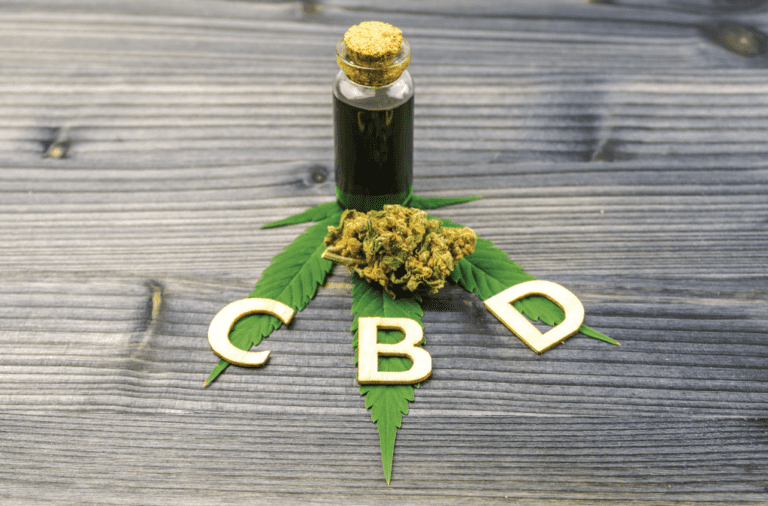
Fear and anxiety are two of the brain’s natural responses to dangerous and threatening situations. Both can be lifesavers as they prepare the body to deal with crises that pose a danger to survival. Unfortunately, when fear and anxiety become persistent they can damage a person’s ability to cope with life and even become debilitating. Excessive amounts of both can lead to symptoms of serious mental and emotional problems including generalized anxiety disorder (GAD), post-traumatic stress disorder (PTSD), abnormally high levels of constant paralytic fear, panic attacks, and a variety of sleep disorders. [This article, “Peaceful easy feelings: 5 ways CBD products may help reduce stress, minimize anxiety, and promote restful sleep” was originally published in NewsHealthWatch]
Researchers have come up with numerous medications that can help with each of these disorders, but even those remedies may bring about negative side effects. As a result, natural treatments have become more popular as people have sought alternative remedies for their anxiety-related disorders and poor sleep quality.
Some of the most promising work has involved the use of cannabidiol (CBD), a derivative of cannabis, which is considered a broad-spectrum drug. A review of 49 clinical trials, studies and research projects by a branch of the National Institute of Health concluded that the evidence “strongly supports” CBD products as a possible treatment for these disorders and possibly other mental health problems. The review also says that more research is needed to verify CBD’s “considerable potential” as a treatment.
The impetus for further trials and studies comes in part from the widespread prevalence of the disorders it may be used to treat. Anxiety-related disorders affect about one-third of the American population, which is the largest number for any mental health disorder.
More information about the studies can be found here:
National Institute of Health’s PubMed
https://www.ncbi.nlm.nih.gov/pmc/articles/PMC4604171/
FDA
The growing field of CBD-based products
Cannabis, or marijuana, has been known for centuries as a recreational drug that causes various mental and physical effects, including euphoria, altered states of mind and sense of time, and relaxation. It can also cause difficulty concentrating, compromised short-term memory, impaired body movement, and an increase in appetite. For more than a century, it has been outlawed in many countries, and it is now the most commonly used illegal drug in the world.
Scientists have identified 483 component chemicals in cannabis, and the percentage of each one differs significantly depending on the marijuana plant being studied. Tetrahydrocannabinol (THC) is the main psychoactive component and is responsible for many of the plant’s more pronounced mind-altering effects. When the drug is taken in large amounts, it can cause anxiety, delusions, hallucinations, panic, paranoia, and psychosis.
In 1940, scientists isolated CBD from among the 65 cannabinoids found in cannabis and began studying how to use it while avoiding the negative effects of general marijuana usage. As of 2019, clinical research on CBD included studies related to anxiety, cognition, movement disorders, and pain; these are among the trials cited in the NIH report. This has led to a major consumer market in CBD-based products, which is expected to reach the $47 billion mark in the next few years. These products can be taken internally in multiple ways, including by inhaling smoke or vapor, by mouth, and as an aerosol spray into the cheek.
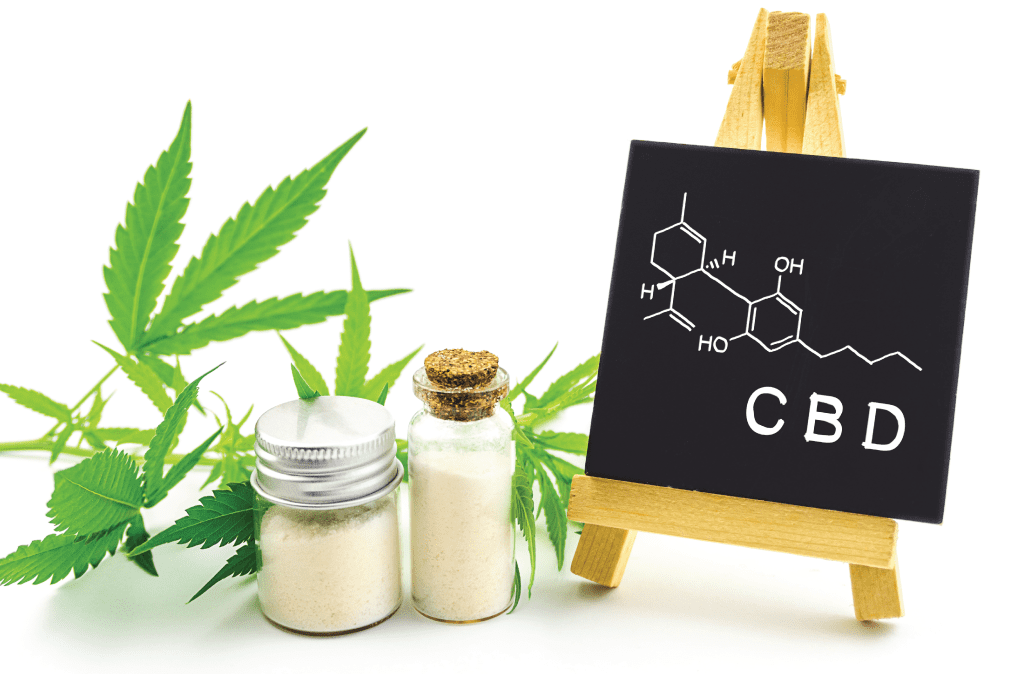
Researchers have high hopes for CBD treatments in five different disorders
So far, the FDA has approved one CBD-based medicine for use against specific diseases. The drug Epidiolex was approved in 2018 for the treatment of two epilepsy disorders. Meanwhile, other formulations of CBD have shown promise as possible future treatments for five serious mental disorders.
Anxiety
CBD has a broad pharmacological profile, including interactions with several chemical receptors in the nervous system known to regulate anxiety-related behaviors.
Stress
Stress is an important contributor to many mental disorders, and traumatic stress exposure is essential to the development of PTSD. Systemically administered CBD has been shown to reduce acute increases in heart rate and blood pressure caused by stress.
Fear
CBD has been shown to help remove fear memories in healthy volunteers, especially if it is inhaled just before or after a clinical trial.
Panic attacks
Animal studies have demonstrated CBD’s potential use in decreasing the number and severity of panic attacks under certain controlled circumstances.
Sleep disorders
Preliminary research suggests that CBD can help in a number of sleep disorders, including insomnia, abnormal sleep behavior, and narcolepsy.
In all of these cases, the NIH report says more study is needed to determine what the proper formulations and dosage amounts of CBD-based products will do the most good for patients. “Overall, this review emphasizes the potential value and need for further study of CBD in the treatment of anxiety disorders,” the report concludes.
For further reading, check out these sites:
WebMD
https://www.webmd.com/vitamins/ai/ingredientmono-1439/cannabidiol-cbd
Healthline
https://www.healthline.com/health/cbd-for-anxiety
The grass is greener in natural gardens
While researchers continue to answer questions about CBD products in their laboratories, over-the-counter products containing the chemical are becoming more and more popular with the general public. Businesses ranging from tiny to huge have entered the marketplace in hopes of building their customer bases, To stand out from the burgeoning number of CBD product sellers, some companies have decided to emphasize their natural roots and organic practices. One such company is Ned, founded in 2018 in Boulder, Colorado, by two men dedicated to following nature’s path.
Helping people find a deeper connection with the natural world is one of the main goals of Ned, according to the company’s co-founder and co-CEO, Ret Taylor. All of Ned’s CBD comes from a single organic hemp farm in Colorado, where the company is based. Ned’s devotion to natural processes extends from the farm all the way to the facility where CBD is extracted from the hemp. Ned offers nature-based formulations which promote relaxation and restful sleep and incorporate CBD as well as other synergistic ingredients.
“We really leave the product in its closest biological form, the way mother nature intended it,” says Taylor “Instead of hitting it with high heat and high pressure, we do a cold-pressed, organic ethanol extraction.”
This artesian approach to production leads to higher prices for products when compared to those sold by larger companies that rely on factory farms and large-scale extraction and manufacturing, but consumers are willing to pay a slight premium in order to get products they know are made organically by companies that take a very personal approach to their customers.
Laws are changing, but many legal issues remain
The legal landscape is shifting for CBD products in particular, and for cannabis in general. In the U.S. Congress, the 2018 Farm Bill removed hemp (defined as ‘cannabis and its derivatives with extremely low concentrations of THC’) from the definition of marijuana in the Controlled Substances Act. The same bill explicitly preserved the Food and Drug Administration’s authority over hemp products. That means hemp products must meet FDA requirements and standards, just like any other FDA-regulated product. These safeguards help ensure that Americans have access to safe and accurately labeled hemp products, and, in the case of drugs, that patients can depend on the effectiveness of these products.
On its website, the FDA says it recognizes the “significant interest” in the development of therapies and other consumer products derived from cannabis and its components, including CBD. However, the FDA also says it is aware that some companies are marketing products containing cannabis and cannabis-derived compounds in ways that violate the Federal Food, Drug and Cosmetic Act.
Adding to the legal tangle are the laws of the various states. Some have legalized marijuana altogether, while some others ban it outright, and still others restrict its use to the medicinal application of certain compounds such as CBD. In states where the growing of hemp has been legalized, a new cash crop has quickly grown up to meet the needs of producers of CBD-based products.
Growing like weeds
While large corporations have turned to industrial farming operations to produce hemp for their products, smaller niche companies have found numerous family-owned organic farms that produce hemp with methods dating back decades. The Ned company buys all of its hemp from a single farm in Paonia, a farming community nestled in the North Fork Valley on Colorado’s Western Slope.
“We kept looking for the right supplier, and finally I found a farmer who was more interested in quality than quantity,” Taylor says. “They grow everything organically, and they do everything by hand the natural way. That’s why it remains the company’s only hemp supplier.”
When Ned first began buying its raw material, the farm was one acre; the success of the product over the last four years has now allowed the operation to cover 11 acres and still grow its crop with an exclusively all-organic process.
Globally, the industrial hemp market size was estimated at $4.13 billion in 2021. The rapid growth of the business slowed a bit from the previous year because of the economic strains brought about by the COVID pandemic, but experts now believe it will soon regain the lost ground and continue to expand as the demand for CBD-based products rebounds.
Another factor working in favor of CBD-based companies is the continuing shift in state-by-state marijuana and hemp laws. So far, 19 states, along with the District of Columbia and two territories, have legalized the non-medical use of cannabis. An additional 12 states and one territory have decriminalized that usage, which means that most people face just a fine if convicted. Federal law has remained unchanged since the Farm Bill, but the push for more experimentation into CBD may lead to a reconsideration if public pressure mounts.
More information about CBD products and their potential health benefits can be found on these sites:
Mayo Clinic
Johns Hopkins
https://hub.jhu.edu/2020/01/03/what-is-cbd-2499-em1-art1-qa-health/
Sleep Foundation
https://www.sleepfoundation.org/sleep-aids/cbd-for-sleep
Medical News Today
https://www.medicalnewstoday.com/articles/best-cbd-gummies-for-sleep
Healthxwire
The CBD Business Is Booming Here’s Why
Disclaimer
Important Note: The information contained in this article is for general informational purposes only, and should not be construed as health or medical advice, nor is it intended to diagnose, prevent, treat, or cure any disease or health condition. Before embarking on any diet or program of nutritional supplementation, it is advisable to consult your healthcare professional in order to determine its safety and probable efficacy in terms of your individual state of health.
4 Amazing Benefits of Beets: The Powerhouse Superfood
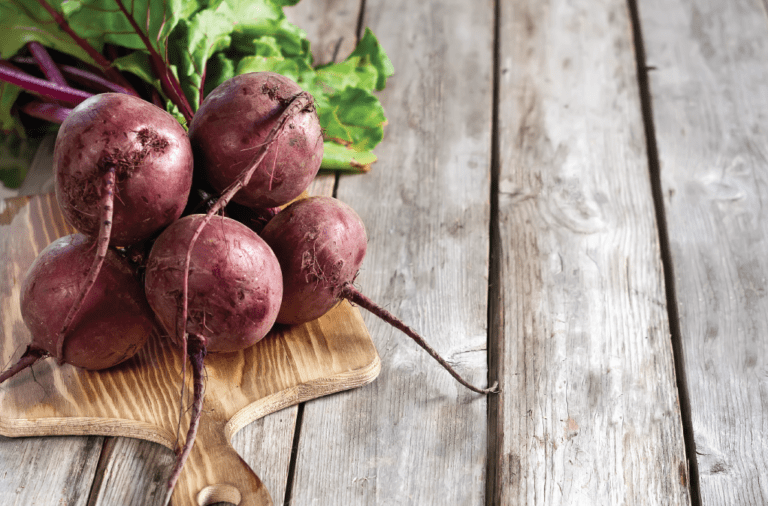
Table of Contents
Beetroot is a great ally in the kitchen when it comes to making salads, stews, creams, smoothies, garnishes, and more. It is a very popular plant that is known by several names: table beet, garden beet, sugar beet, or simply “beet”. It’s easy to identify by its characteristic reddish color and today is considered one of the best superfoods to improve our health, give us energy, and delay the natural deterioration of our brain. How is it that this tuber, once humorously consumed by gophers in classic cartoons, is now one of the pillars of nutrition and well-being?[This article, “4 Amazing Benefits of Beets: The Powerful Superfood” was originally published in NewsHealthWatch]
Beets: A humble food and a folk medicine staple before they became famous
The beetroot, whose scientific name is Beta vulgaris, is the root of a plant that is cultivated in different parts of the world. For thousands of years it has been part of the human diet and has also been used in traditional folk medicine in different cultures.
This superfood, which can be of different colors (but most are red or purple), was domesticated at the dawn of civilization and there are records that its cultivation was present among the ancient Egyptians. But those who discovered the capabilities of beets for natural medicine were the Romans, who used it to treat headaches or toothaches.
For its pigments, beetroot has also been used for cosmetic purposes, and women of several generations used it as lipstick or natural makeup to enhance their image and the features of their faces, something that was rather common before the days of industrialization of beauty products.
Today, due to its deep red color, extracts from the beet plant are commonly used as a natural colorant and to obtain sugars in the food industry, but beyond its role in bringing color to the world, beets are a superfood that can offer surprising benefits to everyone’s health.
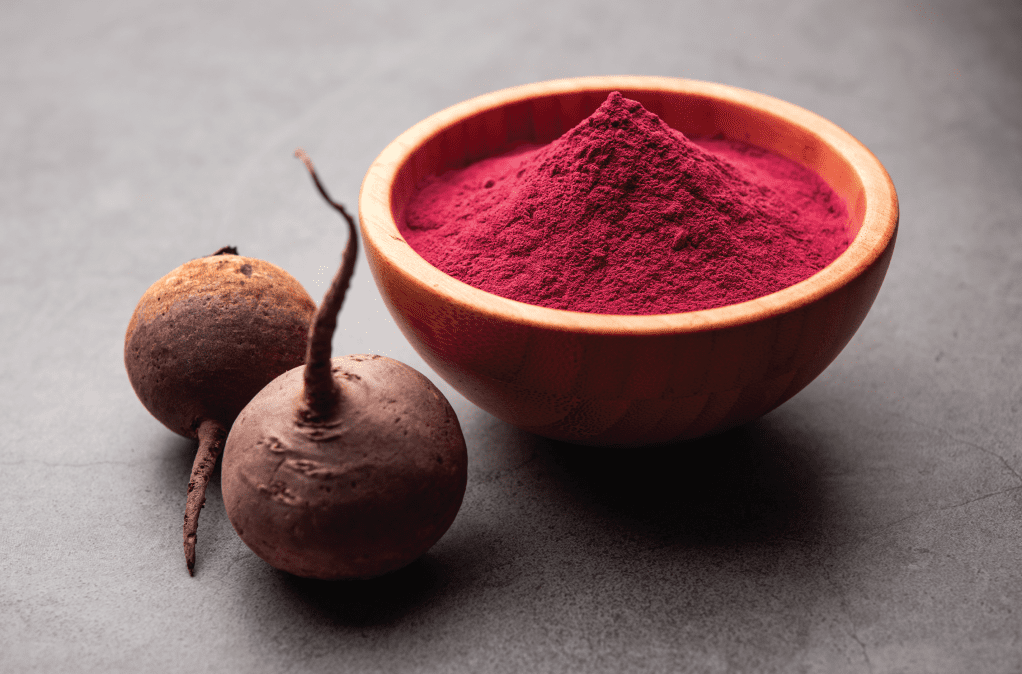
As a superfood, beetroot is a profusely rich source of nutrients such as protein, beta-carotene, vitamins B and C, sucrose, fiber, minerals, and carbohydrates. In addition, it has a significant amount of antioxidants, flavonoids, triterpenes, and carotenoids. Recent studies have found that beet consumption offers amazing health benefits, especially in cases of cardiovascular diseases, hypertension, cancer, hepatic steatosis, and chronic kidney disease.
It is not necessary to wait until you have an illness to take advantage of the benefits that beets can offer our bodies. Let’s take a look at some of the benefits that this root can provide us.
A blood pressure reducer
Beetroot has benefits for lowering blood pressure, maintaining blood pressure stability, and maintaining adequate blood glucose levels, especially after high-intensity physical exercise. In addition, beetroot extract, alone or accompanied by the consumption of Vitamin C, is effective in the recovery of the cardiovascular system after exercise in studies carried out on healthy people.

A natural anti-inflammatory
Inflammation is a natural response of our body to physical stimuli such as blows or infections and is usually accompanied by pain in normal circumstances it reduces quickly. but when inflammation persists or becomes chronic it can cause long-term damage. Hence the importance of consuming anti-inflammatories, such as beets, which are wholly or in supplements have been shown to have effects that considerably reduce inflamed areas.
In recent decades, beetroot has become a reliable alternative to drugs for the treatment of inflammation, reducing the negative effects that chronic inflammation can have on health. Experiments carried out on mice have shown that betanin treatments suppress the precursor molecules of inflammation, preventing them from being generated.
A complementary anti-oxidant
One of the positive effects on the body after the consumption of beetroot and its extracts that has attracted the most attention in recent years is its capacity as an antioxidant agent. Oxidation is a normal phenomenon in our body that helps us reduce the risk of infection by attacking germs. But excess oxidation, known as oxidative stress, attacks healthy cells rather than germs and other harmful microorganisms. Hence the importance of consuming foods that help us maintain an adequate balance, such as beets.
The antioxidant properties of this superfood are due to its high content of nitrogenous compounds called betalains or betanins, which are the compounds that also give it its characteristic red or purple color.
A study conducted by the Northumbria University School of Health and Life Sciences on the beet indicates that “its components, especially betalain pigments, show potent antioxidant, anti-inflammatory and chemopreventive activity in vitro and in vivo.“
A cognition enhancer that helps our brain
Another of the positive effects of consuming beetroot and its derivatives is that it can help us reduce or delay the deterioration of cognitive functioning that occurs with age, that too often manifests as clinical dementia or presents as Alzheimer’s disease.
Beetroot does not cure these cognitive diseases that mostly affect the elderly, but its compounds do help prevent them and their symptoms appear in early stages, this occurs because beetroot improves cerebrovascular blood flow that keeps cognitive functions active.
A 2018 study by the University of South Florida in Tampa found that betanin could eventually help slow the buildup of misfolded proteins in the brain, a process associated with Alzheimer’s disease. Scientists say this discovery could lead to the development of drugs that could alleviate some of the long-term effects of the disease, the world’s leading cause of dementia.
The most bioavailable (and portable) way to get your beets
Beetroot in its different varieties is a superfood that can be consumed naturally by preparing it in the kitchen in countless recipes available in books and on the internet. Including beets in our diet provides multiple benefits. This is where bioavailability comes into play. Importantly, bioavailability is the ability of a substance to be absorbed by our body so that it can be used to benefit our state of health.
The Northumbria University study, noted above, indicates that “For a food component to be considered beneficial to health, it must be bioavailable in vivo, that is, after ingestion, the active compounds are absorbed through the gastrointestinal tract and are available in circulation, in amounts sufficient to be used by cells“. And the important bioactive compounds in beets, such as betalains, have been shown to have high bioavailability.
What does all of this mean? Basically, the nutrients in the beetroot superfood can be easily absorbed by our body and are better utilized when we eat them or take them through supplements.
Superfoods such as beets are becoming the protagonists and key ingredients of natural products to improve our health and physical performance, both for athletic performance and for functioning in daily life. Kalen Caughey, an entrepreneur who, together with his father (a doctor of biochemistry) created the superfood brand VOKE Energy, said that they decided to include beets as a key element because “we were looking for ingredients that had been proven in the scientific literature to improve our metabolism, help us to think more clearly, and to give us enhanced energy. And beets, along with other superfoods, allow us to further increase the quality and value proposition associated with what we have to offer our customers.”
Other great superfoods that complement beets
Beetroot is a superfood that is good for us if we include it in our diet and its positive effects on our bodies and minds can be magnified if it is accompanied by other superfoods that complement it. For an example of just one synergistic possibility, guarana seeds, which give us productive energy, work along with beets to enhance their effectiveness.
Other beet-friendly superfoods include caffeine from green tea leaves, which contributes to our focus and ability to concentrate, and acerola, which benefits our immune system with its essential nutrients.
…And the beet goes on… The benefits of beets
Now that we know more about beetroot and some of the many benefits it brings to our health, we can give it its rightful place in our health and wellness arsenal and take advantage of it for much more than its flavor and because it makes our dishes look more attractive. We can now take this superfood wherever we go thanks to the fact that we can find it in different presentations or included as an ingredient in today’s better nutritional supplements.
Further Resources For Reference:
Trend alert! Why beets are the hot new ‘superfood’ – Los Angeles Times
Top 5 health benefits of beetroot – BBC Goodfood
Beetroot: Benefits and nutrition – Medical News Today
Helpful Links:
https://www.ncbi.nlm.nih.gov/pmc/articles/PMC5295087/
https://www.ncbi.nlm.nih.gov/pmc/articles/PMC4425174/
https://www.ncbi.nlm.nih.gov/pmc/articles/PMC4425174/
https://www.ncbi.nlm.nih.gov/pubmed/19661447
4 Amazing Benefits of Beets: The Powerful Superfood Is An Original NewsHealthWatch Article
Recipe for a Healthier Brain: 5 Key Ingredients
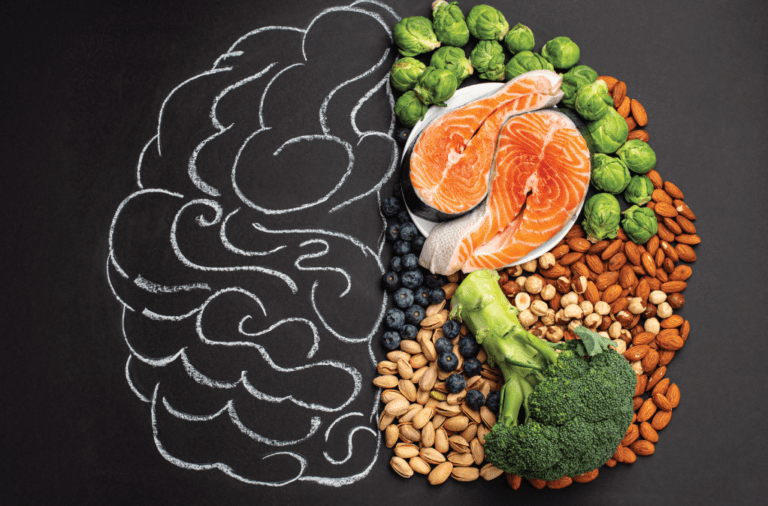
Table of Contents
What is “neuroplasticity?” It’s a term that keeps sprouting up in our collective vocabulary, from fashion magazines to business courses at MIT. But what is it, and why is it so important? Simply put, neuroplasticity is the brain’s ability to grow and adapt over time. By creating new neurons and building new neural networks, our brains are able to rise to the challenges of personal and environmental stressors and age. Below are five of the most important, concrete ways we can protect and enrich our brains with active care, from food choices to supplements. [This article, “[This article, “Recipe For A Healthier Brain: 5 Key Ingredients” was originally published in NewsHealthWatch]”
Food for thought For A Healthier Brain
Adopting a brain healthy eating style has been shown to slow brain aging by 7.5 years and to lessen the chances of developing Alzheimer’s disease. The Mayo Clinic recommends what it calls the MIND diet — a hybrid of the heart-healthy Mediterranean diet and the blood pressure-reducing DASH diet — which incorporates much less red meat and salt than a typical American diet, and emphasizes plant-based foods, whole grains, fish and healthy fats. Rich in anti-oxidants, vitamins, and minerals, these “brain foods” help the mind process new information and produce hormones such as dopamine that increase alertness and attention span.
Salmon
Salmon is very high in omega-3 fatty acids, which increase cerebral circulation and keep dopamine levels in the brain active. They also increase mental focus and slow cognitive decline in older adults by supporting the frontoparietal region, the part of the brain known for problem-solving, Researchers also say that people age 65 and older who generally ate fish once a week or more scored better on memory tests and number games than those who had seafood less often.
Pumpkin Seeds
Nuts are packed with fat-soluble vitamin E, known for its brain-protective qualities. Pumpkin seeds also provide over 70 percent of the recommended daily allowance of zinc, which improves communication between neurons and may help reduce memory loss.
Oranges
Oranges are rich in vitamin C, a powerful antioxidant that fights off free radicals that can damage brain cells. A 2017 study showed that healthy young adults who drank orange juice had greater blood flow to the brain; eating one medium orange every day could improve focus, attention, and decision speed.
Blueberries
Rich in flavonoids, blueberries have one of the highest antioxidant levels of any food. In a 20-year study of over 16,000 older adults, those who ate the most blueberries and strawberries had the slowest rates of cognitive decline. Blueberries also are a rich source of vitamin K, which regulates calcium in the brain.
Leafy greens
Greens like kale, collards and spinach are packed with folate, vitamin E, carotenoids and flavonoids, which have been shown to lower the risk of dementia and cognitive decline. The iron and vitamin B6 in kale also work with these nutrients to help the brain produce healthy levels of the neurotransmitters serotonin and dopamine, which regulate mood.
Lamb
A long-term study found that weekly consumption of lamb instead of other red meats improved long-term cognitive abilities. Lamb contains vitamin B12, zinc, selenium, niacin, and heme iron, the type absorbed more efficiently by the body than in plants. It is also rich in high-quality protein: around 25 grams per 3.5-ounce serving. (Red meat makes an appearance fewer than four times a week in the ideal MIND diet. Beans, lentils and soybeans, full of protein and fiber, make a good substitute.)
Brain exercise
Staying mentally active helps support brain health in a number of ways, including maintainance of memory, cognition, and creativity. A variety of activities can help to “cross-train” the mind, from doing crossword puzzles or Sudoku to reading or putting together a jigsaw puzzle. Incorporating different activities can increase their effectiveness. Here are a few to try.
The ‘Memory Palace’ is an ancient Greek and Roman technique for memorizing difficult things like lists of names, by mapping them onto memorable imagery, coming up with a story about the thing you’re trying to remember, or perhaps making it into a song that rhymes or has some cadence.
Try getting dressed with your eyes closed or eating your food with the non-dominant hand.
The Alzheimer’s Society says that playing card games can help fight the disease.
Spend 15 minutes per day of acquiring a new skill or mastering an old one.
Use your motor skills when learning something new.
Sleep Is Key For A Healthier Brain
Adequate sleep is critical to brain health. Some theories posit that sleep helps clear abnormal proteins and lipids in the brain such as lipofuscins; it also consolidates short-term into long-term memories, which boosts brain function and overall memory. Without proper sleep, the brain becomes foggy and has a harder time absorbing and recalling new information. Reduced alertness and attention problems are common; judgment is poor, and fine motor skills are impaired. Chronic sleep deprivation can also lead to serious health conditions, such as heart failure, high blood pressure, diabetes, and stroke. Seven to eight consecutive hours of sleep is necessary for most people, not fragmented sleep of two- or three- hour increments.
For those having trouble sleeping, keeping the bedroom cool and dark may help. Others try progressive relaxation, warm baths, or aromatherapy.
Others reach for over-the-counter supplements of melatonin, a naturally produced sleep hormone; last year, more than 3 million Americans used melatonin supplements to fall asleep. Increasingly though, consumers have been finding relief with supplements of tryptophan, an essential amino acid that is a precursor to both melatonin and serotonin.
One such product is DELTA BRAINLUXURY™, a nutritional brain supplement designed to improve sleep quality by using the essential amino acid tryptophan to stimulate the body’s natural production of both melatonin and serotonin, a neurotransmitter that plays an important role in feeling energized and motivated in the morning.
“We just give the starting material, and then your brain decides what it needs,” says biochemist Dr. Axel Bouchon, co-founder of BRAINLUXURY™, a New York-based company started in 2021 with co-founder and CEO Hermann Schützinger.
DELTA BRAINLUXURY™, a combination of tryptophan, glycine (an amino acid that supports serotonin production), omega-3 fatty acids and vitamins, is not a sleeping agent; it instead provides nutrition necessary for an intensified deep sleep period. According to Bouchon “the brain is 70% fat, so you obviously need oil to feed such a fatty organ.” That’s why the patent pending formula is includes a unique combination of essential oils, which Bouchon says “open a much faster delivery to your brain.”
“Don’t touch melatonin,” says Bouchon, “use your own. There is a natural alternative – and it is us.”

Movement
Experts recommend that people try to stay on their feet as much as possible. A 2018 study found that adults ages 45 to 75 who sat at least three hours a day had substantial thinning of their medial temporal lobe, a part of the brain responsible for the formation of new memories. This thinning is usually a precursor to dementia.
Regular aerobic exercise — any moderate aerobic activity that increases your heart rate — boosts blood flow to the brain, and also boosts the size of the hippocampus, the part of the brain that’s involved in verbal memory and learning. It also tends to counter some of the natural reduction in brain connections that occur during aging. Multiple research studies also show that people who are physically active have a lower risk of developing Alzheimer’s disease.
One 2017 study found an association between low physical activity and dementia risk. The researchers also did MRI scans of about 2,000 people 60? or older and found that the more active they were, the larger their hippocampus. The protective effects were highest in those over age 75, adding more evidence that it’s never too late to start. Here are some good places to begin.
Dancing
A New England Journal of Medicine study followed seniors for more than 20 years and found that regular dancing reduced the risk of dementia by 76 percent — twice as much as reading.
Yoga
A 2016 UCLA study found that people 55? or older who enrolled in a 12-week program consisting of an hour of a type of meditative yoga once a week as well as ?12 minutes of at-home meditation had significant improvements in both verbal memory and visual-spatial memory. The changes occur when practicing unfamiliar movements, because learning new skills creates new neural pathways.
Tai chi
According to a 2018 study, older adults who practiced tai chi for 12 weeks had a greater ability to multitask,. They also had more activity in the prefrontal cortex, the part of the brain where higher-level thinking occurs. Additional studies suggest that tai chi can help improve reasoning, planning, problem-solving and memory among older adults without evidence of significant cognitive impairment.
It’s never too late to start,” says Kaitlin Casaletto, an assistant professor of neuropsychology at the University of California, San Francisco. “Greater physical activity is associated with more synaptic protein levels in brain tissue, and this suggests that every movement counts when it comes to brain health.”
Social Activity
Research shows that interacting with others supports brain cell production and repair – but this goes beyond ‘likes’ on social media. It’s important to connect with loved ones and friends, especially if you live alone. There is research that links living a solitary life to brain atrophy — so remaining involved with other people may have the opposite effect and strengthen brain health.
Hearing
There’s also direct connection between hearing and preserving cognitive function: hearing loss presents the largest identifiable risk for developing dementia, exceeding social isolation, smoking, high blood pressure, and lack of exercise. According to The Lancet, those with only slightly poorer hearing than normal can experience cognitive deficits. That’s because when the brain is inadequately stimulated by aural input, it tends to atrophy.
The best way to prevent hearing loss is to protect the ears against noise. The effects of noise exposure are cumulative, so avoid listening to loud music for extensive periods of time. If you listen through earbuds or headphones, try to get ones with a noise-canceling feature that blocks ambient sound. This allows you to listen to programs and music at lower volumes that are less damaging to hearing.
An arsenal of techniques can individualize efforts to improve brain health, from personal choices in diet, movement, brain games, social activities, to good sleep hygiene. And companies like BRAINLUXURY™ are beginning efforts to personalize their products. The ultimate goal of BRAINLUXURY™ is to understand individual customer sleep patterns and recommend tailored usage of products based on each client’s specific needs.
Brain health is literally steps away, depending upon where your feet decide to go, how you occupy your hands, who you spend time with, and how you fill your plate. Stimulating all your senses, from taste and hearing to touch and kinetic motion and rest will complete your own recipe for how to keep your brain active and fit for some time to come. Happy hunting!
Help Links:
https://www.health.harvard.edu/mind-and-mood/12-ways-to-keep-your-brain-young
Disclaimer
Important Note: The information contained in this article is for general informational purposes only and should not be construed as health or medical advice, nor is it intended to diagnose, prevent, treat, or cure any disease or health condition. Before embarking on any diet or program of nutritional supplementation, it is advisable to consult your healthcare professional in order to determine its safety and probable efficacy in terms of your individual state of health.
[This article, “Betting on Clean Energy… And Clean Nutrition For Our Bodies” was originally published in NewsHealthWatch]
Supplements: The Best Hormonally-Balanced Diet and The #1 Nutritional Supplement Regimen for Women

Table of Contents
Women have always known that their health concerns are different from men’s. Key biological and hormonal functions related to pregnancy and childbirth are just some of the causes for these concerns. As scientists have learned more about how vitamins and minerals affect hormones, it has become clear that women have different nutritional requirements to keep their bodies in good shape, and that supplements might not only be helpful – but necessary. [This article, “The Best Hormonally-Balanced Diet and Nutritional Supplement Regimen for Women” was originally published in NewsHealthWatch]
Those special requirements change throughout a woman’s lifetime. Up to puberty, male and female children have essentially the same needs. As a woman’s body prepares to enter her childbearing years, those paths diverge as she develops more of a need for such minerals as iron and calcium. The requirements change again as a woman faces the process of menopause and the end of her reproductive cycle.
While both male and female researchers have studied these phases in a woman’s life to determine the specific nutrients needed at each step in the process, it’s the women on the research staff that will actually be experiencing the effects of these studies on their own bodies – and this gives them a unique perspective on the work as well as an added incentive to develop diets and nutritional supplements that will help them meet these needs.
Getting the right stuff at the right time
Experts say the first way for women to get the nutrients they need at the various stages of their lives is through a healthy diet that contains all of the vitamins, minerals and other healthy compounds required by their biological functions. The following foods are the usual suspects on almost any list of nutrient-rich ingredients for a healthy diet:
Almonds, cashews, peanuts
Avocados
Baked potatoes
Bell peppers
Barley, oats, quinoa, brown rice
Brussels sprouts
Cantaloupe, papaya, raspberries, strawberries
Dried beans (garbanzo, kidney, navy, pinto)
Eggs
Greens such as chard, collard greens, kale, mustard greens, spinach
Mushrooms
Lean meats such as beef, lamb, tuna, chicken and turkey
Lentils, peas
Low-fat yogurt
Seeds (flax, pumpkin, sesame and sunflower
Sweet potatoes
While such a diet will meet most of a woman’s nutritional needs, some basic nutritional supplements may be required. Because many people are indoors most of the time, they don’t receive enough sunlight to produce an adequate amount of vitamin D. Strict vegetarians and those who regularly take acid blockers may need more vitamin B12. Supplements containing the recommended daily dose of both ingredients may be helpful for those people. Supplements containing vitamin D3, the specific type of vitamin D produced by the skin, are especially useful in these cases.
Making up for what’s missing
Another mineral that women may need to focus on is iron, a key component of blood. Anyone can be anemic, but because of blood lost during menstruation, women are more likely than men to suffer from this condition. During pregnancy, a woman may need three times as much iron as her male counterpart to avoid anemia. That amounts to 27 milligrams per day, and it may require a supplement to reach that dosage.
Pregnant women also have a need for extra amounts of folate, a B vitamin that lowers the risk of certain birth defects affecting the brain and spinal cord. Women in their childbearing years should get 400 micrograms of folate a day, and that amount increases to 600 micrograms a day when they become pregnant.
Protein is a vital nutrient that plays a major role in the growth of a fetus. Pregnant women should getting about 88 grams of protein a day, while breastfeeding women should aim for 100 grams.
During their childbearing years, women also need more calcium than men do. That’s because they are more prone to bone loss, and calcium is needed to develop strong skeletons and to ward of osteoporosis. Diet alone may not provide an adequate amount of this vital mineral (around 1,300 milligrams per day), so women may want to consider taking a nutritional supplement to make up for that deficit.
A woman’s nutritional needs change again around age 50, when menopause brings about the end of menstrual periods. Her hormonal balance undergoes major changes, and these are reflected in the vitamins and minerals required to keep her in good health as she ages.
Maintaining strong bones becomes even more critical at this time, so experts recommend that a woman get at least1,200 milligrams of calcium a day in addition to 800 international units of vitamin D.
After menopause, women still need to make sure they monitor their diets to ensure that they are receiving ample amounts of several key nutrients. Fiber, for instance, helps lower the risk of a variety of conditions such as cancer, diabetes, heart disease and high cholesterol. Women over 50 are advised to get at least 20 grams of fiber each day. Vitamin B6 has been shown to improve brain function and keep people sharp as they age, and experts recommend that women get at least 1.5 milligrams of it each day.

PMS can spell misery every month
The most familiar health complaint from women between puberty and menopause is PMS: the monthly premenstrual syndrome that affects, according to one study, 75 percent of all women. It brings about physical and emotional changes that can manifest themselves in a variety of symptoms ranging from food cravings to cramps to mood swings to anxiety.
Many over-the-counter remedies are marketed with claims that they can lessen or eliminate some of the more severe aspects of PMS, and clinical studies are being done to investigate these claims. The ingredients found in these products are often the same one found in other dietary supplements, so their basic properties are well understood already.
Calcium: A study of women taking 500 milligrams of calcium twice a day for 3 months found they had less fatigue, fewer changes in appetite, and less depression than women with PMS who did not take the supplement.
Vitamin D: One study found that taking vitamin D along with calcium lowered the chance of developing PMS. Researchers believe the effect may be linked to how calcium and vitamin D affect certain hormones.
Magnesium: The jury is still out on this mineral, but at least one study has shown it may help with PMS symptoms such as bloating, fluid retention, and tenderness in the breasts.
Essential fatty acids: These are already believed to prevent depression, heart disease and abnormalities in various organs. Now research has shown that women who took these along with vitamin E had significantly improved PMS symptoms after 3 months of treatments, and again 6 months later.

Supplement products made for women, by women
The days of all-male research labs are long gone, and women have stepped into all of the roles that were once exclusively part of a boys’ club. These women have brought their own life and health experiences into the laboratory as well as the manufacturing process, ensuring that the users of these products have a strong voice in their development and production.
Mixhers is a Utah-based supplement company that bills itself as women-owned and women-operated. It’s the brainchild of founder and CEO Jess Toolson, who was inspired to start the business when a doctor prescribed nothing but ibuprofen to deal with her own serious period problems. She wondered if a better, more natural way could be found to lessen or even eliminate her recurring problem, so she turned to other women to help her answer that question.
“Because we are female owned and female run, we are truly formulating products for women. Most supplement companies are formulated by men who aren’t actually experiencing the hormonal health struggles,” Toolson says.
After two years of research, formulation, re-formulation and testing, Mixhers was launched with a product called Hertime – a blend of ingredients designed to nourish a woman’s body and balance her hormone levels by managing estrogen and progesterone levels while also reducing inflammation and bloating.
Other supplement companies are also turning to women to research new ingredients, develop new formulations, and find more efficient ways to get these products into the hands of women who need them. One trait many of these women-oriented businesses have in common is a naturalistic approach using various substances already used for other purposes.
Finding relief the natural way
Some of the natural ingredients found in products designed to help women with their menstrual issues are white peony root, Siberian ginseng, Chinese licorice, dong quai, and giant kelp leaf. Each has a unique property believed to help women specifically. The white peony, for example, is said to calm the nervous system and enhance progesterone production. Chinese licorice is believed to reduce inflammation while promoting healthy ovulation, and Siberian ginseng is believed to support adrenal function and balance sex hormones. Dong quai is claimed to work as a natural pain reliever, while giant kelp leaf is promoted as being good for ovarian health and follicular function while allowing optimal progesterone production.
Other natural ingredients often used in these formulations for women include chasteberry, which has been used for centuries to treat various conditions in different parts of the world; evening primrose oil, another herbal supplement that some manufacturers claim can help with PMS; ginkgo biloba, which some studies have shown may be effective for treating PMS symptoms; and St. John’s wort, a supplement often used for mild to moderate depression.
Toolson says all of the formulations used by Mixhers in their various products are based on the organic approach to solving women’s problems.
“We are 100 percent natural,” she says. “We use ingredients that have all been clinically proven to work effectively together.
Mixhers products are currently geared toward women during their childbearing years, but the company also has plans to add a line of products formulated especially for women going through menopause. Regardless of age, Toolson says, the women who buy her products are supporting a company that is driven to create a better way for women to live with their hormones.
That support goes both ways. The women who own, operate, and do research for supplement manufacturers have a distinct advantage over their male counterparts – they are able to use the products they produce, so they gain valuable first-hand knowledge of what works, and what doesn’t work, in the real world. Ideally, the women working in the supplement field will be able to improve the overall health of women, who have historically experienced disparities as a result of gender inequality in the health care field.
Do BCAA Supplements Do Anything?
Fortune: Covid 19 exposure notifications, digital tracing
How Medication Supplements Interact
An Original NewsHealthWatch Article
Disclaimer
Important Note: The information contained in this article is for general informational purposes only, and should not be construed as health or medical advice, nor is it intended to diagnose, prevent, treat, or cure any disease or health condition. Before embarking on any diet or program of nutritional supplementation, it is advisable to consult your healthcare professional in order to determine its safety and probable efficacy in terms of your individual state of health.
Top 5 Hacks to Reduce Stress

Table of Contents
Stress. Everyone experiences it to some degree in their life. It makes no difference if you are young or elderly, still employed or retired; we all go through it at some point. Work, relationships, break-ups, school, financial obligations, and other factors can all contribute to stress. There are times when stress can serve as a driver for you to get things done, and there are other times when it can overwhelm you and make you feel helpless. During a time of threat, the body’s fight-or-flight mechanism teaches an individual when and how to respond to danger. However, a person’s mental and physical health can be jeopardized and detrimental when the body is overstimulated or when too many stresses are present simultaneously. [This article, “Top 5 Hacks to Reduce Stress” was originally published in Newshealthwatch.]
Nonetheless, there are hacks that can help you reduce stress, and we’ve put together the top five. Don’t allow stress to take over your life. Let’s break down stress and take a look at solutions.
Understanding stress
The National Institute of Mental Health defines stress as the body’s and brain’s reaction to change, difficulty, or demand. Stress can be caused by a wide variety of circumstances or experiences in life. It is frequently triggered when we encounter something new, unexpected, or that poses a danger to our sense of self, or when we feel as though we have little control over a situation.
Everyone handles stress in their own unique way. Several factors can influence our capacity for coping, including our genes, the experiences we had in our formative years, our personalities, and our social and financial situations. Even if you don’t realize it, your stress symptoms may be damaging your health. You may believe that your nagging headache, frequent bouts of insomnia or dwindling output at work are the result of an illness. On the other hand, stress could be the root of the problem.
When it comes to relieving stress, there is no one-size-fits-all solution. What works for one person may not work for the next. As a result, having various stress alleviation options at your disposal is essential. Then, you’ll be able to choose the best strategy for your current situation. So, take what resonates, follow your unique path, and let’s dive into our top five hacks.
Hack #1 To Reduce Stress: Meditation
Since ancient times, people have utilized meditation to de-stress, recharge, and realign their mind and bodies. Many people find it to be a helpful method of coping with stress and worry. One can acquire a state of calm and serenity by clearing one’s mind. Meditation is simply directing the focus of your attention to put your mind at ease. Anyone can learn to meditate, regardless of their religious or spiritual beliefs.
There are many different ways to meditate. For beginners, try vipassana, which means “mindfulness,” one of the oldest types. Mindfulness meditation is the practice of learning to pay attention to what you are doing in the present (i.e., while you are doing it) so that you can focus better and be more aware of your senses. If you want to learn how to be more mindful, it’s best to start with something simple, like eating a piece of fruit.
Dedicate yourself to the practice of consistent mindful meditation and watch your life transcend.
Hack #2: Stress Therapy
It is ok to ask for help. Not only is ok but it’s also encouraged. We were not meant to take on life’s challenges alone. Stress management therapy is the use of specific techniques, strategies, or programs to lower stress levels, stop stress from happening, or deal with situations or events that could make stress levels rise. Instead of succumbing to unhealthy coping mechanisms such as drinking alcohol to excess, illicit drug use, or emotional eating to suppress the feelings that accompany stress, a therapist can help you identify and better understand the root cause of your stress triggers. “Unless you heal the root of a problem, the pain will not go away. You can hide from it, but the problem stays until you dig deep.” –Leon Brown.
It takes a great deal of self-knowledge, self-control, and hard effort to realize your full potential and evolve past your stressors. Why not get professional support on that journey? Seek, and you shall find. Invest in you.

Hack #3: Go On A Mental, Emotional & Spiritual Diet
A quote from TinyBuddha on Pinterest reads, “Your diet is not only what you eat. It’s what you watch, what you listen to, what you read, and the people you hang around. Be mindful of the things you put into your body emotionally, spiritually, and physically.” We often associate diets with getting our body fit; however, it is equally essential to ensure that you do an inner emotional, mental, and spiritual detox to get your inner-being fit.
Are you overwhelmed with your emails, negative news, social media notifications, constantly maintaining an “image” online, and feeling this persistent empty feeling and void that no external stimulation can fix? Then, it’s time to dig below the surface and get right within. Developing better habits begins with evaluating your present behaviors and recognizing their influence on your day-to-day life.
Mental Detox
- Mental health is a favorable perception of how we feel, think, and act. Therefore, nourishment should not be confined to just our bodies but also our minds; for this, we need a well-conceived mental diet plan. Choose a period of 30 days and mark it on your calendar with the idea of going 30 days in a row to keep your thoughts positive and intentionally concentrating on becoming an observer of your thoughts. Don’t judge them. Don’t attach. Simply observe and release. New York Times bestselling author Michael Singer of The Untethered Soul describes it best “the day you decide that you are more interested in being aware of your thoughts than you are in the thoughts themselves, that is the day you will find your way out.”
Emotional Detox
- The purpose of emotional detox is not to purge the body of what you may perceive as unpleasant emotions but rather to release those that have become stagnant. Emotions are one of the best things about being alive. They let us feel the full range of what it means to be alive. When we have a healthy relationship with our feelings, we can enjoy what each one, from sadness to happiness, has to offer. If you tend to overreact to things or pull away from people, you might want to try an emotional cleanse. Like any other detox, it’s ineffective if you don’t replace toxins with nourishing foods. Once you’ve processed your negative feelings, load up on the wonderful stuff. Do, watch, listen, and talk about things that make you joyful. Gratitude journal, dance to a cheerful tune while cooking, practice compassion and laugh with friends. Find the good in negative memories and enjoy wonderful times. Happiness is a skill, not a result or condition. Let your internal emotional guidance system lead the way. If you begin to feel negative emotions, acknowledge it as a reminder to pivot the other way. Positivity is key.
Spiritual Detox
- A Consciousness Cleanse (Spiritual Detox) purifies your inner environment. It’s vital to weed and tend to the soil of your psyche, clean it out, and stabilize it so it can develop; you can get in touch with your higher self. Try a 24-hour spiritual detox. You make a commitment to yourself at the beginning of a twenty-four-hour detox to refrain from allowing anything into your system — your body, your mind, or your heart — that is not of the highest spiritual vibration. This includes food, drinks, thoughts, and emotions. Declare a spiritual detox day as a way to get things rolling. This could be a day of prayer, introspection, refueling, or sustenance; it could be a day of Sabbath; it’s a day to clean the field of your inner world. Make sure the people in your life are aware that you will be taking a personal spiritual detox day by notifying them in advance of your plans. Leave an outgoing message on your voice mail letting people know that you are unable to speak with them at this time but that they are welcome to leave you a message. Inform your loved ones, your coworkers, and anybody else who communicates with you that all of their messages must reach you before midnight on the day of your cleanse. Get in touch with your higher power and your higher self.
Hack #4: Exercise
You may say, “I’m too busy or stressed to exercise.” However, the very thing you’re avoiding can be an excellent source of stress release. Exercise lowers adrenaline and cortisol levels. It boosts the brain’s natural painkillers and mood boosters, endorphins. Endorphins are responsible for the “runner’s high” and the emotions of relaxation and optimism after strenuous exercises. People who work out tend to feel better about themselves and less anxious. Try kickboxing, Zumba, or other high-energy activities like running or spinning. When your body feels good, your mind usually feels good too. Before starting high-intensity workouts, consult your doctor.

Hack #5: Give Nootropics a try
If exercise, therapy, and meditation don’t feel like enough to combat your stress, it may be time to take things to the next level. All of these practices are healthy, but if they’re not enough, you may want to add a mood stabilizer.
You may be wondering what is nootropics and what they can do for my stress? Nootropics, also known as “smart drugs” or “mood enhancers,” are a family of supplements that can enhance cognitive function; simply put—it tackles mood issues, which primarily can be the root cause of anxiety, sadness, and stress. The term “nootropic” derives from the Greek for “to mold or bend the mind.” In today’s society, more and more individuals are relying on nootropics to enhance their cognitive powers and energy. Have you ever met someone who appeared to have it all together, focused, upbeat, and always perky? Yes, it could be natural, yet people often take supplements to support their pursuit of happiness and enhance their day-to-day lives, unbeknownst to you.
Nootropics May Offer Stress Relief
Nootropics for stress offer many avenues to relaxation that may reduce tension while enhancing cognitive performance. Many of the top entrepreneurs and leaders running the most innovative, cutting-edge start-ups are utilizing nootropics to biohack their way to success, accomplish more, and reach their objectives more quickly. Like Popeyes used spinach as his strength superpower, so can you with nootropics. If you’re feeling stressed, give L-Theanine a try. This nootropic helps people relax and sleep better by causing the brain to change in a number of beneficial ways.
Life can be challenging, but with the will to survive and deliberate action steps to improve your situation, life can be blissful. We challenge you for the next 30 days to try the hacks from our list and watch your life change for the best. Remember to take what resonates and leave the rest. You are unique, and so is your beautiful journey.
https://www.nimh.nih.gov/health/publications/stress/index.shtml
Disclaimer
Important Note:
This article does not contain health or medical advice, and the information contained herein is not intended to diagnose, prevent, treat or cure any disease, condition or health problem. Before beginning any program of diet, nutrition or supplementation, seek the advice of a competent healthcare professional in order to determine the possible effects on your health, given your individual sensitivities, needs and objectives.
Understanding Legal Trust Accounting: Best Practices and Compliance

Instead of drowning in spreadsheets or trying to fix accounting mistakes at the end of the month, you can focus on your clients and casework. Maybe a decimal was off, a duplicate entry slipped in, or a trust account transaction didn’t balance. Manual data entry makes errors almost inevitable—and fixing them takes time you don’t have.
See What Clients Have to Say
- That’s why we have a dedicated team in place to ensure that your transition to our platform is as smooth and seamless as possible.
- When the time spent on bookkeeping exceeds 10 hours per week, the opportunity cost alone almost certainly justifies outsourcing.
- Choose from over 30 reports for revenue, risk, retention, and real-time insights.
- Increased adoption of AI and automation in legal accounting and compliance processes.
- MyCase brings everything together in one place to help you work smarter, not harder.
Transfers between a client’s general trust account and specific matter accounts must follow client instructions and be documented thoroughly. LEAP provides legal practice management and document automation within a single cloud-based platform, for all practice areas of law. Enhanced by the power of award-winning AI, LEAP enables firms to practice law more efficiently. Xero is designed for small businesses but offers key features that work well for law firms, including automated bank reconciliation, invoicing, and expense tracking. While it’s not built specifically for legal professionals, it offers powerful financial management features and integrates with legal software like Clio and LeanLaw.

The legal software you need to run a more profitable, organized firm

Settlement funds pass through trust accounts without VAT application; only the firm’s professional fees are taxed. Generate invoices, manage trusts, integrate office accounting, and improve law firm finances. See how LEAP’s all-in-one legal software solution will increase your law firm’s efficiency. The due diligence process must extend beyond standard accounting checks to cover regulatory compatibility. Firms must carefully review both entities’ accounting software compatibility and their internal financial policies.
Hourly Law Firms

With everything in sync, billing runs smoother, financial reporting capabilities improve, and client management stays organized. Rather than wrestling with spreadsheets, you get a clear, accurate view of your firm’s finances—without the extra hassle. Handling client trust accounts isn’t just another task on your to-do list—it’s a responsibility you can’t afford to get wrong. A single mistake can lead to compliance issues, penalties, or even worse. Running a small firm means juggling everything—from client work to collections. Schedule a demo of MyCase today to see how you can streamline your legal accounting process and dedicate more time to cases.

It also revealed that law firms using trust accounting software save up to 15 hours a month. You can think of PCLaw as a strong accounting foundation, with lightweight law practice management features built on top. And if your law firm needs more comprehensive case and document management, PCLaw integrates with Time Matters. With advanced features like trust accounting, built-in payments, mobile access, and CRM, TimeSolv helps you streamline operations without adding complexity. Law firms use various software to efficiently manage different aspects of their operations. A recent survey of legal professionals https://thebossmagazine.com/post/how-bookkeeping-for-law-firms-strengthens-their-finances/ highlighted that document management systems had the most significant impact on their efficiency.
What is Financial Risk Management? A Clear Explanation
This can help individuals and businesses make informed investment decisions and manage their risk exposure. While they can provide opportunities for higher returns, innovation, and growth, they can also lead to significant losses, uncertainty, volatility, and regulatory response. It’s important net sales for individuals and businesses to carefully consider potential risks and take steps to manage and mitigate their risk exposure.
“All the bookkeeping courses I’ve ever tried were either way too long or impossible to understand…”
Understanding financial risk is key to effective financial risk management. Financial risk refers to the potential for financial loss or negative impact on financial performance. Financial risk management is a crucial aspect of any business or investment venture. It involves identifying, analyzing, and mitigating potential risks that could negatively impact financial performance.

Financial Risk Management Process

Financial risk is the possibility of losing financial capital as a result of an investment’s failure to yield expected returns or encountering unforeseen market conditions. It encompasses the potential for an investor or company to face losses instead of gains in their financial dealings. This uses financial instruments such as options, futures, or forward Bookkeeping 101 contracts to offset potential losses. For example, businesses that are vulnerable to commodity price fluctuations can use futures contracts to secure fixed prices.

What are the main types of financial risks?
The volatile nature of stocks means their values can plummet as quickly as they rise, affecting investment returns. Derivatives’ complexity and leverage can lead to substantial losses, especially when market predictions fail. For junk bonds, the higher yield reflects the greater risk of default by the issuer. financial risk Investors in these assets must navigate the delicate balance between potential high returns and the likelihood of significant losses.
- You can enroll in relevant financial management courses & certifications to learn more about it and build a stable career.
- Financial risks create an unpredictable environment, making it difficult to plan for the future.
- Every decision, from the allocation of funds to the choice of investment, is impacted by an understanding of potential financial uncertainties.
- Imagine a company, ABC Corp., that heavily relies on the stock market for its investment income.
- It can arise from a variety of sources, including market fluctuations, changes in interest rates, currency exchange rate fluctuations, and credit defaults.
The company’s CEO also released a statement that the company was working with creditors to restructure the $5 billion of long-term debt. As per reports, much of the company’s financial risk originated from a 2005 US $6.6 billion leveraged buyout by investment firms— KKR & Co., Bain Capital, and Vornado Realty Trust. However, knowing the dangers and strategies to protect oneself does not eliminate the risk; it mitigates the harm and reduces the chances of negative outcomes.
Strategies for Financial Risk Management

Unsystematic risk refers to risks that can be avoided or managed through operations, strategy, and planning changes. To assess these financial risks and how best to manage them, you’ll need an accurate picture of your numbers — and that’s exactly what you get with MYOB’s cloud accounting software. The built-in analytics and forecasting options give you the insights to prepare for financial risks and plan for a successful future. Economic risks are financial risks that affect the overall economy, such as recessions, unemployment and political instability. Proper risk management can help companies to protect their investments, maximize profits, and achieve their long-term business goals. Examples of liquidity risk include difficulty selling assets and cash flow issues.
What Is a Drinking Intervention?
Therefore, some studies may have inadvertently been excluded from the meta-analysis. Second, few published RCTs for college students report knowledge or psychological outcomes. Although there are nearly twice as many RCTs reporting behavioral outcomes (see Carey et al., 2007), we found only 34 studies evaluating antecedents of behavioral drug addiction treatment change. The limited size of the literature constrained analyses such that full evaluation of some antecedents of behavioral change (i.e., normative beliefs regarding friends and injunctive norms) was not possible. Third, we focused our analyses on immediate post-intervention efficacy because data from longer follow-ups were not available. To fully assess the effects of alcohol-related interventions on antecedents of behavioral change, multiple measurements of hypothesized mediators would be optimal.
- By applying CBT interviewing techniques, therapists can guide patients through the thought processes that explain their reasons for change.
- Screening and brief interventions conducted in healthcare settings can also identify individuals at risk and provide them with targeted support.
- Furthermore, it increases the risks of accidents, violence, and engaging in risky sexual behavior.
- Within the college environment there aremultiple agents for enforcement, including campus police andsafety officers, residence housing personnel,residence-based student paraprofessionals, athletic teamcoaches, academic advisers, sponsors of studentorganizations, and fraternity and sorority advisers.
- Depending on the severity of their AUD, different types of therapy may be recommended.
Outcome measures of treatment efficacy and AUD treatment goals: Non-abstinent drinking reductions
The goal of an alcoholic intervention is to encourage the individual to seek help or treatment for their alcohol misuse. An alcoholic intervention is a structured meeting organized by family or friends of an individual with alcohol misuse to help them see how their drinking has become problematic. Alcoholic interventions can be effective because they force the drinker to look at how their own behavior and actions have affected those closest to them. And seeing how many people they’ve affected — and how deeply — can give them the motivation they need to make a change. Holding an alcohol intervention may seem drastic, but it might be just the intervention for alcoholics thing your loved one needs to get healthier — and happier. Once you have established the specifics about the intervention including individuals involved and topics to be discussed, it is time to schedule a time and place for the meeting.

Get Help for Your Loved One Today

This kind of consistency andrigor has the potential to ensure that programs shown to reduceunderage drinking can have long-lasting effects. However,schools and communities are often funded to implement theseprograms through temporary mechanisms and often at a level thatdoes not allow sustained implementation. Computer programs can be used to efficiently screen for alcohol misuse and may encourage participants to provide more honest disclosure. In addition, high-quality, consistent interventions can be delivered via computer (including over the Internet) while providing information tailored to participants’ situations. As noted in the Longabaugh study above, patients being treated in emergency departments may be too distracted for a variety of reasons https://solacademy.edu.vn/2021/07/23/alcohol-rehab-withdrawal-timeline-treatment/ to benefit fully from the brief interventions they receive during those visits.

Say Goodbye to Alcohol With Reframe
- It was widely praised for not focusing solely on drinking and substance abuse, but the majority of the episodes—and the most dramatic—have featured alcoholics.
- Often, the person hasn’t been drinking long but refuses that they have a serious problem that needs addressing.
- Modifying the physical environment in colleges and workplaces is also crucial in reducing opportunities for binge drinking.
- By examining BD interventions in high-income countries, this study contributes to the global dialog on alcohol consumption and prevention, providing valuable insights for countries at all income levels.
- Compared to treatment focused only on drinking, women who also received the life skills interventions and booster sessions had outcomes that were more positive.
- Various researchers have studied brief interventions to identify approaches that can be used successfully with a variety of target audiences seen in different settings.
They can help handle difficult situations, manage resistance and guide the discussion. They also assist in planning the intervention and choosing the best treatment options. Since professional interventionists are trained in understanding addiction and its treatment, they can help the intervention process to be more successful. Alongside cognitive work, relaxation training provides concrete tools for managing the physical symptoms of stress and anxiety that often trigger alcohol use. Techniques such as deep breathing exercises, progressive muscle relaxation, and mindfulness meditation help individuals achieve the calm they may have previously sought through drinking. These skills are not just useful during acute cravings but serve as lifelong tools for emotional regulation and stress management.
Family and social support create a safety net for recovery 🔗
- Early intervention can help prevent the further deterioration of our loved one’s health, relationships, and well-being.
- Doctors are viewed as authorities for all health issues byadolescents and parents (Mullen and Katayama, 1985)and therefore should be actively involved in assisting withprevention.
- If family and friends work with a professional interventionist, they will ideally be provided with education on the course of addiction, as well as information about how they can avoid enabling their loved one.
For that reason, we consider in some detail whatsuch a youth-focused campaign would involve and the availableevidence about the potential effectiveness of such a campaign. Assessing the feasibility of the programme is important as it provides valuable information on why it does or does not work and how it can be optimised (Moore et al., 2014). Regarding the acceptability (satisfaction) of the intervention, this review found that participants’ satisfaction was related to the counsellor’s status as a peer, which allowed them to feel confident and understood (Borsari et al., 2012; Simoni et al., 2011). This is in contrast with the literature that stresses the importance of its assessment to optimise the intervention (Barnhart et al., 2020; O’Cathain et al., 2019). Consequently, future studies need to assess participants’ degree of satisfaction to identify the aspects that need to be changed or improved. It would be interesting to assess counsellor satisfaction to determine specific aspects to improve the intervention (Pueyo‐Garrigues, 2021).