hacklink hack forum hacklink film izle hacklink
Home Blog Page 245

How to Increase Soluble Fiber for Better Digestion and Weight Loss: A Guide to High-Fiber Foods

Understanding Soluble Fiber and Its Role in Health

Soluble fiber is a crucial component of a well-balanced diet, contributing significantly to digestive health, cardiovascular function, and weight management. Unlike insoluble fiber, which primarily adds bulk to stool and promotes regularity, soluble fiber dissolves in water to form a gel-like substance in the digestive tract. This property allows it to slow digestion, regulate blood sugar levels, and support the growth of beneficial gut bacteria. Understanding the distinctions between different types of fiber can help individuals make informed dietary choices that optimize their health.

You may also like: Fiber and Microbiome: How Gut Health Impacts Athletic Recovery and Performance

Incorporating more soluble fiber into daily meals offers numerous benefits, including improved digestion, enhanced satiety, and more stable energy levels. By focusing on foods containing soluble fiber, individuals can effectively manage cholesterol levels, reduce the risk of heart disease, and maintain a healthy gut microbiome. As the demand for fiber-rich diets increases, it is essential to identify good sources of soluble fiber and strategically integrate them into a balanced nutrition plan.

The Benefits of Soluble Fiber for Digestion

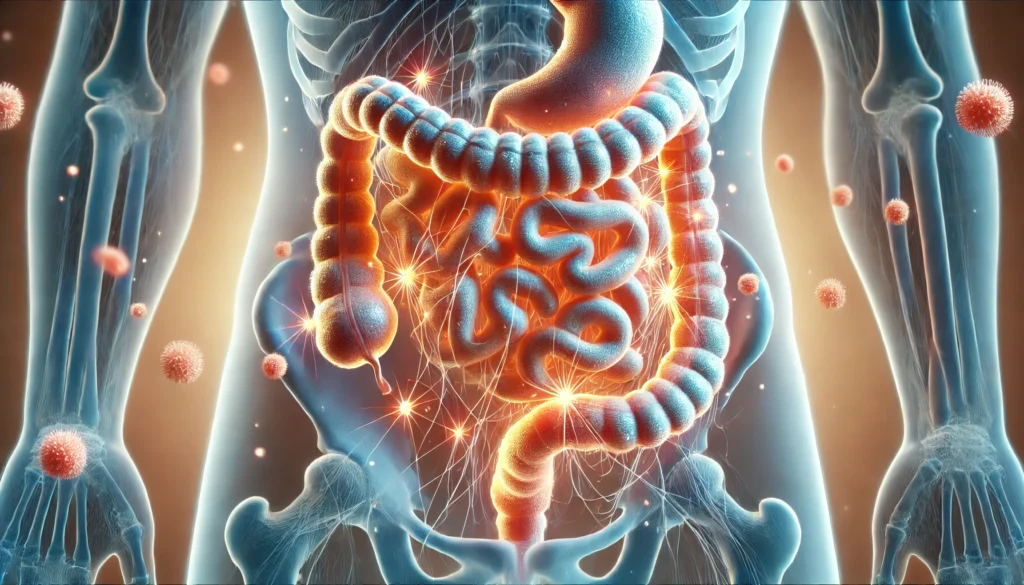
Soluble fiber plays a pivotal role in digestive health by promoting the efficient movement of food through the gastrointestinal system while also supporting the balance of gut bacteria. One of its most notable benefits is its ability to regulate bowel movements, helping to prevent both constipation and diarrhea. This effect occurs because soluble fiber absorbs water and adds bulk to stool, ensuring smoother passage through the intestines.

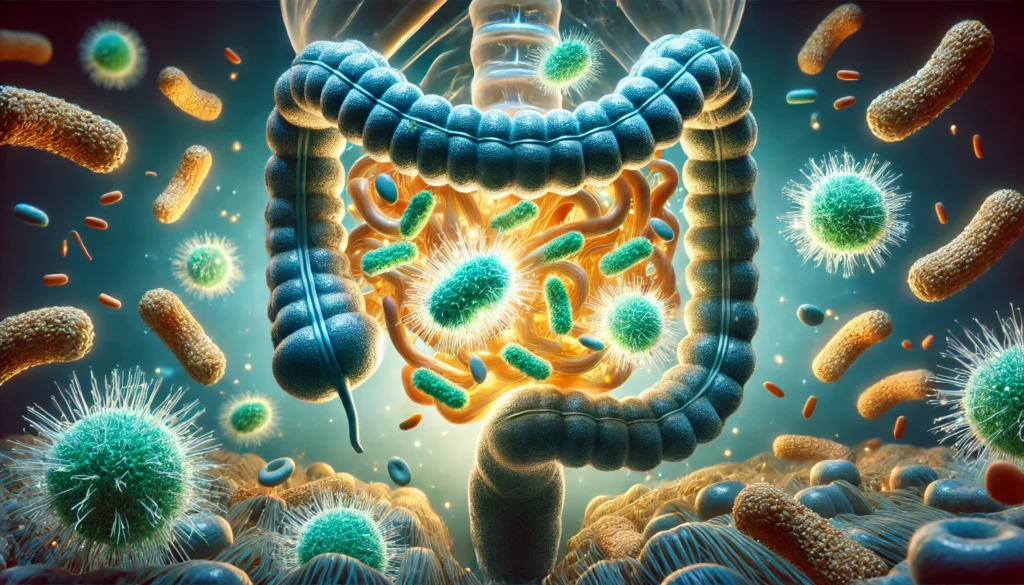
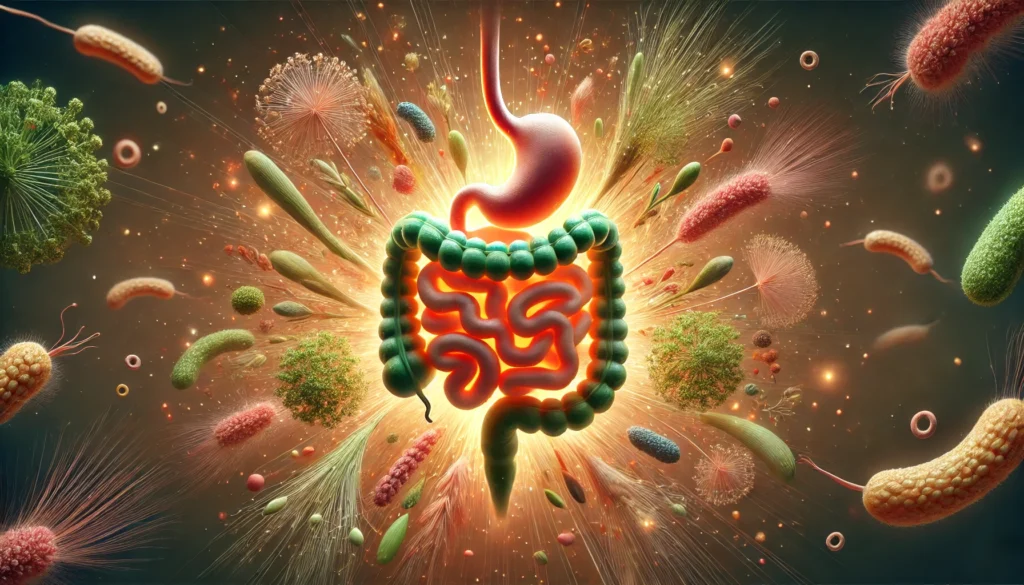
Additionally, the fermentation of soluble fiber in the colon produces short-chain fatty acids (SCFAs), which serve as an energy source for gut cells and support overall intestinal health. These SCFAs have been shown to reduce inflammation in the digestive tract and may help alleviate symptoms associated with irritable bowel syndrome (IBS) and other gastrointestinal disorders. By including more foods high in soluble fiber in the diet, individuals can promote a well-functioning digestive system and minimize common gastrointestinal issues.

Why Fiber Is Good for Weight Loss

One of the most compelling reasons to increase soluble fiber intake is its impact on weight management. Consuming fiber foods to lose weight is a strategy supported by extensive scientific research, as fiber-rich diets contribute to feelings of fullness and reduce overall caloric intake. Because soluble fiber slows digestion, it helps regulate appetite by extending the sensation of satiety after meals. This prevents overeating and reduces the likelihood of consuming excess calories throughout the day.

Soluble fiber also plays a role in regulating hormones associated with hunger and metabolism. Studies have shown that diets high in soluble fiber can lower levels of ghrelin, the hormone responsible for stimulating appetite, while increasing levels of peptide YY (PYY) and glucagon-like peptide-1 (GLP-1), which promote feelings of fullness. As a result, individuals following a high fiber weight loss plan may find it easier to maintain a healthy weight and reduce body fat over time.
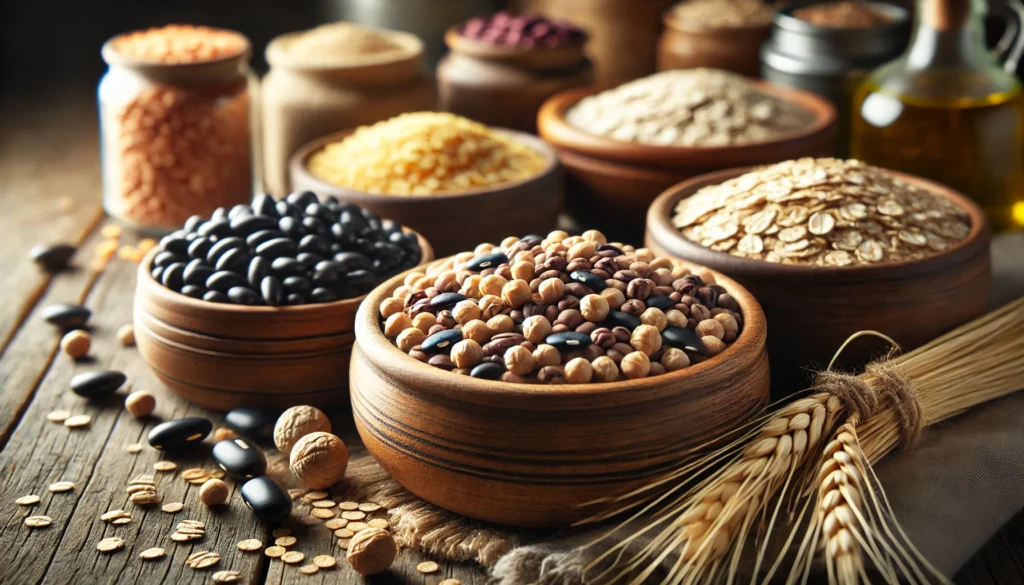
A close-up of fiber-rich legumes and grains, including lentils, chickpeas, black beans, and rolled oats, displayed in wooden bowls on a rustic kitchen counter.

How to Get More Soluble Fiber in Your Diet

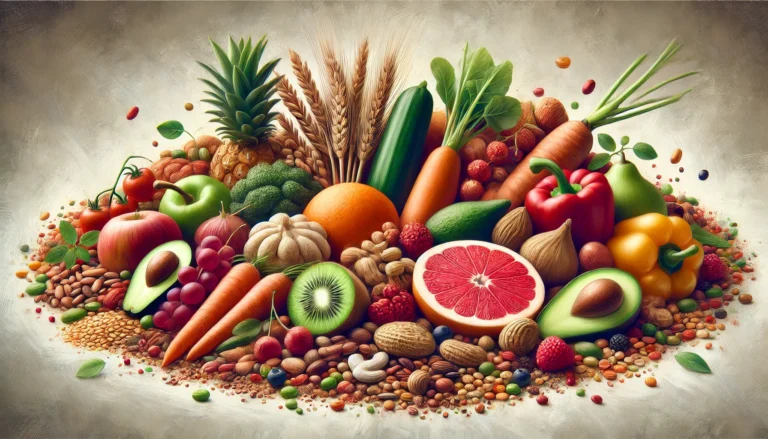
Incorporating more soluble fiber into the diet requires careful selection of high-fiber foods and an understanding of their nutritional benefits. The best approach is to gradually introduce fiber-rich foods while ensuring adequate hydration to prevent digestive discomfort. Whole foods such as fruits, vegetables, legumes, and whole grains are among the best sources of soluble fiber.

To increase soluble fiber intake, consider starting the day with a fiber-rich breakfast, such as oatmeal topped with berries and nuts. Throughout the day, include legumes like lentils and chickpeas in meals, and opt for whole grain options such as barley and quinoa. Snacking on soluble fiber fruits like apples, pears, and citrus can also contribute to daily fiber goals while providing essential vitamins and antioxidants. By making small but consistent dietary changes, individuals can successfully increase soluble fiber intake and experience its numerous health benefits.

List of Soluble and Insoluble Fiber Foods

Understanding the distinction between soluble and insoluble fiber is crucial for optimizing dietary choices. While both types of fiber provide health benefits, they function differently in the digestive system. A comprehensive list of soluble and insoluble fiber foods can help individuals tailor their intake based on specific health goals.

Soluble fiber foods include:

  • Oats and oat bran
  • Beans and lentils
  • Chia seeds and flaxseeds
  • Barley and rye
  • Apples, oranges, pears, and bananas
  • Carrots, sweet potatoes, and Brussels sprouts
  • Psyllium husk

In contrast, insoluble fiber is found in:

  • Whole wheat and wheat bran
  • Brown rice and bulgur
  • Nuts and seeds
  • Green beans, cauliflower, and zucchini
  • Leafy greens such as spinach and kale

By incorporating a variety of fiber-rich foods into daily meals, individuals can support digestive health, maintain healthy cholesterol levels, and enhance satiety.

What Vegetables Have Soluble Fiber?

Many vegetables serve as excellent sources of soluble fiber, contributing to a well-rounded, fiber-rich diet. Some of the best vegetable choices for soluble fiber intake include carrots, Brussels sprouts, broccoli, and eggplant. These vegetables not only provide fiber but also deliver essential vitamins, minerals, and antioxidants that support overall health.

Incorporating these vegetables into daily meals can be simple and enjoyable. Adding roasted Brussels sprouts to a dinner plate, blending carrots into soups, or incorporating eggplant into stir-fries are effective ways to increase soluble fiber consumption. The variety of flavors and textures that vegetables offer makes it easy to maintain a high fiber diet without sacrificing taste or culinary enjoyment.

Does Fiber Make You Fat?

A common misconception about dietary fiber is that it contributes to weight gain. However, research consistently demonstrates that fiber-rich diets support weight loss and metabolic health. Fiber itself contains minimal calories and helps control hunger by promoting prolonged satiety. Unlike refined carbohydrates, which are rapidly digested and absorbed, fiber slows the release of glucose into the bloodstream, preventing spikes in blood sugar levels that can contribute to weight gain.

Additionally, soluble fiber plays a role in reducing visceral fat, the harmful fat stored around internal organs. A diet rich in fiber foods to lose weight can be an effective strategy for those seeking sustainable, long-term weight management. By prioritizing fiber-rich meals and maintaining an active lifestyle, individuals can achieve and maintain a healthy weight while supporting digestive and cardiovascular health.
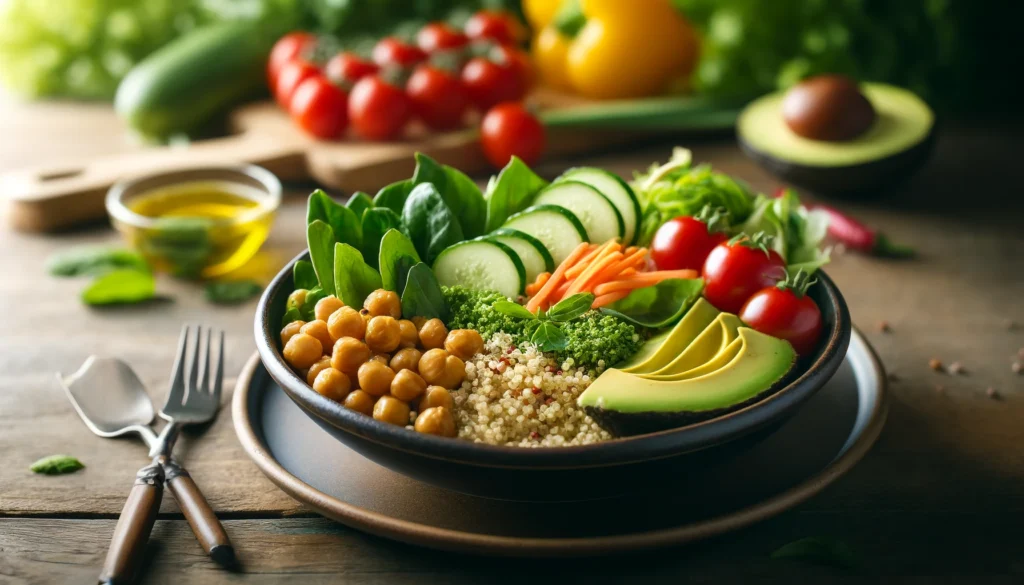
A beautifully plated meal featuring quinoa, roasted chickpeas, avocado slices, and fresh vegetables, highlighting a balanced high-fiber diet.

Frequently Asked Questions About Soluble Fiber

What are the best foods highest in soluble fiber, and how can they be incorporated into meals?

Soluble fiber is abundant in many plant-based foods, including oats, beans, lentils, apples, citrus fruits, and flaxseeds. To incorporate these foods highest in soluble fiber into your meals, start by swapping refined grains for fiber-rich alternatives such as oatmeal for breakfast or whole grain bread instead of white bread. Beans and lentils can be added to soups, salads, and stews to boost fiber content without altering the dish’s flavor significantly. Soluble fiber fruits like apples and oranges make excellent snacks, and flaxseeds can be blended into smoothies or sprinkled over yogurt. By making small but consistent dietary changes, you can increase your fiber intake effortlessly while enjoying a diverse and nutritious diet.

How can I build a high soluble fiber diet while maintaining variety in my meals?

A high soluble fiber diet does not have to be monotonous or restrictive. By diversifying your food choices, you can enjoy a range of textures and flavors while benefiting from fiber’s digestive and weight-management properties. Combining different foods containing soluble fiber—such as oats for breakfast, a lentil soup for lunch, and roasted Brussels sprouts for dinner—ensures a balanced intake. Experimenting with international cuisines can also help; for instance, Mediterranean diets emphasize legumes, while Asian dishes often incorporate fiber-rich root vegetables and seaweed. Cooking methods like roasting, steaming, and blending into soups can enhance flavors while keeping meals enjoyable and satisfying.

How does soluble fiber contribute to weight loss, and what are the best fiber foods to lose weight?

Soluble fiber is good for weight loss because it slows digestion, increases satiety, and helps control blood sugar levels. When consumed regularly, fiber-rich foods reduce overall caloric intake by keeping you full for longer, thus preventing unnecessary snacking or overeating. Some of the best fiber foods to lose weight include chickpeas, black beans, sweet potatoes, and avocados, all of which provide soluble fiber along with essential nutrients. Additionally, foods with viscous soluble fiber, such as chia seeds and psyllium husk, expand in the stomach and further enhance fullness. Incorporating a well-balanced fiber diet for weight loss into your routine can support sustainable weight management without requiring extreme dieting.

What vegetables have soluble fiber, and how do they compare to fruits in terms of fiber content?

Many vegetables contain soluble fiber, including carrots, Brussels sprouts, asparagus, and eggplant. Compared to soluble fiber fruits, vegetables generally provide fewer natural sugars and more complex carbohydrates, making them particularly beneficial for blood sugar regulation. Fruits, on the other hand, offer a combination of soluble fiber and antioxidants, which contribute to overall health. A well-rounded list of soluble and insoluble fiber foods includes both vegetables and fruits, ensuring a diverse intake of nutrients. By incorporating a variety of plant-based foods into your meals, you can optimize digestion and overall well-being.

Do bananas have insoluble fiber, and how do they contribute to fiber intake?

Bananas contain both soluble and insoluble fiber, making them a versatile addition to a fiber-rich diet. Unripe bananas have higher amounts of resistant starch, a type of insoluble fiber that promotes gut health and aids digestion. As bananas ripen, their fiber composition shifts toward more soluble fiber, which helps regulate blood sugar and support heart health. Including bananas in a high fiber weight loss plan can be beneficial, especially when paired with protein or healthy fats to balance their natural sugars. Whether eaten on their own, blended into smoothies, or sliced over oatmeal, bananas contribute meaningfully to daily fiber intake.

How much fiber do I need to lose weight, and what role does soluble fiber play?

The recommended daily fiber intake varies depending on age, sex, and activity level, but general guidelines suggest that adults should consume between 25 and 38 grams of fiber per day. For effective weight management, at least one-third of this intake should come from soluble fiber, as it slows digestion and supports appetite control. Following a fiber diet for weight loss that includes whole grains, legumes, fruits, and vegetables ensures balanced nutrient intake while keeping hunger levels in check. If increasing fiber intake rapidly, it’s essential to drink plenty of water to prevent digestive discomfort. Gradually incorporating foods high in soluble fiber ensures the body adapts smoothly to dietary changes.

Does fiber make you fat, or can it actually aid in fat loss?

Fiber does not contribute to fat gain; in fact, it can support fat loss by improving satiety and stabilizing blood sugar levels. Unlike refined carbohydrates, which can lead to weight gain when consumed in excess, fiber-rich foods take longer to digest and help regulate metabolism. Studies have shown that individuals following a high fiber weight loss plan tend to have lower body fat percentages and reduced risk of obesity-related conditions. Foods with viscous soluble fiber, such as psyllium husk and flaxseeds, are particularly beneficial for reducing abdominal fat by promoting prolonged fullness. By prioritizing fiber-rich whole foods, individuals can maintain a healthy weight while enjoying satisfying and nutritious meals.

Are carrots soluble or insoluble fiber, and what is their role in digestive health?

Carrots contain both soluble and insoluble fiber, making them excellent for digestion and overall gut health. The soluble fiber in carrots helps slow digestion and supports blood sugar regulation, while the insoluble fiber promotes bowel regularity and prevents constipation. Whether eaten raw, roasted, or blended into soups, carrots provide essential nutrients and fiber to support optimal digestion. Adding carrots to a fiber-rich diet enhances gut microbiome diversity, which is linked to improved immune function and reduced inflammation. Their versatility makes them an easy and effective way to increase daily fiber intake.

How can I use a foods high in soluble fiber chart to plan my meals effectively?

A foods high in soluble fiber chart can be a valuable tool for meal planning by providing a clear reference for fiber-rich food options. When designing meals, aim to include at least one high-soluble fiber food in each meal to maintain balanced digestion and energy levels. For instance, breakfast could feature oatmeal with berries, lunch could include a lentil salad, and dinner could incorporate quinoa and steamed Brussels sprouts. Using a list of foods containing soluble fiber allows for varied and nutritious meal options while ensuring consistent fiber intake. Keeping a chart visible in the kitchen or meal-planning area can make it easier to build a high fiber diet without feeling overwhelmed.

How to increase soluble fiber without disrupting digestion?

The key to increasing soluble fiber intake without digestive discomfort is gradual incorporation and adequate hydration. Adding too much fiber too quickly can cause bloating and gas, so it’s best to increase intake slowly by introducing small portions of fiber-rich foods at each meal. Consuming a mix of foods containing soluble fiber and insoluble fiber helps create balance, preventing excessive fermentation in the gut. Pairing fiber-rich meals with sufficient water intake supports smooth digestion and prevents potential side effects. Making mindful dietary adjustments ensures a comfortable transition to a high fiber diet, allowing the body to adapt naturally while reaping the benefits of improved digestion and weight management.
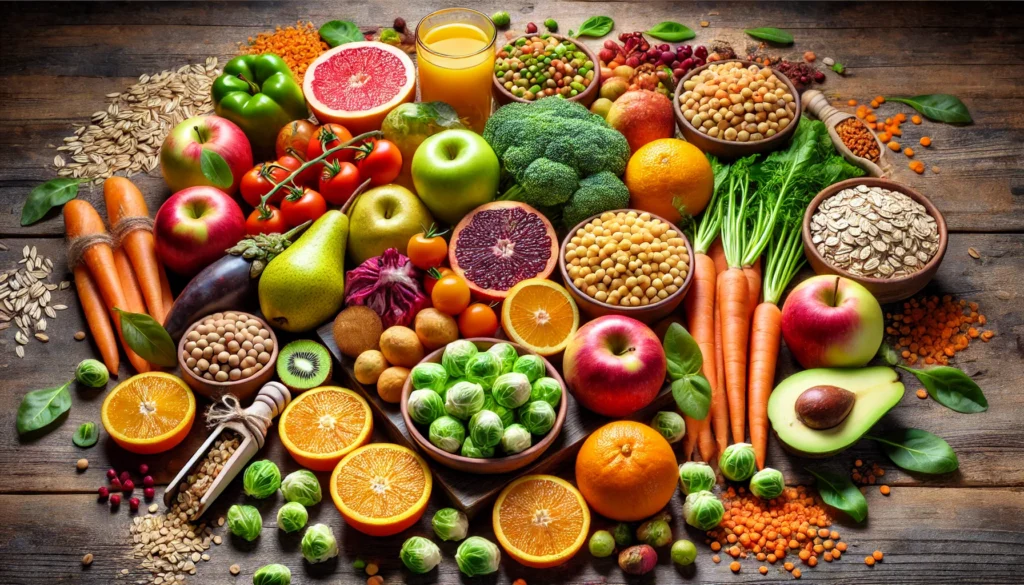
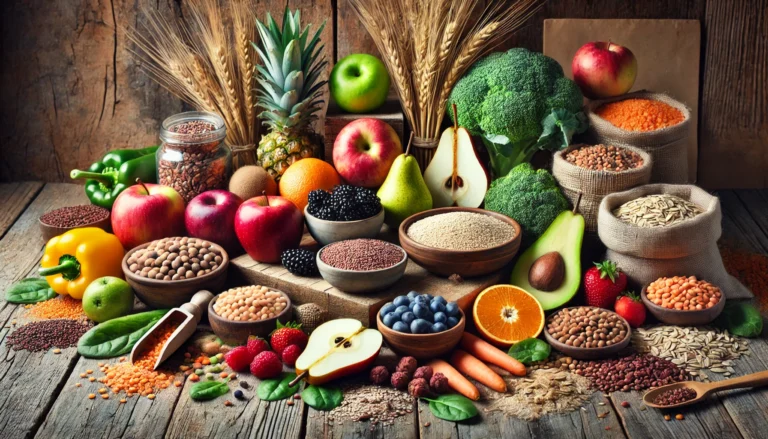
A colorful assortment of high-fiber foods, including fresh fruits, vegetables, legumes, and whole grains, arranged on a rustic wooden table, emphasizing their nutritional benefits.

Conclusion: The Lasting Benefits of a High-Soluble Fiber Diet

Emphasizing the importance of soluble fiber in daily nutrition is essential for improving digestion, managing weight, and enhancing overall well-being. By understanding how to get more soluble fiber from whole foods and recognizing its effects on satiety and metabolism, individuals can make informed choices that promote long-term health.

A high soluble fiber diet provides numerous benefits, from supporting gut microbiome health to reducing the risk of chronic diseases such as heart disease and type 2 diabetes. By consistently incorporating fiber-rich foods into meals and maintaining a well-balanced, nutrient-dense diet, individuals can enjoy lasting improvements in digestive function and metabolic efficiency. As research continues to highlight the positive impact of fiber, adopting a diet abundant in soluble fiber remains one of the most effective strategies for maintaining overall health and vitality.

Further Reading:

Nutrition and healthy eating

Top 20 Foods High in Soluble Fiber

Foods high in fiber: Boost your health with fiber-rich foods

soluble fiber benefits, dietary fiber intake, gut health foods, high fiber meal plan, fiber and metabolism, plant-based fiber sources, best fiber-rich vegetables, digestion and fiber, fiber for cholesterol control, fiber and heart health, weight management diet, natural fiber supplements, fiber and blood sugar, best fiber foods for gut health, improving digestion naturally, fiber and hydration, whole food fiber sources, fiber-rich breakfast ideas, fiber and probiotics, fiber and satiety

The information contained in this article is provided for general informational purposes only and is not intended to serve as medical, legal, or professional advice. While NewsHealthWatch strives to present accurate, up-to-date, and reliable content, no warranty or guarantee, expressed or implied, is made regarding the completeness, accuracy, or adequacy of the information provided. Readers are strongly advised to seek the guidance of a qualified healthcare provider or other relevant professionals before acting on any information contained in this article. NewsHealthWatch, its authors, editors, and contributors expressly disclaim any liability for any damages, losses, or consequences arising directly or indirectly from the use, interpretation, or reliance on any information presented herein. The views and opinions expressed in this article are those of the author(s) and do not necessarily reflect the official policies or positions of NewsHealthWatch.
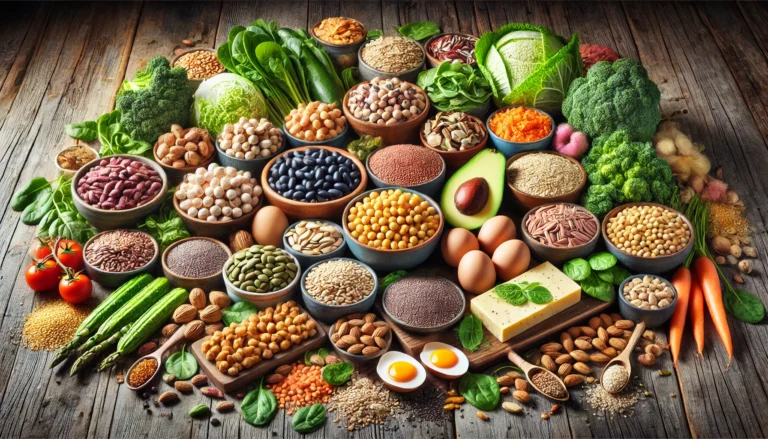
Top High-Protein and Fiber Foods for Gut Health and Weight Loss

Understanding the Importance of Protein and Fiber for Gut Health and Weight Loss

A well-balanced diet plays a crucial role in overall health, and incorporating foods high in protein and fiber can significantly enhance digestive function, support gut microbiome health, and promote sustainable weight loss. Protein is essential for muscle maintenance, metabolic function, and satiety, while fiber supports digestive health, stabilizes blood sugar levels, and fosters beneficial gut bacteria. When consumed together, these nutrients create a powerful synergy that not only helps individuals feel fuller for longer but also supports long-term weight management and overall well-being.

You may also like: Fiber and Microbiome: How Gut Health Impacts Athletic Recovery and Performance

Scientific research has consistently shown that diets rich in protein and fiber can help regulate appetite, reduce calorie intake, and improve metabolic health. The gut microbiome, which consists of trillions of microorganisms, thrives on fiber-rich foods that promote the growth of beneficial bacteria, leading to better digestion and enhanced immune function. Meanwhile, protein-rich foods help preserve lean body mass during weight loss, making them an essential component of any well-rounded diet. Understanding the highest sources of protein and fiber and their role in gut health is fundamental for optimizing nutritional intake and achieving lasting weight management success.

The Role of Protein in Gut Health and Weight Loss

Protein is a macronutrient that plays an integral role in maintaining the body’s structural and functional integrity. It is vital for muscle growth, tissue repair, enzyme production, and immune system support. A high-protein diet has been linked to increased satiety, reduced cravings, and improved weight loss outcomes by reducing overall caloric intake. Moreover, consuming protein-rich foods full of essential amino acids helps prevent muscle loss, particularly when individuals are in a calorie deficit for weight loss.

Beyond its benefits for weight management, protein also influences gut health. Studies suggest that amino acids derived from dietary proteins can impact gut microbiota composition and intestinal barrier integrity. Some protein sources, such as fermented dairy and plant-based proteins, contain bioactive peptides that contribute to gut health by promoting the growth of beneficial bacteria and reducing gut inflammation. However, it is important to choose high-quality protein sources, as excessive consumption of processed or red meats may negatively affect gut microbiota balance and contribute to digestive disorders.

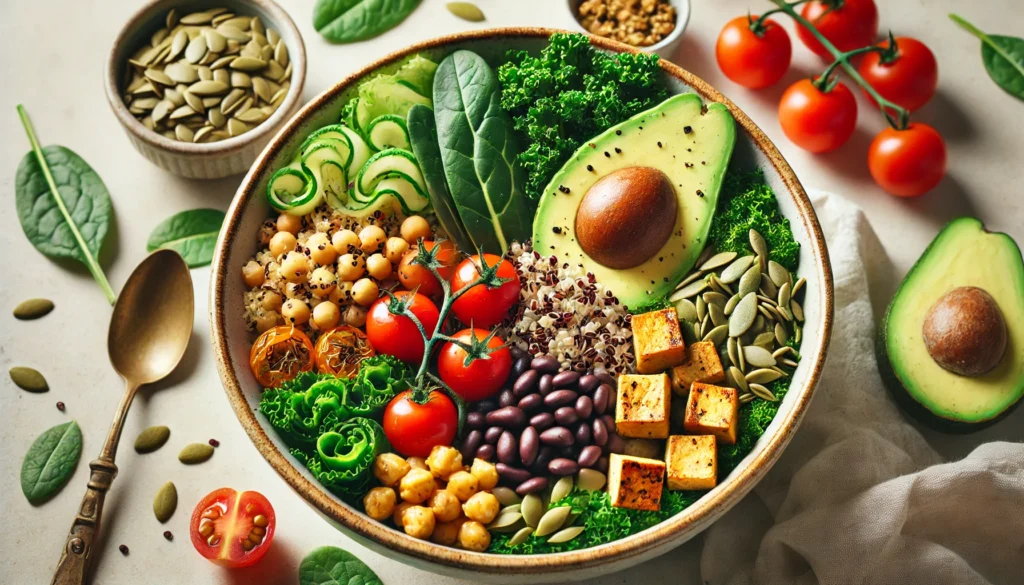
A vibrant, nutrient-dense salad bowl filled with high-protein and fiber-rich ingredients, including quinoa, chickpeas, black beans, kale, avocado, cherry tomatoes, pumpkin seeds, and grilled tofu, artfully arranged with fresh colors and textures.

The Significance of Fiber in Digestion and Satiety

Dietary fiber is an essential component of a healthy diet, particularly for those aiming to improve gut health and achieve sustainable weight loss. Fiber is classified into two main types: soluble and insoluble. Soluble fiber dissolves in water to form a gel-like substance that slows digestion and helps regulate blood sugar levels. This type of fiber is found in foods such as oats, legumes, apples, and flaxseeds. Insoluble fiber, on the other hand, adds bulk to stool and promotes regular bowel movements, reducing the risk of constipation and supporting overall digestive health.

Consuming fiber-rich foods can help manage body weight by increasing satiety and reducing total calorie intake. High-fiber diets have been shown to decrease hunger hormones while increasing levels of hormones associated with fullness. Additionally, fiber acts as a prebiotic, feeding the beneficial bacteria in the gut and fostering a balanced microbiome. A diverse and healthy gut microbiome is essential for optimal digestion, immune function, and metabolic health. Incorporating high-protein and fiber foods into daily meals is a practical strategy for enhancing gut health and promoting sustainable weight management.

The Best High-Protein and Fiber Foods for Gut Health and Weight Loss

Legumes: A Powerhouse of Protein and Fiber

Legumes, including lentils, chickpeas, black beans, and kidney beans, are among the highest sources of both protein and fiber, making them an ideal choice for a high-protein high-fiber diet. Lentils, for example, contain approximately 18 grams of protein and 15 grams of fiber per cooked cup, providing essential nutrients while promoting digestive health. The combination of protein and fiber in legumes contributes to prolonged satiety, reducing overall calorie intake and supporting weight loss.

Additionally, legumes are rich in resistant starch, a type of carbohydrate that resists digestion and acts as a prebiotic to feed beneficial gut bacteria. This helps improve gut microbiota diversity, which is crucial for a healthy digestive system and immune function. Consuming legumes regularly has been associated with a reduced risk of obesity, heart disease, and type 2 diabetes, making them an excellent staple for individuals looking to enhance their gut health and achieve long-term weight loss.

Nuts and Seeds: Nutrient-Dense Protein and Fiber Sources

Nuts and seeds are excellent sources of protein and fiber, as well as healthy fats, vitamins, and minerals. Almonds, chia seeds, flaxseeds, and pumpkin seeds, for instance, provide a balance of essential nutrients that support gut health and weight management. Chia seeds, for example, contain about 10 grams of fiber and 5 grams of protein per ounce, making them one of the highest protein and fiber foods available.

Nuts and seeds also contain polyphenols and omega-3 fatty acids, which have anti-inflammatory properties and support the integrity of the gut lining. Regular consumption of these nutrient-dense foods has been shown to improve satiety, reduce inflammation, and enhance metabolic function. Their high fiber content helps regulate digestion and supports a balanced gut microbiome, making them a valuable addition to a high-protein high-fiber diet for weight loss.

Vegetables: Fiber-Rich and Protein-Packed Options

While vegetables are not traditionally considered high-protein foods, several options provide a substantial amount of both protein and fiber. Broccoli, Brussels sprouts, spinach, and kale are among the highest protein and fiber vegetables, offering a wide range of vitamins, minerals, and antioxidants that contribute to overall health.

Cruciferous vegetables such as Brussels sprouts and broccoli contain fiber that promotes gut health and supports detoxification processes. These vegetables also provide a moderate amount of protein, making them valuable additions to a balanced fiber protein diet. Consuming a variety of fiber-rich vegetables ensures adequate nutrient intake and supports gut microbiota diversity, which is crucial for maintaining a healthy digestive system.

A cozy rustic kitchen setting featuring a high-protein and fiber-rich breakfast, including oatmeal with chia seeds and berries, Greek yogurt with almonds, a hard-boiled egg, and a green smoothie made from spinach, banana, and plant-based protein.

Frequently Asked Questions: High-Protein and Fiber Foods for Gut Health and Weight Loss

1. What are the best foods full of protein and fiber for gut health?

The best foods full of protein and fiber for gut health include a variety of plant-based and animal-based options that support digestion and nourish beneficial gut bacteria. Legumes such as lentils, chickpeas, and black beans are among the highest sources of both nutrients, offering a rich combination of soluble fiber and plant-based protein that aids digestion. Nuts and seeds, such as chia seeds, flaxseeds, and almonds, provide essential fatty acids along with fiber and protein, contributing to microbiome diversity. Whole grains like quinoa and oats are also excellent choices, as they contain resistant starches that serve as prebiotics, fostering the growth of good bacteria in the gut. Including a variety of these high-protein and fiber foods in your diet can promote digestive balance and enhance long-term gut health.

2. How does a high protein high fiber diet support weight loss?

A high protein high fiber diet supports weight loss by enhancing satiety, reducing overall calorie intake, and improving metabolic function. Protein is known to increase thermogenesis, meaning the body expends more energy digesting and metabolizing it compared to fats and carbohydrates. Fiber, particularly soluble fiber, slows digestion and stabilizes blood sugar levels, preventing spikes in hunger and cravings. Together, protein and fiber foods for weight loss help individuals feel full for longer, reducing the likelihood of overeating and snacking on less nutritious options. Over time, this balanced approach promotes fat loss while preserving lean muscle mass, ensuring sustainable weight management.

3. What are the highest sources of protein and fiber in plant-based foods?

Some of the highest sources of protein and fiber in plant-based foods include legumes, seeds, and whole grains. Lentils, which contain around 18 grams of protein and 15 grams of fiber per cooked cup, are among the best options for those following a plant-based diet. Quinoa, a complete protein containing all nine essential amino acids, provides a substantial amount of both protein and fiber. Chia seeds and flaxseeds, rich in omega-3 fatty acids, offer an excellent combination of dietary fiber and protein, supporting digestive health and inflammation reduction. Additionally, vegetables like spinach, kale, and Brussels sprouts contribute to overall nutrient density, making them essential additions to a high protein and fiber diet.

4. Does protein have fiber, or do they come from separate food sources?

Protein and fiber are distinct nutrients that typically come from separate food sources, though some foods naturally contain both. Most animal-based proteins, such as chicken, fish, eggs, and dairy, do not contain fiber, whereas plant-based protein sources, like beans, lentils, nuts, and seeds, provide both nutrients. Foods high in protein and fiber, such as quinoa and certain vegetables like broccoli, are particularly beneficial for overall health, as they support both muscle maintenance and digestive function. Combining protein-rich foods with fiber-dense options, such as pairing lean meats with whole grains or legumes, ensures a balanced intake that optimizes satiety and gut health. To achieve the benefits of both nutrients, it is essential to include a variety of whole, minimally processed foods in your diet.

5. Are there high protein high fiber low calorie foods for weight loss?

Yes, several high protein high fiber low calorie foods can be incorporated into a weight loss-focused diet. Lentils, black beans, and chickpeas provide a powerful combination of protein and fiber while being low in fat and calorie-dense nutrients. Leafy greens like spinach and kale, while not exceptionally high in protein, offer fiber and essential micronutrients with very few calories. Quinoa and oats are excellent grain options that deliver protein and fiber without excessive calorie content, making them ideal for weight management. Non-fat Greek yogurt paired with high-fiber foods such as berries or flaxseeds creates a nutrient-dense meal that supports satiety and metabolic health. By selecting nutrient-dense, low-calorie foods, individuals can maintain a calorie deficit while still receiving essential macronutrients.

6. How does fiber protein diet impact gut microbiome health?

A fiber protein diet positively impacts gut microbiome health by nourishing beneficial bacteria and promoting balanced digestion. Fiber, especially from whole foods, acts as a prebiotic that feeds gut bacteria, helping to maintain a diverse and resilient microbiome. Protein, particularly from plant-based sources, contains amino acids that influence gut barrier integrity and support anti-inflammatory pathways in the digestive system. Consuming a variety of high protein and fiber foods ensures that different types of gut bacteria receive the nutrients they need to thrive. Fermented protein-rich foods, such as tempeh and kefir, offer additional probiotics that contribute to microbiome diversity and overall gut resilience. A well-rounded diet that includes fiber and protein sources supports digestive efficiency, immune function, and long-term gut health.

7. What are the best protein and fiber foods for weight loss meal planning?

For effective weight loss meal planning, focusing on a balance of protein and fiber foods is essential for satiety and nutrient intake. Breakfast options such as oatmeal with chia seeds and Greek yogurt provide a strong foundation of protein and fiber. Lunches incorporating quinoa, black beans, and avocado supply essential fats, fiber, and plant-based proteins to keep energy levels stable. Dinners featuring lean proteins like grilled chicken or tofu with roasted vegetables and whole grains ensure a filling yet calorie-conscious meal. Snacks such as hummus with raw vegetables or a handful of almonds can prevent hunger between meals while providing essential nutrients. Integrating a variety of high protein and fiber foods into daily meals enhances metabolic function and promotes sustainable weight loss.

8. Are there potential drawbacks to a high protein and fiber diet?

While a high protein and fiber diet is beneficial for most individuals, some may experience digestive discomfort if they drastically increase fiber intake too quickly. Excessive fiber consumption without adequate hydration can lead to bloating, gas, and constipation. Additionally, consuming very high protein amounts without sufficient carbohydrate intake may strain kidney function in individuals with pre-existing conditions. Balancing a fiber protein diet by gradually increasing fiber intake and ensuring adequate water consumption can help prevent digestive issues. Consulting a healthcare provider or nutritionist can provide personalized recommendations for maintaining an optimal protein and fiber balance.

9. How do the highest protein and fiber foods compare in terms of nutrient density?

The highest protein and fiber foods vary in their overall nutrient profiles, making it essential to include a variety of sources for a well-rounded diet. Legumes such as lentils and chickpeas are rich in iron, folate, and magnesium, in addition to their protein and fiber content. Nuts and seeds provide heart-healthy fats and essential minerals, making them nutrient-dense choices for overall wellness. Whole grains like quinoa and oats supply complex carbohydrates and B vitamins that contribute to sustained energy and metabolic function. While each category of protein and fiber foods has unique benefits, combining different sources ensures a diverse intake of vitamins, minerals, and antioxidants for overall health.

10. Can high protein and fiber foods improve blood sugar regulation?

Yes, high protein and fiber foods play a critical role in blood sugar regulation by slowing the absorption of glucose into the bloodstream. Soluble fiber in foods such as oats, beans, and flaxseeds forms a gel-like substance in the digestive tract, reducing the rate at which sugars are released into the bloodstream. Protein further stabilizes blood sugar by slowing digestion and enhancing insulin sensitivity, which helps prevent rapid spikes and crashes. A high protein high fiber diet for weight loss can be particularly beneficial for individuals with insulin resistance or type 2 diabetes. By incorporating balanced meals with protein and fiber, blood sugar levels remain more stable, reducing cravings and promoting sustained energy throughout the day.

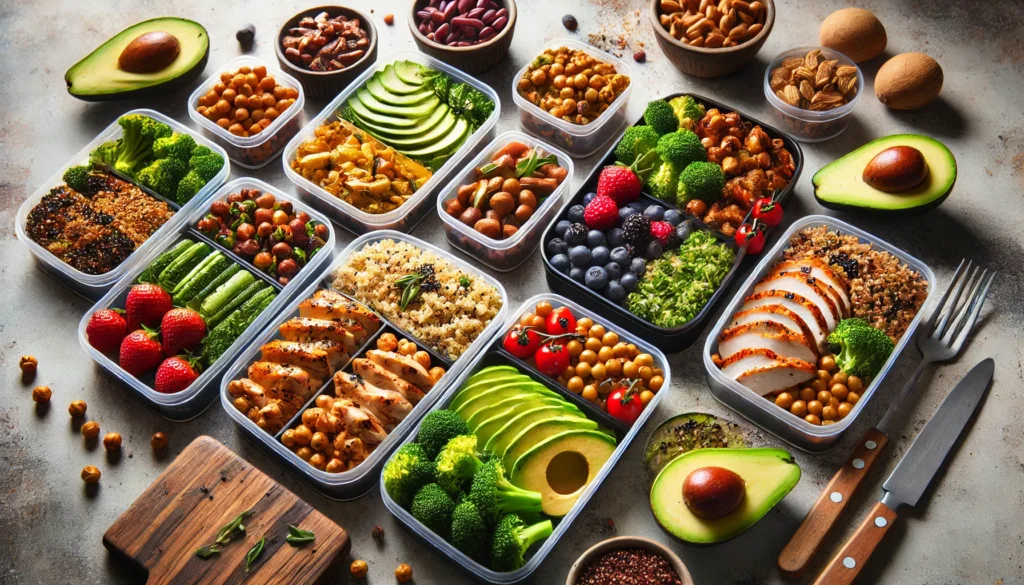
A top-down view of a well-organized meal-prep setup featuring high-protein and fiber-rich foods, including quinoa, grilled chicken, roasted chickpeas, steamed broccoli, sliced avocado, mixed berries, and nuts in separate containers, ready for healthy meal planning.

Whole Grains: A Sustainable Source of Protein and Fiber

Whole grains, including quinoa, brown rice, oats, and barley, are excellent sources of both protein and fiber. Quinoa, for instance, is one of the few plant-based complete proteins, providing all nine essential amino acids along with a high fiber content. Oats contain beta-glucans, a type of soluble fiber that helps regulate blood sugar levels and supports gut health.

Incorporating whole grains into a high-protein high-fiber diet for weight loss helps maintain steady energy levels and reduces cravings by promoting prolonged satiety. Additionally, whole grains serve as a source of resistant starch, which functions as a prebiotic and nourishes beneficial gut bacteria. Choosing whole grains over refined grains can significantly improve digestive health, reduce inflammation, and support long-term weight management.

Further Reading:

22 High Fiber Foods You Should Eat

7-Day High-Protein, High-Fiber Anti-Inflammatory Meal Plan, Created by a Dietitian

Which foods contain the most fiber?

high fiber meals, protein-packed foods, fiber-rich nutrition, gut-friendly diet, best foods for digestion, weight loss superfoods, fiber and protein synergy, healthy eating habits, plant-based protein sources, gut microbiome support, best foods for satiety, natural weight management, fiber for gut health, protein for metabolism, whole food nutrition, prebiotic foods, digestive wellness, muscle maintenance diet, high-fiber meal planning, balanced macronutrients

The information contained in this article is provided for general informational purposes only and is not intended to serve as medical, legal, or professional advice. While NewsHealthWatch strives to present accurate, up-to-date, and reliable content, no warranty or guarantee, expressed or implied, is made regarding the completeness, accuracy, or adequacy of the information provided. Readers are strongly advised to seek the guidance of a qualified healthcare provider or other relevant professionals before acting on any information contained in this article. NewsHealthWatch, its authors, editors, and contributors expressly disclaim any liability for any damages, losses, or consequences arising directly or indirectly from the use, interpretation, or reliance on any information presented herein. The views and opinions expressed in this article are those of the author(s) and do not necessarily reflect the official policies or positions of NewsHealthWatch.





Best High-Fiber Meals for Gut Health and Weight Loss: Delicious, Nutrient-Packed Recipes

The Importance of Fiber for Gut Health and Weight Loss

Fiber is a crucial component of a healthy diet, offering numerous benefits for digestive health and weight management. Consuming fiber-rich meals can improve digestion, regulate blood sugar levels, and contribute to a feeling of fullness that aids in weight loss. Dietary fiber is primarily found in plant-based foods, including fruits, vegetables, legumes, and whole grains, making it a cornerstone of a well-balanced diet. High-fiber meals not only support gut microbiome diversity but also help in reducing the risk of chronic diseases such as heart disease, diabetes, and colorectal cancer.

The two main types of fiber—soluble and insoluble—play distinct roles in digestive health. Soluble fiber, found in foods like oats, beans, and apples, dissolves in water to form a gel-like substance that slows digestion and stabilizes blood sugar levels. Insoluble fiber, present in whole grains, nuts, and vegetables, adds bulk to stool and promotes regular bowel movements. Integrating a variety of fiber sources into daily meals ensures optimal gut function and metabolic health.

How Fiber Supports the Gut Microbiome

A thriving gut microbiome is essential for overall well-being, influencing digestion, immunity, and even mental health. High-fiber meals serve as a food source for beneficial gut bacteria, promoting their growth and enhancing microbial diversity. When dietary fiber reaches the colon undigested, gut bacteria ferment it, producing short-chain fatty acids (SCFAs) such as butyrate, acetate, and propionate. These compounds have anti-inflammatory properties and contribute to gut barrier integrity, preventing harmful pathogens from entering the bloodstream.

Fiber-rich foods also help reduce bloating and gas by supporting the growth of beneficial bacteria that aid in the breakdown of complex carbohydrates. A balanced gut microbiome fosters improved digestion and better absorption of essential nutrients. Research suggests that individuals with a diverse gut microbiota tend to have a healthier metabolism and lower levels of inflammation. Therefore, incorporating fiber-rich recipes into a daily diet is one of the most effective ways to maintain gut health and enhance overall vitality.

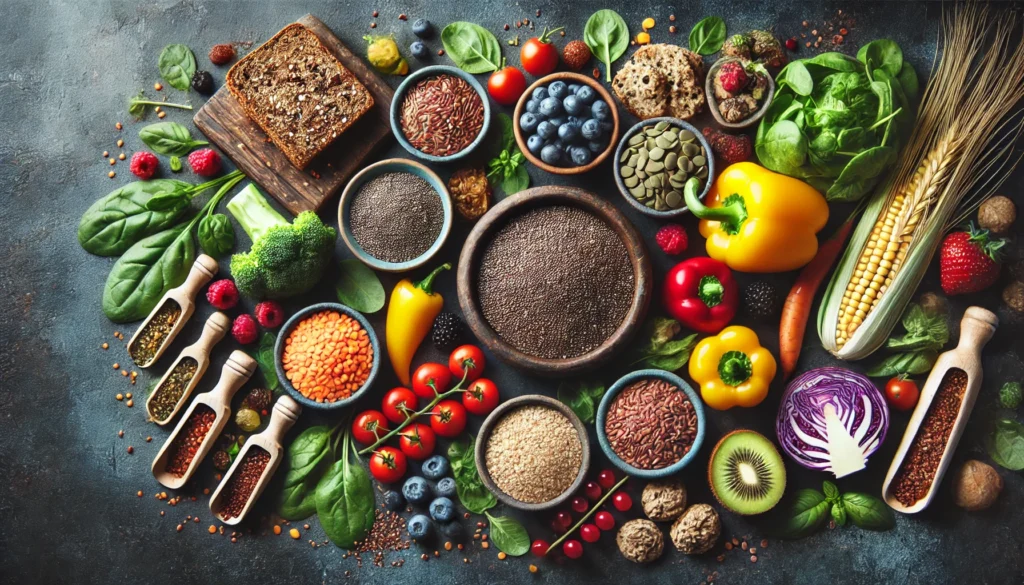
A beautifully arranged flat-lay of fiber-rich ingredients on a dark slate background, including chia seeds, lentils, quinoa, whole grain bread, leafy greens, bell peppers, and berries.

High-Fiber Meals for Weight Loss and Satiety

One of the most significant advantages of high-fiber meals is their ability to promote satiety, which helps in controlling appetite and reducing overall calorie intake. Fiber slows gastric emptying, prolonging the feeling of fullness and preventing unnecessary snacking between meals. This characteristic makes high-fiber meals particularly effective for weight loss and long-term weight maintenance. Research indicates that individuals who consume more fiber tend to have lower body mass indexes (BMIs) and are less likely to experience obesity-related complications.

Low-fat high-fiber meals provide an ideal balance of macronutrients, ensuring that the body receives sufficient energy without excessive calorie intake. Foods rich in fiber and protein, such as lentils, quinoa, and chia seeds, contribute to muscle maintenance and fat loss. Combining fibrous meals with lean proteins and healthy fats enhances nutrient absorption and sustains energy levels throughout the day. By emphasizing whole, unprocessed foods, individuals can achieve their weight loss goals without compromising nutritional quality.

Best Fiber-Rich Meals for Breakfast

A fiber-rich breakfast sets the tone for the day, providing sustained energy and keeping hunger at bay. One of the best fiber meals for breakfast includes overnight oats made with chia seeds, flaxseeds, and mixed berries. This combination offers a powerful dose of soluble fiber, promoting digestive health while keeping blood sugar levels stable. Adding a handful of nuts or a dollop of Greek yogurt further enhances the meal’s nutritional profile by introducing protein and healthy fats.

Another excellent option is a smoothie bowl blended with spinach, bananas, and avocado. This high-fiber dish not only supports gut health but also provides essential vitamins and minerals for overall well-being. Topping the smoothie bowl with granola, pumpkin seeds, and coconut flakes adds texture and additional fiber, making it a satisfying meal choice. By starting the day with fiber-rich recipes, individuals can experience improved digestion and sustained energy levels throughout the morning.

High-Fiber Dinner Foods for a Balanced Diet

Dinner with high fiber should be both delicious and nutritious, ensuring that digestion remains optimal throughout the night. One of the best fiber meals for dinner is a quinoa and black bean stir-fry loaded with colorful vegetables such as bell peppers, carrots, and zucchini. This dish provides a well-rounded mix of fiber, protein, and antioxidants, supporting overall health and metabolic function. Quinoa, in particular, is a complete protein and an excellent source of dietary fiber, making it a valuable addition to high-fiber dishes.

Lentil soup with kale and tomatoes is another exceptional high-fiber dinner option. Lentils are packed with both soluble and insoluble fiber, promoting gut health and aiding in digestion. The inclusion of leafy greens such as kale increases the nutrient density of the meal, ensuring that the body receives ample vitamins and minerals. A drizzle of olive oil enhances nutrient absorption while adding a touch of heart-healthy monounsaturated fats.

Healthy Fiber Meals for Gut Health and Inflammation Reduction

Reducing inflammation through diet is essential for maintaining long-term health, and fiber plays a pivotal role in this process. Anti-inflammatory fiber-rich meals often incorporate ingredients such as turmeric, ginger, and leafy greens. A chickpea and spinach curry made with turmeric and coconut milk provides a flavorful and gut-friendly meal that combats inflammation while supporting digestion. The combination of fiber, plant-based protein, and healthy fats ensures balanced nutrition and optimal gut health.

Roasted sweet potatoes with black beans and avocado salsa offer another excellent choice for gut health. Sweet potatoes are rich in soluble fiber and antioxidants, promoting gut barrier function and reducing oxidative stress. Black beans provide additional fiber and protein, while avocado delivers healthy monounsaturated fats that support gut microbiota diversity. This vibrant meal is not only satisfying but also enhances digestion and overall well-being.

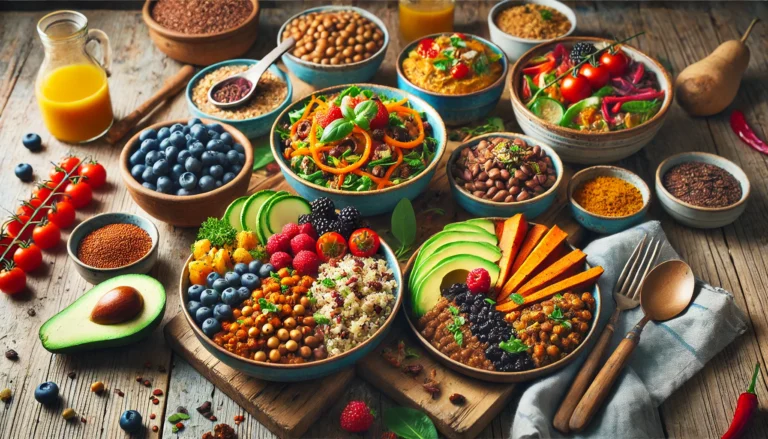
A cozy dinner scene with a steaming bowl of vegetable and lentil soup, whole grain bread, and a fresh salad with chickpeas, set against a warm, rustic backdrop.

Frequently Asked Questions (FAQ) About High-Fiber Meals for Gut Health and Weight Loss

1. How do high-fiber meals support long-term weight management?

High-fiber meals contribute to long-term weight management by increasing satiety, regulating blood sugar levels, and promoting a balanced gut microbiome. Unlike refined carbohydrates that cause rapid spikes and crashes in blood sugar, fiber-rich meals slow digestion, keeping hunger under control for extended periods. Additionally, high fiber and protein meals further enhance satiety, preventing excessive calorie consumption. Fiber also plays a role in reducing visceral fat accumulation, which is closely linked to metabolic diseases such as diabetes and heart disease. By consistently incorporating high-fiber dinner foods into a balanced diet, individuals can maintain a healthy weight without resorting to restrictive eating habits.

2. Are high-fiber meals effective for individuals with digestive disorders?

Yes, high-fiber meals can be beneficial for individuals with digestive disorders, but the type and amount of fiber consumed should be carefully considered. Soluble fiber, found in foods such as oats, bananas, and legumes, can help manage conditions like irritable bowel syndrome (IBS) by forming a gel-like substance that soothes the digestive tract. However, some people with sensitive digestion may need to introduce high fiber dishes gradually to avoid bloating and discomfort. Fermented fiber-rich recipes, such as those incorporating kimchi or yogurt, can further support gut health by enhancing beneficial bacterial populations. Consulting a healthcare professional can help tailor fiber intake to individual digestive needs while still benefiting from high fibre meals.

3. What are some innovative ways to incorporate fiber into daily meals?

Beyond traditional whole grains and vegetables, there are numerous creative ways to integrate fiber into daily eating habits. Using ground flaxseeds or chia seeds in smoothies, baked goods, or yogurt can effortlessly increase fiber content. Blending legumes into soups, stews, or even desserts, such as black bean brownies, enhances fiber intake while maintaining a satisfying texture. Swapping refined pasta for legume-based alternatives like lentil or chickpea pasta is another simple way to make high-fiber dinners more nutrient-dense. Experimenting with plant-based flours, such as almond or coconut flour, in baking can also add fiber while reducing the glycemic impact of meals with fiber. These methods ensure a diverse fiber intake while keeping meals delicious and interesting.

4. Do high-fiber meals impact mental health and mood?

Emerging research suggests that high-fiber meals can positively influence mental health by supporting the gut-brain axis. The gut microbiome plays a crucial role in neurotransmitter production, particularly serotonin, which is involved in mood regulation. A diet rich in fibrous meals promotes microbial diversity, reducing inflammation and stress-related hormones that contribute to anxiety and depression. In contrast, low-fiber, highly processed diets have been linked to mood instability and cognitive decline. By prioritizing healthy fiber meals that nourish both the gut and brain, individuals may experience enhanced mental clarity, improved mood, and better stress resilience over time.

5. What are the best fiber meals for people with busy lifestyles?

For individuals with hectic schedules, high-fiber and protein meals that require minimal preparation can be game-changers. Overnight oats, chia seed puddings, and smoothies loaded with flaxseeds and spinach offer quick and portable breakfast options. Meal prepping fiber-rich recipes like lentil soups, quinoa salads, and roasted chickpeas ensures ready-to-eat meals throughout the week. Opting for high fiber dinner foods such as stir-fries with tofu and brown rice or hearty vegetable-based stews can make it easier to maintain a balanced diet without excessive time in the kitchen. Additionally, keeping fiber-packed snacks like raw nuts, dried fruit, or whole grain crackers on hand can prevent unhealthy food choices during busy days.

6. Are low-fat high-fiber meals effective for weight loss?

Low-fat high-fiber meals can be highly effective for weight loss, as they provide satiety while keeping overall calorie intake in check. Fiber slows down digestion, preventing rapid blood sugar spikes and crashes that often lead to overeating. Meals with fiber, such as vegetable stir-fries, lentil salads, and baked sweet potatoes, offer nutrient-dense options without excess fat. However, it’s important to include some healthy fats, such as avocado, olive oil, or nuts, to ensure proper nutrient absorption and sustained energy levels. Balancing fiber with quality protein and healthy fats can optimize metabolism and promote sustainable weight loss.

7. How does fiber intake affect athletic performance and recovery?

Athletes can benefit from high-fiber meals for weight loss and sustained energy, but timing fiber intake is key to avoiding digestive discomfort. High-fiber breakfasts, such as oatmeal with fruit and seeds, provide slow-releasing energy for endurance activities. Post-workout meals with fiber, such as quinoa and black beans, help replenish glycogen stores while supporting gut health. Since excessive fiber right before intense exercise may cause bloating, it is advisable to consume fibrous meals at least a few hours before training. Additionally, fiber helps reduce inflammation, which can speed up recovery and prevent injuries. Balancing fiber with sufficient protein and electrolytes ensures optimal athletic performance.

8. Can high-fiber meals help prevent chronic diseases?

Yes, regular consumption of high-fiber dishes has been linked to a reduced risk of chronic diseases, including cardiovascular disease, type 2 diabetes, and certain cancers. Soluble fiber helps lower LDL cholesterol levels by binding to bile acids, preventing their reabsorption into the bloodstream. Insoluble fiber supports detoxification by promoting regular bowel movements, reducing the likelihood of colorectal cancer. High fiber meals for weight loss also help prevent obesity-related diseases by improving insulin sensitivity and reducing inflammation. The best fiber meals incorporate a mix of whole grains, legumes, and vegetables to maximize health benefits and longevity.

9. What are some of the most underrated sources of dietary fiber?

While many people associate fiber with whole grains and leafy greens, there are numerous underrated sources that can enhance dietary diversity. Seaweed, such as nori and wakame, is an excellent source of both soluble and insoluble fiber, supporting gut health and providing essential minerals. Green bananas contain resistant starch, which acts as a prebiotic to feed beneficial gut bacteria. Psyllium husk is another highly concentrated fiber source, often used to improve digestive regularity and maintain cholesterol balance. Even certain fungi, such as maitake mushrooms, offer fiber while contributing to immune function. Incorporating these lesser-known ingredients into healthy fiber meals can provide a unique boost to gut microbiome health.

10. How can individuals transition to a high-fiber diet without digestive discomfort?

Gradually increasing fiber intake is essential to avoiding digestive discomfort when transitioning to a high-fiber diet. Sudden changes can lead to bloating and gas, so it’s best to introduce high fiber dishes in small portions over several weeks. Drinking plenty of water helps fiber move efficiently through the digestive tract, preventing constipation. Cooking fibrous meals, such as steaming vegetables or soaking legumes, can also make fiber easier to digest. Pairing fiber-rich foods with probiotic sources like yogurt or fermented vegetables further supports gut adaptation. By adjusting intake mindfully, individuals can enjoy the benefits of high-fiber and protein meals without unwanted digestive issues.

An outdoor brunch setup featuring smoothie bowls with seeds and fresh fruit, whole grain toast with avocado and hummus, and a quinoa salad with roasted vegetables, bathed in natural sunlight.

Conclusion: Embracing a High-Fiber Diet for Long-Term Wellness

Incorporating fiber-rich meals into a daily diet is one of the most effective strategies for enhancing gut health, promoting weight loss, and reducing the risk of chronic diseases. By focusing on a variety of fiber sources, including whole grains, legumes, fruits, and vegetables, individuals can optimize their digestive health and support overall well-being. High-fiber meals for weight loss provide lasting satiety, making it easier to maintain a healthy weight while enjoying nutrient-dense, flavorful foods.

By embracing fibrous meals that are both delicious and nutritious, individuals can experience long-term benefits such as improved digestion, balanced blood sugar levels, and reduced inflammation. Whether preparing a high-fiber breakfast, a satisfying dinner with high fiber, or a gut-friendly meal packed with antioxidants, prioritizing fiber-rich recipes ensures a thriving microbiome and a healthier lifestyle.

Further Reading:

15 High-Fiber Meals You Can Make in 25 Minutes or Less

7-Day High-Fiber Meal Plan, Created by a Dietitian: 1,200 Calories

22 High Fiber Foods You Should Eat

gut health diet, fiber benefits, plant-based nutrition, whole food meals, digestive wellness, weight loss nutrition, microbiome support, healthy meal planning, high-fiber foods list, fiber and metabolism, gut-friendly recipes, best foods for digestion, fiber and blood sugar control, plant-based weight loss, healthy eating habits, meal prep for gut health, anti-inflammatory diet, fiber for heart health, sustainable weight loss, prebiotic foods

The information contained in this article is provided for general informational purposes only and is not intended to serve as medical, legal, or professional advice. While NewsHealthWatch strives to present accurate, up-to-date, and reliable content, no warranty or guarantee, expressed or implied, is made regarding the completeness, accuracy, or adequacy of the information provided. Readers are strongly advised to seek the guidance of a qualified healthcare provider or other relevant professionals before acting on any information contained in this article. NewsHealthWatch, its authors, editors, and contributors expressly disclaim any liability for any damages, losses, or consequences arising directly or indirectly from the use, interpretation, or reliance on any information presented herein. The views and opinions expressed in this article are those of the author(s) and do not necessarily reflect the official policies or positions of NewsHealthWatch.
Best High Fiber Foods for Weight Loss: How a Fiber-Rich Diet Supports Gut Health and Sustainable Weight Loss

Understanding the Role of Fiber in Weight Loss

Dietary fiber plays a crucial role in maintaining optimal health, particularly for individuals looking to achieve and sustain a healthy weight. A high fiber diet plan is not merely about consuming roughage; it involves strategic dietary choices that enhance digestion, promote satiety, and regulate metabolism. Fiber is categorized into two main types: soluble and insoluble, both of which contribute uniquely to digestive health and weight management. Soluble fiber dissolves in water to form a gel-like substance that slows digestion, stabilizing blood sugar levels and prolonging satiety. Insoluble fiber, on the other hand, adds bulk to stool and facilitates regular bowel movements, preventing constipation and promoting a healthy gut microbiome.

You may also like: Fiber and Microbiome: How Gut Health Impacts Athletic Recovery and Performance

The gut microbiome thrives on fiber, which serves as a prebiotic, fostering the growth of beneficial bacteria. These microbes play a vital role in regulating body weight by influencing fat storage and energy balance. A fiber-rich meal plan enhances gut microbiota diversity, leading to reduced inflammation and improved metabolic health. By integrating high fiber foods for weight loss, individuals can experience a natural reduction in caloric intake due to the increased feeling of fullness that fiber provides. Additionally, fiber-rich foods help regulate insulin levels, preventing the spikes and crashes that often lead to excessive snacking and overeating.

The Connection Between Fiber and Gut Health

Gut health is integral to weight management, and a high fiber meal plan supports a balanced and diverse microbiome. The gastrointestinal tract houses trillions of bacteria that influence digestion, immune function, and overall metabolic efficiency. Fiber acts as a substrate for these beneficial bacteria, promoting the production of short-chain fatty acids (SCFAs) like butyrate, propionate, and acetate. These compounds contribute to improved energy metabolism and reduced inflammation, both of which are essential for maintaining a healthy weight.

Furthermore, a fiber-rich diet plan helps prevent dysbiosis, a condition characterized by an imbalance of gut bacteria that can contribute to obesity and metabolic disorders. Research suggests that individuals with a fiber-deficient diet tend to have a less diverse gut microbiota, leading to issues such as insulin resistance, fat accumulation, and increased appetite. By incorporating grains high in fiber, legumes, fruits, and vegetables, individuals can restore microbial balance and enhance digestive health. The relationship between fiber and gut health underscores the importance of a high fiber eating plan, not only for weight loss but also for long-term wellness.

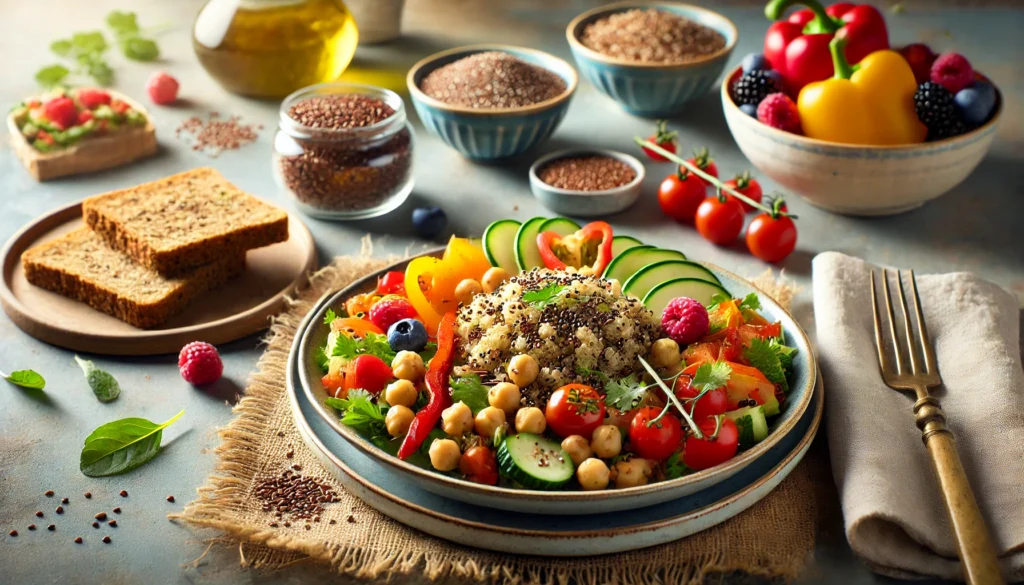
 A beautifully arranged plate featuring a fiber-rich meal with quinoa salad, chickpeas, colorful vegetables, whole grain toast, and mixed berries, set in a natural dining environment.

Best High Fiber Foods for Weight Loss

Incorporating the best high fiber foods for weight loss into daily meals can be a game-changer for individuals seeking sustainable weight management. Whole grains such as quinoa, brown rice, and oats are excellent sources of dietary fiber that promote satiety and digestive health. Many people wonder, “Is rice a high fiber food?” While white rice is low in fiber, brown and wild rice contain significantly more fiber, making them preferable choices for a high fiber diet plan.

Legumes, including lentils, black beans, and chickpeas, are among the best sources of fiber for weight loss. These plant-based proteins provide both soluble and insoluble fiber, helping to regulate digestion and reduce hunger cravings. Additionally, fibrous vegetables such as broccoli, Brussels sprouts, and carrots add bulk to meals without excess calories, making them essential components of a fiber-rich diet plan.

Fruits such as apples, pears, and berries are also excellent additions to a high fiber menu. These fruits contain both soluble and insoluble fiber, contributing to prolonged fullness and improved digestion. Nuts and seeds, including flaxseeds and chia seeds, provide additional fiber and healthy fats, further supporting weight loss efforts. By strategically selecting foods that are naturally high in fiber, individuals can optimize their dietary habits to support long-term health and weight management.

Structuring a Sample High Fiber Diet

Creating a sample high fiber diet involves incorporating fiber-rich foods into each meal while maintaining a balanced intake of essential nutrients. Breakfast can include oatmeal topped with flaxseeds and berries, providing a strong start to the day with both soluble and insoluble fiber. For lunch, a quinoa and chickpea salad with leafy greens offers a fiber-dense meal that supports digestion and satiety.

Dinner may consist of a lentil and vegetable stir-fry served with brown rice fiber foods, ensuring a nutrient-rich and satisfying end to the day. Snacks can include raw vegetables with hummus, a handful of almonds, or a fiber-rich smoothie with chia seeds and bananas. By structuring meals around fiber-dense foods, individuals can create a sustainable and effective high fiber eating plan that supports weight loss and gut health.

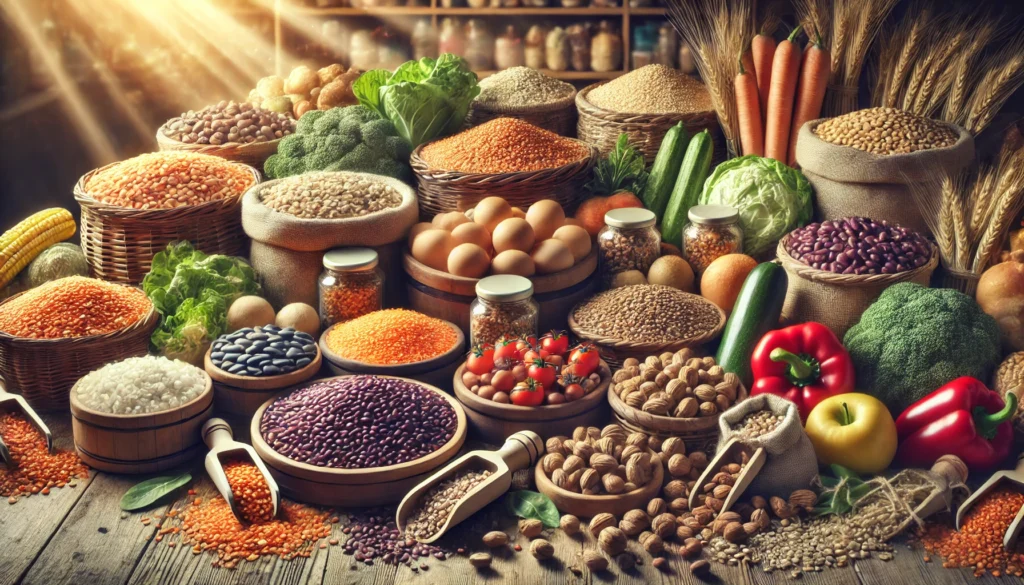
A lively market scene showcasing baskets filled with fiber-rich foods such as lentils, beans, whole grains, nuts, and fresh vegetables, bathed in warm sunlight to emphasize their abundance and variety.

Frequently Asked Questions (FAQ) About High Fiber Diets for Weight Loss

1. What are the key benefits of a high fiber diet plan for weight loss?

A high fiber diet plan promotes weight loss by enhancing satiety, reducing overall calorie intake, and improving digestion. Fiber slows the digestion process, leading to prolonged fullness and helping individuals avoid unnecessary snacking. Additionally, fiber supports stable blood sugar levels, which prevents energy crashes that can lead to overeating. A fiber rich diet plan also plays a role in fat metabolism by promoting the production of short-chain fatty acids in the gut, which regulate energy balance. Over time, consistent fiber consumption supports a lower body mass index (BMI) and improved metabolic health, making it an essential strategy for long-term weight management.

2. How does fiber impact gut health, and why is that important for weight loss?

Fiber feeds beneficial gut bacteria, helping maintain a diverse and balanced microbiome, which is crucial for weight management. A high fiber eating plan encourages the growth of bacteria that produce short-chain fatty acids, compounds that support fat oxidation and reduce inflammation. A well-balanced gut microbiota is associated with improved digestion, better nutrient absorption, and reduced fat storage. Additionally, fiber prevents constipation and bloating, making weight loss efforts more comfortable and sustainable. Since gut health directly influences metabolism and hunger hormones, consuming the best high fiber foods for weight loss is an effective way to optimize overall health.

3. Is rice a high fiber food, and how does it compare to other grains?

Many people ask, “Is rice a high fiber food?” The answer depends on the type of rice consumed. White rice is relatively low in fiber because the bran and germ have been removed during processing. However, brown rice, wild rice, and black rice fiber foods are excellent sources of dietary fiber, making them valuable additions to a high fiber menu. When compared to other grains high in fiber, such as quinoa, barley, and bulgur, rice provides moderate fiber content but remains a good option for individuals transitioning to a fiber rich diet plan. Pairing rice with legumes or fibrous vegetables can further increase the fiber content of meals, making it easier to meet daily intake goals.

4. What are the best sources of fiber for weight loss?

The best sources of fiber for weight loss include whole grains, legumes, vegetables, fruits, nuts, and seeds. Whole grains such as oats, barley, and whole wheat contain both soluble and insoluble fiber, supporting digestion and prolonged satiety. Legumes like lentils, black beans, and chickpeas are rich in protein and fiber, making them excellent for a high fiber diet plan. Vegetables such as broccoli, Brussels sprouts, and carrots offer fiber and essential micronutrients. Fruits like apples, pears, and berries contribute both soluble fiber and natural antioxidants. Including these foods in a fiber rich meal plan ensures sustained energy levels and long-term weight management benefits.

5. Can a low fat high fiber diet plan help with sustainable weight loss?

Yes, a low fat high fiber diet plan is an effective approach to sustainable weight loss because it prioritizes nutrient-dense foods that provide satiety without excess calories. High fiber foods naturally slow digestion, allowing for better appetite control while preventing spikes in blood sugar levels. Eliminating unhealthy fats while increasing fiber intake also reduces inflammation and supports cardiovascular health. A well-structured fiber diet menu, emphasizing whole grains, legumes, and vegetables, provides balanced nutrition while promoting gradual, healthy weight loss. Over time, this approach fosters better eating habits, making weight management more effortless and long-lasting.

6. How can someone create a sample high fiber diet that fits their lifestyle?

A sample high fiber diet should be tailored to individual preferences while ensuring adequate fiber intake throughout the day. For breakfast, oatmeal with flaxseeds and berries provides a high fiber start to the day. A fiber-rich lunch could include a quinoa and black bean salad with leafy greens. Dinner might consist of a lentil and vegetable stir-fry served with brown rice fiber foods. Snacks such as almonds, hummus with raw vegetables, or a smoothie with chia seeds can further boost fiber intake. The key to success is consistency and variety, ensuring meals remain enjoyable while aligning with the principles of a high fiber eating plan.

7. How can someone transition to a high fiber meal plan without digestive discomfort?

Suddenly increasing fiber intake can lead to bloating, gas, and stomach discomfort, so gradual adjustment is essential. To ease into a high fiber meal plan, individuals should slowly increase fiber intake over several weeks while staying well-hydrated. Drinking plenty of water helps fiber move smoothly through the digestive system, preventing constipation. Incorporating probiotic-rich foods like yogurt and fermented vegetables can also support gut bacteria in adapting to increased fiber levels. Additionally, varying fiber sources—such as mixing grains high in fiber with vegetables and legumes—helps the digestive system adjust more efficiently. Taking these steps allows for a seamless transition to a fiber diet plan without unnecessary discomfort.

8. Are there specific high fiber foods that are particularly effective for belly fat reduction?

Certain fiber-rich foods are especially effective in targeting belly fat by reducing inflammation, improving metabolism, and promoting satiety. Soluble fiber found in foods such as oats, flaxseeds, and legumes helps reduce visceral fat by slowing digestion and regulating blood sugar levels. Dark leafy greens, including spinach and kale, contribute fiber and powerful antioxidants that support fat loss. Berries, which are high in fiber and polyphenols, help combat belly fat by improving insulin sensitivity. Incorporating these into a fiber rich diet plan ensures a well-rounded approach to weight management. When combined with physical activity, these foods support a leaner, healthier midsection over time.

9. How does a high fiber menu compare to other weight loss diets?

A high fiber menu stands out from other weight loss diets because it emphasizes natural, whole foods that promote long-term satiety and metabolic health. Unlike restrictive diets that cut out entire food groups, a high fiber eating plan allows for balanced nutrition while still supporting calorie control. High fiber diets also have the added benefit of improving digestion and gut health, which is not always prioritized in other weight loss approaches. Compared to low-carb diets, a fiber diet plan provides steady energy levels without extreme fluctuations in blood sugar. Because fiber promotes gradual and sustainable weight loss, it is often considered a more realistic and maintainable option than many fad diets.

10. How can meal planning make it easier to follow a fiber rich diet plan?

Meal planning plays a crucial role in maintaining a fiber rich diet plan by ensuring a consistent intake of fiber throughout the day. Planning meals in advance allows for balanced nutrient distribution and helps individuals avoid processed, low-fiber foods. Preparing a variety of high fiber meals, such as grain bowls, soups, and salads, keeps meals interesting and prevents diet fatigue. Batch cooking fiber-rich staples like lentils, quinoa, and roasted vegetables makes meal prep more efficient and convenient. By setting a structured approach to eating, individuals can stay on track with their high fiber meal plan while making healthy choices more accessible and sustainable over time.

A close-up of a fiber-rich smoothie bowl topped with chia seeds, flaxseeds, sliced bananas, mixed berries, and shredded coconut, surrounded by bowls of oats, nuts, and fresh fruits, emphasizing nutrition and texture.

Conclusion: The Lasting Benefits of a High Fiber Diet

Embracing a high fiber diet for weight loss offers numerous benefits beyond shedding excess pounds. It supports digestive health, regulates blood sugar levels, and fosters a thriving gut microbiome, all of which contribute to overall well-being. A well-balanced fiber diet plan ensures sustained energy levels, reduced cravings, and improved metabolic function, making it an essential strategy for long-term weight management.

By understanding the profound impact of fiber on digestion, satiety, and gut health, individuals can make informed dietary choices that align with their health goals. The integration of a fiber-rich meal plan into daily life not only facilitates weight loss but also enhances overall vitality and disease prevention. As research continues to highlight the importance of dietary fiber, prioritizing fiber-rich foods remains one of the most effective strategies for achieving and maintaining a healthy weight.

Further Reading:

Benefits Of Fiber-Rich Foods For Weight Loss

12 Fiber-Rich Foods to Help with Good Gut Bacteria

Top 10 Fiber-Rich Foods for Weight Loss: A Complete Guide

high fiber nutrition, gut health benefits, fiber for digestion, weight loss foods, fiber and metabolism, plant-based fiber sources, whole grain benefits, fiber and satiety, healthy gut bacteria, soluble vs insoluble fiber, best grains for fiber, fiber and blood sugar, fiber-rich superfoods, dietary fiber intake, fiber for heart health, natural weight management, high fiber plant foods, fiber and cholesterol, fiber meal ideas, fiber and longevity

The information contained in this article is provided for general informational purposes only and is not intended to serve as medical, legal, or professional advice. While NewsHealthWatch strives to present accurate, up-to-date, and reliable content, no warranty or guarantee, expressed or implied, is made regarding the completeness, accuracy, or adequacy of the information provided. Readers are strongly advised to seek the guidance of a qualified healthcare provider or other relevant professionals before acting on any information contained in this article. NewsHealthWatch, its authors, editors, and contributors expressly disclaim any liability for any damages, losses, or consequences arising directly or indirectly from the use, interpretation, or reliance on any information presented herein. The views and opinions expressed in this article are those of the author(s) and do not necessarily reflect the official policies or positions of NewsHealthWatch.

How Does Fiber Help Lower Cholesterol and Regulate Blood Sugar? The Science Behind a Heart-Healthy Diet

Understanding the Role of Fiber in Heart Health

Dietary fiber is a crucial component of a well-balanced diet, offering numerous benefits for cardiovascular and metabolic health. Research has consistently demonstrated that fiber can lower blood levels of harmful cholesterol while helping to regulate blood sugar levels, making it an essential nutrient for individuals looking to improve heart health. But how does fiber achieve these remarkable benefits? The answer lies in its unique physiological and biochemical properties, which influence cholesterol absorption, glucose metabolism, and overall gut health.

You may also like: Fiber and Microbiome: How Gut Health Impacts Athletic Recovery and Performance

The Two Types of Fiber and Their Functions

Dietary fiber is broadly classified into two types: soluble fiber and insoluble fiber. Each type plays a distinct role in digestive and metabolic health. Soluble fiber dissolves in water, forming a gel-like substance in the gut. This property allows it to bind with cholesterol and slow the absorption of glucose, making it particularly beneficial for regulating blood sugar and lowering cholesterol levels. Insoluble fiber, on the other hand, does not dissolve in water and primarily contributes to digestive health by promoting regular bowel movements and preventing constipation.

Soluble fiber is the type of fiber that is most effective in reducing blood cholesterol levels. It achieves this by binding with bile acids in the intestine, which are composed of cholesterol. When fiber binds to these bile acids, it prevents them from being reabsorbed into the bloodstream, forcing the liver to draw cholesterol from the blood to produce more bile acids. This process effectively lowers overall cholesterol levels, reducing the risk of cardiovascular disease. Additionally, soluble fibers help to regulate blood glucose by slowing the absorption of sugar into the bloodstream, preventing spikes in blood sugar levels that can contribute to insulin resistance and type 2 diabetes.

How Does Fiber Help Lower Cholesterol?

High cholesterol levels are a significant risk factor for cardiovascular disease, and dietary fiber can help manage this risk. One of the primary mechanisms by which fiber reduces cholesterol is through its interaction with bile acids. These acids are necessary for digesting fats and are synthesized in the liver using cholesterol. Soluble fiber, found in foods such as oats, beans, lentils, apples, and flaxseeds, binds to bile acids in the digestive tract and promotes their excretion. As a result, the liver must use more cholesterol to replace lost bile acids, thereby lowering blood cholesterol levels.

Additionally, fiber consumption has been linked to an increase in the production of short-chain fatty acids (SCFAs) in the gut. These SCFAs, produced by gut bacteria fermenting fiber, help reduce cholesterol synthesis in the liver, further contributing to lower blood cholesterol levels. This multifaceted approach makes fiber an essential component of any heart-healthy diet, offering a natural and effective way to manage cholesterol levels without relying solely on medication.

A scientific digital illustration of the digestive process, showing how soluble fiber binds with bile acids in the intestine, preventing cholesterol reabsorption and supporting cardiovascular health.

The Link Between Fiber and Blood Sugar Regulation

Maintaining stable blood sugar levels is essential for metabolic health, and dietary fiber plays a crucial role in this process. Soluble fiber slows down the digestion and absorption of carbohydrates, resulting in a gradual release of glucose into the bloodstream. This effect prevents sharp spikes and crashes in blood sugar levels, which are detrimental to overall health. Foods high in fiber, such as whole grains, legumes, vegetables, and nuts, have a low glycemic index, meaning they provide a steady source of energy without causing dramatic fluctuations in blood sugar.

Furthermore, fiber supports insulin sensitivity by reducing insulin resistance. Insulin is the hormone responsible for facilitating glucose uptake by cells, and when the body becomes resistant to its effects, blood sugar levels rise. Studies have shown that diets rich in fiber, particularly from plant-based sources, can enhance insulin sensitivity and reduce the risk of developing type 2 diabetes. This highlights the importance of fiber as a preventive measure against metabolic disorders, underscoring its role in a balanced and health-conscious diet.

The Gut Microbiome and Fiber: A Symbiotic Relationship

The gut microbiome, a diverse community of bacteria residing in the digestive tract, plays a crucial role in overall health. Dietary fiber serves as a prebiotic, providing nourishment for beneficial gut bacteria. As these bacteria ferment fiber, they produce short-chain fatty acids that offer numerous health benefits, including improved cholesterol metabolism and enhanced glucose regulation.

One of the key ways in which the gut microbiome influences cholesterol levels is by altering the expression of genes involved in cholesterol synthesis and bile acid metabolism. Certain bacterial strains have been shown to produce enzymes that break down bile acids more efficiently, promoting their excretion and consequently lowering blood cholesterol levels. Additionally, a healthy gut microbiome can help modulate inflammation, which is a significant contributor to metabolic diseases, including diabetes and cardiovascular conditions.

Practical Ways to Incorporate More Fiber into Your Diet

Incorporating more fiber into the diet does not have to be challenging. Simple dietary adjustments can significantly increase fiber intake and promote better health outcomes. Consuming whole grains such as oats, quinoa, and brown rice instead of refined grains is an excellent way to enhance fiber intake. Including a variety of legumes, such as lentils, chickpeas, and black beans, can further boost fiber consumption while providing a rich source of plant-based protein.

Fruits and vegetables are also vital sources of dietary fiber. Apples, pears, oranges, and berries are particularly rich in soluble fiber, while vegetables like carrots, broccoli, and Brussels sprouts provide a healthy mix of soluble and insoluble fiber. Nuts and seeds, including flaxseeds and chia seeds, are additional sources of fiber that can easily be added to meals for enhanced nutritional benefits.

To maximize fiber intake, it is essential to ensure adequate hydration. Drinking plenty of water helps fiber perform its functions effectively, preventing digestive discomfort such as bloating or constipation. Gradually increasing fiber intake rather than making sudden changes allows the digestive system to adapt, reducing the likelihood of gastrointestinal discomfort.

The Long-Term Benefits of a High-Fiber Diet

A diet rich in fiber offers long-term health benefits beyond cholesterol reduction and blood sugar regulation. Research indicates that high fiber intake is associated with a lower risk of developing cardiovascular diseases, type 2 diabetes, and obesity. Fiber promotes satiety, reducing overall calorie intake and supporting weight management. It also plays a protective role in digestive health by reducing the risk of conditions such as diverticulitis and colorectal cancer.

Additionally, fiber’s impact on systemic inflammation cannot be overlooked. Chronic inflammation is a contributing factor to many chronic diseases, and fiber-rich diets have been shown to help reduce inflammatory markers in the body. This anti-inflammatory effect further underscores the importance of fiber in promoting overall well-being and longevity.

A conceptual image depicting the slow-release effect of glucose into the bloodstream, visually representing how fiber-rich foods such as oats, beans, and vegetables help stabilize blood sugar levels.

Frequently Asked Questions (FAQ) on Fiber, Cholesterol, and Blood Sugar Regulation

1. How does fiber play a role in lowering blood cholesterol?

Fiber interacts with cholesterol in multiple ways, making it an essential dietary component for heart health. Soluble fiber binds to bile acids in the intestines, preventing their reabsorption and forcing the liver to use cholesterol from the bloodstream to produce more bile acids. This process helps lower overall blood cholesterol levels, reducing the risk of atherosclerosis and heart disease. Additionally, fiber and absorption dynamics influence how dietary fats and cholesterol are processed in the digestive tract, limiting their entry into circulation. Consuming fiber-rich foods such as oats, legumes, and flaxseeds consistently has been shown to significantly reduce LDL cholesterol, often referred to as “bad cholesterol.”

2. What function does soluble fiber serve in blood sugar regulation?

Soluble fiber slows the digestion and absorption of carbohydrates, leading to a gradual and steady release of glucose into the bloodstream. This mechanism prevents rapid blood sugar spikes, which can be particularly beneficial for individuals with insulin resistance or diabetes. Soluble fibers help to regulate blood glucose by improving insulin sensitivity and reducing the demand for excess insulin production. Moreover, fiber-rich meals contribute to prolonged satiety, reducing overall calorie intake and aiding weight management—a key factor in blood sugar control. Including sources like chia seeds, lentils, and apples in daily meals can help maintain stable blood glucose levels over time.

3. Can fiber help lower cholesterol naturally without medication?

Yes, dietary fiber can help lower cholesterol levels naturally, often reducing the need for cholesterol-lowering medications. High fiber diets have been linked to a significant reduction in LDL cholesterol due to their role in disrupting cholesterol reabsorption and promoting its excretion. Furthermore, fiber-rich diets encourage the growth of beneficial gut bacteria that assist in metabolizing cholesterol more effectively. While medication may still be necessary for some individuals with genetic predispositions or severe hypercholesterolemia, increasing fiber intake is a fundamental strategy for managing cholesterol naturally. Consuming at least 25 to 30 grams of fiber daily can yield measurable improvements in cholesterol levels.

4. How does fiber reduce blood pressure?

Fiber plays a role in cardiovascular health beyond just cholesterol management. High fiber intake has been associated with lower blood pressure levels due to its effects on improving blood vessel function and reducing inflammation. Fiber-rich foods are typically high in potassium and magnesium, two minerals that help regulate blood pressure by relaxing blood vessels and counteracting the effects of sodium. Additionally, fiber supports a healthy gut microbiome, which influences metabolic pathways linked to blood pressure regulation. Consuming fiber from whole plant foods like leafy greens, beans, and whole grains contributes to improved vascular health and reduced hypertension risk.

5. What type of carbohydrate is fiber, and how does it differ from digestible carbohydrates?

Fiber is a complex carbohydrate that resists digestion in the small intestine, unlike simple sugars and starches that are quickly broken down into glucose. While most carbohydrates provide direct energy by converting into blood sugar, fiber contributes to digestive health and metabolic regulation without a significant impact on blood sugar levels. Insoluble fiber adds bulk to stool and supports regular bowel movements, while soluble fiber interacts with water to form a gel-like substance that slows nutrient absorption. This unique characteristic allows fiber to help regulate blood glucose and cholesterol levels without contributing to excess caloric intake. Fiber-rich foods like vegetables, nuts, and whole grains offer both types of fiber, making them crucial components of a balanced diet.

6. What type of fiber lowers blood sugar most effectively?

Soluble fiber is the most effective type for lowering blood sugar due to its ability to slow glucose absorption and improve insulin sensitivity. This type of fiber, found in foods like oats, barley, and legumes, forms a gel in the digestive tract that reduces the speed at which sugar enters the bloodstream. By preventing sharp spikes in blood sugar, soluble fiber plays a critical role in managing diabetes and metabolic health. Additionally, the fermentation of soluble fiber by gut bacteria produces short-chain fatty acids that further enhance glucose metabolism. Incorporating these fiber sources into meals helps sustain energy levels and reduces the risk of insulin resistance.

7. Is fiber good for cholesterol, and how much should be consumed daily?

Yes, fiber is highly beneficial for cholesterol management, particularly soluble fiber, which actively lowers LDL cholesterol. Dietary fiber and cholesterol levels have a well-established inverse relationship, meaning that higher fiber intake typically corresponds with lower cholesterol levels. The American Heart Association recommends a daily intake of at least 25 grams of fiber for women and 30 to 38 grams for men. Whole foods such as beans, lentils, avocados, and whole grains provide excellent sources of fiber to meet these recommendations. Gradually increasing fiber intake while staying hydrated is crucial to avoiding digestive discomfort.

8. How does fiber and absorption affect nutrient uptake in the body?

Fiber influences the absorption of various nutrients, slowing the digestion process and enhancing nutrient utilization. While soluble fiber delays the absorption of sugars and fats, insoluble fiber aids in intestinal motility, ensuring efficient waste elimination. Some fibers also function as prebiotics, fostering the growth of beneficial gut bacteria that enhance the absorption of minerals such as calcium and magnesium. However, excessive fiber intake can sometimes interfere with the absorption of certain nutrients, such as iron and zinc, if not balanced properly. Eating a diverse range of fiber-rich foods ensures optimal nutrient uptake while maintaining gut health.

9. How does fiber help lower cholesterol through gut microbiome interactions?

The gut microbiome plays a vital role in cholesterol metabolism, and fiber significantly influences this process. Certain gut bacteria ferment dietary fiber to produce short-chain fatty acids, which help regulate cholesterol synthesis in the liver. Additionally, fiber-rich diets promote bacterial diversity, reducing the prevalence of harmful microbes linked to metabolic disorders. Dietary fiber can help reduce blood cholesterol levels by enhancing bile acid excretion, which indirectly lowers LDL cholesterol. This interplay between fiber and gut health highlights the broader benefits of fiber beyond digestion, reinforcing its importance in cardiovascular protection.

10. What are the best strategies for integrating more fiber into daily meals?

Incorporating more fiber into meals requires a gradual approach to allow the digestive system to adjust. Replacing refined grains with whole grains, such as quinoa or brown rice, is a simple way to increase fiber intake. Adding legumes to soups, salads, and stews provides both soluble and insoluble fiber, enhancing digestive and cardiovascular benefits. Snacks like nuts, seeds, and fresh fruits are excellent sources of fiber that support blood sugar regulation throughout the day. Hydration is key when increasing fiber consumption to prevent bloating and ensure proper digestion. By making small, consistent dietary changes, individuals can experience the full benefits of a high-fiber diet for cholesterol and blood sugar control.

A dynamic visual representation of the gut microbiome, illustrating beneficial bacteria thriving on fiber-rich foods like whole grains, fruits, and vegetables, emphasizing the role of fiber in digestion and overall health.

Conclusion: The Essential Role of Fiber in a Heart-Healthy Diet

Understanding how fiber can lower blood levels of cholesterol and regulate blood sugar provides a compelling reason to prioritize fiber-rich foods in daily nutrition. By incorporating soluble and insoluble fiber from diverse plant-based sources, individuals can significantly enhance their cardiovascular and metabolic health. The ability of dietary fiber to help reduce blood cholesterol levels by interfering with bile acid reabsorption, supporting gut microbiome function, and improving insulin sensitivity makes it a cornerstone of a heart-healthy diet.

The science behind fiber’s benefits is clear, and its impact extends beyond cholesterol and blood sugar management. A high-fiber diet fosters a balanced gut microbiome, reduces inflammation, and supports overall well-being. By making conscious dietary choices and gradually increasing fiber intake, individuals can harness the power of fiber to promote long-term health and disease prevention. Embracing a fiber-rich diet is a simple yet powerful step toward a healthier, more resilient body.

Further Reading:

Fiber-full eating for better health and lower cholesterol

How fiber helps lower cholesterol and what to eat

Fiber: The Carb That Helps You Manage Diabetes

high-fiber foods, gut health and cholesterol, best fiber sources, fiber for heart health, fiber and blood sugar control, plant-based diet benefits, cholesterol-lowering diet, fiber and metabolic health, soluble vs insoluble fiber, fiber for diabetes management, heart-healthy eating, fiber and weight loss, natural ways to lower cholesterol, whole grains and cholesterol, fiber and gut bacteria, fiber-rich meal planning, dietary fiber benefits, fiber for digestive health, best foods for blood sugar balance, fiber intake recommendations

The information contained in this article is provided for general informational purposes only and is not intended to serve as medical, legal, or professional advice. While NewsHealthWatch strives to present accurate, up-to-date, and reliable content, no warranty or guarantee, expressed or implied, is made regarding the completeness, accuracy, or adequacy of the information provided. Readers are strongly advised to seek the guidance of a qualified healthcare provider or other relevant professionals before acting on any information contained in this article. NewsHealthWatch, its authors, editors, and contributors expressly disclaim any liability for any damages, losses, or consequences arising directly or indirectly from the use, interpretation, or reliance on any information presented herein. The views and opinions expressed in this article are those of the author(s) and do not necessarily reflect the official policies or positions of NewsHealthWatch.
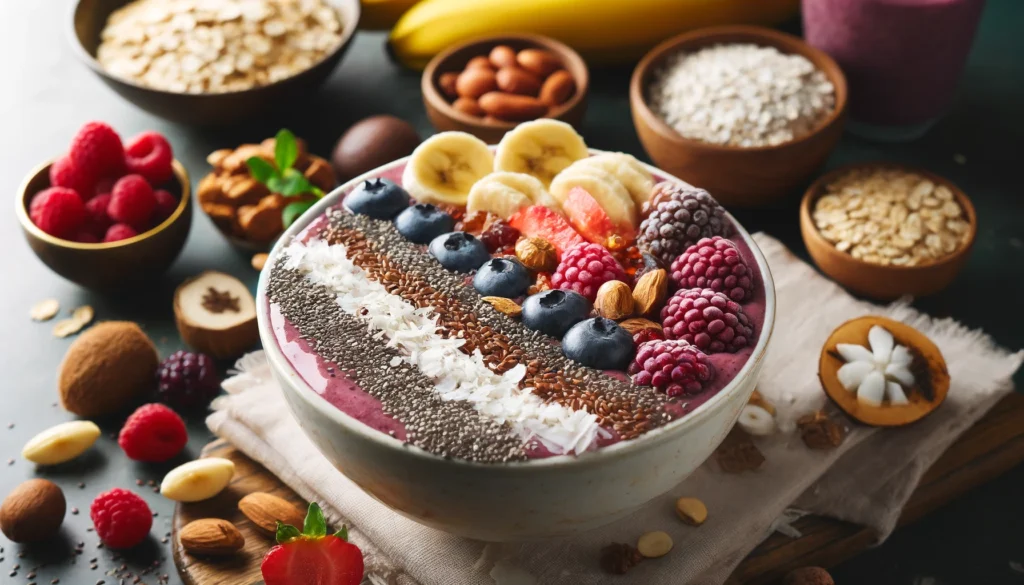
Best Time to Eat Fiber: Should You Take It Before or After Meals for Optimal Gut Health?

Introduction: Understanding the Role of Fiber in Gut Health

Fiber plays a crucial role in maintaining digestive health, supporting gut microbiota, and promoting overall well-being. As dietary fiber travels through the digestive tract, it impacts nutrient absorption, bowel regularity, and the gut microbiome’s composition. However, many people wonder about the best time to eat fiber. Should fiber be consumed before or after a meal for maximum benefits? Understanding how timing affects fiber’s effectiveness can help individuals make informed dietary choices.

You may also like: Fiber and Microbiome: How Gut Health Impacts Athletic Recovery and Performance

How Fiber Functions in the Digestive System

Dietary fiber is primarily classified into two types: soluble and insoluble fiber. Soluble fiber dissolves in water, forming a gel-like substance that slows digestion and stabilizes blood sugar levels. Foods rich in soluble fiber include oats, legumes, and fruits. Insoluble fiber, on the other hand, does not dissolve in water and adds bulk to stool, promoting regular bowel movements. This type of fiber is found in whole grains, vegetables, and nuts. The digestion of fiber depends on factors such as water intake, gut bacteria, and the presence of other macronutrients in a meal. The question of whether fiber before or after a meal is ideal depends largely on individual health goals and digestive conditions.

Taking Fiber Before Meals: Benefits and Considerations

Many nutritionists suggest that drinking fiber before meals can help regulate appetite and prevent overeating. When soluble fiber is consumed before a meal, it absorbs water and expands in the stomach, creating a feeling of fullness. This satiety effect can lead to lower calorie consumption, which may benefit individuals managing weight or controlling blood sugar levels. Moreover, fiber before meals can slow the digestion of carbohydrates, preventing rapid spikes in blood sugar after eating.

However, some people may experience digestive discomfort when taking fiber before meals, especially if they are not accustomed to a high-fiber diet. A sudden increase in fiber intake can cause bloating, gas, and discomfort. To mitigate this, it is recommended to gradually increase fiber consumption and ensure adequate hydration. Additionally, the type of fiber consumed before meals matters—soluble fiber may be more effective for appetite control, whereas insoluble fiber may be better suited for promoting bowel movements.

A conceptual illustration comparing the impact of fiber on blood sugar levels, showing fiber-rich foods stabilizing glucose while processed foods cause spikes, emphasizing fiber’s role in metabolic health.

Can You Take Fiber After a Meal? Pros and Cons

For individuals with sensitive digestion, taking fiber after a meal may be a preferable option. Fiber consumed after a meal can aid in digestion by supporting the movement of food through the intestines. This can be particularly beneficial for those prone to constipation or irregular bowel movements. Additionally, consuming fiber post-meal helps support gut microbiota by providing prebiotics, which feed beneficial bacteria in the digestive tract.

Taking fiber after meals can also improve cholesterol regulation. Soluble fiber binds to bile acids in the intestines, reducing the body’s absorption of cholesterol and promoting heart health. However, consuming fiber after a meal may not be as effective for appetite control as drinking fiber before meals. Some studies suggest that post-meal fiber intake does not significantly impact satiety, meaning it may not contribute to weight management as effectively as pre-meal consumption.

Best Time of Day to Eat Fiber for Digestive Health

The best time of day to eat fiber depends on individual digestive patterns and dietary needs. Some people find that consuming fiber-rich foods in the morning helps regulate their digestive system throughout the day. Others may prefer to distribute fiber intake evenly across meals to prevent digestive discomfort. Morning fiber consumption, particularly from whole grains and fruits, can provide sustained energy and support regular bowel movements.

Evening fiber consumption, on the other hand, can benefit those who experience constipation or irregular digestion at night. Including fiber-rich vegetables and legumes in dinner can help stimulate digestion overnight. However, consuming excessive fiber close to bedtime may lead to bloating or discomfort, disrupting sleep quality. Finding a balance that works for an individual’s digestive system is key.

The Impact of Fiber Timing on Blood Sugar and Metabolism

The timing of fiber intake can influence blood sugar regulation, particularly for individuals with diabetes or insulin resistance. Taking fiber before meals can slow carbohydrate absorption, reducing post-meal blood sugar spikes. This effect is particularly beneficial for those managing metabolic conditions.

For people seeking to optimize blood sugar control, consuming fiber before high-carbohydrate meals may be advantageous. However, fiber intake after a meal can still offer metabolic benefits by promoting sustained digestion and supporting gut bacteria that regulate glucose metabolism.

Practical Tips for Incorporating Fiber into Your Diet

Regardless of whether fiber is consumed before or after meals, the key is consistency and variety. Including both soluble and insoluble fiber in daily meals can provide comprehensive digestive benefits. Some practical ways to incorporate fiber include:

  • Starting the day with a fiber-rich breakfast, such as oatmeal with berries or whole-grain toast with avocado.
  • Drinking fiber before meals by consuming a fiber supplement or a small portion of fiber-rich foods.
  • Eating vegetables and legumes with every meal to ensure a steady fiber intake.
  • Staying hydrated to support fiber’s movement through the digestive tract and prevent bloating or constipation.
A glowing digital representation of a healthy digestive system surrounded by fiber-rich foods like oats, fruits, vegetables, and legumes, symbolizing optimal gut health and nutrient absorption.

Frequently Asked Questions (FAQ) About Fiber Timing and Gut Health

1. What is the best time to eat fiber for weight management?

The best time to eat fiber for weight management depends on how fiber interacts with your appetite and digestion. Drinking fiber before meals can help you feel full more quickly, reducing overall calorie intake and helping with portion control. Soluble fiber, in particular, slows digestion and stabilizes blood sugar, which can prevent hunger spikes later in the day. However, some individuals find that consuming fiber after a meal aids digestion and reduces bloating. The key is to experiment with different fiber sources and meal timings to determine what works best for your body and weight loss goals.

2. Does taking fiber before meals improve digestion?

Taking fiber before meals can have a significant impact on digestion, particularly for those prone to digestive discomfort. When consumed before a meal, fiber can slow gastric emptying, allowing for better nutrient absorption and a more gradual release of energy. This process helps regulate bowel movements and reduces the likelihood of constipation. Additionally, drinking fiber before meals can aid in the production of short-chain fatty acids, which nourish the gut lining and support overall digestive health. However, individuals with sensitive stomachs may find that consuming fiber before a meal increases bloating, so a gradual introduction is advised.

3. Can you take fiber after a meal to improve gut microbiota?

Yes, taking fiber after a meal can provide direct benefits to gut microbiota. When fiber reaches the large intestine, it serves as a prebiotic, feeding beneficial bacteria that help maintain gut balance. Consuming fiber after a meal also promotes the breakdown of food in a way that optimizes fermentation and nutrient absorption. Furthermore, post-meal fiber intake can help regulate bowel movements by maintaining stool consistency and hydration. If you struggle with digestive irregularities, incorporating fiber after meals may be an effective strategy for improving gut microbiome diversity.

4. What are the benefits of drinking fiber before meals for blood sugar control?

Drinking fiber before meals can have a stabilizing effect on blood sugar levels by slowing down carbohydrate absorption. This process helps prevent post-meal glucose spikes, which are particularly beneficial for individuals managing diabetes or insulin resistance. Additionally, pre-meal fiber intake can enhance insulin sensitivity, allowing cells to process glucose more efficiently. The best time of day to eat fiber for blood sugar regulation may vary depending on meal composition and activity levels. However, studies suggest that incorporating fiber before meals, especially those high in carbohydrates, can help maintain steady glucose levels throughout the day.

5. Does the best time of day to eat fiber depend on lifestyle factors?

Yes, the best time of day to eat fiber can be influenced by an individual’s daily routine, physical activity levels, and metabolic needs. Morning fiber intake may support sustained energy and regular digestion, making it an ideal choice for those with active mornings. Evening fiber consumption, on the other hand, may help regulate digestion overnight and promote a healthy gut microbiome. Taking fiber before meals or after meals should also align with your dietary habits, ensuring that fiber intake does not cause discomfort or interfere with nutrient absorption. Balancing fiber consumption throughout the day can help maximize its benefits without overwhelming the digestive system.

6. Can taking fiber before meals aid in nutrient absorption?

While fiber is known for its ability to regulate digestion, it can also influence nutrient absorption. Taking fiber before meals can slow down the breakdown of food, allowing for better absorption of essential vitamins and minerals. However, excessive fiber consumption before meals may interfere with the absorption of certain micronutrients, such as iron and calcium. To avoid nutrient malabsorption, it is essential to balance fiber intake with a well-rounded diet. Ensuring that fiber-rich foods are consumed in moderation and paired with nutrient-dense meals can help optimize overall nutrient absorption.

7. Is there a difference between fiber sources when considering fiber before or after a meal?

Yes, the choice of fiber source matters when deciding whether to consume fiber before or after a meal. Soluble fiber, found in foods like oats, beans, and flaxseeds, is particularly effective when taken before a meal to enhance satiety and blood sugar control. Insoluble fiber, present in vegetables, whole grains, and nuts, is beneficial when consumed after meals to promote bowel regularity and prevent constipation. The best time to eat fiber can depend on the type of fiber included in a meal, as different sources have varying effects on digestion and gut health. Incorporating a variety of fiber-rich foods throughout the day can provide comprehensive benefits for digestive and metabolic function.

8. Can you take fiber after a meal if you experience bloating?

Yes, for individuals who experience bloating, consuming fiber after a meal may help ease discomfort. Taking fiber after a meal allows the body to process food gradually, reducing the risk of fermentation in the stomach, which can cause gas and bloating. Additionally, post-meal fiber intake can support stool consistency, reducing the likelihood of constipation-related bloating. It is also important to stay well-hydrated when consuming fiber, as water helps fiber move efficiently through the digestive tract. Those with sensitive digestion may benefit from starting with small amounts of fiber post-meal and gradually increasing intake to assess tolerance.

9. What role does fiber timing play in heart health?

The timing of fiber intake can play a significant role in supporting heart health by regulating cholesterol levels and improving metabolic function. Soluble fiber, when taken before meals, binds to bile acids in the intestines, reducing cholesterol absorption and lowering LDL cholesterol levels. Taking fiber before meals may also help maintain healthy blood pressure levels by improving endothelial function and reducing inflammation. On the other hand, fiber consumed after meals aids in digestion and prevents cholesterol reabsorption. A diet rich in fiber, spread evenly throughout the day, can contribute to overall cardiovascular health by promoting lipid balance and reducing heart disease risk.

10. Should fiber intake be adjusted based on exercise and activity levels?

Yes, fiber intake should be adjusted based on an individual’s exercise routine and activity levels. Athletes or those with physically demanding lifestyles may benefit from consuming fiber after meals to aid recovery and digestion without causing pre-workout bloating. Drinking fiber before meals may be more suitable for individuals looking to regulate appetite and maintain energy balance throughout the day. However, consuming large amounts of fiber immediately before intense exercise may lead to gastrointestinal discomfort. The best time of day to eat fiber depends on personal energy needs, training schedules, and digestive comfort, making it essential to tailor fiber intake based on individual lifestyle patterns.

A peaceful dinner table setting featuring fiber-rich meals, a glass of water with a fiber supplement, and a balanced selection of whole grains and vegetables, illustrating the choice between taking fiber before or after a meal.

Conclusion: Finding the Right Fiber Timing for Your Needs

The question of whether to take fiber before or after meals depends on individual health goals, digestive tolerance, and metabolic needs. Drinking fiber before meals can support appetite control and blood sugar stability, while taking fiber after a meal can promote digestion and cholesterol management. The best time to eat fiber varies from person to person, and experimenting with different approaches can help determine the most effective routine. Regardless of timing, prioritizing a fiber-rich diet is essential for gut health and overall well-being. By understanding how fiber functions in the body, individuals can make informed choices that align with their dietary preferences and health objectives.

Further Reading:

When’s the Best Time of Day To Take a Fiber Supplement?

For a Longer Life and Happier Gut, Eat More Fiber

Nutrition and healthy eating

gut health, digestive health, fiber intake timing, high-fiber diet, prebiotic foods, soluble vs insoluble fiber, fiber and metabolism, best dietary fiber sources, fiber supplements, blood sugar control, cholesterol and fiber, fiber for weight loss, fiber and satiety, meal planning with fiber, fiber and gut bacteria, fiber digestion tips, fiber for heart health, fiber and hydration, fiber-rich foods, fiber and bowel regularity

The information contained in this article is provided for general informational purposes only and is not intended to serve as medical, legal, or professional advice. While NewsHealthWatch strives to present accurate, up-to-date, and reliable content, no warranty or guarantee, expressed or implied, is made regarding the completeness, accuracy, or adequacy of the information provided. Readers are strongly advised to seek the guidance of a qualified healthcare provider or other relevant professionals before acting on any information contained in this article. NewsHealthWatch, its authors, editors, and contributors expressly disclaim any liability for any damages, losses, or consequences arising directly or indirectly from the use, interpretation, or reliance on any information presented herein. The views and opinions expressed in this article are those of the author(s) and do not necessarily reflect the official policies or positions of NewsHealthWatch.
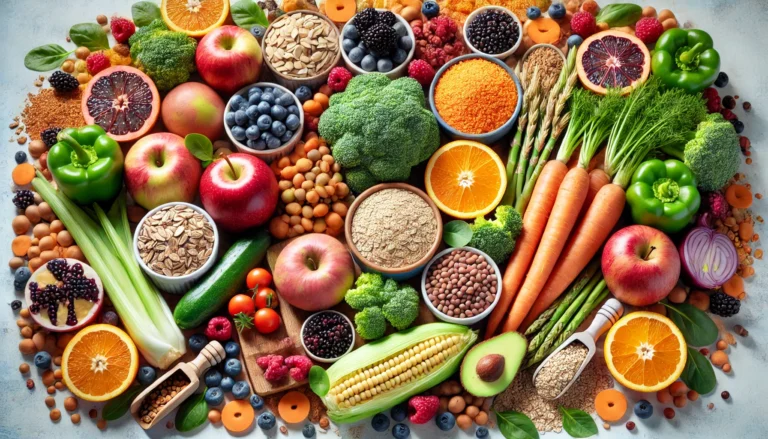
Does Fiber Help with Inflammation? The Gut-Health Connection and Anti-Inflammatory Benefits

Understanding Inflammation and Its Role in Health

Inflammation is a natural biological response that the body initiates to protect itself from infections, injuries, and harmful stimuli. While acute inflammation is a necessary part of the healing process, chronic inflammation is a persistent condition that can contribute to numerous health problems, including cardiovascular disease, autoimmune disorders, and metabolic syndrome. The body’s inflammatory response is regulated by various immune system components, including cytokines and white blood cells, which target perceived threats and trigger protective mechanisms.

You may also like: Fiber and Microbiome: How Gut Health Impacts Athletic Recovery and Performance

Recent research has suggested a strong link between diet and inflammation, with fiber emerging as a key dietary component that can modulate inflammatory responses. Fiber and inflammation are closely connected because fiber influences gut health, immune function, and metabolic processes. Scientists have found that individuals consuming a high-fiber diet tend to have lower levels of inflammatory markers, suggesting that fiber plays an essential role in controlling systemic inflammation. Understanding how fiber interacts with the body’s inflammatory processes requires a closer look at its mechanisms and effects on gut health.

The Connection Between Gut Health and Inflammation

The gut microbiome is a complex ecosystem of trillions of bacteria, fungi, and other microorganisms that reside in the digestive tract. These microbes play a critical role in digestion, metabolism, and immune function. A healthy gut microbiome contributes to reduced inflammation by promoting the production of beneficial metabolites, including short-chain fatty acids (SCFAs), which have anti-inflammatory properties. Fiber serves as a primary fuel source for these beneficial gut bacteria, enabling them to thrive and produce compounds that regulate immune responses.

An imbalance in the gut microbiome, known as dysbiosis, has been linked to increased inflammation and the development of chronic diseases. Diets low in fiber often lead to a decline in beneficial bacteria, which can result in a weakened gut barrier, allowing harmful substances to enter the bloodstream and trigger immune responses. By incorporating fiber-rich foods into the diet, individuals can support a balanced gut microbiome and help regulate inflammatory pathways. This growing body of evidence suggests that fiber and inflammation are intricately linked through the gut’s microbial ecosystem.

Does Fiber Reduce Inflammation? The Science Behind It

Scientific studies have examined the question, “Does fiber reduce inflammation?” with compelling findings. Soluble fiber, found in foods such as oats, beans, and flaxseeds, dissolves in water to form a gel-like substance that slows digestion and stabilizes blood sugar levels. This process reduces oxidative stress and lowers inflammatory markers in the bloodstream. Insoluble fiber, found in whole grains, vegetables, and nuts, aids digestion by adding bulk to stool and promoting regular bowel movements, indirectly supporting immune function and reducing gut-related inflammation.

One of the most significant ways fiber helps lower inflammation is through the production of SCFAs, such as butyrate, acetate, and propionate. These compounds are generated when gut bacteria ferment fiber, and they have been shown to inhibit pro-inflammatory cytokines while enhancing immune regulation. Studies indicate that individuals with higher SCFA levels tend to experience lower levels of inflammation, highlighting the powerful role that dietary fiber plays in promoting overall health. By answering the question, “Does fiber help with inflammation?” researchers continue to uncover its wide-ranging benefits for immune regulation and disease prevention.

A conceptual image where fiber-rich foods, including oats, berries, beans, and leafy greens, form the shape of an intestine, visually representing gut health and the anti-inflammatory benefits of fiber.

Practical Ways to Incorporate Anti-Inflammatory Fiber into Your Diet

Incorporating fiber into the diet for its anti-inflammatory effects requires strategic food choices and an understanding of how different fiber types contribute to gut health. Whole plant-based foods, such as legumes, fruits, vegetables, nuts, and seeds, are among the best sources of fiber. Including a variety of these foods ensures that the gut receives both soluble and insoluble fiber, maximizing their respective benefits in reducing inflammation.

For individuals looking to optimize fiber intake, gradually increasing fiber consumption is essential to prevent digestive discomfort. Drinking plenty of water alongside fiber-rich meals helps facilitate digestion and prevents bloating. Additionally, consuming fermented foods such as kimchi, sauerkraut, and yogurt can complement fiber intake by providing beneficial probiotics that support gut health. By making conscious dietary adjustments, individuals can harness the power of fiber to regulate inflammation and promote long-term wellness.

A dynamic visual showing the battle between inflammation and gut health, with fiery red inflammatory elements contrasted against soothing blue fiber-rich foods and probiotics, highlighting the role of fiber in reducing inflammation.

Frequently Asked Questions (FAQ) About Fiber and Inflammation

1. How does fiber help with inflammation at a cellular level?

Fiber plays a crucial role in reducing inflammation by influencing gut microbiota, which in turn impacts immune system regulation. When fiber is fermented in the gut, it produces short-chain fatty acids (SCFAs) like butyrate, which have anti-inflammatory properties. SCFAs help regulate the immune response by reducing the production of pro-inflammatory cytokines. Additionally, fiber improves gut barrier integrity, preventing harmful bacteria and toxins from triggering systemic inflammation. Over time, a high-fiber diet supports a balanced immune system, reducing chronic inflammation risk.

2. Does fiber reduce inflammation in people with autoimmune diseases?

Research suggests that fiber can be particularly beneficial for individuals with autoimmune conditions like rheumatoid arthritis, lupus, and inflammatory bowel disease. A high-fiber diet supports a diverse gut microbiome, which helps modulate the immune system and reduce excessive inflammatory responses. Certain fibers, such as those from oats, flaxseeds, and legumes, have been linked to lower levels of C-reactive protein (CRP), a marker of inflammation. By promoting gut health, fiber may help alleviate flare-ups and improve overall well-being in autoimmune patients. While fiber alone isn’t a cure, its role in immune regulation makes it a valuable dietary component for managing inflammation.

3. What is the best type of fiber for reducing inflammation?

Both soluble and insoluble fiber contribute to inflammation reduction, but soluble fiber may have a more direct impact. Soluble fiber, found in foods like oats, beans, and apples, helps produce SCFAs, which regulate inflammation. Insoluble fiber, found in whole grains and vegetables, supports healthy digestion and reduces gut permeability, preventing inflammatory responses. Prebiotic fibers, such as inulin and resistant starch, also nourish beneficial gut bacteria, enhancing anti-inflammatory effects. A balanced intake of various fiber types maximizes the benefits of fiber and inflammation control.

4. Can fiber intake impact inflammation-related conditions like heart disease and diabetes?

Yes, fiber intake significantly influences inflammation-related conditions, including heart disease and type 2 diabetes. High-fiber diets help lower levels of inflammatory markers like CRP, reducing cardiovascular risk. Additionally, fiber slows glucose absorption, improving insulin sensitivity and lowering inflammation associated with diabetes. Whole grains, legumes, and vegetables are excellent sources of fiber that contribute to both metabolic and cardiovascular health. By maintaining stable blood sugar levels and reducing chronic inflammation, fiber plays a preventive role against these diseases.

5. How quickly does fiber help with inflammation?

The impact of fiber on inflammation varies based on dietary consistency and overall gut health. Some individuals experience benefits within a few weeks, while others may take months to notice significant changes. The production of SCFAs begins shortly after increasing fiber intake, but long-term inflammation reduction requires sustained dietary habits. Regular fiber consumption leads to lasting changes in gut microbiota, strengthening immune regulation over time. Gradual increases in fiber intake yield the best results for long-term inflammation control.

6. Does fiber reduce inflammation caused by stress or poor sleep?

Chronic stress and poor sleep contribute to systemic inflammation by disrupting cortisol levels and gut health. Fiber supports gut microbiota, which influences the gut-brain axis and helps regulate stress responses. Diets rich in fiber have been linked to lower levels of cortisol, reducing stress-induced inflammation. Additionally, fiber promotes stable blood sugar levels, which can prevent mood swings and improve sleep quality. While fiber is not a direct remedy for stress or sleep issues, its role in gut health makes it a valuable component in managing inflammation linked to these factors.

7. Can fiber supplementation be as effective as whole food sources in reducing inflammation?

While fiber supplements can contribute to inflammation reduction, whole food sources provide additional benefits. Whole foods contain essential vitamins, minerals, and polyphenols that enhance fiber’s anti-inflammatory effects. Additionally, naturally occurring fiber is more effective in supporting gut microbiome diversity. Some fiber supplements, like psyllium husk, offer benefits similar to dietary fiber, but they may lack the full spectrum of nutrients found in whole plant foods. A combination of fiber-rich whole foods and high-quality supplements can optimize fiber and inflammation management.

8. Are there any risks associated with consuming too much fiber in an attempt to reduce inflammation?

Excessive fiber intake, especially when introduced too quickly, can cause digestive discomfort, including bloating, gas, and cramping. Some individuals with gut disorders, such as irritable bowel syndrome (IBS), may be sensitive to certain fiber types. To avoid adverse effects, gradually increase fiber intake while staying hydrated to support digestion. Moderation is key, as excessive fiber may interfere with nutrient absorption in some cases. Finding the right balance ensures the benefits of fiber and inflammation reduction without digestive distress.

9. How does fiber help with inflammation in aging individuals?

Aging is often associated with increased levels of chronic inflammation, also known as inflammaging. Fiber supports healthy aging by reducing oxidative stress and enhancing gut microbiome balance. Older adults who consume high-fiber diets tend to have lower levels of inflammatory markers and better metabolic health. Additionally, fiber-rich foods help maintain healthy digestion, preventing constipation and gut-related inflammation. Long-term fiber intake supports longevity and reduces the risk of age-related inflammatory diseases.

10. Can fiber help with inflammation from exercise-induced muscle damage?

Athletes and active individuals often experience temporary inflammation due to intense physical activity. Fiber helps modulate post-exercise inflammation by promoting gut health and immune balance. Certain fibers, like those found in berries, leafy greens, and whole grains, contain antioxidants that further support recovery. Additionally, fiber aids in nutrient absorption, ensuring that muscles receive essential nutrients for repair. Including fiber in a well-balanced diet enhances the body’s ability to manage inflammation from exercise while supporting overall performance.

A nature-inspired scene depicting a lush micro-ecosystem inside the human digestive tract, filled with greenery and fiber-rich foods, symbolizing balance, gut health, and anti-inflammatory benefits.

Conclusion: The Lasting Impact of Fiber on Inflammation and Gut Health

The relationship between fiber and inflammation underscores the importance of a fiber-rich diet for maintaining optimal health. Scientific evidence supports the notion that fiber plays a critical role in reducing inflammation, largely through its impact on the gut microbiome and the production of anti-inflammatory metabolites. By fostering beneficial gut bacteria and enhancing immune function, fiber helps mitigate chronic inflammation, which is a major risk factor for various diseases.

For those seeking natural ways to reduce inflammation, incorporating high-fiber foods into daily meals offers a sustainable and effective approach. The question, “Does fiber help with inflammation?” can be answered with confidence, as numerous studies highlight its significant role in immune modulation and disease prevention. By prioritizing fiber-rich plant-based foods and maintaining a balanced diet, individuals can take proactive steps toward improving their gut health and reducing the risk of chronic inflammatory conditions.

Further Reading:

Health Benefits of Dietary Fiber for the Management of Inflammatory Bowel Disease

Dietary fiber intake, the gut microbiome, and chronic systemic inflammation in a cohort of adult men

Dietary Fiber Linked to Flare-Ups in Inflammatory Bowel Disease

high-fiber diet, anti-inflammatory foods, gut health benefits, immune system support, chronic inflammation relief, short-chain fatty acids, best foods for inflammation, dietary fiber benefits, whole grains for health, gut microbiome balance, inflammation-fighting nutrients, healthy digestion tips, fiber-rich meal planning, prebiotics and probiotics, natural ways to reduce inflammation, plant-based nutrition, heart health and fiber, metabolic health support, foods that heal inflammation, digestive wellness strategies

The information contained in this article is provided for general informational purposes only and is not intended to serve as medical, legal, or professional advice. While NewsHealthWatch strives to present accurate, up-to-date, and reliable content, no warranty or guarantee, expressed or implied, is made regarding the completeness, accuracy, or adequacy of the information provided. Readers are strongly advised to seek the guidance of a qualified healthcare provider or other relevant professionals before acting on any information contained in this article. NewsHealthWatch, its authors, editors, and contributors expressly disclaim any liability for any damages, losses, or consequences arising directly or indirectly from the use, interpretation, or reliance on any information presented herein. The views and opinions expressed in this article are those of the author(s) and do not necessarily reflect the official policies or positions of NewsHealthWatch.
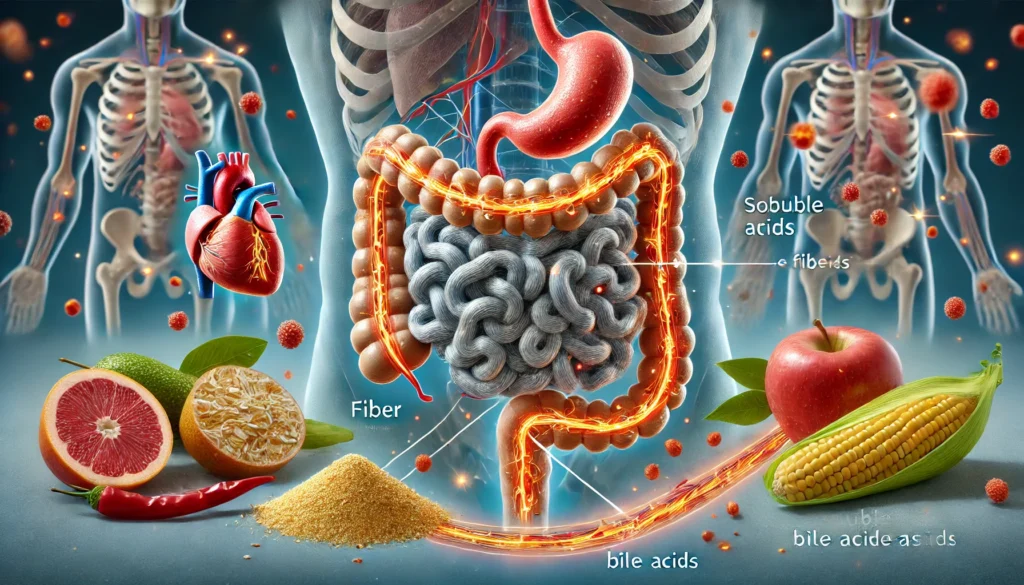
How Does Fiber Help Digestion? The Science Behind Gut Health and Optimal Fiber Intake

Understanding Fiber and Digestive Health

Fiber is an essential component of a healthy diet, particularly for maintaining digestive health. It is a type of carbohydrate that the body cannot fully digest, yet it plays a crucial role in regulating the digestive system. The presence of fiber in the diet contributes to stool bulk, supports gut bacteria, and enhances overall gastrointestinal function. Despite its importance, many individuals fail to consume sufficient fiber daily, leading to digestive irregularities and long-term health concerns.

You may also like: Fiber and Microbiome: How Gut Health Impacts Athletic Recovery and Performance

Dietary fiber is broadly categorized into two types: soluble and insoluble. Soluble fiber dissolves in water to form a gel-like substance, which aids in slowing digestion and stabilizing blood sugar levels. Insoluble fiber, on the other hand, does not dissolve in water and helps to move material through the digestive tract efficiently. Both types are crucial for fiber digestion, ensuring a balanced and well-functioning gastrointestinal system.

Incorporating fiber for gut health requires a deliberate approach, involving a diet rich in plant-based foods such as fruits, vegetables, whole grains, and legumes. Studies have demonstrated that a fiber-rich diet contributes to the diversity of gut microbiota, which is essential for overall health. But how does fiber help digestion, and what are the best fiber sources for gut bacteria? Exploring the mechanisms of fiber digestion will provide a clearer understanding of its impact on gut health and ways to optimize intake.

How Fiber Works in the Digestive System

To understand how fiber works in the digestive system, it is essential to examine its journey through the body. Digestion begins in the mouth, where enzymes in saliva initiate the breakdown of food. However, fiber remains largely intact throughout this process. Upon reaching the stomach and small intestine, soluble fiber absorbs water, forming a gel that slows down digestion and promotes nutrient absorption. This process helps regulate blood sugar levels and prevents rapid spikes following meals.

In contrast, insoluble fiber passes through the digestive tract relatively unchanged. As it moves through the intestines, it adds bulk to stool, facilitating smoother and more regular bowel movements. The presence of fiber in the colon is particularly significant because it acts as a food source for beneficial gut bacteria. These bacteria ferment fiber, producing short-chain fatty acids (SCFAs) such as butyrate, acetate, and propionate, which play a critical role in maintaining gut health and reducing inflammation.

A key question many individuals ask is, “Does fiber heal the gut?” While fiber alone cannot heal severe gastrointestinal disorders, it does promote a balanced gut microbiome, which is essential for digestive health. A well-balanced microbiome strengthens the gut barrier, preventing harmful bacteria from proliferating and contributing to digestive distress. Furthermore, dietary fiber supports the production of mucus in the intestines, which protects the gut lining and facilitates the smooth movement of waste through the system.

A 3D-rendered illustration of the human digestive system highlighting intestines with glowing fiber strands interacting with beneficial gut bacteria, symbolizing digestive health.

The Role of Fiber in Gut Microbiome Health

The gut microbiome consists of trillions of microorganisms that influence various aspects of health, including digestion, immunity, and even mental well-being. Fiber for gut health is particularly important because it serves as a prebiotic, nourishing beneficial bacteria and promoting microbial diversity. A diverse microbiome is associated with better digestion, improved immune function, and a lower risk of chronic diseases.

Among the best fiber sources for gut bacteria are those rich in fermentable fiber, including foods like bananas, oats, onions, garlic, and legumes. These foods contain prebiotic fiber that feeds beneficial bacteria, encouraging their growth and activity. When bacteria ferment fiber, they produce SCFAs, which help regulate inflammation, support immune responses, and strengthen the intestinal lining.

An imbalance in the gut microbiome, often caused by a low-fiber diet, can lead to digestive issues such as bloating, constipation, and irritable bowel syndrome (IBS). Therefore, increasing fiber intake is one of the most effective strategies for restoring microbial balance and enhancing digestion. Additionally, the fermentation process of fiber aids in stool consistency, making it easier to pass waste and reducing the likelihood of constipation.

Optimizing Fiber Intake for Digestive Health

Understanding how to digest fiber better is crucial for maximizing its benefits. Some individuals experience bloating or discomfort when increasing fiber intake too quickly, which can discourage them from maintaining a fiber-rich diet. To prevent this, gradual fiber intake increases are recommended, along with adequate hydration. Water helps fiber move smoothly through the digestive tract, reducing the risk of gas and bloating.

The best fiber for gut bacteria depends on individual tolerance and dietary preferences. Soluble fiber sources such as chia seeds, flaxseeds, apples, and beans are excellent for promoting microbial fermentation and supporting gut health. Insoluble fiber sources, including whole grains, nuts, and leafy greens, help prevent constipation and maintain regularity. A combination of both types ensures optimal digestion and a thriving gut microbiome.

Cooking methods can also impact fiber digestion. For instance, steaming vegetables preserves their fiber content while making them easier to digest. Fermented foods like sauerkraut and kimchi not only contain fiber but also provide probiotics, which further enhance gut health. Additionally, fiber supplements, such as psyllium husk or inulin, can be beneficial for individuals struggling to meet their daily fiber needs.

A scientific-style visualization of fiber breaking down inside the intestines, showing interactions with gut bacteria producing glowing short-chain fatty acids to represent digestive benefits.

Frequently Asked Questions (FAQ) on Fiber and Digestive Health

1. How does fiber work to improve digestion?

Fiber plays a critical role in digestive health by promoting stool bulk, regulating bowel movements, and nourishing gut bacteria. Soluble fiber absorbs water, creating a gel-like consistency that slows digestion, which enhances nutrient absorption and stabilizes blood sugar levels. Insoluble fiber, on the other hand, remains intact as it moves through the digestive tract, acting as a natural cleanser by preventing constipation and maintaining regularity. The fermentation of fiber by gut bacteria produces short-chain fatty acids, which support gut lining integrity and reduce inflammation. When considering how fiber works in the digestive system, it becomes clear that consuming a diverse range of fiber sources is essential for long-term gut health and optimal digestion.

2. What is the connection between fiber and digestive health?

The relationship between fiber and digestive health is multifaceted, as fiber contributes to a well-balanced gut microbiome, prevents gastrointestinal disorders, and ensures smooth digestion. A diet rich in fiber reduces the risk of conditions such as diverticulosis, hemorrhoids, and irritable bowel syndrome (IBS) by maintaining stool consistency and reducing strain on the intestines. Fiber also acts as a prebiotic, feeding beneficial gut bacteria that support overall digestive health. In contrast, a diet low in fiber can lead to irregular bowel movements, increased inflammation, and an imbalance of gut bacteria, which can contribute to bloating and digestive discomfort. Incorporating fiber for gut health is one of the most effective dietary strategies for maintaining a well-functioning digestive system.

3. Does fiber heal the gut?

While fiber alone cannot “heal” severe gastrointestinal diseases, it plays a crucial role in maintaining and repairing gut health. Fiber supports the regeneration of gut lining cells by providing nutrients that encourage healthy microbiota, reducing inflammation and reinforcing the intestinal barrier. Additionally, fiber helps reduce symptoms of leaky gut syndrome by fostering a more diverse microbial ecosystem, which protects against harmful bacteria and toxins. Studies indicate that high-fiber diets can reduce the risk of inflammatory bowel diseases (IBD) and support the recovery of damaged gut tissues. Thus, while fiber does not serve as a cure-all for digestive disorders, it significantly contributes to gut restoration and overall digestive wellness.

4. How can I digest fiber better and avoid bloating?

Some individuals experience bloating or discomfort when increasing fiber intake too quickly, which is why gradual incorporation of fiber is crucial. To improve fiber digestion, it is important to drink plenty of water, as fiber absorbs fluids and requires adequate hydration to move smoothly through the digestive system. Cooking certain high-fiber foods, such as vegetables and legumes, can also aid digestion by breaking down complex fibers into more easily digestible forms. Fermented foods, such as yogurt, kefir, and sauerkraut, contain probiotics that work synergistically with fiber to improve gut health. By gradually increasing fiber intake and consuming a mix of soluble and insoluble fiber, individuals can learn how to digest fiber better while minimizing bloating and discomfort.

5. What is the best fiber for gut bacteria?

The best fiber for gut bacteria is prebiotic fiber, which serves as food for beneficial microbes and promotes microbial diversity. Foods such as onions, garlic, leeks, asparagus, and bananas contain inulin, a type of prebiotic fiber that encourages the growth of good bacteria like Bifidobacteria and Lactobacilli. Additionally, resistant starches found in oats, lentils, and green bananas provide a unique fiber source that reaches the colon largely undigested, where it ferments and feeds healthy gut bacteria. Soluble fibers from chia seeds, flaxseeds, and psyllium husk further support microbial health by aiding the production of short-chain fatty acids that enhance gut barrier function. By consuming a variety of these fiber sources, individuals can cultivate a thriving gut microbiome and support overall digestive health.

6. How does fiber help digestion beyond preventing constipation?

Fiber does much more than prevent constipation—it plays a vital role in regulating digestion, supporting nutrient absorption, and protecting against gastrointestinal diseases. Soluble fiber slows the digestive process, allowing for better absorption of vitamins and minerals, while insoluble fiber helps sweep waste efficiently through the intestines. Additionally, fiber binds to excess cholesterol and bile acids in the digestive tract, reducing overall cholesterol levels and promoting heart health. The fermentation of fiber in the colon produces short-chain fatty acids, which not only fuel gut cells but also reduce inflammation and improve immune function. Understanding how fiber helps digestion beyond just regularity underscores its significance for overall health and disease prevention.

7. Is fiber good for gut health in individuals with digestive disorders?

Fiber can be highly beneficial for individuals with digestive disorders, though the type and amount of fiber consumed should be carefully considered. Those with conditions such as irritable bowel syndrome (IBS) or Crohn’s disease may need to adjust their fiber intake based on their individual tolerances. Soluble fiber is generally easier to digest and may help soothe symptoms by forming a protective gel in the intestines. However, too much insoluble fiber may exacerbate symptoms like bloating or diarrhea in individuals with sensitive digestive systems. Consulting a healthcare professional and experimenting with different fiber sources can help individuals determine the best approach to using fiber for gut health in the context of specific digestive conditions.

8. Can fiber help with acid reflux and heartburn?

Fiber plays a supportive role in reducing acid reflux and heartburn by regulating digestion and preventing delayed stomach emptying, which can trigger reflux symptoms. Whole foods high in fiber help absorb excess stomach acid and promote the movement of food through the digestive tract, reducing the likelihood of acid backing up into the esophagus. Additionally, fiber supports weight management, which is crucial since excess body weight is a major risk factor for gastroesophageal reflux disease (GERD). Certain fiber-rich foods, such as oats and leafy greens, are gentle on the stomach and less likely to aggravate acid reflux compared to processed foods. While fiber alone may not completely eliminate acid reflux, incorporating it into a balanced diet can significantly alleviate symptoms over time.

9. What are the risks of consuming too much fiber?

While fiber is essential for digestive health, excessive intake—especially in a short period—can lead to digestive discomfort, including bloating, gas, and cramping. Consuming fiber without adequate water intake can also result in constipation, as fiber absorbs moisture and requires hydration to function effectively. Additionally, very high-fiber diets may interfere with the absorption of essential minerals such as iron, calcium, and zinc by binding to them in the digestive tract. For individuals with gastrointestinal conditions such as irritable bowel syndrome (IBS), excessive fiber intake can exacerbate symptoms rather than relieve them. Balancing fiber consumption with hydration and a varied diet ensures that individuals reap the benefits of fiber without experiencing unwanted side effects.

10. How does fiber work with probiotics to enhance gut health?

Fiber and probiotics work synergistically to enhance gut health by promoting a balanced microbiome and supporting digestive function. While fiber provides nourishment for beneficial gut bacteria, probiotics introduce live microorganisms that further enhance microbial diversity. Together, they help improve digestion, strengthen the gut lining, and support immune function by reducing inflammation. Prebiotic fibers, such as those found in legumes, artichokes, and whole grains, specifically feed probiotic bacteria, ensuring their survival and proliferation. This interaction between fiber and probiotics underscores the importance of a well-rounded diet that includes both prebiotic-rich fiber and probiotic foods to optimize gut health and digestion.

A conceptual art representation of gut health, depicting a glowing digestive tract surrounded by an ecosystem of healthy bacteria and fiber strands, symbolizing balance and well-being.

Conclusion: The Essential Role of Fiber in Digestive Wellness

Fiber is undeniably one of the most important nutrients for maintaining digestive health and supporting the gut microbiome. From its role in adding bulk to stool and promoting regularity to its function as a prebiotic that feeds beneficial bacteria, fiber’s impact on digestion is multifaceted. Understanding how fiber works in the digestive system allows individuals to make informed dietary choices that support long-term gut health.

Incorporating fiber for gut health does not require drastic dietary changes but rather a conscious effort to include more whole plant-based foods. Whether through fruits, vegetables, whole grains, or legumes, consuming a variety of fiber sources ensures a well-balanced and efficient digestive system. Recognizing the importance of fiber digestion and gradually increasing intake can prevent digestive discomfort while optimizing gut microbiome function.

Ultimately, fiber serves as a foundational component of a healthy diet, influencing not only digestion but also overall well-being. The question “Is fiber good for gut health?” can be answered with a resounding yes, provided that fiber intake is balanced, consistent, and accompanied by proper hydration. By prioritizing fiber-rich foods and fostering a diverse gut microbiome, individuals can experience improved digestion, enhanced nutrient absorption, and a lower risk of chronic gastrointestinal disorders.

Further Reading:

Dietary Fiber Intake and Gut Microbiota in Human Health

For a Longer Life and Happier Gut, Eat More Fiber

What is Fiber and Why is it Important for the Microbiome?

gut health benefits, digestive wellness, high-fiber foods, prebiotic nutrition, microbiome support, dietary fiber sources, bowel regularity, colon health, fiber-rich diet, healthy digestion, soluble and insoluble fiber, gut-friendly foods, intestinal health, fermentation and gut bacteria, natural digestion aids, fiber intake recommendations, gut flora balance, plant-based nutrition, fiber and metabolism, digestive system function

The information contained in this article is provided for general informational purposes only and is not intended to serve as medical, legal, or professional advice. While NewsHealthWatch strives to present accurate, up-to-date, and reliable content, no warranty or guarantee, expressed or implied, is made regarding the completeness, accuracy, or adequacy of the information provided. Readers are strongly advised to seek the guidance of a qualified healthcare provider or other relevant professionals before acting on any information contained in this article. NewsHealthWatch, its authors, editors, and contributors expressly disclaim any liability for any damages, losses, or consequences arising directly or indirectly from the use, interpretation, or reliance on any information presented herein. The views and opinions expressed in this article are those of the author(s) and do not necessarily reflect the official policies or positions of NewsHealthWatch.
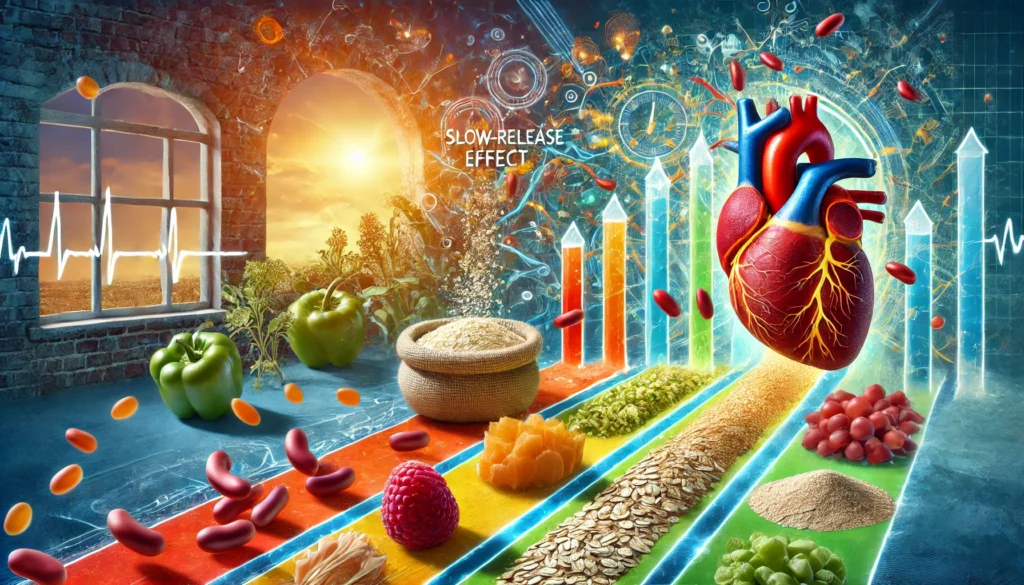

The Best Fermented Foods for Gut Health: How Much Should You Eat Daily for Optimal Digestion?

Understanding the Role of Fiber in Digestive Health

Fiber plays a fundamental role in maintaining digestive health, yet it is often misunderstood. Many people associate fiber with preventing constipation, but its influence on gut health extends far beyond this common perception. Dietary fiber consists of two primary types: soluble and insoluble fiber. Soluble fiber dissolves in water, forming a gel-like substance that helps regulate digestion and blood sugar levels. Insoluble fiber, on the other hand, adds bulk to stool and promotes regular bowel movements. When fiber intake is insufficient, it can lead to various digestive disturbances, including diarrhea. While it may seem counterintuitive, the absence of sufficient fiber can disrupt the gut microbiome, leading to irregular bowel movements and poor stool consistency.

You may also like: Fiber and Microbiome: How Gut Health Impacts Athletic Recovery and Performance

A fiber-deficient diet affects the gut microbiome, the complex ecosystem of bacteria residing in the gastrointestinal tract. Fiber acts as a prebiotic, feeding beneficial bacteria and promoting microbial diversity. When fiber is lacking, harmful bacteria may proliferate, leading to inflammation and digestive distress. This imbalance may contribute to conditions such as irritable bowel syndrome (IBS) and increased susceptibility to infections. Thus, ensuring adequate fiber intake is crucial for both gut microbiome health and digestive regularity. Understanding how fiber influences gut function can help individuals make informed dietary choices that support long-term well-being.

The Link Between Low Fiber Intake and Diarrhea

While fiber is often recommended to prevent constipation, inadequate fiber intake can also be a cause of diarrhea. Fiber helps regulate stool consistency by absorbing water and adding bulk, ensuring a balanced digestive process. When fiber is absent, stools can become loose and watery, leading to frequent bowel movements and discomfort. This occurs because fiber slows down the transit time of food through the digestive tract, allowing for better absorption of nutrients and water. Without sufficient fiber, digestion may become too rapid, preventing the proper absorption of fluids and resulting in diarrhea.

A diet low in fiber can also disrupt the gut microbiome, leading to microbial imbalances that may trigger diarrhea. Beneficial gut bacteria rely on fiber as a food source, and when deprived, these microbes weaken while opportunistic pathogens may thrive. This imbalance can cause inflammation, leading to irritation of the intestinal lining and increased fluid secretion, ultimately resulting in diarrhea. Moreover, a lack of fiber may lead to poor bile acid regulation, which can exacerbate loose stools. Bile acids, necessary for fat digestion, are typically reabsorbed in the colon, but in the absence of sufficient fiber, excess bile may remain in the colon, stimulating excessive water secretion and diarrhea.

Signs and Symptoms of Fiber Deficiency

Recognizing the signs of fiber deficiency is essential for maintaining optimal digestive health. A lack of fiber can manifest in various ways, including gastrointestinal discomfort, metabolic disturbances, and overall health decline. Common symptoms include irregular bowel movements, where individuals may experience alternating episodes of constipation and diarrhea. Loose, watery stools or difficulty in forming solid waste may indicate inadequate fiber intake, as fiber plays a key role in regulating stool consistency.

Bloating and excessive gas are also common signs of fiber deficiency, as undigested food particles may ferment excessively in the gut, producing gas and discomfort. A lack of fiber may also lead to increased hunger and poor blood sugar regulation, as fiber helps slow digestion and promotes satiety. Additionally, individuals with insufficient fiber intake may experience fatigue and a weakened immune system due to an imbalanced gut microbiome. Since fiber is crucial for gut bacteria health, an inadequate intake can lead to a reduction in beneficial microbes, impairing nutrient absorption and immune function.

A vibrant, glowing digestive tract surrounded by diverse beneficial bacteria, symbolizing a balanced and thriving gut microbiome.

Restoring Gut Health with a Fiber-Rich Diet

Incorporating fiber-rich foods into the diet is essential for restoring gut health and preventing digestive disturbances. Whole, plant-based foods such as fruits, vegetables, legumes, and whole grains are excellent sources of dietary fiber. Soluble fiber, found in foods like oats, beans, and apples, helps absorb excess water in the intestines, promoting stool consistency and reducing diarrhea. Insoluble fiber, present in foods like whole wheat, nuts, and leafy greens, adds bulk to stool and encourages regular bowel movements.

A gradual increase in fiber intake is recommended to allow the digestive system to adjust. Sudden increases may lead to bloating and discomfort, as the gut microbiome adapts to higher fiber levels. Drinking adequate water is equally important, as fiber requires hydration to function effectively. In addition to dietary fiber, fermented foods for gut health can play a significant role in restoring microbial balance. Fermented foods such as yogurt, kimchi, sauerkraut, and kefir introduce beneficial probiotics that support digestive function. The best fermented foods for gut health are those rich in live bacteria, which help replenish the gut microbiome and improve digestion.

How Often Should You Eat Fermented Foods?

Incorporating fermented foods into the diet can significantly enhance gut health by providing beneficial bacteria that improve digestion. The frequency of consumption depends on individual tolerance and digestive needs. For most individuals, consuming a small portion of fermented foods daily can be beneficial in maintaining microbial diversity and enhancing gut function. However, those new to fermented foods should start with small servings and gradually increase intake to avoid bloating and gas.

Determining how much fermented food per day is optimal varies based on individual gut health conditions. For general gut maintenance, one to two servings per day, such as a cup of yogurt or a few tablespoons of kimchi, can provide sufficient probiotics. Those with digestive concerns may benefit from higher intake, but it is crucial to monitor tolerance levels. Excessive consumption of fermented foods may lead to temporary bloating, particularly when transitioning to a fermented diet. Ensuring a balance between fiber intake and fermented food consumption helps promote optimal gut health.

The Connection Between Fermented Foods and Fiber-Rich Diets

A well-rounded approach to digestive health includes both fiber-rich foods and fermented foods, as they work synergistically to support gut function. While fiber acts as a prebiotic, feeding beneficial bacteria, fermented foods introduce probiotics that help maintain microbial balance. This dual approach enhances nutrient absorption, strengthens the gut barrier, and reduces inflammation. Understanding how much fermented food should you eat in combination with fiber-rich foods is essential in achieving optimal digestive function.

Balancing fiber intake with fermented foods good for gut health ensures comprehensive support for the digestive system. A diet incorporating whole grains, legumes, vegetables, and fermented foods like kefir and miso provides the necessary nutrients for a well-functioning gut. Avoiding highly processed foods that lack fiber and beneficial bacteria can further prevent digestive disturbances. Restoring gut health involves consistency, proper hydration, and a diet that nurtures both prebiotics and probiotics.

A close-up of bubbling fermented foods in glass jars, including kimchi, sauerkraut, and pickled vegetables, showcasing the fermentation process.

Frequently Asked Questions (FAQ) on Fiber, Gut Health, and Fermented Foods

1. Can a lack of fiber lead to chronic gut issues beyond diarrhea?

Yes, a persistent lack of fiber in the diet can contribute to a range of chronic digestive issues beyond diarrhea. Fiber plays a crucial role in maintaining a balanced gut microbiome by serving as a prebiotic that nourishes beneficial bacteria. Without sufficient fiber, harmful bacteria may proliferate, leading to conditions such as small intestinal bacterial overgrowth (SIBO) and irritable bowel syndrome (IBS). Additionally, low fiber intake can cause long-term issues like diverticulosis, where small pouches form in the colon and may become inflamed. By incorporating a fiber-rich diet alongside a fermented food diet, individuals can support both gut motility and microbial balance for optimal digestion.

2. How do fermented foods help restore gut bacteria when fiber intake is low?

Fermented foods for gut health provide probiotics that help replenish beneficial bacteria when fiber intake is insufficient. Since fiber acts as a food source for these microbes, a lack of fiber can starve good bacteria, leading to an imbalance that may contribute to digestive distress. Fermented foods, such as kimchi, sauerkraut, and yogurt, introduce live probiotics that help restore microbial diversity. These foods can also help regulate gut pH and improve nutrient absorption, compensating for some of the negative effects of a fiber-deficient diet. The best fermented foods for gut health work in synergy with fiber, making it essential to consume both for long-term digestive wellness.

3. Can eating too many fermented foods cause digestive problems?

Yes, consuming excessive amounts of fermented foods can lead to digestive discomfort, especially for those new to a fermented diet. Fermented foods contain active bacteria that can rapidly alter gut flora, potentially causing bloating, gas, and loose stools. Some individuals may also experience histamine intolerance or mild allergic reactions due to the byproducts of fermentation. Understanding how much fermented food per day is appropriate depends on individual tolerance, with many experts recommending one to two small servings daily. Gradually increasing intake while monitoring digestive responses can help individuals determine the optimal amount for gut health without discomfort.

4. How does fiber impact the process of food fermenting in the stomach?

Fiber does not directly contribute to food fermenting in the stomach; instead, it influences fermentation in the gut, particularly in the colon. Insoluble fiber adds bulk to stool and helps move food through the digestive tract, while soluble fiber ferments in the large intestine, producing short-chain fatty acids (SCFAs) that support gut lining health. When fiber is lacking, food fermenting in the gut may become imbalanced, leading to excessive gas production and bloating. The combination of a fiber-rich diet and fermented foods good for gut health ensures that fermentation occurs in a controlled and beneficial manner, preventing unwanted digestive discomfort.

5. How often should you eat fermented foods to support digestive balance?

The frequency of fermented food consumption varies based on individual digestive health needs. For most people, consuming fermented foods daily in moderate amounts is beneficial for maintaining a balanced gut microbiome. Those with digestive sensitivities may need to start with small portions and gradually increase intake to assess tolerance. Research suggests that probiotics in fermented foods work best when consistently incorporated into the diet rather than consumed sporadically. Establishing a routine that includes both a high-fiber and fermented diet ensures comprehensive gut health support.

6. What is the connection between fiber intake and food fermenting in the gut?

Fiber intake directly affects the way food fermenting in the gut occurs, as fiber provides the necessary substrate for beneficial bacteria to thrive. When fiber intake is low, fermentation may become erratic, leading to increased gas production, bloating, and digestive discomfort. On the other hand, a diet rich in fiber ensures that fermentation produces beneficial byproducts such as SCFAs, which support gut lining integrity and immune function. Pairing fiber with fermented foods enhances this process by introducing both prebiotics and probiotics, creating an optimal environment for digestion. This balance helps prevent microbial imbalances that could lead to gut inflammation or dysbiosis.

7. How much fermented vegetables should you eat for gut health?

Determining how much fermented vegetables should you eat depends on individual digestive tolerance and health goals. For general gut health maintenance, consuming about 1/4 to 1/2 cup of fermented vegetables per day can provide beneficial probiotics without overwhelming the digestive system. Those with existing gut imbalances or sensitivity to histamines may need to start with smaller portions and gradually increase intake. Fermented vegetables, such as kimchi and sauerkraut, provide a natural source of live probiotics that can help repopulate beneficial bacteria. Pairing these with fiber-rich foods enhances their effectiveness, creating a balanced approach to gut health.

8. Can fermented foods replace fiber in the diet?

While fermented foods good for gut health provide beneficial bacteria, they cannot replace fiber’s essential role in digestion. Fiber acts as a prebiotic, feeding gut bacteria and promoting stool consistency, while fermented foods primarily introduce live probiotics that aid in microbial balance. Both fiber and fermented foods are necessary for maintaining optimal gut health, as one cannot fully compensate for the absence of the other. A diet that includes both fiber-rich whole foods and a fermented food diet ensures proper digestion, reduced inflammation, and improved nutrient absorption. To maintain digestive balance, individuals should strive for a combination of high-fiber foods and probiotic-rich fermented foods.

9. What are the best fermented foods for gut health when fiber intake is low?

For individuals with low fiber intake, the best fermented foods for gut health include those rich in live probiotics and digestive enzymes. Foods such as yogurt, miso, kefir, and kimchi provide strains of beneficial bacteria that can help compensate for microbial imbalances caused by insufficient fiber. These foods support gut flora diversity, improve nutrient absorption, and reduce inflammation, mitigating some of the digestive disturbances associated with fiber deficiency. While fermented foods can support gut health, they work best in combination with fiber-rich foods to promote regularity and overall well-being. Pairing fermented foods with fiber sources such as legumes, whole grains, and vegetables creates a more sustainable approach to digestive health.

10. How much fermented food should you eat daily for optimal gut health?

Understanding how much fermented food should you eat depends on individual gut health conditions and tolerance. A general guideline is to start with one serving per day, such as a small cup of yogurt or a few tablespoons of kimchi, and gradually increase intake based on digestive response. Those new to a fermented diet should introduce these foods slowly to avoid bloating or discomfort. Over time, individuals can experiment with different fermented food sources to determine the ideal balance for their gut microbiome. A well-rounded diet that includes both fiber and fermented foods ensures a stable and healthy digestive system. 

A close-up of bubbling fermented foods in glass jars, including kimchi, sauerkraut, and pickled vegetables, showcasing the fermentation process.

Conclusion: Achieving Digestive Balance Through Proper Nutrition

A lack of fiber can indeed cause diarrhea by disrupting stool consistency, impairing fluid absorption, and altering the gut microbiome. Ensuring adequate fiber intake through whole foods is essential for digestive health, as fiber regulates bowel movements and supports beneficial gut bacteria. Additionally, incorporating fermented foods into the diet enhances microbial balance and strengthens gut function. Understanding how often should you eat fermented foods and how they interact with fiber intake can significantly improve digestion and overall well-being. By prioritizing fiber-rich foods and probiotic-rich fermented options, individuals can restore gut health and prevent digestive discomfort effectively.

Further Reading:

7 Must-Eat Fermented Foods for a Healthy Gut

8 Fermented Foods and Drinks to Boost Digestion and Health

Should You Have Fermented Foods Everyday? What A Nutritionist Wants You to Know

gut health, digestive wellness, probiotic foods, microbiome balance, dietary fiber benefits, intestinal health, prebiotic foods, bowel regularity, natural digestion support, gut-friendly diet, plant-based nutrition, healthy gut bacteria, best foods for digestion, fermented food benefits, digestive enzymes, fiber-rich meals, holistic gut health, gastrointestinal support, healthy digestion tips, optimal gut function

The information contained in this article is provided for general informational purposes only and is not intended to serve as medical, legal, or professional advice. While NewsHealthWatch strives to present accurate, up-to-date, and reliable content, no warranty or guarantee, expressed or implied, is made regarding the completeness, accuracy, or adequacy of the information provided. Readers are strongly advised to seek the guidance of a qualified healthcare provider or other relevant professionals before acting on any information contained in this article. NewsHealthWatch, its authors, editors, and contributors expressly disclaim any liability for any damages, losses, or consequences arising directly or indirectly from the use, interpretation, or reliance on any information presented herein. The views and opinions expressed in this article are those of the author(s) and do not necessarily reflect the official policies or positions of NewsHealthWatch.
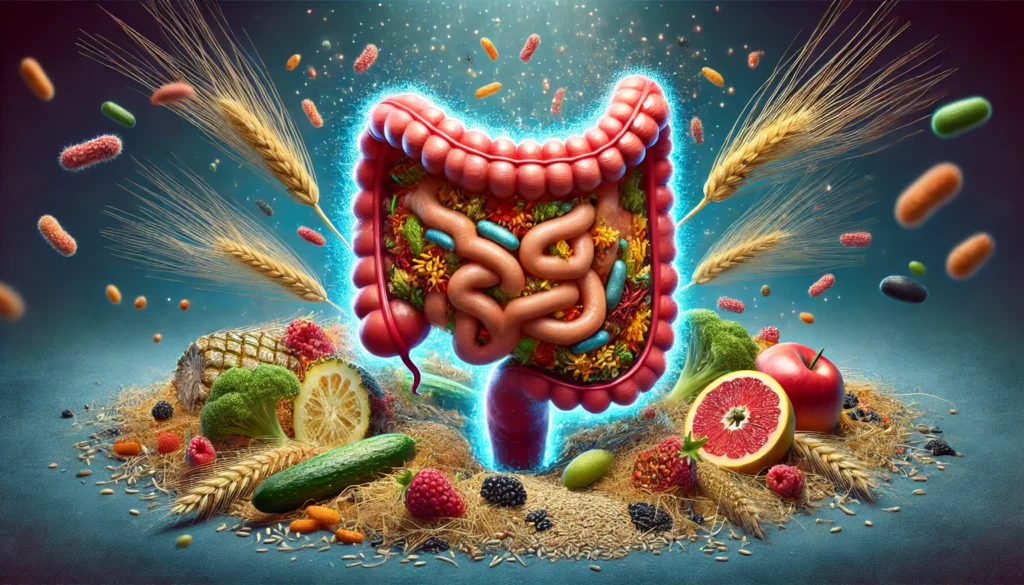
Can a Lack of Fiber Cause Diarrhea? Signs, Symptoms, and How to Restore Gut Health

Understanding the Role of Fiber in Digestion

Dietary fiber plays an essential role in maintaining digestive health, regulating bowel movements, and fostering a balanced gut microbiome. Fiber, a plant-based nutrient, is broadly classified into two categories: soluble and insoluble. Soluble fiber dissolves in water, forming a gel-like substance that helps soften stools and slow digestion, while insoluble fiber adds bulk to stool and promotes regular bowel movements. A deficiency in fiber can lead to various digestive complications, including diarrhea. While fiber is often associated with alleviating constipation, its absence can have the opposite effect, disrupting the gut’s microbial balance and leading to loose stools. Understanding the relationship between fiber intake and diarrhea is crucial for preventing digestive discomfort and maintaining long-term gastrointestinal health.

You may also like: Fiber and Microbiome: How Gut Health Impacts Athletic Recovery and Performance

Does a Lack of Fiber Cause Diarrhea? Examining the Connection

The digestive system relies on fiber to maintain a healthy stool consistency. A deficiency in fiber can disrupt normal bowel function, leading to frequent or watery stools. The absence of adequate fiber can result in undigested food moving too quickly through the intestines, reducing water absorption and causing loose stools. Individuals who do not consume sufficient fiber may also experience gut microbiome imbalances, further exacerbating diarrhea. The gut relies on fiber to nourish beneficial bacteria, and without it, harmful bacteria can proliferate, leading to increased intestinal irritation and irregular bowel movements.

Symptoms of Not Getting Enough Fiber

The symptoms of a fiber deficiency extend beyond just digestive discomfort. Individuals with insufficient fiber intake may experience a range of issues, including chronic loose stools, frequent bloating, increased gas, and a feeling of incomplete evacuation after bowel movements. Over time, a persistent lack of fiber can contribute to more serious conditions such as irritable bowel syndrome (IBS), diverticulosis, and even increased risk of colorectal cancer. The presence of diarrhea, particularly when accompanied by excessive gas and bloating, can be a clear indicator that the digestive system lacks fiber. Recognizing these symptoms early can help individuals make necessary dietary adjustments to restore gut health.

A realistic 3D-rendered image of a plate filled with low-fiber, processed foods such as white bread, sugary cereals, and fried foods, symbolizing poor digestion and gut discomfort.

How Can Not Eating Enough Fiber Cause Diarrhea?

The process of digestion depends on fiber to regulate the movement of food through the intestines. Without fiber, food may pass too quickly, preventing the large intestine from adequately absorbing water. This can result in high fiber and diarrhea-like symptoms, where bowel movements become excessively loose and frequent. Additionally, a lack of fiber can impair the production of short-chain fatty acids (SCFAs), which play a critical role in maintaining intestinal health. Without SCFAs, the gut lining may become inflamed, further contributing to irregular digestion and discomfort. This explains why individuals who consume a diet low in fiber may suffer from chronic digestive instability.

The Gut Microbiome and Fiber Deficiency

A healthy gut microbiome depends on a steady intake of fiber to thrive. Fiber serves as a prebiotic, feeding beneficial bacteria and promoting a balanced microbial environment. When fiber intake is insufficient, gut bacteria populations can shift, allowing harmful bacteria to dominate and increasing the likelihood of diarrhea. The gut microbiome is intricately linked to overall digestive health, and any disruption in fiber consumption can result in an imbalance that contributes to digestive distress. Research indicates that individuals with diets high in processed foods and low in fiber are more prone to developing gut dysbiosis, a condition characterized by microbial imbalances that can lead to chronic diarrhea and other gastrointestinal issues.

Signs That You Are Not Getting Enough Fiber

Recognizing the signs of not enough fiber is crucial for making necessary dietary changes. Some common indicators include frequent diarrhea, inconsistent bowel movements, excessive bloating, and increased episodes of gas. In addition, individuals with fiber deficiencies may experience cravings for processed foods, as the body seeks out quick sources of energy in the absence of slow-digesting fiber. Long-term effects of inadequate fiber intake may also include higher cholesterol levels, unstable blood sugar levels, and an increased risk of developing type 2 diabetes. These warning signs emphasize the importance of prioritizing fiber-rich foods in daily nutrition.

How to Restore Gut Health with Fiber

For those experiencing symptoms of lack of dietary fiber, making dietary adjustments can significantly improve digestive health. Increasing fiber intake gradually can help avoid sudden digestive discomfort. Foods such as whole grains, legumes, vegetables, and fruits are excellent sources of dietary fiber. Consuming a variety of fiber-rich foods ensures a balanced intake of both soluble and insoluble fiber, promoting optimal digestion. Additionally, incorporating fermented foods such as yogurt, kimchi, and sauerkraut can further enhance gut health by introducing beneficial probiotics. Maintaining adequate hydration is also essential, as water helps fiber function effectively within the digestive system.

Does Fiber Cause Diarrhea? Understanding the Effects of Overconsumption

While fiber is essential for digestive health, consuming too much fiber too quickly can lead to digestive distress, including diarrhea. A sudden increase in fiber intake may overwhelm the digestive system, resulting in bloating, gas, and loose stools. For this reason, it is recommended to gradually increase fiber consumption while monitoring the body’s response. Individuals transitioning to a high-fiber diet should also ensure they are drinking enough water, as inadequate hydration can exacerbate digestive discomfort. Understanding how fiber interacts with digestion helps prevent unintended side effects while optimizing gut health.

Can Increasing Fiber Cause Diarrhea? Finding the Right Balance

Finding the right balance of fiber is crucial for maintaining digestive stability. Those who significantly increase fiber intake without allowing the body time to adjust may experience temporary digestive disturbances, including diarrhea. However, this reaction is typically short-lived and can be mitigated by making gradual dietary changes. A well-balanced fiber intake supports digestive health without causing excessive stool looseness. For individuals with sensitive digestive systems, incorporating fiber-rich foods slowly and pairing them with probiotics can help ease the transition and support gut microbiome balance.

Will Eating More Fiber Help with Diarrhea?

For individuals experiencing frequent diarrhea due to a lack of fiber, increasing fiber intake can be an effective solution. Soluble fiber, in particular, can help absorb excess water in the intestines, firming stool consistency and reducing the frequency of loose bowel movements. Foods such as oats, bananas, and sweet potatoes are excellent sources of soluble fiber and can help regulate digestion. However, it is important to introduce fiber gradually to avoid overwhelming the digestive system. Consulting a healthcare provider can provide personalized guidance on managing digestive health through diet.

A vibrant, high-quality illustration of a healthy digestive system with a glowing, well-functioning intestine surrounded by fiber-rich foods such as fruits, vegetables, whole grains, and legumes.

Frequently Asked Questions (FAQ) About Fiber and Diarrhea

1. How does lack of fiber cause diarrhea?

A deficiency in fiber can disrupt the natural balance of digestion by altering stool consistency. Fiber helps regulate bowel movements by absorbing water and adding bulk, so when it is lacking, stool may pass too quickly through the intestines. This can result in loose, watery bowel movements, leading many to wonder: “Does lack of fiber cause diarrhea?” Additionally, fiber plays a key role in feeding beneficial gut bacteria, which help maintain digestive health. Without enough fiber, harmful bacteria can proliferate, contributing to inflammation and irregular digestion.

2. Can increasing fiber cause diarrhea?

Yes, abruptly increasing fiber intake can sometimes lead to digestive distress, including diarrhea. When the digestive system is not accustomed to high amounts of fiber, it may struggle to process it efficiently, leading to bloating, gas, and loose stools. If you’re wondering, “Can increasing fiber cause diarrhea?” the answer lies in moderation. Gradually increasing fiber intake while drinking plenty of water allows the gut to adjust, minimizing unwanted symptoms. A sudden shift in fiber consumption without proper hydration can make high fiber and diarrhea-related symptoms more pronounced.

3. Why does fiber give me diarrhea in some cases?

Fiber can cause diarrhea if it is consumed in excessive amounts or if the digestive system is sensitive to certain types of fiber. Soluble fiber absorbs water and slows digestion, while insoluble fiber adds bulk and speeds up transit time. An imbalance between these two types of fiber can contribute to digestive discomfort. If you’ve asked yourself, “Why does fiber give me diarrhea?” consider whether you’re consuming too much insoluble fiber too quickly. Additionally, some fiber-rich foods, like beans and certain vegetables, can be difficult to digest and may cause gastrointestinal distress in sensitive individuals.

4. What are the signs of not enough fiber in my diet?

A lack of fiber can present itself in various ways beyond just digestive issues. Common symptoms include frequent loose stools, bloating, and difficulty feeling full after meals. Other signs of not enough fiber include erratic blood sugar levels and increased cravings for processed foods. Over time, a fiber deficiency can contribute to more serious health concerns, such as increased cholesterol and a higher risk of cardiovascular disease. Recognizing the symptoms of not enough fiber can help individuals take proactive steps toward improving their diet.

5. Can not eating enough fiber cause diarrhea long-term?

Yes, prolonged fiber deficiency can contribute to chronic digestive instability. If you’re wondering, “Can not eating enough fiber cause diarrhea?” the answer depends on the overall health of your digestive system. A persistent lack of fiber can lead to imbalances in gut bacteria, reducing the gut’s ability to properly absorb water. This long-term imbalance may result in continued episodes of diarrhea, alternating with constipation. Addressing dietary fiber deficiency symptoms early can help prevent more serious digestive disorders in the future.

6. Will eating fiber help with diarrhea caused by a lack of fiber?

For individuals experiencing loose stools due to a fiber deficiency, increasing fiber intake can often help. If you’ve asked, “Will eating fiber help with diarrhea?” the key is to introduce fiber gradually and choose the right types. Soluble fiber, found in foods like oats, bananas, and carrots, helps absorb excess water in the intestines, leading to firmer stool. However, consuming too much fiber at once can have the opposite effect, so moderation is essential. Pairing fiber with adequate hydration ensures that it supports digestion effectively.

7. What are the best sources of fiber for loose stools?

Choosing the right type of fiber is essential for managing diarrhea. If you’re looking for fiber for loose stools, opt for soluble fiber-rich foods such as sweet potatoes, apples, and flaxseeds. These foods slow digestion and help stabilize stool consistency. Insoluble fiber, found in foods like whole grains and leafy greens, may be beneficial in moderation but can sometimes exacerbate loose stools if consumed excessively. Balancing both types of fiber is key to maintaining digestive regularity.

8. Can fiber cause diarrhea in individuals with sensitive stomachs?

Yes, fiber can cause diarrhea in those with digestive sensitivities, particularly if their bodies are not accustomed to processing large amounts of fiber. Individuals with conditions like irritable bowel syndrome (IBS) may find that fiber exacerbates their symptoms. If you are wondering, “Can fiber cause diarrhea?” and you have a sensitive stomach, consider slowly increasing fiber intake and monitoring which foods cause discomfort. Keeping a food diary can help identify specific triggers and guide dietary adjustments.

9. What are the deficiency symptoms of fiber beyond digestion?

While digestive issues like diarrhea are among the most well-known signs, a deficiency in fibre can lead to other health concerns. Lack of fiber symptoms may include increased cholesterol levels, difficulty maintaining a healthy weight, and fluctuating blood sugar levels. Additionally, fiber is essential for maintaining a diverse gut microbiome, and without it, overall immune function may decline. Recognizing deficiency symptoms of fiber early can help prevent these long-term health issues.

10. How do I prevent high fiber diet diarrhea?

If you’ve experienced high fiber diet diarrhea, the solution is often to adjust the way you incorporate fiber into your meals. Gradually increasing fiber intake over time allows your digestive system to adapt without overwhelming it. Hydration is also critical, as water helps fiber move smoothly through the intestines. Pairing fiber with healthy fats and proteins can help regulate digestion and minimize discomfort. If symptoms persist, it may be necessary to modify the types of fiber you consume to find a balance that works for your body.

 A visually rich depiction of a balanced diet featuring whole grains, legumes, leafy greens, nuts, and fruits arranged on a wooden table, with a glowing human digestive system subtly integrated into the background, emphasizing gut health and fiber benefits.

Conclusion: Prioritizing Fiber for Gut Health and Digestive Stability

A lack of fiber can cause diarrhea and disrupt overall digestive health, leading to chronic discomfort and irregular bowel movements. Recognizing the symptoms of dietary fiber deficiency and taking proactive steps to increase fiber intake can help restore gut stability. Ensuring a well-balanced diet that includes both soluble and insoluble fiber, along with adequate hydration and probiotic-rich foods, is essential for maintaining a healthy digestive system. By prioritizing fiber, individuals can achieve long-term gut health, reducing the risk of digestive complications and enhancing overall well-being.

Further Reading:

Signs of an Unhealthy Gut and What to Do About It

10 Signs of an Unhealthy Gut

Dysbiosis

gut health, digestive health, fiber-rich foods, bowel regularity, soluble fiber benefits, insoluble fiber effects, gut microbiome balance, dietary fiber intake, probiotics and digestion, whole grains for digestion, plant-based nutrition, healthy digestion tips, fiber and hydration, gastrointestinal wellness, natural remedies for diarrhea, preventing digestive issues, fiber deficiency risks, high-fiber meal planning, foods for gut flora, best fiber sources

Play exciting online pokies and live games at True Fortune Casino, offering fast payouts, secure deposits, and generous bonuses for Australian players.

Enjoy top pokies and live dealer tables at Uptown Pokies Casino, with quick withdrawals, safe banking, and rewarding promotions for Australian users.

Join thrilling online slots and live casino action at Uptown Aces, featuring fast deposits, secure withdrawals, and exclusive bonuses for Australian players.

Spin favourite pokies and play live casino games at Velvet Spins Casino, offering safe banking, fast payouts, and generous promotions for Australian enthusiasts.

Experience exciting online pokies and live tables at Woo Casino, with quick withdrawals, secure deposits, and attractive bonuses for Australian casino players.

Play top pokies and live dealer games at King Billy Casino, offering fast payouts, safe banking, and rewarding promotions for Australian online casino users.

Enjoy thrilling online slots and live casino action at Aussie Play Casino, with secure deposits, quick withdrawals, and generous bonuses for Australian players.

Join exciting pokies and live tables at Fastpay Casino, featuring fast payouts, safe banking, and exclusive promotions for Australian online casino enthusiasts.