hacklink hack forum hacklink film izle hacklink
Home Blog Page 243

Best High-Fiber Meals at Restaurants: How to Eat Gut-Friendly on the Go

Understanding the Importance of Fiber for Gut Health

Fiber plays a crucial role in maintaining gut health, supporting digestion, and promoting overall well-being. Dietary fiber, primarily found in plant-based foods, is classified into two main types: soluble and insoluble. Soluble fiber dissolves in water, forming a gel-like substance that slows digestion and helps regulate blood sugar levels. Insoluble fiber, on the other hand, adds bulk to stool and facilitates bowel movements, preventing constipation. A high-fiber diet has been associated with numerous health benefits, including a reduced risk of heart disease, diabetes, and colorectal cancer. Given these advantages, ensuring sufficient fiber intake is essential, even when dining out.

You may also like: Fiber and Microbiome: How Gut Health Impacts Athletic Recovery and Performance

Many individuals struggle to meet their daily fiber requirements, especially when eating at restaurants where processed foods often dominate the menu. However, by making informed choices and selecting fiber-rich options, it is possible to maintain a gut-friendly diet while enjoying meals outside the home. With the growing awareness of gut health, many restaurants have started incorporating high-fiber dishes into their menus, making it easier for consumers to prioritize nutrition without sacrificing convenience. This article explores the best high-fiber meals at restaurants, offering guidance on how to make gut-friendly choices on the go.

A beautifully plated Mediterranean high-fiber meal featuring grilled eggplant, chickpea salad, tabbouleh, roasted bell peppers, and whole wheat pita in a cozy restaurant ambiance.

Identifying High-Fiber Options on Restaurant Menus

When dining out, understanding how to identify high-fiber meals at restaurants is crucial for making gut-friendly choices. Many eateries now cater to health-conscious consumers by offering plant-based and fiber-rich dishes, but knowing what to look for can enhance one’s ability to select the most beneficial options. Fiber-rich foods typically include vegetables, legumes, whole grains, nuts, and seeds. When reviewing a menu, dishes that incorporate these ingredients are likely to be high in fiber and beneficial for gut health.

Salads are often a reliable choice for those seeking high-fiber meals. However, the key to maximizing fiber intake lies in selecting salads that include a variety of fiber-dense ingredients such as leafy greens, beans, quinoa, and nuts. Similarly, soups made from lentils, black beans, or split peas can be excellent sources of fiber. Whole grain options, such as brown rice, quinoa, and whole wheat bread, should also be prioritized over refined grains to increase fiber intake.

When considering entrees, plant-based dishes featuring beans, lentils, chickpeas, and vegetables tend to be rich in fiber. Ethnic cuisines such as Mediterranean, Middle Eastern, and Indian often include fiber-dense meals, making them excellent choices for those seeking to enhance gut health. By learning to identify these options, diners can enjoy nutritious meals without compromising their digestive wellness.

The Best High-Fiber Take-Out Options

Finding high-fiber take-out options can be challenging, especially given the prevalence of fast food and processed ingredients in the take-out industry. However, with a bit of research and strategic ordering, it is possible to enjoy high-fiber meals even when on the go. Many fast-casual and health-conscious restaurants now offer fiber-rich dishes, providing convenient options for those seeking gut-friendly meals outside the home.

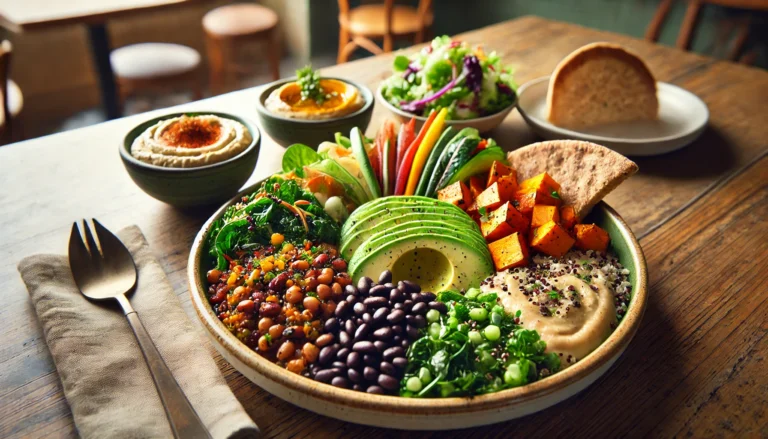
Bowls featuring whole grains, legumes, and vegetables are among the best high-fiber take-out choices. For instance, grain bowls that include quinoa, brown rice, black beans, lentils, and roasted vegetables provide an excellent balance of fiber, protein, and essential nutrients. Mediterranean-inspired bowls with hummus, chickpeas, whole wheat pita, and tabbouleh are also excellent options. Similarly, burrito bowls with black beans, brown rice, salsa, and avocado offer a substantial fiber boost.

Many Asian cuisines incorporate fiber-rich ingredients, making them a great source of high-fiber take-out options. Stir-fries loaded with vegetables, tofu, and brown rice provide a fiber-packed meal that is both satisfying and nutritious. Vietnamese pho with plenty of vegetables and tofu, as well as Thai curries served with brown rice, can also be excellent gut-friendly choices. By opting for take-out meals that emphasize whole grains, legumes, and vegetables, individuals can maintain their fiber intake without sacrificing convenience.

Making Smart Substitutions to Increase Fiber Intake

One of the easiest ways to boost fiber intake when dining out is by making smart substitutions. Many restaurants offer flexibility in menu choices, allowing customers to swap out refined grains for whole grains or add extra vegetables to their meals. By taking advantage of these options, diners can significantly enhance the fiber content of their meals.

For instance, requesting whole wheat or sprouted grain bread instead of white bread can increase fiber intake in sandwiches and burgers. Similarly, choosing brown rice, quinoa, or farro instead of white rice can add a significant amount of fiber to meals. When ordering pasta dishes, opting for whole wheat or legume-based pasta can provide a fiber boost while also increasing protein intake.

Incorporating extra vegetables into meals is another effective strategy. Many restaurants allow customers to add extra servings of vegetables to sandwiches, wraps, and pasta dishes. Topping pizzas with fiber-rich vegetables such as mushrooms, spinach, bell peppers, and onions can improve the nutritional profile of the meal. Additionally, substituting fried sides with fiber-rich alternatives such as roasted sweet potatoes or steamed broccoli can make a significant difference in overall fiber consumption.

A colorful high-fiber salad bowl at a stylish restaurant, containing kale, shredded carrots, cherry tomatoes, sliced almonds, quinoa, black beans, and avocado, drizzled with vinaigrette.

Frequently Asked Questions (FAQ): Best High-Fiber Meals at Restaurants

1. What are some of the best high-fiber meals at restaurants that support gut health?

High-fiber meals at restaurants often include dishes rich in whole grains, legumes, and vegetables. Some excellent options include quinoa bowls with chickpeas and roasted vegetables, lentil-based soups, and salads featuring dark leafy greens, nuts, and seeds. Ethnic cuisines such as Mediterranean and Indian offer a variety of fiber-rich dishes, including hummus with whole wheat pita, chana masala, and tabbouleh. Additionally, many Asian restaurants provide stir-fried vegetable dishes with brown rice or soba noodles, which help boost fiber intake. When dining out, seeking out meals that incorporate a mix of plant-based ingredients ensures a nutrient-dense, gut-friendly experience.

2. How can I identify high-fiber meals at restaurants when menus don’t list fiber content?

When menus don’t specify fiber content, look for key ingredients that indicate a meal is rich in fiber. Whole grains such as quinoa, barley, brown rice, and whole wheat pasta typically contain more fiber than their refined counterparts. Legumes, including lentils, black beans, and chickpeas, are excellent sources of fiber and protein. Vegetables, especially leafy greens, cruciferous vegetables, and root vegetables, contribute significantly to daily fiber intake. Additionally, dishes that incorporate nuts and seeds, such as almond-crusted proteins or chia seed toppings, tend to be higher in fiber. Asking restaurant staff about ingredient substitutions or requesting extra vegetables in dishes can also help increase fiber intake.

3. What are some of the best high-fiber take-out options available for people on the go?

High-fiber take-out options are becoming more widely available as restaurants respond to consumer demand for healthier meals. Grain bowls from fast-casual eateries that feature brown rice, quinoa, or farro combined with beans, roasted vegetables, and nuts provide a substantial fiber boost. Mediterranean take-out options such as falafel wraps with whole wheat pita and a side of tabbouleh offer a satisfying balance of fiber and protein. Additionally, Mexican-inspired burrito bowls with black beans, brown rice, grilled vegetables, and guacamole are excellent choices. Some smoothie shops offer high-fiber blends that include chia seeds, flaxseeds, and fibrous fruits like berries and bananas. By choosing meals that emphasize whole, plant-based ingredients, take-out can be both convenient and gut-friendly.

4. What are some effective ways to modify restaurant meals to increase fiber content?

One effective way to increase fiber in restaurant meals is by swapping out refined grains for whole grains, such as choosing whole wheat bread for sandwiches or brown rice instead of white rice. Requesting extra vegetables in salads, stir-fries, or grain bowls can significantly enhance fiber intake. Asking for legumes such as black beans or lentils as a protein source instead of meat can also provide additional fiber while maintaining satiety. Toppings like chia seeds, flaxseeds, or nuts can add texture and fiber to meals such as oatmeal or yogurt-based dishes. Finally, replacing fried side dishes with roasted or steamed vegetables ensures a higher fiber intake without sacrificing flavor or satisfaction.

5. Are high-fiber take-out options available at fast-food chains, or do I need to stick to specialized restaurants?

Many fast-food chains now offer high-fiber take-out options, though they may require some customization. Some burger chains provide lettuce wraps or whole wheat buns as alternatives to refined bread options. Salads with fiber-rich toppings such as chickpeas, black beans, and nuts can be a better choice than fried menu items. Some Mexican-style fast-food chains allow customers to build their own bowls with high-fiber ingredients like brown rice, grilled vegetables, and beans. Even sandwich chains offer whole wheat bread and additional vegetable toppings to increase fiber intake. While specialized restaurants may have more fiber-focused offerings, many fast-food establishments now cater to health-conscious diners by incorporating high-fiber options into their menus.

6. How can I ensure that I am getting enough fiber when traveling and relying on restaurant meals?

Traveling can make it challenging to maintain a high-fiber diet, but planning ahead can help. Researching restaurants in advance that offer high-fiber meals at restaurants can make dining decisions easier. Opting for whole grain options, requesting extra vegetables, and choosing plant-based protein sources can enhance fiber intake. Packing portable fiber-rich snacks such as nuts, seeds, and dried fruit can supplement restaurant meals when necessary. Hydration also plays a crucial role in digestion, so drinking plenty of water can help the body process fiber more effectively. By prioritizing fiber-rich choices and being mindful of ingredient substitutions, it is possible to maintain gut health while traveling.

7. What are some hidden sources of fiber in restaurant meals that people often overlook?

Many restaurant meals contain hidden sources of fiber that diners may not recognize. Ingredients such as avocado, artichokes, and Brussels sprouts contribute significant amounts of fiber without being the focal point of a dish. Some sauces and dressings include fiber-rich ingredients like tahini or hummus, which can enhance overall fiber intake. Whole grain pasta, even when paired with a rich sauce, provides more fiber than traditional refined pasta. Many ethnic dishes, such as Indian dal made from lentils or Ethiopian injera bread made from teff, naturally offer high fiber content. Recognizing these hidden sources of fiber allows diners to make more informed choices when eating out.

8. How does fiber impact gut health when eating out frequently?

Eating out frequently can sometimes result in lower fiber intake if meals rely heavily on processed or refined ingredients. However, maintaining a fiber-rich diet while dining at restaurants supports gut health by promoting a diverse microbiome and aiding digestion. Fiber acts as a prebiotic, feeding beneficial gut bacteria that contribute to overall digestive wellness. Insoluble fiber helps regulate bowel movements, while soluble fiber can aid in stabilizing blood sugar levels and improving nutrient absorption. Choosing high-fiber meals at restaurants ensures that gut health remains a priority even when dining out, reducing the risk of digestive discomfort and supporting long-term wellness.

9. What are some misconceptions about high-fiber restaurant meals?

One common misconception is that high-fiber meals at restaurants are bland or unsatisfying, when in reality, fiber-rich meals are often more flavorful and filling due to their nutrient density. Another myth is that fiber is only found in vegetables, but legumes, whole grains, nuts, and seeds are also excellent sources. Some diners believe that eating out inherently means consuming less fiber, but many restaurants now emphasize whole, plant-based ingredients that support high-fiber diets. Additionally, some assume that ordering a salad is always the best way to get fiber, but certain grain bowls, soups, and ethnic dishes can offer even higher fiber content. By debunking these misconceptions, diners can make more informed choices when seeking fiber-rich meals.

10. How is the restaurant industry adapting to the demand for high-fiber meals?

The restaurant industry is increasingly recognizing the importance of fiber-rich meals and is responding by incorporating more whole, plant-based ingredients into their menus. Many establishments now highlight high-fiber take-out options, offering dishes that feature whole grains, legumes, and vegetables. Fast-casual restaurants, in particular, have expanded their menus to include grain bowls, salads, and customizable meals that allow customers to add fiber-rich ingredients. Some chefs are experimenting with fiber-enhanced dishes by incorporating lesser-known grains such as farro or amaranth. As consumer demand for gut-friendly dining continues to rise, the restaurant industry is expected to further innovate by developing more accessible, high-fiber options that cater to a variety of dietary preferences.

A nutritious plant-based high-fiber restaurant dish with grilled tofu, steamed broccoli, roasted chickpeas, wild rice, and mixed greens, served in a modern dining environment.

Conclusion: Maintaining Gut Health While Dining Out

Eating high-fiber meals at restaurants is not only possible but can be enjoyable with the right approach. By understanding how to identify fiber-rich dishes, selecting the best high-fiber take-out options, and making smart menu substitutions, individuals can prioritize gut health even when dining away from home. As more restaurants incorporate health-conscious offerings into their menus, it has become increasingly feasible to maintain a fiber-rich diet without compromising on taste or convenience.

By consistently choosing plant-based ingredients, whole grains, and legumes, individuals can support their digestive health while enjoying a diverse and satisfying diet. With a growing awareness of the importance of fiber, restaurants are more accommodating than ever, making it easier to find gut-friendly meals on the go. Ultimately, making informed choices and being mindful of dietary needs can help individuals maintain optimal health while dining out, ensuring that gut-friendly eating remains both accessible and delicious.

Further Reading:

20 High-Fiber Lunches That Can Help Support Healthy Digestion

For a Longer Life and Happier Gut, Eat More Fiber

31 High-Fiber Foods You Should Be Eating

high fiber diet, gut health foods, plant-based meals, fiber-rich restaurants, healthy restaurant choices, whole grain meals, best foods for digestion, fiber and gut microbiome, restaurant nutrition tips, eating out healthy, fiber for weight management, high-fiber vegetarian meals, legumes and fiber, digestive health diet, best fiber sources, prebiotics and gut health, high-fiber fast food options, fiber for heart health, healthy takeout meals, nutrient-dense dining

The information contained in this article is provided for general informational purposes only and is not intended to serve as medical, legal, or professional advice. While NewsHealthWatch strives to present accurate, up-to-date, and reliable content, no warranty or guarantee, expressed or implied, is made regarding the completeness, accuracy, or adequacy of the information provided. Readers are strongly advised to seek the guidance of a qualified healthcare provider or other relevant professionals before acting on any information contained in this article. NewsHealthWatch, its authors, editors, and contributors expressly disclaim any liability for any damages, losses, or consequences arising directly or indirectly from the use, interpretation, or reliance on any information presented herein. The views and opinions expressed in this article are those of the author(s) and do not necessarily reflect the official policies or positions of NewsHealthWatch.


What Not to Do During a 21-Day Detox: Common Mistakes That Can Sabotage Your Cleanse

Understanding the Purpose of a 21-Day Detox

A 21-day detox is designed to help your body reset, eliminate toxins, and improve overall wellness. This structured period of cleansing involves dietary modifications, lifestyle changes, and often the use of herbal supplements or specific detoxification protocols. While the goal is to enhance digestive health, support liver function, and promote clarity of mind, improper execution can lead to negative outcomes, including fatigue, digestive distress, and metabolic imbalances. Understanding what not to do during a 21-day detox is just as crucial as knowing the best practices for a successful cleanse.

You may also like: 7-Day Detox Meal Plan: A Science-Backed Guide to Cleanse, Nourish, and Rejuvenate Your Body

Many individuals approach detoxification with enthusiasm but fail to recognize the potential pitfalls that can compromise their efforts. Detoxing requires discipline, balance, and knowledge of how the body naturally processes toxins. A poorly executed cleanse can strain your system rather than rejuvenate it. Common mistakes include extreme caloric restriction, inadequate hydration, excessive reliance on detox products, and lack of preparation. By avoiding these pitfalls, you can maximize the benefits of your 21-day detox and emerge feeling revitalized and healthier.

A person in a gym lifting heavy weights, sweating excessively, and looking exhausted. Their strained expression and posture highlight the dangers of over-exercising during a detox

Failing to Prepare Properly Before Beginning the Cleanse

One of the most common mistakes people make when embarking on a 21-day detox is neglecting the preparation phase. Transitioning abruptly from a diet high in processed foods, caffeine, and sugar to a strict detox regimen can lead to intense withdrawal symptoms, including headaches, irritability, and digestive discomfort. The body needs time to adjust to dietary changes, and a sudden shift can be overwhelming.

Proper preparation involves gradually reducing intake of processed foods, refined sugars, and stimulants such as caffeine and alcohol at least a week before starting the detox. This step allows your body to adapt more smoothly, minimizing shock to the system. Additionally, stocking up on whole, nutrient-dense foods ensures that you have access to the right ingredients when cravings strike. Many people fail to anticipate these cravings, leading to moments of weakness where they reach for unhealthy options that compromise the detox process.

Hydration is another crucial aspect of preparation that is often overlooked. Ensuring adequate water intake before starting the cleanse can prevent dehydration, which is a common issue during detoxification. Without sufficient water, the body struggles to flush out toxins effectively, leading to sluggishness and constipation. By easing into the detox gradually and preparing both mentally and physically, you set yourself up for a successful and sustainable cleansing experience.

Restricting Calories Too Severely

A prevalent misconception about detoxing is that extreme caloric restriction will lead to better results. Many people assume that eating as little as possible will help their bodies eliminate toxins faster, but this approach can be detrimental. Severely limiting calorie intake can cause the body to enter a state of stress, slowing metabolism and triggering muscle loss rather than promoting detoxification.

The body requires adequate energy to fuel essential detoxification processes carried out by the liver, kidneys, and digestive system. When deprived of sufficient nutrients, the body prioritizes survival over detoxification, leading to feelings of fatigue, dizziness, and mental fog. Instead of achieving clarity and vitality, those who overly restrict calories may experience weakness, irritability, and a compromised immune system.

A well-balanced detox should include nutrient-dense foods that provide essential vitamins and minerals while eliminating processed ingredients and harmful additives. Incorporating sufficient protein, healthy fats, and fiber-rich carbohydrates ensures that the body maintains energy levels while effectively eliminating toxins. Rather than viewing detox as a form of deprivation, it should be approached as a nourishment-focused endeavor that supports long-term wellness.

Over-Reliance on Detox Supplements and Products

The supplement industry is flooded with detox pills, teas, and powders that claim to accelerate toxin removal and weight loss. While some high-quality supplements can support liver function and digestive health, excessive reliance on these products is one of the most common mistakes during a 21-day detox. Many detox teas and supplements contain laxatives, diuretics, or harsh stimulants that can cause dehydration and disrupt electrolyte balance.

Detoxification is a natural function of the body, primarily facilitated by the liver, kidneys, and digestive system. The most effective way to support these organs is through proper nutrition, hydration, and rest rather than relying on quick-fix supplements. Overuse of detox pills can lead to dependency, digestive distress, and imbalances in gut flora, which may do more harm than good.

Instead of focusing on commercial detox products, it is best to prioritize whole foods that naturally support the body’s cleansing mechanisms. Foods rich in antioxidants, fiber, and essential nutrients—such as leafy greens, cruciferous vegetables, berries, and fermented foods—offer sustainable detoxification benefits without the risks associated with artificial supplements. A successful detox emphasizes nourishment over gimmicks, allowing the body to cleanse itself naturally and efficiently.

Ignoring Hydration Needs

Water plays a crucial role in detoxification, yet many individuals fail to consume enough fluids during their 21-day detox. Dehydration impairs the body’s ability to flush out toxins, leading to sluggish digestion, fatigue, and headaches. Without adequate water intake, detox symptoms can become more pronounced, making the process unnecessarily uncomfortable.

Hydration supports kidney function, which is essential for filtering waste from the bloodstream. It also aids in digestion by preventing constipation and promoting the elimination of waste through bowel movements. Many detox programs emphasize the consumption of herbal teas and juices, but these should complement—rather than replace—plain water.

A practical approach is to aim for at least eight to ten glasses of water per day, adjusting based on individual needs and activity levels. Adding fresh lemon or cucumber slices can enhance hydration while providing additional detoxifying benefits. By prioritizing hydration throughout the detox, individuals can experience improved digestion, clearer skin, and enhanced energy levels.

A person sitting at a desk late at night, looking exhausted and stressed, surrounded by coffee and energy drinks. The dimly lit room and computer screen glare highlight sleep deprivation and excessive caffeine intake, both of which can disrupt the detox process

Frequently Asked Questions (FAQ) About the 21 Day Detox

1. What are some common mistakes to avoid during a 21 day detox? Many people unknowingly sabotage their 21 day detox by making simple mistakes. One of the most common errors is drastically cutting calories, which can lead to fatigue, headaches, and muscle loss. Another mistake is consuming detox teas or extreme laxatives that promise rapid cleansing but can cause dehydration and digestive distress. Over-exercising while on a 21 day cleanse can also be counterproductive, as the body needs time to heal and regenerate. Finally, not drinking enough water or consuming too many processed “healthy” detox products can interfere with the natural detoxification process, making it less effective.

2. Can a 21 day detox improve mental clarity and focus? Yes, a properly executed 21 day detox cleanse can significantly enhance mental clarity and cognitive function. By eliminating processed foods, sugars, and artificial ingredients, your brain receives better-quality nutrients that support neurotransmitter activity. Hydration also plays a critical role in focus, as dehydration is known to cause brain fog and sluggish thinking. Additionally, detoxification helps stabilize blood sugar levels, preventing mood swings and energy crashes. Many individuals report experiencing improved memory, faster cognitive processing, and overall mental sharpness by the end of their 21 days detoxification journey.

3. How can I ensure long-term benefits after completing a 21 day detox? The key to maintaining results after a 21 day cleanse is adopting sustainable lifestyle changes. Instead of returning to unhealthy habits, focus on integrating more whole foods, hydration, and mindful eating into your routine. Gradually reintroducing eliminated foods can help you identify specific triggers that may cause bloating, fatigue, or skin issues. Regular exercise, stress management, and quality sleep further enhance detox benefits by supporting continuous cellular repair. By treating the 21 day detox as a reset rather than a temporary fix, you can cultivate long-lasting health improvements.

4. How does sleep impact the effectiveness of a 21 day detox? Sleep plays a crucial role in the body’s ability to detoxify efficiently. During deep sleep, the liver and other organs work to eliminate toxins, repair cells, and regulate metabolic functions. Poor sleep can increase stress hormones, which may hinder detoxification and contribute to inflammation. Those undergoing a 21 days detoxification should prioritize sleep hygiene by avoiding screens before bed, keeping a consistent sleep schedule, and creating a relaxing nighttime routine. When sleep is optimized, the body’s ability to cleanse itself naturally is significantly enhanced.

5. What should I do if I experience detox symptoms like fatigue or headaches? Mild detox symptoms such as fatigue, headaches, and irritability are common in the first few days of a 21 day detox cleanse. These symptoms typically arise due to sugar withdrawal, caffeine reduction, or the release of stored toxins. To ease discomfort, ensure adequate hydration, consume fiber-rich foods, and incorporate light movement like stretching or walking. Herbal teas, such as ginger or peppermint, can help soothe digestive discomfort. If symptoms persist beyond the first week, reassess your nutrition intake to ensure you’re not overly restricting essential nutrients.

6. How does hydration enhance the benefits of a 21 day detox? Staying hydrated is essential for maximizing the results of a 21 day cleanse. Water helps flush out toxins through the kidneys, supports digestion, and keeps the lymphatic system functioning optimally. Many people mistake thirst for hunger, leading to overeating and digestive strain. Herbal teas, infused water, and electrolyte-rich drinks can further support detoxification by replenishing lost minerals. To ensure proper hydration, aim for at least half your body weight in ounces of water per day, adjusting based on activity levels and climate.

7. Can I exercise while on a 21 day detox? Moderate exercise is beneficial during a 21 days detoxification, but over-exertion can be counterproductive. Activities like yoga, stretching, and light walking can support circulation and lymphatic drainage, enhancing toxin removal. However, high-intensity workouts may deplete energy reserves and cause stress on the body, especially in the first week of detox. If you feel fatigued, prioritize rest and opt for restorative movements instead. As your body adapts, gradually reintroduce more strenuous activities while listening to your body’s signals.

8. What should I eat immediately after finishing a 21 day detox? Transitioning out of a 21 day detox cleanse requires mindful food choices to avoid shocking the digestive system. Start with simple, whole foods such as fresh fruits, steamed vegetables, and lean proteins. Avoid processed foods, excess caffeine, and high-sugar meals, as they can quickly undo the benefits of detoxification. Introducing fermented foods like kimchi, sauerkraut, or probiotic yogurt can aid in gut health and digestion. This gradual approach allows your body to adjust smoothly while maintaining the positive effects of detoxing.

9. Is a 21 day detox cleanse safe for everyone? While a 21 day detox can be highly beneficial, it may not be suitable for everyone. Pregnant or breastfeeding women, individuals with pre-existing medical conditions, or those on medication should consult a healthcare professional before starting. Some detox protocols involve restrictive eating, which may not be appropriate for individuals with a history of disordered eating. If you have any concerns, opting for a modified version of detox that includes nutrient-dense meals and professional guidance is a safer alternative. Listening to your body and adjusting the detox plan accordingly is essential for a positive experience.

10. How can I customize a 21 day detox to fit my lifestyle? A successful 21 days detoxification should be tailored to your personal needs, preferences, and schedule. If your lifestyle is highly active, ensuring sufficient protein intake can prevent muscle loss and fatigue. Those with busy schedules may benefit from meal prepping detox-friendly foods in advance to avoid last-minute unhealthy choices. If eliminating caffeine is challenging, a gradual reduction instead of abrupt withdrawal can minimize withdrawal symptoms. The key to a sustainable detox is flexibility—modifying it to suit your body’s needs while still achieving effective cleansing and renewal.

A person at a social gathering holding a cocktail, surrounded by others drinking alcohol and eating fried foods. Their conflicted expression highlights the challenge of resisting temptations that can derail a detox

Conclusion: Neglecting Rest and Sleep

The detoxification process requires energy, and adequate rest is essential for the body to repair and rejuvenate. Unfortunately, many individuals prioritize dietary changes while neglecting sleep, which can hinder the benefits of their 21-day detox. Sleep deprivation disrupts hormone regulation, weakens the immune system, and impairs the liver’s ability to process toxins efficiently.

During sleep, the body engages in critical restorative processes, including cellular repair and toxin elimination. Inadequate sleep can lead to increased stress levels, which counteracts the positive effects of detoxification. Chronic sleep deprivation also contributes to inflammation and metabolic imbalances, reducing the effectiveness of any dietary modifications made during the cleanse.

To optimize detoxification, it is crucial to establish a consistent sleep routine. Creating a calming nighttime ritual—such as disconnecting from electronic devices, practicing deep breathing, or drinking a soothing herbal tea—can improve sleep quality. Prioritizing rest ensures that the body functions optimally during detox, allowing for enhanced mental clarity, improved digestion, and a greater sense of well-being.

natural detoxification tips, liver support foods, how to cleanse your body naturally, detox mistakes to avoid, best foods for detox, hydration and detox, 21-day wellness reset, effective cleanse strategies, detox myths debunked, holistic cleansing practices, mindful eating during detox, natural ways to detox, common detoxification errors, balancing nutrition during cleanse, avoiding detox pitfalls, best practices for cleansing, hydration benefits for detox, sleep and detoxification, natural liver detox methods, whole food cleanse

Further Reading:

Dos and don’ts of a January detox

21-Day Detox Menu: Eat This – Not That, To Support Your Body’s Detox System

Going to Try Detox? Do’s and Don’ts to Make it Worth Your Efforts

Disclaimer

The information contained in this article is provided for general informational purposes only and is not intended to serve as medical, legal, or professional advice. While NewsHealthWatch strives to present accurate, up-to-date, and reliable content, no warranty or guarantee, expressed or implied, is made regarding the completeness, accuracy, or adequacy of the information provided. Readers are strongly advised to seek the guidance of a qualified healthcare provider or other relevant professionals before acting on any information contained in this article. NewsHealthWatch, its authors, editors, and contributors expressly disclaim any liability for any damages, losses, or consequences arising directly or indirectly from the use, interpretation, or reliance on any information presented herein. The views and opinions expressed in this article are those of the author(s) and do not necessarily reflect the official policies or positions of NewsHealthWatch.

Best High Fiber Snacks for Gut Health: Tasty, Low-Calorie Options for Better Digestion

Understanding the Importance of High Fiber Snacks for Gut Health

The role of dietary fiber in promoting gut health is well-established, with research continuously highlighting its significance in maintaining a balanced microbiome. Fiber is a type of carbohydrate that resists digestion, allowing it to pass through the digestive system relatively intact. This process supports gut bacteria by providing nourishment that enhances their ability to produce beneficial compounds, such as short-chain fatty acids. These acids play a vital role in reducing inflammation, enhancing immunity, and promoting overall well-being. High fiber snacks, therefore, are an excellent way to support digestive health while also offering nutritional benefits that extend beyond the gut.

You may also like: Fiber and Microbiome: How Gut Health Impacts Athletic Recovery and Performance

Fiber-rich foods come in two primary forms: soluble and insoluble. Soluble fiber dissolves in water to form a gel-like substance, helping to slow digestion and regulate blood sugar levels. Insoluble fiber, on the other hand, adds bulk to stools and facilitates their passage through the intestines, preventing constipation. A balanced intake of both forms is essential for optimal digestive function. Including a variety of high fiber snacks in the diet ensures the consumption of both fiber types while also providing essential vitamins, minerals, and antioxidants.

One of the most compelling benefits of high fiber snacks is their ability to support weight management. Foods rich in fiber increase satiety, reducing overall calorie intake by curbing hunger. This is particularly beneficial for individuals seeking high fiber low calorie snacks or high fiber snacks for weight loss. The added advantage is that these snacks often have a lower glycemic index, helping to prevent energy crashes and sustain steady blood sugar levels.

How High Fiber Snacks Influence the Gut Microbiome

The gut microbiome is composed of trillions of microorganisms that influence numerous aspects of health, including digestion, metabolism, and immune function. Dietary fiber acts as a prebiotic, feeding beneficial bacteria and encouraging their proliferation. A well-nourished microbiome contributes to enhanced gut barrier integrity, reducing the likelihood of inflammation and digestive disorders such as irritable bowel syndrome (IBS) and leaky gut syndrome.

High fiber snacks provide an accessible way to nourish gut bacteria daily. Many fiber-rich foods, such as fruits, vegetables, nuts, seeds, and whole grains, contain polyphenols—antioxidant compounds that further support microbial diversity. Studies suggest that individuals who consume a fiber-rich diet exhibit a more robust and diverse gut microbiome than those who do not. This diversity is crucial, as it helps the body effectively extract nutrients from food, regulate mood through the gut-brain axis, and maintain a balanced immune response.

Snacks with lots of fiber are particularly advantageous for individuals who struggle to consume adequate fiber through traditional meals. The portability and convenience of high fiber snacks make them a practical choice for busy individuals who want to optimize gut health without overhauling their diet completely. Moreover, pairing fiber with healthy fats and proteins can further enhance digestion and nutrient absorption, making these snacks a well-rounded option for overall health.

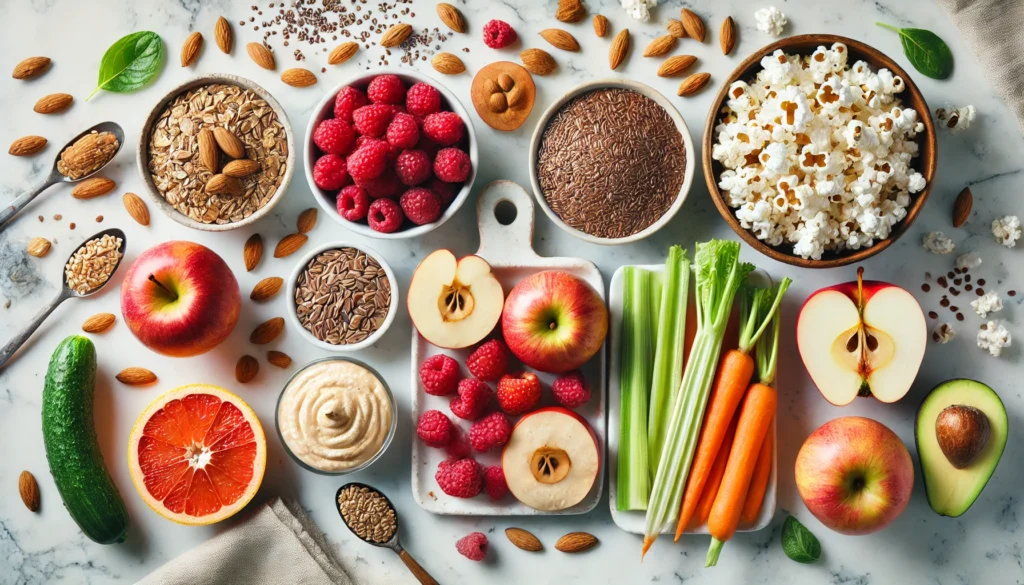
A clean and visually appealing flat lay of gut-healthy, fiber-rich snacks on a white marble surface, featuring fresh raspberries, apples, almonds, flaxseeds, overnight oats, air-popped popcorn, and hummus with carrot and celery sticks.

The Best High Fiber Snacks for Gut Health

Selecting the best high fiber snacks involves considering not only fiber content but also nutritional density and gut-friendly properties. Below are some of the top choices that align with these criteria:

1. Chia Seed Pudding Chia seeds are an exceptional source of soluble fiber, with just two tablespoons providing approximately 10 grams of fiber. When mixed with liquid, chia seeds form a gel-like consistency that aids digestion and supports hydration. Chia pudding can be customized with plant-based milk, natural sweeteners, and gut-friendly toppings like berries and nuts.

2. Roasted Chickpeas Legumes, such as chickpeas, are packed with fiber and protein, making them a filling and nutritious snack. Roasting chickpeas with olive oil and spices creates a crunchy, flavorful snack that is high in both insoluble and soluble fiber. This helps promote satiety while also regulating digestion.

3. Oatmeal with Flaxseeds Oats contain beta-glucan, a soluble fiber known for its ability to promote heart health and regulate cholesterol levels. Adding flaxseeds enhances the fiber content while also providing omega-3 fatty acids that support anti-inflammatory processes. This combination makes for a wholesome, gut-friendly snack.

4. Avocado Toast on Whole-Grain Bread Avocados are rich in dietary fiber, with one medium avocado containing about 10 grams. When paired with whole-grain toast, this snack offers a balance of fiber, healthy fats, and complex carbohydrates. The prebiotic properties of whole grains further contribute to gut microbiome diversity.

5. Almonds and Dried Fruit Mix Nuts and dried fruit provide a combination of fiber, healthy fats, and natural sugars that support energy levels and digestion. Almonds, in particular, contain prebiotic properties that enhance gut bacteria growth. Choosing unsweetened dried fruit ensures that added sugars do not offset the health benefits of this snack.

6. Greek Yogurt with Berries and Seeds While yogurt is primarily known for its probiotic benefits, pairing it with fiber-rich berries and seeds creates a snack that supports gut health on multiple levels. Probiotics help maintain microbial balance, while fiber from berries and seeds promotes digestive regularity.

7. Air-Popped Popcorn Whole grains are a significant source of fiber, and popcorn is one of the simplest ways to enjoy them. Air-popped popcorn provides a light yet satisfying snack with a high fiber content and minimal calories. To enhance its nutritional profile, sprinkling nutritional yeast or spices adds flavor without unnecessary additives.

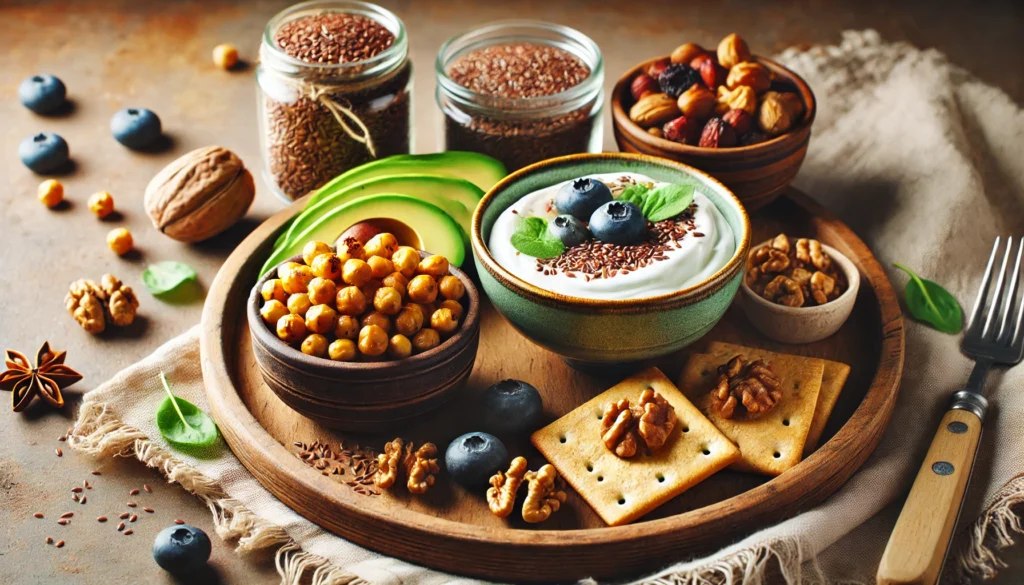
A rustic wooden tray filled with high-fiber snacks, including roasted chickpeas, avocado on whole-grain crackers, Greek yogurt with flaxseeds and blueberries, and a mix of walnuts and dried apricots, promoting gut health and digestion.

Frequently Asked Questions (FAQ) About High Fiber Snacks for Gut Health

1. What are the best high fiber snacks for improving gut health?

The best high fiber snacks for gut health include foods that nourish beneficial gut bacteria while promoting digestive regularity. Options such as chia seed pudding, roasted chickpeas, and oatmeal with flaxseeds are excellent choices due to their balance of soluble and insoluble fiber. Fermented snacks, such as unsweetened Greek yogurt paired with fiber-rich berries, can further enhance gut health by combining probiotics with prebiotics. Additionally, incorporating raw vegetables with hummus, a fiber-packed legume-based dip, provides essential nutrients that support digestion. Consistently choosing healthy fiber snacks ensures that the gut microbiome remains diverse and well-nourished.

2. How do high fiber snacks support weight loss?

High fiber snacks for weight loss work by promoting satiety, reducing hunger, and stabilizing blood sugar levels. Since fiber slows digestion, it helps people feel fuller for longer periods, preventing overeating and reducing cravings for unhealthy foods. Low cal high fiber snacks, such as air-popped popcorn, raw almonds, and sliced apples with nut butter, provide essential nutrients without excess calories. Fiber also plays a role in regulating the hormones that control appetite, making it easier to maintain a calorie deficit for weight management. Choosing snacks full of fiber can be a practical strategy for those looking to lose or maintain weight while supporting digestive health.

3. What are some good high fiber snacks for adults with busy lifestyles?

For adults with hectic schedules, convenient high fiber snacks are essential for maintaining gut health and sustaining energy levels throughout the day. Pre-packaged options such as unsweetened dried fruit and nut mixes, whole-grain crackers with cheese, or protein bars made from natural ingredients offer portability and nutrition. Additionally, overnight oats, chia seed pudding, or roasted edamame can be prepared in advance for quick, grab-and-go solutions. Snacking on high fiber foods like fresh berries, carrots, or celery with hummus can also be an effortless way to incorporate fiber into a busy lifestyle. By keeping high fiber snacks readily available, adults can support digestion and overall health without compromising on convenience.

4. Can high fiber snacks help regulate blood sugar levels?

Yes, snack foods high in fiber are particularly beneficial for stabilizing blood sugar levels by slowing the absorption of glucose. Soluble fiber, found in foods like oatmeal, lentils, and chia seeds, forms a gel-like substance in the digestive tract that helps regulate blood sugar spikes after meals. Pairing fiber with protein and healthy fats, such as eating avocado on whole-grain toast or almonds with unsweetened yogurt, further enhances blood sugar control. Additionally, avoiding refined carbohydrates and sugary snacks while choosing whole foods with lots of fiber can prevent energy crashes and sustain long-term metabolic health. A well-balanced diet that includes healthy fiber snacks contributes to improved insulin sensitivity and better glycemic regulation.

5. What are some high fiber low calorie snacks for mindful eating?

Mindful eating involves making intentional, nutritious choices that support overall well-being, and high fiber low calorie snacks fit perfectly into this practice. Air-popped popcorn, cucumber slices with hummus, and celery sticks with almond butter are excellent low-calorie options packed with fiber. Berries, particularly raspberries and blackberries, provide a sweet, fiber-rich alternative to sugary processed snacks. Additionally, incorporating whole foods such as lightly roasted chickpeas or homemade vegetable chips can add variety without excessive calories. These choices allow individuals to snack with awareness while promoting digestive health and maintaining a balanced diet.

6. How can I incorporate more fiber into my diet without feeling bloated?

Increasing fiber intake gradually is key to preventing bloating and digestive discomfort. Start by adding small portions of high fiber snacks, such as flaxseed crackers or yogurt with chia seeds, and ensure adequate hydration to help fiber move through the digestive tract smoothly. Combining fiber with healthy fats and proteins, like avocado with whole-grain toast or almonds with dried fruit, can improve digestibility and prevent excessive gas. Cooking certain fiber-rich foods, such as steaming vegetables or soaking legumes, may also help reduce bloating while still providing essential nutrients. Listening to the body’s response and adjusting fiber intake accordingly ensures a comfortable and beneficial transition to a fiber-rich diet.

7. What is the difference between soluble and insoluble fiber in snacks?

Soluble fiber dissolves in water and forms a gel-like consistency that slows digestion, helping with blood sugar regulation and cholesterol management. Foods such as oats, beans, lentils, and apples contain soluble fiber, making them good high fiber snacks for digestive health. Insoluble fiber, on the other hand, does not dissolve in water and helps add bulk to stool, promoting regular bowel movements and preventing constipation. Snack options like whole wheat crackers, nuts, and raw vegetables are rich in insoluble fiber. A balanced combination of both fiber types is ideal for optimal gut function and overall well-being.

8. Are there any high fiber snacks that also support heart health?

Many high fiber snacks provide heart-healthy benefits by lowering cholesterol and reducing inflammation. Nuts such as almonds and walnuts contain fiber and heart-protective omega-3 fatty acids, making them an excellent snack choice. Oats, found in granola or homemade oatmeal bars, have beta-glucan, a type of soluble fiber that helps reduce LDL cholesterol levels. Flaxseeds and chia seeds, whether added to smoothies or yogurt, contribute both fiber and healthy fats that support cardiovascular health. Additionally, including fiber-rich legumes like lentils or chickpeas in snacks can help regulate blood pressure and improve overall heart function. Choosing high fiber snacks that are rich in antioxidants and unsaturated fats further enhances cardiovascular well-being.

9. How do high fiber snacks contribute to long-term gut health?

Consuming a variety of high fiber snacks over time helps maintain a balanced gut microbiome, which is essential for long-term digestive health. Fiber acts as a prebiotic, providing nourishment for beneficial gut bacteria that produce short-chain fatty acids, which help reduce inflammation and support immunity. Including diverse fiber sources such as whole grains, legumes, nuts, and seeds ensures that different strains of gut bacteria receive the nourishment they need. Over time, a fiber-rich diet can enhance gut barrier integrity, reducing the risk of conditions like leaky gut syndrome and irritable bowel syndrome (IBS). Making fiber consumption a consistent habit is a proactive way to ensure gut health remains strong for years to come.

10. What are some creative ways to prepare high fiber snacks for variety?

For those looking to add variety to their diet, high fiber snacks can be prepared in creative and delicious ways. Making homemade energy balls with oats, dates, and flaxseeds provides a portable and nutritious option. Creating smoothie bowls topped with nuts, seeds, and granola ensures a fiber-packed meal with added texture and flavor. Baking high fiber muffins with whole wheat flour, bananas, and walnuts offers a satisfying alternative to store-bought treats. Roasting a mix of chickpeas, edamame, and almonds with spices can provide a crunchy and savory snack that is easy to enjoy on the go. By experimenting with different ingredients and preparation methods, individuals can discover new, enjoyable ways to incorporate fiber into their daily routine.

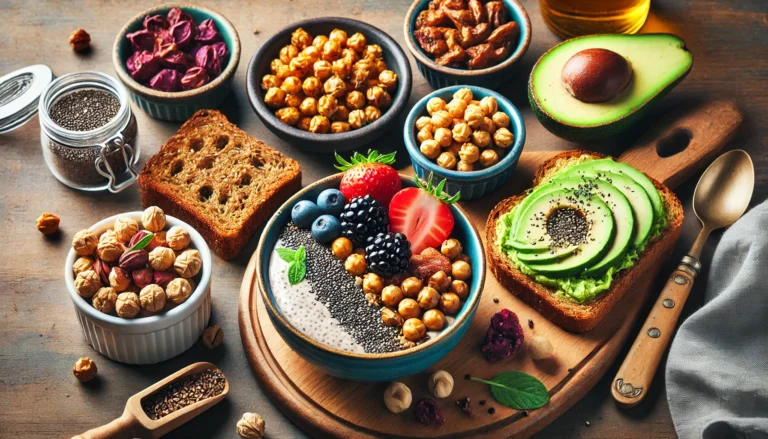
A bright and inviting breakfast spread featuring fiber-rich foods, including oatmeal with fresh berries and nuts, a smoothie bowl with flaxseeds, sliced apples with almond butter, and whole-grain avocado toast, emphasizing gut health and digestion.

Conclusion: Embracing High Fiber Snacks for Lasting Gut Health

Incorporating high fiber snacks into a daily routine is a simple yet effective way to support digestive health, weight management, and overall well-being. With a diverse range of options available, it is possible to enjoy tasty and nutritious snacks that cater to different dietary preferences and needs. Whether aiming for high fiber snacks for weight loss, low cal high fiber snacks, or snacks full of fiber for gut health, there are plenty of choices to explore.

Making mindful snack choices not only benefits digestion but also contributes to long-term health by reducing the risk of chronic diseases. As research continues to highlight the intricate relationship between diet and gut microbiota, the importance of fiber-rich foods becomes increasingly evident. By prioritizing high fiber snacks, individuals can take proactive steps toward a healthier digestive system and improved overall vitality.

Further Reading:

22 High Fiber Foods You Should Eat

The 7 Best High-Fiber Snacks, According to a Dietitian

15 Healthy Snacks to Support Gut Health

gut health snacks, fiber-rich foods, digestive health foods, best snacks for digestion, plant-based fiber sources, healthy digestion tips, fiber for weight loss, prebiotic foods, high fiber diet benefits, natural gut health remedies, fiber and metabolism, whole food snacks, best foods for gut bacteria, high fiber meal ideas, nutrient-dense snacks, gut-friendly diet, fiber for heart health, probiotic and prebiotic balance, healthy eating habits, fiber and hydration

The information contained in this article is provided for general informational purposes only and is not intended to serve as medical, legal, or professional advice. While NewsHealthWatch strives to present accurate, up-to-date, and reliable content, no warranty or guarantee, expressed or implied, is made regarding the completeness, accuracy, or adequacy of the information provided. Readers are strongly advised to seek the guidance of a qualified healthcare provider or other relevant professionals before acting on any information contained in this article. NewsHealthWatch, its authors, editors, and contributors expressly disclaim any liability for any damages, losses, or consequences arising directly or indirectly from the use, interpretation, or reliance on any information presented herein. The views and opinions expressed in this article are those of the author(s) and do not necessarily reflect the official policies or positions of NewsHealthWatch.

Adjusting to a High-Fiber Diet: How to Minimize Bloating and Find Low-Gas Foods

Understanding the Role of Fiber in Digestive Health

Fiber is an essential component of a healthy diet, playing a crucial role in digestive function, cardiovascular health, and blood sugar regulation. However, for individuals adjusting to a high-fiber diet, the transition can sometimes lead to discomfort, including bloating, gas, and changes in bowel habits. This is largely due to the fermentation of fiber by gut bacteria, which produces gas as a byproduct. Understanding how fiber works in the digestive system is key to making a smooth transition to a fiber-rich lifestyle while minimizing unwanted side effects.

You may also like: Fiber and Microbiome: How Gut Health Impacts Athletic Recovery and Performance

Dietary fiber is broadly categorized into soluble and insoluble types. Soluble fiber, found in foods like oats, beans, and apples, dissolves in water and forms a gel-like substance that helps slow digestion, regulate blood sugar levels, and lower cholesterol. Insoluble fiber, present in whole grains, nuts, and many vegetables, adds bulk to stool and aids in regular bowel movements. Both types of fiber are vital for maintaining a balanced diet, but their effects on digestion differ.

Does Fiber Help Bloating? Understanding the Relationship Between Fiber and Digestive Discomfort

Many individuals wonder, “Does fiber help bloating, or does it worsen the condition?” The answer depends on several factors, including fiber type, intake levels, hydration, and gut microbiota composition. While fiber can promote gut health by supporting beneficial bacteria and regular bowel movements, excessive or abrupt increases in fiber intake can lead to bloating and gas due to increased fermentation in the gut.

The key to reducing bloating while consuming fiber is moderation and gradual dietary adjustments. Consuming fiber-rich foods in appropriate portions allows the digestive system to adapt, reducing excessive gas production. Additionally, increasing water intake helps fiber move smoothly through the digestive tract, preventing constipation and bloating. Cooking certain fiber-rich vegetables, such as broccoli and cabbage, can also reduce their gas-producing potential. Understanding which foods are less likely to cause gas and how to introduce fiber incrementally can significantly improve digestion and overall comfort.

A visually appealing high-fiber meal featuring a plate with quinoa, grilled vegetables, avocado slices, and a side of yogurt, accompanied by a glass of infused cucumber-lemon water in a sunlit kitchen setting.

High-Fiber Low-Gas Foods: Making Smart Dietary Choices

For individuals sensitive to fiber-induced bloating, choosing high-fiber low-gas foods can help maintain digestive comfort. Some fiber-rich foods tend to produce less gas than others, making them ideal for those adjusting to a high-fiber diet.

Foods such as carrots, zucchini, lettuce, and bell peppers provide fiber without causing excessive gas buildup. Bananas and berries are also excellent sources of fiber that are gentle on digestion. Additionally, opting for refined grains with added fiber, such as whole wheat bread with lower fermentable fiber content, can offer a balanced approach to increasing fiber without excessive gas production.

Legumes, while a powerful source of fiber and protein, are often associated with bloating due to their high content of fermentable carbohydrates. However, soaking beans before cooking and incorporating smaller portions into meals can help mitigate bloating. Similarly, opting for lower-gas legumes such as lentils and split peas instead of black beans and chickpeas can reduce discomfort while still providing essential nutrients.

Strategies for Adjusting to a High-Fiber Diet

Transitioning to a high-fiber diet should be done gradually to allow the digestive system to adapt. A sudden increase in fiber intake can overwhelm the gut microbiome, leading to excessive gas production and bloating. Implementing a step-by-step approach can make the transition smoother and more sustainable.

One effective strategy is to increase fiber intake by 5 grams per day until the recommended daily intake of 25–30 grams is reached. Pairing fiber with adequate hydration is essential to help fiber move efficiently through the intestines and prevent blockages. Additionally, incorporating probiotics and fermented foods such as yogurt and kimchi can enhance gut microbiota diversity, improving digestion and reducing bloating.

Another important aspect is mindful eating. Chewing food thoroughly allows digestive enzymes to begin breaking down fiber in the mouth, reducing the strain on the gut. Eating slowly and avoiding carbonated beverages also help minimize bloating. Paying attention to meal timing and portion sizes can further improve the digestive process, ensuring that fiber-rich meals do not overwhelm the stomach at once.

A visually appealing high-fiber meal featuring a plate with quinoa, grilled vegetables, avocado slices, and a side of yogurt, accompanied by a glass of infused cucumber-lemon water in a sunlit kitchen setting.

Frequently Asked Questions (FAQ): Adjusting to a High-Fiber Diet

1. How long does it take for the body to adjust to a high-fiber diet?

The body typically takes one to three weeks to adjust to a high-fiber diet, but this timeframe varies depending on individual digestive health and how gradually fiber intake is increased. When increasing fiber consumption, the gut microbiome needs time to adapt to the higher levels of fermentation, which can initially lead to bloating and gas. Drinking plenty of water and incorporating high fiber low gas foods, such as zucchini, carrots, and oats, can make the transition easier. Slowly increasing fiber intake by a few grams per day allows the digestive system to adjust without overwhelming it. Regular physical activity can also support digestion and reduce discomfort during this transition period.

2. What are some strategies for reducing bloating while increasing fiber intake?

If you’re wondering, “Does fiber help bloating or make it worse?” the answer depends on how it’s incorporated into the diet. A gradual increase in fiber, rather than a sudden spike, allows the gut to adjust more smoothly. Hydration is crucial, as water helps fiber move through the digestive tract without causing blockages that can lead to bloating. Choosing high fiber low gas foods, such as berries, quinoa, and cooked vegetables, can help minimize excessive gas production. Another helpful strategy is consuming probiotics, which introduce beneficial bacteria that can assist in fiber digestion. Engaging in light physical activity, such as walking after meals, can also reduce bloating by promoting digestive motility.

3. Are there specific fiber-rich foods that cause less gas than others?

Yes, certain fiber-rich foods tend to cause less bloating and gas than others. High fiber low gas foods include options like bananas, cucumbers, sweet potatoes, and brown rice. These foods provide the benefits of fiber without the excessive fermentation that occurs with beans, cruciferous vegetables, and certain legumes. Cooking vegetables instead of eating them raw can also help break down complex carbohydrates, making them easier to digest. For those adjusting to a high fiber diet, starting with milder options like oatmeal and avocados before introducing more fermentable fibers can prevent excessive gas buildup. Keeping a food journal can help identify which fiber sources are best tolerated individually.

4. Does fiber help bloating caused by digestive disorders like IBS?

For individuals with irritable bowel syndrome (IBS), fiber can have both positive and negative effects depending on the type consumed. Soluble fiber, found in foods like oats, flaxseeds, and oranges, tends to be gentler on digestion and can help regulate bowel movements without triggering excessive bloating. However, some forms of insoluble fiber, such as wheat bran and raw vegetables, may aggravate symptoms by increasing intestinal irritation. When adjusting to a high fiber diet with IBS, it’s essential to introduce fiber slowly and choose options that align with individual tolerance levels. Consulting a healthcare provider or registered dietitian can help determine the best fiber sources for managing IBS-related bloating.

5. How can I incorporate more fiber into my diet without digestive discomfort?

The key to increasing fiber intake without discomfort is to do so gradually while maintaining a balanced diet. Adding fiber-rich foods slowly, such as replacing white bread with whole grain alternatives or incorporating chia seeds into yogurt, can help ease the transition. Hydration is essential, as fiber absorbs water to form bulk in the intestines, reducing the risk of constipation and bloating. Consuming high fiber low gas foods like cooked carrots, peeled apples, and white potatoes with the skin can prevent excessive gas buildup. Additionally, soaking legumes before cooking and opting for sprouted grains can reduce their fermentable carbohydrate content, making them easier to digest. Paying attention to portion sizes and chewing food thoroughly can also enhance digestive efficiency.

6. What are the best beverages to support digestion while adjusting to a high-fiber diet?

Staying hydrated is crucial when adjusting to a high fiber diet, as fiber requires water to function effectively in the digestive system. Herbal teas, such as ginger and peppermint, can help soothe the stomach and reduce bloating while aiding digestion. Warm lemon water in the morning can stimulate digestive enzymes and help prevent constipation associated with increased fiber intake. Fermented drinks like kefir and kombucha contain probiotics that support gut health, making them beneficial additions to a fiber-rich diet. Avoiding carbonated beverages and excessive caffeine can prevent additional gas buildup, allowing for a smoother transition to higher fiber consumption.

7. Can too much fiber be harmful?

Yes, excessive fiber intake, particularly if introduced too quickly, can lead to digestive distress, including bloating, gas, cramping, and constipation. Consuming more than the recommended daily intake—about 25 grams for women and 38 grams for men—without adequate hydration can cause blockages in the intestines. Some individuals may experience nutrient malabsorption if fiber intake is excessively high, as fiber can bind to minerals like calcium and iron, reducing their absorption. While fiber is essential for gut health, balance is key, and adjusting to a high fiber diet should be done in a way that supports overall well-being. If experiencing persistent discomfort, it may be necessary to reassess fiber sources and distribution throughout meals.

8. What are some common mistakes people make when increasing fiber intake?

One of the most common mistakes is increasing fiber intake too rapidly, which can overwhelm the digestive system and lead to bloating. Another mistake is neglecting hydration, as fiber requires adequate water to move efficiently through the intestines. Relying on processed fiber supplements instead of whole foods can also be problematic, as these supplements may not provide the same gut-friendly benefits as naturally occurring fiber. Some individuals make the error of consuming only insoluble fiber without balancing it with soluble fiber, which can lead to digestive irritation. A well-rounded approach that includes high fiber low gas foods and a gradual adjustment period is the best way to avoid these pitfalls.

9. Are there any long-term benefits of maintaining a high-fiber diet?

Yes, maintaining a high-fiber diet over the long term offers numerous health benefits beyond improved digestion. Consuming adequate fiber is linked to a lower risk of heart disease, as soluble fiber helps reduce cholesterol levels by binding to excess cholesterol in the gut. A fiber-rich diet also supports healthy blood sugar regulation by slowing the absorption of glucose, which can be particularly beneficial for individuals with diabetes or insulin resistance. Additionally, fiber promotes a healthy gut microbiome by feeding beneficial bacteria, leading to improved immune function and reduced inflammation. Over time, high fiber low gas foods can help maintain digestive comfort while contributing to overall well-being. Establishing a consistent fiber intake routine ensures sustained health benefits with minimal digestive discomfort.

10. How can I tell if I am eating enough fiber without experiencing negative side effects?

Signs of adequate fiber intake include regular and well-formed bowel movements, improved digestion, and steady energy levels throughout the day. If fiber intake is too low, symptoms such as constipation, sluggish digestion, and frequent hunger may occur. However, consuming too much fiber too quickly can result in bloating and discomfort, which may indicate a need to adjust portion sizes or hydration levels. Monitoring how different fiber sources affect digestion can help identify the best approach for each individual. Incorporating a variety of fiber sources, including high fiber low gas foods, ensures a balanced intake without overwhelming the digestive system.

A peaceful dining scene with a fiber-rich breakfast bowl of oats, fresh berries, chia seeds, and honey, alongside a cup of herbal tea and a small dish of almonds, bathed in soft morning light from a nearby window.

The Long-Term Benefits of a High-Fiber Diet

Despite the initial discomfort that may come with adjusting to a high-fiber diet, the long-term health benefits are substantial. Regular fiber consumption is linked to lower risks of heart disease, improved gut health, and enhanced weight management. By gradually increasing fiber intake, selecting high-fiber low-gas foods, and adopting strategies to minimize bloating, individuals can successfully transition to a fiber-rich diet while maintaining digestive comfort.

Overall, making informed dietary choices and understanding the role of fiber in digestion can lead to a more comfortable and sustainable high-fiber lifestyle. With careful adjustments and consistent habits, fiber can be a powerful ally in promoting long-term health and well-being.

Further Reading:

Medical Services

How to Get Fiber Without Gas and Bloating

12 Great Ways to Get Rid of Bloating

high fiber foods, gut health tips, fiber and digestion, best foods for bloating, fiber-rich diet benefits, improving gut microbiome, digestive health solutions, low-gas vegetables, bloating relief diet, high-fiber meal planning, fiber for gut health, reducing bloating naturally, plant-based nutrition, healthy digestion strategies, fiber intake recommendations, balanced fiber diet, best foods for digestion, fiber and probiotics, digestive wellness, stomach-friendly fiber sources

The information contained in this article is provided for general informational purposes only and is not intended to serve as medical, legal, or professional advice. While NewsHealthWatch strives to present accurate, up-to-date, and reliable content, no warranty or guarantee, expressed or implied, is made regarding the completeness, accuracy, or adequacy of the information provided. Readers are strongly advised to seek the guidance of a qualified healthcare provider or other relevant professionals before acting on any information contained in this article. NewsHealthWatch, its authors, editors, and contributors expressly disclaim any liability for any damages, losses, or consequences arising directly or indirectly from the use, interpretation, or reliance on any information presented herein. The views and opinions expressed in this article are those of the author(s) and do not necessarily reflect the official policies or positions of NewsHealthWatch.




Best Fiber for Blood Sugar Control: How Fiber-Rich Diets Help Manage Diabetes Naturally

Understanding the Role of Fiber in Blood Sugar Control

Fiber is an essential component of a healthy diet, yet its significance in blood sugar regulation is often underestimated. As individuals seek natural and effective ways to manage diabetes, dietary fiber has emerged as a crucial factor in stabilizing glucose levels. The best fiber for blood sugar control includes both soluble and insoluble fiber, each contributing uniquely to metabolic health. Soluble fiber, found in foods like oats, beans, and certain fruits, dissolves in water to form a gel-like substance that slows glucose absorption. Insoluble fiber, present in whole grains and vegetables, supports digestive health by promoting regular bowel movements and preventing insulin resistance.

You may also like: Fiber and Microbiome: How Gut Health Impacts Athletic Recovery and Performance

The question, “does fiber help blood sugar?” is one that researchers have explored extensively. Scientific studies confirm that fiber plays a significant role in moderating postprandial blood sugar spikes by delaying carbohydrate digestion and absorption. Fiber-rich foods for diabetics provide a dual benefit: they help manage hunger while also preventing rapid fluctuations in blood sugar levels. By incorporating high fiber foods for diabetics into daily meals, individuals with diabetes can improve their glycemic response and overall metabolic health.

The Science Behind Fiber and Blood Sugar Regulation

Fiber’s impact on blood sugar regulation is grounded in its physiological effects on digestion and glucose metabolism. When individuals consume fiber to lower blood sugar, the digestive process slows, reducing the rate at which carbohydrates break down into glucose. This delay prevents sudden spikes in blood sugar, an essential factor in diabetes management. The best fiber for diabetes is often found in plant-based sources, where natural compounds work synergistically to optimize glycemic control.

Research indicates that individuals who consume fiber-rich diets experience improved insulin sensitivity and a lower risk of developing type 2 diabetes. By incorporating fiber-rich foods for diabetics into their meals, individuals can achieve sustained energy levels and reduced cravings for high-glycemic foods. Furthermore, the gut microbiome plays a role in modulating blood sugar responses, as fiber serves as a prebiotic that nurtures beneficial gut bacteria. These microbes produce short-chain fatty acids that enhance insulin function and glucose regulation.

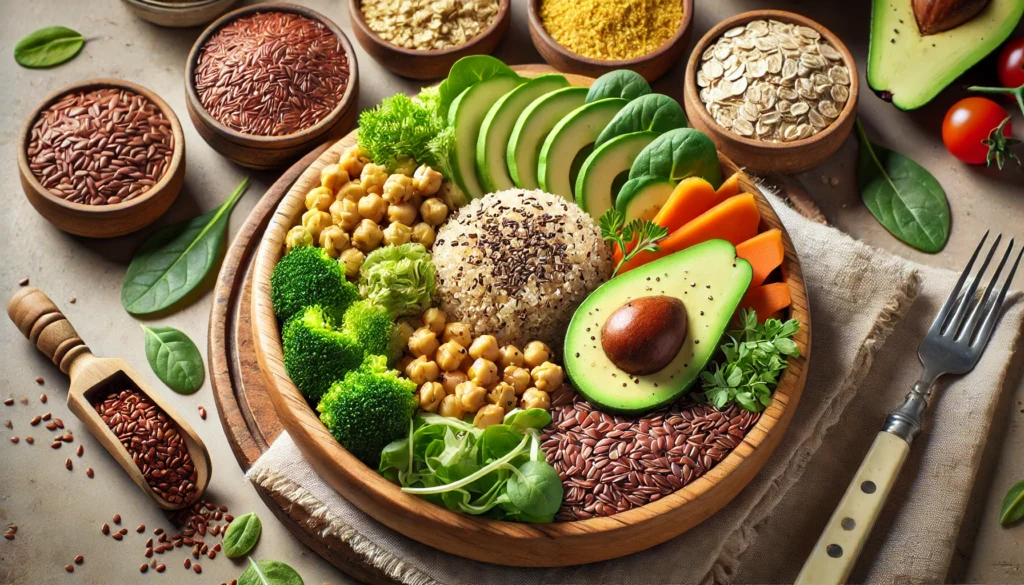
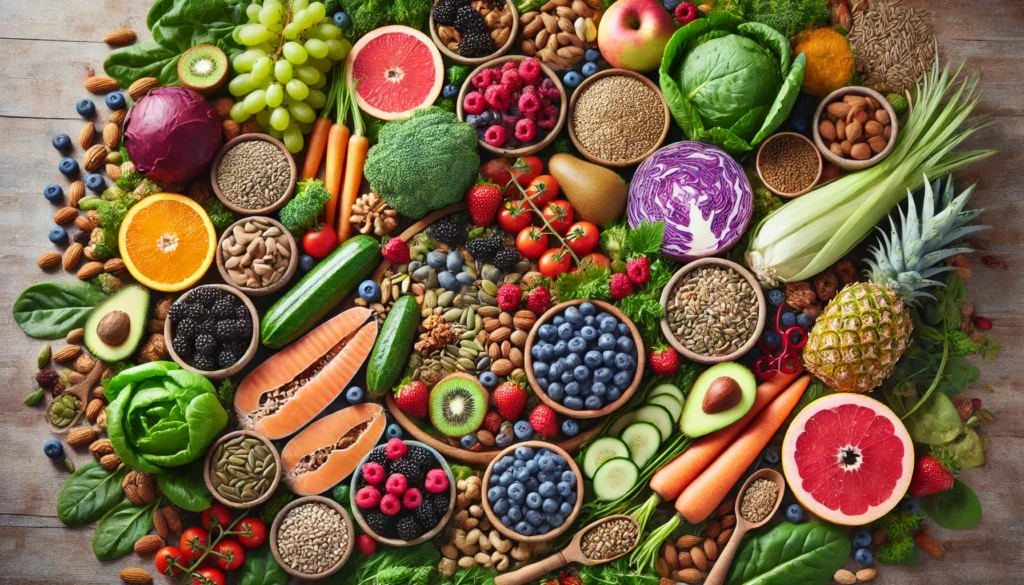
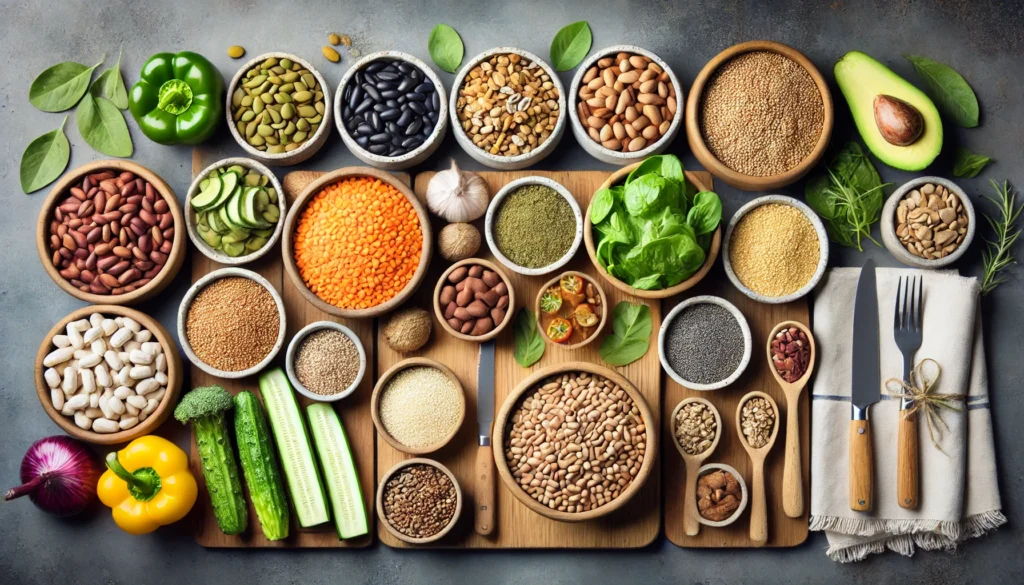
A close-up of a fiber-rich meal on a wooden plate, featuring quinoa, chickpeas, steamed vegetables, and avocado, surrounded by raw ingredients like flaxseeds, oats, and lentils, symbolizing a balanced diet for managing diabetes naturally.

High Fiber Foods for Diabetics: The Ultimate List

For those seeking natural dietary interventions, identifying the best fiber for blood sugar control is key. High fiber foods for diabetics include a variety of plant-based options, each offering unique health benefits. Among these, legumes such as lentils and chickpeas stand out for their high soluble fiber content, which effectively slows carbohydrate absorption. Whole grains like quinoa, barley, and brown rice provide both fiber and essential nutrients that support metabolic health.

Fruits and vegetables remain essential components of a fiber-rich diet. Berries, apples, and pears contain soluble fiber that moderates blood sugar spikes, while leafy greens like spinach and kale provide insoluble fiber to promote digestion. Nuts and seeds, particularly chia seeds and flaxseeds, are excellent sources of dietary fiber and healthy fats, contributing to improved glycemic control. Incorporating these fiber-rich foods for diabetics into daily meals ensures sustained energy levels and enhanced blood sugar management.

How Fiber Supports a Healthy Gut Microbiome

Beyond blood sugar regulation, fiber plays a crucial role in maintaining gut health. The gut microbiome consists of trillions of microorganisms that influence metabolic processes, immune function, and even mental health. The best fiber for diabetes not only stabilizes glucose levels but also fosters a diverse and resilient gut microbiome.

Prebiotic fibers, found in foods like onions, garlic, and asparagus, nourish beneficial gut bacteria, leading to improved insulin sensitivity. A well-balanced gut microbiome enhances the body’s ability to metabolize glucose efficiently, reducing the risk of insulin resistance. Furthermore, dietary fiber promotes the production of short-chain fatty acids, compounds that contribute to overall metabolic health. By consuming fiber to lower blood sugar, individuals also support a thriving gut microbiome, reinforcing the connection between digestive health and diabetes management.

The Link Between Fiber and Weight Management in Diabetes

Maintaining a healthy weight is essential for diabetes management, and dietary fiber plays a pivotal role in weight regulation. Fiber-rich foods for diabetics promote satiety, reducing the likelihood of overeating and excessive calorie intake. Since fiber adds bulk to meals without increasing calorie content, it allows individuals to feel full for longer periods, preventing unnecessary snacking on high-glycemic foods.

Moreover, the best fiber for blood sugar control helps regulate appetite hormones, such as ghrelin and leptin, which influence hunger and fullness cues. By incorporating high fiber foods for diabetics into their diet, individuals can achieve sustainable weight loss or maintenance, ultimately reducing their risk of diabetes-related complications.

Practical Strategies for Increasing Fiber Intake

While the benefits of dietary fiber are well-established, many individuals struggle to consume adequate amounts. To effectively integrate fiber to lower blood sugar, small but intentional dietary modifications can make a significant impact. Gradually increasing fiber intake allows the digestive system to adjust, reducing the likelihood of bloating or discomfort.

One practical approach is to replace refined carbohydrates with whole-grain alternatives. Swapping white rice for quinoa, choosing whole wheat bread over white bread, and incorporating legumes into meals all contribute to increased fiber consumption. Additionally, prioritizing whole fruits over fruit juices ensures a higher intake of dietary fiber and essential nutrients. Hydration also plays a crucial role, as fiber absorbs water during digestion, making adequate fluid intake necessary for optimal digestive health.

A close-up of a fiber-rich meal on a wooden plate, featuring quinoa, chickpeas, steamed vegetables, and avocado, surrounded by raw ingredients like flaxseeds, oats, and lentils, symbolizing a balanced diet for managing diabetes naturally.

Frequently Asked Questions (FAQ): Best Fiber for Blood Sugar Control

1. How does fiber help lower blood sugar levels?

Fiber helps lower blood sugar levels by slowing the digestion and absorption of carbohydrates, preventing sudden spikes in glucose. Soluble fiber, in particular, forms a gel-like substance in the digestive tract that delays glucose release into the bloodstream. This process ensures a gradual rise in blood sugar rather than a rapid surge, making it particularly beneficial for diabetics. Additionally, fiber-rich foods for diabetics contribute to improved insulin sensitivity, reducing the body’s need for excessive insulin production. By incorporating high fiber foods for diabetics into their diet, individuals can achieve more stable glucose levels and reduce the risk of insulin resistance.

2. What are the best fiber-rich foods for diabetics?

The best fiber-rich foods for diabetics include legumes, whole grains, fruits, vegetables, nuts, and seeds. Legumes such as lentils, chickpeas, and black beans are excellent sources of soluble fiber, which aids in blood sugar control. Whole grains like quinoa, barley, and brown rice provide both soluble and insoluble fiber, offering digestive benefits and steady glucose release. Fruits like apples, pears, and berries are rich in fiber and have a low glycemic index, making them suitable for diabetes management. Nuts and seeds, particularly chia seeds and flaxseeds, contribute to dietary fiber intake while also providing healthy fats that support metabolic function.

3. Can fiber prevent type 2 diabetes?

A high-fiber diet has been associated with a reduced risk of developing type 2 diabetes. Fiber to lower blood sugar works by improving insulin sensitivity and promoting better glucose metabolism, which helps prevent blood sugar fluctuations that lead to diabetes. Additionally, fiber-rich foods for diabetics contribute to weight management, reducing obesity-related diabetes risk. The gut microbiome also plays a role in diabetes prevention, as fiber supports beneficial gut bacteria that enhance metabolic health. While fiber alone cannot guarantee diabetes prevention, its inclusion in a balanced diet significantly lowers the likelihood of developing insulin resistance and glucose intolerance.

4. How much fiber should a person with diabetes consume daily?

Health experts recommend that individuals with diabetes aim for at least 25–30 grams of fiber per day, with an emphasis on both soluble and insoluble fiber. The best fiber for blood sugar control comes from a combination of plant-based sources, ensuring a diverse intake of nutrients. Gradually increasing fiber intake can help prevent digestive discomfort while allowing the body to adjust to higher fiber consumption. Drinking plenty of water is also essential when consuming more fiber, as it aids digestion and prevents constipation. A well-balanced diet that includes fiber-rich foods for diabetics supports optimal blood sugar management and overall health.

5. Does fiber help blood sugar levels even if I am already on diabetes medication?

Yes, fiber can enhance the effectiveness of diabetes medications by improving glucose regulation and insulin response. Even for individuals taking insulin or oral hypoglycemic drugs, fiber to lower blood sugar offers additional benefits by slowing carbohydrate digestion and reducing glycemic variability. However, it is essential to monitor blood sugar levels, as a significant increase in fiber intake may alter medication requirements. Consulting a healthcare provider before making dietary changes ensures that fiber consumption complements medical treatment without causing unintended effects. Including high fiber foods for diabetics in a structured meal plan can help optimize diabetes management.

6. Is there a difference between soluble and insoluble fiber in diabetes management?

Yes, soluble and insoluble fiber serve different functions in diabetes management. Soluble fiber dissolves in water to form a gel that slows glucose absorption, making it the best fiber for blood sugar control. This type of fiber is found in oats, beans, lentils, and certain fruits. Insoluble fiber, on the other hand, does not dissolve in water and primarily aids digestion by promoting regular bowel movements. Whole grains, nuts, and vegetables are rich in insoluble fiber, contributing to gut health and preventing digestive issues. Both types of fiber play a role in overall metabolic balance, reinforcing the importance of consuming a variety of fiber-rich foods for diabetics.

7. Can too much fiber negatively impact blood sugar levels?

While fiber is essential for blood sugar management, excessive intake can lead to digestive discomfort, bloating, and potential nutrient absorption issues. Some individuals may experience fluctuations in blood sugar if fiber intake is drastically increased without proper hydration. The best approach is to gradually incorporate fiber-rich foods for diabetics, allowing the digestive system to adapt. Maintaining a balance between soluble and insoluble fiber ensures optimal glucose control without causing gastrointestinal distress. Moderation and consistency are key factors in reaping the benefits of fiber without adverse effects.

8. What is the best way to incorporate more fiber into my diet?

Increasing fiber intake can be achieved by making simple dietary swaps and including fiber-rich foods for diabetics in everyday meals. Replacing refined grains with whole grains, such as opting for whole wheat bread instead of white bread, is a practical strategy. Adding legumes, nuts, and seeds to salads, soups, and smoothies enhances fiber content while providing essential nutrients. Consuming whole fruits rather than fruit juices ensures higher fiber intake and better blood sugar regulation. Cooking methods also play a role, as lightly steaming vegetables helps retain their fiber content while improving digestibility.

9. Are fiber supplements a good alternative to natural sources of fiber?

Fiber supplements can be beneficial for individuals struggling to meet their daily fiber requirements, but they should not replace whole food sources. The best fiber for diabetes comes from natural, unprocessed foods that provide additional vitamins, minerals, and phytonutrients. Supplements like psyllium husk and inulin can help regulate blood sugar, but they lack the diverse range of health benefits found in whole foods. Furthermore, fiber-rich foods for diabetics contribute to gut health and satiety in ways that supplements cannot fully replicate. A balanced approach that prioritizes dietary fiber from whole foods while using supplements as a backup is ideal for long-term metabolic health.

10. Can fiber improve other aspects of health besides blood sugar control?

Yes, fiber offers a wide range of health benefits beyond blood sugar management. It supports heart health by lowering LDL cholesterol levels, reducing the risk of cardiovascular disease, which is a common concern for diabetics. Fiber to lower blood sugar also plays a role in weight management by promoting satiety and reducing overeating tendencies. Additionally, fiber contributes to gut health by fostering a healthy microbiome, which has been linked to improved immune function and mental well-being. The long-term benefits of a fiber-rich diet extend to overall metabolic stability, making it a crucial component of a healthy lifestyle.

A top-down view of a meal-prep station with neatly arranged fiber-rich ingredients such as lentils, beans, whole grains, nuts, seeds, and fresh vegetables, highlighting the importance of meal planning for effective diabetes management.

Conclusion: Embracing Fiber for Sustainable Diabetes Management

The role of fiber in blood sugar regulation cannot be overstated. As individuals seek natural and effective ways to manage diabetes, dietary fiber remains a powerful ally in promoting metabolic health. The best fiber for blood sugar control includes a diverse range of plant-based sources, each contributing uniquely to glucose regulation and overall well-being.

By consuming fiber-rich foods for diabetics, individuals can stabilize blood sugar levels, support gut health, and maintain a healthy weight. The question “does fiber help lower blood sugar?” has been answered through extensive research, confirming that fiber-rich diets are a cornerstone of diabetes management. As dietary habits shift towards whole, nutrient-dense foods, the long-term benefits of fiber consumption become evident, reinforcing its role in achieving sustained health and well-being.

Embracing a fiber-rich lifestyle is not merely a dietary choice but a commitment to long-term metabolic stability. With the wealth of high fiber foods available, individuals have the opportunity to harness the power of fiber for optimal health, making informed choices that support both immediate and future well-being.

Further Reading:

Diabetes Risk Factors

10 Fiber-Rich Foods for Your Diabetes Diet

Can a high fiber diet help treat type 2 diabetes?

diabetes nutrition, fiber benefits, glycemic index foods, plant-based diet for diabetes, managing blood sugar naturally, healthy carbs for diabetics, best dietary fiber, soluble vs insoluble fiber, gut health and diabetes, whole grains for blood sugar, prebiotic foods, insulin resistance diet, fiber and metabolism, diabetes-friendly meals, natural blood sugar stabilizers, weight loss and diabetes, heart health and fiber, anti-inflammatory diet, digestive health tips, healthy eating for diabetics

The information contained in this article is provided for general informational purposes only and is not intended to serve as medical, legal, or professional advice. While NewsHealthWatch strives to present accurate, up-to-date, and reliable content, no warranty or guarantee, expressed or implied, is made regarding the completeness, accuracy, or adequacy of the information provided. Readers are strongly advised to seek the guidance of a qualified healthcare provider or other relevant professionals before acting on any information contained in this article. NewsHealthWatch, its authors, editors, and contributors expressly disclaim any liability for any damages, losses, or consequences arising directly or indirectly from the use, interpretation, or reliance on any information presented herein. The views and opinions expressed in this article are those of the author(s) and do not necessarily reflect the official policies or positions of NewsHealthWatch.

How to Increase Fiber in Your Diet: Best High-Fiber Foods for Gut Health and Digestion

Understanding Fiber and Its Role in Digestive Health

Fiber is an essential component of a well-balanced diet, playing a crucial role in maintaining gut health and supporting overall digestion. Dietary fiber, primarily found in plant-based foods, comes in two main forms: soluble and insoluble. Soluble fiber dissolves in water, forming a gel-like substance that aids in slowing digestion and regulating blood sugar levels. Insoluble fiber, on the other hand, adds bulk to stool and facilitates the smooth movement of food through the digestive tract, preventing constipation.

You may also like: Fiber and Microbiome: How Gut Health Impacts Athletic Recovery and Performance

The consumption of fiber foods contributes to a healthy gut microbiome by serving as a prebiotic, feeding beneficial bacteria in the intestines. This promotes the production of short-chain fatty acids, which support immune function and reduce inflammation. However, many individuals fail to consume an adequate amount of fiber daily, leading to digestive discomfort, irregular bowel movements, and an increased risk of chronic diseases such as cardiovascular disease and type 2 diabetes. Understanding how to increase fiber intake and incorporate a variety of fiber-rich foods into one’s diet is essential for maintaining optimal health.

How Much Fiber Per Day is Necessary for Optimal Health?

The recommended daily intake of fiber varies depending on age and gender. According to the Dietary Guidelines for Americans, adult men should aim for at least 38 grams of fiber per day, while adult women should consume at least 25 grams. However, many individuals fall short of these recommendations, often consuming less than half of the suggested amount. To bridge this gap, it is essential to understand what foods have fiber and how to distribute fiber intake evenly throughout the day.

For those wondering how much is a healthy amount of fiber for breakfast, experts recommend incorporating at least 8 grams of fiber in the morning to set a strong foundation for daily intake. A fiber-rich breakfast can include foods such as oatmeal topped with fruit, whole grain toast with avocado, or a smoothie blended with high fiber vegetables and seeds. Additionally, when planning meals, a high fiber diet menu should incorporate a balance of soluble and insoluble fiber sources to support digestion and gut health.

A beautifully arranged high-fiber meal bowl with quinoa, roasted chickpeas, steamed kale, shredded carrots, and avocado slices, garnished with sesame seeds.

High-Fiber Foods to Incorporate Into Your Diet

A diet rich in fiber foods consists of a variety of plant-based options, each offering unique health benefits. Fruits, vegetables, legumes, nuts, seeds, and whole grains are all excellent sources of fiber. For those looking to increase fiber intake, here is a breakdown of some of the best high-fiber foods:

  • Fiber-Rich Vegetables: Vegetables such as broccoli, Brussels sprouts, carrots, and leafy greens provide ample amounts of fiber while also offering essential vitamins and minerals. A high fiber vegetables list should include artichokes, which contain about 10 grams of fiber per serving, as well as sweet potatoes, which provide around 4 grams of fiber per medium-sized potato.
  • Fiber in Fruit Chart: Fruits such as apples, pears, and berries are excellent sources of fiber. How much fiber is in apples? A medium apple contains about 4 grams of fiber, making it a convenient and nutritious snack. Berries, particularly raspberries and blackberries, offer around 8 grams of fiber per cup, making them some of the highest fiber fruits available.
  • High Fiber Meals: Incorporating fiber-rich foods into daily meals is essential for meeting dietary goals. High fiber meals can include lentil soup, quinoa salads, whole grain pasta dishes, and chickpea stir-fries. These meals not only provide fiber but also deliver essential nutrients that support digestive health.
  • Fiber-Rich Snacks: Snacking on good fiber snacks such as nuts, seeds, and whole grain crackers can help maintain consistent fiber intake throughout the day. Fiber-rich snacks such as hummus with vegetables or chia pudding can provide both satisfaction and digestive support.
  • High Protein High Fiber Foods: For those looking to combine protein intake with fiber, foods such as black beans, lentils, quinoa, and almonds offer a balanced combination. These high protein high fiber foods support muscle health while also aiding in digestion.

The Importance of Easing into Fiber Intake

A sudden increase in fiber consumption can lead to digestive discomfort, including bloating, gas, and cramping. This is why it is essential to gradually incorporate fiber into the diet while also increasing water intake. Why do you need to ease into fiber intake? The digestive system needs time to adjust to higher fiber consumption, as fiber affects gut bacteria and stool consistency. Slowly introducing fiber over several weeks allows the gut microbiome to adapt, minimizing potential side effects.

When eating a high fiber diet, one should also be mindful of consuming sufficient fluids. Fiber absorbs water, and inadequate hydration can lead to constipation rather than improved digestion. Drinking at least eight glasses of water per day ensures that fiber moves efficiently through the digestive tract.

Meal Planning for a High-Fiber Diet

Creating a high fiber diet menu can make it easier to achieve daily fiber goals. Planning meals that include a variety of fiber sources ensures balanced nutrition and prevents monotony. A well-rounded menu might include:

  • Breakfast: Oatmeal with chia seeds and mixed berries, whole grain toast with almond butter, or a smoothie made with spinach, flaxseeds, and banana.
  • Lunch: Lentil soup with a side of whole grain bread, quinoa salad with chickpeas and vegetables, or a wrap filled with hummus, avocado, and shredded carrots.
  • Dinner: Grilled tofu with roasted Brussels sprouts and quinoa, brown rice stir-fry with black beans and bell peppers, or a high fiber pasta dish made with whole wheat noodles and a vegetable-rich sauce.
  • Snacks: Air-popped popcorn, apple slices with peanut butter, whole grain crackers with hummus, or yogurt with flaxseeds.

By following a structured meal plan, individuals can ensure they are consuming the recommended amount of fiber without feeling overwhelmed.

A fiber-rich breakfast spread featuring oatmeal topped with mixed berries, chia seeds, and nuts, whole-grain toast with avocado, and a green smoothie.

Frequently Asked Questions (FAQ) on Increasing Fiber Intake

1. How can I tell if I need more fiber in my diet?

If you’re experiencing frequent digestive issues such as constipation, bloating, or irregular bowel movements, this may be a sign that your fiber intake is insufficient. Other symptoms include feeling sluggish after meals, difficulty maintaining a healthy weight, and fluctuating blood sugar levels. When considering how to tell if you need more fiber, pay attention to the variety of fiber foods in your diet. A lack of fiber-rich vegetables, whole grains, legumes, and fruits could indicate a need for dietary adjustments. Keeping track of fiber consumption using a high fiber foods table can help identify gaps and ensure you’re meeting daily recommendations.

2. What are some good fiber snacks to eat between meals?

Fiber-rich snacks are an excellent way to maintain energy levels and digestive health throughout the day. Good fiber snacks include raw vegetables with hummus, air-popped popcorn, chia pudding, and whole grain crackers with avocado. Nuts and seeds, particularly almonds and flaxseeds, also contribute to daily fiber intake. If you prefer something sweet, opt for fiber-rich fruits like apples, pears, or raspberries. Consistently choosing fiber-rich snacks ensures steady digestion and prevents hunger spikes between meals.

3. How much fiber is in salad, and is salad a reliable fiber source?

Salad can be an excellent source of fiber, but its fiber content depends on the ingredients used. Leafy greens like spinach and kale are high fiber vegetables, contributing to gut health, while additional toppings like chickpeas, nuts, and seeds enhance the fiber content. How much fiber is in salad depends on portion size and diversity of ingredients, with a well-balanced salad providing 5 to 10 grams per serving. To maximize fiber intake, consider adding fiber-rich vegetables such as bell peppers, carrots, or artichokes. Combining these with a variety of whole grains, beans, or legumes can further boost nutritional value.

4. Why do you need to ease into fiber intake instead of increasing it all at once?

Suddenly consuming a high amount of fiber can lead to bloating, gas, and digestive discomfort. When eating a high fiber diet, one should introduce fiber gradually to allow the gut microbiome to adjust. Rapid changes may overwhelm the digestive system, particularly if water intake is inadequate. A better approach is to slowly incorporate fiber foods such as legumes, whole grains, and fiber-rich snacks while increasing water consumption. Taking this gradual approach ensures a smooth transition, preventing digestive distress and promoting long-term gut health.

5. What does 40 grams of fiber look like in a daily diet?

Reaching 40 grams of fiber per day requires a combination of fiber-rich meals, snacks, and beverages. A day’s worth of high fiber meals could include oatmeal with chia seeds for breakfast, a quinoa and black bean salad for lunch, roasted Brussels sprouts with brown rice for dinner, and fiber-rich snacks like apples with almond butter or whole grain crackers. Using a high fiber diet menu to plan meals can help visualize fiber intake. It’s also important to include a balance of soluble and insoluble fiber from a diverse range of plant-based sources.

6. How much fiber is in apples, and are they a good source of fiber?

A medium apple contains about 4 grams of fiber, making it a convenient and nutritious addition to a high fiber diet. Apples provide both soluble and insoluble fiber, aiding digestion and promoting satiety. The fiber in fruit chart highlights apples as a top choice for increasing daily fiber intake. To enhance fiber benefits, consider eating apples with the skin intact, as the peel contains additional fiber. Pairing apples with fiber foods like nuts or oats can further optimize fiber absorption and gut health.

7. What are the best high protein high fiber foods?

For those looking to boost both protein and fiber intake, certain foods offer the perfect combination. High protein high fiber foods include lentils, black beans, chickpeas, quinoa, and edamame. These foods provide essential amino acids while also supporting digestion and gut health. Incorporating fiber meats such as lean chicken or fish with high fiber vegetables ensures a balanced approach to nutrient intake. Additionally, snacks like roasted chickpeas or almond butter on whole grain toast provide both protein and fiber in a convenient form.

8. How much is a healthy amount of fiber for breakfast?

A fiber-rich breakfast should contain at least 8 grams of fiber to set a strong foundation for daily intake. Is 8 g of fiber good for breakfast? Yes, this amount can support digestion and provide sustained energy levels throughout the morning. Good breakfast options include oatmeal with flaxseeds, whole grain toast with avocado, or a smoothie packed with fiber foods like berries, spinach, and chia seeds. Incorporating fiber-rich snacks mid-morning, such as nuts or fruit, can further contribute to reaching daily fiber goals.

9. What foods have fiber but are also low in fat?

Many plant-based options are naturally high in fiber while remaining low in fat, making them ideal for weight management and heart health. High fiber low fat foods include leafy greens, legumes, whole grains, and berries. Fiber-rich vegetables such as zucchini, carrots, and cucumbers provide bulk without excessive calories. Whole grains like quinoa and barley support gut health while being low in fat. For those following a high fiber vegan foods plan, tofu, lentils, and whole grain products offer excellent nutritional balance.

10. When eating a high fiber diet, what should one keep in mind?

When eating a high fiber diet, one should focus on variety, hydration, and balanced meals. Consuming a wide range of fiber foods ensures a mix of soluble and insoluble fiber, benefiting gut health. Staying hydrated is essential, as fiber absorbs water and requires adequate fluid intake to function properly. Meal planning using a high fiber diet menu can help maintain consistency and prevent digestive discomfort. Lastly, monitoring fiber intake using a high fibre foods table can provide a clearer understanding of daily consumption patterns.

A colorful high-fiber salad with leafy greens, shredded carrots, cherry tomatoes, black beans, quinoa, and sunflower seeds, drizzled with a light dressing.

Conclusion: Achieving a Balanced, High-Fiber Diet for Digestive Health

Incorporating fiber foods into one’s diet is a powerful way to support digestive health, regulate blood sugar levels, and reduce the risk of chronic diseases. Understanding how to increase fiber intake and selecting high fiber meals that are both nutritious and delicious can lead to long-term benefits. Whether consuming fiber rich snacks, high fiber vegetables, or a fiber in fruit chart to track intake, a well-balanced approach ensures optimal gut function.

By making gradual dietary adjustments and choosing a variety of fiber-rich foods, individuals can experience improved digestion, increased energy levels, and better overall health. Focusing on fiber is not just about meeting daily intake recommendations but about creating sustainable habits that enhance long-term wellness. Prioritizing high fiber foods is a simple yet effective step toward achieving a healthier lifestyle.

Further Reading:

Nutrition and healthy eating

22 High Fiber Foods You Should Eat

12 Fiber-Rich Foods to Help with Good Gut Bacteria

gut health, digestive wellness, dietary fiber benefits, whole food nutrition, plant-based diet tips, fiber for weight loss, healthy digestion foods, prebiotic-rich foods, fiber and heart health, best fiber sources, natural gut support, high-fiber meal planning, fiber for metabolism, fiber and blood sugar, colon health foods, fiber for gut bacteria, daily fiber intake guide, fiber for balanced diet, fiber-rich superfoods, fiber for healthy aging

The information contained in this article is provided for general informational purposes only and is not intended to serve as medical, legal, or professional advice. While NewsHealthWatch strives to present accurate, up-to-date, and reliable content, no warranty or guarantee, expressed or implied, is made regarding the completeness, accuracy, or adequacy of the information provided. Readers are strongly advised to seek the guidance of a qualified healthcare provider or other relevant professionals before acting on any information contained in this article. NewsHealthWatch, its authors, editors, and contributors expressly disclaim any liability for any damages, losses, or consequences arising directly or indirectly from the use, interpretation, or reliance on any information presented herein. The views and opinions expressed in this article are those of the author(s) and do not necessarily reflect the official policies or positions of NewsHealthWatch.
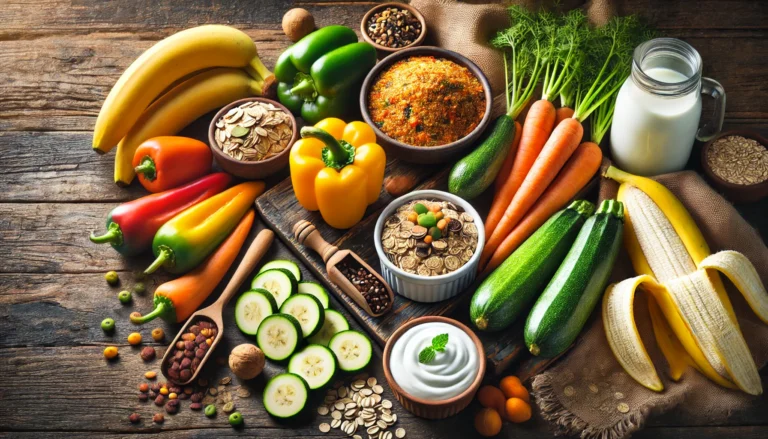
The Best 3-Day Cleanse for Detox & Weight Loss: A Science-Backed Guide to Reset Your Body

Introduction: The Science Behind a 3-Day Cleanse for Detox and Weight Loss

The idea of a 3-day cleanse for detox and weight loss has gained immense popularity in recent years. Whether it’s a 3-day detox to reset the digestive system, a three-day cleanse diet to jumpstart a healthier eating regimen, or a best 3-day detox cleanse to rid the body of accumulated toxins, many people turn to short-term cleanses as a way to restore balance. While there is some skepticism about the efficacy of cleansing diets, scientific research suggests that a well-structured, nutrient-rich, and scientifically backed approach to detoxification can offer substantial benefits. A 3-day body cleanse diet plan can support liver function, reduce inflammation, and facilitate healthy weight loss, making it an effective strategy for those looking to rejuvenate their overall well-being.

You may also like: 7-Day Detox Meal Plan: A Science-Backed Guide to Cleanse, Nourish, and Rejuvenate Your Body

A carefully planned three-day detox diet provides the body with essential nutrients while eliminating processed foods, refined sugars, and other dietary toxins. It is not about deprivation but about replenishment. The best 3-day cleanse for weight loss includes high-fiber foods, antioxidant-rich fruits and vegetables, hydration, and herbal teas that aid digestion and detoxification. While short-term detoxes are not a magical cure for long-term health issues, they serve as an effective way to hit the reset button on poor dietary habits and provide a fresh start for adopting a healthier lifestyle.

A tranquil spa-inspired setting featuring a wooden tray with a glass of infused detox water containing lemon, mint, and cucumber, surrounded by fresh herbs, chia seeds, and a lit candle, creating a peaceful cleansing atmosphere

Understanding the Detoxification Process: How a 3-Day Cleanse Works

The human body has built-in detoxification mechanisms, primarily managed by the liver, kidneys, lungs, and digestive system. A 3-day detox cleanse at home works by supporting these organs through strategic nutrition and hydration. The liver, the body’s primary detox organ, filters toxins from the bloodstream, converting them into compounds that can be excreted through urine and feces. The kidneys also play a crucial role in filtering out waste and maintaining electrolyte balance, while the digestive system eliminates unwanted substances through bowel movements.

During a 3-day detox, the body experiences a reduction in inflammation and oxidative stress, which can contribute to overall wellness. Processed foods, excessive alcohol consumption, and environmental pollutants can slow down these natural detox processes, leading to sluggish digestion, low energy levels, and potential weight gain. By engaging in a structured three-day cleanse diet, the body receives a concentrated supply of vitamins, minerals, and hydration necessary for optimal detoxification.

Additionally, a 3-day detox weight loss plan supports gut health by incorporating probiotic-rich foods and fiber to promote the growth of beneficial bacteria. A healthy gut microbiome plays a significant role in digestion, immune function, and even mood regulation. Thus, a well-balanced three-day detox cleanse provides a comprehensive approach to enhancing bodily functions beyond just weight loss.

The Best 3-Day Cleanse Diet Plan for Maximum Benefits

A well-structured 3-day detox diet plan consists of whole, unprocessed foods that nourish the body while eliminating potential toxins. The key to success is ensuring that each meal provides a balance of macronutrients, including protein, healthy fats, and complex carbohydrates, along with an abundance of micronutrients found in fresh fruits and vegetables. Below is a sample 3-day detox menu designed to optimize digestion, boost metabolism, and support detoxification.

Day 1: Kickstarting the Detox Process

On the first day of the 3-day cleanse, the goal is to gently ease the body into detox mode. Hydration is essential, so starting the day with warm lemon water stimulates digestion and alkalizes the body. Throughout the day, consuming antioxidant-rich foods and fiber-packed vegetables helps to eliminate waste and toxins effectively.

Morning: Warm lemon water followed by a smoothie with spinach, banana, chia seeds, and unsweetened almond milk. Mid-morning snack: Handful of raw almonds and a green apple. Lunch: Quinoa salad with kale, cucumber, carrots, and a light olive oil dressing. Afternoon snack: Herbal detox tea with a few slices of cucumber and celery. Dinner: Steamed salmon with roasted sweet potatoes and sautéed spinach.

Day 2: Deepening the Detoxification

The second day focuses on providing the body with additional hydration and nutrient-dense foods that promote elimination and liver detoxification.

Morning: Green juice with kale, celery, ginger, lemon, and apple. Mid-morning snack: A handful of walnuts and a cup of herbal tea. Lunch: Lentil soup with turmeric and fresh herbs. Afternoon snack: Cucumber slices with hummus. Dinner: Stir-fried tofu with steamed broccoli and quinoa.

Day 3: Restoring Balance and Sustaining Results

On the final day, the focus shifts to sustaining the detox benefits by incorporating prebiotic-rich foods that support gut health and digestion.

Morning: Overnight chia pudding with blueberries and coconut milk. Mid-morning snack: A smoothie with flaxseeds, avocado, and coconut water. Lunch: Brown rice bowl with roasted chickpeas, avocado, and tahini dressing. Afternoon snack: Herbal tea with a small serving of mixed nuts. Dinner: Grilled zucchini with quinoa and a mixed greens salad.

Additional Tips for a Successful 3-Day Cleanse

To maximize the benefits of a 3-day cleanse, it is essential to follow a few key practices. Staying well-hydrated by drinking at least eight glasses of water daily is crucial for flushing out toxins. Herbal teas such as dandelion tea, ginger tea, and green tea provide additional detox benefits by supporting liver function and digestion. Light physical activity such as yoga, stretching, or walking can help enhance circulation and promote lymphatic drainage.

Avoiding processed foods, refined sugars, and alcohol during the cleanse ensures that the body can efficiently utilize the nutrients provided by whole foods. Incorporating mindfulness practices such as deep breathing, meditation, and adequate sleep enhances the body’s ability to detoxify naturally. By following these principles, a 3-day body detox diet plan can yield long-lasting benefits beyond the three-day duration.

A top-down view of a nutritious detox smoothie bowl made with blended berries, topped with chia seeds, coconut flakes, and sliced fruit, surrounded by fresh ingredients like avocados, nuts, and leafy greens on a wooden table

Frequently Asked Questions (FAQ) About the 3-Day Cleanse

1. What are the benefits of a 3-day cleanse detox? A 3-day cleanse detox can help reset your digestive system, support liver function, and improve overall well-being. Many people experience increased energy levels, reduced bloating, and clearer skin after completing a three-day cleanse diet. The cleanse can also help eliminate processed foods and sugars, which may lead to improved gut health and better digestion. A well-planned 3-day detox diet plan can provide your body with essential nutrients while allowing your system to rest and rejuvenate. Additionally, for those looking to jumpstart a healthier lifestyle, the best 3-day cleanse for weight loss can be a motivational way to begin.

2. How can I make a 3-day detox cleanse at home effective? To ensure success with a 3-day detox cleanse at home, focus on whole, nutrient-dense foods like fruits, vegetables, and lean proteins. Hydration is crucial—drink plenty of water, herbal teas, and fresh juices to support detoxification. Planning a 3-day detox menu in advance will help prevent cravings and ensure you stick to the cleanse. Avoid processed foods, caffeine, and alcohol during the cleanse to maximize its benefits. Adding gentle movement, such as yoga or walking, can also enhance circulation and aid in the detox process.

3. What should I eat during a three-day detox diet? A three-day detox diet should include a balance of fiber-rich foods, healthy fats, and lean proteins. Start your morning with a smoothie containing leafy greens, berries, and plant-based protein. For lunch, consider a detox salad with avocado, quinoa, and colorful vegetables. Your 3-day detox eating plan should also include nutrient-packed snacks like almonds, fresh fruit, and hummus. Dinner can be a light but nourishing meal such as grilled salmon with steamed broccoli and brown rice. Following a structured 3-day cleanse diet can make the process more manageable and beneficial.

4. Can a 3-day cleanse diet help with weight loss? A 3-day cleanse diet can contribute to short-term weight loss by reducing water retention and bloating. However, long-term weight loss requires sustainable dietary and lifestyle changes. The best 3-day cleanse for weight loss will focus on whole, unprocessed foods and portion control while keeping hydration levels high. The key is to use the cleanse as a stepping stone to a healthier diet rather than a quick fix. Including protein and fiber in your 3-day body cleanse diet plan can help you feel full and prevent overeating after the cleanse ends.

5. Is a 3-day detox safe for everyone? While most people can safely complete a 3-day detox at home, individuals with certain medical conditions should consult a healthcare provider first. Pregnant or breastfeeding women, individuals with diabetes, or those with a history of eating disorders should be cautious. The best three-day cleanse for weight loss or detoxification should provide balanced nutrition rather than extreme calorie restriction. Listen to your body—if you experience dizziness, fatigue, or weakness, consider adjusting your 3-day detox cleanse diet or stopping altogether. Prioritizing nutrient-dense foods will help maintain energy levels and prevent nutrient deficiencies.

6. What drinks can I include in my 3-day detox diet plan? Hydration plays a crucial role in any 3-day body detox. Alongside water, you can include herbal teas, infused water with lemon and mint, and freshly squeezed juices. Green tea is an excellent choice due to its antioxidants, which support detoxification. Smoothies made with leafy greens and plant-based proteins can also be beneficial in a three-day detox diet plan. Avoid sugary beverages, artificial sweeteners, and caffeine, as they can interfere with the cleansing process.

7. How do I prevent hunger during a 3-day body cleanse? A well-structured 3-day cleansing detox diet plan should include enough protein and healthy fats to keep you satisfied. Eating fiber-rich foods like chia seeds, flaxseeds, and vegetables will also help curb hunger. Drinking plenty of water throughout the day can prevent dehydration-related hunger pangs. If needed, light snacks like nuts or a protein-packed smoothie can keep your energy levels stable. Following a best three-day cleanse for weight loss approach that includes nutrient-dense meals can help you feel fuller for longer.

8. Can I exercise during a 3-day detox cleanse diet? Light to moderate exercise can complement a 3-day detox cleanse diet, but intense workouts should be avoided. Activities such as yoga, stretching, and walking can promote circulation and support detoxification without overexerting the body. If you feel weak or fatigued, consider reducing physical activity and focusing on relaxation techniques instead. A three-day detox cleanse is meant to reset your body, so listen to its signals and adjust accordingly. Staying hydrated and consuming sufficient nutrients will also help maintain your energy levels.

9. How can I transition back to regular eating after a three-day cleanse diet? After completing a three-day cleanse diet, reintroduce solid foods gradually to avoid digestive discomfort. Start with easily digestible meals such as steamed vegetables, soups, and whole grains. Avoid jumping back into processed foods, refined sugars, or heavy meals immediately, as this can shock your system. The best 3-day detox cleanse should leave you feeling refreshed and motivated to continue eating clean. Use the experience to adopt healthier long-term habits and maintain the benefits of the cleanse.

10. How often can I do a 3-day detox diet? A 3-day detox diet can be done periodically, but it’s best not to rely on it as a long-term solution. For general well-being, a three-day detox diet plan can be followed once a month or seasonally. If your goal is weight loss, it’s more effective to adopt a sustainable, balanced diet alongside regular physical activity. The best three-day cleanse for weight loss is one that encourages mindful eating habits rather than extreme restriction. Always listen to your body and consul

A serene morning wellness routine with a person sitting cross-legged on a yoga mat, holding a steaming glass of detox tea, with a bowl of fresh fruit, a water bottle, and a journal nearby, bathed in soft natural light

Conclusion: Embracing a 3-Day Detox for Long-Term Health and Wellness

A well-designed 3-day cleanse detox program can serve as a powerful tool for resetting dietary habits, promoting detoxification, and jumpstarting weight loss. By focusing on whole foods, hydration, and gut-friendly ingredients, the body can experience improved digestion, enhanced energy levels, and overall wellness. While a three-day detox cleanse is not a long-term solution, it can provide the motivation needed to transition into a healthier lifestyle. Embracing balanced eating habits, regular physical activity, and mindful practices post-cleanse ensures sustained health benefits. Ultimately, the best 3-day cleanse for weight loss and detoxification is one that aligns with scientific principles, nourishes the body, and fosters a renewed commitment to well-being.

detox meal plan, weight loss cleanse, natural detoxification, liver detox diet, gut health reset, hydration and detox, healthy eating plan, metabolic boost cleanse, intermittent fasting detox, whole food detox, inflammation reduction diet, digestive reset, plant-based detox, mindful eating cleanse, superfood detox, immunity-boosting cleanse, holistic detox program, cleanse for beginners, antioxidant-rich diet, nutrition-based detox

Further Reading:

Detox Diets: An Overview

The Ultimate Guide to Detox Diet Plan

10 Natural Detox Strategies to Cleanse Your Body & Lose Weight With Your Diet

Disclaimer

The information contained in this article is provided for general informational purposes only and is not intended to serve as medical, legal, or professional advice. While NewsHealthWatch strives to present accurate, up-to-date, and reliable content, no warranty or guarantee, expressed or implied, is made regarding the completeness, accuracy, or adequacy of the information provided. Readers are strongly advised to seek the guidance of a qualified healthcare provider or other relevant professionals before acting on any information contained in this article. NewsHealthWatch, its authors, editors, and contributors expressly disclaim any liability for any damages, losses, or consequences arising directly or indirectly from the use, interpretation, or reliance on any information presented herein. The views and opinions expressed in this article are those of the author(s) and do not necessarily reflect the official policies or positions of NewsHealthWatch.
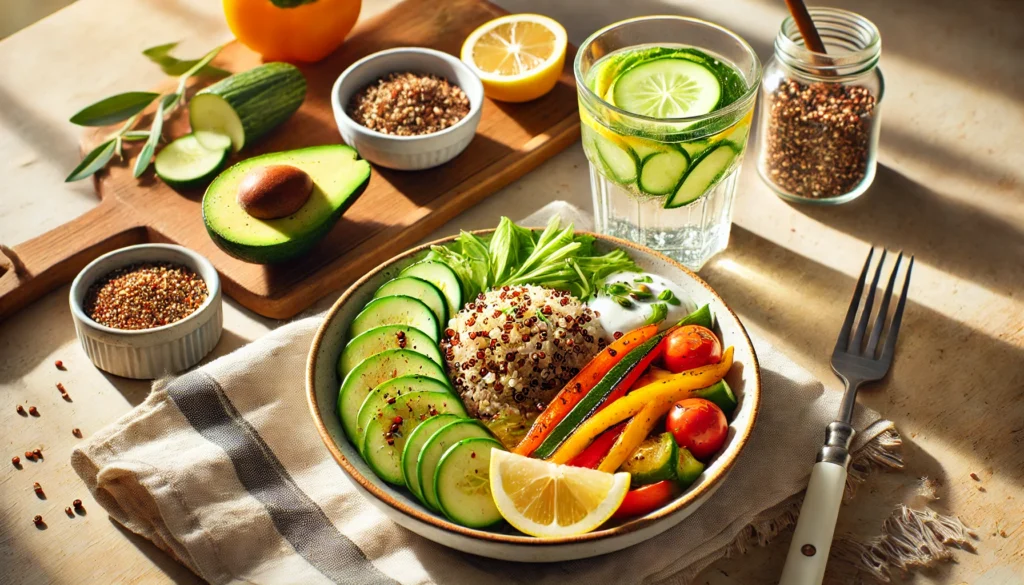
3-Day Detox to Lose 5 Pounds: Safe & Effective Cleanse for Rapid Results

Understanding Detox and Its Benefits

Detoxification is a natural process through which the body eliminates toxins and waste products. While the liver, kidneys, and lymphatic system already perform this function efficiently, targeted detox plans can support and enhance this process. Many people seek a 3-day cleanse to lose 5 pounds as a way to jumpstart weight loss, reset their metabolism, and improve digestion. A well-structured detox can help flush out excess water weight, reduce bloating, and enhance overall well-being. However, the key to an effective detox is maintaining a balance between cleansing and nourishment, ensuring that the body receives essential nutrients while expelling unwanted substances.

You may also like: 7-Day Detox Meal Plan: A Science-Backed Guide to Cleanse, Nourish, and Rejuvenate Your Body

A properly designed detox is not about deprivation or extreme calorie restriction. Instead, it focuses on consuming whole, nutrient-dense foods that support the body’s natural detoxification pathways. Drinking plenty of fluids, increasing fiber intake, and consuming antioxidant-rich foods can help optimize the process. Those looking to lose 5 pounds in 3 days detox should focus on hydrating, eating clean, and avoiding processed foods, excessive salt, and sugar. By following these principles, a detox plan can serve as an effective reset, paving the way for sustainable weight loss and improved health.

A refreshing glass of detox water infused with lemon, cucumber, and mint, placed on a wooden table with fresh green herbs and soft natural light, evoking hydration, cleansing, and rejuvenation

How a 3-Day Detox Works for Weight Loss

A 3-day cleanse to lose 5 pounds works primarily by reducing inflammation, eliminating excess water weight, and improving digestion. Many people experience bloating due to poor dietary choices, high sodium intake, or food intolerances. A detox that emphasizes hydration, natural diuretics, and fiber can help the body shed this retained water and feel lighter within just a few days.

Detoxing also helps regulate digestion by promoting the consumption of gut-friendly foods such as fruits, vegetables, and fermented foods. When digestion improves, the body can absorb nutrients more efficiently while eliminating waste products more effectively. This leads to reduced bloating and a flatter stomach. Furthermore, the metabolic boost from a well-planned detox can kickstart fat loss, making it easier to transition into a longer-term weight loss plan.

By following a structured detox program, individuals can detox lose 10 pounds in 3 days or achieve a more realistic goal of losing 5 pounds in 2 days detox while setting a foundation for healthier eating habits. While long-term weight loss requires consistent effort, a short-term detox can serve as an excellent reset, motivating individuals to adopt better nutritional choices moving forward.

The Role of Hydration in Detoxification

Hydration is a crucial component of any detox plan. Water plays a significant role in flushing out toxins, promoting digestion, and maintaining overall cellular function. Drinking sufficient fluids helps the kidneys and liver work efficiently, ensuring that toxins and waste products are eliminated effectively. Those aiming for a 3-day cleanse lose 10 pounds should prioritize water intake, herbal teas, and natural detox drinks to facilitate this process.

Lemon water, green tea, and herbal infusions can further support detoxification by providing antioxidants that protect against oxidative stress. Coconut water is another excellent choice, as it replenishes electrolytes and keeps hydration levels balanced. Additionally, consuming water-rich foods such as cucumbers, watermelon, and celery can contribute to daily hydration needs while providing essential vitamins and minerals. By focusing on proper hydration, individuals can maximize the benefits of a detox while enhancing energy levels and mental clarity.

Detox-Friendly Foods to Include

A well-balanced detox should include a variety of nutrient-dense foods that promote cleansing and nourishment. Fresh fruits and vegetables, particularly those rich in antioxidants and fiber, are the foundation of a successful detox. Leafy greens, cruciferous vegetables, and citrus fruits help neutralize toxins and support liver function.

Incorporating lean proteins such as wild-caught fish, organic chicken, and plant-based sources like lentils and quinoa ensures that the body maintains muscle mass while detoxing. Healthy fats from avocados, nuts, and seeds provide essential nutrients that support brain function and hormone balance. Additionally, fermented foods such as kimchi, sauerkraut, and kefir promote gut health by introducing beneficial probiotics.

Avoiding processed foods, refined sugars, and excessive caffeine is equally important. These substances can contribute to inflammation, slow down digestion, and counteract the benefits of a detox. Those seeking to lose 5 lbs in 2 days detox diet should focus on whole, unprocessed foods that nourish the body while aiding in the detoxification process.

The Impact of Detox on Digestion and Metabolism

One of the primary benefits of a detox is its impact on digestion and metabolism. A sluggish digestive system can lead to bloating, discomfort, and inefficient nutrient absorption. By prioritizing high-fiber foods, hydration, and gut-friendly ingredients, a detox can enhance digestion, leading to improved energy levels and a more efficient metabolism.

Intermittent fasting, which involves cycling between eating and fasting periods, can complement a detox by giving the digestive system a break. This allows the body to focus on cellular repair, reducing inflammation, and increasing fat oxidation. Many individuals find that incorporating intermittent fasting into their detox helps accelerate weight loss and enhances mental clarity.

A metabolism-boosting detox also includes thermogenic foods such as ginger, cayenne pepper, and green tea. These ingredients help increase calorie expenditure and promote fat burning, making it easier to lose 5 pounds in 3 days detox while maintaining high energy levels. By optimizing digestion and metabolism, a detox plan can create lasting health benefits that extend beyond the initial three days.

Sustaining the Benefits of a Detox

While a 3-day cleanse lose 10 pounds may not always be a realistic goal, a well-executed detox can yield impressive short-term results. However, sustaining these benefits requires a commitment to long-term healthy habits. Gradually reintroducing whole grains, lean proteins, and complex carbohydrates helps maintain energy levels and prevents rebound weight gain.

Continuing to prioritize hydration, consuming fiber-rich foods, and engaging in regular physical activity can help maintain weight loss and digestive health. Additionally, practicing mindful eating and avoiding processed foods can prevent the accumulation of toxins that contribute to bloating and weight gain. By integrating these habits, individuals can extend the benefits of their detox and support overall wellness.

 A colorful plate of fresh detox salad with leafy greens, avocado, cherry tomatoes, shredded carrots, and a light vinaigrette dressing, arranged on a rustic wooden table, showcasing nutritious whole foods for a healthy cleanse

Frequently Asked Questions (FAQ) about 3-Day Detox Cleanses

1. What are the benefits of doing a 3-day cleanse to lose 5 pounds? A 3-day cleanse to lose 5 pounds can jumpstart weight loss by reducing water retention, bloating, and inflammation. Many people report feeling lighter and more energized as their digestive system gets a break from processed foods. Cleansing can also improve hydration levels, leading to better skin clarity and overall well-being. Additionally, by removing excess sodium and artificial ingredients from the diet, a cleanse can help regulate cravings for unhealthy foods. However, long-term weight loss success depends on maintaining a balanced diet after the detox.

2. Is it possible to lose 5 pounds in 3 days detox without muscle loss? Yes, but it requires a strategic approach. A lose 5 pounds in 3 days detox typically results in a combination of water weight loss, reduced bloating, and a slight calorie deficit. To prevent muscle loss, ensure that your detox includes adequate protein sources, such as plant-based smoothies or lean proteins if permitted. Staying active with light exercises like yoga or walking can also help maintain muscle mass. Hydration plays a crucial role, as dehydration can lead to temporary muscle breakdown. After the detox, reintroducing nutrient-dense foods helps sustain energy and muscle integrity.

3. How does a detox help lose 10 pounds in 3 days? A detox lose 10 pounds in 3 days program focuses on eliminating inflammatory foods, reducing calorie intake, and flushing out excess water. The combination of hydration, fiber-rich foods, and reduced salt intake contributes to rapid initial weight loss. Some detoxes incorporate ingredients like lemon, ginger, and green tea, which are known for their metabolism-boosting and diuretic effects. However, sustaining a 10-pound weight loss requires careful post-detox dietary choices, as rapid weight loss is often temporary without lifestyle changes. Gradual reintroduction of whole foods is essential to maintain the progress.

4. What are the risks of a lose 5 pounds in 2 days detox? While a lose 5 pounds in 2 days detox diet can be effective for quick results, it may also come with risks if not done correctly. Extremely low-calorie cleanses can lead to fatigue, dizziness, and nutrient deficiencies. Overuse of laxative-based detoxes can disrupt gut health and lead to dehydration. It’s important to choose a detox that prioritizes whole foods, hydration, and balanced nutrients rather than extreme restrictions. Consulting with a nutritionist or doctor before attempting a rapid detox can help mitigate potential health risks. If dizziness or extreme fatigue occurs, it’s best to stop the detox and reintroduce balanced meals.

5. How does a 3-day cleanse lose 10 pounds impact digestion? A 3-day cleanse lose 10 pounds approach often improves digestion by reducing processed foods and increasing fiber and hydration. Many people experience better bowel regularity due to the high intake of fresh fruits, vegetables, and natural detoxifying agents like lemon and ginger. By giving the digestive system a break from heavy, hard-to-digest foods, the body can reset and function more efficiently. Some cleanses also incorporate probiotics or fermented foods, which further support gut health. Long-term digestive benefits can be sustained by continuing to include fiber-rich and probiotic foods after the cleanse.

6. Can a detox diet help with long-term weight management? A short-term detox, such as a 3-day cleanse to lose 5 pounds, is not a sustainable long-term solution for weight management. However, it can serve as a motivational reset to encourage healthier eating habits. People often find that after completing a detox, they crave fewer processed foods and are more mindful of their food choices. The key to maintaining weight loss is to transition into a balanced diet rich in whole foods, lean proteins, and healthy fats. Regular exercise and mindful eating play a significant role in sustaining any weight loss achieved during a detox.

7. Are there specific foods to eat after a lose 5 lbs in 2 days detox diet? Yes, reintroducing the right foods after a lose 5 lbs in 2 days detox diet is crucial for maintaining results. Start with easily digestible foods like soups, steamed vegetables, and lean proteins to prevent digestive distress. Avoid processed foods, refined sugars, and excessive sodium, as they can lead to bloating and water retention. Incorporating fiber-rich foods such as chia seeds, flaxseeds, and whole grains can help maintain digestion and prevent rebound weight gain. Gradually increasing protein intake ensures that muscle mass is preserved while continuing to lose fat. Staying hydrated and continuing to avoid sugary drinks supports long-term weight stability.

8. What is the best way to prepare for a 3-day cleanse to lose 5 pounds? Preparation is key for a successful 3-day cleanse to lose 5 pounds. A few days before starting, gradually eliminate processed foods, caffeine, and excess sugar to minimize withdrawal symptoms. Increasing water intake and consuming more fruits and vegetables can help the body adjust to the upcoming dietary changes. Meal prepping detox-friendly foods ensures adherence to the plan and reduces the temptation to stray. Mentally preparing for possible initial fatigue or cravings helps set realistic expectations. Journaling or tracking progress can also enhance motivation and mindfulness during the cleanse.

9. How often can you safely do a lose 5 pounds in 3 days detox? It’s generally safe to do a lose 5 pounds in 3 days detox occasionally, but frequent detoxing can lead to nutritional imbalances. Experts recommend spacing detoxes at least a few weeks apart to allow the body to naturally regulate its metabolism. If using detoxes as part of a long-term weight management plan, they should be balanced with periods of normal, nutrient-rich eating. Listening to the body’s signals is crucial—if fatigue, dizziness, or weakness occurs, it may indicate the need for a longer recovery period between detoxes. Consulting a healthcare provider before regular detoxing is advisable for those with underlying health conditions.

10. How can you maintain results after a 3-day cleanse lose 10 pounds detox? Maintaining results after a 3-day cleanse lose 10 pounds detox requires strategic dietary and lifestyle choices. Sticking to a diet rich in whole foods, lean proteins, and complex carbohydrates prevents rapid weight regain. Avoiding processed and high-sodium foods helps sustain reduced bloating and water retention. Regular physical activity, including strength training and cardiovascular exercise, supports continued fat loss and muscle maintenance. Hydration remains key, as drinking enough water helps the body regulate appetite and metabolism. Practicing mindful eating and portion control ensures long-term weight stability and prevents post-detox binge eating.

A serene spa-like setting with a wooden tray holding a detoxifying green tea, a bowl of mixed fruits, and a candle, near a softly lit window with greenery outside, embodying relaxation, self-care, and the holistic benefits of a detox cleanse

Conclusion: The Path to a Healthier You

A 3-day cleanse to lose 5 pounds offers a structured and effective approach to jumpstarting weight loss and improving overall well-being. By focusing on hydration, nutrient-dense foods, and digestive support, individuals can achieve noticeable results in a short period. While a detox is not a long-term solution, it serves as an excellent reset that can lead to lasting healthy habits.

Those seeking to lose 5 pounds in 2 days detox or a similar goal should approach detoxing with a balanced perspective, ensuring they support their body rather than depriving it. With the right approach, a short-term cleanse can be a valuable tool in achieving sustainable weight loss and enhancing overall vitality.

detox diet plan, rapid weight loss cleanse, best detox drinks, gut health and detoxing, anti-inflammatory diet cleanse, natural diuretic foods, liver detox support, metabolism boosting cleanse, healthy detox meals, hydration for weight loss, cleanse for digestive health, whole foods detox, three-day diet reset, weight loss smoothie recipes, lemon water detox benefits, intermittent fasting detox, best herbal teas for detox, fiber-rich foods for cleansing, reducing bloating naturally, sustainable weight loss detox

Further Reading:

The Military Diet: All You Need to Know

What is the military diet and does it work?

Does the “Lose 5 Pounds in 3 Days Detox Diet” Work?

Disclaimer

The information contained in this article is provided for general informational purposes only and is not intended to serve as medical, legal, or professional advice. While NewsHealthWatch strives to present accurate, up-to-date, and reliable content, no warranty or guarantee, expressed or implied, is made regarding the completeness, accuracy, or adequacy of the information provided. Readers are strongly advised to seek the guidance of a qualified healthcare provider or other relevant professionals before acting on any information contained in this article. NewsHealthWatch, its authors, editors, and contributors expressly disclaim any liability for any damages, losses, or consequences arising directly or indirectly from the use, interpretation, or reliance on any information presented herein. The views and opinions expressed in this article are those of the author(s) and do not necessarily reflect the official policies or positions of NewsHealthWatch.
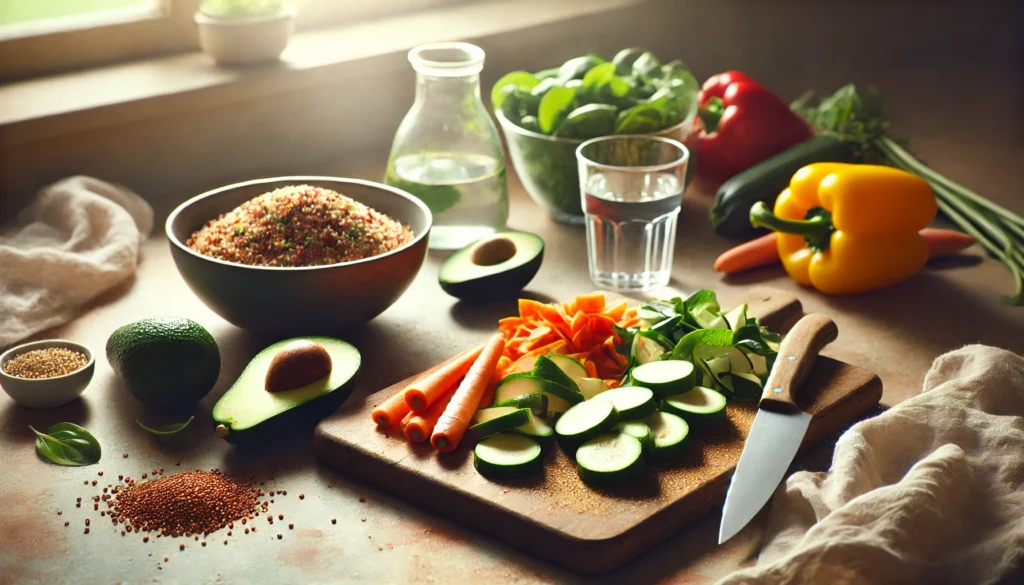
The Ultimate 3-Day Gut Cleanse: Naturally Reset Your Digestive Health and Reduce Bloating

A well-functioning digestive system is crucial for overall health and vitality. The gut is responsible for breaking down food, absorbing nutrients, and eliminating waste, all while maintaining a delicate balance of beneficial bacteria. However, due to modern dietary habits, stress, and environmental toxins, our gut health can become compromised, leading to bloating, sluggish digestion, and discomfort. A carefully designed 3-day gut cleanse can help reset your digestive system, support detoxification, and reduce bloating naturally.

You may also like: 7-Day Detox Meal Plan: A Science-Backed Guide to Cleanse, Nourish, and Rejuvenate Your Body

Understanding the Importance of Gut Health

Gut health extends beyond digestion; it is linked to immunity, mental clarity, and even mood regulation. The gastrointestinal tract houses trillions of bacteria, both beneficial and harmful, that work together to maintain homeostasis. When this balance is disrupted, it can result in inflammation, bloating, gas, and irregular bowel movements. Furthermore, poor gut health has been associated with conditions such as irritable bowel syndrome (IBS), leaky gut, and even mental health disorders like anxiety and depression. A well-executed 3-day gut cleanse can act as a reset button, flushing out toxins and replenishing beneficial bacteria.

A glass of detox water infused with lemon slices, cucumber, and fresh mint, sitting on a wooden table with a sunlit natural background, symbolizing hydration and digestive cleansing

How a 3-Day Gut Cleanse Works

A 3-day intestinal cleanse involves a strategic approach to nutrition and hydration that helps remove built-up waste while nourishing the gut lining. The cleanse focuses on eliminating processed foods, sugars, and inflammatory substances, replacing them with whole foods rich in fiber, prebiotics, and probiotics. Hydration plays a critical role, as water and herbal teas aid in flushing out toxins. Additionally, incorporating gut-supporting supplements, such as digestive enzymes and probiotics, enhances the benefits of the cleanse.

Preparing for the Cleanse

Before starting a three-day colon cleanse, it’s essential to prepare your body to ease the transition. Gradually reducing processed foods, caffeine, and refined sugars a few days before the cleanse can prevent withdrawal symptoms such as headaches or fatigue. Increasing fiber intake from vegetables, fruits, and whole grains can also help prepare the digestive tract for the cleanse. Additionally, ensuring adequate hydration before beginning the cleanse will support smoother digestion and waste elimination.

Day 1: Detox and Hydration

The first day of a 3-day detox for bloating is centered on detoxification and hydration. The morning should begin with a glass of warm lemon water to stimulate digestion and alkalize the body. Throughout the day, consuming detoxifying beverages like herbal teas, bone broth, and coconut water can help flush out toxins. Meals should be light yet nutrient-dense, featuring foods like steamed vegetables, leafy greens, and fermented foods such as sauerkraut or kimchi. Avoiding heavy proteins, dairy, and processed foods is crucial for allowing the digestive system to rest and repair.

Day 2: Nourishing the Gut

By the second day of the 3-day gut cleanse, the body is in full detox mode, making it essential to introduce foods that support gut healing. Fiber-rich foods such as chia seeds, flaxseeds, and avocados can help cleanse the colon while providing essential nutrients. Smoothies made with gut-friendly ingredients like ginger, turmeric, and probiotics can aid digestion and reduce inflammation. Bone broth or miso soup can further support the gut lining with amino acids and minerals. Hydration remains key, with plenty of filtered water and herbal infusions to keep the body flushed and replenished.

Day 3: Rebalancing the Microbiome

On the final day of the cleanse, the focus shifts toward rebalancing the gut microbiome by introducing probiotics and prebiotics. Fermented foods such as kefir, yogurt, and kombucha provide beneficial bacteria that promote a healthy gut environment. Fiber from fruits and vegetables continues to play a vital role in feeding these good bacteria. Light, easily digestible meals, such as vegetable soups and steamed greens, should be prioritized to prevent overburdening the digestive system. By the end of the day, most individuals report feeling lighter, more energized, and free from bloating.

Maintaining Gut Health Post-Cleanse

A successful 3-day colon cleanse detox is only the beginning of a long-term gut health strategy. To sustain the benefits, it’s essential to adopt habits that support digestion and microbiome balance. This includes incorporating more whole, fiber-rich foods into daily meals, drinking adequate amounts of water, and avoiding processed foods and excessive sugar. Additionally, managing stress through mindfulness practices, deep breathing, or yoga can significantly impact gut health, as chronic stress negatively affects digestion and microbial balance.

Common Mistakes to Avoid During a Gut Cleanse

While a three-day colon cleanse can be highly effective, certain pitfalls can hinder its success. One common mistake is neglecting hydration, as water is essential for flushing toxins and preventing constipation. Another issue is overloading the digestive system with excessive fiber without adequate water intake, which can lead to bloating and discomfort. Additionally, abruptly resuming an unhealthy diet post-cleanse can negate its benefits, making it crucial to transition slowly and mindfully.

Who Should Try a 3-Day Gut Cleanse?

A 3-day detox for bloating can benefit individuals experiencing digestive discomfort, irregular bowel movements, or bloating. Those who frequently consume processed foods, alcohol, or high-sugar diets may also find the cleanse particularly beneficial. However, individuals with underlying health conditions, such as diabetes or gastrointestinal disorders, should consult a healthcare professional before attempting a gut cleanse. Pregnant and breastfeeding women should also exercise caution and seek medical advice before making significant dietary changes.

The Science Behind Gut Cleansing

Scientific research supports the benefits of a temporary gut reset, emphasizing the role of fiber, hydration, and probiotics in digestive health. Studies have shown that short-term dietary modifications can positively impact the gut microbiome, reducing inflammation and improving overall well-being. Furthermore, the inclusion of prebiotic and probiotic foods in a cleanse aligns with evidence-backed strategies for maintaining a balanced gut ecosystem. By following a structured approach, individuals can experience significant improvements in digestion and energy levels.

A spa-inspired scene with a wooden tray holding a cup of herbal tea, fresh ginger, lemon slices, and honey, illuminated by soft candlelight, evoking relaxation and digestive wellness

Frequently Asked Questions (FAQ) About 3-Day Gut Cleanses

1. What is the purpose of a 3-day intestinal cleanse? A 3-day intestinal cleanse is designed to support digestive health by flushing out waste, reducing bloating, and promoting the balance of gut bacteria. It focuses on consuming fiber-rich foods, hydration, and natural detoxifying ingredients to improve gut function. Unlike longer cleanses, a 3-day gut cleanse offers a quick reset without overly disrupting your daily routine. Many people find it helpful for easing symptoms of digestive discomfort, such as sluggish bowel movements or occasional bloating. However, for long-term gut health, maintaining a balanced diet and lifestyle is essential.

2. How does a 3-day gut cleanse help with bloating? Bloating is often caused by trapped gas, slow digestion, or imbalances in gut bacteria. A 3-day detox for bloating helps by eliminating processed foods, increasing fiber intake, and supporting digestion through hydration and probiotics. Certain foods, such as ginger, fennel, and papaya, can help break down food more efficiently, reducing bloating. Additionally, the reduction of inflammatory foods like dairy and processed sugar can minimize water retention and gut irritation. By the end of a three-day colon cleanse, many people report feeling lighter and less bloated.

3. What should I eat during a 3-day colon cleanse detox? A 3-day colon cleanse detox should focus on whole, unprocessed foods that promote digestion and detoxification. High-fiber foods like chia seeds, flaxseeds, leafy greens, and fruits like apples and pears help sweep waste through the intestines. Hydrating with herbal teas, lemon water, and electrolyte-rich broths supports the cleansing process. Fermented foods such as kimchi, sauerkraut, and kefir introduce beneficial probiotics to aid digestion. Avoiding heavy, greasy foods and artificial additives is crucial to getting the most benefits from your cleanse.

4. Can a three-day colon cleanse improve gut microbiome health? Yes, a three-day colon cleanse can contribute to a healthier gut microbiome by eliminating harmful bacteria and introducing beneficial probiotics. The cleanse encourages the consumption of fiber-rich prebiotic foods that nourish good bacteria, such as asparagus, bananas, and garlic. Probiotic supplements or fermented foods can help repopulate the gut with friendly microbes, leading to improved digestion and immune support. While three days isn’t enough for a complete microbiome reset, it can provide a strong foundation for better gut health moving forward. To sustain these benefits, maintaining a balanced diet after the cleanse is recommended.

5. Will I lose weight on a 3-day gut cleanse? Many people experience temporary weight loss during a 3-day gut cleanse due to the elimination of excess waste and reduced water retention. However, this weight loss is not primarily fat loss but rather a reduction in bloating and digestive buildup. By removing processed foods and emphasizing hydration, the body can function more efficiently, potentially leading to a slight decrease in overall weight. For sustainable weight management, a long-term focus on healthy eating and lifestyle habits is necessary. While a cleanse can be a good kickstart, it should not be relied upon as a primary weight-loss method.

6. Are there any side effects of a 3-day detox for bloating? Some people may experience mild side effects during a 3-day detox for bloating, such as headaches, fatigue, or temporary digestive changes. These symptoms are often a result of the body adjusting to a cleaner diet and detoxification process. Reducing caffeine intake gradually before the cleanse and drinking plenty of water can help minimize discomfort. Additionally, ensuring that you are consuming enough calories from nutrient-dense foods can prevent energy dips. If any symptoms become severe or persistent, it’s advisable to consult a healthcare professional.

7. How often should I do a 3-day intestinal cleanse? The frequency of a 3-day intestinal cleanse depends on individual lifestyle, diet, and digestive health. Some people benefit from doing a cleanse once a season to reset their digestion and improve gut health. Others may find it helpful to do a cleanse after periods of indulgence, such as holidays or vacations. However, it is important to ensure that cleanses are not used excessively, as the gut relies on a steady intake of nutrients to function properly. Listening to your body and maintaining a balanced diet in between cleanses is key to long-term digestive health.

8. Can I exercise during a three-day colon cleanse? Light to moderate exercise, such as yoga, walking, or stretching, is generally safe and beneficial during a three-day colon cleanse. These activities can promote circulation, aid digestion, and reduce stress, enhancing the overall benefits of the cleanse. However, intense workouts or heavy weightlifting may not be ideal, as the body may be adjusting to a lower-calorie, nutrient-dense diet. Staying hydrated and listening to your body’s energy levels is important to avoid excessive fatigue. If you feel lightheaded or weak, consider scaling back your exercise routine until after the cleanse.

9. What should I do after completing a 3-day colon cleanse detox? After completing a 3-day colon cleanse detox, it’s important to transition back to regular eating gradually. Reintroduce solid foods slowly, starting with light, easily digestible meals such as steamed vegetables, soups, and lean proteins. Continuing to consume fiber-rich and probiotic foods will help sustain the gut health benefits gained during the cleanse. Avoid jumping back into processed foods, excessive sugar, or heavy meals immediately, as this can shock the digestive system. Making long-term healthy eating habits part of your routine will help extend the positive effects of your cleanse.

10. Can a 3-day gut cleanse help with digestive issues like constipation? Yes, a 3-day gut cleanse can be effective in alleviating constipation by increasing fiber intake, hydration, and digestive-supporting foods. The inclusion of natural laxatives such as prunes, aloe vera juice, and psyllium husk can promote regular bowel movements. Drinking plenty of water is essential to help fiber move through the intestines smoothly. The cleanse also encourages a reduction in processed foods and refined carbohydrates, which can contribute to sluggish digestion. If constipation persists beyond the cleanse, it may be beneficial to evaluate daily dietary habits or consult a healthcare provider for further advice.

A spa-inspired scene with a wooden tray holding a cup of herbal tea, fresh ginger, lemon slices, and honey, illuminated by soft candlelight, evoking relaxation and digestive wellness

Conclusion: Reset Your Gut and Reclaim Your Health

A well-structured 3-day gut cleanse offers a powerful way to reset digestion, reduce bloating, and restore gut balance naturally. By focusing on hydration, nutrient-dense foods, and microbiome support, individuals can experience a transformation in their digestive health. Beyond the cleanse, maintaining long-term gut-friendly habits ensures sustained benefits, promoting overall wellness. Whether you’re looking to jumpstart a healthier lifestyle or alleviate digestive discomfort, a three-day colon cleanse provides an effective and natural solution for improved gut health and vitality.

gut health reset, digestive detox plan, natural colon cleanse, healthy microbiome diet, fiber-rich detox, probiotics for gut health, hydration and digestion, anti-inflammatory cleanse, fermented foods benefits, prebiotic-rich diet, detoxifying herbal teas, gut-friendly superfoods, digestive enzyme support, bloating relief strategies, gut health for immunity, reducing gut inflammation, colon cleanse benefits, three-day detox plan, post-cleanse diet tips, mindful eating for digestion

Further Reading:

The 3-Day Fix to Resetting Your Gut for Good

How To Reset Your Gut In 3 Days?

A Simplified Three-Day Cleanse

Disclaimer

The information contained in this article is provided for general informational purposes only and is not intended to serve as medical, legal, or professional advice. While NewsHealthWatch strives to present accurate, up-to-date, and reliable content, no warranty or guarantee, expressed or implied, is made regarding the completeness, accuracy, or adequacy of the information provided. Readers are strongly advised to seek the guidance of a qualified healthcare provider or other relevant professionals before acting on any information contained in this article. NewsHealthWatch, its authors, editors, and contributors expressly disclaim any liability for any damages, losses, or consequences arising directly or indirectly from the use, interpretation, or reliance on any information presented herein. The views and opinions expressed in this article are those of the author(s) and do not necessarily reflect the official policies or positions of NewsHealthWatch.

The Ultimate 30-Day Detox Cleanse: Science-Backed Strategies for a Healthier You

Detoxification is a concept that has captivated health enthusiasts for decades, yet it remains widely misunderstood. While trendy detox programs often make sweeping claims about ridding the body of toxins, the human body already possesses an efficient and sophisticated detoxification system. The liver, kidneys, lungs, and skin all work synergistically to eliminate waste and maintain internal balance. However, modern lifestyles—characterized by processed foods, sedentary habits, and environmental pollutants—can place an undue burden on these systems. A well-structured 30-day detox cleanse, when approached with science-backed principles, can support the body’s natural detoxification mechanisms while promoting overall health and wellness. This comprehensive guide provides evidence-based strategies to optimize detoxification and create sustainable habits for long-term vitality.

You may also like: 7-Day Detox Meal Plan: A Science-Backed Guide to Cleanse, Nourish, and Rejuvenate Your Body

Understanding Detoxification: How the Body Naturally Eliminates Toxins

The body’s detoxification processes are primarily managed by the liver, which filters toxins from the bloodstream and converts them into substances that can be excreted via the kidneys or bile. The kidneys play a crucial role in filtering waste from the blood, while the lungs expel carbon dioxide and other gaseous toxins. The skin, through sweat, also contributes to the elimination of certain compounds. Despite these efficient mechanisms, exposure to excessive toxins from processed foods, alcohol, pollution, and synthetic chemicals can impair detoxification. A properly structured 30-day detox cleanse can enhance these natural functions by reducing toxic load and supporting organ function through targeted dietary and lifestyle changes.

A serene spa-like scene with a detox bath featuring floating citrus slices, mint leaves, and flowers in a wooden tub, surrounded by soft candlelight, bamboo, and smooth stones, evoking deep relaxation and purification

The Role of Nutrition in a 30-Day Detox Cleanse

A detox diet should focus on whole, nutrient-dense foods that promote optimal liver and kidney function. Cruciferous vegetables such as broccoli, Brussels sprouts, and kale contain compounds that enhance phase I and phase II liver detoxification processes. Fiber-rich foods like flaxseeds, chia seeds, and legumes support digestive health and facilitate the removal of waste products. Antioxidant-rich foods, including berries, turmeric, and green tea, help neutralize oxidative stress caused by toxins. Hydration is also paramount, as water assists in flushing toxins through the urinary system. Incorporating herbal teas with detoxifying properties, such as dandelion root and milk thistle, can further support liver health.

Eliminating Processed Foods and Toxins from Your Diet

Refined sugars, artificial sweeteners, processed meats, and trans fats contribute to systemic inflammation and place stress on detoxification pathways. A 30-day detox cleanse should prioritize the elimination of these harmful substances while emphasizing whole foods. Reducing caffeine and alcohol intake allows the liver to focus on processing endogenous toxins rather than external compounds. Additionally, limiting exposure to pesticides by choosing organic produce and avoiding food additives such as MSG and artificial colors can significantly decrease toxic burden.

The Importance of Gut Health in Detoxification

The gut microbiome plays an integral role in detoxification by metabolizing dietary compounds and supporting immune function. Probiotic-rich foods such as fermented vegetables, kefir, and miso help maintain a balanced microbiota, while prebiotic foods like garlic, onions, and asparagus nourish beneficial bacteria. Ensuring regular bowel movements is essential for eliminating toxins, making fiber intake a key aspect of any detox regimen. Psyllium husk, whole grains, and legumes promote digestive regularity and prevent toxin reabsorption in the colon.

Exercise and Its Role in Enhancing Detoxification

Physical activity stimulates circulation, lymphatic drainage, and sweat production, all of which contribute to the removal of metabolic waste. Cardiovascular exercises, such as running and cycling, enhance oxygenation and improve lung detoxification. Strength training supports metabolic efficiency, while practices like yoga and stretching encourage lymphatic flow. Engaging in regular movement during a 30-day detox cleanse enhances the body’s ability to expel toxins and promotes overall vitality.

Hydration and Detoxification: Why Water Is Essential

Proper hydration is one of the most fundamental aspects of detoxification. Water is necessary for kidney function, lymphatic drainage, and digestive regularity. Consuming herbal infusions, coconut water, and electrolyte-rich beverages can further enhance hydration. Lemon water, often promoted for its detoxifying benefits, provides vitamin C and aids digestion. Structured hydration—such as drinking a glass of water upon waking and maintaining steady intake throughout the day—ensures that detoxification pathways remain efficient.

Sleep and Stress Management for Effective Detoxification

Sleep is a vital yet often overlooked component of a successful detox cleanse. During sleep, the body undergoes repair and waste clearance, particularly in the brain through the glymphatic system. Prioritizing sleep hygiene, such as maintaining a consistent bedtime and minimizing blue light exposure, enhances detoxification. Stress management techniques, including meditation, deep breathing, and mindfulness, help regulate cortisol levels, which can otherwise impair detox processes. Integrating relaxation techniques into a 30-day detox cleanse ensures that both mental and physical health are supported.

Environmental Detox: Reducing Exposure to Toxins

Beyond dietary changes, minimizing environmental toxins is crucial for comprehensive detoxification. Household cleaning products, personal care items, and plastics often contain endocrine-disrupting chemicals. Switching to natural alternatives, such as essential oil-based cleaners and BPA-free containers, reduces toxin exposure. Air purification through plants and high-quality filters can also limit inhalation of pollutants. A holistic detox approach considers both internal and external sources of toxins to create a healthier living environment.

Supplements and Herbs That Support Detoxification

Certain supplements can enhance the body’s detoxification processes. Milk thistle supports liver function, while N-acetylcysteine (NAC) boosts glutathione, a powerful antioxidant involved in detoxification. Activated charcoal, used selectively, can bind to toxins in the gut and prevent reabsorption. Chlorella and spirulina aid in heavy metal detoxification, and magnesium facilitates bowel regularity. However, supplements should complement, not replace, a nutrient-rich diet in a 30-day detox cleanse.

A bright, modern kitchen with a wooden cutting board showcasing fresh detox ingredients like turmeric, ginger, lemon, and green herbs, alongside a vibrant green detox smoothie, illuminated by warm natural sunlight

Frequently Asked Questions (FAQ) about the 30-Day Detox Cleanse

1. What are the primary benefits of a 30-day detox cleanse? A 30-day detox cleanse supports overall health by promoting better digestion, increased energy levels, and improved skin clarity. Unlike shorter detoxes, a month-long approach allows the body to gradually eliminate accumulated toxins while establishing sustainable health habits. Many individuals report enhanced mental clarity and reduced inflammation after following a structured detox plan. The extended timeframe of a 30-day detox diet also helps reset taste preferences, making whole foods more appealing over processed options. Additionally, it can support liver function and gut microbiome balance, both of which are critical for long-term wellness.

2. How can I customize a 30-day detox cleanse to fit my dietary needs? A 30-day detox diet should be tailored to individual dietary restrictions, preferences, and health goals. Those with food sensitivities can focus on eliminating common allergens such as gluten, dairy, or soy while incorporating whole, unprocessed foods. Plant-based individuals may emphasize nutrient-dense sources of protein, such as legumes, quinoa, and seeds, while those following a ketogenic lifestyle can prioritize detox-friendly fats like avocados and nuts. Hydration plays a key role, so increasing water intake and consuming herbal teas can enhance the detoxification process. Consulting a nutritionist before beginning a cleanse ensures the plan meets personal nutritional needs while avoiding deficiencies.

3. What are common mistakes to avoid during a 30-day detox diet? One major mistake is drastically cutting calories, which can lead to fatigue and nutrient deficiencies. Detoxing should focus on nourishing the body rather than extreme restriction. Another common pitfall is neglecting hydration, as proper fluid intake is essential for flushing out toxins effectively. Over-reliance on detox supplements without addressing overall diet quality can also undermine results. Additionally, expecting instant results rather than gradual improvements may lead to frustration and abandonment of the plan. Instead, maintaining realistic expectations and prioritizing balance ensures a successful detox experience.

4. Can a 30-day detox cleanse support long-term weight loss? While a 30-day detox cleanse is not designed as a weight loss program, many people experience natural weight reduction due to improved digestion and reduced inflammation. By eliminating processed foods and excess sugars, the body shifts towards more stable blood sugar levels, which can prevent cravings and overeating. Additionally, increased fiber intake supports digestive health and metabolism regulation. The habits developed during a 30-day detox diet, such as mindful eating and choosing whole foods, often extend beyond the cleanse, supporting sustainable weight management. Regular movement and stress management further enhance these benefits for long-term success.

5. Are there any potential side effects of a 30-day detox diet? Some individuals may experience mild side effects in the initial days of a detox, such as headaches, fatigue, or digestive changes. These symptoms often result from the body adjusting to reduced caffeine, sugar, and processed food intake. Staying hydrated and consuming fiber-rich foods can help ease the transition. Those with pre-existing conditions should consult a healthcare provider before beginning a detox program to avoid adverse effects. If symptoms persist or worsen, it may indicate the need for dietary adjustments or a more gradual approach to detoxification.

6. How does a 30-day detox cleanse impact digestion? A well-structured detox plan enhances digestion by eliminating processed foods that can cause bloating, sluggish digestion, and discomfort. Increased fiber intake from fruits, vegetables, and whole grains supports gut motility and the growth of beneficial bacteria. Many detox plans incorporate probiotic-rich foods like kimchi or yogurt, which further enhance digestive health. Herbal teas, such as ginger or peppermint, can soothe the digestive tract and reduce bloating. Over time, a 30-day detox diet can help restore gut balance, leading to improved digestion and nutrient absorption.

7. What role does hydration play in a 30-day detox diet? Proper hydration is essential for an effective detox, as it helps flush out toxins and supports organ function. Water aids in digestion, kidney function, and circulation, all of which contribute to detoxification. Herbal teas and infused water with lemon or cucumber can add variety while maintaining hydration. Coconut water and bone broth provide additional electrolytes, preventing dehydration-related fatigue. Consistently drinking adequate fluids throughout the 30-day detox cleanse ensures optimal metabolic function and overall well-being.

8. Can exercise enhance the benefits of a 30-day detox cleanse? Incorporating movement into a detox plan supports circulation, lymphatic drainage, and overall well-being. Light activities such as yoga, walking, or swimming can enhance the body’s natural detoxification processes. Sweating through moderate exercise or sauna use also aids in toxin elimination. However, intense workouts may need to be adjusted if energy levels fluctuate during the cleanse. Listening to the body and choosing appropriate physical activities ensures that exercise remains a supportive component of the detox rather than an added stressor.

9. How can I maintain the benefits of a 30-day detox cleanse after completing it? Transitioning out of a detox gradually prevents sudden reintroduction of processed foods that could cause digestive discomfort. Continuing to prioritize whole foods, staying hydrated, and practicing mindful eating supports long-term health. Many people find that incorporating periodic mini-detoxes, such as a weekend of clean eating, helps maintain their progress. Keeping a food journal can also aid in identifying foods that support energy levels and digestion. By viewing the 30-day detox diet as a lifestyle shift rather than a temporary cleanse, individuals can sustain its benefits well beyond the designated period.

10. Is a 30-day detox cleanse safe for everyone? Most healthy individuals can safely follow a 30-day detox diet with proper planning and balanced nutrition. However, those with medical conditions such as diabetes, kidney disease, or a history of eating disorders should consult a healthcare professional before beginning. Pregnant and breastfeeding individuals should avoid restrictive detoxes, as nutrient demands are higher during these life stages. Adjusting the detox to include sufficient calories, healthy fats, and proteins ensures it remains safe and effective. Personalizing a detox cleanse to fit individual health conditions allows for maximum benefits without compromising well-being.

A serene outdoor scene featuring a woman practicing yoga in a lush green setting, bathed in soft morning sunlight, with a glass of herbal detox tea on a wooden surface, symbolizing purification and holistic wellness

Final Thoughts: Sustaining the Benefits of a 30-Day Detox Cleanse

The goal of a detox cleanse should not be temporary restriction but long-term lifestyle transformation. Gradually reintroducing foods while maintaining clean eating principles prevents rebound effects. Incorporating periodic fasting, ongoing hydration, and mindfulness practices ensures that detoxification remains a continuous process. By embracing sustainable habits, individuals can maintain optimal health and well-being beyond the initial 30-day period. A well-structured detox plan, rooted in science, supports the body’s natural ability to cleanse and rejuvenate, ultimately leading to enhanced vitality and longevity.

detoxification foods, natural detox strategies, gut health and detox, liver detox support, hydration and detoxification, best detox teas, exercise for detox, stress and detoxification, sleep and toxin elimination, environmental toxins and health, heavy metal detox, antioxidant-rich foods, lymphatic drainage detox, herbal detox remedies, whole foods detox diet, clean eating principles, probiotics for detox, sustainable health habits, immune support and detox, inflammation reduction diet

Further Reading:

Commit to a Full-Body Reset with Our 30-Day Detox Plan

30-Day Self-Guided Whole Body Detox

The Ultimate Spring Cleanse

Disclaimer

The information contained in this article is provided for general informational purposes only and is not intended to serve as medical, legal, or professional advice. While NewsHealthWatch strives to present accurate, up-to-date, and reliable content, no warranty or guarantee, expressed or implied, is made regarding the completeness, accuracy, or adequacy of the information provided. Readers are strongly advised to seek the guidance of a qualified healthcare provider or other relevant professionals before acting on any information contained in this article. NewsHealthWatch, its authors, editors, and contributors expressly disclaim any liability for any damages, losses, or consequences arising directly or indirectly from the use, interpretation, or reliance on any information presented herein. The views and opinions expressed in this article are those of the author(s) and do not necessarily reflect the official policies or positions of NewsHealthWatch.
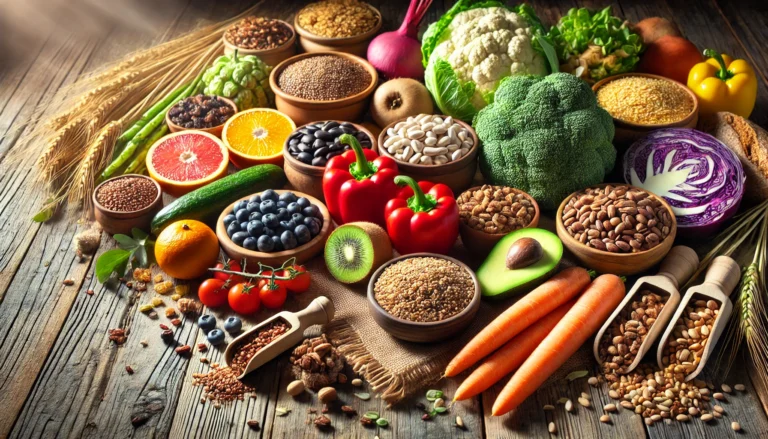
Play exciting online pokies and live games at True Fortune Casino, offering fast payouts, secure deposits, and generous bonuses for Australian players.

Enjoy top pokies and live dealer tables at Uptown Pokies Casino, with quick withdrawals, safe banking, and rewarding promotions for Australian users.

Join thrilling online slots and live casino action at Uptown Aces, featuring fast deposits, secure withdrawals, and exclusive bonuses for Australian players.

Spin favourite pokies and play live casino games at Velvet Spins Casino, offering safe banking, fast payouts, and generous promotions for Australian enthusiasts.

Experience exciting online pokies and live tables at Woo Casino, with quick withdrawals, secure deposits, and attractive bonuses for Australian casino players.

Play top pokies and live dealer games at King Billy Casino, offering fast payouts, safe banking, and rewarding promotions for Australian online casino users.

Enjoy thrilling online slots and live casino action at Aussie Play Casino, with secure deposits, quick withdrawals, and generous bonuses for Australian players.

Join exciting pokies and live tables at Fastpay Casino, featuring fast payouts, safe banking, and exclusive promotions for Australian online casino enthusiasts.