hacklink hack forum hacklink film izle hacklink
Home Blog Page 236

Best Practices for Taking Ashwagandha: Morning or Night, Empty Stomach or With Food?

Introduction

Ashwagandha, an ancient medicinal herb, has been used in Ayurvedic medicine for thousands of years to promote overall health and wellness. With increasing scientific research validating its benefits, more people are incorporating ashwagandha into their daily routine. However, questions often arise about the best way to take this powerful adaptogen: Should you take ashwagandha in the morning or at night? Can you take ashwagandha on an empty stomach, or is it better with food? Understanding the optimal timing and method of consumption can maximize its effectiveness and ensure you reap the full benefits of this potent supplement.

You may also like: Rhodiola vs. Ashwagandha: Which Adaptogen Best Supports Gut Health and a Fiber-Rich Diet?

Understanding Ashwagandha and Its Benefits

Ashwagandha (Withania somnifera) is classified as an adaptogen, meaning it helps the body manage stress. It has been studied extensively for its potential to reduce cortisol levels, improve cognitive function, enhance endurance, and support overall well-being. Additionally, ashwagandha has been linked to improved sleep quality, reduced anxiety, and enhanced immune function. Given its broad range of benefits, taking ashwagandha in the most effective way is crucial for achieving desired results.

Morning vs. Night: When Is the Best Time to Take Ashwagandha?

The best time to take ashwagandha depends on individual needs and the specific effects one hopes to achieve. If you are looking for an energy boost, enhanced cognitive function, or stress management throughout the day, taking ashwagandha in the morning may be ideal. Research suggests that ashwagandha helps regulate cortisol, a hormone that follows a natural daily rhythm, peaking in the morning and declining throughout the day. By taking ashwagandha in the morning, individuals may experience improved focus, energy levels, and stress resilience throughout the day.

On the other hand, if the goal is relaxation, improved sleep quality, or stress reduction before bedtime, taking ashwagandha at night might be more beneficial. Studies indicate that ashwagandha has a calming effect on the nervous system, helping to reduce anxiety and promote restful sleep. Many users report that taking ashwagandha at night contributes to a deeper and more restorative sleep cycle. However, individual responses may vary, and some people might experience mild stimulation when taking ashwagandha at night.

A calming nighttime scene featuring a cup of warm ashwagandha-infused milk on a bedside table with soft lighting and a cozy atmosphere, representing nighttime use for relaxation and sleep.

Can You Take Ashwagandha on an Empty Stomach?

Taking ashwagandha on an empty stomach is generally safe for most individuals, but its effectiveness and tolerability may vary. Some people find that taking ashwagandha on an empty stomach leads to faster absorption, potentially enhancing its bioavailability. However, others may experience mild gastrointestinal discomfort, including nausea or an upset stomach, especially when taking higher doses.

To determine whether taking ashwagandha on an empty stomach is suitable for you, it is advisable to start with a lower dose and monitor your body’s response. If any discomfort arises, taking it with food may be a better option. Additionally, consuming ashwagandha with a source of healthy fat, such as milk, yogurt, or nuts, may improve absorption and reduce the likelihood of stomach irritation.

Taking Ashwagandha With Food: Does It Improve Absorption?

Many herbal supplements, including ashwagandha, are fat-soluble, meaning they are better absorbed when taken with dietary fat. Studies suggest that consuming ashwagandha with a meal containing healthy fats can enhance its bioavailability, allowing the body to absorb its active compounds more efficiently. This is particularly beneficial for individuals who experience digestive discomfort when taking ashwagandha on an empty stomach.

In Ayurvedic tradition, ashwagandha is often mixed with warm milk and honey, a practice that not only improves absorption but also enhances its calming and nourishing effects. Adding ashwagandha to smoothies, teas, or meals is another practical way to integrate it into daily nutrition while ensuring optimal absorption.

Factors to Consider When Choosing the Best Time and Method of Consumption

While general recommendations provide guidance on whether to take ashwagandha in the morning or at night, and on an empty stomach or with food, individual factors should also be considered. These include:

  1. Personal Goals: If the goal is increased energy and cognitive performance, taking ashwagandha in the morning may be ideal. For relaxation and sleep support, nighttime consumption may be more effective.
  2. Digestive Sensitivity: Individuals with sensitive stomachs may benefit from taking ashwagandha with food to minimize discomfort.
  3. Lifestyle and Routine: Choosing a consistent time to take ashwagandha can improve adherence and enhance long-term benefits.
  4. Form of Ashwagandha: Capsules, powders, and tinctures may have varying absorption rates, influencing the best method of consumption.
  5. Combination with Other Supplements: Pairing ashwagandha with complementary herbs, such as turmeric or black pepper, may enhance its effects and bioavailability.

A close-up of a plate with a healthy meal alongside an ashwagandha supplement bottle, illustrating taking ashwagandha with food for better absorption.

Frequently Asked Questions (FAQ) About Ashwagandha

1. Can you take ashwagandha on an empty stomach?

Yes, you can take ashwagandha on an empty stomach, but individual tolerance varies. Some people find it beneficial for faster absorption, while others may experience mild digestive discomfort. If you notice stomach upset, consider taking it with a small meal or a healthy fat source like yogurt to enhance absorption. The bioavailability of ashwagandha is influenced by whether it’s taken alone or with food, as certain compounds are better absorbed in the presence of fats. If taking it on an empty stomach, start with a lower dose to assess tolerance before increasing gradually.

2. Is it better to take ashwagandha in the morning or at night?

Choosing between ashwagandha morning or night depends on your wellness goals. Taking ashwagandha in the morning may help improve focus, energy levels, and stress response throughout the day. However, taking it at night can enhance relaxation, promote deeper sleep, and aid in nighttime recovery. If your main goal is stress management and energy balance, taking ashwagandha in the morning may be ideal. If you’re looking to improve sleep quality and relaxation, consuming it at night is a better choice. Some individuals split their dosage, taking half in the morning and half at night, to experience both benefits.

3. Can I take ashwagandha in the morning if I have a busy schedule?

Yes, you can take ashwagandha in the morning, especially if you need support for focus and stress management. It helps in regulating cortisol levels, which tend to be higher in the morning, promoting a balanced and calm mindset throughout the day. If you have a demanding schedule, taking ashwagandha in the morning can improve resilience to daily stressors. Some users find it pairs well with a morning routine that includes mindfulness or exercise, further enhancing its benefits. However, if it makes you feel too relaxed, adjusting the timing or dosage may be necessary.

4. How does taking ashwagandha on an empty stomach compare to taking it with food?

Ashwagandha on an empty stomach may lead to faster absorption, but it can also cause mild stomach discomfort in some individuals. When taken with food, particularly healthy fats like nuts or avocado, its active compounds are better absorbed and utilized by the body. If you experience digestive issues when taking it on an empty stomach, consuming it with food may provide a more comfortable experience. Certain formulations, such as ashwagandha in oil-based capsules, are designed to enhance absorption regardless of when you take them. Experimenting with timing and food intake can help you find what works best for you.

5. What are the benefits of taking ashwagandha in the morning?

Taking ashwagandha in the morning offers several benefits, including improved stress resilience, enhanced cognitive function, and steady energy levels. Since cortisol levels are naturally higher in the morning, ashwagandha helps regulate this stress hormone, preventing excessive spikes that can lead to fatigue. It may also support immune function and reduce inflammation, making it an excellent addition to a proactive wellness routine. For those practicing intermittent fasting, ashwagandha on an empty stomach can be a convenient option, provided there are no digestive concerns. Regular use in the morning can contribute to long-term stress management and overall well-being.

6. Can ashwagandha cause drowsiness if taken in the morning?

While ashwagandha is known for its calming effects, it does not typically cause drowsiness when taken in the morning. Instead, it helps modulate stress responses and improve mental clarity without sedation. However, some individuals may feel a mild sense of relaxation, which could be mistaken for drowsiness. If you’re concerned about energy levels, consider taking a smaller dose in the morning and gradually adjusting based on your response. Combining it with adaptogenic herbs like rhodiola or ginseng can also help balance its effects for sustained energy.

7. What is the best way to take ashwagandha on an empty stomach?

If you prefer taking ashwagandha on an empty stomach, start with a small dose to gauge your tolerance. Taking it with a glass of warm water, herbal tea, or milk can make it easier to digest. Some people mix ashwagandha powder with a teaspoon of ghee or coconut oil to enhance absorption without causing stomach discomfort. If you experience nausea or bloating, switching to a capsule form or consuming it with a light snack may help. Always listen to your body and adjust your intake method as needed.

8. Should I take ashwagandha in the morning or night for stress relief?

Ashwagandha in the morning is ideal for managing daytime stress, enhancing focus, and preventing fatigue. Taking it at night supports relaxation and recovery, making it beneficial for individuals with sleep disturbances. If stress is a constant issue, splitting your dosage between morning and night can provide 24-hour support. Some studies suggest that ashwagandha helps regulate cortisol fluctuations, which is essential for overall stress management. Ultimately, personal preference and lifestyle factors play a role in determining the best timing for optimal benefits.

9. Can ashwagandha improve sleep if taken in the morning?

Yes, ashwagandha taken in the morning can still contribute to improved sleep quality at night. By regulating stress hormones and promoting a balanced nervous system throughout the day, it creates an environment conducive to restful sleep. Studies show that ashwagandha enhances GABAergic activity, which helps calm the mind and body even hours after consumption. If sleep is a primary concern, taking ashwagandha at night may be more beneficial, but morning consumption can still have indirect positive effects on sleep. The key is consistent use and allowing the herb time to work within your system.

10. Are there specific groups of people who should avoid taking ashwagandha on an empty stomach?

Individuals with sensitive stomachs, gastrointestinal disorders, or acid reflux may want to avoid taking ashwagandha on an empty stomach to prevent irritation. Pregnant or breastfeeding women should consult a healthcare provider before taking ashwagandha, regardless of timing. People with autoimmune conditions or thyroid disorders should also seek medical advice, as ashwagandha may influence immune and hormone function. If you are on medication for blood pressure, blood sugar, or mental health conditions, check with your doctor before starting ashwagandha. Always introduce it gradually and monitor for any unusual reactions to determine the best approach for your health needs.

A minimalist concept showing an ashwagandha capsule or powder next to a glass of water on an empty stomach, symbolizing taking it without food for different benefits.

Conclusion: Optimizing Your Ashwagandha Routine

The decision of whether to take ashwagandha in the morning or night, on an empty stomach or with food, depends on personal goals, lifestyle, and individual response. If stress management, cognitive enhancement, and energy support are primary concerns, taking ashwagandha in the morning may be beneficial. Conversely, those seeking relaxation and improved sleep quality may prefer taking it at night. While some individuals can tolerate ashwagandha on an empty stomach, others may experience better absorption and reduced digestive discomfort when taking it with food. Experimenting with different methods and listening to your body’s response can help determine the best routine for incorporating ashwagandha into your wellness regimen effectively.

Further Reading:

Lifestyle Diets

When Is the Best Time to Take Ashwagandha — Morning or Night?

Ashwagandha Benefits

digital marketing strategy, search engine ranking, organic traffic growth, on-page optimization, content marketing tips, backlink building, keyword research tools, website SEO audit, technical SEO best practices, user experience optimization, mobile-friendly website design, voice search optimization, AI in SEO, local business visibility, social media and SEO, high-quality content creation, SEO-friendly blog writing, conversion rate optimization, Google algorithm updates, competitive analysis for SEO

The information contained in this article is provided for general informational purposes only and is not intended to serve as medical, legal, or professional advice. While NewsHealthWatch strives to present accurate, up-to-date, and reliable content, no warranty or guarantee, expressed or implied, is made regarding the completeness, accuracy, or adequacy of the information provided. Readers are strongly advised to seek the guidance of a qualified healthcare provider or other relevant professionals before acting on any information contained in this article. NewsHealthWatch, its authors, editors, and contributors expressly disclaim any liability for any damages, losses, or consequences arising directly or indirectly from the use, interpretation, or reliance on any information presented herein. The views and opinions expressed in this article are those of the author(s) and do not necessarily reflect the official policies or positions of NewsHealthWatch.

Can You Drink While Taking Ashwagandha? What Experts Say About Safety & Side Effects

Introduction

Ashwagandha, an ancient adaptogenic herb with deep roots in Ayurvedic medicine, has surged in popularity as a natural supplement for stress reduction, cognitive function, and overall well-being. Many individuals turn to ashwagandha for its purported ability to balance cortisol levels, promote relaxation, and enhance vitality. However, an important question arises for those who consume alcohol: Can you drink while taking ashwagandha? Understanding the potential interactions, benefits, and risks associated with combining ashwagandha and alcohol is crucial for anyone looking to optimize their health while enjoying a social drink.

You may also like: Rhodiola vs. Ashwagandha: Which Adaptogen Best Supports Gut Health and a Fiber-Rich Diet?

Experts caution that while ashwagandha is generally safe for most individuals, combining it with alcohol may lead to unintended side effects. This article delves into the scientific research and expert opinions surrounding this combination, providing a detailed, evidence-based exploration of the safety, risks, and considerations involved. By the end, readers will have a clear understanding of whether consuming alcohol while taking ashwagandha aligns with their health goals and lifestyle choices.

Understanding Ashwagandha: Benefits and Mechanisms of Action

Ashwagandha (Withania somnifera) is a powerful adaptogen that has been used for centuries in traditional Ayurvedic medicine to enhance resilience to stress, improve cognitive function, and promote overall health. The active compounds in ashwagandha, known as withanolides, contribute to its therapeutic effects, which include anti-inflammatory, neuroprotective, and anxiolytic properties.

One of the primary reasons people take ashwagandha is its ability to modulate the body’s stress response. Chronic stress is a significant contributor to various health conditions, including anxiety, depression, cardiovascular disease, and weakened immune function. By regulating cortisol levels, ashwagandha helps mitigate the harmful effects of stress, promoting a sense of calm and well-being.

Additionally, ashwagandha has been linked to improvements in cognitive function, including memory, focus, and mental clarity. Studies suggest that it may support neurogenesis, protect against neurodegenerative diseases, and enhance synaptic plasticity. These cognitive benefits make ashwagandha an attractive supplement for individuals seeking mental sharpness and resilience against age-related cognitive decline.

Another notable benefit of ashwagandha is its potential role in improving sleep quality. Many people who take ashwagandha report feeling more relaxed and experiencing deeper, more restorative sleep. This effect is attributed to its ability to lower cortisol levels and enhance the function of gamma-aminobutyric acid (GABA), a neurotransmitter that promotes relaxation and reduces nervous system excitability.

Given these benefits, it is understandable why many individuals integrate ashwagandha into their daily routines. However, questions arise when it comes to combining it with alcohol, which can have its own distinct physiological effects on the body.

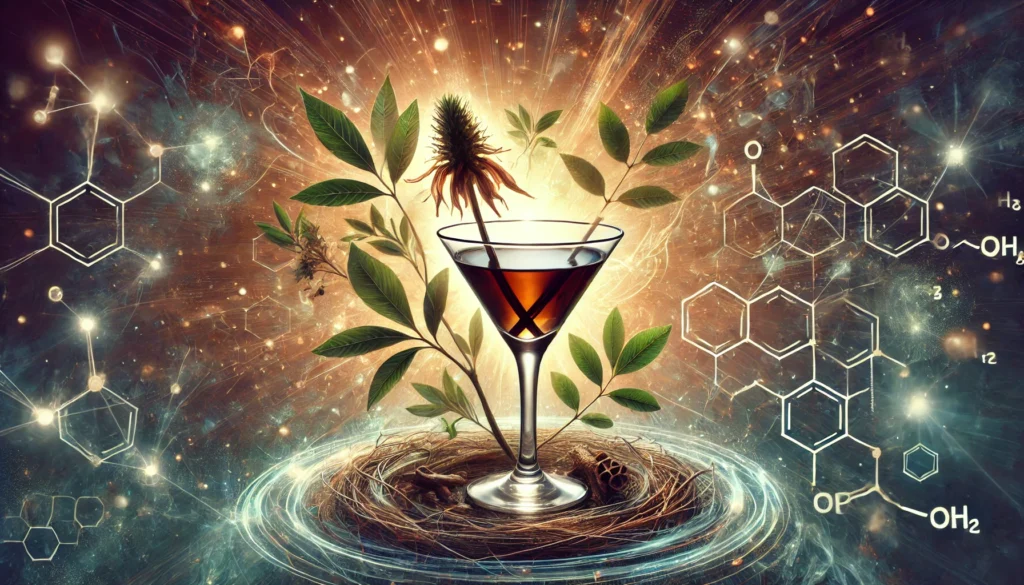
A mystical cocktail glass surrounded by ashwagandha roots and scientific symbols, representing alcohol and herbal interaction.

The Effects of Alcohol on the Body and Mind

Alcohol is a central nervous system depressant that affects brain function, motor skills, and cognitive abilities. When consumed in moderation, alcohol can induce relaxation and sociability. However, excessive alcohol intake can lead to impaired judgment, decreased coordination, and a range of negative health effects, including liver damage, increased inflammation, and disrupted sleep patterns.

Alcohol primarily affects neurotransmitters in the brain, particularly GABA and glutamate. By enhancing GABA activity, alcohol produces sedative and calming effects, which can contribute to a feeling of relaxation. At the same time, alcohol inhibits glutamate, a neurotransmitter responsible for cognitive function and learning. This dual action results in the characteristic effects of alcohol intoxication, including slowed reaction time and impaired memory.

Moreover, alcohol consumption impacts the liver, where it is metabolized into acetaldehyde, a toxic compound. Chronic alcohol use places strain on the liver, potentially leading to conditions such as fatty liver disease, cirrhosis, and liver failure. Additionally, alcohol can deplete essential vitamins and minerals, particularly B vitamins and magnesium, which play critical roles in energy production and neurological function.

Given these effects, the combination of alcohol with other substances, including herbal supplements like ashwagandha, warrants careful consideration. Understanding how these substances interact is essential for making informed decisions about their concurrent use.

Can You Drink While Taking Ashwagandha? Examining the Potential Interactions

The primary concern surrounding alcohol and ashwagandha consumption is their combined impact on the nervous system. Since both substances influence neurotransmitters and stress responses, their interaction could lead to amplified effects, including excessive sedation, drowsiness, and cognitive impairment.

One of the most significant considerations is the fact that ashwagandha has natural anxiolytic and sedative properties. When combined with alcohol, which also has depressant effects, the result may be an exaggerated sense of drowsiness or lethargy. This could impair cognitive function, motor skills, and overall alertness, increasing the risk of accidents or poor decision-making.

Additionally, ashwagandha is known for its ability to lower cortisol levels and promote relaxation. While this is generally beneficial for stress management, the combination of ashwagandha and alcohol could lead to an excessive dampening of the body’s stress response. This may contribute to an increased risk of feeling overly fatigued, unmotivated, or even experiencing a temporary decrease in energy levels.

Another consideration is the impact on liver function. While ashwagandha itself is not hepatotoxic, chronic alcohol consumption places a significant burden on the liver. Since the liver plays a crucial role in detoxification, combining alcohol with ashwagandha could interfere with the body’s ability to process and eliminate toxins efficiently. This is particularly relevant for individuals with existing liver conditions or those who consume alcohol frequently.

Furthermore, ashwagandha has been shown to influence blood pressure and blood sugar levels. Alcohol also affects these physiological parameters, sometimes unpredictably. For individuals with underlying health conditions such as hypertension or diabetes, consuming alcohol while taking ashwagandha could lead to fluctuations in blood pressure or glucose levels, necessitating careful monitoring and medical guidance.

Expert Recommendations: Should You Avoid Alcohol While Taking Ashwagandha?

Medical professionals and herbal medicine experts generally recommend caution when combining alcohol with ashwagandha. While occasional and moderate alcohol consumption may not pose significant risks for most individuals, the potential for enhanced sedative effects and physiological interactions should not be overlooked.

For those who use ashwagandha as a daily supplement for stress management or sleep support, it is advisable to avoid alcohol on days when the herb is taken, particularly in high doses. This approach minimizes the likelihood of excessive drowsiness and ensures that both substances are metabolized effectively by the body.

Additionally, individuals who consume alcohol regularly or in large quantities should be mindful of potential interactions with ashwagandha. Since alcohol affects liver function and depletes essential nutrients, long-term use alongside ashwagandha may reduce the herb’s effectiveness or contribute to unintended side effects.

For those who choose to drink while taking ashwagandha, moderation is key. Limiting alcohol intake, staying hydrated, and being mindful of how the body responds can help mitigate potential risks. Consulting with a healthcare professional before combining these substances is particularly important for individuals with underlying health conditions, medication use, or specific wellness goals.

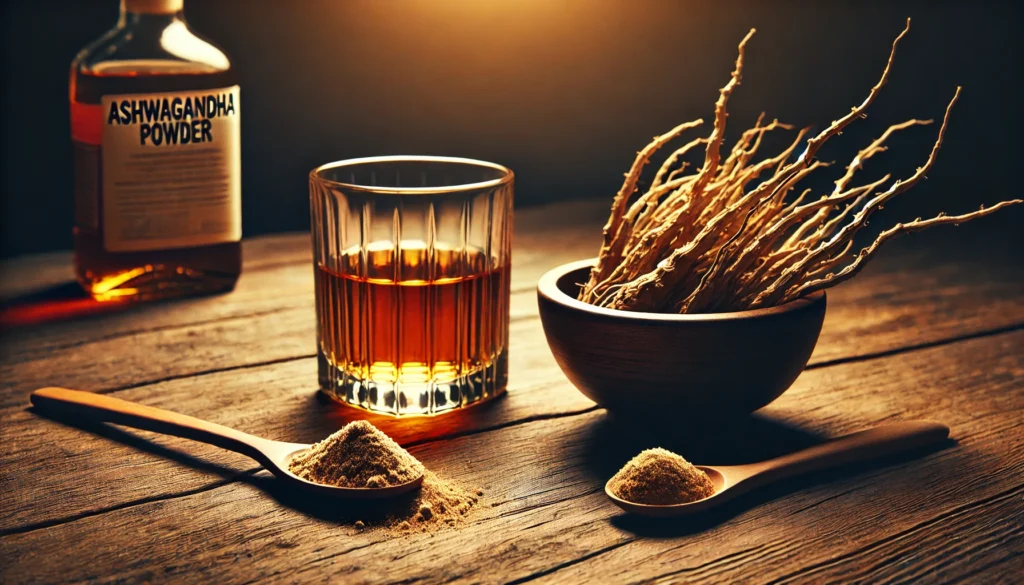
 A whiskey glass and ashwagandha supplements placed on a wooden table, symbolizing the potential risks of mixing alcohol with herbal remedies.

Frequently Asked Questions (FAQ) about Ashwagandha and Alcohol Consumption

1. Can you drink while taking ashwagandha, or will it reduce its effectiveness?

While ashwagandha is known for its adaptogenic properties that help manage stress and promote relaxation, alcohol has the opposite effect in many cases. When you drink while taking ashwagandha, the potential calming benefits may be counteracted by alcohol’s ability to disrupt sleep patterns and increase anxiety. Additionally, alcohol affects liver enzymes, which could alter the way your body processes ashwagandha, reducing its overall effectiveness. It is recommended to take ashwagandha consistently to experience its full benefits, and introducing alcohol may make its results less predictable. If you are using ashwagandha for stress relief, drinking alcohol could work against your goal by increasing cortisol levels over time.

2. Can you drink on ashwagandha without experiencing negative interactions?

For most people, moderate alcohol consumption while taking ashwagandha does not result in severe side effects, but it depends on individual tolerance and health conditions. Some people may experience enhanced drowsiness, reduced motor skills, or digestive discomfort when they drink on ashwagandha. Because ashwagandha naturally promotes relaxation, combining it with alcohol—another central nervous system depressant—could lead to excessive sedation. Additionally, if you are taking ashwagandha for anxiety or sleep support, alcohol could disrupt those benefits, particularly by impairing REM sleep. If you choose to drink while taking ashwagandha, start with a lower dose of both to see how your body responds.

3. How does alcohol affect ashwagandha’s ability to reduce stress?

One of ashwagandha’s most praised benefits is its ability to lower cortisol levels, the primary hormone associated with stress. However, alcohol consumption can cause a temporary drop in cortisol, followed by a significant rebound effect, leading to increased stress levels. If you drink while taking ashwagandha, this opposing effect may reduce the herb’s ability to manage stress effectively. Additionally, chronic alcohol consumption can deplete essential nutrients that ashwagandha relies on for optimal function, such as magnesium and B vitamins. To maximize the stress-reducing benefits of ashwagandha, it is best to limit alcohol intake, particularly in high-stress situations.

4. Can you drink on ashwagandha and still maintain good sleep quality?

Ashwagandha is commonly used as a natural sleep aid, helping to improve sleep onset and quality. However, alcohol consumption negatively affects sleep architecture, leading to more fragmented rest and reduced REM sleep. When you drink on ashwagandha, you might feel drowsy initially, but alcohol can cause you to wake up more frequently throughout the night. Over time, this combination may lead to poor sleep hygiene, negating the positive effects ashwagandha has on restfulness. If you are using ashwagandha to enhance sleep, avoiding alcohol before bed is the best approach to get the most restorative sleep possible.

5. Does alcohol impact the absorption of ashwagandha in the body?

Alcohol can interfere with the absorption and metabolism of many herbal supplements, including ashwagandha. Because alcohol affects liver function, it may slow down or alter the way ashwagandha is broken down in the body. This could mean that its active compounds take longer to exert their effects or are less potent when consumed alongside alcohol. Additionally, alcohol can cause dehydration and irritation of the digestive tract, making it more difficult for your body to properly absorb ashwagandha from supplements. To ensure maximum absorption, it is best to take ashwagandha with food and water rather than with alcohol.

6. Can you drink while taking ashwagandha if you are using it for anxiety?

If you are taking ashwagandha specifically for anxiety relief, consuming alcohol alongside it may not be ideal. While alcohol might temporarily provide relaxation, it often leads to increased anxiety the following day due to its impact on neurotransmitters and cortisol levels. Drinking while taking ashwagandha may weaken its ability to promote a calm state, making anxiety symptoms less manageable in the long run. Some individuals also report increased emotional sensitivity when combining the two, leading to mood swings or heightened nervousness. For those using ashwagandha to manage chronic anxiety, reducing alcohol intake may be beneficial for more consistent results.

7. Can you drink on ashwagandha without increasing drowsiness?

Ashwagandha has mild sedative properties that help with relaxation, which, when combined with alcohol, may lead to excessive drowsiness. If you drink on ashwagandha, you may experience intensified fatigue, slower reaction times, and decreased alertness. This effect may be particularly pronounced if you take higher doses of ashwagandha or drink alcohol in larger amounts. It is important to be cautious in situations where alertness is necessary, such as driving or operating machinery. If you notice increased drowsiness after consuming both, consider lowering your ashwagandha dose or spacing out its intake from alcohol consumption.

8. Can alcohol cancel out the immune-boosting benefits of ashwagandha?

Ashwagandha is known for supporting immune function by reducing inflammation and modulating immune responses. However, alcohol can suppress immune activity, making it more difficult for the body to fight off infections. If you drink while taking ashwagandha, the immune-boosting effects of the herb may be diminished, particularly with frequent or heavy drinking. Chronic alcohol consumption also increases inflammation, which contradicts ashwagandha’s ability to lower oxidative stress and support overall wellness. If you are taking ashwagandha for immune health, limiting alcohol intake can help maintain its full benefits.

9. Can ashwagandha and alcohol together impact liver health?

Both ashwagandha and alcohol are processed by the liver, and combining them could put additional strain on this vital organ. While ashwagandha is generally considered safe for liver function, excessive alcohol intake can lead to liver damage, inflammation, and toxicity. If you drink while taking ashwagandha, your liver may need to work harder to metabolize both substances, potentially affecting its efficiency. Those with pre-existing liver conditions should be particularly cautious when combining the two. Supporting liver health with proper hydration, a balanced diet, and moderate alcohol consumption can help mitigate potential risks.

10. What is the best way to use ashwagandha if you occasionally drink alcohol?

If you enjoy drinking alcohol but still want to benefit from ashwagandha, timing and moderation are key. Taking ashwagandha earlier in the day rather than close to alcohol consumption can help minimize interactions. Staying hydrated, consuming nutrient-dense foods, and avoiding excessive alcohol intake will help maintain the herb’s effectiveness. If you are using ashwagandha for stress, sleep, or immune support, consider reducing alcohol intake on days when these benefits are most needed. By being mindful of your habits, you can still enjoy occasional drinking without significantly reducing ashwagandha’s positive effects.

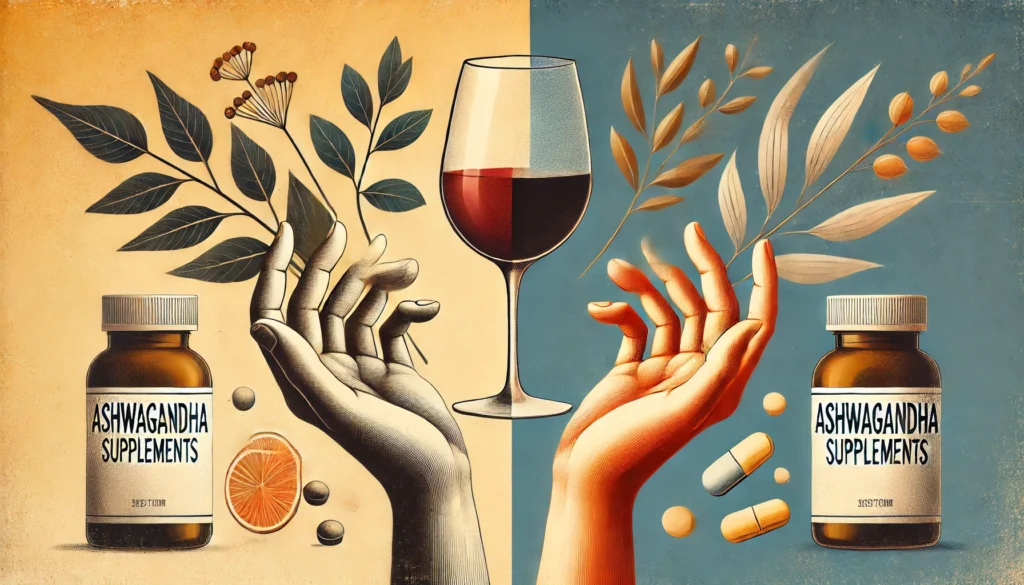
A conceptual visual of two hands holding wine and ashwagandha supplements against a divided natural and scientific backdrop.

Conclusion: Making an Informed Decision

The question of whether you can drink while taking ashwagandha ultimately depends on individual health factors, lifestyle choices, and personal tolerance levels. While ashwagandha is a powerful adaptogen with numerous benefits, its interaction with alcohol presents potential risks, including increased sedation, cognitive impairment, and liver strain.

For optimal safety and effectiveness, individuals should consider their reasons for taking ashwagandha and whether alcohol consumption aligns with their wellness goals. By understanding the potential interactions and practicing moderation, it is possible to make an informed decision that prioritizes long-term health and well-being.

Further Reading:

Ashwagandha

Ashwagandha

What are the benefits of ashwagandha?

content marketing strategy, digital marketing tips, search engine ranking, online visibility, keyword research techniques, organic traffic growth, website optimization, on-page SEO best practices, off-page SEO tactics, link-building strategies, user experience improvement, content creation guide, blogging for SEO, social media and SEO, technical SEO fundamentals, Google algorithm updates, local search optimization, mobile-friendly website design, voice search optimization, competitive analysis for SEO

The information contained in this article is provided for general informational purposes only and is not intended to serve as medical, legal, or professional advice. While NewsHealthWatch strives to present accurate, up-to-date, and reliable content, no warranty or guarantee, expressed or implied, is made regarding the completeness, accuracy, or adequacy of the information provided. Readers are strongly advised to seek the guidance of a qualified healthcare provider or other relevant professionals before acting on any information contained in this article. NewsHealthWatch, its authors, editors, and contributors expressly disclaim any liability for any damages, losses, or consequences arising directly or indirectly from the use, interpretation, or reliance on any information presented herein. The views and opinions expressed in this article are those of the author(s) and do not necessarily reflect the official policies or positions of NewsHealthWatch.

Best Rhodiola Supplements for Stress, Energy, and Mental Clarity: Expert Picks and Reviews

Understanding Rhodiola Rosea: A Natural Adaptogen for Cognitive and Physical Enhancement

Rhodiola rosea, commonly referred to as Rhodiola, is a powerful adaptogen known for its ability to help the body resist stress, improve mental clarity, and enhance physical endurance. Used for centuries in traditional medicine across Scandinavia, Russia, and Asia, this remarkable herb has gained widespread recognition for its benefits in modern health and wellness. The growing popularity of Rhodiola has led to an influx of supplements on the market, making it crucial to identify the best Rhodiola supplement for your needs. With numerous formulations available, selecting the top-rated Rhodiola rosea requires an understanding of its various extracts, dosages, and purity levels.

You may also like: Rhodiola vs. Ashwagandha: Which Adaptogen Best Supports Gut Health and a Fiber-Rich Diet?

The Science Behind Rhodiola Rosea’s Benefits

The efficacy of Rhodiola rosea stems from its bioactive compounds, primarily rosavins and salidrosides. These phytochemicals are responsible for the herb’s ability to modulate stress hormones, boost neurotransmitter activity, and enhance mitochondrial energy production. Research indicates that Rhodiola positively influences cognitive function, physical performance, and emotional resilience. By reducing cortisol levels, Rhodiola helps mitigate the negative effects of chronic stress, allowing the body to maintain balance and optimal function. Numerous clinical studies have demonstrated its potential to combat fatigue, improve focus, and even alleviate symptoms of mild depression and anxiety. Understanding the best Rhodiola extract and formulation is key to harnessing its full range of benefits.

 A wellness-themed arrangement of Rhodiola supplements in capsules, tinctures, and powdered extract, displayed on a wooden table with natural elements, evoking vitality and energy.

Factors to Consider When Choosing the Best Rhodiola Supplement

With so many Rhodiola rosea supplements available, selecting the right one can be overwhelming. The quality of a supplement depends on several factors, including the source of Rhodiola, standardization of active compounds, third-party testing, and bioavailability. The best Rhodiola supplement should contain a standardized extract with an optimal ratio of rosavins to salidrosides. This ensures that each dose provides consistent benefits without variability in potency. Additionally, reputable brands conduct third-party testing to verify purity, confirming that the supplement is free from contaminants such as heavy metals, pesticides, and artificial additives.

Top-Rated Rhodiola Rosea Supplements: Expert Recommendations

After thorough analysis and expert reviews, several brands have emerged as leaders in the field of Rhodiola supplementation. These brands prioritize quality, potency, and effectiveness, ensuring consumers receive the best Rhodiola rosea available. The most highly recommended Rhodiola rosea capsule options include standardized extracts that offer clinically effective dosages, typically ranging from 200 mg to 600 mg per serving. Furthermore, the best Rhodiola rosea brand selections include those with transparent sourcing, clear labeling, and a strong reputation in the supplement industry. Consumers should seek supplements that adhere to Good Manufacturing Practices (GMP) and have certifications verifying their authenticity and safety.

How Rhodiola Rosea Supports Mental Clarity and Cognitive Performance

One of the primary reasons individuals turn to Rhodiola rosea is for its cognitive-enhancing effects. The best Rhodiola extract formulations support mental acuity by modulating key neurotransmitters such as serotonin, dopamine, and norepinephrine. These neurotransmitters play vital roles in focus, mood stability, and motivation. Rhodiola’s ability to enhance cognitive performance is particularly beneficial for students, professionals, and individuals engaged in mentally demanding tasks. By reducing mental fatigue and increasing alertness, Rhodiola provides a natural way to improve productivity without the side effects associated with stimulants like caffeine.

The Role of Rhodiola in Stress Reduction and Emotional Balance

Stress is an inevitable part of modern life, and chronic stress can lead to severe health issues, including anxiety, depression, and burnout. Rhodiola rosea has been extensively studied for its adaptogenic properties, which allow the body to better manage stress. Unlike synthetic anxiolytics, Rhodiola provides a natural alternative for stress management without the risk of dependency or adverse side effects. The best Rhodiola supplement will have a balanced composition of rosavins and salidrosides to maximize its stress-reducing capabilities.

Enhancing Physical Performance and Endurance with Rhodiola

Athletes and fitness enthusiasts often seek natural solutions to boost endurance and reduce recovery time. Rhodiola rosea is one of the most effective herbal supplements for enhancing physical performance due to its ability to improve oxygen utilization and mitochondrial function. Studies have shown that the best Rhodiola extract formulations can significantly increase stamina, reduce exercise-induced fatigue, and accelerate muscle recovery. By enhancing energy production at the cellular level, Rhodiola supports sustained physical activity and optimal performance.

How to Incorporate Rhodiola Rosea into Your Daily Routine

Integrating Rhodiola rosea into a daily wellness regimen can provide significant long-term benefits. The best Rhodiola supplement should be taken in the morning or early afternoon to align with the body’s natural cortisol cycle. Most experts recommend starting with a lower dose and gradually increasing as needed, with an optimal range of 300 mg to 600 mg per day. Pairing Rhodiola with other adaptogens such as ashwagandha or ginseng may further enhance its stress-reducing and energy-boosting effects. Additionally, consistency is key, as Rhodiola’s benefits accumulate over time.

Potential Side Effects and Precautions When Using Rhodiola Rosea

Although Rhodiola rosea is well-tolerated by most individuals, some may experience mild side effects, particularly when taking high doses. Potential adverse effects include dizziness, dry mouth, or gastrointestinal discomfort. To minimize the risk of side effects, it is essential to choose the best Rhodiola rosea brand that adheres to stringent quality control standards. Pregnant and breastfeeding women, as well as individuals with bipolar disorder, should consult a healthcare provider before using Rhodiola, as it may interact with certain medications or conditions.

An energizing display of Rhodiola rosea supplements with a wooden mortar and pestle, dried Rhodiola root, capsules, and a steaming cup of herbal tea on a rustic surface, symbolizing enhanced focus and mental clarity.

Frequently Asked Questions (FAQ) About Rhodiola Rosea

1. How do I choose the best rhodiola supplement for my needs?

Selecting the best rhodiola supplement requires careful consideration of potency, purity, and ingredient sourcing. Look for products that contain standardized rhodiola rosea extract with a guaranteed percentage of rosavins and salidrosides, as these are the active compounds responsible for its benefits. The best rhodiola brands often provide third-party testing to confirm purity and absence of contaminants. It’s also crucial to consider the delivery method—some people prefer rhodiola rosea capsules, while others opt for liquid extracts for faster absorption. Checking customer reviews and expert recommendations can also help you find the best rhodiola rosea brand suited to your needs.

2. What are the key differences between various rhodiola extracts?

Not all rhodiola extracts are created equal, and understanding their differences is essential. The best rhodiola extract will typically be standardized to at least 3% rosavins and 1% salidrosides, which ensures consistency in potency. Some brands use wild-harvested rhodiola, which may offer a slightly different phytochemical profile compared to cultivated sources. Additionally, extraction methods vary—some use alcohol-based processes, while others rely on water extraction, potentially impacting the final product’s bioavailability. If you’re looking for the best rhodiola rosea brand, choose one that transparently lists its extraction process and potency.

3. How long does it take to experience the benefits of rhodiola rosea?

The effects of rhodiola rosea can vary depending on individual metabolism, dosage, and quality of the supplement. Many people report feeling increased energy and improved focus within a few days of taking a high-quality rhodiola rosea capsule. However, more profound benefits, such as reduced stress and improved endurance, may take several weeks of consistent use. Choosing the best rhodiola supplement with standardized extracts can help ensure a faster onset of effects. It’s important to note that dosage consistency is key—irregular use may result in less noticeable benefits.

4. Can rhodiola rosea interact with medications?

Yes, rhodiola rosea can interact with certain medications, especially those affecting the central nervous system, such as antidepressants and stimulants. Since it has adaptogenic properties, it may enhance or alter the effects of some medications. To ensure safety, it’s always best to consult with a healthcare professional before adding even the best rhodiola extract to your routine, particularly if you are on prescription drugs. Some experts recommend starting with a lower dose of rhodiola rosea capsules to assess individual tolerance before gradually increasing intake.

5. What is the best way to take rhodiola for maximum absorption?

For optimal absorption, rhodiola rosea is best taken on an empty stomach, preferably in the morning or early afternoon. Some formulations, like liquid extracts, may have a slightly faster effect than rhodiola rosea capsules due to quicker absorption. The best rhodiola supplement should specify whether it contains any additional bioenhancers that improve its bioavailability. Additionally, pairing rhodiola with a small amount of healthy fat, such as coconut oil, may help with the absorption of its active compounds. It’s advisable to follow the manufacturer’s instructions for dosage and administration to get the best results.

6. Are there any side effects associated with rhodiola rosea?

While rhodiola rosea is generally well-tolerated, some individuals may experience mild side effects such as dizziness, dry mouth, or digestive upset. High doses may lead to overstimulation or jitteriness, similar to excessive caffeine intake. Choosing the best rhodiola supplement with clear dosage guidelines can help minimize potential side effects. Those with underlying health conditions, especially anxiety or cardiovascular concerns, should consult a doctor before taking even top-rated rhodiola rosea products. Starting with a lower dose and gradually increasing it can also help the body adjust to the supplement.

7. How does rhodiola rosea compare to other adaptogens like ashwagandha?

Rhodiola rosea and ashwagandha are both popular adaptogens, but they have distinct benefits. Rhodiola is often favored for boosting energy, enhancing focus, and reducing fatigue, making it a preferred choice for athletes and individuals under high mental stress. In contrast, ashwagandha is better known for its calming properties and may be more suitable for anxiety and sleep support. The best rhodiola extract works well when combined with ashwagandha for a balanced adaptogenic effect, catering to both energy and relaxation needs. Some high-quality supplements offer a blend of both adaptogens for comprehensive stress management.

8. Can rhodiola rosea help with athletic performance and endurance?

Yes, rhodiola rosea is widely used by athletes for its ability to enhance endurance, stamina, and recovery. Studies suggest that taking the best rhodiola supplement before workouts can help reduce perceived exertion and improve oxygen utilization. Many endurance athletes favor rhodiola rosea capsules for their convenience and precise dosing. Additionally, this adaptogen may help reduce post-exercise fatigue and improve muscle recovery. Athletes looking for top-rated rhodiola rosea products should seek out supplements with standardized extract concentrations to ensure consistency in results.

9. Is rhodiola rosea effective for cognitive function and mental clarity?

Rhodiola rosea is well-regarded for its cognitive-enhancing properties, particularly in improving focus, memory, and mental resilience. The best rhodiola extract contains high concentrations of active compounds that support neurotransmitter balance and brain function. Many professionals and students use rhodiola rosea capsules to combat mental fatigue and enhance productivity. Unlike stimulants, rhodiola works by modulating stress responses rather than causing a sudden energy spike. Choosing a high-quality, top-rated rhodiola rosea supplement can maximize cognitive benefits and long-term brain health.

10. What should I look for in a top-rated rhodiola rosea brand?

A top-rated rhodiola rosea brand should offer full transparency regarding ingredient sourcing, standardization, and third-party testing. The best rhodiola supplements contain no unnecessary fillers, artificial additives, or contaminants. Checking for certifications like GMP (Good Manufacturing Practice) and non-GMO labeling can also indicate superior quality. Customer reviews and expert endorsements can provide additional insights into product effectiveness. Ultimately, choosing the best rhodiola rosea brand depends on factors like formulation, potency, and individual health goals.

A peaceful spa-like setting with Rhodiola capsules, herbal tinctures, and fresh plant elements arranged on a wooden tray, surrounded by candlelight and a softly blurred natural background, representing stress relief and relaxation.

Conclusion: Choosing the Right Rhodiola Supplement for Your Health Goals

Rhodiola rosea is a scientifically backed adaptogen with profound benefits for mental clarity, stress resilience, and physical endurance. Selecting the best Rhodiola supplement requires careful consideration of factors such as standardization, sourcing, and third-party testing. By opting for a top-rated Rhodiola rosea formulation, individuals can ensure they receive a high-quality product that delivers maximum efficacy. Whether seeking enhanced cognitive performance, improved stress management, or increased stamina, Rhodiola rosea remains one of the most effective and reliable herbal supplements available today. Investing in a premium Rhodiola rosea capsule can provide lasting benefits, supporting overall well-being and resilience in the face of daily challenges.

Further Reading:

Best Rhodiola Supplement

The 8 Best Vitamins and Supplements for Stress, According to Dietitians

User Reviews for rhodiola

digital marketing strategy, online visibility, organic search traffic, website optimization, search engine algorithms, keyword research techniques, content marketing trends, on-page SEO tactics, link-building strategies, user experience design, mobile-friendly websites, page load speed optimization, local business SEO, voice search optimization, AI in SEO, Google ranking factors, competitive analysis in SEO, social media impact on search rankings, conversion rate optimization, data-driven marketing insights

The information contained in this article is provided for general informational purposes only and is not intended to serve as medical, legal, or professional advice. While NewsHealthWatch strives to present accurate, up-to-date, and reliable content, no warranty or guarantee, expressed or implied, is made regarding the completeness, accuracy, or adequacy of the information provided. Readers are strongly advised to seek the guidance of a qualified healthcare provider or other relevant professionals before acting on any information contained in this article. NewsHealthWatch, its authors, editors, and contributors expressly disclaim any liability for any damages, losses, or consequences arising directly or indirectly from the use, interpretation, or reliance on any information presented herein. The views and opinions expressed in this article are those of the author(s) and do not necessarily reflect the official policies or positions of NewsHealthWatch.


Best Ashwagandha Supplements of 2025: Top Rated Brands for Stress, Sleep & Energy

Introduction: The Rising Popularity of Ashwagandha Supplements

Ashwagandha, an ancient adaptogen with deep roots in Ayurvedic medicine, has gained widespread recognition in modern health and wellness circles. With scientific research validating its ability to support stress reduction, improve sleep quality, and enhance overall vitality, the demand for high-quality ashwagandha supplements has surged. The best ashwagandha supplements of 2025 offer superior formulations that cater to diverse health needs, ensuring purity, potency, and effectiveness. As consumers become more discerning, choosing the best ashwagandha supplement requires an understanding of sourcing, extraction methods, and ingredient quality. This article provides a comprehensive review of the top-rated ashwagandha brands, highlighting their benefits, formulations, and key considerations for selecting the highest quality ashwagandha available.

You may also like: Rhodiola vs. Ashwagandha: Which Adaptogen Best Supports Gut Health and a Fiber-Rich Diet?

Understanding Ashwagandha: A Potent Adaptogen for Modern Life

Ashwagandha (Withania somnifera) has been revered in Ayurvedic medicine for centuries as a rejuvenating herb known to balance the body’s stress response. As an adaptogen, ashwagandha helps the body adapt to physical and psychological stressors, promoting homeostasis. Studies indicate that the best ashwagandha supplements provide measurable benefits in cortisol reduction, making them ideal for stress management. Additionally, the strongest ashwagandha formulations are often used to support cognitive function, enhance endurance, and improve sleep patterns. The unique bioactive compounds in ashwagandha, including withanolides, contribute to its therapeutic effects, making it essential to select a product with high bioavailability and standardized potency.

A tranquil scene featuring a glass jar filled with Ashwagandha capsules, fresh roots, and vibrant green leaves, set against a softly lit background to convey relaxation, vitality, and holistic wellness.

Key Benefits of the Best Ashwagandha Supplements

1. Stress and Anxiety Reduction

Chronic stress and anxiety are prevalent concerns in today’s fast-paced world, leading many to seek natural alternatives for relief. The best ashwagandha supplement to reduce cortisol works by modulating the hypothalamic-pituitary-adrenal (HPA) axis, helping regulate the body’s stress hormone levels. Clinical trials have demonstrated that participants supplementing with high-quality ashwagandha experienced significant reductions in cortisol levels, leading to improved mood stability and overall relaxation.

2. Enhanced Sleep Quality

Sleep disturbances and insomnia affect millions, making the best ashwagandha supplement for sleep an attractive option. Research suggests that ashwagandha’s natural sedative properties help promote restful sleep by influencing neurotransmitters such as gamma-aminobutyric acid (GABA). The best rated ashwagandha formulations often include additional calming ingredients like magnesium and L-theanine to optimize relaxation and sleep onset.

3. Increased Energy and Endurance

Athletes and fitness enthusiasts frequently turn to the top ashwagandha supplement to enhance stamina and physical performance. Studies reveal that ashwagandha supplementation can improve cardiorespiratory endurance, muscle strength, and recovery time. This makes it a valuable addition to pre-workout regimens and general energy support for individuals with demanding lifestyles.

4. Cognitive Function and Mental Clarity

The neuroprotective properties of ashwagandha make it a powerful supplement for cognitive enhancement. The highest quality ashwagandha extracts have been shown to support memory retention, focus, and mental clarity. Regular use of good quality ashwagandha has been linked to improved brain function, potentially reducing the risk of age-related cognitive decline.

5. Hormonal Balance and Sexual Health

Ashwagandha plays a crucial role in hormonal regulation, making it beneficial for both men and women. The best ashwagandha supplement for men is often associated with increased testosterone levels, improved fertility, and enhanced libido. Similarly, the best ashwagandha supplement for women may help balance cortisol and reproductive hormones, supporting menstrual health and reducing symptoms of menopause.

Choosing the Best Ashwagandha Brand: Essential Criteria

With an overwhelming number of ashwagandha brands available, selecting a top-rated ashwagandha supplement requires careful consideration of key factors:

  1. Purity and Quality Standards: The purest ashwagandha supplements are sourced from organic, non-GMO, and sustainably harvested plants. Third-party testing ensures the absence of contaminants, heavy metals, and pesticides.
  2. Standardized Withanolide Content: The potency of an ashwagandha supplement is determined by its withanolide concentration. The best rated pure ashwagandha supplements typically contain a standardized percentage (e.g., 5% withanolides) for consistent efficacy.
  3. Extraction Methods: High-quality ashwagandha is extracted using clean, solvent-free methods such as water or CO2 extraction. These processes preserve the bioactive compounds while eliminating potential toxins.
  4. Dosage and Bioavailability: The effectiveness of ashwagandha depends on proper dosing and absorption. The best ashwagandha pills and powders often include bioavailability enhancers like black pepper extract (piperine) to improve absorption.
  5. Consumer Reviews and Reputation: The best ashwagandha brands consistently receive positive feedback from users, demonstrating reliability in terms of potency, effectiveness, and customer satisfaction.

Top Rated Ashwagandha Supplements of 2025

1. KSM-66 Ashwagandha

KSM-66 is widely regarded as one of the best organic ashwagandha extracts due to its full-spectrum root-only formulation. With clinically validated benefits in stress reduction, energy enhancement, and cognitive support, it stands out as a top choice for consumers seeking a scientifically backed supplement.

2. Sensoril Ashwagandha

Sensoril is a highly concentrated form of ashwagandha known for its high withanolide content. It is particularly effective in managing stress and promoting relaxation, making it an excellent choice for individuals with anxiety-related conditions.

3. Nutrigold Ashwagandha Gold

As a certified organic ashwagandha brand, Nutrigold maintains stringent quality standards, ensuring a high level of purity and potency. Its commitment to sustainable sourcing and transparency makes it one of the best ashwagandha supplements to buy in 2025.

4. Organic India Ashwagandha

Organic India offers one of the highest quality ashwagandha supplements, utilizing traditional Ayurvedic methods to ensure efficacy. This brand is favored by those seeking a holistic approach to well-being.

 A steaming cup of herbal Ashwagandha tea surrounded by fresh roots and leaves, bathed in the warm glow of the setting sun, emphasizing the stress-relieving and calming benefits of the supplement.

Frequently Asked Questions (FAQ) About Ashwagandha

1. What factors determine the best ashwagandha supplement for individual needs?

The best ashwagandha supplement depends on various factors, including the concentration of withanolides, the method of extraction, and the presence of additional ingredients. Some people may prefer the best organic ashwagandha to avoid synthetic additives, while others seek the strongest ashwagandha for maximum potency. If you are targeting stress reduction, the best ashwagandha supplement to reduce cortisol should be standardized for high withanolide content. Additionally, delivery form matters—capsules, powders, and gummies each offer unique advantages depending on absorption rates and convenience. Always check third-party testing results and consumer reviews to ensure you’re selecting a high quality ashwagandha product that meets your health goals.

2. What distinguishes the best ashwagandha brand from others on the market?

The best ashwagandha brand stands out due to rigorous quality control, sustainable sourcing, and transparent labeling. Top rated ashwagandha brands often use organic or wild-harvested roots and conduct independent lab tests to verify purity and potency. The extraction method also plays a role—some brands use water-based or alcohol-free extraction to preserve the integrity of the active compounds. Additionally, the best rated pure ashwagandha supplements avoid fillers, artificial additives, or unnecessary preservatives. Before choosing a brand, research its reputation, customer feedback, and adherence to Good Manufacturing Practices (GMP) to ensure reliability.

3. How does ashwagandha affect stress and cortisol levels?

Ashwagandha is widely recognized for its adaptogenic properties, helping the body manage stress more effectively. Research shows that the best ashwagandha supplement to reduce cortisol works by regulating the hypothalamic-pituitary-adrenal (HPA) axis, which controls stress hormone production. Regular use of high quality ashwagandha may lead to reduced cortisol levels, promoting a calmer mental state and improving overall resilience to stress. Some studies suggest that consistent use of the best ashwagandha pills or powders can also improve sleep quality and enhance mood. However, results may vary based on dosage, formulation, and individual physiological responses.

4. Are ashwagandha gummies as effective as traditional capsules or powders?

The best ashwagandha gummies can be just as effective as capsules or powders if they contain a high concentration of active compounds. Many people prefer gummies due to their convenience and pleasant taste, making them easier to incorporate into daily routines. However, it’s important to check for added sugars, artificial flavors, or lower withanolide content, which could diminish their effectiveness. When selecting the best ashwagandha gummies, look for products that provide clinically studied doses and use high quality ashwagandha extracts. Some gummies also include complementary ingredients like L-theanine or magnesium to enhance relaxation and stress relief.

5. What is the difference between KSM-66 and Sensoril ashwagandha?

KSM-66 and Sensoril are two of the top ashwagandha supplements, but they have different extraction methods and benefits. KSM-66 is a full-spectrum root extract known for its high concentration of withanolides and is often considered the best ashwagandha for men due to its support for testosterone levels and athletic performance. Sensoril, on the other hand, uses both root and leaf extracts and has a higher concentration of withanolides, making it one of the strongest ashwagandha options for stress and anxiety relief. Depending on your goals, you may choose KSM-66 for physical endurance or Sensoril for cognitive and stress-related benefits.

6. How can I ensure I’m buying the purest ashwagandha available?

To find the purest ashwagandha, look for products that are certified organic, non-GMO, and free from heavy metals or contaminants. The best ashwagandha supplement brand will provide third-party testing results and ensure transparency in ingredient sourcing. Ashwagandha top brands often use solvent-free extraction methods to preserve potency without introducing unwanted chemicals. Another factor to consider is the withanolide content—higher concentrations generally indicate a more potent and effective product. Reading consumer reports best ashwagandha supplement reviews can also help identify brands with a proven track record of quality.

7. How does ashwagandha impact athletic performance and recovery?

Athletes often seek the best ashwagandha for men to enhance endurance, muscle strength, and recovery. Research suggests that ashwagandha can improve VO2 max, reduce exercise-induced muscle damage, and support faster recovery by lowering inflammation. The best rated ashwagandha supplements for fitness enthusiasts typically contain KSM-66, which is specifically formulated to support physical performance. Additionally, high quality ashwagandha helps regulate cortisol, preventing excessive muscle breakdown after intense workouts. To maximize benefits, pair ashwagandha supplementation with a well-balanced diet and consistent training regimen.

8. Can ashwagandha support women’s health?

Yes, the best ashwagandha supplement for women can help balance hormones, improve energy levels, and enhance mood stability. Studies suggest that ashwagandha may support thyroid function, making it beneficial for women with mild thyroid imbalances. Additionally, the best ashwagandha product for women can aid in reducing menstrual discomfort and promoting better sleep quality. Many women also use good quality ashwagandha to help manage perimenopausal symptoms such as mood swings and stress-related fatigue. When selecting a supplement, look for formulations that cater to hormonal balance and stress management.

9. What are the advantages of choosing the best organic ashwagandha over conventional options?

The best organic ashwagandha is grown without synthetic pesticides, herbicides, or chemical fertilizers, ensuring a cleaner and more natural product. Organic certification also guarantees that the ashwagandha has been cultivated sustainably, supporting environmental health. Many consumers prefer organic options because they often contain fewer contaminants and higher concentrations of beneficial compounds. Choosing a high quality ashwagandha product with organic certification can also reduce the risk of exposure to harmful toxins that may be present in lower-quality supplements. Additionally, organic farming methods tend to preserve soil integrity, making them a more sustainable choice for long-term agricultural health.

10. How can I determine the best ashwagandha to buy for my needs?

Determining the best ashwagandha to buy depends on your specific health goals, preferred form of supplementation, and ingredient quality. If you want an all-purpose adaptogen, look for the best rated ashwagandha that contains standardized withanolides for maximum efficacy. For those who prefer flexibility in dosage, the best ashwagandha powder allows for customized intake and can be mixed into smoothies or teas. If convenience is a priority, best ashwagandha pills or gummies might be ideal. Always check product labels, third-party certifications, and customer feedback to ensure you’re investing in a trusted, high quality ashwagandha supplement that aligns with your health objectives.

A dynamic and energetic display of Ashwagandha supplements, including capsules and powder, artfully placed alongside a yoga mat and dumbbells, symbolizing energy, vitality, and overall well-being.

Conclusion: Selecting the Best Ashwagandha Supplement for Your Needs

As interest in natural stress management and holistic wellness continues to rise, the demand for high-quality ashwagandha supplements remains strong. Whether seeking enhanced energy, improved sleep, or cognitive support, the best ashwagandha product will align with individual health goals and preferences. By choosing a good ashwagandha brand that prioritizes purity, potency, and transparency, consumers can confidently integrate this powerful adaptogen into their daily routines. As research continues to unveil new benefits of ashwagandha, it remains a cornerstone of modern herbal supplementation, supporting optimal health in 2025 and beyond.

Further Reading:

Best Ashwagandha Supplement

Sign up to the app for the latest Healthy Diet Plan

The 10 Best Ashwagandha Supplements, According to Dietitians

digital marketing strategy, online visibility, content optimization, search engine ranking, keyword research tools, organic traffic growth, SEO best practices, web analytics, on-page SEO techniques, backlink building, technical SEO audit, mobile-friendly website, user experience design, content marketing trends, local search optimization, Google algorithm updates, site performance optimization, voice search SEO, competitive analysis, conversion rate improvement

The information contained in this article is provided for general informational purposes only and is not intended to serve as medical, legal, or professional advice. While NewsHealthWatch strives to present accurate, up-to-date, and reliable content, no warranty or guarantee, expressed or implied, is made regarding the completeness, accuracy, or adequacy of the information provided. Readers are strongly advised to seek the guidance of a qualified healthcare provider or other relevant professionals before acting on any information contained in this article. NewsHealthWatch, its authors, editors, and contributors expressly disclaim any liability for any damages, losses, or consequences arising directly or indirectly from the use, interpretation, or reliance on any information presented herein. The views and opinions expressed in this article are those of the author(s) and do not necessarily reflect the official policies or positions of NewsHealthWatch.


Which Ginseng Is Better? Comparing Asian Ginseng vs. Korean Ginseng for Health Benefits

Understanding the Origins and Varieties of Ginseng

Ginseng has been a cornerstone of traditional medicine for centuries, revered for its purported ability to enhance vitality, boost energy, and support overall health. Among the various types available, Asian ginseng and Korean ginseng stand out as two of the most sought-after varieties. Both belong to the species Panax ginseng, yet they exhibit distinct characteristics in terms of cultivation, preparation, and health benefits. Understanding the nuances between these two forms can help consumers make informed choices regarding which type best suits their needs.

Botanical and Geographical Differences Between Asian and Korean Ginseng

Asian ginseng, often referred to as Panax ginseng, is a broad term encompassing ginseng cultivated in different regions across Asia, including China and Korea. However, Korean ginseng is specifically grown in Korea, where the unique climatic and soil conditions contribute to its potency. The geographical distinction is significant because the mineral composition of the soil, the climate, and the cultivation techniques all play a role in determining the bioactive compounds found in the ginseng root. Studies suggest that Korean ginseng tends to have higher concentrations of ginsenosides, the primary active compounds responsible for many of ginseng’s health benefits.

A serene tea setting with a cup of ginseng-infused tea in a traditional ceramic vessel, surrounded by dried Asian and Korean ginseng roots, illuminated by soft natural lighting that enhances the warm, herbal ambiance

The Key Differences Between Red Ginseng and White Ginseng

One of the primary distinctions between types of ginseng lies in their preparation methods. Red ginseng and white ginseng refer to two different processing techniques applied to Panax ginseng roots. White ginseng is air-dried and retains its natural color, whereas red ginseng is steamed and then dried, which alters its chemical composition. This steaming process enhances the concentration of specific ginsenosides, making red ginseng more potent in certain physiological effects. The debate over red ginseng vs. white ginseng often centers on their differing levels of efficacy, with red ginseng generally considered stronger due to the increased bioavailability of its active compounds.

The Role of Ginsenosides in Determining Efficacy

Ginsenosides are the bioactive compounds in ginseng responsible for its adaptogenic and medicinal properties. Researchers have identified over 30 different ginsenosides, each with unique effects on the body. Some ginsenosides exhibit anti-inflammatory properties, while others enhance cognitive function, support cardiovascular health, or improve immune response. The steaming process used to produce red ginseng transforms certain ginsenosides into more biologically active forms, making them easier for the body to absorb and utilize. This transformation is one reason why many experts favor red ginseng for its enhanced health benefits.

Which Ginseng Is Better for Energy and Stamina?

Ginseng has long been associated with increased energy and endurance, making it a popular supplement among athletes and individuals seeking a natural boost. Korean red ginseng, in particular, is often preferred for enhancing stamina and reducing fatigue. The higher ginsenoside content in red ginseng appears to contribute to improved oxygen uptake and better resistance to stress, which can be beneficial for those engaged in physically demanding activities. In contrast, white ginseng provides a milder, more balanced effect, making it suitable for individuals looking for steady energy support without overstimulation.

Cognitive Benefits: Enhancing Memory and Focus

Several studies have examined the cognitive-enhancing properties of ginseng, suggesting that it may help improve memory, focus, and mental clarity. The adaptogenic nature of ginseng allows it to modulate stress hormones, which can, in turn, improve cognitive function. Korean red ginseng has shown particular promise in this area, with research indicating that it may enhance neurotransmitter activity and support neuroprotection. Whether comparing Asian ginseng vs. Korean ginseng, both varieties have demonstrated potential benefits for cognitive health, though red ginseng may offer a slight edge due to its increased bioavailability.

Is Ginseng Good for Heart Health?

Cardiovascular health is another key area where ginseng has been studied extensively. The question of “is ginseng good for heart health?” is often answered affirmatively by researchers who highlight its ability to support circulation, reduce oxidative stress, and help regulate blood pressure. Red ginseng, in particular, has been associated with improved endothelial function, which is essential for maintaining healthy blood vessels. Some studies suggest that regular consumption of ginseng may help reduce cholesterol levels and support overall cardiovascular function, making it a valuable addition to a heart-healthy lifestyle.

Immunity and Anti-Inflammatory Effects of Ginseng

Both Asian and Korean ginseng have been found to possess immunomodulatory properties, meaning they can help regulate and strengthen the immune system. Ginseng’s ability to reduce inflammation also contributes to its protective effects against various diseases. Red ginseng, due to its higher concentration of bioactive compounds, has been shown to stimulate the production of immune cells and improve resistance to infections. Regular consumption of ginseng may be beneficial for individuals looking to support their immune system, particularly during cold and flu season.

Hormonal and Sexual Health Benefits

Ginseng has been traditionally used as an aphrodisiac and is believed to improve sexual function in both men and women. Research suggests that ginseng can enhance libido, improve erectile function, and balance hormone levels. The enhanced circulation promoted by ginseng may contribute to these effects, as better blood flow is crucial for sexual health. Red ginseng is often recommended for individuals seeking more pronounced effects in this area due to its higher potency compared to white ginseng.

Which Ginseng Should You Choose? A Personalized Approach

Ultimately, the choice between Asian ginseng vs. Korean ginseng, or red ginseng vs. white ginseng, depends on an individual’s specific health goals. Those looking for a potent, fast-acting adaptogen may prefer Korean red ginseng, while individuals seeking a gentler, more balanced effect may opt for white ginseng. Factors such as age, health status, and sensitivity to stimulants should also be considered when selecting a ginseng supplement.

A lush forest scene where ginseng plants thrive in their natural habitat, with rich green leaves and earthy roots partially exposed in the soil, bathed in dappled sunlight filtering through the trees.

Frequently Asked Questions About Asian and Korean Ginseng

1. How does the soil and climate affect the potency of Asian ginseng vs. Korean ginseng?

The potency of ginseng is significantly influenced by the environment in which it is cultivated. Korean ginseng is known for its high concentration of ginsenosides, which is largely attributed to Korea’s mineral-rich soil and ideal growing conditions. The cool climate, balanced precipitation, and nutrient-dense earth in Korea create optimal conditions for ginseng roots to mature slowly, allowing them to accumulate a more potent profile of active compounds. In contrast, Asian ginseng grown in China and other regions may not always develop the same high levels of bioactive compounds due to differences in soil composition and climate. The controlled conditions in Korea make Korean ginseng particularly sought after for those looking for a potent, well-balanced adaptogen.

2. Are there specific health conditions that benefit more from red ginseng vs. white ginseng?

The choice between red ginseng vs. white ginseng depends on individual health concerns and goals. Red ginseng, which undergoes a steaming process, is often favored for individuals looking for enhanced energy, improved circulation, and increased cognitive function. It is particularly useful for those experiencing chronic fatigue, stress-related exhaustion, or circulatory issues. On the other hand, white ginseng, which is air-dried without steaming, is milder and more suitable for individuals with sensitive constitutions or those seeking a gentler adaptogenic effect. People looking to support their immune system in a balanced manner without overstimulation may prefer white ginseng.

3. How does ginseng interact with medications, and what should consumers be aware of?

Ginseng, whether red or white, has the potential to interact with certain medications, which is why it’s essential to consult a healthcare provider before incorporating it into a daily regimen. For example, ginseng may interact with blood-thinning medications like warfarin, potentially increasing the risk of bleeding. Additionally, ginseng can affect blood sugar levels, which is particularly important for individuals taking insulin or diabetes medications. Since Korean ginseng is more potent than other varieties, those on prescription drugs should exercise extra caution to avoid unintended interactions. Monitoring blood pressure and blood sugar levels while using ginseng supplements is advisable for individuals managing cardiovascular and metabolic health conditions.

4. Which ginseng is better for stress management and mental well-being?

When it comes to stress relief and mental clarity, many individuals find Korean red ginseng to be the superior option. The steaming process of red ginseng alters its chemical composition, enhancing its adaptogenic properties, which help the body manage stress more efficiently. Studies suggest that red ginseng can regulate cortisol levels, leading to improved resilience against daily stressors. White ginseng, while still beneficial, does not provide the same immediate calming effects due to its less potent ginsenoside profile. Those dealing with high levels of stress, anxiety, or burnout may find that red ginseng offers a more noticeable improvement in mental well-being.

5. Can ginseng support athletic performance and physical endurance?

Ginseng has long been used to enhance physical stamina and endurance, with red ginseng being particularly effective for athletes and physically active individuals. Research has shown that red ginseng can improve oxygen uptake, enhance muscle recovery, and reduce fatigue after intense workouts. The adaptogenic properties of ginseng allow the body to better regulate energy production and recovery, making it a valuable supplement for those engaging in regular physical exertion. While both red and white ginseng offer performance-enhancing benefits, red ginseng is often preferred due to its higher concentration of bioactive compounds that aid in quicker muscle recovery and endurance.

6. Is ginseng good for heart health, and how does it impact circulation?

The question of “is ginseng good for heart health?” has been extensively researched, with evidence suggesting that ginseng, particularly red ginseng, supports cardiovascular function. Red ginseng has been shown to improve circulation by promoting nitric oxide production, which helps relax blood vessels and enhance blood flow. This effect can be beneficial for individuals dealing with hypertension, as it aids in lowering blood pressure naturally. Additionally, studies indicate that ginseng may reduce LDL cholesterol levels, contributing to better heart health over time. White ginseng also offers cardiovascular benefits, but red ginseng’s enhanced bioavailability makes it a more effective choice for heart-related concerns.

7. How does the aging process affect the potency of ginseng?

The age of a ginseng root plays a crucial role in determining its potency. Typically, ginseng is harvested after four to six years of growth, with older roots containing a more concentrated level of ginsenosides. Korean ginseng, in particular, is often grown for at least six years to ensure maximum potency. Older roots tend to be richer in bioactive compounds, making them more effective in supporting energy levels, immune function, and cognitive health. Consumers looking for the most potent ginseng should seek products that clearly indicate the root’s age, as younger roots may not offer the same therapeutic benefits.

8. Which ginseng is better for immune system support?

Both red and white ginseng contribute to immune system support, but red ginseng appears to have a more pronounced effect due to its enhanced bioactive compounds. Research suggests that red ginseng can stimulate the production of immune cells such as natural killer (NK) cells and T-cells, which play a critical role in defending the body against infections. White ginseng still provides immune support, but its effects tend to be milder and more gradual. Individuals looking for stronger protection during cold and flu season or those with weakened immune systems may benefit more from red ginseng.

9. Can ginseng improve sleep quality, or does it cause insomnia?

Ginseng’s effects on sleep vary depending on the type consumed and the individual’s response. Some people find that red ginseng provides sustained energy throughout the day, which, if taken too late, may interfere with sleep. However, in controlled doses, red ginseng can also help regulate the body’s stress response, potentially promoting relaxation and improving sleep quality. White ginseng, due to its milder properties, is less likely to cause sleep disturbances and may be a better option for those who are sensitive to stimulants. Individuals struggling with insomnia should experiment with timing and dosage to find the best balance for their sleep patterns.

10. How should one determine which ginseng is better for their personal needs?

Determining which ginseng is better depends on individual health goals and sensitivities. Those looking for a powerful adaptogen with strong effects on energy, cognition, and circulation may prefer Korean red ginseng. However, individuals seeking a milder, more balanced supplement with gradual benefits might find white ginseng to be a better fit. Factors such as age, activity level, stress levels, and any underlying health conditions should also be considered when selecting a ginseng supplement. Consulting with a healthcare professional can help tailor the choice to meet specific wellness needs.

A side-by-side visual comparison of red ginseng and white ginseng roots on a clean slate surface, showcasing red ginseng's darker, more processed appearance versus the lighter, natural hue of white ginseng, with soft lighting emphasizing their textures.

Conclusion: The Best Ginseng for Your Needs

When evaluating which ginseng is better, it is essential to consider individual health needs and the specific benefits each type offers. Both Asian ginseng and Korean ginseng provide valuable health benefits, but red ginseng, with its enhanced bioavailability and potency, may offer superior effects for energy, cognition, heart health, and immune support. However, for those seeking a milder, more balanced adaptogen, white ginseng remains a viable choice. By understanding the differences in processing, potency, and efficacy, consumers can make an informed decision about which ginseng best aligns with their wellness goals.

Further Reading:

Efficacy comparison of Korean ginseng and American ginseng on body temperature and metabolic parameters

Asian ginseng

Comparative study of Korean White Ginseng and Korean Red Ginseng on efficacies of OVA-induced asthma model in mice

Panax ginseng, herbal adaptogens, natural energy booster, ginseng health benefits, traditional Chinese medicine, ginseng for immunity, best ginseng supplement, cardiovascular support herbs, cognitive enhancement herbs, anti-fatigue remedies, natural stress relief, blood circulation improvement, immune-boosting roots, herbal remedies for vitality, ginseng for endurance, brain health supplements, holistic wellness herbs, herbal supplements for heart health, longevity-boosting herbs, ginseng root extract

The information contained in this article is provided for general informational purposes only and is not intended to serve as medical, legal, or professional advice. While NewsHealthWatch strives to present accurate, up-to-date, and reliable content, no warranty or guarantee, expressed or implied, is made regarding the completeness, accuracy, or adequacy of the information provided. Readers are strongly advised to seek the guidance of a qualified healthcare provider or other relevant professionals before acting on any information contained in this article. NewsHealthWatch, its authors, editors, and contributors expressly disclaim any liability for any damages, losses, or consequences arising directly or indirectly from the use, interpretation, or reliance on any information presented herein. The views and opinions expressed in this article are those of the author(s) and do not necessarily reflect the official policies or positions of NewsHealthWatch.



Ashwagandha vs. Ginseng: Key Differences, Benefits, and Which One Is Right for You?

Understanding Ashwagandha and Ginseng: A Historical Perspective

Both ashwagandha and ginseng have been utilized for centuries in traditional medicine systems across the world. While ashwagandha is deeply rooted in Ayurveda, the ancient healing system of India, ginseng has been a staple in Traditional Chinese Medicine (TCM) and other East Asian medical practices. Both are known for their adaptogenic properties, which help the body manage stress, enhance energy levels, and improve overall well-being. However, despite their similarities, they possess unique qualities that cater to different health needs. Understanding their history provides valuable insight into how each herb has evolved and how they may benefit modern consumers.

You may also like: Rhodiola vs. Ashwagandha: Which Adaptogen Best Supports Gut Health and a Fiber-Rich Diet?

Ashwagandha: Origins and Traditional Uses

Ashwagandha, scientifically known as Withania somnifera, has been used in Ayurveda for more than 3,000 years. It is commonly referred to as “Indian ginseng” due to its adaptogenic properties, but it is botanically unrelated to true ginseng. Ayurveda describes ashwagandha as a Rasayana, or rejuvenating herb, meaning it is believed to promote longevity and vitality. Traditionally, ashwagandha has been used to reduce stress, enhance cognitive function, and boost physical endurance. The root of the plant is most commonly used in medicinal preparations, often in the form of powders, capsules, and teas.

A serene herbal setting featuring ashwagandha and ginseng plants in their natural environments, with ashwagandha growing in dry soil and ginseng thriving in a lush, forested area.

Ginseng: A Staple in Traditional Chinese Medicine

Ginseng, on the other hand, refers to a group of herbs belonging to the Panax genus, with Panax ginseng (Asian ginseng) and Panax quinquefolius (American ginseng) being the most well-known. The name “Panax” is derived from the Greek word for “all-healing,” signifying its wide-ranging health benefits. In TCM, ginseng is considered a powerful Qi tonic, meaning it helps restore energy balance in the body. It has been historically used to increase stamina, enhance cognitive function, and support immune health. Ginseng is also known for its potential to improve sexual function and combat fatigue, making it a highly sought-after herbal remedy.

Chemical Composition and Active Compounds

One of the most significant differences between ashwagandha and ginseng lies in their chemical composition. Ashwagandha contains bioactive compounds known as withanolides, which are responsible for its adaptogenic and anti-inflammatory properties. These compounds help regulate the body’s stress response, reduce cortisol levels, and support immune function.

Ginseng, on the other hand, is rich in ginsenosides, a class of saponins that contribute to its stimulant and adaptogenic effects. Ginsenosides are believed to influence the hypothalamic-pituitary-adrenal (HPA) axis, modulating stress responses, energy production, and cognitive function. The different types and concentrations of ginsenosides found in Asian and American ginseng contribute to their distinct effects, with Asian ginseng being more stimulating and American ginseng having a calming effect.

Health Benefits of Ashwagandha and Ginseng

Both ashwagandha and ginseng offer numerous health benefits, but their effects vary based on their unique compositions.

Stress Reduction and Adaptogenic Properties

Ashwagandha is renowned for its ability to lower cortisol levels, the primary stress hormone in the body. Clinical studies have shown that regular consumption of ashwagandha can reduce symptoms of stress, anxiety, and even depression. It helps the body adapt to external stressors by modulating the stress response system, promoting a sense of calm and balance.

Ginseng also acts as an adaptogen but through different mechanisms. It enhances the body’s resilience to stress by supporting adrenal function and reducing oxidative stress. Some studies suggest that ginseng can improve mood and mental well-being, particularly in individuals experiencing fatigue and burnout.

Cognitive Enhancement and Memory Support

Both herbs have demonstrated potential for improving cognitive function. Ashwagandha has been linked to enhanced memory, attention span, and executive function. Studies indicate that its neuroprotective properties may help in conditions like mild cognitive impairment and neurodegenerative diseases.

Ginseng is widely recognized for its cognitive-boosting effects, particularly in improving focus, memory, and mental clarity. It is often used as a natural nootropic, with research suggesting that it can enhance working memory and reaction time, particularly in older adults.

Energy and Physical Performance

Ginseng is well-known for its energizing properties. It is commonly used as a natural stimulant to enhance physical endurance, reduce fatigue, and improve athletic performance. Many athletes and active individuals turn to ginseng as a natural pre-workout supplement.

Ashwagandha, while not a stimulant in the same way as ginseng, enhances endurance and strength by improving muscle recovery and reducing exercise-induced stress. It is particularly beneficial for individuals looking to enhance their stamina and physical resilience without the jittery effects associated with stimulants.

Immune System Support

Both ashwagandha and ginseng have immunomodulatory properties, meaning they help regulate and strengthen the immune system. Ashwagandha is known to boost white blood cell production and enhance the body’s defense mechanisms against infections. Ginseng, on the other hand, has been shown to improve immune function by increasing the activity of natural killer (NK) cells, which play a critical role in fighting off pathogens.

Side Effects and Safety Considerations

Although both herbs are generally considered safe, they do have potential side effects that should be taken into account. Ashwagandha is known to lower blood pressure and blood sugar levels, which may not be suitable for individuals taking medication for hypertension or diabetes. It may also have a mild sedative effect, which can cause drowsiness in some people.

Ginseng, especially in higher doses, can lead to side effects such as insomnia, headaches, and gastrointestinal discomfort. Due to its stimulating nature, it is not recommended for individuals with high blood pressure or heart conditions unless advised by a healthcare professional.

A wellness-inspired composition showcasing ashwagandha root and powder with golden tea on one side, and ginseng root and slices with deep red tea on the other, set in a spa-like atmosphere.

Frequently Asked Questions (FAQ): Ashwagandha vs. Ginseng

1. How do ashwagandha and ginseng differ in their effects on energy levels?

While both ashwagandha and ginseng are considered adaptogens, their effects on energy levels differ significantly. Ashwagandha primarily supports sustained energy by reducing cortisol levels and improving adrenal function, making it particularly beneficial for individuals experiencing burnout or chronic fatigue. Ginseng, on the other hand, acts as a stimulant, enhancing mental and physical alertness almost immediately after consumption. This makes ginseng a preferred choice for those seeking an instant energy boost, while ashwagandha is better suited for long-term vitality and stress resilience. When considering ashwagandha vs ginseng for energy support, it’s essential to determine whether you need immediate stimulation or gradual restoration of energy levels.

2. Can ashwagandha and ginseng be taken together, and are there benefits to combining them?

Yes, ashwagandha and ginseng can be taken together, and their combination may provide a well-rounded approach to stress management, cognitive enhancement, and energy support. Since ashwagandha has calming properties while ginseng is more stimulating, they can balance each other out when taken in the right proportions. This combination can be particularly beneficial for individuals with high-stress lifestyles who require both relaxation and sustained energy throughout the day. However, it’s important to start with lower doses to assess tolerance and avoid overstimulation. Consulting a healthcare provider can help determine the optimal ratio of ashwagandha and ginseng for your specific needs.

3. Which is more effective for improving sleep quality, ashwagandha or ginseng?

When considering ashwagandha vs ginseng for sleep, ashwagandha is the superior choice due to its ability to lower cortisol levels and promote relaxation. Research has shown that ashwagandha can help individuals fall asleep faster and experience deeper, more restorative sleep. Ginseng, in contrast, has stimulating properties that may interfere with sleep when taken too close to bedtime. However, American ginseng is known to have a more calming effect compared to Asian ginseng and may not be as disruptive to sleep. Those struggling with insomnia or anxiety-related sleep disturbances may find ashwagandha to be the more effective herb for improving sleep quality.

4. Do ashwagandha and ginseng have any impact on brain function and memory?

Both ashwagandha and ginseng have cognitive-enhancing properties, but they work in different ways. Ashwagandha has been studied for its neuroprotective effects, with evidence suggesting that it can reduce oxidative stress in the brain, promote nerve regeneration, and support memory retention. Ginseng, particularly Asian ginseng, has been shown to improve cognitive performance by enhancing blood circulation to the brain and reducing mental fatigue. The choice between ashwagandha and ginseng for cognitive support depends on whether an individual is seeking long-term brain health benefits (ashwagandha) or immediate mental alertness and focus (ginseng).

5. How do ashwagandha and ginseng affect hormonal balance, particularly in men and women?

Ashwagandha and ginseng both influence hormone regulation, but their effects are distinct. Ashwagandha has been found to support testosterone production in men, improving fertility and muscle growth while also helping regulate cortisol and thyroid hormones. For women, ashwagandha can help alleviate symptoms of hormonal imbalances related to stress, such as irregular cycles and fatigue. Ginseng, on the other hand, has been linked to improved libido and sexual function in both men and women by enhancing nitric oxide production and increasing blood flow. However, excessive consumption of ginseng may lead to hormonal fluctuations, so moderation is key when incorporating it into a daily routine.

6. Which is more beneficial for heart health: ashwagandha or ginseng?

Both ashwagandha and ginseng have cardioprotective properties, but they function differently in supporting heart health. Ashwagandha has been shown to reduce stress-induced hypertension by lowering cortisol and promoting relaxation, which in turn benefits cardiovascular function. Ginseng, particularly red ginseng, has been found to improve circulation, lower cholesterol levels, and enhance overall vascular health. When comparing ashwagandha vs ginseng for heart health, individuals with stress-related hypertension may benefit more from ashwagandha, while those looking to improve circulation and cholesterol balance may find ginseng more effective.

7. Can ashwagandha and ginseng help with weight management?

Ashwagandha and ginseng can both play a role in weight management, though their mechanisms differ. Ashwagandha may aid weight loss by reducing cortisol, which is associated with stress-induced weight gain, particularly in the abdominal region. It also supports muscle growth and metabolism regulation, making it beneficial for those engaging in strength training. Ginseng, on the other hand, has been shown to influence glucose metabolism, helping regulate blood sugar levels and improve insulin sensitivity, which can contribute to weight control. The choice between ashwagandha and ginseng for weight management depends on whether an individual struggles with stress-related weight gain (ashwagandha) or blood sugar imbalances (ginseng).

8. What are the potential side effects of ashwagandha and ginseng?

While ashwagandha and ginseng are generally well-tolerated, they can have side effects depending on individual sensitivity and dosage. Ashwagandha may cause drowsiness, lower blood pressure, and interact with thyroid medications. Ginseng, especially in high doses, can lead to insomnia, headaches, and digestive issues due to its stimulating properties. Additionally, ginseng may affect blood clotting, making it less suitable for individuals taking blood thinners. It’s important to consult with a healthcare professional before starting either herb, especially for individuals with underlying health conditions or those taking prescription medications.

9. Which is better for athletic performance, ashwagandha or ginseng?

When considering ashwagandha vs ginseng for athletic performance, both offer unique advantages. Ashwagandha has been shown to enhance endurance, muscle recovery, and overall strength, making it beneficial for athletes engaged in resistance training. Ginseng, due to its ability to improve oxygen utilization and reduce fatigue, is often preferred by endurance athletes such as runners and cyclists. Combining ashwagandha and ginseng may provide a comprehensive approach to athletic performance, improving both muscular strength and stamina. However, it’s essential to monitor dosages and timing, as ginseng’s stimulating effects may be too strong for some individuals before nighttime workouts.

10. How should ashwagandha and ginseng be taken for optimal benefits?

The optimal way to take ashwagandha and ginseng depends on individual health goals and personal tolerance. Ashwagandha is often consumed as a capsule, powder, or tea, with the recommended dosage typically ranging between 300-600 mg per day. It is best taken in the evening or after meals to promote relaxation. Ginseng is commonly available in capsule, extract, or tea form, with an average daily dosage of 200-400 mg. Due to its stimulating properties, ginseng is best taken in the morning or early afternoon to avoid sleep disturbances. For those interested in reaping the benefits of both ashwagandha and ginseng, alternating their use or taking them at different times of the day may help maximize their effects while minimizing potential side effects.

A modern scientific visualization of ashwagandha and ginseng benefits, with a blue-glowing representation of stress relief on one side and a red-orange depiction of energy and cognition on the other.

Choosing the Right Adaptogen for Your Needs

The decision between ashwagandha and ginseng largely depends on individual health goals and needs. If stress reduction, improved sleep, and cognitive balance are priorities, ashwagandha may be the better choice. Conversely, for those seeking an energy boost, enhanced physical performance, and mental alertness, ginseng might be more suitable.

Ultimately, incorporating either herb into a wellness routine should be done with careful consideration of personal health conditions and, when necessary, consultation with a healthcare provider. By understanding their unique properties and effects, individuals can make an informed choice about which adaptogen aligns best with their wellness goals.

Further Reading:

Health Benefits of Ashwagandha, Based on Research

Ashwagandha Hair Oil: The Ayurvedic Secret For Luscious, Strong Hair!

JUNGKWANJANG’S SECRET TO SUCCESS

adaptogenic herbs, natural stress relief, herbal supplements, cognitive enhancement, energy-boosting herbs, traditional medicine, Ayurvedic remedies, Chinese herbal medicine, immune system support, hormonal balance, natural sleep aids, brain health supplements, endurance and stamina, holistic wellness, fatigue recovery, cardiovascular health, metabolic support, herbal remedies for anxiety, testosterone support, anti-inflammatory herbs

The information contained in this article is provided for general informational purposes only and is not intended to serve as medical, legal, or professional advice. While NewsHealthWatch strives to present accurate, up-to-date, and reliable content, no warranty or guarantee, expressed or implied, is made regarding the completeness, accuracy, or adequacy of the information provided. Readers are strongly advised to seek the guidance of a qualified healthcare provider or other relevant professionals before acting on any information contained in this article. NewsHealthWatch, its authors, editors, and contributors expressly disclaim any liability for any damages, losses, or consequences arising directly or indirectly from the use, interpretation, or reliance on any information presented herein. The views and opinions expressed in this article are those of the author(s) and do not necessarily reflect the official policies or positions of NewsHealthWatch.
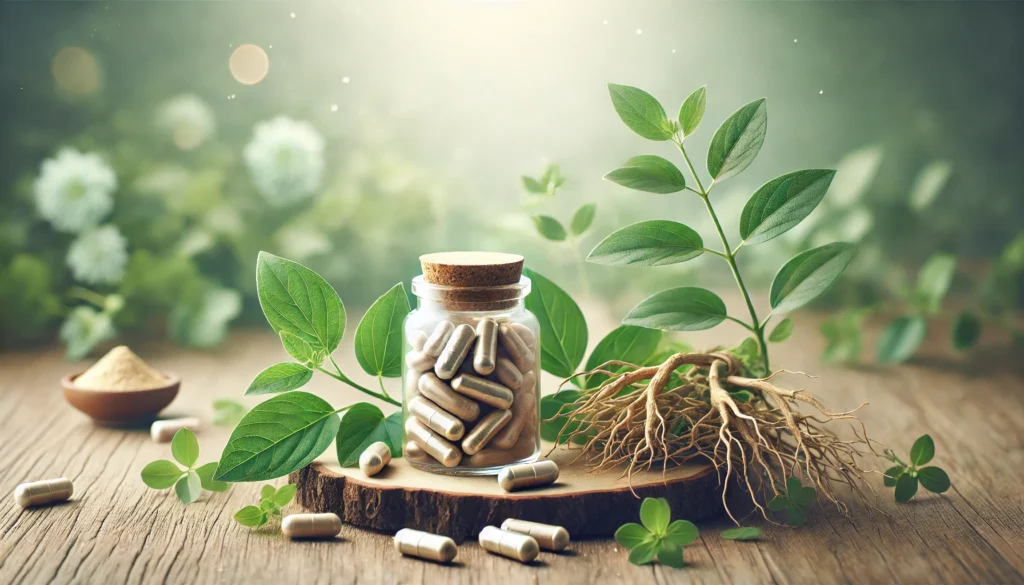


Does Ashwagandha Increase Testosterone in Women? What Science Says About Its Impact on Female Hormones

Introduction

Ashwagandha (Withania somnifera), a powerful adaptogenic herb with roots in Ayurvedic medicine, has gained popularity for its purported health benefits, particularly its ability to regulate stress, enhance cognitive function, and support hormonal balance. While much research has focused on its effects in men, there is increasing curiosity regarding its impact on women, especially concerning testosterone levels. The question, “Does ashwagandha increase testosterone in women?” has sparked scientific interest, prompting a closer examination of its role in female hormonal regulation.

You may also like: Rhodiola vs. Ashwagandha: Which Adaptogen Best Supports Gut Health and a Fiber-Rich Diet?

Testosterone, though commonly associated with male physiology, plays a crucial role in women’s health as well. It contributes to muscle strength, bone density, mood stability, and sexual well-being. However, excessive or insufficient levels can lead to a range of health concerns. Understanding how ashwagandha interacts with female hormones, including testosterone, is essential for women seeking natural approaches to hormonal balance. This article explores the scientific research on ashwagandha and its effects on testosterone levels in women, providing an in-depth analysis of its potential benefits and considerations.

A scientific and artistic representation of female hormones in harmony, featuring glowing molecular structures and soft feminine silhouettes in warm pink and gold hues.

The Role of Testosterone in Women’s Health

Although testosterone is often thought of as a male hormone, it is vital for female physiology as well. Women’s bodies naturally produce small amounts of testosterone in the ovaries and adrenal glands, and its functions are integral to overall well-being. It influences muscle tone, libido, mood regulation, and cognitive function.

Testosterone levels in women are significantly lower than in men, but they are still critical. Imbalances—whether too high or too low—can lead to symptoms such as fatigue, reduced muscle mass, mood swings, and sexual dysfunction. In some cases, conditions such as polycystic ovary syndrome (PCOS) result in elevated testosterone levels, leading to symptoms like acne, excessive hair growth, and irregular menstrual cycles. Conversely, women experiencing low testosterone may struggle with decreased energy, poor libido, and difficulty maintaining lean body mass.

Given the importance of testosterone in female health, understanding how ashwagandha influences this hormone is critical. Research suggests that ashwagandha may modulate hormonal levels, including testosterone, by acting on the hypothalamic-pituitary-adrenal (HPA) axis, reducing stress-induced imbalances, and supporting adrenal function. However, whether it significantly increases testosterone in women remains a subject of investigation.

Does Ashwagandha Increase Testosterone in Women?

Scientific studies have explored the relationship between ashwagandha and testosterone levels, with most research focusing on its effects in men. In male subjects, ashwagandha supplementation has been shown to boost testosterone, improve sperm quality, and enhance reproductive health. However, findings regarding its effects on female testosterone levels are less conclusive.

One of the key mechanisms by which ashwagandha may influence testosterone is through its ability to lower cortisol, the body’s primary stress hormone. High cortisol levels can suppress reproductive hormones, including testosterone. By reducing cortisol, ashwagandha may create an environment where the endocrine system functions more efficiently, potentially leading to balanced testosterone levels in women rather than a significant increase.

A few studies have suggested that ashwagandha supplementation may lead to a slight rise in testosterone in women, but not to levels that would cause masculinizing effects. Instead, the increase is typically within the physiological range necessary for optimal energy, mood, and sexual function. This modulation rather than a dramatic spike suggests that ashwagandha is more of a hormone balancer than a direct testosterone booster in women.

Ashwagandha and Female Hormones

Beyond testosterone, ashwagandha influences several other hormones essential to female health. Estrogen, progesterone, and luteinizing hormone (LH) play vital roles in reproductive function, mood regulation, and overall well-being. Ashwagandha’s adaptogenic properties help the body respond to stress, which in turn supports hormonal equilibrium.

Research suggests that ashwagandha may improve symptoms of hormone-related conditions such as PCOS and menopause. By modulating cortisol levels and supporting adrenal function, it may help alleviate stress-induced hormonal imbalances that affect testosterone and estrogen production. Some women report improved menstrual regularity, reduced PMS symptoms, and enhanced sexual well-being after taking ashwagandha supplements.

However, it is essential to recognize that individual responses to ashwagandha may vary based on genetic factors, baseline hormone levels, and overall health. Women with pre-existing hormonal conditions should consult a healthcare provider before using ashwagandha to ensure that it aligns with their health needs.

How Much Ashwagandha Per Day for Testosterone Modulation?

Determining the appropriate dosage of ashwagandha for hormone balance depends on several factors, including the individual’s health status, body weight, and specific goals. Clinical studies typically use doses ranging from 250 mg to 600 mg of standardized ashwagandha extract per day.

For general hormonal support, a daily dose of 300–500 mg of ashwagandha root extract may be effective. Women looking to address stress-related hormonal imbalances may benefit from doses on the higher end of this spectrum. However, exceeding the recommended dosage may lead to unwanted side effects, such as digestive discomfort or drowsiness.

It is also advisable to choose high-quality ashwagandha supplements that contain standardized extracts with a verified percentage of withanolides, the active compounds responsible for its effects. Cycling ashwagandha, such as taking it for six to eight weeks followed by a break, may also help prevent potential desensitization to its benefits.

Does Ashwagandha Make You Wet? Understanding Its Effects on Female Libido

One of the anecdotal claims about ashwagandha is its potential to enhance sexual wellness, with some women reporting increased lubrication and arousal. This has led to speculation regarding whether ashwagandha influences vaginal wetness.

Scientific evidence suggests that ashwagandha supports sexual function by reducing stress, improving blood flow, and balancing sex hormones. Since stress and high cortisol levels can negatively impact libido and vaginal lubrication, ashwagandha’s adaptogenic effects may contribute to enhanced sexual well-being. However, there is no direct evidence linking ashwagandha consumption to increased vaginal lubrication.

Women experiencing sexual dysfunction or low libido may find ashwagandha beneficial as part of a holistic approach to improving sexual health. However, results may vary, and individual responses depend on multiple physiological and psychological factors.

A conceptual visualization of testosterone levels in women, illustrated through radiant hormone molecules interacting with a balanced and healthy female figure in an abstract, scientific aesthetic.

Frequently Asked Questions (FAQ) About Ashwagandha and Testosterone

1. Does ashwagandha increase testosterone in women?

Ashwagandha is often associated with boosting testosterone, but its effects on women are more complex. While it may slightly raise testosterone levels, it primarily supports hormonal balance rather than creating excess male hormones. Studies indicate that ashwagandha can help regulate cortisol and improve overall hormonal equilibrium, which may indirectly support healthy testosterone levels in women. Unlike synthetic hormone treatments, ashwagandha works through adaptogenic properties, meaning it helps the body adjust naturally rather than forcefully altering hormone levels. Women who take ashwagandha for hormonal support should consult with a healthcare provider to ensure it aligns with their individual health goals.

2. How much ashwagandha per day for testosterone support?

The optimal dosage of ashwagandha for testosterone support varies based on individual needs and supplement formulations. Clinical studies suggest that doses between 300 mg and 600 mg of standardized extract per day can promote testosterone production in men. However, factors such as diet, lifestyle, and existing hormone levels also play a role in how the body responds. While some people may notice benefits at lower doses, others may require higher concentrations over extended periods for significant effects. Consulting a healthcare professional is essential to determine the right dosage for your specific health goals.

3. Does ashwagandha boost testosterone in both men and women?

Ashwagandha has been studied primarily for its ability to boost testosterone in men, particularly those experiencing stress-related hormonal imbalances. However, in women, its effects are more nuanced. Rather than directly increasing testosterone to high levels, ashwagandha helps support adrenal function and hormonal balance. This can result in a slight, beneficial increase in testosterone, which may contribute to enhanced energy levels, muscle tone, and libido without causing masculinizing effects. The key benefit for women is that it helps balance estrogen and progesterone while moderating cortisol, thereby supporting overall hormonal health.

4. Does ashwagandha have testosterone-like effects?

Ashwagandha does not contain testosterone itself but can encourage the body to produce and regulate its own hormones more effectively. Unlike anabolic steroids or synthetic testosterone boosters, ashwagandha works by reducing stress and optimizing endocrine function. This can lead to increased testosterone levels in men and improved hormonal balance in women. The effects are gradual and natural, making ashwagandha a safer alternative to pharmaceutical interventions for those looking to support their hormonal health.

5. Can girls take ashwagandha without affecting their hormones negatively?

Yes, girls and women can take ashwagandha without experiencing negative hormonal effects. In fact, many women use ashwagandha to support stress reduction, sleep quality, and overall well-being. While it may lead to a mild increase in testosterone, this is typically beneficial rather than disruptive. Women who are concerned about hormone-sensitive conditions should consult a healthcare professional before starting ashwagandha. However, for most women, this adaptogen is a safe and effective supplement that can promote resilience against stress and enhance physical and mental performance.

6. How does ashwagandha impact female hormones?

Ashwagandha primarily affects female hormones by reducing stress-related cortisol spikes, which can negatively impact estrogen and progesterone balance. By stabilizing cortisol levels, ashwagandha indirectly helps regulate menstrual cycles, reduce symptoms of PMS, and support fertility. Additionally, its ability to enhance thyroid function can lead to improved metabolic and reproductive health. Women experiencing hormonal imbalances due to stress or adrenal fatigue may find ashwagandha especially beneficial in restoring equilibrium.

7. Does ashwagandha make you wet?

Ashwagandha may enhance female libido and improve vaginal lubrication due to its stress-reducing and hormone-balancing properties. Chronic stress and high cortisol levels can contribute to decreased sexual desire and dryness. By promoting relaxation and supporting healthy blood circulation, ashwagandha can help improve overall sexual wellness. However, individual responses may vary, and factors such as diet, hydration, and overall health also play a role in sexual function. Women looking to improve their sexual health with ashwagandha should consider using it consistently over time for the best results.

8. What does research say about ashwagandha and testosterone?

Several ashwagandha testosterone studies indicate that this adaptogen may support healthy testosterone levels, particularly in men. Research has shown that ashwagandha supplementation can significantly increase testosterone levels, sperm count, and fertility in men dealing with stress-related hormonal imbalances. While studies on women are more limited, evidence suggests that ashwagandha helps balance hormones rather than drastically altering testosterone levels. More research is needed to fully understand its impact across different populations, but current findings support its role as a natural hormone regulator.

9. How much ashwagandha to increase testosterone levels effectively?

For those looking to increase testosterone, studies recommend a dosage of 300 mg to 600 mg of ashwagandha extract per day. The form of ashwagandha—whether root powder or standardized extract—can influence effectiveness. Higher doses may be more beneficial for individuals with low testosterone due to stress, poor sleep, or lifestyle factors. However, taking excessive amounts does not necessarily lead to better results and may cause digestive discomfort or drowsiness. It is always best to follow manufacturer recommendations and consult with a healthcare provider before increasing dosage.

10. Is ashwagandha beneficial for ladies beyond hormone balance?

Yes, ashwagandha for ladies offers a wide range of health benefits beyond hormone regulation. It is well-known for its ability to reduce stress, improve sleep, and enhance cognitive function. Additionally, ashwagandha supports thyroid health, which can influence metabolism and energy levels. Some women also take ashwagandha to improve athletic performance and muscle recovery. Because it acts as an adaptogen, ashwagandha helps the body respond more efficiently to physical and emotional stressors, making it a valuable supplement for overall well-being.

A serene and empowering image of a woman radiating health and vitality in a natural setting, symbolizing hormonal balance, inner peace, and overall well-being.

Conclusion

The relationship between ashwagandha and testosterone in women is complex, with evidence suggesting that rather than causing a dramatic increase, ashwagandha helps balance hormone levels. By reducing cortisol and supporting adrenal function, it may create an environment that allows the body to optimize its natural testosterone production without causing unwanted side effects.

For women interested in ashwagandha for hormonal health, it is essential to approach supplementation with realistic expectations. While it may improve energy, mood, and sexual well-being, its effects on testosterone are likely to be mild and within the body’s natural physiological range. Choosing high-quality supplements, following appropriate dosages, and consulting with a healthcare provider can help ensure safe and effective use.

Ashwagandha remains a valuable adaptogenic herb with broad applications for stress reduction, hormonal balance, and overall vitality. Its potential to support women’s health makes it an attractive natural option for those looking to enhance their well-being without disrupting their body’s delicate hormonal equilibrium.

Further Reading:

What Does Ashwagandha Do for Women’s Wellness?

Does ashwagandha increase testosterone in women

Efficacy and Safety of Ashwagandha (Withania somnifera) Root Extract in Improving Sexual Function in Women: A Pilot Study

ashwagandha benefits for women, herbal hormone support, natural testosterone boosters, adaptogens for hormonal balance, ashwagandha and cortisol, female libido enhancement, stress and hormone health, Ayurvedic herbs for women, ashwagandha for vitality, natural energy supplements, women’s endocrine health, testosterone regulation in women, herbal supplements for stress, hormone-balancing herbs, ashwagandha and sexual wellness, adrenal support supplements, women’s reproductive health, holistic hormone therapy, natural remedies for low libido, herbal adaptogens for wellness

The information contained in this article is provided for general informational purposes only and is not intended to serve as medical, legal, or professional advice. While NewsHealthWatch strives to present accurate, up-to-date, and reliable content, no warranty or guarantee, expressed or implied, is made regarding the completeness, accuracy, or adequacy of the information provided. Readers are strongly advised to seek the guidance of a qualified healthcare provider or other relevant professionals before acting on any information contained in this article. NewsHealthWatch, its authors, editors, and contributors expressly disclaim any liability for any damages, losses, or consequences arising directly or indirectly from the use, interpretation, or reliance on any information presented herein. The views and opinions expressed in this article are those of the author(s) and do not necessarily reflect the official policies or positions of NewsHealthWatch.
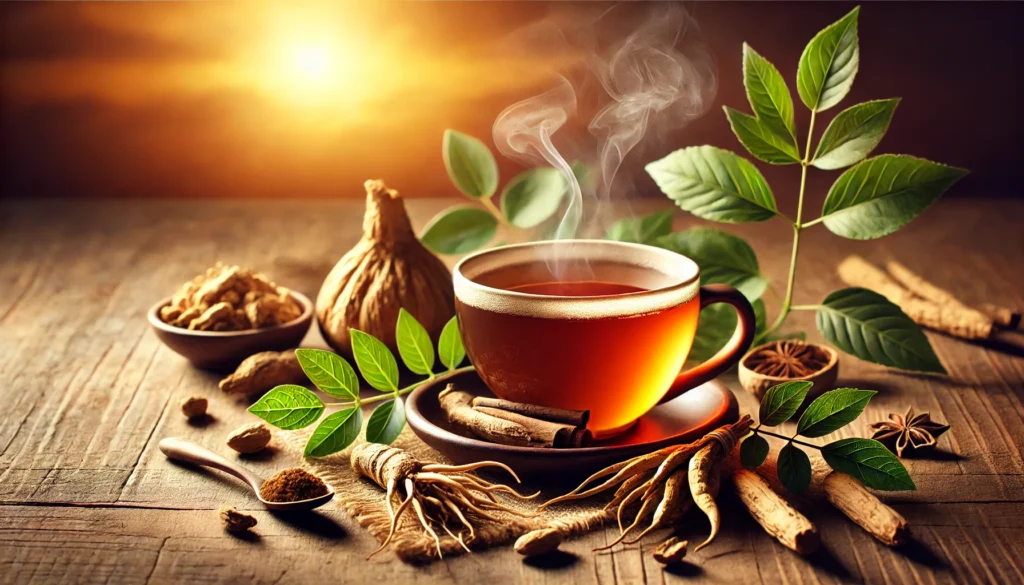


Difference Between Ashwagandha and Ashwagandha Root: What You Need to Know for Maximum Benefits

Understanding Ashwagandha: An Overview

Ashwagandha, scientifically known as Withania somnifera, is an ancient medicinal herb that has been used in Ayurvedic medicine for thousands of years. It is classified as an adaptogen, meaning it helps the body manage stress, improve energy levels, and enhance overall well-being. The plant is native to India, the Middle East, and parts of Africa, where it thrives in dry, arid climates. Ashwagandha has gained widespread recognition in modern wellness circles due to its potential benefits for cognitive function, anxiety relief, immune support, and hormonal balance. However, ashwagandha is available in different forms, including whole root, root powder, and extract, each with distinct properties and uses. Understanding the difference between ashwagandha and ashwagandha root is essential for maximizing its therapeutic benefits and selecting the most suitable form for specific health goals.

You may also like: Rhodiola vs. Ashwagandha: Which Adaptogen Best Supports Gut Health and a Fiber-Rich Diet?

Ashwagandha Root vs. Ashwagandha Extract: What Sets Them Apart?

One of the primary distinctions between ashwagandha root and ashwagandha extract lies in their processing and concentration. Ashwagandha root is the raw, dried form of the herb that is commonly ground into powder, while ashwagandha extract is a more potent, concentrated version derived through specialized extraction processes. The extract is typically standardized to contain higher levels of active compounds, such as withanolides, which are responsible for many of ashwagandha’s health benefits. While ashwagandha root powder provides a more traditional and holistic approach, the extract offers a more targeted, powerful effect, making it a preferred choice for those seeking therapeutic doses in smaller quantities. When comparing ashwagandha root vs. extract, individuals must consider their specific health objectives and the level of potency required to achieve desired outcomes.

A vibrant ashwagandha plant growing in its natural environment, with lush green leaves and small red berries illuminated by warm sunlight.

Ashwagandha Extract vs. Powder: Which Is Better?

The debate between ashwagandha extract vs. powder largely depends on bioavailability, efficacy, and individual preferences. Ashwagandha powder, derived from dried and ground roots, retains the full spectrum of natural plant compounds, making it a favored option for those who prefer a more traditional Ayurvedic approach. It is often mixed with warm milk, water, or smoothies to support relaxation and stress relief. On the other hand, ashwagandha extract undergoes a refinement process that isolates the most active compounds, enhancing its potency and making it more effective at lower doses. The extract is often available in capsules, tinctures, or liquid drops, providing a more convenient and concentrated form. When deciding between ashwagandha extract vs. powder, factors such as ease of consumption, desired potency, and specific health benefits should be taken into account.

Difference Between Ashwagandha and Ashwagandha Root: Understanding the Terminology

While the terms “ashwagandha” and “ashwagandha root” are often used interchangeably, they do not necessarily refer to the same thing. Ashwagandha, as a whole, encompasses the entire plant, including its roots, leaves, and berries. However, the root is the most commonly used and researched part due to its high concentration of bioactive compounds. Some modern formulations incorporate ashwagandha leaves, which contain unique compounds that complement the effects of the root. Understanding the difference between ashwagandha and ashwagandha root is crucial when selecting supplements, as some products may include extracts from multiple parts of the plant, leading to variations in potency and effectiveness. Consumers should carefully review ingredient labels to ensure they are getting the form that best aligns with their health goals.

Maximizing the Benefits of Ashwagandha: Choosing the Right Form

Selecting the most suitable form of ashwagandha depends on individual needs, lifestyle preferences, and specific health conditions. For general stress relief and holistic wellness, traditional ashwagandha root powder may be an excellent choice due to its balanced profile of natural compounds. Those seeking higher potency and faster effects may opt for standardized ashwagandha extract, which provides concentrated withanolides for targeted benefits. Additionally, individuals with digestive sensitivities may find encapsulated extracts easier to tolerate compared to raw powder. Regardless of the form chosen, consistency in use and proper dosage are key to experiencing the full spectrum of ashwagandha’s therapeutic effects.

A laboratory setting showing ashwagandha extract being carefully measured with a dropper into a glass container, surrounded by scientific glassware and dried roots.

Frequently Asked Questions (FAQ) About Ashwagandha and Its Different Forms

1. What are the main differences between ashwagandha root vs extract?

The primary difference between ashwagandha root vs extract lies in their concentration and potency. Ashwagandha root is the raw, dried form of the herb, often ground into powder and used in traditional Ayurvedic preparations. In contrast, ashwagandha extract is created by isolating and concentrating specific bioactive compounds, such as withanolides, to enhance their therapeutic effects. Extracts generally provide a more potent dose in a smaller quantity, making them an efficient option for those looking for stronger effects with lower intake. However, some people prefer ashwagandha root powder for its holistic approach, as it contains all of the plant’s natural compounds, not just the concentrated active ingredients.

2. Is ashwagandha extract vs powder more effective for stress and anxiety relief?

Both ashwagandha extract and powder are effective for managing stress and anxiety, but the choice depends on an individual’s preference and sensitivity. Ashwagandha extract vs powder differs in bioavailability and potency, with extract typically offering a higher concentration of withanolides, the primary compounds responsible for stress reduction. Those looking for rapid effects may benefit more from an extract, as its potency allows for a quicker physiological response. However, ashwagandha powder provides a more balanced, full-spectrum experience, as it retains other beneficial compounds that may contribute to long-term adaptogenic support. Ultimately, individuals seeking immediate relief may favor extracts, while those preferring a traditional approach may opt for the powder.

3. What should consumers look for when choosing between ashwagandha root vs extract?

When deciding between ashwagandha root vs extract, consumers should consider factors such as potency, convenience, and intended health benefits. Standardized extracts often specify the concentration of withanolides, providing a more predictable dosage and effect, whereas whole root powder varies in potency. Additionally, some extracts are processed using alcohol-based or water-based extraction methods, which may affect absorption and bioavailability. For individuals who prefer incorporating ashwagandha into their daily smoothies or herbal drinks, root powder is a more versatile option. However, those seeking a precise and potent supplement in capsule or tincture form may find that extracts offer more consistency and ease of use.

4. Are there any differences in side effects when comparing ashwagandha extract vs powder?

Although both forms are generally well-tolerated, ashwagandha extract vs powder may differ in potential side effects due to differences in concentration. Because extracts contain a higher amount of bioactive compounds, they may be more likely to cause mild gastrointestinal discomfort or drowsiness in sensitive individuals. Some people may experience increased sedation with extracts, especially when taken in high doses, due to their stronger adaptogenic effects. On the other hand, ashwagandha powder offers a more gradual effect, making it less likely to cause sudden changes in energy levels or digestion. Regardless of the form chosen, starting with a lower dose and gradually increasing it can help minimize any potential side effects.

5. What is the difference between ashwagandha and ashwagandha root in terms of their composition?

The difference between ashwagandha and ashwagandha root primarily lies in which parts of the plant are used and how they impact health. Ashwagandha, as a term, refers to the entire plant, including its roots, leaves, and berries, while ashwagandha root refers specifically to the underground portion that has been traditionally used in medicine. Some modern supplements may include ashwagandha leaf extract, which contains different phytochemicals than the root and may complement its effects. While the root is typically used for stress relief, hormonal balance, and cognitive support, other parts of the plant may have additional properties, such as antimicrobial or antioxidant benefits. Consumers should verify whether their chosen product is derived solely from the root or includes other plant components to ensure they receive the intended therapeutic benefits.

6. How does the bioavailability of ashwagandha extract vs powder compare?

Bioavailability refers to how well a substance is absorbed and utilized by the body, and ashwagandha extract vs powder differs in this regard. Extracts are often designed to have higher bioavailability because they contain concentrated active compounds that can be more readily absorbed. Some manufacturers use advanced delivery systems, such as liposomal or nano-extraction techniques, to further enhance absorption. In contrast, ashwagandha powder requires digestion and breakdown before its compounds become bioavailable, which may lead to slower but steadier absorption. Those with sensitive digestion may prefer encapsulated extracts, while others may enjoy the traditional preparation methods of mixing powder with warm beverages to maximize absorption.

7. Which is better for improving sleep quality: ashwagandha root vs extract?

Both ashwagandha root vs extract can support better sleep quality, but their effects may vary depending on dosage and individual response. Ashwagandha root powder, when taken regularly, promotes overall relaxation and helps regulate cortisol levels over time, making it an excellent choice for chronic sleep disturbances. However, ashwagandha extract may be more effective for those experiencing acute sleep issues, as its higher withanolide concentration enhances sedative effects more quickly. Some sleep formulations combine both forms to provide immediate relaxation from the extract while ensuring long-term adaptogenic benefits from the root powder. Personal preference and sensitivity to stronger herbal effects will determine which form is the best fit for improving sleep quality.

8. Can ashwagandha extract vs powder affect athletic performance differently?

Ashwagandha has been widely studied for its benefits on athletic performance, but ashwagandha extract vs powder may influence results differently. Extracts, due to their concentrated nature, may help boost endurance, strength, and muscle recovery more efficiently than powder. Some studies suggest that higher doses of withanolides improve oxygen consumption and reduce muscle damage post-exercise, which may be more pronounced with extracts. However, whole root powder provides a broader range of nutrients that support overall well-being and recovery over time. Athletes looking for rapid improvements in performance may prefer extract-based supplements, while those prioritizing long-term energy balance and recovery may favor powder.

9. How does the difference between ashwagandha and ashwagandha root impact supplement formulations?

The difference between ashwagandha and ashwagandha root is significant when examining supplement formulations. Some products may contain full-spectrum extracts that include both root and leaf components, while others are exclusively root-based. This variation affects potency, as leaf extracts may provide additional bioactive compounds that influence cognitive and immune function. Additionally, some brands offer dual-extraction techniques that optimize both water-soluble and fat-soluble compounds, further enhancing efficacy. Consumers should carefully review ingredient labels to ensure their chosen supplement aligns with their specific health goals, as different formulations can lead to varied physiological effects.

10. Is there a recommended dosage when choosing between ashwagandha root vs extract?

The recommended dosage varies based on the form and concentration of the ashwagandha supplement. When comparing ashwagandha root vs extract, the extract requires a lower dosage due to its potency, with typical recommendations ranging from 300–600 mg daily. In contrast, ashwagandha root powder may require dosages of 1,000–3,000 mg daily to achieve similar effects. Some individuals prefer taking smaller doses multiple times a day, while others find that a single dose provides sufficient benefits. It is always best to start with a lower dosage and gradually increase as needed, ensuring optimal results while minimizing the risk of side effects.

A wellness-themed display of ashwagandha supplements, including powder, capsules, and liquid extract, arranged with fresh green leaves on a minimalist background.

Conclusion: Finding the Best Ashwagandha Supplement for Your Needs

Understanding the nuances between ashwagandha root vs. extract, ashwagandha extract vs. powder, and the broader difference between ashwagandha and ashwagandha root is essential for making informed decisions about supplementation. Each form has its unique strengths, and the choice ultimately depends on personal health goals, preferred method of consumption, and desired potency. Whether opting for traditional root powder or a concentrated extract, incorporating ashwagandha into a daily wellness routine can offer profound benefits for stress management, cognitive function, and overall vitality. By selecting high-quality products and adhering to recommended dosages, individuals can harness the full potential of this ancient adaptogenic herb for optimal health and well-being.

Further Reading:

Ashwagandha: Is it helpful for stress, anxiety, or sleep?

Health Benefits of Ashwagandha, Based on Research

Ashwagandha Benefits

ashwagandha benefits, adaptogenic herbs, stress relief supplements, natural anxiety remedies, herbal sleep aid, withania somnifera extract, cognitive health supplements, Ayurvedic medicine, immune-boosting herbs, hormonal balance supplements, energy-boosting herbs, ashwagandha supplement guide, best herbal adaptogens, natural nootropics, muscle recovery supplements, herbal remedies for stress, plant-based wellness, traditional Ayurvedic herbs, sleep support herbs, holistic health supplements

The information contained in this article is provided for general informational purposes only and is not intended to serve as medical, legal, or professional advice. While NewsHealthWatch strives to present accurate, up-to-date, and reliable content, no warranty or guarantee, expressed or implied, is made regarding the completeness, accuracy, or adequacy of the information provided. Readers are strongly advised to seek the guidance of a qualified healthcare provider or other relevant professionals before acting on any information contained in this article. NewsHealthWatch, its authors, editors, and contributors expressly disclaim any liability for any damages, losses, or consequences arising directly or indirectly from the use, interpretation, or reliance on any information presented herein. The views and opinions expressed in this article are those of the author(s) and do not necessarily reflect the official policies or positions of NewsHealthWatch.



How to Master Ashwagandha Plant Cultivation: A Guide to Growing This Powerful Herb

Introduction: Understanding Ashwagandha and Its Cultivation Significance

Ashwagandha (Withania somnifera), a revered adaptogenic herb in Ayurvedic medicine, has been cultivated for centuries for its profound health benefits. Known for its stress-relieving properties, immune-boosting potential, and cognitive-enhancing effects, ashwagandha has garnered global recognition. With the increasing demand for natural health remedies, mastering ashwagandha plant cultivation presents a lucrative and sustainable opportunity for farmers and herbal enthusiasts alike.

You may also like: Rhodiola vs. Ashwagandha: Which Adaptogen Best Supports Gut Health and a Fiber-Rich Diet?

Growing ashwagandha requires a deep understanding of its environmental preferences, soil requirements, and proper cultivation techniques. Unlike many other medicinal plants, ashwagandha thrives in arid and semi-arid regions, making it a resilient crop with relatively low water requirements. From selecting the right soil composition to optimizing post-harvest processing, every step in the cultivation process contributes to the quality and potency of the final product. This guide provides an in-depth exploration of ashwagandha plant growing techniques, offering expert insights into successful propagation, maintenance, and harvesting strategies.

Ideal Climate and Soil Conditions for Ashwagandha Cultivation

Ashwagandha is a hardy plant that thrives in warm, dry climates. It is native to India, the Middle East, and parts of Africa, where it grows in well-drained, sandy or loamy soils. Understanding the climatic and soil preferences of ashwagandha is essential for maximizing yield and potency.

The ideal temperature range for ashwagandha cultivation is between 20°C and 35°C. While it can tolerate some fluctuations, prolonged exposure to extremely low temperatures can hinder its growth. Sunlight exposure is another critical factor; ashwagandha requires full sun for at least six to eight hours a day to flourish. When selecting a planting site, farmers should prioritize areas with good air circulation and ample sunlight.

Soil quality significantly impacts ashwagandha plant growing success. The plant prefers well-draining, sandy, or loamy soil with a pH range between 6.5 and 7.5. Heavy clay soils should be avoided, as they retain excessive moisture and increase the risk of root rot. Organic matter, such as compost or well-rotted manure, can enhance soil fertility and improve root development. Additionally, proper soil aeration helps prevent compaction and promotes healthy root growth.

A close-up of healthy ashwagandha plants with distinct green leaves and small red berries, illuminated by soft natural light, with a slightly blurred background highlighting intricate details.

Propagation Techniques: Seeds vs. Cuttings

Ashwagandha is typically propagated through seeds, although cuttings can also be used in certain cases. Seed propagation is the most common method due to its simplicity and high success rate. To ensure optimal germination, seeds should be sourced from reputable suppliers and pre-treated before planting.

Seeds should be soaked in water for 24 hours before sowing to enhance germination rates. They can be directly sown in prepared seedbeds or started in nursery trays before being transplanted into the field. The recommended spacing for ashwagandha plants is approximately 30 cm between plants and 60 cm between rows. This spacing allows for proper air circulation, reducing the risk of fungal infections and promoting vigorous growth.

Using cuttings as a propagation method is less common but can be beneficial for maintaining specific genetic traits. Cuttings should be taken from healthy, mature plants and treated with a rooting hormone to encourage root development. Once rooted, the cuttings can be transplanted into prepared beds under suitable growing conditions.

Watering and Irrigation Strategies

Ashwagandha is drought-resistant and requires minimal watering once established. Overwatering can be detrimental to the plant, leading to root rot and reduced alkaloid content. To optimize growth while conserving water, an efficient irrigation strategy should be implemented.

During the initial stages of growth, seedlings should be watered regularly to ensure proper establishment. However, once the plants are mature, irrigation should be reduced to mimic the dry conditions of their natural habitat. Drip irrigation systems are highly effective for maintaining optimal soil moisture levels without waterlogging the roots.

Farmers should monitor soil moisture levels and adjust watering frequency based on environmental conditions. In regions with adequate rainfall, supplementary irrigation may not be necessary. However, during prolonged dry spells, occasional deep watering can support plant health and enhance biomass production.

Nutrient Management and Organic Fertilization

While ashwagandha is relatively low-maintenance, proper nutrient management enhances plant vigor and bioactive compound production. Organic fertilizers and soil amendments play a crucial role in providing essential nutrients without introducing harmful chemicals.

Compost, vermicompost, and well-decomposed farmyard manure are excellent organic fertilizers for ashwagandha cultivation. These amendments improve soil structure, enhance microbial activity, and provide a slow-release source of nutrients. Additionally, biofertilizers such as nitrogen-fixing bacteria and mycorrhizal fungi can enhance nutrient uptake and support plant resilience against environmental stressors.

A balanced nutrient approach should include moderate amounts of nitrogen for vegetative growth, phosphorus for root development, and potassium for overall plant health. Excessive nitrogen application should be avoided, as it can lead to excessive vegetative growth at the expense of root biomass and alkaloid concentration.

Pest and Disease Management

Ashwagandha is relatively resistant to pests and diseases; however, certain threats can impact yield and quality. Common pests include aphids, whiteflies, and root-knot nematodes, while fungal diseases such as leaf spot and root rot can occur in overly moist conditions.

Integrated pest management (IPM) strategies are essential for sustainable ashwagandha plant cultivation. Regular monitoring, companion planting, and biological controls help mitigate pest infestations. Neem oil, insecticidal soaps, and botanical extracts are effective organic solutions for pest control.

To prevent fungal infections, proper spacing, adequate air circulation, and controlled irrigation practices should be implemented. If fungal issues arise, organic fungicides such as copper-based sprays or sulfur can help manage outbreaks without compromising soil health.

Harvesting and Post-Harvest Processing

Ashwagandha plants are typically ready for harvest within 150 to 180 days after planting. The optimal harvest time is when the leaves begin to yellow, indicating peak root maturity. Harvesting should be done carefully to preserve root integrity and maximize bioactive compound content.

After harvest, roots should be washed thoroughly to remove soil residues and dried in well-ventilated areas. Proper drying is critical, as moisture retention can lead to mold growth and degradation of active compounds. Once dried, the roots can be cut into smaller pieces or powdered for storage and commercial use.

A lush ashwagandha farm with vibrant green plants growing in neat rows under bright sunlight, surrounded by a serene rural landscape with trees and a clear blue sky.

Frequently Asked Questions (FAQ) on Ashwagandha Plant Cultivation

1. What are the most common mistakes people make when attempting ashwagandha plant cultivation?

One of the most frequent mistakes in ashwagandha plant cultivation is overwatering. Ashwagandha thrives in dry and arid conditions, and excessive moisture can lead to root rot and fungal infections. Another common error is using overly fertile soil with high nitrogen content. While nitrogen promotes leafy growth, it reduces the plant’s alkaloid concentration, which is essential for its medicinal properties. Additionally, many growers fail to provide sufficient sunlight, as ashwagandha requires at least six to eight hours of direct sunlight daily to flourish. Ignoring proper spacing between plants can also lead to poor air circulation, increasing susceptibility to pests and diseases.

2. How can I improve the potency of my ashwagandha roots?

To maximize the bioactive compounds in your ashwagandha roots, ensure that the soil remains lean and well-drained. Nutrient-rich or heavily fertilized soil can diminish alkaloid concentration. Employing a strategic watering schedule—allowing the soil to dry out between watering—also promotes root development rather than excessive leaf growth. Harvesting at the right time is crucial; the plant should be at least 150 days old, with leaves beginning to yellow. Post-harvest drying methods also affect potency; drying the roots in a shaded, well-ventilated area preserves their medicinal value. Proper curing and storage in airtight containers away from light further maintain the root’s efficacy over time.

3. Can ashwagandha be grown in containers, and if so, what are the key considerations?

Yes, ashwagandha plant growing is possible in containers, but certain factors must be taken into account. The container should be at least 12 inches deep to accommodate the plant’s extensive root system. Well-draining soil, preferably a mix of sandy loam with added perlite, is ideal to prevent water retention. Since ashwagandha thrives in warm, sunny conditions, placing the container in an area that receives full sunlight is essential. Regular monitoring of moisture levels is necessary, as container plants tend to dry out faster than those in open fields. Additionally, choosing a breathable container, such as terracotta, allows for better aeration and prevents excessive humidity buildup around the roots.

4. What is the best way to prevent pests and diseases in ashwagandha plant growing?

Preventing pests and diseases in ashwagandha plant cultivation starts with proper site selection and soil preparation. Avoiding areas with poor drainage minimizes the risk of fungal infections. Companion planting with pest-repelling plants like marigolds can deter aphids and whiteflies. Using neem oil or insecticidal soap as a preventive measure can protect against common pests without harming beneficial insects. Regular pruning of infected leaves and ensuring adequate plant spacing also enhance air circulation, reducing the chances of fungal growth. Rotating crops and avoiding continuous planting in the same soil can further decrease the risk of soil-borne pathogens.

5. How does the timing of the harvest affect the medicinal quality of ashwagandha?

Harvest timing plays a critical role in determining the medicinal quality of ashwagandha. The roots reach peak potency when harvested between 150 to 180 days after planting, indicated by yellowing leaves. If harvested too early, the roots may not have developed the desired concentration of active compounds. Late harvesting, on the other hand, can lead to lignification, where the roots become too woody and lose some of their therapeutic value. Proper post-harvest drying and storage are equally important, as improper handling can degrade the alkaloids. To ensure maximum medicinal benefits, roots should be washed, dried in indirect sunlight, and stored in airtight containers.

6. How can I sustainably cultivate ashwagandha without depleting soil nutrients?

Sustainable ashwagandha plant cultivation involves crop rotation, organic soil amendments, and minimal tilling. Alternating ashwagandha with nitrogen-fixing crops like legumes replenishes soil fertility naturally. Adding organic matter such as compost or aged manure maintains soil structure and microbial health without relying on synthetic fertilizers. Using cover crops during the off-season prevents soil erosion and nutrient depletion. Employing mulch helps retain soil moisture while suppressing weed growth, reducing competition for nutrients. Practicing no-till farming methods also preserves beneficial soil organisms that contribute to long-term fertility.

7. Can I grow ashwagandha indoors, and what challenges should I expect?

While ashwagandha plant growing is feasible indoors, it presents unique challenges. Limited light exposure is a primary concern, as ashwagandha requires full sun; using grow lights with a spectrum similar to natural sunlight is essential. Indoor humidity levels should be kept low to prevent fungal issues, making proper ventilation crucial. Temperature fluctuations inside homes can also impact growth, so maintaining a consistent range between 20°C and 35°C is important. Pollination may not be an issue if growing for root harvest, but if attempting seed production, manual pollination might be required. Choosing a well-draining potting mix and ensuring the plant is not overwatered will help prevent root rot.

8. How does ashwagandha compare to other medicinal herbs in terms of cultivation difficulty?

Ashwagandha plant cultivation is relatively easier compared to many medicinal herbs due to its drought resistance and adaptability to poor soils. Unlike herbs like ginseng, which require shaded environments and precise soil conditions, ashwagandha thrives in full sun and sandy, well-drained soil. It is also less prone to pest infestations than delicate herbs like basil or chamomile. However, improper watering and excessive fertilization can negatively impact its medicinal potency, making careful soil management crucial. Overall, ashwagandha is a low-maintenance crop with a high resilience to environmental stressors, making it ideal for beginners and experienced growers alike.

9. What role does soil pH play in ashwagandha plant growing?

Soil pH significantly affects nutrient availability and overall plant health in ashwagandha plant growing. The optimal pH range for ashwagandha is between 6.5 and 7.5, as this ensures proper nutrient absorption and microbial activity. If the soil is too acidic (below 6.5), essential nutrients like phosphorus and calcium become less available, stunting plant growth. Conversely, excessively alkaline soil (above 7.5) can lead to deficiencies in micronutrients such as iron and zinc. Conducting regular soil tests and amending with lime (to raise pH) or sulfur (to lower pH) helps maintain optimal growing conditions. Organic amendments like compost can also buffer pH fluctuations and enhance soil structure.

10. What are the emerging trends in commercial ashwagandha cultivation?

With the growing demand for herbal supplements, commercial ashwagandha plant cultivation is evolving with new techniques. Precision agriculture, using sensors to monitor soil moisture and nutrient levels, is becoming increasingly popular. Organic and regenerative farming methods are gaining traction, as consumers prioritize sustainability and pesticide-free products. Selective breeding programs are developing high-yield, high-potency ashwagandha strains to meet pharmaceutical and nutraceutical demands. Advanced drying and processing techniques, such as freeze-drying, are being explored to enhance alkaloid preservation. As global interest in adaptogenic herbs continues to rise, innovations in cultivation, harvesting, and extraction methods will further optimize ashwagandha production for diverse applications.

Freshly harvested ashwagandha roots drying on wooden racks in a well-ventilated space, arranged neatly with natural sunlight filtering in to enhance their golden-brown hues.

Conclusion: The Future of Ashwagandha Cultivation

With the rising demand for natural remedies and holistic health solutions, ashwagandha cultivation presents a promising opportunity for farmers and herbal medicine practitioners. By implementing best practices in soil management, irrigation, organic fertilization, and pest control, growers can optimize yield and quality while maintaining ecological sustainability.

Mastering ashwagandha plant growing requires a combination of traditional knowledge and modern agricultural techniques. As research continues to uncover new benefits of ashwagandha, its cultivation will remain a valuable endeavor for both personal and commercial purposes. Whether grown on a small scale for personal use or as part of a larger agricultural enterprise, ashwagandha represents a powerful and resilient herb with immense potential in the world of herbal medicine.

Further Reading:

Clear Vinyl Rolls & Plastic Sheets

Farm Enterprises :: Horticulture

Ashwagandha: planting, care & uses

ashwagandha farming, growing medicinal herbs, adaptogenic plants, organic herb cultivation, Ayurvedic herb gardening, withania somnifera growing, herbal root harvesting, sustainable herb farming, drought-resistant crops, medicinal plant propagation, soil preparation for herbs, holistic gardening, herbal supplement production, regenerative agriculture, indoor herb cultivation, natural health remedies, plant-based wellness, therapeutic herbs, botanical medicine growing, herbal crop management

The information contained in this article is provided for general informational purposes only and is not intended to serve as medical, legal, or professional advice. While NewsHealthWatch strives to present accurate, up-to-date, and reliable content, no warranty or guarantee, expressed or implied, is made regarding the completeness, accuracy, or adequacy of the information provided. Readers are strongly advised to seek the guidance of a qualified healthcare provider or other relevant professionals before acting on any information contained in this article. NewsHealthWatch, its authors, editors, and contributors expressly disclaim any liability for any damages, losses, or consequences arising directly or indirectly from the use, interpretation, or reliance on any information presented herein. The views and opinions expressed in this article are those of the author(s) and do not necessarily reflect the official policies or positions of NewsHealthWatch.



Ashwagandha Plant: Exploring Its Origins, Benefits, and Active Ingredients for Holistic Wellness

Understanding the Ashwagandha Plant and Its Origins

The ashwagandha plant, scientifically known as Withania somnifera, has been an integral part of traditional medicine for centuries. Often referred to as Indian ginseng or winter cherry, this potent adaptogen originates from regions of India, the Middle East, and parts of Africa. The historical significance of Withania somnifera in Ayurvedic medicine cannot be overstated, as it has been used to treat a variety of ailments, ranging from stress relief to enhanced cognitive function.

You may also like: Rhodiola vs. Ashwagandha: Which Adaptogen Best Supports Gut Health and a Fiber-Rich Diet?

Ashwagandha’s origin dates back thousands of years, with references in ancient texts such as the Charaka Samhita and Sushruta Samhita, where it was described as a powerful rejuvenating herb. Its name derives from Sanskrit, with “ashwa” meaning horse and “gandha” meaning smell, indicating its strong aroma and the belief that consuming it grants the strength of a horse. This deeply rooted history has contributed to the growing modern interest in cultivating the Withania somnifera plant and understanding its full spectrum of benefits.

What Does Ashwagandha Look Like?

The Withania somnifera plant is a small shrub with yellow-green flowers and distinctive red-orange berries. The leaves are dull green, elliptical, and covered in a fine layer of fuzz, contributing to their slightly rough texture. The plant thrives in arid and semi-arid regions, growing best in well-drained sandy or loamy soil with moderate temperatures and plenty of sunlight. Ashwagandha trees are not actual trees but rather bushy shrubs that can reach a height of approximately two to five feet.

The root of the ashwagandha plant is the most commonly used part for medicinal purposes, as it contains the highest concentration of active compounds. The root is typically dried and ground into a fine powder, which is then used in various traditional and modern formulations. Given the plant’s resilience and adaptability, growing ashwagandha in different climates has become a focus for researchers and herbal cultivators seeking sustainable production methods.

A close-up view of freshly harvested Ashwagandha roots, showcasing their thick, twisted form on a rustic wooden surface.

The Science Behind Ashwagandha’s Benefits

Ashwagandha’s therapeutic potential is largely attributed to its bioactive compounds, particularly a class of steroidal lactones known as withanolides. These compounds serve as the primary ashwagandha active ingredient, offering anti-inflammatory, neuroprotective, and adaptogenic properties.

Scientific studies have demonstrated the herb’s ability to modulate the body’s stress response by regulating cortisol levels. Chronic stress leads to elevated cortisol, which can negatively impact sleep, digestion, and immune function. By acting on the hypothalamic-pituitary-adrenal (HPA) axis, ashwagandha helps to mitigate the physiological effects of stress, promoting relaxation and mental clarity.

Additionally, research suggests that Withania somnifera supports cognitive function by enhancing neuroplasticity and reducing oxidative stress in the brain. This makes it particularly beneficial for individuals experiencing age-related cognitive decline or those seeking improved focus and memory retention. Moreover, studies indicate that ashwagandha may support cardiovascular health by reducing blood pressure and cholesterol levels, further solidifying its role as a holistic supplement.

Growing Ashwagandha: A Sustainable Approach

Growing ashwagandha requires specific conditions to thrive. As a drought-resistant plant, it does well in warm climates with minimal rainfall. Farmers and herbalists cultivating the somnifera plant must ensure proper soil drainage, as excessive moisture can lead to root rot and diminished potency of the plant’s medicinal properties.

Propagation typically occurs through seeds, which should be sown directly into well-prepared soil during warm months. Ashwagandha trees prefer full sun exposure and benefit from occasional pruning to encourage healthier growth. Harvesting takes place after about five to six months, when the roots are mature and contain the highest concentration of beneficial compounds.

Sustainable agricultural practices are essential for maintaining the purity and efficacy of the Withania somnifera plant. As demand for ashwagandha-based supplements continues to rise, ethical sourcing and organic farming methods play a crucial role in ensuring the long-term availability of this powerful adaptogen.

Ashwagandha’s Role in Holistic Wellness

As a renowned adaptogen, ashwagandha is widely recognized for its holistic wellness benefits. Adaptogens help the body adapt to various stressors, whether physical, mental, or environmental. Ashwagandha’s ability to regulate the body’s stress response has made it a staple in herbal remedies and holistic health practices worldwide.

Many individuals turn to ashwagandha for its potential to improve sleep quality and combat insomnia. By balancing neurotransmitter activity, the somnifera plant aids in achieving restorative sleep without the dependency associated with synthetic sleep aids. Furthermore, ashwagandha supports immune function by enhancing the body’s natural defense mechanisms, making it a valuable supplement for overall well-being.

A scenic organic Ashwagandha farm with rows of green plants illuminated by golden sunrise light in a peaceful countryside setting.

Frequently Asked Questions (FAQ) About the Ashwagandha Plant

What makes the ashwagandha plant unique compared to other adaptogens?

The ashwagandha plant, scientifically known as Withania somnifera, is one of the most well-researched adaptogens due to its broad range of therapeutic applications. Unlike some adaptogens that primarily focus on cognitive enhancement or energy levels, ashwagandha works holistically, addressing stress, inflammation, immunity, and even hormonal balance. Research suggests that its active compounds, particularly withanolides, help regulate cortisol levels, reducing stress while supporting overall vitality. Additionally, the somnifera plant interacts with neurotransmitters like GABA, which may contribute to its calming effects on the nervous system. Because of these diverse benefits, ashwagandha is used in both traditional and modern herbal formulations for long-term health optimization.

How does growing ashwagandha differ from cultivating other medicinal herbs?

Growing ashwagandha requires a specific climate and soil composition to maximize its medicinal potency. Unlike many herbal plants that thrive in nutrient-dense environments, Withania somnifera prefers well-drained, sandy, or loamy soils with minimal organic matter. It flourishes in warm, dry conditions with moderate irrigation, making it well-suited for arid and semi-arid regions. The growing process typically spans five to six months, with the roots harvested at peak maturity for optimal bioactive compound concentration. Farmers and cultivators often emphasize organic and sustainable farming practices to preserve the potency of the ashwagandha active ingredient while avoiding contaminants that may reduce its efficacy.

What does ashwagandha look like, and how can you identify a high-quality plant?

The ashwagandha plant is a small, woody shrub that reaches approximately two to five feet in height. It features dull green leaves covered in fine fuzz, giving them a slightly rough texture. Its flowers are small, yellow-green, and grow in clusters, while the fruit is a distinct orange-red berry resembling a tiny cherry tomato. Identifying high-quality ashwagandha involves examining the roots, which should be thick, well-formed, and free from excessive moisture or mold. When purchasing ashwagandha supplements, it is advisable to look for organic certifications and third-party testing to ensure purity and potency.

What is the significance of the ashwagandha scientific name, Withania somnifera?

The ashwagandha scientific name, Withania somnifera, provides insight into its traditional and pharmacological properties. The genus Withania is named after the English botanist Henry Witham, while somnifera is derived from Latin, meaning “sleep-inducing.” This name highlights ashwagandha’s long-standing use in Ayurveda as a natural remedy for improving sleep quality and reducing stress-related insomnia. Interestingly, while it is often associated with relaxation, it does not function as a sedative but instead enhances the body’s ability to handle stress, indirectly promoting restful sleep. Scientific research has validated this dual-action effect, supporting both physical stamina and mental relaxation.

Is the ashwagandha tree different from the plant?

Although commonly referred to as the ashwagandha tree, Withania somnifera is not a tree but rather a shrub that belongs to the Solanaceae (nightshade) family. Its structure is more bush-like, featuring multiple stems rather than a single trunk typical of trees. This misconception likely arises from its resilience and extensive root system, which allows it to thrive in harsh environments. Unlike many trees that take years to mature, ashwagandha reaches full harvest potential within a single growing season. Whether cultivated in farms or home gardens, understanding its shrub-like nature helps optimize its growth and sustainability.

How does the ashwagandha active ingredient contribute to its health benefits?

The primary ashwagandha active ingredient responsible for its therapeutic effects is a group of naturally occurring compounds called withanolides. These bioactive molecules exhibit potent anti-inflammatory, anti-stress, and neuroprotective properties. Studies have shown that withanolides modulate the hypothalamic-pituitary-adrenal (HPA) axis, helping to regulate cortisol levels and support the body’s stress response. Furthermore, they have been found to influence immune function, enhance cognitive performance, and promote muscle recovery. The concentration of withanolides varies depending on the cultivation and extraction methods, making standardization crucial in ashwagandha supplements to ensure consistent potency.

What are some lesser-known traditional uses of the Withania somnifera plant?

While ashwagandha is widely recognized for stress reduction and cognitive support, its traditional uses extend beyond these benefits. In Ayurvedic medicine, it has been applied as a tonic for joint health, aiding in conditions such as arthritis and inflammation. Additionally, the ashwagandha plant has been used to support reproductive health, with historical records noting its role in enhancing fertility and libido in both men and women. Some traditional healers also recommend it for gastrointestinal support, as its adaptogenic properties help mitigate stress-related digestive issues. Another intriguing use is its application as a rejuvenative herb for convalescence, assisting individuals in recovering from illness or surgery by restoring physical strength and resilience.

Why is understanding the ashwagandha origin important for consumers?

The ashwagandha origin plays a crucial role in determining the quality and efficacy of the final product. Historically, ashwagandha has been cultivated in India, particularly in regions like Rajasthan and Madhya Pradesh, where the climate and soil conditions are ideal for producing high-potency roots. Modern demand has led to its cultivation in other parts of the world, but variations in climate, soil composition, and harvesting techniques can influence the levels of withanolides and other bioactive compounds. Consumers looking for the most effective ashwagandha supplements should seek sources that prioritize traditional growing regions, ensuring optimal potency and authenticity.

Can ashwagandha be used in culinary applications?

Though not as commonly used in cooking as other herbs, ashwagandha can be incorporated into culinary preparations for added health benefits. The root powder is sometimes blended into warm milk or herbal teas to create a calming beverage that supports relaxation. Some people mix it into smoothies, soups, or energy balls to enhance their daily nutritional intake. In Ayurvedic traditions, ashwagandha is often combined with ghee or honey to increase its bioavailability and absorption. While its slightly bitter and earthy taste may take some getting used to, pairing it with complementary flavors can make it more palatable for regular consumption.

What are the emerging trends in ashwagandha research and supplementation?

Emerging trends in ashwagandha research focus on its applications beyond stress relief, particularly in areas such as athletic performance, longevity, and metabolic health. Recent studies have explored its role in enhancing muscle strength and recovery, making it a popular ingredient in sports nutrition. There is also increasing interest in its neuroprotective properties, with ongoing research investigating its potential benefits for conditions such as Alzheimer’s disease and neurodegenerative disorders. Additionally, scientists are studying its influence on metabolic health, particularly its effects on blood sugar regulation and insulin sensitivity. As research advances, new formulations such as ashwagandha-infused functional beverages and bio-enhanced extracts are gaining traction in the wellness industry.

A scientific visualization of Ashwagandha’s active compounds, with glowing withanolides interacting with human cells in a futuristic bioactive representation.

Conclusion: The Future of Ashwagandha in Modern Wellness

With growing scientific validation and increasing consumer awareness, the ashwagandha plant continues to gain popularity as a vital component of holistic wellness. Its diverse applications, from stress reduction to cognitive enhancement and immune support, position it as one of the most versatile herbal remedies available today.

As research into Withania somnifera expands, new insights into its mechanisms of action and potential therapeutic applications continue to emerge. The integration of ashwagandha into mainstream health and wellness practices reflects a broader shift towards natural, evidence-based approaches to self-care. Whether used as a daily supplement, a stress-relief tonic, or a sleep aid, the ashwagandha plant remains a cornerstone of holistic healing traditions worldwide.

Further Reading:

Health Benefits of Ashwagandha, Based on Research

The benefits—and downsides—of taking ashwagandha

Withania somnifera (L.) Dunal (Ashwagandha): A comprehensive review on ethnopharmacology, pharmacotherapeutics, biomedicinal and toxicological aspects

adaptogenic herbs, Ayurvedic medicine, natural stress relief, herbal supplements, cortisol regulation, immune system support, cognitive enhancement, anti-inflammatory herbs, holistic healing, natural sleep aid, herbal remedies for anxiety, organic wellness, medicinal plants, brain health supplements, traditional herbal medicine, energy-boosting herbs, plant-based nutrition, botanical extracts, longevity supplements, hormone balance support

The information contained in this article is provided for general informational purposes only and is not intended to serve as medical, legal, or professional advice. While NewsHealthWatch strives to present accurate, up-to-date, and reliable content, no warranty or guarantee, expressed or implied, is made regarding the completeness, accuracy, or adequacy of the information provided. Readers are strongly advised to seek the guidance of a qualified healthcare provider or other relevant professionals before acting on any information contained in this article. NewsHealthWatch, its authors, editors, and contributors expressly disclaim any liability for any damages, losses, or consequences arising directly or indirectly from the use, interpretation, or reliance on any information presented herein. The views and opinions expressed in this article are those of the author(s) and do not necessarily reflect the official policies or positions of NewsHealthWatch.
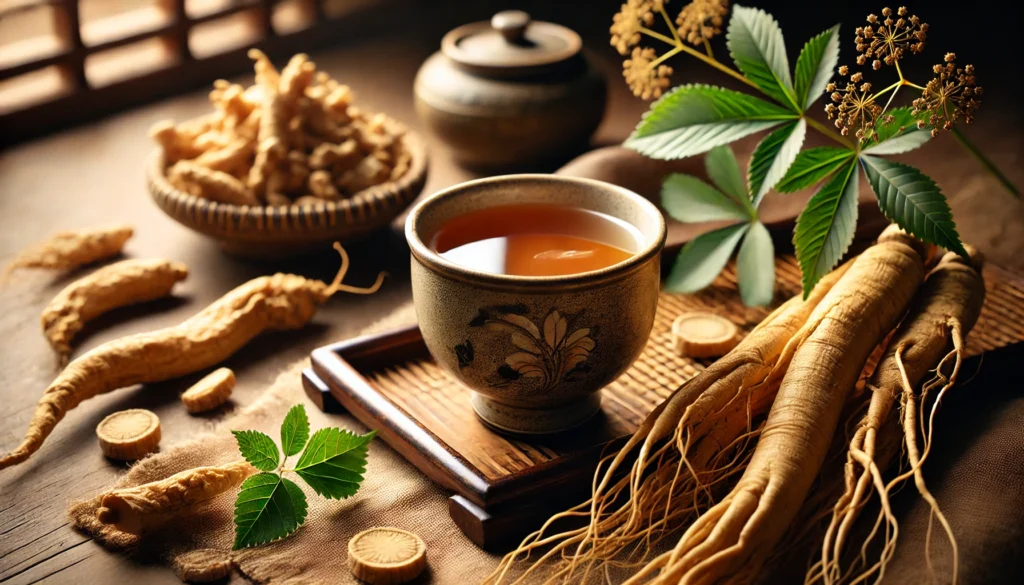


Play exciting online pokies and live games at True Fortune Casino, offering fast payouts, secure deposits, and generous bonuses for Australian players.

Enjoy top pokies and live dealer tables at Uptown Pokies Casino, with quick withdrawals, safe banking, and rewarding promotions for Australian users.

Join thrilling online slots and live casino action at Uptown Aces, featuring fast deposits, secure withdrawals, and exclusive bonuses for Australian players.

Spin favourite pokies and play live casino games at Velvet Spins Casino, offering safe banking, fast payouts, and generous promotions for Australian enthusiasts.

Experience exciting online pokies and live tables at Woo Casino, with quick withdrawals, secure deposits, and attractive bonuses for Australian casino players.

Play top pokies and live dealer games at King Billy Casino, offering fast payouts, safe banking, and rewarding promotions for Australian online casino users.

Enjoy thrilling online slots and live casino action at Aussie Play Casino, with secure deposits, quick withdrawals, and generous bonuses for Australian players.

Join exciting pokies and live tables at Fastpay Casino, featuring fast payouts, safe banking, and exclusive promotions for Australian online casino enthusiasts.