hacklink hack forum hacklink film izle hacklink
Home Blog Page 207

Best Dairy-Free Protein Sources for a Plant-Based Diet: Top Non-Dairy Protein Foods Backed by Science

In recent years, the demand for dairy-free and plant-based diets has surged, not only due to ethical and environmental concerns but also because of increasing awareness of food intolerances and chronic health conditions associated with excessive dairy intake. As more people transition to plant-based lifestyles, either partially or fully, one common question persists: how can individuals meet their protein needs without relying on traditional dairy products? This article provides an in-depth exploration of the best dairy-free protein sources for those embracing a plant-forward way of eating, focusing on the most effective, science-backed, and nutritionally complete non-dairy protein foods available today. Whether you’re pursuing a fully vegan lifestyle or simply cutting back on dairy, understanding how to meet your protein needs with high-protein non-dairy foods is crucial for overall health and vitality.

You may also like: Best Plant-Based Carbs for Energy and Health: What Science Says About Vegetarian Carbohydrates

Protein plays a vital role in nearly every biological process, from muscle repair and immune function to hormone production and enzyme activity. Traditionally, protein-rich diets have leaned heavily on animal-based products, especially dairy. But today, numerous dairy-free protein sources offer comparable or superior benefits, particularly when considered in the context of fiber, antioxidants, and anti-inflammatory properties. In this article, we will explore the nutritional profiles, health benefits, and culinary versatility of various non-dairy protein foods, highlighting their role in disease prevention, athletic performance, and sustainable living. As science continues to affirm the efficacy of plant-based proteins, a well-structured, dairy-free diet has proven not only possible but also optimal for many.
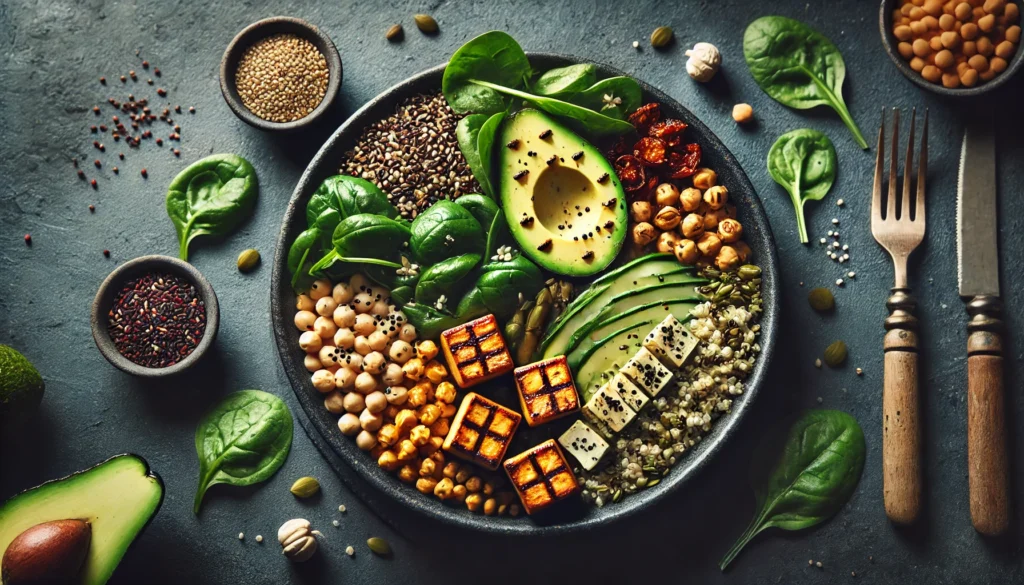
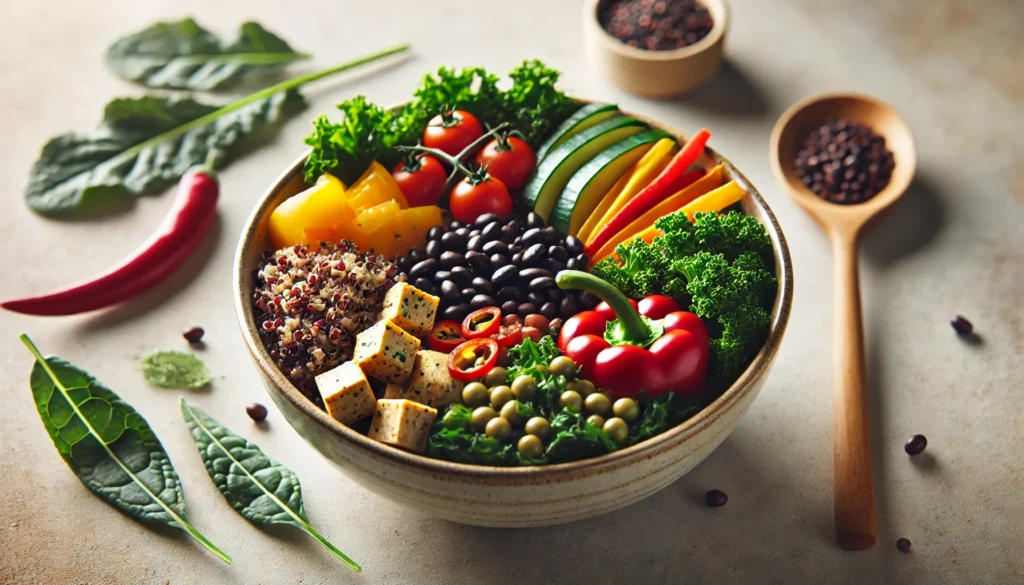
A beautifully plated plant-based protein bowl featuring grilled tofu, chickpeas, quinoa, lentils, spinach, avocado, and seeds on a dark slate background.

Understanding Protein Needs in a Dairy-Free Diet

Before diving into specific foods, it’s important to understand the fundamentals of protein requirements and how they can be met without dairy. Protein needs vary based on age, sex, body composition, activity level, and overall health status. While the Recommended Dietary Allowance (RDA) for protein is 0.8 grams per kilogram of body weight, many experts suggest that active individuals, older adults, and those recovering from illness may require significantly more—sometimes up to 1.2 to 2.0 grams per kilogram.

When removing dairy, it’s essential to compensate with other high-quality, complete or complementary protein sources. Complete proteins contain all nine essential amino acids, which our bodies cannot produce on their own. While many plant proteins are considered incomplete, combining them strategically—such as beans with grains or nuts with legumes—can provide the full spectrum of amino acids required for optimal health. This concept, known as protein complementation, is particularly valuable when designing a balanced, dairy-free diet.

Moreover, non-dairy protein foods often provide additional benefits beyond amino acid content. Many are high in fiber, phytonutrients, and healthy fats, all of which contribute to disease prevention and better metabolic health. Choosing high-protein non-dairy foods can support muscle maintenance, weight management, cardiovascular health, and cognitive function, making them a wise choice not just for those avoiding dairy, but for anyone pursuing long-term wellness.

Legumes: A Cornerstone of Dairy-Free Protein Nutrition

Legumes, including beans, lentils, peas, and chickpeas, are among the most versatile and affordable dairy-free protein sources. Rich in both protein and complex carbohydrates, legumes are also high in fiber, iron, folate, and antioxidants. Lentils, for instance, offer approximately 18 grams of protein per cooked cup, along with substantial amounts of potassium and magnesium, which are crucial for cardiovascular health.

Black beans and kidney beans contain roughly 15 grams of protein per cup, while chickpeas provide about 14 grams. These high-protein non-dairy foods not only support muscle health but also promote gut health through their prebiotic fiber content. Furthermore, legume consumption has been associated with lower risks of heart disease, type 2 diabetes, and certain types of cancer, highlighting their role in a preventive health strategy.

The digestibility of legume proteins can be enhanced through methods such as soaking, sprouting, and cooking. These techniques reduce antinutrients like phytic acid and lectins, which may impair nutrient absorption in some individuals. Additionally, combining legumes with grains—such as rice, quinoa, or corn—creates a complete protein profile that rivals that of dairy-based foods in both quality and function.

Soy-Based Foods: Complete Proteins Without the Dairy

Soy stands out as one of the few plant-based foods that offer a complete protein profile on its own. This makes soy products some of the most efficient dairy-free protein sources available, especially for individuals concerned about amino acid completeness. Tofu, tempeh, edamame, and soy milk are all rich in protein and contain essential nutrients like calcium, iron, and magnesium.

Tofu provides approximately 10 grams of protein per half-cup serving, while tempeh offers around 15 grams per half-cup. Edamame, or young green soybeans, delivers about 17 grams of protein per cup, along with significant amounts of fiber, folate, and vitamin K. These soy-based foods are not only high in protein but also have a neutral flavor profile, allowing them to be incorporated into a wide variety of dishes.

Soy consumption has been extensively studied for its health effects. Research shows that soy may help lower LDL cholesterol levels, reduce inflammation, and support bone density. Contrary to popular myths, moderate soy intake does not negatively affect hormone levels in men or women. In fact, isoflavones in soy may offer protective effects against certain cancers and hormonal imbalances. Including soy in a plant-based diet provides a reliable and nutrient-dense way to meet protein needs without relying on dairy.
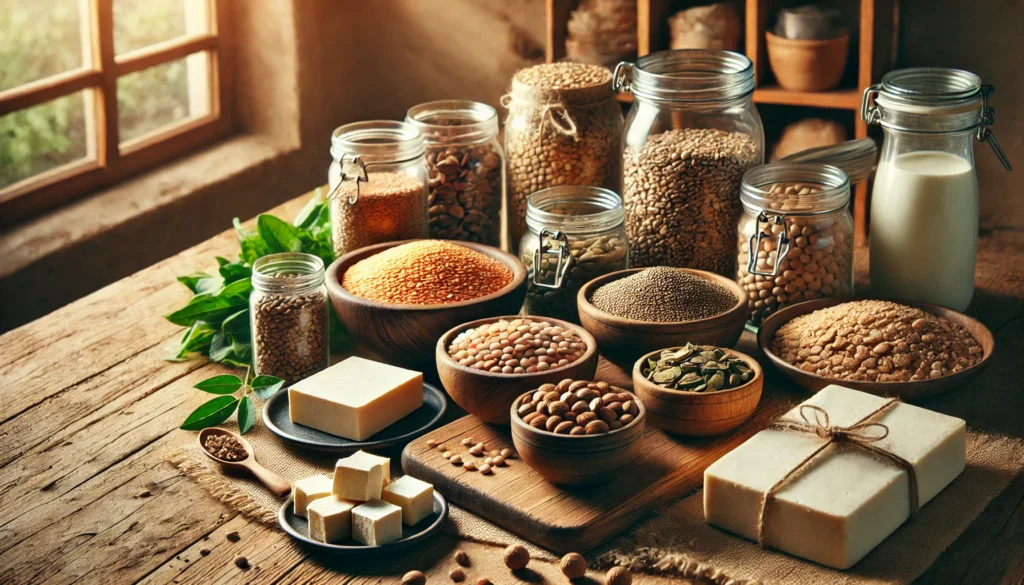
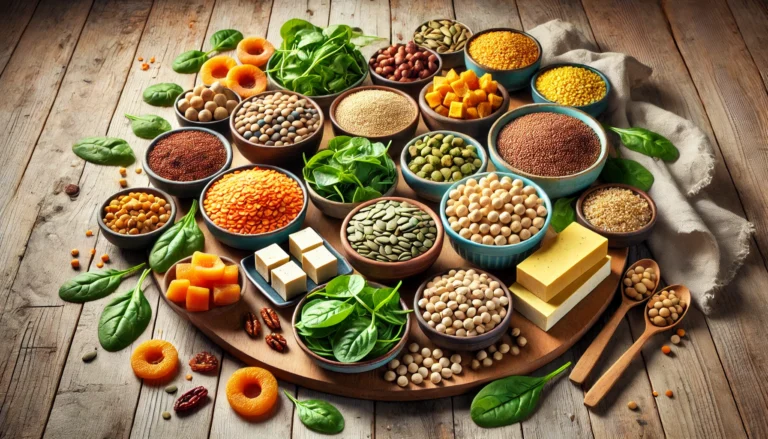
Rustic kitchen countertop displaying raw non-dairy protein ingredients such as dry lentils, nuts, seeds, tofu blocks, legumes in jars, and fresh leafy greens under natural light.

Frequently Asked Questions: Best Dairy-Free Protein Sources for a Plant-Based Diet

1. What are some creative ways to incorporate high protein non dairy foods into a busy weekday routine?

One of the most effective strategies for incorporating high protein non dairy foods into a hectic schedule is through meal prepping. Preparing staples like lentils, quinoa, tempeh, and chickpeas in large batches allows you to quickly assemble nourishing meals throughout the week. Smoothies with pea protein, nut butters, or tofu are also portable and require minimal prep. For a savory option, stir-frying tempeh with frozen vegetables and pre-cooked grains creates a balanced, protein-rich dish in under 15 minutes. These time-saving approaches ensure that your intake of dairy free protein sources remains consistent even when time is limited.

2. How can athletes optimize recovery with dairy free protein sources?

Athletes require a higher protein intake to support muscle recovery, especially after high-intensity training. Non dairy protein foods such as soy-based protein powders, lentils, and edamame can offer excellent post-workout nourishment when combined with complex carbohydrates. Blending tofu or plant-based protein powder into recovery smoothies with bananas and oats helps replenish glycogen while delivering complete amino acids. Additionally, fermented foods like tempeh can support gut health, indirectly improving nutrient absorption and muscle repair. Choosing high protein non dairy foods that are minimally processed also reduces the risk of inflammation, promoting quicker and more sustainable recovery.

3. Are there any lesser-known non dairy protein foods that offer exceptional nutritional value?

Yes, several overlooked plant-based proteins deliver surprising nutritional benefits. Lupini beans, for example, contain over 25 grams of protein per cup and are low in starch, making them ideal for people watching their carbohydrate intake. Another powerful option is sacha inchi, a seed native to South America that provides all essential amino acids along with omega-3 fats. Water lentils, sometimes marketed as “duckweed protein,” are an emerging dairy free protein source that may rival soy in both quality and sustainability. These unique foods not only diversify your diet but also help avoid reliance on a narrow group of high protein non dairy foods.

4. How can children meet their protein needs with dairy free protein sources?

Children can meet their protein needs through a well-balanced mix of legumes, whole grains, soy products, and nuts or seeds, all of which are excellent non dairy protein foods. Fortified plant milks like soy and pea protein milk provide protein and essential micronutrients like calcium and vitamin B12. Hummus, lentil patties, and nut butter sandwiches are child-friendly and protein-dense options. It’s also important to ensure variety, as rotating between different high protein non dairy foods reduces the risk of nutrient gaps. Pediatric dietitians often recommend offering plant-based protein options multiple times throughout the day to support steady growth and development.

5. What role do fermented non dairy protein foods play in digestive health?

Fermented dairy free protein sources like tempeh, miso, and fermented tofu offer unique benefits by promoting gut health. These foods contain naturally occurring probiotics, which can enhance the diversity of the gut microbiome and support digestion. Additionally, fermentation often improves the bioavailability of nutrients, making it easier for the body to absorb iron, zinc, and calcium—nutrients that are sometimes harder to obtain from plant sources. Incorporating high protein non dairy foods that are also fermented provides a dual benefit: meeting protein needs while supporting gastrointestinal well-being. As gut health has been increasingly linked to immune function and mental health, fermented proteins may offer broader systemic benefits.

6. How do dairy free protein sources compare environmentally to animal-based proteins?

From a sustainability standpoint, dairy free protein sources significantly reduce environmental impact compared to animal-based proteins. Legumes, grains, and soy require less water, emit fewer greenhouse gases, and occupy less arable land than dairy or meat production. High protein non dairy foods like hemp and chickpeas also improve soil health through nitrogen fixation. Emerging data suggests that even intensive cultivation of plant proteins results in lower overall ecological harm than conventional dairy farming. Choosing non dairy protein foods not only supports personal health but also contributes to a more sustainable food system for future generations.

7. Can dairy-free protein diets support hormonal balance, especially in women?

Yes, certain non dairy protein foods can play a positive role in hormonal health, particularly for women navigating menstrual cycles, pregnancy, or menopause. Soy foods, rich in isoflavones, can mimic estrogen in the body and may help moderate hormonal fluctuations. Flaxseeds and pumpkin seeds, while not protein giants on their own, pair well with other high protein non dairy foods and offer lignans that support hormonal regulation. Adequate intake of plant-based proteins also ensures stable blood sugar levels, which is closely linked to hormonal equilibrium. Unlike some animal-based proteins, dairy free protein sources lack added hormones, reducing the risk of endocrine disruption.

8. Are there cultural or traditional diets that prioritize high protein non dairy foods?

Many traditional cuisines have long emphasized high protein non dairy foods as dietary staples. Indian, Ethiopian, and Southeast Asian diets regularly feature lentils, chickpeas, and tofu, offering diverse, flavorful meals rich in plant-based proteins. Injera with lentils, dal with rice, and tofu stir-fries have nourished generations without relying on dairy. These cultures often incorporate spices and fermentation methods that enhance both flavor and nutrient bioavailability. Studying these global dietary patterns reveals that dairy free protein sources are not a modern trend, but rather a longstanding tradition embedded in cultural wisdom.

9. How can older adults maintain muscle mass using non dairy protein foods?

As we age, preserving lean muscle becomes increasingly important for mobility, bone density, and metabolic health. Older adults benefit from integrating high protein non dairy foods into every meal, such as lentil stews, edamame salads, and nut-based dressings. Blending protein-rich plant milk into oatmeal or adding tofu to soups ensures steady amino acid intake throughout the day. It’s also critical to pair protein with resistance exercise, which enhances muscle protein synthesis regardless of the protein source. Non dairy protein foods also tend to be lower in saturated fat, supporting cardiovascular health, which is especially important in older populations.

10. What future innovations are emerging in the world of dairy free protein sources?

The landscape of dairy free protein sources is rapidly evolving, thanks to advancements in food technology and agricultural science. Precision fermentation is being used to create plant-based proteins that closely mimic the texture and function of dairy-derived proteins. Companies are exploring algae, duckweed, and even fungi as high protein non dairy foods that offer exceptional nutrient density and sustainability. Additionally, 3D food printing and protein fortification technologies are being tested to enhance the accessibility of tailored, protein-rich meals. As demand grows, innovation will continue to expand the variety, quality, and functionality of non dairy protein foods available to consumers.
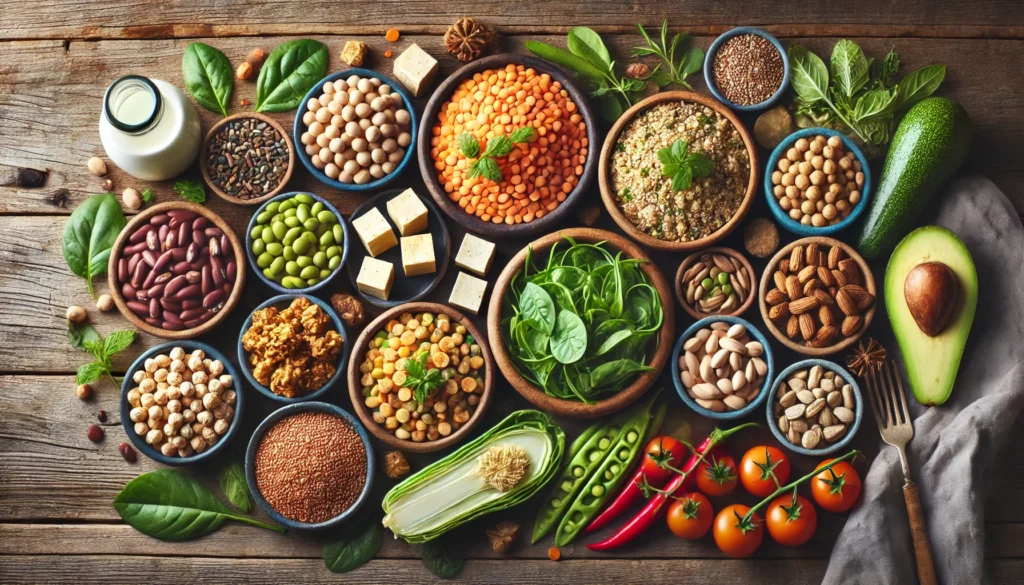
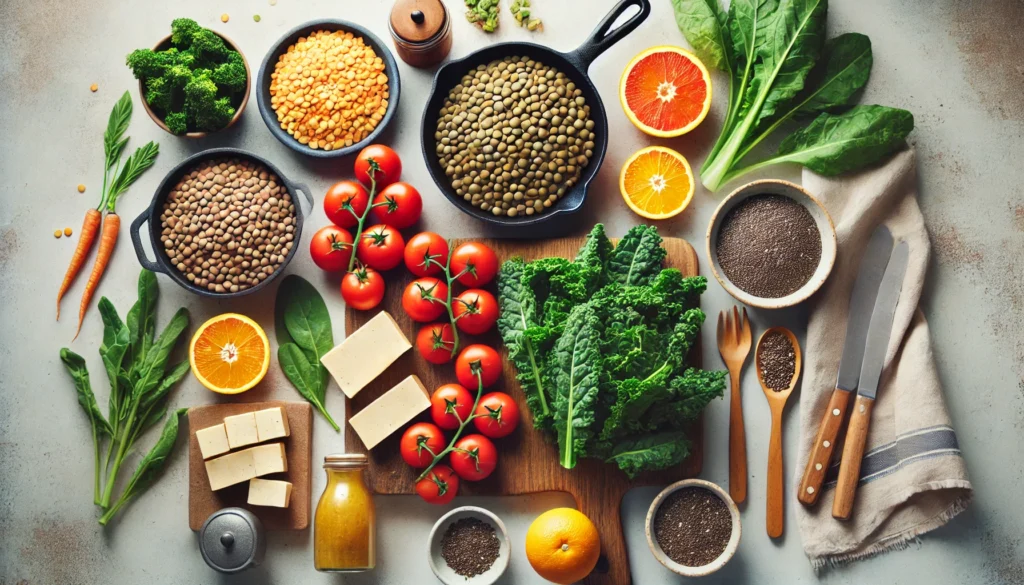
Top-down view of a colorful spread of dairy-free plant-based protein foods, including lentils, tofu, chickpeas, quinoa, and leafy greens arranged on a rustic wooden table.

Whole Grains and Pseudocereals: A Dual Role in Carbohydrate and Protein Supply

While often celebrated for their complex carbohydrates and fiber, many whole grains and pseudocereals also contribute meaningfully to protein intake. Quinoa, amaranth, buckwheat, and teff are notable for their high protein content and complete amino acid profiles. Quinoa, in particular, offers around 8 grams of protein per cooked cup and contains all nine essential amino acids, making it a superior choice among plant-based eaters.

Brown rice, barley, oats, and farro provide slightly less protein—typically 5 to 7 grams per cup—but serve as excellent complementary sources when paired with legumes or seeds. These grains also supply B vitamins, magnesium, selenium, and zinc, supporting energy metabolism and immune health. Because they are naturally free of lactose and dairy components, these grains are ideal for those seeking non-dairy protein foods that offer both macronutrient and micronutrient value.

Incorporating a variety of whole grains into meals not only enhances protein quality but also adds texture, flavor, and satiety. Grains like bulgur and millet can be used in savory pilafs or warm breakfast bowls, while oats make an excellent base for smoothies or overnight preparations. By combining whole grains with legumes, nuts, or seeds, one can create satisfying, protein-rich meals that easily meet daily requirements without the need for dairy.

Further Reading:

Sustaining Protein Nutrition Through Plant-Based Foods

The 18 Best Protein Sources for Vegans and Vegetarians

Top 15 sources of plant-based protein

plant protein sources, vegan protein options, lactose free nutrition, plant-based muscle building, soy alternatives, legume nutrition benefits, tofu health benefits, vegan meal prep ideas, complete plant proteins, sustainable protein options, high fiber plant foods, protein for vegans, dairy alternatives for athletes, whole food protein choices, vegan recovery foods, meatless protein sources, protein-rich grains, anti-inflammatory plant foods, nutrient-dense vegan foods, healthy vegan lifestyle

The information contained in this article is provided for general informational purposes only and is not intended to serve as medical, legal, or professional advice. While NewsHealthWatch strives to present accurate, up-to-date, and reliable content, no warranty or guarantee, expressed or implied, is made regarding the completeness, accuracy, or adequacy of the information provided. Readers are strongly advised to seek the guidance of a qualified healthcare provider or other relevant professionals before acting on any information contained in this article. NewsHealthWatch, its authors, editors, and contributors expressly disclaim any liability for any damages, losses, or consequences arising directly or indirectly from the use, interpretation, or reliance on any information presented herein. The views and opinions expressed in this article are those of the author(s) and do not necessarily reflect the official policies or positions of NewsHealthWatch.
How Mediterranean Grains Support Whole-Body Health: The Science Behind the Whole Grains Mediterranean Diet

The Mediterranean diet has long been heralded for its robust health benefits, with mounting scientific evidence linking it to improved cardiovascular health, reduced inflammation, and longer life expectancy. However, while much attention has been given to olive oil, fresh vegetables, and omega-3-rich fish, one key component has quietly underpinned the success of this dietary pattern: Mediterranean grains. These nutrient-dense, fiber-rich staples are far more than filler—they are foundational to the diet’s healing potential. From ancient wheat varieties like farro and bulgur to barley, oats, and rye, Mediterranean grains offer a complex matrix of vitamins, minerals, antioxidants, and plant-based compounds that nourish the body from the inside out. As modern science begins to catch up with millennia of tradition, the role of whole grains in the Mediterranean diet is emerging as a crucial, evidence-backed cornerstone of whole-body health.

You may also like: Best Plant-Based Carbs for Energy and Health: What Science Says About Vegetarian Carbohydrates

Understanding the Mediterranean Diet’s Foundation in Whole Grains

To fully grasp the significance of Mediterranean grains, it is important to understand the historical and cultural context in which they have thrived. The Mediterranean region spans Southern Europe, North Africa, and parts of the Middle East—areas historically shaped by agricultural practices rooted in grain cultivation. In traditional diets across Greece, Italy, Turkey, Egypt, and Lebanon, whole grains formed the basis of daily meals, serving as both sustenance and cultural touchstone. Unlike the processed grains found in many Western diets, Mediterranean grains are consumed in their whole, unrefined form, retaining the bran, germ, and endosperm that contribute to their nutritional richness.

Whole grains in the Mediterranean diet not only provide a steady source of complex carbohydrates but also act as vehicles for fiber, B vitamins, iron, magnesium, and phytochemicals. These nutrients work synergistically to support metabolic function, stabilize blood sugar, and foster healthy digestion. Perhaps most importantly, the habitual consumption of whole grains contributes to satiety and weight regulation without the need for calorie counting. In cultures where Mediterranean grains are a dietary staple, obesity rates have historically remained low, underscoring the role of traditional grain consumption in maintaining a healthy body composition.

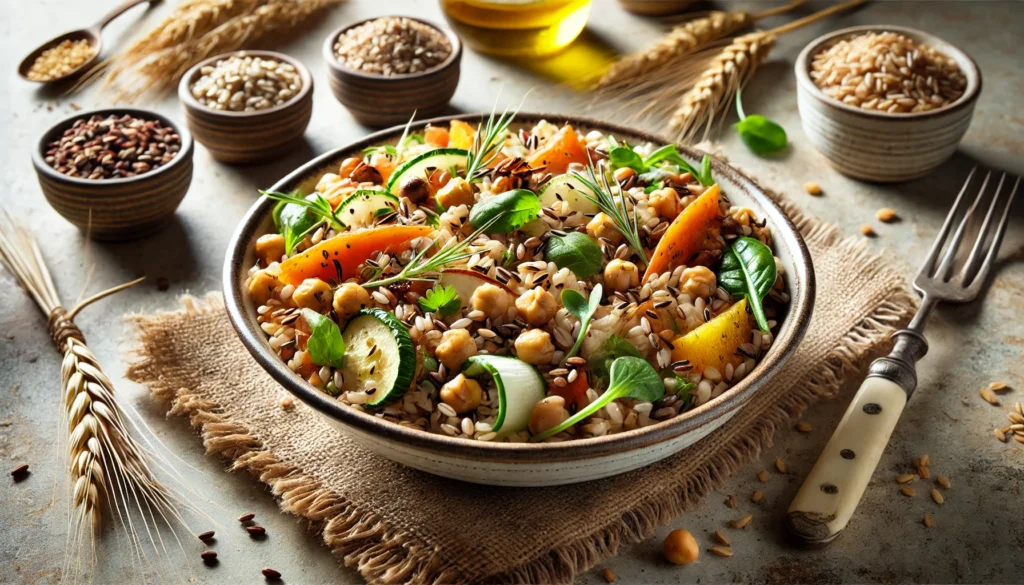
Close-up of a colorful Mediterranean grain salad featuring farro, chickpeas, roasted vegetables, and herbs in a ceramic bowl on a stone countertop.

The Science Behind Whole Grains and Cardiovascular Health

One of the most compelling areas of research on Mediterranean grains centers on cardiovascular disease prevention. Numerous studies have shown that diets rich in whole grains are associated with lower levels of LDL cholesterol, reduced blood pressure, and improved endothelial function. These outcomes are not merely theoretical; they translate into measurable reductions in heart attack, stroke, and all-cause mortality.

Barley, for instance, is rich in beta-glucan, a soluble fiber known to reduce cholesterol levels by binding to bile acids and promoting their excretion. Similarly, oats—a familiar grain across many Mediterranean regions—have been shown to lower total and LDL cholesterol when consumed regularly. These grains also contribute antioxidant compounds such as avenanthramides and polyphenols, which help mitigate oxidative stress and inflammation, both of which are central to the development of atherosclerosis.

The Framingham Offspring Study, a major longitudinal investigation into dietary factors and heart disease, found that individuals who consumed three or more servings of whole grains daily had significantly lower risk of coronary artery disease. These findings are echoed in Mediterranean populations, where whole grain consumption aligns closely with reduced cardiovascular morbidity and mortality. In this way, the whole grains Mediterranean diet emerges not as a trendy regimen but as a scientifically grounded, cardioprotective lifestyle.

Mediterranean Grains and Gut Health: The Fiber Connection

Another essential dimension of whole grains’ health-promoting power lies in their impact on the gut microbiome. The digestive tract is home to trillions of bacteria that influence immune function, nutrient absorption, and even mental health. The prebiotic fibers found in Mediterranean grains serve as fuel for these beneficial microbes, promoting microbial diversity and fostering a balanced intestinal ecosystem.

Unlike refined carbohydrates that are rapidly absorbed and metabolized, whole grains move slowly through the digestive tract, providing fermentable substrates for gut bacteria. This process results in the production of short-chain fatty acids (SCFAs), such as butyrate, acetate, and propionate, which possess anti-inflammatory properties and support the integrity of the intestinal lining. Butyrate, in particular, has been linked to reduced risk of colorectal cancer and improved insulin sensitivity.

Farro, bulgur, and freekeh—all traditional Mediterranean grains—are particularly rich in these fermentable fibers. Regular consumption of these grains has been associated with improved bowel regularity, reduced symptoms of irritable bowel syndrome, and enhanced immune resilience. Moreover, a fiber-rich diet centered around whole grains may help prevent leaky gut syndrome, a condition increasingly implicated in chronic inflammation and autoimmune disorders.

The Role of Mediterranean Grains in Weight Management and Metabolic Health

Weight management remains one of the most persistent challenges in modern health, particularly in industrialized nations where ultra-processed foods dominate the food supply. Mediterranean grains, with their high fiber content and low glycemic index, offer a sustainable solution to this public health crisis. Unlike low-carb diets that restrict food groups and often lead to rebound weight gain, a whole grains Mediterranean diet promotes long-term satiety and metabolic flexibility.

Scientific evidence suggests that whole grains can modulate insulin response, helping to prevent spikes in blood sugar that contribute to hunger and fat storage. This is especially important for individuals at risk of type 2 diabetes or those managing metabolic syndrome. In one study published in The American Journal of Clinical Nutrition, participants who consumed whole grains experienced greater reductions in body fat and waist circumference compared to those eating refined grains.

Moreover, Mediterranean grains are naturally low in added sugars and high in resistant starch, which further supports blood sugar control. Resistant starch functions similarly to soluble fiber by slowing digestion and enhancing feelings of fullness. Grains like barley and rye have been shown to blunt postprandial glucose levels, making them ideal for individuals seeking to manage their weight without sacrificing nourishment.

Antioxidant and Anti-Inflammatory Properties of Mediterranean Grains

Chronic inflammation is a driver of many diseases, from arthritis and asthma to heart disease and cancer. One of the lesser-known benefits of Mediterranean grains is their potent antioxidant and anti-inflammatory properties. Unlike refined grains, which are stripped of their protective outer layers, whole grains retain polyphenols, flavonoids, and essential micronutrients that combat oxidative stress.

Buckwheat, although technically a pseudocereal, is frequently included in Mediterranean grain dishes and contains high levels of rutin—a flavonoid that strengthens capillaries and reduces inflammation. Similarly, red and black rice, grown in Mediterranean-influenced regions, are rich in anthocyanins, which are the same antioxidants found in blueberries. These compounds scavenge free radicals and may help reduce the risk of chronic illnesses driven by cellular damage.

Moreover, whole grains supply important trace minerals like selenium and zinc, which play key roles in immune function and inflammatory regulation. A deficiency in these nutrients can impair the body’s ability to respond to pathogens and heal tissue damage. By incorporating a diversity of Mediterranean grains into the diet, individuals can harness a broad spectrum of protective compounds that contribute to overall health and resilience.

Cognitive and Mental Health Benefits Linked to Whole Grains

The connection between diet and brain health has gained increasing attention in recent years, and whole grains are emerging as an important player in the preservation of cognitive function. Mediterranean populations traditionally experience lower rates of dementia and cognitive decline, a trend that may be partially attributable to the consistent consumption of Mediterranean grains.

Whole grains support brain health through several mechanisms. First, they stabilize blood sugar, which is essential for optimal brain function. The brain consumes more glucose than any other organ, and fluctuations in blood sugar can lead to irritability, fatigue, and impaired concentration. By providing a steady stream of complex carbohydrates, Mediterranean grains help maintain cognitive clarity and mental stamina.

Second, the B vitamins found in whole grains—particularly B6, B12, and folate—are critical for neurotransmitter synthesis and homocysteine regulation. Elevated homocysteine levels are associated with an increased risk of Alzheimer’s disease and cognitive impairment. Studies have shown that individuals with higher whole grain intake have better memory performance, mood stability, and overall mental well-being.

In addition, the prebiotic fibers that nourish gut bacteria may also influence the gut-brain axis, a bidirectional communication system that links the digestive system to the central nervous system. This relationship suggests that a healthy gut, supported by a diet rich in Mediterranean grains, may foster improved mental health outcomes, including reduced symptoms of depression and anxiety.

Sustainable Eating: Environmental Benefits of Mediterranean Grains

As climate change and environmental degradation become increasingly urgent global issues, the sustainability of our dietary choices is more important than ever. Mediterranean grains offer not only health benefits but also ecological advantages that align with sustainable agriculture. Grains such as millet, spelt, and durum wheat are well-suited to dry, arid climates and require less water and fewer chemical inputs compared to animal agriculture.

In Mediterranean farming systems, grains are often rotated with legumes and vegetables to enhance soil fertility and reduce pest pressure. This diversified approach to agriculture promotes biodiversity and resilience, making it more adaptable to the challenges of a changing climate. Additionally, whole grains have a lower carbon footprint than animal products, contributing to reductions in greenhouse gas emissions.

Consumers who adopt a whole grains Mediterranean diet are therefore not only supporting their own health but also participating in a broader movement toward environmental stewardship. Choosing locally grown, seasonal grains whenever possible can further reduce transportation emissions and support regional economies. By shifting the focus of our diets toward Mediterranean grains, we can align personal wellness with planetary well-being.

How to Incorporate Mediterranean Grains Into Everyday Meals

Adopting a diet rich in Mediterranean grains does not require drastic lifestyle changes. In fact, the versatility of these grains makes them easy to incorporate into a variety of dishes. From breakfast porridges made with steel-cut oats or semolina to hearty grain salads with farro, chickpeas, and roasted vegetables, the culinary applications are virtually endless.

For those new to these grains, starting with familiar options like whole grain pasta or brown rice can be an accessible entry point. As comfort with cooking grows, more traditional grains like bulgur, freekeh, or einkorn can be added to the rotation. These grains can serve as a base for soups, stews, pilafs, and even baked goods, offering both nutrition and satisfying texture.

Soaking or sprouting grains prior to cooking can enhance nutrient absorption and reduce cooking time. Pairing grains with vitamin C-rich foods, such as tomatoes or lemon juice, can also improve the bioavailability of iron and other minerals. The key is to approach grain preparation with the same mindfulness applied to other aspects of health-focused eating—prioritizing quality, variety, and balance.

Reframing Carbohydrates: The Nutritional Value of Whole Grains

In popular discourse, carbohydrates are often vilified as contributors to weight gain and metabolic dysfunction. However, this narrative fails to distinguish between refined carbohydrates and nutrient-dense whole grains. Mediterranean grains exemplify the concept of good carbohydrates—complex, fiber-rich, and packed with essential nutrients that the body needs for optimal function.

The glycemic index (GI) and glycemic load (GL) of Mediterranean grains tend to be lower than that of refined grains, meaning they have a gentler impact on blood sugar levels. This makes them particularly valuable for individuals with insulin resistance or prediabetes. Moreover, the combination of fiber, protein, and healthy fats in many traditional Mediterranean meals tempers the overall glycemic response, creating a metabolically balanced eating pattern.

Scientific reviews and meta-analyses consistently show that higher intake of whole grains is associated with reduced risk of chronic diseases, including type 2 diabetes, cardiovascular disease, and certain cancers. These findings reinforce the need to reframe our understanding of carbohydrates and recognize the unique benefits of whole, minimally processed grains within a broader dietary context.

A Culinary Legacy Rooted in Science and Tradition

The enduring appeal of the whole grains Mediterranean diet lies in its harmonious blend of science, tradition, and sensory pleasure. Unlike restrictive diets that focus on elimination, this way of eating emphasizes abundance—of flavor, nutrients, and cultural richness. Mediterranean grains are a testament to the wisdom of ancestral diets, supported by modern research that validates their role in disease prevention and health promotion.

From the terraced hillsides of Crete to the sunbaked plains of Tunisia, grains have nourished generations of people and cultures. Today, as we seek sustainable solutions to the chronic diseases and environmental challenges facing our planet, these ancient foods offer a path forward. By embracing Mediterranean grains, we honor a culinary legacy while investing in our long-term vitality.

Scenic Mediterranean farmland with golden fields of ancient grains, olive trees, and vineyards under a clear blue sky, evoking traditional sustainable agriculture.

Frequently Asked Questions: Mediterranean Grains and the Whole Grains Mediterranean Diet

1. Can Mediterranean grains play a role in athletic performance and recovery?

Absolutely. While often associated with heart health and longevity, Mediterranean grains are increasingly being explored for their benefits in sports nutrition. Whole grains like bulgur and farro offer slow-digesting carbohydrates that help maintain glycogen stores during endurance activities. Their naturally high levels of magnesium, iron, and B vitamins contribute to muscle oxygenation and energy metabolism, which are essential for athletic output and recovery. Additionally, the anti-inflammatory compounds in many Mediterranean grains can help reduce post-exercise muscle soreness and support immune function in athletes. For plant-based athletes, incorporating a variety of Mediterranean grains ensures both macronutrient and micronutrient sufficiency.

2. How do Mediterranean grains compare to gluten-free options in terms of nutritional value?

Mediterranean grains like barley, farro, and bulgur often surpass many gluten-free grains in terms of protein, fiber, and mineral content. While gluten-free options such as rice and corn are suitable for individuals with celiac disease or gluten sensitivity, they are often lower in essential nutrients. Mediterranean grains contribute significantly to the nutrient density of the whole grains Mediterranean diet by offering a broader range of vitamins, antioxidants, and amino acids. Moreover, grains such as millet and buckwheat—also part of the Mediterranean culinary tradition—are naturally gluten-free and nutrient-rich. Integrating a mix of gluten-containing and gluten-free Mediterranean grains can be a practical strategy for optimizing nutrition, especially when carefully tailored to individual health needs.

3. Are Mediterranean grains suitable for individuals following a low-FODMAP or IBS-friendly diet?

Some Mediterranean grains may be appropriate for individuals managing irritable bowel syndrome (IBS) or adhering to a low-FODMAP diet, but choices must be made carefully. For instance, oats and rice are typically well-tolerated and can still support the principles of the whole grains Mediterranean diet. However, grains like wheat, barley, and rye can be high in fructans, a type of FODMAP that may trigger symptoms in sensitive individuals. Cooking methods and portion control can make a difference—small servings of sourdough bread made with traditional Mediterranean grains, for example, are often better tolerated. Working with a dietitian to gradually reintroduce specific Mediterranean grains is the safest way to explore their compatibility with IBS-friendly eating.

4. What role do Mediterranean grains play in blood pressure regulation?

The potassium, magnesium, and fiber content found in Mediterranean grains supports vascular health and may contribute to lower blood pressure over time. Research suggests that consistent consumption of whole grains can lead to modest but meaningful reductions in both systolic and diastolic blood pressure. Magnesium, abundant in grains like buckwheat and barley, plays a role in relaxing blood vessels and modulating nerve function. When these grains are integrated as part of a balanced whole grains Mediterranean diet, especially in combination with olive oil, legumes, and leafy greens, the antihypertensive effect is amplified. Reducing sodium intake while boosting Mediterranean grain consumption can be a practical, food-first approach to managing hypertension.

5. How do Mediterranean grains contribute to hormonal balance, especially in women’s health?

Mediterranean grains are a valuable source of phytonutrients and complex carbohydrates that support hormonal regulation. For women of reproductive age, the steady glucose release from these whole grains can help stabilize insulin levels, which in turn positively affects estrogen and progesterone balance. Additionally, the B vitamins in Mediterranean grains are vital for hormone synthesis and liver detoxification processes that metabolize excess hormones. During menopause, incorporating a variety of grains in the whole grains Mediterranean diet may ease symptoms like mood swings, fatigue, and weight gain. Some grains, such as oats and millet, contain plant compounds that may even mimic estrogen’s effects in the body, offering gentle support during hormonal transitions.

6. Are Mediterranean grains appropriate for children and adolescents?

Yes, introducing Mediterranean grains to children can foster lifelong healthy eating habits. These grains provide steady energy for growth and learning, along with critical nutrients like iron, zinc, and folate needed during developmental years. Unlike sugary cereals or refined white bread, whole Mediterranean grains offer a more nutrient-dense option that supports metabolic and cognitive health. Creative preparation—such as adding cooked farro to soups or incorporating barley into stuffed vegetables—can make these grains more appealing to younger palates. Including Mediterranean grains in school lunches or family meals reinforces the principles of the whole grains Mediterranean diet from an early age and sets the stage for future health resilience.

7. What are some innovative ways to cook with Mediterranean grains beyond traditional recipes?

Culinary innovation with Mediterranean grains opens up endless possibilities. For example, cracked wheat can be used to make savory breakfast bowls with roasted vegetables and tahini, offering a creative twist on oatmeal. Barley risotto, or “orzotto,” provides a satisfying alternative to arborio rice, with added fiber and a nutty flavor. Ground Mediterranean grains like whole grain spelt or einkorn can be used to make nutritious flatbreads or crackers, while polenta can be shaped and grilled for a Mediterranean-inspired appetizer. These creative uses align with the flexible nature of the whole grains Mediterranean diet and allow for personalized, nutrient-rich meals that suit a variety of taste preferences.

8. Is there a connection between Mediterranean grains and longevity in Blue Zones?

Yes, many Blue Zones—regions known for high concentrations of centenarians—emphasize grain-based diets that share overlap with the whole grains Mediterranean diet. For example, in Ikaria, Greece, longevity is supported by daily consumption of barley-based breads and legumes. These grains contribute to caloric moderation, nutrient density, and metabolic efficiency, all hallmarks of the Mediterranean approach to aging well. The resistant starch in some Mediterranean grains supports gut health, which is increasingly being linked to immune resilience and longevity. By consuming Mediterranean grains as a dietary staple, individuals may adopt eating patterns that mimic the successful habits of the world’s longest-lived populations.

9. How can Mediterranean grains support mental wellness during stressful periods?

Mediterranean grains may offer mood-regulating benefits, particularly during times of psychological stress or burnout. They contain B-complex vitamins that help synthesize neurotransmitters like serotonin and dopamine, which are essential for emotional balance. Furthermore, the slow-digesting carbohydrates in grains such as bulgur and freekeh provide a steady release of glucose to the brain, stabilizing mood and cognitive function. When part of the larger whole grains Mediterranean diet, these grains contribute to meals that are comforting, grounding, and nutrient-rich—an important combination during emotionally taxing periods. Emerging research even suggests that gut-friendly grains could influence the gut-brain axis, potentially supporting mental resilience.

10. Are there future innovations or trends in the use of Mediterranean grains in functional nutrition?

Absolutely. As interest in personalized and functional nutrition grows, Mediterranean grains are being reimagined as more than traditional staples—they are becoming active components in disease prevention strategies. Researchers are exploring how grain fermentation can enhance the bioavailability of nutrients and reduce antinutrients, making these grains even more powerful. There is also a rise in Mediterranean grain-based protein powders and snacks aimed at plant-based consumers seeking whole food alternatives to processed supplements. Additionally, climate-smart farming practices are encouraging the cultivation of ancient Mediterranean grains that are more resilient and nutrient-dense. These developments reinforce the versatility and modern relevance of the whole grains Mediterranean diet in both clinical and culinary spheres.

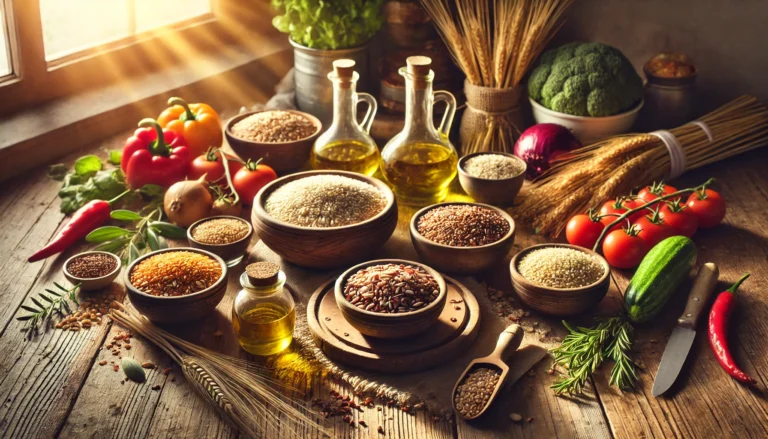
Rustic still life of raw Mediterranean grains including bulgur, millet, and spelt in wooden bowls, accented with herbs, garlic, lemons, and olive oil under natural light.

The Future of Health Lies in the Whole Grains Mediterranean Diet

As the global health landscape continues to evolve, one truth remains increasingly clear: nutrition is a powerful determinant of well-being. The whole grains Mediterranean diet, grounded in both scientific evidence and cultural tradition, represents a sustainable, effective, and deeply satisfying approach to eating for life. Mediterranean grains are not just functional foods—they are bridges between past and future, health and pleasure, nourishment and nature.

By re-centering grains at the heart of our meals—especially those in their whole, minimally processed forms—we can unlock a cascade of health benefits that touch every system of the body. From improving heart health and gut function to supporting cognitive vitality and environmental sustainability, the advantages of this approach are as diverse as the grains themselves. As more people around the world seek dietary patterns that are both nourishing and sustainable, the Mediterranean model offers a time-tested blueprint.

Choosing Mediterranean grains is more than a dietary decision—it is a commitment to whole-body health, rooted in science, shaped by tradition, and enriched by flavor. For those ready to take a step toward vibrant, lifelong wellness, the journey begins with a simple bowl of barley, a slice of whole grain bread, or a steaming plate of bulgur. The future of health, it seems, has ancient roots.

Further Reading:

Whole-Grain Intake in the Mediterranean Diet and a Low Protein to Carbohydrates Ratio Can Help to Reduce Mortality from Cardiovascular Disease, Slow Down the Progression of Aging, and to Improve Lifespan: A Review

Mediterranean Diet

8 Ways the Mediterranean Diet Can Help You Live a Longer and Healthier Life

ancient grains, plant-based nutrition, Mediterranean lifestyle, fiber-rich foods, healthy carbs, anti-inflammatory foods, heart-healthy diet, gut health support, sustainable eating, whole food diet, Blue Zone diet, cholesterol-lowering foods, complex carbohydrates, nutrient-dense grains, blood sugar balance, healthy aging diet, brain-boosting foods, digestive wellness, traditional diets, longevity nutrition

The information contained in this article is provided for general informational purposes only and is not intended to serve as medical, legal, or professional advice. While NewsHealthWatch strives to present accurate, up-to-date, and reliable content, no warranty or guarantee, expressed or implied, is made regarding the completeness, accuracy, or adequacy of the information provided. Readers are strongly advised to seek the guidance of a qualified healthcare provider or other relevant professionals before acting on any information contained in this article. NewsHealthWatch, its authors, editors, and contributors expressly disclaim any liability for any damages, losses, or consequences arising directly or indirectly from the use, interpretation, or reliance on any information presented herein. The views and opinions expressed in this article are those of the author(s) and do not necessarily reflect the official policies or positions of NewsHealthWatch.

Is Milk Vegetarian? What Science Says About Dairy, Butter, Yogurt, and the No Meat No Dairy Diet

The question of whether milk is vegetarian might seem straightforward at first glance, but a deeper look reveals a complex interplay of ethical considerations, dietary definitions, and cultural contexts. For many people around the world, milk and its derivatives like butter, cheese, and yogurt are everyday staples. Yet, as plant-based diets become increasingly popular, more consumers are beginning to ask: is milk vegetarian? What about dairy in general? And where do these products fall on the spectrum between vegetarianism and veganism? Understanding these questions is essential not only for personal health choices but also for aligning dietary practices with ethical beliefs and environmental concerns.

You may also like: Best Plant-Based Carbs for Energy and Health: What Science Says About Vegetarian Carbohydrates

The growing popularity of plant-based lifestyles has introduced more nuanced dietary classifications beyond the traditional vegetarian and vegan labels. People are now exploring the boundaries of their own values, particularly when it comes to a no meat no dairy diet. This dietary shift isn’t solely driven by health motivations; it’s often informed by ethical considerations related to animal welfare and the environmental impact of animal agriculture. To accurately answer whether milk, yogurt, and butter are vegetarian, we must first understand how these foods are produced, how they align with different dietary frameworks, and what scientific and ethical research reveals about their impact on health and the planet.

Defining Vegetarianism: More Than Just Avoiding Meat

To grasp the nuances of whether dairy qualifies as vegetarian, we must begin with a clear understanding of what it means to follow a vegetarian diet. Traditionally, a vegetarian diet excludes meat, poultry, and fish but permits the consumption of animal-derived products that do not involve killing the animal. This includes eggs, honey, and dairy products such as milk, yogurt, and butter. From this standpoint, the answer to the question “is milk vegetarian” is often yes, as no direct animal slaughter is involved in its production.

However, even within the vegetarian community, there are several interpretations and degrees of dietary restriction. Lacto-vegetarians, for instance, consume dairy products but avoid eggs, while ovo-vegetarians do the opposite. Lacto-ovo vegetarians, the most common form, include both dairy and eggs in their diet. These distinctions matter because they reflect varying ethical and nutritional priorities. For example, some vegetarians may be comfortable drinking milk but question whether other dairy products, particularly those involving the use of rennet or gelatin, align with vegetarian principles.

Additionally, the definition of vegetarianism continues to evolve in public discourse. Increasingly, people are adopting a flexitarian or semi-vegetarian approach, where they primarily consume plant-based foods but occasionally eat meat or dairy. In this context, asking whether dairy is vegetarian opens the door to deeper considerations about intent, sustainability, and personal health goals. It’s no longer sufficient to rely on simplistic labels; today’s vegetarians often seek clarity not just on what they eat, but on how it’s sourced and its broader impact.

Modern kitchen countertop displaying almond milk, oat-based butter, and coconut yogurt surrounded by fruits and grains, visually representing a dairy-free, plant-based lifestyle.

Is Dairy Vegetarian? Production Methods and Ethical Concerns

Although dairy products are generally accepted within traditional vegetarian diets, the question “is dairy vegetarian” becomes more complicated when we consider how these products are produced. While dairy farming does not require the killing of animals in the same way that meat production does, it still involves practices that some people find ethically troubling. For example, dairy cows are often artificially inseminated and kept in a continuous cycle of pregnancy and lactation to maintain milk production. Once their productivity declines, they are typically slaughtered for meat.

Calves are frequently removed from their mothers within a few days of birth, and male calves, who are of little use to the dairy industry, are often sent to veal farms or euthanized. These practices raise ethical red flags for individuals who choose vegetarianism primarily for animal welfare reasons. In this light, some argue that while dairy may not involve direct killing at the point of milk production, it still perpetuates a system that causes harm to animals, making the question “is milk vegetarian” more ethically complex than it initially appears.

Scientific studies and investigative reports have further highlighted the physical and emotional toll of industrial dairy farming. Issues such as confinement, mastitis (a painful udder infection), and early separation from calves have become focal points in the ethical evaluation of dairy consumption. For vegetarians concerned with the humane treatment of animals, these realities prompt a reevaluation of whether dairy aligns with their core values.

In response to these concerns, a growing number of people are adopting the no meat no dairy diet. This approach, which closely resembles a vegan lifestyle, avoids all animal-derived foods in an effort to minimize animal suffering and environmental impact. By rejecting dairy alongside meat, adherents of this diet aim to remove themselves entirely from the industrial animal agriculture system, which they view as inherently exploitative.

Is Milk Vegetarian from a Nutritional Perspective?

From a strictly biochemical standpoint, milk is a rich source of nutrients, including calcium, protein, vitamin B12, and potassium. These nutrients are essential for maintaining bone health, muscle function, and neurological processes. For vegetarians who do not consume meat or fish, milk can be a convenient source of nutrients that might otherwise be more difficult to obtain. In this sense, one could argue that milk plays an important role in supporting the nutritional adequacy of a vegetarian diet.

However, nutritional science also reveals potential drawbacks. Milk and other dairy products are significant sources of saturated fat, which has been linked to increased risk of cardiovascular disease. Moreover, a growing body of research suggests that high dairy intake may not be as beneficial for bone health as once believed. Countries with the highest milk consumption, such as the United States and Sweden, also report high rates of osteoporosis, calling into question long-held assumptions about dairy and bone strength.

Lactose intolerance is another important factor to consider. A large percentage of the global population—particularly individuals of East Asian, African, and Indigenous descent—have some degree of lactose intolerance, making milk consumption problematic from both a nutritional and practical standpoint. These individuals may seek alternative sources of calcium and protein, such as fortified plant milks, leafy greens, and legumes, which align more closely with a no meat no dairy diet.

Furthermore, those adhering to plant-based or whole-food diets may question whether the inclusion of dairy fits with their goal of consuming minimally processed, nutrient-dense foods. Even seemingly simple dairy products like butter and yogurt often contain added sugars, preservatives, or stabilizers that may not align with whole-food principles. As such, the inclusion of dairy in a vegetarian diet is not only a matter of whether it’s technically allowed, but whether it supports the overall health goals of the individual.

Can a Vegetarian Eat Butter? The Technical vs. Ethical Debate

The question “can a vegetarian eat butter” typically receives a yes, given that butter is derived from milk and involves no animal slaughter. However, as with other dairy products, the ethical considerations surrounding butter are complex. Industrial dairy practices apply just as much to butter as they do to milk or cheese, meaning the concerns about animal welfare remain relevant. Additionally, butter is often highly processed and high in saturated fat, which may be a concern for health-conscious vegetarians.

On a technical level, butter is simply the fat that has been separated from cream. It contains no meat and is generally free from enzymes or additives that would render it non-vegetarian. For this reason, butter is widely consumed in vegetarian households around the world. Yet the question of whether it should be consumed is increasingly being asked by those who seek consistency between their dietary choices and ethical commitments.

For those on a no meat no dairy diet, butter is off the menu. Instead, they turn to plant-based alternatives such as avocado, nut butters, or vegan margarine made from oils like coconut, olive, or sunflower. These alternatives often have the added benefit of being lower in saturated fat and cholesterol-free, aligning more closely with the principles of whole-food plant-based nutrition. Moreover, these options allow consumers to enjoy the sensory and culinary experience of butter without supporting the dairy industry.

The growing availability of high-quality vegan butters is also reshaping the culinary landscape. No longer relegated to specialty health food stores, these products are now widely accessible and designed to replicate the flavor, texture, and functionality of traditional butter. As awareness grows around the ethical and health implications of dairy, more vegetarians are choosing to forgo butter in favor of plant-based alternatives, making the technical question “can a vegetarian eat butter” just one part of a broader lifestyle decision.

Split-screen composition of traditional dairy products on one side and plant-based alternatives on the other, illustrating the choice between dairy consumption and a no meat no dairy diet.

Frequently Asked Questions: Is Milk Vegetarian?

1. Why do some vegetarians avoid milk if no animal is killed to produce it?

While it’s true that milk does not require the immediate killing of animals, the broader ethical concerns often drive certain vegetarians to avoid it. For instance, industrial dairy farming practices can involve repeated pregnancies, forced separation of calves, and eventual slaughter of dairy cows once their milk production declines. This raises the question: is milk vegetarian in spirit, even if technically it is? Many vegetarians who begin exploring the emotional and ethical costs of dairy conclude that avoiding milk aligns more closely with their values. This is especially common among those transitioning toward a no meat no dairy diet, where minimizing animal exploitation is a primary goal.

2. How does the difference between vegan and vegetarian chart help clarify the dairy debate?

The difference between vegan and vegetarian chart is a helpful visual tool that highlights what each diet includes and excludes, particularly when it comes to dairy. While vegetarians typically consume dairy, vegans strictly avoid it. The chart can clarify grey areas, such as whether or not certain foods like whey, casein, or butter qualify as vegetarian-friendly. For individuals curious about the nuances of ethical eating, this comparison provides a starting point for deeper inquiry. The chart is especially useful for those questioning, “is dairy vegetarian?” or trying to determine whether a product fits into a no meat no dairy diet.

3. Can cultural or religious views influence whether someone thinks milk is vegetarian?

Absolutely. In many cultures, particularly in India, milk has long been considered sacred and vegetarian, with cows viewed as symbols of abundance and compassion. However, in modern commercial systems, the production of milk often strays far from those ideals. This contrast causes many to reevaluate the question, is milk vegetarian by today’s standards. As awareness of industrial farming grows globally, some individuals from these traditions are moving toward plant-based alternatives to honor the original spirit of ahimsa, or nonviolence. Thus, cultural interpretations of what counts as vegetarian continue to evolve alongside food systems and ethical frameworks.

4. Are there specific ingredients in yogurt that may make someone question, is yogurt vegetarian?

Yes, and these concerns often go unnoticed until a deeper investigation occurs. Some flavored yogurts contain gelatin, a gelling agent made from animal collagen, which can undermine the assumption that yogurt is vegetarian. Similarly, carmine (a red dye made from insects) and non-vegetarian enzymes may be present in certain brands. Even natural yogurt can raise questions about whether it fits into a no meat no dairy diet, depending on how strictly one defines their boundaries. Choosing certified vegetarian or plant-based yogurts eliminates these uncertainties and aligns with more consistent ethical consumption.

5. If a vegetarian can drink milk, why do some choose dairy-free alternatives?

Technically, a vegetarian can drink milk, but many opt for plant-based alternatives for health, ethical, or environmental reasons. For example, some people experience bloating, acne, or inflammation after consuming dairy, prompting a personal shift. Others are concerned about the carbon footprint of dairy farming or the treatment of animals within the industry. These concerns often overlap with those explored by individuals pursuing a no meat no dairy diet. So while dairy is generally permissible in vegetarianism, the choice to forgo it can stem from a desire to make more informed and compassionate dietary decisions.

6. What innovations are making plant-based butter more appealing to vegetarians asking, can a vegetarian eat butter?

For those wondering can a vegetarian eat butter, the market now offers an impressive range of plant-based alternatives. Vegan butters made from avocado oil, olive oil, or coconut oil replicate the rich taste and texture of traditional butter without relying on dairy. Some brands even offer cultured options that mimic the tang of European-style butter. These products appeal to consumers who may still identify as vegetarian but lean toward a no meat no dairy diet due to growing ethical awareness. Thanks to these innovations, choosing plant-based butter no longer feels like a compromise.

7. How does dairy consumption affect long-term health for vegetarians?

Many vegetarians rely on dairy as a key source of protein, calcium, and vitamin B12, but recent research suggests that excessive consumption may come with trade-offs. Diets high in full-fat dairy have been linked to increased LDL cholesterol and a higher risk of certain chronic conditions. Additionally, inflammation and hormonal disruptions have been observed in some individuals who consume dairy regularly. This leads more health-conscious vegetarians to reexamine whether dairy is vegetarian in a way that supports long-term wellness. As science progresses, more people are turning to fortified, plant-based foods that meet nutritional needs without animal-derived ingredients.

8. Are there environmental reasons to pursue a no meat no dairy diet even if one is vegetarian?

Absolutely. The environmental footprint of dairy is significant due to methane emissions, water use, and land degradation associated with cattle farming. For vegetarians already avoiding meat, eliminating dairy represents a powerful next step in reducing overall environmental impact. In fact, transitioning to a no meat no dairy diet can cut individual greenhouse gas emissions substantially, making it one of the most impactful dietary choices. Even among those who still ask, is dairy vegetarian from a technical standpoint, the environmental argument often shifts behavior. As climate change concerns mount, more vegetarians are embracing dairy-free living not just for ethics but for planetary health.

9. How do social norms and food traditions impact decisions about butter and milk among vegetarians?

Family traditions, holidays, and comfort foods can all shape whether someone who is vegetarian continues to consume milk or butter. For instance, classic dishes like mashed potatoes with butter or chai with cow’s milk carry emotional significance for many. This can complicate the decision for those wondering, can a vegetarian eat butter or should they stick to a no meat no dairy diet. However, the recent surge in high-quality plant-based substitutes means people no longer have to give up tradition to align with ethical or health-conscious choices. The key lies in redefining tradition with updated, compassionate ingredients.

10. What future developments might shift the conversation about whether milk is vegetarian?

One exciting frontier is the development of precision fermentation and lab-grown dairy proteins. These technologies create dairy-identical proteins without using animals, offering a middle ground for those questioning, is milk vegetarian. If such products become widespread and affordable, they could satisfy both traditional palates and modern ethics. Additionally, clearer labeling laws and transparency in food production will empower consumers to make better-informed decisions. As these innovations mature, the distinctions in the difference between vegan and vegetarian chart may blur, and entirely new dietary categories could emerge.

Farm-to-table inspired scene with a cow beside traditional dairy foods contrasted against a vibrant table of tofu, nuts, and leafy greens, evoking the ethical and dietary decisions faced by vegetarians.

Is Yogurt Vegetarian? Hidden Ingredients and Label Confusion

Yogurt occupies a unique space in the vegetarian diet, as it is widely perceived as a healthy, probiotic-rich food. Technically, the answer to “is yogurt vegetarian” is generally yes, as it is made by fermenting milk with live bacterial cultures and does not involve animal slaughter. However, this simplistic view overlooks several important considerations.

One issue is the presence of gelatin in many commercial yogurts. Gelatin is derived from animal collagen and is used to improve texture and stability. Its inclusion makes such products unsuitable for vegetarians. While not all yogurts contain gelatin, labeling can be confusing or incomplete, leaving consumers uncertain about what they are actually eating. This ambiguity challenges the integrity of vegetarian diets and emphasizes the need for greater transparency in food labeling.

Another ingredient to watch for is carmine, a red dye made from crushed insects, sometimes used in fruit-flavored yogurts to achieve a vivid pink hue. While this ingredient is rare, its presence is another reminder that even seemingly vegetarian foods can contain hidden animal-derived additives. This reality reinforces the importance of reading labels carefully and choosing brands that align with one’s dietary values.

For individuals on a no meat no dairy diet, traditional yogurt is not an option. Fortunately, the market for plant-based yogurts has expanded significantly, offering alternatives made from almond, soy, coconut, oat, and cashew milk. These products are often fortified with calcium and vitamin D, providing similar nutritional benefits without the ethical concerns tied to dairy production. Moreover, many plant-based yogurts contain live cultures, supporting gut health without relying on animal products.

Ultimately, while yogurt can technically be vegetarian, its status depends on specific ingredients and processing methods. For those seeking to align their diet with both ethical and health principles, plant-based yogurts offer a reliable and satisfying alternative.

Further Reading:

Nutrition and healthy eating

Vegetarian and vegan eating

6 Types of Vegetarian Diets: A Dietitian Explains

plant-based nutrition, vegetarian lifestyle, dairy-free living, ethical eating, sustainable diet, animal welfare in farming, plant-based alternatives, dairy substitutes, flexitarian diet, whole food plant based, plant-based protein sources, cruelty-free diet, lactose intolerance solutions, fermented dairy alternatives, climate-friendly food choices, non-dairy calcium sources, vegetarian food ethics, plant-based transition tips, eco-conscious nutrition, clean eating habits

The information contained in this article is provided for general informational purposes only and is not intended to serve as medical, legal, or professional advice. While NewsHealthWatch strives to present accurate, up-to-date, and reliable content, no warranty or guarantee, expressed or implied, is made regarding the completeness, accuracy, or adequacy of the information provided. Readers are strongly advised to seek the guidance of a qualified healthcare provider or other relevant professionals before acting on any information contained in this article. NewsHealthWatch, its authors, editors, and contributors expressly disclaim any liability for any damages, losses, or consequences arising directly or indirectly from the use, interpretation, or reliance on any information presented herein. The views and opinions expressed in this article are those of the author(s) and do not necessarily reflect the official policies or positions of NewsHealthWatch.

How a Plant-Based Diet May Help Reduce Cancer Risk: What Science Says About Nutrition and Tumor Prevention

Cancer remains one of the leading causes of death worldwide, prompting both researchers and the public to seek preventative strategies that extend beyond early detection and conventional treatment. Among these strategies, diet has emerged as a powerful modifiable factor that may significantly influence cancer development. A growing body of research suggests that adopting a plant-based diet may reduce cancer risk by modulating biological pathways associated with tumor initiation, promotion, and progression. While nutrition alone cannot provide a guarantee against disease, the science behind plant-based eating offers compelling insights into how dietary choices may help shape cancer outcomes.

You may also like: Is a Plant-Based Diet Healthy? What the Science Says About the Benefits of Eating More Whole Plant Foods

A plant-based diet emphasizes whole, minimally processed foods derived from plants. This includes fruits, vegetables, whole grains, legumes, nuts, and seeds, and it generally limits or excludes animal products such as meat, dairy, and eggs. This nutritional approach differs markedly from the typical Western diet, which is often high in processed foods, added sugars, saturated fats, and red or processed meats. Such dietary patterns have been associated with increased inflammation, oxidative stress, and insulin resistance—factors that are frequently implicated in cancer development.

The Link Between Diet and Cancer: An Overview of Biological Mechanisms

To understand how a plant-based diet and cancer risk may be connected, it is important to examine the biological mechanisms through which nutrition influences carcinogenesis. One of the most well-established mechanisms involves chronic inflammation. Persistent low-grade inflammation can damage DNA, promote cellular proliferation, and inhibit apoptosis, the process through which the body eliminates malfunctioning cells. Diets rich in processed and red meats, refined carbohydrates, and saturated fats have been shown to exacerbate inflammation, thereby creating a pro-cancer environment in the body.

Conversely, plant-based diets are typically rich in anti-inflammatory compounds such as phytonutrients, vitamins, and minerals. Polyphenols found in berries, flavonoids in leafy greens, and carotenoids in carrots are known to reduce inflammatory markers in the bloodstream. Additionally, the high fiber content in plant foods supports a healthy gut microbiome, which plays a crucial role in immune regulation and inflammation control. By fostering a microbiome rich in short-chain fatty acid-producing bacteria, a plant-based diet enhances the body’s ability to resist inflammatory triggers.

Oxidative stress is another key player in the cancer process. It occurs when the production of reactive oxygen species (ROS) exceeds the body’s antioxidant defenses, leading to cellular damage. DNA mutations caused by oxidative stress can initiate carcinogenesis, especially when DNA repair mechanisms are overwhelmed. Plant foods, particularly those rich in vitamins C and E, selenium, and other antioxidants, help neutralize ROS and protect cellular integrity. Studies have found that individuals with diets high in fruits and vegetables exhibit lower levels of oxidative damage markers, suggesting a protective effect against cancer initiation.

Hormonal regulation also plays a role in certain cancers, especially hormone-sensitive ones like breast and prostate cancer. Excess body fat can lead to elevated estrogen levels, which may increase the risk of hormone-driven tumors. Plant-based diets, often lower in calories and saturated fat, are associated with healthier body weights and improved insulin sensitivity. Furthermore, plant phytoestrogens, such as those found in soy products, may compete with endogenous estrogens for receptor binding, potentially reducing hormonal cancer risks.

A dimly lit nightstand displays a closed journal, a black cancer awareness ribbon, and a flickering candle, all resting on a smooth wooden surface. The soft, moody lighting and uncluttered background create a contemplative atmosphere, symbolizing personal reflection, cancer recovery, and the healing power of lifestyle change through plant-based choices.

Evidence from Epidemiological and Clinical Studies

A robust body of epidemiological data supports the association between a plant-based diet and reduced cancer incidence. Population studies consistently show that regions with diets high in plant foods have lower rates of various cancers. For instance, large-scale cohort studies like the Adventist Health Study-2 have found that vegetarian and vegan populations have significantly lower risks of colorectal, breast, and prostate cancers compared to non-vegetarians. These differences persist even after adjusting for confounding factors such as smoking, alcohol use, and physical activity.

Randomized controlled trials, although more limited in number due to logistical and ethical challenges, also suggest benefits of plant-based nutrition in cancer prevention. One notable trial is the Women’s Healthy Eating and Living (WHEL) study, which examined the effects of a diet rich in fruits, vegetables, and fiber among breast cancer survivors. While the study did not show a statistically significant reduction in cancer recurrence, participants who adhered closely to the plant-based dietary guidelines had better overall survival rates and improved biomarkers of health.

Case-control studies have also demonstrated correlations between dietary habits and cancer risk. For example, higher intake of red and processed meats has been linked to increased colorectal cancer risk, while higher consumption of legumes, whole grains, and leafy greens is associated with lower risks. These observational findings underscore the potential impact of diet on modifiable cancer risk factors, particularly when sustained over long periods.

Interventional studies offer additional insight into the mechanisms by which plant-based diets may exert their protective effects. For instance, a clinical trial involving men with early-stage prostate cancer demonstrated that a low-fat, plant-based diet combined with lifestyle changes led to reduced PSA levels and inhibited cancer progression. Imaging studies revealed decreased tumor activity, and biochemical markers indicated improved immune function and reduced inflammation.

Specific Plant Foods with Anti-Cancer Properties

Not all plant foods are created equal when it comes to cancer prevention. Certain foods have been studied more extensively for their unique phytochemical profiles and potential anti-cancer properties. Cruciferous vegetables such as broccoli, kale, and Brussels sprouts contain glucosinolates, compounds that are converted into biologically active substances like sulforaphane during digestion. Sulforaphane has been shown in laboratory studies to inhibit cancer cell growth, promote apoptosis, and interfere with tumor angiogenesis.

Berries, including blueberries, raspberries, and strawberries, are another group of plant foods known for their high antioxidant content. These fruits are rich in anthocyanins and ellagic acid, both of which have demonstrated the ability to neutralize carcinogens and prevent DNA damage. Regular consumption of berries has been associated with reduced markers of oxidative stress and inflammation, as well as favorable changes in gene expression related to cancer suppression.

Legumes such as beans, lentils, and chickpeas provide not only fiber and protein but also resistant starches that benefit gut health. These foods contribute to the production of short-chain fatty acids like butyrate, which has been linked to reduced risk of colorectal cancer. Moreover, legumes have a low glycemic index, which helps stabilize blood sugar levels and reduce insulin spikes—factors implicated in the development of certain cancers.

Whole grains, often overlooked in cancer prevention discussions, are rich in lignans, saponins, and phenolic acids. These compounds exhibit antioxidant and anti-proliferative properties. Epidemiological studies suggest that individuals who consume whole grains regularly have a lower risk of gastrointestinal cancers, including esophageal and stomach cancers. The fiber in whole grains also aids in detoxification and promotes regular bowel movements, reducing contact time between potential carcinogens and the intestinal lining.

Nuts and seeds offer another valuable source of cancer-protective nutrients. Walnuts, for instance, are high in omega-3 fatty acids, while flaxseeds contain lignans that modulate hormone metabolism. These components may reduce inflammation, inhibit tumor growth, and improve cellular resilience. Incorporating a variety of nuts and seeds into the daily diet can enhance the overall nutritional density and contribute to long-term cancer risk reduction.

Practical Strategies for Adopting a Plant-Based Diet for Cancer Prevention

Transitioning to a plant-based diet does not require an all-or-nothing approach. Gradual shifts in dietary habits can yield substantial health benefits over time. One effective strategy is to begin by increasing the intake of plant foods already enjoyed, such as adding extra vegetables to meals or choosing fruit for dessert. Over time, individuals can explore new recipes that center around legumes, whole grains, and vegetables, gradually reducing reliance on animal-based products.

Meal planning plays a crucial role in the successful adoption of a plant-based diet. Preparing meals in advance, experimenting with new cooking methods, and exploring diverse cuisines can keep the diet varied and enjoyable. For example, Mediterranean, Indian, and East Asian cuisines offer a wealth of plant-forward dishes that are both flavorful and nutrient-dense. Emphasizing herbs, spices, and healthy fats like olive oil can enhance taste while supporting anti-inflammatory goals.

Mindful eating is another valuable practice when shifting toward a plant-based diet for cancer prevention. Paying attention to hunger cues, savoring food, and eating in a relaxed environment can improve digestion and reduce overeating. This approach also fosters a deeper connection to food and its impact on health, reinforcing long-term dietary changes.

Education is vital in ensuring nutritional adequacy. While a well-planned plant-based diet can meet all essential nutrient needs, attention should be given to nutrients like vitamin B12, vitamin D, iron, calcium, and omega-3 fatty acids. These can be obtained through fortified foods or supplements when necessary, and regular monitoring with a healthcare provider can ensure optimal status.

Social support and community engagement can also facilitate dietary changes. Joining plant-based groups, attending cooking classes, or participating in online forums can provide encouragement, share recipes, and reinforce motivation. Building a network of like-minded individuals makes the journey more sustainable and enjoyable.

Rethinking Cancer Prevention Through Nutrition: What the Future Holds

As scientific understanding of cancer evolves, so too does our appreciation for the role of lifestyle in disease prevention. A plant-based diet offers a proactive, empowering way for individuals to take charge of their health and potentially reduce their cancer risk. This approach aligns with the growing emphasis on personalized medicine and preventive care, which seeks to address the root causes of disease rather than merely treating symptoms.

Emerging research in the fields of nutrigenomics and metabolomics is shedding light on how individual genetic profiles interact with dietary components to influence cancer risk. These insights may eventually lead to more tailored nutritional recommendations that optimize cancer prevention for each person. For now, the evidence supporting a diet rich in plant-based foods remains strong, particularly when combined with other healthy behaviors such as regular physical activity, stress management, and avoiding tobacco and excessive alcohol use.

Healthcare systems are also beginning to recognize the value of dietary interventions in chronic disease management, including cancer prevention. Integrative oncology, which combines conventional treatments with evidence-based lifestyle strategies, is gaining traction as a holistic approach to patient care. Within this model, nutrition plays a central role, and plant-based diets are frequently recommended for their wide-ranging health benefits.

Policy and public health initiatives can further support the adoption of plant-based diets on a broader scale. Efforts to improve food environments, increase access to fresh produce, and provide education about healthy eating can empower communities to make informed choices. Schools, hospitals, and workplaces are beginning to incorporate plant-based options into menus, reflecting a cultural shift toward more sustainable and health-conscious food systems.

Ultimately, the journey toward cancer prevention through diet is not just about avoiding disease—it is about cultivating vitality, resilience, and well-being. Choosing plant-based foods represents an investment in long-term health that benefits not only individuals but also the planet. As science continues to explore the complex relationship between nutrition and cancer, one message remains clear: what we eat matters.

In a softly lit medical examination room, a woman sits in quiet thought while a compassionate doctor engages her in conversation. The cool-toned setting and gentle daylight suggest a moment of serious discussion about cancer prevention through nutrition and lifestyle, reinforcing the clinical relevance of a plant-based diet in managing health risks.

Frequently Asked Questions: Plant-Based Diet and Cancer Risk Reduction

1. Can a plant-based diet support the immune system in fighting cancer? Absolutely. One lesser-known advantage of a plant-based diet and cancer prevention strategy is its positive impact on immune surveillance. Specific plant compounds, such as beta-glucans found in oats and mushrooms, have been shown to activate natural killer (NK) cells—white blood cells that detect and destroy cancerous or virus-infected cells. A diverse intake of plant foods also promotes a more robust gut microbiota, which plays a key role in immune education and modulation. A plant diet for cancer risk may not only help prevent tumor initiation but also assist the immune system in identifying and neutralizing aberrant cells before they proliferate. While not a substitute for medical treatment, this dietary approach may enhance immunological resilience in a complementary fashion.

2. Is it possible to combine a plant-based diet with traditional cancer therapies? Yes, and it is increasingly being encouraged in integrative oncology settings. Patients undergoing chemotherapy or radiation often experience inflammation, nausea, and reduced appetite—symptoms that nutrient-dense, plant-based meals can help alleviate. While the idea of a plant-based diet and cancer treatment being synergistic is still being fully explored, some research suggests that dietary antioxidants may help reduce treatment side effects without compromising efficacy. For example, cruciferous vegetables have compounds that support detoxification enzymes in the liver, potentially helping the body process pharmaceuticals more efficiently. A diet focused on whole plant foods can also help preserve muscle mass and reduce fatigue when tailored to a patient’s caloric needs.

3. How does a plant-based diet influence cancer recurrence after treatment? Post-treatment recurrence remains a major concern for survivors, and emerging evidence suggests that adopting a plant diet for cancer risk reduction may lower the likelihood of relapse. Unlike calorie-restricted diets that can be hard to maintain, plant-based eating is generally more sustainable and less likely to cause nutritional imbalances when properly planned. Foods such as turmeric, green tea, and fermented soy products are increasingly studied for their role in suppressing cancer stem cell activity and modulating the tumor microenvironment. Lifestyle patterns that include consistent intake of such plant-based components may contribute to keeping cancer in remission. Although no single food offers immunity from recurrence, dietary patterns rooted in whole plants show promise in supporting long-term health.

4. Are there specific plant-based dietary patterns that are more protective against cancer than others? While the umbrella term “plant-based” includes a range of diets, some approaches may offer greater benefits. For instance, the Mediterranean plant-based diet emphasizes healthy fats, herbs, and phytonutrient-rich foods that support anti-inflammatory pathways. The macrobiotic diet, which focuses on seasonal vegetables, whole grains, and sea vegetables, also shares cancer-protective traits. A low-glycemic plant diet for cancer prevention may help regulate insulin and insulin-like growth factors, both of which are implicated in tumor growth. Furthermore, cultural variations such as the traditional Okinawan diet, high in sweet potatoes and greens, show exceptionally low cancer rates. These global dietary patterns demonstrate that diverse and balanced plant-based lifestyles can be adapted to local foods while still promoting resilience against cancer.

5. Can plant-based diets help manage side effects of cancer medications, like hormonal therapies? Indeed, certain plant foods can support the body during long-term pharmaceutical interventions, including hormone blockers used in breast and prostate cancer. Flaxseeds, for example, are rich in lignans, which have been found to help modulate estrogen metabolism without interfering with prescribed medications. The fiber and antioxidant content of a plant-based diet can reduce constipation, fatigue, and oxidative stress—common side effects of hormone therapy. Moreover, some studies have noted improvements in bone density and cardiovascular markers among patients who combine hormonal treatments with a nutrient-dense plant diet. Cancer patients on hormonal therapies should work with a dietitian to fine-tune their food choices, but plant-based options often play a supportive and non-disruptive role in medication tolerance.

6. How does the gut microbiome mediate the relationship between plant-based diets and cancer risk? One of the more fascinating developments in the conversation around plant-based diet and cancer research is the role of the gut microbiome. A high-fiber, plant-rich diet fuels the growth of beneficial bacteria that produce short-chain fatty acids like butyrate, which have anti-inflammatory and anti-cancer properties. These compounds support the integrity of the intestinal barrier, preventing the translocation of harmful substances that may promote carcinogenesis. Additionally, plant polyphenols are metabolized by gut bacteria into bioactive metabolites with stronger anti-tumor potential than their parent compounds. Personalized nutrition is now being explored based on microbiome profiles, which means future recommendations for cancer prevention could be tailored to an individual’s unique bacterial ecosystem.

7. Are there psychological benefits to adopting a plant-based diet during cancer prevention or recovery? Yes, and this is an area gaining attention in psycho-oncology. A shift to a plant-based diet often coincides with a broader commitment to wellness, which can lead to feelings of empowerment and control during a vulnerable period. Reduced inflammation from plant foods may also improve mood and cognitive clarity, which are frequently compromised by both the stress of a diagnosis and the physiological impact of treatment. Several studies suggest that improved dietary quality can enhance sleep and lower the risk of depression, particularly in cancer survivors. Incorporating mindfulness practices around food—such as gratitude for meals and intuitive eating—can strengthen the psychological resilience that is so critical to healing and prevention. In the context of a plant diet, cancer recovery becomes a holistic journey involving both physical and emotional nourishment.

8. Are men and women equally affected by plant-based diets in terms of cancer risk? Gender differences in cancer biology suggest that a plant-based diet may confer different advantages for men and women. For men, studies have focused on prostate cancer and the role of phytoestrogens and low saturated fat intake in reducing tumor growth. For women, dietary fiber and isoflavones from legumes like soy have been associated with reduced breast cancer risk. However, it’s not just biological sex that matters—lifestyle factors, hormone levels, and genetic predisposition all interact with dietary habits. In both cases, the consistent finding is that a plant-based diet and cancer prevention strategies go hand-in-hand, but the optimal composition of that diet may vary based on individual risk profiles and health history.

9. What are some underutilized plant foods that may have cancer-protective properties? Beyond common staples like spinach and broccoli, many lesser-known plant foods are gaining recognition for their potential in cancer prevention. Seaweed, for example, contains fucoidan and other polysaccharides that exhibit anti-proliferative effects in laboratory studies. Artichokes, rich in cynarin and chlorogenic acid, support liver detoxification pathways and may reduce oxidative stress. Black garlic, a fermented form of regular garlic, offers enhanced antioxidant activity and has been studied for its role in modulating tumor cell growth. Teff, a nutrient-dense whole grain, is rich in polyphenols and iron, supporting both antioxidant defenses and anemia prevention in cancer patients. These examples highlight that a diverse plant diet for cancer risk reduction can be both exciting and medicinal when culinary curiosity meets nutritional science.

10. What does the future hold for research on plant-based diets and cancer prevention? We are on the cusp of a precision nutrition revolution, and the relationship between a plant-based diet and cancer prevention is central to this progress. Future studies are likely to combine genomic, metabolomic, and microbiomic data to identify individualized dietary interventions that optimize cancer resistance. Plant compounds are also being investigated for their use as adjuvants in immunotherapy and chemotherapy, potentially enhancing treatment efficacy while minimizing side effects. Artificial intelligence and machine learning are helping researchers analyze massive datasets to uncover previously hidden dietary-cancer relationships. Public health policies are slowly shifting to prioritize plant-based eating patterns in cancer prevention guidelines, suggesting broader institutional support in years to come. As science continues to illuminate the complexities of how a plant diet influences cancer outcomes, both clinicians and patients will be empowered with more nuanced, personalized strategies for long-term health

A therapist with a calm demeanor listens attentively during a one-on-one session, seated in a softly lit, neutral-toned office with a clipboard in hand. The scene evokes emotional support, mental resilience, and the importance of behavioral strategies — such as plant-based eating — in comprehensive cancer risk reduction

Conclusion: Embracing a Plant-Based Diet for a Healthier, Cancer-Resilient Future

In light of the compelling scientific evidence, adopting a plant-based diet and cancer prevention appear closely intertwined. The nutrients and bioactive compounds found in whole plant foods help modulate inflammation, oxidative stress, hormone levels, and immune function—all of which play critical roles in cancer development. The consistent association between plant-rich diets and lower cancer incidence across epidemiological studies, clinical trials, and laboratory research underscores the power of food as a preventive tool.

Integrating a plant diet for cancer risk reduction involves more than simply eliminating meat; it is about enriching the diet with a diverse array of fruits, vegetables, legumes, whole grains, nuts, and seeds. Practical strategies such as meal planning, culinary exploration, and community engagement can make the transition enjoyable and sustainable. By focusing on whole, nutrient-dense foods, individuals can enhance their well-being while potentially lowering their risk of cancer.

Looking forward, the synergy between dietary science and public health presents a unique opportunity to shift paradigms around cancer prevention. Encouraging plant-based eating patterns on a societal level may help reduce the burden of cancer and improve overall population health. As research continues to uncover the intricate links between food and disease, embracing a plant-based lifestyle emerges not just as a personal choice but as a cornerstone of a healthier, cancer-resilient future.

anti-cancer foods, whole food nutrition, cancer fighting nutrients, dietary cancer prevention, immune boosting diet, fiber and cancer risk, antioxidant rich foods, inflammation and diet, tumor suppression through nutrition, healthy plant-based lifestyle, phytochemicals and cancer, cancer prevention meal plan, legumes and disease prevention, hormone balance diet, cruciferous vegetables health benefits, microbiome and chronic disease, natural cancer defense, oncology nutrition, functional foods for health, longevity through plant-based eating

Further Reading:

The Impact of Plant-Based Dietary Patterns on Cancer-Related Outcomes: A Rapid Review and Meta-Analysis

Plant power: Using diet to lower cancer risk

Plant-Based Diets and Cancer Risk: What is the Evidence?

Disclaimer

The information contained in this article is provided for general informational purposes only and is not intended to serve as medical, legal, or professional advice. While NewsHealthWatch strives to present accurate, up-to-date, and reliable content, no warranty or guarantee, expressed or implied, is made regarding the completeness, accuracy, or adequacy of the information provided. Readers are strongly advised to seek the guidance of a qualified healthcare provider or other relevant professionals before acting on any information contained in this article. NewsHealthWatch, its authors, editors, and contributors expressly disclaim any liability for any damages, losses, or consequences arising directly or indirectly from the use, interpretation, or reliance on any information presented herein. The views and opinions expressed in this article are those of the author(s) and do not necessarily reflect the official policies or positions of NewsHealthWatch.


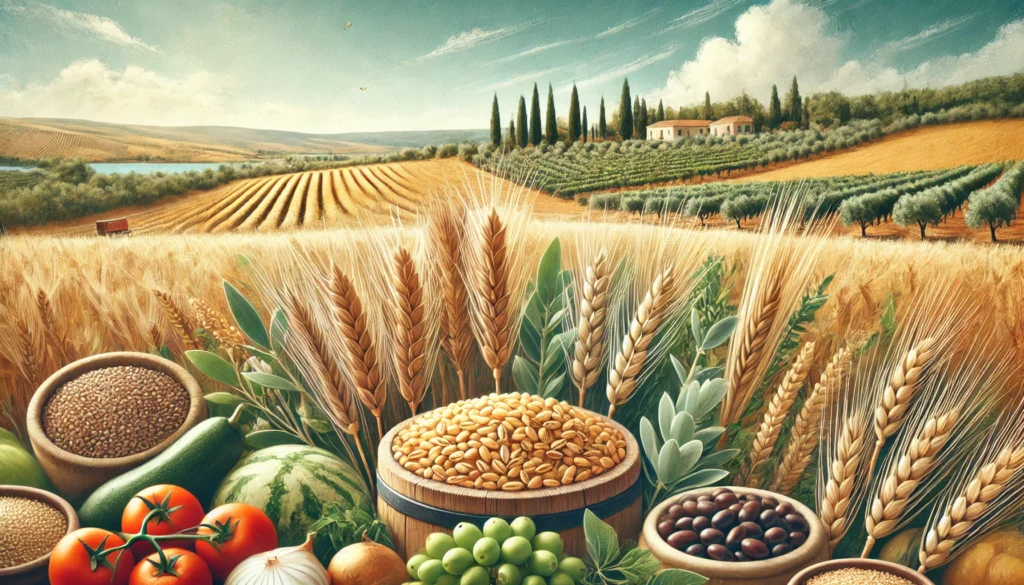
How to Get Skinny Safely and Sustainably: Best Diets, Foods, and Weight Loss Programs That Work for Rapid and Lasting Results

Losing weight is one of the most frequently searched health goals in the modern world, but the real question is how to get skinny in a way that’s not only effective but also sustainable and safe. Amid countless diet fads and extreme weight loss methods flooding the market, discerning which strategies actually work—and which are scientifically sound—can be a challenge. For those wondering how to get thin, how to lose weight and keep it off, or even how to lose weight fast in 1 day, it’s important to shift the focus toward evidence-backed approaches that support long-term health. In this article, we’ll explore the best diets for weight loss, the best food for weight loss, and the best weight loss programs that align with holistic wellness. Whether you want to lose weight in a month or shed pounds quickly without compromising your wellbeing, the following insights will guide you toward your goals with clarity and balance.

You may also like: The Best Supplements for Weight Loss: Natural Vitamins, Herbs, and Products That Help Women and Men Burn Fat Safely

A wellness planning setup with a person organizing a personalized diet plan using a tablet and notepad at a kitchen table, surrounded by fresh produce, smoothie, and balanced meal components.

Redefining What It Means to Be “Skinny” in a Healthy Way

The concept of how to be skinny has been widely misunderstood and, at times, misrepresented by cultural ideals that prioritize aesthetics over health. However, truly learning how to get slim begins with understanding that sustainable weight loss must prioritize metabolic health, hormone balance, and emotional resilience. For those asking how can I become thin or how can I get skinny, the answer lies not in deprivation or starvation, but in creating an internal environment that naturally favors fat burning, lean muscle retention, and energy stability.

Modern science supports the idea that extreme weight loss diets are often counterproductive. Instead of relying on drastic weight loss methods that can lead to fatigue, nutrient deficiencies, and rebound weight gain, it’s more effective to adopt lifestyle strategies that foster metabolic flexibility. That includes nourishing the body with whole foods, improving sleep quality, managing stress, and implementing targeted movement. In this way, the best weight loss program is one that works with your physiology—not against it.

A bright kitchen countertop showing weekly meal prep with portioned containers of grilled salmon, greens, brown rice, and vegetables, emphasizing structured dieting for weight loss.

Choosing the Best Diet for Rapid Weight Loss Without Compromising Health

When considering how to lose weight in 5 days or even how to lose weight in 1 month, people often turn to the latest fast diet lose weight fast protocols or diets for quick weight loss that promise overnight transformation. While some of these may offer short-term results, they rarely address the root causes of weight gain or provide the necessary nutrients for long-term maintenance. Instead, the best diet for rapid weight loss balances caloric efficiency with high-quality macronutrients.

Low-glycemic, anti-inflammatory dietary patterns have proven effective for individuals seeking how to lose weight fast without endangering their health. Diets rich in leafy greens, healthy fats, clean protein sources, and fermented foods promote thermogenesis and gut health, both of which are central to long-term weight control. These foods not only help you shed fat but also regulate blood sugar and reduce cravings—two major obstacles to maintaining a lean physique. If your goal is to lose weight in 2 months and avoid rebound weight gain, nutritional consistency and quality must take precedence over caloric extremes.

A flat-lay of assorted diet meals including Mediterranean salad, quinoa bowls, and avocado toast arranged on a rustic wooden table, each representing different weight loss programs.

The Role of Functional Foods and Herbal Support in Getting Slim

When exploring the best food for weight loss, many overlook the power of functional foods and herbs that stimulate thermogenesis, digestion, and fat oxidation. Those interested in how to reduce weight in 1 month often benefit from incorporating foods and supplements that work synergistically with the body’s fat metabolism mechanisms. Ginger, green tea extract, turmeric, cayenne pepper, and bitter melon are some of the most researched natural agents known to accelerate fat breakdown while supporting metabolic health.

In addition to specific herbs, high-fiber vegetables, prebiotic foods, and omega-3-rich sources like flaxseeds and wild salmon can be essential allies in fat loss. These foods reduce inflammation and support hormonal pathways that influence fat storage. People searching for how to lose weight in a month or how can you lose weight in 1 month will find that the strategic use of these natural tools makes a profound difference, especially when paired with moderate exercise and proper hydration.

Customizing the Best Weight Loss Program for Men and Women

Not all weight loss programs are created equal, and biological sex plays a major role in how individuals respond to diet and exercise. For those investigating the best weight loss program for men, the ideal protocol often includes higher protein intake, resistance training, and cardiovascular routines that support testosterone balance and muscle preservation. Men looking for how to lose weight and keep it off typically benefit from structured eating patterns and intermittent fasting techniques that reinforce insulin sensitivity.

Conversely, women often require more attention to hormonal rhythm, adrenal health, and thyroid function. The best diets for weight loss in women frequently include foods that support estrogen detoxification and maintain energy stability. When selecting a best weight loss program, personalization is key. The most effective programs address your unique hormonal profile, energy demands, sleep cycle, and stress levels—all of which influence whether you can actually get skinny and stay that way.

Understanding the Psychological Side of Losing Weight

Achieving a leaner body isn’t just about what you eat or how often you exercise—it also has a profound psychological dimension. Many people begin their health journey by asking how to get skinny or how to get thin, but they don’t fully examine the mental and emotional blocks that keep them stuck in self-sabotaging behaviors. Sustainable transformation requires a shift in mindset—one that moves away from short-term gratification and toward long-term wellness.

Addressing stress, sleep hygiene, and emotional eating is just as critical as selecting the best diet for rapid weight loss. When cortisol levels are high, or when sleep is disrupted, the body becomes less responsive to even the most structured nutrition plans. Meditation, breathwork, therapy, and journaling can serve as powerful adjuncts to any weight loss regimen. If you’re wondering how can we lose weight in one month and not gain it all back the next, healing your relationship with food and self-image is part of the answer.

Extreme Weight Loss Methods: When to Be Cautious

It’s no secret that many individuals feel tempted by extreme weight loss methods in their quest to lose weight in a month or reduce weight in 10 days. These approaches may include severe caloric restriction, detox-only diets, or high-volume cardio routines. While such methods may offer rapid results on the scale, they often come at the cost of metabolic damage, muscle loss, and increased fat rebound once normal eating resumes.

Instead of embracing a quick fix, those asking how to reduce weight in 1 month or how to lose weight fast in 1 day should recognize that any approach must support—not suppress—the body’s natural functions. The most effective fast diet lose weight fast protocols are those that nourish the body while promoting a consistent calorie deficit. A rapid but balanced weight loss strategy, such as a medically guided ketogenic or intermittent fasting protocol, may be appropriate for some—but it must always be accompanied by professional guidance.

Building a Sustainable Lifestyle That Keeps the Weight Off

One of the most overlooked elements of long-term fat loss is what happens after the initial weight comes off. Many individuals successfully learn how to lose weight in 1 month, only to regain it due to a lack of strategy around maintenance. The most vital part of any best weight loss program is not the rapid initial drop but the structured, realistic plan that follows.

To maintain results, individuals should focus on building a rhythm of consistent, enjoyable movement, nutrient-dense eating, and mindful living. Strategies like meal prepping, walking after meals, managing portion sizes, and getting sunlight exposure all contribute to lifestyle success. Those interested in how to lose weight and keep it off must develop habits that feel natural and sustainable—not punishing or extreme.

Holistic Support Through Herbal Remedies and Adaptogens

Holistic wellness supports the body’s ability to lose fat not only through calorie-burning but also through stress modulation, hormonal support, and energy enhancement. Adaptogenic herbs like ashwagandha, rhodiola, and holy basil are especially helpful for those experiencing fatigue or chronic stress during a weight loss journey. These herbs regulate cortisol, improve thyroid function, and help reduce cravings triggered by emotional eating.

For those seeking additional tools beyond diet and exercise, herbal remedies can provide the metabolic balance needed to sustain fat loss. When paired with the best food for weight loss and a strategic plan, these natural supports can increase the effectiveness of your approach. Whether you’re looking to lose weight in a month or gradually drop pounds over a longer period, herbal support ensures your nervous and endocrine systems remain resilient throughout the process.

Frequently Asked Questions (FAQ) About Getting Skinny and Sustaining Weight Loss

1. What is the healthiest way to get skinny without harming your metabolism?

The healthiest approach to understanding how to get skinny involves prioritizing nutrient-dense foods, strength training, and consistent calorie awareness rather than severe restriction. Unlike extreme weight loss methods, sustainable plans balance intake with energy expenditure while supporting muscle mass. If you’re wondering how to be skinny long-term, focus on the best diets for weight loss that emphasize whole foods, lean proteins, and anti-inflammatory ingredients. Crash diets may promise quick results, but only the best weight loss program for men and women will protect your metabolism and prevent rebound weight gain. In the long run, how to lose weight and keep it off is more about habits than hacks.

2. How can someone safely follow an extreme weight loss diet without nutritional gaps?

Even when following an extreme weight loss diet, nutritional sufficiency must remain a priority. Incorporating the best food for weight loss—such as leafy greens, fatty fish, eggs, and legumes—can help prevent deficiencies while maximizing fat loss. Supplements may be necessary if the chosen fast diet to lose weight fast is very restrictive. People asking how to reduce weight in 1 month or how to get slim quickly should also plan refeeding periods to prevent hormonal crashes. Nutritional safety isn’t a compromise; it is the cornerstone of any drastic weight loss methods worth pursuing.

3. Is it realistic to lose weight in just 5 or 10 days?

For those curious about how to lose weight fast in 1 day or how to reduce weight in 10 days, the results are typically limited to water loss, not true fat reduction. However, initial success during this window can provide motivation. Strategies such as intermittent fasting, clean eating, and eliminating processed sugars work well in short bursts. The fast diet to lose weight fast models can kickstart momentum, but they need to transition into the best diet for rapid weight loss to be sustainable. Understanding how to lose weight in 5 days is useful—but only when paired with long-term planning.

4. What makes a weight loss program effective for men specifically?

The best weight loss program for men tends to focus on maintaining testosterone levels, increasing lean muscle mass, and supporting high-calorie expenditure workouts. Men often see quicker results from resistance training combined with the best food for weight loss, including high-protein meals and moderate healthy fats. While many ask how can we lose weight in one month, men may find it easier when they follow diets for quick weight loss that cater to their metabolic rate. The best weight loss program also includes stress reduction, which is often overlooked in male-targeted plans. Losing weight men-style isn’t just about aesthetics—it’s about reclaiming energy and vitality.

5. How can someone lose weight in a month without feeling deprived?

When learning how to lose weight in 1 month, the secret lies in making strategic swaps rather than cutting everything out. Replace refined carbs with whole grains, use spices to flavor instead of sauces, and drink more water. The best diet for rapid weight loss isn’t one that leaves you feeling starved—it’s one that balances satiety with calorie control. To lose weight in a month and avoid burnout, include one indulgent meal per week to prevent cravings from sabotaging your progress. Many ask how can I lose weight in a month, but few realize it can be enjoyable with the right structure.

6. What role does mindset play in becoming and staying thin?

Mindset is often the unspoken pillar in how to get skinny and how to lose weight sustainably. Visualizing success, building routines, and overcoming emotional eating all require mental strength. The best weight loss program includes mindfulness techniques to manage stress and impulse control. If you’re wondering how to get thin and stay that way, building mental resilience is as important as counting calories. Long-term change depends on shifting from temporary motivation to consistent internal discipline.

7. Can someone follow a drastic weight loss method and still protect their muscle mass?

Yes, but it takes intentional strategy. Those exploring drastic weight loss methods should prioritize protein intake, aim for resistance training, and consider targeted refeeding phases. If your goal is how to get slim quickly without becoming frail, maintaining lean body mass is non-negotiable. Extreme weight loss methods that neglect muscle preservation often lead to rebound weight gain. Always pair an extreme weight loss diet with structured physical activity and recovery planning.

8. What are the best diets for weight loss that work in both the short and long term?

The best diets for weight loss blend flexibility, satiety, and metabolic health. Examples include the Mediterranean diet, DASH diet, and modified low-carb plans that emphasize best food for weight loss. These approaches support those wondering how to reduce weight in 1 month while also allowing for how to lose weight and keep it off. Fast results are possible with diets quick weight loss plans, but maintenance requires structure. A great strategy includes meal prep, consistent hydration, and diversified macronutrients.

9. How do I know if my current plan is working if I want to lose weight in 2 months?

Tracking metrics like body measurements, sleep quality, and mood can be more useful than the scale when determining how to lose weight in 2 months. Adjust your plan based on biofeedback—not just weight loss alone. The best weight loss program will allow for flexibility while delivering consistent results. If you’re sticking to the best food for weight loss and incorporating physical activity, progress will happen—even if slowly. Set milestone goals rather than waiting until the end of two months to evaluate success.

10. Is it really possible to change your body in just 30 days?

Absolutely, especially if you’re strategic. Those asking how to lose weight in 1 month or how can you lose weight in 1 month can make significant progress with structured training, meal planning, and sleep hygiene. The best weight loss program combines small daily habits that compound into noticeable results. While perfection isn’t necessary, consistency is. Whether your goal is how can I get skinny or how to get thin fast, your effort over 30 days can lay the foundation for lifelong change.

Final Thoughts on How to Get Skinny Without Losing Your Health

Ultimately, the answer to how to get skinny lies in an approach that prioritizes metabolic integrity, emotional balance, and long-term sustainability. While it’s tempting to chase after drastic weight loss methods that promise results overnight, they often sacrifice your health for short-lived outcomes. Instead, the best diets for weight loss and the best weight loss programs are those that combine nutrient-rich foods, mindful movement, hormonal balance, and mental resilience.

Whether you’re looking for the best weight loss program for men, asking how can I lose weight in a month, or searching for food for weight loss fast, the goal should never be just to get thin—but to get healthy. True transformation is not just about the numbers on the scale; it’s about how you feel, how you move, and how confidently you live in your body every day.

natural metabolism boosters, adaptogenic herbs for weight loss, mindful eating practices, gut health and fat loss, sleep and metabolism connection, sustainable fitness routines, healthy weight management, stress and belly fat, herbal teas for fat loss, plant-based fat burning foods, body composition improvement, anti-inflammatory diet for weight loss, intuitive eating for health, hormone balance for weight loss, detoxification and weight management, fitness mindset shifts, non-restrictive diet plans, weight loss motivation strategies, energy balance in nutrition, metabolic flexibility tips

Further Reading:

25 Drinks and Foods that Suppress Appetite and Cravings

15 Homemade Weight Loss Drinks with Recipes and Ingredients

Everyday foods and drinks that act as natural appetite suppressants

The information contained in this article is provided for general informational purposes only and is not intended to serve as medical, legal, or professional advice. While NewsHealthWatch strives to present accurate, up-to-date, and reliable content, no warranty or guarantee, expressed or implied, is made regarding the completeness, accuracy, or adequacy of the information provided. Readers are strongly advised to seek the guidance of a qualified healthcare provider or other relevant professionals before acting on any information contained in this article. NewsHealthWatch, its authors, editors, and contributors expressly disclaim any liability for any damages, losses, or consequences arising directly or indirectly from the use, interpretation, or reliance on any information presented herein. The views and opinions expressed in this article are those of the author(s) and do not necessarily reflect the official policies or positions of NewsHealthWatch.
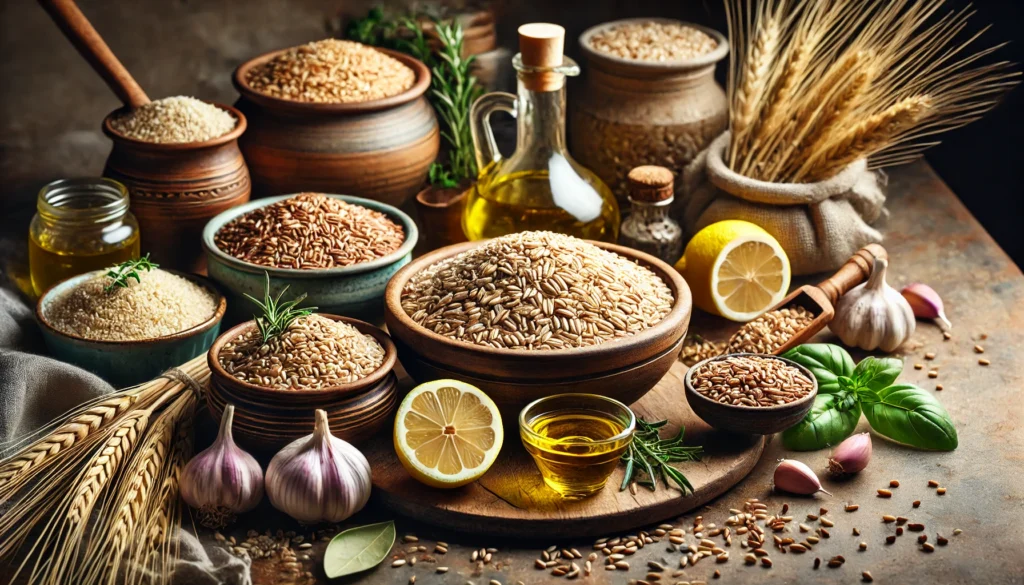
How to Get Enough Iron as a Vegetarian: Best Plant-Based Sources and Science-Backed Tips for a Healthy Diet

Iron is an essential mineral required for the proper functioning of numerous physiological processes in the human body. Among its many roles, iron supports the production of hemoglobin in red blood cells, which carries oxygen throughout the body, and myoglobin in muscles, which stores and transports oxygen within muscle tissues. For vegetarians, ensuring adequate iron intake is especially important, as plant-based diets do not include heme iron from animal sources. This often raises the question: how do vegetarians get iron effectively and consistently? This article explores the best sources of iron in a vegetarian diet, unpacks the science behind plant-based iron absorption, and offers practical tips for optimizing iron intake without relying on animal products.

You may also like: Best Plant-Based Carbs for Energy and Health: What Science Says About Vegetarian Carbohydrates

Understanding Iron: Functions, Forms, and Requirements

To begin, it’s important to understand what iron does and why it matters. Iron is a trace mineral, meaning that although the body requires it in relatively small amounts, its presence is vital for human health. Iron helps support cellular respiration, cognitive function, immune defense, and energy metabolism. A deficiency can lead to iron-deficiency anemia, a condition characterized by fatigue, weakness, pale skin, and impaired immune function.

There are two primary types of dietary iron: heme and non-heme. Heme iron is found in animal products such as red meat, poultry, and fish, and is more readily absorbed by the body. Non-heme iron, on the other hand, is the form present in plant foods and is less efficiently absorbed. For those following a plant-based lifestyle, this distinction has significant implications. The absorption of non-heme iron can be influenced by other dietary components, both positively and negatively, which means vegetarians must pay closer attention to how and what they eat in order to meet their daily iron needs.

The recommended dietary allowance (RDA) for iron varies depending on age, sex, and life stage. For adult men and postmenopausal women, the RDA is 8 milligrams per day, while for premenopausal women it is 18 milligrams due to menstruation-related iron losses. Pregnant women require even more—27 milligrams daily. Because the bioavailability of non-heme iron is lower, it is generally recommended that vegetarians consume 1.8 times the RDA to compensate. This means that a premenopausal vegetarian woman may need more than 32 milligrams of iron each day to maintain healthy levels.

A close-up of a wholesome plant-based meal featuring black beans, quinoa, kale, bell peppers, and tofu served in a ceramic bowl with a clean, neutral background.

Plant-Based Iron: Good Sources of Iron for Vegetarians

Fortunately, a wide variety of iron-rich plant foods can support a healthy vegetarian or vegan diet. Understanding the best sources of iron for vegetarians begins with familiarizing oneself with specific foods that are naturally high in non-heme iron. Legumes, including lentils, chickpeas, black beans, and soybeans, are among the most reliable iron rich foods for vegetarians. A single cup of cooked lentils, for example, provides about 6.6 milligrams of iron. Similarly, tofu and tempeh offer substantial iron content along with high-quality plant protein.

Whole grains are another important category of vegetarian iron sources. Quinoa, amaranth, and oats provide not only iron but also complex carbohydrates and fiber. A cup of cooked quinoa contains approximately 2.8 milligrams of iron. Dark leafy greens such as spinach, Swiss chard, and kale are also commonly cited as good iron sources for vegetarians. While the total iron content in these greens is high, the presence of oxalates—a type of compound that can inhibit mineral absorption—may reduce the bioavailability of the iron they contain.

Nuts, seeds, and dried fruits can contribute significantly to iron intake. Pumpkin seeds, sesame seeds, and cashews are particularly rich in iron. Just a quarter-cup of pumpkin seeds contains around 2.5 milligrams. Dried apricots, raisins, and prunes also contain moderate amounts of iron, making them convenient snack options. Incorporating a diverse array of these vegetarian foods with iron into daily meals can help meet dietary iron needs more effectively.

Enhancing Iron Absorption in a Plant-Based Diet

Because non-heme iron is less bioavailable than heme iron, understanding how to enhance its absorption is crucial for vegetarians. One of the most effective ways to boost non-heme iron absorption is by consuming it alongside vitamin C-rich foods. Vitamin C transforms iron into a more absorbable form and helps counteract inhibitors that may be present in plant foods. For example, adding red bell peppers, oranges, strawberries, or broccoli to meals that contain iron rich foods vegetarian diets rely on can significantly enhance iron uptake.

Timing and food combinations also matter. Calcium competes with iron for absorption, so consuming high-calcium foods or supplements at the same time as iron-rich meals may reduce iron absorption. It is advisable to separate the intake of dairy substitutes fortified with calcium—such as almond or soy milk—from iron-rich meals. Likewise, compounds known as phytates, found in whole grains and legumes, and polyphenols, present in tea, coffee, and some herbs, can inhibit iron absorption. Soaking, sprouting, fermenting, or cooking grains and legumes can reduce the phytate content, making the iron more accessible.

Another strategy for increasing iron bioavailability is cooking with cast iron cookware. Studies have shown that cooking acidic foods like tomato sauce in cast iron pots can increase the iron content of the dish. While this doesn’t replace dietary iron sources for vegetarians, it can offer a small, useful boost. Being intentional with these practices allows individuals following a vegetarian or vegan diet to maximize the nutritional value of the foods they consume and maintain optimal iron levels.

A top-down view of a vegan kitchen setup with tofu, kale, tomatoes, citrus, lentils, and a cast iron skillet on a wooden countertop, styled with a rustic aesthetic.

Frequently Asked Questions: How to Get Enough Iron as a Vegetarian

1. Can cooking methods influence the iron content in vegetarian meals?

Absolutely. While the intrinsic iron content of food remains the same, certain cooking methods can significantly enhance the bioavailability of iron, particularly non-heme iron found in plant-based foods. For example, slow-cooking lentils or beans in tomato-based sauces can help unlock iron by combining heat with vitamin C-rich ingredients. Using cast iron cookware is another highly effective technique, as small amounts of iron leach into the food—especially when cooking acidic dishes—contributing to total dietary iron intake. These approaches can be particularly valuable in enhancing the nutritional benefit of iron rich foods vegetarian diets depend on. Innovative culinary practices can therefore transform standard vegetarian iron sources into more bioavailable options.

2. Are there any emerging food products designed to improve vegan iron intake?

Yes, the food tech and functional food industries are increasingly addressing the unique nutritional needs of plant-based eaters. Recent innovations include iron-fortified plant milks, breakfast cereals, and meat substitutes made from legumes, fungi, and even microalgae. Some of these products include added vitamin C or natural chelating agents to enhance absorption. Researchers are also exploring bioengineered crops with improved nutrient profiles, such as iron-enhanced lentils and chickpeas. These innovations broaden the list of viable vegan iron sources and offer new tools for consumers seeking convenient ways to meet their iron needs without resorting to animal-based products.

3. How do cultural or regional cuisines support iron intake on a vegetarian diet?

Traditional diets around the world offer valuable lessons in optimizing iron in vegetarian diet patterns. For example, Indian cuisine often combines lentils with spices like turmeric and cumin and pairs meals with vitamin C-rich chutneys or tomatoes, naturally supporting iron absorption. Ethiopian cuisine’s use of teff in injera, a fermented flatbread, not only provides one of the best sources of iron for vegetarians but also offers enhanced bioavailability due to the fermentation process. Similarly, Latin American dishes like black beans with citrus-based salsas combine iron rich foods for vegetarians with absorption-enhancing elements. Adopting regional plant-based recipes can provide delicious and culturally rich ways to improve intake of vegetarian foods with iron.

4. What psychological effects can result from chronic low iron in plant-based eaters?

Iron is crucial for optimal brain function, and persistent low levels—even in the absence of full-blown anemia—can impair mood, concentration, and cognitive performance. For vegetarians, inadequate intake of iron sources for vegetarians over time may lead to symptoms such as brain fog, restlessness, and even depressive tendencies. The link between iron and dopamine regulation suggests that chronic deficiency may affect emotional resilience and motivation. For those experiencing such symptoms without an obvious cause, checking ferritin levels can reveal whether low iron might be a contributing factor. This underscores the importance of consistently including high iron foods for vegetarians to support not only physical but also mental well-being.

5. Are plant-based athletes at greater risk for iron deficiency?

Yes, particularly endurance athletes or those with high training volumes. Physical exertion increases iron requirements due to sweat losses, red blood cell turnover, and inflammation-related hepcidin spikes, which inhibit iron absorption. For vegan or vegetarian athletes, it becomes essential to double down on iron rich foods vegetarian diets can offer, especially after workouts. Smoothies made with leafy greens, pumpkin seeds, and berries are a practical way to replenish iron and vitamin C simultaneously. Developing a meal plan with a focus on good iron sources vegetarian athletes can digest easily—especially those low in inhibitors like calcium—is essential for maintaining stamina and recovery.

6. Can gut health influence how well vegetarians absorb iron?

Gut health plays a pivotal role in nutrient absorption, and this includes non-heme iron. Conditions like small intestinal bacterial overgrowth (SIBO) or dysbiosis can impair the body’s ability to absorb iron effectively. Moreover, certain probiotic strains have been shown in preliminary research to enhance iron absorption by modifying the gut microbiota. For individuals following a vegetarian and iron-conscious lifestyle, supporting gut health through fiber-rich foods, fermented vegetables, and prebiotics may improve iron uptake. Understanding the relationship between microbiome health and veggie sources of iron can open new avenues for dietary optimization.

7. What are some lesser-known but effective vegetarian foods high in iron?

While spinach and lentils are well-known, many overlooked ingredients can also serve as good iron sources for vegetarians. Blackstrap molasses, for example, provides a surprisingly high amount of iron per tablespoon and can be added to smoothies or oatmeal. Sea vegetables such as dulse and wakame offer concentrated mineral content, including iron, and pair well with soups or salads. Additionally, cooked mushrooms—especially oyster and morel varieties—contain respectable amounts of iron. Exploring these lesser-known vegetarian foods with iron helps diversify the diet and reduce dependence on a narrow group of staples.

8. How can meal timing affect iron absorption in a vegan diet?

Meal timing can influence how efficiently the body absorbs iron, especially when combining or separating iron inhibitors and enhancers. For instance, having coffee or tea immediately before or after a meal can block iron absorption, while including citrus fruits or bell peppers during the meal can enhance it. Spacing out iron intake throughout the day instead of consuming it all at once can also support more consistent absorption. Those aiming to maximize iron in vegan diet plans may benefit from having their most iron-rich meals when hepcidin levels are naturally lower—usually in the morning or after exercise. Strategic meal planning is a subtle yet effective tool for improving uptake of iron sources in vegetarian diet routines.

9. Is there a role for intermittent supplementation in a mostly whole-food vegetarian diet?

For individuals who struggle to meet iron needs through diet alone—especially menstruating women, adolescents, or those with absorption issues—periodic supplementation may be beneficial. Rather than daily use, which can cause gastrointestinal side effects and disrupt gut microbiota, intermittent dosing (e.g., every other day) may be better tolerated and equally effective. Consulting a healthcare provider can help determine whether iron levels warrant supplementation, and which form—ferrous sulfate, ferrous bisglycinate, or food-based iron—is best. This strategy allows individuals to maintain the integrity of a whole-food diet while supporting iron intake when necessary. It complements, rather than replaces, dietary iron sources for vegetarians.

10. What future developments could change how vegetarians manage iron intake?

Several exciting developments are on the horizon. Personalized nutrition, driven by AI and genetic testing, may soon help individuals determine the best sources of iron for vegetarians based on their unique absorption patterns. Advances in plant breeding may lead to crops with enhanced bioavailable iron content, while food fortification strategies using nanoparticle technology could improve iron stability and efficacy in vegan foods. Mobile health apps and wearable biosensors may also assist in tracking symptoms linked to iron deficiency in real time. As the understanding of iron in vegetarian diet contexts grows, these innovations will help create tailored, efficient, and health-affirming solutions for plant-based consumers.

An outdoor vegetarian picnic scene with iron-rich vegan dishes such as hummus, spinach salad with oranges, quinoa mix, and whole grain bread under soft natural light.

Common Challenges in Meeting Iron Needs on a Vegetarian Diet

Despite the availability of iron rich foods for vegetarians, several challenges can complicate efforts to meet daily iron requirements. One major issue is a lack of awareness or misinformation about the best sources of iron in a vegetarian diet. Many people overestimate the iron content of certain foods or overlook factors that impact absorption. For instance, spinach is often praised for its high iron content, but due to its high oxalate content, only a small fraction of that iron is absorbed by the body.

Another challenge is the higher iron needs of certain populations. Premenopausal women, athletes, and adolescents may all have increased iron requirements due to menstruation, physical exertion, or growth. For vegetarian individuals in these groups, failing to plan meals strategically can lead to inadequate iron intake over time. Symptoms of iron deficiency may appear gradually and include fatigue, irritability, difficulty concentrating, and compromised immune response. In more severe cases, iron-deficiency anemia can develop, necessitating medical intervention.

Dietary restrictions, allergies, and preferences can further limit access to vegetarian foods with iron. For example, someone who avoids legumes due to digestive discomfort or soy due to allergies must find alternative veggie sources of iron that still meet their nutritional needs. These scenarios underscore the importance of dietary planning and, when needed, consultation with a healthcare provider or registered dietitian who understands the nuances of plant-based nutrition. The key to overcoming these challenges lies in knowledge, variety, and intentionality.

Further Reading:

Vegetarian Foods That Are Loaded with Iron

Nutrition basics

Iron-rich foods for vegetarians and vegans

plant-based iron absorption, vegetarian nutrition tips, iron deficiency in vegans, non-heme iron sources, plant-based anemia prevention, boosting iron with vitamin C, meatless iron options, iron metabolism and gut health, vegan diet nutrient gaps, functional plant foods, cooking for iron retention, vegetarian athlete nutrition, fortified plant foods, dietary iron enhancers, micronutrient synergy, sustainable nutrition, nutrient-dense vegetarian meals, optimizing iron bioavailability, dietary strategies for vegetarians, whole food vegan nutrition

The information contained in this article is provided for general informational purposes only and is not intended to serve as medical, legal, or professional advice. While NewsHealthWatch strives to present accurate, up-to-date, and reliable content, no warranty or guarantee, expressed or implied, is made regarding the completeness, accuracy, or adequacy of the information provided. Readers are strongly advised to seek the guidance of a qualified healthcare provider or other relevant professionals before acting on any information contained in this article. NewsHealthWatch, its authors, editors, and contributors expressly disclaim any liability for any damages, losses, or consequences arising directly or indirectly from the use, interpretation, or reliance on any information presented herein. The views and opinions expressed in this article are those of the author(s) and do not necessarily reflect the official policies or positions of NewsHealthWatch.
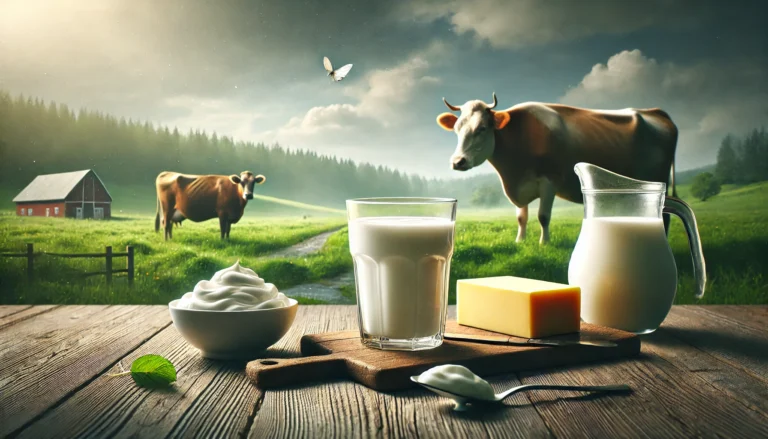
Herbal Supplements for Depression: Can Natural Remedies Help You Overcome Depression Without Medication?

Introduction: Rethinking the Path to Emotional Healing

In today’s fast-paced and often overwhelming world, depression has emerged as a silent epidemic, affecting millions of people across age groups, professions, and backgrounds. Despite advancements in pharmacological treatments, a growing number of individuals are searching for alternative ways to manage and heal from this complex mental health condition. For many, the appeal of natural supplements for depression lies in their potential to support emotional balance without the risks or side effects associated with prescription drugs. The shift toward more holistic approaches is not just a trend but a movement rooted in a broader awareness of the mind-body connection. People are now asking deeper questions about how to overcome depression using safe, sustainable, and integrative methods that nourish mental well-being at its core.

You may also like: Best Herbal Alternatives to Anxiolytics: Natural Remedies for Anxiety Relief

This article explores whether herbal supplements for depression can truly provide relief and assist in managing or even reversing symptoms without medication. It also dives into the scientific and historical foundations of these remedies, examining how they interact with the brain, mood regulation, and overall emotional health. As more individuals seek natural remedies for depression, it becomes crucial to assess both the promise and limitations of these alternatives. Our journey through this topic is grounded in the principles of EEAT—Experience, Expertise, Authoritativeness, and Trustworthiness—to ensure that you are receiving accurate, research-backed, and practical information. From understanding how to combat depression with herbal support to uncovering what helps relieve sadness without pharmaceuticals, we aim to illuminate a path toward managing depression without meds in a way that is both informed and empowering.

Woman meditating on a mossy rock in a tranquil forest, surrounded by natural herbs including valerian root and lemon balm, holding a bowl of dried herbal supplements.

Understanding Depression Beyond the Diagnosis

Before diving into herbal supplements and natural treatments, it’s essential to understand what depression actually entails. Depression is not simply feeling sad or having a bad day; it is a chronic, persistent mental health condition that impacts how a person thinks, feels, and functions. Symptoms vary in severity but often include feelings of hopelessness, low self-worth, fatigue, loss of interest in pleasurable activities, and difficulty concentrating. In more severe cases, depression may even result in physical symptoms such as disrupted sleep, appetite changes, and chronic pain.

Despite the global prevalence of depression, many individuals still struggle with understanding how to get out of depression without medication. The traditional treatment approach typically involves antidepressant medications, which can be effective but are not universally successful and may come with side effects such as weight gain, sleep disruption, sexual dysfunction, and emotional numbing. This has led many to ask: how can I overcome depression without relying solely on pharmaceuticals?

The answer for some may lie in a more holistic perspective. This view considers emotional well-being as part of an interconnected system involving physical health, lifestyle, nutrition, social connection, and spiritual meaning. From this integrative lens, natural supplements for depression and other alternative treatments for depression become not just viable options but vital components of a multi-faceted approach to healing. Understanding this broader context is key to appreciating the potential that herbal medicine offers in treating depression without medication.

Flat lay of herbal wellness items on a light linen cloth, featuring amber bottles, dried herbs, fresh holy basil and rhodiola, and a stone diffuser releasing essential oils.

Herbal Medicine’s Historical Roots in Treating Depression

Long before modern pharmacology, ancient civilizations turned to plants for healing both physical and emotional ailments. Herbal medicine has been an integral part of traditional Chinese medicine, Ayurveda, Indigenous healing practices, and Western herbalism for centuries. These systems often recognized the mind and body as inseparable, treating emotional and psychological distress with specific herbs known for their calming, balancing, or uplifting properties.

One of the most enduring examples is St. John’s Wort (Hypericum perforatum), a flowering herb that has been used since the Middle Ages to support mental wellness. Today, it is one of the most researched and widely used herbal supplements for depression. In Germany, St. John’s Wort is even prescribed more frequently than synthetic antidepressants for mild to moderate depression. This long-standing use and cultural trust point to a rich tradition of natural treatment for depression that many people are now rediscovering.

Other herbs such as ashwagandha, rhodiola, and saffron have gained prominence in recent years due to both historical usage and emerging scientific studies. These herbs are known as adaptogens, meaning they help the body adapt to stress and restore equilibrium. Their inclusion in holistic treatment for depression reflects a growing understanding that mood disorders are deeply linked to how we respond to stress on a physiological level. Rather than viewing depression as a purely biochemical imbalance, herbal traditions consider it a state of systemic disharmony—something that can be corrected through gentle, natural support.

Frequently Asked Questions: Herbal Supplements and Natural Remedies for Depression

What are the long-term benefits of using herbal supplements for depression instead of traditional medication?

Herbal supplements for depression offer a potentially gentler approach that emphasizes long-term emotional regulation without the dependency risks associated with some prescription medications. Unlike pharmaceuticals that often target a specific neurotransmitter, many herbs support the body holistically, enhancing resilience to stress while improving sleep, cognitive function, and energy levels. Long-term use of natural supplements for depression can also support gut health and inflammation reduction—two factors increasingly linked to mental health. Moreover, they may be integrated into a broader lifestyle that includes mindfulness practices, healthy nutrition, and physical activity. As individuals look for sustainable ways of managing depression without meds, these benefits become increasingly attractive.

Can natural remedies for depression work for people with severe symptoms?

While natural remedies for depression may offer substantial relief for mild to moderate symptoms, their efficacy for severe depression is more nuanced. In such cases, they are best used as adjunctive support rather than stand-alone treatments. Integrating herbal remedies with therapy, social support, and nutritional adjustments can create a comprehensive plan for how to combat depression from multiple angles. Adaptogens like ashwagandha and rhodiola, for instance, may help reduce fatigue and stress sensitivity—key issues in severe depression. It’s essential, however, for anyone experiencing intense symptoms to consult a mental health professional when exploring how to cure depression naturally.

How do I know if herbal supplements are a safe option for treating depression without medication?

Before treating depression without medication using herbal supplements, it’s important to assess individual health conditions, current medications, and underlying causes of emotional distress. Many herbs interact with pharmaceutical drugs, particularly SSRIs or blood thinners, so a qualified integrative practitioner or naturopath should guide any transition. Choosing high-quality, standardized herbal products also reduces the risk of contaminants and inconsistent dosing. For those seeking over the counter depression treatment options, third-party tested brands and transparent labeling are essential. Safety should always be prioritized, especially when evaluating holistic treatment for depression in complex cases.

Are there any lifestyle changes that enhance the effectiveness of alternative treatments for depression?

Yes, the success of alternative treatments for depression is often amplified when paired with key lifestyle changes. Regular physical activity, especially aerobic exercise, has shown comparable outcomes to some antidepressants in clinical trials. Nutritional interventions—such as increasing omega-3 intake, reducing sugar, and supporting gut health—can work synergistically with herbal supplements for depression. Sleep hygiene, sunlight exposure, and cognitive behavioral techniques also help individuals figure out how to beat depression more effectively. This combination of interventions helps create the internal environment needed to support emotional healing and resilience.

What are some lesser-known herbs that serve as alternative cures for depression?

Beyond popular herbs like St. John’s Wort, several lesser-known botanicals show promise as alternative cures for depression. Saffron, traditionally used in Persian medicine, has demonstrated mood-enhancing effects in randomized trials. Bacopa monnieri, a staple of Ayurvedic medicine, supports cognitive clarity and may ease symptoms of emotional fog and rumination. Mucuna pruriens, which naturally contains L-Dopa, supports dopamine production and may offer relief for those whose depression includes lack of motivation or pleasure. Exploring these herbs allows for a more individualized and nuanced approach to how to tackle depression using plant-based tools.

How do herbal supplements help with how to get out of the depression cycle caused by stress?

Chronic stress is a well-known driver of depression, and many herbal supplements for depression target the body’s stress response to break that cycle. Adaptogens like rhodiola and holy basil can help regulate cortisol levels, reduce anxiety, and restore circadian rhythms disrupted by chronic worry. These herbs not only support physical resilience but also emotional adaptability, which is critical in learning how to overcome depression over time. Stress-related depression often presents with mental exhaustion, which adaptogens address by restoring vitality rather than simply suppressing symptoms. This makes them valuable tools in fighting depression without medication.

Are herbal remedies helpful in managing the emotional side of depression without meds?

Herbal remedies can offer profound emotional support, especially when it comes to managing depression without meds. Ingredients like passionflower and lemon balm promote a sense of calm without sedation, making them ideal for moments of emotional overwhelm. Kava root, although more controversial due to liver health concerns, has shown strong anti-anxiety effects that can complement efforts for how to conquer depression and anxiety naturally. Herbal teas and tinctures also offer a ritualistic element, which contributes to psychological grounding and mindfulness—practices that are vital when dealing with depression without medication. This emotional anchoring is key in navigating complex moods without pharmacological crutches.

What are things that help relieve sadness besides herbs?

Although herbs play a significant role, other modalities also answer the question of what are things that help relieve sadness. Creative expression—such as painting, writing, or playing music—offers an emotional outlet that enhances self-awareness and regulation. Engaging in community service or connecting with supportive groups can shift perspective and restore a sense of purpose. Breathwork and body-based therapies like somatic experiencing help release stored tension that contributes to low mood. For those exploring how can you fight depression holistically, these non-herbal strategies offer a powerful complement to natural treatment for depression.

Can alternative treatments for depression work faster than prescription drugs?

In some cases, yes—particularly when the individual’s body responds quickly to certain nutrients or adaptogens. For instance, studies on saffron and rhodiola suggest that some users report mood improvements within two weeks, which is comparable to the onset time for SSRIs. However, these responses are highly individualized and depend on factors like nutrient deficiencies, stress levels, and sleep quality. People often explore how to defeat depression naturally due to frustration with medication delays or side effects. Still, it’s essential to maintain realistic expectations and give any treatment, natural or conventional, adequate time to take effect.

How do I maintain progress after I’ve learned how to get over depression without medication?

Once you’ve learned how to get over depression without medication, maintenance becomes the new frontier. Establishing daily rituals that include herbal support, nutrient-rich meals, and regular movement helps stabilize your emotional baseline. Continued therapy or coaching provides tools to handle future stressors without regression. Journaling, mindfulness meditation, and spending time in nature are sustainable practices that reduce the chances of relapse. Finally, staying educated on emerging research in depression non prescription medication strategies helps refine your approach to managing mental wellness long-term.

Person meditating peacefully indoors near a sunlit window, surrounded by potted herbs like rosemary, sage, and lemon balm, with a journal and tray of herbal supplements beside them.

Scientific Perspectives on Natural Remedies for Depression

As public interest in natural remedies for depression continues to rise, researchers have begun to explore the efficacy and mechanisms behind these botanicals. Several studies have shown that certain herbal supplements can be just as effective as conventional antidepressants for mild to moderate depression, often with fewer side effects. St. John’s Wort, for example, has demonstrated comparable efficacy to SSRIs (Selective Serotonin Reuptake Inhibitors) in numerous clinical trials.

What makes these herbal treatments so intriguing is their multi-targeted action. Instead of focusing on a single neurotransmitter like serotonin, many natural supplements for depression influence a broader range of neurochemical pathways. Rhodiola rosea, for instance, appears to modulate dopamine, norepinephrine, and serotonin levels, while also reducing cortisol, the stress hormone. This multidimensional approach may explain why adaptogenic herbs often support not just mood, but also energy, focus, and resilience.

However, while the science is promising, it is also evolving. Many herbal supplements have not undergone the same rigorous, large-scale clinical trials required for FDA-approved drugs. This is not necessarily due to lack of efficacy, but rather due to limited funding for natural medicine research. As a result, medical professionals remain cautious and encourage patients to discuss herbal treatments with their doctors before incorporating them into their care plans. The key to using these depression alternative remedies safely is being informed, collaborative, and attentive to how your body responds.

natural mood boosters, botanical remedies for mental health, emotional well-being support, adaptogens for stress relief, plant-based anxiety relief, holistic mood enhancers, calming herbal teas, mental clarity herbs, traditional medicine for depression, integrative mental health, brain health nutrition, serotonin boosting foods, stress and mood connection, herbal adaptogens benefits, emotional resilience supplements, mind-body wellness, phytotherapy for depression, mood-boosting diet, alternative mental health care, anxiety and stress relief herbs

Further Reading:

Herbs and supplements for depression

Alternative Treatments for Depression

Natural remedies for depression: Are they effective?

Disclaimer

The information contained in this article is provided for general informational purposes only and is not intended to serve as medical, legal, or professional advice. While NewsHealthWatch strives to present accurate, up-to-date, and reliable content, no warranty or guarantee, expressed or implied, is made regarding the completeness, accuracy, or adequacy of the information provided. Readers are strongly advised to seek the guidance of a qualified healthcare provider or other relevant professionals before acting on any information contained in this article. NewsHealthWatch, its authors, editors, and contributors expressly disclaim any liability for any damages, losses, or consequences arising directly or indirectly from the use, interpretation, or reliance on any information presented herein. The views and opinions expressed in this article are those of the author(s) and do not necessarily reflect the official policies or positions of NewsHealthWatch.
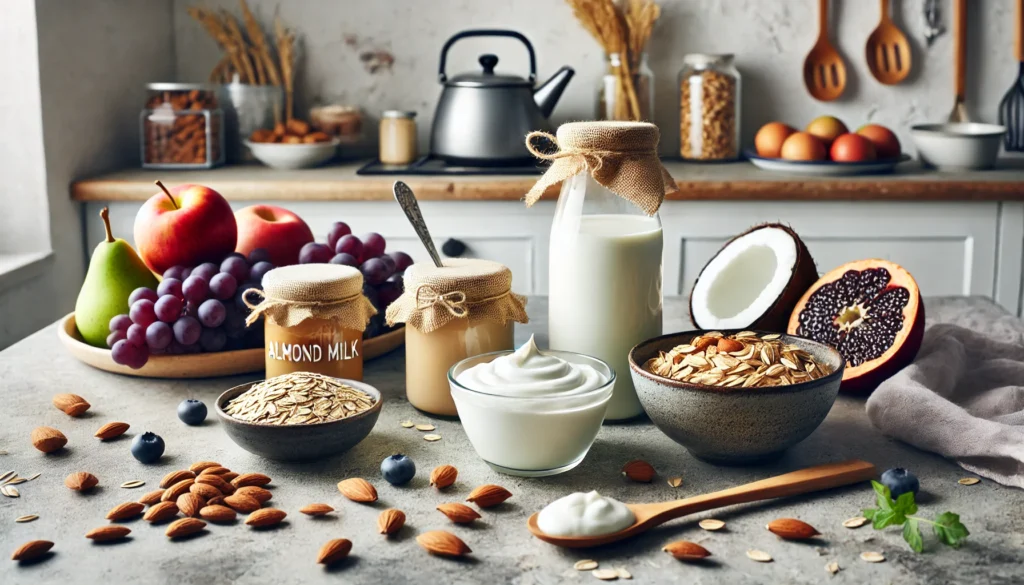
How Do Vegans Get Protein? A Science-Backed Guide to High Protein Vegan Diets and the Best Plant-Based Sources

Introduction: Understanding Vegan Nutrition and the Protein Puzzle

The question “how do vegans get protein?” has become one of the most frequently asked in conversations about plant-based diets. Despite increasing awareness of the health and environmental benefits of veganism, many people still harbor concerns about whether a diet devoid of animal products can meet essential nutritional needs—particularly protein. The good news is that a well-planned vegan diet not only provides adequate protein but can also support optimal health, physical performance, and disease prevention. The key lies in understanding where vegans get protein, how to get protein on a vegan diet, and how to optimize daily intake for individual needs.

You may also like: Best Plant-Based Carbs for Energy and Health: What Science Says About Vegetarian Carbohydrates

Protein, composed of amino acids, plays a foundational role in nearly every physiological function, from muscle repair to hormone synthesis. While animal products are often touted as the gold standard for protein quality, plant-based sources can be equally effective when consumed strategically. This guide takes a science-based look at high protein vegan diets, offering clarity on common misconceptions, introducing comprehensive vegan protein charts, and equipping readers with practical tools to ensure they know how to get enough protein as a vegan—naturally, effectively, and sustainably.

Debunking the Myth: Do Vegans Get Enough Protein?

One of the most persistent myths surrounding plant-based eating is the notion that vegans are inherently at risk of protein deficiency. However, this assumption is not supported by scientific literature. Numerous studies, including research published in peer-reviewed journals such as Nutrients and The American Journal of Clinical Nutrition, have shown that vegans can easily meet their protein needs when consuming a varied diet rich in legumes, whole grains, nuts, seeds, and vegetables.

Protein deficiency, known medically as protein-energy malnutrition, is extremely rare in populations with regular access to a variety of whole foods. In fact, the average adult in industrialized nations typically consumes more protein than necessary, often from animal sources high in saturated fat and cholesterol. By contrast, a high protein vegan diet can offer adequate intake without these health risks. The real question is not whether vegans get enough protein, but rather, how can vegans get enough protein efficiently while maintaining a balanced and nutrient-dense eating pattern.

Importantly, plant-based proteins offer additional health benefits, such as dietary fiber and phytonutrients, which animal proteins lack. The concern about incomplete amino acid profiles in individual plant foods is largely outdated, as long as one eats a variety of protein sources throughout the day. The body maintains an amino acid pool and does not require every essential amino acid to be consumed in one meal. This understanding helps to clarify how to get more protein as a vegan without unnecessary stress or complicated meal planning.

Understanding Protein Requirements on a Plant-Based Diet

To design a nutritionally sound high protein vegan diet, it’s essential to begin with an understanding of individual protein requirements. The Recommended Dietary Allowance (RDA) for protein is 0.8 grams per kilogram of body weight for the average adult. However, needs vary based on age, activity level, health status, and fitness goals. Athletes, older adults, and those undergoing physical rehabilitation may benefit from a higher intake, often ranging from 1.2 to 2.0 grams per kilogram of body weight.

When transitioning to a vegan lifestyle, it’s natural to wonder how to get enough protein as a vegan without relying on animal products. Fortunately, with a bit of planning, vegans can meet and even exceed their protein targets. One important strategy is to become familiar with a vegan protein sources chart, which can help identify plant foods that offer the highest protein content per serving.

For example, a cup of cooked lentils contains approximately 18 grams of protein, while tofu offers about 10 grams per half-cup. Even vegetables contribute modestly to total protein intake, with one cup of cooked spinach providing around 5 grams. By understanding the protein content of common plant foods, vegans can better plan their meals to meet daily requirements.

High Protein Vegan Foods Per 100g: What the Numbers Reveal

For those seeking efficiency in meal planning, looking at high protein vegan foods per 100g is a practical approach. This metric allows for easy comparison across foods and helps highlight the most concentrated sources of plant protein. Here are a few standout examples:

Tempeh, a fermented soy product, delivers an impressive 19 grams of protein per 100g. Seitan, made from wheat gluten, offers even more—approximately 25 grams per 100g—making it one of the highest plant-based protein sources available. Lentils and chickpeas each provide around 9 grams per 100g, while edamame, or young soybeans, offer 11 grams.

Nuts and seeds are also rich in protein, with hemp seeds providing 31 grams per 100g and pumpkin seeds offering 19 grams. However, due to their higher fat content, these should be consumed in moderation. Whole grains like quinoa and amaranth contain 8–9 grams of protein per 100g when cooked and also offer the added benefit of complete amino acid profiles.

Incorporating these nutrient-dense foods into meals not only helps with how to get protein as a vegan but also supports overall dietary diversity. This data is often summarized in a vegan protein chart, which can be a useful tool for anyone navigating plant-based meal planning.

Crafting a Balanced, High Protein Vegan Diet

Creating a high protein vegan diet is both an art and a science. It involves selecting a wide range of protein-rich foods, distributing them throughout the day, and aligning intake with personal goals. A well-constructed vegan diet begins with a strong foundation of legumes, whole grains, soy products, and vegetables. By including combinations like rice and beans, or whole wheat toast with almond butter, one can effortlessly reach daily protein goals.

Meal planning becomes even more effective when referencing a vegetable protein chart, which highlights not just legumes and grains but also protein-rich vegetables such as broccoli, kale, Brussels sprouts, and spinach. Although these may not be high protein vegan foods per 100g compared to soy or seitan, they contribute meaningfully to overall intake when consumed in generous portions.

Breakfast might feature a tofu scramble with spinach and nutritional yeast, lunch a quinoa salad with black beans and avocado, and dinner a chickpea curry with brown rice. Snacks like roasted edamame, protein smoothies with pea protein powder, or hummus with whole grain crackers further support how to get more protein as a vegan. The key is consistency and variety.

Using Vegan Protein Sources Charts for Smarter Meal Planning

For many people new to plant-based eating, visual aids such as a vegan protein sources chart can make a world of difference. These charts offer a quick reference guide to compare protein values across different plant foods and assist in designing balanced meals. They often group foods by category—legumes, grains, nuts, seeds, vegetables—and indicate protein content per serving or per 100g.

A vegetable protein chart, for instance, might reveal that one cup of cooked collard greens provides more than 5 grams of protein. Including a diverse array of vegetables throughout the day ensures that vegans don’t just meet protein needs but also benefit from a wide spectrum of micronutrients, antioxidants, and fiber.

In addition to charts, apps and digital tools can track macronutrient intake, helping users visualize how to get protein on a vegan diet in real-time. Many nutrition-tracking platforms now feature vegan-specific food databases, simplifying the process of evaluating meals and snacks. This helps remove guesswork and encourages more informed dietary decisions.

Soy, Legumes, and Beyond: The Best Plant-Based Protein Sources

While soy products like tofu, tempeh, and edamame often steal the spotlight, there are numerous other plant-based protein sources worth exploring. Lentils, chickpeas, black beans, and pinto beans are staples in many cultures and provide excellent nutrition at an affordable cost. They’re high in protein, fiber, iron, and other important nutrients.

Grains like farro, bulgur, and teff not only contribute to how to get enough protein as a vegan but also support sustained energy levels due to their complex carbohydrate content. Pseudograins such as quinoa and buckwheat are particularly valuable because they contain all nine essential amino acids, a rare trait in the plant world.

Nuts and seeds round out the list of powerful plant-based proteins. Almonds, cashews, chia seeds, and sunflower seeds may not be considered high protein vegan foods per 100g when compared to seitan, but their nutrient density makes them indispensable. They’re rich in healthy fats, vitamin E, magnesium, and trace minerals.

Supplementing When Necessary: The Role of Vegan Protein Powders

While whole foods should form the basis of any diet, there are times when supplementation can be helpful—particularly for athletes, busy professionals, or those with elevated protein needs. Vegan protein powders made from pea, hemp, brown rice, or soy provide a convenient and effective way to increase intake.

Knowing how can vegans get enough protein through a combination of whole foods and supplements allows for greater flexibility and personalization. For example, adding a scoop of vegan protein powder to a morning smoothie with banana, oats, and almond milk can yield 20 grams or more of protein in a single serving.

It’s important to select high-quality protein powders that are third-party tested and free of artificial additives. Some brands also offer blends that combine multiple sources to ensure a complete amino acid profile. For those following a rigorous training regimen, these products can be a useful tool in ensuring recovery and performance goals are met.

Common Mistakes to Avoid in Vegan Protein Planning

Despite best intentions, some vegans may unintentionally fall short of their protein targets due to lack of variety or reliance on highly processed foods. Simply being vegan does not guarantee nutritional adequacy. Understanding how to get enough protein as a vegan requires intentionality, especially during busy weeks or social gatherings.

One common error is over-relying on fruit and refined grains while neglecting legumes, soy, and other dense protein sources. Another is underestimating portion sizes. While a cup of lentils is protein-rich, smaller servings may not suffice if not balanced with other protein-containing foods.

Skipping meals or avoiding snacks can also lead to protein gaps. Planning for convenient, high-protein options like roasted chickpeas, trail mix with seeds, or protein bars can help bridge these gaps. Finally, those new to plant-based eating should be cautious of products labeled “vegan” that may be low in protein but high in sugar or unhealthy fats.

How to Get More Protein as a Vegan Athlete or Bodybuilder

Athletes and bodybuilders often have elevated protein needs to support muscle repair and growth. Fortunately, a high protein vegan diet can fully support these goals with the right approach. Strategic meal timing, increased caloric intake, and high-quality supplements are key.

Pre- and post-workout meals should center around foods high in protein and carbohydrates to fuel performance and recovery. For instance, a post-workout bowl with tempeh, sweet potatoes, and quinoa delivers ample protein along with glycogen-replenishing carbs. Adding a protein smoothie with plant-based powder further accelerates muscle repair.

Tracking intake using a vegan protein chart can help athletes monitor their progress and make adjustments as needed. It also provides reassurance that plant-based protein can support even the most demanding physical pursuits. Understanding how to get more protein as a vegan doesn’t require sacrificing strength or endurance.

Frequently Asked Questions: High Protein Vegan Diets and Plant-Based Protein Sources

1. Can a vegan diet provide enough protein for people with physically demanding jobs or lifestyles?

Absolutely. People with physically intense careers—such as construction workers, dancers, or emergency responders—often ask how can I get protein on a vegan diet without sacrificing energy or muscle mass. The answer lies in prioritizing energy-dense, protein-rich plant foods that also provide healthy fats and complex carbohydrates. High protein vegan foods per 100g such as seitan, tofu, tempeh, and lentils are excellent staples for sustaining muscle recovery and endurance. For added convenience, meals like chickpea pasta, quinoa stir-fry, and hummus wraps can be packed ahead to support consistent protein intake throughout long workdays.

2. What strategies can help older adults maintain muscle mass on a vegan diet?

As we age, our bodies become less efficient at utilizing dietary protein to preserve lean muscle. This makes it crucial to understand how to get enough protein as a vegan later in life. Older adults benefit from evenly distributing plant protein across all meals, rather than consuming the bulk at dinner. Incorporating high protein vegan diet staples such as tempeh, lentils, and fortified plant milks into breakfast and lunch is essential. Consulting a vegan protein sources chart tailored to senior dietary needs can also reveal low-sodium, high-fiber options that support healthy aging while meeting protein targets.

3. Are there emerging plant-based protein sources that go beyond traditional soy and legumes?

Yes, the landscape of plant-based nutrition continues to evolve with exciting innovations. Beyond soy and lentils, new protein-rich options like lupini beans, fava bean protein isolate, and even algae-derived proteins are gaining traction. These sources are increasingly included in modern vegan protein charts as companies focus on sustainability and allergen-friendly formulations. For individuals exploring how to get protein on a vegan diet without soy, these emerging ingredients open up diverse possibilities. Additionally, food tech startups are developing fermentation-based protein blends that offer complete amino acid profiles without traditional legumes.

4. How can vegans increase their protein intake without dramatically increasing calories?

When learning how to get more protein as a vegan, especially for those managing weight, focusing on low-calorie, high-protein foods is key. Foods like spirulina, edamame, and seitan provide impressive protein levels per calorie. High protein vegan foods per 100g can also include powdered peanut flour and textured vegetable protein (TVP), which are both versatile and calorie-efficient. Blending steamed cauliflower into smoothies or soups adds texture and a subtle protein boost with minimal caloric impact. By referencing a vegetable protein chart, it’s possible to create nutrient-dense meals that support lean body composition goals.

5. What are the psychological benefits of mastering vegan protein planning?

Understanding how do vegans get protein offers more than physical health benefits—it can also build confidence and reduce dietary anxiety. Many new vegans worry about nutrient adequacy, and mastering the skill of meal planning through tools like a vegan protein chart empowers long-term adherence. Feeling in control of one’s nutrition enhances mental clarity and encourages a sense of accomplishment. This is especially important during the early transition phase when external skepticism or internal doubt may arise. When individuals can clearly answer questions like “how can vegans get enough protein?” they are more likely to stick with a plant-based lifestyle and inspire others.

6. How do cultural cuisines influence vegan protein variety?

Cultural diversity plays a huge role in expanding how to get protein as a vegan. Traditional Ethiopian, Indian, Middle Eastern, and Latin American dishes frequently rely on legume- and grain-based proteins. For example, Indian dal combines lentils with rice, creating a balanced amino acid profile, while Middle Eastern dishes like ful medames utilize fava beans for their dense protein content. Exploring global food traditions not only introduces flavorful, time-tested recipes but also expands one’s familiarity with lesser-known ingredients often listed in updated vegan protein charts. This approach adds variety and makes plant-based eating more sustainable and enjoyable.

7. Are there common misconceptions about plant-based protein that still persist in medical settings?

Unfortunately, yes. Despite growing evidence, some healthcare providers still question whether plant-based diets offer sufficient protein, especially for children, pregnant women, or athletes. However, modern dietitians equipped with up-to-date resources—like a comprehensive vegan protein sources chart—recognize the viability of plant-based nutrition across life stages. Clarifying where do vegans get protein and how they meet essential amino acid needs can help counter outdated assumptions. Increasing awareness among medical professionals will further normalize discussions around how to get protein on a vegan diet in clinical nutrition contexts.

8. How can parents ensure their vegan children get enough protein during growth spurts?

Growth spurts increase protein requirements in children, making it essential to know how can vegans get enough protein in a child-friendly way. Smoothies with soy milk, peanut butter, and pea protein powder are easy, nutrient-rich solutions. Homemade lentil burgers, almond butter sandwiches, and black bean tacos are not only protein-dense but also appeal to young palates. Parents can also use a vegetable protein chart to identify kid-friendly vegetables that contribute to overall intake, such as peas and broccoli. Routine meals combined with fun snacks help maintain balanced protein consumption throughout the day.

9. What are the most overlooked ways to get protein on a vegan diet while traveling or dining out?

Eating on the go often presents challenges, but it’s still possible to follow a high protein vegan diet while traveling. Portable protein sources like roasted chickpeas, shelf-stable tofu, and protein bars can fill nutritional gaps between meals. When dining out, opt for meals with bean-based dishes, quinoa salads, or vegan wraps featuring lentils or tempeh. Learning how to get protein as a vegan in unfamiliar settings also means being prepared to ask questions about menu substitutions. A compact vegan protein chart stored on a phone can act as a quick reference when planning meals abroad or in restaurants.

10. How is technology enhancing how vegans monitor their protein intake?

Digital health tools have made it easier than ever to monitor how to get enough protein as a vegan. Apps now allow users to track macronutrients based on meal photos or barcode scans, integrating vegan-friendly food databases. Some platforms feature interactive vegan protein charts or allow custom inputs based on high protein vegan foods per 100g. AI-driven meal planning assistants can even suggest recipe modifications to improve protein content using available ingredients. As personalized nutrition tech evolves, more vegans will feel empowered to answer confidently when asked how do vegans get protein—because they’ll have real-time data to back it up.

Conclusion: Mastering Plant-Based Protein with Confidence and Clarity

Learning how do vegans get protein is less about restriction and more about education, exploration, and intention. With a growing body of scientific evidence and a wealth of high-protein plant foods to choose from, it’s entirely possible to thrive on a vegan diet while meeting or even exceeding protein needs. From legumes and grains to seeds and supplements, the tools for success are both accessible and adaptable.

Those who want to know how can I get protein on a vegan diet should remember that diversity and consistency are more important than perfection. Utilizing resources like a vegan protein sources chart, referencing high protein vegan foods per 100g, and developing an intuitive sense of meal planning all contribute to long-term sustainability.

Ultimately, where do vegans get protein? They get it from a thoughtful combination of nature’s most nourishing plants. When paired with awareness, intention, and science-backed strategies, a vegan diet becomes not just adequate—but exceptional in supporting lifelong health and vitality.

Further Reading:

Sustaining Protein Nutrition Through Plant-Based Foods

The 18 Best Protein Sources for Vegans and Vegetarians

A Comprehensive Chart of Vegan Protein Sources

plant-based protein, vegan nutrition guide, protein-rich plant foods, best vegan meals for protein, muscle building on a vegan diet, vegan meal planning, soy-free vegan protein, legume protein benefits, vegan diet for athletes, plant-based performance nutrition, healthy vegan lifestyle, high-protein vegetables, vegan bodybuilding tips, vegan dietary planning, whole food vegan meals, protein tracking for vegans, nutrient-dense vegan foods, vegan fitness nutrition, complete plant proteins, sustainable vegan eating

The information contained in this article is provided for general informational purposes only and is not intended to serve as medical, legal, or professional advice. While NewsHealthWatch strives to present accurate, up-to-date, and reliable content, no warranty or guarantee, expressed or implied, is made regarding the completeness, accuracy, or adequacy of the information provided. Readers are strongly advised to seek the guidance of a qualified healthcare provider or other relevant professionals before acting on any information contained in this article. NewsHealthWatch, its authors, editors, and contributors expressly disclaim any liability for any damages, losses, or consequences arising directly or indirectly from the use, interpretation, or reliance on any information presented herein. The views and opinions expressed in this article are those of the author(s) and do not necessarily reflect the official policies or positions of NewsHealthWatch.
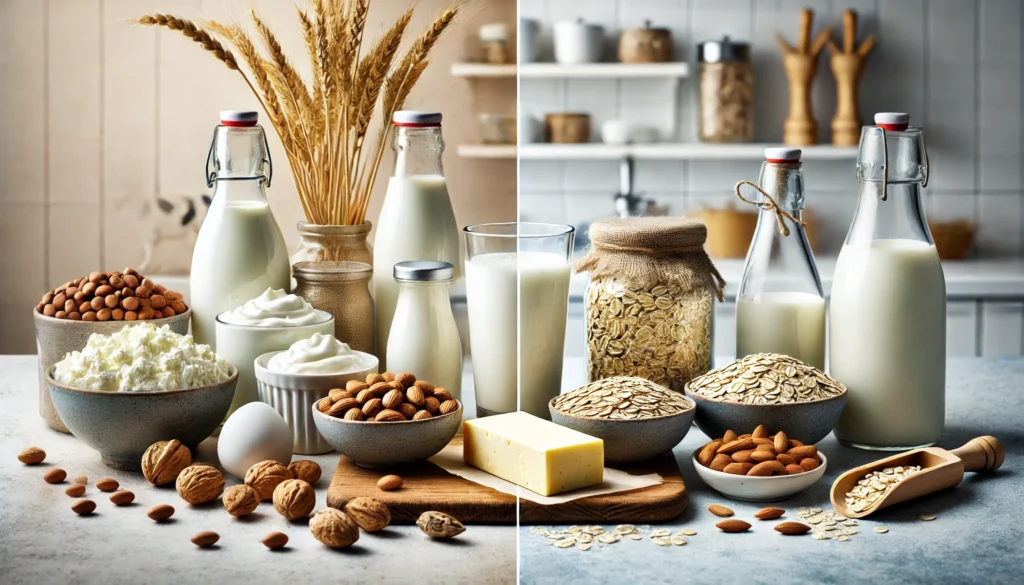
Best Natural Remedies for Anxiety and Stress: How Herbal Supplements and Home Treatments May Help Support Mental Wellness

In a world where daily life often feels overwhelming and chaotic, anxiety and stress have become nearly ubiquitous experiences. The increasing pressures of modern society, coupled with uncertain global circumstances, have spurred a growing interest in alternative methods for managing mental wellness. As people search for ways to improve emotional balance without solely relying on pharmaceuticals, the question arises: is there a natural way to relieve anxiety and stress that is both effective and sustainable? The answer lies in the emerging body of research and traditional wisdom that supports the use of herbal supplements and home treatments as viable tools for enhancing mental health. These approaches, rooted in centuries of practice across diverse cultures, offer powerful yet gentle solutions that align with the body’s natural healing systems.

You may also like: Best Herbal Alternatives to Anxiolytics: Natural Remedies for Anxiety Relief

Herbal remedies and holistic supplements have surged in popularity as individuals seek out the best natural remedies for managing the symptoms of anxiety and chronic stress. The desire for natural cures remedies that are accessible, affordable, and minimally invasive is transforming how we approach mental health. By exploring the intricate relationship between nature and neuroscience, we begin to understand how certain plants and nutritional strategies can regulate neurotransmitter function, reduce inflammation, and promote calmness. These discoveries are not only medically relevant but culturally significant, as they restore faith in traditional healing practices while aligning with modern scientific insight. For those wondering what are some at home remedies that may provide mental relief, this comprehensive guide unpacks both time-honored herbal solutions and innovative natural treatments grounded in evidence-based care.

Understanding Anxiety and Stress Through a Holistic Lens

Anxiety and stress, although often used interchangeably, manifest differently in both intensity and duration. Stress typically arises in response to external stimuli and may resolve once the pressure subsides, whereas anxiety tends to linger and is frequently disproportionate to the triggering event. From a holistic health perspective, both conditions are seen as imbalances that disrupt the harmony of body, mind, and spirit. This view recognizes that the origins of emotional distress can be multifaceted—spanning dietary deficiencies, environmental toxins, genetic predispositions, and spiritual disconnection. Treating anxiety and stress with natural home remedies offers a unique opportunity to address the root causes rather than simply suppress symptoms.

Scientific literature increasingly validates the role of nutrition, sleep, physical activity, and herbal medicine in reducing anxiety. These insights have prompted many to seek what will help them recover emotional equilibrium without the side effects commonly associated with prescription drugs. Furthermore, understanding how to naturally support the nervous system involves more than choosing the right supplement; it requires a lifestyle shift that includes stress-reducing practices like breathwork, mindfulness, and meaningful social connections. When integrated properly, home remedy home remedy strategies can be as effective as more conventional options. By acknowledging the whole person and tailoring care to individual needs, natural treatment options empower people to reclaim control over their well-being.

Calming herbal tea setup with chamomile flowers, lavender sprigs, and a steaming cup on a rustic table bathed in natural light.

The Science Behind Herbal Anxiety Remedies

One of the most compelling reasons to explore natural remedies for anxiety lies in their capacity to influence key physiological pathways that regulate mood. Herbal adaptogens, for instance, are a class of plants that help the body adapt to stress by modulating the hypothalamic-pituitary-adrenal (HPA) axis and stabilizing cortisol levels. Unlike pharmaceutical anxiolytics that often dampen the nervous system with broad strokes, adaptogens fine-tune the body’s stress response, offering relief without sedation. Herbs like ashwagandha, rhodiola, and holy basil have garnered attention for their ability to reduce cortisol, balance neurotransmitters, and improve resilience in the face of chronic stress.

Ashwagandha (Withania somnifera), a revered herb in Ayurvedic medicine, has shown promising results in reducing symptoms of anxiety and depression. Clinical studies have demonstrated its effectiveness in lowering cortisol and improving overall stress response. Rhodiola rosea, another well-researched adaptogen, enhances physical endurance while calming an overactive nervous system. Its use has been particularly helpful in individuals experiencing burnout and fatigue. Holy basil (Ocimum sanctum), often consumed as tea or tincture, supports mental clarity and emotional balance, making it one of the best natural remedies for daily stress management. When people inquire about what can help soothe racing thoughts or persistent worry, these herbs provide evidence-based answers rooted in traditional use.

Beyond adaptogens, other herbal treatments such as valerian root, passionflower, lemon balm, and chamomile offer calming effects through their influence on gamma-aminobutyric acid (GABA), a neurotransmitter that promotes relaxation. These herbs are frequently included in natural homemade remedies designed to support sleep and reduce nervous tension. For those seeking homemade treatment options, brewing a tea blend that includes these herbs can offer a gentle but noticeable sense of relief. The benefit of using home made remedies lies in their adaptability; individuals can experiment with combinations and dosages to find the best remedy suited to their unique physiology and emotional landscape.

Integrating Herbal Supplements into Daily Life

Incorporating herbal supplements into a daily wellness routine doesn’t require a dramatic overhaul of one’s lifestyle. Small, consistent choices often yield the most sustainable results. Whether it’s starting the day with an adaptogenic herbal tea, taking a standardized capsule with breakfast, or winding down with a calming tincture at night, natural home remedies can be seamlessly woven into existing routines. The key is consistency and mindful selection of quality products. Not all supplements are created equal, and working with a healthcare provider trained in herbal medicine can ensure safety and efficacy.

One of the most common questions people have is what are some at home remedies they can prepare without specialized equipment or obscure ingredients. The answer often lies in the kitchen cupboard or home garden. Infusions made with lavender, chamomile, and lemon balm are examples of easy homemade cures that have been used for generations. These herbs are often safe, well-tolerated, and supported by a growing body of scientific evidence. In situations where pharmaceutical interventions are not preferred or accessible, home treatment protocols built around natural substances can offer meaningful relief. Herbal tinctures, salves, and essential oils further expand the range of options for natural treatment, making it easier than ever to personalize a plan for managing anxiety.

Silhouette of a person meditating at sunrise beside a peaceful lake, surrounded by trees and mountains in a tranquil setting.

Nutrition and Supplementation: A Foundation for Calm

While herbs play a critical role in natural anxiety support, no discussion of holistic care is complete without addressing the nutritional foundation upon which emotional health rests. Nutrient deficiencies, particularly in B vitamins, magnesium, and omega-3 fatty acids, are strongly linked to heightened stress and anxiety symptoms. A diet rich in leafy greens, legumes, seeds, and oily fish can help restore balance to the nervous system and reduce inflammation, which is often elevated in chronic anxiety states. When dietary changes aren’t enough, supplementation provides a powerful adjunct to herbal therapy.

Magnesium, often referred to as nature’s tranquilizer, plays a central role in nerve transmission and muscle relaxation. Studies have linked low magnesium levels to increased anxiety, and supplementation has been shown to alleviate both physical and emotional symptoms. Similarly, omega-3 fatty acids found in fish oil have been linked to decreased anxiety through their anti-inflammatory and neuroprotective effects. Including these nutrients as part of a best home treatment strategy underscores the importance of a whole-body approach. Nutritional interventions are not quick fixes but rather long-term investments in mental and emotional resilience.

Another often-overlooked nutritional component is the gut-brain axis. Emerging research highlights the role of gut health in emotional regulation, with probiotics and prebiotics offering new pathways for natural cures remedies. Fermented foods like kefir, sauerkraut, and yogurt can introduce beneficial bacteria that produce neurotransmitters such as serotonin and GABA. This biological interplay between the digestive tract and the brain reaffirms the value of natural ways to address anxiety through holistic self-care. By nourishing the gut, we nourish the mind, creating a feedback loop of wellness that begins with what we consume.

Frequently Asked Questions: Natural Remedies for Anxiety and Stress

1. Can natural remedies work as a long-term solution for chronic anxiety? Natural remedies can be effective in managing chronic anxiety over the long term, but success often depends on consistency, personal biology, and a holistic approach. While some individuals find immediate relief from natural home remedies such as adaptogenic herbs or mindfulness-based practices, others may notice benefits over weeks or even months. What can help in these cases is integrating home made remedies into a broader lifestyle framework that includes adequate sleep, social support, and balanced nutrition. Natural treatment does not act as a quick fix; instead, it supports the body’s innate healing mechanisms. For individuals seeking sustainable outcomes, combining the best natural remedies with professional guidance and self-awareness may offer an optimal path to recovery.

2. What are some at home remedies that can support emotional resilience during high-stress periods? When facing intense stress, it’s helpful to explore home home remedies that calm the nervous system and promote resilience. One effective homemade treatment includes warm Epsom salt baths, which provide magnesium absorption and soothe muscle tension. Herbal teas like chamomile and lemon balm are natural home remedies that can be brewed fresh and consumed regularly for a calming effect. Journaling and breathwork, while not substances, qualify as natural cures remedies that support mental processing and reduce emotional overload. Incorporating these tools into daily rituals may serve as the best home treatment for maintaining emotional equilibrium during life’s most demanding moments.

3. Are there specific natural homemade remedies that can address anxiety without affecting energy levels? Yes, there are natural ways to reduce anxiety without inducing fatigue or sluggishness. Herbs like rhodiola rosea and bacopa monnieri are natural remedies that support cognitive clarity and stress resilience without the sedative effects associated with valerian or kava. These can be excellent additions to a home remedy home remedy plan aimed at maintaining functionality while lowering stress. Additionally, engaging in aromatherapy using invigorating oils like citrus or peppermint offers stuff to help with alertness and mood without sedation. If energy preservation is a priority, it’s important to choose the best natural remedies that enhance vitality while calming the nervous system.

4. How can individuals gauge whether homemade remedies are working effectively for them? Evaluating the effectiveness of homemade remedies often requires mindfulness and self-tracking. Keeping a journal to note mood, sleep quality, and anxiety levels can offer insight into how natural treatment efforts are impacting overall well-being. Unlike pharmaceuticals, which often produce pronounced and immediate effects, natural homemade remedies tend to create subtle shifts over time. What will help in this process is consistency in usage, as sporadic application may skew results. By observing patterns and making adjustments based on observed outcomes, individuals can fine-tune their use of home remedies to match their personal needs.

5. Is there a natural strategy to help reduce anxiety while enhancing focus and productivity? Absolutely—many natural cures remedies support both anxiety reduction and mental performance. Adaptogens such as ashwagandha and lion’s mane mushroom are among the best natural cures for promoting calmness and cognitive function. These can be used in tinctures, capsules, or as part of homemade treatment smoothies. Incorporating brain-nourishing nutrients like B-complex vitamins and omega-3 fatty acids also supports mental clarity while regulating mood. For professionals or students under chronic pressure, developing a home treatment protocol with these multitasking supplements and rituals offers a dual benefit of relaxation and sharper focus.

6. Can homemade remedies be integrated into traditional therapy or medical treatments? Yes, and in many cases, integration enhances results. Natural home remedies such as aromatherapy, herbal teas, and grounding exercises can complement cognitive behavioral therapy (CBT) or medication when used responsibly. For example, someone undergoing therapy for generalized anxiety might find that home made remedies like daily lavender oil inhalation help reinforce feelings of safety between sessions. However, it’s essential to communicate with healthcare providers about all natural treatment strategies being used. This collaborative approach ensures safety, avoids contraindications, and allows the best home remedies to act as supportive tools within a comprehensive care plan.

7. What are some underappreciated home remedies for anxiety that people often overlook? While common natural remedies like chamomile or valerian are well known, several lesser-known options deserve more attention. For instance, tulsi (holy basil) tea is a deeply calming beverage with adaptogenic qualities that support stress regulation. Similarly, nettle leaf and oat straw infusions are home remedies rich in minerals that nourish the nervous system long-term. Creative expression, such as painting or playing an instrument, is also a form of natural treatment that engages the parasympathetic nervous system. These unconventional approaches expand the definition of what can help and emphasize that the best natural remedies often come from rethinking everyday practices.

8. How can one balance multiple natural remedies without overwhelming their system? Combining natural homemade remedies should be approached with the same care as pharmaceutical regimens. Start slowly by introducing one or two natural ways to soothe anxiety, and observe how your body responds. For example, pairing a morning green smoothie with adaptogens and an evening herbal tea might be a balanced beginning. Overloading the system with too many supplements or homemade cures can create confusion about what’s actually effective. By pacing implementation and staying attuned to subtle changes, individuals can find the best remedy combination that works in harmony with their unique physiology.

9. Are there seasonal considerations when using natural remedies for stress? Yes, and aligning your remedies with seasonal changes can improve their efficacy. In colder months, warming home made remedies like cinnamon, ginger, and turmeric teas may support circulation and emotional comfort. In spring and summer, lighter preparations such as lemon balm or spearmint infusions offer cooling, uplifting effects. Adjusting natural home remedies according to the season acknowledges the body’s shifting needs and optimizes absorption and impact. This seasonal awareness allows for more intentional, effective home treatment planning and enhances the long-term success of your natural treatment strategy.

10. What role does social support play in the success of home remedies for anxiety? While natural remedies can be potent on their own, their benefits often multiply when supported by strong social connections. Talking with friends or family while sipping a calming herbal tea or practicing yoga together can reinforce the emotional safety needed for healing. Community support acts as a natural treatment amplifier, enhancing the effects of home remedies through shared experience and empathy. Group activities involving homemade cures, like herbal tea blending or aromatherapy workshops, also offer therapeutic value. Ultimately, blending the best home remedies with nurturing relationships may be one of the most holistic and effective approaches to managing anxiety long-term.

Cozy aromatherapy space with essential oil diffuser mist, candles, eucalyptus leaves, and lavender—ideal for anxiety relief.

The Role of Aromatherapy and Sensory Remedies

While internal supplementation is a cornerstone of natural treatment, external applications can also provide immediate comfort and emotional grounding. Aromatherapy, the use of essential oils derived from plants, is one of the best home remedies for acute stress and situational anxiety. The olfactory system is directly connected to the limbic system—the brain’s emotional center—allowing scent to bypass cognitive filters and trigger emotional responses almost instantly. Lavender, bergamot, ylang-ylang, and frankincense are among the most effective essential oils for promoting relaxation and emotional clarity.

Integrating aromatherapy into home routines is both simple and effective. Diffusers, bath soaks, pillow sprays, and topical applications offer multiple ways to incorporate scent into everyday life. Inhalation of calming oils has been shown to lower heart rate, reduce cortisol, and increase alpha brainwave activity associated with relaxation. For those exploring what will help ease situational stress, such as performance anxiety or social tension, essential oil blends provide a fast-acting and side-effect-free alternative. These homemade remedies are particularly well-suited for people who prefer gentle interventions over stronger pharmacological options.

Beyond aromatherapy, other sensory strategies such as weighted blankets, soothing music, and nature exposure are forms of homemade treatment that engage the nervous system through non-verbal pathways. These modalities underscore the fact that healing doesn’t always need to be ingested—it can be felt, smelled, heard, and seen. Such multisensory approaches align with ancient healing traditions that emphasize balance, presence, and sensory attunement. When individuals explore how to naturally calm the body, integrating sensory-based natural home remedies offers a deeply personalized and effective toolkit.

anxiety relief techniques, herbal stress support, calming natural supplements, adaptogenic herbs for mood, holistic anxiety solutions, emotional wellness strategies, plant-based mental health support, soothing herbal blends, GABA-boosting herbs, mental clarity remedies, alternative anxiety therapies, integrative health approaches, self-care for anxiety, natural stress management, herbal mood enhancers, mind-body healing methods, gut-brain connection health, nervous system regulation, holistic emotional care, botanical remedies for stress

Further Reading:

Natural Remedies to Alleviate Anxiety

How to treat anxiety naturally

Herbal treatment for anxiety: Is it effective?

Disclaimer

The information contained in this article is provided for general informational purposes only and is not intended to serve as medical, legal, or professional advice. While NewsHealthWatch strives to present accurate, up-to-date, and reliable content, no warranty or guarantee, expressed or implied, is made regarding the completeness, accuracy, or adequacy of the information provided. Readers are strongly advised to seek the guidance of a qualified healthcare provider or other relevant professionals before acting on any information contained in this article. NewsHealthWatch, its authors, editors, and contributors expressly disclaim any liability for any damages, losses, or consequences arising directly or indirectly from the use, interpretation, or reliance on any information presented herein. The views and opinions expressed in this article are those of the author(s) and do not necessarily reflect the official policies or positions of NewsHealthWatch.
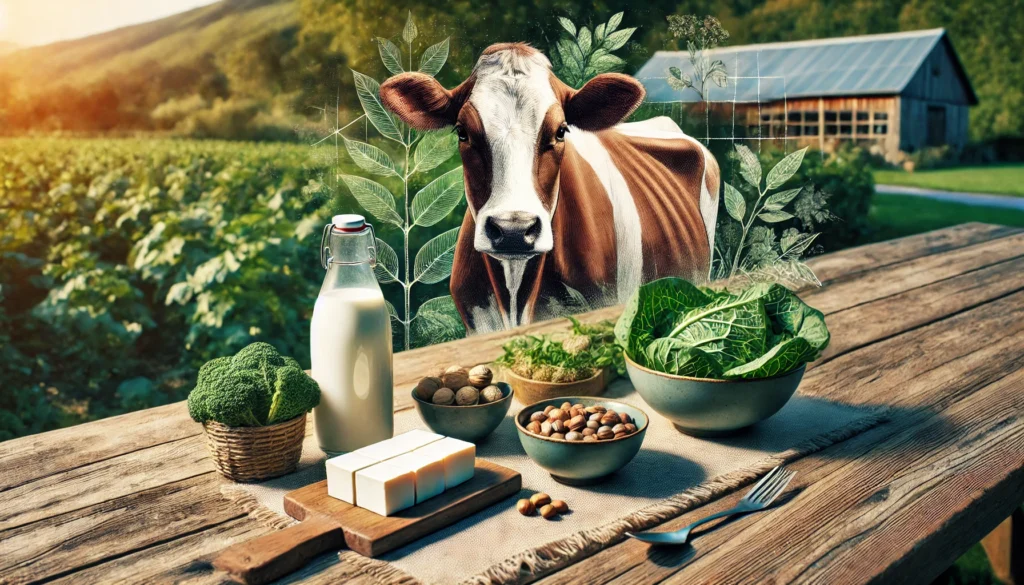
Best Natural Mood Stabilizers for Anger and Irritability: Can OTC Supplements for Mood Swings Help Support Emotional Balance?

The pursuit of emotional balance in today’s high-pressure society has become more critical than ever. While anger and irritability are natural responses to certain stressors, persistent emotional volatility can erode relationships, hinder productivity, and compromise overall well-being. Many individuals grappling with mood instability seek options that are both accessible and holistic. Against this backdrop, a growing number of people are exploring natural mood stabilizers for anger and irritability, as well as over-the-counter (OTC) supplements for mood swings. These remedies promise to bridge the gap between traditional psychiatric medications and lifestyle-based emotional regulation, offering a potential middle path grounded in both ancient herbal wisdom and modern nutritional science.

You may also like: Best Herbal Alternatives to Anxiolytics: Natural Remedies for Anxiety Relief

Understanding the Roots of Anger and Irritability

Before delving into potential solutions, it’s essential to understand the underlying causes of anger and irritability. These emotional states often stem from a complex interplay of biological, psychological, and environmental factors. On a physiological level, fluctuations in neurotransmitter activity, particularly involving serotonin, dopamine, and GABA, can significantly influence mood regulation. Chronic stress, hormonal imbalances, blood sugar fluctuations, sleep disturbances, and nutritional deficiencies are all well-documented contributors to emotional instability.

Psychologically, unresolved trauma, anxiety disorders, and depressive symptoms may manifest as irritability or rage. Even seemingly mundane triggers—such as daily frustrations or feeling overwhelmed—can spark intense emotional reactions when the brain is already primed for volatility. Understanding this multifactorial nature allows for a more comprehensive approach to treatment, one that doesn’t merely suppress symptoms but seeks to restore balance through holistic support systems.

A cozy indoor wellness space with supplement bottles and natural capsules including magnesium, omega-3, and 5-HTP, surrounded by calming greenery and warm natural light.

Why Consider Natural Alternatives?

While prescription medications, including mood stabilizers and antipsychotics, are invaluable for managing severe mental health conditions, they often come with a litany of side effects ranging from weight gain and drowsiness to long-term metabolic issues. Moreover, these medications may not be necessary or desirable for individuals experiencing mild to moderate mood disturbances. This has led to growing interest in natural alternatives, which may offer mood-stabilizing effects with fewer adverse consequences.

Natural mood stabilizers for anger and irritability often include herbs, vitamins, minerals, and amino acids that support brain chemistry and emotional regulation. For example, magnesium plays a crucial role in neurotransmitter modulation, while adaptogenic herbs like ashwagandha and Rhodiola rosea help the body adapt to stress. In recent years, these substances have gained popularity in the wellness community and are being studied more rigorously by researchers seeking effective OTC solutions for mood swings.

The Science Behind Natural Mood Stabilizers

Scientific exploration into natural remedies for emotional balance has advanced significantly in the past decade. Numerous studies have examined the efficacy of specific compounds in modulating mood and reducing symptoms of irritability and anger. One such compound is omega-3 fatty acids, particularly EPA and DHA, which are found in fish oil. Research suggests that these essential fats support neuronal function and reduce inflammation, potentially decreasing symptoms of depression and aggression.

Another area of focus is the role of the gut-brain axis in emotional regulation. Probiotics and prebiotics, which support gut microbiota diversity, have been linked to improved mood and reduced irritability. The emerging field of psychobiotics explores how these gut-friendly bacteria can influence brain chemistry, offering promising avenues for non-pharmaceutical interventions.

Additionally, certain amino acids such as L-theanine, found in green tea, and 5-HTP, a precursor to serotonin, have been shown to promote relaxation and improve mood stability. These compounds, often found in OTC supplements for mood swings, work synergistically with other nutrients to create a comprehensive support system for emotional wellness.

A tranquil forest path with a person meditating in the distance, surrounded by wild herbs such as lavender and lemon balm, symbolizing mood support through nature and mindfulness.

Magnesium: The Calming Mineral

Magnesium is frequently dubbed the “relaxation mineral,” and for good reason. It plays a pivotal role in more than 300 enzymatic reactions in the body, many of which involve nervous system regulation. A deficiency in magnesium has been correlated with increased levels of irritability, anxiety, and even aggression. Studies have demonstrated that magnesium supplementation can reduce cortisol levels, the body’s primary stress hormone, and promote a state of calm.

This mineral also supports GABA activity, which is essential for slowing down brain activity and reducing overstimulation. Individuals who regularly supplement with magnesium often report improvements in sleep, reduced muscular tension, and a general sense of emotional steadiness. It is one of the most well-researched natural mood stabilizers for anger and irritability and is widely available in OTC supplement formulations designed specifically for mood support.

Omega-3 Fatty Acids and Brain Health

Omega-3 fatty acids are essential for maintaining the structural integrity of brain cell membranes. They also influence the fluidity of these membranes, affecting neurotransmitter function and signal transmission. A deficiency in omega-3s has been linked to a higher incidence of mood disorders, including depression and irritability.

Clinical studies have found that individuals who consume diets rich in omega-3s or who supplement with fish oil capsules tend to report lower levels of hostility and emotional lability. The anti-inflammatory properties of omega-3s may also play a role in modulating neurochemical imbalances that contribute to anger and aggression. These findings support the inclusion of omega-3s among the best OTC supplements for mood swings and emotional regulation.

Adaptogenic Herbs for Emotional Resilience

Adaptogens are a class of herbs that help the body adapt to stress and restore physiological balance. Among the most studied adaptogens for mood support are ashwagandha, Rhodiola rosea, and holy basil. Ashwagandha, in particular, has demonstrated efficacy in reducing cortisol levels and improving resilience to stress-induced mood disturbances.

Rhodiola rosea is known for enhancing energy, reducing fatigue, and stabilizing mood in individuals experiencing burnout or chronic stress. Holy basil, traditionally used in Ayurvedic medicine, exhibits anxiolytic and antidepressant properties, making it a valuable natural mood stabilizer for anger and irritability.

These herbs can be taken individually or combined in OTC supplements formulated for mood balance. When used consistently, they may improve emotional resilience and reduce the frequency and intensity of mood swings without the sedative effects often associated with pharmaceutical treatments.

The Role of Vitamin B Complex in Mood Regulation

The B vitamins—particularly B6, B9 (folate), and B12—are integral to neurotransmitter synthesis and energy metabolism. A deficiency in any of these can lead to fatigue, irritability, and cognitive fog. Vitamin B6 assists in the production of serotonin and dopamine, both of which are crucial for mood stabilization. Folate and B12 are involved in methylation processes that regulate homocysteine levels, with elevated levels being linked to mood disorders.

Supplementing with a high-quality B complex can enhance emotional clarity and reduce symptoms of mood dysregulation. Clinical research has shown that individuals with mood disorders often exhibit deficiencies in one or more B vitamins. Including these in daily wellness routines through OTC supplements for mood swings can support both short-term mood enhancement and long-term neurological health.

A clean, minimalist kitchen counter displaying a glass of calming herbal tea made with chamomile, lemon balm, and valerian root, conveying serenity and natural emotional support.

L-Theanine and the Art of Calm Alertness

L-theanine, an amino acid found primarily in green tea, is known for promoting a state of relaxed alertness. Unlike sedatives, which dull the senses, L-theanine fosters calm without causing drowsiness. It works by increasing alpha brain wave activity, which is associated with a state of relaxed focus.

This unique compound also supports the production of GABA, serotonin, and dopamine, all of which are instrumental in mood regulation. L-theanine is especially beneficial for individuals who experience irritability and anger triggered by overstimulation or anxiety. It is often included in OTC formulations designed to smooth out mood swings and enhance emotional equilibrium.

Frequently Asked Questions (FAQ)

1. Can mood stabilizers OTC be safely combined with prescription medications?

Over-the-counter mood stabilizers can sometimes be safely used alongside prescription medications, but this must be approached with caution and under medical supervision. Many natural mood stabilizers for anger and irritability, such as magnesium and L-theanine, are generally well-tolerated and have low risk for interaction. However, certain supplements for mood swings, like 5-HTP or SAM-e, may interfere with antidepressants or other psychotropic drugs, potentially increasing the risk of serotonin syndrome or altering drug metabolism. It’s critical to consult a healthcare provider familiar with both pharmaceuticals and natural remedies before introducing any OTC mood stabilizers into a treatment plan. This integrative approach ensures that benefits are maximized while minimizing adverse interactions.

2. Are there specific supplements for mood swings tailored for hormonal changes like PMS or menopause?

Yes, several supplements for mood swings are specifically designed to address hormonal fluctuations associated with menstruation and menopause. Chasteberry (Vitex agnus-castus) is commonly used to support mood during PMS, as it helps balance estrogen and progesterone levels. For menopausal women, black cohosh and evening primrose oil have been shown to ease mood instability, hot flashes, and irritability. These can be paired with natural mood stabilizers for anger and irritability to offer a multi-faceted solution that supports hormonal balance and emotional regulation. While these mood stabilizers OTC are widely available, they should be selected based on individual hormonal profiles, ideally guided by a healthcare provider.

3. How long does it typically take for OTC mood stabilizers to show noticeable results?

The timeframe for seeing results from mood stabilizers OTC can vary depending on the individual and the supplement being used. Some compounds, such as L-theanine or magnesium glycinate, may provide calming effects within hours of ingestion. Others, like adaptogens or omega-3 fatty acids, may take several weeks to reach full effectiveness as they work gradually to balance internal systems. It is important to set realistic expectations and maintain consistency in supplementation. For those using natural mood stabilizers for anger and irritability, improvement may be subtle at first, but cumulative benefits often become more apparent with sustained use.

4. Do mood stabilizers OTC address the root causes of emotional instability, or just the symptoms?

Many OTC mood stabilizers do more than mask symptoms—they can support underlying biological systems that influence mood. For instance, supplements for mood swings that include vitamin B6, magnesium, and zinc aid in neurotransmitter synthesis and hormonal regulation, addressing root imbalances. Similarly, adaptogens like ashwagandha help recalibrate the stress response over time rather than merely soothing temporary agitation. While they are not a panacea, these natural mood stabilizers for anger and irritability can play a supportive role in a comprehensive plan that includes dietary changes, sleep optimization, and therapy. This holistic approach increases the likelihood of addressing foundational issues rather than just short-term symptoms.

5. Are there any lifestyle factors that enhance the effectiveness of supplements for mood swings?

Absolutely. The impact of supplements for mood swings is significantly amplified when combined with certain lifestyle practices. Regular physical activity increases endorphin levels and improves neurotransmitter function, creating a more responsive internal environment for natural mood stabilizers for anger and irritability to take effect. Mindfulness practices like meditation, yoga, or deep breathing can enhance the calming effects of mood stabilizers OTC by reducing cortisol and improving emotional resilience. Moreover, reducing alcohol intake and consuming a nutrient-dense diet rich in omega-3s, fiber, and antioxidants supports gut-brain health, which plays a key role in emotional stability. Supplements work best when they are part of a daily wellness ecosystem.

6. Can natural mood stabilizers be used preventatively, or are they only effective during emotional episodes?

Natural mood stabilizers for anger and irritability are often more effective when used as part of a preventative routine rather than solely during episodes of distress. Compounds like Rhodiola rosea or bacopa monnieri work by enhancing the body’s adaptability to stress over time, making emotional overreactions less likely to occur in the first place. Likewise, consistent use of mood stabilizers OTC such as omega-3s and magnesium can improve baseline mood and buffer against environmental triggers. While acute symptoms may still arise, those using supplements for mood swings proactively often experience greater emotional stability overall. Prevention, in this context, can be as powerful as intervention.

7. How do gut health and inflammation influence the effectiveness of supplements for mood swings?

Emerging research highlights the powerful connection between gut health, systemic inflammation, and mood regulation. Inflammation in the gut can impair nutrient absorption, reducing the bioavailability of crucial ingredients in mood stabilizers OTC. Moreover, the gut microbiome influences the production of neurotransmitters like serotonin and GABA. Natural mood stabilizers for anger and irritability often work better when gut integrity is maintained through probiotics, prebiotics, and anti-inflammatory foods. Including fermented foods or a targeted probiotic alongside supplements for mood swings may enhance efficacy by optimizing both absorption and neurological function. This integrative strategy recognizes the gut-brain axis as a central player in emotional wellness.

8. Are there any risks associated with long-term use of mood stabilizers OTC?

Most natural mood stabilizers have a favorable safety profile when used as directed, but long-term use still requires thoughtful monitoring. Some individuals may experience diminishing returns if their body becomes too accustomed to certain supplements, or if underlying issues go unaddressed. Additionally, fat-soluble vitamins (like A, D, E, and K) and certain minerals can accumulate to harmful levels if overused. When taking supplements for mood swings regularly, periodic assessments with a healthcare provider can ensure appropriate dosing and uncover any emerging nutrient imbalances. Natural mood stabilizers for anger and irritability can be sustainable tools, but they function best within a personalized, evolving wellness strategy.

9. How do cultural or environmental factors influence the choice of natural mood stabilizers?

Cultural context often shapes perceptions of mental health and the remedies deemed acceptable or effective. In traditional Chinese medicine and Ayurveda, for instance, herbs like reishi mushroom or turmeric have long been used to support emotional equilibrium. These systems may favor combinations of natural mood stabilizers for anger and irritability that also address spiritual or energetic imbalances. Environmentally, access to clean air, sunlight, and nutrient-dense food also plays a role in how the body responds to supplements for mood swings. Individuals living in urban environments with high stress may require different support than those in rural or nature-rich areas. Tailoring mood stabilizers OTC to cultural and environmental variables enhances both acceptance and efficacy.

10. What does the future look like for natural mood stabilizers in mainstream mental health care?

As public interest in holistic wellness continues to grow, natural mood stabilizers are gaining recognition within mainstream mental health paradigms. Advances in nutrigenomics may soon allow practitioners to recommend personalized supplements for mood swings based on genetic profiles. Additionally, as more clinical trials validate the effectiveness of mood stabilizers OTC, they may become integrated into primary care strategies for managing emotional dysregulation. We can also expect further innovation in delivery formats, such as liposomal formulations and nootropic stacks that enhance bioavailability and synergy. The integration of natural mood stabilizers for anger and irritability into conventional care represents a shift toward more patient-centered, preventative, and personalized mental health solutions.

The Potential of 5-HTP in Serotonin Support

5-Hydroxytryptophan (5-HTP) is a naturally occurring amino acid that serves as a direct precursor to serotonin. Because serotonin levels are intimately tied to mood regulation, supplementing with 5-HTP has been shown to help alleviate symptoms of depression, anxiety, and emotional instability. It is one of the most targeted natural mood stabilizers for anger and irritability, especially in cases where serotonin deficiency is suspected.

However, 5-HTP must be used with caution, particularly when combined with other serotonin-boosting agents, as excessive levels can lead to serotonin syndrome. When used appropriately and under guidance, it can be a powerful tool for supporting emotional balance and reducing reactive emotional responses.

emotional wellness supplements, herbal mood boosters, calming natural remedies, adaptogens for stress, serotonin support supplements, holistic mental health solutions, natural anxiety relief, botanical remedies for mood, plant-based mood support, magnesium for stress, vitamin B complex benefits, mood-enhancing nutrients, non-prescription mood support, stress management herbs, gut-brain connection, herbal adaptogen supplements, green tea for relaxation, amino acids for mental health, mood support without medication, lifestyle tips for emotional balance

Further Reading:

Herbs and supplements for depression

Natural Mood Stabilizers

PMS Supplements: 7 Options for Mood Swings and Other Symptoms

Disclaimer

The information contained in this article is provided for general informational purposes only and is not intended to serve as medical, legal, or professional advice. While NewsHealthWatch strives to present accurate, up-to-date, and reliable content, no warranty or guarantee, expressed or implied, is made regarding the completeness, accuracy, or adequacy of the information provided. Readers are strongly advised to seek the guidance of a qualified healthcare provider or other relevant professionals before acting on any information contained in this article. NewsHealthWatch, its authors, editors, and contributors expressly disclaim any liability for any damages, losses, or consequences arising directly or indirectly from the use, interpretation, or reliance on any information presented herein. The views and opinions expressed in this article are those of the author(s) and do not necessarily reflect the official policies or positions of NewsHealthWatch.

Play exciting online pokies and live games at True Fortune Casino, offering fast payouts, secure deposits, and generous bonuses for Australian players.

Enjoy top pokies and live dealer tables at Uptown Pokies Casino, with quick withdrawals, safe banking, and rewarding promotions for Australian users.

Join thrilling online slots and live casino action at Uptown Aces, featuring fast deposits, secure withdrawals, and exclusive bonuses for Australian players.

Spin favourite pokies and play live casino games at Velvet Spins Casino, offering safe banking, fast payouts, and generous promotions for Australian enthusiasts.

Experience exciting online pokies and live tables at Woo Casino, with quick withdrawals, secure deposits, and attractive bonuses for Australian casino players.

Play top pokies and live dealer games at King Billy Casino, offering fast payouts, safe banking, and rewarding promotions for Australian online casino users.

Enjoy thrilling online slots and live casino action at Aussie Play Casino, with secure deposits, quick withdrawals, and generous bonuses for Australian players.

Join exciting pokies and live tables at Fastpay Casino, featuring fast payouts, safe banking, and exclusive promotions for Australian online casino enthusiasts.