hacklink hack forum hacklink film izle hacklink
Home Blog Page 173

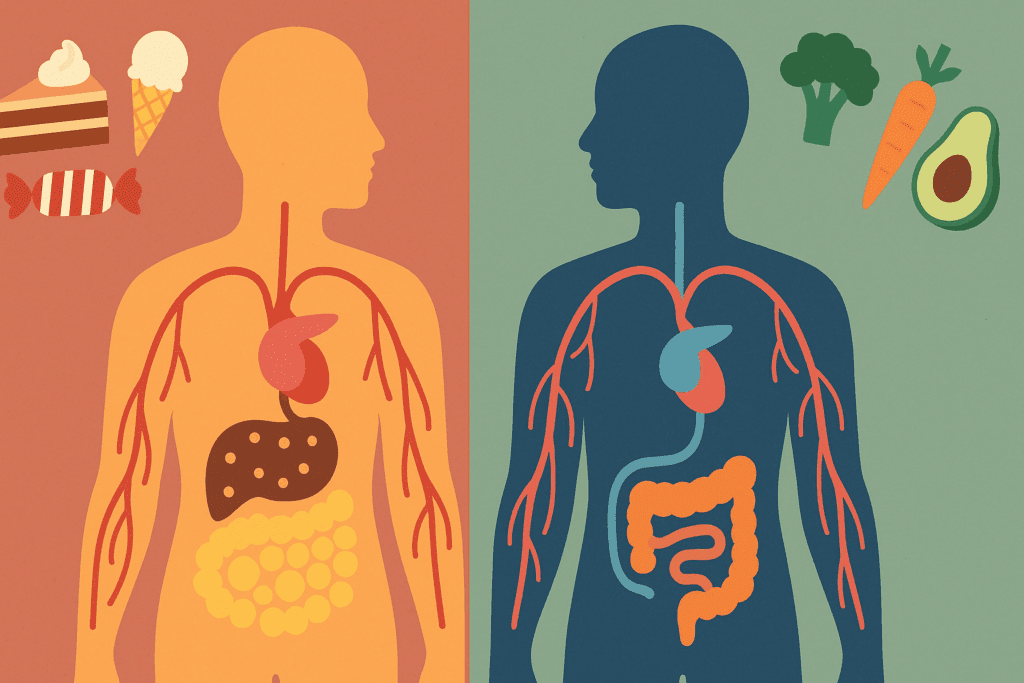
How Sugar and Anxiety Are Linked: What Science Says About Their Impact on Mental Health

The Hidden Relationship Between Sugar and Anxiety: Why It Matters More Than Ever

Sugar is deeply woven into modern life—found not only in sweets and desserts but also hidden in savory items, condiments, beverages, and packaged meals. While the health impacts of sugar on obesity, diabetes, and heart disease are well known, its influence on mental well-being remains less discussed. However, a growing body of research now points to a significant connection between sugar and anxiety, offering new insights into how our dietary choices may influence emotional resilience, stress responses, and psychological health. For those living with an anxiety disorder or struggling with chronic stress, reducing sugar may be a powerful, evidence-based way to reclaim a greater sense of mental balance.

You may also like: Why Am I Craving Sweets All of a Sudden? Expert-Backed Reasons and How to Stop Sugar Cravings Naturally

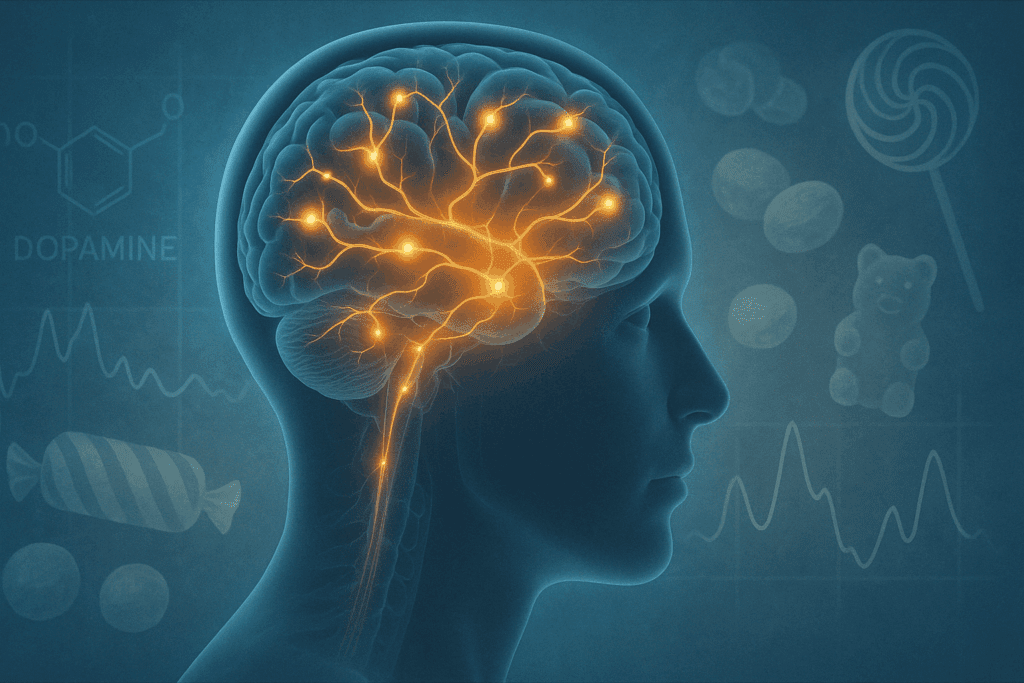
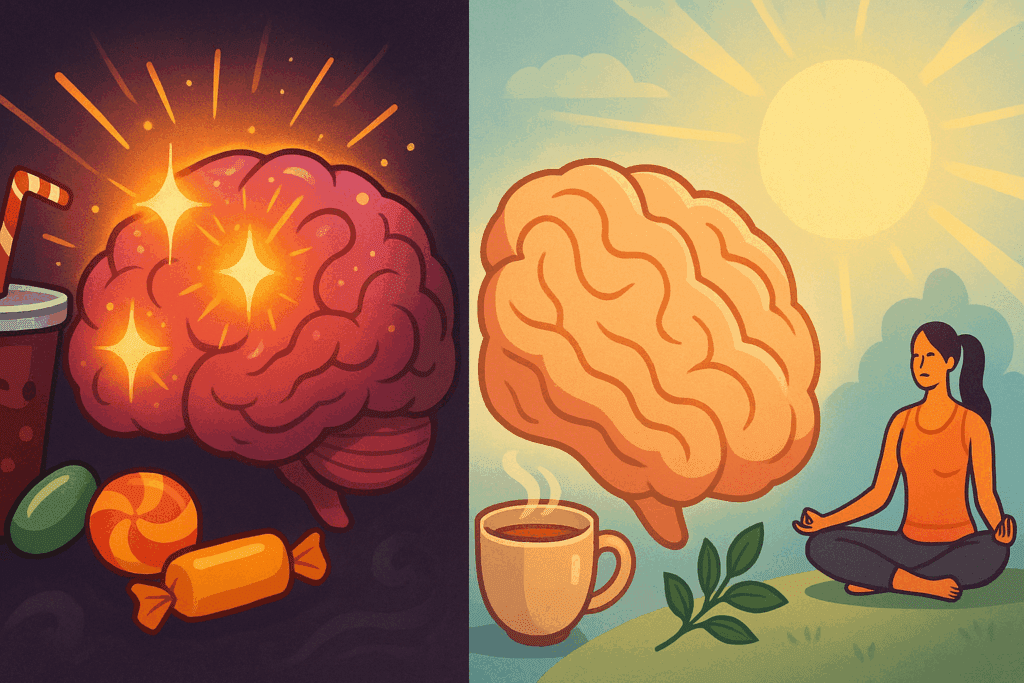
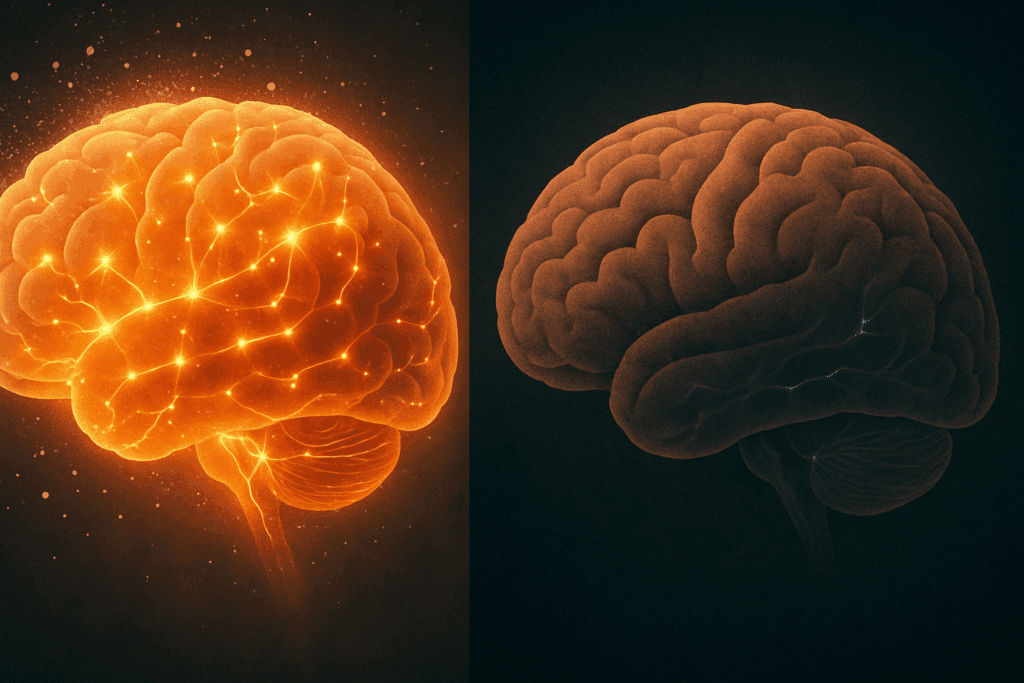
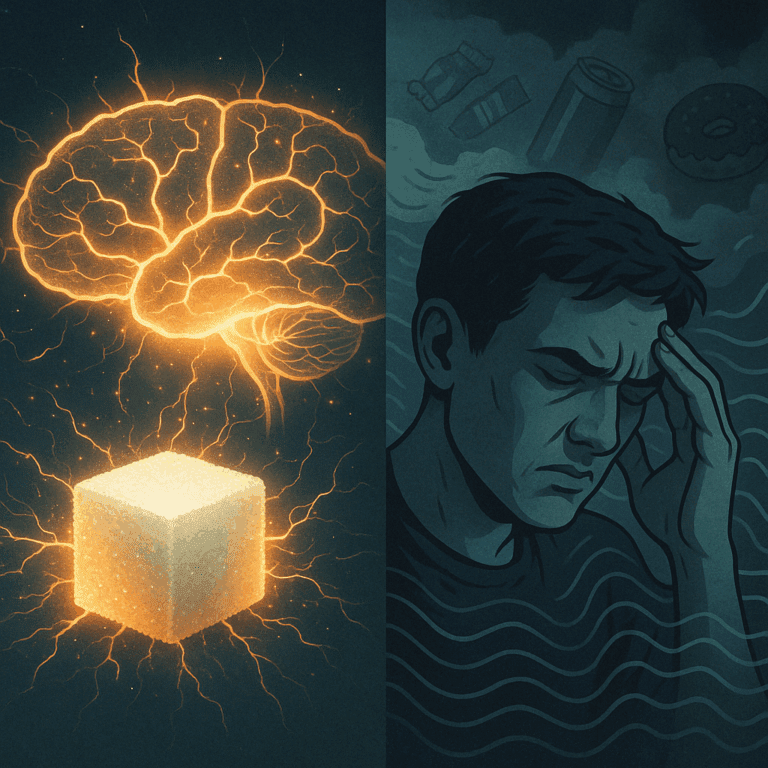
Conceptual illustration of a human brain showing how sugar and anxiety are linked, with bright dopamine activity on one side and muted serotonin pathways on the other.

How Sugar Affects Brain Chemistry and Mood Regulation

To understand how sugar and anxiety are linked, it’s important to explore what sugar actually does in the brain. When we consume sugar—especially in large quantities—it rapidly increases glucose in the bloodstream. This sharp rise triggers a dopamine surge in the brain, activating reward pathways associated with pleasure and craving. While this might create a temporary sense of euphoria or comfort, it also primes the brain for dependence, leading to cycles of craving, withdrawal, and repeated consumption. These dopamine fluctuations may heighten emotional reactivity and reduce the brain’s ability to self-regulate, contributing to increased anxiety over time.

Moreover, chronic sugar intake can impair the brain’s production of serotonin, the neurotransmitter that helps stabilize mood, regulate sleep, and promote calmness. When serotonin levels drop, anxiety symptoms can worsen. This is particularly relevant for individuals with a sugar and anxiety disorder, where both biological and psychological vulnerabilities may be at play. Over time, sugar-induced neurochemical imbalances may deepen anxiety cycles, especially when paired with other stressors.

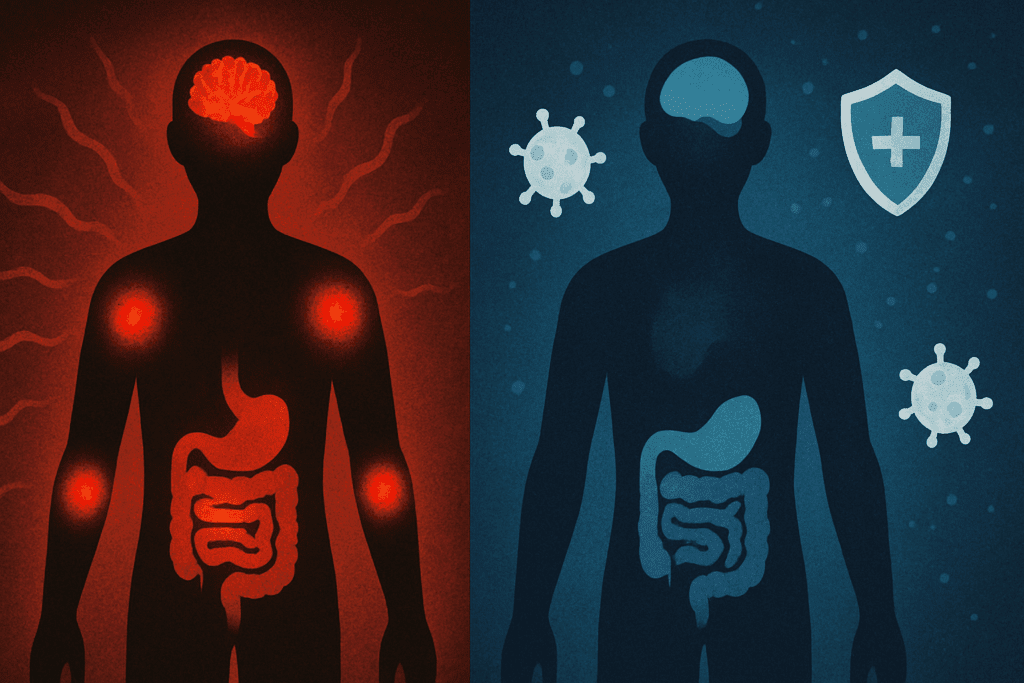
Another crucial aspect is inflammation. High sugar consumption promotes systemic inflammation, including neuroinflammation, which disrupts brain function and emotional stability. Inflammation of neural tissues can interfere with communication between brain regions involved in fear responses, decision-making, and mood regulation—further intensifying anxiety symptoms.
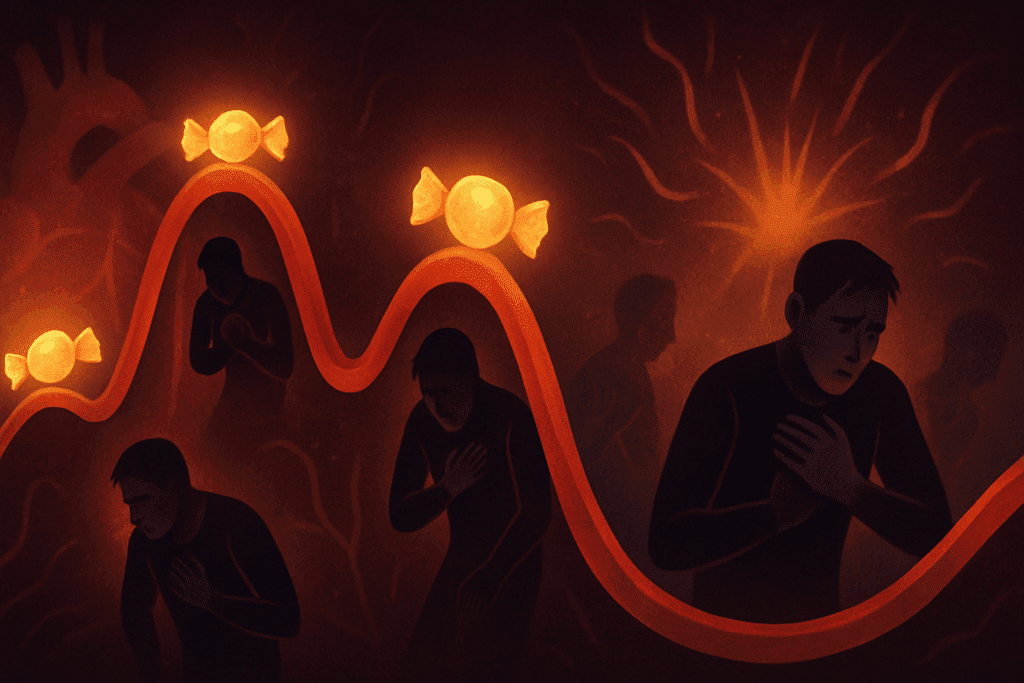
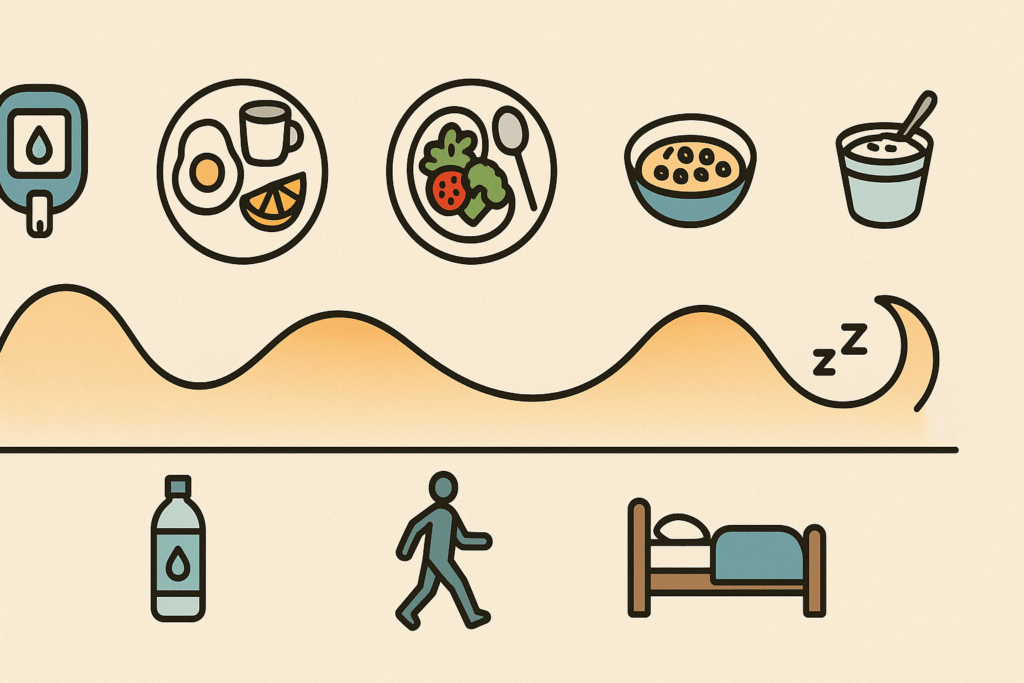
Metaphorical rollercoaster-shaped bloodstream with candy peaks and anxious figures in valleys, illustrating how sugar and anxiety are linked

Blood Sugar Swings and the Fight-or-Flight Response

Beyond neurotransmitters, sugar plays a major role in blood sugar regulation, which is tightly linked to anxiety. Consuming refined sugars causes blood glucose levels to spike rapidly. But what goes up must come down, and soon after a sugar high, insulin brings blood sugar crashing down. These hypoglycemic episodes can trigger classic anxiety symptoms—shakiness, irritability, heart palpitations, lightheadedness, and panic. For many, these symptoms are misattributed to emotional or psychological distress when they are actually metabolic in origin.

The body’s fight-or-flight response is also activated during rapid blood sugar drops. When glucose levels fall too low, the brain perceives it as a survival threat and triggers a stress response by releasing cortisol and adrenaline. This hormonal cascade increases alertness and primes the body to escape danger—but in a non-dangerous situation, it creates a false sense of alarm. The result is heightened anxiety, restlessness, or even panic attacks. This feedback loop can become especially harmful in individuals already prone to anxiety disorders.

In fact, one of the most common patterns in the sugar and anxiety disorder connection is the cyclical nature of sugar-triggered panic symptoms. Individuals may consume sugar to soothe themselves emotionally, only to find that the aftereffects—adrenal spikes and blood sugar crashes—exacerbate their anxiety. Understanding this cycle is essential to breaking it.
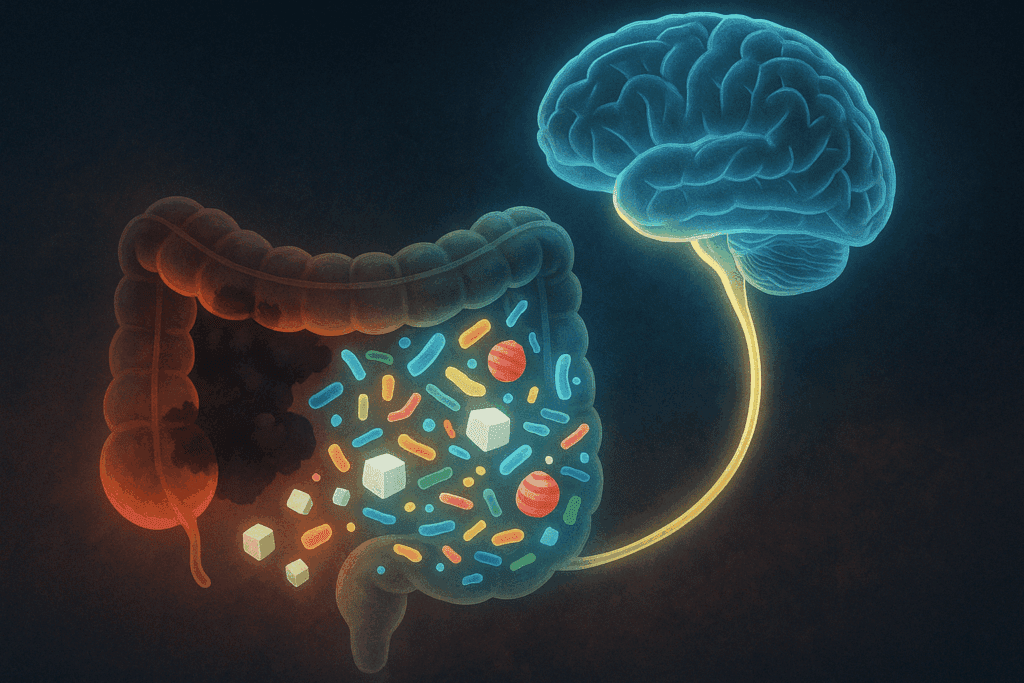
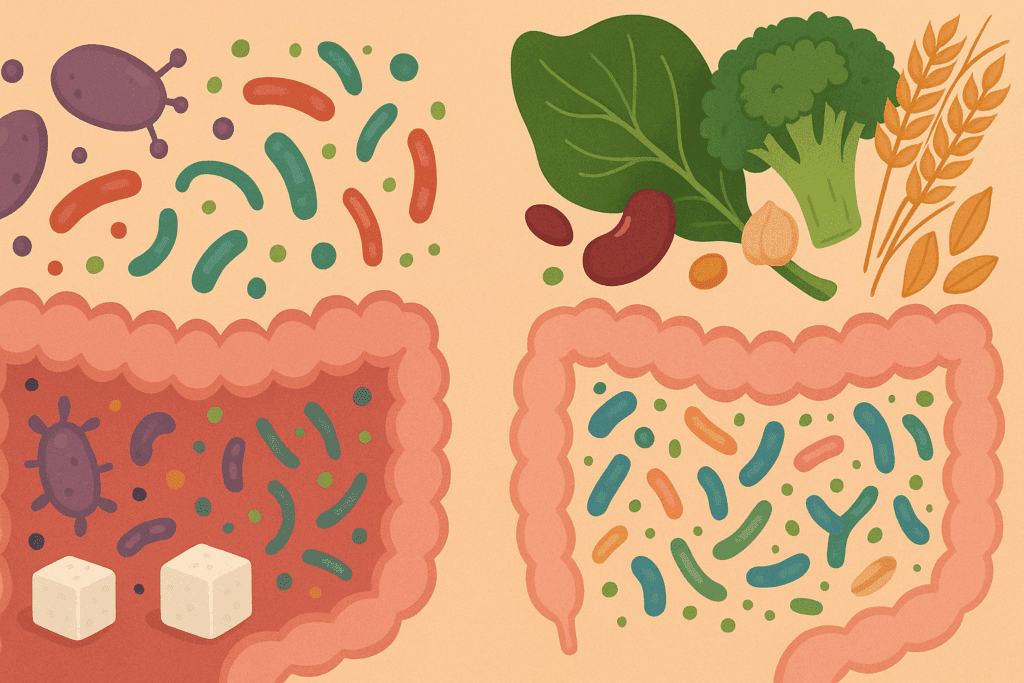
Stylized illustration showing how sugar and anxiety are linked through the gut-brain axis, with glowing microbes, inflamed gut areas, and a vagus nerve connecting to the brain

The Role of the Gut-Brain Axis in Sugar and Anxiety

An emerging area of research that sheds light on the sugar-anxiety link is the gut-brain axis. This bidirectional communication network between the gastrointestinal system and the central nervous system plays a central role in emotional health. A healthy gut microbiome helps regulate mood and cognition by producing neuroactive compounds like serotonin and GABA, which are essential for calming the nervous system.

Unfortunately, diets high in added sugars can disrupt the gut microbiota, feeding harmful bacteria and suppressing beneficial strains. This imbalance—known as dysbiosis—can lead to increased gut permeability or “leaky gut,” where bacterial toxins seep into the bloodstream and trigger systemic inflammation. This not only impairs digestion and immune function but also interferes with mental health. Numerous studies have shown that individuals with anxiety disorders often have altered gut flora, suggesting a strong link between microbial health and emotional resilience.

Additionally, sugar-related gut inflammation can impair the vagus nerve’s ability to communicate signals of calm between the gut and the brain. When this pathway is disrupted, the body remains in a state of chronic sympathetic nervous system activation—commonly known as “fight or flight.” Over time, this can lead to anxiety disorders that are resistant to psychological interventions alone, making dietary adjustments an important therapeutic tool.
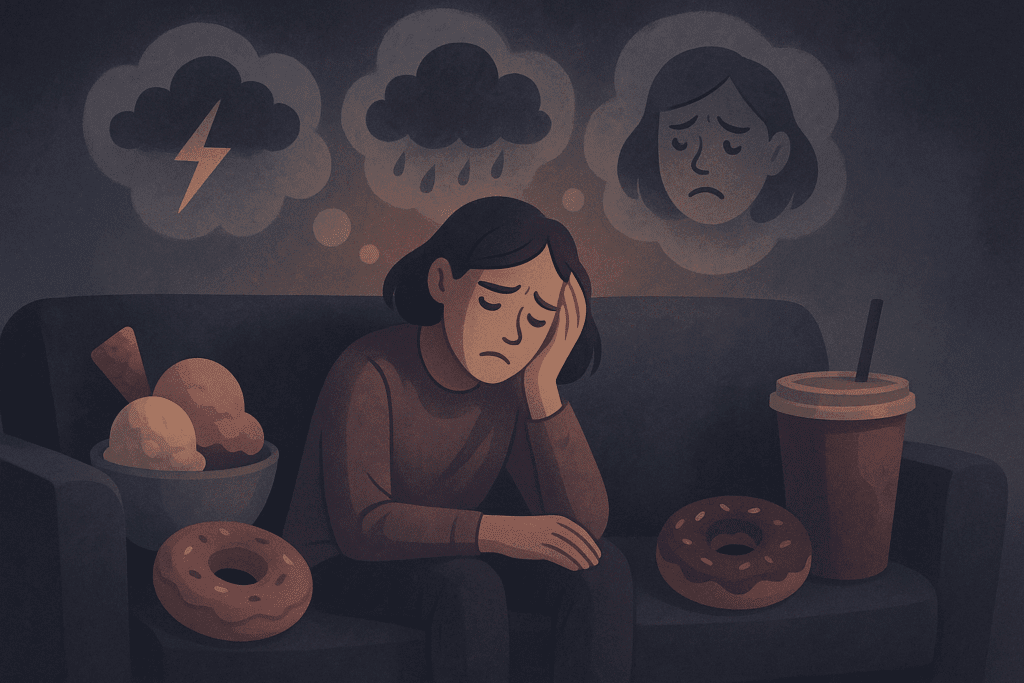
Person overwhelmed on couch surrounded by sugary foods, illustrating how sugar and anxiety are linked through emotional eating and distress.

Emotional Eating, Cravings, and the Sugar-Anxiety Cycle

For many people, sugar is more than a food—it’s a coping mechanism. The emotional pull of sugary treats in moments of stress or sadness is well documented, with individuals often turning to sugar for comfort, distraction, or mood enhancement. However, this short-term relief is followed by long-term consequences. Emotional eating creates a feedback loop where sugar temporarily soothes anxiety, but then worsens it due to the biological effects discussed earlier.

This cycle is particularly evident in individuals with a diagnosed sugar and anxiety disorder. They may be more sensitive to internal stress cues and external stressors, making them more likely to rely on sugar as an emotional crutch. Unfortunately, frequent sugar consumption reinforces neural pathways related to reward-seeking behavior and emotional dependence, making it harder to break the habit.

Interestingly, research has found that people with higher anxiety levels report more intense cravings for high-sugar, high-fat foods. This may be the body’s attempt to self-medicate or stabilize mood, but in the long term, it only contributes to the deepening of anxiety symptoms. Breaking this cycle requires not only willpower but also strategic dietary changes and psychological support to build healthier coping mechanisms.
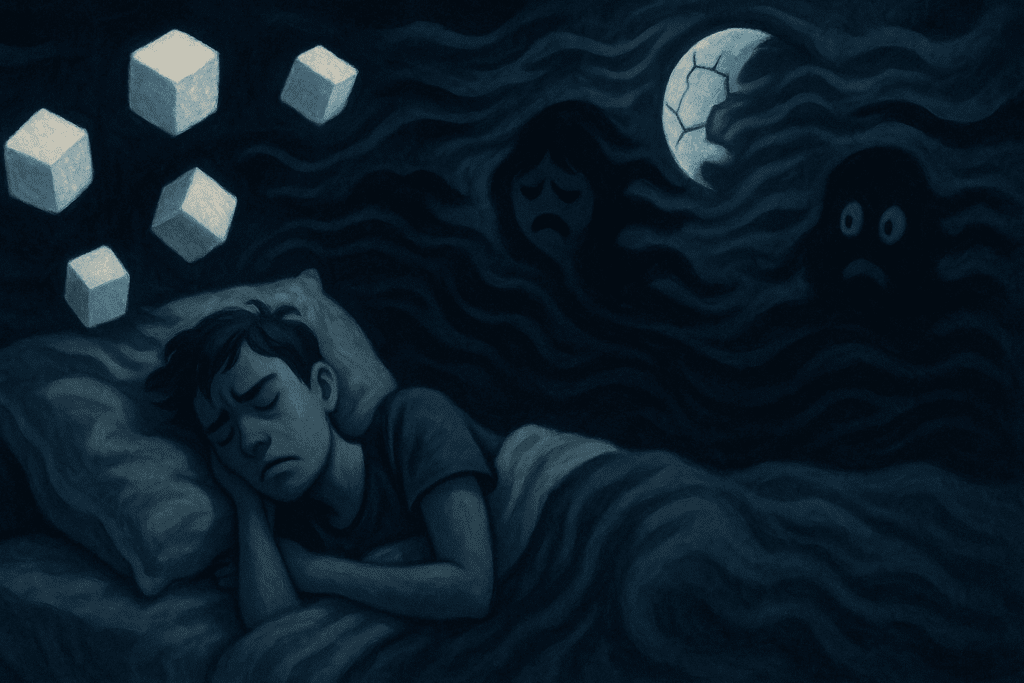
Conceptual night scene illustrating how sugar and anxiety are linked, with floating sugar cubes above a restless sleeper and a fragmented moon.

Sugar, Sleep Disruption, and Its Downstream Effects on Anxiety

Sleep quality is a powerful regulator of emotional health, and sugar has a surprisingly large impact on sleep architecture. High sugar intake—particularly in the hours before bed—can disrupt circadian rhythms, decrease slow-wave (deep) sleep, and increase nighttime wakefulness. This is due in part to the effect of sugar on cortisol and insulin levels, which can keep the brain in a hyperactive state when it should be preparing for rest.

Poor sleep, in turn, is one of the strongest predictors of increased anxiety. Even a single night of inadequate sleep can make the brain more reactive to stress and impair cognitive function, making it harder to manage anxious thoughts. Chronic sleep deprivation caused by sugar-related insomnia creates a perfect storm: a tired brain with weakened executive functioning and amplified emotional responses.

People who suffer from both insomnia and anxiety may find that reducing sugar in their diet improves not just mood but sleep quality as well. Emerging studies suggest that a low-sugar diet may help stabilize sleep cycles, reduce nighttime cortisol spikes, and promote deeper, more restorative rest—all of which are essential for anxiety management.

The Impact of Sugar During Critical Developmental Stages

Children, adolescents, and young adults are particularly vulnerable to the impact of sugar on mental health. During periods of rapid brain development, such as adolescence, excessive sugar intake can interfere with the formation of healthy neural connections and emotional regulation pathways. Studies show that high sugar diets in youth are associated with increased risk of depression, attention disorders, and anxiety symptoms later in life.

This early exposure to sugar also sets the stage for long-term metabolic disruption. Children who grow up consuming high amounts of sugar are more likely to develop insulin resistance, gut microbiome imbalances, and poor dietary habits that persist into adulthood. The combination of these physical changes with developing emotional systems may predispose individuals to lifelong struggles with anxiety, particularly in environments that lack nutritional education or access to healthier foods.

Parents and caregivers play a pivotal role in shaping early dietary habits. Educating families about the link between sugar and anxiety can empower them to make informed choices that support not only physical but also emotional health from a young age. Replacing refined sugars with whole foods rich in fiber, healthy fats, and complex carbohydrates can have a powerful impact on reducing emotional dysregulation in children and adolescents.
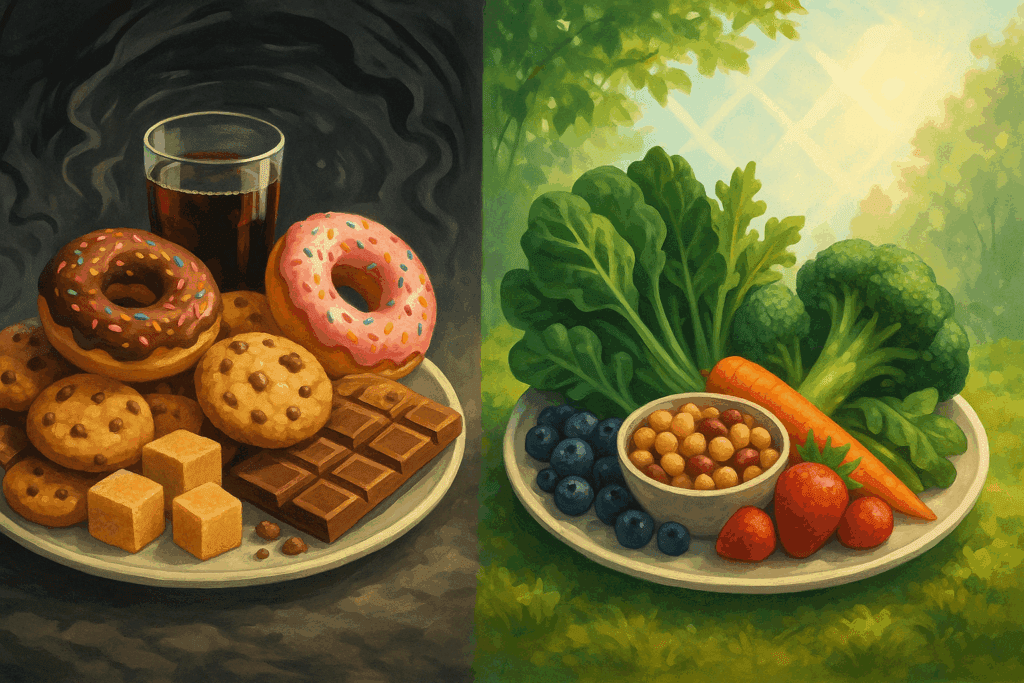
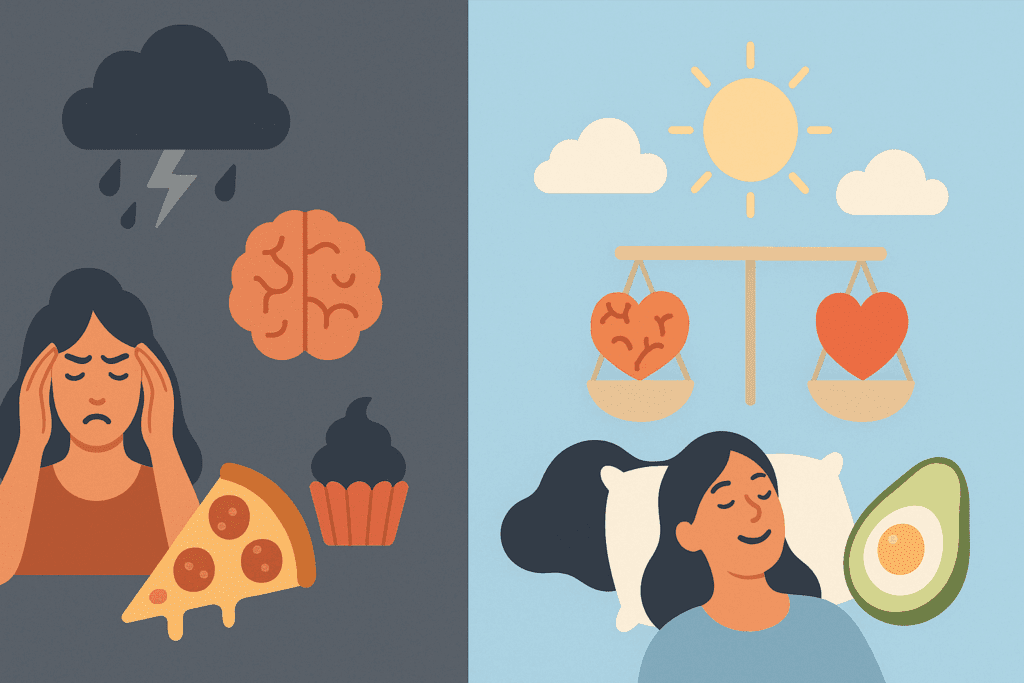
Two contrasting plates show how sugar and anxiety are linked—one with sugary snacks in a chaotic setting, the other with whole foods in a calm, natural scene.

Addressing the Link Between Sugar and Anxiety Through Diet and Lifestyle

Given the strong correlation between sugar and anxiety, making strategic dietary changes can yield significant benefits. The first step is awareness—recognizing how sugar affects your mood, energy levels, and mental clarity. Keeping a food and mood journal can help individuals identify patterns between sugar consumption and anxiety flare-ups. Once these patterns are clear, targeted interventions can begin.

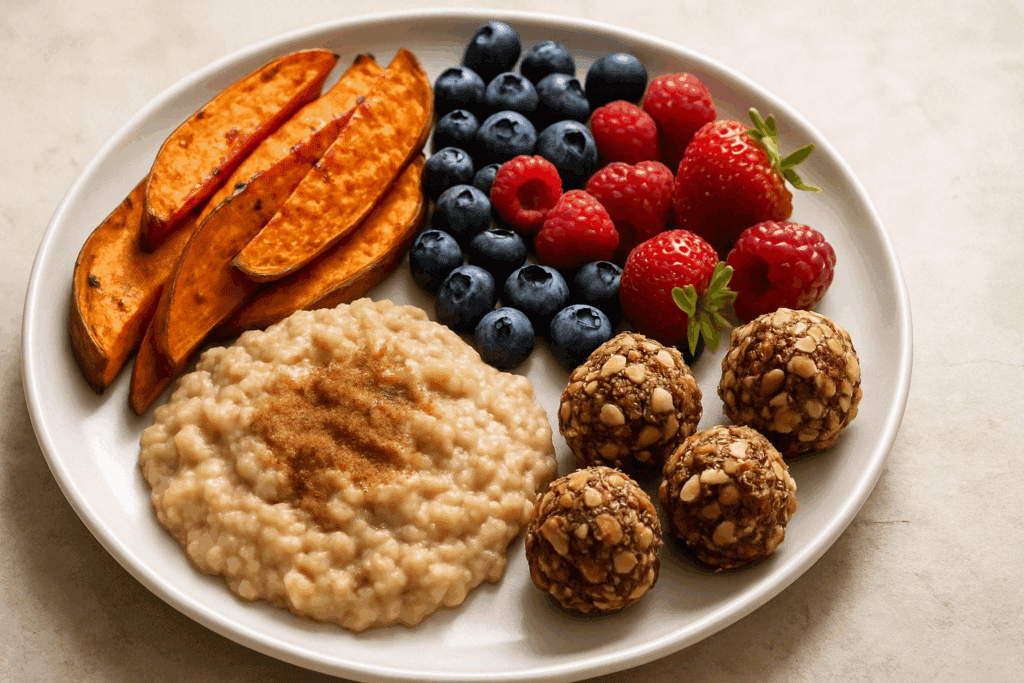
Reducing added sugars from processed foods is a logical first step. This includes eliminating sugary drinks, candy, baked goods, and even less obvious sources like sweetened yogurts, granola bars, and sauces. Instead, focus on whole, nutrient-dense foods that support blood sugar stability, such as legumes, whole grains, nuts, seeds, leafy greens, and berries. These foods not only nourish the body but also support brain chemistry and gut health—two essential components in managing anxiety.

In addition to dietary changes, lifestyle modifications can amplify results. Regular exercise helps regulate insulin sensitivity and reduces cortisol, improving mood and energy levels. Mindful practices such as yoga, deep breathing, and meditation can lower sympathetic nervous system activity and increase emotional awareness, making it easier to respond thoughtfully rather than impulsively to anxiety triggers—including sugar cravings.

When to Seek Professional Help: Sugar, Anxiety, and Mental Health Care

While dietary changes can make a meaningful difference, it’s important to acknowledge that sugar and anxiety disorders are complex and multifactorial. For individuals with severe anxiety, trauma histories, or co-occurring mental health conditions, nutritional interventions should be seen as part of a broader, integrative care plan—not a standalone solution. Consulting with a registered dietitian, integrative physician, or mental health professional can ensure that changes are safe, personalized, and aligned with each individual’s needs.

Functional medicine practitioners may be especially well-equipped to address the sugar and anxiety connection, as they often take a root-cause approach that includes gut health, inflammation, hormone balance, and neurotransmitter function. Cognitive behavioral therapy (CBT), acceptance and commitment therapy (ACT), and other forms of psychotherapy can complement nutritional changes by helping individuals build psychological resilience and develop healthier emotional coping strategies.

If you suspect that sugar is playing a role in your anxiety, it’s worth bringing this up with your healthcare provider. An open conversation about diet, mood, and symptoms can lead to powerful, life-changing insights and interventions.
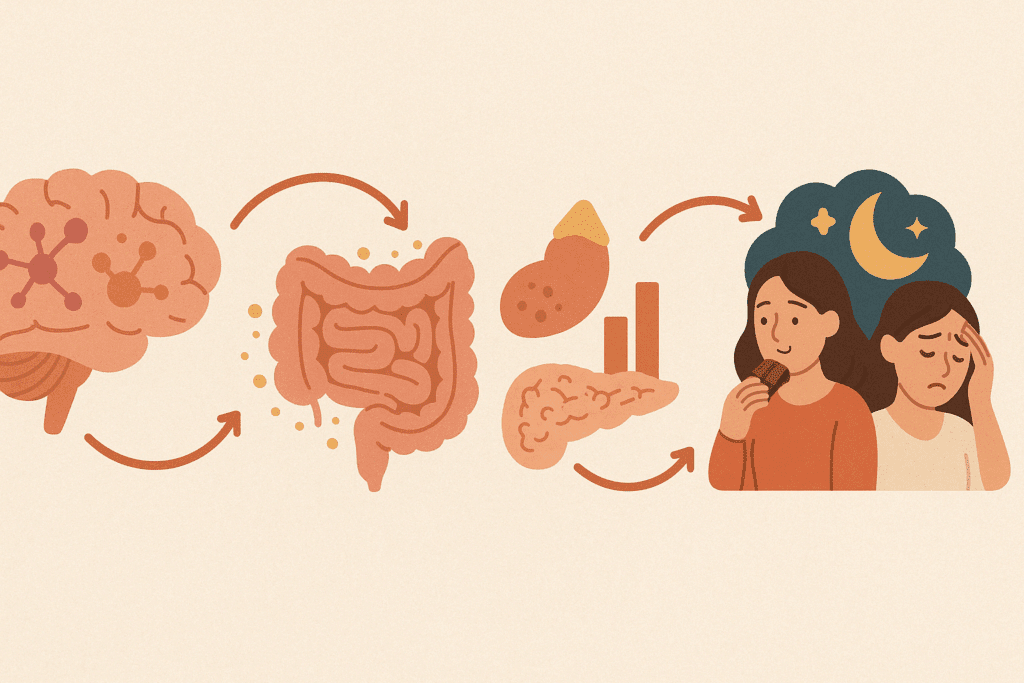
Visual infographic showing how sugar and anxiety are linked through effects on the brain, gut, hormones, and lifestyle habits

Frequently Asked Questions: Exploring the Link Between Sugar and Anxiety

1. Can reducing sugar intake improve the effectiveness of anxiety therapy or medication?

Yes, reducing sugar can enhance the effectiveness of therapeutic interventions for anxiety. Many medications and therapies target neurotransmitter regulation or stress response, but a high-sugar diet can work against these efforts by perpetuating blood sugar instability and inflammation. When sugar consumption is reduced, the nervous system may become more responsive to treatments like cognitive behavioral therapy or selective serotonin reuptake inhibitors (SSRIs). In individuals with a sugar and anxiety disorder, addressing both the psychological and dietary contributors often results in more sustainable outcomes. Although sugar isn’t the sole cause of anxiety, its reduction can remove a significant physiological barrier to healing.

2. How does sugar affect the stress response differently in people with generalized anxiety disorder?

In people with generalized anxiety disorder (GAD), the body’s stress response is often more sensitive and prolonged. When high amounts of sugar are consumed, it can amplify the adrenal response, triggering an exaggerated release of cortisol and adrenaline. This heightened reactivity may persist longer in those with GAD, increasing symptoms such as restlessness, rumination, and difficulty concentrating. The sugar and anxiety connection is particularly pronounced in this population because their baseline stress levels are already elevated. Minimizing added sugars may help create a more stable internal environment, allowing the nervous system to recover from stress more efficiently.

3. Are natural sugars like honey or maple syrup better for managing anxiety?

While natural sweeteners like honey and maple syrup may have a slightly lower glycemic index than refined sugar, they still impact blood glucose and insulin in ways that can contribute to anxiety. The perception that natural equals harmless can be misleading, especially for those sensitive to blood sugar swings. However, when used sparingly and balanced with fiber, fat, or protein, natural sweeteners may cause less of a spike-and-crash effect. For individuals with a sugar and anxiety disorder, even natural sweeteners should be consumed with mindfulness and moderation. The key is focusing on whole food sources of sweetness—like fruits—which contain fiber and nutrients that buffer blood sugar fluctuations.

4. What are some long-term mental health benefits of cutting back on sugar?

Over time, reducing sugar intake may lead to improved emotional resilience, reduced frequency and intensity of anxiety episodes, and greater mental clarity. The long-term effects of minimizing sugar on mental health go beyond day-to-day mood stability. By decreasing chronic inflammation, supporting balanced neurotransmitter production, and improving sleep quality, individuals often report a greater sense of calm and cognitive control. For those dealing with a sugar and anxiety disorder, these benefits may represent a turning point in managing their condition more holistically. The cumulative impact of dietary change becomes especially meaningful when paired with other wellness practices like mindfulness, exercise, and therapy.

5. Is there a genetic component to how sugar affects anxiety levels?

Yes, genetic factors may influence how individuals process sugar and how it affects their anxiety levels. Variations in genes related to dopamine, serotonin, insulin sensitivity, and inflammation can all modulate the body’s response to sugar. Some people may be more prone to sugar addiction or experience stronger mood swings after sugar consumption due to these inherited differences. For those with a family history of anxiety or mood disorders, understanding genetic susceptibility may help explain a heightened sensitivity to sugar and anxiety triggers. Personalized nutrition approaches, such as nutrigenomics, can help identify these risks and guide tailored interventions.

6. How do cultural eating habits influence the sugar and anxiety connection?

Cultural norms around food can significantly shape how sugar influences mental health. In societies where sugary snacks and desserts are a staple of daily rituals, social gatherings, or emotional expression, it becomes harder to identify sugar as a potential contributor to anxiety. Emotional attachments to traditional sweets may override awareness of physiological symptoms, especially in people with a sugar and anxiety disorder. Additionally, cultural stigma around mental health can prevent individuals from connecting dietary habits with emotional wellbeing. Addressing these challenges often requires culturally sensitive education that honors tradition while introducing healthier ways to enjoy food and manage emotions.

7. Can intermittent fasting or time-restricted eating help break the sugar-anxiety cycle?

Emerging research suggests that intermittent fasting or time-restricted eating may help regulate insulin, improve mood stability, and reduce sugar cravings. By minimizing the frequency of blood sugar spikes throughout the day, these approaches may lower baseline inflammation and support balanced cortisol levels. For individuals caught in a sugar and anxiety cycle, limiting eating windows may reduce the opportunity for impulsive snacking and emotional eating. However, it’s important that any fasting protocol is balanced with adequate nutrient intake and not used as a form of restrictive dieting that increases stress. Consulting a healthcare provider is recommended before beginning any significant dietary regimen, especially for those with preexisting anxiety or metabolic conditions.

8. What overlooked sources of sugar could still impact anxiety symptoms?

Many people focus on eliminating obvious culprits like candy or soda, but sugar often hides in less obvious places. Salad dressings, pasta sauces, flavored yogurts, protein bars, and even some breads contain added sugars that can affect mood and nervous system function. For individuals struggling with sugar and anxiety, overlooking these sources may prevent them from experiencing full symptom relief. Reading labels, preparing meals at home, and choosing unsweetened versions of products are practical steps to identify and reduce hidden sugar intake. Small, consistent changes often lead to the most profound and lasting improvements in anxiety management.

9. How can social media and digital culture amplify the effects of sugar and anxiety?

Constant digital stimulation—like scrolling through social media—already elevates stress and anxiety levels by increasing comparison, fear of missing out (FOMO), and mental overstimulation. When this is combined with the dopamine highs and crashes from sugary snacks often consumed while online, it can worsen emotional dysregulation. Many people in the digital age experience a reinforcing loop between screen time, emotional stress, and poor food choices, deepening their sugar and anxiety disorder symptoms. Creating digital boundaries, practicing mindful tech use, and nourishing the brain with stable fuel sources can help counteract this modern challenge. Building awareness of these environmental triggers is a key part of sustainable lifestyle change.

10. What emerging research areas are exploring sugar’s impact on anxiety?

The relationship between sugar and anxiety is being explored in several cutting-edge areas of science. Neuroinflammation, gut-brain signaling, epigenetics, and the endocannabinoid system are all under active investigation as potential mediators of sugar-induced anxiety. Some studies are also looking at how artificial sweeteners may mimic or differ from sugar’s impact on mood and anxiety-related brain circuits. Additionally, researchers are examining how the timing and frequency of sugar consumption influence long-term mental health trajectories. For people living with a sugar and anxiety disorder, staying informed about these evolving findings may open up new, more personalized avenues for care in the near future.

Conclusion: Rethinking Sugar for a Healthier, Calmer Mind

The relationship between sugar and anxiety is more than a fleeting curiosity—it’s a vital component of understanding how food influences mental health. With mounting evidence supporting the connection between sugar intake and heightened anxiety symptoms, it’s time to shift the conversation from simple calorie counting to a more nuanced, integrative view of nourishment. Sugar impacts brain chemistry, gut microbiota, inflammation, sleep, and stress hormones—all of which directly affect our mental and emotional equilibrium.

For individuals living with a sugar and anxiety disorder, dietary choices can either exacerbate or ease their symptoms. While eliminating sugar entirely may not be necessary or realistic for everyone, becoming mindful of sugar’s impact and reducing added sugars from your daily intake can help regulate mood, promote calm, and restore a sense of internal balance. In a world where anxiety is on the rise, reclaiming control through nutrition may be one of the most accessible and empowering strategies available.

Ultimately, by aligning what we eat with how we want to feel, we begin to close the gap between physical nourishment and emotional well-being. It’s not just about removing sugar—it’s about adding back the nutrients, habits, and awareness that support a calm, focused, and healthy mind.

Was this article helpful? Don’t let it stop with you. Share it right now with someone who needs to see it—whether it’s a friend, a colleague, or your whole network. And if staying ahead on this topic matters to you, subscribe to this publication for the most up-to-date information. You’ll get the latest insights delivered straight to you—no searching, no missing out.

Further Reading:

The impact of sugar consumption on stress driven, emotional and addictive behaviors

Your Anxiety Loves Sugar — Eat These 3 Things Instead

Nutritional psychiatry: Your brain on food

Disclaimer

The information contained in this article is provided for general informational purposes only and is not intended to serve as medical, legal, or professional advice. While NewsHealthWatch strives to present accurate, up-to-date, and reliable content, no warranty or guarantee, expressed or implied, is made regarding the completeness, accuracy, or adequacy of the information provided. Readers are strongly advised to seek the guidance of a qualified healthcare provider or other relevant professionals before acting on any information contained in this article. NewsHealthWatch, its authors, editors, and contributors expressly disclaim any liability for any damages, losses, or consequences arising directly or indirectly from the use, interpretation, or reliance on any information presented herein. The views and opinions expressed in this article are those of the author(s) and do not necessarily reflect the official policies or positions of NewsHealthWatch.

Smart Strategies to Lower Insulin for Weight Loss: How to Keep Insulin Low Naturally and Safely

Introduction: Why Insulin Control Is Critical for Effective Weight Loss

Weight loss advice often focuses on counting calories, cutting carbs, or hitting the gym. But beneath the surface of these familiar tactics lies a critical hormone that may be quietly sabotaging your efforts: insulin. Known primarily for its role in blood sugar regulation, insulin plays a deeper role in fat storage, hunger cues, and overall metabolism. When insulin levels are persistently high, it becomes far more difficult to burn fat, regardless of how diligently you diet or exercise.

Understanding the relationship between insulin and weight loss is essential for anyone seeking not only to shed pounds but to do so in a way that supports long-term health. Learning how to reduce insulin, manage insulin resistance, and support healthy insulin function naturally can transform your weight loss journey into one that aligns with your body’s biochemistry. This article will explore evidence-based strategies that show you how to keep insulin low, safely and effectively, for better metabolic health, energy balance, and lasting weight control.

You may also like: Why Am I Craving Sweets All of a Sudden? Expert-Backed Reasons and How to Stop Sugar Cravings Naturally

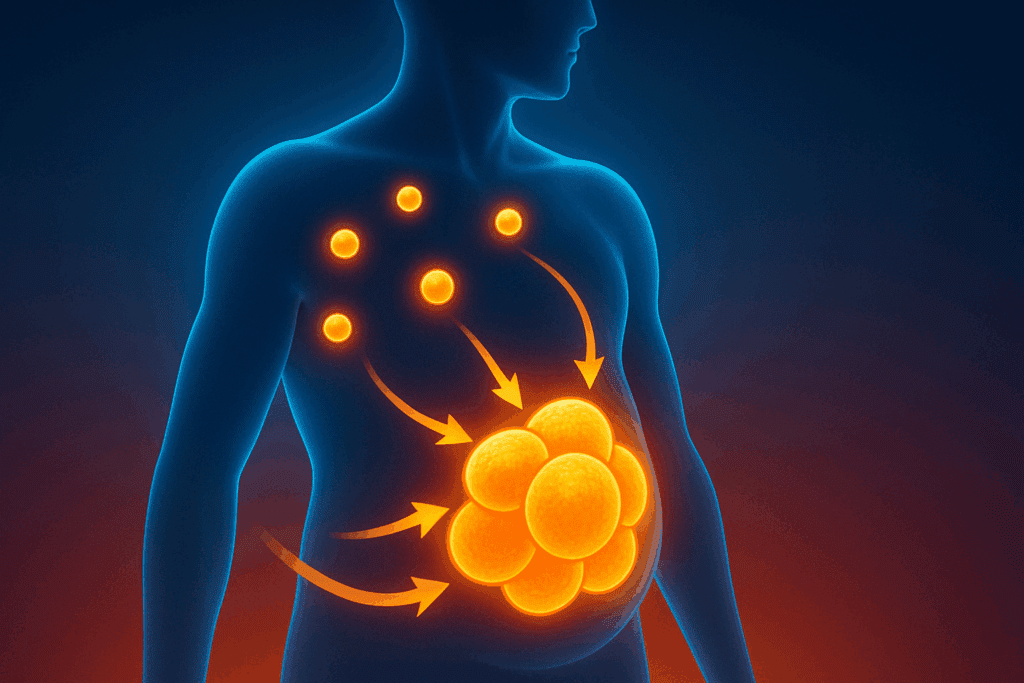
Visual concept of how insulin interacts with fat cells in the body’s midsection, illustrating how metabolic pathways store fat and the need to lower insulin.

Understanding Insulin and Its Role in Fat Storage

Insulin is a hormone released by the pancreas in response to rising blood sugar levels, typically after eating carbohydrate-rich foods. Its job is to help move glucose from the bloodstream into the cells, where it can be used for energy or stored for future use. When insulin functions optimally, it keeps blood sugar stable and helps maintain energy balance. However, when insulin levels are chronically elevated—often due to poor diet, sedentary behavior, or stress—it signals the body to store excess calories as fat.

The link between insulin and weight loss lies in this storage mechanism. High insulin levels promote fat accumulation while simultaneously preventing the body from accessing fat stores for energy. Essentially, when insulin is elevated, the body shifts into a “storage” mode, making it very difficult to burn fat—even during calorie restriction. This is why simply eating less or exercising more doesn’t always yield results unless insulin levels are also addressed.

What Causes Insulin to Rise? Common Triggers of Elevated Insulin

There are several lifestyle and dietary factors that contribute to chronically high insulin levels. The most common and impactful cause is excessive intake of refined carbohydrates and sugars. When you eat foods like white bread, sugary snacks, or sweetened beverages, your blood sugar spikes, prompting the pancreas to release a surge of insulin. Over time, repeated insulin spikes can lead to insulin resistance, where cells become less responsive to insulin, causing even more insulin to be produced.

In addition to diet, stress is another major driver of elevated insulin. Chronic stress increases cortisol, a hormone that can impair insulin sensitivity. Poor sleep, inflammation, and physical inactivity also play roles in raising insulin levels. Recognizing these root causes helps clarify how to reduce insulin through sustainable lifestyle changes rather than temporary fixes or fad diets.

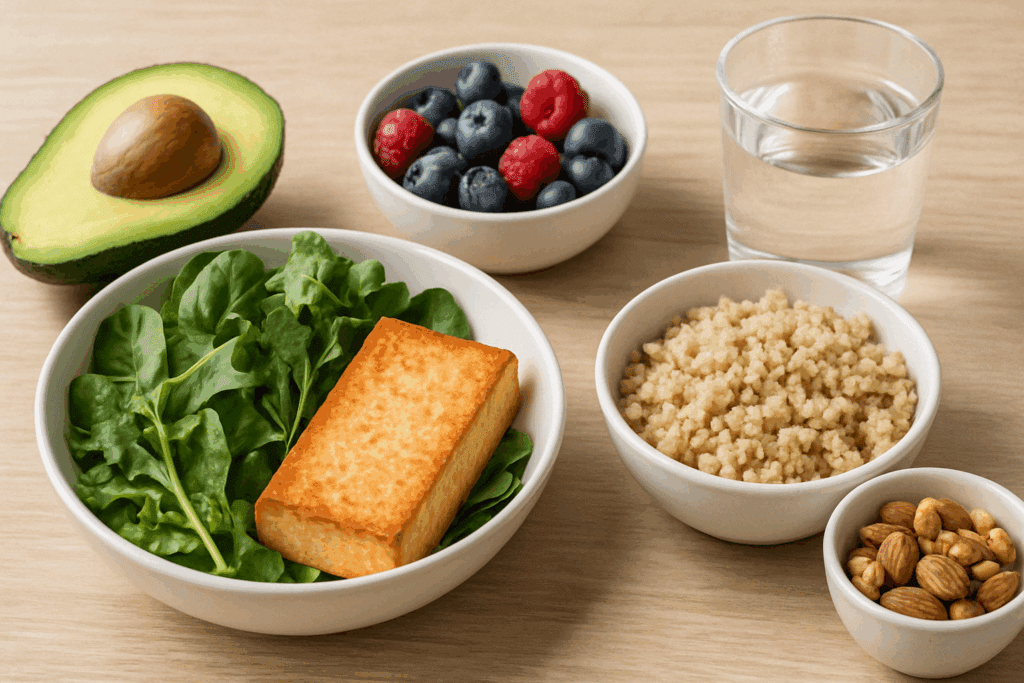
Wholesome meal with tofu, leafy greens, quinoa, avocado, berries, and nuts designed to help lower insulin naturally.

Dietary Shifts That Help Lower Insulin Naturally

The first step toward lowering insulin is making smart, consistent changes to your diet. A diet rich in fiber, healthy fats, and lean proteins—particularly plant-based options—can blunt insulin spikes and promote better blood sugar balance. Reducing or eliminating refined carbohydrates and sugary beverages is essential. Instead, focus on whole foods like leafy greens, legumes, nuts, seeds, berries, and whole grains that digest more slowly and have a gentler effect on blood sugar.

Eating balanced meals that include protein and healthy fats slows digestion and reduces the insulin response. For example, pairing a serving of quinoa with vegetables and avocado is far more insulin-friendly than eating a bowl of white rice. The goal is not to eliminate all carbs but to choose those that nourish the body without triggering excessive insulin production. These dietary choices are at the heart of how to keep insulin low on a daily basis.

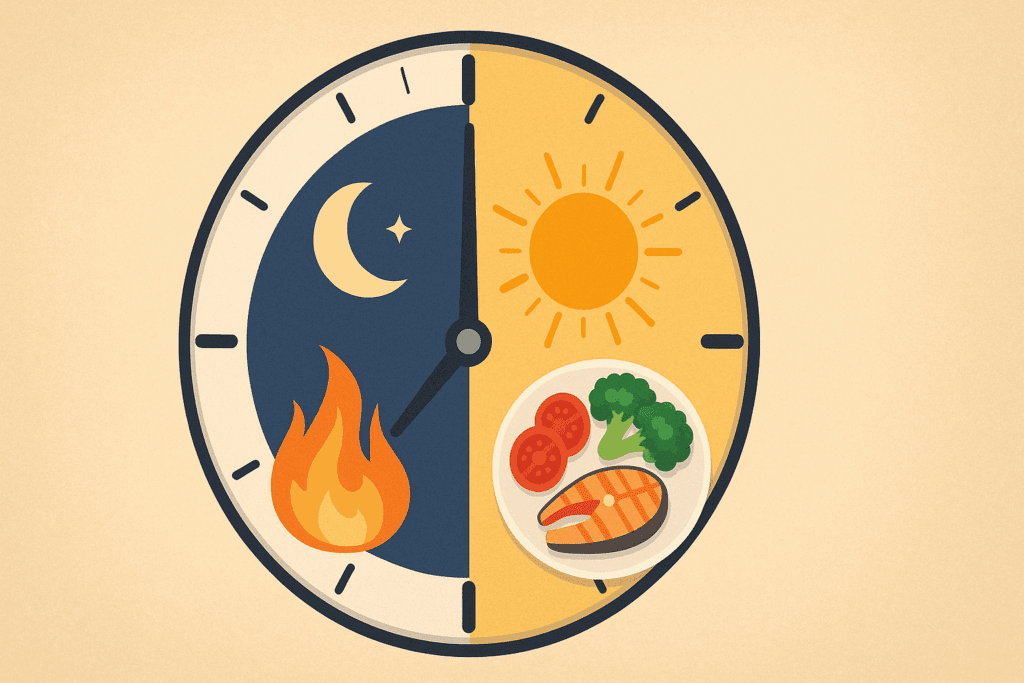
Clock illustration showing fasting and eating windows with symbols of moon, sun, fire, and healthy food to represent how intermittent fasting may lower insulin.

How Intermittent Fasting Supports Lowering Insulin

One of the most effective natural strategies for reducing insulin is intermittent fasting (IF). When you fast, your body has time to metabolize previously consumed glucose, allowing insulin levels to drop. In the absence of frequent food intake—especially carbohydrate-heavy snacks—your insulin response becomes more controlled, and your body can begin accessing stored fat for energy.

Various forms of intermittent fasting, such as the 16:8 method (16 hours fasting, 8-hour eating window) or alternate-day fasting, have shown significant benefits for both insulin sensitivity and weight loss. These methods allow insulin to remain low for longer periods, improving metabolic flexibility. Studies confirm that intermittent fasting is an effective and sustainable way to support insulin health and enhance fat metabolism.

For those asking, “how do I lower my insulin levels without medication?”, intermittent fasting offers a science-backed option that works with your body’s natural rhythms to regulate hormones and improve weight outcomes.

Diverse group of people exercising outdoors to support fitness and lower insulin naturally

Exercise: A Powerful Tool to Improve Insulin Sensitivity

Physical activity is another pillar of effective insulin management. Exercise helps muscle cells become more sensitive to insulin, meaning the body doesn’t need to produce as much of it to maintain blood sugar control. Even a single workout can improve insulin sensitivity for up to 48 hours, making regular movement a powerful way to lower insulin.

Strength training and aerobic exercise both offer benefits, and the best approach is often a combination of the two. Resistance training builds lean muscle mass, which burns more glucose even at rest, while cardio exercises like walking, jogging, or cycling help the body process glucose more efficiently. A consistent fitness routine not only supports weight loss but plays a key role in how to reduce insulin naturally and holistically.

Split-screen showing peaceful sleep and workplace stress, illustrating lifestyle impacts that raise or lower insulin

The Overlooked Role of Sleep and Stress in Insulin Regulation

Many people focus on diet and exercise but neglect the importance of sleep and stress management—two factors that directly impact insulin. Poor sleep, especially chronic sleep deprivation, disrupts the body’s ability to regulate blood sugar and insulin. One study showed that just a few nights of poor sleep can reduce insulin sensitivity by as much as 25%.

Similarly, ongoing stress elevates cortisol, which interferes with insulin’s function and raises blood sugar levels. Over time, this stress-induced hormonal imbalance can contribute to weight gain, especially around the abdominal area. Learning to manage stress through mindfulness, deep breathing, yoga, or time in nature is crucial for lowering insulin and maintaining long-term health.

A holistic approach to how to keep insulin low must include prioritizing restorative sleep and actively managing emotional stress. These often-overlooked factors are essential for breaking the cycle of insulin resistance and supporting lasting weight loss.

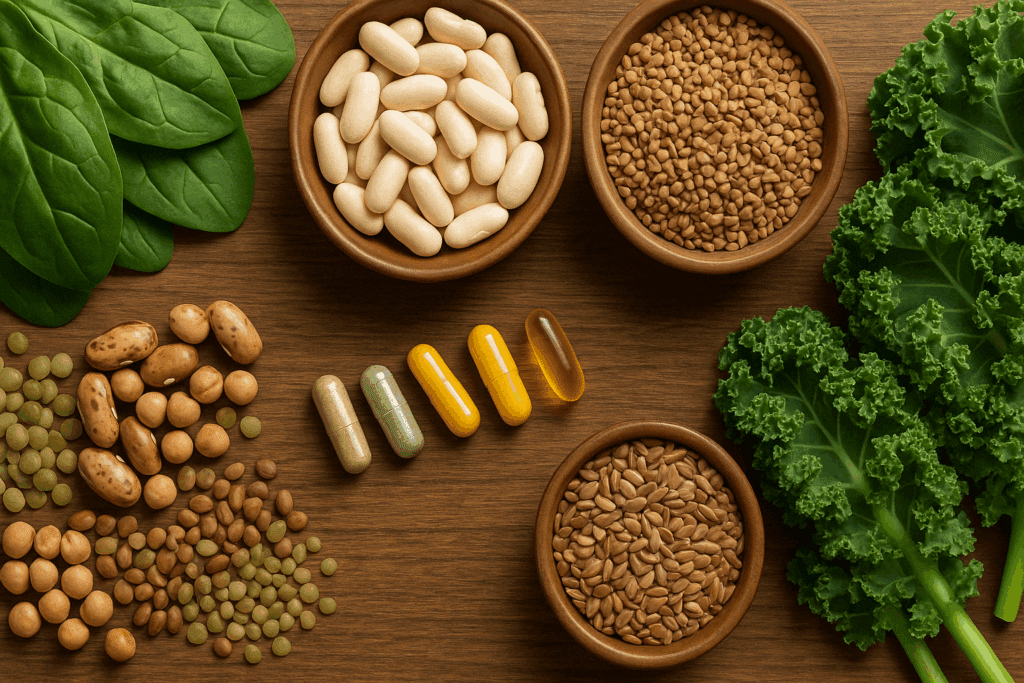
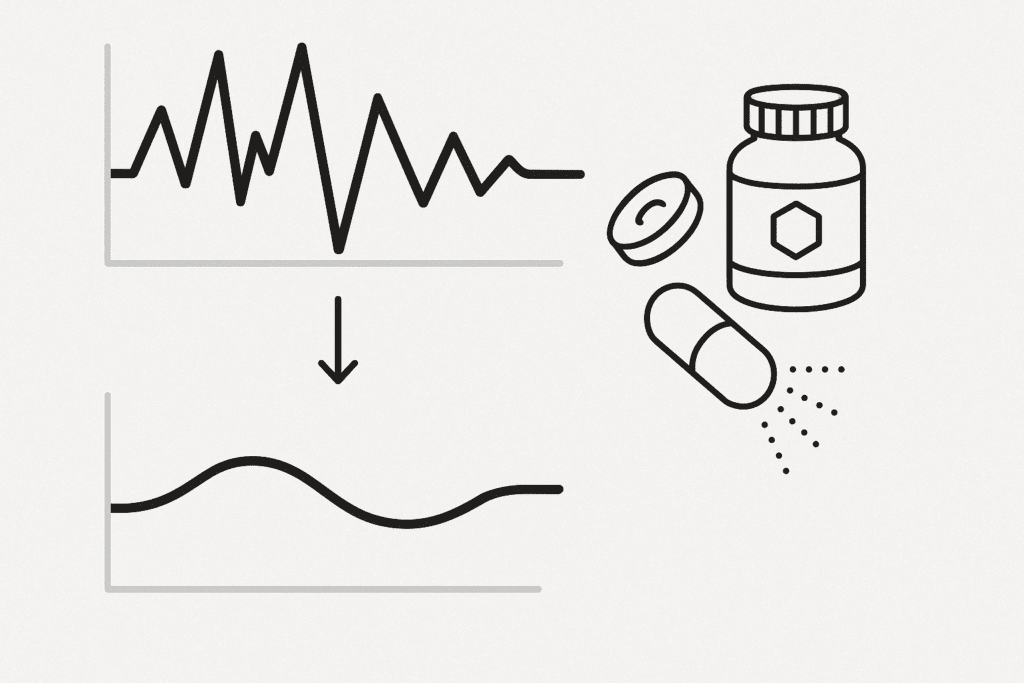
Supplements and whole foods that may help lower insulin, including magnesium capsules with spinach and pumpkin seeds, cinnamon sticks with powder, chromium tablets with broccoli, and alpha-lipoic acid soft gels

Supplements That May Help Lower Insulin Levels

While lifestyle changes are the foundation of insulin regulation, some supplements may offer additional support. Magnesium plays a key role in insulin signaling, and studies have shown that magnesium deficiency is linked to insulin resistance. Adding magnesium-rich foods like pumpkin seeds, spinach, and almonds—or supplementing if needed—may help improve insulin sensitivity.

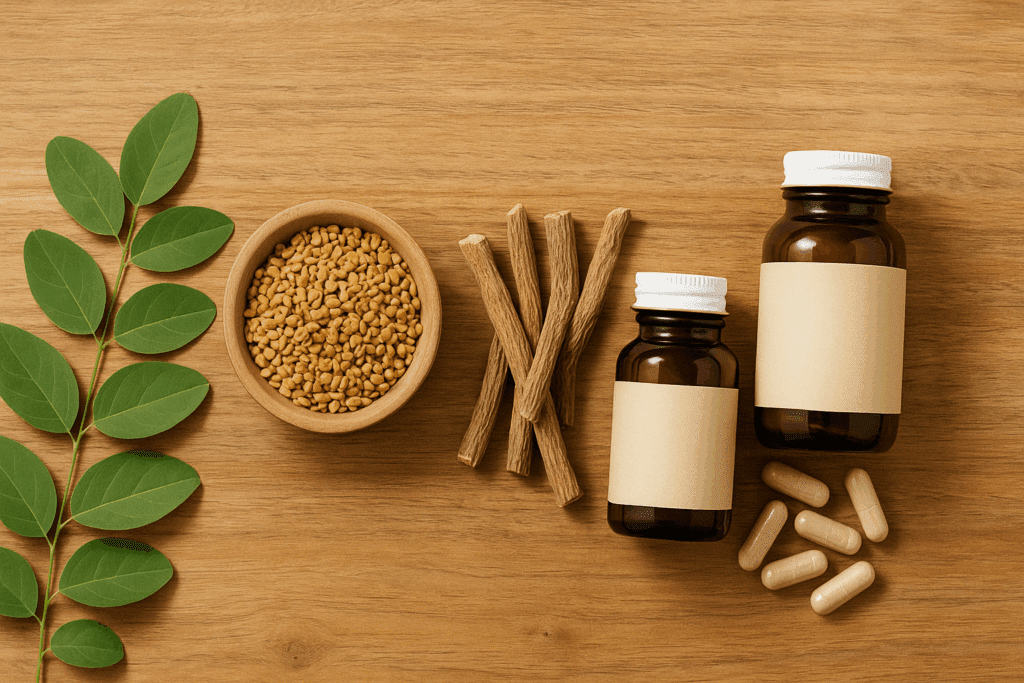
Chromium is another trace mineral that may assist in glucose metabolism, and alpha-lipoic acid (ALA), a powerful antioxidant, has shown potential in enhancing insulin function. Additionally, cinnamon, particularly in extract form, has been studied for its ability to stabilize blood sugar and support lower insulin levels.

While supplements are not a cure-all, they can complement diet and lifestyle changes. If you’re asking, “how do I lower my insulin levels effectively?”, it’s worth exploring whether these nutrients can play a supportive role in your personalized plan. Always consult a healthcare provider before starting any new supplement, especially if you’re managing a medical condition.

Mindful Eating and Its Role in Insulin Regulation

Mindful eating is an emerging strategy for insulin control that extends beyond food choices to how we eat. When meals are consumed slowly, without distractions like screens or rushed environments, the body can better regulate digestive hormones, including insulin. Mindful eating promotes awareness of hunger and satiety cues, helping to prevent overeating—one of the major contributors to insulin spikes.

Chewing thoroughly, savoring each bite, and pausing between servings allows the body to fully process food and signals the brain when enough has been consumed. This behavioral shift is a subtle yet powerful way to support metabolic health and reduce the frequency and intensity of insulin responses. Practicing mindfulness around food helps people naturally eat less and avoid the constant grazing that keeps insulin levels high.

Incorporating mindful eating into your lifestyle offers a simple and intuitive solution for those seeking practical ways to lower insulin without resorting to restrictive diets or harsh calorie limits.

Visual diagram showing physical signs linked to high insulin levels, such as belly fat and fatigue, used to explain how to lower insulin

Recognizing the Signs of High Insulin and When to Seek Support

Many people live with elevated insulin levels without realizing it. Signs that insulin may be too high include intense cravings for sugar or carbs, frequent hunger (even after eating), energy crashes, difficulty losing weight, and increased abdominal fat. Skin tags, dark patches of skin (especially on the neck or armpits), and high triglyceride levels are also potential indicators of insulin resistance.

If these signs sound familiar, it may be time to consult a healthcare provider for blood tests, including fasting insulin and glucose. Early detection and intervention can help you reverse insulin resistance before it develops into prediabetes or type 2 diabetes. Armed with this information, you can create a personalized plan based on the principles outlined in this article, focusing on how to reduce insulin naturally and safely.

FAQ: Advanced Insights on Insulin and Weight Loss — Practical Approaches to Naturally Lower Insulin

1. Can high insulin levels affect hunger and food cravings?

Yes, elevated insulin levels can significantly impact hunger and food cravings. When insulin is consistently high, it suppresses the hormone glucagon, which normally helps maintain stable blood sugar levels. This leads to blood sugar crashes that trigger intense cravings, especially for sugary or carb-rich foods. Over time, this cycle contributes to overeating and weight gain, making the relationship between insulin and weight loss even more complex. Understanding how to reduce insulin through mindful eating and balanced nutrition not only supports metabolic health but can also stabilize appetite and reduce emotional or habitual cravings that derail weight management efforts.

2. How does alcohol consumption impact insulin levels and weight loss?

Alcohol can influence insulin in several nuanced ways, depending on the type, amount, and frequency of consumption. While moderate alcohol, particularly red wine, may have some insulin-sensitizing effects due to compounds like resveratrol, excessive intake often leads to spikes in triglycerides, liver fat accumulation, and insulin resistance. Chronic drinking also disrupts glucose metabolism and may lead to reactive hypoglycemia, which prompts the pancreas to release more insulin than necessary. For those focused on lowering insulin, it’s wise to limit alcohol intake or choose options with minimal sugar content. Balancing alcohol with high-fiber meals and hydration can also help keep insulin low during occasional indulgences.

3. Can mental health challenges interfere with efforts to lower insulin levels?

Mental health plays a surprisingly strong role in insulin regulation. Chronic anxiety, depression, and trauma often elevate cortisol, which in turn raises blood sugar and insulin secretion over time. Additionally, individuals with mood disorders may struggle with consistent routines around sleep, exercise, or nutrition, which are key to how to keep insulin low. Addressing mental health with professional support—such as therapy, mindfulness practices, or medication when appropriate—can create a more stable internal environment that promotes both emotional and metabolic balance. In this way, supporting mental wellness becomes a foundational piece in any effective insulin and weight loss strategy.

4. Are there cultural or social eating habits that make insulin control more difficult?

Yes, social and cultural factors can significantly impact insulin dynamics. Frequent celebratory meals, late-night dining traditions, and communal eating centered on carbohydrate-dense foods can lead to repeated insulin spikes. In cultures where bread, rice, or sweets are dietary staples, learning how to reduce insulin may require careful planning rather than total avoidance. Choosing to eat traditional meals in smaller portions or substituting with lower-glycemic versions allows individuals to honor cultural norms while still working to lower insulin naturally. Education and community-based health initiatives that respect cultural preferences can empower more people to adopt sustainable insulin-friendly habits.

5. How do hormonal changes during menopause influence insulin and weight gain?

Hormonal shifts during perimenopause and menopause often lead to increased insulin resistance, particularly due to declining estrogen levels. Estrogen plays a protective role in maintaining insulin sensitivity, and when it drops, women may experience increased abdominal fat and difficulty losing weight. This makes it especially important during this life stage to understand how do I lower my insulin levels through diet, activity, and stress management. Strength training becomes particularly valuable, as it helps maintain lean mass and improves glucose uptake. By adapting lifestyle habits to these hormonal changes, women can regain better control over both insulin and weight.

6. Is it possible to lower insulin without following a strict diet plan?

Absolutely. While structured diets can be helpful for some, lowering insulin doesn’t require rigid meal plans or elimination diets. Instead, the focus should be on consistency with foundational habits: reducing added sugars, choosing whole foods, managing stress, and prioritizing sleep. Those wondering how to keep insulin low sustainably should start with small, realistic changes—like swapping sugary beverages for water, adding more fiber to meals, or taking short walks after eating. These micro-habits add up over time, and often deliver better long-term results than extreme dietary restrictions that are hard to maintain.

7. Can insulin be lowered through environmental or lifestyle design?

Surprisingly, yes—environmental cues can deeply influence hormonal regulation. For instance, exposure to natural light in the morning can help regulate circadian rhythms, which in turn support better cortisol and insulin balance throughout the day. Likewise, designing your kitchen and workspace to promote mindful eating (e.g., keeping fruit on the counter instead of cookies) reinforces habits that help lower insulin passively. Even standing desks or prompts to move regularly during the day can support metabolic flexibility. Integrating insulin and weight loss strategies into your daily environment makes them easier to follow and more effective over the long term.

8. Are there emerging therapies or research areas exploring insulin control and weight management?

Yes, several exciting developments are underway in the realm of insulin research. Nutrigenomics—the study of how genes and diet interact—may one day help personalize insulin-lowering strategies based on individual genetic profiles. Additionally, compounds like berberine and inositol are gaining traction for their potential to mimic the effects of insulin or improve its sensitivity. Some researchers are also exploring how gut microbiome diversity influences insulin signaling, suggesting that probiotics and fermented foods could support how to reduce insulin naturally. While these areas are still emerging, they point toward a future of more tailored, holistic metabolic care.

9. How do shift work and irregular schedules impact insulin and weight control?

People who work night shifts or rotating schedules often face challenges with circadian misalignment, which disrupts the normal release of insulin and cortisol. Eating at night when the body is less insulin-sensitive can lead to higher blood sugar and increased fat storage. For those in these roles, being intentional about meal timing and food choices becomes critical to lowering insulin. Strategic fasting, high-protein meals earlier in the day, and minimizing nighttime snacking can help mitigate these effects. Understanding how to keep insulin low in non-traditional lifestyles requires flexible, individualized strategies that prioritize circadian-friendly eating whenever possible.

10. What’s the long-term benefit of keeping insulin low beyond weight loss?

While many people focus on insulin and weight loss, the benefits of insulin control extend far beyond aesthetics. Maintaining lower insulin levels helps reduce the risk of cardiovascular disease, certain cancers, and cognitive decline. It also improves energy stability, reduces inflammation, and supports hormonal balance across the lifespan. Over time, learning how to reduce insulin is less about short-term results and more about creating a strong foundation for aging well. When insulin is balanced, the entire metabolic system functions more efficiently, making how do I lower my insulin levels not just a temporary question, but a lifelong health pursuit.

Conclusion: Lasting Weight Loss Starts with Insulin Balance

For anyone struggling to lose weight despite doing “everything right,” the missing link may be hormonal. Insulin is not just a blood sugar hormone—it’s a key metabolic regulator that determines whether your body stores fat or burns it. Understanding the connection between insulin and weight loss changes the game. It shifts the focus from willpower and calorie restriction to hormonal balance and metabolic efficiency.

Knowing how to keep insulin low involves more than cutting carbs. It’s about eating whole, nourishing foods, staying active in a way that supports your lifestyle, managing stress, prioritizing quality sleep, and being mindful at meals. Whether through intermittent fasting, smarter food choices, or supporting sleep and stress, each step you take to lower insulin naturally can help you regain control of your health and weight.

The path to metabolic wellness is not about quick fixes—it’s about long-term commitment to habits that respect the body’s internal rhythms. If you’ve been wondering how do I lower my insulin levels safely, this guide offers a clear, actionable framework. With science-backed strategies and a holistic mindset, you can transform your health from the inside out—starting with your hormones, starting with insulin.

Was this article helpful? Don’t let it stop with you. Share it right now with someone who needs to see it—whether it’s a friend, a colleague, or your whole network. And if staying ahead on this topic matters to you, subscribe to this publication for the most up-to-date information. You’ll get the latest insights delivered straight to you—no searching, no missing out.

Further Reading:

13 Ways to Lower Your Insulin Levels

How can I lower my insulin levels?

Diet tips to improve insulin resistance

Disclaimer

The information contained in this article is provided for general informational purposes only and is not intended to serve as medical, legal, or professional advice. While NewsHealthWatch strives to present accurate, up-to-date, and reliable content, no warranty or guarantee, expressed or implied, is made regarding the completeness, accuracy, or adequacy of the information provided. Readers are strongly advised to seek the guidance of a qualified healthcare provider or other relevant professionals before acting on any information contained in this article. NewsHealthWatch, its authors, editors, and contributors expressly disclaim any liability for any damages, losses, or consequences arising directly or indirectly from the use, interpretation, or reliance on any information presented herein. The views and opinions expressed in this article are those of the author(s) and do not necessarily reflect the official policies or positions of NewsHealthWatch.
Smart Strategies to Cut Sugar from Your Diet Naturally: A Complete No Sugar Diet Food List to Support Healthier Living

In an age where chronic diseases like obesity, type 2 diabetes, and heart disease are on the rise, the role of added sugar in the modern diet has become a topic of urgent discussion. While sugar is not inherently harmful in its natural form—as found in fruits and vegetables—it becomes problematic when consumed in excess, especially in its refined and added forms. The average adult now consumes significantly more sugar than the body needs, much of it unknowingly through processed foods, beverages, condiments, and even so-called “health” products. This excessive intake often leads to unstable blood sugar levels, inflammation, metabolic issues, and even mood swings. For those seeking to restore balance, exploring a no sugar diet presents a viable, empowering path toward holistic health.

A no sugar diet plan is not about deprivation or punishment. It’s a strategy to restore your body’s natural rhythm by removing artificial highs and crashes caused by added sugars. The goal is to eliminate or significantly reduce sources of refined sugar while increasing your intake of nutrient-dense, whole foods that support stable energy and metabolic health. By following a no sugar diet food list filled with whole, nourishing options, you can break free from sugar dependence and start enjoying the benefits of improved mood, mental clarity, better sleep, and a more stable weight. This article offers practical strategies for how to cut out sugar, shares a detailed list of sugar free diet foods, and guides you through a sustainable lifestyle shift rooted in science and common sense.

Split image showing sugary processed foods like soda and candy contrasted with whole foods like salmon, avocado, and leafy greens to illustrate a no sugar diet food list choice

Why Reducing Sugar Intake Is Crucial for Health and Wellness

The effects of sugar on health go beyond weight gain and cavities. Scientific studies have established strong correlations between high sugar consumption and conditions like nonalcoholic fatty liver disease, insulin resistance, and cardiovascular disease. Sugar’s ability to spike blood glucose levels and trigger insulin responses makes it particularly dangerous when consumed regularly and in hidden forms. For individuals wondering how to eliminate sugar from your diet, it’s important to understand that even small amounts of added sugar, when consumed daily, can contribute to chronic inflammation and long-term health decline.

Interestingly, reducing sugar intake doesn’t just influence physical health. Research has shown that excess sugar can also affect mental clarity, emotional regulation, and sleep quality. This is because sugar impacts the gut-brain axis, disrupting the microbiome and altering neurotransmitter production. By embracing a sugar free diet plan, individuals often notice improvements not only in their energy levels but also in mood stability and cognitive performance. These benefits provide compelling motivation for anyone looking to undertake a no sugar challenge and stick with it over time.

You may also like: Why Am I Craving Sweets All of a Sudden? Expert-Backed Reasons and How to Stop Sugar Cravings Naturally

Grocery shelf with processed foods labeled “organic,” “low fat,” and “whole grain,” illustrating misleading items often found on a no sugar diet food list.

Understanding Hidden Sugars in Everyday Foods

A major hurdle for those attempting to follow a no sugar diet is the prevalence of hidden sugars in packaged and processed foods. Sugar goes by many names—over 50, in fact—including maltose, fructose, corn syrup, and barley malt. It’s often added to enhance flavor or extend shelf life but is rarely highlighted unless consumers know what to look for. If you’re committed to how to stop consuming sugar, one of the first steps is learning to read nutrition labels critically.

Common sources of hidden sugar include salad dressings, sauces, yogurt, granola bars, cereals, protein powders, and even savory items like crackers and canned soup. Even foods labeled “natural” or “low fat” often compensate with added sugars to enhance palatability. Transitioning to foods with no sugar means not just avoiding dessert—it requires being aware of the ingredients in everyday staples. Choosing non sugar foods to eat means opting for options with no added sweeteners, artificial or otherwise, and embracing whole foods that nourish rather than stimulate your taste buds excessively.

Person happily preparing snacks from the no sugar diet food list, including veggies, nuts, and tahini-based dips in a warm kitchen.

How to Stop Eating Sugar Without Feeling Deprived

Eliminating sugar is a challenge for many people because sugar is both physiologically and emotionally rewarding. It activates the brain’s reward system in a way similar to certain addictive substances, which helps explain why cravings can be intense. Learning how to not eat sugary foods isn’t about discipline alone—it’s about rewiring habits, understanding biological signals, and creating satisfying alternatives.

A successful approach involves gradually reducing sugar intake over time. This minimizes withdrawal symptoms and gives your taste buds a chance to recalibrate. Swapping sugary snacks with foods that have no sugar—like nuts, seeds, plain Greek yogurt, or roasted chickpeas—can provide satiety without the crash. Cooking at home also becomes a powerful strategy since it gives you complete control over ingredients. Instead of sugary sauces or marinades, try herbs, spices, vinegar, citrus, or tahini to flavor dishes. These substitutions help you feel satisfied while staying committed to your no sugar diet plan.

Building a Sustainable No Sugar Diet Plan

To succeed long-term, a no sugar diet plan must be tailored to your lifestyle, preferences, and nutritional needs. This isn’t a one-size-fits-all journey—it’s about creating a framework that prioritizes sugar free foods to eat while maintaining enjoyment and flexibility. The most successful plans focus on crowding out sugary foods by filling your plate with colorful, nutrient-rich ingredients that stabilize your blood sugar and provide lasting energy.

Start by planning your meals around whole, unprocessed foods. A typical day might begin with scrambled eggs or tofu with vegetables, avocado, and a slice of sourdough bread. Lunch could include a lentil and quinoa salad with olive oil and lemon dressing, while dinner might consist of roasted cauliflower, chickpeas, and tahini over greens. Between meals, rely on no sugar diet foods like raw nuts, veggie sticks with hummus, or hard-boiled eggs to stay full. Planning ahead and preparing snacks ensures you’re not caught off-guard and tempted by processed convenience foods.

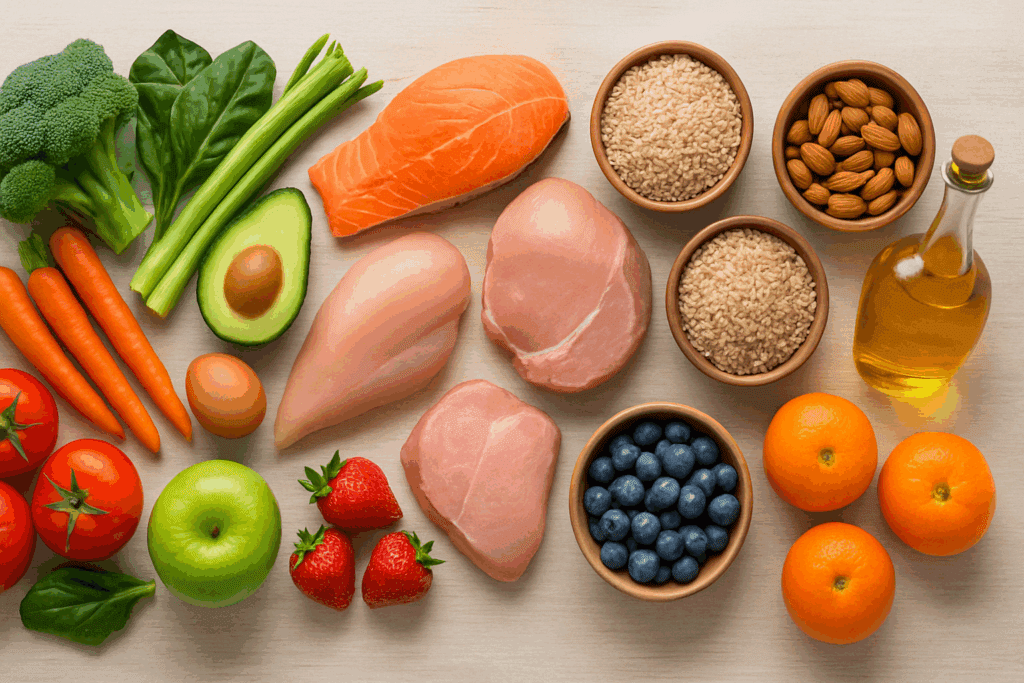
Top-down view of a colorful no sugar diet food list featuring broccoli, salmon, chicken, brown rice, avocado, and unsweetened fruits.

The Ultimate No Sugar Diet Food List for Healthy Living

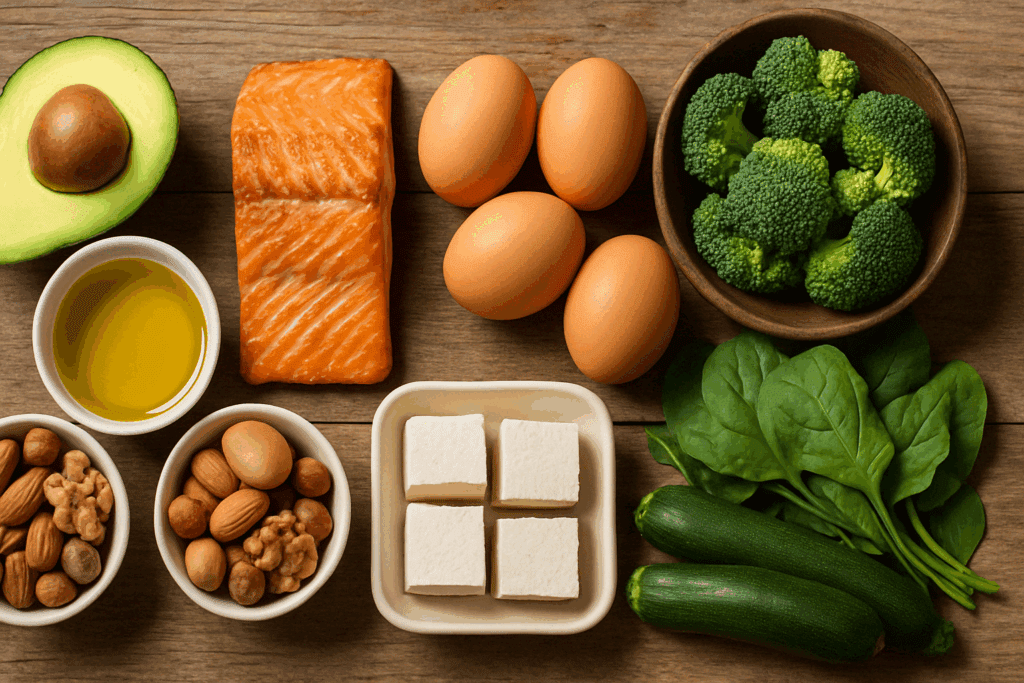
Creating a master no sugar diet list of approved foods gives you a foundation for success. At the top of this list are non-starchy vegetables, including leafy greens, cucumbers, broccoli, and bell peppers, all of which are rich in fiber and free of added sugar. Healthy proteins like lentils, beans, organic eggs, tofu, and wild-caught fish offer satiety and blood sugar stability. Whole grains such as oats, quinoa, and barley, when unsweetened, provide long-lasting energy and nutritional value.

For those seeking foods that contain no added sugar, fruits like berries, green apples, kiwi, and grapefruit are excellent choices in moderation, especially when paired with protein or fat. Unsweetened plant milks, plain yogurt, fermented vegetables, and healthy fats like nuts, seeds, olives, and avocados are essential components of a satisfying no sugar diet. Understanding what to eat on the no sugar diet means embracing a wide variety of textures, flavors, and nutrients that keep you full and energized.

Person eating salad at dinner party while others enjoy desserts, illustrating choices from a no sugar diet food list.

How to Avoid Sugar in Social Situations and Eating Out

Navigating social events, work gatherings, or restaurant meals can be difficult for anyone following a no sugar challenge. From birthday cakes to happy hour cocktails, sugar is often center stage. Learning how to avoid sugar in these environments requires both strategy and self-confidence. One of the simplest tips is to eat before going out. A small, nourishing meal built from sugar free diet foods helps prevent impulsive eating.

When dining out, choose dishes that are grilled, roasted, or steamed, and ask for sauces or dressings on the side. Request modifications when needed, such as skipping sugary glazes or breaded coatings. Don’t hesitate to ask your server questions about ingredients—more restaurants than ever are accommodating dietary preferences. Bring your own snacks if you’re uncertain about what’s available. Most importantly, remind yourself why you’re on this journey: each decision is a step toward a healthier you.

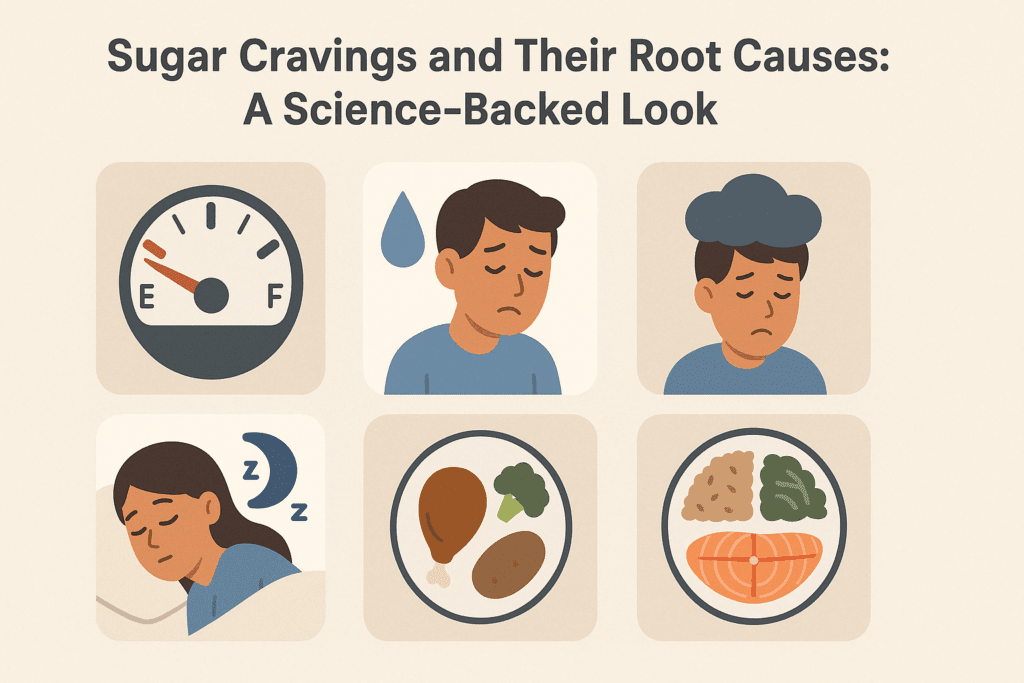
Infographic illustrating root causes of sugar cravings with icons representing low energy, dehydration, stress, poor sleep, and unbalanced meals, supporting a no sugar diet food list

Sugar Cravings and Their Root Causes: A Science-Backed Look

Sugar cravings are often misunderstood as simple temptations, but they usually stem from a deeper imbalance. When blood sugar levels dip too low due to skipped meals or excessive caffeine, the body seeks quick fuel—often in the form of sugar. Emotional stress, fatigue, and even dehydration can trigger cravings as the brain searches for comfort and stimulation. Understanding how to stop eating sugar means addressing these underlying causes head-on.

By prioritizing balanced meals that include fat, protein, and fiber, you naturally reduce the frequency and intensity of cravings. For example, starting your day with eggs, avocado, and sautéed spinach provides a stable energy base that wards off the mid-morning sugar crash. Staying hydrated, getting quality sleep, and managing stress through mindfulness or gentle movement also support this process. When cravings hit, reach for foods to eat without sugar that still satisfy texture and taste—like cinnamon-spiced nuts, roasted pumpkin seeds, or a crunchy apple.

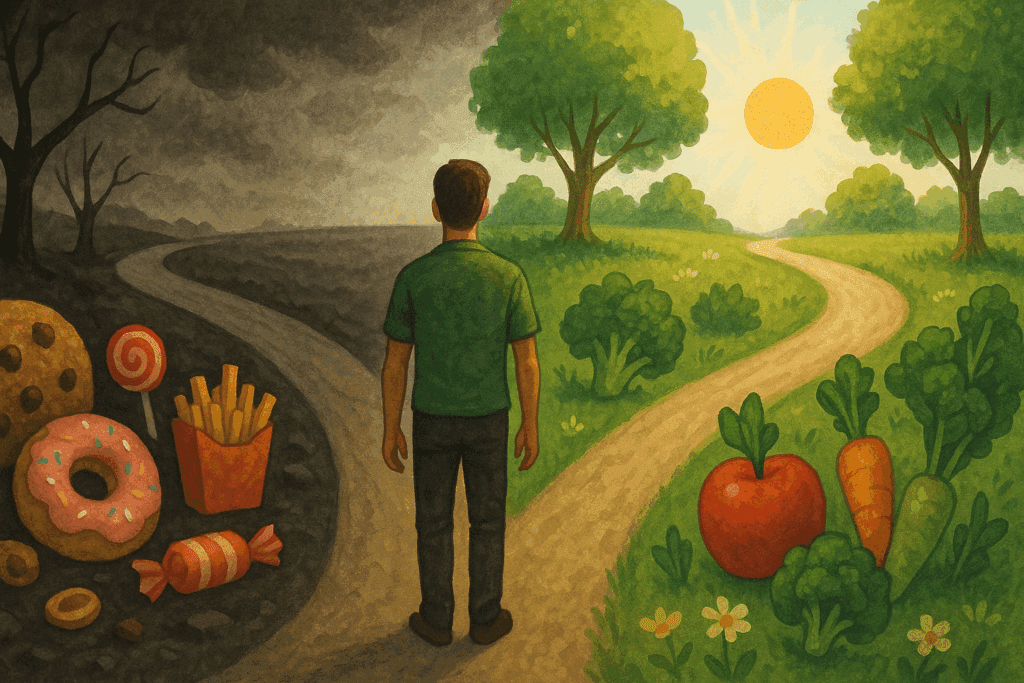
Forked path concept art showing a man choosing between junk food and a brighter trail lined with whole foods, symbolizing a no sugar diet food list.

Overcoming the Psychological Addiction to Sugar

For many people, sugar isn’t just a physical craving—it’s a psychological comfort. From childhood rewards to emotional coping tools, sugar often holds symbolic power. Learning how to give up sugar requires acknowledging these emotional attachments and replacing them with healthier alternatives. Practicing mindfulness can help break this emotional cycle by increasing awareness of your motivations, triggers, and responses to cravings.

Journaling your experience during a no sugar challenge can be illuminating. Tracking how certain meals make you feel, how energy fluctuates, or how sleep improves can reinforce motivation. Consider therapy or support groups if emotional eating is deeply rooted in trauma or anxiety. Replacing sugar with intentional rituals—such as sipping herbal tea, taking a short walk, or listening to calming music—can create new pathways for self-care that don’t rely on sweets. Over time, the emotional dependence fades, and what once felt like sacrifice becomes a meaningful lifestyle choice.

Reaping the Rewards of a No Sugar Lifestyle

The benefits of eliminating sugar often begin to emerge within just a few days. Many people report more consistent energy, clearer skin, better digestion, and reduced bloating within the first week. Over longer periods, the results compound. Insulin sensitivity improves, inflammatory markers decrease, and weight begins to stabilize naturally. By consistently choosing food that does not have sugar, you teach your body to burn fuel more efficiently and reduce its dependence on glucose spikes.

Psychologically, people often describe feeling “free” after breaking sugar’s hold. No longer governed by cravings, they experience greater control and satisfaction from meals. Many also rediscover the subtle sweetness of foods that have no sugar naturally, such as roasted carrots, ripe strawberries, or sautéed onions. These changes enhance quality of life, making a no sugar diet not just doable, but deeply rewarding.

Frequently Asked Questions (FAQ): Smart Strategies to Cut Sugar from Your Diet Naturally

1. Can a no sugar diet improve cognitive function and mental clarity?

Yes, emerging research suggests that following a no sugar diet can enhance cognitive performance, especially over the long term. Excessive sugar intake—particularly from processed and refined sources—can lead to inflammation in the brain and impair memory and learning. By focusing on foods with no sugar, such as leafy greens, omega-3-rich seeds, and fermented vegetables, individuals may experience fewer energy crashes and more sustained mental focus throughout the day. A well-designed no sugar diet plan supports a healthy gut microbiome, which directly influences the brain through the gut-brain axis. As sugar-free living becomes more popular, neuroscientists are beginning to study how cutting out added sugar may help delay age-related cognitive decline.

2. How can I manage social pressure while following a no sugar diet?

Navigating social situations while on a no sugar diet can be challenging, especially when desserts or sugary drinks are involved. One strategy is to bring your own snacks or dish made from non sugar foods to eat, ensuring you have a satisfying alternative. Educating friends and family about your goals and the benefits of sugar free diet foods can also help build understanding and support. You might be surprised how many people become curious or inspired by your efforts to reduce sugar. Developing a script for polite refusals can reduce anxiety and make it easier to stay aligned with your no sugar challenge without feeling isolated.

3. Are there psychological strategies to help me stop sugar cravings?

Absolutely. Many people struggle with how to stop eating sugar because cravings are deeply tied to habits and emotional triggers. Cognitive behavioral techniques like “urge surfing” can help you acknowledge cravings without acting on them, allowing the urge to pass naturally. Visualization and journaling are also powerful tools for reprogramming your associations with sugary foods. When focusing on how to give up sugar, it’s helpful to develop new rituals—like tea after meals or mindful movement—that satisfy the emotional need without relying on food. Over time, the brain’s reward system adapts, and cravings diminish, especially when you’re fueling your body with sugar free foods to eat consistently.

4. What are some overlooked foods that contain hidden sugar?

While most people know to avoid soda and candy, many underestimate the hidden sugars found in seemingly healthy items. Store-bought pasta sauces, canned beans, sandwich bread, and even veggie chips often contain added sugars under names like “cane juice,” “maltodextrin,” or “agave nectar.” When curating a no sugar foods list, it’s essential to look beyond sweetness and focus on ingredient labels. Even nut butters and plant-based milks marketed as healthy may contain syrups unless labeled clearly as foods that contain no added sugar. Becoming adept at identifying sugar’s many aliases is key to mastering how to avoid sugar in everyday foods.

5. How do I transition my kids or family to a no sugar diet without resistance?

Shifting an entire household toward a no sugar diet requires patience and strategy. Start by introducing no sugar diet foods gradually rather than making sudden, restrictive changes. Involve children in cooking with colorful, foods to eat without sugar, like bell pepper boats, sweet potato fries, or banana-oat pancakes without added syrup. Reframe the change as a fun experiment rather than a punishment, and let everyone help build a no sugar diet list together. Positive reinforcement and education about how to cut sugar out of your diet—without fear or shame—helps build intrinsic motivation. Making the change together can also strengthen family bonds around health and well-being.

6. Can a no sugar diet support hormonal balance or fertility?

Yes, reducing added sugar intake can support hormonal health, especially in people dealing with conditions like polycystic ovary syndrome (PCOS) or insulin resistance. High sugar diets can cause elevated insulin levels, which in turn disrupt the production of sex hormones. Following a sugar free diet plan built around stable blood sugar and anti-inflammatory foods may help regulate menstrual cycles and ovulation in some individuals. By prioritizing foods containing no sugar—like legumes, cruciferous vegetables, and healthy fats—people may see improvements in hormone-related symptoms. It’s important to work with a healthcare provider, but incorporating non sugar foods can be a powerful step toward restoring hormonal equilibrium.

7. How does a no sugar diet affect gut health?

Sugar can negatively impact gut health by feeding pathogenic bacteria and reducing microbial diversity. By switching to foods that have no sugar, you’re creating a gut environment that supports beneficial bacteria. This shift is particularly important when crafting a no sugar diet plan that includes fermented foods, resistant starches, and prebiotic fibers. Over time, people often report better digestion, reduced bloating, and fewer cravings after reducing sugar. Supporting the gut with sugar free diet foods like sauerkraut, kefir, lentils, and leafy greens not only helps digestion but also positively affects mood and immunity due to the gut-brain connection.

8. What are some meal prep tips for maintaining a no sugar diet during a busy week?

Planning ahead is key to staying consistent with a no sugar diet, especially when time is limited. Batch cooking staples like roasted vegetables, quinoa, and hard-boiled eggs can save time while ensuring you always have foods with no sugar on hand. Pre-cut vegetables, unsweetened hummus, and sugar free foods to eat like olives or canned wild salmon can serve as fast lunch or dinner bases. Keep a visible list of your favorite no sugar diet food list items on your fridge to simplify grocery shopping and reduce decision fatigue. Meal prep apps or printable planners tailored to a no sugar diet list can also streamline the process and prevent last-minute sugar-laden takeout choices.

9. Are there any new innovations or trends in the sugar-free food industry to watch?

Yes, the demand for sugar free diet foods has spurred innovation in food tech and clean-label manufacturing. Brands are creating snacks using monk fruit, allulose, and stevia, which provide sweetness without the glycemic spike. Advances in fermentation have allowed for naturally sweetened yogurts and sauces made from foods that do not have sugar, yet still taste satisfying. There’s also a rise in personalized nutrition services that provide AI-generated no sugar diet plans based on DNA, blood glucose, and microbiome profiles. As more people seek out non sugar foods to eat, expect even greater transparency and creativity in the no sugar foods list available on grocery shelves.

10. What are some long-term strategies to make a no sugar diet feel effortless?

Sustainability is the cornerstone of any successful lifestyle change. To make a no sugar diet feel intuitive, develop routines that minimize friction—like weekly meal prep, scheduled grocery runs, and packing emergency sugar free foods when traveling. Rotate your menu so meals stay exciting, incorporating global cuisines that rely on foods to eat without sugar, such as Mediterranean or traditional Asian dishes. Build a social circle or online community of others on a similar path to share ideas and accountability. Most importantly, stop viewing sugar reduction as a diet and start embracing it as a mindset centered on nourishment and self-respect. Over time, how to not eat sugary foods becomes less about resisting temptation and more about choosing what makes you feel truly well.

Conclusion: Embracing a No Sugar Diet as a Lifestyle, Not a Limitation

Adopting a no sugar diet is not a temporary fix—it’s a powerful, lifelong investment in your health. While the transition can be challenging, the rewards are undeniable. By replacing processed, sugary items with whole, sugar free foods to eat, you give your body a chance to heal, reset, and thrive. More importantly, you cultivate a sustainable way of eating that aligns with your long-term wellness goals.

This journey is about more than crossing items off a no sugar list—it’s about learning to listen to your body, make intentional choices, and reclaim your energy and vitality. With each sugar-free meal, you send a powerful message to yourself: that your health is worth prioritizing. Whether you’re just starting out or refining your approach, remember that every step forward counts. With the help of this no sugar diet food list, the support of science, and a deepened understanding of how to avoid sugar, you can transform your relationship with food and experience lasting, vibrant health.

Was this article helpful? Don’t let it stop with you. Share it right now with someone who needs to see it—whether it’s a friend, a colleague, or your whole network. And if staying ahead on this topic matters to you, subscribe to this publication for the most up-to-date information. You’ll get the latest insights delivered straight to you—no searching, no missing out.

Further Reading:

Reduce sugar

No-Sugar Diet: Food List and Seven-Day Plan

What to know about no-sugar diets

Disclaimer

The information contained in this article is provided for general informational purposes only and is not intended to serve as medical, legal, or professional advice. While NewsHealthWatch strives to present accurate, up-to-date, and reliable content, no warranty or guarantee, expressed or implied, is made regarding the completeness, accuracy, or adequacy of the information provided. Readers are strongly advised to seek the guidance of a qualified healthcare provider or other relevant professionals before acting on any information contained in this article. NewsHealthWatch, its authors, editors, and contributors expressly disclaim any liability for any damages, losses, or consequences arising directly or indirectly from the use, interpretation, or reliance on any information presented herein. The views and opinions expressed in this article are those of the author(s) and do not necessarily reflect the official policies or positions of NewsHealthWatch.
Zero Sugar, Full Nutrition: Expert-Approved No Sugar Meal Plan with a Complete List of Sugar Free Foods

In a world where sugar lurks in everything from salad dressings to seemingly healthy granola bars, cutting it out completely might seem overwhelming. Yet for many people looking to improve metabolic health, reduce inflammation, manage blood sugar, or simply eat cleaner, eliminating added sugar can be a life-changing commitment. Whether you’re curious about the zero sugar diet, embarking on a 19 day no sugar challenge, or seeking a practical no sugar meal plan, this guide will walk you through the science, strategy, and sustenance required to thrive sugar-free—without compromising flavor or nutrition.

Contrary to popular belief, giving up sugar doesn’t mean depriving yourself of delicious meals or essential nutrients. With the right mindset and the right tools, including a well-researched list of sugar free foods and an adaptable no sugar challenge food list, you can support a healthier lifestyle built on sustainable, satisfying eating habits. This article, grounded in expert-backed nutritional principles, explores how to eat for energy, longevity, and wellness—without a single gram of added sugar.

You may also like: Why Am I Craving Sweets All of a Sudden? Expert-Backed Reasons and How to Stop Sugar Cravings Naturally

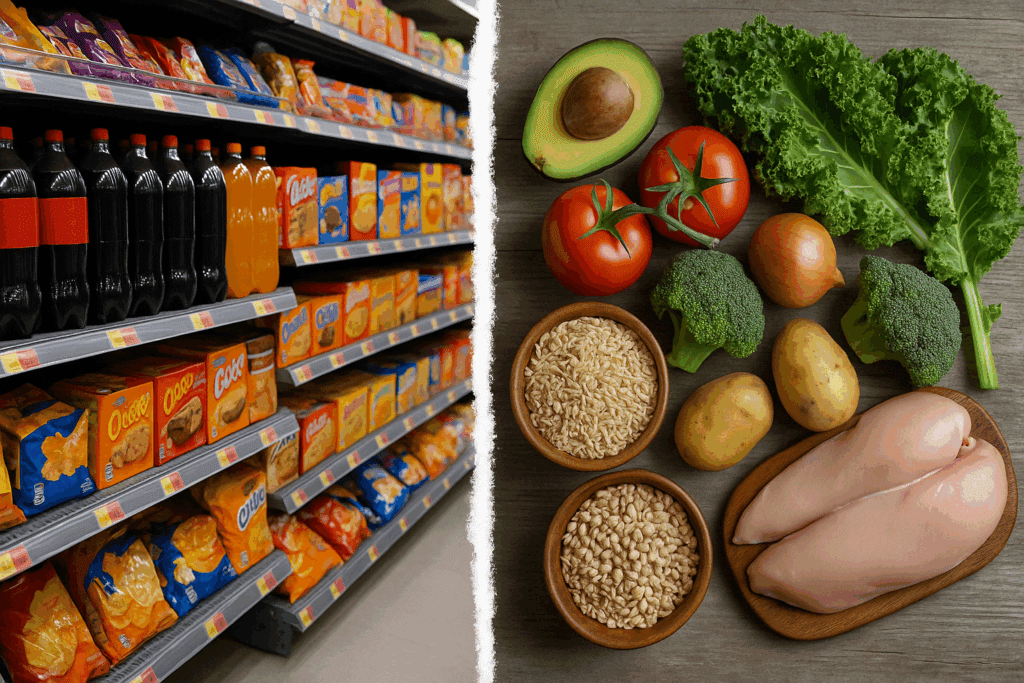
Split-screen comparison of a processed food aisle with soda and snacks versus fresh whole foods like vegetables, grains, and chicken, highlighting choices in a no sugar meal plan.

The Growing Concern with Added Sugars

Health experts have long warned that excess sugar intake is linked to a cascade of chronic conditions. From type 2 diabetes and obesity to heart disease and cognitive decline, sugar’s impact on the body is anything but sweet. The American Heart Association recommends no more than 25 grams of added sugar per day for women and 36 grams for men, but most people exceed that by a considerable margin—often without realizing it. Even foods labeled as “healthy” or “natural” can contain hidden sugars under aliases like maltodextrin, cane syrup, or agave nectar.

This widespread overconsumption of sugar has fueled interest in plans like the zero sugar diet, which emphasizes whole, unprocessed foods and excludes all forms of added sugar. For those who find the idea of cutting sugar cold turkey daunting, time-bound approaches like a 19 day no sugar challenge offer a manageable entry point. These structured plans not only help reset taste preferences but also give the body a much-needed break from constant blood sugar fluctuations.

Why a No Sugar Meal Plan Works for Health

The benefits of reducing sugar go beyond the visible changes in waistlines or energy levels. At the biochemical level, lowering sugar intake helps regulate insulin sensitivity, reduce triglycerides, improve lipid profiles, and even decrease the risk of fatty liver disease. For people managing conditions like prediabetes or PCOS, a no sugar meal plan can serve as a critical tool in stabilizing hormones and blood glucose.

Additionally, reducing sugar can positively affect mood and mental clarity. Studies have found that high-sugar diets may contribute to symptoms of depression, anxiety, and brain fog. Many people report feeling more emotionally stable and cognitively sharp after just one or two weeks of removing added sugars.

A thoughtful plan that incorporates zero sugar foods—those with no added sugars and naturally low glycemic impact—can make a major difference. From leafy greens and legumes to nuts, seeds, and lean proteins, these foods fuel the body without triggering the metabolic rollercoaster that sugar often sets in motion.

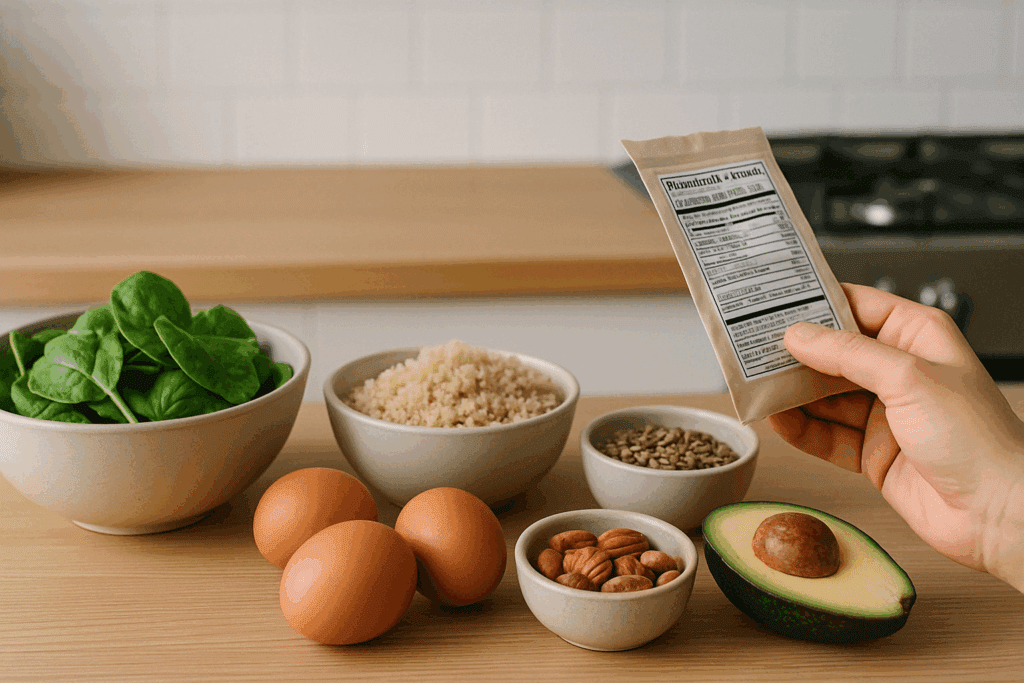
Bowls of leafy greens, quinoa, eggs, seeds, nuts, and avocado on a kitchen counter as part of a no sugar meal plan, with a hand inspecting a nutrition label.

Understanding the Zero Sugar Diet and Its Principles

At its core, the zero sugar diet is about eating whole foods in their most natural state. It excludes not only table sugar but also high-fructose corn syrup, honey, maple syrup, and artificial sweeteners like aspartame or sucralose, which may still stimulate sugar cravings. The emphasis is on balance—incorporating healthy fats, fiber-rich carbohydrates, and ample protein while ensuring meals are satisfying and nutritionally complete.

One of the most important steps in transitioning to this style of eating is becoming familiar with a zero sugar foods list. This resource serves as a guide for grocery shopping, meal planning, and label reading. When in doubt, it’s best to choose foods that don’t come with labels at all—think vegetables, legumes, and whole grains in their raw or minimally processed form.

The no sugar no philosophy doesn’t mean you can’t enjoy sweet flavors. Rather, it encourages you to retrain your palate to appreciate the natural sweetness found in foods like berries, cinnamon, or roasted carrots. Over time, the taste buds become more sensitive to subtle flavors, reducing the need for excessive sweetness and making meals more satisfying.

Meal prep containers with grilled salmon, quinoa salad, lentil stew, and leafy greens on a kitchen table for a no sugar meal plan.

Building a Realistic 19 Day No Sugar Challenge

For those not ready to commit to lifelong sugar abstinence, the 19 day no sugar challenge offers a powerful introduction. This three-week plan allows you to test the waters, observe how your body responds, and establish healthier eating habits in a structured yet flexible way. While the number 19 may seem arbitrary, it provides just enough time to reset physical cravings and rewire mental associations with sugar-laden foods.

During the challenge, participants are encouraged to eat from a curated no sugar challenge food list featuring high-quality, unprocessed ingredients. These include cruciferous vegetables, whole grains like quinoa and farro, fresh fruits in moderation, and animal or plant-based proteins. Meals should be built around these elements, with plenty of herbs and spices to enhance flavor.

Some people find the first few days of the challenge difficult, especially if they previously consumed a high-sugar diet. Withdrawal symptoms like headaches, fatigue, or irritability are common—but temporary. By the end of the second week, many report increased energy, better sleep, and fewer food cravings. The 19 day no sugar challenge often becomes a springboard to a longer-term lifestyle shift once participants experience the tangible benefits.

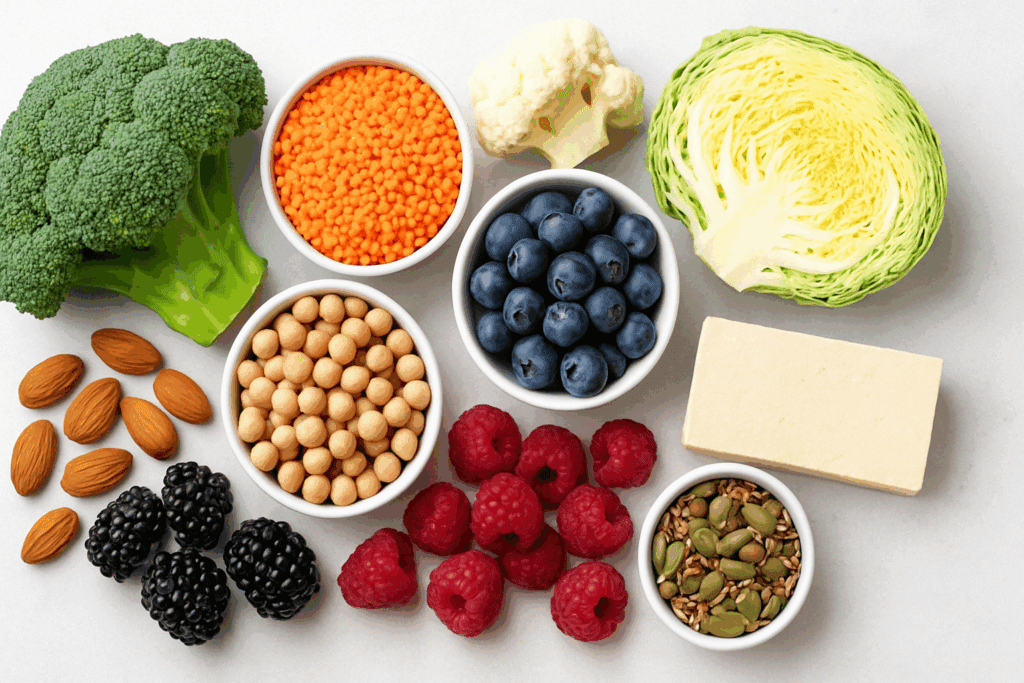
Colorful flat-lay of cruciferous vegetables, lentils, chickpeas, berries, nuts, seeds, and tofu arranged to represent a no sugar meal plan.

Zero Sugar Foods That Support Full-Body Wellness

A central piece of any sugar-free plan is knowing which zero sugar foods to rely on regularly. These foods don’t just help you avoid added sugars—they actively support the body’s vital functions. Think of them as foundational ingredients that nourish you from the inside out.

Vegetables are, without question, the backbone of any sugar-free meal plan. Cruciferous veggies like broccoli, cauliflower, kale, and Brussels sprouts contain powerful phytonutrients that aid in liver detoxification and hormone regulation. Leafy greens are rich in folate, vitamin K, and fiber, helping to stabilize blood sugar and reduce inflammation.

Legumes such as lentils, chickpeas, and black beans are often featured on a list of sugar free foods because they provide sustained energy, plant-based protein, and a slow-burning carbohydrate source that won’t spike glucose levels. Similarly, nuts and seeds offer healthy fats and minerals, promoting cardiovascular and cognitive health.

When it comes to fruit, some people fear all sugar must be avoided, but naturally occurring sugars in whole fruits behave differently in the body than added sugars. Berries, in particular, have a low glycemic load and are packed with antioxidants. Including them in moderation during your no sugar meal plan adds variety, flavor, and important micronutrients without undermining your goals.

Person pushing a grocery cart filled with whole foods like fresh produce, grains, and proteins while avoiding processed aisles, illustrating a no sugar meal plan.

Navigating the Grocery Store with a No Sugar Mindset

Learning to grocery shop through a sugar-free lens can be one of the most eye-opening aspects of starting a zero sugar diet. Even seemingly innocent items like peanut butter, tomato sauce, and oat milk may contain several grams of added sugar per serving. That’s where having a detailed zero sugar foods list comes in handy.

The perimeter of the store—where fresh produce, meats, and dairy products are typically located—is your best friend. Center aisles tend to be packed with processed goods, many of which rely on sugar for taste or shelf life. Always read ingredient labels closely, and be wary of “sugar-free” claims that use alternative sweeteners which may not align with your health goals.

As you build meals, focus on nutrient-dense options that provide satiety and variety. For example, a salad made with arugula, avocado, walnuts, lentils, and tahini dressing can be both flavorful and completely free of added sugar. Dishes like baked salmon with roasted asparagus or stir-fried tofu with cabbage and mushrooms fit perfectly within the framework of a no sugar challenge food list.

Shopping with intention helps you avoid temptation and ensures your kitchen is stocked with items that support the goals of the 19 day no sugar challenge or any longer-term meal plan you follow.

The Psychology of Cutting Sugar and Reclaiming Taste

An often-overlooked aspect of removing sugar from the diet is the psychological shift it demands. Sugar isn’t just physically addictive; it’s emotionally comforting. Many people use sweets as a reward, a form of stress relief, or even a way to punctuate the day. These habits are deeply ingrained and can be difficult to break.

Yet when you choose 0 sugar foods consistently, something remarkable happens—your taste buds recalibrate, and your brain begins to associate satisfaction with stability, not sugar highs. This process usually begins within the first week of a no sugar meal plan, with noticeable changes by the end of the 19 day no sugar challenge.

It’s also helpful to create rituals that replace emotional eating. Enjoying a warm cup of herbal tea after dinner, going for a walk instead of reaching for dessert, or practicing mindful breathing when cravings strike can support your long-term success. The no sugar no lifestyle isn’t about denial—it’s about learning what genuinely nourishes and fulfills you, both physically and mentally.

Infographic showing steps to follow a no sugar meal plan with icons for meal planning, whole foods, cravings management, and healthy progress

How to Sustain a No Sugar Lifestyle Long-Term

Once you’ve completed a challenge or successfully adopted a no sugar meal plan, the next hurdle is maintaining the progress. The good news is that by this stage, many people have internalized new habits and no longer crave sugar the way they once did. But that doesn’t mean temptations disappear. Holidays, social events, and stress can trigger old behaviors if you’re not prepared.

Sustainable sugar-free living depends on preparation and mindset. Continue to plan meals in advance, keep your pantry stocked with approved items from your list of sugar free foods, and find enjoyable replacements for your former go-to treats. Dark chocolate with no added sugar, frozen banana “nice cream,” or baked apples with cinnamon can provide a sweet experience without sabotaging your progress.

Flexibility also plays a role in long-term adherence. Some people adopt an 80/20 approach, where 80% of meals are strictly sugar-free, and 20% allow for mindful indulgences. Others find that complete abstinence works best. Either way, the core principles of the zero sugar diet remain the same: minimize added sugars, focus on whole foods, and prioritize nutrition that fuels both body and mind.

Frequently Asked Questions: No Sugar Meal Plans and the Zero Sugar Diet

1. Can I include fruit in a no sugar meal plan without compromising results?
Yes, fruit can absolutely be part of a healthy, balanced no sugar meal plan when chosen thoughtfully and consumed in moderation. The key is to differentiate between added sugars and naturally occurring sugars in whole foods. While zero sugar foods technically exclude any food with naturally present sugars, many no sugar challenge food list variations allow for low-glycemic fruits like berries, green apples, and kiwi. These fruits provide essential vitamins, fiber, and antioxidants that support metabolic health. If you’re following a stricter version of the zero sugar diet, you might eliminate fruit entirely for a few weeks, but gradually reintroducing it in measured portions is often recommended for long-term sustainability.

2. What are some lesser-known 0 sugar foods that add variety to meals?
Beyond the usual vegetables, lean proteins, and legumes, there are several 0 sugar foods that can bring excitement to a sugar-free diet. Seaweed, for example, is a mineral-rich, umami-packed option that works well in soups and salads. Fermented vegetables like kimchi or sauerkraut offer gut health benefits and natural flavor complexity while fitting neatly within the zero sugar foods list. Shirataki noodles, made from konjac root, are virtually calorie- and sugar-free, making them a unique low-carb pasta alternative. Incorporating these options into your no sugar meal plan helps break monotony and supports diverse nutrient intake.

3. How can I stick to the 19 day no sugar challenge during travel or busy schedules?
Maintaining a 19 day no sugar challenge while on the go requires strategic planning and adaptable habits. One useful approach is to prepare portable meals with ingredients from your personalized no sugar challenge food list, such as hard-boiled eggs, pre-cut veggies, or unsweetened nut butters paired with flaxseed crackers. When dining out, request simple dishes like grilled proteins with steamed vegetables and ask for sauces or dressings on the side, as they often contain hidden sugars. Carrying a printed or digital list of sugar free foods also helps you make informed decisions in unfamiliar settings. Over time, your ability to spot zero sugar foods at a glance will improve, reducing the mental load.

4. Does the no sugar no approach support athletic performance and recovery?
Contrary to popular belief, many athletes can thrive on a no sugar no nutrition framework. By focusing on whole carbohydrates like legumes, quinoa, and sweet potatoes, you can maintain glycogen levels without relying on quick-digesting sugars. Recovery is supported by high-quality protein sources and anti-inflammatory fats found in nuts, seeds, and olive oil—all of which are staple items on most zero sugar foods lists. Some athletes even report improved endurance and fewer energy crashes after switching to a no sugar meal plan. However, endurance athletes may choose to reintroduce small, strategic amounts of fruit or natural starches post-training as needed, depending on intensity and personal tolerance.

5. What are the long-term psychological effects of following the zero sugar diet?
Over time, adherence to the zero sugar diet can positively reshape not only physical health but also psychological well-being. Many people experience greater emotional stability and reduced anxiety once they’re no longer riding the highs and lows of sugar-induced energy fluctuations. With consistent use of a no sugar challenge food list, individuals develop a more mindful relationship with food, often noticing decreased emotional eating and improved impulse control. The empowerment that comes from resisting sugar cravings translates into greater confidence and autonomy in other areas of life. These benefits make the 19 day no sugar challenge a gateway not only to metabolic health but also to mental resilience.

6. How does the gut microbiome respond to a no sugar meal plan?
Eliminating added sugars from your diet can significantly enhance gut health. Sugary diets often promote the overgrowth of harmful bacteria like Candida albicans, while a no sugar meal plan shifts the microbial balance toward beneficial species. Foods that support this shift, such as fermented vegetables and fiber-rich legumes from your list of sugar free foods, help populate the gut with short-chain fatty acid–producing bacteria. These compounds improve intestinal barrier function and reduce inflammation. Including diverse 0 sugar foods ensures that your microbiome receives prebiotics necessary for thriving long-term health, adding another compelling reason to commit to the zero sugar diet beyond surface-level benefits.

7. Can kids and teens safely follow a zero sugar foods list?
While growing children have different nutritional needs than adults, they can still benefit from reduced sugar intake when the focus is on real, unprocessed foods. Implementing a modified zero sugar foods list that includes plenty of complex carbohydrates, healthy fats, and lean proteins can support stable energy, better focus, and emotional regulation in kids and teens. The key is to avoid making the no sugar no approach feel overly restrictive or punitive. Involving children in selecting recipes or preparing meals from a no sugar challenge food list can empower them with healthy habits for life. Pediatric dietitians often recommend focusing on naturally sweet whole foods like roasted root vegetables to satisfy young palates without derailing nutrition.

8. How do I manage social events and cravings while following the 19 day no sugar challenge?
Navigating social situations can be one of the biggest hurdles during the 19 day no sugar challenge, but it’s entirely manageable with preparation. One strategy is to eat before events so you arrive satisfied and less susceptible to sugary temptations. If attending potlucks or family dinners, consider bringing a dish made entirely from items on your no sugar challenge food list to ensure you have at least one compliant option. Cravings can also be redirected with herbal teas, a handful of almonds, or a brisk walk to shift your focus. Having visual reminders of your progress—such as a printed zero sugar foods list on the fridge—can reinforce your motivation when willpower is tested.

9. Are there any signs I should watch for if I’m cutting sugar too aggressively?
While most people tolerate sugar elimination well, some individuals may experience signs that they’ve transitioned too quickly or need to rebalance their meals. Symptoms like dizziness, irritability, or extreme fatigue can indicate insufficient caloric intake or a lack of complex carbohydrates. These issues can often be resolved by revisiting your no sugar meal plan and ensuring it includes adequate fiber and slow-digesting starches such as lentils or steel-cut oats. It’s also critical to avoid over-restricting and to use a diverse list of sugar free foods that supports blood sugar stability. If symptoms persist, consulting a dietitian experienced in the zero sugar diet can help identify and correct any deficiencies or imbalances.

10. What innovations are emerging in zero sugar foods and product development?
As demand for zero sugar foods continues to rise, the food industry is responding with innovative formulations that cater to health-conscious consumers. Advances in natural sweetener technology have introduced options like allulose and monk fruit that offer sweetness without blood sugar spikes, though these are often debated within stricter versions of the zero sugar diet. In addition, startups are creating high-fiber snacks, protein bars, and condiments that align with most versions of a no sugar challenge food list, expanding variety and convenience for busy individuals. The development of smart grocery apps that automatically sort items by a customizable zero sugar foods list is another promising trend, making it easier to maintain sugar-free eating even with limited time. As awareness grows, the accessibility of 0 sugar foods will likely increase, making healthy eating more intuitive and inclusive for a wide range of dietary preferences.

Conclusion: Nourish Fully with the Zero Sugar Diet and a Sustainable No Sugar Meal Plan

Embracing a no sugar meal plan is more than a dietary shift—it’s a powerful act of reclaiming control over your health, energy, and emotional well-being. As this comprehensive guide has shown, thriving without added sugar is entirely possible with the right knowledge, mindset, and tools. Armed with a practical zero sugar foods list, a thoughtfully structured 19 day no sugar challenge, and a clear understanding of what the zero sugar diet entails, you can craft a way of eating that aligns with your long-term goals and daily lifestyle.

Whether you’re starting out with a detailed no sugar challenge food list, experimenting with 0 sugar foods, or seeking to deepen your commitment to the no sugar no approach, the key is consistency—not perfection. Each sugar-free meal builds resilience in the body, clarity in the mind, and confidence in your choices. By filling your plate with foods that heal rather than harm, you’re not just avoiding sugar; you’re embracing full-spectrum nutrition.

Ultimately, the most powerful change isn’t just what’s missing from your meals—but what’s finally being added in: vitality, balance, and a deeper connection to the food that truly sustains you.

Was this article helpful? Don’t let it stop with you. Share it right now with someone who needs to see it—whether it’s a friend, a colleague, or your whole network. And if staying ahead on this topic matters to you, subscribe to this publication for the most up-to-date information. You’ll get the latest insights delivered straight to you—no searching, no missing out.

Further Reading:

No Sugar Diet Plan: 14-Days to a Healthier You

No-Sugar Diet Plan, Created by a Dietitian

14 Day No Sugar Diet with Food List: A Dietitian’s Guide

Disclaimer

The information contained in this article is provided for general informational purposes only and is not intended to serve as medical, legal, or professional advice. While NewsHealthWatch strives to present accurate, up-to-date, and reliable content, no warranty or guarantee, expressed or implied, is made regarding the completeness, accuracy, or adequacy of the information provided. Readers are strongly advised to seek the guidance of a qualified healthcare provider or other relevant professionals before acting on any information contained in this article. NewsHealthWatch, its authors, editors, and contributors expressly disclaim any liability for any damages, losses, or consequences arising directly or indirectly from the use, interpretation, or reliance on any information presented herein. The views and opinions expressed in this article are those of the author(s) and do not necessarily reflect the official policies or positions of NewsHealthWatch.

Why Does Diabetes Make You So Hungry? Understanding Diabetes Hunger and How to Stop It Naturally

For many people living with diabetes, one of the most frustrating and confusing symptoms isn’t high blood sugar itself—it’s the constant and overpowering hunger that seems to come out of nowhere. You might eat a full meal, only to find yourself starving again within the hour. Or perhaps you wake up in the middle of the night with an urgent need to eat, even though you had dinner not long ago. If you’ve ever wondered, “Why does diabetes make you so hungry?” or asked yourself how to stop diabetes hunger, you’re not alone.

This experience, often referred to as diabetes hunger, is more than just a nuisance. It reflects deeper biological mechanisms related to blood sugar control, insulin resistance, hormonal signaling, and even sleep and stress. People who find themselves super hungry all the time as a diabetic may feel like they’re stuck in a loop of eating, crashing, and craving all over again. Understanding what’s driving this intense hunger—and how to manage it naturally—can be empowering and life-changing.

This article dives deep into why diabetes triggers such persistent hunger, what it means when you’re waking up hungry in the middle of the night with diabetes, and how to regain control through science-backed, natural strategies that support better metabolic health.

You may also like: Why Am I Craving Sweets All of a Sudden? Expert-Backed Reasons and How to Stop Sugar Cravings Naturally

Conceptual illustration showing why does diabetes make you so hungry, with glucose-filled blood flowing through a human silhouette while nearby cells remain locked and insulin icons float around to depict resistance.

The Science Behind Diabetes Hunger: Why It Happens

The root of diabetes hunger lies in how the body regulates and responds to blood sugar. Glucose is our primary source of energy, and insulin—the hormone produced by the pancreas—is essential for transporting glucose into cells. In people without diabetes, insulin works effectively to keep blood sugar balanced and hunger at bay. But in diabetes, either insulin is missing (as in type 1 diabetes) or the body becomes resistant to its effects (as in type 2 diabetes). This means that even when glucose is circulating in the blood, cells can’t absorb it properly and remain “starved.”

This creates a paradox: despite high levels of sugar in the bloodstream, the body signals hunger because it isn’t getting the fuel it needs at the cellular level. This internal imbalance results in diabetes hunger—a form of excessive appetite also known as polyphagia. It’s why people living with diabetes might feel super hungry all the time, even when they’re eating regularly.

Insulin resistance also plays a role in disrupting the communication between hormones that regulate hunger and satiety, such as leptin and ghrelin. This hormonal dysregulation further confuses the brain’s hunger signals, intensifying cravings and making it harder to feel full after meals. This cycle becomes especially challenging when blood sugar levels remain unbalanced.

Man looking confused and holding stomach after eating white bread, pastries, and soda, illustrating why does diabetes make you so hungry.

Why You Still Feel Hungry Even After Eating

A common concern among those with diabetes is feeling hungry immediately after eating a meal that would normally be satisfying. This lingering hunger is often rooted in how insulin and blood glucose behave after food is consumed. When blood sugar spikes from a high-carb or high-sugar meal, insulin is released—sometimes in large amounts, especially if medication is involved. If the body is insulin resistant, it may respond inefficiently, causing the glucose to remain in the bloodstream and not reach the cells where it’s needed.

As a result, the body continues to perceive an energy shortage and sends out hunger signals. People may find themselves eating again, not because they need the calories, but because their body is stuck in a feedback loop driven by insulin dysfunction. It’s no wonder so many people with diabetes wonder, “Does diabetes make you hungry even when you’re full?” The answer, quite simply, is yes—and it’s a physiological issue, not a lack of willpower.

These blood sugar swings are not only frustrating but can also affect mood, focus, and decision-making. Over time, eating in response to blood sugar crashes can lead to a pattern of overeating, weight gain, and worsened insulin resistance, which perpetuates the hunger cycle.

Distressed man with diabetes sitting up in bed at night holding his stomach, illustrating why does diabetes make you so hungry.

Waking Up Hungry in the Middle of the Night: A Red Flag for Glucose Imbalance

If you’ve ever experienced waking up hungry in the middle of the night with diabetes, you may be dealing with nocturnal hypoglycemia. This condition occurs when blood sugar drops too low during sleep, often due to a mismatch between evening insulin doses, physical activity earlier in the day, or an imbalanced dinner. The body reacts by triggering hunger, stress hormones, and sometimes even cold sweats, shakiness, or a racing heartbeat.

This nighttime hunger is especially common in people who go to bed with borderline-low blood glucose levels or who eat dinner several hours before sleeping without a bedtime snack. In these situations, the body simply runs out of glucose fuel overnight. Once again, the cells send emergency signals for energy, leading to intense hunger that wakes you up and compels you to eat—often carbs—to raise blood sugar quickly.

Interestingly, nighttime eating can create a cascade of challenges: disrupted sleep, increased appetite the next day, and difficulty maintaining steady glucose levels. People may also struggle with poor sleep quality, which itself can exacerbate insulin resistance and hunger hormones, creating a vicious cycle that can be hard to break.

Why Some Diabetics Are Super Hungry All the Time

If you feel like you’re constantly eating but never satisfied, you’re not imagining things. Many people report being super hungry all the time as a diabetic, and this ongoing hunger can take a toll on both physical and emotional health. Beyond insulin resistance and glucose fluctuations, several other factors may be at play.

For one, high levels of inflammation—common in poorly managed diabetes—can impair how cells communicate with hunger and satiety signals. Chronic inflammation affects the hypothalamus, the part of the brain responsible for regulating appetite, further muddying the internal cues that should guide eating behavior.

Emotional stress is another culprit. Living with diabetes is a daily mental and emotional challenge, and stress itself can trigger cravings, particularly for high-carb or comfort foods. Cortisol, the body’s stress hormone, not only raises blood sugar but also stimulates appetite. This makes it more likely that someone with diabetes who is under stress will reach for food even if their body doesn’t truly need it.

Another factor is poor dietary composition. Meals that are high in simple carbs or low in fiber, protein, and healthy fats are digested quickly and lead to spikes and drops in blood sugar, which intensify hunger. By contrast, meals that promote stable glucose release can keep hunger in check for hours. In other words, it’s not just how much you eat—it’s what you eat and how it’s balanced that matters.

Balanced meal prep with lentils, quinoa, avocado, and tea highlighting natural solutions to “Why does diabetes make you so hungry”

Natural Ways to Stop Diabetes Hunger Without Medications

While medications are an important part of diabetes management for many, there are also natural, lifestyle-based ways to reduce hunger and improve blood sugar control. Learning how to stop diabetes hunger without relying on artificial suppressants involves restoring balance to the body’s internal signals and addressing the root causes of constant cravings.

One of the most effective strategies is to eat meals rich in fiber, plant-based proteins, and healthy fats. These nutrients slow digestion, reduce blood sugar spikes, and promote a sense of fullness that lasts. For instance, a lunch with lentils, quinoa, leafy greens, and avocado is likely to keep you satisfied far longer than one made with white bread and processed deli meats.

Eating smaller, frequent meals throughout the day can also help prevent blood sugar dips and spikes that lead to hunger. Instead of three large meals, aim for three balanced meals and two snacks that include fiber and protein. A handful of almonds, a boiled egg, or a small serving of hummus with raw veggies are examples of nutrient-dense snacks that help curb hunger naturally.

Physical activity plays a critical role as well. Exercise increases insulin sensitivity, meaning your body becomes better at utilizing glucose, which reduces the risk of cells “feeling” starved. Even moderate activities like walking or yoga can make a noticeable difference in appetite regulation.

Hydration is often overlooked but essential. Mild dehydration can mimic feelings of hunger, leading people to eat when what they really need is water. Aim to drink throughout the day, especially between meals, to help distinguish true hunger from thirst.

Person meditating in a sunlit room with untouched healthy snacks nearby, illustrating mindful control—why does diabetes make you so hungry

Mindful Strategies to Address Emotional Eating and Stress-Driven Cravings

Hunger in diabetes isn’t always physical. Emotional and psychological factors can lead to cravings that feel just as intense as biological ones. For those who feel super hungry all the time, it’s worth exploring whether emotional eating is contributing to the pattern.

Mindfulness practices such as meditation, deep breathing, and even journaling can help bring awareness to emotional triggers that drive hunger. When you feel a craving coming on, pause and ask: Am I physically hungry, or am I feeling stressed, anxious, bored, or tired? This moment of awareness can interrupt automatic eating patterns and help redirect behavior in a healthier direction.

Establishing regular routines around meals, sleep, and movement can also improve hormone regulation. Sleep deprivation, for instance, increases ghrelin (the hunger hormone) and decreases leptin (the fullness hormone), setting the stage for increased appetite. Prioritizing sleep and managing stress through calming rituals can reduce the frequency and intensity of hunger, particularly at night.

Support also matters. Whether it’s a dietitian, diabetes coach, therapist, or support group, having someone to talk to can make it easier to manage hunger-related challenges. There’s no shame in seeking help, especially when appetite is affecting your quality of life or diabetes management.

Infographic showing daily timeline of meals, exercise, hydration, and sleep with a steady blood sugar curve explaining why does diabetes make you so hungry

Balancing Blood Sugar to Prevent Nighttime Hunger and Daytime Cravings

If you’re regularly waking up hungry in the middle of the night with diabetes, your blood sugar levels may be too low during sleep. A bedtime snack with protein and complex carbohydrates—like Greek yogurt with a sprinkle of oats or a slice of whole grain toast with peanut butter—can help provide slow-releasing energy to stabilize glucose overnight.

Avoid high-sugar evening snacks, which may cause a spike followed by a rapid drop during the night. Instead, focus on meals and snacks that support a steady glucose curve. Keeping a food journal or using a continuous glucose monitor (CGM) can help you identify patterns and pinpoint whether nighttime hunger is related to dietary habits or medication timing.

Your body’s internal clock also plays a role. Eating dinner too late or skipping meals earlier in the day can disrupt your circadian rhythm and alter how your body processes glucose during sleep. Aim for consistent meal timing and make sure you’re not under-eating during the day, which can trigger compensatory hunger at night.

FAQ: Understanding and Managing Diabetes Hunger

This standalone FAQ is designed to expand on the insights from the article “Why Does Diabetes Make You So Hungry?” and offers advanced, reader-focused answers that address common concerns while incorporating new perspectives, practical solutions, and natural approaches to managing diabetes-related hunger. Each answer aligns with SEAT standards and integrates the focus keyword phrases naturally, without redundancy.

1. Can dehydration worsen diabetes hunger or mimic hunger symptoms?

Absolutely, and it’s a commonly overlooked factor. Dehydration can intensify or even mimic feelings of hunger, leading people with diabetes to eat more when what their body actually needs is water. Because high blood glucose can cause frequent urination, people with diabetes are more prone to dehydration, especially if their blood sugar isn’t well managed. When you’re super hungry all the time as a diabetic, it’s worth first checking your fluid intake. Drinking a glass of water and waiting 15 minutes can help differentiate true diabetes hunger from thirst-driven cravings. This strategy is particularly helpful for those seeking practical methods for how to stop diabetes hunger without immediately turning to food.

2. How does stress management help reduce diabetes-related hunger?

Stress significantly influences appetite regulation through hormonal pathways, especially by increasing cortisol levels. Chronic stress not only raises blood sugar but also disrupts insulin sensitivity and heightens cravings—usually for sugary, high-calorie comfort foods. For someone asking, “Why does diabetes make you hungry during stressful times?”, the answer lies in this biochemical response. Implementing daily stress-reduction techniques like deep breathing, short walks, or mindfulness practices can curb diabetes hunger before it spirals into overeating. For individuals who feel super hungry all the time as a diabetic, stress management may be a missing link in their blood sugar and hunger regulation strategy.

3. Could nutrient deficiencies contribute to diabetes hunger?

Yes, emerging evidence suggests that deficiencies in key nutrients—such as magnesium, chromium, and vitamin D—may impact hunger cues and insulin efficiency. Magnesium, in particular, supports glucose metabolism and insulin signaling, and low levels have been linked to increased appetite and insulin resistance. If you’re waking up hungry in the middle of the night with diabetes, or struggling to feel full during the day, it may be worth checking your micronutrient status. Incorporating foods rich in these nutrients or using medically guided supplementation could help rebalance satiety hormones and reduce diabetes hunger naturally. This approach adds another layer to understanding how to stop diabetes hunger by addressing its nutritional root causes.

4. Why does exercise sometimes increase appetite in diabetics, and how can it be managed?

While regular physical activity improves insulin sensitivity and helps control blood glucose, some people notice increased appetite post-workout. This can be confusing, especially when trying to curb diabetes hunger. The key lies in the type and timing of exercise. High-intensity or prolonged workouts may deplete glycogen stores and stimulate hunger, while light to moderate activity like walking or resistance training tends to stabilize appetite. If you’re super hungry all the time as a diabetic after workouts, consider adjusting your pre- and post-exercise meals to include complex carbs, fiber, and protein to avoid blood sugar crashes. Smart fueling strategies can help prevent waking up hungry in the middle of the night with diabetes due to energy deficits from earlier activity.

5. Can medication timing or type affect nighttime hunger in people with diabetes?

Yes, and this is a critical but often under-discussed topic. Certain diabetes medications—particularly long-acting insulins or sulfonylureas—can cause blood sugar to dip overnight if taken too late in the evening or without adequate food. This drop can lead to waking up hungry in the middle of the night with diabetes due to a hypoglycemic response. Adjusting medication timing or discussing alternative treatment plans with your healthcare provider may reduce these overnight hunger episodes. Understanding how to stop diabetes hunger in this context may involve more precise medication management rather than dietary changes alone. Always consult a diabetes specialist when modifying any aspect of your medication routine.

6. How does poor sleep quality influence diabetes hunger the next day?

Disrupted or insufficient sleep impairs the regulation of ghrelin and leptin—two key hormones that control appetite and fullness. When these hormones are unbalanced, you may wake up craving high-carb foods or experience diabetes hunger that seems unrelated to your actual energy needs. This explains why people with erratic sleep patterns often feel super hungry all the time as a diabetic, even with a balanced diet. Additionally, poor sleep can lead to insulin resistance, making glucose control more difficult. Improving sleep hygiene may be one of the most overlooked yet effective strategies for how to stop diabetes hunger, especially when paired with consistent meal timing and stress reduction.

7. Is it possible to retrain your body’s hunger signals if you have diabetes?

Yes, and this concept is at the core of mindful eating practices. Chronic blood sugar dysregulation can dull the body’s ability to accurately signal hunger and fullness, but these signals can often be retrained through conscious, consistent effort. By tracking how different meals impact your energy and appetite levels, and by slowing down during meals to assess satiety, you begin to recalibrate internal cues. This is especially helpful for those who are super hungry all the time as a diabetic and unsure when hunger is real versus habitual. For those wondering how to stop diabetes hunger long-term, cultivating body awareness through journaling, glucose monitoring, and structured meal planning can be transformative.

8. Can gut health affect how hungry you feel with diabetes?

Absolutely. The gut microbiome plays a major role in regulating blood sugar, insulin sensitivity, and appetite. An imbalance in gut bacteria—commonly caused by a low-fiber diet, antibiotics, or chronic stress—can lead to increased inflammation and abnormal hunger signaling. This disruption may contribute to diabetes hunger that feels constant or hard to manage. Adding more prebiotic-rich foods like garlic, onions, and asparagus, or fermented foods like sauerkraut and kefir, can support a healthier microbiome. For anyone who is super hungry all the time as a diabetic, gut health should not be overlooked as part of a comprehensive strategy for how to stop diabetes hunger naturally.

9. How do hormonal fluctuations outside of insulin influence hunger in diabetics?

In addition to insulin, hormones like cortisol, glucagon, and even estrogen and testosterone can influence hunger patterns in people with diabetes. For example, elevated cortisol from chronic stress can increase fat storage and cravings, while low testosterone or estrogen may disrupt metabolic efficiency and satiety signals. These hormonal imbalances may help explain why some individuals experience waking up hungry in the middle of the night with diabetes, even if blood sugar appears stable. Working with an endocrinologist to assess hormonal health can uncover hidden contributors to persistent diabetes hunger. Integrating hormonal balance into your wellness strategy is another sophisticated approach to how to stop diabetes hunger at its root.

10. Are there emerging technologies that can help monitor and reduce diabetes hunger?

Yes, continuous glucose monitors (CGMs) and AI-driven nutrition apps are revolutionizing how people manage their hunger and blood sugar in real time. CGMs allow users to see exactly how different foods and activities affect their glucose levels, helping them identify patterns that contribute to diabetes hunger. Some advanced apps even use this data to suggest meal timing and composition to prevent blood sugar crashes that lead to cravings. For those who feel super hungry all the time as a diabetic, these tools offer unprecedented insight and personalization. By combining technology with mindful habits, many are discovering new pathways for how to stop diabetes hunger effectively and sustainably.

Conclusion: Reclaiming Balance by Understanding and Managing Diabetes Hunger

Living with diabetes can be a constant balancing act, and when hunger becomes relentless, it can feel like your body is working against you. But by understanding the biology behind diabetes hunger, you can begin to address the root causes and implement natural, sustainable strategies to take back control. Whether you’re feeling super hungry all the time as a diabetic or waking up hungry in the middle of the night, these signals are your body’s way of asking for better balance—not punishment or restriction.

Learning how to stop diabetes hunger naturally means moving away from cycles of sugar spikes and crashes, and toward steady, nourishing habits that support your metabolic and emotional well-being. This includes balanced meals, mindful eating, stress reduction, proper hydration, and quality sleep. And while no single change will solve everything overnight, small, consistent improvements can transform how you feel—and how your body responds.

If you’ve been asking, “Does diabetes make you hungry?” the answer is yes, but it doesn’t have to stay that way. With awareness, education, and intentional choices, you can reduce constant cravings, improve energy, and build a lifestyle that supports long-term health—naturally and powerfully.

Was this article helpful? Don’t let it stop with you. Share it right now with someone who needs to see it—whether it’s a friend, a colleague, or your whole network. And if staying ahead on this topic matters to you, subscribe to this publication for the most up-to-date information. You’ll get the latest insights delivered straight to you—no searching, no missing out.

Further Reading:

Why Do Diabetic Patients Always Feel Hungry ?

Diabetic Hyperphagia: Why You’re Always Hungry

Understanding your body’s appetite drive

Disclaimer

The information contained in this article is provided for general informational purposes only and is not intended to serve as medical, legal, or professional advice. While NewsHealthWatch strives to present accurate, up-to-date, and reliable content, no warranty or guarantee, expressed or implied, is made regarding the completeness, accuracy, or adequacy of the information provided. Readers are strongly advised to seek the guidance of a qualified healthcare provider or other relevant professionals before acting on any information contained in this article. NewsHealthWatch, its authors, editors, and contributors expressly disclaim any liability for any damages, losses, or consequences arising directly or indirectly from the use, interpretation, or reliance on any information presented herein. The views and opinions expressed in this article are those of the author(s) and do not necessarily reflect the official policies or positions of NewsHealthWatch.

Smart Ways to Curb Cravings Naturally: Best Supplements to Help with Sugar Cravings and Support a Healthier Diet

Sugar cravings are one of the most stubborn barriers to achieving and maintaining a healthy diet. While many people chalk them up to weak willpower or emotional eating, science tells a far more intricate story. Cravings for sweet foods are often the result of complex interactions between brain chemistry, blood sugar fluctuations, hormonal imbalances, and even nutritional deficiencies. Fortunately, there are smarter, evidence-backed ways to address these cravings that go beyond simply saying no to dessert. With the right strategy, including the use of targeted supplements to help with sugar cravings, it’s possible to support your body’s natural balance and enjoy a more sustainable relationship with food.

In recent years, researchers and nutritionists have explored a variety of natural compounds that act as a natural sugar craving suppressant, helping to reduce the intensity and frequency of sweet cravings without relying on willpower alone. These include vitamins, herbal extracts, minerals, and plant-based nutrients that support neurotransmitter function, regulate appetite, and promote metabolic stability. When chosen thoughtfully and paired with a nutrient-dense diet, these supplements can provide meaningful support for anyone looking to regain control over their sugar intake. Let’s take a deeper look into the science behind cravings, what makes certain supplements effective, and how you can integrate these tools into your daily life for better health.

You may also like: Why Am I Craving Sweets All of a Sudden? Expert-Backed Reasons and How to Stop Sugar Cravings Naturally

Neural pathways in a human brain lighting up in response to sugar, symbolizing the physiological triggers addressed by supplements to help with sugar cravings

Why Sugar Cravings Happen: The Physiology Behind the Urge

To understand how to stop sugar cravings, it’s essential to first understand where they come from. Sugar consumption stimulates the release of dopamine in the brain, producing feelings of pleasure and reward. This makes sugar highly reinforcing, especially during periods of stress or low mood. In addition, when blood sugar drops—often following a high-carb meal or snack—the body instinctively seeks out quick energy in the form of more sugar, creating a feedback loop that can be difficult to interrupt.

Cravings are also influenced by hormones like insulin, cortisol, and ghrelin, all of which play a role in hunger signaling and energy regulation. When these hormones are out of balance, the urge for sugar often intensifies. Many individuals find that even after eating a full meal, they still crave something sweet—an issue that often signals an imbalance in either blood sugar or brain chemistry. That’s why supplements to control sugar cravings are gaining popularity: they work by restoring internal harmony rather than simply masking the symptoms of craving.

For example, when chromium is used as a sugar craving suppressant, it helps improve insulin sensitivity and blood glucose regulation, which may reduce the intensity of cravings throughout the day. Similarly, magnesium helps with energy production and glucose metabolism, both of which are key to keeping cravings in check. When we understand these internal drivers, it becomes easier to choose the right supplements to suppress sugar cravings and support a more balanced eating pattern.

Natural supplements to help with sugar cravings surrounded by leafy greens, legumes, seeds, and whole grains on a wooden table.

Top Nutrient Deficiencies Linked to Cravings—and How to Fix Them

Nutritional gaps are a hidden contributor to sugar cravings. One of the most common deficiencies associated with increased sugar intake is magnesium. Magnesium supports over 300 biochemical reactions in the body, including those involved in regulating insulin and blood sugar levels. When magnesium is low, the body may crave sugar as a way to compensate for energy instability. By addressing this deficiency with the right form and dosage, you may find that your cravings start to naturally diminish.

B-vitamins are another critical group of nutrients that impact energy metabolism and mood. A deficiency in B6, B12, or folate can lead to fatigue, irritability, and low mood—states that commonly prompt people to reach for sugary snacks. Including vitamins to stop sugar cravings as part of a daily wellness routine can not only boost energy levels but also support the production of serotonin and dopamine, two neurotransmitters closely linked to cravings and emotional eating.

Zinc and vitamin D also play important roles. Zinc supports appetite regulation and taste perception, while vitamin D influences mood and insulin sensitivity. Many people don’t realize that a lack of these nutrients may be contributing to the relentless pull of sugar. This is why multi-nutrient formulations are often recommended as the best supplements for sugar cravings, addressing root causes rather than offering short-term fixes.

Herbal supplements to help with sugar cravings, including gymnema leaves, fenugreek seeds, and licorice root on a wooden surface.

Sweet Blockers and Herbal Allies for Craving Reduction

One of the more fascinating developments in the world of nutrition is the use of sweet blockers—natural compounds that interfere with the brain’s perception of sweetness. Gymnema sylvestre is the most well-known among these and has a long history of use in Ayurvedic medicine. When placed on the tongue, gymnema can temporarily block sweet taste receptors, making sugary foods taste bland or even unpleasant. This has a powerful psychological effect, reducing the reward response and weakening the urge to consume sweets.

Used as a supplement to stop sweet cravings, gymnema offers both short-term relief and long-term support for sugar reduction. Over time, it may also support blood sugar regulation by encouraging healthier insulin function. Other herbal allies include fenugreek, known for its ability to control appetite and glucose absorption, and licorice root, which supports adrenal function—particularly useful during periods of high stress that often trigger sugar binges.

Many supplements to reduce sugar cravings combine these herbs with vitamins and minerals for a multi-pronged approach. These natural blends not only help suppress cravings but also support overall metabolic health. For individuals seeking a supplement to curb sugar cravings, these plant-based options provide a gentle yet effective solution.

Relaxed woman sipping herbal tea by a window, surrounded by supplements to help with sugar cravings, lavender, and candles.

Addressing Emotional Eating: Mood-Supporting Supplements That Help

Cravings often stem from emotional states rather than true hunger. For example, stress, anxiety, and depression can drive the urge to consume sweets due to the temporary mood lift they provide. In these cases, addressing the emotional root is key to managing cravings. Certain supplements help by supporting neurotransmitter balance and promoting a calmer, more focused mental state.

L-theanine, an amino acid found in green tea, is well-known for its calming properties. It promotes alpha brain wave activity, encouraging relaxation without drowsiness. This makes it a great addition to supplements to stop cravings, especially for individuals who experience sugar binges in response to stress. Similarly, 5-HTP supports serotonin production, which may improve mood and reduce emotional eating behaviors.

Adaptogens like ashwagandha and rhodiola are also commonly included in the best sugar craving suppressant formulas. These herbs help modulate the body’s stress response, making it easier to resist impulsive behaviors. When stress is high, and self-regulation is low, even the most disciplined eater can succumb to temptation. By incorporating mood-supporting nutrients into your daily regimen, you provide yourself with both physiological and psychological resilience.

Diagram showing blood sugar spikes before and stable levels after taking supplements to help with sugar cravings

How Blood Sugar-Stabilizing Supplements Reduce Cravings Over Time

The connection between blood sugar control and cravings cannot be overstated. Fluctuating glucose levels cause energy crashes that the body tries to offset with a quick sugar fix. Supplements that help stabilize blood sugar throughout the day play a crucial role in preventing these cycles from taking hold. Chromium, alpha-lipoic acid, and berberine are among the most effective nutrients in this category.

Chromium supports insulin sensitivity and helps transport glucose into cells more efficiently, making it a cornerstone of many supplements to cut sugar cravings. Alpha-lipoic acid, an antioxidant, improves cellular energy use and has shown promise in reducing sugar-related urges. Berberine, derived from various plants, supports gut health and glucose regulation and is often considered one of the best supplements to stop sugar cravings for individuals with metabolic concerns.

When taken consistently, these supplements help flatten blood sugar peaks and valleys, which directly influences hunger and satiety. Over time, many people find that their desire for sugar lessens naturally as their body becomes better at maintaining stable energy levels. This is not about suppression in the traditional sense—it’s about restoration. The body is rebalanced, and the cravings fade as a result.

Choosing the Right Product: What to Look for in Supplements for Sugar Cravings

With so many options on the market, it can be difficult to determine which products to stop sugar cravings are actually effective. The most important consideration is ingredient quality. Look for supplements that use bioavailable forms of nutrients, meaning they are easily absorbed and utilized by the body. For instance, magnesium glycinate is often better tolerated than magnesium oxide, and methylated B-vitamins are preferred for those with MTHFR gene variants.

Transparency is key. Trustworthy brands will disclose full ingredient lists, include clinical dosages, and undergo third-party testing for purity and potency. Avoid proprietary blends that obscure how much of each ingredient is included. A truly effective supplement to stop sugar cravings should be backed by research, ideally with clinical trials or at least a solid foundation in nutritional science.

Combination formulas that address multiple triggers—blood sugar imbalances, nutrient deficiencies, mood instability—tend to be the most effective. When shopping, look for products that label themselves as supplements to block sugar cravings or pills to stop craving sugar, but always verify their claims with supporting evidence and clear labeling.

Colorful plate of whole-food snacks like roasted sweet potatoes, berries, cinnamon oatmeal, and date-nut bites—natural alternatives to supplements to help with sugar cravings.

Integrating Healthy Foods That Curb Sweet Cravings Naturally

In addition to supplements, your diet plays a powerful role in curbing sugar cravings. Incorporating more healthy foods for sweet cravings into your meals can reduce the need for sugary snacks by satisfying the body’s need for sweetness in a nutritious form. Foods like berries, sweet potatoes, cinnamon-spiced oatmeal, and dates with nut butter offer sweetness alongside fiber, vitamins, and antioxidants.

These foods help stabilize blood sugar and train your palate to prefer natural flavors over artificial ones. For instance, roasted root vegetables can provide a naturally sweet flavor profile without the blood sugar rollercoaster. When these foods are paired with supplements to help with sugar cravings, the result is a comprehensive strategy that works both internally and externally to reduce dependency on added sugars.

This approach not only curbs cravings but also enhances overall well-being by providing the body with the nutrients it truly needs. The more your meals include naturally sweet, fiber-rich options, the less you’ll find yourself reaching for processed treats. Supplements are tools, not crutches—and when combined with mindful food choices, they create a sustainable path to a healthier lifestyle.

Here is a standalone, expert-level FAQ section designed to complement your main article on sugar cravings. Each answer offers fresh perspectives, deeper insights, and practical applications not covered in the primary content, while also ensuring seamless integration of all keyword phrases as required.

Frequently Asked Questions: Supplements and Strategies to Stop Sugar Cravings Naturally

1. Can a supplement really help reduce sugar cravings, or is it just a placebo effect?
While individual responses can vary, growing research supports the efficacy of certain supplements to stop sugar cravings that target biochemical pathways linked to hunger, mood, and blood glucose stability. These include chromium, gymnema sylvestre, and B-vitamin complexes, all of which influence how the body metabolizes glucose and regulates appetite. In contrast to the placebo effect, these compounds have demonstrated measurable benefits in clinical trials, such as reduced sweet intake and improved insulin sensitivity. When chosen thoughtfully and used consistently, the right sugar craving suppressant can offer tangible relief from cravings. While mindset and behavior still matter, a high-quality supplement to curb sugar cravings works on the root causes—not just perception.

2. Are sweet blockers safe for regular use, and how do they actually work?
A sweet blocker like gymnema sylvestre is generally considered safe when used as directed, though it should be avoided by individuals with certain health conditions or who are on blood sugar-lowering medications without medical supervision. These blockers temporarily bind to sweet taste receptors on the tongue, dulling the sensation of sweetness and thereby disrupting the dopamine-driven reward loop in the brain. Over time, this sensory recalibration can help reduce the emotional and behavioral pull of sugar-rich foods. Interestingly, regular use may also reduce sugar intake by reconditioning the palate to prefer less intensely sweet flavors. As a result, these products to stop sugar cravings can support long-term dietary changes without relying on deprivation.

3. How do stress and emotional eating tie into the effectiveness of sugar craving supplements?
Stress-induced cravings are typically driven by cortisol spikes and shifts in serotonin, making people more prone to emotional eating. Many supplements to suppress sugar cravings now include adaptogens like ashwagandha and mood-regulating nutrients such as 5-HTP to counteract these triggers. These ingredients help manage the physiological impact of stress and support more balanced neurotransmitter function, which in turn reduces the emotional compulsion to seek out sugar. In this way, a natural sugar craving suppressant doesn’t just address hunger but also targets the psychological reasons we eat when we’re not physically hungry. Over time, this dual-action approach may help recalibrate your reward systems and create healthier coping mechanisms.

4. Are there any specific times of day when supplements to reduce sugar cravings are most effective?
Yes, timing can significantly influence the effectiveness of supplements to reduce sugar cravings. Many users find that mid-morning or mid-afternoon is the optimal window, particularly because cravings often spike when energy dips or meals are delayed. Taking a supplement to stop sweet cravings during these windows can act as a preventative measure, helping to stabilize mood and blood sugar before cravings intensify. For nighttime snackers, an evening dose may be beneficial, especially if the product includes calming or serotonin-supporting ingredients. Matching the supplement timing with your individual craving patterns is one of the best ways to ensure lasting effectiveness and support a healthier eating rhythm.

5. What role do micronutrients play in regulating cravings beyond the typical B vitamins and chromium?
While B vitamins and chromium are well known for their role in sugar regulation, other micronutrients such as zinc, vanadium, and magnesium also play a part. Zinc supports healthy appetite signals and taste perception, which can alter the intensity of sweet cravings. Magnesium is involved in glucose metabolism and often depleted during periods of stress or poor sleep—two major triggers for cravings. Some advanced supplements for sugar cravings now include vanadium, a lesser-known trace mineral that may mimic insulin’s effects and help stabilize blood sugar. These lesser-discussed nutrients, when properly formulated, add a unique edge to the best supplements for sugar cravings by supporting multiple metabolic systems simultaneously.

6. Can sugar craving supplements support weight loss efforts?
While supplements to help with sugar cravings are not weight loss pills per se, they often indirectly support weight loss by reducing the consumption of added sugars and unnecessary snacking. Many people report that once their cravings diminish, it becomes significantly easier to maintain a calorie deficit without feeling deprived. In this way, a supplement to curb sugar cravings can be a strategic ally in a weight management plan by improving dietary adherence. When paired with regular meals, fiber-rich foods, and physical activity, these supplements to stop cravings enhance the overall success of a sustainable lifestyle change. For best results, they should be integrated into a comprehensive health plan rather than used in isolation.

7. What are some emerging trends in supplement development for sugar craving control?
The supplement industry is evolving rapidly, and new formulations are beginning to focus on gut-brain axis modulation as a tool to manage cravings. Innovations include prebiotic and probiotic blends that support microbial diversity, which in turn can influence mood and appetite signals. Some supplements to cut sugar cravings now include ingredients like inositol, which supports insulin sensitivity and serotonin activity. Other products are incorporating novel delivery systems—such as lozenges or oral strips—that act as immediate sweet blockers when cravings strike. These newer products to stop sugar cravings offer on-demand support while also contributing to long-term habit transformation through biological modulation.

8. Can I use pills to stop craving sugar alongside prescription medications or other supplements?
Caution is always advisable when combining pills for sugar cravings with prescription medications, particularly those that affect blood sugar, blood pressure, or mood. Some supplements to control sugar cravings can potentiate or interfere with medications for diabetes, anxiety, or depression. Always consult your healthcare provider before starting any new supplement regimen to avoid potential interactions. That said, many people find that with proper guidance, combining pharmaceutical and nutritional interventions can lead to improved outcomes. It’s also wise to check for overlapping ingredients if you’re already taking other wellness products to ensure you’re not inadvertently exceeding safe levels of key nutrients.

9. How long does it typically take to notice results from sugar craving supplements?
The time it takes to experience benefits varies depending on the individual and the type of sugar craving suppressant used. Fast-acting ingredients like gymnema can dull sweetness within minutes, making them useful for immediate intervention. However, broader metabolic changes from minerals like chromium or vitamins to stop sugar cravings usually require consistent use over several weeks. Emotional and behavioral improvements may also take time as the body adjusts to more stable blood sugar and neurotransmitter levels. Most users begin noticing changes in their cravings and energy patterns within two to four weeks, especially when the best supplement to stop sugar cravings is paired with balanced meals and good sleep hygiene.

10. What are some food-based strategies that work well with supplements for sugar cravings?
While supplements provide internal support, healthy foods for sweet cravings help reinforce habit change and retrain the taste buds. Roasted vegetables like carrots or beets offer natural sweetness alongside fiber and antioxidants. Pairing fruit with healthy fat—such as berries with coconut yogurt or apple slices with peanut butter—can reduce blood sugar spikes while satisfying sweet urges. These foods, when combined with supplements to block sugar cravings, help reduce the emotional dependency on processed sugar. Over time, your brain starts to associate sweetness with nourishment instead of indulgence, making the effect of even the best sugar craving suppressant more durable and meaningful.

Conclusion: Embrace Smarter Strategies and the Best Supplements for Sugar Cravings

Overcoming sugar cravings is not about deprivation or rigid discipline—it’s about understanding your body’s signals and responding to them with intelligence and care. Today’s growing selection of supplements to help with sugar cravings gives individuals a much-needed bridge between knowledge and action. Whether you’re targeting nutrient deficiencies, blood sugar swings, or emotional triggers, the right supplement can serve as a powerful ally in your journey toward mindful eating.

From natural sugar craving suppressant ingredients like gymnema sylvestre and chromium to vitamins that stop sugar cravings by restoring biochemical balance, there are numerous tools available to support your efforts. The key is to choose high-quality, well-formulated options that align with your individual needs and complement a whole-food, nutrient-dense diet. Products marketed as pills to stop craving sugar or supplements to reduce sugar cravings should never replace food—but when used thoughtfully, they can enhance your results and accelerate your progress.

Ultimately, the best supplement to curb sugar cravings is the one that empowers you to make healthier choices consistently and without feeling restricted. By addressing cravings at their root and embracing a holistic, science-backed strategy, you can regain control over your eating habits, reduce reliance on sugar, and create a lifestyle that supports long-term health and vitality.

Was this article helpful? Don’t let it stop with you. Share it right now with someone who needs to see it—whether it’s a friend, a colleague, or your whole network. And if staying ahead on this topic matters to you, subscribe to this publication for the most up-to-date information. You’ll get the latest insights delivered straight to you—no searching, no missing out.


Further Reading:

19 Foods That Can Fight Sugar Cravings

Top 10 Supplements to Block Sugar Cravings

20 Foods That Can Help Fight Sugar Cravings

Disclaimer

The information contained in this article is provided for general informational purposes only and is not intended to serve as medical, legal, or professional advice. While NewsHealthWatch strives to present accurate, up-to-date, and reliable content, no warranty or guarantee, expressed or implied, is made regarding the completeness, accuracy, or adequacy of the information provided. Readers are strongly advised to seek the guidance of a qualified healthcare provider or other relevant professionals before acting on any information contained in this article. NewsHealthWatch, its authors, editors, and contributors expressly disclaim any liability for any damages, losses, or consequences arising directly or indirectly from the use, interpretation, or reliance on any information presented herein. The views and opinions expressed in this article are those of the author(s) and do not necessarily reflect the official policies or positions of NewsHealthWatch.

How to Manage Cravings on Keto: Expert-Backed Strategies to Beat Keto Diet Cravings Naturally

Introduction: Why Keto Diet Cravings Are Common—and What You Can Do About Them

The ketogenic diet, often referred to simply as “keto,” has gained widespread popularity for its ability to help people lose weight, improve metabolic health, and reduce inflammation. By dramatically lowering carbohydrate intake and emphasizing healthy fats, the keto diet helps shift the body into a state of ketosis, where fat becomes the primary source of fuel instead of glucose. While this metabolic switch can yield powerful health benefits, it also comes with a set of unique challenges—perhaps none more frustrating than persistent food cravings. For many individuals, especially those new to keto, dealing with sudden urges for high-carb comfort foods can feel like a daily battle. Understanding the science behind these cravings, their psychological triggers, and evidence-based strategies to manage them is key to sustaining long-term success on a ketogenic plan.

These cravings on keto are not a sign of personal failure—they’re often a result of physiological adaptations, hormonal shifts, emotional associations with food, and even gut microbiota changes. By recognizing the root causes of these cravings and addressing them with intentional strategies, keto followers can regain control over their eating habits without feeling deprived. This article dives deep into the psychology, physiology, and nutritional science behind keto diet cravings and offers practical, research-backed solutions to help you navigate them naturally and effectively. Whether you’re just starting keto or have been following it for months, these insights will empower you to manage cravings with confidence and consistency.

You may also like: Why Am I Craving Sweets All of a Sudden? Expert-Backed Reasons and How to Stop Sugar Cravings Naturally

Colorful conceptual illustration of the brain showing energy transition from glucose to ketones with visual cues for keto diet cravings and neural adaptation.

Understanding the Root of Cravings on Keto: The Science Behind the Urge

To effectively manage cravings on keto, it’s essential to understand what causes them in the first place. One of the primary culprits is the body’s adaptation process when transitioning into ketosis. Most people entering a ketogenic diet have been heavily reliant on carbohydrates as their main source of energy for most of their lives. As the body begins to burn fat for fuel instead, it goes through a period of adjustment that may include headaches, fatigue, irritability—and intense cravings, particularly for sweet or starchy foods. This transition, often referred to as the “keto flu,” is temporary, but the cravings can be quite strong during this time.

Hormones also play a significant role. The sudden drop in carbohydrate intake influences hormones like insulin, leptin, and ghrelin. Leptin, the hormone responsible for satiety, and ghrelin, which stimulates hunger, can become temporarily imbalanced. This hormonal shift may trick the brain into thinking it’s in a state of deprivation, triggering cravings for energy-dense foods. Furthermore, the brain itself runs largely on glucose under normal conditions. While it can adapt to using ketones for fuel, this process takes time, and during the transition, the brain may send strong signals for fast-acting carbs.

On a psychological level, many food cravings are rooted in habit and emotion. For example, if someone is used to unwinding with a bowl of pasta after work or rewarding themselves with dessert, the sudden removal of these foods can leave a psychological void. Emotional eating—using food as a coping mechanism for stress, boredom, or sadness—can further exacerbate cravings. Recognizing that cravings are not just about hunger but also about comfort and routine can help individuals develop more holistic strategies to cope.

Flat-lay of keto macro foods including salmon, eggs, tofu, avocado, nuts, and vegetables to balance keto diet cravings.

Balancing Macros to Beat Keto Diet Cravings Naturally

One of the most effective ways to reduce keto diet cravings is to ensure that your macronutrients—fat, protein, and carbohydrates—are properly balanced. A well-formulated ketogenic diet typically consists of about 70% fat, 20–25% protein, and only 5–10% carbohydrates. If you are not consuming enough fat, you may feel unsatisfied after meals, which can lead to cravings. Fat is the most calorie-dense macronutrient, and when used properly on keto, it provides long-lasting satiety. Healthy fats such as avocados, olive oil, nuts, seeds, and fatty fish help keep hunger in check and cravings at bay.

Protein also plays a critical role. While keto is not a high-protein diet, adequate protein intake is essential for preserving lean muscle mass and supporting metabolic function. Protein is particularly helpful in managing cravings because it slows digestion and promotes feelings of fullness. Including moderate portions of high-quality protein—such as grass-fed beef, eggs, tofu, or tempeh—can help reduce the impulse to snack unnecessarily.

Carbohydrates must be managed carefully on keto, but the type of carbohydrates consumed matters significantly. Incorporating low-glycemic, fiber-rich vegetables such as leafy greens, broccoli, zucchini, and cauliflower can add volume and satisfaction to meals without knocking you out of ketosis. These foods also support gut health, which is increasingly being linked to appetite regulation and emotional well-being. A diet lacking in fiber can lead to constipation and increased cravings, while a fiber-rich keto plan helps with fullness and digestive comfort.

Person pouring electrolyte water from a mason jar into a glass surrounded by natural sources that help curb keto diet cravings, like sea salt, lemon, spinach, almonds, and pumpkin seeds in a bright kitchen.

The Role of Hydration and Electrolyte Balance in Managing Cravings

What may feel like hunger or a craving is often a sign of dehydration or electrolyte imbalance—common concerns for individuals on a ketogenic diet. When the body switches to ketosis, insulin levels drop significantly, which in turn causes the kidneys to excrete more sodium and water. As a result, you may find yourself more prone to dehydration and losing important electrolytes like sodium, potassium, and magnesium. These imbalances can lead to symptoms such as fatigue, brain fog, and, surprisingly, carb cravings.

To prevent this, staying well-hydrated is non-negotiable. Aim to drink enough water throughout the day—typically more than you would on a standard diet. Supplementing with electrolytes can also be a game-changer. Adding a pinch of sea salt to water or using an electrolyte supplement can help stabilize fluid balance and reduce cravings associated with nutrient deficiencies. Many people find that once they start supporting their hydration and electrolyte needs, their cravings on keto diminish significantly.

Magnesium, in particular, is known to play a role in appetite regulation and blood sugar control. Low magnesium levels have been linked to increased cravings for sugar and chocolate. Including magnesium-rich foods like pumpkin seeds, spinach, and almonds, or considering a supplement, may support your efforts in reducing cravings. When hydration and electrolyte levels are optimized, both physical and emotional symptoms of food withdrawal can be significantly alleviated.

Woman practicing mindful eating with grilled chicken and avocado salad to manage keto diet cravings in a calm, minimalist setting

Mindful Eating and Behavioral Techniques to Conquer Cravings

While physiological strategies are essential, the mental and emotional aspects of eating cannot be overlooked. Practicing mindful eating—being fully present during meals, chewing slowly, and paying attention to hunger and satiety cues—can help reframe the way we interact with food. Mindful eating promotes awareness of the body’s needs and reduces the likelihood of impulsive, emotion-driven eating. For those dealing with keto diet cravings, this practice is particularly beneficial because it helps differentiate between true physical hunger and psychological desire.

Cognitive behavioral strategies can also be used to address cravings on keto. One technique is “urge surfing,” a mindfulness-based approach that involves observing a craving without acting on it, recognizing that the craving will eventually peak and subside. Journaling about food triggers, emotional states, and eating patterns can uncover hidden causes of cravings, such as stress or habit-based eating. Once these patterns are identified, they can be replaced with healthier coping mechanisms like walking, breathing exercises, or engaging in a hobby.

Building routines that don’t revolve around food is another helpful approach. Social activities, relaxation techniques, and consistent sleep schedules can reduce stress and improve emotional resilience—both of which are linked to a reduction in food cravings. When people feel fulfilled in non-food areas of their lives, they’re less likely to seek comfort in high-carb indulgences. The key is to create a lifestyle where food is a tool for nourishment rather than a response to stress or boredom.

Assorted keto snacks including cheese crisps, olives, pickles, dark chocolate, cookies, and cauliflower crackers arranged on a white countertop to curb keto diet cravings.

Using Keto-Friendly Foods to Satisfy Cravings Without Derailing Progress

Managing keto diet cravings doesn’t mean you have to deprive yourself entirely. In fact, one of the most effective strategies is to find keto-friendly substitutions that satisfy your cravings while keeping you in ketosis. Craving something sweet? Keto-approved desserts using ingredients like almond flour, coconut milk, stevia, or erythritol can offer indulgence without the glycemic impact. Dark chocolate with at least 85% cacao is another satisfying option that contains minimal sugar and may even provide antioxidant benefits.

For salty cravings, olives, pickles, seaweed snacks, or cheese crisps can deliver the crunch and flavor that many people miss when cutting out chips and crackers. These foods also contribute to electrolyte intake, which can further reduce cravings. If you’re missing bread or pasta, there are now numerous low-carb alternatives made from cauliflower, konjac flour, or even zucchini. While these substitutions may take some getting used to, they provide psychological relief by mimicking familiar textures and flavors.

It’s important, however, not to over-rely on processed keto snacks. While they can be useful tools in a craving emergency, whole foods should remain the foundation of your diet. Highly processed “keto” products may still contain artificial ingredients or hidden sugars that could stall weight loss and perpetuate cravings. When used strategically, though, these foods can bridge the gap between strict dietary compliance and emotional satisfaction, making the keto lifestyle more sustainable in the long run.

Split illustration showing high stress and poor sleep increasing keto diet cravings versus calm sleep and balanced hormones reducing them

Sleep, Stress, and the Hidden Drivers of Keto Diet Cravings

Two of the most underrated contributors to cravings on keto are poor sleep and high stress. Both factors can disrupt the hormonal balance that governs appetite and satiety. Inadequate sleep, for example, has been shown to increase levels of ghrelin (the hunger hormone) and decrease leptin (the satiety hormone), making individuals more prone to craving high-carb, high-calorie foods. Sleep deprivation also impairs the brain’s decision-making ability, weakening willpower and increasing the likelihood of impulsive eating.

Stress triggers the release of cortisol, a hormone that, when chronically elevated, can increase appetite—particularly for sugary, fatty comfort foods. Even when following keto strictly, prolonged stress can sabotage your progress by prompting stress-eating episodes and disrupting ketosis. Managing stress through practices like meditation, yoga, time in nature, or even structured breathing exercises can help bring cortisol levels back into balance and reduce the frequency and intensity of cravings.

Sleep hygiene is equally important. Going to bed and waking up at consistent times, limiting screen exposure before bed, and creating a calming bedtime routine can improve sleep quality over time. Some people find that magnesium supplementation at night helps promote better rest, which in turn supports hormonal regulation. When both stress and sleep are optimized, the body becomes more resilient and less reactive, making cravings easier to manage and less intrusive.

Rewiring Your Reward System: Building Long-Term Resilience Against Cravings

Our relationship with food is deeply intertwined with the brain’s reward system. Highly processed carbs and sugary foods stimulate dopamine release, creating a sense of pleasure and reward. Over time, the brain may become conditioned to seek these foods whenever a boost in mood or comfort is needed. This is a significant challenge for individuals transitioning to a ketogenic diet, as many of their traditional “reward” foods are no longer permitted. To sustain long-term success, it’s essential to rewire the brain’s reward pathways.

One strategy is to create new, non-food-based rewards that provide a similar dopamine response. Physical activity, especially high-intensity or rhythmic exercises like dancing, hiking, or cycling, can increase dopamine levels naturally. Engaging in creative pursuits such as art, writing, or music can also activate reward centers in the brain, providing emotional fulfillment that doesn’t involve eating. Over time, these new sources of pleasure can replace old food-based rewards, reducing the grip of carb-heavy cravings.

It’s also helpful to set short-term goals and celebrate small wins. Every day you resist a craving or stick to your keto plan, you’re reinforcing a new habit loop. Recognizing and rewarding this progress—whether by tracking milestones, sharing achievements with a supportive community, or simply acknowledging your own resilience—builds a foundation of confidence and motivation. This positive reinforcement can gradually retrain the brain to associate keto success with satisfaction, not sacrifice.

FAQ: Expert Answers to Common Questions About Keto Diet Cravings

1. Why do some people experience stronger keto diet cravings than others?

Individual variability in cravings on keto can stem from numerous physiological, psychological, and genetic factors. Some people may have a naturally higher sensitivity to dopamine release triggered by carbohydrate-rich foods, making the transition away from these foods more mentally taxing. Others may have underlying insulin resistance or blood sugar imbalances that intensify the sensation of hunger even after consuming adequate calories. Additionally, those who previously consumed a high amount of ultra-processed carbohydrates tend to report more intense keto diet cravings during the adaptation period. Emotional eating history, habitual snacking, and even differences in gut microbiota diversity also play a role in how cravings manifest and persist on a ketogenic plan.

2. Can keto diet cravings signal a deeper nutritional deficiency?

Yes, cravings on keto can sometimes be your body’s subtle signal that something is missing nutritionally. For example, a strong craving for chocolate may indicate magnesium deficiency, while salt cravings may point to an electrolyte imbalance common during the early stages of ketosis. Cravings for bread or pasta could suggest that your fiber intake is too low, particularly if you’ve drastically reduced your vegetable consumption along with carbs. Keto followers who fail to prioritize micronutrient-dense foods may find themselves grappling with cravings that stem more from insufficient nutrients than from psychological desire. Addressing these deficiencies with foods like leafy greens, seeds, and mineral-rich broths can significantly reduce the frequency and intensity of keto diet cravings.

3. How does intermittent fasting impact cravings on keto?

While intermittent fasting and keto are often paired for their synergistic benefits, fasting can initially increase cravings if not managed carefully. When first starting out, fasting windows may lead to blood sugar dips or emotional hunger, amplifying the desire for carbohydrates. However, once your body becomes more efficient at burning fat for energy, many people report a notable decrease in both hunger and keto diet cravings during fasting periods. The key lies in structuring meals to include adequate fat and protein, which help regulate hormones like ghrelin and leptin during fasting. With time and consistency, fasting may actually support long-term reduction in cravings on keto by stabilizing energy levels and improving metabolic flexibility.

4. Are there specific gut bacteria that influence keto diet cravings?

Emerging research suggests that the gut microbiome plays a surprising role in food cravings, including cravings on keto. Certain species of gut bacteria thrive on sugar and starch and can send signals to the brain that promote cravings for their preferred fuel. When transitioning to keto, these bacteria may “protest” by triggering cravings as they are starved of their usual carbohydrate source. Over time, however, a more diverse and fat-adapted microbiome begins to emerge, which can reduce sugar-focused cravings. Incorporating fermented foods like sauerkraut or unsweetened yogurt, as well as prebiotic fibers from low-carb vegetables, can help foster microbial balance and improve your resilience against persistent keto diet cravings.

5. How can exercise help reduce cravings on keto beyond burning calories?

Physical activity has a powerful effect on neurotransmitter balance, mood regulation, and appetite control—all of which can influence cravings on keto. Engaging in regular exercise increases endorphin and dopamine levels, which can act as natural mood boosters and help replace the emotional high often sought from sugary foods. Resistance training, in particular, improves insulin sensitivity and blood sugar regulation, both of which are crucial for minimizing keto diet cravings that arise from metabolic instability. Additionally, structured physical activity provides routine and stress relief, reducing the likelihood of stress-induced snacking. Walking after meals, in particular, has been shown to reduce postprandial glucose spikes and can further support appetite stability.

6. Do artificial sweeteners help or worsen keto diet cravings over time?

The role of artificial and non-nutritive sweeteners in managing cravings on keto is complex and often individualized. For some people, these sweeteners—such as stevia, erythritol, or monk fruit—can offer a helpful bridge during the transition away from sugar, reducing cravings without disrupting ketosis. However, others find that even non-caloric sweet tastes can trigger conditioned cravings on keto by maintaining a psychological reliance on sweet foods. Some studies suggest that frequent use of sweeteners may alter taste perception, making whole foods seem less satisfying. If you find that keto-friendly desserts or sweetened beverages trigger more frequent snacking or an obsession with sweets, it may be wise to gradually reduce your intake to reset your palate and reduce keto diet cravings over the long term.

7. What psychological techniques are most effective for curbing emotional cravings on keto?

While nutritional strategies are important, addressing the emotional roots of cravings on keto requires a more introspective approach. Techniques such as emotional labeling—naming what you’re feeling instead of reacting impulsively—can create distance between a craving and your response. Visualization practices, where you mentally walk through the craving wave and imagine it subsiding without giving in, can rewire the brain’s response to temptation. Self-compassion exercises have also been shown to reduce guilt-driven eating patterns, which often surface when cravings are met with shame or restriction. Journaling your thoughts and patterns around keto diet cravings can offer insight into their emotional triggers and help you develop more supportive behavioral responses over time.

8. Can seasonal changes influence cravings on keto, and if so, how?

Yes, seasonal shifts can impact cravings on keto through changes in mood, light exposure, and routine. During colder months, for instance, many people experience an uptick in carb-focused cravings due to decreased serotonin levels and a biological inclination toward “comfort” foods. Shorter daylight hours can also disrupt circadian rhythms, which play a role in hunger and metabolism regulation. On the other hand, summer may reduce appetite but increase cravings for fruit or cold sugary treats. Adapting your keto meals to the seasons—by incorporating warm, hearty stews in winter or refreshing cucumber salads in summer—can help align your eating habits with environmental cues and reduce the risk of off-plan indulgences. Being aware of seasonal patterns allows you to anticipate and proactively manage keto diet cravings before they escalate.

9. How does long-term adherence to keto affect cravings after one year or more?

For many people, the longer they stay committed to keto, the less frequently they experience intense cravings on keto. Over time, the body becomes more metabolically flexible, the brain becomes accustomed to ketones as a fuel source, and emotional eating patterns begin to lose their grip. However, long-term keto followers may still encounter occasional cravings, especially during times of stress, travel, or life disruption. Some even report “phantom cravings,” where the memory of certain foods triggers a desire despite no physical hunger. Maintaining a nutrient-dense, varied keto plan and periodically reflecting on your personal motivation can help ensure that long-term adherence doesn’t turn into restrictive burnout. When approached mindfully, long-term keto can reduce both physical and emotional food cravings by aligning eating habits with deeper health goals.

10. Are there emerging supplements or therapies that help with cravings on keto?

The field of nutritional neuroscience is beginning to explore targeted supplements that may reduce keto diet cravings through neurotransmitter and hormone support. For instance, L-glutamine has been studied for its potential to reduce sugar cravings by supporting brain energy metabolism. Chromium picolinate may help stabilize blood glucose, indirectly reducing the kind of cravings on keto that emerge from fluctuating energy levels. Adaptogens like ashwagandha and rhodiola are being investigated for their role in stress modulation and cortisol reduction, which can curb stress-induced eating. There’s also growing interest in personalized nutrition algorithms that use genetic and microbiome data to predict which foods or supplements may trigger cravings in an individual. While no supplement replaces the need for a whole-food diet and lifestyle changes, these innovations may offer additional support for those struggling with persistent cravings on keto.

Conclusion: Embracing the Journey—How to Thrive Despite Keto Diet Cravings

Keto diet cravings are not a flaw in your willpower or a signal that you’re doing something wrong—they are a natural part of the physiological and psychological transformation that occurs when shifting to a fat-fueled lifestyle. Understanding the many factors that influence cravings on keto—from hormonal fluctuations and brain chemistry to hydration, stress, and habit—allows you to approach them with compassion, strategy, and confidence. With the right tools and mindset, cravings become less of an obstacle and more of a signal, guiding you toward greater awareness of your body’s needs.

Sustaining a ketogenic diet is about more than following macronutrient ratios—it’s about creating a lifestyle that supports your well-being on every level. By nourishing your body with whole foods, managing stress and sleep, staying hydrated, and finding new sources of emotional fulfillment, you build a foundation that makes cravings easier to manage over time. Keto-friendly substitutions can help in moments of temptation, while mindful eating and behavioral strategies strengthen your resilience for the long haul.

Ultimately, managing cravings on keto is about learning to listen to your body, understand your mind, and honor your long-term goals over short-term impulses. It’s a journey that evolves with time, patience, and practice. With expert-backed strategies and a commitment to self-awareness, you can transform cravings from a source of struggle into a catalyst for growth and empowerment—proving that you can thrive on keto without feeling deprived.

Was this article helpful? Don’t let it stop with you. Share it right now with someone who needs to see it—whether it’s a friend, a colleague, or your whole network. And if staying ahead on this topic matters to you, subscribe to this publication for the most up-to-date information. You’ll get the latest insights delivered straight to you—no searching, no missing out.

Further Reading:

The 10 Best Solutions to Stop Keto Cravings

12 Effective Ways to Manage Food Cravings

The Ketogenic Diet: A Detailed Beginner’s Guide to Keto

Disclaimer

The information contained in this article is provided for general informational purposes only and is not intended to serve as medical, legal, or professional advice. While NewsHealthWatch strives to present accurate, up-to-date, and reliable content, no warranty or guarantee, expressed or implied, is made regarding the completeness, accuracy, or adequacy of the information provided. Readers are strongly advised to seek the guidance of a qualified healthcare provider or other relevant professionals before acting on any information contained in this article. NewsHealthWatch, its authors, editors, and contributors expressly disclaim any liability for any damages, losses, or consequences arising directly or indirectly from the use, interpretation, or reliance on any information presented herein. The views and opinions expressed in this article are those of the author(s) and do not necessarily reflect the official policies or positions of NewsHealthWatch.
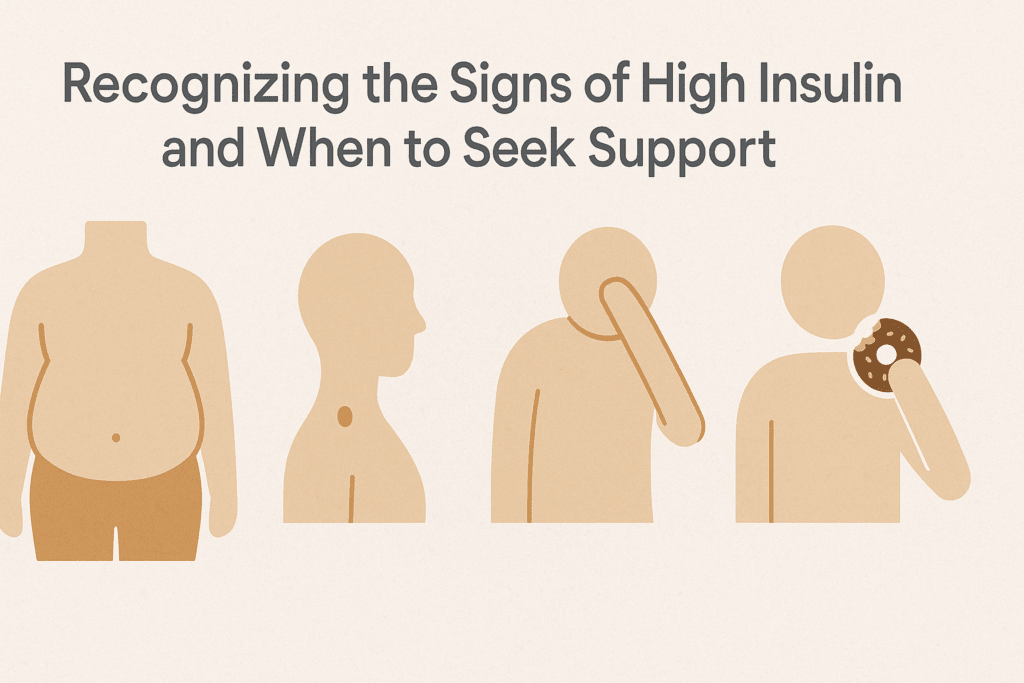
How Going No Sugar for 2 Weeks Can Support Weight Loss and Improve Your Overall Health Naturally

The Rising Need to Break Free from Sugar Dependence

In today’s food landscape, added sugar hides in plain sight. It shows up in sauces, cereals, granola bars, beverages, and even items labeled as “healthy.” For many people, daily sugar intake far exceeds recommended levels—often without them even realizing it. This chronic overconsumption doesn’t just add extra calories; it disrupts metabolism, increases fat storage, affects mental clarity, and impairs immune function. That’s why the concept of going no sugar for 2 weeks has gained traction among health-conscious individuals looking for a reset.

Eliminating added sugar for just fourteen days may sound simple, but it challenges long-held habits and exposes just how deeply sugar is ingrained in the modern diet. Yet, those who take on the challenge often find that the benefits go well beyond cutting a few sweets. Many report improved energy, better sleep, enhanced focus, and perhaps most notably, visible results on the scale. The growing popularity of the no sugar for 2 weeks weight loss trend isn’t just hype—it reflects real physiological changes that begin as soon as sugar stops entering the bloodstream.

By committing to a temporary sugar detox, you give your body a chance to recalibrate. Hormones begin to rebalance, cravings diminish, and inflammation starts to subside. The shift is not just physical; it’s psychological. Food choices become more mindful, taste buds become more sensitive to natural flavors, and people begin to realize they’re no longer at the mercy of their sweet tooth. This article explores what happens when you quit sugar for two weeks and how the transformation supports not only weight loss but long-term wellness.

You may also like: Why Am I Craving Sweets All of a Sudden? Expert-Backed Reasons and How to Stop Sugar Cravings Naturally

Split-screen illustration of the human body before and after no sugar for 2 weeks, showing fat buildup and poor metabolism on one side, improved insulin balance and whole food digestion on the other.

Sugar and Your Metabolism: What Changes When You Quit?

Sugar directly influences the body’s insulin response, a key mechanism in metabolic health and weight regulation. When you eat foods high in added sugar, blood glucose rises sharply. In response, the pancreas releases insulin to shuttle glucose into cells for energy or storage. However, with consistent sugar consumption, the body may develop insulin resistance—a condition in which cells stop responding properly to insulin. This results in higher circulating glucose, increased fat storage (especially around the midsection), and higher risk of developing type 2 diabetes.

By choosing to go no sugar for 2 weeks, you’re disrupting this negative feedback loop. Without constant glucose spikes, your insulin levels begin to stabilize. This allows your body to switch more efficiently between energy sources, eventually tapping into stored fat for fuel—a critical component of healthy weight loss. This shift, often described as enhanced metabolic flexibility, is one reason why the no sugar for 2 weeks weight loss method works so effectively for many individuals.

Beyond insulin, sugar impacts leptin and ghrelin—two hormones that regulate hunger and satiety. When sugar intake is high, these hormones often misfire, leading to increased appetite and overeating. Removing sugar helps reset these signals. As a result, people frequently report feeling full on less food, experiencing fewer cravings, and eating in a more intuitive and balanced way. All of this contributes to a sustainable reduction in calorie intake, even without the need for counting or restriction.

Split-image showing the mental shift from sugar cravings to calm wellness, symbolizing benefits of no sugar for 2 weeks.

The Psychological Side of Quitting Sugar

Reducing sugar intake doesn’t just affect your body—it significantly impacts your brain. Sugar stimulates the release of dopamine, the neurotransmitter responsible for feelings of reward and pleasure. Over time, this repeated activation can lead to a pattern of dependency, not unlike addiction. This is why sugary foods are often craved during times of stress, boredom, or emotional distress. They temporarily soothe but eventually worsen underlying imbalance.

The first few days of a no sugar for 2 weeks plan can be surprisingly difficult. Many people experience withdrawal symptoms: irritability, fatigue, anxiety, and even headaches. These symptoms reflect the brain recalibrating its reward circuits after being overstimulated by sugar. However, this discomfort is usually short-lived. Most participants report that by day five or six, cravings begin to diminish dramatically, and emotional eating tendencies start to fade.

By the end of two weeks, the brain’s dopamine pathways begin to normalize. This leads to improved focus, fewer mood swings, and greater emotional resilience. More importantly, individuals develop a deeper awareness of their relationship with food. They begin to eat with intention rather than impulse. The experience fosters a sense of empowerment, which becomes a key motivator for continuing the journey toward healthier, long-term habits.

Conceptual illustration of body inflammation improving after removing sugar, symbolizing health benefits of no sugar for 2 weeks.

Sugar, Inflammation, and Immune Function

Chronic low-grade inflammation is a major driver of disease—and sugar is a powerful pro-inflammatory agent. Excess sugar increases the production of pro-inflammatory cytokines and oxidative stress within the body. Over time, this can contribute to a wide array of health problems, including cardiovascular disease, metabolic syndrome, autoimmune disorders, and even cognitive decline.

One of the lesser-known benefits of eliminating sugar is the rapid reduction in inflammation markers. When people go no sugar for 2 weeks, their bodies respond quickly. Bloating often disappears, joint pain diminishes, and skin conditions such as acne or eczema may begin to improve. These visible and tangible results are a reflection of internal changes that have real medical significance.

The immune system also benefits from reduced sugar intake. High blood sugar impairs white blood cell activity and weakens the body’s ability to fight off infections. In contrast, a lower-sugar diet strengthens immune function, improving the body’s defenses against pathogens. For anyone prone to frequent colds, sinus infections, or digestive issues, going sugar-free for two weeks can provide a noticeable immune boost.

Illustration of gut microbiome before and after no sugar for 2 weeks, showing harmful bacteria on the left and diverse healthy bacteria with fiber-rich foods on the right

The Gut Microbiome’s Response to Sugar Elimination

The human gut is home to trillions of microorganisms that play an essential role in digestion, immunity, mood, and even weight regulation. This microbial ecosystem thrives on fiber, polyphenols, and resistant starches—not sugar. In fact, diets high in sugar tend to support the growth of harmful bacteria and yeast, including Candida albicans, while suppressing beneficial strains like Lactobacillus and Bifidobacterium.

When you remove sugar for two weeks, you begin to starve the “bad” microbes and give the helpful ones a chance to flourish. As a result, people often experience less gas, bloating, and digestive discomfort. Inflammation in the gut lining decreases, improving nutrient absorption and gut barrier integrity. This change isn’t just beneficial for digestion—it also supports mental health via the gut-brain axis.

Interestingly, many who adopt a no sugar for 2 weeks approach also notice improved mood, better sleep, and reduced brain fog. These benefits stem from both hormonal regulation and the rebalancing of the gut microbiome. A healthy gut is a cornerstone of overall well-being, and cutting sugar is one of the most effective ways to nurture it.

Tired man crashes after sugar, then energized after going no sugar for 2 weeks with healthy snacks and restful sleep.

Stabilized Energy and Improved Sleep Quality

Contrary to popular belief, sugar does not provide sustainable energy. While it does cause a brief spike in blood glucose and alertness, that burst is typically followed by a crash. This drop in energy can lead to feelings of lethargy, poor concentration, and the familiar mid-afternoon slump that sends people reaching for coffee or candy.

By going no sugar for 2 weeks, individuals often experience a significant shift in how their body manages energy. Without the high and low fluctuations of blood glucose, energy levels remain steadier throughout the day. This stability supports consistent productivity, mental clarity, and a reduced need for caffeine or energy drinks.

Sleep quality also improves. Sugar, especially when consumed in the evening, can interfere with the production of melatonin—the hormone that regulates circadian rhythms. It can also raise cortisol levels, leading to restlessness or nighttime awakenings. Once sugar is eliminated, people frequently report falling asleep faster, staying asleep longer, and waking up feeling more refreshed.

Woman smiling proudly on a scale, surrounded by healthy food and fitness gear, representing progress after no sugar for 2 weeks.

Realistic Weight Loss in Two Weeks: What to Expect

Weight loss is one of the most commonly cited motivations for cutting sugar, and for good reason. The body responds quickly when it no longer has to process excess glucose and insulin. The first few pounds lost on a no sugar for 2 weeks weight loss plan may be water weight, as glycogen stores (which retain water) are depleted. But the benefits don’t end there.

As metabolism improves, fat burning increases—especially if sugar is replaced with whole, unprocessed foods. People often find themselves eating less overall, not because of strict restriction, but because they feel more satisfied. This natural reduction in calorie intake, paired with hormonal rebalancing, creates a favorable environment for fat loss.

That said, results vary based on starting weight, lifestyle factors, and dietary choices. Some may lose several pounds in two weeks, while others see smaller shifts. But even modest progress can be profoundly motivating. More importantly, the psychological wins—freedom from cravings, improved body awareness, and the confidence that comes from sticking to a goal—lay the groundwork for lasting success.

Timeline infographic showing a visual transformation from fatigue to wellness after going no sugar for 2 weeks, ending in better sleep, reduced cravings, and more energy.

Long-Term Benefits and Next Steps After the Two-Week Reset

After successfully completing a sugar-free period, many people wonder, “What now?” The good news is that the benefits don’t have to stop at two weeks. In fact, the greatest transformations often begin during this window but continue evolving in the weeks and months that follow. Taste buds adjust, priorities shift, and sugar cravings become far easier to manage.

This reset offers a springboard into a more sustainable lifestyle. Rather than returning to old habits, many people adopt a new baseline—one where sugar is reserved for special occasions rather than daily consumption. Others choose to maintain a low-sugar diet indefinitely, having realized how much better they feel without it.

Reintroducing foods thoughtfully is key. Whole fruits, dark chocolate, or homemade treats with natural sweeteners like dates or monk fruit can be enjoyed mindfully. The idea isn’t necessarily to avoid sweetness forever, but to build a relationship with it that supports rather than undermines your health goals. This mindful approach not only helps preserve the weight loss achieved during the no sugar for 2 weeks weight loss phase—it also supports longevity and vitality for years to come.

Frequently Asked Questions: No Sugar for 2 Weeks and Its Impact on Weight and Wellness

1. What are some unexpected benefits people report after going no sugar for 2 weeks?
Beyond the more obvious outcomes like weight loss and reduced cravings, many people are surprised to find improvements in their skin, sinuses, and even joint mobility. Several individuals report fewer allergy-like symptoms, such as nasal congestion or headaches, which may be related to a drop in systemic inflammation. Others notice enhanced taste sensitivity, making naturally sweet foods like fruit much more satisfying. These benefits often emerge quietly during the no sugar for 2 weeks process and become more noticeable as the body adjusts. While not everyone experiences all these shifts, they reflect how interconnected sugar is with subtle physiological processes.

2. Can going no sugar for 2 weeks affect your social life or relationships?
Yes, though not in the way people might expect. Many individuals find that participating in the no sugar for 2 weeks challenge invites interesting conversations with family, friends, or coworkers, leading to shared goals and mutual support. On the flip side, social outings centered around desserts or drinks may initially feel more complicated. Learning to communicate boundaries without feeling pressured can be an empowering outcome. Some participants even inspire others to join them, turning a solo health effort into a communal one. Ultimately, this shift can enhance your sense of control in social settings and build more conscious food dynamics in relationships.

3. What are some lesser-known challenges people face during the no sugar for 2 weeks weight loss journey?
While sugar cravings and mood fluctuations are well known, one of the lesser-discussed obstacles is the feeling of emotional vulnerability. Sugar often masks stress, loneliness, or fatigue, so when it’s removed, those emotions can surface more clearly. Additionally, navigating the grocery store or meal planning can be unexpectedly overwhelming at first, especially when label reading becomes essential. For people with a history of emotional eating, this shift may require added support. Recognizing these internal changes early on allows participants to approach the no sugar for 2 weeks weight loss challenge with more self-compassion and realistic expectations.

4. How does cutting sugar for two weeks influence mental performance or creativity?
Several anecdotal reports and emerging studies suggest that reduced sugar intake can enhance focus, memory, and problem-solving abilities. The brain benefits from stabilized blood sugar, which prevents the energy crashes that often disrupt cognitive flow. During the no sugar for 2 weeks window, many professionals and creatives report sharper thinking and fewer distractions. While scientific research on sugar and creativity is still developing, it’s clear that cognitive clarity improves when sugar is no longer fueling erratic energy cycles. For writers, students, and entrepreneurs, this clarity can be one of the most motivating outcomes of the no sugar experience.

5. Is it possible to overcompensate with other foods when going no sugar for 2 weeks?
Absolutely—and this is something many people don’t anticipate. In an effort to avoid sugar, some individuals may gravitate toward refined carbs or calorie-dense alternatives like dried fruits, nut butters, or gluten-free snacks that still have high glycemic impact. This can slow or stall the no sugar for 2 weeks weight loss results, even if technically “sugar” is avoided. It’s important to replace sugar not just with low-sugar items, but with nutrient-dense, whole foods that actually stabilize blood sugar. A successful approach is not just about subtraction—but about thoughtful, balanced additions that support your overall health goals.

6. What happens to your emotional relationship with food during and after this two-week break from sugar?
One of the most profound yet underappreciated transformations occurs on the emotional level. The no sugar for 2 weeks period functions as a psychological detox just as much as a nutritional one. People begin to notice patterns in their eating—like snacking out of boredom or stress—that they previously overlooked. With sugar out of the equation, emotional regulation no longer hinges on sweet rewards, and this opens the door to deeper emotional awareness. After the two weeks, many individuals find themselves making more intentional food choices and feeling less controlled by impulse. This shift is key to sustaining results well beyond the initial challenge.

7. How does the body respond hormonally to a two-week sugar elimination?
Beyond insulin, which receives the most attention, several other hormones shift during a no sugar reset. Ghrelin (the hunger hormone) and leptin (the satiety hormone) begin to realign, improving hunger cues and making it easier to recognize fullness. Cortisol, the stress hormone, may also normalize over time, especially if sugar had been contributing to spikes in adrenaline or nighttime restlessness. These subtle shifts contribute meaningfully to the success of the no sugar for 2 weeks weight loss effort. Over time, this hormonal recalibration supports not only fat loss but also improved mood, better sleep, and greater metabolic efficiency.

8. Are there particular types of exercise that pair well with the no sugar for 2 weeks weight loss approach?
Yes, and the best approach may depend on your current fitness level and energy adaptation. In the early days of sugar elimination, light to moderate activity such as walking, yoga, or swimming may feel more sustainable, especially if your body is adjusting to lower blood glucose availability. As your metabolism begins to rely more on stored fat for energy, incorporating resistance training or interval workouts can accelerate fat burning. Importantly, avoiding overexertion early on ensures that your body doesn’t turn to muscle breakdown for energy. Pairing fitness with mindful recovery makes the no sugar for 2 weeks experience both more effective and more enjoyable.

9. How can you maintain progress after the no sugar for 2 weeks phase ends?
Transitioning out of a sugar-free period is just as important as the detox itself. Many people find success by slowly reintroducing natural sweeteners like fruit or raw honey in small, mindful amounts while continuing to avoid ultra-processed foods. Creating new rituals around meals—like enjoying herbal teas, baking with almond flour, or learning savory snack alternatives—helps reinforce the habits formed during the challenge. The no sugar for 2 weeks weight loss experience becomes a sustainable lifestyle shift when followed by conscious maintenance rather than an abrupt return to old habits. Continuing to track how certain foods make you feel can act as a personal compass for what to keep and what to leave behind.

10. Can this two-week challenge influence long-term risk factors for disease?
Surprisingly, yes—especially when used as a springboard into a healthier lifestyle. While two weeks is a short window, the reductions in insulin resistance, systemic inflammation, and blood pressure that often begin during this period can influence disease trajectory over time. Many people who undergo a no sugar for 2 weeks transformation use it to launch broader changes like adopting a Mediterranean-style diet or plant-forward eating. These shifts can reduce the long-term risk of conditions like heart disease, diabetes, and cognitive decline. Even more promising is the psychological empowerment that follows—proving to yourself that change is possible makes future health decisions easier to make and stick to.

Conclusion: A Two-Week Break from Sugar That Could Change Everything

Taking a break from sugar may sound simple, but its impact can be surprisingly profound. By committing to a no sugar for 2 weeks journey, you give your body the chance to reset on multiple levels—from hormones and digestion to inflammation and mental clarity. What begins as a short-term challenge often becomes a springboard for long-term change.

Those who embark on the no sugar for 2 weeks weight loss path frequently discover more than just a slimmer waistline. They gain energy, confidence, freedom from cravings, and a renewed sense of control over their health. These changes are real, measurable, and empowering.

In the end, the most important lesson may be this: health is not just about what you subtract from your plate, but about what you add to your life—clarity, strength, purpose, and resilience. And sometimes, it all starts with saying no to sugar and yes to your well-being.

Was this article helpful? Don’t let it stop with you. Share it right now with someone who needs to see it—whether it’s a friend, a colleague, or your whole network. And if staying ahead on this topic matters to you, subscribe to this publication for the most up-to-date information. You’ll get the latest insights delivered straight to you—no searching, no missing out.

Further Reading:

​What happens to your body when you quit sugar for two weeks? Expert explains

7 Benefits of Cutting Out Sugar

What Happens to Your Body When You Cut Out Sugar

Disclaimer

The information contained in this article is provided for general informational purposes only and is not intended to serve as medical, legal, or professional advice. While NewsHealthWatch strives to present accurate, up-to-date, and reliable content, no warranty or guarantee, expressed or implied, is made regarding the completeness, accuracy, or adequacy of the information provided. Readers are strongly advised to seek the guidance of a qualified healthcare provider or other relevant professionals before acting on any information contained in this article. NewsHealthWatch, its authors, editors, and contributors expressly disclaim any liability for any damages, losses, or consequences arising directly or indirectly from the use, interpretation, or reliance on any information presented herein. The views and opinions expressed in this article are those of the author(s) and do not necessarily reflect the official policies or positions of NewsHealthWatch.

Is Sugar Addictive? Understanding Sugar Dependency Symptoms and How to Break Free Naturally

Why It Matters: Sugar’s Hidden Grip on Our Lives

In the past, sugar was considered a harmless indulgence—something to enjoy in moderation at birthdays, holidays, or special celebrations. But today, we are exposed to sugar almost constantly. It’s in our breakfast cereals, salad dressings, sauces, energy bars, and even “healthy” yogurt. The consequences are showing up in the form of rising rates of obesity, metabolic syndrome, and mental health challenges. More people are now asking: is sugar addictive, and if so, what are the implications for personal and public health?

This article explores the mounting scientific and clinical evidence surrounding sugar dependency. It explains how and why some people become addicted to sugary foods, what the signs of sugar addiction look like, and how to escape the trap through evidence-based solutions. If you’ve ever struggled with cravings or wondered whether you’re simply indulging or suffering from sugar addiction symptoms, this is for you.

You may also like: Why Am I Craving Sweets All of a Sudden? Expert-Backed Reasons and How to Stop Sugar Cravings Naturally

Glowing brain inside a glass dome surrounded by floating sugar cubes and candy, symbolizing how sugar affects the brain and raises the question: is sugar addictive

What Does It Mean to Be Addicted to Sugar?

The term addiction typically brings to mind substances like alcohol, nicotine, or opioids. But behavioral health specialists and neuroscientists have found striking similarities between the way people respond to sugar and the way they respond to addictive drugs. This doesn’t mean sugar is equally dangerous, but it does suggest that for many people, it can become compulsive and psychologically disruptive. So when we ask, can you be addicted to sugar, the answer is increasingly supported by neuroscience.

When someone is addicted to sweets, it goes beyond enjoying dessert. The cravings become persistent, intense, and difficult to control. Eating sugar may provide temporary pleasure but is often followed by guilt, fatigue, or the inability to stop even after feeling full. This isn’t simply a bad habit—it reflects changes in the brain’s dopamine reward pathways that mimic those seen in other forms of addiction.

Recognizing sugar dependency symptoms is essential for moving from frustration to freedom. People often rationalize their behavior by saying they just have a “sweet tooth,” but when sugar consumption leads to negative consequences and still continues, it’s a red flag that something deeper is happening.

Split-screen illustration of brain activity showing overstimulation from sugar on one side and reduced dopamine response on the other, exploring is sugar addictive.

The Brain on Sugar: Why Is Sugar Addictive?

Sugar lights up the brain’s reward center with an intensity comparable to some addictive substances. When consumed, sugar triggers a release of dopamine—a feel-good neurotransmitter—creating a sense of pleasure and emotional relief. Over time, the brain begins to associate sugar with comfort, stress relief, and even identity, especially for those addicted to sugary foods from a young age.

The more frequently someone consumes sugar, the more their brain adjusts by reducing the number of dopamine receptors. This means they need more sugar to get the same rewarding feeling—a hallmark of addiction known as tolerance. This physiological process explains why sugar is addictive for many people. It’s not just about liking sweets; it’s about the brain being wired to crave them.

The addiction is also behavioral. Many people develop routines around sugar—using it to celebrate, to cope with anxiety, or to relax at night. These habits get reinforced and paired with emotional triggers, making it harder to stop even when the health consequences become obvious.

Man secretly eating sweets in a dimly lit kitchen at night while another person sleeps, illustrating behavioral signs that raise the question: is sugar addictive

Recognizing Sugar Addiction Symptoms in Everyday Life

Not all sugar consumption is problematic, but if you notice a pattern of behavior that mirrors dependency, it may be time to take a closer look. People experiencing sugar addiction symptoms often report a loss of control over how much sugar they eat, consuming more than they intend or eating when not hungry.

Physical symptoms might include energy crashes after eating sweets, headaches when abstaining from sugar, and gastrointestinal discomfort after bingeing. Emotional symptoms are just as common—irritability, mood swings, anxiety, or even depressive states that improve after eating something sweet.

These signs of sugar addiction can also manifest behaviorally. Individuals may hide sweets from others, eat in secret, or make repeated unsuccessful attempts to cut back. When something that should be occasional becomes daily—or even hourly—it’s often a sign that sugar is functioning as a psychological crutch rather than a food.

Colorful party table overflowing with cakes, cookies, and candy as people eagerly reach in—highlighting how social settings raise the question: is sugar addictive.

Candy Addiction and the Culture of Overindulgence

It’s not just biology that keeps people hooked—it’s also society. Modern marketing glorifies sugar in ways that reinforce dependency. Candy, cookies, and desserts are associated with holidays, comfort, reward, and love. This creates an emotional context where cutting back on sugar can feel like giving up joy itself, making candy addiction harder to break than one might expect.

For people looking for candy addiction help, cultural norms pose a serious challenge. Offices are filled with free donuts. Birthdays and meetings revolve around cake and snacks. Even efforts to eat healthy are sabotaged by so-called “low-fat” foods that are secretly loaded with sugar.

What makes candy addiction especially problematic is that sugar isn’t treated like other potentially harmful substances. It’s socially accepted, inexpensive, and widely available. But just because something is legal and popular doesn’t mean it’s harmless—especially for those predisposed to addictive behaviors.

Diagram comparing brain responses to sugar and drugs, illustrating dopamine activity, cravings, and withdrawal to explore is sugar addictive.

Can You Get Addicted to Sugar Like a Drug?

Researchers now recognize that sugar addiction symptoms share similarities with substance use disorders. Animal studies have shown that rats will work harder to access sugar than they will for cocaine. Human studies reveal how people exhibit withdrawal symptoms, including irritability and headaches, when they attempt to cut out sugar abruptly.

When people ask, can you get addicted to sugar, they are often comparing it to traditional addictions. While sugar may not create physical dependence in the same way opioids do, it absolutely fosters psychological dependence, compulsive use, and tolerance—key markers of addiction.

This matters because treatment for sugar addiction may require more than willpower or cutting back. Like other dependencies, it may demand support, structure, and even professional sugar addiction therapy to fully recover. Ignoring the problem only allows it to deepen.

Seeking Sugar Addiction Help: From Awareness to Action

The good news is that help is available—and recovery is real. The first step in addressing sugar addiction symptoms is developing awareness. Many people don’t realize just how much sugar they consume until they track it. Reading labels, recognizing hidden sugars, and becoming mindful of emotional triggers can provide valuable insights.

After awareness comes action. Effective sugar addiction help often includes dietary changes, such as replacing refined sugars with whole foods that stabilize blood sugar and reduce cravings. Protein, fiber, and healthy fats help balance mood and energy, making it easier to resist temptation.

Psychological support is also key. For those with emotional dependencies on sugar, cognitive-behavioral techniques can help reframe negative self-talk, reduce stress, and build new, rewarding habits. Whether through self-guided practices or professional sugar addiction therapy, recovery is a journey of healing—not deprivation.

Therapy session between a woman and therapist in a cozy room, exploring emotional recovery and the question is sugar addictive

Exploring Sugar Addiction Therapy as a Path to Recovery

When habits feel too deeply ingrained to change alone, sugar addiction therapy can offer a powerful path forward. This kind of therapy helps individuals understand the emotional roots of their cravings. Often, sugar becomes a way to cope with trauma, stress, or loneliness. Therapy offers a safe space to unpack these associations and develop healthier responses.

Different forms of therapy may be helpful. Cognitive-behavioral therapy (CBT) teaches clients how to identify negative thought patterns and replace them with constructive ones. Mindfulness-based eating interventions help individuals build awareness around hunger, satiety, and emotional triggers.

Group support and accountability can also be transformative. Knowing that others are on the same path reduces shame and creates a sense of community. For some, nutritional counseling from specialists trained in food addiction can round out a holistic approach to overcoming sugar dependency symptoms.

Searching for the Sugar Addiction Cure: What Does Healing Look Like?

Is there a sugar addiction cure? While there may not be a one-size-fits-all answer, many people do experience full recovery. They break the cycle of cravings, reclaim control over their choices, and even lose the desire for sugar altogether. The cure is not a magic pill—it’s a shift in mindset, lifestyle, and identity.

Healing often begins when individuals stop viewing sugar reduction as punishment and start seeing it as empowerment. Instead of restriction, they embrace nourishment. They choose foods that support energy, mood, and metabolism, and they build lives filled with meaning that no longer revolve around the next treat.

Over time, taste buds recalibrate, energy stabilizes, and emotional regulation improves. Many who were once deeply addicted to sweets come to view sugar as something they no longer need. Their health improves, their mental clarity returns, and their self-confidence grows—not because they gave something up, but because they reclaimed something even greater: their well-being.

Frequently Asked Questions: Sugar Addiction, Symptoms, and Solutions

1. How do emotional patterns influence sugar dependency symptoms?

Emotional patterns play a significant role in developing and maintaining sugar dependency. People who experience chronic stress, loneliness, or unresolved trauma often turn to sugar as a temporary mood enhancer. This is where the most persistent sugar dependency symptoms emerge—not just from habit, but from deep-rooted emotional needs being met through sweet foods. Emotional conditioning can cause individuals to associate sugar with safety or love, making it much harder to break the cycle. Addressing these triggers through mindfulness and emotional regulation techniques can offer powerful sugar addiction help that goes beyond nutrition alone.

2. Can you be addicted to sugar without eating obvious sweets like candy or desserts?

Yes, and this is a commonly overlooked problem. Many individuals are addicted to sugary foods even when they don’t consume traditional sweets like cookies or chocolate. Hidden sugars in processed items such as sauces, breads, flavored yogurts, and “healthy” snacks can fuel the same addictive behaviors. Over time, even these subtler sources can produce the signs of sugar addiction, including cravings, irritability, and fatigue after meals. Being aware of ingredient labels and understanding terms like “evaporated cane juice” or “maltodextrin” is essential in recognizing and reversing this quiet form of sugar addiction.

3. Why is sugar addictive for some people but not others?

The question of why is sugar addictive for some and not for others comes down to a complex interplay of genetics, gut health, childhood exposure, and psychological resilience. Some individuals may have a naturally lower dopamine threshold, making them more sensitive to sugar’s reward signals. Others may have been raised in environments where sugar was used as a pacifier or reward, laying a behavioral foundation for later dependency. People with imbalanced gut microbiomes may also crave sugar more frequently, as certain bacteria thrive on glucose. This diversity explains why sugar addiction therapy often takes a highly individualized approach to be effective.

4. What are the long-term effects of untreated sugar addiction symptoms?

If left untreated, sugar addiction symptoms can evolve into more serious health issues beyond weight gain or fatigue. Insulin resistance, type 2 diabetes, fatty liver disease, and chronic inflammation are all long-term consequences linked to excessive sugar intake. Psychological effects can also become pronounced—mood instability, anxiety, brain fog, and even depressive episodes have been associated with chronic sugar overuse. Individuals addicted to sweets often experience disrupted sleep patterns and poor impulse control over time. Addressing these issues early through sugar addiction help is vital not only for physical health but for emotional and cognitive well-being as well.

5. What is the difference between candy addiction and general sugar dependency?

While candy addiction may seem like a lighthearted term, it reflects a very real issue. Unlike general sugar dependency—which may stem from overall high-sugar diets—candy addiction often involves psychological rituals, such as always keeping candy nearby or bingeing during emotional lows. Candy, with its concentrated doses of refined sugar and artificial additives, creates an especially fast and potent dopamine response. This can intensify the addictive cycle compared to other sources of sugar. People seeking candy addiction help often benefit from cognitive behavioral strategies focused on breaking habitual behaviors and learning to self-regulate more consciously.

6. What role do hormones play in becoming addicted to sweets?

Hormonal imbalances—especially involving insulin, cortisol, and leptin—can strongly contribute to being addicted to sweets. When insulin spikes frequently due to high sugar intake, it disrupts the body’s ability to regulate blood sugar effectively, leading to recurring crashes and cravings. Elevated cortisol levels, often caused by chronic stress, increase appetite and specifically heighten the desire for high-sugar foods. Leptin resistance, which occurs in some individuals with obesity or metabolic syndrome, further dulls satiety signals, encouraging overeating. Addressing hormonal imbalances is an essential but often overlooked aspect of effective sugar addiction therapy.

7. Can sugar addiction be passed down or influenced by family habits?

Yes, there is growing evidence that sugar-related behaviors can be inherited or modeled during early development. Children raised in households with frequent access to sugary snacks are more likely to become addicted to sugary foods themselves. Parental attitudes—such as using candy as a reward or withholding sweets as punishment—can create emotionally charged relationships with sugar. Even in utero exposure may play a role, as studies suggest that mothers with high-sugar diets may prime a child’s taste preferences. Breaking intergenerational cycles often requires family-wide education and participation in sugar addiction help strategies.

8. What is the most overlooked sign of sugar addiction in adults?

While cravings and energy crashes are often recognized, one of the most overlooked signs of sugar addiction is the normalization of poor sleep and irritability. Adults who are addicted to sweets may not realize that their restless nights, grogginess, or midday anxiety are directly tied to their sugar habits. These symptoms are frequently misattributed to stress or aging. Yet when sugar is removed, people often report feeling dramatically better within days—more focused, emotionally stable, and well-rested. Understanding this connection can be a breakthrough moment for those seeking a long-term sugar addiction cure.

9. Are there any supplements or tools that help with sugar addiction therapy?

While no supplement can replace behavioral change, some natural aids may support the process of sugar addiction therapy. Chromium and magnesium have been studied for their roles in stabilizing blood sugar and reducing cravings. Adaptogens like ashwagandha may help regulate cortisol levels, easing stress-related urges for sweets. Additionally, mindfulness apps, journaling, and nutrition trackers can offer accountability and insight. These tools work best as part of a broader approach that includes emotional support, dietary changes, and addressing sugar dependency symptoms holistically.

10. What does recovery from sugar addiction actually look like in real life?

Recovery is less about perfection and more about freedom. Most people who successfully overcome sugar addiction symptoms report that they no longer feel controlled by cravings or emotionally reliant on sweet foods. They may still enjoy the occasional dessert, but it’s a conscious choice rather than a compulsion. Over time, taste buds adjust, and whole foods begin to taste sweeter. Individuals who once wondered can you get addicted to sugar often find that not only is it possible, but the journey to recovery opens up a better quality of life—more energy, better mood, improved digestion, and a deeper connection to body awareness. Whether through support groups, lifestyle changes, or formal sugar addiction help, healing is achievable and often transformative.

Conclusion: Is Sugar Addictive? The Answer Is Clear—and So Is the Path to Freedom

After reviewing the evidence, both scientific and personal, the answer to the question is sugar addiction becomes unmistakably clear. For many individuals, sugar acts like an addictive substance—triggering cravings, disrupting behavior, and causing emotional and physical distress. Recognizing the signs of sugar addiction is not a matter of weakness but one of self-awareness and health literacy.

The path to recovery requires patience, support, and strategy. From recognizing sugar dependency symptoms to seeking sugar addiction help, people can heal by addressing both the biological and emotional components of addiction. For those needing more support, sugar addiction therapy offers structured, personalized guidance that can lead to long-term transformation.

While there may not be a singular sugar addiction cure, there is hope—and it lies in reclaiming your health, your energy, and your relationship with food. By choosing to nourish rather than numb, and by replacing habit with intention, freedom from candy addiction becomes not just possible, but empowering. If you’ve ever asked yourself, can you be addicted to sugar, know that you’re not alone—and that breaking free is one of the most life-affirming decisions you can make.

Was this article helpful? Don’t let it stop with you. Share it right now with someone who needs to see it—whether it’s a friend, a colleague, or your whole network. And if staying ahead on this topic matters to you, subscribe to this publication for the most up-to-date information. You’ll get the latest insights delivered straight to you—no searching, no missing out.

Further Reading:

Sugar addiction: the state of the science

How To Break Your Sugar Addiction

Slideshow: The Truth About Sugar Addiction

Disclaimer

The information contained in this article is provided for general informational purposes only and is not intended to serve as medical, legal, or professional advice. While NewsHealthWatch strives to present accurate, up-to-date, and reliable content, no warranty or guarantee, expressed or implied, is made regarding the completeness, accuracy, or adequacy of the information provided. Readers are strongly advised to seek the guidance of a qualified healthcare provider or other relevant professionals before acting on any information contained in this article. NewsHealthWatch, its authors, editors, and contributors expressly disclaim any liability for any damages, losses, or consequences arising directly or indirectly from the use, interpretation, or reliance on any information presented herein. The views and opinions expressed in this article are those of the author(s) and do not necessarily reflect the official policies or positions of NewsHealthWatch.
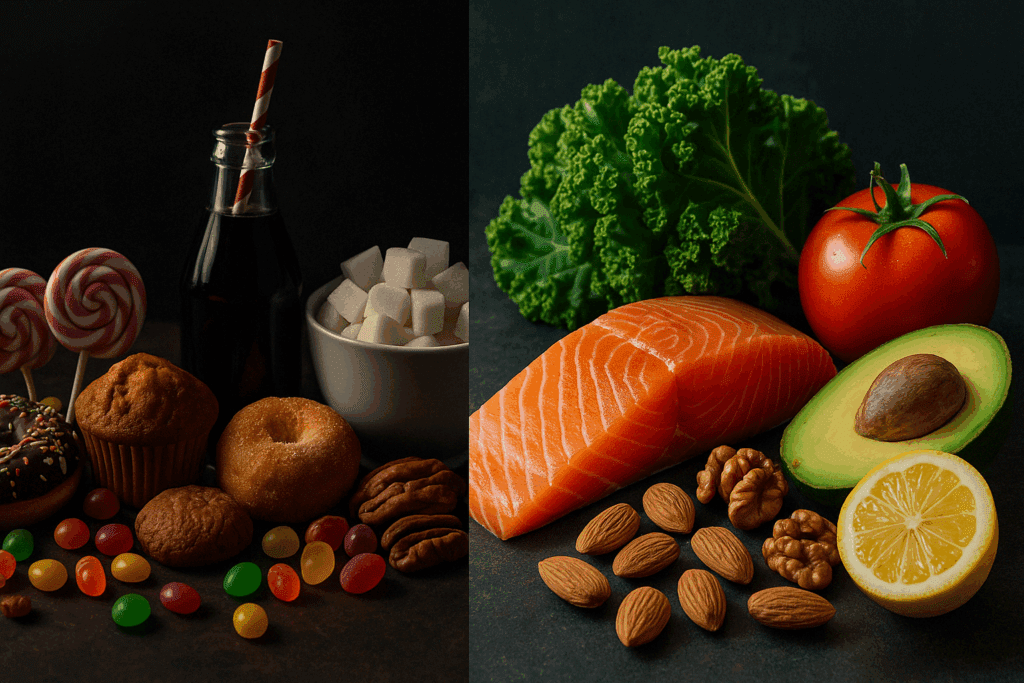
Vegan vs Vegetarian: Key Differences, Health Benefits, and What Plant-Based Really Means

In recent years, the popularity of plant-based diets has surged among health-conscious individuals, ethical consumers, and environmentally aware communities. However, despite the growing interest in plant-based eating, confusion often arises about what it truly means to be vegan versus vegetarian. These terms are frequently used interchangeably, but they carry distinct definitions and dietary practices that can have significant implications for health, performance, and sustainability. This article explores the nuanced differences between vegan and vegetarian diets, their respective health benefits, and what the science says about adopting a plant-based lifestyle—especially for those interested in a vegan athlete diet meal plan or looking to optimize a plant based diet for athletes.

You may also like: Plant Based Diet vs Standard American Diet: What the Latest Studies Reveal About Long-Term Health Outcomes

Understanding Vegan and Vegetarian Diets

A vegetarian diet is typically defined as one that excludes meat, poultry, and fish but includes dairy products and eggs. There are several variations within vegetarianism, including lacto-vegetarian (includes dairy, excludes eggs), ovo-vegetarian (includes eggs, excludes dairy), and lacto-ovo vegetarian (includes both dairy and eggs). Veganism, on the other hand, eliminates all animal-derived products, including dairy, eggs, honey, and even certain additives like gelatin and casein. Veganism often extends beyond diet to a lifestyle that avoids animal exploitation in all forms, including clothing, cosmetics, and household products.

The core distinction between vegan and vegetarian diets lies in the degree of exclusion. While vegetarians may still consume animal by-products, vegans commit to a diet entirely free from animal sources. This stricter adherence has implications for both health outcomes and nutrient intake, as well as ethical and environmental considerations.

Side-by-side pantry comparison highlighting vegan vs vegetarian staples like nuts, legumes, dairy, and eggs

Health Benefits of Plant-Based Diets

Both vegan and vegetarian diets have been extensively studied for their health-promoting properties. According to the Academy of Nutrition and Dietetics, appropriately planned plant-based diets are healthful, nutritionally adequate, and may provide health benefits in the prevention and treatment of certain diseases. Among these, cardiovascular disease, type 2 diabetes, obesity, and certain forms of cancer are most commonly cited.

For instance, epidemiological studies show that vegans typically have lower body mass indices (BMI), reduced cholesterol levels, and better blood glucose control than omnivores. Vegetarians often enjoy similar benefits, though the inclusion of dairy and eggs can influence fat and cholesterol intake. Plant-based diets are also rich in fiber, antioxidants, phytochemicals, and anti-inflammatory compounds, all of which contribute to improved metabolic function and reduced chronic disease risk.

A critical consideration is that these benefits stem not just from the exclusion of animal products but from the inclusion of whole, minimally processed plant foods. A whole-food plant-based diet emphasizes vegetables, fruits, legumes, whole grains, nuts, and seeds while limiting refined sugars, oils, and processed foods. This dietary pattern is distinct from simply being “vegan” or “vegetarian,” as it focuses on nutrient density rather than labels.

What Plant-Based Really Means

The term “plant-based” has become a popular but often misunderstood descriptor. While some use it synonymously with vegan, its actual meaning is more nuanced. A plant-based diet prioritizes plant foods as the central part of the diet but does not necessarily exclude all animal products. In practice, however, many individuals who identify as plant-based follow a dietary pattern very similar to a vegan or whole-food plant-based approach.

For athletes and active individuals, the plant-based paradigm is particularly compelling. A well-planned vegan athlete meal plan can provide all the macronutrients and micronutrients required for peak performance, muscle recovery, and endurance. This includes sufficient protein, iron, calcium, omega-3 fatty acids, and vitamin B12—nutrients that are often scrutinized in plant-based diets but can be met through intentional food choices and supplementation when needed.

Active couple representing health benefits of a vegan vs vegetarian lifestyle through jogging and plant-based foods

Plant Based Diet for Athletes: Nutritional Considerations

Contrary to outdated myths, a plant based diet for athletes can support elite-level performance and even offer advantages in recovery and inflammation control. Plant foods are naturally high in antioxidants, polyphenols, and other phytonutrients that help mitigate exercise-induced oxidative stress. Moreover, plant-based proteins like lentils, tofu, tempeh, quinoa, and soy milk can provide adequate essential amino acids when consumed in a varied diet.

Protein timing and total daily intake are key. While plant proteins may have slightly lower bioavailability than animal proteins, this can be easily offset by increasing the total amount consumed and combining complementary protein sources throughout the day. For example, pairing legumes with grains—such as beans with brown rice—ensures a complete amino acid profile. A vegan athlete meal plan should also include iron-rich foods like lentils, spinach, and fortified cereals, along with vitamin C-rich foods to enhance absorption.

Caloric intake is another important factor. Plant-based diets tend to be less calorie-dense, which can pose a challenge for athletes with high energy expenditures. To address this, athletes can include energy-dense but nutrient-rich foods such as nut butters, avocado, dried fruit, and smoothies. Planning meals and snacks that balance carbs, fats, and proteins is essential for optimal performance and recovery.

Navigating the Low-Carb Trend: Is Keto a Low Carb Diet?

In the context of rising interest in low-carbohydrate eating patterns, many wonder: is keto a low carb diet? The answer is yes—but not all low-carb diets are ketogenic. A ketogenic diet is an ultra-low carb, high-fat regimen designed to shift the body into ketosis, a metabolic state where fat becomes the primary fuel source. In contrast, a general low-carb diet may reduce carbohydrate intake without inducing ketosis. The differences between ketogenic diet vs low carb approaches are important, especially for athletes and plant-based eaters.

When comparing a low carb diet keto diet version with a plant-based plan, it’s essential to understand their distinct physiological impacts. The keto diet drastically limits carbs (usually under 50 grams per day) to increase ketone production, which can aid fat loss and blood sugar control in some individuals. However, this approach may lack fiber, certain vitamins, and plant phytonutrients unless carefully managed.

On the other hand, plant-based athletes who reduce refined carbohydrates while maintaining whole-food complex carbs—like oats, quinoa, and legumes—often experience sustained energy without sacrificing micronutrients. Thus, the debate between keto diet vs low carb diet becomes even more nuanced when plant-based choices are prioritized. While low-carb strategies may appeal to those seeking weight loss or insulin sensitivity improvements, they must be balanced against nutrient diversity and long-term sustainability.

Athlete preparing a performance-focused vegan vs vegetarian meal with lentils, grains, and leafy greens

Is a Keto Diet Sustainable for Plant-Based Athletes?

The question “is a keto diet sustainable?” looms large in both health and performance circles. For vegan or vegetarian athletes, adhering to a strict ketogenic pattern can be particularly challenging. The elimination of most carbohydrate sources significantly reduces dietary variety and fiber intake, both of which are foundational to a healthy gut microbiome and athletic recovery. Additionally, achieving ketosis on a plant-based diet often requires an overreliance on oils, nuts, seeds, and coconut-based products, which may skew fat intake toward saturated varieties.

While it is technically possible to follow a vegan or vegetarian keto diet, it demands extensive planning and supplementation to avoid nutritional deficiencies. For most individuals, a moderate reduction in refined carbs, rather than a full ketogenic transition, offers a more balanced and sustainable path. By asking, “is keto no carbs?” we clarify another common misconception. While keto is low in carbohydrates, it is not carb-free; even in ketosis, small amounts of carbs from non-starchy vegetables and nuts are still consumed.

From a long-term perspective, evidence suggests that diets rich in whole plant foods are more sustainable both environmentally and metabolically. They offer long-term protection against chronic diseases while supporting athletic longevity. Therefore, while keto may serve as a short-term intervention for specific goals, a well-structured vegan athlete diet meal plan remains a more practical and sustainable strategy for most active individuals.

Visual comparison of keto and plant-based plates exploring low-carb trends in vegan vs vegetarian diets

Bridging the Gap: Vegan and Vegetarian Athletes in Practice

Numerous elite athletes across disciplines—runners, weightlifters, bodybuilders, and endurance cyclists—have adopted plant-based diets with great success. Their achievements underscore the fact that performance and muscle maintenance do not require animal-based foods. The key lies in intelligent planning, variety, and nutrient timing.

Vegetarian athletes benefit from the inclusion of dairy and eggs, which can offer convenient protein and micronutrient sources. However, they must still be mindful of saturated fat and cholesterol levels, particularly from full-fat dairy products. Vegan athletes must be especially attentive to nutrients such as vitamin B12, vitamin D, iodine, and omega-3s, which may require fortified foods or supplements. With the right approach, however, these needs can be met without compromise.

A successful vegan athlete meal plan should incorporate strategic food combinations, regular meal timing, and caloric sufficiency. Smoothies with plant protein powder, grain-and-legume bowls, fortified plant milks, and energy-dense snacks can meet both performance and recovery needs. Emphasizing colorful, whole-food ingredients ensures antioxidant and polyphenol diversity, which can enhance muscle recovery and immune function.

Cultural and Ethical Dimensions of Plant-Based Eating

Beyond health and performance, many individuals choose vegan or vegetarian diets for ethical, environmental, or cultural reasons. The ethical argument centers around animal welfare and the belief that animals should not be exploited for food. The environmental rationale is backed by research showing that plant-based diets require fewer natural resources and produce lower greenhouse gas emissions compared to animal agriculture.

From a cultural perspective, plant-based diets have long been practiced in various traditions around the world, from India’s predominantly vegetarian cuisine to the plant-centered diets of Blue Zones—regions where people live significantly longer and healthier lives. These cultural models provide compelling evidence that plant-based eating can support longevity and vitality across diverse populations.

Infographic comparing nutritional sustainability of vegan vs vegetarian keto diets for athletes

Frequently Asked Questions: Vegan vs Vegetarian Diets and the Plant-Based Spectrum

1. What is the real difference between vegan and vegetarian diets beyond just food choices?

The difference between vegan and vegetarian diets extends far beyond what ends up on your plate.While most people focus on food, the vegan versus vegetarian divide often involves lifestyle choices, ethical frameworks, and environmental philosophies. Vegans tend to align with a philosophy that rejects all forms of animal exploitation, from leather shoes to animal-tested cosmetics. In contrast, vegetarians may abstain from meat for health or cultural reasons but still consume dairy and eggs without necessarily opposing animal-derived non-food products. This broader outlook adds depth to the vegan and vegetarian difference, making it as much about worldview as it is about dietary intake.

2. Is there a difference between plant based and vegan, or are they the same?

Although they are frequently used interchangeably, plant based vs vegan is a discussion rooted innuance. A vegan diet excludes all animal products and often supports animal welfare causes, whereas a plant-based diet is typically focused on health and may include small amounts of animal products on occasion. The term plant based is more flexible and typically associated with health optimization rather than ethical or environmental reasons. When people ask, “is plant based the same as vegan,” the answer lies in intention—one is rooted in health science and dietary balance, while the other is more comprehensive in ethical application. Thus, plant based versus vegan reflects differing motivations, even when the menus look identical.

3. Can a vegan eat meat occasionally, or does that violate the definition?

By definition, vegans do not eat meat under any circumstance, so the question of whether can avegan eat meat is technically a contradiction. However, in real-world scenarios, some individuals identify as “mostly vegan” or “flexitarian” while striving toward a fully plant-based lifestyle. The term “vegan” implies a strict adherence to avoiding all animal products, so even infrequent consumption of meat disqualifies one from being a true vegan. While diet labels can evolve with personal journeys, it’s important to understand that the vegan vs non vegan boundary is clear-cut in the strictest sense. That said, food identity is complex, and many people move between these categories as they refine their values and goals.

4. What does plant based mean for someone trying to reduce animal products without going fully vegan?

When people ask what does plant based mean, they are often looking for a middle ground. A plantbased diet emphasizes fruits, vegetables, whole grains, legumes, nuts, and seeds while minimizing—but not necessarily eliminating—animal products. This approach can appeal to those not ready to commit to full veganism but who still want to reap health benefits and reduce their environmental impact. The difference between plant based and vegan is largely one of degree and intent: plant-based eaters may occasionally consume fish or dairy, while vegans maintain strict exclusion. For health-focused individuals, plant based vs vegan often boils down to practicality and flexibility in long-term adherence.

5. Why do some people use the term vegetarian v vegan instead of clearly picking one or the other?

The vegetarian v vegan terminology often reflects a transitional mindset or an exploration of dietaryalignment. Someone identifying in this middle space may be evaluating which lifestyle better supports their values, health needs, or cultural circumstances. In communities where food traditions include dairy or eggs, shifting to veganism may require additional education or gradual adaptation. This gray area contributes to the ongoing conversation about is vegan the same as vegetarian, which is answered more by lifestyle patterns than labels alone. People exploring vegans vs vegetarians often focus on finding sustainable habits that reflect both personal values and nutritional adequacy.

6. Is a plant-based diet always healthier than a vegetarian or vegan diet?

The vegetarian vs vegan which is healthier debate often misses the broader picture of food qualityand lifestyle factors. A plant-based diet that prioritizes whole foods can be extremely health-promoting, but so can a well-planned vegan or vegetarian diet. What matters more is the nutrient density of the foods chosen. A diet high in processed vegan snacks may be less beneficial than a balanced vegetarian diet rich in whole grains, vegetables, and legumes. The distinction between plant based diet vs vegan isn’t about superiority but about intentional food choices, making veggie and vegan difference less about title and more about execution.

7. Are there social or psychological differences between people who choose vegan vs vegetarian lifestyles?

Indeed, the vegan vs vegetarian meaning can differ not only nutritionally but socially andpsychologically as well. Research shows that vegans often report higher levels of identity-based motivation, aligning their diets closely with ethical or environmental values. Vegetarians, on the other hand, may adopt their dietary patterns more flexibly and with less identity attachment. This divergence can shape everything from social interactions to participation in advocacy efforts. The psychological aspect of is vegan and vegetarian the same thing reveals how food choices can express deeper worldviews, not just nutrition strategies.

8. Does plant based mean no meat in every case, or can it include occasional animal products?

This is a common point of confusion. While the term “plant based” implies a focus on plants, it doesnot categorically mean abstaining from all animal products. So when people ask does plant based mean no meat, the most accurate answer is “not necessarily.” Plant-based eaters may occasionally consume small amounts of meat or dairy, depending on personal goals. That’s where plant based vs vegetarian and plant based vs vegan distinctions become more useful, as they describe a spectrum rather than a binary. Essentially, is plant based diet vegan is a question of frequency and purpose rather than absolute rules.

9. Why is there so much confusion about vegan vs vegetarian meaning in mainstream discussions?

Part of the confusion about vegan vs vegetarian meaning comes from media generalizations andinconsistent labeling in the food industry. Marketing terms like “plant-powered” or “veggie-friendly” can be misleading and blur the lines between vegans vs vegetarians. In restaurants, the veggie and vegan difference is often not clearly marked, leading to accidental crossovers. Moreover, cultural context shapes how these terms are used—what one country considers vegan might not meet the standards elsewhere. To understand is there a difference between vegan and vegetarian requires not just dietary awareness but cultural literacy as well.

10. How do plant-based and vegan diets compare in terms of future sustainability and food innovation?

In terms of long-term impact, the plant based versus vegan conversation is shifting towardinnovation and global scalability. Food tech companies are creating hybrid products that cater to both groups, from lab-grown dairy proteins to precision-fermented vegan cheeses. While vegan purists may avoid anything that originated from animal cells, some plant-based eaters may welcome these innovations for their lower environmental footprint. The difference between vegan and vegetarian perspectives may also influence how consumers support these technologies. As the world explores whether is plant based diet the same as vegan, the future likely holds more personalized, tech-integrated dietary models that transcend traditional definitions.

Traditional dishes from global cuisines illustrating cultural roots of vegan vs vegetarian eating patterns

Conclusion: Choosing the Right Path for Health, Performance, and Sustainability

Whether one adopts a vegetarian or vegan diet—or simply moves toward a more plant-based pattern—the key is thoughtful planning and nutrient diversity. Both approaches offer well-documented health benefits, and when structured properly, they can support athletic goals as effectively as omnivorous diets. For those crafting a vegan athlete diet meal plan or seeking to optimize a plant based diet for athletes, the focus should be on whole foods, varied protein sources, and strategic nutrient timing.

As for trending debates like ketogenic diet vs low carb or evaluating if is keto a good diet, the answer ultimately depends on individual goals, values, and health status. While keto can offer metabolic benefits in certain contexts, its sustainability—particularly for plant-based eaters—remains limited. Asking is keto a low carb diet or is keto no carbs can help demystify the trend, but the evidence consistently favors whole, plant-centered eating patterns for long-term health.

In a world of dietary fads and conflicting advice, returning to the basics—whole plant foods, balanced meals, and conscious choices—offers a grounded path to vitality. Whether vegan or vegetarian, plant-based living remains a powerful tool not only for personal well-being but also for planetary health. With the right knowledge and strategy, anyone—from weekend warriors to elite athletes—can thrive on a plant-powered plate.

Was this article helpful? Don’t let it stop with you. Share it right now with someone who needs to see it—whether it’s a friend, a colleague, or your whole network. And if staying ahead on this topic matters to you, subscribe to this publication for the most up-to-date information. You’ll get the latest insights delivered straight to you—no searching, no missing out.

Further Reading:

Vegan vs. Vegetarian: What’s the Difference?

What is the difference between veganism and vegetarianism?

What’s the Difference Between a Plant-Based and Vegan Diet?

Disclaimer

The information contained in this article is provided for general informational purposes only and is not intended to serve as medical, legal, or professional advice. While NewsHealthWatch strives to present accurate, up-to-date, and reliable content, no warranty or guarantee, expressed or implied, is made regarding the completeness, accuracy, or adequacy of the information provided. Readers are strongly advised to seek the guidance of a qualified healthcare provider or other relevant professionals before acting on any information contained in this article. NewsHealthWatch, its authors, editors, and contributors expressly disclaim any liability for any damages, losses, or consequences arising directly or indirectly from the use, interpretation, or reliance on any information presented herein. The views and opinions expressed in this article are those of the author(s) and do not necessarily reflect the official policies or positions of NewsHealthWatch.
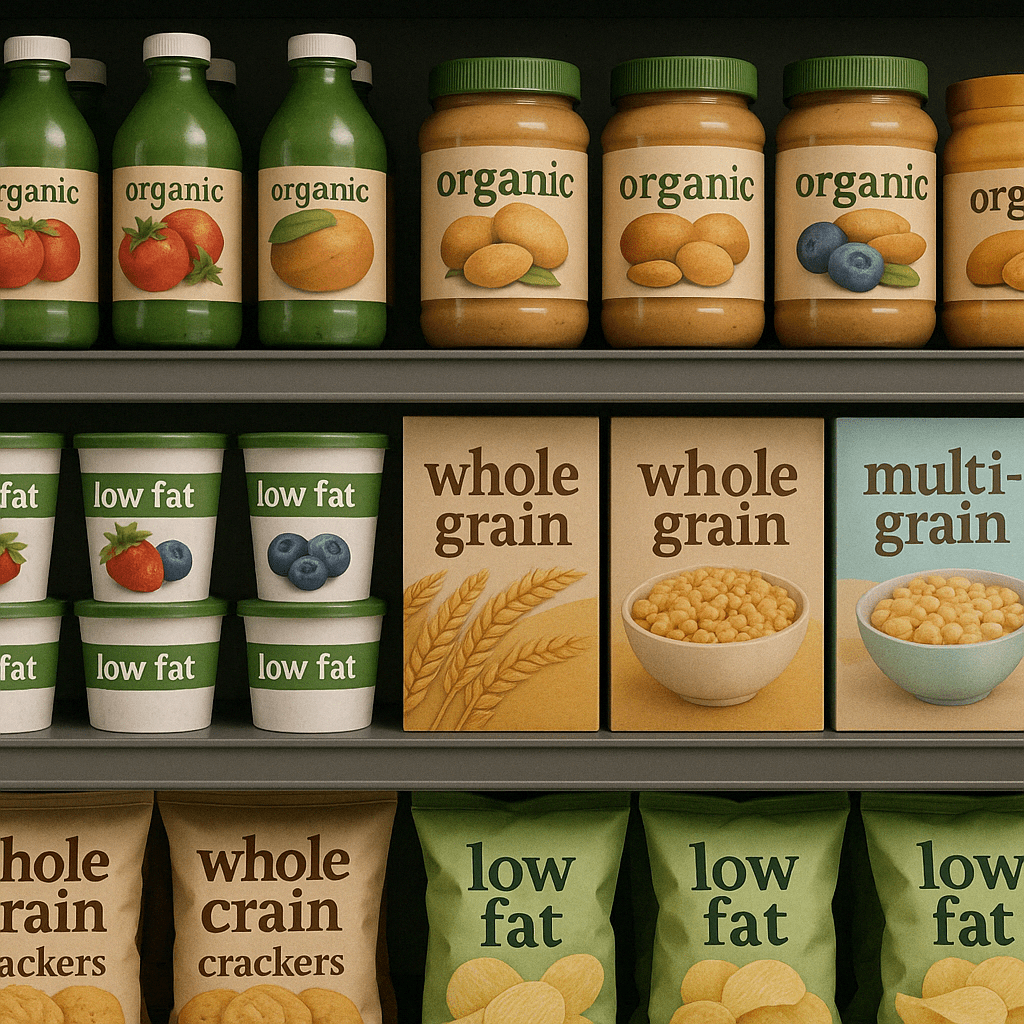
Play exciting online pokies and live games at True Fortune Casino, offering fast payouts, secure deposits, and generous bonuses for Australian players.
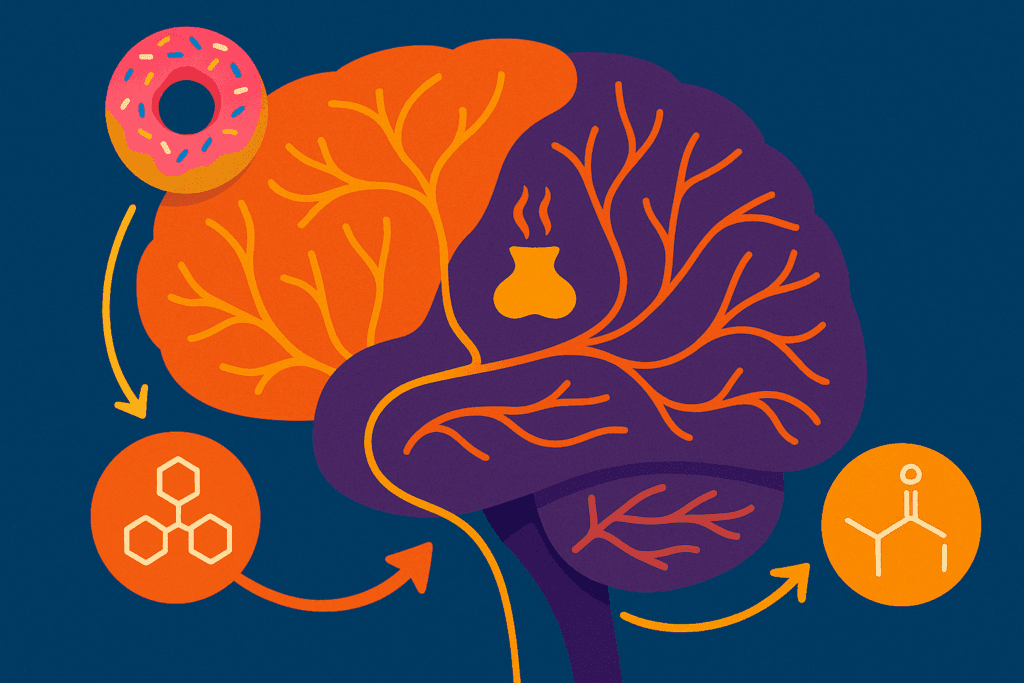
Enjoy top pokies and live dealer tables at Uptown Pokies Casino, with quick withdrawals, safe banking, and rewarding promotions for Australian users.

Join thrilling online slots and live casino action at Uptown Aces, featuring fast deposits, secure withdrawals, and exclusive bonuses for Australian players.

Spin favourite pokies and play live casino games at Velvet Spins Casino, offering safe banking, fast payouts, and generous promotions for Australian enthusiasts.

Experience exciting online pokies and live tables at Woo Casino, with quick withdrawals, secure deposits, and attractive bonuses for Australian casino players.

Play top pokies and live dealer games at King Billy Casino, offering fast payouts, safe banking, and rewarding promotions for Australian online casino users.

Enjoy thrilling online slots and live casino action at Aussie Play Casino, with secure deposits, quick withdrawals, and generous bonuses for Australian players.

Join exciting pokies and live tables at Fastpay Casino, featuring fast payouts, safe banking, and exclusive promotions for Australian online casino enthusiasts.