hacklink hack forum hacklink film izle hacklink
Home Blog Page 170

Can Stress Lead to Weight Gain? Understanding the Link Between Cortisol, Anxiety, and Your Body’s Response to Chronic Stress

Stress is a constant companion in modern life, but its influence extends far beyond emotional discomfort. Many people who experience long-term stress also report challenges with weight regulation. This connection isn’t purely anecdotal. Scientific research is increasingly pointing toward a complex interplay between psychological stress, hormonal fluctuations, and physiological responses that contribute to weight changes. The question, “can stress lead to weight gain?” is more than rhetorical—it’s a legitimate concern that touches both mental and physical wellness. As we explore this topic in depth, we aim to understand how chronic stress can affect metabolism, eating habits, hormonal balance, and overall health.

You may also like: How to Stop Emotional Eating and Regain Control: Mindful Nutrition Strategies That Support a Healthier Lifestyle

Artistic visualization of the HPA axis showing cortisol release in the brain and adrenal glands, illustrating how stress affects the body—relevant to the question: Can Stress Lead to Weight Gain

The Physiology of Stress: What Happens Inside the Body

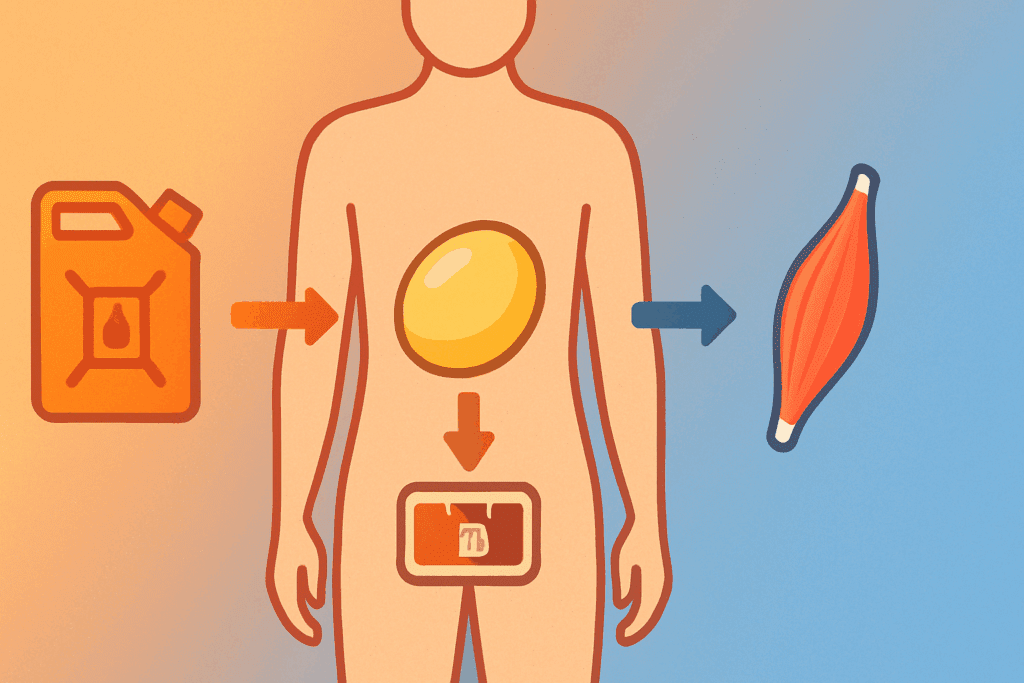
To understand the link between stress and weight changes, we must first examine what happens physiologically during periods of stress. The body’s stress response is orchestrated by the hypothalamic-pituitary-adrenal (HPA) axis. When a person perceives a threat, real or imagined, the brain signals the adrenal glands to release a cascade of stress hormones—most notably cortisol. Cortisol prepares the body for “fight or flight” by increasing blood sugar levels, enhancing brain function, and suppressing nonessential processes such as digestion and reproduction.

Short bursts of cortisol can be protective and adaptive. However, when stress becomes chronic, the persistent elevation in cortisol levels can start to disrupt the body’s natural balance. The question of “does cortisol cause weight gain?” is rooted in this prolonged hormonal imbalance. Chronic stress and its associated hormonal output, particularly elevated cortisol, can influence fat storage patterns, hunger regulation, and energy usage, potentially leading to weight gain over time.
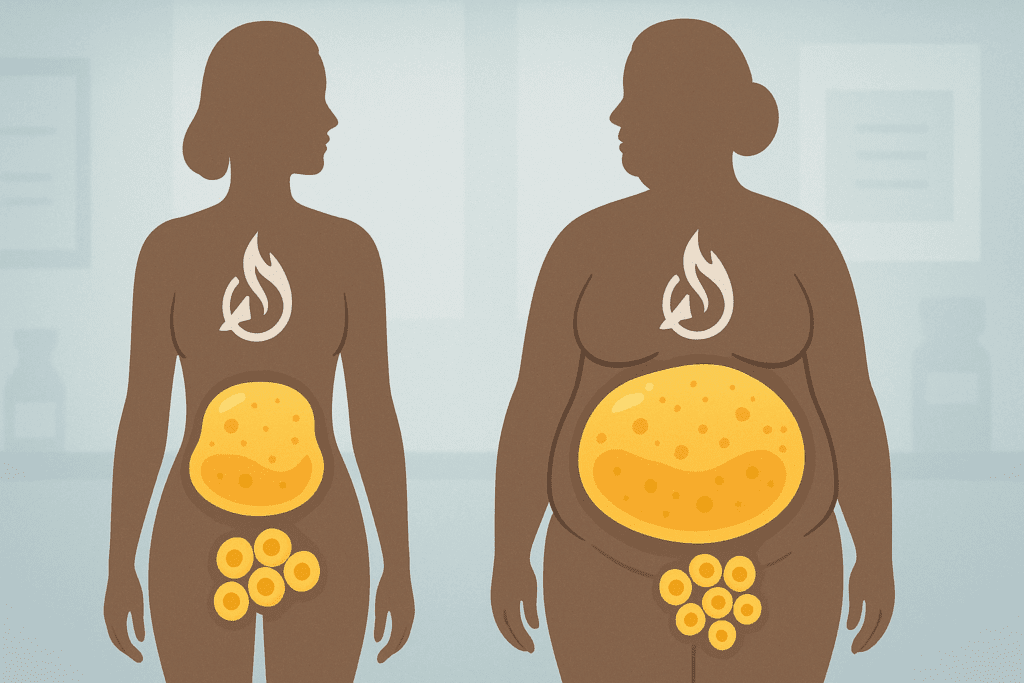
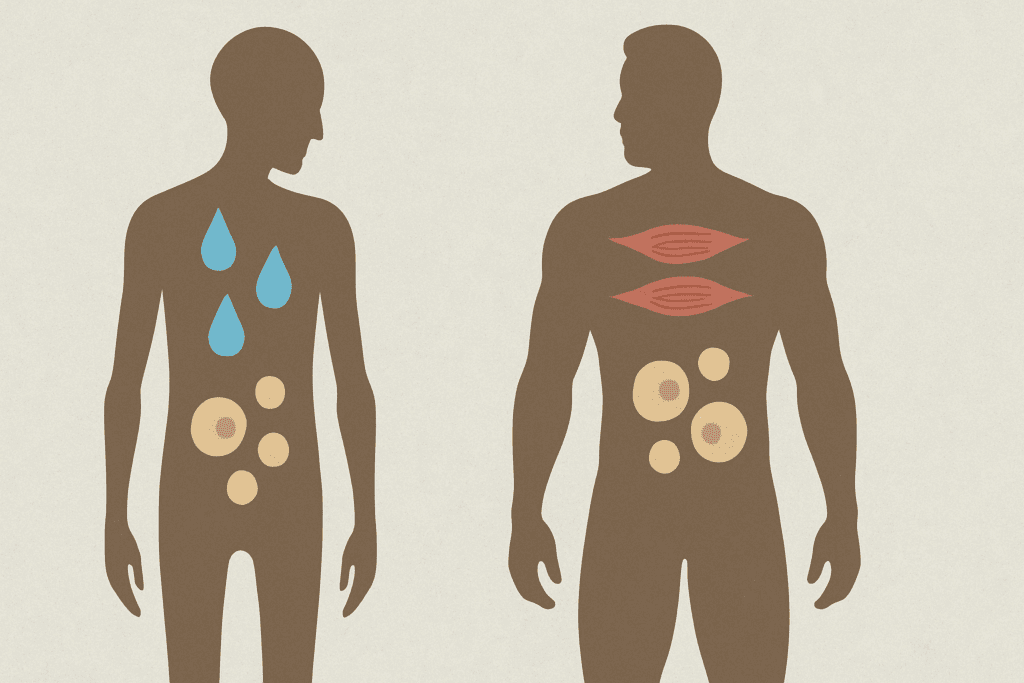
Visual comparison of two female body silhouettes showing fat distribution and metabolism differences to illustrate how cortisol imbalance answers the question: Can Stress Lead to Weight Gain

Cortisol and Weight Gain: A Hormonal Perspective

A growing body of evidence links high cortisol levels and weight gain. Cortisol, often referred to as the “stress hormone,” has a profound effect on the body’s metabolism. It promotes fat storage, particularly in the abdominal region. This type of fat, known as visceral fat, is metabolically active and associated with increased risk for cardiovascular disease, insulin resistance, and type 2 diabetes.

The biological drive to store fat in times of stress is an evolutionary adaptation. Thousands of years ago, our ancestors faced threats that required immediate energy expenditure, such as fleeing from predators. The body stored energy in the form of fat to ensure survival. Today, however, the body cannot distinguish between psychological stressors and physical threats. As a result, high cortisol levels and weight gain have become closely linked, even when the stressor is a demanding job or emotional turmoil rather than physical danger.

When we ask, “can high cortisol cause weight gain?” the answer is yes, especially when it interacts with other factors like poor sleep, lack of exercise, and a high-sugar diet. Studies have shown that elevated cortisol not only promotes fat accumulation but also increases appetite, leading individuals to seek out high-calorie, comfort foods that offer temporary emotional relief.
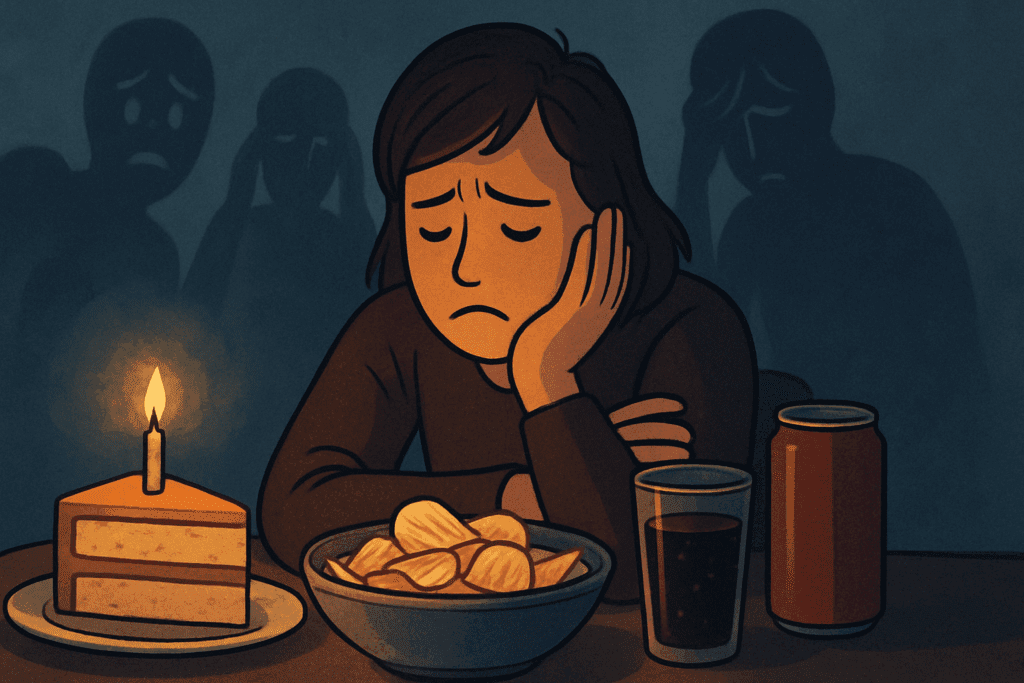
Person looking distressed at a table filled with cake, chips, and soda, symbolizing emotional eating—exploring Can Stress Lead to Weight Gain.

The Role of Emotional Eating and Appetite Regulation

One of the most significant behavioral links between stress and weight gain lies in the realm of emotional eating. Chronic stress alters hunger hormones like ghrelin and leptin, which regulate satiety and hunger cues. Elevated cortisol levels can blunt leptin’s effectiveness, reducing the sensation of fullness, while simultaneously increasing ghrelin, which stimulates appetite. This imbalance creates a perfect storm for overeating.

Emotional eating is not just about consuming food in response to feelings; it’s about using food as a coping mechanism. Many individuals find solace in sugary or fatty foods during times of stress. While this may provide a brief sense of comfort, it often leads to a cycle of guilt, weight gain, and further emotional distress. This repetitive pattern reinforces the connection between stress and weight gain.

Moreover, stress can erode our decision-making capacity and impulse control. This cognitive exhaustion makes it more difficult to stick to a healthy eating plan or make thoughtful dietary choices. When people wonder, “does stress make you gain weight?” they are often referencing this cycle of emotional eating, where caloric intake increases without an associated increase in physical activity or energy expenditure.

Does Anxiety Contribute to Weight Gain?

While stress and anxiety are not synonymous, they often coexist and exert similar physiological effects. Anxiety disorders, especially when left unmanaged, can result in chronic activation of the HPA axis, mirroring the biological processes triggered by stress. Therefore, asking “can anxiety cause weight gain?” is both logical and necessary.

Persistent anxiety can produce symptoms such as sleep disruption, fatigue, irritability, and difficulty concentrating—all of which may indirectly affect weight. Sleep deprivation, for instance, is strongly linked to elevated cortisol levels and insulin resistance, two key contributors to weight gain. Additionally, anxiety may drive behaviors like emotional eating, sedentary habits, and increased reliance on convenience foods, all of which can lead to weight gain.

It is equally important to consider the reverse effect—can stress lead to weight loss? In some individuals, chronic stress and anxiety may suppress appetite, leading to unintentional weight loss. This variability underscores the personalized nature of stress responses, shaped by genetic, behavioral, and environmental factors. Thus, while stress and weight gain are commonly linked, they do not manifest identically in every individual.

Cortisol, Cravings, and Nutrient Storage

Beyond influencing appetite and fat storage, cortisol plays a role in determining the types of foods we crave. High cortisol levels often lead to increased cravings for carbohydrate-rich and sugary foods. This is partially due to the body’s desire for quick energy and serotonin-boosting foods that temporarily alleviate mood disturbances caused by stress.

Interestingly, the metabolic impact of stress-related eating is not neutral. The body is more likely to store consumed calories as fat when under stress, particularly in the visceral area. This biological inclination explains why some individuals struggle to lose weight despite eating seemingly moderate amounts of food. The interaction between cortisol and weight gain becomes even more pronounced when meals are eaten in a rushed, distracted, or anxious state. This phenomenon further complicates the question of how to lose stress weight, as it requires more than simple calorie restriction.
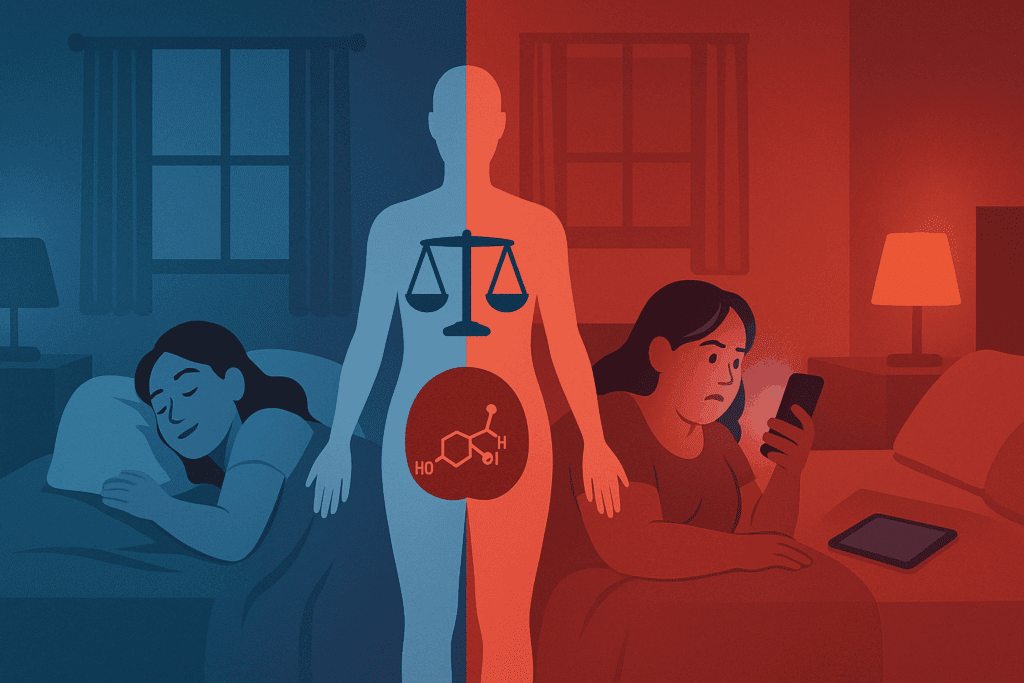
Split bedroom scene visualizing 'Can Stress Lead to Weight Gain': left side shows peaceful sleep with balanced metabolism, right side shows screen-induced stress and weight gain

Sleep, Stress, and Metabolism

Sleep plays a central role in the stress-weight gain equation. Chronic stress can interfere with both the duration and quality of sleep, which in turn influences hormonal regulation. Poor sleep elevates cortisol levels, disrupts insulin sensitivity, and skews hunger hormones. These effects collectively impair metabolic function, making weight management more challenging.

When sleep is disrupted, the body increases production of ghrelin, the hormone that signals hunger, while decreasing leptin, the hormone that indicates fullness. As a result, sleep-deprived individuals are more likely to overeat, particularly in the evening hours when willpower tends to wane. In this way, the cycle of stress and weight gain is perpetuated. Without adequate sleep, the body remains in a state of heightened alert, continuously releasing cortisol and exacerbating the hormonal imbalances that drive weight gain.

The Vicious Cycle of Stress and Weight

The interplay between stress and weight is often cyclical. Weight gain can become a source of additional stress, further increasing cortisol production and emotional distress. This feedback loop makes it increasingly difficult to break free from unhealthy patterns. Individuals may find themselves asking repeatedly, “does stress make you put on weight?” as they struggle with the emotional and physical consequences of chronic stress.

Furthermore, societal pressures regarding body image can intensify this cycle. People who gain weight as a result of stress may feel ashamed or guilty, leading to more stress, anxiety, and subsequent emotional eating. The stigmatization of weight gain often causes individuals to engage in restrictive dieting or overexercising, both of which can be counterproductive and lead to further hormonal disruption.

Understanding this cycle is essential for developing effective, compassionate strategies for weight management that consider the emotional and physiological dimensions of health. It’s not just about asking, “can stress make you gain weight?” but rather, “how can we break the cycle to support long-term well-being?”

Collage illustrating answers to 'Can Stress Lead to Weight Gain' with scenes of meditation, healthy food prep, walking, and social connection

Strategies for Breaking the Cycle and Losing Stress Weight

Reversing stress-induced weight gain requires a multifaceted approach. First and foremost, stress management must become a daily priority. This involves identifying and addressing the root causes of stress, whether they stem from work, relationships, finances, or other life circumstances. Mindfulness practices, such as meditation, yoga, and deep-breathing exercises, can significantly reduce cortisol levels and promote a sense of calm.

Regular physical activity is another cornerstone of stress and weight gain prevention. Exercise not only burns calories but also lowers cortisol levels, boosts mood-enhancing endorphins, and improves insulin sensitivity. Importantly, the type of exercise matters. While intense training can be beneficial, too much high-intensity activity without adequate recovery can actually elevate cortisol. Therefore, incorporating low-impact movement like walking, stretching, or swimming can help balance the body’s stress response.

When considering how to lose stress weight, dietary choices also play a critical role. Consuming nutrient-dense, whole foods can stabilize blood sugar and reduce inflammation. Foods rich in magnesium, omega-3 fatty acids, and B vitamins are particularly helpful for supporting the nervous system and regulating cortisol. Additionally, avoiding excessive caffeine, alcohol, and processed foods can prevent further hormonal disruption.

Behavioral therapy, such as cognitive-behavioral therapy (CBT), can help individuals address the thought patterns and emotional triggers that lead to stress eating. CBT encourages the development of healthier coping mechanisms and fosters greater emotional awareness. For those dealing with significant anxiety, working with a mental health professional may also be necessary to reduce symptoms and improve overall well-being.

Creating a supportive environment is equally important. Surrounding oneself with understanding friends, family, or a therapeutic community can alleviate isolation and provide accountability. The process of reversing stress weight gain is not linear, and setbacks are normal. Patience, self-compassion, and persistence are essential throughout the journey.

Rethinking the Narrative: Beyond the Scale

While addressing physical weight is important for many, it is equally crucial to shift the conversation toward holistic wellness. Weight is just one marker of health, and it does not exist in isolation. Individuals struggling with weight changes related to stress should be encouraged to evaluate other aspects of their well-being, such as sleep quality, emotional resilience, and energy levels.

By focusing on the broader picture, individuals can foster a healthier relationship with their bodies and food. This holistic approach also empowers people to recognize the internal cues of hunger, satiety, and emotional needs, rather than solely relying on external diet rules or societal expectations. In this context, the question “will stress make you gain weight?” transforms into a deeper inquiry about how we support our bodies and minds under pressure.

Recognizing Individual Differences in Stress Response

Not everyone responds to stress in the same way. Genetic predispositions, early life experiences, personality traits, and current life circumstances all influence how an individual processes stress. For some, stress suppresses appetite and leads to weight loss, while for others, it prompts emotional eating and weight gain. This variability reinforces the need for personalized wellness plans.

Healthcare professionals should consider these individual differences when advising patients on weight management strategies. Rather than assuming that stress and weight gain are universally linked, providers should assess each person’s unique context, hormonal profile, and coping style. This personalized approach aligns with the principles of functional and integrative medicine, which prioritize root cause analysis and individualized treatment.

In this framework, questions like “can stress lead to weight loss?” are not contradictory to “can stress cause weight gain?” Instead, they illustrate the multifaceted nature of the human stress response. Tailoring interventions to the individual’s needs and experiences is the most effective way to promote sustainable health outcomes.
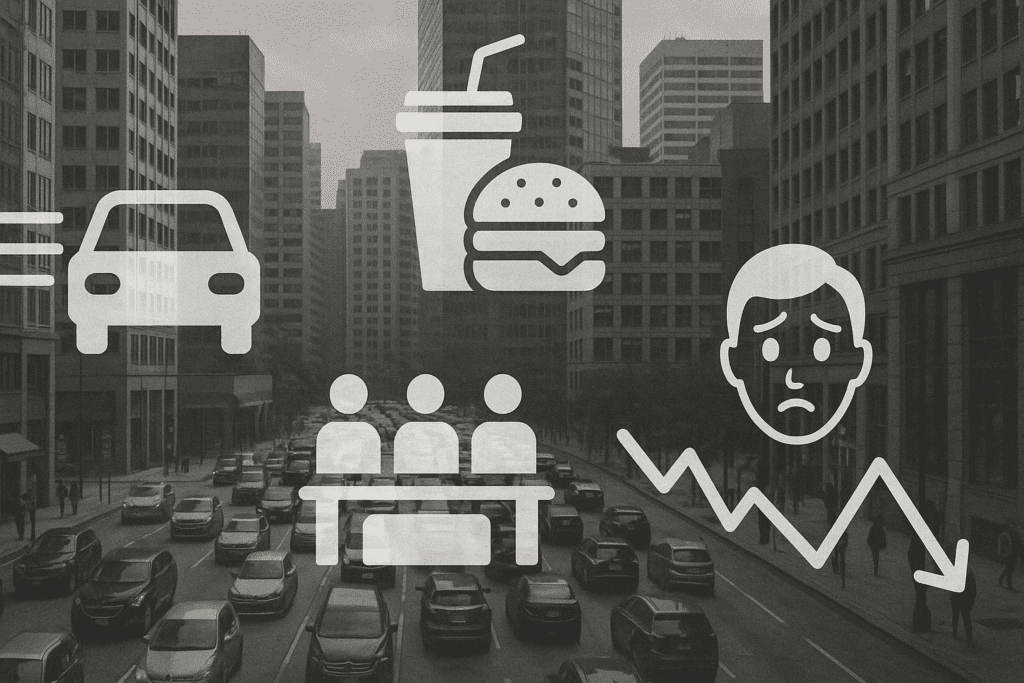
Urban cityscape overlaid with symbolic visuals of stressors—traffic congestion, fast food, office crowding, anxious expressions, and financial decline—highlighting how daily urban life illustrates the question: Can Stress Lead to Weight Gain.

Understanding Stress and Weight Gain as a Public Health Concern

Beyond individual health, the relationship between stress and weight gain is a public health issue. Rising rates of obesity, metabolic disorders, and mental health conditions underscore the need for systemic solutions. Workplace stress, socioeconomic inequality, inadequate access to mental healthcare, and food insecurity all contribute to chronic stress and its downstream effects.

Addressing these systemic contributors requires collaboration among healthcare providers, policymakers, educators, and community leaders. Initiatives that promote mental health awareness, stress reduction, and equitable access to nutritious foods can help mitigate the burden of stress-related weight gain. Public health campaigns should also focus on destigmatizing weight gain and promoting body diversity, encouraging people to seek help without fear of judgment.

A comprehensive public health strategy must acknowledge that the question “does stress lead to weight gain?” is not merely a personal concern but a societal challenge. By recognizing the broader determinants of stress and health, we can build more resilient, supportive environments that foster both physical and emotional well-being.

Frequently Asked Questions: Can Stress Lead to Weight Gain?

What are some lesser-known ways that stress alters how our body processes food?

Stress doesn’t just influence how much we eat; it also alters how we metabolize the food we consume. Chronic stress can slow down digestion, reduce nutrient absorption, and interfere with gut microbiota balance, all of which can lead to gastrointestinal distress and inefficient calorie utilization. This metabolic disruption often goes unnoticed but contributes to the underlying link between cortisol and weight gain. As cortisol levels rise, the body’s ability to process glucose and lipids becomes impaired, making it more likely to store food as fat, especially in the abdominal area. Thus, even if caloric intake remains consistent, stress may still cause gain weight by changing how the body handles food at the cellular level.

Can workplace stress significantly influence weight patterns over time?

Yes, long-term exposure to workplace stress is a major factor in chronic weight changes, particularly when paired with sedentary behaviors and poor dietary options. High-pressure environments with limited breaks or unrealistic deadlines can lead to elevated cortisol levels and weight gain. When individuals are constantly in a fight-or-flight mode at work, their bodies may begin to store energy in preparation for perceived threats. This biological programming helps explain why workplace tension can make stress and weight gain so intertwined. Moreover, people often cope with professional burnout by snacking, skipping meals, or choosing comfort foods, further reinforcing the cycle.

Is it possible to experience weight fluctuations due to stress rather than consistent gain or loss?

Absolutely. While many people ask, “can stress cause weight gain?” or “can stress lead to weight loss?” the truth is that stress can cause fluctuating weight patterns. These inconsistencies stem from cycles of overeating followed by periods of appetite suppression, as well as disrupted sleep and irregular eating schedules. Such fluctuations are often more pronounced during transitional life phases like job changes, academic pressures, or major relocations. This makes it harder to detect clear patterns, but it doesn’t negate the role of cortisol and weight gain in contributing to long-term metabolic disruption.

Can mindfulness-based stress reduction actually help reverse stress-related weight gain?

Mindfulness techniques have gained traction not only for emotional regulation but also for improving physical health, including weight management. Practices like meditation, mindful eating, and breathing exercises can lower cortisol levels, stabilize mood, and reduce impulsive eating behaviors. When stress is actively managed, people are less likely to fall into the trap of emotional eating, which means stress and weight gain no longer reinforce each other. Research shows that even short daily mindfulness sessions can influence cortisol levels and weight gain positively over time. This approach fosters a deeper awareness of hunger cues and emotional triggers, making it a valuable tool for sustainable health.

How do hormonal imbalances during perimenopause or andropause affect stress and weight gain?

Hormonal transitions such as perimenopause and andropause create a perfect storm where stress can significantly impact weight. During these phases, estrogen and testosterone levels decline, which already alters fat distribution and metabolism. When combined with elevated cortisol levels and weight gain mechanisms, the result is often increased abdominal fat and reduced muscle mass. People in midlife may wonder, “does high cortisol cause weight gain even if I exercise and eat well?” Unfortunately, the answer is often yes, because hormonal shifts amplify stress sensitivity and metabolic resistance. Managing both the endocrine and emotional dimensions of these life stages is essential for maintaining a healthy weight.

Does social isolation amplify the effects of stress-related weight gain?

Social isolation can dramatically intensify the connection between stress and weight gain by eliminating important coping mechanisms. Humans are inherently social, and the absence of supportive relationships can heighten anxiety, raise cortisol, and exacerbate emotional eating. People may ask, “can anxiety cause weight gain in people who feel lonely?” and the answer is yes—loneliness has been shown to increase inflammation, worsen sleep, and reduce motivation for physical activity. The combination of psychological stress and lack of social engagement creates a feedback loop where both weight gain and emotional suffering are more difficult to reverse. Community involvement and regular social contact can buffer these effects significantly.

Are there medical conditions that mimic or worsen cortisol-related weight gain?

Several underlying medical issues can magnify or mask the effects of cortisol and weight gain, making diagnosis more complicated. Conditions like Cushing’s syndrome, polycystic ovary syndrome (PCOS), and thyroid imbalances can all elevate cortisol levels or alter how cortisol functions in the body. When someone experiences rapid fat accumulation, especially in the face or midsection, they might ask, “does cortisol cause weight gain even if I eat clean?” In some cases, these medical conditions are the hidden culprits. Seeking medical evaluation to rule out or manage these diseases is essential when unexplained weight gain occurs alongside chronic stress symptoms.

How can someone distinguish between weight gain from stress and other lifestyle factors?

Discerning the source of weight gain requires evaluating not only diet and exercise but also emotional and environmental triggers. When someone asks, “does stress make you gain weight?” it’s important to look for patterns such as eating when anxious, sleeping poorly, or feeling fatigued without cause. Stress-related weight gain is often accompanied by increased cravings for high-sugar or high-fat foods, particularly during emotionally charged periods. Conversely, lifestyle factors like overeating out of habit, lack of movement, or poor hydration are typically more predictable and consistent. Keeping a detailed journal of stressors, meals, physical activity, and mood changes can help isolate whether stress is the primary driver.

What role do nighttime habits play in the cortisol and weight gain connection?

Evening routines have a profound effect on cortisol levels and weight gain, often more than people realize. Using electronics late at night, consuming caffeine after 2 p.m., or engaging in stimulating conversations close to bedtime can prevent cortisol from tapering off naturally. This disrupts the body’s circadian rhythm, leading to poor sleep and morning fatigue. People frequently notice that their nighttime snacking habits and screen time escalate during periods of high stress, prompting the question, “does stress make u gain weight even when you sleep poorly?” Unfortunately, disrupted rest amplifies cortisol production, making it more likely that the body will store fat the next day. Prioritizing a calming nighttime routine can be a powerful strategy in reversing this pattern.

Are there cultural or societal pressures that affect how we link stress and weight gain?

Yes, cultural norms and societal expectations can shape not only our emotional responses to stress but also how we interpret weight changes. In some societies, gaining weight is stigmatized more heavily, adding psychological stress to an already difficult situation. This can prompt individuals to ask, “will stress make you gain weight even if I feel emotionally stable?” The answer often lies in how deeply embedded societal cues affect self-perception and behavior. People may engage in extreme dieting or avoidance behaviors that backfire, leading to increased cortisol and weight gain. Creating space for more body-positive, inclusive health narratives can help reduce this pressure and improve long-term outcomes.

Conclusion: Breaking the Link Between Chronic Stress, Cortisol, and Weight Gain

The intricate relationship between stress, cortisol, and weight gain reflects the profound interconnectedness of mind and body. While it is medically accurate to state that high cortisol levels and weight gain are often linked, this connection is far from simplistic. Multiple biological, behavioral, and environmental factors converge to influence how individuals respond to stress and how their bodies adapt.

Chronic stress can lead to hormonal imbalances that promote fat storage, disrupt appetite regulation, and interfere with metabolic processes. These effects are often compounded by emotional eating, poor sleep, and reduced physical activity. Additionally, anxiety—a close companion of stress—can further complicate this picture, affecting both behavior and physiology in ways that encourage weight gain.

Addressing this issue requires more than just asking, “can stress make you gain weight?” It demands a comprehensive understanding of how to manage stress effectively, nurture mental health, and support the body’s natural balance. Whether through mindfulness, therapy, nutrition, or community support, the path to reversing stress-related weight gain is both achievable and deeply personal.

Ultimately, understanding the link between stress and weight gain empowers individuals to make informed, compassionate choices for their health. By breaking the cycle of chronic stress and prioritizing holistic wellness, we can build a more resilient, vibrant, and health-conscious future.

Was this article helpful? Don’t let it stop with you. Share it right now with someone who needs to see it—whether it’s a friend, a colleague, or your whole network. And if staying ahead on this topic matters to you, subscribe to this publication for the most up-to-date information. You’ll get the latest insights delivered straight to you—no searching, no missing out.

Further Reading:

Stress and Weight Gain: Understanding the Connection

Stress management

Stress and weight gain: The connection and how to manage it

Disclaimer

The information contained in this article is provided for general informational purposes only and is not intended to serve as medical, legal, or professional advice. While NewsHealthWatch strives to present accurate, up-to-date, and reliable content, no warranty or guarantee, expressed or implied, is made regarding the completeness, accuracy, or adequacy of the information provided. Readers are strongly advised to seek the guidance of a qualified healthcare provider or other relevant professionals before acting on any information contained in this article. NewsHealthWatch, its authors, editors, and contributors expressly disclaim any liability for any damages, losses, or consequences arising directly or indirectly from the use, interpretation, or reliance on any information presented herein. The views and opinions expressed in this article are those of the author(s) and do not necessarily reflect the official policies or positions of NewsHealthWatch.
Strategia VIP e la Scienza della Probabilità nei Giochi da Casinò Online – Come Vincere con Intelligenza

Strategia VIP e la Scienza della Probabilità nei Giochi da Casinò Online – Come Vincere con Intelligenza

Il mondo dei casinò online è un crocevia affascinante tra statistica rigorosa e lussuoso programma VIP che premia la fedeltà dei giocatori più assidui. Da un lato c’è la matematica che governa slot, roulette e blackjack; dall’altro le promozioni esclusive pensate per trasformare il semplice svago in un vero percorso di crescita economica.

Nel panorama dei siti non AAMS, una guida autorevole come migliori casino non AAMS è diventata il punto di riferimento per chi vuole orientarsi tra offerte trasparenti e licenze offshore affidabili. La seconda frase dell’introduzione colloca subito il lettore nella direzione giusta, facilitando l’accesso alle recensioni approfondite di 2Nomadi, sito che analizza più di cento operatori internazionali con criteri oggettivi di sicurezza e payout.

Il problema principale è evidente: molti scommettitori si affidano a “sistemi miracolosi” o a intuizioni personali senza conoscere le probabilità reali dietro ogni gioco. Il risultato è una perdita costante di capitale, aggravata da bonus mal sfruttati o da condizioni di scommessa poco chiare che erodono rapidamente i guadagni teorici attesi.

La soluzione proposta in questo articolo parte da due pilastri fondamentali: comprendere le probabilità base dei giochi più popolari e utilizzare con intelligenza i vantaggi offerti dai livelli VIP. Solo combinando questi due elementi si può costruire una strategia solida capace di migliorare il ritorno sull’investimento (ROI) nel lungo periodo.

Probabilità di Base nei Giochi da Casinò

Le probabilità rappresentano la misura numerica della possibilità che un evento si verifichi ed è alla base di tutti i giochi d’azzardo online. Nelle slot la probabilità è determinata dal generatore di numeri casuali (RNG) e dal Return to Player (RTP) medio dichiarato dal produttore; ad esempio una slot con RTP del 96 % restituisce in media €0,96 per ogni euro giocato su un gran numero di giri.

Nella roulette europea la formula delle probabilità è più intuitiva: ci sono 37 numeri (0‑36); puntare su un singolo numero ha una probabilità del 1/37≈ 0,027 o ≈ 2,7 %. Le odds pagano normalmente 35 a 1, quindi il valore atteso della scommessa è negativo perché l’onere dello zero riduce il payout medio al 5,26 % rispetto al 100 % teorico del gioco equo.

Il blackjack combina abilità decisionale e probabilità condizionali; calcolare l’Expected Value (EV) di una mano richiede considerare il numero di mazzi usati e le regole specifiche sul raddoppio o sulla resa (“surrender”). Una mano “hard 12” contro un dealer che mostra un 6 ha circa il 58 % di vincere se si sta fermi, mentre colpire aumenta leggermente le chance ma aggiunge volatilità al risultato finale.

Infine la differenza tra RNG puro e giochi con “bordo reale”, come le live roulette con croupier reale trasmessi via streaming, influisce sulla percezione del rischio ma non modifica le matematiche sottostanti: entrambi rispettano le stesse leggi delle probabilità teoriche purché siano certificati da audit indipendenti.

Il Mondo dei Programmi VIP: Livelli, Bonus e Requisiti

I programmi VIP dei casinò non AAMS sono strutturati su più livelli gerarchici pensati a premiare sia la frequenza sia l’importo delle scommesse effettuate dai giocatori più fedeli. In genere troviamo quattro fasce principali:

  • Bronze – accesso immediato dopo il primo deposito
  • Silver – raggiungibile con 5 000 punti fedeltà o €3 000 di volume mensile
  • Gold – richiede circa 15 000 punti o €8 000 di turnover
  • Platinum/Elite – riservato ai top‑player che superano i 30 000 punti o €20 000 di volume

Ogni livello offre un pacchetto bonus differenziato:

  • Cashback settimanale dal 5‑10 % sulle perdite nette
  • Giri gratuiti settimanali su slot selezionate (da 20 a 100 spin)
  • Limiti massimi di prelievo aumentati del 20‑50 % rispetto al livello precedente
  • Account manager personale per i livelli Platinum ed Elite

I criteri d’avanzamento sono quasi sempre basati su due metriche misurabili: i punti fedeltà accumulati tramite attività quotidiane (login giornaliero, partecipazione a tornei) e il volume totale delle puntate effettuate entro un periodo definito (di solito mensile). Per esempio, se un giocatore deposita €500 su una slot con RTP del 96 % e gioca €4 000 nello stesso mese, otterrà circa 40 punti fedeltà per ogni €100 scommessi più ulteriori bonus per aver completato missioni settimanali offerte dalla piattaforma VIP.

Come la Probabilità Influisce sul Valore dei Bonus VIP

Il valore atteso di un bonus cashback dipende direttamente dalla volatilità del gioco al quale viene applicato. Supponiamo che un giocatore Gold riceva un cashback del 10 % sulle perdite nette della slot “Dragon’s Fury”, caratterizzata da alta volatilità e RTP del 94,5 %. Se in una settimana perde €800 netti, otterrà €80 di cashback; tuttavia l’alto swing della slot significa che la varianza delle perdite può oscillare notevolmente fra giorni diversi, rendendo quel €80 meno prevedibile rispetto allo stesso cashback su una slot low‑variance come “Fruit Party” con RTP del 96 %.

Confrontiamo ora due tipologie comuni di bonus:

  • Flat‑rate – ad esempio €20 cashback fisso indipendentemente dal volume giocato
  • Percentuale progressiva – ad esempio cashback dal 5 al 15 % crescente man mano che si sale nei livelli VIP

Un bonus percentuale progressivo premia chi genera volumi elevati perché l’EV cresce proporzionalmente alle perdite potenziali sostenute dal casinò—una dinamica strettamente legata alla teoria delle probabilità sul valore medio delle puntate perse rispetto alle vincite attese.

Caso studio pratico: Marco passa dal livello Silver al Gold giocando principalmente “Mega Joker”, una slot ad alta volatilità con jackpot progressive fino a €250 000 e RTP dell’​95 %. Prima era nella fase “costruzione punti” dove puntava €0,10 per spin su linee multiple per accumulare rapidamente punti fedeltà; dopo l’upgrade ha iniziato sessioni da €0,50 con bankroll più consistente sfruttando i giri gratuiti premium riservati ai Gold. Il suo ROI medio mensile è salito dal −3 % al +7 %, dimostrando come la combinazione tra scelta del gioco e livello VIP possa trasformare un semplice bonus in profitto netto.

Strategie Problem‑Solution per Massimizzare il ROI con il Livello VIP

Problema ricorrente n°1: molti utenti lasciano scadere i bonus perché li ricevono quando non hanno ancora costruito abbastanza punti fedeltà oppure li applicano su giochi troppo volatili senza adeguata gestione del bankroll.
Soluzione passo‑passo:

1️⃣ Analizzare lo storico delle proprie puntate negli ultimi trenta giorni.
② Identificare se si trova nella fase “costruzione punti” (<​5 000 punti).
③ Scegliere giochi a bassa varianza—come blackjack con regole favorevoli o slot low‑variance come “Blood Suckers”—per stabilire rapidamente i requisiti richiesti dai bonus.
④ Quando i punti superano i​7 000–8 000 passare gradualmente a titoli ad alta volatilità (“Book of Ra Deluxe”) dove i giri gratuiti hanno potenziale payout maggiore.
⑤ Monitorare costantemente il rapporto wagered/balance attraverso una checklist operativa stampabile:

Checklist operativa

Azione Frequenza Note
Verifica saldo bonus Giornaliera Controlla scadenze
Calcola EV dell’attività corrente Settimanale Usa calcolatori RTP
Aggiorna progresso punti Mensile Confronta obiettivi livello

Seguendo questa procedura si evita lo spreco dei crediti promozionali ed elimina le scommesse impulsive che erodono rapidamente il bankroll.

Errori Frequenti dei Giocatori VIP e Come Evitarli

1️⃣ Credere che il livello garantisca vincite automatiche – La realtà statistica mostra che anche gli Elite hanno EV negativo sui giochi tradizionali; solo una gestione ottimale può ridurre quella perdita.
Soluzione: Utilizzare software di tracciamento delle performance per confrontare EV reale vs EV teorico ogni settimana.

2️⃣ Ignorare la soglia minima di puntata richiesta dai bonus high‑roller – Molti programmi richiedono wagering minimo pari a 30× l’importo del bonus su giochi selezionati.
Soluzione: Pianificare sessioni dedicate ai giochi idonei prima dell’arrivo del bonus così da rispettare rapidamente la condizione senza dover aumentare inutilmente le puntate.

3️⃣ Over‑betting su slot ad alta volatilità solo perché si dispone di un grosso bankroll – L’alto swing può portare rapidamente a drawdown profondi.
Soluzione: Applicare la regola del Kelly Criterion adattata alla volatilità della slot; tipicamente non superare il 3–5 % del bankroll totale in singola sessione.

4️⃣ Mancata pianificazione fiscale dei guadagni derivanti da cash‑back elevati – In molte giurisdizioni gli importi ricevuti sono tassabili come reddito da gioco.
Soluzione: Tenere registro dettagliato delle vincite netti mensili e consultare un commercialista specializzato in gaming tax compliance.

5️⃣ Non sfruttare promozioni temporanee legate ai tornei VIP – Spesso vengono offerti multipli multipli sui premi se si partecipa entro date precise.
Soluzione: Iscriversi alle newsletter ufficiali dei casinò consigliati da 2Nomadi, impostare reminder sul calendario personale e partecipare almeno al 70 % degli eventi programmati.

Implementando queste contromisure basate sulla teoria delle probabilità si riducono drasticamente gli errori sistematici che compromettono la crescita nel programma VIP.

Guida Pratica all’Iscrizione ai Migliori Casinò Non AAMS con Programmi VIP Solidamente Trasparenti

Per valutare l’affidabilità di un programma VIP offshore occorre considerare quattro criteri oggettivi:

  • Licenza rilasciata da autorità riconosciuta (Malta Gaming Authority ‑ MGA o Curacao).
  • Audit indipendente sui tassi RTP pubblicati (eCOGRA o GLI).
  • Trasparenza totale nei termini & condizioni dei bonus.
  • Supporto clienti multilingua disponibile h24 via chat live.

Di seguito una tabella comparativa sintetica dei top‑10 casinò consigliati da 2Nomadi. La colonna “Entry Level” indica se è possibile aprire conto gratuitamente oppure richiede un deposito minimo iniziale.

# Casinò Licenza RTP medio dichiarato Entry Level Deposito Minimo (€)
1 LuckySpin Casino MGA 96,8 % Gratis 10
2 RoyalAce Gaming Curacao 97,3 % Gratis 20
3 JackpotCity Live MGA 95,9 % Deposit Required 15
4 SpinPalace Elite Curacao 96,5 % Gratis 25
5 BetZilla Premium MGA 97,0 % │ Gratis │ 30
6 FortunePlay Club │ Curacao│96,7 % │ Deposit Required│12
7 │ RedStar Casino │ MGA │95 ,8 % │ Gratis │18
8 │ NovaVegas │ Curacao│96 ,9 % │ Deposit Required│22
9 │ Emerald Palace │ MGA │97 ,1 % │ Gratis │16
10 │ Sapphire Slots │ Curacao│96 ,4 % │ Deposit Required│14

(Nota editoriale) Per approfondire ciascuna recensione individuale basta cliccare sul link presente nell’introduzione verso migliori casino non AAMS dove 2Nomadi espone analisi dettagliate sui metodi di pagamento sicuri ed esperienze utente verificabili.

Procedura passo‑a‑passo per registrarsi ed avviare subito il percorso verso il prossimo livello VIP:

1️⃣ Accedere al sito scelto dalla tabella sopra usando browser aggiornato.

2️⃣ Cliccare su “Registrazione”, inserire dati personali reali (nome completo ed email verificabile).

3️⃣ Inserire codice promo VipClub fornito nella pagina dedicata ai nuovi membri Vip su 2Nomadi.

4️⃣ Effettuare primo deposito almeno pari al requisito minimo indicato nella tabella.

5️⃣ Attivare verifica KYC inviando documento d’identità via upload sicuro.

6️⃣ Accedere all’area “VIP Club” dove verranno visualizzati i progress bar relativi ai punti fedeltà e alle offerte esclusive disponibili per quel livello iniziale.

7️⃣ Iniziare a giocare sui titoli consigliati nel paragrafo precedente mantenendo sempre sotto controllo il rapporto wagered/balance tramite la checklist operativa proposta nella sezione precedente.

Conclusione

In sintesi tre insegnamenti fondamentali emergono dall’analisi svolta:

1) Comprendere le probabilità è indispensabile prima ancora di considerare qualsiasi promozione—senza questa base nessuna strategia può produrre ROI positivo nel lungo periodo.\n
2) I programmi VIP non sono bacchette magiche ma potenti moltiplicatori quando vengono gestiti secondo principi statistici solidi.\n
3) Evitare gli errori più comuni—dalla sovrastima del valore del livello all’insolita negligenza fiscale—trasforma i crediti temporanei in profitto reale.\n

Invitiamo ora tutti i lettori ad applicare subito la checklist operativa scaricabile nella sezione dedicata ed esplorare le recensioni complete sui migliori casino non AAMS offerte da 2Nomadi. Solo così sarà possibile trovare l’ambiente ideale dove far fruttare appieno le proprie capacità matematiche ed ottenere risultati concreti nelle proprie avventure d’azzardo online.”

The Ultimate Vegetarian Grocery Shopping List for a Healthy, Plant-Based Lifestyle Backed by Nutrition Science

Adopting a vegetarian lifestyle is more than a dietary change—it’s a holistic shift toward healthier living, greater environmental awareness, and a compassionate relationship with food. At the core of this transformation lies the importance of informed, intentional grocery shopping. A well-curated vegetarian grocery shopping list empowers individuals to make nutritious choices, maintain a balanced diet, and support long-term health goals grounded in scientific evidence. As more people turn toward plant-based eating, there is a growing demand for resources that not only simplify the process but also provide credible, research-backed guidance.

You may also like: Smart Strategies for Plant-Based Eating on a Budget: How to Nourish Your Body Without Overspending

Creating a vegetarian food list tailored to nutritional needs ensures that meals remain exciting, flavorful, and complete in essential nutrients. It’s not just about avoiding animal products; it’s about embracing a diversity of whole foods—fruits, vegetables, legumes, grains, nuts, seeds, and plant-based alternatives—that fuel the body and mind. Science consistently supports the health benefits of such diets, showing positive impacts on heart health, weight management, blood sugar regulation, and even longevity. For those new to this lifestyle, a beginner vegetarian grocery list can serve as a foundational tool, easing the transition and removing the guesswork from shopping trips.

Moreover, building a thoughtful vegetarian diet grocery list helps minimize food waste and streamline meal prep. It reflects a proactive approach to nutrition, rooted in knowledge and experience, rather than impulsive or restrictive eating habits. This article will guide you through every component of an evidence-based veggie shopping list, drawing from nutritional science and practical wisdom alike, so that whether you’re a seasoned plant-based eater or just beginning, you’ll be equipped to shop with clarity and confidence.

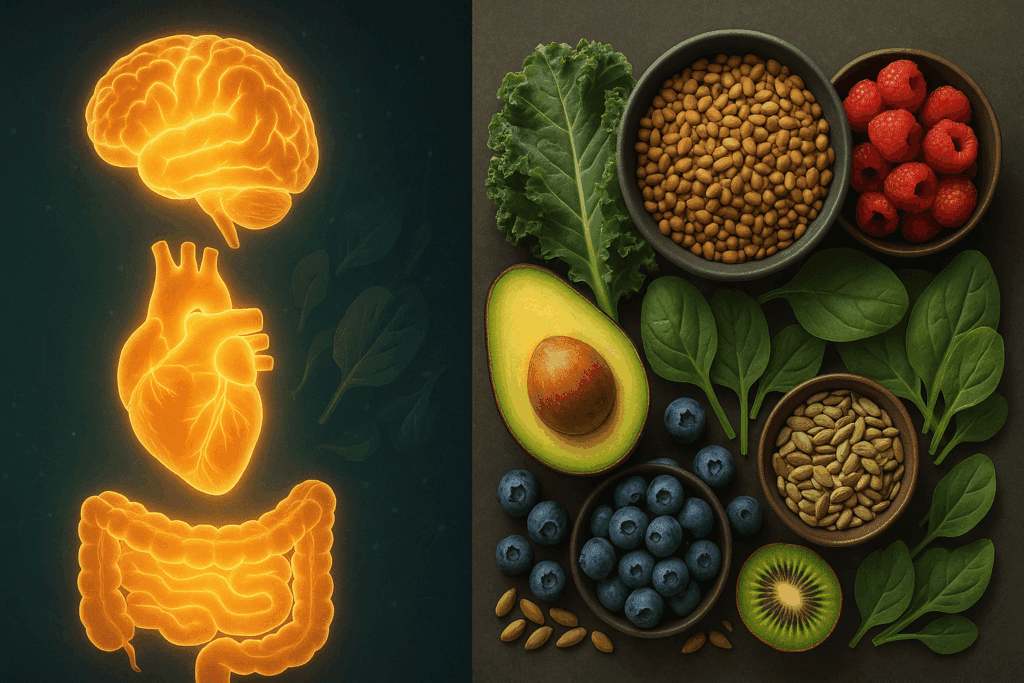
Split-screen illustration showing glowing human organs alongside colorful fruits, vegetables, and legumes from a vegetarian grocery shopping list.

The Science-Backed Benefits of a Plant-Based Diet

The decision to follow a vegetarian diet is often motivated by health, and for good reason. Decades of research have shown that plant-based eating can reduce the risk of chronic diseases, particularly those related to cardiovascular health. The absence of saturated fats found in meat and the abundance of fiber, antioxidants, and phytochemicals in plant-based foods make vegetarian diets highly protective. When crafted mindfully, a vegetarian food list is naturally rich in nutrients that support the immune system, regulate inflammation, and promote metabolic balance.

Scientific studies published in journals such as The American Journal of Clinical Nutrition and The Lancet have linked vegetarian and vegan diets with lower incidences of hypertension, type 2 diabetes, and certain cancers. These outcomes are often attributed to the high intake of plant-derived nutrients, including vitamins C and E, folate, magnesium, and polyphenols. Additionally, plant-based diets tend to be lower in energy density, making them effective for weight control without the need for strict calorie counting.

Importantly, the health benefits of vegetarian diets extend beyond disease prevention. Evidence also points to improved digestive health due to higher fiber intake, better kidney function, and enhanced mood and mental well-being. By centering meals around whole, unprocessed foods, a vegetarian grocery shopping list can become a roadmap to vitality. However, it’s essential to note that these benefits are most pronounced when the diet is well-balanced. A diet heavy in refined carbohydrates or processed vegetarian foods may lack the nutrients needed to support optimal health. That’s why constructing a thoughtful vegetarian diet shopping list is crucial.

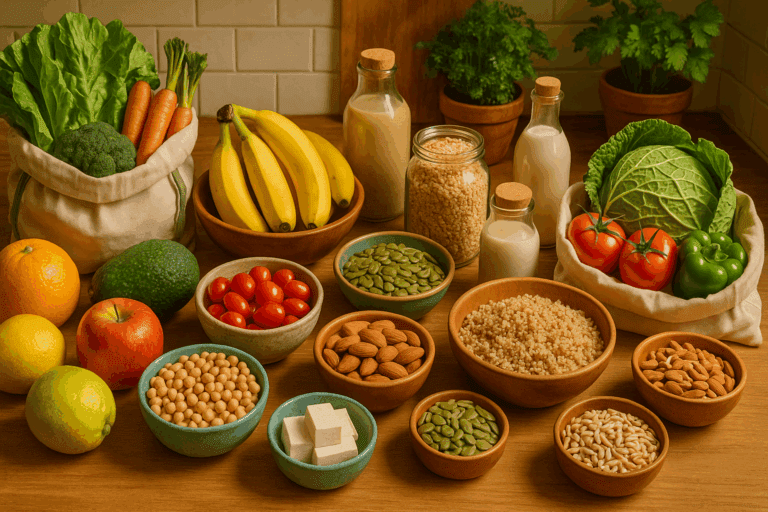
Neatly organized vegetarian grocery shopping list pantry with glass jars of whole grains, beans, lentils, nuts, seeds, and oils on a rustic shelf.

Building the Foundation: Staples for a Well-Rounded Vegetarian Pantry

A well-organized vegetarian pantry is the cornerstone of successful meal planning. Stocking up on essentials ensures that quick, nutritious meals are always within reach. Grains such as brown rice, quinoa, oats, and whole-wheat pasta form the backbone of many vegetarian dishes. These complex carbohydrates provide lasting energy, essential B vitamins, and dietary fiber, making them indispensable on any vegetarian diet grocery list.

Legumes are equally foundational. Lentils, chickpeas, black beans, and split peas offer plant-based protein, iron, and soluble fiber, supporting both satiety and gut health. Keeping a variety of canned or dried beans on hand allows for flexibility in meal preparation, whether you’re crafting soups, stews, curries, or grain bowls. Including legumes in your vegetarian food list ensures that protein needs are met without relying on heavily processed meat substitutes.

Nuts and seeds deserve a prominent place in every vegetarian shopping list. Almonds, walnuts, chia seeds, flaxseeds, and pumpkin seeds are nutrient-dense, providing healthy fats, protein, zinc, and omega-3 fatty acids. These ingredients not only enhance the flavor and texture of meals but also support heart and brain health. Nutritional yeast, a vegan-friendly source of vitamin B12, can be added to sauces, soups, or even popcorn for a cheesy flavor and nutritional boost.

Don’t overlook oils and condiments. Extra virgin olive oil, sesame oil, tamari, tahini, and apple cider vinegar offer depth and complexity to dishes while contributing beneficial antioxidants and essential fatty acids. These ingredients can elevate simple meals and add versatility to your cooking repertoire. Incorporating these items into your vegetarian diet shopping list helps transform basic ingredients into delicious, satisfying meals.

Farmers market stall overflowing with fresh fruits and vegetables like leafy greens, tomatoes, berries, and avocados—ideal for a vegetarian grocery shopping list.

Fresh Produce: The Heart of a Veggie Shopping List

Vegetables and fruits are the most vibrant and nutrient-rich components of any vegetarian grocery shopping list. Eating a rainbow of produce ensures a wide intake of vitamins, minerals, and phytochemicals, each with unique health benefits. Leafy greens such as kale, spinach, Swiss chard, and arugula are powerhouses of iron, calcium, and vitamin K. These greens support bone health, blood clotting, and cellular repair, making them an essential daily inclusion.

Cruciferous vegetables—broccoli, cauliflower, Brussels sprouts, and cabbage—contain compounds like sulforaphane that have been studied for their cancer-preventive properties. Root vegetables such as sweet potatoes, carrots, and beets provide complex carbohydrates along with beta-carotene, potassium, and fiber. Including a diverse mix of these vegetables in your vegetarian food list not only boosts nutrition but also adds visual appeal and variety to meals.

Fruits, too, are an important part of a balanced vegetarian diet. Berries are especially rich in antioxidants like anthocyanins and vitamin C, while bananas, oranges, apples, and pears offer quick energy and essential nutrients such as potassium, soluble fiber, and natural sugars. When shopping, prioritize seasonal and locally grown produce for maximum flavor and sustainability. Organic options may reduce exposure to pesticides, though washing all produce thoroughly remains important.

Avocados, tomatoes, bell peppers, cucumbers, and zucchini round out the fresh produce section with a combination of hydration, healthy fats, and culinary versatility. Whether consumed raw, roasted, grilled, or sautéed, these items enhance both the nutrition and sensory experience of a meal. Including a generous selection of fresh produce in your vegetarian diet grocery list ensures that your meals remain vibrant, nutrient-dense, and deeply satisfying.

Modern open refrigerator stocked with tofu, tempeh, non-dairy milk, leafy greens, frozen berries, and hummus in glass containers—an organized and fresh snapshot of a vegetarian grocery shopping list.

Smart Choices in the Refrigerated and Frozen Aisles

While fresh produce and pantry staples form the core of a vegetarian shopping list, refrigerated and frozen items offer convenience without compromising nutrition. In fact, frozen fruits and vegetables are often flash-frozen at peak ripeness, preserving their nutrient content and extending shelf life. Bags of frozen spinach, peas, berries, and mixed vegetables can be lifesavers on busy days, allowing you to assemble balanced meals in minutes.

The refrigerated section is where you’ll find plant-based dairy alternatives and protein-rich staples that round out the vegetarian food list. Unsweetened almond, soy, oat, and cashew milk can be used in cooking, baking, or simply as beverages. These options are often fortified with calcium, vitamin D, and vitamin B12—nutrients that are especially important for those on a plant-based diet. Be sure to check labels for added sugars and choose unsweetened varieties whenever possible.

Tofu and tempeh are excellent sources of complete protein, iron, and probiotics. These soy-based foods are incredibly versatile, absorbing the flavors of marinades and spices while providing texture and nutrition. When included regularly in a vegetarian diet shopping list, they help ensure adequate intake of essential amino acids. For those who prefer variety, seitan—a high-protein wheat-based meat substitute—offers a chewy texture and can be a welcome addition in moderation.

Don’t overlook items like hummus, guacamole, and fresh salsas, which add flavor and nutrition with minimal effort. These spreads can serve as dips, sandwich fillings, or salad toppings. Similarly, fermented foods like kimchi, sauerkraut, and kombucha contribute beneficial bacteria to support gut health. Including these in your vegetarian grocery shopping list introduces not only diversity but also functional benefits to your diet.

Label Literacy: Reading for Health and Quality

Navigating a grocery store as a vegetarian requires more than selecting plant-based items; it demands discernment in reading labels and understanding ingredients. Many processed foods—while technically vegetarian—contain hidden additives, preservatives, or excessive sodium that can undermine a healthy diet. By learning to interpret labels accurately, shoppers can avoid pitfalls and make informed choices aligned with their wellness goals.

Start by checking the ingredient list. Short, recognizable ingredients usually indicate less processing and higher nutritional quality. Be wary of added sugars, hydrogenated oils, artificial colors, and flavor enhancers like monosodium glutamate (MSG). Although some of these ingredients may be permissible in small amounts, they often signal lower-quality products that do not belong on a whole-food-focused vegetarian shopping list.

Nutrition labels also offer valuable insights into macronutrient balance and micronutrient content. Look for fiber-rich foods with at least three grams of fiber per serving, especially when choosing breads, cereals, and packaged snacks. For protein sources, aim for at least five to ten grams per serving, particularly if you’re relying on packaged items like veggie burgers or meat alternatives. Avoid excessive saturated fat and sodium, which can detract from the heart-health benefits of a vegetarian diet.

Additionally, pay attention to food certifications. Labels such as USDA Organic, Non-GMO Project Verified, and Fair Trade provide guidance on farming practices, ingredient sourcing, and environmental impact. While these designations are not essential for health, they can align with ethical and sustainability values that often accompany vegetarianism. Including certified products on your vegetarian food list can help you shop more mindfully and with greater purpose.

Mastering label literacy is a skill that improves with time and practice. As you become more familiar with trusted brands and ingredients, grocery shopping becomes faster, easier, and more aligned with your nutritional priorities. A thoughtful vegetarian grocery shopping list, therefore, reflects both what you buy and how you choose to buy it—a balance of health, ethics, and informed decision-making.

Flat-lay of global ingredients like miso, seaweed, and tamarind paste featured in a vegetarian grocery shopping list for culinary exploration.

Beyond the Basics: Specialty Ingredients and Culinary Enhancements

For those ready to take their plant-based cooking to the next level, the vegetarian grocery shopping list can expand to include specialty ingredients that offer depth, variety, and global flair. These ingredients allow home cooks to reimagine familiar dishes with plant-based creativity, all while reinforcing nutritional balance. Items such as miso paste, coconut milk, harissa, and tamarind concentrate bring powerful flavor profiles that enrich soups, sauces, and stews. These staples of Asian, African, and Middle Eastern cuisine offer not only culinary diversity but also unique phytonutrients and anti-inflammatory compounds that contribute to overall wellness.

Dried mushrooms, such as shiitake or porcini, can serve as umami-rich additions to broths and stir-fries, while sea vegetables like nori, wakame, and dulse offer iodine and trace minerals often missing in land-based foods. Including these in a vegetarian food list helps address micronutrient gaps and introduces new textures and flavors. Nutritional diversity is essential in a vegetarian diet, and embracing these global pantry additions can help sustain long-term engagement with plant-based eating.

Flavored vinegars, specialty salts, and spice blends also have their place. A sprinkle of smoked paprika or za’atar can instantly transform roasted vegetables, while infused oils and exotic condiments can elevate the simplest of grain bowls. These ingredients support a more immersive and joyful cooking experience, turning what might seem like dietary restrictions into opportunities for exploration and delight. With a well-rounded vegetarian diet grocery list that includes these culinary enhancers, food becomes not only nourishment but also art.

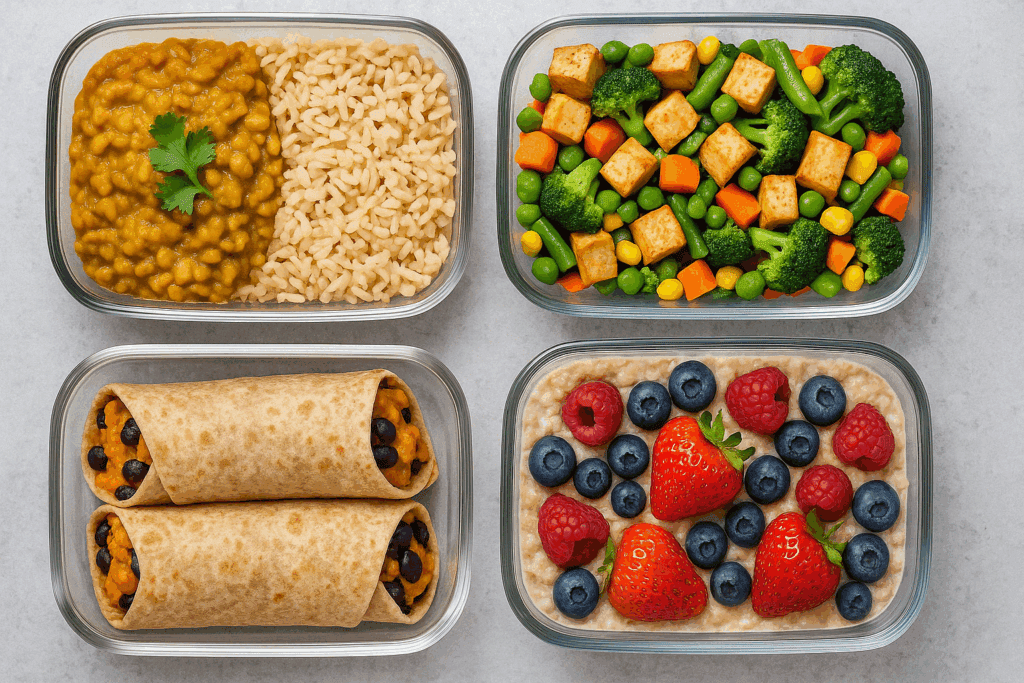
Weekly vegetarian grocery shopping list meal prep with glass containers of quinoa bowls, lentil stew, veggie wraps, and fresh seasonal produce.

Planning Ahead: Tips for Effective Meal Prep and Budget-Friendly Shopping

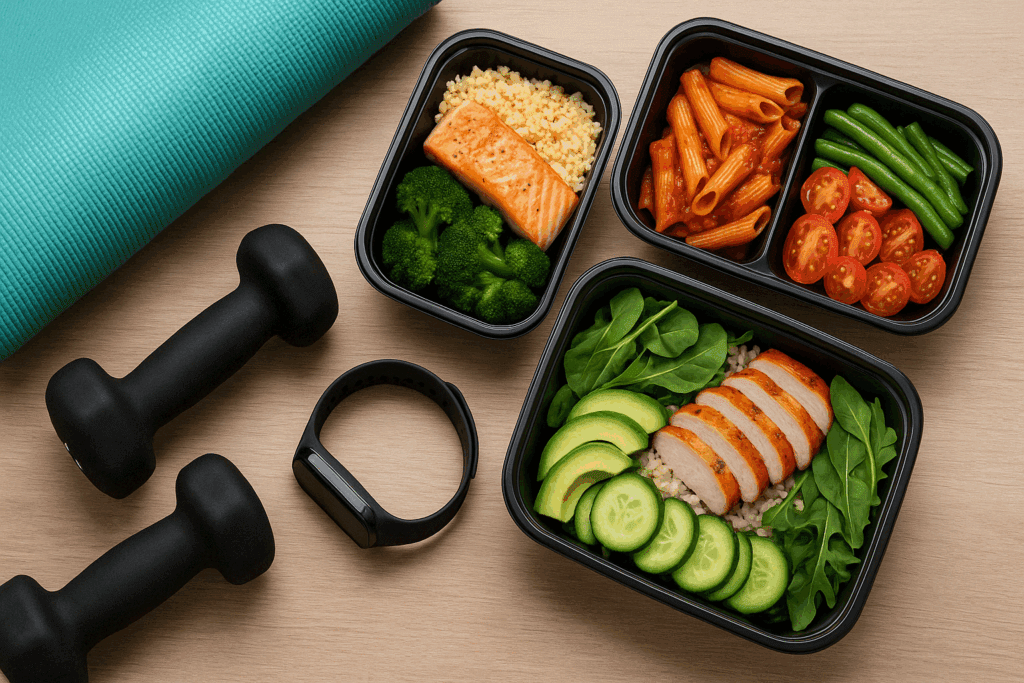
Creating a successful vegetarian shopping list also means thinking strategically about how to use your purchases efficiently. Meal prep, when done thoughtfully, not only saves time but also ensures consistency in nutrient intake. Planning your meals for the week—whether through full-scale batch cooking or assembling key components in advance—can make it easier to stick to your vegetarian or vegan grocery list without resorting to processed or convenience foods.

Start by identifying a few staple meals you enjoy and can easily rotate. Build your shopping list around those meals, ensuring you have ingredients that overlap or can be repurposed. For example, a large batch of lentils can become part of a stew, a salad topping, or even a burger base. Roasted vegetables can serve as sides, wrap fillings, or grain bowl ingredients throughout the week. By shopping with meals in mind, you reduce waste and increase the likelihood of using what you buy.

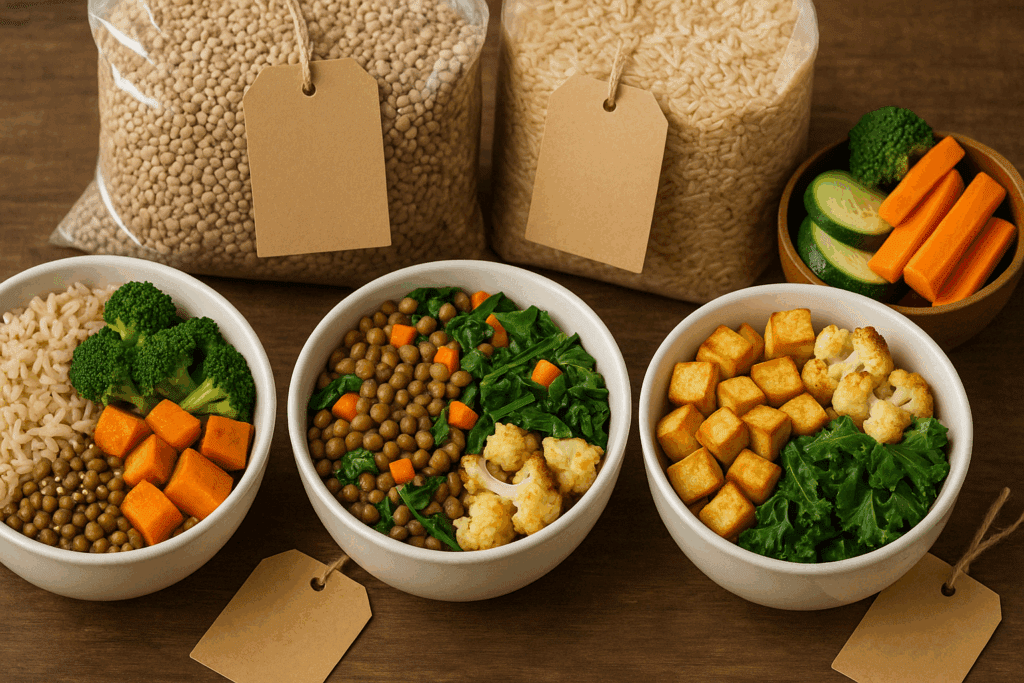
For those shopping on a budget, bulk bins can be a treasure trove of affordable staples. Purchasing grains, beans, and spices in bulk not only saves money but also allows for flexible portioning. Frozen produce and generic store-brand plant milks are often just as nutritious as their premium counterparts and can significantly cut costs. Coupons, loyalty programs, and shopping apps also make it easier to stick to a vegetarian food list without overspending. Being strategic in both planning and purchasing allows you to maintain a vegetarian diet grocery list that supports both health and financial sustainability.

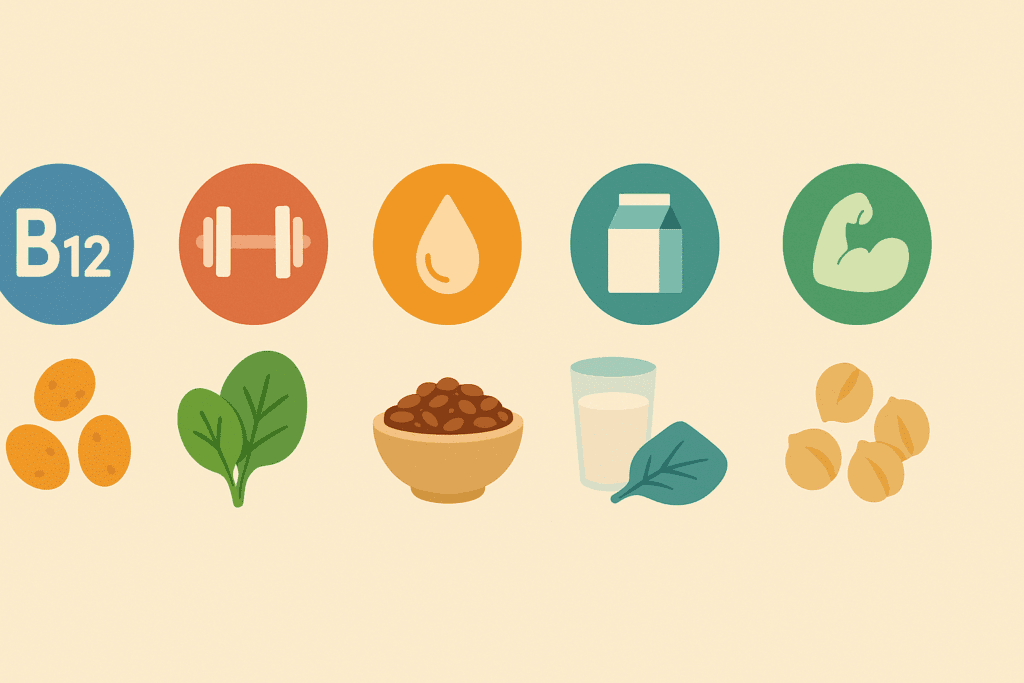
Flat-design infographic comparing essential nutrients for vegetarians and their plant-based sources, ideal for a vegetarian grocery shopping list.

Supplementation and Nutrient Considerations for Plant-Based Eaters

While a well-planned vegetarian grocery shopping list can cover most nutritional needs, there are specific nutrients that require more careful attention in a plant-based diet. Vitamin B12, for instance, is not naturally found in plant foods and must be consumed through fortified products or supplements. Fortified cereals, plant milks, and nutritional yeast are common sources, but many registered dietitians recommend a reliable B12 supplement to ensure consistent intake.

Iron is another critical nutrient, especially for women of reproductive age. Plant-based iron—known as non-heme iron—is less bioavailable than the heme iron found in animal products, meaning it’s absorbed less efficiently. To compensate, pair iron-rich foods like lentils, tofu, and spinach with sources of vitamin C such as citrus fruits or bell peppers, which enhance absorption. Including these strategic pairings in your vegetarian diet shopping list can help maintain healthy iron levels and avoid deficiencies.

Calcium and omega-3 fatty acids also merit consideration. While calcium can be found in leafy greens, fortified plant milks, and tofu, omega-3s are abundant in flaxseeds, chia seeds, and walnuts. For those who don’t consume algae-based supplements, these foods should appear regularly in the vegetarian food list. By being proactive and informed, vegetarians can meet their nutritional needs while still enjoying a diverse and satisfying diet.

Protein, while often the center of concern, is relatively easy to obtain from a wide range of plant foods. Legumes, soy products, whole grains, nuts, and seeds provide ample protein when consumed in variety and sufficient quantity. The key is not to rely on any one food but to embrace diversity and balance. When your vegetarian grocery shopping list includes an array of complementary protein sources, it’s easy to meet daily requirements without compromising on taste or variety.

A Lifestyle, Not Just a List: Embracing the Plant-Based Mindset

One of the most powerful outcomes of maintaining a vegetarian or vegan grocery list is the shift in mindset that often follows. Grocery shopping becomes more intentional, focused not only on sustenance but also on ethics, environmental sustainability, and personal well-being. Choosing to prioritize plants over animal products inherently aligns with values of compassion, stewardship, and respect for life. These motivations strengthen over time, making plant-based eating not just a routine, but a philosophy.

This mindset extends to other areas of life as well. From supporting local farmers and minimizing packaging waste to advocating for animal welfare and food justice, vegetarians often find that their grocery list is only the beginning of a much broader lifestyle transformation. It becomes a reflection of their identity, their values, and their commitment to living well—for themselves, for others, and for the planet.

Social support and community engagement also play a role. Joining vegetarian forums, attending plant-based cooking classes, or simply sharing meals with like-minded friends can reinforce positive habits and reduce feelings of isolation. These interactions can offer new recipe ideas, shopping tips, and emotional encouragement. As the vegetarian movement continues to grow, so too does the support network available to those who choose this path. A thoughtful vegetarian food list, therefore, is more than a nutritional tool—it’s a gateway to a thriving, purpose-driven way of living.

Frequently Asked Questions: The Vegetarian Grocery Shopping Experience

1. How can I make a vegetarian shopping list more personalized to my unique nutritional needs?

To personalize a vegetarian shopping list, it’s crucial to evaluate your individual health goals, dietary restrictions, and daily routine. For example, if you’re managing iron deficiency or low energy levels, your vegetarian food list should emphasize iron-rich sources like lentils, fortified cereals, and vitamin C-rich produce to enhance absorption. Athletes or active individuals may benefit from including higher-protein options like tempeh, edamame, and hemp seeds in their vegetarian diet grocery list. Consulting with a registered dietitian can offer targeted advice and ensure nutrient gaps are identified early, especially for those with pre-existing health conditions. Over time, tracking how different plant-based foods impact your energy, digestion, and mental focus can help refine your list into a more functional, personalized tool.

2. What are some innovative tech tools that can streamline building a vegetarian grocery shopping list?

Modern tools can transform how you build and manage a vegetarian grocery shopping list. Apps like Mealime, Yummly, and Forks Over Knives allow users to generate grocery lists based on selected plant-based recipes, offering a seamless way to plan meals and reduce food waste. More advanced platforms even integrate with wearable health tech, like Fitbit or Apple Health, to suggest vegetarian food list items aligned with your wellness metrics. Some apps allow barcode scanning and ingredient tracking, which can flag non-vegetarian additives in packaged products. For anyone just starting out, especially those with a beginner vegetarian grocery list, these tools can serve as supportive digital coaches that simplify shopping and reinforce healthy habits.

3. What are common mistakes people make when following a vegetarian diet grocery list, and how can they be avoided?

One frequent mistake is over-reliance on processed vegetarian foods, which may lack essential nutrients despite being plant-based. Another is failing to include adequate protein or healthy fats, which can lead to fatigue or nutrient deficiencies over time. To avoid these issues, a well-rounded vegetarian grocery shopping list should incorporate diverse whole foods like legumes, whole grains, nuts, and seeds alongside fresh produce. Also, shoppers often forget to rotate items on their vegetarian diet shopping list, which can result in a monotonous diet and limit exposure to beneficial phytonutrients. Diversifying your veggie shopping list every few weeks not only keeps meals exciting but also enhances long-term nutritional balance.

4. How can someone on a tight budget maintain a nutrient-dense vegetarian food list?

Maintaining a cost-effective vegetarian food list is entirely achievable with some smart strategies. Bulk-buying pantry staples such as oats, brown rice, lentils, and beans significantly reduces per-serving costs. Frozen vegetables and store-brand plant milks are often less expensive but retain nutritional quality, making them excellent additions to a vegetarian grocery shopping list. Planning meals around seasonal produce and using weekly store promotions can help build a budget-friendly vegetarian diet grocery list. Community-supported agriculture (CSA) boxes and farmers markets are also valuable for sourcing fresh produce at lower prices. When budgeting, prioritize nutrient-dense foods and keep indulgences like specialty vegan snacks or meat substitutes to occasional use.

5. What psychological benefits can come from maintaining a consistent veggie shopping list?

A consistent veggie shopping list can contribute to improved mental clarity, mood regulation, and reduced decision fatigue. The process of curating and sticking to a vegetarian grocery shopping list reinforces positive behavioral patterns, which can build a stronger sense of self-efficacy around food choices. Knowing your fridge and pantry are stocked with nourishing, whole-food ingredients can foster a sense of security and well-being. Some individuals report reduced anxiety around food and improved body image as a result of intentional eating habits supported by a vegetarian diet shopping list. Over time, this consistency becomes a form of self-care that nurtures both psychological resilience and physical health.

6. How can I adapt a vegetarian food list when traveling or living abroad?

Adapting your vegetarian food list while traveling involves flexibility and cultural curiosity. Research local cuisines beforehand to identify plant-based staples—such as lentils in India, tofu in Southeast Asia, or beans and corn in Latin America—and incorporate them into your vegetarian diet grocery list abroad. Consider packing shelf-stable essentials like chia seeds, protein powder, or nutritional yeast, which can enhance meals on the go. Many international grocery apps now allow you to browse and plan a vegan grocery list based on regional availability, making it easier to shop smart in unfamiliar environments. Embracing new ingredients and cooking methods can add global diversity to your veggie shopping list while maintaining nutritional adequacy.

7. What are some signs that my vegetarian grocery shopping list needs an update?

Stagnation in energy levels, recurring cravings, or digestive discomfort may signal that your vegetarian grocery shopping list is due for a refresh. As your body and lifestyle evolve—due to age, activity level, or health conditions—so should your vegetarian diet grocery list. If you notice you’re eating the same meals repeatedly or feel uninspired in the kitchen, it’s likely time to diversify your vegetarian food list. Regularly revisiting your goals, experimenting with new plant-based ingredients, and incorporating feedback from your body can guide necessary updates. A proactive approach keeps your grocery planning dynamic and aligned with your evolving health journey.

8. How do environmental and ethical values influence the construction of a vegetarian diet shopping list?

A vegetarian diet shopping list is often a reflection of deeper values around sustainability, animal welfare, and ecological impact. Opting for locally grown, organic produce reduces carbon emissions and supports regenerative farming practices. Including fair-trade certified items on your vegetarian grocery shopping list—such as coffee, chocolate, and bananas—reinforces ethical labor standards in global supply chains. For environmentally conscious shoppers, minimizing single-use packaging and prioritizing bulk purchases adds another dimension to the veggie shopping list. These choices align daily consumption habits with long-term planetary stewardship, creating a ripple effect of positive change beyond personal health.

9. How can families or households with mixed dietary preferences create a flexible vegetarian shopping list?

Creating a shared vegetarian shopping list in a mixed-diet household involves balance, communication, and compromise. Start with universally accepted staples like grains, vegetables, legumes, and dairy or plant-based alternatives that everyone can enjoy. From there, allow flexibility by including modular ingredients—like sauces, proteins, or toppings—that individuals can personalize based on their dietary preferences. This modular approach helps accommodate a vegetarian food list without alienating non-vegetarian family members. Over time, shared meals can evolve to feature more plant-based components, gradually nudging the household toward a predominantly vegetarian or vegan grocery list.

10. What future trends could shape how we use a vegetarian diet grocery list?

Emerging technologies, environmental shifts, and evolving consumer habits are all poised to influence the future of the vegetarian diet grocery list. Innovations like AI-powered grocery assistants, carbon footprint trackers, and precision nutrition apps will provide more data-driven, personalized shopping experiences. We’re also seeing a rise in regenerative agriculture products and lab-grown plant proteins that may soon become staples on the average vegetarian food list. As climate change reshapes agricultural availability, adaptability will become a vital skill for building a resilient veggie shopping list. Meanwhile, societal movements toward food justice and plant-forward public policies may lead to broader access and affordability for all, fundamentally transforming the landscape of vegetarian grocery shopping.

Conclusion: Your Vegetarian Grocery Shopping List as a Blueprint for Lifelong Health

Crafting and following a vegetarian grocery shopping list is not just a logistical exercise—it’s an act of empowerment. It allows individuals to take control of their health through intentional, evidence-based food choices rooted in scientific understanding and ethical awareness. When you consistently build your vegetarian food list with whole, nutrient-rich, plant-based options, you set the stage for improved energy levels, disease prevention, and a sustainable relationship with food.

A complete vegetarian diet shopping list considers every aspect of well-being—from nutrient density and culinary enjoyment to affordability and convenience. It honors the need for balance by including fresh produce, whole grains, legumes, plant-based proteins, healthy fats, and a range of flavor-enhancing ingredients. It respects individuality by accommodating preferences, cultural traditions, and dietary restrictions. And above all, it demonstrates trust in the power of plants to nourish, heal, and inspire.

As you continue to refine your own veggie shopping list, remember that perfection is not the goal—progress is. Each thoughtful purchase represents a step toward greater vitality, ethical alignment, and planetary stewardship. By embracing this process with curiosity and intention, your vegetarian grocery shopping list becomes more than a list—it becomes a blueprint for lifelong health, backed not only by nutrition science but also by lived experience, expertise, and compassion.

Further Reading:

Nutrition and healthy eating

11 Foods Healthy Vegans Eat

Complete Plant-Based Diet Grocery List

Easy Weekly Meal Plans to Simplify Healthy Eating and Support a Mindful Lifestyle

In today’s fast-paced world, finding the time and mental space to prioritize nutrition and mindful eating can be a real challenge. Between work, family, and a seemingly endless to-do list, many people rely on convenient, highly processed foods that undermine their long-term health. Fortunately, easy weekly meal plans offer a structured, sustainable way to reclaim control over your diet and well-being. These meal strategies can reduce decision fatigue, support metabolic health, and help you cultivate a nourishing relationship with food.

You may also like: Smart Meal Prep for Weight Loss: Expert-Approved Lunch Ideas and Recipes to Stay on Track

Weekly meal planning is not about perfection or restriction. Instead, it’s a gentle framework that creates consistency and intention in your eating habits. By dedicating a small window of time each week to food prep for the week, you reduce stress and improve nutritional outcomes throughout the days ahead. More importantly, meal prep ideas for the week can help you tune into your body’s needs, honor your hunger, and avoid impulsive, emotionally driven eating decisions that often result from lack of planning. This approach aligns perfectly with mindful eating practices, encouraging you to slow down, savor your meals, and eat with awareness.

Open notebook surrounded by whole foods and meal prep ingredients, reflecting the structure of easy weekly meal plans.

At its core, meal planning is a psychological anchor. It simplifies decision-making, offers predictability in a chaotic world, and builds habits that reinforce self-care. By mapping out meals for the week, you create structure without rigidity, offering yourself the freedom to eat healthfully without the burden of daily choices. Easy meal planning is not only a practical skill—it’s an act of self-respect.

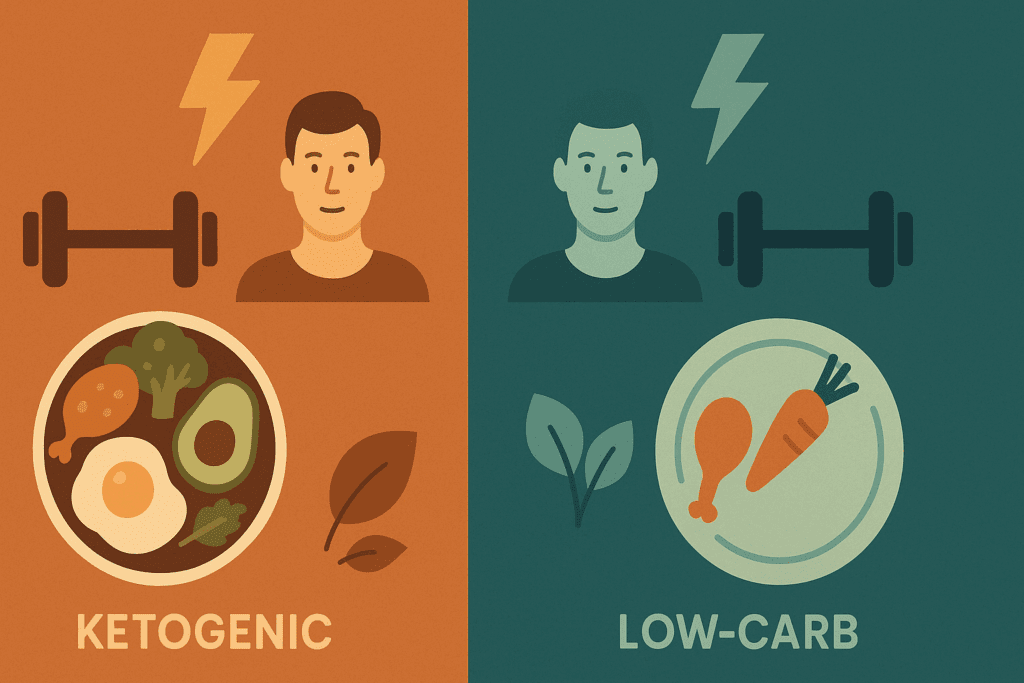
For those navigating specific dietary styles, such as plant-based eating or low-carbohydrate strategies, simple weekly meal plans offer even more benefits. Structured planning can help individuals incorporate nutrient-dense options consistently, ensure variety, and avoid nutritional gaps. For example, people comparing the ketogenic diet vs low carb approaches often struggle with daily decisions that affect their ability to remain consistent. Integrating a weekly meal plan eliminates much of that uncertainty by organizing a week of recipes tailored to their unique nutritional needs.

While the question “is keto a low carb diet?” may seem straightforward, the differences between the low carb diet keto diet frameworks can dramatically affect food choices. A ketogenic diet typically involves strict carb restriction to induce ketosis, while a standard low-carb diet allows for more flexibility in carb intake. Easy weekly meal plans provide clarity in this often-confusing space, offering guidance on food selection, macronutrient ratios, and portion control. Whether you’re seeking the benefits of fat adaptation through ketosis or prefer the moderate structure of low-carb eating, a thoughtful plan can help you stay aligned with your goals.

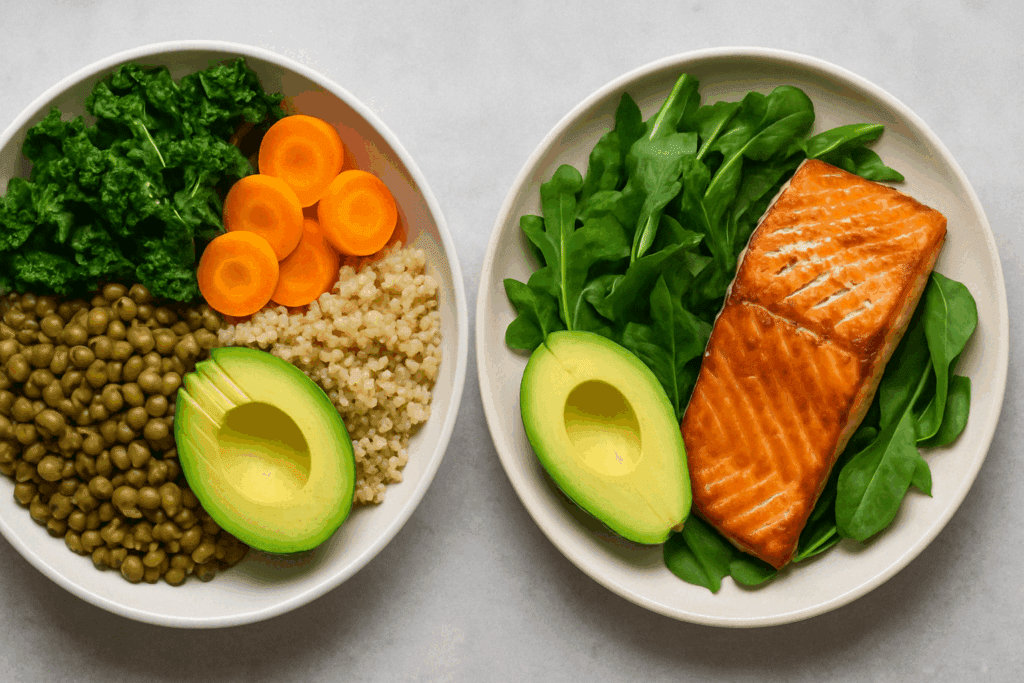
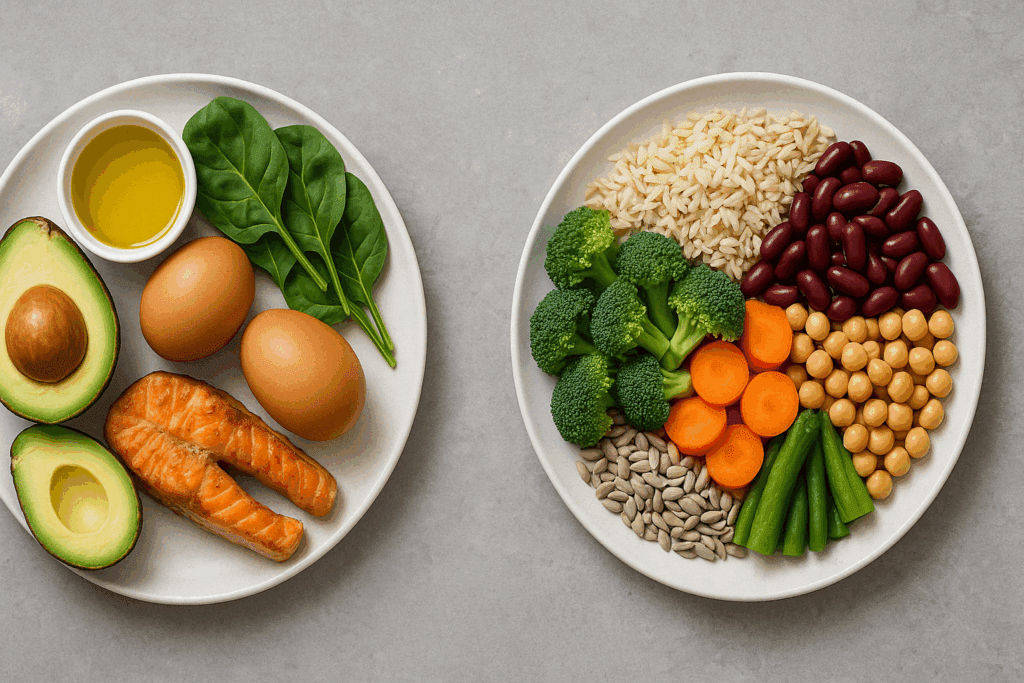
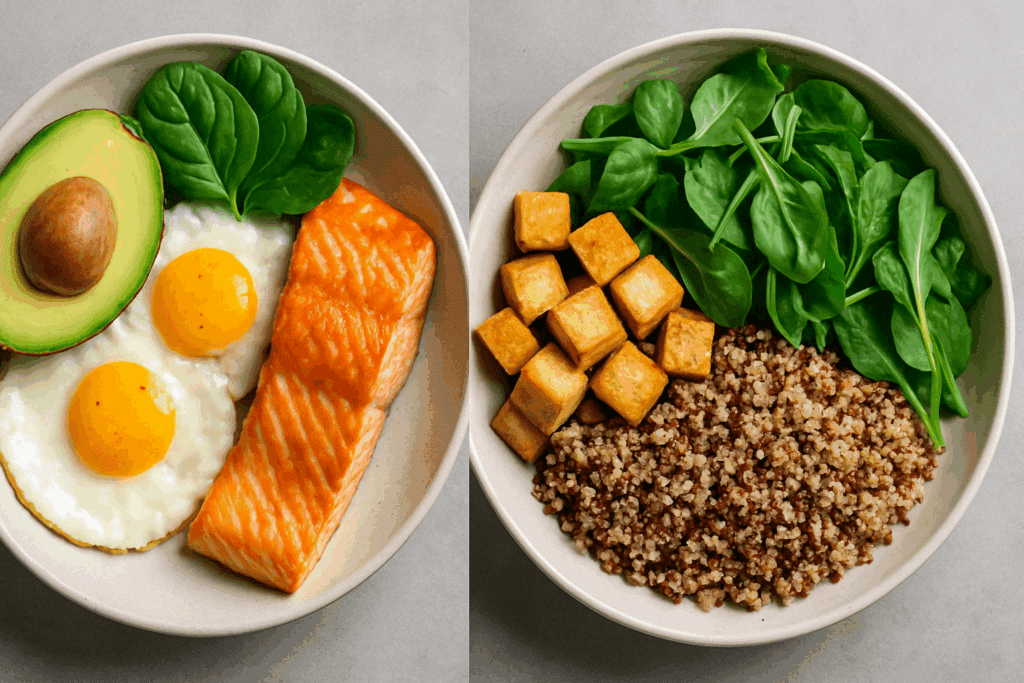
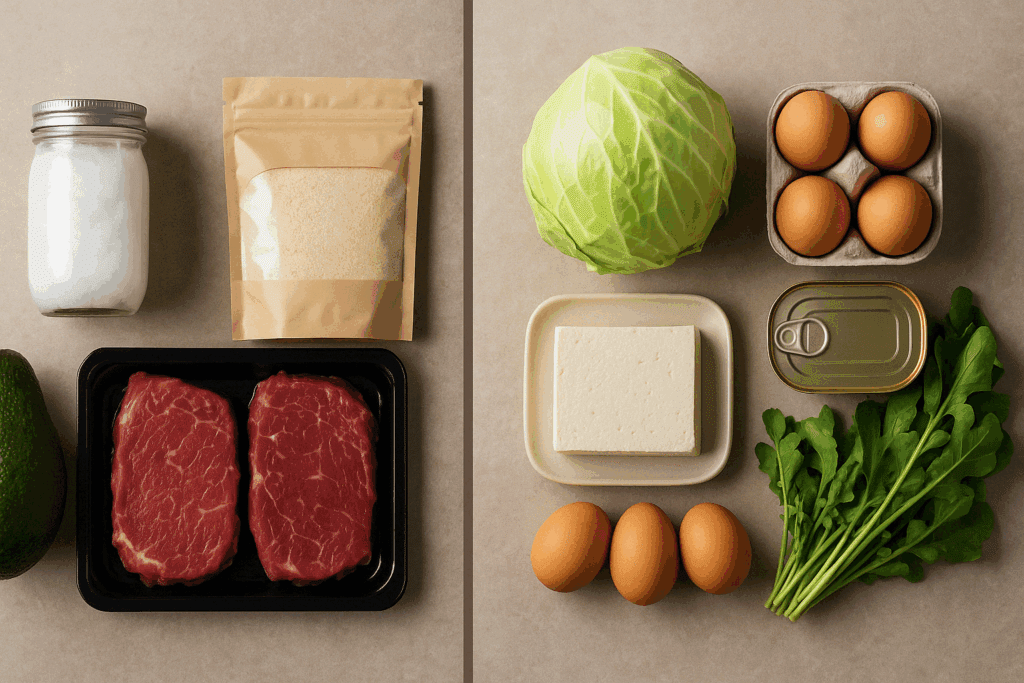
Side-by-side comparison of keto and plant-based meals used in easy weekly meal plans for diverse dietary needs.

One of the most significant advantages of weekly meal planning ideas is that they encourage balance and reduce reliance on willpower alone. Instead of reacting to hunger with whatever food is available, you’re proactively meeting your nutritional needs with intention. This not only improves dietary adherence but also supports emotional well-being. The predictability of easy meal prep meals for the week reduces anxiety around food and prevents decision overload—a phenomenon known as decision fatigue, which can impair judgment and lead to less healthy eating patterns.

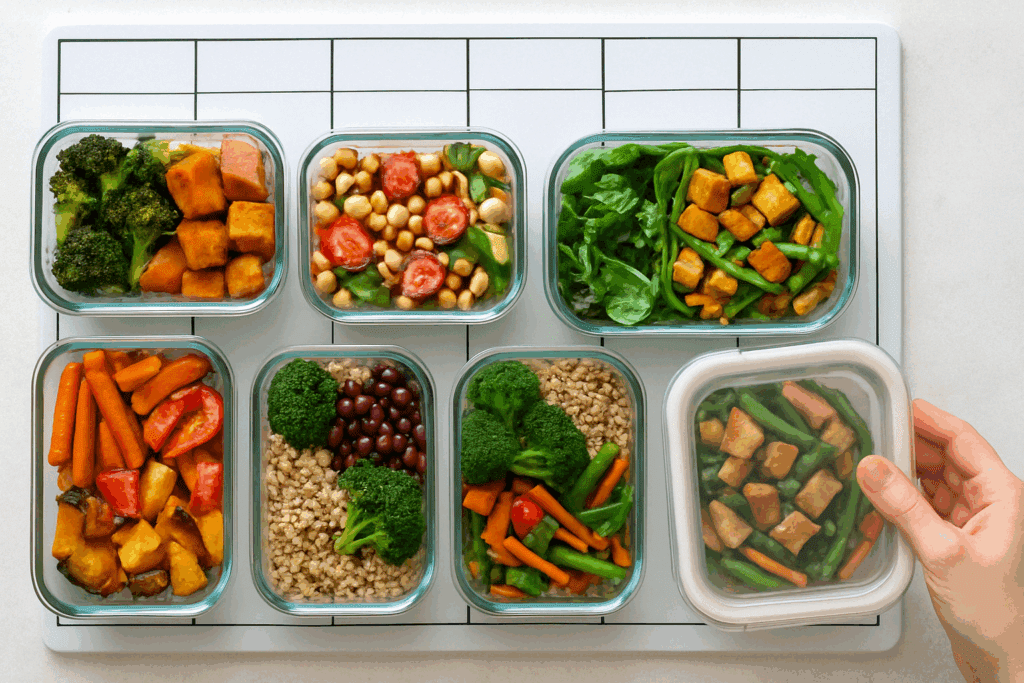
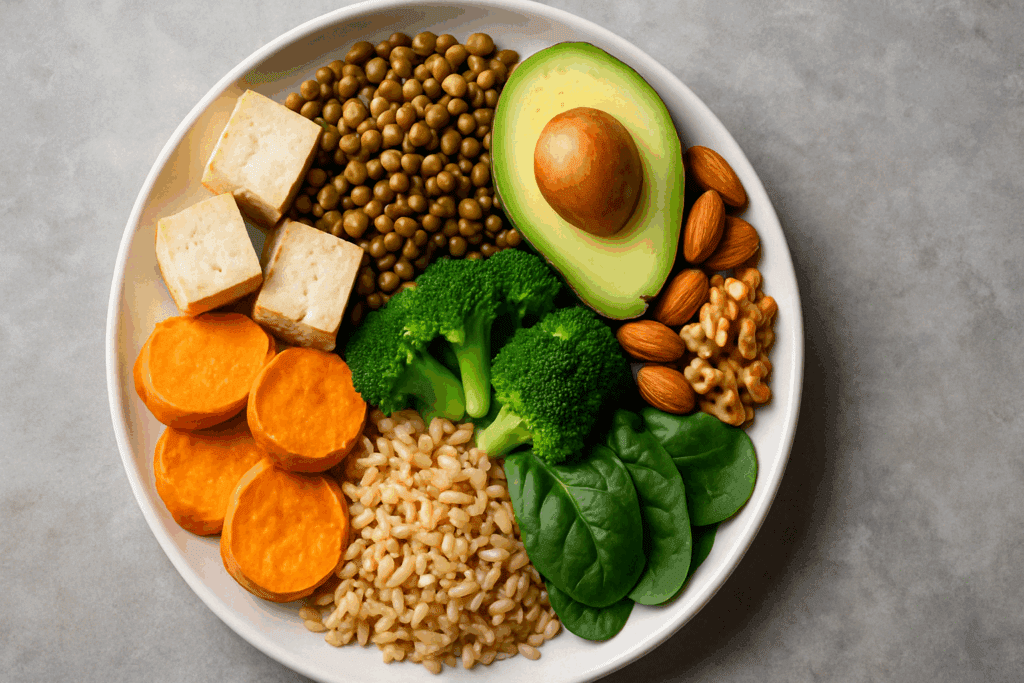
Planning meals also allows you to incorporate variety while maintaining structure. From a whole-food plant-based perspective, weekly meal plan recipes can help you rotate different grains, legumes, vegetables, and healthy fats to meet your nutrient requirements without boredom. A simple weekly meal plan might include Mediterranean-style bowls with quinoa, lentils, and roasted vegetables one day, followed by stir-fried tofu with brown rice and bok choy the next. By alternating textures, colors, and flavors, you engage the senses and avoid the dietary monotony that often derails long-term health goals.

Mindful eating is not just about what you eat but how you eat it. When you prepare a week of recipes ahead of time, you’re less likely to multitask during meals or eat on autopilot. Having easy pre prep meals available means you can sit down, take a breath, and focus on the sensory experience of eating—the taste, texture, and aroma of each bite. This helps foster a deeper appreciation of your food and enhances satiety, reducing the likelihood of overeating or emotional snacking later on.

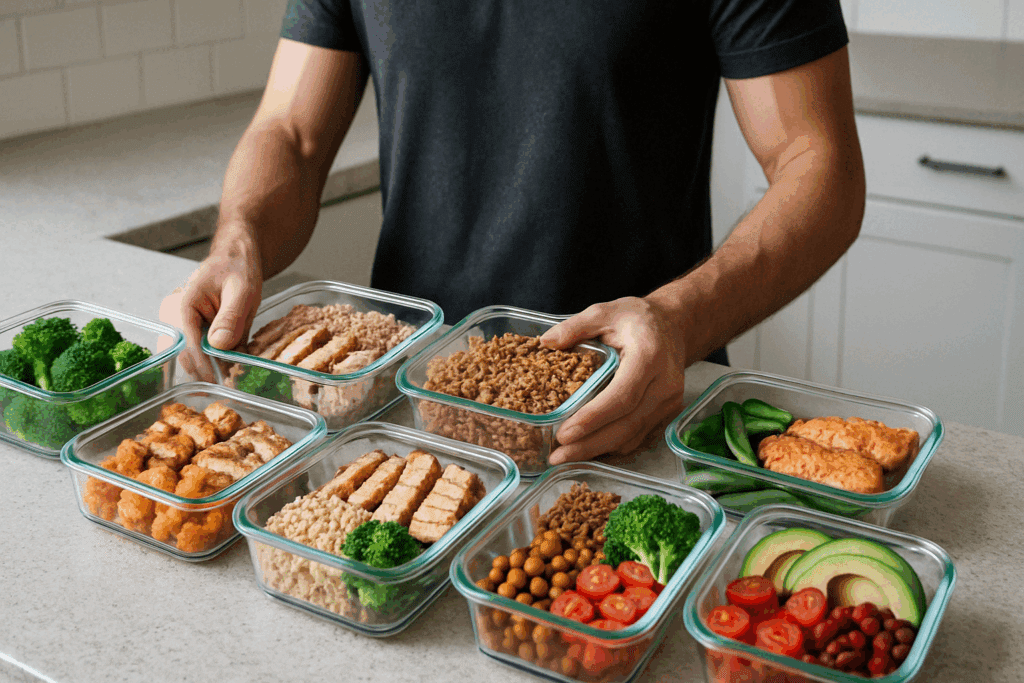
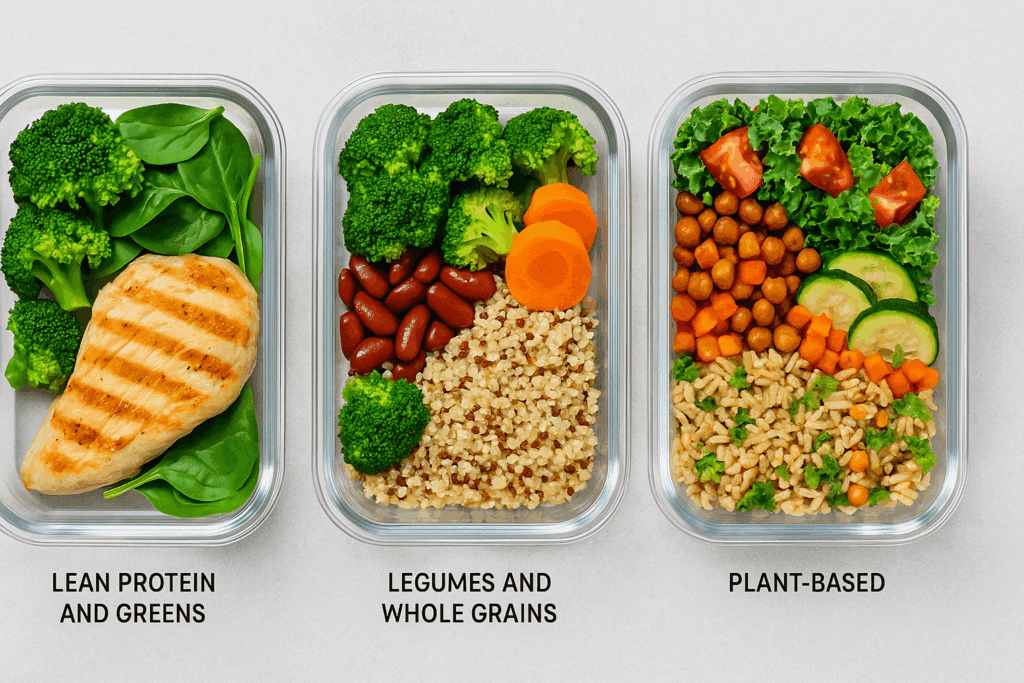
Colorful meal prep containers with plant-based dishes showing how easy weekly meal plans add variety and balance.

For individuals experimenting with s keto low carb eating styles, weekly meal plans offer a safe space to explore dietary changes without guesswork. The keto diet vs low carb diet debate centers on the level of carbohydrate restriction needed to achieve different health outcomes, including weight loss, improved glycemic control, or enhanced mental clarity. By using easy weekly meal plans, individuals can trial both approaches and observe how their bodies respond. The data gathered from this self-experimentation—paired with structured planning—empowers them to make informed, personalized decisions about their diet.

Moreover, integrating simple meal plans with low-carb principles helps ensure nutritional adequacy. When carbs are reduced, it’s essential to increase intake of fiber-rich vegetables, quality fats, and moderate protein to maintain satiety and digestive health. Without planning, many people fall into the trap of relying on processed low-carb products or overemphasizing animal-based fats and proteins. By incorporating weekly meal planning ideas that emphasize whole foods, you support both metabolic and environmental health.

Even if you’re not following a specific dietary framework, one week of meal prep can be a transformative tool. A well-organized plan removes daily friction from mealtime and turns healthy eating into a sustainable habit rather than an occasional effort. This consistency reinforces behavior change and provides a sense of accomplishment that fuels further success. Over time, the practice of meal-to-meal planning builds confidence in the kitchen and cultivates a positive relationship with food.

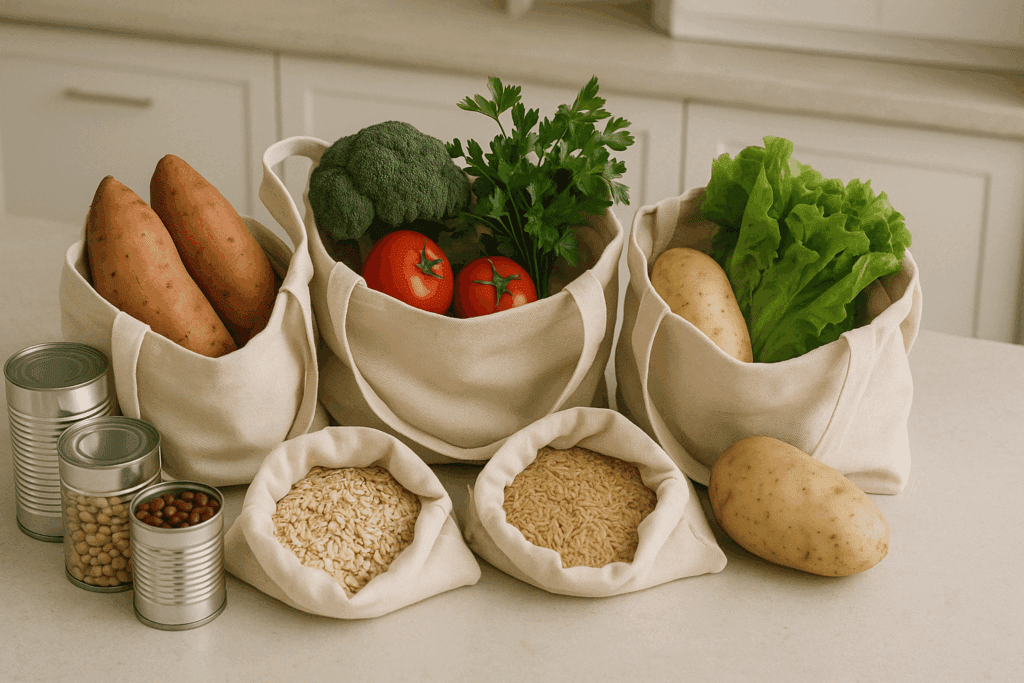
Another benefit of planning easy meals for meal planning is cost efficiency. Preparing meals in advance helps you stick to a grocery list, minimize waste, and reduce impulsive purchases. With food prices continuing to rise, these savings can be significant. Additionally, when you batch-cook ingredients or prepare multiple meals at once, you reduce energy and time expenditures—a strategy especially helpful for busy professionals, parents, or students.

Reusable shopping bags filled with whole food staples used for building cost-effective easy weekly meal plans.

For those just starting out, a three day meal prep can serve as an accessible entry point. Instead of planning meals for an entire week, begin by prepping lunches or dinners for the next three days. This shorter timeline feels more manageable and gives you a chance to build confidence and discover which recipes reheat well and hold their texture. Once you find your rhythm, you can scale up to a 5 day meal prep or even full weekly meal plans that rotate seasonally.

Integrating mindfulness into meal prep also means checking in with your hunger and fullness cues rather than following rigid rules. Flexible planning encourages you to eat what you’ve prepared while staying open to your body’s feedback. If you feel hungrier one day, allow yourself to adjust portion sizes. If a particular dish doesn’t appeal to you at a given time, swap it with something else you’ve prepped. This attunement supports body trust and helps dismantle the all-or-nothing mindset that often accompanies diet culture.

For those questioning “is keto a good diet” or wondering “is a keto diet sustainable,” structured weekly planning can offer clarity. The keto diet, while effective for some, can be restrictive and socially limiting, particularly in the long term. On the other hand, a low-carb approach may be more sustainable for individuals who want the metabolic benefits of carb reduction without the intensity of ketosis. In this context, easy meal prep for the week becomes a tool for nutritional exploration—allowing you to try different patterns, evaluate how they feel, and move forward based on lived experience.

Meal prep meals for the week can also support mental health. Nutritional psychiatry research increasingly shows that diet quality influences mood, anxiety, and cognitive function. When you fuel your body with diverse, whole ingredients, you support neurotransmitter production and reduce inflammation—two key factors in brain health. A steady supply of nutrient-dense meals can stabilize energy levels, prevent blood sugar crashes, and improve your overall sense of well-being.

For individuals and families alike, the concept of food for the week fosters togetherness and routine. Sitting down to plan meals collaboratively can help build communication skills, teach children about nutrition, and create opportunities for bonding. Cooking and eating together reinforces cultural traditions and supports emotional connection—both essential components of a mindful lifestyle.

When choosing recipes for easy weekly meal plans, prioritize meals that balance flavor, nutrition, and simplicity. Dishes that use overlapping ingredients can streamline your shopping list and minimize prep time. For example, roasted sweet potatoes can be used in a grain bowl on Monday, added to a salad on Wednesday, and pureed into a soup by Friday. This strategic repetition saves time without sacrificing variety or flavor.

The flexibility of weekly meal planning ideas allows you to adapt to your schedule. If you know you’ll have a busy Wednesday, prepare a ready-to-eat meal like a mason jar salad or overnight oats. For weekends, when you might have more time, experiment with new recipes or batch-cook for the week ahead. This rhythm creates a nourishing cycle that adjusts to your life while anchoring you in mindful eating practices.

Ultimately, easy meal prep meals for the week are about more than nutrition—they are a form of proactive self-care. They offer an opportunity to align your daily habits with your long-term values, whether that means prioritizing whole foods, reducing your environmental footprint, or simply showing up for yourself with consistency and compassion. Weekly meal plans don’t have to be rigid or complex to be effective. What matters is that they are realistic, flexible, and aligned with your personal wellness goals.

While diet debates like ketogenic diet vs low carb may dominate headlines, the real magic lies in consistency and intentionality. No matter where you land on the dietary spectrum, having a meal plan ensures that you are nourishing your body with purpose. By preparing food in advance, you shift your focus from reacting to cravings or stress to responding with thoughtful choices. This shift can have profound ripple effects on your energy, mood, and relationship with food.

Whether you’re embracing a low-carb lifestyle or exploring whole-food plant-based nutrition, weekly planning provides the infrastructure to thrive. The question “is keto no carbs” highlights just how confusing diet terminology can be. While keto dramatically limits carbs to induce a metabolic state of ketosis, it doesn’t eliminate them entirely. Even in ketosis, most people still consume small amounts of fibrous vegetables and berries. Meal prep clarifies these nuances by providing a concrete plan to implement abstract dietary ideas.

With the growing interest in wellness, people are increasingly turning to weekly meal plan recipes as a way to align their eating habits with broader health goals. From managing blood sugar and inflammation to improving digestive health and sleep, food has the power to support every system in the body. And when meals are prepared with care and attention, they become more than fuel—they become a daily ritual that affirms your commitment to health and mindfulness.

The journey toward mindful eating is not a destination, but an evolving practice. Each week offers a new opportunity to learn, adjust, and grow. By using easy weekly meal plans as a foundation, you empower yourself to make choices rooted in awareness, intention, and self-respect. Whether you’re prepping a simple three day meal prep or diving into a full week of meals, you’re building a lifestyle grounded in nourishment, not deprivation.

In a world filled with dietary noise, weekly meal planning offers clarity. It simplifies nutrition, enhances mindfulness, and supports sustainable health. The beauty of this approach is that it adapts to you—your preferences, your schedule, and your body’s evolving needs. From keto-curious individuals to plant-based enthusiasts, everyone can benefit from a thoughtful, flexible meal plan.

Person eating a prepped meal in a peaceful kitchen, highlighting the mental wellness benefits of easy weekly meal plans.

Frequently Asked Questions: Easy Weekly Meal Plans to Simplify Healthy Eating and Support a Mindful Lifestyle

1. How can I build weekly meal plans that account for busy schedules and varying appetite levels?

Many people struggle to stick with weekly meal plans because their energy needs fluctuate or theywork inconsistent hours. A practical strategy is to choose flexible food prep for the week that includes a mix of perishable and shelf-stable items. For example, you might prepare three day meal prep containers with perishable proteins and keep frozen vegetables or cooked grains ready for late-week use. Easy weekly meal plans benefit from “scalable” meals—dishes that can be quickly expanded if you’re hungrier than expected or minimized without waste. Think in terms of components rather than complete dishes; prepping ingredients like chopped veggies, seasoned tofu, or cooked lentils enables you to assemble meals for the week on the fly with minimal effort.

2. What are some effective ways to rotate flavors without repeating the same meals for the week?

Avoiding repetition while sticking to meal plan ideas can be as simple as using global flavor profiles todiversify your plates. One week of meal prep can still offer variety if you cook base ingredients like quinoa, black beans, or roasted vegetables, then season or dress them differently across your week of recipes. Try a Mediterranean bowl one day, a Latin-inspired burrito the next, and an Asian-style stir-fry to close out the week. This approach makes your meal prep meals for the week feel new each day, even if the base components are consistent. Weekly meal planning ideas that emphasize flavor flexibility are more enjoyable and easier to sustain over time.

3. How do I transition from traditional diets to simple weekly meal plans that are plant-based?

Making the switch to a plant-based diet through simple meal plans doesn’t mean sacrificing taste orsatisfaction. Begin with familiar dishes that can be “veganized,” like using lentils in place of ground beef or oat milk instead of dairy. Then, incorporate easy meal prep for the week by batching legumes, whole grains, and hearty vegetables. The goal of food prep for the week isn’t just nutritional optimization—it’s also convenience. Consider building weekly meal plans around plant-based proteins like tempeh, tofu, or chickpeas, and use meal planning recipes that build flavor with herbs, spices, and fermented condiments rather than relying on animal-based fats or broths.

4. What psychological benefits come from structured meal planning beyond physical health?

Weekly meal planning has far-reaching mental health benefits. Following a simple weekly meal planreduces decision fatigue and creates a sense of control, which can decrease anxiety and improve focus. Easy meal planning can also support positive habit formation—when you successfully execute your food for the week, you reinforce a cycle of planning, action, and reward. For individuals with chaotic routines or those recovering from disordered eating patterns, meal prep for the week offers predictable structure that fosters safety and self-trust. It also allows for consistent reflection and mindfulness around your relationship with food.

5. How can families with diverse dietary needs create weekly meal plans that work for everyone?

Families often face the challenge of creating meal plan ideas that satisfy omnivores, vegetarians,picky eaters, and people with allergies. The best solution is a modular strategy: build meal prep meals for the week around versatile ingredients and allow each family member to customize their plate. For instance, a base of rice and roasted vegetables can be paired with tofu for one person and grilled chicken for another. Using easy meal prep meals for the week that can be dressed with different sauces and seasonings helps everyone feel included without duplicating effort. Weekly meal plan recipes that offer this mix-and-match flexibility can prevent burnout and encourage participation across age groups.

6. What’s the difference between a three day meal prep and a 5 day meal prep in terms of efficiency and freshness?

A three day meal prep offers greater variety and ensures maximum freshness, especially foringredients like avocado, leafy greens, and cooked seafood. Meanwhile, a 5 day meal prep prioritizes efficiency by minimizing cooking sessions and increasing fridge utilization. Both have their place depending on your schedule, fridge space, and tolerance for repeat meals. Easy weekly meal plans can incorporate both strategies—perhaps prepping meals for the first half of the week and reserving simple meal plans for the latter half when energy tends to dip. A hybrid method preserves freshness while ensuring food for the week is always ready to go.

7. How can weekly meal planning ideas reduce food waste and save money?

By following a structured plan with realistic portions and overlapping ingredients, you significantlyreduce spoilage. For example, using the same batch of roasted sweet potatoes in multiple meals for the week—like a burrito bowl, breakfast hash, or salad topping—ensures every ingredient is fully utilized. Weekly meal plans that feature ingredient “crossovers” make food prep for the week both economical and sustainable. You’ll also find that grocery shopping becomes less impulsive and more purposeful when guided by specific meal planning recipes. Easy pre prep meals are key for reducing food waste, as they eliminate the guesswork and last-minute purchases that often go uneaten.

8. What tools or apps can streamline meal ideas for meal planning and prep?

Several digital tools can enhance your easy meal planning experience. Apps like Paprika, Plan to Eat,and Mealime allow you to organize weekly meal plan recipes, generate shopping lists, and even track pantry inventory. These tools help you implement consistent food prep for the week with built-in reminders and collaborative features for households. Additionally, visual planners or magnetic meal boards on your fridge can turn one week of meal prep into a shared, family-focused ritual. These tools provide visual structure, turning abstract meal ideas for meal planning into a tangible and manageable routine.

9. How do easy weekly meal plans help support weight management and portion control?

Planning ahead encourages you to think intentionally about serving sizes, calorie balance, andnutritional quality. When you prepare meals for the week with designated portions, you’re less likely to overeat or snack impulsively. Easy meal prep meals for the week can be designed with macro balance in mind, ensuring that each meal supports satiety without excess. Having a structured plan also helps avoid reactive food choices driven by stress or convenience. Over time, simple weekly meal plans train your appetite to expect nourishment at consistent intervals, which helps stabilize metabolism and supports long-term weight goals.

10. What’s the long-term impact of adopting a one week of meal prep habit as part of a mindful lifestyle?

Consistently preparing a week of recipes contributes to more than just better eating habits—it fostersintentional living. Practicing weekly meal planning ideas helps you reconnect with your values, align your food choices with your personal goals, and create rituals that promote self-care. Over time, what begins as easy meal prep for the week becomes a foundation for resilience, especially during periods of stress or transition. You’ll find that organizing meals from meal to meal has a ripple effect, encouraging more mindfulness in other areas of life such as budgeting, fitness, and emotional regulation. In this way, weekly meal plans evolve from a health hack into a lifestyle philosophy grounded in consistency, balance, and joy.

And in the end, this isn’t just about what you put on your plate. It’s about creating a life where food is a source of energy, joy, and connection. Through meal prep for the week, you learn to nourish not only your body but also your mind and spirit. That is the essence of mindful eating, and that is the promise of simple, powerful, weekly meal planning.

Split view of 3-day and 5-day meal prep containers, showing how easy weekly meal plans balance freshness and efficiency.

Was this article helpful? Don’t let it stop with you. Share it right now with someone who needs to see it—whether it’s a friend, a colleague, or your whole network. And if staying ahead on this topic matters to you, subscribe to this publication for the most up-to-date information. You’ll get the latest insights delivered straight to you—no searching, no missing out.

Further Reading:

7-Day Healthy and Balanced Meal Plan Ideas: Recipes & Prep

Clean-Eating Meal Plan for Beginners, Created by a Dietitian

A Week of Wholesome Meals: Simplifying Daily Meal Planning – Week 1

Disclaimer

The information contained in this article is provided for general informational purposes only and is not intended to serve as medical, legal, or professional advice. While NewsHealthWatch strives to present accurate, up-to-date, and reliable content, no warranty or guarantee, expressed or implied, is made regarding the completeness, accuracy, or adequacy of the information provided. Readers are strongly advised to seek the guidance of a qualified healthcare provider or other relevant professionals before acting on any information contained in this article. NewsHealthWatch, its authors, editors, and contributors expressly disclaim any liability for any damages, losses, or consequences arising directly or indirectly from the use, interpretation, or reliance on any information presented herein. The views and opinions expressed in this article are those of the author(s) and do not necessarily reflect the official policies or positions of NewsHealthWatch.

Understanding the Link Between Stress and Weight Loss: Can Chronic Anxiety Cause You to Lose Weight?

Stress is often seen as an invisible adversary, one that can shape and shift the landscape of our physical and mental health without obvious signs. Among the lesser-discussed but increasingly observed consequences of chronic stress is unintentional weight loss. This connection, though complex, is gaining attention as more individuals report dropping pounds without changing their diet or physical activity levels. The question naturally arises: can stress cause weight loss? And if so, how does chronic anxiety fit into this dynamic?

You may also like: How to Stop Emotional Eating and Regain Control: Mindful Nutrition Strategies That Support a Healthier Lifestyle

The connection between stress and weight loss is not just anecdotal—it’s physiological, psychological, and behavioral. As the body’s response system becomes activated by prolonged stress, changes in metabolism, hormone levels, appetite, and digestive function begin to occur. For some, these shifts may result in eating more and gaining weight. For others, the opposite happens—they lose weight due to stress, sometimes rapidly and without conscious effort. This article explores this phenomenon in depth, delving into the biological mechanisms at play, the mental health implications, and the lifestyle factors that mediate the relationship between stress and weight loss. It also offers practical strategies for recognizing and addressing unintentional weight loss linked to emotional distress.

Anatomical illustration of the human stress response showing brain, heart, adrenal glands, and digestive system, visualizing effects linked to stress and weight loss

The Physiology of Stress: How the Body Responds

To understand how stress and weight loss are connected, it’s essential to first comprehend how the body responds to stress. When an individual encounters a stressful situation, the brain signals the release of stress hormones such as cortisol, adrenaline, and norepinephrine. These hormones prepare the body for a fight-or-flight response, increasing heart rate, redirecting blood flow to vital organs, and sharpening mental alertness. While these changes are beneficial in acute stress situations, prolonged exposure to stress hormones can alter physiological functioning in detrimental ways.

Cortisol, often referred to as the “stress hormone,” has a nuanced role in weight regulation. In some people, high cortisol levels can increase appetite and cravings for high-fat, high-sugar foods, potentially leading to weight gain. However, in others, elevated cortisol levels may suppress appetite entirely. This loss of interest in food can be particularly pronounced when stress is accompanied by anxiety, a condition that can heighten gastrointestinal sensitivity and lead to symptoms like nausea, abdominal discomfort, and early satiety.

When stress becomes chronic, the body’s regulatory systems may shift into a new equilibrium, one where digestive processes are compromised. The body might prioritize other survival mechanisms over nutrient absorption, leading to a net caloric deficit despite normal or even increased food intake. This physiological shift helps explain why some individuals experience pronounced and unexplained weight loss under stress.

Woman staring blankly at untouched vegetables and pasta, illustrating stress and weight loss through appetite suppression.

Behavioral Changes and Appetite Suppression

In addition to its physiological effects, stress often brings about significant behavioral changes that can contribute to weight loss. When someone is overwhelmed by stress or anxiety, their routine—including meal timing and portion control—can become disrupted. Meals may be skipped or replaced with insufficient snacks, and interest in preparing or eating food can wane. For some, the simple act of eating may feel burdensome or even repulsive during periods of heightened anxiety.

Sleep disturbances, another common outcome of chronic stress, can further affect eating habits and metabolic health. Poor sleep can dysregulate the hormones ghrelin and leptin, which are responsible for hunger and satiety cues. While many people with sleep deprivation report increased hunger, those who are anxious and stressed may instead experience a marked decrease in appetite. This divergence illustrates how individual differences and coping mechanisms can lead to vastly different outcomes.

Social withdrawal, a frequent companion of chronic stress, may also indirectly contribute to losing weight from stress. Eating is often a social activity, and people experiencing anxiety may isolate themselves from situations involving food, such as family dinners or lunch with coworkers. This self-imposed isolation can reduce overall food intake without the individual realizing the extent of their nutritional deficit.

Conceptual split-screen illustration of the brain and intestines connected by glowing neural pathways, symbolizing the gut-brain axis disrupted by stress and weight loss

The Role of Anxiety in Digestive Function

Beyond appetite changes, stress and anxiety can significantly impact digestive health. The gut-brain axis, a bidirectional communication pathway between the gastrointestinal tract and the central nervous system, plays a pivotal role in mediating the effects of stress on digestion. Chronic anxiety can lead to gastrointestinal disorders such as irritable bowel syndrome (IBS), which is frequently associated with unintentional weight loss due to malabsorption, diarrhea, or frequent bowel movements.

Stress can also influence the composition and function of the gut microbiome, the community of bacteria and microorganisms that assist in digestion and immune regulation. Emerging research suggests that a disrupted microbiome may contribute to both weight loss and weight gain, depending on the individual’s stress response and dietary habits. For some, chronic stress may lead to reduced microbial diversity and increased inflammation in the gut, compromising nutrient uptake and exacerbating gastrointestinal symptoms.

When individuals lose weight due to stress, it’s often a combination of reduced food intake, increased energy expenditure (as the body remains in a heightened state of alert), and compromised digestive efficiency. Together, these factors create a metabolic environment where weight loss becomes not only possible but inevitable if stress is not properly managed.

Exhausted man sitting alone in a dark room, visually representing stress and weight loss through emotional fatigue and anxiety

Psychological and Emotional Consequences

The emotional toll of losing weight from stress should not be underestimated. While weight loss is often celebrated in popular culture, unintended and uncontrolled weight loss is frequently a sign of underlying distress and may contribute to further psychological complications. People experiencing this phenomenon may feel confused or frustrated by their inability to maintain a healthy weight, especially when their weight loss is accompanied by fatigue, weakness, or difficulty concentrating.

For individuals with a history of disordered eating or body image issues, stress-related weight loss can be particularly triggering. It may reinforce unhealthy relationships with food or body weight, complicating efforts toward recovery and self-care. Mental health professionals often emphasize the importance of addressing not just the physical symptoms of weight loss, but also the cognitive and emotional patterns that underlie them.

Moreover, the societal pressure to remain productive and resilient can make it difficult for individuals to seek help. Many people may dismiss their own symptoms, rationalizing their weight loss as a result of a “busy lifestyle” or assuming it will resolve on its own. Unfortunately, without intervention, stress-related weight loss can lead to nutrient deficiencies, immune system compromise, and even long-term health complications.

Infographic visually illustrating stress and weight loss through a shrinking figure, empty plate, storm cloud, and sleep disruption icons around a human silhouette

When to Be Concerned About Weight Loss

While weight fluctuation is normal over time, losing weight from stress at a rapid pace or without trying should prompt a deeper evaluation. A weight loss of more than 5% of body weight over a period of six to twelve months—especially if it occurs without dietary or exercise changes—warrants medical attention. This is particularly true when accompanied by symptoms such as digestive discomfort, sleep problems, mood changes, or persistent fatigue.

Medical professionals typically assess unintentional weight loss through a comprehensive evaluation, including a review of recent life stressors, mental health status, dietary intake, and laboratory tests to rule out other causes such as hyperthyroidism, diabetes, or malignancy. When stress or anxiety is identified as the primary driver, treatment may involve a multidisciplinary approach that includes nutritional counseling, psychological support, and stress management techniques.

It’s important to note that the presence of stress does not exclude other medical conditions. For this reason, individuals experiencing unexplained weight loss should avoid self-diagnosing and instead seek guidance from healthcare providers who can offer a full evaluation and tailored treatment plan.

Woman meditating on yoga mat with fresh fruits and vegetables nearby, symbolizing holistic approach to stress and weight loss.

Holistic Strategies for Managing Stress and Maintaining Healthy Weight

Addressing the underlying causes of stress is essential not only for emotional well-being but also for restoring a healthy weight. Stress management begins with identifying the sources of stress—whether they are related to work, relationships, finances, or personal expectations—and developing strategies to cope with them constructively. Techniques such as mindfulness meditation, yoga, and deep-breathing exercises have been shown to reduce stress hormone levels and improve overall mood.

Nutrition plays a central role in buffering the body against the effects of chronic stress. Eating regular, balanced meals that include protein, complex carbohydrates, and healthy fats can help stabilize blood sugar levels and support neurotransmitter production, which is crucial for regulating mood and appetite. In some cases, working with a registered dietitian or nutritionist can help individuals create a personalized eating plan that accounts for both their physical and emotional needs.

Sleep hygiene is another critical component of stress management. Prioritizing restful sleep—by maintaining a consistent bedtime routine, limiting screen time before bed, and creating a calming sleep environment—can enhance resilience to stress and improve appetite regulation. Individuals who struggle with insomnia or disrupted sleep due to anxiety may benefit from cognitive behavioral therapy for insomnia (CBT-I), which addresses the behavioral and cognitive factors contributing to poor sleep.

The Importance of Social Support and Professional Help

One of the most effective antidotes to stress is human connection. Talking with trusted friends, family members, or support groups can provide emotional relief and perspective, reducing the sense of isolation that often accompanies chronic anxiety. Sharing meals with others, even virtually, can help re-establish healthy eating patterns and create accountability around self-care practices.

For many individuals, professional help is an essential part of recovery. Therapists who specialize in anxiety disorders can offer evidence-based interventions such as cognitive behavioral therapy (CBT), exposure therapy, or acceptance and commitment therapy (ACT) to help individuals better understand and manage their stress responses. In cases where stress is severely impacting appetite and nutrition, consultation with a clinical psychologist or psychiatrist may be appropriate.

Incorporating regular physical activity can also be beneficial, though it should be approached mindfully when weight loss is a concern. Rather than focusing on burning calories, exercise should be viewed as a tool for emotional regulation and mood enhancement. Activities such as walking, swimming, or gentle stretching can activate endorphins, reduce cortisol levels, and restore a sense of bodily control without exacerbating weight loss.

Exploring the Long-Term Implications of Chronic Stress

Over time, losing weight from stress can set off a cascade of health challenges if not properly addressed. Chronic nutritional deficiencies may impair immune function, making the body more susceptible to illness. Prolonged undernourishment can weaken bones, reduce muscle mass, and disturb cardiovascular health. Moreover, persistent anxiety can contribute to the development or worsening of conditions like depression, which can further complicate recovery and lead to cycles of avoidance or self-neglect.

Understanding these long-term implications reinforces the importance of early intervention. Preventing a downward spiral begins with recognizing that stress-related weight loss is not merely a cosmetic issue, but a health concern with potential ramifications across multiple systems of the body. By prioritizing both mental health and nutritional well-being, individuals can work toward a more balanced and sustainable state of health.

Frequently Asked Questions: Understanding Stress and Unintended Weight Loss

1. Can emotional trauma from past experiences lead to long-term weight changes even years later?

Yes, unresolved emotional trauma can have a lasting impact on the body’s stress response system, potentially contributing to chronic physiological changes that affect weight. The body may continue to react to subtle emotional triggers with a fight-or-flight response, resulting in appetite suppression or digestive issues. Over time, this can create a pattern where individuals lose weight due to stress without actively recognizing the underlying emotional cause. While acute stress typically causes short-term changes, chronic psychological trauma may lead to prolonged cycles of losing weight from stress. Addressing trauma through therapy and emotional regulation techniques can help the body return to a more balanced metabolic state.

2. How does workplace burnout specifically affect eating habits and body weight?

Workplace burnout often leads to a persistent state of mental exhaustion, which in turn reduces appetite and disrupts normal meal routines. Employees experiencing burnout may skip meals, rely on caffeine to suppress hunger, or feel too overwhelmed to prepare balanced meals. These patterns may result in people unintentionally losing weight from stress related to career pressures. Furthermore, a loss of work-life boundaries may cause chronic activation of the stress response, further disturbing metabolic function. This environment reinforces the connection between stress and weight loss, particularly when nutritional needs are deprioritized amid professional demands.

3. Are there gender differences in how people lose weight due to stress?

There is growing evidence suggesting that gender plays a role in how individuals experience and respond to stress-related weight changes. While both men and women can lose weight due to stress, women are more likely to report appetite suppression and gastrointestinal distress, whereas men may engage in stress-reducing behaviors like increased physical activity or skipping meals unintentionally. Hormonal fluctuations in women, such as those related to menstrual cycles or menopause, may further exacerbate their vulnerability to losing weight from stress. Additionally, societal expectations and gender-specific coping strategies may influence eating behaviors during high-stress periods.

4. Can stress-related weight loss be reversed without medication?

In many cases, yes—stress-related weight loss can often be reversed through a combination of lifestyle interventions rather than pharmaceutical solutions. Restoring a regular eating schedule, improving sleep hygiene, and practicing stress management techniques such as mindfulness or breathwork can gradually support weight restoration. People who lose weight due to stress often need emotional support and structure more than medication. Nutritional therapy, especially when tailored by a registered dietitian, can help the body recover and re-establish proper digestion and metabolism. However, if underlying anxiety or depressive symptoms are severe, a mental health professional should evaluate whether therapy or medication may also be necessary.

5. What role does the gut microbiome play in stress and weight loss?

The gut microbiome, which consists of trillions of bacteria and microorganisms, has a powerful impact on how the body processes stress and nutrients. Chronic stress can reduce microbial diversity, leading to inflammation and compromised digestion. When this occurs, individuals may begin losing weight from stress because their bodies are less efficient at absorbing nutrients. A disrupted microbiome can also influence mood and behavior, compounding the cycle of stress and weight changes. Restoring gut health through prebiotics, probiotics, and a fiber-rich diet may help stabilize the microbiome and improve overall resilience to stress-induced weight fluctuations.

6. Can someone be unaware that stress is the reason for their weight loss?

Absolutely. Many people experiencing stress may not associate it with physical symptoms like weight loss, especially if their emotional distress is low-grade or has become normalized. Subtle signs, such as a decreased desire for food or increased stomach discomfort, may be brushed off as minor issues. However, these are common ways the body signals that it’s under chronic strain. In such cases, individuals may lose weight due to stress without identifying it as the root cause. A holistic self-assessment or consultation with a healthcare provider can help uncover whether emotional stress is influencing physical health.

7. Are there certain personality traits that make someone more likely to lose weight from stress?

Yes, personality traits such as high sensitivity, perfectionism, and a tendency toward internalization of emotions may predispose individuals to stress-related weight changes. People who internalize stress often experience it physically, which may manifest in reduced appetite, digestive upset, or sleep disturbances. These traits can amplify the likelihood of losing weight from stress, especially when combined with high external demands and poor coping mechanisms. Developing emotional awareness and resilience through counseling or self-reflective practices can help mitigate the physiological impact of these personality-driven stress responses.

8. How do cultural expectations influence how people respond to stress and changes in weight?

Cultural norms around productivity, body image, and emotional expression can heavily shape how individuals interpret and respond to weight changes due to stress. In cultures that glorify thinness or associate weight loss with self-discipline, unintended weight loss may be misinterpreted as a positive sign rather than a warning. This mindset can discourage individuals from seeking help, even when they’re clearly losing weight from stress. Additionally, cultural taboos around discussing mental health may prevent people from acknowledging their emotional struggles. Promoting culturally sensitive education around stress and weight loss can help de-stigmatize these issues and encourage proactive care.

9. What are the long-term health risks of ignoring stress-related weight loss?

Unaddressed stress-related weight loss can lead to a host of long-term complications, including nutritional deficiencies, weakened immunity, muscle wasting, and hormonal imbalances. Over time, this can result in chronic fatigue, decreased bone density, and impaired cognitive function. If someone continues to lose weight due to stress, they may become more susceptible to infections or long-term metabolic conditions. Additionally, the emotional toll of chronic stress can contribute to anxiety or depression, further perpetuating the cycle. Taking early action to investigate and treat weight loss ensures better outcomes both physically and mentally.

10. Are there emerging therapies or research trends focused on preventing stress-induced weight loss?

Yes, several emerging approaches aim to address the growing recognition of how psychological stress influences metabolic health. Innovations in personalized nutrition and digital health monitoring are helping individuals track early signs of unintentional weight changes. Wearable technology that tracks heart rate variability, sleep quality, and digestive patterns may help identify when someone is at risk of stress-related weight shifts. Additionally, psychobiotics—probiotics designed to support mental health through the gut-brain axis—are being explored as a novel intervention for those who lose weight from stress. These promising developments point to a future where multidisciplinary care models can more effectively prevent and reverse stress and weight loss patterns.

Final Thoughts on Stress, Anxiety, and Unintended Weight Loss

Recognizing the link between stress and weight loss is a critical step toward achieving holistic well-being. While some may initially view weight loss as a welcome side effect of a high-pressure lifestyle, it often signals deeper issues that require attention and care. Chronic anxiety and prolonged stress can subtly yet powerfully erode the body’s natural balance, leading to changes in appetite, digestion, and metabolic function that ultimately result in unintentional weight loss.

It is essential to approach this topic with compassion and scientific rigor, acknowledging that losing weight from stress is not a matter of willpower or personal failure. Instead, it is a complex interplay of hormonal, behavioral, and emotional factors that call for comprehensive support. By understanding how chronic stress influences the body, individuals and healthcare providers can work together to develop strategies that not only restore physical health but also nurture mental resilience.

If you or someone you know is experiencing unexplained weight loss alongside signs of chronic anxiety, seeking professional support is not only appropriate—it is essential. Early recognition, evidence-based interventions, and compassionate care can make all the difference in restoring both nourishment and peace of mind. In today’s fast-paced world, learning to recognize the body’s signals and respond with thoughtful, holistic care is one of the most powerful forms of self-preservation and growth.

Was this article helpful? Don’t let it stop with you. Share it right now with someone who needs to see it—whether it’s a friend, a colleague, or your whole network. And if staying ahead on this topic matters to you, subscribe to this publication for the most up-to-date information. You’ll get the latest insights delivered straight to you—no searching, no missing out.

Further Reading:

Can stress lead to weight loss?

8 Reasons Anxiety Can Cause Weight Loss & How to Cope

Stress and Weight Loss: What’s the Connection?

Disclaimer

The information contained in this article is provided for general informational purposes only and is not intended to serve as medical, legal, or professional advice. While NewsHealthWatch strives to present accurate, up-to-date, and reliable content, no warranty or guarantee, expressed or implied, is made regarding the completeness, accuracy, or adequacy of the information provided. Readers are strongly advised to seek the guidance of a qualified healthcare provider or other relevant professionals before acting on any information contained in this article. NewsHealthWatch, its authors, editors, and contributors expressly disclaim any liability for any damages, losses, or consequences arising directly or indirectly from the use, interpretation, or reliance on any information presented herein. The views and opinions expressed in this article are those of the author(s) and do not necessarily reflect the official policies or positions of NewsHealthWatch.

Smart Weight Loss Starts with the Right Male Nutrition Plan: Expert-Backed Healthy Meal Plans for Men to Shed Fat Safely

Losing weight is not simply about eating less or exercising more; it’s about making scientifically informed, sustainable changes that support long-term health. For men, especially, tailoring a strategy that supports muscle preservation, metabolic function, and hormonal balance is key to shedding fat without compromising vitality. A well-designed male nutrition plan does more than help you lose weight—it promotes overall health, optimizes energy levels, and reduces the risk of chronic disease. In this guide, we explore how healthy meal plans for men can serve as the foundation for a realistic and effective fat loss journey.

You may also like: Smart Meal Prep for Weight Loss: Expert-Approved Lunch Ideas and Recipes to Stay on Track

Understanding the Fundamentals of a Male Nutrition Plan

Men have distinct nutritional needs compared to women due to differences in body composition, hormonal profiles, and metabolism. A sound male eating plan accounts for higher muscle mass and basal metabolic rate, which means men often require more calories to maintain energy while still reducing fat.

A diet food plan for men should include ample lean protein sources to preserve lean body mass, especially when in a caloric deficit. At the same time, healthy fats and complex carbohydrates must be thoughtfully included to support testosterone levels and fuel physical activity. Micronutrient sufficiency is also non-negotiable—deficiencies in key nutrients like vitamin D, magnesium, and zinc can interfere with metabolism, energy, and mood, undermining progress.

Crucially, any successful fat loss diet plan for male individuals must prioritize consistency and sustainability. Fad diets may yield short-term results but often fall short in delivering sustainable health benefits. The goal is to create a lifestyle pattern that fosters long-term wellness, not just rapid weight loss.

Healthy meal prep containers with plant-based ingredients arranged for a balanced male nutrition plan

Why One-Size-Fits-All Weight Loss Plans for Men Often Fail

A common pitfall in many commercial weight loss plans for men is the generic approach they take. These plans often ignore individual differences in body type, metabolism, activity level, and food preferences. What works for a sedentary office worker with a slower metabolism may not be ideal for an active individual with high energy demands.

More importantly, psychological and behavioral factors must be taken into account. Meal plans that are too restrictive or monotonous often lead to binge episodes, frustration, or abandonment of the plan altogether. A practical male eating plan should be flexible enough to accommodate real-life situations—business lunches, social gatherings, or weekend indulgences—without derailing progress.

Moreover, research shows that adherence is the biggest predictor of long-term success. The best meal plan for men is one that they can actually stick to—not the one that promises the fastest results. A science-backed plan prioritizes nutrient density, portion control, and gradual habit formation over extreme deprivation.

Shed Fat Diet Plan Strategies That Actually Work

Creating a shed fat diet plan that’s effective and sustainable begins with striking the right caloric balance. This involves consuming slightly fewer calories than your body burns while maintaining sufficient intake of protein, healthy fats, and fiber. The goal is to reduce fat stores while preserving or even increasing lean muscle mass.

Protein should be at the forefront. Numerous studies have demonstrated that high-protein diets enhance satiety, increase thermogenesis, and preserve muscle during fat loss phases. Lean sources like tofu, tempeh, legumes, seitan, and lentils make excellent choices, particularly within a whole-food plant-based framework.

Another critical component is fiber-rich vegetables and whole grains. These foods help regulate blood sugar, improve digestion, and reduce overall calorie intake by promoting fullness. Unlike many low-nutrient, high-sugar options found in ultra-processed diets, whole plant foods deliver long-lasting energy and essential nutrients without the crash.

Meal frequency and timing also matter. While intermittent fasting works for some, others may benefit from consistent meals throughout the day to stabilize energy and avoid overeating. The key is finding a rhythm that supports your lifestyle and metabolism.

Visual guide showing lean muscle, metabolism, and whole foods for a balanced male nutrition plan

Designing Healthy Meal Plans for Men: Core Principles

The most effective healthy meal plans for men follow a few key principles: balance, simplicity, and variety. Each meal should feature a combination of macronutrients—protein, fats, and carbs—with an emphasis on nutrient density.

Start with a plant-based protein foundation. Add in fiber-rich vegetables and legumes, healthy fats like nuts, seeds, and avocado, and whole grains such as quinoa or brown rice. This structure not only provides satiety but also helps maintain muscle and hormonal health during weight loss.

Portion control is another vital element. Oversized portions, even of healthy foods, can hinder progress. Learning to listen to internal hunger and satiety cues is more effective than rigid calorie counting in the long run.

A good male nutrition plan also accounts for food preparation and convenience. Batch cooking, meal prepping, and choosing minimally processed options help streamline healthy eating in a busy lifestyle. The more accessible your meals are, the more likely you are to stick to your plan.

Fat Loss and the Keto Controversy: Is Keto a Good Diet for Men?

The ketogenic diet has gained popularity as a rapid weight loss strategy, but is keto a good diet for men in the long run? That depends on the individual and how the diet is implemented. While the keto diet promotes fat loss by shifting the body into a state of ketosis, it may not be the most sustainable or balanced option for every male.

One key debate is the comparison of ketogenic diet vs low carb plans. Both limit carbohydrates, but keto restricts them far more severely. The typical keto diet includes fewer than 50 grams of carbs per day, while a low carb diet might allow 100 to 150 grams. Understanding the nuances of low carb diet keto diet comparisons is essential for determining which—if either—suits a man’s lifestyle, activity level, and nutritional needs.

Another point of discussion is whether keto is a low carb diet by definition. Technically, it is, but not all low carb diets are keto. For men looking to maintain muscle, exercise regularly, and consume a wide variety of plant foods, a more moderate carb approach may be preferable. The question isn’t just “is keto a low carb diet” but rather, is keto a sustainable and health-promoting way of eating?

Scientific literature increasingly questions: is a keto diet sustainable over time? Some studies suggest potential short-term benefits, but long-term adherence remains a challenge due to restrictive food choices and nutrient gaps. This leads to another concern—if is keto no carbs or simply very low in carbs, it still often results in low fiber intake, which is problematic for digestive and metabolic health.

Whole food plate with protein, fiber, and healthy fats designed for an effective male nutrition plan

Comparing Ketogenic Diet vs Low Carb Approaches in a Male Eating Plan

For men aiming to lose fat while preserving muscle, comparing the ketogenic diet vs low carb approaches reveals important trade-offs. Keto can produce fast initial weight loss, much of it water weight, but it may impair performance in high-intensity workouts due to glycogen depletion.

A low carb diet, on the other hand, allows for greater flexibility, better fiber intake, and may be easier to sustain. Many experts recommend starting with a moderate carbohydrate intake and adjusting based on results and energy levels.

When deciding between a low carb diet and keto diet, men should consider their physical goals, dietary preferences, and metabolic health. For example, plant-based low carb diets that emphasize whole foods may support weight loss while minimizing the risks associated with ultra-low carbohydrate intake.

Ultimately, a male nutrition plan should evolve with your body’s needs. Whether you’re experimenting with keto or opting for a more balanced approach, the plan must be personalized, evidence-based, and adjustable over time.

Meal prep containers filled with balanced meals supporting a sustainable male nutrition plan

Sample Meal Plan for Men Focused on Fat Loss and Nutrient Density

Creating a practical, effective meal plan for men starts with whole foods, strategic macronutrient balance, and realistic meal timing. Here’s a simplified sample day for a whole-food, plant-based approach that aligns with a shed fat diet plan:

Breakfast: Tofu scramble with spinach, bell peppers, and mushrooms; side of steel-cut oats with ground flaxseed and blueberries.

Lunch: Lentil quinoa bowl with roasted sweet potatoes, broccoli, tahini dressing, and pumpkin seeds.

Dinner: Chickpea curry with brown rice, kale salad with olive oil and lemon dressing, and a small serving of fruit.

Snacks (optional): A handful of almonds, a plant-based protein smoothie, or hummus with raw veggies.

This kind of diet food plan for men offers high-quality protein, fiber, essential fats, and antioxidants without excessive calories. It promotes satiety, supports metabolic health, and avoids the processed foods that undermine many weight loss efforts.

Is Keto a Low Carb Diet or Something More Restrictive?

While keto is often described as a low carb diet, it is far more restrictive than most traditional low carb approaches. Understanding the distinction matters because many men mistakenly believe that going “low carb” automatically means going keto. In reality, keto is just one end of the carbohydrate-restriction spectrum.

A low carb diet keto diet conversation should consider how each affects energy levels, workout performance, and micronutrient intake. Is keto a good diet for active men? Only if they carefully manage electrolytes, fiber, and calories to avoid common pitfalls such as fatigue, muscle cramps, and reduced endurance.

Is keto no carbs? Not entirely. Most keto plans allow small amounts of carbs from non-starchy vegetables. However, they typically exclude legumes, whole grains, and fruits—all foods with proven health benefits. Men following a keto diet must take care to avoid nutritional deficiencies and assess whether the plan aligns with their long-term goals.

Balancing Real Life with Structured Weight Loss Plans for Men

A sustainable weight loss strategy must fit within the context of a man’s daily responsibilities, social obligations, and food environment. Overly rigid diet plans that prohibit entire food groups or require meticulous tracking often lead to burnout. Flexibility, rather than perfection, is the secret to long-term adherence.

Incorporating occasional indulgences into a healthy meal plan for men can actually improve compliance. Social meals, business travel, or spontaneous cravings don’t have to derail progress as long as the core structure of the plan remains intact.

This is why personalization is essential. The best weight loss plans for men are not only built on nutritional science but also respect psychological factors and lifestyle preferences. From choosing a shed fat diet plan to navigating the ketogenic diet vs low carb options, the focus should be on developing skills and habits that last.

Visual comparison of keto and low-carb diets within a customized male nutrition plan

FAQ: Advanced Insights Into Weight Loss Plans and Nutrition Strategies for Men

1. What psychological factors should men consider when following a fat loss diet plan?

While many men focus solely on calorie counting and macros, psychological readiness plays a critical role in the success of any fat loss diet plan for male individuals. Emotional eating, body image expectations, and stress management can sabotage even the most structured male nutrition plan. Mindful eating strategies—such as pausing before meals, recognizing hunger cues, and reducing distractions—help improve self-regulation and long-term adherence. Support systems, whether through accountability partners or digital coaching, can significantly improve outcomes. Men are more likely to stay consistent when their weight loss plans for men align with their lifestyle, values, and daily stress levels, not just their caloric goals.


2. How can men tailor their diet food plan based on body composition and metabolism?

Generic calorie targets often ignore the nuances of muscle mass, hormonal levels, and metabolic rate. For a personalized diet food plan for men, it’s essential to assess basal metabolic rate (BMR) and lean body mass through tools like DEXA scans or bioelectrical impedance. A higher muscle-to-fat ratio allows for greater caloric intake without fat gain, which is a core consideration in building an effective shed fat diet plan. High-protein meals, distributed evenly throughout the day, support muscle retention while creating a caloric deficit. Tailoring a male eating plan to individual metabolic feedback also helps prevent energy crashes and improves long-term sustainability.


3. Are intermittent fasting strategies effective for male weight loss?

Yes, intermittent fasting can be a powerful tool when integrated into a well-designed fat loss diet plan for male individuals. It supports insulin sensitivity, promotes fat oxidation, and simplifies eating routines. However, its effectiveness depends on how well it complements the broader male nutrition plan—fasting alone won’t overcome poor food quality or inconsistent caloric intake. Many men succeed with a 16:8 fasting window combined with high-fiber, protein-rich meals. When thoughtfully integrated into healthy meal plans for men, intermittent fasting can enhance satiety, reduce snacking, and streamline dietary discipline.


4. How does resistance training impact a male eating plan?

Resistance training is essential for preserving lean muscle during weight loss, which makes it a cornerstone of any effective male eating plan. It raises resting metabolic rate, improves glucose uptake, and supports hormonal balance. Diet food plans for men that include ample plant-based protein, healthy fats, and complex carbs post-workout can significantly improve recovery and body composition. Men who lift regularly require a slightly higher caloric intake to support muscle retention—especially during cutting phases in a shed fat diet plan. Timing nutrient-dense meals around training windows can maximize muscle protein synthesis and reduce fat gain.


5. What are some underestimated foods that support male fat loss?

While chicken and broccoli dominate many weight loss plans for men, underappreciated foods like legumes, fermented vegetables, chia seeds, and tempeh offer metabolic advantages. These whole foods support gut health, regulate appetite hormones, and improve nutrient absorption. In a male nutrition plan, adding such functional foods can reduce inflammation and improve insulin sensitivity, both of which are critical for shedding visceral fat. Many healthy meal plans for men overlook fiber diversity, which is essential for gut-brain signaling and long-term satiety. Including a broader spectrum of plant-based foods can make any fat loss diet plan for male individuals more effective and enjoyable.


6. How can men sustain weight loss without metabolic slowdown?

Sustained weight loss often leads to adaptive thermogenesis, where the body reduces energy expenditure. To counter this, men should periodically reintroduce maintenance-calorie phases, also known as “diet breaks,” within their weight loss plans for men. These short-term increases in food intake help stabilize hormones like leptin and ghrelin and may prevent long-term metabolic suppression. Incorporating progressive strength training and ensuring adequate protein intake are also essential parts of a resilient diet food plan for men. This metabolic cycling approach supports a male eating plan that is both sustainable and hormonally balanced over time. Flexibility and psychological variety are key for adherence without burnout.


7. What role does sleep play in a fat loss diet plan for men?

Sleep is a major—yet often overlooked—component of any male nutrition plan. Poor sleep quality increases cortisol levels, reduces insulin sensitivity, and triggers cravings for high-calorie foods. These physiological changes can derail even the most disciplined shed fat diet plan. Research shows that men who sleep fewer than six hours a night tend to experience slower fat loss, especially around the abdomen. To optimize healthy meal plans for men, prioritize consistent sleep hygiene practices such as minimizing blue light before bed, keeping a regular sleep schedule, and avoiding stimulants late in the day.


8. How can men handle plateaus during a weight loss journey?

Plateaus are common in long-term weight loss plans for men, but they are not signs of failure—they’re feedback. A smart adjustment might involve increasing non-exercise activity (like walking), reducing portion sizes slightly, or improving meal timing. Sometimes the body just needs a shift, not a stricter diet. A fat loss diet plan for male success should allow for reevaluation every few weeks to maintain progress. Keeping a food and mood journal can help uncover hidden sources of excess calories or stress that may stall results and allow for more responsive male nutrition plan adjustments.


9. What are the most sustainable meal planning habits for long-term fat loss?

Sustainability is the differentiator between short-term dieting and lasting transformation. A sustainable meal plan for men should focus on simplicity, batch cooking, and having go-to meals that are enjoyable and nutritionally balanced. Men benefit from structuring meals around high-fiber carbs, lean plant-based proteins, and healthy fats to control hunger and maintain energy. Including flexibility—such as one free meal per week—prevents diet fatigue and supports long-term compliance in a shed fat diet plan. Over time, building a personal “food toolbox” of easy, nutrient-dense meals reinforces consistency and success.


10. How do age and testosterone levels affect weight loss in men?

As men age, testosterone levels decline naturally, leading to reduced muscle mass, slower metabolism, and increased fat retention. This hormonal shift makes a targeted fat loss diet plan for male individuals even more important. A strong male nutrition plan for men over 40 should prioritize resistance training, vitamin D, zinc, and healthy fats to support hormonal health. Additionally, diet food plans for men should adjust caloric intake to reflect changes in basal energy needs without compromising protein or micronutrient density. Age isn’t a barrier—it’s a variable that requires smarter planning within the context of healthy meal plans for men.

Flat lay of full day plant-based meals designed to support a nutrient-dense male nutrition plan

Conclusion: Why Smart Weight Loss Starts with the Right Male Nutrition Plan

Effective fat loss isn’t about chasing trends or adopting the most extreme diet. It’s about selecting a male nutrition plan that supports your physiology, lifestyle, and long-term health. Whether you’re considering a keto diet, a low carb approach, or a balanced whole-food plan, the foundation should be built on evidence-based nutrition tailored to male needs.

Healthy meal plans for men should prioritize protein-rich whole foods, sustainable calorie control, and nutrient diversity. They should also align with your energy demands, workout schedule, and personal values. Rather than asking, “is keto a low carb diet,” ask whether the plan you’re following is sustainable, nutritionally complete, and adaptable to real life.

Smart weight loss doesn’t just shed pounds—it improves performance, mood, and longevity. The right male eating plan does more than transform your physique; it strengthens your commitment to lifelong health.

With a focus on consistency, personalization, and the latest science, a well-crafted diet food plan for men is the most powerful tool in the journey to sustainable fat loss and overall well-being.

Was this article helpful? Don’t let it stop with you. Share it right now with someone who needs to see it—whether it’s a friend, a colleague, or your whole network. And if staying ahead on this topic matters to you, subscribe to this publication for the most up-to-date information. You’ll get the latest insights delivered straight to you—no searching, no missing out.

Further Reading:

10 of the Best Weight Loss Eating Patterns for Men

Diet Chart for Weight Loss for Both Men and Women

The 40 Best Ways to Lose Weight—and Keep It Off

Disclaimer

The information contained in this article is provided for general informational purposes only and is not intended to serve as medical, legal, or professional advice. While NewsHealthWatch strives to present accurate, up-to-date, and reliable content, no warranty or guarantee, expressed or implied, is made regarding the completeness, accuracy, or adequacy of the information provided. Readers are strongly advised to seek the guidance of a qualified healthcare provider or other relevant professionals before acting on any information contained in this article. NewsHealthWatch, its authors, editors, and contributors expressly disclaim any liability for any damages, losses, or consequences arising directly or indirectly from the use, interpretation, or reliance on any information presented herein. The views and opinions expressed in this article are those of the author(s) and do not necessarily reflect the official policies or positions of NewsHealthWatch.


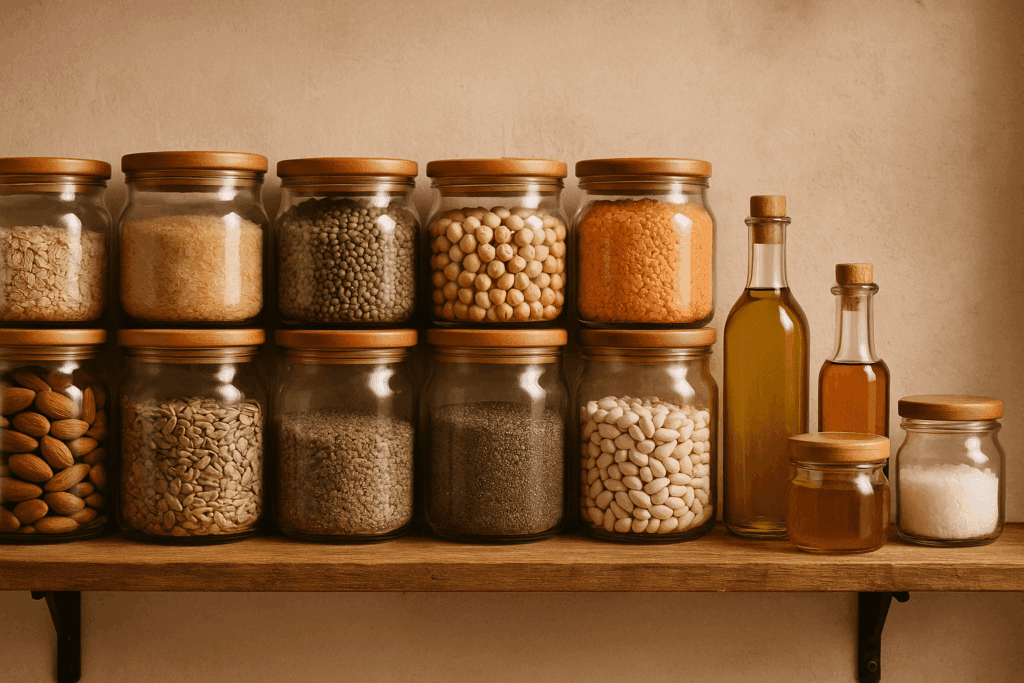
Affordable and Effective: Finding the Best Weight Loss Meal Delivery Services Backed by Nutrition Science

In today’s fast-paced world, convenience often takes precedence over nutrition, particularly when it comes to meals. For many individuals striving to lose weight, balancing time, cost, and dietary quality becomes a daunting challenge. This is where weight loss meal delivery services come into play—offering professionally curated, portion-controlled meals that aim to make healthy eating both accessible and sustainable. But with countless companies flooding the market, how do you identify the best weight loss meal delivery service that’s not only effective but also affordable? Drawing from evidence-based nutrition science, this article provides a comprehensive analysis of the options, benefits, and key considerations when selecting a plan that aligns with both your health goals and budget.

You may also like: Smart Meal Prep for Weight Loss: Expert-Approved Lunch Ideas and Recipes to Stay on Track

The Rise of Meal Delivery Services in the Age of Lifestyle Health

The meal delivery industry has undergone a dramatic transformation in the past decade. Once dominated by luxury gourmet services, the market has expanded to meet the needs of health-conscious consumers seeking affordable, ready-to-eat solutions. Particularly within the context of mindful eating and sustainable health practices, meal delivery programs have gained traction among individuals committed to long-term lifestyle changes rather than quick fixes.

Among the biggest drivers of this shift is a growing awareness of how diet quality influences chronic disease risk, energy levels, mental clarity, and weight management. The convenience of meal delivery has opened doors for people with demanding schedules who might otherwise default to less nutritious options. With dietitians, chefs, and scientists collaborating to design balanced, macro-calibrated meals, the best weight loss meal delivery services have become powerful tools in promoting weight loss, metabolic health, and satiety without the need for calorie counting or complex meal prep.

What Science Says About Structured Meal Plans and Weight Loss Success

A growing body of research supports the role of structured meal plans in achieving sustainable weight loss. Studies consistently show that individuals who follow diet meal plans delivery programs tend to experience greater initial weight loss and long-term adherence than those who attempt to self-regulate their eating habits without guidance. This success is attributed to reduced decision fatigue, improved portion control, and consistent nutrient intake.

Additionally, many weight loss meal services offer meals high in fiber, plant-based protein, and complex carbohydrates, which contribute to feelings of fullness. Science backs this approach, noting that satiety-promoting foods can help reduce total daily caloric intake without increasing hunger. These findings are particularly relevant for individuals comparing the ketogenic diet vs low carb eating styles, as structured programs may help bridge the gap between efficacy and sustainability.

Freshly prepared meals with colorful vegetables, whole grains, and lean protein arranged for the best weight loss meal delivery plan

Understanding the Differences: Low Carb Diet vs Keto Diet Services

In the world of weight loss meal delivery, it’s common to find plans emphasizing either low carbohydrate or ketogenic principles. But while these two approaches share similarities, they also differ significantly in macronutrient distribution, scientific backing, and long-term health outcomes. The low carb diet keto diet comparison often centers around total carbohydrate intake: low-carb plans typically allow 50 to 150 grams of carbs per day, while ketogenic diets limit carbs to about 20 to 50 grams, emphasizing fat as the primary energy source.

Scientific literature remains divided on whether keto is a good diet for long-term weight loss. Some studies highlight its potential for rapid initial weight loss and improved insulin sensitivity, while others question whether it is a keto no carbs approach or a temporary metabolic shift that may be unsustainable. The key question—is a keto diet sustainable?—remains relevant, as many users experience difficulty maintaining strict ketosis over time. In contrast, moderate low-carb plans may offer greater flexibility, making them more suitable for real-world adherence.

What to Look for in the Best Prepared Meals for Weight Loss

The best prepared meals for weight loss are those that align with your nutritional needs, lifestyle constraints, and taste preferences. Key indicators of quality include a balanced macronutrient profile, limited added sugars and refined carbohydrates, generous fiber content, and appropriate calorie control. Importantly, services should also disclose ingredients and offer customizable options to accommodate dietary restrictions, allergies, or specific health goals.

Meal delivery programs that incorporate whole food ingredients and minimize artificial preservatives tend to score higher in terms of long-term health benefits. While the appeal of “cheapest weight loss meal delivery” options is understandable, consumers should remain cautious of low-cost plans that sacrifice nutritional integrity for affordability. Instead, look for inexpensive healthy meal delivery services that maintain high standards of food quality while offering value through subscription models or bulk meal discounts.

Healthy pre-portioned meals and a daily meal schedule illustrating how the best weight loss meal delivery supports consistency

Evaluating the Best Meal Prep Services for Weight Loss: Convenience Meets Personalization

For many people, consistency is the biggest barrier to achieving their health goals. This is where the best meal prep services for weight loss shine. These services eliminate the daily burden of meal planning, grocery shopping, and cooking, making it easier to stay committed to a dietary regimen. Top-tier programs also offer flexibility, allowing customers to choose between breakfast, lunch, dinner, and snack options.

What sets apart the best food delivery service for weight loss is their integration of evidence-based strategies, such as portion control and nutrient timing. Programs that offer nutritionist-approved menus and real-time tracking apps provide users with a higher level of engagement, which can translate to better adherence and measurable results. Whether you’re pursuing a low-carb diet keto diet model or exploring plant-based approaches, personalized meal prep can streamline the process and remove guesswork.

Affordability Without Sacrificing Quality: The Case for Inexpensive Healthy Meal Delivery

It is a common misconception that eating healthfully must come with a hefty price tag. In truth, many inexpensive healthy meal delivery programs offer excellent nutritional value without breaking the bank. These services often use cost-efficient but nutrient-rich ingredients like legumes, whole grains, and seasonal vegetables to create satisfying meals.

To find the cheapest weight loss meal delivery options without compromising on quality, consumers should consider meal frequency, portion sizes, and included services such as dietitian consultations or app-based tracking. Some plans offer greater savings when meals are ordered in bulk or when opting for plant-based choices, which are generally less expensive to produce. Ultimately, the best weight loss meal delivery solution is one that fits your lifestyle, preferences, and budget—while still delivering results.

Visual comparison of ketogenic and low carb meals commonly offered by the best weight loss meal delivery services

Comparing the Best Meal Delivery Service for Weight Loss: Real-World Success Stories

Customer testimonials and case studies can offer valuable insight into how different meal delivery programs perform in real-world scenarios. Many individuals report significant weight loss, improved blood sugar control, and enhanced energy levels after just a few weeks on structured plans. These outcomes are especially pronounced when services focus on whole foods and avoid the extremes of trendy dieting.

For example, some users have found that low-carb meal delivery plans help them transition away from processed foods and develop a more intuitive relationship with hunger and satiety. Others appreciate the simplicity and consistency offered by plant-forward programs, which emphasize nutrient density and support gut health. Whether opting for a keto-style plan or a Mediterranean-inspired diet meal plans delivery, the common thread is adherence to scientifically validated principles of nutrition and portion management.

Navigating the Debate: Is Keto a Good Diet or a Fad?

The question “is keto a good diet?” is as relevant today as ever. While the ketogenic diet can offer benefits such as reduced appetite and rapid water weight loss, its long-term efficacy remains under scrutiny. Clinical studies have shown that keto can improve certain metabolic markers in the short term, but adherence rates decline significantly after six months.

Critics argue that the restrictive nature of keto, along with its exclusion of fiber-rich carbohydrates, raises concerns about gut health, micronutrient intake, and long-term cardiovascular risk. While the approach may be effective for specific populations, such as individuals with type 2 diabetes or epilepsy, it may not be suitable for the general population. As such, a moderate, low-carb approach may provide a more sustainable alternative that still yields weight loss benefits.

Affordable, nutritious meals made with beans, rice, and vegetables from an inexpensive best weight loss meal delivery provider

Is a Keto Diet Sustainable in Everyday Life?

Sustainability is a cornerstone of any successful diet plan, and the ketogenic diet faces unique challenges in this regard. For many people, the strict carbohydrate limits and reliance on high-fat foods create barriers to adherence, especially in social or travel settings. Furthermore, the exclusion of many fruits, legumes, and whole grains may lead to nutritional deficiencies over time.

The question of is a keto diet sustainable has prompted many experts to recommend modified versions of the diet, such as cyclical or targeted keto, which offer greater flexibility while preserving some of the benefits. Still, these adaptations require careful planning and often the guidance of a healthcare professional to ensure nutritional adequacy.

Making Sense of the Confusion: Keto Diet vs Low Carb Diet

It is crucial to distinguish between the keto diet vs low carb diet when evaluating meal delivery services. While both reduce carbohydrate intake, they differ in their physiological effects and dietary structure. A ketogenic plan induces ketosis, a metabolic state where fat becomes the primary energy source. In contrast, low-carb plans allow for more dietary diversity and often include limited amounts of fruit, starchy vegetables, and legumes.

This distinction matters because low-carb diets may be easier to follow long-term, especially for those who enjoy a broader range of food groups. Additionally, low-carb plans can still support weight loss by minimizing insulin spikes and encouraging fat metabolism. Therefore, when choosing the best meal prep services for weight loss, consumers should carefully assess their own preferences, health history, and willingness to adhere to dietary restrictions.

How the Best Weight Loss Meal Delivery Services Support a Healthier Lifestyle

At their core, the best weight loss meal delivery services are not just about shedding pounds—they’re about supporting a holistic, healthier lifestyle. This includes fostering a better relationship with food, cultivating mindfulness around eating habits, and establishing sustainable routines that promote long-term well-being.

These services often go beyond mere food provision. Many include coaching, progress tracking, and community support, which enhance accountability and motivation. Some programs are integrated with wearable devices or mobile apps, enabling users to monitor their activity, sleep, and stress levels alongside their nutritional intake. This systems-based approach aligns with current models of preventive health, which emphasize the interconnectivity of diet, behavior, and chronic disease risk.

Integrating Meal Delivery Into Your Personal Wellness Strategy

Meal delivery services can be particularly impactful when integrated into a broader wellness strategy that includes physical activity, stress management, and sleep hygiene. For example, individuals who pair their meal plans with regular strength training may experience enhanced muscle retention and metabolic flexibility. Others find that mindfulness practices, such as eating without distractions, amplify the benefits of portion-controlled meals.

Furthermore, these services can serve as educational tools, helping users learn what balanced meals look like in terms of portion size, nutrient ratios, and ingredient quality. Over time, this knowledge can empower individuals to make healthier choices even when dining out or preparing meals at home, reinforcing long-term success beyond the meal delivery phase.

Person enjoying a healthy delivered meal while tracking weight loss progress with the best weight loss meal delivery service

Frequently Asked Questions (FAQ): Weight Loss Meal Delivery Services

1. How do weight loss meal delivery services compare to cooking at home in terms of long-term results?

While cooking at home allows for complete control over ingredients and portions, many people struggle with consistency, time, and meal variety. Weight loss meal delivery services bridge that gap by providing structure, convenience, and portion precision without requiring daily planning or grocery shopping. Especially for those with demanding schedules or limited cooking skills, the best meal delivery service for weight loss offers a streamlined approach that supports adherence. These services also minimize decision fatigue, which can reduce impulse eating or poor dietary choices. Over time, consistent use of the best weight loss meal delivery programs can produce comparable or even superior results to home cooking, particularly when nutritional quality and behavioral habits are taken into account.

2. What psychological benefits can structured meal delivery offer beyond weight loss?

Beyond physical results, structured meal delivery services can enhance mental clarity, reduce stress, and improve self-esteem. For individuals who experience anxiety around food choices or have a history of disordered eating, the predictability of diet meal plans delivery programs can reduce emotional triggers. By removing the burden of daily decision-making, users can focus on enjoying their meals mindfully, which aligns with principles of cognitive behavioral therapy for sustainable behavior change. The best meal prep services for weight loss often incorporate coaching or educational resources, which further reinforce positive self-image and body awareness. In this way, food delivery becomes a tool not just for weight control, but for psychological empowerment.

3. Are there meal delivery options suitable for people with food sensitivities or chronic health conditions?

Yes, many of the best prepared meals for weight loss now include customizable menus tailored to specific health needs. This includes gluten-free, dairy-free, low-sodium, diabetic-friendly, and anti-inflammatory plans. In fact, some of the best food delivery service for weight loss providers employ registered dietitians or medical advisory boards to ensure nutritional adequacy for special populations. For individuals managing conditions such as hypertension, insulin resistance, or autoimmune disorders, these targeted meal plans provide not only caloric control but therapeutic benefits. It’s also worth noting that inexpensive healthy meal delivery services often feature plant-forward or minimally processed meals, which can be gentler on the digestive system and better aligned with chronic disease management.

4. How do I assess whether a cheaper meal plan still provides quality nutrition?

When evaluating the cheapest weight loss meal delivery options, it’s essential to examine the ingredient list, macronutrient ratios, and sourcing practices. A truly valuable inexpensive healthy meal delivery program will prioritize whole food ingredients, adequate protein, and essential micronutrients without relying on fillers, preservatives, or excessive sodium. Watch for companies that publish detailed nutrition labels and sourcing transparency, including whether their meals are organic, non-GMO, or locally sourced. Some of the best weight loss meal delivery providers offer affordability through subscription models or rotating seasonal menus, not by compromising nutrition. Always prioritize meal services that offer transparency and evidence-based nutrition over simply being the lowest price per meal.

5. Can meal delivery services support a family or household with mixed dietary goals?

Absolutely—many of the best meal delivery service for weight loss programs now offer flexible subscriptions with individual customization. This means one household member can follow a calorie-controlled weight loss plan while another enjoys a maintenance or muscle-building option. Some services even allow customers to mix and match meals across different plans each week. This versatility is especially useful for families where one person is pursuing the best prepared meals for weight loss, while others have different caloric or dietary needs. Family-focused meal delivery companies also tend to offer bulk pricing or multi-meal discounts, making them an attractive option even compared to traditional grocery budgets.

6. What role does variety play in adherence to a meal delivery plan?

Variety is essential for both nutritional balance and psychological satisfaction. A lack of meal diversity can lead to flavor fatigue, making users more likely to abandon the plan. The best meal prep services for weight loss avoid this by rotating seasonal menus, introducing new recipes regularly, and allowing user feedback to inform future meal offerings. Additionally, diversity supports a wider range of micronutrient intake, which is crucial for metabolism, immunity, and hormonal health. Even the cheapest weight loss meal delivery services can provide variety through regional cuisine themes or protein rotation, helping to keep users engaged over the long term.

7. How do these services address the needs of vegetarians or those transitioning to a plant-based diet?

Many of the best weight loss meal delivery providers now offer fully vegetarian and plant-based plans designed to meet protein and nutrient targets. These plans often feature legumes, tofu, quinoa, whole grains, and a wide array of vegetables to support satiety and muscle retention. What makes these offerings particularly compelling is their alignment with both sustainability and affordability goals. Inexpensive healthy meal delivery plans that focus on plant-based eating are often more cost-effective to produce, passing those savings to consumers without sacrificing quality. For individuals transitioning away from meat, these programs provide a convenient and nutritionally sound entry point into plant-forward living.

8. Are there hidden costs I should be aware of when choosing a delivery plan?

While pricing may appear straightforward, it’s important to consider additional costs such as shipping, customization fees, and minimum order requirements. Some of the best food delivery service for weight loss platforms may charge premium rates for specialty items or weekend delivery. However, many offset these costs through referral programs, subscription perks, or loyalty discounts. If budget is a major concern, look for the cheapest weight loss meal delivery options that include shipping in the base price or offer incentives for larger orders. Carefully reviewing the fine print ensures you get a true sense of value and avoid unexpected charges.

9. What innovations are emerging in the diet meal delivery industry?

The landscape of diet meal plans delivery is rapidly evolving, with tech-driven enhancements like AI-based meal customization, real-time nutritional feedback via apps, and integration with fitness trackers. Some services are now offering microbiome-based meal plans that tailor ingredients to optimize gut health and weight regulation. Others use sustainable packaging innovations to reduce environmental impact while keeping food fresh. The best meal prep services for weight loss are also partnering with healthcare systems and insurance providers, enabling medically-tailored meals to be covered by health plans. These advances not only increase personalization but elevate the trustworthiness and efficacy of the programs.

10. How do I transition off meal delivery without regaining weight?

Transitioning from structured meal delivery to self-preparation can be a sensitive period, but with proper guidance, it can reinforce lifelong habits. Look for companies that provide educational resources, recipe cards, or grocery guides alongside your subscription. These tools help you replicate the best prepared meals for weight loss in your own kitchen. Gradually replacing one meal at a time with a home-cooked alternative can prevent overwhelm and allow for skill-building. Ultimately, the best weight loss meal delivery services empower users to take control of their eating habits beyond the program, fostering independence and sustained success.

Balanced meals beside a yoga mat and fitness gear, showing how the best weight loss meal delivery supports overall wellness

Final Thoughts: Choosing the Best Weight Loss Meal Delivery for Lasting Results

Ultimately, finding the best weight loss meal delivery service requires a blend of evidence, personalization, and practicality. While many programs make bold claims, the most successful ones are rooted in science and emphasize real food, balanced macronutrients, and sustainability. Whether you are exploring the ketogenic diet vs low carb alternatives or searching for the best prepared meals for weight loss on a budget, your choice should reflect your long-term goals and daily realities.

While affordability is key, the cheapest weight loss meal delivery is not always the most effective. Prioritize services that offer quality ingredients, transparent labeling, and expert guidance—and view meal delivery not as a short-term fix, but as a catalyst for long-lasting health transformation. With careful selection and mindful implementation, you can enjoy convenient, satisfying meals that support your weight loss journey while nurturing your overall well-being.

If you’re weighing the benefits of is keto a low carb diet or still deciding which approach feels right, remember that the best plan is the one you can stick with. Whether your path involves a strict keto plan, a moderate low-carb diet, or a plant-forward strategy, sustainable success starts with informed choices, consistent habits, and a commitment to your health goals.

Was this article helpful? Don’t let it stop with you. Share it right now with someone who needs to see it—whether it’s a friend, a colleague, or your whole network. And if staying ahead on this topic matters to you, subscribe to this publication for the most up-to-date information. You’ll get the latest insights delivered straight to you—no searching, no missing out.

Further Reading:

9 Best Meal Delivery Services for Weight Loss in 2025, Tested and Approved by Dietitians

We Tried the 10 Best Meal Delivery Services for Weight Loss for 2025

10 Best Meal Delivery Services for Weight Loss, According to a Dietitian

Disclaimer

The information contained in this article is provided for general informational purposes only and is not intended to serve as medical, legal, or professional advice. While NewsHealthWatch strives to present accurate, up-to-date, and reliable content, no warranty or guarantee, expressed or implied, is made regarding the completeness, accuracy, or adequacy of the information provided. Readers are strongly advised to seek the guidance of a qualified healthcare provider or other relevant professionals before acting on any information contained in this article. NewsHealthWatch, its authors, editors, and contributors expressly disclaim any liability for any damages, losses, or consequences arising directly or indirectly from the use, interpretation, or reliance on any information presented herein. The views and opinions expressed in this article are those of the author(s) and do not necessarily reflect the official policies or positions of NewsHealthWatch.
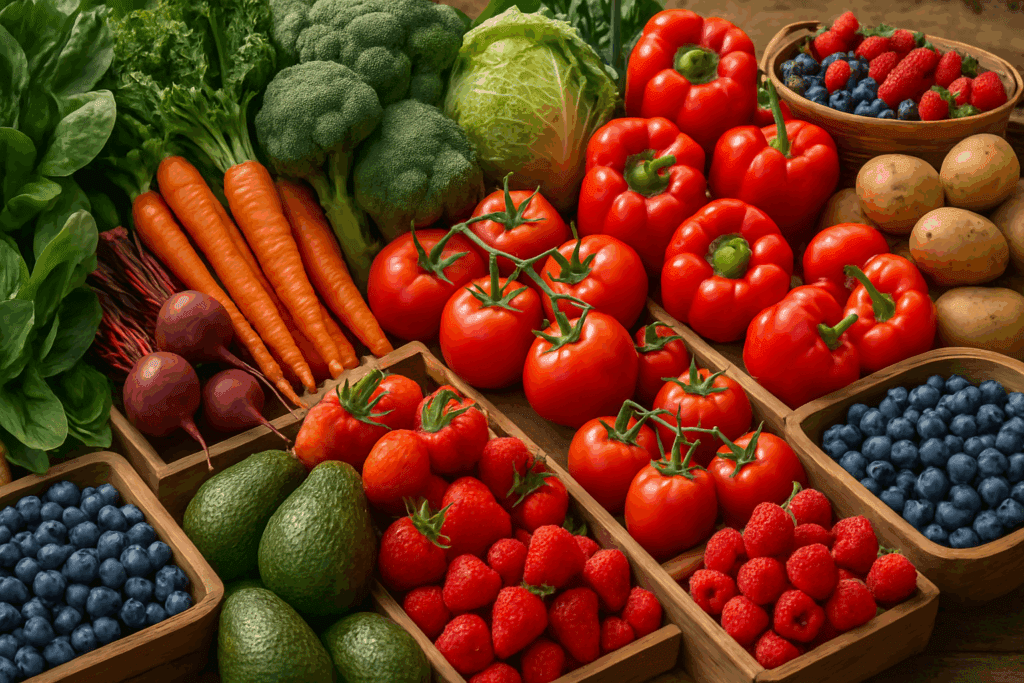
Can Not Eating Make You Lose Weight? What Experts Say About Skipping Meals and Sustainable Weight Loss

Fasting, skipping meals, and restrictive dieting have become increasingly popular in modern culture as quick fixes for weight loss. The question that often arises is: can not eating make you lose weight? The short answer is yes—but the more important question is whether this method is healthy, sustainable, or safe in the long term. As people search for fast ways to shed pounds, understanding the actual impact of not eating enough to lose weight becomes vital for protecting both physical and mental well-being. Despite common assumptions, the relationship between food intake and fat loss is far more nuanced than simply reducing calories.

You may also like: How to Stop Emotional Eating and Regain Control: Mindful Nutrition Strategies That Support a Healthier Lifestyle

Experts emphasize that while caloric restriction does lead to weight loss, the method and extent of restriction significantly affect outcomes. Starving the body may initially result in some weight reduction, but the long-term consequences often outweigh the benefits. Scientific evidence shows that extreme caloric deficits can negatively affect metabolism, hormone balance, muscle mass, and mental clarity. With this in mind, exploring whether skipping meals or eating significantly less is a safe and sustainable strategy deserves a closer look.

Conceptual diagram illustrating how the body uses energy during weight loss, supporting the idea that 'Can Not Eating Make You Lose Weight' by showing stages from glycogen depletion to fat and muscle breakdown

Understanding the Physiology of Weight Loss

Weight loss occurs when the body expends more energy than it receives through food. This energy imbalance, commonly referred to as a calorie deficit, forces the body to utilize stored energy—primarily from fat and glycogen reserves—to meet its metabolic needs. In this context, it seems intuitive that not eating would accelerate weight loss. But can you lose weight by not eating in a healthy way? That depends entirely on how the body responds to prolonged caloric deprivation.

When food intake drops significantly, the body initially uses glycogen stores for energy, which also causes water loss. This explains the rapid weight loss many people notice in the first few days of extreme dieting. However, if food restriction continues, the body enters a starvation mode, slowing the metabolic rate to conserve energy. At this point, lean muscle mass may begin to break down for fuel, compromising strength and overall health. This counterproductive outcome illustrates why not eating enough to lose weight can backfire.

Side-by-side comparison of a nutrient-poor meal and a balanced plate illustrating the concept: Can Not Eating Make You Lose Weight

Can You Lose Weight from Not Eating Much?

It’s true that reducing food intake can create a calorie deficit, and therefore cause weight loss. Yet the question remains: can you lose weight from not eating much without compromising your health? Moderation is key. Controlled caloric reduction under the supervision of a healthcare provider or dietitian can support gradual and healthy weight loss. However, extreme forms of restriction often lack essential nutrients, weaken immune function, and harm organ systems over time.

Research consistently shows that diets severely lacking in calories and nutrients are unsustainable. While it’s possible to lose weight by eating less, the goal should be to preserve lean body mass and prioritize nutrient-dense foods. When individuals ask, “Will eating less cause weight loss?” the answer is yes—but the quality of what you eat, not just the quantity, plays a critical role. A diet filled with whole foods, fiber, and lean proteins is far more effective for long-term weight management than simply slashing calories.

Conceptual comparison of two human silhouettes showing how weight loss from not eating affects muscle, water, and fat—supporting the question: Can Not Eating Make You Lose Weight

Does Not Eating Lose Weight in a Lasting Way?

One of the most pressing concerns about meal skipping and severe restriction is whether the weight loss achieved is sustainable. In most cases, the answer is no. While initial results may seem promising, the body adapts quickly. After periods of restriction, many people experience a phenomenon known as metabolic adaptation, where the body conserves energy more efficiently and burns fewer calories at rest. This makes it increasingly difficult to continue losing weight and can even lead to regaining lost weight.

The body is designed for survival. When energy intake drops drastically, stress hormones like cortisol increase, and hunger hormones like ghrelin rise, prompting intense cravings and overeating once food becomes available again. This cycle of restriction followed by binging not only undermines health but can also lead to disordered eating patterns. So while not eating can make you skinny temporarily, it often leads to rebound weight gain and metabolic instability.

Blurry tightrope walker crossing between cliffs symbolizing caloric restriction and malnutrition, illustrating the question: Can Not Eating Make You Lose Weight

Will Not Eating Help Me Lose Fat or Just Water and Muscle?

Fat loss is often the goal of dieting, but without proper nutrition and a structured plan, it can be difficult to lose only fat. In fact, many people who drastically cut calories find themselves losing water weight and muscle mass instead of fat. This is especially true when diets are low in protein or when physical activity is absent. As a result, the scale might show lower numbers, but the body composition—the ratio of fat to lean mass—may actually worsen.

Experts caution that when people ask, “Will not eating help me lose fat?” the answer is not straightforward. Without adequate protein, exercise, and caloric balance, fat loss is minimal compared to other types of tissue loss. Preserving muscle while losing fat requires a careful balance of nutrition and physical activity. Weight lost through starvation is often not fat, and this distinction is essential for understanding the real outcomes of extreme diets.

Split-scene of a woman showing emotional contrast to explore “Can Not Eating Make You Lose Weight” effects—distressed on one side, peacefully eating on the other.

If You Starve, Do You Truly Become Thin?

The romanticized idea that starvation leads to long-term thinness is deeply flawed and medically dangerous. While temporary skinniness can occur through fasting or starvation, the body eventually fights back. Studies show that individuals who follow very low-calorie diets experience a significant drop in resting metabolic rate. Once normal eating resumes, the body tends to store more fat in preparation for future deprivation.

So when people ask, “If you starve do you truly become thin?” the real answer lies in understanding body composition and metabolic adaptation. Chronic under-eating doesn’t create a healthy or fit body; it creates a stressed, nutrient-deprived system that resists fat loss over time. True wellness comes from nourishing the body adequately, not from depriving it.

Metaphor showing active metabolism with person lifting weights surrounded by flames and gears, contrasting a sedentary figure, illustrating how muscle and diet affect weight loss—related to Can Not Eating Make You Lose Weight

Not Eating for a Day: Does It Lead to Weight Loss?

Intermittent fasting has brought renewed interest in the concept of not eating for extended periods. Skipping meals or going an entire day without food may lead to a temporary drop in weight, but that drop is usually water weight or undigested food. When people ask whether you can not eat for a day and lose weight, the answer is technically yes—but that weight is unlikely to reflect true fat loss.

Fasting for short periods might offer metabolic benefits when done under medical supervision, but relying on it as a weight-loss method often leads to compensatory eating the next day. Moreover, repeated one-day fasts can disrupt hormone regulation and impair physical performance. So while skipping meals might produce a scale drop, it is not a substitute for a consistent, balanced approach to nutrition and lifestyle change.

Does Eating Less Cause Weight Loss in a Healthy Way?

There is no doubt that a reduction in food intake can result in weight loss. But the context, balance, and method are critical. When individuals ask, “Does eating less cause weight loss in a healthy way?” they are actually asking whether they can create a calorie deficit without harming their body. And the answer is yes—but only when the plan emphasizes nutrient quality, satiety, and sustainability.

Health experts often recommend reducing portion sizes, increasing the intake of fiber and protein, and avoiding processed foods to create a manageable calorie deficit. This kind of mindful eating can support lasting weight loss while preserving muscle mass, regulating blood sugar, and maintaining energy levels. Eating less doesn’t have to mean deprivation; it can mean eating smarter.

Can Not Eating Make You Skinny, or Just Malnourished?

There’s a stark difference between being thin and being healthy. When people pursue skinniness through restrictive eating, they risk falling into a state of malnourishment. Deficiencies in essential nutrients such as iron, B vitamins, omega-3 fatty acids, and amino acids can have widespread effects, from hair loss and fatigue to weakened immunity and cognitive decline.

When people ask, “Can not eating make you skinny?” they may be seeking a shortcut, but the long-term implications of such a choice are often overlooked. Malnutrition from inadequate food intake affects every system in the body. Sustainable leanness must come from a foundation of nourishment, not restriction. A healthy body weight is not achieved through starvation but through balance, consistency, and care.

Not Eating Enough to Lose Weight: Where the Line Gets Blurry

The line between eating less and eating too little is often difficult to define, especially in diet culture. While reducing calories can be an effective part of a weight loss strategy, eating too little creates significant risks. Nutrient deficiencies, loss of menstrual function in women, bone density decline, and even heart complications can occur when caloric intake drops too low for too long.

So when people ask about not eating enough to lose weight, it is important to question not only the caloric number but also the quality and diversity of the diet. The goal should be a gradual and sustainable weight loss of one to two pounds per week, which typically requires a deficit of 500 to 1,000 calories per day—not starvation. Being aware of the signs of under-eating, such as chronic fatigue, mood swings, or irregular digestion, can help individuals assess whether their approach is truly serving their health.

The Psychological Toll of Extreme Food Restriction

Food is not just fuel—it’s also deeply connected to emotional and psychological well-being. Extreme restriction, especially when driven by a desire to become thin, can lead to anxiety, depression, irritability, and a disordered relationship with food. When people chronically ask, “Can not eating make you lose weight?” they may be internalizing harmful societal messages equating thinness with worth.

Research in the field of eating disorders underscores the emotional toll of starvation. Chronic dieters often experience feelings of guilt, shame, and failure when they inevitably eat again. Over time, these cycles damage self-esteem and can lead to binge-eating, bulimia, or anorexia nervosa. It is essential to prioritize mental health when pursuing physical changes, recognizing that food is not the enemy—it is a tool for healing, energy, and resilience.

The Role of Metabolism and Muscle in Sustainable Weight Loss

Metabolism plays a central role in determining how the body uses energy. Muscle tissue is metabolically active, meaning it burns more calories than fat even at rest. When individuals lose weight by not eating, they risk losing muscle mass, which can further reduce metabolic rate. This explains why people who starve themselves often struggle to maintain weight loss.

Building and preserving muscle through strength training and adequate protein intake is key to sustainable fat loss. Even during periods of caloric reduction, resistance exercise can help retain lean mass and support hormonal health. Nutrition experts often recommend prioritizing protein-rich meals, spreading them evenly throughout the day, to maximize muscle preservation during weight loss.

Cycle diagram illustrating emotional and physical effects of extreme dieting, answering the question: Can Not Eating Make You Lose Weight

Does Not Eating Lose Weight in the Long Run?

While not eating may result in short-term weight loss, the long-term outlook is bleak without proper planning. Many studies have shown that individuals who use extreme dieting methods often regain the weight, and sometimes even more. This pattern, known as weight cycling or yo-yo dieting, can harm cardiovascular health and increase the risk of type 2 diabetes.

Instead of asking, “Does not eating lose weight?” it may be more helpful to ask, “What is the most sustainable way to manage weight and feel good in my body?” Research supports strategies such as mindful eating, regular physical activity, sleep hygiene, and stress management as more effective long-term tools for weight maintenance.

Colorful diagram showing holistic wellness elements—dumbbell, leafy food, water droplet, brain with heart, and moon—illustrating the concept behind 'Can Not Eating Make You Lose Weight

A Balanced Approach to Healthy Weight Management

Sustainable weight loss is not about eliminating meals or starving the body. It’s about creating an environment where the body can thrive while gradually adjusting its composition. Mindful eating, which emphasizes awareness, satiety cues, and emotional regulation, has been shown to reduce overeating and improve body satisfaction.

Incorporating whole foods, maintaining hydration, and building a positive relationship with movement are all key components of a healthy lifestyle. Rather than focusing on rapid results, individuals should aim for consistent habits that align with their values and health goals. Education, support, and patience are crucial in this journey.

Reframing the Question: What Do We Really Want From Weight Loss?

At the heart of the question “Can not eating make you lose weight?” lies a deeper inquiry about self-image, identity, and worth. In a culture that often glorifies thinness, it’s important to separate aesthetic goals from genuine health. Being “skinny” is not synonymous with being healthy or happy.

Health professionals advocate for redefining success to include strength, energy, emotional well-being, and body confidence. Rather than chasing a number on the scale, people benefit more from cultivating habits that promote vitality and resilience. Food should be a source of nourishment and joy, not fear or punishment.

Frequently Asked Questions (FAQ)

What are the long-term psychological effects of using food restriction as a weight-loss strategy?

Severe food restriction, particularly when practiced for extended periods, can have profound psychological consequences. Individuals who attempt to lose weight through prolonged under-eating often develop obsessive thoughts around food, experience heightened anxiety during meals, and may isolate themselves socially to avoid eating scenarios. While some might initially feel a sense of control, this quickly devolves into guilt and shame cycles that are emotionally draining. Although many ask, “can not eating make you skinny,” the deeper issue becomes the toll it takes on mental health, which is often not reversible without professional support. In clinical settings, disordered eating patterns that stem from extreme restriction are linked to higher rates of depression and anxiety, suggesting that emotional well-being must be prioritized alongside physical goals.

How does the body compensate when you consistently don’t eat enough?

When you’re not eating enough to lose weight, your body doesn’t just passively allow fat to melt away. Instead, it enacts survival mechanisms. One of the first compensations is a reduction in basal metabolic rate, which slows energy expenditure to preserve fat stores. Additionally, hormonal changes, such as increased cortisol and ghrelin, encourage fat storage and stimulate appetite. This biological defense makes it much harder to maintain fat loss, even if initial results make it appear that will not eating help me lose fat. The result is often an unsustainable pattern where you plateau despite continued restriction, leading to physical fatigue and frustration.

Is it true that some people stay thin by eating very little every day?

While it may seem that some people maintain a low body weight through minimal food intake, genetics, metabolic variability, and activity levels play a larger role than many realize. The perception that you can lose weight from not eating much oversimplifies the reality of human metabolism. In many cases, individuals who appear effortlessly thin are actually consuming enough calories to support their needs but are highly active or genetically predisposed to leanness. Trying to replicate their habits without understanding their physiology can backfire, especially if you assume that not eating enough to lose weight will produce the same result. Sustained restriction can cause fatigue, micronutrient deficiencies, and even impair brain function, making it an unsound model to follow.

Can intermittent fasting help you lose fat without starving yourself?

Intermittent fasting (IF) is often positioned as a more balanced alternative to chronic calorie restriction. Structured IF methods like 16:8 or 5:2 allow windows for normal eating while still achieving periods of caloric deficit. In this context, questions like “will u lose weight by not eating?” become more nuanced. IF might answer this question with a “yes,” but not by eliminating food altogether—rather, by controlling timing and quality. Unlike starvation, IF encourages nutrient-dense meals during feeding windows and may support hormonal balance. However, success with intermittent fasting still depends on individual factors such as stress response, sleep quality, and physical activity levels.

What role does muscle mass play in how the body responds to eating less?

Muscle mass is a major determinant of metabolic health. When individuals drastically reduce calorie intake without resistance training or sufficient protein, they lose muscle alongside fat. This muscle loss can slow the metabolism and increase the risk of fat regain, even if does eating less cause weight loss in the short term. For sustainable weight loss, it is essential to preserve lean tissue. Maintaining or increasing muscle mass helps create a healthy calorie burn baseline and improves insulin sensitivity. So while eating less may cause weight loss initially, the composition of that weight loss matters greatly for long-term success.

Can not eating for short periods actually benefit metabolism?

While extended starvation can harm metabolism, short-term fasting or temporary reductions in food intake may offer benefits in specific contexts. For example, a well-structured fast for 12 to 24 hours may improve insulin sensitivity and cellular repair mechanisms through a process called autophagy. However, it’s important to differentiate this from chronic under-eating. While someone might think that “if you starve do you truly become thin,” the truth is that occasional fasting paired with adequate nutrition during eating windows is far safer and more effective. These benefits are contingent on overall diet quality, hydration, and the presence of essential nutrients in meals.

How does sleep affect your ability to lose weight when eating less?

Sleep plays a critical role in regulating hormones involved in hunger, satiety, and fat metabolism. When sleep is inadequate, levels of ghrelin (which stimulates appetite) rise, while leptin (which signals fullness) drops. This hormonal imbalance can lead to cravings and overeating, even if you’re trying to eat less. So, while the question “can eating less cause weight loss” remains valid, the context of sleep must be considered. Poor sleep can sabotage even the best-planned calorie deficit, making it feel as though your efforts aren’t working. Prioritizing restorative sleep supports healthier weight management, especially during periods of reduced food intake.

Why do many people regain weight after extreme dieting?

Weight regain is common after periods of extreme caloric restriction due to metabolic adaptation and psychological rebound. As the body becomes more efficient at conserving energy, fewer calories are burned at rest. When normal eating resumes, even modest caloric intake can lead to fat gain. Additionally, the psychological relief of ending a restrictive diet often leads to overeating. This makes the idea that “can not eating make you lose weight” somewhat misleading—yes, weight may drop, but the likelihood of regaining it is high. Long-term strategies should focus on gradual, habit-based changes rather than aggressive restriction.

How does under-eating affect hormonal balance, especially in women?

Chronic under-eating can disrupt multiple hormones, including those related to reproductive health, stress, and metabolism. In women, low calorie intake can suppress estrogen and progesterone, leading to menstrual irregularities or amenorrhea. This can have lasting implications for bone health and fertility. Moreover, thyroid hormone production may slow, which further diminishes metabolic rate. For those wondering, “does not eating lose weight and keep it off?” the hormonal risks suggest otherwise. Healthy weight regulation requires endocrine balance, and prolonged under-eating is more likely to destabilize rather than support it.

Are there safer, evidence-based alternatives to drastic food restriction?

Yes, safer alternatives include structured meal planning, mindful eating, and evidence-based coaching that promotes a sustainable calorie deficit without deprivation. Programs focused on behavior change rather than punishment have shown better long-term outcomes. Nutritional strategies that prioritize fiber, protein, and healthy fats help maintain satiety while still allowing for a reduction in overall calories. Rather than asking “will eating less cause weight loss,” a more productive inquiry is: how can I nourish my body while gradually reaching a healthier weight? The best approaches involve personalization, patience, and support—not starvation.

Sustainable Weight Loss Begins with Understanding, Not Starvation

In conclusion, while it is biologically true that not eating can lead to weight loss, the process is neither straightforward nor without consequence. The idea that “can not eating make you skinny” is appealing in its simplicity but misleading in practice. Extreme restriction may produce fast results on the scale, but these results are typically short-lived, metabolically damaging, and psychologically harmful.

When we ask, “Can you lose weight by not eating?” or “Will u lose weight by not eating?” we must also ask what kind of weight is being lost, at what cost, and whether the outcome supports long-term health. The evidence is clear: sustainable weight loss is best achieved through balanced nutrition, regular physical activity, emotional support, and an understanding of individual needs. It’s not about eating less—it’s about eating wisely, with intention, and in alignment with overall well-being.

Ultimately, the question isn’t just whether not eating makes you lose weight. It’s whether that weight loss leads to a healthier, happier you. And according to experts, the path to that outcome is paved not with deprivation, but with education, empowerment, and compassion for the body you’re in.

Was this article helpful? Don’t let it stop with you. Share it right now with someone who needs to see it—whether it’s a friend, a colleague, or your whole network. And if staying ahead on this topic matters to you, subscribe to this publication for the most up-to-date information. You’ll get the latest insights delivered straight to you—no searching, no missing out.

Further Reading:

Why Starving Yourself Isn’t a Good Idea for Weight Loss

Can you lose weight by not eating?

8 Scary Things That Could Happen to Your Body When You Skip Meals

Disclaimer

The information contained in this article is provided for general informational purposes only and is not intended to serve as medical, legal, or professional advice. While NewsHealthWatch strives to present accurate, up-to-date, and reliable content, no warranty or guarantee, expressed or implied, is made regarding the completeness, accuracy, or adequacy of the information provided. Readers are strongly advised to seek the guidance of a qualified healthcare provider or other relevant professionals before acting on any information contained in this article. NewsHealthWatch, its authors, editors, and contributors expressly disclaim any liability for any damages, losses, or consequences arising directly or indirectly from the use, interpretation, or reliance on any information presented herein. The views and opinions expressed in this article are those of the author(s) and do not necessarily reflect the official policies or positions of NewsHealthWatch.
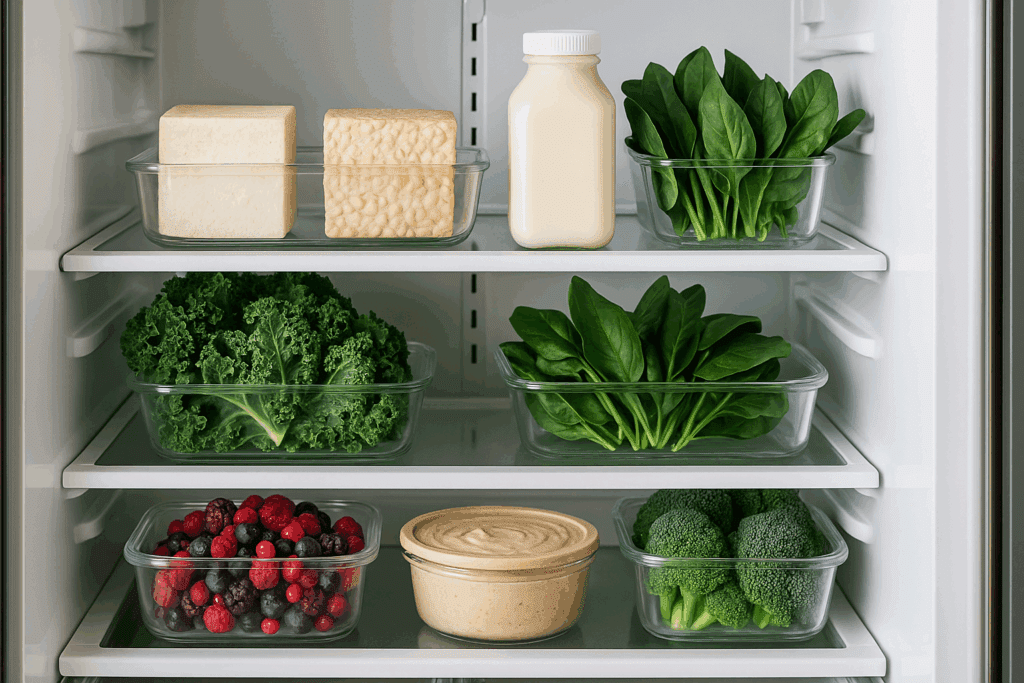
Smart and Simple: Healthy Inexpensive Meal Prep Ideas to Eat Well on a Budget

In today’s fast-paced world, finding the time, energy, and financial bandwidth to consistently eat nutritious meals can feel like an overwhelming challenge. Many people assume that healthy eating comes with a hefty price tag, but the truth is, it doesn’t have to. With a bit of planning, creativity, and knowledge, you can create satisfying, nourishing meals that support both your health and your wallet. This article explores the art and science of healthy inexpensive meal prep, blending nutrition science with real-world practicality to help you craft cheap weekly meal plans that are as kind to your body as they are to your budget.

You may also like: Smart Meal Prep for Weight Loss: Expert-Approved Lunch Ideas and Recipes to Stay on Track

The True Cost of Eating Healthy: Debunking the Myth

The persistent myth that healthy food is prohibitively expensive often deters people from pursuing a better diet. While it is true that some organic and specialty items can carry higher price tags, many nutrient-rich whole foods—such as legumes, whole grains, seasonal produce, and frozen vegetables—are incredibly affordable. Moreover, unhealthy processed foods often cost more per nutrient and contribute to long-term health issues, which can lead to increased medical expenses. In this light, budget meal prep is not only an investment in your immediate well-being but also a strategic move for long-term health savings.

When we talk about a good budget for meal prep, it’s helpful to think in terms of cost per serving and nutrient density. For example, a $2.00 meal made with lentils, brown rice, and steamed broccoli may deliver more fiber, protein, and vitamins than a $5.00 fast food burger. With intentional planning, inexpensive meal prep can offer variety, balance, and flavor, dispelling the notion that cheap food prep is synonymous with bland or boring meals.

The Foundations of Budget-Friendly Nutrition

At the heart of every affordable meal prep strategy lies a strong foundation of whole, minimally processed ingredients. These foods are often sold in bulk, boast long shelf lives, and can be transformed into a multitude of meals. Staples like oats, canned beans, lentils, quinoa, brown rice, sweet potatoes, and frozen mixed vegetables serve as the cornerstone of cheap healthy food prep. These ingredients are not only inexpensive but also rich in macronutrients and micronutrients that support metabolic health, cognitive function, and immune resilience.

Equally important is the strategy of repurposing ingredients across multiple dishes to minimize waste and streamline costs. For instance, a single batch of roasted chickpeas can be used in a salad, a wrap, or a grain bowl. Likewise, a big pot of chili made from beans, tomatoes, and spices can stretch across multiple lunches or dinners, forming the basis of a cheap weekly meal plan that doesn’t feel repetitive.

Side-by-side meals comparing a fast-food burger and a nutritious bowl made with ingredients for healthy inexpensive meal prep

Practical Tips for Easy Cheap Meal Prep at Home

Creating a successful meal prep routine doesn’t require hours in the kitchen or fancy gadgets. In fact, some of the most effective systems are also the simplest. Start by selecting two or three meals to batch cook at the beginning of the week. Choose recipes that store well in the fridge or freezer and maintain their flavor and texture when reheated. Think stews, casseroles, soups, stir-fries, and pasta bakes—all excellent candidates for cheap healthy meal prep.

Organize your cooking sessions with a basic workflow: prep all vegetables at once, cook grains in large batches, and roast or bake proteins simultaneously. Store meals in portioned containers to save time during busy weekdays and reduce the temptation to order takeout. This approach not only streamlines your time in the kitchen but also helps you stick to a budget friendly meal prep routine that delivers consistent results.

How to Build a Cheap Menu Plan That Works

A successful cheap menu plan starts with an inventory of what you already have. Check your pantry, freezer, and fridge to identify usable ingredients. From there, look for simple recipes that complement your existing supplies. This not only cuts costs but also helps prevent food waste. Once you have a core set of recipes, rotate them every two to three weeks to keep things fresh without increasing expenses.

Portion planning is another key component. Over-prepping can lead to spoilage, while under-prepping increases the likelihood of buying convenience foods. Tailor your cheap meal prep meals to your household size and eating habits. If you’re prepping for one, a cheap weekly meal plan for 1 might include single-serving mason jar salads, overnight oats, or freezer-friendly portions of soup that can be thawed as needed.

Simple kitchen scene showing batch-cooked lentils, sweet potatoes, and brown rice as part of healthy inexpensive meal prep

Smart Grocery Shopping: The Key to Low Cost Meal Prep

Your meal prep success hinges on smart shopping strategies. Focus on buying in bulk when it makes sense—items like brown rice, dried beans, oats, and frozen fruits can be much cheaper per unit when purchased in larger quantities. Avoid shopping while hungry, and always go in with a list based on your meal plan. This helps you resist impulse purchases that can derail your budget.

Discount stores, farmers markets, and ethnic grocery stores are often treasure troves for affordable ingredients. When shopping for fresh produce, choose in-season varieties, which are typically more flavorful and less expensive. Frozen vegetables are another excellent option for cheap food prep, as they retain much of their nutritional value while offering convenience and long shelf life.

Maximizing Flavor Without Increasing Cost

One of the biggest misconceptions about inexpensive meal prep ideas is that they lack flavor. In reality, flavor can be built economically with the right use of herbs, spices, and sauces. Garlic, onion, cumin, smoked paprika, and nutritional yeast can transform basic dishes into something truly satisfying. A few drops of soy sauce, lemon juice, or vinegar can brighten up vegetables and grains, while a dollop of hummus or tahini adds creaminess and depth to bowls and wraps.

Meal prep doesn’t mean sacrificing variety, either. Rotate flavor profiles weekly—Mexican-inspired one week, Mediterranean the next, and maybe Asian flavors after that. This approach keeps meals exciting and prevents palate fatigue, even when using the same base ingredients.

Meal Prep Ideas on a Budget That Actually Work

Let’s talk real meals. A simple lentil curry served with brown rice can cost under $1.50 per serving and provides protein, fiber, iron, and B vitamins. Stir-fried tofu with frozen vegetables and soba noodles is another low-cost powerhouse. Sweet potato and black bean burritos can be batch-cooked and frozen, making them perfect for cheap lunch prep during busy workweeks.

For breakfast, overnight oats made with plant milk, chia seeds, and fruit offer a balanced start to the day and can be customized endlessly. Cheap meal prep recipes for snacks might include homemade popcorn, trail mix from bulk bins, or roasted chickpeas with spices. These are satisfying, nourishing, and far more affordable than processed alternatives.

Grocery cart with bulk oats, frozen veggies, lentils, and rice during a smart shopping trip for healthy inexpensive meal prep

How to Make Cheap Healthy Meals for a Week

To plan cheap healthy meals for a week, start with a spreadsheet or notebook where you map out breakfast, lunch, dinner, and snacks for each day. Assign a few recipes that can stretch across multiple meals. For example, a big pot of black bean soup might serve for two lunches and one dinner. Combine it with brown rice one day and avocado toast another.

Repurpose ingredients like cooked quinoa into a grain bowl, a side dish, and a salad topping. Roasted vegetables can go into wraps, serve as sides, or be blended into soup. By overlapping ingredients and planning ahead, your cheap meal prep becomes more efficient and less monotonous.

Budget Meal Prep and the Role of Dietary Patterns

When discussing affordable meal prep, it’s important to consider how different dietary frameworks influence costs and health outcomes. Many people today explore the intersection of budget friendly meal prep with dietary trends like vegetarianism, plant-based eating, or low carbohydrate diets. Each approach offers unique benefits and considerations.

One growing area of debate is the comparison between ketogenic diets and general low-carb diets. While the ketogenic diet is high in fat and very low in carbohydrates, a low-carb diet is more flexible and may include higher levels of non-starchy vegetables, legumes, or whole grains. Understanding the differences in the ketogenic diet vs low carb diets can inform your approach to meal planning, particularly when cost and health are top of mind.

Four reusable containers filled with colorful healthy inexpensive meal prep options like curry, stir-fry, burritos, and oats

Is Keto a Low Carb Diet? Clarifying Confusion for Meal Preppers

It’s a common question: is keto a low carb diet, or are they two distinct approaches? The answer is nuanced. All ketogenic diets are low carb, but not all low carb diets are ketogenic. A standard keto meal plan includes less than 50 grams of carbohydrates per day, which puts the body into a state of ketosis where fat is burned for energy. In contrast, a low carb diet might allow for 100 to 150 grams of carbohydrates and still provide health benefits, including improved insulin sensitivity and weight control.

For budget-conscious meal preppers, this distinction matters. Keto-friendly ingredients like almond flour, coconut oil, and grass-fed meat can be expensive. Conversely, a more moderate low carb diet can rely on affordable staples like eggs, leafy greens, cabbage, tofu, and canned fish. Understanding this helps you create low cost meal prep strategies that fit your dietary goals without overspending.

Is Keto a Good Diet When You’re on a Budget?

Whether keto is a good diet depends on your health goals, lifestyle, and financial flexibility. There is promising evidence suggesting that ketogenic diets can support short-term weight loss, reduce appetite, and stabilize blood sugar. However, the cost of maintaining a strict keto regimen can be significant. The need for specialized ingredients, high-fat animal products, and low-carb alternatives to staples like bread and pasta often leads to higher grocery bills.

If you’re drawn to keto but limited by finances, a budget meal prep plan that leans more toward the low carb diet keto diet hybrid approach may be more sustainable. This allows you to incorporate affordable vegetables, some legumes in moderation, and less expensive protein sources like eggs or canned salmon while still keeping carb intake low enough for metabolic benefits.

Evaluating the Sustainability of Keto for Long-Term Health

Many nutrition professionals ask: is a keto diet sustainable? The answer lies in individual variability. While some people thrive on a ketogenic diet for years, others may experience fatigue, digestive discomfort, or nutrient gaps if not properly balanced. Sustainability also includes financial factors. If your meal plan is not cost-effective, it becomes harder to maintain over time.

Moreover, keto is not a no-carb diet. Despite the common question “is keto no carbs,” even ketogenic plans include small amounts of carbs from leafy greens, nuts, seeds, and non-starchy vegetables. These foods provide fiber, antioxidants, and key micronutrients essential for long-term health.

Healthy Inexpensive Meal Plans for Every Lifestyle

Ultimately, successful meal planning hinges on aligning your nutritional needs, lifestyle, and budget. Healthy inexpensive meal plans are adaptable to various preferences, whether you’re a busy student, a working parent, or someone managing chronic conditions. By focusing on plant-forward, minimally processed foods, you can design budget friendly meal prep systems that support physical energy, mental clarity, and emotional well-being.

To stay consistent, it helps to treat meal prep like a ritual. Set aside a specific time each week to shop, cook, and portion meals. Use this time to experiment with new inexpensive meal prep recipes, get creative with leftovers, and refine your routines. This sense of structure and intentionality can be empowering, helping you stay on track with both your nutritional goals and your financial limits.

Crafting Weekly Meals on a Budget Without Sacrificing Nutrition

When designing weekly meals on a budget, variety and balance are key. A single pot of vegetable soup might meet your fiber needs, but pairing it with whole grain toast and a dollop of hummus boosts protein and satiety. Likewise, a baked sweet potato topped with black beans, salsa, and avocado offers a mix of complex carbs, plant protein, and healthy fats—a satisfying, low-cost combo that doesn’t compromise flavor or nutrition.

The cheapest meal prep doesn’t mean the least enjoyable. Instead, it calls for mindfulness, resourcefulness, and a willingness to plan ahead. You can enjoy diverse meals throughout the week while sticking to a tight grocery budget. The secret lies in combining nutrient-dense foods with cooking techniques that bring out flavor and texture.

Table filled with a full week of healthy inexpensive meal prep including soups, grain bowls, wraps, and roasted vegetables

Frequently Asked Questions: Smart and Simple Healthy Inexpensive Meal Prep

1. How can I make cheap meal prep feel exciting and not repetitive?

Many people associate cheap meal prep with bland, monotonous meals, but incorporating variety doesn’t have to increase your grocery bill. One effective strategy is to rotate global flavor profiles each week—for example, Mexican-inspired beans and rice one week, Mediterranean lentil salad the next, and Asian-style stir-fried noodles after that. These meals rely on inexpensive staples while adding diversity through low-cost seasonings and sauces. A good budget for meal prep includes room for small amounts of flavor-boosting ingredients like soy sauce, vinegar, or lime juice, which elevate taste without adding much cost. By prepping base ingredients like grains and legumes in bulk and changing how you season and serve them, your cheap meal prep ideas can stay both fun and affordable.

2. What are some smart ways to stretch protein in cheap healthy meal prep?

Protein can be one of the most expensive elements in a budget meal prep plan. To keep things affordable, try combining animal and plant proteins. For example, mix lentils or beans into ground meat dishes to create budget friendly meal prep options that offer satiety and nutrition. Eggs, tofu, and canned tuna are all excellent low-cost proteins that work well in cheap meal prep meals. You can also use techniques like marinating tofu or baking eggs into frittatas to create flavorful, inexpensive meal prep recipes that last several days. The key is to treat protein as a complement rather than the centerpiece, especially when aiming for the cheapest meal prep solutions.

3. Is it realistic to follow a cheap weekly meal plan for 1 without wasting food?

Absolutely—meal prepping for one is not only realistic but also highly customizable. The secret is to focus on versatile ingredients that can be used in multiple ways throughout the week. For example, cook a batch of quinoa that you can enjoy in salads, bowls, and stir-fries. Portion control is essential when creating a cheap weekly meal plan for 1, so store food in individual containers to reduce spoilage. Additionally, freezing half-portions of your cheap healthy meals for a week ensures nothing goes to waste while still benefiting from your initial effort. Even with a small household, inexpensive meal prep ideas can be scaled smartly to meet your needs.

4. How do I know if I’m following the cheapest food prep strategy possible?

While there’s no universal benchmark, several signs indicate you’re on the right track. If your meals average under $2 per serving, you’re likely engaging in the cheapest meal prep practices. Shopping bulk bins, avoiding single-use packaged snacks, and planning meals around sales are all hallmarks of cheap food prep. Monitoring your food waste can also be telling—low waste typically means your cheap meal prep recipes are efficient and well-structured. For added assurance, compare your grocery receipts over time to assess trends and identify areas where you can tighten your budget further. A smart, low cost meal prep plan evolves with your habits and preferences.

5. Are there psychological or lifestyle benefits to budget meal prep?

Yes, beyond saving money, budget meal prep contributes to mental clarity and reduced stress. Knowing what you’ll eat in advance eliminates decision fatigue, a common cause of unhealthy impulse eating. Planning a cheap menu plan for the week can also support goal setting and accountability, especially if you’re pursuing health or fitness goals. The act of cooking itself can be therapeutic, creating a mindfulness ritual that promotes well-being. From a social standpoint, sharing easy cheap meal prep meals with others—even virtually—can foster community and shared learning. These benefits make healthy inexpensive meal prep valuable not only for your wallet but for your emotional health.

6. How can I design cheap lunch prep strategies that work for office or remote work?

For cheap lunch meal prep that travels well, opt for meals that are delicious cold or reheat easily. Grain bowls, pasta salads, and wraps filled with roasted vegetables or legumes are ideal for portability and freshness. Use durable, leak-proof containers to avoid mess and plan meals that require minimal assembly. One great option for remote workers is prepping base ingredients that can be quickly combined based on what you feel like each day—this offers flexibility within your weekly meals on a budget. Whether you’re packing lunch for the office or prepping at home, these inexpensive meal prep recipes help ensure you’re never caught without a nourishing option.

7. How can families implement a cheap weekly meal plan without overwhelming the cook?

For families, the key is collaboration and simplicity. Choose 3–4 core dishes per week and rotate ingredients creatively to avoid boredom. Involving kids in meal selection or prep not only teaches life skills but also reduces resistance to new foods. Dishes like sheet pan dinners, slow cooker meals, and soups are excellent cheap healthy food prep options that serve multiple people with minimal effort. Batch cooking on weekends and freezing half of what you make also reduces daily cooking stress. By turning meal prep into a family activity, even the busiest households can enjoy affordable meal prep that supports both nutrition and connection.

8. Can meal prep ideas on a budget support athletic or high-protein diets?

Yes, meal plans for cheap can absolutely meet the needs of active individuals or those aiming to increase protein intake. Budget-friendly proteins like eggs, lentils, chickpeas, and even whey or plant-based protein powder can be included in cheap healthy meal prep routines. Pairing these with calorie-dense foods like oats, sweet potatoes, and nut butters helps meet higher energy needs without exceeding your food budget. Prepping smoothies, protein bars, or bulk stir-fry meals ensures you’re not scrambling for post-workout fuel. Whether you’re a runner, weightlifter, or simply very active, healthy inexpensive meal plans can be adjusted to support performance and recovery.

9. What are some emerging trends or tools that support inexpensive meal prep?

Technology is playing a growing role in how we approach affordable meal prep. Budget meal planning apps now offer recipe suggestions based on your pantry, track ingredient prices, and generate shopping lists. There are also online communities dedicated to cheap meal prep ideas, where members share real-world tips, swaps, and success stories. In addition, more grocery stores are embracing bulk stations and plant-based meal kits geared toward inexpensive meal prep. Innovations like air fryers and multi-cookers make it easier than ever to prepare cheap meal prep meals quickly and with less cleanup. These tools empower users to build smarter, cheaper, and healthier routines.

10. How do I transition from sporadic cooking to consistent budget friendly meal prep?

Shifting from occasional cooking to a routine cheap meal prep strategy starts with mindset and small wins. Begin by planning just three dinners per week and scaling up as you get comfortable. Keep a running list of your favorite inexpensive meal prep recipes so you always have go-to options. Create rituals—such as Sunday evening cooking sessions or Thursday fridge cleanouts—that help anchor your meal prep in your weekly schedule. Over time, as you recognize the financial and health benefits, budget friendly meal prep becomes second nature. Eventually, your kitchen becomes a space of empowerment rather than stress, where meal prep ideas on a budget flourish week after week.

Reusable containers filled with colorful grains, vegetables, and legumes for healthy inexpensive meal prep on a kitchen counter

Conclusion: How Healthy Inexpensive Meal Prep Helps You Eat Well for Less

Mastering the art of healthy inexpensive meal prep is not just about saving money—it’s about reclaiming control over your food choices, your time, and your well-being. Whether you’re exploring meal prep ideas on a budget to cut costs, curious about the ketogenic diet vs low carb plans, or simply looking for affordable ways to nourish yourself, the tools and strategies shared here empower you to thrive.

With a little effort and foresight, you can build cheap meal prep recipes that support sustained energy, mental clarity, and physical health. And while debates like keto diet vs low carb diet or questions like “is keto a good diet” are worth exploring, the ultimate goal is finding a plan that fits your life—nutritionally, financially, and emotionally.

So whether you’re crafting a cheap weekly meal plan for 1 or feeding a household on a budget, remember that healthy eating doesn’t have to be expensive, complicated, or time-consuming. With smart planning, a few core ingredients, and an open mind, you can create delicious, affordable meals that nourish your body and respect your budget every day.

Was this article helpful? Don’t let it stop with you. Share it right now with someone who needs to see it—whether it’s a friend, a colleague, or your whole network. And if staying ahead on this topic matters to you, subscribe to this publication for the most up-to-date information. You’ll get the latest insights delivered straight to you—no searching, no missing out.

Further Reading:

Budget Friendly Meal Prep

19 Ways to Eat Healthy on a Tight Budget

How to Meal Prep Without Going Broke, From Someone Who’s Done It for Years

Disclaimer

The information contained in this article is provided for general informational purposes only and is not intended to serve as medical, legal, or professional advice. While NewsHealthWatch strives to present accurate, up-to-date, and reliable content, no warranty or guarantee, expressed or implied, is made regarding the completeness, accuracy, or adequacy of the information provided. Readers are strongly advised to seek the guidance of a qualified healthcare provider or other relevant professionals before acting on any information contained in this article. NewsHealthWatch, its authors, editors, and contributors expressly disclaim any liability for any damages, losses, or consequences arising directly or indirectly from the use, interpretation, or reliance on any information presented herein. The views and opinions expressed in this article are those of the author(s) and do not necessarily reflect the official policies or positions of NewsHealthWatch.
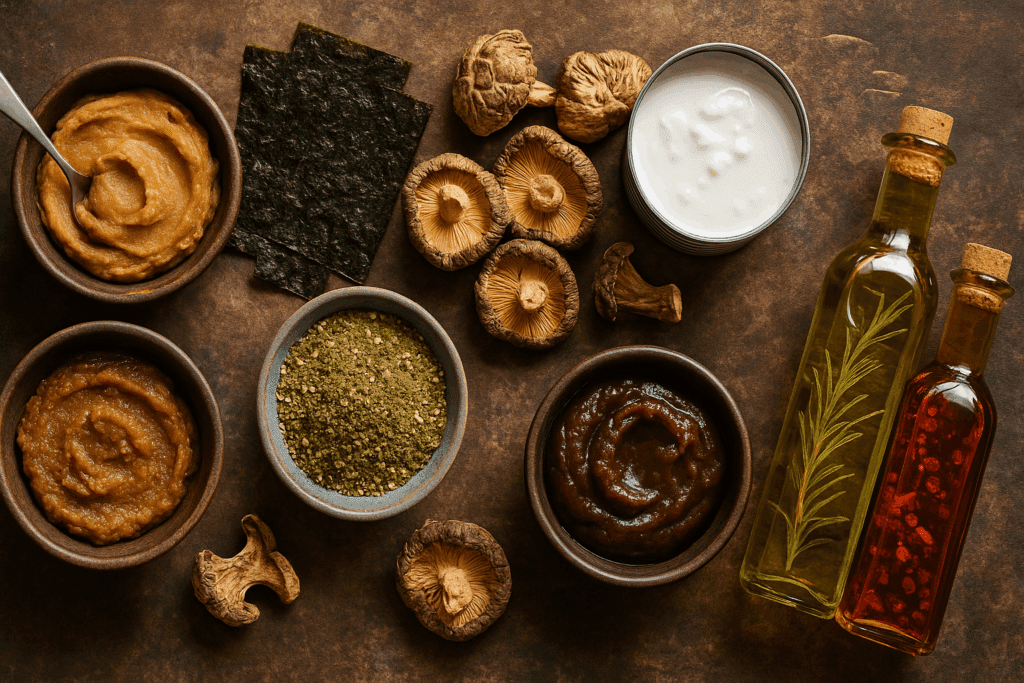
What to Eat While Cutting: Science-Backed Meal Plans to Support Fat Loss and a Healthier Lifestyle

The process of cutting—a phase commonly adopted in bodybuilding and fitness circles—involves reducing body fat while preserving as much lean muscle mass as possible. Unlike bulking, where the primary goal is muscle growth, cutting focuses on strategic nutrition to optimize body composition. For anyone embarking on a cutting phase, one of the most critical factors to success is knowing what to eat while cutting. This goes beyond simply slashing calories; it involves carefully selecting nutrient-dense, satiating foods that support metabolic function, muscle retention, and overall well-being.

You may also like: Smart Meal Prep for Weight Loss: Expert-Approved Lunch Ideas and Recipes to Stay on Track

Understanding the Cutting Phase and Nutritional Strategy

To understand what cutting entails, it’s important to grasp the concept of creating a calorie deficit without compromising nutritional adequacy. The foundation of any effective cutting diet meal plan includes sufficient protein, moderate healthy fats, and strategically cycled carbohydrates. The goal is not only fat loss but also the prevention of muscle breakdown—an all-too-common pitfall for those who cut calories too aggressively without adequate planning.

Muscle tissue is metabolically active, which means preserving it can help maintain a higher resting metabolic rate. Cutting meals that include high-quality plant-based proteins, whole grains, legumes, and fiber-rich vegetables not only promote satiety but also supply essential micronutrients that support cellular function during periods of caloric restriction. A well-designed food plan for cutting ensures that the body has the nutrients it needs to function optimally, even as it sheds excess fat.

Best Foods for Cutting Bodybuilding Goals

The best foods for cutting bodybuilding fat effectively are those that deliver high nutrient density relative to their caloric content. Lean plant-based proteins such as lentils, tempeh, tofu, edamame, and black beans are excellent for muscle maintenance. They are rich in branched-chain amino acids (BCAAs), particularly leucine, which plays a key role in muscle protein synthesis.

Vegetables such as spinach, kale, and broccoli not only supply fiber but are also high in iron, calcium, and vitamins that support energy metabolism. Complex carbohydrates from oats, sweet potatoes, and brown rice provide sustained energy without spiking insulin levels, a key consideration for individuals focused on optimizing fat oxidation.

Fat sources like avocados, flaxseeds, walnuts, and chia seeds provide essential omega-3 fatty acids that reduce inflammation and support cardiovascular health. These fats are especially valuable in a cutting diet because they help regulate hunger hormones, making it easier to adhere to reduced-calorie plans.

Bowl arrangement of lentils, tofu, leafy greens, and sweet potatoes highlighting what to eat while cutting for muscle retention

Creating a Sustainable Cutting Diet Meal Plan

A sustainable cutting diet meal plan should be built on whole food choices that are both satisfying and easy to prepare. Many people fail during the cutting phase not because of the caloric deficit itself, but due to meal fatigue and lack of preparation. Incorporating a variety of textures, colors, and flavors can keep meals interesting and reduce the likelihood of cravings or non-compliance.

Breakfast might include steel-cut oats topped with berries and a spoonful of almond butter, offering a balance of fiber, protein, and healthy fat. Lunch could feature a chickpea and quinoa salad with a lemon-tahini dressing, providing complete proteins and essential vitamins. Dinner may include grilled tofu with roasted Brussels sprouts and a side of mashed cauliflower, rounding out the day with savory satisfaction and nutrient diversity.

Cutting meal prep is one of the most effective strategies to ensure adherence to your food plan for cutting. Dedicating a few hours each week to batch-cooking grains, legumes, and vegetables can save time and reduce the temptation of processed foods that derail progress.

Comparing Cutting Meal Plans to Other Diet Approaches

When it comes to weight loss, there are numerous dietary strategies available, but not all are compatible with cutting goals. A common question among health-conscious readers is how cutting meal plans compare to low-carb and ketogenic diets. While the low carb diet keto diet framework reduces carbohydrate intake to prioritize fat as a fuel source, cutting diets focus more on overall caloric control and macronutrient balance.

The ketogenic diet vs low carb diet distinction lies in the degree of carbohydrate restriction. The keto diet is more extreme, typically allowing fewer than 50 grams of carbs per day, which forces the body into a state of ketosis. In contrast, low-carb diets are more flexible and may allow up to 150 grams daily. This distinction is crucial when evaluating whether is keto a low carb diet. Technically, yes—but not all low-carb diets are ketogenic.

So is keto a good diet for cutting? The answer depends on individual tolerance and goals. While keto can be effective for rapid fat loss, it often leads to reduced glycogen stores, which can negatively impact muscle fullness and workout performance. In contrast, a balanced cutting meal plan supports muscle preservation with sufficient carbs timed around workouts.

A common myth is that is keto no carbs, but this is misleading. Keto diets do include some carbs, primarily from non-starchy vegetables and nuts. Understanding this helps clarify whether is a keto diet sustainable in the long term. While it may offer benefits for specific populations, a plant-forward cutting plan is often more sustainable, enjoyable, and rich in phytonutrients.

Prepared meals with oats, chickpea salad, and tofu dinner showcasing what to eat while cutting to stay satisfied

Building a Diet Plan for Cutting Bodybuilding Safely and Effectively

To build a diet plan for cutting bodybuilding goals, macronutrient tracking and caloric awareness are essential. A common ratio for effective cutting is 40% protein, 30% fat, and 30% carbohydrate, though this can vary based on training intensity, body composition, and metabolic rate. High-protein foods are especially important, as they help retain lean muscle during a caloric deficit.

In the context of a plant-based approach, this means relying on foods like seitan, hemp seeds, and fortified plant milks to ensure adequate protein intake. Fortified nutritional yeast can also contribute not just protein, but B-complex vitamins that support energy production during workouts.

Good meals for cutting are often those that are easy to digest, minimize bloating, and can be prepared quickly. A smoothie with pea protein, frozen spinach, flaxseed, and a banana can be a quick post-workout option that supports recovery without excessive calories. Fat cutting meals that emphasize hydration, electrolyte balance, and micronutrient density offer both immediate satiety and long-term results.

Implementing Meal Plan Cutting Bodybuilding Principles Into Daily Life

A successful meal plan cutting bodybuilding strategy requires not just the right foods but also the right timing. Nutrient timing—especially around workouts—can make a measurable difference in performance and recovery. Consuming complex carbohydrates and a moderate amount of protein before training can optimize energy levels, while a post-workout meal rich in protein and antioxidants can support tissue repair.

Hydration is another critical component of cutting success. Dehydration can impair performance, reduce metabolic efficiency, and increase the risk of injury. Water-rich foods such as cucumbers, oranges, and melons can contribute to hydration goals while providing vitamins and fiber.

To stay on track, it’s helpful to rotate meal options weekly. This allows for nutritional diversity and prevents burnout. Tracking progress through a food journal or digital app can also increase accountability and help identify which cutting meals yield the best results for energy, satiety, and fat loss.

High-protein cutting meal with seitan, broccoli, quinoa, and smoothie representing what to eat while cutting on a plant-based diet

Tailoring a Get Ripped Meal Plan to Your Individual Needs

While general guidelines provide a solid starting point, the most effective get ripped meal plan is one that accounts for individual needs, preferences, and goals. Variables such as age, activity level, and body composition all influence caloric requirements. Personalization ensures the plan is sustainable, enjoyable, and effective.

Incorporating seasonal produce and local ingredients can enhance flavor while reducing cost. For example, incorporating zucchini noodles in place of pasta during summer months provides volume without excess calories. In colder months, hearty soups made with lentils and root vegetables can be deeply satisfying while still aligning with fat loss goals.

Supplementation may also play a role, especially for those on plant-based cutting meal plans. A high-quality vitamin B12 supplement is essential, while vitamin D, iron, and omega-3s from algae oil may be beneficial for those with identified deficiencies. However, supplements should support—not replace—a nutrient-dense whole food foundation.

Debunking Myths Around Cutting Meals and Low-Carb Approaches

Many fitness enthusiasts wonder whether low-carb approaches align with cutting goals. When comparing the ketogenic diet vs low carb diet frameworks to more traditional cutting strategies, it becomes clear that flexibility often yields greater long-term success. While keto diets are effective at rapidly depleting glycogen and promoting water loss, they may not be ideal for those focused on muscle preservation.

The belief that is keto no carbs leads many to adopt unnecessarily restrictive habits. Instead, a smart cutting strategy includes a moderate intake of slow-digesting carbohydrates, particularly around times of increased physical demand. By maintaining insulin sensitivity and providing fuel for resistance training, these carbohydrates play a crucial role in body composition.

Is keto a good diet for all? Not necessarily. For some individuals, especially those with certain metabolic conditions, it may offer benefits. However, when it comes to sustainability, the question of is a keto diet sustainable must be evaluated in light of lifestyle, food preferences, and training goals. Many people find greater adherence and results with a more inclusive approach that emphasizes nutrient quality over rigid macronutrient limits.

Post-workout cutting meal next to gym gear illustrating practical examples of what to eat while cutting

Why Mindful Eating Matters During the Cutting Phase

Beyond food selection and macros, mindful eating is a key component of successful cutting. Eating slowly, savoring flavors, and tuning into hunger and fullness cues can prevent overeating and promote satisfaction even in a caloric deficit. When you’re engaged with your meal—rather than distracted by screens or multitasking—you’re more likely to feel nourished and in control.

Mindful eating also reduces stress, which can otherwise sabotage cutting efforts through elevated cortisol and emotional eating. Preparing meals at home, using herbs and spices to enhance flavor, and sitting down for meals in a relaxed environment all contribute to a healthier lifestyle overall.

For those pursuing a diet plan for shredding or a food plan for cutting, these behavioral strategies are just as important as macronutrient ratios. Cultivating a healthy relationship with food ensures that progress is sustainable and health-promoting rather than a cycle of restriction and rebound.

The Power of Consistency: Building a Lifestyle, Not Just a Diet

Ultimately, the success of any cutting plan hinges on consistency and balance. The most effective fat cutting meals are the ones you enjoy enough to repeat regularly. Small, sustainable changes almost always outperform drastic overhauls in the long run. This is especially true for those integrating a cutting meal prep routine into their lifestyle.

Meal prep doesn’t have to be complicated. Even simple routines like cooking grains in bulk, chopping vegetables for the week, and storing pre-portioned snacks can remove decision fatigue and improve dietary adherence. When these habits become part of your weekly rhythm, they serve as anchors for long-term success.

By adopting a meal plan cutting bodybuilding approach that emphasizes whole foods, strategic timing, and mindful eating, it becomes easier to navigate fat loss without compromising well-being. Whether your goal is a shredded physique or simply a healthier lifestyle, the foundation remains the same: informed choices, consistent habits, and a deep understanding of what to eat while cutting.

Seasonal cutting meals with zucchini noodles, lentil soup, and fresh fruit showing personalized ideas for what to eat while cutting

Frequently Asked Questions: Cutting Meals and Strategic Nutrition for Fat Loss

1. How can I adapt cutting meals for a busy lifestyle without sacrificing results?

Cutting meals don’t need to be overly time-consuming to be effective. If you’re managing a hecticschedule, the key lies in strategic batch preparation and nutrient-dense simplicity. Consider preparing a base, such as roasted vegetables and a high-protein grain like quinoa, at the start of the week. From there, you can rotate proteins like tofu, tempeh, or lentils to keep things interesting. With proper planning, even five-minute meals can align with a well-designed food plan for cutting, ensuring you’re not compromising on your diet plan for cutting bodybuilding goals.

2. What are some unexpected plant-based ingredients that enhance a cutting diet meal plan?

Beyond traditional staples, lesser-known ingredients like lupini beans, freekeh, and teff can addsignificant nutritional value to a cutting diet meal plan. These grains and legumes offer impressive fiber and protein content, which aid digestion and prolong satiety. Seaweed, often overlooked, provides iodine, which supports thyroid health—a critical factor in metabolic regulation during cutting. Incorporating these unique options into cutting meal plans also adds culinary variety, making it easier to stick to long-term goals like a diet to get ripped.

3. Can emotional eating sabotage a get ripped meal plan, and how can it be managed?

Yes, emotional eating can disrupt even the most meticulously structured get ripped meal plan. Stress,boredom, and fatigue often lead to impulsive food choices that deviate from your food plan for cutting. Mindful eating practices—such as journaling before meals, creating screen-free eating zones, and recognizing emotional triggers—can significantly improve adherence. Additionally, including mood-supporting nutrients like omega-3s and magnesium from foods like walnuts and leafy greens may help stabilize emotional responses, reinforcing the psychological aspect of diet plan for shredding success.

4. Are there performance-enhancing benefits to timing good meals for cutting around workouts?

Absolutely. Eating strategically timed meals that balance protein and complex carbs before and afterworkouts can significantly influence performance, recovery, and lean muscle retention. For example, a pre-workout snack of sprouted grain toast with almond butter offers slow-digesting carbs and healthy fats. Post-workout, combining a lentil-based dish with sweet potato replenishes glycogen and stimulates muscle repair. By aligning cutting meal prep with your training schedule, you’re not just fueling workouts—you’re optimizing your meal plan cutting bodybuilding efforts.

5. What role does gut health play in optimizing a cutting diet?

Gut health is increasingly recognized as a cornerstone of effective fat loss and metabolic function.Fermented foods like kimchi, sauerkraut, and miso introduce beneficial bacteria that support digestion and nutrient absorption, especially in a restrictive cutting diet meal plan. A diverse microbiome also correlates with reduced inflammation and better insulin sensitivity, which are crucial during a calorie deficit. Incorporating these elements into cutting meals not only improves digestive comfort but may amplify the effectiveness of your overall food plan for cutting.

6. How can I make cutting meal prep more environmentally sustainable?

Eco-conscious choices in cutting meal prep can align seamlessly with health goals. Opting for locallysourced produce, bulk purchasing dry goods, and reusing containers significantly reduce environmental impact. Legumes and whole grains used in a diet plan for cutting bodybuilding also have a lower carbon footprint than animal-based options. Seasonal meal rotation, such as using squash in fall or berries in summer, ensures freshness and reduces reliance on imported goods. These strategies enhance both the sustainability and integrity of your cutting meal plans.

7. Can intermittent fasting support or hinder a diet plan for shredding?

Intermittent fasting can be a useful tool when integrated thoughtfully into a diet plan for shredding.By compressing your eating window, it may help regulate hunger hormones and improve insulin sensitivity. However, it can backfire if it leads to under-fueling, which may result in muscle loss and energy crashes. To make it work, ensure that all cutting meals within your feeding window are calorie- and nutrient-dense. Timing your workouts within this window can also enhance your body’s utilization of a well-crafted food plan for cutting.

8. What are signs that a cutting meal plan is too aggressive or unsustainable?

Warning signs include constant fatigue, irritability, digestive distress, and disrupted sleep patterns. Ifthese symptoms persist, it may indicate that your diet plan for cutting bodybuilding is too restrictive or lacks critical nutrients. While fat cutting meals are designed to maintain a caloric deficit, they shouldn’t leave you feeling depleted. Adjustments like slightly increasing portion sizes or rotating in higher-calorie good meals for cutting (such as avocado-topped whole grain bowls) can restore balance. Listening to biofeedback is essential to maintaining long-term success.

9. How do social situations affect adherence to a cutting meal plan?

Navigating social settings while on a cutting diet meal plan can be challenging but manageable withforesight. Bringing a dish that aligns with your cutting meals or eating a satiating snack beforehand can prevent poor choices. Communication also plays a role; letting friends or family know about your goals can foster support instead of resistance. Choosing restaurants with customizable plant-forward options helps you stay within the parameters of a meal plan cutting bodybuilding routine without missing out on meaningful moments. With preparation and intention, social events need not derail your progress.

10. Are there mental benefits associated with sticking to a disciplined cutting meal plan?

Yes, following a structured cutting meal plan can enhance self-discipline, confidence, and focusbenefits that often extend beyond physical health. The routine and intentionality behind a cutting diet meal plan foster a sense of achievement that supports mental well-being. Additionally, certain nutrients frequently found in fat cutting meals, such as B vitamins and omega-3 fatty acids, directly support cognitive function and mood stability. Success with a diet to get ripped often brings a positive feedback loop, reinforcing motivation in other areas of life. The psychological rewards can be as transformative as the physical ones.

Peaceful table setup with a balanced meal and water emphasizing mindful habits and what to eat while cutting

Conclusion: Achieving Sustainable Fat Loss with Smart Nutrition and Mindful Planning

Cutting doesn’t have to mean bland meals, constant hunger, or unsustainable restrictions. With the right approach, it becomes a powerful opportunity to reset eating habits, enhance body composition, and develop a more mindful relationship with food. The best cutting meals are not just low in calories—they are rich in nutrients, full of flavor, and aligned with your personal goals.

Whether you’re following a traditional cutting diet meal plan, exploring a get ripped meal plan, or customizing a diet plan for cutting bodybuilding purposes, the key to success lies in strategic planning, balanced macronutrients, and consistency. Understanding the differences between the ketogenic diet vs low carb diet helps clarify whether is keto a good diet for your goals or if a more moderate approach is better suited to your needs.

Sustainability is the cornerstone of any effective fat loss strategy. Instead of wondering “is a keto diet sustainable” or being misled by the idea that “is keto no carbs,” look to whole food, plant-forward principles to guide your decisions. Prioritize variety, preparation, and mindfulness, and you’ll not only transform your physique but also cultivate a healthier, more empowered lifestyle for years to come.

Was this article helpful? Don’t let it stop with you. Share it right now with someone who needs to see it—whether it’s a friend, a colleague, or your whole network. And if staying ahead on this topic matters to you, subscribe to this publication for the most up-to-date information. You’ll get the latest insights delivered straight to you—no searching, no missing out.

Further Reading:

16 of the Best Foods for Your Healthy Weight Journey

Weight loss meal plans

Diet & weight loss

Disclaimer

The information contained in this article is provided for general informational purposes only and is not intended to serve as medical, legal, or professional advice. While NewsHealthWatch strives to present accurate, up-to-date, and reliable content, no warranty or guarantee, expressed or implied, is made regarding the completeness, accuracy, or adequacy of the information provided. Readers are strongly advised to seek the guidance of a qualified healthcare provider or other relevant professionals before acting on any information contained in this article. NewsHealthWatch, its authors, editors, and contributors expressly disclaim any liability for any damages, losses, or consequences arising directly or indirectly from the use, interpretation, or reliance on any information presented herein. The views and opinions expressed in this article are those of the author(s) and do not necessarily reflect the official policies or positions of NewsHealthWatch.
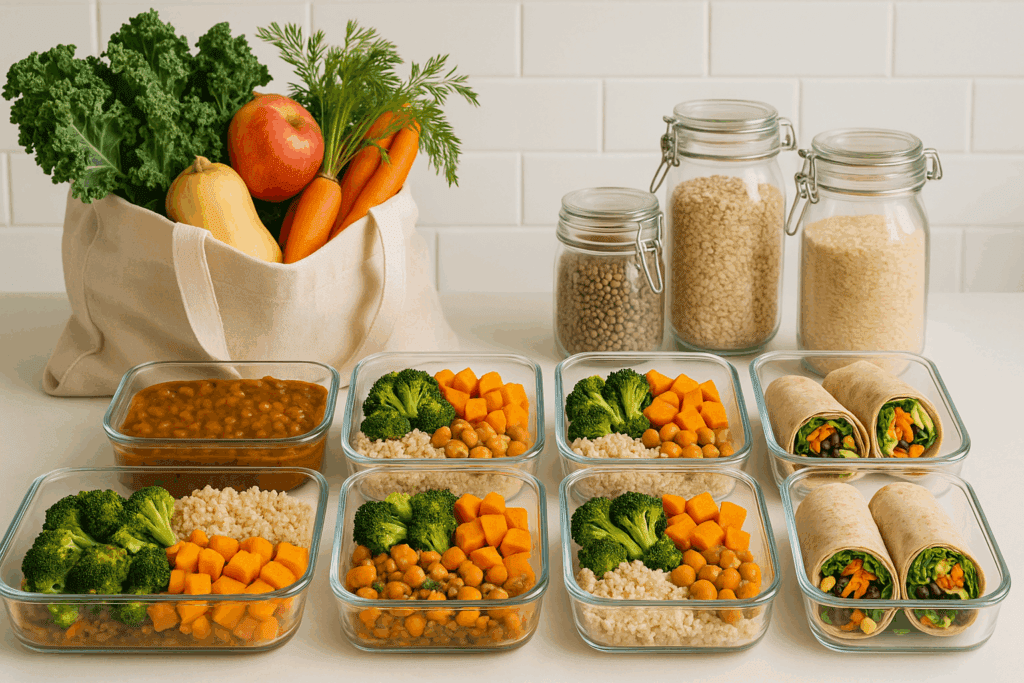
Play exciting online pokies and live games at True Fortune Casino, offering fast payouts, secure deposits, and generous bonuses for Australian players.
Enjoy top pokies and live dealer tables at Uptown Pokies Casino, with quick withdrawals, safe banking, and rewarding promotions for Australian users.

Join thrilling online slots and live casino action at Uptown Aces, featuring fast deposits, secure withdrawals, and exclusive bonuses for Australian players.

Spin favourite pokies and play live casino games at Velvet Spins Casino, offering safe banking, fast payouts, and generous promotions for Australian enthusiasts.

Experience exciting online pokies and live tables at Woo Casino, with quick withdrawals, secure deposits, and attractive bonuses for Australian casino players.

Play top pokies and live dealer games at King Billy Casino, offering fast payouts, safe banking, and rewarding promotions for Australian online casino users.

Enjoy thrilling online slots and live casino action at Aussie Play Casino, with secure deposits, quick withdrawals, and generous bonuses for Australian players.

Join exciting pokies and live tables at Fastpay Casino, featuring fast payouts, safe banking, and exclusive promotions for Australian online casino enthusiasts.