hacklink hack forum hacklink film izle hacklink
Home Blog Page 169

Understanding EDNOS and Unspecified Eating Disorders: How Nutrition and Lifestyle Choices Can Support Healing

A New Look at EDNOS and Unspecified Eating Disorders

Eating disorders are often misunderstood, and one of the most commonly overlooked categories involves diagnoses that don’t quite fit traditional criteria. Known as “eating disorder not otherwise specified” or EDNOS, this term was widely used prior to updates made in the DSM-5, which have since reclassified and expanded diagnostic options. Still, many individuals find themselves in diagnostic gray areas. Whether referred to as EDNOS, eating disorder NOS, or unspecified eating disorder, these conditions remain real, serious, and deserving of attention.

You may also like: How to Stop Emotional Eating and Regain Control: Mindful Nutrition Strategies That Support a Healthier Lifestyle

Despite the evolving terminology, the lived experience of those struggling with disordered eating patterns that don’t align neatly with anorexia nervosa, bulimia nervosa, or binge eating disorder DSM-5 criteria remains just as significant. The challenge for healthcare professionals and patients alike lies in addressing these complex and often fluid conditions. Fortunately, growing awareness and evolving diagnostic standards have begun to shift the focus toward more nuanced treatment pathways. This shift includes not only clinical interventions but also integrative approaches that emphasize nutrition, lifestyle changes, and supportive environments.

Understanding these disorders from a modern, multidimensional perspective is essential. Many individuals who fall under the classification of eating disorders not otherwise specified EDNOS may cycle through different symptoms over time. This variability underscores the importance of a flexible, holistic approach to treatment—one that considers mental health, nutritional support, physical well-being, and the social determinants of health. By viewing EDNOS and unspecified eating disorder diagnoses as valid and treatable, rather than as diagnostic leftovers, the health and wellness community can better serve those who might otherwise slip through the cracks.

Medical professional comforting a thoughtful patient beside DSM manuals, symbolizing diagnostic changes and Unspecified Eating Disorders.

DSM Changes and the Ongoing Relevance of EDNOS

With the publication of the DSM-5, major updates were made to the way eating disorders are diagnosed. Binge eating disorder, once often diagnosed under the umbrella of EDNOS, was given its own distinct diagnostic category. This adjustment reflected the growing body of research highlighting the unique psychological and physiological dimensions of what is now referred to as DSM-V binge eating disorder. Despite this shift, many individuals still experience symptoms that don’t meet full criteria for any one disorder and continue to be diagnosed with what is now known as an unspecified eating disorder.

The terminology transition from EDNOS to unspecified eating disorder has not eliminated diagnostic ambiguity. In practice, healthcare providers still encounter individuals with significant eating-related distress who do not meet the strict criteria for anorexia, bulimia, or binge eating disorder DSM-5. The persistence of such cases emphasizes the continued relevance of understanding and addressing EDNOS eating disorder diagnoses. Importantly, the label should not be perceived as a lesser form of illness. Instead, it indicates a need for personalized treatment strategies that adapt to the complexity of each case.

Furthermore, the cultural and environmental contexts in which eating disorders develop can shape how symptoms are expressed. For instance, disordered eating patterns driven by trauma, chronic stress, or inconsistent access to food may not align with existing diagnostic categories. This highlights the need for inclusive diagnostic models and the importance of a compassionate approach that acknowledges the full spectrum of disordered eating behavior. Such an approach is foundational for delivering effective, stigma-free care.

Person standing at a foggy crossroads with blurry signposts, symbolizing diagnostic confusion in Unspecified Eating Disorders.

The Hidden Challenges of Diagnosing Eating Disorders Not Otherwise Specified

Diagnosing eating disorders not otherwise specified EDNOS is often fraught with challenges. Because the criteria are less defined, symptoms may be minimized or misinterpreted by both patients and healthcare providers. Individuals may not perceive themselves as “sick enough,” and medical professionals might overlook key behavioral or psychological indicators that suggest an underlying problem. This underdiagnosis can delay access to treatment and prolong suffering.

One key issue is that many people with EDNOS or an eating disorder not specified may present with mixed or fluctuating symptoms. For example, someone may restrict their food intake but not meet the weight criteria for anorexia, or they may binge without purging, leading to a misclassification. This makes accurate diagnosis highly dependent on detailed clinical assessment and ongoing observation over time. Practitioners must consider the broader context of the patient’s behavior, including emotional distress, compulsive thoughts, and functional impairment.

There is also a notable stigma surrounding these ambiguous diagnoses. Patients may internalize the notion that their struggles are not as serious as those with more defined disorders, which can undermine their willingness to seek help. The healthcare system, too, often prioritizes more visible or acute conditions, contributing to gaps in care. These challenges make it even more essential to build awareness around the legitimacy of EDNOS and unspecified eating disorders.

Addressing these challenges requires more than just clinical intervention; it also involves public education and systemic changes in how disordered eating is perceived and treated. Broader acceptance and understanding can help ensure individuals receive timely and appropriate care. Promoting visibility and inclusivity for those with eating disorder NOS diagnoses can foster a more compassionate healthcare environment that supports long-term recovery.

Therapist and young adult client in a supportive counseling session, discussing recovery strategies for Unspecified Eating Disorders.

The Role of Nutrition in EDNOS Recovery

Nutrition plays a central role in healing from any eating disorder, and this is no less true for those diagnosed with an eating disorder not otherwise specified. Unlike traditional diet plans or restrictive regimens, nutritional rehabilitation for EDNOS focuses on re-establishing a healthy relationship with food, balancing macronutrient intake, and addressing specific deficiencies that may result from prolonged disordered eating patterns. A personalized, non-judgmental approach is essential in this process.

Malnutrition and nutrient imbalances are common among individuals with EDNOS, even if they do not appear underweight or exhibit overt signs of illness. These imbalances can exacerbate physical symptoms like fatigue, hormonal disruption, and digestive issues, while also impacting mental health. For instance, inadequate intake of omega-3 fatty acids, B vitamins, or iron can worsen mood disorders, cognitive function, and energy levels. Addressing these gaps through targeted nutritional support can significantly improve both physical and psychological outcomes.

Intuitive eating frameworks have gained traction in the recovery space for EDNOS eating disorder cases. This model encourages individuals to listen to internal hunger and fullness cues, reject diet culture, and prioritize body respect. Although not a substitute for clinical treatment, intuitive eating can be a valuable complement to therapy, particularly for individuals working to rebuild trust in their own bodies. This approach reinforces self-awareness, fosters empowerment, and helps dismantle the shame often associated with food.

Incorporating mindful eating practices is also beneficial. Slowing down during meals, savoring flavors, and recognizing emotional eating triggers can help individuals with an unspecified eating disorder reconnect with the eating experience in a positive way. These practices support not only physical nourishment but also emotional healing. Nutrition education delivered with empathy and free of judgment is a powerful tool for building resilience and supporting long-term recovery.
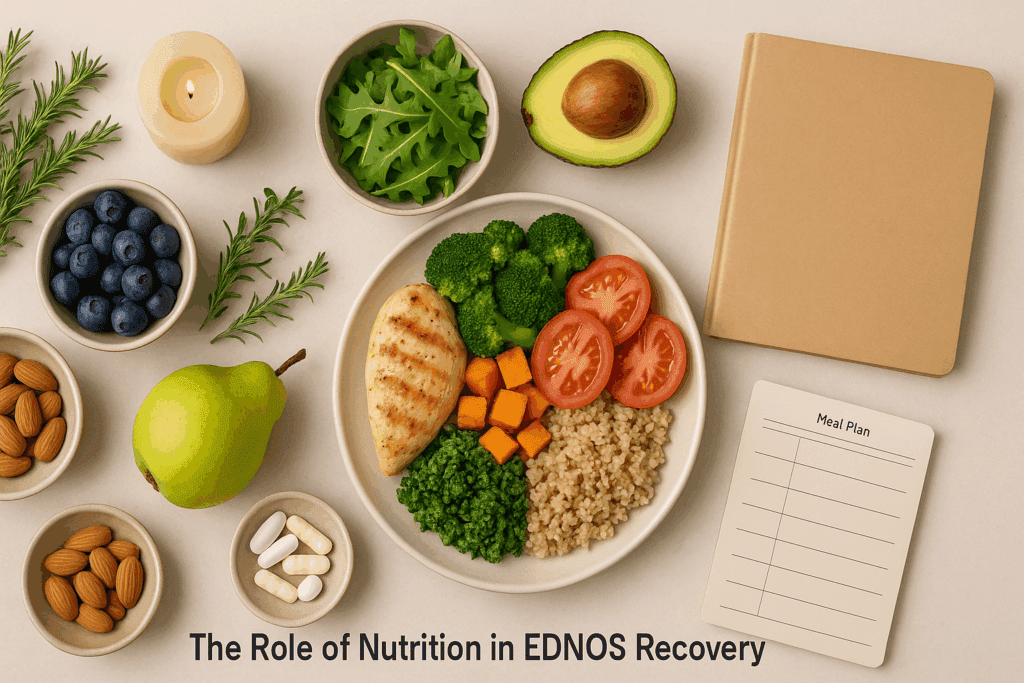
Balanced whole-food meal with lean protein, grains, fruits, and supplements arranged with mindful elements, supporting nutrition in Unspecified Eating Disorders recovery

Lifestyle Changes That Promote Healing and Stability

In addition to nutritional interventions, lifestyle changes can make a meaningful difference in managing and recovering from EDNOS. Establishing consistent daily routines, prioritizing sleep hygiene, and reducing exposure to stressors are foundational aspects of healing. While these changes may seem simple, they often require intentional effort and support, particularly for individuals whose lives have been disrupted by disordered eating.

Physical activity, when approached with care, can also play a supportive role in recovery. The emphasis should not be on weight loss or performance but rather on joyful movement and reconnecting with one’s body. Activities such as yoga, walking, or swimming can help reduce anxiety, enhance body awareness, and foster a sense of competence. However, exercise should be carefully tailored to each individual’s needs and should not become a means of control or punishment.

Psychosocial support is equally critical. Building a recovery-oriented environment that includes supportive friends, family members, and professionals helps counteract the isolation that often accompanies eating disorders. Participating in group therapy or peer support networks can provide validation, encouragement, and a sense of belonging. These connections remind individuals that they are not alone and that healing is not only possible but also sustainable.

Mindfulness practices, including meditation and breathing techniques, can reduce compulsive behaviors and promote emotional regulation. These tools help individuals with eating disorders not otherwise specified develop healthier coping mechanisms, replacing harmful habits with constructive strategies. Integrating mindfulness into daily life builds resilience and cultivates self-compassion—an essential quality for those navigating the ups and downs of recovery.

Ultimately, lifestyle changes should be implemented gradually and compassionately, allowing space for setbacks without judgment. The goal is not perfection, but progress—creating a life that feels balanced, manageable, and fulfilling. When combined with medical and nutritional support, these changes contribute to a comprehensive recovery framework that honors the complexity of EDNOS and unspecified eating disorders.

Collage showing positive daily rituals supporting recovery from Unspecified Eating Disorders—calm bedroom, meditation, outdoor stretching, and supportive friendship

Integrating Therapeutic Support for Lasting Recovery

Therapeutic interventions remain a cornerstone of effective treatment for EDNOS and related conditions. Cognitive Behavioral Therapy (CBT), Dialectical Behavior Therapy (DBT), and Acceptance and Commitment Therapy (ACT) are all evidence-based modalities that have shown promise for individuals with an eating disorder not specified. These approaches help individuals challenge unhelpful thoughts, regulate emotions, and develop healthier coping strategies.

CBT, in particular, is widely used to address disordered eating behaviors and the underlying beliefs that fuel them. For those diagnosed with binge eating disorder DSM-5 or who display patterns of emotional eating, CBT can help break the cycle of binge-restrict behaviors. It focuses on reshaping thought patterns, identifying triggers, and setting realistic goals for behavioral change. In cases of EDNOS, CBT can be adapted to fit a wide range of symptom profiles.

DBT is especially helpful for individuals who struggle with intense emotional fluctuations or co-occurring mental health conditions such as borderline personality disorder or PTSD. By teaching skills for distress tolerance, interpersonal effectiveness, and emotional regulation, DBT empowers individuals to navigate daily challenges more effectively. This is particularly beneficial for those with complex, overlapping symptoms that may fall under the category of unspecified eating disorder.

ACT, with its emphasis on values-based living, encourages individuals to accept uncomfortable thoughts and feelings without allowing them to dictate behavior. This can be transformative for those who have spent years feeling trapped by perfectionism, shame, or body dissatisfaction. When integrated into a broader treatment plan, ACT offers a pathway toward self-acceptance and intentional living.

Therapy is not a one-size-fits-all solution, and it works best when tailored to the unique needs and preferences of each person. Incorporating expressive therapies such as art, music, or movement can offer additional pathways to healing, particularly for those who struggle with verbal expression. The key is to create a flexible, responsive treatment plan that evolves over time as the individual’s needs change.

Frequently Asked Questions About EDNOS and Unspecified Eating Disorders

What is the difference between EDNOS and an unspecified eating disorder?

While these terms are often used interchangeably, there are subtle distinctions based on diagnostic frameworks. EDNOS eating disorder was a classification used primarily before the DSM-5 update, encompassing individuals with disordered eating symptoms that didn’t fit criteria for anorexia or bulimia. After the DSM-5 revision, the term “unspecified eating disorder” replaced EDNOS to capture similar diagnostic gaps. However, the core concern remains the same—these individuals experience serious eating-related distress that does not fully align with established categories. Understanding this evolution helps clarify why eating disorder NOS is still relevant in both clinical and recovery conversations today.

Why might someone not meet criteria for binge eating disorder DSM-5 but still need treatment?

DSM V binge eating disorder includes specific diagnostic thresholds, such as frequency of binge episodes and associated behaviors. However, many individuals may engage in binge-like eating without meeting all criteria, which often results in a diagnosis of an eating disorder not otherwise specified. These individuals still experience emotional distress, body dissatisfaction, and disruption in daily functioning. The absence of full diagnostic criteria does not mean the absence of suffering or risk. For this reason, even those who fall under eating disorder NOS deserve comprehensive, compassionate treatment.

Can eating disorders not otherwise specified EDNOS change over time into more defined disorders?

Yes, eating disorders not otherwise specified EDNOS can evolve over time as symptoms become more defined or meet new criteria. Someone initially diagnosed with an eating disorder not specified might later meet full criteria for binge eating disorder DSM-5 or another recognized eating disorder. This fluidity reflects how eating behaviors and psychological states can shift depending on life events, stress levels, or comorbid conditions. Early intervention is key because it may prevent progression or help stabilize emerging symptoms. It also underlines the importance of viewing EDNOS as a dynamic, not static, condition.

What role does culture play in how EDNOS and unspecified eating disorders are diagnosed?

Cultural context plays a profound role in eating disorder diagnosis. Behaviors that may be considered disordered in one culture might be normalized in another, leading to underdiagnosis or misclassification. This is particularly true for EDNOS eating disorder cases, where the criteria are more flexible and culturally influenced. Societal beauty ideals, stigma around mental health, and access to care all impact how eating disorder NOS is perceived and treated. Health professionals must apply a culturally sensitive lens when evaluating symptoms and determining whether an unspecified eating disorder is present.

How does social media impact individuals with eating disorder NOS or EDNOS?

Social media can exacerbate disordered eating tendencies, particularly in individuals with vulnerable or undiagnosed conditions. Those with EDNOS eating disorder symptoms may feel invalidated by posts that portray eating disorders in extreme or stereotypical ways. Additionally, the constant exposure to diet culture, comparison, and body-focused content can worsen symptoms associated with eating disorder NOS. While social media can offer community and resources, it can also trigger anxiety, shame, and relapse in those with an unspecified eating disorder. Curating feeds with recovery-focused and body-positive accounts can be a helpful coping strategy.

Are there specific challenges in treating EDNOS that differ from treating anorexia or bulimia?

Absolutely. One major challenge in treating EDNOS is diagnostic ambiguity, which can lead to uncertainty in treatment planning. Many providers may default to general eating disorder protocols that do not address the unique and fluctuating symptoms of an eating disorder not specified. This can make individuals feel misunderstood or underserved. Furthermore, insurance coverage is often tied to specific DSM V diagnoses, making it more difficult for those with EDNOS or an unspecified eating disorder to access care. Customized, client-centered approaches are especially important for this population.

Can someone recover fully from an unspecified eating disorder without a formal diagnosis?

Yes, full recovery is possible even without a formal diagnosis. Many people with eating disorders not otherwise specified EDNOS never receive a definitive label but still benefit from therapy, nutritional support, and lifestyle changes. The key is addressing the underlying thought patterns, emotional triggers, and behavioral cycles contributing to disordered eating. Whether or not someone meets the criteria for binge eating disorder DSM-5 or another specific diagnosis, their recovery journey is just as valid. Recognition, rather than labeling, is often the first step toward healing.

What are the long-term risks if an EDNOS eating disorder goes untreated?

When left untreated, eating disorder NOS can result in both psychological and physiological complications. These may include nutrient deficiencies, hormonal imbalances, digestive issues, and an increased risk of anxiety, depression, or substance use. The chronic stress associated with an unspecified eating disorder can also weaken immune function and impair cognitive performance. Socially, relationships may suffer as individuals withdraw or become preoccupied with food and body image. The sooner EDNOS is addressed, the better the chances of preventing long-term damage and supporting sustainable recovery.

How can family and friends best support someone with an eating disorder not otherwise specified?

Support systems play a pivotal role in recovery, but it’s important that loved ones approach with sensitivity and awareness. Educating themselves on the nuances of EDNOS and other unspecified eating disorders helps avoid harmful assumptions or language. Rather than focusing on food or appearance, offering emotional validation and asking open-ended questions encourages connection. In many cases, helping the individual find professional support, whether for EDNOS or binge eating disorder DSM-5, can make all the difference. Most importantly, maintaining consistent, judgment-free communication builds trust and promotes healing.

Is it possible to experience remission from EDNOS while still facing occasional disordered thoughts?

Yes, remission from EDNOS or an eating disorder not specified does not necessarily mean the complete absence of all disordered thoughts. Recovery often involves managing residual symptoms with tools learned in therapy, such as cognitive reframing and emotion regulation. It’s normal for old patterns to resurface during periods of stress or life transition. The key difference in remission is that individuals are equipped to respond to these thoughts without engaging in harmful behaviors. Acknowledging this reality helps set realistic expectations and empowers long-term resilience.

Reclaiming Health: A Comprehensive Path Forward for EDNOS and Unspecified Eating Disorders

Recovery from EDNOS and unspecified eating disorders is a deeply personal and non-linear process. There is no singular roadmap, but with the right combination of clinical support, nutritional rehabilitation, lifestyle changes, and therapeutic engagement, healing is not only possible—it is sustainable. Recognizing the validity of eating disorders not otherwise specified EDNOS and providing evidence-based, compassionate care paves the way for long-term wellness.

In this journey, nutrition is not merely a matter of eating more or less—it is about rebuilding a relationship with food rooted in trust, nourishment, and respect. Integrating holistic lifestyle practices such as mindful eating, joyful movement, and emotional self-regulation supports not only physical recovery but also emotional and psychological resilience. These practices are especially meaningful for those who may feel overlooked or misunderstood within traditional diagnostic frameworks.

Therapy remains a cornerstone of recovery, offering individuals a space to unpack their experiences, challenge harmful beliefs, and cultivate new patterns of thought and behavior. Whether dealing with symptoms that resemble dsm v binge eating disorder or fluctuating between disordered behaviors, therapy provides a foundation of safety and transformation. Importantly, therapeutic support validates the experiences of those with an eating disorder not specified, affirming that their struggles are both real and treatable.

As understanding continues to evolve, the health and wellness community must remain committed to inclusivity and nuance. No one should be denied care because their symptoms do not fit neatly into a diagnostic box. By embracing the complexity of EDNOS eating disorder presentations and responding with flexibility and empathy, we can create systems that support true healing for everyone. In doing so, we honor the courage it takes to seek help and affirm the hope that recovery offers—a future grounded in nourishment, balance, and self-compassion.

Was this article helpful? Don’t let it stop with you. Share it right now with someone who needs to see it—whether it’s a friend, a colleague, or your whole network. And if staying ahead on this topic matters to you, subscribe to this publication for the most up-to-date information. You’ll get the latest insights delivered straight to you—no searching, no missing out.


Further Reading:

Eating Disorders

Eating Disorders

Anorexia nervosa

How Eating Disorder Specialists and Therapy Can Support a Healthier Lifestyle Through Mindful Nutrition

Understanding the Connection Between Eating Disorders and Lifestyle Health

The intricate relationship between eating behaviors and overall lifestyle health is far more nuanced than it may appear at first glance. Eating disorders are not merely about food; they are complex mental health conditions that often intertwine with emotional well-being, self-perception, and physiological health. Recognizing this multifaceted connection is the first step toward addressing disordered eating patterns in a meaningful and lasting way. For many individuals, the pathway to recovery and better health involves more than simple dietary changes—it requires a deeper psychological and emotional transformation supported by professional care.

You may also like: How to Stop Emotional Eating and Regain Control: Mindful Nutrition Strategies That Support a Healthier Lifestyle

When discussing lifestyle improvements, it’s crucial to note that nutrition alone doesn’t ensure well-being if it’s influenced by obsessive control, restriction, or fear. This is where an eating disorder specialist plays a vital role. These professionals are trained to identify and treat not just the visible symptoms but also the psychological roots of disordered eating behaviors. Through personalized care, they help individuals establish a healthier relationship with food, their bodies, and themselves. Over time, such holistic support enables people to integrate mindful nutrition into their lives in a way that promotes sustainable wellness.

An eating disorder specialist attentively listens to a young adult client during a therapy session in a comfortable, warm consultation room, emphasizing the compassionate role of Eating Disorder Specialists in supporting mental wellness

The Role of an Eating Disorder Specialist in Comprehensive Wellness

An eating disorder specialist is not simply a therapist with a general understanding of nutrition or psychology. Rather, this professional is uniquely trained in the diagnosis and treatment of a wide spectrum of eating-related conditions. Whether someone is struggling with anorexia, bulimia, binge eating, or an unspecified eating disturbance, the guidance of a specialist ensures that treatment is evidence-based and tailored to the individual’s specific psychological and physiological needs. Their expertise extends beyond basic counseling to include a thorough grasp of medical monitoring, behavioral interventions, and nutritional rehabilitation.

Working with an eating disorder specialist often involves a team-based approach, where the specialist coordinates care with dietitians, physicians, and sometimes psychiatrists. This multidisciplinary collaboration ensures that all aspects of the disorder—from nutritional deficits and physical complications to underlying trauma or anxiety—are addressed cohesively. By aligning therapeutic strategies with medical insights and nutritional planning, these specialists lay the foundation for recovery that is both comprehensive and lasting.

Importantly, eating disorder specialists promote a culture of empathy and nonjudgment. Many people facing eating disorders are burdened by shame or fear of being misunderstood, which can deter them from seeking help. The therapeutic environment created by specialists encourages openness and trust, allowing individuals to confront their behaviors without fear of stigma. This compassionate framework is essential for healing and for building the confidence necessary to embrace mindful eating habits that enhance lifestyle quality.

Therapist guiding a client through a nutrition-focused discussion, holding a colorful food plate chart to facilitate awareness of balanced eating, with a warm, collaborative atmosphere. Eating Disorder Specialists help individuals make healthier food choices and build trust in therapy

How Eating Disorder Therapy Facilitates Nutritional Awareness and Balance

Eating disorder therapy is a critical component of the recovery process and directly contributes to the cultivation of mindful eating practices. Unlike traditional talk therapy, eating disorder therapy often incorporates specific therapeutic modalities such as cognitive-behavioral therapy (CBT), dialectical behavior therapy (DBT), and family-based therapy (FBT), all of which are tailored to disrupt the destructive thought patterns that fuel disordered eating. These therapies aim to replace harmful beliefs about food and body image with healthier, more realistic perspectives.

Within the therapeutic process, individuals learn to recognize the emotional triggers that influence their eating behaviors. This increased awareness allows them to respond with mindfulness rather than compulsion or avoidance. For example, someone who previously used binge eating to cope with anxiety might, through therapy, develop skills such as distress tolerance and emotional regulation. These tools not only address the disordered behavior but also empower individuals to make food choices that reflect their body’s actual needs.

In many cases, eating disorder therapy also involves structured meal planning and nutritional education. By demystifying food and debunking dietary myths, therapists help individuals rediscover food as a source of nourishment and joy rather than anxiety and control. This is where the principles of mindful eating become particularly transformative. Through therapy, individuals gradually learn to listen to their hunger cues, savor their meals, and honor their body’s unique requirements—all of which support a balanced and health-conscious lifestyle.

A young woman entering a wellness clinic, greeted by a friendly receptionist in medical scrubs. The welcoming atmosphere highlights the importance of early intervention and access to Eating Disorder Specialists for timely care and support.

Why Early Intervention and Access to Eating Disorder Doctors Near Me Matters

Timely access to care can be a decisive factor in the recovery process. Many individuals delay seeking help due to stigma, unawareness of their condition, or uncertainty about where to turn. This is why searching for “eating disorder doctors near me” can be a pivotal moment in someone’s wellness journey. Local access to specialized care not only reduces logistical barriers but also fosters consistency in treatment, which is crucial for recovery.

When people begin to notice patterns of restrictive eating, compulsive exercise, or emotional bingeing, connecting with a nearby professional allows for quicker diagnosis and intervention. Early-stage treatment is often less intensive and more responsive, which can prevent the disorder from becoming deeply ingrained or leading to severe medical complications. Moreover, the sooner a person can begin treatment, the sooner they can start learning mindful nutrition strategies that support long-term health.

Eating disorder doctors near me are more than just convenient—they are lifelines within the community. These practitioners often have established relationships with local therapists, dietitians, and support groups, which enhances the coordination of care. Their understanding of regional resources can also help patients and families navigate treatment options with greater ease. Importantly, proximity to care may encourage ongoing follow-up, which is essential for monitoring progress and preventing relapse.

A person practicing mindful eating during their recovery journey, sitting alone at a clean table with a small, colorful meal. The individual, with closed eyes and a calm expression, is savoring their food in a peaceful setting with soft natural lighting, representing the mindful approach supported by Eating Disorder Specialists

Integrating Mindful Eating Into the Recovery Journey

Mindful eating is not a trend or quick fix—it is a practice rooted in self-awareness, presence, and compassion. For individuals recovering from eating disorders, adopting a mindful approach to food can feel both unfamiliar and liberating. It requires them to slow down, notice physical hunger and fullness cues, and pay attention to the emotional context of their meals. While this may sound simple, for someone who has long struggled with disordered patterns, it is a radical shift that often requires therapeutic support and practice over time.

The process of integrating mindful eating involves undoing years of habitual thought patterns and replacing them with intentional, present-focused behavior. It teaches individuals to become curious rather than judgmental about their food choices. For example, instead of labeling foods as “good” or “bad,” mindful eating encourages people to consider how different foods make them feel, both physically and emotionally. This perspective allows for a more flexible and less restrictive relationship with food, one that is aligned with overall wellness rather than rigid dietary rules.

Therapists often guide clients in using mindfulness techniques during meals, such as deep breathing, body scans, or gratitude practices. These techniques not only enhance the sensory experience of eating but also foster a sense of calm and connection to the present moment. Over time, such practices can reduce the anxiety and guilt that often accompany eating for those with disordered habits. The result is a more intuitive, peaceful, and self-respecting approach to nourishment that supports sustainable health and well-being.

Practical applications of therapy for eating disorders: a person journaling, preparing a healthy meal, and practicing mindfulness through yoga, illustrating the role of Eating Disorder Specialists in bridging clinical care and daily life

The Long-Term Impact of Working With an Eating Disorder Specialist

One of the most valuable aspects of working with an eating disorder specialist is the long-term impact on a person’s relationship with food, body, and self. Recovery is rarely a linear path, and having consistent support makes a profound difference in sustaining progress. Specialists provide not only clinical expertise but also emotional validation and practical tools that continue to serve individuals long after therapy ends. This continuity is essential for building resilience and maintaining lifestyle improvements.

Over time, individuals often report increased confidence in making food choices, decreased anxiety around meals, and a stronger connection to their body’s needs. These are not just signs of recovery—they are indicators of a transformed lifestyle rooted in mindful nutrition and self-compassion. Many people also find that as their eating behaviors stabilize, other areas of life begin to flourish, including their social relationships, career pursuits, and overall emotional regulation.

Additionally, specialists are equipped to support individuals through life transitions that might challenge their recovery. Whether it’s starting college, entering a new relationship, or facing health-related changes, having access to ongoing care ensures that setbacks are addressed early and constructively. This proactive approach reinforces the idea that health is not a destination but a dynamic and evolving process—one that is enriched by the ongoing presence of compassionate, knowledgeable care providers.

Illustration showing a person’s journey with eating disorder specialists, transitioning from anxiety over unhealthy food to feeling empowered while preparing a healthy meal

Bridging the Gap Between Clinical Care and Daily Life Through Eating Disorder Therapy

While medical intervention is vital, recovery truly takes root when therapeutic insights are applied to everyday life. This is where eating disorder therapy plays an irreplaceable role. Therapists help clients translate clinical knowledge into practical habits, whether that’s planning meals, setting boundaries with diet culture influences, or managing stress without turning to food. These skills anchor recovery in the real world, where triggers are inevitable but manageable with the right tools.

Many individuals come to therapy with the belief that they must either control their eating perfectly or abandon their health altogether. Eating disorder therapy dispels this false dichotomy and instead promotes a model of flexibility and self-trust. Clients learn that they can pursue nutrition and wellness without succumbing to the rigid thinking that often accompanies eating disorders. This balanced mindset not only supports physical health but also empowers individuals to lead fuller, more meaningful lives.

Importantly, therapy provides a space for continuous reflection and adjustment. As individuals encounter new challenges or milestones, they are encouraged to revisit and refine their coping strategies. This iterative process mirrors the evolving nature of life itself and helps ensure that recovery remains relevant and sustainable. Through regular engagement with therapeutic practices, individuals cultivate a robust inner foundation that supports mindful living in all its dimensions.

Frequently Asked Questions: Eating Disorder Recovery, Therapy, and Specialized Support

What makes eating disorder therapy different from general mental health counseling?

While general mental health counseling may address anxiety, depression, or stress, eating disorder therapy takes a highly specialized approach to disordered eating behaviors and their psychological underpinnings. Eating disorder therapy incorporates techniques such as cognitive restructuring, meal-related exposure, and nutritional psychoeducation that are specifically designed to target the complex interplay between food, emotions, and self-image. Therapists often work in conjunction with an eating disorder specialist to ensure that medical and psychological needs are fully addressed. What truly sets this therapy apart is its integration of food-related rituals, distorted body image, and physiological recovery into each treatment plan. It also commonly involves close monitoring of medical symptoms, which is not always the case in general therapy settings.

How can I find eating disorder doctors near me who understand both medical and psychological aspects of treatment?

Many individuals searching for eating disorder doctors near me may not realize that dual-competency in medical and psychological care is a key criterion in effective treatment. A well-qualified eating disorder physician typically has experience not only with the physical complications of disordered eating—such as electrolyte imbalance, malnutrition, or cardiac irregularities—but also with the emotional and behavioral patterns that sustain the condition. It’s often helpful to consult with a hospital’s behavioral health department, university health centers, or eating disorder treatment programs to locate such professionals. You may also look for doctors affiliated with the Academy for Eating Disorders or other national organizations that certify expertise in this field. Locating eating disorder doctors near me with this kind of integrated training can streamline referrals and support a more cohesive recovery process.

Can an eating disorder specialist help with less severe or atypical eating behaviors?

Yes, an eating disorder specialist can be extremely helpful even for individuals who don’t meet the clinical criteria for anorexia or bulimia. Disordered eating occurs on a spectrum, and behaviors like emotional eating, orthorexia (obsession with healthy eating), or chronic dieting may still warrant professional attention. Working with a specialist allows you to unpack the underlying cognitive and emotional patterns fueling those behaviors before they develop into more severe conditions. In many cases, early intervention with an eating disorder specialist can prevent the need for more intensive treatment later. These professionals are trained to recognize subtler signs of distress and can offer tailored strategies for restoring balance before behaviors become entrenched.

What role do support systems play in the success of eating disorder therapy?

Support systems—including family, friends, or even peer recovery communities—can significantly influence the outcome of eating disorder therapy. While therapy provides professional guidance, a strong support network reinforces behavioral change outside the clinical setting. In family-based therapy models, for example, loved ones are directly involved in meal support and relapse prevention strategies, creating a united front against the disorder. Therapists often help clients navigate difficult social situations where food and body image become triggers, and this is where community support proves invaluable. Whether you’re working with an eating disorder specialist or exploring eating disorder doctors near me, consider how your social environment can be leveraged for healing.

Are there emerging trends in eating disorder therapy that go beyond traditional talk therapy?

Absolutely. One of the most promising developments in eating disorder therapy involves integrating somatic therapies, such as trauma-informed yoga or sensorimotor psychotherapy, into treatment plans. These methods help clients reconnect with their bodies in a safe, nonjudgmental way—an important aspect given how many people with eating disorders experience dissociation or body dysmorphia. Biofeedback tools, virtual reality exposure therapy, and neurofeedback are also being explored as adjunct therapies to traditional approaches. Some eating disorder specialists are incorporating digital platforms that use AI-driven tracking to monitor behavioral progress and mood patterns in real time. These innovations reflect a growing understanding that recovery is not just mental—it is also deeply embodied and neurological.

How do eating disorder doctors near me typically collaborate with other professionals during treatment?

Integrated care is a cornerstone of successful recovery, and most eating disorder doctors near me are accustomed to working as part of a multidisciplinary team. These collaborations often include dietitians, psychotherapists, and sometimes psychiatrists or endocrinologists, depending on the medical complexities involved. Weekly or bi-weekly case reviews ensure all team members are aligned on treatment goals and symptom monitoring. Effective collaboration also includes coordinating lab tests, sharing nutritional guidelines, and making adjustments to medication or meal planning as needed. This collective approach allows the care team to treat not just the symptoms, but the person as a whole—emotionally, physically, and psychologically.

What are some signs that it’s time to seek help from an eating disorder specialist?

Certain red flags suggest it may be time to consult an eating disorder specialist. These include an overwhelming preoccupation with food or body weight, erratic eating patterns, secrecy around meals, or a sudden change in physical health without a clear cause. Emotional signs, such as guilt after eating, social withdrawal, or excessive exercise, can also indicate the need for professional evaluation. Many people wait until symptoms worsen before searching for help, but early signs should never be ignored. Even if you’re unsure whether your behaviors are “serious enough,” a consultation with an eating disorder specialist can provide clarity and direction. Their goal is not to label you but to support a healthier, more sustainable relationship with food and your body.

How can I prepare for my first session with an eating disorder specialist?

Preparation for your first session with an eating disorder specialist involves both emotional and practical readiness. Emotionally, it’s important to approach the meeting with openness—even if you’re feeling anxious or skeptical. Practically, you may be asked to complete intake forms detailing your eating habits, mental health history, and current concerns. Bringing a food journal or documenting recent eating episodes can also provide valuable insights. The specialist will likely explore your goals, current routines, and challenges in depth to design a plan tailored specifically for you. Remember, the first session is not about judgment—it’s about starting a conversation that could transform your relationship with food and health.

Is it possible to work with eating disorder doctors near me through telehealth services?

Yes, telehealth has made eating disorder treatment more accessible than ever. Many eating disorder doctors near me now offer virtual appointments, which can be particularly beneficial for individuals in rural areas or those with transportation or time constraints. While some aspects of care—such as physical assessments or lab work—may still require in-person visits, much of the therapeutic and nutritional counseling can be done remotely. In fact, many patients find virtual sessions to be more flexible and less intimidating, which can enhance treatment engagement. Telehealth also allows for more frequent check-ins, which can be crucial during periods of crisis or relapse risk.

What should I expect in long-term eating disorder therapy?

Long-term eating disorder therapy focuses on evolving goals, deeper emotional work, and relapse prevention strategies. As therapy progresses, sessions may shift from symptom management to exploring identity, purpose, and emotional regulation beyond food. You’ll likely work on repairing self-image, setting healthy boundaries, and building resilience to societal pressures. Therapists may also help navigate new life stages—college transitions, pregnancy, aging—that can trigger old patterns. Whether you’re still seeing an eating disorder specialist or maintaining follow-ups with eating disorder doctors near me, long-term therapy provides continuity and adaptability, helping ensure that recovery is not just achieved but sustained.

Conclusion: Reclaiming Health Through Mindful Nutrition and Specialized Care

The journey to a healthier lifestyle does not begin and end with food—it starts with self-awareness, healing, and the courage to seek help. Working with an eating disorder specialist or engaging in eating disorder therapy offers more than symptom relief; it provides a roadmap for holistic wellness. These professionals guide individuals through the complexities of recovery, empowering them to reconnect with their bodies and redefine their relationship with nutrition. In doing so, they illuminate a path toward mindful eating that is grounded in compassion and sustainability.

The availability of eating disorder doctors near me ensures that specialized support is accessible and integrated into the fabric of everyday life. This proximity fosters not just convenience but continuity, which is essential for long-term success. As therapy becomes a regular part of one’s routine, it bridges the gap between clinical knowledge and lived experience, anchoring recovery in daily practice. With each mindful choice, each compassionate meal, and each therapeutic insight, individuals move closer to a lifestyle that honors both their physical and emotional well-being.

In reclaiming their health through mindful nutrition and specialized care, individuals not only heal from disordered eating—they rediscover joy, vitality, and purpose. This transformation, guided by expert support and nurtured through daily intention, stands as a testament to the power of integrated, human-centered care in creating lasting wellness.

Was this article helpful? Don’t let it stop with you. Share it right now with someone who needs to see it—whether it’s a friend, a colleague, or your whole network. And if staying ahead on this topic matters to you, subscribe to this publication for the most up-to-date information. You’ll get the latest insights delivered straight to you—no searching, no missing out.

Further Reading:

Mindful Eating 101 — A Beginner’s Guide

Eating Disorders

Binge-eating disorder

Whole Food Nutrition Demystified: What Does Whole Foods Mean and Why It Matters for a Healthier Lifestyle

Rediscovering the Power of Whole Foods in a Processed World

In today’s fast-paced culture, convenience often takes priority over nourishment. Ultra-processed meals, frozen entrees, and sugar-laden snacks dominate grocery aisles, leaving many wondering what happened to real food. Amid this modern food confusion, the term “whole foods” frequently surfaces in conversations around health and wellness. But to genuinely understand what whole foods mean, it’s important to look beyond marketing labels and dive into the roots of whole food nutrition. Doing so reveals a lifestyle approach that honors the body’s natural needs and offers a powerful counterbalance to the synthetic nature of today’s typical diet.

Whole food nutrition demystified is more than just an academic exercise—it is a blueprint for reclaiming vitality, energy, and long-term health. Unlike restrictive diets that focus on cutting calories or entire food groups, eating whole foods encourages inclusion. It’s about abundance rather than avoidance—an invitation to embrace nourishing foods in their most authentic form. Understanding the whole foods definition can help individuals navigate nutrition with clarity, while the benefits of whole foods speak volumes for disease prevention, sustained energy, and improved mental clarity. When we prioritize whole food choices, we align our eating habits with evolutionary wisdom and emerging science.

By exploring whole food nutrition demystified, we begin to reconnect with nature’s original design for healthful eating. Instead of trusting slogans on packages, we return to trusting the food itself. In this article, we will clarify the whole foods meaning, explore whole food diet benefits, and illustrate why the whole foods nutritional value is superior to processed counterparts. Whether you’re new to clean eating or seeking to refine your approach, understanding the benefits of eating whole foods is key to making confident, mindful choices every day.

You may also like: How a Whole Foods Diet Supports Sustainable Weight Loss: Expert Tips for Eating Whole Foods to Lose Weight Safely

Flat lay of sweet potatoes, leafy greens, apples, brown rice, quinoa, raw nuts, and unprocessed chicken breast on wood background, illustrating Whole Food Nutrition Demystified.

Defining Whole Foods: What It Really Means to Eat Naturally

At its core, the whole foods definition refers to foods that are minimally processed, unrefined, and as close as possible to their natural state. This includes a wide range of plant and animal-based foods—think fresh fruits and vegetables, whole grains, legumes, nuts, seeds, eggs, and unprocessed meats. What distinguishes these items is their nutritional integrity. Whole foods are rich in naturally occurring fiber, vitamins, minerals, and antioxidants, all of which are often lost or degraded during commercial processing.

When asking what whole foods mean, it’s important to understand that it goes beyond food that is merely organic or labeled as “natural.” Whole foods are not just about what they are, but also about what they aren’t. They are free from artificial preservatives, colorings, flavorings, and emulsifiers commonly added to processed foods. For example, a baked sweet potato is a whole food, while a sweet potato chip seasoned with artificial flavor enhancers is not. The simplicity of the whole food definition makes it easier to evaluate the quality of the food we eat based on how close it remains to its original form.

This approach emphasizes the synergy of nutrients in food. Unlike supplements or isolated compounds, whole foods offer a complete nutritional profile where each component supports the others. The fiber in an apple helps regulate blood sugar, while the vitamin C aids in iron absorption. When nutrients are consumed together in their natural matrix, they often function more effectively than they do when taken individually. This is one of the key reasons why whole food nutrition is demystified is critical in today’s health discourse.

Nutrient-dense whole food breakfast bowl with oats, berries, banana, walnuts, seeds, and greens on wood surface—Whole Food Nutrition Demystified.

The Nutritional Value of Whole Foods: A Closer Look at What You Gain

One of the most compelling arguments for choosing whole foods is the sheer nutritional value they offer. Whole foods nutritional value is significantly higher than that of processed alternatives because they retain their complete fiber content, essential fatty acids, phytonutrients, and trace minerals. A bowl of steel-cut oats, for instance, contains more fiber, magnesium, and plant-based protein than most boxed breakfast cereals, even those labeled as “healthy.” It also lacks the added sugars and chemical preservatives found in many packaged foods.

The benefits of eating whole foods extend to nearly every system in the body. The digestive system thrives on dietary fiber, which is found in abundance in vegetables, legumes, and whole grains. Fiber not only supports regular bowel movements but also feeds beneficial gut bacteria that play a role in immunity and mental health. These complex carbohydrates digest slowly, keeping blood sugar levels stable and preventing the energy crashes that follow highly refined meals.

Additionally, many whole foods are rich in anti-inflammatory compounds. Berries, leafy greens, and fatty fish like salmon contain polyphenols and omega-3s that help reduce chronic inflammation—an underlying factor in heart disease, diabetes, and cancer. The whole food’s meaning, in this context, becomes synonymous with functional nourishment: food that does more than just prevent hunger—it actively supports healing and long-term vitality.

Beyond the physical, whole foods also impact mental and emotional well-being. Nutrient-dense options like walnuts, pumpkin seeds, and bananas help regulate neurotransmitters that influence mood. When the body receives optimal nutrition through whole food sources, mental clarity and emotional balance often improve. These far-reaching benefits of whole foods make them an essential foundation for a healthier lifestyle at any age.

Side-by-side plates comparing whole food nutrition demystified with salmon, quinoa, and berries vs. ultra-processed fast food items

Disease Prevention and Healing Through Whole Food Nutrition

Perhaps one of the most impactful reasons to embrace whole food nutrition demystified is its role in preventing and managing chronic illness. Scientific studies have consistently shown that diets rich in whole foods are associated with lower risks of heart disease, obesity, metabolic syndrome, and even certain cancers. The whole food diet benefits go beyond symptom relief—they offer a proactive way to reverse or halt disease progression by addressing root causes.

Whole plant-based diets, in particular, have been found to improve cholesterol levels, reduce blood pressure, and enhance insulin sensitivity. This is especially relevant in the context of type 2 diabetes, where managing blood sugar through diet is crucial. Legumes, leafy greens, whole grains, and berries help reduce post-meal glucose spikes and support steady insulin function. The benefits of whole foods in managing diabetes are well-documented and continue to shape modern dietary interventions.

Heart health is another area where the whole foods definition holds significant clinical relevance. Diets high in fiber, potassium, and antioxidants—all abundant in whole foods—help reduce arterial plaque, improve circulation, and lower LDL cholesterol levels. Physicians practicing lifestyle medicine often recommend whole foods as a first-line intervention for hypertension and early-stage cardiovascular conditions, citing improvements that rival those of medications in some cases.

Whole food nutrition also supports the body’s natural detoxification systems. The liver, kidneys, and lymphatic system all rely on nutrients like glutathione, vitamin C, and magnesium to function effectively—nutrients that are most bioavailable in unprocessed, natural foods. Unlike marketed “cleanses” or “detox teas,” eating a diet based on whole foods truly supports detoxification through scientifically grounded means.

Cozy kitchen scene showing whole food meal prep with legumes, grains, and vegetables, illustrating Whole Food Nutrition Demystified.

How to Transition to a Whole Foods-Based Lifestyle

Making the switch to whole foods doesn’t require a complete overhaul overnight. Rather, it involves making consistent, thoughtful choices that prioritize simplicity, freshness, and transparency. One of the most accessible ways to begin is by shopping the perimeter of grocery stores where fresh produce, bulk grains, and unprocessed proteins are typically located. Avoiding the middle aisles—where packaged, shelf-stable items dominate—can reduce exposure to highly processed foods.

Meal planning plays a vital role in sustaining this transition. Preparing meals from scratch using whole ingredients may initially seem time-consuming, but batch cooking, using a slow cooker, or preparing ingredients in advance can streamline the process. Focus on building meals around whole grains, legumes, vegetables, and healthy fats, adding lean proteins or plant-based alternatives as needed. Understanding the whole foods definition can help guide these decisions in a practical, sustainable way.

Restaurants and take-out can still fit into a whole food lifestyle with mindful choices. Opting for dishes that feature grilled vegetables, whole grains, or unbreaded proteins without heavy sauces can help maintain whole food principles while eating out. Asking for dressings and toppings on the side or choosing dishes with recognizable ingredients are small strategies that make a big impact.

A whole food lifestyle also means developing a better relationship with food. Cooking at home, involving family members in meal prep, and experimenting with new flavors and textures can all reignite joy in eating. As you begin to feel the benefits of eating whole foods—better energy, improved digestion, mental clarity—you’ll likely find motivation to continue and expand on your efforts.

Farmers market scene showcasing whole food nutrition demystified with fresh produce, grains, and seasonal vegetables in reusable bags.

The Broader Impact: Sustainability, Food Ethics, and Community Health

Choosing whole foods doesn’t just benefit your body—it also supports broader values of environmental sustainability and ethical food production. Whole plant foods, in particular, have a lower ecological footprint than meat-heavy or packaged diets. They require fewer resources, generate less waste, and often come with minimal packaging. The more people shift toward whole food diets, the greater the collective impact on reducing carbon emissions and supporting biodiversity.

Many whole foods can be sourced locally, which reduces the environmental costs of transportation and supports regional farmers. Community-supported agriculture (CSA) programs, farmers’ markets, and local co-ops make it easier to access seasonal produce and sustainably raised animal products. By supporting these food systems, consumers play an active role in shaping a healthier, more equitable food landscape.

Whole food nutrition demystified also has implications for public health. In communities where processed food dominates and diet-related diseases are common, increasing access to whole foods can reduce health disparities and improve outcomes. School lunch programs, food banks, and urban farming initiatives are now incorporating whole food principles to combat obesity and malnutrition in underserved populations.

In this way, understanding what whole foods mean becomes part of a larger conversation about food justice, climate resilience, and long-term societal well-being. It’s not just a personal health choice—it’s a community-wide investment in a better future.

Frequently Asked Questions (FAQ): Whole Food Nutrition Demystified

1. How does understanding the whole foods definition help improve long-term dietary habits?
Grasping the full scope of the whole foods definition allows individuals to distinguish between marketing hype and genuine nutrition. Many foods are advertised as “natural” or “healthy,” but unless they meet the criteria that define whole foods—minimal processing, no synthetic additives, and complete nutrient integrity—they may not offer the same health benefits. When people learn to identify true wholefood meaning, they become more selective, prioritizing quality over convenience. This knowledge supports long-term health goals by fostering dietary consistency, minimizing empty calories, and reducing exposure to additives that may disrupt metabolic or gut health. Over time, understanding the whole foods def can transform not only food choices but also overall lifestyle awareness and cooking habits.

2. What is the relationship between whole food nutrition and mental health?
Emerging research highlights a strong link between whole food nutrition and psychological well-being. Whole foods rich in omega-3 fatty acids, B vitamins, and antioxidants support brain function, neurotransmitter production, and stress regulation. Diets built on whole foods nutritional value may reduce the risk of anxiety and depression, especially when compared to ultra-processed diets high in sugar and trans fats. In this context, the benefits of eating whole foods extend beyond physical wellness, supporting emotional resilience and cognitive clarity. Understanding what does whole foods mean in mental health settings opens the door to nutrition-based strategies in managing mood and supporting recovery from burnout or chronic stress.

3. How does whole food nutrition impact children’s growth and development?
Whole food nutrition plays a crucial role in the healthy development of children, influencing everything from bone growth to immune function. The whole foods nutritional value in foods like leafy greens, legumes, berries, and whole grains ensures adequate intake of key nutrients like iron, zinc, and vitamin A. These nutrients are essential for cognitive development, physical growth, and hormonal balance throughout childhood and adolescence. By introducing children early to the benefits of eating whole foods, parents can help establish lifelong preferences for unprocessed, nutrient-dense meals. Teaching kids the whole foods meaning through hands-on cooking or gardening also empowers them to make smarter food choices as they mature.

4. Can you define whole foods within the context of athletic performance and recovery?
To define whole foods in the realm of athletic performance is to highlight their role in sustained energy, muscle repair, and inflammation control. Whole foods like quinoa, sweet potatoes, nuts, and dark leafy greens offer a superior ratio of carbohydrates, protein, and micronutrients compared to refined alternatives. The benefits of whole foods become especially evident post-workout, when antioxidants and amino acids from whole food sources aid in muscle recovery and reduce oxidative stress. Athletes who understand the wholefood meaning often experience enhanced endurance and fewer digestive issues due to the absence of preservatives and synthetic enhancers in their diets. Integrating whole food nutrition into pre- and post-workout meals is a performance-enhancing strategy rooted in natural science.

5. How do socioeconomic factors influence access to whole foods?
While the whole foods definition emphasizes freshness and minimal processing, accessibility can be limited by geographic and economic constraints. In food deserts or low-income areas, grocery stores often lack fresh produce and whole grains, making processed foods the more affordable and available option. However, understanding the benefits of whole foods doesn’t have to remain an elitist concept. Programs like community gardens, co-ops, and urban farms are helping to bridge the gap by redefining what whole foods mean in underserved communities. Empowering people with budget-friendly strategies for sourcing and preparing whole foods—like buying in bulk or choosing seasonal produce—can significantly enhance food equity.

6. How does food marketing distort the whole foods meaning?
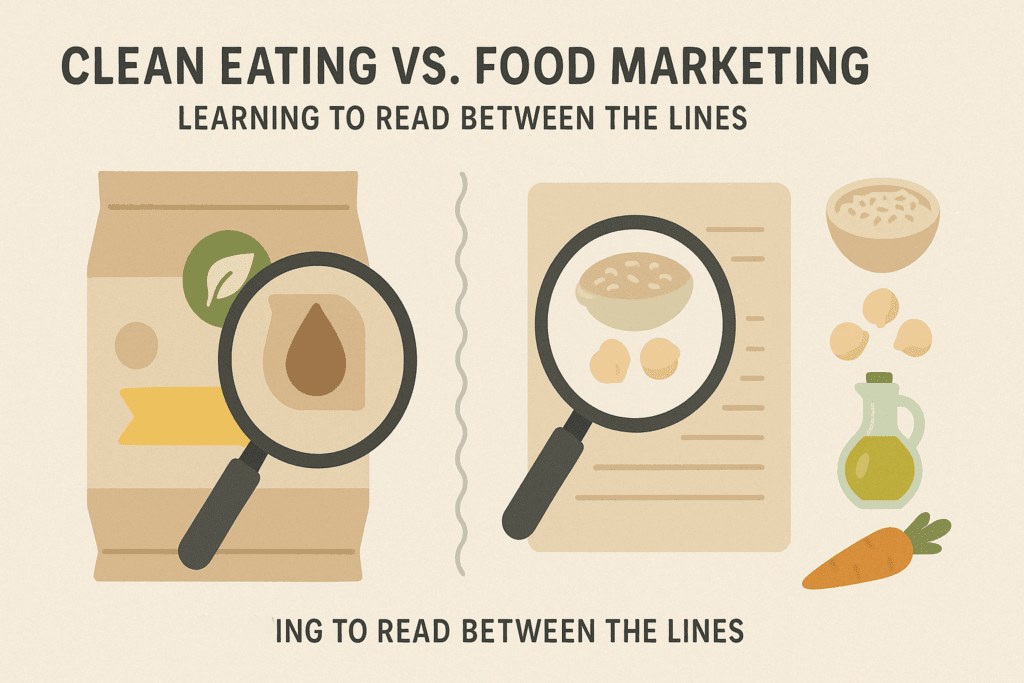
Marketing campaigns frequently misuse terms associated with health to promote products that do not meet the true whole foods definition. Phrases like “clean,” “natural,” or “wholesome” are often used on processed foods with added sugars, preservatives, and artificial flavors. This manipulation dilutes consumer understanding of whole food nutrition and creates confusion around what truly constitutes a healthy option. Educated consumers who understand the benefits of whole foods learn to read labels critically and question vague health claims. Clarifying the wholefood meaning helps people make decisions based on ingredient quality, not just front-of-package slogans or trendy buzzwords.

7. Are there specific cooking methods that preserve whole foods nutritional value?
Yes, certain cooking techniques are better suited to preserving the nutrients in whole foods. Steaming, roasting, and light sautéing generally retain more vitamins and minerals than boiling or deep-frying. For example, steaming broccoli helps preserve its vitamin C content, while lightly sautéing greens in olive oil enhances the absorption of fat-soluble nutrients like vitamin K and carotenoids. Understanding the whole foods def involves not only selecting whole ingredients but also preparing them in ways that maintain their integrity. Additionally, slow cooking and fermenting are methods that align with whole food nutrition principles by enhancing digestibility and bioavailability of certain compounds.

8. What are some cultural perspectives that align with the whole food diet benefits?
Many traditional cuisines around the world naturally reflect the principles of whole food nutrition. Mediterranean, Japanese, Ethiopian, and many Indigenous diets emphasize whole grains, legumes, fermented foods, fresh vegetables, and modest portions of animal products. These dietary traditions highlight the benefits of eating whole foods as part of a cultural lifestyle rather than a modern diet trend. Exploring these ancestral foodways can deepen our appreciation for the whole foods meaning and encourage a more diverse, inclusive approach to health. Recognizing cultural diversity in whole food choices also helps dismantle the idea that wholefood meaning applies only to Western nutrition models.

9. How does whole food nutrition align with environmental sustainability?
Whole food nutrition and environmental sustainability often go hand in hand. Producing whole plant-based foods typically requires fewer resources—such as water, land, and fossil fuels—than the production of processed or heavily packaged foods. The benefits of whole foods extend beyond human health to planetary health, especially when foods are sourced locally and seasonally. Understanding what does whole foods mean in an environmental context encourages consumers to consider their impact on ecosystems, carbon emissions, and biodiversity. Composting food scraps, supporting farmers’ markets, and choosing unpackaged whole items are all ways to reinforce the environmental side of the whole foods def.

10. What does the future of whole food nutrition look like in healthcare?
As the healthcare industry increasingly adopts a preventive care model, whole food nutrition is becoming a cornerstone of clinical recommendations. Some hospitals and clinics now include culinary medicine programs where patients are taught to cook whole foods for disease management. This reflects a shift in how professionals define whole foods—not merely as dietary choices but as therapeutic tools. With growing research supporting the whole food diet benefits in reducing hospital readmissions and improving quality of life, policy changes may soon prioritize whole food access in public health initiatives. Ultimately, understanding the benefits of whole foods could become as central to medical care as medications themselves, signaling a new era in integrative health.

Smiling diverse family sharing a colorful whole foods meal with vegetables, legumes, and fruit—capturing Whole Food Nutrition Demystified

Conclusion: Why Embracing the Whole Foods Meaning Is a Path to Lasting Wellness

In a world where health messages are often confusing and contradictory, whole food nutrition demystified offers a refreshingly simple, evidence-based approach to wellness. By asking what does whole foods mean and exploring its practical implications, we unlock the potential for a healthier, more conscious lifestyle rooted in nourishment, balance, and integrity. Whole food nutrition isn’t about perfection—it’s about intention. It’s about making choices that prioritize the body’s needs, support the planet’s resources, and align with our values.

The benefits of eating whole foods go far beyond their nutritional profiles. They nourish the microbiome, stabilize blood sugar, reduce inflammation, support emotional balance, and enhance the overall experience of eating. The whole food diet benefits extend from the cellular level to the community level, touching every aspect of life with greater vitality and resilience.

As more people explore the whole foods’ meaning and commit to a diet centered on whole ingredients, the ripple effects are profound. From improved personal health to reduced environmental impact, the case for whole food nutrition becomes undeniable. What was once considered a traditional way of eating now emerges as a modern solution to today’s most pressing health challenges.

So whether you’re just beginning or refining your journey, embracing whole food nutrition is one of the most powerful steps you can take toward a healthier lifestyle—one rooted in simplicity, science, and sustainability.

Was this article helpful? Don’t let it stop with you. Share it right now with someone who needs to see it—whether it’s a friend, a colleague, or your whole network. And if staying ahead on this topic matters to you, subscribe to this publication for the most up-to-date information. You’ll get the latest insights delivered straight to you—no searching, no missing out.

Further Reading:

Whole Foods

What are whole foods?

Whole-Foods Diet 101: A Complete Beginner’s Guide

Disclaimer

The information contained in this article is provided for general informational purposes only and is not intended to serve as medical, legal, or professional advice. While NewsHealthWatch strives to present accurate, up-to-date, and reliable content, no warranty or guarantee, expressed or implied, is made regarding the completeness, accuracy, or adequacy of the information provided. Readers are strongly advised to seek the guidance of a qualified healthcare provider or other relevant professionals before acting on any information contained in this article. NewsHealthWatch, its authors, editors, and contributors expressly disclaim any liability for any damages, losses, or consequences arising directly or indirectly from the use, interpretation, or reliance on any information presented herein. The views and opinions expressed in this article are those of the author(s) and do not necessarily reflect the official policies or positions of NewsHealthWatch.

Clean Eating Made Simple: What Clean Food Really Means and How to Build a Healthy, Evidence-Based Food List

Understanding the Real Clean Eating Definition

In a world of ever-changing dietary trends, clean eating has emerged as a term that many people recognize but few fully understand. While often promoted as a health-forward approach, the clean eating definition can vary significantly depending on who you ask. Some interpret it as a raw food-only plan, while others see it as a low-carb philosophy. However, from a nutritional science perspective, clean eating refers to consuming whole, minimally processed foods that are free from artificial ingredients, refined sugars, and unhealthy fats. It is a flexible, long-term approach to eating that prioritizes health, balance, and nutritional integrity.

Side-by-side comparison of clean eating whole foods like berries, broccoli, rice, and avocados next to ultra-processed snacks like chips, soda, and candy.

To truly understand what eating clean means, it’s important to look beyond the social media trends and return to fundamentals. Eating clean means choosing foods that are as close to their natural state as possible, such as fresh vegetables, fruits, legumes, nuts, whole grains, and lean proteins. It also means minimizing or eliminating processed snacks, sugary drinks, and overly refined carbohydrates. Clean eating is not about labeling foods as morally “good” or “bad”—it’s about making informed choices that support your health goals without becoming obsessive or restrictive.

In essence, clean eating invites us to be more mindful about what we consume and how we nourish our bodies. It offers a science-backed, sustainable model of nutrition that aligns with evidence-based health principles. By focusing on nutrient-dense foods and reducing processed products, clean eating supports everything from metabolic function and energy levels to gut health and chronic disease prevention.

You may also like: How a Whole Foods Diet Supports Sustainable Weight Loss: Expert Tips for Eating Whole Foods to Lose Weight Safely

Reusable grocery bag filled with clean eating essentials like leafy greens, sweet potatoes, herbs, legumes, and whole grains in glass jars at a farmers’ market.

What Is Clean Food? Clarifying a Common Misconception

When asking what clean food is, many people are surprised to learn that there is no official or universally recognized definition. The term doesn’t refer to cleanliness in the literal sense but rather to the idea that food should be minimally altered from its original form. Clean food includes whole vegetables and fruits, whole grains like oats and quinoa, legumes, seeds, and foods that are free from added sugars, artificial preservatives, flavorings, or synthetic chemicals. The cleanest foods are those that are closest to nature—unrefined, unprocessed, and nutrient-rich.

A clean food list might include foods such as leafy greens, berries, nuts, sweet potatoes, lentils, salmon, and avocado. These foods not only provide essential nutrients like fiber, omega-3s, and antioxidants, but they also support the body’s natural detoxification systems and promote overall vitality. Unlike restrictive diets that cut out entire food groups or enforce rigid calorie rules, clean eating provides a flexible framework based on nutritional quality.

Importantly, clean eating does not require eliminating all packaged or prepared foods. For example, canned beans without additives, frozen vegetables, or plain Greek yogurt can all be part of a clean eating food list. The goal is to read labels carefully and understand what’s in your food. When we prioritize the cleanest foods available, we nourish our bodies with intention and reduce our exposure to inflammatory compounds and nutrient-poor fillers.

Balanced clean eating meal with grilled salmon, steamed broccoli and carrots, quinoa, avocado slices, and a glass of water.

Clean Eating Foods That Build a Healthy Foundation

A central tenet of clean eating is incorporating a diverse range of whole, unprocessed foods into your daily meals. Clean eating foods include colorful vegetables, seasonal fruits, plant-based proteins, and healthy fats that contribute to balanced nutrition. These foods are nutrient-dense, meaning they deliver a high amount of vitamins, minerals, and antioxidants relative to their calorie content. This nutritional density is what makes clean eating a powerful tool for long-term wellness.

One of the biggest strengths of clean eating is its emphasis on variety. Each type of clean food provides unique benefits. For instance, cruciferous vegetables like broccoli and Brussels sprouts support liver function and hormonal balance, and whole foods like flaxseeds and walnuts deliver heart-healthy omega-3 fatty acids. Legumes such as black beans and lentils offer plant-based protein and fiber that help stabilize blood sugar and promote satiety. Whole grains like brown rice and farro fuel the body with complex carbohydrates that digest slowly and keep energy levels stable.

When curating a clean food list, aim for a balance across food groups. This includes lean proteins (plant or animal-based), healthy fats (like olive oil, nuts, and seeds), fiber-rich produce, and hydrating fluids. The cleanest foods are those without a long list of ingredients—ideally, they have just one. An apple is clean. A bag of fruit snacks made with added sugar, dyes, and preservatives is not. This simple guideline can help you quickly assess whether a food fits into a clean eating plan.

Woman meal prepping fresh vegetables in a bright kitchen as part of a clean eating routine

The Clean Eating Meaning in Everyday Practice

While the clean eating meaning may seem clear in theory, applying it in daily life requires intentionality and flexibility. Clean eating is not about being perfect or never enjoying a favorite treat. Instead, it encourages a consistent commitment to choosing high-quality foods the majority of the time. This means shopping with a plan, preparing meals at home more often, and learning to navigate the grocery store with a critical eye.

An effective way to start eating clean is to make small, manageable changes. For instance, you might begin by replacing refined white bread with 100% whole-grain options or swapping sugary yogurts for plain, unsweetened varieties topped with fresh fruit. Gradually incorporating more clean eating foods into your meals can significantly improve your nutritional profile without feeling overwhelming.

Mindful eating also plays a role in the clean eating lifestyle. Paying attention to hunger cues, chewing slowly, and savoring the flavors of whole foods can deepen your connection with food and reduce overeating. Clean eating is not just about the ingredients—it’s about how you experience food. It promotes respect for the body’s needs and appreciation for the origins and preparation of meals. Over time, these habits support not only physical health but also emotional well-being and resilience.

Well-organized pantry shelf in a minimalist kitchen stocked with clean eating staples like brown rice, oats, lentils, nuts, canned beans, healthy oils, and fresh fruit in glass jars and baskets.

Creating a Sustainable Clean Eating Food List

Building a clean eating food list tailored to your lifestyle is one of the most effective ways to stay consistent. Rather than following a generic meal plan, create a list based on your preferences, dietary needs, cooking abilities, and cultural background. This list should include everyday staples like leafy greens, whole grains, eggs, legumes, and healthy oils, as well as convenient items such as frozen berries, unsweetened almond milk, or canned salmon.

To make clean eating practical, prioritize ingredients that are versatile and easy to use in multiple recipes. For example, quinoa can be used in salads, breakfast bowls, and stir-fries, while chickpeas work well in soups, curries, or as a roasted snack. Keep your kitchen stocked with clean basics that make quick, balanced meals possible even on busy days. Over time, this builds confidence in your ability to maintain a clean eating lifestyle without the need for constant planning or expensive specialty items.

Shopping for the cleanest foods may involve visiting local farmers’ markets or choosing organic produce when possible, but it doesn’t require a complete budget overhaul. Many clean eating foods—like oats, lentils, bananas, and carrots—are among the most affordable options available. The goal is not to buy the trendiest “health foods” but to choose whole, nutrient-rich items that work within your means and taste preferences.

Clean Eating and Long-Term Health Benefits

Clean eating is more than just a nutritional philosophy—it is a long-term investment in your health. Diets rich in clean eating foods have been associated with a reduced risk of numerous chronic diseases, including type 2 diabetes, heart disease, and certain cancers. The antioxidants found in fruits and vegetables protect cells from oxidative damage, while fiber from whole grains and legumes supports a healthy gut microbiome and stable blood sugar.

Research has shown that diets emphasizing whole foods and minimizing processed ingredients are also beneficial for mental health. Nutrients like omega-3 fatty acids, magnesium, B vitamins, and amino acids all play critical roles in mood regulation, cognition, and stress resilience. Clean eating supports brain health by ensuring consistent intake of these essential compounds without the added burden of inflammatory foods.

From a metabolic standpoint, clean eating may also improve insulin sensitivity, support healthy cholesterol levels, and aid in weight management. Unlike fad diets that encourage extreme restriction, clean eating provides a steady stream of energy and nourishment, which can help prevent binge eating and support better hormonal regulation. These outcomes are not the result of magical ingredients, but of consistently choosing foods that work in harmony with the body’s natural systems.

Visual comparison of food marketing claims and clean eating ingredients with magnifying glasses revealing package labels and whole foods like oats and olive oil

Clean Eating vs. Food Marketing: Learning to Read Between the Lines

One of the most empowering aspects of clean eating is learning how to see through misleading food marketing. Terms like “natural,” “light,” and “low-fat” are often used on packaging to give an impression of healthfulness, but they are not regulated in the same way as nutritional labels. A food that appears clean on the surface may still contain hidden sugars, synthetic additives, or ultra-processed ingredients.

When selecting clean eating foods, the ingredient list tells a more accurate story than the front of the package. Look for short, recognizable ingredients with no artificial colors, flavors, or sweeteners. Beware of “health halos” surrounding products labeled as vegan, gluten-free, or organic—they can still be highly processed or lacking in nutritional value. Clean eating requires critical thinking and a willingness to investigate beyond marketing claims.

This level of food literacy is part of what makes clean eating a long-term lifestyle rather than a temporary diet. It cultivates self-awareness and independence from food fads. When you understand the clean eating definition and apply it with discernment, you become your own best advocate for health. You no longer rely on trends or labels to dictate your choices—you choose based on evidence, experience, and personal well-being.

Frequently Asked Questions About Clean Eating

1. How can someone transition to clean eating without overhauling their entire lifestyle at once?
Transitioning to clean eating doesn’t require an overnight transformation. The most sustainable approach involves gradual integration of clean eating foods into your current diet. Start by identifying one meal each day—such as breakfast—that you can consistently make with whole ingredients like oats, berries, and unsweetened nut milk. Over time, replace processed pantry staples with items from a clean food list, such as switching white rice to quinoa or store-bought salad dressings to olive oil and lemon. This phased strategy reduces the feeling of deprivation and builds long-term habits aligned with clean eating meaning. By focusing on small, achievable steps, clean eating becomes a practical and empowering shift rather than a daunting obligation.

2. What role does emotional well-being play in maintaining a clean eating lifestyle?
Psychological resilience and emotional regulation are deeply intertwined with long-term success in clean eating. For many, emotional triggers—like stress, boredom, or fatigue—can lead to seeking comfort in highly processed foods. Incorporating clean eating foods that stabilize blood sugar, such as fiber-rich vegetables and healthy fats, can reduce mood swings and cravings. Moreover, viewing clean eating as a flexible, supportive practice rather than a rigid rulebook helps prevent guilt and fosters a healthier relationship with food. Emotional balance supports consistency, which is more valuable to health outcomes than sporadic bouts of perfection. Understanding what eating clean means emotionally—compassion, self-awareness, and adaptability—is just as important as knowing what to eat.

3. Are there cultural variations in what qualifies as clean food?
Absolutely. The concept of what clean food can and should reflect cultural dietary traditions. Clean eating isn’t confined to Western notions of nutrition—it can include traditional Indian dals, Mediterranean legumes, Japanese seaweed salads, or Ethiopian lentils. The key is focusing on whole, minimally processed ingredients common to each culture’s culinary roots. Incorporating cultural foods into your clean eating food list allows for greater diversity in nutrients and flavor profiles while supporting cultural heritage and identity. The clean eating definition should be inclusive, encouraging global dietary practices that prioritize nourishment without imposing one-size-fits-all standards.

4. How does clean eating impact athletic performance or physical endurance?
Clean eating provides the nutrient density required for optimal muscle recovery, cardiovascular efficiency, and sustained energy. Athletes or active individuals often benefit from emphasizing clean eating foods rich in complex carbohydrates—like sweet potatoes and brown rice—for energy, alongside protein sources such as lentils, tofu, or lean poultry for muscle repair. The cleanest foods for performance also include leafy greens and berries, which help combat oxidative stress from intense physical exertion. Those who follow a clean food list that prioritizes hydration and anti-inflammatory foods may notice quicker recovery times and improved stamina. Clean eating meaning, in the context of fitness, aligns closely with functional fuel rather than appearance-based goals.

5. Can clean eating support hormone health, particularly for women?
Yes, clean eating has a significant impact on hormone balance, especially for women. Certain clean eating foods—like flaxseeds, cruciferous vegetables, and avocados—support estrogen metabolism, progesterone balance, and adrenal function. Eliminating endocrine-disrupting additives found in many ultra-processed foods also reduces exposure to xenoestrogens, which can interfere with natural hormone function. A clean food list rich in phytonutrients, omega-3 fatty acids, and micronutrients like magnesium and B vitamins can be especially beneficial during menstruation, pregnancy, or menopause. When people ask what does eating clean mean for hormonal health, the answer lies in consistent nourishment with whole foods that minimize chemical interference and support endocrine resilience.

6. How can busy professionals follow clean eating without sacrificing time?
Time constraints are one of the biggest barriers to healthy eating, but clean eating doesn’t have to be time-intensive. Prepping a clean eating food list and batch-cooking key staples like quinoa, roasted vegetables, or lentil stews on weekends can make weekday meals simple and stress-free. Many clean eating foods also require little preparation—think pre-washed salad greens, canned chickpeas (rinsed and drained), or fruit with almond butter. Smart grocery shopping strategies, such as sticking to the perimeter of the store and avoiding marketing traps, save both time and decision fatigue. With a bit of organization, clean eating becomes a time-saving routine rather than a burden, especially when meals can be assembled quickly using a few high-quality ingredients.

7. Are frozen or canned foods compatible with clean eating?
Many people assume clean eating foods must be fresh and perishable, but that’s not always the case. Frozen fruits and vegetables are picked at peak ripeness and flash-frozen to preserve nutrients, making them excellent clean food options, especially in the off-season. Similarly, canned items like beans, tomatoes, or wild-caught fish can be clean—provided they’re free from additives like sodium benzoate or added sugar. Always check ingredient labels to ensure alignment with your clean eating food list. When properly selected, shelf-stable and frozen items add convenience and affordability to clean eating without compromising nutritional quality.

8. How does clean eating affect gut health and the microbiome?
The impact of clean eating on gut health is profound and well-documented. Clean eating foods such as fermented vegetables, legumes, and high-fiber fruits nourish beneficial gut bacteria, improving digestion and reducing inflammation. Many processed foods, in contrast, contain emulsifiers, added sugars, and synthetic chemicals that disrupt the gut barrier and contribute to microbial imbalance. By consistently choosing items from a clean food list, individuals can foster a diverse, resilient microbiome that supports immune function, brain health, and hormonal balance. The cleanest foods for gut health are often plant-based and rich in prebiotics—fibers that feed your internal ecosystem.

9. What are some signs you’re benefitting from a clean eating lifestyle?
Positive outcomes from clean eating often manifest gradually but are deeply impactful. Common signs include improved energy levels, better digestion, clearer skin, and more stable mood and blood sugar throughout the day. Individuals who embrace the clean eating meaning holistically often report fewer food cravings and more satisfaction with meals. Long-term, maintaining a personalized clean eating food list may also lead to reduced inflammation, enhanced sleep quality, and better metabolic markers such as cholesterol and blood pressure. These changes, though subtle at first, build over time and reinforce the sustainable benefits of prioritizing clean eating.

10. What’s the future of clean eating in public health and food policy?
As the clean eating movement gains scientific validation, its influence is extending beyond personal wellness into larger discussions about food systems and policy. Governments and health organizations are beginning to recognize the value of promoting clean eating foods in school lunches, community nutrition programs, and healthcare settings. Initiatives encouraging access to the cleanest foods—especially in underserved areas—are likely to increase, reflecting a broader commitment to preventative health. Food labeling standards may evolve to better define and regulate what is clean food, reducing consumer confusion. Ultimately, the clean eating definition is expected to play a growing role in shaping both individual habits and public health strategies, making it not just a lifestyle choice but a cornerstone of nutritional equity.

Conclusion: Clean Eating as a Foundation for Lifelong Wellness

Clean eating, when approached with knowledge and balance, can become a powerful framework for lifelong wellness. By understanding what clean food really means and learning to build a practical clean food list, individuals can navigate nutrition with confidence and clarity. The clean eating definition is not rigid or dogmatic—it’s rooted in science, mindfulness, and the pursuit of true nourishment. It focuses on real, whole foods that empower the body to thrive without reliance on restrictive rules or unrealistic goals.

Whether you’re just beginning or refining an existing routine, incorporating clean eating foods into your daily meals is a sustainable way to promote vitality and prevent disease. By asking yourself what eating clean means in the context of your life, and aligning your food choices with that vision, you lay the foundation for a more intentional and resilient relationship with nutrition.

Clean eating isn’t about being perfect. It’s about being informed. It’s about choosing the cleanest foods you can reasonably access and building habits that serve your body, your community, and your future. With time, patience, and curiosity, clean eating becomes more than just a habit—it becomes a way of life that honors your health, your values, and your potential.

Was this article helpful? Don’t let it stop with you. Share it right now with someone who needs to see it—whether it’s a friend, a colleague, or your whole network. And if staying ahead on this topic matters to you, subscribe to this publication for the most up-to-date information. You’ll get the latest insights delivered straight to you—no searching, no missing out.

Further Reading:

Clean Eating

Clean-Eating Foods List

11 Simple Ways to Focus on Whole Foods Instead of Clean Eating

Disclaimer

The information contained in this article is provided for general informational purposes only and is not intended to serve as medical, legal, or professional advice. While NewsHealthWatch strives to present accurate, up-to-date, and reliable content, no warranty or guarantee, expressed or implied, is made regarding the completeness, accuracy, or adequacy of the information provided. Readers are strongly advised to seek the guidance of a qualified healthcare provider or other relevant professionals before acting on any information contained in this article. NewsHealthWatch, its authors, editors, and contributors expressly disclaim any liability for any damages, losses, or consequences arising directly or indirectly from the use, interpretation, or reliance on any information presented herein. The views and opinions expressed in this article are those of the author(s) and do not necessarily reflect the official policies or positions of NewsHealthWatch.

What to Expect from an Eating Disorder Treatment Center: How Nutrition-Focused Rehab Programs Support Long-Term Recovery

Eating disorders are complex mental health conditions that intertwine physical health, psychological well-being, and social functioning. While they may begin with disordered eating behaviors, these conditions often evolve into entrenched patterns that require comprehensive and individualized care. An eating disorder treatment center provides specialized, evidence-based programs designed not only to restore nutritional health but also to rebuild emotional resilience, correct distorted thought patterns, and support long-term recovery. For those seeking effective healing, nutrition-focused rehab programs are essential, as they address one of the most critical yet overlooked aspects of the disorder—malnutrition and its profound impact on brain function and emotional regulation.

You may also like: How to Stop Emotional Eating and Regain Control: Mindful Nutrition Strategies That Support a Healthier Lifestyle

This article explores what you can expect from an eating disorder rehab program, particularly those offered by reputable eating disorder treatment facilities. From initial intake assessments to aftercare planning, we will examine how integrated clinical nutrition, psychotherapy, medical oversight, and family support all play vital roles in the recovery process. With a focus on real-world applications and current best practices, we aim to offer both clarity and encouragement for individuals and families navigating this often overwhelming journey.

Healthcare professionals collaborating at an eating disorder treatment center, including a therapist, dietitian, and doctor, working together to support a patient in a trusting and diverse environment

Understanding the Role of an Eating Disorder Treatment Center

Eating disorder treatment centers are dedicated medical and therapeutic environments tailored to address the unique needs of individuals struggling with conditions such as anorexia nervosa, bulimia nervosa, binge eating disorder, and avoidant/restrictive food intake disorder (ARFID). Unlike general psychiatric or behavioral health clinics, eating disorder centers provide an intensive focus on nutrition and body image restoration, delivered through a team of multidisciplinary professionals.

These facilities are designed to create safe, structured spaces where individuals can begin to re-establish a healthy relationship with food and their bodies. Core components of care often include supervised meals, nutritional education, cognitive behavioral therapy (CBT), dialectical behavior therapy (DBT), and medical monitoring. By incorporating evidence-based interventions and individualized treatment plans, each eating disorder treatment center aims to guide patients from physical stabilization to psychological healing.

Importantly, these centers emphasize that eating disorders are not about vanity or superficial concerns but are rooted in deeper psychological and often neurobiological factors. This perspective informs a compassionate, non-judgmental approach to care that respects the individual’s experience while challenging harmful behaviors and thought patterns. Whether in a residential setting or an outpatient clinic, the goal remains the same: sustainable, long-term recovery.

Side-by-side comparison of a general therapy session in a mental health clinic and a supervised meal at an eating disorder treatment center, highlighting key differences in their settings and therapeutic approaches

Key Differences Between Eating Disorder Centers and General Mental Health Facilities

While both types of facilities address mental health concerns, eating disorder treatment facilities offer a distinct advantage in their specialized knowledge and targeted interventions. General mental health centers may lack the nuanced understanding of eating disorders’ medical and nutritional complications, which are often life-threatening and require specific clinical expertise.

For example, patients with anorexia may present with dangerously low body weight and electrolyte imbalances that can lead to cardiac complications. Without clinicians trained in eating disorder care, these physical risks can go unnoticed or untreated. Eating disorder clinics are staffed with registered dietitians, physicians, and therapists who are familiar with refeeding syndrome, metabolic monitoring, and other physiological aspects of the illness.

Moreover, eating disorder centers provide tailored meal planning, nutritional restoration strategies, and exposure-based eating experiences that help patients slowly rebuild trust with food. In contrast, a general facility might offer broad therapeutic approaches that fail to address the core behaviors associated with eating disorders. The integration of behavioral, psychological, and nutritional care in eating disorder treatment clinics allows for a more holistic and effective intervention.

Another significant distinction lies in the peer environment. In specialized eating disorder programs, patients are surrounded by others experiencing similar challenges, fostering a sense of community and shared understanding. This peer support can be particularly healing and motivates individuals to stay engaged in treatment, knowing they are not alone.

A registered dietitian guides a patient through a customized meal plan during a counseling session at an eating disorder treatment center, with a plate of balanced food on the table in a calm, supportive setting

How Nutrition Therapy Anchors Recovery in Eating Disorder Rehab

Nutrition therapy is often the cornerstone of recovery in an eating disorder rehab center. Without restoring adequate nutrition and addressing food-related anxiety, psychological healing can be significantly impaired. The brain requires sufficient calories and nutrients to regulate mood, focus, and impulse control—all critical components of mental health. For individuals who have spent months or even years in a state of caloric restriction or binge/purge cycles, the body’s systems need comprehensive nutritional rehabilitation.

Registered dietitians in eating disorder rehabilitation centers work closely with each patient to develop meal plans that support both physical restoration and psychological flexibility. These plans typically evolve over time, starting with more structured and supervised meals before transitioning to intuitive eating strategies. The focus is not merely on weight gain or loss but on developing a normalized relationship with food.

A unique feature of nutrition therapy in these programs is its integration with exposure therapy. Patients may engage in “fear food” challenges, gradually reintroducing previously avoided foods in a safe and supportive setting. This process helps dismantle food-related anxieties and build resilience against relapse triggers.

Importantly, nutrition therapy also addresses nutritional myths and diet culture, which often contribute to the development of disordered eating. By helping patients reframe food as nourishment rather than an enemy or moral dilemma, eating disorder rehab centers support long-term change rooted in self-compassion and scientific understanding.

Group therapy session in a cozy eating disorder treatment center, with diverse individuals listening attentively and offering support in a comfortable, sunlit room

Frequently Asked Questions: Eating Disorder Treatment Centers and Rehab Programs

What are some early signs that someone may benefit from an eating disorder rehab program? Many individuals show subtle behavioral changes before fully realizing they need help. These signs may include increasing social withdrawal around meals, rigid food rituals, obsession with calories or exercise, and emotional volatility linked to food intake. While weight loss or gain may occur, it’s not always present, especially in those struggling with bulimia or binge eating disorder. Emotional symptoms like anxiety, depression, or obsessive-compulsive tendencies often appear before physical health declines. When these patterns begin to interfere with daily life, it may be time to consider support from an eating disorder treatment center or eating disorder clinic that offers specialized programs.

Can someone with a busy career or academic schedule still attend an eating disorder treatment center? Absolutely. Many eating disorder centers offer flexible levels of care, such as partial hospitalization programs (PHP) or intensive outpatient programs (IOP), which allow patients to maintain certain responsibilities while receiving treatment. These formats are particularly helpful for college students or working professionals who cannot step away from their commitments entirely but still require structured therapeutic support. Eating disorder rehab centers often provide evening sessions or weekend programming to accommodate various schedules. With the help of coordinated care teams, individuals can tailor their treatment plans to balance both recovery and real-life obligations.

How are cultural factors and identity considered at eating disorder rehabilitation centers? Modern eating disorder treatment facilities increasingly recognize the importance of cultural sensitivity. Individuals from diverse ethnic backgrounds, genders, sexual orientations, and socioeconomic statuses may face unique challenges that influence the development and presentation of eating disorders. High-quality treatment centers for eating disorders train staff in cultural competence and often employ specialists who can speak directly to these experiences. Inclusive care means offering space for open discussion about cultural beauty standards, intergenerational trauma, and community stigma. This inclusive framework allows eating disorder programs to become truly personalized, increasing the likelihood of sustained recovery.

What if someone doesn’t feel “sick enough” for an eating disorder treatment clinic? The idea of not being “sick enough” is a common and harmful myth that prevents many from seeking help. Eating disorders are mental health conditions that can be severe regardless of a person’s weight or appearance. Individuals who purge, binge, or engage in restriction—even without significant weight change—can face life-threatening consequences. Treatment centers for eating disorders prioritize psychological and behavioral patterns over physical metrics alone. It’s important to remember that early intervention at an eating disorder facility can prevent further physical and emotional decline, and it’s never too soon to get support.

Are virtual eating disorder programs effective for recovery? With advancements in telehealth, virtual eating disorder treatment clinics have become a viable option for many. While in-person care remains ideal for those with acute medical needs, virtual programs offer accessibility to those in remote areas or individuals with transportation or childcare limitations. These online formats can include individual therapy, meal support, nutritional counseling, and group sessions. Some eating disorder rehab centers have created hybrid programs that blend in-person and virtual services to provide continuity. Research shows that with proper structure and clinician involvement, virtual treatment can be effective—especially when supported by local medical providers.

How do eating disorder hospitals handle medical complications during treatment? Eating disorder hospitals are equipped to manage serious health concerns that accompany severe eating disorders. Electrolyte imbalances, cardiac arrhythmias, bone density loss, and gastrointestinal issues are just a few of the common complications that require close medical supervision. These facilities have interdisciplinary teams that include internal medicine physicians, psychiatrists, and nurses who understand the complex interaction between physical and psychological symptoms. In cases where inpatient medical stabilization is necessary, eating disorder hospitals provide round-the-clock care before transitioning the patient to lower levels of support. This continuum of care ensures that medical safety is never compromised during psychological treatment.

Can you explain the role of peer support in eating disorder rehab centers? Peer support is an invaluable aspect of recovery offered in many eating disorder rehab centers. Sharing experiences with others who understand the challenges of eating disorders helps reduce feelings of isolation and shame. Group therapy, communal meals, and peer-led discussions foster a sense of community and accountability. These relationships often create a safe space to challenge distorted beliefs and reinforce healthy coping mechanisms. Some eating disorder treatment facilities even incorporate alumni mentorship programs, where individuals further along in their recovery journey guide newer participants through the ups and downs of healing.

What makes a treatment center for anorexia different from other eating disorder programs? A treatment center for anorexia must address both the severe medical risks and the deeply entrenched cognitive distortions associated with the illness. These centers typically offer higher levels of care, including inpatient or residential programs, due to the potential for life-threatening malnutrition. Interventions focus on refeeding, restoring organ function, and helping patients reframe their self-worth beyond body size. Moreover, anorexia-specific treatment often includes advanced therapeutic modalities such as Cognitive Remediation Therapy (CRT) to enhance cognitive flexibility. The best eating disorder rehabilitation centers understand the nuances of anorexia nervosa and adjust their methods accordingly to optimize recovery.

How does an eating disorder treatment clinic support long-term recovery after discharge? Discharge planning is a crucial element of care at any high-quality eating disorder treatment clinic. Before leaving, patients work with their team to develop a step-down plan that may include outpatient therapy, nutrition counseling, and peer support groups. Many eating disorder centers maintain alumni programs that offer virtual check-ins, workshops, or community forums to stay connected. Some treatment centers also provide family follow-up sessions or relapse prevention coaching. The transition from structured care to everyday life can be challenging, and consistent follow-through significantly improves the likelihood of lasting recovery.

What should families consider when choosing an eating disorder facility? Families should look beyond aesthetics and marketing when evaluating an eating disorder facility. Key indicators of quality include accreditation, the presence of licensed and experienced staff, individualized treatment planning, and transparent outcome data. It’s also important to ask whether the center offers family-based therapy, as support from loved ones can be a major factor in recovery. Some eating disorder treatment centers specialize in specific populations, such as adolescents, LGBTQ+ individuals, or those with co-occurring disorders, so alignment with the patient’s identity and needs matters. Ultimately, a trustworthy eating disorder center will prioritize patient dignity, medical safety, and evidence-based care at every stage of the recovery process.

A diverse healthcare team in an eating disorder treatment center collaborates around a table, reviewing a patient's treatment plan in a warm, professional clinical setting

Multidisciplinary Teams in Eating Disorder Treatment Facilities

Comprehensive recovery requires the collaboration of a skilled, multidisciplinary team. In leading eating disorder treatment facilities, patients are supported by a network of professionals that typically includes registered dietitians, licensed therapists, medical doctors, psychiatrists, and sometimes occupational therapists and yoga instructors. Each professional contributes their expertise to address a specific aspect of the disorder.

This team-based model ensures that all areas of a patient’s health are treated simultaneously. For example, while a physician monitors vital signs and physical health, a dietitian focuses on nutrition restoration, and a therapist guides the individual through trauma work or body image concerns. Weekly team meetings are common, during which clinicians review progress and adjust treatment plans collaboratively.

Multidisciplinary care also allows for individualized treatment. No two eating disorders are alike, and successful intervention requires a plan that respects the patient’s history, comorbidities, personality, and readiness for change. In high-quality eating disorder treatment clinics, this customization is standard practice, ensuring that care is never one-size-fits-all.

Family involvement is often encouraged and may be facilitated by a family therapist or counselor on the treatment team. Recognizing the impact of familial dynamics on recovery, many centers incorporate psychoeducation and support for loved ones to help them better understand how to offer meaningful support without enabling disordered behaviors.

By integrating a range of perspectives and skill sets, multidisciplinary teams enhance both the precision and the depth of care offered, leading to stronger outcomes and improved long-term stability.

Was this article helpful? Don’t let it stop with you. Share it right now with someone who needs to see it—whether it’s a friend, a colleague, or your whole network. And if staying ahead on this topic matters to you, subscribe to this publication for the most up-to-date information. You’ll get the latest insights delivered straight to you—no searching, no missing out.

Further Reading:

Eating Disorders

Eating disorder treatment: Know your options

Nutritional rehabilitation in anorexia nervosa: review of the literature and implications for treatment

Cinematic Slots and Live Dealer Adventures: How Mystake Brings Pop Culture to the Online Casino

Cinematic Slots and Live Dealer Adventures: How Mystake Brings Pop Culture to the Online Casino

Online casino fans love games that feel fresh and familiar. When a slot or live‑dealer table echoes a favorite movie, TV show, or comic, the excitement spikes. Mystake has turned that idea into a core part of its platform. By weaving pop‑culture titles into its library, the site gives players a chance to relive iconic scenes while chasing real wins. Below we explore why themed games matter, how the platform’s features stand out, and how you can get the most value from the experience.

Why Pop‑Culture Themes Matter in Modern Online Casino Play

Pop‑culture slots do more than sparkle with graphics; they tap into stories players already love. That connection creates a stronger emotional pull, which can boost engagement and keep bankrolls moving. Compared with other UK operators, MyStake offers a larger selection of movie‑inspired titles and a smoother path from registration to play.

The platform’s edge lies in three areas:

  • Game variety – Over 6,000 titles, many of which are licensed or stylized after blockbuster franchises.
  • Payment flexibility – Instant crypto deposits sit beside traditional fiat options, letting players fund accounts in seconds.
  • Bonus depth – Welcome offers and free‑spin packs are often tied to specific themed slots, giving extra incentive to try them out.

When a player chooses a casino, they often compare game range, payout speed, and promotional value. Mystake’s focus on pop‑culture content means it can answer the “What’s new?” question without sacrificing reliability. The site holds a UK gambling licence, employs SSL encryption, and runs regular fairness audits, which builds trust for anyone who enjoys immersive slots and live dealer games alike.

Game Library Highlights: Slots, Live Dealer Tables and Crypto‑Friendly Payments

Mystake’s library reads like a streaming service catalog. Below are some of the standout categories that blend entertainment and wagering.

Pop‑Culture Slots

  • “Wizard’s Quest” – A fantasy epic slot with 96% RTP and expanding wilds.
  • “Space Heist” – Sci‑fi action, 5‑reel, 20‑payline, and a progressive jackpot.
  • “Detective’s Dilemma” – Noir‑style mystery slot featuring clue‑collect bonuses.

Live Dealer Games

  • Live Blackjack – “Vegas Night” – Real dealers in a casino‑floor setting.
  • Live Roulette – “Hollywood Spin” – Wheel design mirrors classic film marquees.
  • Live Baccarat – “Royal Suite” – Elegant backdrop inspired by period dramas.

Crypto Deposits and Fast Withdrawals

Cryptocurrency adds speed and privacy. Mystake accepts Bitcoin, Ethereum, and Litecoin, processing deposits instantly. Withdrawals to crypto wallets often complete within an hour, while fiat transfers take 24‑48 hours—still faster than many competitors.

Feature Mystake (this casino) Typical UK casino
Game providers (90+) ✔ (often <50)
Crypto‑friendly
Live dealer variety 30+ tables 10‑15 tables
Withdrawal speed 1‑2 hours (crypto) 2‑5 days (bank)

The table shows how Mystake’s breadth of providers and crypto‑first mindset give it a leg up on the average platform.

Quick Snapshot

• Over 6,000 games
• 90+ software partners
• Instant crypto deposits
• 30+ live dealer tables

These points illustrate why the site feels both modern and expansive.

Unlocking the Welcome Bonus and Free Spins on Movie‑Inspired Slots

New players at Mystake receive a welcome package that directly references the themed slots. The typical offer includes a 100% match bonus up to £200 plus 50 free spins on “Wizard’s Quest.” To claim it, follow these steps:

  1. Register using a valid email address.
  2. Verify your account with a photo ID (required for responsible gambling compliance).
  3. Make your first deposit—crypto or fiat works.
  4. The bonus credits appear automatically; free spins load into the slot’s bonus round.

Example Scenario

Imagine you deposit £100 in Bitcoin. The match bonus adds another £100, giving you £200 to play. You then spin the free‑spin wheel on “Wizard’s Quest,” each spin costing £0.10. With 50 spins, you have £5 of risk‑free play. If the slot’s RTP is 96%, the expected return on those spins is £4.80, which can extend your session or fund a larger bet on the live blackjack table.

The welcome bonus also comes with a modest 35× wagering requirement, lower than many UK sites that demand 40‑50×. This makes it easier to convert bonus funds into withdrawable cash.

Fast Payouts, Mobile Experience, and Responsible Gaming at Mystake

Speed matters. Mystake processes crypto withdrawals in under two hours on average, while fiat payouts reach most e‑wallets within 24 hours. The platform’s mobile site mirrors the desktop experience, allowing seamless play on iOS and Android browsers. No dedicated app is required, but the responsive design ensures quick load times even on slower connections.

Responsible Gambling

Mystake includes tools such as deposit limits, loss limits, and self‑exclusion options. Players can set daily, weekly, or monthly caps directly from their account dashboard. The casino also offers links to counseling services for anyone who feels their gaming is getting out of hand. Remember, always gamble responsibly and never chase losses.

FAQ

Q: How long do crypto withdrawals take?
A: Most are completed within one to two hours after the request is approved.

Q: Can I play live dealer games on my phone?
A: Yes, the mobile‑optimized site supports all live dealer tables without needing a separate app.

Q: Are the pop‑culture slots fair?
A: All games are audited by independent testing labs and display a transparent RTP percentage.

Q: What if I want to set a loss limit?
A: Log into your account, go to the responsible gaming section, and choose your desired limit. The system enforces it automatically.

Tips for Getting the Most Out of Pop‑Culture Gaming on Mystake

To turn excitement into profit, blend strategy with the platform’s strengths.

  • Start with free spins – Use the welcome spins on “Wizard’s Quest” to learn the game’s bonus triggers without risking your own money.
  • Leverage crypto speed – Deposit via Bitcoin when you plan a long session; the instant credit lets you jump straight into the action.
  • Mix slots and live dealers – After a winning slot streak, switch to a live blackjack table to lock in earnings while the house edge stays low.
  • Watch the wagering requirements – Choose bonuses with the lowest multiplier; Mystake’s 35× is already friendlier than many rivals.
  • Set limits early – Activate daily deposit caps before you start playing; this prevents accidental overspending.

By following these steps, you can enjoy the thrill of movie‑themed slots, the social vibe of live dealer games, and the convenience of crypto payments—all while staying safe and in control.

Mystake’s blend of pop‑culture content, fast crypto deposits, generous welcome offers, and strong player protection makes it a standout choice for anyone looking to combine entertainment with solid online casino fundamentals. Dive in, explore the themed slots, and experience the cinematic side of gaming at a platform that truly understands modern players.

Navigating Recovery Through Nutrition: How an Eating Disorder Support Forum Can Empower Mindful Eating and Healthy Lifestyle Changes

Understanding the Role of Nutrition in Eating Disorder Recovery

The foundation of recovery from an eating disorder involves far more than simply eating more or less. Nutrition plays a crucial role in rebuilding physical health, stabilizing mood, and restoring a positive relationship with food. Individuals struggling with disordered eating often experience nutrient deficiencies that contribute to cognitive impairments, emotional instability, and even digestive dysfunction. As the body and brain require adequate fuel to heal, nutrition becomes both the bridge and the balm in the recovery journey.

You may also like: How to Stop Emotional Eating and Regain Control: Mindful Nutrition Strategies That Support a Healthier Lifestyle

For those in recovery, reintroducing balanced eating habits can feel overwhelming, especially when food has been a source of fear or control. A well-rounded nutritional approach prioritizes variety, moderation, and inclusion—not restriction. It emphasizes regular meals, diverse food groups, and personalized strategies that promote both physiological nourishment and psychological safety. While medical professionals often lead the nutritional rehabilitation process, peer-based tools like an eating disorder support forum can offer critical reinforcement.

An eating disorder forum provides a community-based platform where members can share meal strategies, talk about food fears, and receive real-time emotional backing. In these spaces, people often feel less isolated in their struggles and more motivated to pursue balanced nutrition. Instead of rigid food rules, discussions tend to focus on self-compassion and the importance of small, sustainable steps. This shared dialogue about food and recovery becomes a vital lifeline, especially during moments of uncertainty.

Importantly, nutritional recovery also calls for recognizing and correcting misinformation. Many individuals in eating disorder recovery carry deeply rooted myths about food, weight, and metabolism. Through credible resources—often surfaced and debated in an ed support forum—individuals can challenge these distortions and replace them with science-based insights. This fosters a more informed and empowered approach to eating.

Ultimately, nutrition is not just a physical requirement; it is a symbol of trust and self-care. As individuals gradually rebuild their relationship with food, they begin to reclaim their sense of agency and vitality. With the help of a supportive community, such as a dedicated eating disorder support forum, the process of nutritional healing becomes less daunting and more attainable.

An illustrated visual depicting the connection between the digestive system and brain, symbolizing how nutrition fuels cognitive and emotional recovery. Nutrient pathways, such as vitamins and proteins, link the two systems, reinforcing the importance of nutrition in eating disorder recovery. The image highlights the healing potential of a balanced diet in supporting mental and physical health, relevant to an eating disorder support forum

How Online Forums Foster Emotional and Practical ED Support

In the digital age, the path to healing often includes logging into a space where people truly understand. Online communities have revolutionized the way support is accessed for mental health concerns, especially eating disorders. These platforms offer immediate, non-judgmental interaction that can be deeply reassuring for individuals navigating the complexities of recovery. A thoughtfully moderated ed support forum can serve as a critical supplement to professional care by filling the emotional gaps between therapy sessions or nutrition appointments.

One of the most powerful elements of an eating disorder forum is the ability to be vulnerable without fear. Users often share their struggles, fears, and triumphs with remarkable honesty. This raw expression, in turn, invites empathy and validation from others who relate on a personal level. Whether someone is confronting a relapse or celebrating their first meal out in months, the communal response reinforces that no step is too small, and no setback is too shameful.

Beyond emotional support, these forums are rich with practical wisdom. Threads often feature user-curated suggestions on how to cope with mealtimes, manage triggering environments, or navigate family dynamics. Such advice, offered peer-to-peer, often resonates more authentically because it reflects lived experience. Members frequently share resources such as meal plans, grocery tips, or mindful eating exercises that have worked for them in real life.

The structure of an ed support forum allows for asynchronous engagement, which is particularly beneficial for those who need flexibility or prefer writing to speaking. This format accommodates different learning and communication styles, making the space more inclusive. Users can browse conversations, participate actively, or simply observe until they feel ready to contribute. This permission to interact at one’s own pace often enhances the therapeutic value of the platform.

Moreover, by participating in these communities, individuals often begin to internalize more compassionate narratives around food, body image, and self-worth. A forum is not a substitute for clinical treatment, but it functions as a crucial adjunct—one that supports the often fragile steps toward sustained recovery.

Person engaged in an eating disorder support forum on a laptop, sitting in a cozy, warmly lit room, emphasizing the emotional safety and support provided through online connections.

Mindful Eating as a Bridge to Body Acceptance and Wellness

At its core, mindful eating is about reconnecting with the body’s innate hunger and fullness cues. This practice encourages a non-judgmental awareness of the eating experience, from the texture of food to the emotions it evokes. For individuals in eating disorder recovery, mindful eating can offer a profound shift away from shame and rigidity toward curiosity and kindness. Rather than counting calories or categorizing foods as “good” or “bad,” this approach invites a deeper engagement with the present moment.

In the context of an eating disorder support forum, mindful eating often emerges as a recurring theme. Users discuss how slowing down, breathing, and appreciating food can reduce anxiety and foster pleasure. These shared reflections help demystify the concept, making it more accessible to those new to the practice. For example, a member might describe how eating a single grape mindfully helped them overcome the fear of sugar, sparking a wave of supportive and similarly vulnerable posts.

The practice of mindful eating also aligns with emerging research on interoceptive awareness—the ability to perceive internal bodily signals. Studies suggest that individuals with eating disorders often struggle with this sense, making it difficult to recognize hunger or satiety. Mindful eating serves as a retraining tool, gently guiding individuals back to an embodied experience of nourishment. As the skill strengthens, it can reduce binge episodes, restrictiveness, and emotional eating.

Forums that center on mindful eating often emphasize the importance of forgiveness and patience. Setbacks are reframed not as failures, but as learning opportunities. This shift in perspective helps to build resilience and promotes consistency without the punitive overtones that characterize many diet cultures. When forum participants share these breakthroughs, they create ripple effects that encourage others to adopt similar attitudes.

Ultimately, mindful eating is not just a nutritional tool—it is a philosophy that supports overall well-being. By tuning into the body with compassion, individuals can begin to rebuild trust in themselves. With ongoing encouragement from a supportive ed support forum, the path to recovery becomes not only feasible but also deeply fulfilling.

Dark brown-skinned hand gently holding a purple grape, with a soft-focused dining background, symbolizing mindfulness and sensory presence in eating. Ideal for individuals seeking eating disorder support forum resources

Distinguishing Healthy Forums from Harmful Online Spaces

While online communities can be lifelines, not all forums are created equal. A clear distinction must be made between supportive, recovery-focused spaces and those that promote disordered behaviors under the guise of support. Pro eating disorder forums, for instance, often masquerade as communities offering help but instead normalize or encourage dangerous habits. The line between support and sabotage can be subtle, but recognizing it is essential for anyone seeking genuine healing.

A healthy eating disorder forum emphasizes recovery, safety, and evidence-based practices. These forums are typically moderated by trained volunteers or professionals who ensure that harmful content is removed quickly. They enforce guidelines against weight comparisons, caloric tracking, or competitive behaviors. Instead, conversations are oriented around growth, setbacks, and the process of healing, creating a safe environment for all participants.

In contrast, a pro eating disorder forum may glamorize emaciation, share extreme weight loss tactics, or celebrate relapse. These spaces can be particularly dangerous for vulnerable individuals who are ambivalent about recovery. While they may appear as a form of community, their actual impact often deepens the disorder, isolates users from real help, and fuels self-destructive thinking. It is critical that users understand these risks and seek out spaces that reinforce recovery.

Fortunately, there are red flags that can help identify problematic forums. A lack of moderation, encouragement of secrecy, and an absence of recovery-oriented language are key indicators. On the flip side, authentic ed support forums are transparent about their values, promote mental health resources, and consistently reinforce the importance of self-care.

Navigating online communities requires discernment and self-awareness. Users should feel empowered to question the tone and direction of conversations and to leave spaces that do not align with their recovery goals. In choosing supportive, trustworthy forums, individuals maximize their chances of sustained healing and reduce exposure to potentially harmful content.

Digital illustration contrasting a welcoming eating disorder support forum with a chaotic, harmful online space. The left side shows a peaceful, supportive environment with soft colors, while the right side depicts a dark, glitchy space filled with ominous symbols

Nutrition and Community: A Powerful Combination for Sustainable Change

Healing from an eating disorder is rarely a solo journey. Recovery is made more sustainable when it is reinforced by both internal motivation and external support. Nutrition provides the biological fuel for recovery, but community offers the emotional scaffolding that holds the process together. When these two elements intersect, as they often do in an eating disorder support forum, the result is a synergy that propels lasting transformation.

Forums offer more than advice—they offer connection. They remind users that others are walking similar paths, that setbacks are normal, and that progress is not linear. This connection, layered with nutritional guidance, creates a multidimensional recovery environment that nurtures both body and spirit. When someone posts about struggling to meet their caloric needs for the day and receives encouragement and practical tips, they are more likely to try again tomorrow.

The visibility of success stories also plays a critical role. In a thriving ed support forum, users frequently share milestones like reaching a healthy BMI, enjoying food again, or completing a fear-food challenge. These narratives act as living proof that recovery is possible and provide inspiration for those still in the trenches. They also serve to normalize the ups and downs inherent in healing, reducing feelings of shame or isolation.

Moreover, forums can help users develop nutritional literacy. Through shared articles, personal anecdotes, and expert contributions, members gain a clearer understanding of how food affects mood, cognition, and energy. This knowledge empowers individuals to make choices rooted in self-care rather than fear. With a clearer picture of how their bodies function and what they need, they are better equipped to move forward confidently.

Ultimately, the marriage of nutritional guidance and community support creates a feedback loop of healing. As individuals nourish themselves physically, they gain the clarity and strength to engage emotionally. And as they feel more connected and supported, they are more inclined to honor their nutritional needs. This cycle, when nurtured in a safe and inclusive eating disorder forum, becomes the heartbeat of sustainable recovery.

Diverse group smiling in an online eating disorder support forum, with fruit, water, and a wellness journal on a desk nearby.

Frequently Asked Questions (FAQ) – Eating Disorder Recovery Through Nutrition and Community

What makes an eating disorder support forum a valuable addition to professional treatment plans?

An eating disorder support forum adds a unique layer of community-driven encouragement that complements clinical care. While therapists and dietitians provide structured guidance, forums offer continuous peer interaction that bridges the gap between appointments. This ongoing connection can help individuals process real-time challenges, such as post-meal anxiety or food-related social events. It also nurtures a sense of belonging and accountability, both of which are essential for long-term motivation. When used alongside therapy and nutrition counseling, an eating disorder forum becomes a powerful tool for holistic recovery.

How does participation in an ed support forum influence long-term recovery outcomes?

Engagement in an ed support forum has been shown to positively influence long-term outcomes by fostering emotional resilience and social reinforcement. Individuals who actively participate often develop a deeper sense of responsibility toward their own healing and toward supporting others. The act of encouraging others in recovery can even serve as a mirror, reflecting back personal growth. This dynamic strengthens commitment and reduces the risk of relapse. Additionally, the consistent exchange of strategies, reflections, and setbacks helps normalize the highs and lows of recovery, making the process feel less isolating and more manageable over time.

Are there risks involved with joining an online eating disorder forum?

Yes, not all forums are created equal. While many eating disorder support forums are grounded in recovery-focused dialogue, others—especially pro eating disorder forums—can be harmful. A pro eating disorder forum may reinforce unhealthy behaviors, glorify thinness, or create a sense of competition among users. Such environments can undermine progress, particularly for individuals in early recovery. It’s critical to evaluate a forum’s moderation policies, community values, and user interactions to ensure the space promotes healing rather than hindering it.

Can ed support forums help individuals who feel ashamed or isolated in their recovery journey?

Absolutely. One of the most profound benefits of an ed support forum is its capacity to dissolve isolation. Many individuals struggling with eating disorders experience intense shame, believing their thoughts or behaviors are unique. Forums counteract this by showcasing a diverse range of shared experiences that normalize struggle without minimizing its seriousness. Over time, this reduces the burden of secrecy and encourages users to speak openly. The anonymity of online platforms also empowers individuals to be honest in ways they might not be during face-to-face interactions, making support more accessible and authentic.

How can I recognize a safe and supportive eating disorder forum versus a pro eating disorder forum?

A safe eating disorder forum will clearly prioritize recovery and mental well-being. Indicators of a trustworthy forum include the presence of active moderation, clear community guidelines against triggering content, and an emphasis on evidence-based strategies. In contrast, a pro eating disorder forum may lack moderation, contain weight-loss tips, or frame disordered behaviors as aspirational. Trusted ed support forums typically share mental health resources, encourage seeking professional help, and avoid comparisons around weight or symptoms. Taking the time to read community rules and initial posts can help determine if the space aligns with your recovery goals.

What role does shared storytelling play in the effectiveness of an ed support forum?

Shared storytelling transforms an ed support forum into a space of empathy and empowerment. Personal narratives allow members to express complex emotions that might be hard to articulate otherwise. These stories also offer practical lessons, such as how someone managed holiday meals or responded to body image triggers. For those newer to recovery, seeing others further along in their journey provides both hope and direction. Beyond inspiration, storytelling humanizes recovery by showing that setbacks are part of the process and that growth is possible, even in difficult moments.

How does nutrition advice shared in forums compare to that from licensed professionals?

While many users share helpful insights, it’s important to remember that nutrition guidance from an eating disorder forum is anecdotal, not clinical. Some advice may be grounded in personal success, but what works for one person might not work for another. A dietitian will tailor recommendations based on individual needs, lab work, and psychological readiness. However, forum-based suggestions can serve as conversation starters or emotional encouragement to try new approaches under professional supervision. In that way, peer advice doesn’t replace expert guidance but rather complements it when approached with discernment.

Is it possible to find community in a digital space without compromising privacy or safety?

Yes, many ed support forums are designed with user privacy in mind. Features such as anonymous usernames, encrypted messaging, and private discussion threads create an environment where users can share openly without revealing personal details. It’s wise to avoid sharing identifiable information like location or real names, and to familiarize yourself with the platform’s privacy policy. When managed responsibly, an eating disorder support forum can offer a safe harbor for connection, reflection, and learning. This type of digital community becomes particularly valuable for individuals who may not have access to in-person groups or who prefer the flexibility of online engagement.

Can engaging in an ed support forum be helpful even for those who have completed formal treatment?

Yes, even individuals who have completed residential or outpatient treatment can benefit from continued participation in an eating disorder support forum. Recovery is a long-term commitment, and staying connected to supportive peers can help reinforce healthy habits. These forums often evolve into maintenance spaces, where users discuss navigating everyday challenges like work stress, dating, or parenting while maintaining recovery. Continued engagement provides an outlet for reflection, relapse prevention, and giving back to the community. It also helps former patients stay current with evolving recovery tools and insights.

What should I do if I find myself triggered by a post in an eating disorder forum?

It’s important to prioritize your mental well-being and take proactive steps when you encounter triggering content. Most ed support forums have reporting mechanisms to flag posts that may be harmful or inappropriate. You can also use built-in tools like content filters or mute functions to manage your experience. If a post evokes a strong emotional reaction, consider stepping away from the platform temporarily and grounding yourself through healthy coping strategies. Talking to a therapist about what you read can also offer clarity and support. Remember, even in recovery spaces, your boundaries deserve respect—and cultivating a safe digital environment is part of that process.

Cycle diagram showing recovery stages—nutrition, eating disorder support forum, emotional resilience, mindful eating, and progress—using warm symbolic icons

Final Thoughts on Recovery: Reclaiming Wellness Through Food and Community

Recovering from an eating disorder is a deeply personal and often nonlinear journey. Yet, it is a path illuminated by two powerful forces: the nourishment of the body and the nourishment of the soul. Nutrition is not just about calories or macros—it is a form of medicine, a method of reconnection, and a medium through which self-trust is rebuilt. When paired with the empathy and shared wisdom found in an ed support forum, this process becomes not only manageable but meaningful.

While clinical care remains essential, the role of community cannot be overstated. A safe, supportive eating disorder forum provides a space where individuals can witness and be witnessed, share without shame, and learn without judgment. These digital villages function as catalysts for self-awareness, acceptance, and ultimately, transformation. Whether someone is just beginning their recovery or seeking to sustain it long-term, these forums offer a lifeline.

It’s crucial, however, to remain vigilant against harmful spaces such as pro eating disorder forums, which can derail progress and endanger health. Choosing a forum rooted in recovery, empathy, and scientific integrity ensures that users are surrounded by those who truly want to heal. In these environments, the integration of mindful eating and holistic lifestyle changes becomes a shared practice, not a solitary struggle.

The journey toward wellness involves more than simply changing eating habits—it involves redefining one’s relationship with the self. Through community and nutritional awareness, individuals can discover that food is not the enemy but an ally in the quest for vitality. With the support of a trustworthy eating disorder support forum, recovery becomes not just a goal, but a lived reality—one meal, one moment, and one mindful decision at a time.

Was this article helpful? Don’t let it stop with you. Share it right now with someone who needs to see it—whether it’s a friend, a colleague, or your whole network. And if staying ahead on this topic matters to you, subscribe to this publication for the most up-to-date information. You’ll get the latest insights delivered straight to you—no searching, no missing out.
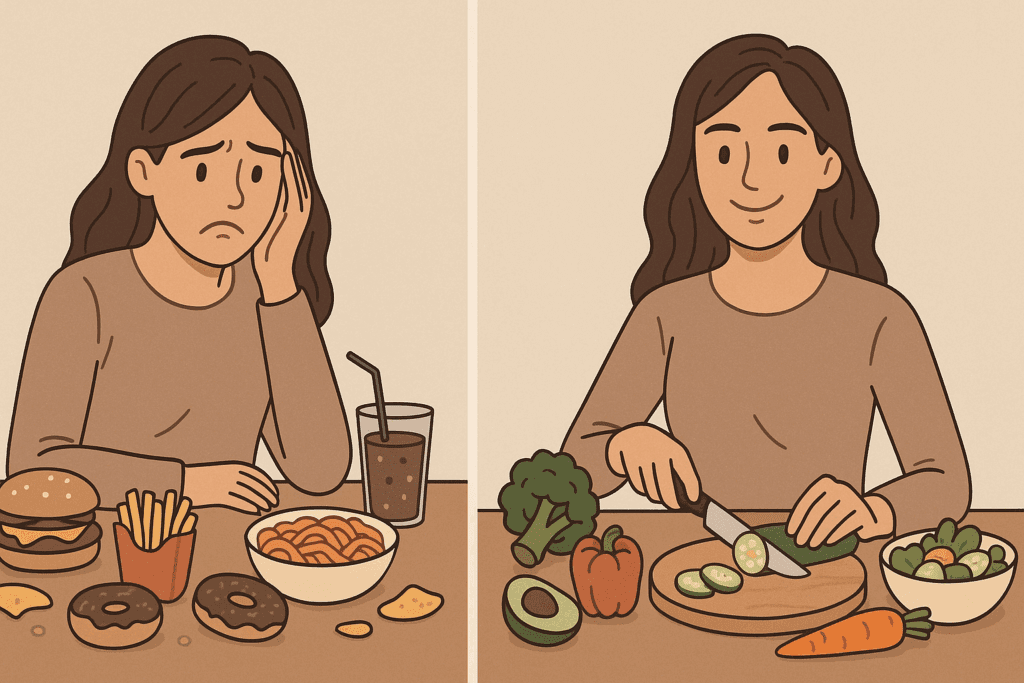
Further Reading:

Navigating Holidays: A Guide For Individuals Recovering From Eating Disorders

The Impact of Anorexia Nervosa and the Basis for Non-Pharmacological Interventions

A Dietitian’s Journey of Recovering from an Eating Disorder

Understanding Anorexia Medication: How Drugs for Eating Disorders Fit into a Holistic Approach to Recovery

Introduction: Why a Holistic Lens Matters in Eating Disorder Recovery

Anorexia nervosa is one of the most complex and devastating psychiatric conditions, affecting not only the physical health of individuals but also deeply entwining itself within emotional, psychological, and social layers of life. Addressing anorexia requires more than a singular focus—it demands an integrative approach that treats both body and mind. For years, treatment centered almost exclusively around nutritional rehabilitation and psychotherapy. However, as our understanding of the condition has grown, so has the recognition that medications—specifically anorexia medication and other drugs for eating disorders—can play an essential role in a comprehensive recovery plan.

You may also like: How to Stop Emotional Eating and Regain Control: Mindful Nutrition Strategies That Support a Healthier Lifestyle

This evolution in treatment strategy underscores a broader shift in mental health care: one that prioritizes individualized, multifaceted support over one-size-fits-all solutions. Within this framework, the use of anorexia nervosa medication is not seen as a standalone cure but as part of a network of interventions that may include cognitive behavioral therapy (CBT), nutritional counseling, lifestyle restructuring, and community-based support. This article explores how drugs to treat anorexia are woven into the broader tapestry of holistic recovery. It also evaluates current evidence, clarifies misconceptions, and considers practical and ethical implications for individuals and care teams navigating this difficult terrain.

Understanding the nature, application, and limitations of anorexia nervosa drugs is a vital step toward demystifying their role in recovery. By exploring their use through the lens of science, lived experience, and holistic health philosophy, we can foster a more inclusive and effective approach to treatment—one that respects the individual’s journey and offers medically sound, evidence-based care grounded in compassion.

Illustration depicting the mental, physical, and emotional struggles of anorexia nervosa, highlighting the impact of anorexia medication on the individual’s brain and body, with a frail figure and jagged lines representing emotional distress

The Clinical Landscape of Anorexia Nervosa and Its Challenges

Before exploring anorexia medication in depth, it is crucial to understand the condition itself. Anorexia nervosa is not merely a refusal to eat or a desire to lose weight—it is a psychiatric disorder marked by a distorted body image, intense fear of gaining weight, and severe food restriction. These behaviors often stem from a complex interplay of genetic, psychological, social, and environmental factors, making treatment inherently challenging.

The chronic nature of anorexia nervosa and its alarmingly high mortality rate—one of the highest among psychiatric illnesses—demand an urgent and nuanced approach. Sufferers may resist treatment, hide symptoms, or present comorbid conditions such as anxiety, depression, or obsessive-compulsive disorder, all of which can complicate therapeutic interventions. The body’s physical decline—marked by malnutrition, organ damage, and hormonal imbalances—further limits the brain’s capacity to fully engage in cognitive therapies.

This intersection of physical deterioration and psychological rigidity means that interventions often require more than nutritional support alone. Drugs for eating disorders may be introduced not to eliminate symptoms in isolation, but to create a foundation on which other treatments can build. Whether targeting co-occurring mental health disorders or stabilizing neurochemical imbalances, anorexia nervosa medication can enhance responsiveness to therapy and facilitate deeper emotional healing.

In the past, reluctance to use medication in eating disorder treatment stemmed from a belief that pharmacological intervention might encourage avoidance of deeper psychological work. Today, however, clinical evidence supports a more balanced view—one where drug treatment for anorexia serves as a bridge rather than a barrier to lasting recovery.

A clinical visualization of Anorexia Medication including SSRIs, atypical antipsychotics, and mood stabilizers in pill form with molecular structures displayed in a research lab setting

Types of Anorexia Medication and Their Therapeutic Roles

The phrase “anorexia medication” encompasses a range of pharmacological agents used to treat either core symptoms or related conditions such as anxiety and depression. No drug is currently FDA-approved specifically for anorexia nervosa itself, but several medications have shown promise in supporting recovery when used judiciously and in conjunction with psychotherapy.

Selective serotonin reuptake inhibitors (SSRIs), such as fluoxetine, are among the most commonly prescribed drugs for eating disorders. While their efficacy in underweight anorexic patients is limited, they can be more helpful once a patient has regained some weight. SSRIs may alleviate anxiety, stabilize mood, and reduce obsessive thinking patterns, particularly in individuals who also struggle with depression or obsessive-compulsive traits.

Atypical antipsychotics, like olanzapine, have been studied for their potential to reduce distorted body image and food-related anxiety. These drugs may promote modest weight gain and decrease intrusive, distressing thoughts about body shape and size. Unlike older antipsychotic medications, atypical options tend to have fewer extrapyramidal side effects, making them more suitable for longer-term use in sensitive populations.

Mood stabilizers and anti-anxiety medications are also occasionally used as part of a broader treatment plan. For example, low-dose benzodiazepines might be administered prior to meals to ease anticipatory anxiety, although they are not recommended for long-term use due to risks of dependency. In cases of severe comorbid depression, medications such as mirtazapine—an antidepressant with appetite-stimulating properties—may offer dual benefits.

Although the search for drugs to treat anorexia specifically continues, the current pharmacological toolkit offers significant support for managing symptoms and enhancing therapeutic engagement. When viewed as part of a coordinated care plan, anorexia nervosa drugs can become vital contributors to a more stable and sustainable recovery process.

A digital illustration depicting a balanced, holistic treatment plan for anorexia, with icons representing therapy (brain), nutrition (plate with vegetables), anorexia medication (pill bottle), and mindfulness (yoga mat), set against a calming landscape. This image visualizes the synergy of a comprehensive approach to treating anorexia

The Role of Medication Within a Holistic Treatment Framework

Holistic treatment for anorexia recognizes that true recovery is about more than weight restoration—it involves healing the mind, redefining self-worth, and creating sustainable lifestyle changes. In this model, drug treatment for anorexia is not a standalone solution but one piece of a much larger puzzle.

Therapeutic alliances play a foundational role. The decision to begin anorexia nervosa medication should be collaborative, involving the patient, psychiatrist, therapist, dietitian, and where appropriate, family members. This collective approach ensures that the medication supports rather than overshadows other aspects of care. For instance, while SSRIs might reduce intrusive thoughts, cognitive behavioral therapy remains essential for restructuring beliefs about food, body image, and control.

Nutrition therapy also forms a cornerstone of holistic care. As nourishment improves, the brain begins to function more optimally, increasing the effectiveness of both psychotherapy and pharmacological treatments. For this reason, medications may be more beneficial once the patient has reached a minimally healthy weight, allowing their body to properly metabolize the drug and their mind to process therapeutic insights.

Moreover, mindfulness-based interventions, such as yoga, guided meditation, and breathwork, can complement the use of drugs for eating disorders by helping individuals reconnect with their bodies in nonjudgmental ways. These practices can reduce stress, increase body awareness, and foster a sense of calm that supports long-term healing.

By weaving anorexia medication into a tapestry of psychosocial support, nutritional guidance, and lifestyle therapies, practitioners can create a recovery plan that acknowledges the multifaceted nature of eating disorders. This synergy not only promotes greater treatment adherence but also honors the complexity of each person’s journey toward wellness.

Balancing the ethical considerations of anorexia medication: A conceptual scale with medication pills on one side and a person symbolizing emotional well-being on the other, highlighting the complexities of treatment in anorexia medication

Risks, Limitations, and Ethical Considerations of Pharmacological Interventions

While anorexia nervosa drugs offer promising support, they are not without limitations or risks. One major concern lies in the physiological state of individuals with anorexia. Severe malnutrition can alter how the body processes medication, leading to unpredictable responses or increased sensitivity to side effects. For this reason, clinicians must approach drug treatment for anorexia with careful titration, close monitoring, and a readiness to adjust or discontinue medications if adverse effects arise.

Another challenge involves the psychological implications of medication use. Some individuals perceive taking anorexia medication as a sign of failure or weakness, which can hinder compliance and reinforce feelings of shame. It is essential that care teams frame pharmacological treatment as a tool—not a crutch—in the recovery process. By demystifying and destigmatizing the use of medications, practitioners can foster a more empowered, choice-driven path to healing.

Additionally, the absence of FDA-approved drugs specifically for anorexia means that most prescriptions are off-label. While this is a common and legal practice in psychiatry, it places added responsibility on providers to ensure that decisions are evidence-based, well-documented, and tailored to the individual’s clinical profile. Ethical concerns also arise around informed consent, particularly when working with adolescents or individuals whose decision-making capacity may be compromised by the illness.

From a systemic perspective, access to medication—and to the professionals qualified to prescribe and monitor it—can be limited by geographic, financial, or insurance-related barriers. Advocating for more inclusive, equitable mental health services is a vital step toward ensuring that everyone with an eating disorder can access the full range of treatment options, including medication when appropriate.

Ultimately, anorexia nervosa medication must be approached with clinical vigilance, ethical clarity, and a deep respect for the individual’s autonomy. Only then can it truly fulfill its role as a supportive element in a broader, holistic path to recovery.

Futuristic scientific research in anorexia medication, featuring glowing DNA strands, molecular structures, and an advanced drug delivery capsule in a high-tech laboratory setting

Emerging Research and Future Directions in Anorexia Medication

The field of psychopharmacology is constantly evolving, and anorexia research is no exception. While no single drug has emerged as a definitive solution, ongoing studies are exploring novel compounds and combinations that may improve outcomes for individuals struggling with this disorder. Advances in neurobiology are shedding new light on the ways that starvation impacts brain function and emotional regulation, offering valuable insights into how drugs for eating disorders might be more effectively tailored.

One promising area of investigation involves the use of ketamine, a medication originally developed as an anesthetic and now repurposed for treatment-resistant depression. Preliminary studies suggest that ketamine’s rapid-acting effects on mood and cognition could offer benefits for individuals with anorexia, particularly those who experience profound anhedonia and emotional numbness. However, these applications remain experimental and must be approached with caution.

Another area of research focuses on the gut-brain axis and its role in mood and appetite regulation. Emerging evidence suggests that certain probiotics, prebiotics, and microbiome-focused interventions could enhance the effectiveness of traditional anorexia nervosa drugs by restoring gut health and improving neurochemical balance. Though still in early stages, these developments reflect the growing integration of nutritional science and mental health care.

Pharmacogenetics—the study of how genes affect a person’s response to drugs—also holds promise for the future of anorexia treatment. By identifying genetic markers that predict responsiveness or sensitivity to specific medications, clinicians may one day be able to craft personalized treatment plans with greater precision and fewer side effects.

As science continues to unravel the complexities of anorexia nervosa, the role of medication will likely expand in both scope and sophistication. While we are not yet at a point where drugs to treat anorexia can replace the need for comprehensive care, they are increasingly recognized as essential components of an integrated recovery model that values both medical innovation and human-centered healing.

Therapist, psychiatrist, and nutritionist collaborating with a young woman in a warm, therapeutic setting, focusing on holistic recovery for Anorexia Medication

Frequently Asked Questions: Understanding Anorexia Medication in a Holistic Recovery Framework

1. Can anorexia nervosa medication help with long-term recovery even after physical symptoms have stabilized? Yes, anorexia nervosa medication can continue to play a supportive role even after a patient has reached physical stabilization. Although the primary goal of early intervention is often nutritional restoration, long-term use of medication can assist in maintaining emotional regulation, reducing the likelihood of relapse, and addressing persistent psychological symptoms. Some individuals continue to experience intense anxiety, perfectionistic thinking, or obsessive-compulsive behaviors even when weight has normalized. In these cases, ongoing drug treatment for anorexia may offer cognitive and emotional balance that supports sustained recovery. It is important to work closely with a healthcare provider to evaluate whether prolonged use of anorexia nervosa drugs remains beneficial based on progress and symptom evolution.

2. How do clinicians determine which anorexia medication is most appropriate for each individual? Choosing the right medication for someone with anorexia involves careful consideration of multiple variables, including symptom profile, comorbid conditions, nutritional status, age, and previous responses to psychiatric medications. Clinicians often start with a low dose and adjust gradually, especially since malnutrition can alter drug metabolism. The decision process also involves balancing benefits against potential risks, particularly in the case of off-label drug use. For example, an individual with significant obsessive thought patterns may respond better to certain SSRIs, while someone with acute anxiety before meals might benefit from short-term anxiolytics. Ultimately, prescribing drugs for eating disorders is a nuanced process that requires a customized approach rooted in clinical expertise and patient feedback.

3. Are there innovative therapies that might enhance the effectiveness of drugs to treat anorexia? Yes, a number of complementary and emerging therapies are being explored to enhance the effectiveness of drugs to treat anorexia. For example, transcranial magnetic stimulation (TMS), a non-invasive brain stimulation technique, has shown promise when combined with anorexia nervosa medication. There’s also growing interest in combining pharmacological treatment with somatic therapies, such as trauma-informed yoga or neurofeedback, to target the nervous system more holistically. These adjunct treatments may help regulate physiological responses to stress, improve interoceptive awareness, and bolster the mood-stabilizing effects of medication. Integrating body-based practices with anorexia nervosa drugs offers a promising direction for individuals who have not fully responded to traditional interventions alone.

4. Why are some patients resistant to taking anorexia medication, and how can providers address this? Resistance to anorexia medication can stem from various psychological, emotional, and cultural factors. Some individuals fear losing control or believe that taking medication signifies weakness, while others may worry about side effects or weight gain. In certain cases, internalized stigma or past negative experiences with psychiatric drugs can fuel hesitation. Providers can help reduce resistance by engaging in open, nonjudgmental dialogue and emphasizing that drug treatment for anorexia is one piece of a multifaceted recovery plan. Framing medication as a tool for emotional clarity or distress reduction—not a standalone fix—can help build trust and promote a sense of agency in the healing process.

5. How do anorexia nervosa drugs affect cognitive function and decision-making in recovery? Cognitive distortions and impaired decision-making are hallmark features of anorexia nervosa. Certain medications, particularly SSRIs and atypical antipsychotics, have demonstrated the ability to improve these cognitive disruptions over time. By enhancing neurotransmitter function, anorexia medication may reduce rigid thinking patterns, promote flexibility, and help patients engage more effectively in therapy. This is especially relevant in the later stages of treatment when patients begin making choices about food, exercise, and lifestyle. Improved cognitive clarity, fostered by the use of anorexia nervosa drugs, can empower individuals to make healthier decisions that align with recovery goals.

6. Can drug treatment for anorexia help mitigate the impact of trauma in individuals with co-occurring PTSD? Yes, for individuals with a history of trauma or post-traumatic stress disorder (PTSD), drug treatment for anorexia can offer essential support. Many people with eating disorders use food restriction as a coping mechanism to manage the emotional aftermath of trauma. Anorexia nervosa medication—particularly medications that target both mood and anxiety—can help create psychological safety and reduce hyperarousal, allowing trauma work to begin more effectively in therapy. While medications are not a substitute for trauma-focused interventions such as EMDR or somatic experiencing, they can stabilize emotional reactivity and improve sleep, concentration, and tolerance for distress. This multifaceted strategy helps integrate trauma healing into the broader arc of eating disorder recovery.

7. What role do social and cultural factors play in how people respond to drugs for eating disorders? Social and cultural context significantly shapes how individuals perceive and respond to drugs for eating disorders. Cultural stigma around psychiatric medication, differing beliefs about mental illness, and family dynamics can all influence whether someone is open to using anorexia medication. Additionally, disparities in access to mental health care may affect the quality of treatment and medication adherence. Clinicians who practice cultural humility and acknowledge the lived experiences of their patients are better positioned to build rapport and foster medication compliance. Tailoring drug treatment for anorexia to account for cultural identity, language, and health literacy enhances both the ethical integrity and clinical effectiveness of care.

8. Are there risks of dependency or long-term side effects from anorexia nervosa drugs? While many anorexia nervosa drugs are considered safe for long-term use, there are important considerations regarding dependency and side effects. Benzodiazepines, for example, are not recommended for extended use due to the risk of tolerance, withdrawal, and dependency. Other medications, like atypical antipsychotics, may carry metabolic side effects such as increased cholesterol or insulin resistance. Regular monitoring through lab work and psychiatric evaluations is essential to minimize risk and adapt the treatment plan as needed. An informed and balanced approach to anorexia medication includes transparent discussions about side effects, lifestyle integration, and regular reassessment to ensure that benefits continue to outweigh any potential harms.

9. How might future innovations in neuroscience impact the development of drugs to treat anorexia? Advancements in neuroscience are likely to transform how we understand and develop drugs to treat anorexia. Researchers are beginning to map neural circuits involved in reward, habit formation, and interoception—all of which are disrupted in anorexia nervosa. This growing knowledge base may pave the way for more targeted treatments, such as medications that act on the dopamine or oxytocin systems to recalibrate emotional and bodily awareness. In the future, it’s plausible that personalized medicine—based on genetic profiles or brain imaging—will guide the selection of anorexia nervosa medication, increasing both efficacy and safety. These innovations promise to expand treatment possibilities while respecting the individuality of each patient’s recovery journey.

10. What are the most important factors in balancing medication with non-drug interventions in eating disorder recovery? The key to balancing anorexia medication with non-drug interventions lies in maintaining an integrated and person-centered care plan. Medication can reduce distressing symptoms and enhance participation in therapy, but it should never replace the therapeutic alliance, nutritional support, and lifestyle changes necessary for lasting healing. Timing is also important—some drugs for eating disorders work best after partial weight restoration, while others can help address acute distress in early stages. Clear communication among care team members and consistent reassessment of goals ensures that drug treatment for anorexia complements rather than overshadows other modalities. This holistic strategy promotes synergy between pharmacological and non-pharmacological approaches, cultivating a deeper, more sustainable recovery.

Infographic showing types of anorexia medication (SSRIs, antipsychotics, mood stabilizers) and their therapeutic roles, illustrating their effects on mood, obsessive thoughts, and weight normalization

Conclusion: Rethinking Recovery with Compassionate, Evidence-Based Care

In the journey toward healing from anorexia nervosa, there is no single road, no universal timetable, and no magic pill. Recovery is as nuanced and personal as the individuals who undertake it. Yet, what emerges clearly from the growing body of research and lived experience is that medication, when used responsibly and in harmony with other treatments, can be a powerful ally. The role of anorexia medication in a holistic framework is not to overshadow therapy, nutrition, or mindfulness practices, but to support them—to offer stability, enhance resilience, and increase the effectiveness of therapeutic work.

Drugs for eating disorders are not a panacea, nor should they be viewed with suspicion or fear. They are tools, backed by evolving science and guided by ethical practice, that can open new doors for those whose lives have been narrowed by the grips of this disorder. By embracing an integrative approach—one that blends anorexia nervosa drugs with emotional support, nutritional care, and lifestyle interventions—we offer a more compassionate and comprehensive path forward.

As we move toward more personalized and inclusive treatment strategies, it becomes increasingly important to advocate for access, education, and empathy. Whether through innovative research, clinical best practices, or community advocacy, the goal remains the same: to help individuals not just survive anorexia, but to reclaim their lives with dignity, vitality, and hope.

Was this article helpful? Don’t let it stop with you. Share it right now with someone who needs to see it—whether it’s a friend, a colleague, or your whole network. And if staying ahead on this topic matters to you, subscribe to this publication for the most up-to-date information. You’ll get the latest insights delivered straight to you—no searching, no missing out.

Further Reading:

Anorexia nervosa

Anorexia Nervosa

The Impact of Anorexia Nervosa and the Basis for Non-Pharmacological Interventions

How a Whole Foods Diet Supports Sustainable Weight Loss: Expert Tips for Eating Whole Foods to Lose Weight Safely

In a landscape overwhelmed by fleeting diet trends and quick-fix weight loss promises, the concept of a whole foods diet stands as a beacon of sustainability, balance, and nutritional integrity. Rather than focusing on deprivation, calorie obsession, or overly restrictive food rules, eating whole foods to lose weight is about nourishing the body with what it truly needs—minimally processed, nutrient-dense ingredients that support long-term health and metabolism. This approach is not only medically supported but also aligned with how our bodies naturally function when given the right tools.

Today, increasing numbers of nutritionists, physicians, and researchers are turning to the whole foods diet as a solution for weight-related health challenges that go beyond temporary fixes. It’s not just about losing pounds—though it can be incredibly effective for that—it’s about shifting one’s entire relationship with food, appetite, and energy. This article explores why a whole foods diet is uniquely positioned to support sustainable weight loss and how adopting this lifestyle can lead to long-lasting results without compromising enjoyment or vitality.

You may also like: Smart Clean Eating for Weight Loss: Your Easy Diet Plan with a Free Diet Guide to Get Started

Colorful grain bowl with quinoa, avocado, chickpeas, leafy greens, and roasted vegetables representing a balanced whole foods diet.

Understanding the Whole Foods Diet and Its Core Principles

A whole foods diet is rooted in simplicity and nature. It emphasizes the consumption of foods that are as close as possible to their natural state—think fruits, vegetables, whole grains, legumes, nuts, seeds, and minimally processed plant-based proteins. The goal is to reduce or eliminate foods that have been heavily refined or altered, particularly those with added sugars, synthetic preservatives, artificial flavors, or industrial seed oils. This nutritional approach is fundamentally about quality over quantity and recognizes that not all calories are created equal.

At the core of the whole foods diet is the belief that food should be functional and foundational. In other words, what we eat should not only provide energy but also actively contribute to our overall wellness. This includes regulating hormones, supporting immune function, fueling the microbiome, and assisting in the body’s natural detoxification processes. When these systems are working in harmony, weight regulation becomes less about willpower and more about physiology. This is one of the reasons why weight loss on a whole food diet often feels more natural and sustainable compared to restrictive diets that leave the body undernourished and hormonally imbalanced.

Side-by-side comparison of a processed meal and a whole foods diet meal with chips, soda, and doughnut on the left and fresh vegetables, nuts, and avocado on the right

Why Processed Foods Sabotage Sustainable Weight Loss

One of the primary obstacles to healthy, lasting weight loss is the overconsumption of ultra-processed foods—products that are engineered to be hyper-palatable, shelf-stable, and addictive. These items often contain a harmful combination of refined carbohydrates, unhealthy fats, and added sugars that disrupt appetite regulation, spike insulin levels, and contribute to inflammation. When the body is repeatedly exposed to these triggers, it enters a state of metabolic dysfunction that not only promotes fat storage but also makes it exceedingly difficult to burn that fat efficiently.

This is where the contrast with a whole foods diet becomes most evident. Unlike processed foods, whole foods deliver fiber, antioxidants, phytonutrients, and healthy fats in a balanced matrix that slows digestion, stabilizes blood sugar, and enhances satiety. For example, eating an apple provides fiber, water, and a modest amount of natural sugar in a form the body can metabolize steadily. Eating the same amount of sugar in the form of apple-flavored candy, by contrast, leads to a rapid glucose spike followed by a crash, setting the stage for hunger and overeating.

When individuals begin eating whole foods to lose weight, they often experience a dramatic shift in appetite control. Cravings decrease, energy levels stabilize, and meals become more satisfying without the need for excessive portion sizes. These physiological changes are crucial for long-term weight regulation and are part of why weight loss on a whole food diet tends to be more enduring.

Illustration of a human silhouette showing hormone balance with icons for insulin and leptin, surrounded by whole foods like avocado, leafy greens, and walnuts to represent the benefits of a whole foods diet

How a Whole Foods Diet Affects Metabolism and Hormones

Weight regulation is intricately linked to hormonal signals that govern hunger, fullness, fat storage, and energy expenditure. Two of the most influential hormones in this equation are insulin and leptin. Insulin facilitates the uptake of glucose into cells, and when it is chronically elevated due to a high intake of refined carbohydrates, the body is more likely to store fat and less likely to burn it. Leptin, meanwhile, communicates with the brain to signal satiety and manage fat reserves. When leptin signaling becomes impaired—a common consequence of poor diet and inflammation—people may overeat without feeling full.

A whole foods diet supports healthy hormone function by minimizing the intake of foods that cause hormonal disruptions and by providing the nutrients necessary to restore balance. For instance, magnesium, zinc, and omega-3 fatty acids—found abundantly in whole plant foods—play important roles in insulin sensitivity and leptin signaling. Fiber-rich foods like lentils, oats, and leafy greens slow carbohydrate absorption, preventing blood sugar spikes and reducing insulin load.

Moreover, weight loss on a whole food diet does not rely on calorie counting alone. It leverages the body’s natural mechanisms for hunger and fullness, allowing individuals to eat until satisfied without overeating. This is a powerful distinction because it shifts the focus from external control (counting calories) to internal regulation (listening to hunger cues), which is more sustainable and psychologically supportive in the long run.

Diagram of gut microbiome showing how fermented foods and prebiotic fiber in a whole foods diet support digestion and weight loss.

The Role of Gut Health in Whole Foods-Based Weight Loss

Emerging research in nutritional science continues to affirm the central role of the gut microbiome in weight regulation. The trillions of microorganisms that reside in the digestive tract are responsible for metabolizing nutrients, producing short-chain fatty acids, regulating inflammation, and influencing everything from mood to immune function. Diets high in processed foods, sugar, and additives can disrupt this delicate ecosystem, promoting the growth of harmful bacteria that contribute to weight gain and metabolic disease.

In contrast, eating whole foods to lose weight nurtures a healthy and diverse microbiome. Whole plant foods provide prebiotic fibers—non-digestible carbohydrates that serve as fuel for beneficial gut bacteria. Fermented foods like kimchi, sauerkraut, and tempeh further enrich the gut with probiotics that enhance digestive health. Together, these components create a symbiotic environment in which the body can better extract nutrients, manage inflammation, and maintain a healthy weight.

What’s particularly compelling is that individuals who transition to a whole foods diet often report improved digestion, reduced bloating, and enhanced mood—all of which are associated with better weight regulation. This reinforces the idea that successful, sustainable weight loss is about more than just eating less. It’s about feeding the body in a way that promotes internal balance and optimal function from the inside out.

Meal prepping for a whole foods diet with fresh vegetables, quinoa, and plant-based proteins on a clean kitchen counter.

Practical Strategies for Transitioning to a Whole Foods Diet

Although the idea of adopting a whole foods diet may sound straightforward, the practical shift can feel overwhelming, especially for those accustomed to processed convenience foods. One of the first and most effective strategies is to start by upgrading rather than overhauling. Instead of focusing on what needs to be eliminated, focus on what can be added. Adding more vegetables to dinner, swapping white rice for quinoa, or replacing sugary cereal with steel-cut oats are small but impactful steps that begin the transition.

Another helpful approach is to shop the perimeter of the grocery store, where fresh produce, whole grains, and unprocessed proteins are typically found. Preparing meals at home is also essential, as it allows for control over ingredients and reduces exposure to added sugars and artificial preservatives. Batch cooking and meal prepping on weekends can make it easier to stay consistent throughout the week, even on busy days.

It’s also worth acknowledging that eating whole foods to lose weight is not about perfection—it’s about consistency. Progress, not purity, is the goal. Giving oneself permission to enjoy food without guilt, while continuing to make thoughtful choices, is vital to maintaining motivation and a positive relationship with eating. Over time, these habits become second nature, and the process of meal planning, cooking, and eating whole foods becomes not only manageable but enjoyable.

Woman peacefully enjoying a whole foods diet meal with salad, smoothie bowl, and whole grain bread at a calm dining table.

The Psychological Benefits of a Whole Foods Lifestyle

Beyond the physical benefits, a whole foods diet offers profound psychological advantages. Many individuals find that once they are no longer caught in the cycle of sugar highs and lows or processed food cravings, their emotional relationship with food begins to heal. Rather than viewing meals as a source of stress, temptation, or guilt, eating becomes an act of self-care and nourishment.

This shift is significant because sustainable weight loss is as much about mindset as it is about metabolism. A person who feels empowered by their food choices, who experiences pleasure in eating and confidence in their body’s signals, is far more likely to maintain a healthy weight than someone who is constantly at war with food. The mindfulness cultivated through whole food eating often extends to other areas of life, fostering greater self-awareness, resilience, and balance.

Mindful eating—slowing down, savoring flavors, paying attention to hunger and fullness cues—is a natural byproduct of consuming foods that require preparation and engagement. Fast food and snacks tend to be mindless by design, encouraging consumption without thought. In contrast, preparing a roasted vegetable quinoa bowl or making a fresh green smoothie invites intention. This presence at mealtime not only improves digestion but also enhances satisfaction and supports weight regulation by preventing overeating.

Long-Term Sustainability and Lifestyle Integration

The most compelling argument in favor of the whole foods diet for weight management is its sustainability. Unlike diets that rely on extreme restrictions, meal replacements, or artificial limitations, the whole foods approach is inherently adaptable. It can be tailored to personal preferences, cultural traditions, and seasonal availability. Whether one prefers Mediterranean flavors, Asian stir-fries, or Latin American cuisine, the principles of whole food eating can be honored without sacrificing variety or enjoyment.

Sustainability also extends to one’s social life and sense of well-being. Because the whole foods diet is flexible and inclusive, it allows for shared meals with family and friends, participation in cultural celebrations, and the enjoyment of occasional indulgences. This inclusive nature helps to eliminate the “all-or-nothing” mindset that often leads to burnout on traditional weight loss programs.

As individuals become more attuned to the benefits of eating whole foods to lose weight—improved energy, clearer skin, better sleep, stable mood, and more—they become intrinsically motivated to maintain the habit. These non-scale victories are often more meaningful and reinforcing than numbers on a scale. The end result is a lifestyle that supports not just a healthier weight, but a healthier, more vibrant life overall.

Infographic showing scientific benefits of a whole foods diet with icons for lower BMI, diabetes risk reduction, and heart health improvements

Scientific Evidence Supporting Weight Loss on a Whole Food Diet

Scientific studies continue to reinforce the efficacy of a whole foods diet for weight loss and metabolic health. Research published in journals such as The New England Journal of Medicine, JAMA, and The Lancet has demonstrated that diets rich in whole, plant-based foods are associated with lower body mass index (BMI), reduced incidence of type 2 diabetes, and improved cardiovascular outcomes. Importantly, these studies also highlight improved dietary adherence, meaning participants were more likely to stick with the eating pattern over time.

One landmark study known as the BROAD Study, conducted in New Zealand, placed overweight and obese participants on a low-fat whole food plant-based diet. The results showed significant and sustained weight loss at six and twelve months, without the need for calorie counting or portion control. Participants also reported improved quality of life and decreased reliance on medications. These outcomes suggest that weight loss on a whole food diet is not only achievable but also comes with wide-ranging health benefits.

Other studies have examined the impact of fiber, which is found exclusively in plant foods and is typically lacking in the standard American diet. Fiber has been shown to promote satiety, reduce overall calorie intake, and feed beneficial gut bacteria—all of which contribute to weight regulation. The combination of high nutrient density, natural fiber, and balanced macronutrients in whole foods is a potent formula for sustainable weight management.

Frequently Asked Questions (FAQ): How a Whole Foods Diet Supports Sustainable Weight Loss

1. Can a whole foods diet support weight loss even without counting calories or tracking macros?

Absolutely. One of the most compelling aspects of a whole foods diet is that it naturally encourages portion control through improved satiety and blood sugar regulation. Because whole foods are rich in fiber, water, and nutrients, they take longer to digest and leave you feeling full longer, reducing the likelihood of overeating. This biological feedback loop means that eating whole foods to lose weight can be effective even without logging every calorie or gram of fat. People often underestimate how taxing calorie counting can be psychologically; the whole foods approach relieves that burden by focusing on quality rather than restriction. Over time, this intuitive style of eating supports lasting weight loss on a whole food diet without the burnout that accompanies many traditional tracking-based regimens.

2. How can someone overcome emotional eating when transitioning to a whole foods diet?

Emotional eating is a common challenge, especially when food has become a coping mechanism for stress, loneliness, or boredom. A whole foods diet can help interrupt this cycle by stabilizing blood sugar and improving mood through nutrient-dense meals, but it’s also essential to address the emotional component directly. Many find success by pairing the dietary shift with mindfulness practices such as journaling, meditation, or therapy. Interestingly, certain whole foods—such as leafy greens, legumes, and nuts—are rich in magnesium and B vitamins, which support neurotransmitter function and emotional resilience. When eating whole foods to lose weight, consider the emotional nourishment you’re gaining, not just the physical benefits; this mindset shift can help reframe food as a tool for healing rather than escape.

3. What role does social support play in sustaining weight loss on a whole food diet?

Social support can dramatically increase the likelihood of success with any lifestyle change, especially one as comprehensive as a shift to a whole foods diet. Sharing meals, recipes, and progress with others can make the process feel less isolating and more enjoyable. Many communities have local or online groups dedicated to eating whole foods to lose weight, where members exchange practical tips and encouragement. Involving family or friends in meal preparation can also strengthen relationships while reinforcing healthy habits. When individuals feel seen and supported in their journey, adherence improves, making sustainable weight loss on a whole food diet more attainable and emotionally fulfilling.

4. Are there advanced strategies to enhance fat loss specifically while following a whole foods diet?

Yes, several advanced techniques can be used within a whole foods framework to optimize fat loss. For instance, meal timing strategies like early time-restricted eating—finishing dinner by early evening—may amplify the fat-burning effects of a whole foods diet by aligning with circadian rhythms. Additionally, emphasizing thermogenic foods such as chili peppers, ginger, or green tea can slightly boost metabolism when incorporated mindfully. Prioritizing protein-rich whole foods like lentils, tempeh, and quinoa during meals also helps preserve lean muscle mass while promoting fat loss. When strategically combined, these enhancements can accelerate weight loss on a whole food diet without compromising nutritional quality or sustainability.

5. How does a whole foods diet influence long-term metabolic health beyond just weight loss?

While weight loss on a whole food diet is a notable benefit, the metabolic advantages go far deeper. Whole foods nourish the body with antioxidants and anti-inflammatory compounds that reduce oxidative stress—a key driver of insulin resistance and metabolic syndrome. Over time, this reduces the risk of chronic conditions such as type 2 diabetes, fatty liver disease, and cardiovascular dysfunction. Furthermore, consistent consumption of fiber from whole plant foods supports stable glucose levels and lowers cholesterol, improving the metabolic profile even in individuals who aren’t actively losing weight. The long-term result of eating whole foods to lose weight is often a more efficient, resilient metabolism that better handles stress, hormonal shifts, and aging.

6. Can a whole foods diet be customized for different cultural or dietary preferences?

Absolutely, one of the strengths of a whole foods diet is its flexibility and cultural adaptability. Whether you’re following a Mediterranean, Asian, Latin American, or African-inspired eating pattern, it’s entirely possible to build your meals around whole, minimally processed ingredients. The key is focusing on the core principles—avoiding refined sugars, flours, and synthetic additives—while incorporating herbs, spices, and cooking techniques that align with your heritage or culinary preferences. This inclusivity makes eating whole foods to lose weight a much more sustainable and enjoyable experience, especially when it honors one’s identity and traditions. Personalization not only enhances adherence but also fosters a deeper emotional connection to the food you eat.

7. How does stress affect the effectiveness of a whole foods diet for weight loss?

Chronic stress can significantly blunt the results of any weight loss strategy, including a whole foods diet. Stress triggers the release of cortisol, a hormone that promotes fat storage—especially around the abdomen—and can lead to increased cravings for calorie-dense, processed foods. Even when eating whole foods to lose weight, unresolved stress can result in mindless snacking or disrupted sleep, which undermines metabolic health. Incorporating stress-reducing habits such as breathwork, walking in nature, or practicing yoga can enhance the effectiveness of the whole foods approach. In this way, holistic wellness practices amplify the physiological benefits of a whole foods diet, supporting a more complete transformation.

8. Is it more expensive to follow a whole foods diet long-term, and how can it be done affordably?

While certain organic or specialty whole food products can be pricey, a whole foods diet does not have to be expensive. Staples like beans, lentils, brown rice, oats, and frozen vegetables are often significantly cheaper than processed meals or restaurant fare. Shopping at local farmers markets, buying in bulk, and planning meals around seasonal produce are all effective strategies for eating whole foods to lose weight without breaking the bank. Investing time in cooking at home also reduces reliance on convenience foods, which tend to carry hidden costs. Over time, the potential health savings—fewer medications, fewer doctor visits, and less time lost to illness—make the whole foods approach one of the most cost-effective lifestyle investments.

9. What should I expect in the first few weeks of switching to a whole foods diet for weight loss?

The initial transition to a whole foods diet can bring both rewards and challenges. Many people report increased energy, improved digestion, and clearer thinking within the first two weeks. However, it’s also common to experience temporary symptoms like headaches, cravings, or fatigue—especially if the previous diet was high in sugar or caffeine. These short-term effects are often signs that the body is recalibrating, adjusting to the nutrient-dense, fiber-rich nature of whole foods. Sticking with the plan during this adjustment period is crucial, as weight loss on a whole food diet tends to accelerate once metabolic and digestive systems stabilize. Hydration, gentle movement, and adequate sleep can ease this transition and set the stage for long-term success.

10. How can someone maintain weight loss after reaching their goal on a whole foods diet?

Maintenance is often the most overlooked phase of any weight loss journey, yet it’s where sustainability truly proves itself. The good news is that a whole foods diet naturally lends itself to maintenance because it’s designed to be a lifelong pattern, not a temporary fix. After achieving your goal, the focus can shift from active fat loss to performance, vitality, and disease prevention. This may involve adjusting portion sizes, introducing more complex meals, or exploring new whole foods to keep the routine fresh and satisfying. Ultimately, eating whole foods to lose weight creates habits and preferences that support weight stability effortlessly, reducing the likelihood of regaining the weight and reinforcing a positive, health-forward identity.

Conclusion: Why Eating Whole Foods to Lose Weight Is the Healthiest, Most Sustainable Path Forward

In an age where dietary confusion is widespread and quick-fix solutions dominate headlines, returning to the basics of a whole foods diet offers clarity, consistency, and credibility. By emphasizing foods in their natural state and minimizing processed, artificial, and nutrient-poor items, individuals can achieve weight loss that is not only effective but also sustainable, nourishing, and empowering. The benefits extend far beyond the number on the scale, encompassing metabolic balance, digestive health, mental clarity, and emotional resilience.

Weight loss on a whole food diet is not about restriction—it’s about restoration. It restores our relationship with food, rebuilds our trust in the body’s signals, and reclaims health in a way that feels intuitive and lasting. For those seeking a science-backed, experience-driven path to wellness, eating whole foods to lose weight offers a meaningful solution that aligns with both medical evidence and lived experience.

This approach honors the complexity of the human body and the individuality of each person’s journey. It invites us to slow down, make conscious choices, and reconnect with food as a source of life, not just a means to an end. For anyone ready to step off the dieting roller coaster and embrace a healthier way of living, the whole foods path is not just a diet—it’s a sustainable, transformative lifestyle.

Was this article helpful? Don’t let it stop with you. Share it right now with someone who needs to see it—whether it’s a friend, a colleague, or your whole network. And if staying ahead on this topic matters to you, subscribe to this publication for the most up-to-date information. You’ll get the latest insights delivered straight to you—no searching, no missing out.

Further Reading:

Eating nutrient-rich foods, such as lean protein and legumes, can support your overall health and help you manage your weight.

Diet & weight loss

Science-Backed Tips to Lose Weight Fast and Sustainably

Disclaimer

The information contained in this article is provided for general informational purposes only and is not intended to serve as medical, legal, or professional advice. While NewsHealthWatch strives to present accurate, up-to-date, and reliable content, no warranty or guarantee, expressed or implied, is made regarding the completeness, accuracy, or adequacy of the information provided. Readers are strongly advised to seek the guidance of a qualified healthcare provider or other relevant professionals before acting on any information contained in this article. NewsHealthWatch, its authors, editors, and contributors expressly disclaim any liability for any damages, losses, or consequences arising directly or indirectly from the use, interpretation, or reliance on any information presented herein. The views and opinions expressed in this article are those of the author(s) and do not necessarily reflect the official policies or positions of NewsHealthWatch.

How to Break Food Addiction: Mindful Eating Strategies and Holistic Support for a Healthier Relationship with Food

Understanding Food Addiction and Its Psychological Roots

Food addiction is a complex condition marked by compulsive eating behaviors, intense cravings, and a persistent inability to control food intake, even in the face of negative consequences. While many people may occasionally overeat or indulge in unhealthy snacks, those struggling with food addiction often experience a loss of control that significantly impairs their mental, emotional, and physical well-being. Much like substance use disorders, food addiction can activate the brain’s reward system in ways that reinforce a cycle of dependency and emotional reliance on food.

You may also like: How to Stop Emotional Eating and Regain Control: Mindful Nutrition Strategies That Support a Healthier Lifestyle

At its core, food addiction is not solely about hunger or the need for sustenance. It often stems from underlying emotional or psychological triggers such as stress, trauma, low self-esteem, or unresolved anxiety and depression. For many individuals, food serves as a form of emotional regulation or coping mechanism, providing temporary relief or distraction from inner turmoil. This connection between emotional states and eating behaviors is a key factor that makes breaking eating addiction particularly challenging.

Moreover, certain foods—especially those high in sugar, fat, and salt—can have an addictive effect due to the way they influence brain chemistry. These foods can trigger dopamine release, producing feelings of pleasure and satisfaction that reinforce the desire to consume them repeatedly. Over time, this neurological reinforcement contributes to the development of tolerance, meaning larger amounts of food are needed to achieve the same pleasurable effects, perpetuating the cycle of overconsumption.

Recognizing the signs of food addiction is a crucial first step in the recovery process. Individuals may notice persistent food cravings, frequent episodes of binge eating, eating in secret, or feeling guilt and shame after eating. These food addiction symptoms often co-occur with mental health issues, making comprehensive and integrative approaches essential for sustainable healing.

Visual representation of how the brain’s reward system is triggered by hyper-palatable foods, like donuts, chips, and soda, highlighting emotional distress like anxiety and sadness, and addiction pathways, for understanding how to break food addiction

What Type of Treatment Is Recommended for Eating Disorders?

When considering what type of treatment is recommended for eating disorders and food addiction, it’s important to understand that there is no one-size-fits-all solution. The most effective interventions are typically multidisciplinary and tailored to the individual’s unique needs, combining nutritional education, behavioral therapy, medical monitoring, and emotional support. Depending on the severity of the condition, treatment can take place in outpatient settings, residential treatment centers, or inpatient programs.

Cognitive-behavioral therapy (CBT) is one of the most widely endorsed approaches for eating addiction treatment. CBT helps individuals identify and challenge distorted thoughts and beliefs surrounding food, body image, and self-worth. By learning to reframe these cognitive patterns, individuals can develop healthier coping strategies and reduce the emotional triggers that fuel compulsive eating behaviors. Additionally, dialectical behavior therapy (DBT) has shown promise in helping individuals regulate emotions, tolerate distress, and improve interpersonal relationships.

Nutritional counseling is another key component of food addiction treatment. Many individuals with disordered eating patterns lack a fundamental understanding of balanced nutrition and often fall into restrictive dieting cycles that exacerbate cravings and binging episodes. Working with a registered dietitian can help establish regular, structured eating patterns that support physical and mental recovery.

In cases where food addiction is linked to co-occurring conditions like depression, anxiety, or trauma, integrating mental health services becomes imperative. Eating disorder counseling can address the psychological underpinnings of addictive behaviors, offering clients a safe space to explore past experiences and develop healthier self-concepts. Group therapy, family therapy, and support groups such as Overeaters Anonymous (OA) can also provide ongoing accountability and community-based encouragement.

Finally, medical supervision may be necessary for individuals with severe physical complications related to their eating behaviors. Monitoring vital signs, managing withdrawal symptoms, and treating comorbid health conditions such as diabetes or cardiovascular disease may be part of a comprehensive treatment plan. This integrative model reflects the multifaceted nature of how you can treat eating disorders in a way that addresses both root causes and behavioral symptoms.

A cozy therapy room with a nutritionist, therapist, and a young woman discussing holistic treatment options, reflecting How to Break Food Addiction. The room features calming decor, houseplants, and a food chart for balanced nutrition

Identifying Food Addiction Symptoms and Warning Signs

Understanding the hallmark indicators of food addiction is vital in distinguishing it from occasional overeating or typical indulgences. While it’s common for people to sometimes eat emotionally or go back for seconds during a special occasion, consistent patterns of uncontrollable eating point to deeper issues that require intervention. Common food addiction symptoms include persistent cravings, even when physically full, and a preoccupation with food that interferes with daily functioning.

Individuals may find themselves eating in secrecy or hiding food out of shame or fear of judgment. There is often a cyclical pattern of bingeing followed by intense guilt or attempts to compensate through restriction or purging. These behaviors not only affect one’s physical health but can also erode self-esteem, fuel social withdrawal, and impair academic or professional performance. Another key symptom is the inability to stop eating despite clear consequences such as weight gain, fatigue, digestive issues, or emotional distress.

In many cases, food addiction is accompanied by psychological denial. People may rationalize their behavior or minimize its impact, believing they can control it at any time. However, as with any addiction, the cycle becomes more entrenched over time, making it increasingly difficult to break without support. Recognizing these warning signs early and acknowledging their impact is a powerful step toward healing.

It’s also essential to distinguish food addiction from other eating disorders such as anorexia, bulimia, or binge eating disorder. While these conditions may share overlapping traits, each has distinct diagnostic criteria and requires specialized interventions. A professional evaluation can help clarify the nature of the disorder and guide the most appropriate course of food addiction help.

Raising awareness about the symptoms of food addiction can also reduce stigma and encourage more individuals to seek support. By fostering a compassionate and nonjudgmental environment, society can play a pivotal role in empowering people to take control of their health and rebuild a healthier relationship with food.

Man sitting alone in a dimly lit kitchen late at night, eating with a look of guilt and distress. Food wrappers and scattered packaging surround him, conveying a sense of secrecy and shame. This image captures the emotional struggle of someone experiencing food addiction and highlights the signs of how to break food addiction

Breaking Free from Food Obsession Through Mindful Eating

Mindful eating offers a powerful and evidence-based strategy for breaking free from food obsession and regaining control over one’s eating behaviors. Unlike rigid diet plans that often promote restriction and shame, mindful eating emphasizes awareness, presence, and acceptance. The goal is not to eliminate enjoyment or impose guilt but rather to cultivate a deeper connection with the body’s hunger and satiety signals.

At its essence, mindful eating involves paying full attention to the experience of eating—acknowledging the flavors, textures, aromas, and sensations of each bite. This practice can help individuals slow down, become more attuned to physical hunger cues, and distinguish between emotional cravings and genuine nutritional needs. Over time, this heightened awareness can diminish impulsive behaviors and reduce the compulsion to eat in response to stress or negative emotions.

Research supports the efficacy of mindful eating as a therapeutic tool for reducing binge eating episodes and increasing emotional regulation. By creating a nonjudgmental space for self-reflection, individuals can explore the emotional drivers of their eating patterns and develop healthier coping mechanisms. For example, rather than turning to food for comfort, one might learn to engage in deep breathing, journaling, or movement practices to address emotional distress.

Furthermore, mindful eating can help individuals shift their mindset from one of restriction and deprivation to nourishment and self-compassion. Instead of labeling foods as “good” or “bad,” the focus becomes honoring the body’s needs and making choices that support long-term well-being. This paradigm shift is essential in how to overcome food addiction, as it fosters a sense of agency and internal motivation.

Integrating mindfulness into daily routines doesn’t require drastic changes. Simple practices such as eating without distractions, expressing gratitude before meals, and checking in with bodily sensations can lay the foundation for sustained transformation. These small yet powerful habits gradually rewire the brain’s relationship with food, making it possible to stop food addiction with gentleness and intentionality.

A young woman with light skin, sitting at a wooden table, savoring a healthy meal while practicing mindfulness. She smiles gently with her eyes closed, holding a fork with broccoli. The scene, filled with natural light and calm decor, embodies a mindful eating experience, reflecting how to break food addiction through conscious, slow enjoyment of food

Holistic Approaches to Food Addiction Therapy and Recovery

While behavioral and psychological interventions are critical components of recovery, holistic approaches to food addiction therapy offer complementary avenues for healing the mind-body connection. These integrative methods recognize that food addiction is not merely a disorder of willpower but a symptom of deeper imbalances—emotional, spiritual, physical, and environmental. By addressing the whole person, holistic care can accelerate recovery and promote lasting well-being.

One increasingly popular modality is yoga therapy, which combines movement, breathwork, and meditation to cultivate mindfulness and emotional resilience. Yoga has been shown to reduce stress, decrease cortisol levels, and improve body image—all factors that contribute to emotional eating patterns. Practicing yoga regularly can help individuals reconnect with their bodies in a positive, nonjudgmental way, promoting healing from the shame and disconnection often associated with eating disorders.

Nutritional psychiatry is another emerging field that emphasizes the role of diet in mental health. A growing body of evidence suggests that nutrient-rich, anti-inflammatory foods can support mood regulation and reduce symptoms of depression and anxiety. Working with a holistic nutritionist can help identify deficiencies, optimize gut health, and tailor dietary plans that support both physical and emotional balance—offering a personalized form of food addiction treatment.

Additionally, somatic therapies such as EMDR (Eye Movement Desensitization and Reprocessing), acupuncture, and body-centered psychotherapy can help release trauma stored in the body, which may underlie compulsive eating behaviors. These approaches offer alternatives to talk therapy for individuals who may find traditional methods limiting or retraumatizing. When combined with eating disorder counseling, holistic practices create a more comprehensive and individualized recovery journey.

Spiritual practices such as meditation, prayer, or journaling can also provide a sense of purpose and inner peace, which are often missing in the lives of those grappling with addiction. Whether through nature connection, creative expression, or community service, finding meaning beyond food is a cornerstone of how to get over food addiction and reclaim one’s life with renewed purpose.

Holistic approaches to food addiction therapy and recovery, featuring yoga, nutrition, acupuncture, and journaling, as part of the healing journey for individuals learning how to break food addiction

How to Get Over Food Addiction and Stay on the Path to Wellness

Recovery from food addiction is not a linear process, and setbacks are a natural part of the journey. Learning how to get over food addiction involves cultivating self-compassion, resilience, and a strong support network. One of the most critical aspects of long-term recovery is consistency—repeating small, intentional actions each day that reinforce healthy habits and prevent relapse.

Accountability plays a central role in sustaining change. Whether through a therapist, support group, or trusted friend, having someone to check in with can help maintain motivation and provide a sense of community. Food addiction help is most effective when it is ongoing, adaptive, and personalized, responding to the individual’s evolving needs and circumstances.

Setting realistic, achievable goals is another key factor in preventing burnout and discouragement. Rather than aiming for perfection, focusing on progress can build confidence and momentum. For instance, replacing one emotional eating episode per week with a mindful practice is a meaningful step that deserves recognition. Celebrating small wins fosters a growth mindset and reinforces the belief that change is possible.

Establishing a healthy routine that includes nutritious meals, physical activity, restorative sleep, and stress-reduction techniques creates a stable foundation for wellness. These daily practices support brain function, hormone regulation, and emotional balance, all of which are essential for long-term recovery. Understanding how to stop food addiction also requires ongoing education and self-awareness, as triggers and challenges may evolve over time.

Ultimately, staying on the path to recovery requires embracing vulnerability and being willing to seek help when needed. Whether through food addiction therapy, peer support, or holistic modalities, healing is a dynamic and courageous process. Each step forward is an act of self-love and a declaration of one’s worth beyond the struggle.

Person walking confidently on a winding path through nature, with signposts symbolizing progress, healing, and support, illustrating how to break food addiction and stay on the path to wellness

Frequently Asked Questions: How to Break Food Addiction

1. Can food addiction develop even without a history of disordered eating? Yes, food addiction can arise independently of a formal diagnosis of an eating disorder. While conditions like binge eating disorder or bulimia often involve compulsive eating behaviors, food addiction may develop due to chronic stress, trauma, or a neurobiological predisposition to reward-seeking behavior. This distinction is important when determining what type of treatment is recommended for eating disorders versus addiction-like eating patterns. In some cases, eating addiction treatment is appropriate even if a person doesn’t meet the full clinical criteria for an eating disorder. Identifying the origin of the compulsion helps guide a more effective and individualized food addiction treatment approach.

2. How do societal and cultural norms influence food addiction? Cultural attitudes toward food—particularly the normalization of overconsumption in celebratory or emotional contexts—can significantly contribute to the development of food addiction. For instance, in societies where processed, hyper-palatable foods are heavily marketed, people may unknowingly become conditioned to eat in ways that override natural hunger signals. These societal cues can make it much harder to break eating addiction since the behavior is often reinforced in social settings. Understanding how these cultural dynamics operate is essential for implementing sustainable food addiction therapy that respects cultural values while promoting healthy habits. Effective food addiction help must take into account the broader environment, not just individual choices.

3. Are there any early signs of food addiction that people often overlook? Some of the most overlooked food addiction symptoms include emotional numbing, ritualistic eating patterns, and disproportionate preoccupation with upcoming meals or snacks. These signs often precede more visible behaviors like binge eating or secretive consumption. Many individuals don’t realize that planning entire days around food or feeling anxiety when access to certain foods is limited may signal deeper psychological dependencies. Recognizing these subtle behaviors is crucial in identifying when someone may need eating disorder counseling or specialized food addiction help. Catching these signs early allows for more preventative and less intensive eating addiction treatment.

4. What strategies can help someone who wants to stop food addiction but struggles with consistency? Consistency is often the most difficult hurdle in recovery from food addiction. Establishing a supportive routine that includes mindful meal planning, regular sleep, hydration, and emotional regulation techniques can dramatically improve follow-through. In addition to personal structure, accountability through eating disorder counseling or support groups can keep motivation high and prevent relapse. The key is to start small—perhaps replacing one compulsive behavior per week with a nourishing habit—and celebrate each milestone. These incremental changes, reinforced through structured food addiction therapy, help rewire the brain’s reward systems and offer sustainable tools for those seeking to understand how to stop food addiction.

5. How can people tell the difference between emotional eating and food addiction? While emotional eating is a common and often benign coping mechanism, food addiction involves a more compulsive and chronic disruption of one’s ability to control intake. The main difference lies in frequency, emotional distress, and the inability to stop despite negative consequences. Emotional eaters typically respond to isolated stressors with increased food intake, while individuals with food addiction may experience persistent cravings, food obsession, and loss of control. Differentiating between the two can help determine if food addiction treatment or general counseling is more appropriate. Learning how to break food addiction requires this level of self-awareness and honest self-assessment.

6. Are there non-traditional therapies that show promise in treating food addiction? Yes, several emerging approaches are gaining traction as effective complements to traditional food addiction therapy. Techniques like somatic experiencing, neurofeedback, and art therapy offer alternative pathways for individuals who struggle with verbal expression or feel retraumatized by conventional talk therapy. These modalities address the mind-body connection, which is often central to the success of eating addiction treatment. Incorporating creative or sensory-based therapies can be particularly useful for those who have tried standard treatment without long-term success. As the landscape of eating disorder counseling evolves, these alternative methods are becoming more widely recognized in how to get over food addiction.

7. Can someone relapse even after successful recovery, and how should they handle it? Relapse is a common, often expected part of long-term recovery from food addiction. Rather than viewing it as failure, relapse should be seen as a signal that deeper emotional issues or unmet needs have resurfaced. Addressing the trigger without shame—and re-engaging in structured food addiction treatment—is key to getting back on track. Revisiting eating disorder counseling or joining a support group can provide fresh tools and perspectives. Understanding that healing is non-linear helps people who are figuring out how to overcome food addiction build resilience and self-compassion throughout the process.

8. How can someone balance intuitive eating with the need for structured food addiction help? Balancing intuitive eating with structured recovery requires a nuanced understanding of both concepts. While intuitive eating promotes honoring one’s hunger cues and rejecting diet mentality, individuals in early recovery may need more structure to avoid slipping into old patterns. Over time, food addiction therapy can transition from rigid meal planning to a more flexible, intuitive approach as the person builds trust in their body’s signals. This evolution allows for both freedom and accountability, especially for those committed to long-term wellness. Knowing how to break eating addiction means finding a rhythm between internal cues and external guidance.

9. What role does sleep play in food addiction and its treatment? Sleep deprivation has been closely linked to increased cravings for high-sugar, high-fat foods, making it more difficult to resist compulsive eating behaviors. When individuals don’t get enough rest, their stress hormones rise, and their impulse control diminishes—two conditions that exacerbate food addiction symptoms. Including sleep hygiene education in eating addiction treatment can significantly boost outcomes. For example, helping clients establish consistent bedtime routines or limiting blue light exposure can regulate circadian rhythms and improve overall emotional regulation. This kind of holistic intervention exemplifies how you can treat eating disorders with greater effectiveness.

10. What does long-term recovery from food addiction actually look like? Long-term recovery is not about perfection or never experiencing cravings again—it’s about resilience, adaptability, and emotional growth. Individuals who have learned how to get over food addiction often report a more peaceful, balanced relationship with food, even if they occasionally face challenges. Over time, the urgency and compulsiveness that once governed eating habits give way to a calm attentiveness to the body’s needs. Continued engagement in food addiction help—such as peer mentoring, mindfulness practices, or periodic eating disorder counseling—can reinforce progress. Ultimately, recovery means living a life where food no longer holds power over one’s choices, emotions, or identity.

Conclusion: Reclaiming Your Relationship with Food Through Holistic Food Addiction Treatment

Overcoming food addiction is a profound and transformative journey that demands compassion, commitment, and a multifaceted approach. By recognizing food addiction symptoms early, seeking professional guidance, and integrating mindful eating and holistic therapies, individuals can begin to dismantle the cycles of shame and compulsive behavior. Through personalized and sustainable strategies, it is possible to break eating addiction and reclaim one’s health and well-being.

Exploring what type of treatment is recommended for eating disorders reveals the importance of individualized, evidence-based care that addresses emotional, nutritional, and behavioral components. Whether through structured food addiction treatment programs, therapeutic counseling, or alternative healing practices, the path to recovery is as diverse as the individuals who walk it.

As people learn how to break food addiction and let go of harmful patterns, they also open the door to rediscovering joy, purpose, and connection in their lives. With support, education, and intentional living, the grip of food obsession can loosen, making room for healing and empowerment. No matter how long the struggle has persisted, food addiction help is available—and recovery is always within reach.

In this holistic framework, food becomes not a source of control or chaos, but a means of nourishment, pleasure, and vitality. Breaking free from addiction is not just about changing what’s on the plate—it’s about transforming the entire relationship with oneself. And that transformation, grounded in mindfulness and care, has the power to last a lifetime.

Was this article helpful? Don’t let it stop with you. Share it right now with someone who needs to see it—whether it’s a friend, a colleague, or your whole network. And if staying ahead on this topic matters to you, subscribe to this publication for the most up-to-date information. You’ll get the latest insights delivered straight to you—no searching, no missing out.

Further Reading:

Mindful Eating 101 — A Beginner’s Guide

Weight loss

How Can I Improve My Relationship with Food?

Play exciting online pokies and live games at True Fortune Casino, offering fast payouts, secure deposits, and generous bonuses for Australian players.

Enjoy top pokies and live dealer tables at Uptown Pokies Casino, with quick withdrawals, safe banking, and rewarding promotions for Australian users.

Join thrilling online slots and live casino action at Uptown Aces, featuring fast deposits, secure withdrawals, and exclusive bonuses for Australian players.

Spin favourite pokies and play live casino games at Velvet Spins Casino, offering safe banking, fast payouts, and generous promotions for Australian enthusiasts.

Experience exciting online pokies and live tables at Woo Casino, with quick withdrawals, secure deposits, and attractive bonuses for Australian casino players.

Play top pokies and live dealer games at King Billy Casino, offering fast payouts, safe banking, and rewarding promotions for Australian online casino users.

Enjoy thrilling online slots and live casino action at Aussie Play Casino, with secure deposits, quick withdrawals, and generous bonuses for Australian players.

Join exciting pokies and live tables at Fastpay Casino, featuring fast payouts, safe banking, and exclusive promotions for Australian online casino enthusiasts.