hacklink hack forum hacklink film izle hacklink
Home Blog Page 159

Smart Meal Prep for Weight Gain: Healthy, Calorie-Dense Recipes to Build Strength and Support Wellness

Gaining weight in a healthy, sustainable way often requires just as much planning and intentionality as weight loss. While many popular diet trends focus on restriction, cutting carbs, or intermittent fasting, the goal of gaining weight healthfully involves nourishment, consistency, and a smart approach to caloric intake. For individuals looking to build strength, recover from illness, or simply increase their body mass while supporting overall wellness, meal prep for weight gain offers a structured, empowering strategy. Not only does it remove the guesswork from daily eating, but it also ensures that each meal is nutrient-dense, satisfying, and aligned with your body’s evolving needs.

You may also like Smart Meal Prep for Weight Loss: Expert-Approved Lunch Ideas and Recipes to Stay on Track

Unlike crash diets or muscle-building fads that emphasize quantity over quality, mindful weight gain emphasizes whole foods, healthy fats, complex carbohydrates, and balanced macronutrients. Smart meal prep ideas for weight gain go beyond adding more food to your plate—they reflect a deeper understanding of how to fuel your body with intention and expertise. This approach aligns perfectly with the growing interest in holistic health and performance-based nutrition that places equal value on strength, vitality, and long-term sustainability.

Why Smart Meal Prep Matters for Healthy Weight Gain

Healthy weight gain is not about bingeing on processed foods or consuming excess calories without regard for nutritional value. In fact, poor dietary quality can lead to inflammation, blood sugar instability, digestive issues, and low energy—ironically undermining the very goal of increased wellness and strength. Smart meal prep creates a systemized, repeatable way to meet your daily energy needs while staying grounded in whole-food nutrition.

For those with fast metabolisms, increased physical demands, or recovery needs, pre-preparing calorie-dense meals can make all the difference. Planning ahead ensures you don’t miss meals or fall back on convenience foods lacking in nutritional density. It also helps with time management, stress reduction, and consistency—key factors in achieving and maintaining a healthy weight. Thoughtfully constructed meal prep ideas for weight gain include healthy fats like avocados, nuts, and oils; complex carbs like quinoa and sweet potatoes; and high-quality proteins such as tofu, legumes, eggs, and lean meats.

In a landscape where low-carb and keto trends dominate the headlines, it’s essential to clarify what smart meal prep for weight gain is—and what it’s not. It’s not a license to overconsume sugars or rely on heavily processed foods. Nor is it antithetical to mindful eating or balanced nutrition. Rather, it’s an inclusive, thoughtful process that supports health goals with intention and care.

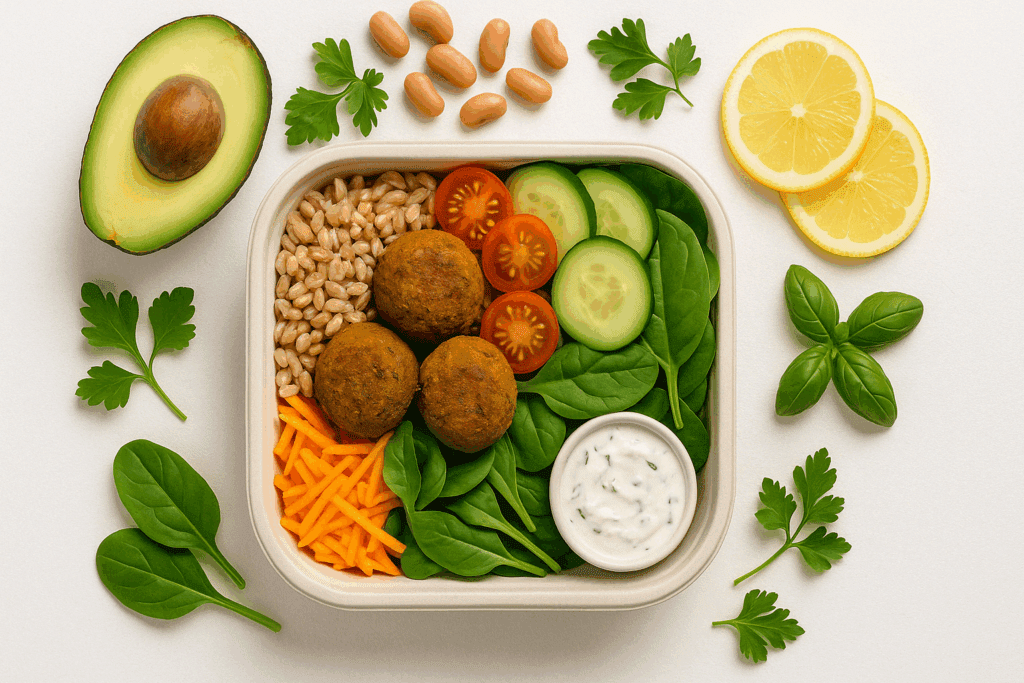
Healthy quinoa bowls, avocado toast, and smoothies neatly packed in glass containers for smart meal prep for weight gain

The Nutritional Science Behind Calorie-Dense Eating

To gain weight in a sustainable and healthy way, your body must be in a consistent caloric surplus. This means consuming more energy than you expend—ideally through foods that nourish the body and support physiological repair and growth. High-calorie foods don’t need to be unhealthy; in fact, many of the most nutrient-dense options are naturally rich in healthy fats, protein, and carbohydrates.

Avocados, olive oil, nut butters, tahini, granola, dried fruits, legumes, full-fat dairy, and whole grains are among the top choices. These foods provide more calories per gram while also offering fiber, vitamins, and minerals that promote digestive and metabolic health. This principle is central to successful meal prep for weight gain: the more nutrient-rich your meals, the more your body thrives.

When creating your weekly meal plan, consider incorporating small meals and snacks that are calorically dense but not bulky. For instance, a smoothie with almond butter, oat milk, banana, and protein powder offers a high-calorie profile without being overly filling. Similarly, trail mixes with seeds, dried fruit, and dark chocolate chunks can provide essential nutrients in compact portions.

It’s also important to understand the difference between diets designed for weight loss—such as the ketogenic diet vs low carb approaches—and those designed for weight gain. While low-carb diet keto diet strategies may benefit some individuals with metabolic syndrome or insulin resistance, they are typically not suited for healthy weight gain. Is keto a low carb diet? Absolutely. Is keto a good diet for gaining weight? Not usually—especially if your goal is to increase muscle mass and overall caloric intake. In this case, is a keto diet sustainable for long-term weight gain? Only if significantly modified and closely monitored.
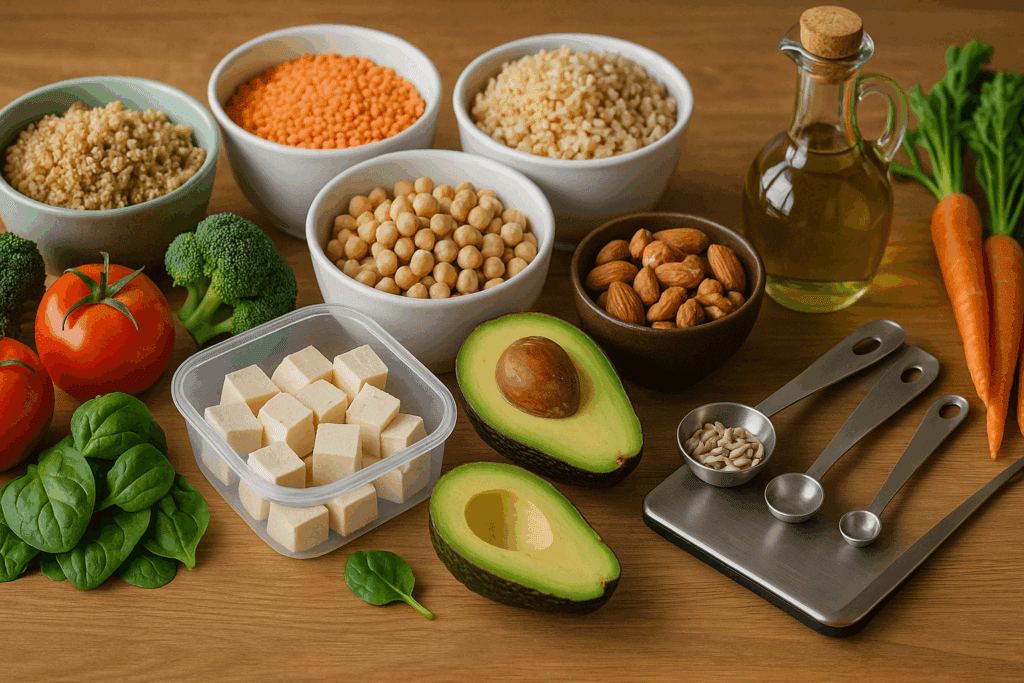
Person organizing high-calorie meals with nuts, tofu, and legumes in a bright kitchen for smart meal prep for weight gain

How to Design a Weekly Meal Plan for Weight Gain Success

The foundation of successful meal prep ideas for weight gain lies in structure and personalization. Before diving into specific recipes, take time to assess your caloric needs using a Total Daily Energy Expenditure (TDEE) calculator, which factors in your age, weight, activity level, and goals. Once you know your baseline, add 250 to 500 calories per day for a gradual and sustainable gain.

Start by designing a 3-to-5-day meal prep cycle that includes breakfast, lunch, dinner, and at least two snacks per day. Focus on meals that contain all three macronutrients: carbohydrates, fats, and proteins. Batch-cooking items such as quinoa, lentils, roasted vegetables, stir-fried tofu, or shredded chicken can save time while offering flexibility across different meals.

A smart weekly rotation might include dishes like coconut curry chickpeas over jasmine rice, avocado-egg salad sandwiches, pasta with olive oil and grilled vegetables, and peanut butter banana overnight oats. Keep calorie-boosting ingredients on hand—olive oil, shredded cheese, nut butters, and seed mixes—to easily elevate the caloric value of your meals without increasing volume.

It’s also helpful to prep grab-and-go options such as chia pudding, hummus wraps, granola bars, and high-calorie smoothies. These options are especially useful for individuals with busy schedules or increased physical activity. By maintaining a ready-to-eat stock of meals and snacks, you reduce reliance on impulse decisions and build a consistent routine that supports both wellness and weight gain.

Debunking Myths: Low Carb and Keto Diets vs Weight Gain Goals

In recent years, low-carb and ketogenic diets have gained mainstream attention for their effectiveness in weight loss and metabolic regulation. But what happens when these diets are juxtaposed with the goal of healthy weight gain? Understanding the nuances of the ketogenic diet vs low carb strategies is essential before attempting to apply them in reverse.

The primary characteristic of both approaches is carbohydrate restriction. The keto diet in particular reduces carbs to less than 10% of total daily intake, encouraging the body to burn fat for energy instead of glucose. This metabolic state—ketosis—can support fat loss, improve insulin sensitivity, and potentially benefit neurological function. However, it often leads to appetite suppression and lower overall calorie consumption.

This makes keto a difficult framework to adapt for weight gain. Is keto no carbs? Not entirely, but the severe carb restriction doesn’t align with the principles of caloric surplus and macronutrient balance. Additionally, is keto a good diet for individuals looking to increase lean muscle mass and gain strength? For most, the answer is no—especially if the diet limits protein intake or lacks diversity in whole food options. Finally, is a keto diet sustainable for those with higher caloric needs? Only under medical supervision with significant modifications.

By contrast, smart meal prep for weight gain emphasizes diverse food groups and balanced macronutrient distribution. Instead of focusing on ketosis, it supports metabolic function through adequate carbohydrate intake—essential for energy, muscle repair, and hormonal balance. In this way, a low carb diet keto diet framework is fundamentally misaligned with the goals of healthy, sustained weight gain.

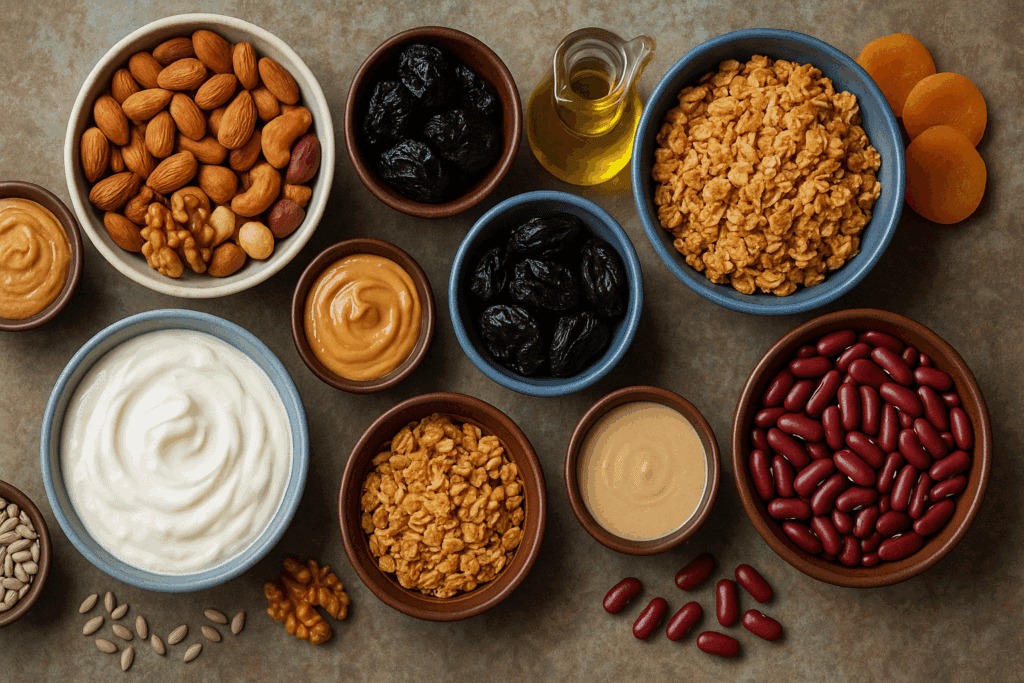
Flat-lay of calorie-dense ingredients like olive oil, tahini, and dried fruits used in smart meal prep for weight gain

Building Strength with Balanced Macronutrients and Micronutrients

Beyond simply increasing calories, meal prep for weight gain must also emphasize the quality of nutrients to support physical performance, recovery, and wellness. Protein is essential for muscle synthesis and repair, while carbohydrates fuel training and daily function. Healthy fats support hormonal balance, brain health, and absorption of fat-soluble vitamins like A, D, E, and K.

Each meal should reflect this balance. For example, a quinoa salad with roasted sweet potatoes, black beans, tahini dressing, and pumpkin seeds offers all three macronutrients, along with iron, zinc, magnesium, and fiber. Similarly, a breakfast of oats with full-fat Greek yogurt, walnuts, honey, and berries provides sustained energy and promotes digestive and immune health.

Micronutrients play a critical role in optimizing health during the weight gain process. Iron, B vitamins, calcium, and antioxidants all contribute to the body’s ability to recover, grow, and maintain equilibrium. Smart meal prep ensures these elements are consistently included in the diet through a colorful variety of vegetables, fruits, legumes, grains, and healthy animal or plant-based proteins.

While meal prep ideas for weight gain should aim to increase calories, they should never sacrifice nutritional integrity. Avoiding overly processed or sugary options ensures that the weight gained is healthful, sustainable, and performance-enhancing. Through careful planning and mindful selection of ingredients, your meals become tools for building strength—not just adding weight.
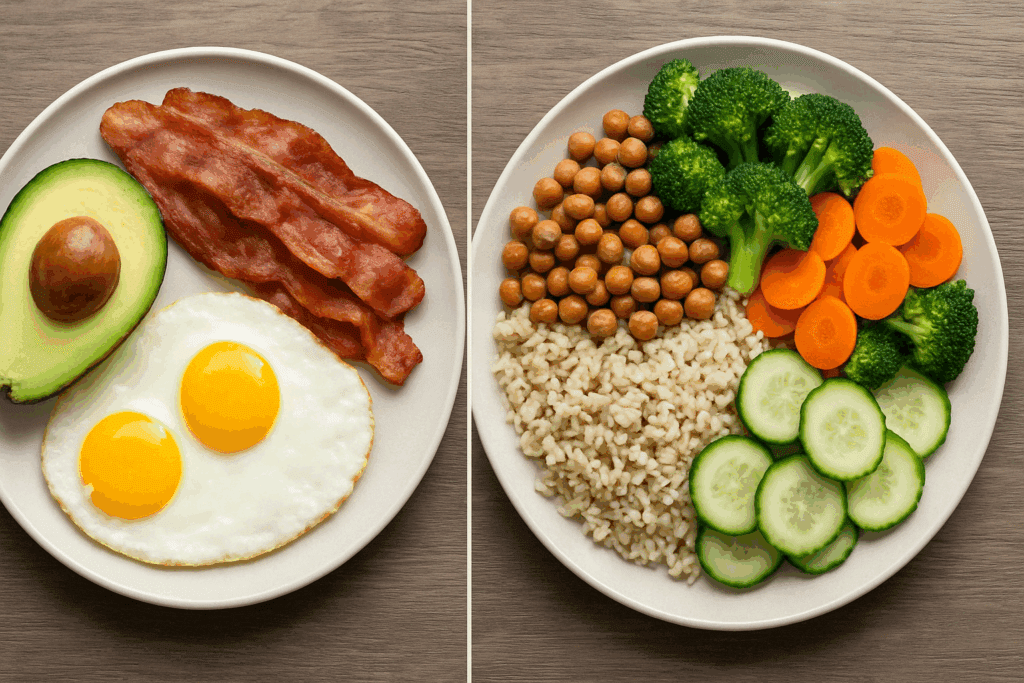
Balanced meal plan with full-fat Greek yogurt, sweet potatoes, and protein-rich foods for smart meal prep for weight gain

Sustainable Meal Prep Strategies for Long-Term Success

Long-term success in gaining weight and maintaining optimal health hinges on sustainability. Smart meal prep is not a one-time effort but a lifestyle strategy that evolves with your goals, preferences, and schedule. The key is to make the process enjoyable, customizable, and adaptable.

Rotate recipes every few weeks to prevent palate fatigue, and explore new cuisines to keep things exciting. Create a prep schedule that suits your week—whether that means bulk cooking on Sundays or preparing small batches daily. Invest in high-quality storage containers, insulated lunch boxes, and kitchen appliances like slow cookers or air fryers to streamline the process.

Tracking your progress can also be motivating. Use apps or journals to monitor your meals, energy levels, and weight changes. This feedback loop allows for real-time adjustments and reinforces positive habits. When needed, consult a registered dietitian or nutritionist to refine your strategy and ensure your nutrient intake is well-rounded.

Ultimately, the question isn’t just “is keto a low carb diet” or “is keto a good diet”—it’s whether any given eating style aligns with your unique goals and values. For those pursuing mindful, balanced, and health-affirming weight gain, whole-food-based meal prep remains a gold standard. It empowers you to take control of your nutrition while honoring your body’s needs.

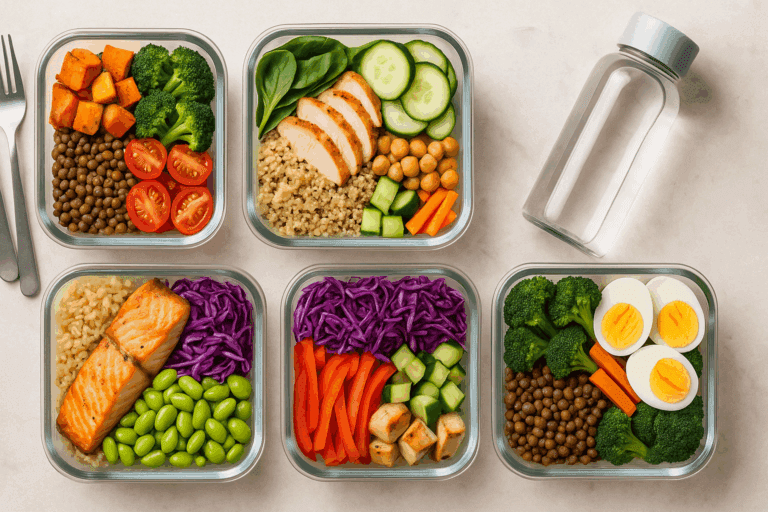
Weekly meal prep layout featuring batch-cooked high-protein and high-carb dishes for smart meal prep for weight gain

Frequently Asked Questions: Smart Meal Prep for Weight Gain

1. How can I ensure variety in my meal prep for weight gain without compromising consistency?

To maintain both variety and consistency in your meal prep for weight gain, consider rotating your core ingredients every week while keeping your macronutrient targets stable. For instance, you might alternate between lentils, chickpeas, and black beans for protein, or switch from brown rice to couscous to sweet potatoes for carbohydrates. This approach keeps your meals interesting while preserving the caloric and nutritional density needed to support your weight gain efforts. Additionally, changing up your herbs, spices, and dressings introduces flavor complexity without sacrificing nutritional goals. Investing in a seasonal produce calendar can also help you diversify your meal prep ideas for weight gain naturally throughout the year.

2. What are some lesser-known ingredients that can boost calories without increasing meal volume?

Some underrated calorie-boosters include coconut cream, ghee, ground flaxseed, wheat germ, and date syrup. These ingredients offer both flavor and energy density in small quantities, making them perfect for those struggling with appetite or gastrointestinal volume. You can easily add coconut cream to soups or smoothies, and incorporate wheat germ into oatmeal or baked goods. Date syrup adds natural sweetness and extra calories to snacks without relying on refined sugars. Including these items in your meal prep for weight gain adds nuance and depth while subtly raising your caloric intake.

3. How can I adapt meal prep for weight gain if I follow a plant-based diet?

A plant-based approach to meal prep for weight gain can be highly effective with the right strategy. Focus on energy-dense foods like nuts, seeds, tofu, tempeh, avocado, and whole grains like millet and amaranth. Nutritional yeast and fortified plant milks can help bridge the gap for micronutrients such as B12 and calcium. Many meal prep ideas for weight gain in plant-based diets revolve around layering ingredients—like using hummus and tahini in wraps, or blending nut butters into smoothies. Balancing protein sources like legumes with healthy fats ensures you’re getting both calories and satiety from every bite.

4. How can I structure meals around a busy work schedule while still focusing on weight gain?

If you’re short on time, opt for a modular meal prep for weight gain strategy: prepare building blocks like grains, roasted vegetables, proteins, and sauces separately. These can be mixed and matched throughout the week depending on your available time and energy. Store your meals in stackable containers labeled by day and caloric goal. Keep quick snacks on hand, such as high-calorie energy balls or trail mix blends, to prevent long gaps between meals. This structured but flexible approach to meal prep ideas for weight gain supports consistent eating even with an unpredictable schedule.

5. Are there psychological hurdles that can affect meal prep for weight gain, and how can they be addressed?

Yes, psychological factors such as fear of eating more, past experiences with restrictive dieting, or body image concerns can all interfere with the consistency needed in meal prep for weight gain. Addressing these challenges often requires support from registered dietitians, therapists, or support groups. Journaling or practicing mindful eating can help reconnect you with hunger cues and emotional triggers. Setting realistic, gradual goals may ease the transition into a higher-calorie routine. Integrating positive affirmations or body-neutral language while planning your meal prep ideas for weight gain can also promote a healthier mental relationship with food.

6. Can smart meal prep for weight gain support athletic performance and recovery?

Absolutely—thoughtful meal prep for weight gain is ideal for athletes aiming to build muscle or recover from intense training. Emphasizing pre- and post-workout meals that are rich in protein and carbohydrates helps replenish glycogen stores and support muscle synthesis. Including anti-inflammatory foods such as tart cherry juice, turmeric, and omega-3-rich seeds supports recovery and reduces muscle soreness. You can tailor your meal prep ideas for weight gain to align with your training schedule, ensuring you never miss the critical post-exercise nutrition window. Meal prepping also allows you to manage portion sizes to match different phases of your training cycle.

7. What are common mistakes people make with meal prep for weight gain, and how can they avoid them?

One common mistake is underestimating calorie needs by focusing only on portion sizes rather than caloric density. Another is neglecting snacks, which can contribute significantly to daily caloric intake. Some also rely too heavily on low-fat or low-carb options, which are better suited for weight loss contexts. To avoid these pitfalls, track your intake periodically to ensure you’re in a surplus, and prioritize ingredients like oils, full-fat dairy, and grains. By expanding your meal prep ideas for weight gain to include calorie-dense condiments and snacks, you build an effective, realistic eating strategy.

8. How can I prevent food fatigue when eating calorie-dense meals every day?

Preventing food fatigue is key in sustaining a successful meal prep for weight gain strategy. One effective method is to rotate flavors and cuisines weekly—for instance, alternating between Mediterranean, South Asian, and Latin-inspired dishes. Using sauces like chimichurri, peanut curry, or romesco can dramatically change the flavor profile of otherwise similar base ingredients. Also, incorporating texture—like roasted chickpeas, crunchy seeds, or crispy tofu—adds sensory interest to your meals. By expanding your meal prep ideas for weight gain beyond just calories to include taste and texture, you’ll increase enjoyment and long-term adherence.

9. What are some advanced strategies for tracking progress with meal prep for weight gain?

Beyond tracking weight on the scale, you can monitor changes in strength, energy levels, and muscle mass using bioimpedance scales or body composition scans. Keeping a meal prep journal that includes not just what you ate but how you felt afterward can reveal patterns in appetite and digestion. Consider photographing your meals weekly to observe portion progression over time. Nutrient tracking apps can help you detect trends in macro and micronutrient intake, guiding more precise adjustments to your meal prep ideas for weight gain. For athletes or those with specific body composition goals, monthly progress photos and strength benchmarks offer additional feedback.

10. How might future innovations in nutrition tech enhance meal prep for weight gain?

Emerging technologies like personalized nutrition apps, AI-based meal planning tools, and smart kitchen appliances are set to revolutionize how we approach meal prep for weight gain. Apps that integrate genetic data, gut microbiome profiles, or metabolic rates can offer hyper-personalized recommendations. Smart scales and portioning tools can automatically log food quantities and caloric values, reducing manual tracking. Innovations in plant-based food engineering—like protein-rich legumes or calorie-enhanced dairy alternatives—expand the toolkit of meal prep ideas for weight gain, especially for those with dietary restrictions. As technology evolves, it will offer increasingly sophisticated ways to plan, execute, and optimize high-calorie meal strategies for health-focused weight gain.
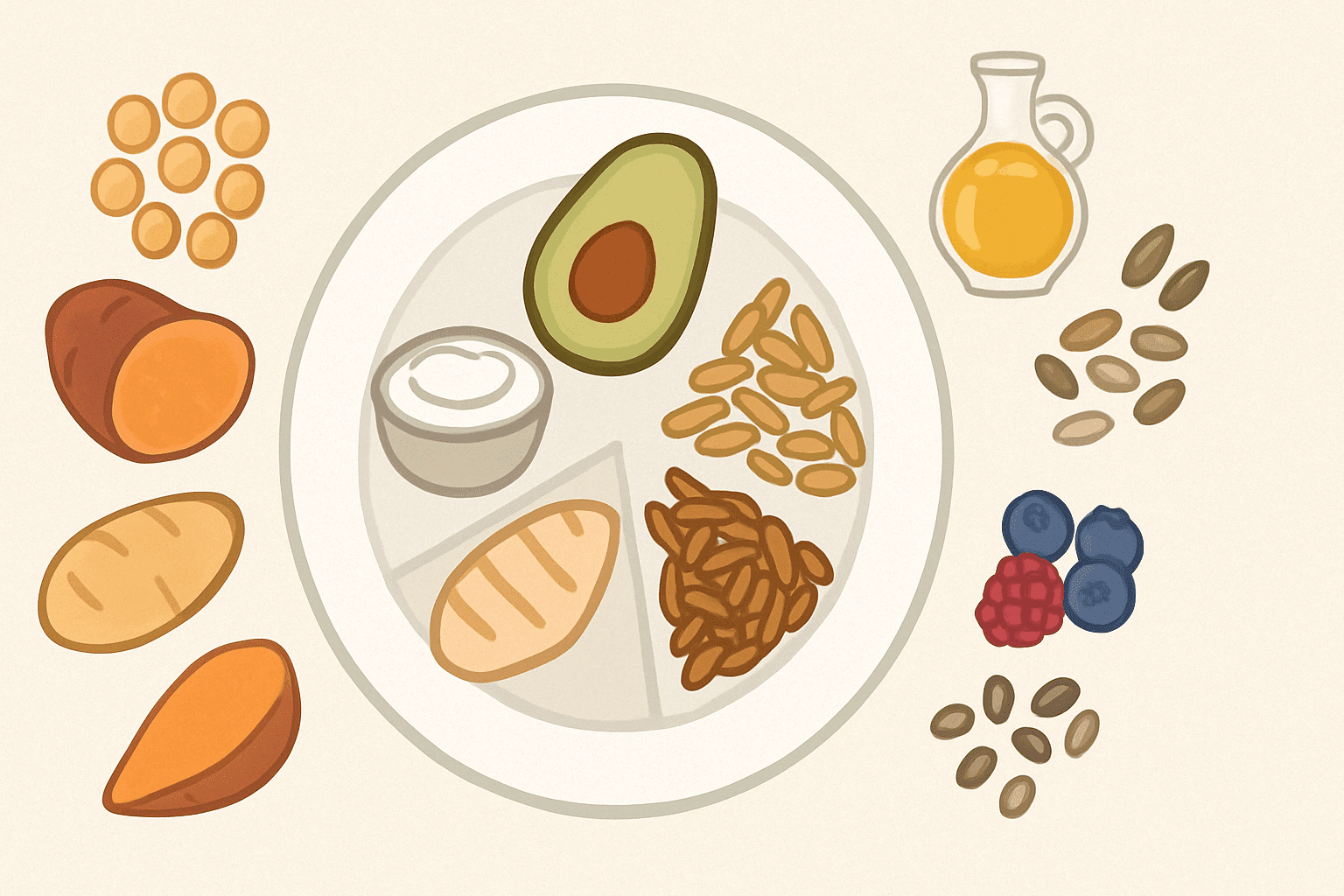
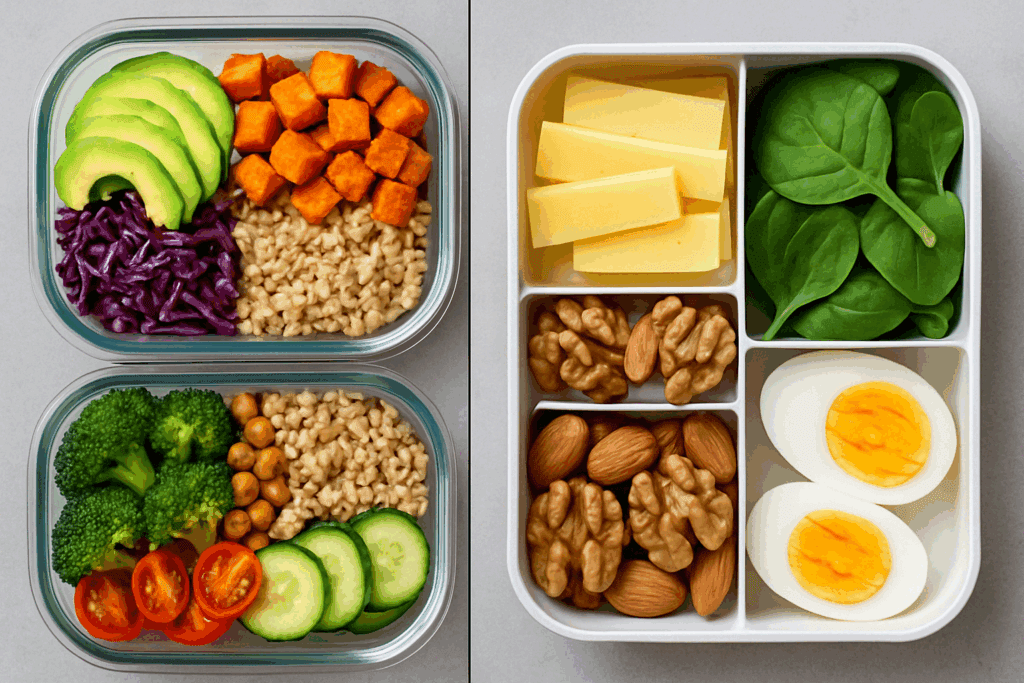
Visual comparison of keto versus balanced whole food meals to highlight smart meal prep for weight gain strategies

Conclusion: Why Smart Meal Prep for Weight Gain is a Health-First Approach to Building Strength and Wellness

Smart meal prep for weight gain is more than a nutritional tactic—it’s a philosophy rooted in care, intention, and evidence-based practice. It rejects the extremes of fad diets and instead embraces balance, nourishment, and sustainability. By crafting calorie-dense yet nutrient-rich meals, individuals can achieve their weight and strength goals without compromising long-term health.

This approach stands in contrast to popular dietary narratives, including the ketogenic diet vs low carb conversation. While it’s true that is keto a low carb diet and that is keto a good diet for some medical applications, it’s not the ideal model for health-focused weight gain. In fact, is a keto diet sustainable for supporting ongoing caloric surplus, muscular growth, and micronutrient adequacy? Only with deliberate, often medically supervised modifications.

Instead, the focus should remain on meals that deliver both energy and nourishment. By integrating whole grains, healthy fats, quality proteins, and colorful produce into your routine, you lay the foundation for vibrant health. The best meal prep ideas for weight gain honor both your wellness and your goals—empowering you with each bite.

Through structure, creativity, and nutritional wisdom, smart meal prep becomes not just a means to an end, but a daily act of self-care. Whether you’re recovering, training, or simply striving for a more energized lifestyle, intentional eating provides the clarity and confidence you need to thrive.

Was this article helpful? Don’t let it stop with you. Share it right now with someone who needs to see it—whether it’s a friend, a colleague, or your whole network. And if staying ahead on this topic matters to you, subscribe to this publication for the most up-to-date information. You’ll get the latest insights delivered straight to you—no searching, no missing out.

Further Reading:

7-Day Healthy Weight-Gain Meal Plan

The 18 Best Healthful Foods to Gain Weight Fast

A 3,000-Calorie Diet: Benefits, Weight Gain, and Meal Plan
Les Nouveaux Leaders du Jeu en Ligne – Analyse des Tendances qui Redéfinissent le Marché des Casinos en 2024

Les Nouveaux Leaders du Jeu en Ligne – Analyse des Tendances qui Redéfinissent le Marché des Casinos en 2024

Introduction

En 2024 le secteur du casino en ligne confirme son essor post‑pandémique : les recettes mondiales ont franchi les 90 milliards d’euros, portées par une adoption massive du mobile et par l’arrivée d’une génération de joueurs plus à l’aise avec les services numériques. La concurrence s’est intensifiée : chaque plateforme mise désormais sur l’innovation produit pour se démarquer, tandis que les autorités européennes renforcent leurs exigences en matière de jeu responsable et de lutte contre le blanchiment d’argent.

Dans ce contexte d’évolution rapide, Savoirfaireensemble.Fr se positionne comme une référence indépendante pour classer les opérateurs selon leur performance globale, leur fiabilité et la qualité de leur offre client. Leurs évaluations sont consultées chaque semaine par plus d’un million d’internautes à la recherche du meilleur site pari en ligne ou des meilleurs sites paris sportifs. Vous retrouverez leurs classements détaillés sur le site de paris sportifs, où chaque critère est expliqué avec transparence et objectivité.

Cet article propose un tour d’horizon structuré autour de trois axes majeurs : premièrement la cartographie actuelle du paysage concurrentiel ; deuxièmement les innovations technologiques qui propulsent les leaders ; troisièmement les stratégies marketing différenciatrices qui assurent leur domination durable jusqu’en 2025.

Cartographie du paysage concurrentiel

Méthodologie de classement

Pour établir ce panorama nous avons retenu quatre critères clés :
1️⃣ Revenus annuels déclarés (source rapports financiers).
2️⃣ Trafic mensuel moyen mesuré par SimilarWeb et Alexa Rank.

3️⃣ Part de marché au niveau européen selon l’Eurogambling Association.

4️⃣ Niveau d’innovation produit évalué par Savoirfaireensemble.Fr via un scoring interne incluant IA, AR/VR et solutions blockchain.
Ces indicateurs offrent une vision équilibrée entre puissance économique et capacité à innover.

Les “big‑four” européens

Plateforme Revenus annuels (€) Trafic mensuel (M) Part de marché % Innovation produit
CasinoX 1 200 M 28 12 AR/VR + IA bots
Betway 950 M 24 10 Crypto + Live‑dealer
LeoVegas 870 M 22 * * Mobile‑first & gamification
Unibet  800 M  20  │ 9 │ AI personalization & RTP optimisé

Ces quatre géants détiennent à eux seuls près de 41 % du volume total européen grâce à des portefeuilles diversifiés allant des machines à sous classiques aux sports virtuels ultra‑rapides.

Émergence de challengers régionaux

En France, ParionsDirect profite d’une licence française délivrée en 2023 pour proposer des bonus sans mise obligatoire jusqu’à 500 €, séduisant ainsi les joueurs prudents recherchant un site de paris sportif fiable.

Dans les pays nordiques, NordicSpin se démarque avec un catalogue axé sur les jeux à volatilité moyenne offrant un RTP moyen supérieur à 96 %, très apprécié par les “casual high‑rollers”.

Ces acteurs gagnent rapidement des parts grâce à une localisation linguistique pointue et à des offres promotionnelles alignées sur la réglementation locale.

Analyse des parts de marché globales

Selon nos estimations hypothétiques basées sur le trafic réel observé au premier trimestre 2024 :

  • Big‑four : 41 %
  • Challengers francophones : 13 %
  • Opérateurs scandinaves : 9 %
  • Reste du continent (Europe centrale & Sud) : 27 %

La dynamique montre clairement que l’écart entre leaders historiques et nouveaux entrants tend à se réduire lorsque la stratégie repose sur l’innovation technologique combinée à une forte adaptation culturelle.

Innovations technologiques qui propulsent les leaders

Jeux en réalité augmentée et virtuelle

Les plateformes pionnières investissent davantage dans la réalité augmentée (AR) pour transformer chaque session en expérience immersive semblable aux arcades physiques. Des titres comme Pharaoh’s Quest VR ou Neon Slots AR permettent aux joueurs d’interagir avec leurs jetons via smartphone tout en conservant un taux RTP transparent affiché avant chaque spin. Cette dimension visuelle augmente le temps moyen passé sur le site d’environ 23 %, créant ainsi une meilleure rétention client notamment chez les jeunes adultes habitués aux environnements gaming avancés.

Intelligence artificielle au service du joueur

L’IA intervient aujourd’hui sous trois formes distinctes : personnalisation dynamique des offres où chaque bonus est ajusté selon le profil psychographique détecté ; chatbots conversationnels capables d’assister instantanément pendant le processus KYC ; détection proactive des comportements frauduleux grâce à l’analyse temps réel des patterns transactionnels. Par exemple, LeoVegas utilise « PlayAI » pour recommander quotidiennement deux nouveaux jeux dont le RTP dépasse 97 %, améliorant ainsi la satisfaction utilisateur tout en limitant le churn rate sous 8 %.

Blockchain et crypto‑paiements

Les casinos leader adoptent progressivement les paiements cryptographiques afin d’offrir rapidité (débits <15 secondes) et traçabilité totale grâce aux registres immuables. Betway accepte désormais Bitcoin, Ethereum et USDC avec un bonus « Crypto Welcome » équivalant à jusqu’à 200 € sans exigence supplémentaire (wagering x30). Cependant, plusieurs juridictions européennes limitent encore ces solutions : seules les licences Malta Gaming Authority autorisent pleinement l’usage direct des crypto‑actifs dans leurs offres promotionnelles.

Stratégies marketing différenciatrices des tops sites

Les opérateurs qui dominent le classement utilisent une combinaison précise d’outils afin d’attirer puis fidéliser leurs joueurs premium.

Programmes de fidélité ultra‑segmentés
Les programmes VIP s’articulent aujourd’hui autour de niveaux A–E où chaque palier débloque non seulement un cashback quotidien mais aussi un gestionnaire dédié disponible via WhatsApp Business.* Les récompenses incluent souvent des billets pour événements sportifs majeurs ou même des NFT exclusifs représentant un jackpot progressif unique.

Partenariats avec influenceurs et e‑sports
Betway sponsorise la ligue européenne « eFootball Pro League » depuis deux saisons ; ses ambassadeurs diffusent régulièrement codes promo « BETWIN15 », générant jusqu’à 12 % supplémentaires sur le volume total misés durant les compétitions saisonnières.

Acquisition payante vs organique
Le budget média moyen annuel des leaders dépasse 75 M€, dont près de 60 % provient du SEA/Display ciblé tandis que SEO long terme assure environ 25 % supplémentaire sans coûts directs par clic.* Le ROI estimé pour ces dépenses se situe autour de 8x, contre seulement 3x chez leurs concurrents moyens moins orientés data‑driven.

Localisation linguistique et culturelle
Un facteur décisif reste l’adaptation fine aux spécificités locales : traduction complète non seulement UI mais aussi termes légaux (« conditions générales »), campagnes publicitaires respectueuses des fêtes nationales (« Bonus Noël Suède »), ainsi que supports client multilingues disponibles dès minuit dans chaque fuseau horaire principal.\n\nCes leviers conjoints expliquent pourquoi Savoirfaireensemble.Fr classe régulièrement ces acteurs parmi les meilleurs sites paris sportifs, soulignant leur capacité à conjuguer technologie avancée et connaissance terrain.\n\n—

Le rôle croissant de la régulation et de la conformité

Nouvelles licences européennes en 2024

Depuis janvier 2024 plusieurs États membres ont publié leurs nouvelles exigences au sein du cadre harmonisé UE Gaming Directive v2 : obligation annuelle d’audit indépendant sur le respect du jeu responsable ; seuil minimum pour l’identification automatique KYC fixé à €1000 ; limites renforcées sur le montant maximum autorisé pour les bonus sans dépôt (>€50 interdit).\n\n### Impact sur les modèles d’affaires

Les coûts liés au respect complet ont augmenté entre 18–22 % pour chaque opérateur certifié — principalement dus aux systèmes anti‑blanchiment basés sur IA ainsi qu’aux équipes juridiques spécialisées requises dans chaque juridiction cible.* En conséquence certaines promotions traditionnelles (« cash back illimité ») ont été revues afin qu’elles n’incitent pas au jeu excessif.\n\n### Avantages compétitifs pour les opérateurs certifiés

Malgré cette pression financière supplémentaire, disposer une licence reconnue confère plusieurs bénéfices tangibles : confiance accrue auprès des utilisateurs qui voient apparaître immédiatement un badge « Licence UKGC » ou « Licence MGA », facilitation accélérée auprès des banques partenaires réduisant ainsi le délai moyen pour activer un compte marchand (<48 h). Ces éléments poussent naturellement Savoirfaireensemble.Fr à positionner ces opérateurs comme étant parmi le meilleur site pari en ligne lorsqu’ils combinent conformité stricte et expérience utilisateur optimale.\n\n—

Analyse comportementale des joueurs modernes

Profils psychographiques émergents

Casual high‑rollers: jouent moins souvent mais misent rapidement >€500 lorsqu’ils trouvent une promotion adaptée — attirés surtout par jackpots progressifs dépassant €5 M.
Gamers sociaux: privilégient les tables live dealer où ils peuvent interagir via chat vidéo tout en suivant leurs amis sur Discord — sensibles aux tournois hebdomadaires offrant points fidélité doublés.
Chasseurs de bonus: recherchent constamment codes promo “free spins” ou “no deposit up to €30”, analysant quotidiennement forums spécialisés tel que notre propre revue Savoirfaireensemble.Fr.\n\nCes catégories dictent désormais comment structurer l’offre produit afin d’éviter trop grande homogénéité.\n\n### Parcours client omnicanal

Le trajet typique commence généralement par une acquisition mobile via campagne TikTok → inscription simplifiée → dépôt instantané crypto → transition vers desktop pour explorer tables live dealer → session finale chez live dealer VR intégrée au casque Oculus.“Points friction” fréquents incluent la validation KYC lente (>72h) ou l’absence d’assistance multilingue pendant le passage desktop ↔ mobile.\n\nOptimiser chacun desses maillons permettrait aux casinos leaderde diminuer votre churn rate jusqu’à -15 %. \n\n### Influence des tendances macro‑économiques

Après deux années consécutives d’inflation élevée (>6 %), pouvoir d’achat stabilisé pousse davantage vers jeux low stake mais haute fréquence — slots avec mises dès €0·10 mais RTP ≥96 %. Ce changement explique pourquoi certains opérateurs introduisent davantage “micro-bets” sportives permettant aux utilisateurs placés <€5 mais souhaitant profiter pleinement du système betting multiplier.\n\n—

Perspectives d’évolution du marché jusqu’en 2025

1️⃣ Scénario optimiste – Le métavers gaming devient mainstream grâce à Apple Vision Pro compatible avec plusieurs plateformes européennes ; adoption rapide génère +15 % CAGR globale avec plus ‑de‑300 M utilisateurs actifs mensuels avant fin⁡2025.\n
2️⃣ Scénario prudent – Une vague législative restrictive limite voire bannit l’usage direct dasles crypto‐actifs dans toute licence UE majeure ; croissance plafonnée autour +8 % CAGR tout en maintenant profitabilité stable grâce aux revenus publicitaires TV intégrés.\n
3️⃣ Facteurs déclencheurs clés – Evolution législative britannique post Brexit concernant AML/KYC ; percée commerciale IA générative capable créer automatiquement variations thématiques slot basées on user behaviour ; consolidation continue via fusions/acquisitions telles que Betway+Pinnacle Europe prévu fin 2024.\n
4️⃣ Recommandations pour les opérateurs – Allouer ≥12 % du budget R&D annuel aux projets IA visant optimisation dynamique RTP & recommandations personnalisées. Renforcer processus KYC/AML via partenariat fintech spécialisé afin réduite délai validation (<24h). Diversifier canaux acquisition hors Google Ads — exploiter TikTok Spark Ads & partenariats podcasts finance afin limiter dépendance réglementaire liée au tracking cookies.\n\nCes actions garantissent non seulement conformité mais aussi capacité compétitive face aux géants déjà identifiés comme étant parmi les meilleurs sites paris sportifs selon nos évaluations publiées régulièrement par Savoirfair​eensemble.Fr.\n\n—

Conclusion

En synthèse, ce sont trois piliers fondamentaux qui placent aujourd’hui certains acteurs au sommet du classement européen : technologie avancée (AR/VR, IA, blockchain), stratégies marketing hyper ciblées combinant programmes VIP ultra segmentés et partenariats influenceur/e‑sportifs™, puis conformité réglementaire robuste assurant confiance durable tant auprèsdes joueurs quedes institutions financières.§​Savoirfait­ ensemble .Fr souligne continuellement ces critères lors­de ses revues trimestrielles où il identifie toujours ceux qui méritent vraiment votre attention comme étant le meilleur site pari​é​l​in​​e ou le meilleur site ​de ​paris ​sportif actuel.​ Pour garder votre avantage compétitif vous devrez investir massivement dans R&D IA , renforcer vos procédures KYC/AML ­et exploiter intelligemment tous vos canaux digitaux hors Google Ads afin anticiper l’évolution rapide prévue jusqu’en 2025.​

Restez connectés à Savoirfa­ireens­emb­le.fr pour suivre nos analyses exclusives régulières — votre guide incontournable vers le succès dans cet univers toujours plus dynamique.​

How Residential Eating Disorder Treatment Supports Lasting Recovery: What to Expect from Residential Eating Disorder Clinics

Understanding the Need for Comprehensive Care

Eating disorders are complex, deeply rooted mental health conditions that require more than just dietary interventions. They involve emotional, psychological, behavioral, and often medical challenges that cannot be adequately addressed through outpatient therapy alone for many individuals. Residential eating disorder treatment offers an immersive, structured environment that supports healing on every level. Within these carefully designed programs, patients benefit from constant support, multidisciplinary care teams, and a healing community that fosters long-term change.

You may also like: How to Stop Emotional Eating and Regain Control: Mindful Nutrition Strategies That Support a Healthier Lifestyle

For individuals struggling with conditions like anorexia nervosa, bulimia nervosa, binge-eating disorder, or avoidant/restrictive food intake disorder (ARFID), residential programs offer an essential level of care. These disorders not only threaten physical health through nutritional deficiencies and organ damage but also contribute to intense emotional distress, isolation, and anxiety. Residential eating disorder clinics are uniquely positioned to provide the continuous monitoring, nutritional rehabilitation, and therapeutic interventions necessary for recovery. Unlike outpatient or even intensive outpatient programs, residential care immerses patients in an environment dedicated entirely to healing.

Support group session in a cozy living room setting, showing residential eating disorder treatment in a calm, inclusive environment.

What Makes Residential Eating Disorder Treatment Distinctive

The defining feature of residential eating disorder treatment is its comprehensive, around-the-clock structure. Patients reside on-site, creating a physically and emotionally safe space free from the environmental triggers and pressures that often perpetuate disordered eating patterns. In this controlled setting, individuals can focus entirely on recovery without the distractions or demands of daily life. This level of immersion allows clinicians to tailor every aspect of care—from meals to therapy sessions—to support gradual, sustainable healing.

Residential eating disorder clinics employ a multidisciplinary team approach, often including psychiatrists, therapists, registered dietitians, nurses, and other specialists who collaborate closely to address every dimension of the patient’s condition. This cohesive treatment model ensures that both medical and psychological needs are met simultaneously. For example, a patient may receive medical stabilization for electrolyte imbalances while also participating in trauma-informed therapy to address the underlying emotional causes of their disorder. The synergy between disciplines creates a holistic care model that is difficult to replicate in outpatient settings.

Support group session in a cozy living room setting, showing residential eating disorder treatment in a calm, inclusive environment.

The Role of Medical and Psychiatric Stabilization

Many individuals entering residential care require immediate medical or psychiatric intervention. Malnutrition, dehydration, cardiac abnormalities, and electrolyte imbalances are common in patients with eating disorders and can become life-threatening if not addressed promptly. Residential eating disorder treatment facilities are equipped to monitor vital signs, manage refeeding protocols, and provide 24/7 nursing care to ensure physical safety throughout the initial stages of recovery. This critical stabilization phase is often the foundation upon which psychological and behavioral interventions can be built.

Psychiatric stabilization is equally crucial. Co-occurring disorders such as depression, anxiety, obsessive-compulsive disorder (OCD), or post-traumatic stress disorder (PTSD) are prevalent among individuals with eating disorders. Residential programs incorporate psychiatric evaluations, medication management, and ongoing mental health support to ensure patients receive the appropriate interventions. The close monitoring available in residential settings allows clinicians to make timely adjustments to treatment plans, fostering more effective and individualized care.

Nurse checking vitals of a young adult patient in a calm clinical room during residential eating disorder treatment

Therapeutic Modalities Within Residential Programs

Residential eating disorder clinics offer a diverse range of evidence-based therapies that support emotional healing and behavior change. Cognitive behavioral therapy (CBT), dialectical behavior therapy (DBT), acceptance and commitment therapy (ACT), and family-based treatment (FBT) are commonly integrated into residential care. Each of these modalities addresses different aspects of the disorder, from distorted thinking patterns and emotional regulation to family dynamics and identity development.

CBT is particularly effective for challenging the harmful beliefs that often drive disordered eating. By helping patients identify and reframe irrational thoughts about food, body image, and self-worth, CBT promotes healthier coping strategies. DBT emphasizes mindfulness, distress tolerance, and interpersonal effectiveness—skills that are especially valuable for those whose eating behaviors serve as a means of emotional regulation. ACT supports the development of self-compassion and helps patients align their behaviors with personal values, while FBT engages family members as allies in the recovery process.

Therapist guiding a patient through mindfulness breathing exercises in a calming room during residential eating disorder treatment

Nutritional Rehabilitation and Meal Support

One of the core components of residential eating disorder treatment is nutritional rehabilitation. Many patients arrive at residential clinics severely malnourished or stuck in harmful patterns of restriction, bingeing, or purging. Registered dietitians play a critical role in assessing each individual’s nutritional needs and developing personalized meal plans that promote gradual, safe weight restoration and balanced eating habits. This process is often slow and incremental, taking into account both the physical risks of refeeding syndrome and the emotional distress that can accompany changes in body weight and food intake.

Meal support is a key element of this process. Staff members often accompany patients during meals and snacks to offer emotional support, reinforce eating goals, and monitor for disordered behaviors. The structured environment of residential eating disorder clinics helps normalize the eating experience, providing consistent routines and gentle accountability. Patients are also taught practical skills such as meal planning, grocery shopping, and intuitive eating to prepare them for life beyond treatment. Over time, these experiences help rebuild trust in the body’s hunger and fullness cues.

Developing Coping Strategies and Emotional Resilience

Recovery from an eating disorder involves far more than simply achieving a healthy weight or eliminating disordered behaviors. At its core, recovery is about developing sustainable ways of coping with life’s challenges without turning to food as a source of control, punishment, or comfort. Residential eating disorder treatment provides a unique opportunity for patients to explore the emotional roots of their disorder and practice new coping mechanisms in a supportive setting.

Through individual therapy, group sessions, expressive arts, and mindfulness practices, patients learn to identify and process emotions in healthy ways. They also work on building self-esteem, setting boundaries, and addressing perfectionism or rigid thinking patterns that may contribute to their condition. Residential programs often include experiential therapies such as yoga, equine-assisted therapy, or nature-based activities to support mind-body connection and emotional expression. These modalities allow patients to access healing on a somatic level, creating a more integrated recovery experience.

Supportive mealtime session during residential eating disorder treatment with diverse individuals and a friendly staff member in a calm, structured dining space

Family Involvement and Support Systems

Eating disorders do not occur in a vacuum—they often affect and are influenced by family dynamics. Recognizing this, many residential eating disorder clinics prioritize family involvement as a central part of treatment. Family therapy sessions, education workshops, and multi-family groups are commonly offered to help loved ones understand the nature of the disorder, learn supportive communication strategies, and process their own emotions around the illness. By addressing family patterns and fostering healthy dynamics, treatment can create a more stable environment for continued healing.

Moreover, the support systems built within residential care extend beyond the immediate family. Patients often form meaningful connections with peers who understand the complexities of eating disorder recovery firsthand. These relationships can serve as powerful sources of empathy, motivation, and accountability. Staff also play a critical role in modeling healthy relationships and reinforcing patients’ sense of self-worth and capability. Together, these connections help combat the isolation and shame that often accompany disordered eating.

Therapist leads a family therapy session in a warmly lit room, supporting residential eating disorder treatment through family involvement.

Preparing for Life After Residential Treatment

A successful residential eating disorder treatment program does not end when a patient steps outside the clinic doors. Instead, the goal is to equip individuals with the tools, insight, and resilience they need to navigate life in recovery. Discharge planning begins early in the treatment process, often involving collaboration between patients, clinicians, and families to create a comprehensive aftercare plan. This may include referrals to outpatient therapists, dietitians, support groups, and primary care providers to ensure continuity of care.

Transitioning out of residential care can be both empowering and anxiety-provoking. Patients often face new challenges as they return to environments that may contain lingering triggers or stressors. Residential eating disorder clinics prepare individuals for this transition by offering step-down services such as partial hospitalization programs (PHPs) or intensive outpatient programs (IOPs), which provide structured support while allowing greater independence. These transitional phases help bridge the gap between 24/7 care and everyday life, reducing the risk of relapse and reinforcing the gains made during treatment.

Young adult walking a tree-lined path toward sunlight, symbolizing hope and new beginnings after residential eating disorder treatment

The Long-Term Benefits of Residential Eating Disorder Treatment

The long-term benefits of residential care are substantial when treatment is individualized, trauma-informed, and integrated across multiple domains of health. Research has shown that patients who complete a full course of residential eating disorder treatment are more likely to experience improvements in physical health, emotional stability, and quality of life compared to those who receive only outpatient services. This is particularly true for individuals with severe or chronic disorders, who may require more intensive intervention to achieve lasting change.

Residential treatment also lays the groundwork for a lifelong recovery journey. By creating a solid foundation of nutritional stability, emotional insight, and practical coping skills, it empowers patients to maintain progress long after treatment ends. While recovery is rarely linear, the immersive nature of residential care often accelerates healing and builds momentum that carries forward into outpatient work and daily life. For many, residential care represents a turning point—a decisive step away from the illness and toward a life of greater freedom, connection, and meaning.

Frequently Asked Questions: Residential Eating Disorder Treatment and Recovery

What makes residential eating disorder clinics suitable for individuals with co-occurring conditions like trauma or anxiety disorders?

Residential eating disorder clinics are uniquely positioned to provide integrated care for patients experiencing co-occurring mental health issues, such as trauma, generalized anxiety disorder, or PTSD. These facilities often offer trauma-informed treatment models, which recognize the profound influence that past traumatic experiences can have on current disordered eating behaviors. What sets residential eating disorder treatment apart is the availability of intensive psychotherapy sessions, including modalities like EMDR (Eye Movement Desensitization and Reprocessing) and somatic experiencing, which are particularly effective in trauma recovery. Moreover, psychiatric professionals are available on-site to address co-morbid anxiety or mood disorders with medication management and daily monitoring. This combination of psychological and medical support in a single setting makes residential care an ideal choice for those with layered and complex diagnoses.

How does the environment within residential eating disorder treatment facilities promote healing?

The design and atmosphere of residential eating disorder clinics are intentionally crafted to reduce stress and foster recovery. Many programs are housed in serene, home-like settings rather than sterile hospital environments, which encourages comfort and emotional safety. These spaces often include quiet outdoor areas, communal kitchens, and therapeutic activity rooms to support the mind-body connection. Healing in residential eating disorder treatment isn’t confined to therapy rooms—it extends to the very environment in which clients reside. Through the consistency of structure, reduced exposure to triggering environments, and communal living with peers in recovery, patients often experience an increased sense of belonging and emotional regulation that contributes to long-term progress.

Are there specific populations that benefit more from residential care, such as adolescents or males?

While residential eating disorder treatment is suitable for people of all ages and genders, certain populations—such as adolescents, males, and nonbinary individuals—often find particular value in these settings due to the tailored support they receive. Residential eating disorder clinics serving adolescents often integrate academic support and family therapy into treatment, ensuring that young patients stay connected to developmental needs and education. For males, who are frequently underdiagnosed and underrepresented in eating disorder discussions, residential care offers a validating and stigma-reducing space where they can receive gender-responsive treatment. These clinics are increasingly expanding inclusivity efforts to accommodate diverse identities and experiences, which makes residential treatment more adaptive and culturally competent.

What role does peer support play in residential eating disorder clinics?

Peer relationships in residential eating disorder treatment settings are profoundly impactful and often cited by clients as one of the most healing aspects of their journey. Living in close proximity to others who understand the emotional and psychological struggles of disordered eating fosters deep empathy and reduces feelings of isolation. These clinics typically include structured group therapy sessions where patients can process experiences together, challenge harmful thoughts, and provide mutual encouragement. Informal peer interactions, such as shared meals or recreational activities, also promote connection and emotional resilience. The sense of camaraderie and shared vulnerability built within residential programs often creates lifelong bonds and a strong foundation for post-treatment recovery.

How do residential eating disorder treatment centers measure progress beyond weight restoration?

Though weight restoration may be an early goal for some patients, residential eating disorder clinics employ a multidimensional approach to assessing progress. Clinicians look at behavioral improvements, such as reductions in purging or restriction, as well as emotional and cognitive markers like decreased rigidity around food, improved body image, and enhanced coping mechanisms. Additionally, treatment teams often track engagement in therapy, social connectedness, sleep patterns, and levels of anxiety or depression to gauge holistic recovery. Residential eating disorder treatment emphasizes functional improvements—such as the ability to manage stress, sustain interpersonal relationships, and return to school or work—as critical indicators of long-term success. This approach shifts the focus from appearance-based milestones to meaningful improvements in overall well-being.

Can patients maintain communication with family and friends during residential treatment?

Most residential eating disorder clinics encourage ongoing communication with supportive loved ones as part of the healing process. However, contact is typically structured to ensure that it supports recovery rather than hinders it. Early in treatment, communication may be limited to allow for adjustment and to minimize external stress. As patients stabilize, they are gradually given more opportunities to engage in phone calls, video chats, or therapeutic family sessions. Some clinics also offer weekend visitation and family workshops to foster reconnection and improve relational dynamics. Residential eating disorder treatment often emphasizes family involvement not only for emotional support but also to equip relatives with the tools they need to reinforce recovery at home.

What are emerging trends in residential eating disorder treatment?

One notable trend is the incorporation of integrative therapies—such as trauma-sensitive yoga, narrative therapy, and neurofeedback—into traditional treatment models. Residential eating disorder clinics are increasingly blending conventional psychiatric approaches with holistic modalities to address the mind-body relationship more effectively. Another emerging shift is the use of technology, including digital meal logging and virtual family therapy, which increases access to treatment resources. Some facilities are also implementing identity-affirming care for LGBTQ+ individuals, ensuring cultural competence across all aspects of treatment. These evolving practices demonstrate the commitment of residential eating disorder treatment programs to adapt to changing needs and scientific advancements in mental health care.

What happens if a patient relapses after leaving residential care?

Relapse is recognized as a potential part of the recovery process rather than a failure, and most residential eating disorder clinics have built-in protocols to support patients through it. Many offer alumni programs or aftercare coordinators who help clients access additional support quickly if symptoms re-emerge. This might include returning to a lower level of care such as intensive outpatient therapy or, in some cases, readmission to residential eating disorder treatment. The relationships formed with clinical staff often remain accessible, providing a familiar point of contact in times of distress. Importantly, relapse planning is typically included in discharge discussions, with an emphasis on early warning signs and pre-established coping strategies to minimize disruption.

How do residential eating disorder clinics accommodate cultural or dietary preferences?

Culturally sensitive care is an increasing priority in residential eating disorder clinics. Dietitians and chefs often collaborate to accommodate cultural food practices while still aligning with nutritional goals. For patients with religious or ethical dietary restrictions—such as halal, kosher, vegetarian, or vegan preferences—clinics typically offer modified meal plans that respect those choices. Treatment providers are also being trained in cultural humility to understand the diverse ways eating disorders manifest across different communities. Residential eating disorder treatment aims to affirm individual identities and create personalized care that resonates with the unique experiences of each patient.

How can someone determine if residential care is the right next step in their recovery journey?

Choosing residential eating disorder treatment is a significant decision that often follows unsuccessful outpatient efforts or worsening symptoms. Mental health professionals may recommend residential care when a patient requires medical stabilization, frequent therapeutic intervention, or protection from a high-risk environment. However, it’s also appropriate for individuals who feel stuck in recovery and need immersive support to break through persistent patterns. Residential eating disorder clinics typically conduct in-depth assessments to determine whether their services match a patient’s needs. Prospective patients and families should consider factors like the intensity of symptoms, previous treatment history, co-occurring conditions, and readiness for change when evaluating whether residential care could offer the breakthrough they need.

Conclusion: Embracing Hope and Healing Through Residential Care

Residential eating disorder treatment is a profound and transformative experience that offers far more than symptom management. It provides a comprehensive, compassionate, and clinically rigorous approach to healing that addresses the full spectrum of needs—physical, psychological, and emotional. By immersing individuals in an environment designed to support recovery at every level, residential eating disorder clinics offer the structure, stability, and specialized care necessary for lasting change.

The journey through residential care is not without its challenges. It requires courage, vulnerability, and a deep commitment to growth. Yet the rewards are equally profound. Patients emerge with a renewed sense of agency, a deeper understanding of themselves, and the practical tools to sustain their recovery beyond the walls of the clinic. For those who have struggled silently for too long, residential treatment can represent not only a path to wellness but also a reawakening of hope, possibility, and purpose.

As the conversation around mental health and nutrition continues to evolve, the role of residential eating disorder clinics will remain essential in offering intensive support for those in need. These programs honor the complexity of eating disorders while championing the resilience of those who face them. With the right care, recovery is not only possible—it is entirely within reach.

Was this article helpful? Don’t let it stop with you. Share it right now with someone who needs to see it—whether it’s a friend, a colleague, or your whole network. And if staying ahead on this topic matters to you, subscribe to this publication for the most up-to-date information. You’ll get the latest insights delivered straight to you—no searching, no missing out.

Further Reading:

Anorexia Nervosa

Eating disorder treatment: Know your options

A systematic review of outcomes following residential treatment for eating disorders

Svelare le Verità: Come le Partnership Strategiche Ridefiniscono le Acquisizioni nei Casinò Online

Svelare le Verità: Come le Partnership Strategiche Ridefiniscono le Acquisizioni nei Casinò Online

Il mercato dei casinò online ha superato i quattro miliardi di euro solo nell’ultimo anno, spinto da una domanda crescente di esperienze “all‑in‑one” che combinano giochi da tavolo tradizionali, slot ad alta volatilità e scommesse sportive integrate nella stessa piattaforma. In questo contesto la semplice spesa su pay‑per‑click o su campagne banner non basta più a garantire una crescita sostenibile; gli operatori devono invece cercare leve più profonde che riducano il costo di acquisizione del cliente (CAC) e aumentino il valore medio del giocatore (LTV).

Una delle leve più potenti è costituita dalle partnership strategiche, intese come alleanze con fornitori di software, network di affiliazione o anche concorrenti diretti disposti a condividere risorse tecnologiche e dati di mercato. Per capire meglio come queste collaborazioni possono trasformarsi in veri motori di acquisizione è utile consultare fonti indipendenti come il sito di recensioni Nvbots.Com, dove vengono analizzate le performance dei programmi affiliate internazionali e i ritorni sui budget pubblicitari.slots non AAMS

Questo articolo è strutturato secondo un approccio “Mito vs Realtà”. Dopo aver introdotto le tipologie più diffuse di partnership, analizzeremo costi nascosti e benefici operativi, esploreremo l’impatto della tecnologia e dei big data nella scelta del partner ideale e infine discuteremo gli ostacoli normativi che spesso si nascondono dietro promesse troppo semplicistiche. Il lettore uscirà con una checklist pratica per valutare ogni possibile alleanza prima di firmare un contratto.

Le partnership “miracolose”: mito o realtà? – (Word target: 398)

Tipologie di partnership più diffuse

Le collaborazioni nel settore dei casinò online rientrano generalmente in tre macro‑categorie:

  • Affiliazione tradizionale – i publisher guadagnano commissioni sul volume delle scommesse generate dal traffico indirizzato;
  • White‑label – l’operatore acquista una licenza completa chiavi‑in‑mano che comprende software preconfigurato e marchio pronto all’uso;
  • Joint venture – due aziende uniscono capitale ed expertise per creare un nuovo prodotto o entrare simultaneamente in mercati emergenti.

Secondo le analisi pubblicate da Nvbots.Com, l’affiliazione rimane la forma più diffusa perché consente un ingresso a basso rischio finanziario, ma la sua efficacia dipende fortemente dalla capacità del partner affiliato di gestire campagne ottimizzate su RTP medio superiore al 96 % e bonus senza turnover esorbitante.

Casi di studio famosi

Tipo di partnership Vantaggi principali Svantaggi principali
Affiliazione Costi variabili legati al risultato
Scalabilità veloce grazie ai network globali
Dipendenza da terze parti per la qualità del traffico
Rischio cannibalizzazione offerte promozionali
White‑label Time‑to‑market ridotto a meno di tre mesi
Controllo totale sull’interfaccia user‑friendly
Investimento iniziale elevato
Necessità di adeguamento continuo alla normativa locale
Joint venture Condivisione rischi e know‑how tecnologico
Accesso diretto a portafogli giochi premium (es.: Pragmatic Play)
Complessità gestionale
Possibili conflitti sul modello revenue sharing

Un esempio lampante è la joint venture tra due operatori europei che ha lanciato una piattaforma live con dealer professionisti italiani ed espanso rapidamente la linea “giochi live” includendo roulette con RTP fino al 98 %. Il progetto ha superato le aspettative entro sei mesi grazie al mix vincente tra esperienza operativa e capacità analitica dei dati forniti dal partner tecnologico. Al contrario, una campagna white‑label basata esclusivamente su slot ad alta volatilità ha fallito perché la licenza non AAMS richiedeva restrizioni sulle puntate minime – una lacuna scoperta solo dopo aver investito €500 000 in marketing.

Analisi dei costi nascosti nelle alleanze strategiche – (Word target: 397)

Valutare i costi apparenti è solo il primo passo; dietro ogni accordo si celano spese operative meno evidenti che possono erodere significativamente i margini profittevoli degli operatori emergenti.

Costi operativi vs benefici a lungo termine

Le commissioni fisse sui volumi d’affari rappresentano il punto visibile dell’accordo affiliate ma spesso sono accompagnate da penali legate al churn rate superiore al 20 %. Inoltre occorre considerare costi legati alla personalizzazione dell’interfaccia user‑friendly quando il partner fornisce solo una soluzione white‑label standardizzata; modifiche UI/UX possono richiedere sviluppatori senior con tariffe orarie intorno ai €120–€150.

Impatto sulla liquidità

Un caso concreto segnalato da Nvbots.Com riguarda un operatore che ha sottoscritto un accordo joint venture includendo un requisito minimo mensile di payout pari al 30 % del fatturato lordo proveniente dalle slot live. Questo impegno ha ridotto la liquidità disponibile per campagne media durante i periodi festivi, generando ritardi nei pagamenti ai provider esterni – un elemento poco discusso nei comunicati stampa aziendali ma cruciale per mantenere buoni rapporti commerciali.

Bullet list – Costi nascosti frequenti

  • Spese legali per adeguamento normativo transfrontaliero
  • Costi tecnici per integrazione API fra sistemi legacy
  • Penali contrattuali legate a KPI non raggiunti (es.: numero nuovi giocatori attivi)

In sintesi, chi ignora questi aspetti può vedere il ROI scivolare sotto soglie sostenibili entro pochi trimestri.

Il ruolo dei dati e della tecnologia nella scelta del partner ideale – (Word target: 399)

Nel mondo ultra competitivo dei casinò online i decisioni basate su intuizione lasciano spazio all’analisi quantitativa avanzata.

Piattaforme di integrazione API e interoperabilità dei sistemi di gioco

Le soluzioni moderne richiedono API RESTful capacaci di trasmettere informazioni su RTP reale delle slot Pragmatic Play entro millisecondi dall’avvio della sessione. Un’integrazione mal progettata può generare lag percepiti dai giocatori durante le mani live o compromettere il calcolo corretto del wagering richiesto sui bonus welcome fino al €2000.

Come i big data guidano la selezione del partner più redditizio

Grazie ai data lake centralizzati gli operator­​ti possono incrociare metriche quali “average bet size”, “session duration” e “conversion rate” rispetto alla provenienza geografica dell’utente.
Nvbots.Com utilizza dashboard interattive che mostrano tassi medi de conversione superior​​e al 5 % quando l’affiliate network utilizza filtri anti-frode avanzati basati su machine learning.
L’utilizzo degli analytics permette inoltre d’individuare pattern ricorrenti nei giochi preferiti dagli utenti high roller – ad esempio blackjack con payout pari a 99,5 % o video poker con volatilità media – facilitando accordi mirati con fornitori specializzati.

Confronto tecnico rapido

Feature               White-label          Affiliate          Joint venture
---------------------------------------------------------------
Tempo implementazione    ≤90 giorni          Immediata           ≤120 giorni
Controllo UI/UX          Elevato              Limitato            Condiviso
Condivisione dati        Parziale             Completa           Totale
RTP medio garantito      Sì*                  No                  Sì**

*Dipende dal provider software.
**Soggetto a negoziazione contrattuale.

L’intelligenza artificiale sta anche rendendo possibile simulazioni predictive sul lifetime value potenziale prima ancora della firma definitiva del contratto — uno strumento decisivo quando si confronta un’offerta low‑cost ma poco trasparente contro una proposta premium supportata da report dettagliati disponibili sul portale Nvbots.Com.

Regolamentazione e compliance: il mito della “facilità” nelle collaborazioni internazionali – (Word target: 398)

Il panorama normativo varia notevolmente fra giurisdizioni AAMS certificata ed entità operative fuori dall’ambito italiano (“non AAMS”). La percezione comune è quella che collaborare con fornitori non AAMS semplifichi tutto grazie alla minore burocrazia… ma la realtà è ben diversa.

Differenze tra licenze AAMS e non‑AAMS

Una licenza AAMS impone requisiti stringenti riguardo alla protezione dei fondidi gioco (“player funds segregation”), limiti massimi sulla percentuale payout giornaliera (max RTP = 97 %) ed obblighi periodici verso l’Agenzia delle Dogane per controllare eventuale riciclaggio denaro.
Al contrario le licenze offshore consentono promozioni aggressive tipo “deposit bonus +200 %”, ma chiedono all’operatore finale garanzie aggiuntive sulle procedure KYC/KYB poiché gli organI regulatorie locali hanno poca visibilità sui flussi internazionali.

Strategie per mitigare i rischi legali senza sacrificare velocità 
Perché molti operator­​ti scelgono modelli ibride? Prima cosa è definire chiaramente nel contratto clausole anti‐money laundering basate sugli standard AML dell’UE anche se si opera sotto licenza non AAMS.
Sempre consigliabile affidarsi a audit indipendenti certificati ISO27001 per verificare l’integrità delle piattaforme white-label.
I report periodici prodotti da enti terzi sono spesso aggregati nel database pubblico gestito da Nvbots.Com, dove gli stakeholder possono confrontare rapidamente rating compliance diversi tra loro.“

Bullet list – Passaggi chiave per compliance cross border

  • Registrazione preliminare presso autorità fiscali locali
  • Implementazione modulo KYC automatizzato integrabile via API
  • Audit trimestrale conforme alle direttive UE AML
  • Stipula assicurazione contro frodi digitali

Superando questi ostacoli normative si ottiene comunque vantaggio competitivo perché si può offrire ai player italiani promozioni più aggressive senza infrangere l’Agenzia delle Dogane oppure limitarsi alle sole offerte standardizzate richieste dalle licenze AAMS.

Strategie vincenti per trasformare una partnership in un motore d’acquisizione sostenibile – (Word target: 398)

Dopo aver smontato miti comuni diventa evidente quale sia lo scheletro operativo capace di trasformare qualsiasi allegra collaborazione in risultati concreti nel tempo.

Modelli di revenue sharing ottimizzati

Il modello classico CPA (“cost per acquisition”) paga €50 ogni nuovo giocatore depositante ma ignora valore futuro del cliente;
un modello hybrid combina CPA + RevShare (%) sui net win dopo prime €1000 guadagnati dal giocatore.
L’approccio proposto da alcuni top affiliate network recensiti su Nvbots.Com prevede una soglia minima del ­30 % sul profitto netto post-wagering — così entrambi mantengono incentivi all’attività continuativa anziché focalizzarsi soltanto sull’onboarding iniziale.

KPI chiave for monitoring success

Per monitorare efficacemente la partnership occorre fissare indicatori precisi:

1️⃣ Conversion Rate (% new registrants → first deposit) – obiettivo almeno 7 %.
2️⃣ Average Revenue Per User (ARPU) su base mensile – deve superare €45 nella fase post‐launch.
3️⃣ Retention Day‑30 (>40 %) — misura della capacità della piattaforma livellata nell’offrire promo personalizzate senza violazioni AML.
4️⃣ Volatilità jackpot distribuito – mantenere jackpot progressive sopra €250k garantisce buzz mediatica continua.

Table of KPI benchmarks

KPI Target minimo Fonte benchmark
Conversion Rate ≥7 % Studio interno Nvbots.Com
ARPU ≥€45 Analisi settoriale
Retention D30 ≥40 % Report affiliati EU
Jackpot volatility >€250k progressive Dati Pragmatic Play

Implementando dashboard real-time basate su questi KPI gli operator­​ti possono reagire immediatamente ad anomalie come picchi inattesi nel churn o calo improvviso degli import valori medi sulle slot low volatility.

Infine è fondamentale instaurare governance interna solida : comitati periodici composti dal CFO, dal responsabile compliance ed dal product manager dedicato alle partnership tecniche garantiscono coerenza fra obiettivi commercial­​I e requisiti normativi.

Conclusione – (Word target: 250)

Abbiamo smontato cinque miti ricorrenti — dalla credenza che tutte le partnership siano automaticamente redditizie fino all’illusione della semplicità normativa internazionale — mostrando dati concreti raccolti da fontI autorevoli come Nvbots.Com. La realtà emerge chiara : solo attraverso valutazioni rigorose basate su cost analysis dettagliata, integrazione tecnica avanzata via API interoperabili e monitoraggio continuo mediante KPI ben definiti è possibile convertire una semplice alleanza in vero motore d’acquisizione duraturo.​ Le strategie illustrate dimostrano come bilanciare revenue share flessibile con controlli AML solidamente documentati possa ridurre drasticamente i rischhi finanziari pur mantenendo alta velocità d’espansione.\n\nChi desidera approfondire casi pratichi trova ulteriore materiale didattico sul portale Nvbots.Com , dove sono disponibili guide passo passo agli audit compliance ed esempi real-world sulla scelta dell’interfaccia user-friendly perfetta per integrare giochi live ad alta RTP.\n\nInvitiamo tutti gli operator­​ti interessati ad esplorare queste risorse aggiuntive ora stesso—la differenza tra mito ed opportunità concreta potrebbe fare tutta la differenza tra stagnazione ed esplosiva crescita nel panorama europeo dei casinò online.\n

Understanding Bulimia Nervosa: What Cycles of Binge Eating and Purging Reveal About This Common Eating Disorder

Bulimia nervosa is a complex, often misunderstood eating disorder that affects millions of people around the world. Characterized by recurring cycles of binge eating and purging, it can have devastating effects on physical health, emotional well-being, and social relationships. While it shares some characteristics with other eating disorders, such as anorexia nervosa and binge eating disorder, bulimia nervosa has unique features that require a nuanced understanding. Recognizing the signs and symptoms of bulimia, exploring the psychological and biological causes, and examining effective treatments are all essential steps in increasing awareness and supporting recovery. This article delves into what cycles of binge eating and purging reveal about this disorder, using the principles of medical accuracy and search engine optimization to inform readers and foster meaningful conversations about mental health and nutrition.

You may also like: How to Stop Emotional Eating and Regain Control: Mindful Nutrition Strategies That Support a Healthier Lifestyle

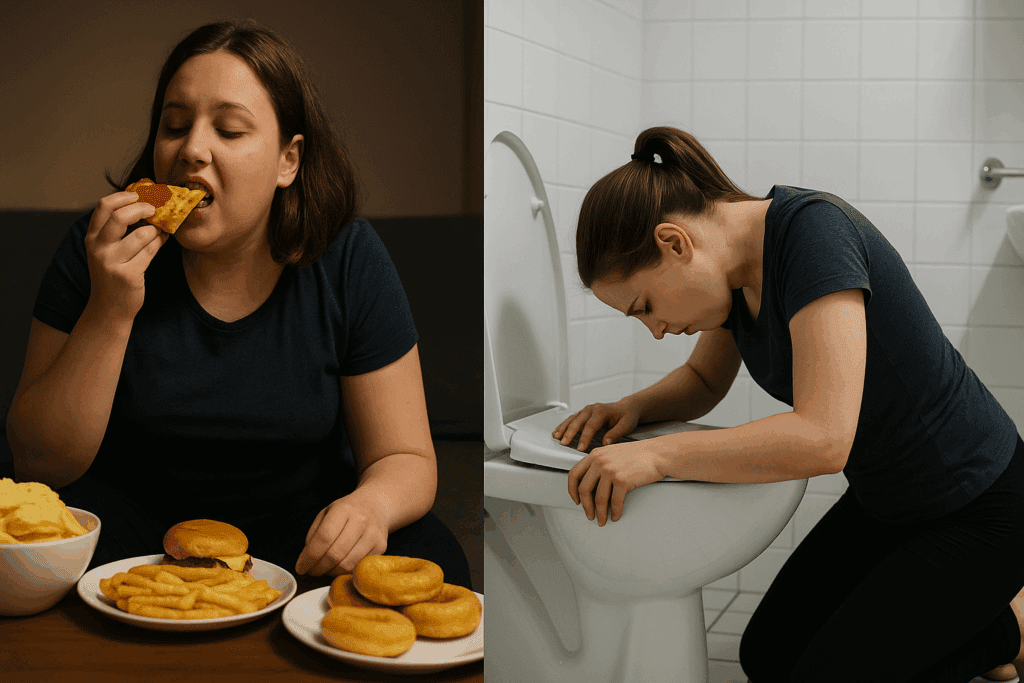
Split-screen depiction of Bulimia Nervosa: On the left, a person binge eating junk food in a dimly lit room, and on the right, the same person in a sterile bathroom, engaging in compulsive exercise or vomiting, highlighting the emotional contrast between indulgence and guilt

Defining Bulimia Nervosa and Its Core Behaviors

At its core, bulimia nervosa is defined by episodes of uncontrollable binge eating followed by compensatory behaviors such as vomiting, excessive exercise, or the misuse of laxatives to rid the body of consumed calories. These cycles of binging and purging are not isolated incidents but occur frequently, often in secret, and are accompanied by intense feelings of shame, guilt, and distress. The term “bulimic” is commonly used to describe a person with bulimia nervosa, though medical professionals emphasize the importance of person-first language to reduce stigma. Understanding what bulimic means in the context of mental health goes beyond behaviors; it involves comprehending the underlying emotional pain, distorted body image, and anxiety about weight gain that perpetuate the disorder.

When examining the difference between anorexia and bulimia, it’s important to note that while both conditions involve a preoccupation with weight and body shape, they manifest differently. Anorexia nervosa is typically associated with severe restriction of food intake and significant weight loss, whereas bulimia nervosa involves normal or fluctuating body weight due to the nature of binging and purging. Despite these differences, anorexia nervosa vs bulimia nervosa comparisons often reveal shared psychological patterns, including low self-esteem, perfectionism, and a strong desire for control. These overlapping features highlight how disordered eating behaviors can take different forms based on individual experiences and psychological profiles.

Psychological Triggers and Emotional Cycles in Bulimia Nervosa

The recurring cycles of binge eating and purging that define bulimia nervosa are often responses to intense emotional distress. A person with bulimia nervosa may turn to food for comfort during periods of anxiety, loneliness, or self-criticism. The act of bingeing can temporarily numb negative emotions, creating a brief sense of relief. However, this relief is short-lived and quickly replaced by overwhelming guilt and fear of weight gain, which then prompts purging behaviors. This vicious cycle becomes deeply ingrained, creating a pattern that is difficult to break without intervention.

Understanding why people have bulimia nervosa requires a multifactorial perspective. Psychological factors such as childhood trauma, low self-worth, and perfectionism can contribute to the development of disordered eating habits. Additionally, sociocultural pressures—especially those that equate thinness with success, beauty, and moral value—exacerbate body dissatisfaction and drive the compulsion to control weight through harmful means. It is also worth exploring what disorder causes someone to start to worry about weight excessively. In many cases, disordered eating behaviors emerge from underlying conditions like obsessive-compulsive disorder, anxiety disorders, or major depressive disorder. This intersection of mental health conditions underscores the importance of a comprehensive diagnostic approach.

Emotional turmoil in Bulimia Nervosa depicted through a woman gazing at her distorted reflection in a mirror, with vibrant, swirling colors symbolizing inner chaos, anxiety, and self-criticism

The Diagnostic Criteria and Warning Signs of Bulimia Nervosa

According to the Diagnostic and Statistical Manual of Mental Disorders (DSM-5), bulimia nervosa is characterized by recurrent episodes of binge eating, followed by inappropriate compensatory behaviors that occur, on average, at least once a week for three months. However, the disorder often goes undetected because individuals may maintain a normal weight, leading others to assume they are healthy. For this reason, understanding when it is considered bulimia is crucial. Diagnostic clarity depends not just on physical signs but on behavioral patterns and psychological distress.

Listening to the symptoms of bulimia—both the visible and the hidden—is essential in identifying those who need support. Some common bulimia nervosa symptoms include frequent visits to the bathroom after meals, swollen cheeks due to salivary gland inflammation, and the presence of calluses on the hands from induced vomiting. Beyond the physical, there are signs of disordered eating that include an obsession with food, calorie counting, or rigid eating rituals. Behavioral red flags, such as secretive eating, social withdrawal, or mood swings, may also suggest that someone is struggling.

To better support early detection, healthcare providers often encourage individuals to listen to symptoms of bulimia as they emerge. Parents, friends, and educators should be aware of the signs and symptoms of bulimia and respond with empathy rather than judgment. The earlier the intervention, the greater the likelihood of successful treatment and recovery.

Cycle diagram illustrating the emotional loop of Bulimia Nervosa, showing stages of stress, bingeing, guilt, purging, and temporary relief with symbolic visuals like clocks, spirals, and repeated expressions

Understanding the Cycles of Bingeing and Purging

What does bulimic behavior reveal about a person’s internal struggle? The answer lies in the recurring cycles of binge eating and purging, which serve as a coping mechanism for deeper emotional pain. These episodes often follow a predictable sequence: emotional distress triggers a binge, which leads to physical discomfort and guilt, followed by purging as a desperate attempt to regain control. Over time, this pattern becomes neurologically reinforced, creating a feedback loop that is both psychologically and physiologically addictive.

Exploring what cycles of binge eating and purging mean from a clinical perspective offers insight into the complexity of the disorder. Binging is not a matter of simple overeating—it involves the consumption of large quantities of food in a short period, often in a way that feels dissociative or compulsive. Purging, on the other hand, can take many forms, including vomiting, fasting, or excessive exercise. Understanding what purging in food entails helps clarify the physical toll this behavior takes on the digestive system, cardiovascular health, and metabolic balance.

Medical research has shown that the stress of binging and purging can lead to electrolyte imbalances, gastrointestinal damage, and cardiovascular complications. This highlights what are the health risks associated with bulimia—many of which can become life-threatening if left untreated. Additionally, the psychological consequences include depression, anxiety, and an increased risk of substance abuse, further complicating the clinical picture.

Three women representing different eating disorders: a woman with anorexia nervosa eating a small portion of lettuce, a woman with bulimia nervosa showing signs of purging after eating pizza, and a woman with binge eating disorder casually enjoying a burger and fries, each in separate dining environments

Distinguishing Bulimia Nervosa from Other Eating Disorders

In discussions about eating disorders, it is common to ask what is the most common eating disorder. While binge eating disorder is currently the most prevalent, bulimia nervosa remains a significant public health concern, particularly among adolescents and young adults. To better understand these distinctions, it is important to explore bulimia vs binge eating disorder in depth. While both involve episodes of uncontrolled eating, only bulimia includes compensatory behaviors such as purging. This key difference has important implications for diagnosis and treatment.

When comparing bulimia vs binge eating, the emotional aftermath of the behaviors is also telling. Binge eating disorder often involves prolonged feelings of shame but lacks the cyclical pattern of purging that defines bulimia. This is why it’s critical to understand how bulimia and binge eating disorder are similar yet distinct. The motivation behind the behaviors, the coping mechanisms employed, and the health consequences all differ in significant ways.

The anorexia vs bulimia comparison further clarifies the different psychological and behavioral presentations of eating disorders. A person with anorexia may display extreme restriction and fear of weight gain, while a person with bulimia nervosa may fluctuate between indulgence and punishment. Knowing the difference between anorexia and bulimia is crucial for tailoring treatment strategies to the unique needs of each individual. Similarly, understanding the nuances of anorexia nervosa vs bulimia nervosa can inform clinical practice and public education campaigns.

Unpacking the Root Causes of Disordered Eating

Delving into how people get eating disorders requires a nuanced understanding of both nature and nurture. Genetics can play a role, as research has identified hereditary patterns in those with bulimia nervosa. Environmental factors also weigh heavily—exposure to unrealistic body standards, traumatic experiences, and family dynamics can all contribute to the development of disordered eating habits. The interplay of these factors often determines not only the onset but also the severity and progression of the disorder.

Exploring the facts about bulimia helps dismantle myths that often hinder early intervention. For instance, it is a misconception that bulimia only affects young, affluent women. In reality, a person with bulimia nervosa can be of any gender, age, ethnicity, or socioeconomic status. This broad demographic reach underscores the importance of awareness campaigns that do not rely on stereotypes.

Understanding what are the characteristics of bulimia requires an integrative approach. Emotional dysregulation, body image disturbance, impulsivity, and compulsive behaviors all play a role. These traits can overlap with other mental health conditions, which complicates diagnosis but also provides opportunities for holistic treatment. Recognizing the interconnectedness of these characteristics can guide more effective therapeutic interventions.

Young African American woman journaling during therapy, surrounded by a calming environment with plants, healthy snacks, and soft sunlight, symbolizing recovery and emotional resilience for those struggling with Bulimia Nervosa

Treatment and Recovery: Breaking the Cycle

When discussing bulimia nervosa treatments, it is important to emphasize that recovery is possible, though it may require a multifaceted approach. Cognitive-behavioral therapy (CBT) is considered the gold standard, helping individuals reframe distorted thoughts, develop healthier coping strategies, and gradually reduce binge-purge episodes. Nutritional counseling is also essential, as many individuals with bulimia struggle to establish balanced eating habits and need support in restoring their relationship with food.

In more severe cases, medical intervention may be necessary to address physical complications. For example, those experiencing heart arrhythmias or gastrointestinal issues due to purging may need hospitalization. Medication, such as selective serotonin reuptake inhibitors (SSRIs), has also shown promise in reducing bulimic behaviors, particularly when used in conjunction with therapy. Support groups and family-based therapy offer additional layers of care, reinforcing recovery through community and accountability.

Knowing when it is considered bulimia—rather than just occasional overeating or dieting—can make a profound difference in seeking timely help. The earlier the diagnosis, the better the prognosis, particularly when interventions target both the physical symptoms and the underlying emotional causes. For those wondering what does bulimic behavior look like, education is key. Clear, nonjudgmental information empowers individuals and their loved ones to recognize the signs and seek help without shame.

Abstract illustration symbolizing the mental and physical effects of Bulimia Nervosa, featuring a head silhouette filled with food items, brain activity, and stress imagery like storm clouds and lightning bolts

Reflecting on Recovery: A Life Beyond Bulimia

Recovery from bulimia nervosa is not linear, and setbacks are common. However, with consistent support and effective treatment, individuals can learn to replace cycles of binging and purging with healthier coping mechanisms. The journey often involves confronting deep-seated fears, unlearning destructive habits, and cultivating self-compassion. As recovery progresses, individuals report improvements not only in physical health but also in self-esteem, relationships, and quality of life.

It is also essential to continue raising awareness about what does bulimic mean in a broader societal context. Educating the public about the signs of disordered eating, the mental health components of bulimia nervosa, and the availability of evidence-based treatments can reduce stigma and encourage early intervention. Ultimately, the goal is to foster a culture where seeking help is seen as a strength—not a weakness—and where individuals struggling with eating disorders can find hope, healing, and a sense of belonging.

Frequently Asked Questions: Understanding Bulimia Nervosa and Related Eating Disorders

1. How can recurring cycles of binge eating and purging affect long-term brain health? Recurring cycles of binge eating and purging not only damage the digestive system but also have long-term effects on the brain. These behaviors can alter dopamine and serotonin pathways, which are critical for mood regulation and reward processing. Over time, a person with bulimia nervosa may experience cognitive fog, impaired memory, and difficulty with emotional regulation. Chronic stress associated with these cycles also impacts the hypothalamic-pituitary-adrenal (HPA) axis, which governs the body’s stress response. This disruption may increase vulnerability to depression and anxiety, illustrating how deeply intertwined brain health is with the patterns seen in bulimia nervosa.

2. What makes bulimia nervosa different from high-functioning emotional eating? While emotional eating may involve occasional overeating in response to stress, bulimia nervosa involves a compulsive, recurring pattern of bingeing and purging that disrupts everyday life. The key difference lies in the loss of control and the intensity of compensatory behaviors. Bulimia symptoms often include secretive behavior, fear of gaining weight, and cycles of binging and purging that are both mentally and physically exhausting. High-functioning individuals may hide bulimia nervosa symptoms behind a veneer of normalcy, but their internal experiences are often fraught with shame and distress. Understanding what does bulimic mean in this context highlights the contrast between isolated episodes of overeating and a diagnosable mental health condition.

3. What role does social media play in the rise of bulimia nervosa cases? Social media platforms can amplify unrealistic beauty standards, creating pressure to achieve and maintain a thin ideal. For individuals vulnerable to body image concerns, this can be a trigger for developing disordered eating behaviors. Research suggests that repeated exposure to weight-centric content can lead to obsessive thoughts about food and weight, contributing to what disorder causes someone to start to worry about weight excessively. This can escalate into bulimia nervosa when combined with personality traits like perfectionism or underlying anxiety. For many young users, social validation becomes tied to appearance, intensifying the risk of falling into recurring cycles of binge eating and purging.

4. What are some lesser-known signs of disordered eating that could point to bulimia nervosa? In addition to well-known bulimia nervosa symptoms like purging or overexercising, subtle behavioral patterns may offer early warning signs. These include avoiding meals in social settings, intense fear of losing control while eating, and frequent trips to the restroom during or after meals. Listening to symptoms of bulimia also means noticing shifts in emotional tone, such as increased irritability, withdrawal, or sudden obsession with body-checking habits. Some individuals develop elaborate rituals around eating, such as cutting food into tiny pieces or excessive chewing, as a form of control. These signs of disordered eating can precede more severe manifestations and should not be overlooked.

5. How do healthcare professionals distinguish between anorexia vs bulimia in real-world settings? In clinical practice, distinguishing anorexia vs bulimia involves assessing both physical presentation and behavioral patterns. While anorexia nervosa often presents with significant weight loss and food restriction, bulimia nervosa can occur at any body weight and is characterized by cycles of binging and purging. Healthcare providers look for emotional and psychological markers, such as fear of weight gain, body dissatisfaction, and feelings of being out of control around food. The difference between anorexia and bulimia also lies in the methods of control used—restriction versus purging. These distinctions matter because treatment approaches vary based on whether a patient exhibits more restrictive or compensatory behaviors.

6. What are the implications of misdiagnosing bulimia nervosa as binge eating disorder? Misdiagnosing bulimia nervosa as binge eating disorder can delay proper treatment and increase the risk of physical complications. While both conditions involve episodes of overeating, the absence of purging behaviors in binge eating disorder differentiates it from bulimia. Understanding how bulimia and binge eating disorder are similar yet distinct is essential for effective intervention. Inaccurate diagnosis can result in treatment plans that fail to address the purging component, leaving cycles of binging and purging unchallenged. Furthermore, emotional support strategies for bulimia differ, as a person with bulimia nervosa often experiences more intense guilt and self-punishment than those with binge eating disorder.

7. What long-term physical health risks are unique to bulimia nervosa? Although all eating disorders carry health risks, bulimia nervosa poses some unique dangers due to the purging behaviors involved. Frequent vomiting can erode tooth enamel, cause electrolyte imbalances, and lead to irregular heart rhythms that may become life-threatening. Additionally, recurrent laxative use can result in chronic gastrointestinal issues and dependency. One of the often-overlooked facts about bulimia is that it can also impair fertility and disrupt hormone function in both women and men. These examples illustrate what are health risks associated with bulimia that make early detection and treatment vital.

8. How can families support a person with bulimia nervosa without reinforcing harmful behaviors? Supporting a person with bulimia nervosa requires a delicate balance between empathy and accountability. Families should avoid commenting on weight or eating habits and instead focus on emotional support and open communication. Encouraging professional help without judgment helps reduce the shame that often accompanies binging and purging. Education about what purging in food really means can help families understand that these behaviors are not about vanity but are coping mechanisms for deep emotional pain. Creating a safe, non-critical environment can make a significant difference in recovery outcomes.

9. Are there any new or alternative bulimia nervosa treatments being explored? In addition to traditional cognitive-behavioral therapy and medication, researchers are exploring new approaches to bulimia nervosa treatments, including neurofeedback, virtual reality therapy, and gut-brain axis interventions. These emerging methods aim to regulate neural circuits associated with impulse control, anxiety, and reward. Another promising development is the integration of mindfulness-based interventions with nutritional counseling to disrupt the recurring cycles of binge eating and purging. Advances in personalized medicine, such as genetic testing, may one day help identify which bulimia nervosa treatments work best for specific individuals. These innovations represent a shift toward more holistic and individualized care models.

10. What steps can schools and universities take to prevent bulimia and other eating disorders? Educational institutions play a critical role in identifying and preventing eating disorders. They can implement peer-led workshops on body image, offer access to mental health counseling, and ensure nutrition education is framed around balance rather than restriction. Raising awareness about what is the most common eating disorder and the difference between anorexia and bulimia can equip students with knowledge to support peers in distress. Schools should also train staff to recognize signs and symptoms of bulimia, such as frequent absences after lunch or unusual eating patterns. Prevention starts with a culture of inclusivity, where appearance is not tied to worth and students feel safe seeking help.

The Importance of Awareness: What Bulimia Teaches Us About Mental Health and Nutrition

Understanding bulimia nervosa and the recurring cycles of binge eating and purging provides more than just clinical insight—it reveals the deep connection between emotional well-being, body image, and nutritional health. These cycles are not simply about food; they are expressions of inner turmoil, perfectionism, and the struggle for control. By examining what are the characteristics of bulimia, what purging in food means, and how bulimia and binge eating disorder are similar, we gain a more complete picture of the challenges individuals face.

Awareness also means challenging assumptions about who is affected and why. A person with bulimia nervosa may be high-achieving, outwardly confident, and seemingly well-adjusted, masking their internal distress. Recognizing the signs and symptoms of bulimia—both subtle and overt—requires sensitivity, education, and a willingness to engage in difficult conversations.

As we strive for a healthier lifestyle and more mindful relationship with food, we must prioritize mental health as an integral component of overall wellness. From understanding bulimia vs binge eating to exploring bulimia nervosa treatments, the journey begins with empathy, knowledge, and action. By supporting those affected and advocating for comprehensive care, we can transform our approach to eating disorders—and in doing so, promote a culture of healing, self-respect, and lasting change.

Was this article helpful? Don’t let it stop with you. Share it right now with someone who needs to see it—whether it’s a friend, a colleague, or your whole network. And if staying ahead on this topic matters to you, subscribe to this publication for the most up-to-date information. You’ll get the latest insights delivered straight to you—no searching, no missing out.

Further Reading:

Bulimia nervosa

Bulimia Nervosa

Bulimia Nervosa

How to Prevent Eating Disorders Through Mindful Nutrition: Understanding Risk Factors and Building a Healthier Relationship with Food

Understanding the Role of Mindful Nutrition in Preventing Eating Disorders

Mindful nutrition, a practice rooted in awareness and intentionality, has gained recognition as a powerful strategy for improving eating habits and fostering a healthy relationship with food. At its core, mindful eating encourages individuals to be present during meals, acknowledging physical hunger cues, emotional triggers, and the sensory experience of eating. This approach stands in stark contrast to disordered eating patterns, which often involve restriction, bingeing, guilt, and a loss of connection with bodily needs. For those seeking to understand how to prevent eating disorders, embracing mindful nutrition can be an essential first step. Rather than promoting rigid dietary rules, it emphasizes flexibility, compassion, and self-care.

You may also like: How to Stop Emotional Eating and Regain Control: Mindful Nutrition Strategies That Support a Healthier Lifestyle

Incorporating mindful eating practices can help individuals recognize the early warning signs of disordered behaviors. For instance, noticing when one eats in response to stress or emotional discomfort rather than hunger can provide an opportunity to redirect toward healthier coping strategies. Furthermore, cultivating mindfulness around food reduces the internalization of harmful diet culture messages, which are among the key risk factors for eating disorders. Through this lens, mindful nutrition does not merely involve what we eat but how we relate to food. Developing this relationship with intention can strengthen self-awareness, self-regulation, and overall psychological resilience.

Woman mindfully savoring a colorful, balanced meal at a calm table setting, promoting mindful eating to help prevent eating disorders.

Exploring the Etiology of Eating Disorders: What Science Tells Us

Understanding the etiology of eating disorders involves examining a complex interplay of genetic, psychological, sociocultural, and environmental influences. While there is no singular cause, research has consistently shown that individuals with a family history of mental health conditions or disordered eating are at increased risk. Personality traits such as perfectionism, low self-esteem, and impulsivity can also play a role in the development of disordered eating behaviors. Additionally, chronic stress, trauma, and societal pressure to achieve unrealistic body ideals further contribute to the psychological burden that may lead someone toward an eating disorder.

Sociocultural factors are particularly influential, especially in environments where thinness is equated with health, beauty, or success. Adolescents and young adults are especially vulnerable, as they are frequently exposed to idealized body types through social media and advertising. These influences can distort body image and fuel unhealthy dieting practices, creating fertile ground for disordered eating to take root. To effectively address why people have eating disorders, it is essential to consider how these external pressures intersect with internal vulnerabilities. In clinical settings, identifying and addressing these underlying causes is central to treatment, but from a preventative standpoint, public health education about the etiology of eating disorders can equip individuals with the knowledge needed to resist harmful norms and expectations.

Conceptual illustration of a transparent human head filled with icons representing anxiety, genetics, media pressure, and cultural ideals—highlighting underlying factors to prevent eating disorders.

Why Do People Have Eating Disorders? Unpacking Emotional and Psychological Triggers

In addition to genetic and cultural influences, emotional and psychological factors significantly contribute to why people have eating disorders. For many, disordered eating behaviors serve as maladaptive coping mechanisms for managing intense emotions such as anxiety, depression, loneliness, or a sense of inadequacy. In these instances, food becomes a way to exert control in an otherwise unpredictable world. The behavior may begin innocently enough—perhaps as a diet or an attempt to “eat healthier”—but can quickly escalate into patterns that are difficult to break. Understanding how emotional pain translates into physical self-regulation is critical in preventing the spiral into full-blown eating disorders.

Moreover, the internalization of societal ideals related to thinness and success can distort self-perception. Individuals may come to believe that their worth is dependent on achieving a certain body size or shape, creating a toxic feedback loop of dieting, restriction, and self-criticism. The effects of eating disorders on one’s emotional health are profound. Individuals often experience shame, guilt, and isolation, which only reinforce the disorder’s hold. Addressing these psychological factors early—through therapy, peer support, or educational initiatives—can prevent the entrenchment of harmful beliefs and behaviors. Encouraging a culture of self-compassion, emotional literacy, and psychological flexibility is essential to long-term prevention.

Identifying the Risk Factors for Eating Disorders Across Age Groups

When assessing risk factors for eating disorders, it is important to recognize that these can vary significantly across different life stages. Among children and adolescents, bullying, peer pressure, and early exposure to diet culture can lay the foundation for unhealthy eating patterns. In young adults, the transition to college or independent living often introduces new stressors and body image concerns. Meanwhile, adults may struggle with weight stigma, chronic dieting, or the psychological impact of major life changes such as pregnancy, aging, or career stress.

Additionally, athletes—particularly those in sports that emphasize leanness or weight classes—face a heightened risk. Social identity and marginalized status also play a role, with LGBTQ+ individuals and people of color experiencing unique pressures and barriers to care. To prevent eating disorders effectively, early identification of risk factors is key. Interventions should be tailored to the unique needs and life circumstances of each individual. Educators, parents, coaches, and healthcare providers all have a role to play in recognizing warning signs and fostering protective environments that emphasize well-being over appearance.

Timeline of emotional risk factors that can prevent eating disorders, showing bullied child, anxious teen, stressed young adult with phone, and older woman reflecting in mirror

The Effects and Consequences of Eating Disorders on Physical and Mental Health

The effects of eating disorders extend far beyond food and body image—they have profound implications for both physical and mental health. From a physiological perspective, prolonged restriction or purging can lead to nutrient deficiencies, electrolyte imbalances, cardiac issues, gastrointestinal distress, and weakened immune function. In severe cases, eating disorders can be life-threatening, underscoring the importance of early intervention. The consequences of eating disorders are not limited to the body, however. Psychologically, individuals may suffer from chronic anxiety, depression, obsessive thoughts, and impaired cognitive function.

Social and emotional health also deteriorate under the weight of eating disorders. Relationships may become strained due to secrecy, irritability, or social withdrawal. Academic and occupational performance may decline as the disorder consumes one’s attention and energy. The mental health burden of eating disorders is particularly heavy, as individuals often feel trapped in cycles of guilt, shame, and fear. Addressing the effects of eating disorders in a holistic manner—incorporating medical, nutritional, and psychological care—is critical to recovery. Equally important is prevention through education and empowerment, which can help individuals avoid these devastating outcomes.

How Does Not Eating Affect Yourself Love and Self-Perception?

The relationship between nourishment and self-worth is more profound than many realize. When individuals engage in restrictive eating, they often begin to associate deprivation with discipline, control, or even virtue. This mindset may initially appear empowering, but over time it erodes one’s sense of self-love and self-compassion. How does not eating affect yourself love? It often diminishes it. Restrictive behaviors can lead to a distorted body image, negative self-talk, and a constant sense of not being “good enough.”

Furthermore, the act of denying one’s basic needs sends a powerful psychological message: that one’s body does not deserve care or kindness. This internalized message can be deeply damaging, particularly when reinforced over time. Cultivating self-love requires recognizing that our bodies deserve nourishment, not punishment. Mindful nutrition encourages this recognition by fostering gratitude for the body’s capabilities and emphasizing eating as an act of self-respect. Rebuilding self-worth through mindful eating involves shifting from judgment to curiosity, from criticism to compassion. In this way, the path to self-love begins with the simple yet radical act of feeding oneself with care and intention.

Split-scene illustration of a young woman showing emotional and physical decline on one side and joyful recovery with support on the other, symbolizing efforts to prevent eating disorders.

How Do You Start an Eating Disorder? Recognizing Early Warning Signs

While the phrasing “how do you start an eating disorder” may sound jarring, it reflects a real concern: many individuals do not recognize the early stages of disordered eating until the behaviors are deeply ingrained. Eating disorders often begin subtly—with a skipped meal, a restrictive diet, or an obsessive focus on “clean eating.” These actions may be socially reinforced, making them seem harmless or even admirable. However, over time, these habits can escalate into patterns that meet clinical criteria for disorders such as anorexia nervosa, bulimia nervosa, or binge eating disorder.

Key warning signs include frequent dieting, rigid food rules, body checking, preoccupation with weight, and guilt after eating. Emotional cues are just as important: increased anxiety around meals, social withdrawal, and mood swings can all signal deeper issues. Recognizing these patterns early is essential to preventing escalation. Healthcare professionals, educators, and families must create open spaces where concerns about food and body image can be discussed without judgment. Education on how to develop an eating disorder unintentionally can empower individuals to interrupt these patterns before they become entrenched. Prevention is most effective when it begins with awareness and is grounded in compassion.

Woman facing mirror reflecting two selves—one shadowed, one radiant—symbolizing self-love and the journey to prevent eating disorders.

Describe Compi Sove Eating Disorder Simple: Understanding Misunderstood Terms and Clarifying Language

In the ongoing conversation around eating disorders, clarity in language is vital. The phrase “describe compi sove eating disorder simple” appears to be a misconstructed or misspelled version of a commonly searched query. Interpreted contextually, it may reflect a desire to understand or describe complex eating disorder concepts in simple, accessible terms. This need highlights a broader issue: medical and psychological terminology can often feel inaccessible, making it difficult for individuals to identify or seek help for their struggles.

Simplifying complex terminology does not mean reducing its importance but rather translating it into everyday language. For example, instead of describing anorexia as a “restrictive food intake disorder characterized by fear of weight gain,” one might say, “an illness where people feel afraid to eat and try to lose weight even when they’re already underweight.” This kind of accessibility fosters understanding and reduces stigma. As part of how to prevent eating disorders, simplifying language allows for more inclusive conversations and early intervention. Education, especially in schools and community settings, should prioritize both accuracy and approachability to ensure that all individuals can recognize the signs and seek support.

Staircase metaphor showing gradual descent from healthy habits to disordered behaviors, illustrating how to prevent eating disorders through early awareness.

How to Develop an Eating Disorder: Exploring the Slippery Slope of Diet Culture

It is a disturbing reality that many eating disorders begin not in clinical settings but in the ordinary act of dieting. The question of how to develop an eating disorder is tragically answered in everyday behaviors encouraged by society: skipping meals, categorizing foods as “good” or “bad,” idolizing thinness, and equating weight loss with success. These patterns, while socially normalized, are dangerous. Over time, they can erode healthy behaviors and replace them with compulsive, punitive practices that are difficult to reverse.

Diet culture reinforces the idea that our worth is tied to our appearance and that extreme measures are justified in the pursuit of thinness. As these messages accumulate, individuals may begin to engage in more restrictive or compensatory behaviors, setting the stage for disordered eating. Recognizing this slippery slope is essential in the effort to prevent eating disorders. Promoting body diversity, intuitive eating, and weight-neutral health care are practical steps toward dismantling the systems that perpetuate harm. Awareness of how common dieting behaviors contribute to the development of eating disorders empowers individuals to make informed, compassionate choices for their well-being.

Frequently Asked Questions: Preventing Eating Disorders Through Mindful Nutrition

What role does stress management play in how to prevent eating disorders?

Stress is often a silent driver behind disordered eating behaviors, and learning to manage stress effectively is a key component in understanding how to prevent eating disorders. When individuals are overwhelmed by academic pressure, work demands, or social expectations, they may seek control through food restriction or emotional eating. Chronic stress can disrupt appetite-regulating hormones like cortisol and ghrelin, leading to cycles of bingeing or restrictive behaviors. Integrating mindfulness practices, regular physical activity, and creative outlets such as art or journaling can support emotional regulation. These strategies provide healthier ways to respond to stress, ultimately reducing the risk factors for eating disorders linked to chronic emotional strain.

How does not eating affect yourself love and body confidence over time?

Many people underestimate how deeply nutrition affects emotional self-worth. How does not eating affect yourself love? Over time, chronic undernourishment can send a subconscious message that one’s needs are unworthy of being met. This behavior is often mistaken for self-discipline, when in reality it gradually erodes self-compassion and confidence. When you continually ignore hunger cues or restrict eating to achieve external ideals, the relationship with your body becomes adversarial rather than supportive. Over the long term, this disconnection can make it much harder to engage in practices that support healing and self-love, reinforcing the psychological consequences of eating disorders.

Why do people have eating disorders even when they seem outwardly healthy or successful?

One of the lesser-known reasons eating disorders are often overlooked is because individuals who appear high-functioning may still be struggling internally. Why do people have eating disorders despite seeming stable? Eating disorders are not always visible or associated with being underweight. Many people hide their struggles due to stigma, shame, or a desire to maintain appearances. These individuals may meet social and professional expectations while secretly battling disordered thoughts or behaviors. This invisibility adds complexity to the etiology of eating disorders and highlights the importance of shifting focus from appearance-based judgments to a deeper understanding of psychological distress and behavioral patterns.

What are some overlooked social factors that contribute to the risk factors for eating disorders?

While media influence and body image are well-known contributors, there are more subtle societal dynamics that shape the risk factors for eating disorders. For example, economic instability can lead to food insecurity, which may trigger hoarding, bingeing, or restrictive behaviors. Cultural norms around gender roles, especially expectations placed on women and marginalized communities, can also increase vulnerability. Social isolation, lack of representation in wellness discourse, and microaggressions about appearance all play a part. These layered experiences add nuance to the reasons eating disorder patterns develop in individuals who may already be at risk. Recognizing these broader influences helps create more inclusive and effective prevention strategies.

Can you describe compi sove eating disorder simple in a way that clarifies common confusion?

Although the phrase “describe compi sove eating disorder simple” is likely a miswritten search term, it reflects a real desire to understand complex disorders in accessible terms. Simply put, eating disorders often involve an intense focus on food, weight, or body shape that leads to unhealthy behaviors like starvation, purging, or obsessive exercising. What makes it complicated is the emotional and psychological depth beneath these behaviors. People may use food to manage emotions, express distress, or cope with trauma. To describe compi sove eating disorder simple, one must consider the emotional function the disorder serves, rather than focusing only on food habits or physical appearance.

How do you start an eating disorder unintentionally, and what are the first signs to look for?

Most individuals don’t set out to develop an eating disorder. So how do you start an eating disorder without realizing it? Often, it begins with socially accepted habits like dieting, intermittent fasting, or eliminating entire food groups under the guise of “clean eating.” These practices may feel empowering at first but can evolve into rigid, compulsive behaviors. Early warning signs include obsessively reading food labels, anxiety about meals, and feeling guilty after eating. These seemingly minor behaviors can gradually deepen, making it essential to intervene early to prevent the psychological consequences of eating disorders from becoming entrenched.

What are the long-term consequences of eating disorders beyond physical health?

While much attention is given to the physical effects of eating disorders—such as weakened bones, heart complications, and fertility issues—the long-term psychological and social consequences of eating disorders are equally significant. Many individuals struggle with trust issues, difficulty forming relationships, and a pervasive sense of shame even after physical recovery. Cognitive impairments such as trouble concentrating or memory lapses can persist, especially in those with a prolonged history of malnourishment. The disruption of academic or career paths due to the disorder also has lasting repercussions. These broader effects underscore the importance of early intervention and continued psychological support during recovery.

How does the etiology of eating disorders differ among genders and sexual orientations?

The etiology of eating disorders is not uniform across populations. Among men, symptoms are often underdiagnosed because eating disorders are incorrectly seen as a “female issue.” Men may be more likely to engage in excessive exercise or muscle-building rather than food restriction alone, which can obscure diagnosis. LGBTQ+ individuals, especially transgender youth, face unique pressures related to body dysphoria, social rejection, and lack of access to affirming healthcare. These factors that cause eating disorders in these populations require culturally competent care and awareness from healthcare professionals. Tailoring prevention and treatment to these nuances can enhance outcomes and promote equity in mental health support.

Can digital culture and technology affect how to develop an eating disorder?

In today’s digital world, social media algorithms often reinforce body ideals that contribute to disordered thinking. Learning how to develop an eating disorder today, in part, involves exposure to “fitspo” content, diet hacks, and comparison-driven environments. Online forums, while helpful for some, can also enable competitive or triggering discussions about weight loss and fasting. The anonymity of digital platforms makes it easier for harmful advice to spread unchecked. Incorporating digital literacy into prevention efforts—helping users critically evaluate content—can be a powerful strategy for reducing the risk factors for eating disorders rooted in online environments.

What role do family dynamics play in the reasons eating disorder patterns form early in life?

Family environments can greatly shape one’s relationship with food and body image. For some, the reasons eating disorder behaviors begin stem from early exposure to dieting language, weight-related teasing, or overemphasis on appearance within the home. Children absorb these messages and may internalize them as indicators of worth. A lack of emotional expression or validation can also lead children to use food as a coping mechanism. Preventing disordered patterns starts with encouraging open dialogue, modeling balanced eating behaviors, and creating safe spaces for emotional communication. Understanding these early influences is essential to identifying how to prevent eating disorders in future generations.

Conclusion: Building a Healthier Relationship with Food Through Awareness and Action

Preventing eating disorders requires more than awareness—it demands a cultural shift in how we approach food, body image, and self-worth. Through the lens of mindful nutrition, individuals can cultivate a relationship with food that is grounded in presence, compassion, and self-respect. Understanding the risk factors for eating disorders and the complex etiology of these conditions helps us intervene before habits become harmful. Recognizing the emotional roots of disordered eating—how does not eating affect yourself love, for instance—highlights the need for holistic, emotionally intelligent approaches to care and prevention.

By exploring the reasons eating disorders develop and confronting harmful societal norms, we gain the tools to foster resilience and reduce stigma. Simplifying language, sharing knowledge, and creating inclusive environments can make a tangible difference in early intervention. Whether addressing how to develop an eating disorder unintentionally or exploring the effects of eating disorders on the mind and body, education is key. Ultimately, by nurturing mindful, compassionate practices around food, we not only prevent harm—we support lifelong wellness grounded in dignity and respect.

Was this article helpful? Don’t let it stop with you. Share it right now with someone who needs to see it—whether it’s a friend, a colleague, or your whole network. And if staying ahead on this topic matters to you, subscribe to this publication for the most up-to-date information. You’ll get the latest insights delivered straight to you—no searching, no missing out.

Further Reading:

Eating Disorders

Eating disorders

Orthorexia and Orthorexia Nervosa: A Comprehensive Examination of Prevalence, Risk Factors, Diagnosis, and Treatment

Fueling Strength the Smart Way: A Nutrition Plan for Strength Training That Supports Muscle, Metabolism, and Women’s Wellness

In the evolving landscape of women’s health and fitness, strength training has taken center stage as a cornerstone of physical empowerment, metabolic health, and functional longevity. But while lifting weights builds muscle and improves endurance, it’s a well-calibrated nutrition plan for strength training that amplifies those gains and sustains them. Especially for women, a tailored strength training eating plan is essential not only to meet fitness goals but also to support hormonal health, bone density, and long-term vitality.

You may also like: Smart Meal Prep for Weight Loss: Expert-Approved Lunch Ideas and Recipes to Stay on Track

Why Nutrition Is the Foundation of Strength Training Success

Strength training puts a unique kind of stress on the body, signaling muscle fibers to repair, grow, and adapt. This process, however, requires a consistent supply of macronutrients and micronutrients to occur effectively. Protein is central to muscle repair, but carbohydrates, fats, vitamins, and minerals all play distinct roles in energy regulation, recovery, and immune resilience. Without the proper nutritional foundation, the physical work put into the gym may not yield the desired results.

For women, this becomes even more important. Differences in hormonal cycles, muscle mass composition, and metabolic rate mean that dietary needs for female lifters are not simply scaled-down versions of male counterparts. Instead, women benefit most from a strategic approach that factors in their biological rhythms, lifestyle demands, and body composition goals. This is where a well-crafted strength training eating plan becomes indispensable.

Woman drinking a protein shake post-workout next to a nutrient-packed meal, following a nutrition plan for strength training.

Building a Balanced Nutrition Plan for Strength Training

At the heart of an effective strength training diet lies the interplay between macronutrients. Protein remains the headline nutrient, needed in sufficient quantities to stimulate muscle protein synthesis and prevent catabolism. For active women, aiming for 1.6 to 2.2 grams of protein per kilogram of body weight daily is generally effective. However, quantity alone doesn’t guarantee success—quality and timing also matter. Lean protein sources like lentils, chickpeas, tofu, tempeh, Greek yogurt, and eggs deliver essential amino acids and support recovery post-workout.

Equally crucial are complex carbohydrates. These supply the glycogen stores that fuel resistance workouts and aid in post-training recovery. Unlike the outdated perception that carbs hinder fat loss, they are essential in a weight lifting diet for women aiming to build lean muscle without energy crashes. Whole grains, legumes, root vegetables, and fruits provide fiber, vitamins, and sustained energy.

Fats, though often misunderstood, are vital for hormonal balance. Monounsaturated and polyunsaturated fats—from sources like nuts, seeds, avocados, and olive oil—support the production of estrogen and other hormones that influence strength and recovery. A healthy strength training eating plan includes about 20-35% of total calories from fats, depending on personal energy needs.

Micronutrients, Bone Health, and Metabolic Support

While macronutrients receive most of the attention, micronutrients quietly underpin many aspects of physical performance. Calcium, magnesium, and vitamin D are critical for bone density—an area of concern for many women, especially as they age. Iron, often deficient in women, is essential for oxygen transport and energy production. B vitamins support energy metabolism, while antioxidants like vitamin C and E help counteract oxidative stress from intense workouts.


Ensuring adequate micronutrient intake means prioritizing a colorful, whole-food diet. Dark leafy greens, berries, legumes, and fortified plant-based milks are excellent sources of these nutrients. Supplementation may be necessary in some cases, particularly for women with restricted diets or absorption challenges, but food-first strategies typically provide synergistic health benefits.

Colorful array of plant-based proteins, grains, and vegetables on a kitchen counter as part of a balanced nutrition plan for strength training.

The Role of Meal Timing and Nutrient Timing in Performance

A key feature of any effective strength training nutrition plan is not just what you eat, but when. Pre-workout meals should include a balance of carbs and protein to enhance energy and prime the muscles for exertion. Ideally, consuming this meal 60 to 90 minutes before training allows for proper digestion and nutrient availability.

Post-workout meals, often called the anabolic window, aim to replenish glycogen and initiate muscle repair. A mix of fast-digesting carbs (such as fruit or a smoothie with oats) and easily absorbable protein (like a whey or plant-based shake) within 30 to 60 minutes post-training can enhance recovery. However, recent research suggests that the “window” may be more of a door—nutrient timing matters, but consistency across the day is just as crucial.

Between meals, snacks should be structured to maintain energy levels and prevent catabolism. Nuts with dried fruit, Greek yogurt with flaxseeds, or a protein bar with whole grains can bridge the gap between main meals and keep blood sugar stable.

Flat lay of leafy greens, berries, and fortified plant-based foods showing micronutrient support in a nutrition plan for strength training.

Customizing a Strength Training Eating Plan for Women

One of the defining aspects of a sustainable nutrition strategy is its adaptability. For women, tailoring the strength training eating plan to their menstrual cycle can optimize results and reduce burnout. During the follicular phase (the first half of the cycle), energy levels are generally higher, and carbohydrate tolerance is improved. This is a prime time for more intense lifting sessions and slightly higher carb intake.

In contrast, the luteal phase (the second half) often comes with decreased insulin sensitivity, increased cravings, and potential bloating. Adjusting meal timing, increasing magnesium-rich foods, and slightly increasing calorie intake can support mood, energy, and performance.

Women in perimenopause or postmenopause may also benefit from specific strategies. As estrogen declines, muscle protein synthesis becomes less efficient, making protein intake even more critical. Resistance to insulin may also increase, reinforcing the value of nutrient-dense, low-glycemic foods.

Plant-Based Approaches to Strength and Wellness

For women following vegetarian or vegan lifestyles, building muscle and optimizing metabolism is entirely achievable with proper planning. A whole-food plant-based strength training diet emphasizes legumes, soy products, whole grains, nuts, and seeds—all rich in protein and other vital nutrients. Combining complementary proteins, such as rice and beans or hummus and whole wheat pita, ensures a complete amino acid profile.

Plant-based diets also offer an abundance of antioxidants, fiber, and anti-inflammatory compounds, which can aid in recovery and overall health. However, attention should be paid to nutrients like vitamin B12, iron, zinc, and omega-3s. Fortified foods and supplementation may be necessary to fill any nutritional gaps without compromising performance or wellness.

Female athlete reviewing her meal prep containers while customizing a nutrition plan for strength training at home.

Debunking Myths: Carbs, Keto, and the Weight Lifting Diet for Women

Despite growing understanding, myths about strength nutrition persist—particularly around low carb and ketogenic diets. Some claim that eliminating carbs speeds up fat loss and boosts energy, but research paints a more nuanced picture. In the context of resistance training, carbohydrates are the body’s preferred fuel, especially for anaerobic efforts.

The comparison between the ketogenic diet vs low carb diets reveals important distinctions. A ketogenic diet is high fat, very low carb, and moderate protein—designed to induce ketosis. Meanwhile, low carb diet keto diet models vary widely but often allow more carbs than strict keto. Understanding this helps clarify misconceptions around whether the keto diet vs low carb diet is superior for performance.

More importantly, is keto a low carb diet that supports strength training? It depends. While some women report success with keto for weight loss, studies suggest that strength, power, and hypertrophy outcomes may decline when glycogen stores are chronically depleted. The answer to whether is keto a good diet for lifters is conditional on the individual’s goals and tolerance.

Ultimately, the question is a keto diet sustainable for long-term strength goals leans toward no for many women. Without adequate carbs, maintaining training intensity and recovery becomes challenging. Moreover, is keto no carbs? Not exactly. Even keto plans include small amounts of carbs, typically under 50 grams daily—hardly ideal for fueling heavy lifting sessions.

Supporting Metabolism, Mood, and Motivation Through Food

A thoughtful strength training eating plan does more than shape the body; it influences mental resilience and metabolic rhythm. Balanced blood sugar, sufficient caloric intake, and nutrient timing can stabilize mood, reduce cravings, and support cognitive clarity. These outcomes become increasingly important for women balancing training with demanding careers, caregiving roles, or stress.

A chronic deficit in calories, particularly when paired with intense workouts, can impair thyroid function, lower estrogen, and increase cortisol. This hormonal imbalance contributes to fatigue, sleep disturbances, and plateaus in strength or body composition. Preventing this requires a mindset shift: food as fuel, not restriction.

Women who adopt this mindset often find their relationship with food improves, leading to more consistent energy and a more positive training experience. Nutritional consistency supports not just lean mass gains but sustainable motivation—critical for long-term health and adherence.

Putting It All Together: Sample Day on a Strength Nutrition Plan

Consider a practical example of how these principles look in daily life:

  • Breakfast: Scrambled tofu with spinach and quinoa toast; berries on the side; cup of green tea
  • Snack: Greek yogurt or plant-based protein smoothie with almond butter
  • Lunch: Lentil and sweet potato bowl with olive oil vinaigrette; kale and citrus salad
  • Pre-Workout: Banana and a hard-boiled egg or chia pudding
  • Post-Workout: Chocolate protein shake blended with oats, flax, and frozen mango
  • Dinner: Grilled tempeh with roasted vegetables, brown rice, and tahini drizzle
  • Evening Snack: Cottage cheese or plant-based yogurt with walnuts and cinnamon

This plan combines the principles of nutrient timing, balance, and plant-forward diversity. It can be adjusted for calorie levels and specific dietary needs, providing a template that supports muscle growth, metabolism, and female wellness.

Side-by-side view of keto and high-carb meals comparing diet approaches within a personalized nutrition plan for strength training.

Frequently Asked Questions: Fueling Strength with a Smart Nutrition Plan for Women

1. How can women fine-tune their strength training eating plan during travel or irregular schedules?

Maintaining a strength training eating plan while traveling or working unpredictable hours can be challenging, but not impossible. One effective strategy is to focus on portable, protein-rich staples like shelf-stable tuna, protein powder packets, or pre-portioned nut butter that can anchor a meal when whole foods aren’t accessible. Women should also prioritize hydration and fiber when their routine changes, as both support digestion and recovery even without consistent training. A mobile-friendly nutrition plan for strength training includes building meals around macros rather than specific foods, allowing flexibility across cuisines and convenience stores. Keeping a few go-to meals or snacks in mind helps ensure your weight lifting diet for women stays consistent even in high-stress or variable environments.

2. What role does gut health play in a strength training eating plan for women?

Gut health influences nutrient absorption, inflammation, and even mood—all of which are relevant to athletic performance. An optimal strength training eating plan should include prebiotic fibers from vegetables, legumes, and whole grains, as well as fermented foods like kefir, sauerkraut, and plant-based yogurts that introduce beneficial bacteria. For women, fluctuating hormone levels can impact gut permeability, especially around the menstrual cycle. Ensuring gut resilience through diet can reduce bloating and optimize the bioavailability of nutrients like iron and magnesium. Integrating gut-supportive foods into a weight lifting diet for women enhances energy utilization and strengthens the foundation for sustainable fitness progress.

3. Can intermittent fasting be adapted to a nutrition plan for strength training in women?

Intermittent fasting has gained popularity for its simplicity, but applying it to a nutrition plan for strength training requires nuance, especially for women. While some may benefit from time-restricted eating, it can hinder recovery if not paired with sufficient caloric intake. For women, prolonged fasting windows may negatively affect cortisol and reproductive hormones, particularly if paired with intense workouts. Instead of rigid fasting windows, a gentler approach like a 12:12 eating schedule can preserve hormonal balance while still allowing fasting benefits. The key is to ensure the strength training eating plan prioritizes muscle protein synthesis through consistent nutrient timing within the chosen window.

4. How do psychological factors affect adherence to a weight lifting diet for women?

Beyond macros and micronutrients, psychological dynamics play a central role in whether a woman can maintain her strength nutrition goals long-term. Body image, social support, and emotional eating patterns all influence consistency. An overly rigid strength training eating plan may increase stress or guilt around food, undermining motivation and mental health. Cognitive flexibility—the ability to adapt and recover from dietary slip-ups without harsh self-judgment—is strongly correlated with sustained progress. Embedding mindfulness practices into a weight lifting diet for women’s lifestyle can improve body awareness, hunger cues, and satisfaction, fostering a more intuitive and compassionate approach to fueling strength.

5. Are there tech tools that can support a personalized strength training eating plan?

Absolutely. Wearable devices, nutrition tracking apps, and even AI-driven meal planners can assist in customizing a strength training eating plan to individual needs. Apps like Cronometer, MyFitnessPal, or Ate not only monitor macros but also micronutrient gaps, providing feedback for smarter food choices. Some platforms integrate menstrual tracking, which can align eating strategies with hormonal changes. For women navigating a weight lifting diet for women across different life phases, these tools offer clarity without the overwhelm of manual calculations. However, it’s essential to view tech as a support system rather than a rulebook—trusting your body remains central to successful planning.

6. How can women overcome plateaus in strength progress using nutrition?

When strength gains stall, many women focus solely on adjusting their workout routine, overlooking the potential of dietary shifts. Increasing protein intake slightly or altering meal timing may re-stimulate muscle growth. Additionally, under-fueling—often unintentionally—can halt progress; even small caloric increases can make a big difference in performance and recovery. Cycling carbohydrates around training days can provide more glycogen when it counts most. A plateau often signals the need for recalibration, and reviewing your current nutrition plan for strength training can reveal blind spots that are hindering results.

7. What are advanced strategies for women seeking body recomposition rather than weight loss?

Body recomposition—simultaneously building muscle and losing fat—requires a more nuanced strategy than simple caloric restriction. A targeted strength training eating plan involves high-protein meals spaced evenly throughout the day, often paired with strategic carbohydrate timing. Women may also benefit from alternating higher-calorie days on training days and lower-calorie days on rest days. This method supports lean mass retention while gently promoting fat loss. Precision is key, and using progress photos, body composition scans, or strength performance metrics often provides more meaningful feedback than the scale.

8. How can women with PCOS tailor their weight lifting diet for improved results?

Polycystic ovary syndrome (PCOS) involves insulin resistance, hormonal imbalances, and inflammation—factors that can make traditional weight loss strategies less effective. A customized weight lifting diet for women with PCOS emphasizes low-glycemic carbs, consistent protein intake, and anti-inflammatory fats. Meal timing also plays a role; starting the day with a protein-rich breakfast can help regulate blood sugar throughout the day. Strength training itself improves insulin sensitivity, but combining it with blood sugar-friendly meals enhances outcomes. Supplements like inositol, magnesium, and omega-3s may further support metabolic health when used alongside a carefully structured strength training eating plan.

9. What recovery-enhancing foods are often overlooked in a strength training eating plan?

While protein shakes and bananas post-workout are common staples, many recovery-enhancing foods fly under the radar. Tart cherry juice, for example, contains polyphenols that reduce muscle soreness and improve sleep quality. Beets are rich in nitrates, which can boost circulation and oxygen delivery to recovering muscles. Collagen, especially when paired with vitamin C, may support joint integrity in women lifting heavy weights. Bone broth, chia seeds, and edamame provide amino acids and minerals crucial for deep tissue repair. Including a wider spectrum of nutrient-dense foods elevates a standard nutrition plan for strength training to a more comprehensive and restorative protocol.

10. How can women use seasonal eating to enhance their strength training nutrition?

Eating seasonally not only improves nutrient freshness but also provides a natural rhythm to your nutrition plan for strength training. Spring and summer produce—like asparagus, berries, and leafy greens—offers hydration and antioxidants that complement higher training intensities. In contrast, fall and winter crops such as squash, root vegetables, and lentils provide grounding, slow-digesting carbohydrates ideal for colder months and heavier lifts. Seasonal variety ensures dietary diversity, supporting microbiome health and micronutrient sufficiency. Embracing this rhythm within a weight lifting diet for women fosters sustainability, enjoyment, and a deeper connection to food beyond its macronutrient profile.

Full day of plant-forward meals laid out in prep containers, visually representing a structured nutrition plan for strength training.

Conclusion: Nourishing Strength, Inside and Out

In the quest for vitality, resilience, and empowered fitness, strength training offers a transformative path—but it cannot stand alone. A scientifically grounded, thoughtfully structured nutrition plan for strength training is the key to unlocking the full potential of every rep, set, and sprint. For women, this means respecting biological nuance, embracing nutrient density, and recognizing that food is not the enemy of fitness but its most powerful ally.

Whether navigating the intricacies of a weight lifting diet for women, comparing the ketogenic diet vs low carb alternatives, or asking questions like is keto a good diet or is a keto diet sustainable, the answer lies not in rigid rules but in informed personalization. By approaching strength training through a lens of nourishment, intention, and evidence-based care, women can build bodies that are not just strong, but vibrantly well for years to come.

Was this article helpful? Don’t let it stop with you. Share it right now with someone who needs to see it—whether it’s a friend, a colleague, or your whole network. And if staying ahead on this topic matters to you, subscribe to this publication for the most up-to-date information. You’ll get the latest insights delivered straight to you—no searching, no missing out.

Further Reading:

Food as Fuel Before, During and After Workouts

Eating the Right Foods for Exercise

The Best Muscle-Building Diet Guide to Fuel Your Growth

Smart & Satisfying: Healthy Make Ahead Lunches for Work That Support Energy, Focus, and Wellness All Week

In the rhythm of modern life, where busyness too often eclipses nourishment, one of the most transformative decisions you can make for your health and productivity is preparing healthy make ahead lunches for work. Far from being a mere time-saver, this practice supports deeper wellness goals—fueling focus, sustaining energy, and reinforcing mindful eating habits throughout the week. As we explore how to incorporate science-backed nutrition into your workday, you’ll discover that meal prep is more than a convenience. It’s a deliberate act of self-care rooted in experience, expertise, and evidence-based wellness.

You may also like: Smart Meal Prep for Weight Loss: Expert-Approved Lunch Ideas and Recipes to Stay on Track

The Science Behind Smart Workday Nutrition

The human brain consumes more than 20% of your daily energy, making mental focus one of the most nutritionally demanding tasks. That mid-afternoon slump? Often, it’s not just fatigue but a sign of unstable blood sugar. Research consistently shows that balanced meals containing fiber-rich carbohydrates, lean proteins, and healthy fats can stabilize glucose levels and enhance cognitive performance. Incorporating healthy meal prep lunch ideas for work is a strategic way to avoid the energy crashes that follow fast food or vending machine choices. When lunches are thoughtfully prepared, they encourage consistent nourishment, empowering your brain and body to perform at their best.

Premade Lunches and Cognitive Performance: A Crucial Connection

Choosing premade lunches for work doesn’t mean sacrificing freshness or nutrition. On the contrary, with the right ingredients, make ahead lunches can be superior to most meals purchased on-the-go. One landmark study published in the American Journal of Clinical Nutrition found that consuming low-glycemic, nutrient-dense meals improved executive function and memory recall compared to refined, high-glycemic fast food meals. In practical terms, that means your make ahead lunch recipes can directly influence your ability to concentrate, solve problems, and maintain mental stamina.

Healthy make ahead lunches for work arranged in eco-friendly glass containers with colorful veggies, grains, and lean proteins.

Meal Prep as a Form of Mindful Eating

Unlike hurried restaurant orders or convenience meals eaten in haste, preparing lunches ahead of time offers a chance to reconnect with food on a mindful level. Studies in nutritional psychology highlight that when individuals engage in cooking and meal planning, they develop greater awareness of their hunger cues, food choices, and portion sizes. Easy make ahead lunches become more than physical fuel; they are an opportunity for reflection and ritual. This is especially relevant in a work environment where distraction and multitasking often undermine the quality of our meals.

Easy Lunch Prep Ideas for Work That Deliver Lasting Energy

When it comes to easy lunch prep ideas for work, the goal is sustained energy without the post-lunch crash. This means focusing on meals that offer complex carbohydrates from whole grains or legumes, combined with clean proteins and anti-inflammatory fats. For example, quinoa salad bowls with chickpeas, olive oil, lemon tahini dressing, and roasted vegetables provide satiety, brain fuel, and a dose of omega-3s. These combinations not only keep you fuller longer but also reduce inflammation linked to mental fog and fatigue. Whether you’re prepping a wrap, grain bowl, or mason jar salad, integrating such elements ensures your work lunch meal prep works as hard as you do.

Meal prep scene showing ingredients for healthy make ahead lunches for work, including quinoa, sweet potatoes, and chickpeas.

Make Ahead Lunch Recipes That Support Focus and Gut Health

Emerging research in the field of nutritional psychiatry reveals that gut health plays a central role in regulating mood and cognitive clarity. Many neurotransmitters, including serotonin, are produced in the gut. A make ahead lunch recipe rich in fermented foods, prebiotics, and fiber—like a miso tofu and kimchi brown rice bowl or a lentil hummus wrap with pickled vegetables—can help cultivate a healthier gut microbiome. The result? Improved concentration, reduced stress levels, and enhanced emotional regulation. Lunch prep for the week doesn’t have to be repetitive; with the right planning, your gut can reap diverse nutritional benefits that translate into better work performance.

Time-Saving Strategies for Busy Professionals

One of the biggest barriers to meal prep for work is the perceived time commitment. But investing just an hour or two on a Sunday afternoon can yield five days of nutritious lunches. Batch cooking grains, roasting vegetables, marinating proteins, and preparing dressings in advance simplifies the process. Meal prep lunch ideas for work become especially viable when you streamline components for mix-and-match versatility. For instance, a single base of wild rice can pair with curried lentils one day and sesame-glazed tempeh the next. These easy prepare ahead lunches transform your weekly lunch ideas from a chore into a habit of efficiency and satisfaction.

Nutritious bento-style healthy make ahead lunches for work with fresh greens, falafel, and yogurt dressing on a wooden table.

Nutritionists’ Take: What Makes a Lunch Truly Balanced?

A dietitian-approved lunch includes three major components: a slow-digesting carbohydrate, a high-quality protein source, and healthy fats. Add color with fruits and vegetables, and you’ve got a nutrient-dense, brain-boosting meal. This principle applies to everything from classic bento boxes to Mediterranean grain bowls. A falafel and farro salad with herbed yogurt dressing, for example, aligns with this model. It’s rich in fiber, offers plant-based protein, and includes probiotics. Healthy premade lunches like these are scientifically proven to support energy levels, mood stability, and long-term metabolic health—all essential for workplace productivity.

Sustainable Practices in Meal Prep and Storage

Supporting wellness at work doesn’t end with what’s on your plate. The containers you use and the way you store food also play a role. Glass containers are non-toxic and preserve food quality better than plastic. Insulated lunch bags and reusable utensils reduce waste while maintaining optimal temperature. And when you portion out your meals at the start of the week, you eliminate decision fatigue and prevent last-minute, less nutritious choices. Easy meal prep for work lunches can be part of a broader commitment to environmental health, making your lunch hour a small but meaningful act of sustainability.

Woman smiling while preparing healthy make ahead lunches for work in a modern kitchen with pre-portioned meals and fresh produce.

Comparing Work Lunch Meal Prep to Popular Diet Trends

In an era where dietary choices are deeply personal and often trend-driven, it’s essential to consider how lunch prep aligns with broader eating philosophies. Take the ketogenic diet vs low carb approach, for example. While both restrict carbohydrate intake, the ketogenic diet is far stricter, often limiting net carbs to under 20 grams per day to induce ketosis. Low carb approaches are more flexible, typically allowing whole grains, legumes, and fruits in moderation. If you’re wondering, “Is keto a low carb diet?” the answer is yes, but with more stringent carbohydrate restrictions. For professionals seeking a sustainable, performance-enhancing routine, the low carb diet keto diet framework may be too limiting. Research suggests that extreme carb restriction can hinder cognitive flexibility, especially during high-demand tasks. Thus, while keto may appeal to those looking for quick weight loss, it may not be ideal for supporting long-term energy and focus during the workday.

Is a Keto Diet Sustainable for Working Professionals?

One common concern is whether the keto diet vs low carb diet model can be maintained in a professional setting. While it’s tempting to believe that is keto no carbs, the reality is more nuanced. A strict ketogenic diet does include some carbohydrates from sources like leafy greens and nuts, but overall intake is very low. This can make office meal planning difficult. Furthermore, studies have shown that long-term adherence to keto is challenging due to social eating, meal prep limitations, and nutrient imbalances. So, is a keto diet sustainable? For some, perhaps—but for most, healthy meal prep lunches for work that include a wider array of plant-based foods may be more practical and beneficial.

Lunch Meal Plans That Support Cognitive and Physical Vitality

Crafting a successful lunch meal plan involves more than food selection—it’s about creating a system that supports your daily rhythm. For those practicing work lunch meal prep, this might mean identifying high-energy days that require extra protein and slow-releasing carbs, or lower-effort days when a simple lentil salad will suffice. This cyclical approach mimics intuitive eating principles and supports consistent energy flow. Meal prep ideas for work that prioritize variety and personalization—from hearty soups to protein-rich wraps and fiber-packed bowls—are most likely to become long-term habits. And as you refine your weekly lunch ideas, you begin to move beyond short-term convenience into a realm of sustainable wellness.

How to Make Healthy Lunch Prep a Lifestyle

Transitioning from sporadic preparation to a lifestyle of lunch prep for the week requires mindset and structure. Start by making it enjoyable—use music, podcasts, or shared cooking time to turn the process into a ritual rather than a task. Lean on batch-friendly recipes that age well in the fridge, such as grain salads, roasted veggie medleys, or chickpea-stuffed pitas. Rely on versatile ingredients that allow you to mix and match based on cravings and needs. As easy work meal prep becomes second nature, you not only eat better but also think more clearly, feel more energized, and reclaim control over your health.

The Future of Pre Made Lunches for Work in a Hybrid World

As workplaces continue evolving into hybrid or remote models, the role of premade lunches for work is shifting. Instead of relying on cafeteria options or takeout near the office, professionals are increasingly investing in meal prep as a daily ritual. Even those working from home benefit from having healthy premade lunches ready to go—preventing grazing, supporting portion control, and encouraging structured breaks. This self-reliant approach dovetails with the trend of food as functional medicine, reinforcing how we eat as a reflection of how we live. Whether remote or in-office, your easy make ahead lunches become the anchor of your midday routine.

Final Thoughts on Choosing Meal Prep Over Food Fads

It can be tempting to fall into the trap of diet fads that promise rapid results. But when we examine closely—”Is keto a good diet?” or “Is keto a low carb diet that suits every lifestyle?”—the answer often reveals itself in context. While keto works for some individuals, the restrictiveness and metabolic demands make it difficult to sustain alongside professional demands. In contrast, easy lunch prep ideas for work that prioritize balanced macros and whole plant foods are more likely to support steady energy, stable moods, and long-term adherence. Rather than chasing rigid meal plans, consider developing lunch habits rooted in nutritional science, personal preference, and real-life practicality.

Balanced healthy make ahead lunches for work featuring a variety of plant-based proteins, whole grains, and anti-inflammatory foods.

Frequently Asked Questions: Smart & Satisfying Make Ahead Lunches for Work

1. How can I stay motivated to stick with a lunch prep routine each week?

Maintaining a consistent lunch prep routine can be a challenge, especially with changing work schedules and personal responsibilities. One way to stay motivated is to diversify your easy prepare ahead lunches with seasonal ingredients, new flavors, or rotating cuisines. Treat your lunch meal plan like a creative project rather than a chore—this reframes your mindset and boosts intrinsic motivation. Additionally, tracking how you feel after eating healthy premade lunches, such as increased energy or clearer focus, can reinforce your commitment. Pairing lunch prep for the week with music, audiobooks, or shared time with a partner can also transform it into an enjoyable ritual.

2. What are some lesser-known ingredients that elevate healthy make ahead lunches?

While traditional ingredients like quinoa and lentils are staples, adding fermented foods like tempeh or pickled radishes can introduce gut-friendly probiotics to your meal prep for work. Incorporating seaweed, such as nori or dulse flakes, into your make ahead lunch recipes boosts iodine and iron levels, often lacking in plant-based diets. Roasted chickpea croutons, harissa paste, or tahini-based sauces can transform the flavor profile of standard lunch prep ideas for work. These nutrient-dense ingredients not only add variety but also contribute to satiety and digestive health in your weekly lunch ideas. Think beyond the basics to keep your meals both functional and flavorful.

3. How can I prevent boredom when eating similar premade lunches for work every day?

A common concern with make ahead lunches is meal fatigue. One solution is to prep meal components rather than full meals, allowing you to assemble different combinations throughout the week. For example, roasted vegetables, grains, and proteins can be mixed and matched with different sauces or spices to create new meals from the same base ingredients. Adding a few condiments like chimichurri, curry hummus, or citrus vinaigrettes to your easy lunch prep ideas for work can completely shift the flavor profile. Switching between warm and cold formats (like soups versus salads) also adds textural variety to your work lunch meal prep. When done thoughtfully, repetition doesn’t mean monotony.

4. Can make ahead lunch ideas work for dietary restrictions like gluten-free or nut-free diets?

Absolutely. There are endless gluten-free and nut-free options for healthy meal prep lunch ideas for work. Grains like millet, brown rice, and buckwheat are excellent gluten-free alternatives that pair well with roasted veggies and lean proteins. For nut-free options, seeds like sunflower or pumpkin can replace almonds in pesto or as toppings in salads. Make ahead lunch recipes can easily be adapted by reading labels, substituting sauces, and preparing meals in allergy-conscious kitchens. Including a variety of herbs and spices can help maintain robust flavor in restricted diets without sacrificing health or enjoyment.

5. How does meal prepping support workplace mental health beyond nutrition?

While the nutritional benefits of meal prep ideas for work are well-documented, the psychological effects are equally valuable. Regularly preparing your lunches creates structure and predictability, which reduces decision fatigue and anxiety during high-pressure workdays. Knowing you have nutritious premade lunches waiting can also boost self-efficacy and emotional well-being, especially during busy weeks. Additionally, lunch breaks become more meaningful when you don’t have to spend them waiting in line or scrambling to order food. Over time, these small moments of intentionality support mindfulness and create space for emotional regulation, reflection, and even social connection when sharing your easy work meal prep with colleagues.

6. Are there tools or containers that make lunch prep more efficient?

Investing in quality containers is essential for successful lunch prep for the week. Glass containers with airtight lids help preserve freshness and reduce the risk of chemical leaching, especially when reheating. Compartmentalized lunchboxes can help you portion balanced meals and keep textures separate. Silicone baking trays are helpful for portioning items like mini frittatas or roasted chickpeas for quick lunch meal prep. Having a thermal food jar ensures that soups and stews stay warm without needing a microwave, expanding the variety of premade lunch ideas you can bring to work. The right tools not only streamline the process but also keep your meals appealing and intact.

7. How can I align my lunch prep habits with sustainability goals?

Sustainable lunch prep goes beyond reusable containers. When sourcing ingredients for your meal prep for work, buying local produce or bulk pantry staples helps reduce packaging waste and carbon emissions. Avoiding single-use plastics, reusing cloth napkins, and composting vegetable scraps contribute to eco-conscious eating. Make ahead lunches that emphasize plant-based proteins also tend to have a lower environmental impact compared to animal-based meals. Over time, your healthy meal prep lunches for work can become part of a broader lifestyle of conscious consumption that benefits both personal and planetary health.

8. What are some underrated flavor enhancers that improve make ahead lunch recipes without extra calories?

Adding flavor without adding calories is key for maintaining both taste and health in your easy make ahead lunches. Citrus zest, fresh herbs like cilantro and dill, garlic-infused vinegars, or flavored mustards can radically transform your lunch meal plan. Umami boosters such as tamari, nutritional yeast, or even a dash of miso paste offer depth without heaviness. These are especially useful in dressings or marinades for make ahead lunch ideas that might otherwise taste bland by midweek. Small changes like pickling onions or quick-blanching vegetables can maintain crunch and freshness, enhancing the overall sensory experience of your premade lunches.

9. How can I use leftovers effectively in my weekly lunch ideas?

Leftovers are a powerful resource for streamlining healthy premade lunches. For example, last night’s grilled vegetables can be turned into a wrap, or leftover roasted chicken can be added to a salad bowl or quinoa stir-fry. Transforming components rather than repeating meals keeps lunch prep ideas for work interesting and waste-free. Using sauces or toppings like salsa verde, chili crisp, or tahini lemon drizzle can reinvent your easy meal prep for work lunches with minimal effort. This approach not only saves time and money but also encourages culinary creativity and resourcefulness.

10. What mindset shifts help make work lunch meal prep a long-term habit?

Adopting a mindset of experimentation rather than perfection is key to sustaining make ahead lunches for work. It’s normal to have weeks where plans don’t go as expected, but consistency comes from progress, not perfection. Viewing meal prep as an investment in your energy and focus reframes it as an empowering choice, not a restrictive duty. Scheduling time for prep just like a meeting reinforces its importance and builds accountability. As your easy prepare ahead lunches evolve into a rewarding habit, the ripple effects on mood, performance, and self-discipline become increasingly evident, reinforcing your long-term commitment to health and well-being.

Overhead view of organized healthy make ahead lunches for work in containers, ready for storage in a weekly meal prep session.

Reflecting on What Really Fuels Us: Wellness, Not Restriction

At its core, wellness isn’t about restriction but about support. A well-designed lunch meal plan isn’t a diet but a tool for enhancing your professional and personal life. With the right ingredients, structure, and intention, your make ahead lunches for work can nourish more than just your body. They feed your clarity, your creativity, and your capacity to thrive in a fast-paced world. Whether you lean toward quick lunch meal prep strategies or invest in weekly lunch ideas that reflect your health goals, the outcome is the same: greater empowerment, fewer energy crashes, and more mindful living—one meal at a time.

Was this article helpful? Don’t let it stop with you. Share it right now with someone who needs to see it—whether it’s a friend, a colleague, or your whole network. And if staying ahead on this topic matters to you, subscribe to this publication for the most up-to-date information. You’ll get the latest insights delivered straight to you—no searching, no missing out.

Further Reading:

41 Healthy Lunch Ideas

40 Cheap Healthy Lunch Ideas for Work

9 Power-Packed Work Lunch Ideas That Will Revolutionize Your Office Health

Live‑Dealer & Influencer Streaming in Italia: Un’analisi economica delle nuove partnership tra i principali siti di gioco

Live‑Dealer & Influencer Streaming in Italia: Un’analisi economica delle nuove partnership tra i principali siti di gioco

Negli ultimi tre anni il segmento dei casinò online italiani ha assistito a una rapida evoluzione tecnologica, trainata dal crescente appetito dei giocatori per esperienze più immersive. I tavoli “live‑dealer”, trasmessi in tempo reale da croupier professionisti, hanno superato la tradizionale offerta basata su generatori di numeri casuali (RNG), portando una dimensione sociale che ricorda il gioco fisico nei resort di Montecarlo o Las Vegas. Parallelamente, gli influencer specializzati nel mondo del gaming hanno guadagnato importanza come veri e propri catalizzatori di traffico: i loro consigli influenzano le decisioni di deposito e aumentano la fiducia verso piattaforme poco conosciute ma legittime. Questa combinazione ha creato un ecosistema dove l’autenticità del dealer live si fonde con la capacità persuasiva dell’influencer digitale, generando nuovi flussi di valore per gli operatori italiani e per i brand affiliati al segmento “nuovi casino non aams”.

Le partnership streaming sono ora considerate una vera leva strategica per accrescere il fatturato e differenziarsi nel mercato affollato dei giochi d’azzardo online. Analizzeremo l’impatto economico di queste collaborazioni attraverso dati concreti e casi studio reali, ponendo particolare attenzione alle dinamiche tra costi tecnologici, modelli di revenue‑sharing e ritorno sull’investimento pubblicitario. Per confrontare le offerte più competitive sui migliori casino non AAMS è fondamentale valutare anche il ruolo dei portali indipendenti come Go Lab Project.Eu che raccolgono recensioni dettagliate su casinò sicuri non AAMS e slots non AAMS.

Il valore aggiunto dei live‑dealer nelle strategie di streaming

Il “live‑dealer” consiste nella trasmissione in diretta di tavoli da casinò gestiti da veri croupier tramite studio dedicati dotati di telecamere HD/4K ed equipaggiamento audio professionale. Diversamente dai giochi RNG dove l’esito è prodotto interamente dal software del server, il live‑dealer incorpora elementi fisici – carte messe a mano o ruote della roulette girate sul posto – garantendo così un tasso RTP verificabile da parte dell’utente finale ed eliminando percezioni di randomicità artificiale.

Studi interni condotti su tre top‑operator italiani – LuckyPlayLive, EuroSpinLive e BetStreamClub – hanno evidenziato un incremento medio del tempo medio di permanenza del giocatore pari al +17 % quando le sessioni includono dealer live rispetto alla sola esperienza RNG su mobile casino. Tale prolungamento ha diretto impatto sui livelli ARPU (Average Revenue Per User), soprattutto nei segmenti high‑roller che preferiscono tavoli con interazione vocale diretta via chat integrata durante lo stream.

Esempio pratico:
– LuckyPlayLive ha lanciato un canale Twitch dedicato al BlackJack con dealer italiano; nei primi tre mesi le visualizzazioni medie sono passate da 12 000 a 29 000 per stream, mentre ARPU è salito da €45 a €68 (+51 %).
– EuroSpinLive ha introdotto una roulette dal vivo su YouTube Shorts; il tasso conversione depositi è passato dall’1,8 % al 3,4 %, generando un aumento netto del fatturato mensile pari a €210k rispetto allo stesso periodo dell’anno precedente.
– BetStreamClub ha sperimentato lo streaming simultaneo su Facebook Gaming con croupier multilingue; la KPI “deposit burst” entro i primi dieci minuti dello stream è cresciuta del +23 %.

Gli influencer scelgono questi format perché consentono una narrazione più autentica: i contenuti mostrano volti umani dietro le macchine da gioco digitale, riducendo la distanza percepita tra marchio e pubblico ed incrementando la probabilità che gli spettatori provino subito una scommessa reale sul proprio account.

Modelli di revenue‑sharing tra operatori e influencer casinò

I contratti tra piattaforme casinò e creator digitali variano notevolmente secondo obiettivi commerciali e regolamentazioni AML vigenti in Italia ed Europa. I modelli più diffusi includono:

Modello Descrizione Tipico % / CPM Pro
CPA (Cost Per Acquisition) Pagamento unico per ogni nuovo giocatore depositante €30–€70 per acquisizione qualificata Controllo preciso dei costi
CPM Live View Compenso basato sulle visualizzazioni dello stream live €8–€15 per mille visualizzazioni Incentiva alta audience
Revenue Share sui Depositi Percentuale sui depositi netti generati dall’influencer 12–18 % delle commissioni operative Allineamento degli interessi

Nel modello “flat‑fee” l’influencer riceve un compenso fisso indipendente dalle performance della campagna; questo approccio è comune nelle prime fasi quando la notorietà dell’influencer deve essere testata sul mercato locale dei “casino non aams”. Al contrario il modello “performance‑based” prevede pagamenti variabili legati ai KPI sopra elencati ed è dominante nei mercati maturi dove i dati analytics sono disponibili in tempo reale tramite API integrate con i sistemi CRM degli operatori.

Calcolo esemplificativo: consideriamo un influencer con audience medio‑grande (≈100k follower) che avvia una campagna Live‑Dealer della durata tre mesi su Instagram Reels + Twitch overlay.

• Stime visualizzazioni totali live ≈ 850k → CPM @ €12 → €10 200.

• Depositi attribuitibili stimati = 350 giocatori × €150 medio deposito → €52 500.

• Con accordo revenue share del 15 % → €7 875.

Totale ricavo previsto = €18 075 contro costi produttivi stimati (€9 000) ⇒ ROI ≈ 101 %.

Rischi contrattuali tipici includono clausole anti‑scommessa responsabile che richiedono all’influencer l’obbligo di inserire messaggi relativi ai limiti giornalieri (“play responsibly”) oltre ad adeguamenti AML obbligatori qualora vengano segnalate attività sospette provenienti dagli utenti indirizzati dalla campagna.

Costi tecnologici e operativi della produzione Live‑Dealer

Realizzare uno studio broadcast idoneo al mercato italiano richiede investimenti sia CAPEX sia OPEX significativi:

  • Infrastruttura hardware*: set completo comprendente almeno due telecamere HD/4K con ottiche zoom variabili (€8–12k), console switch video AV (€3k), microfoni lavalier professionali (€500) e lucernari LED modulabili (€2k). Il costo iniziale medio si aggira intorno ai €25k esclusa la stanza insonorizzata certificata dalle autorità fiscali italiane.

  • Licenze software & integrazione*: software DSP per mixing audio (€1k/anno), piattaforma cloud streaming dedicata con supporto RTMP/SRT (~€0,.50/GB) più API wrapper custom sviluppate internamente per collegare il dealer al motore RTP dei giochi (€15k sviluppo + €3k manutenzione annuale).

  • Costo operativo orario*: considerando salari dealer certificati (+​€22/h), tecnici broadcast (+​€30/h) ed energia server CDN (~€0,.08/minuto), il costo medio netto per ora di trasmissione risulta pari a circa €140/h.

In confronto al modello “classico” RNG dove ciascuna partita costa solo marginalmente meno dell’hardware utente finale (≈​€0,.02 porzione costo server), il margine operativo si riduce significativamente ma viene compensato dalla maggiore retention descritta nella sezione precedente.

Le normative fiscali italiane impongono inoltre IVA al ‎22 % sulla prestazione dei servizi streaming se erogata all’interno dell’UE; gli operatori devono inoltre considerare eventuale ritenuta d’acconto sulle remunerazioni degli influencer residenti fuori dall’Italia conformemente alle convenzioni bilaterali sulla doppia imposizione fiscale.

Impatto sul traffico organico e sulle conversionioni dei giocatori

Analisi effettuate da Go Lab Project.Eu sui cinque maggiorissimi siti italiani indicano che gli stream sponsorizzati contribuiscono ad aumentare le visite dirette al sito principale dal +13 % al +19 % rispetto ai periodi senza attività live.

• Picchi medi delle visualizzazioni live (= 200k view/sessione) coincidono con “deposit burst” superioriore all’80 % delle transazioni giornaliere registrate nello stesso giorno.

• Il sentiment raccolto dalla chat durante le sessionì mostra un indice positivo del +71 % quando vengono offerti bonus extra (“instant reload”) legati alla durata dello stream (>15 minuti).

Best practice operative suggerite dagli esperti Go Lab Project.Eu:
– Inserire call-to-action visibili entro i primi due minuti dello stream senza superare il limite massimo consentito dalle Autorità Garante Gioco (“max three CTA per hour”).
– Utilizzare codici promo personalizzati associabili ad attributo UTM tracciabile sia su Google Analytics sia sulle dashboard interne AML dell’operatore.

– Limitare l’esposizione promozionale alle fasce orarie comprese tra le ore ‑20:00−22:00 quando la maggior parte degli adult users effettua accesso via mobile payment rapid checkout.

Queste misure permettono rispettare le restrizioni pubblicitarie italiane sul gambling online mantenendo alta l’efficacia conversionale degli spettatori inattivi trasformandoli rapidamente in player attivi.

Prospettive future: evoluzione del mercato streaming & regulatorie in Italia ed Europa

Secondo previsioni aggregate da report settoriale Europe Gaming Market FY2025 presentate da Go Lab Project.Eu, il segmento “Live‑Dealer Influencer Marketing” dovrebbe crescere ad un CAGR del ​27 % nei prossimi cinque anni raggiungendo circa €560 milioni entro il 2030 nell’intera area EMEA.

Possibili scenari normativi futuri includono:
* Limiti sulla durata massima degli spot promozionali livestream (<30 minuti complessivi) introdotti dall’Agenzia delle Dogane & dei Monopoli entro il prossimo biennio.

* Obbligo obbligatorio della certificazione europea ISO/IEC 27001 specifica per i dealer virtualizzati che operano esclusivamente mediante avatar AI o soluzioni VR/AR avanzate.

Tecnologie emergenti capacili­di ridurre drasticamente i costI produttivi:
* Avatar AI‐driven basati su deepfake consentono simulazioni realistiche senza necessità di presenza fisica del dealer – stima riduzione CAPEX fino al −45 %.

* Integrazione AR nei dispositivi mobili permette agli utenti di vedere carte fluttuanti sopra lo schermo creando esperienze ibride fra realtà aumentata e gioco tradizionale.

Strategicamente gli operatorи dovrebbero:
1️⃣ Investire prima nella formazione interna dei dealer certificati secondo standard UE così da mitigare future richieste normative.

2️⃣ Mantenere partnership flessibili basate su modelli performance‐based affinché possano adattarsi rapidamente alle variazioni legislative senza oneri fissi ingenti.

3️⃣ Monitorare costantemente le classifiche stilate da Go Lab Project.Eu poiché forniscono insight aggiornati su quali nuovi casino non AAMS stanno guadagnando popolarità grazie all’approccio streaming/influencer.

Conclusione

L’analisi dimostra che l’unione tra live‑dealer autentici e influencer esperti crea un valore economico tangibile grazie alla crescita sostenuta della permanenza media sugli sportelli digital­hi (+15–20 %), all’aumento comprovato dell’ARPU post‐streaming (+40 %) ed alla capacità delle campagne condivise di spostare traffico organico verso nuove landing page (+14 %). I modelli revenue sharing più efficaci risultano essere quelli performance based — CPA combinato con percentuale sui deposit­hi — poiché mantengono sotto controllo i costì fissi pur incentivando risultati superioriori.

Dal punto di vista tecnico gli investimenti richiesti — hardware broadcast professionale (€25k), licenze software RTP & API (€20k annui) — sono giustificabili solo se integrati dentro una strategia multi‑canale capace anche d’adattarsi alle imminenti norme AML/AAMS europee.</ br> Una partnership ben strutturata può trasformare quel che era semplicemente pubblicità digitale into una fonte stabile de crescita profittevole nel lungo periodo sia per gli operatorI italiani sia per quelli europej​.​

Per rimanere competitivi sarà cruciale seguire costantemente gli aggiornamenti normativi ed adottare tecnologie emergentI come AI avatars o VR integration suggerite dalle analisi periodiche presenti su Go Lab Project.Eu—un punto riferimento affidabile quando si valutano nuovi casino non AAMS o slot non AAMS sicuri.“

Smart Storage for a Healthier Kitchen: Why BPA Free Meal Prep Containers Are the Best Choice for Safe, Mindful Eating

In today’s increasingly health-conscious world, safe food storage is no longer just a convenience—it’s a necessity. As more individuals embrace clean eating, whole-food nutrition, and sustainable habits, attention has shifted toward the very tools used to store and reheat meals. Among these, meal prep containers play a critical role. But not all containers are created equal. The rising awareness of endocrine-disrupting chemicals and environmental toxins has led to a surge in demand for non toxic meal prep containers. Among these, BPA free meal prep containers stand out as a top choice for those striving to align their kitchen practices with mindful eating and a healthier lifestyle.

You may also like: Smart Meal Prep for Weight Loss: Expert-Approved Lunch Ideas and Recipes to Stay on Track

Understanding BPA: What It Is and Why It Matters Bisphenol A (BPA) is an industrial chemical commonly found in plastics and resins used to manufacture food containers, water bottles, and even the linings of canned goods. Despite its ubiquity, BPA has become a subject of concern due to its ability to leach into food and beverages—especially when containers are heated. Studies have linked BPA exposure to hormone disruption, developmental problems in children, and potential increased risks for cardiovascular disease and certain cancers.

As scientific evidence mounts, health professionals, environmental scientists, and nutrition experts urge consumers to reduce exposure to BPA whenever possible. Choosing BPA free meal prep containers is a scientifically grounded way to support this goal. These containers are designed without the chemical, offering peace of mind without compromising durability or performance. For individuals striving to maintain hormonal balance, reduce toxin exposure, and safeguard long-term well-being, BPA free storage is more than a lifestyle choice—it’s a health investment.

Bright kitchen counter with BPA free meal prep containers filled with balanced plant-based meals, showcasing safe and organized food storage.

The Connection Between Safe Storage and Mindful Eating Mindful eating goes beyond what you eat—it encompasses how and where food is prepared, stored, and consumed. Using safe, sustainable containers reinforces a conscious approach to health by ensuring that nourishing meals are not undermined by toxic packaging. Those who follow plant-based diets, whole-food nutrition, or are transitioning to cleaner eating patterns often adopt BPA free meal prep containers as part of their broader commitment to wellness.

The principle of mindfulness includes being present and intentional. When we choose to store meals in non toxic meal prep containers, we are making intentional decisions about the long-term effects of our food environment. For families, professionals, and health enthusiasts alike, BPA-free options reinforce a commitment to eating with awareness, integrity, and care. They align with the goals of intuitive nutrition by ensuring that every stage of the meal process—from prep to plate—supports health.

Close-up of glass and stainless steel BPA free meal prep containers storing colorful vegetables, grains, and proteins in a clean, toxin-free kitchen.

Why Non Plastic Microwave Containers Are Essential for Everyday Use Microwaving food is a daily habit for millions. However, using plastic containers not designed for heat can lead to chemical leaching, altering both the taste and safety of meals. Non plastic microwave containers offer a superior alternative. Glass and stainless steel options are free from synthetic polymers that may degrade when exposed to high temperatures. These containers provide thermal stability, preserve flavor, and uphold the nutritional integrity of reheated meals.

Importantly, these containers reduce the risk of unintentionally ingesting hormone-disrupting compounds. For those following special diets—whether it’s keto, vegan, or low carb—preserving nutrient content is key. Heat-safe, non plastic microwave containers help retain essential vitamins and compounds, minimizing degradation during reheating. They also offer the convenience of oven-to-table use without compromising safety.

Hands placing freshly cooked food into BPA free meal prep containers, promoting safe storage and healthy eating habits in a sustainable home kitchen.

From an environmental standpoint, reducing reliance on plastic microwavable containers helps limit plastic waste, which contributes to landfill overload and ocean pollution. Thus, the switch to non plastic microwave containers supports both individual health and planetary sustainability—a powerful synergy that resonates with anyone committed to a healthier lifestyle.

The Role of Storage Choices in Supporting Sustainable Nutrition Today’s conscious eaters don’t just care about what goes on their plates—they care about how their choices impact the planet. BPA free meal prep containers often come in recyclable or reusable formats, which minimize single-use packaging and reduce environmental impact. Whether made of tempered glass, stainless steel, or BPA-free plastic, these options are designed for longevity.

Eco-friendly kitchen setup featuring reusable BPA free meal prep containers, wooden utensils, and fresh produce arranged for weekly meal prep.

Choosing non toxic meal prep containers helps align food storage practices with eco-friendly principles. Reducing chemical exposure is not just beneficial for human health—it also protects ecosystems from endocrine disruptors that accumulate in water systems. For example, BPA and similar compounds can interfere with wildlife reproduction and aquatic life when leached into the environment. By switching to safer storage materials, consumers play an active role in reducing toxic runoff and supporting environmental resilience.

Additionally, sustainable containers promote portion control and reduce food waste. Clear lids and stackable designs make it easier to plan meals, monitor freshness, and avoid spoilage. In this way, safe food storage becomes an extension of nutritional discipline, helping consumers stay on track with dietary goals.

How Storage Materials Influence Nutrient Retention and Taste When choosing a container, the impact of material composition on food quality is often overlooked. Yet it plays a crucial role in nutrient retention, moisture preservation, and overall taste. BPA free meal prep containers, particularly those made from glass or stainless steel, maintain the original flavor and nutritional content of meals more effectively than conventional plastics.

Certain plastics may release volatile compounds that subtly alter the taste of food over time. Worse, heating such containers can accelerate the leaching process, especially when storing acidic or oily foods. In contrast, BPA-free alternatives are engineered to resist such reactions. They are inert, non-reactive, and resilient against temperature fluctuations, helping preserve the full nutritional value of healthy ingredients.

For those following specialized dietary patterns like the ketogenic diet vs low carb approaches, this matters greatly. Retaining fat-soluble vitamins in keto meals, or preserving delicate phytonutrients in plant-based dishes, is essential to meeting nutritional benchmarks. Therefore, storage that protects against degradation is a valuable tool in maintaining dietary effectiveness.

Healthier Lifestyle, Smarter Kitchen: The Benefits Beyond the Plate The influence of container choice extends beyond immediate food quality. BPA free meal prep containers support a broader vision of well-being that includes mental clarity, environmental consciousness, and time efficiency. Organized, toxin-free kitchens promote smoother routines, reduce stress, and enhance the joy of eating.

Meal prepping with safe containers saves time and encourages consistency in dietary habits. Having pre-portioned, ready-to-go meals fosters adherence to nutritional goals, whether you’re pursuing low-carb meals, balanced macros, or intuitive eating. This is particularly beneficial for those exploring the low carb diet keto diet debate, as prepped meals help maintain precise macro ratios.

Moreover, these containers are easy to clean, dishwasher safe, and aesthetically pleasing—attributes that enhance the cooking experience. For health-conscious households, the shift to BPA-free storage becomes a catalyst for broader kitchen wellness, from reducing clutter to minimizing exposure to cleaning chemicals.

Debunking the Myths: Is Keto a Low Carb Diet or Something More? As awareness of safe food storage grows, many consumers are also reevaluating their dietary approaches. Among the most discussed is the comparison between the ketogenic diet vs low carb strategies. While both limit carbohydrate intake, they diverge significantly in goals and biological mechanisms. Understanding these differences is essential, especially when planning and storing meals that align with these philosophies.

The ketogenic diet is a high-fat, very low-carb protocol designed to induce ketosis—a metabolic state in which the body burns fat for fuel. In contrast, a low carb diet offers more flexibility, allowing moderate carbohydrate intake without necessarily achieving ketosis. Despite overlap, keto is not simply a stricter form of low carb; it is metabolically distinct.

Therefore, the answer to “is keto a low carb diet?” is both yes and no. Keto belongs under the low-carb umbrella but demands precise macronutrient planning and stricter food choices. When preparing meals in advance, this distinction becomes important. Proper storage in BPA free meal prep containers can help maintain the quality and composition of keto-specific ingredients like healthy fats, avoiding oxidation and preserving freshness.

Making Informed Choices: Is Keto No Carbs and Is It a Good Diet? The perception that keto equals zero carbs is a misconception. The ketogenic diet includes limited amounts of carbohydrates, typically 20 to 50 grams per day, sourced from nutrient-dense vegetables, seeds, and nuts. Understanding that “is keto no carbs” is an oversimplification allows for better meal planning and storage decisions that prioritize nutritional balance.

Moreover, many ask: is keto a good diet for everyone? While it has been shown to support weight loss, blood sugar regulation, and cognitive function in some individuals, it is not universally suitable. Those with specific medical conditions or dietary restrictions should consult healthcare providers before adopting this regimen. Regardless of diet, though, using safe containers ensures that food quality remains uncompromised.

For those navigating the keto diet vs low carb diet landscape, meal prep plays a key role. Keeping meals fresh, properly portioned, and free from contaminants can be the deciding factor in diet adherence and success. Whether following a strict keto path or a more relaxed low carb approach, investing in BPA free meal prep containers helps support your journey.

Sustainable Solutions for a Mindful Kitchen The shift toward safer food storage is part of a broader movement toward conscious living. As consumers prioritize health and sustainability, tools like non toxic meal prep containers become essential in daily routines. These containers reflect values of wellness, environmental care, and practical simplicity.

In kitchens where wellness is the priority, non plastic microwave containers help avoid toxic exposure while adding aesthetic appeal. Stainless steel and borosilicate glass options offer durability, heat resistance, and a clean look that complements modern culinary spaces. Their reusability also reduces dependence on disposable packaging, lowering one’s ecological footprint.

Safe storage is an underappreciated pillar of healthy eating. It shapes the way we interact with food, influences our habits, and reinforces our health goals. As the popularity of mindful eating and sustainable living continues to rise, storage tools that align with these principles become not only preferred but essential.

Rethinking Kitchen Wellness: How Storage Shapes Health-Conscious Living The health revolution underway is not only about what we eat but also how we store it. As people embrace smarter choices in food and nutrition, their tools must reflect the same values. BPA free meal prep containers, non toxic materials, and non plastic microwave containers are key components of a safer, more mindful kitchen.

Choosing these containers means reducing your exposure to harmful chemicals, supporting environmental sustainability, and preserving the nutritional value of your meals. It means aligning your eating habits with your health goals and making informed decisions based on science, not convenience. It also means contributing to a culture of wellness that values prevention, simplicity, and longevity.

Frequently Asked Questions: BPA Free Meal Prep Containers and Smart Kitchen Storage

What are the key benefits of using BPA free meal prep containers for long-term food storage?

Beyond avoiding hormone-disrupting chemicals, BPA free meal prep containers offer long-term durability and resistance to cracking or warping. These containers are ideal for preserving both flavor and nutritional integrity over time, especially when storing meals in the freezer or fridge for extended periods. Unlike traditional plastic containers, BPA-free versions tend not to absorb odors or stains from colorful or acidic foods like curries or tomato sauces. This ensures that your food remains uncontaminated and fresh-tasting across multiple uses. Over time, the investment in BPA free meal prep containers pays off not only in health benefits but also in reducing the frequency of replacements, making them a cost-effective and eco-conscious option.

How do non plastic microwave containers impact cooking and reheating quality?

Non plastic microwave containers offer superior thermal consistency, meaning they distribute heat more evenly than many plastic alternatives. This can be particularly helpful when reheating dishes with multiple components, such as grain bowls or layered meals. Because they’re often made of glass or ceramic, these containers reduce the risk of hotspots and cold spots, which can affect both taste and food safety. Moreover, non plastic microwave containers help preserve the texture of food—crispy toppings stay crisp, and sauces maintain their creamy consistency without separating. This makes them especially useful for anyone who relies on microwaves for daily meal prep while aiming to preserve culinary quality.

Can non toxic meal prep containers help reduce food waste at home?

Absolutely. Non toxic meal prep containers often feature airtight lids and durable materials that extend the shelf life of leftovers and pre-cooked meals. This can significantly reduce the likelihood of spoilage, which is a major source of household food waste. Their stackable design also helps optimize fridge and pantry space, making it easier to see and use food before it goes bad. Additionally, clear labeling and date-marking options available on many non toxic meal prep containers support better meal rotation habits. Ultimately, these containers encourage more intentional food planning and storage, leading to both environmental and financial savings.

Are there any safety considerations when using BPA free containers in the dishwasher?

While BPA free meal prep containers are generally dishwasher-safe, users should still follow manufacturer guidelines for optimal safety. Some containers may be dishwasher-safe only on the top rack, as high heat exposure near the heating element can weaken seals or warp lids. It’s also advisable to avoid using harsh chemical detergents, which may degrade the container’s surface over time. Choosing a gentler detergent and low-heat cycle can extend the life of your BPA free containers. Taking these small precautions ensures that your containers remain free from contamination and structurally sound for repeated use.

How do non toxic containers influence meal planning for special diets?

For individuals following specialized diets—such as paleo, Whole30, or anti-inflammatory protocols—non toxic meal prep containers are essential tools for maintaining dietary discipline. Their partitioned sections make it easy to portion proteins, grains, and vegetables according to meal requirements. More importantly, they reduce the risk of food cross-contamination, which is vital for people with food sensitivities or allergies. Non toxic containers also support visual meal planning, allowing users to quickly assess balance and variety in their daily intake. This visibility encourages adherence to nutrition goals, reinforcing the effectiveness of health-focused eating plans.

Do non plastic microwave containers offer better resistance to staining and odors?

Yes, one of the standout features of non plastic microwave containers—especially those made from borosilicate glass or glazed ceramics—is their resistance to staining and residual odors. Unlike plastic containers, which can retain pungent smells or discolor from vibrant foods, non plastic options maintain their clarity and cleanliness over time. This characteristic is particularly valuable for storing curries, fermented dishes, or meals rich in garlic and onions. Additionally, these containers are easier to sanitize thoroughly, reducing the risk of bacterial buildup. By eliminating lingering residues, non plastic microwave containers help preserve food purity and ensure more enjoyable eating experiences.

What should consumers look for when purchasing non toxic meal prep containers?

When selecting non toxic meal prep containers, materials and certification labels are key indicators of quality. Look for options made from glass, stainless steel, or certified BPA-free plastic that also avoid phthalates, PVC, and other synthetic additives. Containers with silicone-sealed lids and snap-lock closures offer enhanced leak resistance, which is important for on-the-go usage. It’s also helpful to choose containers that are oven-safe and freezer-safe, adding flexibility to your cooking and storage routines. Certifications from third-party organizations, such as the FDA or SGS, further validate the container’s safety profile, giving users added confidence in their purchase.

Can BPA free meal prep containers be used for both hot and cold foods?

Yes, BPA free meal prep containers are versatile enough to handle both hot and cold food storage, making them excellent for diverse culinary needs. High-quality BPA-free plastic or glass containers can safely store chilled salads as well as freshly cooked pasta or stir-fries. It’s important, however, to allow hot foods to cool slightly before sealing to prevent steam pressure from damaging the lid or compromising the seal. This small step ensures a longer lifespan for the container while preventing potential leaks or spills. By accommodating a range of temperatures, BPA free meal prep containers support more dynamic and efficient meal prep strategies.

How do non toxic containers align with zero-waste and minimalist lifestyles?

Non toxic meal prep containers are a natural fit for individuals pursuing minimalist or zero-waste lifestyles. Their durability reduces the need for frequent replacements, and their reusable nature directly cuts down on disposable packaging waste. Many are designed with modular sizing to nest or stack efficiently, reducing kitchen clutter and supporting organized storage. Some brands even offer repairable or interchangeable components like lids and silicone gaskets, extending the lifespan of each unit. This aligns with the zero-waste principle of choosing products that are built to last, repairable, and fully recyclable at the end of their lifecycle.

Open refrigerator with rows of BPA free meal prep containers storing pre-portioned meals, supporting mindful eating and efficient storage solutions.

What future innovations are expected in non plastic microwave containers?

Emerging trends in non plastic microwave containers point toward greater integration of smart technology and sustainable materials. For example, some companies are developing containers with embedded temperature sensors that alert users via smartphone when the food reaches optimal heating. Others are experimenting with biodegradable composites made from rice husks, wheat straw, or bamboo fiber that offer heat resistance and minimal environmental impact. Advances in silicone lid design are also enhancing flexibility, allowing containers to accommodate expansion without warping or leaking. These developments show that the future of non plastic microwave containers will likely be defined by a fusion of functionality, environmental responsibility, and digital convenience.

Whether you’re exploring the nuances of the ketogenic diet vs low carb eating, or simply aiming to live with greater intention, your storage choices matter. From preserving the quality of fresh ingredients to enhancing your daily routine, they play a vital role in your broader journey toward health. In a world where every choice counts, selecting the right container is a small but powerful act of self-care.

With the right tools, mindful eating becomes second nature. And with BPA free meal prep containers as your kitchen ally, you can confidently embrace a lifestyle that’s healthier, safer, and more aligned with the values that nourish you—inside and out.

Was this article helpful? Don’t let it stop with you. Share it right now with someone who needs to see it—whether it’s a friend, a colleague, or your whole network. And if staying ahead on this topic matters to you, subscribe to this publication for the most up-to-date information. You’ll get the latest insights delivered straight to you—no searching, no missing out.

Further Reading:

Prep Naturals Glass Food Storage Containers

The Best Food Storage Containers

Customers who viewed this item also viewed

Play exciting online pokies and live games at True Fortune Casino, offering fast payouts, secure deposits, and generous bonuses for Australian players.

Enjoy top pokies and live dealer tables at Uptown Pokies Casino, with quick withdrawals, safe banking, and rewarding promotions for Australian users.

Join thrilling online slots and live casino action at Uptown Aces, featuring fast deposits, secure withdrawals, and exclusive bonuses for Australian players.

Spin favourite pokies and play live casino games at Velvet Spins Casino, offering safe banking, fast payouts, and generous promotions for Australian enthusiasts.

Experience exciting online pokies and live tables at Woo Casino, with quick withdrawals, secure deposits, and attractive bonuses for Australian casino players.

Play top pokies and live dealer games at King Billy Casino, offering fast payouts, safe banking, and rewarding promotions for Australian online casino users.

Enjoy thrilling online slots and live casino action at Aussie Play Casino, with secure deposits, quick withdrawals, and generous bonuses for Australian players.

Join exciting pokies and live tables at Fastpay Casino, featuring fast payouts, safe banking, and exclusive promotions for Australian online casino enthusiasts.