hacklink hack forum hacklink film izle hacklink
Home Blog Page 246

Can a Lack of Fiber Cause Diarrhea? Signs, Symptoms, and How to Restore Gut Health

Understanding the Role of Fiber in Digestion

Dietary fiber plays an essential role in maintaining digestive health, regulating bowel movements, and fostering a balanced gut microbiome. Fiber, a plant-based nutrient, is broadly classified into two categories: soluble and insoluble. Soluble fiber dissolves in water, forming a gel-like substance that helps soften stools and slow digestion, while insoluble fiber adds bulk to stool and promotes regular bowel movements. A deficiency in fiber can lead to various digestive complications, including diarrhea. While fiber is often associated with alleviating constipation, its absence can have the opposite effect, disrupting the gut’s microbial balance and leading to loose stools. Understanding the relationship between fiber intake and diarrhea is crucial for preventing digestive discomfort and maintaining long-term gastrointestinal health.

You may also like: Fiber and Microbiome: How Gut Health Impacts Athletic Recovery and Performance

Does a Lack of Fiber Cause Diarrhea? Examining the Connection

The digestive system relies on fiber to maintain a healthy stool consistency. A deficiency in fiber can disrupt normal bowel function, leading to frequent or watery stools. The absence of adequate fiber can result in undigested food moving too quickly through the intestines, reducing water absorption and causing loose stools. Individuals who do not consume sufficient fiber may also experience gut microbiome imbalances, further exacerbating diarrhea. The gut relies on fiber to nourish beneficial bacteria, and without it, harmful bacteria can proliferate, leading to increased intestinal irritation and irregular bowel movements.

Symptoms of Not Getting Enough Fiber

The symptoms of a fiber deficiency extend beyond just digestive discomfort. Individuals with insufficient fiber intake may experience a range of issues, including chronic loose stools, frequent bloating, increased gas, and a feeling of incomplete evacuation after bowel movements. Over time, a persistent lack of fiber can contribute to more serious conditions such as irritable bowel syndrome (IBS), diverticulosis, and even increased risk of colorectal cancer. The presence of diarrhea, particularly when accompanied by excessive gas and bloating, can be a clear indicator that the digestive system lacks fiber. Recognizing these symptoms early can help individuals make necessary dietary adjustments to restore gut health.
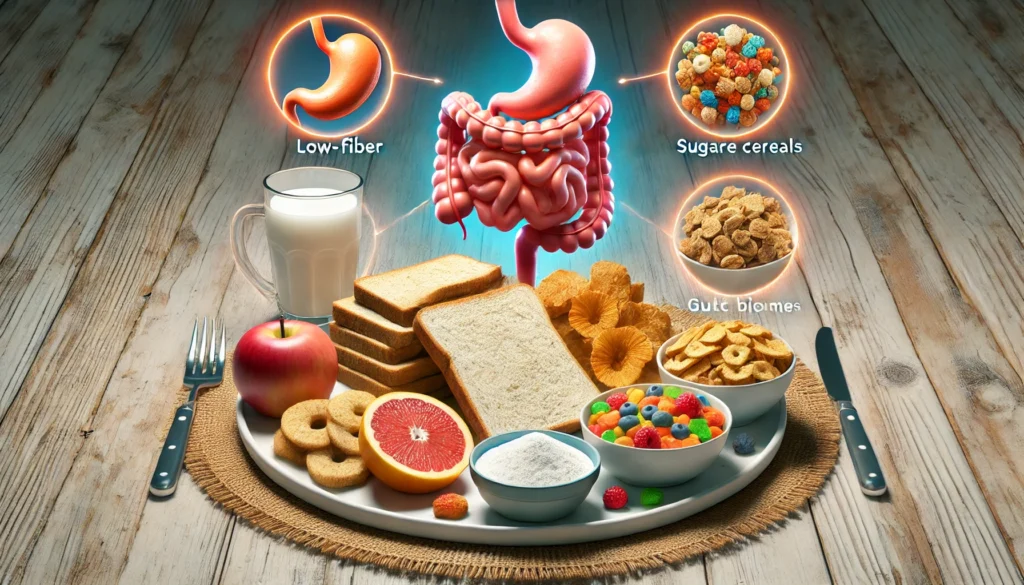
A realistic 3D-rendered image of a plate filled with low-fiber, processed foods such as white bread, sugary cereals, and fried foods, symbolizing poor digestion and gut discomfort.

How Can Not Eating Enough Fiber Cause Diarrhea?

The process of digestion depends on fiber to regulate the movement of food through the intestines. Without fiber, food may pass too quickly, preventing the large intestine from adequately absorbing water. This can result in high fiber and diarrhea-like symptoms, where bowel movements become excessively loose and frequent. Additionally, a lack of fiber can impair the production of short-chain fatty acids (SCFAs), which play a critical role in maintaining intestinal health. Without SCFAs, the gut lining may become inflamed, further contributing to irregular digestion and discomfort. This explains why individuals who consume a diet low in fiber may suffer from chronic digestive instability.

The Gut Microbiome and Fiber Deficiency

A healthy gut microbiome depends on a steady intake of fiber to thrive. Fiber serves as a prebiotic, feeding beneficial bacteria and promoting a balanced microbial environment. When fiber intake is insufficient, gut bacteria populations can shift, allowing harmful bacteria to dominate and increasing the likelihood of diarrhea. The gut microbiome is intricately linked to overall digestive health, and any disruption in fiber consumption can result in an imbalance that contributes to digestive distress. Research indicates that individuals with diets high in processed foods and low in fiber are more prone to developing gut dysbiosis, a condition characterized by microbial imbalances that can lead to chronic diarrhea and other gastrointestinal issues.

Signs That You Are Not Getting Enough Fiber

Recognizing the signs of not enough fiber is crucial for making necessary dietary changes. Some common indicators include frequent diarrhea, inconsistent bowel movements, excessive bloating, and increased episodes of gas. In addition, individuals with fiber deficiencies may experience cravings for processed foods, as the body seeks out quick sources of energy in the absence of slow-digesting fiber. Long-term effects of inadequate fiber intake may also include higher cholesterol levels, unstable blood sugar levels, and an increased risk of developing type 2 diabetes. These warning signs emphasize the importance of prioritizing fiber-rich foods in daily nutrition.

How to Restore Gut Health with Fiber

For those experiencing symptoms of lack of dietary fiber, making dietary adjustments can significantly improve digestive health. Increasing fiber intake gradually can help avoid sudden digestive discomfort. Foods such as whole grains, legumes, vegetables, and fruits are excellent sources of dietary fiber. Consuming a variety of fiber-rich foods ensures a balanced intake of both soluble and insoluble fiber, promoting optimal digestion. Additionally, incorporating fermented foods such as yogurt, kimchi, and sauerkraut can further enhance gut health by introducing beneficial probiotics. Maintaining adequate hydration is also essential, as water helps fiber function effectively within the digestive system.

Does Fiber Cause Diarrhea? Understanding the Effects of Overconsumption

While fiber is essential for digestive health, consuming too much fiber too quickly can lead to digestive distress, including diarrhea. A sudden increase in fiber intake may overwhelm the digestive system, resulting in bloating, gas, and loose stools. For this reason, it is recommended to gradually increase fiber consumption while monitoring the body’s response. Individuals transitioning to a high-fiber diet should also ensure they are drinking enough water, as inadequate hydration can exacerbate digestive discomfort. Understanding how fiber interacts with digestion helps prevent unintended side effects while optimizing gut health.

Can Increasing Fiber Cause Diarrhea? Finding the Right Balance

Finding the right balance of fiber is crucial for maintaining digestive stability. Those who significantly increase fiber intake without allowing the body time to adjust may experience temporary digestive disturbances, including diarrhea. However, this reaction is typically short-lived and can be mitigated by making gradual dietary changes. A well-balanced fiber intake supports digestive health without causing excessive stool looseness. For individuals with sensitive digestive systems, incorporating fiber-rich foods slowly and pairing them with probiotics can help ease the transition and support gut microbiome balance.

Will Eating More Fiber Help with Diarrhea?

For individuals experiencing frequent diarrhea due to a lack of fiber, increasing fiber intake can be an effective solution. Soluble fiber, in particular, can help absorb excess water in the intestines, firming stool consistency and reducing the frequency of loose bowel movements. Foods such as oats, bananas, and sweet potatoes are excellent sources of soluble fiber and can help regulate digestion. However, it is important to introduce fiber gradually to avoid overwhelming the digestive system. Consulting a healthcare provider can provide personalized guidance on managing digestive health through diet.
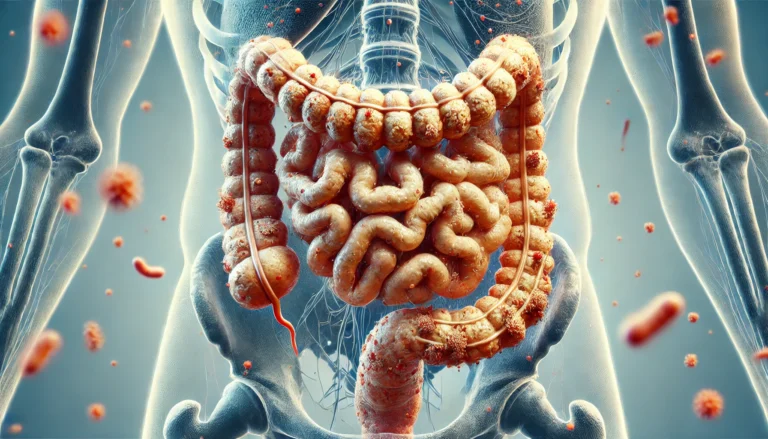
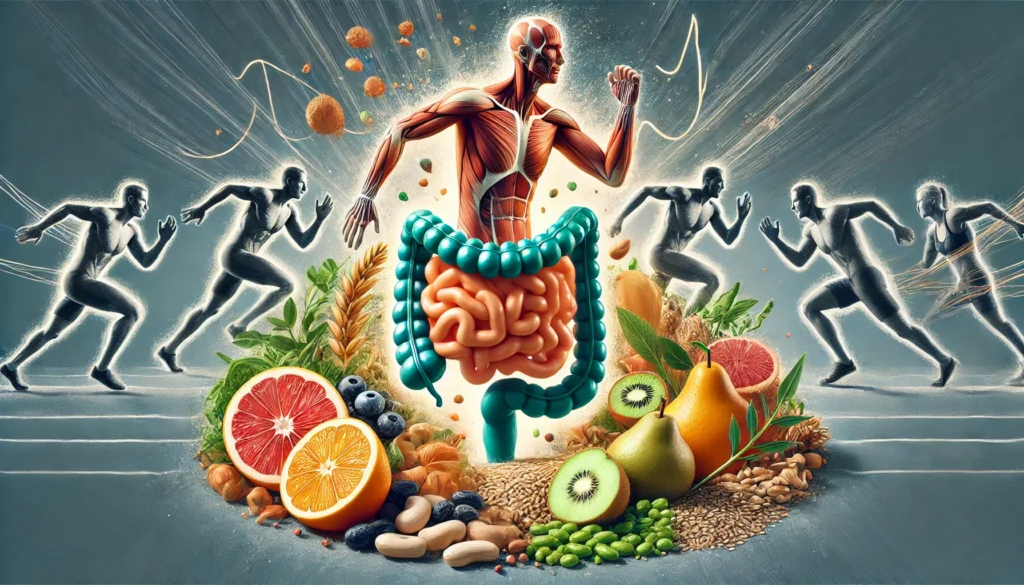
A vibrant, high-quality illustration of a healthy digestive system with a glowing, well-functioning intestine surrounded by fiber-rich foods such as fruits, vegetables, whole grains, and legumes.

Frequently Asked Questions (FAQ) About Fiber and Diarrhea

1. How does lack of fiber cause diarrhea?

A deficiency in fiber can disrupt the natural balance of digestion by altering stool consistency. Fiber helps regulate bowel movements by absorbing water and adding bulk, so when it is lacking, stool may pass too quickly through the intestines. This can result in loose, watery bowel movements, leading many to wonder: “Does lack of fiber cause diarrhea?” Additionally, fiber plays a key role in feeding beneficial gut bacteria, which help maintain digestive health. Without enough fiber, harmful bacteria can proliferate, contributing to inflammation and irregular digestion.

2. Can increasing fiber cause diarrhea?

Yes, abruptly increasing fiber intake can sometimes lead to digestive distress, including diarrhea. When the digestive system is not accustomed to high amounts of fiber, it may struggle to process it efficiently, leading to bloating, gas, and loose stools. If you’re wondering, “Can increasing fiber cause diarrhea?” the answer lies in moderation. Gradually increasing fiber intake while drinking plenty of water allows the gut to adjust, minimizing unwanted symptoms. A sudden shift in fiber consumption without proper hydration can make high fiber and diarrhea-related symptoms more pronounced.

3. Why does fiber give me diarrhea in some cases?

Fiber can cause diarrhea if it is consumed in excessive amounts or if the digestive system is sensitive to certain types of fiber. Soluble fiber absorbs water and slows digestion, while insoluble fiber adds bulk and speeds up transit time. An imbalance between these two types of fiber can contribute to digestive discomfort. If you’ve asked yourself, “Why does fiber give me diarrhea?” consider whether you’re consuming too much insoluble fiber too quickly. Additionally, some fiber-rich foods, like beans and certain vegetables, can be difficult to digest and may cause gastrointestinal distress in sensitive individuals.

4. What are the signs of not enough fiber in my diet?

A lack of fiber can present itself in various ways beyond just digestive issues. Common symptoms include frequent loose stools, bloating, and difficulty feeling full after meals. Other signs of not enough fiber include erratic blood sugar levels and increased cravings for processed foods. Over time, a fiber deficiency can contribute to more serious health concerns, such as increased cholesterol and a higher risk of cardiovascular disease. Recognizing the symptoms of not enough fiber can help individuals take proactive steps toward improving their diet.

5. Can not eating enough fiber cause diarrhea long-term?

Yes, prolonged fiber deficiency can contribute to chronic digestive instability. If you’re wondering, “Can not eating enough fiber cause diarrhea?” the answer depends on the overall health of your digestive system. A persistent lack of fiber can lead to imbalances in gut bacteria, reducing the gut’s ability to properly absorb water. This long-term imbalance may result in continued episodes of diarrhea, alternating with constipation. Addressing dietary fiber deficiency symptoms early can help prevent more serious digestive disorders in the future.

6. Will eating fiber help with diarrhea caused by a lack of fiber?

For individuals experiencing loose stools due to a fiber deficiency, increasing fiber intake can often help. If you’ve asked, “Will eating fiber help with diarrhea?” the key is to introduce fiber gradually and choose the right types. Soluble fiber, found in foods like oats, bananas, and carrots, helps absorb excess water in the intestines, leading to firmer stool. However, consuming too much fiber at once can have the opposite effect, so moderation is essential. Pairing fiber with adequate hydration ensures that it supports digestion effectively.

7. What are the best sources of fiber for loose stools?

Choosing the right type of fiber is essential for managing diarrhea. If you’re looking for fiber for loose stools, opt for soluble fiber-rich foods such as sweet potatoes, apples, and flaxseeds. These foods slow digestion and help stabilize stool consistency. Insoluble fiber, found in foods like whole grains and leafy greens, may be beneficial in moderation but can sometimes exacerbate loose stools if consumed excessively. Balancing both types of fiber is key to maintaining digestive regularity.

8. Can fiber cause diarrhea in individuals with sensitive stomachs?

Yes, fiber can cause diarrhea in those with digestive sensitivities, particularly if their bodies are not accustomed to processing large amounts of fiber. Individuals with conditions like irritable bowel syndrome (IBS) may find that fiber exacerbates their symptoms. If you are wondering, “Can fiber cause diarrhea?” and you have a sensitive stomach, consider slowly increasing fiber intake and monitoring which foods cause discomfort. Keeping a food diary can help identify specific triggers and guide dietary adjustments.

9. What are the deficiency symptoms of fiber beyond digestion?

While digestive issues like diarrhea are among the most well-known signs, a deficiency in fibre can lead to other health concerns. Lack of fiber symptoms may include increased cholesterol levels, difficulty maintaining a healthy weight, and fluctuating blood sugar levels. Additionally, fiber is essential for maintaining a diverse gut microbiome, and without it, overall immune function may decline. Recognizing deficiency symptoms of fiber early can help prevent these long-term health issues.

10. How do I prevent high fiber diet diarrhea?

If you’ve experienced high fiber diet diarrhea, the solution is often to adjust the way you incorporate fiber into your meals. Gradually increasing fiber intake over time allows your digestive system to adapt without overwhelming it. Hydration is also critical, as water helps fiber move smoothly through the intestines. Pairing fiber with healthy fats and proteins can help regulate digestion and minimize discomfort. If symptoms persist, it may be necessary to modify the types of fiber you consume to find a balance that works for your body.
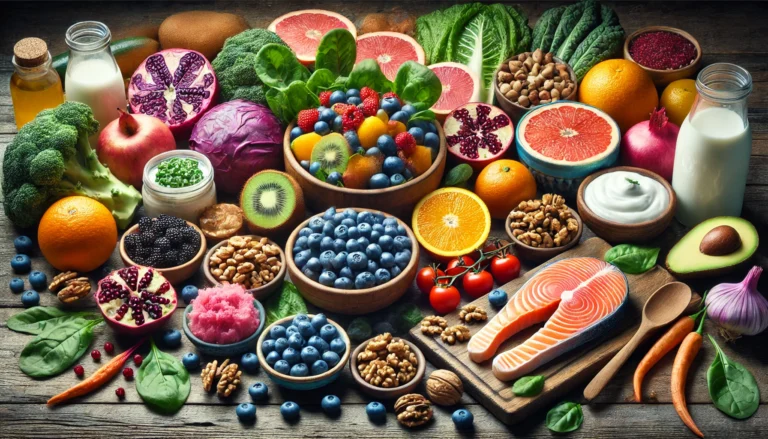
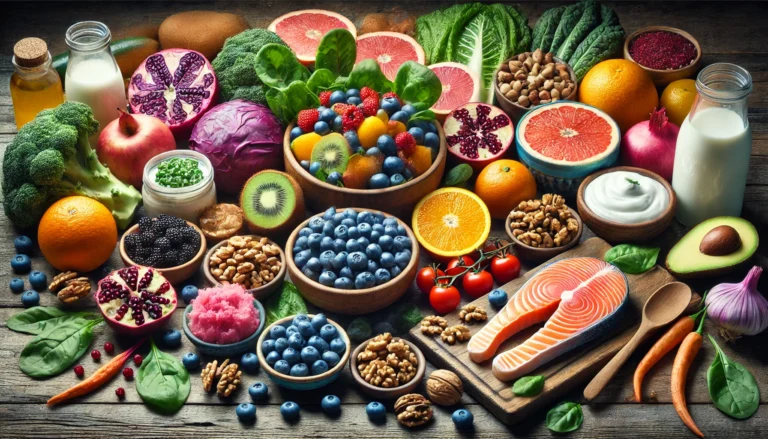
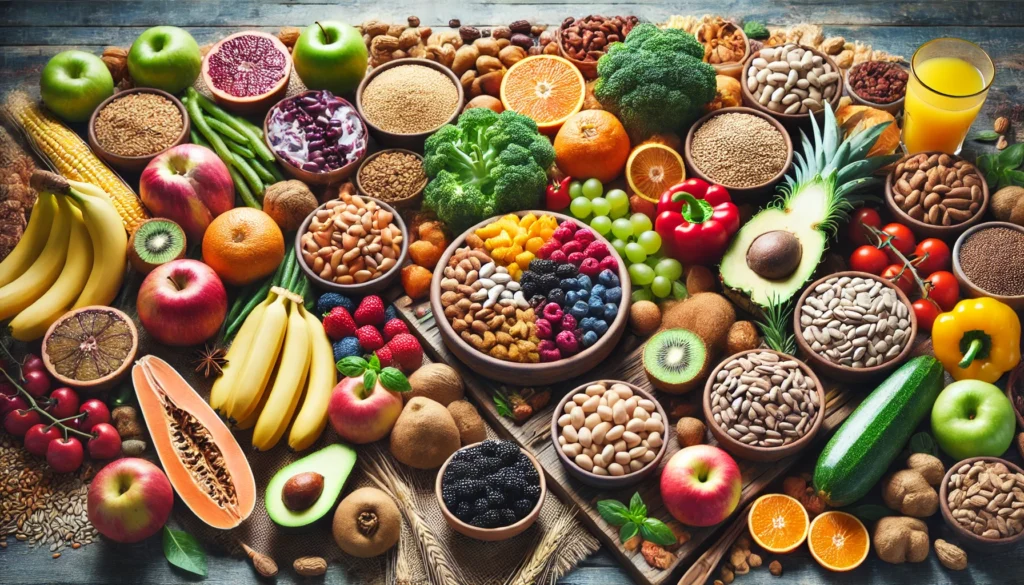
 A visually rich depiction of a balanced diet featuring whole grains, legumes, leafy greens, nuts, and fruits arranged on a wooden table, with a glowing human digestive system subtly integrated into the background, emphasizing gut health and fiber benefits.

Conclusion: Prioritizing Fiber for Gut Health and Digestive Stability

A lack of fiber can cause diarrhea and disrupt overall digestive health, leading to chronic discomfort and irregular bowel movements. Recognizing the symptoms of dietary fiber deficiency and taking proactive steps to increase fiber intake can help restore gut stability. Ensuring a well-balanced diet that includes both soluble and insoluble fiber, along with adequate hydration and probiotic-rich foods, is essential for maintaining a healthy digestive system. By prioritizing fiber, individuals can achieve long-term gut health, reducing the risk of digestive complications and enhancing overall well-being.

Further Reading:

Signs of an Unhealthy Gut and What to Do About It

10 Signs of an Unhealthy Gut

Dysbiosis

gut health, digestive health, fiber-rich foods, bowel regularity, soluble fiber benefits, insoluble fiber effects, gut microbiome balance, dietary fiber intake, probiotics and digestion, whole grains for digestion, plant-based nutrition, healthy digestion tips, fiber and hydration, gastrointestinal wellness, natural remedies for diarrhea, preventing digestive issues, fiber deficiency risks, high-fiber meal planning, foods for gut flora, best fiber sources
Soluble vs Insoluble Fiber: How They Impact Athletic Recovery & Performance

Understanding the Role of Fiber in Athletic Performance and Recovery

Athletes constantly seek ways to optimize their diet to enhance performance and accelerate recovery. One often overlooked yet crucial dietary component is fiber. While fiber is primarily known for its role in digestive health, its influence extends to athletic endurance, recovery, and overall metabolic function. Fiber is classified into two main types: soluble fiber and insoluble fiber. Understanding the role of each type and their specific effects on digestion, nutrient absorption, and muscle recovery is essential for athletes striving to achieve peak performance.

You may also like: Fiber and Microbiome: How Gut Health Impacts Athletic Recovery and Performance

Soluble vs Insoluble Fiber: The Key Differences

Soluble fiber dissolves in water, forming a gel-like substance that slows digestion and helps regulate blood sugar levels. This type of fiber is found in foods such as oats, legumes, apples, and citrus fruits. Insoluble fiber, on the other hand, does not dissolve in water and adds bulk to stool, promoting regular bowel movements. Whole grains, nuts, and vegetables are rich sources of insoluble fiber. Both types play distinct roles in digestive health, nutrient absorption, and the body’s ability to recover from intense physical activity.

How Does Fiber Impact Digestion and Nutrient Absorption?

For athletes, efficient digestion and nutrient absorption are paramount. Soluble fiber slows down digestion, leading to a gradual release of glucose into the bloodstream. This helps maintain stable energy levels during prolonged training sessions and prevents energy crashes. Insoluble fiber, by promoting regular bowel movements, ensures that waste is efficiently removed from the body, reducing bloating and gastrointestinal discomfort that can hinder performance.

Does Fiber Help with Constipation? The Importance of Regularity

Constipation can be a major concern for athletes, as it can lead to discomfort and reduced training efficiency. High fiber foods for constipation, particularly those rich in insoluble fiber, help add bulk to stool and facilitate its passage through the digestive tract. Foods rich in insoluble fiber, such as whole wheat, bran, and leafy greens, are particularly effective in preventing constipation and maintaining digestive health.

The Relationship Between Fiber and Gut Microbiome Health

A well-balanced gut microbiome is essential for immune function, inflammation control, and overall health. Soluble fiber serves as a prebiotic, feeding beneficial gut bacteria that support digestion and immunity. A healthy gut microbiome enhances nutrient absorption, reduces inflammation, and promotes efficient recovery after exercise. Athletes who consume sufficient soluble fiber foods, such as legumes and berries, may experience better gut health and improved performance.

An artistic depiction of how soluble and insoluble fiber interact in the intestines, showing how they aid digestion, nutrient absorption, and overall gut health in athletes.

Too Much Fiber and Constipation: Finding the Right Balance

While fiber is beneficial, excessive intake can lead to digestive discomfort. Consuming too much fiber can cause bloating, gas, and constipation. The key is to find the right balance by incorporating a variety of fiber-rich foods while staying adequately hydrated. Does eating too much fiber cause constipation? It can, especially if water intake is insufficient. Ensuring proper hydration helps fiber move smoothly through the digestive system, preventing blockages and discomfort.

Does Fiber Soften Stool? Understanding the Mechanism

One of the most common questions surrounding fiber is: does fiber soften stool? Soluble fiber absorbs water and forms a gel-like consistency that can soften stool, making it easier to pass. Insoluble fiber, by contrast, increases stool bulk and promotes movement through the intestines. A combination of both types of fiber ensures optimal stool consistency, preventing both constipation and diarrhea.

Fiber’s Role in Muscle Recovery and Inflammation Reduction

Athletic recovery relies heavily on reducing inflammation and repairing muscle tissue. Fiber plays a role in modulating inflammation by supporting gut health and regulating immune responses. By improving gut microbiome diversity, soluble fiber helps reduce systemic inflammation, which can speed up post-workout recovery. Athletes who consume fiber-rich diets may experience less muscle soreness and faster repair of damaged tissues.

Does Fiber Help You Poop? The Connection Between Fiber and Bowel Health

One of the primary benefits of fiber is its ability to promote regular bowel movements. Will fiber make you poop? The answer is yes, particularly insoluble fiber, which adds bulk to stool and stimulates peristalsis. However, soluble fiber also contributes by drawing water into the intestines, facilitating smooth stool passage. A fiber-rich diet helps athletes avoid gastrointestinal distress that can interfere with training and competition.

Soluble Fiber vs Insoluble Fiber: Which is More Important for Athletes?

Both types of fiber offer unique benefits, but their optimal ratio depends on an athlete’s specific needs. Soluble fiber is particularly beneficial for maintaining stable blood sugar levels and reducing inflammation, while insoluble fiber ensures efficient digestion and waste elimination. An ideal diet includes a balanced intake of both fiber types to support overall health and performance.

Foods Rich in Soluble and Insoluble Fiber for Athletic Recovery

Athletes should incorporate a variety of fiber-rich foods into their diet to reap maximum benefits. Soluble fiber foods include oats, beans, lentils, and apples, while foods that contain insoluble fiber include whole grains, nuts, and vegetables. By consuming a diverse range of fiber sources, athletes can optimize their digestive health, energy levels, and recovery.

The Optimal Fiber Intake for Athletes

Determining the right amount of fiber for athletes requires considering individual dietary needs, training intensity, and hydration levels. Most experts recommend a daily intake of 25-30 grams of fiber, with a balance of both soluble and insoluble fiber. Athletes engaging in high-intensity training may need to adjust their fiber intake to prevent gastrointestinal distress while ensuring optimal nutrient absorption.

A dynamic image showcasing an athlete energized by a well-balanced diet featuring soluble fiber foods like bananas and legumes, alongside insoluble fiber foods like whole grains and vegetables.

Frequently Asked Questions (FAQ) on Soluble vs Insoluble Fiber and Athletic Recovery

1. Does fiber make you poop, and how does this benefit athletes?

Yes, fiber plays a crucial role in bowel regularity, but its benefits extend far beyond digestion. Soluble fiber absorbs water and forms a gel-like consistency, which softens stool and promotes smooth elimination. Insoluble fiber adds bulk to stool, stimulating intestinal movement and preventing sluggish digestion. For athletes, regular bowel movements ensure that nutrients are efficiently absorbed and toxins are effectively removed, reducing bloating and discomfort. A well-regulated digestive system also supports immune function, which is essential for recovery and sustained training.

2. What does fiber do to your poop, and how does this impact hydration levels?

Fiber influences stool consistency and hydration status, which is particularly important for athletes managing endurance training. Soluble fiber retains water, making stool softer and easier to pass, while insoluble fiber creates a bulkier stool that moves efficiently through the intestines. When hydration is insufficient, fiber can absorb too much water from the intestines, leading to dehydration and firmer stools. This is why athletes must pair fiber intake with adequate water consumption to maintain electrolyte balance and prevent constipation. Proper hydration ensures that fiber’s digestive benefits translate to enhanced performance rather than gastrointestinal distress.

3. If I eat more fiber, will I poop more, and is that always beneficial?

Increasing fiber intake can lead to more frequent bowel movements, but moderation is key. While fiber helps clear waste from the digestive tract, excessive intake—especially without adequate water—can cause bloating, gas, and discomfort. Athletes with high-caloric diets need to balance fiber with protein and fats to ensure sustained energy levels. A sudden spike in fiber intake may also lead to too much fiber constipation, making adjustments in diet necessary for optimal gut health. Gradually incorporating fiber-rich foods ensures that digestion remains smooth without disrupting training sessions.

4. Does too much fiber cause constipation, and how can athletes prevent it?

Yes, an excessive intake of fiber, particularly without enough water, can lead to constipation. Fiber absorbs water, so when hydration levels are low, it may create dry, compact stool that is difficult to pass. Athletes should monitor their fiber sources, opting for a mix of soluble and insoluble fiber foods to maintain digestive balance. Whole grains, legumes, and fruits with high water content can prevent too much fibre and constipation. Adjusting fiber intake based on training intensity and hydration needs ensures that digestion remains an asset rather than a hindrance.

5. Why does fiber make you poop, and can it enhance muscle recovery?

Fiber promotes bowel movements by regulating intestinal motility, but it also contributes to muscle recovery in indirect ways. Soluble fiber supports a healthy gut microbiome, which reduces systemic inflammation and aids in nutrient absorption—both of which are crucial for muscle repair. Insoluble fiber helps eliminate waste efficiently, preventing gastrointestinal discomfort that could interfere with post-workout recovery. By ensuring a well-functioning digestive system, athletes can optimize their body’s ability to absorb key recovery nutrients like protein and antioxidants. A fiber-rich diet ultimately enhances long-term endurance and resilience against injuries.

6. Does fiber make your poop hard or soft, and does this depend on the type of fiber?

The effect of fiber on stool consistency depends on whether it is soluble or insoluble. Soluble fiber softens stool by drawing water into the intestines, making elimination easier. Insoluble fiber adds bulk, which can help alleviate constipation but may contribute to harder stools if hydration is insufficient. Athletes must strike a balance by consuming foods rich in insoluble fiber along with adequate water intake. Hydration is a critical factor in determining how fiber affects stool consistency, and adjusting intake based on activity level ensures a comfortable digestive experience. A well-regulated digestive system supports peak athletic performance by preventing bloating and discomfort.

7. Does fiber help with constipation, and are certain types of fiber better suited for relief?

Fiber is a natural remedy for constipation, but the type matters when it comes to effectiveness. Soluble fiber helps retain moisture, making stool softer and easier to pass, while insoluble fiber speeds up movement through the intestines. High fiber foods for constipation include beans, flaxseeds, and apples, which provide both types of fiber to ensure regularity. Athletes experiencing sluggish digestion should incorporate a variety of fiber sources rather than relying on a single type. Balanced fiber intake, paired with hydration, prevents issues like too much fiber constipation and supports consistent energy levels during training.

8. Will too much fiber cause constipation if consumed before workouts?

Consuming an excessive amount of fiber before workouts can lead to bloating and slowed digestion, potentially impacting performance. While fiber supports long-term digestive health, eating too many fiber-rich foods before exercise may cause discomfort and interfere with nutrient absorption. Foods that have insoluble fiber, such as bran cereals and raw vegetables, should be consumed strategically to prevent digestive distress. Athletes should monitor fiber intake in pre-workout meals and opt for easily digestible foods like bananas or smoothies with soluble fiber. Proper meal timing ensures that fiber enhances energy levels without causing gastrointestinal discomfort during training.

9. Which of the following is a benefit of soluble fiber that athletes should prioritize?

Soluble fiber plays a key role in stabilizing blood sugar levels, which is critical for athletes managing endurance and recovery. By slowing digestion, soluble fiber prevents rapid spikes and crashes in blood sugar, promoting sustained energy release. This can be especially beneficial during long training sessions or competitions where steady glucose availability is essential. Foods that contain soluble fiber, such as oats and legumes, can be strategically incorporated into meals to optimize performance. Additionally, soluble fiber aids in gut health by nourishing beneficial bacteria, further supporting immune function and recovery.

10. Does fiber make your poop solid, and is this beneficial for endurance athletes?

Fiber helps regulate stool consistency, but its effect depends on fiber type, hydration, and overall diet. Insoluble fiber contributes to firmer stools by adding bulk, which can be beneficial for digestive efficiency. However, athletes must avoid consuming excessive fiber without enough fluids, as this may lead to hard, difficult-to-pass stools. Balancing fiber intake with proper hydration prevents constipation while ensuring that digestion remains steady. A well-functioning digestive system allows endurance athletes to maintain nutrient absorption, hydration balance, and gastrointestinal comfort during extended training sessions.

A powerful scene of an athlete mid-workout, with a table displaying fiber-rich foods categorized into soluble and insoluble fiber sources, emphasizing their role in sustained energy and muscle recovery.

Conclusion: Maximizing Performance Through Strategic Fiber Intake

Fiber plays a crucial role in athletic performance and recovery by supporting digestion, stabilizing energy levels, and reducing inflammation. Understanding the distinction between soluble vs insoluble fiber allows athletes to tailor their diet to meet their specific needs. By consuming a balanced intake of fiber-rich foods and staying adequately hydrated, athletes can enhance their recovery, optimize performance, and maintain long-term health. Ensuring proper fiber consumption is not just about digestive health—it is an integral component of a well-rounded athletic nutrition strategy.

Further Reading:

Effects of Soluble Dietary Fibre on Exercise Performance and Perception of Fatigue in Young Basketball Players

What’s the difference between soluble and insoluble fiber?

Digestive Health for Athletes: Fueling Performance and Wellness

fiber for athletes, soluble fiber benefits, insoluble fiber foods, athletic recovery nutrition, does fiber help with constipation, high fiber foods for constipation, soluble vs insoluble fiber, fiber and muscle recovery, gut health for athletes, does fiber make you poop, fiber poop benefits, best fiber foods for digestion, fiber and hydration balance, sports nutrition fiber, how does fiber stop constipation, fiber intake for endurance, does fiber soften stool, too much fiber constipation, will fiber make you poop, fiber and inflammation reduction

The information contained in this article is provided for general informational purposes only and is not intended to serve as medical, legal, or professional advice. While NewsHealthWatch strives to present accurate, up-to-date, and reliable content, no warranty or guarantee, expressed or implied, is made regarding the completeness, accuracy, or adequacy of the information provided. Readers are strongly advised to seek the guidance of a qualified healthcare provider or other relevant professionals before acting on any information contained in this article. NewsHealthWatch, its authors, editors, and contributors expressly disclaim any liability for any damages, losses, or consequences arising directly or indirectly from the use, interpretation, or reliance on any information presented herein. The views and opinions expressed in this article are those of the author(s) and do not necessarily reflect the official policies or positions of NewsHealthWatch.

Does Fiber Help You Feel Full? The Key to Athletic Recovery & Performance Enhancement

Introduction

Athletes are continually seeking ways to enhance their performance, optimize their recovery, and maintain peak physical condition. One crucial yet often overlooked dietary component is fiber. While fiber is commonly associated with digestive health, its role in athletic recovery and performance enhancement is far-reaching. It influences satiety, metabolism, and even hydration levels, all of which contribute to an athlete’s ability to sustain energy levels and recover efficiently. The question of whether fiber helps you feel full is particularly relevant for those looking to optimize their dietary strategies for peak athletic performance.

You may also like: Fiber and Microbiome: How Gut Health Impacts Athletic Recovery and Performance

Many athletes are also concerned about how fiber affects weight regulation. Common questions include: Does fiber make you gain weight? Does eating fiber increase your weight? Can fiber make you gain weight? Additionally, fiber’s impact on metabolism is a topic of interest, leading to inquiries such as: Does fiber increase metabolism? Does fiber boost metabolism? Understanding how fiber interacts with athletic recovery and overall performance can help athletes make informed dietary decisions. This article explores the science behind fiber’s role in satiety, weight management, metabolism, and recovery, offering practical insights into how fiber can be strategically incorporated into an athletic diet.

The Science Behind Fiber and Satiety

One of fiber’s most well-documented benefits is its ability to promote satiety. Does fiber help you feel full? The answer lies in the way fiber interacts with the digestive system. Fiber slows gastric emptying, meaning food remains in the stomach for a longer duration, prolonging feelings of fullness. Additionally, fiber-rich foods often require more chewing, which contributes to the brain’s satiety signals, further reducing overall food intake.

There are two primary types of dietary fiber—soluble and insoluble. Soluble fiber, found in foods like oats, beans, and fruits, forms a gel-like substance in the digestive tract, which helps slow digestion and stabilize blood sugar levels. Insoluble fiber, present in whole grains, nuts, and vegetables, adds bulk to stool and aids in regular bowel movements. Both types contribute to satiety, but soluble fiber is particularly effective in keeping hunger at bay.

From an athletic perspective, satiety plays a critical role in performance and recovery. Proper nutrient timing is essential for fueling workouts and optimizing recovery. If an athlete feels excessively full before a training session, they may struggle with performance due to discomfort or sluggish digestion. Conversely, if they experience frequent hunger, they may be tempted to consume excess calories, which can lead to unintended weight gain. Balancing fiber intake is therefore crucial for achieving an optimal training diet.

A high-resolution arrangement of fiber-rich foods, including colorful fruits, vegetables, whole grains, and nuts, set against a bright and fresh background, representing a diet that promotes fullness and athletic performance.

Does Fiber Affect Weight Gain?

A common concern among athletes is whether fiber contributes to weight gain. Does fiber make you gain weight? Does eating fiber increase your weight? Can fiber make you gain weight? The truth is that fiber itself does not directly lead to weight gain. In fact, it often aids in weight management by increasing satiety and reducing overall caloric intake.

However, fiber can contribute to temporary weight fluctuations due to water retention. Fiber water weight is a phenomenon where soluble fiber absorbs water, causing a temporary increase in body weight. This does not equate to fat gain but can affect weigh-ins, which may be a concern for athletes in weight-class sports such as wrestling or boxing. By monitoring fiber intake leading up to competitions, athletes can manage these fluctuations effectively.

Additionally, high-fiber foods tend to be less calorie-dense than processed alternatives, making them a valuable component of a weight management strategy. Instead of adding empty calories, fiber helps regulate energy intake by reducing hunger and preventing overeating. Therefore, when consumed appropriately, fiber is an asset rather than a liability in an athlete’s diet.

Fiber and Metabolism: Can It Boost Performance?

Metabolism plays a fundamental role in athletic performance and recovery. Many athletes seek strategies to enhance metabolic efficiency, leading to questions such as Does fiber increase metabolism? Does fiber boost metabolism? While fiber itself does not directly increase metabolic rate, it does influence metabolism in ways that support overall athletic performance.

Fiber affects metabolism by regulating blood sugar levels. When fiber is consumed, it slows the absorption of glucose, preventing sharp spikes and crashes in blood sugar. This steady energy supply is essential for endurance athletes who rely on sustained fuel availability. Furthermore, fiber-rich foods require more energy for digestion, leading to a slight increase in calorie expenditure. This is known as the thermic effect of food (TEF), where the body expends energy to process and metabolize nutrients.

Additionally, fiber supports gut health, which is increasingly recognized as a key factor in metabolic function. A well-balanced gut microbiome aids in the efficient breakdown and absorption of nutrients, ensuring that an athlete gets the maximum benefit from their diet. By fostering a healthy digestive environment, fiber indirectly supports metabolic efficiency, contributing to better energy utilization and improved recovery times.

The Role of Fiber in Athletic Recovery

Athletic recovery is just as important as training itself. Without proper recovery, muscle repair is compromised, increasing the risk of injury and fatigue. Fiber plays a critical role in post-exercise recovery by supporting digestion, hydration, and nutrient absorption.

One of the ways fiber contributes to recovery is by managing hydration levels. Fiber water retention occurs when soluble fiber absorbs water, helping to maintain adequate hydration. Proper hydration is essential for muscle function, joint lubrication, and overall recovery. However, excessive fiber intake without sufficient fluid consumption can lead to bloating or constipation, underscoring the importance of a balanced fiber-to-fluid ratio.

Additionally, fiber aids in the removal of waste products generated during intense exercise. When the body undergoes strenuous physical activity, metabolic byproducts accumulate. A diet rich in fiber helps promote regular bowel movements, ensuring that these waste products are efficiently eliminated. This cleansing effect can reduce inflammation and improve overall recovery rates.

Finally, fiber enhances nutrient absorption by maintaining gut health. A healthy gut allows for optimal absorption of key recovery nutrients, such as protein and essential vitamins. This ensures that athletes can maximize their post-exercise nutrition, facilitating quicker and more effective muscle repair.

How to Incorporate Fiber into an Athletic Diet

Given fiber’s benefits for satiety, metabolism, and recovery, incorporating it strategically into an athletic diet is essential. The key is balance—too little fiber can lead to digestive issues, while too much can cause bloating and discomfort. Daily fiber intake for weight loss and performance enhancement should be tailored to individual needs, with adjustments based on training intensity and goals.

Athletes should aim for fiber sources that provide sustained energy without causing excessive digestive distress. Whole grains, legumes, fruits, and vegetables are excellent choices. Timing is also crucial—high-fiber foods should be consumed earlier in the day or after workouts to prevent gastrointestinal discomfort during exercise. Additionally, increasing fiber intake gradually allows the digestive system to adjust, minimizing adverse effects.

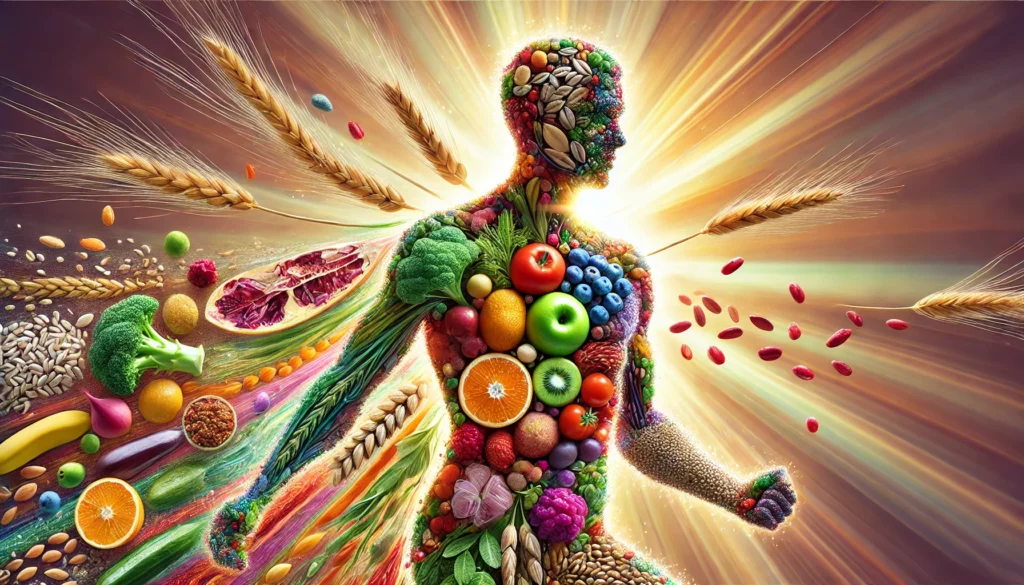
A conceptual illustration of a glowing digestive system within a fit, athletic human silhouette, surrounded by floating fiber-rich foods, highlighting the link between fiber, digestion, and performance enhancement.

Frequently Asked Questions (FAQ) About Fiber and Athletic Performance

1. Does fiber make you gain weight, or does it support weight management?

Fiber itself does not directly contribute to weight gain, but it can influence body weight in various ways. When consumed in high amounts, fiber can lead to temporary weight fluctuations due to fiber water weight retention. This occurs because soluble fiber absorbs water in the digestive tract, leading to a slight increase in body weight. However, this weight is not fat gain but rather water retention, which stabilizes over time. In the long term, fiber aids in weight management by increasing satiety, reducing overeating, and supporting digestive health, making it an essential dietary component for athletes focused on maintaining optimal body composition.

2. Does fiber make you feel full, and how does it impact hunger control?

Yes, fiber plays a significant role in promoting satiety and helping control hunger. Soluble fiber forms a gel-like substance in the stomach, slowing digestion and prolonging the feeling of fullness. Insoluble fiber adds bulk to meals, contributing to reduced overall calorie intake. This mechanism is particularly beneficial for athletes who need to sustain energy levels throughout training while avoiding excessive caloric consumption. By incorporating fiber-rich foods strategically, athletes can maintain consistent energy without experiencing hunger-related distractions during workouts.

3. Can eating fiber increase your weight through bloating or digestive discomfort?

While fiber does not cause true weight gain, it can lead to bloating or temporary fiber water retention if consumed in excess or without adequate hydration. Some individuals experience digestive discomfort when rapidly increasing fiber intake, as the body needs time to adjust. To mitigate this, athletes should gradually increase fiber intake while ensuring they drink plenty of water. Proper hydration prevents excessive water retention and aids in the smooth movement of fiber through the digestive system, minimizing any temporary weight fluctuations.

4. Does fiber increase metabolism, and if so, how?

Fiber has an indirect but meaningful effect on metabolism. While it does not directly increase metabolic rate, fiber-rich foods require more energy to digest, which contributes to the thermic effect of food (TEF). Additionally, fiber supports a healthy gut microbiome, which plays a crucial role in nutrient absorption and metabolic efficiency. By fostering a balanced gut environment, fiber can improve overall metabolic function, helping athletes maintain energy levels and optimize nutrient utilization for performance and recovery.

5. Does fiber fill you up enough to prevent excessive snacking?

Fiber is highly effective at reducing the frequency of unnecessary snacking by promoting lasting fullness. Since high-fiber foods take longer to digest, they help stabilize blood sugar levels, preventing energy crashes that often lead to cravings. This is especially important for athletes who need to maintain a structured meal schedule without constantly feeling the urge to snack. Incorporating fiber-rich foods into main meals ensures steady energy release, reducing impulsive food choices that could interfere with training goals.

6. Is a high fiber diet good for weight loss in athletes?

A high-fiber diet can be highly effective for weight loss, provided it is balanced and tailored to an athlete’s needs. Fiber aids in portion control by increasing satiety, reducing overall calorie consumption, and improving digestion. However, excessive fiber intake without proper macronutrient balance can lead to reduced protein and fat intake, which are crucial for athletic performance. Athletes looking to lose weight should aim for a moderate fiber intake that supports digestion and satiety without compromising essential nutrient absorption.

7. Does fiber help you feel full even after intense training sessions?

Yes, fiber can play a role in post-exercise satiety, but its timing is crucial. Consuming fiber immediately before or after intense workouts may cause digestive discomfort, as high-fiber foods take longer to digest. Instead, incorporating fiber in meals throughout the day helps sustain energy levels and keeps hunger in check. Athletes can benefit from post-training meals that include both fiber and protein to enhance recovery while maintaining satiety.

8. How does fiber water weight impact an athlete’s performance and weigh-ins?

Fiber water weight can cause temporary fluctuations in body weight, which may be a concern for athletes competing in weight-class sports. Since soluble fiber absorbs water, it can contribute to a short-term increase in weight. However, this effect is not related to fat gain and can be managed by adjusting fiber intake before official weigh-ins. By timing fiber consumption strategically and ensuring adequate hydration, athletes can avoid last-minute water retention that could impact their competition readiness.

9. What is the ideal daily fiber intake for weight loss and performance optimization?

The ideal daily fiber intake varies based on an individual’s activity level, dietary habits, and digestive tolerance. For general health, the recommended intake is around 25-30 grams per day, but athletes may need to adjust this depending on their energy needs and meal timing. Fiber should be consumed in balanced portions throughout the day rather than all at once, which can help optimize digestion and energy utilization. For those focused on weight loss, gradually increasing fiber intake while maintaining sufficient protein and fat intake ensures sustained satiety without compromising muscle recovery.

10. Can fiber boost metabolism long-term, and what role does gut health play in this?

While fiber does not directly boost metabolism in the way exercise or thermogenic foods do, it contributes to long-term metabolic efficiency by supporting gut health. A well-balanced gut microbiome enhances digestion, improves nutrient absorption, and reduces inflammation, all of which play a role in metabolic function. Fiber acts as a prebiotic, feeding beneficial gut bacteria that influence metabolic pathways. Over time, a fiber-rich diet supports a more efficient metabolism, helping athletes maintain energy balance and optimize performance recovery.

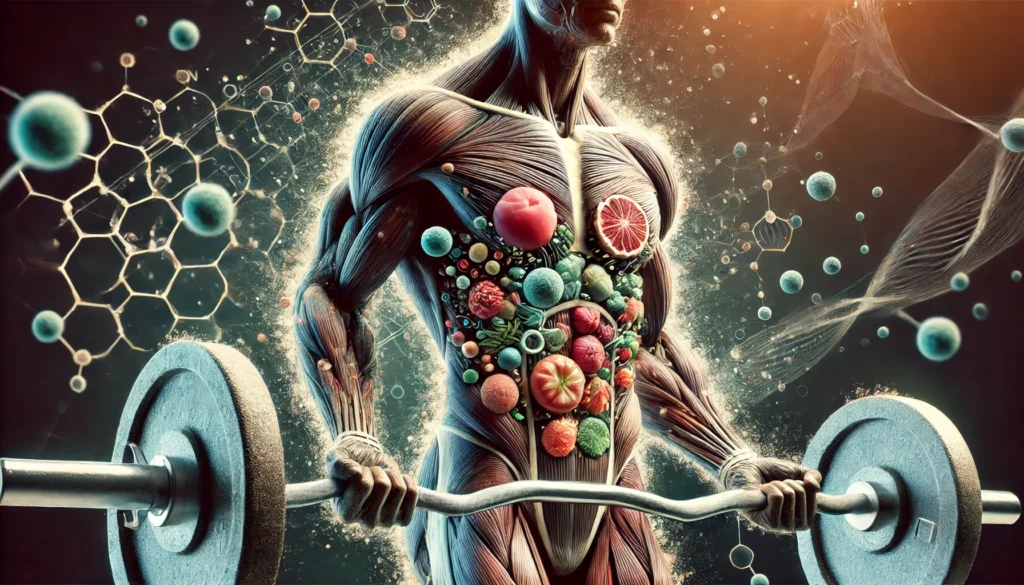
An artistic depiction of muscular arms lifting weights, with water molecules and fiber-rich food particles blending into the muscles, symbolizing hydration, nutrient absorption, and muscle recovery.

Conclusion

Fiber is a powerful yet often underestimated component of an athlete’s diet. It influences satiety, weight management, metabolism, and recovery—all of which are essential for peak performance. While concerns about fiber water weight and fiber water retention are valid, these are temporary effects that can be managed through proper hydration and dietary adjustments. By incorporating fiber strategically, athletes can enhance their endurance, recovery, and overall performance without unnecessary digestive discomfort.

Understanding does fiber help you feel full and how to optimize fiber intake can be a game-changer in athletic nutrition. By focusing on high-quality fiber sources and maintaining balance, athletes can harness fiber’s benefits to support their long-term training and competition goals.

Further Reading:

The Benefits of Fiber in the Diet: Unlocking the Key to a Healthy and Fit Lifestyle

Effects of Soluble Dietary Fibre on Exercise Performance and Perception of Fatigue in Young Basketball Players

How Air Pollution Can Harm the Heart (& What You Can Do About It)

fiber for athletes, fiber and athletic performance, does fiber help you feel full, fiber and muscle recovery, fiber and metabolism, high fiber diet for weight loss, fiber water weight, fiber water retention, best fiber sources for athletes, fiber and digestion, does fiber make you gain weight, can fiber make you gain weight, does fiber increase metabolism, fiber and endurance, fiber-rich foods for recovery, daily fiber intake for weight loss, does fiber fill you up, fiber and gut health, fiber and hydration, fiber benefits for performance, sports nutrition fiber, fiber and satiety, high fiber diet benefits, fiber and energy levels, best diet for athletic recovery

The information contained in this article is provided for general informational purposes only and is not intended to serve as medical, legal, or professional advice. While NewsHealthWatch strives to present accurate, up-to-date, and reliable content, no warranty or guarantee, expressed or implied, is made regarding the completeness, accuracy, or adequacy of the information provided. Readers are strongly advised to seek the guidance of a qualified healthcare provider or other relevant professionals before acting on any information contained in this article. NewsHealthWatch, its authors, editors, and contributors expressly disclaim any liability for any damages, losses, or consequences arising directly or indirectly from the use, interpretation, or reliance on any information presented herein. The views and opinions expressed in this article are those of the author(s) and do not necessarily reflect the official policies or positions of NewsHealthWatch.

Does Fiber Keep You Full Longer? The Science Behind Athletic Recovery & Regeneration

Understanding Fiber and Satiety

Fiber plays a crucial role in digestion, metabolism, and overall health. The primary question many people ask is: does fiber keep you full longer? The answer lies in the way fiber interacts with the digestive system. Unlike simple carbohydrates that break down quickly, fiber moves slowly through the gastrointestinal tract, delaying gastric emptying and promoting prolonged satiety. This is particularly important for athletes who require sustained energy and efficient nutrient absorption.

You may also like: Fiber and Microbiome: How Gut Health Impacts Athletic Recovery and Performance

There are two main types of dietary fiber: soluble and insoluble. Soluble fiber dissolves in water and forms a gel-like substance in the stomach, slowing digestion and making you feel fuller for a longer period. Insoluble fiber, on the other hand, adds bulk to stool and facilitates smoother digestion. Both types contribute to satiety, though soluble fiber has a more direct impact on prolonging fullness. As a result, incorporating fiber-rich foods into an athlete’s diet can enhance endurance, prevent cravings, and optimize overall performance.

The Role of Fiber in Nutrient Absorption and Energy Levels

Athletic recovery and performance depend on efficient nutrient utilization. Fiber helps regulate blood sugar levels by slowing carbohydrate absorption, preventing rapid spikes and crashes in energy. This is essential for athletes who rely on steady energy levels during training and competition. A stable glucose supply means better endurance and reduced fatigue.

Moreover, fiber enhances gut health by promoting beneficial gut bacteria, which play a key role in nutrient absorption. A well-balanced microbiome improves digestion, reduces inflammation, and supports immune function. All these factors contribute to a quicker recovery process and a more efficient metabolism. When athletes consume fiber-rich meals, they experience more sustained energy, reducing the need for frequent snacking on heavy foods that may hinder digestion and performance.

An athlete recovering post-workout while enjoying a high-fiber meal of oatmeal with berries, nuts, and seeds, with sunlight streaming through a window to emphasize nutrition and renewal.

Fiber’s Impact on Muscle Recovery

Recovery is a critical aspect of athletic performance, and fiber plays a more significant role than most people realize. After intense exercise, the body undergoes muscle repair processes that require optimal nutrient delivery. While protein is the most talked-about macronutrient for muscle recovery, fiber indirectly supports this process by improving digestive efficiency and nutrient bioavailability.

A high-fiber diet ensures that essential amino acids, vitamins, and minerals are effectively absorbed and utilized. Additionally, fiber-rich foods often contain antioxidants that reduce inflammation and oxidative stress, both of which are critical for muscle regeneration. For example, whole grains, legumes, and certain vegetables not only provide fiber but also contain compounds that accelerate recovery.

The Connection Between Fiber and Hydration

Proper hydration is essential for optimal athletic performance and recovery. Fiber, particularly soluble fiber, has a unique ability to retain water, contributing to hydration at a cellular level. When fiber absorbs water in the digestive system, it helps maintain fluid balance and prevents dehydration-related performance decline.

Athletes who consume fiber-rich foods along with adequate water intake benefit from improved digestion and nutrient transport. However, consuming excessive fiber without sufficient hydration can lead to bloating and gastrointestinal discomfort. Striking the right balance is key to leveraging fiber’s benefits while minimizing potential drawbacks.

Fiber-Rich Foods for Athletic Performance

To maximize athletic recovery and regeneration, incorporating a variety of fiber-rich foods is crucial. Some of the best options include:

  • Legumes: Beans, lentils, and chickpeas provide both protein and fiber, making them excellent for muscle recovery and sustained energy.
  • Whole Grains: Oats, quinoa, brown rice, and whole wheat products offer complex carbohydrates and fiber that support long-lasting energy.
  • Fruits and Vegetables: Berries, apples, oranges, carrots, and leafy greens provide antioxidants, vitamins, and fiber that promote gut health and reduce inflammation.
  • Nuts and Seeds: Almonds, chia seeds, flaxseeds, and walnuts contain fiber and healthy fats, enhancing satiety and nutrient absorption.

Optimizing Fiber Intake for Performance Enhancement

While fiber is beneficial, consuming it strategically is vital for avoiding digestive issues before intense physical activity. Athletes should distribute fiber intake throughout the day rather than consuming large amounts in a single meal. Timing fiber consumption around workouts also plays a role; it is best to consume higher fiber meals after exercise to aid recovery without causing gastrointestinal discomfort during training.

Additionally, combining fiber with protein and healthy fats can further enhance satiety and nutrient absorption. For example, a post-workout meal consisting of quinoa, grilled chicken, and vegetables offers a balanced mix of fiber, protein, and essential nutrients.

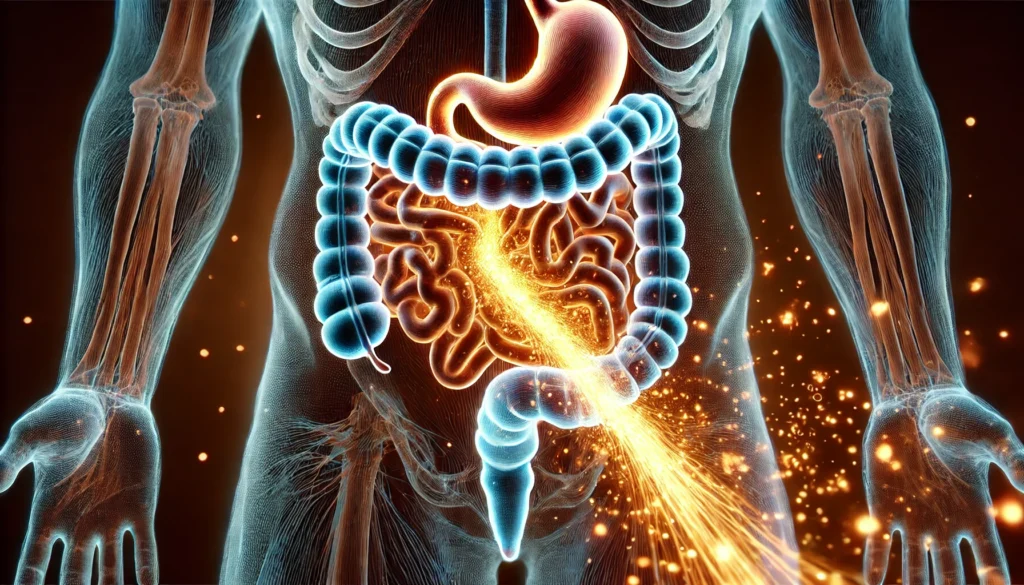
A scientific visualization of the digestive system with a glowing pathway illustrating the slow breakdown of fiber-rich foods, highlighting prolonged satiety and nutrient absorption.

Frequently Asked Questions (FAQ) on Fiber, Satiety, and Athletic Recovery

1. How does fiber influence hunger hormones and satiety signals?

Fiber plays a crucial role in regulating appetite by influencing key hunger hormones such as ghrelin and leptin. Ghrelin, often referred to as the “hunger hormone,” signals the brain when it is time to eat, while leptin helps regulate long-term energy balance by signaling fullness. Does fiber keep you full longer? Yes, by slowing digestion and stabilizing blood sugar levels, fiber helps suppress ghrelin while enhancing leptin sensitivity, making it easier to maintain a healthy appetite. High-fiber meals promote sustained satiety by ensuring a gradual release of energy rather than a sharp spike followed by a crash. Over time, consistent fiber intake can support better appetite control, reducing reliance on heavy foods that may lead to sluggish digestion and energy dips.

2. Can fiber help prevent overeating in athletes with high-calorie needs?

Athletes often require a higher caloric intake to sustain energy expenditure, but this can sometimes lead to overconsumption of heavy foods that do not optimize performance. Does fiber keep you full longer? Absolutely, because fiber-rich foods add volume to meals without excessive calories, helping athletes regulate portion sizes. Unlike highly processed carbohydrates that lead to rapid energy depletion, fiber slows digestion and extends energy availability. Additionally, consuming fiber alongside proteins and healthy fats further enhances meal satisfaction, making it easier to consume necessary calories without excessive hunger or cravings. This can be particularly useful for athletes seeking to maintain lean muscle mass while avoiding excess body fat accumulation.

3. How does fiber impact gut health and its role in athletic recovery?

Gut health is a crucial factor in athletic performance and recovery, as a well-balanced gut microbiome enhances nutrient absorption and reduces inflammation. Fiber serves as a prebiotic, feeding beneficial gut bacteria that support digestion and immune function. Does fiber keep you full longer? Yes, and it also contributes to a stable gut environment that helps process nutrients more effectively. A healthier gut reduces the likelihood of digestive discomfort, bloating, and nutrient malabsorption, all of which can impact post-workout recovery. Over time, a high-fiber diet can help athletes maintain optimal gut health, allowing them to perform at their best without gastrointestinal distress.

4. Can fiber improve hydration and electrolyte balance?

Many people do not associate fiber with hydration, but soluble fiber in particular helps retain water in the digestive tract. Does fiber keep you full longer? Indeed, and it also assists in maintaining fluid balance, which is critical for athletic recovery. Fiber-rich foods such as chia seeds, oats, and legumes absorb water and slowly release it into the system, promoting sustained hydration. Athletes who consume high-fiber diets must also ensure adequate water intake to avoid dehydration-related issues such as cramping and fatigue. Balancing fiber with proper hydration strategies allows for better fluid retention, reducing the risk of dehydration during prolonged training sessions.

5. How does fiber affect muscle glycogen replenishment after workouts?

After intense exercise, replenishing glycogen stores is a priority for muscle recovery and sustained energy. While carbohydrates play a central role in this process, fiber influences how these carbohydrates are absorbed and utilized. Does fiber keep you full longer? Yes, because it slows digestion, ensuring a steady release of glucose rather than a rapid spike. This gradual process supports sustained glycogen replenishment while preventing energy crashes. Athletes looking to maximize recovery should combine fiber-rich carbohydrates, such as quinoa and sweet potatoes, with protein sources to create a balanced post-workout meal that enhances recovery and maintains satiety.

6. Can fiber reduce inflammation and muscle soreness?

Inflammation is a natural response to intense exercise, but excessive inflammation can hinder recovery. Certain fiber-rich foods contain antioxidants and polyphenols that combat oxidative stress, reducing muscle soreness and accelerating healing. Does fiber keep you full longer? Yes, but it also plays a vital role in modulating inflammation by feeding gut bacteria that produce anti-inflammatory compounds. Whole foods such as berries, flaxseeds, and leafy greens contribute to a diet that minimizes post-workout soreness while providing lasting fullness. Over time, a fiber-rich diet can support an anti-inflammatory environment that enhances athletic longevity.

7. What is the best way to incorporate fiber without causing digestive discomfort?

While fiber offers numerous benefits, a sudden increase in intake can lead to bloating and digestive distress. Does fiber keep you full longer? Certainly, but consuming it in the right manner is key to avoiding discomfort. Athletes should gradually introduce fiber into their diets, allowing the gut to adapt over time. Hydration is essential when increasing fiber intake, as fiber absorbs water and requires sufficient fluid to move through the digestive tract smoothly. A balanced approach that includes both soluble and insoluble fiber, along with mindful meal timing, ensures optimal digestion without compromising performance.

8. Does fiber affect metabolism and fat loss in athletes?

Athletes often focus on macronutrients such as protein and fats, but fiber plays an underestimated role in metabolism and fat loss. Does fiber keep you full longer? Yes, and it also enhances metabolic efficiency by regulating insulin sensitivity and reducing fat storage. Fiber slows the absorption of dietary fats and carbohydrates, preventing excessive spikes in blood sugar that could lead to unwanted weight gain. Additionally, fiber-rich foods often require more energy to digest, contributing to a slight increase in caloric expenditure. Over time, consistent fiber intake can support body composition goals by promoting fat loss without compromising muscle mass.

9. How does fiber influence cognitive function and mental clarity?

Athletes rely not just on physical endurance but also on mental focus and clarity. Fiber supports brain function by stabilizing blood sugar levels, preventing energy crashes that can lead to cognitive fatigue. Does fiber keep you full longer? Indeed, and it also enhances mental performance by feeding gut bacteria that produce neurotransmitters such as serotonin and dopamine. A well-balanced gut microbiome supports mood regulation and cognitive sharpness, both of which are crucial for maintaining motivation and strategic decision-making in sports. Incorporating fiber-rich foods into daily meals can lead to sustained mental energy, reducing the likelihood of brain fog during training and competition.

10. Can fiber help reduce dependence on heavy foods for satiety?

Many athletes consume heavy foods to feel full, but these choices may not always align with optimal performance goals. Does fiber keep you full longer? Absolutely, making it a smarter alternative to large, calorie-dense meals that may slow digestion and cause sluggishness. Fiber adds bulk to meals without excessive calories, helping athletes maintain sustained energy without feeling weighed down. Additionally, high-fiber foods such as legumes and whole grains provide a more gradual energy release, preventing the lethargy that can come from consuming high-fat or overly processed meals. By incorporating fiber strategically, athletes can maintain satiety while optimizing digestion and overall performance.

A scenic outdoor gathering of athletes enjoying a fiber-rich picnic in a lush green park, sharing whole-grain sandwiches, fresh fruit, and smoothies, emphasizing fiber's role in energy and recovery.

Conclusion: The Long-Term Benefits of Fiber for Athletes

In answering the question, “Does fiber keep you full longer?” the evidence is clear: fiber not only extends satiety but also plays a fundamental role in athletic recovery and regeneration. From stabilizing blood sugar levels and optimizing nutrient absorption to reducing inflammation and enhancing hydration, fiber is an essential component of a high-performance diet.

Athletes looking to enhance endurance, recovery, and overall well-being should prioritize fiber-rich foods while maintaining a balanced and well-timed diet. With the right approach, fiber can be a powerful ally in achieving peak physical performance and sustaining long-term health.

Further Reading:

Vitamins for Muscle Recovery

The Best Foods for Muscle Recovery

14 Tips to Maximize Muscle Recovery

athletic recovery, performance enhancement, muscle regeneration, does fiber keep you full longer, does fiber keep you full, heavy foods, fiber and satiety, best fiber-rich foods for athletes, nutrient absorption, post-workout nutrition, gut health for athletes, hydration and fiber, fiber digestion benefits, energy levels and fiber, whole grains for recovery, fiber and inflammation, muscle repair, endurance nutrition, fiber timing for athletes, best diet for athletic recovery, sports nutrition essentials

The information contained in this article is provided for general informational purposes only and is not intended to serve as medical, legal, or professional advice. While NewsHealthWatch strives to present accurate, up-to-date, and reliable content, no warranty or guarantee, expressed or implied, is made regarding the completeness, accuracy, or adequacy of the information provided. Readers are strongly advised to seek the guidance of a qualified healthcare provider or other relevant professionals before acting on any information contained in this article. NewsHealthWatch, its authors, editors, and contributors expressly disclaim any liability for any damages, losses, or consequences arising directly or indirectly from the use, interpretation, or reliance on any information presented herein. The views and opinions expressed in this article are those of the author(s) and do not necessarily reflect the official policies or positions of NewsHealthWatch.

High Fiber Foods to Harden Stool: The Key to Faster Athletic Recovery & Performance

Understanding the Role of Fiber in Digestive Health and Athletic Performance

Athletic performance is inextricably linked to digestive health, and one of the most overlooked yet crucial dietary components in this equation is fiber. Often associated with digestive regularity, fiber plays an indispensable role in overall gut health, nutrient absorption, and metabolic efficiency. Athletes, in particular, require optimal gastrointestinal function to ensure the efficient breakdown and utilization of macronutrients that fuel performance and aid in recovery. While discussions about fiber often center around its ability to alleviate constipation, its benefits extend to resolving loose stools and diarrhea—a concern for many endurance and strength-based athletes. Understanding how fiber works in the gut and its effect on stool consistency is essential for those seeking to optimize their recovery and performance through dietary interventions.

You may also like: Fiber and Microbiome: How Gut Health Impacts Athletic Recovery and Performance

Does Fiber Help with Loose Stools? The Science Behind Fiber’s Role in Stool Consistency

For athletes experiencing digestive distress, the question arises: does fiber help with loose stools? The answer lies in the two primary types of fiber—soluble and insoluble. Soluble fiber, found in foods like oats, bananas, and beans, absorbs water in the intestines, forming a gel-like substance that helps solidify loose stools. Insoluble fiber, present in whole grains, vegetables, and nuts, adds bulk to stool, facilitating its passage through the digestive tract more efficiently. This dual mechanism makes fiber a powerful tool for athletes who experience diarrhea due to high-intensity training, stress, or dietary imbalances.

Gastrointestinal issues such as runner’s diarrhea are common among endurance athletes, and fiber can act as a stabilizer, ensuring that excessive motility does not compromise performance. The incorporation of fiber-rich foods for diarrhea into an athlete’s diet helps regulate bowel movements, preventing both sluggish digestion and rapid, loose stools that can lead to dehydration and nutrient loss. This regulation ensures that athletes maintain optimal hydration and electrolyte balance—critical components of sustained endurance and strength.

An athletic meal featuring high-fiber foods such as quinoa, beans, roasted vegetables, and whole grain bread, served on a modern plate with a fitness-oriented background for balanced nutrition and recovery.

Fiber-Rich Foods for Diarrhea: Nutritional Strategies for Digestive Stability

When considering fiber-rich foods for diarrhea, it is essential to focus on sources that provide soluble fiber to firm up stool while maintaining digestive efficiency. Foods like apples, sweet potatoes, and psyllium husk offer substantial soluble fiber content, which absorbs excess fluid and slows transit time. Additionally, incorporating fermented foods such as yogurt and kefir provides probiotics that support gut microbiota balance, further enhancing stool consistency. These foods not only help prevent loose stools but also improve overall digestion, ensuring that athletes absorb essential nutrients for recovery and energy production.

The strategic inclusion of fiber in an athlete’s meal plan should be gradual to avoid potential bloating or discomfort. Starting with moderate amounts of soluble fiber from sources like chia seeds or avocado allows the digestive system to adapt. Meanwhile, fiber from whole grains such as quinoa and brown rice provides a steady source of carbohydrates essential for glycogen replenishment while simultaneously reinforcing stool firmness. By carefully selecting high-fiber foods that harden stool, athletes can maintain digestive stability and maximize nutrient absorption for enhanced performance.

Will Fiber Help with Loose Stools? Understanding the Importance of Balance

Athletes often question: will fiber help with loose stools? The key lies in maintaining a balanced intake. Too little fiber can result in irregular digestion, while excessive fiber consumption without adequate hydration can lead to discomfort. The ideal approach involves a combination of fiber types consumed in conjunction with sufficient fluid intake to ensure smooth digestion and optimal stool consistency.

Fiber’s role extends beyond digestion to influence systemic inflammation and immune function—both of which are crucial for athletic recovery. Chronic digestive issues, including loose stools, may lead to inflammation that hinders muscle repair and increases susceptibility to illness. By stabilizing digestion with fiber-rich foods, athletes create a foundation for consistent recovery, reducing downtime caused by gastrointestinal distress.

Does Fiber Clean You Out? The Detoxifying Effects of Fiber

A common misconception is that fiber merely aids in digestion; however, does fiber clean you out in a way that benefits athletes? The answer is a resounding yes. Soluble fiber acts as a prebiotic, feeding beneficial gut bacteria that aid in the elimination of toxins and metabolic waste. Meanwhile, insoluble fiber sweeps through the intestines, preventing the accumulation of undigested food particles that could lead to bloating and discomfort.

For athletes, fiber’s ability to support detoxification means a reduced burden on the liver, allowing for more efficient processing of lactic acid and metabolic byproducts. This translates to faster muscle recovery, improved energy levels, and enhanced endurance. Fiber’s role in regulating bowel movements also ensures that athletes avoid the sluggishness associated with irregular digestion, keeping them primed for peak performance.

Will Taking Fiber Help Diarrhea? A Tactical Approach to Gastrointestinal Health

A frequently asked question among athletes is: will taking fiber help diarrhea? The answer depends on the type and amount of fiber consumed. Soluble fiber is particularly effective in absorbing excess water in the digestive tract, creating firmer stool and reducing the frequency of bowel movements. This is especially beneficial for athletes who experience digestive issues due to dietary changes, travel, or intense training regimens.

Implementing a fiber-focused recovery plan involves incorporating sources such as flaxseeds, carrots, and oats into meals while ensuring adequate hydration. Hydration is critical because fiber requires water to function optimally. Without sufficient fluid intake, fiber can lead to discomfort rather than relief. For athletes aiming to improve their digestive stability, a combination of fiber-rich whole foods and hydration strategies is essential.

Does Fiber Clean Your Intestines? The Gut-Healing Benefits of Fiber

Athletes often seek ways to improve digestion and reduce gastrointestinal discomfort, leading them to ask: does fiber clean your intestines? Fiber functions as a natural cleanser by promoting regular bowel movements, preventing the stagnation of waste, and fostering a healthier gut microbiome. Insoluble fiber, found in foods such as leafy greens, nuts, and whole grains, stimulates intestinal contractions, ensuring that waste moves efficiently through the system. This reduces bloating, discomfort, and the risk of intestinal inflammation.

Soluble fiber, on the other hand, helps maintain a balanced gut environment by supporting beneficial bacteria that play a crucial role in digestion and immune function. For athletes, this means reduced gastrointestinal distress, improved nutrient absorption, and a stronger immune system that protects against training-induced stress. The inclusion of high-fiber foods that harden stool creates a digestive environment conducive to peak performance and resilience.

A dynamic fitness setting showcasing a post-workout meal with high-fiber foods like brown rice, steamed broccoli, grilled chicken, and nuts, with a water bottle and sports gear in the background emphasizing hydration and recovery.

Frequently Asked Questions (FAQ) on High Fiber Foods and Digestive Health

1. How does fiber help with loose stools, and why is it essential for athletes?

Fiber helps with loose stools by regulating water absorption in the intestines, ensuring stool consistency remains balanced. Soluble fiber absorbs excess liquid, creating firmer stools, while insoluble fiber adds bulk, reducing the likelihood of rapid digestion that can lead to diarrhea. For athletes, stable digestion means fewer interruptions in training due to gastrointestinal distress. High fiber foods to harden stool also promote better nutrient absorption, ensuring the body receives essential vitamins and minerals for muscle repair and endurance. Proper fiber intake can also mitigate the effects of stress-related diarrhea, which is common among high-performance individuals.

2. What are the best fiber-rich foods for diarrhea, and how should they be incorporated into an athlete’s diet?

The best fiber-rich foods for diarrhea include bananas, sweet potatoes, apples, oatmeal, and flaxseeds, all of which contain soluble fiber that helps firm up stool. These foods can be incorporated into an athlete’s diet through smoothies, pre-training meals, or post-workout recovery snacks. Pairing fiber with lean proteins and healthy fats helps slow digestion, allowing for a steady energy supply. The inclusion of fiber also supports gut health, making digestion more resilient to dietary and training-induced stress. Consistently consuming fiber-rich foods for diarrhea ensures digestive stability, reducing performance-hindering symptoms.

3. Will fiber help with loose stools if consumed in excessive amounts?

While fiber can help with loose stools, excessive intake can sometimes worsen digestive issues rather than resolve them. Overconsumption of fiber without sufficient hydration can lead to bloating, cramping, and even more irregular digestion. The key is balance—introducing fiber gradually while ensuring adequate water intake allows the digestive system to adapt effectively. Athletes should be particularly mindful of fiber timing, as consuming too much fiber immediately before training can cause discomfort. Moderation and a strategic approach ensure that fiber works to improve, rather than disrupt, digestive health.

4. Does fiber clean you out, and is it beneficial for athletic performance?

Yes, fiber does clean you out by promoting regular bowel movements and eliminating waste buildup in the digestive tract. This cleansing effect prevents the accumulation of toxins that can contribute to sluggishness and inflammation, both of which negatively impact athletic performance. Soluble fiber, found in foods like avocados and legumes, supports gut bacteria balance, further enhancing digestion. The removal of waste optimizes nutrient absorption, ensuring that an athlete’s body efficiently utilizes macronutrients for energy and muscle recovery. Including high fiber foods to harden stool as part of a balanced diet allows for continuous gut maintenance and peak performance.

5. Will taking fiber help diarrhea caused by intense training or stress?

Yes, taking fiber can help diarrhea that results from stress or intense physical exertion. Many endurance athletes experience ‘runner’s diarrhea,’ which is often linked to increased intestinal motility due to physical stress. Soluble fiber acts as a stabilizer, absorbing excess liquid and slowing digestion, reducing urgency and discomfort. Psyllium husk, oats, and chia seeds are particularly effective in preventing loose stools by forming a gel-like consistency in the intestines. Athletes should aim to include fiber in their meals regularly rather than relying on sudden increases to manage symptoms when they arise.

6. Does fiber clean your intestines, and how does this impact recovery?

Fiber plays a critical role in cleaning the intestines by removing waste, promoting the growth of beneficial gut bacteria, and preventing inflammation. Insoluble fiber accelerates transit time, reducing the stagnation of undigested food that can lead to bloating and discomfort. A clean and healthy digestive system directly affects athletic recovery, as gut health influences inflammation levels, immune function, and metabolic efficiency. By consistently consuming fiber, athletes create an internal environment that supports faster muscle repair, better hydration retention, and increased resistance to training-related stressors. In turn, this leads to more consistent performance and reduced downtime due to digestive disturbances.

7. Can high fiber foods to harden stool improve hydration levels in athletes?

Yes, high fiber foods to harden stool can also play a role in hydration management, which is crucial for athletes. Soluble fiber retains water, preventing excessive loss through diarrhea and ensuring hydration is maintained. Foods like lentils, barley, and oranges provide both fiber and water content, offering a dual benefit in sustaining hydration. Proper hydration helps regulate body temperature, maintain electrolyte balance, and prevent fatigue during training. Athletes who consume a fiber-rich diet in combination with adequate fluid intake experience improved overall endurance and reduced risks of dehydration-related complications.

8. How can fiber-rich foods for diarrhea be used strategically before and after workouts?

Strategically consuming fiber-rich foods for diarrhea before workouts requires careful planning to prevent discomfort while still reaping digestive benefits. Pre-workout, easily digestible sources of soluble fiber, such as bananas or cooked oats, provide energy while helping to stabilize digestion. Post-workout, fiber from sources like quinoa and roasted vegetables aids in nutrient replenishment without overwhelming the digestive system. Balancing fiber with protein and healthy fats ensures proper nutrient absorption, preventing sudden drops in blood sugar that could affect performance. Properly timing fiber intake optimizes digestive stability while still supporting muscle recovery.

9. Will fiber help with loose stools if an athlete is following a high-protein diet?

Yes, fiber is particularly important for athletes consuming high-protein diets, as excessive protein intake can sometimes lead to digestive issues, including diarrhea. Many protein-rich foods lack fiber, leading to imbalances that can cause loose stools or constipation. Integrating fiber sources like leafy greens, legumes, and whole grains counteracts these effects by promoting digestive equilibrium. Fiber also aids in the breakdown of protein by fostering a gut environment that enhances enzymatic activity. Balancing high protein intake with sufficient fiber ensures smooth digestion and optimal nutrient absorption for sustained athletic performance.

10. What are the long-term benefits of high fiber foods to harden stool for overall health?

Beyond immediate digestive benefits, high fiber foods to harden stool contribute to long-term health by reducing inflammation, stabilizing blood sugar levels, and supporting cardiovascular function. A fiber-rich diet lowers the risk of gastrointestinal disorders, ensuring that athletes maintain optimal gut health throughout their careers. Additionally, fiber plays a role in reducing oxidative stress, which can slow the aging process and prevent degenerative diseases. The consistent inclusion of fiber in the diet fosters a stable and resilient metabolism, enhancing an athlete’s longevity in their sport. In the long run, prioritizing fiber not only supports digestive stability but also enhances overall well-being and athletic sustainability.

A close-up of fiber-rich foods such as lentils, nuts, berries, and whole grains arranged in bowls on a dark textured surface, emphasizing their variety and role in digestive health and athletic endurance.

The Final Verdict: High Fiber Foods to Harden Stool as a Performance Strategy

The role of fiber in athletic recovery and performance cannot be overstated. By incorporating high fiber foods to harden stool, athletes can achieve stable digestion, optimal nutrient absorption, and enhanced metabolic efficiency. Strategic dietary planning that includes fiber-rich fruits, vegetables, whole grains, and legumes ensures that athletes maintain digestive balance, preventing disruptions that can hinder performance.

Ultimately, fiber’s ability to regulate stool consistency, clean the digestive tract, and support gut health makes it an indispensable component of an athlete’s nutritional regimen. By embracing fiber as a tool for both recovery and performance enhancement, athletes can maintain peak physical condition, reduce inflammation, and optimize overall well-being. Ensuring a well-rounded diet that includes both soluble and insoluble fiber sources, along with adequate hydration, paves the way for improved endurance, strength, and resilience in the face of rigorous training demands.

Further Reading:

Which foods are good for constipation?

15 Healthy Foods That Help You Poop

Natural Ways and Tips to Soften Your Stool

high fiber foods, digestive health, athletic performance, stool consistency, fiber for athletes, gut health, fiber rich foods, diarrhea relief, soluble fiber, insoluble fiber, fiber for recovery, hydration and fiber, muscle recovery, fiber and digestion, endurance nutrition, fiber for gut balance, sports nutrition, bowel health, fiber and hydration, performance enhancement

The information contained in this article is provided for general informational purposes only and is not intended to serve as medical, legal, or professional advice. While NewsHealthWatch strives to present accurate, up-to-date, and reliable content, no warranty or guarantee, expressed or implied, is made regarding the completeness, accuracy, or adequacy of the information provided. Readers are strongly advised to seek the guidance of a qualified healthcare provider or other relevant professionals before acting on any information contained in this article. NewsHealthWatch, its authors, editors, and contributors expressly disclaim any liability for any damages, losses, or consequences arising directly or indirectly from the use, interpretation, or reliance on any information presented herein. The views and opinions expressed in this article are those of the author(s) and do not necessarily reflect the official policies or positions of NewsHealthWatch.

What Foods Heal Gut Inflammation? The Best Diet for Athletic Recovery & Performance

Understanding Gut Inflammation and Its Impact on Athletic Performance

The relationship between gut health and athletic performance has become a focal point of modern sports science. For athletes, maintaining an optimal level of fitness requires not only rigorous training but also a well-balanced diet that fosters gut health. Gut inflammation, a condition that disrupts the delicate balance of the digestive system, can significantly hinder an athlete’s ability to recover and perform at their peak. Understanding how to heal an inflamed gut through dietary choices is essential in crafting a strategy for sustained physical endurance and rapid post-exercise recovery.

You may also like: Fiber and Microbiome: How Gut Health Impacts Athletic Recovery and Performance

Inflammation in the gut can stem from a variety of causes, including stress, food intolerances, bacterial imbalances, and excessive consumption of processed foods. When left untreated, chronic gut inflammation can lead to symptoms such as bloating, fatigue, nutrient malabsorption, and even autoimmune conditions. For athletes, these issues pose a substantial barrier to performance optimization. The gut plays a crucial role in nutrient absorption, energy production, and immune function, all of which are vital for muscle repair and endurance. Identifying an inflamed gut diet that promotes healing and reduces inflammation can therefore serve as a fundamental pillar in enhancing overall athletic performance.

The Science Behind Inflammation and Gut Health

The connection between inflammation and gut health is a complex interplay involving the microbiome, immune system, and dietary influences. The gut microbiome consists of trillions of bacteria that regulate digestion, immune responses, and metabolic functions. An imbalance in these bacterial populations can trigger excessive inflammation, leading to conditions such as leaky gut syndrome and irritable bowel disorders.

A gut inflammation cure revolves around restoring microbial balance and reducing inflammatory triggers. This process is largely influenced by diet, as certain foods either exacerbate or mitigate inflammation. For instance, processed sugars and refined carbohydrates can promote the proliferation of harmful bacteria, whereas fiber-rich foods support the growth of beneficial gut flora. Athletes, who put immense stress on their bodies through intense training and competition, must be particularly mindful of their dietary choices to ensure their digestive health remains optimized.

The significance of inflammation and gut health extends beyond digestion alone. The gut-brain axis, a bidirectional communication system between the gastrointestinal system and the brain, plays a role in mood regulation, cognitive function, and energy levels. When gut health deteriorates, athletes may experience not only digestive discomfort but also mental fatigue and impaired focus. This further reinforces the importance of a diet for gut inflammation that aligns with both physical and cognitive demands.

A visually rich athlete’s meal featuring grilled salmon, roasted sweet potatoes, steamed broccoli, avocado slices, and probiotic-rich sauerkraut, presented in a warm, inviting kitchen setting.

What Foods Heal Gut Inflammation? A Nutritional Approach

To effectively manage gut inflammation and enhance athletic recovery, incorporating anti-inflammatory and gut-healing foods into the diet is paramount. These foods work by reducing oxidative stress, supporting beneficial bacteria, and promoting overall gut integrity. Among the most effective dietary choices are those rich in polyphenols, omega-3 fatty acids, and prebiotic fibers.

One of the most potent categories of anti-inflammatory foods includes colorful fruits and vegetables, which provide essential vitamins and antioxidants. Blueberries, kale, spinach, and sweet potatoes are rich in phytonutrients that combat inflammation at a cellular level. Fermented foods such as yogurt, kimchi, sauerkraut, and kefir contribute beneficial probiotics that enhance microbial diversity in the gut.

Omega-3 fatty acids, found in fatty fish like salmon, sardines, and mackerel, have been shown to have profound anti-inflammatory properties. These healthy fats aid in muscle recovery, reduce exercise-induced inflammation, and support gut barrier function. For plant-based athletes, flaxseeds, chia seeds, and walnuts serve as excellent alternatives for omega-3 intake.

Additionally, prebiotic-rich foods, such as garlic, onions, leeks, and asparagus, play a crucial role in nourishing beneficial gut bacteria. These foods provide fermentable fibers that promote the production of short-chain fatty acids, which help maintain gut lining integrity and prevent inflammatory responses.

The Anti-Inflammatory Diet for Ulcerative Colitis and Athletic Recovery

Athletes suffering from inflammatory bowel diseases, such as ulcerative colitis, require a carefully tailored diet that minimizes digestive distress while maximizing nutrient absorption. An anti-inflammatory diet for ulcerative colitis should focus on easily digestible, nutrient-dense foods that do not exacerbate symptoms. Soft-cooked vegetables, lean proteins, and healthy fats should form the foundation of such a diet.

Hydration also plays a critical role in managing gut inflammation, as adequate water intake supports digestion and nutrient transport. Herbal teas such as ginger and turmeric tea offer additional anti-inflammatory benefits, helping soothe an inflamed gut and promote overall gastrointestinal wellness.

Practical Guidelines for Athletes: Implementing an Inflamed Gut Diet

For athletes looking to optimize their gut health, meal planning should prioritize whole, unprocessed foods while minimizing inflammatory triggers. Avoiding excessive consumption of dairy, gluten, and processed sugars can significantly reduce gut inflammation. Instead, focusing on whole grains like quinoa and brown rice, lean proteins such as grass-fed beef and organic poultry, and nutrient-dense vegetables can provide sustained energy and enhanced recovery.

Strategically timing meals around training sessions is another essential consideration. Consuming a balanced meal with a mix of protein, healthy fats, and fiber before a workout ensures stable energy levels, while post-exercise meals should emphasize protein synthesis and glycogen replenishment.

A top-down view of a nutrient-packed smoothie bowl filled with a deep purple berry blend, topped with banana slices, chia seeds, flaxseeds, granola, and coconut flakes, surrounded by fresh blueberries and raspberries.

Frequently Asked Questions: Healing Gut Inflammation for Athletic Recovery

1. How does gut inflammation impact athletic performance?

Gut inflammation can severely affect an athlete’s energy levels, recovery time, and overall performance by disrupting nutrient absorption and immune function. Chronic inflammation in the digestive system can lead to increased fatigue, muscle soreness, and prolonged recovery times due to impaired nutrient assimilation. Additionally, inflammation and gut health are closely linked to hydration and electrolyte balance, both of which are crucial for endurance and strength training. When an athlete’s gut is inflamed, essential amino acids and vitamins may not be efficiently processed, leading to suboptimal muscle repair and growth. Implementing a well-structured diet for gut inflammation can enhance performance by improving digestion, reducing oxidative stress, and ensuring the body efficiently utilizes nutrients for energy and recovery.

2. What foods heal gut inflammation most effectively for athletes?

Foods rich in antioxidants, healthy fats, and probiotics are among the most effective choices for athletes looking to heal gut inflammation. Fermented foods such as kimchi, sauerkraut, and kefir introduce beneficial bacteria that restore gut flora balance, aiding in digestion and inflammation reduction. Additionally, fatty fish like salmon and sardines, which are rich in omega-3 fatty acids, help mitigate inflammatory responses and promote cellular repair. Leafy greens, berries, and turmeric-infused meals provide potent anti-inflammatory compounds that can accelerate gut healing. Following a structured inflamed gut diet that incorporates these foods ensures that athletes receive the necessary nutrients to sustain high-intensity training while maintaining digestive health.

3. How can stress contribute to gut inflammation and hinder recovery?

Stress plays a significant role in exacerbating gut inflammation due to its impact on the gut-brain axis. Chronic stress triggers the release of cortisol, a hormone that, when elevated for extended periods, can weaken the gut lining, leading to leaky gut syndrome and increased inflammation. The psychological effects of stress can also slow digestion, causing bloating, discomfort, and inefficient nutrient absorption. Athletes who face high-performance pressures must adopt relaxation techniques such as meditation, controlled breathing, and yoga to counteract these negative effects. In combination with an anti-inflammatory diet for ulcerative colitis or general gut health, stress management ensures that inflammation remains controlled, allowing for optimal recovery and peak performance.

4. What role do prebiotics play in gut inflammation cure?

Prebiotics, which are a type of dietary fiber, serve as fuel for beneficial gut bacteria, promoting a balanced and diverse microbiome. Unlike probiotics, which introduce new bacteria to the gut, prebiotics nourish existing strains and help them flourish, strengthening the gut barrier and reducing inflammation. Foods such as garlic, onions, leeks, and asparagus are rich in prebiotic fibers and contribute to gut integrity and digestive efficiency. For athletes, including prebiotics in an inflamed gut diet can enhance nutrient absorption and immunity, ensuring that the body efficiently processes proteins, carbohydrates, and fats essential for energy and muscle repair. By combining prebiotics with probiotic-rich foods, athletes can establish a robust digestive environment that supports long-term gut health.

5. Are there specific foods that should be avoided to prevent gut inflammation?

Yes, athletes should be cautious about consuming ultra-processed foods, refined sugars, and artificial additives, as these can trigger gut inflammation and hinder performance. High-gluten foods, excessive dairy intake, and alcohol can disrupt the gut microbiome and weaken the intestinal lining, leading to symptoms like bloating and discomfort. Industrial seed oils such as soybean, corn, and canola oils are known to promote inflammatory responses and should be replaced with healthier alternatives like olive oil or avocado oil. Additionally, excess caffeine intake can aggravate an inflamed gut by increasing stomach acid production, potentially leading to digestive distress. Following a mindful diet for gut inflammation that minimizes these triggers helps maintain a stable gut environment conducive to athletic endurance and regeneration.

6. How does an anti-inflammatory diet for ulcerative colitis differ from a general anti-inflammatory diet?

An anti-inflammatory diet for ulcerative colitis must be tailored to minimize irritation and facilitate easy digestion while still providing essential nutrients for recovery and energy. Unlike a general anti-inflammatory diet, which includes a broad range of fibrous vegetables, individuals with ulcerative colitis often need to limit raw or high-fiber foods that could exacerbate symptoms. Instead, softer, well-cooked vegetables, lean proteins, and easily digestible grains like white rice and oatmeal are recommended. Hydration is also critical, as ulcerative colitis can cause dehydration due to frequent bowel movements. By adjusting food choices according to individual tolerance levels, athletes with ulcerative colitis can still maintain gut health and athletic performance without triggering flare-ups.

7. How long does it take to heal an inflamed gut with dietary changes?

The timeline for gut healing varies depending on the severity of inflammation, underlying health conditions, and dietary adherence. Minor cases of gut irritation can show improvement within a few weeks when following a strict inflamed gut diet, while more chronic conditions may require several months of consistent dietary and lifestyle adjustments. Introducing probiotic-rich foods, maintaining a steady intake of anti-inflammatory nutrients, and eliminating processed food triggers can accelerate recovery. Additionally, ensuring proper sleep, hydration, and stress management supports gut healing by reducing cortisol levels and enhancing overall digestive efficiency. Athletes should be patient and consistent, as the gut microbiome requires time to restore its balance and functionality.

8. Can gut inflammation affect an athlete’s mental performance?

Yes, gut inflammation can directly influence mental clarity, mood, and cognitive function due to the strong connection between the gut and brain. An imbalanced gut microbiome can lead to increased production of pro-inflammatory cytokines, which have been linked to brain fog, fatigue, and mood disorders such as anxiety and depression. Additionally, poor gut health can disrupt serotonin production, as approximately 90% of serotonin is synthesized in the gut, affecting emotional well-being and focus. By adopting a well-structured diet for gut inflammation, athletes can not only enhance their physical performance but also improve cognitive function, motivation, and mental resilience. Ensuring a diverse intake of gut-friendly nutrients supports neurotransmitter balance and overall mental acuity.

9. What are the best hydration strategies for reducing gut inflammation?

Proper hydration plays a crucial role in supporting gut health and reducing inflammation by aiding digestion and nutrient transport. Athletes should prioritize drinking filtered water, electrolyte-infused beverages, and herbal teas such as ginger or chamomile, which possess anti-inflammatory properties. Coconut water serves as a natural electrolyte booster, helping maintain gut hydration while replenishing essential minerals lost during intense exercise. Consuming bone broth is another effective strategy, as it contains collagen and amino acids that support gut lining repair and digestive function. Maintaining consistent hydration levels prevents constipation, facilitates detoxification, and ensures that inflammatory byproducts are efficiently flushed from the body.

10. How can athletes maintain gut health while traveling for competitions?

Traveling presents unique challenges for athletes who need to adhere to an inflamed gut diet, as access to high-quality, gut-friendly foods may be limited. Packing portable, non-perishable snacks such as nuts, dried fruit, and probiotic-rich supplements can help maintain digestive balance. Drinking plenty of water and avoiding excessive caffeine and alcohol consumption prevents dehydration, which can exacerbate gut issues. Additionally, incorporating digestive enzymes and staying mindful of food choices in unfamiliar environments helps prevent inflammation-related setbacks. By planning ahead and sticking to gut-friendly habits, athletes can sustain their performance levels and digestive health even during demanding travel schedules.

Conclusion: Harnessing Nutrition for Gut Health and Athletic Excellence

The intricate relationship between gut health and athletic performance underscores the necessity of adopting a diet for gut inflammation that aligns with recovery and endurance goals. By prioritizing anti-inflammatory foods, athletes can optimize digestion, enhance energy production, and accelerate post-exercise muscle repair. Understanding how to heal an inflamed gut through dietary strategies enables athletes to achieve sustained physical excellence while safeguarding long-term health.

A well-structured inflamed gut diet should be rich in fiber, probiotics, and omega-3 fatty acids while minimizing processed and inflammatory foods. With mindful dietary adjustments, athletes can unlock the full potential of their training efforts and maintain peak performance levels. By making gut health a priority, the path to athletic success becomes not only achievable but also sustainable in the long run.

An inviting selection of gut-healing herbal teas, including turmeric tea with lemon, ginger tea with honey, and green tea with fresh mint, accompanied by ginger roots, cinnamon sticks, and whole turmeric on a wooden surface.

Further Reading:

Anti Inflammatory Diet

The Best Foods for Muscle Recovery

Gastrointestinal Problems: 7 Ways to Keep Your Gut Healthy, Boost Athletic Performance, Muscle Recovery

gut health, gut inflammation, anti-inflammatory diet, athletic recovery, sports nutrition, inflammation and gut health, gut healing foods, probiotics for athletes, best diet for performance, inflamed gut diet, gut microbiome, nutrient absorption, muscle recovery foods, omega-3 for inflammation, prebiotics for gut health, ulcerative colitis diet, natural gut remedies, foods that heal inflammation, digestive wellness, athlete meal planning

The information contained in this article is provided for general informational purposes only and is not intended to serve as medical, legal, or professional advice. While NewsHealthWatch strives to present accurate, up-to-date, and reliable content, no warranty or guarantee, expressed or implied, is made regarding the completeness, accuracy, or adequacy of the information provided. Readers are strongly advised to seek the guidance of a qualified healthcare provider or other relevant professionals before acting on any information contained in this article. NewsHealthWatch, its authors, editors, and contributors expressly disclaim any liability for any damages, losses, or consequences arising directly or indirectly from the use, interpretation, or reliance on any information presented herein. The views and opinions expressed in this article are those of the author(s) and do not necessarily reflect the official policies or positions of NewsHealthWatch.

Boost Athletic Recovery: The Best Foods for Healthy Digestion to Enhance Performance

Introduction: The Connection Between Digestion and Athletic Recovery

For athletes and fitness enthusiasts alike, optimal performance extends beyond training regimens and workout intensity. The fuel the body receives, particularly in the form of nutrient-dense foods that support digestion, plays a critical role in athletic recovery and overall well-being. A well-functioning digestive system ensures that essential nutrients are absorbed efficiently, promoting muscle repair, reducing inflammation, and enhancing endurance. As the demand for performance enhancement grows, understanding the best foods for healthy digestion becomes essential for anyone looking to optimize their recovery process.

You may also like: Fiber and Microbiome: How Gut Health Impacts Athletic Recovery and Performance

A well-balanced diet that prioritizes the best foods for your digestive system can prevent digestive distress, boost energy levels, and shorten recovery time. Many athletes underestimate the role of digestion in their performance, focusing primarily on macronutrient intake without considering how well their bodies process these nutrients. This article explores what foods help your digestive system, providing a comprehensive guide to a diet for a healthy digestive system that can improve athletic performance. It will also touch on foods to slow down digestion, which can sometimes be useful in specific athletic contexts.


The Role of Digestion in Athletic Performance

Digestion is the body’s process of breaking down food into absorbable nutrients that fuel cellular functions, including muscle repair and energy production. When an athlete’s digestive system is compromised due to poor dietary choices or an imbalance of gut bacteria, nutrient absorption suffers, leading to reduced stamina, prolonged muscle soreness, and sluggish recovery. The best foods for good digestion can enhance gut microbiota balance, support enzyme function, and ensure smooth gastrointestinal operation.

Athletic exertion places a heavy burden on the digestive system, often leading to symptoms such as bloating, cramping, and discomfort if dietary choices are not optimized. Eating the best foods for your digestive system aids in breaking down proteins, carbohydrates, and fats efficiently, allowing for maximal nutrient uptake. This process is vital, as certain vitamins and minerals—such as magnesium, zinc, and B vitamins—play a crucial role in muscle repair and energy production.

Understanding what foods help your digestive system can also prevent inflammation, which is a common challenge for athletes. Intense exercise generates oxidative stress, leading to micro-tears in muscle fibers that require repair. A diet for a healthy digestive system that includes anti-inflammatory foods supports faster recovery and reduces post-exercise soreness. Conversely, some foods to slow down digestion may be beneficial in endurance sports, helping sustain energy release over extended periods.

A beautifully arranged selection of high-fiber foods, including whole grains, legumes, fresh fruits, and vegetables, displayed in vibrant colors to highlight their role in gut health and athletic recovery.

Pre-Workout Nutrition: Fueling the Digestive System for Performance

A well-structured pre-workout meal sets the foundation for digestive efficiency and athletic output. Choosing the best foods for healthy digestion before training ensures that the body can efficiently convert food into usable energy without causing gastrointestinal discomfort.

A meal rich in easily digestible carbohydrates, lean proteins, and healthy fats helps maintain steady blood sugar levels, preventing fatigue and promoting sustained performance. Whole foods such as bananas, oats, and Greek yogurt provide quick yet stable energy without overwhelming the digestive system. These foods offer a combination of soluble fiber and natural enzymes that enhance nutrient breakdown.

On the other hand, consuming foods to slow down digestion before a workout—such as high-fat meals or excessive fiber—can cause sluggishness and bloating. While these foods have their place in an athlete’s overall diet, they should be limited pre-workout to avoid digestive distress. Instead, focusing on nutrient timing and incorporating easily digestible, nutrient-dense options can maximize both performance and recovery.


Post-Workout Recovery: Maximizing Nutrient Absorption

The post-workout period is a critical window for replenishing glycogen stores, repairing muscle tissue, and mitigating inflammation. During this time, consuming the best foods for your digestive system ensures that the body efficiently absorbs the necessary nutrients to facilitate recovery.

Protein is essential for muscle repair, but the digestibility of protein sources plays a crucial role in how well the body utilizes them. Whey protein, for example, is a rapidly digestible option that provides all essential amino acids required for muscle synthesis. Alternatively, plant-based sources such as lentils and quinoa offer excellent digestibility when combined with fiber-rich foods that promote gut health.

Incorporating what foods help your digestive system into post-workout meals can also aid in reducing exercise-induced inflammation. Foods rich in omega-3 fatty acids, such as salmon and flaxseeds, have been shown to lower inflammatory markers, improving recovery rates. Additionally, probiotic-rich foods like kefir and kimchi support gut microbiota diversity, enhancing digestion and immune function.


Hydration and Digestion: The Overlooked Element of Recovery

Proper hydration is often overshadowed by macronutrient intake, yet it plays a pivotal role in digestive efficiency and athletic recovery. Water is essential for breaking down food, transporting nutrients, and maintaining optimal gut motility. Dehydration can slow digestion, leading to bloating and constipation, both of which can hinder performance.

Electrolytes, including sodium, potassium, and magnesium, contribute to digestive function by regulating muscle contractions within the gastrointestinal tract. Coconut water, bone broth, and herbal teas are excellent sources of hydration that also supply essential minerals to support a diet for a healthy digestive system.

Athletes should also be mindful of their fluid intake during and after workouts. Drinking excessive amounts of water too quickly can dilute stomach acids, impairing digestion. Instead, consuming moderate amounts of fluid throughout the day, paired with hydrating foods such as cucumbers, oranges, and watermelon, helps maintain digestive balance.

An overhead shot of a colorful smoothie made with digestion-friendly ingredients like banana, ginger, yogurt, and berries, topped with granola and chia seeds, emphasizing its nutrient density and athletic recovery benefits.

Frequently Asked Questions (FAQ) on Athletic Recovery and Digestion

1. How does digestion influence athletic recovery and overall performance?

The efficiency of the digestive system directly impacts an athlete’s ability to recover, as it determines how well the body absorbs essential nutrients. Without the best foods for healthy digestion, the body may struggle to process proteins, carbohydrates, and fats effectively, leading to nutrient deficiencies and slower muscle repair. A well-functioning digestive system ensures that vitamins and minerals like magnesium, zinc, and B vitamins reach the muscles, aiding in their repair and strengthening. Additionally, poor digestion can result in bloating and discomfort, impairing an athlete’s ability to train at peak performance levels. A diet for a healthy digestive system should prioritize foods that enhance gut microbiota, prevent inflammation, and optimize enzymatic activity for superior nutrient absorption.

2. What are some overlooked foods that improve digestive health for athletes?

Many athletes focus on common recovery foods like protein shakes and carbohydrates, but they often overlook gut-friendly options that enhance nutrient absorption. Fermented foods such as kimchi, miso, and kombucha provide probiotics that help maintain a balanced gut environment, crucial for processing the best foods for your digestive system. Additionally, papaya contains papain, a natural enzyme that breaks down protein efficiently, supporting muscle recovery. Dark leafy greens like kale and Swiss chard offer fiber and antioxidants that promote a diet for a healthy digestive system, reducing inflammation and oxidative stress. Incorporating these lesser-known foods can provide long-term benefits, enhancing both digestive function and athletic recovery.

3. Can slowing digestion ever be beneficial for athletes?

While rapid digestion is usually ideal for quick nutrient absorption, there are cases where foods to slow down digestion can be advantageous. Long-distance runners and endurance athletes often benefit from slower-digesting foods that provide sustained energy release. For instance, healthy fats such as avocado and nuts take longer to break down, offering prolonged energy without causing blood sugar crashes. Fiber-rich foods like lentils and whole grains also help moderate digestion, ensuring a steady nutrient supply during extended physical exertion. Balancing fast- and slow-digesting foods can optimize performance based on the demands of an athlete’s specific sport.

4. How does hydration impact digestive efficiency and recovery?

Hydration plays a crucial role in digestion, influencing the body’s ability to break down and absorb nutrients effectively. Water helps dissolve nutrients and move them through the intestinal tract, ensuring that the best foods for good digestion are properly utilized. Electrolytes like potassium and magnesium, found in coconut water and bananas, regulate muscle contractions in the gut, preventing cramps and bloating. Athletes who neglect hydration may experience constipation or slow digestion, impairing recovery times. Drinking sufficient fluids throughout the day, rather than in large quantities at once, allows for better gut function and enhances the benefits of the best foods for your digestive system.

5. How can stress affect digestion and athletic recovery?

Stress triggers the release of cortisol, a hormone that can disrupt digestive processes and slow nutrient absorption. For athletes, stress from intense training, competition, or even lifestyle factors can impair gut motility, leading to symptoms like bloating, acid reflux, and poor nutrient uptake. Choosing what foods help your digestive system, such as those rich in omega-3 fatty acids and antioxidants, can help mitigate the impact of stress on digestion. Adaptogenic herbs like ashwagandha and holy basil also support stress reduction while promoting a diet for a healthy digestive system. Managing stress through mindfulness techniques, breathwork, and proper nutrition can significantly improve both digestion and recovery.

6. Are there specific foods that help alleviate muscle soreness through improved digestion?

Yes, certain foods not only support digestion but also aid in reducing muscle soreness. Pineapple contains bromelain, an enzyme known to reduce inflammation and enhance protein digestion, making it one of the best foods for good digestion and muscle recovery. Tart cherries are another powerful anti-inflammatory food that helps lower muscle soreness while benefiting gut health. Ginger and turmeric, both known for their digestive and anti-inflammatory properties, can speed up recovery when consumed consistently. Ensuring that these foods are part of a diet for a healthy digestive system allows the body to recover faster while maintaining optimal digestive function.

7. How does fiber intake affect an athlete’s digestion and performance?

Fiber is essential for gut health, but its timing and type matter for athletes. While fiber-rich foods like beans and whole grains are beneficial for long-term digestive health, consuming them too close to training sessions can cause bloating and discomfort. A balance of soluble and insoluble fiber is key; soluble fiber from oats and sweet potatoes provides steady energy, while insoluble fiber from vegetables supports overall gut motility. Overloading on fiber before a workout can interfere with digestion, but including it strategically in meals improves what foods help your digestive system function efficiently. Gradually increasing fiber intake ensures that digestion remains smooth without compromising athletic performance.

8. What role do probiotics and prebiotics play in an athlete’s diet?

Probiotics, found in fermented foods like yogurt and kefir, introduce beneficial bacteria to the gut, while prebiotics, found in foods like garlic and onions, provide fuel for these bacteria. This symbiotic relationship strengthens the best foods for healthy digestion, ensuring that nutrients are efficiently broken down and absorbed. Probiotics reduce digestive discomfort and enhance immune function, both critical for athletes who put their bodies under stress. Prebiotics help maintain gut lining integrity, preventing inflammation that can disrupt recovery. Regular intake of both can sustain a balanced gut microbiome, optimizing digestion and nutrient utilization.

9. Can a poor diet lead to chronic digestive issues that impact long-term performance?

Absolutely. Consistently consuming processed foods, excessive refined sugars, and artificial additives can lead to gut imbalances, causing chronic bloating, sluggish digestion, and poor nutrient absorption. Over time, this can result in deficiencies that hinder muscle growth, energy levels, and immune resilience. Prioritizing the best foods for your digestive system minimizes these risks and ensures that digestion remains efficient as an athlete ages. Additionally, an imbalanced gut microbiome can contribute to inflammation, leading to joint pain and prolonged recovery times. Long-term commitment to a diet for a healthy digestive system supports both immediate performance and sustained athletic longevity.

10. How should athletes adjust their diet when recovering from an injury?

When injured, an athlete’s nutritional focus should shift toward foods that promote healing and reduce inflammation while maintaining digestive efficiency. High-protein foods like lean meats and plant-based proteins are essential for tissue repair, but they should be paired with digestive-friendly enzymes to enhance absorption. Bone broth provides collagen and amino acids that accelerate healing while also supporting gut health. Omega-3-rich foods, such as walnuts and salmon, help lower inflammation, improving recovery timelines. By incorporating the best foods for good digestion into their diet during injury recovery, athletes can ensure that their bodies receive the necessary nutrients for optimal healing without added digestive stress.

A top-down view of a nutritious post-workout meal featuring lean chicken, quinoa, roasted sweet potatoes, and a side of gut-friendly sauerkraut, beautifully arranged to showcase a well-balanced diet for digestion and muscle recovery.

Conclusion: Optimizing Digestion for Enhanced Performance

The relationship between digestion and athletic performance cannot be overstated. Choosing the best foods for good digestion ensures that nutrients are effectively absorbed, inflammation is minimized, and recovery is optimized. A carefully curated diet for a healthy digestive system should prioritize nutrient-dense whole foods that support gut health while avoiding those that cause digestive distress.

Understanding what foods help your digestive system enables athletes to make informed dietary choices that enhance endurance, strength, and overall well-being. Whether through pre-workout fueling, post-workout recovery, or hydration strategies, optimizing digestion is a fundamental aspect of performance enhancement. Additionally, in some cases, incorporating foods to slow down digestion strategically can support endurance training and prolonged energy release.

By implementing these dietary principles, athletes can achieve improved performance, faster recovery, and long-term digestive health. With a well-supported digestive system, the body can function at its peak, allowing for sustained progress in athletic pursuits. In the quest for optimal performance, digestion should be viewed as a cornerstone of athletic success, not an afterthought.

Further Reading:

Sporting performance and food

18 Foods to Improve Athletic Performance

5 Foods That Naturally Enhance Athletic Performance

athletic recovery, sports nutrition, gut health, best foods for digestion, muscle recovery foods, healthy digestion, post-workout nutrition, foods for endurance, digestive health, nutrient absorption, probiotics for athletes, anti-inflammatory foods, diet for healthy digestive system, gut-friendly foods, performance enhancement, sports hydration, best foods for your digestive system, digestion and exercise, workout recovery diet, foods to slow down digestion, optimal athletic performance, sports gut health, metabolism and digestion, high-protein digestion, best foods for good digestion, digestive enzymes in sports

The information contained in this article is provided for general informational purposes only and is not intended to serve as medical, legal, or professional advice. While NewsHealthWatch strives to present accurate, up-to-date, and reliable content, no warranty or guarantee, expressed or implied, is made regarding the completeness, accuracy, or adequacy of the information provided. Readers are strongly advised to seek the guidance of a qualified healthcare provider or other relevant professionals before acting on any information contained in this article. NewsHealthWatch, its authors, editors, and contributors expressly disclaim any liability for any damages, losses, or consequences arising directly or indirectly from the use, interpretation, or reliance on any information presented herein. The views and opinions expressed in this article are those of the author(s) and do not necessarily reflect the official policies or positions of NewsHealthWatch.

Maximizing Athletic Recovery: The Benefits of Fiber Supplements for Performance and Regeneration

The Crucial Role of Recovery in Athletic Performance

Athletic performance does not solely depend on training intensity, strength, or skill proficiency. Recovery plays a fundamental role in ensuring that athletes can maintain peak performance, prevent injuries, and sustain long-term well-being. The body undergoes considerable stress during rigorous physical activity, leading to muscle breakdown, inflammation, and depletion of essential nutrients. Effective recovery strategies can optimize repair, replenish lost nutrients, and prepare the body for future exertion. While hydration, protein intake, and rest are widely recognized as vital components of post-exercise recovery, dietary fiber has emerged as an often-overlooked yet essential element in optimizing athletic regeneration.

You may also like: Fiber and Microbiome: How Gut Health Impacts Athletic Recovery and Performance

Understanding Fiber and Its Role in Recovery

Dietary fiber is a crucial nutrient that supports digestion, regulates blood sugar levels, and enhances gut health. It exists in two primary forms: soluble and insoluble fiber. Soluble fiber dissolves in water and forms a gel-like substance, slowing digestion and promoting stable glucose levels. Insoluble fiber, on the other hand, adds bulk to stool and facilitates efficient waste elimination. For athletes, incorporating an optimal amount of fiber into their diets ensures improved digestive function, better nutrient absorption, and reduced gastrointestinal distress, which are crucial factors in sustaining high-performance levels.

The Benefits of Fiber Supplements for Athletic Recovery

While fiber is abundantly found in whole foods such as fruits, vegetables, legumes, and whole grains, meeting daily fiber requirements solely through food sources can sometimes be challenging, particularly for athletes with high caloric needs. This is where fiber supplements come into play. The benefits of fiber supplements extend beyond digestion, directly influencing an athlete’s ability to recover efficiently. These supplements support gut health by fostering a balanced microbiome, aiding in nutrient absorption, and reducing inflammation, all of which contribute to faster muscle recovery and overall physical well-being.

Best Fiber to Take for Athletic Recovery

Selecting the best fiber to take depends on individual needs, dietary preferences, and digestive health. Some athletes prefer natural fiber sources, while others benefit from fiber powders and supplements that provide a convenient, concentrated form of dietary fiber. Psyllium husk, inulin, and acacia fiber are among the most commonly recommended fiber supplements for athletes. Psyllium husk is well-known for its ability to promote digestive regularity, while inulin acts as a prebiotic, supporting beneficial gut bacteria. Acacia fiber, a gentle fiber source, is ideal for individuals prone to gastrointestinal discomfort, ensuring fiber intake without digestive distress.

A vibrant smoothie bowl filled with fiber-rich ingredients such as fruits and nuts, symbolizing optimal nutrition for athletic recovery. The rich textures and colors highlight the importance of fiber in performance.

Types of Fiber Supplements and Their Athletic Benefits

Athletes seeking to enhance their recovery may explore different types of fiber supplements to determine which suits their dietary needs best. Soluble fiber supplements, such as those containing inulin or psyllium, promote sustained energy release by stabilizing blood glucose levels. Insoluble fiber supplements, often derived from wheat bran or cellulose, facilitate smooth digestion and prevent constipation, which can be a concern for athletes undergoing rigorous training regimens. Blended fiber supplements combine both soluble and insoluble fibers, providing a comprehensive approach to supporting gut health, reducing inflammation, and enhancing nutrient absorption. Identifying the right supplement ensures that athletes receive the digestive support necessary for optimal recovery and sustained performance.

Fiber Supplement vs. Food: Which Is Better?

A common question among athletes and nutritionists is whether fiber supplement vs. food is the superior choice for achieving optimal fiber intake. Whole food sources of fiber provide a variety of additional nutrients, such as vitamins, minerals, and antioxidants, that contribute to overall health. However, fiber supplements offer a convenient way to meet daily fiber needs, particularly for individuals with specific dietary restrictions or increased fiber requirements. While whole foods should remain the foundation of an athlete’s diet, fiber supplements can serve as a valuable tool in filling dietary gaps and ensuring consistent fiber intake.

The Connection Between Fiber and Vitamins in Recovery

The relationship between fiber and vitamins plays a pivotal role in recovery. A diet rich in fiber enhances nutrient absorption by supporting gut health, ensuring that vitamins and minerals are efficiently absorbed and utilized by the body. For instance, soluble fiber can aid in the absorption of essential vitamins such as B vitamins, which are crucial for energy metabolism. Furthermore, fiber supplements that include added vitamins offer a dual advantage, combining the benefits of fiber with essential micronutrients that support muscle repair and immune function.

Best Dietary Fiber Supplements for Men and Women

The best dietary fiber supplements for men and women may vary based on individual health needs and lifestyle factors. Men typically require higher fiber intake due to greater caloric consumption and muscle mass. Supplements such as psyllium husk and inulin are excellent choices for men aiming to support digestion and maintain stable energy levels. For women, particularly those over 40, fiber supplements that promote hormonal balance and bone health, such as flaxseed fiber or acacia fiber, are highly beneficial. Women over 40 often experience changes in metabolism and digestion, making fiber supplementation an essential component of their nutrition regimen.

The Best Daily Fiber for Sustained Performance

Consistency is key when it comes to fiber intake, making the best daily fiber a crucial consideration for athletes. Fiber supplements that blend both soluble and insoluble fibers offer a balanced approach to digestive health, ensuring steady energy levels and optimal gut function. Regular fiber intake reduces inflammation, enhances nutrient absorption, and prevents digestive discomfort, allowing athletes to focus on training and performance without interruptions.

Benefits of Fiber Powder for Athletes

One of the most convenient ways to increase fiber intake is through fiber powder supplements. The benefits of fiber powder include ease of use, rapid digestibility, and the ability to mix seamlessly into smoothies, protein shakes, or meals. Fiber powders such as psyllium husk powder or acacia fiber powder provide the advantage of controlling fiber intake with precision, allowing athletes to tailor their consumption according to training demands and digestive tolerance.

Different Types of Fiber Supplements: Choosing the Right One

Given the variety of fiber supplements available, selecting the most effective one requires careful consideration of individual health goals and dietary preferences. Different types of fiber supplements offer unique benefits, from digestive support to enhanced nutrient absorption. Athletes should assess their fiber sources, trial different products, and monitor their body’s response to determine the most suitable supplement for their needs.

A high-performance athlete stretching on a track at sunrise, symbolizing muscle recovery and flexibility. The serene natural background represents regeneration and balance.

Frequently Asked Questions (FAQ) on Maximizing Athletic Recovery with Fiber Supplements

1. How does fiber supplementation enhance post-exercise muscle recovery?

Fiber supplements contribute to muscle recovery by optimizing gut health and ensuring efficient nutrient absorption. Athletes often focus on protein intake, but without proper digestion and nutrient assimilation, their recovery efforts may be compromised. The best fiber to take for athletic recovery supports a balanced gut microbiome, which directly influences inflammation control and immune response—two critical factors in post-workout recovery. Additionally, fiber helps regulate blood sugar levels, preventing energy crashes that could hinder muscle repair. By incorporating the best dietary fiber supplements, athletes create an internal environment that supports endurance, performance, and consistent recovery cycles.

2. What makes fiber supplementation particularly important for endurance athletes?

Endurance athletes experience prolonged gastrointestinal stress due to high-calorie intake and the physical demands of long training sessions. The best dietary fiber supplements help maintain digestive efficiency, ensuring that food is processed smoothly without causing bloating or discomfort. Soluble fiber sources like psyllium husk contribute to stable glucose levels, providing sustained energy throughout extended activities. Additionally, fiber and vitamins work synergistically to enhance nutrient uptake, which is essential for replenishing glycogen stores and repairing muscle tissues. Proper fiber intake also minimizes gastrointestinal distress, a common issue among endurance runners and cyclists.

3. Are there specific fiber supplements that work best for women athletes?

Women often experience unique physiological demands that make fiber supplementation particularly beneficial. The best fiber for women over 40, for instance, includes flaxseed fiber, which supports hormonal balance and bone health while aiding digestion. Women with fluctuating estrogen levels may also benefit from inulin-based fiber supplements, which promote calcium absorption and gut microbiome diversity. When selecting the best daily fiber, female athletes should consider supplements that not only support digestion but also address their specific nutritional needs, such as hormonal regulation and sustained energy release. This holistic approach ensures that fiber intake supports overall athletic longevity.

4. How do fiber supplements help prevent digestive issues during training?

Digestive distress, including bloating and irregular bowel movements, is a frequent concern for athletes undergoing intense training. Different types of fiber supplements, including soluble and insoluble varieties, help regulate gut function and reduce irritation. Insoluble fiber accelerates waste elimination, preventing constipation, while soluble fiber feeds beneficial gut bacteria, reducing inflammation and promoting digestive efficiency. For athletes who experience mid-workout stomach discomfort, fiber powders that dissolve easily in liquids can provide a gentle, effective solution. Finding the best fiber to take based on one’s digestive tolerance is crucial for maintaining performance without unwanted disruptions.

5. Can fiber supplements improve hydration and electrolyte balance?

Yes, fiber supplementation plays an indirect but essential role in maintaining hydration and electrolyte equilibrium. Soluble fiber helps the body retain water, which is crucial for hydration during prolonged exercise. When paired with fiber and vitamins such as magnesium and potassium, supplements can enhance fluid balance and reduce the risk of muscle cramps. Athletes who consume fiber-rich meals often experience steadier hydration levels, as fiber slows the absorption of fluids and prevents sudden dehydration. This makes fiber an underrated yet vital component in endurance sports nutrition.

6. How does fiber supplementation impact energy levels for high-intensity athletes?

Sustained energy output is a priority for high-intensity athletes, and fiber plays a key role in stabilizing blood glucose levels. The best fiber to take for energy maintenance includes oat bran and acacia fiber, both of which support slow carbohydrate digestion. Unlike quick sugar spikes from processed foods, fiber-rich supplements encourage a gradual release of glucose, preventing crashes and fatigue. Additionally, fiber and vitamins work together to optimize metabolic function, allowing athletes to maintain endurance and power output. Regular fiber intake ensures that energy reserves remain steady without compromising digestion or performance.

7. What are the advantages of fiber powder over fiber-rich whole foods?

While whole foods are excellent sources of fiber, fiber powder offers unmatched convenience and consistency. The benefits of fiber powder include precise dosing, quick absorption, and ease of mixing into smoothies or shakes, making it an ideal choice for athletes with demanding schedules. Additionally, fiber powders eliminate the variability in fiber content found in whole foods, ensuring that athletes meet their daily intake goals without excess bulk. Choosing the best dietary fiber supplements in powder form allows for greater flexibility in meal planning while still reaping the digestive and performance benefits of fiber. However, it’s best to balance fiber powders with whole food sources to maximize overall nutritional diversity.

8. What is the ideal fiber intake for male athletes looking to optimize performance?

The best fiber for men varies based on body composition, caloric intake, and training demands. Men generally require higher fiber intake due to greater caloric consumption, making supplements like psyllium husk and inulin excellent choices for digestive health and sustained energy. Additionally, fiber supports testosterone regulation by improving gut health, indirectly contributing to muscle growth and recovery. For those aiming to maintain lean muscle mass while improving endurance, fiber supplements should be paired with high-protein meals to optimize nutrient absorption. Selecting the best daily fiber ensures digestive efficiency while maintaining peak performance levels.

9. How do fiber supplements influence inflammation and recovery speed?

Inflammation is a natural response to exercise but can become problematic if not managed properly. Different types of fiber supplements, particularly those with prebiotic properties, help reduce systemic inflammation by fostering gut bacteria that produce anti-inflammatory compounds. Soluble fiber sources, such as beta-glucan from oats, promote immune function and accelerate recovery by enhancing gut-derived cytokine production. Athletes recovering from intense workouts benefit from fiber’s ability to modulate inflammation, reducing soreness and improving mobility. Integrating fiber and vitamins into a post-training diet provides a well-rounded approach to faster recovery and enhanced resilience.

10. Should fiber supplements be taken before or after workouts for the best results?

The timing of fiber supplementation depends on an athlete’s specific digestive needs and training schedule. Some prefer taking fiber supplements pre-workout to stabilize blood sugar levels and sustain energy during exercise. Others find that consuming fiber post-workout aids in recovery by improving nutrient absorption and reducing digestive discomfort after eating protein-heavy meals. The best fiber for women and men often depends on individual tolerance levels, but a balanced approach that includes fiber throughout the day ensures optimal digestion and performance. Testing different consumption times can help determine the most effective strategy for each athlete.

Final Thoughts Fiber supplementation is an essential yet frequently overlooked component of athletic performance and recovery. Whether focusing on the best fiber for women over 40, the best fiber for men, or simply seeking the best dietary fiber supplements for general health, selecting the right fiber source can have significant benefits. By integrating fiber supplements strategically, athletes can improve digestion, sustain energy, and enhance their long-term performance and well-being.

A futuristic microscopic visualization of muscle regeneration, showing muscle fibers repairing and strengthening after exercise. The glowing effect highlights the impact of fiber supplements on athletic recovery.

Conclusion: The Role of Fiber in Long-Term Athletic Success

Athletic recovery is a multifaceted process, and fiber supplements play an indispensable role in optimizing digestion, nutrient absorption, and overall performance. Incorporating the best fiber to take into a well-balanced diet ensures that athletes recover efficiently, sustain high energy levels, and maintain long-term health. Whether through whole food sources or fiber supplements, prioritizing fiber intake supports muscle repair, reduces inflammation, and enhances endurance, making it a critical component of any athlete’s nutritional strategy.

Further Reading:

Top Recovery Strategies for Athlete

Dietary Supplements for Exercise and Athletic Performance

14 Tips to Maximize Muscle Recovery

athletic recovery, best fiber to take, dietary fiber for athletes, performance enhancement, best dietary fiber supplements, fiber for muscle recovery, best fiber for women over 40, fiber and vitamins, best fiber for men, benefits of fiber supplements, types of fiber supplements, fiber supplement vs food, best fiber for athletic recovery, benefits of fiber powder, different types of fiber supplements

The information contained in this article is provided for general informational purposes only and is not intended to serve as medical, legal, or professional advice. While NewsHealthWatch strives to present accurate, up-to-date, and reliable content, no warranty or guarantee, expressed or implied, is made regarding the completeness, accuracy, or adequacy of the information provided. Readers are strongly advised to seek the guidance of a qualified healthcare provider or other relevant professionals before acting on any information contained in this article. NewsHealthWatch, its authors, editors, and contributors expressly disclaim any liability for any damages, losses, or consequences arising directly or indirectly from the use, interpretation, or reliance on any information presented herein. The views and opinions expressed in this article are those of the author(s) and do not necessarily reflect the official policies or positions of NewsHealthWatch.

Best Fiber for Weight Loss: How the Right Fiber Can Speed Up Athletic Recovery & Regeneration

Understanding the Role of Fiber in Weight Loss and Athletic Performance

Fiber is a crucial component of a well-balanced diet, often recognized for its role in digestion and weight management. However, its impact extends far beyond digestive health. For athletes and fitness enthusiasts, the right type of fiber can contribute significantly to both weight loss and recovery. By optimizing fiber intake, individuals can enhance nutrient absorption, reduce inflammation, and improve gut health, all of which are essential for athletic performance and recovery.

You may also like: Fiber and Microbiome: How Gut Health Impacts Athletic Recovery and Performance

The best fiber for weight loss functions by promoting satiety, regulating blood sugar levels, and enhancing metabolic efficiency. This, in turn, aids in maintaining optimal body composition, a key factor in athletic success. Additionally, fiber helps with detoxification, ensuring that the body efficiently eliminates waste products and reduces oxidative stress, both of which play a role in post-exercise recovery.

The Science Behind Fiber and Its Benefits for Athletes

Fiber is classified into two main types: soluble and insoluble. Each type offers unique benefits that contribute to weight management and recovery. Soluble fiber dissolves in water, forming a gel-like substance that slows digestion and helps regulate blood sugar levels. This function is particularly beneficial for athletes who require steady energy levels during training and competition. On the other hand, insoluble fiber adds bulk to stool and promotes regularity, preventing digestive issues that can interfere with athletic performance.

Athletes who aim to optimize their fiber intake for weight loss and recovery must focus on achieving their fiber goal for weight loss through a balanced diet. Foods rich in fiber, such as whole grains, fruits, vegetables, legumes, and nuts, provide essential nutrients that support muscle repair and immune function. By incorporating fiber strategically, athletes can enhance their recovery process and ensure sustained performance.

A fit athlete preparing a fiber-rich meal in a modern kitchen, featuring whole grains, leafy greens, and legumes, emphasizing fiber’s role in post-workout recovery and nutrition.

How Fiber Aids in Weight Loss for Athletes

One of the most significant advantages of fiber is its ability to promote satiety. High-fiber foods take longer to digest, keeping athletes feeling fuller for extended periods and reducing overall caloric intake. This is particularly beneficial for those looking to maintain or achieve an optimal weight for their sport.

Additionally, fiber plays a crucial role in regulating blood sugar levels, preventing spikes and crashes that can lead to cravings and overeating. By maintaining stable blood sugar, athletes can avoid energy dips that negatively impact performance and recovery. The best fiber for weight loss also supports gut health by feeding beneficial bacteria, which play a role in metabolism and immune function.

Fiber and Athletic Recovery: Enhancing Muscle Repair and Reducing Inflammation

Post-exercise recovery is a vital aspect of athletic performance. After intense training sessions, the body undergoes muscle breakdown and inflammation, necessitating adequate nutrition for repair and regeneration. Fiber aids in this process by reducing systemic inflammation and promoting gut health, both of which are critical for optimal recovery.

Soluble fiber, found in foods such as oats, beans, and apples, has been shown to support the body’s immune response, reducing the risk of illness and enhancing overall recovery. Meanwhile, insoluble fiber, present in foods like whole wheat, nuts, and vegetables, ensures efficient digestion and elimination of waste products, preventing gastrointestinal discomfort that can hinder training progress.

Achieving Your Fiber Goal for Weight Loss and Recovery

Determining the right amount of fiber intake depends on an individual’s activity level, dietary habits, and specific fitness goals. While general recommendations suggest a daily intake of 25-30 grams of fiber, athletes may require slightly higher amounts to support their metabolism and recovery needs.

A well-balanced diet that includes a variety of fiber-rich foods ensures that athletes receive the necessary nutrients to maintain energy levels, reduce inflammation, and enhance muscle repair. Additionally, hydration plays a crucial role in fiber digestion, as insufficient water intake can lead to digestive discomfort.

An athlete running through a scenic outdoor trail, surrounded by subtle visual elements of fiber-rich foods like floating grains, fruits, and nuts, symbolizing fiber’s support for endurance and recovery.

Frequently Asked Questions (FAQ) on Fiber for Weight Loss and Athletic Recovery

1. How does fiber specifically contribute to weight loss for athletes?

Fiber plays a crucial role in weight loss by enhancing satiety and regulating blood sugar levels, which helps athletes maintain steady energy throughout their training. The best fiber for weight loss is soluble fiber, which forms a gel-like substance in the gut, slowing digestion and reducing hunger cravings. By keeping athletes fuller for longer, fiber naturally leads to reduced caloric intake without the need for restrictive dieting. Additionally, fiber supports gut health, which has been linked to improved metabolism and nutrient absorption—both essential for sustaining energy levels during high-intensity training. To maximize its benefits, athletes should ensure they meet their fiber goal for weight loss by consuming a balanced diet rich in fruits, vegetables, legumes, and whole grains.

2. Can fiber enhance post-exercise recovery and reduce muscle soreness?

Yes, fiber can contribute to post-exercise recovery by reducing systemic inflammation, a key factor in muscle soreness. Some types of fiber, particularly those found in whole foods, support the gut microbiome, which plays a vital role in immune function and reducing oxidative stress. The best fiber for weight loss also aids in the removal of metabolic waste products that accumulate after intense exercise, helping the body recover more efficiently. Consuming fiber-rich foods alongside lean proteins and healthy fats can optimize the repair of muscle tissues and mitigate soreness. Achieving the right fiber goal for weight loss and recovery requires a balanced approach to diet, hydration, and overall nutrient intake.

3. Are there specific high-fiber foods that also promote muscle regeneration?

Several high-fiber foods contain essential nutrients that directly contribute to muscle repair and growth. For example, lentils and chickpeas provide a combination of fiber and protein, essential for muscle recovery. Dark leafy greens such as spinach and kale offer fiber alongside magnesium, which helps regulate muscle function and prevent cramping. Nuts and seeds, including almonds and chia seeds, are excellent sources of fiber and healthy fats, both of which reduce inflammation and support tissue repair. The best fiber for weight loss also comes from oats, which contain beta-glucans that enhance endurance and immune function. By choosing fiber sources that also offer muscle-regenerating nutrients, athletes can effectively meet their fiber goal for weight loss while improving their recovery.

4. How does fiber affect hydration and electrolyte balance in athletes?

While fiber has numerous benefits, its interaction with hydration and electrolytes is crucial to understand, especially for athletes. Fiber absorbs water as it moves through the digestive tract, meaning that insufficient hydration can lead to digestive discomfort or constipation. The best fiber for weight loss works optimally when paired with adequate fluid intake to maintain gut motility and prevent dehydration. Additionally, certain high-fiber foods, such as fruits and vegetables, naturally contain electrolytes like potassium and magnesium, which help maintain fluid balance in the body. Meeting the right fiber goal for weight loss while ensuring proper hydration can prevent energy dips and optimize physical performance.

5. Does fiber impact metabolism, and if so, how?

Yes, fiber has a direct influence on metabolism by regulating insulin sensitivity and promoting fat oxidation. Soluble fiber slows the absorption of sugar into the bloodstream, preventing insulin spikes that can lead to fat storage. Furthermore, fiber supports gut bacteria that play a role in metabolic efficiency, as a well-balanced microbiome is associated with lower body fat percentages and better nutrient utilization. The best fiber for weight loss also enhances thermogenesis, the process by which the body generates heat and burns calories. By meeting their fiber goal for weight loss, athletes can encourage a more efficient metabolic rate that aligns with their fitness and recovery objectives.

6. Can fiber help prevent injuries or improve joint health?

Fiber’s role in reducing inflammation extends to joint health, making it a valuable dietary component for athletes looking to prevent injuries. Chronic inflammation is a major contributor to joint pain and stiffness, but fiber-rich foods have been shown to reduce pro-inflammatory markers in the body. The best fiber for weight loss often comes from whole grains, berries, and nuts, all of which contain antioxidants that support connective tissue health. Additionally, fiber aids in gut health, which has been linked to lower levels of systemic inflammation and improved nutrient absorption for bone and cartilage repair. By consistently achieving their fiber goal for weight loss and recovery, athletes can support overall joint resilience and longevity in their sport.

7. What are the best strategies for incorporating more fiber into an athlete’s diet without causing digestive discomfort?

Introducing fiber gradually into the diet is key to avoiding bloating or digestive discomfort. Athletes should start by incorporating small amounts of fiber-rich foods, such as chia seeds in smoothies or adding an extra serving of vegetables to meals. Drinking plenty of water is essential to help fiber move efficiently through the digestive system. The best fiber for weight loss comes from a variety of sources, including fruits, legumes, and whole grains, so diversifying fiber intake prevents dependency on any single food type. Meeting a fiber goal for weight loss should also be balanced with adequate protein and healthy fats to ensure optimal nutrient absorption and sustained energy levels.

8. Are fiber supplements a good alternative for athletes who struggle to get enough fiber from food?

Fiber supplements can be helpful for athletes who struggle to meet their daily fiber needs through food alone, but they should not replace whole-food sources entirely. Whole foods provide essential vitamins, minerals, and antioxidants that contribute to overall health and athletic performance. The best fiber for weight loss is typically found in natural sources such as vegetables, nuts, and seeds, as they provide a more diverse nutrient profile. However, psyllium husk or inulin-based fiber supplements can be useful in cases where dietary intake is insufficient. Athletes should monitor how their body responds and ensure they meet their fiber goal for weight loss in a way that supports digestive comfort and overall performance.

9. How does fiber interact with protein intake for muscle growth?

Fiber and protein work synergistically to support muscle growth and recovery. While protein provides the necessary building blocks for muscle repair, fiber aids in digestion and nutrient absorption, ensuring that amino acids are effectively utilized by the body. The best fiber for weight loss does not interfere with protein absorption but rather enhances gut health, which can improve the efficiency of nutrient uptake. High-fiber foods like quinoa and beans offer both fiber and protein, making them excellent choices for post-workout meals. Meeting the fiber goal for weight loss while maintaining adequate protein intake is essential for athletes aiming to improve their strength and endurance.

10. What are some long-term benefits of a high-fiber diet beyond weight loss and recovery?

Beyond weight management and muscle recovery, a high-fiber diet provides long-term benefits such as improved cardiovascular health, enhanced gut microbiome diversity, and a lower risk of chronic diseases. Consuming the best fiber for weight loss also contributes to sustained energy levels and improved mental clarity, which are essential for long-term athletic performance. Additionally, fiber plays a role in hormonal balance, reducing fluctuations that can impact mood and training consistency. Meeting a fiber goal for weight loss supports overall longevity and resilience, helping athletes maintain their physical and cognitive health well beyond their competitive years. By prioritizing fiber-rich foods, individuals can experience comprehensive health benefits that extend far beyond the immediate impact of their training.

A close-up of a fiber-packed smoothie bowl with vibrant fruits, seeds, and grains, with a blurred background of an athlete stretching after a workout, showcasing fiber’s role in muscle recovery and weight management.

Conclusion: Integrating the Best Fiber for Weight Loss into an Athletic Lifestyle

Fiber is a fundamental component of an athlete’s diet, offering numerous benefits for weight management and recovery. By focusing on achieving their fiber goal for weight loss, athletes can optimize their body composition, enhance endurance, and accelerate post-exercise recovery. Through mindful dietary choices and proper hydration, individuals can harness the power of fiber to improve both performance and overall well-being.

Further Reading:

Fiber Can Help You Lose Weight — but Only a Specific Type

Effects of Soluble Dietary Fibre on Exercise Performance and Perception of Fatigue in Young Basketball Players

Making one change — getting more fiber — can help with weight loss

fiber for weight loss, best fiber for weight loss, fiber goal for weight loss, athletic recovery, muscle regeneration, post-workout nutrition, fiber and metabolism, gut health for athletes, high-fiber foods, sports nutrition, fiber and inflammation, muscle repair, weight management for athletes, dietary fiber benefits, endurance nutrition, fiber-rich diet, digestive health, optimal recovery foods, performance enhancement, fiber and hydration

The information contained in this article is provided for general informational purposes only and is not intended to serve as medical, legal, or professional advice. While NewsHealthWatch strives to present accurate, up-to-date, and reliable content, no warranty or guarantee, expressed or implied, is made regarding the completeness, accuracy, or adequacy of the information provided. Readers are strongly advised to seek the guidance of a qualified healthcare provider or other relevant professionals before acting on any information contained in this article. NewsHealthWatch, its authors, editors, and contributors expressly disclaim any liability for any damages, losses, or consequences arising directly or indirectly from the use, interpretation, or reliance on any information presented herein. The views and opinions expressed in this article are those of the author(s) and do not necessarily reflect the official policies or positions of NewsHealthWatch.

The Power of Beneficial Fiber: How It Enhances Athletic Recovery & Regeneration

Understanding the Role of Beneficial Fiber in Athletic Recovery

Athletes are constantly pushing their bodies to the limit, striving for peak performance and rapid recovery. While protein, hydration, and micronutrients are often emphasized in sports nutrition, the role of beneficial fiber in athletic recovery is frequently overlooked. Contrary to the outdated belief that fiber is merely important for digestion, recent research highlights its crucial role in reducing inflammation, supporting gut health, and enhancing metabolic efficiency—all of which are vital for post-exercise recovery.

You may also like: Fiber and Microbiome: How Gut Health Impacts Athletic Recovery and Performance

Incorporating the right types of fiber into an athlete’s diet can accelerate muscle repair, optimize nutrient absorption, and contribute to a well-balanced gut microbiome. This is particularly relevant as an athlete’s ability to recover efficiently dictates their long-term endurance, strength, and overall performance. By understanding the mechanisms through which beneficial fiber impacts recovery, athletes can harness its advantages to stay ahead of the competition.

The Science Behind Beneficial Fiber and Muscle Regeneration

Muscle recovery is a multifaceted process involving protein synthesis, inflammation management, and the elimination of metabolic waste. Beneficial fiber plays a role in each of these areas, particularly by regulating gut health and systemic inflammation.

Dietary fiber consists of two main types: soluble and insoluble. Soluble fiber, found in foods such as oats, legumes, and chia seeds, forms a gel-like substance in the digestive tract, slowing digestion and enhancing nutrient absorption. Insoluble fiber, present in foods like whole grains, vegetables, and nuts, adds bulk to stool and promotes regular bowel movements, aiding in the elimination of toxins and metabolic byproducts that accumulate during intense physical activity.

The gut microbiota plays a pivotal role in muscle recovery, and fiber serves as its primary fuel source. Beneficial fibers, particularly prebiotic fibers like inulin and resistant starch, feed the gut bacteria, promoting the production of short-chain fatty acids (SCFAs). SCFAs, such as butyrate, acetate, and propionate, reduce systemic inflammation and enhance the body’s ability to repair muscle tissue. Additionally, these compounds support mitochondrial function, providing athletes with the energy needed to recover quickly and sustain peak performance.

A muscular runner stretches in an open-air park, surrounded by fiber-rich whole foods like oats, nuts, berries, and leafy greens, with warm sunlight highlighting the connection between beneficial fiber and athletic endurance.

How Beneficial Fiber Reduces Exercise-Induced Inflammation

One of the most significant challenges athletes face is managing inflammation following strenuous workouts. While some level of inflammation is necessary for muscle adaptation and growth, chronic or excessive inflammation can delay recovery and increase the risk of injury. Beneficial fiber helps modulate the body’s inflammatory response by influencing gut health and immune function.

Soluble fiber has been shown to lower levels of C-reactive protein (CRP), a key marker of inflammation. By promoting the growth of beneficial gut bacteria, fiber indirectly influences the immune system, reducing excessive inflammatory responses. Furthermore, SCFAs produced by fiber fermentation help regulate the release of cytokines, proteins involved in the body’s immune response. This balance prevents prolonged inflammation, allowing athletes to recover more efficiently and reduce soreness between training sessions.

Fiber-rich foods also contain polyphenols and antioxidants, which further assist in neutralizing oxidative stress caused by intense physical exertion. By integrating fiber-rich foods into their post-workout meals, athletes can minimize muscle damage, enhance cellular repair, and maintain optimal performance levels.

The Connection Between Fiber, Gut Health, and Nutrient Absorption

The gut serves as the foundation of overall health, and its efficiency in processing nutrients directly affects an athlete’s recovery. Beneficial fiber supports gut health by fostering microbial diversity and maintaining the integrity of the intestinal lining. This is particularly important for athletes, as high-intensity exercise can sometimes lead to gastrointestinal distress, leaky gut syndrome, and nutrient malabsorption.

When an athlete consumes adequate fiber, the gut lining remains intact, preventing the leakage of harmful endotoxins into the bloodstream. This reduces systemic inflammation and ensures that essential nutrients, such as amino acids and electrolytes, are effectively absorbed and utilized for muscle repair and energy replenishment. Additionally, fiber enhances the synthesis of vitamin K and B vitamins, which are critical for cellular metabolism and energy production.

The consumption of beneficial fiber also influences hydration levels. Soluble fiber attracts water into the gut, helping maintain adequate hydration, which is essential for muscle function and recovery. By drinking fiber-rich beverages, athletes can experience the added advantage of hydration combined with gut support, ensuring they recover faster and sustain peak performance levels.

Drinking Fiber Benefits: An Underrated Strategy for Athletic Recovery

One of the most convenient ways for athletes to increase their fiber intake without digestive discomfort is by drinking fiber-rich beverages. These include smoothies with fiber-packed ingredients such as flaxseeds, psyllium husk, and leafy greens, as well as specially formulated fiber-enhanced sports drinks. Drinking fiber benefits recovery by offering a hydrating and easily digestible source of nutrients that directly support the gut and metabolic function.

Liquid fiber sources allow for quicker digestion and absorption, making them an ideal choice for post-workout nutrition. Unlike heavy, fiber-dense meals that may cause bloating or sluggishness, fiber-infused drinks offer a gentle and effective means of obtaining the benefits of fiber without disrupting an athlete’s digestion. Additionally, many fiber-rich beverages include naturally occurring electrolytes and antioxidants, further supporting muscle recovery and hydration.
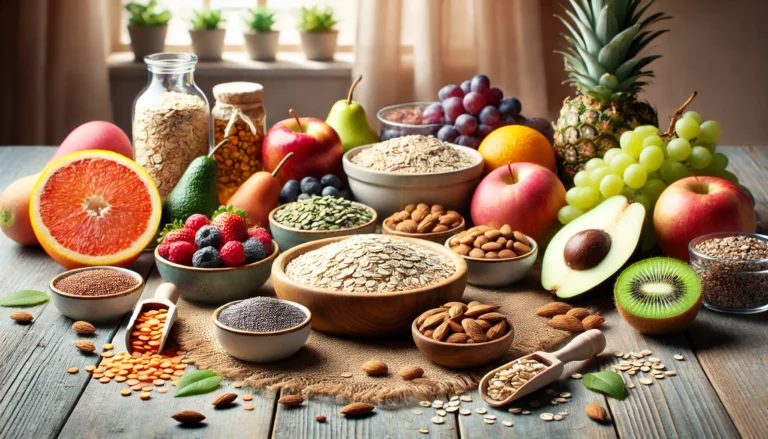
Athletes who integrate fiber into their hydration strategy not only optimize their digestion but also promote faster muscle repair. This is particularly beneficial for endurance athletes, who require efficient nutrient replenishment following prolonged exertion. By combining fiber with protein and healthy fats in liquid form, athletes can create a balanced recovery formula that maximizes performance outcomes.

Optimizing Fiber Intake for Maximum Recovery Benefits

While the advantages of beneficial fiber in athletic recovery are evident, it is important to approach fiber consumption strategically. Consuming excessive fiber too quickly can lead to digestive discomfort, bloating, and decreased nutrient absorption. Athletes should gradually increase their fiber intake while ensuring adequate hydration to facilitate smooth digestion.

Prebiotic-rich fiber sources such as bananas, asparagus, and garlic should be prioritized for their ability to support gut microbiota balance. Resistant starch, found in foods like cooked and cooled potatoes and green bananas, can be particularly beneficial for those seeking enhanced glycogen replenishment alongside muscle recovery. By including diverse sources of fiber in their diet, athletes can ensure they receive a broad spectrum of benefits without gastrointestinal distress.


Pairing fiber with complementary nutrients further enhances its impact. For example, consuming fiber alongside healthy fats, such as avocado or nuts, slows carbohydrate absorption, leading to stable blood sugar levels and sustained energy release. Similarly, combining fiber with lean protein sources ensures that amino acids are effectively utilized for muscle repair and growth.

A close-up of a fiber-rich post-workout meal featuring quinoa, avocado, chia seeds, and colorful vegetables on a rustic wooden table, with an athlete in the background enjoying a recovery meal for optimal regeneration.

Frequently Asked Questions (FAQ) on Beneficial Fiber and Athletic Recovery

1. How does beneficial fiber impact muscle fatigue and endurance during prolonged training?

Beneficial fiber plays a vital role in supporting endurance athletes by stabilizing blood sugar levels and promoting sustained energy release. When athletes consume fiber-rich foods before training, they experience fewer energy crashes, allowing them to maintain high performance for extended periods. Unlike simple carbohydrates, which provide quick but short-lived bursts of energy, beneficial fiber slows glucose absorption, ensuring a steady fuel supply for muscles. Additionally, fiber promotes optimal gut health, which has been linked to improved nutrient uptake and reduced gastrointestinal distress during intense physical exertion. By integrating beneficial fiber into their diets, athletes can enhance their stamina and reduce premature fatigue without relying on excessive carbohydrate loading.

2. Can drinking fiber benefits be enhanced by combining it with other recovery-focused nutrients?

Yes, drinking fiber benefits can be amplified by pairing it with essential recovery nutrients such as protein, omega-3 fatty acids, and electrolytes. When combined with protein, fiber helps slow digestion, allowing for prolonged amino acid absorption, which is critical for muscle repair. Omega-3 fatty acids, found in foods like flaxseeds and chia seeds, work synergistically with fiber to reduce inflammation and promote joint recovery. Additionally, electrolytes such as potassium and magnesium help maintain fluid balance, preventing dehydration-related muscle cramps. Athletes can create optimized recovery drinks by blending fiber-rich ingredients like psyllium husk, banana, and plant-based protein powders, ensuring they receive comprehensive post-exercise nourishment.

3. What are the long-term advantages of consistently consuming beneficial fiber for athletes?

Consistently consuming beneficial fiber can lead to long-term athletic benefits by improving metabolic efficiency, reducing systemic inflammation, and fortifying gut health. Over time, a fiber-rich diet enhances insulin sensitivity, allowing muscles to efficiently utilize glucose for energy while preventing energy crashes. Athletes who maintain a high-fiber diet experience improved digestion, which minimizes bloating and discomfort that can interfere with training performance. Additionally, the anti-inflammatory properties of fiber contribute to faster muscle recovery, helping athletes sustain rigorous training schedules with fewer injuries. Beyond physical performance, long-term fiber consumption supports mental clarity and focus, which are crucial for sports that require strategic thinking and endurance.

4. Can drinking fiber benefits extend to hydration and electrolyte balance for athletes?

Drinking fiber benefits hydration by supporting optimal water retention and promoting electrolyte balance, which is essential for preventing muscle cramps and dehydration. Soluble fiber has a hydrophilic nature, meaning it attracts water into the digestive tract, helping to maintain adequate hydration levels during prolonged exercise. This is particularly useful for endurance athletes who lose significant fluids through sweat. Additionally, fiber-rich foods often contain essential electrolytes such as potassium and magnesium, further aiding in fluid balance and muscle function. By incorporating fiber-enhanced beverages into their hydration routines, athletes can sustain energy levels and reduce post-workout recovery time.

5. How does beneficial fiber help in reducing exercise-induced oxidative stress?

Exercise-induced oxidative stress occurs when free radicals accumulate in the body, leading to muscle damage and delayed recovery. Beneficial fiber aids in combatting this oxidative stress by supporting gut bacteria that produce short-chain fatty acids (SCFAs), which have antioxidant properties. Additionally, fiber-rich foods often contain polyphenols and vitamins that neutralize harmful free radicals, reducing cellular damage. By enhancing the body’s natural defense mechanisms, fiber helps prevent excessive muscle breakdown, allowing for more efficient recovery between workouts. This makes fiber a valuable dietary component for athletes seeking to minimize inflammation and maximize training benefits.

6. What is the role of beneficial fiber in injury prevention and joint health?

Beneficial fiber contributes to injury prevention by reducing chronic inflammation, which is a key factor in muscle and joint deterioration. Many fiber-rich foods, such as leafy greens, berries, and nuts, contain antioxidants and essential micronutrients that promote collagen production and connective tissue strength. Additionally, a well-balanced gut microbiome—supported by fiber—enhances nutrient absorption, ensuring that the body receives adequate calcium, magnesium, and vitamin D, all of which are essential for bone and joint health. Athletes who prioritize fiber intake experience fewer overuse injuries and recover faster from strains and sprains. The cumulative effect of sustained fiber consumption is improved mobility, reduced stiffness, and enhanced flexibility.

7. How does fiber consumption influence mental recovery and focus after intense training?

Athletic performance is not solely about physical endurance; cognitive function and mental clarity are equally important. Beneficial fiber plays a role in mental recovery by supporting gut-brain communication through the production of neurotransmitters like serotonin and dopamine. A well-balanced gut microbiome, fueled by fiber, promotes emotional stability and reduces stress-related inflammation, which can negatively impact focus and motivation. Additionally, fiber helps regulate blood sugar levels, preventing energy crashes that can lead to mental fatigue. By incorporating fiber-rich foods into their diets, athletes can enhance their ability to stay mentally sharp, make strategic decisions, and maintain motivation throughout training and competition.

8. Are there specific times when drinking fiber benefits athletic performance more significantly?

Yes, strategic timing of fiber intake can maximize athletic performance and recovery. Drinking fiber benefits are most pronounced when consumed post-workout, as fiber aids in nutrient absorption and stabilizes blood sugar levels to prevent post-exercise energy crashes. Pre-workout fiber intake should be carefully moderated to avoid potential digestive discomfort, especially before high-intensity training. Additionally, consuming fiber in the evening can promote overnight recovery by fostering gut health and reducing inflammation while the body rests. Athletes can optimize their fiber intake by tailoring it to their specific training schedules and recovery needs.

9. Can fiber help reduce the risk of gut distress during endurance events?

Many endurance athletes experience gut distress due to prolonged exertion, which can lead to bloating, cramping, or diarrhea. Beneficial fiber supports gut health by strengthening the intestinal lining and promoting microbial balance, reducing the likelihood of exercise-induced digestive issues. Prebiotic fibers, such as those found in asparagus, onions, and bananas, nourish beneficial gut bacteria, ensuring smooth digestion during long training sessions. Additionally, fiber aids in regulating bowel movements, preventing sudden gastrointestinal discomfort that could interfere with performance. Athletes who gradually incorporate fiber into their diets and stay hydrated can significantly reduce the risk of gut-related disruptions during endurance events.

10. How does fiber intake affect recovery in aging athletes?

Aging athletes often experience slower muscle recovery, reduced joint flexibility, and increased inflammation, all of which can be mitigated through beneficial fiber consumption. Fiber helps combat age-related metabolic decline by improving insulin sensitivity and supporting efficient energy utilization. Additionally, it plays a crucial role in gut health, which becomes even more important as digestive efficiency naturally decreases with age. Drinking fiber benefits older athletes by promoting hydration, reducing inflammation, and supporting cognitive function, all of which contribute to sustained athletic performance. By prioritizing fiber-rich foods and beverages, aging athletes can maintain their endurance, strength, and overall vitality well into their later years.

An artistic depiction of a human body silhouette composed of whole grains, fruits, and vegetables, radiating energy and vitality, symbolizing the power of beneficial fiber in supporting athletic performance and recovery.

The Future of Fiber in Sports Nutrition

As the science of sports nutrition evolves, the role of beneficial fiber is gaining recognition as a crucial component of athletic recovery. More research continues to highlight its impact on inflammation, gut health, and overall metabolic function, positioning fiber as an essential nutrient for athletes of all levels.

Innovative products, such as fiber-enhanced sports drinks and performance-based fiber supplements, are making it easier for athletes to incorporate fiber into their recovery routines. The future of fiber in sports nutrition will likely include more personalized approaches, tailoring fiber intake based on an athlete’s unique gut microbiome and training demands.

By embracing the power of beneficial fiber, athletes can optimize their recovery strategies, reduce injury risk, and sustain peak performance for the long term. Whether through whole foods or fiber-rich beverages, integrating fiber into daily nutrition is an investment in endurance, strength, and overall well-being.

Further Reading:

Metabolically Lean | Weight Management

MDPI Topics

Green strength: The role of micronutrients in plant-based diets for athletic performance enhancement

fiber for athletes, muscle recovery nutrition, drinking fiber benefits, post-workout fiber, beneficial fiber for performance, gut health and athletic recovery, prebiotic fiber and muscle repair, inflammation reduction for athletes, best fiber for recovery, fiber-enhanced sports drinks, hydration and fiber, sports nutrition fiber, high-fiber recovery foods, digestive health for athletes, performance nutrition fiber, optimal fiber intake for athletes, muscle regeneration and fiber, fiber and metabolic health, endurance athletes fiber needs, best foods for post-workout recovery

The information contained in this article is provided for general informational purposes only and is not intended to serve as medical, legal, or professional advice. While NewsHealthWatch strives to present accurate, up-to-date, and reliable content, no warranty or guarantee, expressed or implied, is made regarding the completeness, accuracy, or adequacy of the information provided. Readers are strongly advised to seek the guidance of a qualified healthcare provider or other relevant professionals before acting on any information contained in this article. NewsHealthWatch, its authors, editors, and contributors expressly disclaim any liability for any damages, losses, or consequences arising directly or indirectly from the use, interpretation, or reliance on any information presented herein. The views and opinions expressed in this article are those of the author(s) and do not necessarily reflect the official policies or positions of NewsHealthWatch.

Play exciting online pokies and live games at True Fortune Casino, offering fast payouts, secure deposits, and generous bonuses for Australian players.

Enjoy top pokies and live dealer tables at Uptown Pokies Casino, with quick withdrawals, safe banking, and rewarding promotions for Australian users.

Join thrilling online slots and live casino action at Uptown Aces, featuring fast deposits, secure withdrawals, and exclusive bonuses for Australian players.

Spin favourite pokies and play live casino games at Velvet Spins Casino, offering safe banking, fast payouts, and generous promotions for Australian enthusiasts.

Experience exciting online pokies and live tables at Woo Casino, with quick withdrawals, secure deposits, and attractive bonuses for Australian casino players.

Play top pokies and live dealer games at King Billy Casino, offering fast payouts, safe banking, and rewarding promotions for Australian online casino users.

Enjoy thrilling online slots and live casino action at Aussie Play Casino, with secure deposits, quick withdrawals, and generous bonuses for Australian players.

Join exciting pokies and live tables at Fastpay Casino, featuring fast payouts, safe banking, and exclusive promotions for Australian online casino enthusiasts.