hacklink hack forum hacklink film izle hacklink
Home Blog Page 240

Mediterranean Diet for Fatty Liver: Expert-Approved Meal Plan for Liver Health & Detox

The Mediterranean Diet has long been praised for its numerous health benefits, ranging from heart health to cognitive function. However, one of its most powerful advantages lies in its potential to support liver health, particularly in individuals with fatty liver disease. With its emphasis on whole, nutrient-dense foods, healthy fats, and balanced macronutrients, the Mediterranean Diet serves as an effective approach to reducing liver fat accumulation, lowering inflammation, and promoting detoxification.

You may also like: The Best Liver Detox Supplements: How to Choose Safe and Effective Support for Your Liver

Fatty liver disease, whether non-alcoholic fatty liver disease (NAFLD) or alcoholic fatty liver disease, has become a growing global concern. Lifestyle and dietary choices play a crucial role in both the prevention and management of this condition. The Mediterranean Diet for fatty liver meal plan is structured to provide the liver with essential nutrients to repair and regenerate while reducing the harmful impact of processed foods, excess sugars, and unhealthy fats. By adopting this dietary pattern, individuals can improve liver function, decrease liver fat content, and support long-term metabolic health.
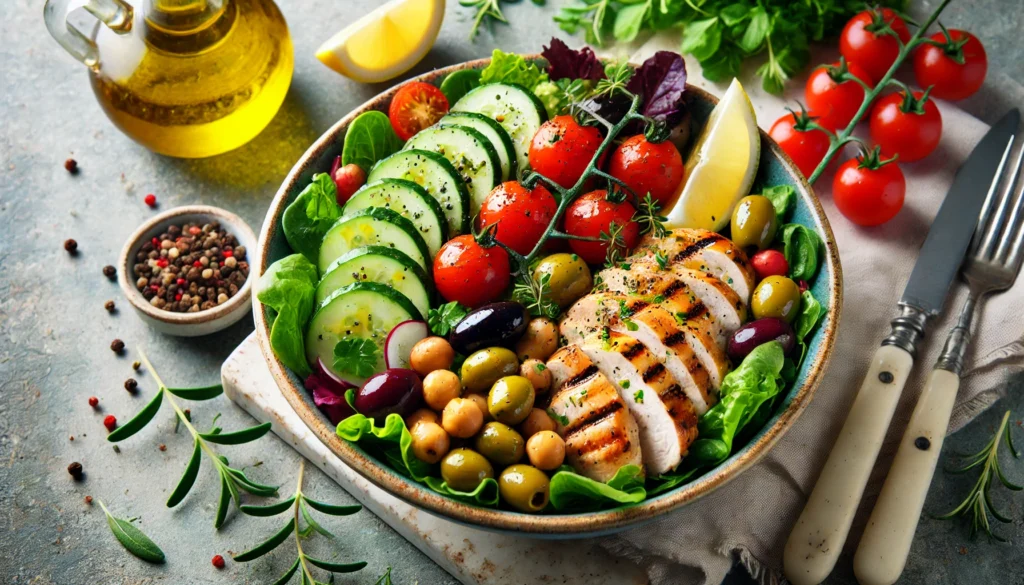
A colorful Mediterranean salad bowl with leafy greens, cherry tomatoes, cucumbers, olives, chickpeas, and grilled chicken, drizzled with olive oil, set on a rustic stone countertop with fresh herbs and lemon

Understanding Fatty Liver Disease and Its Implications

Fatty liver disease occurs when excess fat accumulates in liver cells, leading to inflammation and, in severe cases, liver damage. While NAFLD is commonly associated with obesity, insulin resistance, and metabolic syndrome, alcoholic fatty liver disease is a result of excessive alcohol consumption. If left unchecked, fatty liver disease can progress to more severe conditions such as non-alcoholic steatohepatitis (NASH), fibrosis, cirrhosis, or even liver cancer.

The liver plays a critical role in detoxification, metabolism, and overall health. When burdened with excess fat, its ability to perform these functions diminishes, leading to increased oxidative stress and inflammation. This can further contribute to metabolic disorders, including Type 2 diabetes and cardiovascular disease. Thus, dietary interventions, particularly those based on the Mediterranean Diet, provide a powerful strategy to mitigate liver fat accumulation and promote detoxification.

The Mediterranean Diet: A Powerful Tool for Liver Health

The Mediterranean Diet is characterized by its reliance on whole, plant-based foods, lean proteins, and heart-healthy fats. Unlike typical Western diets that are high in refined carbohydrates, trans fats, and ultra-processed foods, this diet prioritizes fresh vegetables, fruits, whole grains, legumes, nuts, seeds, and olive oil. The inclusion of fatty fish, such as salmon and sardines, ensures an adequate intake of omega-3 fatty acids, which have been shown to reduce liver inflammation and improve lipid metabolism.

One of the key aspects of the Mediterranean Diet for fatty liver meal plan is its ability to regulate blood sugar levels. Since high blood sugar and insulin resistance are strongly linked to NAFLD, consuming foods with a low glycemic index, such as whole grains and fiber-rich vegetables, helps improve insulin sensitivity. Moreover, the high antioxidant content from fresh produce and herbs plays a crucial role in protecting liver cells from oxidative damage.

Key Nutrients and Their Role in Liver Health

A well-balanced Mediterranean Diet provides the liver with essential nutrients necessary for optimal function. These include:

  1. Healthy Fats: Monounsaturated fats from olive oil and avocados, along with omega-3 fatty acids from fish, help reduce inflammation and improve lipid profiles.
  2. Antioxidants: Polyphenols, flavonoids, and vitamins from fruits and vegetables help neutralize oxidative stress and prevent liver damage.
  3. Fiber: Found in whole grains, legumes, and vegetables, fiber aids in digestion and helps regulate blood sugar levels, reducing the risk of insulin resistance.
  4. Protein: Lean sources such as fish, poultry, and plant-based proteins like lentils and beans support liver cell regeneration.
  5. Choline: Found in eggs and cruciferous vegetables, choline plays a vital role in fat metabolism and liver function.

Structuring a Mediterranean Diet for Fatty Liver Meal Plan

A structured meal plan designed for individuals with fatty liver should focus on incorporating nutrient-dense, liver-friendly foods while eliminating processed and inflammatory ingredients. Below is an example of a daily meal plan based on the Mediterranean Diet principles:

Breakfast:

  • Scrambled eggs with spinach and feta cheese, cooked in extra virgin olive oil
  • A side of whole-grain toast with avocado
  • Herbal tea or a small cup of black coffee

Lunch:

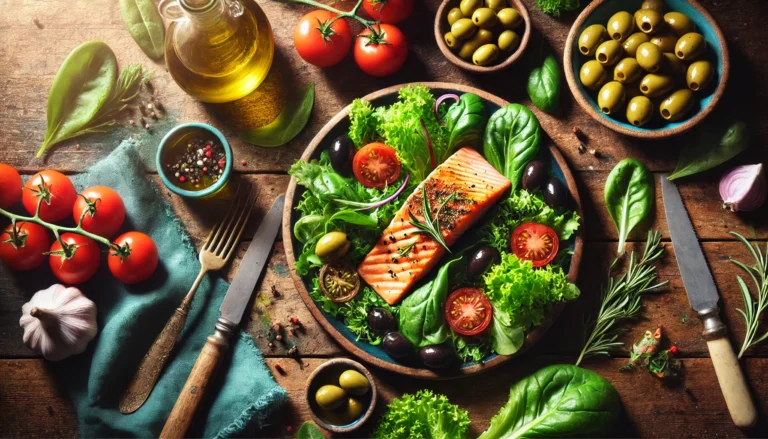
  • Grilled salmon with a quinoa and roasted vegetable salad
  • A side of hummus with cucumber slices
  • A handful of walnuts for additional omega-3s

Dinner:

  • Mediterranean-style grilled chicken with garlic, lemon, and herbs
  • Steamed broccoli and sautéed mushrooms in olive oil
  • A serving of brown rice or farro

Snacks:

  • A small bowl of Greek yogurt with berries and flaxseeds
  • Handful of almonds or mixed nuts
  • Herbal tea with a slice of dark chocolate (at least 70% cocoa)

The Detoxifying Benefits of the Mediterranean Diet

Beyond its macronutrient composition, the Mediterranean Diet offers powerful detoxifying benefits that help the liver eliminate toxins effectively. The diet’s high intake of antioxidants from fruits, vegetables, and herbs supports phase I and phase II detoxification processes in the liver. Ingredients such as garlic, turmeric, and cruciferous vegetables like kale and Brussels sprouts stimulate liver enzymes that aid in the breakdown and removal of harmful substances.

Additionally, the diet’s emphasis on hydration, primarily through water and herbal teas, promotes efficient liver function by flushing out toxins and reducing the risk of dehydration-related metabolic inefficiencies. Avoiding alcohol and processed foods also significantly lowers the toxic burden on the liver, allowing it to focus on its essential functions.

Long-Term Benefits and Sustainable Lifestyle Changes

Adopting the Mediterranean Diet as a long-term lifestyle rather than a temporary diet ensures sustained liver health and overall well-being. Unlike restrictive fad diets, this approach provides a flexible and enjoyable way of eating that can be easily maintained. The incorporation of fresh, seasonal ingredients and home-cooked meals fosters a healthier relationship with food while reducing dependence on packaged and processed options.

Regular physical activity, stress management, and adequate sleep further complement the benefits of the Mediterranean Diet. A holistic approach that integrates these lifestyle factors maximizes liver health, reduces inflammation, and enhances overall metabolic function.

A Mediterranean breakfast spread with Greek yogurt topped with fresh berries, nuts, and honey, alongside whole-grain toast with avocado, cherry tomatoes, and olive oil, set on a sunlit kitchen table

Frequently Asked Questions (FAQ): Mediterranean Diet for Fatty Liver

1. How does the Mediterranean diet help with fatty liver disease? The Mediterranean diet for fatty liver is effective because it focuses on whole, nutrient-dense foods that support liver function. It is rich in antioxidants, fiber, and healthy fats, which help reduce liver inflammation and improve insulin sensitivity. Studies suggest that following a Mediterranean diet for fatty liver meal plans can lead to a reduction in liver fat accumulation, potentially reversing early-stage fatty liver disease. Additionally, the diet limits processed foods and added sugars, reducing the risk of further liver damage. By consistently following this diet, individuals may experience improved liver enzyme levels and overall metabolic health.

2. What foods should be included in a Mediterranean diet for fatty liver meal plan? A well-structured Mediterranean diet for fatty liver meal plan includes lean proteins, healthy fats, and fiber-rich carbohydrates. Foods such as fatty fish, extra virgin olive oil, nuts, seeds, and whole grains provide essential nutrients that promote liver health. Fruits and vegetables, particularly those rich in polyphenols like berries, citrus fruits, and leafy greens, help combat oxidative stress. Legumes and fermented dairy products, such as Greek yogurt, contribute to gut health, which is closely linked to liver function. Minimizing processed foods and incorporating herbal teas like green tea may further enhance the diet’s benefits.

3. Can the Mediterranean diet help prevent fatty liver disease from developing? Yes, adopting a Mediterranean diet for fatty liver prevention can significantly reduce the risk of developing the condition. The diet emphasizes anti-inflammatory foods that help regulate blood sugar levels and prevent excess fat accumulation in the liver. Regular consumption of omega-3-rich foods, such as salmon and walnuts, has been shown to reduce liver fat content. Additionally, the diet’s focus on whole foods and fiber supports a healthy gut microbiome, which plays a crucial role in liver function. Making the Mediterranean diet a long-term lifestyle choice can help individuals maintain a healthy weight and protect against metabolic disorders.

4. How quickly can the Mediterranean diet improve fatty liver symptoms? The speed at which a Mediterranean diet for fatty liver meal plan improves symptoms varies based on individual factors such as age, metabolism, and severity of liver fat accumulation. Some individuals may notice improvements in energy levels, digestion, and overall well-being within a few weeks. Significant reductions in liver fat, as measured by imaging tests, typically occur over several months of consistent adherence. Research suggests that noticeable improvements in liver enzyme levels can be observed within 6 to 12 weeks. However, long-term commitment is essential to sustaining the benefits and preventing relapse.

5. Can I drink coffee while following a Mediterranean diet for fatty liver? Yes, moderate coffee consumption can be beneficial for individuals following a Mediterranean diet for fatty liver. Coffee contains antioxidants and polyphenols that support liver health and may help reduce liver inflammation. Studies indicate that drinking two to three cups of coffee per day is associated with a lower risk of liver disease progression. However, it is essential to avoid high-calorie coffee additives, such as sugar and heavy cream, which can contribute to liver fat accumulation. Opting for black coffee or adding a splash of unsweetened almond milk aligns well with the Mediterranean diet principles.

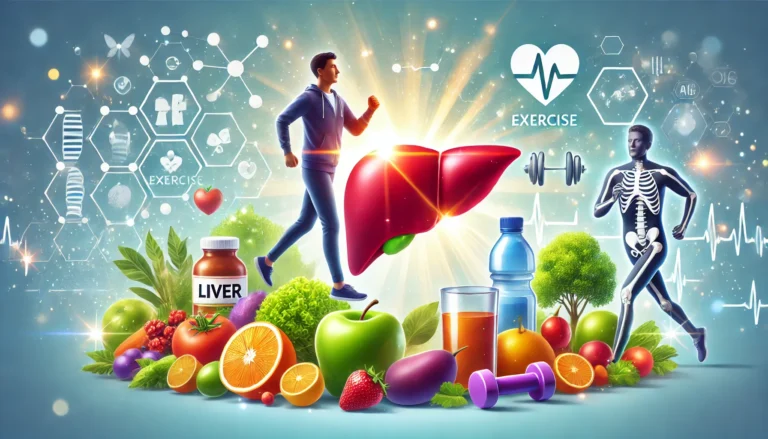
6. How does exercise complement the Mediterranean diet for fatty liver management? Regular physical activity enhances the benefits of a Mediterranean diet for fatty liver by improving insulin sensitivity and promoting fat loss. Exercise helps reduce liver fat content, particularly when combined with a balanced diet rich in anti-inflammatory foods. Aerobic activities like walking, cycling, and swimming are particularly effective in boosting metabolism and improving liver function. Strength training exercises can also help build lean muscle mass, which plays a role in regulating glucose metabolism and reducing visceral fat. Engaging in at least 150 minutes of moderate-intensity exercise per week can significantly enhance the effectiveness of dietary changes.

7. Are there any specific meal timing recommendations for a Mediterranean diet for fatty liver? While there are no strict meal timing rules, spacing out meals and avoiding late-night eating can optimize liver function. Eating balanced meals every 4 to 5 hours ensures stable blood sugar levels and prevents excess fat storage. Some individuals may benefit from intermittent fasting, such as a 12-hour fasting window overnight, to allow the liver time to detoxify. Breakfast should include fiber and protein to kickstart metabolism, while dinner should be light and consumed at least three hours before bedtime. Hydration is also key—drinking plenty of water throughout the day supports liver detoxification and digestion.

8. What are the common mistakes to avoid when following a Mediterranean diet for fatty liver? One common mistake is consuming excessive amounts of healthy fats, such as olive oil and nuts, without considering portion sizes. While these foods are beneficial, overconsumption can lead to excess calorie intake and hinder weight loss efforts. Another mistake is neglecting protein intake, which is essential for muscle maintenance and metabolic health. Some individuals may also rely too heavily on processed versions of Mediterranean foods, such as store-bought hummus with additives or overly salted olives. To maximize benefits, focus on fresh, whole foods and prepare meals at home whenever possible.

9. Can a Mediterranean diet for fatty liver be adapted for vegetarians or vegans? Yes, a Mediterranean diet for fatty liver can be adapted for vegetarians and vegans by focusing on plant-based protein sources. Lentils, chickpeas, quinoa, tofu, and tempeh provide adequate protein while aligning with the diet’s principles. Healthy fats can be obtained from sources like avocados, nuts, and seeds, while omega-3 fatty acids can be sourced from flaxseeds, chia seeds, and algae-based supplements. Ensuring adequate vitamin B12 intake through fortified foods or supplements is important for overall health. By maintaining variety and balance, vegetarians and vegans can reap the same liver health benefits as those following the traditional Mediterranean diet.

10. What are the long-term benefits of following a Mediterranean diet for fatty liver? The long-term benefits of a Mediterranean diet for fatty liver extend beyond liver health, impacting overall well-being. The diet supports cardiovascular health by reducing inflammation and lowering cholesterol levels, decreasing the risk of heart disease. It also promotes cognitive function, with research linking the Mediterranean diet to a lower risk of neurodegenerative diseases such as Alzheimer’s. Additionally, individuals who maintain this diet long-term often experience improved weight management and a lower risk of type 2 diabetes. By adopting the Mediterranean diet as a lifelong eating pattern, individuals can support both their liver health and overall longevity.
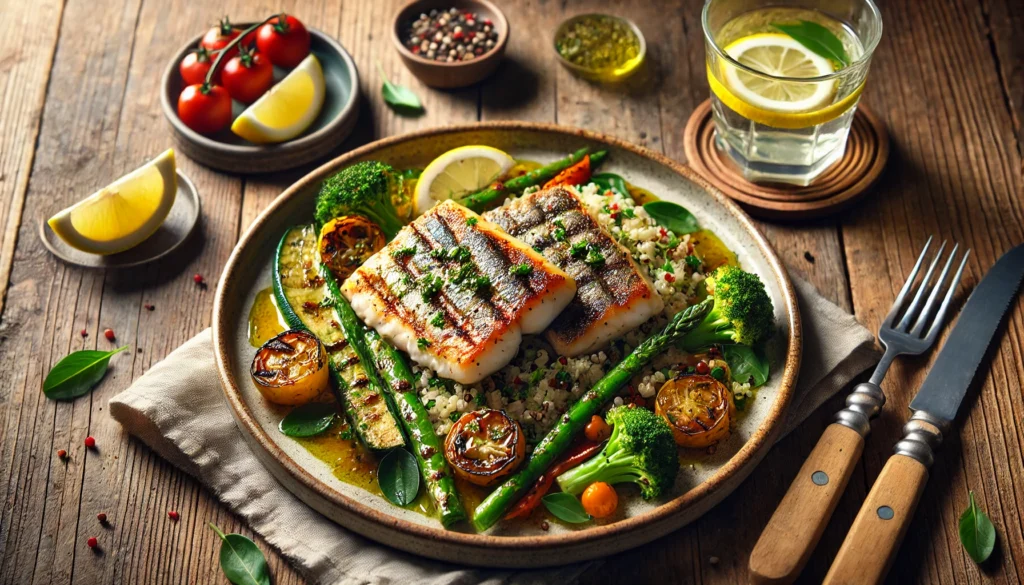
A beautifully plated Mediterranean grilled fish dish with roasted vegetables, quinoa, and olive oil, garnished with fresh herbs, served on a ceramic plate with a glass of lemon-infused water on a rustic wooden table

Conclusion: Prioritizing Liver Health with the Mediterranean Diet

Fatty liver disease is a growing public health concern, but dietary and lifestyle modifications offer a powerful solution for prevention and management. The Mediterranean Diet for fatty liver provides a science-backed, expert-approved meal plan that nourishes the liver, supports detoxification, and improves metabolic health. By prioritizing whole foods, healthy fats, lean proteins, and antioxidant-rich ingredients, individuals can enhance liver function and reduce the risk of disease progression. Making a commitment to long-term dietary and lifestyle changes is the key to achieving lasting health benefits and optimal liver function.

mediterranean diet benefits, liver health meal plan, NAFLD diet recommendations, best foods for fatty liver, anti-inflammatory diet for liver, olive oil for liver health, detoxifying Mediterranean foods, healthy fats and liver function, non-alcoholic fatty liver diet, liver-friendly nutrition, choline-rich foods for liver, antioxidants for liver detox, high fiber diet for fatty liver, reducing liver fat naturally, omega-3 and liver health, best grains for liver health, Mediterranean herbs for detox, healthy eating for liver regeneration, whole foods for liver repair, sustainable diet for fatty liver

Further Reading:

7-Day Meal Plan For Fatty Liver: What To Eat And Avoid

Does the Mediterranean Diet Combat Fatty Liver Disease?

Fatty liver disease diet: What foods help prevent and reverse fatty liver?

Disclaimer

The information contained in this article is provided for general informational purposes only and is not intended to serve as medical, legal, or professional advice. While NewsHealthWatch strives to present accurate, up-to-date, and reliable content, no warranty or guarantee, expressed or implied, is made regarding the completeness, accuracy, or adequacy of the information provided. Readers are strongly advised to seek the guidance of a qualified healthcare provider or other relevant professionals before acting on any information contained in this article. NewsHealthWatch, its authors, editors, and contributors expressly disclaim any liability for any damages, losses, or consequences arising directly or indirectly from the use, interpretation, or reliance on any information presented herein. The views and opinions expressed in this article are those of the author(s) and do not necessarily reflect the official policies or positions of NewsHealthWatch.


Best Herbs for Liver Detoxification: Natural Remedies to Support Liver Health

The liver is one of the most vital organs in the human body, playing an essential role in detoxification, metabolism, and overall health. Given the modern lifestyle, which often includes exposure to environmental toxins, processed foods, and excessive alcohol consumption, maintaining liver health is crucial. Many people seek natural remedies for liver support, and certain herbs have been traditionally used to promote detoxification and overall well-being. Understanding how these herbs work, their benefits, and how to incorporate them into a healthy routine can provide a comprehensive approach to liver care.

You may also like: The Best Liver Detox Supplements: How to Choose Safe and Effective Support for Your Liver

Understanding Liver Detoxification and Its Importance

The liver is responsible for filtering toxins from the blood, metabolizing nutrients, and regulating various biochemical processes essential for health. It plays a central role in breaking down harmful substances, including alcohol, medications, and environmental toxins. However, when the liver is overburdened, it may not function optimally, leading to fatigue, digestive issues, and an increased risk of chronic diseases. Supporting liver function through natural means, such as liver detox foods and herbs, can enhance its ability to process toxins efficiently. Herbal remedies have been utilized for centuries in traditional medicine systems, including Ayurveda, Traditional Chinese Medicine (TCM), and Western herbalism, to support liver health.

Liver detoxification occurs in two primary phases. In Phase I, enzymes break down toxins into intermediate substances. In Phase II, these intermediates are further processed to become water-soluble and easily excreted. The effectiveness of these phases depends on nutrient availability, antioxidant levels, and overall liver function. Consuming herbs for liver detoxification can support these processes by providing essential phytochemicals, antioxidants, and anti-inflammatory compounds.

A lush garden filled with medicinal herbs for liver detoxification, including milk thistle, dandelion, and burdock root, bathed in natural sunlight. Dewdrops shimmer on the leaves, with a soft mist rising in the background, creating a tranquil and healing ambiance

Milk Thistle: The Gold Standard of Liver Healing Herbs

Milk thistle (Silybum marianum) is widely regarded as one of the best herbs to cleanse the liver. It contains a powerful flavonoid complex known as silymarin, which has been extensively studied for its hepatoprotective effects. Silymarin acts as an antioxidant, neutralizing free radicals and reducing inflammation in liver cells. It also enhances the regeneration of liver tissues, making it beneficial for conditions such as fatty liver disease, cirrhosis, and liver damage caused by toxins.

Numerous studies suggest that milk thistle can improve liver enzyme levels, which are markers of liver function. It is often recommended for individuals who have been exposed to environmental toxins or have a history of excessive alcohol consumption. The liver detox herbal properties of milk thistle make it a top choice for anyone looking to enhance their liver’s natural detoxification abilities. This herb is commonly consumed as a supplement, tea, or tincture, and its gentle nature makes it suitable for long-term use.

Dandelion Root: A Natural Liver Cleanse and Flush

Dandelion root (Taraxacum officinale) has been used for centuries as a liver tonic. It promotes bile production, which aids in the digestion and elimination of fats and toxins. The bitter compounds in dandelion root stimulate liver enzymes, supporting both Phase I and Phase II detoxification. Many herbalists recommend dandelion root as one of the best herbs for detoxing the liver due to its ability to enhance the body’s natural cleansing mechanisms.

In addition to its detoxifying effects, dandelion root is a rich source of vitamins and minerals, including potassium, which helps regulate electrolyte balance. Regular consumption of dandelion root tea or supplements can improve liver function, support digestion, and reduce bloating. Its mild diuretic properties further aid in the elimination of toxins through the kidneys, making it a valuable component in any liver cleanse flush recipe.

Turmeric: A Potent Anti-Inflammatory for Liver Health

Turmeric (Curcuma longa) is renowned for its anti-inflammatory and antioxidant properties, largely attributed to its active compound, curcumin. Research suggests that curcumin can protect the liver from damage caused by toxins, alcohol, and metabolic imbalances. It enhances bile production, supports liver enzyme activity, and reduces oxidative stress, making it a powerful addition to a liver detoxification regimen.

One of turmeric’s unique benefits is its ability to modulate liver fibrosis, a condition in which excessive scar tissue forms due to chronic liver injury. By reducing inflammation and preventing excessive collagen buildup, turmeric helps maintain liver tissue integrity. Incorporating turmeric into the diet through cooking, teas, or supplements can provide ongoing support for liver health.

Artichoke: Enhancing Bile Flow and Liver Regeneration

Artichoke (Cynara scolymus) is another valuable liver cleansing herb, known for its ability to stimulate bile production and support digestive health. The active compounds in artichoke, such as cynarin and flavonoids, help the liver process and eliminate toxins efficiently. This makes artichoke particularly beneficial for individuals with sluggish digestion, bloating, or fatty liver disease.

Studies indicate that artichoke extract can lower liver enzyme levels and improve cholesterol metabolism, further enhancing liver function. Artichoke can be consumed as a food, tea, or supplement, making it a versatile choice for liver detox support.

Schisandra: A Powerful Adaptogen for Liver Protection

Schisandra (Schisandra chinensis) is a traditional adaptogenic herb used in TCM to protect the liver and enhance resilience to stress. It contains lignans that have been shown to promote liver cell regeneration and improve detoxification pathways. Schisandra’s ability to modulate stress hormones also benefits liver health, as chronic stress can contribute to liver dysfunction.

Clinical studies suggest that schisandra extract can enhance liver enzyme activity, reduce oxidative stress, and support the body’s natural detoxification processes. Regular consumption of schisandra berries, tea, or extracts can provide comprehensive support for liver function and overall well-being.

A steaming cup of herbal tea made with liver-detoxifying herbs such as dandelion, turmeric, and milk thistle, placed on a rustic wooden table. Surrounding the tea are fresh and dried herbs, a mortar and pestle, and small glass jars of herbal extracts, all bathed in soft natural lighting for a warm and healing ambiance

Frequently Asked Questions (FAQ) on Liver Detoxification and Natural Remedies

1. What are the best herbs for liver detoxification?
Several liver cleansing herbs and foods support detoxification by aiding bile production, reducing inflammation, and promoting liver cell regeneration. Milk thistle is one of the best herbs to cleanse the liver, as it contains silymarin, a powerful antioxidant that protects liver cells from toxins. Dandelion root supports digestion and helps flush excess bile, while turmeric reduces oxidative stress in the liver. Schisandra berries, traditionally used in Chinese medicine, enhance liver function and improve detoxification pathways. Incorporating these liver detox foods and herbs into your diet can naturally support liver health and improve metabolic efficiency.

2. How can I detoxify my liver and kidneys naturally?
To detoxify liver and kidney naturally, hydration is key—drinking plenty of water helps flush out toxins. Herbal teas containing nettle, parsley, and burdock root can enhance kidney function and support liver detoxification. A diet rich in cruciferous vegetables, such as broccoli and Brussels sprouts, can stimulate liver enzyme activity. Healthy fats from sources like avocados and walnuts help protect liver cells from damage. Additionally, practicing intermittent fasting may allow the liver and kidneys to repair and detoxify more effectively.

3. What are some natural remedies for liver health?
Natural remedies for liver health include a nutrient-rich diet, lifestyle modifications, and herbal supplementation. Avoiding processed foods and excessive alcohol reduces liver strain, while foods like beets, garlic, and lemon can enhance liver function. Adaptogenic herbs for detoxing the liver, such as ashwagandha and licorice root, help regulate stress hormones that impact liver health. Regular exercise improves circulation and supports toxin elimination. Supporting gut health with probiotics can also improve liver function by reducing toxin overload from the digestive tract.

4. Are there specific foods that act as liver healing herbs?
Yes, some foods function similarly to liver healing herbs by providing essential nutrients and antioxidants. Leafy greens like spinach and kale increase bile flow, helping the liver break down fats efficiently. Artichokes contain compounds that protect liver cells and stimulate detoxification. Apples, high in pectin, aid in heavy metal removal, reducing the liver’s toxic burden. Mushrooms, particularly reishi and shiitake, have anti-inflammatory properties that benefit liver function. Consuming these liver detox foods and herbs regularly can promote long-term liver resilience.

5. What is a liver cleanse flush recipe, and how does it work?
A liver cleanse flush recipe typically includes ingredients that stimulate bile production and aid in toxin removal. A common liver cleanse involves drinking a mixture of lemon juice, olive oil, and a dash of cayenne pepper to encourage bile secretion and digestion. Apple cider vinegar is often added to help break down fats and promote enzyme activity. Some variations include herbal teas with milk thistle or dandelion root to enhance detoxification. While a liver cleanse flush recipe can provide short-term benefits, long-term liver health depends on consistent dietary and lifestyle choices.

6. Can liver cleansing herbs help in curing cirrhosis of the liver naturally?
Cirrhosis is a progressive condition that requires medical intervention, but liver cleansing herbs may support overall liver function. Herbs such as milk thistle, turmeric, and licorice root have been shown to reduce oxidative stress and inflammation in liver cells. Certain adaptogens, like reishi mushroom, can help modulate immune responses and protect against further liver damage. While natural treatment for liver conditions can complement medical care, individuals with cirrhosis should consult a healthcare professional before using herbal remedies.

7. How does stress impact liver detoxification?
Chronic stress negatively affects liver detoxification by increasing the production of stress hormones like cortisol, which can impair liver function. The liver plays a role in hormone metabolism, and prolonged stress can lead to toxin buildup. Adaptogenic herbs for liver detoxification, such as rhodiola and ashwagandha, help the body manage stress while supporting liver health. Meditation, yoga, and deep breathing exercises can also promote liver function by reducing overall physiological stress. Maintaining a balanced lifestyle is essential for optimal liver detoxification.

8. Are there any home remedies for liver detox that are effective?
Several home remedies for liver detox can be effective when combined with a healthy diet and lifestyle. Drinking warm lemon water in the morning stimulates bile production and supports digestion. Consuming a tablespoon of apple cider vinegar before meals helps regulate blood sugar and promote liver enzyme activity. Herbal teas with liver detox foods and herbs, such as chamomile, ginger, and peppermint, can aid digestion and reduce inflammation. Dry brushing and sauna therapy are additional methods that support toxin elimination through the skin, complementing liver detox efforts.

9. What role do antioxidants play in natural medicine for liver health?
Antioxidants are vital in natural medicine for liver health as they neutralize free radicals that cause oxidative stress and liver cell damage. Glutathione, often called the ‘master antioxidant,’ is produced by the liver and aids in detoxification. Vitamin C-rich foods, such as citrus fruits and bell peppers, enhance glutathione production. Herbal antioxidants, including resveratrol (found in grapes) and curcumin (from turmeric), have been shown to protect liver cells. Consuming a diet rich in antioxidant-containing liver cleansing herbs and foods supports long-term liver function.

10. Can liver detox herbal supplements replace a healthy diet?
Liver detox herbal supplements can support liver function, but they should not replace a nutrient-dense diet. Whole foods provide essential vitamins, minerals, and fiber that supplements cannot fully replicate. While herbs for detoxing the liver, such as milk thistle and dandelion root, are beneficial, they work best when combined with balanced nutrition. Supplements should be used as an adjunct to, not a substitute for, a healthy lifestyle. To ensure safety, it’s important to choose high-quality herbal products and consult a healthcare professional before starting any supplement regimen.

 A close-up of hands gently holding a vibrant purple milk thistle flower, symbolizing natural liver detoxification. The spiky green leaves contrast beautifully against a softly blurred green background, with sunlight filtering through to create a warm, healing glow

Conclusion: Embracing Herbal Remedies for Optimal Liver Health

The liver plays a crucial role in detoxifying the body and maintaining overall health. Supporting this vital organ with liver healing herbs can enhance its natural functions, protect against damage, and promote regeneration. Milk thistle, dandelion root, turmeric, artichoke, and schisandra are among the best herbs to cleanse the liver, each offering unique benefits for detoxification and liver health. By incorporating these natural remedies into a balanced lifestyle, individuals can optimize their liver function and improve their overall well-being. Whether consumed as teas, supplements, or dietary additions, these herbs provide powerful support for liver detoxification, making them valuable allies in natural health and wellness.

herbal liver support, liver detoxification remedies, natural liver cleanse, liver function support, best liver supplements, healthy liver diet, detox herbs for liver, best foods for liver health, liver repair naturally, holistic liver care, cleansing the liver safely, traditional herbal liver remedies, plant-based liver detox, liver health supplements, best home remedies for liver detox, botanical support for liver, antioxidant herbs for liver, protecting liver function, enhancing liver metabolism, liver-friendly herbal solutions

Further Reading:

Evidence-based herbal treatments in liver diseases

The 10 Best Herbs for Liver Health: Benefits and Precautions

Current Status of Herbal Medicines in Chronic Liver Disease Therapy: The Biological Effects, Molecular Targets and Future Prospects

Disclaimer

The information contained in this article is provided for general informational purposes only and is not intended to serve as medical, legal, or professional advice. While NewsHealthWatch strives to present accurate, up-to-date, and reliable content, no warranty or guarantee, expressed or implied, is made regarding the completeness, accuracy, or adequacy of the information provided. Readers are strongly advised to seek the guidance of a qualified healthcare provider or other relevant professionals before acting on any information contained in this article. NewsHealthWatch, its authors, editors, and contributors expressly disclaim any liability for any damages, losses, or consequences arising directly or indirectly from the use, interpretation, or reliance on any information presented herein. The views and opinions expressed in this article are those of the author(s) and do not necessarily reflect the official policies or positions of NewsHealthWatch.

Life Expectancy with Fatty Liver Disease: What You Need to Know and How to Improve It

Fatty liver disease is a growing health concern worldwide, affecting millions of individuals due to lifestyle factors, metabolic disorders, and genetic predisposition. As cases continue to rise, many people wonder about life expectancy with fatty liver disease and how to improve their prognosis. Understanding the progression of this condition, the risks it poses, and the steps that can be taken to improve liver health is crucial for anyone diagnosed with or at risk of fatty liver disease. Whether the condition is in its early stages or has progressed to non-alcoholic steatohepatitis (NASH) or cirrhosis, managing the disease effectively can significantly impact long-term outcomes.

You may also like: The Best Liver Detox Supplements: How to Choose Safe and Effective Support for Your Liver

Understanding Fatty Liver Disease and Its Progression

Fatty liver disease occurs when excess fat accumulates in the liver, leading to inflammation and potential liver damage. There are two primary types: alcoholic fatty liver disease (AFLD) and non-alcoholic fatty liver disease (NAFLD). NAFLD, in particular, is becoming increasingly prevalent due to rising obesity rates and metabolic syndrome. Within NAFLD, some individuals develop NASH, which involves inflammation and fibrosis that can progress to cirrhosis and liver failure. As the disease advances, it significantly impacts liver function, potentially shortening life expectancy with fatty liver disease.

The progression from NAFLD to NASH and eventually to cirrhosis can take years or even decades. However, without intervention, individuals with NASH liver disease life expectancy may face a reduced lifespan due to complications such as liver failure, hepatocellular carcinoma, and cardiovascular disease. By recognizing early warning signs and making lifestyle modifications, many people can prevent or even reverse liver damage before it reaches a critical stage.

A dramatic visualization of liver disease progression, showing an elderly person with a semi-transparent body revealing a liver with fatty deposits, illustrating its impact on overall health and life expectancy

Life Expectancy and Disease Stages

Life expectancy with fatty liver disease varies significantly depending on the stage of the condition. In the early stages, when fat accumulation is mild and there is no significant inflammation, the prognosis is generally favorable. If the disease progresses to NASH, fibrosis begins to develop, leading to an increased risk of cirrhosis and other complications. At this stage, life expectancy may be moderately impacted, particularly if risk factors such as diabetes and obesity are present.

For individuals with cirrhosis, particularly non-alcoholic cirrhosis, life expectancy becomes more concerning. Non-alcoholic cirrhosis of the liver life expectancy depends on the severity of liver scarring and the presence of complications such as portal hypertension and liver failure. Those with compensated cirrhosis, where the liver can still perform its functions, may live for years without severe symptoms. However, once decompensated cirrhosis develops—marked by ascites, variceal bleeding, and encephalopathy—life expectancy drops significantly without a liver transplant.

Stage 4 fatty liver disease life expectancy is particularly concerning, as it represents the final phase of liver disease. Without proper management or a liver transplant, individuals with advanced cirrhosis face a high risk of mortality. However, early diagnosis, medical intervention, and lifestyle changes can improve outcomes even at later stages.

Key Factors Affecting Prognosis

Several factors influence fatty liver life expectancy, making it essential for individuals to take proactive steps in managing their health. One of the most critical factors is the presence of metabolic syndrome, which includes obesity, insulin resistance, high blood pressure, and dyslipidemia. These conditions contribute to inflammation and fibrosis progression, significantly impacting liver health.

Another key factor is the presence of coexisting medical conditions such as type 2 diabetes and cardiovascular disease. Studies have shown that individuals with NAFLD and diabetes have a higher mortality risk due to liver-related and cardiovascular complications. Additionally, genetic predisposition plays a role in disease progression, as some individuals are more susceptible to severe liver damage despite having similar lifestyle factors as others.

Beyond these physiological factors, diet and lifestyle choices play a crucial role in determining how long someone can live with a fatty liver. A poor diet high in processed foods, sugar, and unhealthy fats exacerbates liver damage, while a sedentary lifestyle further increases the risk of fibrosis progression. Alcohol consumption, even in small amounts, can worsen fatty liver disease and accelerate its progression to cirrhosis.

How to Improve Life Expectancy with Fatty Liver Disease

Fortunately, fatty liver disease is a reversible condition in its early stages, and even those with more advanced disease can take steps to slow its progression and improve overall health. The most effective approach includes dietary modifications, regular physical activity, medical management, and lifestyle adjustments aimed at reducing liver fat and inflammation.

Diet plays a fundamental role in improving liver health. A Mediterranean-style diet rich in whole foods, lean proteins, healthy fats, and fiber can significantly reduce liver fat and inflammation. Avoiding processed foods, excessive sugar, and refined carbohydrates helps prevent insulin resistance and supports metabolic health. Incorporating antioxidant-rich foods such as berries, nuts, and leafy greens can further protect the liver from oxidative stress.

Regular physical activity is another critical component in managing fatty liver disease. Engaging in at least 150 minutes of moderate-intensity exercise per week, such as brisk walking, swimming, or strength training, can improve insulin sensitivity and reduce liver fat accumulation. Weight loss, even as little as 5-10% of body weight, has been shown to reverse early-stage fatty liver disease and improve liver function markers.

Medical interventions may be necessary for individuals with advanced fatty liver disease or those at high risk of complications. Medications such as GLP-1 receptor agonists and SGLT2 inhibitors, commonly used for diabetes management, have shown promise in reducing liver fat and inflammation. Regular monitoring by a healthcare provider is essential for assessing liver health and making necessary treatment adjustments.

Lifestyle changes beyond diet and exercise can further support liver health. Avoiding alcohol entirely is recommended for those with fatty liver disease, as even moderate consumption can accelerate disease progression. Managing stress levels through mindfulness, meditation, and adequate sleep can also improve overall health and support metabolic balance.

The Role of Medical Monitoring and Early Intervention

Early detection and proactive management are key to improving life expectancy with fatty liver disease. Routine liver function tests, imaging studies such as ultrasound or elastography, and liver biopsies when necessary can help determine disease severity and guide treatment decisions. Individuals with known risk factors should undergo regular screenings to detect fatty liver disease before it progresses to more advanced stages.

For those diagnosed with NASH or cirrhosis, close medical supervision is essential. Specialists such as hepatologists can provide targeted treatment plans, including lifestyle counseling, medication management, and monitoring for complications such as liver cancer. In cases of severe cirrhosis, liver transplantation may be considered as a life-saving option.

A futuristic concept of human longevity and liver health, featuring a glowing liver inside a transparent human silhouette, with DNA strands and healthy lifestyle elements in the background

Frequently Asked Questions (FAQ) on Liver Disease and Life Expectancy

1. How does non-alcoholic cirrhosis impact life expectancy? Non-alcoholic cirrhosis significantly affects life expectancy, particularly if diagnosed at an advanced stage. Individuals with compensated cirrhosis may live for many years with proper medical management and lifestyle modifications, but decompensated cirrhosis can shorten life expectancy without a liver transplant. Factors such as coexisting health conditions, dietary habits, and adherence to medical recommendations all play a role. Regular monitoring and early intervention can help improve non-alcoholic cirrhosis life expectancy. Advanced treatment options, including antifibrotic therapies, are being explored to improve outcomes.

2. What is the life expectancy with fatty liver disease if left untreated? The life expectancy with fatty liver disease varies based on its stage and progression. In early stages, it may not significantly impact longevity if addressed through lifestyle changes. However, if it progresses to non-alcoholic steatohepatitis (NASH) or cirrhosis, the risk of liver failure and associated complications increases. Medical advancements in hepatology emphasize early intervention to prevent disease progression. Seeking specialist care and adopting a liver-friendly diet are crucial in improving long-term health outcomes.

3. How does NASH liver disease affect life expectancy? NASH liver disease life expectancy is lower than that of individuals without liver disease, particularly when fibrosis or cirrhosis develops. The severity of liver scarring determines long-term outcomes, with stage 4 (cirrhosis) posing the highest risk. Comorbidities such as diabetes, hypertension, and obesity further reduce life expectancy in NASH patients. Advanced diagnostic tools like elastography help assess disease progression and guide treatment strategies. Emerging pharmacological treatments offer hope for slowing disease progression and improving patient outcomes.

4. What are the key factors influencing liver disease life expectancy? Liver disease life expectancy is influenced by multiple factors, including disease stage, comorbidities, lifestyle habits, and timely medical intervention. Early-stage liver disease often has a favorable prognosis if managed properly, while late-stage liver failure may require a transplant. The presence of metabolic syndrome or chronic inflammation can accelerate disease progression. Personalized treatment plans and routine screenings are essential to optimize outcomes. Advances in liver fibrosis management are improving survival rates for many patients.

5. How long can you live with a fatty liver before complications arise? How long you can live with a fatty liver depends on various individual factors, including lifestyle and genetic predisposition. Many individuals with fatty liver remain asymptomatic for decades, but progression to NASH or cirrhosis significantly shortens lifespan. Proper nutrition, weight management, and medical monitoring are crucial in preventing complications. Implementing dietary changes such as reducing processed foods and increasing fiber intake supports liver health. Regular physical activity also plays a pivotal role in slowing disease progression.

6. How does stage 4 fatty liver disease impact life expectancy? Stage 4 fatty liver disease life expectancy is considerably reduced due to severe liver damage and potential complications such as liver failure or hepatocellular carcinoma. Patients at this stage often experience symptoms like jaundice, ascites, and hepatic encephalopathy, requiring intensive medical care. The availability of liver transplantation is a critical factor in determining survival at this stage. Advances in palliative and supportive care help manage symptoms and improve quality of life. Ongoing research into regenerative medicine offers future possibilities for liver tissue repair.

7. What is the prognosis for someone with NASH liver disease? NASH liver life expectancy varies widely depending on disease progression and individual health factors. Many patients with early-stage NASH can stabilize or reverse damage with lifestyle interventions. However, those with advanced fibrosis or cirrhosis face a significantly reduced prognosis, particularly if left untreated. Ongoing clinical trials are testing new medications aimed at reversing fibrosis in NASH patients. Regular follow-ups with a hepatologist can help manage risks and improve outcomes.

8. How can lifestyle changes improve non-alcoholic cirrhosis of the liver life expectancy? Non-alcoholic cirrhosis of the liver life expectancy can be improved through dietary modifications, exercise, and medical adherence. Avoiding processed foods, refined sugars, and excessive fats helps reduce liver fat accumulation and inflammation. Engaging in moderate physical activity improves insulin sensitivity and overall metabolic health. Medication management for associated conditions like diabetes and high cholesterol is crucial in slowing disease progression. Early detection and proactive health strategies contribute to better long-term outcomes.

9. What are the long-term risks of fatty liver disease if not managed? Fatty liver life expectancy is significantly impacted when the disease progresses to advanced stages. Long-term risks include liver fibrosis, cirrhosis, and an increased likelihood of cardiovascular disease. Insulin resistance and systemic inflammation further exacerbate health risks. Comprehensive lifestyle interventions and regular monitoring are essential for preventing irreversible damage. Advances in precision medicine are helping tailor treatments to individual patient needs.

10. Are there new treatments available to improve life expectancy with liver disease? Research into new treatments for liver disease life expectancy is ongoing, with promising results in pharmacological and regenerative medicine. Anti-fibrotic drugs are being tested for their ability to reverse liver scarring. Stem cell therapy and gene editing techniques are also being explored as potential breakthroughs. Lifestyle-based interventions remain the first line of defense against disease progression. Integrative approaches combining medical, dietary, and behavioral strategies offer the best long-term outcomes for liver health.

A medical illustration comparing a healthy liver with one affected by fatty liver disease, showing differences in color and texture, symbolizing disease progression in a futuristic medical setting

Final Thoughts on Fatty Liver Disease and Longevity

The prognosis for fatty liver disease depends on multiple factors, including disease stage, lifestyle choices, and medical management. While early-stage fatty liver disease is reversible with the right interventions, advanced stages require comprehensive care to prevent life-threatening complications. Understanding how long one can live with a fatty liver depends on proactive management, including dietary modifications, exercise, and routine medical monitoring.

Individuals diagnosed with fatty liver disease should not feel hopeless. With the right strategies, many can improve their liver health, enhance their overall well-being, and extend their life expectancy. By prioritizing lifestyle changes and working closely with healthcare providers, those affected can take control of their health and reduce the long-term risks associated with fatty liver disease.

fatty liver symptoms, liver health tips, metabolic syndrome and liver disease, NAFLD vs. NASH, best diet for fatty liver, weight loss and liver health, fatty liver medical treatments, alcohol and liver disease, liver disease prevention, early signs of cirrhosis, fatty liver and diabetes, antioxidants for liver health, fatty liver exercise benefits, how to reverse fatty liver, cirrhosis prognosis, diet and liver function, liver detox myths, lifestyle changes for liver health, liver biopsy importance, fatty liver medical advancements

Further Reading:

What to know about life expectancy with fatty liver disease

Long term prognosis of fatty liver: risk of chronic liver disease and death

Nonalcoholic Fatty Liver Disease Incidence and Impact on Metabolic Burden and Death: a 20 Year-Community Study

Disclaimer

The information contained in this article is provided for general informational purposes only and is not intended to serve as medical, legal, or professional advice. While NewsHealthWatch strives to present accurate, up-to-date, and reliable content, no warranty or guarantee, expressed or implied, is made regarding the completeness, accuracy, or adequacy of the information provided. Readers are strongly advised to seek the guidance of a qualified healthcare provider or other relevant professionals before acting on any information contained in this article. NewsHealthWatch, its authors, editors, and contributors expressly disclaim any liability for any damages, losses, or consequences arising directly or indirectly from the use, interpretation, or reliance on any information presented herein. The views and opinions expressed in this article are those of the author(s) and do not necessarily reflect the official policies or positions of NewsHealthWatch.

Are Nuts Good for Fatty Liver? Exploring the Best Choices for Liver Health

Are Nuts Good for Fatty Liver? Exploring the Best Choices for Liver Health

The liver plays a vital role in maintaining overall health, acting as the body’s primary detoxifier and metabolic hub. Among the many conditions that can impact liver function, non-alcoholic fatty liver disease (NAFLD) has emerged as a growing concern worldwide, affecting millions of individuals. Given the prevalence of NAFLD, there is an increasing interest in dietary strategies that may help support liver health and mitigate fat accumulation. One category of foods that has gained attention in this regard is nuts. But are nuts good for fatty liver? This article explores the connection between nut consumption and liver health, identifying the best choices for those seeking to optimize their diet for liver function and overall well-being.

You may also like: The Best Liver Detox Supplements: How to Choose Safe and Effective Support for Your Liver

Understanding Fatty Liver Disease: Causes and Risk Factors

Fatty liver disease occurs when excess fat accumulates in liver cells, leading to inflammation and potential liver damage. While some fat in the liver is normal, excessive fat can interfere with liver function and lead to complications such as fibrosis, cirrhosis, and even liver failure in severe cases. The condition is primarily divided into two types: alcoholic fatty liver disease (AFLD), caused by excessive alcohol consumption, and non-alcoholic fatty liver disease (NAFLD), which is associated with metabolic syndrome and lifestyle factors.

NAFLD is particularly concerning due to its strong association with obesity, insulin resistance, type 2 diabetes, and high cholesterol. Poor dietary habits, a sedentary lifestyle, and genetic predisposition all contribute to the development of fatty liver disease. Given these factors, dietary interventions that reduce fat accumulation and promote liver health have become a focal point for researchers and healthcare professionals alike. One such intervention involves the inclusion of nutrient-dense foods like nuts, which offer a wide range of benefits that may be advantageous for those with fatty liver disease.

A close-up of a human hand holding a handful of mixed nuts, including almonds, walnuts, and cashews, against a softly blurred background of green foliage. Warm natural light highlights the textures and earthy tones of the nuts, conveying a sense of freshness and health benefits for liver wellness

The Nutritional Profile of Nuts: A Liver-Boosting Powerhouse

Nuts are packed with essential nutrients that support overall health and, potentially, liver function. They are rich in unsaturated fats, protein, fiber, vitamins, and minerals, all of which contribute to their beneficial effects. Among the key nutrients found in nuts that are particularly relevant for liver health are:

  1. Healthy Fats – Nuts contain monounsaturated and polyunsaturated fats, which are known to improve lipid profiles and reduce inflammation. Unlike unhealthy trans fats and excessive saturated fats, these fats support metabolic function and may help prevent excessive fat buildup in the liver.
  2. Antioxidants – Many nuts are high in antioxidants, including vitamin E and polyphenols, which help combat oxidative stress. Oxidative stress plays a significant role in liver damage and disease progression in individuals with fatty liver.
  3. Fiber – Dietary fiber helps regulate blood sugar levels and supports gut health. Since gut-liver interactions are crucial in metabolic processes, a fiber-rich diet can help reduce fat accumulation in the liver.
  4. Plant-Based Protein – Nuts provide an excellent source of protein without the saturated fat content found in many animal-based protein sources. A protein-rich diet can support muscle maintenance and metabolic health, both of which are important for individuals managing fatty liver disease.
  5. Essential Micronutrients – Many nuts contain minerals like magnesium, zinc, and selenium, which support immune function and enzymatic processes that contribute to liver detoxification and repair.

Given their impressive nutrient composition, nuts offer promising potential for individuals seeking to improve liver health. However, not all nuts have the same nutritional profile, and some may be more beneficial than others for those with fatty liver disease.

The Best Nuts for Fatty Liver: Top Choices for Liver Support

When considering whether nuts are good for fatty liver, it is essential to examine specific varieties that offer the most significant benefits. While all nuts contain valuable nutrients, certain types stand out for their superior liver-supporting properties.

1. Walnuts: A Powerhouse for Liver Health

Walnuts are among the best nuts for individuals with fatty liver due to their high content of omega-3 fatty acids. Omega-3s are essential fatty acids that play a crucial role in reducing liver inflammation and improving lipid metabolism. Research has shown that consuming walnuts may lead to a decrease in liver fat accumulation and improved liver enzyme levels, making them an excellent choice for those with NAFLD.

In addition to their omega-3 content, walnuts are rich in polyphenols and antioxidants, which help combat oxidative stress—a key factor in liver disease progression. Including walnuts in a balanced diet may contribute to better overall liver health and reduce the risk of fatty liver complications.

2. Almonds: A Vitamin E-Rich Option for Liver Protection

Almonds are another excellent choice for individuals with fatty liver due to their high vitamin E content. Vitamin E is a powerful antioxidant that helps protect liver cells from damage caused by oxidative stress. Studies have suggested that vitamin E supplementation can improve liver function and reduce inflammation in individuals with NAFLD.

Beyond their antioxidant properties, almonds contain healthy monounsaturated fats that support heart and metabolic health. Since individuals with fatty liver often have coexisting conditions like insulin resistance and cardiovascular disease, including almonds in their diet can provide multiple health benefits beyond liver support.

3. Pistachios: A Nutrient-Dense Choice for Liver and Metabolic Health

Pistachios are another nutrient-dense nut that offers significant benefits for individuals with fatty liver. They contain a unique combination of healthy fats, fiber, and antioxidants that support metabolic health and help regulate lipid levels. Studies have indicated that pistachio consumption may improve cholesterol levels, reduce inflammation, and support overall liver function.

One of the standout features of pistachios is their ability to improve endothelial function, which is critical for cardiovascular health. Since individuals with fatty liver are at an increased risk of heart disease, incorporating pistachios into a balanced diet can offer additional protective effects for both the liver and cardiovascular system.

4. Peanuts: Are Peanuts Good for Fatty Liver?

Peanuts, while technically legumes, are often categorized with nuts due to their similar nutrient profile. They are a popular and affordable option that provides plant-based protein, healthy fats, and essential vitamins and minerals. But is peanuts good for fatty liver?

Research suggests that moderate peanut consumption can be beneficial for liver health, particularly due to their resveratrol content. Resveratrol is a polyphenol with anti-inflammatory and antioxidant properties that may help reduce liver fat accumulation and improve overall metabolic health. However, it is essential to choose unsalted, unprocessed peanuts to avoid added sodium and unhealthy fats, which could counteract their benefits.

A vibrant and healthy assortment of nuts, including almonds, walnuts, and pistachios, elegantly arranged in wooden bowls on a rustic table. Soft natural light enhances the textures and rich colors of the nuts, while a subtle illustration of a healthy liver in the background symbolizes the theme of liver health

Frequently Asked Questions (FAQ) About Nuts and Fatty Liver

1. How do nuts support liver health in individuals with fatty liver disease?
Nuts are rich in healthy fats, antioxidants, and essential nutrients that help reduce liver inflammation and oxidative stress. Regular consumption of nuts, particularly those high in omega-3 fatty acids and polyphenols, may lower fat accumulation in the liver. Studies suggest that people with fatty liver disease who incorporate nuts into their diet experience improved liver enzyme levels, which is a sign of better liver function. Additionally, nuts provide plant-based protein and fiber, both of which support metabolic health and aid in maintaining a healthy weight. Since obesity is a major risk factor for fatty liver disease, incorporating nuts into a balanced diet can be beneficial.

2. Are nuts good for fatty liver, and which types are best?
Yes, nuts are good for fatty liver, but some types are more beneficial than others. Walnuts, for instance, are among the best choices due to their high content of omega-3 fatty acids and antioxidants. Almonds are also beneficial because they provide vitamin E, which helps combat liver inflammation. Pistachios and Brazil nuts contain selenium and other anti-inflammatory compounds that may support liver function. While nuts are healthy, it is important to consume them in moderation since they are calorie-dense, and excessive intake can lead to weight gain, which may negatively impact fatty liver disease.

3. Is peanuts good for fatty liver, or should they be avoided?
Peanuts can be a good option for individuals with fatty liver disease, as they contain monounsaturated and polyunsaturated fats that promote heart and liver health. They also provide protein, fiber, and resveratrol, a compound that has been studied for its potential liver-protective effects. However, it is essential to choose unsalted and unprocessed peanuts, as added sugars and unhealthy oils in processed peanut products can be harmful. While peanuts can be part of a liver-friendly diet, those with peanut allergies or sensitivities should opt for other nuts with similar nutritional benefits.

4. Can eating nuts help reduce liver fat in non-alcoholic fatty liver disease (NAFLD)?
Yes, nuts can play a role in reducing liver fat in individuals with NAFLD. Research indicates that the unsaturated fats and polyphenols in nuts can improve lipid metabolism, helping to prevent fat buildup in the liver. Additionally, consuming nuts as part of a Mediterranean or plant-based diet has been associated with improved insulin sensitivity, which is crucial for managing NAFLD. Since insulin resistance contributes to excess liver fat storage, dietary choices that enhance insulin function can be particularly beneficial. However, nuts should be consumed in appropriate portions alongside a balanced diet rich in vegetables, whole grains, and lean proteins.

5. How many nuts should be eaten daily for fatty liver disease?
The recommended serving size of nuts for liver health is approximately one ounce (about a handful) per day. This amount provides essential nutrients without excessive calories. Overeating nuts can lead to weight gain, which may worsen fatty liver disease. It’s also important to vary nut consumption to obtain a wide range of beneficial nutrients. Combining nuts with other liver-supportive foods, such as leafy greens, berries, and healthy fats like olive oil, can enhance their positive effects on liver function.

6. Are nuts good for fatty liver even if they are roasted or salted?
Raw or dry-roasted nuts are the best choices for fatty liver, as they retain their natural nutrients without added unhealthy ingredients. Salted nuts can contribute to high sodium intake, which may lead to water retention and increased blood pressure—factors that can negatively affect liver health. Additionally, nuts roasted in unhealthy oils or coated with sugar should be avoided, as these additives may counteract the liver-protective benefits of nuts. Choosing plain, unsalted nuts ensures that you get the maximum nutritional benefits without unnecessary additives.

7. What other dietary changes should be made alongside eating nuts for fatty liver?
While nuts are good for fatty liver, they should be part of a comprehensive dietary approach. Reducing refined sugars, trans fats, and processed foods is crucial for liver health. Incorporating more fiber-rich foods like vegetables, fruits, and whole grains can aid digestion and prevent excessive fat buildup in the liver. Lean protein sources such as fish, poultry, and legumes help maintain muscle mass and support metabolic health. Hydration is also key, as drinking plenty of water helps flush toxins and keep the liver functioning optimally.

8. Is peanuts good for fatty liver when consumed as peanut butter?
Peanut butter can be beneficial for fatty liver if it is made from 100% peanuts without added sugar, hydrogenated oils, or excessive salt. Natural peanut butter retains the healthy fats and protein that support liver health. However, many commercial peanut butter brands contain added sugars and trans fats, which can contribute to liver inflammation and fat accumulation. Reading ingredient labels carefully and opting for organic or homemade peanut butter can ensure that you are getting the health benefits of peanuts without harmful additives.

9. Can nuts replace other sources of healthy fats in a liver-friendly diet?
Nuts can be an excellent source of healthy fats, but they should not entirely replace other beneficial fat sources such as avocados, olive oil, and fatty fish. Each of these foods provides unique nutrients that support liver function. For example, omega-3 fatty acids from fish have anti-inflammatory properties that help protect the liver from damage. A well-rounded diet that includes a variety of healthy fats ensures that the liver receives comprehensive nutritional support. Diversifying fat sources also helps prevent overconsumption of any single nutrient, which can sometimes lead to imbalances.

10. Are there any risks associated with eating nuts for fatty liver?
While nuts are good for fatty liver, overconsumption can lead to unintended consequences such as excessive calorie intake and potential weight gain. Some individuals may also have nut allergies or digestive sensitivities, making it necessary to choose alternative sources of healthy fats. Additionally, certain nuts, like Brazil nuts, are very high in selenium, and excessive intake can lead to selenium toxicity. It is always best to consume nuts in moderation and consult with a healthcare provider if you have concerns about how they fit into your overall liver health plan.

A beautifully arranged plate of assorted nuts, including almonds, walnuts, and pistachios, placed next to a fresh avocado and an olive oil bottle, symbolizing a liver-friendly diet. The setting is a clean, modern kitchen with soft lighting, emphasizing a nutritious and health-conscious lifestyle

Final Thoughts: The Role of Nuts in a Liver-Healthy Diet

Incorporating nuts into a balanced diet can be a beneficial strategy for supporting liver health, especially for individuals with fatty liver disease. Nutrient-dense options such as walnuts, almonds, pistachios, and peanuts provide essential fatty acids, antioxidants, and fiber that contribute to improved liver function and reduced inflammation. However, moderation is key, as excessive calorie intake from nuts can contribute to weight gain, which is a risk factor for NAFLD.

For optimal results, individuals with fatty liver should focus on a holistic dietary approach that includes a variety of nutrient-rich foods, regular physical activity, and healthy lifestyle habits. Consulting a healthcare professional or nutritionist can help create a personalized plan that incorporates nuts and other beneficial foods to promote long-term liver health.

healthy liver diet, best foods for fatty liver, nuts for liver detox, foods to reverse fatty liver, walnuts for liver health, almonds and liver function, pistachios for metabolism, benefits of nuts for fatty liver, best diet for liver health, natural liver detox foods, omega-3s for fatty liver, vitamin E for liver support, healthy fats for liver, gut-liver connection, antioxidants for liver protection, how to improve liver function naturally, fiber-rich foods for liver, plant-based protein for fatty liver, metabolic health and liver, resveratrol for liver support

Further Reading:

Effect of Nut Consumption on Nonalcoholic Fatty Liver Disease: A Systematic Review and Meta-Analysis

Nuts and Non-Alcoholic Fatty Liver Disease: Are Nuts Safe for Patients with Fatty Liver Disease?

The Association between Nuts Intake and Non-Alcoholic Fatty Liver Disease (NAFLD) Risk: a Case-Control Study

Disclaimer

The information contained in this article is provided for general informational purposes only and is not intended to serve as medical, legal, or professional advice. While NewsHealthWatch strives to present accurate, up-to-date, and reliable content, no warranty or guarantee, expressed or implied, is made regarding the completeness, accuracy, or adequacy of the information provided. Readers are strongly advised to seek the guidance of a qualified healthcare provider or other relevant professionals before acting on any information contained in this article. NewsHealthWatch, its authors, editors, and contributors expressly disclaim any liability for any damages, losses, or consequences arising directly or indirectly from the use, interpretation, or reliance on any information presented herein. The views and opinions expressed in this article are those of the author(s) and do not necessarily reflect the official policies or positions of NewsHealthWatch.
How to Use Olive Oil for Fatty Liver: Science-Backed Benefits and Best Practices

The liver plays a crucial role in metabolism, detoxification, and overall health, but its function can become compromised when excess fat accumulates within its cells. Non-alcoholic fatty liver disease (NAFLD) is a growing concern worldwide, primarily due to poor dietary habits, sedentary lifestyles, and metabolic disorders. As researchers seek natural remedies to support liver health, one dietary staple consistently emerges as a potential ally: olive oil. The question “is olive oil good for your liver?” has been extensively studied, with findings suggesting that the regular consumption of high-quality olive oil may offer protective benefits against fatty liver disease. This article delves into the science-backed advantages of olive oil for liver health, explores the best ways to incorporate it into a balanced diet, and provides practical guidelines for maximizing its benefits.

You may also like: The Best Liver Detox Supplements: How to Choose Safe and Effective Support for Your Liver

Understanding Fatty Liver and Its Implications

Fatty liver disease, particularly NAFLD, is characterized by an excessive accumulation of fat in the liver cells that is not caused by excessive alcohol consumption. It is often associated with metabolic syndrome, obesity, insulin resistance, and type 2 diabetes. If left unchecked, NAFLD can progress to more severe liver conditions, such as non-alcoholic steatohepatitis (NASH), fibrosis, cirrhosis, and even liver cancer. As the prevalence of fatty liver disease rises, researchers continue to explore natural dietary interventions that can mitigate its impact. One such intervention is the incorporation of olive oil into daily nutrition, which has been found to have potential benefits in reducing liver fat accumulation and promoting overall liver health.

A stream of golden olive oil is being poured over a semi-transparent human liver, visually representing detoxification. The liver appears cleansed, glowing, and rejuvenated. The background is soft and abstract, reinforcing the theme of health and wellness

The Science Behind Olive Oil and Liver Health

Extensive research highlights the positive impact of olive oil on liver function, primarily due to its unique composition. Extra virgin olive oil (EVOO) is rich in monounsaturated fatty acids (MUFAs) and bioactive compounds such as polyphenols, which exert potent anti-inflammatory and antioxidant effects. Studies have shown that the regular consumption of EVOO can help reduce oxidative stress and inflammation in the liver, two key factors contributing to the progression of fatty liver disease. Additionally, olive oil promotes lipid metabolism, preventing the excessive buildup of triglycerides in liver cells. The presence of oleic acid, a dominant MUFA in olive oil, has been linked to improved insulin sensitivity, further reducing the risk of fat accumulation in the liver. These findings support the notion that incorporating olive oil into a well-balanced diet can play a significant role in mitigating fatty liver disease and supporting liver function.

How Olive Oil Supports Liver Detoxification

One of the liver’s primary functions is detoxification—processing toxins and metabolic byproducts to maintain homeostasis. The consumption of high-quality olive oil has been shown to enhance liver detoxification pathways, particularly by stimulating bile production. Bile plays a crucial role in emulsifying fats, aiding in their digestion and preventing the accumulation of lipids in liver cells. Furthermore, olive oil contains phenolic compounds that exhibit hepatoprotective effects by modulating detoxification enzymes and reducing oxidative damage caused by toxins and free radicals. These mechanisms underscore the importance of olive oil in supporting the liver’s natural detoxification processes and overall metabolic health.

Best Practices for Using Olive Oil for Fatty Liver

To maximize the benefits of olive oil for liver health, it is essential to choose the right type and use it appropriately in daily dietary habits. Extra virgin olive oil (EVOO) is the most beneficial form, as it undergoes minimal processing and retains the highest levels of bioactive compounds. When incorporating olive oil into the diet, it is recommended to use it as a primary fat source in cooking, salad dressings, and meal preparations. However, excessive heat can degrade its beneficial compounds, so it is best used in low-to-medium-temperature cooking or as a finishing oil. Combining olive oil with liver-friendly foods such as leafy greens, cruciferous vegetables, lean proteins, and whole grains further enhances its protective effects. Additionally, moderation is key—consuming around one to two tablespoons of high-quality olive oil per day can provide significant liver health benefits without excessive calorie intake.

A Mediterranean-inspired meal featuring a fresh salad drizzled with olive oil, a small bowl of olives, and a bottle of extra virgin olive oil on a wooden table. In the background, a glowing artistic representation of a healthy human liver symbolizes the liver-boosting benefits of olive oil. The setting is bright and appetizing

Frequently Asked Questions (FAQ) About Olive Oil and Liver Health

1. How does olive oil support liver health?
Olive oil plays a crucial role in supporting liver function by reducing oxidative stress and inflammation. The polyphenols and healthy monounsaturated fats in olive oil help protect liver cells from damage caused by toxins and free radicals. Additionally, studies suggest that olive oil and liver health are closely linked due to its ability to enhance bile production, which aids digestion and detoxification. Regular consumption of olive oil may also help lower fat accumulation in the liver, making it particularly beneficial for individuals managing fatty liver disease. However, it is essential to consume high-quality, extra virgin olive oil to maximize its liver-protective benefits.

2. Is olive oil good for your liver if you have a fatty liver?
Yes, olive oil is good for your liver, especially if you have a fatty liver condition. Research indicates that the antioxidants in olive oil help decrease liver fat accumulation and improve overall liver enzyme levels. The anti-inflammatory properties of olive oil can also reduce liver fibrosis, which is crucial for preventing the progression of fatty liver disease. Additionally, olive oil enhances insulin sensitivity, which can help regulate fat metabolism and reduce the risk of liver-related complications. Incorporating olive oil into a balanced diet, along with regular physical activity, is an effective strategy for managing fatty liver.

3. What is the best way to use olive oil for fatty liver?
When considering how to use olive oil for fatty liver, moderation and quality are key factors. It is best to consume extra virgin olive oil raw, such as by drizzling it over salads, vegetables, or whole grains. Cooking with olive oil at low to medium temperatures can also be beneficial, as it retains most of its health-promoting compounds. For optimal liver health, aim for one to two tablespoons of olive oil per day as part of a well-balanced diet. Avoid consuming excessive amounts, as too much fat—even healthy fat—can contribute to weight gain and metabolic imbalances.

4. Can olive oil help with liver detoxification?
Olive oil and liver health are interconnected due to olive oil’s ability to support natural detoxification processes. The liver naturally filters toxins, and olive oil can enhance this function by promoting bile flow, which aids in the breakdown and elimination of waste. Additionally, olive oil’s high content of antioxidants, such as vitamin E and polyphenols, helps protect liver cells from oxidative damage. While some detox diets recommend consuming olive oil with lemon juice, scientific evidence does not support the idea of an “olive oil cleanse” as a standalone detox solution. Instead, incorporating olive oil into a nutrient-rich diet is the best approach for long-term liver health.

5. Does consuming olive oil increase fat in the liver?
Unlike unhealthy fats that contribute to liver fat accumulation, olive oil actually helps reduce fat storage in the liver. The monounsaturated fats in olive oil improve lipid metabolism, reducing the risk of fatty liver disease. In contrast to trans fats and refined vegetable oils, which promote liver inflammation, olive oil supports cellular repair and metabolic balance. However, portion control is important—consuming olive oil in excess can still contribute to excessive calorie intake, which may lead to weight gain and metabolic disturbances.

6. What kind of olive oil is best for liver health?
For optimal liver benefits, extra virgin olive oil (EVOO) is the best choice. Unlike refined or processed olive oils, EVOO retains high levels of antioxidants and anti-inflammatory compounds that support liver function. Cold-pressed EVOO ensures that the beneficial polyphenols and monounsaturated fats remain intact. When selecting olive oil, look for high-quality brands that are packaged in dark glass bottles to protect against oxidation. Additionally, always check for a certification of authenticity to avoid adulterated products that may lack the health benefits associated with pure olive oil.

7. How does olive oil impact liver enzymes?
Olive oil has been shown to positively influence liver enzyme levels, particularly in individuals with liver conditions such as non-alcoholic fatty liver disease (NAFLD). Studies suggest that regular consumption of olive oil can lower levels of alanine aminotransferase (ALT) and aspartate aminotransferase (AST), which are markers of liver stress. The anti-inflammatory and antioxidant properties of olive oil contribute to reducing oxidative damage in liver cells, promoting overall enzyme balance. However, individuals with liver disease should monitor their diet closely and consult a healthcare provider before making significant dietary changes.

8. Can olive oil reduce liver inflammation?
Yes, olive oil is highly effective in reducing liver inflammation due to its rich content of antioxidants and anti-inflammatory compounds. Chronic liver inflammation is a precursor to serious conditions such as fibrosis and cirrhosis. The polyphenols in olive oil help combat oxidative stress, while monounsaturated fats reduce inflammatory markers in the bloodstream. Incorporating olive oil into a diet rich in vegetables, lean proteins, and whole grains can significantly improve liver function and reduce inflammation. However, lifestyle factors such as exercise and reducing alcohol intake also play a critical role in liver health.

9. How does olive oil compare to other oils in terms of liver health?
Compared to other cooking oils, olive oil is one of the best choices for liver health due to its high concentration of monounsaturated fats and antioxidants. While refined vegetable oils, such as soybean or canola oil, can contribute to inflammation and oxidative stress, olive oil provides protective effects against liver damage. Coconut oil, while beneficial in some ways, contains high amounts of saturated fats, which may not be ideal for individuals with fatty liver. Overall, choosing olive oil over processed or hydrogenated oils is a simple yet effective step toward better liver function and overall well-being.

10. Can olive oil be used as a treatment for liver disease?
While olive oil and fatty liver disease are closely related in terms of dietary management, it should not be considered a standalone treatment for liver conditions. Olive oil is a supportive dietary component that can help reduce inflammation, improve fat metabolism, and enhance liver function. However, individuals with liver disease should work with a healthcare provider to develop a comprehensive treatment plan, including medical supervision, dietary changes, and lifestyle modifications. The best approach is a balanced diet that includes olive oil alongside other nutrient-dense foods to support long-term liver health.

A wellness-themed illustration of a glowing human silhouette with a vibrant, healthy liver at its center. Surrounding it are fresh green olives and a bottle of golden extra virgin olive oil, symbolizing nourishment and liver healing. The soft, natural background enhances the theme of well-being and health

Conclusion: Embracing Olive Oil for a Healthier Liver

Given the rising prevalence of fatty liver disease and the need for effective dietary strategies, olive oil stands out as a scientifically supported intervention for liver health. Its rich composition of monounsaturated fats and polyphenols offers anti-inflammatory, antioxidant, and lipid-regulating benefits that directly support liver function. By making olive oil a staple in daily nutrition and pairing it with a wholesome diet, individuals can take proactive steps to protect their liver and overall well-being. The key lies in selecting high-quality extra virgin olive oil, consuming it in moderation, and complementing it with other liver-supportive foods and lifestyle choices. With these evidence-based practices, olive oil can serve as a valuable tool in promoting liver health and reducing the risk of fatty liver disease.

healthy fats for liver, benefits of extra virgin olive oil, how to improve liver function naturally, Mediterranean diet for fatty liver, best diet for liver health, olive oil and cholesterol levels, antioxidants in olive oil, monounsaturated fats and liver health, how to detox liver naturally, polyphenols in olive oil, dietary fats and liver function, best cooking oils for liver health, liver-friendly foods, olive oil and metabolic syndrome, olive oil for reducing inflammation, how to prevent fatty liver disease, liver detoxification support, benefits of oleic acid, olive oil and insulin sensitivity, bile production and liver health

Further Reading:

Olive oil consumption and non-alcoholic fatty liver disease

Effects of olive oil on hepatic steatosis and liver enzymes: A systematic review

High Extra Virgin Olive Oil Consumption Is Linked to a Lower Prevalence of NAFLD with a Prominent Effect in Obese Subjects: Results from the MICOL Study

Disclaimer

The information contained in this article is provided for general informational purposes only and is not intended to serve as medical, legal, or professional advice. While NewsHealthWatch strives to present accurate, up-to-date, and reliable content, no warranty or guarantee, expressed or implied, is made regarding the completeness, accuracy, or adequacy of the information provided. Readers are strongly advised to seek the guidance of a qualified healthcare provider or other relevant professionals before acting on any information contained in this article. NewsHealthWatch, its authors, editors, and contributors expressly disclaim any liability for any damages, losses, or consequences arising directly or indirectly from the use, interpretation, or reliance on any information presented herein. The views and opinions expressed in this article are those of the author(s) and do not necessarily reflect the official policies or positions of NewsHealthWatch.
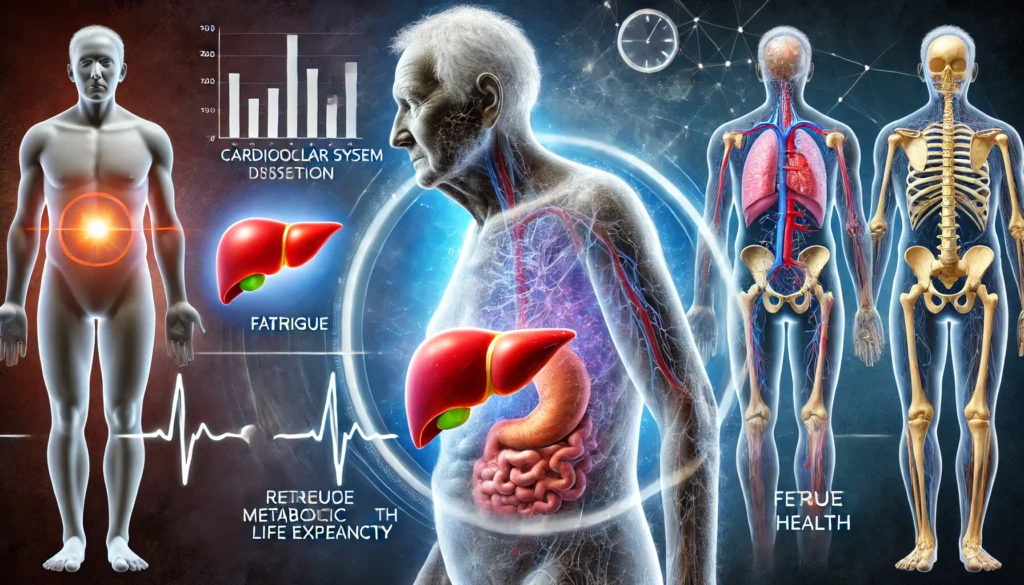
Signs of an Overworked Liver: Symptoms, Causes, and Prevention Strategies

The liver plays an essential role in the body’s overall health, acting as the primary organ responsible for detoxification, metabolism, and digestion. However, when the liver becomes overworked due to poor dietary choices, excessive alcohol consumption, exposure to environmental toxins, or underlying medical conditions, its efficiency declines. An overworked liver can manifest through various symptoms that may impact daily life and long-term health. Understanding these symptoms, identifying their causes, and implementing prevention strategies can help protect liver function and promote overall wellness.

You may also like: The Best Liver Detox Supplements: How to Choose Safe and Effective Support for Your Liver

Recognizing the Symptoms of an Overworked Liver

When the liver is unable to function optimally, the body may exhibit warning signs that indicate the need for intervention. One of the most common symptoms of an overworked liver is persistent fatigue. The liver plays a crucial role in energy production by regulating glucose levels and metabolizing nutrients. When its function is impaired, energy levels may decline, leading to chronic tiredness that does not improve with rest. This fatigue often coexists with brain fog, a condition characterized by difficulty concentrating, memory lapses, and mental sluggishness.

Another noticeable sign is digestive distress. The liver produces bile, which is essential for fat digestion and nutrient absorption. If bile production is compromised, individuals may experience bloating, indigestion, and discomfort after meals, particularly when consuming fatty foods. Additionally, nausea and a reduced appetite may arise, further contributing to nutritional imbalances that worsen liver health over time.

Skin-related symptoms are also common indicators of an overworked liver. Jaundice, which results in yellowing of the skin and eyes, occurs when bilirubin—a waste product processed by the liver—accumulates in the bloodstream. Other dermatological issues such as itchy skin, darkened patches, and acne flare-ups may signal an overwhelmed liver struggling to detoxify the body properly.

Weight gain and difficulty losing weight can be subtle yet significant signs of liver dysfunction. The liver plays a central role in fat metabolism, and when it is overworked, the body may store excess fat—particularly around the abdominal area. Additionally, metabolic slowdowns and insulin resistance, often linked to liver strain, may contribute to obesity and an increased risk of type 2 diabetes.

A vibrant illustration of a healthy liver glowing in a bright, green environment, surrounded by fresh vegetables, water, exercise symbols, and herbal remedies. The liver appears rejuvenated, symbolizing wellness and balance

Common Causes of an Overworked Liver

Understanding the causes of an overworked liver can help individuals make informed decisions about their lifestyle choices. Poor diet is a major contributing factor, as diets high in processed foods, refined sugars, and unhealthy fats place excessive strain on the liver. Over time, the accumulation of unhealthy fats within liver cells can lead to non-alcoholic fatty liver disease (NAFLD), a condition that impairs liver function and increases the risk of severe complications.

Excessive alcohol consumption is another primary cause of liver overload. The liver processes alcohol as a toxin, and chronic drinking forces the organ to work harder than usual. This prolonged effort can lead to inflammation, fatty liver disease, and eventually, cirrhosis—a severe condition marked by irreversible scarring of liver tissue. Even moderate alcohol consumption over long periods can contribute to liver stress and potential damage.

Environmental toxins and pollutants also play a significant role in liver health. The liver filters harmful substances from the bloodstream, but constant exposure to pollutants, pesticides, heavy metals, and chemicals from processed foods can overwhelm its detoxification capacity. Additionally, the prolonged use of certain medications, including over-the-counter pain relievers and antibiotics, may contribute to liver strain if taken excessively or without medical supervision.

Chronic stress and lack of sleep can also contribute to an overworked liver. Stress triggers the release of cortisol, a hormone that can lead to inflammation and liver congestion when present in excess. Meanwhile, inadequate sleep deprives the liver of its optimal repair and regeneration period, compounding the effects of daily toxin exposure and metabolic stress.

Preventing Liver Overload: Effective Strategies

Maintaining a healthy lifestyle is key to preventing liver overload and ensuring long-term well-being. One of the most effective prevention strategies is adopting a nutrient-rich diet that supports liver function. Foods rich in antioxidants, such as leafy greens, berries, and cruciferous vegetables like broccoli and Brussels sprouts, help neutralize free radicals and reduce oxidative stress on the liver. Additionally, incorporating healthy fats from sources like avocados, olive oil, and nuts can aid in reducing inflammation and supporting metabolic processes.

Hydration plays a crucial role in liver detoxification. Drinking sufficient water helps flush out toxins and ensures that bile remains fluid enough to support digestion. Herbal teas such as dandelion root, milk thistle, and green tea contain natural compounds that enhance liver function and promote detoxification pathways. Reducing or eliminating sugary beverages, excessive caffeine, and alcohol can also significantly lessen the liver’s workload.

Regular physical activity benefits liver health by improving metabolism, promoting fat loss, and enhancing circulation. Exercise encourages the body to use stored fats as energy, reducing the burden on the liver to process excess lipids. Activities such as brisk walking, strength training, and yoga can support liver function while also reducing stress levels that contribute to liver congestion.

Managing stress is essential for maintaining optimal liver function. Practices such as meditation, deep breathing exercises, and mindfulness techniques can help regulate cortisol levels and prevent chronic inflammation. Additionally, prioritizing sleep by maintaining a consistent bedtime routine and limiting screen exposure before sleep can support the liver’s regenerative processes and overall well-being.

Routine medical checkups and liver function tests can help detect early signs of liver strain before they progress into severe conditions. Regular screening, especially for individuals with a family history of liver disease, obesity, or metabolic syndrome, can aid in the early diagnosis and management of potential issues. Consulting a healthcare professional before taking supplements, medications, or herbal remedies is also recommended to prevent unintended liver strain.

A medical conceptual illustration of an overworked liver appearing swollen and inflamed, surrounded by toxins, fatty foods, and alcohol. The liver glows red against a dark background, emphasizing stress and exhaustion

Frequently Asked Questions (FAQ) About Liver Health

1. What are the early warning signs of an overworked liver? Early warning signs of an overworked liver can vary from mild symptoms to more pronounced issues. You may experience persistent fatigue, digestive problems, and unexplained weight fluctuations. Skin-related symptoms, such as itchiness, acne, or an unusual yellowish tint, can indicate liver strain. Additionally, mental fog, mood swings, and difficulty concentrating may suggest your liver isn’t effectively filtering toxins. If left unaddressed, these signs could develop into more serious overworked liver symptoms, warranting medical attention.

2. How does diet impact the risk factors for liver disease? Diet plays a crucial role in determining your liver’s health. Excess consumption of processed foods, refined sugars, and saturated fats can contribute to fatty liver disease and increase overall liver strain. Alcohol and high-fructose corn syrup are particularly harmful, as they can accelerate liver inflammation. On the other hand, incorporating fiber-rich foods, antioxidants, and lean proteins can support liver function. Poor dietary habits are among the key risk factors for liver disease, making nutritional awareness essential.

3. Can stress contribute to an overworked liver? Yes, chronic stress can significantly impact liver function. When your body is under prolonged stress, it releases high levels of cortisol and adrenaline, which can lead to inflammation and slow down detoxification processes. Stress-related eating habits, such as consuming excess junk food or alcohol, further compound the problem. Additionally, stress can weaken the immune system, making your liver more susceptible to infections and diseases. Managing stress through meditation, exercise, and proper sleep can help reduce overworked liver symptoms.

4. How does an overworked liver affect digestion? An overworked liver struggles to produce bile efficiently, which is essential for breaking down fats and absorbing nutrients. This can result in bloating, constipation, or diarrhea. You may also experience food sensitivities or an increase in acid reflux. Poor bile production can lead to deficiencies in fat-soluble vitamins like A, D, E, and K, impacting overall health. If you frequently experience digestive discomfort, it may be an indicator of liver strain.

5. Are there specific lifestyle changes that can reduce the risk factors for liver disease? Yes, several lifestyle modifications can help protect your liver. Reducing alcohol intake, avoiding processed foods, and maintaining a healthy weight are fundamental steps. Regular physical activity improves circulation and enhances liver function. Drinking plenty of water aids detoxification, while getting sufficient sleep allows the liver to regenerate. These habits can significantly lower the risk factors for liver disease and promote long-term well-being.

6. Can medications contribute to an overworked liver? Certain medications, including over-the-counter pain relievers, prescription drugs, and herbal supplements, can place stress on the liver. Acetaminophen, for example, is known to be particularly harmful in high doses. Long-term use of antibiotics, steroids, and cholesterol-lowering drugs can also contribute to liver inflammation. If you are taking multiple medications, it’s important to consult a healthcare professional to assess potential risks. Recognizing overworked liver symptoms early can prevent serious complications.

7. How does alcohol consumption affect liver function? Alcohol is metabolized by the liver, and excessive consumption can overwhelm its detoxification processes. This can lead to fat accumulation, inflammation, and, over time, scarring of liver tissue. Binge drinking and long-term alcohol abuse are major risk factors for liver disease, including cirrhosis. Even moderate drinking can contribute to liver stress if combined with other unhealthy lifestyle choices. To support liver health, consider limiting alcohol intake and staying hydrated.

8. Can an overworked liver impact mental health? Yes, there is a strong connection between liver health and mental well-being. When the liver is overworked, toxins that should be filtered out can accumulate in the bloodstream and reach the brain. This can contribute to symptoms such as brain fog, anxiety, and depression. Liver dysfunction can also disrupt hormonal balance, further affecting mood and cognitive function. Managing liver health through proper nutrition and detoxification can have a positive impact on mental clarity and emotional stability.

9. How does exercise benefit an overworked liver? Regular exercise helps to reduce liver fat, improve insulin sensitivity, and enhance overall circulation. Aerobic activities like jogging, cycling, or swimming support liver detoxification by increasing oxygen flow and reducing inflammation. Strength training can also play a role in maintaining metabolic health, which is crucial for liver function. Even simple activities like walking or yoga can help ease overworked liver symptoms. Staying active is one of the most effective ways to prevent liver-related health issues.

10. What are some natural ways to support liver detoxification? Several natural remedies can help your liver function more efficiently. Consuming foods rich in antioxidants, such as leafy greens, beets, and turmeric, can aid detoxification. Herbal teas like dandelion root and milk thistle have been traditionally used to support liver health. Staying hydrated helps flush out toxins, while intermittent fasting can give your liver a break from constant digestion. Adopting these habits can ease the burden on an overworked liver and promote long-term health.

A detailed medical illustration of an overburdened liver, enlarged and struggling, surrounded by harmful elements like alcohol, junk food, toxins, and stress indicators. The liver glows red against a dark background, emphasizing inflammation and strain

Conclusion: Protecting Liver Health for Long-Term Well-Being

Recognizing the signs of an overworked liver is the first step toward prevention and improved health. Symptoms such as fatigue, digestive distress, skin issues, and unexplained weight gain can serve as early indicators that the liver needs support. Identifying and addressing lifestyle factors, including diet, alcohol consumption, toxin exposure, stress levels, and sleep quality, can significantly enhance liver function and overall wellness. By implementing preventive measures such as consuming a liver-friendly diet, staying hydrated, engaging in regular exercise, managing stress effectively, and seeking medical advice when necessary, individuals can reduce the risk of liver disease and support their body’s natural detoxification processes. Prioritizing liver health is a crucial investment in long-term vitality, ensuring that this vital organ continues to function efficiently and sustain overall well-being.

healthy liver function, liver detoxification tips, liver-friendly diet, non-alcoholic fatty liver disease prevention, signs of liver stress, liver metabolism support, natural ways to support liver health, alcohol effects on liver, liver and digestion, liver inflammation symptoms, reducing liver toxicity, healthy fats for liver health, liver and weight gain, environmental toxins and liver health, liver-friendly lifestyle, liver function tests, liver disease prevention, symptoms of poor liver health, liver health supplements, importance of liver hydration

Further Reading:

8 Signs of an Overworked Liver

Fatigue in liver disease: Pathophysiology and clinical management

10 early signs and symptoms of liver disease

Disclaimer

The information contained in this article is provided for general informational purposes only and is not intended to serve as medical, legal, or professional advice. While NewsHealthWatch strives to present accurate, up-to-date, and reliable content, no warranty or guarantee, expressed or implied, is made regarding the completeness, accuracy, or adequacy of the information provided. Readers are strongly advised to seek the guidance of a qualified healthcare provider or other relevant professionals before acting on any information contained in this article. NewsHealthWatch, its authors, editors, and contributors expressly disclaim any liability for any damages, losses, or consequences arising directly or indirectly from the use, interpretation, or reliance on any information presented herein. The views and opinions expressed in this article are those of the author(s) and do not necessarily reflect the official policies or positions of NewsHealthWatch.
Liver Pain After Quitting Alcohol: Causes, Recovery Timeline, and When to Seek Help

The journey to sobriety is one of the most significant decisions a person can make for their overall well-being. However, quitting alcohol does not always lead to immediate relief from discomfort. Many individuals report experiencing liver pain after quitting drinking, raising concerns about whether their liver is healing or facing further distress. Understanding the underlying causes, the expected recovery timeline, and the warning signs that indicate medical intervention is necessary can help individuals navigate this challenging period with greater confidence.

You may also like: The Best Liver Detox Supplements: How to Choose Safe and Effective Support for Your Liver

Understanding Liver Pain After Quitting Alcohol

For those who have consumed alcohol regularly or excessively, the liver bears the brunt of the toxic effects. Alcohol is metabolized primarily in the liver, and chronic consumption can lead to inflammation, fatty liver disease, hepatitis, or even cirrhosis. When alcohol consumption ceases, the liver begins the process of regeneration and detoxification. However, this process is not always smooth, and liver pain after quitting alcohol can be a sign of several physiological changes.

One reason the liver hurts after quitting drinking is due to the sudden shift in metabolic activity. Alcohol suppresses liver function, and when it is removed, the liver begins working overtime to restore normal processes. This increase in metabolic activity can lead to temporary inflammation, resulting in discomfort. Additionally, those who have underlying liver disease may experience increased sensitivity as the organ repairs itself. While this pain can be unsettling, it is often a sign that the liver is actively working to restore its function.

Another potential cause of pain in the liver after stopping drinking is related to withdrawal symptoms. The liver is closely tied to other organ systems, including the digestive and nervous systems. When alcohol is removed, the body undergoes a series of withdrawal effects that can manifest as nausea, discomfort, or localized pain in the liver area. For some, the discomfort is a sign of healing, while for others, it may indicate an ongoing problem requiring medical evaluation.

A digital illustration of an inflamed human liver, highlighted with a glowing red area to indicate pain. The semi-realistic rendering emphasizes liver anatomy and discomfort, set against a dark, moody background representing detoxification and recovery

How Alcohol Affects Liver Health Over Time

Understanding why liver pain occurs after quitting alcohol requires a deeper look into the damage alcohol inflicts on the liver over time. The liver is a resilient organ with remarkable regenerative abilities, but chronic alcohol consumption can severely impair its function. In the early stages, excessive alcohol intake can lead to fatty liver disease, where fat accumulates in liver cells. While fatty liver is often reversible, prolonged alcohol use can progress to alcoholic hepatitis, a more serious inflammatory condition.

If alcohol consumption continues unchecked, alcoholic hepatitis may evolve into cirrhosis, a condition characterized by irreversible scarring of the liver tissue. Cirrhosis significantly compromises the liver’s ability to function properly, leading to complications such as jaundice, fluid retention, and an increased risk of liver failure. Those who stop drinking while their liver is still in the early stages of damage often experience significant healing, but individuals with advanced liver disease may face lingering discomfort as their liver attempts to recover.

The Recovery Timeline: What to Expect

For individuals experiencing liver pain after quitting drinking, understanding the recovery timeline can offer reassurance. The process of liver healing varies from person to person, depending on factors such as the extent of liver damage, overall health, and lifestyle choices post-alcohol cessation. While some people notice improvement within weeks, others may take months or even years to see substantial recovery.

In the first few days of sobriety, the body begins to clear alcohol from the system. This stage is marked by withdrawal symptoms such as nausea, headaches, and anxiety. Liver discomfort may also be present due to the sudden metabolic shift. By the end of the first week, the liver starts repairing damaged cells, reducing inflammation, and restoring normal enzyme levels.

Within the first month, those with mild liver damage often notice improvements in energy levels, digestion, and overall well-being. However, individuals with more significant liver impairment may still experience mild to moderate discomfort. After 30 days with no alcohol, liver health shows considerable improvement, with fat deposits reducing in cases of fatty liver disease. This period is crucial, as continued abstinence allows the liver to rebuild and function more efficiently.

By the three-to-six-month mark, liver inflammation significantly decreases, and many symptoms of liver distress subside. Those with moderate liver damage may see near-complete restoration of function. However, for individuals with cirrhosis or long-term liver disease, scarring may persist, leading to chronic discomfort. Even though regeneration occurs, scar tissue does not completely heal, emphasizing the importance of ongoing medical monitoring.

When Liver Pain Requires Medical Attention

While some discomfort during the recovery process is expected, persistent or worsening pain may indicate an underlying medical condition that requires professional evaluation. If liver pain is accompanied by symptoms such as jaundice (yellowing of the skin and eyes), severe nausea, unexplained weight loss, or swelling in the abdomen, immediate medical attention is necessary. These symptoms could be signs of advanced liver disease or complications such as liver failure.

Another critical indicator of concern is prolonged pain that does not improve despite healthy lifestyle choices. If liver pain persists beyond several months of abstinence, underlying conditions such as non-alcoholic fatty liver disease (NAFLD), liver infections, or gallbladder issues may be contributing factors. A healthcare provider can conduct blood tests, imaging studies, and liver function assessments to determine the root cause of persistent liver pain and recommend appropriate treatment.

Supporting Liver Health During Recovery

A proactive approach to liver health can facilitate healing and reduce discomfort. Adopting a nutrient-rich diet, staying hydrated, and incorporating physical activity can all support liver regeneration. Foods rich in antioxidants, such as leafy greens, berries, and nuts, help combat oxidative stress and promote liver repair. Avoiding processed foods, excessive sugar, and unhealthy fats can further ease the liver’s workload.

Hydration plays a vital role in flushing toxins from the body, aiding the liver’s natural detoxification process. Drinking plenty of water and herbal teas can enhance hydration while supporting digestive health. Additionally, regular exercise improves circulation and metabolic function, helping the liver repair damaged tissue more efficiently.

Supplementation with liver-supporting nutrients such as milk thistle, turmeric, and vitamin E may offer additional benefits. These compounds have been shown to possess anti-inflammatory and hepatoprotective properties, potentially aiding in liver recovery. However, it is essential to consult a healthcare professional before starting any supplements to ensure they align with individual health needs.

A symbolic illustration of a liver transitioning from inflammation to healing, representing detox and recovery after quitting alcohol. The glowing energy effect around the organ highlights regeneration, with an abstract medical-themed background enhancing the theme of transformation

Frequently Asked Questions (FAQ) on Liver Pain After Quitting Alcohol

  1. Why do I experience liver pain after quitting alcohol? Many people report experiencing pain in the liver after stopping drinking due to inflammation, detoxification, or pre-existing liver conditions. The liver undergoes a healing process once alcohol consumption ceases, which may temporarily cause discomfort. If there was prior alcohol-induced damage, such as fatty liver disease or fibrosis, the organ may be working harder to repair itself. Additionally, withdrawal symptoms can contribute to body-wide discomfort, including sensations in the liver area. If the pain persists or worsens, seeking medical advice is essential to rule out serious conditions.
  2. How long does liver pain after quitting alcohol typically last? The duration of liver pain after quitting drinking varies depending on the extent of previous damage, individual health, and lifestyle changes. Some people may experience mild discomfort for a few days, while others could feel lingering pain for weeks. By the time you reach 30 days no alcohol, liver inflammation may have decreased significantly, though healing can continue for months. Hydration, a nutrient-rich diet, and medical guidance can support liver recovery. If liver hurts after quitting drinking for an extended period, a doctor may recommend tests to assess liver function.
  3. Is liver pain after quitting alcohol a sign of serious liver disease? While liver pain after quitting drinking can be a normal part of the healing process, persistent or severe pain may indicate underlying liver disease. Conditions like alcoholic hepatitis, cirrhosis, or non-alcoholic fatty liver disease (NAFLD) may contribute to discomfort. If additional symptoms such as jaundice, swelling, fatigue, or nausea accompany liver pain, medical evaluation is crucial. In some cases, pain in the liver after stopping drinking may reveal pre-existing conditions that were masked by alcohol consumption. Early diagnosis can improve treatment outcomes.
  4. Can lifestyle changes help reduce liver pain after quitting drinking? Yes, adopting a liver-friendly lifestyle can accelerate recovery and reduce discomfort. Staying hydrated, consuming an antioxidant-rich diet, and avoiding processed foods support liver function. Supplements like milk thistle or N-acetylcysteine may aid detoxification, though medical consultation is recommended before use. Regular exercise improves blood circulation, helping the liver regenerate efficiently. By 30 days no alcohol, liver improvements are typically noticeable, and continued healthy habits can lead to long-term benefits.
  5. What role does diet play in reducing liver pain after quitting alcohol? Nutrition plays a significant role in liver healing after alcohol cessation. Foods rich in omega-3 fatty acids, antioxidants, and fiber help reduce inflammation and support liver function. Avoiding excessive sugar and saturated fats can prevent additional strain on the liver. Drinking green tea and eating cruciferous vegetables may enhance the body’s detoxification processes. Pain in the liver after stopping drinking can sometimes be linked to dietary imbalances, so maintaining a well-balanced diet is key to recovery.
  6. Can exercise help alleviate liver pain after quitting drinking? Moderate exercise improves circulation, reduces fatty deposits, and supports liver regeneration. Physical activity can also help mitigate withdrawal symptoms that contribute to discomfort. However, excessive or intense exercise may strain the body, so a gradual approach is best. Yoga and stretching can help relieve tension in the abdomen, possibly easing liver pain. As the body adjusts during 30 days no alcohol, liver health improvements may become more evident with regular movement.
  7. Should I take supplements to aid liver recovery after quitting alcohol? Certain supplements may support liver function and reduce inflammation. Milk thistle is widely used for liver detoxification, while turmeric contains curcumin, which has anti-inflammatory properties. B vitamins, especially B1 (thiamine), can help replenish nutrients often depleted by alcohol consumption. While some find relief from pain in the liver after stopping drinking through supplementation, consulting a healthcare professional is advised to ensure safety and effectiveness. Natural remedies should complement, not replace, medical care.
  8. Can stress contribute to liver pain after quitting drinking? Yes, stress can exacerbate physical symptoms, including liver discomfort. Anxiety related to alcohol withdrawal or lifestyle changes may heighten bodily sensations, making pain feel more intense. Mindfulness, meditation, and breathing exercises can help manage stress and promote overall well-being. Engaging in hobbies, connecting with supportive individuals, and prioritizing sleep can also ease tension. If liver pain after quitting alcohol persists without clear medical causes, stress management strategies may provide relief.
  9. What medical tests should I consider if I have ongoing liver pain after quitting drinking? If liver pain persists for several weeks or worsens, medical tests can provide insights into liver health. Blood tests such as liver function tests (LFTs) measure enzyme levels, bilirubin, and protein production. Imaging tests like ultrasounds or MRIs can detect fatty liver, fibrosis, or structural abnormalities. In some cases, a liver biopsy may be needed for a more detailed analysis. Understanding the reason behind liver pain after quitting drinking is essential for early intervention and treatment planning.
  10. How does the liver heal over time after quitting alcohol? The liver has remarkable regenerative abilities, but healing timelines vary. In the first few days, alcohol-induced inflammation begins to subside, reducing short-term discomfort. Within a few weeks, fat deposits may decrease, and liver function improves. By 30 days no alcohol, liver enzymes may return to healthier levels, indicating substantial recovery. Long-term abstinence allows for continued regeneration, potentially reversing fatty liver and reducing the risk of cirrhosis. However, severe damage may require medical intervention for full recovery.
A medical-style digital illustration of a semi-transparent human torso, revealing the liver in a healing state after quitting alcohol. The image contrasts past inflammation with ongoing recovery, set against a futuristic, abstract medical background representing detoxification and health improvement

Conclusion: The Importance of Long-Term Abstinence

While many individuals experience significant liver healing after quitting alcohol, maintaining long-term abstinence is crucial for sustained health improvements. The liver’s ability to regenerate is remarkable, but repeated exposure to alcohol can reverse progress and lead to further damage. Staying committed to sobriety, seeking support through counseling or peer groups, and adopting a liver-friendly lifestyle can help individuals maintain optimal liver function.

Understanding the effects of alcohol on liver health and recognizing the body’s signals during recovery can empower individuals to make informed decisions about their well-being. While liver pain after quitting alcohol may be an unsettling experience, it is often a sign that the liver is actively working to heal. By prioritizing healthy habits and seeking medical attention when necessary, individuals can support their liver’s recovery and enjoy the long-term benefits of sobriety.

recovery after alcohol cessation, liver detox process, alcohol-induced liver pain, long-term effects of alcohol on liver, signs of liver regeneration, liver function after quitting alcohol, liver inflammation and healing, early signs of liver disease, best foods for liver health, alcohol withdrawal and liver pain, reducing liver discomfort after alcohol, liver healing timeline, alcohol and liver enzyme levels, symptoms of liver repair, liver pain and hydration, role of antioxidants in liver health, managing alcohol withdrawal symptoms, long-term benefits of quitting alcohol, medical evaluation for liver pain, natural ways to support liver function

Further Reading:

What happens to your liver when you quit alcohol

Management of alcohol withdrawal syndrome in patients with alcohol-associated liver disease

Alcohol Related Liver Disease

Disclaimer

The information contained in this article is provided for general informational purposes only and is not intended to serve as medical, legal, or professional advice. While NewsHealthWatch strives to present accurate, up-to-date, and reliable content, no warranty or guarantee, expressed or implied, is made regarding the completeness, accuracy, or adequacy of the information provided. Readers are strongly advised to seek the guidance of a qualified healthcare provider or other relevant professionals before acting on any information contained in this article. NewsHealthWatch, its authors, editors, and contributors expressly disclaim any liability for any damages, losses, or consequences arising directly or indirectly from the use, interpretation, or reliance on any information presented herein. The views and opinions expressed in this article are those of the author(s) and do not necessarily reflect the official policies or positions of NewsHealthWatch.
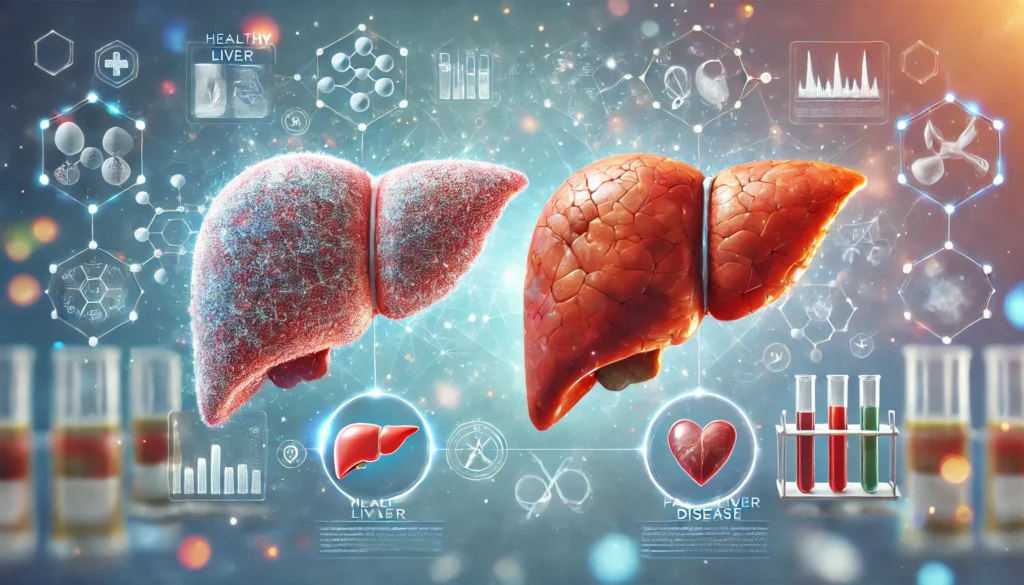
How Cirrhotic Liver Morphology Affects Detoxification: Understanding the Pathophysiology of Liver Cirrhosis

Introduction: The Liver’s Role in Detoxification and the Impact of Cirrhosis

The liver is one of the most vital organs responsible for maintaining homeostasis in the body. Its primary role in detoxification ensures that harmful substances, metabolic byproducts, and external toxins are neutralized and eliminated. However, when the liver undergoes pathological changes, such as those seen in cirrhosis, its ability to perform detoxification is significantly impaired. Understanding the pathophysiology of liver cirrhosis and how cirrhotic liver morphology influences detoxification is crucial in the prevention, management, and treatment of liver diseases. By exploring the complex mechanisms of liver damage, fibrosis, and functional decline, we can better comprehend the systemic consequences that result from hepatic dysfunction.

You may also like: The Best Liver Detox Supplements: How to Choose Safe and Effective Support for Your Liver

Liver cirrhosis is a progressive, chronic condition characterized by the replacement of healthy liver tissue with scar tissue, leading to a distortion of hepatic architecture. This fibrosis disrupts the normal structure and function of the liver, reducing its ability to filter toxins from the blood. The resulting accumulation of harmful substances, such as ammonia and bilirubin, leads to complications like hepatic encephalopathy, jaundice, and increased susceptibility to infections. As the disease advances, the cirrhotic liver loses its ability to regenerate and adapt, ultimately causing multi-organ failure in severe cases. Understanding the connection between cirrhotic liver morphology and detoxification impairment provides valuable insights into disease management and potential therapeutic interventions.

A detailed medical illustration comparing a healthy liver with a cirrhotic liver. The healthy liver appears smooth and uniform, while the cirrhotic liver looks shrunken, nodular, and fibrotic with a rough, irregular surface. This visual highlights the structural differences associated with liver cirrhosis

Structural Changes in Cirrhotic Liver Morphology

The healthy liver possesses a unique architectural framework that supports its diverse physiological functions. Hepatic lobules, the fundamental units of the liver, are composed of hepatocytes arranged in plates that radiate around a central vein. This structure allows for efficient blood flow through the hepatic sinusoids, enabling direct interaction between hepatocytes and the circulating blood. However, when cirrhosis develops, this orderly arrangement is disrupted due to excessive deposition of fibrous tissue, leading to the formation of regenerative nodules. These morphological changes have a profound impact on the liver’s ability to detoxify harmful substances.

Fibrosis results from chronic inflammation triggered by persistent liver injury, commonly caused by conditions such as viral hepatitis, chronic alcohol consumption, non-alcoholic fatty liver disease (NAFLD), and autoimmune disorders. In response to sustained hepatic injury, hepatic stellate cells become activated and produce excessive collagen and extracellular matrix proteins. Over time, these fibrotic changes lead to the narrowing of sinusoids, increased vascular resistance, and impaired hepatocyte function. The progressive accumulation of scar tissue further compromises blood flow, preventing the liver from effectively processing and eliminating toxins.

Another critical feature of cirrhotic liver morphology is the disruption of bile canaliculi and hepatic ducts. The impaired bile flow leads to cholestasis, a condition characterized by the buildup of bile acids and bilirubin in the liver. This dysfunction exacerbates the retention of toxic metabolites, contributing to complications such as jaundice, pruritus, and malabsorption of fat-soluble vitamins. The overall structural deterioration of the cirrhotic liver significantly impacts its detoxification capacity, leading to systemic toxicity and metabolic disturbances.

Impaired Detoxification Pathways in Cirrhosis

The liver utilizes three primary detoxification pathways: phase I, phase II, and phase III biotransformation. In a healthy liver, these pathways work in concert to neutralize toxins and facilitate their elimination. However, in the presence of cirrhotic liver morphology, these pathways become severely impaired, leading to toxin accumulation and increased susceptibility to systemic toxicity.

Phase I detoxification, primarily mediated by cytochrome P450 enzymes, involves the oxidation, reduction, and hydrolysis of lipophilic toxins to make them more water-soluble. However, in cirrhosis, the expression and activity of cytochrome P450 enzymes are significantly reduced, leading to decreased metabolism of drugs, environmental toxins, and endogenous waste products. This reduction in enzymatic activity contributes to prolonged drug half-lives, increased drug toxicity, and heightened sensitivity to medications.

Phase II detoxification involves conjugation reactions, where the liver attaches molecules such as glucuronic acid, sulfate, and glutathione to toxins, rendering them more hydrophilic for excretion. In cirrhotic livers, the impairment of conjugation pathways leads to ineffective clearance of bilirubin, resulting in jaundice. Additionally, glutathione depletion exacerbates oxidative stress, further accelerating liver damage and dysfunction.

Phase III detoxification refers to the active transport of conjugated toxins out of hepatocytes into bile or urine. This process relies on ATP-binding cassette (ABC) transporters, which are frequently downregulated in cirrhosis. The resulting decrease in biliary excretion contributes to the accumulation of toxins within the liver, leading to increased systemic toxicity. Collectively, these impairments in detoxification pathways underscore the profound impact of cirrhotic liver morphology on hepatic function and overall health.

Consequences of Detoxification Impairment in Cirrhosis

The inability of the cirrhotic liver to effectively detoxify substances leads to multiple systemic complications, the most significant being hepatic encephalopathy, jaundice, and drug toxicity. Hepatic encephalopathy arises from the accumulation of neurotoxic substances, particularly ammonia, in the bloodstream. In a healthy liver, ammonia is converted to urea via the urea cycle and excreted through the kidneys. However, in cirrhosis, impaired urea cycle function leads to hyperammonemia, which crosses the blood-brain barrier and disrupts neurotransmission, causing cognitive dysfunction, confusion, and, in severe cases, coma.

Jaundice, another hallmark of liver dysfunction, results from the liver’s inability to conjugate and excrete bilirubin. As unconjugated bilirubin accumulates in the bloodstream, it deposits in tissues, leading to the characteristic yellowing of the skin and sclera. This condition not only affects appearance but also indicates a significant decline in liver function.

Patients with cirrhosis also experience heightened drug sensitivity due to impaired metabolism and clearance. Medications that require hepatic metabolism, such as benzodiazepines, opioids, and nonsteroidal anti-inflammatory drugs (NSAIDs), can accumulate to toxic levels, increasing the risk of adverse effects. Physicians must carefully adjust drug dosages and monitor for signs of toxicity in individuals with cirrhosis.

Strategies for Managing Detoxification Impairment in Cirrhosis

While cirrhosis is irreversible, several strategies can help mitigate the impact of impaired detoxification. Lifestyle modifications, including alcohol cessation, a balanced diet rich in antioxidants, and weight management, play a crucial role in preserving liver function. Pharmacological interventions, such as lactulose and rifaximin, can reduce ammonia levels and prevent hepatic encephalopathy. Additionally, emerging therapies, including antifibrotic agents and regenerative medicine approaches, offer potential hope for slowing disease progression.

Liver transplantation remains the definitive treatment for end-stage cirrhosis, restoring normal hepatic architecture and detoxification capacity. Advances in transplantation techniques and immunosuppressive therapy have significantly improved outcomes for patients undergoing liver transplantation.

A surreal visualization of a liver overwhelmed by toxins due to cirrhosis. The liver appears darkened and fibrotic, with congested blood vessels and toxic substances pooling within. The image artistically represents the failure of detoxification, symbolizing the breakdown of liver function in cirrhosis

Frequently Asked Questions (FAQ) on Cirrhotic Liver Morphology and the Pathophysiology of Liver Cirrhosis

1. How does cirrhotic liver morphology impact overall liver function? Cirrhotic liver morphology significantly alters the liver’s architecture, leading to compromised blood flow and impaired function. As the liver develops fibrosis, normal hepatocytes are replaced with scar tissue, obstructing essential processes such as detoxification, metabolism, and protein synthesis. These structural changes also contribute to portal hypertension, which can cause complications like varices and ascites. Over time, reduced liver function impacts nutrient absorption, immune response, and toxin clearance. Understanding the pathophysiology of liver cirrhosis is crucial for managing and mitigating these long-term effects.

2. What are the early signs that the liver is undergoing cirrhotic changes? The early signs of cirrhotic liver morphology often go unnoticed because the liver compensates well until significant damage occurs. However, symptoms such as persistent fatigue, unexplained weight loss, and mild jaundice can be early indicators. Patients may also experience easy bruising due to impaired clotting factor production and swelling in the lower extremities from fluid retention. Laboratory findings often show elevated liver enzymes before symptoms become apparent. Early detection through regular health screenings can help slow the progression by addressing underlying causes and implementing lifestyle changes.

3. How does the pathophysiology of liver cirrhosis lead to complications like hepatic encephalopathy? The pathophysiology of liver cirrhosis disrupts ammonia metabolism, leading to hepatic encephalopathy, a condition characterized by cognitive impairment. When the liver fails to detoxify ammonia and other neurotoxic substances, they accumulate in the bloodstream and affect brain function. Symptoms range from mild confusion and forgetfulness to severe disorientation and coma in advanced cases. Managing dietary protein intake and using medications such as lactulose can help reduce ammonia levels. Regular monitoring of cirrhotic liver morphology through imaging and blood tests is essential to prevent severe complications.

4. Can cirrhosis-related liver damage be reversed? While cirrhosis itself is generally irreversible, early intervention can halt or slow its progression. Lifestyle modifications, such as eliminating alcohol, maintaining a balanced diet, and managing underlying conditions like hepatitis B or C, can prevent further damage. Some medications and regenerative therapies are being researched for their potential to promote liver cell regeneration. In cases where cirrhotic liver morphology has led to significant scarring, a liver transplant may be the only option. Understanding the pathophysiology of liver cirrhosis can help patients and healthcare providers make informed treatment decisions.

5. What role does nutrition play in managing cirrhosis? Proper nutrition is crucial in managing the effects of cirrhotic liver morphology. A diet rich in lean protein, whole grains, and antioxidants supports liver function and prevents muscle wasting. Sodium intake should be restricted to minimize fluid retention and the risk of ascites. Patients with cirrhosis often require vitamin and mineral supplementation due to malabsorption issues. Avoiding alcohol and processed foods helps reduce additional liver stress. Understanding the nutritional needs of a cirrhotic liver can significantly improve quality of life and long-term health outcomes.

6. How is cirrh medical terminology relevant for understanding liver cirrhosis? Cirr medical terminology provides essential insights into the diagnosis, staging, and management of cirrhosis. Terms such as “fibrosis,” “portal hypertension,” and “hepatic decompensation” describe key aspects of disease progression. Understanding these terms helps patients communicate effectively with healthcare providers and grasp the implications of their condition. Medical imaging reports often describe cirrhotic liver morphology in detail, making familiarity with relevant terminology beneficial. Patients who understand cirr medical terminology are better equipped to participate in their treatment plans and advocate for their health.

7. What are the best diagnostic tools for assessing cirrhotic liver morphology? A combination of imaging techniques and blood tests is used to assess cirrhotic liver morphology. Ultrasound elastography measures liver stiffness, helping to determine the extent of fibrosis. MRI and CT scans provide detailed views of liver structure and blood flow. Liver biopsy remains the gold standard for confirming cirrhosis and grading fibrosis severity. Additionally, blood tests measuring liver enzymes, bilirubin, and albumin levels provide biochemical indicators of liver function. Early and accurate diagnosis is essential for managing the pathophysiology of liver cirrhosis effectively.

8. Why does cirrhosis increase the risk of liver cancer? Cirrhotic liver morphology creates an environment conducive to the development of hepatocellular carcinoma (HCC), the most common type of liver cancer. Chronic inflammation and fibrosis promote genetic mutations in liver cells, increasing the likelihood of malignant transformation. The pathophysiology of liver cirrhosis involves altered blood flow, which can limit the liver’s ability to filter harmful substances, further contributing to cancer risk. Regular screening with imaging and alpha-fetoprotein (AFP) tests helps detect liver cancer at an early, treatable stage. Patients with cirrhosis should undergo periodic evaluations to mitigate this risk.

9. How does cirrh medical terminology help differentiate between compensated and decompensated cirrhosis? Cirr medical terminology is essential in distinguishing between compensated and decompensated cirrhosis. Compensated cirrhosis means the liver is still functioning well despite fibrosis, and patients may have minimal or no symptoms. Decompensated cirrhosis is marked by complications such as ascites, variceal bleeding, and hepatic encephalopathy. Understanding these terms is crucial for determining prognosis and treatment options. Patients diagnosed with decompensated cirrhosis often require more intensive medical management and closer monitoring.

10. What are future treatment prospects for cirrhosis? Research into liver regeneration and antifibrotic therapies offers hope for patients with cirrhotic liver morphology. Scientists are exploring stem cell therapies and gene-editing techniques to promote liver repair. New medications targeting fibrosis pathways aim to halt or even reverse some aspects of the pathophysiology of liver cirrhosis. Advances in artificial liver support systems may provide temporary relief for patients awaiting transplantation. As medical technology evolves, the potential for improved outcomes in cirrhosis treatment continues to expand.

An artistic interpretation of liver failure in cirrhosis, showing a brittle, fragmented liver engulfed in a swirling mix of toxins and fibrosis. Toxic elements seep through ruptured pathways, symbolizing the liver's struggle to detoxify harmful substances

Conclusion: The Critical Link Between Cirrhotic Morphology and Detoxification

The pathophysiology of liver cirrhosis underscores the intricate relationship between hepatic morphology and detoxification. Structural changes in cirrhotic liver morphology profoundly impair the liver’s ability to metabolize and eliminate toxins, leading to severe systemic consequences. Understanding these pathophysiological mechanisms is essential for developing effective treatment strategies and improving patient outcomes. As research continues to explore novel therapies, the goal remains to preserve liver function, prevent complications, and ultimately enhance the quality of life for individuals affected by cirrhosis.

chronic liver disease, hepatic fibrosis, liver detoxification process, bile acid metabolism, hepatic encephalopathy management, non-alcoholic fatty liver disease progression, oxidative stress in cirrhosis, ammonia metabolism dysfunction, drug metabolism in liver disease, jaundice and bilirubin processing, hepatocyte function decline, cytochrome P450 enzyme impairment, cirrhosis and systemic toxicity, regenerative medicine for liver disease, liver transplantation outcomes, fibrosis and hepatic sinusoids, portal hypertension complications, stellate cell activation in fibrosis, phase I and II liver detoxification, urea cycle dysfunction in cirrhosis

Further Reading:

Influence of biliary cirrhosis on the detoxification and elimination of a food derived carcinogen

Silymarin for Treating Toxic Liver Disease: International Consensus Recommendations

The exposome and liver disease – how environmental factors affect liver health

Disclaimer

The information contained in this article is provided for general informational purposes only and is not intended to serve as medical, legal, or professional advice. While NewsHealthWatch strives to present accurate, up-to-date, and reliable content, no warranty or guarantee, expressed or implied, is made regarding the completeness, accuracy, or adequacy of the information provided. Readers are strongly advised to seek the guidance of a qualified healthcare provider or other relevant professionals before acting on any information contained in this article. NewsHealthWatch, its authors, editors, and contributors expressly disclaim any liability for any damages, losses, or consequences arising directly or indirectly from the use, interpretation, or reliance on any information presented herein. The views and opinions expressed in this article are those of the author(s) and do not necessarily reflect the official policies or positions of NewsHealthWatch.
Can Cirrhosis Be Reversed? The Science Behind Liver Health and Detoxification

The liver is an extraordinary organ, performing over 500 essential functions necessary for maintaining health. It plays a pivotal role in metabolism, detoxification, digestion, and immune response. However, various lifestyle choices, medical conditions, and environmental exposures can impair liver function, leading to cirrhosis—a progressive condition characterized by liver scarring. For those diagnosed with cirrhosis of the liver, one question looms large: Can cirrhosis be reversed? The answer depends on the stage of the disease, the underlying cause, and the body’s ability to heal when given proper support.

You may also like: The Best Liver Detox Supplements: How to Choose Safe and Effective Support for Your Liver

Understanding Cirrhosis: What Happens to the Liver?

Cirrhosis occurs when chronic inflammation and damage to liver tissue lead to the formation of fibrotic scar tissue. This scarring disrupts the liver’s normal architecture, impairing blood flow and reducing its ability to perform vital functions. In its early stages, the condition may be compensated, meaning the liver is still functioning despite the damage. However, as the disease progresses to decompensated cirrhosis, complications such as jaundice, ascites, variceal bleeding, and hepatic encephalopathy become more pronounced.

A realistic medical illustration of a regenerating human liver, showing healthy cells replacing damaged fibrotic tissue. The liver appears vibrant and glowing, symbolizing healing and recovery. The background is soft medical blue, representing scientific research and hope

Can You Reverse Cirrhosis of the Liver? The Medical Perspective

Medical professionals generally classify cirrhosis as irreversible in its later stages, but there is growing evidence suggesting that early-stage cirrhosis can improve with appropriate intervention. The liver has an incredible regenerative capacity, capable of replacing damaged cells when the underlying cause of injury is removed. The possibility of reversing liver cirrhosis largely depends on addressing the root cause, whether it is chronic alcohol consumption, viral hepatitis, non-alcoholic fatty liver disease (NAFLD), or an autoimmune disorder.

The Role of Liver Detoxification in Reversing Cirrhosis

Liver detoxification is a complex process that involves enzymatic pathways in hepatocytes, helping to neutralize toxins and prepare them for elimination. While detox programs are widely marketed, the liver naturally detoxifies itself when it is healthy. However, a liver burdened with fibrosis has reduced efficiency in eliminating harmful substances. Supporting detoxification through a balanced diet, hydration, and avoiding hepatotoxic substances is critical for those with cirrhosis.

Does Liver Cirrhosis Improve with Lifestyle Changes?

Scientific studies have demonstrated that lifestyle modifications can halt or even reverse early-stage cirrhosis. Patients who quit alcohol, adopt a nutrient-rich diet, and manage conditions like diabetes and obesity can significantly improve their liver function. Certain nutrients, such as antioxidants, polyphenols, and omega-3 fatty acids, help combat oxidative stress and inflammation, key drivers of cirrhosis progression.

Excessive Water Drinking: Can It Cause Cirrhosis?

One of the common misconceptions about liver health is that excessive water drinking can cause cirrhosis. While overhydration can lead to water intoxication and electrolyte imbalances, it does not directly result in liver cirrhosis. However, in patients with advanced liver disease, the body’s ability to regulate fluid balance is impaired, often leading to edema and ascites. Proper fluid management is crucial in preventing complications.

The Connection Between Cirrhosis and Skin Health

A damaged liver often manifests symptoms on the skin. Skin changes in liver cirrhosis patients may include jaundice, spider angiomas, pruritus, and palmar erythema. These symptoms result from the liver’s decreased ability to process bilirubin, regulate blood vessels, and clear histamines. Addressing the underlying liver condition can alleviate these dermatological issues, although some skin damage may be permanent in advanced cases.

Cirrhosis and Eye Health: What to Watch For

Liver dysfunction can also affect the eyes, leading to conditions such as jaundice-induced yellowing of the sclera, dry eyes, and vitamin A deficiency-related night blindness. Patients with cirrhosis should be vigilant about their eye health and ensure they receive adequate nutrition, particularly fat-soluble vitamins like A, D, E, and K, which are often deficient in liver disease.

Is Cirrhosis Hereditary? Genetic Factors in Liver Disease

While cirrhosis itself is not directly inherited, genetic factors can predispose individuals to liver diseases that lead to cirrhosis. Conditions such as hemochromatosis, Wilson’s disease, and alpha-1 antitrypsin deficiency increase the risk of liver damage over time. Those with a family history of liver disease should undergo genetic screening and adopt preventive measures to safeguard their liver health.

The Relationship Between Cirrhosis and Weight Loss

Unintentional weight loss is a frequent issue in patients with liver cirrhosis due to metabolic disturbances, decreased appetite, and malabsorption. Sarcopenia, or muscle wasting, is particularly concerning as it increases the risk of complications. Nutritional intervention, including high-protein diets and resistance training, can help mitigate muscle loss and improve overall prognosis.

Can Stage 4 Cirrhosis Cause Back Pain?

Many patients with advanced cirrhosis report experiencing back pain, which may be attributed to ascites, muscle wasting, or referred pain from liver inflammation. While cirrhosis itself does not directly cause back pain, secondary complications such as portal hypertension, osteopenia, and nerve compression may contribute to discomfort. Addressing the root cause through medical treatment and physical therapy can provide relief.

What Is the Best Treatment for Liver Cirrhosis?

Treatment for liver cirrhosis depends on its cause and severity. For alcohol-related cirrhosis, abstinence is the most critical intervention. For hepatitis-induced cirrhosis, antiviral therapies can help slow or halt progression. In cases of non-alcoholic fatty liver disease, weight management and insulin resistance control are essential. Liver transplantation remains the only option for end-stage cirrhosis, though emerging therapies such as stem cell treatment and antifibrotic drugs offer hope for future non-invasive solutions.

A conceptual illustration of liver detoxification, depicting toxins being flushed out through a glowing stream of purified energy. The liver is surrounded by a natural green and blue aura, symbolizing health, vitality, and renewal

Frequently Asked Questions (FAQ) About Cirrhosis and Liver Health

1. Can cirrhosis be reversed with lifestyle changes alone?
While some cases of early-stage cirrhosis of the liver may see improvement with lifestyle modifications, reversing cirrhosis entirely depends on the severity of liver damage. Patients with compensated cirrhosis symptoms can benefit significantly from eliminating alcohol, maintaining a nutrient-rich diet, and controlling underlying conditions such as hepatitis or fatty liver disease. However, in advanced cases, lifestyle changes alone may not be sufficient, and medical intervention is often necessary. Research suggests that fibrosis may be partially reversible if caught early, but extensive scarring is typically permanent. The best approach is to halt disease progression while supporting liver regeneration through medical and nutritional strategies.

2. What is cirrhosis, and how does it impact overall health?
Cirrhosis is the final stage of chronic liver disease, characterized by irreversible scarring that impairs liver function. This condition disrupts the liver’s ability to filter toxins, produce essential proteins, and regulate metabolism. Over time, cirrhosis of the liver can lead to severe complications such as portal hypertension, oedema liver disease, and increased susceptibility to infections. Patients may experience symptoms ranging from fatigue and weight loss to jaundice and fluid retention. Regular medical monitoring is essential to manage symptoms and prevent further damage.

3. How common is a deformed liver due to cirrhosis?
A deformed liver caused by cirrhosis is a common consequence of long-term liver disease. Factors such as chronic alcohol consumption, viral hepatitis, and non-alcoholic fatty liver disease contribute to the structural distortion of the liver. Studies indicate that millions worldwide suffer from liver fibrosis or cirrhosis, with some developing severe deformation that affects organ function. Advanced imaging techniques like elastography or MRI scans can detect liver abnormalities early. Early detection and intervention are critical in slowing progression and preserving liver function.

4. Can excessive water drinking cause cirrhosis?
Excessive water intake alone does not cause cirrhosis, but it can exacerbate certain liver-related complications. Patients with cirrhosis often struggle with fluid imbalances, leading to conditions like ascites or hyponatremia (low sodium levels). When liver function declines, the body’s ability to regulate fluid and electrolyte balance becomes compromised, making excessive water intake potentially dangerous. Patients with advanced cirrhosis should follow medical guidance on fluid intake to avoid worsening these complications. Hydration remains important, but it should be balanced with proper electrolyte management.

5. Can stage 4 cirrhosis cause back pain?
Yes, stage 4 cirrhosis can contribute to back pain, although it is not a primary symptom. As cirrhosis progresses, complications such as fluid accumulation, enlarged organs, and pressure on nerves can lead to discomfort in the back and abdomen. Additionally, osteoporosis and muscle wasting, common in end-stage liver disease, can increase susceptibility to musculoskeletal pain. Patients experiencing persistent pain should seek medical evaluation to rule out related conditions such as hepatocellular carcinoma or spinal compression. Pain management strategies should be tailored to liver health, as some medications may be harmful to cirrhotic patients.

6. What does cirrhosis of the liver look like on medical imaging?
Cirrhosis of the liver appears as a shrunken, nodular, and irregularly shaped organ on imaging scans such as ultrasounds, CT scans, or MRIs. These tests can reveal structural abnormalities, fluid buildup, and signs of portal hypertension. FibroScan technology helps assess liver stiffness, which correlates with the severity of fibrosis. In advanced cases, imaging may show significant liver deformation along with splenomegaly (enlarged spleen). Regular monitoring through imaging studies is essential for assessing disease progression and guiding treatment plans.

7. Is cirrhosis inherited, or can it be prevented?
Cirrhosis itself is not typically inherited, but genetic factors can increase the risk of liver disease. Conditions such as hemochromatosis, Wilson’s disease, and alpha-1 antitrypsin deficiency are hereditary disorders that can lead to cirrhosis if left untreated. Lifestyle factors, including alcohol consumption, obesity, and viral infections, play a larger role in disease development. Preventative measures such as vaccinations, maintaining a healthy weight, and avoiding hepatotoxic substances can significantly reduce the risk of liver damage. Early detection of genetic predispositions allows for proactive management to prevent cirrhosis from developing.

8. Can cirrhosis be cured, or is it a lifelong condition?
There is no definitive cure for cirrhosis, but treatments can help manage symptoms and slow disease progression. In cases where the underlying cause is addressed—such as eliminating alcohol consumption or treating viral hepatitis—some improvement in liver function is possible. However, once cirrhosis reaches an advanced stage, reversal is unlikely, and a liver transplant may be the only option. Patients must adhere to medical recommendations, including medications, dietary changes, and regular monitoring, to improve their prognosis. Ongoing research into regenerative medicine and antifibrotic therapies offers hope for future treatments.

9. What are the eye-related symptoms of cirrhosis?
Cirrhosis eyes symptoms can include yellowing (jaundice) due to bilirubin buildup, dryness, and vision disturbances. Some cirrhosis patients may experience eye swelling or irritation linked to systemic inflammation. In severe cases, hepatic encephalopathy—a decline in brain function due to liver failure—can cause visual disturbances and mental confusion. Night blindness may occur due to vitamin A deficiency, which is common in advanced liver disease. Proper nutrition and medical intervention can help alleviate some of these symptoms.

10. What is the best treatment for liver cirrhosis?
The best treatment for liver cirrhosis depends on its underlying cause and severity. Managing cirrhosis often involves lifestyle modifications, medications to reduce complications, and regular medical monitoring. Antiviral treatments for hepatitis, abstinence from alcohol, and weight management for fatty liver disease are critical approaches. In advanced cases, liver transplantation remains the only curative option. Emerging therapies, including antifibrotic drugs and stem cell research, offer promising future treatments for reverse liver cirrhosis efforts.

A futuristic scientific representation of liver cell regeneration, featuring microscopic liver cells repairing themselves. The image includes glowing molecules, DNA strands, and cellular structures actively healing, symbolizing the science behind liver recovery

The Final Word: Can Cirrhosis Be Cured?

While late-stage cirrhosis remains incurable, early intervention can lead to significant improvements in liver health. The key lies in timely diagnosis, lifestyle changes, and medical management tailored to the underlying cause. Advances in regenerative medicine and liver support therapies continue to offer new possibilities for patients. By prioritizing liver-friendly habits, individuals can protect this vital organ and potentially reverse liver cirrhosis in its early stages.

reverse liver damage naturally, liver fibrosis treatment options, natural remedies for cirrhosis, cirrhosis diet and nutrition, best supplements for liver health, alcoholic cirrhosis recovery, fatty liver disease prevention, early signs of liver damage, non-alcoholic fatty liver disease treatment, detoxing the liver safely, liver transplant alternatives, liver regeneration science, advanced liver disease symptoms, managing cirrhosis complications, liver-friendly superfoods, antioxidants for liver repair, holistic liver health approaches, preventing liver disease progression, vitamin deficiencies in cirrhosis, impact of cirrhosis on digestion

Further Reading:

Reversal of liver cirrhosis: current evidence and expectations

What Makes Cirrhosis Irreversible?—Consideration on Structural Changes

Is Cirrhosis of the Liver Reversible? What You Need to Know

Disclaimer

The information contained in this article is provided for general informational purposes only and is not intended to serve as medical, legal, or professional advice. While NewsHealthWatch strives to present accurate, up-to-date, and reliable content, no warranty or guarantee, expressed or implied, is made regarding the completeness, accuracy, or adequacy of the information provided. Readers are strongly advised to seek the guidance of a qualified healthcare provider or other relevant professionals before acting on any information contained in this article. NewsHealthWatch, its authors, editors, and contributors expressly disclaim any liability for any damages, losses, or consequences arising directly or indirectly from the use, interpretation, or reliance on any information presented herein. The views and opinions expressed in this article are those of the author(s) and do not necessarily reflect the official policies or positions of NewsHealthWatch.
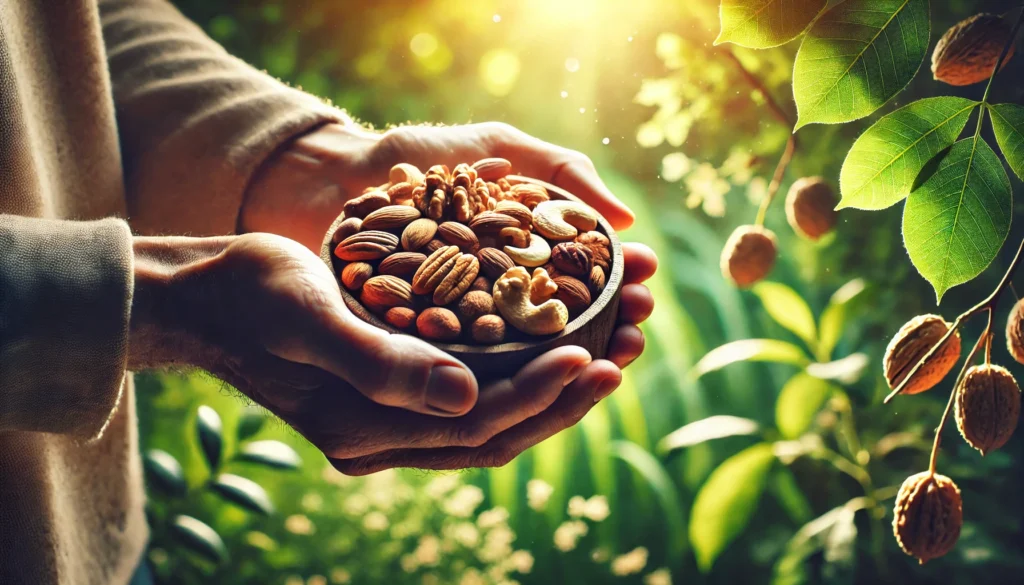
Liver Disease Warning Signs: How to Diagnose, Treat, and Reverse Liver Damage

Understanding the Liver’s Role in Health

The liver is one of the most vital organs in the human body, responsible for processing nutrients, filtering toxins, and aiding in digestion. It is often called the body’s detoxification powerhouse because it plays a central role in metabolizing substances and maintaining internal balance. Given its importance, any impairment in liver function can have serious repercussions on overall health. Unfortunately, liver medical conditions often go undiagnosed until they reach an advanced stage. Understanding the warning signs of hepatic illness, knowing how to diagnose liver disease, and exploring liver disease treatment options can help prevent irreversible damage and improve overall well-being.

You may also like: The Best Liver Detox Supplements: How to Choose Safe and Effective Support for Your Liver

Early Warning Signs of Liver Disease

Liver disease can manifest in many ways, often presenting subtle symptoms that can be overlooked. One of the earliest indicators of liver problems is fatigue, which is commonly dismissed as a result of daily stress or poor sleep. Chronic fatigue associated with liver dysfunction is often accompanied by other signs such as nausea, loss of appetite, and unexplained weight loss. Jaundice, characterized by a yellowing of the skin and eyes, is another common indicator that the liver is struggling to process bilirubin effectively. Dark urine and pale stools can also point to bile duct issues, which may indicate developing liver conditions.

Abdominal pain, particularly in the upper right quadrant, is a key symptom of liver disease. This discomfort may range from mild to severe, depending on the underlying cause of liver damage. Bloating and swelling in the abdomen, often caused by fluid retention (ascites), suggest more advanced liver dysfunction. Itching or skin changes, such as spider angiomas (small, web-like clusters of blood vessels), also indicate hepatic issues. While these symptoms may not seem severe individually, when combined, they paint a clear picture of compromised liver function.

A detailed medical illustration comparing a diseased human liver to a healthy one. The diseased liver appears swollen, discolored, and rough with scarring, while the healthy liver looks smooth and vibrant. The background has a clinical setting with soft blue hues, representing medical diagnosis and treatment

Diagnosing Liver Disease

If you suspect liver dysfunction, seeking a medical diagnosis is crucial. Physicians use several methods to determine whether a patient has liver disease. Blood tests are the first step, with liver function tests (LFTs) measuring enzyme levels, bilirubin, and protein levels. Elevated liver enzymes, such as alanine aminotransferase (ALT) and aspartate aminotransferase (AST), signal liver inflammation or damage. Bilirubin levels provide insight into bile processing efficiency, while albumin and prothrombin time tests evaluate the liver’s ability to synthesize proteins essential for clotting and overall health.

Imaging tests, including ultrasound, CT scans, and MRIs, offer a non-invasive way to assess liver structure and detect abnormalities such as fatty deposits, fibrosis, or tumors. A liver biopsy remains the gold standard for diagnosing liver disease at a microscopic level. In this procedure, a small tissue sample is extracted and examined for signs of chronic liver insufficiency, inflammation, or cancerous changes. These diagnostic tools help physicians determine the severity of liver damage and guide appropriate treatment decisions.

Common Causes of Liver Damage

Liver disease stems from a variety of factors, ranging from lifestyle choices to genetic conditions. Chronic alcohol consumption is one of the leading causes of liver disease, contributing to fatty liver disease, hepatitis, and ultimately cirrhosis. Non-alcoholic fatty liver disease (NAFLD) is another major contributor, linked to obesity, insulin resistance, and metabolic syndrome. This condition can progress to non-alcoholic steatohepatitis (NASH), causing significant inflammation and scarring.

Viral hepatitis, including hepatitis B and C, directly attacks liver cells and leads to chronic liver inflammation. If left untreated, these infections can result in cirrhosis or liver cancer. Autoimmune liver diseases, such as autoimmune hepatitis and primary biliary cholangitis, occur when the immune system mistakenly attacks healthy liver tissue. Additionally, genetic conditions such as Wilson’s disease and hemochromatosis lead to toxic metal accumulation in the liver, causing progressive damage.

Treatment Options for Liver Disease

When addressing liver medical conditions, treatment depends on the underlying cause and severity of the disease. Lifestyle modifications play a crucial role in managing and potentially reversing early-stage liver damage. Adopting a nutrient-rich diet, reducing alcohol intake, and maintaining a healthy weight can improve liver function and reduce inflammation. Medications such as antiviral drugs for hepatitis, immunosuppressants for autoimmune liver disease, and bile acid supplements for cholestatic liver conditions can help slow disease progression.

In cases of severe liver disease, more intensive treatments may be required. Treatment for liver disease in a hospital setting includes intravenous medications, nutritional support, and monitoring for complications such as bleeding or infections. For patients with advanced liver failure, a liver transplant remains the only viable option. This procedure replaces the diseased liver with a healthy donor organ, restoring function and prolonging life expectancy.

Can Liver Failure Be Reversed?

One of the most common questions among individuals diagnosed with liver disease is whether liver failure can be reversed. The answer depends on the stage and cause of liver dysfunction. In early stages, such as fatty liver disease or mild fibrosis, lifestyle changes can lead to significant improvement and even full reversal of damage. However, once liver disease progresses to cirrhosis, scarring becomes permanent, and reversal is no longer possible. That being said, proper management can prevent further deterioration and improve quality of life.

For those suffering from acute liver failure, timely medical intervention can sometimes lead to recovery. Eliminating the cause of liver injury—whether it be toxins, infections, or metabolic imbalances—gives the liver a chance to regenerate. Patients experiencing symptoms such as confusion, jaundice, or severe abdominal swelling should seek immediate medical attention, as these are signs of death from liver failure without urgent intervention.

A conceptual illustration of liver disease treatment and recovery. A damaged liver is shown transitioning from a dark, scarred state to a healthy, vibrant organ. Surrounding it are glowing particles, DNA strands, and molecular structures representing treatment and regeneration

Frequently Asked Questions (FAQ) on Liver Health and Treatment

1. What are the early signs of death from liver failure? The early signs of death from liver failure often include severe jaundice, confusion due to hepatic encephalopathy, extreme fatigue, and swelling in the abdomen due to fluid buildup (ascites). As liver function declines, patients may experience internal bleeding, kidney failure, and an inability to process toxins, leading to a coma. Without urgent medical intervention, these symptoms progress rapidly. Palliative care can help manage pain and discomfort in end-stage liver failure. Seeking treatment early can sometimes slow or even reverse damage.

2. Can liver failure be reversed with proper treatment? The possibility of reversing liver failure depends on the underlying cause, the stage of progression, and the timeliness of treatment. Acute liver failure caused by toxins, infections, or medication overdoses may be reversible if addressed quickly. Chronic liver insufficiency due to hepatitis or fatty liver disease may require long-term medical management and lifestyle changes. Advanced cirrhosis, however, is generally irreversible, and a liver transplant is often the only viable option. Early diagnosis and intervention improve the chances of recovery.

3. What does liver failure feel like in its early and advanced stages? Liver failure often begins with subtle symptoms such as nausea, loss of appetite, and fatigue. As the condition worsens, patients may feel persistent abdominal pain, swelling, and difficulty concentrating due to a buildup of toxins in the bloodstream. In the advanced stages, confusion, disorientation, and even coma can occur due to hepatic encephalopathy. Severe itching, muscle wasting, and easy bruising or bleeding are also common. Recognizing these signs early allows for timely medical intervention.

4. What are the available liver failure treatments? Liver failure treatments vary depending on the cause and severity of the condition. For acute liver failure, hospitalization is necessary for intensive monitoring and supportive care. Treatments for liver damage caused by infections, toxins, or medications may include antiviral drugs, antidotes, or corticosteroids. In cases of chronic liver insufficiency, treatment focuses on managing symptoms, controlling underlying conditions, and preventing further damage. In the most severe cases, a liver transplant may be the only viable treatment.

5. How is liver disease diagnosed? Doctors diagnose liver disease through a combination of blood tests, imaging, and liver biopsies. Blood tests assess liver enzyme levels, bilirubin, and clotting factors to detect abnormalities. Imaging techniques such as ultrasound, CT scans, and MRIs help evaluate liver structure and detect abnormalities like tumors or fibrosis. A liver biopsy, in which a small tissue sample is taken, provides definitive information about the severity of damage. Early diagnosis is crucial for effective liver disease treatment and management.

6. What is the best medicine for liver disease? The best medicine for liver disease depends on the specific condition. For viral hepatitis, antiviral medications help control infection and prevent liver damage. For autoimmune hepatic illness, immunosuppressants may be prescribed. Patients with fatty liver disease benefit from medications that lower cholesterol, manage blood sugar, and promote liver repair. In cases of liver inflammation, corticosteroids or anti-inflammatory drugs may be used. While medications help manage symptoms, lifestyle changes remain essential for liver health.

7. How can liver inflammation be treated and healed naturally? Liver inflammation treatment often includes dietary and lifestyle modifications. Reducing alcohol intake, maintaining a healthy weight, and consuming antioxidant-rich foods support liver repair. Herbal supplements such as milk thistle and turmeric may aid in reducing inflammation, though they should be used under medical supervision. Hydration and regular exercise also contribute to liver health. In more severe cases, prescription medications are required to control inflammation and prevent further damage.

8. What happens when your liver fails completely? When your liver fails completely, the body loses its ability to filter toxins, produce essential proteins, and regulate metabolism. This results in life-threatening complications such as multi-organ failure, severe infections, and brain dysfunction. Without immediate medical intervention, the condition is fatal. Treatment for liver disease in a hospital setting often includes intensive care, dialysis for kidney support, and, in many cases, liver transplantation. Early intervention is key to improving survival chances.

9. Can you die from liver failure if left untreated? Yes, untreated liver failure can be fatal. The liver is responsible for detoxification, metabolism, and essential protein production. When it ceases to function properly, toxin buildup leads to confusion, organ failure, and coma. Stage 5 liver failure is particularly dangerous, with high mortality rates unless a liver transplant is performed. Seeking medical care as soon as symptoms appear can significantly improve prognosis and survival outcomes.

10. How can liver damage be repaired or reversed? The ability to repair liver damage depends on the severity and cause of the condition. Mild to moderate liver problems caused by alcohol, fatty liver disease, or viral infections may be reversible with proper diet, exercise, and medical treatment. Some treatments for liver damage include medications to manage fibrosis and control underlying conditions. In cases of severe scarring or cirrhosis, complete reversal is unlikely, and management focuses on slowing progression. Early diagnosis and proactive treatment provide the best chance of preserving liver function.

A futuristic medical visualization of liver regeneration. The image shows a liver being repaired at a microscopic level, with regenerating cells, glowing energy waves, and advanced medical technology elements. The background features a digital interface with holographic medical data, symbolizing cutting-edge treatment

Conclusion: Prioritizing Liver Health for a Longer Life

Liver disease is a silent but serious health threat that can progress unnoticed until significant damage has occurred. Recognizing early warning signs, seeking timely diagnosis, and implementing appropriate treatments are key to preserving liver function. Understanding what happens when your liver fails and exploring the best liver inflammation treatment options can empower individuals to take charge of their health. Whether through lifestyle changes, medication, or advanced medical intervention, there are numerous ways to support liver health and prevent long-term complications. By making informed choices and prioritizing liver wellness, individuals can enhance their overall health and reduce the risk of severe liver-related illnesses.

hepatic health support, liver detoxification strategies, preventing liver disease naturally, liver-friendly diet tips, managing fatty liver disease, liver cirrhosis prevention, holistic liver care, signs of liver dysfunction, effective liver treatment options, liver regeneration potential, liver failure recovery, alcohol-related liver disease management, hepatitis prevention methods, natural remedies for liver inflammation, importance of liver health, liver disease and nutrition, early detection of liver disease, managing chronic liver conditions, best foods for liver repair, liver transplant eligibility criteria

Further Reading:

Liver Disease

Warning Signs of Liver Damage You Must Not Ignore!

What are the signs of liver damage?

Disclaimer

The information contained in this article is provided for general informational purposes only and is not intended to serve as medical, legal, or professional advice. While NewsHealthWatch strives to present accurate, up-to-date, and reliable content, no warranty or guarantee, expressed or implied, is made regarding the completeness, accuracy, or adequacy of the information provided. Readers are strongly advised to seek the guidance of a qualified healthcare provider or other relevant professionals before acting on any information contained in this article. NewsHealthWatch, its authors, editors, and contributors expressly disclaim any liability for any damages, losses, or consequences arising directly or indirectly from the use, interpretation, or reliance on any information presented herein. The views and opinions expressed in this article are those of the author(s) and do not necessarily reflect the official policies or positions of NewsHealthWatch.
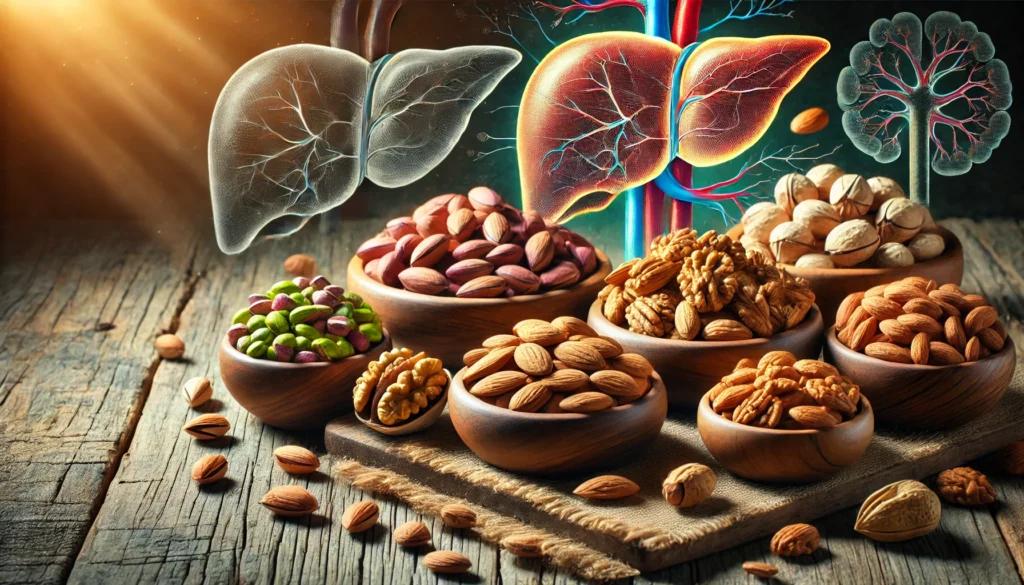
Play exciting online pokies and live games at True Fortune Casino, offering fast payouts, secure deposits, and generous bonuses for Australian players.

Enjoy top pokies and live dealer tables at Uptown Pokies Casino, with quick withdrawals, safe banking, and rewarding promotions for Australian users.

Join thrilling online slots and live casino action at Uptown Aces, featuring fast deposits, secure withdrawals, and exclusive bonuses for Australian players.

Spin favourite pokies and play live casino games at Velvet Spins Casino, offering safe banking, fast payouts, and generous promotions for Australian enthusiasts.

Experience exciting online pokies and live tables at Woo Casino, with quick withdrawals, secure deposits, and attractive bonuses for Australian casino players.

Play top pokies and live dealer games at King Billy Casino, offering fast payouts, safe banking, and rewarding promotions for Australian online casino users.

Enjoy thrilling online slots and live casino action at Aussie Play Casino, with secure deposits, quick withdrawals, and generous bonuses for Australian players.

Join exciting pokies and live tables at Fastpay Casino, featuring fast payouts, safe banking, and exclusive promotions for Australian online casino enthusiasts.