hacklink hack forum hacklink film izle hacklink
Home Blog Page 237

Does Ashwagandha Thin the Blood? What You Need to Know About Its Effects on Circulation and Medications

Understanding Ashwagandha and Its Role in Traditional Medicine

Ashwagandha, scientifically known as Withania somnifera, has been used for centuries in Ayurvedic medicine for its adaptogenic properties. It is often referred to as Indian ginseng, though it is unrelated to the true ginseng plants of Asia and North America. This potent herb has been traditionally used to enhance physical and mental stamina, support immune function, and promote overall well-being. In recent years, scientific research has started validating some of these claims, leading to increased interest in ashwagandha as a supplement. However, questions have arisen regarding its potential effects on blood circulation, including whether it possesses blood-thinning properties.

You may also like: Rhodiola vs. Ashwagandha: Which Adaptogen Best Supports Gut Health and a Fiber-Rich Diet?

Does Ashwagandha Thin the Blood?

One of the primary concerns for individuals taking ashwagandha, particularly those on anticoagulant or antiplatelet medications, is whether it has blood-thinning effects. Research suggests that ashwagandha may influence blood viscosity and circulation, but definitive conclusions are still lacking. Some studies indicate that ashwagandha can impact platelet aggregation, a process where blood cells clump together to form clots. This raises the possibility that ashwagandha could have mild anticoagulant effects, potentially increasing the risk of bleeding in individuals who are already taking blood thinners such as warfarin, aspirin, or Eliquis.

While Ayurvedic practitioners have long used ashwagandha for circulatory health, modern scientific evidence is still catching up. The active compounds in ashwagandha, including withanolides, appear to have various physiological effects that could theoretically impact blood clotting mechanisms. However, the degree to which ashwagandha influences clotting compared to pharmaceutical blood thinners remains an open question requiring further investigation.
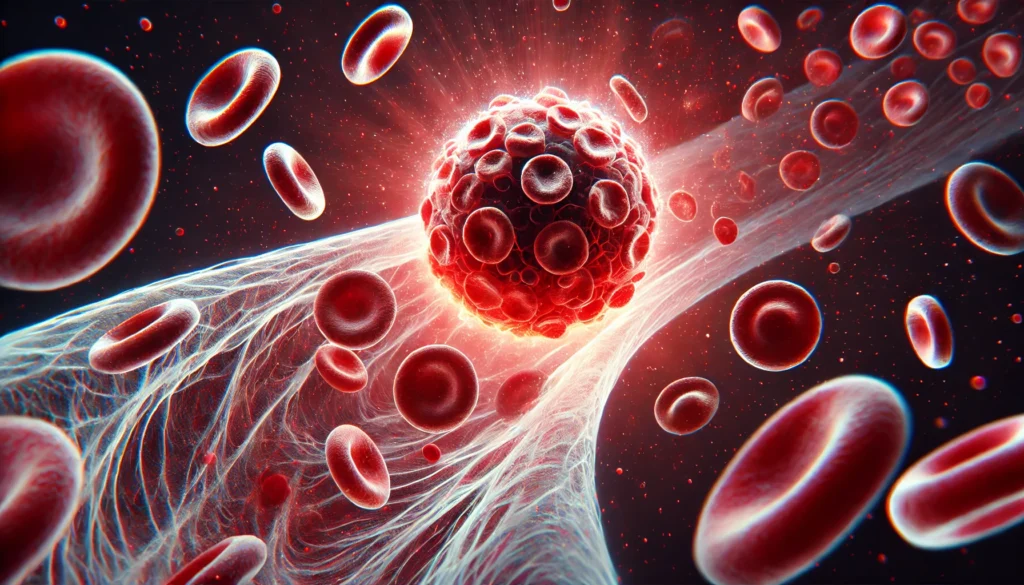
A high-detail visualization of red and white blood cells flowing through a vein, illustrating circulation, blood flow, and the dynamic movement within the bloodstream.

Ashwagandha and Blood Thinners: A Potential Interaction?

For individuals taking prescription blood thinners, such as Eliquis (apixaban), it is crucial to consider potential interactions with herbal supplements. Ashwagandha and blood thinners may both contribute to anticoagulation, leading to an increased risk of excessive bleeding. While no large-scale clinical trials have definitively confirmed this interaction, case studies and anecdotal reports suggest that caution is warranted.

Ashwagandha may also interact with other anticoagulant medications, including heparin and rivaroxaban. Individuals taking these medications should consult their healthcare provider before adding ashwagandha to their regimen. The lack of robust clinical evidence makes it difficult to determine the exact degree of risk, but erring on the side of caution is advisable. Monitoring for signs of excessive bleeding, such as easy bruising, prolonged bleeding from minor cuts, or unexplained nosebleeds, is essential when combining ashwagandha with blood-thinning medications.

The Connection Between Ashwagandha and Blood Sugar Regulation

Beyond its potential effects on circulation, ashwagandha is also known to influence blood sugar levels. Research suggests that ashwagandha can enhance insulin sensitivity and reduce blood glucose levels, making it a promising supplement for individuals with type 2 diabetes or metabolic syndrome. However, this blood sugar-lowering effect could interact with medications designed to manage diabetes, such as metformin or insulin.

For individuals who are both diabetic and taking blood thinners, the combination of ashwagandha’s effects on blood sugar and potential anticoagulant properties could pose a compounded risk. Lower blood sugar levels may contribute to dizziness, lightheadedness, or even fainting, especially when combined with medications that reduce clotting ability. Careful monitoring and professional medical guidance are necessary for individuals considering ashwagandha as a supplement while managing these conditions.

The Science Behind Ashwagandha’s Impact on Circulatory Health

Ashwagandha’s potential to influence blood circulation is attributed to its impact on inflammation, stress response, and hormonal balance. Chronic inflammation is a major contributor to cardiovascular diseases, and ashwagandha has demonstrated anti-inflammatory properties in various studies. By reducing inflammation, it may indirectly support cardiovascular health by preventing excessive clot formation or arterial damage.

Additionally, ashwagandha’s role as an adaptogen means it helps regulate the body’s response to stress. High levels of stress and cortisol are associated with increased blood pressure and a higher risk of clot-related conditions. By modulating stress hormones, ashwagandha may promote healthier circulation and reduce the risk of stress-induced cardiovascular complications.

Who Should Avoid Ashwagandha Due to Blood-Thinning Concerns?

While ashwagandha is generally well-tolerated, certain populations should approach it with caution. Individuals with bleeding disorders, such as hemophilia, or those undergoing surgery should avoid ashwagandha due to the potential for increased bleeding risk. Additionally, pregnant women should consult their healthcare providers before using ashwagandha, as its effects on pregnancy-related coagulation processes are not well understood.

Those taking medications such as Eliquis, warfarin, or aspirin should be particularly cautious. Even though the evidence on ashwagandha’s blood-thinning effects is not definitive, the possibility of interactions warrants careful consideration. Regular blood tests and physician guidance can help mitigate potential risks for individuals who choose to use ashwagandha while on anticoagulant therapy.

Practical Recommendations for Safe Use

If you are considering ashwagandha supplementation and are concerned about its effects on blood thinning, there are several precautions to keep in mind. First, always start with a low dose and monitor for any adverse reactions, particularly if you are already taking medications that affect clotting. Consulting a healthcare provider before starting ashwagandha is highly recommended, as they can offer personalized advice based on your medical history and current medications.

Additionally, incorporating ashwagandha into a balanced lifestyle that includes a healthy diet, regular exercise, and stress management practices can optimize its benefits while minimizing risks. Combining it with other natural supplements known for cardiovascular support, such as turmeric or omega-3 fatty acids, should also be done cautiously, as these may have additive anticoagulant effects.

 A representation of herbal medicine blending with pharmaceuticals, featuring ashwagandha roots, pill bottles, and capsules arranged together to symbolize natural and synthetic medicine.

Frequently Asked Questions About Ashwagandha and Its Effects on Blood Thinning

1. Can ashwagandha be used as a natural alternative to prescription blood thinners?

Ashwagandha is known for its various health benefits, including its potential to support cardiovascular health. However, whether ashwagandha blood thinning effects are strong enough to replace prescription medications remains uncertain. Unlike pharmaceutical anticoagulants, which are specifically formulated and clinically tested for blood thinning, ashwagandha’s impact on blood viscosity and clot formation is less well understood. Some studies suggest that it may influence platelet aggregation and circulation, but the degree of effect varies from person to person. Therefore, individuals currently taking prescription blood thinners should not substitute ashwagandha for their medication without consulting a healthcare professional.

2. Is ashwagandha a blood thinner, or does it just support healthy circulation?

The distinction between being a direct blood thinner and supporting circulation is essential when discussing ashwagandha. While some herbal supplements actively inhibit blood clotting, ashwagandha’s effects seem to be more indirect. It has anti-inflammatory and adaptogenic properties that may contribute to overall cardiovascular wellness, potentially improving circulation. However, whether ashwagandha and blood thinners function in a comparable manner remains inconclusive due to the limited clinical research available. If you are concerned about your blood clotting ability while taking ashwagandha, discuss potential risks with a healthcare provider.

3. How does ashwagandha interact with medications like Eliquis?

Ashwagandha and Eliquis (apixaban), when taken together, may present a potential interaction due to their respective effects on circulation and clotting. While Eliquis is a well-documented anticoagulant with a defined mechanism of action, ashwagandha’s role in blood thinning is not as clearly understood. If ashwagandha does indeed have mild anticoagulant properties, combining it with Eliquis could increase the risk of excessive bleeding. Symptoms to watch for include prolonged bruising, excessive bleeding from minor cuts, and unexplained nosebleeds. Always inform your healthcare provider before combining ashwagandha with prescription blood thinners.

4. Does ashwagandha thin the blood enough to affect surgery or medical procedures?

If ashwagandha contributes to blood thinning, even in a mild way, it could potentially affect bleeding during surgery or medical procedures. Many healthcare professionals recommend stopping herbal supplements that may interfere with clotting at least two weeks before a scheduled procedure. The extent to which ashwagandha impacts bleeding varies based on individual metabolism, dosage, and whether it is taken alongside other anticoagulants. Patients undergoing dental extractions, biopsies, or surgeries should disclose ashwagandha use to their healthcare providers. Precautionary measures may be necessary to prevent excessive bleeding during or after medical procedures.

5. Can ashwagandha help lower blood sugar levels, and how does this relate to blood thinning?

One of the lesser-discussed aspects of ashwagandha is its potential role in blood sugar regulation. Research suggests that ashwagandha blood sugar benefits may stem from its ability to enhance insulin sensitivity and modulate glucose metabolism. However, individuals who experience significant fluctuations in blood sugar may also face an increased risk of circulatory issues, including clotting disorders. If ashwagandha simultaneously lowers blood sugar and affects blood thinning, it could create an added layer of complexity for individuals managing diabetes alongside clotting conditions. Regular blood sugar and coagulation monitoring is advised for those taking ashwagandha while managing both conditions.

6. Are there specific populations who should avoid ashwagandha due to its blood-thinning potential?

Certain individuals should exercise caution when considering ashwagandha due to its potential effects on circulation. People with bleeding disorders such as hemophilia, those who have recently suffered a stroke, or those with a history of excessive bleeding should consult a medical professional before taking ashwagandha. Additionally, ashwagandha and blood thinners taken together could pose risks for older adults who may already have fragile capillaries or a heightened risk of internal bleeding. Pregnant women should also consult a physician before using ashwagandha, as the herb’s influence on pregnancy-related clotting mechanisms is not well understood. Careful consideration should be given to any pre-existing conditions that may be exacerbated by changes in blood viscosity.

7. How does ashwagandha’s effect on stress and cortisol levels relate to blood thinning?

Ashwagandha is widely recognized for its adaptogenic properties, which help the body cope with stress by regulating cortisol levels. High cortisol levels are often linked to increased blood pressure and a higher risk of clot formation due to heightened inflammatory responses. By reducing cortisol levels, ashwagandha may indirectly support cardiovascular health by lowering stress-related blood thickening. While this does not directly confirm that ashwagandha blood thinning properties are significant, it does highlight its potential role in overall circulatory balance. Individuals who experience stress-induced blood pressure fluctuations may benefit from ashwagandha’s effects in this regard.

8. Could combining ashwagandha with other supplements enhance its blood-thinning effects?

Certain herbal supplements, such as turmeric, ginger, and garlic, are known to have anticoagulant properties. If ashwagandha also influences blood viscosity, combining it with these supplements could amplify its effects. Individuals who take natural anticoagulants in addition to ashwagandha and blood thinners prescribed by a doctor should be cautious, as this could increase the risk of excessive bleeding. It is advisable to monitor for symptoms such as frequent nosebleeds, easy bruising, or prolonged wound healing if using multiple supplements with potential blood-thinning properties. Consultation with a healthcare provider is strongly recommended before combining ashwagandha with other herbal or pharmaceutical anticoagulants.

9. How does the dosage of ashwagandha affect its potential to thin the blood?

The impact of ashwagandha on circulation and clotting may be dose-dependent. Higher doses may exert a stronger influence on platelet activity and blood viscosity, while lower doses may not produce noticeable effects. Since standardized clinical guidelines for ashwagandha use in relation to blood thinning are lacking, determining an appropriate dosage remains a challenge. Those concerned about ashwagandha blood thinning should start with the lowest possible dose and gradually increase while monitoring for signs of excessive bleeding. Personalized guidance from a healthcare professional can help ensure that ashwagandha use remains safe and beneficial.

10. What future research is needed to better understand ashwagandha’s effect on blood thinning?

While preliminary studies suggest that ashwagandha may influence circulation, more extensive research is necessary to determine its definitive effects on clotting. Future clinical trials should examine whether ashwagandha and blood thinners interact significantly at different dosages and in various populations. Studies that explore the biochemical pathways through which ashwagandha influences platelet function could provide further clarity. Additionally, research into the herb’s effects in individuals with pre-existing clotting disorders or those on long-term anticoagulant therapy would be particularly valuable. As scientific understanding of ashwagandha continues to evolve, more precise recommendations regarding its safety and efficacy in relation to blood thinning will emerge.

A magnified conceptual image of a dissolving blood clot, with particles dispersing to illustrate the process of blood thinning and anticoagulation.

Conclusion: Weighing the Benefits and Risks

Ashwagandha is a powerful herbal supplement with a wide range of potential health benefits, including stress reduction, anti-inflammatory effects, and blood sugar regulation. However, its possible blood-thinning effects raise important considerations, particularly for individuals on anticoagulant medications such as Eliquis. While scientific evidence remains inconclusive, the theoretical risk of increased bleeding suggests that careful monitoring and medical consultation are necessary before incorporating ashwagandha into a health regimen.

Understanding the nuanced relationship between ashwagandha and blood thinners, as well as its broader effects on circulatory health, is essential for making informed decisions. Whether you are seeking its adaptogenic benefits or managing an existing health condition, taking a cautious, well-informed approach will help you maximize its potential advantages while minimizing possible risks. As research continues to evolve, future studies may provide clearer guidance on how ashwagandha fits within the broader landscape of herbal medicine and cardiovascular health.

Further Reading:

Ashwagandha – Uses, Side Effects, and More

Ashwagandha

Ashwagandha

ashwagandha benefits, herbal blood thinners, natural anticoagulants, ashwagandha interactions, blood clot prevention, cardiovascular health supplements, herbal medicine for circulation, adaptogens and heart health, natural blood flow boosters, ashwagandha and wellness, anticoagulant effects of herbs, ashwagandha side effects, supplements for blood pressure, stress reduction and circulation, holistic heart health, herbal supplements and medication interactions, ashwagandha and metabolism, plant-based health remedies, alternative medicine for blood health, ashwagandha safety considerations

The information contained in this article is provided for general informational purposes only and is not intended to serve as medical, legal, or professional advice. While NewsHealthWatch strives to present accurate, up-to-date, and reliable content, no warranty or guarantee, expressed or implied, is made regarding the completeness, accuracy, or adequacy of the information provided. Readers are strongly advised to seek the guidance of a qualified healthcare provider or other relevant professionals before acting on any information contained in this article. NewsHealthWatch, its authors, editors, and contributors expressly disclaim any liability for any damages, losses, or consequences arising directly or indirectly from the use, interpretation, or reliance on any information presented herein. The views and opinions expressed in this article are those of the author(s) and do not necessarily reflect the official policies or positions of NewsHealthWatch.





Ashwagandha for Skin: Science-Backed Benefits and How to Use It for a Radiant Glow

Understanding Ashwagandha and Its Role in Skin Health

Ashwagandha, scientifically known as Withania somnifera, has been a cornerstone of Ayurvedic medicine for centuries. This adaptogenic herb is widely recognized for its ability to combat stress, enhance immunity, and improve overall well-being. However, its benefits extend beyond internal health, making it a powerful natural remedy for various skin concerns. The impact of ashwagandha on skin health is deeply rooted in its potent antioxidant, anti-inflammatory, and rejuvenating properties, which help in addressing issues such as premature aging, acne, hyperpigmentation, and dull complexion. With an increasing emphasis on holistic skincare, the demand for natural solutions like ashwagandha has surged, leading researchers to explore its efficacy in promoting radiant and youthful skin.

You may also like: Rhodiola vs. Ashwagandha: Which Adaptogen Best Supports Gut Health and a Fiber-Rich Diet?

The skin, being the largest organ of the human body, is constantly exposed to environmental aggressors, stress, and lifestyle-related factors that can compromise its health. The incorporation of herbal remedies such as ashwagandha into daily skincare routines provides a natural yet effective approach to maintaining skin vitality. Modern scientific studies have validated many of the traditional claims associated with ashwagandha, demonstrating its role in protecting against oxidative damage, regulating cortisol levels, and supporting collagen production. This growing body of evidence positions ashwagandha as a valuable addition to holistic skincare regimens aimed at achieving a glowing complexion from within.

A spa-inspired setting with ashwagandha-infused skincare products, including facial oils and creams, placed on a marble surface with soft-focus greenery in the background.

Ashwagandha Benefits for Skin: A Scientific Perspective

One of the primary reasons ashwagandha is gaining popularity in skincare is its impressive range of benefits, which cater to different skin types and concerns. Scientific research has highlighted its ability to enhance skin health by addressing key issues such as inflammation, oxidative stress, and collagen degradation. By delving deeper into its mechanisms, we can understand how ashwagandha supports skin vitality in a scientifically substantiated manner.

1. Combating Premature Aging and Enhancing Collagen Production

Aging is a natural process, but external factors such as UV radiation, pollution, and stress accelerate skin aging. Ashwagandha contains powerful antioxidants such as withanolides, which help neutralize free radicals responsible for cellular damage. Free radicals contribute to the breakdown of collagen and elastin, leading to wrinkles, fine lines, and sagging skin. By incorporating ashwagandha into skincare, individuals can effectively reduce oxidative damage and promote collagen synthesis, leading to firmer and more youthful skin.

Studies have shown that ashwagandha increases the production of type I collagen, which plays a crucial role in maintaining skin elasticity and strength. Additionally, its adaptogenic properties regulate cortisol levels, preventing stress-induced collagen depletion. Regular use of ashwagandha in skincare formulations or as an oral supplement can help sustain collagen levels and improve overall skin texture, reducing visible signs of aging.

2. Managing Acne and Reducing Inflammation

Acne is a common skin condition that affects individuals of all ages, often resulting from inflammation, bacterial overgrowth, and hormonal imbalances. The anti-inflammatory properties of ashwagandha make it an excellent natural remedy for acne-prone skin. By inhibiting pro-inflammatory cytokines and reducing excess sebum production, ashwagandha helps minimize breakouts and prevent further skin irritation.

Furthermore, ashwagandha possesses antibacterial and antimicrobial properties that combat acne-causing bacteria such as Propionibacterium acnes. By incorporating ashwagandha into skincare routines, individuals can experience a reduction in acne severity while promoting faster healing of blemishes. Its ability to balance cortisol levels also plays a significant role in preventing stress-induced acne, making it a holistic solution for clearer skin.

3. Addressing Hyperpigmentation and Evening Skin Tone

Uneven skin tone, dark spots, and hyperpigmentation are common concerns caused by excess melanin production, sun exposure, and post-inflammatory responses. Ashwagandha contains bioactive compounds that regulate melanin synthesis, helping to fade pigmentation and restore a more balanced complexion. Research suggests that withanolides present in ashwagandha inhibit tyrosinase activity, the enzyme responsible for melanin production, leading to a gradual reduction in dark spots.

Regular use of ashwagandha-based skincare products or supplements can result in a more radiant and even-toned complexion. Additionally, its antioxidant properties protect the skin from further UV-induced pigmentation, making it an excellent ingredient for maintaining a bright and youthful appearance.

4. Hydrating and Nourishing the Skin

Skin hydration is crucial for maintaining a healthy and plump appearance. Ashwagandha is rich in amino acids, which support the skin’s natural moisture barrier and prevent transepidermal water loss. This helps in keeping the skin hydrated, soft, and resilient against external aggressors.

Moreover, ashwagandha’s ability to enhance circulation ensures that essential nutrients and oxygen reach the skin cells, promoting a healthy and luminous complexion. Whether used topically in facial oils and creams or consumed internally, ashwagandha plays a vital role in supporting skin hydration and nourishment.

How to Use Ashwagandha for Skin

Given its versatility, ashwagandha can be incorporated into skincare routines in multiple ways. From topical applications to oral supplementation, understanding the right methods of usage ensures maximum benefits for skin health.

1. Topical Application: Ashwagandha-Infused Skincare Products

Ashwagandha is available in various skincare formulations, including serums, face masks, and creams. These products leverage its anti-inflammatory and antioxidant properties to deliver targeted benefits for specific skin concerns. When selecting ashwagandha-infused skincare, look for formulations that contain complementary ingredients such as turmeric, aloe vera, and hyaluronic acid to enhance efficacy.

2. DIY Face Masks with Ashwagandha Powder

For those who prefer natural skincare remedies, ashwagandha powder can be mixed with honey, yogurt, or rose water to create rejuvenating face masks. These DIY treatments help soothe irritation, brighten the complexion, and provide deep nourishment.

3. Oral Supplementation for Skin Health

Consuming ashwagandha supplements in the form of capsules or powders can offer systemic benefits that reflect on skin health. By regulating stress hormones and promoting antioxidant activity, internal consumption enhances skin resilience and vitality from within.

A radiant woman applying a natural herbal face mask with ashwagandha, showcasing glowing, healthy skin in a softly lit environment with ashwagandha leaves and roots in the background.

Frequently Asked Questions (FAQ) About Ashwagandha for Skin

1. How does ashwagandha benefit skin beyond reducing inflammation?

Ashwagandha benefits for skin extend far beyond its well-known anti-inflammatory effects. This powerful adaptogen helps regulate stress hormones such as cortisol, which can otherwise accelerate skin aging and contribute to breakouts. Additionally, ashwagandha stimulates the production of hyaluronan, a compound essential for maintaining skin hydration and elasticity. It also enhances microcirculation, ensuring that skin cells receive adequate oxygen and nutrients, leading to a naturally radiant complexion. By improving cellular turnover, ashwagandha helps maintain smooth and even-toned skin over time.

2. Can ashwagandha help with skin sensitivity and irritation?

Yes, ashwagandha for skin is highly beneficial for individuals with sensitive or reactive skin. Its adaptogenic properties help the skin build resilience against environmental stressors such as pollution and harsh weather conditions. Ashwagandha also contains alkaloids and withanolides that soothe irritation and reduce histamine responses, making it ideal for conditions like eczema and rosacea. Furthermore, its ability to support the skin’s natural lipid barrier helps prevent moisture loss, ensuring long-term protection against external aggressors. With consistent use, ashwagandha helps strengthen the skin’s defenses, reducing the likelihood of irritation and flare-ups.

3. Is ashwagandha effective for reducing dark circles and under-eye puffiness?

One of the lesser-known ashwagandha benefits for skin is its ability to reduce dark circles and puffiness under the eyes. Due to its anti-stress properties, ashwagandha helps regulate cortisol levels, preventing stress-induced fluid retention that can cause puffiness. Its antioxidant compounds work to neutralize free radicals, reducing the appearance of fine lines and dark pigmentation around the eyes. Additionally, ashwagandha boosts blood circulation, ensuring that oxygen and nutrients reach the delicate under-eye area for a more refreshed look. Using an ashwagandha-infused eye cream or a homemade serum with ashwagandha extract can yield visible improvements over time.

4. How does ashwagandha interact with other skincare ingredients?

Ashwagandha for skin pairs well with many other natural skincare ingredients, amplifying its effectiveness. When combined with hyaluronic acid, ashwagandha enhances skin hydration and elasticity, making it ideal for dry and aging skin. Its antioxidant properties complement vitamin C, helping to brighten the complexion and fade hyperpigmentation more effectively. Ashwagandha also works synergistically with adaptogens like ginseng and turmeric, further boosting skin resilience and calming inflammation. However, when using ashwagandha with active ingredients like retinol, it’s best to introduce it gradually to ensure compatibility and prevent potential irritation.

5. Can ashwagandha be used on oily and acne-prone skin?

Absolutely. Ashwagandha benefits for skin are particularly helpful for those with oily and acne-prone skin due to its ability to regulate sebum production. Excess sebum can lead to clogged pores and breakouts, but ashwagandha helps balance oil levels without stripping the skin of essential moisture. Additionally, its antibacterial properties target acne-causing bacteria, reducing the severity and frequency of breakouts. By managing cortisol levels, ashwagandha also helps prevent stress-induced acne, a common concern for individuals with hormonal imbalances. Regular use can lead to a clearer, more balanced complexion over time.

6. What are the best ways to incorporate ashwagandha into a skincare routine?

There are several ways to incorporate ashwagandha for skin into a daily skincare routine, each offering unique benefits. Using ashwagandha-infused creams and serums provides targeted topical nourishment, helping to reduce inflammation and improve skin elasticity. DIY face masks made with ashwagandha powder and hydrating ingredients like honey or aloe vera offer deep rejuvenation. Additionally, drinking ashwagandha tea or taking it as a supplement supports skin health from within, promoting an overall glow. For maximum benefits, combining internal and external applications can yield the best long-term results.

7. Can ashwagandha help with sun damage and UV protection?

While ashwagandha should not replace sunscreen, it does provide secondary protection against sun-induced damage. Its antioxidant-rich composition helps neutralize free radicals generated by UV exposure, reducing the risk of premature aging, hyperpigmentation, and skin cell damage. Ashwagandha also supports DNA repair processes, which can help the skin recover from UV-related oxidative stress more efficiently. Additionally, its anti-inflammatory properties soothe sunburned skin, helping to reduce redness and discomfort. For optimal protection, it is best to pair ashwagandha with a broad-spectrum sunscreen and other sun-protective measures.

8. How long does it take to see visible results from ashwagandha skincare use?

The timeline for visible results when using ashwagandha for skin varies depending on factors such as skin type, consistency of use, and method of application. Generally, topical applications may show noticeable improvements in hydration and inflammation reduction within a few weeks. However, deeper skin benefits such as collagen production and reduction in hyperpigmentation can take several months to manifest. When consumed as a supplement, ashwagandha works systemically to improve skin resilience and texture, often requiring at least eight to twelve weeks of consistent intake. For the best outcomes, it is recommended to use ashwagandha both internally and externally as part of a well-rounded skincare regimen.

9. Are there any potential side effects of using ashwagandha on the skin?

Ashwagandha is generally well-tolerated, but as with any skincare ingredient, some individuals may experience mild side effects. Those with extremely sensitive skin might notice slight redness or irritation, particularly when using highly concentrated formulations. Conducting a patch test before applying ashwagandha-based products to larger areas of the skin can help determine individual sensitivity. Additionally, people with autoimmune conditions or those taking specific medications should consult a healthcare professional before using ashwagandha supplements. While rare, allergic reactions can occur, so it is always advisable to start with a small amount and observe any potential reactions.

10. Can ashwagandha help improve skin firmness and elasticity?

Yes, one of the standout ashwagandha benefits for skin is its ability to enhance firmness and elasticity. The herb stimulates fibroblast activity, which is essential for collagen production, leading to improved skin structure and reduced sagging. Additionally, ashwagandha contains alkaloids that help prevent collagen breakdown, making it a valuable anti-aging ally. By boosting circulation and nutrient delivery to the skin, it ensures optimal cell regeneration, resulting in a more youthful appearance. Over time, consistent use of ashwagandha-based skincare or supplements can significantly improve skin firmness, making it a natural and effective alternative to synthetic anti-aging treatments.

A serene landscape of ashwagandha plants growing in a lush green field, bathed in golden sunlight, symbolizing purity, wellness, and the natural origins of this powerful herb for skincare.

Conclusion: Unlocking Radiant Skin with Ashwagandha

Ashwagandha for skin offers a scientifically backed approach to achieving a healthy and radiant complexion. Its ability to combat oxidative stress, reduce inflammation, and promote collagen synthesis makes it an invaluable addition to holistic skincare. Whether used topically or as a supplement, ashwagandha provides a natural, effective solution for addressing various skin concerns while promoting long-term skin health. By integrating ashwagandha into daily routines, individuals can harness the full potential of this adaptogenic herb and achieve glowing, youthful skin.

Further Reading:

Facials in Phoenix

32 Benefits of Ashwagandha You Wished You Knew Earlier

7 Ashwagandha Benefits For Skin Care At Home

natural skincare, herbal skin remedies, Ayurvedic beauty, anti-aging herbs, skin hydration tips, stress and skin health, plant-based skincare, collagen boosting herbs, holistic beauty solutions, skincare adaptogens, acne natural treatment, sun damage repair, antioxidant skincare, glowing skin routine, herbal supplements for skin, skin rejuvenation herbs, ashwagandha skincare benefits, inflammation and skin health, skin barrier protection, botanical skincare solutions

The information contained in this article is provided for general informational purposes only and is not intended to serve as medical, legal, or professional advice. While NewsHealthWatch strives to present accurate, up-to-date, and reliable content, no warranty or guarantee, expressed or implied, is made regarding the completeness, accuracy, or adequacy of the information provided. Readers are strongly advised to seek the guidance of a qualified healthcare provider or other relevant professionals before acting on any information contained in this article. NewsHealthWatch, its authors, editors, and contributors expressly disclaim any liability for any damages, losses, or consequences arising directly or indirectly from the use, interpretation, or reliance on any information presented herein. The views and opinions expressed in this article are those of the author(s) and do not necessarily reflect the official policies or positions of NewsHealthWatch.



Ashwagandha and Thyroid Health: Benefits, Risks, and Medication Interactions Explained

Introduction

Ashwagandha, a revered herb in traditional Ayurvedic medicine, has garnered significant attention in recent years for its potential benefits in managing various health conditions, including thyroid disorders. The thyroid gland plays a crucial role in regulating metabolism, energy levels, and overall bodily functions, making its health paramount. As research delves into the relationship between ashwagandha and thyroid health, important questions arise: Can ashwagandha benefit thyroid function? Are there risks associated with its use? And how does it interact with thyroid medications like levothyroxine?

You may also like: Rhodiola vs. Ashwagandha: Which Adaptogen Best Supports Gut Health and a Fiber-Rich Diet?

Understanding the complex interplay between ashwagandha and thyroid function requires an in-depth examination of scientific studies, anecdotal evidence, and expert medical opinions. This article explores the benefits and risks of ashwagandha concerning thyroid health, its potential effects on conditions such as hypothyroidism and hyperthyroidism, and critical medication interactions that users should be aware of before incorporating this adaptogenic herb into their wellness routine.

Understanding Ashwagandha and Its Mechanisms

Ashwagandha (Withania somnifera) is classified as an adaptogen, a category of herbs known for their ability to help the body manage stress and restore balance. Native to India, Africa, and parts of the Middle East, ashwagandha has been used for centuries in Ayurvedic medicine to support overall vitality, reduce anxiety, and enhance resilience to physical and emotional stressors.

The active compounds in ashwagandha, including withanolides, alkaloids, and saponins, contribute to its broad spectrum of physiological effects. These bioactive constituents interact with various bodily systems, influencing immune function, hormonal regulation, and neurological health. The potential for ashwagandha to support thyroid function stems from its purported ability to modulate stress responses and endocrine signaling.

A conceptual digital artwork depicting the thyroid gland surrounded by natural healing elements, including ashwagandha plants, herbal extracts, and a soft glowing aura. The scene represents the balance between traditional herbal medicine and modern thyroid health management, with a calm and natural color palette.

The Thyroid Gland and Its Functions

The thyroid gland, located at the base of the neck, is responsible for producing key hormones that regulate metabolism: thyroxine (T4) and triiodothyronine (T3). These hormones influence energy production, body temperature, cardiovascular function, and cognitive processes. The production of thyroid hormones is tightly controlled by the hypothalamic-pituitary-thyroid (HPT) axis, ensuring a delicate balance in hormone levels.

When thyroid function is disrupted, various health conditions can arise. Hypothyroidism, characterized by insufficient thyroid hormone production, leads to symptoms such as fatigue, weight gain, depression, and sluggish metabolism. Conversely, hyperthyroidism results from excessive thyroid hormone levels, manifesting in symptoms like rapid heartbeat, weight loss, nervousness, and increased metabolic rate. Understanding how ashwagandha interacts with these conditions is vital for individuals considering its use.

Ashwagandha and Hypothyroidism

Several studies have suggested that ashwagandha may support thyroid function in individuals with hypothyroidism. One of the primary mechanisms through which ashwagandha exerts its effects is by modulating cortisol levels and enhancing thyroid hormone production.

A clinical study published in the Journal of Alternative and Complementary Medicine found that ashwagandha supplementation significantly increased serum T3 and T4 levels in individuals with subclinical hypothyroidism. This suggests that ashwagandha may help restore normal thyroid function, potentially alleviating some symptoms of an underactive thyroid.

Additionally, ashwagandha’s role in reducing oxidative stress and inflammation may benefit thyroid health. Hypothyroidism is often linked to increased oxidative damage, which can impair thyroid hormone synthesis. By acting as an antioxidant, ashwagandha may help protect thyroid cells from damage and support overall endocrine balance.

Ashwagandha and Hyperthyroidism

While ashwagandha appears promising for hypothyroid conditions, its effects on hyperthyroidism are more complex. Some evidence suggests that ashwagandha may stimulate thyroid hormone production, which could exacerbate hyperthyroid symptoms in individuals with conditions such as Graves’ disease.

Given that hyperthyroidism results from an overactive thyroid, increasing thyroid hormone levels through supplementation could lead to complications such as rapid heart rate, anxiety, and excessive metabolic acceleration. Therefore, individuals with hyperthyroidism should exercise caution when considering ashwagandha, and consult with a healthcare professional before use.

Can I Take Ashwagandha and Levothyroxine Together?

Levothyroxine is a synthetic thyroid hormone commonly prescribed to individuals with hypothyroidism. Since ashwagandha has been shown to influence thyroid hormone levels, questions arise regarding the safety of taking ashwagandha and levothyroxine together.

Some healthcare professionals caution that ashwagandha may enhance the effects of levothyroxine, potentially leading to excessive thyroid hormone levels. This could result in symptoms of hyperthyroidism, such as palpitations, weight loss, and nervousness. To avoid possible interactions, individuals taking levothyroxine should consult their doctor before incorporating ashwagandha into their regimen.

Potential Risks and Side Effects

Despite its many potential benefits, ashwagandha is not without risks. Individuals with autoimmune thyroid disorders, such as Hashimoto’s thyroiditis, should be particularly cautious. Some reports indicate that ashwagandha may stimulate the immune system, which could worsen autoimmune activity and exacerbate thyroid dysfunction.

Additionally, ashwagandha may interact with other medications beyond levothyroxine, including immunosuppressants, sedatives, and blood sugar-lowering drugs. As with any supplement, it is crucial to evaluate potential interactions and consult a healthcare provider before use.

Ashwagandha and Thyroid Weight Management

Weight gain is a common concern for individuals with hypothyroidism. Since ashwagandha has been linked to improved metabolism and stress reduction, some speculate that it may aid in weight management for those with thyroid imbalances.

By regulating cortisol levels and supporting metabolic function, ashwagandha may help mitigate some of the weight-related challenges associated with thyroid dysfunction. However, weight management is multifactorial, and ashwagandha should be viewed as a complementary approach rather than a standalone solution.

A visually appealing digital illustration of ashwagandha roots and leaves placed beside a glowing thyroid gland, symbolizing the connection between herbal remedies and thyroid health. The thyroid gland is anatomically accurate, glowing in a warm hue to indicate activity, with soft lighting and a natural background.

Frequently Asked Questions (FAQ) About Ashwagandha and Thyroid Health

1. How does ashwagandha affect thyroid function?

Ashwagandha and thyroid function are closely linked due to the herb’s ability to influence hormonal balance. Research suggests that ashwagandha may stimulate thyroid hormone production, which could be beneficial for individuals with hypothyroidism. However, this same effect raises concerns for those with hyperthyroidism, as increased thyroid activity could exacerbate symptoms like rapid heartbeat and weight loss. While ashwagandha thyroid benefits include potential support for metabolism and energy levels, it is important to monitor its effects with lab tests. If you are considering ashwagandha for thyroid health, consult a healthcare provider to ensure it aligns with your specific condition.

2. Can I take ashwagandha and levothyroxine together?

The interaction between ashwagandha and levothyroxine is an area of ongoing research, but preliminary studies suggest that ashwagandha may enhance thyroid hormone levels. This could lead to an unintentional increase in thyroid activity when taken alongside levothyroxine, potentially resulting in symptoms of hyperthyroidism. If you are prescribed levothyroxine for hypothyroidism, discuss with your doctor whether ashwagandha supplementation is appropriate. Adjustments in dosage may be necessary to prevent excessive thyroid hormone levels. It is always advisable to monitor thyroid function regularly if combining ashwagandha and thyroid medication together.

3. Is ashwagandha good for thyroid disorders?

Ashwagandha and thyroid health are connected through the herb’s adaptogenic properties, which help the body cope with stress. Since chronic stress can contribute to thyroid imbalances, ashwagandha may provide indirect benefits by lowering cortisol levels. For individuals with hypothyroidism, ashwagandha hypothyroidism research suggests that it may help improve T3 and T4 levels. However, for those with hyperthyroidism, ashwagandha hyperthyroidism concerns arise due to its potential stimulatory effect on the thyroid. Always consult a medical professional before using ashwagandha if you have an existing thyroid condition.

4. Does ashwagandha affect thyroid levels in Hashimoto’s disease?

For individuals with Hashimoto’s thyroiditis, an autoimmune condition that affects thyroid function, the use of ashwagandha remains controversial. Some ashwagandha thyroid Hashimoto research suggests that it may support thyroid function, but there is also concern that it could overstimulate the immune system. Since Hashimoto’s involves immune-mediated thyroid destruction, taking ashwagandha and Hashimoto’s may trigger an autoimmune response in some cases. It is essential for patients with Hashimoto’s to consult their endocrinologist before trying ashwagandha, especially if they are taking thyroid medication.

5. Why is ashwagandha bad for thyroid in some cases?

Despite its many potential benefits, ashwagandha is not suitable for everyone. The main reason why ashwagandha is bad for thyroid in certain individuals is its potential to overstimulate thyroid hormone production. While this can be helpful for hypothyroid patients, it may worsen hyperthyroid symptoms. Additionally, ashwagandha can interact with other thyroid-related treatments, leading to unexpected fluctuations in hormone levels. Anyone with a thyroid condition should proceed with caution and seek medical advice before incorporating ashwagandha into their regimen.

6. Can I take ashwagandha with hypothyroidism safely?

If you have hypothyroidism, ashwagandha hypothyroidism benefits may include improved thyroid hormone production and stress reduction. Some studies suggest that ashwagandha may support metabolic function, which is often sluggish in hypothyroid individuals. However, it is essential to monitor its effects, especially if you are on thyroid replacement therapy. Can you take ashwagandha if you have hypothyroidism? The answer depends on individual response, medication interactions, and underlying autoimmune conditions. Always work with a healthcare provider to determine the safest approach.

7. Can you take ashwagandha with levothyroxine without side effects?

When considering whether you can take ashwagandha with levothyroxine, potential interactions should be assessed carefully. Some patients experience enhanced thyroid hormone activity when combining ashwagandha and levothyroxine, leading to symptoms like anxiety, palpitations, or insomnia. Since levothyroxine is carefully dosed to maintain optimal thyroid function, adding ashwagandha may require an adjustment in medication. It is best to introduce ashwagandha gradually while monitoring thyroid function through regular blood tests. If side effects arise, discontinuing the herb or adjusting dosage may be necessary.

8. How does ashwagandha support thyroid weight loss?

For individuals struggling with weight gain due to hypothyroidism, ashwagandha thyroid weight loss benefits may stem from its ability to regulate stress hormones and support metabolism. High cortisol levels can contribute to weight retention, and ashwagandha helps balance this stress response. Additionally, ashwagandha’s potential to enhance thyroid hormone levels may improve metabolic efficiency. However, weight loss effects will vary depending on diet, lifestyle, and overall thyroid function. Combining ashwagandha with a balanced diet and exercise routine can maximize potential benefits for weight management.

9. Does ashwagandha interact with Synthroid or other thyroid medications?

The question of ashwagandha and Synthroid interactions is important for those on thyroid hormone replacement therapy. Since ashwagandha may influence thyroid hormone levels, taking it alongside Synthroid could lead to unexpected fluctuations. Overstimulation of the thyroid could result in symptoms of hyperthyroidism, while under-stimulation may worsen hypothyroidism. It is crucial to monitor symptoms and hormone levels closely if using both substances. Always inform your doctor about any herbal supplements you are taking to ensure safe and effective thyroid management.

10. What are the long-term effects of taking ashwagandha for thyroid health?

While short-term studies suggest that ashwagandha may support thyroid health, long-term effects are less well understood. Ashwagandha and thyroid hormones interact in complex ways, meaning that prolonged use could lead to thyroid fluctuations over time. Some individuals report sustained benefits, while others experience hormonal imbalances or immune responses. For those with autoimmune thyroid disorders like Hashimoto’s, extended use of ashwagandha may pose a risk of exacerbating immune activity. Regular thyroid function testing and medical supervision are essential for anyone considering long-term supplementation with ashwagandha.

A serene natural landscape with ashwagandha plants growing in the foreground and a glowing thyroid gland subtly integrated into the background, symbolizing the connection between nature and thyroid health. The scene has a peaceful, healing ambiance with soft sunlight and earthy tones.

Conclusion

The relationship between ashwagandha and thyroid health is intricate, with potential benefits and risks depending on individual health conditions and medication use. While some evidence suggests that ashwagandha may support thyroid function, particularly in cases of hypothyroidism, caution is warranted for individuals with hyperthyroidism or those taking thyroid medications.

Ultimately, the decision to use ashwagandha for thyroid health should be made in consultation with a qualified healthcare provider. By carefully assessing individual needs and potential interactions, individuals can make informed choices about integrating this adaptogenic herb into their health regimen. Ongoing research will continue to shed light on ashwagandha’s effects on thyroid health, further refining our understanding of its role in endocrine balance.

Further Reading:

Ashwagandha – Uses, Side Effects, and More

Does Ashwagandha Improve Thyroid Health?

Is ashwagandha good for the thyroid?

thyroid health support, adaptogenic herbs for thyroid, natural thyroid remedies, herbal supplements for metabolism, stress and thyroid connection, endocrine system balance, managing hypothyroidism naturally, hyperthyroidism natural treatments, autoimmune thyroid support, levothyroxine supplement interactions, Hashimoto’s disease management, natural hormone regulation, cortisol and thyroid function, metabolic health supplements, Ayurveda and thyroid care, holistic thyroid support, thyroid hormone optimization, weight management and thyroid, thyroid medication alternatives, plant-based endocrine support

The information contained in this article is provided for general informational purposes only and is not intended to serve as medical, legal, or professional advice. While NewsHealthWatch strives to present accurate, up-to-date, and reliable content, no warranty or guarantee, expressed or implied, is made regarding the completeness, accuracy, or adequacy of the information provided. Readers are strongly advised to seek the guidance of a qualified healthcare provider or other relevant professionals before acting on any information contained in this article. NewsHealthWatch, its authors, editors, and contributors expressly disclaim any liability for any damages, losses, or consequences arising directly or indirectly from the use, interpretation, or reliance on any information presented herein. The views and opinions expressed in this article are those of the author(s) and do not necessarily reflect the official policies or positions of NewsHealthWatch.



Can You Take Ashwagandha with Antidepressants? Exploring Safety, Benefits, and Risks

Introduction

Ashwagandha, an ancient adaptogenic herb with a long history in Ayurvedic medicine, has gained widespread popularity for its potential benefits in reducing stress, anxiety, and fatigue. As more people seek natural alternatives to support mental well-being, questions about its interactions with pharmaceutical medications have emerged. Among these concerns, one of the most frequently asked questions is: Can you take ashwagandha with antidepressants? Given that both ashwagandha and antidepressants influence neurotransmitter systems, particularly serotonin, understanding their interactions is crucial for safety and efficacy.

You may also like: Rhodiola vs. Ashwagandha: Which Adaptogen Best Supports Gut Health and a Fiber-Rich Diet?

In this comprehensive analysis, we explore the potential benefits and risks of taking ashwagandha with antidepressants, with a specific focus on selective serotonin reuptake inhibitors (SSRIs). We will examine the mechanisms of action of both ashwagandha and SSRIs, potential synergies, contraindications, and expert recommendations to guide safe usage. By integrating the latest scientific findings, this article will provide an authoritative and balanced perspective on this increasingly relevant topic.

Understanding Ashwagandha’s Mechanism of Action

Ashwagandha (Withania somnifera) is a powerful adaptogen known for its ability to modulate stress responses, reduce cortisol levels, and enhance overall resilience to psychological and physiological stressors. The primary bioactive compounds in ashwagandha, including withanolides, alkaloids, and saponins, contribute to its wide-ranging pharmacological effects.

One of the key ways ashwagandha supports mental health is by modulating the hypothalamic-pituitary-adrenal (HPA) axis, which regulates the body’s stress response. Chronic stress and dysregulation of the HPA axis are closely linked to anxiety and depression, making ashwagandha a potentially beneficial supplement for individuals experiencing mood disorders.

Moreover, ashwagandha has been shown to influence neurotransmitter systems, particularly by increasing gamma-aminobutyric acid (GABA) activity and supporting serotonin regulation. These effects make ashwagandha a promising natural therapy for mood stabilization, but they also raise concerns regarding its interactions with pharmaceutical antidepressants.

A conceptual fusion of ashwagandha roots blending into a neural network visualization, symbolizing the interaction between herbal supplements and serotonin regulation in brain health.

How Antidepressants, Especially SSRIs, Work

Selective serotonin reuptake inhibitors (SSRIs) are one of the most commonly prescribed classes of antidepressants. They function by increasing serotonin levels in the brain by inhibiting its reuptake into presynaptic neurons. This leads to prolonged serotonin activity in synaptic clefts, which is believed to improve mood and alleviate symptoms of depression and anxiety disorders.

Common SSRIs include fluoxetine (Prozac), sertraline (Zoloft), escitalopram (Lexapro), and paroxetine (Paxil). While SSRIs are generally effective for many individuals, they also come with potential side effects, including nausea, insomnia, sexual dysfunction, and, in rare cases, serotonin syndrome, a condition characterized by excessive serotonin activity that can be life-threatening.

Given that ashwagandha has demonstrated effects on serotonin modulation, questions arise regarding whether combining it with SSRIs is safe and beneficial or if it could lead to negative interactions.

Potential Benefits of Combining Ashwagandha with Antidepressants

One of the primary motivations for combining ashwagandha with antidepressants is to enhance the overall therapeutic effects while mitigating some of the common side effects associated with SSRIs. Some of the potential benefits include:

  1. Enhanced Stress Reduction: Since ashwagandha reduces cortisol levels and modulates the stress response, it may complement SSRIs by improving overall stress resilience. This can be particularly beneficial for individuals with depression and anxiety disorders, where chronic stress is a contributing factor.
  2. Support for Neurotransmitter Balance: Research suggests that ashwagandha may support serotonin activity while also influencing dopamine and GABA pathways. This broad spectrum of activity may enhance mood stabilization beyond what SSRIs alone can achieve.
  3. Reduction of SSRI Side Effects: Some evidence suggests that ashwagandha may help counteract SSRI-induced side effects, such as sexual dysfunction and fatigue. By improving energy levels and libido, it could enhance overall quality of life for individuals on antidepressant therapy.
  4. Neuroprotection and Cognitive Support: Ashwagandha has demonstrated neuroprotective properties, potentially mitigating cognitive decline associated with chronic stress and depression. This could provide additional cognitive benefits for individuals experiencing SSRI-induced brain fog or memory difficulties.

Risks and Potential Interactions: What to Watch For

While ashwagandha offers numerous benefits, its interaction with antidepressants, particularly SSRIs, warrants careful consideration. The primary concerns include:

  1. Serotonin Syndrome Risk: Since both ashwagandha and SSRIs influence serotonin activity, there is a theoretical risk of excessive serotonin accumulation, leading to serotonin syndrome. Symptoms include agitation, confusion, rapid heart rate, high blood pressure, muscle rigidity, and, in severe cases, seizures or death.
  2. Increased Sedation: Ashwagandha has mild sedative effects, which, when combined with SSRIs, may exacerbate drowsiness and fatigue. This can be particularly problematic for individuals already experiencing SSRI-induced lethargy or cognitive sluggishness.
  3. Altered Drug Metabolism: Some studies suggest that ashwagandha may influence cytochrome P450 enzymes, which are involved in drug metabolism. This could potentially alter the metabolism of SSRIs, affecting their efficacy or increasing the risk of side effects.
  4. Individual Variability: The effects of combining ashwagandha with antidepressants can vary based on individual factors, including genetic predispositions, existing health conditions, and concurrent use of other medications.

Safe Usage Guidelines: Best Practices for Those Considering Ashwagandha with Antidepressants

For individuals interested in incorporating ashwagandha into their treatment regimen while on SSRIs, the following best practices are recommended:

  1. Consult a Healthcare Professional: Before adding ashwagandha to an existing antidepressant regimen, it is essential to discuss the potential risks and benefits with a qualified healthcare provider.
  2. Start with a Low Dose: If a healthcare professional approves the combination, it is advisable to begin with a low dose of ashwagandha to monitor for any adverse effects or interactions.
  3. Monitor for Symptoms of Serotonin Syndrome: Awareness of early signs, such as increased anxiety, restlessness, rapid heart rate, or tremors, can help individuals take prompt action if symptoms arise.
  4. Choose High-Quality Supplements: Ensuring that ashwagandha supplements are from reputable sources and free from contaminants is crucial for safety and effectiveness.
  5. Avoid Combining with Other Serotonergic Supplements: If taking ashwagandha with SSRIs, it is best to avoid additional supplements that influence serotonin levels, such as St. John’s Wort, 5-HTP, or high-dose tryptophan.
A balanced composition of traditional herbal medicine and modern pharmaceuticals, featuring a bowl of ashwagandha powder and roots on one side and prescription pills on the other, highlighting coexistence in mental health treatments.

Frequently Asked Questions (FAQ) on Ashwagandha and Antidepressants

1. Can ashwagandha enhance the effectiveness of SSRIs?

Ashwagandha and SSRIs both influence serotonin levels, but their mechanisms of action differ. Ashwagandha’s adaptogenic properties help regulate stress hormones like cortisol, which may indirectly enhance the therapeutic effects of SSRIs. Some preliminary studies suggest that ashwagandha’s neuroprotective benefits could support mood stabilization and cognitive function in individuals taking antidepressants. However, individual responses vary, and while some users report an improved sense of well-being, others may experience overstimulation or sedation. To ensure safety and efficacy, consulting a healthcare provider before combining ashwagandha with SSRIs is essential.

2. Are there any risks associated with taking ashwagandha and antidepressants together?

One of the main concerns with combining ashwagandha and antidepressants is the potential for excessive serotonin activity, which could increase the risk of serotonin syndrome. Symptoms of this rare but serious condition include agitation, rapid heart rate, muscle rigidity, and high blood pressure. Additionally, ashwagandha’s sedative properties may amplify the drowsiness caused by some SSRIs, potentially impairing concentration and daily functioning. Individual factors, such as metabolism and sensitivity to herbal supplements, play a significant role in how one reacts to the combination. If any unusual symptoms arise, discontinuing ashwagandha and seeking medical advice is recommended.

3. How does ashwagandha interact with serotonin levels in the brain?

Ashwagandha and serotonin are closely linked through the herb’s adaptogenic effects on neurotransmitter regulation. Research indicates that ashwagandha may increase serotonin receptor sensitivity, which could contribute to its anxiolytic and antidepressant-like effects. Unlike SSRIs, which directly block serotonin reuptake, ashwagandha supports neurotransmitter balance through stress modulation and neuroprotection. This indirect approach may provide additional support for individuals struggling with mood disorders. However, excessive serotonin activation can lead to adverse effects, making it essential to monitor for signs of overstimulation when using ashwagandha alongside SSRIs.

4. Can you take ashwagandha with antidepressants for anxiety relief?

Taking ashwagandha with antidepressants for anxiety relief is a common practice among individuals looking for additional natural support. Ashwagandha’s ability to lower cortisol and promote relaxation may complement the anxiolytic effects of SSRIs. Some individuals find that ashwagandha reduces SSRI-induced agitation or jitteriness, while others may experience increased sedation. The response largely depends on individual biochemistry and dosage. If ashwagandha causes excessive drowsiness or mood fluctuations, adjusting the dose or discontinuing use under medical supervision is advisable.

5. How long does it take for ashwagandha to show effects when combined with SSRIs?

The timeline for experiencing benefits from ashwagandha and SSRIs varies from person to person. While SSRIs typically take several weeks to reach full efficacy, ashwagandha’s effects may be noticed within a few days to weeks. Some users report improvements in stress resilience and energy levels within a few days, while cognitive and mood benefits may take longer to manifest. For individuals combining ashwagandha and SSRIs, it’s crucial to monitor changes in mood, energy, and side effects over time. Gradual introduction with medical oversight helps ensure a safe and effective integration into an existing treatment plan.

6. Are there specific SSRI medications that have stronger interactions with ashwagandha?

The potential for ashwagandha interactions with SSRIs depends on the specific medication and its metabolic pathway. Some SSRIs, such as fluoxetine (Prozac) and paroxetine (Paxil), have a more significant impact on serotonin levels and may pose a higher risk of serotonin syndrome when combined with ashwagandha. Other SSRIs, such as sertraline (Zoloft) and escitalopram (Lexapro), may present a lower but still notable risk. Since ashwagandha may also influence liver enzymes that metabolize medications, its combination with SSRIs should be approached with caution. Regular monitoring by a healthcare provider ensures a safe and effective regimen.

7. Can ashwagandha help reduce SSRI withdrawal symptoms?

Some individuals consider using ashwagandha to ease SSRI withdrawal symptoms, particularly those related to anxiety, fatigue, and mood instability. Because ashwagandha supports neurotransmitter balance and reduces cortisol levels, it may help mitigate some withdrawal-related discomfort. However, SSRIs should never be discontinued abruptly, and any withdrawal plan should be guided by a healthcare professional. While ashwagandha can provide additional support during tapering, it should not be relied upon as a standalone replacement for medical supervision. Individual responses vary, so gradual adjustments and close monitoring are necessary.

8. What dosage of ashwagandha is recommended when taking antidepressants?

The appropriate dosage of ashwagandha when taking antidepressants depends on several factors, including individual sensitivity, the type of SSRI used, and overall health status. Standard dosages range from 300 mg to 600 mg of standardized ashwagandha extract per day, but lower doses may be advisable for those already taking serotonergic medications. It’s best to start with a minimal dose and gradually increase under medical supervision while monitoring for any side effects. Consistency is key, and taking ashwagandha at the same time each day may help achieve a stable response. Since bioavailability varies between supplement forms, choosing a high-quality product is essential.

9. Can taking ashwagandha with antidepressants impact sleep patterns?

Taking ashwagandha with antidepressants may have varying effects on sleep patterns, depending on the individual and the specific SSRI being used. While ashwagandha is known for promoting relaxation and improving sleep quality, some users report experiencing vivid dreams or excessive drowsiness when combining it with SSRIs. Others may find that ashwagandha helps counteract SSRI-induced insomnia, leading to more restorative sleep. The timing of ashwagandha intake also plays a role; taking it in the morning may enhance daytime energy, while evening use may support relaxation. Adjustments to dosage and timing can help optimize its effects on sleep while minimizing disruptions.

10. Are there long-term safety concerns when using ashwagandha with SSRIs?

Long-term safety concerns surrounding ashwagandha interactions with SSRIs are still being studied, but current evidence suggests that moderate use is generally well tolerated. However, prolonged use of high doses could lead to increased sedation, alterations in neurotransmitter activity, or potential liver enzyme modulation that affects SSRI metabolism. Additionally, individual tolerance may change over time, requiring periodic reassessment of dosage and efficacy. For those using ashwagandha and SSRIs long-term, regular medical check-ups can help ensure that both treatments remain beneficial and do not contribute to unforeseen complications. As with any supplement, a balanced approach that includes lifestyle and dietary factors is recommended for sustained mental well-being.

A glowing human brain surrounded by floating ashwagandha leaves and medical capsules, visually representing the interaction between natural remedies and pharmaceutical antidepressants in neurotransmitter balance.

Conclusion: A Balanced Approach to Ashwagandha and Antidepressants

The question of whether you can take ashwagandha with antidepressants is complex, requiring a nuanced understanding of both its benefits and potential risks. While ashwagandha offers promising advantages for stress reduction, mood stabilization, and cognitive support, its interactions with SSRIs must be carefully considered to avoid serotonin syndrome, excessive sedation, or altered drug metabolism.

For those seeking to incorporate ashwagandha into their regimen, consulting a healthcare provider and adopting a cautious, informed approach is essential. When used responsibly, ashwagandha may serve as a valuable adjunct to traditional antidepressant therapy, helping individuals navigate mental health challenges with greater resilience and well-being.

Further Reading:

What Medications Interact with Ashwagandha Supplements? Here’s 5 Interactions to Consider

Ashwagandha: Is it helpful for stress, anxiety, or sleep?

Ashwagandha – Uses, Side Effects, and More

natural stress relief, herbal supplements for anxiety, SSRI alternatives, serotonin balance, mood support supplements, adaptogens for mental health, antidepressant interactions, ashwagandha benefits, herbal medicine for depression, stress-reducing herbs, cognitive enhancement supplements, serotonin syndrome risk, holistic mental health, combining herbs with medication, anxiety relief supplements, brain health support, natural remedies for depression, complementary medicine, HPA axis regulation, neurotransmitter modulation

The information contained in this article is provided for general informational purposes only and is not intended to serve as medical, legal, or professional advice. While NewsHealthWatch strives to present accurate, up-to-date, and reliable content, no warranty or guarantee, expressed or implied, is made regarding the completeness, accuracy, or adequacy of the information provided. Readers are strongly advised to seek the guidance of a qualified healthcare provider or other relevant professionals before acting on any information contained in this article. NewsHealthWatch, its authors, editors, and contributors expressly disclaim any liability for any damages, losses, or consequences arising directly or indirectly from the use, interpretation, or reliance on any information presented herein. The views and opinions expressed in this article are those of the author(s) and do not necessarily reflect the official policies or positions of NewsHealthWatch.



Ashwagandha and Schisandra: How These Powerful Adaptogens Support Stress, Energy, and Longevity

Introduction

In a world where chronic stress, fatigue, and declining health have become widespread concerns, natural remedies that enhance resilience, energy, and overall well-being are gaining significant attention. Among the most potent and scientifically supported adaptogenic herbs are ashwagandha and schisandra. These traditional botanicals have been used for centuries in Ayurvedic and Traditional Chinese Medicine (TCM) to support physical and mental health, improve vitality, and promote longevity. Modern research continues to validate their extraordinary benefits, making them a valuable addition to contemporary holistic health practices.

You may also like: Rhodiola vs. Ashwagandha: Which Adaptogen Best Supports Gut Health and a Fiber-Rich Diet?

Adaptogens, as a category of medicinal plants, work by helping the body adapt to stress, modulate the immune system, and enhance physiological function. Ashwagandha, known for its ability to reduce cortisol levels and improve stress resilience, is often associated with relaxation, enhanced cognitive function, and improved sleep quality. Schisandra, on the other hand, is revered for its unique ability to invigorate the body while simultaneously calming the mind, making it an excellent herb for increasing stamina, supporting liver function, and sharpening mental clarity. Together, these adaptogens create a powerful synergy that can significantly enhance overall well-being.

This article explores the science-backed benefits of ashwagandha and schisandra, how they work in the body, and how they can be incorporated into daily life to support stress management, energy levels, and longevity. Additionally, we will compare ashwagandha to another well-known adaptogen, holy basil, to highlight their similarities and differences. Whether you are looking to improve cognitive function, regulate stress hormones, or boost endurance, understanding these powerful herbs will provide valuable insight into natural health optimization.

A vibrant composition of ashwagandha powder and fresh schisandra berries on a rustic wooden table, illuminated by warm lighting, evoking the essence of natural energy and wellness.

Understanding Adaptogens: The Science Behind Stress Resilience

Adaptogens are a unique class of herbs that enhance the body’s ability to adapt to physical, emotional, and environmental stressors. Unlike stimulants that provide a temporary energy boost followed by a crash, adaptogens work by modulating the hypothalamic-pituitary-adrenal (HPA) axis, which regulates the body’s stress response. By balancing cortisol levels and improving cellular energy production, adaptogens promote sustained vitality and resilience without causing overstimulation.

Ashwagandha and schisandra are two of the most studied adaptogens, each offering distinct yet complementary benefits. Ashwagandha, classified as a “calming” adaptogen, primarily reduces stress, enhances relaxation, and supports restorative sleep. Schisandra, known as an “energizing” adaptogen, improves endurance, mental focus, and overall vitality. Together, they provide a balanced approach to stress management and energy enhancement.

The Power of Ashwagandha: A Stress-Reducing Superherb

Ashwagandha (Withania somnifera) is a staple herb in Ayurvedic medicine, celebrated for its ability to restore balance and vitality. It is classified as a Rasayana, meaning it promotes longevity and rejuvenation. Modern research has validated its effects on stress reduction, cognitive enhancement, and overall physiological well-being.

Reducing Cortisol and Managing Stress

One of the most well-documented benefits of ashwagandha is its ability to lower cortisol, the primary stress hormone. Chronically elevated cortisol levels contribute to anxiety, fatigue, and metabolic dysfunction. Studies have shown that ashwagandha supplementation can significantly reduce cortisol levels, helping individuals feel calmer and more resilient in the face of stress.

Enhancing Cognitive Function and Mental Clarity

Ashwagandha has been found to improve cognitive function by reducing oxidative stress in the brain and enhancing neuroplasticity. Research suggests that it can improve memory, attention, and executive function, making it particularly beneficial for individuals experiencing brain fog or cognitive decline.

Boosting Energy and Reducing Fatigue

Although primarily known for its calming effects, ashwagandha also enhances energy levels by improving mitochondrial function and reducing inflammation. It has been studied for its role in alleviating symptoms of chronic fatigue syndrome and supporting athletic performance by increasing endurance and muscle strength.

The Benefits of Schisandra: A Revitalizing Adaptogen

Schisandra (Schisandra chinensis) is a highly revered herb in Traditional Chinese Medicine (TCM), often referred to as the “five-flavor berry” due to its unique taste profile. It is known for its ability to enhance physical endurance, protect the liver, and improve mental clarity.

Enhancing Physical Performance and Stamina

Schisandra is widely used by athletes and individuals seeking to improve their physical performance. It enhances mitochondrial efficiency, reduces oxidative stress, and increases endurance, making it an ideal herb for those engaging in strenuous activities.

Supporting Liver Health and Detoxification

Schisandra is a powerful hepatoprotective herb, meaning it supports liver function and detoxification. It has been shown to increase glutathione levels, one of the body’s most important antioxidants, which aids in detoxifying harmful substances and improving liver health.

Improving Mental Focus and Emotional Balance

Unlike stimulants that cause nervous energy, schisandra promotes a calm yet alert state of mind. It has been used traditionally to enhance concentration, reduce mental fatigue, and improve overall cognitive performance.

Ashwagandha vs. Holy Basil: A Comparative Analysis

Holy basil (Ocimum sanctum), also known as Tulsi, is another powerful adaptogen with a long history of use in Ayurvedic medicine. While both ashwagandha and holy basil share stress-reducing properties, they work through different mechanisms and offer unique benefits.

Stress Reduction and Emotional Well-Being

Both ashwagandha and holy basil help lower cortisol levels and reduce anxiety. However, ashwagandha is more effective at promoting deep relaxation and improving sleep, while holy basil enhances emotional resilience and uplifts mood.

Cognitive and Neuroprotective Effects

Ashwagandha is well-documented for its neuroprotective properties, particularly in improving memory and cognitive function. Holy basil, on the other hand, is known for its ability to enhance mental clarity and protect against neurodegenerative diseases.

Physical Health and Immune Support

Holy basil has stronger antimicrobial and anti-inflammatory properties, making it beneficial for immune support and respiratory health. Ashwagandha, with its role in reducing inflammation and oxidative stress, is particularly helpful for those dealing with chronic stress-related conditions.

A serene natural arrangement featuring ashwagandha roots and schisandra berries on a wooden surface, symbolizing the harmony of traditional herbal medicine and holistic health.

Frequently Asked Questions (FAQ) on Ashwagandha and Schisandra

1. How do ashwagandha and schisandra complement each other in supporting overall health?

Ashwagandha and schisandra provide a unique synergy by balancing both the calming and energizing aspects of adaptogenic herbs. Ashwagandha is primarily known for its ability to reduce cortisol and promote relaxation, which makes it beneficial for stress-related conditions and improving sleep quality. On the other hand, schisandra supports mental clarity, endurance, and liver detoxification, making it an excellent choice for sustaining long-term energy levels. When taken together, these adaptogens work to enhance resilience by simultaneously mitigating stress and increasing stamina. This combination ensures that the body does not experience burnout, while still maintaining high levels of cognitive and physical performance.

2. Can ashwagandha and schisandra be used for athletic performance and recovery?

Yes, both ashwagandha and schisandra have significant benefits for athletic performance and post-exercise recovery. Ashwagandha enhances muscle strength and endurance by reducing inflammation and improving mitochondrial function, which translates to increased energy production. Schisandra, meanwhile, improves oxygen utilization and reduces fatigue by enhancing the body’s ability to adapt to physical stress. Together, these herbs can help athletes maintain peak performance while also accelerating recovery time. Additionally, their combined effects on reducing oxidative stress protect muscles from damage, allowing for more consistent training without excessive fatigue.

3. How do ashwagandha and schisandra influence cognitive function and focus?

Both ashwagandha and schisandra contribute to enhanced cognitive function, but they do so through different mechanisms. Ashwagandha has neuroprotective properties that help regenerate brain cells, reduce oxidative stress, and improve memory and problem-solving skills. Schisandra enhances mental clarity and focus by increasing cerebral blood flow and stimulating neurotransmitter activity. This combination makes them highly effective for individuals seeking better concentration, reduced brain fog, and long-term cognitive health. Many people find that using both herbs together provides a balanced effect—ashwagandha calms mental stress, while schisandra sharpens focus and attention span.

4. How do ashwagandha and schisandra compare in terms of hormonal balance?

Ashwagandha is well-known for its ability to balance cortisol levels, which has a direct impact on overall hormonal function, including testosterone and thyroid hormone production. It has been widely studied for its role in improving reproductive health, especially in men, by enhancing testosterone and reducing stress-induced hormonal imbalances. Schisandra, on the other hand, is particularly beneficial for liver function, which plays a crucial role in hormone metabolism and detoxification. By improving liver efficiency, schisandra ensures that excess hormones are properly processed and eliminated from the body. Together, these herbs support a balanced endocrine system, making them useful for both men and women experiencing hormonal fluctuations.

5. Can ashwagandha and schisandra be beneficial for sleep quality and relaxation?

Yes, these adaptogens can significantly improve sleep quality, but in different ways. Ashwagandha helps reduce nighttime cortisol levels, making it easier to fall asleep and stay asleep. It also increases GABA activity in the brain, which promotes relaxation and reduces anxiety-related insomnia. Schisandra, though not traditionally known as a sleep aid, supports sleep indirectly by reducing stress-induced fatigue and improving liver detoxification, which plays a role in nighttime recovery. When taken together, they create a balanced approach to relaxation—ashwagandha helps induce deep sleep, while schisandra ensures the body feels refreshed upon waking.

6. What are the primary differences between holy basil vs ashwagandha?

While both holy basil and ashwagandha are powerful adaptogens, they have distinct characteristics and applications. Holy basil vs ashwagandha primarily differs in their effects on the nervous system—holy basil is known for its uplifting and mood-enhancing properties, while ashwagandha is better suited for calming and stress reduction. Holy basil also has strong antimicrobial and immune-boosting properties, making it useful for respiratory health and fighting infections. In contrast, ashwagandha has a stronger impact on hormonal balance and cognitive support, particularly for individuals dealing with adrenal fatigue or anxiety. While both herbs reduce stress, the choice between holy basil vs ashwagandha depends on whether an individual needs more calming effects (ashwagandha) or an energizing yet stress-relieving herb (holy basil).

7. Can ashwagandha and schisandra be taken long-term?

Yes, both ashwagandha and schisandra are considered safe for long-term use when taken at appropriate dosages. Adaptogens work gradually to enhance the body’s resistance to stress, and their benefits accumulate over time. Ashwagandha can be taken daily to maintain cortisol balance, improve resilience, and support mental and physical health. Schisandra is especially beneficial for long-term liver support and sustained energy levels without overstimulation. However, it is recommended to cycle their use every few months or consult a healthcare provider to determine the most effective long-term strategy for individual needs.

8. Do ashwagandha and schisandra have any side effects or interactions?

Although generally well-tolerated, ashwagandha and schisandra can have some interactions and mild side effects in certain individuals. Ashwagandha may lower blood pressure and blood sugar levels, so individuals on medication for hypertension or diabetes should monitor their dosage carefully. It may also cause drowsiness when combined with sedatives. Schisandra, due to its liver-stimulating effects, may alter how the body metabolizes certain medications, potentially affecting their efficacy. Individuals with liver conditions or those taking prescription medications should consult their healthcare provider before using these adaptogens together.

9. How does schisandra support detoxification and liver health?

Schisandra is one of the most powerful liver-supporting adaptogens available. It enhances detoxification by increasing glutathione levels, which are crucial for neutralizing toxins and protecting liver cells from oxidative damage. Additionally, it stimulates bile production, aiding digestion and the elimination of waste products. Regular use of schisandra has been linked to improved liver enzyme function, which is critical for breaking down and removing toxins from the body. It is often recommended for individuals exposed to environmental pollutants, those who consume alcohol regularly, or anyone looking to optimize liver function naturally.

10. Can ashwagandha and schisandra be combined with other adaptogens?

Yes, ashwagandha and schisandra can be effectively combined with other adaptogens such as rhodiola, eleuthero, and holy basil to create a customized approach to stress management and energy optimization. For example, pairing ashwagandha with rhodiola enhances mental stamina and resilience, making it ideal for individuals dealing with high cognitive demands. Adding holy basil alongside ashwagandha and schisandra provides a well-rounded approach to stress relief, emotional balance, and immune support. However, it is important to experiment with different combinations gradually to determine the best blend for individual needs and avoid overstimulation.

A wellness-inspired still life featuring ashwagandha root extract in a glass bottle and fresh schisandra berries in a wooden bowl, set against a sunlit nature background, emphasizing balance and vitality.

Conclusion: Harnessing the Power of Adaptogens for Optimal Health

Incorporating adaptogens like ashwagandha and schisandra into daily life can provide profound benefits for stress management, energy enhancement, and longevity. Ashwagandha’s calming effects, combined with schisandra’s revitalizing properties, create a holistic approach to improving resilience and overall well-being. While holy basil also offers valuable stress-reducing benefits, its primary strengths lie in immune support and emotional balance.

Understanding how these powerful adaptogens work allows individuals to make informed choices about their health and wellness. Whether aiming to reduce stress, enhance cognitive function, or improve physical endurance, these natural remedies offer a time-tested and scientifically supported approach to achieving vitality and longevity.

Further Reading:

Adaptogenic herbs: A natural way to improve athletic performance

The No BS Guide to Adaptogens for Hormonal Balance and Stress

Unlocking Better Cognitive Health: How Ashwagandha Can Support Sleep and Reduce Stress

adaptogenic herbs, stress relief supplements, herbal stress support, natural energy boosters, cognitive function herbs, adrenal health support, longevity supplements, adaptogens for anxiety, immune-boosting herbs, natural sleep aids, liver detox herbs, traditional Chinese medicine herbs, Ayurvedic healing herbs, hormone balance supplements, herbal remedies for fatigue, mental clarity enhancers, holistic wellness supplements, endurance-boosting herbs, herbal adaptogen blends, brain health supplements

The information contained in this article is provided for general informational purposes only and is not intended to serve as medical, legal, or professional advice. While NewsHealthWatch strives to present accurate, up-to-date, and reliable content, no warranty or guarantee, expressed or implied, is made regarding the completeness, accuracy, or adequacy of the information provided. Readers are strongly advised to seek the guidance of a qualified healthcare provider or other relevant professionals before acting on any information contained in this article. NewsHealthWatch, its authors, editors, and contributors expressly disclaim any liability for any damages, losses, or consequences arising directly or indirectly from the use, interpretation, or reliance on any information presented herein. The views and opinions expressed in this article are those of the author(s) and do not necessarily reflect the official policies or positions of NewsHealthWatch.

Ashwagandha vs. Melatonin: Which Natural Sleep Aid Supports Gut Health and Overall Wellness?

Introduction

Sleep is an essential component of overall health, influencing cognitive function, emotional well-being, and physical performance. The quest for quality sleep has led many individuals to explore natural sleep aids, particularly ashwagandha and melatonin. Both of these compounds have been widely studied for their ability to improve sleep quality, reduce stress, and promote relaxation. However, their effects on gut health and overall wellness remain a topic of emerging interest. Understanding how these sleep aids impact the microbiome, digestive processes, and systemic health is crucial for making informed decisions about their use.

You may also like: Rhodiola vs. Ashwagandha: Which Adaptogen Best Supports Gut Health and a Fiber-Rich Diet?

Ashwagandha, an adaptogenic herb rooted in Ayurvedic medicine, has been praised for its stress-reducing properties and potential benefits in sleep enhancement. Meanwhile, melatonin, a hormone naturally produced by the pineal gland, is well known for regulating circadian rhythms and promoting restfulness. While both are effective in their own right, they operate through distinct physiological pathways, affecting not just sleep but also gut microbiome balance and metabolic function.

This article delves into the comparative benefits of ashwagandha and melatonin, analyzing their roles in sleep improvement, stress reduction, gut health, and broader wellness. By exploring scientific research, we will uncover which sleep aid provides the most comprehensive benefits and how they may complement one another in a holistic health regimen.

A peaceful nighttime landscape featuring a person sleeping soundly, surrounded by a soft glowing aura symbolizing deep rest. The foreground subtly integrates melatonin molecules into the starry atmosphere, representing sleep regulation. The scene transitions into a lush, green herbal garden with ashwagandha plants growing vibrantly, highlighting their stress-relieving and wellness benefits.

The Science of Sleep and Its Connection to Gut Health

The relationship between sleep and gut health is increasingly recognized as bidirectional, meaning that sleep quality influences gut microbiome diversity and vice versa. A well-balanced gut microbiome supports neurotransmitter production, including serotonin and gamma-aminobutyric acid (GABA), both of which are critical for sleep regulation. Conversely, disrupted sleep patterns can alter gut microbial composition, increasing inflammation and stress-related disorders. Understanding how sleep aids like ashwagandha and melatonin interact with this intricate system is crucial in assessing their broader health impacts.

Research has shown that poor sleep quality is linked to dysbiosis, an imbalance in gut bacteria that may lead to conditions such as irritable bowel syndrome (IBS), inflammatory bowel disease (IBD), and metabolic disorders. In contrast, a healthy sleep-wake cycle fosters microbial stability, supporting digestive efficiency and immune function. Natural sleep aids that positively influence gut health can therefore have far-reaching benefits beyond sleep alone.

How Ashwagandha Enhances Sleep and Reduces Stress

Ashwagandha (Withania somnifera) is an adaptogen known for its ability to modulate the body’s stress response, making it a powerful tool in promoting relaxation and sleep. It functions primarily by regulating cortisol levels, the hormone associated with stress. High cortisol levels have been linked to sleep disturbances, making ashwagandha an effective solution for those who struggle with stress-induced insomnia.

Studies have demonstrated that ashwagandha can significantly reduce sleep latency (the time it takes to fall asleep) and improve sleep efficiency. Its anxiolytic (anxiety-reducing) properties work by enhancing GABA receptor activity, similar to pharmaceutical sleep aids but without the dependency risks. Additionally, ashwagandha has been shown to increase non-rapid eye movement (NREM) sleep, the restorative stage of sleep essential for memory consolidation and muscle recovery.

Moreover, ashwagandha’s effects on gut health stem from its ability to regulate inflammation and support gut barrier function. Chronic stress weakens the intestinal lining, leading to leaky gut syndrome, where harmful bacteria and toxins enter the bloodstream. By reducing stress and inflammation, ashwagandha helps maintain gut integrity, promoting a balanced microbiome conducive to overall health.

The Role of Melatonin in Sleep Regulation and Digestive Health

Melatonin is a hormone naturally produced in response to darkness, signaling the body that it is time to sleep. Unlike ashwagandha, which primarily alleviates stress-induced sleep disturbances, melatonin directly regulates the circadian rhythm, ensuring a synchronized sleep-wake cycle.

Melatonin supplementation has been widely studied for its effectiveness in treating insomnia, jet lag, and shift work-related sleep disorders. By increasing melatonin levels before bedtime, individuals can experience a smoother transition into sleep and enhanced sleep duration. However, melatonin’s role extends beyond sleep regulation; it also influences gut health.

The gut is a major site for melatonin production, with levels significantly higher than in the brain. Melatonin plays a crucial role in modulating gastrointestinal motility, reducing inflammation, and protecting the intestinal lining from oxidative stress. Studies have shown that melatonin supplementation can be beneficial for individuals with irritable bowel syndrome (IBS) and gastroesophageal reflux disease (GERD) by improving gut motility and reducing acid secretion.

Ashwagandha vs. Melatonin: Which Is Better for Gut Health?

When comparing ashwagandha and melatonin for gut health, their mechanisms of action differ significantly. Ashwagandha primarily benefits the gut through stress reduction and anti-inflammatory effects, whereas melatonin directly regulates gut motility and enhances digestive efficiency.

Ashwagandha is particularly beneficial for individuals experiencing gut issues related to chronic stress. Conditions such as irritable bowel syndrome (IBS) and inflammatory bowel disease (IBD) often worsen under stress, making ashwagandha a valuable intervention. By reducing cortisol levels and improving gut barrier integrity, ashwagandha fosters a more resilient microbiome, reducing symptoms such as bloating, diarrhea, and constipation.

On the other hand, melatonin is especially useful for those experiencing gut motility disorders, acid reflux, or nighttime digestive disturbances. Its ability to regulate peristalsis ensures smooth digestion and reduces the risk of acid reflux episodes. Additionally, melatonin’s antioxidant properties help protect gut epithelial cells from damage, enhancing long-term digestive health.

The Synergistic Potential of Ashwagandha and Melatonin

Rather than viewing ashwagandha and melatonin as competing sleep aids, they may be most effective when used together. Their complementary actions can provide a holistic approach to sleep enhancement and gut health support.

For individuals with high stress levels and disrupted sleep patterns, ashwagandha’s adaptogenic properties help mitigate anxiety and promote relaxation, making it easier to fall asleep. Meanwhile, melatonin ensures that the sleep cycle remains stable and uninterrupted. This combination allows for both immediate and long-term improvements in sleep quality.

Furthermore, their combined effects on gut health can be particularly beneficial for individuals with complex digestive disorders. Ashwagandha’s anti-inflammatory benefits help reduce stress-induced gut issues, while melatonin supports digestion and protects the intestinal lining. Integrating both into a nighttime regimen may provide optimal support for those struggling with sleep disturbances and digestive imbalances.

A scientific artistic representation of the gut-brain connection, featuring a transparent human figure with a glowing digestive system. Vibrant microbiota within the gut symbolize a balanced microbiome, while illuminated neural pathways connect to a softly glowing brain, emphasizing the link between gut health and sleep. Floating around the figure are ashwagandha leaves and melatonin molecules, reinforcing their role in sleep and digestive wellness.

Frequently Asked Questions (FAQ): Ashwagandha vs. Melatonin

1. Can Ashwagandha and Melatonin Be Taken Together for Sleep Support?

Yes, ashwagandha and melatonin can be taken together to enhance sleep quality and overall wellness. Ashwagandha primarily reduces stress and anxiety, which are common causes of sleep disturbances, while melatonin directly regulates the body’s circadian rhythm. By combining both, individuals may experience a more restful and sustained sleep cycle, benefiting both mental relaxation and physiological sleep patterns. Some research suggests that pairing ashwagandha with melatonin may enhance deep sleep stages, making rest more restorative. However, it is important to consult a healthcare provider before combining supplements, especially if taking other medications or experiencing sleep disorders.

2. How Does Gut Health Influence Sleep, and How Do These Supplements Help?

The gut microbiome plays a critical role in sleep regulation by influencing neurotransmitter production, including serotonin and GABA, which promote relaxation. Poor gut health, characterized by dysbiosis or inflammation, can lead to sleep disturbances, often worsening conditions such as insomnia or restless sleep. Ashwagandha supports gut health by reducing stress-induced inflammation and enhancing microbiome balance, while melatonin regulates gut motility and protects the intestinal lining from oxidative stress. This means that both ashwagandha and melatonin not only improve sleep but also contribute to long-term digestive health. Maintaining a well-balanced gut through diet, probiotics, and stress management can further enhance the benefits of these supplements.

3. Does Melatonin Have Any Side Effects on Digestive Health?

Melatonin is generally safe, but it can have some effects on digestive health, particularly in individuals who are sensitive to changes in gut motility. Some users report mild gastrointestinal discomfort, including bloating, nausea, or changes in bowel movements when taking melatonin. This is because melatonin influences peristalsis, the rhythmic contractions of the digestive tract, which can either accelerate or slow down digestion. However, for individuals with conditions such as irritable bowel syndrome (IBS) or acid reflux, melatonin may actually provide relief by regulating stomach acid production and reducing inflammation. If digestive issues arise, adjusting the dosage or taking melatonin with food may help minimize discomfort.

4. Which Supplement Is Better for Reducing Anxiety-Related Sleep Issues?

When comparing ashwagandha vs. melatonin, ashwagandha is generally more effective for anxiety-related sleep disturbances. Ashwagandha works by modulating the body’s stress response, lowering cortisol levels, and enhancing GABA receptor activity, which calms the nervous system. This makes it particularly beneficial for individuals who experience sleep disruptions due to chronic stress or anxiety. Melatonin, on the other hand, is best suited for those with circadian rhythm imbalances, such as jet lag or shift work-related sleep disturbances. Individuals suffering from anxiety-driven insomnia may find greater relief with ashwagandha or by combining it with melatonin for a more comprehensive approach.

5. Can Ashwagandha or Melatonin Improve Sleep Quality for Individuals with Insomnia?

Both ashwagandha and melatonin can be effective for improving sleep quality in individuals with insomnia, but their effectiveness depends on the underlying cause. Melatonin is particularly useful for those with sleep-onset insomnia, meaning difficulty falling asleep, as it regulates the body’s internal clock. Ashwagandha, however, is better suited for stress-related insomnia, where individuals have difficulty staying asleep due to high cortisol levels or anxiety. In some cases, using both supplements together can be an effective strategy for individuals struggling with chronic insomnia. It is important to identify the root cause of insomnia before choosing a supplement for optimal results.

6. Are There Any Long-Term Benefits of Taking Ashwagandha for Sleep and Gut Health?

Yes, ashwagandha offers long-term benefits beyond sleep support, particularly for gut health and overall stress management. Unlike melatonin, which is primarily used to regulate sleep cycles in the short term, ashwagandha has cumulative effects that improve sleep quality over time by balancing the hypothalamic-pituitary-adrenal (HPA) axis. Additionally, its anti-inflammatory and adaptogenic properties support gut health by reducing stress-induced gut permeability and fostering a more resilient microbiome. Regular use of ashwagandha has been linked to better mood regulation, improved cognitive function, and enhanced immune system resilience. This makes it a valuable supplement for long-term holistic health.

7. Does Melatonin Lose Its Effectiveness Over Time?

There is some evidence that melatonin supplementation may lose effectiveness with prolonged use, as the body may develop a tolerance to external melatonin sources. Some individuals report diminishing results after continuous use, leading to the recommendation that melatonin should be cycled or used only when necessary. In contrast, ashwagandha does not exhibit the same tolerance-building effects, as it works by modulating stress hormones rather than directly inducing sleep. If melatonin stops working effectively, taking a break or reducing the dosage can help reset the body’s natural melatonin production. Consulting a sleep specialist can also provide alternative solutions for improving long-term sleep health.

8. Can These Supplements Help with Jet Lag or Shift Work Sleep Disorders?

Melatonin is particularly effective for managing jet lag and shift work sleep disorders, as it directly influences the body’s internal clock. Travelers frequently use melatonin to adjust to new time zones, taking it before bedtime in their destination’s time zone to help reset their sleep schedule. Ashwagandha, while not directly influencing the sleep-wake cycle, can help mitigate the stress and fatigue associated with irregular sleep patterns, making it a useful complementary supplement. When considering ashwagandha vs. melatonin for travel-related sleep disturbances, melatonin is typically the primary choice, with ashwagandha providing additional support for stress resilience. Combining both may offer a more comprehensive strategy for adapting to disrupted sleep schedules.

9. Are There Any Dietary or Lifestyle Factors That Enhance the Benefits of These Supplements?

Yes, certain dietary and lifestyle choices can enhance the effectiveness of both ashwagandha and melatonin. Maintaining a consistent sleep schedule, reducing exposure to blue light before bedtime, and practicing relaxation techniques can improve sleep outcomes. Diet also plays a crucial role—foods rich in tryptophan, magnesium, and vitamin B6 support natural melatonin production, while fiber-rich and probiotic foods contribute to gut health, complementing the benefits of ashwagandha. Regular exercise, particularly in the morning or early afternoon, can help regulate circadian rhythms and reduce stress levels. By combining these lifestyle strategies with supplementation, individuals can maximize the sleep and gut health benefits of ashwagandha and melatonin.

10. Who Should Avoid Taking Ashwagandha or Melatonin?

While both ashwagandha and melatonin are generally safe, certain individuals should exercise caution or avoid them entirely. Pregnant and breastfeeding women should consult a healthcare provider before using ashwagandha, as its effects on fetal development are not well studied. Individuals with autoimmune disorders should also be cautious, as ashwagandha may stimulate immune activity. Melatonin should be used with care by individuals with depression or mood disorders, as it can influence serotonin levels. When choosing between ashwagandha vs. melatonin, those on medications such as blood thinners, immune suppressants, or sedatives should consult a healthcare professional to prevent potential interactions. Personalized medical advice is essential for safe and effective use.

A tranquil wellness scene illustrating the balance between natural and scientific sleep aids. On the left, a lush green environment with ashwagandha roots and leaves growing vibrantly, symbolizing traditional herbal healing. On the right, a futuristic setting featuring a glowing blue vial of melatonin surrounded by a dreamy aura, representing modern sleep science. In the center, a serene person meditating, embodying the harmony between nature and science in supporting sleep and overall wellness.

Conclusion: Choosing the Right Sleep Aid for Optimal Wellness

Determining whether ashwagandha or melatonin is the superior sleep aid depends on individual needs and underlying health concerns. Ashwagandha excels in reducing stress-related sleep disturbances and promoting gut integrity, making it ideal for those experiencing stress-induced insomnia and digestive discomfort. In contrast, melatonin is more effective in regulating circadian rhythms and supporting digestive motility, benefiting those with jet lag, shift work-related sleep disorders, or acid reflux.

For individuals seeking a holistic approach to sleep and gut health, combining both supplements may provide the most comprehensive benefits. By addressing stress, sleep regulation, and digestive function simultaneously, ashwagandha and melatonin can enhance overall wellness, leading to improved rest and a healthier gut microbiome. Consulting a healthcare professional before integrating these supplements is advisable to ensure optimal dosing and compatibility with individual health conditions.

Further Reading:

Ashwagandha Vs Melatonin: What’s Better for Sleep?

Ashwagandha for Sleep

Can Ashwagandha Help with Sleep?

natural sleep remedies, sleep aid comparison, gut health supplements, circadian rhythm support, stress relief herbs, holistic sleep solutions, digestive health and sleep, adaptogenic herbs for sleep, sleep and microbiome connection, melatonin benefits, ashwagandha for relaxation, herbal sleep enhancers, gut-brain axis health, natural ways to improve sleep, sleep supplements for gut health, cortisol and sleep quality, insomnia natural treatment, probiotic impact on sleep, plant-based wellness, sleep cycle regulation

The information contained in this article is provided for general informational purposes only and is not intended to serve as medical, legal, or professional advice. While NewsHealthWatch strives to present accurate, up-to-date, and reliable content, no warranty or guarantee, expressed or implied, is made regarding the completeness, accuracy, or adequacy of the information provided. Readers are strongly advised to seek the guidance of a qualified healthcare provider or other relevant professionals before acting on any information contained in this article. NewsHealthWatch, its authors, editors, and contributors expressly disclaim any liability for any damages, losses, or consequences arising directly or indirectly from the use, interpretation, or reliance on any information presented herein. The views and opinions expressed in this article are those of the author(s) and do not necessarily reflect the official policies or positions of NewsHealthWatch.
Ashwagandha and Multiple Sclerosis: Potential Benefits and Risks for Gut Health

Introduction

Multiple sclerosis (MS) is a chronic autoimmune disorder affecting the central nervous system, leading to inflammation, nerve damage, and various neurological symptoms. In recent years, the potential benefits of ashwagandha, a widely used adaptogenic herb in Ayurvedic medicine, have garnered interest in the medical community, particularly regarding its influence on autoimmune conditions like MS. Ashwagandha is often praised for its neuroprotective, anti-inflammatory, and immune-modulating properties, but questions remain about its safety, efficacy, and impact on gut health, which plays a crucial role in autoimmune diseases..

You may also like: Rhodiola vs. Ashwagandha: Which Adaptogen Best Supports Gut Health and a Fiber-Rich Diet?

The relationship between ashwagandha and multiple sclerosis is complex, necessitating a careful examination of its potential benefits and risks. Some proponents suggest that ashwagandha may help mitigate symptoms of MS by reducing oxidative stress, improving mitochondrial function, and modulating immune responses. However, concerns regarding its effects on immune function, particularly in individuals with autoimmune diseases, raise important considerations. Additionally, gut health is increasingly recognized as a key factor in MS pathophysiology, and ashwagandha’s potential role in modulating gut microbiota is an area of emerging research.

This article explores the scientific basis for ashwagandha’s effects on multiple sclerosis, its implications for gut health, and the risks associated with its use in autoimmune conditions. By integrating findings from clinical studies, expert opinions, and traditional knowledge, we aim to provide an in-depth analysis of whether ashwagandha is a beneficial supplement for individuals with MS or if its use should be approached with caution.

An abstract visualization of neurons intertwined with a colorful representation of gut microbiota, illustrating the connection between multiple sclerosis, brain function, and digestive health.

Understanding Multiple Sclerosis and Its Connection to Gut Health

Multiple sclerosis is characterized by an immune system attack on the myelin sheath, the protective covering of nerve fibers, leading to disrupted communication between the brain and the body. The exact cause of MS remains unknown, but a combination of genetic predisposition and environmental triggers is believed to play a role. One of the most intriguing areas of research in recent years has been the connection between gut health and MS, with mounting evidence suggesting that the gut microbiome significantly influences immune function and inflammation.

The gut microbiome consists of trillions of microorganisms that play essential roles in digestion, metabolism, and immune regulation. Dysbiosis, or an imbalance in gut bacteria, has been linked to several autoimmune diseases, including MS. Studies indicate that individuals with MS often have distinct microbiome compositions compared to healthy individuals, with increased levels of pro-inflammatory bacteria and reduced populations of beneficial microbes. This imbalance can contribute to systemic inflammation, disrupt immune tolerance, and exacerbate disease progression.

Given the growing recognition of the gut-brain axis—the bidirectional communication between the gut and the central nervous system—modulating gut health has emerged as a potential therapeutic approach for MS. Dietary interventions, probiotics, and herbal supplements, including ashwagandha, have been explored for their ability to restore microbial balance and reduce inflammation. However, whether ashwagandha exerts beneficial effects on gut health in the context of MS remains an open question that warrants further investigation.

Ashwagandha’s Potential Benefits for Multiple Sclerosis

Ashwagandha (Withania somnifera) is an adaptogenic herb with a long history of use in Ayurvedic medicine for its stress-relieving, anti-inflammatory, and neuroprotective properties. Several mechanisms by which ashwagandha may benefit individuals with MS have been proposed, including its ability to modulate the immune system, enhance mitochondrial function, and reduce oxidative stress.

Anti-Inflammatory and Immunomodulatory Effects

Chronic inflammation is a hallmark of MS, with immune cells attacking the central nervous system and causing progressive neurodegeneration. Ashwagandha contains bioactive compounds such as withanolides, which have been shown to possess potent anti-inflammatory properties. Studies suggest that ashwagandha can suppress pro-inflammatory cytokines like tumor necrosis factor-alpha (TNF-α) and interleukin-6 (IL-6), both of which play a role in MS pathogenesis.

Furthermore, ashwagandha has demonstrated immunomodulatory effects, meaning it can help regulate immune function rather than simply suppressing it. This dual action may be beneficial in MS, where immune dysregulation contributes to disease progression. However, the potential for ashwagandha to overstimulate the immune system in autoimmune conditions necessitates cautious use, as it could theoretically exacerbate disease activity in some individuals.

Neuroprotective and Mitochondrial Support

Neurodegeneration is a significant concern in MS, as it leads to irreversible disability over time. Ashwagandha has been shown to promote neuroprotection by enhancing antioxidant defenses, reducing oxidative stress, and supporting mitochondrial function. Mitochondrial dysfunction has been implicated in MS, with studies indicating that impaired energy metabolism contributes to neurodegeneration and fatigue—one of the most common symptoms of the disease.

Ashwagandha’s ability to enhance mitochondrial function may help counteract MS-related fatigue and improve overall neurological health. Animal studies have demonstrated that ashwagandha can increase levels of endogenous antioxidants like glutathione and superoxide dismutase, which protect neurons from oxidative damage. Additionally, ashwagandha has been found to promote the regeneration of damaged nerve cells, potentially aiding in the repair of myelin damage in MS.

Stress Reduction and HPA Axis Modulation

Stress is known to exacerbate MS symptoms, and chronic stress has been linked to increased inflammation and immune dysfunction. Ashwagandha is renowned for its ability to modulate the hypothalamic-pituitary-adrenal (HPA) axis, which plays a central role in the body’s stress response. By reducing cortisol levels and improving resilience to stress, ashwagandha may indirectly benefit individuals with MS by mitigating stress-induced flare-ups and promoting overall well-being.

Risks and Considerations of Ashwagandha Use in MS

Despite its potential benefits, ashwagandha is not without risks, particularly for individuals with autoimmune diseases. One of the primary concerns is its immunomodulatory effect, which, while beneficial in some contexts, could theoretically stimulate an overactive immune response in MS, exacerbating disease activity.

Another consideration is the impact of ashwagandha on the gut microbiome. While some research suggests that ashwagandha may have prebiotic-like properties, supporting beneficial gut bacteria, other studies indicate that it could alter microbial composition in unpredictable ways. Given the delicate balance of gut microbiota in individuals with MS, introducing ashwagandha without a clear understanding of its effects could have unintended consequences.

Furthermore, there are concerns regarding ashwagandha’s potential interactions with medications commonly prescribed for MS, such as immunosuppressants and corticosteroids. Ashwagandha may enhance the effects of these drugs, potentially leading to adverse reactions or reduced efficacy. As with any supplement, individuals with MS should consult their healthcare providers before incorporating ashwagandha into their regimen.

A surreal artistic depiction of a human brain encircled by intertwining plant roots, with glowing neural pathways representing Ashwagandha’s neuroprotective effects and its role in gut health balance.

Frequently Asked Questions (FAQ) on Ashwagandha and Multiple Sclerosis

1. Can ashwagandha benefit individuals with multiple sclerosis?

Ashwagandha has been studied for its potential neuroprotective and anti-inflammatory effects, which may be beneficial for individuals with multiple sclerosis. Its adaptogenic properties help regulate the body’s stress response, which can be particularly useful for MS patients experiencing fatigue and anxiety. Some research suggests that ashwagandha for MS may enhance mitochondrial function, supporting energy production and reducing neurological fatigue. Additionally, ashwagandha’s antioxidant properties may help counteract oxidative stress, which contributes to nerve damage in MS. However, due to its immunomodulatory effects, individuals with MS should consult a healthcare professional before using ashwagandha as part of their management plan.

2. How does ashwagandha influence gut health in people with MS?

Gut health plays a significant role in autoimmune diseases like MS, and ashwagandha’s effects on the gut microbiome are gaining interest. Some studies indicate that ashwagandha may support beneficial gut bacteria while reducing inflammation, which is crucial for immune system balance. However, since gut dysbiosis is common in MS, introducing new herbal supplements like ashwagandha for MS should be done cautiously to avoid unintended microbial imbalances. Additionally, ashwagandha’s adaptogenic properties may help regulate stress-related gut dysfunction, potentially improving digestion and reducing symptoms like bloating and discomfort. More clinical research is needed to determine how ashwagandha’s influence on gut health directly affects MS progression.

3. Can ashwagandha interact with medications used for MS treatment?

Ashwagandha has been known to interact with medications that affect the immune system, which is a concern for MS patients taking disease-modifying therapies. Since ashwagandha can modulate immune responses, it may either enhance or counteract the effects of immunosuppressants or corticosteroids. Additionally, ashwagandha for MS may alter how the liver processes certain drugs, potentially affecting their efficacy and leading to unexpected side effects. It is particularly important for individuals taking MS medications to consult their doctor before incorporating ashwagandha into their routine. Healthcare professionals can assess potential interactions and ensure safe use alongside prescribed treatments.

4. Is ashwagandha a diuretic, and how does that affect people with MS?

While ashwagandha is not classified as a diuretic, some studies suggest it may have mild diuretic effects by promoting fluid balance and kidney function. This could be beneficial for individuals retaining excess water, but it also means ashwagandha may lead to increased urination. Since dehydration can exacerbate MS symptoms such as fatigue and muscle cramps, individuals using ashwagandha should monitor their hydration levels closely. Additionally, for MS patients who experience bladder dysfunction, ashwagandha’s potential diuretic effect may either relieve or aggravate urinary symptoms depending on individual responses. Proper hydration and medical guidance are essential when considering ashwagandha as a supplement for MS.

5. Can ashwagandha be safely used by individuals with both MS and lupus?

Autoimmune conditions such as multiple sclerosis and lupus share similarities in immune system dysfunction, raising questions about the safety of adaptogenic herbs. Ashwagandha and lupus are often discussed together due to concerns that immune modulation might trigger flare-ups. While some lupus patients report benefits such as reduced stress and inflammation, others may experience increased immune activity that could exacerbate symptoms. Since both MS and lupus involve immune hypersensitivity, taking ashwagandha without medical supervision could lead to unpredictable effects. It is crucial for individuals with either condition—or both—to work with a healthcare provider to determine whether ashwagandha is appropriate for their specific case.

6. Is ashwagandha addictive, and can long-term use cause dependency?

Ashwagandha is generally not considered addictive, as it does not contain compounds that cause chemical dependency or withdrawal symptoms. Unlike substances that create a physical reliance, ashwagandha’s adaptogenic effects support stress regulation without altering brain chemistry in a way that leads to addiction. However, frequent use may result in psychological dependence if individuals feel they cannot manage stress or anxiety without it. For those using ashwagandha for MS, long-term use should be monitored to avoid excessive reliance on the herb as the sole coping mechanism. It is always advisable to cycle adaptogenic herbs or take periodic breaks to evaluate their necessity and effectiveness.

7. Can ashwagandha help with MS-related fatigue?

Fatigue is one of the most common and debilitating symptoms of MS, often linked to mitochondrial dysfunction and chronic inflammation. Ashwagandha for MS has been studied for its ability to support mitochondrial energy production and reduce oxidative stress, both of which can contribute to fatigue relief. Additionally, its ability to regulate cortisol levels may improve sleep quality, further helping MS patients feel more rested. Some individuals also report enhanced physical stamina and mental clarity with ashwagandha supplementation. While promising, individual responses vary, and it is important to monitor how the herb affects energy levels over time.

8. How does ashwagandha affect the nervous system in MS patients?

Ashwagandha has neuroprotective properties that may help mitigate nerve damage in MS by promoting myelin repair and reducing neuroinflammation. Animal studies have shown that its active compounds, withanolides, can enhance nerve growth and regeneration, which could be beneficial for MS patients experiencing progressive disability. Additionally, ashwagandha for MS may help reduce symptoms such as muscle spasms and nerve pain by modulating neurotransmitter function. Some research also suggests that ashwagandha supports cognitive function, potentially helping with brain fog and memory issues commonly reported in MS. While these findings are promising, more human studies are needed to confirm these effects in MS patients.

9. Are there any lifestyle or dietary factors that influence how ashwagandha affects MS?

The effectiveness of ashwagandha for MS can be influenced by diet, lifestyle, and overall health status. A diet rich in anti-inflammatory foods, such as omega-3 fatty acids and fiber, may enhance ashwagandha’s benefits by further supporting immune balance and gut health. Regular exercise and stress-management practices, such as meditation or yoga, can also complement ashwagandha’s adaptogenic effects, maximizing its impact on MS symptoms. Additionally, individuals who consume caffeine or other stimulants may experience different effects from ashwagandha, as it can either amplify or counteract stimulant-induced stress responses. Personalizing ashwagandha use based on lifestyle habits may help individuals achieve the best outcomes.

10. How can individuals with MS safely incorporate ashwagandha into their wellness routine?

For those considering ashwagandha for MS, starting with a low dose and gradually increasing it while monitoring symptoms is a cautious approach. Choosing high-quality, third-party-tested supplements ensures purity and potency, reducing the risk of contaminants that could trigger adverse reactions. It is also important to be mindful of timing; taking ashwagandha in the evening may help with relaxation, whereas morning use may support energy levels. Consulting a healthcare provider before adding ashwagandha to an MS management plan is essential, particularly for individuals on medication or those with coexisting autoimmune conditions. By adopting a personalized and well-informed approach, individuals with MS can determine whether ashwagandha is a suitable addition to their health regimen.

A holistic representation of Ashwagandha’s impact on immune function, featuring a thriving digestive system surrounded by medicinal herbs and a glowing network of nerves, symbolizing brain-gut connection.

Conclusion

The relationship between ashwagandha and multiple sclerosis is complex and multifaceted. While preliminary research suggests that ashwagandha may offer neuroprotective, anti-inflammatory, and stress-reducing benefits that could be advantageous for individuals with MS, concerns regarding its immunomodulatory effects and potential impact on gut health necessitate careful consideration. The gut-brain connection in MS further complicates the picture, as any supplement that influences gut microbiota could have profound implications for disease progression.

As research into the role of adaptogens like ashwagandha in autoimmune diseases continues, it is essential for individuals with MS to approach supplementation with caution. Personalized medical guidance, informed decision-making, and a thorough understanding of the potential benefits and risks can help ensure that ashwagandha, if used, is incorporated safely and effectively into an overall MS management strategy.

Further Reading:

Ashwagandha – Uses, Side Effects, and More

Health Benefits of Ashwagandha, Based on Research

What are the benefits of ashwagandha?

multiple sclerosis treatment, autoimmune disease management, herbal supplements for MS, neuroprotection strategies, adaptogens for immune health, gut microbiome balance, chronic inflammation relief, natural remedies for MS, immune system modulation, mitochondrial health support, stress reduction techniques, herbal medicine benefits, neurological disorder support, anti-inflammatory herbs, holistic health approaches, plant-based wellness, nerve regeneration supplements, cognitive function improvement, MS symptom relief, alternative medicine for autoimmune diseases

The information contained in this article is provided for general informational purposes only and is not intended to serve as medical, legal, or professional advice. While NewsHealthWatch strives to present accurate, up-to-date, and reliable content, no warranty or guarantee, expressed or implied, is made regarding the completeness, accuracy, or adequacy of the information provided. Readers are strongly advised to seek the guidance of a qualified healthcare provider or other relevant professionals before acting on any information contained in this article. NewsHealthWatch, its authors, editors, and contributors expressly disclaim any liability for any damages, losses, or consequences arising directly or indirectly from the use, interpretation, or reliance on any information presented herein. The views and opinions expressed in this article are those of the author(s) and do not necessarily reflect the official policies or positions of NewsHealthWatch.

How Ashwagandha Interacts with Lamictal, Lamotrigine, and Ozempic: What You Need to Know for Gut Health

Understanding Ashwagandha and Its Role in Health

Ashwagandha (Withania somnifera) has long been revered in Ayurvedic medicine for its adaptogenic properties, helping the body manage stress and promote overall well-being. This potent herb has gained significant attention in modern integrative medicine due to its purported benefits for cognitive function, stress reduction, immune modulation, and gut health.

You may also like: Rhodiola vs. Ashwagandha: Which Adaptogen Best Supports Gut Health and a Fiber-Rich Diet?

In recent years, ashwagandha has been explored for its interactions with pharmaceutical medications, particularly with anticonvulsants like Lamictal (lamotrigine) and metabolic-regulating drugs like Ozempic. Understanding these interactions is crucial for individuals who seek to integrate herbal medicine with conventional treatments, especially concerning gut health and microbiome balance.

The Pharmacology of Lamictal (Lamotrigine) and Its Implications for Gut Health

Lamictal, known generically as lamotrigine, is a commonly prescribed anticonvulsant used to manage epilepsy and bipolar disorder. It stabilizes neuronal activity by inhibiting voltage-sensitive sodium channels, thus reducing the frequency of seizures and mood episodes. Despite its neurological benefits, Lamictal has been associated with gastrointestinal disturbances, including nausea, diarrhea, and dysbiosis—a disruption in gut microbiome composition.

The gut microbiome plays a vital role in metabolizing medications, and research suggests that long-term use of anticonvulsants like lamotrigine may alter gut flora, potentially reducing microbial diversity. Such changes can lead to digestive discomfort, malabsorption of nutrients, and an increased risk of inflammatory conditions. Therefore, individuals taking Lamictal may be particularly interested in supplements like ashwagandha, which has been studied for its anti-inflammatory and gut-stabilizing properties.

A scientific-style illustration showcasing the interaction between medications and the gut microbiome, featuring a transparent human torso with highlighted intestines, molecular structures, and floating pill capsules.

The Impact of Ashwagandha on Lamictal Metabolism

Combining ashwagandha and lamictal requires a nuanced understanding of pharmacokinetics. Ashwagandha has been reported to influence liver enzymes involved in drug metabolism, specifically cytochrome P450 enzymes. Since lamotrigine is primarily metabolized through hepatic pathways, there is potential for ashwagandha to affect drug clearance rates.

Preliminary studies suggest that ashwagandha’s bioactive compounds, including withanolides, exhibit enzyme-modulating activity, which could theoretically enhance or diminish lamotrigine’s therapeutic effects. While no direct clinical trials have conclusively demonstrated a severe interaction, patients should consult their healthcare provider before combining ashwagandha and lamotrigine to avoid unwanted fluctuations in drug levels.

Ashwagandha’s Role in Gut Health and Inflammation Modulation

One of ashwagandha’s most celebrated benefits is its ability to reduce inflammation. Chronic inflammation is a known contributor to gut disorders, including irritable bowel syndrome (IBS) and leaky gut syndrome. Since lamotrigine has been associated with gastrointestinal side effects, the anti-inflammatory properties of ashwagandha may offer protective benefits by stabilizing intestinal barrier function and supporting beneficial gut bacteria.

Studies have indicated that ashwagandha can increase gut microbial diversity, which is essential for digestion and immune regulation. It has been suggested that regular supplementation may enhance gut motility, reduce bloating, and improve nutrient absorption. However, due to the potential for drug interactions, individuals taking lamotrigine should monitor any changes in their symptoms when introducing ashwagandha into their regimen.

Exploring the Relationship Between Ashwagandha and Ozempic

Ozempic (semaglutide) is a glucagon-like peptide-1 (GLP-1) receptor agonist prescribed for managing type 2 diabetes and, more recently, for weight loss. It works by enhancing insulin secretion, slowing gastric emptying, and reducing appetite. While Ozempic has demonstrated significant benefits in metabolic regulation, some users experience gastrointestinal discomfort, including nausea, vomiting, and altered bowel movements.

Given that gut health is integral to metabolic function, the use of ashwagandha alongside Ozempic has become an area of interest. Ashwagandha’s adaptogenic effects may complement Ozempic’s metabolic benefits by modulating cortisol levels, reducing stress-induced inflammation, and potentially improving gut microbiome stability.

Ashwagandha’s Effect on Insulin Sensitivity and Glucose Regulation

One of the primary concerns for individuals using Ozempic is blood sugar regulation. Research suggests that ashwagandha has a positive impact on glucose metabolism, improving insulin sensitivity and reducing fasting blood glucose levels. This raises the question of whether ashwagandha and Ozempic together could have synergistic effects in glycemic control.

While some preliminary studies indicate potential benefits, combining ashwagandha and Ozempic warrants caution. Since both influence metabolic pathways, there is a risk of blood sugar dropping too low, especially in individuals prone to hypoglycemia. Therefore, patients should carefully monitor their glucose levels and consult their healthcare provider before integrating these therapies.

Potential Risks and Precautions When Using Ashwagandha With These Medications

Although ashwagandha is generally well-tolerated, it is essential to recognize potential contraindications when using it alongside lamotrigine or Ozempic. Some individuals may experience increased drowsiness, gastrointestinal upset, or fluctuations in medication efficacy. Furthermore, since ashwagandha has mild immunomodulatory effects, it could theoretically alter immune responses in individuals with autoimmune conditions who are taking these medications.

Those with a history of gastrointestinal disorders, such as acid reflux or peptic ulcers, should also exercise caution. Ashwagandha has been reported to increase gastric acid production in some individuals, which may exacerbate existing digestive issues.

The Future of Integrative Medicine: Balancing Herbal and Pharmaceutical Therapies

As interest in natural medicine continues to grow, the intersection of herbal remedies like ashwagandha with pharmaceutical treatments remains a critical area of study. More research is needed to determine the full extent of these interactions and to develop clinical guidelines for their combined use.

For individuals seeking to optimize their gut health while managing conditions like epilepsy or diabetes, a personalized approach is crucial. Working closely with healthcare professionals to monitor symptoms, adjust dosages, and ensure safety is essential for achieving the best possible health outcomes.

A conceptual medical illustration depicting the balance between pharmaceutical drugs and natural supplements, with a set of scales holding ashwagandha roots on one side and medication pills on the other.

Frequently Asked Questions: Ashwagandha, Lamictal, Lamotrigine, and Ozempic

1. Can ashwagandha affect the effectiveness of Lamictal (lamotrigine)?

Yes, ashwagandha and Lamictal may interact due to their effects on the central nervous system and liver enzyme activity. Ashwagandha has been shown to influence cytochrome P450 enzymes, which play a role in drug metabolism, including lamotrigine clearance. While there is no definitive evidence that ashwagandha significantly alters Lamictal’s efficacy, some individuals may experience changes in drug levels, leading to either reduced therapeutic effects or increased side effects. Those taking Lamictal should monitor for any changes in mood stability, seizure control, or side effects such as dizziness and fatigue when introducing ashwagandha. Consulting a healthcare provider before combining ashwagandha and lamotrigine is recommended to assess individual risk factors and ensure safe use.

2. Does ashwagandha support gut health while taking Lamictal?

Ashwagandha is known for its adaptogenic and anti-inflammatory properties, which may help counteract some gastrointestinal side effects associated with Lamictal. Many individuals taking Lamictal report nausea, diarrhea, or changes in gut microbiota, which can be mitigated by ashwagandha’s ability to support a balanced gut environment. Its bioactive compounds may reduce intestinal inflammation and support the integrity of the gut lining, potentially improving digestion and reducing discomfort. However, individual responses vary, and excessive doses of ashwagandha could lead to mild digestive upset in some people. Those combining ashwagandha and lamictal should introduce ashwagandha gradually and monitor any changes in gut health.

3. Can ashwagandha reduce stress-related gut issues while on Ozempic?

Since Ozempic can cause gastrointestinal side effects such as nausea, bloating, and constipation, managing stress-related digestive symptoms is crucial. Ashwagandha’s adaptogenic properties help regulate cortisol levels, which in turn may reduce stress-induced gut discomfort. Lower cortisol levels contribute to improved digestion and decreased inflammation, potentially benefiting those experiencing gut issues while taking Ozempic. Additionally, ashwagandha may support vagus nerve function, which plays a role in gut motility and communication between the gut and brain. For individuals taking ashwagandha and Ozempic, gradual incorporation of ashwagandha may offer relief, but any persistent symptoms should be evaluated by a medical professional.

4. Does ashwagandha impact blood sugar control when used with Ozempic?

Ashwagandha has been studied for its potential benefits in regulating blood sugar levels, as it may enhance insulin sensitivity and support metabolic balance. Given that Ozempic is designed to lower blood glucose by enhancing insulin secretion and delaying gastric emptying, combining ashwagandha and Ozempic requires careful monitoring. While some individuals may experience enhanced glycemic control with this combination, there is a risk of hypoglycemia in certain cases. It is essential for those taking ashwagandha alongside Ozempic to regularly check their blood sugar levels, especially if they experience dizziness, fatigue, or shakiness. Consulting with a healthcare provider is advised to adjust dosages and prevent potential complications.

5. Can ashwagandha help with medication-induced fatigue from Lamictal?

One of the common side effects of Lamictal is fatigue, which can impact daily functioning. Ashwagandha is known for its ability to combat fatigue by enhancing mitochondrial function and promoting overall energy levels. Some research suggests that it improves endurance and reduces mental exhaustion, making it a potential complement to Lamictal therapy. However, because both ashwagandha and Lamictal can influence neurotransmitter activity, the combination should be used cautiously. Those experiencing excessive drowsiness or changes in energy levels when taking ashwagandha and lamotrigine should adjust their dosage or consult their doctor.

6. Could ashwagandha interfere with Ozempic’s weight loss effects?

Ozempic is widely used for weight management due to its ability to suppress appetite and slow gastric emptying. Ashwagandha, while not a direct weight-loss aid, may influence metabolism by reducing stress-related overeating and improving hormonal balance. Some individuals taking ashwagandha and Ozempic may notice improved mood stability, which can contribute to better dietary choices and adherence to a healthy lifestyle. However, since ashwagandha may modestly support muscle retention and recovery, it may contribute to body composition improvements rather than direct weight loss. Anyone concerned about potential weight changes while taking these supplements together should discuss their goals with a nutritionist or physician.

7. Can ashwagandha enhance sleep quality for those taking Lamictal?

Sleep disturbances are common among individuals taking Lamictal, especially for those managing bipolar disorder or epilepsy. Ashwagandha has been studied for its sedative and sleep-enhancing properties, which may benefit those struggling with restlessness or insomnia. By modulating GABAergic activity and reducing cortisol levels, ashwagandha promotes relaxation and may support deeper sleep cycles. However, combining ashwagandha and lamotrigine may lead to excessive drowsiness in some individuals, particularly if taken at higher doses. It is advisable to start with a lower dose and monitor how the combination affects sleep patterns before making any significant changes.

8. What is the best time of day to take ashwagandha with Lamictal or Ozempic?

The ideal timing of ashwagandha intake depends on individual responses and medication schedules. For those taking Lamictal, ashwagandha is often best consumed in the evening to support relaxation and mitigate potential side effects like dizziness. Those using Ozempic may benefit from taking ashwagandha in the morning to enhance stress resilience throughout the day and support metabolism. Since ashwagandha can have both energizing and calming effects depending on dosage and timing, experimenting with different schedules may help determine the best approach. Consulting a healthcare provider can also provide personalized guidance on optimal timing when using ashwagandha and Ozempic or ashwagandha and lamotrigine.

9. Does ashwagandha impact digestion in those with sensitive stomachs on Ozempic?

While ashwagandha has anti-inflammatory properties that can support gut health, it may cause mild digestive discomfort in some individuals. Those on Ozempic who already experience nausea or gastric sensitivity should introduce ashwagandha gradually to assess tolerance. Some people find that taking ashwagandha with food reduces any potential stomach upset, while others benefit from lower doses. Since ashwagandha supports microbiome health and may aid digestion over time, any initial discomfort may subside as the body adapts. Individuals with pre-existing digestive conditions should work with their doctor to determine the best way to incorporate ashwagandha and Ozempic into their routine.

10. How long does it take to notice the benefits of ashwagandha while on Lamictal or Ozempic?

The timeline for experiencing the benefits of ashwagandha varies depending on dosage, individual health status, and medication interactions. Some people report improvements in stress levels, energy, and digestion within a few weeks, while others require several months to observe significant changes. Those taking ashwagandha and lamictal may notice cognitive and fatigue-related benefits sooner, whereas gut health improvements might take longer to manifest. Similarly, individuals using ashwagandha and Ozempic for metabolic support may see gradual shifts in insulin sensitivity and gut function over time. Consistent use, along with dietary and lifestyle modifications, enhances the potential benefits of ashwagandha when taken alongside these medications.

A visually striking representation of gut health, featuring a glowing human digestive tract with illuminated intestines, symbolizing optimal microbiome balance, with floating herbal elements like ashwagandha leaves and medicinal capsules merging into the scene.

Conclusion: Navigating the Complexities of Ashwagandha, Lamictal, Lamotrigine, and Ozempic for Gut Health

The relationship between ashwagandha and lamictal, ashwagandha and lamotrigine, and ashwagandha and Ozempic is complex and requires careful consideration. While ashwagandha holds promise as a natural adjunct to pharmaceutical therapies, its potential effects on drug metabolism, gut microbiota, and inflammation warrant further investigation. Individuals incorporating ashwagandha into their health regimen should do so with professional guidance to mitigate risks and maximize benefits. As the field of integrative medicine advances, ongoing research will help clarify the best practices for safely combining herbal and pharmaceutical treatments for optimal gut and overall health.

Further Reading:

Taking lamotrigine with other medicines and herbal supplements

What Medications Interact with Ashwagandha Supplements? Here’s 5 Interactions to Consider

Drug Interactions between ashwaganda and Ozempic

ashwagandha benefits, drug-herb interactions, Lamictal side effects, gut microbiome support, Ozempic and metabolism, natural supplements for epilepsy, ashwagandha and digestion, herbal medicine safety, Lamotrigine metabolism, managing medication side effects, gut health and stress, GLP-1 receptor agonists, insulin sensitivity supplements, ashwagandha research, integrative medicine, epilepsy and nutrition, metabolic health strategies, natural adaptogens, pharmaceutical interactions, holistic wellness approaches

The information contained in this article is provided for general informational purposes only and is not intended to serve as medical, legal, or professional advice. While NewsHealthWatch strives to present accurate, up-to-date, and reliable content, no warranty or guarantee, expressed or implied, is made regarding the completeness, accuracy, or adequacy of the information provided. Readers are strongly advised to seek the guidance of a qualified healthcare provider or other relevant professionals before acting on any information contained in this article. NewsHealthWatch, its authors, editors, and contributors expressly disclaim any liability for any damages, losses, or consequences arising directly or indirectly from the use, interpretation, or reliance on any information presented herein. The views and opinions expressed in this article are those of the author(s) and do not necessarily reflect the official policies or positions of NewsHealthWatch.
How Ashwagandha May Influence Cancer Risk: Insights on Breast Cancer and PSA Levels

Introduction

Ashwagandha, an ancient adaptogenic herb, has long been revered in Ayurvedic medicine for its potential to enhance overall health, reduce stress, and improve vitality. In recent years, scientific research has turned its focus toward the possible relationship between ashwagandha and cancer, particularly its effects on breast cancer and prostate-specific antigen (PSA) levels. As interest in plant-based health solutions continues to grow, it is imperative to examine whether ashwagandha plays a role in influencing cancer risk or offers any protective benefits. Understanding the mechanisms of action, potential benefits, and limitations of this herb is essential for individuals seeking natural alternatives or complementary approaches to conventional cancer treatments.

You may also like: Rhodiola vs. Ashwagandha: Which Adaptogen Best Supports Gut Health and a Fiber-Rich Diet?

The Historical and Medicinal Background of Ashwagandha

Ashwagandha (Withania somnifera) has been used in traditional medicine for thousands of years. The herb is classified as an adaptogen, meaning it helps the body manage stress and restore balance. It has been utilized for its ability to improve physical and mental stamina, support immune function, and enhance cognitive performance. With its extensive medicinal history, ashwagandha has recently garnered attention for its bioactive compounds, which may play a role in cancer prevention and management. Modern research is uncovering how these compounds interact with the body’s cellular and immune functions to influence health outcomes, including the potential suppression of tumor growth.

A conceptual visualization of breast cancer cells interacting with herbal compounds, illuminated with a soft healing glow and ashwagandha plants in the background.

Understanding the Link Between Ashwagandha and Cancer

Cancer is characterized by uncontrolled cell growth and the ability to invade surrounding tissues. While conventional treatments such as chemotherapy and radiation remain the primary approaches to managing the disease, there is growing interest in natural supplements like ashwagandha for their potential anticancer properties. Studies suggest that ashwagandha contains withanolides—steroidal lactones with powerful biological effects—that may contribute to apoptosis (programmed cell death) in cancer cells. Additionally, these bioactive compounds have been linked to the inhibition of angiogenesis, the process by which tumors develop new blood vessels to sustain their growth. Given these findings, further exploration is warranted to determine how ashwagandha may influence cancer risk and its potential role as an adjunct therapy.

Ashwagandha and Breast Cancer: Investigating Potential Benefits

Breast cancer remains one of the most prevalent forms of cancer worldwide, with millions of cases diagnosed each year. Research into the effects of ashwagandha on breast cancer suggests that the herb may offer protective benefits due to its ability to regulate cell proliferation and induce apoptosis in malignant cells. One study found that withaferin A, a major bioactive component of ashwagandha, can target breast cancer cells and suppress their growth by interfering with key signaling pathways. Furthermore, ashwagandha’s anti-inflammatory and immune-modulating properties may contribute to a reduced risk of breast cancer progression. While these preliminary findings are promising, it is important to recognize the limitations of current research and the need for clinical trials to validate these potential benefits.

Does Ashwagandha Raise PSA Levels? Examining the Impact on Prostate Health

Prostate-specific antigen (PSA) is a protein produced by the prostate gland, and elevated PSA levels can indicate prostate cancer or other prostate-related conditions such as benign prostatic hyperplasia (BPH). Given the widespread use of ashwagandha, some individuals have raised concerns about its impact on PSA levels. While limited studies have directly examined this relationship, existing research suggests that ashwagandha may have a protective effect on prostate health rather than increasing PSA levels. The anti-inflammatory properties of ashwagandha may help reduce oxidative stress in the prostate, which is a contributing factor to cancer development. However, more rigorous studies are needed to determine whether long-term supplementation affects PSA levels and whether these effects have clinical significance.

The Role of Ashwagandha in Modulating Inflammation and Oxidative Stress

Chronic inflammation and oxidative stress are significant contributors to cancer development. Ashwagandha’s bioactive compounds have been shown to exert potent anti-inflammatory and antioxidant effects, which may help mitigate cellular damage and reduce the risk of cancerous transformations. By inhibiting inflammatory pathways such as NF-kB signaling and reducing the production of pro-inflammatory cytokines, ashwagandha may contribute to a less favorable environment for tumor development. Furthermore, its ability to enhance cellular antioxidant defenses, including the upregulation of glutathione, plays a crucial role in protecting DNA from oxidative damage.

Potential Risks and Considerations for Ashwagandha Use

While ashwagandha is generally considered safe for most individuals, it is important to recognize that its effects may vary depending on dosage, duration of use, and individual health conditions. Potential side effects include gastrointestinal discomfort, drowsiness, and interactions with certain medications, including those used in chemotherapy. Individuals undergoing cancer treatment should consult with their healthcare providers before incorporating ashwagandha into their regimen to ensure that it does not interfere with conventional therapies. Additionally, as with any supplement, quality and purity are critical factors, as contaminants or improper formulations could pose health risks.

A futuristic digital representation of PSA levels and prostate health, featuring a holographic interface with ashwagandha compounds interacting with biological markers.

Frequently Asked Questions About Ashwagandha and Cancer

1. How does ashwagandha interact with cancer cells at a molecular level?

Ashwagandha and cancer research have indicated that the bioactive compounds in the herb, particularly withanolides, may play a role in modulating cancer cell behavior. These compounds have been shown to trigger apoptosis, or programmed cell death, in various types of cancer cells. Additionally, ashwagandha exhibits anti-angiogenic properties, which means it may help prevent tumors from developing the blood vessels they need to grow. Some studies suggest that ashwagandha might also inhibit specific protein pathways involved in cancer proliferation, such as the NF-kB pathway, which is often overactive in cancerous cells. However, while these findings are promising, human clinical trials are still needed to fully understand the scope of ashwagandha’s potential anticancer effects.

2. Can ashwagandha be used as a complementary therapy alongside conventional cancer treatments?

There is growing interest in using ashwagandha and cancer treatments together to enhance patient well-being, but this requires careful medical supervision. Some studies suggest that ashwagandha may help reduce chemotherapy-induced side effects, such as fatigue, nausea, and stress, by supporting the body’s stress response and immune system. Additionally, its potential to reduce oxidative stress could aid in protecting normal cells during cancer treatment. However, there are concerns that ashwagandha could interact with certain chemotherapy drugs or radiation treatments by either enhancing or inhibiting their effects. Patients considering ashwagandha as part of their cancer care should always consult with an oncologist to determine its safety and suitability in their specific case.

3. What does research say about ashwagandha and breast cancer prevention?

When it comes to ashwagandha and breast cancer, preliminary studies indicate that the herb may offer protective benefits by modulating key signaling pathways involved in cancer growth. Withaferin A, one of ashwagandha’s primary active compounds, has been shown to interfere with the survival mechanisms of breast cancer cells. Some laboratory studies suggest that ashwagandha might also enhance the effects of certain chemotherapy drugs, potentially improving treatment outcomes. Furthermore, its ability to reduce inflammation and oxidative stress could contribute to lowering breast cancer risk. While these findings are intriguing, further large-scale human studies are required before ashwagandha can be recommended as a preventive or therapeutic agent for breast cancer.

4. Does ashwagandha raise PSA levels in men with prostate concerns?

One of the most common questions among men regarding ashwagandha and prostate health is, does ashwagandha raise PSA levels? PSA (prostate-specific antigen) is a marker used to assess prostate health and potential prostate cancer risk. While some herbs and supplements have been linked to increased PSA levels, ashwagandha does not appear to be one of them. Some research even suggests that ashwagandha’s anti-inflammatory and antioxidant properties may help support prostate health rather than negatively impact PSA levels. However, since individual responses to supplements can vary, men with elevated PSA levels or prostate conditions should consult their healthcare provider before using ashwagandha regularly.

5. How does ashwagandha’s impact on hormones influence cancer risk?

Ashwagandha is known for its ability to modulate hormones, including cortisol, testosterone, and estrogen, which raises questions about its role in hormone-sensitive cancers. In the context of ashwagandha and breast cancer, some researchers have examined whether its effects on estrogen levels could influence cancer risk. While ashwagandha does not directly increase estrogen, it has been shown to balance hormone levels, which may benefit individuals with estrogen-driven cancers. However, hormone-sensitive cancers require careful management, and any supplementation with ashwagandha should be discussed with a healthcare professional to prevent unintended interactions with medications or treatments.

6. Can ashwagandha reduce cancer-related fatigue?

Cancer-related fatigue is one of the most common and debilitating side effects experienced by cancer patients. Ashwagandha, known for its adaptogenic properties, has been studied for its ability to enhance energy levels and resilience against stress. Some research suggests that ashwagandha supplementation can improve physical endurance and reduce fatigue by supporting mitochondrial function. Additionally, its impact on cortisol regulation may help prevent the extreme energy fluctuations associated with cancer-related stress. While it is not a direct cancer treatment, ashwagandha’s potential to alleviate fatigue may improve overall quality of life for patients undergoing treatment.

7. Is there a recommended dosage of ashwagandha for individuals concerned about cancer prevention?

There is no universal dosage for ashwagandha when it comes to cancer prevention, as its effects depend on various factors, including individual health status and formulation. However, clinical studies investigating ashwagandha and cancer have typically used doses ranging from 300 mg to 600 mg of standardized extract per day. Some practitioners recommend starting with a lower dose to assess tolerance before gradually increasing intake. It is also important to choose a high-quality supplement free from contaminants or unnecessary additives. Anyone considering ashwagandha for cancer prevention should consult a healthcare professional to determine the most appropriate dosage for their specific needs.

8. Does ashwagandha impact immune function in a way that could affect cancer risk?

Ashwagandha is known to modulate immune function by enhancing the activity of natural killer (NK) cells, which play a crucial role in identifying and destroying cancer cells. Its immunomodulatory properties suggest that it may support the body’s natural defense mechanisms against tumor formation. Some preliminary studies indicate that ashwagandha can help balance immune responses, reducing chronic inflammation while still maintaining an effective immune attack against abnormal cells. While this dual action makes ashwagandha a compelling candidate for further research in ashwagandha and cancer prevention, clinical studies are necessary to confirm its long-term impact on the immune system in cancer patients.

9. Can ashwagandha be used to mitigate the long-term effects of cancer treatment?

Many cancer survivors experience lingering side effects from treatments, including neuropathy, brain fog, and chronic fatigue. Ashwagandha’s neuroprotective properties have made it a subject of interest in reducing chemotherapy-induced cognitive dysfunction, often referred to as “chemo brain.” Some studies suggest that ashwagandha may improve memory, cognitive flexibility, and stress resilience, which could be beneficial for individuals recovering from cancer therapy. Additionally, its anti-inflammatory and antioxidant properties may help mitigate long-term cellular damage associated with chemotherapy and radiation. While ashwagandha is not a replacement for medical treatment, its potential role in recovery and wellness deserves further exploration.

10. Are there any contraindications for ashwagandha use in cancer patients?

While ashwagandha is generally considered safe for most individuals, certain cancer patients should exercise caution when using it. Individuals undergoing chemotherapy or radiation should consult their oncologist before incorporating ashwagandha, as it may interact with specific treatments. Additionally, those with autoimmune conditions should be aware that ashwagandha’s immune-stimulating properties could potentially exacerbate their symptoms. Pregnant and breastfeeding individuals, as well as those with severe liver or kidney disease, should also seek medical advice before using ashwagandha. Understanding potential contraindications ensures that ashwagandha is used safely and effectively in the context of cancer care.

This FAQ provides expanded insights into the relationship between ashwagandha and cancer, addressing both its potential benefits and considerations for use. It also explores the ongoing debate about does ashwagandha raise PSA levels, offering a balanced perspective on its impact on prostate health. While research continues to unfold, these questions highlight key areas for individuals to explore when considering ashwagandha as part of their wellness routine.

A futuristic digital representation of PSA levels and prostate health, featuring a holographic interface with ashwagandha compounds interacting with biological markers.

Conclusion

The potential relationship between ashwagandha and cancer, particularly its effects on breast cancer and PSA levels, is a subject of increasing scientific interest. While preliminary studies suggest promising anticancer properties, including apoptosis induction and anti-inflammatory effects, more rigorous clinical research is needed to establish definitive conclusions. As interest in plant-based health solutions continues to grow, ashwagandha remains a compelling candidate for further exploration in cancer prevention and adjunct therapy. Individuals considering ashwagandha for its potential health benefits should seek guidance from healthcare professionals to ensure safe and effective use. Moving forward, continued research will be essential to unlock the full potential of this ancient herb in modern oncology and integrative medicine.

Further Reading:

Withania Somnifera (Ashwagandha) and Withaferin A: Potential in Integrative Oncology

The Truth about Ashwagandha and Cancer: Answers from an MSK Expert

Keeping abreast about ashwagandha in breast cancer

ashwagandha benefits, cancer prevention herbs, natural cancer remedies, herbal supplements for immunity, prostate health support, anti-inflammatory herbs, adaptogenic herbs, holistic cancer care, breast cancer research, prostate cancer awareness, immune-boosting herbs, stress relief supplements, herbal medicine for cancer, antioxidant-rich herbs, hormone balance supplements, Ayurvedic cancer remedies, cancer-fighting foods, alternative medicine for cancer, PSA levels and health, tumor suppression herbs

The information contained in this article is provided for general informational purposes only and is not intended to serve as medical, legal, or professional advice. While NewsHealthWatch strives to present accurate, up-to-date, and reliable content, no warranty or guarantee, expressed or implied, is made regarding the completeness, accuracy, or adequacy of the information provided. Readers are strongly advised to seek the guidance of a qualified healthcare provider or other relevant professionals before acting on any information contained in this article. NewsHealthWatch, its authors, editors, and contributors expressly disclaim any liability for any damages, losses, or consequences arising directly or indirectly from the use, interpretation, or reliance on any information presented herein. The views and opinions expressed in this article are those of the author(s) and do not necessarily reflect the official policies or positions of NewsHealthWatch.

Can Ashwagandha Cause Dizziness or Allergic Reactions? What You Need to Know

Understanding Ashwagandha: An Overview of Its Uses and Benefits

Ashwagandha, scientifically known as Withania somnifera, has been used for centuries in Ayurvedic medicine as an adaptogen, a substance believed to help the body manage stress. As a herbal remedy, it has gained widespread popularity in recent years due to its purported ability to enhance cognitive function, reduce anxiety, improve energy levels, and support overall well-being. However, despite its numerous benefits, some individuals experience adverse effects, including ashwagandha dizziness, ashwagandha allergic reactions, and other unexpected symptoms. As interest in ashwagandha continues to grow, it is essential to understand its potential side effects and recognize when it may not be suitable for everyone.

You may also like: Rhodiola vs. Ashwagandha: Which Adaptogen Best Supports Gut Health and a Fiber-Rich Diet?

Many people turn to ashwagandha as a natural alternative to pharmaceutical treatments for stress and anxiety. Scientific research has shown promising results regarding its effects on lowering cortisol levels, the hormone responsible for stress responses. Additionally, ashwagandha may support immune function, reduce inflammation, and contribute to muscle strength and recovery. Despite its long-standing use in traditional medicine, individual reactions to ashwagandha vary widely, leading to concerns about whether it can cause allergic reactions, dizziness, or other adverse effects.

Can You Be Allergic to Ashwagandha? Recognizing Symptoms and Risk Factors

While ashwagandha is considered safe for most individuals, some people may develop an allergic reaction upon consuming it. Allergic reactions occur when the immune system mistakenly identifies a substance as harmful, triggering an overactive response. Individuals prone to plant-based allergies, particularly those sensitive to members of the Solanaceae family (which includes tomatoes, eggplants, and bell peppers), may be more susceptible to ashwagandha allergic reactions.

Symptoms of an ashwagandha allergic reaction may range from mild to severe. Common indicators include itching, hives, and swelling, particularly around the mouth, face, or throat. Some individuals may experience an ashwagandha skin rash, which can present as red, inflamed patches or hives. In more severe cases, an allergic reaction could lead to anaphylaxis, a life-threatening condition that requires immediate medical attention.

Although rare, those with a history of food allergies, asthma, or immune system disorders should approach ashwagandha with caution. Conducting a patch test or consulting a healthcare provider before incorporating it into a daily regimen can help reduce the risk of allergic reactions. Additionally, individuals with autoimmune conditions should be aware that ashwagandha’s immunomodulatory properties might exacerbate symptoms or interfere with existing treatments.

A person experiencing chest discomfort, pressing their hand against their chest with a pained expression. The blurred background highlights their discomfort and unease.

Understanding Ashwagandha Dizziness: Why Does It Happen?

One of the lesser-known side effects of ashwagandha is dizziness, which can occur due to various physiological responses. While many people tolerate ashwagandha well, others may experience dizziness after consumption, leading them to question: Can ashwagandha make you dizzy? and Can ashwagandha cause dizziness? Several potential factors contribute to this reaction, including its impact on blood pressure, nervous system function, and individual sensitivities.

Ashwagandha has been found to lower blood pressure in some individuals. While this effect can be beneficial for those with hypertension, it may cause lightheadedness or dizziness in those with naturally low blood pressure. This reaction occurs because reduced blood pressure can temporarily decrease oxygen supply to the brain, resulting in dizziness or even fainting. If dizziness occurs after taking ashwagandha, monitoring blood pressure levels and adjusting dosage accordingly is advisable.

Additionally, ashwagandha interacts with neurotransmitters in the brain, influencing GABA receptors and promoting relaxation. While this effect can be helpful for anxiety and sleep disorders, excessive sedation may lead to dizziness, drowsiness, or impaired coordination. Those who are sensitive to sedative-like effects may experience dizziness, particularly if taking high doses or combining ashwagandha with other medications that affect the central nervous system.

The Connection Between Ashwagandha and Skin Reactions

For some individuals, ashwagandha may trigger skin-related reactions, including ashwagandha rash or general skin irritation. The reasons behind these reactions vary and may stem from allergic responses, impurities in the supplement, or interactions with other skincare products.

An ashwagandha skin rash can present as redness, itching, or small raised bumps. In some cases, the rash may be accompanied by swelling or discomfort. It is essential to differentiate between an allergic reaction and an irritation response, as the latter may result from an individual’s sensitivity to certain compounds within the herb rather than a full-blown immune response.

Individuals who experience skin irritation after consuming ashwagandha may benefit from switching to a different brand, ensuring the supplement is free from contaminants or fillers that may contribute to the reaction. Consulting a dermatologist or allergist can also help identify whether ashwagandha is the culprit behind the rash or if other environmental factors are involved.

Ashwagandha and Chest Pain: When to Seek Medical Advice

Although less common, some individuals report experiencing ashwagandha chest pain after consumption. Chest pain can arise from various causes, including muscle strain, heartburn, or an underlying cardiac condition. While ashwagandha is not typically associated with serious cardiovascular risks, its potential to lower blood pressure and affect heart rate may contribute to discomfort in some individuals.

Chest pain related to ashwagandha may be due to gastrointestinal issues, such as acid reflux or indigestion, particularly if taken on an empty stomach. Additionally, ashwagandha’s muscle relaxant properties may cause mild discomfort in the chest wall muscles. However, any unexplained chest pain should be evaluated by a healthcare provider to rule out serious conditions such as heart disease or respiratory issues.

Individuals with pre-existing heart conditions or those taking medications for blood pressure regulation should discuss ashwagandha use with their doctor to prevent potential interactions or unwanted side effects. Monitoring for symptoms such as shortness of breath, dizziness, or irregular heartbeat can help determine whether ashwagandha is well-tolerated or if adjustments need to be made.

A person feeling lightheaded, sitting down with their hand on their forehead. The slightly blurred background enhances the sense of dizziness and fatigue.

Frequently Asked Questions (FAQ) About Ashwagandha Side Effects

1. Can Ashwagandha Cause an Allergic Reaction Even If I Have No History of Allergies?

Yes, it is possible to experience ashwagandha allergic reactions even if you have never had allergies before. While most people tolerate the herb well, some individuals may develop sensitivities after prolonged use. The immune system can sometimes misidentify plant-based compounds as harmful, triggering symptoms such as swelling, itching, or even an ashwagandha skin rash. Additionally, reactions may be influenced by the quality of the supplement, as low-grade products may contain contaminants or fillers that exacerbate symptoms. If you notice signs of an allergic reaction, discontinuing use and consulting a healthcare provider is advisable.

2. How Can You Tell If You Are Allergic to Ashwagandha?

If you are wondering, can you be allergic to ashwagandha?, the best way to determine sensitivity is by monitoring your body’s response after taking it. Common allergic symptoms include itching, rashes, difficulty breathing, or gastrointestinal discomfort. In some cases, mild symptoms may go unnoticed at first, only to worsen with continued use. An ashwagandha rash can appear on different areas of the body and may be accompanied by swelling or redness. To confirm an allergy, a patch test or an allergy test conducted by a medical professional can help identify specific triggers.

3. What Should You Do If You Develop an Ashwagandha Skin Rash?

If you experience an ashwagandha skin rash, the first step is to stop taking the supplement immediately. Rashes may be caused by an allergic reaction or irritation from the herb’s active compounds. Applying a soothing lotion, such as aloe vera or an anti-inflammatory cream, can help alleviate discomfort. Drinking plenty of water and avoiding excessive sun exposure may also prevent further irritation. If the rash persists or worsens, seeking medical attention is recommended to rule out a severe allergic reaction.

4. Can Ashwagandha Make You Dizzy, and If So, Why?

Some individuals report dizziness after consuming ashwagandha, leading to questions such as can ashwagandha make you dizzy? This effect is usually linked to ashwagandha’s ability to lower blood pressure and modulate neurotransmitter activity. A sudden drop in blood pressure can reduce blood flow to the brain, leading to dizziness or lightheadedness. Additionally, ashwagandha’s sedative-like properties may cause drowsiness, which can further contribute to a feeling of unsteadiness. If you experience dizziness regularly after taking ashwagandha, reducing the dosage or taking it with food may help minimize this effect.

5. Can Ashwagandha Cause Dizziness If Taken on an Empty Stomach?

Yes, ashwagandha can cause dizziness when taken on an empty stomach, as it may amplify its effects on blood sugar and blood pressure regulation. Some individuals are more sensitive to the herb’s active compounds, which can lead to fluctuations in blood pressure, resulting in dizziness. Consuming ashwagandha alongside a balanced meal can help stabilize these effects. Additionally, hydration plays a role in preventing dizziness, as dehydration can worsen lightheadedness. If symptoms persist, it may be best to take a lower dose or discontinue use under medical supervision.

6. Can Ashwagandha Chest Pain Be a Sign of a Serious Issue?

While ashwagandha chest pain is uncommon, it can be concerning for those who experience it. In most cases, chest discomfort is related to mild muscle relaxation effects or gastrointestinal irritation rather than cardiac problems. However, chest pain should never be ignored, especially if it is accompanied by shortness of breath, dizziness, or heart palpitations. Individuals with pre-existing heart conditions or those taking medications that affect blood pressure should consult a doctor before using ashwagandha. If chest pain is severe or persistent, seeking immediate medical attention is essential to rule out any serious conditions.

7. Why Do Some People Develop an Ashwagandha Allergic Reaction While Others Do Not?

The likelihood of experiencing an ashwagandha allergic reaction depends on individual immune system responses, genetic predispositions, and underlying sensitivities. Some people have heightened immune reactivity, making them more susceptible to plant-based allergens. The quality and purity of the supplement can also play a role, as poorly processed products may contain traces of contaminants or cross-reactive substances. Additionally, interactions with other medications or supplements may influence how the body processes ashwagandha. Those with known plant allergies, particularly to nightshade family plants, may be at a higher risk of experiencing an allergic response.

8. Can Ashwagandha Worsen Autoimmune Conditions?

Ashwagandha has immunomodulatory properties, which means it can stimulate or suppress immune function depending on the individual’s condition. While this can be beneficial for some, those with autoimmune diseases such as rheumatoid arthritis, lupus, or Hashimoto’s thyroiditis may experience worsening symptoms. This is because ashwagandha may activate immune cells that contribute to autoimmune flare-ups. Individuals with autoimmune conditions should consult a healthcare professional before incorporating ashwagandha into their routine. Monitoring symptoms and adjusting dosage accordingly can help minimize unwanted effects.

9. How Can You Prevent Side Effects Like Ashwagandha Dizziness and Allergic Reactions?

To prevent side effects such as ashwagandha dizziness and allergic reactions, it is important to start with a low dose and gradually increase it based on tolerance. Choosing high-quality, third-party-tested supplements reduces the risk of contamination that may trigger allergies. Taking ashwagandha with food can help mitigate gastrointestinal discomfort and fluctuations in blood sugar levels. Hydration and avoiding alcohol or sedatives while taking ashwagandha can also minimize dizziness. If side effects persist, discontinuing use and seeking medical advice is the safest approach.

10. Can Ashwagandha Be Combined with Other Herbal Supplements or Medications?

Ashwagandha interacts with various medications and herbal supplements, making it important to assess potential contraindications before use. It can enhance the effects of sedatives, leading to excessive drowsiness or dizziness. When taken with blood pressure-lowering medications, ashwagandha may further reduce blood pressure, increasing the risk of lightheadedness. Additionally, individuals taking immunosuppressive drugs should exercise caution, as ashwagandha may alter immune function. To avoid unexpected interactions, consulting a healthcare provider before combining ashwagandha with other substances is highly recommended. Careful monitoring ensures safety and maximizes the potential benefits of this adaptogenic herb.

A person examining a bottle of herbal supplements, looking concerned as they read the label. The blurred background focuses on their cautious expression and the supplement bottle.

Conclusion: Is Ashwagandha Right for You?

Ashwagandha offers numerous health benefits, from stress reduction and improved cognitive function to immune system support. However, its use is not without potential side effects, including ashwagandha dizziness, ashwagandha allergic reactions, ashwagandha skin rash, and even ashwagandha chest pain in some cases. Understanding how ashwagandha interacts with individual physiology is crucial in determining whether it is the right supplement for you.

If you experience dizziness, allergic reactions, or other adverse effects, it may be beneficial to reduce the dosage or discontinue use altogether. Consulting with a healthcare professional before incorporating ashwagandha into your routine is especially important if you have underlying medical conditions, take medications, or have a history of allergies. By being informed about potential risks, you can make a well-educated decision about whether ashwagandha aligns with your health and wellness goals.

Further Reading:

Health Education

Ashwagandha – Uses, Side Effects, and More

Immune Support

ashwagandha side effects, herbal supplement reactions, adaptogen risks, natural remedy allergies, ashwagandha intolerance, supplement-induced dizziness, plant-based health risks, herbal medicine safety, Ayurvedic supplement concerns, immune system reactions, low blood pressure dizziness, herbal supplement interactions, adaptogenic herb effects, allergic reaction symptoms, dietary supplement side effects, holistic health concerns, herbal remedy sensitivities, natural supplement risks, Ayurvedic herb safety, ashwagandha contraindications

The information contained in this article is provided for general informational purposes only and is not intended to serve as medical, legal, or professional advice. While NewsHealthWatch strives to present accurate, up-to-date, and reliable content, no warranty or guarantee, expressed or implied, is made regarding the completeness, accuracy, or adequacy of the information provided. Readers are strongly advised to seek the guidance of a qualified healthcare provider or other relevant professionals before acting on any information contained in this article. NewsHealthWatch, its authors, editors, and contributors expressly disclaim any liability for any damages, losses, or consequences arising directly or indirectly from the use, interpretation, or reliance on any information presented herein. The views and opinions expressed in this article are those of the author(s) and do not necessarily reflect the official policies or positions of NewsHealthWatch.

Play exciting online pokies and live games at True Fortune Casino, offering fast payouts, secure deposits, and generous bonuses for Australian players.

Enjoy top pokies and live dealer tables at Uptown Pokies Casino, with quick withdrawals, safe banking, and rewarding promotions for Australian users.

Join thrilling online slots and live casino action at Uptown Aces, featuring fast deposits, secure withdrawals, and exclusive bonuses for Australian players.

Spin favourite pokies and play live casino games at Velvet Spins Casino, offering safe banking, fast payouts, and generous promotions for Australian enthusiasts.

Experience exciting online pokies and live tables at Woo Casino, with quick withdrawals, secure deposits, and attractive bonuses for Australian casino players.

Play top pokies and live dealer games at King Billy Casino, offering fast payouts, safe banking, and rewarding promotions for Australian online casino users.

Enjoy thrilling online slots and live casino action at Aussie Play Casino, with secure deposits, quick withdrawals, and generous bonuses for Australian players.

Join exciting pokies and live tables at Fastpay Casino, featuring fast payouts, safe banking, and exclusive promotions for Australian online casino enthusiasts.