hacklink hack forum hacklink film izle hacklink
Home Blog Page 237

Ashwagandha Plant: Exploring Its Origins, Benefits, and Active Ingredients for Holistic Wellness

Understanding the Ashwagandha Plant and Its Origins

The ashwagandha plant, scientifically known as Withania somnifera, has been an integral part of traditional medicine for centuries. Often referred to as Indian ginseng or winter cherry, this potent adaptogen originates from regions of India, the Middle East, and parts of Africa. The historical significance of Withania somnifera in Ayurvedic medicine cannot be overstated, as it has been used to treat a variety of ailments, ranging from stress relief to enhanced cognitive function.

You may also like: Rhodiola vs. Ashwagandha: Which Adaptogen Best Supports Gut Health and a Fiber-Rich Diet?

Ashwagandha’s origin dates back thousands of years, with references in ancient texts such as the Charaka Samhita and Sushruta Samhita, where it was described as a powerful rejuvenating herb. Its name derives from Sanskrit, with “ashwa” meaning horse and “gandha” meaning smell, indicating its strong aroma and the belief that consuming it grants the strength of a horse. This deeply rooted history has contributed to the growing modern interest in cultivating the Withania somnifera plant and understanding its full spectrum of benefits.

What Does Ashwagandha Look Like?

The Withania somnifera plant is a small shrub with yellow-green flowers and distinctive red-orange berries. The leaves are dull green, elliptical, and covered in a fine layer of fuzz, contributing to their slightly rough texture. The plant thrives in arid and semi-arid regions, growing best in well-drained sandy or loamy soil with moderate temperatures and plenty of sunlight. Ashwagandha trees are not actual trees but rather bushy shrubs that can reach a height of approximately two to five feet.

The root of the ashwagandha plant is the most commonly used part for medicinal purposes, as it contains the highest concentration of active compounds. The root is typically dried and ground into a fine powder, which is then used in various traditional and modern formulations. Given the plant’s resilience and adaptability, growing ashwagandha in different climates has become a focus for researchers and herbal cultivators seeking sustainable production methods.

A close-up view of freshly harvested Ashwagandha roots, showcasing their thick, twisted form on a rustic wooden surface.

The Science Behind Ashwagandha’s Benefits

Ashwagandha’s therapeutic potential is largely attributed to its bioactive compounds, particularly a class of steroidal lactones known as withanolides. These compounds serve as the primary ashwagandha active ingredient, offering anti-inflammatory, neuroprotective, and adaptogenic properties.

Scientific studies have demonstrated the herb’s ability to modulate the body’s stress response by regulating cortisol levels. Chronic stress leads to elevated cortisol, which can negatively impact sleep, digestion, and immune function. By acting on the hypothalamic-pituitary-adrenal (HPA) axis, ashwagandha helps to mitigate the physiological effects of stress, promoting relaxation and mental clarity.

Additionally, research suggests that Withania somnifera supports cognitive function by enhancing neuroplasticity and reducing oxidative stress in the brain. This makes it particularly beneficial for individuals experiencing age-related cognitive decline or those seeking improved focus and memory retention. Moreover, studies indicate that ashwagandha may support cardiovascular health by reducing blood pressure and cholesterol levels, further solidifying its role as a holistic supplement.

Growing Ashwagandha: A Sustainable Approach

Growing ashwagandha requires specific conditions to thrive. As a drought-resistant plant, it does well in warm climates with minimal rainfall. Farmers and herbalists cultivating the somnifera plant must ensure proper soil drainage, as excessive moisture can lead to root rot and diminished potency of the plant’s medicinal properties.

Propagation typically occurs through seeds, which should be sown directly into well-prepared soil during warm months. Ashwagandha trees prefer full sun exposure and benefit from occasional pruning to encourage healthier growth. Harvesting takes place after about five to six months, when the roots are mature and contain the highest concentration of beneficial compounds.

Sustainable agricultural practices are essential for maintaining the purity and efficacy of the Withania somnifera plant. As demand for ashwagandha-based supplements continues to rise, ethical sourcing and organic farming methods play a crucial role in ensuring the long-term availability of this powerful adaptogen.

Ashwagandha’s Role in Holistic Wellness

As a renowned adaptogen, ashwagandha is widely recognized for its holistic wellness benefits. Adaptogens help the body adapt to various stressors, whether physical, mental, or environmental. Ashwagandha’s ability to regulate the body’s stress response has made it a staple in herbal remedies and holistic health practices worldwide.

Many individuals turn to ashwagandha for its potential to improve sleep quality and combat insomnia. By balancing neurotransmitter activity, the somnifera plant aids in achieving restorative sleep without the dependency associated with synthetic sleep aids. Furthermore, ashwagandha supports immune function by enhancing the body’s natural defense mechanisms, making it a valuable supplement for overall well-being.

A scenic organic Ashwagandha farm with rows of green plants illuminated by golden sunrise light in a peaceful countryside setting.

Frequently Asked Questions (FAQ) About the Ashwagandha Plant

What makes the ashwagandha plant unique compared to other adaptogens?

The ashwagandha plant, scientifically known as Withania somnifera, is one of the most well-researched adaptogens due to its broad range of therapeutic applications. Unlike some adaptogens that primarily focus on cognitive enhancement or energy levels, ashwagandha works holistically, addressing stress, inflammation, immunity, and even hormonal balance. Research suggests that its active compounds, particularly withanolides, help regulate cortisol levels, reducing stress while supporting overall vitality. Additionally, the somnifera plant interacts with neurotransmitters like GABA, which may contribute to its calming effects on the nervous system. Because of these diverse benefits, ashwagandha is used in both traditional and modern herbal formulations for long-term health optimization.

How does growing ashwagandha differ from cultivating other medicinal herbs?

Growing ashwagandha requires a specific climate and soil composition to maximize its medicinal potency. Unlike many herbal plants that thrive in nutrient-dense environments, Withania somnifera prefers well-drained, sandy, or loamy soils with minimal organic matter. It flourishes in warm, dry conditions with moderate irrigation, making it well-suited for arid and semi-arid regions. The growing process typically spans five to six months, with the roots harvested at peak maturity for optimal bioactive compound concentration. Farmers and cultivators often emphasize organic and sustainable farming practices to preserve the potency of the ashwagandha active ingredient while avoiding contaminants that may reduce its efficacy.

What does ashwagandha look like, and how can you identify a high-quality plant?

The ashwagandha plant is a small, woody shrub that reaches approximately two to five feet in height. It features dull green leaves covered in fine fuzz, giving them a slightly rough texture. Its flowers are small, yellow-green, and grow in clusters, while the fruit is a distinct orange-red berry resembling a tiny cherry tomato. Identifying high-quality ashwagandha involves examining the roots, which should be thick, well-formed, and free from excessive moisture or mold. When purchasing ashwagandha supplements, it is advisable to look for organic certifications and third-party testing to ensure purity and potency.

What is the significance of the ashwagandha scientific name, Withania somnifera?

The ashwagandha scientific name, Withania somnifera, provides insight into its traditional and pharmacological properties. The genus Withania is named after the English botanist Henry Witham, while somnifera is derived from Latin, meaning “sleep-inducing.” This name highlights ashwagandha’s long-standing use in Ayurveda as a natural remedy for improving sleep quality and reducing stress-related insomnia. Interestingly, while it is often associated with relaxation, it does not function as a sedative but instead enhances the body’s ability to handle stress, indirectly promoting restful sleep. Scientific research has validated this dual-action effect, supporting both physical stamina and mental relaxation.

Is the ashwagandha tree different from the plant?

Although commonly referred to as the ashwagandha tree, Withania somnifera is not a tree but rather a shrub that belongs to the Solanaceae (nightshade) family. Its structure is more bush-like, featuring multiple stems rather than a single trunk typical of trees. This misconception likely arises from its resilience and extensive root system, which allows it to thrive in harsh environments. Unlike many trees that take years to mature, ashwagandha reaches full harvest potential within a single growing season. Whether cultivated in farms or home gardens, understanding its shrub-like nature helps optimize its growth and sustainability.

How does the ashwagandha active ingredient contribute to its health benefits?

The primary ashwagandha active ingredient responsible for its therapeutic effects is a group of naturally occurring compounds called withanolides. These bioactive molecules exhibit potent anti-inflammatory, anti-stress, and neuroprotective properties. Studies have shown that withanolides modulate the hypothalamic-pituitary-adrenal (HPA) axis, helping to regulate cortisol levels and support the body’s stress response. Furthermore, they have been found to influence immune function, enhance cognitive performance, and promote muscle recovery. The concentration of withanolides varies depending on the cultivation and extraction methods, making standardization crucial in ashwagandha supplements to ensure consistent potency.

What are some lesser-known traditional uses of the Withania somnifera plant?

While ashwagandha is widely recognized for stress reduction and cognitive support, its traditional uses extend beyond these benefits. In Ayurvedic medicine, it has been applied as a tonic for joint health, aiding in conditions such as arthritis and inflammation. Additionally, the ashwagandha plant has been used to support reproductive health, with historical records noting its role in enhancing fertility and libido in both men and women. Some traditional healers also recommend it for gastrointestinal support, as its adaptogenic properties help mitigate stress-related digestive issues. Another intriguing use is its application as a rejuvenative herb for convalescence, assisting individuals in recovering from illness or surgery by restoring physical strength and resilience.

Why is understanding the ashwagandha origin important for consumers?

The ashwagandha origin plays a crucial role in determining the quality and efficacy of the final product. Historically, ashwagandha has been cultivated in India, particularly in regions like Rajasthan and Madhya Pradesh, where the climate and soil conditions are ideal for producing high-potency roots. Modern demand has led to its cultivation in other parts of the world, but variations in climate, soil composition, and harvesting techniques can influence the levels of withanolides and other bioactive compounds. Consumers looking for the most effective ashwagandha supplements should seek sources that prioritize traditional growing regions, ensuring optimal potency and authenticity.

Can ashwagandha be used in culinary applications?

Though not as commonly used in cooking as other herbs, ashwagandha can be incorporated into culinary preparations for added health benefits. The root powder is sometimes blended into warm milk or herbal teas to create a calming beverage that supports relaxation. Some people mix it into smoothies, soups, or energy balls to enhance their daily nutritional intake. In Ayurvedic traditions, ashwagandha is often combined with ghee or honey to increase its bioavailability and absorption. While its slightly bitter and earthy taste may take some getting used to, pairing it with complementary flavors can make it more palatable for regular consumption.

What are the emerging trends in ashwagandha research and supplementation?

Emerging trends in ashwagandha research focus on its applications beyond stress relief, particularly in areas such as athletic performance, longevity, and metabolic health. Recent studies have explored its role in enhancing muscle strength and recovery, making it a popular ingredient in sports nutrition. There is also increasing interest in its neuroprotective properties, with ongoing research investigating its potential benefits for conditions such as Alzheimer’s disease and neurodegenerative disorders. Additionally, scientists are studying its influence on metabolic health, particularly its effects on blood sugar regulation and insulin sensitivity. As research advances, new formulations such as ashwagandha-infused functional beverages and bio-enhanced extracts are gaining traction in the wellness industry.

A scientific visualization of Ashwagandha’s active compounds, with glowing withanolides interacting with human cells in a futuristic bioactive representation.

Conclusion: The Future of Ashwagandha in Modern Wellness

With growing scientific validation and increasing consumer awareness, the ashwagandha plant continues to gain popularity as a vital component of holistic wellness. Its diverse applications, from stress reduction to cognitive enhancement and immune support, position it as one of the most versatile herbal remedies available today.

As research into Withania somnifera expands, new insights into its mechanisms of action and potential therapeutic applications continue to emerge. The integration of ashwagandha into mainstream health and wellness practices reflects a broader shift towards natural, evidence-based approaches to self-care. Whether used as a daily supplement, a stress-relief tonic, or a sleep aid, the ashwagandha plant remains a cornerstone of holistic healing traditions worldwide.

Further Reading:

Health Benefits of Ashwagandha, Based on Research

The benefits—and downsides—of taking ashwagandha

Withania somnifera (L.) Dunal (Ashwagandha): A comprehensive review on ethnopharmacology, pharmacotherapeutics, biomedicinal and toxicological aspects

adaptogenic herbs, Ayurvedic medicine, natural stress relief, herbal supplements, cortisol regulation, immune system support, cognitive enhancement, anti-inflammatory herbs, holistic healing, natural sleep aid, herbal remedies for anxiety, organic wellness, medicinal plants, brain health supplements, traditional herbal medicine, energy-boosting herbs, plant-based nutrition, botanical extracts, longevity supplements, hormone balance support

The information contained in this article is provided for general informational purposes only and is not intended to serve as medical, legal, or professional advice. While NewsHealthWatch strives to present accurate, up-to-date, and reliable content, no warranty or guarantee, expressed or implied, is made regarding the completeness, accuracy, or adequacy of the information provided. Readers are strongly advised to seek the guidance of a qualified healthcare provider or other relevant professionals before acting on any information contained in this article. NewsHealthWatch, its authors, editors, and contributors expressly disclaim any liability for any damages, losses, or consequences arising directly or indirectly from the use, interpretation, or reliance on any information presented herein. The views and opinions expressed in this article are those of the author(s) and do not necessarily reflect the official policies or positions of NewsHealthWatch.




Is Ashwagandha Safe for Your Liver? What Science Says About Its Effects and Potential Risks

Introduction

Ashwagandha, a well-known adaptogenic herb in traditional Ayurvedic medicine, has gained widespread popularity in the modern wellness community due to its purported benefits in reducing stress, enhancing cognitive function, and supporting overall vitality. However, as its use becomes more prevalent, concerns have arisen regarding its effects on liver health. Given the liver’s crucial role in detoxification, metabolism, and overall physiological balance, understanding the potential risks and benefits of ashwagandha for liver function is of paramount importance. This article delves into the scientific evidence surrounding ashwagandha’s impact on liver health, exploring both its protective effects and potential toxicity.

You may also like: Rhodiola vs. Ashwagandha: Which Adaptogen Best Supports Gut Health and a Fiber-Rich Diet?

Understanding the Liver’s Role in Health

The liver is one of the most vital organs in the human body, responsible for detoxifying harmful substances, metabolizing nutrients, and regulating biochemical processes essential for life. It processes drugs, filters blood, stores essential vitamins, and produces bile, which aids digestion. Given its multifaceted role, the liver is constantly exposed to toxins, pharmaceuticals, and dietary compounds, making it susceptible to injury. Understanding how ashwagandha interacts with liver function is crucial for ensuring its safe use as a supplement.

A conceptual comparison of a healthy liver and a damaged liver, with ashwagandha herbs in the center as a potential influence. The left side shows a vibrant liver with glowing energy, while the right side appears distressed with darkened areas, symbolizing the scientific debate over ashwagandha’s effects.

Ashwagandha’s Traditional and Modern Uses

Ashwagandha (Withania somnifera) has been used for centuries in Ayurvedic medicine to promote longevity, enhance strength, and support mental clarity. In recent years, scientific research has validated several of these benefits, particularly in the areas of stress reduction, neuroprotection, and immune support. The herb contains bioactive compounds such as withanolides, alkaloids, and flavonoids, which contribute to its medicinal properties. However, while ashwagandha is often lauded for its adaptogenic effects, its influence on liver function remains a subject of ongoing investigation.

The Scientific Perspective on Ashwagandha and Liver Health

Potential Hepatoprotective Effects

Some studies suggest that ashwagandha may exert hepatoprotective effects, meaning it could support liver health by mitigating oxidative stress and inflammation. Research conducted on animal models indicates that ashwagandha may enhance liver enzyme function, reduce lipid peroxidation, and protect against toxin-induced liver damage. Its antioxidant properties help neutralize free radicals, thereby reducing cellular damage and promoting overall liver health.

Concerns About Ashwagandha Liver Toxicity

Despite its potential benefits, reports of ashwagandha liver toxicity have raised concerns about its safety. Case studies have documented instances where individuals experienced elevated liver enzymes, jaundice, and hepatotoxicity after consuming ashwagandha supplements. While these cases are relatively rare, they highlight the need for caution, particularly among individuals with pre-existing liver conditions or those taking multiple medications that may interact with ashwagandha.

Is Ashwagandha Bad for Liver Function?

Determining whether ashwagandha is bad for liver health requires a nuanced approach. While preclinical studies suggest potential hepatoprotective effects, human case reports indicate that certain individuals may experience adverse reactions. Factors such as dosage, individual sensitivity, and potential interactions with other medications play a significant role in determining the herb’s impact on liver function. It is essential for consumers to consult healthcare professionals before incorporating ashwagandha into their regimen, especially if they have underlying liver concerns.

Does Ashwagandha Cause Liver Damage?

The question of whether ashwagandha causes liver damage remains unresolved. While some individuals have reported liver-related side effects, scientific literature does not establish a direct causal link between ashwagandha consumption and widespread hepatotoxicity. Many adverse reactions may be due to factors such as excessive dosage, poor supplement quality, or pre-existing liver vulnerabilities. Ensuring that ashwagandha is sourced from reputable suppliers and used in appropriate doses is crucial in minimizing potential risks.

Is Ashwagandha Safe for Liver and Kidneys?

Beyond liver health, concerns have also been raised regarding ashwagandha’s effects on kidney function. While there is limited evidence to suggest significant nephrotoxicity, excessive consumption of ashwagandha could potentially strain kidney function, particularly in individuals with pre-existing renal conditions. The herb’s bioactive compounds, if consumed in high concentrations, may influence the body’s metabolic pathways, necessitating further research to establish clear safety guidelines.

Ashwagandha and Fatty Liver: Potential Benefits and Risks

Fatty liver disease, a condition characterized by excessive fat accumulation in liver cells, is increasingly prevalent due to poor dietary habits and metabolic disorders. Some research suggests that ashwagandha may support liver function by reducing inflammation and oxidative stress, which are key contributors to fatty liver disease. However, individuals with non-alcoholic fatty liver disease (NAFLD) should exercise caution and consult medical professionals before using ashwagandha as a complementary treatment.

How to Safely Incorporate Ashwagandha into Your Routine

For individuals interested in reaping the potential benefits of ashwagandha while minimizing risks, adherence to the following guidelines is essential:

  • Choose High-Quality Supplements: Ensuring that ashwagandha supplements are sourced from reputable manufacturers helps reduce the risk of contamination and impurities that could contribute to liver toxicity.
  • Monitor Dosage: Sticking to recommended dosages (typically 300–600 mg per day) can help mitigate the risk of adverse effects.
  • Consult Healthcare Providers: Those with liver conditions, individuals taking medications, and pregnant or breastfeeding women should seek professional medical advice before using ashwagandha.
  • Observe Your Body’s Response: Paying attention to any unusual symptoms, such as fatigue, jaundice, or digestive issues, can help identify potential adverse reactions early.
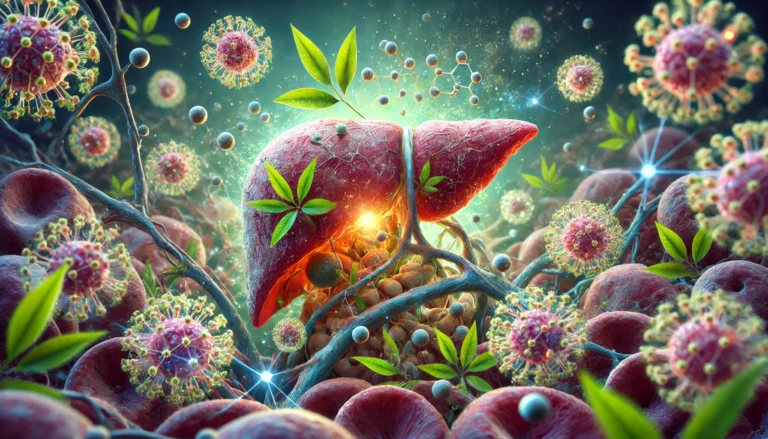
A semi-transparent human liver absorbing ashwagandha roots and leaves, depicting the interaction between the herb and liver function. The image has an ethereal glow with abstract cellular imagery in the background.

Frequently Asked Questions (FAQ) About Ashwagandha and Liver Health

1. Can Ashwagandha Improve Liver Function?

Ashwagandha has been studied for its potential hepatoprotective properties, meaning it may help protect liver cells from oxidative stress and inflammation. Some research suggests that the herb’s bioactive compounds, such as withanolides, have antioxidant effects that could reduce liver damage caused by toxins and metabolic stress. However, individual responses vary, and while some may benefit from its protective qualities, others could experience negative effects depending on their liver condition and overall health. Regular use of ashwagandha should be monitored, especially in those with liver disorders, to ensure that any potential ashwagandha liver problems are identified early. Consulting a healthcare professional before using ashwagandha for liver health is always recommended.

2. Does Ashwagandha Cause Liver Damage in Healthy Individuals?

There is no strong evidence to suggest that ashwagandha routinely causes liver damage in healthy individuals when taken in appropriate doses. However, some case reports have documented liver enzyme elevations in people who took ashwagandha supplements, which raises concerns about potential ashwagandha liver toxicity. These cases appear to be rare and may be linked to factors such as supplement quality, individual sensitivity, or interactions with other medications. It is crucial to source high-quality ashwagandha supplements from reputable manufacturers to reduce the risk of contaminants that could contribute to liver stress. If symptoms such as jaundice, fatigue, or digestive distress occur, discontinuation and medical evaluation should be considered.

3. Is Ashwagandha Safe for Liver and Kidneys in Long-Term Use?

Long-term use of ashwagandha has not been extensively studied in relation to liver and kidney health, making it difficult to draw definitive conclusions. While some studies suggest potential benefits for reducing oxidative stress, prolonged use could theoretically burden liver and kidney function due to bioactive compound accumulation. The body’s ability to metabolize herbal compounds varies from person to person, and those with pre-existing kidney or liver conditions should exercise caution. To minimize risks, it is advisable to take ashwagandha in cycles rather than continuously, allowing the body to recover between periods of supplementation. Hydration, a balanced diet, and regular medical check-ups can further support liver and kidney health while using herbal supplements.

4. Can Ashwagandha Help with Fatty Liver Disease?

Fatty liver disease, especially non-alcoholic fatty liver disease (NAFLD), is linked to inflammation and metabolic dysfunction. Some preliminary research suggests that ashwagandha’s adaptogenic and anti-inflammatory properties may contribute to improved metabolic health, which could indirectly support individuals with fatty liver. However, it is important to approach this with caution, as no conclusive clinical studies confirm that ashwagandha is good for fatty liver in a therapeutic capacity. Managing fatty liver requires a comprehensive lifestyle approach, including diet, exercise, and weight management. While ashwagandha may offer supplementary benefits, it should not replace conventional medical treatment for liver conditions.

5. How Does Ashwagandha Interact with Liver Enzymes?

Ashwagandha has been observed to influence liver enzyme activity in some cases, which could be either beneficial or harmful depending on the individual. Some studies suggest that it may support enzymatic detoxification processes, potentially helping the liver function more efficiently. However, certain individuals have reported elevated liver enzymes after taking ashwagandha, which could be an indicator of ashwagandha liver damage or stress. Factors such as concurrent medication use, dosage, and pre-existing liver conditions play a critical role in determining whether ashwagandha effects on liver function are positive or negative. Regular blood tests to monitor liver enzyme levels can help identify any adverse reactions early.

6. Who Should Avoid Taking Ashwagandha for Liver Health?

Individuals with pre-existing liver conditions, such as hepatitis, cirrhosis, or chronic liver disease, should be cautious when considering ashwagandha supplementation. Since the liver is responsible for metabolizing herbal compounds, any underlying liver dysfunction could increase the risk of ashwagandha toxicity. Additionally, people taking medications that are processed through the liver, such as certain painkillers or cholesterol-lowering drugs, should consult a healthcare provider before using ashwagandha. Pregnant and breastfeeding women should also avoid it unless advised otherwise by a medical professional. When in doubt, it is best to prioritize liver health and seek expert guidance before starting any herbal supplement.

7. What Are the Symptoms of Ashwagandha-Related Liver Problems?

If ashwagandha liver problems occur, symptoms may include jaundice (yellowing of the skin or eyes), dark urine, nausea, fatigue, and unexplained digestive discomfort. These symptoms suggest possible liver stress or damage and warrant immediate medical attention. While such cases are rare, it is essential to monitor how the body reacts when introducing ashwagandha into a wellness routine. If any unusual symptoms arise, discontinuing the supplement and consulting a healthcare professional can help prevent potential complications. Understanding individual tolerance levels and using ashwagandha responsibly can significantly reduce the risk of adverse effects.

8. Can Ashwagandha Liver Toxicity Be Reversed?

If ashwagandha liver toxicity occurs, the liver’s ability to recover depends on the severity of the damage and how quickly intervention takes place. In mild cases, discontinuing ashwagandha and supporting liver function with hydration, a nutrient-dense diet, and liver-friendly herbs like milk thistle may aid recovery. More severe cases may require medical intervention, such as medications to support liver detoxification and enzyme regulation. Because the liver has a remarkable ability to regenerate, early detection of toxicity is key to preventing long-term complications. Anyone experiencing persistent liver-related symptoms should undergo liver function testing to assess potential damage.

9. Are There Safer Alternatives to Ashwagandha for Stress and Adaptogenic Benefits?

For individuals concerned about the impact of ashwagandha on liver function, alternative adaptogens such as Rhodiola rosea, holy basil, and Panax ginseng may offer similar stress-relieving benefits without the same potential risks. These herbs have different metabolic pathways and may be better tolerated by those with liver sensitivities. Additionally, lifestyle factors such as mindful breathing, yoga, and a balanced diet can significantly enhance stress resilience without the need for herbal supplementation. Consulting with a holistic health practitioner can help determine which adaptogens or stress management strategies are best suited to individual health needs. Exploring multiple options ensures that individuals can make informed choices about their well-being.

10. How Can One Minimize Risks When Taking Ashwagandha?

To minimize the risk of adverse ashwagandha effects on liver function, it is important to follow best practices when incorporating it into a wellness routine. First, selecting high-quality, third-party-tested supplements ensures that the product is free from contaminants and heavy metals that could contribute to ashwagandha liver toxicity. Second, starting with a low dose and gradually increasing it based on individual tolerance can help prevent potential liver stress. Third, taking periodic breaks from supplementation allows the liver time to process and recover, reducing the risk of long-term buildup of bioactive compounds. Lastly, maintaining an overall healthy lifestyle with proper hydration, a nutrient-rich diet, and regular exercise further supports liver function and reduces the likelihood of liver-related complications.

By taking these precautions, individuals can enjoy the potential benefits of ashwagandha while prioritizing liver health and minimizing risks.

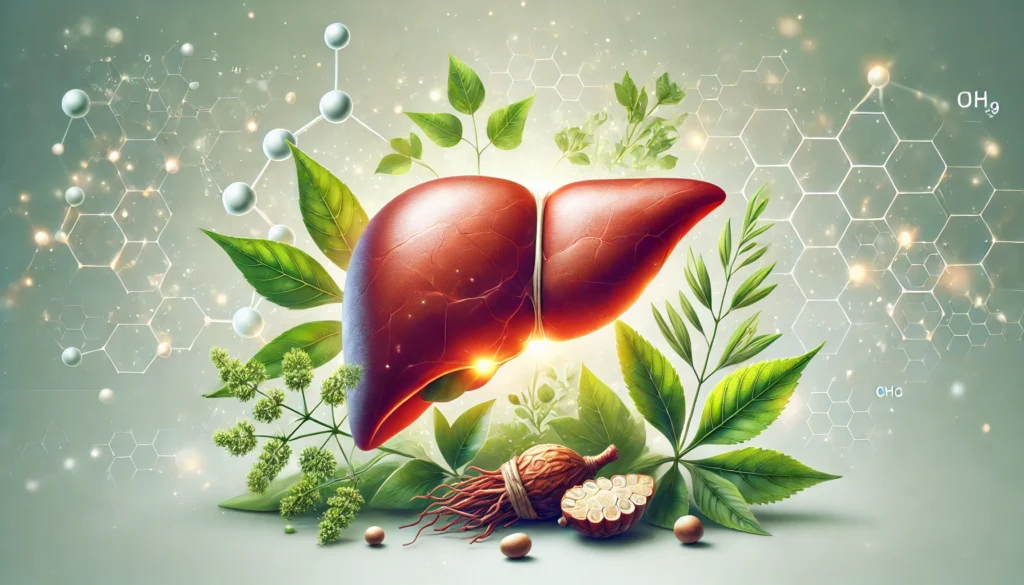
A glowing human liver surrounded by ashwagandha roots and leaves, symbolizing the herb’s potential effects on liver health. The background features a subtle molecular structure pattern, representing scientific research and medical studies.

Conclusion: Weighing the Benefits and Risks of Ashwagandha for Liver Health

Ashwagandha remains a promising herbal supplement with various health benefits, yet its impact on liver function warrants careful consideration. While some evidence supports its hepatoprotective properties, isolated cases of liver toxicity highlight the importance of individualized caution. Consumers should prioritize high-quality products, adhere to appropriate dosages, and consult healthcare professionals before incorporating ashwagandha into their wellness routine. As research continues to evolve, a clearer understanding of ashwagandha’s safety profile will help guide informed decision-making regarding its use for liver health.

Further Reading:

Liver Dangers of Herbal Products: A Case Report of Ashwagandha-Induced Liver Injury

Ashwagandha – Uses, Side Effects, and More

How Ashwagandha Benefits Physical and Mental Health

ashwagandha benefits, liver health supplements, herbal liver support, adaptogenic herbs, liver detoxification, Ayurvedic medicine, natural liver care, liver enzyme function, herbal toxicity risks, stress relief herbs, antioxidant supplements, liver-friendly herbs, holistic wellness, herbal safety, supplement side effects, metabolic health, liver inflammation, detox support, natural remedies for liver, Ayurvedic adaptogens

The information contained in this article is provided for general informational purposes only and is not intended to serve as medical, legal, or professional advice. While NewsHealthWatch strives to present accurate, up-to-date, and reliable content, no warranty or guarantee, expressed or implied, is made regarding the completeness, accuracy, or adequacy of the information provided. Readers are strongly advised to seek the guidance of a qualified healthcare provider or other relevant professionals before acting on any information contained in this article. NewsHealthWatch, its authors, editors, and contributors expressly disclaim any liability for any damages, losses, or consequences arising directly or indirectly from the use, interpretation, or reliance on any information presented herein. The views and opinions expressed in this article are those of the author(s) and do not necessarily reflect the official policies or positions of NewsHealthWatch.


Is Ashwagandha Bad for Kidneys? What Science Says About Its Impact on Kidney Health

Introduction: Understanding the Role of Ashwagandha in Health and Wellness

Ashwagandha, a revered herb in Ayurvedic medicine, has gained significant attention for its potential health benefits. Used for centuries as an adaptogen, ashwagandha is believed to help the body manage stress, improve cognitive function, and support overall well-being. Despite these promising attributes, concerns have emerged regarding its effects on kidney health. Some individuals question whether ashwagandha could pose risks to renal function, particularly for those with pre-existing kidney conditions. Given the vital role kidneys play in filtering waste and maintaining overall bodily equilibrium, it is essential to examine the scientific evidence surrounding ashwagandha’s impact on kidney health. This article delves into the latest research, exploring whether ashwagandha is beneficial or potentially harmful to kidney function.

You may also like: Rhodiola vs. Ashwagandha: Which Adaptogen Best Supports Gut Health and a Fiber-Rich Diet?

The Basics of Kidney Function and Why It Matters

Before examining the potential effects of ashwagandha on kidney health, it is crucial to understand the kidneys’ role in the human body. These bean-shaped organs are responsible for filtering excess fluids and waste products from the blood, regulating electrolyte levels, and maintaining overall homeostasis. They also produce essential hormones that influence blood pressure, red blood cell production, and bone health. Any disruption to kidney function can lead to serious health issues, including chronic kidney disease (CKD), kidney stones, and acute kidney injury. Given their importance, any substance that affects kidney function—whether positively or negatively—deserves thorough scrutiny.

What Is Ashwagandha? A Deep Dive into Its Composition and Uses

Ashwagandha (Withania somnifera) is a small shrub native to India, the Middle East, and parts of Africa. It is commonly used in herbal medicine to reduce stress, improve sleep, and enhance cognitive performance. The herb contains a range of bioactive compounds, including withanolides, alkaloids, and flavonoids, which contribute to its purported health benefits. Traditionally, ashwagandha has been used to balance bodily systems and support longevity. More recently, scientific studies have explored its adaptogenic properties, suggesting that it may help regulate cortisol levels and mitigate the effects of chronic stress.

A conceptual digital artwork of ashwagandha plants intertwined with semi-transparent kidneys, illustrating the interaction between herbal medicine and renal function.

The Scientific Perspective: Is Ashwagandha Bad for Kidneys?

Research on ashwagandha’s impact on kidney health is still evolving. Some studies suggest that the herb possesses nephroprotective properties, meaning it may help protect the kidneys from damage. For example, animal studies have shown that ashwagandha extract may reduce oxidative stress and inflammation in kidney tissue. Given that oxidative stress is a significant factor in kidney disease progression, these findings are promising.

However, there are also concerns regarding potential nephrotoxicity, particularly in individuals with existing kidney conditions. Some anecdotal reports suggest that excessive or prolonged use of ashwagandha may lead to increased creatinine levels, which could indicate impaired kidney function. This raises the question of whether ashwagandha is suitable for individuals with compromised renal health.

Ashwagandha and Kidney Function: Potential Benefits

Several studies indicate that ashwagandha may offer protective effects for kidney health. One of the primary mechanisms through which ashwagandha supports kidney function is its antioxidant properties. Oxidative stress plays a significant role in kidney disease, contributing to cellular damage and inflammation. By reducing oxidative stress, ashwagandha may help mitigate the progression of kidney-related conditions.

Additionally, ashwagandha has been found to exhibit anti-inflammatory properties, which can be beneficial for kidney health. Chronic inflammation is a key contributor to kidney damage, leading to fibrosis and reduced renal function. Studies suggest that the bioactive compounds in ashwagandha, particularly withanolides, may help suppress pro-inflammatory markers, thereby offering a protective effect.

Potential Risks: When Could Ashwagandha Be Harmful to the Kidneys?

Despite its potential benefits, ashwagandha is not universally safe for kidney health, particularly for individuals with existing renal conditions. One primary concern is that ashwagandha contains certain compounds that may alter kidney function, particularly in individuals with compromised renal health. Some case studies suggest that excessive consumption of ashwagandha may lead to elevated creatinine levels, indicating a potential strain on the kidneys.

Another risk factor is the potential for ashwagandha to interact with medications commonly prescribed for kidney disease, such as diuretics and antihypertensive drugs. Given that ashwagandha may have diuretic properties, it could theoretically alter fluid and electrolyte balance, leading to complications in individuals with renal impairment.

Who Should Avoid Ashwagandha?

While ashwagandha is generally well-tolerated, certain populations should exercise caution or avoid it altogether. Individuals with advanced kidney disease or those on dialysis should consult their healthcare provider before using ashwagandha. Additionally, those taking medications that affect kidney function, such as NSAIDs or ACE inhibitors, should be aware of potential interactions.

Pregnant and breastfeeding women should also approach ashwagandha with caution, as its effects on fetal and neonatal kidney development remain unclear. Additionally, individuals with autoimmune conditions should seek medical advice before using ashwagandha, as it may influence immune system activity.

Practical Recommendations: Safe Usage of Ashwagandha for Kidney Health

For individuals interested in incorporating ashwagandha into their wellness routine while minimizing potential risks, several precautions can be taken. First, it is essential to start with a low dose and monitor any changes in kidney function, particularly if there are pre-existing renal concerns. Consulting a healthcare provider before use is highly recommended, especially for those with known kidney conditions.

Additionally, choosing high-quality ashwagandha supplements from reputable sources can reduce the risk of contamination with harmful substances. Some lower-quality products may contain heavy metals or other contaminants that could negatively impact kidney health. Ensuring that the supplement is third-party tested for purity and potency can enhance safety.

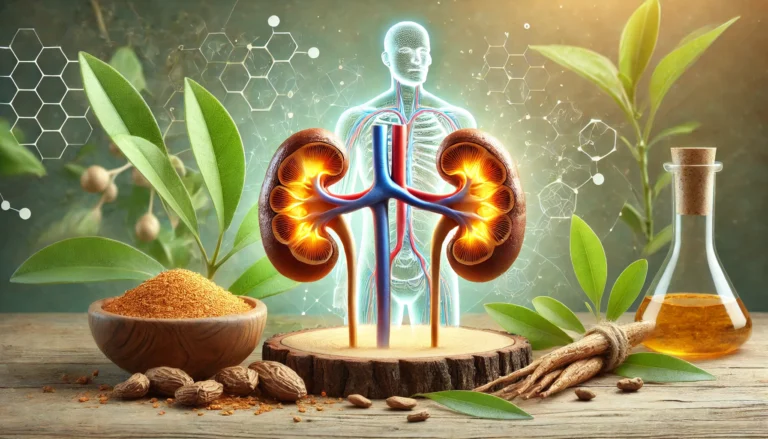
A futuristic visualization of a glowing kidney scan surrounded by ashwagandha roots, merging modern medical research with natural healing elements.

Frequently Asked Questions (FAQ) About Ashwagandha and Kidney Health

1. Can Ashwagandha Improve Kidney Function?

There is ongoing research into whether ashwagandha can offer nephroprotective benefits. Some studies suggest that its antioxidant properties help reduce oxidative stress, which is a leading cause of kidney damage. By lowering inflammation and supporting overall cellular health, ashwagandha may assist in preventing the progression of kidney-related conditions. However, individuals with pre-existing renal issues should exercise caution, as excessive intake may contribute to imbalances in kidney function. Consulting a healthcare provider before using ashwagandha kidney supplements is advisable to ensure safe consumption.

2. Is Ashwagandha Bad for Kidneys When Taken in High Doses?

Excessive consumption of ashwagandha can potentially impact kidney function, particularly in individuals with pre-existing renal conditions. High doses may place additional strain on the kidneys by altering creatinine levels and affecting fluid balance. Some reports suggest that prolonged use in large quantities could lead to increased kidney workload, potentially exacerbating existing issues. It is crucial to adhere to recommended dosages and monitor kidney function regularly if ashwagandha is being used for long-term wellness. Moderation and professional guidance can help minimize potential risks.

3. Can Ashwagandha Interact with Kidney Medications?

Yes, ashwagandha may interact with certain medications used to manage kidney conditions. For example, it has mild diuretic properties, which could affect the efficacy of diuretic drugs prescribed for kidney disease. Additionally, it may influence blood pressure, which is crucial for individuals managing hypertension-related kidney complications. If someone is taking prescription medications for kidney health, consulting a healthcare professional before incorporating ashwagandha into their regimen is essential to avoid unintended interactions.

4. Does Ashwagandha Help with Kidney Inflammation?

Ashwagandha contains bioactive compounds known for their anti-inflammatory properties, which may be beneficial for individuals with kidney inflammation. Chronic inflammation can contribute to the development of kidney disease and impair renal function over time. Some preliminary studies indicate that ashwagandha may help lower inflammation markers and reduce oxidative stress, thereby supporting kidney health. However, more human clinical trials are needed to confirm its effectiveness specifically for renal inflammation. Individuals with inflammatory kidney conditions should discuss supplementation with their healthcare provider before use.

5. Can Ashwagandha Cause Kidney Stones?

Currently, there is no strong scientific evidence suggesting that ashwagandha directly causes kidney stones. However, individuals prone to kidney stones should consider their overall dietary and supplement intake. Some herbs contain compounds that may contribute to stone formation under certain conditions. If a person has a history of kidney stones, staying well-hydrated and consulting a healthcare professional before taking ashwagandha kidney supplements is advisable to rule out any potential risks.

6. How Does Ashwagandha Affect Kidney Detoxification?

The kidneys naturally detoxify the body by filtering waste and excess fluids. Ashwagandha has been suggested to support the body’s stress response, which can indirectly contribute to overall detoxification processes. By helping to reduce cortisol levels and improve metabolic function, ashwagandha may support the body’s ability to manage toxins more effectively. However, it does not replace the kidneys’ natural filtration process, and individuals with renal impairment should not rely on it as a primary detoxifying agent. Maintaining a healthy lifestyle with adequate hydration and a balanced diet remains the most effective way to support kidney detoxification.

7. Is Ashwagandha Safe for Individuals with Chronic Kidney Disease (CKD)?

Individuals with CKD should approach ashwagandha use with caution. While some of its properties may be beneficial in reducing oxidative stress, there is concern that it could alter kidney function metrics such as creatinine levels. Since CKD patients often need to manage fluid and electrolyte balance carefully, introducing ashwagandha without medical supervision could pose risks. For those with CKD, it is best to discuss supplementation with a nephrologist to assess safety on a case-by-case basis.

8. Can Ashwagandha Improve Kidney Blood Circulation?

Ashwagandha is known for its ability to enhance circulation and reduce stress-related vascular constriction. Improved blood flow can be beneficial for kidney function, as adequate circulation supports efficient waste filtration. Some studies suggest that ashwagandha may help regulate blood pressure, which is closely linked to kidney health. However, individuals with kidney-related hypertension should monitor their blood pressure regularly if taking ashwagandha. While it may offer circulatory benefits, it should not replace prescribed treatments for kidney-related vascular conditions.

9. How Should Someone with Mild Kidney Dysfunction Use Ashwagandha?

For individuals with mild kidney dysfunction, using ashwagandha requires careful consideration. Starting with a lower dosage and monitoring kidney function through routine lab tests is essential. Choosing high-quality, third-party-tested ashwagandha supplements can help ensure purity and avoid contaminants that might burden the kidneys. Additionally, combining ashwagandha with a kidney-friendly diet rich in hydration and nutrient-dense foods may optimize overall benefits. Consulting a healthcare provider before beginning supplementation is the best approach to ensure safe and effective use.

10. What Are the Long-Term Effects of Ashwagandha on Kidney Health?

The long-term effects of ashwagandha on kidney health are still under investigation. While short-term studies suggest potential nephroprotective benefits, prolonged use at high doses raises concerns about kidney strain, particularly for those with pre-existing conditions. Individuals who use ashwagandha regularly should have periodic kidney function tests to monitor any changes. As with any supplement, a balanced approach that includes proper hydration, a healthy diet, and medical guidance is recommended for long-term safety. Ongoing research may provide more definitive answers regarding ashwagandha’s sustained impact on renal health.

A lush, naturalistic scene of ashwagandha plants growing beside a flowing river, with subtle artistic kidneys blended into the background, symbolizing purification and kidney health.

Conclusion: The Verdict on Ashwagandha and Kidney Health

The question of whether ashwagandha is bad for kidneys does not have a simple yes or no answer. While emerging research suggests that ashwagandha may offer nephroprotective benefits due to its antioxidant and anti-inflammatory properties, potential risks exist, particularly for individuals with pre-existing kidney conditions. Careful consideration of dosage, individual health status, and possible medication interactions is crucial when determining whether ashwagandha is a suitable supplement for kidney health. Consulting a healthcare professional before use is the best approach to ensure safety and efficacy, allowing individuals to reap the potential benefits while minimizing any risks to kidney function.

Further Reading:

Herbal Supplements and Kidney Disease

Ashwagandha Overdose-Induced AKI: A Novel Case Report

Ashwagandha (Withania somnifera)—Current Research on the Health-Promoting Activities: A Narrative Review

ashwagandha benefits, kidney health supplements, herbal kidney support, adaptogens for wellness, kidney detox herbs, renal function support, Ayurvedic kidney care, natural kidney health, herbal medicine for kidneys, kidney inflammation relief, nephroprotective herbs, kidney-friendly supplements, ashwagandha side effects, stress and kidney health, antioxidants for kidneys, chronic kidney disease support, herbal remedies for kidneys, kidney-friendly adaptogens, ashwagandha dosage for health, natural remedies for kidney function

The information contained in this article is provided for general informational purposes only and is not intended to serve as medical, legal, or professional advice. While NewsHealthWatch strives to present accurate, up-to-date, and reliable content, no warranty or guarantee, expressed or implied, is made regarding the completeness, accuracy, or adequacy of the information provided. Readers are strongly advised to seek the guidance of a qualified healthcare provider or other relevant professionals before acting on any information contained in this article. NewsHealthWatch, its authors, editors, and contributors expressly disclaim any liability for any damages, losses, or consequences arising directly or indirectly from the use, interpretation, or reliance on any information presented herein. The views and opinions expressed in this article are those of the author(s) and do not necessarily reflect the official policies or positions of NewsHealthWatch.



How Ashwagandha Affects Heart Rate: Can It Help Lower Your Pulse Naturally?

Understanding Ashwagandha: An Ancient Remedy for Modern Health

Ashwagandha (Withania somnifera) is a revered herb in Ayurvedic medicine, long used for its adaptogenic properties. Native to India and North Africa, this powerful botanical has gained significant attention in the realm of holistic health, with research highlighting its potential benefits for stress reduction, cognitive function, and cardiovascular health. One of the most intriguing aspects of ashwagandha is its possible impact on heart rate. As individuals seek natural ways to regulate their cardiovascular system, the question arises: does ashwagandha lower heart rate? Understanding how this herb interacts with physiological processes can help determine its role in supporting heart health.

You may also like: Rhodiola vs. Ashwagandha: Which Adaptogen Best Supports Gut Health and a Fiber-Rich Diet?

The Physiology of Heart Rate and Why It Matters

Heart rate is a fundamental indicator of cardiovascular health, reflecting the number of times the heart beats per minute (BPM). A normal resting heart rate typically ranges between 60 to 100 BPM, although athletes and individuals with excellent cardiovascular fitness often have lower resting heart rates. Several factors influence heart rate, including physical activity, emotional states, hydration, medication, and underlying health conditions. Stress, anxiety, and poor lifestyle habits can elevate heart rate, potentially increasing the risk of cardiovascular diseases over time. Thus, finding natural strategies to maintain a healthy heart rate is crucial for overall well-being.

 A close-up artistic depiction of a human heart with a glowing pulse wave surrounding it, symbolizing cardiovascular health. In the background, Ashwagandha roots and leaves subtly blend into the scene, representing natural heart support and balance.

How Ashwagandha Interacts with the Cardiovascular System

Ashwagandha is widely recognized for its adaptogenic effects, meaning it helps the body resist various stressors. Since chronic stress is a significant contributor to increased heart rate and hypertension, ashwagandha’s stress-reducing properties may offer cardiovascular benefits. The herb contains bioactive compounds, including withanolides, alkaloids, and flavonoids, which contribute to its therapeutic effects. These compounds are believed to modulate the hypothalamic-pituitary-adrenal (HPA) axis, reducing cortisol levels and fostering relaxation. When cortisol levels are elevated due to chronic stress, heart rate and blood pressure can rise. By reducing cortisol, ashwagandha may play a role in stabilizing cardiovascular function.

Scientific Evidence: Does Ashwagandha Lower Heart Rate?

Numerous studies have examined the impact of ashwagandha on heart rate and overall cardiovascular health. Research published in the Journal of Ethnopharmacology demonstrated that ashwagandha supplementation led to significant reductions in stress-related markers, including cortisol levels and heart rate variability. Another study in Clinical Nutrition ESPEN found that individuals who took ashwagandha for eight weeks experienced lower resting heart rates compared to a placebo group. The observed reductions in heart rate were attributed to the herb’s ability to promote relaxation and reduce sympathetic nervous system activity.

Additionally, a randomized controlled trial published in Phytomedicine examined the effects of ashwagandha on patients with hypertension and stress-induced tachycardia (abnormally high heart rate). The results indicated that participants who consumed ashwagandha experienced significant reductions in resting heart rate and systolic blood pressure. These findings suggest that ashwagandha may offer tangible cardiovascular benefits, particularly for individuals with stress-related cardiovascular concerns.

Ashwagandha and Heart Rate Variability (HRV)

Heart rate variability (HRV) is an essential measure of autonomic nervous system function, reflecting the time variation between consecutive heartbeats. Higher HRV is generally associated with better cardiovascular health and stress resilience, while lower HRV is linked to stress, anxiety, and an increased risk of cardiac events. Some studies suggest that ashwagandha enhances HRV by promoting parasympathetic nervous system activity. This shift helps the body enter a relaxed state, slowing the heart rate and supporting overall heart health.

Mechanisms Behind Ashwagandha’s Heart Rate Regulation

  1. Reduction of Cortisol and Stress Hormones Ashwagandha’s adaptogenic properties help regulate cortisol, the primary stress hormone. High cortisol levels can lead to increased heart rate and elevated blood pressure. By lowering cortisol, ashwagandha helps mitigate stress-related cardiovascular effects.
  2. Modulation of the Autonomic Nervous System The autonomic nervous system (ANS) regulates involuntary physiological functions, including heart rate. Ashwagandha has been shown to enhance parasympathetic activity (the body’s “rest and digest” mode) while reducing sympathetic dominance (the “fight or flight” response). This balance contributes to a lowered resting heart rate.
  3. Improvement in Sleep Quality Poor sleep is often associated with higher heart rates and increased cardiovascular risks. Ashwagandha has been found to improve sleep quality by interacting with GABAergic pathways, promoting relaxation, and reducing nighttime awakenings. A well-rested body naturally maintains a steadier heart rate.
  4. Antioxidant and Anti-Inflammatory Effects Oxidative stress and inflammation are key contributors to cardiovascular disease. Ashwagandha’s potent antioxidant properties help reduce oxidative damage, supporting heart function and maintaining normal heart rate regulation.

Practical Considerations: Dosage and Safety

When incorporating ashwagandha into a wellness regimen, understanding optimal dosage and safety considerations is essential. Most clinical studies have used doses ranging from 250 mg to 600 mg per day, typically standardized to contain 5% withanolides. While ashwagandha is generally well-tolerated, some individuals may experience mild side effects such as gastrointestinal discomfort, drowsiness, or changes in blood pressure. Pregnant women, individuals with autoimmune conditions, and those taking medications for thyroid disorders or blood pressure regulation should consult a healthcare professional before using ashwagandha.

A peaceful meditation scene in a lush green environment, with a person sitting cross-legged in a calm state. A subtle, glowing heart symbol on their chest represents relaxation and heart rate stability. Nearby, Ashwagandha plants grow, symbolizing the connection between nature and cardiovascular well-being.

Frequently Asked Questions About Ashwagandha and Heart Rate

1. How does ashwagandha affect heart rate differently in individuals with high versus normal heart rates?

Ashwagandha influences heart rate primarily through its adaptogenic properties, meaning it helps the body maintain balance based on individual needs. For those with elevated heart rates due to chronic stress or anxiety, ashwagandha may contribute to a reduction in sympathetic nervous system overactivity, promoting a slower, steadier pulse. However, for individuals with already normal heart rates, ashwagandha does not appear to lower heart rate beyond a healthy baseline. Instead, it helps regulate heart rate variability (HRV), supporting optimal autonomic nervous system function. This distinction is important because while some people experience noticeable reductions in heart rate, others simply benefit from enhanced cardiac resilience and stress response.

2. Can ashwagandha help athletes manage their heart rate during intense training?

Yes, ashwagandha may benefit athletes by improving cardiovascular efficiency and recovery. During intense exercise, the heart rate naturally increases, and rapid recovery afterward is a sign of good cardiovascular fitness. Studies suggest that ashwagandha enhances heart rate variability and reduces exercise-induced oxidative stress, allowing for better autonomic control over heart function. This means that athletes may experience quicker heart rate recovery post-workout, leading to enhanced endurance and performance over time. Additionally, by reducing cortisol levels, ashwagandha helps prevent excessive strain on the cardiovascular system, allowing for more sustained physical exertion without long-term damage.

3. Does ashwagandha lower heart rate immediately, or does it take time to notice effects?

The effects of ashwagandha on heart rate are typically gradual rather than immediate. While some individuals report feeling calmer and experiencing a slightly reduced pulse shortly after taking ashwagandha, significant changes in resting heart rate often require consistent use over several weeks. Most clinical studies investigating ashwagandha heart rate effects span between six to twelve weeks, indicating that long-term usage is necessary for meaningful cardiovascular adaptation. The reason for this gradual response is that ashwagandha works by modulating stress hormones and autonomic nervous system function over time rather than producing an acute pharmacological effect.

4. Is ashwagandha safe for individuals with naturally low heart rates?

People with naturally low heart rates, such as well-trained athletes or those with bradycardia, should use ashwagandha cautiously and consult a healthcare professional before supplementation. Although ashwagandha generally supports cardiovascular balance rather than causing excessive reductions, its calming effects on the nervous system could theoretically lower heart rate further in some individuals. For most people, this effect is not clinically significant, but those with existing cardiovascular conditions should monitor their heart rate and symptoms to ensure no adverse effects occur. Regular check-ins with a doctor can help determine whether ashwagandha is an appropriate supplement for those with naturally low heart rates.

5. How does ashwagandha’s impact on heart rate compare to prescription beta-blockers?

Ashwagandha and beta-blockers both influence heart rate but do so through entirely different mechanisms. Beta-blockers directly block adrenergic receptors, slowing heart rate by reducing the effects of adrenaline. In contrast, ashwagandha indirectly affects heart rate by lowering cortisol, reducing stress responses, and improving autonomic balance. While beta-blockers provide immediate and controlled reductions in heart rate, ashwagandha’s effects are more subtle and gradual. Additionally, beta-blockers are typically prescribed for specific medical conditions such as hypertension or arrhythmias, whereas ashwagandha is used primarily for general wellness and stress management.

6. Can ashwagandha interact with medications that affect heart rate?

Yes, ashwagandha has the potential to interact with medications that influence heart rate, including beta-blockers, calcium channel blockers, and anti-anxiety drugs. Because ashwagandha may lower heart rate naturally, combining it with medications that have similar effects could lead to excessive reductions in pulse, causing dizziness, fatigue, or even hypotension. Those taking cardiovascular medications should consult a healthcare provider before adding ashwagandha to their regimen to avoid unintended interactions. It is always important to monitor heart rate changes when introducing any new supplement, especially when preexisting conditions are involved.

7. Are there specific times of day when taking ashwagandha is most effective for heart rate management?

The optimal timing for taking ashwagandha depends on the individual’s health goals and lifestyle. For heart rate regulation and stress reduction, taking ashwagandha in the evening may be beneficial, as it can promote relaxation and support healthy sleep, indirectly leading to a more stable resting heart rate. However, if taken in the morning, ashwagandha may help manage stress levels throughout the day, preventing spikes in heart rate caused by daily stressors. Some individuals may split their dosage between morning and evening to maintain balanced effects. Regardless of timing, consistency in dosing is key to experiencing long-term cardiovascular benefits.

8. Can ashwagandha help individuals with anxiety-induced heart rate spikes?

Yes, ashwagandha is particularly beneficial for those experiencing anxiety-induced increases in heart rate. Anxiety activates the sympathetic nervous system, triggering the body’s “fight or flight” response, which elevates heart rate and blood pressure. By reducing cortisol levels and promoting parasympathetic nervous system dominance, ashwagandha helps counteract these effects, leading to a more controlled and stable heart rate. Clinical studies have demonstrated that individuals with generalized anxiety disorder (GAD) or stress-related tachycardia experience noticeable improvements in heart rate regulation when using ashwagandha regularly. Over time, this can contribute to better overall cardiovascular health and reduced risk of stress-related complications.

9. What are the potential long-term effects of using ashwagandha for heart rate regulation?

Long-term use of ashwagandha may offer sustained cardiovascular benefits, particularly for individuals prone to stress-induced heart rate fluctuations. Studies suggest that continued supplementation can lead to improved heart rate variability, enhanced stress resilience, and even modest reductions in blood pressure. Additionally, ashwagandha’s anti-inflammatory and antioxidant properties may support overall vascular health, reducing the risk of atherosclerosis and other cardiovascular diseases. However, like any supplement, long-term safety should be monitored, and users should periodically assess their response to ashwagandha, adjusting dosage or taking breaks as needed to ensure optimal heart health.

10. Are there lifestyle changes that enhance ashwagandha’s effects on heart rate?

While ashwagandha is a valuable tool for heart rate regulation, combining it with other lifestyle interventions can maximize its benefits. Regular exercise, a balanced diet rich in omega-3 fatty acids and antioxidants, mindfulness practices such as meditation or deep breathing, and proper hydration all contribute to a healthier cardiovascular system. Additionally, minimizing caffeine and alcohol intake can help prevent erratic heart rate fluctuations that counteract ashwagandha’s stabilizing effects. By incorporating ashwagandha into a comprehensive heart health strategy, individuals can achieve more significant and lasting improvements in their cardiovascular function.

A futuristic digital heart rate monitor displaying a steady, healthy pulse, symbolizing cardiovascular balance. In the background, Ashwagandha plants and roots subtly blend into the high-tech visualization, representing the fusion of natural and modern heart health solutions.

Conclusion: Can Ashwagandha Help Lower Your Pulse Naturally?

The evidence suggests that ashwagandha can positively impact heart rate by reducing stress, balancing autonomic nervous system function, and promoting relaxation. While further research is needed to fully understand the extent of its cardiovascular benefits, current findings indicate that ashwagandha is a promising natural supplement for those seeking heart health support. Whether used as part of a stress-management strategy, sleep aid, or general wellness regimen, ashwagandha offers a holistic approach to maintaining a healthy heart rate. However, as with any supplement, individual responses may vary, and professional medical advice is recommended before making significant changes to one’s health routine.

Further Reading:

Health Benefits of Ashwagandha

Ashwagandha: Is it helpful for stress, anxiety, or sleep?

Safety of Ashwagandha Root Extract: A Randomized, Placebo-Controlled, study in Healthy Volunteers

ashwagandha benefits, natural heart health, herbal supplements for heart, adaptogenic herbs, stress and heart rate, cardiovascular wellness, ashwagandha effects, lowering blood pressure naturally, holistic heart care, anxiety and heart rate, herbal stress relief, autonomic nervous system balance, ashwagandha for relaxation, improving heart rate variability, natural remedies for tachycardia, cortisol and heart health, exercise recovery supplements, plant-based heart support, herbal anxiety remedies, ashwagandha research

The information contained in this article is provided for general informational purposes only and is not intended to serve as medical, legal, or professional advice. While NewsHealthWatch strives to present accurate, up-to-date, and reliable content, no warranty or guarantee, expressed or implied, is made regarding the completeness, accuracy, or adequacy of the information provided. Readers are strongly advised to seek the guidance of a qualified healthcare provider or other relevant professionals before acting on any information contained in this article. NewsHealthWatch, its authors, editors, and contributors expressly disclaim any liability for any damages, losses, or consequences arising directly or indirectly from the use, interpretation, or reliance on any information presented herein. The views and opinions expressed in this article are those of the author(s) and do not necessarily reflect the official policies or positions of NewsHealthWatch.



7-Day Liver Detox Diet Plan: A Science-Backed Guide to Supporting Your Body’s Natural Cleansing Process

Understanding Liver Detoxification and Its Role in Health

The liver is one of the most vital organs in the human body, playing a crucial role in filtering toxins, metabolizing nutrients, and supporting overall health. Despite misconceptions about the necessity of external detoxification, the liver possesses an innate ability to process and eliminate harmful substances. However, modern dietary habits, environmental toxins, and lifestyle factors can place excessive strain on this organ, leading to suboptimal function. A structured 7-day liver detox diet plan can help support the body’s natural cleansing processes by providing essential nutrients, promoting optimal digestion, and reducing exposure to harmful substances.

You may also like: The Best Liver Detox Supplements: How to Choose Safe and Effective Support for Your Liver

Liver detoxification occurs in two primary phases. The first phase involves the conversion of fat-soluble toxins into intermediate compounds through oxidation, reduction, and hydrolysis. These compounds are then processed in the second phase, where they are conjugated with water-soluble molecules and excreted through bile or urine. While the liver is inherently capable of performing these tasks, an unhealthy diet and lifestyle can impair its efficiency. By following a carefully designed liver cleanse detox diet plan, individuals can enhance these natural processes while reducing stress on the liver.

Adopting a 7-day liver detox diet involves consuming nutrient-dense foods that support liver function, increasing hydration to facilitate toxin elimination, and eliminating processed foods, alcohol, and other harmful substances. This plan not only enhances liver health but also contributes to improved energy levels, digestion, and overall well-being. Understanding how a liver cleanse meal plan works can empower individuals to make informed dietary choices that promote long-term health.

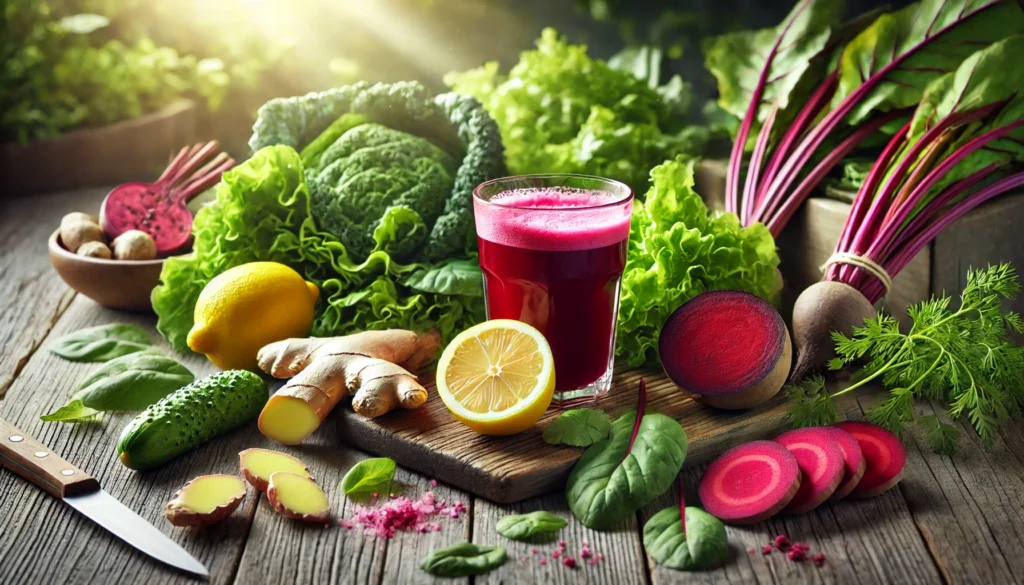
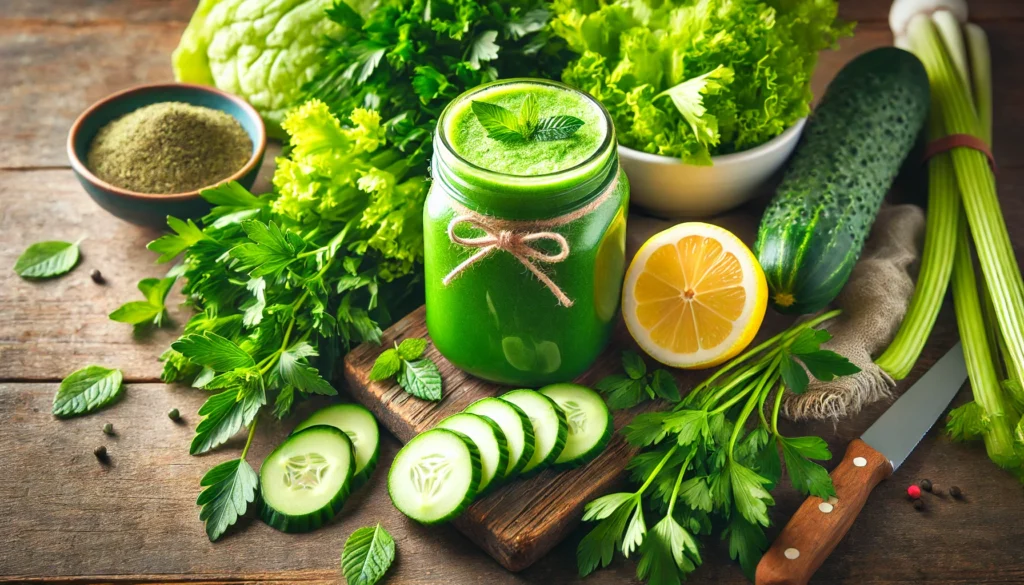
A vibrant spread of detoxifying foods including leafy greens, beets, lemons, turmeric, garlic, and avocados, arranged on a rustic wooden table with a glass of infused detox water, illuminated by soft natural light

Key Nutrients for Liver Detoxification

A successful liver detoxification diet plan requires a well-balanced intake of key nutrients that support the liver’s metabolic processes. Cruciferous vegetables, such as broccoli, Brussels sprouts, and cauliflower, contain sulfur compounds that enhance phase two detoxification. These compounds assist in the conjugation process, facilitating the elimination of toxins through bile. Additionally, sulfur-containing amino acids like methionine and cysteine, found in garlic and onions, play a crucial role in glutathione synthesis, a primary antioxidant involved in liver detoxification.

B vitamins are essential for enzymatic reactions that support both phases of liver detoxification. Vitamin B6, folate, and B12 aid in the methylation process, which is critical for neutralizing harmful substances. Leafy greens, whole grains, and legumes are excellent sources of these vitamins. Antioxidants such as vitamin C and vitamin E help protect liver cells from oxidative damage caused by free radicals. Citrus fruits, berries, nuts, and seeds provide an abundant supply of these essential nutrients.

Healthy fats, particularly omega-3 fatty acids, contribute to liver health by reducing inflammation and promoting bile flow. Sources like flaxseeds, walnuts, and fatty fish such as salmon support hepatic function while preventing fatty liver disease. Fiber plays a crucial role in liver detoxification by binding to toxins and facilitating their elimination through the digestive tract. Whole foods like chia seeds, lentils, and artichokes ensure optimal fiber intake, aiding the liver in its cleansing processes.

The 7-Day Liver Cleanse Diet Menu: A Step-by-Step Guide

A structured 7-day liver detox diet ensures a gradual transition into a clean, nourishing regimen that optimizes liver function. Each day is designed to emphasize hydration, nutrient-dense foods, and natural detoxifiers while eliminating processed foods, excessive sugar, and alcohol.

Day 1: Hydration and Gentle Detox Initiation

The first day focuses on hydration and gentle detoxification through antioxidant-rich foods. Starting the morning with warm lemon water stimulates bile production, while green tea provides polyphenols that enhance liver enzyme activity. Breakfast may include a smoothie with spinach, flaxseeds, blueberries, and unsweetened almond milk, providing fiber and antioxidants that support liver function.

Lunch should incorporate a liver-friendly salad with leafy greens, avocados, beets, and walnuts, drizzled with olive oil and lemon juice. Beets contain betaine, a compound known to promote detoxification by stimulating bile flow. Dinner should feature a lean protein source such as grilled salmon with steamed broccoli and quinoa. Broccoli supplies sulforaphane, which enhances detoxification pathways, while quinoa provides essential amino acids for liver repair.

Day 2: Enhancing Phase One Detoxification

Day two introduces additional foods that enhance phase one detoxification. Cruciferous vegetables, rich in glucosinolates, continue to play a key role. A breakfast of scrambled eggs with sautéed kale and garlic supplies choline, a nutrient necessary for fat metabolism in the liver. Mid-morning hydration with dandelion root tea supports bile production and toxin elimination.

Lunch can include a lentil and carrot soup, providing fiber and beta-carotene to support liver function. Dinner should focus on lean poultry or tofu with roasted Brussels sprouts and brown rice. The fiber content aids in toxin elimination, while phytonutrients in Brussels sprouts enhance enzymatic activity.

Day 3: Supporting Bile Production

By day three, bile production and digestive efficiency should be optimized. Consuming bitter foods such as arugula, radicchio, and artichokes at lunch enhances bile secretion. A green smoothie featuring spirulina, cucumber, and chia seeds can further support liver detoxification by supplying chlorophyll and fiber.

Dinner should consist of grilled cod with asparagus and sweet potatoes. Asparagus acts as a natural diuretic, reducing toxin buildup, while sweet potatoes provide vitamin A, a key nutrient in liver health. Herbal teas, such as milk thistle tea, can be consumed before bedtime to support liver cell regeneration.

Day 4-7: Sustaining Liver Health and Detoxification

The remaining days focus on sustaining liver health through a balanced intake of detox-supporting foods. Incorporating fermented foods such as kimchi and sauerkraut improves gut microbiome balance, indirectly benefiting the liver. Smoothies with turmeric and ginger provide anti-inflammatory compounds that reduce oxidative stress on the liver.

Each meal should emphasize lean proteins, complex carbohydrates, and healthy fats to maintain energy levels and prevent blood sugar fluctuations. Hydration remains essential, with herbal teas, infused water, and electrolyte-rich beverages ensuring optimal toxin elimination. Avoiding alcohol, processed foods, and excessive sugar throughout the week maximizes the benefits of the liver detox diet plan.

Long-Term Benefits and Sustainability

A well-structured 7-day liver cleanse diet menu can serve as a foundation for long-term dietary habits that support liver health. Regular consumption of liver-friendly foods, combined with an active lifestyle, ensures ongoing detoxification efficiency. Intermittent fasting and mindful eating practices further enhance liver function by allowing periods of digestive rest and nutrient absorption.

The benefits of a liver detoxification diet plan extend beyond the immediate week-long cleanse. Improved digestion, increased energy levels, clearer skin, and enhanced mental clarity are among the lasting effects of a well-supported liver. By prioritizing whole foods, hydration, and lifestyle choices that reduce toxin exposure, individuals can maintain optimal liver health for years to come.

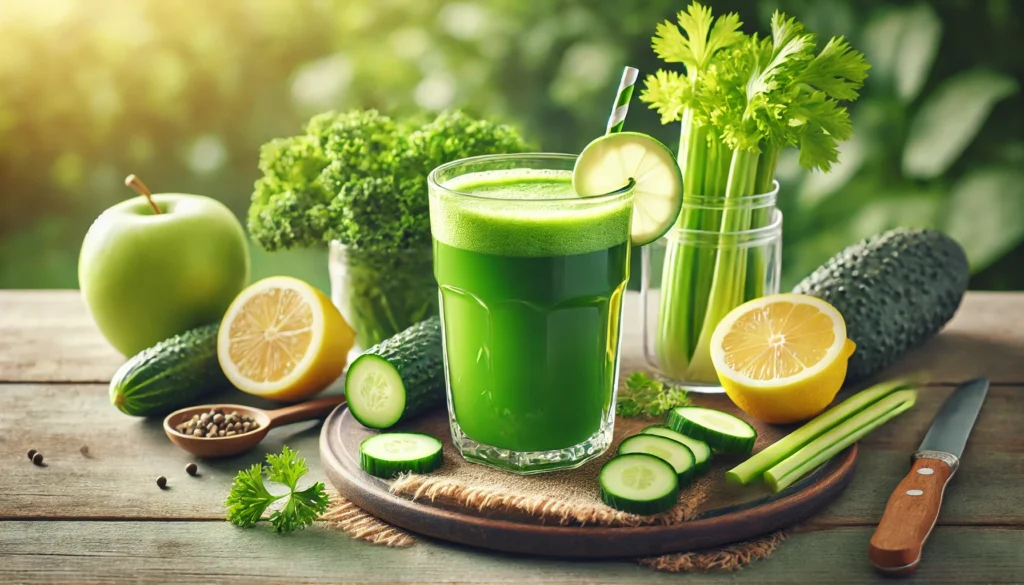
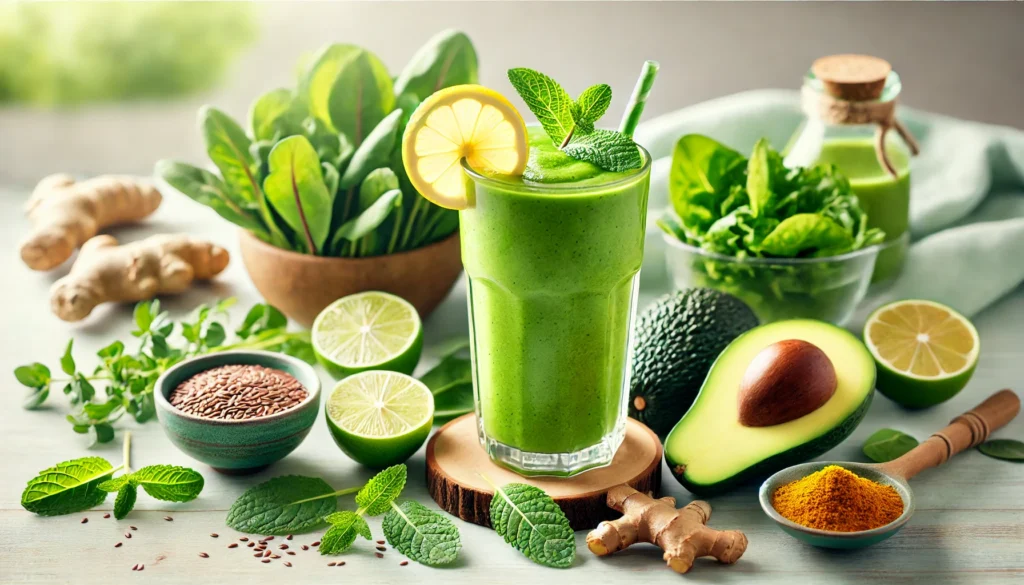
A refreshing green detox smoothie in a glass, surrounded by fresh ingredients like spinach, kale, cucumber, ginger, and lemon on a rustic kitchen counter with a softly lit natural backdrop

Frequently Asked Questions (FAQ) on Liver Cleanse Detox Diet Plans

1. How does a liver cleanse detox diet plan support overall health?
A liver cleanse detox diet plan helps improve liver function by providing essential nutrients and antioxidants that aid in detoxification. The liver naturally filters toxins from the bloodstream, but excessive exposure to processed foods, alcohol, and environmental pollutants can slow its efficiency. A well-structured liver detox diet plan includes whole foods rich in fiber, vitamins, and minerals that promote optimal liver health. Hydration also plays a crucial role in flushing out toxins and supporting bile production, which is essential for digestion. Additionally, adopting a liver cleanse meal plan may lead to increased energy levels, improved digestion, and better skin health over time.

2. What should I eat during a 7 day liver cleanse diet?
During a 7 day liver cleanse diet, focus on consuming nutrient-dense, whole foods that aid liver detoxification. Leafy greens such as kale and spinach provide chlorophyll, which helps neutralize toxins, while beets and carrots are rich in antioxidants that support liver function. Cruciferous vegetables like broccoli and Brussels sprouts contain compounds that enhance the liver’s ability to process toxins. Incorporate healthy fats from avocados, nuts, and seeds to support bile production, which aids digestion. Avoid processed foods, refined sugars, and excessive caffeine, as these can overburden the liver and counteract the benefits of the liver detox diet plan.

3. Can a 7 day liver detox diet improve digestion?
Yes, a 7 day liver detox diet can significantly improve digestion by promoting bile production and gut health. The liver produces bile, a substance necessary for breaking down fats and absorbing nutrients. When the liver functions efficiently, digestion becomes smoother, and bloating or indigestion may decrease. A well-balanced liver cleanse diet plan includes fiber-rich foods like chia seeds, flaxseeds, and whole grains that promote healthy bowel movements. Fermented foods such as sauerkraut and kefir support gut microbiota, further enhancing digestive health. Drinking warm lemon water in the morning can also stimulate liver enzymes and improve overall digestion.

4. How does a liver cleanse meal plan support weight loss?
A liver cleanse meal plan can aid weight loss by improving metabolism and reducing fat accumulation in the liver. The liver plays a key role in metabolizing fats and carbohydrates, and when it is overwhelmed with toxins, it becomes less efficient at processing nutrients. A well-designed liver detoxification diet plan includes high-fiber foods, lean proteins, and healthy fats that regulate blood sugar levels and prevent unnecessary fat storage. Eliminating processed foods and added sugars reduces inflammation and supports insulin sensitivity, which is crucial for maintaining a healthy weight. Additionally, staying hydrated with herbal teas and infused water can help curb cravings and promote satiety.

5. Is a liver cleanse detox diet plan safe for everyone?
While a liver cleanse detox diet plan is generally safe for most individuals, certain groups should consult a healthcare provider before starting. Pregnant or breastfeeding women, individuals with chronic liver conditions, or those taking specific medications should seek medical advice to ensure safety. The diet emphasizes whole foods, which are beneficial for overall health, but drastic dietary changes may cause temporary side effects like headaches or fatigue as the body adjusts. To minimize discomfort, gradually transition into a liver detox diet plan rather than making abrupt changes. Listening to your body and adjusting portions based on individual needs is essential for maintaining long-term health benefits.

6. What beverages should I drink on a 7 day liver cleanse diet?
Hydration is essential for a successful 7 day liver cleanse diet, as it helps flush toxins and maintain liver function. Herbal teas such as dandelion root, milk thistle, and ginger tea support liver detoxification and improve digestion. Green tea contains catechins, powerful antioxidants that enhance liver performance and reduce inflammation. Lemon water stimulates bile production and aids in digestion, while fresh vegetable juices provide vitamins and minerals that support liver health. Avoid alcohol, sugary drinks, and excessive caffeine, as these can burden the liver and counteract the benefits of the liver cleanse diet plan.

7. How can I maintain the benefits of a liver detox diet plan long-term?
To maintain the benefits of a liver detox diet plan long-term, incorporate liver-friendly foods into your regular diet and practice a healthy lifestyle. Prioritize whole foods, including lean proteins, vegetables, and healthy fats, while limiting processed foods and artificial additives. Engage in regular physical activity, as exercise supports liver function by reducing fatty deposits and improving circulation. Stay hydrated, manage stress levels, and prioritize quality sleep to enhance overall well-being. Periodically following a modified version of a liver cleanse meal plan can help sustain liver health and prevent toxin buildup over time.

8. Can a liver cleanse diet plan help with skin health?
Yes, a liver cleanse diet plan can improve skin health by reducing inflammation and promoting toxin elimination. When the liver is overloaded with toxins, the skin often compensates by eliminating impurities, which can lead to acne, dullness, or irritation. Consuming antioxidant-rich foods such as berries, citrus fruits, and leafy greens can help combat oxidative stress and support skin repair. Omega-3 fatty acids found in walnuts and flaxseeds provide hydration and reduce inflammation, leading to a clearer complexion. Staying hydrated and eliminating processed foods can also enhance skin elasticity and radiance over time.

9. What are common signs that indicate the need for a liver detoxification diet plan?
Signs that may indicate the need for a liver detoxification diet plan include persistent fatigue, bloating, brain fog, and skin issues. If you experience unexplained weight gain, digestive discomfort, or frequent headaches, your liver may be struggling to process toxins efficiently. Other indicators include dark circles under the eyes, bad breath, and an increased sensitivity to certain foods or alcohol. A well-balanced liver detox diet plan can help reset liver function and alleviate these symptoms by improving nutrient absorption and supporting toxin elimination. If symptoms persist, consult a healthcare professional for further evaluation.

10. Can exercise enhance the effects of a liver cleanse detox diet plan?
Yes, regular exercise can enhance the effects of a liver cleanse detox diet plan by improving circulation, reducing inflammation, and supporting metabolism. Physical activity helps break down stored fat, where toxins are often stored, allowing the liver to process them more effectively. Engaging in activities like brisk walking, yoga, or strength training can support liver function and overall well-being. Sweating during exercise also aids in toxin elimination through the skin, complementing the benefits of a liver detoxification diet plan. Maintaining an active lifestyle while following a liver cleanse meal plan ensures long-term health benefits and optimal liver performance.

A calming wellness scene featuring a steaming cup of herbal detox tea with dandelion, ginger, and mint, placed on a wooden tray with a teapot, fresh herbs, and a lemon slice, set against a softly lit natural background

Conclusion: Embracing a Liver-Supportive Lifestyle

A well-executed 7-day liver cleanse diet menu provides the foundation for long-term liver health and overall well-being. While this structured plan offers immediate benefits, the key to sustaining liver function lies in adopting lasting dietary and lifestyle habits. Regular consumption of nutrient-dense whole foods, proper hydration, and minimizing exposure to harmful substances ensure that the liver remains efficient in its detoxification processes.

Beyond just a week-long cleanse, integrating liver-friendly practices into daily life can result in increased energy, improved digestion, and enhanced metabolic health. By making mindful food choices and prioritizing liver-supportive nutrients, individuals can maintain a resilient and healthy liver for the long term. The journey to optimal liver health is not just about detoxing—it is about creating sustainable habits that nurture the body’s natural ability to cleanse itself and thrive.

natural liver cleanse, liver detox foods, healthy liver function, best foods for liver detox, liver-friendly diet, whole foods for liver health, detoxifying vegetables, cleansing herbal teas, liver repair nutrients, anti-inflammatory diet for liver, bile production support, gut health and liver detox, antioxidant-rich diet, phase one detoxification, phase two detoxification, reducing liver inflammation, liver enzyme support, detox smoothie recipes, metabolic liver health

Further Reading:

Love your liver in 7 days

Give Your Liver a Boost with the 7-Day Liver Cleanse Detox Plan

Liver Detox: Food, Drinks, Teas & More (with Meal Plan)

Disclaimer

The information contained in this article is provided for general informational purposes only and is not intended to serve as medical, legal, or professional advice. While NewsHealthWatch strives to present accurate, up-to-date, and reliable content, no warranty or guarantee, expressed or implied, is made regarding the completeness, accuracy, or adequacy of the information provided. Readers are strongly advised to seek the guidance of a qualified healthcare provider or other relevant professionals before acting on any information contained in this article. NewsHealthWatch, its authors, editors, and contributors expressly disclaim any liability for any damages, losses, or consequences arising directly or indirectly from the use, interpretation, or reliance on any information presented herein. The views and opinions expressed in this article are those of the author(s) and do not necessarily reflect the official policies or positions of NewsHealthWatch.

The Best Liver Cleanse Herbal Remedies: How Natural Ingredients Support Detox & Wellness

The liver is one of the most vital organs in the body, responsible for filtering toxins, metabolizing nutrients, and supporting overall health. As exposure to environmental pollutants, processed foods, and medications increases, many individuals seek natural ways to support liver function. Among the most popular approaches is the use of liver cleanse herbal remedies, which have been traditionally used in various cultures to promote liver health and detoxification. Understanding how these herbs work, their benefits, and how they can be integrated into a wellness routine provides valuable insight into maintaining optimal liver function.

You may also like: The Best Liver Detox Supplements: How to Choose Safe and Effective Support for Your Liver

Understanding the Role of the Liver in Detoxification

The liver is a complex organ that plays a central role in detoxification, metabolism, and overall health. It processes toxins from the bloodstream, breaks down fats, regulates blood sugar levels, and aids in digestion. The liver detoxifies harmful substances through a two-phase process that converts toxins into water-soluble compounds that can be excreted through urine or bile. This natural function is crucial for maintaining homeostasis, but excessive toxin exposure, poor diet, and lifestyle habits can place an overwhelming burden on the liver. Supporting liver health through diet and herbal remedies can help enhance its natural ability to function efficiently.

Herbal remedies have been utilized for centuries to assist liver function, and modern scientific research continues to validate their efficacy. These remedies support liver health by promoting bile production, reducing oxidative stress, and aiding in the regeneration of liver cells. Many liver detox plants contain powerful antioxidants and anti-inflammatory compounds that help protect the liver from damage caused by toxins and free radicals. Incorporating these herbs into a balanced diet and lifestyle can offer a natural and effective way to enhance liver function and overall wellness.

A serene still life of liver detox herbs, including dandelion greens, milk thistle flowers, turmeric roots, and artichokes, arranged in an earthy-toned setting with a steaming glass of herbal tea

Milk Thistle: The Gold Standard for Liver Health

Milk thistle (Silybum marianum) is widely regarded as the most effective liver cleanse herbal remedy due to its potent active compound, silymarin. Silymarin is a flavonoid complex known for its antioxidant, anti-inflammatory, and hepatoprotective properties. Studies indicate that milk thistle helps regenerate liver cells, neutralize harmful toxins, and reduce oxidative stress. It has been traditionally used to treat liver conditions such as hepatitis, fatty liver disease, and cirrhosis.

One of the primary mechanisms of milk thistle is its ability to enhance the production of glutathione, the body’s master antioxidant. Glutathione plays a crucial role in detoxification, neutralizing harmful substances, and supporting cellular repair. By boosting glutathione levels, milk thistle enhances the liver’s capacity to process toxins effectively. Additionally, milk thistle has been shown to modulate inflammatory pathways, reducing liver inflammation and preventing damage from free radicals.

Incorporating milk thistle into a daily wellness routine can be done through supplements, teas, or tinctures. While milk thistle is generally safe, individuals with hormone-sensitive conditions should consult a healthcare provider before use, as it may have mild estrogenic effects. Overall, milk thistle remains a cornerstone of liver detoxification, providing essential support for liver health and longevity.

Dandelion Root: A Natural Liver Tonic

Dandelion root (Taraxacum officinale) is another powerful liver detox plant known for its ability to stimulate bile production, support digestion, and promote liver detoxification. Traditionally used in herbal medicine as a liver tonic, dandelion root helps remove waste products from the body and enhances liver function. Its high content of antioxidants, such as beta-carotene and polyphenols, provides protection against oxidative stress and liver damage.

One of the key benefits of dandelion root is its ability to increase bile flow. Bile is essential for digesting fats and eliminating toxins from the body. By stimulating bile production, dandelion root enhances the liver’s ability to metabolize and excrete waste products efficiently. This process not only supports liver function but also improves digestion and reduces bloating.

Dandelion root can be consumed as a tea, tincture, or supplement. It is a gentle yet effective way to support liver health and can be incorporated into a daily wellness routine. While dandelion root is generally safe, individuals with gallbladder issues or bile duct obstruction should consult a healthcare provider before use. Its natural diuretic properties also make it beneficial for reducing water retention and supporting kidney function, further enhancing detoxification.

Turmeric: A Potent Anti-Inflammatory Liver Protector

Turmeric (Curcuma longa) is a well-known anti-inflammatory herb that has been extensively studied for its liver-protective properties. The active compound in turmeric, curcumin, has powerful antioxidant and anti-inflammatory effects that help reduce liver inflammation, support detoxification, and prevent liver damage. Turmeric has been traditionally used in Ayurvedic and Chinese medicine to promote liver health and enhance bile flow.

Research suggests that curcumin supports liver function by modulating inflammatory pathways, reducing oxidative stress, and stimulating liver cell regeneration. It also enhances the activity of detoxifying enzymes, helping the liver process harmful substances more efficiently. Additionally, curcumin has been found to reduce fat accumulation in the liver, making it beneficial for individuals with non-alcoholic fatty liver disease (NAFLD).

Turmeric can be incorporated into the diet through spices, supplements, or teas. Combining turmeric with black pepper enhances its bioavailability, allowing for better absorption of curcumin. While turmeric is generally safe, individuals taking blood thinners or those with gallbladder disease should consult a healthcare provider before use. With its potent liver-protective properties, turmeric remains an essential herbal remedy for supporting liver detoxification and overall wellness.

A vibrant composition of fresh ginger, beetroot, lemon, and leafy greens displayed on a rustic wooden table with a glass of detox juice, emphasizing natural wellness

Frequently Asked Questions (FAQ) on Liver Cleanse Herbal Remedies

1. What are the benefits of using a liver cleanse herbal remedy? Liver cleanse herbal remedies support the liver’s natural detoxification processes by enhancing bile production, reducing oxidative stress, and promoting the elimination of toxins. Many liver detox plants, such as milk thistle and dandelion root, contain powerful antioxidants that help protect liver cells from damage. Additionally, herbal remedies can support digestion by improving bile flow, which aids in breaking down fats more efficiently. Some herbs also exhibit anti-inflammatory properties, reducing liver stress caused by toxins, alcohol, or processed foods. Over time, incorporating these herbs into your routine may contribute to better overall health, improved energy levels, and enhanced metabolic function.

2. How do liver detox plants compare to conventional liver detox supplements? Liver detox plants provide a natural alternative to synthetic supplements, often offering a broader range of phytochemicals that work synergistically to support liver function. Unlike isolated compounds found in some commercial detox pills, whole-plant remedies preserve the natural balance of active compounds, making them potentially more effective and gentler on the body. Additionally, liver cleanse herbal remedies are often free from artificial additives, fillers, and synthetic ingredients that can burden the liver. Many herbal remedies also have centuries of traditional use behind them, with extensive anecdotal and scientific backing for their effectiveness. However, the effectiveness of both natural and conventional detox methods depends on lifestyle factors, including diet, hydration, and overall health habits.

3. Can liver cleanse herbal remedies help with fatty liver disease? Certain liver detox plants, such as milk thistle, turmeric, and artichoke, have been studied for their potential to support liver health in individuals with fatty liver disease. These herbs contain bioactive compounds that may reduce liver inflammation, enhance fat metabolism, and promote liver regeneration. For instance, silymarin, the active component in milk thistle, has shown promise in reducing liver enzyme levels and protecting liver cells from damage. While herbal remedies can support overall liver function, they should be used in conjunction with a balanced diet, exercise, and medical guidance for optimal results. It is essential to consult a healthcare professional before using herbal remedies as a treatment for any liver condition.

4. Are there any side effects of using liver cleanse herbal treatments? While liver cleanse herbal remedies are generally considered safe, they may cause mild side effects in some individuals, particularly if taken in excessive amounts or combined with certain medications. Common side effects include mild digestive discomfort, diarrhea, or allergic reactions, especially for those with sensitivities to specific plants. Some liver detox plants, such as milk thistle, may interact with medications that affect liver enzymes, potentially altering drug metabolism. Additionally, herbs like dandelion root have diuretic effects, which may lead to increased urination and electrolyte imbalances if not managed properly. Always start with a small dose and monitor your body’s response before incorporating herbal remedies into your routine.

5. How long does it take for a liver detox plant remedy to work? The effectiveness of liver detox plants varies depending on the individual’s overall health, diet, lifestyle, and the specific herb used. Some people may notice improvements in digestion and energy levels within a few days, while others may require several weeks of consistent use to experience noticeable benefits. For chronic liver conditions or long-term toxin exposure, a more extended period of herbal support may be necessary to see significant changes. Additionally, the effectiveness of herbal detoxification depends on supporting the liver with a nutrient-rich diet, hydration, and avoiding excessive alcohol and processed foods. Sustainable results often require ongoing maintenance rather than a short-term fix.

6. Can pregnant or breastfeeding women use liver cleanse herbal remedies? Pregnant and breastfeeding women should exercise caution when using liver detox plants, as some herbs may have strong detoxifying effects that could impact maternal and fetal health. Certain liver cleanse herbal remedies, such as milk thistle, have been traditionally used to support postpartum recovery, but their safety during pregnancy remains inconclusive. Other herbs, such as dandelion and turmeric, may have mild diuretic or blood-thinning properties that could pose risks during pregnancy. It is crucial to consult with a healthcare provider before incorporating any herbal detox remedies to ensure safety for both mother and baby. A gentle approach, such as increasing hydration and consuming liver-friendly foods, may be a safer alternative during pregnancy.

7. How should liver detox plants be consumed for maximum effectiveness? Liver detox plants can be consumed in various forms, including teas, tinctures, capsules, and whole foods, each offering different absorption rates and benefits. Herbal teas made from dandelion root or milk thistle seeds provide a gentle, soothing method of consumption that supports digestion and detoxification. Tinctures, which are concentrated liquid extracts, offer a more potent option with faster absorption into the bloodstream. Capsules provide a convenient way to ensure consistent dosing, especially for herbs with strong flavors. Additionally, incorporating fresh liver-friendly foods, such as leafy greens, cruciferous vegetables, and lemon water, can enhance the effects of herbal detox remedies.

8. Can liver cleanse herbal remedies be used alongside prescription medications? While many liver detox plants are safe for general use, some may interact with prescription medications by affecting liver enzyme activity and altering drug metabolism. For example, milk thistle has been found to influence the breakdown of certain medications, potentially affecting their potency. Herbs like turmeric may have blood-thinning effects, which could interact with anticoagulant medications. It is essential to discuss any herbal detox regimen with a healthcare provider to avoid unintended interactions. If taking medication for liver-related conditions, a professional assessment can help determine the best approach to incorporating herbal support safely.

9. Do liver cleanse herbal remedies help with alcohol detoxification? Liver detox plants such as milk thistle, burdock root, and turmeric may support the liver in recovering from alcohol-related stress by reducing inflammation and promoting detoxification. Alcohol consumption places a heavy burden on the liver, depleting antioxidant levels and impairing liver function over time. Herbal remedies can aid in replenishing essential nutrients, boosting antioxidant defenses, and promoting liver cell regeneration. However, no herbal remedy can counteract the damage caused by excessive alcohol intake alone; reducing alcohol consumption, staying hydrated, and maintaining a nutrient-dense diet are crucial for liver recovery. Herbal support can be a valuable component of a holistic approach to liver health.

10. Are there any lifestyle changes that enhance the benefits of liver detox plants? To maximize the benefits of liver detox plants, it is essential to adopt a lifestyle that supports overall liver health. This includes maintaining a balanced diet rich in antioxidants, fiber, and healthy fats, as well as staying hydrated to facilitate toxin elimination. Regular physical activity promotes circulation and supports metabolic processes that aid in detoxification. Reducing exposure to environmental toxins, such as pesticides and processed foods, can also lessen the liver’s burden. Combining herbal remedies with these healthy habits enhances the liver’s natural ability to detoxify and regenerate efficiently.

A picturesque herbal garden with fresh milk thistle, dandelion, and peppermint growing in sunlight, alongside a wooden basket filled with freshly harvested detox herbs

Conclusion: Supporting Liver Health Through Herbal Remedies

Liver cleanse herbal remedies offer a natural and effective way to support liver function, enhance detoxification, and promote overall wellness. Herbs such as milk thistle, dandelion root, and turmeric provide powerful antioxidant and anti-inflammatory benefits that help protect the liver from damage and improve its ability to process toxins. Incorporating these herbs into a daily wellness routine can support long-term liver health and contribute to overall well-being.

While herbal remedies are beneficial, maintaining a healthy lifestyle is equally important. A balanced diet rich in whole foods, regular exercise, and adequate hydration all contribute to optimal liver function. Reducing alcohol consumption, avoiding processed foods, and managing stress further enhance the liver’s ability to perform its essential functions.

Before starting any herbal regimen, it is advisable to consult a healthcare provider, especially for individuals with pre-existing conditions or those taking medications. With the right combination of herbal support and lifestyle modifications, individuals can optimize their liver health and experience the long-term benefits of natural detoxification.

milk thistle benefits, natural liver detox, liver health supplements, best herbs for liver, turmeric for liver, dandelion root benefits, herbal detoxification, antioxidants for liver, bile production support, natural liver remedies, silymarin for liver, curcumin liver benefits, liver inflammation relief, detox tea ingredients, holistic liver care, Ayurvedic liver herbs, Traditional Chinese Medicine liver, liver cleanse tea, fatty liver natural treatment, best liver support foods

Further Reading:

Easy ways to detox liver with spices and herbs

11 Herbs That Repair the Liver Naturally

6 Simple Ways To Detox Your Liver

Disclaimer

The information contained in this article is provided for general informational purposes only and is not intended to serve as medical, legal, or professional advice. While NewsHealthWatch strives to present accurate, up-to-date, and reliable content, no warranty or guarantee, expressed or implied, is made regarding the completeness, accuracy, or adequacy of the information provided. Readers are strongly advised to seek the guidance of a qualified healthcare provider or other relevant professionals before acting on any information contained in this article. NewsHealthWatch, its authors, editors, and contributors expressly disclaim any liability for any damages, losses, or consequences arising directly or indirectly from the use, interpretation, or reliance on any information presented herein. The views and opinions expressed in this article are those of the author(s) and do not necessarily reflect the official policies or positions of NewsHealthWatch.

The Best Juice for Liver Cleanse: Top Detox Recipes for a Healthier You

Introduction: Why Liver Health Matters

The liver plays a central role in the body’s detoxification process, filtering toxins, metabolizing nutrients, and supporting overall health. However, modern lifestyles, characterized by processed foods, environmental pollutants, and excessive alcohol consumption, can strain this vital organ. Incorporating liver detox juice drinks into your diet can help support liver function and promote overall well-being. By using nutrient-rich ingredients, these juices assist in detoxification, aid digestion, and improve metabolic efficiency. Understanding the benefits of homemade liver detox drinks and selecting the best ingredients can contribute to long-term liver health, helping to prevent issues such as fatty liver disease, sluggish metabolism, and toxin buildup.

You may also like: The Best Liver Detox Supplements: How to Choose Safe and Effective Support for Your Liver

How Juices Support Liver Detoxification

Liver detoxification is a complex process involving two primary phases. In the first phase, enzymes work to break down toxins, while in the second phase, these toxins are neutralized and eliminated through bile or urine. Juices good for liver cleansing contain high levels of antioxidants, vitamins, and minerals that support these processes. Ingredients such as beets, turmeric, lemon, and ginger help activate detox enzymes and reduce inflammation, making them excellent choices for a liver cleanse drink recipe. Additionally, fresh juices provide hydration, which is essential for flushing toxins and maintaining optimal liver function.

A refreshing green detox juice in a clear glass, surrounded by fresh ingredients like celery, kale, lemon, and cucumber. The natural background enhances the feeling of freshness and health benefits, emphasizing its liver-cleansing properties

The Best Ingredients for Liver Detox Juices

A well-crafted liver cleanse juice should incorporate ingredients known for their detoxifying properties. Beets, for example, contain betalains that support liver cell repair and bile flow, while leafy greens such as kale and spinach provide chlorophyll, which helps remove toxins from the bloodstream. Citrus fruits like lemons and grapefruits stimulate bile production and enhance digestion. Turmeric, with its active compound curcumin, acts as a powerful anti-inflammatory agent that protects liver cells from damage. Ginger aids in digestion and promotes circulation, ensuring that detox pathways remain efficient. Apples, rich in fiber and pectin, assist in eliminating heavy metals and other harmful substances. These ingredients, when combined in the right proportions, create potent liver detoxifying juices that nourish and cleanse the body.

Best Juice for Liver Cleanse: Effective Detox Recipes

1. Beet and Carrot Liver Detox Juice

Beets and carrots are excellent for liver detoxification as they contain antioxidants and beta-carotene, which help rejuvenate liver cells. To prepare this juice, blend two medium beets, three large carrots, one apple, and a one-inch piece of ginger. This combination provides essential nutrients while supporting bile flow and digestion.

2. Lemon and Ginger Liver Cleanse Drink

A simple yet powerful liver cleanse juice drink involves combining the juice of two lemons, one-inch ginger root, a teaspoon of turmeric, and a cup of warm water. This refreshing drink supports liver function by enhancing enzyme activity and reducing oxidative stress. It can be consumed daily for a gentle liver detox.

3. Green Juice for Liver Health

Leafy greens such as kale, spinach, and parsley make excellent additions to a liver detox juice cleanse. Blend two cups of spinach, one cucumber, one green apple, the juice of one lemon, and a handful of parsley. This nutrient-dense juice provides essential vitamins and chlorophyll, which help remove toxins from the body.

4. Grapefruit and Mint Liver Detox Juice

Grapefruit is known for its ability to boost the production of liver enzymes that aid in detoxification. Combining the juice of one grapefruit with a handful of fresh mint leaves and a teaspoon of honey creates a refreshing and effective liver detox juice recipe. This juice also aids digestion and reduces bloating.

5. Apple Cider Vinegar and Cranberry Liver Cleanse Drink

Apple cider vinegar is a popular natural remedy that supports liver health by promoting bile production and digestion. Mixing one tablespoon of apple cider vinegar with a cup of unsweetened cranberry juice and a teaspoon of honey creates a potent liver detoxification recipe. This drink can be consumed before meals to enhance liver function.

The 3-Day Liver Cleanse Juice Plan

A structured 3-day liver detox diet can provide a more intensive cleanse, helping to reset liver function and improve overall health. The first day focuses on hydration, with an emphasis on consuming warm lemon water and herbal teas. The second day introduces fruit juice for liver cleansing, incorporating blends of beets, carrots, and leafy greens. The final day integrates liver detox fruit juice combinations with high-antioxidant berries and citrus fruits. This approach supports detox pathways while ensuring that the body receives essential nutrients.

The Role of Hydration in Liver Detoxification

Staying hydrated is a crucial component of liver health, as it facilitates toxin elimination and supports metabolic processes. Juices for liver detoxification provide an excellent source of hydration while supplying essential vitamins and minerals. Drinking at least eight glasses of water daily, in addition to consuming homemade liver detox drinks, enhances detoxification efficiency and promotes overall well-being.

Lifestyle Practices for Long-Term Liver Health

Incorporating liver detox juices into a daily routine is only one aspect of maintaining liver health. Avoiding excessive alcohol consumption, reducing processed foods, and prioritizing whole, nutrient-dense meals contribute to long-term liver function. Regular exercise, stress management techniques, and adequate sleep further support liver detoxification and overall wellness.

A vibrant red detox juice in a clear glass, surrounded by fresh beets, carrots, and ginger on a rustic wooden surface. Soft natural lighting enhances the earthy, nourishing feel, highlighting its liver-cleansing benefits

Frequently Asked Questions (FAQ) About Liver Detox Juice and Cleansing

1. How does a liver cleanse juice drink support liver health?
A liver cleanse juice drink provides essential nutrients and antioxidants that aid the liver in breaking down toxins and metabolizing fats. Many ingredients used in liver detox juice, such as beets, turmeric, and lemon, contain compounds that support bile production and liver enzyme activity. This process enhances the body’s ability to flush out harmful substances. Additionally, some ingredients have anti-inflammatory properties that help reduce oxidative stress on the liver. Incorporating liver cleanse juice into a balanced diet can promote overall liver function and long-term health.

2. What is the best juice for liver detox, and how often should I drink it?
The best juice for liver detox typically includes ingredients like beets, carrots, ginger, and lemon, as these support detoxification pathways. Drinking liver detox juice once a day for several weeks can provide noticeable benefits. However, consistency is key—incorporating juices good for liver cleansing regularly in a well-balanced diet ensures sustained liver health. Always listen to your body and consult a healthcare professional before making drastic dietary changes. Overconsumption of fruit juice for liver cleansing can lead to excess sugar intake, which may counteract the benefits.

3. Can a 3-day liver cleanse juice detox significantly improve liver function?
A 3-day liver cleanse juice detox can help reset your digestive system and provide your liver with high concentrations of nutrients. While it may support short-term detoxification, long-term liver health depends on maintaining a nutrient-rich diet, staying hydrated, and avoiding liver-damaging substances such as alcohol and processed foods. The liver naturally detoxifies the body, so a short cleanse should be seen as a supportive measure rather than a cure-all. To maximize benefits, follow up with a healthy, whole-food-based diet.

4. What are the key ingredients in a liver detox drink recipe?
A well-balanced liver detox drink recipe includes ingredients that promote bile production, reduce inflammation, and support cellular repair. Some of the best ingredients are beets (rich in betalains for detoxification), dandelion root (supports bile flow), turmeric (reduces liver inflammation), lemon (high in vitamin C), and ginger (aids digestion and circulation). These ingredients, when blended into homemade liver detox drinks, work synergistically to promote optimal liver function. Experimenting with different combinations can help tailor juices to individual health needs.

5. Are liver detoxifying juices safe for everyone?
Liver detoxifying juices are generally safe for most individuals, but people with underlying conditions like diabetes, kidney disease, or gallbladder issues should consult a doctor before starting a liver detox juice cleanse. Some ingredients, such as grapefruit, can interfere with medications. Additionally, those with low blood pressure should be cautious with beet-based juices due to their blood pressure-lowering effects. Moderation is key, as excessive consumption of certain detoxifying ingredients may strain the liver rather than support it.

6. Can liver juice help with fatty liver disease?
Juice for fatty liver can be beneficial when used alongside a balanced diet and a healthy lifestyle. Ingredients such as green leafy vegetables, citrus fruits, and turmeric help reduce fat accumulation in the liver and improve enzyme levels. However, reversing fatty liver requires more than just juicing; reducing sugar intake, increasing physical activity, and consuming healthy fats are also crucial. Drinking the best juice for liver and kidneys can be a complementary step in managing liver health, but medical supervision is recommended for those with advanced liver conditions.

7. What is the difference between a liver cleanse drink recipe and a liver detoxification recipe?
A liver cleanse drink recipe often focuses on supporting immediate detoxification by providing ingredients that stimulate bile flow and digestive enzymes. In contrast, a liver detoxification recipe typically includes ingredients that promote long-term liver health by reducing oxidative stress and enhancing the liver’s ability to regenerate. Both approaches are valuable, but liver cleanse drinks are often used for short-term benefits, while liver detoxification recipes contribute to sustained liver function and overall well-being.

8. Are there any side effects of drinking homemade liver detox drinks?
Most people tolerate homemade liver detox drinks well, but some may experience mild digestive issues, such as bloating or diarrhea, due to increased fiber intake. Certain ingredients, like beetroot, can also cause a temporary red discoloration in urine or stool, which is harmless. Those new to juicing for liver health should start with small amounts and gradually increase intake to avoid potential discomfort. If any adverse effects persist, it’s best to consult a healthcare provider.

9. Can a liver kidney detox juice help improve overall detoxification?
Yes, a liver kidney detox juice supports the body’s natural detoxification processes by enhancing the function of both the liver and kidneys. Ingredients such as cucumber, parsley, and celery are particularly beneficial for kidney health, while beets, carrots, and turmeric aid the liver. This combination helps eliminate waste efficiently and supports the balance of fluids and electrolytes in the body. Drinking the best juice for liver and kidneys as part of a holistic health regimen can optimize detoxification and improve energy levels.

10. How does a 3-day liver detox diet compare to drinking liver detox fruit juice daily?
A 3-day liver detox diet provides an intensive, short-term approach to cleansing by focusing on nutrient-dense juices and whole foods. It can help reset digestion and jumpstart liver function but should not replace a long-term healthy diet. Drinking liver detox fruit juice daily offers a more sustainable way to support liver health without drastic dietary changes. For the best results, combining regular consumption of good juices for liver with a whole-food diet rich in fiber, healthy fats, and lean proteins is recommended. Both approaches can be beneficial, but long-term habits play a more significant role in liver health than short-term detoxes.

A bright yellow detox juice in a clear glass, surrounded by fresh turmeric root, pineapple, lemon, and ginger in a modern kitchen setting. The light and airy atmosphere highlights its detoxifying and anti-inflammatory properties

Conclusion: Embracing a Liver-Friendly Lifestyle

The best juice for liver cleanse is one that includes nutrient-rich ingredients known for their detoxifying properties. By incorporating homemade liver detox drinks into a balanced diet, individuals can support their liver’s natural functions, improve digestion, and enhance overall health. Whether choosing a 3-day liver cleanse juice plan or integrating liver detoxifying juices into daily routines, making mindful dietary choices ensures optimal liver function and long-term well-being. Prioritizing hydration, avoiding harmful substances, and maintaining a balanced lifestyle further enhance liver health, paving the way for improved vitality and longevity.

healthy liver support, natural liver detox drinks, homemade juice for liver health, organic liver cleanse, best natural detox remedies, liver function support beverages, anti-inflammatory liver detox, cleansing juice recipes, liver-boosting drinks, best fruits for liver health, herbal liver detox, antioxidant-rich liver juices, lemon detox drink, liver and kidney cleanse, easy juice cleanse recipes, optimal liver function, natural detoxification, best vegetables for liver, liver repair drinks, superfoods for liver health

Further Reading:

Detoxify Liver with These Magical Juices

Comparing effects of beetroot juice and Mediterranean diet on liver enzymes and sonographic appearance in patients with non-alcoholic fatty liver disease: a randomized control trials

8 Top Foods and Drinks That Improve Liver Health in 2024

Disclaimer

The information contained in this article is provided for general informational purposes only and is not intended to serve as medical, legal, or professional advice. While NewsHealthWatch strives to present accurate, up-to-date, and reliable content, no warranty or guarantee, expressed or implied, is made regarding the completeness, accuracy, or adequacy of the information provided. Readers are strongly advised to seek the guidance of a qualified healthcare provider or other relevant professionals before acting on any information contained in this article. NewsHealthWatch, its authors, editors, and contributors expressly disclaim any liability for any damages, losses, or consequences arising directly or indirectly from the use, interpretation, or reliance on any information presented herein. The views and opinions expressed in this article are those of the author(s) and do not necessarily reflect the official policies or positions of NewsHealthWatch.
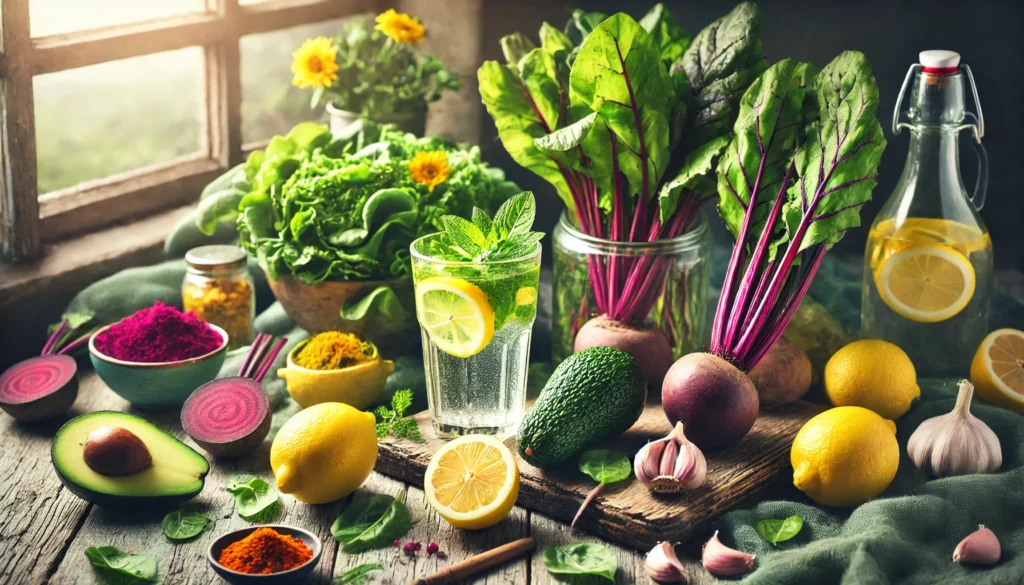
Best Natural Liver Cleanse Recipes: How to Support Detoxification & Boost Wellness

The liver is an essential organ responsible for metabolizing nutrients, filtering toxins, and maintaining overall homeostasis within the body. Given its pivotal role in detoxification, supporting liver health through natural dietary interventions is a widely recognized approach to promoting wellness. While the liver is self-sufficient in its detoxifying abilities, certain foods, herbs, and drinks may help optimize its function. This article explores the best natural liver cleanse recipes, delving into the science behind their efficacy and providing actionable strategies for incorporating them into daily life.

You may also like: The Best Liver Detox Supplements: How to Choose Safe and Effective Support for Your Liver

Understanding Liver Detoxification

The liver’s detoxification process involves two primary phases: Phase I and Phase II detoxification. Phase I entails the conversion of fat-soluble toxins into intermediate compounds through enzymatic reactions. In Phase II, these intermediates are further processed into water-soluble compounds, making excretion via urine or bile possible. Nutrient-dense foods rich in antioxidants, vitamins, and specific phytochemicals support these pathways and enhance the body’s natural detoxification mechanisms.

For those seeking a natural liver cleanse, consuming foods that bolster liver function while reducing exposure to processed foods, alcohol, and excessive sugars can be beneficial. Emphasizing whole, plant-based ingredients provides the liver with the necessary compounds to process and eliminate toxins efficiently. The following natural liver cleanse recipes leverage these principles to offer scientifically-backed support for optimal liver health.

A vibrant spread of natural liver detox ingredients, including fresh lemons, turmeric root, ginger, garlic, beets, leafy greens, and a glass of detox juice, beautifully arranged on a rustic wooden table with natural sunlight

Lemon and Turmeric Detox Tea

Lemon and turmeric are both known for their potent anti-inflammatory and detoxifying properties. Lemon provides vitamin C, an antioxidant that supports glutathione production, a key molecule involved in detoxification. Turmeric contains curcumin, which has been shown to enhance liver function and promote bile flow, aiding digestion and toxin elimination.

To prepare this detox tea, combine freshly squeezed lemon juice, a teaspoon of ground turmeric, and warm water. Adding a dash of black pepper enhances curcumin absorption, increasing its bioavailability. Drinking this tea in the morning can stimulate digestion, encourage bile production, and support overall liver health.

Beet and Carrot Liver Cleansing Juice

Beets and carrots are powerful allies for liver detoxification, providing an array of phytonutrients that enhance enzymatic activity. Beets are rich in betalains, which exhibit anti-inflammatory and antioxidant effects, while carrots contain beta-carotene, a precursor to vitamin A that aids in reducing oxidative stress.

A simple yet effective beet and carrot juice recipe involves blending fresh beets, carrots, and a small apple for natural sweetness. Adding a piece of ginger can provide additional digestive support. Consuming this juice regularly can help stimulate bile production and enhance the body’s ability to process toxins.

Garlic and Ginger Liver Detox Shot

Garlic and ginger are revered for their hepatoprotective properties. Garlic contains allicin, a sulfur compound known for its ability to stimulate liver enzymes that assist in detoxification. Ginger has been shown to reduce inflammation and support digestion, making it an excellent addition to a liver cleanse regimen.

To create a concentrated liver detox shot, blend fresh garlic cloves, ginger root, and a splash of lemon juice with water. This potent elixir should be consumed in small amounts, as its strong flavor and effects can be quite intense. Regular consumption can aid in promoting optimal liver function and reducing toxin accumulation.

Green Smoothie for Liver Support

Green leafy vegetables are among the most beneficial foods for liver health, as they contain chlorophyll, fiber, and a host of essential nutrients that aid in detoxification. A green smoothie made with spinach, kale, celery, cucumber, and avocado provides an excellent source of liver-supportive compounds.

Blending these ingredients with coconut water and a squeeze of lime creates a refreshing, nutrient-dense drink. Including flaxseeds or chia seeds can add additional fiber, supporting the elimination of toxins through digestion. This smoothie serves as a nourishing way to enhance liver function while providing sustained energy throughout the day.

Dandelion Root Liver Cleanse Tea

Dandelion root has long been utilized in traditional medicine for its liver-protective and diuretic properties. It stimulates bile production, which aids in digestion and toxin removal. The presence of antioxidants such as flavonoids and polyphenols further supports liver health by reducing oxidative stress.

To prepare dandelion root tea, steep dried dandelion root in hot water for several minutes. The tea can be consumed daily as part of a liver cleanse routine. Adding a teaspoon of raw honey or a slice of lemon can enhance its flavor while providing additional detoxifying benefits.

Cruciferous Vegetable Liver Detox Salad

Cruciferous vegetables such as broccoli, Brussels sprouts, and cabbage contain glucosinolates, compounds that facilitate Phase II liver detoxification. These vegetables also provide fiber, which supports digestion and the removal of toxins from the body.

A liver-detoxifying salad can be prepared by combining chopped broccoli, shredded Brussels sprouts, red cabbage, and arugula. A dressing made from olive oil, apple cider vinegar, Dijon mustard, and lemon juice complements the nutrient profile of this dish. Regular consumption of cruciferous vegetables can enhance the liver’s detoxification capabilities and contribute to overall well-being.

Hydration and Liver Function

Staying adequately hydrated is fundamental to supporting liver health, as water plays a crucial role in flushing toxins out of the body. Infused water recipes featuring ingredients like cucumber, mint, and lemon can enhance hydration while providing additional detoxifying benefits.

A simple detox water recipe includes sliced cucumber, fresh mint leaves, and lemon wedges infused in a pitcher of water. Allowing the ingredients to steep overnight maximizes the extraction of beneficial compounds. Drinking detox water throughout the day can aid in maintaining optimal liver function and promoting overall health.

A refreshing green detox smoothie in a glass, surrounded by fresh kale, spinach, cucumber, and celery on a wooden kitchen countertop with soft natural lighting

Frequently Asked Questions (FAQ) About Liver Cleanse Recipes

1. What are the key benefits of using natural liver cleanse recipes?
Natural liver cleanse recipes provide essential nutrients that support liver function and overall health. These recipes often include ingredients rich in antioxidants, such as turmeric, ginger, and leafy greens, which help reduce oxidative stress in the liver. Additionally, consuming a variety of fruits and vegetables in a natural liver cleanse recipe can aid digestion and promote bile production, which is crucial for breaking down fats and eliminating toxins. Hydrating ingredients like lemon and cucumber also contribute to proper liver detoxification by flushing out harmful substances. Regularly incorporating these recipes into your diet can improve energy levels, support metabolic function, and enhance overall wellness.

2. How often should I follow a liver cleanse recipe for optimal health?
The frequency of consuming liver cleanse recipes depends on individual health goals and lifestyle. Some people benefit from including natural liver cleanse recipes in their daily diet by drinking detoxifying beverages or eating liver-friendly meals. Others may prefer periodic detoxification programs lasting a few days to a week, focusing on nutrient-dense smoothies, soups, and teas. It’s important to listen to your body and consult a healthcare professional if you have underlying health conditions before starting a liver cleanse. Incorporating a balanced diet with plenty of fiber, hydration, and lean proteins can maintain liver health without the need for extreme detox protocols.

3. What ingredients should I avoid when making liver cleanse recipes?
While liver cleanse recipes emphasize natural and wholesome ingredients, there are certain foods and additives that should be avoided. Processed sugars, artificial sweeteners, and high-fructose corn syrup can burden the liver by increasing fat accumulation. Excessive sodium, often found in processed foods and canned goods, can contribute to water retention and hinder detoxification. Trans fats, commonly present in fried and processed foods, may increase liver inflammation and contribute to fatty liver disease. Alcohol consumption should also be minimized, as it places significant strain on the liver. Choosing organic and pesticide-free ingredients when possible ensures that your natural liver cleanse recipe is free from harmful chemicals that can compromise liver function.

4. Can a liver cleanse recipe help with weight loss?
Liver cleanse recipes can indirectly support weight loss by promoting efficient digestion and metabolism. A well-functioning liver plays a critical role in breaking down fats and processing nutrients effectively. Natural liver cleanse recipes, particularly those rich in fiber, antioxidants, and healthy fats, can enhance satiety and reduce cravings for unhealthy foods. Hydration from detoxifying beverages, such as lemon water or herbal teas, can also aid in flushing out toxins and reducing bloating. However, sustainable weight loss requires a comprehensive approach, including balanced nutrition, regular exercise, and proper hydration, rather than relying solely on liver cleanse recipes.

5. Are there any risks associated with following a natural liver cleanse recipe?
While liver cleanse recipes are generally safe and beneficial, certain risks exist, especially if detoxification is taken to an extreme. Overconsumption of certain detox ingredients, such as excessive lemon juice or apple cider vinegar, may lead to digestive discomfort or acid reflux. Very low-calorie detox diets can result in nutrient deficiencies and fatigue. Individuals with liver disease, gallbladder issues, or pre-existing medical conditions should consult a healthcare provider before making significant dietary changes. A well-balanced approach that incorporates natural liver cleanse recipes in moderation while maintaining overall nutritional diversity is the safest way to support liver health.

6. Can liver cleanse recipes improve skin health?
Yes, incorporating natural liver cleanse recipes into your diet can contribute to clearer and healthier skin. The liver plays a vital role in detoxifying the body, and when it functions optimally, it helps eliminate toxins that might otherwise manifest as skin issues, such as acne, dullness, or inflammation. Ingredients like turmeric, leafy greens, and citrus fruits in liver cleanse recipes provide antioxidants and vitamins that promote collagen production and reduce oxidative stress. Hydration is another key factor—drinking detoxifying herbal teas or lemon-infused water helps flush out impurities, keeping the skin hydrated and radiant.

7. Are there specific liver cleanse recipes that support digestion?
Yes, many liver cleanse recipes incorporate ingredients that enhance digestion and gut health. Ginger and fennel aid in reducing bloating and supporting the breakdown of food. Fiber-rich ingredients such as chia seeds, flaxseeds, and leafy greens promote regular bowel movements, helping eliminate toxins from the digestive tract. Fermented foods like sauerkraut or kimchi, which contain probiotics, support a healthy gut microbiome and indirectly benefit liver function. Herbal teas, including dandelion root or milk thistle tea, can further support bile production, improving digestion and nutrient absorption.

8. Can a liver cleanse recipe help reduce inflammation?
Yes, many liver cleanse recipes include anti-inflammatory ingredients that support liver health and reduce overall inflammation in the body. Turmeric, known for its curcumin content, is one of the most effective natural anti-inflammatory agents. Ginger, green tea, and berries are also commonly found in natural liver cleanse recipes due to their ability to neutralize free radicals and reduce oxidative stress. Reducing inflammatory foods, such as refined carbohydrates and processed meats, while consuming a diet rich in whole foods and liver-supporting herbs, can significantly improve liver function and reduce inflammation-related conditions.

9. What is the best time of day to consume a liver cleanse recipe?
The best time to consume a liver cleanse recipe depends on the ingredients used and individual preferences. Many people start their day with a detoxifying drink, such as warm lemon water or a green smoothie, to kickstart digestion and hydration. Others prefer consuming a liver-friendly meal at lunch or dinner, incorporating cruciferous vegetables, healthy fats, and lean proteins. Herbal teas like milk thistle or dandelion root can be consumed before bed to support overnight detoxification. Consistency is key—whether you choose morning or evening, regularly integrating liver-supporting foods can enhance long-term liver health.

10. Can children or pregnant women safely consume liver cleanse recipes?
While many natural liver cleanse recipes contain healthy, nutrient-rich ingredients, not all are suitable for children or pregnant women. Some detoxifying herbs, such as milk thistle or dandelion root, may not be recommended during pregnancy due to their potential effects on hormone levels. Similarly, highly acidic drinks or excessive amounts of raw cruciferous vegetables may cause digestive discomfort in children. It is best to focus on gentle, whole-food-based liver cleanse recipes that emphasize hydration, fiber, and essential vitamins without extreme detoxification components. Always consult a healthcare professional before introducing any dietary changes, especially for pregnant women and young children.

A detoxifying beetroot and citrus juice in a glass, placed on a wooden table, surrounded by sliced beets, oranges, grapefruits, and sprigs of fresh parsley, with soft natural lighting

Final Thoughts on Natural Liver Cleansing

While the liver is highly capable of detoxifying itself, providing it with supportive foods and beverages can enhance its efficiency. Incorporating natural liver cleanse recipes into a balanced diet ensures that the liver receives the nutrients it needs to function optimally. Maintaining a healthy lifestyle by reducing exposure to processed foods, alcohol, and environmental toxins further contributes to overall liver wellness.

By integrating these recipes into a daily routine, individuals can take proactive steps toward improving liver health and supporting long-term detoxification. As always, it is advisable to consult with a healthcare provider before making significant dietary changes, particularly for individuals with preexisting liver conditions. A well-nourished liver is essential for overall vitality, and prioritizing its health can lead to lasting benefits for the entire body.

detox drinks for liver, liver-friendly foods, natural detox methods, herbal liver support, healthy detox smoothies, liver health nutrition, holistic detoxification, liver support supplements, cleansing teas for liver, bile production enhancement, turmeric for liver health, beets for detox, green smoothie benefits, cruciferous vegetables detox, hydration and liver function, dandelion root benefits, garlic and liver health, ginger for detoxification, antioxidant-rich foods, liver wellness tips

Further Reading:

10+ Home Remedies to Naturally Detox Liver

11 Foods That Are Good for Your Liver

Liver Cleanse: How To Detox Your Liver Naturally With Foods

Disclaimer

The information contained in this article is provided for general informational purposes only and is not intended to serve as medical, legal, or professional advice. While NewsHealthWatch strives to present accurate, up-to-date, and reliable content, no warranty or guarantee, expressed or implied, is made regarding the completeness, accuracy, or adequacy of the information provided. Readers are strongly advised to seek the guidance of a qualified healthcare provider or other relevant professionals before acting on any information contained in this article. NewsHealthWatch, its authors, editors, and contributors expressly disclaim any liability for any damages, losses, or consequences arising directly or indirectly from the use, interpretation, or reliance on any information presented herein. The views and opinions expressed in this article are those of the author(s) and do not necessarily reflect the official policies or positions of NewsHealthWatch

Best Liver Detox Smoothie Recipes: Support Your Liver & Kidney Health Naturally

The human body possesses an extraordinary ability to detoxify itself, and the liver is at the heart of this vital function. Every day, the liver processes toxins, metabolizes nutrients, and ensures that harmful substances do not accumulate in the bloodstream. While the liver is naturally adept at detoxification, the modern diet and lifestyle can sometimes overburden it, making liver-supporting foods an essential part of overall wellness. One of the easiest and most delicious ways to enhance liver function is through a well-crafted liver detox smoothie. Packed with nutrient-dense ingredients, these smoothies can help support the liver and kidneys, ensuring they function at their optimal capacity.

You may also like: The Best Liver Detox Supplements: How to Choose Safe and Effective Support for Your Liver

Smoothies designed for liver detoxification provide an easy and effective way to nourish the body with essential vitamins, minerals, and antioxidants. They typically contain liver-friendly ingredients such as leafy greens, beets, citrus fruits, turmeric, and cruciferous vegetables, all of which have been shown to support detoxification pathways. Furthermore, these smoothies are hydrating and promote kidney function, aiding the body in eliminating waste more efficiently. By incorporating these nutrient-packed beverages into your diet, you can take a proactive approach to maintaining liver and kidney health while enjoying a refreshing, natural boost of energy.

Top-down view of a wooden kitchen countertop with fresh ingredients for a liver detox smoothie, including kale, spinach, beets, lemon wedges, ginger, turmeric, and a glass of green smoothie, illuminated by natural light

The Role of the Liver in Detoxification

The liver is the body’s primary detox organ, working tirelessly to filter toxins, break down fats, metabolize carbohydrates, and regulate numerous biochemical processes. It performs these tasks through two major detoxification phases: Phase I and Phase II. Phase I involves the breakdown of toxins through oxidation, reduction, and hydrolysis. This process produces intermediate metabolites that must then be processed by Phase II detoxification. Phase II detoxification involves conjugation, where these intermediate metabolites are converted into water-soluble compounds that can be excreted via urine or bile. When the liver is overburdened with excess toxins, poor diet, or high levels of oxidative stress, its detoxification capacity can decline, leading to potential health issues.

To support the liver’s natural detoxification processes, consuming foods rich in antioxidants, amino acids, and phytonutrients is essential. Compounds such as glutathione, found in foods like avocados and leafy greens, play a critical role in neutralizing free radicals and reducing oxidative stress on liver cells. Additionally, sulfur-containing vegetables such as garlic, onions, and cruciferous vegetables help activate Phase II detoxification, ensuring efficient toxin removal. By incorporating these powerhouse ingredients into a liver detox smoothie, you can help optimize the liver’s ability to cleanse and rejuvenate itself.

Key Ingredients for a Liver Detox Smoothie

Crafting an effective liver cleanse smoothie requires selecting ingredients that promote detoxification, reduce inflammation, and provide ample hydration. Some of the best ingredients to include in a liver detox smoothie recipe include:

  • Leafy Greens: Spinach, kale, and Swiss chard are rich in chlorophyll, which helps detoxify heavy metals and improve oxygenation in the blood. These greens are also excellent sources of folate, which supports liver enzyme function.
  • Beets: Beets are high in betaine, a compound that helps protect liver cells from oxidative stress and supports bile production, facilitating fat digestion and toxin elimination.
  • Lemon and Lime: Citrus fruits provide vitamin C and flavonoids that enhance liver enzyme activity and stimulate bile flow, aiding in digestion and detoxification.
  • Turmeric: This golden spice contains curcumin, a powerful anti-inflammatory compound that supports liver cell regeneration and helps neutralize free radicals.
  • Cruciferous Vegetables: Broccoli, Brussels sprouts, and cauliflower contain glucosinolates, which activate detoxification enzymes in the liver, improving its ability to process toxins.
  • Ginger: Known for its anti-inflammatory properties, ginger supports digestion and enhances liver enzyme function, reducing oxidative stress on the liver.
  • Avocado: Avocados are rich in healthy fats and glutathione, an essential antioxidant that helps the liver neutralize toxins.
  • Milk Thistle: This herb contains silymarin, a compound known for its hepatoprotective properties, making it one of the best natural supplements for liver health.
  • Flaxseeds and Chia Seeds: These seeds provide fiber and omega-3 fatty acids that support gut health, reduce inflammation, and assist the liver in detoxification.
  • Berries: Blueberries, strawberries, and raspberries are packed with polyphenols and vitamin C, helping to protect liver cells from damage.
  • Coconut Water: As an excellent source of hydration, coconut water supports kidney function and aids in flushing out toxins from the body.

Best Liver Detox Smoothie Recipes

1. Green Liver Cleanse Smoothie

  • 1 cup spinach or kale
  • 1/2 avocado
  • 1/2 lemon, juiced
  • 1 small cucumber
  • 1-inch piece ginger
  • 1 tablespoon chia seeds
  • 1 cup coconut water Blend all ingredients until smooth and enjoy immediately.

2. Beetroot Liver Rescue Smoothie

  • 1 small beet, peeled and chopped
  • 1/2 cup blueberries
  • 1/2 cup raspberries
  • 1/2 banana
  • 1 teaspoon turmeric
  • 1 cup almond milk Blend all ingredients until well combined.

3. Citrus Liver Detox Shake

  • 1 orange, peeled
  • 1/2 grapefruit, peeled
  • 1/2 cup pineapple
  • 1 teaspoon flaxseeds
  • 1-inch piece ginger
  • 1 cup water Blend and serve chilled.
Rustic still life of a green liver detox smoothie in a mason jar, surrounded by fresh detoxifying ingredients such as celery, parsley, cucumbers, lemon slices, and mint leaves on a wooden background

Frequently Asked Questions (FAQ) About Liver Detox Smoothies

1. What are the key ingredients in a liver cleanse smoothie, and why are they beneficial?
A liver cleanse smoothie typically includes ingredients like leafy greens, citrus fruits, beets, turmeric, ginger, and healthy fats like avocado or flaxseeds. Leafy greens such as kale and spinach contain chlorophyll, which helps the liver naturally filter toxins. Citrus fruits provide vitamin C, which aids in liver enzyme production and detoxification. Beets contain betaine, a compound that supports liver function by reducing inflammation and aiding bile production. Turmeric and ginger have powerful anti-inflammatory and antioxidant properties that can help protect the liver from damage caused by toxins and oxidative stress. Including healthy fats ensures better absorption of fat-soluble vitamins and antioxidants that are essential for liver health.

2. How often should I drink a liver detox smoothie for optimal benefits?
The frequency of consuming a liver detox smoothie depends on your overall health goals and dietary habits. Drinking one daily for a week can provide a short-term cleanse, while incorporating them into your routine a few times per week supports long-term liver health. If you have fatty liver disease or high toxin exposure, more frequent consumption might be beneficial. However, it is crucial to balance liver smoothies with a varied diet rich in whole foods to ensure you receive all necessary nutrients. Always consult with a healthcare professional before making significant dietary changes, especially if you have underlying health conditions.

3. Can liver detox smoothies help with fatty liver disease?
Yes, smoothies for fatty liver disease can be a helpful dietary addition, particularly when they contain ingredients that reduce fat accumulation in the liver. Foods rich in antioxidants, fiber, and anti-inflammatory compounds—such as berries, leafy greens, and omega-3 fatty acids—can help improve liver function and reduce fat buildup. Reducing sugar and refined carbohydrate intake while increasing fiber can support weight loss, which is a key factor in managing fatty liver disease. Regular exercise, hydration, and avoiding excessive alcohol consumption also play a crucial role. A well-balanced diet combined with liver detox smoothies can enhance overall liver health and help manage fatty liver disease effectively.

4. What is the difference between a liver cleanse smoothie and a liver detox shake?
A liver cleanse smoothie typically consists of whole fruits, vegetables, and other fiber-rich ingredients blended with water, milk, or plant-based alternatives. A liver detox shake, on the other hand, may contain added protein powders, supplements, or specialized detoxifying ingredients such as milk thistle extract or activated charcoal. While both can aid liver function, a liver detox shake is often used as a meal replacement or a targeted supplement-based approach to liver support. It is essential to choose high-quality, natural ingredients in both cases and ensure they complement a well-rounded diet rather than replace essential nutrients.

5. Are there any side effects of drinking liver rescue smoothies?
Liver rescue smoothies are generally safe when made with natural, whole-food ingredients, but some individuals may experience mild side effects. Ingredients like turmeric and ginger can cause stomach irritation or acid reflux in sensitive individuals. High-fiber ingredients such as chia seeds, flaxseeds, or leafy greens may lead to bloating or digestive discomfort if consumed in excess. Detoxifying ingredients may also stimulate the release of stored toxins, leading to temporary fatigue or headaches. Gradually introducing liver smoothies into your diet and staying hydrated can help minimize side effects. If you experience persistent discomfort, consult a healthcare professional to adjust the ingredients accordingly.

6. Can liver detox smoothies help with weight loss?
Yes, liver detox smoothies can support weight loss when consumed as part of a balanced diet and healthy lifestyle. These smoothies are often low in calories but high in fiber, which promotes satiety and reduces overall calorie intake. Ingredients like lemon, ginger, and green tea can boost metabolism and enhance fat burning. Reducing processed foods and refined sugars while increasing nutrient-dense whole foods aids liver function and supports natural detoxification processes that may contribute to weight loss. However, relying solely on smoothies for weight loss is not recommended—combining them with exercise and a well-rounded diet is key for sustainable results.

7. What is the best time of day to drink a liver cleanse smoothie?
The best time to drink a liver cleanse smoothie depends on your personal routine and health goals. Many people prefer consuming one in the morning to kickstart digestion and provide essential nutrients for the day. Drinking one before meals can help regulate appetite and support digestion. Some individuals opt for an evening smoothie to aid overnight detoxification, as the liver performs many of its cleansing functions during sleep. If you are using a liver cleanse smoothie recipe as part of a fasting protocol, consuming it during your eating window can enhance nutrient absorption. Experiment with different times to see what works best for your body.

8. How do I create the best smoothies for liver and kidneys?
The best smoothies for liver and kidneys contain ingredients that promote detoxification, hydration, and reduced inflammation. Leafy greens, cucumber, and celery provide hydration and essential electrolytes for kidney function. Lemon, berries, and turmeric support antioxidant activity that helps the liver and kidneys filter toxins efficiently. Hydration is key—using coconut water or herbal teas instead of sugary fruit juices can improve kidney function. Avoid adding excessive protein powders or artificial sweeteners, as they can burden the kidneys. By combining these elements, you can create a smoothie that supports both liver and kidney health naturally.

9. Can I use a liver cleanse smoothie recipe as a meal replacement?
A liver cleanse smoothie recipe can serve as a meal replacement if it contains a balance of macronutrients—protein, healthy fats, and fiber. Adding ingredients like nut butters, Greek yogurt, chia seeds, or protein powder can enhance its nutritional profile and make it more satiating. However, relying solely on smoothies for nutrition is not recommended, as they may lack essential nutrients found in whole foods. If using as a meal replacement, ensure you include a variety of whole-food sources throughout the day to maintain a well-balanced diet. Consulting with a nutritionist can help tailor smoothies to fit your dietary needs.

10. How can I make liver smoothies taste better without adding sugar?
Improving the taste of liver smoothies without adding sugar is easy with natural flavor enhancers. Using fruits like bananas, mangoes, or berries can provide natural sweetness while maintaining nutritional benefits. Adding spices such as cinnamon, nutmeg, or vanilla extract can enhance the flavor profile. Using coconut water or unsweetened almond milk instead of plain water can add a subtle sweetness. Incorporating citrus zest or a splash of lime juice can balance out bitterness from greens. By experimenting with these ingredients, you can create a delicious and nutritious smoothie that supports liver health without relying on added sugars.

A refreshing green smoothie in a tall glass garnished with a lemon slice and mint leaves, surrounded by detoxifying ingredients like avocado, dandelion greens, turmeric root, lime wedges, and a bowl of flaxseeds on a light wooden table

Conclusion: Enhancing Liver and Kidney Health Naturally

A liver detox smoothie is an excellent addition to a health-conscious lifestyle, providing the body with essential nutrients while promoting detoxification. These nutrient-packed beverages help cleanse the liver, support kidney function, and provide hydration, making them a simple yet effective way to enhance overall well-being. By incorporating the best smoothies for liver and kidneys into your routine, you can proactively maintain a healthy liver and optimize your body’s natural ability to detoxify. Whether you are looking to support liver function, improve digestion, or boost your energy levels, a well-balanced liver detox smoothie recipe can serve as a delicious and nutritious solution.

healthy detox drinks, natural liver support, smoothie ingredients for detox, superfoods for liver health, anti-inflammatory smoothie, herbal detox remedies, wellness smoothies, hydration and kidney function, antioxidants for detox, gut health and liver connection, whole foods detox, plant-based detox smoothies, turmeric for liver, chlorophyll benefits, nutritional cleansing, milk thistle liver support, benefits of flaxseeds, hydration and liver function, beetroot and liver health, digestive health smoothie

Further Reading:

How to do a Natural Kidney Cleanse at Home

Grapefruit Smoothie for Liver Detox

Liver Detox Drinks for Beginners: Simple Ways to Cleanse Naturally

Disclaimer

The information contained in this article is provided for general informational purposes only and is not intended to serve as medical, legal, or professional advice. While NewsHealthWatch strives to present accurate, up-to-date, and reliable content, no warranty or guarantee, expressed or implied, is made regarding the completeness, accuracy, or adequacy of the information provided. Readers are strongly advised to seek the guidance of a qualified healthcare provider or other relevant professionals before acting on any information contained in this article. NewsHealthWatch, its authors, editors, and contributors expressly disclaim any liability for any damages, losses, or consequences arising directly or indirectly from the use, interpretation, or reliance on any information presented herein. The views and opinions expressed in this article are those of the author(s) and do not necessarily reflect the official policies or positions of NewsHealthWatch.
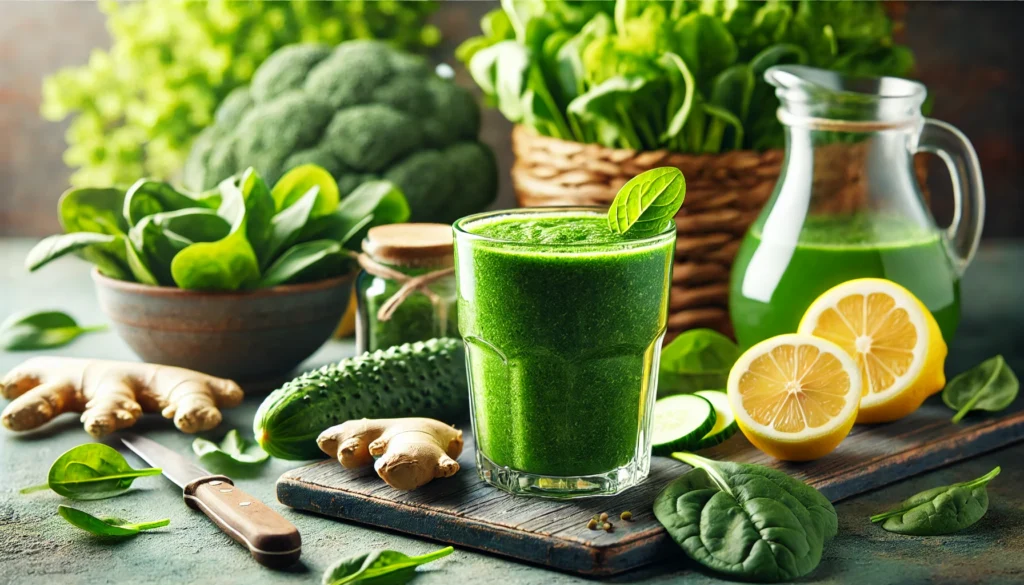
Best Liver Cleanse Tea Recipe: Natural Ingredients to Support Detox and Wellness

The liver is one of the most vital organs in the human body, responsible for processing nutrients, filtering toxins, and supporting overall metabolic function. In today’s world, where exposure to processed foods, environmental pollutants, and excessive alcohol consumption is common, many individuals seek natural methods to support liver health. One effective way to do so is by incorporating a well-formulated liver cleanse tea recipe into a daily routine. This article delves into the best natural ingredients that support liver detoxification, the science behind their efficacy, and how to prepare an optimal liver cleanse tea recipe to enhance overall well-being.

You may also like: The Best Liver Detox Supplements: How to Choose Safe and Effective Support for Your Liver

Understanding Liver Detoxification and Its Importance

The liver plays a fundamental role in detoxification by breaking down harmful substances and excreting them through bile or urine. This intricate process involves two primary phases: Phase I, where toxins are converted into intermediate substances, and Phase II, where they are further processed for elimination. Factors such as poor diet, stress, and exposure to environmental toxins can impair this natural detoxification mechanism, leading to fatigue, digestive issues, and an increased risk of liver-related diseases.

Incorporating natural ingredients known for their hepatoprotective properties can enhance liver function. Certain herbs and botanicals stimulate bile production, support enzyme activity, and promote antioxidant activity, which is essential for neutralizing free radicals generated during detoxification. A carefully crafted liver detox tea recipe provides a holistic approach to maintaining liver health, ensuring that the body efficiently processes and eliminates toxins.

A glass teapot and a steaming cup of herbal detox tea on a wooden tray, surrounded by natural liver-cleansing ingredients such as chamomile flowers, turmeric roots, sliced lemons, and ginger. The background features soft greenery and diffused sunlight, creating a fresh and rejuvenating ambiance

Key Natural Ingredients for an Effective Liver Cleanse Tea Recipe

To create a potent liver cleanse tea, selecting the right combination of herbs and spices is crucial. The following ingredients are widely recognized for their liver-supportive benefits, backed by both traditional medicine and modern scientific research.

Milk Thistle: The Ultimate Liver Protector

Milk thistle (Silybum marianum) is one of the most well-researched herbs for liver health, primarily due to its active compound, silymarin. Silymarin has been shown to protect liver cells from damage caused by toxins, alcohol, and pharmaceutical drugs. This powerful antioxidant also promotes the regeneration of liver tissue, making it an essential ingredient in any liver detox tea recipe.

By inhibiting inflammatory pathways and enhancing glutathione levels, milk thistle optimizes the liver’s ability to filter out harmful substances. Consuming milk thistle in tea form allows for gradual absorption, ensuring that its protective benefits are sustained over time.

Dandelion Root: A Natural Bile Stimulant

Dandelion root (Taraxacum officinale) has long been used in traditional medicine as a natural liver tonic. It promotes bile production, which is essential for breaking down fats and eliminating toxins. Rich in polysaccharides, dandelion root also supports liver cell regeneration and reduces oxidative stress.

Research suggests that dandelion root extract can help protect against liver fibrosis and improve digestion by enhancing bile flow. Including this herb in a liver cleanse tea recipe enhances detoxification efficiency while also aiding in digestion and nutrient absorption.

Turmeric: A Powerful Anti-Inflammatory Agent

Turmeric (Curcuma longa) is renowned for its anti-inflammatory and antioxidant properties, largely due to the presence of curcumin. Curcumin has been shown to enhance liver function by reducing oxidative damage and supporting bile production.

Studies indicate that turmeric can protect the liver from damage induced by toxins, excessive alcohol consumption, and high-fat diets. Drinking turmeric-infused tea helps mitigate inflammation within the liver while promoting enzymatic activity crucial for detoxification.

Ginger: Enhancing Circulation and Detoxification

Ginger (Zingiber officinale) is another essential component of a liver detox tea recipe, known for its ability to improve digestion and circulation. Its potent bioactive compounds, such as gingerols and shogaols, exhibit anti-inflammatory and antioxidant effects that support liver health.

Ginger has been studied for its hepatoprotective effects, particularly in cases of liver damage caused by non-alcoholic fatty liver disease (NAFLD) and oxidative stress. Consuming ginger tea enhances the liver’s ability to process toxins efficiently while also providing relief from bloating and indigestion.

Peppermint: Supporting Digestive and Liver Health

Peppermint (Mentha piperita) is widely used to soothe digestive discomfort and support liver function. It contains menthol, a compound that aids bile flow and promotes the breakdown of dietary fats.

Research suggests that peppermint can help relieve symptoms of indigestion and irritable bowel syndrome (IBS), which are often associated with impaired liver function. Incorporating peppermint into a liver cleanse tea provides a refreshing flavor while supporting digestion and toxin elimination.

Lemon Peel: A Vitamin C-Packed Detoxifier

Lemon peel is an excellent source of vitamin C and bioflavonoids, which help neutralize toxins and support liver enzyme activity. Its alkalizing properties assist in maintaining the body’s pH balance, which is crucial for optimal metabolic function.

Drinking lemon-infused tea can enhance hydration, stimulate bile production, and support the body’s natural detoxification pathways. This makes lemon peel an essential ingredient in a liver detox tea recipe.

How to Prepare the Best Liver Cleanse Tea Recipe

To create an effective liver cleanse tea, combining these potent ingredients in precise proportions is key. Follow this simple recipe to prepare a nourishing and detoxifying herbal tea:

Ingredients:

  • 1 teaspoon dried milk thistle seeds (crushed)
  • 1 teaspoon dried dandelion root
  • 1 teaspoon grated fresh turmeric or ½ teaspoon turmeric powder
  • 1 teaspoon grated fresh ginger or ½ teaspoon dried ginger
  • 1 teaspoon dried peppermint leaves
  • ½ teaspoon dried lemon peel
  • 2 cups of filtered water
  • Optional: Raw honey or lemon juice for taste

Instructions:

  1. In a small pot, bring 2 cups of filtered water to a gentle boil.
  2. Add the milk thistle seeds, dandelion root, turmeric, and ginger.
  3. Reduce heat and let simmer for 10-15 minutes to extract beneficial compounds.
  4. Remove from heat and add the peppermint leaves and lemon peel.
  5. Cover and let steep for an additional 5 minutes.
  6. Strain the tea into a cup and add raw honey or lemon juice if desired.
  7. Enjoy warm and consume 1-2 cups daily for optimal liver support.

This tea can be stored in the refrigerator for up to 24 hours, allowing for easy preparation ahead of time. Consistent consumption of this liver detox tea recipe can provide ongoing support for liver function, promoting overall wellness and vitality.

A top-down view of a golden herbal liver cleanse tea in a cup, surrounded by fresh mint leaves, dried dandelion root, ginger slices, turmeric powder, and lemon wedges on a rustic wooden table. The warm lighting and earthy setting create a soothing and natural detox ambiance

Frequently Asked Questions (FAQ) About Liver Detox Tea Recipes

1. What are the benefits of drinking a liver detox tea recipe? Drinking a liver detox tea recipe can support the liver’s natural detoxification process by providing antioxidants, anti-inflammatory compounds, and beneficial nutrients. Ingredients such as dandelion root, milk thistle, and turmeric help reduce oxidative stress and support liver enzyme function. Regular consumption of liver detox tea may also promote digestion, enhance bile production, and reduce bloating. Additionally, certain herbal blends have been linked to improved liver health by reducing fat accumulation in the liver. While liver detox tea should not replace medical treatments, incorporating it into a balanced lifestyle may offer long-term wellness benefits.

2. How often should I drink a liver cleanse tea recipe? The frequency of consuming a liver cleanse tea recipe depends on individual health goals and tolerance. Some people benefit from drinking it daily for a short-term cleanse, while others prefer incorporating it a few times a week for ongoing liver support. It’s important to listen to your body and consult with a healthcare professional if you have any underlying conditions. Drinking excessive amounts of herbal tea can lead to digestive discomfort or interfere with certain medications. Moderation and variety in your diet are key to ensuring a sustainable and healthy liver detox regimen.

3. Can I customize a liver detox tea recipe to suit my needs? Yes, a liver detox tea recipe can be tailored to individual preferences and health needs. For example, adding ginger can provide additional anti-inflammatory benefits, while peppermint may aid digestion and reduce bloating. Some individuals prefer incorporating cinnamon or licorice root for a naturally sweeter taste without added sugar. Additionally, those sensitive to caffeine may opt for herbal blends that exclude green or black tea. The key is to choose ingredients that align with your wellness goals while ensuring they complement liver function.

4. Are there any side effects of drinking a liver cleanse tea recipe? While most liver cleanse tea recipes are made from natural herbs, some individuals may experience mild side effects such as digestive upset, nausea, or allergic reactions. Herbs like dandelion and milk thistle can have diuretic effects, potentially leading to increased urination and dehydration if not balanced with adequate water intake. Additionally, certain herbal compounds can interact with medications, including blood thinners and diabetes medications. It’s always best to start with a small amount and monitor how your body reacts before making it a regular part of your routine.

5. What is the best time of day to drink a liver detox tea recipe? The best time to consume a liver detox tea recipe depends on personal preferences and how your body responds to herbal ingredients. Many people find drinking it in the morning beneficial, as it helps kickstart digestion and metabolism. Others prefer having it in the evening to support overnight detoxification and relaxation. If the tea has diuretic properties, drinking it too close to bedtime may lead to frequent urination, disrupting sleep. Experimenting with different timings can help determine what works best for your body.

6. Can I drink a liver cleanse tea recipe while pregnant or breastfeeding? Pregnant and breastfeeding women should consult with a healthcare provider before consuming any liver cleanse tea recipe. Some herbs commonly used in detox teas, such as dandelion root and milk thistle, are generally considered safe but may not be suitable for everyone. Other ingredients, like certain detoxifying herbs, could stimulate uterine contractions or affect milk supply. Ensuring that the tea is free from potentially harmful substances is essential for the safety of both mother and baby.

7. How long does it take to see results from drinking a liver detox tea recipe? The timeframe for noticing benefits from a liver detox tea recipe varies based on diet, lifestyle, and individual health conditions. Some people may experience improved digestion and reduced bloating within a few days, while others may require several weeks to notice changes in energy levels and overall well-being. Consistency is key, but it’s important to complement tea consumption with a nutrient-rich diet, hydration, and a healthy lifestyle. Detox teas work best when they support, rather than replace, comprehensive liver care.

8. Can a liver cleanse tea recipe help with weight loss? While a liver cleanse tea recipe is not a direct weight-loss solution, it can support metabolism and digestion, which may contribute to healthy weight management. Some ingredients, such as green tea and ginger, have been shown to enhance fat oxidation and improve metabolic rate. Additionally, detox teas may help reduce bloating and water retention, making the body feel lighter. However, sustainable weight loss requires a combination of balanced nutrition, regular physical activity, and adequate hydration rather than relying solely on detox beverages.

9. Are store-bought liver detox tea recipes as effective as homemade ones? Store-bought liver detox tea recipes can be effective, but they often contain added ingredients, preservatives, or lower-quality herbs. Homemade liver detox tea allows for full control over the ingredients, ensuring purity and potency. When choosing a store-bought option, it’s best to check for organic, non-GMO, and third-party-tested products to ensure quality. Additionally, reading ingredient labels can help avoid unnecessary additives or sweeteners that may reduce the health benefits of the tea.

10. Can I combine a liver detox tea recipe with other detox practices? Yes, drinking a liver detox tea recipe can be complemented with other detoxification practices, such as eating a nutrient-dense diet, staying hydrated, and engaging in regular physical activity. Consuming foods rich in antioxidants, such as berries and leafy greens, can further enhance liver function. Dry brushing, sauna sessions, and mindful stress management techniques can also support the body’s detox processes. However, detox practices should be balanced and not extreme, as over-detoxing can lead to nutrient imbalances and other health concerns.

A cozy kitchen setting with a steaming cup of liver detox tea infused with fresh lemon, ginger, and turmeric. A wooden bowl containing dandelion root and milk thistle seeds sits nearby, along with a honey dipper. Soft morning light filters through a window, creating a warm and tranquil atmosphere

Final Thoughts: Supporting Liver Health Naturally

Incorporating a high-quality liver cleanse tea into a daily routine is an excellent way to enhance the body’s natural detoxification processes. By using scientifically backed ingredients such as milk thistle, dandelion root, turmeric, and ginger, this tea provides comprehensive liver support while also aiding digestion and reducing inflammation.

Regular consumption of a well-balanced liver detox tea recipe can help counteract the effects of modern dietary and environmental stressors, promoting long-term liver health and overall well-being. Ensuring a holistic approach by maintaining a nutrient-rich diet, staying hydrated, and minimizing toxin exposure will further optimize liver function, allowing the body to perform at its best.

herbal detox tea, liver support tea, natural liver cleanse, detox tea benefits, liver health herbal tea, best herbs for liver detox, turmeric liver benefits, dandelion tea liver health, peppermint for digestion, ginger detox tea, liver function support, organic liver cleanse, home remedies for liver detox, antioxidant herbal tea, bile flow support, digestive wellness tea, holistic liver care, milk thistle detox, lemon peel benefits, best natural detox tea

Further Reading:

6 herbs that can help detox the liver and simple recipes to try

Drug-Induced Liver Injury from Herbal Liver Detoxification Tea

Detox Your Liver: A 6-Step Liver Cleanse

Disclaimer

The information contained in this article is provided for general informational purposes only and is not intended to serve as medical, legal, or professional advice. While NewsHealthWatch strives to present accurate, up-to-date, and reliable content, no warranty or guarantee, expressed or implied, is made regarding the completeness, accuracy, or adequacy of the information provided. Readers are strongly advised to seek the guidance of a qualified healthcare provider or other relevant professionals before acting on any information contained in this article. NewsHealthWatch, its authors, editors, and contributors expressly disclaim any liability for any damages, losses, or consequences arising directly or indirectly from the use, interpretation, or reliance on any information presented herein. The views and opinions expressed in this article are those of the author(s) and do not necessarily reflect the official policies or positions of NewsHealthWatch.

Play exciting online pokies and live games at True Fortune Casino, offering fast payouts, secure deposits, and generous bonuses for Australian players.

Enjoy top pokies and live dealer tables at Uptown Pokies Casino, with quick withdrawals, safe banking, and rewarding promotions for Australian users.

Join thrilling online slots and live casino action at Uptown Aces, featuring fast deposits, secure withdrawals, and exclusive bonuses for Australian players.

Spin favourite pokies and play live casino games at Velvet Spins Casino, offering safe banking, fast payouts, and generous promotions for Australian enthusiasts.

Experience exciting online pokies and live tables at Woo Casino, with quick withdrawals, secure deposits, and attractive bonuses for Australian casino players.

Play top pokies and live dealer games at King Billy Casino, offering fast payouts, safe banking, and rewarding promotions for Australian online casino users.

Enjoy thrilling online slots and live casino action at Aussie Play Casino, with secure deposits, quick withdrawals, and generous bonuses for Australian players.

Join exciting pokies and live tables at Fastpay Casino, featuring fast payouts, safe banking, and exclusive promotions for Australian online casino enthusiasts.