hacklink hack forum hacklink film izle hacklink
Home Blog Page 235

Is Liver Good for Health? Surprising Benefits You Need to Know

The debate around consuming organ meats has long been a topic of nutritional discourse. Among these, liver is one of the most nutrient-dense foods available, yet it remains underappreciated in many modern diets. While some regard it as an old-fashioned or even unappealing food, science reveals that liver offers numerous health benefits that can enhance overall wellness, support metabolic functions, and even aid in weight loss. The nutritional composition of liver is nothing short of remarkable, containing an abundance of vitamins, minerals, and bioavailable proteins that contribute to bodily health in ways that many common foods simply cannot. Given the increasing awareness of whole-food nutrition and the desire to maximize dietary benefits, it is essential to understand how liver can fit into a balanced diet and why it has been a staple food across cultures for centuries.

You may also like: The Best Liver Detox Supplements: How to Choose Safe and Effective Support for Your Liver

Liver is a powerhouse of nutrients, boasting high concentrations of essential vitamins such as vitamin A, B vitamins, and iron. These nutrients play pivotal roles in energy production, immune support, and cellular regeneration. Moreover, contrary to common misconceptions, consuming liver does not mean ingesting stored toxins; rather, the liver acts as a filter, not a storage organ for harmful substances. Understanding the health benefits of liver, how it supports detoxification, and its role in disease prevention provides valuable insights into why this superfood deserves a place in modern diets. As nutritional science continues to evolve, more evidence supports the role of nutrient-dense organ meats in maintaining optimal health. The following discussion delves deep into the benefits of liver, its role in metabolism, and how its consumption can promote longevity and vitality.
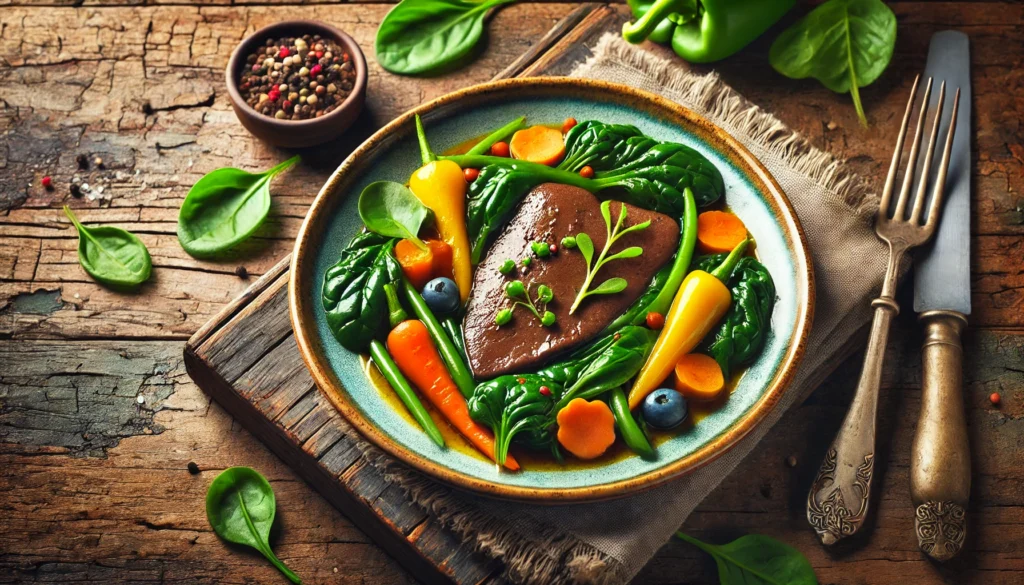
A beautifully plated dish of cooked beef liver with fresh vegetables, such as spinach, carrots, and bell peppers, on a rustic wooden table. The dish looks nutrient-rich and appetizing, emphasizing the health benefits of liver

The Nutritional Powerhouse: Why Liver is One of the Most Nutritious Foods

Few foods can match the sheer nutrient density of liver. This organ meat contains a remarkable concentration of vitamins and minerals in a highly bioavailable form, making it one of the most efficient sources of essential nutrients. Liver is an excellent source of vitamin A in its most active form, retinol, which supports vision, skin health, and immune function. Unlike plant-based sources of vitamin A, such as beta-carotene, which must be converted by the body, retinol is readily absorbed and utilized. This makes liver an unparalleled food choice for maintaining eye health and preventing vitamin A deficiency, which can lead to night blindness and weakened immunity.

B vitamins, particularly B12, are another standout feature of liver’s nutritional profile. Vitamin B12 is crucial for red blood cell formation, neurological function, and DNA synthesis. Deficiencies in this vitamin can lead to fatigue, cognitive decline, and even anemia. Those following vegetarian or vegan diets often struggle to obtain adequate B12, making liver an especially beneficial addition to diets that require a boost in this essential nutrient. Furthermore, liver is packed with riboflavin (B2), niacin (B3), and folate (B9), all of which contribute to energy metabolism, nerve function, and cardiovascular health.

Minerals are also abundant in liver, particularly iron, which exists in the highly absorbable heme form. This is particularly beneficial for individuals prone to iron-deficiency anemia, such as women of reproductive age. Unlike non-heme iron from plant sources, which requires additional enhancers like vitamin C for absorption, heme iron from liver is easily assimilated by the body. Zinc, copper, and selenium are also present in significant amounts, each playing a critical role in immune function, antioxidant defense, and enzymatic reactions essential for cellular health.

Liver for Weight Loss: Can Eating Liver Help You Shed Pounds?

A common question arises when discussing liver: is liver good for weight loss? The answer lies in its nutrient composition and metabolic impact. Liver is a low-calorie yet highly satiating food, packed with protein that helps regulate appetite and maintain muscle mass. The high protein content in liver contributes to the thermic effect of food (TEF), where the body expends more energy digesting and metabolizing protein compared to carbohydrates or fats. This increased calorie expenditure can aid weight loss while ensuring the preservation of lean muscle mass.

Another advantage of liver for weight loss is its ability to stabilize blood sugar levels. The presence of key nutrients such as chromium and vitamin B6 helps regulate insulin function and glucose metabolism, reducing the likelihood of energy crashes and subsequent cravings. By providing a steady release of energy, liver supports satiety, which can be particularly beneficial for individuals following calorie-restricted diets or intermittent fasting protocols. Additionally, the amino acids in liver contribute to the production of neurotransmitters like dopamine and serotonin, which regulate mood and appetite.

Given its impressive nutrient profile, liver supports optimal metabolism by supplying the body with the essential components needed for energy production. Unlike processed meats or refined carbohydrates, which can lead to sluggish metabolism and weight gain, liver enhances mitochondrial function, ensuring that cells efficiently convert food into usable energy. This can make a significant difference for those looking to maintain an active lifestyle while pursuing weight management goals.

Is Liver Good for Your Liver? Debunking Myths and Understanding Detoxification

A common misconception about consuming liver is the idea that it stores toxins, making it an unhealthy choice. However, the liver does not function as a storage unit for toxins; rather, it serves as a filter, processing and neutralizing harmful substances to be eliminated from the body. The toxins that the liver processes are excreted through bile or urine, not retained within the organ itself. Thus, eating liver does not mean consuming stored toxins, but rather gaining access to a wealth of nutrients that support detoxification and overall liver function.

One of the primary ways liver supports its own health is through the presence of glutathione, a powerful antioxidant that plays a central role in detoxification processes. Glutathione aids in neutralizing free radicals, supporting liver cell regeneration, and promoting efficient bile production. This helps facilitate the elimination of waste products and prevents the accumulation of harmful substances. Additionally, liver contains sulfur-containing amino acids such as methionine and cysteine, which are critical for phase II detoxification—the body’s process of making toxins water-soluble for easier excretion.

Another benefit of consuming liver is its choline content, an essential nutrient that plays a crucial role in fat metabolism and liver health. Choline helps prevent fatty liver disease by assisting in the transportation of fats out of the liver and into the bloodstream for energy use. Deficiencies in choline have been linked to non-alcoholic fatty liver disease (NAFLD), a condition that affects millions worldwide due to poor dietary habits and sedentary lifestyles. Regular consumption of liver can thus serve as a preventative measure against the buildup of excess fat in the liver, reducing the risk of liver-related diseases.
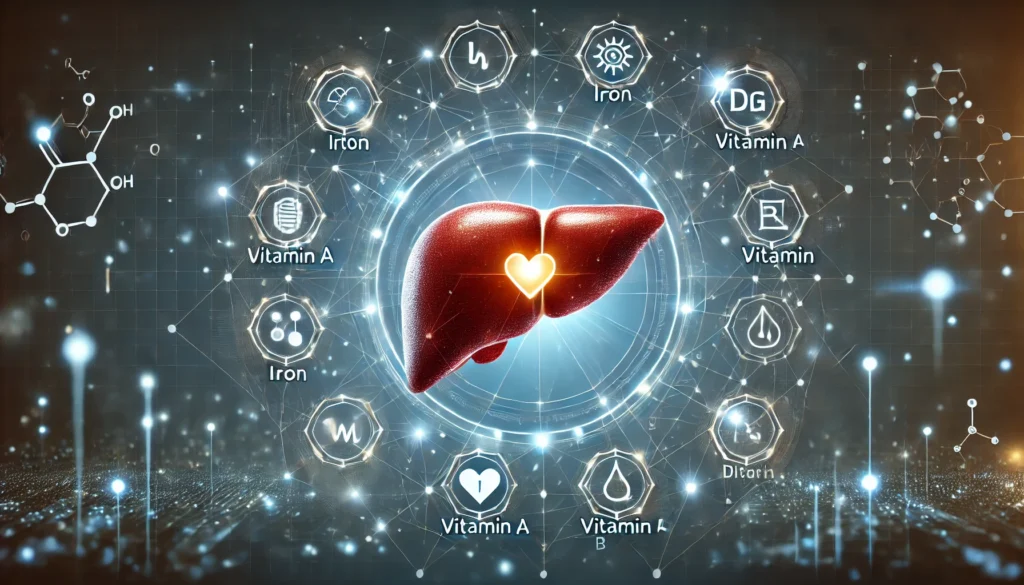
A scientific illustration of a stylized liver shape surrounded by glowing icons representing essential vitamins and minerals like iron, vitamin A, and B vitamins. The futuristic background highlights the nutritional benefits of liver

Frequently Asked Questions (FAQ) About Liver Health and Nutrition

1. Is liver good for weight loss?
Yes, liver can be beneficial for weight loss due to its high protein content and low-calorie density. Eating liver helps regulate appetite by promoting satiety, which can reduce overall calorie intake. It also contains B vitamins, which play a crucial role in metabolism and energy production, supporting an active lifestyle. Additionally, the iron in liver helps maintain optimal oxygen transport in the body, which is essential for physical performance. When included in a balanced diet, liver can contribute to weight loss without compromising essential nutrient intake.

2. What are the major liver benefits for overall health?
Liver is one of the most nutrient-dense foods available, offering an array of essential vitamins and minerals. It is rich in vitamin A, which supports vision and immune function, and contains high levels of iron, which prevents anemia. The presence of Coenzyme Q10 (CoQ10) in liver helps enhance cardiovascular health and cellular energy production. It is also an excellent source of choline, which is essential for brain function and liver detoxification. By incorporating liver into your diet, you can support various aspects of overall health, including brain function, immunity, and cardiovascular wellness.

3. Is liver nutritious compared to other organ meats?
Yes, liver is considered one of the most nutritious organ meats available, surpassing most other cuts in terms of vitamin and mineral density. Compared to heart or kidney, liver has significantly higher levels of vitamin A, iron, and folate. It is also one of the best sources of bioavailable copper, a trace mineral essential for red blood cell production and immune function. While other organ meats like kidney and heart provide unique benefits, liver stands out as a superior choice for those seeking a nutrient-dense food source. Including a variety of organ meats in your diet can provide a well-rounded nutrient profile.

4. Is liver good for health if consumed regularly?
Liver can be highly beneficial for health when consumed in moderation. Due to its high vitamin A content, excessive intake can lead to hypervitaminosis A, which can be harmful. However, when eaten in appropriate amounts (such as once or twice a week), liver supports immune function, skin health, and metabolic processes. It also provides a natural source of heme iron, which is more easily absorbed by the body compared to plant-based iron sources. To balance nutrient intake, it is best to pair liver consumption with a variety of other healthy foods.

5. Does eating liver help liver function?
Yes, consuming liver can support liver function, but it does not directly “cleanse” or “detoxify” the liver. Instead, liver provides key nutrients such as choline and methionine, which play a role in liver metabolism and detoxification processes. It also contains antioxidants like selenium and zinc that help protect liver cells from oxidative stress. However, for optimal liver health, it is important to maintain a balanced diet, stay hydrated, and minimize alcohol and processed food intake. While liver supports liver health, it should be part of a comprehensive approach to wellness.

6. What is liver good for in terms of athletic performance?
Liver is an excellent food for athletes and individuals with high physical demands due to its nutrient profile. It provides heme iron, which improves oxygen delivery to muscles, reducing fatigue and enhancing endurance. The B vitamins in liver aid in energy metabolism, helping the body efficiently convert food into usable energy. Additionally, the high-quality protein in liver promotes muscle recovery and tissue repair after intense exercise. Athletes who incorporate liver into their diet can experience improved stamina and overall performance.

7. Is liver eating good for health in older adults?
Yes, liver can be highly beneficial for older adults due to its rich supply of essential nutrients that support aging health. The high vitamin A content promotes eye health, reducing the risk of age-related macular degeneration. Liver is also a great source of B12, which is crucial for nerve function and cognitive health, particularly in preventing memory decline. Additionally, the bioavailable iron in liver helps prevent anemia, a common issue among seniors. However, portion control is important, as excessive vitamin A intake can have adverse effects, particularly in older individuals.

8. Can liver weight loss benefits be maximized with specific dietary strategies?
Yes, incorporating liver into a well-balanced diet can enhance its weight loss benefits. Pairing liver with fiber-rich vegetables can help slow digestion and prolong satiety, making it easier to manage calorie intake. Choosing lean preparation methods, such as grilling or sautéing with minimal added fat, ensures that the meal remains low in calories while preserving nutrients. Additionally, combining liver with other high-protein foods can further support muscle retention during weight loss. Maintaining a diet rich in whole foods and proper hydration will amplify liver’s weight loss benefits.

9. Is it healthy to eat liver during pregnancy?
Liver can be a valuable source of essential nutrients for pregnant women, particularly iron, B vitamins, and choline, which are crucial for fetal development. However, due to its high vitamin A content, excessive consumption should be avoided, as excessive vitamin A intake can pose risks during pregnancy. Most health professionals recommend limiting liver intake to small portions no more than once a week during pregnancy. Consulting a healthcare provider for personalized dietary recommendations is always advised. When eaten in moderation, liver can be a nutrient-rich addition to a prenatal diet.

10. What are the best ways to prepare liver to eat while preserving its nutrients?
To maximize the nutritional benefits of liver, cooking methods should retain its vitamin and mineral content. Light sautéing in olive oil or butter helps preserve heat-sensitive vitamins like B vitamins while enhancing flavor. Avoid overcooking, as excessive heat can degrade certain nutrients. Marinating liver in milk or lemon juice before cooking can help reduce its strong taste and improve tenderness. Incorporating liver into nutrient-dense dishes like pâtés, stir-fries, or liver-based meatballs can make it more palatable while ensuring optimal nutrient retention.
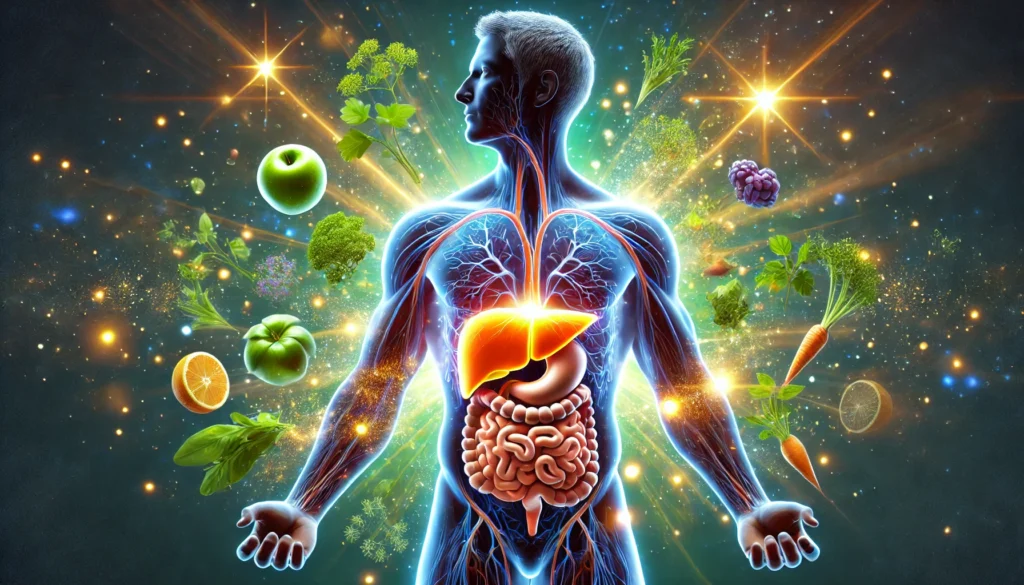
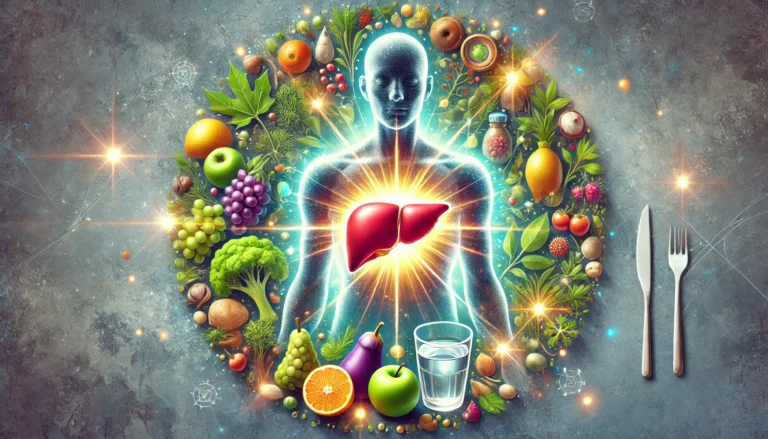
A glowing, healthy human silhouette with an illuminated liver, surrounded by fresh vegetables, herbs, and floating energy orbs. The image symbolizes vitality and the health benefits of consuming liver

Conclusion: Why Liver Deserves a Place in Your Diet

With its unparalleled nutrient density, ability to support weight loss, and contribution to liver health, liver is undeniably one of the most powerful foods for overall wellness. While it may not be a dietary staple for everyone, its numerous benefits make it worth considering for those looking to optimize their nutrition and metabolic health. Contrary to myths, liver is not a storehouse for toxins but rather a superfood packed with essential vitamins, minerals, and bioavailable proteins that support the body’s natural detoxification processes. The question of “is liver good for health” is met with a resounding yes, given its role in improving immune function, maintaining stable energy levels, and promoting longevity.

Incorporating liver into a balanced diet can offer a range of health advantages, from improved metabolic function to enhanced immune resilience. Whether consumed in traditional dishes, incorporated into ground meat blends, or taken as a supplement, liver remains one of the most valuable sources of essential nutrients. As nutritional science continues to validate the importance of whole-food sources, liver stands as a testament to the power of natural, unprocessed foods in achieving optimal health.

nutrient-dense foods, organ meats health benefits, best sources of vitamin A, iron-rich foods, protein for weight loss, liver for detoxification, natural sources of B vitamins, heme iron absorption, healthy metabolic function, benefits of choline, immune-boosting foods, antioxidant-rich foods, superfoods for longevity, liver and brain health, best food for liver support, sources of glutathione, bioavailable nutrients, preventing fatty liver disease, whole-food nutrition, optimal diet for energy

Further Reading:

Is Eating Liver Good for You? Benefits and Risks

Is Liver a Superfood?

What to know about beef liver

Disclaimer

The information contained in this article is provided for general informational purposes only and is not intended to serve as medical, legal, or professional advice. While NewsHealthWatch strives to present accurate, up-to-date, and reliable content, no warranty or guarantee, expressed or implied, is made regarding the completeness, accuracy, or adequacy of the information provided. Readers are strongly advised to seek the guidance of a qualified healthcare provider or other relevant professionals before acting on any information contained in this article. NewsHealthWatch, its authors, editors, and contributors expressly disclaim any liability for any damages, losses, or consequences arising directly or indirectly from the use, interpretation, or reliance on any information presented herein. The views and opinions expressed in this article are those of the author(s) and do not necessarily reflect the official policies or positions of NewsHealthWatch.

Is Green Tea Good for Liver Health? Science-Backed Benefits and Detox Support

Understanding the Importance of Liver Health

The liver plays a critical role in maintaining overall health by filtering toxins, metabolizing nutrients, and regulating various bodily functions. As the primary detoxifying organ, the liver is responsible for breaking down harmful substances and ensuring that waste products are efficiently removed from the body. Given its essential functions, maintaining liver health is crucial for preventing conditions such as fatty liver disease, cirrhosis, and liver failure. While various lifestyle factors, including diet, exercise, and alcohol consumption, influence liver health, there has been growing interest in the role of natural remedies such as green tea in supporting liver function and detoxification.

You may also like: The Best Liver Detox Supplements: How to Choose Safe and Effective Support for Your Liver

Green tea, derived from the leaves of Camellia sinensis, is widely recognized for its rich composition of antioxidants, polyphenols, and catechins. These bioactive compounds have been extensively studied for their potential health benefits, including their role in promoting liver health. Scientific research has suggested that green tea may offer protective effects against liver damage, aid in detoxification, and even support the treatment of certain liver conditions. This article explores the science-backed benefits of green tea for liver health and detox support, providing an in-depth analysis of its potential role in liver function.

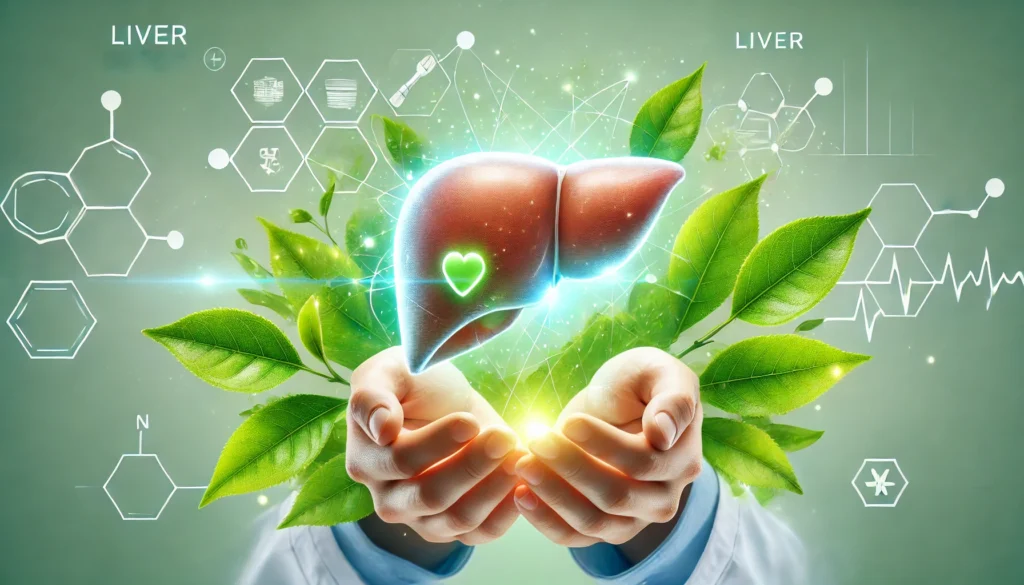
A conceptual wellness image showing a glowing human liver surrounded by fresh green tea leaves, symbolizing detox support and liver health benefits

The Bioactive Compounds in Green Tea and Their Role in Liver Health

Green tea is abundant in powerful bioactive compounds that contribute to its health-promoting properties. Among these, catechins, flavonoids, and polyphenols play a significant role in protecting liver function. The most prominent catechin found in green tea is epigallocatechin-3-gallate (EGCG), which has been widely studied for its antioxidant, anti-inflammatory, and hepatoprotective properties.

EGCG has been shown to counteract oxidative stress, a major contributor to liver damage. The liver is constantly exposed to toxins, environmental pollutants, and metabolic byproducts that can generate free radicals, leading to oxidative damage. Studies have demonstrated that EGCG neutralizes free radicals and reduces lipid peroxidation, thereby protecting liver cells from damage. Furthermore, green tea’s polyphenols have been observed to modulate the activity of detoxification enzymes in the liver, enhancing the body’s ability to process and eliminate harmful substances.

Additionally, green tea contains L-theanine, an amino acid known for its calming effects and its ability to mitigate stress-induced liver damage. Chronic stress and inflammation can impair liver function, and the anti-inflammatory properties of green tea polyphenols may help mitigate these effects. Given these biochemical interactions, green tea’s bioactive compounds play a vital role in promoting liver health and reducing the risk of liver-related diseases.

Green Tea and Its Role in Liver Detoxification

The liver is the body’s main detoxifying organ, responsible for processing toxins through two primary phases of detoxification: Phase I and Phase II. Phase I detoxification involves the activation of enzymes that modify toxins, making them more reactive, while Phase II involves conjugation, a process that converts these modified toxins into water-soluble compounds that can be excreted from the body.

Research suggests that green tea enhances both phases of liver detoxification. Catechins in green tea have been found to modulate the activity of cytochrome P450 enzymes, which play a critical role in Phase I detoxification. By regulating these enzymes, green tea helps prevent the excessive formation of reactive intermediates, reducing the risk of liver damage. Moreover, green tea polyphenols stimulate the production of glutathione, a powerful antioxidant that plays a central role in Phase II detoxification. Glutathione binds to toxic compounds, facilitating their removal from the body.

Furthermore, green tea has been shown to support bile production, which is essential for the elimination of fat-soluble toxins. The liver produces bile, which is then stored in the gallbladder and released into the intestines to aid in digestion and detoxification. Studies suggest that green tea compounds enhance bile flow, improving the efficiency of toxin removal and reducing the risk of liver congestion. This makes green tea a valuable addition to a liver-supportive regimen, particularly for individuals exposed to environmental pollutants, alcohol consumption, or poor dietary habits.

The Impact of Green Tea on Non-Alcoholic Fatty Liver Disease (NAFLD)

Non-alcoholic fatty liver disease (NAFLD) is one of the most common liver conditions worldwide, affecting millions of individuals due to factors such as poor diet, obesity, and metabolic disorders. NAFLD is characterized by the accumulation of excess fat in the liver, leading to inflammation, oxidative stress, and potential progression to more severe liver conditions such as non-alcoholic steatohepatitis (NASH) and cirrhosis.

Several clinical studies have examined the impact of green tea consumption on NAFLD. Research indicates that EGCG and other polyphenols in green tea improve insulin sensitivity, reduce lipid accumulation in the liver, and modulate inflammatory pathways. A study published in The Journal of Nutrition found that individuals with NAFLD who consumed green tea extract experienced significant reductions in liver fat content and markers of liver inflammation. These findings suggest that incorporating green tea into a balanced diet may be beneficial for individuals at risk of or currently managing NAFLD.

In addition to its direct effects on liver fat metabolism, green tea has been observed to regulate gut microbiota, which plays a crucial role in liver health. An imbalance in gut bacteria can contribute to liver inflammation and exacerbate NAFLD progression. Green tea polyphenols have prebiotic properties that promote beneficial gut bacteria while reducing harmful bacteria, further supporting liver function and reducing the risk of liver-related diseases.

A glass teapot filled with freshly brewed green tea on a rustic wooden table, set against a lush green landscape with rolling hills and a clear blue sky, symbolizing natural detox and vitality

Frequently Asked Questions (FAQ) on Green Tea and Liver Health

1. Is tea good for liver health, and how does it support liver function? Yes, tea is good for liver health, particularly green tea, due to its high content of catechins and antioxidants. These compounds help reduce oxidative stress, which can damage liver cells over time. Studies suggest that regular consumption of tea for liver health may support detoxification pathways, reducing the accumulation of harmful substances. Additionally, green tea for liver detox may aid in reducing fat deposits, which is particularly beneficial for individuals with fatty liver disease. Choosing high-quality, organic green tea ensures the highest concentration of beneficial compounds without harmful additives.

2. How does green tea benefit liver function differently from other types of tea? Green tea benefits for liver function stem from its rich polyphenol content, particularly epigallocatechin gallate (EGCG). Unlike black or oolong tea, which undergo oxidation during processing, green tea retains the highest levels of these beneficial antioxidants. Research indicates that green tea for liver health may reduce inflammation and lower liver enzyme levels in individuals at risk for liver diseases. While herbal teas like milk thistle and dandelion also provide liver-supportive benefits, green tea’s specific combination of catechins and flavonoids makes it uniquely effective. Incorporating green tea for liver detox into a balanced diet can significantly enhance long-term liver function.

3. Is drinking green tea good for the liver when consumed daily? Drinking green tea for liver health daily can be highly beneficial, provided it is consumed in moderation. Studies suggest that moderate intake—around three to five cups per day—can promote detoxification and liver cell regeneration. However, excessive consumption may lead to potential side effects, such as excessive caffeine intake or interactions with certain medications. For individuals sensitive to caffeine, opting for decaffeinated green tea for liver detox can be a suitable alternative. Always consult a healthcare professional if you have pre-existing liver conditions or take medications that might interact with green tea compounds.

4. Can green tea help protect the liver from toxins and alcohol-related damage? Yes, research suggests that green tea benefits for liver health extend to protecting against toxins and alcohol-induced liver damage. The antioxidants in green tea help neutralize harmful substances, preventing oxidative stress from overwhelming liver function. Some studies indicate that green tea for liver detox can reduce alcohol-related liver inflammation and promote faster recovery. However, it is essential to combine green tea consumption with an overall healthy lifestyle, including proper hydration and a nutrient-rich diet. While green tea can support liver health, it should not be considered a cure-all for excessive alcohol consumption.

5. How does green tea affect fatty liver disease and liver fat accumulation? Green tea for liver health has been shown to reduce fat accumulation in the liver, which is particularly beneficial for those with non-alcoholic fatty liver disease (NAFLD). The catechins in green tea enhance fat metabolism, decreasing the risk of excessive liver fat deposits. Additionally, green tea for liver detox may help regulate blood sugar levels, indirectly supporting liver function. Some studies suggest that green tea consumption can lower liver enzyme levels, indicating improved liver function in individuals with fatty liver disease. Regular physical activity and a balanced diet alongside green tea consumption further enhance its effectiveness.

6. Are there any risks associated with drinking green tea for liver health? While green tea benefits for liver function are well-documented, excessive consumption can lead to potential risks. Drinking more than five to six cups per day may result in liver enzyme elevation in some individuals, particularly those sensitive to caffeine or high doses of catechins. Additionally, some low-quality or contaminated green tea products may contain excessive fluoride or pesticide residues, which can be harmful. Choosing high-quality, organic green tea for liver detox minimizes these risks. If you have liver disease or take medications affecting liver function, consulting a healthcare provider before increasing green tea intake is advisable.

7. How does green tea compare to other natural remedies for liver health? Green tea for liver health is one of the most researched natural remedies, but other herbal teas, such as milk thistle and dandelion, also offer liver-supportive benefits. While milk thistle is known for its ability to support liver cell regeneration, dandelion tea is commonly used to stimulate bile production. However, green tea for liver detox provides a unique advantage due to its high catechin content, which directly supports fat metabolism and reduces oxidative stress. Combining green tea with other liver-friendly herbs can enhance overall liver function, provided they are used in moderation and under medical supervision.

8. What is the best way to prepare green tea to maximize its liver benefits? To maximize green tea benefits for liver health, it is essential to prepare it correctly. Steeping green tea at a lower temperature (around 160-180°F) for two to three minutes preserves its delicate catechins and antioxidants. Avoid boiling water, as excessive heat can degrade these beneficial compounds. Using fresh, high-quality loose-leaf green tea ensures better nutrient retention than tea bags. Additionally, consuming green tea without added sugar or artificial sweeteners enhances its detoxifying effects. Drinking green tea for liver detox in the morning or between meals may optimize absorption and effectiveness.

9. Can green tea supplements be as effective as drinking brewed green tea for liver health? Green tea supplements can provide concentrated levels of catechins, but they may not always be as effective as drinking fresh green tea. Some supplements contain high doses of EGCG, which, in excessive amounts, may lead to liver toxicity rather than benefit. Additionally, certain green tea extracts are not regulated and may contain fillers or artificial additives that reduce their effectiveness. For those seeking green tea benefits for liver health, consuming freshly brewed tea is generally the safest and most natural option. If considering supplements, choosing reputable brands with third-party testing ensures safety and efficacy.

10. How long does it take to see the effects of green tea on liver health? The benefits of green tea for liver health can vary depending on individual factors such as diet, lifestyle, and underlying health conditions. Some studies indicate improvements in liver enzyme levels and fat metabolism within a few weeks of regular consumption. However, long-term benefits, such as enhanced detoxification and reduced liver inflammation, typically require consistent intake over several months. Drinking green tea for liver detox alongside a healthy diet and regular exercise enhances its overall impact. Patience and consistency are key to achieving noticeable liver health improvements.

A laboratory flask filled with green tea extract, surrounded by molecular structures representing antioxidants, symbolizing the science-backed liver detox benefits of green tea

Conclusion: Incorporating Green Tea for Liver Health and Detox Support

Green tea stands out as a natural and science-backed beverage for promoting liver health and supporting detoxification. Its rich composition of catechins, polyphenols, and antioxidants contributes to the protection of liver cells, reduction of oxidative stress, and enhancement of detoxification pathways. Research has demonstrated that green tea plays a role in mitigating liver damage, supporting liver function, and reducing the risk of conditions such as NAFLD.

Incorporating green tea into a daily routine can be a practical and beneficial strategy for those seeking to maintain liver health. However, it is important to consume green tea in moderation, as excessive intake may have potential adverse effects, particularly for individuals with pre-existing liver conditions. Consulting with a healthcare professional before making significant dietary changes is recommended to ensure personalized health recommendations.

By integrating green tea into a balanced lifestyle that includes a nutritious diet, regular physical activity, and limited exposure to harmful substances, individuals can take proactive steps toward supporting liver function and overall well-being. Given its numerous health benefits, green tea serves as a valuable addition to a liver-conscious lifestyle, offering a natural and effective approach to maintaining optimal liver health.

green tea and liver function, benefits of tea for liver, liver detox support, antioxidants for liver health, natural liver health remedies, polyphenols and liver function, green tea for fatty liver, liver protective foods, epigallocatechin gallate benefits, liver detox tea, best tea for liver health, herbal tea for liver detox, NAFLD and green tea, liver inflammation reduction, bile production support, liver-friendly beverages, how green tea supports detox, gut microbiota and liver health, green tea catechins, oxidative stress and liver health

Further Reading:

Green tea with high-density catechins improves liver function and fat infiltration in non-alcoholic fatty liver disease (NAFLD) patients: A double-blind placebo-controlled study

What are the health benefits of green tea?

Green Tea Consumption Is Increasing but There Are Significant Hepatic Side Effects

Disclaimer

The information contained in this article is provided for general informational purposes only and is not intended to serve as medical, legal, or professional advice. While NewsHealthWatch strives to present accurate, up-to-date, and reliable content, no warranty or guarantee, expressed or implied, is made regarding the completeness, accuracy, or adequacy of the information provided. Readers are strongly advised to seek the guidance of a qualified healthcare provider or other relevant professionals before acting on any information contained in this article. NewsHealthWatch, its authors, editors, and contributors expressly disclaim any liability for any damages, losses, or consequences arising directly or indirectly from the use, interpretation, or reliance on any information presented herein. The views and opinions expressed in this article are those of the author(s) and do not necessarily reflect the official policies or positions of NewsHealthWatch.

How Your Liver Naturally Processes Toxins: Key Facts and Signs of Liver Poisoning

The liver is one of the most vital organs in the human body, playing a critical role in detoxification, metabolism, and overall health. Often referred to as the body’s natural filter, the liver processes toxins and ensures that harmful substances are neutralized before they can cause damage. Despite its resilience, the liver is not invincible; prolonged exposure to toxins, excessive alcohol consumption, and certain medications can overwhelm its capacity, leading to liver poisoning or failure. Understanding the functions of the liver, how it manages toxins, and recognizing signs of liver poisoning can help individuals take proactive steps to support liver health.

You may also like: The Best Liver Detox Supplements: How to Choose Safe and Effective Support for Your Liver

The Liver’s Role in Detoxification and Metabolism

The liver is responsible for breaking down substances that enter the body, including medications, alcohol, and metabolic byproducts. This function is crucial for maintaining homeostasis and preventing harmful compounds from accumulating in the bloodstream. One of the primary ways the liver processes toxins is through a complex biochemical process involving three phases of detoxification: Phase I, Phase II, and Phase III. Each phase serves a distinct purpose and works in coordination to ensure harmful substances are properly neutralized and eliminated.

During Phase I detoxification, enzymes known as cytochrome P450 oxidize toxins, making them more water-soluble and ready for further processing. However, this phase also generates free radicals, which, if not properly managed, can lead to cellular damage. Antioxidants such as glutathione, vitamin C, and vitamin E play an essential role in neutralizing these free radicals. Without adequate antioxidant support, the oxidative stress from Phase I detoxification can result in liver damage and compromise its ability to function efficiently.

Phase II detoxification, also known as the conjugation phase, involves adding molecules to the partially processed toxins to make them more water-soluble and easier to excrete. The liver utilizes various biochemical pathways, such as glucuronidation, sulfation, and methylation, to accomplish this task. These pathways require key nutrients, including amino acids like glycine, cysteine, and taurine, as well as B vitamins and sulfur-containing compounds. When these nutrients are insufficient, the liver’s ability to detoxify toxins diminishes, leading to an increased burden on the body’s detoxification system.

The final stage, Phase III detoxification, involves the transport of fully processed toxins out of liver cells and into the bile or urine for elimination. This step relies on efficient bile production and proper kidney function to ensure that toxins do not get reabsorbed into the bloodstream. Drinking adequate water, maintaining a fiber-rich diet, and engaging in regular physical activity can all support Phase III detoxification and prevent toxin buildup.

A highly detailed medical illustration of a healthy human liver detoxifying the body, surrounded by glowing blue and green energy waves symbolizing toxin removal. The liver appears vibrant against a dark background, emphasizing its vital cleansing function

Common Toxins Processed by the Liver

Every day, the liver encounters a wide range of toxins that must be metabolized and excreted. These toxins originate from various sources, including the environment, food, medications, and metabolic waste products. Some of the most common toxins the liver processes include alcohol, heavy metals, industrial chemicals, and synthetic additives found in processed foods.

Alcohol is one of the most well-known substances that place a significant burden on the liver. When consumed in excess, alcohol is converted into acetaldehyde, a highly toxic compound that damages liver cells. Chronic alcohol consumption can lead to fatty liver disease, cirrhosis, and ultimately, liver failure. Reducing alcohol intake and allowing the liver time to recover can help mitigate these risks and support overall liver function.

Heavy metals such as lead, mercury, and arsenic are also problematic for liver health. These toxic elements can accumulate in the body over time, leading to oxidative stress and impaired liver function. Certain foods, including fish with high mercury content, contaminated water, and industrial pollutants, are common sources of heavy metal exposure. Chelation therapy and dietary interventions rich in antioxidants and sulfur-containing foods, such as garlic and onions, can assist the liver in eliminating these toxic metals.

Medications, including over-the-counter pain relievers like acetaminophen, can cause liver toxicity if taken in excessive amounts. The liver metabolizes these drugs, but excessive use can overwhelm its capacity, leading to liver damage. It is crucial to follow dosing recommendations and consult a healthcare professional before combining multiple medications that may affect liver function.

Recognizing Signs of Liver Poisoning

Liver poisoning, also known as hepatotoxicity, occurs when the liver is exposed to excessive amounts of toxins that it cannot effectively process. This condition can develop suddenly due to acute exposure or gradually as a result of chronic toxin accumulation. Recognizing the signs of liver poisoning is critical for seeking timely medical intervention and preventing further liver damage.

One of the earliest signs of liver poisoning is jaundice, a yellowing of the skin and eyes caused by the buildup of bilirubin in the bloodstream. The liver normally processes bilirubin, but when it is damaged or overwhelmed, bilirubin levels rise, leading to visible discoloration. Jaundice is often accompanied by dark urine and pale stools, indicating impaired bile flow and toxin elimination.

Fatigue and weakness are also common symptoms of liver poisoning. Because the liver plays a role in energy metabolism, its dysfunction can lead to persistent tiredness and reduced stamina. Individuals experiencing unexplained fatigue should consider liver function as a potential underlying cause, especially if other symptoms are present.

Abdominal pain and swelling, particularly in the upper right quadrant of the abdomen, may indicate liver inflammation or fluid accumulation due to impaired liver function. In severe cases, fluid retention can lead to ascites, a condition where excessive fluid accumulates in the abdominal cavity, causing discomfort and swelling.

Nausea and vomiting are additional indicators of liver distress. When the liver struggles to process toxins, digestive disturbances may occur, leading to a loss of appetite and gastrointestinal discomfort. Persistent nausea, particularly when accompanied by other liver-related symptoms, warrants medical evaluation to assess liver health.

Supporting Liver Health Naturally

Given the liver’s crucial role in detoxification, adopting lifestyle habits that support liver function can enhance overall health and well-being. A diet rich in whole foods, including vegetables, fruits, lean proteins, and healthy fats, provides essential nutrients that aid liver detoxification. Cruciferous vegetables such as broccoli, Brussels sprouts, and kale contain compounds that support Phase I and Phase II detoxification pathways, promoting efficient toxin elimination.

Hydration is another key factor in maintaining liver health. Drinking adequate water helps flush out toxins through urine and bile, reducing the burden on the liver. Herbal teas such as milk thistle and dandelion root have been traditionally used to support liver function and promote detoxification. These natural remedies contain compounds that enhance liver enzyme activity and protect liver cells from damage.

Regular physical activity also plays a role in liver health by improving circulation and reducing fat accumulation in the liver. Exercise supports metabolic function, prevents obesity-related liver disease, and enhances the body’s overall detoxification capacity. Engaging in moderate-intensity exercise, such as brisk walking or cycling, can have long-term benefits for liver function.

Avoiding excessive alcohol and minimizing exposure to environmental toxins can further protect the liver. Choosing organic foods, using non-toxic household products, and reducing processed food intake can help lower the body’s toxin burden. Additionally, consulting a healthcare provider before taking new medications or supplements can prevent unintended liver stress.

A realistic medical illustration of a liver filtering toxins from the bloodstream, showing dark particles entering and purified blood leaving. The liver is connected to blood vessels, with a glowing futuristic background emphasizing detoxification

Frequently Asked Questions (FAQ) About Liver Health and Toxins

1. How does the liver process toxins in the body? The liver plays a crucial role in detoxification by breaking down harmful substances and converting them into less toxic compounds. It does this through two main phases: Phase I involves oxidation, reduction, and hydrolysis reactions to modify toxins, while Phase II conjugates these modified toxins with molecules that make them water-soluble for easier elimination. The efficiency of this process depends on factors such as diet, hydration, and overall liver health. Certain nutrients like glutathione, found in cruciferous vegetables, can enhance the liver’s ability to neutralize toxins. Without proper liver function, toxins can accumulate, leading to liver poisoning and other health complications.

2. What are some surprising liver facts that most people don’t know? One lesser-known fact about the liver is that it can regenerate itself, even after losing up to 75% of its mass. However, repeated exposure to toxins, excessive alcohol consumption, and chronic diseases can hinder this ability over time. Another interesting fact is that the liver is responsible for producing bile, which is essential for fat digestion and nutrient absorption. The liver also stores essential vitamins and minerals, including iron, vitamin A, and copper. Additionally, it processes nearly 1.4 liters of blood every minute, filtering out harmful substances and maintaining internal balance.

3. What are the main causes of liver poisoning? Liver poisoning can occur due to excessive alcohol consumption, overdose of certain medications (such as acetaminophen), exposure to industrial chemicals, and ingestion of toxic plants or fungi. Additionally, some herbal supplements, including kava and comfrey, can contribute to liver damage when taken in high doses. Chronic exposure to environmental pollutants, such as heavy metals and pesticides, can also impair liver function over time. Early detection of liver poisoning symptoms, such as jaundice, nausea, and fatigue, is crucial for preventing severe complications.

4. How can I support my liver’s ability to process toxins naturally? A diet rich in antioxidants, fiber, and healthy fats can support liver function by reducing oxidative stress and inflammation. Consuming foods such as garlic, turmeric, beets, and green tea can enhance detoxification pathways. Staying hydrated is essential, as water helps flush out toxins processed by the liver. Regular physical activity can also improve liver efficiency by reducing fat accumulation and improving circulation. Avoiding excessive alcohol and minimizing exposure to environmental toxins further helps maintain optimal liver health.

5. What are some early warning signs of liver damage due to toxins? Early signs of liver damage may include persistent fatigue, digestive issues, unexplained weight loss, and skin problems such as itching or yellowing (jaundice). Dark urine and pale stools can indicate bile flow issues, which may signal liver distress. Additionally, frequent nausea, bloating, and brain fog can be symptoms of impaired liver function. It is important to seek medical attention if any of these symptoms persist, as early intervention can prevent the progression of liver disease. Liver function tests can help assess whether toxins are affecting the liver’s performance.

6. Can liver detox programs actually improve liver function? Most commercially marketed liver detox programs lack scientific backing and may not be necessary for individuals with a healthy liver. The liver is naturally equipped to process toxins, provided it is not overwhelmed by excessive exposure to harmful substances. Instead of extreme detox regimens, focusing on a balanced diet, avoiding processed foods, and staying hydrated is a more effective way to support liver health. Some natural compounds, like milk thistle and dandelion root, have been studied for their potential liver-protective effects, but they should be used with caution and under medical supervision. Detox programs that promote extreme fasting or unregulated supplements can sometimes do more harm than good.

7. What is the relationship between liver and toxins in everyday life? The liver is constantly exposed to toxins from various sources, including food additives, air pollution, and household chemicals. Many processed foods contain preservatives and artificial ingredients that require the liver to work harder to break them down. Alcohol, cigarette smoke, and even some personal care products contain chemicals that can burden the liver over time. By making conscious choices such as using natural cleaning products, reducing processed food intake, and consuming organic produce, individuals can minimize their daily toxin exposure. Supporting the liver’s detoxification processes through diet and lifestyle changes is crucial for maintaining long-term health.

8. How does alcohol affect liver function and toxin processing? Alcohol is one of the most common causes of liver toxicity because it requires significant metabolic effort to break down. When consumed, alcohol is converted into acetaldehyde, a toxic compound that can damage liver cells if not efficiently neutralized. Chronic alcohol consumption leads to fatty liver, inflammation, and in severe cases, cirrhosis, which severely impairs the liver’s ability to process toxins. The liver prioritizes alcohol metabolism over other detoxification functions, which means that other toxins may accumulate in the body. Limiting alcohol intake and ensuring proper hydration can reduce the strain on the liver and prevent toxin buildup.

9. Can medications contribute to liver poisoning? Certain medications, especially when taken in excess or combined with alcohol, can cause liver poisoning. Acetaminophen (Tylenol) is a leading cause of drug-induced liver injury when consumed above recommended doses. Other medications, including some antibiotics, antifungal drugs, and cholesterol-lowering statins, have been linked to liver toxicity in some individuals. Herbal supplements that are not regulated for safety can also pose risks to liver health. It is essential to follow dosage recommendations and consult a healthcare provider before taking new medications or supplements to avoid unintended liver damage.

10. Are there any emerging treatments for liver toxin damage? Research into liver health is constantly evolving, with new treatments being explored for liver poisoning and toxin-related damage. Some promising therapies include stem cell treatments aimed at regenerating liver tissue and novel drug therapies that can block or neutralize toxins before they cause damage. Advances in personalized medicine are helping doctors identify individuals at higher risk for liver disease, allowing for early interventions. Additionally, scientists are studying the gut-liver connection and how probiotics and microbiome health influence liver function. While traditional treatments such as lifestyle modifications and medication management remain key, ongoing research may provide new ways to protect and restore liver health in the future.

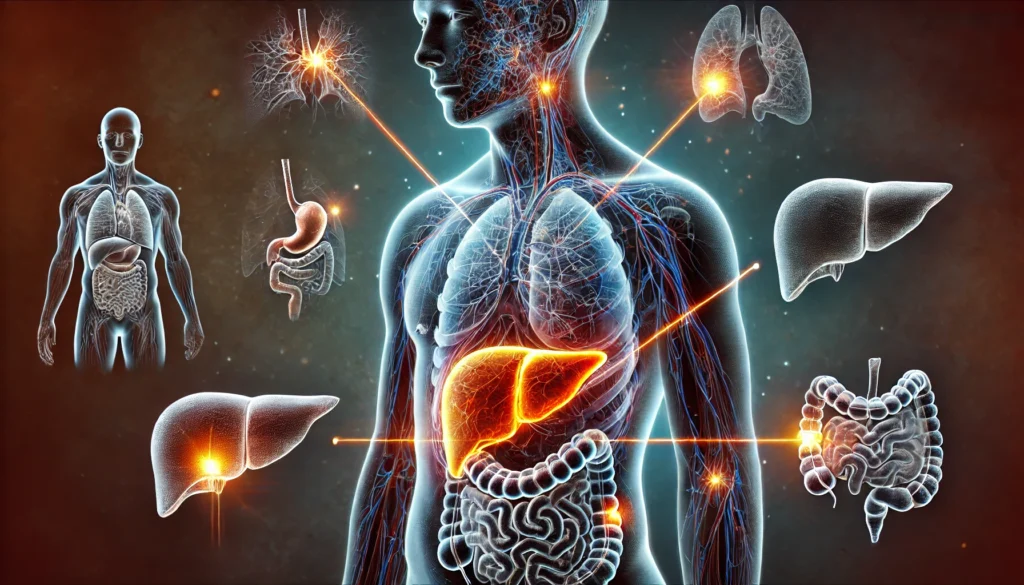
A medical-style depiction of early signs of liver poisoning, showing a stressed and inflamed liver with visible damage. Abstract glowing pain signals connect to the skin, eyes, and digestive system, indicating symptoms like jaundice and discomfort

Conclusion: Prioritizing Liver Health for Long-Term Wellness

The liver is a powerhouse organ that works tirelessly to filter toxins, regulate metabolism, and maintain overall health. Understanding how the liver naturally processes toxins highlights the importance of adopting lifestyle habits that support its function. Recognizing the signs of liver poisoning can help individuals take early action to prevent severe liver damage. By nourishing the body with essential nutrients, staying hydrated, exercising regularly, and minimizing toxin exposure, individuals can ensure that their liver remains strong and resilient. Taking proactive steps today can lead to long-term liver health and overall well-being.

healthy liver function, liver detoxification process, liver support foods, signs of liver stress, liver enzyme activity, protecting liver from toxins, natural liver cleansing, liver disease prevention, metabolic detoxification, herbal liver support, avoiding liver toxicity, liver and alcohol metabolism, heavy metal detox, bile production health, liver inflammation causes, antioxidants for liver health, detoxification pathways, liver-friendly diet, phase 1 and phase 2 detox, environmental toxins and liver function

Further Reading:

Detoxification pathways in the liver

Do liver cleanses work? Evidence and risks

Simple Tips to Detoxify your Liver Health

Disclaimer

The information contained in this article is provided for general informational purposes only and is not intended to serve as medical, legal, or professional advice. While NewsHealthWatch strives to present accurate, up-to-date, and reliable content, no warranty or guarantee, expressed or implied, is made regarding the completeness, accuracy, or adequacy of the information provided. Readers are strongly advised to seek the guidance of a qualified healthcare provider or other relevant professionals before acting on any information contained in this article. NewsHealthWatch, its authors, editors, and contributors expressly disclaim any liability for any damages, losses, or consequences arising directly or indirectly from the use, interpretation, or reliance on any information presented herein. The views and opinions expressed in this article are those of the author(s) and do not necessarily reflect the official policies or positions of NewsHealthWatch.

How to Recognize and Reduce Liver Belly: Signs, Causes, and Effective Strategies for Women

Understanding Liver Belly in Women

Liver belly is a term used to describe abdominal distension and fat accumulation associated with liver dysfunction, particularly non-alcoholic fatty liver disease (NAFLD). Many women experience unexplained bloating, a protruding abdomen, and discomfort, often dismissing these signs as simple weight gain or digestive issues. However, these symptoms may indicate underlying liver stress or disease.

You may also like: The Best Liver Detox Supplements: How to Choose Safe and Effective Support for Your Liver

The liver plays a central role in metabolism, detoxification, and fat regulation. When its function is impaired due to excess fat accumulation, it can lead to a visibly enlarged abdomen, commonly referred to as liver belly. Women, especially those experiencing hormonal changes during menopause, are at increased risk of developing fatty liver due to shifts in metabolism and fat distribution. Understanding what liver belly looks like, its causes, and how to effectively address it can significantly improve liver health and overall well-being.

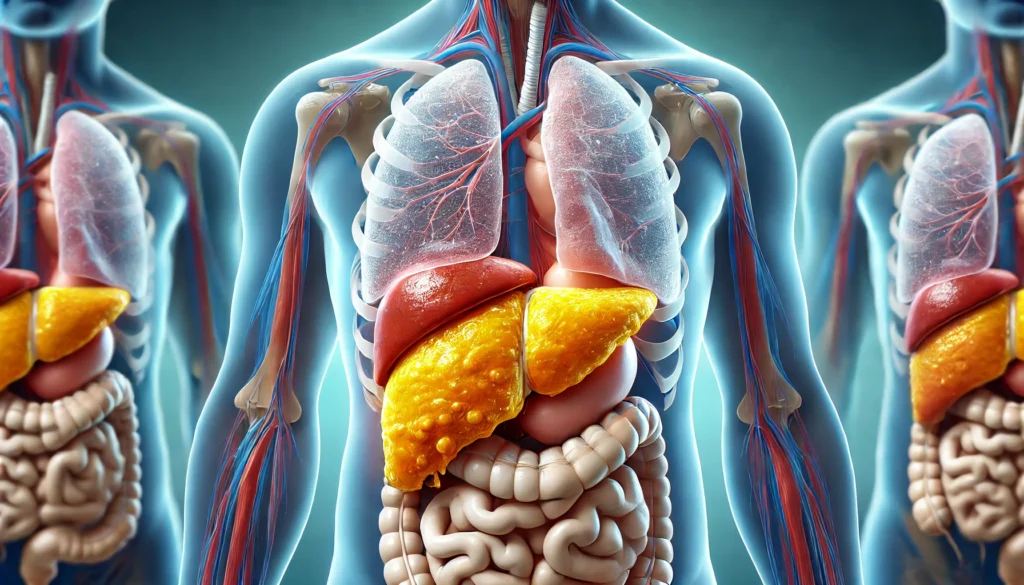
A medical illustration comparing a healthy liver and a fatty liver, showing fat buildup. The healthy liver appears smooth and reddish, while the fatty liver is enlarged and yellowish, placed within the human body's anatomy

What Does a Liver Belly Look Like?

Liver belly differs from general abdominal fat because it is primarily linked to liver enlargement and internal fat accumulation rather than subcutaneous fat. Women with liver belly often notice a firm, protruding stomach that remains bloated despite dietary adjustments or exercise. Unlike regular weight gain, where fat is distributed evenly, liver belly is characterized by a centralized bulge, often accompanied by discomfort, digestive issues, and changes in energy levels.

A hallmark of fatty liver is hepatomegaly, or an enlarged liver, which can cause a sense of fullness or tightness in the upper right abdomen. Many women report that their waistline expands disproportionately, and they may struggle with persistent bloating that does not subside even after reducing carbohydrate intake or sodium consumption. Recognizing these signs early is crucial, as prolonged liver stress can progress to more severe liver conditions such as fibrosis or cirrhosis.

Causes of Liver Belly in Women

The development of liver belly is closely tied to metabolic dysfunction and lifestyle factors. One of the primary causes is the accumulation of visceral fat around the liver, leading to fatty liver disease. Poor dietary habits, including excessive sugar consumption, high fructose intake, and processed foods, contribute significantly to this condition. Additionally, insulin resistance, a common issue among women with polycystic ovary syndrome (PCOS) and those undergoing menopause, exacerbates fat storage in the liver.

Hormonal fluctuations play a crucial role in the onset of liver belly. Estrogen decline during menopause alters fat distribution, often leading to increased abdominal fat storage. Additionally, chronic stress and high cortisol levels can trigger fat accumulation around the organs, including the liver. Women who experience prolonged stress, inadequate sleep, and sedentary lifestyles are more prone to developing fatty liver and associated bloating.

The Connection Between Fatty Liver and Bloating

Fatty liver bloating occurs due to the liver’s impaired ability to process toxins and metabolize fats efficiently. As fat accumulates in the liver, it disrupts digestion, leading to gas retention and discomfort. Women with fatty liver often report feeling distended even after consuming small meals. This bloating can be exacerbated by gut imbalances, such as dysbiosis or small intestinal bacterial overgrowth (SIBO), which are common in those with liver dysfunction.

Additionally, sluggish bile production in a fatty liver impairs fat digestion, leading to symptoms like constipation, indigestion, and prolonged fullness. Because the liver plays a crucial role in filtering toxins, a compromised liver leads to systemic inflammation, further contributing to abdominal distension. Addressing the root cause—liver dysfunction—is essential to alleviating bloating and restoring digestive balance.

Effective Strategies to Reduce Liver Belly

Reducing liver belly requires a multifaceted approach that prioritizes liver health, metabolic balance, and lifestyle changes. Implementing a liver-friendly diet, engaging in physical activity, and managing stress are essential steps in reversing fatty liver and reducing abdominal bloating.

Dietary Adjustments for Liver Health

A liver-supportive diet focuses on reducing refined sugars, trans fats, and processed foods while increasing nutrient-dense, anti-inflammatory foods. Incorporating lean proteins, fiber-rich vegetables, and healthy fats can help regulate blood sugar levels and minimize fat accumulation in the liver. Foods such as cruciferous vegetables, turmeric, ginger, and leafy greens support liver detoxification and enhance bile flow.

Hydration is equally important. Drinking ample water, herbal teas, and lemon-infused water can help flush out toxins and improve digestion. Cutting back on alcohol consumption is critical, as alcohol strains liver function and contributes to fat buildup. Additionally, consuming probiotics and fermented foods like yogurt and kimchi supports gut health, reducing bloating associated with fatty liver.

Exercise and Movement

Regular physical activity is essential for reversing liver belly and improving metabolic function. Moderate-intensity exercises, such as brisk walking, swimming, and strength training, enhance insulin sensitivity and promote fat loss, particularly in the abdominal region. High-intensity interval training (HIIT) can be particularly beneficial for women looking to reduce visceral fat and improve liver enzyme levels.

Targeted core exercises, while beneficial for overall strength, should be complemented with full-body workouts to address systemic fat storage. Yoga and stretching routines that focus on deep breathing can also support detoxification and reduce stress-induced inflammation that contributes to liver belly.

Managing Stress and Sleep

Chronic stress and sleep deprivation significantly impact liver health. High cortisol levels, often elevated in stressed individuals, promote fat accumulation around the liver and abdomen. Practicing mindfulness techniques such as meditation, deep breathing, and journaling can help regulate stress hormones and improve metabolic balance.

Adequate sleep is essential for liver repair and detoxification. Establishing a consistent sleep schedule, reducing screen exposure before bedtime, and creating a calming nighttime routine can improve sleep quality and support liver function. Women experiencing insomnia or restless sleep may benefit from magnesium supplementation or herbal teas known for their calming properties.

When to Seek Medical Help

While lifestyle changes are effective in managing liver belly, some cases require medical intervention. If bloating persists despite dietary adjustments and exercise, or if additional symptoms such as fatigue, yellowing skin, or unexplained weight loss develop, consulting a healthcare professional is crucial. Blood tests assessing liver enzymes, ultrasound imaging, and fibroscan evaluations can help diagnose the extent of liver involvement.

Women with existing conditions such as diabetes, PCOS, or hypothyroidism should work closely with their healthcare provider to develop a personalized approach to liver health. Prescription medications, supplements such as milk thistle and NAC, and supervised detox programs may be recommended for those with advanced fatty liver disease.

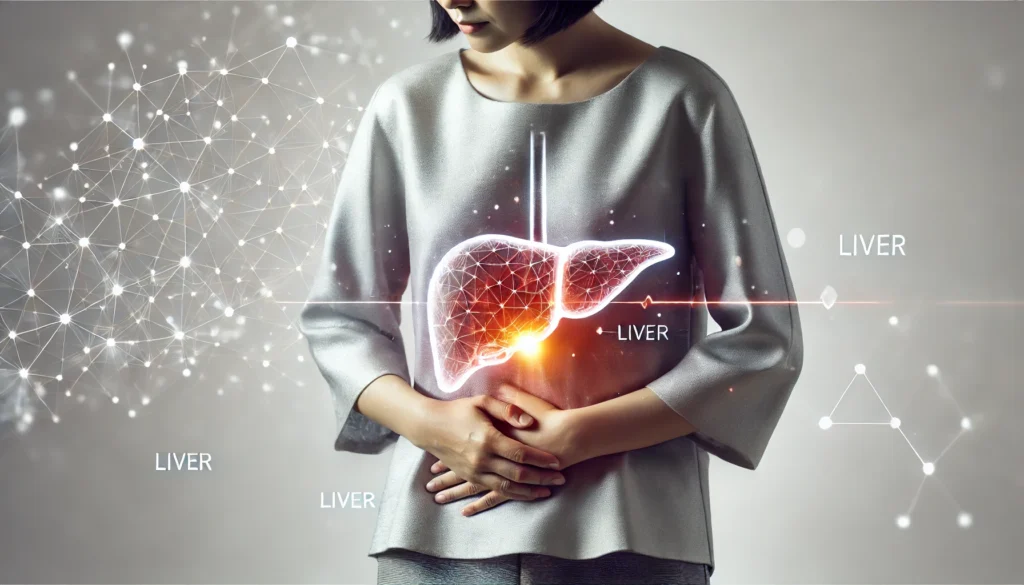
A conceptual image of a woman experiencing abdominal bloating and discomfort, highlighting the liver area with a glowing overlay. The woman gently touches her stomach, indicating pain or inflammation

Frequently Asked Questions (FAQ) About Liver Belly and Fatty Liver Health

1. What is liver belly, and how does it develop?
Liver belly is a term used to describe abdominal distension associated with liver dysfunction, particularly fatty liver disease. It develops when excess fat accumulates in liver cells, leading to inflammation and fluid retention in the abdominal cavity. This condition can be influenced by poor diet, alcohol consumption, metabolic disorders, or genetic factors. Over time, as fatty liver progresses, the swelling can become more pronounced, contributing to a visible increase in abdominal girth. Identifying the root cause of liver belly early is crucial for preventing long-term complications.

2. What does a liver belly look like, and how can I differentiate it from regular bloating?
A liver belly often appears as a firm, protruding abdomen that does not fluctuate significantly throughout the day, unlike temporary bloating from gas or food intake. It may also be accompanied by symptoms such as fatigue, yellowing of the skin (jaundice), and tenderness in the upper right abdomen. In contrast, regular bloating tends to be softer and may subside after digestion or passing gas. Liver belly in women can be particularly concerning because it is sometimes mistaken for simple weight gain, delaying necessary medical intervention. A proper medical evaluation, including imaging and liver function tests, is essential to confirm the underlying cause.

3. How does fatty liver size change as the disease progresses?
Fatty liver size increases as fat accumulates within liver cells, leading to hepatomegaly (liver enlargement). In the early stages, mild liver enlargement may go unnoticed, but as fatty deposits continue to build, the liver can swell significantly. Advanced fatty liver disease, such as nonalcoholic steatohepatitis (NASH) or cirrhosis, may result in further liver expansion and increased abdominal pressure. This progression can contribute to liver belly bloating and discomfort. Regular monitoring through ultrasounds and MRIs helps track fatty liver size changes and assess disease severity.

4. What are the potential health risks associated with liver belly in women?
Liver belly in women can signal serious metabolic disturbances, including insulin resistance, high cholesterol, and increased risk of cardiovascular disease. Because hormonal fluctuations affect fat distribution, women may be more prone to visceral fat accumulation around the liver. If left untreated, liver belly may lead to complications such as liver fibrosis, cirrhosis, and liver failure. Additionally, women with liver belly may experience higher rates of polycystic ovary syndrome (PCOS) and other endocrine disorders. Addressing lifestyle factors such as diet and exercise is key to reversing the condition before it progresses.

5. How does fatty liver bloating differ from other types of abdominal bloating?
Fatty liver bloating is typically more persistent and is caused by liver inflammation, fluid buildup, and metabolic disruptions. Unlike bloating due to food intolerance or gastrointestinal gas, fatty liver bloating does not resolve quickly and may worsen over time. Individuals with fatty liver disease may also experience unexplained weight gain, dull abdominal pain, and a sensation of fullness even after small meals. The swelling is often localized in the upper abdomen, where the liver is located. Consulting a doctor for liver function tests can help determine whether bloating is related to liver health or another digestive issue.

6. Can liver belly be reversed, and if so, how?
Yes, liver belly can often be reversed through lifestyle modifications that target the underlying causes of fatty liver disease. A diet rich in whole foods, including lean proteins, healthy fats, and fiber, can help reduce liver fat accumulation. Regular exercise, particularly aerobic activities and strength training, aids in fat metabolism and improves insulin sensitivity. Reducing alcohol intake and avoiding processed foods also play a crucial role in liver recovery. In some cases, medical interventions such as weight loss medications or liver-supportive supplements may be recommended by healthcare professionals.

7. How can I tell if my fatty liver size is improving with lifestyle changes?
Tracking improvements in fatty liver size requires medical imaging, such as an ultrasound or MRI, and periodic liver enzyme tests. As liver fat decreases, symptoms such as fatigue and abdominal discomfort may improve, and liver belly bloating may subside. Some individuals may also notice changes in their waistline and an overall reduction in visceral fat. Additionally, improvements in metabolic markers like blood sugar levels and cholesterol indicate better liver function. Staying consistent with dietary and exercise routines is essential for long-term liver health.

8. What role does hydration play in managing liver belly bloating?
Proper hydration is essential for liver function, as it helps flush toxins and supports metabolic processes. Dehydration can exacerbate liver belly bloating by slowing digestion and causing water retention. Drinking adequate amounts of water throughout the day aids in bile production, which assists in fat digestion and prevents excessive fat accumulation in the liver. Herbal teas and electrolyte-balanced fluids can further support hydration and liver health. However, excessive alcohol and sugary beverages should be avoided, as they can contribute to fatty liver disease progression.

9. Are there specific foods that help reduce liver belly in women?
Yes, certain foods can support liver health and help reduce liver belly in women. Leafy greens, cruciferous vegetables (such as broccoli and Brussels sprouts), and antioxidant-rich fruits like berries aid in detoxification and inflammation reduction. Omega-3 fatty acids found in fatty fish, flaxseeds, and walnuts help combat liver fat accumulation. Fiber-rich foods, including legumes and whole grains, assist in regulating blood sugar and preventing insulin resistance, which is a key contributor to fatty liver disease. Avoiding trans fats, excessive sugar, and refined carbohydrates is just as important for maintaining liver health.

10. What is liver belly’s connection to hormonal changes in women?
Hormonal fluctuations, especially those related to estrogen and insulin, can contribute to liver belly in women. Estrogen plays a role in fat metabolism, and declining levels during menopause may increase the likelihood of liver fat accumulation. Insulin resistance, often linked to polycystic ovary syndrome (PCOS) and metabolic syndrome, can further promote fatty liver disease and liver belly bloating. Stress-related cortisol spikes can also encourage fat storage in the abdominal region. Managing stress, maintaining hormonal balance through a healthy diet, and engaging in regular physical activity are crucial for reducing liver-related abdominal distension.

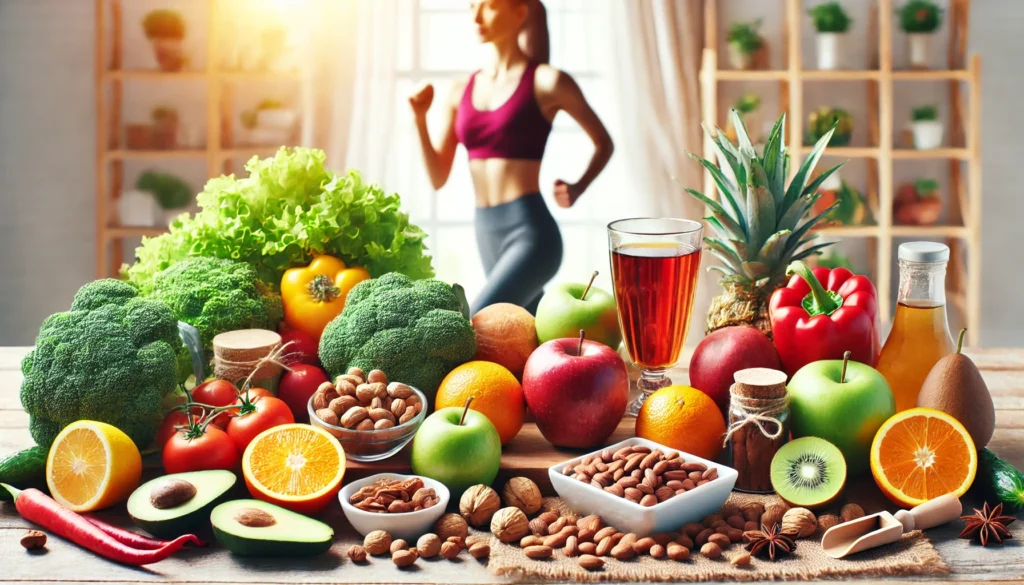
A nutrition and fitness-themed image featuring fresh vegetables, fruits, nuts, and herbal teas on a wooden table, with a woman in workout attire exercising in the background, promoting liver health and wellness

Conclusion: Restoring Liver Health for Long-Term Wellness

Recognizing and addressing liver belly is essential for overall health and longevity. By implementing a holistic approach that includes a nutrient-dense diet, regular exercise, stress management, and medical guidance when necessary, women can significantly reduce fatty liver size, alleviate bloating, and restore metabolic balance. Understanding the early signs of liver dysfunction allows for proactive intervention, preventing complications and promoting long-term well-being.

fatty liver symptoms in women, how to shrink liver belly, liver health and detox, visceral fat and liver disease, foods to heal fatty liver, liver belly bloating relief, natural remedies for liver health, menopause and liver function, liver detoxification diet, belly fat and liver disease, exercise for fatty liver, signs of liver overload, abdominal bloating and liver health, liver-friendly foods, metabolic syndrome and liver, how to cleanse liver naturally, stress and liver function, supplements for fatty liver, insulin resistance and fatty liver, gut health and liver detox

Further Reading:

What to know about fatty liver disease

Correlation of fatty liver and abdominal fat distribution using a simple fat computed tomography protocol

Liver – fatty liver disease

Disclaimer

The information contained in this article is provided for general informational purposes only and is not intended to serve as medical, legal, or professional advice. While NewsHealthWatch strives to present accurate, up-to-date, and reliable content, no warranty or guarantee, expressed or implied, is made regarding the completeness, accuracy, or adequacy of the information provided. Readers are strongly advised to seek the guidance of a qualified healthcare provider or other relevant professionals before acting on any information contained in this article. NewsHealthWatch, its authors, editors, and contributors expressly disclaim any liability for any damages, losses, or consequences arising directly or indirectly from the use, interpretation, or reliance on any information presented herein. The views and opinions expressed in this article are those of the author(s) and do not necessarily reflect the official policies or positions of NewsHealthWatch.

Best Diet for Cirrhosis: Foods to Eat and Avoid for Liver Health

Cirrhosis of the liver is a progressive condition that can significantly impact overall health and well-being. Managing this disease requires a comprehensive approach that includes lifestyle modifications, medical treatment, and, importantly, a well-structured diet. The right dietary choices can support liver function, minimize complications, and improve the quality of life for those living with cirrhosis. Understanding the best diet for cirrhosis involves identifying the most beneficial foods and recognizing those that may further damage the liver.

You may also like: The Best Liver Detox Supplements: How to Choose Safe and Effective Support for Your Liver

Understanding the Role of Diet in Cirrhosis Management

The liver plays a vital role in processing nutrients, detoxifying harmful substances, and regulating metabolic processes. When cirrhosis is present, the liver’s ability to perform these functions is compromised. This makes dietary adjustments crucial in preventing additional liver damage, managing symptoms, and ensuring adequate nutrition. A well-balanced diet can help reduce inflammation, support tissue regeneration, and prevent complications such as malnutrition, ascites, and hepatic encephalopathy.

Cirrhosis patients often experience protein-energy malnutrition, vitamin and mineral deficiencies, and an increased risk of infections due to a weakened immune system. Proper dietary planning ensures that essential nutrients are supplied while avoiding foods that exacerbate liver damage. The best diet for cirrhosis should be rich in high-quality proteins, complex carbohydrates, healthy fats, and essential vitamins and minerals. Moreover, it should focus on hydration and sodium control to manage symptoms like fluid retention and ascites.

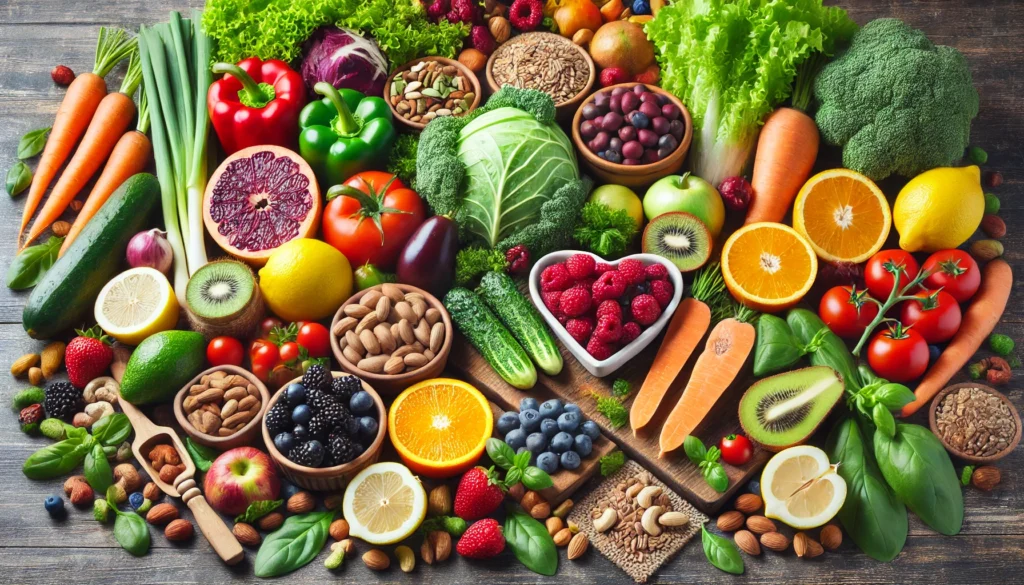
A colorful assortment of fresh vegetables, fruits, and whole grains arranged on a wooden table, featuring leafy greens, berries, citrus fruits, nuts, and legumes, representing a liver-friendly diet for cirrhosis management

Best Foods for Cirrhosis Patients

A diet tailored to cirrhosis should prioritize liver-friendly foods that provide essential nutrients without overburdening the organ. Incorporating the following foods can help improve liver function and overall health.

Lean Protein Sources

Protein intake is vital for maintaining muscle mass and supporting liver function, but it should come from high-quality sources that are easy to digest. Lean meats such as skinless poultry, turkey, and lean cuts of beef or pork can provide essential amino acids without excessive fat content. Fish, particularly fatty fish like salmon, sardines, and mackerel, offer beneficial omega-3 fatty acids that help reduce inflammation and support overall liver health.

Eggs, particularly egg whites, are an excellent source of protein and contain essential nutrients like choline, which plays a role in liver function. Legumes such as lentils, chickpeas, and beans provide plant-based protein, fiber, and essential minerals. Dairy products like low-fat yogurt and cottage cheese offer additional protein while being easy on the digestive system.

Fruits and Vegetables

Fruits and vegetables are rich in vitamins, antioxidants, and fiber, making them an essential part of a cirrhosis-friendly diet. Leafy greens such as spinach, kale, and Swiss chard contain antioxidants that help reduce oxidative stress on the liver. Cruciferous vegetables like broccoli, Brussels sprouts, and cauliflower support detoxification and liver enzyme function.

Citrus fruits, including oranges, lemons, and grapefruits, are high in vitamin C, which can help protect liver cells from damage. Apples, berries, and pears provide fiber that aids digestion and supports gut health, which is closely linked to liver function. Carrots, beets, and sweet potatoes contain beta-carotene and other phytonutrients that support liver detoxification and reduce inflammation.

Whole Grains and Complex Carbohydrates

Whole grains provide essential fiber and help regulate blood sugar levels, which is important for liver health. Brown rice, quinoa, oats, and whole wheat products offer sustained energy while preventing spikes in blood sugar. Fiber-rich grains also promote healthy digestion and prevent constipation, a common issue in cirrhosis patients.

Complex carbohydrates such as sweet potatoes, beans, and lentils provide long-lasting energy and support metabolic functions. These foods help maintain stable blood glucose levels, reducing the risk of insulin resistance, which can worsen liver disease.

Healthy Fats

Not all fats are harmful to the liver. Healthy fats, particularly unsaturated fats, provide essential fatty acids and support liver cell integrity. Olive oil, avocados, and nuts such as almonds and walnuts offer monounsaturated fats that help reduce inflammation and oxidative stress. Omega-3 fatty acids, found in fatty fish, flaxseeds, and chia seeds, have been shown to improve liver health by reducing fat accumulation and supporting anti-inflammatory pathways.

Hydration and Beverages

Staying well-hydrated is crucial for liver function and detoxification. Water is the best beverage choice, as it helps flush toxins and supports metabolic processes. Herbal teas, such as green tea and dandelion tea, contain antioxidants that may benefit liver health. Green tea, in particular, is rich in catechins, compounds that have been studied for their protective effects on liver cells.

Low-fat milk or dairy alternatives like almond milk provide calcium and vitamin D without excessive saturated fat content. Freshly squeezed vegetable juices, particularly those made with beets, carrots, and leafy greens, offer an additional source of liver-supportive nutrients.

Foods to Avoid for Liver Cirrhosis Patients

Certain foods can exacerbate liver damage, contribute to inflammation, and hinder proper liver function. Avoiding these harmful foods is essential for managing cirrhosis effectively.

Processed and Fried Foods

Processed foods, including fast food, packaged snacks, and frozen meals, often contain high amounts of unhealthy fats, sodium, and artificial additives. These ingredients can worsen inflammation, contribute to fat accumulation in the liver, and impair overall metabolic health. Fried foods, particularly those cooked in trans fats or hydrogenated oils, increase oxidative stress and promote further liver damage.

High-Sodium Foods

Sodium control is critical for cirrhosis patients, as excessive salt intake can lead to fluid retention and ascites. Common sources of high sodium include processed meats (such as bacon, sausages, and deli meats), canned soups, frozen meals, and restaurant foods. Reducing salt intake can help prevent swelling and fluid buildup in the abdomen and lower extremities.

Sugary and Refined Carbohydrates

Excess sugar consumption can lead to insulin resistance, increased fat accumulation in the liver, and inflammation. Avoiding sugary beverages, desserts, and refined carbohydrates such as white bread, pastries, and sugary cereals is essential for liver health. Instead, opting for whole grains and naturally sweet fruits can provide energy without spiking blood sugar levels.

Alcohol and Caffeinated Beverages

Alcohol is the primary contributor to liver disease and must be strictly avoided by individuals with cirrhosis. Even small amounts of alcohol can accelerate liver damage and worsen complications. Caffeinated beverages, particularly energy drinks and excessive coffee consumption, should also be limited, as they can contribute to dehydration and strain the liver.

Red and Processed Meats

While lean meats can be included in a cirrhosis diet, excessive consumption of red and processed meats should be avoided. These foods are high in saturated fats, which can contribute to inflammation and liver strain. Opting for lean poultry, fish, and plant-based protein sources is a healthier choice for liver health.

A nutritious plate of grilled salmon with steamed broccoli, quinoa, and avocado slices, showcasing a liver-friendly meal rich in healthy fats, lean protein, and fiber

Frequently Asked Questions (FAQ) on Liver Cirrhosis Diet

1. What are the worst foods to avoid if you have liver cirrhosis?
If you have liver cirrhosis, avoiding processed foods, fried items, and foods high in saturated fats is essential. Cirrhosis foods to avoid include red meats, full-fat dairy, and sugary beverages, as these can contribute to fat accumulation and inflammation in the liver. Alcohol is a significant trigger for worsening liver damage and should be eliminated completely. Additionally, high-sodium foods, such as canned soups, fast food, and processed snacks, can cause water retention, exacerbating complications like ascites. Avoiding these foods can help support your hepatic cirrhosis diet and slow disease progression.

2. What is the best diet for cirrhosis patients?
The best diet for cirrhosis includes a variety of nutrient-dense, whole foods to support liver function. Foods to eat with cirrhosis of the liver should be rich in lean proteins like fish, poultry, and plant-based sources such as legumes. Fiber-rich foods, including fruits, vegetables, and whole grains, can help the body process toxins more effectively. Healthy fats, such as those from nuts, seeds, and olive oil, support cellular repair without adding strain to the liver. Hydration is also critical, and patients should aim to drink plenty of water to aid digestion and detoxification.

3. How does diet impact cirrhosis and ascites?
A proper diet for cirrhosis and ascites is vital for managing fluid retention and preventing further complications. Excess sodium can lead to severe water retention, worsening ascites, so cirrhosis diet menus should focus on low-sodium foods. High-quality protein intake is essential to prevent muscle wasting, but it should come from lean sources like fish, tofu, and egg whites. Foods rich in potassium, such as bananas and spinach, can help balance fluid levels naturally. Consulting a healthcare provider to create a customized liver cirrhosis diet menu tailored to individual needs is recommended.

4. Can a liver cirrhosis diet improve liver function?
While diet alone cannot reverse liver cirrhosis, a healthy diet for liver cirrhosis can help manage symptoms and slow disease progression. Consuming antioxidant-rich foods like berries, leafy greens, and turmeric can reduce oxidative stress on the liver. Limiting processed and high-fat foods prevents additional liver damage, while adequate protein intake supports tissue repair. Incorporating liver-friendly nutrients such as omega-3 fatty acids and vitamin E can enhance overall health. Making these dietary changes can provide better outcomes and improve the patient’s quality of life.

5. What role does protein play in a hepatic cirrhosis diet?
Protein is essential in a hepatic failure diet, but the type and amount need careful consideration. High-quality proteins such as fish, chicken, and legumes support muscle maintenance without overburdening the liver. For those with severe cirrhosis, excess protein may lead to ammonia buildup, contributing to hepatic encephalopathy. Balancing protein intake with fiber-rich foods helps mitigate this risk while maintaining essential nutrient levels. Regular consultation with a healthcare provider can help determine the optimal protein balance in a liver failure diet nutrition plan.

6. Are there specific foods to eat with cirrhosis to boost energy levels?
Yes, certain foods for cirrhosis patients can help combat fatigue and maintain energy levels. Complex carbohydrates such as quinoa, brown rice, and oats provide steady energy without causing blood sugar spikes. Healthy fats, including avocados and flaxseeds, offer sustained energy while supporting liver function. Iron-rich foods like lean meats and lentils can prevent anemia, a common issue in cirrhosis patients. Drinking plenty of water and herbal teas can also prevent dehydration-related fatigue, ensuring better energy levels throughout the day.

7. How does a cirrhosis liver treatment diet differ from a regular healthy diet?
A cirrhosis liver treatment diet is more specialized than a general healthy diet due to liver-specific restrictions. Unlike standard diets, cirrhosis diet menus are typically lower in sodium and refined sugars to prevent fluid buildup and liver stress. They also emphasize high-quality, easily digestible proteins to maintain muscle mass without increasing ammonia levels. The best diet for cirrhosis prioritizes liver-friendly foods such as leafy greens, berries, and whole grains while avoiding foods that hurt the liver, such as alcohol and fried foods. This targeted approach helps manage symptoms and supports overall liver health.

8. What foods should be included in a diet plan for a liver cirrhosis patient?
A well-balanced diet plan for liver cirrhosis patients should include nutrient-dense, anti-inflammatory foods. Fresh vegetables, particularly cruciferous ones like broccoli and Brussels sprouts, support liver detoxification. Lean proteins, such as turkey, beans, and fish, provide necessary amino acids for tissue repair. Healthy fats from sources like nuts and olive oil are crucial for reducing inflammation without adding stress to the liver. Whole grains and fiber-rich foods aid digestion, ensuring that toxins are efficiently processed and eliminated.

9. Can a diet chart for liver cirrhosis patients help with weight management?
Yes, a structured diet chart for liver cirrhosis patients can aid in maintaining a healthy weight while managing liver disease. Since obesity can worsen cirrhosis, a good diet for liver cirrhosis should be low in unhealthy fats and refined carbohydrates. Instead, whole foods that promote satiety, such as legumes, lean proteins, and fiber-rich vegetables, should be prioritized. Hydration also plays a key role, as proper fluid intake prevents bloating and water retention. A tailored diet plan from a nutritionist can provide an effective roadmap for managing weight in cirrhosis patients.

10. What are some practical tips for following a healthy diet for liver cirrhosis?
Sticking to a healthy diet for liver cirrhosis requires planning and mindful eating habits. Meal prepping with liver-friendly ingredients can help avoid impulsive consumption of cirrhosis foods to avoid, such as processed snacks and high-fat meals. Reading nutrition labels carefully helps keep sodium and sugar intake within recommended limits. Experimenting with herbs and spices instead of salt enhances flavor while supporting liver health. Eating small, frequent meals rather than large portions reduces the digestive burden on the liver. Lastly, staying hydrated with water and herbal teas is crucial for liver detoxification and overall well-being.

A vibrant detox smoothie bowl made with blended berries, spinach, and chia seeds, garnished with nuts and fresh fruits, symbolizing a nutrient-dense, liver-cleansing meal

Conclusion: Supporting Liver Health Through Nutrition

A well-balanced diet tailored to liver cirrhosis can significantly impact overall health and quality of life. By incorporating nutrient-dense, liver-friendly foods and avoiding harmful dietary choices, individuals with cirrhosis can support liver function, reduce complications, and improve well-being. Emphasizing whole, natural foods while minimizing processed, high-sodium, and unhealthy fat sources is the key to managing liver disease effectively. With mindful eating and proper nutritional planning, those living with cirrhosis can optimize their health and enhance their quality of life.

cirrhosis-friendly diet, liver health nutrition, best foods for liver repair, cirrhosis meal planning, healthy eating for liver disease, liver function diet, nutrition for cirrhosis patients, anti-inflammatory diet for liver health, low sodium diet for cirrhosis, liver-friendly recipes, natural liver detox foods, whole foods for liver health, omega-3 for liver disease, fiber-rich foods for liver support, hydration and liver health, balanced diet for liver disease, protein sources for cirrhosis, managing cirrhosis symptoms through diet, avoiding liver-damaging foods, plant-based nutrition for liver health

Further Reading:

Diet and cirrhosis

Nutrition in Patients With Cirrhosis

How to Follow a Liver Cirrhosis Diet: All You Need to Know

Disclaimer

The information contained in this article is provided for general informational purposes only and is not intended to serve as medical, legal, or professional advice. While NewsHealthWatch strives to present accurate, up-to-date, and reliable content, no warranty or guarantee, expressed or implied, is made regarding the completeness, accuracy, or adequacy of the information provided. Readers are strongly advised to seek the guidance of a qualified healthcare provider or other relevant professionals before acting on any information contained in this article. NewsHealthWatch, its authors, editors, and contributors expressly disclaim any liability for any damages, losses, or consequences arising directly or indirectly from the use, interpretation, or reliance on any information presented herein. The views and opinions expressed in this article are those of the author(s) and do not necessarily reflect the official policies or positions of NewsHealthWatch.

Can Liver Cirrhosis Reversal Be Achieved? What Science Says About Prevention & Recovery

Understanding Liver Cirrhosis: Causes and Progression

Liver cirrhosis is a chronic and progressive disease characterized by fibrosis, scarring, and impaired liver function. It develops due to long-term damage caused by various factors, including chronic alcohol use, viral hepatitis, nonalcoholic fatty liver disease (NAFLD), and autoimmune disorders. The liver, a vital organ responsible for detoxification, metabolism, and bile production, undergoes structural changes when subjected to prolonged insult. Over time, normal liver cells are replaced with fibrotic tissue, leading to compromised function and, ultimately, liver failure.

You may also like: The Best Liver Detox Supplements: How to Choose Safe and Effective Support for Your Liver

Cirrhosis progresses through four stages, with early intervention being crucial to slowing or halting disease advancement. The first stage, characterized by mild fibrosis, often remains asymptomatic. As the condition progresses to moderate fibrosis and significant scarring, symptoms such as fatigue, jaundice, and abdominal swelling may appear. In the most severe stages, cirrhosis leads to portal hypertension, ascites, and hepatic encephalopathy, significantly affecting a person’s quality of life. Understanding the root causes and mechanisms of cirrhosis is essential to exploring whether liver cirrhosis reversal is possible and what steps can be taken to mitigate its progression.

A futuristic illustration of liver recovery through advanced medical science, featuring biotechnology repairing a damaged liver. A holographic interface displays liver health metrics, while a robotic hand or nanotechnology actively regenerates tissue in a high-tech medical laboratory setting

The Science Behind Liver Cirrhosis Reversal: Is It Possible?

The concept of cirrhosis reversal has gained significant attention in the medical community. Historically, cirrhosis was considered irreversible due to the extent of fibrosis and cellular damage. However, emerging research suggests that under certain conditions, the liver has a remarkable capacity for regeneration. Studies indicate that if the underlying cause of liver damage is addressed early, fibrosis can be reduced, and liver function may improve.

One of the primary factors influencing the potential for cirrhosis reversal is the elasticity of fibrotic tissue. Unlike scar tissue in other parts of the body, liver fibrosis has dynamic properties that allow partial remodeling when the causative agent is eliminated. For example, in cases of alcohol-induced cirrhosis, complete cessation of alcohol can lead to significant regression of fibrosis. Similarly, antiviral therapies for hepatitis B and C have been shown to halt disease progression and, in some cases, result in fibrosis regression.

However, once cirrhosis reaches an advanced stage where extensive scarring disrupts liver architecture, reversal becomes increasingly difficult. Despite this limitation, medical advancements, including antifibrotic therapies, stem cell research, and regenerative medicine, offer promising insights into potential treatment modalities. While cirrhosis reversal remains a complex challenge, scientific evidence suggests that early intervention and targeted therapies may improve liver function in many cases.

Prevention Strategies: How to Reduce the Risk of Cirrhosis

Prevention plays a crucial role in reducing the global burden of liver cirrhosis. Since cirrhosis results from chronic liver damage, adopting proactive lifestyle changes and medical interventions can significantly lower the risk of developing this condition. One of the most effective preventive measures is maintaining a healthy diet rich in antioxidants, fiber, and essential nutrients. The Mediterranean diet, which emphasizes fruits, vegetables, whole grains, and healthy fats, has been shown to support liver health and reduce inflammation.

Limiting alcohol consumption is another critical aspect of cirrhosis prevention. Excessive alcohol intake places significant stress on the liver, leading to fat accumulation, inflammation, and eventual fibrosis. The Centers for Disease Control and Prevention (CDC) recommends moderate alcohol consumption, defined as up to one drink per day for women and two drinks per day for men. For individuals at risk of liver disease, complete abstinence from alcohol is advised to preserve liver function.

Vaccination against hepatitis B and C is also an essential preventive strategy. Chronic viral hepatitis remains a leading cause of cirrhosis worldwide, but vaccines and antiviral treatments have significantly reduced infection rates. Additionally, maintaining a healthy weight and managing conditions such as diabetes and metabolic syndrome can prevent the development of NAFLD, a growing contributor to liver cirrhosis. By incorporating these preventive measures, individuals can reduce their risk of cirrhosis and maintain long-term liver health.

Treatment Approaches: Can Medical Interventions Reverse Cirrhosis?

Medical interventions for cirrhosis aim to manage symptoms, slow disease progression, and improve overall liver function. While complete cirrhosis reversal remains challenging, several treatment approaches offer hope for patients seeking to regain liver health. The first line of treatment involves addressing the underlying cause of cirrhosis. For individuals with alcohol-related cirrhosis, sustained sobriety is paramount. Those with viral hepatitis benefit from antiviral medications that suppress viral replication and reduce liver inflammation.

Recent advances in antifibrotic therapies have shown potential in promoting liver regeneration. Researchers are exploring drugs that target fibrogenesis, the process responsible for liver scarring. These therapies work by inhibiting specific signaling pathways involved in fibrosis, ultimately preventing excessive scar tissue formation. While still in experimental stages, these treatments may pave the way for more effective interventions in the future.

Liver transplantation remains the only definitive cure for end-stage cirrhosis. However, due to limited organ availability and the risks associated with surgery, it is reserved for patients with severe complications. Advances in regenerative medicine, including stem cell therapy and tissue engineering, offer potential alternatives for restoring liver function. As research continues to evolve, new treatment modalities may enhance the prospects of cirrhosis reversal and improve outcomes for affected individuals.

The Role of Detoxification and Environmental Health in Liver Recovery

The liver is the body’s primary detoxification organ, responsible for filtering toxins, metabolizing drugs, and processing nutrients. Supporting liver detoxification through dietary and lifestyle choices can enhance its ability to repair and regenerate. One of the most effective ways to promote liver health is by consuming foods rich in antioxidants and phytochemicals. Cruciferous vegetables, such as broccoli, Brussels sprouts, and kale, contain compounds that activate liver detoxification enzymes, aiding in the elimination of harmful substances.

Avoiding environmental toxins is another crucial aspect of liver health. Exposure to industrial chemicals, heavy metals, and air pollutants can contribute to liver damage over time. Reducing contact with harmful substances, such as pesticides and processed food additives, minimizes the toxic burden on the liver. Drinking filtered water, choosing organic produce, and using non-toxic household products are simple yet effective steps in supporting liver function.

Herbal supplements, including milk thistle and turmeric, have been studied for their potential liver-protective properties. Milk thistle contains silymarin, a compound known for its antioxidant and anti-inflammatory effects. While more research is needed to confirm its efficacy, preliminary studies suggest that it may help reduce liver inflammation and support regeneration. When combined with a balanced diet and a healthy lifestyle, these natural approaches contribute to overall liver well-being.

Looking Ahead: Advances in Cirrhosis Research and Future Possibilities

The future of cirrhosis treatment is promising, with ongoing research focusing on innovative therapies and regenerative medicine. Scientists are exploring the potential of gene therapy, which aims to correct genetic defects associated with liver disease. Stem cell therapy, a rapidly advancing field, offers hope for regenerating damaged liver tissue by introducing healthy cells capable of repairing fibrosis.

Advancements in artificial liver support systems are also being investigated as potential alternatives to transplantation. These devices, designed to mimic liver function, may provide temporary support for patients awaiting transplant or those with reversible liver conditions. As these technologies continue to develop, they may revolutionize the management of liver cirrhosis and improve patient outcomes.

While complete cirrhosis reversal remains a complex challenge, scientific advancements are opening new doors for treatment and prevention. By staying informed and proactive, individuals can take meaningful steps toward preserving liver health and enhancing their quality of life.

A conceptual illustration of liver regeneration, where a glowing, healthy liver emerges from a damaged cirrhotic one. Surrounding the liver are vibrant green leaves, light energy waves, and cellular structures symbolizing healing. The background features a soft medical gradient

Frequently Asked Questions (FAQ) on Liver Cirrhosis Reversal

1. Is liver cirrhosis truly reversible? Yes, liver cirrhosis reversal is possible under certain conditions, particularly in its early stages. The liver has a remarkable ability to regenerate, but this depends on reducing or eliminating the underlying causes, such as alcohol abuse, viral infections, or fatty liver disease. Medical advancements in regenerative therapies, including stem cell treatments, have shown promise in supporting cirrhosis reversal. However, once cirrhosis reaches the decompensated stage, complete reversal is highly unlikely, though management strategies can still slow progression and improve quality of life. Lifestyle changes, including a liver-friendly diet and medical interventions, play a crucial role in determining the success of cirrhosis reversal.

2. What role does diet play in liver cirrhosis reversal? A carefully planned diet is essential for liver cirrhosis reversal as it helps reduce liver inflammation and prevent further damage. Foods rich in antioxidants, such as berries, leafy greens, and nuts, support liver health by neutralizing harmful free radicals. Lean protein sources, like fish and legumes, assist in maintaining muscle mass, which is often depleted in cirrhosis patients. Avoiding processed foods, refined sugars, and unhealthy fats is crucial, as these can exacerbate liver stress. Hydration is also key, as it aids in detoxification and supports overall liver function.

3. Can lifestyle modifications alone reverse liver cirrhosis? While lifestyle changes are fundamental in liver cirrhosis reversal, they often need to be combined with medical treatments for the best outcomes. Quitting alcohol is non-negotiable for individuals with alcohol-related cirrhosis, as continued consumption accelerates liver deterioration. Regular physical activity helps prevent complications such as muscle wasting and insulin resistance, which are common in cirrhosis patients. Weight management, particularly for those with non-alcoholic fatty liver disease, significantly improves liver function. Stress management techniques, including mindfulness and yoga, may also aid in reducing inflammation and supporting liver regeneration.

4. How does early diagnosis impact the chances of cirrhosis reversal? Early diagnosis is a critical factor in the potential for cirrhosis reversal, as it allows for timely intervention before irreversible scarring occurs. Mild fibrosis, the precursor to cirrhosis, can often be reversed with appropriate lifestyle changes and medical treatment. Diagnostic tools such as elastography (FibroScan) and liver function tests help detect cirrhosis before severe complications arise. Patients diagnosed early have better outcomes when they adhere to prescribed treatments, such as antiviral medications for hepatitis-related cirrhosis. Proactive monitoring and regular check-ups further improve the likelihood of successful liver recovery.

5. What medical treatments are available for cirrhosis reversal? Several medical treatments can support liver cirrhosis reversal, depending on the underlying cause. Antiviral medications effectively manage hepatitis B and C, preventing further liver damage. Certain drugs, such as ursodeoxycholic acid, may improve bile flow in primary biliary cirrhosis, slowing disease progression. Emerging treatments, including stem cell therapy and antifibrotic drugs, show promise in regenerating liver tissue. In cases where liver function remains severely compromised, a liver transplant may be the only option for improving long-term survival. Regular medical follow-ups ensure that treatment strategies are adjusted as needed.

6. How does alcohol cessation contribute to cirrhosis reversal? Alcohol cessation is one of the most effective ways to halt and potentially reverse early-stage liver cirrhosis. Continuous alcohol consumption exacerbates liver inflammation and accelerates fibrosis, making reversal unlikely. Upon quitting alcohol, the liver can begin to heal, and symptoms such as jaundice and fatigue often improve. Support groups and rehabilitation programs can significantly increase the chances of long-term sobriety. Even in advanced cirrhosis, stopping alcohol use can slow disease progression and reduce the risk of life-threatening complications.

7. Can exercise help in reversing cirrhosis? Yes, regular physical activity plays an important role in liver cirrhosis reversal by improving metabolism, reducing fat accumulation, and enhancing overall liver function. Moderate exercise, such as brisk walking and resistance training, helps maintain muscle mass, which is crucial since cirrhosis patients often experience muscle wasting. Exercise also improves insulin sensitivity, reducing the risk of diabetes-related complications, which can worsen liver disease. Engaging in physical activity promotes cardiovascular health, decreasing the likelihood of complications like portal hypertension. However, individuals with cirrhosis should consult a healthcare provider to tailor an exercise regimen that aligns with their condition.

8. Are there any natural remedies that support liver cirrhosis reversal? Several natural remedies may aid in liver cirrhosis reversal when used alongside medical treatments and lifestyle modifications. Milk thistle is widely studied for its liver-protective properties and has been shown to help reduce inflammation and oxidative stress. Turmeric contains curcumin, which has anti-inflammatory effects that may support liver function. Green tea, rich in catechins, has been associated with improved liver enzyme levels and reduced fat accumulation. However, while these natural supplements may offer supportive benefits, they should never replace prescribed medical treatments. Consulting a healthcare professional before using any herbal remedies is essential to avoid potential interactions with medications.

9. How does weight management influence liver cirrhosis reversal? Maintaining a healthy weight is crucial for individuals seeking cirrhosis reversal, particularly those with non-alcoholic fatty liver disease (NAFLD). Excess weight contributes to insulin resistance and fat accumulation in the liver, worsening cirrhosis progression. Studies have shown that losing as little as 5-10% of body weight can significantly improve liver enzyme levels and reduce fibrosis. A combination of a balanced diet and regular exercise is the most effective approach to achieving sustainable weight loss. For some patients, medical interventions such as weight loss medications or bariatric surgery may be recommended to prevent further liver damage.

10. What are the long-term outcomes for individuals attempting liver cirrhosis reversal? Long-term outcomes for liver cirrhosis reversal vary based on the stage at which treatment begins and the patient’s adherence to lifestyle and medical recommendations. Those diagnosed early and who commit to necessary lifestyle changes, such as diet modification, exercise, and alcohol cessation, often experience significant improvements in liver function. In cases where cirrhosis is advanced but stabilized, patients can still lead relatively normal lives with proper management. Ongoing medical supervision and early detection of complications, such as varices or hepatic encephalopathy, are essential for maintaining liver health. While complete reversal may not always be possible, slowing disease progression and improving quality of life remain achievable goals for most patients.

A medical illustration of a human liver transitioning from a diseased cirrhotic state on the left, showing scarring and fibrosis, to a healthy, smooth liver on the right. A subtle glowing effect represents healing and regeneration, with a soft medical-blue gradient background

Conclusion: Taking Charge of Liver Health for a Better Future

While complete liver cirrhosis reversal remains a complex challenge, scientific advancements and lifestyle modifications provide significant hope for improving liver health. Early intervention, whether through medical treatment or lifestyle changes, can slow disease progression and, in some cases, partially reverse fibrosis. Prevention remains the most powerful strategy, with a balanced diet, moderate alcohol intake, vaccination, and environmental awareness playing crucial roles in safeguarding liver function. As research continues to explore innovative treatments, individuals affected by liver disease can take proactive steps to optimize their well-being and enhance their quality of life.

cirrhosis prevention strategies, liver regeneration research, alcohol-related liver disease, viral hepatitis treatment, liver detoxification methods, liver fibrosis reduction, antifibrotic therapies, Mediterranean diet for liver health, liver transplantation alternatives, stem cell therapy for liver, environmental toxins and liver health, hepatic encephalopathy management, NAFLD prevention, portal hypertension treatment, milk thistle liver benefits, liver function improvement, artificial liver devices, metabolic syndrome and liver disease, nutritional support for cirrhosis, gene therapy for liver disorders

Further Reading:

Myths and facts: 7 things you thought you knew about cirrhosis

Cirrhosis of the Liver: Symptoms, Stages, and Treatment

Can Liver Damage Be Reversed?

Disclaimer

The information contained in this article is provided for general informational purposes only and is not intended to serve as medical, legal, or professional advice. While NewsHealthWatch strives to present accurate, up-to-date, and reliable content, no warranty or guarantee, expressed or implied, is made regarding the completeness, accuracy, or adequacy of the information provided. Readers are strongly advised to seek the guidance of a qualified healthcare provider or other relevant professionals before acting on any information contained in this article. NewsHealthWatch, its authors, editors, and contributors expressly disclaim any liability for any damages, losses, or consequences arising directly or indirectly from the use, interpretation, or reliance on any information presented herein. The views and opinions expressed in this article are those of the author(s) and do not necessarily reflect the official policies or positions of NewsHealthWatch.

How Much Is Ginseng Worth? Understanding Wild Ginseng Prices and Market Trends

The Historical and Cultural Significance of Ginseng

Ginseng has been one of the most sought-after medicinal plants for centuries, revered for its adaptogenic properties and its role in traditional medicine. The roots of ginseng, particularly wild ginseng, have been integral to Eastern medicine, dating back thousands of years in China and Korea. Historically, ginseng was not only consumed for its health benefits but also regarded as a symbol of wealth and longevity, often gifted to emperors and dignitaries. The scarcity of wild ginseng, coupled with its medicinal reputation, has contributed to its high market value, making it one of the most expensive herbs in the world.

You may also like: Rhodiola vs. Ashwagandha: Which Adaptogen Best Supports Gut Health and a Fiber-Rich Diet?

Ginseng’s journey from an ancient remedy to a modern-day commodity is a fascinating tale of tradition, commerce, and scientific validation. Its cultivation and harvest are strictly regulated in many regions, especially in the United States and Asia, where wild ginseng is highly prized. In North America, particularly in states like West Virginia, Kentucky, and Wisconsin, wild ginseng harvesting is governed by laws designed to prevent overharvesting and ensure sustainability. Understanding the cultural and historical roots of ginseng provides essential context for its pricing and market trends.

Factors Influencing Ginseng Prices

The value of ginseng is influenced by numerous factors, including its type, age, origin, and market demand. Wild ginseng prices are significantly higher than those of cultivated varieties due to its rarity and perceived superior medicinal properties. Older roots, especially those exceeding ten years, command a premium price because they are believed to contain higher concentrations of beneficial compounds such as ginsenosides. Additionally, the condition of the root—whether it is intact, well-formed, and aesthetically appealing—plays a crucial role in determining its market value.

The region where ginseng is harvested also affects its cost. Wild ginseng from the Appalachian region of the United States is highly coveted, often fetching higher prices than cultivated ginseng from other parts of the world. Likewise, Korean and Chinese wild ginseng roots are regarded as premium products due to their historical significance and stringent harvesting practices. Seasonal fluctuations, regulatory changes, and international trade policies further impact pricing, making the ginseng market dynamic and complex.

Freshly harvested ginseng roots with dirt still clinging to their intricate, tangled structure, laid on a wooden table under soft natural light, emphasizing their organic appeal and market value.

Understanding the Cost of Ginseng per Pound

The cost of ginseng varies widely depending on whether it is cultivated or wild. Wild ginseng prices can range from hundreds to thousands of dollars per pound, with some of the most pristine roots fetching upwards of $10,000 per pound. This staggering price difference is primarily due to the labor-intensive process of locating and harvesting wild ginseng, as well as its diminishing availability.

Cultivated ginseng, by contrast, is significantly more affordable. The ginseng plant price per pound for cultivated varieties typically ranges from $20 to $100, depending on the quality and origin. While cultivated ginseng lacks the mystique and rarity of its wild counterpart, it still provides many of the same health benefits, making it a more accessible option for consumers seeking ginseng’s therapeutic properties without the exorbitant cost.

Dried ginseng root also commands varying prices depending on its source and processing methods. The drying process can either enhance or diminish the root’s medicinal properties, influencing its value on the market. The price of dried ginseng root is often lower than fresh wild ginseng but can still reach premium levels if sourced from high-quality origins.

Market Trends in Wild Ginseng Pricing

The wild ginseng market is characterized by fluctuating prices that are influenced by global demand, environmental factors, and regulatory frameworks. In recent years, increasing demand from China, where ginseng is highly prized in traditional medicine, has driven up wild ginseng prices. Economic shifts, currency exchange rates, and trade policies also play a role in shaping market dynamics.

One notable trend is the growing emphasis on sustainability. Due to overharvesting and habitat destruction, wild ginseng populations have been declining, prompting stricter regulations on harvesting. Many governments and conservation groups have implemented measures to protect wild ginseng, including limiting harvest seasons and imposing stricter licensing requirements. These conservation efforts, while essential for the survival of wild ginseng species, contribute to price increases as supply becomes more restricted.

Another trend is the rise of cultivated ginseng as an alternative to wild varieties. With advancements in agricultural practices, cultivated ginseng is becoming more potent and comparable in quality to wild ginseng. This shift has led to a more stabilized market for ginseng products, offering consumers a reliable supply without the environmental concerns associated with wild harvesting.

How Much Is Ginseng Worth in Different Markets?

Ginseng prices vary across different regions and markets, with some locations offering significantly higher payouts for wild roots. In the United States, wild ginseng harvested from Appalachian forests often commands top dollar, with prices reaching several thousand dollars per pound during peak demand periods. Meanwhile, cultivated American ginseng is more affordable, with prices ranging from $20 to $50 per pound.

In China and South Korea, where ginseng consumption is deeply rooted in cultural traditions, wild ginseng value is even higher. The demand for aged, high-quality roots continues to grow, driving up prices for premium specimens. Some of the rarest and most ancient ginseng roots have been auctioned for record-breaking sums, reflecting their esteemed status in Asian medicine.

A traditional herbal market displaying baskets of dried ginseng roots for sale, with warm earthy tones and wooden shelves, representing the economic significance of ginseng in global trade.

Frequently Asked Questions About Ginseng Prices and Market Trends

What factors determine the cost of ginseng?

The cost of ginseng is influenced by several critical factors, including whether the ginseng is wild or cultivated. Wild ginseng prices tend to be significantly higher than cultivated varieties due to its rarity and labor-intensive harvesting process. The age of the root also plays a major role in pricing, as older roots contain higher concentrations of beneficial compounds and are more sought after in the market. Geographic origin further affects ginseng cost per pound, with American, Chinese, and Korean ginseng commanding different price points based on demand and perceived medicinal value. Additionally, market demand and environmental factors, such as climate conditions and regulatory restrictions, can cause fluctuations in the price of ginseng root throughout the year.

Why are wild ginseng root prices higher than cultivated ginseng?

Wild ginseng root prices are substantially higher because wild ginseng is more difficult to find, harvest, and regulate. Unlike cultivated ginseng, which is grown in controlled environments, wild ginseng must be foraged in natural habitats, often in remote mountainous regions. This labor-intensive process increases its rarity and value. Furthermore, wild ginseng roots are generally older, with unique shapes and characteristics that make them more desirable to collectors and traditional medicine practitioners. The wild ginseng value is also heightened due to sustainability concerns, as overharvesting has made it even scarcer, leading to stricter regulations and increasing prices.

How much is ginseng a pound, and how does it vary over time?

The price of ginseng per pound varies based on whether it is wild or cultivated, its quality, and market trends. On average, cultivated ginseng plant price per pound ranges from $20 to $100, whereas wild ginseng can fetch anywhere from several hundred to thousands of dollars per pound. Some of the highest-quality wild roots have been known to sell for over $10,000 per pound in international markets. Seasonal changes, trade restrictions, and global demand—especially from China—affect pricing fluctuations, causing price spikes during peak demand periods. Buyers should stay informed about current market conditions to get the best price when purchasing or selling ginseng.

Why do dried ginseng root prices differ from fresh ginseng?

Dried ginseng root is often more expensive than fresh ginseng due to its concentrated potency and extended shelf life. The drying process enhances the medicinal properties of the root, making it more desirable for long-term storage and international trade. Additionally, dried ginseng can be processed into various forms such as powder, tea, or supplements, which increases its market versatility. The price of dried ginseng root also varies depending on its origin, processing methods, and quality, with wild varieties typically commanding the highest prices. While fresh ginseng has a limited shelf life, dried ginseng offers consumers a more convenient and long-lasting option, making it a preferred choice for many traditional medicine practitioners.

How does the ginseng plant price per pound compare globally?

The ginseng plant price per pound varies widely depending on the country of origin, quality, and trade policies. In the United States, particularly in Appalachian states, wild ginseng prices tend to be among the highest due to strict regulations and increasing demand from Asian markets. In contrast, cultivated ginseng from China and Korea is often more affordable, although premium varieties can still fetch high prices. Trade policies and tariffs also play a role, as international regulations can impact the cost of importing and exporting ginseng. Additionally, differences in soil composition and climate conditions contribute to variations in quality and pricing, with certain regions being more favorable for growing high-potency ginseng.

What is the current market trend for ginseng prices?

The market trend for ginseng prices has been steadily increasing, particularly for high-quality wild ginseng. Growing demand from China and other Asian countries, where ginseng is deeply embedded in traditional medicine, has fueled price hikes. Conservation efforts and legal restrictions on wild harvesting have further limited supply, contributing to rising wild ginseng prices. Meanwhile, the cultivation of ginseng has become more sophisticated, leading to an increased supply of high-quality cultivated varieties at more stable prices. As consumer interest in herbal remedies and adaptogens continues to grow, the overall market for ginseng remains strong, with both wild and cultivated varieties maintaining significant economic value.

How much is ginseng worth to international buyers?

Ginseng’s worth varies significantly depending on international demand, trade restrictions, and quality grading. In China and South Korea, where ginseng is considered a cultural and medicinal staple, premium wild roots can fetch extraordinarily high prices—sometimes exceeding $10,000 per pound. The price ginseng root commands in these markets often surpasses domestic U.S. prices due to the deep-rooted belief in its health benefits. Additionally, as consumer awareness of natural remedies increases worldwide, ginseng’s value continues to rise in emerging markets beyond Asia. Factors such as import duties, certification requirements, and sustainability concerns also influence how much international buyers are willing to pay for ginseng.

What are the main risks associated with purchasing ginseng?

One of the biggest risks when purchasing ginseng is ensuring authenticity, particularly with wild ginseng, which is frequently subject to fraud and mislabeling. Some sellers may try to pass off cultivated ginseng as wild, leading to discrepancies in quality and value. Additionally, ginseng root cost can be inflated by unscrupulous middlemen who take advantage of uninformed buyers. Consumers should verify sourcing, check for certifications, and purchase from reputable dealers to avoid paying inflated prices for inferior products. Furthermore, because wild ginseng harvesting is highly regulated, buyers should ensure they are purchasing legally obtained roots to avoid legal complications.

Why is there so much variation in wild ginseng value?

Wild ginseng value is highly variable due to several key factors, including root age, condition, location, and market demand. Older roots with unique shapes and well-formed rings are considered the most valuable, as they are believed to have superior medicinal properties. Additionally, wild ginseng harvested from certain regions, such as the Appalachian mountains, tends to command higher prices due to its perceived potency. Market demand plays a critical role as well, with prices fluctuating based on international interest, particularly from China. Lastly, conservation efforts and legal restrictions affect availability, further driving up prices for the rarest and highest-quality specimens.

Is cultivated ginseng a viable alternative to wild ginseng?

Cultivated ginseng is a viable alternative for many consumers, offering similar health benefits at a fraction of the cost. Advances in agricultural techniques have allowed cultivated ginseng to develop higher concentrations of active compounds, making it increasingly comparable to wild varieties. Additionally, cultivated ginseng is more sustainable, reducing the environmental impact associated with wild harvesting. While wild ginseng remains highly valued for its rarity and unique properties, cultivated ginseng provides a more accessible and affordable option for individuals looking to incorporate ginseng into their health regimen. As the market continues to evolve, cultivated ginseng is expected to play an even greater role in meeting global demand for this powerful adaptogen.

A high-end auction featuring rare wild ginseng roots elegantly displayed in glass cases, with bidders raising paddles, illustrating the luxury market and high demand for premium ginseng roots.

Conclusion: The Future of Ginseng Pricing and Market Sustainability

The future of ginseng pricing is likely to be shaped by a combination of market demand, environmental sustainability, and regulatory measures. While the allure of wild ginseng remains strong, its scarcity and conservation concerns may lead to continued price inflation. Meanwhile, cultivated ginseng is positioned to play a more significant role in meeting global demand, providing a viable alternative that balances affordability with medicinal efficacy.

As consumers become more informed about ginseng’s benefits and sourcing practices, ethical considerations will also play a larger role in purchasing decisions. Sustainable harvesting, fair trade practices, and transparency in ginseng sourcing will likely influence market trends in the coming years. Understanding the factors that drive ginseng prices and market trends not only benefits buyers and sellers but also ensures the long-term viability of this valuable herbal remedy.

Further Reading:

Market Overview

Respiratory Devices Market Research Reports

The world ginseng market and the ginseng (Korea)

wildcrafted herbs, medicinal root market, herbal supplement prices, sustainable ginseng harvesting, adaptogenic herbs, traditional Chinese medicine, Korean red ginseng, American ginseng farming, organic ginseng cultivation, herbal medicine trends, root-based supplements, ginseng farming regulations, Appalachian wild herbs, high-value medicinal plants, herbal trade economics, botanical market trends, premium herbal supplements, rare medicinal roots, ginseng sustainability efforts, global herbal demand

The information contained in this article is provided for general informational purposes only and is not intended to serve as medical, legal, or professional advice. While NewsHealthWatch strives to present accurate, up-to-date, and reliable content, no warranty or guarantee, expressed or implied, is made regarding the completeness, accuracy, or adequacy of the information provided. Readers are strongly advised to seek the guidance of a qualified healthcare provider or other relevant professionals before acting on any information contained in this article. NewsHealthWatch, its authors, editors, and contributors expressly disclaim any liability for any damages, losses, or consequences arising directly or indirectly from the use, interpretation, or reliance on any information presented herein. The views and opinions expressed in this article are those of the author(s) and do not necessarily reflect the official policies or positions of NewsHealthWatch.

Best Chinese Herbs for Erectile Dysfunction: Natural Remedies for Prolonged Power

Erectile dysfunction (ED) is a condition that affects millions of men worldwide, often leading to emotional distress and diminished quality of life. While conventional pharmaceutical treatments like sildenafil (Viagra) and tadalafil (Cialis) are widely used, many individuals seek alternative and holistic approaches to enhance their sexual health. Traditional Chinese Medicine (TCM) has been used for centuries to address sexual health concerns, with specific Chinese herbs for erectile dysfunction gaining recognition for their effectiveness. These herbal remedies aim to restore balance within the body, improve blood circulation, and enhance overall vitality, leading to prolonged power for erectile dysfunction.

You may also like: Rhodiola vs. Ashwagandha: Which Adaptogen Best Supports Gut Health and a Fiber-Rich Diet?

The Principles of Traditional Chinese Medicine in Treating Erectile Dysfunction

TCM operates on the principle that health is governed by the balance of yin and yang, the regulation of Qi (vital energy), and the proper functioning of organ systems, particularly the kidney, liver, and spleen. In the context of erectile dysfunction, TCM practitioners often focus on deficiencies in kidney yang, stagnation of liver Qi, and poor circulation of blood. By addressing these imbalances through herbal remedies, acupuncture, and dietary modifications, TCM seeks to restore sexual function naturally.

One of the fundamental principles of TCM is that erectile dysfunction is not merely a localized issue but a systemic imbalance. Kidney yang deficiency is commonly associated with symptoms such as fatigue, lower back pain, cold extremities, and weak erections. Liver Qi stagnation, often linked to stress and emotional disturbances, can contribute to performance anxiety and reduced libido. Additionally, blood stasis can impair penile blood flow, leading to difficulty in achieving and maintaining erections.

Chinese herbal remedies are formulated to counteract these imbalances, nourishing kidney yang, promoting liver Qi flow, and enhancing blood circulation. Many of these herbs have been extensively studied for their bioactive compounds, which exhibit vasodilatory, adaptogenic, and aphrodisiac properties.

A vibrant still life of red ginseng, maca root, and deer antler velvet, arranged on a rustic wooden table with steam rising from a herbal decoction, emphasizing traditional Chinese medicine for male enhancement.

Top Chinese Herbs for Erectile Dysfunction

1. Ginseng (Ren Shen)

Ginseng, particularly Panax ginseng, is one of the most well-researched herbal remedies for erectile dysfunction. Known for its adaptogenic properties, ginseng enhances energy levels, reduces stress, and improves overall vitality. Studies suggest that ginsenosides, the active compounds in ginseng, enhance nitric oxide (NO) production, leading to improved blood flow to the penile tissue.

Clinical research has demonstrated that men who take ginseng supplements experience significant improvements in erectile function, libido, and overall sexual satisfaction. Additionally, ginseng’s ability to reduce oxidative stress and inflammation contributes to long-term sexual health benefits.

2. Horny Goat Weed (Yin Yang Huo)

Horny Goat Weed, scientifically known as Epimedium, has been used in TCM for centuries as a powerful aphrodisiac. The active ingredient, icariin, functions as a natural phosphodiesterase type 5 (PDE5) inhibitor, similar to pharmaceutical ED medications. By inhibiting PDE5, icariin helps maintain higher levels of cyclic guanosine monophosphate (cGMP), facilitating smooth muscle relaxation and increased penile blood flow.

In addition to its effects on erectile function, Horny Goat Weed has been shown to enhance testosterone levels, improve endurance, and combat fatigue, making it an ideal herb for prolonged power for erectile dysfunction.

3. Cordyceps (Dong Chong Xia Cao)

Cordyceps is a unique medicinal fungus known for its ability to improve stamina, boost energy levels, and enhance overall vitality. It has been traditionally used to support kidney function, which is essential in TCM for maintaining sexual health.

Modern research indicates that Cordyceps enhances mitochondrial energy production, supports testosterone synthesis, and improves endothelial function. These effects contribute to better circulation, stronger erections, and improved overall sexual performance.

4. Cnidium Monnieri (She Chuang Zi)

Cnidium Monnieri has long been valued in TCM for its aphrodisiac and circulatory-enhancing properties. The primary bioactive compound, osthole, has been found to promote nitric oxide release and improve smooth muscle relaxation in the corpus cavernosum, facilitating stronger erections.

Traditionally, Cnidium Monnieri has been used to treat sexual dysfunction, infertility, and premature ejaculation. Its vasodilatory properties make it an excellent addition to herbal formulas aimed at combating erectile dysfunction.

5. Goji Berries (Gou Qi Zi)

Goji berries are widely known for their antioxidant properties, but they also play a significant role in enhancing sexual function. Rich in polysaccharides, flavonoids, and carotenoids, Goji berries support kidney function, improve testosterone levels, and enhance sperm quality.

Studies suggest that Goji berries may enhance sexual stamina and energy by reducing oxidative stress and inflammation. Their role in boosting circulation and overall vitality makes them a beneficial addition to a holistic approach for erectile dysfunction.

How to Incorporate Chinese Herbs into Your Routine

Integrating Chinese herbs for erectile dysfunction into daily life requires an understanding of proper dosages, combinations, and preparation methods. Herbal formulas are often consumed as teas, tinctures, capsules, or decoctions. Many TCM practitioners recommend combining multiple herbs to create synergistic effects, enhancing their overall efficacy.

For example, formulas that combine Ginseng, Cordyceps, and Horny Goat Weed can simultaneously address energy depletion, circulatory health, and hormonal balance. Consulting with a qualified TCM practitioner can help tailor the right herbal regimen for individual needs.

Lifestyle Modifications to Enhance the Effects of Herbal Remedies

While Chinese herbs for erectile dysfunction offer promising results, their effectiveness is enhanced when combined with lifestyle changes. Maintaining a balanced diet rich in antioxidants, engaging in regular physical activity, and managing stress levels play a crucial role in optimizing sexual health.

Adequate sleep, reduced alcohol consumption, and quitting smoking can significantly improve circulation and testosterone levels. Additionally, mind-body practices like Tai Chi and Qigong can help regulate Qi flow, reducing stress and anxiety that contribute to erectile dysfunction.

An elegant display of cordyceps, rehmannia root, and schisandra berries in ceramic bowls on a bamboo mat, accompanied by a traditional herbal scroll, illuminated in soft, golden light.

Frequently Asked Questions (FAQ)

1. How do Chinese herbs for erectile dysfunction compare to pharmaceutical treatments?

Chinese herbs for erectile dysfunction have been used for centuries to address underlying imbalances in the body rather than just treating symptoms. Unlike pharmaceutical treatments like sildenafil (Viagra), which primarily increase blood flow temporarily, Chinese herbs for erectile dysfunction often work on a holistic level, improving circulation, hormonal balance, and stress resilience over time. Many traditional formulas, such as those containing ginseng, horny goat weed, and cordyceps, help boost nitric oxide production naturally. Additionally, these herbs may provide benefits beyond erectile function, such as enhanced energy levels and better overall vitality. However, individuals should consult a qualified practitioner to ensure the appropriate herbs are selected for their specific needs.

2. Can prolonged power for erectile dysfunction be sustained with natural methods alone?

Yes, prolonged power for erectile dysfunction can often be achieved using a combination of natural methods, including dietary changes, herbal remedies, exercise, and stress management. Regular physical activity improves vascular health and testosterone levels, both crucial for erectile function. Nutritional approaches, such as consuming foods rich in antioxidants and nitric oxide precursors (e.g., beets, leafy greens, and nuts), can enhance blood flow naturally. Chinese herbs for erectile dysfunction, such as maca root and tongkat ali, have also been shown to support long-term stamina and hormonal balance. While natural methods may take longer to show results compared to pharmaceuticals, they often provide lasting improvements without the risk of side effects.

3. What are the most effective Chinese herbs for erectile dysfunction?

Several Chinese herbs for erectile dysfunction have been traditionally used to enhance male sexual health. Ginseng is well-known for its ability to improve stamina and circulation, while horny goat weed (Epimedium) contains icariin, a natural PDE5 inhibitor similar to Viagra. Cistanche and cordyceps are revered for their adaptogenic properties, helping the body resist stress while improving libido and energy levels. Schisandra berry is another potent herb that supports adrenal health and endurance. When used in tailored formulations, these herbs can work synergistically to address both physical and psychological contributors to erectile dysfunction.

4. How does prolonged power for erectile dysfunction relate to overall health?

Achieving prolonged power for erectile dysfunction is closely tied to overall health, as sexual function is often an indicator of cardiovascular, hormonal, and metabolic well-being. Poor blood circulation, chronic stress, or imbalanced hormones can all contribute to erectile issues. By adopting a lifestyle that includes regular exercise, balanced nutrition, and stress reduction techniques, men can improve their overall health while enhancing their sexual performance. Integrating Chinese herbs for erectile dysfunction into a wellness routine can further support vascular health, testosterone levels, and stress management, contributing to long-term erectile strength.

5. Are there any risks associated with using Chinese herbs for erectile dysfunction?

While Chinese herbs for erectile dysfunction are generally considered safe, there are potential risks if they are not used correctly. Some herbs may interact with medications, such as blood thinners or antihypertensives, potentially leading to adverse effects. Additionally, quality control is crucial, as not all herbal supplements are manufactured to high standards. It is recommended to source herbs from reputable suppliers and consult a healthcare provider or traditional Chinese medicine practitioner before beginning any herbal regimen. When used appropriately, these herbs can provide a natural and effective alternative to conventional treatments.

6. How long does it take for Chinese herbs for erectile dysfunction to work?

The time frame for experiencing results with Chinese herbs for erectile dysfunction varies based on individual health conditions and the specific herbs used. Some men may notice improvements within a few weeks, while others may require several months of consistent use. Unlike pharmaceutical drugs, which provide immediate effects, herbal remedies work gradually by improving blood circulation, hormonal balance, and overall energy levels. For prolonged power for erectile dysfunction, it is essential to maintain a consistent routine and combine herbal treatments with healthy lifestyle choices.

7. Can prolonged power for erectile dysfunction be maintained without continuous supplementation?

Yes, prolonged power for erectile dysfunction can be sustained even after discontinuing supplements if the underlying health factors are well-managed. By addressing root causes such as poor circulation, stress, and hormonal imbalances, individuals can maintain their sexual health naturally. Lifestyle modifications, including a nutrient-rich diet, regular physical activity, and proper sleep, play a significant role in sustaining long-term results. While Chinese herbs for erectile dysfunction can provide initial support, their benefits can often be retained through continued healthy habits.

8. Do Chinese herbs for erectile dysfunction have benefits beyond improving erections?

Absolutely. Many Chinese herbs for erectile dysfunction offer broader health benefits beyond enhancing sexual function. Ginseng, for example, supports immune health and cognitive function, while cordyceps enhances athletic performance and lung capacity. Herbs like schisandra and astragalus help with stress resilience and adrenal support, which can positively impact energy levels and mood. These holistic benefits make Chinese herbal medicine an attractive option for men seeking overall vitality in addition to improved sexual function.

9. Can Chinese herbs for erectile dysfunction be combined with conventional treatments?

Chinese herbs for erectile dysfunction can sometimes be used alongside conventional treatments, but caution is necessary to avoid interactions. Some herbs, like ginseng and ginkgo biloba, may enhance the effects of blood-thinning medications, while others may impact blood pressure levels. Consulting a qualified healthcare provider is crucial to ensure safety and effectiveness. In some cases, integrating herbal and pharmaceutical approaches can offer complementary benefits, enhancing overall sexual health while minimizing dependency on medications.

10. What lifestyle changes can enhance the effectiveness of Chinese herbs for erectile dysfunction?

For optimal results, Chinese herbs for erectile dysfunction should be combined with lifestyle modifications that support overall health. Regular cardiovascular exercise improves circulation, while strength training boosts testosterone levels. A diet rich in lean proteins, healthy fats, and antioxidant-rich vegetables can further enhance nitric oxide production. Stress management techniques, such as meditation and deep breathing exercises, help balance cortisol levels, which can positively impact sexual function. When combined with these healthy practices, Chinese herbs for erectile dysfunction can contribute to prolonged power for erectile dysfunction and long-term vitality.

A peaceful Zen-inspired arrangement of ginseng, goji berries, and epimedium alongside a steaming herbal tea in a clay cup, set against a misty mountain landscape with soft candlelight.

Conclusion: The Future of Herbal Remedies for Erectile Dysfunction

The use of Chinese herbs for erectile dysfunction continues to gain traction as more individuals seek natural alternatives to pharmaceutical interventions. Scientific research increasingly supports the efficacy of these traditional remedies, highlighting their ability to enhance circulation, boost testosterone, and promote overall well-being.

By integrating these powerful herbs into a holistic lifestyle that includes proper nutrition, exercise, and stress management, men can experience prolonged power for erectile dysfunction naturally and sustainably. As interest in herbal medicine continues to grow, further clinical studies will likely reinforce the therapeutic potential of TCM in addressing male sexual health concerns.

Further Reading:

Traditional Chinese medical therapy for erectile dysfunction

Traditional Chinese medical therapy for erectile dysfunction

5 herbs for treating erectile dysfunction

website traffic optimization, organic search engine growth, digital branding strategies, search ranking factors, SEO content best practices, backlink acquisition tactics, user behavior analysis, mobile search optimization, semantic search strategies, website indexing techniques, local business SEO, high-authority link building, structured data SEO, page experience signals, AI-driven search insights, competitive keyword targeting, content relevance improvement, search intent analysis, online presence growth, voice search ranking tips

The information contained in this article is provided for general informational purposes only and is not intended to serve as medical, legal, or professional advice. While NewsHealthWatch strives to present accurate, up-to-date, and reliable content, no warranty or guarantee, expressed or implied, is made regarding the completeness, accuracy, or adequacy of the information provided. Readers are strongly advised to seek the guidance of a qualified healthcare provider or other relevant professionals before acting on any information contained in this article. NewsHealthWatch, its authors, editors, and contributors expressly disclaim any liability for any damages, losses, or consequences arising directly or indirectly from the use, interpretation, or reliance on any information presented herein. The views and opinions expressed in this article are those of the author(s) and do not necessarily reflect the official policies or positions of NewsHealthWatch.


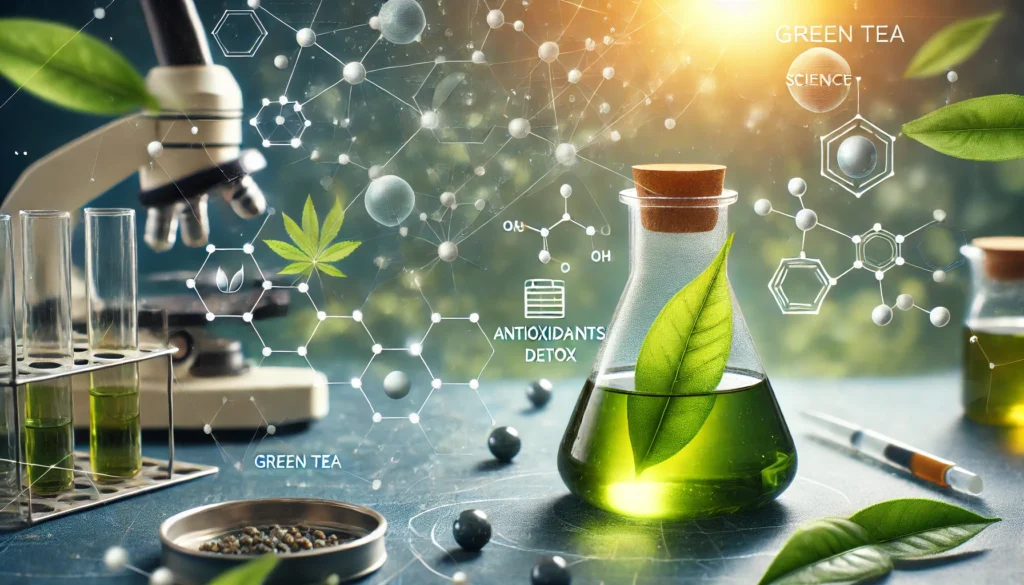
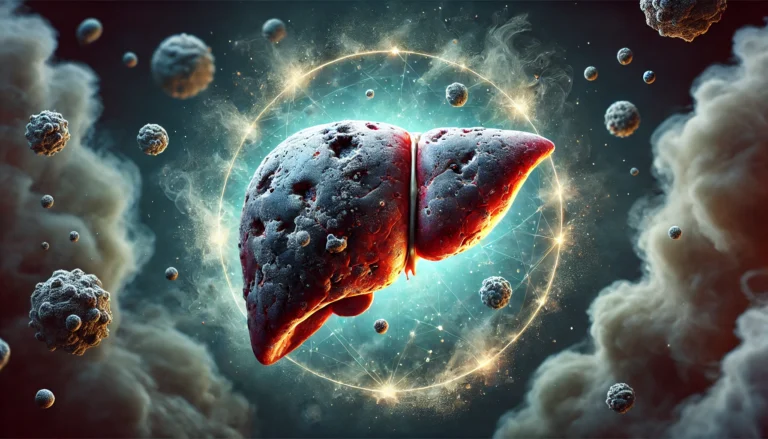
Best Ways to Use Fresh Ginseng Root for Energy, Immunity, and Overall Wellness

Understanding Fresh Ginseng Root: A Natural Powerhouse

Ginseng has been revered for centuries across various cultures for its potent medicinal properties. Among the different types, fresh ginseng root stands out as one of the most versatile and effective natural remedies for enhancing energy levels, boosting immunity, and promoting overall wellness. Unlike dried or processed versions, fresh ginseng preserves its full spectrum of beneficial compounds, including ginsenosides, polysaccharides, and antioxidants. These bioactive components contribute to its adaptogenic qualities, helping the body resist stress, improve vitality, and support optimal health. Traditional Chinese Medicine (TCM) and modern scientific research alike recognize ginseng’s ability to regulate physiological functions, making it a cornerstone of holistic health practices worldwide.

You may also like: Rhodiola vs. Ashwagandha: Which Adaptogen Best Supports Gut Health and a Fiber-Rich Diet?

How Fresh Ginseng Root Supports Energy Levels

Fatigue and low energy levels are common concerns in today’s fast-paced world. Fresh ginseng root is widely utilized for its natural energy-boosting properties, offering a sustainable alternative to caffeine and artificial stimulants. The active compounds in ginseng enhance mitochondrial function, which is crucial for cellular energy production. By optimizing adenosine triphosphate (ATP) synthesis, fresh ginseng improves endurance, reduces oxidative stress, and enhances overall stamina.

Scientific studies have shown that regular consumption of fresh ginseng can significantly reduce feelings of fatigue and improve physical performance. Athletes, professionals, and individuals with demanding lifestyles often turn to ginseng to maintain consistent energy levels without experiencing the crashes associated with synthetic stimulants. Furthermore, ginseng helps regulate blood sugar levels, preventing sudden dips that contribute to feelings of lethargy and mental fog. By incorporating fresh ginseng root into your daily routine, you can experience sustained energy throughout the day while supporting long-term metabolic health.

A vibrant wellness-themed kitchen scene with fresh ginseng roots, a mortar and pestle crushing ginseng, and a simmering pot of ginseng broth, surrounded by ginger and goji berries for an enhanced health-boosting effect.

Boosting Immunity with Fresh Ginseng Root

The immune-boosting properties of fresh ginseng root make it an invaluable addition to any wellness regimen. Rich in antioxidants, ginseng combats free radicals and reduces inflammation, two key factors that weaken the immune system. Research has demonstrated that ginseng enhances the production of immune cells such as natural killer (NK) cells, T cells, and macrophages, which play a vital role in defending the body against infections.

Additionally, ginseng modulates immune function by regulating cytokine production, ensuring a balanced immune response. This adaptogenic effect is particularly beneficial for individuals prone to recurrent illnesses or those experiencing chronic stress, which can suppress immune function. Incorporating fresh ginseng root into your diet may help strengthen your body’s defenses against common colds, flu, and other infections, reducing both the frequency and severity of illnesses.

Enhancing Cognitive Function and Mental Clarity

Beyond its physical benefits, fresh ginseng root is highly regarded for its ability to support brain health. Cognitive decline, memory impairment, and lack of focus are concerns that affect individuals across all age groups. Ginseng’s neuroprotective properties stem from its ability to improve cerebral circulation, enhance neurotransmitter activity, and reduce oxidative damage to brain cells.

Regular consumption of fresh ginseng has been linked to improved memory, faster reaction times, and enhanced problem-solving skills. It also helps alleviate mental fatigue and stress, making it an excellent choice for students, professionals, and older adults seeking to maintain cognitive sharpness. Studies indicate that ginseng may also offer protective effects against neurodegenerative conditions such as Alzheimer’s disease and Parkinson’s disease, further highlighting its role in long-term brain health.

Fresh Ginseng Root for Stress Management and Emotional Well-being

In addition to its physical and cognitive benefits, fresh ginseng root is known for its profound impact on emotional well-being. As an adaptogen, ginseng helps the body adapt to stress by regulating cortisol levels and promoting homeostasis. Chronic stress is a significant contributor to various health issues, including anxiety, depression, and weakened immune function.

By modulating the hypothalamic-pituitary-adrenal (HPA) axis, ginseng supports a balanced stress response, preventing the excessive production of stress hormones. This effect leads to improved mood, enhanced resilience to stress, and a greater sense of overall well-being. Whether consumed as a tea, incorporated into meals, or taken as a supplement, fresh ginseng provides a natural and effective way to manage daily stress and promote emotional stability.

Practical Ways to Incorporate Fresh Ginseng Root into Your Routine

To fully harness the benefits of fresh ginseng root, it is essential to incorporate it into your daily routine in a way that suits your lifestyle. One of the most traditional and effective methods is brewing ginseng tea. Simply slicing fresh ginseng root and steeping it in hot water for several minutes allows its bioactive compounds to infuse into the tea, creating a soothing and energizing beverage.

Another popular method is adding fresh ginseng to soups and broths, particularly in Asian cuisine, where it is often combined with other medicinal herbs. This approach not only enhances the flavor of dishes but also provides a nourishing boost to overall health. Fresh ginseng can also be blended into smoothies, mixed with honey, or consumed raw in small amounts for a quick energy lift.

For those seeking a more convenient option, fresh ginseng tinctures and extracts offer a concentrated form of its benefits. These liquid preparations can be added to water or taken directly, making them a practical choice for busy individuals looking to enhance their health with minimal effort.

 A serene nature-inspired setting featuring fresh ginseng roots on a wooden tray, complemented by a refreshing ginseng smoothie in a glass, along with fresh green leaves, nuts, and a drizzle of honey for natural vitality.

Frequently Asked Questions (FAQ) About Fresh Ginseng Root

1. What are the benefits of fresh ginseng root compared to dried ginseng?

Fresh ginseng root retains higher levels of moisture and some delicate compounds that may be lost during drying. Many people prefer fresh ginseng because it has a milder taste and a more potent effect on energy and stress relief. Unlike dried ginseng, which requires soaking or slow simmering, fresh ginseng can be consumed raw, blended into smoothies, or lightly steamed. The fresher form may also provide better absorption of its bioactive compounds, ensuring more immediate benefits. If you are seeking a gentler, more hydrating approach to ginseng supplementation, fresh ginseng is an excellent choice.

2. How can I incorporate fresh ginseng into my daily routine?

There are numerous ways to enjoy fresh ginseng, depending on your taste and health goals. You can slice fresh ginseng root and steep it in hot water to make a revitalizing tea or blend it into a smoothie for an energizing morning boost. Some people chew small pieces raw for a concentrated effect or add them to soups for an immune-enhancing tonic. Fresh ginseng root can also be infused into honey for a long-lasting herbal remedy. The key is to experiment and find a method that suits your lifestyle while maximizing the root’s benefits.

3. How does fresh ginseng root support immune health?

Fresh ginseng is packed with ginsenosides, which have been shown to enhance immune function and help the body resist infections. Regular consumption may improve the body’s ability to fight off colds, flu, and other seasonal illnesses. Fresh ginseng root also acts as an adaptogen, helping to regulate stress levels, which can directly impact immune resilience. By reducing inflammation and supporting white blood cell activity, fresh ginseng contributes to overall immune balance. Drinking fresh ginseng tea during flu season or after exposure to illness may provide an extra layer of protection.

4. Can fresh ginseng improve mental clarity and focus?

Yes, fresh ginseng is widely used to enhance cognitive function, including memory, focus, and mental stamina. Studies suggest that ginseng’s active compounds help improve blood circulation to the brain, increasing oxygen supply and promoting alertness. Many professionals and students use fresh ginseng root as a natural alternative to caffeine, as it provides sustained energy without the jitters or crashes. Incorporating fresh ginseng into your diet may also support long-term brain health and reduce the risk of age-related cognitive decline. For best results, try consuming fresh ginseng tea in the morning before starting your day.

5. What are the best ways to store fresh ginseng root?

To maintain its potency, fresh ginseng root should be stored properly to prevent drying out or mold growth. The best way to store fresh ginseng is by wrapping it in a paper towel and placing it in an airtight container in the refrigerator. It can last for several weeks when stored this way, but if you want to extend its shelf life further, you can freeze it in small portions. Avoid exposing fresh ginseng to excessive moisture or air, as this can cause spoilage. Proper storage ensures that the root retains its freshness and beneficial properties.

6. How does fresh ginseng affect energy levels?

Fresh ginseng is a natural energy booster that works by reducing fatigue and improving endurance. Unlike stimulants that create a sudden spike in energy, fresh ginseng helps the body adapt to stress and maintain steady energy levels throughout the day. It enhances mitochondrial function, which plays a crucial role in cellular energy production. Many people find that consuming fresh ginseng in the morning helps them stay focused and active without experiencing energy crashes. If you suffer from chronic fatigue, adding fresh ginseng to your daily routine may help improve vitality and stamina.

7. Is fresh ginseng root beneficial for digestion?

Yes, fresh ginseng can support digestive health by promoting gut balance and reducing inflammation. It is known to stimulate digestion, improve nutrient absorption, and may even help with mild gastrointestinal discomfort. Some traditional medicine practices recommend fresh ginseng tea for soothing an upset stomach and boosting digestive enzyme activity. Additionally, the adaptogenic properties of fresh ginseng help reduce stress-related digestive issues, such as bloating and indigestion. Consuming fresh ginseng regularly can contribute to a more balanced and resilient digestive system.

8. Can fresh ginseng help with stress and anxiety?

Fresh ginseng is highly regarded for its adaptogenic properties, which help the body manage stress and anxiety more effectively. By regulating cortisol levels, fresh ginseng root can promote a sense of calm and improve resilience to daily challenges. It is often used as a natural remedy for stress-related fatigue, helping individuals maintain a balanced mood and energy levels. Regular consumption of fresh ginseng may also enhance sleep quality by supporting relaxation without sedation. If you struggle with stress, incorporating fresh ginseng into your diet could be a beneficial natural approach.

9. How does fresh ginseng support heart health?

Fresh ginseng has been shown to improve circulation, lower oxidative stress, and support healthy blood pressure levels. Its active compounds help strengthen blood vessels, promoting better oxygen and nutrient delivery throughout the body. Some research suggests that fresh ginseng root may help lower LDL cholesterol while increasing HDL cholesterol, contributing to overall cardiovascular health. It also has anti-inflammatory properties that may reduce the risk of heart disease over time. Drinking fresh ginseng tea or consuming it in small amounts daily can be a great addition to a heart-healthy lifestyle.

10. Are there any precautions to consider when using fresh ginseng?

While fresh ginseng is generally safe for most people, it is important to consume it in moderation to avoid overstimulation. Some individuals may experience mild side effects such as headaches, digestive upset, or insomnia, especially if taken in excessive amounts. Those with high blood pressure, certain medical conditions, or those taking medications should consult a healthcare provider before using fresh ginseng. Pregnant and breastfeeding women should also seek medical advice before adding fresh ginseng to their routine. Listening to your body and starting with small amounts can help ensure a positive experience with fresh ginseng root.

A holistic self-care setup with fresh ginseng roots, an herbal ginseng-infused oil bottle, and a wellness spa arrangement where a person prepares a ginseng facial mask with honey and yogurt, enhancing relaxation and rejuvenation.

Conclusion: The Timeless Power of Fresh Ginseng Root

Fresh ginseng root is a remarkable natural remedy with a long history of use in promoting energy, immunity, and overall wellness. Its adaptogenic properties make it an invaluable tool for maintaining balance in a demanding world, providing a sustainable alternative to synthetic supplements and stimulants. From enhancing physical stamina and cognitive function to supporting immune health and emotional well-being, ginseng offers a comprehensive approach to holistic wellness.

By integrating fresh ginseng root into your daily regimen through tea, culinary applications, or supplements, you can experience its full spectrum of benefits. Whether you seek increased vitality, improved mental clarity, or a stronger immune system, ginseng provides a time-tested solution rooted in both tradition and scientific research. Embracing the power of fresh ginseng root allows you to take a proactive approach to health, ensuring long-term well-being and resilience in the face of life’s challenges.

Further Reading:

Nurturing with Nature: Herbal Research Woes

Ashwagandha and Breastfeeding: Is It Safe?

Ashwagandha

search visibility strategies, website ranking improvement, organic search growth, digital marketing insights, content optimization techniques, link acquisition methods, SEO performance metrics, algorithm updates analysis, mobile-first indexing, structured data implementation, keyword intent research, local search optimization, web traffic enhancement, online brand authority, technical SEO fixes, site speed optimization, AI-powered SEO tools, engagement-driven content, search engine trends, competitive SEO tactics

The information contained in this article is provided for general informational purposes only and is not intended to serve as medical, legal, or professional advice. While NewsHealthWatch strives to present accurate, up-to-date, and reliable content, no warranty or guarantee, expressed or implied, is made regarding the completeness, accuracy, or adequacy of the information provided. Readers are strongly advised to seek the guidance of a qualified healthcare provider or other relevant professionals before acting on any information contained in this article. NewsHealthWatch, its authors, editors, and contributors expressly disclaim any liability for any damages, losses, or consequences arising directly or indirectly from the use, interpretation, or reliance on any information presented herein. The views and opinions expressed in this article are those of the author(s) and do not necessarily reflect the official policies or positions of NewsHealthWatch.
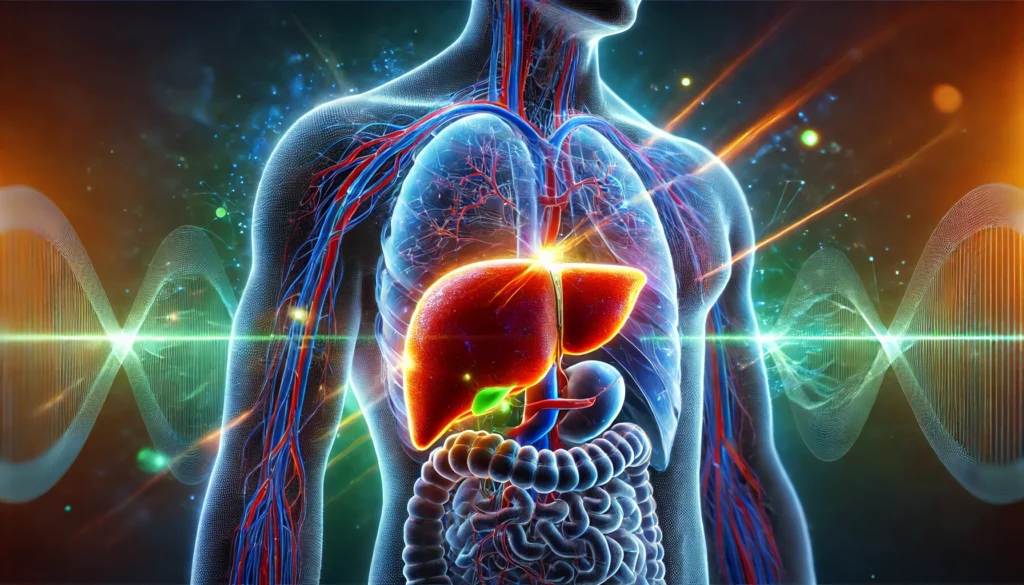

Is Ashwagandha Safe While Breastfeeding? What Moms Need to Know

Introduction: Understanding Ashwagandha and Breastfeeding

Motherhood is a transformative experience, bringing with it both immense joy and unique challenges. One of the most critical aspects of this journey is ensuring the health and well-being of both mother and baby. Many new mothers seek natural remedies to manage stress, improve sleep, and restore balance during the postpartum period. Ashwagandha, scientifically known as Withania somnifera, is a popular adaptogenic herb praised for its ability to reduce stress, improve cognitive function, and enhance overall well-being. However, when it comes to ashwagandha while breastfeeding, questions arise about its safety, potential benefits, and possible risks.

You may also like: Rhodiola vs. Ashwagandha: Which Adaptogen Best Supports Gut Health and a Fiber-Rich Diet?

The primary concern for nursing mothers is whether consuming ashwagandha during breastfeeding can affect their baby’s health or milk supply. While many herbal supplements boast numerous health benefits, they may also carry potential risks for lactating women. This article provides an in-depth analysis of the safety of ashwagandha while nursing, offering evidence-based insights, expert opinions, and practical recommendations to help mothers make informed decisions about incorporating this herb into their postpartum wellness routine.

"A close-up of ashwagandha roots and supplements placed next to a bottle of breast milk and a baby bottle, symbolizing the discussion of ashwagandha use while breastfeeding."

What Is Ashwagandha and How Does It Work?

Ashwagandha is an ancient medicinal herb widely used in Ayurvedic medicine for its adaptogenic properties. Adaptogens are natural substances that help the body resist stress, stabilize physiological processes, and restore balance. Ashwagandha contains bioactive compounds, including withanolides, alkaloids, and saponins, which contribute to its therapeutic effects.

The primary mechanism of ashwagandha’s action lies in its ability to regulate the hypothalamic-pituitary-adrenal (HPA) axis, which controls the body’s stress response. By modulating cortisol levels, ashwagandha helps alleviate stress and anxiety, improve sleep, and support cognitive function. Additionally, it has anti-inflammatory, antioxidant, and immune-boosting properties, making it a valuable supplement for overall health.

Given its wide range of benefits, many new mothers wonder: Is ashwagandha safe while breastfeeding? To answer this question, it is essential to explore both the benefits and potential risks of ashwagandha and breastfeeding, as well as expert recommendations for lactating mothers.

Potential Benefits of Ashwagandha During Breastfeeding

  1. Stress Reduction and Anxiety Relief Postpartum anxiety and stress are common among new mothers due to hormonal fluctuations, sleep deprivation, and the demands of caring for an infant. Ashwagandha is well-known for its ability to lower cortisol levels, which can help reduce feelings of stress and anxiety. Studies have shown that taking ashwagandha can significantly improve symptoms of chronic stress and generalized anxiety disorder.
  2. Enhanced Sleep Quality Sleep disturbances are a major challenge for new mothers, often leading to exhaustion and mood imbalances. Ashwagandha has been found to improve sleep quality by promoting relaxation and reducing insomnia. It supports the production of gamma-aminobutyric acid (GABA), a neurotransmitter that induces calmness and helps regulate sleep patterns.
  3. Improved Cognitive Function Many women experience “mom brain,” or cognitive fog, during the postpartum period. Ashwagandha has been studied for its neuroprotective effects, enhancing memory, focus, and cognitive function. Its ability to reduce oxidative stress and inflammation in the brain may help improve mental clarity in new mothers.
  4. Support for Thyroid Function Hormonal fluctuations after childbirth can affect thyroid function, leading to symptoms such as fatigue, weight changes, and mood swings. Ashwagandha has been shown to support thyroid health by regulating thyroid hormone levels, particularly in individuals with hypothyroidism.
  5. Enhanced Immune System Function A strong immune system is essential for both the mother and baby. Ashwagandha contains powerful antioxidants that enhance immune response, helping to protect against infections and promote overall wellness.

Potential Risks of Ashwagandha While Breastfeeding

  1. Limited Research on Safety During Lactation While ashwagandha is well-studied for its health benefits, research on its safety during breastfeeding is limited. Most studies focus on its effects in general populations rather than lactating mothers. The lack of extensive clinical trials makes it difficult to determine whether ashwagandha and breastfeeding are a safe combination.
  2. Possible Hormonal Effects Ashwagandha has been found to influence hormone levels, including thyroid hormones and testosterone. While this may be beneficial for some individuals, hormonal fluctuations can potentially impact milk production and maternal health. Some experts caution against using ashwagandha during breastfeeding due to these potential effects.
  3. Risk of Infant Exposure Through Breast Milk Any substance consumed by a nursing mother has the potential to pass into breast milk and affect the baby. While there is no conclusive evidence on the effects of ashwagandha on infants, some experts recommend caution, especially for newborns with developing digestive and immune systems.
  4. Potential for Allergic Reactions Some individuals may experience allergic reactions to ashwagandha, including skin rashes, digestive discomfort, or respiratory symptoms. If a breastfeeding mother notices any adverse reactions in herself or her baby after consuming ashwagandha, discontinuing its use is advised.

Expert Recommendations on Ashwagandha and Breastfeeding

Given the limited research on the safety of ashwagandha while breastfeeding, experts provide the following recommendations:

  • Consult a Healthcare Provider: Before taking ashwagandha during breastfeeding, it is essential to seek guidance from a qualified healthcare professional, particularly a lactation consultant or physician.
  • Monitor Infant Reactions: If a mother decides to take ashwagandha, she should closely observe her baby for any signs of digestive issues, irritability, or allergic reactions.
  • Use Moderate Dosages: If approved by a healthcare provider, using a low to moderate dose of ashwagandha may minimize potential risks.
  • Consider Alternative Stress-Relief Methods: For mothers hesitant to take ashwagandha while nursing, alternative stress-management techniques such as mindfulness, meditation, and herbal teas may provide similar benefits.
A mother breastfeeding her baby in a peaceful, natural setting, with ashwagandha plants in the background, representing the connection between motherhood and herbal remedies.

Frequently Asked Questions (FAQ) About Ashwagandha and Breastfeeding

1. Can you take ashwagandha while breastfeeding?

The safety of taking ashwagandha while breastfeeding is not well-established due to limited clinical research. While some traditional medicine practices support the use of Withania somnifera during breastfeeding for stress relief and hormonal balance, healthcare professionals often advise caution. Since ashwagandha has adaptogenic properties that influence hormone levels and immune function, there is a possibility that it could pass into breast milk and affect the baby. Consulting a healthcare provider before using ashwagandha while breastfeeding is essential to assess any potential risks. If you choose to take it, starting with a low dose and monitoring both your health and your baby’s response is recommended.

2. Why avoid ashwagandha while breastfeeding?

One reason why some experts recommend avoiding ashwagandha while breastfeeding is its potential effects on hormonal balance. Since ashwagandha can influence cortisol levels and thyroid function, it may alter milk production or impact maternal well-being. Additionally, there is insufficient data on how Withania somnifera breastfeeding exposure may affect an infant’s developing system. Some sources suggest that ashwagandha’s sedative-like effects could lead to excessive drowsiness in breastfeeding infants, though this remains largely anecdotal. Until more studies confirm its safety, the precautionary approach is to refrain from using ashwagandha during breastfeeding unless advised otherwise by a healthcare professional.

3. Is ashwagandha safe while nursing?

The question of whether ashwagandha while nursing is safe remains open due to the lack of extensive human trials. Some herbalists consider it beneficial for stress management and postpartum recovery, but others emphasize the need for caution. The primary concern is that its bioactive compounds may transfer into breast milk and influence an infant’s nervous system or digestive health. Since ashwagandha can also have mild sedative properties, it could potentially cause drowsiness in both mother and baby. If you’re considering taking ashwagandha while nursing, discussing it with a lactation consultant or healthcare provider is the safest approach.

4. Are there any benefits of taking ashwagandha while breastfeeding?

Some proponents of natural medicine suggest that ashwagandha and breastfeeding could be compatible due to its potential benefits for postpartum recovery. Ashwagandha is known for its adaptogenic properties, which help reduce stress, improve sleep quality, and support hormonal balance—important factors for new mothers. Additionally, some women report improved energy levels and mood stabilization when using ashwagandha during breastfeeding. However, these benefits must be weighed against the lack of scientific studies confirming its safety for breastfeeding infants. If exploring alternative ways to manage postpartum stress, lifestyle changes such as meditation, proper nutrition, and exercise may be preferable over herbal supplementation.

5. What are the possible risks of using ashwagandha during breastfeeding?

Potential risks of taking ashwagandha during breastfeeding include hormonal disruption, sedation, and gastrointestinal issues. Some research indicates that ashwagandha influences thyroid function, which could impact postpartum thyroid health and, subsequently, milk supply. There is also concern that its mild sedative properties may lead to drowsiness in breastfed infants, which could affect their feeding and alertness. In rare cases, individuals may experience digestive upset, which could indirectly affect breastfeeding comfort. Given these uncertainties, it is crucial to consult a healthcare professional before using ashwagandha while breastfeeding to assess any personal health risks.

6. Is ashwagandha safe for breastfeeding if taken in small amounts?

The question of whether ashwagandha is safe for breastfeeding when taken in small doses is still unresolved. Some herbal experts believe that occasional use may not pose significant risks, but without definitive research, there is no guarantee of safety. The dosage, frequency, and form of ashwagandha (powder, capsule, or tincture) could influence its effects on both mother and baby. Some mothers who have taken small amounts report no noticeable effects, while others prefer to err on the side of caution. If you’re considering ashwagandha while breastfeeding, starting with a minimal dose and closely monitoring any changes is advisable.

7. Why do some sources say no to ashwagandha while breastfeeding?

The primary reason why no ashwagandha while breastfeeding is recommended by some sources is the lack of conclusive research on its effects. The potential for hormonal shifts, sedation, and digestive disturbances in infants leads many healthcare professionals to take a cautious stance. Unlike some herbs that have well-documented safety profiles for breastfeeding, ashwagandha remains in a grey area due to insufficient data. Additionally, individual responses to Withania somnifera breastfeeding use may vary, making it difficult to provide universal guidelines. Until stronger evidence emerges, avoiding ashwagandha during breastfeeding is generally the safest recommendation.

8. Can you have ashwagandha while breastfeeding through food sources?

If you are concerned about taking ashwagandha supplements, consuming foods with ashwagandha may be an alternative approach. Some Ayurvedic recipes incorporate small amounts of ashwagandha powder into teas, soups, or energy-boosting snacks. However, the concentration in these foods is typically much lower than in supplements, which may reduce any potential risks. If you choose to consume ashwagandha while breastfeeding through food, be mindful of portion sizes and any effects on your baby. It is still advisable to check with a healthcare provider before introducing ashwagandha into your diet during the breastfeeding period.

9. Are there alternative herbs that are safer than ashwagandha during breastfeeding?

If you’re looking for alternatives to ashwagandha while nursing, several herbs may offer similar stress-relieving benefits without the same level of concern. Herbs such as chamomile, lemon balm, and oat straw are widely regarded as safe for breastfeeding mothers and provide calming effects. Adaptogenic herbs like Rhodiola and holy basil are sometimes considered safer options, though they still require professional guidance. Certain dietary changes, such as increasing magnesium intake or consuming omega-3-rich foods, can also support postpartum stress management. Exploring non-herbal approaches like mindfulness meditation and gentle movement exercises may further enhance emotional resilience during breastfeeding.

10. What should you do if you have already taken ashwagandha while breastfeeding?

If you have already taken ashwagandha while breastfeeding, there is no immediate need for panic, but it’s important to monitor for any effects on your baby. Watch for changes in feeding patterns, unusual drowsiness, or digestive disturbances that may indicate a reaction. If you notice any concerning symptoms, consulting a pediatrician can provide reassurance and guidance. Since every baby reacts differently, a cautious approach moving forward—such as discontinuing use until professional advice is obtained—may be best. Keeping a journal of any changes in your health and your baby’s behavior can help assess whether ashwagandha is influencing breastfeeding outcomes.

A balanced concept showing a scale with ashwagandha on one side and a mother and baby on the other, visually representing the weighing of benefits and risks of ashwagandha while breastfeeding.

Conclusion: Should You Take Ashwagandha While Breastfeeding?

The decision to take ashwagandha while breastfeeding depends on multiple factors, including individual health conditions, infant sensitivity, and medical guidance. While ashwagandha offers numerous benefits, including stress relief, improved sleep, and enhanced cognitive function, its safety for lactating mothers remains inconclusive due to limited research.

New mothers seeking natural ways to manage postpartum stress and anxiety should weigh the potential benefits and risks of ashwagandha during breastfeeding. Consulting a healthcare professional is the best course of action to ensure both maternal and infant safety. Ultimately, prioritizing a well-balanced diet, proper hydration, and sufficient rest remains fundamental to supporting overall health during the breastfeeding journey.

Further Reading:

Nurturing with Nature: Herbal Research Woes

Ashwagandha and Breastfeeding: Is It Safe?

Ashwagandha

online visibility strategies, website traffic growth, search engine optimization tips, digital content strategy, organic search tactics, web page ranking factors, technical website improvements, link-building strategies, SERP optimization, keyword analysis techniques, mobile SEO trends, voice search marketing, AI-driven content optimization, Google search trends, website authority building, social media impact on SEO, SEO-friendly website development, content engagement metrics, competitive digital marketing, user intent optimization

The information contained in this article is provided for general informational purposes only and is not intended to serve as medical, legal, or professional advice. While NewsHealthWatch strives to present accurate, up-to-date, and reliable content, no warranty or guarantee, expressed or implied, is made regarding the completeness, accuracy, or adequacy of the information provided. Readers are strongly advised to seek the guidance of a qualified healthcare provider or other relevant professionals before acting on any information contained in this article. NewsHealthWatch, its authors, editors, and contributors expressly disclaim any liability for any damages, losses, or consequences arising directly or indirectly from the use, interpretation, or reliance on any information presented herein. The views and opinions expressed in this article are those of the author(s) and do not necessarily reflect the official policies or positions of NewsHealthWatch.
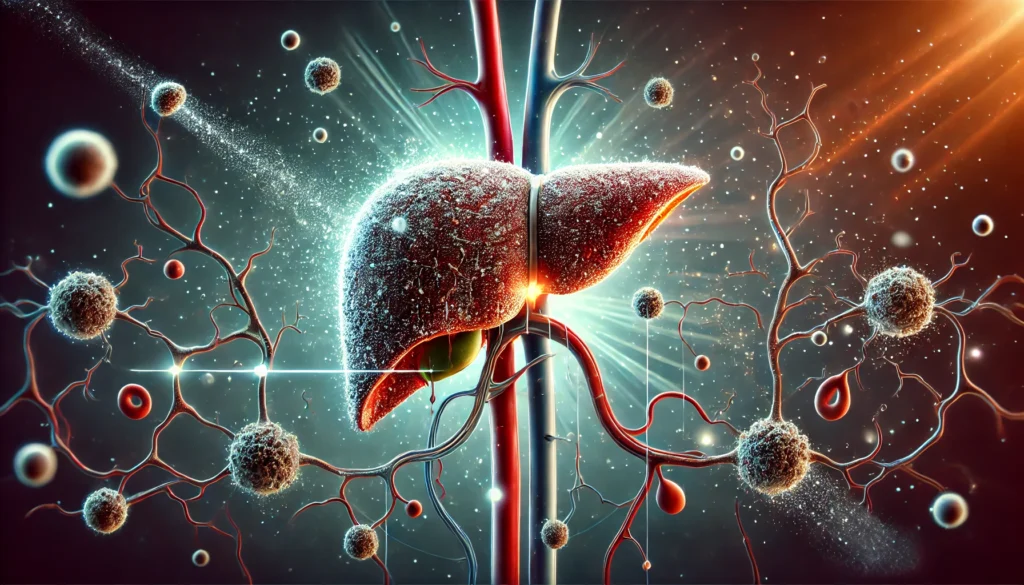


Play exciting online pokies and live games at True Fortune Casino, offering fast payouts, secure deposits, and generous bonuses for Australian players.

Enjoy top pokies and live dealer tables at Uptown Pokies Casino, with quick withdrawals, safe banking, and rewarding promotions for Australian users.

Join thrilling online slots and live casino action at Uptown Aces, featuring fast deposits, secure withdrawals, and exclusive bonuses for Australian players.

Spin favourite pokies and play live casino games at Velvet Spins Casino, offering safe banking, fast payouts, and generous promotions for Australian enthusiasts.

Experience exciting online pokies and live tables at Woo Casino, with quick withdrawals, secure deposits, and attractive bonuses for Australian casino players.

Play top pokies and live dealer games at King Billy Casino, offering fast payouts, safe banking, and rewarding promotions for Australian online casino users.

Enjoy thrilling online slots and live casino action at Aussie Play Casino, with secure deposits, quick withdrawals, and generous bonuses for Australian players.

Join exciting pokies and live tables at Fastpay Casino, featuring fast payouts, safe banking, and exclusive promotions for Australian online casino enthusiasts.