hacklink hack forum hacklink film izle hacklink
Home Blog Page 234

Is Grapefruit Good for Your Liver? Science-Backed Benefits and Potential Risks

Grapefruit has long been praised for its refreshing taste and nutritional benefits, but its impact on liver health is a subject of growing scientific interest. With the liver playing a crucial role in detoxification, metabolism, and overall bodily function, it is essential to understand how dietary choices, including grapefruit consumption, may influence its health. Research suggests that grapefruit may offer numerous benefits for liver function, yet there are also potential risks to consider, particularly for individuals taking certain medications. This article delves into the science behind grapefruit’s effects on liver health, addressing its potential advantages and risks while providing practical dietary considerations.

You may also like: The Best Liver Detox Supplements: How to Choose Safe and Effective Support for Your Liver

Understanding the Liver’s Role in Health

The liver is one of the body’s most vital organs, responsible for filtering toxins, metabolizing nutrients, and regulating various biochemical processes. It plays a central role in detoxification by breaking down harmful substances, including environmental toxins, alcohol, and metabolic byproducts. Additionally, the liver is involved in bile production, which is essential for fat digestion and the absorption of fat-soluble vitamins. Another key function is its role in glycogen storage, helping regulate blood sugar levels. Given its extensive responsibilities, maintaining liver health is critical for overall well-being, making dietary choices, such as consuming nutrient-dense foods like grapefruit, a key consideration.

Freshly sliced grapefruit on a wooden cutting board with a glass of grapefruit juice in a well-lit kitchen, emphasizing natural health benefits and nutrition

The Nutritional Profile of Grapefruit

Grapefruit is a nutrient-rich citrus fruit, abundant in vitamins, minerals, and antioxidants. It is an excellent source of vitamin C, which supports immune function and acts as a powerful antioxidant, protecting cells from oxidative stress. Additionally, grapefruit provides significant amounts of vitamin A, known for its role in vision, skin health, and immune defense. The fruit also contains fiber, which aids digestion and supports gut health, a factor increasingly linked to liver function. Furthermore, grapefruit is rich in flavonoids, particularly naringenin and naringin, compounds that have been shown to possess anti-inflammatory, antioxidant, and hepatoprotective properties. These attributes make grapefruit a compelling food choice for individuals looking to support their liver health.

The Science-Backed Benefits of Grapefruit for Liver Health

Rich in Antioxidants That Protect Liver Cells

One of the primary ways grapefruit benefits liver health is through its high antioxidant content. Oxidative stress, caused by an excess of free radicals, contributes to liver damage and the progression of conditions such as fatty liver disease, cirrhosis, and liver cancer. Grapefruit’s antioxidants, including vitamin C and flavonoids, help neutralize free radicals and reduce oxidative stress. Studies suggest that naringenin, a flavonoid found in grapefruit, enhances the liver’s ability to break down fats, potentially lowering the risk of non-alcoholic fatty liver disease (NAFLD). By supporting the liver’s natural defense mechanisms, grapefruit may help prevent cellular damage and promote long-term liver health.

Supports Detoxification Processes

The liver’s detoxification functions involve two phases: phase I, which involves the activation of toxins, and phase II, which facilitates their elimination. Grapefruit has been shown to support these processes by influencing enzymatic activity in the liver. Naringin and naringenin have been found to modulate cytochrome P450 enzymes, which are involved in metabolizing drugs and detoxifying harmful compounds. This regulation of enzymatic activity may help the liver process toxins more efficiently, reducing the overall burden on the organ. However, these same properties also raise concerns regarding grapefruit’s interactions with certain medications, an issue discussed later in this article.

May Reduce Liver Inflammation

Chronic inflammation is a key driver of liver disease, contributing to conditions such as hepatitis, fibrosis, and cirrhosis. Research indicates that grapefruit’s flavonoids exhibit anti-inflammatory properties by inhibiting pro-inflammatory cytokines and reducing oxidative stress. Studies have demonstrated that naringenin can suppress inflammatory pathways in the liver, potentially mitigating damage caused by excessive inflammation. These findings suggest that incorporating grapefruit into a balanced diet may contribute to a lower risk of developing inflammatory liver conditions.

May Aid in Fat Metabolism and Help Prevent Fatty Liver Disease

Non-alcoholic fatty liver disease (NAFLD) is a growing global health concern, characterized by excessive fat accumulation in the liver. Risk factors include obesity, insulin resistance, and poor dietary habits. Emerging research suggests that grapefruit may help prevent NAFLD by enhancing lipid metabolism. Studies have found that naringenin can stimulate the breakdown of fatty acids in the liver while reducing the accumulation of triglycerides. Furthermore, grapefruit’s potential to improve insulin sensitivity may further protect against metabolic disorders that contribute to NAFLD. While these findings are promising, it is important to note that grapefruit should be part of a comprehensive dietary and lifestyle approach to liver health rather than a standalone solution.

Potential Risks and Considerations

Grapefruit-Medication Interactions

While grapefruit offers notable liver benefits, it is also well known for its interactions with various medications. The fruit contains compounds that inhibit the activity of the cytochrome P450 enzyme CYP3A4, which is responsible for metabolizing many commonly prescribed drugs. This inhibition can lead to higher concentrations of certain medications in the bloodstream, increasing the risk of adverse effects. Medications affected by grapefruit include statins (used to lower cholesterol), calcium channel blockers (for blood pressure management), and certain immunosuppressants. Individuals taking prescription medications should consult their healthcare provider before incorporating grapefruit into their diet to avoid potential drug interactions.

Potential for Excessive Vitamin C Intake

While vitamin C is an essential nutrient, excessive intake may have unintended consequences, particularly for individuals with pre-existing liver conditions. High doses of vitamin C can contribute to increased iron absorption, which may be problematic for individuals with hemochromatosis, a condition characterized by excess iron accumulation in the liver. Additionally, excessive vitamin C intake may lead to digestive discomfort, including bloating and diarrhea. Moderation is key to reaping the benefits of grapefruit without overloading the body with nutrients beyond its needs.

Incorporating Grapefruit into a Liver-Friendly Diet

For individuals without contraindications, grapefruit can be a valuable addition to a liver-supportive diet. Pairing grapefruit with other nutrient-dense foods, such as leafy greens, lean proteins, and healthy fats, can help create a balanced dietary approach that promotes liver health. Consuming grapefruit in its whole form, rather than as juice, ensures that fiber intake is maximized, which supports digestion and gut health. Additionally, those who enjoy grapefruit but are concerned about medication interactions may opt for alternative citrus fruits, such as oranges or lemons, which provide similar benefits with a lower likelihood of enzyme inhibition.
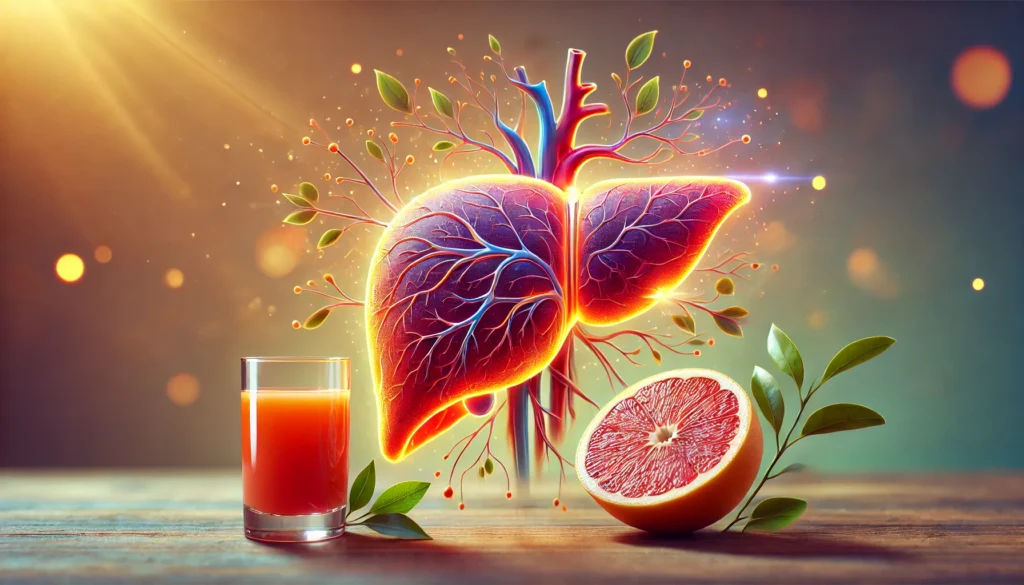
A glowing, healthy liver surrounded by fresh grapefruit and a glass of juice, symbolizing detoxification and liver health benefits

Frequently Asked Questions (FAQ) About Grapefruit and Liver Health

1. How does grapefruit support liver function? Grapefruit is packed with antioxidants like naringenin and naringin, which help reduce inflammation and support the liver’s natural detoxification processes. These compounds have been studied for their potential to protect liver cells from oxidative stress and damage caused by toxins. Additionally, grapefruit may aid in fat metabolism, which is crucial for preventing fatty liver disease. The fruit also supports enzyme activity in the liver, helping it break down harmful substances more efficiently. Including grapefruit in a balanced diet can be a natural way to promote long-term liver health.

2. Is grapefruit good for liver detoxification? Yes, grapefruit plays a role in liver detoxification by stimulating enzyme production that helps break down toxins. Specifically, grapefruit contains compounds that enhance phase one and phase two detoxification pathways in the liver, ensuring that harmful substances are processed and eliminated effectively. This detox-supporting ability makes grapefruit a beneficial addition to a diet focused on liver health. However, detoxification is a complex process that depends on multiple factors, including hydration, overall diet, and lifestyle choices. Relying solely on grapefruit for liver detox is not recommended, but incorporating it into a well-rounded diet can be helpful.

3. Can grapefruit help with fatty liver disease? Grapefruit may have benefits for individuals with fatty liver disease due to its high antioxidant content and ability to regulate fat metabolism. Studies suggest that naringenin in grapefruit can help prevent the accumulation of excess fat in the liver by improving lipid metabolism. Additionally, grapefruit has anti-inflammatory properties that may reduce liver inflammation associated with non-alcoholic fatty liver disease (NAFLD). While grapefruit can be a supportive dietary choice, it should be combined with a healthy diet, regular exercise, and medical guidance for managing fatty liver disease.

4. Are there any risks of consuming grapefruit for liver health? While grapefruit offers numerous liver benefits, it can interact with certain medications, including statins, blood pressure drugs, and immunosuppressants. This is because grapefruit inhibits an enzyme called CYP3A4, which affects drug metabolism in the liver. If you are taking prescription medications, it is essential to consult a healthcare provider before consuming grapefruit regularly. Additionally, excessive grapefruit consumption may cause digestive discomfort for some individuals. Moderation is key to safely enjoying its benefits.

5. How often should I eat grapefruit for liver health? The ideal frequency of grapefruit consumption depends on individual health conditions and dietary balance. Eating half a grapefruit or drinking a small glass of fresh grapefruit juice a few times a week can provide beneficial antioxidants and nutrients for liver function. However, those on certain medications should check with a healthcare provider to ensure that grapefruit intake does not interfere with their treatment. A diverse diet that includes other liver-supporting foods, such as leafy greens, nuts, and healthy fats, is also important.

6. Does grapefruit interact with alcohol in a way that affects liver health? Grapefruit does not directly counteract the effects of alcohol, but it does support liver function, which may help the body process alcohol more efficiently. However, excessive alcohol consumption can still overwhelm the liver, leading to liver damage over time. While grapefruit may provide some protective antioxidants, it cannot prevent the long-term negative effects of heavy drinking. Moderation in alcohol intake, combined with a liver-friendly diet, is the best approach for maintaining liver health.

7. Can grapefruit improve liver enzyme levels? Grapefruit may help regulate liver enzymes by reducing oxidative stress and inflammation in the liver. Elevated liver enzymes can be a sign of liver dysfunction, often caused by excessive alcohol consumption, fatty liver disease, or other conditions. Some studies suggest that the flavonoids in grapefruit can support normal enzyme function and reduce markers of liver stress. However, improving liver enzyme levels also requires lifestyle changes such as maintaining a healthy weight, exercising regularly, and avoiding excessive alcohol and processed foods.

8. Is grapefruit liver-friendly for people with liver conditions like hepatitis? For individuals with liver conditions such as hepatitis, grapefruit can provide antioxidant support and anti-inflammatory benefits. However, because hepatitis is a serious condition that affects liver function, dietary choices should be carefully considered in consultation with a healthcare provider. Some hepatitis medications may interact with grapefruit, so it is important to verify whether grapefruit consumption is safe in each specific case. When included as part of a nutrient-rich diet, grapefruit can offer liver-supportive benefits without overstressing the liver.

9. How does grapefruit compare to other fruits for liver health? Grapefruit stands out among fruits for its unique combination of flavonoids, vitamin C, and detox-supporting compounds. While other fruits such as berries, oranges, and apples also provide antioxidants and fiber, grapefruit has been particularly studied for its effects on liver enzyme regulation and fat metabolism. However, a varied fruit intake is recommended for optimal liver health, as different fruits offer unique benefits. A diet rich in a variety of colorful fruits ensures that the liver receives a broad spectrum of nutrients.

10. Are there any alternatives to grapefruit for supporting liver function? If you cannot consume grapefruit due to medication interactions or personal preference, there are other foods that can support liver health. Lemon, for example, offers similar vitamin C and antioxidant benefits without the same enzyme-inhibiting effects as grapefruit. Green tea contains catechins that help protect liver cells from damage. Turmeric, garlic, and beets also provide liver-supporting compounds that aid in detoxification and reduce inflammation. While grapefruit is beneficial, incorporating a wide range of liver-friendly foods is the best strategy for long-term liver health.
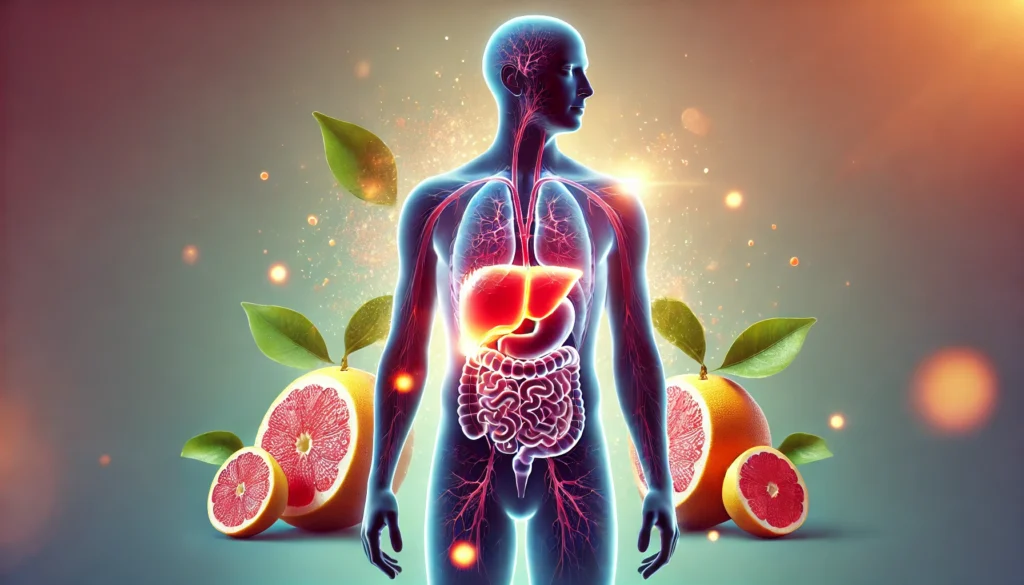
A glowing human liver inside a semi-transparent body silhouette, surrounded by fresh grapefruits, symbolizing vitality, detoxification, and liver health

Final Thoughts: Balancing Benefits and Risks

Grapefruit’s potential to support liver health is backed by scientific research, highlighting its role in reducing oxidative stress, supporting detoxification, and promoting fat metabolism. However, its interactions with certain medications necessitate caution for some individuals. The key to integrating grapefruit into a healthy lifestyle lies in moderation and awareness of personal health conditions. By consulting healthcare professionals when needed and making informed dietary choices, individuals can harness the benefits of grapefruit while minimizing potential risks. As ongoing research continues to explore the intricate relationship between nutrition and liver function, grapefruit remains a fascinating and valuable component of a liver-friendly diet.

grapefruit and liver detox, naringenin liver benefits, citrus fruit liver health, best fruits for liver function, grapefruit medication interaction, NAFLD prevention diet, antioxidant-rich foods for liver, grapefruit and drug metabolism, natural liver detox foods, hepatic inflammation reduction, citrus polyphenols liver health, liver-friendly diet, impact of flavonoids on liver, vitamin C liver protection, non-alcoholic fatty liver remedies, detoxifying foods for liver, role of grapefruit in liver care, liver enzyme regulation, grapefruit health benefits research, liver-supportive nutrition

Further Reading:

Intestinal first pass metabolism of midazolam in liver cirrhosis – effect of grapefruit juice

Grapefruit juice intake does not enhance but rather protects against aflatoxin B 1 -induced liver DNA damage through a reduction in hepatic CYP3A activity 

Why is grapefruit good for you?

Disclaimer

The information contained in this article is provided for general informational purposes only and is not intended to serve as medical, legal, or professional advice. While NewsHealthWatch strives to present accurate, up-to-date, and reliable content, no warranty or guarantee, expressed or implied, is made regarding the completeness, accuracy, or adequacy of the information provided. Readers are strongly advised to seek the guidance of a qualified healthcare provider or other relevant professionals before acting on any information contained in this article. NewsHealthWatch, its authors, editors, and contributors expressly disclaim any liability for any damages, losses, or consequences arising directly or indirectly from the use, interpretation, or reliance on any information presented herein. The views and opinions expressed in this article are those of the author(s) and do not necessarily reflect the official policies or positions of NewsHealthWatch.
Best Diet for Hepatitis A Treatment: Nutritional Strategies to Support Recovery

Hepatitis A is a highly contagious liver infection caused by the hepatitis A virus (HAV). While it does not lead to chronic liver disease, the infection can cause significant discomfort, including nausea, vomiting, fatigue, jaundice, and digestive issues. Proper nutrition plays a crucial role in supporting liver function, easing symptoms, and promoting recovery. A well-structured diet for hepatitis A treatment should focus on nourishing the body while minimizing stress on the liver. By incorporating the right foods and avoiding harmful dietary choices, individuals recovering from hepatitis A can improve their well-being and expedite the healing process.

You may also like: The Best Liver Detox Supplements: How to Choose Safe and Effective Support for Your Liver

Understanding the Impact of Hepatitis A on the Body

The hepatitis A virus primarily targets the liver, causing inflammation and impairing its ability to perform vital functions. The liver is responsible for detoxification, bile production, protein synthesis, and nutrient metabolism. When the liver is inflamed, its efficiency is compromised, leading to symptoms such as fatigue, digestive disturbances, and jaundice. This underscores the importance of a hep diet designed to support liver function and overall health.

Malnutrition is a common concern among those with hepatitis A, as nausea and reduced appetite can make it difficult to maintain adequate nutrient intake. Prolonged deficiencies can further weaken the immune system and delay recovery. Thus, a balanced diet rich in essential vitamins, minerals, and macronutrients is vital for those undergoing hepatitis A treatment. By focusing on nutrient-dense foods and avoiding processed or harmful substances, individuals can provide their liver with the necessary support to heal effectively.

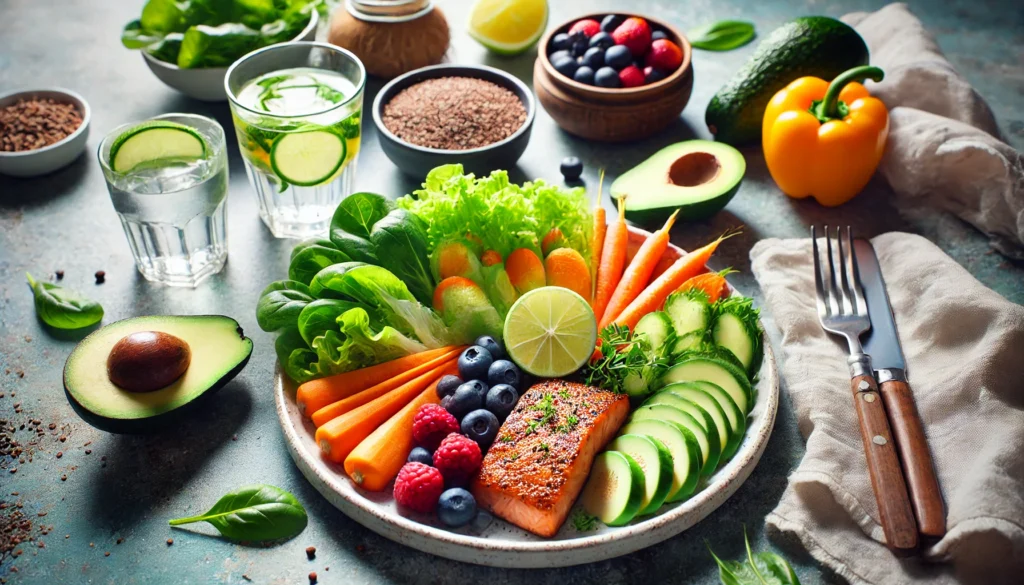
A vibrant and appetizing plate of liver-friendly foods for Hepatitis A recovery, featuring leafy greens, bright orange carrots, avocados, fresh berries, and grilled salmon. A glass of coconut water and a bowl of whole grains like quinoa sit in the background, illuminated by natural light

Essential Nutrients for Hepatitis A Recovery

A diet for hepatitis A treatment should prioritize certain nutrients that aid in liver repair and immune function. Protein is a fundamental component, as it supports tissue regeneration and enzyme production. Sources such as lean poultry, fish, eggs, and plant-based proteins like beans and lentils should be included in daily meals. It is crucial to balance protein intake to prevent excess strain on the liver while ensuring adequate support for recovery.

Healthy fats are another key consideration, as they provide energy and assist with nutrient absorption. Unsaturated fats from sources like olive oil, avocados, nuts, and fatty fish help reduce inflammation and support cellular health. However, excessive intake of saturated and trans fats should be avoided, as these can contribute to liver stress and sluggish digestion.

Carbohydrates serve as the body’s primary energy source and should be derived from whole grains, fruits, and vegetables. Refined carbohydrates, such as white bread and sugary snacks, should be minimized to prevent blood sugar fluctuations and added stress on the liver. Fiber-rich foods like oats, brown rice, and leafy greens aid digestion and prevent constipation, which can be a concern for some individuals with hepatitis A.

Hydration and Fluid Balance

Staying well-hydrated is essential for individuals recovering from hepatitis A. Water helps flush out toxins, supports digestion, and prevents dehydration, which can be exacerbated by vomiting or diarrhea associated with the illness. Herbal teas, clear broths, and diluted fruit juices can also contribute to hydration while providing essential nutrients.

Electrolyte balance is another crucial aspect of fluid intake. During illness, electrolyte imbalances can occur due to vomiting, sweating, or diarrhea. Consuming potassium-rich foods such as bananas, oranges, and sweet potatoes can help maintain electrolyte stability. Additionally, avoiding caffeinated and alcoholic beverages is important, as they can contribute to dehydration and further strain the liver.

Foods to Include in a Hepatitis A Recovery Diet

Incorporating nutrient-dense foods into daily meals can significantly aid in the recovery process. Fresh fruits and vegetables are rich in antioxidants, which help reduce oxidative stress and inflammation. Citrus fruits, berries, carrots, and spinach contain high levels of vitamins C and E, which are beneficial for liver health. Cruciferous vegetables like broccoli, Brussels sprouts, and kale support detoxification and promote liver regeneration.

Whole grains provide essential fiber, vitamins, and minerals that support digestive health and energy levels. Brown rice, quinoa, and whole wheat bread are excellent options that help stabilize blood sugar levels and provide long-lasting energy. Lean protein sources such as chicken, turkey, tofu, and fish supply amino acids necessary for tissue repair and immune function.

Healthy fats play a protective role in liver health, with sources like flaxseeds, chia seeds, and walnuts offering anti-inflammatory benefits. Omega-3 fatty acids, found in fatty fish like salmon and sardines, support overall cardiovascular and liver function. Including these nutrient-rich foods in a balanced diet can enhance the body’s ability to recover from hepatitis A effectively.

Foods to Avoid During Hepatitis A Recovery

While certain foods promote healing, others can exacerbate liver stress and slow recovery. Processed and fried foods contain high levels of unhealthy fats, additives, and preservatives that can burden the liver. Fast food, packaged snacks, and deep-fried items should be avoided to reduce inflammation and promote optimal liver function.

Excessive sugar intake can contribute to insulin resistance and fat accumulation in the liver. Sodas, candies, and baked goods with high sugar content should be minimized to prevent unnecessary strain on metabolic processes. Similarly, alcohol should be strictly avoided during recovery, as it can cause further liver damage and impede healing.

Sodium-rich foods, including canned soups, processed meats, and salty snacks, should be limited to prevent water retention and added stress on the liver. Instead, opting for fresh, homemade meals with natural seasonings can enhance both taste and nutritional quality. By eliminating these harmful food choices, individuals can create a more supportive dietary environment for liver recovery.

The Role of Meal Timing and Portion Control

Proper meal timing and portion control play a significant role in optimizing digestion and liver function. Eating smaller, more frequent meals can help maintain steady energy levels and prevent excessive strain on the digestive system. Skipping meals or consuming large portions at once can lead to fatigue and digestive discomfort, which are common issues during hepatitis A recovery.

A well-structured meal plan should include breakfast, lunch, dinner, and healthy snacks in between. Incorporating nutrient-dense options throughout the day ensures that the body receives a steady supply of essential vitamins and minerals. Simple meal planning strategies, such as preparing meals in advance and portioning out servings, can make it easier to adhere to a supportive dietary regimen.

A beautifully arranged smoothie bowl for Hepatitis A recovery, featuring a blend of banana, berries, and yogurt, topped with chia seeds, walnuts, and sliced kiwi. Surrounding the bowl are fresh fruits like papaya and mango, with a small dish of honey on a wooden table, bathed in soft natural light

Frequently Asked Questions (FAQ) on the Best Diet for Hepatitis A Treatment

1. What foods should be prioritized in a hep diet to support liver recovery?
A hep diet should emphasize nutrient-dense foods that promote liver function and repair. Foods rich in antioxidants, such as berries, leafy greens, and citrus fruits, help combat oxidative stress in the liver. Protein sources like lean poultry, fish, tofu, and legumes support tissue repair and immune function. Whole grains like quinoa, brown rice, and oats provide sustained energy and help regulate digestion, which is essential when recovering from hepatitis A. Additionally, healthy fats from sources like avocados, olive oil, and nuts support overall liver health without overwhelming it with excess processing demands.

2. How does hydration play a role in a diet for hepatitis A treatment?
Hydration is crucial in a diet for hepatitis A treatment because the liver needs adequate fluid intake to flush out toxins and process nutrients efficiently. Water, herbal teas, and clear broths help maintain electrolyte balance and prevent dehydration, which can worsen fatigue and nausea. Coconut water can be a natural electrolyte replenisher, especially if hepatitis A symptoms cause vomiting or diarrhea. While fruit juices can offer vitamins, they should be consumed in moderation due to their high sugar content, which can stress the liver. Avoiding alcohol and caffeinated beverages is also essential, as they can further strain liver function.

3. Are there specific foods that should be avoided in a hep diet?
Yes, certain foods should be avoided in a hep diet to reduce liver strain and promote healing. Processed foods high in artificial additives and preservatives can be difficult for the liver to metabolize, leading to unnecessary stress. Fried and fatty foods, such as fast food, processed meats, and heavy dairy products, should also be limited because they can cause inflammation. Sugary foods and refined carbohydrates, like white bread and sodas, may contribute to insulin resistance, which negatively impacts liver function. Additionally, alcohol should be strictly avoided, as it directly damages liver cells and impairs the recovery process.

4. Can herbal supplements be included in a diet for hepatitis A treatment?
Certain herbal supplements may support liver function when incorporated into a diet for hepatitis A treatment, but they should be used cautiously. Milk thistle is a popular supplement known for its liver-protective properties, as it contains silymarin, which may aid in liver cell regeneration. Turmeric, with its active compound curcumin, has anti-inflammatory benefits that could support liver health. Dandelion root is often used to aid digestion and liver detoxification. However, it is essential to consult a healthcare provider before taking any supplements, as some herbs can interact with medications or have unintended effects on liver function.

5. How does protein intake affect liver recovery in a hep diet?
Protein is an essential component of a hep diet as it supports cell regeneration and immune system function. However, the type and amount of protein consumed must be carefully balanced. Lean proteins such as skinless chicken, fish, tofu, and legumes provide necessary amino acids without overburdening the liver. Excessive intake of red meat and processed proteins can contribute to inflammation and increase the liver’s workload. Consuming plant-based proteins, such as lentils and chickpeas, may offer additional fiber benefits that help regulate digestion and nutrient absorption during recovery.

6. What role do probiotics play in a diet for hepatitis A treatment?
Probiotics can play a beneficial role in a diet for hepatitis A treatment by supporting gut health, which is closely linked to liver function. A healthy gut microbiome helps process toxins and aids in digestion, reducing the burden on the liver. Fermented foods such as yogurt, kefir, kimchi, and sauerkraut introduce beneficial bacteria that promote digestion and nutrient absorption. Additionally, prebiotic-rich foods like garlic, onions, and bananas help nourish good gut bacteria, further supporting liver health. Ensuring a balanced gut microbiome may also help alleviate gastrointestinal symptoms associated with hepatitis A.

7. How can meal timing and portion control aid in liver recovery?
Meal timing and portion control are key factors in managing a hep diet effectively. Eating smaller, well-balanced meals throughout the day helps regulate blood sugar levels and prevents the liver from being overwhelmed by large amounts of food at once. Avoiding late-night eating allows the liver to focus on repair and detoxification rather than digestion. Incorporating fiber-rich foods can help maintain steady energy levels and prevent fatigue, which is a common symptom of hepatitis A. Listening to hunger cues and not overeating ensures that the liver can function optimally without additional strain.

8. Can a hep diet help prevent future liver infections?
While a hep diet primarily aids in recovery, it can also support long-term liver health and reduce the risk of future infections. A diet rich in antioxidants and anti-inflammatory foods helps strengthen the immune system, making it more resilient to viral infections. Consuming adequate vitamins, especially vitamin C and vitamin E, enhances the body’s defense mechanisms. Avoiding processed foods and excessive alcohol intake prevents chronic liver damage, reducing susceptibility to infections. Additionally, maintaining proper hygiene and avoiding contaminated food sources further decreases the risk of contracting hepatitis A in the future.

9. What are the long-term dietary considerations after recovering from hepatitis A?
After recovering from hepatitis A, continuing a balanced, liver-friendly diet is important to maintain overall health. Including a variety of nutrient-dense foods helps ensure that the liver remains strong and functional. Omega-3 fatty acids from sources like fatty fish and flaxseeds support anti-inflammatory processes, reducing the risk of liver damage over time. Maintaining hydration and fiber intake helps sustain digestive health and prevents metabolic imbalances. Even after recovery, it is advisable to limit alcohol consumption and avoid excessive processed foods to protect long-term liver function.

10. How can lifestyle changes complement a diet for hepatitis A treatment?
Beyond dietary changes, lifestyle modifications play a significant role in supporting liver recovery. Regular physical activity promotes blood circulation and reduces fat accumulation in the liver, aiding in its detoxification processes. Stress management techniques such as meditation and deep breathing exercises can prevent excess cortisol production, which may negatively affect liver function. Ensuring adequate sleep allows the body to repair and regenerate tissues efficiently. Avoiding exposure to environmental toxins, such as pesticides and chemical-laden products, further reduces the liver’s workload. Together with a well-planned hep diet, these lifestyle changes contribute to optimal liver health and overall well-being.

A refreshing detox drink for Hepatitis A recovery, served in a glass pitcher with slices of lemon, cucumber, and mint leaves floating in clear water. A smaller glass filled with the detox water sits beside it on a wooden table, surrounded by fresh citrus fruits and mint, with a bright and airy kitchen setting in the background

Conclusion: Supporting Liver Health Through Nutrition

Recovering from hepatitis A requires a comprehensive approach that includes proper nutrition, hydration, and lifestyle adjustments. A well-balanced diet for hepatitis A treatment should prioritize nutrient-dense foods that support liver function while avoiding harmful dietary choices that could hinder recovery. By incorporating lean proteins, healthy fats, whole grains, and antioxidant-rich fruits and vegetables, individuals can enhance their body’s ability to heal and regain strength.

Hydration plays a critical role in maintaining overall well-being, with adequate fluid intake supporting digestion, toxin elimination, and electrolyte balance. Avoiding processed foods, excessive sugars, and alcohol is essential to reduce liver strain and promote a smoother recovery process. Meal timing and portion control further contribute to digestive efficiency and sustained energy levels.

By following these dietary guidelines and making mindful food choices, individuals recovering from hepatitis A can support their liver health, boost their immune system, and improve their overall quality of life. A thoughtful and well-balanced diet is a powerful tool in promoting recovery and long-term well-being, ensuring a smoother path to regaining optimal health.

hepatitis a nutrition plan, liver-friendly foods, best foods for hepatitis a, immune-boosting diet, liver detox diet, whole foods for liver health, vitamins for liver function, balanced diet for recovery, avoiding processed foods, best hydration for liver health, liver healing foods, anti-inflammatory diet for hepatitis, gut health and liver recovery, managing nausea through diet, plant-based liver support, omega-3 benefits for liver, healthy eating for hepatitis a, dietary tips for hepatitis a recovery, protein sources for liver repair, holistic liver care

Further Reading:

What is a healthy diet for someone with hepatitis

Diet – liver disease

Hepatitis A

Disclaimer

The information contained in this article is provided for general informational purposes only and is not intended to serve as medical, legal, or professional advice. While NewsHealthWatch strives to present accurate, up-to-date, and reliable content, no warranty or guarantee, expressed or implied, is made regarding the completeness, accuracy, or adequacy of the information provided. Readers are strongly advised to seek the guidance of a qualified healthcare provider or other relevant professionals before acting on any information contained in this article. NewsHealthWatch, its authors, editors, and contributors expressly disclaim any liability for any damages, losses, or consequences arising directly or indirectly from the use, interpretation, or reliance on any information presented herein. The views and opinions expressed in this article are those of the author(s) and do not necessarily reflect the official policies or positions of NewsHealthWatch.

How High Cholesterol and Fatty Liver Are Connected: What You Need to Know for Better Health

High cholesterol and fatty liver disease are two increasingly common health concerns that affect millions of people worldwide. While they may appear to be separate conditions, scientific research suggests a strong connection between them. Understanding this link can help individuals take proactive steps toward better health, reducing their risk of complications such as cardiovascular disease and liver damage. This article explores the relationship between high cholesterol and fatty liver, the underlying causes, and effective strategies for prevention and treatment.

You may also like: The Best Liver Detox Supplements: How to Choose Safe and Effective Support for Your Liver

Understanding High Cholesterol and Fatty Liver Disease

Cholesterol is a fatty substance essential for many bodily functions, including hormone production, cell membrane integrity, and bile acid formation. However, when cholesterol levels become too high, particularly low-density lipoprotein (LDL) cholesterol, it can lead to plaque buildup in the arteries, increasing the risk of heart disease. On the other hand, fatty liver disease occurs when excess fat accumulates in liver cells, impairing liver function and potentially leading to inflammation, fibrosis, or even cirrhosis.

Fatty liver disease can be categorized into two primary types: non-alcoholic fatty liver disease (NAFLD) and alcoholic fatty liver disease (AFLD). NAFLD is closely linked to metabolic syndrome, obesity, type 2 diabetes, and high cholesterol levels. AFLD results from excessive alcohol consumption, which disrupts fat metabolism in the liver. While both forms can progress to severe liver damage, NAFLD has emerged as the most prevalent liver disorder in developed countries, often occurring alongside high cholesterol and other metabolic abnormalities.

A conceptual medical illustration depicting the connection between high cholesterol and fatty liver. The image features a split view, showing an unhealthy liver with fat accumulation and inflammation on one side and cholesterol plaques in arteries on the other. A bloodstream visually connects the two, emphasizing their relationship. Warm colors like reds and yellows highlight the health risks

Can Fatty Liver Cause High Cholesterol?

One of the most critical questions regarding the connection between fatty liver and cholesterol is whether fatty liver disease can directly contribute to high cholesterol levels. Research suggests that the liver plays a central role in cholesterol metabolism. When the liver accumulates excessive fat, its ability to regulate cholesterol production and clearance becomes impaired. As a result, individuals with fatty liver disease often experience elevated cholesterol and triglyceride levels, further exacerbating their risk of cardiovascular disease.

Additionally, fatty liver disease can alter the composition of lipoproteins in the blood, increasing the prevalence of small, dense LDL particles, which are more likely to contribute to arterial plaque formation. This shift in lipid profile makes it even more critical for individuals with fatty liver disease to manage their cholesterol levels effectively.

The Metabolic Connection Between High Cholesterol and Fatty Liver Disease

Metabolic dysfunction is a significant factor linking high cholesterol and fatty liver disease. Insulin resistance, a hallmark of metabolic syndrome, plays a key role in both conditions. When cells become resistant to insulin, the pancreas compensates by producing more insulin, leading to higher circulating levels of this hormone. Elevated insulin promotes fat storage in the liver, contributing to fatty liver disease, while also increasing LDL cholesterol and triglyceride production.

Moreover, chronic inflammation, often associated with obesity and metabolic syndrome, exacerbates both high cholesterol and fatty liver disease. Inflammatory markers such as C-reactive protein (CRP) and cytokines disrupt normal lipid metabolism and impair the liver’s ability to process fats efficiently. This inflammatory response can further accelerate the progression of fatty liver disease and increase the likelihood of developing cardiovascular complications.

How Diet Impacts High Cholesterol and Fatty Liver Disease

Diet plays a pivotal role in the development and management of both high cholesterol and fatty liver disease. Consuming a diet high in refined carbohydrates, saturated fats, and trans fats contributes to liver fat accumulation and dyslipidemia. Processed foods, sugary beverages, and excessive alcohol intake further strain liver function and promote lipid imbalances.

Conversely, adopting a nutrient-dense diet rich in whole foods can significantly improve liver health and cholesterol levels. The Mediterranean diet, for example, emphasizes healthy fats such as olive oil, nuts, and fatty fish, which support lipid metabolism and reduce inflammation. Fiber-rich foods like vegetables, legumes, and whole grains help regulate cholesterol absorption in the intestines, lowering LDL cholesterol and promoting overall metabolic health.

Lifestyle Modifications to Improve Liver Health and Cholesterol Levels

In addition to dietary changes, adopting a physically active lifestyle can have profound benefits for individuals struggling with high cholesterol and fatty liver disease. Regular exercise enhances insulin sensitivity, reduces liver fat, and promotes the breakdown of harmful lipids in the bloodstream. Both aerobic activities, such as brisk walking and cycling, and resistance training contribute to improved metabolic health.

Weight management is another crucial aspect of addressing these conditions. Losing even a small percentage of body weight—typically around 5-10%—can lead to significant reductions in liver fat content and improvements in cholesterol levels. Combining calorie control with nutrient-dense meals and physical activity creates a sustainable approach to long-term health improvement.

Medical Interventions for Managing High Cholesterol and Fatty Liver Disease

For individuals with severe cases of high cholesterol and fatty liver disease, medical interventions may be necessary. Statins, commonly prescribed to lower LDL cholesterol, have also shown potential benefits for individuals with NAFLD by reducing liver inflammation and preventing disease progression. However, not all patients with fatty liver disease can tolerate statins, necessitating alternative lipid-lowering therapies such as fibrates, niacin, and omega-3 fatty acids.

In cases where fatty liver disease has progressed to non-alcoholic steatohepatitis (NASH) or cirrhosis, additional medical treatments may be required. Emerging therapies, including medications targeting liver fat metabolism and inflammation, offer hope for individuals with advanced liver disease. However, early intervention through lifestyle modifications remains the most effective strategy for preventing disease progression.

The Importance of Regular Health Screenings

Routine health screenings are essential for detecting high cholesterol and fatty liver disease in their early stages. Blood tests measuring lipid levels, liver enzymes, and markers of inflammation provide valuable insights into an individual’s metabolic health. Imaging techniques such as ultrasound, elastography, and MRI can assess liver fat accumulation and fibrosis, guiding treatment decisions.

Individuals with risk factors such as obesity, diabetes, or a family history of cardiovascular disease should prioritize regular check-ups with their healthcare providers. Early detection allows for timely interventions, reducing the risk of complications and improving long-term health outcomes.

A realistic anatomical cross-section of a human torso highlighting the liver and arteries. The liver exhibits fatty deposits, while the arteries display cholesterol plaque buildup. The image visually represents how excess cholesterol circulates and affects both liver and cardiovascular health, with a contrasting color palette distinguishing healthy and unhealthy tissues

Frequently Asked Questions (FAQ) on High Cholesterol and Fatty Liver Disease

1. How are high cholesterol and fatty liver disease connected?
High cholesterol and fatty liver disease are closely linked because both conditions are influenced by poor metabolic health. When the liver becomes fatty, it struggles to process lipids efficiently, often leading to an increase in LDL cholesterol and triglycerides in the bloodstream. This can contribute to plaque buildup in arteries, raising the risk of cardiovascular diseases. Additionally, insulin resistance—a common factor in metabolic syndrome—can worsen both high cholesterol and fatty liver disease. Addressing these conditions through diet, lifestyle changes, and medical interventions is key to improving overall health.

2. Can fatty liver cause high cholesterol, or is it the other way around?
Fatty liver can cause high cholesterol by impairing the liver’s ability to regulate lipid metabolism. When excess fat accumulates in liver cells, it disrupts the normal breakdown and distribution of cholesterol, leading to elevated blood levels of LDL (bad cholesterol) and triglycerides. Conversely, high cholesterol—especially when driven by poor diet and lifestyle choices—can contribute to the development of fatty liver disease. The relationship is bidirectional, meaning that managing one condition often helps improve the other.

3. What dietary changes help manage high cholesterol and fatty liver disease?
A diet rich in fiber, healthy fats, and lean proteins can significantly improve high cholesterol and fatty liver disease. Incorporating foods like leafy greens, avocados, nuts, and fatty fish can help reduce LDL cholesterol and support liver function. Processed foods, refined carbohydrates, and trans fats should be minimized, as they contribute to inflammation and fat accumulation in the liver. Additionally, increasing water intake and consuming antioxidant-rich foods, such as berries and green tea, can further aid in liver detoxification and cholesterol balance.

4. How does exercise impact high cholesterol and fatty liver disease?
Regular physical activity plays a crucial role in managing both high cholesterol and fatty liver disease. Exercise helps improve insulin sensitivity, which in turn reduces fat accumulation in the liver and promotes better cholesterol metabolism. Aerobic exercises like walking, cycling, and swimming, combined with resistance training, can increase HDL (good cholesterol) and lower triglycerides. Engaging in at least 150 minutes of moderate-intensity exercise per week can yield noticeable improvements in metabolic health.

5. Are there specific supplements that can support liver health and cholesterol levels?
Certain supplements may help manage high cholesterol and fatty liver disease. Omega-3 fatty acids, found in fish oil, can lower triglycerides and reduce liver fat. Milk thistle has been studied for its potential to protect liver cells and improve detoxification. Niacin (vitamin B3) can raise HDL cholesterol and reduce LDL levels. However, it’s important to consult with a healthcare professional before starting any supplement regimen, as individual responses and potential interactions with medications should be considered.

6. Can weight loss alone reverse fatty liver and improve cholesterol levels?
Yes, weight loss is one of the most effective ways to improve both fatty liver disease and high cholesterol. Losing just 5-10% of body weight can lead to significant reductions in liver fat, improved cholesterol levels, and enhanced insulin sensitivity. Sustainable weight loss strategies, such as adopting a Mediterranean or plant-based diet and incorporating regular physical activity, are recommended over crash diets, which can strain the liver.

7. How does alcohol consumption affect high cholesterol and fatty liver disease?
Excessive alcohol intake can worsen both high cholesterol and fatty liver disease by increasing fat accumulation in liver cells and disrupting lipid metabolism. Alcohol-related liver disease can develop alongside non-alcoholic fatty liver disease (NAFLD), further exacerbating liver damage. Moderate alcohol consumption—such as one drink per day for women and two for men—may be permissible for some individuals, but those with advanced fatty liver disease should consider abstaining entirely.

8. What are the long-term risks of untreated high cholesterol and fatty liver disease?
If left unmanaged, high cholesterol and fatty liver disease can lead to severe health complications. Fatty liver disease may progress to non-alcoholic steatohepatitis (NASH), cirrhosis, or liver cancer. High cholesterol increases the risk of heart disease, stroke, and atherosclerosis. Because these conditions are often silent in the early stages, regular medical check-ups and proactive lifestyle changes are essential for preventing long-term damage.

9. Are there genetic factors that influence the risk of high cholesterol and fatty liver disease?
Genetics can play a significant role in both high cholesterol and fatty liver disease. Some individuals have a genetic predisposition to higher LDL cholesterol levels or metabolic disorders that increase the likelihood of liver fat accumulation. Familial hypercholesterolemia is an inherited condition that leads to dangerously high cholesterol levels at an early age. While genetics cannot be changed, lifestyle interventions can significantly mitigate their impact.

10. Can medications help treat high cholesterol and fatty liver disease?
Yes, medications are sometimes necessary to manage high cholesterol and fatty liver disease, especially if lifestyle changes alone are insufficient. Statins are commonly prescribed to lower cholesterol levels and may also have protective effects on the liver. Other medications, such as fibrates and PCSK9 inhibitors, can help regulate lipid levels. Emerging treatments for fatty liver disease, including GLP-1 receptor agonists, are being explored for their potential to reduce liver fat. Always consult a healthcare provider before starting any medication regimen to determine the best course of action for your specific condition.

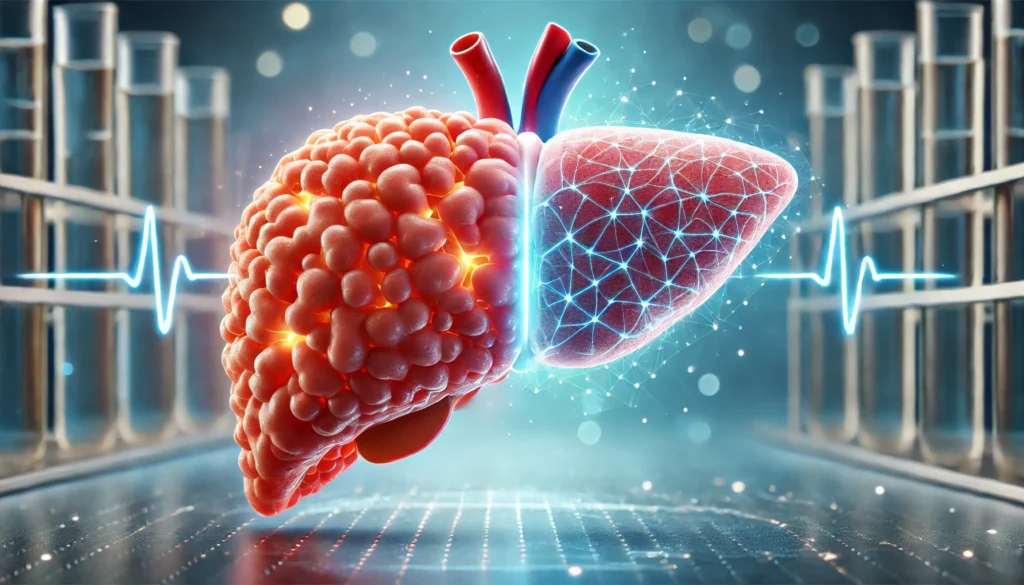
A medical-themed conceptual illustration showing the transformation from a healthy liver to a fatty liver. The transition is depicted with a gradient effect, where one side of the liver appears smooth and red, while the other side turns yellowish with fat deposits. Floating cholesterol particles and a stylized arterial system emphasize the link between high cholesterol and fatty liver disease, giving the image a scientific and educational tone

Conclusion: Taking a Proactive Approach to Health

Understanding the intricate connection between high cholesterol and fatty liver disease empowers individuals to take control of their health. By adopting a balanced diet, engaging in regular physical activity, and undergoing routine health screenings, individuals can mitigate their risk of developing severe metabolic complications. Proactive lifestyle changes, combined with medical interventions when necessary, offer a pathway to improved liver function, optimal cholesterol levels, and overall well-being.

healthy liver function, cholesterol management, metabolic health, NAFLD prevention, diet for liver health, lowering LDL cholesterol, insulin resistance and fatty liver, heart disease risk factors, non-alcoholic fatty liver disease treatment, exercise for metabolic syndrome, triglycerides and liver health, weight loss and liver fat reduction, inflammation and cholesterol levels, best foods for liver detox, liver enzyme improvement, cardiovascular disease prevention, fiber and cholesterol reduction, medical treatments for fatty liver, importance of omega-3 for heart and liver, lifestyle changes for cholesterol and liver health

Further Reading:

Recent insights on the role of cholesterol in non-alcoholic fatty liver disease

Cholesterol-Induced Non-Alcoholic Fatty Liver Disease and Atherosclerosis Aggravated by Systemic Inflammation

How are liver function and cholesterol production linked?

Disclaimer

The information contained in this article is provided for general informational purposes only and is not intended to serve as medical, legal, or professional advice. While NewsHealthWatch strives to present accurate, up-to-date, and reliable content, no warranty or guarantee, expressed or implied, is made regarding the completeness, accuracy, or adequacy of the information provided. Readers are strongly advised to seek the guidance of a qualified healthcare provider or other relevant professionals before acting on any information contained in this article. NewsHealthWatch, its authors, editors, and contributors expressly disclaim any liability for any damages, losses, or consequences arising directly or indirectly from the use, interpretation, or reliance on any information presented herein. The views and opinions expressed in this article are those of the author(s) and do not necessarily reflect the official policies or positions of NewsHealthWatch.

How Long Does a Colon and Liver Cleanse Take? A Science-Backed Guide to Detoxification

The idea of cleansing the colon and liver has gained significant attention in the health and wellness community. Many people seek detoxification to improve digestion, enhance liver function, and support overall well-being. But how long does a colon and liver cleanse take? The answer depends on various factors, including the method used, individual health conditions, and lifestyle habits. In this comprehensive guide, we will explore the science behind colon and liver cleansing, the duration of different detox methods, and evidence-based strategies for supporting these vital organs.

You may also like: The Best Liver Detox Supplements: How to Choose Safe and Effective Support for Your Liver

Understanding the Role of the Colon and Liver in Detoxification

The colon and liver work synergistically to remove toxins from the body. The liver, often referred to as the body’s detox powerhouse, processes toxins and metabolic waste, preparing them for elimination. It breaks down harmful substances into water-soluble compounds that can be excreted through urine or bile. The colon, on the other hand, is responsible for expelling solid waste and any remaining toxins processed by the liver. When these organs function optimally, they maintain homeostasis and protect the body from toxic overload.

However, poor dietary choices, exposure to environmental toxins, and a sedentary lifestyle can compromise liver and colon function. This has led many to seek ways to detoxify these organs through cleansing programs. While the human body is naturally equipped to detoxify itself, some individuals may benefit from targeted approaches that enhance these natural processes.

A tranquil natural landscape featuring a crystal-clear river flowing through a lush green forest. The pristine water reflects sunlight filtering through the dense foliage, symbolizing purification, detoxification, and inner cleansing. The scene evokes a sense of renewal and vitality

How Long Does a Colon and Liver Cleanse Take?

The duration of a colon and liver cleanse depends on the specific method chosen. Some people opt for a short-term 24-hour liver flush, while others engage in longer detox programs lasting several weeks. Below, we explore various detox methods and their respective timelines.

The 24-Hour Liver Flush: Does It Work?

A 24-hour liver flush, also known as a 24-hour liver detox, is a short-term cleansing method designed to stimulate bile production and flush out toxins from the liver. This approach typically involves consuming apple juice or malic acid supplements to soften liver stones, followed by a combination of olive oil and citrus juice to stimulate bile flow. Advocates of this method claim it can expel gallstones and improve liver function.

While a 24-hour liver flush may lead to increased bowel movements and a feeling of lightness, scientific evidence supporting its effectiveness is limited. The “stones” expelled during the cleanse are often a result of the oil and bile interacting in the digestive tract rather than actual gallstones. Nevertheless, a short-term liver flush may provide temporary relief for those experiencing sluggish digestion or mild liver congestion.

Detox Colon and Liver: A Comprehensive Approach

For individuals seeking a more comprehensive detoxification process, combining colon and liver cleansing over a period of one to four weeks may be more beneficial. A holistic detox program often involves dietary changes, herbal supplements, and hydration strategies to support the body’s natural detoxification mechanisms.

A colon and liver cleanse typically begins with eliminating processed foods, alcohol, and excessive caffeine while increasing fiber intake to support bowel movements. Herbal teas, milk thistle, dandelion root, and turmeric are commonly used to enhance liver function. Probiotics and digestive enzymes can also aid in gut health, ensuring that toxins are effectively eliminated.

During a one- to four-week detox, individuals may experience improved digestion, clearer skin, and increased energy levels. However, it is essential to approach cleansing with caution and consult a healthcare professional before making drastic changes to one’s diet or lifestyle.

Colon Cleanse Liver Cleanse: How to Maximize Results

To maximize the benefits of a colon and liver cleanse, consistency and proper nutrition are key. Hydration plays a crucial role in detoxification, as water helps flush toxins from the body. Consuming fresh fruits and vegetables rich in antioxidants can also support liver function. Cruciferous vegetables such as broccoli, Brussels sprouts, and kale contain compounds that aid in liver detoxification.

Engaging in regular physical activity can further enhance detoxification by promoting circulation and lymphatic drainage. Sweating through exercise or sauna sessions can help eliminate toxins through the skin. Additionally, prioritizing sleep allows the body to repair and regenerate, optimizing the effectiveness of a detox program.

Potential Side Effects and Precautions

While a colon and liver cleanse can offer numerous health benefits, it is not without potential side effects. Some individuals may experience fatigue, headaches, or digestive discomfort as their bodies adjust to the detox process. Rapid detoxification can sometimes overwhelm the body’s elimination pathways, leading to symptoms of toxin release.

To minimize side effects, it is important to ease into a detox program gradually. Instead of abruptly eliminating all processed foods, individuals can start by reducing their intake over a few days. Incorporating gentle detox methods such as warm lemon water in the morning or herbal teas can also help support the body’s natural cleansing processes without causing excessive stress.

Pregnant women, individuals with chronic illnesses, and those on medication should consult a healthcare provider before starting a detox program. Certain detox methods, such as prolonged fasting or aggressive colon cleanses, may not be suitable for everyone.

Long-Term Strategies for Colon and Liver Health

Rather than relying on short-term detox programs, adopting long-term habits that support colon and liver health is the most sustainable approach. Maintaining a balanced diet rich in whole foods, staying hydrated, and engaging in regular physical activity can help keep these organs functioning optimally.

Fiber intake should be prioritized to promote healthy bowel movements and prevent constipation. Soluble fiber from foods like oats, flaxseeds, and legumes helps bind toxins in the gut, while insoluble fiber from leafy greens and whole grains aids in waste elimination. Additionally, consuming adequate protein supports liver function, as amino acids play a vital role in detoxification.

Reducing exposure to environmental toxins by choosing organic produce, filtering drinking water, and avoiding excessive use of household chemicals can also lessen the burden on the liver. Mindful stress management through meditation, deep breathing exercises, or yoga can further enhance overall well-being and support detoxification.

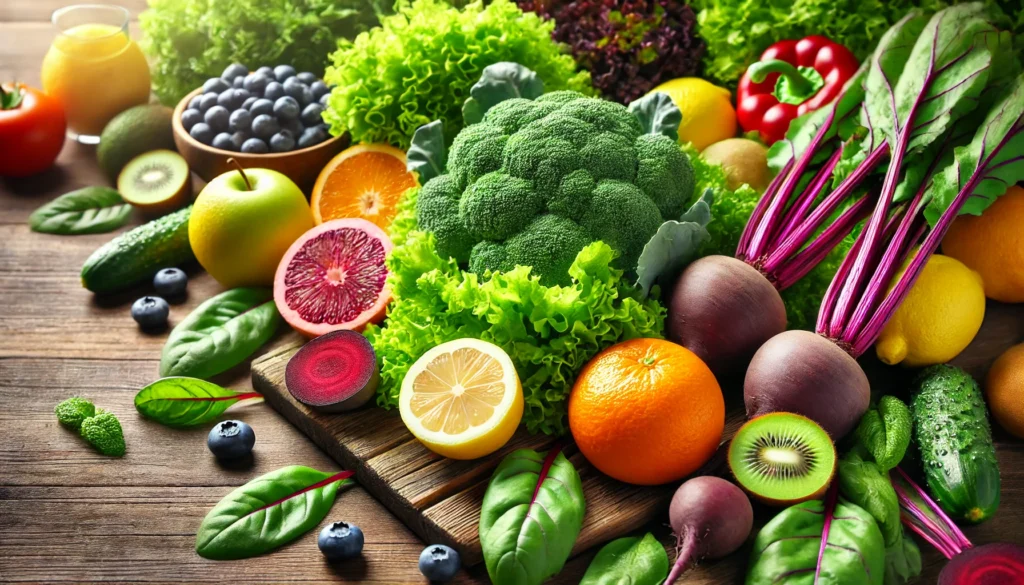
A vibrant close-up of fresh, organic vegetables and fruits, including leafy greens, citrus, and beets, beautifully arranged on a rustic wooden table. The rich colors and fresh textures symbolize natural detoxification and a nutrient-rich diet supporting colon and liver cleansing

Frequently Asked Questions (FAQ) on Colon and Liver Cleansing

1. How long does a colon and liver cleanse take? The duration of a colon and liver cleanse depends on the method used, individual health status, and lifestyle factors. A full cleanse can range from a short 24-hour liver flush to a more extended multi-week regimen. Some individuals prefer a gradual approach, incorporating dietary and lifestyle changes over time to support ongoing detoxification. A colon and liver cleanse and detox may be influenced by factors such as hydration levels, fiber intake, and metabolic rate. Always consult a healthcare professional before beginning a cleanse to ensure it aligns with your personal health needs.

2. What is a 24-hour liver flush, and is it effective? A 24-hour liver flush is a rapid detox method that typically involves consuming specific liquids, herbs, and supplements to stimulate bile flow and liver detoxification. This approach is popular among individuals looking for a quick reset, but its effectiveness varies depending on diet, pre-existing liver health, and hydration. While some people report feeling lighter and more energized, others may experience mild discomfort due to the rapid elimination of toxins. Long-term benefits of a liver cleanse often require sustained dietary and lifestyle changes rather than a one-time detox. Always approach short-term cleanses with caution and ensure they are safe for your individual health condition.

3. Can a 24-hour liver detox provide long-term health benefits? A 24-hour liver detox can help kickstart better liver function, but it should not be viewed as a standalone solution for long-term health. To maximize benefits, consider incorporating detox-friendly habits such as reducing alcohol intake, consuming antioxidant-rich foods, and staying hydrated. Supporting your liver with whole foods and limiting processed foods can extend the benefits of a detox beyond 24 hours. A well-balanced diet combined with regular movement enhances the body’s natural detoxification processes. While a short detox can be a helpful reset, sustainable habits are key to maintaining liver health.

4. How often should I detox my colon and liver? The frequency of a detox colon and liver cleanse depends on individual lifestyle, diet, and health conditions. Some people choose to do a mild cleanse seasonally, while others incorporate daily detox practices such as increasing fiber intake and drinking herbal teas. Excessive cleansing, particularly harsh or extreme methods, can disrupt the body’s natural balance and should be avoided. If you frequently experience bloating, sluggish digestion, or fatigue, gentle detoxification methods like increased water consumption and a plant-based diet may be beneficial. Consulting a healthcare provider can help determine the best detox plan for your specific needs.

5. Are colon cleanse liver cleanse supplements necessary? While many people turn to colon cleanse liver cleanse supplements, they are not always necessary for effective detoxification. The body has built-in detoxification mechanisms, primarily the liver and kidneys, which function optimally when supported with a nutrient-dense diet. Some supplements, such as milk thistle and probiotics, may enhance detoxification when combined with healthy lifestyle choices. However, relying solely on supplements without addressing diet and hydration may lead to suboptimal results. It is important to research ingredients and choose high-quality supplements if opting for additional detox support.

6. What are the best foods for a natural colon and liver cleanse and detox? A colon and liver cleanse and detox can be naturally supported with whole, unprocessed foods. Leafy greens, beets, garlic, turmeric, and fiber-rich foods aid in digestion and toxin elimination. Fermented foods such as kimchi and yogurt support gut health, which plays a crucial role in detoxification. Hydration is also essential; drinking plenty of water and herbal teas assists in flushing out toxins. Reducing processed foods, sugar, and alcohol intake further enhances the detox process, allowing the liver and colon to function more efficiently.

7. Can a detox colon and liver cleanse help with weight loss? A detox colon and liver cleanse may result in temporary weight loss due to the elimination of water weight and waste buildup. However, long-term weight management requires consistent dietary and lifestyle changes rather than short-term cleanses. A well-balanced diet rich in fiber, healthy fats, and lean proteins promotes sustainable weight loss and supports overall digestive health. Detoxifying the liver can improve metabolic function, making it easier to maintain a healthy weight. Rather than relying solely on detoxes, focus on a holistic approach to health that includes regular exercise and mindful eating.

8. What are the potential side effects of a colon and liver cleanse? Some individuals may experience mild side effects when undergoing a colon and liver cleanse, including bloating, fatigue, headaches, or digestive discomfort. These symptoms often occur as the body adjusts to dietary changes and toxin elimination. More aggressive cleanses may lead to dehydration, electrolyte imbalances, or digestive distress if not done properly. To minimize potential side effects, opt for a gentle and well-balanced cleanse rather than extreme detox protocols. Gradually incorporating whole foods and increasing water intake can help ease the transition and prevent adverse effects.

9. How can I maintain the benefits of a liver and colon cleanse long-term? Maintaining the benefits of a colon and liver cleanse and detox involves adopting sustainable lifestyle habits rather than relying on periodic detoxes. Eating a nutrient-dense diet, staying hydrated, and engaging in regular physical activity support ongoing detoxification. Incorporating liver-supportive foods such as cruciferous vegetables, citrus fruits, and lean proteins can promote long-term liver health. Managing stress and getting quality sleep are also essential for maintaining overall well-being and preventing toxin buildup. A holistic approach to wellness ensures that detoxification remains a natural and continuous process.

10. Are there any medical conditions that make detox colon and liver cleanses unsafe? Certain medical conditions, such as liver disease, kidney disease, diabetes, or digestive disorders, may make detox colon and liver cleanses unsafe or unsuitable. Individuals taking prescription medications should also exercise caution, as detox protocols can interfere with drug metabolism. Pregnant or breastfeeding women should avoid aggressive cleanses and focus on nourishing their bodies with whole foods. If you have any underlying health concerns, consult a healthcare professional before beginning a detox regimen. Safe and sustainable detoxification should always be tailored to individual health conditions and needs.

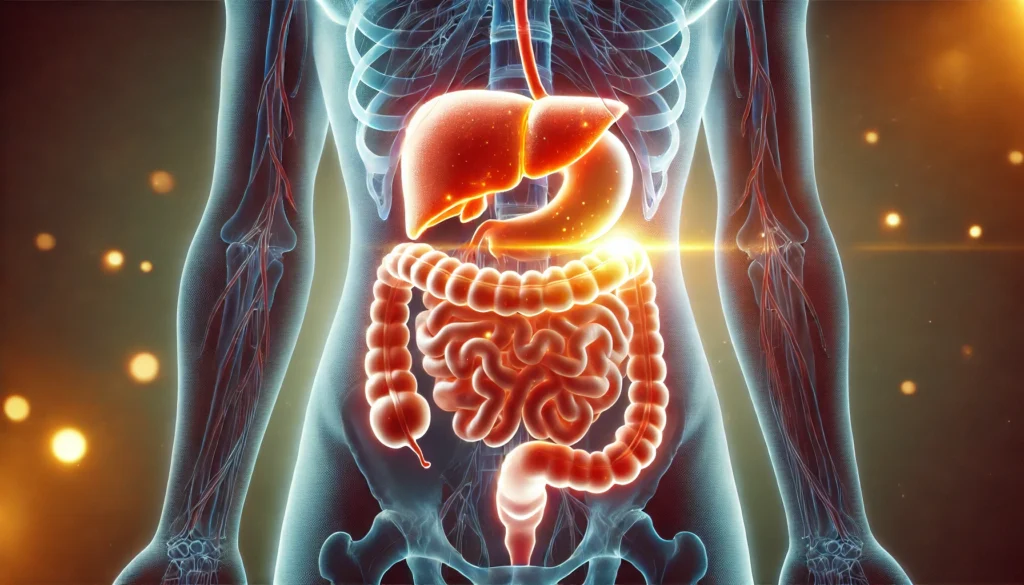
A conceptual digital illustration of a glowing human digestive system, focusing on the colon and liver. The organs appear clean, illuminated with a soft, healthy glow, symbolizing the benefits of detoxification and internal cleansing for overall well-being

Final Thoughts: The Best Approach to Detoxification

When considering how long a colon and liver cleanse takes, it is essential to recognize that detoxification is an ongoing process rather than a one-time event. While short-term cleanses such as the 24-hour liver flush may provide temporary relief, adopting long-term lifestyle changes is the most effective way to support these vital organs.

A well-balanced diet, proper hydration, regular exercise, and mindful stress management contribute to a healthy colon and liver. Detox colon and liver strategies should be approached with evidence-based knowledge and tailored to individual needs. Before starting any cleanse, consulting a healthcare professional ensures safety and effectiveness.

By focusing on sustainable habits rather than extreme detox protocols, individuals can experience improved digestion, enhanced energy levels, and overall well-being. Supporting the body’s natural detoxification processes through everyday choices is the key to long-term health and vitality.

colon health support, liver function optimization, detox benefits, natural cleansing methods, holistic liver detox, gut health improvement, toxin elimination, liver support supplements, best foods for detox, digestive health tips, detoxification strategies, colon cleanse methods, liver-friendly diet, hydration and detox, exercise for detoxification, natural liver flush, immune system support, stress management for detox, daily detox habits, herbal detox remedies, healthy digestion support

Further Reading:

Importance of the Time Interval between Bowel Preparation and Colonoscopy in Determining the Quality of Bowel Preparation for Full-Dose Polyethylene Glycol Preparation

Bowel Preparation for Colonoscopy

Bowel cleansing effectiveness and safety of 1L PEG + Asc in the real-world setting: Observational, retrospective, multicenter study of over 13000 patients

Disclaimer

The information contained in this article is provided for general informational purposes only and is not intended to serve as medical, legal, or professional advice. While NewsHealthWatch strives to present accurate, up-to-date, and reliable content, no warranty or guarantee, expressed or implied, is made regarding the completeness, accuracy, or adequacy of the information provided. Readers are strongly advised to seek the guidance of a qualified healthcare provider or other relevant professionals before acting on any information contained in this article. NewsHealthWatch, its authors, editors, and contributors expressly disclaim any liability for any damages, losses, or consequences arising directly or indirectly from the use, interpretation, or reliance on any information presented herein. The views and opinions expressed in this article are those of the author(s) and do not necessarily reflect the official policies or positions of NewsHealthWatch

How Long Does It Take for the Liver to Heal? Expert Insights on Recovery from Alcohol-Related Damage

The liver is an extraordinary organ, capable of regenerating itself even after sustaining significant damage. However, the extent of healing and the time required depend on numerous factors, including the severity of damage, the length of alcohol consumption, lifestyle choices, and overall health. Understanding the nuances of liver recovery is crucial for those looking to heal from alcohol-related damage and regain optimal liver function. With expert insights, this article delves deep into how long it takes for the liver to heal, the stages of recovery, and the necessary lifestyle changes to support liver health.

You may also like: The Best Liver Detox Supplements: How to Choose Safe and Effective Support for Your Liver

The Liver’s Remarkable Ability to Heal Itself

The liver is unique among organs in its ability to regenerate. Unlike the heart or brain, which have limited repair capabilities, the liver can replace damaged cells with new ones. This process is not instantaneous, nor is it unlimited—chronic and severe damage can exceed the liver’s ability to heal. Factors such as fatty liver disease, alcoholic hepatitis, and cirrhosis impact the rate and possibility of recovery.

When alcohol consumption ceases, the liver immediately begins the healing process. In cases of mild damage, such as fatty liver caused by alcohol abuse, improvement can be seen within weeks. However, more severe conditions, including alcohol-induced hepatitis or cirrhosis, require months or even years of abstinence and medical intervention. The degree of reversibility depends largely on the level of fibrosis (scarring) in the liver, as advanced fibrosis or cirrhosis is largely irreversible.

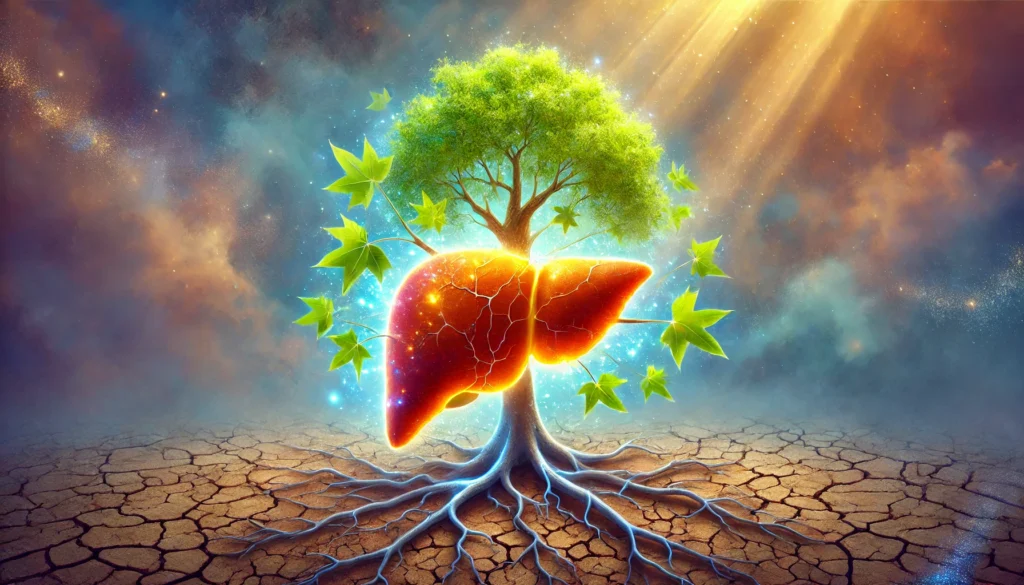
A surreal illustration of a glowing tree growing from a regenerating liver, symbolizing renewal and vitality. The roots extend into dry, cracked terrain, while the branches flourish with lush green leaves, representing recovery. The background blends soft blues and warm golds, evoking hope and restoration

How Long Does It Take for a Fatty Liver to Heal?

Fatty liver, or hepatic steatosis, is the earliest stage of liver damage caused by excessive alcohol consumption. This condition is often reversible if alcohol intake is stopped in time. Studies indicate that within two to four weeks of alcohol cessation, individuals with alcoholic fatty liver can experience significant improvement. The liver starts shedding excess fat deposits, reducing inflammation and improving enzyme levels.

However, if alcohol consumption continues, fatty liver can progress to more serious conditions. While a mild fatty liver can heal quickly, prolonged damage increases the risk of fibrosis, which requires a longer recovery period. A complete dietary overhaul, along with physical activity and medical support, accelerates healing.

Alcoholic Hepatitis: Recovery Timeline and Challenges

Alcoholic hepatitis is an inflammatory condition of the liver caused by prolonged heavy alcohol consumption. Unlike fatty liver, which may resolve in weeks, alcoholic hepatitis can take months or even years to fully recover, depending on the severity.

Mild cases of alcoholic hepatitis may see significant improvement within three to six months of abstinence, but severe cases require long-term management. Symptoms such as jaundice, abdominal pain, and swelling signal more extensive damage. In extreme cases, hospitalization and corticosteroid treatments may be necessary to manage inflammation and prevent liver failure.

If diagnosed early and treated appropriately, liver function can improve significantly. However, repeated episodes of alcoholic hepatitis increase the likelihood of permanent liver scarring, making recovery difficult. A strict alcohol-free lifestyle, balanced nutrition, and medical supervision are critical for optimal healing.

Can the Liver Repair Itself After Cirrhosis?

Cirrhosis is the most advanced stage of liver disease and involves permanent scarring of liver tissue. Unlike fatty liver or alcoholic hepatitis, cirrhosis is not entirely reversible. Once scar tissue forms, it cannot be regenerated into healthy liver cells. However, stopping alcohol consumption and adopting a liver-friendly lifestyle can halt further progression and improve overall liver function.

For those wondering, “Can the liver repair itself after years of drinking?”—the answer depends on how advanced the cirrhosis is. In early-stage cirrhosis, the liver can still function adequately, and further damage can be minimized with at least six months to a year of abstinence. In later stages, the only definitive treatment is a liver transplant.

Factors Influencing Liver Recovery Time

Several factors affect how quickly and efficiently the liver heals from alcohol-related damage.

  1. Extent and Duration of Alcohol Use: The longer and heavier the drinking history, the more damage the liver sustains, increasing recovery time.
  2. Nutritional Status: A balanced diet rich in antioxidants, vitamins, and minerals aids liver repair. Deficiencies in key nutrients, such as vitamin B complex and zinc, can slow down recovery.
  3. Physical Activity and Lifestyle Choices: Regular exercise, hydration, and avoiding processed foods support liver regeneration.
  4. Underlying Health Conditions: Conditions such as diabetes, obesity, and hepatitis infections complicate liver recovery and may prolong the healing process.
  5. Medical Interventions and Treatments: In cases of severe liver damage, medical treatments, including medications and potential surgical interventions, may be necessary to support healing.

Lifestyle and Dietary Changes to Accelerate Liver Healing

Adopting a liver-friendly lifestyle significantly enhances the recovery process. Incorporating a diet rich in lean proteins, fresh vegetables, whole grains, and healthy fats can protect and repair liver cells. Avoiding processed foods, excessive sugar, and saturated fats helps reduce inflammation and prevents further damage.

Hydration is another critical factor. Drinking sufficient water aids in detoxification and promotes optimal liver function. Herbal teas like milk thistle and dandelion root have shown promise in supporting liver health.

Exercise also plays a vital role. Physical activity reduces fat accumulation in the liver and enhances overall metabolic function. Even moderate daily activities, such as walking or yoga, can improve liver enzyme levels and accelerate healing.

How Quickly Does the Liver Heal? Breaking Down the Timeline

While each individual’s recovery is different, a general timeline for liver healing after quitting alcohol can be outlined as follows:

  • First 24-48 hours: The liver begins detoxifying, eliminating alcohol from the system. Withdrawal symptoms may occur.
  • One week: Enzyme levels start improving, and inflammation decreases.
  • One month: Fat deposits in the liver significantly reduce, showing signs of reversal in mild cases.
  • Three months: Liver function continues improving, and overall health benefits become noticeable.
  • Six months to a year: Significant healing in cases of fatty liver or mild alcoholic hepatitis. Fibrosis may stabilize in early cirrhosis cases.
  • Beyond one year: Advanced fibrosis may slow or halt progression. Severe cirrhosis remains permanent but can be managed with a healthy lifestyle.
A medical-style 3D rendering of a human liver healing from alcohol-related damage. The image features a side-by-side comparison, with one part appearing inflamed and fibrotic, while the other is smooth, healthy, and regenerating. Soft glowing light highlights the transformation, set against a futuristic medical background in calming blue hues

Frequently Asked Questions (FAQ) on Liver Healing and Alcohol-Related Damage

1. How long does it take for the liver to heal after quitting alcohol? The liver’s ability to heal depends on the severity of the damage. For mild cases of fatty liver alcohol abuse, improvement can be seen within a few weeks of quitting alcohol. However, for more advanced damage like alcoholic liver cirrhosis, the process is slower, and scarring may be irreversible. Liver recovery time can range from months to years, depending on individual health, diet, and adherence to medical guidance. If you quit drinking, ALT levels will typically start to decrease within weeks, signaling reduced liver inflammation.

2. Can your liver heal itself completely after years of drinking? The liver has remarkable regenerative abilities, but long-term alcohol abuse can lead to irreversible damage. While mild to moderate liver conditions, such as fatty liver, may fully heal, advanced conditions like ETOH cirrhosis may not. Lifestyle changes, including a nutrient-rich diet and medical interventions, can slow disease progression and support partial recovery. If the damage is not extensive, the liver may still regain some function over time. Regular monitoring and medical consultation are essential for assessing liver repair progress.

3. How long does it take to reverse fatty liver caused by alcohol? Fatty liver healing time varies, but in many cases, significant improvement occurs within six weeks of quitting alcohol. The speed of recovery depends on factors such as age, overall health, and adherence to a healthy diet. Incorporating antioxidants, reducing sugar intake, and increasing physical activity can accelerate recovery. Fatty liver recovery time extends further if there is continued alcohol consumption or poor dietary habits. A doctor can assess healing through liver enzyme levels and imaging tests.

4. What are the best ways to protect an alcoholic liver from further damage? To protect an alcoholic liver, immediate lifestyle modifications are necessary. Abstaining from alcohol is the most crucial step, as continued drinking worsens liver failure alcohol risks. A diet rich in lean proteins, vegetables, and whole grains supports liver regeneration. Staying hydrated and incorporating liver-supportive supplements such as milk thistle may be beneficial. Routine medical checkups can help track liver health and prevent further complications.

5. If I quit drinking, will my liver heal completely? Whether the liver heals completely depends on the extent of damage. Mild fatty liver changes often fully resolve within months of quitting alcohol. However, conditions like alcoholic liver cirrhosis involve permanent scarring that cannot be reversed. Lifestyle changes, such as maintaining a healthy weight and staying physically active, can improve liver function. Medical treatments and dietary interventions can help slow further damage. Regular liver function tests help determine progress.

6. How can I repair liver damage from alcohol naturally? Natural liver repair strategies include a balanced diet, hydration, and physical activity. Antioxidant-rich foods, such as leafy greens and berries, help reduce oxidative stress on the liver. Reducing alcohol intake is crucial, as continued drinking impairs healing. Stress management techniques, such as yoga and meditation, support overall liver health. Consuming sufficient protein and healthy fats also aids liver regeneration.

7. How quickly does the liver heal after stopping alcohol consumption? The liver begins healing as soon as alcohol is removed from the system. Within 24 hours, detoxification processes improve, and inflammation starts to decrease. By three months of abstinence, the liver after 3 months no alcohol typically shows significant improvement in function. Full recovery time depends on pre-existing liver conditions and overall health. Liver enzyme levels normalize faster when supported by a nutrient-dense diet and hydration.

8. What is the timeframe for liver recovery from alcohol-related damage? Liver recovery from alcohol depends on the severity of the damage and individual health factors. Fatty liver may improve within a few weeks, while alcoholic hepatitis takes months to stabilize. Liver failure alcohol cases require medical intervention, as they may not heal without treatment. If cirrhosis has developed, the focus shifts to disease management rather than complete recovery. Medical supervision ensures the best possible outcomes during recovery.

9. How long does it take the liver to recover from alcohol abuse? The time for liver to heal from alcohol depends on multiple factors, including the duration and quantity of alcohol consumption. For mild cases of fatty liver alcohol abuse, healing can occur within months. Moderate conditions, such as alcoholic hepatitis, may take a year or longer to stabilize. In cases of severe cirrhosis, lifestyle changes can improve function but may not reverse damage. The key is to maintain alcohol abstinence and follow a liver-friendly lifestyle.

10. What dietary and lifestyle changes support liver healing? Diet plays a critical role in liver recovery time. Nutrient-rich foods, such as leafy greens, nuts, and lean proteins, support liver function. Avoiding processed foods, excessive sugar, and unhealthy fats reduces liver strain. Regular exercise enhances circulation and helps maintain a healthy weight, benefiting liver health. Hydration is also essential for efficient detoxification and liver repair. Incorporating these changes helps the liver recover more efficiently and reduces the risk of further complications.

A symbolic conceptual artwork showing a person gently holding a glowing, healthy liver in their hands, surrounded by a soft aura of healing energy. The background blends calming blues and greens, symbolizing renewal and vitality. Small golden particles float around the liver, representing regeneration and hope

Conclusion: Supporting Liver Recovery for Long-Term Health

The liver’s ability to heal depends on timely intervention, lifestyle changes, and complete abstinence from alcohol. While conditions like fatty liver can reverse within weeks, more severe damage, including alcoholic hepatitis and cirrhosis, requires months or years of recovery. For individuals wondering, “If I quit drinking, will my liver heal?” the answer is largely dependent on the extent of existing damage and the steps taken to support liver health.

By maintaining a nutritious diet, staying active, hydrating well, and avoiding toxins, individuals can enhance their liver’s ability to recover. For those with advanced liver damage, medical supervision is essential to monitor progress and prevent complications. Ultimately, prioritizing liver health is a lifelong commitment, but one that yields immense benefits in overall well-being.

liver detox after alcohol, liver health recovery, healing fatty liver naturally, liver damage from drinking, alcohol detox timeline, best diet for liver healing, alcoholic liver disease recovery, liver scarring treatment, liver function improvement, reversing liver damage, cirrhosis prevention, healthy liver habits, liver-friendly foods, signs of liver recovery, natural liver repair, long-term liver health, fatty liver diet plan, protecting the liver from alcohol, how to cleanse liver naturally, alcoholic hepatitis treatment

Further Reading:

Human liver regeneration after major hepatic resection. A study of normal liver and livers with chronic hepatitis and cirrhosis.

Natural Recovery by the Liver and Other Organs after Chronic Alcohol Use

The Timeframe for Liver Healing Revealed

Disclaimer

The information contained in this article is provided for general informational purposes only and is not intended to serve as medical, legal, or professional advice. While NewsHealthWatch strives to present accurate, up-to-date, and reliable content, no warranty or guarantee, expressed or implied, is made regarding the completeness, accuracy, or adequacy of the information provided. Readers are strongly advised to seek the guidance of a qualified healthcare provider or other relevant professionals before acting on any information contained in this article. NewsHealthWatch, its authors, editors, and contributors expressly disclaim any liability for any damages, losses, or consequences arising directly or indirectly from the use, interpretation, or reliance on any information presented herein. The views and opinions expressed in this article are those of the author(s) and do not necessarily reflect the official policies or positions of NewsHealthWatch.

How to Lower High Liver Enzymes Naturally: Effective Strategies for Faster Liver Recovery

The liver is one of the most vital organs in the human body, responsible for filtering toxins, metabolizing nutrients, and regulating essential biological processes. When liver enzymes, such as alanine aminotransferase (ALT) and aspartate aminotransferase (AST), rise above normal levels, it can signal liver inflammation, injury, or dysfunction. High liver enzyme levels are often a sign of conditions such as non-alcoholic fatty liver disease (NAFLD), excessive alcohol consumption, medication overuse, or even viral hepatitis. Understanding how to lower high liver enzyme levels naturally can help individuals take proactive steps toward improving their liver health, supporting its regenerative capacity, and restoring optimal function.

You may also like: The Best Liver Detox Supplements: How to Choose Safe and Effective Support for Your Liver

Understanding High Liver Enzymes and Their Implications

Elevated liver enzyme levels can indicate an underlying liver condition, but the good news is that the liver has remarkable regenerative abilities. Many people wonder, how long does it take to lower liver enzymes? The answer depends on the cause of the elevation, the severity of liver damage, and how quickly corrective lifestyle changes are implemented. Generally, with consistent natural interventions, liver enzymes can return to normal within a few weeks to a few months. However, the duration varies depending on factors such as diet, exercise, hydration, and the elimination of harmful substances.

One common concern is how much time does it take for ALT to dissolve? ALT is a crucial enzyme that increases in response to liver stress. Lowering ALT levels requires a multifaceted approach, including dietary modifications, exercise, hydration, and liver-supporting supplements. The body works continuously to repair itself, but significant improvements in ALT levels typically require at least four to six weeks of consistent healthy habits.

A serene wooden table adorned with fresh green vegetables, fruits, and herbal teas, symbolizing natural liver detox and healing. The background features a peaceful sunrise over a meadow, evoking a sense of rejuvenation and well-being

Nutritional Strategies for Lowering Liver Enzymes

Diet plays a crucial role in liver health and can significantly influence enzyme levels. Making the right food choices can accelerate liver recovery and reduce inflammation. One of the most effective strategies in how to reduce liver enzymes fast is adopting a nutrient-dense, liver-friendly diet.

A diet rich in antioxidants, fiber, and anti-inflammatory foods supports the liver’s detoxification process. Leafy greens such as spinach and kale, cruciferous vegetables like broccoli and Brussels sprouts, and fruits such as berries and citrus help neutralize oxidative stress. Consuming healthy fats from sources like avocados, nuts, and olive oil can also promote liver function while reducing harmful fat accumulation.

In contrast, processed foods, refined sugars, and excessive saturated fats should be avoided, as they contribute to fatty liver disease and inflammation. Additionally, hydration is critical. Drinking ample water supports the liver’s ability to flush out toxins, enhancing its overall efficiency.

The Role of Exercise in Liver Health

Physical activity is a powerful tool in lowering liver enzyme levels naturally. Engaging in regular exercise not only helps with weight management but also reduces liver fat accumulation and inflammation. Aerobic activities such as brisk walking, cycling, swimming, and jogging have been shown to improve liver function and decrease ALT and AST levels. Strength training exercises further enhance metabolic health by improving insulin sensitivity, which plays a crucial role in liver function.

For those wondering how to lower your liver enzymes efficiently, adopting an exercise routine that includes both cardio and strength training is highly beneficial. Studies suggest that exercising for at least 150 minutes per week can lead to noticeable improvements in liver health. Additionally, yoga and stretching exercises can reduce stress, which is another factor influencing liver inflammation.

The Importance of Avoiding Alcohol and Harmful Substances

One of the fastest ways to reduce liver enzymes is to eliminate alcohol consumption. Alcohol is a significant contributor to liver enzyme elevation, as it places excessive strain on the liver’s detoxification pathways. Chronic alcohol use can lead to fatty liver, hepatitis, and even cirrhosis. By abstaining from alcohol, liver cells can begin to regenerate, and enzyme levels can return to normal within weeks or months, depending on the extent of prior damage.

Apart from alcohol, certain medications, including over-the-counter pain relievers like acetaminophen, can negatively impact liver enzymes. Whenever possible, natural pain relief methods such as herbal remedies, acupuncture, and lifestyle modifications should be considered as alternatives to medications that burden the liver. Consulting a healthcare professional before stopping or changing medications is always recommended.

Supporting Liver Regeneration Through Supplements

Various natural supplements have been found to support liver health and accelerate the recovery of elevated enzyme levels. Some of the most effective supplements for liver detoxification and enzyme regulation include milk thistle, turmeric, and N-acetyl cysteine (NAC).

Milk thistle contains silymarin, a potent antioxidant that helps protect liver cells and promotes regeneration. Studies indicate that milk thistle supplementation can significantly improve liver enzyme levels over time. Similarly, turmeric, with its active compound curcumin, has powerful anti-inflammatory properties that reduce liver damage and improve overall liver function.

N-acetyl cysteine (NAC) is another powerful antioxidant that supports liver detoxification by replenishing glutathione levels, one of the body’s most essential antioxidants. Individuals seeking to know liver enzymes high, how to lower them may find NAC supplementation beneficial as it helps counteract oxidative stress and inflammation in the liver.

Sleep, Stress Management, and Liver Function

Poor sleep and chronic stress have been linked to elevated liver enzymes. Sleep deprivation disrupts metabolic processes, leading to increased inflammation and impaired liver function. Ensuring at least seven to eight hours of quality sleep per night allows the liver to perform its regenerative functions effectively.

Stress also plays a role in liver health. Chronic stress triggers the release of cortisol, a hormone that can contribute to fat accumulation in the liver and inflammation. Mindfulness practices such as meditation, deep breathing exercises, and yoga help regulate cortisol levels and promote a healthier liver. For those exploring how to lower high liver levels, prioritizing relaxation and adequate rest is essential.

The Liver’s Remarkable Ability to Regenerate

The liver is one of the few organs in the human body that can regenerate. Even after significant damage, liver cells can repair themselves when provided with the right conditions. Liver regeneration time varies from person to person, but studies suggest that with proper nutrition, exercise, and avoidance of harmful substances, the liver can regenerate within weeks to several months.

For those wondering, can high liver enzymes be reversed? the answer is often yes. Unless there is severe, irreversible damage, liver enzymes can return to normal with lifestyle modifications and appropriate medical guidance. The key is consistency—adopting healthy habits that support long-term liver health rather than seeking quick fixes.

A refreshing green smoothie made from spinach, lemon, and turmeric, placed on a rustic wooden table. Surrounding the glass are fresh ginger root, lemon slices, and herbs, with soft natural lighting enhancing the feeling of vitality and detoxification

Frequently Asked Questions (FAQ) on Lowering High Liver Enzymes

1. How long does it take to lower liver enzymes naturally? Lowering liver enzymes naturally depends on multiple factors, including lifestyle changes, diet, and underlying medical conditions. Generally, individuals who make significant improvements in their diet and exercise habits may see results within a few weeks to a few months. The exact timeframe varies depending on the extent of liver damage and how well the body responds to interventions. A complete recovery and normalization of liver enzyme levels may take longer, particularly if liver damage is more advanced. Regular monitoring through liver function tests can help track progress and ensure the liver is healing properly.

2. How much time does it take for ALT to dissolve or return to normal levels? ALT (alanine aminotransferase) is a key enzyme used to assess liver health. If ALT levels are elevated due to lifestyle factors such as poor diet, excessive alcohol consumption, or obesity, making improvements can help normalize levels within 4 to 12 weeks. However, if liver disease or another chronic condition is present, the recovery period may take longer. Reducing inflammation and improving liver function through hydration, a nutrient-rich diet, and liver-supportive supplements can accelerate the process. Regular medical evaluations are essential to determine if additional interventions are needed.

3. What are the fastest ways to reduce liver enzymes? For those wondering how to reduce liver enzymes fast, certain lifestyle adjustments can accelerate the process. Eliminating alcohol, reducing sugar intake, and increasing hydration are immediate steps that can benefit the liver. Consuming liver-supporting foods such as leafy greens, turmeric, and cruciferous vegetables can also help. Incorporating moderate exercise into your routine promotes liver detoxification and improves overall metabolic health. While these steps can yield faster results, it is important to adopt them as long-term habits to prevent liver enzyme levels from rising again.

4. How can I reduce liver enzymes effectively without medication? To reduce liver enzymes naturally, focus on consuming a balanced diet rich in antioxidants, healthy fats, and fiber. Omega-3 fatty acids found in fish and nuts help reduce liver inflammation and support overall function. Drinking herbal teas such as milk thistle or dandelion root may also contribute to liver health. Maintaining a healthy weight and engaging in regular physical activity help optimize liver function. If liver enzyme levels remain high despite lifestyle changes, consult a healthcare provider for further evaluation.

5. What is the typical liver regeneration time after making health improvements? Liver regeneration time varies based on the level of damage and individual health factors. The liver is a highly regenerative organ, capable of repairing itself within weeks to months if the underlying cause of damage is addressed. In mild cases of liver enzyme elevation, improvements may be observed in as little as four weeks with consistent lifestyle changes. For more severe liver issues, complete regeneration may take several months or even years. Ensuring proper hydration, nutrition, and avoiding toxic substances are crucial for an optimal recovery timeline.

6. How to lower your liver enzymes through diet and nutrition? Diet plays a crucial role in liver health and enzyme regulation. Eating foods rich in antioxidants, such as berries, nuts, and leafy greens, helps reduce oxidative stress on the liver. Consuming lean proteins like fish and legumes aids in liver cell repair. Limiting processed foods, refined sugars, and trans fats can prevent further damage and help lower enzyme levels. Hydration is equally important, as water flushes out toxins and supports liver function. A well-balanced diet combined with lifestyle modifications is the best approach for sustained liver health.

7. Liver enzymes are high—how can I lower them through exercise? Regular physical activity is one of the most effective ways to improve liver function and lower enzyme levels. Exercise reduces fat accumulation in the liver, a common cause of elevated liver enzymes. Activities such as brisk walking, cycling, and strength training improve metabolic health and reduce inflammation. High-intensity interval training (HIIT) may offer additional benefits by promoting fat oxidation and enhancing liver detoxification. Aim for at least 150 minutes of moderate-intensity exercise per week to see improvements.

8. Can high liver enzymes be reversed, or is the damage permanent? In many cases, high liver enzymes can be reversed if the underlying cause is addressed early. The liver has a remarkable ability to regenerate, and damage from conditions such as fatty liver disease, excessive alcohol use, or viral infections can often be repaired with lifestyle changes and medical intervention. However, if liver damage progresses to cirrhosis or end-stage liver disease, the effects may become irreversible. Early detection, proper nutrition, and avoiding harmful substances are key to reversing elevated liver enzymes before permanent damage occurs.

9. What are the best supplements to help get your liver enzymes down? Certain supplements may support liver function and help lower enzyme levels. Milk thistle is widely known for its hepatoprotective properties and ability to reduce liver inflammation. N-acetylcysteine (NAC) helps replenish glutathione, a powerful antioxidant that protects the liver. Turmeric, rich in curcumin, has been shown to reduce oxidative stress and liver damage. Omega-3 fatty acids help reduce fat accumulation and inflammation in the liver. While these supplements can be beneficial, it is essential to consult a healthcare provider before starting any new supplement regimen.

10. What are the long-term strategies for keeping liver enzyme levels low? Maintaining healthy liver enzymes requires a long-term commitment to overall well-being. Avoiding alcohol and smoking significantly reduces the risk of liver damage. Regularly consuming a nutrient-rich diet, staying hydrated, and engaging in consistent exercise all contribute to liver health. Managing stress through mindfulness, yoga, or deep breathing exercises can also reduce the burden on the liver. Routine medical check-ups and liver function tests ensure that enzyme levels remain within a healthy range, allowing early detection of potential issues before they become serious.

A beautifully arranged plate of liver-friendly foods, including salmon, avocado, walnuts, blueberries, and leafy greens, placed on a rustic wooden table. The bright natural sunlight enhances the freshness and health benefits of the nutrient-rich meal

Conclusion: Taking Charge of Your Liver Health

Lowering high liver enzyme levels naturally requires a holistic approach that includes dietary improvements, regular exercise, adequate hydration, stress management, and liver-supporting supplements. While it may take time to see significant changes, consistent efforts can lead to remarkable liver recovery and long-term health benefits. By understanding how to get your liver enzymes down and implementing evidence-based strategies, individuals can take proactive steps toward optimizing their liver function and overall well-being. Taking charge of liver health today can prevent more serious complications in the future and support a healthier, more vibrant life.

natural liver detox, liver health support, reduce liver inflammation, how to repair liver damage, best foods for liver health, liver enzyme levels, how to cleanse your liver, non-alcoholic fatty liver disease remedies, liver healing supplements, herbal remedies for liver health, managing liver disease naturally, best exercises for liver function, avoiding liver toxins, milk thistle for liver health, turmeric benefits for liver, stress reduction for liver health, liver function recovery, liver enzymes and alcohol, hydration for liver detoxification, liver wellness strategies

Further Reading:

High ALT levels and how to lower them naturally

How and why to lower your liver enzymes

Natural products and dietary interventions on liver enzymes: an umbrella review and evidence map

Disclaimer

The information contained in this article is provided for general informational purposes only and is not intended to serve as medical, legal, or professional advice. While NewsHealthWatch strives to present accurate, up-to-date, and reliable content, no warranty or guarantee, expressed or implied, is made regarding the completeness, accuracy, or adequacy of the information provided. Readers are strongly advised to seek the guidance of a qualified healthcare provider or other relevant professionals before acting on any information contained in this article. NewsHealthWatch, its authors, editors, and contributors expressly disclaim any liability for any damages, losses, or consequences arising directly or indirectly from the use, interpretation, or reliance on any information presented herein. The views and opinions expressed in this article are those of the author(s) and do not necessarily reflect the official policies or positions of NewsHealthWatch.

How to Reduce an Inflamed Liver Naturally: Effective Remedies for Pain Relief at Home

Liver inflammation, medically known as hepatitis, is a condition that can result from various factors, including viral infections, excessive alcohol consumption, fatty liver disease, and exposure to toxins. The liver plays a crucial role in detoxification, metabolism, and immune system function, making its health a priority for overall well-being. While medical intervention may be necessary in severe cases, natural remedies and lifestyle adjustments can significantly help in reducing liver inflammation and alleviating associated pain. Understanding how to calm liver inflammation hepatitis, how to stop liver pain immediately at home, and how to reduce an inflamed liver can empower individuals to take proactive steps in their healing journey.

You may also like: The Best Liver Detox Supplements: How to Choose Safe and Effective Support for Your Liver

Understanding Liver Inflammation and Its Causes

Liver inflammation can manifest through symptoms such as abdominal pain, fatigue, nausea, jaundice, and swelling in the abdomen. One of the primary causes of liver inflammation is hepatitis, which can be viral (Hepatitis A, B, C, D, or E), autoimmune, or caused by excessive alcohol intake. Non-alcoholic fatty liver disease (NAFLD) is another prevalent cause, often linked to obesity and metabolic syndrome. Environmental toxins, medications, and an unhealthy diet can also contribute to liver stress and inflammation.

The liver has remarkable regenerative abilities, but chronic inflammation can lead to fibrosis, cirrhosis, or even liver failure if left unchecked. Identifying the root cause of inflammation is crucial in formulating an effective approach to naturally reducing the burden on the liver and promoting healing.

A serene kitchen scene with a glass of freshly squeezed lemon water, a bowl of leafy greens, and a bottle of olive oil on a wooden countertop. Soft natural light filters through a window, highlighting the healthy ingredients associated with liver detoxification. A peaceful and natural home setting emphasizing wellness

Dietary Changes to Support Liver Health

Nutrition plays a pivotal role in liver function, as certain foods can either exacerbate or alleviate inflammation. An anti-inflammatory diet rich in whole foods, fiber, and antioxidants can support liver detoxification and repair.

Cruciferous vegetables such as broccoli, Brussels sprouts, and cauliflower contain sulfur compounds that enhance detoxification pathways in the liver. Leafy greens, including spinach and kale, are high in chlorophyll, which helps neutralize toxins. Incorporating beets into the diet can stimulate bile flow, facilitating the elimination of waste from the liver. Garlic and onions, rich in allicin and selenium, also contribute to liver protection.

Healthy fats, such as those found in avocados, nuts, seeds, and olive oil, provide anti-inflammatory benefits and support liver function. Omega-3 fatty acids from sources like fatty fish (salmon, sardines, and mackerel) can reduce inflammation and prevent fat accumulation in the liver.

Processed foods, refined sugars, trans fats, and excessive alcohol consumption should be minimized, as they contribute to oxidative stress and liver damage. Reducing intake of high-fructose corn syrup and sugary beverages is particularly important, as they can lead to fatty liver disease and exacerbate inflammation.

Hydration and Liver Detoxification

Proper hydration is essential for liver detoxification, as water helps flush out toxins and metabolic waste. Drinking at least eight glasses of purified water daily supports kidney function, which works in tandem with the liver to eliminate toxins.

Herbal teas such as dandelion root tea, milk thistle tea, and green tea have hepatoprotective properties. Dandelion root stimulates bile production, aiding digestion and detoxification. Milk thistle contains silymarin, a compound known for its liver-regenerating and anti-inflammatory properties. Green tea, rich in catechins, can help protect liver cells from damage and reduce fat accumulation.

Lemon water, consumed in the morning, can stimulate liver enzymes and aid in the breakdown of toxins. Apple cider vinegar, diluted in water, may also support liver function by promoting digestion and balancing blood sugar levels.

Herbal Remedies for Liver Inflammation

Several herbs have been traditionally used to support liver health and reduce inflammation. Turmeric, with its active compound curcumin, has potent anti-inflammatory and antioxidant properties that can help mitigate liver damage. Consuming turmeric with black pepper enhances its bioavailability, maximizing its benefits.

Ginger, another powerful anti-inflammatory herb, can aid digestion and reduce oxidative stress in the liver. Licorice root has been shown to have hepatoprotective effects, particularly in cases of hepatitis.

Burdock root, commonly used in traditional medicine, promotes detoxification by increasing bile flow and supporting liver function. Artichoke extract has been found to enhance liver enzyme production and support detoxification processes.

Lifestyle Modifications to Reduce Liver Inflammation

Engaging in regular physical activity can improve liver function by reducing fat accumulation and enhancing blood circulation. A combination of cardiovascular exercise, strength training, and yoga can help maintain a healthy weight and alleviate liver stress.

Stress management is equally important, as chronic stress can lead to hormonal imbalances and increased inflammation. Practices such as meditation, deep breathing exercises, and mindfulness can lower stress levels and promote overall well-being.

Prioritizing sleep is crucial for liver health, as the body undergoes repair and detoxification during rest. Aim for at least seven to nine hours of quality sleep each night to support optimal liver function.

Avoiding Environmental Toxins

Reducing exposure to environmental toxins can significantly lower the burden on the liver. Opt for organic produce whenever possible to minimize pesticide exposure. Avoiding processed foods with artificial additives and preservatives can also prevent unnecessary toxin accumulation.

Using natural cleaning products and personal care items free of harsh chemicals can reduce toxic load. Limiting exposure to air pollution and secondhand smoke further supports liver health.

When to Seek Medical Attention

While natural remedies can support liver health, persistent symptoms such as severe pain, jaundice, or unexplained weight loss warrant medical evaluation. Blood tests to assess liver enzyme levels, imaging studies, and liver biopsies may be necessary to determine the underlying cause of inflammation.

Individuals with pre-existing liver conditions should consult their healthcare provider before making significant dietary or lifestyle changes. Early intervention and a holistic approach to liver health can prevent complications and promote long-term well-being.

A cozy home setting with a warm herbal tea cup infused with turmeric and ginger on a wooden table. Surrounding it are fresh ginger roots, turmeric powder, and a honey jar, representing natural anti-inflammatory remedies for liver health. The background is softly blurred with indoor plants, giving a calming and healing atmosphere

Frequently Asked Questions (FAQ) on Liver Health

1. What are the most effective ways to reduce liver inflammation at home?
Reducing liver inflammation at home requires a combination of dietary changes, lifestyle adjustments, and natural remedies. Incorporating anti-inflammatory foods such as leafy greens, turmeric, and fatty fish can help lower inflammation levels. Hydration is key, so drinking plenty of water and herbal teas like dandelion or milk thistle can support liver detoxification. Managing stress through meditation, yoga, or deep breathing exercises can also contribute to liver health. Additionally, limiting alcohol, processed foods, and refined sugars can significantly aid in reducing an inflamed liver.

2. How can I calm liver inflammation if I have hepatitis?
If you have hepatitis, managing liver inflammation requires a more targeted approach. Following a nutrient-rich, liver-friendly diet is crucial, emphasizing lean proteins, fresh fruits, and vegetables while avoiding heavy fats and fried foods. Staying hydrated with water and herbal infusions can assist in flushing out toxins. Stress management techniques such as acupuncture or massage therapy may also be beneficial. Additionally, regular monitoring by a healthcare provider ensures that any progression of liver damage is detected early, allowing for timely medical interventions.

3. What home remedies help stop liver pain immediately?
If you’re experiencing liver pain, certain home remedies may provide immediate relief. Applying a warm compress to the abdomen can help relax muscles and alleviate discomfort. Drinking chamomile or ginger tea can soothe digestive distress and reduce liver inflammation. Engaging in light stretching or yoga poses designed for liver support can improve circulation and relieve pressure. If the pain persists, avoiding heavy meals and opting for easily digestible foods like soups and smoothies can prevent further irritation. However, persistent or severe pain should be evaluated by a healthcare professional.

4. Are there specific exercises that help reduce liver inflammation?
Yes, regular exercise plays a significant role in reducing liver inflammation. Moderate aerobic activities such as brisk walking, swimming, or cycling can improve circulation and promote liver function. Strength training exercises help build muscle mass, which can assist in reducing fatty deposits around the liver. Yoga and Pilates can support liver health by stimulating circulation to the abdominal organs. Engaging in daily movement, even through household activities, can contribute to liver detoxification. Consistency is key, so incorporating at least 30 minutes of physical activity most days of the week is recommended.

5. How does hydration impact liver inflammation and pain?
Staying well-hydrated is essential for liver health, as it supports detoxification and reduces inflammation. Drinking sufficient water helps flush out toxins, preventing buildup that can contribute to liver pain. Herbal teas, such as green tea or licorice root tea, provide additional anti-inflammatory benefits. Avoiding excessive caffeine and alcohol is important, as they can dehydrate the body and strain the liver. If you struggle with hydration, setting reminders or infusing water with fruits and herbs can make it more appealing.

6. What supplements support liver health and reduce inflammation?
Several supplements have been shown to support liver health and reduce inflammation. Milk thistle is widely recognized for its liver-protective properties, as it contains silymarin, which supports detoxification. Omega-3 fatty acids from fish oil can help combat liver inflammation. Turmeric supplements, particularly those containing curcumin, provide powerful anti-inflammatory benefits. Vitamin E and N-acetylcysteine (NAC) have also been studied for their potential role in reducing liver damage. However, it’s important to consult a healthcare provider before starting any new supplement regimen.

7. Can stress contribute to liver inflammation and pain?
Yes, chronic stress can negatively impact liver health by increasing inflammation and contributing to poor digestion. When stressed, the body releases hormones that can lead to increased fat storage around the liver, worsening inflammation. Stress also weakens the immune system, making it harder for the liver to fight infections such as hepatitis. Engaging in relaxation techniques like meditation, deep breathing, or progressive muscle relaxation can help mitigate these effects. Prioritizing good sleep hygiene and setting boundaries in daily life can further support liver function.

8. What foods should be avoided to reduce an inflamed liver?
To reduce an inflamed liver, it’s essential to avoid processed foods high in refined sugars and unhealthy fats. Fried foods, fast food, and excessive dairy products can contribute to liver stress. Red meats and highly processed meats like sausages and bacon should be limited. Alcohol is a significant contributor to liver inflammation and should be avoided or consumed minimally. Additionally, artificial sweeteners and excessive caffeine intake can disrupt liver function, so opting for natural, whole foods is the best approach.

9. How does sleep quality affect liver inflammation?
Poor sleep quality can contribute to liver inflammation by increasing oxidative stress and disrupting the body’s natural detoxification cycle. During sleep, the liver works to process toxins and regenerate cells. Chronic sleep deprivation can impair these processes, leading to increased fat accumulation in the liver. Establishing a consistent sleep routine, reducing screen time before bed, and avoiding late-night heavy meals can improve sleep quality. Additionally, natural sleep aids like magnesium or valerian root tea may promote restful sleep, supporting overall liver health.

10. Can liver inflammation be reversed with diet and lifestyle changes?
In many cases, liver inflammation can be reversed or significantly improved with dietary and lifestyle changes. Eliminating alcohol, processed foods, and refined sugars allows the liver to heal. Incorporating antioxidant-rich foods such as berries, leafy greens, and nuts can help reduce oxidative stress. Regular physical activity and stress management techniques further support liver repair. While mild to moderate inflammation can often be managed naturally, severe cases may require medical intervention. Regular liver function tests can help track progress and ensure optimal health outcomes.

 A peaceful bedroom scene with a person resting comfortably in bed, covered with a soft blanket. A small bedside table holds a glass of water with lemon slices and a bowl of walnuts, symbolizing foods that support liver recovery. The room has warm lighting and indoor plants, evoking a sense of relaxation and healing

Final Thoughts on Reducing Liver Inflammation Naturally

Understanding how to calm liver inflammation hepatitis, how to stop liver pain immediately at home, and how to reduce an inflamed liver is essential for those seeking natural and effective remedies. By adopting a liver-friendly diet, staying hydrated, incorporating herbal remedies, engaging in regular exercise, managing stress, and minimizing toxin exposure, individuals can support their liver’s natural healing processes. These holistic strategies not only help reduce inflammation but also promote overall health and vitality. Prioritizing liver health today can lead to lasting benefits and a higher quality of life in the future.

natural liver detox, liver inflammation remedies, foods for liver health, holistic liver support, liver pain relief, non-alcoholic fatty liver disease, herbal liver support, turmeric for liver health, milk thistle benefits, anti-inflammatory diet, healthy liver function, liver detoxification tips, stress management for liver health, hydration and liver health, liver-friendly lifestyle, detoxifying herbs for liver, fatty liver prevention, liver enzyme balance, environmental toxin reduction, gut health and liver function

Further Reading:

Remedies for Inflamed Liver

10 Home Remedies for Fatty Liver Disease

5 Ways to Be Kind to Your Liver

Disclaimer

The information contained in this article is provided for general informational purposes only and is not intended to serve as medical, legal, or professional advice. While NewsHealthWatch strives to present accurate, up-to-date, and reliable content, no warranty or guarantee, expressed or implied, is made regarding the completeness, accuracy, or adequacy of the information provided. Readers are strongly advised to seek the guidance of a qualified healthcare provider or other relevant professionals before acting on any information contained in this article. NewsHealthWatch, its authors, editors, and contributors expressly disclaim any liability for any damages, losses, or consequences arising directly or indirectly from the use, interpretation, or reliance on any information presented herein. The views and opinions expressed in this article are those of the author(s) and do not necessarily reflect the official policies or positions of NewsHealthWatch.

Does Ashwagandha Help with Weight Loss or Cause Weight Gain? What Science Says

Introduction

Ashwagandha, a revered adaptogen in Ayurvedic medicine, has gained significant popularity in recent years due to its potential benefits for stress management, energy enhancement, and cognitive function. However, one of the most debated topics regarding ashwagandha is its effect on weight. Some individuals claim it helps with weight loss, while others report weight gain. This conflicting information can be confusing, leaving many wondering: does ashwagandha make you gain weight, or does ashwagandha help with weight loss? To answer this question comprehensively, we must explore the mechanisms through which ashwagandha interacts with the body, its influence on metabolism, and the scientific research available on its impact on weight regulation.

You may also like: Rhodiola vs. Ashwagandha: Which Adaptogen Best Supports Gut Health and a Fiber-Rich Diet?

The Role of Ashwagandha in the Body

Ashwagandha (Withania somnifera) is an adaptogen, meaning it helps the body adapt to stress and maintain balance. It contains bioactive compounds, such as withanolides, alkaloids, and flavonoids, which contribute to its physiological effects. Adaptogens like ashwagandha regulate cortisol, a stress hormone linked to weight fluctuations. Since chronic stress can lead to both weight gain and weight loss, depending on individual physiology, the effects of ashwagandha on body weight may vary. Understanding the relationship between ashwagandha and cortisol weight loss can provide insights into its role in managing weight.

A dynamic split-image showcasing Ashwagandha’s dual effects on weight, with a fit person exercising on one side and a muscular individual on the other, alongside a central glowing display of Ashwagandha roots and powder symbolizing transformation.

Does Ashwagandha Help with Weight Loss?

One of the most commonly cited reasons for ashwagandha’s potential role in weight loss is its ability to lower cortisol levels. Elevated cortisol is associated with increased appetite, cravings for high-calorie foods, and fat accumulation, particularly around the abdominal region. By reducing cortisol, ashwagandha may promote a more balanced metabolism and prevent stress-induced overeating. Additionally, studies suggest that ashwagandha may enhance muscle mass and endurance, which can support weight management when combined with exercise. Those seeking ashwagandha for losing weight may benefit from its stress-reducing and metabolism-boosting properties.

Can Ashwagandha Cause Weight Gain?

On the other hand, some people report weight gain after taking ashwagandha. This effect may be linked to its role in improving energy levels, reducing anxiety, and enhancing sleep quality. When stress and anxiety are reduced, individuals may experience an improved appetite and better digestion, leading to an increase in nutrient absorption and overall caloric intake. Additionally, ashwagandha can support muscle growth, which may contribute to weight gain in the form of lean muscle rather than fat. Therefore, when considering whether ashwagandha weight gain is a possibility, it is essential to differentiate between fat accumulation and muscle growth.

Best Time to Take Ashwagandha for Weight Loss

Timing plays a crucial role in maximizing ashwagandha’s benefits. If the goal is weight loss, the best time to take ashwagandha for weight loss may be in the morning to support energy levels and stress reduction throughout the day. Alternatively, taking it before bedtime can aid in improving sleep quality, which indirectly supports weight management. Studies indicate that well-rested individuals have better metabolic function and hormonal balance, making nighttime supplementation a potential strategy for weight control.

Ashwagandha and Fat Loss: Mechanisms and Evidence

Several studies have explored ashwagandha’s impact on fat metabolism. Research suggests that ashwagandha may enhance thyroid function, leading to an increase in basal metabolic rate (BMR). A higher BMR means the body burns more calories at rest, supporting fat loss over time. Additionally, ashwagandha’s role in improving insulin sensitivity may contribute to better blood sugar regulation, reducing the likelihood of fat storage. Thus, ashwagandha fat loss benefits may stem from its ability to improve metabolic efficiency and hormone regulation.

Does Ashwagandha Increase Weight in Females?

The effect of ashwagandha on weight may differ between men and women due to hormonal variations. Some women report that ashwagandha increases appetite and supports healthier weight gain, particularly in individuals who are underweight or dealing with hormonal imbalances. In contrast, others experience ashwagandha benefits for weight loss, especially when using it as part of a comprehensive stress-management and fitness plan. Understanding individual differences is crucial when determining whether does ashwagandha increase weight in females or contribute to weight loss.

Ashwagandha and Belly Fat Reduction

Belly fat, also known as visceral fat, is closely linked to chronic stress and elevated cortisol levels. Since ashwagandha is known for its cortisol-lowering effects, it may help reduce belly fat accumulation. Some research supports the idea that adaptogens like ashwagandha can lead to a decrease in waist circumference over time. When evaluating the relationship between ashwagandha belly fat reduction and overall weight management, it is essential to consider lifestyle factors such as diet, exercise, and sleep.

Ashwagandha Weight Loss Before and After: Real-World Evidence

Anecdotal evidence suggests that individuals who incorporate ashwagandha into their wellness routine may experience noticeable changes in weight, stress levels, and energy. Many report feeling more balanced, with improved digestion and reduced cravings. However, as with any supplement, results may vary based on dosage, lifestyle, and underlying health conditions. Observing ashwagandha weight loss before and after transformations can provide insights into its potential long-term effects.

Can Ashwagandha Help You Lose Weight? Final Thoughts

Ultimately, the effects of ashwagandha on weight are complex and individualized. While some people may experience weight loss due to its stress-reducing and metabolism-boosting properties, others may see an increase in weight due to improved appetite and muscle mass. Whether using ashwagandha to lose weight or to support overall well-being, incorporating it into a balanced lifestyle is essential for optimal results. Understanding the nuances of ashwagandha and magnesium weight loss can help individuals make informed decisions about supplementation.

A scientific visualization of Ashwagandha’s impact on metabolism, featuring a transparent human silhouette with glowing internal energy pathways, floating molecular structures, and botanical elements against a modern, futuristic background.

Frequently Asked Questions (FAQ) on Ashwagandha and Weight Management

1. Does ashwagandha make you gain weight, and if so, how?

Ashwagandha can contribute to weight gain, but not in the way most people assume. Instead of promoting fat accumulation, it primarily supports muscle growth and enhanced nutrient absorption. People who have been under chronic stress or suffer from poor digestion may experience a healthier weight restoration due to improved hormonal balance and gut function. Additionally, ashwagandha’s role in reducing cortisol can help regulate appetite, which may result in an increased intake of nutrient-dense foods, leading to a modest weight gain. However, this effect is typically more prominent in individuals who were underweight or malnourished before taking ashwagandha.

2. Does ashwagandha help with weight loss, and what are the mechanisms involved?

Yes, ashwagandha can support weight loss by addressing key metabolic factors. It helps lower cortisol, a stress hormone linked to fat accumulation, especially in the abdominal region. Furthermore, ashwagandha enhances insulin sensitivity, promoting stable blood sugar levels that prevent excessive fat storage. Its impact on thyroid function also plays a role, as it can help optimize metabolism in individuals with suboptimal thyroid activity. By improving sleep quality and reducing stress-induced cravings, ashwagandha weight loss benefits extend beyond just metabolism.

3. Can ashwagandha cause weight gain even if I maintain a calorie deficit?

While ashwagandha may influence appetite and digestion, it does not override fundamental principles of energy balance. If you maintain a calorie deficit, weight gain is unlikely. However, ashwagandha’s ability to enhance muscle recovery and lean mass development could lead to an increase in overall weight due to muscle gain rather than fat accumulation. In some cases, improved hydration and reduced inflammation may also cause slight weight fluctuations. It is important to track body composition rather than just scale weight when evaluating how ashwagandha affects your body.

4. What is the best time to take ashwagandha for weight loss?

The best time to take ashwagandha for weight loss depends on individual goals and lifestyle. Taking it in the morning can provide sustained energy throughout the day, reducing stress-related cravings and stabilizing cortisol levels. Alternatively, consuming it before bedtime can improve sleep quality, which indirectly supports weight management by regulating hormones like leptin and ghrelin. If incorporating ashwagandha into a workout regimen, some people find taking it post-exercise beneficial for muscle recovery and metabolism enhancement.

5. Will ashwagandha cause weight gain if taken long-term?

Ashwagandha’s long-term effects on weight depend on several factors, including dosage, diet, and physical activity levels. If taken without significant lifestyle changes, it is unlikely to cause excessive weight gain. However, those who experience improved appetite and nutrient absorption may notice gradual weight increases, which are generally due to improved health rather than fat accumulation. Individuals looking to manage their weight while using ashwagandha should maintain a balanced diet and incorporate regular exercise.

6. Can ashwagandha help you lose weight by reducing stress-related eating?

Yes, ashwagandha can help regulate emotional eating by mitigating the effects of stress. Chronic stress elevates cortisol levels, which can trigger cravings for high-calorie foods, leading to weight gain. By balancing cortisol, ashwagandha reduces the physiological drive for stress-related eating. Additionally, it promotes a sense of well-being and relaxation, making it easier to stick to a healthier diet. Many individuals who struggle with weight fluctuations due to stress find that ashwagandha supports their efforts in maintaining a balanced eating pattern.

7. Does ashwagandha increase weight in females differently than in males?

The impact of ashwagandha on weight varies between individuals, but hormonal differences between males and females can influence results. In women, ashwagandha may help balance estrogen and progesterone levels, which can affect metabolism and fat distribution. Women experiencing stress-related hormonal imbalances, such as those caused by polycystic ovary syndrome (PCOS), may find ashwagandha particularly beneficial for weight regulation. However, some women notice mild weight gain, especially if their appetite improves due to reduced anxiety and better digestion. In contrast, men might experience increased muscle mass due to ashwagandha’s support for testosterone production.

8. How does ashwagandha support fat loss, particularly belly fat?

Ashwagandha fat loss effects are closely tied to its ability to regulate cortisol, which plays a significant role in belly fat accumulation. Chronic stress leads to increased storage of visceral fat around the abdomen, making it more challenging to achieve a lean physique. By lowering cortisol levels, ashwagandha can help shift the body toward a more favorable fat-burning state. Additionally, its positive impact on thyroid function enhances metabolic efficiency, supporting overall fat reduction. Regular use, combined with a well-balanced diet and exercise, can maximize ashwagandha’s potential for reducing stubborn belly fat.

9. Can ashwagandha make you lose weight without changing your diet or exercise routine?

While ashwagandha can help with weight loss by improving metabolic function and hormone balance, it is not a substitute for a healthy lifestyle. Individuals who do not make dietary or activity changes may still see mild benefits, such as reduced stress-related cravings and improved digestion, which can indirectly contribute to weight loss. However, the most significant ashwagandha benefits for weight loss are realized when combined with a nutritious diet and regular physical activity. It acts as a supportive tool rather than a standalone weight loss solution.

10. How does ashwagandha compare to magnesium for weight loss support?

Both ashwagandha and magnesium play crucial roles in weight regulation but through different mechanisms. Ashwagandha primarily supports weight loss by balancing stress hormones, improving thyroid function, and enhancing metabolic rate. Magnesium, on the other hand, is essential for muscle function, blood sugar regulation, and sleep quality, all of which influence weight management. When used together, ashwagandha and magnesium weight loss benefits may be amplified, as they address both the hormonal and metabolic aspects of body weight regulation. Many individuals find that a combination of these supplements provides a more comprehensive approach to achieving and maintaining a healthy weight.

A serene and holistic depiction of Ashwagandha’s role in wellness, showing a peaceful individual in a natural landscape, energy waves symbolizing balance, and a close-up of Ashwagandha roots against a sunrise-lit lush green background.

Conclusion

Ashwagandha remains a powerful adaptogen with a broad range of health benefits, including potential weight regulation. Whether ashwagandha helps with weight loss or contributes to weight gain depends on individual physiology, lifestyle, and dosage. Research supports its role in stress reduction, improved metabolism, and hormonal balance, all of which influence body weight. When considering ashwagandha for losing weight, it is crucial to pair it with a healthy diet, regular exercise, and mindful supplementation. As with any health intervention, consulting a healthcare professional before starting ashwagandha supplementation ensures safe and effective use tailored to individual needs.

Further Reading:

Body Weight Management in Adults Under Chronic Stress Through Treatment With Ashwagandha Root Extract

Ashwagandha – Uses, Side Effects, and More

Health Benefits of Ashwagandha, Based on Research

ashwagandha benefits, weight management herbs, natural fat loss supplements, cortisol and weight gain, herbal metabolism boosters, stress and weight loss, adaptogens for metabolism, thyroid support supplements, muscle gain vs fat gain, holistic weight control, best adaptogens for weight loss, herbal remedies for belly fat, ashwagandha for stress relief, insulin sensitivity and weight, hormone balance for weight loss, Ayurvedic weight loss remedies, plant-based supplements for fitness, natural appetite regulation, energy-boosting herbs, sleep and metabolism connection

The information contained in this article is provided for general informational purposes only and is not intended to serve as medical, legal, or professional advice. While NewsHealthWatch strives to present accurate, up-to-date, and reliable content, no warranty or guarantee, expressed or implied, is made regarding the completeness, accuracy, or adequacy of the information provided. Readers are strongly advised to seek the guidance of a qualified healthcare provider or other relevant professionals before acting on any information contained in this article. NewsHealthWatch, its authors, editors, and contributors expressly disclaim any liability for any damages, losses, or consequences arising directly or indirectly from the use, interpretation, or reliance on any information presented herein. The views and opinions expressed in this article are those of the author(s) and do not necessarily reflect the official policies or positions of NewsHealthWatch.


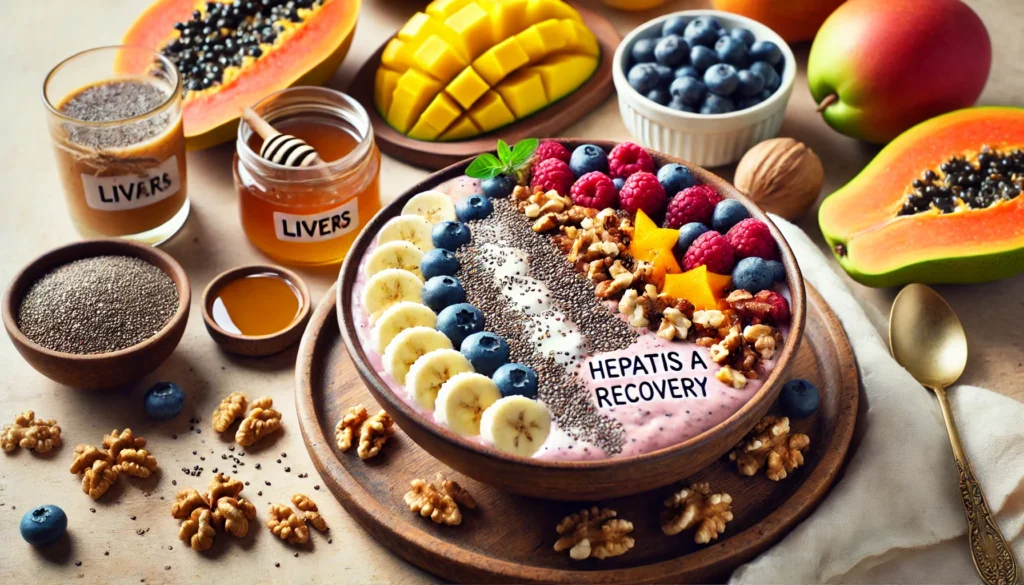
Does Ashwagandha Help with Memory? Scientific Insights & Benefits Explained

Introduction

Ashwagandha, a powerful adaptogenic herb used in traditional Ayurvedic medicine, has garnered significant attention for its potential cognitive benefits. Among its many purported advantages, ashwagandha is frequently associated with memory enhancement, stress reduction, and improved cognitive function. But does ashwagandha help with memory? Recent scientific research suggests that this herb may have a profound impact on neurocognitive health, influencing memory retention, recall, and overall mental clarity.

You may also like: Rhodiola vs. Ashwagandha: Which Adaptogen Best Supports Gut Health and a Fiber-Rich Diet?

Understanding the connection between ashwagandha and memory requires an exploration of its bioactive compounds, neurological effects, and clinical evidence supporting its use. This article delves deep into the mechanisms by which ashwagandha may support memory function, the scientific studies backing these claims, and practical considerations for its use as a holistic supplement.

The Traditional Use of Ashwagandha in Cognitive Health

For centuries, ashwagandha (Withania somnifera) has been a cornerstone of Ayurvedic medicine, where it has been used to promote longevity, vitality, and cognitive well-being. In ancient texts, it is described as a Rasayana, a rejuvenating herb that enhances mental function and resilience against stress. Ayurvedic practitioners have historically recommended ashwagandha for improving focus, alleviating brain fog, and preventing age-related cognitive decline.

The herb’s ability to bolster mental faculties is attributed to its adaptogenic and neuroprotective properties. Traditional uses indicate that ashwagandha was administered to individuals suffering from conditions such as anxiety, insomnia, and general cognitive impairment. By balancing the body’s stress response and promoting homeostasis, it was believed to enhance overall brain function and fortify memory processes.

A futuristic visualization of a human brain surrounded by glowing neurons, with ashwagandha plants intertwined, representing neuroprotection, cognitive support, and enhanced memory function.

The Bioactive Compounds in Ashwagandha That Influence Memory

Ashwagandha contains a diverse array of bioactive compounds that contribute to its cognitive benefits. Chief among them are withanolides, a group of naturally occurring steroidal lactones that exhibit neuroprotective, anti-inflammatory, and antioxidant properties. These compounds play a critical role in ashwagandha’s effects on brain health.

Withanolides have been shown to modulate neurotransmitter activity, particularly by influencing acetylcholine levels. Acetylcholine is a key neurotransmitter involved in learning and memory. By promoting its synthesis and inhibiting its breakdown, ashwagandha may help sustain cognitive function and improve memory retention. Additionally, the herb’s antioxidant properties protect neurons from oxidative stress, a major contributor to neurodegenerative diseases such as Alzheimer’s and Parkinson’s.

Scientific Studies on Ashwagandha and Memory Enhancement

Several clinical and preclinical studies have explored the effects of ashwagandha on cognitive function, particularly in relation to memory enhancement. One of the most notable studies, published in the Journal of Dietary Supplements, found that ashwagandha supplementation significantly improved memory, executive function, and processing speed in individuals experiencing mild cognitive impairment. Participants who consumed ashwagandha extract over an eight-week period demonstrated greater improvements in immediate and general memory compared to the placebo group.

Another study published in Aging & Disease explored the impact of ashwagandha on patients with early-stage Alzheimer’s disease. The results suggested that the herb not only improved memory recall but also helped reduce the accumulation of amyloid plaques, which are linked to cognitive decline. These findings support the hypothesis that ashwagandha may offer neuroprotective benefits that could slow the progression of neurodegenerative diseases.

Additionally, a randomized controlled trial conducted on healthy individuals indicated that daily supplementation with ashwagandha extract led to enhanced working memory and information processing speed. The researchers attributed these cognitive enhancements to the herb’s ability to modulate stress hormones, particularly cortisol, which is known to impair memory function under chronic stress conditions.

How Ashwagandha Supports Memory Through Stress Reduction

One of the most compelling reasons ashwagandha is believed to improve memory is its profound impact on stress reduction. Chronic stress and elevated cortisol levels are associated with impaired cognitive function, memory deficits, and increased risk of neurodegenerative diseases.

Ashwagandha is widely recognized for its adaptogenic properties, meaning it helps the body adapt to stress and maintain equilibrium. Studies have shown that regular consumption of ashwagandha significantly reduces cortisol levels, thereby mitigating the negative effects of stress on the brain. By lowering stress-induced neuronal damage, ashwagandha supports a more stable and resilient memory function.

Furthermore, stress often contributes to poor sleep quality, which in turn affects cognitive performance. Research has demonstrated that ashwagandha enhances sleep quality and reduces symptoms of insomnia. Improved sleep, facilitated by reduced cortisol levels, can lead to better memory consolidation and retention of information.

Ashwagandha’s Role in Neurogenesis and Brain Plasticity

Recent studies suggest that ashwagandha may promote neurogenesis, the process of generating new neurons in the brain. Neurogenesis is crucial for maintaining cognitive function, particularly in aging individuals. By stimulating the production of brain-derived neurotrophic factor (BDNF), ashwagandha enhances neuronal survival, plasticity, and synaptic connectivity.

Brain plasticity, or neuroplasticity, refers to the brain’s ability to reorganize itself by forming new neural connections. This ability is vital for learning and memory retention. Ashwagandha’s influence on neuroplasticity suggests that it could play a role in not only preserving but also enhancing cognitive abilities, particularly in individuals experiencing memory decline due to aging or neurodegenerative conditions.

Practical Considerations for Using Ashwagandha for Memory Enhancement

For those considering ashwagandha supplementation to improve memory, several factors should be taken into account. The optimal dosage varies depending on the form of ashwagandha used, with typical dosages ranging from 250 mg to 600 mg of standardized extract per day. It is generally recommended to start with a lower dose and gradually increase it as needed.

Ashwagandha is available in various forms, including capsules, powders, and tinctures. While capsules offer convenience and precise dosing, powders can be easily incorporated into smoothies, teas, or other beverages. Some formulations combine ashwagandha with complementary herbs such as bacopa monnieri, another well-known nootropic with memory-enhancing properties.

Individuals with specific medical conditions, such as autoimmune disorders or thyroid imbalances, should consult with a healthcare provider before taking ashwagandha, as it may interact with certain medications. Additionally, pregnant and breastfeeding women are advised to avoid ashwagandha due to its potential effects on hormone levels.

A tranquil natural landscape featuring ashwagandha plants in the foreground, with a translucent brain floating in the sky, radiating neural connections, symbolizing mental clarity and cognitive well-being.

Frequently Asked Questions (FAQ) About Ashwagandha and Memory

1. How does ashwagandha help with memory compared to other nootropic herbs?

Ashwagandha is unique among nootropic herbs due to its adaptogenic properties, which allow it to combat stress-related cognitive decline while simultaneously supporting neuroprotection. Unlike stimulatory nootropics that provide short-term cognitive boosts, ashwagandha works gradually to enhance memory by reducing cortisol, improving sleep, and promoting neurogenesis. Studies show that it supports hippocampal function, which is crucial for memory formation and recall. Other popular nootropics, such as Bacopa monnieri, work primarily by enhancing synaptic communication, whereas ashwagandha strengthens the brain’s resilience against oxidative stress. By addressing multiple cognitive pathways, ashwagandha memory benefits can be both immediate and long-term, making it a versatile supplement for those looking to enhance their recall and cognitive longevity.

2. Can ashwagandha improve memory in people without cognitive impairments?

Yes, ashwagandha can support memory enhancement even in individuals who do not experience cognitive impairment. Research has demonstrated that ashwagandha improves working memory and information processing speed in healthy adults. The herb’s ability to modulate neurotransmitter activity and reduce inflammation creates an optimal environment for cognitive function, regardless of baseline memory performance. Additionally, ashwagandha memory benefits extend beyond memory recall to include improved attention span, focus, and mental clarity. This makes it an ideal supplement for students, professionals, and individuals seeking cognitive optimization.

3. What is the best way to take ashwagandha for memory enhancement?

The best way to take ashwagandha for memory improvement depends on individual preferences and health goals. Standardized extract capsules are a convenient option, providing a precise dosage that ensures consistency. Some prefer ashwagandha powder, which can be mixed into warm milk or herbal tea for enhanced absorption. When combined with fats such as ghee or coconut oil, ashwagandha’s bioavailability may increase, further amplifying its cognitive benefits. Timing also matters—many people take ashwagandha at night to improve sleep quality, which indirectly enhances memory consolidation. For those experiencing acute stress-related memory issues, taking a divided dose—one in the morning and another before bed—can help maintain balanced cortisol levels throughout the day.

4. How long does it take to notice memory improvements from ashwagandha?

Memory improvements from ashwagandha supplementation typically become noticeable within four to eight weeks of consistent use. However, the exact timeframe varies depending on dosage, individual metabolism, and underlying cognitive conditions. Some individuals report subtle enhancements in mental clarity and recall within the first two weeks, while others require a longer period for significant changes. Since ashwagandha supports long-term neurogenesis and neuroprotection, its benefits accumulate over time. For optimal results, combining ashwagandha with a brain-healthy lifestyle—including proper nutrition, exercise, and stress management—can further accelerate memory enhancements.

5. Does ashwagandha help with memory decline related to aging?

Yes, ashwagandha has been shown to support memory retention and cognitive function in aging individuals. One of its primary mechanisms is reducing chronic inflammation and oxidative stress, both of which contribute to neurodegenerative diseases such as Alzheimer’s. Studies indicate that ashwagandha can improve synaptic plasticity, ensuring better communication between neurons, which is essential for memory recall. Additionally, its ability to lower cortisol levels protects against stress-induced brain atrophy, a common issue in older adults. By promoting brain-derived neurotrophic factor (BDNF), ashwagandha memory benefits include long-term cognitive preservation, making it a valuable natural intervention for healthy aging.

6. Can ashwagandha be combined with other supplements for enhanced memory support?

Yes, ashwagandha can be combined with other brain-boosting supplements for enhanced cognitive benefits. Bacopa monnieri, for instance, complements ashwagandha by enhancing synaptic function and promoting neurotransmitter balance. Lion’s mane mushroom is another excellent pairing, as it stimulates nerve growth factor (NGF) and supports neurogenesis. Omega-3 fatty acids, particularly DHA, can further amplify ashwagandha’s neuroprotective properties by strengthening neuronal membranes. Additionally, pairing ashwagandha with magnesium can help enhance relaxation and memory consolidation, particularly when taken before bed. While these combinations can be highly effective, individuals should consult a healthcare professional to ensure safe and synergistic usage.

7. Are there any side effects of taking ashwagandha for memory enhancement?

Although ashwagandha is generally well-tolerated, some individuals may experience mild side effects such as digestive discomfort, drowsiness, or changes in appetite. High doses can occasionally cause an overstimulated thyroid, making it important for individuals with thyroid disorders to consult a healthcare provider before use. Additionally, while ashwagandha memory benefits are well-documented, some people may experience initial brain fog or fatigue as their body adjusts to the supplement. To minimize side effects, it is best to start with a lower dose and gradually increase as needed. Those taking medications for anxiety, depression, or blood pressure should also seek medical advice before combining ashwagandha with their prescriptions.

8. Does ashwagandha affect short-term or long-term memory more?

Ashwagandha has been shown to positively impact both short-term and long-term memory. In the short term, it helps by reducing stress-related forgetfulness and improving focus, which facilitates better retention of new information. Over time, its neuroprotective effects enhance long-term memory by promoting neurogenesis and preventing age-related cognitive decline. Additionally, its role in sleep optimization supports memory consolidation, ensuring that newly acquired knowledge is effectively stored. Because it influences multiple aspects of brain function, ashwagandha memory benefits can be observed in both immediate recall tasks and long-term knowledge retention.

9. Can ashwagandha improve memory in individuals with ADHD or cognitive disorders?

Emerging research suggests that ashwagandha may support cognitive function in individuals with ADHD and other cognitive disorders. Its ability to regulate cortisol and reduce hyperactivity in the brain can help improve focus and executive function. Additionally, ashwagandha enhances dopamine receptor sensitivity, which may play a role in attention regulation. While it is not a substitute for conventional ADHD treatments, some individuals find that incorporating ashwagandha into their routine provides complementary support for mental clarity. Further studies are needed to determine its full potential in managing neurodevelopmental conditions, but early findings indicate promising applications for cognitive enhancement in these populations.

10. What lifestyle habits can enhance the memory-boosting effects of ashwagandha?

For optimal memory improvement, ashwagandha should be paired with brain-supporting lifestyle habits. Regular physical exercise, particularly aerobic activities, increases blood flow to the brain and supports neurogenesis. A diet rich in antioxidants, healthy fats, and essential vitamins—such as B vitamins and choline—can further enhance cognitive function. Practicing mindfulness meditation and stress reduction techniques can also amplify ashwagandha’s cortisol-lowering benefits. Additionally, ensuring adequate sleep allows for proper memory consolidation, making nighttime supplementation a strategic approach. By integrating ashwagandha with these holistic practices, individuals can maximize its potential for long-term cognitive health.

A conceptual representation of regenerating brain cells with ashwagandha leaves seamlessly blending into neural structures, emitting a bioluminescent glow to signify improved memory and neuroplasticity.

Conclusion: The Potential of Ashwagandha for Cognitive Longevity

The growing body of scientific evidence suggests that ashwagandha may play a significant role in supporting memory and overall cognitive function. Through its adaptogenic, neuroprotective, and stress-reducing properties, ashwagandha enhances memory retention, recall, and cognitive resilience. Its ability to regulate cortisol levels, promote neurogenesis, and improve sleep quality further underscores its potential as a natural cognitive enhancer.

While more long-term studies are needed to fully understand the extent of ashwagandha’s impact on memory, current research provides compelling support for its inclusion in a holistic approach to brain health. Whether used as a standalone supplement or in combination with other nootropics, ashwagandha offers a promising natural solution for individuals seeking to enhance memory and cognitive longevity.

Further Reading:

Effects of Acute Ashwagandha Ingestion on Cognitive Function

Ashwagandha boosts memory and mood in clinical trial

Understanding the effect of ashwagandha root extract on stress, sleep and cognition

ashwagandha benefits, cognitive enhancement, herbal nootropics, brain health supplements, natural memory boosters, adaptogenic herbs, cognitive function support, neuroprotection, stress and memory, Ayurvedic brain health, memory improvement herbs, herbal cognitive enhancers, brain fog remedies, focus and concentration aid, herbal remedies for memory, stress reduction supplements, neurogenesis support, memory recall improvement, nootropic herbs for learning, holistic brain support

The information contained in this article is provided for general informational purposes only and is not intended to serve as medical, legal, or professional advice. While NewsHealthWatch strives to present accurate, up-to-date, and reliable content, no warranty or guarantee, expressed or implied, is made regarding the completeness, accuracy, or adequacy of the information provided. Readers are strongly advised to seek the guidance of a qualified healthcare provider or other relevant professionals before acting on any information contained in this article. NewsHealthWatch, its authors, editors, and contributors expressly disclaim any liability for any damages, losses, or consequences arising directly or indirectly from the use, interpretation, or reliance on any information presented herein. The views and opinions expressed in this article are those of the author(s) and do not necessarily reflect the official policies or positions of NewsHealthWatch.



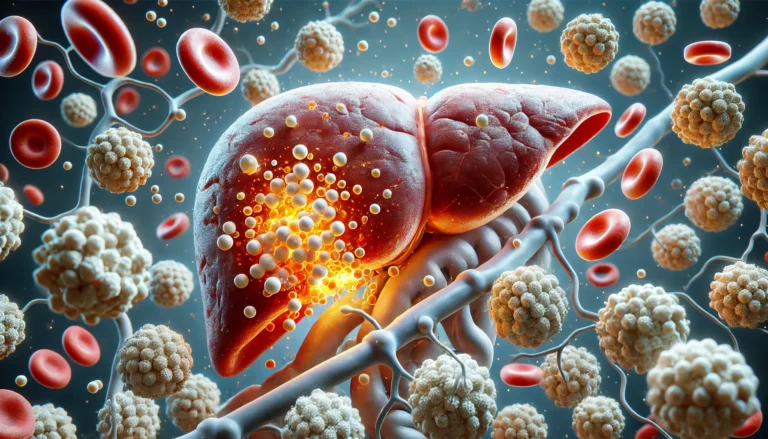
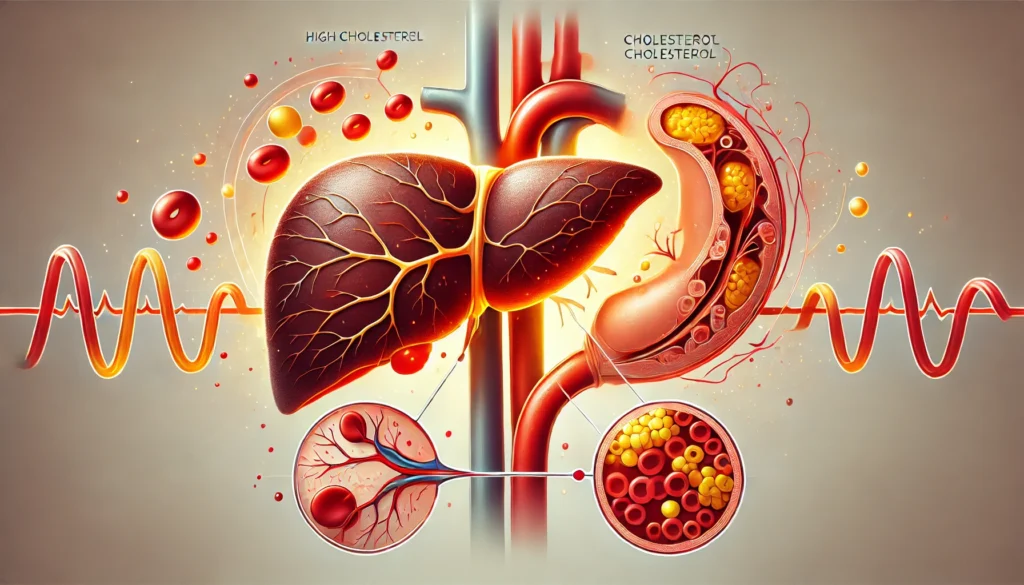
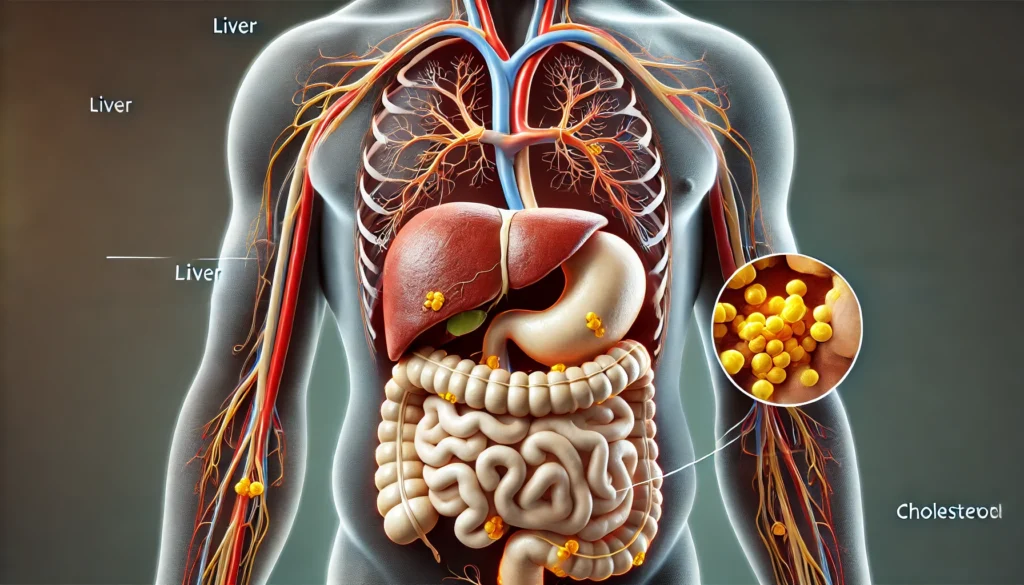
Liver Cleansing Diet: What Foods Are Good for Liver Repair and Detox?

The liver is one of the most vital organs in the human body, playing a crucial role in detoxification, metabolism, and overall health. Keeping the liver in optimal condition is essential for maintaining energy levels, digestion, and immune function. A liver cleansing diet is often recommended to help support liver function and promote detoxification. Many people wonder how to clean their liver and what foods are good for liver repair. Understanding which foods aid in natural liver detox and which habits contribute to liver health can significantly improve overall well-being. This article delves deep into the best liver cleansers, how to improve liver function, and which foods can help detoxify the liver naturally.

You may also like: The Best Liver Detox Supplements: How to Choose Safe and Effective Support for Your Liver

The Importance of Liver Health

The liver is responsible for over 500 functions, including filtering toxins from the blood, producing bile for digestion, and regulating essential nutrients. When the liver is overloaded with toxins from processed foods, alcohol, and environmental pollutants, its efficiency decreases. Many symptoms of liver stress go unnoticed until significant damage has occurred. Signs that indicate a need for liver detox include fatigue, bloating, digestive issues, skin problems, and unexplained weight gain. A well-balanced liver cleansing diet can help reduce the toxic burden and enhance liver function naturally.

A wooden bowl filled with antioxidant-rich berries, including blueberries, strawberries, and raspberries, surrounded by fresh leafy greens, a sliced lemon, and a small dish of turmeric powder on a rustic wooden table, highlighting nutrient-packed foods beneficial for liver cleansing and detoxification

How to Clean Your Liver Naturally

Liver detoxification occurs in two primary phases. The first phase involves the liver breaking down toxins into smaller molecules, which are then further processed and eliminated in the second phase. For this process to function optimally, the liver requires an abundance of antioxidants, vitamins, and minerals. Eating foods rich in these nutrients can support natural liver cleansing. Hydration also plays a crucial role in flushing toxins from the liver. Drinking plenty of water and herbal teas can assist in the detoxification process.

Foods Good for Liver Repair

Certain foods are particularly beneficial for liver health due to their high antioxidant and anti-inflammatory properties. Cruciferous vegetables like broccoli, cauliflower, and Brussels sprouts are excellent for detoxifying the liver. These vegetables contain compounds that enhance liver enzyme activity, supporting the breakdown of toxins. Citrus fruits such as lemons, oranges, and grapefruits are rich in vitamin C, which aids in liver detoxification by promoting the production of glutathione, a powerful antioxidant essential for liver repair. Garlic and onions contain sulfur compounds that help activate liver enzymes, improving detoxification efficiency.

Best Liver Cleansers: Foods That Detox the Liver

Leafy greens, such as spinach, kale, and arugula, are among the best liver cleansers because they are high in chlorophyll, which helps neutralize toxins. Beets and carrots contain betaine, a compound that supports liver cell regeneration and detoxification. Turmeric, a well-known anti-inflammatory spice, contains curcumin, which enhances bile production and supports the liver’s ability to flush out toxins. Green tea is another excellent choice for liver health, as it contains catechins that promote liver function and reduce oxidative stress. Walnuts provide omega-3 fatty acids and glutathione, which support the liver’s natural detoxification process.

How to Improve Liver Function with a Balanced Diet

A diet rich in whole, unprocessed foods is essential for liver health. Avoiding refined sugars, excessive alcohol, and trans fats can reduce liver stress. Instead, focusing on whole grains, lean proteins, and healthy fats can help the liver function optimally. Consuming adequate fiber from sources like legumes, seeds, and whole grains can also assist in toxin elimination. Probiotic-rich foods such as yogurt, kefir, and fermented vegetables support gut health, indirectly benefiting liver function by reducing the overall toxic load on the body.

How to Flush Your Liver Naturally

Drinking adequate water is one of the simplest ways to flush your liver naturally. Water helps transport toxins out of the body through urine and sweat. Incorporating lemon water into your morning routine can stimulate bile production and promote liver cleansing. Herbal teas like dandelion root and milk thistle are renowned for their liver-supporting properties. These herbs enhance bile flow and provide antioxidants that protect liver cells from damage. Engaging in regular physical activity can also promote circulation and assist in the natural detoxification process.

What is the Healthiest Oil for Your Liver?

Choosing the right type of oil for cooking and consumption can make a significant difference in liver health. Extra virgin olive oil is one of the healthiest oils for liver function due to its high content of monounsaturated fats and antioxidants. Studies have shown that olive oil helps reduce liver inflammation and supports bile production. Avocado oil is another excellent option, offering similar benefits while also being stable at high temperatures. Coconut oil, in moderation, can provide medium-chain triglycerides (MCTs), which are easily metabolized by the liver and can provide a quick energy source without stressing the organ.

How to Naturally Cleanse Liver and Kidneys

The liver and kidneys work together to eliminate toxins from the body. Ensuring proper hydration is crucial for both organs to function efficiently. Cranberries and blueberries contain compounds that protect the kidneys and reduce inflammation, while celery and cucumbers provide natural hydration and essential electrolytes. A diet high in plant-based foods, low in processed ingredients, and rich in antioxidants supports both liver and kidney health. Reducing sodium intake can also alleviate kidney stress, further assisting in overall detoxification.

Liver-Friendly Recipes for a Natural Liver Cleanse

Incorporating liver-friendly recipes into daily meals can be an enjoyable way to support detoxification. A simple liver-cleansing smoothie made with beets, carrots, lemon, and ginger provides essential nutrients that promote liver function. A detox salad featuring leafy greens, walnuts, avocados, and a lemon-turmeric dressing offers an antioxidant-rich meal that supports liver health. For a warm dish, a turmeric-lentil soup with garlic and onions provides fiber and essential nutrients that aid in natural liver detoxification. By consistently consuming these nutrient-dense meals, liver function can gradually improve over time.

A close-up of a glass filled with a vibrant green detox smoothie, garnished with a slice of lemon and fresh mint leaves, surrounded by fresh liver-cleansing ingredients like spinach, kale, celery, cucumber, and ginger root, set against a softly blurred background with warm natural lighting

Frequently Asked Questions (FAQ) on Liver Health and Detoxification

1. How can I detox my liver naturally?

Detoxifying your liver naturally involves adopting a lifestyle that supports liver function. Consuming foods that cleanse the liver, such as leafy greens, beets, and turmeric, can help support detoxification processes. Hydration is crucial—drinking plenty of water and herbal teas can aid in flushing toxins. Reducing alcohol intake and avoiding processed foods minimizes the liver’s workload, allowing it to function more efficiently. Additionally, practicing intermittent fasting or consuming fiber-rich foods can enhance bile production, which is essential for digestion and toxin elimination.

2. What foods are good for liver repair?

When focusing on liver repair, nutrient-dense foods play a crucial role. Foods rich in antioxidants, such as berries and citrus fruits, help combat oxidative stress. Cruciferous vegetables like broccoli and Brussels sprouts stimulate detoxification enzymes that support liver regeneration. Omega-3 fatty acids from sources like walnuts and flaxseeds are also good for liver cleansing. Additionally, incorporating healthy proteins, such as lean meats and legumes, provides essential amino acids that aid in cellular repair. A well-balanced liver cleansing diet ensures the body receives the necessary nutrients to sustain long-term liver health.

3. How to flush your liver naturally?

Flushing your liver naturally requires a combination of hydration, proper nutrition, and lifestyle habits. Drinking lemon water first thing in the morning stimulates bile production, which helps the liver eliminate toxins. Consuming fiber-rich foods like oats and flaxseeds supports digestion and toxin removal. A liver detox diet that includes garlic, onions, and ginger enhances liver enzyme activity. Engaging in moderate exercise, such as brisk walking, can improve circulation and facilitate detoxification. Finally, ensuring adequate sleep allows the liver to carry out its metabolic processes effectively.

4. What is the healthiest oil for your liver?

The healthiest oil for your liver is extra virgin olive oil, as it contains powerful antioxidants and anti-inflammatory properties. Studies suggest that olive oil helps improve liver enzyme levels and reduces fat accumulation in the liver. Coconut oil, when consumed in moderation, provides medium-chain triglycerides (MCTs) that can enhance energy production without burdening the liver. Avocado oil is another excellent option due to its high content of monounsaturated fats and vitamin E. Choosing cold-pressed oils and avoiding heavily processed vegetable oils can significantly improve liver function and overall health.

5. What can I drink to detox my liver?

To detoxify the liver naturally, certain beverages can be beneficial. Green tea contains catechins, which help reduce liver fat accumulation and inflammation. Dandelion root tea is known for its liver-cleansing properties and can support bile production. Beet juice is rich in nitrates and antioxidants that improve liver circulation. Lemon-infused water helps alkalize the body and supports enzyme function in the liver. Additionally, turmeric milk with black pepper enhances liver detox pathways and provides anti-inflammatory benefits.

6. How to improve liver function naturally?

Improving liver function naturally requires consistent dietary and lifestyle choices. Incorporating foods that detox the liver, such as garlic, turmeric, and bitter greens, can stimulate detoxification enzymes. Reducing sugar intake and avoiding trans fats help prevent fatty liver disease. Engaging in regular physical activity enhances blood circulation and assists in toxin elimination. Practicing stress management techniques like meditation or deep breathing reduces cortisol levels, which can impact liver function. Lastly, maintaining a proper sleep schedule allows the liver to regenerate and perform its metabolic functions efficiently.

7. How can I cleanse my liver without supplements?

Cleansing the liver naturally without supplements involves relying on whole foods and holistic practices. Consuming a balanced diet rich in fiber, antioxidants, and healthy fats supports liver detoxification. Hydration plays a crucial role—drinking sufficient water and herbal teas aids in flushing toxins. Engaging in activities such as yoga or sauna sessions can promote sweating, which helps eliminate toxins through the skin. Prioritizing sleep and reducing stress levels enhances the liver’s ability to repair itself. A liver-friendly diet, combined with mindful living, ensures long-term liver health without the need for synthetic supplements.

8. What are the best liver cleansers available naturally?

Natural liver cleansers include specific foods and beverages that promote detoxification. Leafy greens, such as kale and spinach, provide chlorophyll, which helps neutralize toxins. Citrus fruits, including oranges and lemons, boost enzyme production that supports liver function. Bitter herbs like milk thistle and dandelion root have been traditionally used to cleanse the liver. Fermented foods like kimchi and sauerkraut promote gut health, which indirectly benefits liver function. Incorporating these into a liver cleansing diet ensures optimal detoxification and overall well-being.

9. How to naturally cleanse the liver and kidneys together?

Supporting both liver and kidney health requires a holistic approach that focuses on hydration, diet, and lifestyle changes. Drinking plenty of water, along with herbal teas like nettle or dandelion, supports kidney filtration and liver detoxification. Eating foods rich in potassium, such as bananas and sweet potatoes, helps balance electrolyte levels and supports both organs. Avoiding processed foods and excess sodium reduces strain on the kidneys and liver. Engaging in activities like dry brushing can stimulate circulation and assist in toxin removal. A well-structured liver and kidney cleanse routine ensures optimal function for both detoxification organs.

10. How to make your liver healthy again after years of poor habits?

Reversing the effects of years of poor dietary and lifestyle choices requires patience and commitment. Following a liver detox diet that includes antioxidant-rich foods can help repair damage. Avoiding alcohol, refined sugars, and processed foods allows the liver to focus on regeneration. Engaging in regular exercise boosts metabolism and promotes fat breakdown, reducing the risk of fatty liver disease. Incorporating liver-friendly recipes, such as turmeric-spiced lentils or beetroot salads, provides essential nutrients. With consistent healthy choices, the liver has a remarkable ability to heal and restore its function over time.

A top-down view of a fresh and colorful liver detox meal, featuring a salad with leafy greens, sliced avocados, beets, nuts, and seeds on a rustic ceramic plate, accompanied by a glass of warm lemon water and a small dish of turmeric powder, arranged on a natural wooden table with soft natural lighting

Final Thoughts on Liver Cleansing and Detoxification

A liver cleansing diet is one of the most effective ways to support liver health and enhance detoxification. By incorporating foods that detoxify the liver naturally, individuals can improve their energy levels, digestion, and overall well-being. Hydration, herbal support, and avoiding processed foods further contribute to optimal liver function. Understanding how to make your liver healthy again involves not just dietary choices but also lifestyle adjustments, such as exercise and stress management. By following these principles, the liver can function efficiently, allowing the body to thrive in a state of balance and vitality.

natural liver support, liver function improvement, best foods for liver detox, diet for liver health, cleanse your liver naturally, food-based liver detox, healthy oils for liver, liver and kidney detox, liver repair foods, benefits of a liver cleanse, liver-friendly meal planning, detoxification diet tips, antioxidants for liver health, natural ways to support liver function, how to keep liver healthy, reducing liver inflammation through diet, nutrient-dense foods for liver, best beverages for liver detox, herbal liver support, liver-friendly eating habits

Further Reading:

Liver-Cleansing Diet: Foods To Eliminate Toxins Naturally

Plants Consumption and Liver Health

Diet and Liver Disease

Disclaimer

The information contained in this article is provided for general informational purposes only and is not intended to serve as medical, legal, or professional advice. While NewsHealthWatch strives to present accurate, up-to-date, and reliable content, no warranty or guarantee, expressed or implied, is made regarding the completeness, accuracy, or adequacy of the information provided. Readers are strongly advised to seek the guidance of a qualified healthcare provider or other relevant professionals before acting on any information contained in this article. NewsHealthWatch, its authors, editors, and contributors expressly disclaim any liability for any damages, losses, or consequences arising directly or indirectly from the use, interpretation, or reliance on any information presented herein. The views and opinions expressed in this article are those of the author(s) and do not necessarily reflect the official policies or positions of NewsHealthWatch.
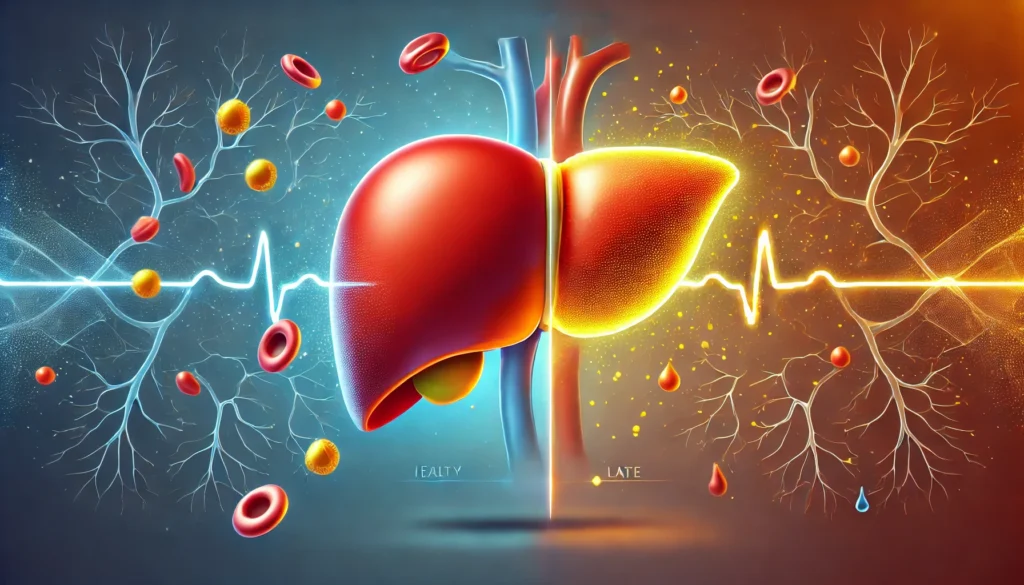
Play exciting online pokies and live games at True Fortune Casino, offering fast payouts, secure deposits, and generous bonuses for Australian players.

Enjoy top pokies and live dealer tables at Uptown Pokies Casino, with quick withdrawals, safe banking, and rewarding promotions for Australian users.

Join thrilling online slots and live casino action at Uptown Aces, featuring fast deposits, secure withdrawals, and exclusive bonuses for Australian players.

Spin favourite pokies and play live casino games at Velvet Spins Casino, offering safe banking, fast payouts, and generous promotions for Australian enthusiasts.

Experience exciting online pokies and live tables at Woo Casino, with quick withdrawals, secure deposits, and attractive bonuses for Australian casino players.

Play top pokies and live dealer games at King Billy Casino, offering fast payouts, safe banking, and rewarding promotions for Australian online casino users.

Enjoy thrilling online slots and live casino action at Aussie Play Casino, with secure deposits, quick withdrawals, and generous bonuses for Australian players.

Join exciting pokies and live tables at Fastpay Casino, featuring fast payouts, safe banking, and exclusive promotions for Australian online casino enthusiasts.