hacklink hack forum hacklink film izle hacklink
Home Blog Page 221

Best Herbal Alternatives to Anxiolytics: Natural Remedies for Anxiety Relief

Understanding Anxiety and the Role of Anxiolytics

Anxiety is a pervasive mental health condition affecting millions worldwide. It manifests in various forms, including generalized anxiety disorder (GAD), social anxiety, panic disorder, and phobia-related disorders. While conventional anxiolytic medications are commonly prescribed to alleviate symptoms, they often come with side effects that lead many individuals to seek alternative remedies. Anxiolytics drugs, which include benzodiazepines and selective serotonin reuptake inhibitors (SSRIs), are effective in managing anxiety but can result in dependency, withdrawal symptoms, and cognitive impairments when used long-term. Given these concerns, natural alternatives have gained significant attention for their potential to provide relief without the adverse effects associated with pharmaceuticals.

You may also like: Best Natural Supplements for Focus and Concentration: Boost Brainpower with Science-Backed Vitamins

Antianxiety agents are also known as anxiolytics, and while pharmaceutical interventions remain a primary treatment method, growing evidence suggests that certain herbal remedies may offer comparable benefits. The exploration of plant-based alternatives is not new; many cultures have relied on herbal medicine for centuries to combat stress and promote mental well-being. This article delves into the best herbal alternatives to anxiolytic medications, highlighting their effectiveness, mechanisms of action, and potential as complementary treatments for anxiety relief.

The Science Behind Herbal Anxiety Remedies

Herbal remedies for anxiety operate through diverse mechanisms that influence neurotransmitters, the endocrine system, and stress-response pathways. Many plant-based compounds modulate gamma-aminobutyric acid (GABA) receptors, which play a crucial role in calming the nervous system. Others influence serotonin and dopamine levels, both of which are essential for mood regulation. Unlike prescription anti-anxiolytics, which often exert immediate but temporary effects, herbal treatments tend to work more gradually, fostering long-term resilience against stress and anxiety.

A major advantage of herbal alternatives is their ability to support the body’s natural ability to adapt to stress. Adaptogens, a class of herbs known for their stress-modulating effects, have been shown to enhance homeostasis, improve resilience, and reduce cortisol levels. As a result, individuals who incorporate these natural remedies into their wellness routines may experience sustained anxiety relief with fewer side effects than conventional anxiolytic medications.

A cozy tea-making setup with steaming cups of herbal tea made from chamomile, lemon balm, and valerian root. The composition includes fresh and dried herbs, a teapot, and a wooden tray, set in a relaxing environment with soft lighting.

Top Herbal Alternatives to Anxiolytics Drugs

Ashwagandha: The Stress-Relieving Adaptogen

Ashwagandha (Withania somnifera) is one of the most well-researched adaptogens known for its ability to combat stress and anxiety. Studies have demonstrated that ashwagandha helps regulate the hypothalamic-pituitary-adrenal (HPA) axis, reducing cortisol levels and mitigating the physiological impact of chronic stress. This herb enhances GABAergic activity, similar to pharmaceutical anxiolytics, but without the sedative effects or risk of dependency.

Clinical trials have found that individuals taking ashwagandha extract experienced significant reductions in anxiety scores compared to placebo groups. Its anxiolytic properties make it a viable natural alternative to anxiolytics drugs, particularly for those seeking to enhance their stress resilience. Regular use of ashwagandha not only reduces anxiety but also improves sleep quality and cognitive function, further supporting mental well-being.

Passionflower: A Natural Sedative for Calming the Mind

Passionflower (Passiflora incarnata) has long been valued for its calming effects and is often used to promote relaxation and alleviate anxiety-related insomnia. Research indicates that passionflower enhances GABA activity in the brain, similar to benzodiazepines, thereby inducing a state of tranquility without the risk of addiction or drowsiness commonly associated with pharmaceutical anti-anxiolytics.

A comparative study found that passionflower extract was as effective as oxazepam, a prescription anxiolytic, in reducing symptoms of generalized anxiety disorder. Participants who took passionflower experienced fewer cognitive impairments, highlighting its potential as a safer alternative for long-term anxiety management. As a gentle sedative, passionflower can be used in teas, tinctures, or supplements to support relaxation and stress relief.

Valerian Root: Nature’s Answer to Anxiety and Sleep Disorders

Valerian root (Valeriana officinalis) is widely recognized for its sedative properties and its role in alleviating anxiety and sleep disturbances. This herbal remedy interacts with GABA receptors, promoting a sense of calmness and relaxation. Unlike traditional anxiolytic medications, valerian root does not cause dependency, making it an appealing choice for those seeking natural anxiety relief.

Several studies have supported valerian root’s effectiveness in reducing symptoms of anxiety and improving sleep quality. It is particularly beneficial for individuals who experience stress-induced insomnia, as it helps promote restful sleep without the next-day grogginess associated with pharmaceutical sedatives. Due to its potency, valerian root is often used in combination with other calming herbs to enhance its therapeutic effects.

Lavender: Aromatherapy and Oral Supplementation for Anxiety Reduction

Lavender (Lavandula angustifolia) is well known for its soothing aroma and ability to reduce stress and anxiety. Aromatherapy using lavender essential oil has been shown to lower cortisol levels and improve overall mood. Beyond its aromatic benefits, lavender supplements have demonstrated efficacy in treating anxiety disorders. Oral lavender oil capsules, such as Silexan, have been found to be as effective as benzodiazepines in reducing generalized anxiety symptoms.

The mechanisms by which lavender exerts its anxiolytic effects include modulating serotonin levels and promoting relaxation through the limbic system. Unlike conventional anxiolytics examples, lavender does not impair cognitive function or induce sedation, making it a well-tolerated alternative for individuals looking for gentle yet effective anxiety relief.

A serene garden featuring lush greenery with calming herbs such as lavender, lemon balm, and passionflower. A wooden bench is nestled among the plants, bathed in warm golden sunlight, creating a soothing and natural atmosphere.

L-Theanine: A Non-Sedating Anxiolytic Found in Green Tea

L-theanine, an amino acid found in green tea, is a powerful natural anxiolytic that enhances relaxation without causing drowsiness. It works by increasing alpha brain waves, which are associated with a state of relaxed alertness. Additionally, L-theanine promotes the production of neurotransmitters such as serotonin and dopamine, helping to stabilize mood and reduce stress.

Clinical research has shown that L-theanine significantly reduces stress responses and enhances cognitive performance under pressure. Unlike anxiolytics drugs that may lead to mental fogginess, L-theanine supports mental clarity and focus while simultaneously mitigating anxiety. For individuals who seek a non-sedating alternative to traditional anxiolytic medications, L-theanine is an excellent option.

Frequently Asked Questions (FAQ) About Herbal Alternatives to Anxiolytics

1. Can herbal remedies be as effective as anxiolytic medications?

Herbal remedies have been widely used for centuries to alleviate stress and anxiety, and research suggests that some plant-based compounds can offer benefits comparable to anxiolytics drugs. While pharmaceutical anxiolytics examples, such as benzodiazepines, provide rapid symptom relief, herbal alternatives tend to work more gradually, strengthening the body’s stress-response mechanisms over time. The effectiveness of herbal treatments largely depends on factors such as the severity of anxiety, individual physiology, and consistency of use. Some herbs, like ashwagandha and passionflower, have been clinically studied and found to reduce anxiety scores significantly, similar to prescription medications but without the risk of dependency. However, individuals with severe anxiety disorders should consult a healthcare professional before replacing or combining herbal remedies with standard treatments.

2. How do herbal alternatives to anxiolytics drugs interact with the brain?

Herbal alternatives influence the brain in ways similar to traditional anxiolytics drugs by modulating neurotransmitter activity and stress hormones. Many herbs, such as valerian root and passionflower, enhance gamma-aminobutyric acid (GABA) levels, which help induce calmness and relaxation. Others, like lavender and L-theanine, promote serotonin and dopamine balance, essential for mood regulation and emotional stability. Unlike anxiolytic medications that may cause sedation or cognitive impairments, herbal treatments often support long-term mental resilience without impairing daily function. Additionally, adaptogens like ashwagandha assist in regulating the hypothalamic-pituitary-adrenal (HPA) axis, reducing cortisol levels and mitigating stress responses. The cumulative effect of these herbs fosters a more sustainable and holistic approach to anxiety management.

3. Are there specific populations who should avoid herbal anti anxiolytic treatments?

Although herbal alternatives to anxiolytic medications are generally well-tolerated, certain populations should exercise caution. Pregnant or breastfeeding individuals should consult a healthcare provider before using herbal remedies, as some plant-based compounds may affect hormone levels or cross into breast milk. People taking prescription medications, especially antidepressants, blood thinners, or sedatives, must be mindful of potential interactions that could either enhance or diminish drug efficacy. Individuals with pre-existing health conditions, such as liver disorders or autoimmune diseases, should also be cautious, as certain herbs can impact metabolic pathways or immune function. While anxiolytics examples such as benzodiazepines require careful dosage adjustments, herbal remedies should also be used in moderation to prevent unintended side effects or interactions.

4. How long does it take for herbal remedies to work compared to anxiolytic medications?

Unlike anxiolytic medications, which often provide immediate relief within minutes to hours, herbal treatments typically require consistent use over days or weeks to yield noticeable benefits. For example, ashwagandha may take several weeks of daily supplementation to significantly lower cortisol levels and improve stress resilience. Passionflower and valerian root offer more immediate calming effects but still take longer than pharmaceutical anti anxiolytic drugs to achieve peak effectiveness. L-theanine, commonly found in green tea, works within an hour but provides subtle rather than drastic mood enhancements. Since herbal remedies support long-term nervous system balance rather than offering quick symptom suppression, they are best used as part of a consistent wellness routine rather than an emergency intervention.

5. Can herbal remedies be combined with anxiolytics drugs?

Some herbal remedies can be safely combined with anxiolytics drugs, but caution is necessary to avoid adverse interactions. Herbs like passionflower and valerian root enhance GABA activity, similar to benzodiazepines, and combining them may intensify sedative effects, leading to drowsiness or impaired cognition. Meanwhile, adaptogens such as ashwagandha and rhodiola generally have a lower risk of interactions but can still influence neurotransmitter function. Individuals taking prescription anxiolytic medications should consult a healthcare professional before introducing herbal supplements to ensure safe and effective integration. In some cases, a gradual transition from pharmaceuticals to herbal treatments may be appropriate under medical supervision to minimize withdrawal effects or dependency risks.

6. What are some emerging trends in natural anti anxiolytic research?

Recent studies on herbal anxiolytics drugs highlight exciting developments in the field of plant-based mental health treatments. Researchers are exploring novel botanical extracts, such as kanna (Sceletium tortuosum), which modulates serotonin reuptake in a manner similar to selective serotonin reuptake inhibitors (SSRIs). Another promising area of research is the use of cannabidiol (CBD) derived from hemp, which interacts with endocannabinoid receptors to regulate mood and stress. Additionally, advancements in herbal formulations, such as combining multiple anti anxiolytic herbs in targeted blends, have shown potential for enhancing therapeutic effects. As scientific interest in plant-based medicine grows, more clinical trials are expected to validate the efficacy and safety of these natural alternatives.

7. Are there any lifestyle habits that enhance the effectiveness of herbal anti anxiolytic treatments?

The effectiveness of herbal treatments for anxiety is often enhanced by incorporating complementary lifestyle habits. Practices such as mindfulness meditation, yoga, and deep-breathing exercises can amplify the calming effects of anxiolytic medications or herbal remedies. A nutrient-rich diet with adequate levels of magnesium, B vitamins, and omega-3 fatty acids further supports neurotransmitter balance and stress resilience. Regular physical activity, particularly aerobic exercise, helps reduce cortisol levels and improve mood stability. Additionally, maintaining a consistent sleep schedule optimizes the body’s natural recovery processes, making herbal treatments more effective in the long run. Combining herbal remedies with these holistic strategies creates a synergistic approach to anxiety management.

8. Are herbal anti anxiolytic remedies regulated for quality and safety?

Unlike prescription anxiolytics drugs, which undergo rigorous FDA approval processes, herbal supplements are regulated as dietary products and are not subject to the same stringent testing. However, reputable manufacturers adhere to good manufacturing practices (GMP) and provide third-party lab testing to ensure purity and potency. Consumers should look for certifications from organizations like the United States Pharmacopeia (USP) or NSF International when selecting herbal products. Additionally, it is crucial to source herbal supplements from reliable brands that transparently disclose ingredient sourcing and formulation details. Consulting a healthcare provider before starting an herbal anti anxiolytic regimen ensures that the product is safe, high-quality, and suitable for individual health needs.

9. Do herbal remedies have withdrawal symptoms like anxiolytics examples such as benzodiazepines?

Unlike prescription anxiolytics drugs, which can lead to dependence and withdrawal symptoms, most herbal remedies do not induce addiction or severe withdrawal effects. However, abrupt discontinuation of certain herbal treatments may still result in mild adjustments as the body recalibrates. For example, individuals using valerian root for sleep may experience temporary sleep disturbances if they suddenly stop taking it. Similarly, adaptogens like ashwagandha, which regulate cortisol levels, should be tapered off gradually to avoid hormonal imbalances. While herbal remedies provide a gentler approach to anxiety management, mindful usage and gradual adjustments ensure a smoother transition when discontinuing use.

10. What future developments can we expect in plant-based anxiolytic medications?

As interest in plant-based medicine continues to grow, future developments in herbal anxiolytics drugs are likely to focus on personalized formulations and advanced extraction techniques. Scientists are working on isolating specific bioactive compounds from herbs to enhance potency and bioavailability. Additionally, the integration of artificial intelligence (AI) in herbal research is enabling more precise predictions about herb-drug interactions and optimal dosage recommendations. The growing field of psychobiotics, which explores the gut-brain connection, may also lead to innovations in anxiety treatment through probiotic-infused herbal formulations. With ongoing advancements in botanical medicine, natural anti anxiolytic treatments are expected to play an increasingly significant role in mental health care.

A tranquil spa setting featuring herbal aromatherapy with essential oils from lavender, chamomile, and sandalwood. The scene includes candles, an oil diffuser, fresh herbs, and a soft towel, creating a peaceful and relaxing ambiance.

Conclusion: Embracing Herbal Remedies for Anxiety Management

As research continues to explore the efficacy of herbal treatments for anxiety, it becomes increasingly evident that natural remedies can offer significant relief without the risks associated with pharmaceutical interventions. Antianxiety agents are also known as anxiolytics, and while conventional medications remain a critical component of mental health treatment, herbal alternatives provide a promising complement or replacement for those seeking a more holistic approach. Herbs such as ashwagandha, passionflower, valerian root, lavender, and L-theanine exhibit strong anxiolytic properties, working through various physiological pathways to promote relaxation, resilience, and emotional well-being.

By integrating these herbal remedies into daily routines, individuals may experience enhanced mental clarity, reduced stress, and improved overall quality of life. As always, consulting with a healthcare professional before making significant changes to an anxiety treatment regimen is essential, ensuring that herbal solutions align with individual health needs and existing treatments. With continued advancements in herbal research, the potential for natural alternatives to anxiolytic medications remains an exciting frontier in mental health and wellness.

natural anxiety remedies, herbal supplements for stress, adaptogenic herbs for relaxation, calming herbal teas, plant-based anxiety relief, holistic stress management, botanical medicine for anxiety, best herbs for relaxation, herbal adaptogens for mental health, non-prescription anxiety solutions, alternative medicine for stress, organic supplements for calmness, herbal sedatives for sleep, anxiety-reducing natural compounds, stress-relief herbal extracts, traditional herbal anxiety treatments, soothing herbal infusions, natural mood stabilizers, best plant-based relaxants, holistic mental wellness solutions

Further Reading:

Natural Remedies to Alleviate Anxiety

How to treat anxiety naturally

Herbal treatment for anxiety: Is it effective?

Disclaimer

The information contained in this article is provided for general informational purposes only and is not intended to serve as medical, legal, or professional advice. While NewsHealthWatch strives to present accurate, up-to-date, and reliable content, no warranty or guarantee, expressed or implied, is made regarding the completeness, accuracy, or adequacy of the information provided. Readers are strongly advised to seek the guidance of a qualified healthcare provider or other relevant professionals before acting on any information contained in this article. NewsHealthWatch, its authors, editors, and contributors expressly disclaim any liability for any damages, losses, or consequences arising directly or indirectly from the use, interpretation, or reliance on any information presented herein. The views and opinions expressed in this article are those of the author(s) and do not necessarily reflect the official policies or positions of NewsHealthWatch.
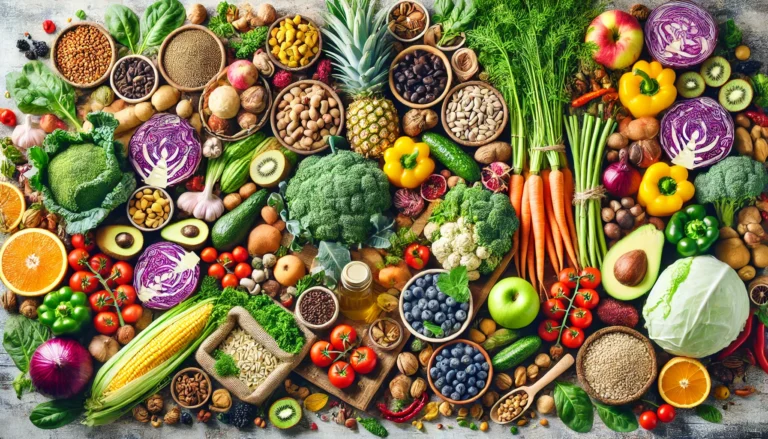

Understanding the Plant-Based Diet: Definition, Benefits, and How to Get Started

Introduction

In recent years, the concept of plant-based eating has surged in popularity, capturing the interest of individuals seeking a healthier and more sustainable lifestyle. But what exactly does a plant-based diet entail? The plant-based diet definition varies slightly depending on who you ask, but at its core, it emphasizes whole, minimally processed plant foods while reducing or eliminating animal products. Understanding the plant-based meaning involves recognizing that it is not necessarily synonymous with veganism; rather, it is a flexible approach that prioritizes plant-derived nutrition. This dietary pattern has been associated with numerous health benefits, including improved heart health, better weight management, and a lower risk of chronic diseases.

You may also like: How to Start a Whole Food Plant-Based Diet: A Beginner’s Guide to Healthier Eating

As more people become aware of the environmental and ethical concerns tied to food choices, the plant-based diet has gained recognition as a sustainable and compassionate way of eating. The movement towards plant-based nutrition is backed by scientific research demonstrating its advantages for personal health and the planet. However, transitioning to this diet requires knowledge, preparation, and an understanding of the key nutritional principles that ensure adequate nutrient intake. This comprehensive guide explores the plant-based diet definition, its health benefits, and practical steps for adopting this way of eating.

Defining the Plant-Based Diet

To define plant-based eating, one must first understand its foundational principles. The plant-based definition centers around consuming whole, plant-derived foods such as fruits, vegetables, legumes, whole grains, nuts, and seeds while limiting or excluding animal products. Unlike strict vegetarian or vegan diets, a plant-based diet allows for occasional consumption of animal-derived foods, depending on individual preferences.

The plant-based diet definition also emphasizes nutrient density, encouraging the consumption of foods that provide essential vitamins, minerals, and antioxidants without excessive processing. Whole-food plant-based nutrition stands in contrast to diets that rely heavily on processed plant foods, such as refined grains and sugary snacks, which may not provide the same health benefits. By focusing on whole foods, individuals can optimize their health while ensuring a balanced intake of essential nutrients.

One of the primary goals of plant-based eating is to prioritize plant sources of protein, healthy fats, and carbohydrates. For example, legumes like lentils and chickpeas serve as excellent protein sources, while nuts and seeds provide healthy fats. Whole grains such as quinoa and brown rice supply complex carbohydrates, offering sustained energy and fiber for digestive health. Understanding the plant-based meaning allows individuals to make informed choices about their diet, ensuring they receive adequate nutrition while supporting overall well-being.

 A kitchen scene where a person is preparing a plant-based meal, chopping fresh vegetables and adding them to a bowl of salad. The kitchen counter is filled with ingredients like herbs, grains, and plant proteins, conveying a wholesome and natural food preparation process.

Health Benefits of a Plant-Based Diet

Numerous studies have highlighted the health benefits associated with adopting a plant-based diet. Research indicates that individuals who follow plant-based nutrition experience lower rates of chronic diseases, including heart disease, diabetes, and certain types of cancer. One of the key benefits of plant-based eating is its ability to improve cardiovascular health by reducing cholesterol levels and blood pressure. Diets rich in fiber, antioxidants, and healthy plant compounds help protect against inflammation and oxidative stress, two major contributors to chronic illness.

Weight management is another significant advantage of following a plant-based diet. Because plant-based foods are generally lower in calories and higher in fiber, they promote satiety and help regulate appetite. Individuals who transition to plant-based eating often find it easier to maintain a healthy weight without the need for calorie counting or restrictive dieting. Additionally, plant-based diets have been associated with improved metabolic health, including better insulin sensitivity and reduced risk of type 2 diabetes.

Beyond physical health, the plant-based diet offers benefits for mental well-being. Studies suggest that diets rich in whole, plant-based foods support brain health and may reduce the risk of cognitive decline. The abundance of vitamins, minerals, and phytonutrients in plant foods contributes to neurological function, memory retention, and mood stability. Moreover, the anti-inflammatory properties of a plant-based diet may play a role in reducing symptoms of depression and anxiety, further highlighting its holistic benefits.

Environmental and Ethical Considerations

In addition to its health advantages, the plant-based diet offers significant environmental benefits. The production of plant foods generally requires fewer resources, such as water and land, compared to animal agriculture. Reducing meat consumption can lower greenhouse gas emissions, helping to mitigate climate change and preserve biodiversity. Many individuals adopt a plant-based diet not only for personal health but also to support sustainable food systems that minimize environmental impact.

Ethical considerations also play a role in the decision to follow a plant-based lifestyle. Concerns about animal welfare and factory farming practices motivate many people to reduce or eliminate animal products from their diet. By choosing plant-based alternatives, individuals can align their dietary choices with values of compassion and sustainability. The increasing availability of plant-based food options in grocery stores and restaurants makes it easier than ever to embrace this way of eating without sacrificing flavor or variety.

How to Get Started with a Plant-Based Diet

Transitioning to a plant-based diet can seem overwhelming at first, but with the right approach, it becomes an enjoyable and rewarding experience. The key to a successful transition is to start gradually, incorporating more plant-based meals into your routine while exploring new flavors and cooking techniques. Begin by replacing animal products with plant-based alternatives, such as swapping dairy milk for almond or oat milk and using beans or tofu in place of meat in recipes.

Planning balanced meals is essential to ensure adequate nutrient intake. A well-rounded plant-based diet should include a variety of plant foods to provide essential nutrients such as protein, iron, calcium, and vitamin B12. While many nutrients can be obtained from plant sources, certain vitamins, like B12, may require supplementation. Consulting with a registered dietitian or healthcare professional can help individuals tailor their diet to meet their nutritional needs.

Experimenting with plant-based cooking can make the transition more enjoyable. Exploring new recipes, trying different cuisines, and incorporating a diverse range of plant foods can keep meals exciting and satisfying. Additionally, learning to read ingredient labels and identify plant-based products can help individuals make informed choices when grocery shopping. Over time, adopting a plant-based diet becomes second nature, leading to long-term health benefits and a deeper appreciation for the power of plant-based nutrition.

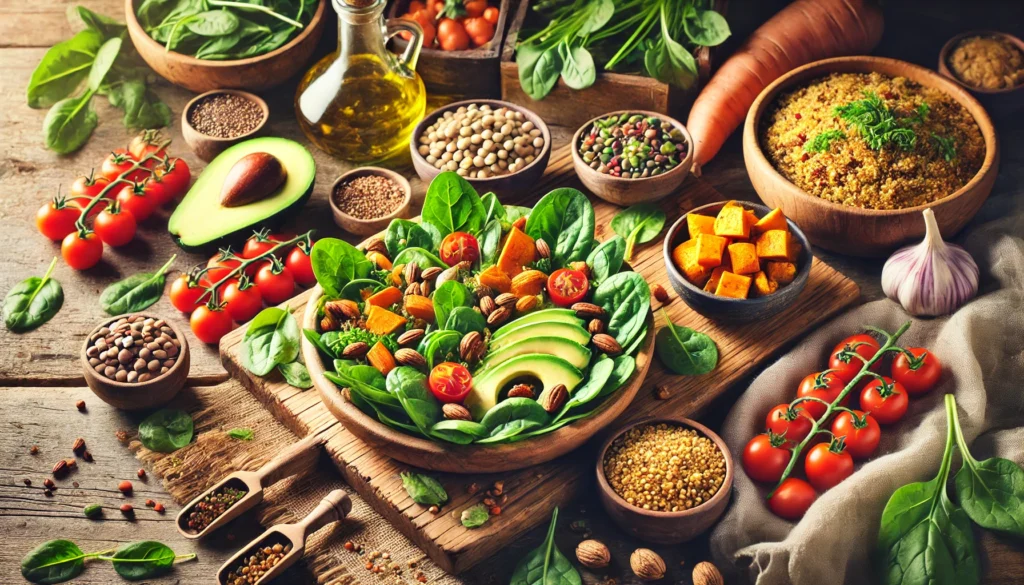
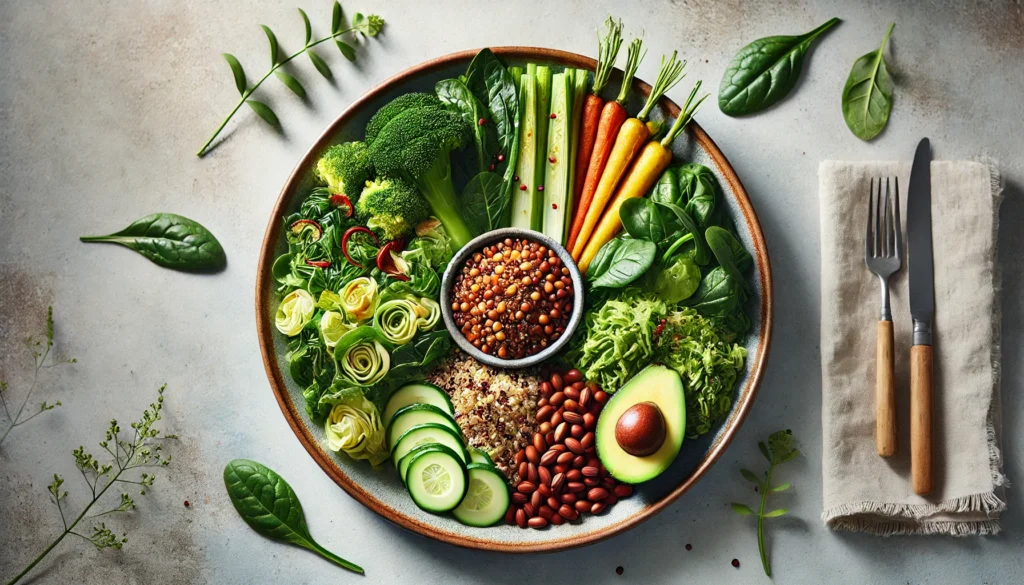
A visually appealing plate of plant-based meals, featuring a balanced combination of leafy greens, roasted vegetables, quinoa, avocado, and a protein-rich legume dish. The food is presented on an elegant ceramic plate with a minimalistic background.

Frequently Asked Questions (FAQ) About the Plant-Based Diet

1. What is the difference between a plant-based diet and a vegan diet?

While both diets emphasize plant foods, a plant-based diet is more flexible and does not necessarily exclude all animal products. The plant-based diet definition prioritizes whole, minimally processed plant foods, allowing for occasional consumption of dairy, eggs, or even meat, depending on individual preference. Veganism, on the other hand, is a lifestyle that eliminates all animal-derived products, including food, clothing, and other consumer goods. Understanding the plant-based meaning helps clarify that it is more about increasing plant food intake rather than adhering to strict dietary restrictions. This approach makes transitioning to a plant-based diet easier for those who are not ready to eliminate animal products entirely but still want to improve their health and support sustainability.

2. Is a plant-based diet suitable for athletes and bodybuilders?

Yes, a well-planned plant-based diet can provide all the necessary nutrients for athletes and bodybuilders. Many professional athletes thrive on plant-based nutrition, proving that plant-derived proteins can support muscle growth and recovery. Whole plant foods like lentils, quinoa, tofu, and nuts offer high-quality protein, while nutrient-dense greens provide essential vitamins and minerals. By understanding the plant-based definition in the context of sports nutrition, athletes can optimize their performance while reducing inflammation and improving recovery. Additionally, a plant-based diet is rich in antioxidants, which can help reduce oxidative stress caused by intense training sessions.

3. Can a plant-based diet help with weight loss?

A plant-based diet is highly effective for weight loss because it emphasizes fiber-rich, low-calorie foods that promote satiety. Unlike calorie-restrictive diets that leave people feeling hungry, a plant-based approach allows for larger portions of nutrient-dense foods. Research suggests that individuals following plant-based nutrition tend to have lower body mass indexes (BMIs) and reduced risks of obesity-related conditions. When adopting this way of eating, it is essential to focus on whole, unprocessed foods rather than highly refined plant-based alternatives. Understanding the plant-based meaning in weight management also involves mindful eating practices and choosing foods that support long-term health rather than quick-fix solutions.

4. Is it possible to get enough protein on a plant-based diet?

Yes, plant-based diets provide ample protein from a variety of sources. While many people associate protein with animal products, plant foods like legumes, tofu, tempeh, quinoa, and hemp seeds contain high amounts of protein. The key is to consume a diverse range of plant-based proteins throughout the day to ensure all essential amino acids are covered. The plant-based diet definition includes an emphasis on whole-food protein sources rather than heavily processed plant-based meat substitutes, which may not offer the same nutritional benefits. Additionally, plant-based proteins come with added fiber and phytonutrients that support overall health, making them superior choices for long-term well-being.

5. Are there any potential nutrient deficiencies with a plant-based diet?

While a plant-based diet is highly nutritious, it requires careful planning to avoid deficiencies in vitamin B12, iron, omega-3 fatty acids, and vitamin D. Since vitamin B12 is primarily found in animal products, individuals following a plant-based approach should consider fortified foods or supplements. Iron from plant foods is less bioavailable than from meat sources, but consuming it with vitamin C-rich foods can enhance absorption. Understanding the plant-based meaning in terms of nutritional adequacy ensures that individuals meet their daily requirements for all essential nutrients. Consulting a registered dietitian can be beneficial for those new to plant-based nutrition to ensure a well-rounded dietary approach.

6. How does a plant-based diet impact gut health?

A plant-based diet is incredibly beneficial for gut health due to its high fiber content. Fiber feeds beneficial gut bacteria, promoting a diverse and balanced microbiome, which is essential for digestion, immunity, and overall health. The plant-based diet definition includes a variety of fiber-rich foods such as fruits, vegetables, whole grains, and legumes, all of which contribute to a healthy gut. A well-balanced plant-based diet can reduce inflammation in the digestive tract and lower the risk of gastrointestinal disorders such as irritable bowel syndrome (IBS) and diverticulitis. Those transitioning to plant-based nutrition should gradually increase fiber intake to avoid digestive discomfort and support a smooth adaptation process.

7. Is a plant-based diet environmentally sustainable?

Yes, shifting to a plant-based diet significantly reduces environmental impact by lowering greenhouse gas emissions, conserving water, and preserving natural resources. The production of plant foods generally requires less land, water, and energy compared to animal agriculture. Understanding the plant-based meaning in environmental terms highlights its role in mitigating climate change and protecting biodiversity. By prioritizing locally sourced and seasonal plant foods, individuals can further reduce their carbon footprint and support sustainable agriculture. A plant-based approach also encourages ethical consumerism by promoting food choices that align with both health and ecological responsibility.

8. What are some common challenges people face when transitioning to a plant-based diet?

One of the main challenges is adjusting to a new way of meal planning and ensuring balanced nutrition. Many people struggle with social situations where plant-based options may be limited, especially in restaurants or gatherings. Understanding the plant-based diet definition and familiarizing oneself with plant-based meal options can help ease the transition. Another challenge is overcoming cravings for familiar animal-based foods, which can be managed by exploring plant-based alternatives and experimenting with new flavors and textures. Meal prepping and learning simple plant-based recipes can make the transition smoother and more enjoyable.

9. Are plant-based diets suitable for children and older adults?

Yes, plant-based diets can support the nutritional needs of both children and older adults when properly planned. Children require adequate protein, healthy fats, and essential micronutrients to support growth and development, which can be obtained from plant foods like avocados, nut butters, legumes, and fortified plant-based milk. Older adults benefit from plant-based diets due to their anti-inflammatory properties and the ability to reduce the risk of chronic diseases such as heart disease and osteoporosis. The plant-based definition for different life stages emphasizes the importance of nutrient density, ensuring that meals provide sufficient vitamins and minerals. Consulting healthcare professionals can help tailor plant-based nutrition to specific age-related needs.

10. How can someone ensure they are following a balanced plant-based diet?

Following a balanced plant-based diet involves consuming a variety of whole foods to meet daily nutritional needs. The key is to include diverse sources of protein, healthy fats, and complex carbohydrates while paying attention to critical nutrients like B12, iron, and omega-3s. Understanding the plant-based meaning in meal planning encourages individuals to focus on nutrient-dense foods rather than processed plant-based alternatives. Meal diversity is crucial, so incorporating different plant foods each week ensures a broad spectrum of vitamins, minerals, and antioxidants. Regular health check-ups and blood tests can also help monitor nutrient levels and ensure that dietary choices are supporting overall well-being.

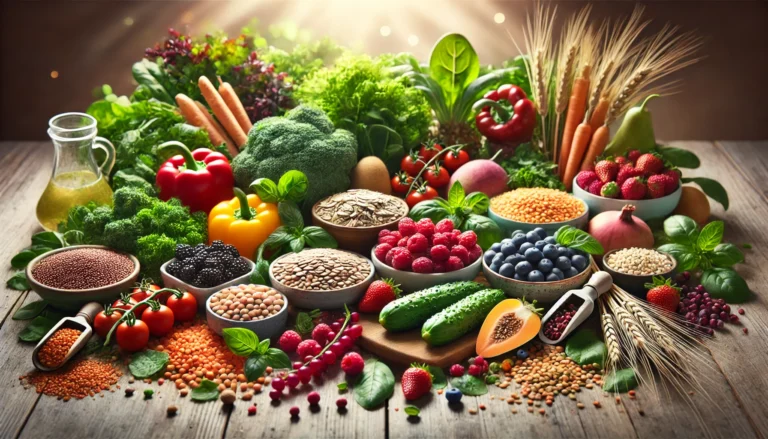
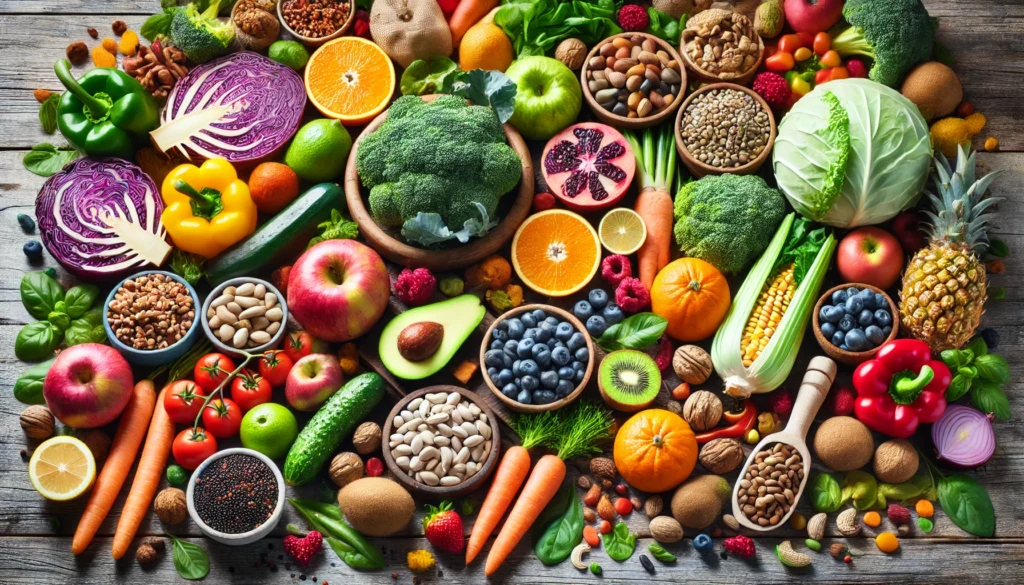
A vibrant assortment of fresh plant-based foods, including colorful fruits, vegetables, nuts, seeds, and legumes, arranged on a rustic wooden table. The composition highlights the natural textures and variety of a plant-based diet.

Conclusion

Understanding the plant-based diet meaning involves recognizing its potential to transform health, protect the environment, and align with ethical values. By defining plant-based nutrition in a way that prioritizes whole, nutrient-dense foods, individuals can optimize their well-being while contributing to a more sustainable food system. The plant-based diet definition extends beyond eliminating animal products—it represents a holistic approach to eating that emphasizes health, longevity, and environmental responsibility.

With numerous benefits ranging from improved cardiovascular health to better weight management and enhanced mental well-being, the plant-based diet is a powerful tool for achieving optimal health. Transitioning to plant-based eating does not have to be daunting; with gradual changes, mindful meal planning, and a willingness to explore new foods, anyone can experience the advantages of this dietary approach. Embracing a plant-based lifestyle is a step toward a healthier future—one that nourishes the body, protects the planet, and supports overall well-being.

Further Reading:

Plant-Based Diet for Beginners: Your Guide to Getting Started

Beginner’s Guide to A Whole-Foods, Plant-Based Diet

What Is a Plant-Based Diet? (& How to Get Started)

whole food nutrition, plant-based lifestyle, healthy eating habits, sustainable diet, vegan alternatives, plant protein sources, heart-healthy foods, fiber-rich diet, anti-inflammatory eating, nutrient-dense meals, eco-friendly nutrition, mindful eating, vegetarian benefits, ethical food choices, plant-based meal prep, holistic health, longevity diet, weight management foods, balanced plant nutrition, gut health support

The information contained in this article is provided for general informational purposes only and is not intended to serve as medical, legal, or professional advice. While NewsHealthWatch strives to present accurate, up-to-date, and reliable content, no warranty or guarantee, expressed or implied, is made regarding the completeness, accuracy, or adequacy of the information provided. Readers are strongly advised to seek the guidance of a qualified healthcare provider or other relevant professionals before acting on any information contained in this article. NewsHealthWatch, its authors, editors, and contributors expressly disclaim any liability for any damages, losses, or consequences arising directly or indirectly from the use, interpretation, or reliance on any information presented herein. The views and opinions expressed in this article are those of the author(s) and do not necessarily reflect the official policies or positions of NewsHealthWatch.


Essential Staples for a Plant-Based Diet: Beginner-Friendly Ingredients for Nutritious Meals

Adopting a plant-based diet is an exciting journey toward improved health, environmental sustainability, and ethical food choices. Whether you are transitioning gradually or making an immediate shift, understanding the fundamental staples of some plant-based diets is crucial for maintaining a balanced and nutrient-dense eating plan. Plant-based diets emphasize whole, unprocessed foods derived from plants, including vegetables, fruits, grains, legumes, nuts, and seeds. By stocking up on essential ingredients, beginners can create satisfying, nutritious meals while ensuring they meet their dietary needs.

You may also like: How to Start a Whole Food Plant-Based Diet: A Beginner’s Guide to Healthier Eating

Understanding the Importance of Plant-Based Diet Staples

The foundation of any diet is its staple ingredients, and this principle holds true for plant-based eating. These staples provide essential macronutrients—carbohydrates, proteins, and fats—along with vital micronutrients such as vitamins, minerals, and antioxidants. The right combination of basic staples for plant-based recipes for beginners ensures a balanced diet that promotes energy, digestion, and overall well-being. Whole grains, legumes, fresh and dried fruits, vegetables, nuts, and seeds form the cornerstone of plant-based nutrition. These ingredients support a wide range of culinary applications, from simple salads and soups to elaborate main courses and baked goods. Understanding these staple components is key to creating meals that are both nourishing and flavorful.

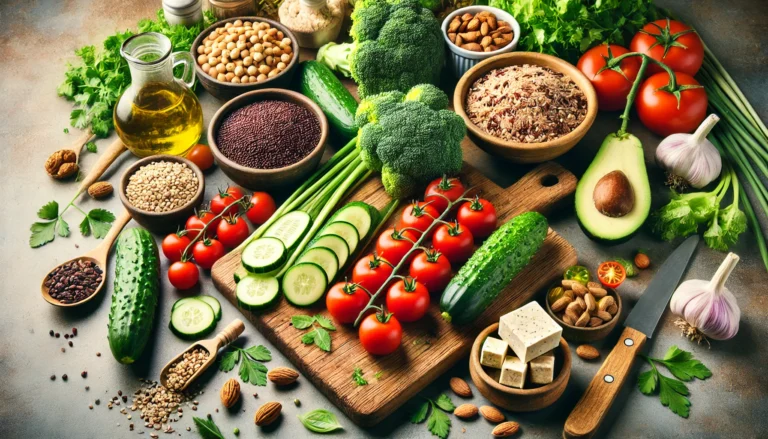
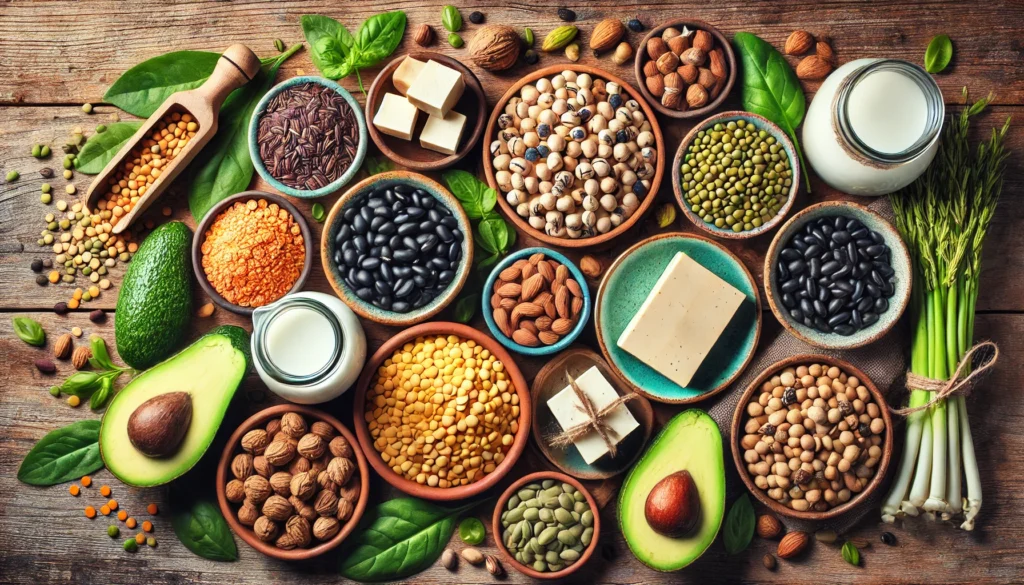
 A beautifully arranged kitchen counter displaying colorful vegetables, whole grains, beans, lentils, tofu cubes, and nuts for nutritious plant-based meal preparation.

Whole Grains: The Backbone of a Plant-Based Pantry

Whole grains are a staple of some plant-based diets due to their high fiber content, slow-digesting carbohydrates, and abundance of essential nutrients. Unlike refined grains, whole grains retain their bran, germ, and endosperm, making them a superior choice for sustained energy and gut health. Brown rice, quinoa, oats, farro, bulgur, and whole wheat products offer diverse textures and flavors suitable for breakfast, lunch, and dinner.

Quinoa, often considered a superfood, is a complete protein source, meaning it contains all nine essential amino acids. This quality makes it particularly valuable for those transitioning to a plant-based diet. Brown rice, another versatile grain, pairs well with vegetables, legumes, and sauces, making it an ideal base for hearty meals. Oats, whether rolled or steel-cut, serve as a nourishing breakfast option packed with soluble fiber that supports heart health and digestion. Farro and bulgur add depth to salads and pilafs, offering nutty flavors and chewy textures that enhance the overall meal experience.

Legumes: A Powerful Protein and Fiber Source

Legumes, including beans, lentils, chickpeas, and peas, are foundational plant-based diet staples that provide high-quality protein, fiber, and a wide array of essential nutrients. Their versatility makes them suitable for soups, stews, salads, dips, and even plant-based burger patties. Lentils, available in various colors such as green, red, and black, cook quickly and serve as excellent meat substitutes in dishes like lentil soups, curries, and shepherd’s pie.

Chickpeas, another widely used legume, are the primary ingredient in hummus and falafel and work well in salads, stir-fries, and grain bowls. Black beans and kidney beans contribute robust texture and depth to chili, tacos, and burritos, while split peas create comforting, protein-rich soups. Legumes not only provide ample protein but also deliver complex carbohydrates and iron, making them essential for balanced plant-based nutrition.

Vegetables: The Heart of Plant-Based Eating

Fresh and frozen vegetables form the foundation of a nutritious plant-based diet. Dark leafy greens such as kale, spinach, collard greens, and Swiss chard provide essential vitamins like A, C, and K, as well as iron and calcium. Cruciferous vegetables, including broccoli, cauliflower, Brussels sprouts, and cabbage, contain powerful antioxidants and compounds that support cellular health.

Root vegetables like carrots, sweet potatoes, and beets offer natural sweetness and a high content of fiber and beta-carotene. Bell peppers, zucchini, eggplant, and mushrooms enhance meals with their vibrant colors, varied textures, and nutrient-rich profiles. Incorporating a variety of vegetables into daily meals ensures a diverse intake of essential vitamins, minerals, and phytonutrients, supporting immune function, digestion, and overall vitality.

Fruits: A Natural Source of Nutrients and Sweetness

Fruits provide natural sugars, vitamins, minerals, and fiber while adding a refreshing sweetness to meals and snacks. Berries such as strawberries, blueberries, and raspberries are packed with antioxidants and vitamin C, promoting immune health and cognitive function. Bananas, rich in potassium, serve as a convenient snack and an excellent base for smoothies and dairy-free baking.

Apples, pears, and citrus fruits offer fiber and hydration, making them ideal for digestion and sustained energy. Dried fruits such as dates, raisins, and figs are nutrient-dense additions to oatmeal, granola, and desserts. Fresh and dried fruits contribute to the diversity of a plant-based diet while providing essential nutrients needed for overall well-being.

Nuts and Seeds: Essential Sources of Healthy Fats

Nuts and seeds are essential for obtaining healthy fats, protein, and micronutrients in a plant-based diet. Almonds, walnuts, cashews, and pistachios offer heart-healthy monounsaturated fats, while flaxseeds, chia seeds, and hemp seeds provide omega-3 fatty acids crucial for brain function and cardiovascular health. Pumpkin seeds and sunflower seeds supply magnesium and zinc, which support immune function and energy metabolism.

Nut and seed butters, such as almond butter and tahini, enhance plant-based meals by adding creaminess and depth of flavor. These ingredients contribute to balanced nutrition and satiety, making them valuable additions to any plant-based pantry.

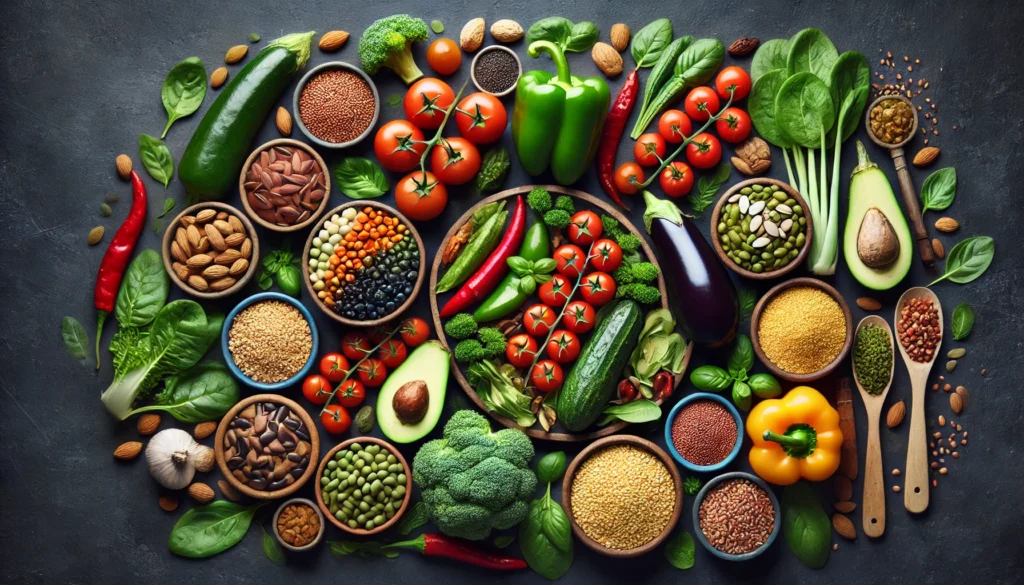
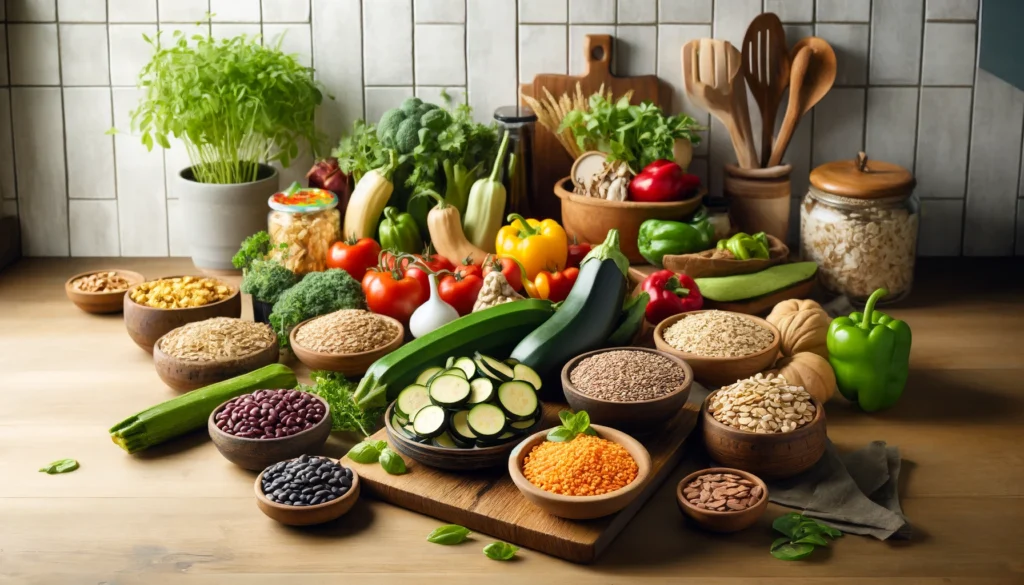
 A vibrant flat-lay composition of essential plant-based proteins, featuring legumes, tofu, nuts, seeds, almond milk, leafy greens, and fresh herbs on a rustic wooden table.

Frequently Asked Questions (FAQ) About Plant-Based Diet Staples

1. What are the best plant-based diet staples for beginners?

When transitioning to a plant-based diet, beginners should focus on a selection of versatile and nutrient-dense staples that support a well-rounded eating plan. Whole grains such as quinoa, brown rice, and oats serve as an excellent foundation, providing long-lasting energy and essential nutrients. Legumes, including lentils, chickpeas, and black beans, are rich in protein and fiber, helping to maintain satiety and digestive health. Fresh and frozen vegetables, particularly dark leafy greens, cruciferous varieties, and root vegetables, offer essential vitamins and antioxidants. Nuts, seeds, and plant-based oils, such as flaxseeds, chia seeds, and avocado oil, contribute healthy fats necessary for brain and heart function. By incorporating these plant-based diet staples, beginners can create a diverse range of meals while meeting their nutritional needs.

2. How can I ensure I am getting enough protein on a plant-based diet?

A common concern for those new to plant-based eating is obtaining sufficient protein, but with proper planning, it is entirely achievable. Legumes, including lentils, black beans, and chickpeas, are a staple of some plant-based diets, offering substantial protein content alongside fiber. Tofu, tempeh, and edamame are excellent soy-based sources that provide complete proteins, meaning they contain all nine essential amino acids. Whole grains like quinoa and farro contribute additional protein, making them valuable for balanced meals. Nuts and seeds, such as almonds, hemp seeds, and pumpkin seeds, offer both protein and healthy fats. By combining various plant-based protein sources throughout the day, individuals can easily meet their protein requirements without relying on animal products.

3. What are the basic staples for plant-based recipes for beginners?

For those just starting a plant-based diet, having the right pantry staples ensures smooth meal preparation and balanced nutrition. Dry goods like lentils, beans, and chickpeas serve as the backbone of many hearty dishes, including soups, stews, and salads. Whole grains such as quinoa, brown rice, and oats provide essential carbohydrates and fiber, making them versatile ingredients for breakfasts, grain bowls, and side dishes. Fresh and frozen vegetables, including bell peppers, broccoli, and spinach, are critical for adding nutrients and flavor to meals. Nuts and seeds, like walnuts, sunflower seeds, and flaxseeds, contribute protein and essential fatty acids. Keeping plant-based condiments such as tahini, nutritional yeast, and coconut aminos on hand enhances the flavor and nutrient profile of basic plant-based recipes.

4. Are plant-based diet staples expensive?

Contrary to popular belief, a plant-based diet does not have to be costly; in fact, it can often be more affordable than a diet centered on animal products. Legumes, grains, and vegetables tend to be some of the most budget-friendly foods available, particularly when purchased in bulk. Staple of some plant-based diets, such as lentils, brown rice, and canned beans, offer high nutritional value at a low cost. Seasonal and locally sourced produce can be more affordable than out-of-season items, helping to reduce overall grocery expenses. Frozen fruits and vegetables are another cost-effective option that provides year-round access to nutrient-rich foods without spoilage. Meal planning, cooking at home, and focusing on unprocessed whole foods make maintaining a plant-based diet both financially manageable and nutritionally optimal.

5. Can I still eat processed foods on a plant-based diet?

While whole, unprocessed foods should form the core of a healthy plant-based diet, some processed options can be included in moderation. Many packaged plant-based alternatives, such as tofu, tempeh, and unsweetened plant-based milks, provide valuable nutrients without excessive additives. However, highly processed foods such as mock meats, plant-based cheeses, and refined grain products should be consumed mindfully, as they may contain artificial ingredients and high sodium levels. When selecting processed foods, reading ingredient labels is essential to ensure they align with a whole-food, plant-based lifestyle. Making homemade versions of processed staples, such as dairy-free sauces, vegetable broths, and plant-based burgers, can provide healthier alternatives while retaining full control over ingredients.

6. How do I create balanced meals with plant-based diet staples?

A well-balanced plant-based meal should incorporate a variety of food groups to ensure adequate macronutrient and micronutrient intake. A base of whole grains, such as quinoa or brown rice, provides complex carbohydrates for sustained energy. Adding a source of plant-based protein, such as lentils, beans, or tofu, ensures muscle maintenance and satiety. Including a generous portion of colorful vegetables enhances the meal with fiber, vitamins, and antioxidants. Healthy fats from avocados, nuts, or seeds contribute essential fatty acids necessary for brain health and hormone balance. Lastly, incorporating flavorful herbs, spices, and plant-based condiments enhances taste while providing additional health benefits.

7. What are some easy plant-based recipes for beginners?

Beginners can start with simple, wholesome recipes that showcase plant-based diet staples while requiring minimal preparation. A nourishing breakfast option is overnight oats, combining rolled oats, plant-based milk, chia seeds, and fruit for a fiber-rich start to the day. Lentil soup, made with carrots, tomatoes, and spices, is a protein-packed meal that is easy to prepare in bulk. Chickpea stir-fry with bell peppers and soy sauce offers a quick and flavorful dinner option. Quinoa salad with cucumbers, cherry tomatoes, and a lemon-tahini dressing is a refreshing, nutrient-dense meal suitable for any season. These basic staples for plant-based recipes for beginners allow for customization based on personal preferences and ingredient availability.

8. What should I look for when buying plant-based staples at the grocery store?

When shopping for plant-based diet staples, selecting high-quality, minimally processed ingredients ensures optimal nutrition. Look for whole grains like brown rice, quinoa, and whole wheat pasta, avoiding refined grains with added sugars and preservatives. Choose dried or canned legumes with no added salt or preservatives to maximize their nutritional benefits. Fresh produce should be diverse in color, as different pigments indicate a range of essential vitamins and antioxidants. For plant-based dairy alternatives, opt for unsweetened varieties of almond, soy, or oat milk to avoid excess sugar. Prioritizing organic and non-GMO options when possible can further enhance the healthfulness of plant-based food choices.

9. How can I meal prep effectively with plant-based diet staples?

Meal prepping with plant-based staples allows for efficient cooking and ensures access to nutritious meals throughout the week. Cooking large batches of grains such as quinoa or brown rice in advance provides a quick base for multiple dishes. Preparing and storing cooked beans, lentils, or chickpeas simplifies meal assembly while maintaining high protein intake. Chopping and portioning vegetables in advance reduces prep time and encourages daily consumption. Making homemade sauces, such as hummus or tahini dressing, enhances meal variety and flavor. Planning meals ahead of time and utilizing leftovers creatively minimizes food waste and maximizes nutritional benefits.

10. What are the long-term benefits of maintaining a diet rich in plant-based staples?

Consistently consuming plant-based diet staples supports long-term health, sustainability, and overall well-being. Diets rich in whole grains, legumes, fruits, and vegetables have been linked to lower risks of chronic diseases such as heart disease, diabetes, and hypertension. The high fiber content in plant-based foods aids digestion, promotes gut health, and contributes to weight management. Reducing reliance on animal products helps decrease environmental impact by conserving water, reducing greenhouse gas emissions, and minimizing land use. By focusing on diverse, nutrient-dense foods, individuals can sustain a plant-based lifestyle that enhances longevity, vitality, and planetary health.

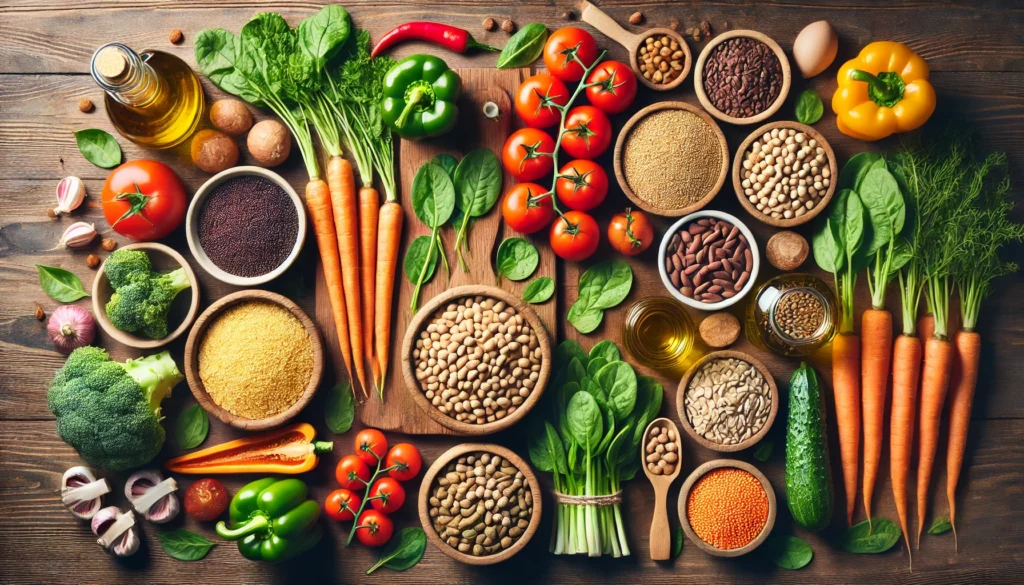
 A top-down view of a wooden kitchen counter filled with plant-based staples, including fresh vegetables, whole grains, legumes, nuts, seeds, and a bottle of olive oil.

Conclusion: Building a Sustainable Plant-Based Kitchen

Stocking a kitchen with essential staples for a plant-based diet ensures the ability to create nourishing, satisfying meals with ease. Understanding the role of whole grains, legumes, vegetables, fruits, nuts, and seeds provides a strong foundation for meal planning and cooking. By incorporating these ingredients into daily eating habits, individuals can enjoy the health benefits and culinary delights of plant-based nutrition. Whether preparing simple plant-based recipes or experimenting with diverse cuisines, maintaining a well-stocked pantry supports long-term success on a plant-based journey.

Further Reading:

Beginner’s Guide to A Whole-Foods, Plant-Based Diet

7-Day Plant-Based Diet Meal Plan for Beginners, Created by a Dietitian

7-Day Vegan Meal Plan for Beginners, Created by a Dietitia

plant-based nutrition, whole food plant-based, vegan pantry essentials, healthy plant-based eating, plant-based protein sources, nutrient-dense plant foods, beginner vegan staples, plant-based grocery list, whole grains and legumes, sustainable eating habits, healthy meat alternatives, plant-based meal planning, dairy-free diet essentials, high-protein plant foods, fiber-rich foods, vegan meal prep ideas, plant-based lifestyle tips, budget-friendly plant-based foods, clean eating on a plant-based diet, best vegan ingredients

The information contained in this article is provided for general informational purposes only and is not intended to serve as medical, legal, or professional advice. While NewsHealthWatch strives to present accurate, up-to-date, and reliable content, no warranty or guarantee, expressed or implied, is made regarding the completeness, accuracy, or adequacy of the information provided. Readers are strongly advised to seek the guidance of a qualified healthcare provider or other relevant professionals before acting on any information contained in this article. NewsHealthWatch, its authors, editors, and contributors expressly disclaim any liability for any damages, losses, or consequences arising directly or indirectly from the use, interpretation, or reliance on any information presented herein. The views and opinions expressed in this article are those of the author(s) and do not necessarily reflect the official policies or positions of NewsHealthWatch.
Best Whole-Food Plant-Based Diet Resources: Free Meal Plans, Grocery Lists, and PDFs

Understanding the Whole-Food Plant-Based Diet

A whole-food plant-based diet is more than just a nutritional trend; it is a lifestyle choice rooted in science, health, and sustainability. This diet emphasizes consuming minimally processed foods derived entirely from plants, including fruits, vegetables, whole grains, legumes, nuts, and seeds. Unlike other plant-based approaches that might include highly processed alternatives, a whole-food plant-based diet prioritizes foods in their most natural state. It avoids refined sugars, oils, and processed plant-based products, ensuring optimal nutrient intake and minimal exposure to artificial additives.

You may also like: How to Start a Whole Food Plant-Based Diet: A Beginner’s Guide to Healthier Eating

Scientific research has consistently linked a whole-food plant-based diet to numerous health benefits, including reduced risks of chronic illnesses such as heart disease, diabetes, and certain cancers. This is largely due to the high fiber, vitamin, and mineral content found in whole plant foods, which contribute to better digestion, improved metabolic function, and enhanced immune response. Furthermore, this diet is associated with improved weight management, as whole foods tend to be lower in calorie density while being highly satiating, helping individuals maintain a healthy weight without restrictive dieting.

Beyond health benefits, a whole-food plant-based diet has significant environmental and ethical implications. The production of plant-based foods has a lower carbon footprint compared to animal-based products, conserving water resources and reducing greenhouse gas emissions. Ethically, the diet aligns with cruelty-free living by eliminating dependence on animal-derived foods. As more individuals seek sustainable and health-conscious dietary choices, the whole-food plant-based lifestyle continues to gain momentum, supported by extensive scientific evidence and an expanding community of practitioners.

A beautifully arranged whole-food plant-based grocery shopping haul, including colorful fruits, vegetables, whole grains in storage jars, and legumes in cloth bags on a rustic kitchen counter.

Free Whole-Food Plant-Based Meal Plans

Transitioning to a whole-food plant-based diet can seem overwhelming, but structured meal plans simplify the process. Many free resources are available online that provide a comprehensive plant-based diet meal plan PDF, allowing individuals to follow a well-balanced eating pattern without extensive guesswork. These meal plans are carefully curated to ensure a variety of nutrients while maintaining simplicity in preparation.

A well-structured whole-food plant-based meal plan PDF typically includes breakfast, lunch, dinner, and snack options. Breakfast choices might feature oatmeal with fresh fruit, green smoothies packed with leafy greens and plant-based protein, or whole-grain toast with avocado and tomato. Lunch options often include hearty salads with beans and quinoa, lentil soup, or vegetable stir-fries over brown rice. Dinner options can range from chickpea curry, black bean tacos, and roasted vegetable pasta to plant-based stews packed with flavor and nutrition.

These meal plans not only provide guidance on what to eat but also help eliminate the uncertainty of meal preparation. Many PDFs include weekly shopping lists, helping individuals stock up on essential whole-food plant-based ingredients while staying within budget. Additionally, they often come with time-saving tips, such as batch cooking suggestions and meal prep strategies, making it easier to stick to the diet long-term. With the accessibility of free whole-food plant-based diet meal plan PDFs, transitioning to and maintaining this lifestyle becomes a manageable and enjoyable experience.

Essential Plant-Based Diet Grocery Lists

Stocking a kitchen with the right foods is a crucial step in adopting a whole-food plant-based diet. Free plant-based diet grocery list PDFs are available to help individuals make informed purchasing decisions, ensuring they have all the necessary ingredients for nutritious and satisfying meals. These lists categorize essential food groups to simplify grocery shopping while focusing on unprocessed, nutrient-dense options.

A well-organized plant-based diet grocery list PDF typically includes fresh produce such as leafy greens, root vegetables, berries, and citrus fruits. Whole grains like quinoa, brown rice, oats, and whole wheat pasta serve as staples for energy-rich meals. Legumes, including lentils, chickpeas, black beans, and split peas, provide an excellent source of plant-based protein and fiber. Nuts and seeds such as almonds, chia seeds, flaxseeds, and walnuts offer essential healthy fats and micronutrients. Additionally, grocery lists include herbs and spices for flavor enhancement, such as turmeric, garlic, basil, and cinnamon.

By using a comprehensive plant-based diet grocery list PDF, individuals can efficiently navigate grocery stores and farmers’ markets, ensuring they have all the necessary ingredients to maintain a whole-food plant-based diet. These lists help eliminate impulse purchases of processed foods while encouraging mindful shopping. With the right grocery list in hand, preparing nourishing meals becomes a seamless and rewarding experience, further reinforcing the sustainability of a plant-based lifestyle.

Accessing Free Whole-Food Plant-Based Diet PDFs

The internet offers a wealth of resources for individuals looking to embrace a whole-food plant-based diet. Free PDFs, including plant-based diet food list PDFs and meal plans, are widely available and provide structured guidance for those transitioning to or maintaining a plant-based lifestyle. These documents serve as valuable references, offering scientifically backed nutritional information, practical meal plans, and comprehensive grocery lists.

A whole-food plant-based diet PDF can be particularly beneficial for beginners who may feel uncertain about meal planning or grocery shopping. These resources often include educational content about the benefits of plant-based nutrition, tips for optimizing nutrient intake, and strategies for overcoming common challenges such as dining out or managing cravings. Many of these PDFs are created by registered dietitians, nutritionists, and plant-based chefs, ensuring their accuracy and reliability.

Individuals can access free whole-food plant-based diet PDFs through reputable health and wellness websites, nonprofit organizations, and plant-based advocacy groups. Many medical institutions and public health organizations also provide free downloadable resources to promote healthy eating patterns. By taking advantage of these free tools, individuals can embark on a whole-food plant-based journey with confidence, knowing they have expert-backed guidance at their fingertips.

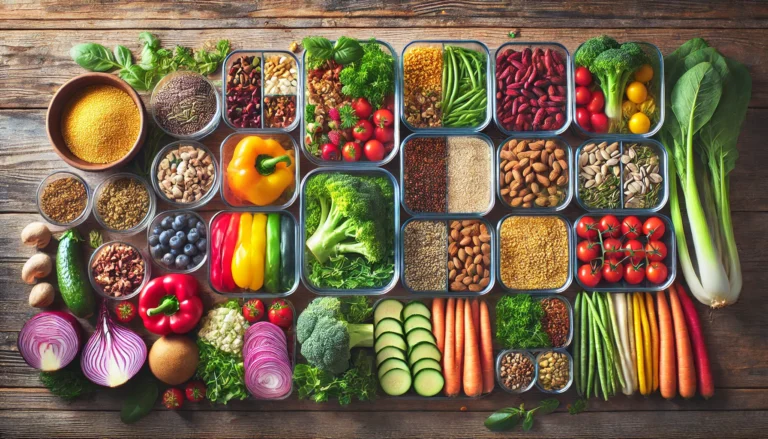
 A cozy kitchen scene showcasing a whole-food plant-based meal preparation process, with a cutting board of fresh vegetables, a steaming pot of stew, and wholesome ingredients on a countertop.

Frequently Asked Questions (FAQ) About Whole-Food Plant-Based Diets

What are the key benefits of using a plant-based diet food list PDF?

A plant-based diet food list PDF provides a structured and convenient way to plan and organize meals while ensuring a well-balanced intake of nutrients. Having a comprehensive list makes grocery shopping more efficient, helping individuals avoid unnecessary purchases and focus on whole, unprocessed plant foods. It also serves as a practical educational tool, allowing beginners to familiarize themselves with essential plant-based staples and their health benefits. Furthermore, using a food list PDF encourages variety in one’s diet by introducing a diverse range of vegetables, legumes, whole grains, and healthy fats. This variety ensures a balanced intake of essential vitamins, minerals, and fiber, which contribute to long-term health and wellness.

How does a plant-based diet meal plan PDF simplify meal preparation?

A plant-based diet meal plan PDF eliminates the guesswork from meal planning, providing clear guidelines on what to eat throughout the week. With pre-structured meals, individuals save time and energy when deciding on daily food choices, reducing the likelihood of resorting to unhealthy, processed options. These PDFs often include portion recommendations, nutrient breakdowns, and preparation methods, ensuring meals are both nutritionally adequate and easy to prepare. Additionally, having a structured plan helps minimize food waste, as grocery lists align with the planned meals, ensuring that all ingredients are utilized efficiently. For those new to plant-based eating, following a detailed meal plan PDF can provide a smoother transition by introducing familiar and simple plant-based meals before exploring more advanced recipes.

What should I look for in a high-quality plant-based meal plan PDF?

A high-quality plant-based meal plan PDF should prioritize whole, unprocessed foods and include a diverse range of ingredients to prevent nutrient deficiencies. It should feature a balance of macronutrients, including complex carbohydrates, healthy fats, and plant-based proteins, to ensure sustained energy levels and satiety. Additionally, well-designed meal plans include meals that are practical for daily life, meaning they are not overly time-consuming or require hard-to-find ingredients. The PDF should also provide flexibility, offering ingredient substitutions for those with dietary restrictions or allergies. Finally, a good meal plan PDF will include cooking tips, batch-cooking strategies, and storage recommendations to enhance convenience and adherence to a plant-based lifestyle.

Where can I find a reliable whole-food plant-based diet PDF?

Reliable whole-food plant-based diet PDFs can be found on reputable health and nutrition websites, plant-based advocacy organizations, and public health institutions. Many universities and nutrition research centers offer free, science-backed resources for individuals looking to transition to a plant-based lifestyle. Additionally, nonprofit organizations dedicated to plant-based nutrition often provide downloadable guides, ensuring the information is accurate, up-to-date, and aligned with current dietary guidelines. Some health-focused blogs and online communities also offer meal plans and diet PDFs created by registered dietitians and nutritionists, ensuring credibility and expert recommendations. When selecting a resource, look for PDFs that cite scientific studies or are created in collaboration with certified health professionals.

How does a plant-based diet grocery list PDF help with meal planning?

A plant-based diet grocery list PDF provides a structured shopping guide, ensuring individuals purchase all necessary ingredients for their weekly meals without unnecessary extras. This structured approach helps maintain a balanced and nutritionally adequate diet, reducing the temptation to buy processed or unhealthy foods. By organizing grocery items into categories such as fresh produce, whole grains, legumes, and spices, the PDF simplifies the shopping experience and saves time at the store. Additionally, a well-structured grocery list helps individuals stick to a budget by focusing on cost-effective, nutrient-dense foods while avoiding impulse purchases. Having a comprehensive grocery list PDF also enables meal prep efficiency, ensuring all necessary ingredients are available when it’s time to cook.

Can I use a whole-food plant-based diet PDF for weight loss?

Yes, a whole-food plant-based diet PDF can be an effective tool for weight loss, as it emphasizes nutrient-dense, high-fiber foods that promote satiety and reduce overall calorie intake. Many plant-based meal plans focus on whole foods that are naturally low in calories yet rich in vitamins, minerals, and antioxidants, supporting metabolic health and sustainable weight management. Additionally, these PDFs help individuals develop healthier eating habits by eliminating highly processed foods, refined sugars, and unhealthy fats, which are common contributors to weight gain. A well-designed plant-based diet PDF may also include portion control recommendations and meal timing strategies to optimize digestion and energy levels. Over time, adhering to a whole-food plant-based diet can lead to long-term weight maintenance and overall improved well-being.

Are plant-based meal plan PDFs suitable for athletes and active individuals?

Yes, plant-based meal plan PDFs can be tailored to meet the nutritional needs of athletes and highly active individuals by incorporating high-quality plant proteins, complex carbohydrates, and healthy fats. Many whole-food plant-based meal plans include energy-dense foods like quinoa, lentils, nuts, and seeds, which provide essential amino acids for muscle recovery and endurance. Additionally, well-structured plant-based plans emphasize nutrient timing, ensuring athletes consume adequate carbohydrates before workouts and sufficient protein after exercise to support muscle repair. Hydration and electrolyte balance are also key considerations, with meal plans often including foods rich in potassium and magnesium, such as bananas, sweet potatoes, and leafy greens. For athletes, choosing a plant-based meal plan PDF that is designed with performance in mind ensures optimal strength, endurance, and recovery.

How do plant-based diet food list PDFs help beginners transition to a plant-based lifestyle?

A plant-based diet food list PDF serves as a foundational tool for beginners by clearly outlining which foods to incorporate into their diet while eliminating confusion. For individuals new to plant-based eating, navigating grocery stores can be overwhelming, but having a well-structured food list simplifies the process and ensures proper nutrient intake. Many food list PDFs provide additional information on how to use specific ingredients, offering cooking tips and recipe ideas to ease the transition. Additionally, having a food list PDF helps individuals become more mindful of food choices, encouraging them to gradually replace processed or animal-based products with nutrient-rich plant alternatives. As a result, beginners can build confidence in their plant-based journey while avoiding common pitfalls associated with restrictive or unbalanced eating patterns.

What are some strategies for making the most out of a plant-based diet grocery list PDF?

To maximize the benefits of a plant-based diet grocery list PDF, individuals should plan meals in advance and align their grocery shopping with a structured weekly menu. This proactive approach prevents unnecessary purchases and ensures all essential ingredients are available for meal preparation. Another effective strategy is to prioritize seasonal and locally sourced produce, which often offers better flavor, higher nutrient content, and cost savings. Additionally, incorporating bulk purchases of pantry staples such as legumes, grains, and nuts can enhance meal versatility while keeping grocery costs manageable. Lastly, using the grocery list PDF alongside batch cooking techniques ensures meals are readily available throughout the week, reducing reliance on convenience foods and making plant-based eating more practical and sustainable.

How do whole-food plant-based diet PDFs support long-term adherence to plant-based eating?

Whole-food plant-based diet PDFs serve as valuable long-term tools by offering structure, variety, and nutritional balance, all of which contribute to dietary consistency and adherence. By providing diverse meal plans and grocery lists, these PDFs help prevent dietary monotony, keeping meals interesting and enjoyable. Additionally, they educate individuals about nutrient-dense food choices, ensuring sustained energy levels and overall health benefits. Many PDFs also include time-saving meal prep strategies, making plant-based eating more accessible for busy lifestyles. Over time, following a structured whole-food plant-based diet PDF helps reinforce healthy habits, making plant-based nutrition an intuitive and sustainable way of eating rather than a temporary dietary shift.

A beautifully plated whole-food plant-based meal on a rustic dining table, featuring roasted vegetables, quinoa, fresh greens, and legumes, with natural elements like herbs and infused water in the background.

Final Thoughts: The Power of a Whole-Food Plant-Based Diet

Adopting a whole-food plant-based diet is a transformative decision that offers profound health, environmental, and ethical benefits. By utilizing free resources such as meal plans, grocery lists, and educational PDFs, individuals can successfully transition to and maintain a nutritious, sustainable, and satisfying lifestyle. With careful planning and the right tools, a plant-based diet becomes not only accessible but also deeply rewarding.

Whether someone is looking to improve their overall health, reduce their environmental impact, or simply enjoy the diverse flavors of plant-based cuisine, having access to structured guidance can make all the difference. Free plant-based diet food list PDFs, meal plan PDFs, and grocery list PDFs empower individuals with the knowledge and confidence needed to make informed dietary choices. By embracing this lifestyle with the support of well-curated resources, individuals can experience the many advantages of a whole-food plant-based diet while contributing to a healthier planet and a more compassionate world.

Further Reading:

Best Whole Food Plant-Based Diet Food List

Sports Nutrition Cheat Sheet & Calculator

Plant Based Grocery List [Free PDF Printables]

whole food diet, plant-based meal planning, healthy plant-based eating, plant-based grocery shopping, vegan meal prep, plant-based nutrition guide, whole foods shopping list, high-fiber diet plan, heart-healthy plant-based meals, sustainable eating habits, plant-based protein sources, nutrient-dense plant foods, plant-based lifestyle tips, clean eating grocery list, whole foods plant-based recipes, balanced vegan diet, healthy meal prep ideas, anti-inflammatory plant-based foods, beginner plant-based diet, plant-powered wellness

The information contained in this article is provided for general informational purposes only and is not intended to serve as medical, legal, or professional advice. While NewsHealthWatch strives to present accurate, up-to-date, and reliable content, no warranty or guarantee, expressed or implied, is made regarding the completeness, accuracy, or adequacy of the information provided. Readers are strongly advised to seek the guidance of a qualified healthcare provider or other relevant professionals before acting on any information contained in this article. NewsHealthWatch, its authors, editors, and contributors expressly disclaim any liability for any damages, losses, or consequences arising directly or indirectly from the use, interpretation, or reliance on any information presented herein. The views and opinions expressed in this article are those of the author(s) and do not necessarily reflect the official policies or positions of NewsHealthWatch.
List of Plant-Based Foods: A Comprehensive Guide to Nutrient-Packed Choices for Optimal Health

Understanding the Importance of Plant-Based Nutrition

A plant-based diet emphasizes whole, nutrient-dense foods derived from plants. These foods provide essential vitamins, minerals, antioxidants, and fiber, all of which contribute to overall health and well-being. Scientific research has consistently shown that incorporating a variety of plant-based foods into one’s diet can reduce the risk of chronic diseases such as heart disease, diabetes, and certain types of cancer. Additionally, plant-based nutrition supports digestive health, promotes healthy weight management, and can enhance longevity. As more people recognize the benefits of this dietary approach, understanding the full spectrum of available plant-based foods becomes essential.

You may also like: How to Start a Whole Food Plant-Based Diet: A Beginner’s Guide to Healthier Eating

A well-rounded list of plant-based foods encompasses fruits, vegetables, legumes, nuts, seeds, and whole grains. These foods provide not only macronutrients such as carbohydrates, proteins, and healthy fats but also micronutrients that are vital for maintaining optimal health. Unlike processed foods, which often contain unhealthy additives and preservatives, plant-based foods are naturally rich in fiber and phytochemicals that help combat inflammation and oxidative stress. By exploring the diverse options within a plant-based diet, individuals can create well-balanced, delicious meals that support long-term health goals.

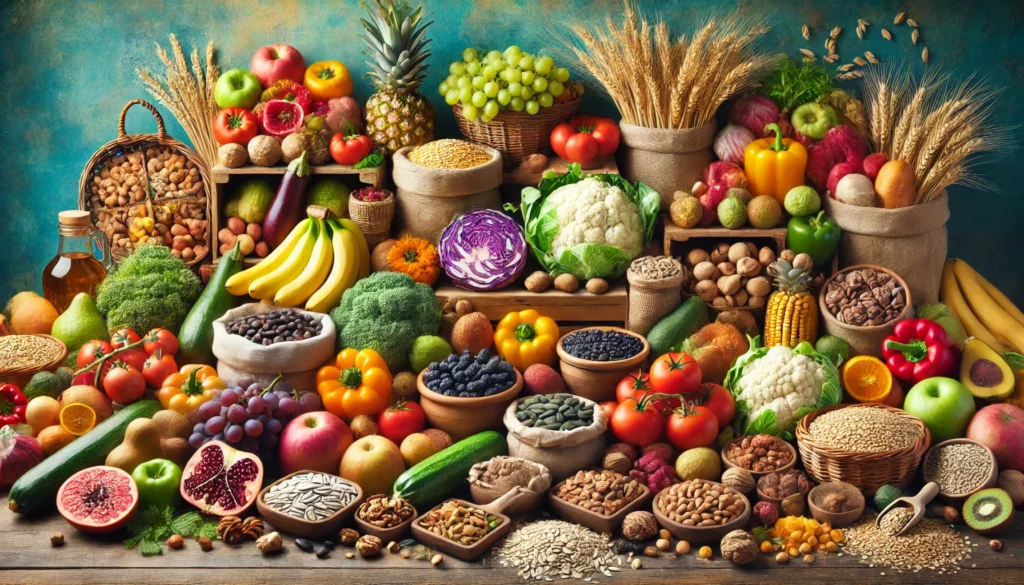
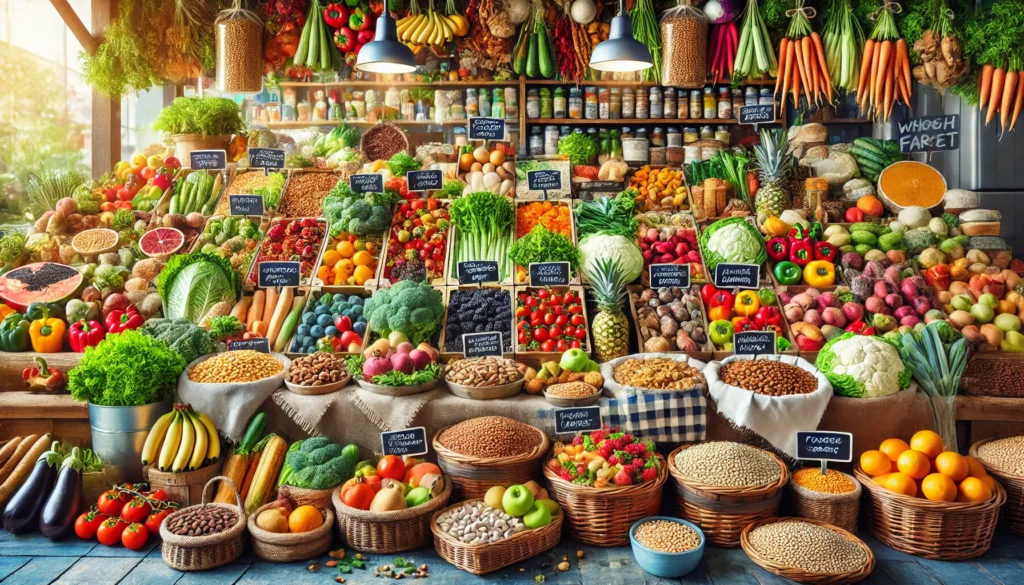
A colorful market stall filled with a diverse selection of fresh plant-based foods, including fruits, vegetables, nuts, seeds, legumes, and whole grains.

Fruits: Nature’s Sweet and Nutrient-Rich Offerings

Fruits are an essential component of a plant-based diet, offering an abundance of vitamins, minerals, and antioxidants. They are naturally rich in fiber, which supports digestive health and helps regulate blood sugar levels. Berries such as blueberries, strawberries, raspberries, and blackberries are particularly renowned for their high levels of antioxidants, which protect the body from oxidative stress and inflammation. These small but powerful fruits are packed with vitamin C, which supports immune function and skin health.

Citrus fruits, including oranges, lemons, limes, and grapefruits, provide a substantial dose of vitamin C and flavonoids, which contribute to cardiovascular health. Their natural acidity can aid digestion and enhance iron absorption from plant-based foods. Tropical fruits such as mangoes, pineapples, papayas, and bananas offer a wide range of vitamins and minerals, including potassium, which plays a crucial role in maintaining electrolyte balance and muscle function. Apples, pears, peaches, and plums provide dietary fiber that promotes satiety and gut health, making them excellent choices for maintaining a healthy weight.

Incorporating a variety of fruits into a plant-based diet ensures that the body receives a diverse array of nutrients. Consuming fruits in their whole form rather than as juices preserves their fiber content, which is essential for regulating digestion and preventing blood sugar spikes. Whether eaten fresh, dried, or blended into smoothies, fruits are a delicious and essential part of a well-rounded plant-based diet.

Vegetables: The Foundation of a Plant-Based Diet

Vegetables are among the most nutrient-dense foods available, providing essential vitamins, minerals, and antioxidants while being low in calories. Leafy greens such as spinach, kale, Swiss chard, and collard greens are rich in iron, calcium, and vitamin K, all of which are vital for bone health and blood clotting. These greens also contain folate, an essential B vitamin that supports cellular function and DNA synthesis.

Cruciferous vegetables, including broccoli, cauliflower, Brussels sprouts, and cabbage, contain compounds known as glucosinolates, which have been shown to support detoxification and reduce inflammation. These vegetables are also high in fiber, aiding digestion and promoting a healthy gut microbiome. Root vegetables such as carrots, beets, sweet potatoes, and turnips provide complex carbohydrates that serve as an excellent source of sustained energy. Their high beta-carotene content supports vision health and immune function.

Allium vegetables, such as onions, garlic, leeks, and shallots, offer unique health benefits due to their sulfur-containing compounds, which have been linked to heart health and anti-inflammatory properties. Peppers, tomatoes, cucumbers, and zucchini contribute to a diverse range of flavors and nutrients, making plant-based meals more enjoyable and nutritious. By including a variety of vegetables in daily meals, individuals can maximize their nutrient intake and promote overall health.

Legumes: A Powerful Source of Plant-Based Protein

Legumes, including beans, lentils, peas, and chickpeas, are an excellent source of plant-based protein, fiber, and essential nutrients. They are particularly valuable for individuals following a plant-based diet as they provide an alternative to animal protein. Beans such as black beans, kidney beans, navy beans, and pinto beans contain high levels of fiber and antioxidants, supporting heart health and digestive function.

Lentils are a versatile and nutrient-dense legume, offering a rich source of iron, folate, and plant-based protein. They are a staple in many global cuisines and can be incorporated into soups, stews, and salads. Chickpeas, also known as garbanzo beans, are commonly used in Mediterranean and Middle Eastern cuisine. They are high in protein, fiber, and healthy fats, making them an excellent addition to plant-based diets.

Peas, including green peas, split peas, and snow peas, provide a good balance of protein and carbohydrates. They contain essential vitamins such as vitamin A and C, as well as minerals like iron and magnesium. Including legumes in meals can help individuals meet their protein needs while benefiting from the additional fiber and micronutrients they offer.

Nuts and Seeds: Nutrient-Dense Powerhouses

Nuts and seeds are rich sources of healthy fats, protein, vitamins, and minerals. Almonds, walnuts, cashews, and pecans provide heart-healthy monounsaturated fats and omega-3 fatty acids, which support brain function and cardiovascular health. These nuts also contain important minerals such as magnesium and zinc, which play a role in immune function and metabolism.

Seeds such as chia seeds, flaxseeds, sunflower seeds, and pumpkin seeds offer a concentrated source of essential nutrients. Chia and flaxseeds are particularly high in omega-3 fatty acids and fiber, which help maintain healthy cholesterol levels and support digestive health. Sunflower and pumpkin seeds provide protein and antioxidants, making them valuable additions to a plant-based diet.

Incorporating nuts and seeds into daily meals can enhance nutritional intake while adding texture and flavor. They can be sprinkled on salads, blended into smoothies, or used as a base for plant-based dressings and spreads. Their versatility makes them an essential component of a well-balanced plant-based diet.

A beautifully arranged flat-lay composition of plant-based foods on a dark slate background, showcasing a variety of vegetables, grains, legumes, nuts, and seeds.

Frequently Asked Questions (FAQ) About Plant-Based Foods

1. What are the benefits of incorporating a diverse list of plant-based foods into my diet?

A diverse list of plant-based foods provides an array of nutrients that support overall health. By including a variety of fruits, vegetables, legumes, nuts, seeds, and whole grains, individuals ensure they receive a broad spectrum of vitamins, minerals, and antioxidants. This variety also improves gut health by promoting a balanced microbiome, which is essential for digestion and immune function. Additionally, consuming different plant-based foods enhances satiety and helps regulate blood sugar levels, reducing the risk of metabolic disorders. Emphasizing diversity in a plant-based diet prevents nutrient deficiencies and makes meals more enjoyable and sustainable over the long term.

2. How can I ensure I get enough protein from a plant-based diet?

Getting enough protein from a plant-based diet requires strategic meal planning and incorporating a wide range of protein-rich foods. Legumes such as lentils, chickpeas, and black beans are excellent sources of plant-based protein, providing essential amino acids necessary for muscle repair and growth. Whole grains like quinoa, farro, and bulgur also contribute to protein intake while supplying fiber and minerals. Nuts and seeds, including almonds, chia seeds, and hemp seeds, offer an additional protein boost along with healthy fats. Combining different plant foods throughout the day helps ensure that all essential amino acids are consumed, supporting optimal health and energy levels.

3. Can a plant-based diet provide all essential vitamins and minerals?

A well-planned plant-based diet can provide nearly all essential vitamins and minerals, though some nutrients require special attention. Vitamin B12, primarily found in animal products, should be supplemented or obtained from fortified plant-based foods such as nutritional yeast and plant milks. Iron, found in legumes, spinach, and tofu, is more easily absorbed when paired with vitamin C-rich foods like citrus fruits and bell peppers. Omega-3 fatty acids, vital for brain and heart health, can be sourced from flaxseeds, chia seeds, and walnuts. Ensuring a balanced intake of a wide list of plant foods supports adequate nutrition and long-term well-being.

4. How does a plant-based diet impact long-term health?

Numerous studies suggest that a diet rich in plant-based foods can contribute to long-term health benefits. Plant foods contain powerful antioxidants and anti-inflammatory compounds that reduce the risk of chronic diseases such as heart disease, diabetes, and cancer. Diets centered around whole plant foods support weight management by promoting satiety and reducing excess calorie intake. Additionally, high-fiber plant-based diets improve digestive health and lower cholesterol levels, leading to better cardiovascular outcomes. Over time, consistent consumption of a nutrient-dense plant-based diet fosters longevity and enhances overall vitality.

5. How can I transition to a plant-based diet without feeling deprived?

Transitioning to a plant-based diet can be enjoyable and fulfilling when approached with a focus on variety and flavor. Experimenting with plant-based recipes that incorporate herbs, spices, and different cooking methods helps make meals satisfying. Substituting familiar animal-based dishes with plant-based alternatives, such as using lentils in place of ground beef or cashew-based sauces instead of dairy, can ease the transition. Exploring global cuisines that naturally emphasize plant foods, such as Mediterranean or Asian dishes, introduces new flavors and textures. Gradually increasing the proportion of plant-based foods in meals allows for a smoother and more sustainable shift.

6. What are some practical ways to incorporate more plant-based foods into daily meals?

Integrating more plant-based foods into daily meals can be simple and rewarding. Swapping refined grains for whole grains such as quinoa, brown rice, or oats increases fiber intake and provides essential nutrients. Adding legumes like lentils and chickpeas to soups, salads, and stews boosts protein and satiety. Snacking on raw nuts, seeds, or fruit ensures a steady intake of vitamins and healthy fats throughout the day. Smoothies made with leafy greens, berries, and plant-based milk provide a nutrient-packed breakfast or snack option. Small, consistent changes make it easier to embrace a plant-based lifestyle while maintaining a balanced and varied diet.

7. How does a plant-based diet impact athletic performance?

Many athletes thrive on a plant-based diet due to its high nutrient density and anti-inflammatory properties. Plant foods provide complex carbohydrates, which serve as a primary energy source for endurance activities. Protein from legumes, nuts, and seeds supports muscle recovery and growth without the inflammatory effects of processed meats. Antioxidants in plant foods help reduce oxidative stress and speed up recovery after intense workouts. Additionally, improved blood flow from consuming plant-based foods rich in nitric oxide, such as beets and leafy greens, enhances endurance and overall performance. Many elite athletes have successfully adopted plant-based nutrition to optimize strength, stamina, and recovery.

8. Are plant-based diets environmentally sustainable?

Plant-based diets are widely recognized for their positive impact on environmental sustainability. Producing plant foods generally requires fewer resources, such as water and land, compared to animal agriculture. Growing legumes, grains, and vegetables generates significantly lower greenhouse gas emissions, helping to reduce the carbon footprint associated with food production. Choosing a diet centered on plant-based foods supports biodiversity and reduces deforestation caused by livestock farming. By prioritizing locally sourced, seasonal plant foods, individuals can further decrease their environmental impact while enjoying fresh and nutritious meals. Shifting towards plant-based eating contributes to a more sustainable and eco-friendly food system.

9. What are some lesser-known plant-based foods that provide unique health benefits?

Exploring a diverse list of plant-based foods introduces lesser-known yet highly nutritious options. Sea vegetables, such as nori, wakame, and dulse, provide iodine and trace minerals essential for thyroid function. Fermented plant foods like tempeh, kimchi, and miso support gut health by supplying beneficial probiotics. Ancient grains, including teff, amaranth, and sorghum, offer unique nutrient profiles and are excellent gluten-free alternatives. Edible flowers, such as nasturtiums and hibiscus, provide antioxidants and add vibrant colors to meals. Including a variety of these less common plant-based foods expands dietary diversity and enhances nutritional benefits.

10. How can plant-based eating be balanced for different life stages and health conditions?

Plant-based diets can be adapted to suit different life stages and specific health needs. Pregnant individuals can meet increased nutrient requirements by consuming iron-rich legumes, calcium-fortified plant milks, and protein-dense tofu or tempeh. For growing children, incorporating a range of plant-based protein sources ensures adequate growth and development. Older adults benefit from plant foods that support bone health, such as leafy greens, almonds, and fortified cereals containing vitamin D and calcium. People with specific health conditions, such as diabetes or heart disease, can tailor their plant-based diet by prioritizing whole grains, legumes, and low-glycemic fruits. Customizing a plant-based diet based on individual health needs ensures optimal wellness throughout all life stages.

A farm-to-table kitchen setting featuring a freshly prepared plant-based meal with a vibrant salad, roasted sweet potatoes, quinoa, and an assortment of fresh plant-based ingredients.

Whole Grains: The Foundation of Energy and Nutrition

Whole grains are a vital component of plant-based diets, providing complex carbohydrates, fiber, and essential nutrients. Quinoa, brown rice, oats, barley, and whole wheat products are excellent sources of energy and fiber, which support digestion and metabolic health. Unlike refined grains, whole grains retain their nutrient-rich bran and germ layers, making them a superior choice for sustained energy and overall well-being.

Quinoa, a complete protein, contains all nine essential amino acids, making it a valuable grain for those following plant-based diets. Oats provide beta-glucan fiber, which has been shown to lower cholesterol levels and support heart health. Brown rice and barley offer essential minerals such as magnesium and selenium, which contribute to immune function and bone health.

By incorporating whole grains into meals, individuals can experience steady energy levels and improved digestive health. Choosing whole grains over refined grains ensures that the body receives the full spectrum of nutrients necessary for optimal health.

Further Reading:

Beginner’s Guide to A Whole-Foods, Plant-Based Diet

Complete Plant-Based Diet Grocery List

Plant-Based Diets: A Physician’s Guide

plant-based nutrition, whole food diet, vegan food list, healthy plant foods, plant-based protein sources, nutrient-rich vegetables, best fruits for health, legumes for protein, nuts and seeds benefits, whole grains nutrition, plant-based diet benefits, sustainable eating, heart-healthy foods, high-fiber diet, antioxidant-rich foods, meat alternatives, dairy-free diet, plant-based meal planning, superfoods for health, clean eating guide

The information contained in this article is provided for general informational purposes only and is not intended to serve as medical, legal, or professional advice. While NewsHealthWatch strives to present accurate, up-to-date, and reliable content, no warranty or guarantee, expressed or implied, is made regarding the completeness, accuracy, or adequacy of the information provided. Readers are strongly advised to seek the guidance of a qualified healthcare provider or other relevant professionals before acting on any information contained in this article. NewsHealthWatch, its authors, editors, and contributors expressly disclaim any liability for any damages, losses, or consequences arising directly or indirectly from the use, interpretation, or reliance on any information presented herein. The views and opinions expressed in this article are those of the author(s) and do not necessarily reflect the official policies or positions of NewsHealthWatch.
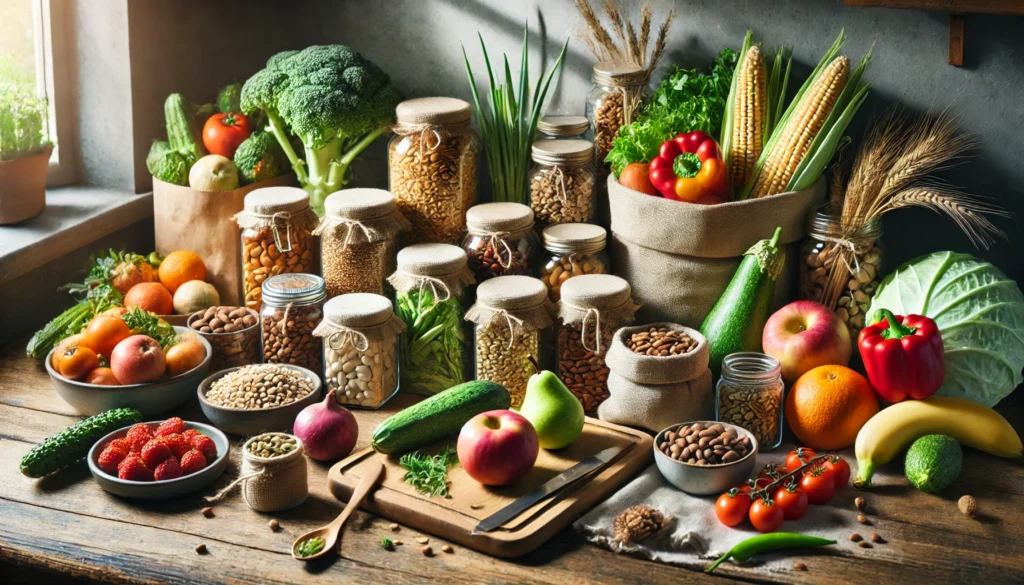

Best High-Fiber, Low-Calorie Foods to Support Weight Loss on a Plant-Based Diet

Understanding the Role of Fiber in Weight Loss

A plant-based diet rich in high fiber, low calorie foods provides significant benefits for weight management. Fiber plays a crucial role in satiety, digestion, and metabolic health. When consumed in adequate amounts, fiber aids in slowing digestion, stabilizing blood sugar levels, and promoting a sustained feeling of fullness, which can reduce overall calorie intake. The physiological mechanisms behind fiber’s effectiveness in weight loss are supported by extensive scientific research, emphasizing its ability to improve gut health and regulate energy metabolism.

You may also like: How to Start a Whole Food Plant-Based Diet: A Beginner’s Guide to Healthier Eating

Fiber exists in two main forms: soluble and insoluble. Soluble fiber dissolves in water, forming a gel-like substance that helps regulate cholesterol levels and blood sugar. Insoluble fiber, on the other hand, does not dissolve in water and facilitates the smooth passage of food through the digestive system, preventing constipation and promoting bowel regularity. Both forms contribute to improved digestion and metabolic efficiency, making them essential components of a weight-loss-focused plant-based diet.

A beautifully arranged plant-based meal featuring a colorful salad with mixed greens, chickpeas, quinoa, cherry tomatoes, and avocado slices, emphasizing healthy eating and weight loss.

How a Plant-Based Diet Supports Fiber Intake

Adopting a plant-based diet inherently increases fiber intake since plant-derived foods are the primary sources of dietary fiber. Unlike processed foods, which are often stripped of their natural fiber content, whole, unprocessed plant foods retain their nutritional integrity, offering a combination of vitamins, minerals, and fiber that contribute to overall health and weight management.

Plant-based diets also tend to be lower in calorie density, meaning they provide fewer calories per gram of food. This makes it easier to consume larger portions without exceeding daily caloric needs. High fiber, low calorie foods allow for greater volume consumption while maintaining a calorie deficit, a fundamental principle of weight loss.

Best High-Fiber, Low-Calorie Foods for Weight Loss

Leafy Greens: The Ultimate Weight Loss Powerhouses

Leafy greens such as spinach, kale, Swiss chard, and arugula are among the best fiber foods for weight loss due to their exceptional nutrient density and low-calorie content. These greens are rich in both soluble and insoluble fiber, making them effective in enhancing digestion and promoting satiety.

Spinach, for instance, contains a significant amount of fiber while being extremely low in calories. A single cup of raw spinach provides approximately 0.7 grams of fiber with only seven calories. Kale, another nutritional powerhouse, offers a slightly higher fiber content, with one cup providing around 1.3 grams of fiber and just 33 calories. The high water content in these greens further enhances their ability to keep you full, making them ideal for those seeking sustainable weight loss.

Cruciferous Vegetables: Fiber-Rich and Nutrient-Dense

Cruciferous vegetables, including broccoli, cauliflower, Brussels sprouts, and cabbage, are excellent sources of plant based diet fiber. These vegetables contain high amounts of fiber, vitamins, and antioxidants that support metabolic health and inflammation reduction.

Broccoli, for instance, provides 2.4 grams of fiber per cup while containing only 55 calories, making it an excellent choice for those aiming to increase fiber intake without consuming excess calories. Brussels sprouts, another fiber-rich cruciferous vegetable, offer nearly 4 grams of fiber per cup, supporting optimal digestion and promoting gut health. Their slightly bitter taste can be balanced with healthy preparation methods such as roasting or steaming with lemon juice to enhance palatability while retaining their nutritional benefits.

Legumes and Beans: A Plant-Based Protein and Fiber Powerhouse

Legumes, including lentils, black beans, chickpeas, and kidney beans, are among the best high fiber, low calorie foods for weight loss. They provide a unique combination of protein and fiber, which work synergistically to promote satiety and support muscle maintenance during weight loss.

Lentils, for example, are exceptionally fiber-rich, offering around 15.6 grams of fiber per cup while containing approximately 230 calories. Black beans, another fiber-dense option, provide about 15 grams of fiber per cup and 227 calories. These foods not only contribute to fullness but also improve gut microbiome diversity, which has been linked to better weight management and metabolic health.

Whole Grains: Fiber-Rich Carbohydrates for Sustained Energy

Whole grains such as quinoa, oats, brown rice, and barley are valuable components of a plant-based diet for weight loss. Unlike refined grains, which have been stripped of their fiber content, whole grains retain their nutrient-dense bran and germ layers, providing sustained energy and digestive benefits.

Quinoa, for instance, offers 5.2 grams of fiber per cup while supplying a moderate 222 calories. As a complete protein source containing all nine essential amino acids, quinoa supports muscle preservation and enhances satiety. Similarly, oats are an excellent source of soluble fiber, particularly beta-glucan, which has been shown to reduce hunger and improve cholesterol levels. One cup of cooked oats provides 4 grams of fiber and 154 calories, making it a filling and nutritious breakfast option for those on a weight-loss journey.

Berries: Nutrient-Dense Fruits for Weight Loss

Berries, including raspberries, blackberries, blueberries, and strawberries, are among the most fiber-dense fruits available. Their natural sweetness satisfies cravings for sugary foods while delivering essential vitamins, antioxidants, and fiber to support digestion and metabolic health.

Raspberries, for instance, contain an impressive 8 grams of fiber per cup while only providing 64 calories, making them one of the best fiber foods for weight loss. Blackberries follow closely, with 7.6 grams of fiber per cup and 62 calories. These fruits can be incorporated into smoothies, oatmeal, or enjoyed as a standalone snack to enhance fiber intake without excess caloric consumption.

Strategies for Maximizing Fiber Intake on a Plant-Based Diet

Incorporating high fiber, low calorie foods into daily meals requires strategic planning to ensure optimal fiber intake without excessive calorie consumption. One effective approach is to prioritize whole, unprocessed foods while minimizing reliance on refined grains and processed plant-based alternatives.

Another key strategy is to distribute fiber intake evenly throughout the day. Instead of consuming a large amount of fiber in a single meal, spreading fiber-rich foods across multiple meals can prevent digestive discomfort while maintaining consistent satiety levels. Additionally, staying hydrated is crucial when increasing fiber intake, as fiber absorbs water and requires adequate hydration for optimal digestion.

A rustic kitchen setting with high-fiber, low-calorie ingredients being prepared, including freshly chopped vegetables, lentils, and whole grains on a wooden cutting board.

Frequently Asked Questions: High-Fiber, Low-Calorie Foods for Weight Loss on a Plant-Based Diet

1. How does fiber contribute to weight loss beyond just digestion?

Fiber does much more than just support digestion; it actively regulates appetite, hormonal balance, and fat metabolism. When consumed regularly, high fiber, low calorie foods help modulate hunger hormones such as ghrelin and leptin, preventing overeating and unnecessary snacking. Additionally, fiber slows the absorption of sugars, which prevents insulin spikes that can lead to fat storage. Another overlooked benefit of fiber is its role in promoting the release of gut hormones that signal fullness to the brain, reinforcing long-term satiety. This means that integrating plant based diet fiber into meals not only supports digestion but also aligns with the body’s natural mechanisms for maintaining a healthy weight.

2. Are there specific high-fiber foods that target belly fat?

While no single food directly “burns” belly fat, certain high fiber, low calorie foods can help reduce overall fat accumulation, particularly in the abdominal area. Soluble fiber, found in foods like oats, flaxseeds, and legumes, forms a gel-like consistency in the stomach, slowing digestion and improving fat metabolism. Additionally, these foods promote the growth of beneficial gut bacteria, which are linked to reduced visceral fat. Studies show that individuals who consume high amounts of plant based diet fiber tend to have lower body fat percentages, especially around the midsection. By regularly incorporating fiber-rich foods into meals, the body becomes more efficient at processing fat rather than storing it.

3. How can I increase my fiber intake without causing digestive discomfort?

A sudden increase in fiber can sometimes lead to bloating and gas, but there are ways to prevent this while still benefiting from high fiber, low calories foods. The key is to increase fiber intake gradually, allowing the digestive system to adjust over time. Drinking plenty of water is also essential, as fiber absorbs liquid to form bulk in the intestines. Additionally, opting for cooked vegetables instead of raw ones can make digestion easier while still providing essential fiber. Fermented foods, such as kimchi or sauerkraut, can also help balance gut bacteria and improve the digestion of plant based diet fiber. Over time, the body adapts, making it easier to handle higher fiber consumption with fewer side effects.

4. Can high-fiber foods help regulate blood sugar levels?

Yes, one of the biggest benefits of high fiber, low calorie foods is their ability to stabilize blood sugar levels, making them particularly beneficial for individuals with insulin resistance or diabetes. Soluble fiber slows the absorption of carbohydrates, preventing rapid spikes and crashes in blood glucose levels. Foods like beans, lentils, and whole grains not only provide fiber but also contain complex carbohydrates that provide steady energy release. Additionally, fiber improves insulin sensitivity over time, making it easier for the body to regulate sugar levels naturally. This means that incorporating the best fiber foods for weight loss also supports long-term metabolic health and energy stability.

5. How does fiber impact gut health and weight loss simultaneously?

The gut microbiome plays a crucial role in both digestion and weight management, and high fiber, low calories foods directly influence the composition of gut bacteria. Fiber acts as a prebiotic, feeding the beneficial bacteria that help break down food efficiently and produce short-chain fatty acids, which have been linked to fat metabolism. A well-balanced gut microbiome improves nutrient absorption, enhances satiety signals, and reduces inflammation, all of which contribute to weight management. Moreover, individuals with diverse gut bacteria are more likely to maintain a healthy weight compared to those with an imbalanced microbiome. By consistently consuming plant based diet fiber, gut health and weight loss become interconnected benefits.

6. Are all sources of fiber equally effective for weight loss?

Not all fiber sources have the same impact on weight loss. While both soluble and insoluble fiber are essential, soluble fiber—found in foods like chia seeds, oats, and legumes—tends to be more effective in promoting satiety and reducing calorie absorption. Insoluble fiber, present in foods like whole grains and vegetables, aids digestion but does not slow digestion as effectively. Fermentable fibers, such as those in bananas and onions, provide additional gut health benefits, which indirectly support weight management. For the best results, a combination of different fiber types should be included in a diet focused on high fiber, low calorie foods. This ensures a well-rounded approach to weight loss and digestive health.

7. What are some creative ways to incorporate more fiber into daily meals?

Increasing fiber intake doesn’t have to mean eating the same foods repeatedly. Simple swaps, such as using whole grain flour instead of refined flour in baking or adding flaxseeds to smoothies, can significantly boost fiber intake. Another creative approach is using pureed beans in soups and sauces to increase fiber without altering taste. Roasting chickpeas for a crunchy snack or using cauliflower rice as a low calorie fiber alternative to traditional grains are also excellent options. By diversifying the ways plant based diet fiber is consumed, meals remain exciting while still being nutritionally beneficial.

8. Can a high-fiber diet improve workout performance and recovery?

While fiber itself does not directly enhance athletic performance, its role in stabilizing energy levels and improving digestion can indirectly support exercise. Consuming high fiber, low calorie foods ensures a steady release of energy, preventing crashes that could impact endurance. Additionally, fiber-rich foods help maintain a healthy gut, which plays a role in nutrient absorption, including proteins and essential minerals that aid muscle recovery. A well-balanced diet containing the best fiber foods for weight loss can also reduce inflammation, which is crucial for recovery after intense workouts. Athletes who incorporate adequate fiber while balancing macronutrients tend to experience better overall performance and reduced fatigue.

9. How can fiber intake influence cravings and emotional eating?

One of the lesser-known benefits of high fiber, low calories foods is their impact on emotional eating and cravings. Fiber slows digestion, keeping blood sugar levels stable and preventing sudden hunger pangs that often lead to unhealthy snacking. Additionally, fiber-rich meals tend to be more filling, reducing the likelihood of reaching for calorie-dense comfort foods. Certain fibers, like those found in oats and beans, also promote the production of serotonin, the neurotransmitter responsible for mood regulation. By strategically incorporating plant based diet fiber into meals, individuals can develop healthier eating patterns and reduce reliance on processed foods for emotional satisfaction.

10. What are the long-term health benefits of maintaining a high-fiber diet?

Beyond weight loss, a diet rich in high fiber, low calorie foods provides numerous long-term health benefits. Regular fiber consumption has been linked to a reduced risk of heart disease, lower cholesterol levels, and improved digestive function. Fiber also plays a role in maintaining cognitive health by reducing inflammation and supporting brain-gut communication. Additionally, high fiber intake has been associated with lower risks of certain cancers, particularly those related to the digestive tract. Incorporating the best fiber foods for weight loss into a daily diet not only supports immediate weight management goals but also contributes to a longer, healthier life.

A lively farmer’s market scene showcasing a variety of high-fiber, low-calorie plant-based foods such as fruits, vegetables, legumes, and whole grains arranged in baskets under natural light.

Conclusion: Embracing a High-Fiber, Low-Calorie Plant-Based Diet for Sustainable Weight Loss

A plant-based diet rich in fiber offers numerous benefits for weight loss, digestive health, and overall well-being. By incorporating the best high fiber, low calorie foods, individuals can enhance satiety, regulate appetite, and maintain energy balance without unnecessary calorie consumption. Leafy greens, cruciferous vegetables, legumes, whole grains, and berries serve as foundational elements of a fiber-rich diet, supporting long-term weight management and metabolic health.

With careful planning and mindful eating habits, a high-fiber, low-calorie plant-based diet can be both satisfying and effective in achieving sustainable weight loss. Prioritizing whole foods and making informed dietary choices empower individuals to optimize their health while enjoying the diverse and delicious options available within a plant-based lifestyle.

Further Reading:

22 High Fiber Foods You Should Eat

How to Lose Weight on a Vegetarian Diet

50 low calorie foods to incorporate into your diet

plant-based nutrition, fiber-rich diet, weight loss foods, healthy eating, gut health, whole food diet, natural weight loss, best plant foods, fiber for digestion, vegan diet tips, calorie deficit foods, nutrient-dense meals, metabolism-boosting foods, fiber benefits, plant protein sources, low-calorie meal ideas, superfoods for weight loss, healthy lifestyle tips, sustainable dieting, high-fiber vegetables

The information contained in this article is provided for general informational purposes only and is not intended to serve as medical, legal, or professional advice. While NewsHealthWatch strives to present accurate, up-to-date, and reliable content, no warranty or guarantee, expressed or implied, is made regarding the completeness, accuracy, or adequacy of the information provided. Readers are strongly advised to seek the guidance of a qualified healthcare provider or other relevant professionals before acting on any information contained in this article. NewsHealthWatch, its authors, editors, and contributors expressly disclaim any liability for any damages, losses, or consequences arising directly or indirectly from the use, interpretation, or reliance on any information presented herein. The views and opinions expressed in this article are those of the author(s) and do not necessarily reflect the official policies or positions of NewsHealthWatch.



The Impact of Artificial Intelligence on Casino Operations

0

Artificial intelligence (AI) is changing the gaming industry by improving processes, improving customer interactions, and improving protection measures. According to a 2023 report by Deloitte, AI technologies are projected to boost operational efficiency in casinos by up to 30%, enabling for better resource administration and customer assistance.

One prominent figure in this change is David Baazov, the previous CEO of Amaya Gaming, who has been a strong advocate of incorporating AI into betting platforms. You can find out more about his insights on his Twitter profile.

In 2022, the Bellagio in Las Vegas introduced an AI-driven customer interaction management system that assesses player behavior to adapt promotions and enhance loyalty initiatives. This approach not only increases player involvement but also increases revenue by targeting offers more effectively. For further insights on AI in the betting industry, visit New York Times.

Moreover, AI is being employed for deception discovery and stopping, analyzing patterns in real-time to detect suspicious behaviors. This system helps casinos reduce dangers and safeguard their assets, ensuring a protected environment for participants. Additionally, AI chatbots are enhancing customer service by providing instant support and data, enhancing overall customer satisfaction. Explore more about these innovations at deutschland bestes online casino.

As the casino industry keeps to integrate AI, players should remain knowledgeable about how these technologies can boost their gambling event. Understanding the gains of AI can help participants make more educated decisions and enjoy a more tailored betting atmosphere.

The Evolution of Casino Gaming: From Traditional to Online

0

The casino field has undergone a substantial change over the past few years, shifting from traditional brick-and-mortar locations to a thriving online gaming environment. This progression has been propelled by tech advancements and shifting consumer choices. In 2023, the international online gambling sector was estimated at about (63 billion, with forecasts indicating it could hit )114 billion by 2028, according to a report by Grand View Research.

One of the important players in this change is Richard Branson, the creator of the Virgin Group, who has ventured into the online gaming space with Virgin Games. You can track his newest updates on his Twitter profile. His initiatives emphasize the increasing attention of prominent brands in the online casino sector, which has become more competitive.

In 2022, the UK Gambling Commission disclosed a 30% increase in online gambling involvement, particularly among youthful demographics. This transition has encouraged traditional casinos to adapt by providing online platforms, permitting players to enjoy their preferred games from the ease of their homes. For more information into the online gambling environment, visit The New York Times.

Online casinos now present a vast range of games, including slots, poker, and live dealer selections, addressing to different player tastes. The adoption of virtual reality (VR) tech is also on the rise, offering immersive gaming encounters that replicate the ambiance of traditional casinos. Players can discover these innovations at deutschland bestes online casino.

However, with the convenience of online gaming comes the obligation of guaranteeing safe gambling methods. Players should be aware of the dangers associated with online gambling, including addiction and financial deficit. It is essential to choose licensed and regulated platforms to ensure a protected gaming setting. By keeping informed and implementing responsible gaming, players can benefit from the advantages of this changing industry while minimizing potential obstacles.

Best Energy-Boosting Snacks: Natural Remedies for Sustained Vitality

Introduction: The Importance of Energy-Boosting Snacks in Daily Life

In today’s fast-paced world, maintaining optimal energy levels is essential for productivity, focus, and overall well-being. Whether tackling a demanding work schedule, engaging in strenuous physical activity, or simply managing day-to-day responsibilities, finding the right source of energy is crucial. Many people wonder, what’s a good snack that gives you energy? The answer lies in natural, nutrient-dense foods that provide a steady release of energy rather than a short-lived sugar spike.

You may also like: Best Natural Supplements for Focus and Concentration: Boost Brainpower with Science-Backed Vitamins

Energy-boosting snacks play a fundamental role in sustaining vitality throughout the day. Instead of relying on processed foods high in refined sugars, incorporating whole foods with balanced macronutrients can help maintain consistent energy levels. Healthy snacks containing complex carbohydrates, protein, healthy fats, and essential vitamins ensure that the body receives sustained fuel. This article explores the best snacks for energy, delving into their nutritional benefits and how they can be incorporated into a healthy lifestyle.

Understanding Energy Production in the Body

The body derives its energy from macronutrients: carbohydrates, proteins, and fats. Carbohydrates serve as the primary fuel source, breaking down into glucose and supplying immediate energy. However, not all carbohydrates are created equal. While refined carbohydrates cause rapid spikes and crashes in blood sugar levels, complex carbohydrates provide steady, long-lasting energy. Proteins contribute to muscle repair and slow digestion, preventing energy dips, while healthy fats offer a prolonged energy source, ensuring endurance and mental clarity.

Incorporating natural, energy-boosting snacks ensures that blood sugar levels remain stable throughout the day. Instead of experiencing an afternoon slump, well-balanced snacks rich in fiber, protein, and essential fats provide continuous energy release. This article highlights the best snacks for energy and explores their impact on overall health and vitality.

A vibrant spread of natural energy snacks on a marble countertop, featuring mixed berries, Greek yogurt with honey and chia seeds, avocado slices, and assorted nuts.

Whole Foods as the Ultimate Energy-Boosting Snacks

Nuts and Seeds: Nature’s Powerhouses

Nuts and seeds are among the most effective energy-boosting snacks due to their high content of healthy fats, protein, and fiber. Almonds, walnuts, and cashews provide a combination of monounsaturated fats and protein, which help stabilize blood sugar levels and sustain energy. Seeds like chia, flax, and pumpkin seeds are rich in omega-3 fatty acids, supporting cognitive function and reducing inflammation.

A handful of mixed nuts or a serving of chia pudding can offer an immediate energy boost without causing a sugar crash. Additionally, these nutrient-dense snacks provide essential micronutrients such as magnesium and zinc, which aid in metabolism and muscle function. Incorporating nuts and seeds into daily meals ensures sustained energy, improved brain function, and overall wellness.

Fruits: Natural Sugars for Quick and Lasting Energy

Fruits provide an excellent source of natural sugars, fiber, and essential vitamins that promote sustained energy. Bananas, for instance, contain carbohydrates and potassium, essential for muscle function and endurance. Apples offer a combination of fiber and natural sugars, ensuring a slow release of energy. Berries, rich in antioxidants, combat oxidative stress while delivering a refreshing energy boost.

Combining fruits with protein or healthy fats can enhance their benefits. For example, pairing apple slices with almond butter or mixing berries into Greek yogurt creates a balanced snack that stabilizes blood sugar levels. These energy-boosting snacks are not only nutritious but also convenient and delicious options for maintaining vitality throughout the day.

Whole Grains: Complex Carbohydrates for Sustained Fuel

Whole grains are another key category of snacks that provide long-lasting energy. Unlike refined grains that cause blood sugar fluctuations, whole grains contain fiber, which slows digestion and promotes satiety. Oats, quinoa, and brown rice offer sustained energy release, making them ideal choices for snacks.

Overnight oats prepared with nuts and fruit or whole-grain crackers with hummus make excellent energy-boosting snacks. These options ensure that the body receives a steady supply of glucose while benefiting from essential nutrients such as B vitamins, which aid in energy metabolism. By incorporating whole grains into daily meals, individuals can sustain energy levels and avoid mid-day fatigue.

Protein-Rich Snacks for Endurance and Strength

Greek Yogurt and Cottage Cheese: High-Protein Dairy Choices

Greek yogurt and cottage cheese are rich sources of protein and probiotics, making them excellent energy-boosting snacks. Greek yogurt contains double the protein of regular yogurt and supports muscle repair and sustained energy. Adding honey, nuts, or berries enhances its nutritional profile while maintaining balanced macronutrients.

Cottage cheese, high in casein protein, provides a slow-digesting energy source, making it ideal for prolonged energy release. Mixing it with fruit or flaxseeds enhances its taste and nutrient content. These dairy-based snacks not only support muscle health but also contribute to gut health, digestion, and overall well-being.

Hard-Boiled Eggs: A 

Portable and Nutritious Snack

Eggs are a complete protein source, offering all nine essential amino acids necessary for muscle function and energy production. Hard-boiled eggs make a convenient, high-protein snack that sustains energy levels without causing blood sugar crashes. Rich in choline and B vitamins, eggs also support cognitive function and metabolism.

Pairing eggs with whole-grain toast or avocado enhances their nutritional value, providing a balanced combination of protein, healthy fats, and fiber. This simple yet effective snack ensures sustained energy, making it a perfect choice for individuals seeking long-lasting vitality.

A visually appealing selection of high-energy snacks on a rustic kitchen table, including apple slices with peanut butter, granola with dried fruits, a banana-spinach smoothie, and pumpkin seeds.

Herbal Remedies and Adaptogens for Natural Energy Enhancement

Matcha Green Tea: A Potent Source of Antioxidants and Caffeine

Matcha green tea is a powerful energy enhancer known for its combination of caffeine and L-theanine. Unlike coffee, which causes rapid spikes in energy, matcha provides a steady release of energy, preventing jitters and crashes. Rich in antioxidants, matcha supports brain function, boosts metabolism, and enhances endurance.

Incorporating matcha into smoothies or consuming it as a latte provides an effective alternative to traditional caffeinated beverages. The presence of amino acids in matcha ensures that energy levels remain stable, promoting alertness and concentration throughout the day.

Ginseng: A Natural Adaptogen for Energy and Focus

Ginseng is a well-known adaptogen that supports energy levels, reduces fatigue, and enhances cognitive function. Used in traditional medicine for centuries, ginseng improves physical stamina and mental clarity without overstimulating the nervous system.

Consuming ginseng tea or adding ginseng extract to smoothies enhances endurance and resilience to stress. This natural remedy provides a holistic approach to maintaining energy levels while supporting overall vitality and immune health.

Frequently Asked Questions (FAQ) on Energy-Boosting Snacks

1. What’s a good snack that gives you energy for long-lasting endurance?
A good snack that provides long-lasting endurance is one that contains a balance of complex carbohydrates, healthy fats, and protein. One of the best options is a combination of Greek yogurt with chia seeds and a drizzle of honey. The protein in Greek yogurt helps maintain muscle function, while chia seeds supply fiber and omega-3 fatty acids, ensuring a steady release of energy. Honey, a natural carbohydrate source, provides an initial boost without leading to an energy crash. When selecting the best snacks for energy, it’s important to focus on whole foods that promote satiety while avoiding refined sugars that cause energy fluctuations.

2. Are energy-boosting snacks different from pre-workout snacks?
Yes, energy-boosting snacks are designed to sustain energy throughout the day, while pre-workout snacks are tailored to provide immediate fuel for physical exertion. A pre-workout snack should contain quick-digesting carbohydrates such as a banana with peanut butter, which rapidly supplies glucose to muscles. On the other hand, if you’re looking for what’s a good snack that gives you energy throughout the day, options like trail mix with nuts and dried fruit provide a combination of macronutrients that release energy gradually. Choosing the right snack depends on when and why you need the energy boost.

3. Can energy-boosting snacks help with mental alertness?
Absolutely! Certain foods enhance cognitive function in addition to providing physical energy. Snacks rich in healthy fats and antioxidants, such as walnuts and dark chocolate, improve brain function by increasing blood flow to the brain. Additionally, matcha tea, which contains caffeine and L-theanine, promotes sustained focus without the jitteriness associated with coffee. When searching for the best snacks for energy, it’s helpful to choose foods that not only fuel the body but also support mental clarity. A balanced snack with a mix of protein, fiber, and healthy fats ensures both physical and cognitive endurance.

4. What’s a good snack that gives you energy without causing a sugar crash?
Snacks that provide a slow and steady release of glucose prevent sugar crashes and maintain stable energy levels. A great example is hummus with whole-grain crackers, which combines fiber-rich carbohydrates with plant-based protein. Unlike processed snacks high in refined sugars, this combination ensures that energy is released gradually into the bloodstream. Energy-boosting snacks should ideally contain fiber, protein, and healthy fats to prevent sharp spikes and crashes in blood sugar levels. By choosing nutrient-dense snacks, you can sustain energy without experiencing fatigue shortly after eating.

5. How do protein-based snacks contribute to sustained energy levels?
Protein plays a crucial role in maintaining energy levels because it slows digestion and promotes muscle recovery. Hard-boiled eggs, for instance, are an excellent source of high-quality protein and contain essential vitamins like B12, which supports red blood cell production and energy metabolism. Another great choice is cottage cheese with sliced almonds, which provides a combination of protein and healthy fats. The best snacks for energy often include protein, as it prevents sudden hunger pangs and keeps blood sugar levels stable. Incorporating protein-rich foods into snacks ensures sustained energy throughout the day.

6. Are there plant-based options for energy-boosting snacks?
Yes, many plant-based snacks provide excellent energy-boosting benefits. A smoothie made with almond milk, spinach, banana, and flaxseeds offers a powerhouse of nutrients, supplying fiber, natural sugars, and omega-3 fatty acids. Another option is roasted chickpeas, which are high in protein and fiber, making them one of the best snacks for energy on a plant-based diet. For those looking for a convenient snack, nut butter with sliced fruit can provide a satisfying and energy-sustaining option. Plant-based snacks ensure that energy levels remain high while also supplying essential vitamins and minerals.

7. How do energy-boosting snacks help regulate blood sugar levels?
The key to regulating blood sugar levels with snacks is choosing foods that provide a gradual release of glucose rather than a rapid spike. Oatmeal with walnuts and cinnamon is an example of a snack that stabilizes blood sugar while providing long-lasting energy. Cinnamon has been shown to improve insulin sensitivity, while the fiber in oats slows glucose absorption. If you’re wondering what’s a good snack that gives you energy while keeping blood sugar balanced, opt for foods rich in fiber, protein, and healthy fats. These nutrients work together to prevent sudden dips in energy and cravings for sugary foods.

8. Can energy-boosting snacks aid in weight management?
Yes, the right energy-boosting snacks can support weight management by promoting satiety and preventing overeating. Snacks like avocado toast on whole-grain bread offer a satisfying mix of fiber and healthy fats, keeping you full for longer. Additionally, almonds and sunflower seeds are rich in protein and healthy fats, reducing the likelihood of mindless snacking. The best snacks for energy should not only provide a boost but also help control hunger, making weight management easier. Choosing nutrient-dense snacks over processed alternatives leads to better appetite control and sustained energy.

9. What are some quick and portable energy-boosting snack ideas?
For individuals on the go, portable snacks that provide a quick energy boost are essential. A homemade energy bar made with oats, nuts, and dried fruit is a great option, as it contains complex carbohydrates and protein. Another convenient choice is a handful of trail mix, which combines nuts, seeds, and dark chocolate for a blend of protein, fiber, and antioxidants. When selecting what’s a good snack that gives you energy while traveling or at work, aim for whole-food options that don’t require refrigeration. Keeping easy-to-carry snacks on hand ensures that you stay energized throughout the day without relying on processed foods.

10. How do herbal remedies complement energy-boosting snacks?
Herbal remedies such as ginseng, maca root, and ashwagandha enhance the effectiveness of energy-boosting snacks by supporting the body’s ability to manage stress and fatigue. For example, adding maca powder to a smoothie increases endurance and stamina naturally. Ginseng tea, when paired with a high-protein snack like almonds, helps improve focus and sustain energy without the need for caffeine. The best snacks for energy can be further enhanced with adaptogens that support the body’s resilience to stress. Combining whole-food snacks with herbal remedies provides a holistic approach to maintaining energy levels throughout the day.

A modern kitchen countertop displaying whole-grain avocado toast with sunflower seeds, a bowl of mixed dried fruits, a cup of matcha tea, and homemade energy balls made from dates, nuts, and cocoa powder.

Conclusion: The Power of Energy-Boosting Snacks for Sustained Vitality

Maintaining optimal energy levels requires a balanced approach that includes nutrient-dense snacks, whole foods, and natural remedies. By choosing the best snacks for energy, individuals can sustain their vitality without relying on processed foods that lead to energy crashes. Nuts, seeds, fruits, whole grains, and protein-rich snacks provide essential nutrients that fuel the body efficiently. Additionally, incorporating herbal remedies such as matcha and ginseng enhances endurance and mental clarity.

By prioritizing natural, energy-boosting snacks, individuals can achieve consistent energy levels, improved focus, and overall well-being. Making informed choices about nutrition ensures that the body receives the necessary fuel to thrive, leading to a healthier and more vibrant lifestyle.

natural energy snacks, healthy snack ideas, best foods for energy, nutrient-dense snacks, sustained energy foods, high-protein snacks, whole food nutrition, slow-release energy snacks, superfoods for energy, metabolism-boosting foods, plant-based energy sources, healthy fats for energy, adaptogenic herbs, caffeine alternatives, brain-boosting snacks, endurance nutrition, fitness fuel snacks, balanced diet for energy, anti-fatigue foods, natural vitality boosters

Further Reading:

15 Nutrient-Rich Foods To Boost Energy Naturally

11 Foods to Eat to Beat Fatigue

Best foods to eat to give you energy

Disclaimer

The information contained in this article is provided for general informational purposes only and is not intended to serve as medical, legal, or professional advice. While NewsHealthWatch strives to present accurate, up-to-date, and reliable content, no warranty or guarantee, expressed or implied, is made regarding the completeness, accuracy, or adequacy of the information provided. Readers are strongly advised to seek the guidance of a qualified healthcare provider or other relevant professionals before acting on any information contained in this article. NewsHealthWatch, its authors, editors, and contributors expressly disclaim any liability for any damages, losses, or consequences arising directly or indirectly from the use, interpretation, or reliance on any information presented herein. The views and opinions expressed in this article are those of the author(s) and do not necessarily reflect the official policies or positions of NewsHealthWatch.

Top 10 Energy-Boosting Foods: Natural Ways to Increase Energy Levels and Stay Energized

Introduction: Understanding Energy and Nutrition

Energy is the foundation of human vitality, influencing physical performance, mental clarity, and overall well-being. In today’s fast-paced world, many individuals struggle with fatigue, sluggishness, and a lack of endurance. The question of what makes someone feel energized is central to optimizing health and productivity. While lifestyle factors such as sleep, hydration, and exercise play crucial roles in sustaining energy, nutrition remains one of the most effective natural ways to increase energy levels. Consuming the right foods that give you energy can significantly impact how to have more energy throughout the day.

You may also like: Best Natural Supplements for Focus and Concentration: Boost Brainpower with Science-Backed Vitamins

Our bodies require a balanced intake of macronutrients—carbohydrates, proteins, and fats—as well as essential vitamins and minerals to sustain energy production. By incorporating natural energy boosters into daily meals, individuals can improve their stamina, focus, and overall vitality. Whether one is looking for ways to boost energy in the morning or searching for an energy booster to combat midday slumps, understanding the nutritional value of high-energy foods is key. This article explores the top 10 energy-boosting foods and how they contribute to increased natural energy.

Bananas: The Ultimate Natural Energy Booster

Bananas are one of the best fruit choices for sustained energy. Packed with carbohydrates, potassium, and vitamin B6, bananas help fuel the body efficiently. The natural sugars found in bananas—fructose, glucose, and sucrose—provide both immediate and long-lasting energy. Additionally, potassium plays a critical role in muscle function and preventing cramps, making bananas an excellent pre-workout snack.

The high fiber content in bananas ensures a steady release of energy, preventing sudden spikes and crashes in blood sugar levels. This makes them a reliable option for those looking for natural ways to increase energy without relying on processed snacks. Furthermore, bananas contain antioxidants that combat oxidative stress, which can contribute to fatigue. Whether eaten alone, blended into smoothies, or paired with protein sources like yogurt or nut butter, bananas are an optimal choice for those wondering how to gain more energy naturally.

A colorful display of fresh energy-boosting fruits and nuts, featuring bananas, oranges, strawberries, almonds, walnuts, and chia seeds, artistically arranged on a bright wooden background.

Oatmeal: A Sustained Energy Powerhouse

Oatmeal is widely recognized as a high-energy food that provides sustained fuel throughout the day. Rich in complex carbohydrates, fiber, and essential nutrients, oatmeal supports a slow and steady release of glucose into the bloodstream. This gradual energy release prevents spikes in insulin levels, helping maintain stable energy levels over an extended period.

In addition to its carbohydrate content, oatmeal contains beta-glucans, a type of soluble fiber that promotes gut health and enhances nutrient absorption. The presence of B vitamins in oatmeal, particularly thiamine and niacin, plays a crucial role in energy metabolism. For those seeking ways to boost energy naturally, incorporating oatmeal into breakfast routines can help establish long-lasting vitality.

Pairing oatmeal with protein sources such as nuts, seeds, or Greek yogurt enhances its energy-boosting properties. Additionally, adding natural sweeteners like honey or fresh fruit can provide an extra dose of energy without causing a sugar crash. As a versatile and nutrient-dense option, oatmeal remains a staple for those looking for how to get energy quickly and efficiently.

Eggs: A High-Protein Energy Source

Eggs are one of the most nutrient-dense foods available, providing a complete profile of essential amino acids necessary for muscle repair and sustained energy production. They are rich in high-quality protein, which helps keep hunger at bay and prevents energy fluctuations throughout the day. Additionally, eggs contain B vitamins such as B12, riboflavin, and folate, which support the body’s metabolic processes and aid in energy production.

The healthy fats in eggs, particularly omega-3 fatty acids, contribute to cognitive function and endurance. For individuals searching for natural ways to boost energy, consuming eggs regularly can provide a steady supply of nutrients that promote sustained performance. Whether boiled, scrambled, or incorporated into various dishes, eggs are a versatile and efficient energy booster.

Including eggs in breakfast meals ensures prolonged satiety, reducing the likelihood of reaching for unhealthy, processed snacks. This makes them an ideal choice for those looking for how to increase energy levels naturally while maintaining balanced blood sugar levels.

A wholesome breakfast spread with oatmeal topped with blueberries, bananas, and honey, alongside a glass of fresh orange juice and a handful of almonds, set on a cozy kitchen counter.

Almonds: A Nutrient-Dense Energy Booster

Almonds are packed with healthy fats, protein, and fiber, making them one of the best snacks for sustained energy. They contain magnesium, a crucial mineral involved in over 300 enzymatic processes, including energy metabolism. A deficiency in magnesium can lead to fatigue, making almonds an excellent choice for those looking for ways to boost energy.

The combination of monounsaturated fats and protein in almonds helps stabilize blood sugar levels, preventing energy crashes. Additionally, almonds provide vitamin E, an antioxidant that supports cellular health and reduces oxidative stress, which can contribute to chronic fatigue. Consuming a handful of almonds as a snack or incorporating them into meals can significantly improve energy levels throughout the day.

For individuals searching for how to have energy naturally, almonds offer a convenient and nutritious solution. They are portable, require no preparation, and provide an immediate yet sustained energy boost. Combining almonds with dried fruit or yogurt can further enhance their energy-enhancing properties, making them an essential part of a balanced diet.

Frequently Asked Questions: Energy-Boosting Foods and Natural Ways to Increase Energy

1. What makes someone feel energized throughout the day?

Several factors contribute to maintaining consistent energy levels throughout the day, including proper nutrition, hydration, sleep, and physical activity. Consuming energy-boosting foods that provide a balanced mix of macronutrients—carbohydrates, proteins, and healthy fats—helps fuel the body efficiently. Hydration is equally important since even mild dehydration can cause fatigue and sluggishness. Regular movement, such as light stretching or a short walk, stimulates circulation and oxygen delivery to muscles and the brain, increasing natural energy. Additionally, managing stress and ensuring quality sleep are critical for sustaining vitality and avoiding energy crashes.

2. How can I get more energy without relying on caffeine or sugar?

While caffeine and sugar offer quick energy spikes, they often lead to subsequent crashes that leave individuals feeling more fatigued. Instead, focus on consuming foods that give you energy gradually and sustainably. Complex carbohydrates, such as whole grains, release glucose slowly into the bloodstream, preventing sudden drops in energy. Healthy fats, such as those found in nuts, seeds, and avocados, provide long-lasting fuel for the brain and body. Engaging in short bursts of physical activity, practicing deep breathing techniques, and ensuring adequate vitamin and mineral intake, particularly B vitamins and iron, can also help increase energy naturally without the need for stimulants.

3. What are the best fruits that give you energy naturally?

Fruits are excellent sources of natural sugars, fiber, and essential nutrients that help sustain energy. Bananas, for example, provide a combination of carbohydrates, potassium, and vitamin B6, making them one of the best fruit choices for energy. Apples contain both natural sugars and fiber, which slow down digestion and provide a steady energy release. Citrus fruits such as oranges and grapefruits are packed with vitamin C, which helps reduce fatigue and supports immune function. Berries, including strawberries, blueberries, and raspberries, provide antioxidants that help fight oxidative stress, a common contributor to low energy levels. Dates are another great option, as they are rich in natural sugars and minerals that aid in energy production.

4. How can I gain energy quickly when feeling fatigued?

If you need an immediate energy boost, consuming instant energy food for weakness, such as a handful of nuts, a piece of dark chocolate, or a smoothie with protein and healthy fats, can help. Hydration is another key factor, as dehydration often leads to sluggishness. Drinking water infused with lemon or herbal teas can provide an immediate refreshment. Engaging in a few minutes of movement, such as stretching or deep breathing, can help circulate oxygen and stimulate alertness. If possible, exposing yourself to natural light or stepping outside for fresh air can also provide an instant revitalizing effect.

5. What is the most efficient way to get energy that lasts all day?

The most effective approach to sustained energy is to focus on balanced meals and snacks that include a combination of macronutrients. Protein-rich foods, such as eggs, lean meats, and legumes, help stabilize blood sugar levels, while fiber-rich carbohydrates, such as quinoa and brown rice, provide slow-releasing energy. Healthy fats, such as those found in nuts, seeds, and olive oil, contribute to prolonged energy by preventing sudden crashes. Maintaining a consistent sleep schedule, managing stress, and staying hydrated further support endurance and stamina throughout the day. Incorporating adaptogenic herbs, such as ashwagandha or ginseng, can also help improve resilience against fatigue.

6. Are there specific foods that help increase energy levels before a workout?

Yes, pre-workout meals or snacks should contain a mix of carbohydrates, protein, and healthy fats to optimize performance and endurance. Energy-boosting foods like bananas, Greek yogurt with honey, or a smoothie made with berries and nuts provide a quick yet steady source of fuel. Oats, being rich in complex carbohydrates, offer sustained energy without causing crashes. Nut butters, such as almond or peanut butter, supply healthy fats that keep energy levels stable. For those engaging in high-intensity workouts, incorporating protein sources like eggs or lean meats beforehand helps maintain muscle endurance and recovery.

7. What are some natural ways to increase energy without changing my diet?

Although diet plays a significant role in energy levels, other lifestyle adjustments can also help. Prioritizing quality sleep is essential since a lack of rest impairs cognitive function and reduces stamina. Regular movement, even in small amounts, prevents sluggishness and promotes circulation. Stress management techniques, such as meditation or deep breathing, help conserve energy that might otherwise be drained by anxiety. Exposure to natural sunlight regulates circadian rhythms, helping the body maintain optimal energy levels. Practicing good posture and engaging in occasional stretching exercises also enhance blood flow and oxygen delivery to the brain and muscles, supporting alertness and focus.

8. How do high-energy foods differ from regular foods?

High-energy foods are specifically rich in nutrients that enhance metabolism, stabilize blood sugar levels, and provide sustained fuel for the body. Unlike processed foods that often contain refined sugars and cause energy crashes, nutrient-dense options such as whole grains, lean proteins, and healthy fats provide steady energy. Many high-energy foods also contain vitamins and minerals essential for mitochondrial function, the cellular powerhouse responsible for converting food into usable energy. Additionally, these foods often have anti-inflammatory properties that support overall vitality by reducing oxidative stress, which can contribute to chronic fatigue. In contrast, low-nutrient foods, such as sugary snacks and fast food, tend to offer short-lived bursts of energy followed by rapid declines.

9. What role do hydration and electrolytes play in energy levels?

Proper hydration is crucial for maintaining energy, as even mild dehydration can lead to fatigue, brain fog, and decreased physical performance. Water helps transport nutrients to cells, ensuring that the body efficiently converts food into energy. Electrolytes, such as sodium, potassium, magnesium, and calcium, play a vital role in muscle function and nerve signaling. Imbalances in electrolytes can result in symptoms like weakness, headaches, and muscle cramps. Coconut water, herbal teas, and electrolyte-rich foods like leafy greens, bananas, and nuts help replenish these essential minerals and support sustained energy levels.

10. How can I get energized fast in the morning without relying on caffeine?

Starting the day with energy-boosting habits can eliminate the need for caffeine. Drinking a glass of water first thing in the morning rehydrates the body after sleep and kickstarts metabolism. Eating a balanced breakfast that includes high-energy foods like oats, eggs, or avocado toast ensures a steady release of nutrients that fuel the body for hours. Engaging in a short morning stretch or light physical activity increases blood circulation and oxygenation, helping to wake up the body naturally. Exposure to natural sunlight signals the brain to regulate melatonin levels, improving alertness. Practicing mindfulness or deep breathing techniques also aids in mental clarity and focus, setting a positive tone for the rest of the day.

A high-energy meal prep featuring grilled salmon, quinoa, roasted sweet potatoes, steamed spinach, and avocado slices, beautifully arranged in a meal container on a wooden table.

Conclusion: Optimizing Energy Through Smart Nutrition

Maintaining high energy levels requires a strategic approach to nutrition, emphasizing whole, nutrient-dense foods that support the body’s natural metabolic processes. Understanding what makes someone feel energized goes beyond consuming caffeine or sugar-laden energy drinks. Instead, focusing on energy-boosting foods such as bananas, oatmeal, eggs, and almonds provides a sustainable and health-conscious way to enhance vitality.

For those wondering how to gain energy quickly, prioritizing complex carbohydrates, healthy fats, and high-quality protein is essential. These macronutrients, combined with vitamins and minerals, ensure optimal energy metabolism and overall well-being. Whether looking for natural ways to increase energy or searching for the best fruit for energy, incorporating these top 10 high-energy foods into daily meals can make a significant difference in physical and mental performance.

Adopting mindful eating habits and making informed dietary choices not only increases natural energy but also promotes long-term health and well-being. By integrating these scientifically backed energy boosters into a balanced lifestyle, individuals can enjoy sustained energy levels and improved overall vitality. The journey to lasting energy begins with nourishing the body with the right foods, ensuring a steady supply of fuel for both daily activities and long-term wellness.

natural energy sources, best superfoods for stamina, foods to fight fatigue, increase daily vitality, healthy diet for sustained energy, nutrient-dense foods for endurance, metabolism-boosting nutrition, plant-based energy boosters, high-protein snacks for energy, balanced diet for peak performance, vitamins for better energy levels, best morning foods for productivity, whole foods for long-lasting energy, essential nutrients for active lifestyles, hydration and energy connection, functional foods for wellness, natural ways to combat exhaustion, brain-boosting foods for focus, best pre-workout nutrition, holistic approaches to energy enhancement

Further Reading:

9 tips to boost your energy — naturally

Foods That Boost Your Energy

11 Foods to Eat to Beat Fatigue

Disclaimer

The information contained in this article is provided for general informational purposes only and is not intended to serve as medical, legal, or professional advice. While NewsHealthWatch strives to present accurate, up-to-date, and reliable content, no warranty or guarantee, expressed or implied, is made regarding the completeness, accuracy, or adequacy of the information provided. Readers are strongly advised to seek the guidance of a qualified healthcare provider or other relevant professionals before acting on any information contained in this article. NewsHealthWatch, its authors, editors, and contributors expressly disclaim any liability for any damages, losses, or consequences arising directly or indirectly from the use, interpretation, or reliance on any information presented herein. The views and opinions expressed in this article are those of the author(s) and do not necessarily reflect the official policies or positions of NewsHealthWatch.
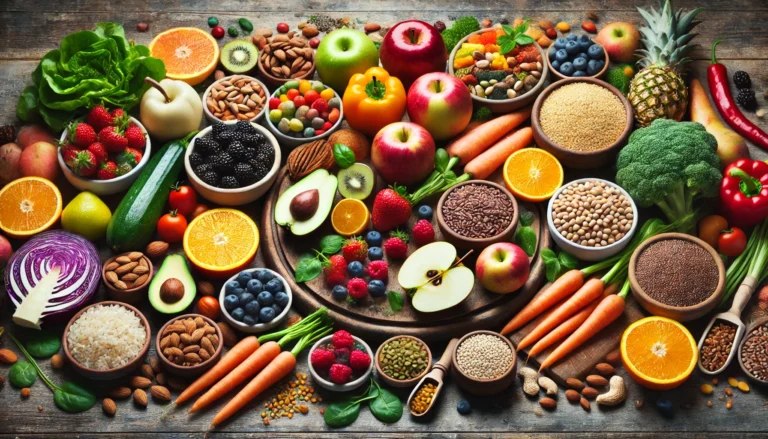
Play exciting online pokies and live games at True Fortune Casino, offering fast payouts, secure deposits, and generous bonuses for Australian players.

Enjoy top pokies and live dealer tables at Uptown Pokies Casino, with quick withdrawals, safe banking, and rewarding promotions for Australian users.

Join thrilling online slots and live casino action at Uptown Aces, featuring fast deposits, secure withdrawals, and exclusive bonuses for Australian players.

Spin favourite pokies and play live casino games at Velvet Spins Casino, offering safe banking, fast payouts, and generous promotions for Australian enthusiasts.

Experience exciting online pokies and live tables at Woo Casino, with quick withdrawals, secure deposits, and attractive bonuses for Australian casino players.

Play top pokies and live dealer games at King Billy Casino, offering fast payouts, safe banking, and rewarding promotions for Australian online casino users.

Enjoy thrilling online slots and live casino action at Aussie Play Casino, with secure deposits, quick withdrawals, and generous bonuses for Australian players.

Join exciting pokies and live tables at Fastpay Casino, featuring fast payouts, safe banking, and exclusive promotions for Australian online casino enthusiasts.