hacklink hack forum hacklink film izle hacklink
Home Blog Page 205

Can Vitamin B6 Improve Mood and Reduce Anxiety? Exploring the Benefits of Magnesium and B6 Supplements for Mental Wellness

In a world increasingly aware of mental health and the challenges of stress, depression, and anxiety, the pursuit of natural and holistic solutions continues to gain momentum. Vitamins and minerals, once primarily associated with physical well-being, are now under scientific scrutiny for their roles in cognitive and emotional health. Among the most intriguing candidates is vitamin B6, also known as pyridoxine, a water-soluble nutrient that plays a pivotal role in neurotransmitter synthesis. The question on the minds of many is whether vitamin B6 can improve mood and reduce anxiety. Moreover, as researchers delve deeper, the synergistic effects of combining magnesium and B6 supplements for anxiety relief have become a topic of growing interest. This article explores the biochemical, psychological, and clinical underpinnings of B6 and anxiety, evaluating the emerging evidence while considering holistic approaches grounded in the principles of herbal remedies and adaptogens.

You may also like: Best Herbal Alternatives to Anxiolytics: Natural Remedies for Anxiety Relief

The Role of Vitamin B6 in the Nervous System

To appreciate the potential of vitamin B6 for anxiety management, it’s essential to understand its foundational role in the nervous system. Vitamin B6 is involved in the synthesis of key neurotransmitters such as serotonin, dopamine, and gamma-aminobutyric acid (GABA)—each of which contributes significantly to mood regulation and emotional stability. A deficiency in B6 can result in impaired neurotransmitter function, potentially leading to symptoms such as irritability, depression, and anxiety. This biochemical link offers a plausible explanation for the observed correlation between low B6 levels and increased susceptibility to mood disorders.

One of the most significant contributions of B6 is its involvement in converting the amino acid tryptophan into serotonin, the neurotransmitter often dubbed the “feel-good chemical.” Without sufficient B6, this conversion is hampered, which may disrupt emotional balance. Furthermore, B6 is crucial in the production of GABA, an inhibitory neurotransmitter known for its calming effects on the brain. A deficiency in GABA has been implicated in anxiety disorders, making B6 an attractive candidate for natural intervention. Emerging research also suggests that B6 supports the hypothalamic-pituitary-adrenal (HPA) axis, the body’s central stress response system, indicating a broader role in managing stress-induced emotional states.
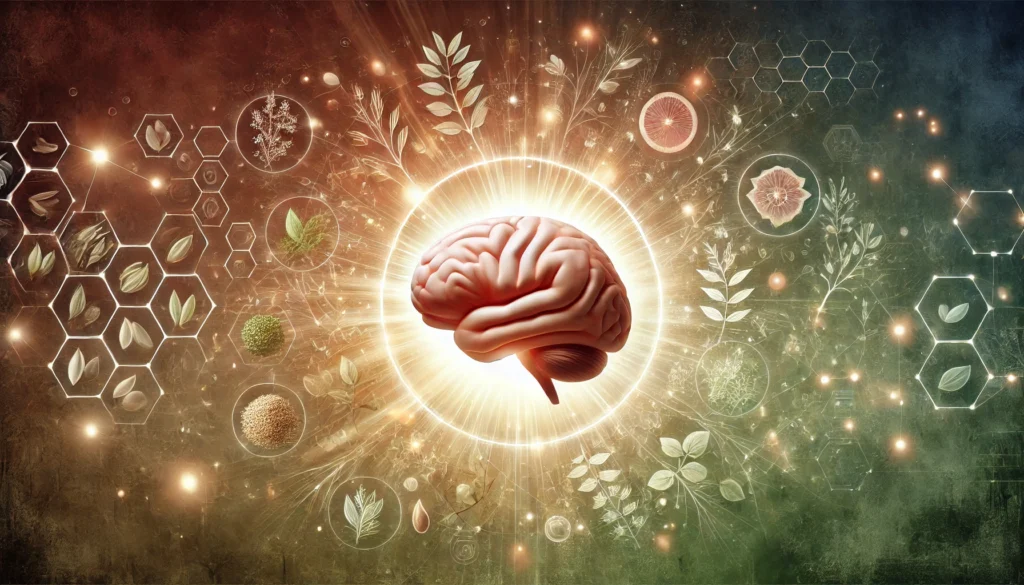
Close-up of vitamin B6-rich foods including salmon, avocado, banana, and sunflower seeds on a rustic wooden table, representing nutritional support for mental well-being.

Evidence Linking Vitamin B6 to Mood Improvement

Scientific inquiry into the question “Does vitamin B6 improve mood?” has yielded promising, albeit still developing, results. Multiple observational and clinical studies have suggested a link between B6 levels and mental health outcomes. For instance, a cross-sectional study published in the Journal of Nutrition found that individuals with higher B6 intake exhibited lower levels of depressive symptoms compared to those with inadequate intake. Similarly, another study involving pregnant women observed that those who supplemented with B6 experienced reduced symptoms of nausea and improved mood, implying a possible psychotropic effect of the vitamin.

Beyond anecdotal and correlational data, randomized controlled trials provide more concrete evidence. In one study published in Human Psychopharmacology, participants who received high doses of B6 reported significantly reduced levels of self-rated anxiety compared to a placebo group. This study contributes to the growing belief that B6 and anxiety are closely linked through biochemical pathways that are increasingly understood through neuroscience. These findings are bolstered by epidemiological research showing that populations with diets rich in B6-containing foods—such as poultry, fish, bananas, and fortified cereals—tend to report better overall mental health scores.

Vitamin B6 Deficiency and Its Psychological Manifestations

Vitamin B6 deficiency is more common than many realize, especially in populations experiencing high levels of stress, those with alcohol dependence, individuals with kidney disease, and the elderly. A deficiency in B6 does not simply manifest as physical symptoms like fatigue or weakened immune function; it also has a profound impact on mental and emotional well-being. Because B6 is vital for neurotransmitter balance, a deficiency can lead to neurological disturbances that mimic or exacerbate psychiatric conditions.

People suffering from low levels of vitamin B6 often report symptoms such as mood swings, increased irritability, feelings of hopelessness, and sleep disturbances—all of which can contribute to or worsen anxiety. These symptoms underscore the necessity of maintaining adequate B6 levels for mental health. Furthermore, certain medications, including isoniazid, hydralazine, and oral contraceptives, have been shown to interfere with B6 metabolism, increasing the risk of deficiency in individuals already prone to anxiety.
Glowing human brain surrounded by warm light and botanical elements, visually representing mental clarity, mood elevation, and natural wellness benefits.

Magnesium and B6 Supplement for Anxiety: A Synergistic Approach

While vitamin B6 alone shows promise in supporting mental health, its partnership with magnesium has drawn attention for its synergistic effects. Magnesium is a mineral involved in over 300 enzymatic reactions in the body, including those that regulate mood and stress. When used together, magnesium and B6 supplements for anxiety appear to offer a dual-action mechanism that enhances their individual benefits. Magnesium helps regulate the nervous system and supports sleep, while B6 boosts the synthesis of mood-related neurotransmitters.

One of the most compelling studies supporting this combination was published in Nutrients, where participants experiencing severe stress and anxiety were given a combination of magnesium and B6. The results demonstrated significant reductions in stress and anxiety scores, particularly in those who had baseline deficiencies in these nutrients. The researchers theorized that B6 enhances magnesium absorption in cells, allowing the body to make better use of the mineral’s calming properties. This combination has gained traction in integrative medicine circles, where it is often recommended as a first-line natural therapy for individuals dealing with chronic stress, burnout, and anxiety symptoms.

Understanding the Mechanisms Behind B6 and Anxiety Reduction

To understand why B6 and anxiety are so intimately connected, it’s helpful to examine the physiological pathways at play. B6 functions as a coenzyme in more than 100 enzymatic reactions, many of which are directly involved in brain function. For instance, B6 is crucial in the biosynthesis of neurotransmitters that modulate feelings of pleasure, motivation, and relaxation. When the body lacks sufficient B6, these processes become impaired, potentially leading to a chemical imbalance that contributes to anxious states.

Additionally, B6 helps maintain healthy homocysteine levels. Elevated homocysteine has been linked to increased risk of depression and anxiety, possibly due to its neurotoxic effects when present in high concentrations. By participating in the conversion of homocysteine to the less harmful cysteine, B6 contributes to neurological protection. Moreover, B6 supports immune health, which has an increasingly recognized impact on mental wellness. Chronic inflammation and immune dysregulation have been implicated in anxiety disorders, and B6 may help mitigate these effects through its anti-inflammatory properties.

Frequently Asked Questions: Vitamin B6, Magnesium, and Anxiety Support

1. How does vitamin B6 influence long-term emotional regulation in adults? Vitamin B6 contributes to emotional regulation by supporting neurotransmitter production over time, particularly serotonin and GABA, which are integral to mood stability. However, its benefits for long-term emotional health go beyond neurotransmitter synthesis. Consistent intake of vitamin B6 may help buffer against chronic stress-induced damage by supporting adrenal health and promoting sleep quality. While short-term supplementation may ease acute symptoms, long-term use of vitamin B6 for anxiety can contribute to a more resilient nervous system and balanced emotional response. Individuals dealing with recurring anxiety episodes may find that sustained B6 support leads to steadier moods and fewer emotional fluctuations over time.

2. Can a magnesium and B6 supplement for anxiety improve sleep quality as well as mood? Yes, a magnesium and B6 supplement for anxiety may also significantly enhance sleep quality. Magnesium plays a known role in regulating circadian rhythms and calming the central nervous system, while B6 helps convert tryptophan into serotonin and subsequently melatonin—the hormone that governs sleep. When taken together, these nutrients can help address both the emotional and physiological barriers to restful sleep. This is especially beneficial for individuals whose anxiety symptoms are exacerbated by insomnia or fragmented sleep patterns. Improved sleep, in turn, supports overall mood stability, making the combined approach a comprehensive solution for mental wellness.

3. Are there any psychological profiles that respond better to B6 and anxiety-focused supplementation? Emerging research suggests that individuals with high trait anxiety, chronic stress exposure, or certain genetic predispositions (such as variations in the MTHFR gene) may respond more favorably to targeted supplementation. These populations often exhibit neurotransmitter imbalances or impaired nutrient metabolism, which makes them more sensitive to the therapeutic effects of B6. Moreover, those with anxiety symptoms linked to hormonal fluctuations—such as premenstrual dysphoric disorder—may find greater relief with B6-focused strategies. In such cases, addressing b6 and anxiety through personalized nutrition plans may offer more sustainable and effective outcomes than generalized approaches.

4. What is the best way to ensure bioavailability of a vitamin B6 supplement for anxiety? To optimize bioavailability, it’s important to choose the right form of vitamin B6—preferably pyridoxal-5-phosphate (P5P), the active form readily used by the body. Pairing this form with magnesium enhances cellular uptake and supports the enzymatic reactions that regulate mood and stress. A magnesium and B6 supplement for anxiety that includes P5P and magnesium glycinate or citrate can be particularly effective. Additionally, timing matters; taking these nutrients with meals may improve absorption and reduce gastrointestinal side effects. For individuals with gastrointestinal conditions, a liquid or sublingual supplement may provide better absorption than traditional capsules.

5. Does vitamin B6 improve mood differently in men and women? Preliminary data suggest there may be gender differences in how B6 influences mood due to hormonal variations and differing rates of metabolism. Women, particularly those experiencing menstrual or menopausal mood changes, may see enhanced mood stabilization with vitamin B6 for anxiety because of its role in hormonal regulation. In men, B6 may offer more direct benefits via neurotransmitter pathways and support for energy metabolism, which can indirectly affect emotional well-being. Though both genders can benefit from supplementation, women may experience more pronounced effects related to cyclical mood fluctuations. Further research is needed to fully understand the sex-specific pathways through which B6 acts.

6. What emerging clinical practices incorporate magnesium and B6 supplement for anxiety management? Several integrative health clinics now include magnesium and B6 supplementation as part of personalized anxiety management protocols. These practices may pair supplementation with cognitive-behavioral therapy, mindfulness practices, and dietary interventions to support holistic recovery. Functional medicine doctors often use advanced nutrient testing to identify deficiencies before tailoring magnesium and B6 supplement strategies. In some cases, supplements are paired with adaptogens or omega-3 fatty acids to amplify their anti-anxiety effects. This approach exemplifies the shift toward individualized care and underscores the growing acceptance of nutritional psychiatry in mainstream health settings.

7. Are there any risks or contraindications associated with using B6 and magnesium for anxiety? While generally safe, high doses of vitamin B6 taken over long periods may lead to sensory neuropathy—a rare but serious condition affecting the nerves. It’s important to stay within recommended dosages, typically not exceeding 100 mg per day unless under medical supervision. Magnesium, too, can cause digestive discomfort in excessive amounts, especially in forms like magnesium oxide. Individuals with kidney disease should consult a healthcare provider before taking either supplement. For those exploring a magnesium and B6 supplement for anxiety, choosing well-balanced formulations and monitoring for side effects is essential to ensure both efficacy and safety.

8. Can lifestyle factors enhance the effects of vitamin B6 for anxiety? Absolutely. While supplementation can provide foundational support, combining it with lifestyle interventions significantly boosts its effectiveness. Regular physical activity, especially aerobic exercise, has been shown to synergize with B6’s mood-regulating effects. Practices like journaling, yoga, and meditation also help modulate the HPA axis, where B6 plays a supportive role. A nutrient-dense diet that includes whole grains, lean proteins, and leafy greens further amplifies the benefits of B6 and anxiety-focused strategies. Overall, lifestyle alignment enhances nutrient utilization and helps sustain long-term emotional balance.

9. How does vitamin B6 interact with medications commonly prescribed for anxiety or depression? Vitamin B6 can influence the metabolism of several medications, including selective serotonin reuptake inhibitors (SSRIs), benzodiazepines, and certain mood stabilizers. In some cases, it may enhance the effects of these drugs by supporting neurotransmitter activity, but it may also alter plasma concentrations. Individuals on long-term medication should consult their prescribing physician before beginning vitamin B6 for anxiety, especially if they are taking medications with narrow therapeutic windows. On a positive note, B6 may help reduce certain side effects such as fatigue or sleep disturbances associated with pharmaceutical treatments. Collaborative care between nutrition and psychiatry offers the safest and most effective path forward.

10. What future research directions are being explored regarding B6 and anxiety? Future research is beginning to investigate the epigenetic and gut-brain axis roles of B6 in relation to mental health. Scientists are also exploring how B6 interacts with the microbiome to influence mood, particularly in individuals with anxiety-prone temperaments. Another emerging focus is the combined use of vitamin B6 and wearable stress-tracking technologies to personalize anxiety treatment protocols. Clinical trials are underway to examine whether magnesium and B6 supplements for anxiety can prevent progression to more severe mental health conditions in at-risk populations. These evolving directions highlight the growing sophistication and promise of B6-based interventions in the broader context of mental wellness care.

Smiling man walking along a serene, sun-dappled forest path, evoking reduced anxiety, mental peace, and emotional stability.

Holistic Perspectives: Vitamin B6 in the Context of Herbal Remedies and Adaptogens

Integrating vitamin B6 within the broader framework of herbal remedies and adaptogens offers a more holistic approach to managing anxiety. Adaptogens are natural substances that help the body resist stressors and maintain homeostasis. Common adaptogens such as ashwagandha, rhodiola, and holy basil have shown potential in reducing anxiety and improving mood, particularly when combined with micronutrients like B6. These combinations can offer complementary benefits, addressing both the biochemical and psychological dimensions of mental health.

In holistic practice, B6 is often paired with herbal formulations tailored to the individual’s constitution and stress profile. For example, a supplement combining B6, magnesium, and ashwagandha might target both neurochemical imbalances and cortisol regulation, providing a comprehensive strategy for anxiety relief. Such approaches align with the principles of integrative medicine, which seeks to treat the root causes of psychological distress rather than merely masking symptoms. By viewing B6 through the lens of holistic healing, its potential is amplified within a system that honors both the science and the soul of wellness.

natural mood boosters, calming supplements for adults, serotonin and mood balance, holistic anxiety relief, B vitamin complex benefits, magnesium for stress, nervous system support, mental wellness nutrients, natural remedies for stress, micronutrients for brain health, mood-enhancing vitamins, anxiety and nutritional therapy, herbal stress support, adaptogens and mental health, neurochemical balance, stress response regulation, vitamins that help with stress, integrative mental health, natural calming remedies, emotional wellness supplements

Further Reading:

Top 7 Benefits of Vitamin B6

Effect of magnesium and vitamin B6 supplementation on mental health and quality of life in stressed healthy adults: Post‐hoc analysis of a randomised controlled trial

Vitamin B6: A new approach to lowering anxiety, and depression?

Disclaimer

The information contained in this article is provided for general informational purposes only and is not intended to serve as medical, legal, or professional advice. While NewsHealthWatch strives to present accurate, up-to-date, and reliable content, no warranty or guarantee, expressed or implied, is made regarding the completeness, accuracy, or adequacy of the information provided. Readers are strongly advised to seek the guidance of a qualified healthcare provider or other relevant professionals before acting on any information contained in this article. NewsHealthWatch, its authors, editors, and contributors expressly disclaim any liability for any damages, losses, or consequences arising directly or indirectly from the use, interpretation, or reliance on any information presented herein. The views and opinions expressed in this article are those of the author(s) and do not necessarily reflect the official policies or positions of NewsHealthWatch.
What Can Help with Anxiety and Depression? Exploring Herbal Remedies and Holistic Supplements That Support Mental Wellness

Understanding the Complexity of Anxiety and Depression

Anxiety and depression are two of the most prevalent mental health conditions worldwide, yet they remain deeply misunderstood by many. While often discussed together, these disorders manifest differently. Anxiety tends to be marked by persistent worry, nervousness, and restlessness, while depression can present as prolonged sadness, lack of interest in activities, and overwhelming fatigue. For some individuals, these conditions co-occur, creating a dual burden that significantly affects daily life. Navigating a treatment plan becomes even more complex when symptoms overlap, making it vital to explore both clinical and holistic approaches.

You may also like: Best Herbal Alternatives to Anxiolytics: Natural Remedies for Anxiety Relief

What distinguishes anxiety and depression from everyday stress or sadness is the persistence and severity of the symptoms. These conditions can impair social relationships, academic performance, and professional responsibilities, often leading to feelings of isolation and hopelessness. For many individuals seeking alternatives or additions to conventional pharmacological options, natural remedies and holistic supplements offer promising avenues. Scientific interest in these alternatives is growing, and integrative approaches now play an increasingly important role in supporting mental wellness.

Herbal remedies and holistic supplements are not a cure-all, but they may complement other treatments effectively. This includes psychotherapy, lifestyle modifications, and, when necessary, medications prescribed by a qualified healthcare provider. The goal is not to replace evidence-based treatments, but rather to offer supportive options that may enhance overall mental wellness. Understanding what can help with anxiety and depression involves examining the synergistic relationship between body, mind, and environment. With careful selection and medical supervision, natural approaches can become powerful allies in comprehensive treatment plans.

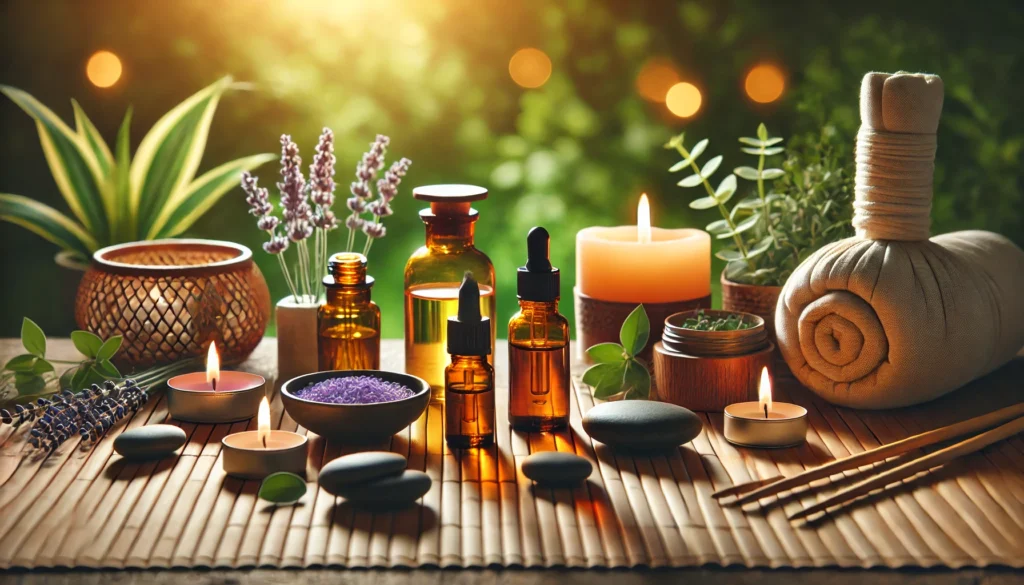
Aromatherapy scene with essential oils, candles, smooth stones, and herbs arranged on a bamboo mat in a soothing spa-like environment.

The Role of Holistic Supplements in Mental Wellness

Holistic supplements are formulated to support the body’s natural healing processes. They differ from conventional medications in that they often work subtly, supporting biochemical pathways rather than overriding them. For mental health, this means enhancing neurotransmitter balance, reducing inflammation, and improving sleep quality—all of which can impact emotional well-being. The idea is not to suppress symptoms but to foster resilience and restore physiological equilibrium over time.

A growing body of research suggests that certain vitamins, minerals, and amino acids play pivotal roles in brain function. For example, B-complex vitamins are essential for neurotransmitter synthesis and energy metabolism. Deficiencies in these nutrients are frequently observed in individuals experiencing depressive or anxious symptoms. Similarly, magnesium and zinc are minerals that contribute to mood regulation, with low levels often linked to heightened emotional distress.

Holistic supplements also emphasize synergy—how nutrients work together to produce effects greater than their individual contributions. Adaptogens like ashwagandha and rhodiola rosea, for instance, may support the body’s stress response by modulating cortisol levels, a hormone closely linked to anxiety. When combined with supportive vitamins and minerals, these adaptogens may create a multi-layered approach to managing stress and promoting emotional stability.

While exploring what is good for anxiety and depression, it becomes clear that holistic supplements must be carefully chosen and tailored to individual needs. Not every supplement works for every person, and some may interact with medications or pre-existing conditions. Therefore, professional guidance is crucial. A practitioner trained in integrative medicine can evaluate a person’s unique biochemistry, lifestyle, and psychological needs to create a personalized supplementation plan that supports mental wellness holistically and safely.

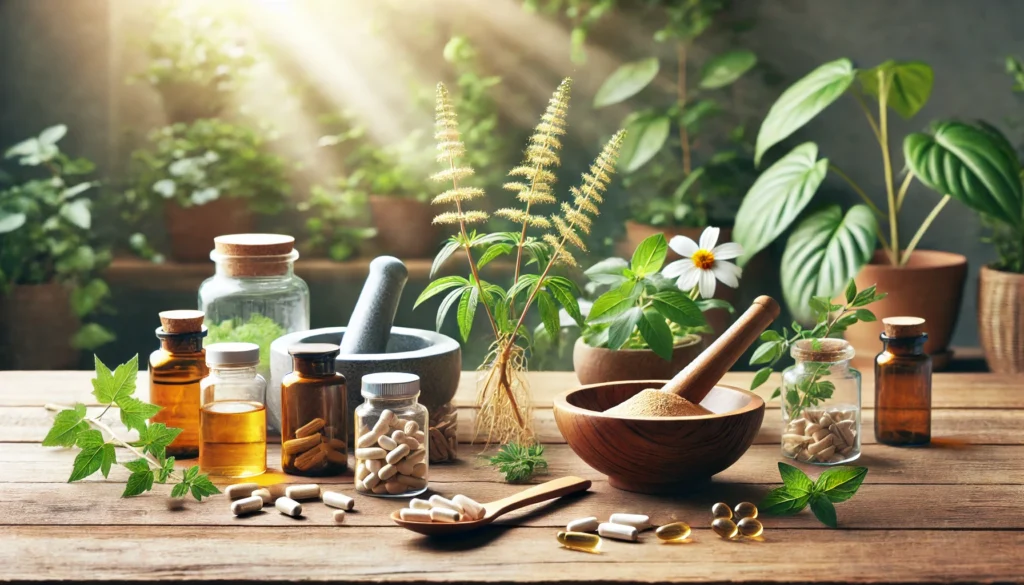
Natural holistic supplements like ashwagandha, St. John's Wort, omega-3 capsules, and herbal powders on a wooden table in a calming indoor wellness space.

Herbal Remedies with Traditional and Scientific Roots

Herbal remedies have been used for centuries across cultures to manage emotional and psychological disturbances. Many of these herbs are now the subject of scientific studies that validate their traditional uses. One of the most widely researched herbs is St. John’s Wort, known for its antidepressant properties. It is believed to work by inhibiting the reuptake of serotonin, dopamine, and norepinephrine—neurotransmitters implicated in mood regulation. Several studies have shown its efficacy in mild to moderate depression, though it may not be suitable for severe cases.

Another notable herb is lavender, often used in aromatherapy and oral supplements. Lavender has been shown to reduce symptoms of generalized anxiety disorder (GAD), offering a gentle yet effective calming effect without the sedative side effects of some medications. Passionflower and valerian root are additional botanicals known for their anxiety-reducing properties, often recommended for individuals experiencing restlessness, insomnia, or panic attacks.

As the demand for alternatives to conventional drugs increases, herbal remedies are gaining traction in Western medicine. However, the active compounds in these plants can be potent. For instance, kava, a traditional South Pacific plant used to ease anxiety, has shown significant effectiveness in clinical studies but may pose risks to liver health when used improperly. Thus, safety profiles and dosage considerations are crucial elements in determining what can help with anxiety and depression.

Scientific validation does not negate the wisdom of traditional knowledge but rather complements it. Indigenous practices from Ayurveda, Traditional Chinese Medicine (TCM), and Native American healing systems offer a rich repertoire of herbs like holy basil, ginseng, and lemon balm, all of which are currently being studied for their adaptogenic and anxiolytic properties. When selecting herbal remedies, it is important to consider the quality of the product, the reputation of the manufacturer, and the consistency of the active ingredient to ensure both efficacy and safety.

Frequently Asked Questions: Herbal Remedies and Holistic Supplements for Anxiety and Depression

1. Can herbal remedies offer long-term support for chronic mental health conditions? Yes, certain herbal remedies may offer sustainable, long-term support for individuals managing chronic mental health issues. While conventional medications are often essential for severe symptoms, herbs such as ashwagandha, lemon balm, and passionflower can be incorporated into long-term wellness plans when supervised by a healthcare professional. These herbs may help regulate the stress response, promote emotional resilience, and support healthy sleep cycles. Understanding what can help with anxiety and depression over the long haul requires looking beyond quick fixes and toward ongoing lifestyle support. A long-term treatment for anxiety disorder and depression should balance consistent herbal use, psychotherapy, and healthy behavioral habits.

2. How do holistic supplements affect the brain differently than prescription medications? Holistic supplements often work by gently supporting the body’s natural biochemistry rather than forcing a dramatic shift, which is more common with prescription drugs. For instance, magnesium promotes relaxation by modulating NMDA receptors in the brain, while L-theanine encourages alpha wave activity, promoting a calm but alert mental state. Unlike many medications, supplements tend to build their effects over time, which means they require consistency and patience. When evaluating what is good for anxiety and depression, many people find that holistic options provide fewer side effects and a greater sense of control. However, they should be part of a broader treatment for anxiety disorder and depression, especially for those with moderate to severe symptoms.

3. Is there scientific backing for combining nutrition and herbal therapy? Yes, combining nutrient-dense diets with herbal remedies is supported by an emerging body of research in nutritional psychiatry and integrative medicine. Studies suggest that omega-3 fatty acids can improve mood stability, while herbs like rhodiola rosea enhance mental endurance. For example, B-complex vitamins help with neurotransmitter production, and when paired with adaptogens, they can create a synergistic effect that boosts mental resilience. This integrative method exemplifies what is good for anxiety and depression when treating both biological and emotional roots. Creating a customized treatment for anxiety disorder and depression that incorporates both food and herbs can provide a holistic, scientifically grounded path to healing.

4. Can adaptogens replace medication for anxiety and depression? Adaptogens should not be viewed as direct replacements for psychiatric medications, especially in severe or acute cases. However, they may serve as supportive agents that enhance stress resilience, reduce fatigue, and promote emotional regulation. Herbs like holy basil and schisandra are increasingly recognized for their ability to balance cortisol and support the hypothalamic-pituitary-adrenal (HPA) axis. While exploring what can help with anxiety and depression, it’s important to distinguish between complementary and alternative approaches. Adaptogens may be part of a broader treatment for anxiety disorder and depression, but they must be introduced thoughtfully and ideally with professional guidance.

5. How does the gut microbiome influence mental wellness? Emerging research highlights the gut-brain connection, where imbalances in gut bacteria can directly affect mood, cognition, and emotional regulation. A healthy microbiome produces neurotransmitters like serotonin and dopamine and can reduce inflammation that may exacerbate mood disorders. Incorporating probiotics and prebiotic-rich foods may improve gut health, and in turn, support emotional well-being. This insight has shifted the conversation around what is good for anxiety and depression toward dietary and digestive strategies. When gut health is optimized, it can complement other elements of a treatment for anxiety disorder and depression, offering a new dimension to mental health care.

6. Are there social or cultural factors that affect how people respond to natural remedies? Yes, cultural beliefs and social conditioning heavily influence how individuals perceive and respond to natural treatments. In some communities, herbalism is deeply integrated into daily life and mental health care, while in others, there may be skepticism or lack of access. Social stigma surrounding mental health may also affect a person’s willingness to try non-conventional methods. Recognizing these dynamics is essential when recommending what can help with anxiety and depression, as solutions should be both effective and culturally appropriate. Personalized treatment for anxiety disorder and depression must consider these social influences to enhance both acceptance and outcomes.

7. How can lifestyle interventions enhance the effectiveness of holistic treatments? Lifestyle interventions—like regular exercise, mindfulness meditation, and adequate sleep—can significantly amplify the impact of holistic supplements and herbal remedies. For example, aerobic activity boosts endorphin levels, which complements the mood-stabilizing effects of certain herbs. Sleep hygiene practices, combined with calming herbal teas like chamomile, create a comprehensive routine that nurtures both body and mind. In terms of what is good for anxiety and depression, daily habits often make the biggest difference over time. A successful treatment for anxiety disorder and depression must take these lifestyle factors seriously and integrate them with other natural and clinical supports.

8. What safety concerns should be considered when using herbal remedies? While herbal supplements are often seen as benign, they can interact with medications, affect organ function, or cause allergic reactions if misused. St. John’s Wort, for instance, can interfere with antidepressants, birth control, and blood thinners. It’s crucial to source herbs from reputable suppliers to avoid contaminants or inconsistent dosages. Individuals should always consult with a licensed provider before starting new regimens, particularly when combining natural treatments with existing prescriptions. Safety must be a core part of deciding what can help with anxiety and depression, especially when developing a long-term treatment for anxiety disorder and depression.

9. Are there differences in how men and women respond to herbal supplements for mental health? Yes, hormonal differences can significantly influence how men and women metabolize and respond to herbal remedies. For instance, women with hormonal fluctuations may benefit more from herbs like chasteberry or evening primrose, which can ease mood symptoms tied to menstrual cycles. Men may respond differently to adaptogens that target physical endurance and testosterone balance. This means that when assessing what is good for anxiety and depression, sex-specific factors should not be overlooked. Personalizing treatment for anxiety disorder and depression based on hormonal and biological variables can improve outcomes and reduce side effects.

10. What does the future hold for integrative treatments in mental health care? The future of mental health care is increasingly pointing toward integrative solutions that combine conventional psychiatry with personalized, holistic methods. Advances in genetic testing may soon allow clinicians to predict which herbal remedies or supplements will work best for specific individuals. Artificial intelligence is also being explored to design custom wellness plans based on mood tracking, nutrient levels, and lifestyle data. As research continues to evolve, patients will gain more nuanced choices in identifying what can help with anxiety and depression. This progression aligns with a more inclusive, informed approach to treatment for anxiety disorder and depression—one that respects both traditional knowledge and modern science.

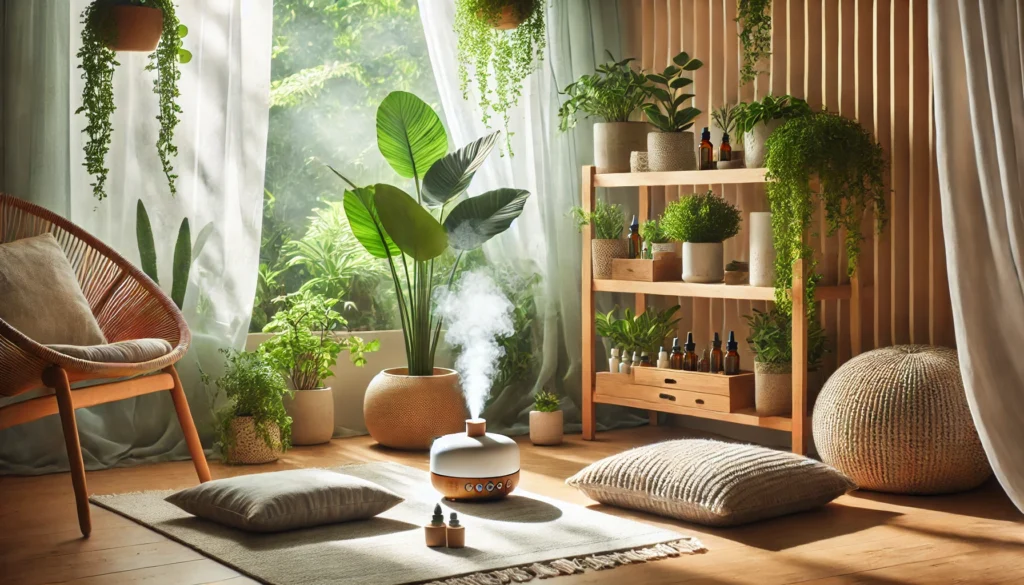
Tranquil meditation room with floor cushions, green plants, herbal tinctures, and a mist diffuser creating a peaceful space for mental wellness.

Nutritional Psychiatry: Connecting Diet, Nutrients, and Mental Health

Nutritional psychiatry is an emerging field that explores how dietary patterns and nutrient intake affect mental health. This approach underscores that the brain, like any other organ, requires proper nourishment to function optimally. It also emphasizes the gut-brain axis—the bidirectional communication system between the digestive tract and the central nervous system. A diet rich in whole foods, fiber, and probiotics may positively influence this axis and, by extension, emotional well-being.

Omega-3 fatty acids, primarily found in fatty fish like salmon and mackerel, have been extensively studied for their role in managing depression. These essential fats appear to reduce inflammation in the brain and support the structural integrity of neuronal membranes. Several meta-analyses have confirmed the benefits of omega-3 supplementation, especially eicosapentaenoic acid (EPA), in alleviating depressive symptoms. For individuals seeking natural treatment for anxiety disorder and depression, omega-3s offer a well-tolerated, evidence-backed option.

Another critical area is the role of amino acids such as tryptophan and tyrosine. These building blocks of protein serve as precursors to serotonin and dopamine, neurotransmitters that heavily influence mood, motivation, and pleasure. A diet low in quality protein or specific amino acids may hinder neurotransmitter synthesis, exacerbating symptoms of anxiety and depression. Thus, protein-rich foods, particularly those containing complete amino acid profiles, are vital for mental wellness.

Micronutrients like folate, iron, and selenium also contribute to mood regulation. Folate and vitamin B12, for example, are involved in methylation processes essential for brain chemistry. Their deficiency has been linked to cognitive decline and mood disorders. Addressing such nutrient gaps through diet or supplementation can play a significant role in what is good for anxiety and depression. Emerging research even points to specific diets, such as the Mediterranean or anti-inflammatory diet, as having protective effects against mood disorders.

natural remedies for mental health, herbal anxiety support, supplements for mood balance, adaptogenic herbs for stress, natural mood boosters, calming herbal teas, anxiety relief without medication, holistic mental health tips, brain health supplements, herbal treatments for stress, emotional wellness support, alternative therapy for depression, plant-based mental wellness, holistic approaches to anxiety, mood-enhancing nutrients, integrative medicine for mental health, anti-anxiety herbs, natural stress management, lifestyle changes for depression, mind-body connection for wellness

Further Reading:

Herbal Medicine for Depression and Anxiety: A Systematic Review with Assessment of Potential Psycho-Oncologic Relevance

Herbal treatment for anxiety: Is it effective

Herbs and supplements for depression

Disclaimer

The information contained in this article is provided for general informational purposes only and is not intended to serve as medical, legal, or professional advice. While NewsHealthWatch strives to present accurate, up-to-date, and reliable content, no warranty or guarantee, expressed or implied, is made regarding the completeness, accuracy, or adequacy of the information provided. Readers are strongly advised to seek the guidance of a qualified healthcare provider or other relevant professionals before acting on any information contained in this article. NewsHealthWatch, its authors, editors, and contributors expressly disclaim any liability for any damages, losses, or consequences arising directly or indirectly from the use, interpretation, or reliance on any information presented herein. The views and opinions expressed in this article are those of the author(s) and do not necessarily reflect the official policies or positions of NewsHealthWatch.
How Thiamine May Help Ease Anxiety: Exploring the Benefits of Vitamin B1 for Mental Wellness

Thiamine’s Role in Neurotransmitter Balance

In today’s fast-paced world, anxiety has become an increasingly common concern for many individuals. As more people seek holistic approaches to mental health, the exploration of vitamins and nutrients as potential therapeutic agents has gained momentum. Among these, thiamine, also known as vitamin B1, is receiving growing attention for its role in neurological function and emotional balance. The relationship between thiamine and anxiety is complex, involving both biochemical and lifestyle factors, and understanding this connection offers a promising avenue for those interested in natural support strategies. As scientific research continues to unfold, thiamine’s impact on the nervous system invites a closer look into how nutritional support can be integrated into comprehensive mental health care.

You may also like: Best Herbal Alternatives to Anxiolytics: Natural Remedies for Anxiety Relief

While pharmaceutical interventions remain an important part of anxiety treatment, they are not always well-tolerated or effective for every individual. This has spurred interest in alternative and complementary methods, such as holistic supplements and herbal remedies, which may support mental wellness without the adverse effects associated with certain medications. Vitamin B1, traditionally associated with energy metabolism, is now being reevaluated for its influence on mood, cognitive clarity, and stress response. The idea that thiamine may help ease anxiety is rooted not only in emerging research but also in the practical experiences of individuals who report improved mental resilience with adequate B1 intake. By examining the underlying mechanisms, clinical findings, and real-world applications, we can better understand how this essential nutrient fits into a broader mental health strategy.

B1 Absorption Challenges in Modern Diets

Understanding the Role of Thiamine in the Body Thiamine is a water-soluble vitamin that plays a crucial role in the body’s energy production processes. As part of the B vitamin complex, it is involved in converting carbohydrates into adenosine triphosphate (ATP), which serves as the primary energy currency of cells. Beyond its metabolic functions, thiamine is essential for proper nervous system function, contributing to the synthesis of neurotransmitters and the maintenance of myelin sheaths that protect nerve fibers. This multifaceted role in cellular energy production and neural communication makes thiamine especially relevant when considering its potential influence on mental health.

One of the unique aspects of thiamine is its requirement in the production of acetylcholine, a neurotransmitter associated with memory, attention, and muscle activation. Deficiencies in acetylcholine have been linked to various cognitive disorders, including Alzheimer’s disease and attention deficit hyperactivity disorder (ADHD). The ability of thiamine to influence acetylcholine synthesis underscores its broader implications for mood regulation and mental clarity. Additionally, thiamine supports the enzymatic activity required for the Krebs cycle, a fundamental process in mitochondrial function, which has recently been explored in the context of mental fatigue and emotional dysregulation.

Thiamine is also known to affect glucose metabolism, and since the brain relies heavily on glucose as its primary energy source, any impairment in this process can directly impact cognitive function and emotional stability. Individuals with thiamine deficiency often report symptoms such as irritability, fatigue, and mood swings—all of which are common features of anxiety disorders. Thus, ensuring adequate thiamine levels may help reduce these symptoms by stabilizing energy availability and neurotransmitter activity in the brain. In this light, thiamine’s potential role in easing anxiety becomes a logical extension of its broader physiological functions.

Artistic display of Vitamin B1-rich foods like whole grains and seeds on a wooden surface, representing nutritional support for mental wellness.

The Stress-Thiamine Connection

Another point of interest lies in the interplay between thiamine and the hypothalamic-pituitary-adrenal (HPA) axis, which regulates the body’s response to stress. When functioning properly, the HPA axis helps maintain homeostasis in the face of external stressors. However, chronic stress can disrupt this balance and lead to anxiety-related symptoms. Thiamine has been shown to support HPA axis regulation, possibly by modulating cortisol levels and enhancing stress resilience. This connection highlights how vitamin B1 may serve as a buffer against the physiological toll of prolonged stress, thereby supporting emotional equilibrium.

Despite being readily available in a variety of foods, thiamine deficiency is more common than often assumed. Factors such as chronic alcohol consumption, high-carbohydrate diets, gastrointestinal disorders, and certain medications can impair thiamine absorption or deplete its levels. Consequently, individuals at risk of deficiency may unknowingly experience worsening anxiety symptoms without realizing the nutritional component involved. Recognizing and addressing these risk factors can open the door to more effective and personalized strategies for mental wellness.

The Link Between Thiamine and Anxiety: What the Science Says In recent years, scientific interest in the connection between thiamine and anxiety has grown, driven by both clinical observations and biochemical insights. While thiamine’s role in brain metabolism is well-documented, its specific influence on emotional regulation is an area of emerging research. Several studies have explored the hypothesis that inadequate thiamine levels may exacerbate anxiety symptoms, particularly in populations with heightened stress or preexisting mood disorders. These findings offer a compelling case for considering thiamine supplementation as part of an integrative approach to mental health care.

Signs of Subtle Thiamine Deficiency

One notable study conducted in Japan observed that individuals with lower dietary intake of thiamine reported higher levels of anxiety and depression symptoms. While the study did not establish a direct causal relationship, the correlation suggested that insufficient B1 intake may compromise mental well-being. Similar findings have been echoed in research examining thiamine levels in patients with generalized anxiety disorder (GAD), revealing a trend toward reduced thiamine status in those experiencing persistent worry, fatigue, and irritability. Such patterns provide a foundation for further inquiry into how restoring optimal thiamine levels might alleviate these symptoms.

Another line of evidence comes from clinical trials evaluating the effects of thiamine supplementation in patients with mood disturbances. In one double-blind, placebo-controlled study, participants who received high-dose thiamine reported significant improvements in mood, cognitive performance, and perceived energy levels. While the study’s primary focus was on depression, many of the overlapping symptoms, such as mental fog, restlessness, and low motivation, are also prevalent in anxiety disorders. These findings suggest that vitamin B1 may offer broad-spectrum support for mental clarity and emotional balance, making it a valuable adjunct in anxiety management.

Glowing conceptual illustration of a calm human brain surrounded by soft colors, reflecting reduced anxiety and enhanced mental clarity.

Combining B1 with Holistic Therapies

From a neurochemical perspective, thiamine contributes to the regulation of gamma-aminobutyric acid (GABA), an inhibitory neurotransmitter that plays a key role in calming the nervous system. Low GABA activity is commonly associated with heightened anxiety, racing thoughts, and sleep disturbances. By supporting GABA synthesis and function, thiamine may help restore a sense of calm and reduce physiological arousal. This mechanism provides a plausible explanation for the anecdotal reports of reduced anxiety following thiamine supplementation.

Animal studies have further reinforced the potential of thiamine to support emotional stability. In rodent models, thiamine-deficient diets have led to increased signs of anxiety-like behavior, including hypervigilance, reduced exploratory activity, and avoidance responses. Supplementing these animals with thiamine reversed many of these behaviors, pointing to a direct link between B1 availability and behavioral regulation. While animal research cannot be directly extrapolated to humans, it provides a biologically plausible framework for understanding how thiamine influences mood and anxiety-related responses.

As research continues to evolve, it becomes increasingly clear that thiamine’s impact on mental wellness extends beyond its metabolic roles. By enhancing neurotransmitter function, supporting energy metabolism, and modulating stress responses, thiamine offers a multifaceted approach to emotional health. These insights underscore the importance of adequate thiamine intake, particularly for those managing anxiety or other mood-related concerns.

natural remedies for anxiety, holistic anxiety support, vitamin B complex benefits, mental health supplements, calming nutrients for stress, natural mood boosters, nutritional support for anxiety, brain health vitamins, stress management nutrition, herbal anxiety relief, emotional wellness strategies, B vitamins and brain function, micronutrients for mental clarity, natural stress relief options, nervous system support supplements, anxiety and nutrition connection, mental resilience through diet, functional nutrition for anxiety, integrative mental health, holistic approaches to stressThiamine’s Role in Neurotransmitter Balance

In today’s fast-paced world, anxiety has become an increasingly common concern for many individuals. As more people seek holistic approaches to mental health, the exploration of vitamins and nutrients as potential therapeutic agents has gained momentum. Among these, thiamine, also known as vitamin B1, is receiving growing attention for its role in neurological function and emotional balance. The relationship between thiamine and anxiety is complex, involving both biochemical and lifestyle factors, and understanding this connection offers a promising avenue for those interested in natural support strategies. As scientific research continues to unfold, thiamine’s impact on the nervous system invites a closer look into how nutritional support can be integrated into comprehensive mental health care.

While pharmaceutical interventions remain an important part of anxiety treatment, they are not always well-tolerated or effective for every individual. This has spurred interest in alternative and complementary methods, such as holistic supplements and herbal remedies, which may support mental wellness without the adverse effects associated with certain medications. Vitamin B1, traditionally associated with energy metabolism, is now being reevaluated for its influence on mood, cognitive clarity, and stress response. The idea that thiamine may help ease anxiety is rooted not only in emerging research but also in the practical experiences of individuals who report improved mental resilience with adequate B1 intake. By examining the underlying mechanisms, clinical findings, and real-world applications, we can better understand how this essential nutrient fits into a broader mental health strategy.

B1 Absorption Challenges in Modern Diets

Understanding the Role of Thiamine in the Body Thiamine is a water-soluble vitamin that plays a crucial role in the body’s energy production processes. As part of the B vitamin complex, it is involved in converting carbohydrates into adenosine triphosphate (ATP), which serves as the primary energy currency of cells. Beyond its metabolic functions, thiamine is essential for proper nervous system function, contributing to the synthesis of neurotransmitters and the maintenance of myelin sheaths that protect nerve fibers. This multifaceted role in cellular energy production and neural communication makes thiamine especially relevant when considering its potential influence on mental health.

One of the unique aspects of thiamine is its requirement in the production of acetylcholine, a neurotransmitter associated with memory, attention, and muscle activation. Deficiencies in acetylcholine have been linked to various cognitive disorders, including Alzheimer’s disease and attention deficit hyperactivity disorder (ADHD). The ability of thiamine to influence acetylcholine synthesis underscores its broader implications for mood regulation and mental clarity. Additionally, thiamine supports the enzymatic activity required for the Krebs cycle, a fundamental process in mitochondrial function, which has recently been explored in the context of mental fatigue and emotional dysregulation.

Thiamine is also known to affect glucose metabolism, and since the brain relies heavily on glucose as its primary energy source, any impairment in this process can directly impact cognitive function and emotional stability. Individuals with thiamine deficiency often report symptoms such as irritability, fatigue, and mood swings—all of which are common features of anxiety disorders. Thus, ensuring adequate thiamine levels may help reduce these symptoms by stabilizing energy availability and neurotransmitter activity in the brain. In this light, thiamine’s potential role in easing anxiety becomes a logical extension of its broader physiological functions.

Person enjoying herbal tea in a cozy, sunlit setting, visually conveying comfort and reduced anxiety linked to Vitamin B1 benefits.

The Stress-Thiamine Connection

Another point of interest lies in the interplay between thiamine and the hypothalamic-pituitary-adrenal (HPA) axis, which regulates the body’s response to stress. When functioning properly, the HPA axis helps maintain homeostasis in the face of external stressors. However, chronic stress can disrupt this balance and lead to anxiety-related symptoms. Thiamine has been shown to support HPA axis regulation, possibly by modulating cortisol levels and enhancing stress resilience. This connection highlights how vitamin B1 may serve as a buffer against the physiological toll of prolonged stress, thereby supporting emotional equilibrium.

Despite being readily available in a variety of foods, thiamine deficiency is more common than often assumed. Factors such as chronic alcohol consumption, high-carbohydrate diets, gastrointestinal disorders, and certain medications can impair thiamine absorption or deplete its levels. Consequently, individuals at risk of deficiency may unknowingly experience worsening anxiety symptoms without realizing the nutritional component involved. Recognizing and addressing these risk factors can open the door to more effective and personalized strategies for mental wellness.

The Link Between Thiamine and Anxiety: What the Science Says In recent years, scientific interest in the connection between thiamine and anxiety has grown, driven by both clinical observations and biochemical insights. While thiamine’s role in brain metabolism is well-documented, its specific influence on emotional regulation is an area of emerging research. Several studies have explored the hypothesis that inadequate thiamine levels may exacerbate anxiety symptoms, particularly in populations with heightened stress or preexisting mood disorders. These findings offer a compelling case for considering thiamine supplementation as part of an integrative approach to mental health care.

Signs of Subtle Thiamine Deficiency

One notable study conducted in Japan observed that individuals with lower dietary intake of thiamine reported higher levels of anxiety and depression symptoms. While the study did not establish a direct causal relationship, the correlation suggested that insufficient B1 intake may compromise mental well-being. Similar findings have been echoed in research examining thiamine levels in patients with generalized anxiety disorder (GAD), revealing a trend toward reduced thiamine status in those experiencing persistent worry, fatigue, and irritability. Such patterns provide a foundation for further inquiry into how restoring optimal thiamine levels might alleviate these symptoms.

Another line of evidence comes from clinical trials evaluating the effects of thiamine supplementation in patients with mood disturbances. In one double-blind, placebo-controlled study, participants who received high-dose thiamine reported significant improvements in mood, cognitive performance, and perceived energy levels. While the study’s primary focus was on depression, many of the overlapping symptoms, such as mental fog, restlessness, and low motivation, are also prevalent in anxiety disorders. These findings suggest that vitamin B1 may offer broad-spectrum support for mental clarity and emotional balance, making it a valuable adjunct in anxiety management.

Frequently Asked Questions: How Thiamine May Help Ease Anxiety

What are some early signs that a person might benefit from increased thiamine intake for anxiety support? Many individuals experience subtle signs of thiamine deficiency that overlap with symptoms of anxiety, making it difficult to distinguish the root cause. If someone feels persistent mental fog, fatigue, irritability, or uncharacteristic mood instability, these may indicate a functional need for more B1. Interestingly, some people report that after increasing thiamine intake, their tolerance for stress improves, along with clearer thinking and emotional regulation. These effects suggest a potential link between thiamine anxiety relief and improved cognitive resilience. While thiamine is not a stand-alone solution, addressing a marginal deficiency can complement other mental health strategies, especially in individuals who metabolically demand more B1 for anxiety resilience.

Can thiamine supplementation improve the effectiveness of traditional anxiety therapies? Emerging research suggests that nutritional optimization may enhance the outcomes of traditional interventions like cognitive behavioral therapy or pharmacological treatment. Since thiamine supports neural activity, neurotransmitter function, and energy metabolism, its deficiency may interfere with the brain’s responsiveness to therapy. Patients with treatment-resistant anxiety often present with nutrient imbalances, including low B1 levels. By restoring thiamine balance, the nervous system may become more receptive to change, facilitating therapeutic progress. This approach does not suggest that B1 for anxiety replaces professional mental health care but rather that it could enhance it by supporting physiological readiness for recovery.

How does alcohol use affect thiamine levels and anxiety risk? Chronic alcohol consumption is one of the leading causes of thiamine depletion, with serious neurological implications. Alcohol interferes with thiamine absorption in the gastrointestinal tract and impairs the liver’s ability to store and convert it. This biochemical cascade can contribute to the development or worsening of anxiety symptoms, particularly in individuals already predisposed to stress. In such cases, the thiamine anxiety connection becomes even more pronounced, as supplementation may not only support mood but also assist in neurorecovery following alcohol misuse. Anyone with a history of alcohol dependency should consider discussing B1 supplementation with a healthcare provider as part of a comprehensive support plan.

Is there a connection between gut health and thiamine absorption in people with anxiety? Yes, gastrointestinal health significantly influences thiamine bioavailability, which in turn affects mental wellness. Conditions like irritable bowel syndrome (IBS), celiac disease, or chronic inflammation can impair nutrient absorption, including vitamin B1. Even when dietary intake is adequate, malabsorption can create a functional deficiency, subtly affecting mood and energy levels. For individuals struggling with both gut issues and persistent anxiety, considering the interplay between digestion and thiamine status may offer new therapeutic avenues. Supporting thiamine levels can be an important step in addressing anxiety symptoms rooted in nutrient-gut-brain imbalances, especially when standard interventions fall short.

What role does thiamine play in managing stress responses during high-pressure situations? Thiamine plays a pivotal role in maintaining calm under pressure by regulating the body’s biochemical stress response. It contributes to the synthesis of neurotransmitters and the efficient conversion of food into brain fuel, helping stabilize mood during acute stress. People using B1 for anxiety support often report a quicker recovery from emotionally intense situations and improved focus under duress. These benefits may stem from thiamine’s support of the adrenal and nervous systems, which are heavily taxed during periods of prolonged anxiety. While more research is needed, preliminary evidence suggests that ensuring optimal thiamine status may enhance one’s capacity to handle life’s inevitable stressors with greater resilience.

Are there certain populations who may have a higher risk of thiamine-related anxiety symptoms? Absolutely. Certain groups are more vulnerable to low B1 status, and consequently, more likely to experience thiamine anxiety symptoms. These include individuals with diabetes, those on diuretics, people with gastrointestinal disorders, or those consuming highly processed diets. Pregnant and lactating women may also have increased thiamine needs due to metabolic demands. For these populations, maintaining optimal B1 intake isn’t just about avoiding deficiency—it’s about supporting brain chemistry under unique physiological conditions that predispose them to anxiety. Personalized nutritional screening can be a valuable step for at-risk individuals seeking integrative anxiety care.

Can thiamine be used as a preventive tool for anxiety before symptoms escalate? Using B1 for anxiety prevention is a proactive approach that centers on nutrient sufficiency before emotional distress manifests. While it’s not a guaranteed shield against mental health challenges, maintaining adequate thiamine levels ensures that the nervous system has the biochemical tools it needs to stay balanced. Early integration of nutritional strategies—especially in high-stress professions or during significant life changes—may serve as a buffer against burnout and chronic worry. Prevention also involves recognizing subtle shifts in focus, sleep, and mood that could indicate a need for support. In this context, thiamine becomes a foundation for resilience, not just a remedy for dysfunction.

How might B1 supplementation compare to adaptogens in anxiety support? Though both serve supportive roles in stress management, their mechanisms differ. Adaptogens like ashwagandha or rhodiola modulate the body’s stress response at the hormonal level, particularly through the HPA axis. In contrast, B1 for anxiety works at the cellular level, enhancing energy metabolism, neurotransmission, and overall brain function. Some practitioners recommend combining thiamine with adaptogens to create a synergistic effect that supports both immediate and long-term stress resilience. This layered approach may be especially useful for individuals with complex anxiety profiles, where multiple systems—endocrine, neurological, and metabolic—need coordinated care.

What are the long-term benefits of maintaining optimal thiamine levels for emotional wellness? The long-term impact of healthy thiamine levels extends beyond basic mood stability. Over time, consistent B1 intake supports neuroplasticity, brain energy production, and a balanced emotional baseline. Individuals who maintain optimal thiamine levels often experience improved focus, motivation, and coping capacity, which can translate into better work performance and interpersonal relationships. For those using thiamine anxiety strategies long term, the benefits may accumulate in subtle yet powerful ways, fostering emotional resilience that endures through various life stages. As a result, B1 becomes not just a nutrient but a cornerstone of sustainable mental well-being.

Are there innovative trends or new research areas exploring B1’s role in mental health? Yes, recent innovations in nutritional psychiatry are exploring the intersection of micronutrients and mental wellness, with thiamine gaining renewed interest. Researchers are now investigating the role of high-dose thiamine in neuroinflammatory conditions and how it may indirectly support anxiety by reducing oxidative stress in the brain. Additionally, advanced testing methods like organic acid analysis are making it easier to detect subclinical deficiencies that might otherwise go unnoticed. New delivery methods such as liposomal B1 are also being explored for enhanced bioavailability. These trends suggest that the future of using thiamine for anxiety support lies not only in simple supplementation but in precision nutrition tailored to individual neurobiological needs.

Combining B1 with Holistic Therapies

From a neurochemical perspective, thiamine contributes to the regulation of gamma-aminobutyric acid (GABA), an inhibitory neurotransmitter that plays a key role in calming the nervous system. Low GABA activity is commonly associated with heightened anxiety, racing thoughts, and sleep disturbances. By supporting GABA synthesis and function, thiamine may help restore a sense of calm and reduce physiological arousal. This mechanism provides a plausible explanation for the anecdotal reports of reduced anxiety following thiamine supplementation.

Animal studies have further reinforced the potential of thiamine to support emotional stability. In rodent models, thiamine-deficient diets have led to increased signs of anxiety-like behavior, including hypervigilance, reduced exploratory activity, and avoidance responses. Supplementing these animals with thiamine reversed many of these behaviors, pointing to a direct link between B1 availability and behavioral regulation. While animal research cannot be directly extrapolated to humans, it provides a biologically plausible framework for understanding how thiamine influences mood and anxiety-related responses.

As research continues to evolve, it becomes increasingly clear that thiamine’s impact on mental wellness extends beyond its metabolic roles. By enhancing neurotransmitter function, supporting energy metabolism, and modulating stress responses, thiamine offers a multifaceted approach to emotional health. These insights underscore the importance of adequate thiamine intake, particularly for those managing anxiety or other mood-related concerns.

natural remedies for anxiety, holistic anxiety support, vitamin B complex benefits, mental health supplements, calming nutrients for stress, natural mood boosters, nutritional support for anxiety, brain health vitamins, stress management nutrition, herbal anxiety relief, emotional wellness strategies, B vitamins and brain function, micronutrients for mental clarity, natural stress relief options, nervous system support supplements, anxiety and nutrition connection, mental resilience through diet, functional nutrition for anxiety, integrative mental health, holistic approaches to stress

Further Reading:

Neurological, Psychiatric, and Biochemical Aspects of Thiamine Deficiency in Children and Adults

6 Health Benefits of Thiamine (Vitamin B1)

Health Benefits of Thiamine (Vitamin B1)

Disclaimer

The information contained in this article is provided for general informational purposes only and is not intended to serve as medical, legal, or professional advice. While NewsHealthWatch strives to present accurate, up-to-date, and reliable content, no warranty or guarantee, expressed or implied, is made regarding the completeness, accuracy, or adequacy of the information provided. Readers are strongly advised to seek the guidance of a qualified healthcare provider or other relevant professionals before acting on any information contained in this article. NewsHealthWatch, its authors, editors, and contributors expressly disclaim any liability for any damages, losses, or consequences arising directly or indirectly from the use, interpretation, or reliance on any information presented herein. The views and opinions expressed in this article are those of the author(s) and do not necessarily reflect the official policies or positions of NewsHealthWatch.
What Tea Is Good for Anxiety? Exploring the Best Herbal Teas to Calm Nerves and Support Mental Wellness Naturally

Anxiety is a deeply personal and often complex experience that can affect everything from focus and productivity to sleep and overall quality of life. While pharmaceutical interventions and psychotherapy remain pillars of conventional treatment, a growing number of individuals are exploring natural alternatives and complementary strategies to manage their symptoms. Among these, herbal teas have gained notable attention—not only for their historical roots in traditional medicine but also for their potential calming effects. The question, then, arises: what tea is good for anxiety? The answer is multifaceted and grounded in both anecdotal experience and emerging scientific research.

You may also like: Best Herbal Alternatives to Anxiolytics: Natural Remedies for Anxiety Relief

Teas for anxiety are often recommended as part of a broader holistic strategy. These natural infusions—many of which are caffeine-free—are celebrated for their capacity to soothe the nervous system, promote relaxation, and support emotional balance. Herbal teas for anxiety appeal to those seeking a gentle, low-risk approach to managing stress and mood-related conditions. Whether sipped during moments of heightened stress or integrated into a daily ritual, these calming brews offer more than warmth and comfort. They may also offer measurable physiological benefits that can help individuals cope with the demands of modern life.

Understanding the Role of Herbal Teas in Stress and Anxiety Management

Herbal teas have long been used in various cultures as natural remedies for physical and emotional ailments. From traditional Chinese medicine to Ayurvedic practices, teas made from plants, flowers, roots, and seeds have served as therapeutic tools for thousands of years. When it comes to mental wellness, tea for stress and anxiety is often favored for its gentle yet effective nature. These beverages are typically rich in phytochemicals, including flavonoids, terpenes, and alkaloids, which may interact with the body’s nervous system to promote relaxation and reduce feelings of anxiousness.

Scientific studies support the idea that herbal tea for stress and anxiety can influence neurotransmitters such as gamma-aminobutyric acid (GABA), serotonin, and dopamine. These neurotransmitters play critical roles in mood regulation, and disruptions in their balance are often associated with anxiety disorders. For example, chamomile tea for anxiety has been shown to contain apigenin, a flavonoid that binds to benzodiazepine receptors in the brain, producing a mild sedative effect without the risk of dependence. By modulating neurotransmitter activity, herbal teas may help calm the mind and body without the side effects associated with some medications.

A tranquil image showing a glass teapot and cup of lavender tea on a wooden tray, accompanied by fresh lavender sprigs, with a peaceful, misty background and soft natural lighting.

The Therapeutic Power of Chamomile Tea and Its Link to Anxiety Relief

Chamomile is perhaps the most well-known and widely consumed herbal tea for anxiety and panic attacks. It is often the first recommendation for individuals seeking a calming tea for anxiety, and for good reason. This daisy-like flower has been revered for its soothing properties for centuries, and its mild, pleasant flavor makes it an easy addition to daily routines. But beyond its comforting taste, chamomile offers potential pharmacological benefits that make it one of the best teas for anxiety.

Research on chamomile and anxiety shows promising results. One study published in the journal Phytomedicine found that participants with generalized anxiety disorder who took chamomile extract experienced a significant reduction in anxiety symptoms compared to a placebo group. This has led many to ask, “Does chamomile tea help with anxiety?” or even more specifically, “Does chamomile stop anxiety?” While chamomile tea is unlikely to act as a cure, it can play a supportive role in reducing symptom severity and promoting overall calm.

Chamomile’s potential impact on anxiety disorder may be partly attributed to its interaction with the central nervous system. The apigenin compound in chamomile is known to bind to GABA receptors, helping to regulate nerve excitability and promote a sense of calm. Chamomile and anxiety relief have become closely associated not only in the scientific literature but also in popular wellness culture. Whether addressing acute stress or chronic tension, chamomile tea for anxiety offers a gentle, natural way to support mental wellness.

Valerian Root Tea: A Sedative Alternative for Nervous System Support

Valerian root tea is another herbal remedy that frequently appears in discussions of teas that help with anxiety. Known for its potent sedative effects, valerian has been used since ancient times to alleviate insomnia, nervousness, and restlessness. Its use as a tea to calm nerves is well documented, and many find its earthy, musky taste tolerable in exchange for its benefits.

The mechanisms behind valerian’s efficacy as a calming tea for anxiety involve its interactions with the GABAergic system. Similar to chamomile, valerian contains compounds that may increase the availability of GABA in the brain, thereby reducing excitatory neural activity and promoting relaxation. Valerian tea for anxiety disorder is especially appealing to those who experience nighttime anxiety, as it may help prepare the body for restful sleep while easing mental agitation.

Although valerian root tea is considered one of the best teas for anxiety and depression by some herbalists, it should be used with caution. Because of its strong sedative properties, it may not be suitable for daytime use in situations that require alertness. Nevertheless, as an anti anxiety tea, valerian holds a unique position among herbal remedies. Its historical use and modern relevance continue to make it a respected option for those seeking natural tea for anxiety.

A tranquil image showing a glass teapot and cup of lavender tea on a wooden tray, accompanied by fresh lavender sprigs, with a peaceful, misty background and soft natural lighting.

Lemon Balm Tea: A Gentle Ally for Emotional Balance and Cognitive Clarity

Lemon balm (Melissa officinalis) is a member of the mint family and is often included in blends marketed as herbal drinks for anxiety. Its refreshing, citrusy aroma makes it particularly enjoyable to consume, and its calming effects have been documented in both historical and contemporary contexts. Lemon balm tea to help soothe nerves is a common recommendation for individuals experiencing mild to moderate anxiety, especially when accompanied by symptoms such as irritability, nervousness, or mental fatigue.

Clinical research supports the use of lemon balm as a herbal tea for stress and anxiety. In one study, participants who consumed lemon balm extract reported improved mood and cognitive performance. The herb appears to work by modulating GABA receptors, similar to other teas for anxiety, while also influencing cholinergic activity, which supports cognitive function. This dual effect makes lemon balm tea especially useful for those who need to maintain mental clarity while managing emotional stress.

As a natural tea for anxiety, lemon balm offers versatility and mildness that appeal to a wide demographic. It is safe for daily use and is often included in the best tea for stress and anxiety blends found in health food stores and apothecaries. Its synergy with other calming herbs like chamomile and lavender further enhances its reputation as one of the best teas for anxiety.

Frequently Asked Questions: Herbal Teas and Anxiety Relief

1. Can drinking herbal tea daily prevent anxiety from worsening over time? Daily consumption of herbal teas for anxiety may serve as a supportive routine for individuals looking to regulate stress hormones and enhance emotional resilience. Regularly drinking tea for stress and anxiety, especially those rich in calming phytochemicals like chamomile, passionflower, or lemon balm, may help condition the nervous system for improved coping over time. While herbal tea is not a replacement for clinical treatment in moderate to severe cases, incorporating calming tea for anxiety into daily rituals may create a sense of structure and emotional predictability. For individuals with mild symptoms, consistent use of herbal drinks for anxiety may even prevent flare-ups related to environmental or situational stressors. Over time, the cumulative impact of relaxation rituals—including tea to calm nerves—can contribute to more stable mood regulation.

2. How do herbal teas compare to aromatherapy or mindfulness practices for anxiety management? While herbal teas and mindfulness practices serve different roles in stress reduction, they are often complementary. Teas that help with anxiety work internally to promote physiological changes in neurotransmitters, whereas aromatherapy and mindfulness work externally or cognitively. Tea for anxiety and panic attacks, for instance, may offer immediate physical relief, while breathing techniques and meditation provide long-term cognitive benefits. Combining both can be particularly effective, especially when creating intentional rituals that use tea to help soothe nerves before or after mindfulness sessions. Unlike aromatherapy, herbal teas offer nutritional and hydrating benefits, making them unique anti anxiety tea options for holistic stress management.

3. Is it safe to combine prescription medications for anxiety with herbal teas? The interaction between herbal teas for anxiety and prescription medications can vary significantly depending on the active compounds in both. For instance, while chamomile tea for anxiety is considered generally safe, it may enhance the effects of certain sedatives or blood thinners. People taking SSRIs, benzodiazepines, or MAO inhibitors should consult with a healthcare professional before adding natural tea for anxiety into their regimen. Although many herbal teas are safe, some—like valerian or passionflower—have sedative effects that could intensify drowsiness or interfere with dosage stability. Integrating herbal tea for stress and anxiety requires medical oversight when medications are involved, to avoid unintended side effects or reduced drug efficacy.

4. What’s the best way to prepare herbal tea to maximize its calming effects? Steeping time, water temperature, and the freshness of ingredients all influence the therapeutic potential of calming tea for anxiety. To preserve volatile compounds such as essential oils and flavonoids, it’s best to steep herbal teas for anxiety in water that’s hot but not boiling—typically around 190°F. Allowing the tea to steep for 7–10 minutes ensures a stronger extraction of beneficial phytochemicals, particularly in robust herbs like valerian or skullcap. Using loose-leaf herbs rather than tea bags often enhances potency, as the plant material is less processed. Preparing tea for anxiety disorder with intention—such as through mindful steeping or pairing it with deep breathing—can also amplify its emotional impact.

5. Can herbal tea support recovery from burnout and emotional exhaustion? Yes, certain herbal teas for anxiety can also play a meaningful role in restoring emotional energy depleted by burnout. Adaptogenic herbs like holy basil and ashwagandha, while less commonly consumed as simple teas, can be combined with calming herbs to support both stress reduction and adrenal function. Drinking the best teas for anxiety regularly during work breaks or evening wind-downs can signal the body to shift from a sympathetic (fight-or-flight) to parasympathetic (rest-and-digest) state. Teas to calm nerves also encourage hydration and micronutrient intake, which are often compromised during chronic stress. When paired with sleep hygiene and rest, herbal tea for stress and anxiety becomes part of a multi-pronged recovery approach to emotional burnout.

6. Are there specific teas better suited for social anxiety or performance-related stress? For individuals experiencing social anxiety or pre-performance nervousness, teas that help with anxiety may offer short-term grounding benefits. Kava tea, though potent, is known for its anxiolytic properties and is sometimes used before social events to ease tension. Similarly, lemon balm and passionflower are mild enough to use before public speaking or interviews without causing cognitive impairment. Unlike some pharmaceutical options, natural tea for anxiety offers non-sedating calming effects when taken in moderate doses, which can help users feel present rather than overly relaxed. When selecting the best tea for anxiety disorder in social settings, it’s important to test responses during non-critical situations first to ensure tolerance and comfort.

7. What are the psychological benefits of incorporating tea into a daily wellness ritual? Beyond the biochemical effects of herbal tea for stress and anxiety, there’s a strong psychological benefit in creating predictable, comforting routines. Engaging in a daily tea ritual—especially one that includes calming tea for anxiety—can foster mindfulness, reflection, and a sense of agency in mental health care. The act of preparing and drinking tea slows down the pace of life and provides a tactile, sensory-rich experience that anchors individuals to the present moment. This can be especially helpful for those with anxiety disorders who experience racing thoughts or hypervigilance. Over time, the association between tea and tranquility can become neurologically reinforced, making herbal teas for anxiety a form of behavioral conditioning.

8. How long does it typically take for herbal tea to start working on anxiety symptoms? The onset of action for herbal tea to help soothe nerves can vary depending on the herb, the preparation method, and individual sensitivity. Some teas for anxiety, such as peppermint or lavender, may produce noticeable effects within 15–30 minutes due to their aromatic compounds. Others, like chamomile tea anxiety disorder blends, may require more time or repeated use to yield consistent benefits. People often find that a combination of immediate effects—like warmth and flavor—and cumulative effects—such as improved sleep or lower cortisol—develop over time. While not as fast-acting as medications, herbal tea for anxiety and panic attacks may be more sustainable and gentle for long-term use.

9. Are there lifestyle habits that can enhance the effects of herbal tea on anxiety? Yes, pairing herbal tea for stress and anxiety with complementary lifestyle practices can significantly boost its effectiveness. Engaging in regular movement, reducing caffeine and alcohol intake, and establishing healthy sleep routines all enhance the body’s receptivity to calming interventions. Sipping tea to calm nerves shortly after yoga or during a walk can also support relaxation through multisensory cues. Additionally, turning the tea ritual into a screen-free moment encourages digital detox, further reducing overstimulation that often contributes to anxiety. Combining best teas for anxiety with a whole-person approach enhances results and fosters long-term emotional resilience.

10. Can herbal teas help people with anxiety reduce reliance on medication over time? While herbal teas for anxiety should never replace prescribed medications without medical supervision, they may support gradual lifestyle changes that reduce dependence on pharmacological treatments. For example, chamomile tea for anxiety may help users reduce evening reliance on sleep aids, while passionflower or valerian could complement strategies for tapering anti-anxiety drugs. Over time, using the best tea for anxiety and depression as part of a broader wellness plan can empower individuals to feel more in control of their emotional health. The process must be guided by a healthcare provider, but herbal teas offer a practical, low-risk adjunct to conventional therapies. The goal is not necessarily to eliminate medication, but to create an integrative care model where natural tea for anxiety supports holistic healing.

A cozy indoor setting with a cup of peppermint tea resting on a soft blanket, next to a lit candle and fresh peppermint leaves, bathed in ambient light to evoke relaxation.

Passionflower Tea: A Floral Remedy for Calming the Mind and Easing Tension

Passionflower (Passiflora incarnata) is another time-honored botanical used to create teas for anxiety. Traditionally employed by Native American tribes for its tranquilizing effects, passionflower has found its place in modern herbal medicine as a reliable tea to calm nerves and quiet the mind. Often included in blends targeting sleep and relaxation, passionflower tea for anxiety disorder is now recognized for its unique phytochemical profile that supports mental wellness.

The calming effects of passionflower are attributed to its ability to enhance GABA activity in the brain. This neurotransmitter is vital for regulating mood and reducing neuronal excitability. Passionflower may also contain harmala alkaloids, which exhibit mild monoamine oxidase inhibitory effects, potentially contributing to its mood-lifting properties. As an anti anxiety tea, passionflower is favored by individuals who seek a gentle yet effective solution for psychological stress and emotional dysregulation.

Though passionflower is rarely consumed on its own, it often forms the backbone of herbal tea for anxiety and panic attacks due to its synergy with other calming herbs. Whether addressing situational stress or more chronic manifestations of anxiety, passionflower tea is a worthy inclusion in any natural mental wellness toolkit. It is frequently cited in discussions about what tea is good for anxiety and continues to be a subject of research for its promising effects.

natural remedies for stress, soothing herbal infusions, holistic anxiety support, herbal wellness drinks, adaptogenic herbs for mood, botanical teas for relaxation, natural calming solutions, tea rituals for mental health, anti-stress herbal blends, traditional herbal medicine, tea for nervous system support, GABA-enhancing herbs, gentle sleep aids, herbal solutions for worry, plant-based stress relief, natural nervous system support, wellness teas for calm, mental clarity through herbs, herbal adaptogens for anxiety, non-caffeinated relaxing teas

Further Reading:

9 herbs for anxiety

Herbal treatment for anxiety: Is it effective?

The 20 Best Teas for Anxiety

Disclaimer

The information contained in this article is provided for general informational purposes only and is not intended to serve as medical, legal, or professional advice. While NewsHealthWatch strives to present accurate, up-to-date, and reliable content, no warranty or guarantee, expressed or implied, is made regarding the completeness, accuracy, or adequacy of the information provided. Readers are strongly advised to seek the guidance of a qualified healthcare provider or other relevant professionals before acting on any information contained in this article. NewsHealthWatch, its authors, editors, and contributors expressly disclaim any liability for any damages, losses, or consequences arising directly or indirectly from the use, interpretation, or reliance on any information presented herein. The views and opinions expressed in this article are those of the author(s) and do not necessarily reflect the official policies or positions of NewsHealthWatch.

Best Stress Relief Supplements to Support Mental Wellness: What to Take for Stress and How to Lessen Anxiety Naturally

In today’s fast-paced world, the demands of work, relationships, and societal pressures weigh heavily on individuals, often leading to chronic stress and anxiety. While these emotional responses are natural, prolonged exposure without adequate coping mechanisms can compromise mental health and overall well-being. Increasingly, people are seeking holistic approaches to ease these burdens. One effective avenue involves the integration of stress relief supplements and vitamins that support emotional balance and promote calm. This article explores the best stress relief supplements for mental wellness, addressing what to take for stress, how to relieve stress quickly, and how to lessen anxiety naturally, all within the framework of evidence-based holistic health practices.

You may also like: Best Herbal Alternatives to Anxiolytics: Natural Remedies for Anxiety Relief

Understanding Stress and Its Impact on the Body and Mind

Stress is not merely a fleeting feeling of being overwhelmed. Biologically, it is a complex cascade of responses orchestrated by the nervous system and the endocrine system. When the brain perceives a threat—whether physical, emotional, or psychological—it triggers the release of stress hormones, primarily cortisol and adrenaline. These hormones activate the “fight or flight” response, preparing the body to respond to danger. In acute situations, this reaction is beneficial. However, when the stress response is prolonged or repeatedly activated without resolution, it can wreak havoc on the body and mind.

Chronic stress contributes to a host of physical and mental health issues, including high blood pressure, compromised immune function, digestive problems, insomnia, depression, and anxiety. It can also diminish cognitive abilities such as memory, focus, and decision-making. Over time, this can significantly impair quality of life. As such, finding effective strategies for managing stress—including the use of natural stress relief supplements—is essential for maintaining long-term mental wellness.

A cozy indoor scene with a reading nook and warm lighting, featuring a tray with natural stress-relief supplements such as magnesium capsules, L-theanine pills, CBD oil, chamomile tea, essential oils, and a potted plant

The Role of Supplements in Stress Management

In the realm of holistic health, the use of stress management supplements has gained traction as a complementary strategy to therapy, mindfulness practices, and lifestyle adjustments. Supplements are not intended to replace these foundational tools but to enhance their effectiveness. They offer targeted support by replenishing nutrients depleted during periods of stress and by modulating physiological responses associated with anxiety.

Research suggests that certain vitamins and herbs can influence neurotransmitters and hormonal pathways, thereby promoting relaxation and emotional stability. This has led to the emergence of formulations labeled as stress vitamins or natural stress relief supplements, which are designed to nourish the nervous system and support mental equilibrium. It is important to approach supplementation with an informed perspective, choosing products with scientific backing and quality sourcing.

Adaptogens: Nature’s Stress Buffers

Among the most celebrated natural remedies for stress and anxiety are adaptogens—a unique class of herbs that help the body adapt to stressors and maintain balance. Adaptogens work by modulating the stress response system, particularly the hypothalamic-pituitary-adrenal (HPA) axis. Unlike stimulants or sedatives, adaptogens support a state of homeostasis without overstimulating or suppressing physiological functions.

Ashwagandha, for instance, is one of the best rated stress relief supplements on the market. It has been shown to lower cortisol levels and reduce symptoms of anxiety. Rhodiola rosea is another powerful adaptogen known for enhancing resilience and energy while alleviating mental fatigue. Holy basil (Ocimum sanctum) also deserves mention for its calming effects and its ability to reduce the biochemical impact of stress.

When considering what to take for stress, these herbal remedies offer a compelling option. They not only address the symptoms of stress but also work at a deeper level to restore systemic balance. Their gentle yet effective action makes them suitable for long-term use, especially when integrated with mindfulness practices and healthy routines.

3

Magnesium: The Anti-Stress Mineral

Magnesium plays a pivotal role in over 300 biochemical reactions in the body, including those related to the nervous system. During periods of stress, magnesium levels can become depleted, exacerbating symptoms of anxiety and restlessness. Replenishing magnesium through diet or supplementation can help ease these symptoms and promote a sense of calm.

Magnesium is considered one of the best supplements for stress and anxiety because of its ability to regulate neurotransmitters such as GABA, which has a calming effect on the brain. Forms like magnesium glycinate and magnesium threonate are particularly well-absorbed and known for their neurological benefits. Including magnesium-rich foods such as leafy greens, nuts, seeds, and legumes can further complement supplementation.

For individuals wondering how to relieve stress and anxiety naturally, magnesium offers a scientifically supported solution. By supporting muscular relaxation, improving sleep quality, and reducing tension, magnesium serves as a foundational nutrient for stress relief.

B Vitamins and Their Role in Mental Health

B vitamins, especially B6, B9 (folate), and B12, are crucial for brain function and the synthesis of neurotransmitters such as serotonin and dopamine. These chemicals regulate mood, energy levels, and emotional resilience. Deficiencies in B vitamins are commonly linked to symptoms of depression, fatigue, and irritability.

Stress vitamins often include a full B-complex formulation to support the nervous system comprehensively. When the body is under stress, it utilizes more B vitamins, making it essential to replenish these nutrients consistently. This is why many health professionals recommend B-complex supplements as stress reducing supplements that can be integrated into daily routines.

Those asking, “What vitamins help with stress?” or “How can I reduce stress level through nutrition?” will find that the B-complex group is a powerful ally. Their role in mental clarity and emotional balance makes them one of the most effective categories of vitamins to help with stress and anxiety.

L-Theanine and the Science of Calm

Found primarily in green tea, L-theanine is an amino acid that has been extensively studied for its calming effects without sedation. It promotes alpha brainwave activity, associated with relaxation and alertness, making it ideal for those seeking focus without jitteriness. L-theanine has become a staple in natural stress relief supplements due to its ability to reduce physiological markers of stress.

Studies suggest that L-theanine can help lower blood pressure and heart rate in stressful situations, offering a gentle yet effective way to relieve tension. It is often paired with caffeine to balance the stimulating effects of the latter, creating a calm yet focused state of mind. For those looking for ways on how to de stress fast without pharmaceutical intervention, L-theanine presents a compelling, research-supported option.

Omega-3 Fatty Acids and Emotional Regulation

Omega-3 fatty acids, particularly EPA and DHA, are essential for brain health and mood regulation. They influence the structure of cell membranes in the brain and modulate inflammatory responses, both of which are vital for mental wellness. Clinical research has shown that individuals with low levels of omega-3s are more likely to experience symptoms of anxiety and depression.

Supplementing with high-quality fish oil or algae-based omega-3s can reduce emotional reactivity and support cognitive function. This makes them one of the best supplements for stress and anxiety, particularly for those experiencing mood swings or emotional fatigue. By supporting neurological health from the inside out, omega-3s offer a sustainable, natural way to manage stress.

Valerian Root and Passionflower for Deep Relaxation

Valerian root and passionflower are two herbal remedies long used in traditional medicine to ease nervous tension and promote restful sleep. Valerian acts on the GABA system in a manner similar to anti-anxiety medications, while passionflower enhances GABA availability in the brain, leading to a natural tranquilizing effect.

These herbs are often included in formulas designed for evening use, helping individuals who struggle with racing thoughts or insomnia linked to stress. For those wondering how to take away stress that interferes with sleep, these herbs provide a gentle, non-habit-forming solution. Their calming properties make them ideal components of stress supplements that focus on improving nighttime recovery.

A sunlit kitchen setting with a breakfast tray showcasing adaptogenic supplements such as reishi, maca, and tulsi in powder and capsule form, alongside a smoothie, berries, and wildflowers symbolizing natural wellness

Probiotics and the Gut-Brain Axis

Emerging research has illuminated the intricate connection between gut health and mental wellness, known as the gut-brain axis. The microbiome—the diverse community of microbes in the digestive tract—plays a crucial role in mood regulation, immune function, and the stress response. Imbalances in gut bacteria have been linked to increased anxiety and depressive symptoms.

Probiotic supplements, by restoring microbial balance, can influence the production of neurotransmitters and reduce systemic inflammation. This adds a new dimension to what relieves tension, positioning gut health as a foundational aspect of emotional regulation. For individuals searching for vitamins good for stress that also support digestion, a comprehensive probiotic can serve as an unexpected yet effective ally.

Frequently Asked Questions: Stress Relief Supplements and Natural Anxiety Support

What are some lesser-known stress management supplements that work well in high-pressure professions?

While common solutions like ashwagandha and magnesium are frequently used, high-pressure roles often demand more targeted stress management supplements that enhance mental clarity and stamina. Phosphatidylserine, for instance, is a naturally occurring phospholipid that helps regulate cortisol levels while supporting cognitive function. Bacopa monnieri is another lesser-known herb used in Ayurvedic medicine that can improve focus and reduce anxiety without sedative effects. These supplements, while not as widely recognized as traditional stress relief vitamins, are gaining popularity among professionals in fast-paced industries like finance, medicine, and law. They work best when combined with stress vitamins that replenish depleted nutrients from sustained cognitive exertion.

How do I know which stress supplements are right for me?

Choosing the best supplements for stress and anxiety depends heavily on your unique biochemistry, lifestyle, and emotional needs. For example, someone struggling with poor sleep may benefit more from valerian root or passionflower, while someone dealing with physical tension might find magnesium especially effective. A licensed functional medicine practitioner can conduct assessments to determine which stress reducing supplements suit your specific stress response. Genetic testing can also reveal predispositions to nutrient deficiencies that affect stress regulation. It’s important not to rely solely on online rankings of the best rated stress relief supplements but to look for clinical backing and personalized solutions.

Can vitamins good for stress help with workplace burnout?

Workplace burnout is often the result of chronic stress compounded by lack of recovery time, poor nutrition, and sleep deficits. In these cases, stress relief supplements such as B-complex vitamins, magnesium, and rhodiola rosea can replenish energy and support adrenal health. Vitamins to help with stress and anxiety, particularly those that affect neurotransmitter balance, are useful for sustaining motivation and reducing emotional exhaustion. Pairing these with lifestyle strategies like micro-breaks, time-blocking, and cognitive reframing helps restore a sense of control. Long-term, consistent use of stress vitamins may also reduce absenteeism and improve job satisfaction by stabilizing mood and energy.

How do I destress myself after emotionally draining social situations?

If you’re wondering “how do I destress myself” following a socially taxing event, consider combining physical and mental interventions with targeted supplementation. Adaptogens like holy basil or schisandra berry can help buffer the impact of social overstimulation. These natural stress relief supplements support cortisol regulation, which spikes during extended social exposure. Engaging in diaphragmatic breathing or a grounding walk in nature enhances parasympathetic activation, further easing tension. Supplementing with vitamins to reduce stress during recovery periods can accelerate your return to emotional balance.

Are there effective ways to relieve stress quickly in moments of panic?

For those seeking methods on how to relieve stress quickly, fast-acting natural compounds like GABA or L-theanine offer rapid support. These are often found in high-quality stress supplements formulated for acute episodes of anxiety. L-theanine, in particular, has a swift onset of action and can help regulate brainwaves within 30 to 60 minutes. When combined with breathing techniques or somatic grounding, these supplements offer a multipronged approach to regaining control. Whether you’re giving a presentation or navigating conflict, knowing what to take for stress in the moment can provide peace of mind.

What relieves tension caused by physical symptoms of anxiety?

Many people experience anxiety not as racing thoughts but as bodily discomfort—tight shoulders, digestive upset, or rapid heartbeat. In these cases, stress reducing supplements that target muscle relaxation and inflammation, such as magnesium, curcumin, and omega-3s, may offer the best results. These work synergistically with practices like stretching or hydrotherapy to physically discharge accumulated tension. For those asking how to take away stress lodged in the body, focusing on somatic relief along with vitamins to control stress is key. Prolonged tension can even affect posture and sleep, so early intervention with targeted supplements matters.

How can I relieve stress and anxiety naturally without relying on prescriptions?

Those exploring how to get rid of stress and anxiety naturally have many options beyond pharmaceutical interventions. A combined regimen of mindfulness meditation, behavioral reframing, and natural stress relief supplements provides a gentle yet effective approach. Vitamins good for stress, such as B6, B12, and folate, support neurotransmitter synthesis while adaptogens build resilience over time. For individuals sensitive to medication side effects, the best stress relief supplements often come from nature and support rather than override the body’s mechanisms. Building daily rituals around supplement intake, self-reflection, and breathing practices can make a significant long-term impact.

What makes a stress supplement formulation truly effective?

Truly effective stress relief supplements go beyond the inclusion of a single ingredient. Synergistic formulas combine vitamins to reduce stress, such as B-complex, with adaptogens like rhodiola or reishi mushroom to modulate both mood and energy. The best supplements for stress often include bioavailability enhancers like black pepper extract or liposomal delivery to ensure optimal absorption. Checking for third-party testing, therapeutic dosing, and absence of fillers is also essential when choosing a formula. While many products claim to be the best rated stress relief supplements, only a few combine safety, efficacy, and scientific rigor.

How do you de stress yourself during prolonged periods of uncertainty?

Periods of uncertainty—such as job transitions, global crises, or health scares—can make stress management feel elusive. If you’re asking “how do you de stress yourself” in such scenarios, consider supplements that not only calm the mind but support adrenal health and immunity. Reishi mushroom, ashwagandha, and vitamin C together form a potent combination for long-term resilience. Practicing radical acceptance and journaling while using these stress vitamins can help regulate emotional reactivity. Over time, consistent use of vitamins to help with stress and anxiety builds an inner reserve of calm that proves invaluable during unpredictable periods.

What to take for stress if you’re sensitive to stimulants or sedatives?

If you’re prone to adverse reactions to caffeine or sedative medications, you’ll want to focus on stress management supplements that work without overstimulation or drowsiness. Ingredients like L-theanine, magnesium glycinate, and lemon balm offer gentle but effective support. These natural stress relief supplements promote relaxation without impairing alertness, making them ideal for daytime use. The best supplements for stress in these cases support nervous system balance while avoiding extremes of energy manipulation. By choosing non-sedative options, individuals can explore how to lessen stress and anxiety without compromising clarity or productivity.

Vitamin D: The Sunshine Vitamin with Mood Benefits

Vitamin D deficiency has become increasingly common, particularly in regions with limited sun exposure. This fat-soluble vitamin is not only crucial for bone health but also plays a significant role in serotonin production and immune modulation. Low levels of vitamin D have been associated with increased risk of depression and anxiety.

Supplementing with vitamin D can improve mood and emotional resilience, especially in those with documented deficiencies. This makes it a key player among vitamins to reduce stress, particularly during winter months or for individuals who spend most of their time indoors. When evaluating what is good for anxiety and stress, vitamin D often ranks high due to its wide-ranging benefits.

natural remedies for anxiety, calming herbal teas, emotional wellness strategies, supplements for mental clarity, relaxation techniques for adults, mood support nutrients, holistic anxiety support, adaptogenic herbs for calm, relaxation without medication, botanical stress solutions, natural mood boosters, herbs for emotional resilience, nervous system support, serotonin and mental health, sleep and anxiety connection, mindful living practices, mental health nutrition, alternative anxiety treatments, natural cortisol balance, gut health and mood

Further Reading:

Herbal treatment for anxiety: Is it effective?

16 Simple Ways to Relieve Stress

How to treat anxiety naturally

Disclaimer

The information contained in this article is provided for general informational purposes only and is not intended to serve as medical, legal, or professional advice. While NewsHealthWatch strives to present accurate, up-to-date, and reliable content, no warranty or guarantee, expressed or implied, is made regarding the completeness, accuracy, or adequacy of the information provided. Readers are strongly advised to seek the guidance of a qualified healthcare provider or other relevant professionals before acting on any information contained in this article. NewsHealthWatch, its authors, editors, and contributors expressly disclaim any liability for any damages, losses, or consequences arising directly or indirectly from the use, interpretation, or reliance on any information presented herein. The views and opinions expressed in this article are those of the author(s) and do not necessarily reflect the official policies or positions of NewsHealthWatch.

Can SSRIs for Anxiety Be More Effective When Paired with Herbal Remedies? Exploring Natural Ways to Support Mental Wellness

Understanding SSRIs for Anxiety: How These Medications Work

Selective serotonin reuptake inhibitors (SSRIs) are among the most commonly prescribed medications for anxiety disorders. They function by increasing serotonin levels in the brain, which helps regulate mood and emotional stability. SSRIs for anxiety are widely studied and recognized for their role in reducing symptoms of generalized anxiety disorder (GAD), panic disorder, and social anxiety. These medications, often categorized as ssri anxiety medication or ssri antidepressants for anxiety, take several weeks to become fully effective, requiring patience and consistency from users. Despite their efficacy, SSRIs do not work for everyone, and many individuals seek additional ways to enhance their therapeutic outcomes.

You may also like: Best Herbal Alternatives to Anxiolytics: Natural Remedies for Anxiety Relief

Exploring the Role of Herbal Remedies in Mental Wellness

Herbal remedies have been used for centuries in traditional medicine systems around the world. Plants such as ashwagandha, valerian root, passionflower, and kava are known for their calming effects and are often classified under holistic supplements or herbal remedies & adaptogens. These natural options may offer support for stress reduction and emotional balance, making them appealing to those who prefer complementary therapies. When exploring the potential of pairing herbal remedies with serotonin reuptake inhibitors for anxiety, it’s essential to consider the interactions, benefits, and limitations of each approach. A growing body of research suggests that some herbal supplements may enhance the efficacy of ssri meds for anxiety while minimizing side effects, but these combinations should always be supervised by a healthcare provider.

A wooden table with SSRI pill bottles arranged alongside fresh herbs like St. John’s Wort and chamomile, lit by soft daylight — depicting the harmony between modern anxiety treatments and natural remedies.

Combining SSRIs and Herbal Remedies: Can They Work Together?

The integration of SSRIs and herbal remedies opens up a promising avenue for comprehensive mental health support. For individuals using ssri drugs for anxiety, herbal supplements can potentially help manage symptoms that persist despite medication. For instance, ashwagandha may reduce cortisol levels, improving stress resilience, while passionflower might enhance GABA activity, contributing to a sense of calm. However, this pairing must be approached with caution. Some herbs, such as St. John’s Wort, can interfere with serotonin metabolism, increasing the risk of serotonin syndrome when combined with selective serotonin reuptake inhibitors for anxiety. Therefore, anyone considering this combination must consult with a licensed healthcare provider to evaluate the safety and compatibility of specific remedies alongside their prescribed ssri anxiety medication.

Scientific Evidence Behind SSRIs and Herbal Supplement Synergy

Recent studies have investigated the potential synergistic effects of combining antidepressant and anxiety medication with herbal treatments. In clinical trials, participants who used herbal adaptogens in tandem with SSRIs for anxiety disorder reported improved mood regulation and reduced anxiety symptoms compared to those using SSRIs alone. For example, kava has shown promise in reducing generalized anxiety symptoms without the sedative effects associated with some pharmaceuticals. The scientific community is increasingly interested in exploring how serotonin inhibitors for anxiety may be complemented by natural substances that target similar neurochemical pathways. These findings are not definitive but suggest that when appropriately matched, herbal remedies can play a supportive role in holistic anxiety management.

A cozy indoor setting where a person sits peacefully with a cup of herbal tea, surrounded by calming plants and medications — representing a tranquil integration of SSRIs and herbal support for anxiety.

Safety Considerations and Professional Guidance

Safety is a critical consideration when combining SSRIs and herbal supplements. The potential for drug-herb interactions is significant, especially with ssri antidepressants for anxiety, which influence neurotransmitter levels. Herbs like rhodiola and ginkgo biloba may intensify or diminish the effects of serotonin reuptake inhibitors for anxiety, leading to unpredictable outcomes. Furthermore, the quality, dosage, and formulation of herbal supplements can vary widely, making it essential to choose reputable brands with standardized ingredients. Individuals should never discontinue or alter their prescribed ssri meds for anxiety without medical supervision. Instead, they should work with healthcare professionals trained in integrative medicine to create a safe, personalized treatment plan.

Making Informed Decisions: Integrating Natural Remedies into Your Mental Health Plan

For many, the journey toward improved mental health involves a combination of approaches tailored to their unique needs. Combining an ssri for anxiety with a carefully selected herbal remedy may offer enhanced support, especially when traditional treatment alone does not fully alleviate symptoms. Lifestyle factors—such as diet, sleep, exercise, and stress management—also play a critical role in recovery and resilience. As research continues to evolve, more evidence may clarify which combinations of ssri anxiety medication and herbal supplements are both safe and effective. The goal is to empower individuals to make informed, evidence-based decisions under the guidance of qualified professionals.

Frequently Asked Questions: SSRIs, Herbal Remedies, and Anxiety Management

What are some lesser-known lifestyle changes that can enhance the effects of SSRIs for anxiety? While medication forms the cornerstone of many treatment plans, certain lifestyle adjustments can significantly enhance the effectiveness of an SSRI for anxiety. Practices such as structured journaling, nature exposure (also known as ecotherapy), and engaging in creative expression have shown promise in helping regulate emotional responses. These practices support neuroplasticity, which complements the neurochemical balancing promoted by serotonin inhibitors for anxiety. In particular, engaging the parasympathetic nervous system through breathwork or cold exposure may optimize the calming effects of SSRIs for anxiety disorder. Though often overlooked, these approaches create a neurobiological environment more receptive to change, amplifying the impact of both ssri anxiety medication and complementary therapies.

Are there long-term cognitive impacts of taking SSRIs for anxiety? Emerging research has explored the long-term cognitive consequences of using SSRIs for anxiety, with findings suggesting a nuanced picture. While SSRIs may initially improve focus and clarity by reducing intrusive thoughts, extended use could mildly affect short-term memory in some individuals. This is not universally experienced and may be mediated by dosage, duration, and individual brain chemistry. Interestingly, certain herbal adaptogens—like bacopa monnieri—have been studied for their potential to counteract any cognitive dulling that may accompany long-term serotonin reuptake inhibitors for anxiety. Overall, the cognitive effects appear manageable and often reversible, especially when supported by holistic cognitive practices like mindfulness, brain training, and creative engagement.

What are the social or relational effects of starting SSRI meds for anxiety? Starting ssri meds for anxiety can bring not only internal shifts but also visible changes in social behavior and relationships. As the emotional reactivity associated with anxiety disorders begins to stabilize, some individuals find themselves more open to interpersonal experiences or better able to manage conflict. However, these changes can occasionally create temporary disconnects with partners or friends who are accustomed to past emotional patterns. Open communication and mutual understanding are crucial during this period. Some integrative therapists suggest combining ssri antidepressants for anxiety with relational therapy or group work to ensure social adjustment aligns with internal growth, especially in cases where previous anxiety affected intimacy or social trust.

How do cultural or ethnic differences influence the response to SSRIs for anxiety disorder? Pharmacogenetic studies have shown that ethnicity can influence how individuals metabolize medications, including ssri drugs for anxiety. For instance, people of East Asian descent may metabolize certain SSRIs more slowly due to variations in liver enzymes like CYP2C19, leading to higher serum concentrations and increased sensitivity. This means that the same dose of a selective serotonin reuptake inhibitor for anxiety may result in different levels of therapeutic effect—or side effects—depending on genetic background. These variations underscore the importance of personalized medicine in the administration of antidepressant and anxiety medication. Cultural beliefs about medication and herbal remedies also shape adherence and openness to integrating conventional and holistic treatments.

Can SSRI antidepressants for anxiety be used intermittently, or do they require consistent daily use? SSRIs are designed for daily, consistent use due to their cumulative effect on serotonin availability in the brain. Intermittent use is generally discouraged, as inconsistent dosing can destabilize serotonin levels and may worsen symptoms or increase the risk of withdrawal effects. Unlike medications that offer immediate symptom relief, ssri anxiety medication typically builds therapeutic benefits gradually over weeks. That said, some research is exploring “as-needed” models with newer fast-acting antidepressants, but this approach is not yet validated for standard SSRIs for anxiety. If daily dosing poses challenges, individuals should consult their provider about strategies to improve adherence rather than self-adjust their regimen.

What are the emerging alternatives to SSRIs that still influence serotonin pathways? While SSRIs remain foundational in anxiety treatment, several new classes of medications and therapies are emerging. Serotonin partial agonists, such as vilazodone, combine serotonin reuptake inhibition with receptor-specific modulation and may offer fewer sexual side effects. Meanwhile, non-pharmaceutical interventions like psychedelic-assisted therapy are being studied for their potential to influence serotonin networks in transformative ways. These approaches differ mechanistically from traditional serotonin reuptake inhibitors for anxiety but share the goal of regulating serotonin signaling. As research evolves, these emerging treatments could offer individuals who are resistant to ssri drugs anxiety solutions with better tolerability or faster onset.

Are there differences between how SSRIs affect men and women? Gender-specific responses to ssri antidepressants for anxiety have been observed in both clinical trials and real-world usage. Women may experience more pronounced side effects related to hormonal fluctuations, particularly during menstrual cycles or menopause, which can influence serotonin sensitivity. Men, on the other hand, may be more prone to certain sexual side effects or experience different patterns of emotional blunting. These differences can influence adherence and satisfaction with ssri meds for anxiety. Addressing gender-specific concerns—whether through dosage adjustment, holistic supports, or therapeutic dialogue—can optimize outcomes and enhance long-term treatment success.

How do herbal remedies interact with the gut microbiome in ways that might support SSRIs for anxiety? The gut-brain axis is a critical component in mental health, and herbal adaptogens can positively influence this system. Herbs like holy basil and licorice root have prebiotic properties that support microbial diversity, which in turn may enhance serotonin synthesis in the gut. When used alongside ssri for anxiety treatment, these herbs may improve gastrointestinal health, which is often affected by both anxiety and medication side effects. This microbiome modulation could lead to a more favorable environment for selective serotonin reuptake inhibitors for anxiety to perform effectively. Thus, pairing SSRIs with microbiome-friendly herbs offers a novel strategy for comprehensive care.

Is it safe to combine mindfulness practices with SSRI anxiety medication, and can this improve outcomes? Absolutely. Mindfulness-based cognitive therapy (MBCT) has been shown to enhance the efficacy of ssri meds for anxiety by helping individuals build awareness of negative thought patterns and reducing rumination. This practice doesn’t conflict with the neurochemical actions of serotonin inhibitors for anxiety but rather complements them through psychological and neurological training. Research indicates that individuals practicing mindfulness may require lower doses of ssri anxiety medication over time, though this is highly individual. Incorporating these practices can also reduce the likelihood of relapse once medication is tapered, especially when mindfulness becomes a long-term habit.

How might future technology enhance the personalization of SSRI treatment for anxiety? Advancements in artificial intelligence and genetic testing are paving the way for more precise treatment of anxiety disorders. Pharmacogenomics can already help identify which selective serotonin reuptake inhibitors for anxiety are most compatible with an individual’s genetic profile. In the near future, AI-driven platforms may also analyze behavioral data from wearables to recommend dosage adjustments or flag early signs of relapse. These innovations aim to minimize the trial-and-error phase that currently characterizes ssri for anxiety prescriptions. As these technologies mature, they could significantly reduce the time it takes for patients to find effective antidepressant and anxiety medication regimens tailored to their unique biology and lifestyle.

Two hands offering different healing approaches: one with a blooming passionflower, the other with SSRI capsules, set against a serene meadow — visually expressing the balance of natural and pharmaceutical treatments for anxiety relief.

Conclusion: Can SSRIs and Herbal Remedies Work Better Together for Anxiety Relief?

The question of whether SSRIs for anxiety become more effective when paired with herbal remedies remains an important and evolving topic in mental health care. While there is promising evidence suggesting that certain herbs can enhance the therapeutic outcomes of selective serotonin reuptake inhibitors for anxiety, this approach must be rooted in science, safety, and personalized care. Individuals considering this path should seek advice from healthcare providers experienced in both conventional and holistic treatments. As interest in integrative approaches grows, future research will continue to explore how combining ssri drugs anxiety treatments with adaptogenic herbs may lead to more comprehensive and effective anxiety management strategies. With careful planning and professional support, it is possible to harness the strengths of both traditional medications and natural therapies to support long-term mental wellness.

natural anxiety relief, herbal anxiety support, adaptogens for stress, complementary mental health treatments, mood balancing herbs, integrative anxiety care, plant-based calming supplements, natural serotonin boosters, anxiety coping strategies, mental health and herbal therapy, holistic mental health care, antidepressant alternatives, herbal medicine for stress, mind-body anxiety solutions, emotional wellness support, natural mood stabilizers, calming herbal extracts, botanical anxiety remedies, mental health lifestyle tips, non-pharmaceutical anxiety options

Further Reading:

SSRIs: Everything You Need To Know

Herbal Medicine for Anxiety, Depression and Insomnia

Herbs and supplements for depression

Disclaimer

The information contained in this article is provided for general informational purposes only and is not intended to serve as medical, legal, or professional advice. While NewsHealthWatch strives to present accurate, up-to-date, and reliable content, no warranty or guarantee, expressed or implied, is made regarding the completeness, accuracy, or adequacy of the information provided. Readers are strongly advised to seek the guidance of a qualified healthcare provider or other relevant professionals before acting on any information contained in this article. NewsHealthWatch, its authors, editors, and contributors expressly disclaim any liability for any damages, losses, or consequences arising directly or indirectly from the use, interpretation, or reliance on any information presented herein. The views and opinions expressed in this article are those of the author(s) and do not necessarily reflect the official policies or positions of NewsHealthWatch.
Does Valerian Help Anxiety and Sleep? Exploring the Best Valerian Root Supplement for Natural Calm and Rest

Understanding Valerian Root and Its Historical Use for Sleep and Anxiety

Valerian root has long been revered as a natural remedy for promoting relaxation and restful sleep. Used for centuries in traditional medicine across Europe and Asia, valerian is derived from the root of the Valeriana officinalis plant. Ancient Greek and Roman physicians recognized its calming effects and recommended it for insomnia, nervousness, and even heart palpitations. Over time, valerian became an important part of herbal pharmacology and continues to be valued today in holistic health circles. The plant’s tranquilizing properties are primarily attributed to its bioactive compounds, including valerenic acid, isovaleric acid, and various antioxidants, which interact with the brain’s gamma-aminobutyric acid (GABA) system to promote relaxation without the sedative effects often associated with pharmaceutical drugs.

You may also like: Best Herbal Alternatives to Anxiolytics: Natural Remedies for Anxiety Relief

How Valerian Root Works in the Body to Support Mental Calm and Better Sleep

To understand how valerian root supports anxiety and sleep issues, it’s helpful to examine its interaction with the central nervous system. GABA is a neurotransmitter that plays a key role in calming brain activity. Valerian root appears to enhance the availability of GABA, which in turn may help soothe anxious thoughts and reduce the time it takes to fall asleep. This process differs from many conventional sleep aids that often produce grogginess or dependency. Instead, valerian offers a gentler route to restfulness, making it a popular choice among those seeking a natural sleep aid. In some individuals, regular use of valerian root may also contribute to improved sleep quality, reduced nighttime awakenings, and a calmer mood throughout the day.

Close-up of fresh valerian root and flowers on a rustic wooden table, lit by soft candlelight with herbal supplements nearby, symbolizing natural anxiety relief.

Exploring the Evidence: Does Valerian Help Anxiety Based on Current Research?

Scientific inquiry into valerian root has increased in recent decades, and several studies have examined its effects on anxiety and sleep disorders. While not all research is conclusive, many findings point to promising outcomes. A number of double-blind, placebo-controlled trials suggest that valerian may help reduce generalized anxiety and stress-related symptoms, particularly when used consistently over a few weeks. In addition, clinical evidence supports its potential to shorten sleep onset latency and improve sleep efficiency. It is important to note, however, that results can vary significantly depending on the formulation, dosage, and individual physiology. This variability highlights the need for well-formulated products and informed usage, especially when addressing complex conditions like anxiety and insomnia.

Choosing the Best Valerian Root Supplement: What to Look For

When selecting the best valerian root supplement, quality and formulation matter. Look for products that clearly specify the amount of standardized valerenic acids, as these are the active compounds most associated with valerian’s calming effects. Reputable brands will offer transparency regarding their sourcing, manufacturing processes, and third-party testing to ensure purity and potency. It’s also worth considering whether the product is offered as a capsule, tea, tincture, or powder, as individual preferences and absorption rates may vary. A well-rounded supplement may also include complementary ingredients, such as passionflower, lemon balm, or magnesium, which can synergistically support relaxation. For individuals seeking the best valerian supplement tailored for sleep, formulations that are time-released or paired with melatonin may provide enhanced nighttime benefits.

The Synergistic Power of Valerian and Magnesium in Holistic Sleep Aids

Combining valerian and magnesium is a strategy gaining traction in holistic wellness communities. Magnesium plays an essential role in regulating the nervous system and promoting muscle relaxation. When paired with valerian, the two compounds may enhance each other’s effects, supporting a deeper sense of calm and helping reduce symptoms of both sleep disturbances and mild anxiety. This combination can be particularly beneficial for individuals whose restlessness stems from muscular tension or magnesium deficiency. Unlike pharmaceutical solutions that may carry risks of dependency or side effects, natural pairings like valerian and magnesium offer a gentler, multi-faceted approach to stress relief and sleep hygiene. Always consult with a healthcare provider before combining supplements, especially if you are managing an existing health condition or taking prescription medication.

Minimalist bedroom at night with a person peacefully asleep, valerian supplement bottle and herbs on a bedside table, depicting natural sleep support

Finding the Best Valerian Root for Sleep: Practical Tips for Better Results

If you’re seeking the best valerian root for sleep, consistency and timing are key. Valerian is not a quick-fix sedative; rather, its benefits often accumulate with regular use. Taking valerian about 30 to 60 minutes before bedtime may allow sufficient time for the herb to take effect, especially if combined with other calming practices such as meditation, warm baths, or gentle stretches. Consider keeping a sleep journal to track your response to different dosages and formulations, as individual experiences can vary widely. Also, take note of whether the product you’re using is intended for short-term or long-term support. Over time, individuals who incorporate valerian root into a broader lifestyle routine focused on stress reduction and sleep hygiene often report more sustained improvements in their mental wellness.

Frequently Asked Questions

1. Can valerian root be combined with lifestyle practices to improve mental resilience?
Yes, combining valerian root with evidence-based lifestyle interventions can enhance its calming benefits and support long-term mental resilience. For instance, practicing mindfulness, reducing screen time before bed, and adopting a consistent sleep schedule can work synergistically with a sleep aid like valerian root to regulate circadian rhythms. When looking for the best valerian root supplement, it’s wise to consider products designed to complement these holistic approaches. Pairing herbal strategies with cognitive behavioral techniques or guided relaxation apps has shown promise in reinforcing positive neurological patterns that alleviate anxious thoughts. Over time, this integrated approach can promote a stable emotional baseline, making it easier to manage everyday stressors more effectively.

2. What distinguishes the best valerian supplement from other herbal sleep aids?
The best valerian supplement is often characterized by its purity, standardized potency, and synergy with supportive ingredients. Unlike some herbal sleep aids that rely solely on sedative herbs, high-quality valerian products focus on balancing relaxation without disrupting next-day alertness. This is especially important for people sensitive to grogginess or those who need clarity for work or school. For those searching for the best valerian root for sleep, checking for third-party lab testing, organically sourced roots, and clinically backed dosing levels can help identify top-tier options. Consumers should also consider whether the product is combined with minerals like magnesium, which can provide additional muscle relaxation and nervous system support.

3. How does the combination of valerian and magnesium affect the body compared to using valerian alone?
Valerian and magnesium work together by targeting different physiological pathways involved in stress regulation and sleep initiation. Magnesium helps modulate neurotransmitter activity and supports parasympathetic nervous system function, encouraging the body to shift into a state of rest. When used alongside a sleep aid like valerian root, magnesium may accelerate the onset of calm, reduce physical tension, and deepen restorative sleep cycles. This dual approach is particularly useful for individuals with stress-induced insomnia or those experiencing restless leg syndrome. Choosing a formulation that includes both may provide a broader range of benefits than valerian alone, especially when seeking comprehensive support for both anxiety and sleep.

4. Can the effectiveness of valerian root vary based on dosage and timing?
Absolutely. One of the most overlooked aspects of using valerian root effectively is tailoring the dosage and timing to individual needs. While many users assume that more equals better, research indicates that moderate, consistent use of the best valerian root supplement may be more effective than sporadic high doses. Most herbalists recommend taking valerian 30 to 60 minutes before bedtime to align with natural melatonin production. Additionally, when assessing the best valerian supplement for your body, consider time-released formulas that sustain calming effects through the night rather than causing drowsiness too quickly or wearing off early. Adjusting these factors can significantly influence your experience.

5. Is valerian root suitable for long-term use, or should it be cycled?
While short-term use of valerian root is generally well-tolerated, the question of long-term use invites more nuance. Some practitioners suggest cycling the supplement—using it for a few weeks on, followed by a week off—to prevent diminished responsiveness. This pattern may also help maintain the effectiveness of the best valerian root for sleep while minimizing the chance of the body developing tolerance. However, there’s limited evidence suggesting significant long-term side effects with moderate daily use, especially when used under the guidance of a healthcare provider. For people using a sleep aid like valerian root as part of a broader wellness plan, cycling may be a useful strategy to maintain sensitivity and optimize outcomes over time.

6. How does valerian compare with prescription medications for anxiety and insomnia?
Valerian root operates through a milder, more gradual mechanism compared to pharmaceuticals like benzodiazepines or sleep aids such as zolpidem. While prescription drugs can induce rapid sedation, they often come with risks of dependency, cognitive dulling, or withdrawal symptoms. In contrast, a sleep aid like valerian root tends to promote relaxation without significant disruption to next-day functioning. Many users seeking the best valerian root supplement appreciate this gentler profile, particularly when looking to support occasional insomnia or mild anxiety without long-term pharmacological intervention. Still, it’s essential to consult with a physician before replacing or combining valerian with prescribed treatments.

7. Are there specific groups who should avoid valerian or consult a healthcare provider first?
Yes, although valerian root is widely considered safe for most adults, certain populations should exercise caution. Pregnant or breastfeeding individuals, children under the age of 12, and those taking sedatives or antidepressants should consult a healthcare provider before using even the best valerian supplement. People with liver conditions or those preparing for surgery may also need to avoid valerian due to its potential to interact with anesthesia or hepatic enzymes. Additionally, valerian and magnesium combinations may require dose adjustments for people with kidney issues or electrolyte imbalances. Understanding these nuances ensures that herbal use aligns safely with individual health conditions.

8. What are some indicators that a valerian supplement isn’t working effectively?
If you’ve been consistently using a product marketed as the best valerian root for sleep and still experience difficulty falling or staying asleep, a few factors may be at play. First, check the product’s valerenic acid content—insufficient levels can result in subpar efficacy. Another consideration is the presence of fillers or low bioavailability due to poor formulation. It’s also worth evaluating whether external factors—like caffeine intake, blue light exposure, or unresolved psychological stressors—are interfering with valerian’s impact. In some cases, a more effective approach may involve combining valerian and magnesium or choosing a different delivery method, such as a tincture rather than a capsule, to improve absorption.

9. What trends are emerging in valerian research and supplement development?
Recent developments in the supplement industry reveal a growing focus on targeted delivery systems for the best valerian root supplement options. Nanotechnology and liposomal encapsulation are being explored to increase bioavailability, meaning valerian’s active compounds can reach the brain more efficiently. Researchers are also investigating how valerian and magnesium can be optimized in adaptogenic blends tailored for stress recovery, adrenal health, and cognitive function. In addition, there’s increasing interest in sustainability and organic farming practices in sourcing the best valerian, driven by consumer demand for ethical and environmentally friendly wellness products. These innovations reflect a broader shift toward precision herbal medicine and data-informed formulation practices.

10. How can I evaluate if I’ve found the best valerian root supplement for my needs?
To determine whether a supplement is right for you, go beyond labels and explore the product’s sourcing, clinical validation, and user feedback. The best valerian root for sleep often comes from reputable brands that invest in double-blind trials, provide full transparency about their ingredients, and follow Good Manufacturing Practices (GMP). Reading independent reviews and testing the supplement during different stress or sleep cycles can also offer clues about its effectiveness. For people interested in enhanced results, looking for combinations of valerian and magnesium or formulations that include melatonin may create more personalized results. Ultimately, the best valerian supplement will not only support your sleep or anxiety goals but also integrate seamlessly with your broader lifestyle and health routine.

Spa-like scene with a cup of valerian tea, fresh flowers, soft towels, and glowing candles, creating a tranquil setting for stress and sleep relief

Conclusion: Can Valerian Root Help You Sleep Better and Feel Calmer?

Valerian root stands out as one of the most respected and well-researched natural remedies for improving sleep quality and easing mild anxiety. As interest in holistic supplements and herbal remedies continues to rise, more people are turning to solutions like valerian for a gentle yet effective alternative to pharmaceutical interventions. Whether used alone or in combination with other supportive nutrients like magnesium, valerian offers a time-honored, science-backed approach to promoting rest and emotional balance. For those seeking the best valerian root supplement, understanding your personal health goals and choosing high-quality, properly formulated products is essential. With mindful use and an integrated approach to well-being, valerian may very well become a trusted ally in your journey toward better sleep and mental calm.

natural sleep remedies, herbal anxiety relief, calming herbal supplements, stress support supplements, holistic anxiety solutions, plant-based sleep support, natural mood stabilizers, GABA-boosting herbs, sleep-enhancing botanicals, herbal sleep therapy, nighttime relaxation aids, sleep hygiene tips, alternative remedies for insomnia, natural nervous system support, botanical anxiety treatments, magnesium for sleep, adaptogenic herbs for stress, integrative mental wellness, sleep routine optimization, herbal solutions for stress management

Further Reading:

Valerian Root in Treating Sleep Problems and Associated Disorders—A Systematic Review and Meta-Analysis

Valerian: A safe and effective herbal sleep aid?

How Valerian Root Helps You Relax and Sleep Better

Disclaimer

The information contained in this article is provided for general informational purposes only and is not intended to serve as medical, legal, or professional advice. While NewsHealthWatch strives to present accurate, up-to-date, and reliable content, no warranty or guarantee, expressed or implied, is made regarding the completeness, accuracy, or adequacy of the information provided. Readers are strongly advised to seek the guidance of a qualified healthcare provider or other relevant professionals before acting on any information contained in this article. NewsHealthWatch, its authors, editors, and contributors expressly disclaim any liability for any damages, losses, or consequences arising directly or indirectly from the use, interpretation, or reliance on any information presented herein. The views and opinions expressed in this article are those of the author(s) and do not necessarily reflect the official policies or positions of NewsHealthWatch.
Best Over the Counter Flight Anxiety Medication: Natural OTC Remedies to Help You Stay Calm When Flying

The emotional weight of flying is not the same for everyone. While some people eagerly anticipate the thrill of takeoff and the magic of soaring above the clouds, others experience intense unease at the thought of boarding an aircraft. Flight anxiety, often referred to as aviophobia, affects millions of travelers across the globe. It ranges from mild nervousness to full-blown panic attacks, and for many, the idea of seeking support through medication is a necessary step in making air travel possible. In this context, the demand for natural and over-the-counter options is rising rapidly, especially among those who wish to manage their symptoms without relying on prescription pharmaceuticals.

You may also like: Best Herbal Alternatives to Anxiolytics: Natural Remedies for Anxiety Relief

Within this growing interest lies a central question: What is the best over the counter flight anxiety medication for those seeking natural support? This article explores the world of natural remedies, holistic supplements, and herbal adaptogens that offer relief to anxious flyers. We delve into evidence-backed treatments, how they work, and how they can be safely and effectively used. In doing so, we aim to equip you with trusted knowledge, rooted in scientific insight and clinical expertise, while honoring the lived experiences of real travelers. Our discussion remains grounded in EEAT principles—Experience, Expertise, Authoritativeness, and Trustworthiness—ensuring you are guided by accurate, balanced, and credible health information.

Traveler meditating in a natural setting with chamomile and lavender plants, suitcase and airplane overhead symbolizing calm travel.

Understanding Flight Anxiety: Why Flying Triggers Stress Responses

Before exploring remedies, it’s essential to understand what triggers flight anxiety in the first place. Fear of flying is often rooted in deeper psychological concerns such as claustrophobia, fear of heights, fear of crashing, or even a lack of control. For others, it stems from past traumatic experiences during air travel or the influence of media coverage on airline incidents. These fears activate the body’s fight-or-flight response, leading to symptoms such as increased heart rate, shortness of breath, sweating, nausea, and dizziness.

What makes flying particularly triggering for many individuals is the combination of confined space, unpredictable turbulence, and the inability to exit the situation. These conditions can make it difficult for individuals with generalized anxiety disorder (GAD) or panic disorder to regulate their emotions, even when they intellectually understand that flying is statistically safe. The anticipatory anxiety that builds up before a flight can be just as debilitating as the experience itself, often leading people to avoid flying altogether. This avoidance can limit both personal and professional opportunities, making it imperative to find effective solutions.

Given these challenges, many turn to natural solutions as a first line of defense. The appeal of using over the counter medicine for flying anxiety lies in the promise of symptom relief without the side effects and dependency risks often associated with prescription sedatives or anti-anxiety drugs. But are these options truly effective, and which remedies are supported by evidence? To answer this, we must examine the role of holistic medicine and natural anxiolytics.

Flat lay of natural flight anxiety remedies including herbal tea, essential oils, and supplements for travel calmness.

The Rise of Natural and Holistic Solutions for Travel Anxiety

In recent years, there has been a notable shift in how consumers approach health and wellness, especially concerning mental health support. An increasing number of individuals are seeking treatments that align with holistic philosophies—remedies that support the mind, body, and spirit without the invasiveness or potential side effects of traditional pharmaceuticals. This is particularly true for those exploring otc anxiety medication for flying. Natural supplements are often perceived as gentler alternatives, and while not a replacement for clinical therapy, they can offer meaningful relief for those managing low to moderate levels of flight-related anxiety.

This movement has been bolstered by a surge in consumer interest in herbal adaptogens and botanical extracts known for their calming effects. Unlike synthetic medications, these remedies often work by modulating the body’s stress response rather than dulling it. Adaptogens, in particular, help stabilize physiological processes and promote homeostasis during periods of acute stress. They have a long history in traditional medicine systems like Ayurveda and Traditional Chinese Medicine and are now gaining credibility through modern research.

Among frequent flyers, there is a growing preference for natural flight anxiety medication over the counter that is easy to use, portable, and free from the complications of prescription drug regulations. Many travelers are looking for options that they can purchase without a doctor’s visit, especially when flying internationally or on short notice. As a result, herbal supplements, aromatherapy blends, and even functional foods and beverages designed to support calmness are becoming popular additions to carry-on luggage.

Frequently Asked Questions (FAQ)

What is the best way to determine which over the counter flight anxiety medication will work for me?

Choosing the right over the counter flight anxiety medication requires a nuanced approach, as individual responses can vary significantly based on body chemistry, psychological triggers, and lifestyle. A practical starting point is to consider your previous experiences with supplements or calming remedies. If you’ve found success using certain ingredients like L-theanine or GABA for general anxiety, they may be equally beneficial during flights. It’s also helpful to consult with a holistic health practitioner who can guide you through options that align with your unique physiology. When experimenting with otc anxiety medication for flying, always test the supplement in a low-stress environment first to assess any side effects before relying on it in the air.

Can natural over the counter medicine for flying anxiety interfere with other medications?

Yes, even natural over the counter medicine for flying anxiety can interact with prescription medications, including antidepressants, blood pressure medications, and sedatives. For example, valerian root can amplify the sedative effects of certain drugs, potentially leading to excessive drowsiness. Similarly, passionflower may enhance the effects of anti-anxiety medications, which could increase the risk of side effects like dizziness or low blood pressure. If you’re considering flying anxiety medication over the counter, it’s essential to inform your healthcare provider about all supplements and medications you are currently using. This precaution ensures a safe and effective combination of therapies without unintended interactions.

Are there any lesser-known natural ingredients that help with flight anxiety?

Yes, several lesser-known botanicals are emerging as promising options for natural anxiety support. One example is lemon balm, which has shown potential in reducing restlessness and enhancing mental clarity during stressful events like flying. Another is holy basil (also known as tulsi), an adaptogenic herb that may help the body regulate cortisol levels, supporting resilience under pressure. While these are not as mainstream as more commonly discussed remedies, they’re increasingly included in modern formulations of over the counter flight anxiety medication. Exploring lesser-known ingredients can be especially useful for individuals who haven’t responded well to traditional herbal solutions.

Is it safe to combine multiple otc anxiety medications for flying?

Combining multiple otc anxiety medications for flying is not always advisable without professional guidance. While it may seem appealing to stack calming herbs for a stronger effect, doing so can lead to unwanted sedation or cardiovascular effects. For instance, combining valerian root, melatonin, and magnesium could produce excessive drowsiness or interfere with natural sleep-wake cycles. Instead, focus on a single, well-balanced product that uses synergistic ingredients in clinically appropriate doses. Always read product labels and consult a pharmacist or integrative healthcare provider to avoid duplicative or conflicting ingredients.

How early should I take flying anxiety medication over the counter before a flight?

Timing matters when using flying anxiety medication over the counter. Many natural remedies take 30 to 60 minutes to reach full effect, especially if they’re taken in capsule or tablet form. Liquid tinctures or chewable supplements may offer a faster onset, often within 15 to 30 minutes. To minimize in-flight discomfort, it’s generally advisable to take your chosen supplement about an hour before boarding. This window allows the active ingredients to enter your system gradually, aligning with the early stages of travel stress like airport navigation or pre-boarding jitters.

Can dietary changes enhance the effectiveness of over the counter medicine for flying anxiety?

Yes, dietary choices can significantly influence how your body responds to over the counter medicine for flying anxiety. For example, high-sugar meals or caffeinated beverages can counteract the calming effects of herbal supplements by increasing adrenaline and heart rate. Consuming a balanced meal rich in protein, complex carbohydrates, and magnesium-rich foods like leafy greens or seeds can support the nervous system and optimize supplement absorption. Staying hydrated also helps improve the bioavailability of key ingredients, especially in capsule or powder form. Thoughtful pre-flight nutrition can enhance the calming effects of natural remedies and contribute to a more grounded travel experience.

What role does sleep hygiene play in supplementing with otc anxiety medication for flying?

Good sleep hygiene is an underrated but critical factor when relying on otc anxiety medication for flying. Poor sleep in the days leading up to a flight can exacerbate anxiety, making it harder for natural remedies to do their job effectively. Establishing a pre-travel routine that includes consistent bedtimes, low evening light exposure, and wind-down rituals can prepare your nervous system for both rest and resilience. Some flying anxiety medication over the counter products include mild sleep aids such as melatonin or chamomile, which are most effective when combined with healthy sleep habits. By prioritizing rest, you increase your baseline resilience and improve the overall effectiveness of any anti-anxiety regimen.

Is there a difference between remedies designed for general anxiety and those for flying anxiety?

While there is often overlap, certain formulations of over the counter flight anxiety medication are specifically crafted to address situational stressors unique to flying. These may include faster-acting delivery systems, travel-friendly packaging, or targeted ingredients for nausea and motion sickness, which are common during flights. Remedies tailored for air travel may also prioritize herbs that reduce sensory overstimulation or promote alert calmness rather than deep sedation. When selecting over the counter medicine for flying anxiety, check for features like rapid absorption and travel-safe containers that comply with TSA regulations. These thoughtful details can make a notable difference in the user experience.

How can mindfulness practices enhance the effectiveness of flying anxiety medication over the counter?

Mindfulness can be a powerful adjunct to any flying anxiety medication over the counter. Practices such as controlled breathing, guided visualization, or mindful movement can shift the brain’s response to perceived threats by activating the parasympathetic nervous system. When paired with natural supplements, mindfulness can accelerate their calming effects and extend their duration. For example, pairing a GABA supplement with deep breathing exercises may result in more profound and sustained relief. Integrating mind-body strategies offers a comprehensive approach that supports both the physiological and psychological dimensions of travel anxiety.

What are the long-term considerations when using over the counter flight anxiety medication frequently?

Using over the counter flight anxiety medication occasionally is generally considered safe, but frequent reliance requires a deeper look at underlying anxiety patterns. If you find yourself consistently dependent on supplements before every trip, it may be time to explore cognitive-behavioral therapy (CBT), exposure therapy, or other long-term strategies to address the root causes of flying anxiety. Over time, the body can also adapt to certain ingredients, leading to reduced effectiveness or the need for higher doses. In such cases, rotating between different types of natural remedies or taking periodic breaks can help preserve efficacy. Ultimately, the goal should be a sustainable, adaptive toolkit that combines natural interventions with psychological growth and resilience.

Relaxed traveler in airport lounge drinking calming herbal tea with natural remedies nearby, airplane visible through window.

What Makes an Effective Over the Counter Medicine for Flying Anxiety?

When evaluating over the counter options for flying anxiety, several key factors should guide your choice. The first is efficacy. Not all natural remedies have the same impact, and some are better suited for managing general stress than acute episodes of panic or dread. It’s important to choose supplements that contain clinically validated ingredients known for their anxiolytic properties. Ingredients like L-theanine, magnesium, passionflower, valerian root, and gamma-aminobutyric acid (GABA) have been shown to influence neurotransmitters that regulate mood and stress responses.

Another consideration is bioavailability. Some natural compounds have low absorption rates in the body, meaning they may not deliver the intended therapeutic effect unless properly formulated. For example, magnesium in its glycinate form is often more bioavailable and gentler on the stomach than magnesium oxide. The form in which a supplement is delivered—capsule, liquid, powder, or gummy—can also influence its onset time and efficacy. For those seeking quick relief before or during a flight, fast-acting forms are often preferred.

Safety and tolerability are equally important. One of the main appeals of otc anxiety medication for flying is the reduced risk of dependency or withdrawal, unlike prescription benzodiazepines. However, natural does not always mean harmless. Some herbal supplements may interact with medications or be contraindicated for individuals with certain health conditions. That’s why reading product labels, consulting with healthcare providers, and choosing brands that adhere to good manufacturing practices is crucial.

Finally, the psychological aspect of supplementation should not be overlooked. The simple act of preparing for a flight with a thoughtfully selected remedy can instill a sense of control and empowerment. This can be a powerful antidote to the helplessness that often fuels flight anxiety. In many cases, the placebo effect—combined with genuine pharmacological support—can contribute to a calmer, more manageable flying experience.

natural anxiety relief, calming herbal supplements, holistic remedies for stress, anxiety support supplements, adaptogens for stress relief, magnesium for relaxation, valerian root benefits, natural mood stabilizers, passionflower for anxiety, L-theanine effects, herbal solutions for travel stress, anti-anxiety herbs, mental wellness supplements, botanical anxiety remedies, airplane travel tips, stress management during flights, non-prescription anxiety relief, relaxation techniques for flying, natural ways to reduce anxiety, calming supplements for adults

Further Reading:

How can someone manage a fear of flying (aviophobia)?

What Doctors Really Think About Your In-Flight Anti-Anxiety Tricks

The 11 Best Products for Flight Anxiety, According to a Mental Health Professional

Disclaimer

The information contained in this article is provided for general informational purposes only and is not intended to serve as medical, legal, or professional advice. While NewsHealthWatch strives to present accurate, up-to-date, and reliable content, no warranty or guarantee, expressed or implied, is made regarding the completeness, accuracy, or adequacy of the information provided. Readers are strongly advised to seek the guidance of a qualified healthcare provider or other relevant professionals before acting on any information contained in this article. NewsHealthWatch, its authors, editors, and contributors expressly disclaim any liability for any damages, losses, or consequences arising directly or indirectly from the use, interpretation, or reliance on any information presented herein. The views and opinions expressed in this article are those of the author(s) and do not necessarily reflect the official policies or positions of NewsHealthWatch.
What Is a Good Over the Counter Anxiety Medication? Exploring Natural Alternatives and Holistic Supplements That May Help Support Calm

Introduction: The Rising Need for Natural Calm in an Anxious World

In today’s high-paced world, where stress and mental fatigue have become almost endemic, many individuals are searching for effective and accessible ways to manage anxiety without turning immediately to prescription pharmaceuticals. This growing demand has spotlighted a range of over the counter anxiety medication options that promise relief without the complexity of prescriptions. While these remedies are widely available and often marketed as safe and gentle, discerning which products are truly beneficial requires a deeper understanding of their ingredients, mechanisms, and how they align with holistic wellness approaches.

You may also like: Best Herbal Alternatives to Anxiolytics: Natural Remedies for Anxiety Relief

With anxiety affecting over 40 million adults in the United States alone, according to the Anxiety and Depression Association of America (ADAA), it’s no surprise that the market for otc anxiety meds has grown rapidly. The convenience and privacy of using non prescription drugs for anxiety appeal to many who either cannot access mental health care or prefer to begin with more natural or self-managed approaches. This article explores the wide spectrum of options available for those considering otc anxiety medication, diving into their effectiveness, the science behind them, and the potential of combining these with herbal and adaptogenic supplements that support a more holistic path to calm and emotional balance.

Understanding Over the Counter Anxiety Medication: What It Is and Isn’t

Before evaluating what over the counter medicine is good for anxiety, it is essential to understand what OTC medications are and how they differ from prescription anxiolytics. Over the counter anxiety meds typically include supplements, antihistamines with sedative effects, and herbal preparations that can be purchased without a doctor’s prescription. Unlike SSRIs or benzodiazepines, which are prescribed by healthcare providers and often require close monitoring due to their side effect profiles, otc anxiety medication options are generally regarded as having a more favorable risk-benefit ratio for mild to moderate symptoms.

Still, the label “over the counter” can be misleading. Not all products are created equal, and the absence of a prescription requirement doesn’t guarantee efficacy or safety. For example, some otc nervousness medication formulations may contain antihistamines like diphenhydramine, which can induce drowsiness but are not long-term solutions for anxiety. Similarly, herbal supplements like valerian root or passionflower have anecdotal support but require more rigorous clinical trials to confirm their full potential.

It’s also important to distinguish between products aimed at situational stress versus those meant to support ongoing mental health challenges. Someone asking, “What can I take over the counter for anxiety before a public speech?” may need a different solution than someone managing generalized anxiety disorder (GAD) on a daily basis. This nuance is critical when evaluating the effectiveness of any over the counter drugs for anxiety.

A serene home setting featuring a person meditating near essential oil diffusers and natural supplements like ashwagandha and magnesium, with indoor plants and natural light enhancing the tranquil vibe.

Common Ingredients Found in OTC Anxiety Medications and Their Mechanisms

One of the first steps in determining what over the counter drugs are good for anxiety is to understand the active ingredients most commonly found in these products. Some contain natural herbs like ashwagandha, lavender, or L-theanine, while others rely on synthetic antihistamines that double as sedatives. Let’s explore these categories further.

L-theanine, an amino acid commonly found in green tea, is widely appreciated for its calming properties without sedation. Clinical studies suggest it may increase alpha brain wave activity, promoting a relaxed yet alert state. This makes it a popular component in over the counter pills for anxiety and stress, particularly when focus is also needed. Another standout is ashwagandha, an adaptogen that supports the body’s stress response by modulating cortisol levels. It has shown promise in several randomized controlled trials, supporting its inclusion in many non prescription anti anxiety medication blends.

Lavender oil, particularly in oral supplement form, has also been studied for its anxiolytic effects. Products like calm otc medication often incorporate lavender due to its well-documented ability to promote relaxation. On the pharmaceutical side, ingredients like diphenhydramine or doxylamine — commonly used in sleep aids — are sometimes marketed as over the counter anti anxiety meds due to their sedative properties. While these can provide short-term relief, they may not be suitable for ongoing anxiety management.

By identifying these ingredients and their scientifically understood mechanisms, consumers can make more informed choices about what over the counter medicine helps with anxiety. Understanding what’s inside a capsule is just as critical as understanding the label’s promises.

A minimalistic flat lay of holistic supplements for anxiety including valerian root, passionflower, and L-theanine capsules, surrounded by greenery and stones on a neutral-toned fabric surface.

The Appeal and Limitations of Non Prescription Drugs for Anxiety

For many, the appeal of non prescription drugs for anxiety lies in their accessibility, affordability, and the perceived safety of avoiding stronger pharmaceuticals. There’s also a significant psychological benefit to being able to take proactive steps toward managing one’s mental wellness without waiting for a clinical diagnosis. In an era where mental health care can be expensive, difficult to access, or stigmatized, otc anti anxiety meds can serve as an empowering first step.

However, these benefits are not without limitations. While otc anxiety meds can help alleviate mild symptoms, they are not replacements for therapy, lifestyle changes, or, in more serious cases, prescription treatment. Moreover, the lack of regulatory oversight for supplements in some countries means that products may not always contain what they claim, leading to inconsistent results. Consumers may find themselves asking, “Is there anything over the counter for anxiety that actually works?” — and the answer will depend significantly on the individual’s symptoms, the product’s composition, and how it is used.

It is also crucial to recognize that even natural compounds can have side effects or interact with other medications. A person taking SSRIs or blood pressure medications, for example, should consult a healthcare provider before adding non prescription anti anxiety drugs to their regimen. Responsible use, combined with a holistic view of mental wellness, is key to safely integrating these options.

Frequently Asked Questions (FAQ) About Over the Counter Anxiety Medication and Natural Remedies

1. Can over the counter anxiety medication be used alongside cognitive behavioral therapy (CBT)? Yes, over the counter anxiety medication can be used as a complementary strategy alongside cognitive behavioral therapy (CBT), especially in cases of mild to moderate anxiety. While CBT helps address the underlying thought patterns contributing to anxiety, otc anxiety meds may provide short-term symptom relief and support emotional regulation during therapy sessions. However, it’s important to ensure that the specific otc anxiety medication chosen doesn’t interfere with mental alertness or CBT engagement. Discussing supplement use with a licensed therapist or psychiatrist can help tailor an integrated treatment plan. Combining non prescription drugs for anxiety with CBT may enhance outcomes by addressing both the biological and psychological dimensions of anxiety.

2. Are there seasonal variations in how effective otc anti anxiety meds may be? Surprisingly, yes. Environmental changes such as reduced daylight hours in winter can affect mood and anxiety levels, which in turn may impact how effective otc anti anxiety meds feel. For example, individuals prone to seasonal affective disorder (SAD) may find that over the counter depression meds are more beneficial during colder months when serotonin levels dip. Moreover, the body’s metabolism and hormonal rhythms shift with the seasons, subtly influencing how quickly certain non prescription anti anxiety drugs are processed. Tracking symptom patterns across seasons may help guide more effective use of over the counter anxiety meds throughout the year. This approach empowers users to anticipate and manage fluctuations rather than reacting to them.

3. What role does diet play in the effectiveness of otc nervousness medication? Diet can significantly impact how the body responds to otc nervousness medication and over the counter pills for anxiety and stress. Nutrient deficiencies—especially in B vitamins, magnesium, and omega-3 fatty acids—can impair neurotransmitter balance and blunt the effectiveness of certain natural supplements. In contrast, a nutrient-rich, anti-inflammatory diet may enhance the bioavailability and potency of herbal compounds used in non prescription anti anxiety medication. Additionally, avoiding excessive caffeine, processed sugar, and alcohol can reduce physiological arousal, allowing calm otc medication to work more effectively. Personalized dietary support, such as working with a nutritionist, may boost the impact of otc anxiety meds as part of a larger mental wellness strategy.

4. Are over the counter drugs for anxiety suitable for long-term use? While some over the counter anti anxiety medication may be safe for occasional or short-term use, long-term reliance can be more complex. Herbal adaptogens like ashwagandha or rhodiola may offer sustainable support when cycled appropriately, but sedative otc drugs like diphenhydramine can lead to tolerance or cognitive dulling over time. Individuals wondering what over the counter medicine helps with anxiety long-term should prioritize products that address root causes like chronic stress and adrenal fatigue. It’s also vital to monitor any subtle side effects or interactions with other medications. Ongoing consultation with a healthcare provider is recommended when considering non prescription anti anxiety drugs for extended use.

5. How do over the counter stress relief tablets compare to guided relaxation techniques? Both over the counter stress relief tablets and guided relaxation techniques have their place in anxiety management, but they operate on different planes. While otc anxiety meds often deliver biochemical support through neurotransmitter modulation, techniques like breathwork, meditation, and progressive muscle relaxation directly calm the nervous system. Interestingly, using both together may enhance outcomes—guided relaxation can amplify the effects of what over the counter drugs are good for anxiety by creating a receptive physiological state. For those looking for natural, drug-free augmentation, the combination of internal and external calming methods offers a multi-dimensional approach. In this sense, holistic anxiety relief becomes more effective when approached from multiple angles.

6. What is a good over the counter anxiety medication for travel-induced stress? Travel-related anxiety often stems from uncertainty, overstimulation, and disrupted routines, making the right over the counter anxiety medication highly situational. Products containing L-theanine or GABA may help take the edge off without causing drowsiness, which is ideal during flights or layovers. Some calm otc medication options also include motion-soothing herbs like ginger or peppermint, offering dual-action relief for both nervousness and nausea. In contrast, for overnight travel or sleep disruptions, stronger otc anti anxiety meds with mild sedatives might be more appropriate. Assessing the nature of one’s travel stress—whether physical, cognitive, or situational—can help determine what over the counter drug can I take for anxiety in these specific contexts.

7. Is there any over the counter medicine for anxiety that supports focus instead of sedation? Yes, not all otc anxiety medication is designed to sedate. Some formulas include nootropic herbs and amino acids such as L-theanine, bacopa monnieri, or phosphatidylserine, which promote calm alertness rather than dullness. These ingredients are especially useful for high-performing individuals who need to manage anxiety over the counter without sacrificing productivity or mental clarity. This can be particularly beneficial for students, executives, or creatives facing deadline-related stress. When selecting what over the counter medicine is good for anxiety and focus, consumers should look for ingredients that support both mental sharpness and emotional steadiness.

8. What should I know before combining multiple otc anxiety meds? Combining multiple otc anxiety meds requires careful consideration, as overlapping ingredients or mechanisms can lead to redundancy or side effects. For instance, taking two different over the counter pills for anxiety and stress that both contain valerian or passionflower could amplify sedation and impair daytime functioning. Similarly, stacking too many non prescription drugs for anxiety with overlapping adaptogens could stress the adrenal system over time. It’s best to consult with a naturopath or pharmacist who can evaluate ingredient interactions. Asking, “Is there an over the counter medicine for anxiety that works synergistically with others?” is smart, but it’s essential to build that synergy with knowledge and safety in mind.

9. How can I evaluate the quality of otc anxiety medication brands? The quality of otc anxiety medication varies widely, and consumers must be vigilant. Look for brands that use third-party testing to confirm ingredient purity, potency, and absence of contaminants. Transparency in labeling is also key—products should clearly indicate standardized dosages for herbal extracts rather than hiding behind proprietary blends. Those asking, “Is there something over the counter for anxiety I can truly trust?” should investigate a company’s sourcing practices, manufacturing certifications, and clinical studies supporting efficacy. Reading reviews on trusted medical or wellness platforms, not just marketplace sites, also helps gauge real-world results. The more due diligence you do, the more confidently you can use stress and anxiety medication over the counter without guesswork.

10. What innovations are emerging in the field of non prescription anti anxiety medication? The landscape of non prescription anti anxiety medication is evolving rapidly thanks to advancements in neuroscience and phytotherapy. Researchers are now studying compounds like kanna, saffron extract, and CBD in more sophisticated ways, opening new doors for anxiety over the counter solutions. Additionally, technology is merging with supplements through wearables that monitor stress biomarkers and suggest the right time to take otc anxiety meds based on biofeedback. There is also increasing interest in adaptogenic stacking—formulas that combine multiple herbs tailored to the user’s circadian rhythm or hormonal cycle. These innovations hint at a future where what over the counter medicine helps with anxiety will be guided by both tradition and precision science, offering more customized paths to mental wellness.

A peaceful forest trail bathed in golden sunlight with a lone person walking calmly, symbolizing clarity, mindfulness, and the natural path to emotional balance.

Conclusion: Choosing the Right Over the Counter Support for Calm and Mental Wellness

As we navigate the complexities of modern stressors, identifying what is a good over the counter anxiety medication becomes more than just a question of symptom relief—it becomes a journey toward sustainable mental well-being. The wide range of otc anxiety meds available today offers promising support for those seeking non-invasive, accessible ways to manage their emotional health. Whether considering herbal supplements, adaptogenic remedies, or otc nervousness medication, the key lies in making informed, individualized choices that respect both the body’s physiology and the mind’s unique needs.

While products such as over the counter pills for anxiety and stress can provide short-term comfort, they work best when integrated into a broader wellness strategy that includes lifestyle changes, mindfulness practices, and when necessary, professional guidance. Understanding the ingredients, recognizing potential interactions, and evaluating the context of use helps determine what over the counter medicine helps with anxiety most effectively in a given situation. Importantly, no single solution works universally, and there is no magic bullet—rather, there are options to be thoughtfully considered.

As more people turn toward natural remedies and non prescription anti anxiety medication, the importance of transparency, regulation, and scientific support becomes paramount. Trustworthy, evidence-based guidance should always guide decision-making, especially in the crowded space of over the counter depression meds and stress relief supplements. By blending scientific insight with a respect for holistic healing, individuals can find balance and calm in ways that are both empowering and effective.

Ultimately, asking “Is there something over the counter for anxiety that really works?” leads us to a deeper question: how can we support mental resilience naturally and sustainably? With the right knowledge, openness to integrative approaches, and commitment to self-care, the journey toward mental wellness can begin with something as simple as the right calm otc medication—chosen with intention, backed by evidence, and aligned with your personal path to peace.

natural remedies for anxiety, calming herbal supplements, stress management techniques, adaptogens for stress, mood support supplements, holistic anxiety relief, emotional wellness strategies, herbal anxiety support, mental health supplements, natural stress relief solutions, calming natural ingredients, plant-based anxiety relief, supplements for emotional balance, alternative treatments for anxiety, natural calming agents, nervous system support, daily anxiety management, botanical remedies for stress, integrative mental health care, mind-body wellness approaches

Further Reading:

Herbal treatment for anxiety: Is it effective?

13 Over-the-Counter (OTC) Natural Remedies for Anxiety

8 Supplements that Can Help Reduce Anxiety, According to a Psychiatrist

Disclaimer

The information contained in this article is provided for general informational purposes only and is not intended to serve as medical, legal, or professional advice. While NewsHealthWatch strives to present accurate, up-to-date, and reliable content, no warranty or guarantee, expressed or implied, is made regarding the completeness, accuracy, or adequacy of the information provided. Readers are strongly advised to seek the guidance of a qualified healthcare provider or other relevant professionals before acting on any information contained in this article. NewsHealthWatch, its authors, editors, and contributors expressly disclaim any liability for any damages, losses, or consequences arising directly or indirectly from the use, interpretation, or reliance on any information presented herein. The views and opinions expressed in this article are those of the author(s) and do not necessarily reflect the official policies or positions of NewsHealthWatch.
How to Treat Anxiety Without Medication: Natural Remedies and Holistic Supplements That May Help Support Calm and Mental Wellness

Anxiety disorders are among the most common mental health challenges faced globally, affecting millions of adults and adolescents. While prescription medications like SSRIs and benzodiazepines are widely used and often effective, many individuals seek alternative ways to manage their anxiety. Whether due to side effects, dependency concerns, or personal health philosophies, a growing number of people are exploring non medication treatment for anxiety. This shift toward holistic wellness has ushered in renewed interest in herbal remedies, lifestyle modifications, and mind-body practices that may help ease symptoms and promote emotional balance without relying on pharmaceuticals.

You may also like: Best Herbal Alternatives to Anxiolytics: Natural Remedies for Anxiety Relief

This article will explore how to treat anxiety without medication through a comprehensive look at scientifically supported natural interventions. It provides a guide to understanding anxiety, recognizing its root causes, and adopting practical, sustainable tools that support long-term mental health. From adaptogenic herbs and nutritional supplements to mindfulness-based stress reduction and exercise, this exploration draws on the latest research and expert insights to offer actionable strategies for those seeking a non drug treatment for anxiety. For readers asking, “how can I treat anxiety without medication?” or wondering, “can you cure anxiety without medication?”—this guide offers a grounded, medically-informed starting point toward healing.

Natural supplements and essential oils arranged in a cozy indoor wellness space, reflecting holistic support for mental wellness.

Understanding the Nature of Anxiety and the Need for Non-Pharmaceutical Options

Anxiety is not simply a fleeting feeling of nervousness. It encompasses a range of mental health conditions characterized by persistent worry, fear, and physiological arousal that can interfere with daily functioning. Generalized anxiety disorder (GAD), panic disorder, social anxiety disorder, and specific phobias fall under this umbrella. These conditions often arise from a complex interplay of genetics, neurochemical imbalances, environmental stressors, trauma, and learned behavioral patterns. Traditional treatment models have relied heavily on pharmaceuticals, which, while beneficial for many, may not be suitable or sufficient for everyone.

For individuals with mild to moderate anxiety symptoms, or those navigating life transitions and situational stress, anxiety cures without medication may feel more aligned with their personal goals. Others may have tried medications without lasting success or experienced undesirable side effects such as weight gain, fatigue, or emotional numbing. There is also the matter of dependency, especially with benzodiazepines, which can lead to tolerance and withdrawal issues. These realities have propelled interest in anxiety disorder treatment without medication—one that considers the whole person and seeks to address underlying causes rather than merely dampen symptoms.

Holistic approaches to anxiety integrate biological, psychological, social, and spiritual dimensions. They encourage individuals to view their mental health as a dynamic process influenced by diet, sleep, movement, relationships, and purpose. The question becomes not only how to relieve anxiety without medication but how to foster resilience and nervous system regulation from within. Through this lens, healing anxiety naturally becomes a journey of self-discovery and lifestyle refinement, informed by both modern science and traditional healing wisdom.

Herbal tea with chamomile and lavender on a wooden table in a sunlit room, representing calming natural remedies for anxiety.

The Science Behind Natural Remedies for Anxiety

The effectiveness of natural remedies and holistic approaches to anxiety is increasingly supported by evidence from clinical trials, epidemiological studies, and neuroscientific research. The body’s stress response, mediated by the hypothalamic-pituitary-adrenal (HPA) axis and sympathetic nervous system, can be modulated through lifestyle changes and natural compounds. Certain herbs, nutrients, and mind-body interventions have demonstrated the capacity to influence cortisol levels, promote GABAergic activity, and reduce systemic inflammation—key mechanisms implicated in anxiety.

One of the central questions people ask is how to control anxiety without medication in a way that is both safe and evidence-based. Nutritional psychiatry has shown that deficiencies in B vitamins, magnesium, omega-3 fatty acids, and amino acids can contribute to anxious symptoms. At the same time, psychoneuroimmunology research reveals how chronic inflammation and oxidative stress are linked to emotional dysregulation. This body of science lends credibility to non pharmaceutical anxiety treatment approaches that target the gut-brain axis, immune modulation, and neuroplasticity.

It’s important to note that treating anxiety naturally requires consistency, personalization, and sometimes professional guidance. While herbal supplements and dietary strategies can be powerful tools, they are most effective when paired with stress management techniques, sleep hygiene, and cognitive reframing. As we explore each modality in depth, we aim to empower readers with a nuanced understanding of how to get rid of anxiety without medication—not by suppressing symptoms, but by supporting the body’s innate capacity for balance and healing.

Frequently Asked Questions: Natural Approaches to Anxiety Management

1. Are there any effective long-term strategies for overcoming severe anxiety without medication? Yes, there are multiple effective long-term strategies for overcoming severe anxiety without medication, though they often require consistency, support, and a willingness to adopt lifestyle changes. Cognitive Behavioral Therapy (CBT) remains one of the most effective psychological tools and is often used in anxiety disorder treatment without medication. Complementary practices like somatic experiencing, breathwork, and polyvagal-informed therapy have also shown promise for individuals with complex or trauma-related anxiety. Additionally, adopting a structured routine, including regular physical activity, improved sleep hygiene, and a diet rich in anti-inflammatory foods, supports nervous system stability over time. For those wondering how to stop anxiety without medication, the key is to approach healing as a multi-faceted process that requires both mind and body integration.

2. Can non medication treatment for anxiety support those with panic attacks? Yes, non medication treatment for anxiety can be particularly helpful for individuals experiencing panic attacks, especially when combined with personalized education about how panic originates. Understanding the role of the amygdala and the autonomic nervous system in triggering the fight-or-flight response allows sufferers to respond with less fear when attacks arise. Techniques like diaphragmatic breathing, cold exposure (such as holding ice), and grounding exercises can disrupt escalating symptoms in the moment. Over time, exposure therapy and mindfulness-based approaches can reduce the frequency and severity of panic episodes. While medication can provide temporary relief, non pharmaceutical anxiety treatment empowers individuals with skills that foster independence and resilience.

3. What role does neuroplasticity play in curing anxiety without meds? Neuroplasticity—the brain’s ability to reorganize itself by forming new neural connections—is a critical factor in curing anxiety without meds. Repetitive anxious thought patterns create deeply entrenched neural pathways, but these can be reshaped through therapeutic repetition, emotional regulation techniques, and mindfulness training. Practices such as gratitude journaling, visualization, and cognitive reframing actively support neural rewiring. Over time, these practices teach the brain to favor safety, connection, and calm over hypervigilance and fear. So, when people ask how to cure anxiety without pills, neuroplasticity offers a science-backed explanation for why behavioral and psychological strategies can be deeply transformative.

4. How can nutrition influence anxiety treatment without medication? Nutrition plays an increasingly recognized role in anxiety treatment without medication by influencing neurotransmitter synthesis, inflammation, and gut-brain communication. A diet high in processed foods and sugar can increase systemic inflammation, which has been linked to anxiety symptoms. On the other hand, foods rich in magnesium, B vitamins, zinc, and omega-3 fatty acids help regulate mood and support healthy brain function. Fermented foods like kefir and kimchi may also contribute positively through their impact on gut microbiota. For those wondering how to relieve anxiety without medication, adopting an anti-inflammatory, whole-foods-based diet can be an essential pillar of mental wellness.

5. Is it realistic to completely cure anxiety disorder without medication? For many, it is realistic to cure anxiety disorder without medication, though “cure” should be understood as the sustained reduction of symptoms to the point where they no longer interfere with daily life. This process often involves addressing root causes, including unresolved trauma, poor lifestyle habits, and distorted thought patterns. While some may experience complete resolution, others find long-term management through consistent self-care, therapy, and community support. The journey of how to get rid of anxiety disorder without medication is highly personal, and success is best defined by improvements in functioning, self-confidence, and quality of life. Viewing healing as a continuum rather than a binary state allows individuals to stay motivated and self-compassionate.

6. What are the lesser-known approaches for how to control anxiety without medication? Emerging strategies for how to control anxiety without medication include vagus nerve stimulation through humming, chanting, and deep exhalation to activate the parasympathetic nervous system. Forest therapy, or Shinrin-yoku, has shown mental health benefits by reducing cortisol and improving heart rate variability. Biofeedback and heart coherence training help individuals regulate their stress response using real-time data. Some practitioners are also exploring integrative techniques such as sound baths, aromatherapy, and acupressure for subtle energetic balancing. These lesser-known but promising interventions highlight the expanding scope of alternative medicine for anxiety.

7. What personal practices helped others say, “how I healed my anxiety without drugs”? Many individuals who share stories of “how I healed my anxiety without drugs” describe a constellation of practices tailored to their unique needs and experiences. For example, journaling helped some uncover subconscious fears, while regular meditation provided others with a reliable refuge from mental overwhelm. Engaging in meaningful activities—volunteering, creative expression, or spiritual practices—offered emotional nourishment and a sense of purpose. Others credited structured routines and community accountability for sustaining progress during difficult periods. These stories illustrate that non drug treatment for anxiety often requires experimentation, patience, and a willingness to explore deeply personal territory.

8. How does social connection factor into anxiety cures without medication? Social connection is a powerful yet often underappreciated component of anxiety cures without medication. Human beings are wired for connection, and loneliness is not just a social problem—it’s a physiological stressor. Positive social interactions release oxytocin and help regulate the HPA axis, which can reduce feelings of threat and promote emotional safety. Participating in support groups, therapy circles, or even casual communal gatherings offers a sense of belonging that counters the isolation common in anxiety disorders. For those looking into how to get rid of anxiety without medication, nurturing authentic relationships can serve as both prevention and remedy.

9. Can you cure anxiety without medication if it runs in your family? Genetics may predispose individuals to anxiety, but they do not determine destiny. Epigenetic research shows that environmental influences—including stress, trauma, and lifestyle—can switch certain genes on or off. This means individuals with a family history of anxiety can still find success in learning how to treat anxiety without medication. Techniques like EMDR (Eye Movement Desensitization and Reprocessing), trauma-informed yoga, and internal family systems therapy may help address inherited emotional patterns. While the process might require more targeted effort, curing anxiety without meds is possible even for those with generational vulnerability.

10. What are the psychological benefits of choosing anxiety treatment without medication? Choosing anxiety treatment without medication can foster a deeper sense of self-agency and personal growth. Individuals often develop a greater awareness of their emotional triggers and learn coping strategies that serve them across multiple areas of life. This path encourages self-reflection, resilience-building, and a stronger mind-body connection. Moreover, individuals may experience fewer side effects and develop sustainable habits that benefit their overall health. Ultimately, those exploring how to cure anxiety disorder without medication often report a profound shift in how they relate to themselves and the world around them.

Person walking mindfully along a peaceful forest path with sunlight filtering through trees, evoking mindfulness and nature-based anxiety relief.

Adaptogenic Herbs: Nature’s Support for Emotional Resilience

Adaptogens are a class of herbs known for their ability to enhance the body’s resistance to stress, restore physiological balance, and promote mental clarity. These plants have been used for centuries in Ayurvedic, Chinese, and Russian traditional medicine systems. Today, adaptogens are at the forefront of non medication treatment for anxiety, offering a gentle yet effective approach to supporting the nervous system.

Ashwagandha (Withania somnifera) is among the most researched adaptogens for anxiety. Clinical studies suggest that ashwagandha may reduce cortisol levels and improve symptoms in individuals with stress-related disorders. Its calming effects are thought to stem from its action on the HPA axis and GABA receptors. For those wondering how to deal with anxiety without medication, ashwagandha provides a botanical ally with both ancient roots and modern relevance.

Rhodiola rosea is another adaptogen with notable anti-anxiety and antidepressant properties. Known for improving energy and reducing mental fatigue, Rhodiola supports neurotransmitter balance and resilience under pressure. Similarly, holy basil (Ocimum sanctum), or tulsi, has shown promise in reducing generalized anxiety and improving mood through its antioxidant and anti-inflammatory properties.

These herbs can be taken as teas, capsules, tinctures, or powders, and they are often combined with other calming botanicals such as lemon balm, passionflower, or lavender. It is crucial, however, to consult a qualified practitioner when integrating adaptogens into your routine—especially if you are pregnant, breastfeeding, or managing chronic health conditions. As part of a broader strategy, adaptogens can be a cornerstone of how to treat anxiety without medication, providing physiological support and emotional grounding.

natural stress relief techniques, calming herbal supplements, mental wellness support, holistic anxiety relief, emotional balance naturally, stress management without drugs, GABA boosting herbs, mood-enhancing botanicals, adaptogens for stress, lifestyle changes for anxiety, anti-anxiety nutrition, natural nervous system support, gut-brain connection, herbal calming remedies, integrative mental health, alternative healing for anxiety, holistic lifestyle for mental health, herbal mood support, brain health supplements, neuroinflammation and anxiety

Further Reading:

Herbal treatment for anxiety: Is it effective?

How to treat anxiety naturally

10 Natural Ways to Reduce Anxiety

Disclaimer

The information contained in this article is provided for general informational purposes only and is not intended to serve as medical, legal, or professional advice. While NewsHealthWatch strives to present accurate, up-to-date, and reliable content, no warranty or guarantee, expressed or implied, is made regarding the completeness, accuracy, or adequacy of the information provided. Readers are strongly advised to seek the guidance of a qualified healthcare provider or other relevant professionals before acting on any information contained in this article. NewsHealthWatch, its authors, editors, and contributors expressly disclaim any liability for any damages, losses, or consequences arising directly or indirectly from the use, interpretation, or reliance on any information presented herein. The views and opinions expressed in this article are those of the author(s) and do not necessarily reflect the official policies or positions of NewsHealthWatch.
Play exciting online pokies and live games at True Fortune Casino, offering fast payouts, secure deposits, and generous bonuses for Australian players.

Enjoy top pokies and live dealer tables at Uptown Pokies Casino, with quick withdrawals, safe banking, and rewarding promotions for Australian users.

Join thrilling online slots and live casino action at Uptown Aces, featuring fast deposits, secure withdrawals, and exclusive bonuses for Australian players.

Spin favourite pokies and play live casino games at Velvet Spins Casino, offering safe banking, fast payouts, and generous promotions for Australian enthusiasts.

Experience exciting online pokies and live tables at Woo Casino, with quick withdrawals, secure deposits, and attractive bonuses for Australian casino players.

Play top pokies and live dealer games at King Billy Casino, offering fast payouts, safe banking, and rewarding promotions for Australian online casino users.

Enjoy thrilling online slots and live casino action at Aussie Play Casino, with secure deposits, quick withdrawals, and generous bonuses for Australian players.

Join exciting pokies and live tables at Fastpay Casino, featuring fast payouts, safe banking, and exclusive promotions for Australian online casino enthusiasts.