hacklink hack forum hacklink film izle hacklink
Home Blog Page 188

Best Books About Eating Disorders and Anorexia: How Expert-Backed Reads Can Support Recovery and Nutritional Healing

Eating disorders represent some of the most complex and emotionally charged conditions in the landscape of mental and physical health. While anorexia nervosa is among the most widely recognized, it exists within a broader spectrum that includes bulimia, binge eating disorder, and other specified feeding or eating disorders (OSFED). These illnesses often affect individuals not just physically but psychologically, emotionally, and socially. Recovery is rarely linear and frequently demands a multidisciplinary approach that combines medical care, nutritional guidance, therapy, and sustained emotional support. In recent years, literature has emerged as a powerful and accessible tool that can offer clarity, comfort, and evidence-based insights for those navigating recovery. Whether written by clinicians, researchers, or survivors, books about eating disorders and books about anorexia can serve as invaluable resources on the journey to healing.

You may also like: How to Stop Emotional Eating and Regain Control: Mindful Nutrition Strategies That Support a Healthier Lifestyle

Understanding the Role of Literature in Eating Disorder Recovery

Books have long served as tools for learning, self-reflection, and empathy-building. In the context of eating disorders, expert-authored books provide critical insight into the biology, psychology, and sociocultural dynamics that underlie these conditions. Unlike fleeting digital content, well-researched books invite deep engagement and foster a sense of trust and continuity. For many readers, a thoughtfully written book can feel like a conversation with a trusted mentor or a compassionate guide.

When discussing books about anorexia and related disorders, it is essential to distinguish between those grounded in scientific research and those offering anecdotal accounts. Both have value. Clinical texts authored by psychiatrists, psychologists, and dietitians provide evidence-based guidance for diagnosis, treatment options, and therapeutic interventions. At the same time, memoirs offer powerful glimpses into lived experiences, validating the feelings of those currently struggling and providing hope through stories of recovery. When curated responsibly, this literature becomes an integral part of a broader recovery toolkit.

Why Books About Eating Disorders Matter for Mental and Nutritional Health

The recovery process from an eating disorder is multi-faceted. Beyond therapy and clinical intervention, individuals often grapple with persistent emotional distress, distorted body image, and deeply rooted nutritional misconceptions. Books that address these dimensions can help bridge the gap between clinical care and personal empowerment. By contextualizing eating behaviors within frameworks of trauma, perfectionism, family dynamics, and cultural pressure, these texts provide a more comprehensive view of what sustains disordered eating and how recovery can take shape.

Moreover, books about eating disorders frequently offer structured programs or self-help tools rooted in cognitive-behavioral therapy (CBT), dialectical behavior therapy (DBT), and intuitive eating frameworks. These resources help individuals develop healthier relationships with food, challenge negative self-talk, and reframe distorted beliefs. For example, a reader learning about the principles of intuitive eating may begin to see food not as an enemy, but as nourishment, paving the way for nutritional healing that supports both the body and mind.

A calm, uncluttered hospital room with a single bed, gray walls, and soft natural daylight entering through a large window creates a sterile yet peaceful setting. The medical context, combined with a clean layout, visually implies the clinical support often involved in eating disorder treatment.

Exploring Books About Anorexia from a Clinical Perspective

When narrowing the focus specifically to books about anorexia, clinical literature remains especially important due to the severity and medical risks associated with this condition. Anorexia nervosa carries the highest mortality rate among psychiatric disorders, often due to cardiac complications or suicide. Therefore, educational texts written by professionals must prioritize medical accuracy, compassionate language, and practical guidance.

Titles such as “Eating in the Light of the Moon” by Dr. Anita Johnston or “The Eating Disorder Sourcebook” by Carolyn Costin exemplify the kind of balanced, research-informed perspectives that are helpful to both patients and their support systems. These books explain how anorexia manifests in the brain and body, how treatment teams are assembled, and what recovery may look like in different phases. They also acknowledge the challenges of relapse and the importance of individualized care plans. These insights help demystify the recovery process while reinforcing the reality that anorexia is not a lifestyle choice but a serious illness requiring compassion and structure.

Memoirs and Personal Narratives: Lived Experience as a Healing Tool

While clinical books provide the “how” and “why” of eating disorder treatment, memoirs offer the emotional resonance that can make healing feel more attainable. Lived experiences reveal the inner dialogue of those who have struggled, making it easier for others to see their own thought patterns and emotions reflected in someone else’s story. Books like “Wasted” by Marya Hornbacher or “Life Without Ed” by Jenni Schaefer demonstrate how individuals have navigated denial, treatment resistance, family conflict, and eventually, the slow re-integration of healthy habits.

Memoirs are also essential for dismantling stigma. Eating disorders often carry a veil of shame, and this silence can exacerbate isolation. By speaking candidly about their experiences, survivors create safe emotional spaces for others to acknowledge their own suffering without fear of judgment. Moreover, memoirs frequently highlight the non-linear nature of recovery. Setbacks, relapses, and moments of ambivalence are portrayed not as failures, but as part of a larger, dynamic process. In doing so, these books foster resilience and validate the reader’s emotional complexity.

The Interplay Between Nutrition Education and Emotional Recovery

A recurring theme across both clinical texts and memoirs is the vital link between nutritional education and emotional recovery. Many books about eating disorders emphasize that re-nourishment is not merely about caloric intake, but about restoring trust in one’s body and relinquishing rigid food rules. Misconceptions about “good” and “bad” foods, compulsive exercise, or fasting rituals often stem from deeper emotional wounds. Addressing these beliefs requires both factual correction and emotional processing.

Books that explore intuitive eating or mindful eating offer powerful tools to replace diet culture with self-compassion. For example, the works of Evelyn Tribole and Elyse Resch provide readers with frameworks for recognizing hunger and satiety cues, understanding emotional eating triggers, and learning to eat without guilt. This kind of nutritional healing supports long-term recovery by fostering body attunement and emotional regulation. The psychological benefits of re-learning how to eat intuitively often extend far beyond meals, influencing self-esteem, identity, and interpersonal relationships.

Incorporating Books About Eating Disorders Into Treatment Plans

Healthcare providers increasingly recognize the therapeutic potential of bibliotherapy as a supplement to traditional treatment plans. By recommending specific books about eating disorders, therapists and dietitians can empower clients to engage with recovery material outside of clinical settings. This reinforces key concepts introduced in therapy and encourages independent reflection. Some practitioners even assign specific chapters or journaling prompts based on readings, integrating them into sessions to deepen the therapeutic process.

Importantly, not all books are created equal. Clinicians must be discerning in their recommendations, ensuring that books avoid triggering imagery or glamorization of disordered behaviors. Books should align with evidence-based practices and be tailored to the patient’s current stage in the recovery process. For example, an individual in early refeeding might benefit from a structured nutritional guide, while someone further along may find value in a memoir that explores identity and self-worth beyond the eating disorder. The diversity of available literature allows for nuanced and flexible treatment planning.

How Families and Caregivers Can Benefit from These Books

Eating disorders profoundly affect not just the individual but their entire support network. Families and caregivers often struggle to understand the illness, navigate difficult conversations, and provide appropriate support without enabling harmful behaviors. Books about anorexia written specifically for loved ones offer a lifeline. Titles like “Help Your Teenager Beat an Eating Disorder” by James Lock and Daniel Le Grange provide step-by-step guidance on how to communicate effectively, set boundaries, and foster recovery-focused environments.

These books can also help families process their own emotions. It is not uncommon for caregivers to experience guilt, frustration, or helplessness. Literature that acknowledges these feelings and offers coping strategies can reduce burnout and improve familial resilience. Furthermore, understanding the medical and psychological underpinnings of eating disorders equips families to advocate for appropriate care, recognize warning signs of relapse, and celebrate progress without overemphasizing weight or appearance. In this way, education fosters empathy and transforms anxiety into informed action.

A woman in therapy for eating disorder recovery sits tensely in a softly lit room, her hands clasped and posture withdrawn as the therapist listens and takes notes. The dim, warm lighting and emotionally charged setting underscore the critical role of professional support in mental health treatment.

Navigating Diversity, Identity, and Inclusivity in Eating Disorder Literature

Historically, eating disorders have been portrayed as affecting primarily young, white, affluent women. This limited narrative has excluded many who do not fit this mold, leading to misdiagnoses and inadequate treatment for people of color, men, LGBTQ+ individuals, and older adults. Fortunately, a new wave of literature is challenging these stereotypes and expanding the conversation.

Books about eating disorders now increasingly highlight the intersectionality of identity and illness. Works like “Sick Enough” by Dr. Jennifer Gaudiani acknowledge the medical complexities of eating disorders across body sizes and demographics, while newer memoirs offer perspectives from underrepresented voices. This inclusivity is crucial for promoting early intervention and culturally competent care. Readers from marginalized backgrounds often report feeling unseen in traditional narratives; inclusive literature affirms their experience and reinforces that recovery is possible for everyone, regardless of their identity.

Choosing the Right Book: Practical Tips for Readers

With so many books about anorexia and eating disorders available, choosing the right one can feel overwhelming. Start by clarifying your goals: are you seeking medical information, emotional validation, recovery strategies, or a sense of connection? If you’re early in the recovery process, look for books recommended by treatment professionals or published by reputable sources. Pay attention to publication dates, as the understanding of eating disorders has evolved significantly in recent years.

Also consider the author’s background. Books written by credentialed professionals offer clinical accuracy, while those written by survivors provide emotional depth. Ideally, a combination of both types of books creates a more holistic understanding. Reading reviews and summaries can also help assess whether the tone, content, and approach align with your needs. Importantly, remember that no single book holds all the answers. Recovery is a personal journey, and literature is one of many valuable tools along the way.

An open journal rests on a light wooden bedside table, with a flickering candle beside it, casting a warm glow over the scene. The journal's pages are softly curled, and a nearby bed, with a rumpled duvet and white pillow, creates a calm, tranquil ambiance in the background.

The Ongoing Impact of Books About Anorexia in a Digital Age

In an era dominated by fast-paced media and ever-changing wellness trends, the enduring relevance of books about eating disorders may seem surprising. Yet the deliberate pace and immersive quality of reading can be uniquely therapeutic. Books allow readers to slow down, absorb complex ideas, and revisit material as needed. In contrast to social media, which often promotes unattainable beauty standards and misinformation, books provide a counterbalance grounded in expertise and authenticity.

Moreover, digital versions of these books increase accessibility. E-books and audiobooks make it easier for individuals to engage with recovery literature on their own terms. Some platforms even offer interactive components, such as guided meditations, journaling exercises, or community forums tied to the book’s content. This hybrid approach merges the depth of traditional literature with the flexibility of modern technology, broadening the reach of recovery-oriented education.

Frequently Asked Questions (FAQ) on Books About Eating Disorders and Anorexia

What makes certain books about eating disorders more effective than others in supporting recovery?

The most effective books about eating disorders are those that combine medical accuracy, psychological insight, and emotional relatability. What sets these books apart is not only the credentials of the author but also how they present information in a digestible and non-triggering way. Books that include a blend of clinical expertise and narrative empathy tend to resonate more deeply, especially when they incorporate exercises, reflection prompts, or therapeutic frameworks. Readers should look for books that reflect current research in eating disorder treatment, including newer approaches like trauma-informed care and body neutrality. Effectiveness also increases when the book acknowledges diverse lived experiences rather than promoting a one-size-fits-all recovery journey.

Are books about anorexia suitable for individuals who are still in the early stages of recognizing their disorder?

Yes, but with careful selection. For someone still grappling with the reality of their illness, it’s essential to choose books about anorexia that are gentle in tone and avoid sensationalism. Introductory books that explain symptoms and emotional patterns without overwhelming the reader can offer a soft entry point into understanding the disorder. Some people may respond better to memoirs that subtly mirror their own experiences, helping them feel seen without directly confronting them. Clinically grounded books that explain the biological and psychological underpinnings of anorexia, without judgment or graphic detail, are especially helpful for building early insight.

Can books about eating disorders be helpful for individuals who have recovered but want to prevent relapse?

Absolutely. Books about eating disorders can be instrumental in post-recovery maintenance. Many individuals find that reading reinforces previously learned skills and provides motivation to stay aligned with their recovery goals. Books that focus on long-term emotional resilience, intuitive eating, and navigating triggers in social or professional environments can be particularly useful. Even after formal treatment ends, literature can serve as a quiet companion that reminds readers of their values and progress. Relapse prevention strategies featured in many contemporary recovery books also help readers build mental agility around stressors and setbacks.

What role do books about anorexia play in reducing stigma in communities and workplaces?

Books about anorexia can serve as powerful tools for education and empathy-building outside clinical contexts. When people read personal narratives or scientifically grounded explanations of anorexia, they begin to understand the disorder as a multifaceted health issue rather than a lifestyle choice or vanity-driven behavior. In workplaces, book clubs or wellness seminars centered around these books can foster open dialogue and reduce harmful misconceptions. Literature can also provide language for allies and advocates to speak up in support of those struggling. By normalizing conversation through books, communities become better equipped to recognize warning signs and offer compassionate support.

How can books about eating disorders support individuals in marginalized communities?

Representation matters deeply in recovery literature. Books about eating disorders that feature BIPOC, LGBTQ+, disabled, or male voices disrupt the stereotype that these conditions affect only one demographic. Inclusive books validate the experiences of readers from marginalized groups and can reduce barriers to seeking help. Additionally, some books now explore the intersections of cultural identity, trauma, and disordered eating, offering context-specific insights that resonate more authentically with underrepresented readers. By making these stories visible, literature helps create a more inclusive mental health landscape and challenges the systemic gaps in diagnosis and care.

Can reading books about anorexia complement therapy or nutritional counseling?

Reading books about anorexia can be a valuable adjunct to professional treatment. Many therapists and dietitians recommend specific titles to reinforce topics discussed in sessions, such as cognitive distortions, meal planning, or emotional regulation. When integrated into therapy, books can extend the conversation beyond the office, encouraging self-reflection and preparation for upcoming appointments. For example, a patient might read about body image struggles one week and then bring their thoughts to therapy for deeper exploration. Literature can also help clarify confusing concepts or reframe challenges in a new light, enhancing the therapeutic alliance and empowering the reader.

How can caregivers and family members use books about eating disorders to support their loved ones?

Books about eating disorders provide caregivers with the tools and vocabulary to engage in more informed, compassionate conversations. They can clarify why certain behaviors occur and guide families in responding constructively rather than reactively. For instance, literature can explain why comments about appearance might reinforce disordered thinking, even when well-intended. Books also prepare caregivers for the emotional toll of supporting someone through recovery, offering strategies for self-care and boundary-setting. When families read together or share insights from books, it can strengthen their relational foundation and create a unified approach to healing.

Do books about anorexia address the role of social media in disordered eating?

More recently published books about anorexia are beginning to address the influence of digital culture, especially the curated images and harmful trends found on platforms like Instagram and TikTok. These books explore how comparison cycles and algorithm-driven content can trigger or perpetuate disordered eating patterns. Some authors provide specific tips on setting boundaries with technology, curating healthier feeds, or engaging with digital communities that promote recovery rather than restriction. Others delve into the psychological mechanisms behind online validation and how it intersects with self-worth. This digital literacy component is vital for younger readers who are deeply embedded in social media ecosystems.

Are there any emerging trends in the publishing world related to books about eating disorders?

Yes, the publishing landscape is evolving to include more intersectional, trauma-informed, and neurodiversity-affirming perspectives. Books about eating disorders are increasingly incorporating insights from fields like somatic therapy, mindfulness-based interventions, and trauma neuroscience. There’s also a growing trend toward hybrid formats, such as workbooks that combine memoir and guided journaling, or interactive e-books that link to video resources. Self-publishing has enabled a wider range of voices, especially those from marginalized communities, to share their stories without gatekeeping. These innovations make the literature more accessible, adaptable, and reflective of the diversity within the recovery community.

Can books about anorexia help people who don’t have the disorder themselves but struggle with disordered eating habits?

Absolutely. Books about anorexia often touch on themes that are relevant to anyone with a complicated relationship with food, body image, or control. Readers who don’t meet diagnostic criteria for anorexia may still find these books enlightening, especially when exploring underlying emotions or coping mechanisms. By reading about the deeper psychological roots of restrictive behaviors, individuals can better understand their own patterns and seek appropriate support before symptoms escalate. These books also promote body neutrality and intuitive eating, offering alternatives to diet culture that can benefit anyone looking to rebuild trust with their body. The emotional and nutritional insights they provide are valuable across the spectrum of disordered eating.

A Final Word on Healing Through Reading: The Value of Books in Recovery

Books about eating disorders and books about anorexia are more than just informational texts; they are companions on the long road to healing. Whether rooted in clinical research or personal reflection, these works validate suffering, illuminate treatment paths, and offer hope. They can demystify complex medical and psychological concepts, empower readers with practical strategies, and nurture empathy in families and communities. Most importantly, they remind those struggling that they are not alone and that recovery is not only possible but worth pursuing.

In a world where misinformation and stigma still cloud the conversation around eating disorders, well-crafted literature stands as a beacon of clarity and compassion. For those seeking to understand, support, or overcome these conditions, the right book can open a door that leads not only to insight but to transformation. The journey of recovery often begins with a single step—and sometimes, that step is turning the first page.

eating disorder recovery books, anorexia recovery journey, mental health and nutrition, intuitive eating guide, mindful eating practices, body image healing, therapy for eating disorders, emotional eating recovery, disordered eating support, nutritional rehabilitation, self-help for anorexia, cognitive behavioral therapy for eating disorders, books on food and body image, healing relationship with food, overcoming food guilt, trauma and eating disorders, psychological health and nutrition, eating disorder memoirs, recovery from restrictive eating, understanding eating behaviors

Further Reading:

Best Eating Disorder Books

Eating Disorder Book Recommendations

Eating disorders recommended reading

Disclaimer

The information contained in this article is provided for general informational purposes only and is not intended to serve as medical, legal, or professional advice. While NewsHealthWatch strives to present accurate, up-to-date, and reliable content, no warranty or guarantee, expressed or implied, is made regarding the completeness, accuracy, or adequacy of the information provided. Readers are strongly advised to seek the guidance of a qualified healthcare provider or other relevant professionals before acting on any information contained in this article. NewsHealthWatch, its authors, editors, and contributors expressly disclaim any liability for any damages, losses, or consequences arising directly or indirectly from the use, interpretation, or reliance on any information presented herein. The views and opinions expressed in this article are those of the author(s) and do not necessarily reflect the official policies or positions of NewsHealthWatch.
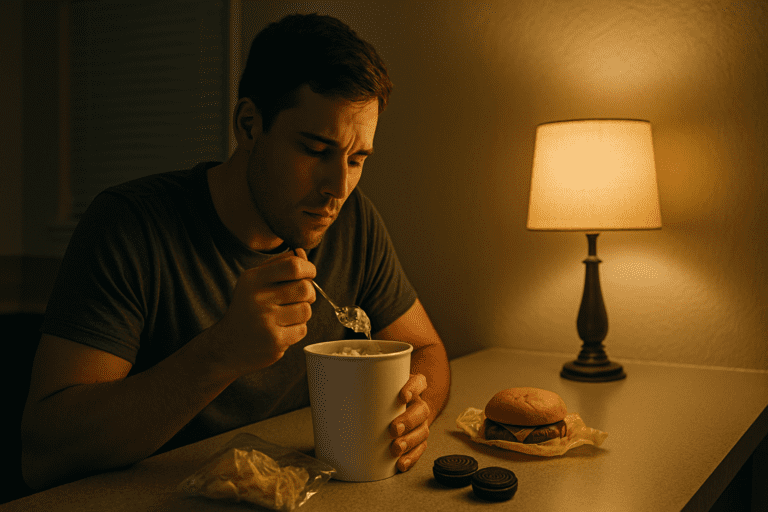
Why You Might Be Binge Eating at Night: Understanding Night Eating Syndrome and How to Manage It Naturally

Nighttime can be a quiet, reflective, and restorative part of the day, but for many people, it’s also when food cravings emerge in full force. If you’ve ever found yourself rummaging through the kitchen cabinets long after dinner, or if you’ve regularly felt like you ate too much to sleep comfortably, you’re not alone. Binge eating at night is more common than many realize and can be a signal of a deeper issue known as night eating syndrome. Understanding this behavior through a scientific and compassionate lens can be a transformative first step toward managing it naturally and reclaiming healthier eating habits.

You may also like: How to Stop Emotional Eating and Regain Control: Mindful Nutrition Strategies That Support a Healthier Lifestyle

Night Eating Syndrome: A Closer Look at the Condition

Night eating syndrome (NES), often referred to as nighttime eating syndrome, is a recognized condition characterized by persistent patterns of late-night eating that disrupt normal sleep and nutritional balance. People with NES often consume a significant portion of their daily caloric intake after dinner, sometimes waking up in the middle of the night to eat. Unlike occasional snacking or stress-induced munching, NES is a persistent pattern that typically leads to feelings of guilt, disrupted sleep, and physical discomfort. It is important to note that NES is not just a willpower issue—it is a complex condition with biological, psychological, and behavioral components.

Clinically, night eating syndrome differs from other eating disorders in key ways. While binge eating disorder involves consuming large amounts of food in a short time, often with a sense of loss of control, NES episodes may not always involve large quantities. Instead, the defining factor is the timing and regularity of nighttime eating. Many people with NES report feeling as though they cannot fall asleep without eating, or that waking to eat is part of a routine they cannot seem to break. As such, night eating disorder represents a unique subset of disordered eating with its own set of triggers and treatment needs.

Understanding the Triggers Behind Binge Eating at Night

The reasons behind binge eating at night are multifaceted and deeply personal. Stress plays a significant role, with many individuals turning to food as a coping mechanism for anxiety, depression, or unresolved emotions that surface in the quiet hours of the evening. Emotional regulation becomes particularly challenging after a long day, especially when the distractions of work or social interactions subside, leaving individuals face-to-face with their thoughts and feelings.

Hormonal imbalances may also contribute to nighttime eating syndrome. Cortisol, the body’s primary stress hormone, can remain elevated due to chronic stress or poor sleep hygiene, leading to increased hunger cues at night. Additionally, disruptions in melatonin and serotonin—hormones that regulate sleep and mood—can alter appetite signals and influence cravings. In some cases, irregular or restrictive eating patterns during the day lead to compensatory behaviors at night, where the body seeks to make up for perceived deprivation. The cycle becomes self-reinforcing: the more one restricts or ignores hunger cues during the day, the more likely binge eating at night becomes.

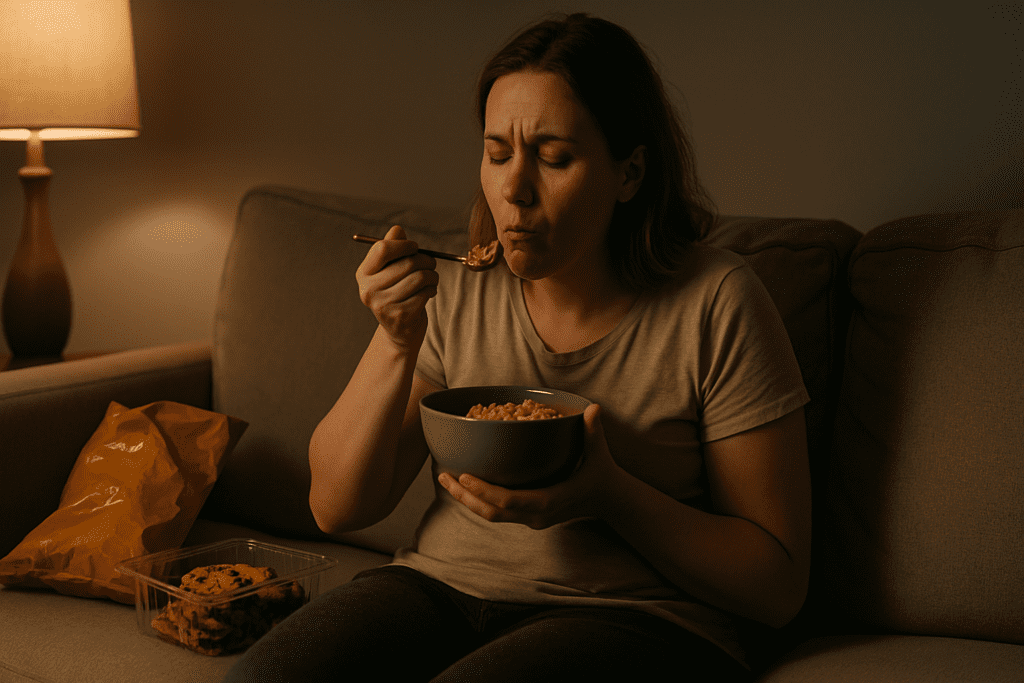
A young woman with light skin and shoulder-length messy brown hair sits on a beige couch in a dimly lit living room. She enjoys a bowl of macaroni and cheese while surrounded by comfort snacks, including chocolate chip cookies and potato chips, placed nearby. The scene is bathed in the warm glow from a nearby lamp, creating a cozy and reflective ambiance.

The Emotional Consequences of Night Eating Disorder

Beyond the physical discomfort of feeling like you ate too much to sleep, night eating disorder can exact a heavy emotional toll. Many individuals report waking up feeling ashamed or frustrated, questioning their self-control or willpower. This emotional weight can spiral into a cycle of negative self-talk and further disordered eating behaviors. In this way, NES is not only a nutritional concern but a psychological one, often requiring a multifaceted approach that addresses underlying emotional health.

Moreover, night eating is often conducted in isolation, compounding feelings of loneliness or secrecy. Individuals may hide their eating from others, contributing to social withdrawal or even depression. The persistent interruption of sleep, combined with guilt and physical discomfort, may also impact work performance, relationships, and overall quality of life. Recognizing these emotional dimensions is essential to developing a compassionate and effective path forward.

Nighttime Eating Syndrome vs. Other Eating Behaviors

It’s important to distinguish nighttime eating syndrome from occasional late-night snacking or emotional eating episodes. While many people might indulge in a midnight snack or reach for comfort food during stressful times, NES is characterized by a chronic pattern that disrupts sleep and well-being. Individuals with NES often experience morning anorexia, meaning they have little to no appetite in the morning despite nighttime eating. This reversal of the normal circadian rhythm of hunger is a hallmark of the disorder.

Another distinguishing factor is the sense of compulsion associated with NES. Unlike mindful eating, which involves conscious awareness and enjoyment of food, night eating disorder often involves automatic or semi-conscious eating behaviors. People may find themselves eating without full awareness, or they may eat despite not feeling physically hungry. This dissociation from internal cues further complicates efforts to break the cycle without structured support or intervention.

The Role of Sleep and Circadian Rhythms in NES Syndrome

Sleep and eating are closely linked, governed by the body’s internal clock or circadian rhythm. When this rhythm is disrupted—whether due to shift work, jet lag, or inconsistent sleep schedules—it can lead to alterations in appetite-regulating hormones. Leptin and ghrelin, which signal satiety and hunger respectively, may become imbalanced, prompting increased cravings and a skewed hunger schedule.

People with NES syndrome often report difficulty falling asleep or frequent nighttime awakenings, followed by strong urges to eat. These behaviors, in turn, perpetuate poor sleep quality, creating a feedback loop that reinforces the disorder. Addressing the root causes of circadian disruption, such as poor sleep hygiene or overuse of electronic devices at night, can be a key component in managing NES naturally. Establishing regular sleep-wake cycles and aligning mealtimes with daylight hours can support hormonal balance and reduce nighttime cravings.

Biological and Genetic Contributions to Night Eating Syndrome

Emerging research suggests that NES may have a genetic or biological component. Some studies indicate that individuals with a family history of mood or eating disorders may be more susceptible to developing nighttime eating syndrome. Additionally, dysregulation of the hypothalamic-pituitary-adrenal (HPA) axis—the system that manages stress responses—has been observed in people with NES. This dysregulation can lead to persistent stress, altered cortisol rhythms, and increased hunger during the evening and nighttime hours.

Furthermore, certain neurochemical imbalances, such as low levels of dopamine or serotonin, may play a role in the compulsive nature of night eating. These neurotransmitters are involved in both mood regulation and appetite control, making them relevant targets for intervention. While more research is needed to fully understand the biological underpinnings of NES, acknowledging its physiological basis helps reduce stigma and highlights the need for comprehensive treatment strategies.

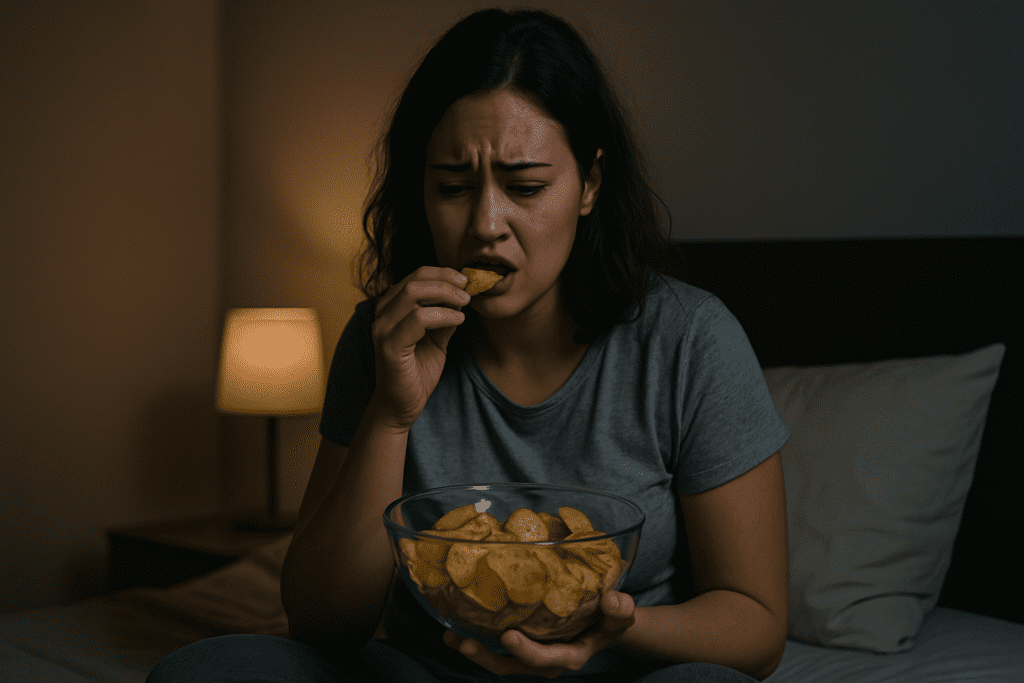
A young Caucasian woman with shoulder-length brown hair sits on her bed at night, snacking on potato chips while immersed in her thoughts. The dim glow from a bedside lamp softly illuminates her face and the surrounding space, creating a warm, cozy atmosphere. She holds a glass bowl filled with chips in one hand while taking a bite with the other.

Nutritional Strategies to Curb Binge Eating at Night

Managing night eating disorder through nutrition begins with establishing consistent and balanced meals throughout the day. Skipping meals or under-eating can set the stage for nighttime cravings, as the body seeks to correct an energy deficit. Including complex carbohydrates, healthy fats, and high-quality protein in each meal supports stable blood sugar levels and sustained satiety, reducing the impulse to eat late at night.

It is also beneficial to identify specific trigger foods that may contribute to cravings. Highly processed foods, particularly those high in sugar or refined carbohydrates, can lead to blood sugar spikes followed by crashes, which may intensify hunger cues. Choosing whole foods, such as leafy greens, whole grains, lean proteins, and omega-3-rich options like fatty fish, provides nutrients that support mood and hormonal health. Drinking enough water and maintaining hydration throughout the day can also mitigate hunger confusion, as thirst is often mistaken for hunger.

Psychological Approaches to Managing Nighttime Eating

Psychotherapy, particularly cognitive behavioral therapy (CBT), has been shown to be effective in treating night eating syndrome. CBT helps individuals identify distorted thought patterns and develop healthier coping mechanisms for stress, anxiety, and emotional distress. For many, nighttime eating is linked to negative self-beliefs or rigid dietary rules that trigger compensatory behavior. CBT addresses these root causes, helping to reshape one’s relationship with food and the self.

Mindfulness-based practices, including meditation and mindful eating, can also be powerful tools. These techniques encourage individuals to tune into their body’s cues and make conscious choices around food. Practicing mindful eating involves slowing down, chewing thoroughly, and recognizing signs of fullness and satisfaction. These skills are particularly helpful in counteracting the impulsivity and automaticity that often characterize NES.

Natural and Holistic Remedies for NES Syndrome

For those seeking to manage NES naturally, a combination of lifestyle changes, behavioral strategies, and holistic remedies can provide substantial relief. Herbal supplements like ashwagandha and valerian root may support stress reduction and sleep quality, while magnesium and vitamin B6 have been associated with mood and hormonal regulation. Always consult a healthcare professional before starting any supplement regimen, especially if other medical conditions are present.

Establishing a calming nighttime routine can help cue the body for sleep and reduce the likelihood of waking to eat. This may include dimming lights an hour before bedtime, engaging in relaxing activities such as journaling or gentle yoga, and avoiding stimulating content on digital screens. Aromatherapy, particularly using calming scents like lavender or chamomile, can also support relaxation and reduce the urge to eat as a means of emotional comfort.

Building Support Systems and Seeking Professional Help

Addressing night eating disorder is not a solitary endeavor. Building a strong support system—including healthcare providers, therapists, registered dietitians, and loved ones—can provide encouragement, accountability, and expert guidance. Open conversations about eating habits, sleep patterns, and emotional triggers can dismantle the shame and secrecy often associated with binge eating at night.

For some individuals, medical evaluation may be necessary to rule out underlying conditions such as sleep disorders, metabolic imbalances, or mental health diagnoses that could be contributing to NES. Collaboration between professionals can ensure a holistic, integrative approach that addresses the full spectrum of physical, emotional, and psychological factors. Online support communities or in-person group therapy sessions can also provide a sense of shared experience and solidarity.

A young Caucasian woman with shoulder-length light brown hair sits alone on a wooden bench in a park during the late afternoon or early evening. She rests her elbows on her thighs and presses her hands gently to her cheeks, her eyes closed in deep thought. The background shows a softly blurred green park with warm sunlight casting a glow over the serene scene.

How to Tell If You Ate Too Much to Sleep and What to Do About It

Feeling like you ate too much to sleep can be an uncomfortable and distressing experience. It often involves bloating, indigestion, and restlessness, making it difficult to achieve deep, restorative sleep. When this happens, it’s important to respond with self-compassion rather than self-criticism. Instead of focusing on guilt, consider strategies that support digestion and relaxation, such as sipping warm herbal tea, engaging in light stretching, or practicing deep breathing exercises.

Preventing these episodes involves both proactive and reactive strategies. During the day, prioritizing regular meals and snacks helps prevent the excessive hunger that often precedes binge eating at night. Keeping a food and mood journal can help identify emotional or situational triggers, while setting a consistent sleep schedule supports circadian alignment. When nighttime eating does occur, treating it as a signal rather than a failure allows for growth, curiosity, and long-term change.

Frequently Asked Questions: Night Eating Syndrome and Binge Eating at Night

1. Can nighttime eating syndrome affect long-term metabolic health?
Yes, nighttime eating syndrome can contribute to long-term metabolic disturbances, particularly when it becomes a chronic pattern. People with NES often consume large portions of their daily caloric intake during the night, which misaligns with the body’s circadian rhythm. Over time, this misalignment may impair glucose tolerance and insulin sensitivity, potentially increasing the risk of type 2 diabetes or metabolic syndrome. It’s not simply a matter of calories but rather the timing and hormonal impact of food consumption that makes NES a metabolic concern. While further research is needed to quantify exact risks, the pattern of binge eating at night is consistently associated with disrupted metabolic health.

2. Is there a difference between waking up to snack occasionally and having night eating syndrome?
Absolutely, and the distinction lies in both frequency and psychological context. Someone who occasionally wakes up and has a small snack, especially after inadequate dinner, is unlikely to have nighttime eating syndrome. However, when this behavior becomes habitual, emotionally charged, or necessary for sleep, it might indicate NES. One hallmark of NES syndrome is eating upon nighttime awakening, often accompanied by the belief that eating is required to return to sleep. This belief—and the regular practice of acting on it—distinguishes casual snacking from a clinically relevant night eating disorder.

3. How do social and cultural habits influence binge eating at night?
Cultural norms can significantly shape eating behaviors, including the timing and composition of meals. In some cultures, late dinners or post-dinner snacks are commonplace and socially accepted. However, when social habits evolve into solitary and compulsive eating after hours, it can blur into patterns resembling night eating disorder. Social isolation or changes in routine, such as working night shifts, can exacerbate this trend. Understanding the cultural context can help differentiate between socially driven eating and a behavioral health issue like nighttime eating syndrome.

4. What role does digital media consumption play in late-night eating behavior?
Extended screen time—especially late at night—has been linked to both poor sleep quality and disordered eating behaviors. Streaming services, social media, and gaming can delay bedtime, disrupt natural melatonin production, and stimulate the brain during hours when it should be winding down. As a result, people often stay awake longer and experience hunger cues that lead to binge eating at night. In this environment, food becomes a passive, habitual companion to entertainment. This behavior often feeds into NES syndrome by reinforcing the association between nighttime wakefulness and eating.

5. Can someone experience NES without realizing it?
Yes, night eating syndrome can develop subtly over time, especially in individuals who live alone or have flexible schedules. Because it does not always involve large food quantities or feelings of distress like other eating disorders, NES may go unnoticed. The realization often comes only when symptoms escalate—such as when someone consistently feels they’ve eaten too much to sleep or when morning hunger disappears altogether. Journaling food intake, sleep patterns, and emotional triggers can help bring these behaviors to light. Recognizing the signs early is key to preventing the progression to a more entrenched night eating disorder.

6. How does NES syndrome affect relationships and household dynamics?
Night eating disorder can create tension in relationships, especially when a partner is affected by disrupted sleep or worries about a loved one’s eating habits. Eating in secret, hiding food, or feeling ashamed can foster emotional distance and miscommunication. Some partners may misinterpret the behavior as lack of self-discipline, when in reality, NES syndrome often stems from emotional distress, hormonal imbalances, or disordered sleep. Supportive communication and shared involvement in healthier routines—such as winding down together before bed—can help rebuild trust and connection. It’s important for household members to approach the issue with compassion rather than criticism.

7. Are there emerging treatments or technologies being developed to help manage NES?
Recent innovations are exploring the intersection of behavioral therapy, wearable technology, and biofeedback to address night eating syndrome. Smart devices can now track sleep-wake cycles and even alert users when their eating patterns deviate from healthy circadian norms. Digital CBT platforms are becoming more accessible, offering guided techniques specifically tailored to disordered nighttime eating. Additionally, researchers are investigating the use of light therapy to reset circadian rhythms and reduce the physiological cues that drive binge eating at night. While traditional methods like talk therapy and nutrition plans remain foundational, technology is providing complementary tools for long-term support.

8. How can someone differentiate between physical hunger and emotional cravings late at night?
Distinguishing true hunger from emotional cravings is a nuanced but essential skill. Physical hunger tends to develop gradually and is associated with bodily cues such as a growling stomach or low energy. Emotional cravings, which often drive binge eating at night, are typically sudden and focused on specific comfort foods, like sweets or salty snacks. Engaging in a mindfulness check-in—asking whether hunger is felt in the body or mind—can be illuminating. Many people with night eating disorder benefit from using a hunger scale to rate their appetite before eating, helping them become more attuned to their internal signals.

9. What is the connection between NES syndrome and trauma or adverse life experiences?
Though not universal, there is a growing body of evidence linking night eating syndrome to trauma, particularly in those with unresolved emotional pain or chronic stress. Food can become a symbolic source of comfort or control, especially during the quiet, vulnerable hours of the night. Individuals with a history of emotional neglect, abuse, or significant life upheaval may be more likely to turn to food for emotional regulation. NES often co-occurs with anxiety or PTSD, further complicating treatment. Trauma-informed therapy can be especially helpful for individuals whose nighttime eating syndrome has deeper psychological roots.

10. Can dietary supplements support natural management of NES without medication?
Certain dietary supplements may offer gentle support for individuals seeking natural methods to address night eating disorder. Magnesium, for example, plays a key role in regulating sleep and stress, while L-theanine promotes relaxation without drowsiness. Melatonin supplements can help reset circadian rhythms, though they should be used cautiously and under medical guidance. Adaptogens like ashwagandha may also assist in reducing the cortisol spikes that often trigger binge eating at night. While supplements are not a cure for NES syndrome, they can be part of a holistic toolkit when paired with behavioral and lifestyle interventions.

Reflecting on the Journey: Reclaiming Balance from Night Eating Disorder

Navigating the challenges of nighttime eating syndrome requires patience, self-awareness, and a commitment to holistic well-being. Whether you’re struggling with occasional binge eating at night or a more entrenched pattern like NES syndrome, understanding the root causes is the first step toward healing. This journey involves more than willpower—it calls for nutritional support, emotional insight, circadian rhythm alignment, and often professional guidance.

By addressing the biological, psychological, and lifestyle factors that contribute to night eating disorder, it is possible to restore balance and build healthier habits. Natural remedies, consistent routines, and supportive relationships all play a role in this process. Perhaps most importantly, recognizing that you are not alone—and that healing is possible—can offer hope and direction. Reclaiming your evenings from the grip of nighttime cravings not only enhances physical health but also restores your sense of peace, agency, and well-being.

With compassionate attention and evidence-based strategies, you can move beyond the cycle of binge eating at night and cultivate a more nourishing relationship with food, rest, and yourself.

late night hunger causes, emotional eating at night, food cravings before bed, sleep and appetite hormones, healthy nighttime habits, cortisol and late-night eating, melatonin and eating patterns, serotonin and food cravings, digestive health and sleep, natural appetite regulation, mindful eating techniques, stress-related eating habits, sleep hygiene tips, circadian rhythm and nutrition, nighttime snacking triggers, hormonal imbalance and appetite, mental health and eating behaviors, gut-brain connection and hunger, sleep disruption from eating, natural remedies for disordered eating

Further Reading:

Night Eating Syndrome

Night Eating Syndrome (NES)

Night Eating Syndrome: Symptoms, Causes, and Treatments

Disclaimer

The information contained in this article is provided for general informational purposes only and is not intended to serve as medical, legal, or professional advice. While NewsHealthWatch strives to present accurate, up-to-date, and reliable content, no warranty or guarantee, expressed or implied, is made regarding the completeness, accuracy, or adequacy of the information provided. Readers are strongly advised to seek the guidance of a qualified healthcare provider or other relevant professionals before acting on any information contained in this article. NewsHealthWatch, its authors, editors, and contributors expressly disclaim any liability for any damages, losses, or consequences arising directly or indirectly from the use, interpretation, or reliance on any information presented herein. The views and opinions expressed in this article are those of the author(s) and do not necessarily reflect the official policies or positions of NewsHealthWatch.
Reversing Atherosclerosis with Diet: Evidence-Based Strategies for Long-Term Heart Health

Introduction: The Promise of Nutritional Healing for Your Arteries

Atherosclerosis, the progressive buildup of plaque within arterial walls, is a leading contributor to cardiovascular disease and premature death worldwide. This chronic condition can remain silent for years until it results in events like heart attacks or strokes. However, emerging research suggests that a carefully structured diet—rich in specific nutrients and guided by sound science—can help halt or even reverse the progression of atherosclerosis. As more people seek alternatives to medications and invasive procedures, interest in a reversing atherosclerosis diet continues to grow. This article explores how dietary strategies rooted in whole-food, plant-based nutrition can promote long-term cardiovascular healing and vitality.

You may also like: How a Vegan Diet Can Help Reverse Heart Disease: What the Science Says

Understanding Atherosclerosis: What Causes Plaque to Build Up

Atherosclerosis begins when low-density lipoprotein (LDL) cholesterol infiltrates the inner walls of arteries, triggering inflammation and attracting white blood cells. Over time, this immune response leads to the formation of fatty plaques that narrow the arteries, restrict blood flow, and can rupture—causing clots and heart attacks. Contributing factors include high blood pressure, tobacco use, sedentary behavior, and diets high in trans fats, processed meats, and refined sugars. While traditionally seen as a degenerative and irreversible condition, new evidence indicates that lifestyle choices—especially dietary ones—can make a significant impact. An effective atherosclerosis diet aims to reverse the damage at a cellular level by reducing inflammation, improving lipid profiles, and enhancing endothelial function.

An elderly man in his late 60s sits reflectively on a bench in a sun-drenched park, his expression pensive as he gazes downward. The warm golden light, calm surroundings, and solitary mood evoke the psychological depth behind adopting a reversing atherosclerosis diet for sustained cardiovascular healing.

Can Starvation Reverse Atherosclerosis? Separating Myth from Science

The question “can starvation reverse atherosclerosis” often arises in discussions about rapid healing or detoxification. Some proponents of extreme fasting argue that complete caloric deprivation can help “cleanse” the arteries. However, scientific evidence does not support starvation as a safe or effective method for reversing atherosclerosis. Starvation deprives the body of critical nutrients—especially those needed for cellular repair, immune function, and vascular health. While medically supervised intermittent fasting may offer some cardiovascular benefits, prolonged or extreme caloric restriction can lead to muscle wasting, electrolyte imbalance, and compromised organ function. Ultimately, reversing arterial plaque requires nourishment, not deprivation. The idea that starvation alone could reverse atherosclerosis is misleading and potentially harmful.

A dimly lit room features a glowing candle next to an open notebook labeled “DIET FOR HEART HEALTH,” resting on a simple black side table. The soft ambient lighting and minimal decor emphasize focused commitment to a heart-supportive lifestyle, symbolizing the intentional planning behind a successful atherosclerosis diet.

The Foundation of a Reversing Atherosclerosis Diet

An effective reversing atherosclerosis diet focuses on whole, unprocessed foods that support cardiovascular function and reduce systemic inflammation. Studies have shown that plant-based diets rich in fruits, vegetables, legumes, whole grains, nuts, and seeds can significantly reduce LDL cholesterol, the main culprit in plaque buildup. These diets are naturally high in fiber, antioxidants, and phytochemicals, which collectively help repair the endothelium—the thin lining of blood vessels—and promote vasodilation. By removing or reducing animal-based foods high in saturated fats and cholesterol, atherosclerotic progression can be slowed or even reversed. Clinical trials, such as those conducted by Dr. Dean Ornish and others, have demonstrated arterial improvement through lifestyle and dietary interventions without the need for pharmaceuticals.

A professional woman in her late 30s, seated in a warmly lit living room, attentively listens during a counseling session while holding a clipboard. Her posture and facial expression convey empathy and support, reinforcing the emotional and behavioral dimensions of embracing a reversing atherosclerosis diet for long-term wellness.

Foods That Heal Arteries: Core Components of an Atherosclerosis Diet

The key to reversing atherosclerosis through diet lies in selecting foods that actively promote arterial health. Leafy greens like spinach, arugula, and kale are rich in dietary nitrates, which boost nitric oxide production and improve vascular flexibility. Legumes such as lentils, chickpeas, and black beans provide soluble fiber that binds to cholesterol and supports gut health. Whole grains—especially oats, barley, and quinoa—deliver beta-glucans and other compounds that lower cholesterol absorption. Healthy fats, such as those found in walnuts, chia seeds, flaxseeds, and avocados, support anti-inflammatory pathways. Fatty fish like salmon, when used in moderation, can provide omega-3s that stabilize plaques and reduce clot risk. These foods form the foundation of an atherosclerosis diet that supports healing from within.

The Antioxidant Advantage: Fighting Oxidative Stress in the Arteries

Oxidative stress plays a central role in the development and progression of atherosclerosis. When LDL cholesterol is oxidized, it becomes more likely to trigger an immune response and contribute to plaque buildup. A nutrient-dense, plant-focused diet provides abundant antioxidants that neutralize free radicals and protect vascular tissues. Berries, particularly blueberries and strawberries, are rich in anthocyanins that reduce inflammation and improve endothelial function. Cruciferous vegetables such as broccoli, cauliflower, and Brussels sprouts contain sulfur compounds and flavonoids that modulate detoxification enzymes and improve arterial resilience. Spices like turmeric and ginger, along with green tea and dark chocolate in moderation, provide polyphenols that enhance blood flow and decrease oxidative damage. Incorporating these foods into a reversing atherosclerosis diet supports a multi-layered defense against vascular aging.

Dietary Patterns That Promote Arterial Regeneration

Rather than focusing solely on individual foods, it’s essential to adopt holistic dietary patterns that reinforce cardiovascular wellness. The Mediterranean diet and whole-food, plant-based (WFPB) diets are two of the most studied and effective for improving arterial health. The Mediterranean pattern—rich in extra-virgin olive oil, fresh produce, legumes, fish, and moderate wine consumption—has been shown to reduce the risk of cardiovascular events. Meanwhile, a WFPB diet eliminates animal products entirely and emphasizes high-fiber, antioxidant-rich foods. Both diets share common elements that support arterial healing: minimal processing, low saturated fat, and high levels of micronutrients. When sustained over time, these dietary frameworks offer a comprehensive strategy for slowing or reversing atherosclerosis.

The Hidden Dangers of Processed Foods and Cholesterol-Rich Meals

Highly processed foods are among the most significant contributors to cardiovascular disease. They are often high in trans fats, refined carbohydrates, and sodium—all of which contribute to hypertension, insulin resistance, and inflammation. Processed meats like bacon, sausages, and deli slices are particularly harmful, having been classified as Group 1 carcinogens and consistently linked to heart disease. Even seemingly “healthy” snacks like granola bars or flavored yogurts often contain hidden sugars and additives that impair metabolic health. Dietary cholesterol, found in eggs, shellfish, and organ meats, can increase serum cholesterol levels in susceptible individuals. While some may tolerate dietary cholesterol without a spike in LDL, an atherosclerosis diet generally favors plant-based sources to minimize this risk. Eliminating or drastically reducing these foods supports a cleaner, more efficient vascular system.

Practical Strategies for Transitioning to a Heart-Healthy Diet

Shifting to a heart-healthy diet doesn’t have to be overwhelming. Start by making small, manageable changes: replace one animal-based meal per day with a plant-based option, or begin incorporating fiber-rich foods like oats and beans into your routine. Preparation is key. Batch-cooking meals, shopping with a plan, and keeping healthy snacks on hand can increase adherence. Reading ingredient labels and choosing minimally processed items helps reduce your intake of harmful additives. You don’t have to go it alone—connecting with a plant-based nutritionist, joining a support group, or engaging in online communities can make the journey easier and more enjoyable. Long-term change is not about perfection but about consistency and commitment to nourishing your heart daily.

Lifestyle Synergy: Combining Diet with Exercise and Stress Reduction

Diet is a critical component of reversing atherosclerosis, but it doesn’t act in isolation. Regular physical activity, such as brisk walking, swimming, or cycling, helps lower LDL cholesterol, improve insulin sensitivity, and support vascular elasticity. Even 30 minutes of moderate activity most days of the week can yield significant benefits. Managing chronic stress is equally important. High cortisol levels, driven by stress, can increase blood pressure and promote inflammation. Practices like meditation, deep breathing, yoga, and journaling help balance the nervous system and protect cardiovascular function. Quality sleep, often underestimated, also plays a pivotal role in metabolic and vascular health. Together, these lifestyle interventions reinforce the benefits of a reversing atherosclerosis diet and promote comprehensive healing.

The Importance of Medical Monitoring and Personalized Guidance

Reversing atherosclerosis requires time, consistency, and informed oversight. Regular medical checkups allow you to track progress through blood tests and imaging tools like coronary calcium scores or carotid ultrasounds. Monitoring markers such as LDL, HDL, triglycerides, and high-sensitivity C-reactive protein (hs-CRP) provides feedback on how your body is responding. Collaborating with a cardiologist or integrative physician ensures that you receive personalized advice tailored to your specific risk factors. It’s also critical to avoid discontinuing prescribed medications without professional guidance, even when improvements are seen. Combining medical insight with nutritional strategies creates a safe and effective path toward cardiovascular regeneration.

Frequently Asked Questions (FAQ): Reversing Atherosclerosis Through Diet

1. How quickly can a reversing atherosclerosis diet show measurable improvements in heart health?

Improvements from a reversing atherosclerosis diet often begin within weeks, though significant arterial changes may take several months to years. Early markers such as lower LDL cholesterol and reduced blood pressure can be observed in as little as 4 to 6 weeks, depending on adherence. Long-term changes, including measurable reductions in arterial plaque, are usually documented through imaging studies over 6 to 12 months or longer. The speed of improvement varies based on genetics, baseline cardiovascular risk, and whether dietary changes are paired with exercise and stress management. Sustainable results require consistency, as temporary adherence will not reverse arterial damage permanently.

2. Are there any unique dietary challenges for older adults following an atherosclerosis diet?

Older adults may face distinct challenges when adopting an atherosclerosis diet, such as altered taste perception, chewing difficulties, and reduced caloric needs. Protein intake is also a concern, and ensuring adequate intake from plant-based sources like tofu, legumes, and quinoa is essential for muscle maintenance. Fiber-rich foods can also pose digestive issues initially, making gradual dietary transitions important. Additionally, medication interactions with certain high-potassium or vitamin K-rich foods (e.g., spinach, kale) require careful management. Tailoring a reversing atherosclerosis diet to accommodate these age-related factors is crucial for effectiveness and safety.

3. Can athletes or highly active individuals thrive on a reversing atherosclerosis diet?

Absolutely. In fact, many endurance athletes and plant-based bodybuilders thrive on an atherosclerosis diet due to its anti-inflammatory benefits and high nutrient density. Active individuals may need to pay extra attention to caloric density and protein sources, incorporating foods like nut butters, avocados, legumes, and whole grains. Timing meals around workouts and ensuring adequate intake of omega-3 fatty acids can support performance and recovery. Many elite athletes, including Olympians, have adopted plant-forward diets with impressive results. A properly planned reversing atherosclerosis diet can enhance endurance, reduce oxidative stress, and promote faster muscle repair.

4. How does emotional eating impact the success of an atherosclerosis diet?

Emotional eating, especially during times of stress or boredom, can derail the progress of a reversing atherosclerosis diet. This behavior often leads to the consumption of comfort foods high in sugar, fat, and sodium—foods that directly oppose the goals of heart healing. Addressing the emotional root of eating habits through therapy, journaling, or mindfulness practices is essential for long-term dietary success. Building routines and having healthy alternatives on hand can reduce impulsive eating. Sustainable heart health depends not only on the nutrients consumed but also on the behaviors surrounding food choices.

5. What role does gut health play in atherosclerosis reversal?

Emerging research suggests a strong link between gut microbiota and cardiovascular health. A diverse, plant-rich diet fosters beneficial bacteria that produce short-chain fatty acids, which help regulate inflammation and cholesterol metabolism. Some gut microbes also influence the metabolism of bile acids and cholesterol, directly impacting plaque formation. An atherosclerosis diet that includes fermented foods like kimchi, tempeh, and unsweetened yogurt may enhance microbial balance. Prioritizing gut health within a reversing atherosclerosis diet can amplify the diet’s systemic anti-inflammatory effects.

6. Are there cultural or regional diets that align well with reversing atherosclerosis?

Yes, many traditional diets naturally embody the principles of a reversing atherosclerosis diet. The Okinawan diet, for example, is rich in sweet potatoes, sea vegetables, and legumes, offering both fiber and antioxidants. Similarly, traditional Indian vegetarian diets emphasize lentils, spices, and whole grains, many of which are beneficial for heart health. Mediterranean, Ethiopian, and some Latin American cuisines also provide naturally plant-forward frameworks. Adapting the atherosclerosis diet within a cultural context can make it more accessible and enjoyable while preserving its heart-healthy benefits.

7. How can a reversing atherosclerosis diet support mental clarity and brain health?

The same vascular improvements that benefit the heart also support brain health. Enhanced circulation and reduced inflammation from an atherosclerosis diet can improve cognitive function, particularly in aging populations. Diets rich in omega-3s, antioxidants, and polyphenols have been associated with lower risks of dementia and Alzheimer’s disease. Foods that support neurovascular integrity—like berries, walnuts, and leafy greens—are key elements in a reversing atherosclerosis diet. By protecting blood vessels and reducing oxidative stress, this dietary approach also preserves mental acuity and emotional stability.

8. Can starvation reverse atherosclerosis under any circumstances?

While intermittent fasting has demonstrated metabolic benefits, outright starvation is not a medically recommended or sustainable method for reversing atherosclerosis. The idea that starvation can reverse atherosclerosis stems from extreme interpretations of caloric restriction studies, which do not account for nutrient deficiencies. Extended starvation reduces energy available for vascular repair and weakens immune defenses, ultimately increasing cardiovascular risk. A reversing atherosclerosis diet, on the other hand, provides essential nutrients required for endothelial healing. Nutritional abundance, rather than deprivation, is the foundation of long-term cardiovascular recovery.

9. How do plant-based fats contribute to reversing plaque in arteries?

Unlike saturated animal fats, plant-based fats contain monounsaturated and polyunsaturated fatty acids that reduce LDL cholesterol and support arterial elasticity. Foods like walnuts, chia seeds, flaxseeds, and extra-virgin olive oil are rich in omega-3s and other heart-protective compounds. These fats also help reduce systemic inflammation and improve endothelial function—key goals in an atherosclerosis diet. When integrated into a balanced reversing atherosclerosis diet, these fats contribute to long-term arterial regeneration. They provide satiety and flavor without the damaging effects associated with trans and saturated fats.

10. What future innovations could enhance the effectiveness of atherosclerosis diets?

Future advances may include personalized nutrition based on genetic markers and microbiome profiling. This could allow for highly customized versions of the atherosclerosis diet that align with individual metabolic responses. Additionally, bioactive compounds like plant-based statin mimetics or phytochemical concentrates may become more accessible through functional foods. Wearable technology and continuous biomarker monitoring could also guide more responsive dietary choices. As scientific understanding deepens, the reversing atherosclerosis diet will likely evolve into a more individualized, precision-based approach with even greater efficacy.

Conclusion: Why Long-Term Nutrition Triumphs Over Short-Term Extremes

The path to reversing atherosclerosis isn’t paved with extreme diets or starvation protocols—it’s built on consistent, nourishing choices grounded in science. While some may wonder “can starvation reverse atherosclerosis”, the truth is that true healing comes not from deprivation but from abundance—abundance of antioxidants, fiber, healthy fats, and life-giving phytonutrients. A carefully designed atherosclerosis diet, rich in whole plant foods, not only helps stabilize existing plaque but also reduces the risk of future cardiovascular events.\n\nUnlike quick-fix solutions, a sustainable diet supports long-term health, improves quality of life, and empowers individuals to take control of their well-being. With the guidance of healthcare providers and the integration of holistic lifestyle practices—like regular exercise, stress management, and sleep optimization—reversal is not just possible; it’s within reach. The evidence is clear: nourishing your arteries with intentional, evidence-based nutrition is one of the most powerful decisions you can make for your heart and your future.

plant-based heart health, diet to unclog arteries, whole-food nutrition for heart, cardiovascular health foods, natural cholesterol-lowering diet, anti-inflammatory meals, heart-friendly nutrition, endothelial function diet, Mediterranean eating for heart, vascular wellness plan, foods that lower blood pressure, arterial plaque prevention, healing cardiovascular system naturally, holistic approach to heart health, lifestyle changes for heart disease, nitric oxide boosting foods, clean eating for heart, antioxidant-rich meals, fiber for heart health, nutritional reversal of heart disease

Further Reading:

Lifestyle management to prevent atherosclerotic cardiovascular disease: evidence and challenges


Stop Stenting; Start Reversing Atherosclerosis

Mechanisms Plant-Based Diets Reverse Atherosclerosis

Disclaimer

The information contained in this article is provided for general informational purposes only and is not intended to serve as medical, legal, or professional advice. While NewsHealthWatch strives to present accurate, up-to-date, and reliable content, no warranty or guarantee, expressed or implied, is made regarding the completeness, accuracy, or adequacy of the information provided. Readers are strongly advised to seek the guidance of a qualified healthcare provider or other relevant professionals before acting on any information contained in this article. NewsHealthWatch, its authors, editors, and contributors expressly disclaim any liability for any damages, losses, or consequences arising directly or indirectly from the use, interpretation, or reliance on any information presented herein. The views and opinions expressed in this article are those of the author(s) and do not necessarily reflect the official policies or positions of NewsHealthWatch.

Type 2 Diabetes Natural Treatment: How Whole-Food Plant-Based Nutrition Supports Blood Sugar Control Safely and Effectively

Introduction: Reclaiming Health Through Nature’s Wisdom

In a time when the modern world often turns to pharmaceuticals as a first response, a growing movement is revisiting the wisdom of natural, food-based healing. Type 2 diabetes, one of the most prevalent chronic diseases worldwide, has reached epidemic proportions, prompting both patients and healthcare providers to explore alternatives that address the root causes—not just the symptoms. Among the most promising and evidence-based approaches is the adoption of a whole-food, plant-based diet. This nutritional strategy, grounded in rigorous scientific research and decades of clinical observation, supports the body’s natural ability to regulate blood glucose and restore insulin sensitivity. For those seeking type 2 diabetes natural treatment options that are both safe and sustainable, a plant-powered lifestyle offers a compelling solution.

You may also like: How a Vegan Diet Can Help Reverse Heart Disease: What the Science Says

Understanding Type 2 Diabetes from a Functional Health Perspective

Type 2 diabetes arises from a combination of insulin resistance and impaired glucose metabolism. Unlike its autoimmune counterpart, type 1 diabetes, this form of the disease is often driven by poor dietary patterns, physical inactivity, chronic stress, and excess body weight—factors that are largely modifiable. Insulin resistance occurs when muscle, fat, and liver cells fail to respond properly to insulin, forcing the pancreas to produce more and more of the hormone to keep blood glucose in check. Over time, this leads to hyperglycemia and a host of complications affecting the heart, kidneys, nerves, and eyes. Conventional treatments often rely on glucose-lowering medications, but these do little to address the underlying metabolic dysfunction.

That’s where natural remedies for type 2 diabetes come into focus. Lifestyle interventions, particularly nutrition, have been shown to not only stabilize blood sugar but in some cases lead to remission of the disease. This represents a paradigm shift from reactive disease management to proactive wellness restoration. While there is no definitive natural cure for type 2 diabetes, the evidence supporting whole-food plant-based nutrition as a therapeutic tool continues to grow.

A photograph captures a still life scene centered around a handwritten journal labeled “PLANT-BASED DIET,” set next to a bowl of fresh vegetables and a gently glowing candle. The warm indoor lighting and minimalistic setting visually symbolize home medicine for diabetes and the personal commitment to natural remedies for type 2 diabetes.

The Role of Whole-Food Plant-Based Nutrition in Glucose Regulation

At the heart of the plant-based dietary pattern lies an emphasis on unrefined plant foods—vegetables, fruits, whole grains, legumes, nuts, and seeds. These foods are packed with dietary fiber, phytonutrients, and essential vitamins and minerals, all of which work synergistically to improve insulin sensitivity and stabilize blood glucose levels. One of the standout characteristics of this approach is its ability to provide blood sugar control naturally, without requiring calorie counting or food tracking.

Clinical studies have repeatedly demonstrated that individuals following a plant-based diet experience significant improvements in fasting glucose, HbA1c, and insulin sensitivity. A pivotal study published in JAMA Network Open found that participants who adopted a low-fat vegan diet saw measurable reductions in blood sugar and body weight, making this a powerful form of home medicine for diabetes. Unlike restrictive diets that are difficult to maintain long term, plant-based eating is inherently satisfying and sustainable, offering abundant variety and culinary enjoyment.

A wholesome, whole-food plant-based meal is presented in a white ceramic bowl held by two hands, with tofu, spinach, tomatoes, and broccoli arranged beautifully alongside a green smoothie. The soft ambient lighting and wooden table emphasize the tactile, nourishing experience of using food for blood sugar control naturally.

Fiber: A Cornerstone of Natural Diabetes Management

Dietary fiber, particularly soluble fiber, is one of the most effective tools for managing type 2 diabetes naturally. Found abundantly in oats, beans, lentils, chia seeds, and many fruits, soluble fiber forms a gel-like substance in the gut that slows carbohydrate absorption and flattens the post-meal glucose curve. This mechanism not only reduces the immediate demand on insulin but also helps prevent glucose spikes that contribute to insulin resistance over time.

Beyond its impact on glycemia, fiber supports weight loss, improves cholesterol profiles, and fosters a diverse gut microbiome. The fermentation of fiber by beneficial gut bacteria produces short-chain fatty acids (SCFAs), which have been linked to enhanced glucose metabolism and reduced inflammation—both of which are key in managing type 2 diabetes. Unfortunately, the typical Western diet provides less than half the recommended daily intake of fiber. Transitioning to a plant-based diet automatically boosts fiber intake, making it a critical aspect of any type 2 diabetes natural treatment plan.

A middle-aged African American woman sits in quiet reflection on a dark sofa in a dimly lit living room, gently holding a warm drink. The thoughtful setting, accented by a bowl of produce and subtle warm lighting, suggests emotional resilience and commitment to a type 2 diabetes natural treatment rooted in lifestyle and nutrition.

Glycemic Load and Carbohydrate Quality in Plant Foods

There is a common misconception that all carbohydrates are detrimental for people with diabetes, but this belief oversimplifies the role of carbs in human health. The concept of glycemic load (GL) offers a more accurate measure, as it takes into account both the quality and quantity of carbohydrates in a serving of food. Whole plant foods, especially those high in fiber and water, tend to have a low glycemic load, which minimizes their impact on blood sugar.

For example, sweet potatoes, quinoa, barley, lentils, and most fruits have low to moderate GL values and are digested slowly, offering a steady release of glucose into the bloodstream. These foods also deliver essential nutrients and antioxidants that protect against diabetes-related complications. By focusing on low-GL foods, individuals can achieve blood sugar control naturally while enjoying a wide range of satisfying meals. This approach helps reframe carbohydrate intake as a therapeutic ally rather than a dietary villain.

Taming Inflammation: The Anti-Inflammatory Power of Plants

Chronic inflammation is now recognized as a driving force behind insulin resistance and metabolic dysfunction. Excess body fat, particularly visceral fat, secretes inflammatory cytokines that impair insulin signaling, creating a vicious cycle of rising glucose and hormonal imbalance. Fortunately, the plant-based diet is inherently anti-inflammatory, thanks to its high content of antioxidants, flavonoids, and polyphenols.

Foods such as berries, kale, turmeric, garlic, and green tea have demonstrated anti-inflammatory effects in clinical studies. These compounds quench oxidative stress and modulate immune pathways, reducing the systemic inflammation that underlies type 2 diabetes. This makes anti-inflammatory plant foods essential components of any plan aimed at finding natural remedies for type 2 diabetes. Instead of masking inflammation with medication, a plant-based diet helps resolve it at its root—through nutrition that heals from within.

Natural Weight Loss Without Restriction or Hunger

Weight management plays a crucial role in reversing insulin resistance. Yet most conventional diets emphasize calorie counting, restriction, and willpower—strategies that often lead to short-term success but long-term failure. Whole-food plant-based diets take a radically different approach: by emphasizing foods that are naturally low in caloric density but high in volume and nutrients, they allow people to eat freely and still lose weight.

In this way, weight loss becomes a byproduct of healthful eating rather than the primary goal. Numerous studies have shown that individuals on plant-based diets tend to achieve and maintain lower body weights, which in turn improves insulin function. Over time, this can reduce or eliminate the need for medications, making plant-based eating one of the most powerful tools for home medicine for diabetes. It promotes metabolic healing while fostering a positive, sustainable relationship with food.

Micronutrient Synergy and Metabolic Function

Whole plant foods offer a unique blend of micronutrients that work together to support metabolic health. Magnesium, for example, is crucial for insulin receptor function and is found in abundance in leafy greens, legumes, and nuts. Chromium, another essential trace element, assists in glucose uptake and is present in foods like broccoli and whole grains.

Vitamin C, found in citrus fruits and peppers, enhances endothelial function and reduces oxidative stress, while B vitamins contribute to energy production and nerve health—important considerations for people with diabetes. Rather than relying on isolated supplements, a whole-food plant-based approach delivers these nutrients in their most bioavailable forms, alongside the fiber and antioxidants that optimize their absorption. This makes plant-based eating a truly comprehensive approach to type 2 diabetes natural treatment.

From Kitchen to Clinic: Practical Guidance for Implementation

Transitioning to a plant-based lifestyle is not about deprivation; it’s about discovering a new way of eating that is both nourishing and joyful. One of the simplest ways to begin is to swap animal-based ingredients with plant-based alternatives in familiar dishes. Think lentil tacos, tofu stir-fries, or hearty vegetable stews with quinoa. These meals not only provide comfort but also help reverse insulin resistance with every bite.

Batch cooking and meal prepping can reduce decision fatigue during the week, while experimenting with international cuisines—such as Indian dals or Mediterranean grain bowls—can keep meals exciting. Over time, taste preferences shift, and the rich, natural flavors of whole foods begin to shine. With adequate planning, support, and patience, this lifestyle becomes second nature. For individuals interested in finding a natural cure for type 2 diabetes, it starts in the kitchen with every conscious food choice.

A Shift in Medical Thinking: Lifestyle as Primary Therapy

While medications remain necessary for many, their role should be recontextualized within a broader therapeutic framework. Nutritional and lifestyle interventions have the power to restore metabolic health, reduce dependency on medications, and significantly enhance quality of life. This integrative approach is gaining traction in the medical community, though it still faces institutional inertia.

As more research confirms the efficacy of whole-food plant-based diets, healthcare systems must evolve to prioritize prevention and root-cause treatment. For individuals managing type 2 diabetes, this means partnering with providers who recognize the value of nutrition and who support incremental, patient-centered change. As the dialogue shifts, we inch closer to a healthcare model that honors the healing power of food.

Frequently Asked Questions: Whole-Food Plant-Based Nutrition for Type 2 Diabetes

1. Can a whole-food plant-based diet work alongside traditional diabetes medications?
Absolutely. A whole-food plant-based diet can complement conventional medications by improving insulin sensitivity and stabilizing blood glucose levels. In many cases, individuals who embrace this approach experience improved outcomes and may require lower dosages of medication over time. However, these dietary changes should always be made under medical supervision, especially when blood sugar levels begin to improve rapidly. Integrating natural remedies for type 2 diabetes into an existing treatment plan can offer synergistic benefits, but medication adjustments should never be self-directed. This integrative approach exemplifies how home medicine for diabetes can work in harmony with pharmacological interventions.

2. What role does meal timing play in supporting natural blood sugar control?
Beyond food choice, the timing of meals can significantly impact blood sugar control naturally. Studies suggest that consuming the majority of daily calories earlier in the day—particularly at breakfast—may lead to better insulin sensitivity and improved glucose tolerance. This is partly due to the body’s natural circadian rhythms, which influence how efficiently we metabolize nutrients. For individuals exploring type 2 diabetes natural treatment strategies, aligning meal timing with metabolic cycles may offer additional advantages. Skipping meals or eating late at night, on the other hand, may blunt these benefits and increase glycemic variability.

3. How does stress impact the effectiveness of natural diabetes treatments?
Chronic psychological stress elevates cortisol, a hormone that antagonizes insulin and increases blood sugar levels. This means that even the best dietary strategies for type 2 diabetes natural treatment can be undermined by unmanaged stress. Techniques such as mindfulness meditation, breathing exercises, and nature exposure have been shown to reduce cortisol and improve glycemic outcomes. While these strategies are not a natural cure for type 2 diabetes on their own, they are vital components of a comprehensive, holistic plan. Addressing stress as part of home medicine for diabetes enhances the body’s overall responsiveness to nutrition and lifestyle changes.

4. Are there specific plant-based foods that mimic the effects of diabetes medications?
Yes, some plant-based foods have demonstrated pharmacological-like effects on blood sugar. For example, bitter melon, fenugreek seeds, and okra contain bioactive compounds that may enhance insulin sensitivity or reduce glucose absorption. While these should not replace prescribed treatments, they can act as supportive natural remedies for type 2 diabetes when included in a broader dietary context. Consuming these foods consistently, along with fiber-rich staples like legumes and greens, contributes to blood sugar control naturally. However, their effects are typically more subtle and cumulative rather than immediate.

5. How long does it typically take to see improvements using a plant-based approach?
Improvements in blood glucose levels and insulin sensitivity can often be observed within a few weeks of adopting a whole-food plant-based lifestyle. However, the timeline varies based on factors like disease duration, baseline insulin resistance, and adherence. For some, changes in energy levels, digestion, and mood may precede measurable glycemic shifts. It’s important to understand that type 2 diabetes natural treatment is not a quick fix but a long-term commitment to lifestyle transformation. As part of home medicine for diabetes, consistency yields the most sustainable results over time.

6. Can a plant-based diet prevent diabetes-related complications?
There is growing evidence that a diet rich in whole plant foods can mitigate or even prevent complications associated with type 2 diabetes, including cardiovascular disease, neuropathy, and kidney dysfunction. Antioxidants found in berries, leafy greens, and spices like turmeric combat oxidative stress, a major contributor to diabetic complications. Furthermore, reducing saturated fat intake and improving endothelial function can preserve vascular health. When used as part of a comprehensive type 2 diabetes natural treatment plan, nutrition becomes a form of proactive defense against disease progression. This approach supports not only glycemic control but systemic resilience as well.

7. What are some overlooked lifestyle factors that influence natural diabetes management?
Sleep quality, hydration, and light exposure all affect insulin sensitivity and glucose regulation. Inadequate sleep increases cortisol and disrupts appetite hormones, often leading to poor food choices and elevated fasting glucose. Similarly, dehydration can impair kidney function and glucose clearance. Daily exposure to natural sunlight, particularly in the morning, helps regulate circadian rhythms and may enhance insulin signaling. For those seeking blood sugar control naturally, optimizing these lifestyle elements adds a critical layer of support beyond food alone. They act as subtle but powerful amplifiers of home medicine for diabetes.

8. How do plant-based diets support emotional well-being in diabetes care?
Mental health is deeply intertwined with diabetes management, and many individuals with type 2 diabetes experience burnout, anxiety, or depression. Interestingly, plant-based diets have been associated with improved mood and reduced symptoms of depression in several studies. This may be due to the high intake of antioxidants, B vitamins, and omega-3 precursors found in flaxseeds and walnuts. Emotional resilience is often an underappreciated benefit of type 2 diabetes natural treatment strategies. When individuals feel better mentally, they are more likely to sustain lifestyle changes, creating a virtuous cycle of improved health.

9. Is there a generational benefit to choosing plant-based nutrition for diabetes?
Adopting a whole-food plant-based diet may have ripple effects across families and communities, influencing health behaviors in children and younger generations. Studies have shown that children of parents with type 2 diabetes have a higher risk of developing the condition themselves, largely due to shared environmental and dietary factors. Modeling healthy eating habits rooted in natural remedies for type 2 diabetes may help break this cycle. By shifting family food culture toward unprocessed, plant-centered meals, we reduce future disease risk while supporting current well-being. This positions home medicine for diabetes not just as a personal intervention, but as a legacy of prevention.

10. What innovations are emerging in the field of natural diabetes care?
Emerging technologies are enhancing our ability to personalize type 2 diabetes natural treatment strategies. Continuous glucose monitors (CGMs) allow real-time feedback on how specific plant-based meals affect blood sugar, enabling more precise dietary adjustments. Digital health platforms and AI-driven coaching apps are integrating natural remedies for type 2 diabetes into interactive care plans, combining behavior tracking with motivational support. Meanwhile, advances in nutritional genomics are beginning to inform individualized diet prescriptions based on genetic predisposition. These tools are not substitutes for food, but they enhance the impact of nutrition-centered interventions and expand access to home medicine for diabetes. The future of blood sugar control naturally is increasingly data-driven, empowering, and personalized.

Conclusion: A New Era in Diabetes Management Rooted in Nature

The path toward managing type 2 diabetes no longer needs to be paved solely with prescriptions. The power of whole-food plant-based nutrition lies not just in its ability to manage blood sugar, but in its capacity to restore systemic balance, reduce inflammation, promote weight loss, and enhance overall well-being. For those exploring blood sugar control naturally, this approach offers both hope and evidence.

While it may not serve as a guaranteed natural cure for type 2 diabetes, the potential for remission through lifestyle change is real and scientifically validated. Every plant-powered meal becomes an act of healing, a step away from dependency and toward vitality. As more people discover this integrative model of home medicine for diabetes, we may collectively redefine what it means to truly thrive with—or even beyond—this chronic condition.

Choosing a whole-food plant-based lifestyle is not just a dietary decision; it is a declaration of self-care, empowerment, and trust in the body’s remarkable ability to heal. In the face of a growing epidemic, the most powerful intervention may not be found in a bottle, but in the produce aisle. This is the future of type 2 diabetes natural treatment—a future grounded in plants, powered by knowledge, and guided by the timeless principle that food is medicine.

plant-based diet for diabetes, insulin resistance nutrition, reversing diabetes naturally, vegan diet for blood sugar, low glycemic meals, diabetes-friendly foods, whole foods for metabolic health, plant-based lifestyle changes, natural insulin sensitivity boosters, anti-inflammatory eating plan, gut health and glucose control, nutritional therapy for diabetes, functional foods for diabetes, diet and chronic disease prevention, glucose metabolism support, fiber-rich diabetes meals, phytochemicals and blood sugar, micronutrients for diabetes management, lifestyle medicine for chronic illness, healthy plant-based recipes

Further Reading:

A plant-based diet for the prevention and treatment of type 2 diabetes

Perspective: Plant-Based Eating Pattern for Type 2 Diabetes Prevention and Treatment: Efficacy, Mechanisms, and Practical Considerations


Plant-Based Diet and Glycemic Control in Type 2 Diabetes: Evidence from a Thai Health-Promoting Hospital

Disclaimer

The information contained in this article is provided for general informational purposes only and is not intended to serve as medical, legal, or professional advice. While NewsHealthWatch strives to present accurate, up-to-date, and reliable content, no warranty or guarantee, expressed or implied, is made regarding the completeness, accuracy, or adequacy of the information provided. Readers are strongly advised to seek the guidance of a qualified healthcare provider or other relevant professionals before acting on any information contained in this article. NewsHealthWatch, its authors, editors, and contributors expressly disclaim any liability for any damages, losses, or consequences arising directly or indirectly from the use, interpretation, or reliance on any information presented herein. The views and opinions expressed in this article are those of the author(s) and do not necessarily reflect the official policies or positions of NewsHealthWatch.

Understanding Binge Eating Disorder Used in a Sentence: How Mindful Dinner Habits Can Help Support a Healthier Relationship with Food

Binge eating disorder (BED) is often misunderstood, reduced to stereotypes or overlooked entirely in everyday conversations about health. Yet, it is the most common eating disorder in the United States, affecting millions of adults from all backgrounds. Unlike other forms of disordered eating that may receive more attention in media or pop culture, binge eating disorder presents a complex set of emotional, behavioral, and physiological challenges. Recognizing and understanding this condition—particularly as it appears in real-life scenarios—is crucial for anyone striving to develop a healthier, more compassionate relationship with food.

You may also like: How to Stop Emotional Eating and Regain Control: Mindful Nutrition Strategies That Support a Healthier Lifestyle

While it may seem unusual to examine the phrase “binge eating disorder used in a sentence,” doing so allows us to explore how language shapes awareness, stigma, and empathy around this condition. For instance, hearing a sentence for binge eating dinner casually uttered—”I totally binged last night after work”—might mask a more serious underlying issue when BED is involved. As we investigate the linguistic, psychological, and nutritional dimensions of binge eating, we uncover how intentional habits, such as mindful eating at dinner, can serve as a powerful tool for healing and support. This article examines the intersection of language, behavior, and nutrition through the lens of BED, and how small changes in our evening rituals may foster long-term emotional and physical wellness.

Defining Binge Eating Disorder in Practical Contexts

To begin with a clear foundation, binge eating disorder is classified in the DSM-5 as a distinct eating disorder characterized by recurrent episodes of eating large quantities of food—often quickly and to the point of discomfort—accompanied by feelings of loss of control and intense shame or guilt. What differentiates BED from occasional overeating is not just the volume of food consumed, but the emotional distress and compulsive nature of the episodes. Importantly, BED does not regularly involve purging behaviors such as vomiting or excessive exercise, distinguishing it from bulimia nervosa.

Understanding binge eating disorder used in a sentence helps illustrate its role in daily life and reveal how it may be hidden in plain sight. A person might say, “Dinner was supposed to be light, but I ended up binge eating again, and I just feel awful,” highlighting both the compulsive behavior and the emotional aftermath. Such expressions signal a deeper pattern that deserves thoughtful attention, not judgment. Incorporating these statements into broader discussions about health and nutrition can bring clarity and normalize conversations around eating disorders.

Medical and psychological professionals emphasize that BED is not a result of lack of willpower. Instead, it often stems from a combination of genetic predisposition, neurobiological factors, past trauma, and chronic dieting behaviors. Acknowledging this complexity is crucial to fostering a compassionate and effective approach to treatment. When individuals or practitioners casually use a sentence for binge eating dinner, it can either reflect a moment of vulnerability or perpetuate misunderstanding—depending on the context and intent.

Why Mindful Eating Matters in Binge Eating Recovery

Mindful eating, a practice rooted in mindfulness meditation, is an evidence-based strategy shown to support people recovering from disordered eating, including BED. It involves cultivating present-moment awareness during meals, using all the senses to engage with food, and paying attention to hunger and fullness cues without judgment. The practice encourages intentionality, helping individuals differentiate between emotional and physical hunger.

One of the most significant benefits of mindful eating is its ability to disrupt the automaticity of binge behaviors. Many people with BED describe their episodes as dissociative or trance-like, where the act of eating is almost unconscious. By contrast, mindfulness invites a return to presence. A person learning mindful dinner habits may pause before a meal, observe their emotional state, and check in with their body’s needs. In this context, hearing binge eating disorder used in a sentence becomes an invitation to examine not only the behavior but the moment-by-moment experience leading up to it.

Research supports that mindful eating can improve self-regulation, reduce binge frequency, and enhance body awareness. It also encourages a shift in the emotional relationship to food—from one rooted in guilt and punishment to one grounded in curiosity and compassion. Creating rituals around dinner, such as setting the table, minimizing distractions, or offering gratitude before a meal, can anchor mindfulness practices and provide a buffer against the impulsive urges that often characterize binge eating episodes.

An open notebook with cream-colored pages and handwritten text rests on a light wooden table. A softly glowing candle nearby casts a warm light, with a blurred background featuring a beige chair and an off-white wall, creating a serene and reflective atmosphere.

The Psychology Behind Binge Eating at Night

Dinner is a common time for binge eating episodes, not only because of physical hunger accumulated during the day but also due to emotional fatigue. After a stressful day, individuals may find themselves seeking comfort through food, particularly when other coping mechanisms are unavailable or underdeveloped. Understanding the psychology behind binge eating at night helps reveal why evening meals are so crucial in BED recovery.

In many narratives, a sentence for binge eating dinner might look like this: “After a long day of holding it together, I finally let go and binged during dinner.” This speaks to the release of emotional tension, which food temporarily soothes. Unfortunately, the short-term relief is often followed by intense guilt and self-criticism. This cycle perpetuates negative self-perception and can reinforce the very patterns individuals are trying to change.

Cognitive-behavioral frameworks identify several cognitive distortions commonly associated with BED. These include black-and-white thinking (e.g., “I already ruined my diet today, so I might as well keep going”), catastrophizing (“I’ll never get better”), and personalization (“This is all my fault”). Evening meals, if approached without structure or mindfulness, can become a vulnerable time where these distortions take root. The good news is that with practice and support, it is possible to reframe these thoughts and develop alternative strategies.

Shifting the Narrative: The Power of Language and Self-Talk

Words carry weight—especially when used to describe ourselves and our behaviors. Understanding binge eating disorder used in a sentence not only exposes how we talk about food and eating but also how we internalize identity through language. Phrases like “I am a binge eater” may unintentionally reinforce a fixed identity, whereas alternatives such as “I struggle with binge eating behaviors” open the door to growth and recovery.

Self-talk plays a pivotal role in shaping how individuals perceive their relationship with food. Encouraging more compassionate inner dialogue can help disrupt the cycle of shame that often accompanies BED. For example, rather than saying, “I failed again at dinner,” a more helpful sentence for binge eating dinner might be, “I noticed I felt overwhelmed and turned to food for comfort. I’m learning how to respond differently.” This subtle shift reframes the experience as part of a larger learning process.

Therapeutic interventions, including cognitive behavioral therapy (CBT), acceptance and commitment therapy (ACT), and dialectical behavior therapy (DBT), frequently incorporate language work as part of treatment. These methods emphasize the role of thoughts and beliefs in driving behavior, and they equip individuals with tools to re-author their internal narratives. Over time, replacing judgmental language with descriptive and curious self-inquiry becomes a powerful act of self-liberation.

Nutrition Science and Emotional Regulation in BED

Understanding the biological and nutritional underpinnings of binge eating provides important context for developing effective recovery strategies. While emotional and psychological factors play a central role in BED, biological imbalances can also contribute. For instance, irregular eating patterns—such as skipping meals or following restrictive diets—can dysregulate blood sugar and increase vulnerability to binge episodes.

A well-balanced dinner that includes complex carbohydrates, lean proteins, healthy fats, and fiber can support both physical satiety and emotional regulation. These nutrients help stabilize blood sugar, influence neurotransmitters like serotonin and dopamine, and promote a feeling of fullness that reduces cravings. When individuals struggling with BED begin to nourish themselves consistently, they often report fewer binge episodes and greater emotional stability.

A mindful approach to dinner also includes paying attention to portion sizes, food textures, and the act of chewing slowly. This sensory engagement fosters satisfaction and decreases the urge to seek additional food as a compensatory measure. When someone reflects on their experience using binge eating disorder used in a sentence, they may recall moments of chaotic or rushed eating that lacked intention. Replacing those with structured, mindful meals reinforces a healthier routine and reconnects the individual with their body’s natural cues.

A close-up view of a notebook labeled "Mindful Eating" lies next to a softly glowing candle on a wooden dining table. The warm light of the candle highlights a black pen and a plate of food in the blurred background, conveying a peaceful, evening setting that encourages thoughtful eating habits.

Rebuilding Trust in the Body and Its Signals

One of the central challenges in BED recovery is learning to trust one’s body again. Years of dieting, emotional eating, and self-criticism can erode the ability to interpret hunger and fullness signals accurately. Individuals may find themselves eating past fullness or ignoring hunger cues altogether. Rebuilding this connection requires patience, self-compassion, and consistent effort.

Mindful dinner habits offer a daily opportunity to practice tuning into the body. By sitting down for a meal without distractions—no screens, no multitasking—people can begin to notice the subtle sensations that indicate hunger, satisfaction, or discomfort. Over time, these cues become more reliable, guiding eating behaviors that align with true needs rather than emotional impulses.

This process is often described in therapy sessions or support groups where a sentence for binge eating dinner might serve as a reflective tool. For instance, someone might say, “I binged during dinner because I hadn’t eaten all day and didn’t realize how hungry I was.” From this insight, a plan can emerge: to distribute meals more evenly throughout the day, to reduce vulnerability at night. The sentence becomes a mirror, revealing patterns and guiding change.

The Role of Support Systems in Sustainable Change

Recovery from binge eating disorder is not a solitary journey. Support from therapists, dietitians, peer groups, and loved ones can make an immense difference. Encouragement, accountability, and understanding from others can help individuals stay committed to mindful eating practices and challenge the isolating nature of BED.

Support systems also play a crucial role in reshaping language and normalizing conversations around eating behaviors. When friends or family members are educated about BED, they can respond more compassionately when hearing binge eating disorder used in a sentence. Instead of minimizing or dismissing concerns, they can offer empathy, validate experiences, and encourage constructive coping strategies.

Professional support, especially from clinicians trained in eating disorders, can guide individuals in building sustainable habits and addressing deeper emotional wounds. Many therapy models incorporate meal support, structured eating plans, and journaling practices that reinforce mindful dinner rituals. This comprehensive approach ensures that change is not just about behavior modification but also emotional healing and psychological resilience.

Looking Ahead: Cultivating a Nourishing Relationship with Food

Developing mindful dinner habits is not a quick fix, but a meaningful step toward long-term recovery and self-acceptance. These practices offer structure and presence, helping to break the cycle of impulsivity and shame that often fuels binge eating behaviors. Over time, individuals can reclaim their agency around food, transforming dinner from a battleground into a source of nourishment and peace.

As people become more aware of how binge eating disorder is used in a sentence—both in external dialogue and internal self-talk—they can begin to shift the narrative from one of failure to one of empowerment. A sentence for binge eating dinner becomes not just a description of behavior, but a starting point for reflection, growth, and change. Each meal offers an opportunity to rebuild trust, reconnect with the body, and move toward a healthier relationship with food.

Through consistent practice, compassionate language, and supportive environments, recovery from BED becomes not only possible but deeply transformative. Mindful eating is more than a technique—it is a philosophy that honors the complexity of human experience and invites healing at every level of being.

Frequently Asked Questions: Understanding Binge Eating Disorder and the Role of Mindful Dinner Habits

What are some lesser-known emotional triggers that can lead to binge eating at dinner?
While stress and fatigue are commonly recognized triggers, lesser-known contributors include unresolved grief, feelings of invisibility in relationships, or even suppressed anger. People who struggle to express negative emotions may turn to food as a way to cope with internal conflict. A sentence for binge eating dinner may emerge from such a scenario: “I couldn’t say what I was feeling, so I numbed myself with food.” Identifying these subtle psychological drivers can help individuals better anticipate and interrupt the onset of a binge. Understanding binge eating disorder used in a sentence that reflects emotional avoidance adds nuance to how we approach prevention.

How can individuals differentiate between genuine hunger and emotional cravings in the evening?
Distinguishing between physical and emotional hunger takes practice but can be facilitated through mindful observation. Genuine hunger tends to build gradually and is open to a range of food choices, while emotional cravings arise suddenly and are often tied to specific, highly palatable foods. For instance, someone might say, “I wasn’t even hungry, but I couldn’t stop myself during dinner,” which is a telling sentence for binge eating dinner. Understanding binge eating disorder used in a sentence like this can highlight moments where emotional needs were misinterpreted as physical ones. Journaling and rating hunger on a scale before meals can help build awareness of these patterns.

Can mindful eating work even for long-time sufferers of binge eating disorder?
Yes, mindful eating is beneficial regardless of how long someone has experienced symptoms. Long-time sufferers may initially face more resistance due to ingrained habits, but with consistent practice, the brain can rewire its response to food triggers. Understanding binge eating disorder used in a sentence such as “Even after years of binging, I’ve found mindfulness helps me pause” provides real-world evidence of its long-term potential. Retraining attention and fostering a non-judgmental awareness at dinner can soften years of critical self-talk. Over time, a new sentence for binge eating dinner may evolve—one of reflection rather than regret.

What role does sleep play in evening binge eating episodes?
Sleep deprivation significantly impairs emotional regulation and increases cravings for high-calorie foods. When someone is tired, the brain’s reward system becomes more reactive, making binge episodes more likely. Understanding binge eating disorder used in a sentence such as “I always binge more on the nights I’m exhausted” reinforces the need for proper rest as part of treatment. Ensuring seven to nine hours of sleep can dramatically reduce the vulnerability window during dinner. Establishing a wind-down routine that starts right after a mindful dinner can strengthen both eating habits and sleep hygiene.

Are there any emerging digital tools or apps that support mindful eating for BED recovery?
Yes, recent innovations include apps that use AI to track emotional states, detect eating patterns, and guide users through mindfulness exercises before meals. Some programs even prompt users to reframe language, encouraging awareness when they recognize binge eating disorder used in a sentence they’re about to say. These apps help transform a reactive sentence for binge eating dinner into an intentional moment of self-care. Features like mood tracking and guided breathwork are proving especially helpful in bridging the gap between awareness and action. While no app can replace professional therapy, they can serve as practical, real-time tools for support.

How can family and friends respond when someone expresses a sentence for binge eating dinner?
Responses should be empathetic, nonjudgmental, and grounded in active listening. Instead of offering unsolicited advice or minimizing the experience, a validating response could be: “That sounds really hard—thank you for sharing that with me.” When binge eating disorder is used in a sentence by a loved one, it’s often a moment of vulnerability, not just a casual comment. Recognizing the courage behind such disclosures can open the door to deeper conversations. Encouraging open communication rather than control fosters a sense of safety that is essential for healing.

How can professionals use language more thoughtfully when discussing BED with clients?
Clinicians should avoid labeling language that implies permanence, such as “you are a binge eater,” and instead opt for person-first phrasing like “you’re experiencing binge eating behaviors.” This linguistic shift creates space for change and reduces internalized stigma. Understanding binge eating disorder used in a sentence within a therapeutic setting—”Last week, I binged again after dinner”—can become an opportunity to explore context, not assign blame. Therapists can model healthy reframing by helping clients revise that sentence for binge eating dinner into something more neutral or curious, such as “I noticed I felt anxious before I ate.” Language, when used skillfully, becomes a clinical intervention in itself.

What are the long-term effects of untreated BED on physical health?
Untreated binge eating disorder can lead to a range of chronic conditions, including type 2 diabetes, high blood pressure, metabolic syndrome, and cardiovascular disease. Beyond weight-related issues, BED also disrupts hormonal balance and can impair immune function over time. When binge eating disorder is used in a sentence describing everyday life, it often hides the cumulative toll on the body—”I binge every night, but I think I’m managing.” This normalization delays diagnosis and treatment. Addressing BED early, especially when someone begins recognizing patterns such as a recurring sentence for binge eating dinner, is vital for long-term well-being.

Is there a connection between social isolation and binge eating during dinner hours?
Absolutely. Social isolation reduces access to emotional support and increases opportunities for secretive eating behaviors. The dinner hour, often a communal time, can become a trigger for loneliness and unstructured eating when experienced alone. Understanding binge eating disorder used in a sentence like “I eat alone every night, and that’s when I binge” reveals the social context that contributes to the behavior. Creating rituals around shared meals—even virtually—can provide structure and emotional connection that mitigate these risks. Recovery strategies should consider the broader social environment, not just individual habits.

What strategies can help transform evening eating from a chaotic experience into a grounding ritual?
Creating a structured, calming routine around dinner can dramatically shift the emotional tone of the meal. This may include dim lighting, calming music, gratitude reflections, or setting a consistent mealtime. A reframed sentence for binge eating dinner might sound like, “Dinner is now the time I check in with myself, not check out.” When binge eating disorder is used in a sentence describing this new experience, it reflects empowerment: “I used to binge at dinner, but now it’s the most peaceful part of my day.” Embedding intention and sensory awareness into dinner rituals transforms eating into an act of self-care rather than escapism.

A young woman sits thoughtfully on a dark gray sofa in a dimly lit room during a therapy session. Wearing a beige sweater and black pants, her expression shows quiet reflection as her therapist, partially visible with a clipboard and pen, observes her from across the room.

Rediscovering Peace with Food: The Power of Language, Ritual, and Compassion in BED Recovery

In closing, the journey to healing from binge eating disorder is as much about how we speak to ourselves as it is about how we nourish our bodies. Understanding binge eating disorder used in a sentence invites us to explore the power of language, the significance of mealtime rituals, and the potential for mindful practices to reshape our relationship with food. By becoming more intentional at dinner—through mindful eating habits, balanced nutrition, and compassionate self-talk—we open the door to deeper awareness and emotional resilience.

When we reframe a sentence for binge eating dinner into a reflection of our needs and a call for support, we dismantle shame and create space for healing. This shift allows individuals to find strength in vulnerability and discover peace in the everyday act of eating. A mindful dinner is more than a meal—it is a declaration of self-care, a moment of connection, and a foundation for lasting change. And in that quiet, thoughtful space, real transformation begins.

emotional eating recovery, mindful eating practices, healthy dinner habits, disordered eating awareness, eating disorder support, overcoming food guilt, mindful nutrition tips, behavioral health and eating, mindful mealtime rituals, intuitive eating guide, emotional well-being and food, cognitive behavioral therapy for eating disorders, nighttime eating patterns, mental health and nutrition, breaking eating cycles, stress-related overeating, therapeutic approaches to eating disorders, body trust and recovery, mindful food choices, self-compassion and eating habits

Further Reading:

Binge-eating disorder

Mindful Eating 101 — A Beginner’s Guide

Binge Eating Disorder

Disclaimer

The information contained in this article is provided for general informational purposes only and is not intended to serve as medical, legal, or professional advice. While NewsHealthWatch strives to present accurate, up-to-date, and reliable content, no warranty or guarantee, expressed or implied, is made regarding the completeness, accuracy, or adequacy of the information provided. Readers are strongly advised to seek the guidance of a qualified healthcare provider or other relevant professionals before acting on any information contained in this article. NewsHealthWatch, its authors, editors, and contributors expressly disclaim any liability for any damages, losses, or consequences arising directly or indirectly from the use, interpretation, or reliance on any information presented herein. The views and opinions expressed in this article are those of the author(s) and do not necessarily reflect the official policies or positions of NewsHealthWatch.

Tendances 2024 – Comment les champions du tennis façonnent les paris en ligne et quelles stratégies adopter selon chaque surface

Tendances 2024 – Comment les champions du tennis façonnent les paris en ligne et quelles stratégies adopter selon chaque surface

Le pari tennis connaît une ascension fulgurante parmi les amateurs de jeux d’argent en ligne. Autrefois cantonné aux simples pronostics sur le vainqueur du match, il s’est transformé en un univers riche où chaque set, chaque jeu et même chaque point peuvent être mis en jeu. Cette évolution est portée par la convergence du sport haute performance et des technologies de paiement modernes.

Pour découvrir des plateformes innovantes, explorez nos partenaires spécialisés dans les crypto casinos qui offrent des cotes attractives et des bonus exclusifs. Selon les analyses d’Equipex Geosud.Fr, les meilleurs casino crypto affichent des bonus de bienvenue allant jusqu’à 200 % et un RTP moyen supérieur à 98 %. Ces offres sont souvent accompagnées d’une volatilité maîtrisée qui séduit les joueurs cherchant un bon équilibre entre risque et rendement.

Les performances des champion·nes comme Novak Djokovic ou Iga Świątek ne se limitent plus aux scores ; elles façonnent la perception du public et orientent les algorithmes de fixation des cotes. Quand Djokovic domine sur dur, les opérateurs ajustent rapidement leurs odds pour refléter la probabilité accrue d’un set décisif. Cette dynamique crée une boucle où le succès sportif alimente l’offre promotionnelle des sites de paris.

Dans cet article nous décortiquons trois axes majeurs : l’évolution récente du pari tennis depuis la dernière décennie, l’impact différencié selon chaque surface – dur, terre battue et gazon – et enfin les stratégies à adopter pour optimiser vos gains en tirant parti des innovations crypto et IA. Préparez‑vous à transformer votre approche du wagering.

L’évolution du pari tennis depuis la dernière décennie

Le pari tennis a quitté le cadre traditionnel des bookmakers terrestres pour s’établir sur des plateformes entièrement numériques. Au début des années 2010, la plupart des sites proposaient uniquement le “match winner”. Aujourd’hui, grâce aux réseaux blockchain, on trouve des marchés ultra‑spécifiques tels que “premier break point” ou “nombre total de coups droits”. Cette mutation a été accélérée par l’arrivée massive de meilleurs casino crypto qui intègrent directement leurs portefeuilles numériques dans le processus de mise.

Parallèlement, le big data s’est imposé comme moteur principal de personnalisation. Les algorithmes analysent plus d’un million de points historiques par jour : vitesse moyenne du service sur dur, nombre de rallies sur terre battue ou fréquence des aces sous conditions humides à Wimbledon. Ces données permettent aux opérateurs de proposer une cote dynamique qui évolue en temps réel pendant le match – une véritable révolution pour le joueur avide d’avantages instantanés.

L’impact se mesure clairement au niveau du volume misé. Avant l’ère digitale (2010‑2014), le chiffre d’affaires mondial était estimé à 300 M USD pour le tennis uniquement. Après l’explosion des champions modernes comme Rafael Nadal sur terre battue et son partenariat avec plusieurs plateformes crypto‑first, ce volume a grimpé à plus de 650 M USD en 2023, soit une hausse de plus de 115 %. Les sites qui offrent un meilleur casino crypto bénéficient ainsi d’une liquidité accrue et peuvent proposer davantage de promotions saisonnières sans compromettre leur marge bénéficiaire.

L’influence des réseaux sociaux sur la popularité des marchés niche

Les joueurs suivent désormais leurs idoles sur Instagram ou TikTok où chaque victoire génère immédiatement un pic d’intérêt pour le marché associé (exemple : “set winner” lors d’un tie‑break). Les bookmakers utilisent ces signaux pour lancer rapidement de nouvelles lignes spécialisées avant même que le tournoi ne débute officiellement.

Les innovations technologiques (IA prédictive, streaming intégré)

L’intelligence artificielle prédit avec une précision record le résultat probable d’un échange grâce à l’analyse vidéo en temps réel ; certains sites offrent même un “live tip” basé sur ces calculs pendant le service suivant. Le streaming intégré permet au parieur de placer son wager sans quitter l’interface du bookmaker – une expérience fluide qui renforce la rétention client.

Pourquoi les champion·nes choisissent-ils tel ou tel site ?

Les athlètes recherchent avant tout la sécurité financière offerte par la blockchain : transactions instantanées, traçabilité totale et protection contre toute forme de fraude ou de gel de compte par une autorité tierce. La rapidité des retraits devient alors un argument commercial majeur ; certains sites promettent un paiement sous deux minutes via Metamask ou Binance Pay dès que le pari est clôturé gagnant.

Le programme VIP lié aux performances sportives constitue également un levier puissant : plus un joueur accumule de victoires dans son calendrier officiel, plus il débloque des bonus « match streak » pouvant atteindre jusqu’à 5 BTC par mois chez certains partenaires évalués par Equipex Geosud.Fr comme étant parmi les meilleurs crypto casino 2026 disponibles sur le marché francophone.

Exemples concrets de contrats sponsorisés avec avantages pour le parieur

  • Partenariat ATP & CryptoBetX – offre exclusive « Boost Play » qui double le gain potentiel pendant les rounds préliminaires lorsqu’un joueur classé Top‑10 remporte son premier set.
  • WTA & SpinChain – programme « Ladies’ Edge » donnant droit à un cashback quotidien de 0,5 % sur toutes les mises réalisées pendant le tournoi français.
  • Grand Chelem & BlockPlay – mise automatique d’un « free bet » en ETH dès que le champion sort victorieux d’une rencontre décisive au troisième set.

Stratégies gagnantes sur dur (hard court) – Le terrain préféré des power‑servers

Le revêtement dur combine vitesse modérée avec un rebond prévisible ; cela favorise particulièrement les joueurs dotés d’un service puissant comme Daniil Medvedev ou Naomi Osaka. La constance du rebond réduit l’incertitude liée aux glissades imprévues que l’on observe souvent sur terre battue ou gazon humide.

Pour exploiter ce contexte il faut :

  • Privilégier les paris “set winner” lorsqu’un serveur possède un ace rate supérieur à 25 % durant ses cinq derniers matchs.
  • Opter pour le “match winner” uniquement si le joueur affiche une différence nette supérieure à deux sets dans ses confrontations directes sur dur.
  • Utiliser l’over/under games quand le taux moyen de jeux par set dépasse huit ; cela indique souvent une partie très ouverte où chaque break peut changer la donne.

Analyse statistique : taux de succès moyen

Sur les quatre derniers Grand Chelem joués sur dur (US Open 2020‑2023), le taux moyen de réussite pour les paris “set winner” était de 57 %, contre 48 % pour “match winner”. La volatilité reste modérée grâce à la stabilité du terrain ; cependant il faut rester vigilant face aux jeunes talents capables d’inverser rapidement le cours d’un set grâce à leur puissance physique.

Parier sur la terre battue : patience & endurance comme atouts majeurs

La boue lente ralentit considérablement la balle ; elle augmente également la durée moyenne d’un match (+ 22 minutes) et multiplie le nombre moyen de breaks servis/recevés (+ 1,8). Ces caractéristiques favorisent surtout ceux qui excellent dans l’endurance physique comme Rafael Nadal ou Simona Halep lorsqu’elles sont au sommet de leur forme physique.

Méthodes recommandées

  • Mise sur l’over/under total jeux : lorsque deux spécialistes du fond du court s’affrontent, l’over (> 22 jeux) atteint souvent plus de 68 %.
  • Handicap set long terme : offrir +1,set à un joueur hors forme peut générer un ROI intéressant si celui‑ci réussit à pousser le match jusqu’au troisième set.
  • Pari “break point saved” : surveiller ce KPI permet d’identifier rapidement quel joueur maîtrise mieux ses moments critiques sous pression.

Surface gazon – Le casse‑tête tactique pour les parieurs experts

La pelouse offre un rebond ultra‑rapide qui met en avant le service ace ainsi que la capacité à éviter les doubles fautes cruciales lors des points décisifs.

Points clés à couvrir

1️⃣ Vitesse ultra‑rapide du rebond → valorisation du service ace & double faute dans les calculs odds.
2️⃣ Importance du classement ATP/WTA à court terme ; impact direct lors d’événements comme Wimbledon où les favoris changent rapidement sous pression météo/humidité.

5.i Utiliser les statistiques «break points saved» pour affiner vos mises live

Sur gazon, le taux moyen de break points sauvés dépasse 78 % chez les joueurs classés Top‑5 ; intégrer ce chiffre dans vos modèles live augmente votre précision de près de 12 %.

5ii Le rôle des conditions climatiques nocturnes dans l’ajustement instantané des cotes

Lorsque l’humidité monte après minuit, la pelouse devient légèrement glissante ; cela réduit généralement le nombre d’aces mais augmente celui des doubles fautes chez les serveurs agressifs. Les bookmakers ajustent alors leurs cotes « ace / double fault » en temps réel afin que vous puissiez profiter d’une opportunité « value bet » sous forme de live wager.

L’essor des paris en crypto‑monnaies spécifiquement dédiés au tennis

Les cryptomonnaies offrent trois avantages majeurs pour le joueur spécialisé tennis :

  • Anonymat complet grâce aux adresses publiques non liées à une identité réelle.
  • Temps de transaction quasi instantané, permettant un dépôt juste avant le service décisif sans perte de temps.
  • Promotions exclusives, telles que « free bet » en BTC équivalant à jusqu’à 0,02 BTC lors du premier dépôt supérieur à 0,1 BTC.

Sélection critique selon Equipeq Geosud.Fr

Plateforme Licence RTP moyen Bonus Tennis Volatilité
CryptoBetX MGA 98,7 % +150 % + free bet BT​C Moyenne
BlockPlay Curacao 97,9 % +200 % + cashback sets Haute
SpinChain UKGC 98,2 % +120 % + boost odds live Faible

Ces trois opérateurs ont été évalués par Equipex Geosud.Fr selon leurs critères stricts : licence reconnue (MGA ou UKGC), audit KYC simplifié mais sécurisé et transparence totale sur leurs algorithmes RNG.

Guide pas à pas pour déposer & retirer via Metamask avant un tournoi majeur

1️⃣ Installez Metamask Chrome/Firefox extension puis créez votre portefeuille avec phrase seed sécurisée.

2️⃣ Achetez du BTC ou ETH via votre exchange préféré.

3️⃣ Copiez votre adresse publique Metamask dans la section « dépôt » du site choisi.

4️⃣ Confirmez la transaction ; elle apparaît généralement après quelques secondes.

5️⃣ Pour retirer vos gains après Wimbledon : sélectionnez « retrait », choisissez Metamask comme destination puis validez.

Le processus complet ne dépasse pas cinq minutes lorsqu’il est effectué pendant une période hors pic réseau.

Tendances futures : IA prédictive & personnalisation hyper‑granulaire

L’apprentissage automatique exploite désormais non seulement l’historique général joueur/surface mais aussi chaque micro‑événement : angle exact du service lorsqu’il touche la bande latérale ou nombre moyen de coups droits gagnants sous vent léger.

Scénario plausible 2026–2028

Des assistants virtuels intégrés aux plateformes proposeront automatiquement le meilleur type de pari selon votre profil risque/rendement (par exemple “low volatility over/under” pour ceux qui privilégient une bankroll stable). L’IA pourra recalculer vos probabilités toutes les deux secondes pendant un échange afin d’ajuster dynamiquement vos mises live.

Implications éthiques & régulatoires

Les autorités européennes envisagent déjà d’imposer une limite maximale aux suggestions automatisées afin que le joueur conserve son libre arbitre financier. De plus, chaque modèle IA devra être audité annuellement par un organisme indépendant afin d’éviter tout biais discriminatoire envers certaines nationalités ou profils socio‑économiques.

Conclusion

Récapitulatif succinct montrant que les champion·nes ne dictent pas seulement les scores ; ils orientent aussi l’évolution commerciale et technologique du secteur paris sportif dédié au tennis. En maîtrisant chaque particularité surfacique — dur, terre battue ou gazon — tout en tirant parti des innovations crypto et IA présentées ci‑dessus , tout parieur éclairé pourra optimiser ses gains tout au long de la saison annuelle ainsi que lors des tournois majeurs à venir.

Natural Remedies for Congestive Heart Failure: How Plant-Based Nutrition May Support Heart Function and Improve Quality of Life

Understanding Congestive Heart Failure and Its Growing Prevalence

Congestive heart failure (CHF) is a chronic and progressive condition in which the heart’s ability to pump blood efficiently is compromised, leading to fluid buildup in the lungs, legs, and other tissues. As one of the leading causes of hospitalizations in older adults, CHF has emerged as a major public health concern globally. Its increasing prevalence can be attributed to an aging population, sedentary lifestyles, and the widespread incidence of risk factors such as hypertension, diabetes, and coronary artery disease. Despite the availability of conventional treatments like beta-blockers, ACE inhibitors, and diuretics, many individuals continue to experience recurrent symptoms and diminished quality of life. This has led to growing interest in complementary approaches, particularly natural remedies for congestive heart failure that address the root causes of the condition rather than just managing its symptoms.

Understanding the multifactorial nature of heart failure is essential for those seeking a comprehensive solution. Unlike acute heart events, CHF is a condition that evolves over time due to sustained stress on the cardiovascular system. In many cases, the progression of the disease is influenced by modifiable factors such as diet, exercise habits, and chronic inflammation. A growing body of evidence suggests that lifestyle changes, particularly in the form of dietary adjustments, can positively impact heart function and potentially slow or reverse the course of the disease. Natural remedies for heart problems, including those grounded in plant-based nutrition, are gaining traction among clinicians and patients alike for their potential to support holistic healing and long-term cardiovascular health.

You may also like: How a Vegan Diet Can Help Reverse Heart Disease: What the Science Says

The Science Behind Plant-Based Nutrition and Cardiovascular Health

Plant-based nutrition emphasizes the consumption of whole, minimally processed foods derived from plants, such as fruits, vegetables, legumes, whole grains, nuts, and seeds. This dietary approach is rich in fiber, antioxidants, phytochemicals, and healthy fats, all of which play a critical role in promoting cardiovascular health. Studies have consistently shown that individuals following a predominantly plant-based diet tend to have lower blood pressure, healthier cholesterol levels, and reduced markers of systemic inflammation compared to those consuming animal-based or highly processed diets.

One of the key mechanisms through which plant-based diets benefit the heart is by improving endothelial function. The endothelium is the thin layer of cells lining the blood vessels, and its proper function is vital for regulating vascular tone and blood flow. Diets high in saturated fats and cholesterol—typically found in animal products—can impair endothelial function, leading to arterial stiffness and an increased risk of atherosclerosis. In contrast, the antioxidants and polyphenols found in plant foods help preserve endothelial health and enhance nitric oxide availability, which improves vasodilation and reduces blood pressure.

Furthermore, plant-based diets are inherently low in sodium and high in potassium, two electrolytes that influence fluid balance and blood pressure regulation. For patients with CHF, managing sodium intake is crucial to prevent fluid overload and pulmonary congestion. By emphasizing natural, unprocessed plant foods, individuals can adhere to a naturally low-sodium diet without sacrificing nutritional adequacy. In this way, plant-based eating emerges as a practical and evidence-supported natural treatment for heart failure that aligns with both clinical guidelines and patient preferences.

A middle-aged woman with shoulder-length gray hair sits quietly on a bench in a sun-drenched park, her hand gently pressed to her chest as she meditates on healing. The tranquil expression, golden natural light, and gentle park setting evoke the serenity and empowerment tied to natural remedies for heart failure and lifestyle-based cardiovascular care.

Key Nutrients in Plant-Based Diets That Support Heart Function

The cardioprotective benefits of plant-based nutrition stem not only from the exclusion of harmful ingredients but also from the inclusion of nutrient-dense foods that actively support heart function. Among the most important nutrients in this regard are dietary fiber, omega-3 fatty acids, magnesium, potassium, and plant-based proteins. Each of these nutrients contributes uniquely to cardiovascular health and can be obtained through a diverse range of whole plant foods.

Dietary fiber, particularly soluble fiber, has been shown to lower LDL cholesterol levels by binding to bile acids in the digestive tract and promoting their excretion. This reduces the need for the liver to produce new bile acids from cholesterol, thereby lowering circulating cholesterol levels. High-fiber foods such as oats, legumes, apples, and flaxseeds are essential components of any natural cure for heart disease and can be easily integrated into daily meals.

Magnesium and potassium work synergistically to regulate blood pressure and support muscle function, including the contractility of the heart. Leafy greens, bananas, avocados, and legumes are excellent sources of these minerals and are naturally aligned with the dietary goals of patients with CHF. In addition, omega-3 fatty acids—found in plant sources like chia seeds, flaxseeds, and walnuts—possess anti-inflammatory properties that reduce the risk of arrhythmias and improve overall heart rhythm stability. These nutrients collectively represent a powerful natural cure for congestive heart failure, offering both preventive and therapeutic benefits when incorporated into a well-rounded plant-based diet.

A private therapy session unfolds in a softly lit office where a concerned older man holds his chest while speaking to a calm, attentive female therapist. The minimalist clinical setting and emotional tension in the room reinforce the psychological and lifestyle aspects of healing congestive heart failure naturally through supportive care and holistic attention.

Inflammation and Oxidative Stress in Heart Failure: Plant-Based Strategies to Combat Both

Chronic inflammation and oxidative stress are two interrelated processes that play a central role in the pathophysiology of congestive heart failure. Inflammatory cytokines can impair myocardial contractility, promote fibrosis, and accelerate the progression of heart disease. Simultaneously, oxidative stress—characterized by an imbalance between free radicals and antioxidant defenses—can damage cardiac tissue and compromise mitochondrial function. Together, these processes contribute to the structural and functional decline observed in heart failure patients.

Plant-based diets are uniquely equipped to address these underlying mechanisms through their high content of antioxidants, polyphenols, and anti-inflammatory compounds. Berries, dark leafy greens, cruciferous vegetables, and spices like turmeric and ginger are all rich in bioactive substances that modulate inflammatory pathways and neutralize free radicals. Research has shown that diets rich in these foods can reduce levels of C-reactive protein (CRP), a key marker of inflammation, as well as improve mitochondrial efficiency and energy metabolism in cardiac cells.

Importantly, these benefits are not merely theoretical but are supported by clinical data. In several observational studies and randomized controlled trials, adherence to a plant-based diet has been associated with improvements in ejection fraction, exercise capacity, and quality of life in patients with heart failure. These findings reinforce the role of natural remedies for heart failure that target inflammation and oxidative stress—two modifiable drivers of disease progression. By focusing on nutrient-dense, anti-inflammatory foods, patients can take proactive steps toward healing congestive heart failure naturally.

A middle-aged male therapist listens empathetically in a warmly lit, low-clutter office as he prepares to counsel a patient about natural treatment for heart failure. The soft ambiance, natural textures, and engaged posture of the therapist highlight the emotional and relational dimension of cardiovascular disease natural treatment within an integrative care model.

Natural Remedies for Heart Disease: Beyond Diet Alone

While nutrition is a cornerstone of any natural treatment for heart disease, it is only one component of a broader lifestyle strategy. Physical activity, stress management, and sleep hygiene also play vital roles in cardiovascular health and must be considered in any holistic approach. For example, regular aerobic exercise has been shown to improve cardiac output, enhance endothelial function, and reduce resting heart rate—all of which are beneficial for individuals with CHF. Activities such as walking, cycling, swimming, or even gardening can provide meaningful cardiovascular benefits when performed consistently.

Stress, particularly when chronic or unmanaged, is a well-established risk factor for both the development and exacerbation of heart failure. It activates the sympathetic nervous system and elevates levels of cortisol and adrenaline, placing additional strain on the heart. Mind-body practices such as yoga, meditation, and deep breathing exercises have been shown to lower stress hormones and improve heart rate variability. These techniques are often recommended as part of home remedies for congestive heart failure, particularly for those seeking non-pharmacological methods to support emotional and physiological well-being.

Sleep, often overlooked in heart health discussions, is equally important. Poor sleep quality or conditions such as sleep apnea are associated with worse outcomes in CHF patients. Establishing regular sleep routines, reducing screen time before bed, and addressing underlying sleep disorders can significantly improve recovery and resilience. These lifestyle factors, when combined with a plant-based nutritional foundation, represent a comprehensive natural cure for cardiovascular disease that empowers individuals to reclaim control over their health.

Home Remedies for Congestive Heart Failure: Evidence and Precaution

Home-based strategies for managing CHF have gained popularity, particularly among those who wish to avoid the side effects of medications or who face barriers to accessing traditional healthcare. These remedies often include herbal supplements, hydration management, salt reduction, and structured routines that support consistent self-care. While some home remedies for heart attack recovery or heart failure symptom management show promise, they must be approached with scientific scrutiny and medical oversight.

For instance, hawthorn extract is commonly promoted as a heart tonic and has been studied for its potential to improve circulation, reduce arrhythmias, and enhance cardiac output. Some small studies support its use, but quality control, dosage standardization, and potential drug interactions remain concerns. Similarly, Coenzyme Q10 (CoQ10) is a mitochondrial cofactor that may help improve energy production in cardiac cells and has been explored as a natural cure for heart failure. While generally well-tolerated, it is essential that patients consult with a cardiologist before initiating supplementation, especially if they are on blood thinners or other cardiovascular medications.

Hydration is another important yet delicate component of CHF management. Too little fluid can cause dehydration and electrolyte imbalances, while excessive intake may worsen fluid retention and increase pulmonary congestion. As such, any home remedies for congestive heart failure involving fluid balance must be individualized and medically guided. Salt reduction remains a universally accepted recommendation, as high sodium intake directly contributes to fluid buildup and blood pressure elevation. A plant-based diet naturally supports this goal by minimizing processed foods and emphasizing whole, low-sodium ingredients.

Healing Congestive Heart Failure Naturally: Realistic Expectations and Long-Term Strategy

The concept of healing congestive heart failure naturally appeals to many because it aligns with a desire for autonomy, sustainability, and holistic care. However, it is crucial to set realistic expectations regarding what natural approaches can achieve. While some individuals may experience significant improvements in symptoms, exercise tolerance, and medication needs, complete reversal of heart failure is rare and depends on many factors including the underlying cause, stage of disease, and overall health status.

Nonetheless, even modest improvements in cardiac function or symptom burden can translate into meaningful gains in quality of life. A well-constructed plant-based diet, combined with appropriate exercise and lifestyle practices, can reduce the risk of hospitalization, enhance emotional well-being, and improve day-to-day functionality. These outcomes matter deeply to patients and their families, and they validate the role of natural remedies for heart problems as part of an integrated care plan.

In developing a long-term strategy, it is important to prioritize consistency, personalization, and ongoing medical monitoring. The guidance of a registered dietitian, functional medicine practitioner, or integrative cardiologist can help tailor dietary and lifestyle interventions to the individual’s unique needs. Support groups, educational resources, and digital health tools can further enhance adherence and accountability. In this way, the pursuit of a natural cure for heart disease becomes not a quick fix, but a meaningful journey of sustained self-care and informed decision-making.

Frequently Asked Questions: Natural Remedies for Congestive Heart Failure

1. Can emotional well-being impact the effectiveness of natural remedies for heart problems? Absolutely. Emotional health is a vital yet often underestimated factor in managing chronic illness, especially cardiovascular disease. Chronic stress and emotional distress activate the sympathetic nervous system, leading to elevated heart rate, increased blood pressure, and higher levels of inflammation—each of which can aggravate heart failure. Practices like journaling, music therapy, social connection, and mindfulness can enhance emotional resilience, amplifying the benefits of natural remedies for heart problems. Integrating these emotional support strategies with a natural treatment for heart disease may create a more robust and holistic healing environment.

2. Are there seasonal considerations when using natural remedies for congestive heart failure? Yes, seasonal changes can influence both symptoms and management strategies for heart failure. For example, cold weather can constrict blood vessels, increasing blood pressure and placing added stress on the heart. In warmer months, excessive heat may lead to dehydration or electrolyte imbalances. Adjusting home remedies for congestive heart failure to seasonal needs—such as increasing hydration in summer and emphasizing warming anti-inflammatory foods like ginger or cinnamon in winter—can make natural care more adaptive and effective. These adjustments align with the principle of healing congestive heart failure naturally by tailoring interventions to the body’s current demands.

3. How can sleep optimization enhance the success of natural remedies for heart failure? Quality sleep supports cardiovascular repair, hormonal regulation, and inflammation reduction, all of which are crucial in heart failure recovery. Emerging research links poor sleep quality with worsened outcomes in patients using natural remedies for heart failure. Simple interventions such as setting a consistent sleep schedule, minimizing caffeine after midday, and ensuring exposure to natural light during the day can strengthen circadian rhythms. Complementing natural treatment for heart failure with sound sleep hygiene significantly improves energy levels, mood, and metabolic function. As such, sleep should be viewed as a cornerstone, not a side note, in any natural cure for heart failure.

4. Are there any lesser-known whole foods that support a natural cure for congestive heart failure? Yes, several underappreciated foods deserve attention. Seaweed, for instance, offers high potassium content, iodine for thyroid support, and unique antioxidants that benefit vascular health. Black garlic, a fermented version of raw garlic, contains higher concentrations of allicin and S-allyl cysteine, both of which support blood pressure regulation and nitric oxide production. Sprouted lentils enhance bioavailability of nutrients and offer easy-to-digest proteins that can contribute to a natural cure for congestive heart failure. Exploring these nutrient-dense, functional foods can elevate the efficacy of natural remedies for heart disease.

5. Can community support play a role in healing congestive heart failure naturally? Without question, community is medicine. Social isolation has been linked to higher mortality rates in patients with cardiovascular disease, regardless of treatment modality. Joining support groups, whether in-person or online, can reinforce behavioral changes, alleviate stress, and provide practical advice for those implementing natural remedies for congestive heart failure. Involvement in wellness-focused communities can also enhance adherence to natural treatment for heart failure through accountability and shared experience. The collective momentum created through peer support often serves as an emotional and psychological scaffold during recovery.

6. How can wearable technology support natural treatment for heart disease? Today’s wearable health trackers can provide real-time feedback on heart rate variability, sleep quality, oxygen saturation, and activity levels—all valuable metrics when monitoring progress with natural remedies for heart failure. For those pursuing a natural cure for cardiovascular disease, such data can help guide adjustments in diet, physical activity, and stress management. Apps synced with wearables can deliver reminders for medication, hydration, or mindfulness breaks, reinforcing key components of a natural treatment for heart disease. This tech-enhanced approach brings precision to lifestyle medicine, allowing individuals to identify triggers or patterns that may influence their heart health outcomes.

7. What role does spirituality or belief systems play in natural remedies for heart disease? Spiritual beliefs, whether religious or secular, can significantly affect health behaviors, stress resilience, and outlook on recovery. Many patients find that aligning natural remedies for heart disease with their values and sense of purpose deepens their commitment to healing. Prayer, meditation, or time spent in nature may enhance the body’s relaxation response and lower stress-related inflammation. When integrated into a heart problem natural cure, spiritual practices offer psychological buffering that supports long-term adherence and emotional regulation. This connection between mind and body becomes a meaningful pillar in the effort to heal both physically and spiritually.

8. Are there emergency home remedies for heart attack that are medically advisable? While a heart attack should always be treated as a medical emergency requiring immediate attention, there are interim steps that may reduce damage while help is on the way. Chewing an uncoated aspirin can help inhibit clot formation during a suspected myocardial infarction. Practicing deep, slow breathing can help modulate panic and oxygen consumption in the short term. However, these home remedies for heart attack should never replace calling emergency services. A holistic strategy may include both emergency protocols and long-term strategies, such as a heart attack cure at home that centers around plant-based nutrition, stress reduction, and lifestyle medicine to reduce recurrence risk.

9. How can caregivers assist in implementing natural remedies for heart failure? Caregivers are integral in the daily execution of home remedies for congestive heart failure, from meal preparation and medication tracking to emotional support and transportation. Training caregivers to understand the goals of a natural treatment for heart disease can enhance coordination between lifestyle changes and medical care. They can also encourage adherence to routines that promote healing congestive heart failure naturally—such as structured mealtimes, exercise assistance, or guided relaxation practices. Moreover, caregiver involvement fosters safety, as they can monitor for signs of fluid retention, fatigue, or medication side effects.

10. What does the future hold for natural cures for heart disease? The future is promising as integrative cardiology continues to bridge traditional medical care with evidence-based natural remedies for heart disease. Advances in nutrigenomics may allow for personalized dietary protocols based on genetic predispositions, enhancing the effectiveness of a natural cure for heart disease. New clinical trials are beginning to explore not only dietary interventions but also botanicals and lifestyle modifications that impact cellular repair mechanisms. Functional foods fortified with bioactives, such as polyphenols or omega-3s, are becoming more widely available. These developments suggest that natural cure for cardiovascular disease will evolve into a dynamic, science-driven model tailored to the individual, rather than a one-size-fits-all approach.

Conclusion: Embracing Natural Remedies for Heart Failure Within a Whole-Food, Plant-Based Lifestyle

Congestive heart failure does not have to mean the end of vitality, mobility, or hope. When approached with intention, education, and evidence-informed strategies, individuals can dramatically improve their health trajectories using natural methods. Plant-based nutrition emerges as a cornerstone of this transformation, offering a deeply nourishing, anti-inflammatory, and heart-supportive foundation for healing. Alongside dietary change, physical activity, stress reduction, and careful use of home-based remedies further fortify the path to wellness.

As more people seek alternatives to conventional treatment or wish to complement their existing care, natural remedies for heart disease will continue to gain relevance. The focus should always be on enhancing quality of life, empowering patients, and supporting the body’s intrinsic capacity to heal. Through the lens of whole-food, plant-based living, we discover not just a natural treatment for heart failure, but a broader paradigm of health rooted in nature, science, and human resilience.

Whether used as a standalone approach or integrated with medical therapies, these natural remedies for congestive heart failure invite a reimagining of heart care—one that honors the power of food, lifestyle, and the human spirit to change the course of chronic disease.

plant-based heart health, reversing arterial plaque, lifestyle medicine for heart failure, heart-healthy vegan diet, anti-inflammatory foods for the heart, nitric oxide and cardiovascular health, endothelial function support, holistic cardiac care, heart failure lifestyle changes, integrative cardiology strategies, low-sodium diet benefits, foods that lower blood pressure naturally, fiber for cholesterol reduction, mitochondrial health and heart disease, heart-healthy hydration tips, emotional resilience and heart health, stress reduction for cardiac wellness, nutrient-dense superfoods for heart, personalized nutrition for heart disease, plant-powered cardiovascular recovery

Further Reading:

A Review of Plant-based Diets to Prevent and Treat Heart Failure

A plant-based diet and heart failure: case report and literature review

Heart Failure and a Plant-Based Diet. A Case-Report and Literature Review

Disclaimer

The information contained in this article is provided for general informational purposes only and is not intended to serve as medical, legal, or professional advice. While NewsHealthWatch strives to present accurate, up-to-date, and reliable content, no warranty or guarantee, expressed or implied, is made regarding the completeness, accuracy, or adequacy of the information provided. Readers are strongly advised to seek the guidance of a qualified healthcare provider or other relevant professionals before acting on any information contained in this article. NewsHealthWatch, its authors, editors, and contributors expressly disclaim any liability for any damages, losses, or consequences arising directly or indirectly from the use, interpretation, or reliance on any information presented herein. The views and opinions expressed in this article are those of the author(s) and do not necessarily reflect the official policies or positions of NewsHealthWatch.
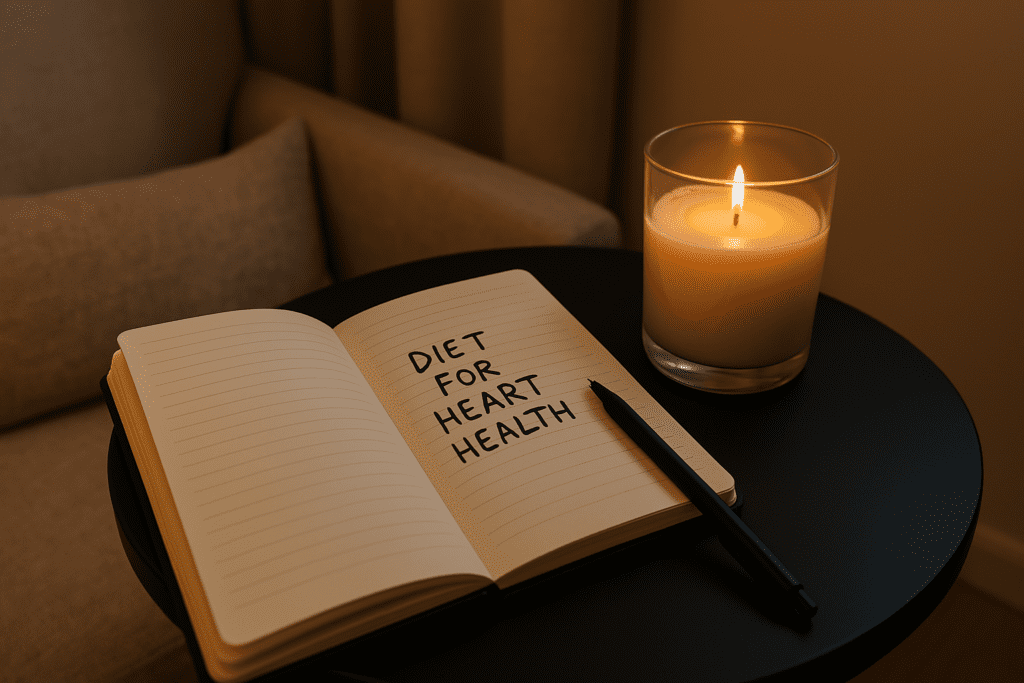
Understanding the Link Between Anxiety and Eating Disorders: How Anxiety and Anorexia May Affect Nutritional Health and Wellness

In today’s fast-paced and often stress-inducing society, the intricate interplay between mental and physical health has become more relevant than ever. Among the many intersections within the spectrum of health challenges, the connection between anxiety and eating disorders stands out as both complex and deeply impactful. When anxiety coexists with disordered eating behaviors such as anorexia, the consequences can be severe, affecting not only emotional stability but also long-term nutritional health and overall wellness. Understanding the nuances of this relationship is essential for developing effective treatment strategies, improving mental health outcomes, and fostering a culture that prioritizes holistic well-being.

You may also like: How to Stop Emotional Eating and Regain Control: Mindful Nutrition Strategies That Support a Healthier Lifestyle

The Psychological Overlap Between Anxiety and Eating Disorders

At the psychological level, anxiety and eating disorders often feed into one another, forming a self-reinforcing cycle that can be difficult to break. Anxiety is characterized by persistent, excessive worry that interferes with daily life, while eating disorders such as anorexia nervosa involve distorted body image and extreme behaviors related to food intake. When anxiety intensifies feelings of inadequacy or fear of losing control, individuals may turn to restrictive eating as a perceived method of regaining control or achieving perfection. Conversely, the physiological and emotional stress caused by severe food restriction can exacerbate anxiety symptoms, creating a vicious cycle.

Numerous studies have documented the high comorbidity between anxiety and anorexia. In fact, research indicates that up to two-thirds of individuals with anorexia also meet the criteria for at least one anxiety disorder. Social anxiety, generalized anxiety disorder, and obsessive-compulsive tendencies are particularly prevalent among this population. This overlap highlights the importance of integrated treatment plans that address both the mental and nutritional aspects of recovery. Rather than isolating these conditions, clinicians are increasingly recognizing the need to treat them as intertwined phenomena that influence one another in profound ways.

How Anxiety Impacts Eating Behavior and Food Choices

Anxiety has a powerful influence on eating patterns, often disrupting hunger cues and distorting perceptions of appetite. For some individuals, heightened anxiety may lead to a loss of appetite and subsequent food avoidance, while others may experience increased cravings for high-sugar or high-fat comfort foods as a coping mechanism. In the context of anorexia, anxiety often leads to an intense fear of gaining weight, causing individuals to engage in extreme dietary restrictions and compulsive calorie counting.

These behaviors can become so deeply ingrained that they override natural hunger signals and internal cues for nourishment. The result is a pattern of disordered eating that not only undermines physical health but also reinforces the very anxiety it aims to quell. From a biological standpoint, chronic under-eating can lead to hormonal imbalances, weakened immunity, and reduced cognitive functioning—all of which contribute to a further decline in mental well-being. The interplay between anxiety and eating disorders thus becomes a feedback loop in which emotional distress and physical depletion go hand in hand.

Biological and Neurological Factors Linking Anxiety and Anorexia

Emerging research in neuroscience and endocrinology has shed light on the biological underpinnings of the connection between anxiety and eating disorders. One key area of focus is the role of neurotransmitters, particularly serotonin, dopamine, and gamma-aminobutyric acid (GABA), which regulate mood, reward, and stress responses. Dysregulation of these neurotransmitters has been implicated in both anxiety and anorexia, suggesting a shared neurochemical basis that may predispose individuals to both conditions.

Additionally, the hypothalamic-pituitary-adrenal (HPA) axis, which governs the body’s stress response, is often overactive in individuals with anxiety and eating disorders. Chronic activation of the HPA axis can lead to elevated levels of cortisol, a stress hormone that affects metabolism, immune function, and emotional regulation. This prolonged stress response not only worsens anxiety symptoms but also interferes with appetite regulation and nutrient absorption, thereby exacerbating nutritional deficiencies.

Genetic studies have also pointed to hereditary components that may contribute to susceptibility. Twin and family studies have revealed that both anxiety disorders and anorexia nervosa have significant genetic correlations. While genetic predisposition alone does not determine outcomes, it may create a foundation upon which environmental and psychological factors can exert a greater influence.

A young woman with pale blonde hair sits alone at a wooden table in a dimly lit room, her gaze fixed on a modest plate of salad. Shadows from a nearby lamp gently highlight her features, as her furrowed expression reveals deep thought or sadness, creating a poignant contrast with the warm, tranquil ambiance that surrounds her.

Sociocultural Influences on Anxiety and Disordered Eating

Beyond biology and psychology, societal pressures play a substantial role in shaping both anxiety and disordered eating behaviors. Cultural ideals that equate thinness with beauty, success, and self-worth can foster a toxic environment in which individuals, especially young women, feel immense pressure to conform. This internalized pressure often translates into chronic anxiety about body image and social acceptance, creating fertile ground for the development of anorexia and related eating disorders.

The rise of social media has intensified these challenges by perpetuating unrealistic body standards and promoting diet culture. Platforms that emphasize curated images and aspirational lifestyles can heighten feelings of inadequacy, triggering or exacerbating anxiety and disordered eating patterns. Research has shown that frequent exposure to such content is associated with lower self-esteem, increased body dissatisfaction, and higher rates of both anxiety and eating disorders.

Family dynamics, peer influences, and educational environments also contribute to the development and maintenance of these conditions. For instance, families that emphasize perfectionism, control, or achievement may inadvertently reinforce the compulsive behaviors characteristic of anorexia. Similarly, environments that stigmatize mental health issues or prioritize academic or athletic performance above emotional well-being can intensify anxiety and delay intervention.

Nutritional Consequences of Anxiety and Anorexia

The physical toll of coexisting anxiety and anorexia is substantial, particularly when it comes to nutritional health. Anorexia often leads to severe calorie restriction, nutrient deficiencies, and imbalanced macronutrient intake, all of which compromise bodily function. Common deficiencies include iron, calcium, vitamin D, B-complex vitamins, and essential fatty acids. These deficiencies not only weaken the immune system and impair organ function but also contribute to fatigue, irritability, and cognitive decline, which can further fuel anxiety.

In individuals with anxiety and eating disorders, digestive disturbances such as bloating, constipation, and delayed gastric emptying are common. These gastrointestinal issues can make it even more difficult to maintain consistent eating patterns and may reinforce food avoidance behaviors. Moreover, the chronic stress associated with anxiety can inhibit the body’s ability to absorb nutrients effectively, leading to a cycle of malabsorption and worsening symptoms.

Long-term consequences of poor nutrition include decreased bone density, cardiovascular problems, and menstrual irregularities. In severe cases, prolonged malnutrition can lead to irreversible damage to the heart, brain, and other vital organs. Understanding the nutritional impact of anxiety and anorexia is critical for developing comprehensive treatment strategies that address both mental and physical recovery.

Integrated Treatment Approaches for Co-occurring Conditions

Given the complex relationship between anxiety and eating disorders, effective treatment requires a multifaceted, integrative approach. This typically involves a combination of psychotherapy, nutritional counseling, medical monitoring, and sometimes pharmacological intervention. Cognitive behavioral therapy (CBT) is one of the most widely used modalities, offering evidence-based techniques to challenge distorted thoughts and promote healthier behaviors. For individuals with co-occurring anxiety, CBT can be tailored to address both anxiety management and eating behaviors simultaneously.

Dialectical behavior therapy (DBT) and acceptance and commitment therapy (ACT) are also gaining recognition for their effectiveness in treating co-occurring mental health issues. These approaches focus on building emotional regulation skills, fostering self-compassion, and reducing avoidance behaviors—key components for managing both anxiety and disordered eating. Nutritional counseling plays a vital role in helping individuals restore healthy eating patterns, correct nutrient deficiencies, and develop a more balanced relationship with food.

In more severe cases, inpatient or residential treatment programs may be necessary to provide intensive support and medical stabilization. These programs offer structured environments that prioritize safety, nutritional rehabilitation, and therapeutic engagement. Additionally, emerging research supports the use of mindfulness-based interventions and integrative practices such as yoga, meditation, and expressive arts therapies to enhance emotional well-being and reduce anxiety in individuals recovering from eating disorders.

Supporting Long-Term Recovery and Preventing Relapse

Recovery from co-occurring anxiety and anorexia is not a linear process but rather a dynamic journey that requires ongoing support and adaptation. One of the most critical aspects of sustained recovery is the development of coping mechanisms that do not rely on food restriction or control. This includes learning to identify and manage triggers, practicing emotional regulation skills, and cultivating supportive relationships that encourage self-expression and vulnerability.

Continued access to mental health services, whether through individual therapy, support groups, or online resources, is essential for maintaining progress and preventing relapse. Building a sense of community can provide validation and encouragement, reducing feelings of isolation that often accompany both anxiety and eating disorders. Education also plays a vital role in recovery, helping individuals and their families understand the nature of these conditions and empowering them with tools for long-term wellness.

Self-care practices such as regular exercise, adequate sleep, and balanced nutrition form the foundation of holistic health. However, it is equally important to recognize the role of self-compassion and realistic goal setting in the recovery process. Striving for perfection or comparing one’s journey to others can undermine progress and perpetuate the very anxieties that contributed to disordered eating in the first place. Instead, embracing progress over perfection and prioritizing emotional resilience can foster a more sustainable path toward well-being.

A young Caucasian woman with light brown hair, wearing a beige tank top, sits at a dimly lit table. She gazes downward, holding a fork over a plate of broccoli, while warm light from a candle and nearby lamp softly illuminates the scene, creating a peaceful yet somber atmosphere.

The Importance of Early Intervention and Public Awareness

Raising awareness about the link between anxiety and eating disorders is essential for promoting early intervention and reducing stigma. Many individuals delay seeking help due to shame, misunderstanding, or fear of judgment, allowing symptoms to worsen over time. Public education campaigns, school-based mental health programs, and accessible healthcare services can play a pivotal role in identifying at-risk individuals and connecting them with appropriate support.

Healthcare providers, educators, and community leaders must be equipped to recognize the signs of co-occurring mental health and nutritional issues. This includes being attuned to subtle behaviors such as meal skipping, excessive exercise, social withdrawal, or obsessive thinking about food and body image. By fostering environments that prioritize empathy, inclusivity, and open dialogue, communities can help dismantle the barriers that prevent individuals from seeking help.

Media representation also plays a significant role in shaping public perceptions of mental health and body image. Promoting diverse body types, authentic stories of recovery, and mental health literacy can counteract the harmful narratives that often dominate popular culture. Ultimately, creating a culture of compassion and understanding is key to addressing the complex challenges posed by anxiety and anorexia.

Frequently Asked Questions (FAQ): Understanding the Deeper Dynamics of Anxiety and Eating Disorders

1. Can anxiety manifest differently in individuals with eating disorders compared to those without them? Yes, anxiety can present itself in distinctive ways in individuals who also struggle with disordered eating behaviors. While typical symptoms of anxiety may include restlessness, excessive worry, and difficulty concentrating, those with eating disorders may express these through obsessive food rituals, compulsive calorie tracking, or preoccupation with meal timing. This form of anxiety often becomes highly somatic, translating emotional distress into rigid dietary control. The relationship between anxiety and eating disorders amplifies these expressions, making them harder to recognize as mental health symptoms rather than purely behavioral quirks. Understanding this distinction can be vital for clinicians when diagnosing anxiety in the context of an eating disorder.

2. Are there specific types of anxiety disorders more commonly associated with anorexia than others? While generalized anxiety disorder and social anxiety are frequently observed in cases of anorexia, obsessive-compulsive disorder (OCD) also has a particularly strong correlation. The perfectionism and rigid thinking that characterize OCD often mirror the traits seen in individuals with anorexia. In such cases, anxiety and anorexia tend to co-evolve, feeding off each other to reinforce harmful routines. For instance, compulsive behaviors related to food preparation or exercise may fulfill both OCD-related and anorexic patterns of control. This complex overlap makes it crucial to address the full spectrum of anxiety disorders when treating eating disorders.

3. How can caregivers distinguish between typical stress-related behaviors and signs of a developing eating disorder linked to anxiety? Caregivers often struggle to differentiate between normative stress responses and warning signs of deeper psychological issues. While temporary appetite loss or increased worry can be normal under stress, persistent changes in eating habits, secrecy around food, and dramatic shifts in weight may signal something more serious. When anxiety and eating disorders intersect, these signs often appear subtly but become progressively more entrenched. Caregivers should also watch for emotional withdrawal, irritability during meals, or extreme sensitivity to body-related comments. Early intervention can significantly alter the course of both anxiety and anorexia if these red flags are not dismissed as mere stress.

4. Are there gender-specific experiences when it comes to anxiety and eating disorders? Yes, gender can influence how individuals experience and internalize anxiety and eating disorders. While females have historically shown higher reported rates of anorexia, growing evidence indicates that males and non-binary individuals may also suffer, though often with different symptom profiles. For instance, males may focus more on muscularity and performance, while females might emphasize thinness and social approval. The manifestation of anxiety in these groups also varies, with men less likely to verbalize emotional distress but more prone to somatic complaints or overexercising. This gendered lens is crucial for accurate diagnosis and treatment, especially since traditional screening tools may not fully capture diverse presentations of anxiety and anorexia.

5. What role does sleep play in the relationship between anxiety and anorexia? Sleep disruption is both a cause and consequence of anxiety and anorexia, creating a tri-directional challenge for patients. Individuals with anorexia often experience insomnia due to malnutrition, while those with anxiety may lie awake due to racing thoughts. When these two conditions co-occur, sleep patterns can become severely compromised, impeding emotional regulation and cognitive recovery. Additionally, a lack of restorative sleep exacerbates hormonal imbalances and elevates cortisol levels, further intensifying anxiety. Addressing sleep hygiene is therefore an often overlooked but critical step in managing both anxiety and eating disorders.

6. How do anxiety and eating disorders affect interpersonal relationships and social functioning? Social withdrawal is a common consequence of anxiety and anorexia, often due to shame, fear of judgment, or difficulty participating in communal eating situations. As the disorders progress, relationships may become strained by the individual’s need for secrecy, control, or routine. Anxiety and eating disorders can foster an internal world so dominated by self-criticism and obsessive thinking that interpersonal connection becomes overwhelming or even painful. This alienation can then feed into the disorders themselves, creating a self-perpetuating cycle. Therapeutic approaches that include family or group therapy often help rebuild trust and restore social engagement as part of recovery.

7. Can technology and telehealth be effectively used to treat individuals dealing with anxiety and anorexia? Recent advances in digital health have made it possible to reach individuals who may not have access to in-person care. Teletherapy and mental health apps now offer structured programs for managing anxiety and eating disorders from the privacy of one’s home. These tools can be particularly effective for patients who feel stigmatized or anxious in clinical settings. Furthermore, online communities and moderated forums provide social support that may mitigate isolation. However, it’s important that such platforms are evidence-based and used under the guidance of qualified professionals to ensure safe and ethical treatment outcomes.

8. Are there emerging therapies or innovations showing promise for treating anxiety and eating disorders concurrently? Emerging therapies like neurofeedback, virtual reality exposure therapy, and psychedelic-assisted psychotherapy are being explored for their potential to treat co-occurring anxiety and anorexia. While still largely in the experimental stages, these modalities aim to address entrenched neural patterns and trauma-related blocks that traditional talk therapy may not fully reach. For example, guided ketamine sessions have shown some success in reducing obsessive thought loops tied to both anxiety and eating disorders. Additionally, integrative approaches that include nutrition-focused cognitive training and gut-brain axis interventions are gaining traction. These cutting-edge treatments emphasize the importance of a holistic view that treats mind and body in tandem.

9. What strategies can be implemented in schools and universities to help prevent anxiety and eating disorders in students? Educational institutions have a critical role to play in prevention by promoting mental health literacy and body positivity from an early age. Incorporating curricula that teach stress management, emotional regulation, and critical thinking around media images can reduce the risk of developing anxiety and anorexia. Peer-led support groups and campus wellness initiatives that normalize mental health conversations are also effective. Schools should also train educators to recognize the early signs of anxiety and eating disorders, which often manifest during adolescence and young adulthood. Early detection and open dialogue can dramatically shift outcomes for students at risk.

10. How can individuals in recovery from anxiety and anorexia navigate relapse without falling into self-blame? Relapse is often part of the recovery journey, but it doesn’t signal failure. For individuals dealing with anxiety and eating disorders, the return of old patterns can feel demoralizing, yet it’s important to reframe relapse as a cue for reassessment rather than defeat. Mindfulness practices and journaling can help individuals identify the emotional or situational triggers that contributed to the relapse. Re-engaging with a therapist or support network is also essential in regaining footing. Practicing self-compassion and remembering that progress is not linear can empower individuals to move forward without getting trapped in cycles of guilt and shame.

A young woman with long, light brown hair sits alone on a dark wooden park bench, her elbows on her knees, hands gently gripping her temples in a moment of contemplation. Dressed in a beige sweater and blue jeans, her slouched posture contrasts with the lush greenery around her, creating a reflective mood as soft, natural light highlights her downcast expression.

Reflecting on the Interconnected Nature of Mental and Nutritional Health

The intricate connection between anxiety and anorexia reveals the profound impact that mental health can have on nutritional well-being. Recognizing that anxiety and eating disorders often coexist allows for a more comprehensive understanding of each condition and offers opportunities for more effective, compassionate care. Rather than viewing these issues in isolation, it is crucial to approach them through an integrated lens that acknowledges their shared psychological, biological, and sociocultural roots.

By addressing both anxiety and disordered eating behaviors in tandem, healthcare providers and individuals can work toward lasting recovery and improved quality of life. Whether through therapy, nutritional support, lifestyle adjustments, or community engagement, a multifaceted strategy offers the best chance for healing. As we continue to deepen our understanding of these conditions, prioritizing early intervention, public education, and ongoing support will remain essential in breaking the cycle and fostering a healthier, more resilient future.

Ultimately, understanding the relationship between anxiety and eating disorders is not just a clinical exercise but a vital step toward building a more compassionate and health-conscious society. By elevating awareness, advancing research, and embracing holistic approaches to care, we can empower individuals to reclaim their well-being and restore balance to both their minds and bodies.

mental health nutrition, emotional eating triggers, body image and self-esteem, nutritional psychology, stress and appetite loss, holistic recovery strategies, disordered eating recovery, mindful eating habits, psychological effects of malnutrition, food anxiety treatment, perfectionism and eating behaviors, gut-brain connection, chronic stress and digestion, therapy for eating disorders, nutrient deficiencies and mood, restrictive eating patterns, cognitive behavioral therapy for anxiety, hormonal effects of starvation, anxiety coping mechanisms, health consequences of anorexia

Further Reading:

Eating Disorders

Eating disorders

Eating Disorders: What You Need to Know

Disclaimer

The information contained in this article is provided for general informational purposes only and is not intended to serve as medical, legal, or professional advice. While NewsHealthWatch strives to present accurate, up-to-date, and reliable content, no warranty or guarantee, expressed or implied, is made regarding the completeness, accuracy, or adequacy of the information provided. Readers are strongly advised to seek the guidance of a qualified healthcare provider or other relevant professionals before acting on any information contained in this article. NewsHealthWatch, its authors, editors, and contributors expressly disclaim any liability for any damages, losses, or consequences arising directly or indirectly from the use, interpretation, or reliance on any information presented herein. The views and opinions expressed in this article are those of the author(s) and do not necessarily reflect the official policies or positions of NewsHealthWatch.

Understanding Acute Eating Disorders: How the Acute Center for Eating Disorders Supports Recovery Through Nutrition and Lifestyle Change

Introduction: The Rising Need for Compassionate, Evidence-Based Eating Disorder Care

In recent years, the visibility of eating disorders as urgent mental health conditions has increased dramatically. Despite this growing awareness, many people still struggle to fully grasp the complexities of an acute eating disorder and the specialized care it demands. Eating disorders are not simply about food preferences or weight concerns—they are serious psychiatric illnesses with medical, nutritional, psychological, and behavioral components. When left untreated or improperly managed, these disorders can lead to severe health consequences and even death. Fortunately, institutions like the Acute Center for Eating Disorders have emerged as leaders in providing targeted, medically supervised interventions that prioritize both immediate stabilization and long-term recovery.

You may also like: How to Stop Emotional Eating and Regain Control: Mindful Nutrition Strategies That Support a Healthier Lifestyle

At the intersection of mindful eating and healthier lifestyle transformation lies a powerful opportunity for healing. This article explores how the Acute Center for Eating Disorders plays a pivotal role in guiding individuals through the crisis stage of an acute eating disorder and toward a sustainable path of recovery. By examining their approach to nutrition therapy, medical care, psychological support, and holistic lifestyle change, we uncover the nuanced and expert-driven framework that distinguishes their treatment philosophy. In doing so, we offer a comprehensive look at how deeply integrated, evidence-informed care can make a life-changing difference for those affected.

Defining Acute Eating Disorders and Their Health Implications

An acute eating disorder refers to the most severe, often life-threatening phase of disordered eating, marked by drastic weight loss, physical debilitation, and medical instability. Individuals in this stage may be diagnosed with conditions such as anorexia nervosa, bulimia nervosa, or avoidant/restrictive food intake disorder (ARFID), where their eating behaviors have led to immediate health crises. These situations require swift medical intervention to address the profound effects on the heart, kidneys, brain, and other vital systems.

Unlike more moderate presentations, acute cases often involve dangerously low body mass indexes (BMIs), electrolyte imbalances, cardiac arrhythmias, and other critical symptoms. Hospitalization or admission to a dedicated treatment center becomes a necessity, not an option. The psychological toll is equally severe, as distorted thinking patterns around food, control, and self-worth are often deeply entrenched. Recovery, therefore, is not just about refeeding—it demands a total reevaluation of the individual’s relationship with their body, identity, and daily routine.

Medical research confirms that early and intensive intervention significantly improves outcomes in patients with acute eating disorders. However, the complexity of care needed during this time exceeds what general psychiatric or medical hospitals can offer. This is where specialized facilities like the Acute Center for Eating Disorders step in, offering the intensive, multifaceted support required for true stabilization and recovery.

A dimly lit bedroom at night, featuring a wooden surface with a flickering candle beside an open notebook. The warm glow of the candle illuminates the textured pages, evoking a cozy, reflective atmosphere that symbolizes journaling and emotional processing in the context of healing.

The Role of the Acute Center for Eating Disorders in Crisis Stabilization

The Acute Center for Eating Disorders is uniquely designed to serve individuals who are medically compromised due to severe eating disorders. Unlike general inpatient psychiatric units, the center employs a multidisciplinary team that integrates internal medicine, psychiatry, clinical nutrition, and specialized nursing care. This collaboration ensures that each patient’s medical and psychological needs are addressed in tandem.

One of the center’s distinguishing features is its emphasis on medical stabilization without compromising the patient’s dignity or autonomy. Patients are carefully monitored for cardiac irregularities, electrolyte imbalances, and metabolic dysfunction, while also receiving support for the overwhelming emotional stress that often accompanies these conditions. Unlike settings where patients may feel objectified or reduced to their symptoms, the Acute Center for Eating Disorders promotes a compassionate, patient-centered approach that prioritizes respect and therapeutic alliance.

Moreover, the facility’s design reflects a healing environment. From meal support to mindfulness-based interventions, every aspect of the care experience is curated to support emotional safety and encourage progress. This holistic perspective on crisis stabilization positions the center not just as a medical facility, but as a bridge between emergency intervention and long-term recovery.

Nutrition as a Cornerstone of Treatment and Recovery

Nutritional rehabilitation is a foundational component of recovery from an acute eating disorder. Yet, it is not as simple as reintroducing calories. Refeeding in medically unstable patients must be handled with clinical precision to prevent complications like refeeding syndrome, a potentially fatal condition caused by rapid nutritional replenishment. At the Acute Center for Eating Disorders, nutrition therapy is carefully calibrated and tailored to each individual’s needs.

Registered dietitians at the center work closely with medical staff to develop individualized meal plans that account for medical history, metabolic requirements, and psychological readiness. Patients are supported through every step of the process, from their first bites of food to structured meals and snacks that align with recovery goals. This support is not merely nutritional—it is deeply emotional, as food often represents fear, shame, and loss of control for those in recovery.

Beyond the medical aspect, the center places significant emphasis on mindful eating and the reestablishment of normal eating behaviors. Patients learn to identify hunger and fullness cues, rebuild trust in their bodies, and develop balanced relationships with food. These lessons extend far beyond the inpatient setting, equipping individuals with the tools to sustain recovery in everyday life. Through structured meals, therapeutic interventions, and compassionate guidance, nutrition becomes not only a tool for healing but a path to empowerment.

Psychological Interventions and Therapeutic Integration

Recovery from an acute eating disorder requires more than physical nourishment—it demands psychological healing and cognitive restructuring. At the Acute Center for Eating Disorders, psychological care is woven into the fabric of every patient’s treatment plan. Individual therapy, group therapy, and family involvement are all integral components of this process.

Cognitive behavioral therapy (CBT), dialectical behavior therapy (DBT), and acceptance and commitment therapy (ACT) are among the evidence-based modalities employed at the center. These therapies help patients challenge distorted beliefs about food, body image, and self-worth while equipping them with coping strategies to navigate distress. By addressing underlying issues such as trauma, perfectionism, or anxiety, therapy allows patients to engage more fully in the recovery process.

Importantly, the center recognizes the importance of family and social context in the healing journey. Family-based therapy sessions help loved ones understand the nature of eating disorders and learn how to provide effective support. Meanwhile, peer support groups foster a sense of shared experience and validation, reminding patients that they are not alone in their struggles. This multifaceted approach to therapy supports both short-term stabilization and long-term resilience.

The Importance of Lifestyle Change in Sustaining Recovery

While acute care is essential for survival, sustained recovery depends on meaningful lifestyle change. This includes rethinking daily habits, stress management, movement, social interactions, and self-care practices. The Acute Center for Eating Disorders integrates lifestyle coaching and education into its treatment model, ensuring that patients leave not only medically stable but also equipped to thrive.

Patients are encouraged to explore activities that promote well-being and balance, such as journaling, yoga, creative expression, and structured daily routines. These practices help rebuild a sense of identity and joy outside the confines of disordered behaviors. The center also offers educational sessions on sleep hygiene, boundary-setting, and digital wellness, emphasizing the interconnectedness of physical, mental, and emotional health.

Movement is another key area of focus. Instead of promoting exercise as a means of weight control, the center reframes it as a tool for emotional regulation and physical vitality. Under professional supervision, patients learn to reconnect with their bodies through gentle movement, cultivating appreciation rather than punishment. This paradigm shift is essential for those whose relationship with exercise has been shaped by compulsion or guilt.

Ultimately, the lifestyle interventions offered at the center aim to create a sustainable foundation for life after discharge. Patients are not just surviving their disorder—they are building lives of intention, balance, and purpose. This transformation reinforces the idea that recovery is not a destination, but an ongoing, evolving process.

A young woman sits alone on a wooden park bench in a serene outdoor setting, surrounded by blurred greenery. Her contemplative posture and the warm glow of late-afternoon sunlight highlight a moment of quiet reflection, conveying themes of solitude and introspection related to recovery.

Transitioning from Acute Care to Ongoing Support Systems

The conclusion of acute care marks the beginning of a new chapter in the recovery journey. Transition planning is therefore a vital part of the work done at the Acute Center for Eating Disorders. Without careful coordination, patients may face relapse or disorientation as they return to less structured environments. The center works diligently to ensure continuity of care through outpatient referrals, discharge planning, and community engagement.

Each patient receives a customized discharge plan that includes follow-up appointments, therapy connections, and guidance for navigating daily challenges. The center also emphasizes the value of support groups and alumni networks, which provide ongoing encouragement and accountability. Recognizing that eating disorder recovery is nonlinear, the staff equips patients with relapse prevention tools and self-monitoring techniques to manage future stressors.

Moreover, communication with primary care providers, therapists, and nutritionists continues even after discharge. This integrated approach ensures that the patient’s medical and psychological needs remain a priority in outpatient care. Families are also included in the process, receiving education on warning signs, communication strategies, and ways to foster a recovery-oriented environment.

By facilitating a thoughtful and supportive transition, the center helps patients bridge the gap between intensive treatment and independent living. This continuity reinforces the message that recovery is not only possible—it is sustainable with the right support systems in place.

Frequently Asked Questions: Understanding Acute Eating Disorders and the Role of the Acute Center for Eating Disorders

What makes recovery from an acute eating disorder so uniquely complex compared to other mental health challenges?

One of the primary complexities in treating an acute eating disorder is that it involves the intersection of psychological, medical, and nutritional instability all at once. This makes treatment particularly nuanced, as any intervention must be both gentle and precise. Unlike conditions that may be treated predominantly through medication or talk therapy, acute eating disorder recovery requires refeeding protocols, organ stabilization, and deeply embedded behavioral work. Furthermore, patients often experience cognitive impairments due to prolonged malnutrition, making it harder to engage in therapy during the most critical stages. Facilities like the Acute Center for Eating Disorders are equipped to navigate this unique convergence, ensuring that no aspect of a patient’s health is overlooked during the healing process.

Why might someone require care at the Acute Center for Eating Disorders rather than a general hospital?

General hospitals, while capable of handling emergencies, often lack the specialized interdisciplinary team needed to address the multifactorial nature of an acute eating disorder. At the Acute Center for Eating Disorders, care is highly tailored and includes medical stabilization, intensive nutritional rehabilitation, and psychiatric support, all under one roof. The staff are uniquely trained to recognize the often-subtle signs of deterioration and can respond with protocols designed specifically for eating disorder patients. Many general hospitals discharge patients once vitals stabilize, but the acute center ensures continued care that focuses on sustainable recovery. This extended, expert care environment reduces the risk of relapse and readmission.

How does malnutrition affect cognitive function in those with acute eating disorders?

Malnutrition—especially when chronic—has a profound impact on the brain’s structure and function. Individuals with an acute eating disorder may struggle with memory, concentration, emotional regulation, and decision-making due to nutrient deficiencies. These impairments can make it harder to benefit from therapy or make rational choices around food, leading to a dangerous cycle. What’s notable about the Acute Center for Eating Disorders is that their programming accounts for this cognitive impact by introducing therapeutic work at a pace aligned with cognitive restoration. Over time, as nutritional status improves, so too does a patient’s mental clarity, increasing their engagement in recovery.

What role does trauma play in the development of an acute eating disorder?

Trauma—whether related to early life experiences, abuse, loss, or chronic stress—can be a significant contributing factor to the onset of an acute eating disorder. Many individuals use disordered eating behaviors as a coping mechanism for overwhelming emotional pain or to exert control in chaotic environments. The Acute Center for Eating Disorders integrates trauma-informed care into its model by ensuring that patients feel safe, heard, and respected throughout treatment. Therapists are trained in modalities like EMDR and somatic experiencing, which are specifically designed to process trauma without retraumatization. Recognizing and addressing trauma not only improves outcomes but fosters a deeper, more holistic recovery.

Are family dynamics a significant factor in the treatment of an acute eating disorder?

Yes, family dynamics can play a pivotal role in both the development and recovery process. While families are never to blame, unresolved conflicts, enmeshment, or miscommunication can exacerbate stress and hinder progress. The Acute Center for Eating Disorders emphasizes family involvement through structured therapy sessions and educational workshops that empower caregivers with knowledge and tools. When families are part of the healing journey, outcomes tend to improve, particularly for adolescents and young adults. Moreover, this approach helps rebuild trust and fosters a more supportive environment for long-term wellness.

What are some of the most misunderstood aspects of an acute eating disorder among the general public?

One common misconception is that an acute eating disorder is always visible or linked to extremely low body weight. In reality, many individuals suffer silently while appearing physically healthy, especially in the case of disorders like atypical anorexia or bulimia. Another myth is that recovery is simply about eating more, when in fact, healing requires deep psychological work and systemic support. The Acute Center for Eating Disorders works to dispel these myths by educating both patients and families on the full scope of the disorder. They also advocate for a shift away from appearance-based assumptions and toward a behavior-based understanding.

How is success measured during and after treatment at the Acute Center for Eating Disorders?

Success in eating disorder treatment goes beyond weight restoration or symptom reduction. At the Acute Center for Eating Disorders, progress is assessed through a combination of clinical markers, emotional resilience, behavioral shifts, and patient-reported outcomes. For example, increased flexibility around food, improved self-image, and the ability to tolerate distress are viewed as important indicators of growth. After discharge, long-term success may involve maintaining stable eating patterns, attending outpatient therapy, and cultivating meaningful social connections. The center prioritizes functional recovery—helping individuals return to school, work, or personal passions—as a central benchmark of true healing.

What innovations are emerging in the treatment of acute eating disorders?

Recent innovations include the use of telehealth follow-ups to ensure continuity of care after discharge, as well as digital meal coaching apps that help patients navigate meals in real-time. Neurobiological research is also informing more personalized treatment approaches, identifying which patients might benefit from specific therapeutic modalities based on brain chemistry and genetics. The Acute Center for Eating Disorders is at the forefront of integrating these advancements into clinical care, offering options like biofeedback and wearable technology for real-time monitoring. Additionally, there’s a growing interest in incorporating culturally competent care models that acknowledge how race, gender, and socioeconomic status influence eating disorder presentation and treatment engagement. These innovations reflect a broader shift toward precision mental health care.

What makes relapse prevention so essential, and how is it handled post-discharge?

Relapse is a common and expected part of recovery, particularly following treatment for an acute eating disorder. Preventing relapse requires a well-structured transition plan that includes outpatient care, community support, and practical tools for navigating high-risk situations. The Acute Center for Eating Disorders places strong emphasis on equipping patients with individualized relapse prevention strategies such as identifying triggers, creating safety plans, and practicing distress tolerance skills. They also facilitate connections to alumni networks and peer support communities to foster accountability and belonging. These efforts reinforce the idea that recovery is not a straight line—but a process that evolves with each stage of healing.

How can someone support a loved one who is entering or leaving treatment at the Acute Center for Eating Disorders?

Supporting a loved one during this journey involves a blend of compassion, education, and patience. It’s important to listen without judgment, avoid food-related commentary, and learn about the realities of an acute eating disorder from credible sources. Attending family sessions or support groups offered through the Acute Center for Eating Disorders can provide valuable insight and skills. Post-treatment, maintaining open lines of communication, setting healthy boundaries, and encouraging adherence to aftercare plans are all vital. Above all, recognizing that recovery takes time—and that setbacks do not equate to failure—helps create an environment where sustained healing is possible.

A young woman sits across from a male therapist in a softly lit office during a counseling session. Her introspective expression, framed by the warm, ambient light, highlights an intimate moment of reflection and dialogue, reinforcing the importance of professional support in the recovery process.

Conclusion: Advancing Recovery Through Specialized Care and Holistic Healing

Understanding the severity and complexity of an acute eating disorder underscores the importance of comprehensive, specialized intervention. The Acute Center for Eating Disorders exemplifies what is possible when medical excellence is paired with compassion, psychological insight, and holistic lifestyle integration. From crisis stabilization to long-term recovery planning, the center provides a gold standard of care that empowers individuals to reclaim their health and their lives.

Through evidence-based nutrition therapy, therapeutic interventions, and lifestyle support, patients are not merely treated—they are guided toward transformation. The seamless integration of these services reflects the center’s unwavering commitment to addressing every dimension of the disorder. As individuals transition from acute care to community life, they do so with a renewed sense of strength, identity, and purpose.

The journey through an acute eating disorder is undeniably difficult, but with the right care, recovery is within reach. By prioritizing trust, empathy, and expertise, the Acute Center for Eating Disorders offers not just hope—but lasting healing. For anyone facing this challenge or supporting a loved one, understanding the depth and potential of this model of care can be the first step toward a healthier, more empowered future.

eating disorder recovery programs, nutritional therapy for mental health, refeeding syndrome treatment, inpatient eating disorder care, holistic eating disorder treatment, mindful eating habits, recovery from anorexia nervosa, body image and self-esteem, mental health nutrition, emotional healing through food, disordered eating support, psychotherapy for eating disorders, medical stabilization for eating disorders, trauma-informed nutrition therapy, lifestyle coaching in recovery, integrative mental health treatment, family support in eating disorder recovery, long-term recovery planning, compassionate mental health care, rebuilding healthy eating patterns

Further Reading:

Eating Disorders

Eating Disorders: What You Need to Know

Eating disorders

Disclaimer

The information contained in this article is provided for general informational purposes only and is not intended to serve as medical, legal, or professional advice. While NewsHealthWatch strives to present accurate, up-to-date, and reliable content, no warranty or guarantee, expressed or implied, is made regarding the completeness, accuracy, or adequacy of the information provided. Readers are strongly advised to seek the guidance of a qualified healthcare provider or other relevant professionals before acting on any information contained in this article. NewsHealthWatch, its authors, editors, and contributors expressly disclaim any liability for any damages, losses, or consequences arising directly or indirectly from the use, interpretation, or reliance on any information presented herein. The views and opinions expressed in this article are those of the author(s) and do not necessarily reflect the official policies or positions of NewsHealthWatch.

Why Does ADHD Cause Eating Disorders? Understanding the Link Between Anorexia, ADHD, and Disordered Eating Habits

In recent years, researchers and mental health professionals have increasingly recognized a striking overlap between attention-deficit/hyperactivity disorder (ADHD) and various eating disorders. This growing awareness has prompted a deeper exploration into the underlying mechanisms, behavioral patterns, and neurological links that contribute to this co-occurrence. Although ADHD and eating disorders may seem unrelated at first glance, emerging evidence suggests that the two conditions often intersect in complex and sometimes surprising ways. For many individuals—particularly adolescents and young adults—this relationship can significantly impact their nutritional habits, emotional well-being, and long-term health outcomes. Understanding why ADHD is frequently associated with disordered eating behaviors, including anorexia, offers valuable insights into better diagnosis, intervention, and support strategies. This article delves into the multifaceted connection between anorexia and ADHD, unpacks the broader dynamics of ADHD and eating disorders, and explores why ADHD may increase vulnerability to such conditions.

You may also like: How to Stop Emotional Eating and Regain Control: Mindful Nutrition Strategies That Support a Healthier Lifestyle

The Neurological Basis of ADHD and Its Role in Eating Behavior

To fully understand the intersection between ADHD and eating disorders, it’s essential to begin with a closer look at the neurological underpinnings of ADHD itself. ADHD is primarily characterized by differences in brain structure and function, especially in areas related to executive function, impulse control, and reward processing. These differences are often tied to altered levels of neurotransmitters such as dopamine and norepinephrine, which play critical roles in attention regulation, emotional processing, and behavioral motivation. The dopamine system, in particular, is integral to the brain’s reward circuitry, which influences how individuals respond to stimuli like food, satisfaction, and hunger cues.

People with ADHD often experience impaired impulse control, which can manifest as difficulty delaying gratification or resisting cravings. In the context of food, this may lead to erratic eating habits such as bingeing, skipping meals, or eating in response to emotional cues rather than physical hunger. For individuals struggling with anorexia and ADHD, this dysregulation may take the form of extreme control rather than impulsivity, with restrictive eating used as a coping mechanism to manage internal chaos or regain a sense of control. These contrasting patterns demonstrate the varied ways ADHD can influence disordered eating depending on the individual’s personality traits, coping strategies, and emotional landscape.

ADHD and Impulsivity: A Gateway to Disordered Eating Patterns

Impulsivity is a hallmark feature of ADHD and one of the most significant behavioral links between ADHD and eating disorders. Impulsive behaviors, such as eating large quantities of food without forethought or making erratic dietary decisions, often emerge as maladaptive coping strategies for managing stress, anxiety, or overstimulation. In individuals with ADHD, the inability to regulate impulses can result in cycles of binge eating followed by periods of guilt, shame, or compensatory behaviors like fasting or purging.

This cycle mirrors patterns commonly observed in binge eating disorder and bulimia nervosa, but it may also appear in those with restrictive disorders such as anorexia, where impulsivity manifests as an extreme reaction to emotional dysregulation. The need to exert control over food intake can be seen as a counterbalance to the perceived internal chaos of ADHD. When this control becomes obsessive, it may evolve into anorexic behaviors that are reinforced by perfectionistic tendencies, another trait not uncommon in individuals with ADHD, especially those with the predominantly inattentive subtype.

Understanding the question “why does ADHD cause eating disorders” requires a recognition of the complex interaction between neurological traits and behavioral responses. It is not that ADHD directly causes eating disorders, but rather that its core symptoms—such as impulsivity, emotional dysregulation, and executive function challenges—create fertile ground for disordered eating patterns to take root.

A quiet, dimly lit bedroom at night features a young woman sitting at a wooden table, deep in thought. Soft candlelight illuminates her face as she gazes intently at an open notebook, while the background hints at an unmade bed and a dark curtain draped over the window.

The Overlap Between Anorexia and ADHD: A Hidden Intersection

While binge eating and bulimia are more frequently associated with ADHD, there is growing interest in understanding the link between anorexia and ADHD. Anorexia nervosa is traditionally characterized by restrictive eating, an intense fear of weight gain, and a distorted body image. At first glance, this might seem antithetical to the impulsive, inattentive, and hyperactive traits typically associated with ADHD. However, a deeper analysis reveals that anorexia and ADHD can coexist in ways that reflect the complex heterogeneity of both disorders.

One common thread connecting anorexia and ADHD is the concept of emotional regulation. Many individuals with ADHD struggle to identify, process, and manage their emotions effectively. This can lead them to adopt extreme behavioral strategies to cope with emotional distress, such as rigid dietary control or obsessive exercise. For some, the structure provided by strict eating rules or ritualistic behaviors can offer temporary relief from emotional overwhelm or the chaos of daily life. Unfortunately, these behaviors can spiral into full-blown anorexia when left unchecked.

In women and girls especially, anorexia and ADHD may go undiagnosed or misdiagnosed due to gender biases in mental health assessment. Girls with ADHD are more likely to present with inattentiveness and internalizing symptoms rather than hyperactivity, which can obscure the condition and delay appropriate treatment. When disordered eating emerges, it may be treated in isolation without addressing the underlying ADHD, thus limiting the effectiveness of interventions and prolonging the cycle of dysfunction.

Emotional Dysregulation and Its Impact on Eating Habits

Emotional dysregulation—an impaired ability to manage emotional responses—is another crucial factor linking ADHD and eating disorders. In people with ADHD, emotional responses may be more intense, short-lived, or disproportionate to external stimuli. This heightened sensitivity can make individuals more vulnerable to emotional eating, where food becomes a source of comfort or distraction. Conversely, for others, extreme restriction and dietary control may become a way to suppress or escape overwhelming feelings.

When emotional dysregulation combines with low self-esteem, perfectionism, and body dissatisfaction, it can lead to a dangerous spiral of disordered eating behaviors. These patterns are often reinforced by societal pressures, weight stigma, and unrealistic body ideals, which disproportionately affect people with underlying mental health conditions. Emotional eating and food avoidance may be used to manage negative emotions temporarily, but over time they tend to exacerbate mental health struggles, leading to further distress and dysfunction.

A comprehensive understanding of the question “why does ADHD cause eating disorders” must include the role of emotional dysregulation in shaping how individuals cope with internal distress. Food, in this context, becomes not just a source of nourishment but a tool for emotional self-regulation, one that may ultimately lead to unhealthy outcomes.

A young woman sits on a bed in a dimly lit room, her expression tense and reflective as she stares at a plate of chicken on a nightstand. Soft, warm light from a nearby lamp casts gentle shadows while highlighting her features, set against a serene, neutral backdrop of bedding and a beige wall.

The Role of Executive Dysfunction in Nutritional Imbalance

Another important aspect of the relationship between ADHD and eating disorders is executive dysfunction. Executive function refers to a set of mental processes that help individuals plan, organize, and execute tasks. For those with ADHD, deficits in executive functioning can make it difficult to maintain regular eating schedules, plan balanced meals, or remember to eat at all. These challenges can result in inconsistent eating patterns, poor nutrition, and reliance on convenience foods, which may contribute to a cycle of guilt and disordered behaviors.

For individuals with anorexia and ADHD, executive dysfunction may manifest differently. Instead of disorganization, it might appear as hyper-focus on rigid rules or obsessive calorie counting, often to the detriment of physical health and emotional well-being. These behaviors can be reinforced by an overactive internal critic or intense need for control, which is frequently observed in those who experience both disorders.

By examining how executive dysfunction impacts daily life and eating behavior, healthcare providers and caregivers can develop more effective strategies to support individuals with co-occurring ADHD and eating disorders. Interventions that include meal planning, reminders, and behavioral coaching can provide structure while addressing the unique cognitive challenges associated with ADHD.

Gender Differences and the Diagnostic Gap

One of the most overlooked aspects of the ADHD and eating disorders connection is the role of gender in diagnosis and treatment. ADHD has historically been perceived as a disorder affecting primarily boys, particularly those who display hyperactive and externalizing behaviors. As a result, girls and women—who are more likely to exhibit inattentive symptoms or internalize their distress—often remain undiagnosed or are diagnosed much later in life. This delay in recognition can have serious implications, particularly when disordered eating is also present.

In many cases, anorexia and ADHD co-occur in women who have learned to mask their ADHD symptoms through overachievement, perfectionism, or social compliance. These individuals may develop restrictive eating habits as a way to assert control, manage anxiety, or meet societal expectations. Without a proper diagnosis of ADHD, treatment for anorexia may focus solely on weight restoration or cognitive distortions without addressing the underlying neurobiological and behavioral contributors. As a result, recovery may be incomplete or unsustainable.

Understanding the nuanced ways that gender influences the presentation and recognition of ADHD and eating disorders is crucial for improving outcomes. Clinicians must be trained to recognize atypical presentations of ADHD, particularly in populations that are historically underdiagnosed. Integrating this understanding into treatment plans can lead to more personalized, effective care for individuals navigating the challenges of both disorders.

Integrative Treatment Approaches for Co-Occurring ADHD and Eating Disorders

Given the complex interplay between ADHD and eating disorders, a one-size-fits-all approach to treatment is rarely effective. Successful intervention requires an integrative, multidisciplinary model that addresses both conditions simultaneously. This often includes a combination of behavioral therapy, nutritional counseling, medication management, and psychoeducation. Cognitive-behavioral therapy (CBT) is commonly used to address disordered eating patterns, while ADHD symptoms may be managed with stimulant or non-stimulant medications alongside executive function coaching.

For individuals with anorexia and ADHD, treatment must be carefully tailored to navigate the delicate balance between providing structure and promoting flexibility. Rigid treatment protocols may backfire if they reinforce perfectionistic tendencies or fail to account for attentional challenges. Instead, clinicians should focus on building adaptive coping skills, enhancing emotional regulation, and fostering self-compassion.

Psychoeducation is also an essential component of treatment, helping individuals understand how ADHD may be influencing their relationship with food. When patients recognize the root causes of their behaviors, they are often better equipped to make sustainable changes. Family involvement and peer support can further reinforce recovery, creating a network of understanding and accountability.

Building Awareness and Fostering Prevention

Raising awareness about the link between ADHD and eating disorders is essential for early intervention and prevention. Parents, educators, and healthcare providers must be equipped with the knowledge to recognize warning signs and refer individuals for appropriate evaluation and support. Educational campaigns that destigmatize mental health struggles and promote body neutrality can help create an environment where individuals feel safe seeking help.

In school settings, accommodations such as flexible meal times, access to counseling, and individualized support plans can make a meaningful difference for students with ADHD. For adolescents who are particularly vulnerable to peer pressure and body image concerns, early education about nutrition, self-esteem, and emotional regulation can serve as protective factors against the development of disordered eating behaviors.

On a broader societal level, challenging unrealistic beauty standards and fostering inclusive representations of health and wellness can help reduce the cultural pressures that contribute to eating disorders. By addressing the root causes of both ADHD-related distress and disordered eating, we can move toward a more compassionate and effective public health strategy.

Frequently Asked Questions: ADHD and Eating Disorders

1. Can ADHD medication influence disordered eating patterns?
Yes, ADHD medications, particularly stimulants like methylphenidate or amphetamines, can significantly affect appetite and eating behaviors. These medications often suppress hunger, which may lead to skipped meals or inadequate caloric intake during the day. While helpful for managing attention and impulse control, this appetite suppression can inadvertently contribute to disordered eating habits, particularly in individuals already predisposed to restrictive eating. For those managing anorexia and ADHD, medication must be carefully monitored to avoid reinforcing restrictive tendencies. It’s important to involve both a psychiatrist and a registered dietitian in treatment planning when ADHD and eating disorders coexist.

2. How does sensory processing sensitivity in ADHD affect food preferences?
Many individuals with ADHD experience heightened sensory sensitivity, which can lead to strong aversions to certain food textures, smells, or flavors. This can limit dietary variety and make it challenging to meet nutritional needs, especially in children and teens. When this sensory profile combines with emotional dysregulation or anxiety, it can resemble symptoms seen in avoidant/restrictive food intake disorder (ARFID). While ARFID differs from classic anorexia, the overlap in sensory-based aversions complicates the relationship between anorexia and ADHD. Understanding sensory needs can help guide interventions such as occupational therapy alongside nutrition support.

3. Are there any specific therapies that work best for co-occurring ADHD and eating disorders?
Emerging research suggests that therapies integrating dialectical behavior therapy (DBT) and cognitive behavioral therapy (CBT) are especially effective for treating co-occurring ADHD and eating disorders. These approaches help individuals develop emotional regulation skills, improve distress tolerance, and address cognitive distortions around food and body image. For those exploring why does ADHD cause eating disorders, DBT is particularly valuable because it addresses impulsivity and emotional reactivity—two major shared features of both disorders. Including ADHD-specific coaching or executive function training within treatment can further enhance outcomes by building practical skills for daily structure and planning.

4. Why might girls with ADHD be more likely to develop eating disorders than boys?
Girls with ADHD are often underdiagnosed due to presenting with inattentiveness rather than hyperactivity, leading their struggles to be dismissed or misattributed. Many compensate for their executive dysfunction through perfectionism and overachievement, both of which are risk factors for eating disorders. These coping mechanisms can mask symptoms until disordered eating becomes the most visible concern. As a result, anorexia and ADHD may go unrecognized as co-occurring conditions, delaying appropriate intervention. Understanding gender-specific presentations of ADHD is key to preventing the development of eating disorders in young women.

5. Can early childhood behavior predict the later onset of eating disorders in those with ADHD?
Yes, early signs such as difficulty with self-soothing, emotional outbursts, and frequent impulsivity may signal a vulnerability to developing disordered eating later in life. These behavioral traits, common in children with ADHD, often evolve into maladaptive coping strategies during adolescence. For instance, a child who uses food to manage stress might grow into a teen who binge eats, while another may swing toward restriction to establish control. The complex interplay of behavioral patterns contributes to the broader landscape of ADHD and eating disorders. Recognizing these red flags early can lead to preventive strategies before full-blown disorders emerge.

6. How do social media and digital environments impact individuals with ADHD who are prone to disordered eating?
Digital platforms can intensify vulnerabilities in individuals with ADHD by overstimulating attention and reinforcing negative body image. Algorithms often promote unrealistic ideals and weight-focused content, which can be especially harmful for those already navigating anorexia and ADHD. Additionally, people with ADHD may engage in doom-scrolling or excessive comparison, increasing their risk for emotional dysregulation and impulsive behaviors. These online dynamics can escalate the cycle of shame, restrictive eating, or bingeing. Encouraging digital literacy and mindful screen use is a critical part of treatment and prevention.

7. Are there nutritional strategies that support both ADHD management and recovery from eating disorders?
Absolutely. Nutritional interventions that stabilize blood sugar, support neurotransmitter function, and reduce inflammation can benefit individuals with ADHD and eating disorders. Complex carbohydrates, lean proteins, omega-3 fatty acids, and micronutrients like zinc and magnesium are particularly important. Meal consistency helps regulate energy levels and focus, while also reducing the risk of bingeing or extreme restriction. For those asking why does ADHD cause eating disorders, it’s worth noting that nutritional imbalances can exacerbate both conditions, creating a feedback loop. A registered dietitian experienced in mental health nutrition can tailor a plan that addresses both sets of needs.

8. How can schools better support students dealing with both ADHD and disordered eating?
Schools play a vital role in identifying and supporting students with co-occurring ADHD and eating disorders. Flexible scheduling, structured meal supervision, and mental health referrals can make a significant difference. Teachers and school counselors should be educated on the less visible symptoms of anorexia and ADHD, especially in high-achieving or quiet students. Additionally, implementing social-emotional learning programs can help students build healthy coping skills and resilience. Creating an inclusive environment reduces stigma and encourages students to seek help early.

9. What role do family dynamics play in the relationship between ADHD and eating disorders?
Family environment can strongly influence the development and progression of ADHD and eating disorders. Inconsistent routines, high parental expectations, or emotional invalidation may increase stress for children with ADHD, leading to disordered eating as a coping mechanism. Conversely, supportive family dynamics can offer stability and foster self-esteem. Families of individuals with anorexia and ADHD may benefit from family-based therapy, which helps improve communication, reduce conflict, and support recovery. Educating family members about the neurological and emotional challenges involved helps reduce blame and fosters empathy.

10. Are there long-term health implications of untreated ADHD and eating disorders?
Yes, the long-term consequences of untreated ADHD and eating disorders can be severe and multifaceted. Chronic nutritional deficiencies can impact brain function, cardiovascular health, and immune response, while unaddressed ADHD increases the risk for substance use, depression, and occupational difficulties. When anorexia and ADHD occur together, these risks multiply due to the cyclical nature of restriction, emotional instability, and impaired executive functioning. Over time, this combination can result in a lower quality of life, increased hospitalizations, and strained relationships. Early diagnosis and integrated treatment are essential for mitigating these long-term effects and improving life outcomes.

In an intimate and softly lit therapy session, a young woman sits on a gray sofa, her expression one of deep thought and unease, while the therapist, partially visible, observes from the foreground. The warm, subdued lighting and delicate details, like the glowing lamp and minimalist bookshelf, create a calm yet introspective atmosphere.

Final Thoughts: Addressing ADHD and Eating Disorders with Compassion and Precision

Understanding the complex relationship between anorexia and ADHD—and more broadly, between ADHD and eating disorders—is critical for advancing both clinical practice and public awareness. While the question “why does ADHD cause eating disorders” may not have a single definitive answer, the evidence strongly points to shared risk factors rooted in neurobiology, behavior, and emotion. These overlapping dynamics underscore the importance of early detection, integrated care, and individualized support strategies that honor the unique experiences of each person affected.

When ADHD and eating disorders co-occur, they often reinforce one another in ways that deepen emotional suffering and complicate recovery. Yet with the right tools, resources, and support systems in place, individuals can learn to manage their symptoms, build resilience, and foster healthier relationships with food and their bodies. As the field of mental health continues to evolve, it is imperative that we approach these challenges with both scientific rigor and empathetic understanding. In doing so, we not only improve outcomes for individuals but also create a more informed, compassionate, and health-conscious society.

disordered eating in teens, impulsive eating behavior, emotional eating and ADHD, executive function and nutrition, ADHD mental health strategies, inattentive ADHD in women, food restriction and mental health, dopamine and eating behavior, ADHD coping mechanisms, anorexia in adolescents, body image and neurodiversity, restrictive eating patterns, ADHD nutrition challenges, managing ADHD symptoms naturally, psychological effects of ADHD, adolescent eating habits, neurodivergent nutrition, ADHD and body dysmorphia, emotional regulation therapy, mental health and eating behavior

Further Reading:

Are Eating Disorders Related to Attention Deficit/Hyperactivity Disorder?

Attention deficit hyperactivity disorder and disordered eating behaviors: links, risks, and challenges faced

Are people with ADHD more likely to get eating disorders?

Disclaimer

The information contained in this article is provided for general informational purposes only and is not intended to serve as medical, legal, or professional advice. While NewsHealthWatch strives to present accurate, up-to-date, and reliable content, no warranty or guarantee, expressed or implied, is made regarding the completeness, accuracy, or adequacy of the information provided. Readers are strongly advised to seek the guidance of a qualified healthcare provider or other relevant professionals before acting on any information contained in this article. NewsHealthWatch, its authors, editors, and contributors expressly disclaim any liability for any damages, losses, or consequences arising directly or indirectly from the use, interpretation, or reliance on any information presented herein. The views and opinions expressed in this article are those of the author(s) and do not necessarily reflect the official policies or positions of NewsHealthWatch.

Play exciting online pokies and live games at True Fortune Casino, offering fast payouts, secure deposits, and generous bonuses for Australian players.

Enjoy top pokies and live dealer tables at Uptown Pokies Casino, with quick withdrawals, safe banking, and rewarding promotions for Australian users.

Join thrilling online slots and live casino action at Uptown Aces, featuring fast deposits, secure withdrawals, and exclusive bonuses for Australian players.

Spin favourite pokies and play live casino games at Velvet Spins Casino, offering safe banking, fast payouts, and generous promotions for Australian enthusiasts.

Experience exciting online pokies and live tables at Woo Casino, with quick withdrawals, secure deposits, and attractive bonuses for Australian casino players.

Play top pokies and live dealer games at King Billy Casino, offering fast payouts, safe banking, and rewarding promotions for Australian online casino users.

Enjoy thrilling online slots and live casino action at Aussie Play Casino, with secure deposits, quick withdrawals, and generous bonuses for Australian players.

Join exciting pokies and live tables at Fastpay Casino, featuring fast payouts, safe banking, and exclusive promotions for Australian online casino enthusiasts.