hacklink hack forum hacklink film izle hacklink
Home Blog Page 173

Understanding the Link Between Stress and Weight Loss: Can Chronic Anxiety Cause You to Lose Weight?

Stress is often seen as an invisible adversary, one that can shape and shift the landscape of our physical and mental health without obvious signs. Among the lesser-discussed but increasingly observed consequences of chronic stress is unintentional weight loss. This connection, though complex, is gaining attention as more individuals report dropping pounds without changing their diet or physical activity levels. The question naturally arises: can stress cause weight loss? And if so, how does chronic anxiety fit into this dynamic?

You may also like: How to Stop Emotional Eating and Regain Control: Mindful Nutrition Strategies That Support a Healthier Lifestyle

The connection between stress and weight loss is not just anecdotal—it’s physiological, psychological, and behavioral. As the body’s response system becomes activated by prolonged stress, changes in metabolism, hormone levels, appetite, and digestive function begin to occur. For some, these shifts may result in eating more and gaining weight. For others, the opposite happens—they lose weight due to stress, sometimes rapidly and without conscious effort. This article explores this phenomenon in depth, delving into the biological mechanisms at play, the mental health implications, and the lifestyle factors that mediate the relationship between stress and weight loss. It also offers practical strategies for recognizing and addressing unintentional weight loss linked to emotional distress.
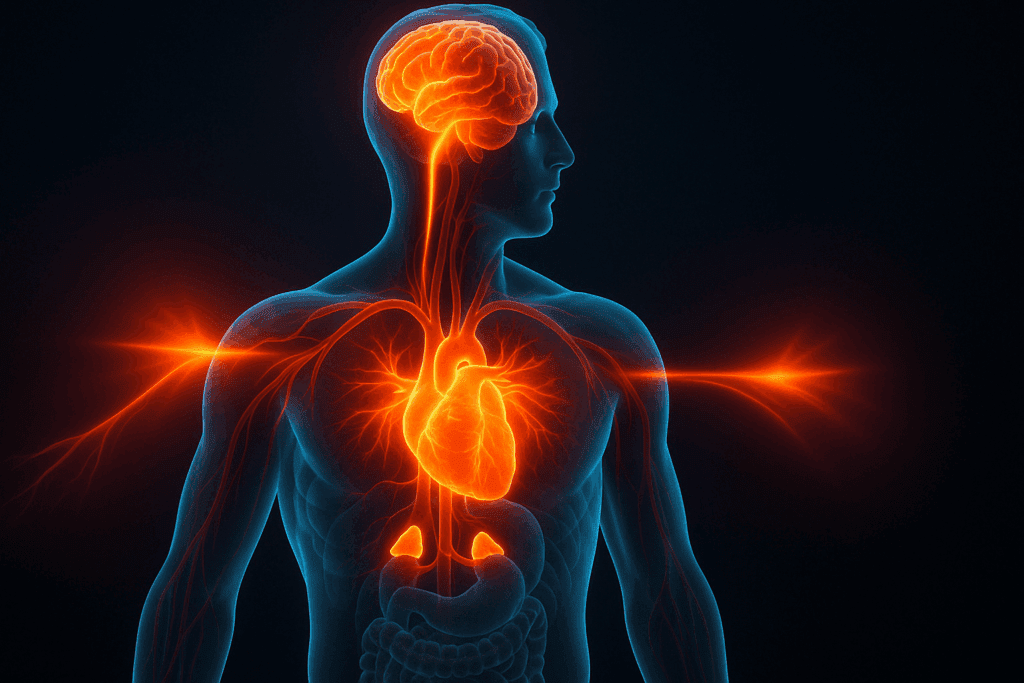
Anatomical illustration of the human stress response showing brain, heart, adrenal glands, and digestive system, visualizing effects linked to stress and weight loss

The Physiology of Stress: How the Body Responds

To understand how stress and weight loss are connected, it’s essential to first comprehend how the body responds to stress. When an individual encounters a stressful situation, the brain signals the release of stress hormones such as cortisol, adrenaline, and norepinephrine. These hormones prepare the body for a fight-or-flight response, increasing heart rate, redirecting blood flow to vital organs, and sharpening mental alertness. While these changes are beneficial in acute stress situations, prolonged exposure to stress hormones can alter physiological functioning in detrimental ways.

Cortisol, often referred to as the “stress hormone,” has a nuanced role in weight regulation. In some people, high cortisol levels can increase appetite and cravings for high-fat, high-sugar foods, potentially leading to weight gain. However, in others, elevated cortisol levels may suppress appetite entirely. This loss of interest in food can be particularly pronounced when stress is accompanied by anxiety, a condition that can heighten gastrointestinal sensitivity and lead to symptoms like nausea, abdominal discomfort, and early satiety.

When stress becomes chronic, the body’s regulatory systems may shift into a new equilibrium, one where digestive processes are compromised. The body might prioritize other survival mechanisms over nutrient absorption, leading to a net caloric deficit despite normal or even increased food intake. This physiological shift helps explain why some individuals experience pronounced and unexplained weight loss under stress.

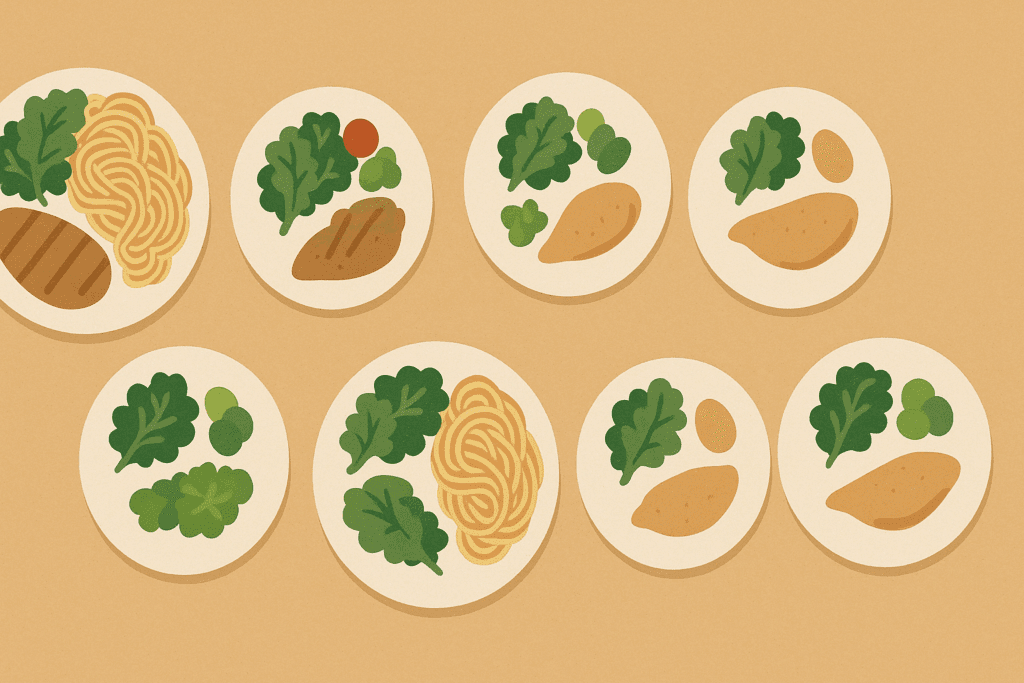
Woman staring blankly at untouched vegetables and pasta, illustrating stress and weight loss through appetite suppression.

Behavioral Changes and Appetite Suppression

In addition to its physiological effects, stress often brings about significant behavioral changes that can contribute to weight loss. When someone is overwhelmed by stress or anxiety, their routine—including meal timing and portion control—can become disrupted. Meals may be skipped or replaced with insufficient snacks, and interest in preparing or eating food can wane. For some, the simple act of eating may feel burdensome or even repulsive during periods of heightened anxiety.

Sleep disturbances, another common outcome of chronic stress, can further affect eating habits and metabolic health. Poor sleep can dysregulate the hormones ghrelin and leptin, which are responsible for hunger and satiety cues. While many people with sleep deprivation report increased hunger, those who are anxious and stressed may instead experience a marked decrease in appetite. This divergence illustrates how individual differences and coping mechanisms can lead to vastly different outcomes.

Social withdrawal, a frequent companion of chronic stress, may also indirectly contribute to losing weight from stress. Eating is often a social activity, and people experiencing anxiety may isolate themselves from situations involving food, such as family dinners or lunch with coworkers. This self-imposed isolation can reduce overall food intake without the individual realizing the extent of their nutritional deficit.
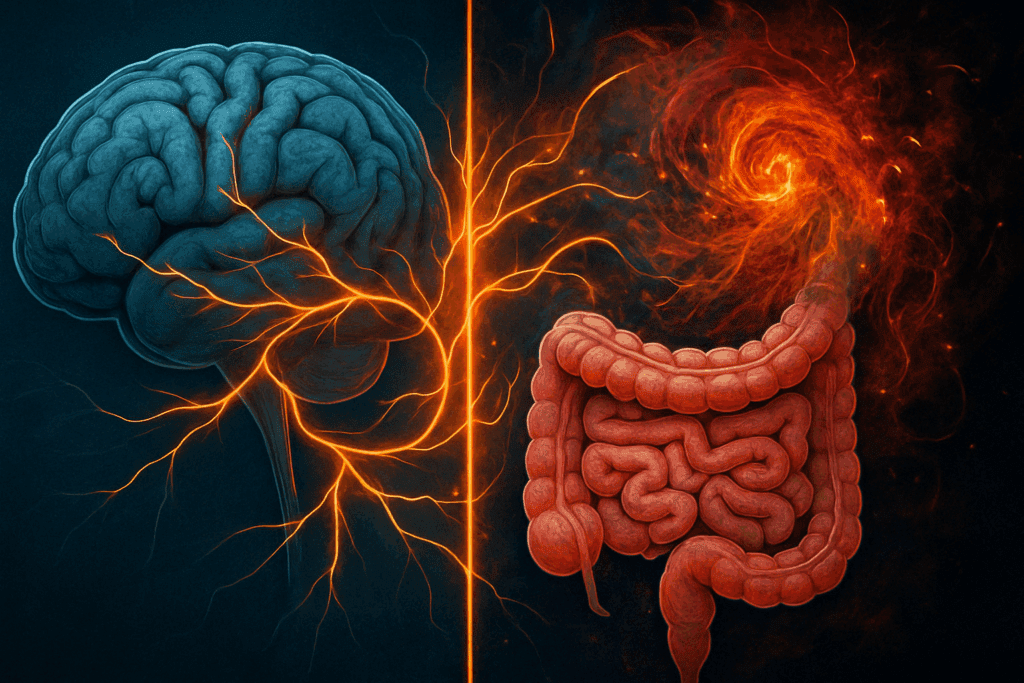
Conceptual split-screen illustration of the brain and intestines connected by glowing neural pathways, symbolizing the gut-brain axis disrupted by stress and weight loss

The Role of Anxiety in Digestive Function

Beyond appetite changes, stress and anxiety can significantly impact digestive health. The gut-brain axis, a bidirectional communication pathway between the gastrointestinal tract and the central nervous system, plays a pivotal role in mediating the effects of stress on digestion. Chronic anxiety can lead to gastrointestinal disorders such as irritable bowel syndrome (IBS), which is frequently associated with unintentional weight loss due to malabsorption, diarrhea, or frequent bowel movements.

Stress can also influence the composition and function of the gut microbiome, the community of bacteria and microorganisms that assist in digestion and immune regulation. Emerging research suggests that a disrupted microbiome may contribute to both weight loss and weight gain, depending on the individual’s stress response and dietary habits. For some, chronic stress may lead to reduced microbial diversity and increased inflammation in the gut, compromising nutrient uptake and exacerbating gastrointestinal symptoms.

When individuals lose weight due to stress, it’s often a combination of reduced food intake, increased energy expenditure (as the body remains in a heightened state of alert), and compromised digestive efficiency. Together, these factors create a metabolic environment where weight loss becomes not only possible but inevitable if stress is not properly managed.

Exhausted man sitting alone in a dark room, visually representing stress and weight loss through emotional fatigue and anxiety

Psychological and Emotional Consequences

The emotional toll of losing weight from stress should not be underestimated. While weight loss is often celebrated in popular culture, unintended and uncontrolled weight loss is frequently a sign of underlying distress and may contribute to further psychological complications. People experiencing this phenomenon may feel confused or frustrated by their inability to maintain a healthy weight, especially when their weight loss is accompanied by fatigue, weakness, or difficulty concentrating.

For individuals with a history of disordered eating or body image issues, stress-related weight loss can be particularly triggering. It may reinforce unhealthy relationships with food or body weight, complicating efforts toward recovery and self-care. Mental health professionals often emphasize the importance of addressing not just the physical symptoms of weight loss, but also the cognitive and emotional patterns that underlie them.

Moreover, the societal pressure to remain productive and resilient can make it difficult for individuals to seek help. Many people may dismiss their own symptoms, rationalizing their weight loss as a result of a “busy lifestyle” or assuming it will resolve on its own. Unfortunately, without intervention, stress-related weight loss can lead to nutrient deficiencies, immune system compromise, and even long-term health complications.
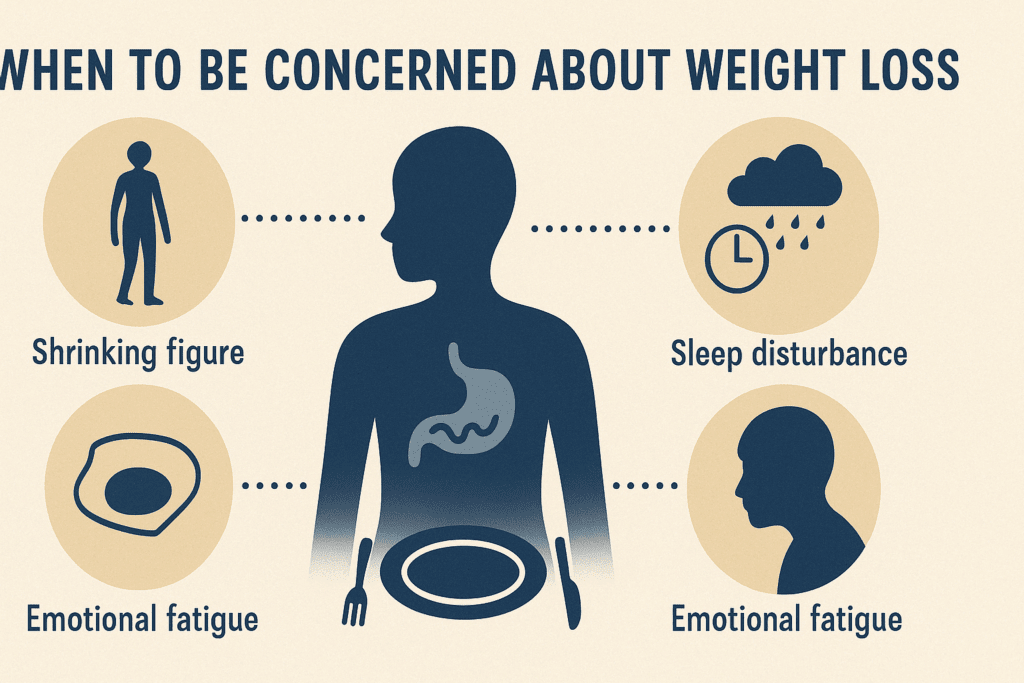
Infographic visually illustrating stress and weight loss through a shrinking figure, empty plate, storm cloud, and sleep disruption icons around a human silhouette

When to Be Concerned About Weight Loss

While weight fluctuation is normal over time, losing weight from stress at a rapid pace or without trying should prompt a deeper evaluation. A weight loss of more than 5% of body weight over a period of six to twelve months—especially if it occurs without dietary or exercise changes—warrants medical attention. This is particularly true when accompanied by symptoms such as digestive discomfort, sleep problems, mood changes, or persistent fatigue.

Medical professionals typically assess unintentional weight loss through a comprehensive evaluation, including a review of recent life stressors, mental health status, dietary intake, and laboratory tests to rule out other causes such as hyperthyroidism, diabetes, or malignancy. When stress or anxiety is identified as the primary driver, treatment may involve a multidisciplinary approach that includes nutritional counseling, psychological support, and stress management techniques.

It’s important to note that the presence of stress does not exclude other medical conditions. For this reason, individuals experiencing unexplained weight loss should avoid self-diagnosing and instead seek guidance from healthcare providers who can offer a full evaluation and tailored treatment plan.

Woman meditating on yoga mat with fresh fruits and vegetables nearby, symbolizing holistic approach to stress and weight loss.

Holistic Strategies for Managing Stress and Maintaining Healthy Weight

Addressing the underlying causes of stress is essential not only for emotional well-being but also for restoring a healthy weight. Stress management begins with identifying the sources of stress—whether they are related to work, relationships, finances, or personal expectations—and developing strategies to cope with them constructively. Techniques such as mindfulness meditation, yoga, and deep-breathing exercises have been shown to reduce stress hormone levels and improve overall mood.

Nutrition plays a central role in buffering the body against the effects of chronic stress. Eating regular, balanced meals that include protein, complex carbohydrates, and healthy fats can help stabilize blood sugar levels and support neurotransmitter production, which is crucial for regulating mood and appetite. In some cases, working with a registered dietitian or nutritionist can help individuals create a personalized eating plan that accounts for both their physical and emotional needs.

Sleep hygiene is another critical component of stress management. Prioritizing restful sleep—by maintaining a consistent bedtime routine, limiting screen time before bed, and creating a calming sleep environment—can enhance resilience to stress and improve appetite regulation. Individuals who struggle with insomnia or disrupted sleep due to anxiety may benefit from cognitive behavioral therapy for insomnia (CBT-I), which addresses the behavioral and cognitive factors contributing to poor sleep.

The Importance of Social Support and Professional Help

One of the most effective antidotes to stress is human connection. Talking with trusted friends, family members, or support groups can provide emotional relief and perspective, reducing the sense of isolation that often accompanies chronic anxiety. Sharing meals with others, even virtually, can help re-establish healthy eating patterns and create accountability around self-care practices.

For many individuals, professional help is an essential part of recovery. Therapists who specialize in anxiety disorders can offer evidence-based interventions such as cognitive behavioral therapy (CBT), exposure therapy, or acceptance and commitment therapy (ACT) to help individuals better understand and manage their stress responses. In cases where stress is severely impacting appetite and nutrition, consultation with a clinical psychologist or psychiatrist may be appropriate.

Incorporating regular physical activity can also be beneficial, though it should be approached mindfully when weight loss is a concern. Rather than focusing on burning calories, exercise should be viewed as a tool for emotional regulation and mood enhancement. Activities such as walking, swimming, or gentle stretching can activate endorphins, reduce cortisol levels, and restore a sense of bodily control without exacerbating weight loss.

Exploring the Long-Term Implications of Chronic Stress

Over time, losing weight from stress can set off a cascade of health challenges if not properly addressed. Chronic nutritional deficiencies may impair immune function, making the body more susceptible to illness. Prolonged undernourishment can weaken bones, reduce muscle mass, and disturb cardiovascular health. Moreover, persistent anxiety can contribute to the development or worsening of conditions like depression, which can further complicate recovery and lead to cycles of avoidance or self-neglect.

Understanding these long-term implications reinforces the importance of early intervention. Preventing a downward spiral begins with recognizing that stress-related weight loss is not merely a cosmetic issue, but a health concern with potential ramifications across multiple systems of the body. By prioritizing both mental health and nutritional well-being, individuals can work toward a more balanced and sustainable state of health.

Frequently Asked Questions: Understanding Stress and Unintended Weight Loss

1. Can emotional trauma from past experiences lead to long-term weight changes even years later?

Yes, unresolved emotional trauma can have a lasting impact on the body’s stress response system, potentially contributing to chronic physiological changes that affect weight. The body may continue to react to subtle emotional triggers with a fight-or-flight response, resulting in appetite suppression or digestive issues. Over time, this can create a pattern where individuals lose weight due to stress without actively recognizing the underlying emotional cause. While acute stress typically causes short-term changes, chronic psychological trauma may lead to prolonged cycles of losing weight from stress. Addressing trauma through therapy and emotional regulation techniques can help the body return to a more balanced metabolic state.

2. How does workplace burnout specifically affect eating habits and body weight?

Workplace burnout often leads to a persistent state of mental exhaustion, which in turn reduces appetite and disrupts normal meal routines. Employees experiencing burnout may skip meals, rely on caffeine to suppress hunger, or feel too overwhelmed to prepare balanced meals. These patterns may result in people unintentionally losing weight from stress related to career pressures. Furthermore, a loss of work-life boundaries may cause chronic activation of the stress response, further disturbing metabolic function. This environment reinforces the connection between stress and weight loss, particularly when nutritional needs are deprioritized amid professional demands.

3. Are there gender differences in how people lose weight due to stress?

There is growing evidence suggesting that gender plays a role in how individuals experience and respond to stress-related weight changes. While both men and women can lose weight due to stress, women are more likely to report appetite suppression and gastrointestinal distress, whereas men may engage in stress-reducing behaviors like increased physical activity or skipping meals unintentionally. Hormonal fluctuations in women, such as those related to menstrual cycles or menopause, may further exacerbate their vulnerability to losing weight from stress. Additionally, societal expectations and gender-specific coping strategies may influence eating behaviors during high-stress periods.

4. Can stress-related weight loss be reversed without medication?

In many cases, yes—stress-related weight loss can often be reversed through a combination of lifestyle interventions rather than pharmaceutical solutions. Restoring a regular eating schedule, improving sleep hygiene, and practicing stress management techniques such as mindfulness or breathwork can gradually support weight restoration. People who lose weight due to stress often need emotional support and structure more than medication. Nutritional therapy, especially when tailored by a registered dietitian, can help the body recover and re-establish proper digestion and metabolism. However, if underlying anxiety or depressive symptoms are severe, a mental health professional should evaluate whether therapy or medication may also be necessary.

5. What role does the gut microbiome play in stress and weight loss?

The gut microbiome, which consists of trillions of bacteria and microorganisms, has a powerful impact on how the body processes stress and nutrients. Chronic stress can reduce microbial diversity, leading to inflammation and compromised digestion. When this occurs, individuals may begin losing weight from stress because their bodies are less efficient at absorbing nutrients. A disrupted microbiome can also influence mood and behavior, compounding the cycle of stress and weight changes. Restoring gut health through prebiotics, probiotics, and a fiber-rich diet may help stabilize the microbiome and improve overall resilience to stress-induced weight fluctuations.

6. Can someone be unaware that stress is the reason for their weight loss?

Absolutely. Many people experiencing stress may not associate it with physical symptoms like weight loss, especially if their emotional distress is low-grade or has become normalized. Subtle signs, such as a decreased desire for food or increased stomach discomfort, may be brushed off as minor issues. However, these are common ways the body signals that it’s under chronic strain. In such cases, individuals may lose weight due to stress without identifying it as the root cause. A holistic self-assessment or consultation with a healthcare provider can help uncover whether emotional stress is influencing physical health.

7. Are there certain personality traits that make someone more likely to lose weight from stress?

Yes, personality traits such as high sensitivity, perfectionism, and a tendency toward internalization of emotions may predispose individuals to stress-related weight changes. People who internalize stress often experience it physically, which may manifest in reduced appetite, digestive upset, or sleep disturbances. These traits can amplify the likelihood of losing weight from stress, especially when combined with high external demands and poor coping mechanisms. Developing emotional awareness and resilience through counseling or self-reflective practices can help mitigate the physiological impact of these personality-driven stress responses.

8. How do cultural expectations influence how people respond to stress and changes in weight?

Cultural norms around productivity, body image, and emotional expression can heavily shape how individuals interpret and respond to weight changes due to stress. In cultures that glorify thinness or associate weight loss with self-discipline, unintended weight loss may be misinterpreted as a positive sign rather than a warning. This mindset can discourage individuals from seeking help, even when they’re clearly losing weight from stress. Additionally, cultural taboos around discussing mental health may prevent people from acknowledging their emotional struggles. Promoting culturally sensitive education around stress and weight loss can help de-stigmatize these issues and encourage proactive care.

9. What are the long-term health risks of ignoring stress-related weight loss?

Unaddressed stress-related weight loss can lead to a host of long-term complications, including nutritional deficiencies, weakened immunity, muscle wasting, and hormonal imbalances. Over time, this can result in chronic fatigue, decreased bone density, and impaired cognitive function. If someone continues to lose weight due to stress, they may become more susceptible to infections or long-term metabolic conditions. Additionally, the emotional toll of chronic stress can contribute to anxiety or depression, further perpetuating the cycle. Taking early action to investigate and treat weight loss ensures better outcomes both physically and mentally.

10. Are there emerging therapies or research trends focused on preventing stress-induced weight loss?

Yes, several emerging approaches aim to address the growing recognition of how psychological stress influences metabolic health. Innovations in personalized nutrition and digital health monitoring are helping individuals track early signs of unintentional weight changes. Wearable technology that tracks heart rate variability, sleep quality, and digestive patterns may help identify when someone is at risk of stress-related weight shifts. Additionally, psychobiotics—probiotics designed to support mental health through the gut-brain axis—are being explored as a novel intervention for those who lose weight from stress. These promising developments point to a future where multidisciplinary care models can more effectively prevent and reverse stress and weight loss patterns.

Final Thoughts on Stress, Anxiety, and Unintended Weight Loss

Recognizing the link between stress and weight loss is a critical step toward achieving holistic well-being. While some may initially view weight loss as a welcome side effect of a high-pressure lifestyle, it often signals deeper issues that require attention and care. Chronic anxiety and prolonged stress can subtly yet powerfully erode the body’s natural balance, leading to changes in appetite, digestion, and metabolic function that ultimately result in unintentional weight loss.

It is essential to approach this topic with compassion and scientific rigor, acknowledging that losing weight from stress is not a matter of willpower or personal failure. Instead, it is a complex interplay of hormonal, behavioral, and emotional factors that call for comprehensive support. By understanding how chronic stress influences the body, individuals and healthcare providers can work together to develop strategies that not only restore physical health but also nurture mental resilience.

If you or someone you know is experiencing unexplained weight loss alongside signs of chronic anxiety, seeking professional support is not only appropriate—it is essential. Early recognition, evidence-based interventions, and compassionate care can make all the difference in restoring both nourishment and peace of mind. In today’s fast-paced world, learning to recognize the body’s signals and respond with thoughtful, holistic care is one of the most powerful forms of self-preservation and growth.

Was this article helpful? Don’t let it stop with you. Share it right now with someone who needs to see it—whether it’s a friend, a colleague, or your whole network. And if staying ahead on this topic matters to you, subscribe to this publication for the most up-to-date information. You’ll get the latest insights delivered straight to you—no searching, no missing out.

Further Reading:

Can stress lead to weight loss?

8 Reasons Anxiety Can Cause Weight Loss & How to Cope

Stress and Weight Loss: What’s the Connection?

Disclaimer

The information contained in this article is provided for general informational purposes only and is not intended to serve as medical, legal, or professional advice. While NewsHealthWatch strives to present accurate, up-to-date, and reliable content, no warranty or guarantee, expressed or implied, is made regarding the completeness, accuracy, or adequacy of the information provided. Readers are strongly advised to seek the guidance of a qualified healthcare provider or other relevant professionals before acting on any information contained in this article. NewsHealthWatch, its authors, editors, and contributors expressly disclaim any liability for any damages, losses, or consequences arising directly or indirectly from the use, interpretation, or reliance on any information presented herein. The views and opinions expressed in this article are those of the author(s) and do not necessarily reflect the official policies or positions of NewsHealthWatch.

Smart Weight Loss Starts with the Right Male Nutrition Plan: Expert-Backed Healthy Meal Plans for Men to Shed Fat Safely

Losing weight is not simply about eating less or exercising more; it’s about making scientifically informed, sustainable changes that support long-term health. For men, especially, tailoring a strategy that supports muscle preservation, metabolic function, and hormonal balance is key to shedding fat without compromising vitality. A well-designed male nutrition plan does more than help you lose weight—it promotes overall health, optimizes energy levels, and reduces the risk of chronic disease. In this guide, we explore how healthy meal plans for men can serve as the foundation for a realistic and effective fat loss journey.

You may also like: Smart Meal Prep for Weight Loss: Expert-Approved Lunch Ideas and Recipes to Stay on Track

Understanding the Fundamentals of a Male Nutrition Plan

Men have distinct nutritional needs compared to women due to differences in body composition, hormonal profiles, and metabolism. A sound male eating plan accounts for higher muscle mass and basal metabolic rate, which means men often require more calories to maintain energy while still reducing fat.

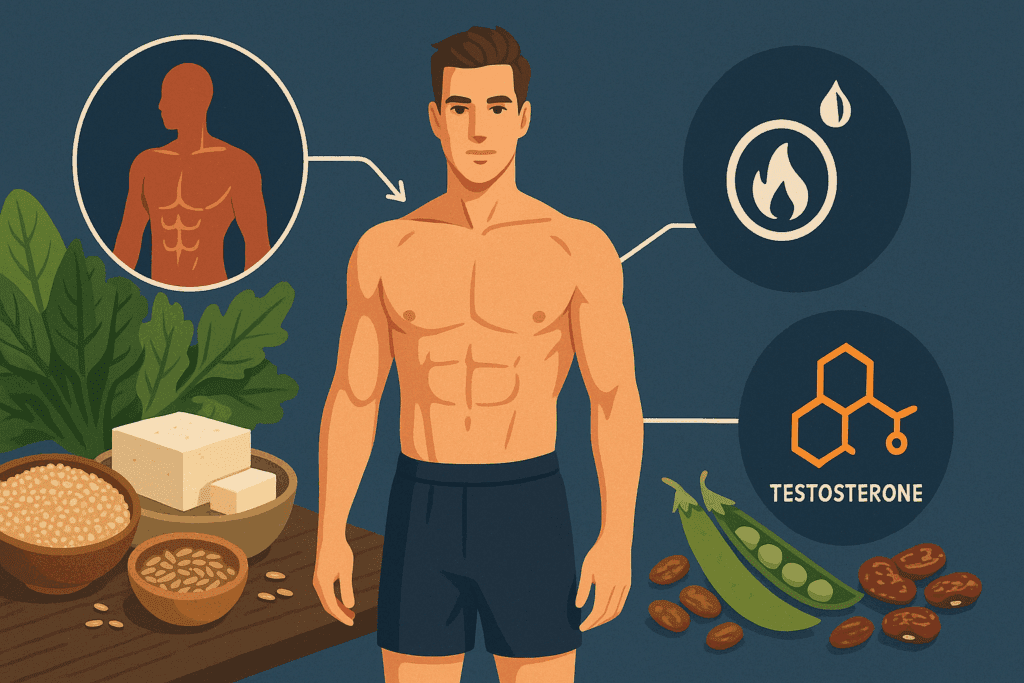
A diet food plan for men should include ample lean protein sources to preserve lean body mass, especially when in a caloric deficit. At the same time, healthy fats and complex carbohydrates must be thoughtfully included to support testosterone levels and fuel physical activity. Micronutrient sufficiency is also non-negotiable—deficiencies in key nutrients like vitamin D, magnesium, and zinc can interfere with metabolism, energy, and mood, undermining progress.

Crucially, any successful fat loss diet plan for male individuals must prioritize consistency and sustainability. Fad diets may yield short-term results but often fall short in delivering sustainable health benefits. The goal is to create a lifestyle pattern that fosters long-term wellness, not just rapid weight loss.

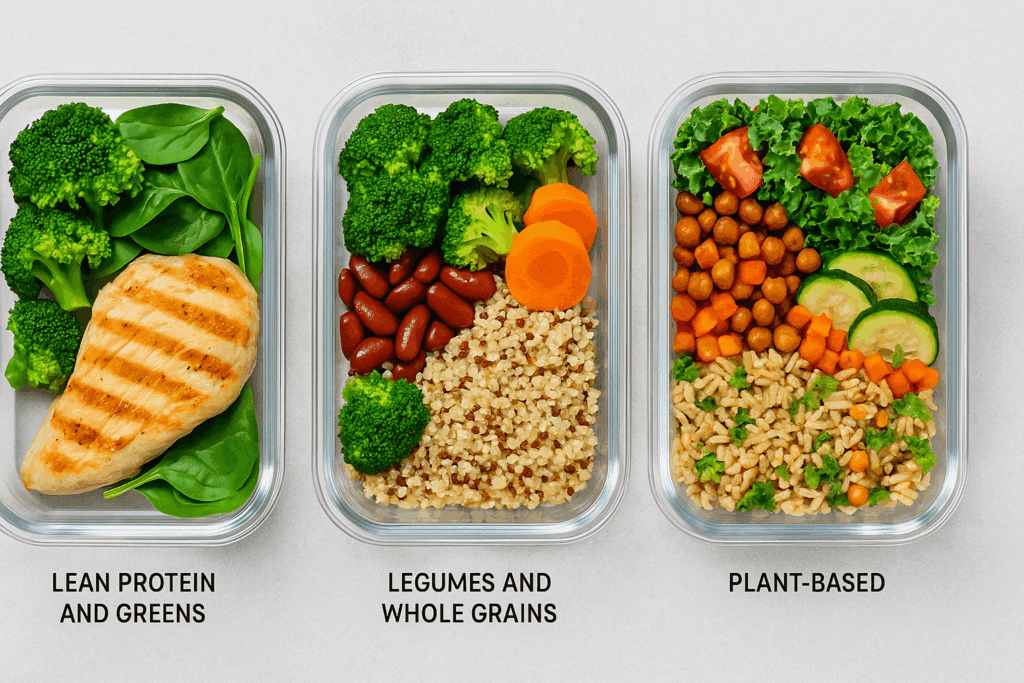
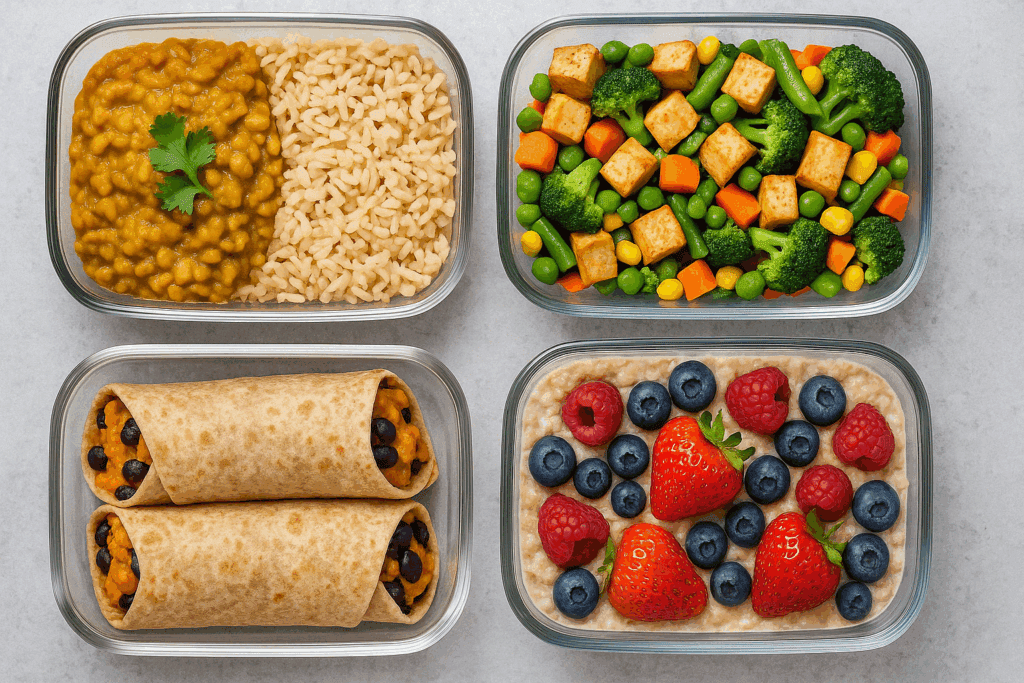
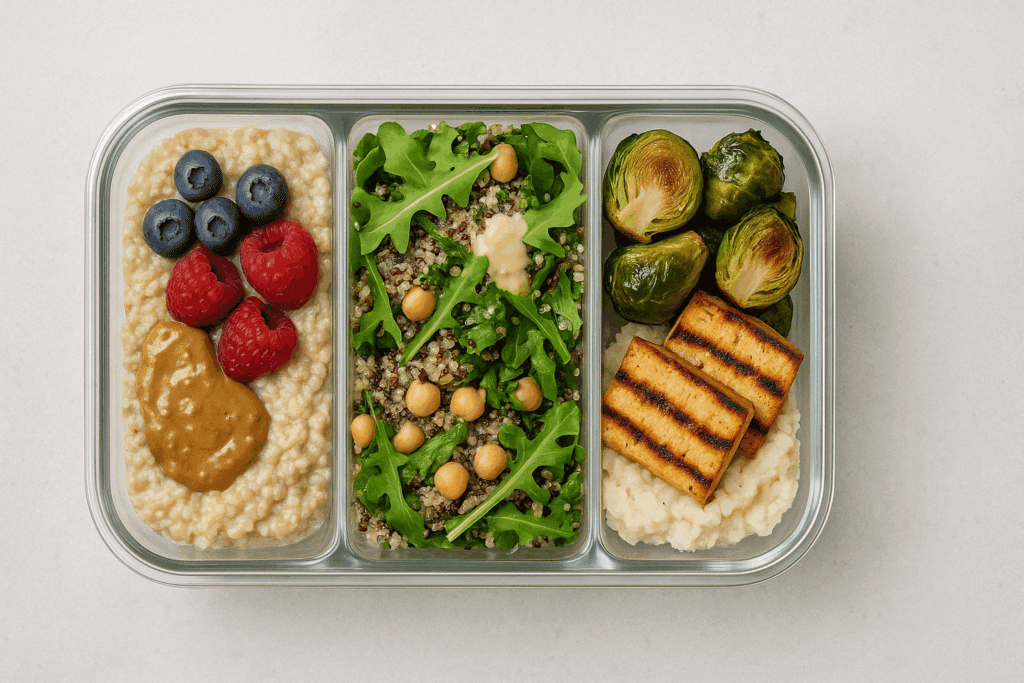
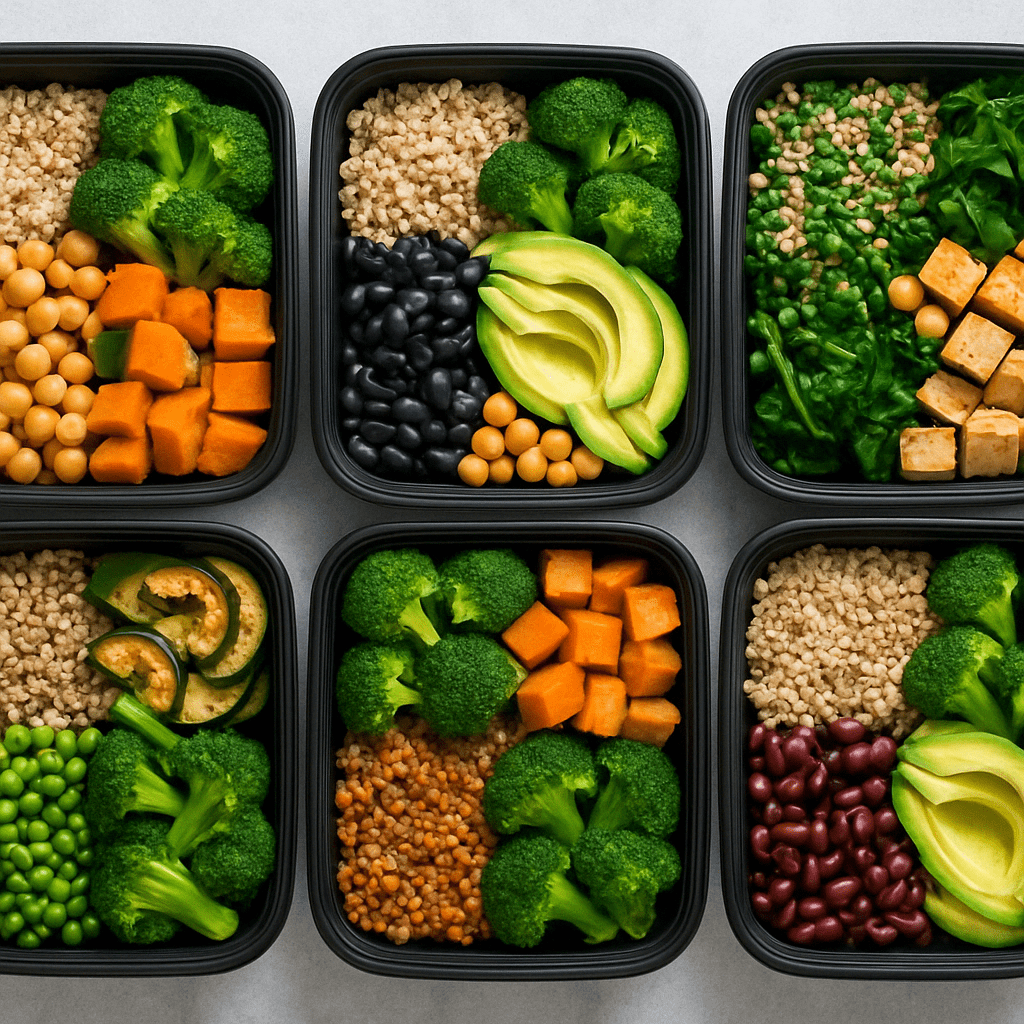
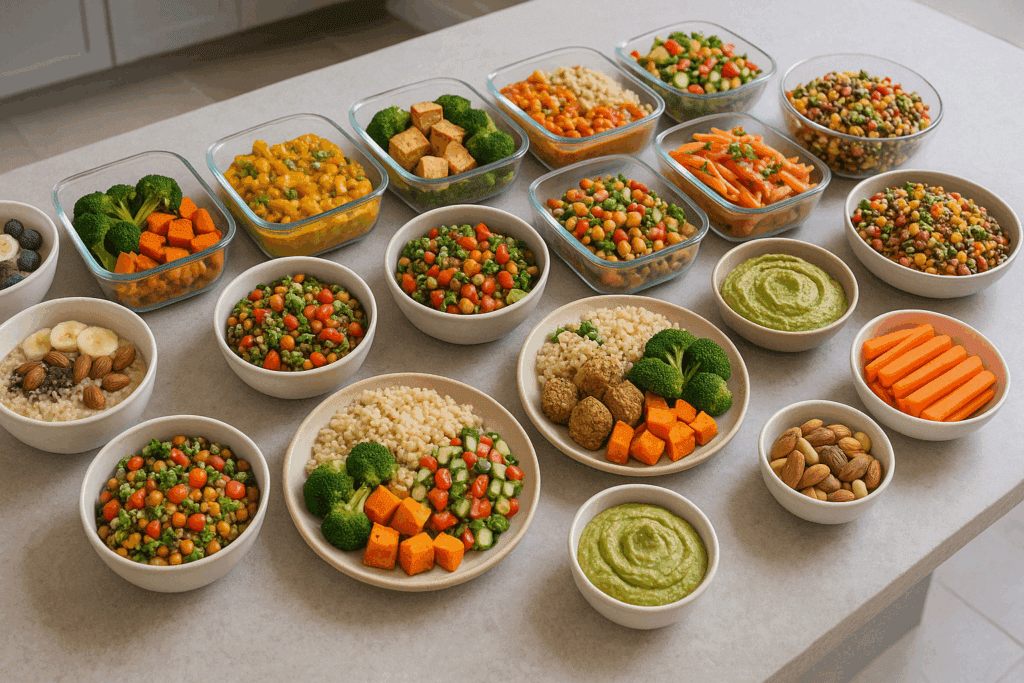
Healthy meal prep containers with plant-based ingredients arranged for a balanced male nutrition plan

Why One-Size-Fits-All Weight Loss Plans for Men Often Fail

A common pitfall in many commercial weight loss plans for men is the generic approach they take. These plans often ignore individual differences in body type, metabolism, activity level, and food preferences. What works for a sedentary office worker with a slower metabolism may not be ideal for an active individual with high energy demands.

More importantly, psychological and behavioral factors must be taken into account. Meal plans that are too restrictive or monotonous often lead to binge episodes, frustration, or abandonment of the plan altogether. A practical male eating plan should be flexible enough to accommodate real-life situations—business lunches, social gatherings, or weekend indulgences—without derailing progress.

Moreover, research shows that adherence is the biggest predictor of long-term success. The best meal plan for men is one that they can actually stick to—not the one that promises the fastest results. A science-backed plan prioritizes nutrient density, portion control, and gradual habit formation over extreme deprivation.

Shed Fat Diet Plan Strategies That Actually Work

Creating a shed fat diet plan that’s effective and sustainable begins with striking the right caloric balance. This involves consuming slightly fewer calories than your body burns while maintaining sufficient intake of protein, healthy fats, and fiber. The goal is to reduce fat stores while preserving or even increasing lean muscle mass.

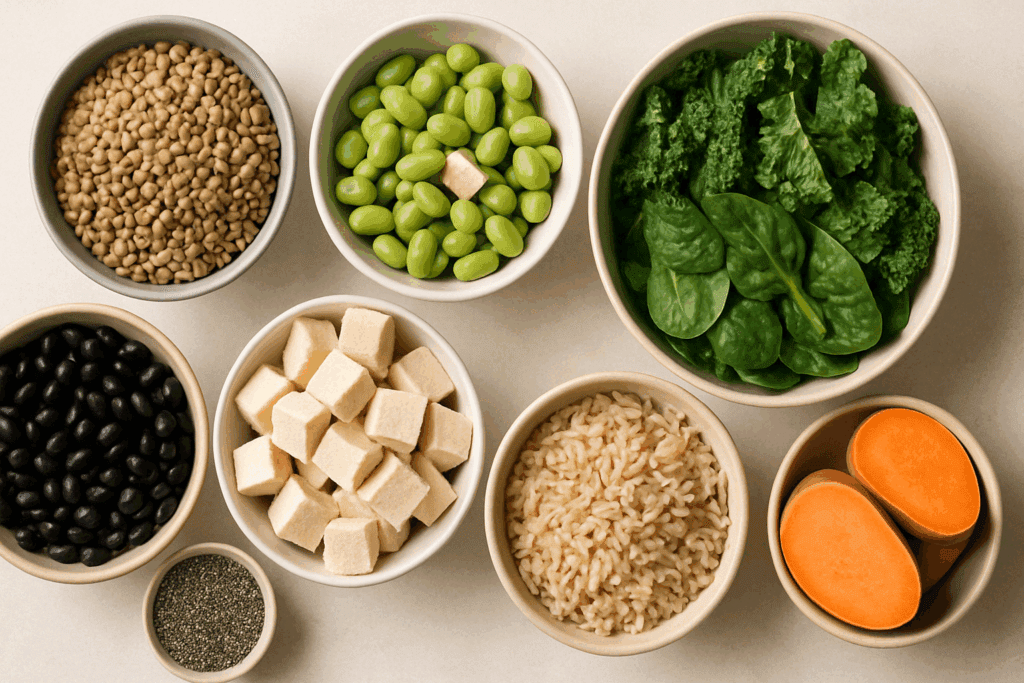
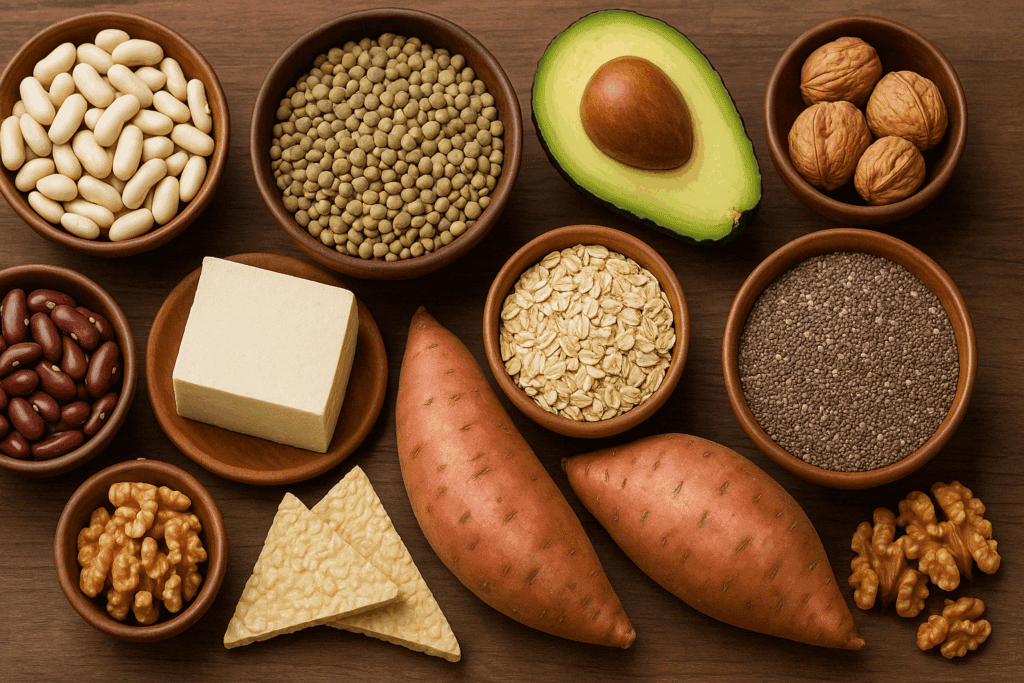
Protein should be at the forefront. Numerous studies have demonstrated that high-protein diets enhance satiety, increase thermogenesis, and preserve muscle during fat loss phases. Lean sources like tofu, tempeh, legumes, seitan, and lentils make excellent choices, particularly within a whole-food plant-based framework.

Another critical component is fiber-rich vegetables and whole grains. These foods help regulate blood sugar, improve digestion, and reduce overall calorie intake by promoting fullness. Unlike many low-nutrient, high-sugar options found in ultra-processed diets, whole plant foods deliver long-lasting energy and essential nutrients without the crash.

Meal frequency and timing also matter. While intermittent fasting works for some, others may benefit from consistent meals throughout the day to stabilize energy and avoid overeating. The key is finding a rhythm that supports your lifestyle and metabolism.

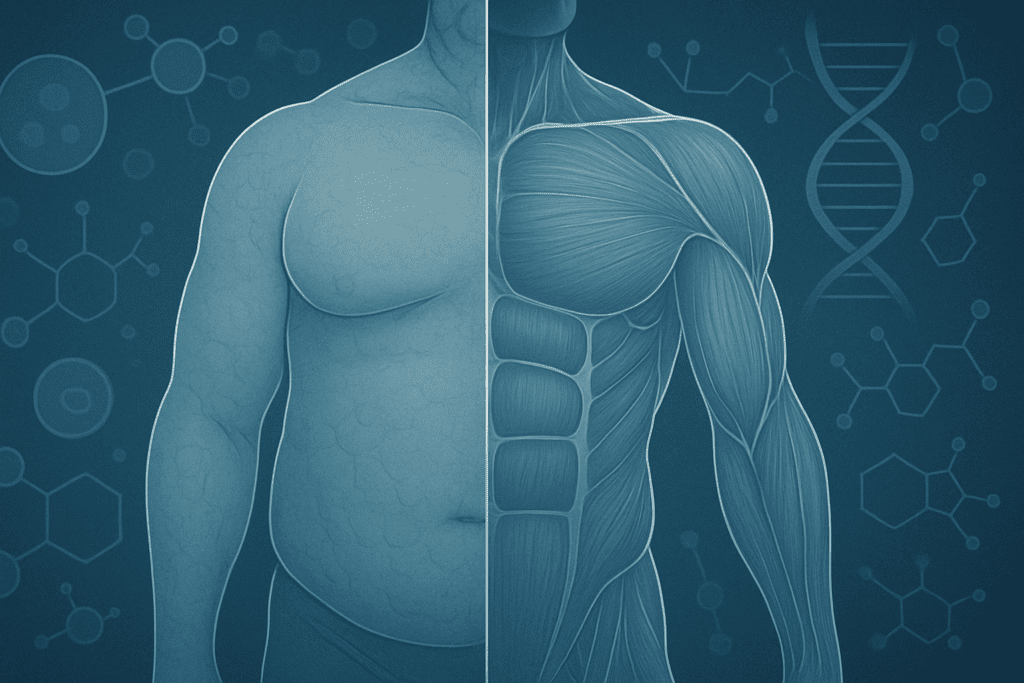
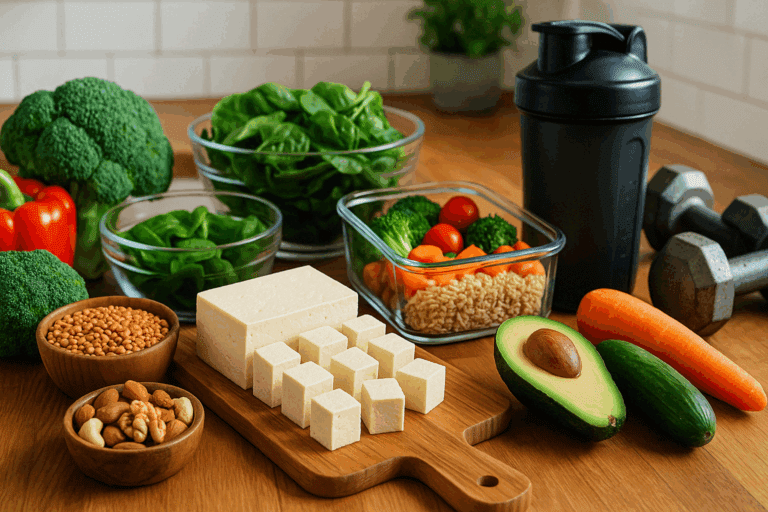
Visual guide showing lean muscle, metabolism, and whole foods for a balanced male nutrition plan

Designing Healthy Meal Plans for Men: Core Principles

The most effective healthy meal plans for men follow a few key principles: balance, simplicity, and variety. Each meal should feature a combination of macronutrients—protein, fats, and carbs—with an emphasis on nutrient density.

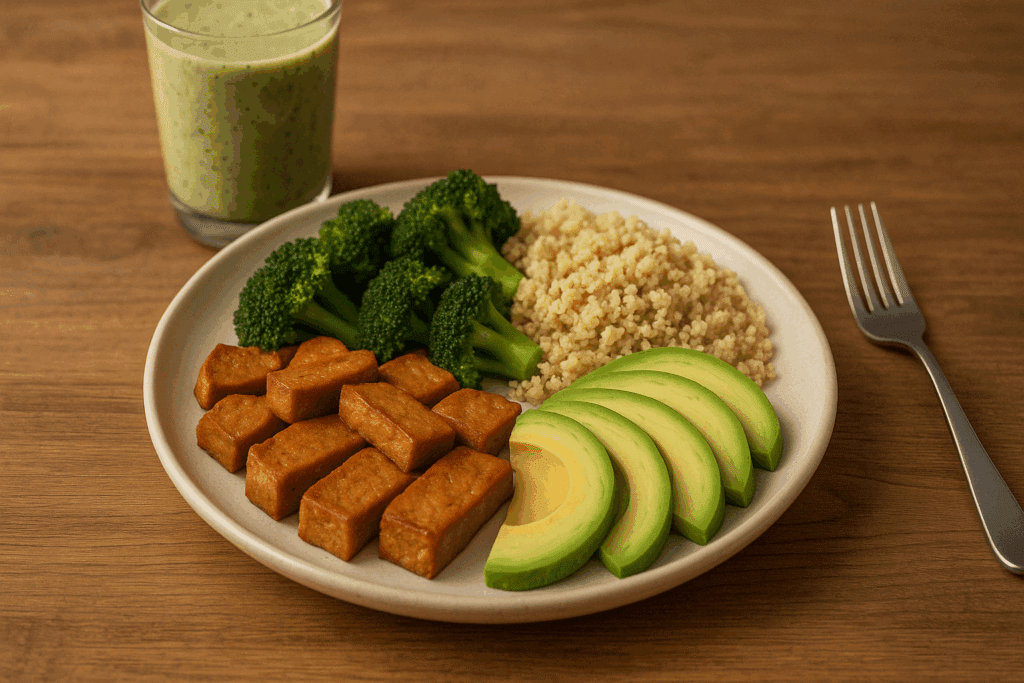
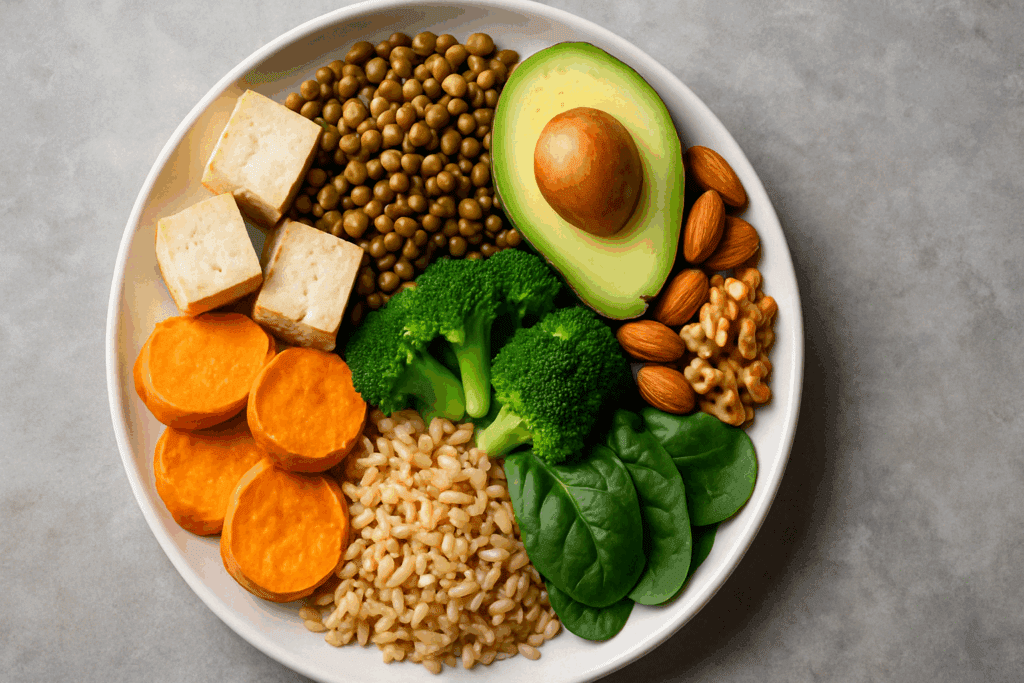
Start with a plant-based protein foundation. Add in fiber-rich vegetables and legumes, healthy fats like nuts, seeds, and avocado, and whole grains such as quinoa or brown rice. This structure not only provides satiety but also helps maintain muscle and hormonal health during weight loss.

Portion control is another vital element. Oversized portions, even of healthy foods, can hinder progress. Learning to listen to internal hunger and satiety cues is more effective than rigid calorie counting in the long run.

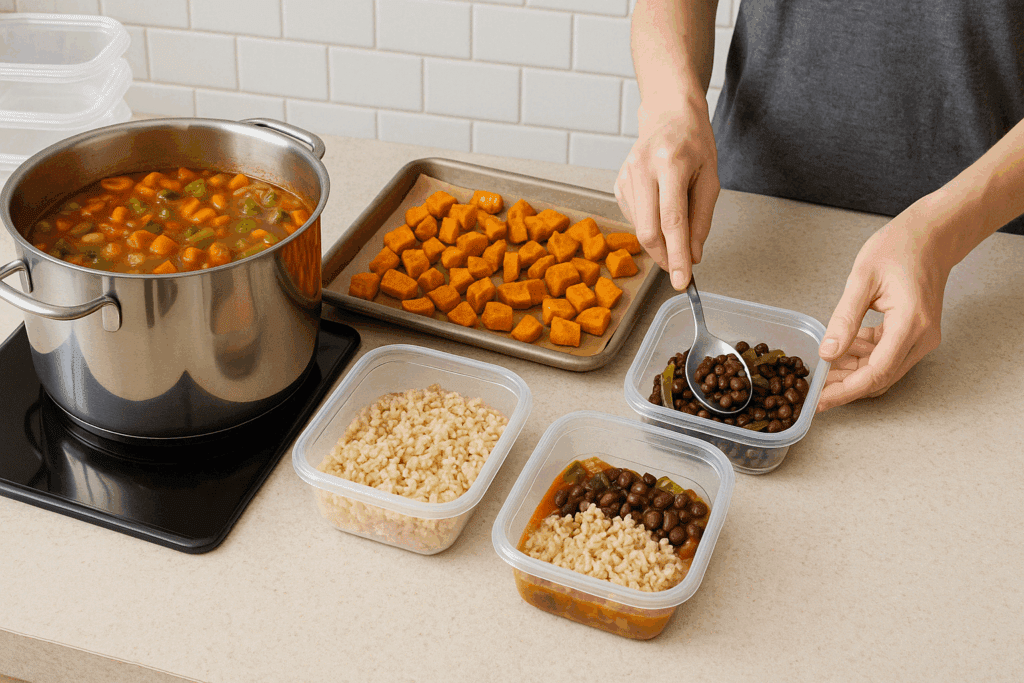
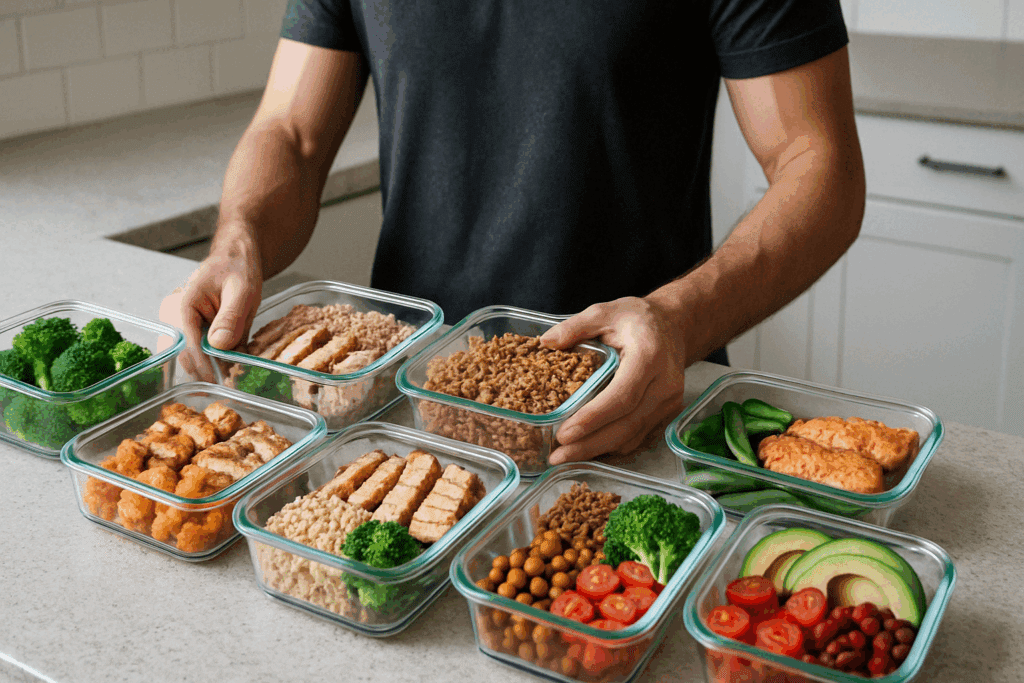
A good male nutrition plan also accounts for food preparation and convenience. Batch cooking, meal prepping, and choosing minimally processed options help streamline healthy eating in a busy lifestyle. The more accessible your meals are, the more likely you are to stick to your plan.

Fat Loss and the Keto Controversy: Is Keto a Good Diet for Men?

The ketogenic diet has gained popularity as a rapid weight loss strategy, but is keto a good diet for men in the long run? That depends on the individual and how the diet is implemented. While the keto diet promotes fat loss by shifting the body into a state of ketosis, it may not be the most sustainable or balanced option for every male.

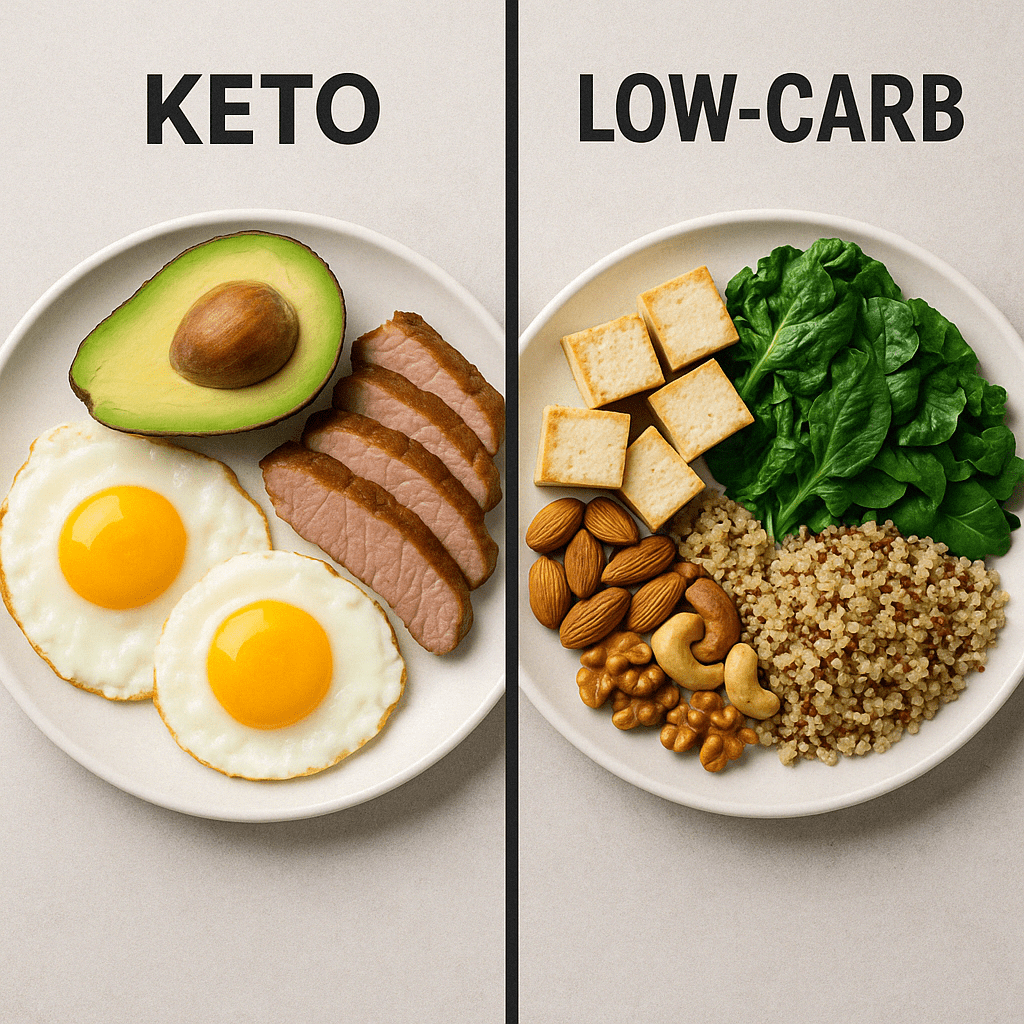
One key debate is the comparison of ketogenic diet vs low carb plans. Both limit carbohydrates, but keto restricts them far more severely. The typical keto diet includes fewer than 50 grams of carbs per day, while a low carb diet might allow 100 to 150 grams. Understanding the nuances of low carb diet keto diet comparisons is essential for determining which—if either—suits a man’s lifestyle, activity level, and nutritional needs.

Another point of discussion is whether keto is a low carb diet by definition. Technically, it is, but not all low carb diets are keto. For men looking to maintain muscle, exercise regularly, and consume a wide variety of plant foods, a more moderate carb approach may be preferable. The question isn’t just “is keto a low carb diet” but rather, is keto a sustainable and health-promoting way of eating?

Scientific literature increasingly questions: is a keto diet sustainable over time? Some studies suggest potential short-term benefits, but long-term adherence remains a challenge due to restrictive food choices and nutrient gaps. This leads to another concern—if is keto no carbs or simply very low in carbs, it still often results in low fiber intake, which is problematic for digestive and metabolic health.

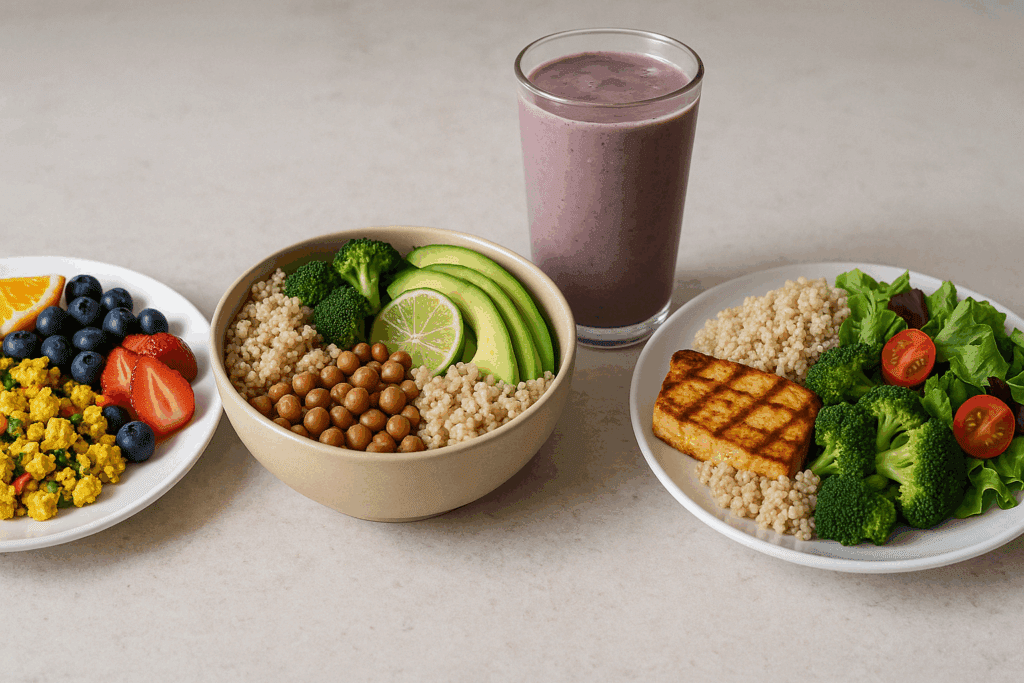
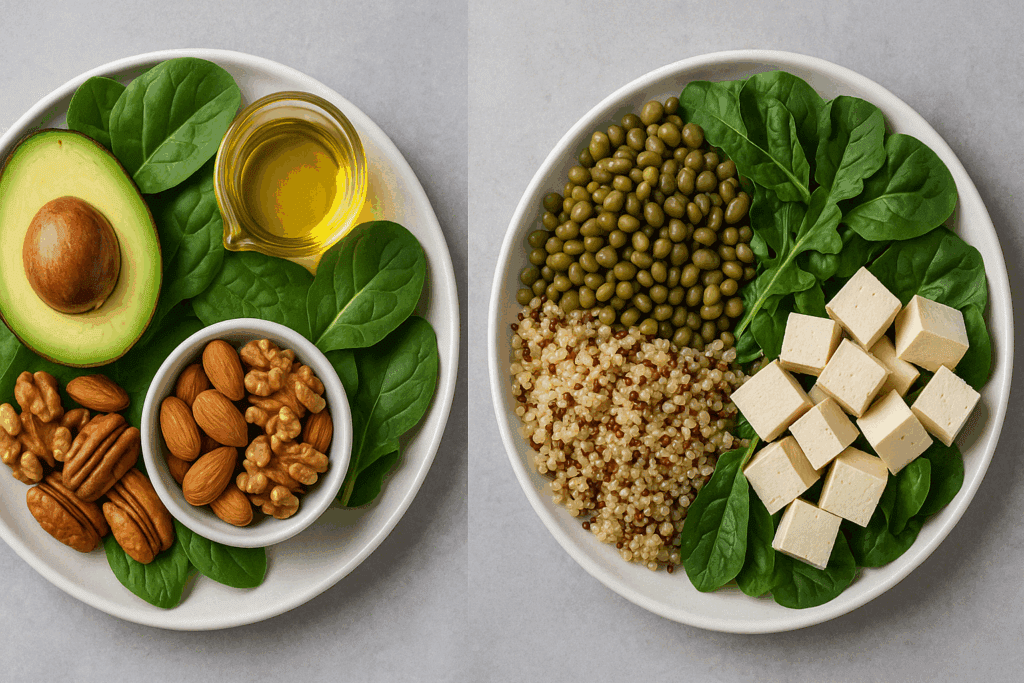
Whole food plate with protein, fiber, and healthy fats designed for an effective male nutrition plan

Comparing Ketogenic Diet vs Low Carb Approaches in a Male Eating Plan

For men aiming to lose fat while preserving muscle, comparing the ketogenic diet vs low carb approaches reveals important trade-offs. Keto can produce fast initial weight loss, much of it water weight, but it may impair performance in high-intensity workouts due to glycogen depletion.

A low carb diet, on the other hand, allows for greater flexibility, better fiber intake, and may be easier to sustain. Many experts recommend starting with a moderate carbohydrate intake and adjusting based on results and energy levels.

When deciding between a low carb diet and keto diet, men should consider their physical goals, dietary preferences, and metabolic health. For example, plant-based low carb diets that emphasize whole foods may support weight loss while minimizing the risks associated with ultra-low carbohydrate intake.

Ultimately, a male nutrition plan should evolve with your body’s needs. Whether you’re experimenting with keto or opting for a more balanced approach, the plan must be personalized, evidence-based, and adjustable over time.

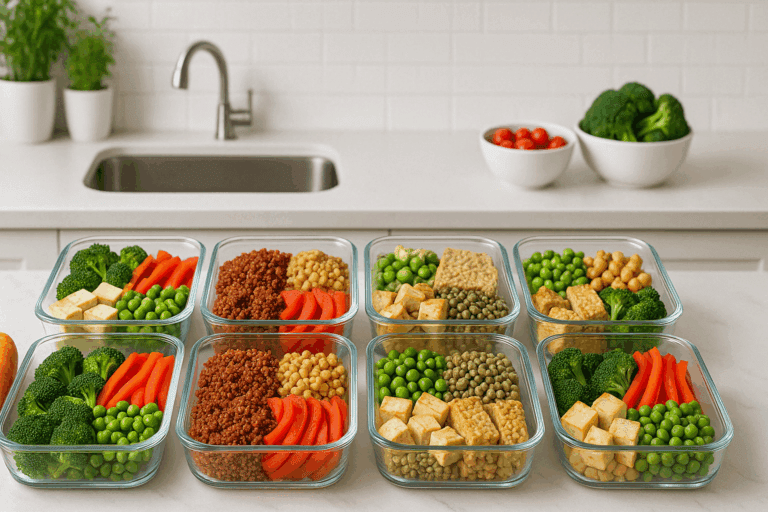
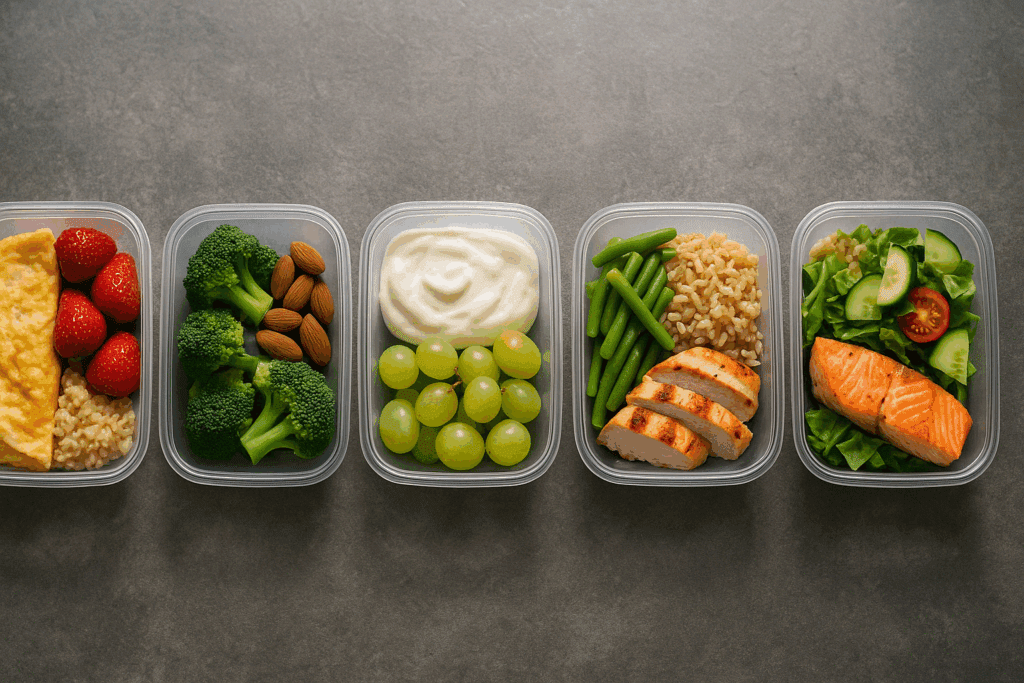
Meal prep containers filled with balanced meals supporting a sustainable male nutrition plan

Sample Meal Plan for Men Focused on Fat Loss and Nutrient Density

Creating a practical, effective meal plan for men starts with whole foods, strategic macronutrient balance, and realistic meal timing. Here’s a simplified sample day for a whole-food, plant-based approach that aligns with a shed fat diet plan:

Breakfast: Tofu scramble with spinach, bell peppers, and mushrooms; side of steel-cut oats with ground flaxseed and blueberries.

Lunch: Lentil quinoa bowl with roasted sweet potatoes, broccoli, tahini dressing, and pumpkin seeds.

Dinner: Chickpea curry with brown rice, kale salad with olive oil and lemon dressing, and a small serving of fruit.

Snacks (optional): A handful of almonds, a plant-based protein smoothie, or hummus with raw veggies.

This kind of diet food plan for men offers high-quality protein, fiber, essential fats, and antioxidants without excessive calories. It promotes satiety, supports metabolic health, and avoids the processed foods that undermine many weight loss efforts.

Is Keto a Low Carb Diet or Something More Restrictive?

While keto is often described as a low carb diet, it is far more restrictive than most traditional low carb approaches. Understanding the distinction matters because many men mistakenly believe that going “low carb” automatically means going keto. In reality, keto is just one end of the carbohydrate-restriction spectrum.

A low carb diet keto diet conversation should consider how each affects energy levels, workout performance, and micronutrient intake. Is keto a good diet for active men? Only if they carefully manage electrolytes, fiber, and calories to avoid common pitfalls such as fatigue, muscle cramps, and reduced endurance.

Is keto no carbs? Not entirely. Most keto plans allow small amounts of carbs from non-starchy vegetables. However, they typically exclude legumes, whole grains, and fruits—all foods with proven health benefits. Men following a keto diet must take care to avoid nutritional deficiencies and assess whether the plan aligns with their long-term goals.

Balancing Real Life with Structured Weight Loss Plans for Men

A sustainable weight loss strategy must fit within the context of a man’s daily responsibilities, social obligations, and food environment. Overly rigid diet plans that prohibit entire food groups or require meticulous tracking often lead to burnout. Flexibility, rather than perfection, is the secret to long-term adherence.

Incorporating occasional indulgences into a healthy meal plan for men can actually improve compliance. Social meals, business travel, or spontaneous cravings don’t have to derail progress as long as the core structure of the plan remains intact.

This is why personalization is essential. The best weight loss plans for men are not only built on nutritional science but also respect psychological factors and lifestyle preferences. From choosing a shed fat diet plan to navigating the ketogenic diet vs low carb options, the focus should be on developing skills and habits that last.

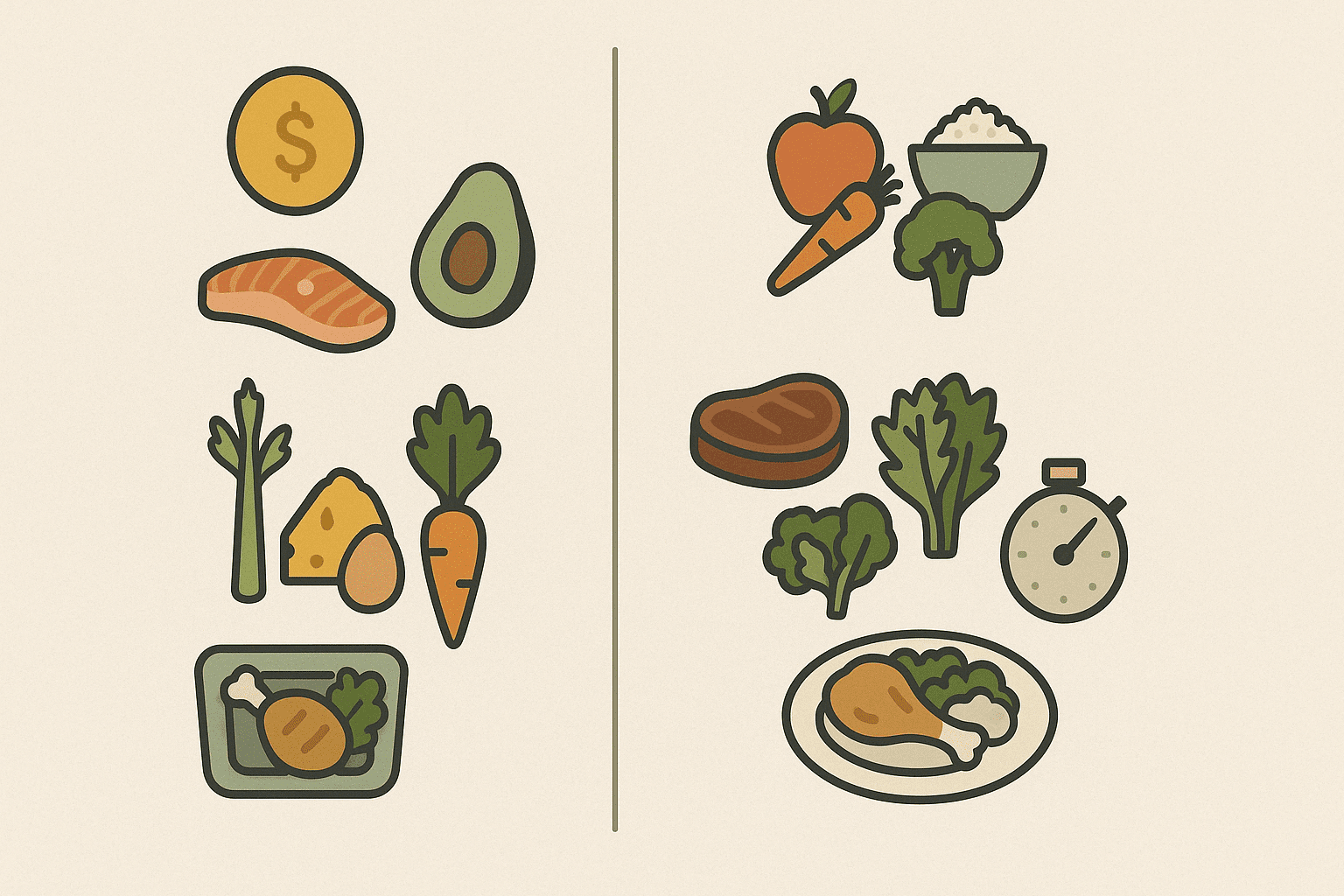
Visual comparison of keto and low-carb diets within a customized male nutrition plan

FAQ: Advanced Insights Into Weight Loss Plans and Nutrition Strategies for Men

1. What psychological factors should men consider when following a fat loss diet plan?

While many men focus solely on calorie counting and macros, psychological readiness plays a critical role in the success of any fat loss diet plan for male individuals. Emotional eating, body image expectations, and stress management can sabotage even the most structured male nutrition plan. Mindful eating strategies—such as pausing before meals, recognizing hunger cues, and reducing distractions—help improve self-regulation and long-term adherence. Support systems, whether through accountability partners or digital coaching, can significantly improve outcomes. Men are more likely to stay consistent when their weight loss plans for men align with their lifestyle, values, and daily stress levels, not just their caloric goals.


2. How can men tailor their diet food plan based on body composition and metabolism?

Generic calorie targets often ignore the nuances of muscle mass, hormonal levels, and metabolic rate. For a personalized diet food plan for men, it’s essential to assess basal metabolic rate (BMR) and lean body mass through tools like DEXA scans or bioelectrical impedance. A higher muscle-to-fat ratio allows for greater caloric intake without fat gain, which is a core consideration in building an effective shed fat diet plan. High-protein meals, distributed evenly throughout the day, support muscle retention while creating a caloric deficit. Tailoring a male eating plan to individual metabolic feedback also helps prevent energy crashes and improves long-term sustainability.


3. Are intermittent fasting strategies effective for male weight loss?

Yes, intermittent fasting can be a powerful tool when integrated into a well-designed fat loss diet plan for male individuals. It supports insulin sensitivity, promotes fat oxidation, and simplifies eating routines. However, its effectiveness depends on how well it complements the broader male nutrition plan—fasting alone won’t overcome poor food quality or inconsistent caloric intake. Many men succeed with a 16:8 fasting window combined with high-fiber, protein-rich meals. When thoughtfully integrated into healthy meal plans for men, intermittent fasting can enhance satiety, reduce snacking, and streamline dietary discipline.


4. How does resistance training impact a male eating plan?

Resistance training is essential for preserving lean muscle during weight loss, which makes it a cornerstone of any effective male eating plan. It raises resting metabolic rate, improves glucose uptake, and supports hormonal balance. Diet food plans for men that include ample plant-based protein, healthy fats, and complex carbs post-workout can significantly improve recovery and body composition. Men who lift regularly require a slightly higher caloric intake to support muscle retention—especially during cutting phases in a shed fat diet plan. Timing nutrient-dense meals around training windows can maximize muscle protein synthesis and reduce fat gain.


5. What are some underestimated foods that support male fat loss?

While chicken and broccoli dominate many weight loss plans for men, underappreciated foods like legumes, fermented vegetables, chia seeds, and tempeh offer metabolic advantages. These whole foods support gut health, regulate appetite hormones, and improve nutrient absorption. In a male nutrition plan, adding such functional foods can reduce inflammation and improve insulin sensitivity, both of which are critical for shedding visceral fat. Many healthy meal plans for men overlook fiber diversity, which is essential for gut-brain signaling and long-term satiety. Including a broader spectrum of plant-based foods can make any fat loss diet plan for male individuals more effective and enjoyable.


6. How can men sustain weight loss without metabolic slowdown?

Sustained weight loss often leads to adaptive thermogenesis, where the body reduces energy expenditure. To counter this, men should periodically reintroduce maintenance-calorie phases, also known as “diet breaks,” within their weight loss plans for men. These short-term increases in food intake help stabilize hormones like leptin and ghrelin and may prevent long-term metabolic suppression. Incorporating progressive strength training and ensuring adequate protein intake are also essential parts of a resilient diet food plan for men. This metabolic cycling approach supports a male eating plan that is both sustainable and hormonally balanced over time. Flexibility and psychological variety are key for adherence without burnout.


7. What role does sleep play in a fat loss diet plan for men?

Sleep is a major—yet often overlooked—component of any male nutrition plan. Poor sleep quality increases cortisol levels, reduces insulin sensitivity, and triggers cravings for high-calorie foods. These physiological changes can derail even the most disciplined shed fat diet plan. Research shows that men who sleep fewer than six hours a night tend to experience slower fat loss, especially around the abdomen. To optimize healthy meal plans for men, prioritize consistent sleep hygiene practices such as minimizing blue light before bed, keeping a regular sleep schedule, and avoiding stimulants late in the day.


8. How can men handle plateaus during a weight loss journey?

Plateaus are common in long-term weight loss plans for men, but they are not signs of failure—they’re feedback. A smart adjustment might involve increasing non-exercise activity (like walking), reducing portion sizes slightly, or improving meal timing. Sometimes the body just needs a shift, not a stricter diet. A fat loss diet plan for male success should allow for reevaluation every few weeks to maintain progress. Keeping a food and mood journal can help uncover hidden sources of excess calories or stress that may stall results and allow for more responsive male nutrition plan adjustments.


9. What are the most sustainable meal planning habits for long-term fat loss?

Sustainability is the differentiator between short-term dieting and lasting transformation. A sustainable meal plan for men should focus on simplicity, batch cooking, and having go-to meals that are enjoyable and nutritionally balanced. Men benefit from structuring meals around high-fiber carbs, lean plant-based proteins, and healthy fats to control hunger and maintain energy. Including flexibility—such as one free meal per week—prevents diet fatigue and supports long-term compliance in a shed fat diet plan. Over time, building a personal “food toolbox” of easy, nutrient-dense meals reinforces consistency and success.


10. How do age and testosterone levels affect weight loss in men?

As men age, testosterone levels decline naturally, leading to reduced muscle mass, slower metabolism, and increased fat retention. This hormonal shift makes a targeted fat loss diet plan for male individuals even more important. A strong male nutrition plan for men over 40 should prioritize resistance training, vitamin D, zinc, and healthy fats to support hormonal health. Additionally, diet food plans for men should adjust caloric intake to reflect changes in basal energy needs without compromising protein or micronutrient density. Age isn’t a barrier—it’s a variable that requires smarter planning within the context of healthy meal plans for men.

Flat lay of full day plant-based meals designed to support a nutrient-dense male nutrition plan

Conclusion: Why Smart Weight Loss Starts with the Right Male Nutrition Plan

Effective fat loss isn’t about chasing trends or adopting the most extreme diet. It’s about selecting a male nutrition plan that supports your physiology, lifestyle, and long-term health. Whether you’re considering a keto diet, a low carb approach, or a balanced whole-food plan, the foundation should be built on evidence-based nutrition tailored to male needs.

Healthy meal plans for men should prioritize protein-rich whole foods, sustainable calorie control, and nutrient diversity. They should also align with your energy demands, workout schedule, and personal values. Rather than asking, “is keto a low carb diet,” ask whether the plan you’re following is sustainable, nutritionally complete, and adaptable to real life.

Smart weight loss doesn’t just shed pounds—it improves performance, mood, and longevity. The right male eating plan does more than transform your physique; it strengthens your commitment to lifelong health.

With a focus on consistency, personalization, and the latest science, a well-crafted diet food plan for men is the most powerful tool in the journey to sustainable fat loss and overall well-being.

Was this article helpful? Don’t let it stop with you. Share it right now with someone who needs to see it—whether it’s a friend, a colleague, or your whole network. And if staying ahead on this topic matters to you, subscribe to this publication for the most up-to-date information. You’ll get the latest insights delivered straight to you—no searching, no missing out.

Further Reading:

10 of the Best Weight Loss Eating Patterns for Men

Diet Chart for Weight Loss for Both Men and Women

The 40 Best Ways to Lose Weight—and Keep It Off

Disclaimer

The information contained in this article is provided for general informational purposes only and is not intended to serve as medical, legal, or professional advice. While NewsHealthWatch strives to present accurate, up-to-date, and reliable content, no warranty or guarantee, expressed or implied, is made regarding the completeness, accuracy, or adequacy of the information provided. Readers are strongly advised to seek the guidance of a qualified healthcare provider or other relevant professionals before acting on any information contained in this article. NewsHealthWatch, its authors, editors, and contributors expressly disclaim any liability for any damages, losses, or consequences arising directly or indirectly from the use, interpretation, or reliance on any information presented herein. The views and opinions expressed in this article are those of the author(s) and do not necessarily reflect the official policies or positions of NewsHealthWatch.


Affordable and Effective: Finding the Best Weight Loss Meal Delivery Services Backed by Nutrition Science

In today’s fast-paced world, convenience often takes precedence over nutrition, particularly when it comes to meals. For many individuals striving to lose weight, balancing time, cost, and dietary quality becomes a daunting challenge. This is where weight loss meal delivery services come into play—offering professionally curated, portion-controlled meals that aim to make healthy eating both accessible and sustainable. But with countless companies flooding the market, how do you identify the best weight loss meal delivery service that’s not only effective but also affordable? Drawing from evidence-based nutrition science, this article provides a comprehensive analysis of the options, benefits, and key considerations when selecting a plan that aligns with both your health goals and budget.

You may also like: Smart Meal Prep for Weight Loss: Expert-Approved Lunch Ideas and Recipes to Stay on Track

The Rise of Meal Delivery Services in the Age of Lifestyle Health

The meal delivery industry has undergone a dramatic transformation in the past decade. Once dominated by luxury gourmet services, the market has expanded to meet the needs of health-conscious consumers seeking affordable, ready-to-eat solutions. Particularly within the context of mindful eating and sustainable health practices, meal delivery programs have gained traction among individuals committed to long-term lifestyle changes rather than quick fixes.

Among the biggest drivers of this shift is a growing awareness of how diet quality influences chronic disease risk, energy levels, mental clarity, and weight management. The convenience of meal delivery has opened doors for people with demanding schedules who might otherwise default to less nutritious options. With dietitians, chefs, and scientists collaborating to design balanced, macro-calibrated meals, the best weight loss meal delivery services have become powerful tools in promoting weight loss, metabolic health, and satiety without the need for calorie counting or complex meal prep.

What Science Says About Structured Meal Plans and Weight Loss Success

A growing body of research supports the role of structured meal plans in achieving sustainable weight loss. Studies consistently show that individuals who follow diet meal plans delivery programs tend to experience greater initial weight loss and long-term adherence than those who attempt to self-regulate their eating habits without guidance. This success is attributed to reduced decision fatigue, improved portion control, and consistent nutrient intake.

Additionally, many weight loss meal services offer meals high in fiber, plant-based protein, and complex carbohydrates, which contribute to feelings of fullness. Science backs this approach, noting that satiety-promoting foods can help reduce total daily caloric intake without increasing hunger. These findings are particularly relevant for individuals comparing the ketogenic diet vs low carb eating styles, as structured programs may help bridge the gap between efficacy and sustainability.

Freshly prepared meals with colorful vegetables, whole grains, and lean protein arranged for the best weight loss meal delivery plan

Understanding the Differences: Low Carb Diet vs Keto Diet Services

In the world of weight loss meal delivery, it’s common to find plans emphasizing either low carbohydrate or ketogenic principles. But while these two approaches share similarities, they also differ significantly in macronutrient distribution, scientific backing, and long-term health outcomes. The low carb diet keto diet comparison often centers around total carbohydrate intake: low-carb plans typically allow 50 to 150 grams of carbs per day, while ketogenic diets limit carbs to about 20 to 50 grams, emphasizing fat as the primary energy source.

Scientific literature remains divided on whether keto is a good diet for long-term weight loss. Some studies highlight its potential for rapid initial weight loss and improved insulin sensitivity, while others question whether it is a keto no carbs approach or a temporary metabolic shift that may be unsustainable. The key question—is a keto diet sustainable?—remains relevant, as many users experience difficulty maintaining strict ketosis over time. In contrast, moderate low-carb plans may offer greater flexibility, making them more suitable for real-world adherence.

What to Look for in the Best Prepared Meals for Weight Loss

The best prepared meals for weight loss are those that align with your nutritional needs, lifestyle constraints, and taste preferences. Key indicators of quality include a balanced macronutrient profile, limited added sugars and refined carbohydrates, generous fiber content, and appropriate calorie control. Importantly, services should also disclose ingredients and offer customizable options to accommodate dietary restrictions, allergies, or specific health goals.

Meal delivery programs that incorporate whole food ingredients and minimize artificial preservatives tend to score higher in terms of long-term health benefits. While the appeal of “cheapest weight loss meal delivery” options is understandable, consumers should remain cautious of low-cost plans that sacrifice nutritional integrity for affordability. Instead, look for inexpensive healthy meal delivery services that maintain high standards of food quality while offering value through subscription models or bulk meal discounts.

Healthy pre-portioned meals and a daily meal schedule illustrating how the best weight loss meal delivery supports consistency

Evaluating the Best Meal Prep Services for Weight Loss: Convenience Meets Personalization

For many people, consistency is the biggest barrier to achieving their health goals. This is where the best meal prep services for weight loss shine. These services eliminate the daily burden of meal planning, grocery shopping, and cooking, making it easier to stay committed to a dietary regimen. Top-tier programs also offer flexibility, allowing customers to choose between breakfast, lunch, dinner, and snack options.

What sets apart the best food delivery service for weight loss is their integration of evidence-based strategies, such as portion control and nutrient timing. Programs that offer nutritionist-approved menus and real-time tracking apps provide users with a higher level of engagement, which can translate to better adherence and measurable results. Whether you’re pursuing a low-carb diet keto diet model or exploring plant-based approaches, personalized meal prep can streamline the process and remove guesswork.

Affordability Without Sacrificing Quality: The Case for Inexpensive Healthy Meal Delivery

It is a common misconception that eating healthfully must come with a hefty price tag. In truth, many inexpensive healthy meal delivery programs offer excellent nutritional value without breaking the bank. These services often use cost-efficient but nutrient-rich ingredients like legumes, whole grains, and seasonal vegetables to create satisfying meals.

To find the cheapest weight loss meal delivery options without compromising on quality, consumers should consider meal frequency, portion sizes, and included services such as dietitian consultations or app-based tracking. Some plans offer greater savings when meals are ordered in bulk or when opting for plant-based choices, which are generally less expensive to produce. Ultimately, the best weight loss meal delivery solution is one that fits your lifestyle, preferences, and budget—while still delivering results.

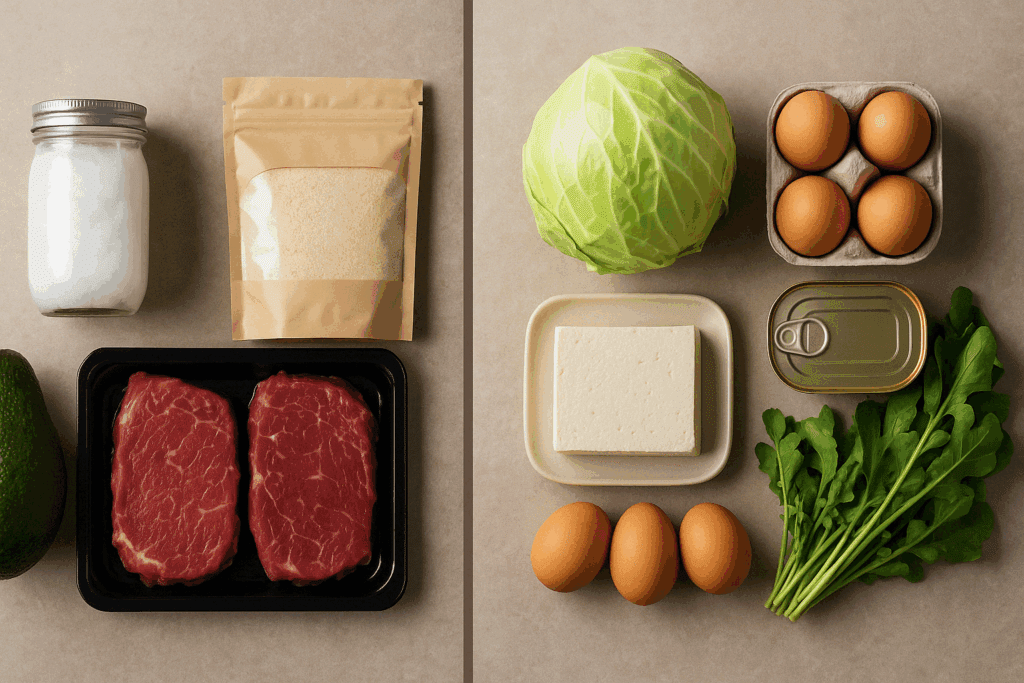
Visual comparison of ketogenic and low carb meals commonly offered by the best weight loss meal delivery services

Comparing the Best Meal Delivery Service for Weight Loss: Real-World Success Stories

Customer testimonials and case studies can offer valuable insight into how different meal delivery programs perform in real-world scenarios. Many individuals report significant weight loss, improved blood sugar control, and enhanced energy levels after just a few weeks on structured plans. These outcomes are especially pronounced when services focus on whole foods and avoid the extremes of trendy dieting.

For example, some users have found that low-carb meal delivery plans help them transition away from processed foods and develop a more intuitive relationship with hunger and satiety. Others appreciate the simplicity and consistency offered by plant-forward programs, which emphasize nutrient density and support gut health. Whether opting for a keto-style plan or a Mediterranean-inspired diet meal plans delivery, the common thread is adherence to scientifically validated principles of nutrition and portion management.

Navigating the Debate: Is Keto a Good Diet or a Fad?

The question “is keto a good diet?” is as relevant today as ever. While the ketogenic diet can offer benefits such as reduced appetite and rapid water weight loss, its long-term efficacy remains under scrutiny. Clinical studies have shown that keto can improve certain metabolic markers in the short term, but adherence rates decline significantly after six months.

Critics argue that the restrictive nature of keto, along with its exclusion of fiber-rich carbohydrates, raises concerns about gut health, micronutrient intake, and long-term cardiovascular risk. While the approach may be effective for specific populations, such as individuals with type 2 diabetes or epilepsy, it may not be suitable for the general population. As such, a moderate, low-carb approach may provide a more sustainable alternative that still yields weight loss benefits.

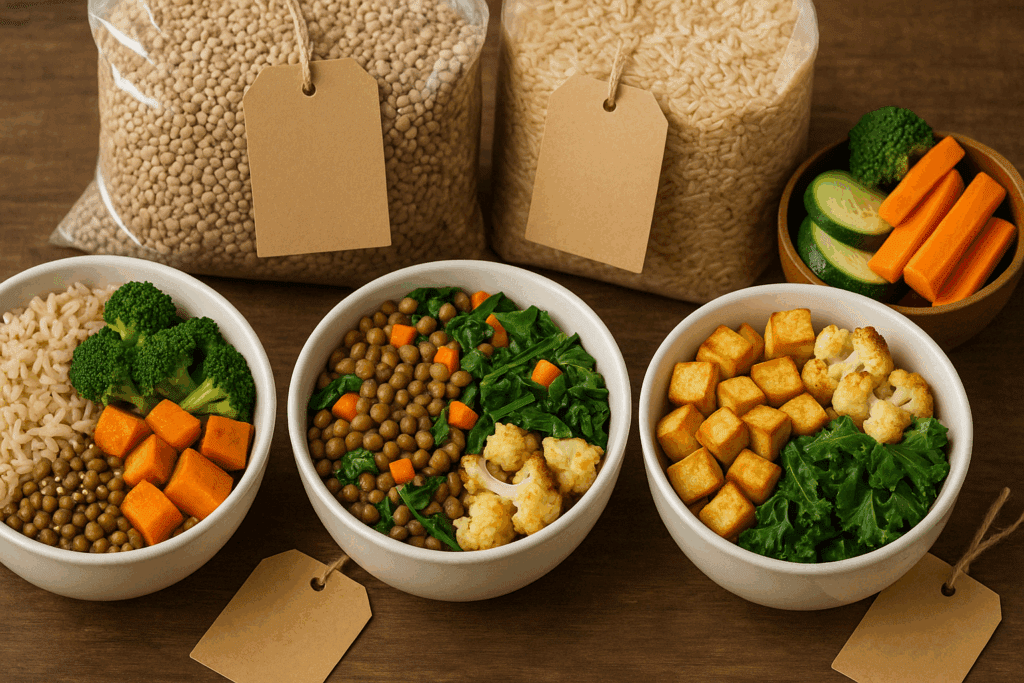
Affordable, nutritious meals made with beans, rice, and vegetables from an inexpensive best weight loss meal delivery provider

Is a Keto Diet Sustainable in Everyday Life?

Sustainability is a cornerstone of any successful diet plan, and the ketogenic diet faces unique challenges in this regard. For many people, the strict carbohydrate limits and reliance on high-fat foods create barriers to adherence, especially in social or travel settings. Furthermore, the exclusion of many fruits, legumes, and whole grains may lead to nutritional deficiencies over time.

The question of is a keto diet sustainable has prompted many experts to recommend modified versions of the diet, such as cyclical or targeted keto, which offer greater flexibility while preserving some of the benefits. Still, these adaptations require careful planning and often the guidance of a healthcare professional to ensure nutritional adequacy.

Making Sense of the Confusion: Keto Diet vs Low Carb Diet

It is crucial to distinguish between the keto diet vs low carb diet when evaluating meal delivery services. While both reduce carbohydrate intake, they differ in their physiological effects and dietary structure. A ketogenic plan induces ketosis, a metabolic state where fat becomes the primary energy source. In contrast, low-carb plans allow for more dietary diversity and often include limited amounts of fruit, starchy vegetables, and legumes.

This distinction matters because low-carb diets may be easier to follow long-term, especially for those who enjoy a broader range of food groups. Additionally, low-carb plans can still support weight loss by minimizing insulin spikes and encouraging fat metabolism. Therefore, when choosing the best meal prep services for weight loss, consumers should carefully assess their own preferences, health history, and willingness to adhere to dietary restrictions.

How the Best Weight Loss Meal Delivery Services Support a Healthier Lifestyle

At their core, the best weight loss meal delivery services are not just about shedding pounds—they’re about supporting a holistic, healthier lifestyle. This includes fostering a better relationship with food, cultivating mindfulness around eating habits, and establishing sustainable routines that promote long-term well-being.

These services often go beyond mere food provision. Many include coaching, progress tracking, and community support, which enhance accountability and motivation. Some programs are integrated with wearable devices or mobile apps, enabling users to monitor their activity, sleep, and stress levels alongside their nutritional intake. This systems-based approach aligns with current models of preventive health, which emphasize the interconnectivity of diet, behavior, and chronic disease risk.

Integrating Meal Delivery Into Your Personal Wellness Strategy

Meal delivery services can be particularly impactful when integrated into a broader wellness strategy that includes physical activity, stress management, and sleep hygiene. For example, individuals who pair their meal plans with regular strength training may experience enhanced muscle retention and metabolic flexibility. Others find that mindfulness practices, such as eating without distractions, amplify the benefits of portion-controlled meals.

Furthermore, these services can serve as educational tools, helping users learn what balanced meals look like in terms of portion size, nutrient ratios, and ingredient quality. Over time, this knowledge can empower individuals to make healthier choices even when dining out or preparing meals at home, reinforcing long-term success beyond the meal delivery phase.

Person enjoying a healthy delivered meal while tracking weight loss progress with the best weight loss meal delivery service

Frequently Asked Questions (FAQ): Weight Loss Meal Delivery Services

1. How do weight loss meal delivery services compare to cooking at home in terms of long-term results?

While cooking at home allows for complete control over ingredients and portions, many people struggle with consistency, time, and meal variety. Weight loss meal delivery services bridge that gap by providing structure, convenience, and portion precision without requiring daily planning or grocery shopping. Especially for those with demanding schedules or limited cooking skills, the best meal delivery service for weight loss offers a streamlined approach that supports adherence. These services also minimize decision fatigue, which can reduce impulse eating or poor dietary choices. Over time, consistent use of the best weight loss meal delivery programs can produce comparable or even superior results to home cooking, particularly when nutritional quality and behavioral habits are taken into account.

2. What psychological benefits can structured meal delivery offer beyond weight loss?

Beyond physical results, structured meal delivery services can enhance mental clarity, reduce stress, and improve self-esteem. For individuals who experience anxiety around food choices or have a history of disordered eating, the predictability of diet meal plans delivery programs can reduce emotional triggers. By removing the burden of daily decision-making, users can focus on enjoying their meals mindfully, which aligns with principles of cognitive behavioral therapy for sustainable behavior change. The best meal prep services for weight loss often incorporate coaching or educational resources, which further reinforce positive self-image and body awareness. In this way, food delivery becomes a tool not just for weight control, but for psychological empowerment.

3. Are there meal delivery options suitable for people with food sensitivities or chronic health conditions?

Yes, many of the best prepared meals for weight loss now include customizable menus tailored to specific health needs. This includes gluten-free, dairy-free, low-sodium, diabetic-friendly, and anti-inflammatory plans. In fact, some of the best food delivery service for weight loss providers employ registered dietitians or medical advisory boards to ensure nutritional adequacy for special populations. For individuals managing conditions such as hypertension, insulin resistance, or autoimmune disorders, these targeted meal plans provide not only caloric control but therapeutic benefits. It’s also worth noting that inexpensive healthy meal delivery services often feature plant-forward or minimally processed meals, which can be gentler on the digestive system and better aligned with chronic disease management.

4. How do I assess whether a cheaper meal plan still provides quality nutrition?

When evaluating the cheapest weight loss meal delivery options, it’s essential to examine the ingredient list, macronutrient ratios, and sourcing practices. A truly valuable inexpensive healthy meal delivery program will prioritize whole food ingredients, adequate protein, and essential micronutrients without relying on fillers, preservatives, or excessive sodium. Watch for companies that publish detailed nutrition labels and sourcing transparency, including whether their meals are organic, non-GMO, or locally sourced. Some of the best weight loss meal delivery providers offer affordability through subscription models or rotating seasonal menus, not by compromising nutrition. Always prioritize meal services that offer transparency and evidence-based nutrition over simply being the lowest price per meal.

5. Can meal delivery services support a family or household with mixed dietary goals?

Absolutely—many of the best meal delivery service for weight loss programs now offer flexible subscriptions with individual customization. This means one household member can follow a calorie-controlled weight loss plan while another enjoys a maintenance or muscle-building option. Some services even allow customers to mix and match meals across different plans each week. This versatility is especially useful for families where one person is pursuing the best prepared meals for weight loss, while others have different caloric or dietary needs. Family-focused meal delivery companies also tend to offer bulk pricing or multi-meal discounts, making them an attractive option even compared to traditional grocery budgets.

6. What role does variety play in adherence to a meal delivery plan?

Variety is essential for both nutritional balance and psychological satisfaction. A lack of meal diversity can lead to flavor fatigue, making users more likely to abandon the plan. The best meal prep services for weight loss avoid this by rotating seasonal menus, introducing new recipes regularly, and allowing user feedback to inform future meal offerings. Additionally, diversity supports a wider range of micronutrient intake, which is crucial for metabolism, immunity, and hormonal health. Even the cheapest weight loss meal delivery services can provide variety through regional cuisine themes or protein rotation, helping to keep users engaged over the long term.

7. How do these services address the needs of vegetarians or those transitioning to a plant-based diet?

Many of the best weight loss meal delivery providers now offer fully vegetarian and plant-based plans designed to meet protein and nutrient targets. These plans often feature legumes, tofu, quinoa, whole grains, and a wide array of vegetables to support satiety and muscle retention. What makes these offerings particularly compelling is their alignment with both sustainability and affordability goals. Inexpensive healthy meal delivery plans that focus on plant-based eating are often more cost-effective to produce, passing those savings to consumers without sacrificing quality. For individuals transitioning away from meat, these programs provide a convenient and nutritionally sound entry point into plant-forward living.

8. Are there hidden costs I should be aware of when choosing a delivery plan?

While pricing may appear straightforward, it’s important to consider additional costs such as shipping, customization fees, and minimum order requirements. Some of the best food delivery service for weight loss platforms may charge premium rates for specialty items or weekend delivery. However, many offset these costs through referral programs, subscription perks, or loyalty discounts. If budget is a major concern, look for the cheapest weight loss meal delivery options that include shipping in the base price or offer incentives for larger orders. Carefully reviewing the fine print ensures you get a true sense of value and avoid unexpected charges.

9. What innovations are emerging in the diet meal delivery industry?

The landscape of diet meal plans delivery is rapidly evolving, with tech-driven enhancements like AI-based meal customization, real-time nutritional feedback via apps, and integration with fitness trackers. Some services are now offering microbiome-based meal plans that tailor ingredients to optimize gut health and weight regulation. Others use sustainable packaging innovations to reduce environmental impact while keeping food fresh. The best meal prep services for weight loss are also partnering with healthcare systems and insurance providers, enabling medically-tailored meals to be covered by health plans. These advances not only increase personalization but elevate the trustworthiness and efficacy of the programs.

10. How do I transition off meal delivery without regaining weight?

Transitioning from structured meal delivery to self-preparation can be a sensitive period, but with proper guidance, it can reinforce lifelong habits. Look for companies that provide educational resources, recipe cards, or grocery guides alongside your subscription. These tools help you replicate the best prepared meals for weight loss in your own kitchen. Gradually replacing one meal at a time with a home-cooked alternative can prevent overwhelm and allow for skill-building. Ultimately, the best weight loss meal delivery services empower users to take control of their eating habits beyond the program, fostering independence and sustained success.

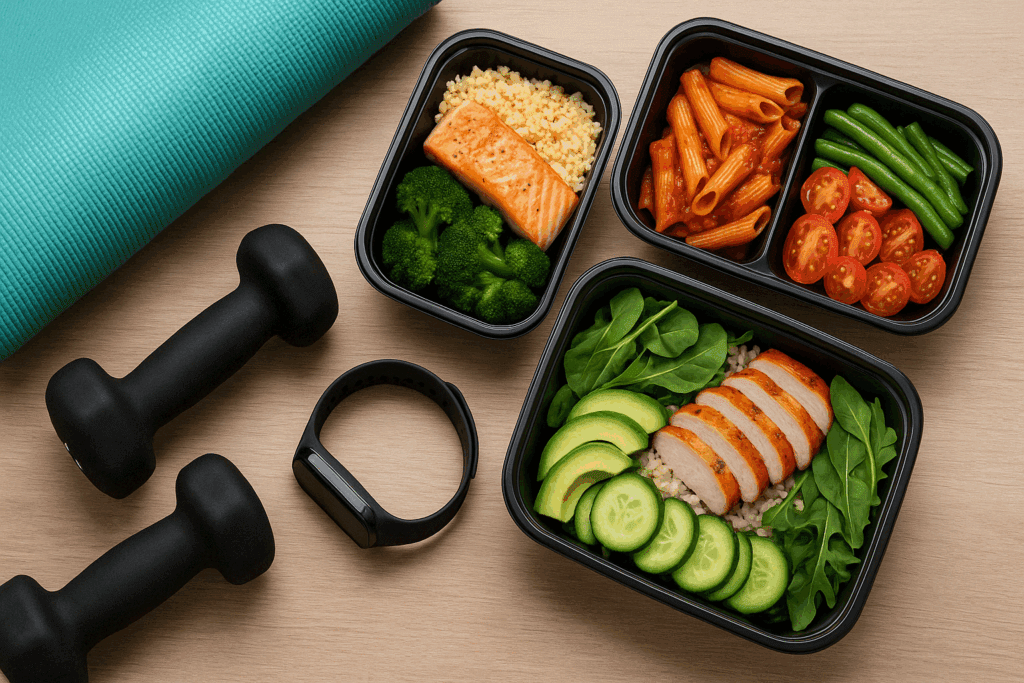
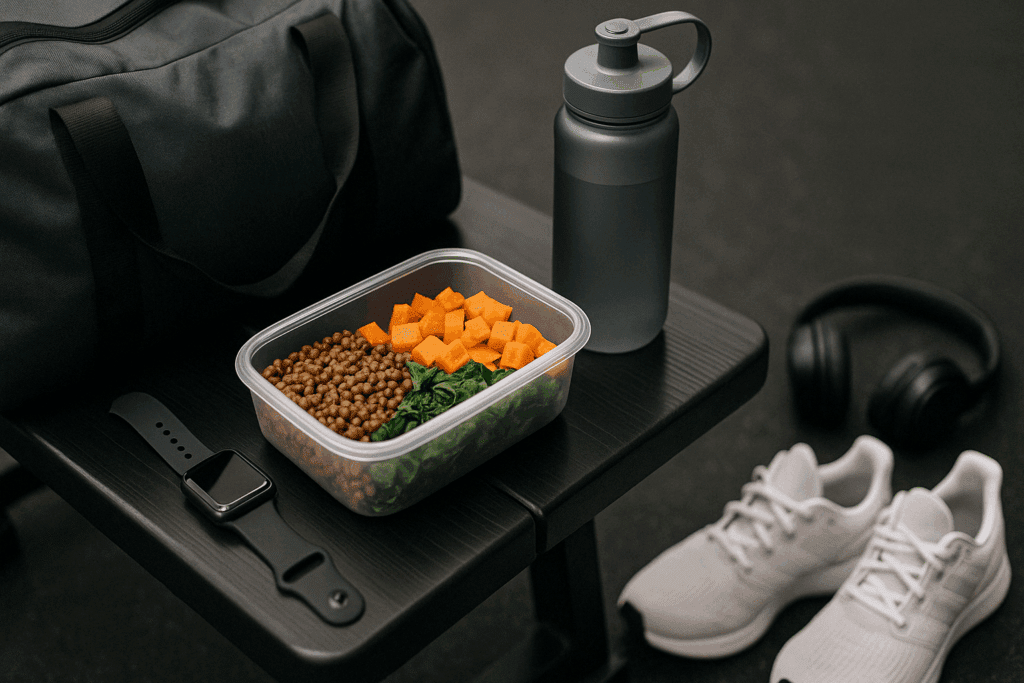
Balanced meals beside a yoga mat and fitness gear, showing how the best weight loss meal delivery supports overall wellness

Final Thoughts: Choosing the Best Weight Loss Meal Delivery for Lasting Results

Ultimately, finding the best weight loss meal delivery service requires a blend of evidence, personalization, and practicality. While many programs make bold claims, the most successful ones are rooted in science and emphasize real food, balanced macronutrients, and sustainability. Whether you are exploring the ketogenic diet vs low carb alternatives or searching for the best prepared meals for weight loss on a budget, your choice should reflect your long-term goals and daily realities.

While affordability is key, the cheapest weight loss meal delivery is not always the most effective. Prioritize services that offer quality ingredients, transparent labeling, and expert guidance—and view meal delivery not as a short-term fix, but as a catalyst for long-lasting health transformation. With careful selection and mindful implementation, you can enjoy convenient, satisfying meals that support your weight loss journey while nurturing your overall well-being.

If you’re weighing the benefits of is keto a low carb diet or still deciding which approach feels right, remember that the best plan is the one you can stick with. Whether your path involves a strict keto plan, a moderate low-carb diet, or a plant-forward strategy, sustainable success starts with informed choices, consistent habits, and a commitment to your health goals.

Was this article helpful? Don’t let it stop with you. Share it right now with someone who needs to see it—whether it’s a friend, a colleague, or your whole network. And if staying ahead on this topic matters to you, subscribe to this publication for the most up-to-date information. You’ll get the latest insights delivered straight to you—no searching, no missing out.

Further Reading:

9 Best Meal Delivery Services for Weight Loss in 2025, Tested and Approved by Dietitians

We Tried the 10 Best Meal Delivery Services for Weight Loss for 2025

10 Best Meal Delivery Services for Weight Loss, According to a Dietitian

Disclaimer

The information contained in this article is provided for general informational purposes only and is not intended to serve as medical, legal, or professional advice. While NewsHealthWatch strives to present accurate, up-to-date, and reliable content, no warranty or guarantee, expressed or implied, is made regarding the completeness, accuracy, or adequacy of the information provided. Readers are strongly advised to seek the guidance of a qualified healthcare provider or other relevant professionals before acting on any information contained in this article. NewsHealthWatch, its authors, editors, and contributors expressly disclaim any liability for any damages, losses, or consequences arising directly or indirectly from the use, interpretation, or reliance on any information presented herein. The views and opinions expressed in this article are those of the author(s) and do not necessarily reflect the official policies or positions of NewsHealthWatch.
Can Not Eating Make You Lose Weight? What Experts Say About Skipping Meals and Sustainable Weight Loss

Fasting, skipping meals, and restrictive dieting have become increasingly popular in modern culture as quick fixes for weight loss. The question that often arises is: can not eating make you lose weight? The short answer is yes—but the more important question is whether this method is healthy, sustainable, or safe in the long term. As people search for fast ways to shed pounds, understanding the actual impact of not eating enough to lose weight becomes vital for protecting both physical and mental well-being. Despite common assumptions, the relationship between food intake and fat loss is far more nuanced than simply reducing calories.

You may also like: How to Stop Emotional Eating and Regain Control: Mindful Nutrition Strategies That Support a Healthier Lifestyle

Experts emphasize that while caloric restriction does lead to weight loss, the method and extent of restriction significantly affect outcomes. Starving the body may initially result in some weight reduction, but the long-term consequences often outweigh the benefits. Scientific evidence shows that extreme caloric deficits can negatively affect metabolism, hormone balance, muscle mass, and mental clarity. With this in mind, exploring whether skipping meals or eating significantly less is a safe and sustainable strategy deserves a closer look.

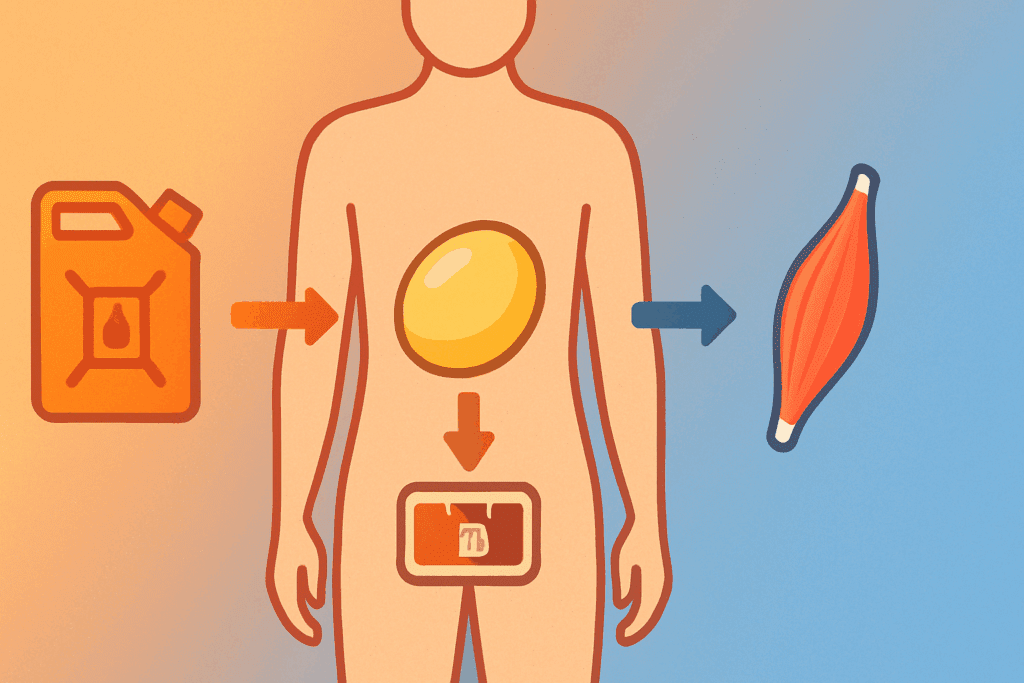
Conceptual diagram illustrating how the body uses energy during weight loss, supporting the idea that 'Can Not Eating Make You Lose Weight' by showing stages from glycogen depletion to fat and muscle breakdown

Understanding the Physiology of Weight Loss

Weight loss occurs when the body expends more energy than it receives through food. This energy imbalance, commonly referred to as a calorie deficit, forces the body to utilize stored energy—primarily from fat and glycogen reserves—to meet its metabolic needs. In this context, it seems intuitive that not eating would accelerate weight loss. But can you lose weight by not eating in a healthy way? That depends entirely on how the body responds to prolonged caloric deprivation.

When food intake drops significantly, the body initially uses glycogen stores for energy, which also causes water loss. This explains the rapid weight loss many people notice in the first few days of extreme dieting. However, if food restriction continues, the body enters a starvation mode, slowing the metabolic rate to conserve energy. At this point, lean muscle mass may begin to break down for fuel, compromising strength and overall health. This counterproductive outcome illustrates why not eating enough to lose weight can backfire.

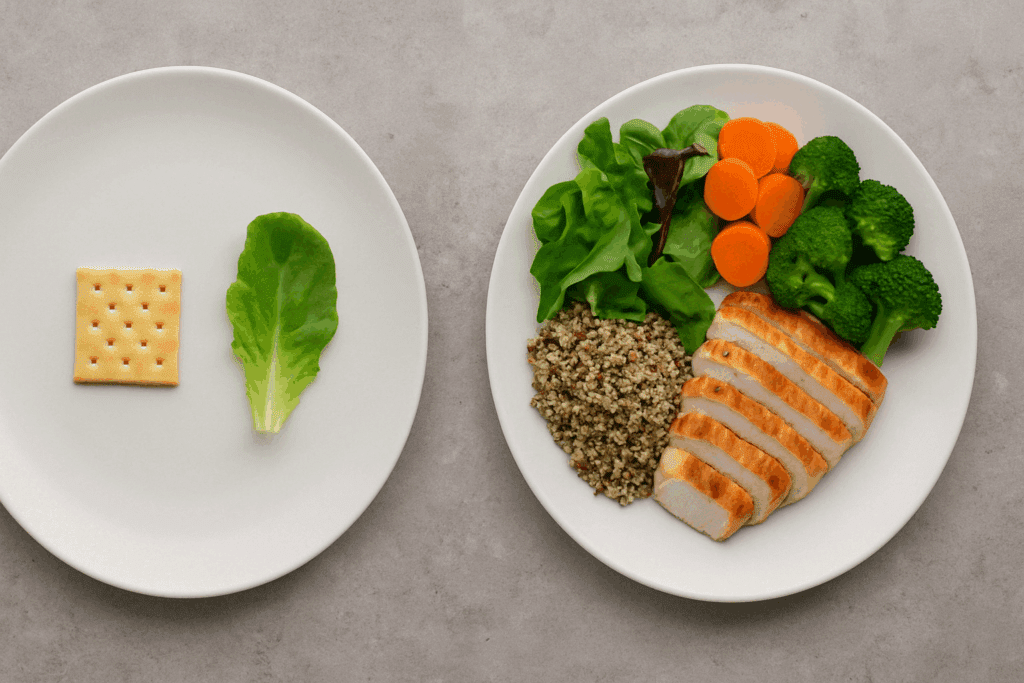
Side-by-side comparison of a nutrient-poor meal and a balanced plate illustrating the concept: Can Not Eating Make You Lose Weight

Can You Lose Weight from Not Eating Much?

It’s true that reducing food intake can create a calorie deficit, and therefore cause weight loss. Yet the question remains: can you lose weight from not eating much without compromising your health? Moderation is key. Controlled caloric reduction under the supervision of a healthcare provider or dietitian can support gradual and healthy weight loss. However, extreme forms of restriction often lack essential nutrients, weaken immune function, and harm organ systems over time.

Research consistently shows that diets severely lacking in calories and nutrients are unsustainable. While it’s possible to lose weight by eating less, the goal should be to preserve lean body mass and prioritize nutrient-dense foods. When individuals ask, “Will eating less cause weight loss?” the answer is yes—but the quality of what you eat, not just the quantity, plays a critical role. A diet filled with whole foods, fiber, and lean proteins is far more effective for long-term weight management than simply slashing calories.

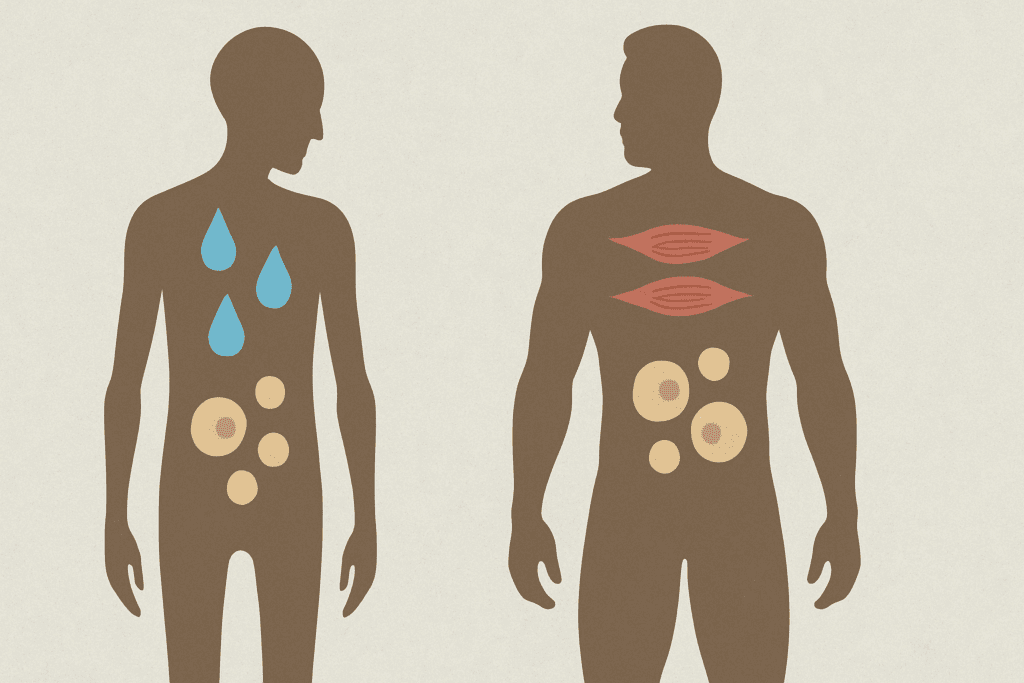
Conceptual comparison of two human silhouettes showing how weight loss from not eating affects muscle, water, and fat—supporting the question: Can Not Eating Make You Lose Weight

Does Not Eating Lose Weight in a Lasting Way?

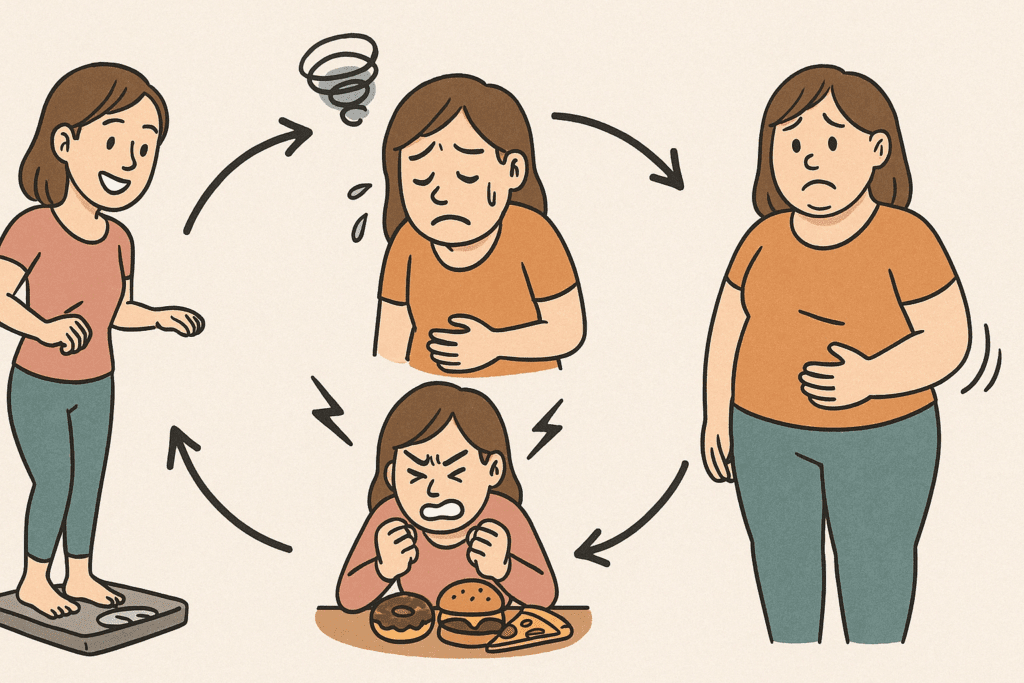
One of the most pressing concerns about meal skipping and severe restriction is whether the weight loss achieved is sustainable. In most cases, the answer is no. While initial results may seem promising, the body adapts quickly. After periods of restriction, many people experience a phenomenon known as metabolic adaptation, where the body conserves energy more efficiently and burns fewer calories at rest. This makes it increasingly difficult to continue losing weight and can even lead to regaining lost weight.

The body is designed for survival. When energy intake drops drastically, stress hormones like cortisol increase, and hunger hormones like ghrelin rise, prompting intense cravings and overeating once food becomes available again. This cycle of restriction followed by binging not only undermines health but can also lead to disordered eating patterns. So while not eating can make you skinny temporarily, it often leads to rebound weight gain and metabolic instability.

Blurry tightrope walker crossing between cliffs symbolizing caloric restriction and malnutrition, illustrating the question: Can Not Eating Make You Lose Weight

Will Not Eating Help Me Lose Fat or Just Water and Muscle?

Fat loss is often the goal of dieting, but without proper nutrition and a structured plan, it can be difficult to lose only fat. In fact, many people who drastically cut calories find themselves losing water weight and muscle mass instead of fat. This is especially true when diets are low in protein or when physical activity is absent. As a result, the scale might show lower numbers, but the body composition—the ratio of fat to lean mass—may actually worsen.

Experts caution that when people ask, “Will not eating help me lose fat?” the answer is not straightforward. Without adequate protein, exercise, and caloric balance, fat loss is minimal compared to other types of tissue loss. Preserving muscle while losing fat requires a careful balance of nutrition and physical activity. Weight lost through starvation is often not fat, and this distinction is essential for understanding the real outcomes of extreme diets.

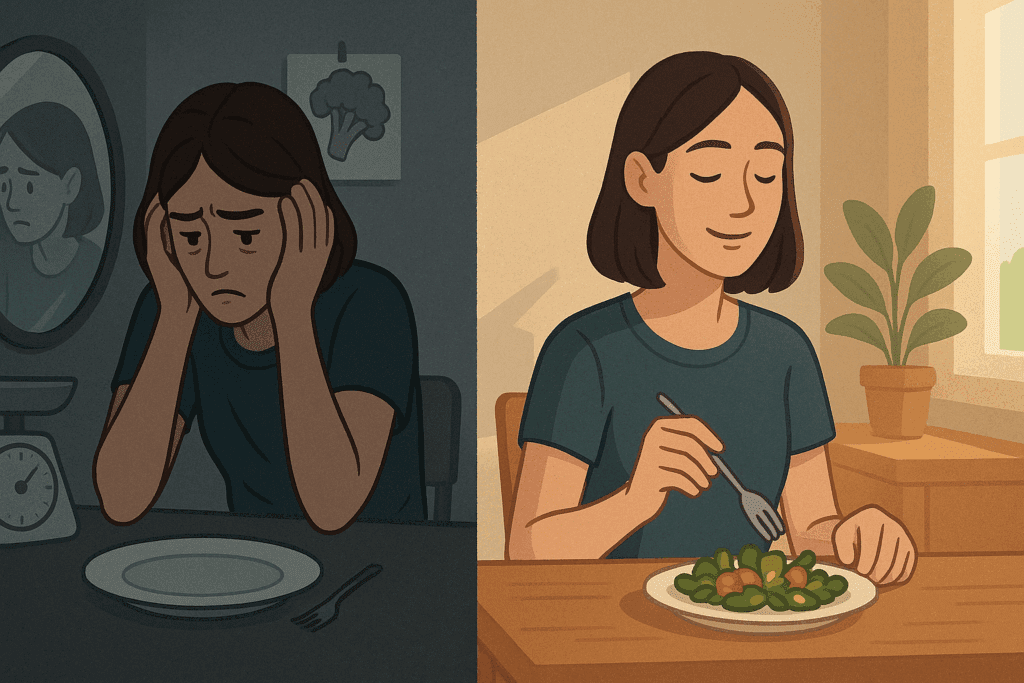
Split-scene of a woman showing emotional contrast to explore “Can Not Eating Make You Lose Weight” effects—distressed on one side, peacefully eating on the other.

If You Starve, Do You Truly Become Thin?

The romanticized idea that starvation leads to long-term thinness is deeply flawed and medically dangerous. While temporary skinniness can occur through fasting or starvation, the body eventually fights back. Studies show that individuals who follow very low-calorie diets experience a significant drop in resting metabolic rate. Once normal eating resumes, the body tends to store more fat in preparation for future deprivation.

So when people ask, “If you starve do you truly become thin?” the real answer lies in understanding body composition and metabolic adaptation. Chronic under-eating doesn’t create a healthy or fit body; it creates a stressed, nutrient-deprived system that resists fat loss over time. True wellness comes from nourishing the body adequately, not from depriving it.

Metaphor showing active metabolism with person lifting weights surrounded by flames and gears, contrasting a sedentary figure, illustrating how muscle and diet affect weight loss—related to Can Not Eating Make You Lose Weight

Not Eating for a Day: Does It Lead to Weight Loss?

Intermittent fasting has brought renewed interest in the concept of not eating for extended periods. Skipping meals or going an entire day without food may lead to a temporary drop in weight, but that drop is usually water weight or undigested food. When people ask whether you can not eat for a day and lose weight, the answer is technically yes—but that weight is unlikely to reflect true fat loss.

Fasting for short periods might offer metabolic benefits when done under medical supervision, but relying on it as a weight-loss method often leads to compensatory eating the next day. Moreover, repeated one-day fasts can disrupt hormone regulation and impair physical performance. So while skipping meals might produce a scale drop, it is not a substitute for a consistent, balanced approach to nutrition and lifestyle change.

Does Eating Less Cause Weight Loss in a Healthy Way?

There is no doubt that a reduction in food intake can result in weight loss. But the context, balance, and method are critical. When individuals ask, “Does eating less cause weight loss in a healthy way?” they are actually asking whether they can create a calorie deficit without harming their body. And the answer is yes—but only when the plan emphasizes nutrient quality, satiety, and sustainability.

Health experts often recommend reducing portion sizes, increasing the intake of fiber and protein, and avoiding processed foods to create a manageable calorie deficit. This kind of mindful eating can support lasting weight loss while preserving muscle mass, regulating blood sugar, and maintaining energy levels. Eating less doesn’t have to mean deprivation; it can mean eating smarter.

Can Not Eating Make You Skinny, or Just Malnourished?

There’s a stark difference between being thin and being healthy. When people pursue skinniness through restrictive eating, they risk falling into a state of malnourishment. Deficiencies in essential nutrients such as iron, B vitamins, omega-3 fatty acids, and amino acids can have widespread effects, from hair loss and fatigue to weakened immunity and cognitive decline.

When people ask, “Can not eating make you skinny?” they may be seeking a shortcut, but the long-term implications of such a choice are often overlooked. Malnutrition from inadequate food intake affects every system in the body. Sustainable leanness must come from a foundation of nourishment, not restriction. A healthy body weight is not achieved through starvation but through balance, consistency, and care.

Not Eating Enough to Lose Weight: Where the Line Gets Blurry

The line between eating less and eating too little is often difficult to define, especially in diet culture. While reducing calories can be an effective part of a weight loss strategy, eating too little creates significant risks. Nutrient deficiencies, loss of menstrual function in women, bone density decline, and even heart complications can occur when caloric intake drops too low for too long.

So when people ask about not eating enough to lose weight, it is important to question not only the caloric number but also the quality and diversity of the diet. The goal should be a gradual and sustainable weight loss of one to two pounds per week, which typically requires a deficit of 500 to 1,000 calories per day—not starvation. Being aware of the signs of under-eating, such as chronic fatigue, mood swings, or irregular digestion, can help individuals assess whether their approach is truly serving their health.

The Psychological Toll of Extreme Food Restriction

Food is not just fuel—it’s also deeply connected to emotional and psychological well-being. Extreme restriction, especially when driven by a desire to become thin, can lead to anxiety, depression, irritability, and a disordered relationship with food. When people chronically ask, “Can not eating make you lose weight?” they may be internalizing harmful societal messages equating thinness with worth.

Research in the field of eating disorders underscores the emotional toll of starvation. Chronic dieters often experience feelings of guilt, shame, and failure when they inevitably eat again. Over time, these cycles damage self-esteem and can lead to binge-eating, bulimia, or anorexia nervosa. It is essential to prioritize mental health when pursuing physical changes, recognizing that food is not the enemy—it is a tool for healing, energy, and resilience.

The Role of Metabolism and Muscle in Sustainable Weight Loss

Metabolism plays a central role in determining how the body uses energy. Muscle tissue is metabolically active, meaning it burns more calories than fat even at rest. When individuals lose weight by not eating, they risk losing muscle mass, which can further reduce metabolic rate. This explains why people who starve themselves often struggle to maintain weight loss.

Building and preserving muscle through strength training and adequate protein intake is key to sustainable fat loss. Even during periods of caloric reduction, resistance exercise can help retain lean mass and support hormonal health. Nutrition experts often recommend prioritizing protein-rich meals, spreading them evenly throughout the day, to maximize muscle preservation during weight loss.

Cycle diagram illustrating emotional and physical effects of extreme dieting, answering the question: Can Not Eating Make You Lose Weight

Does Not Eating Lose Weight in the Long Run?

While not eating may result in short-term weight loss, the long-term outlook is bleak without proper planning. Many studies have shown that individuals who use extreme dieting methods often regain the weight, and sometimes even more. This pattern, known as weight cycling or yo-yo dieting, can harm cardiovascular health and increase the risk of type 2 diabetes.

Instead of asking, “Does not eating lose weight?” it may be more helpful to ask, “What is the most sustainable way to manage weight and feel good in my body?” Research supports strategies such as mindful eating, regular physical activity, sleep hygiene, and stress management as more effective long-term tools for weight maintenance.

Colorful diagram showing holistic wellness elements—dumbbell, leafy food, water droplet, brain with heart, and moon—illustrating the concept behind 'Can Not Eating Make You Lose Weight

A Balanced Approach to Healthy Weight Management

Sustainable weight loss is not about eliminating meals or starving the body. It’s about creating an environment where the body can thrive while gradually adjusting its composition. Mindful eating, which emphasizes awareness, satiety cues, and emotional regulation, has been shown to reduce overeating and improve body satisfaction.

Incorporating whole foods, maintaining hydration, and building a positive relationship with movement are all key components of a healthy lifestyle. Rather than focusing on rapid results, individuals should aim for consistent habits that align with their values and health goals. Education, support, and patience are crucial in this journey.

Reframing the Question: What Do We Really Want From Weight Loss?

At the heart of the question “Can not eating make you lose weight?” lies a deeper inquiry about self-image, identity, and worth. In a culture that often glorifies thinness, it’s important to separate aesthetic goals from genuine health. Being “skinny” is not synonymous with being healthy or happy.

Health professionals advocate for redefining success to include strength, energy, emotional well-being, and body confidence. Rather than chasing a number on the scale, people benefit more from cultivating habits that promote vitality and resilience. Food should be a source of nourishment and joy, not fear or punishment.

Frequently Asked Questions (FAQ)

What are the long-term psychological effects of using food restriction as a weight-loss strategy?

Severe food restriction, particularly when practiced for extended periods, can have profound psychological consequences. Individuals who attempt to lose weight through prolonged under-eating often develop obsessive thoughts around food, experience heightened anxiety during meals, and may isolate themselves socially to avoid eating scenarios. While some might initially feel a sense of control, this quickly devolves into guilt and shame cycles that are emotionally draining. Although many ask, “can not eating make you skinny,” the deeper issue becomes the toll it takes on mental health, which is often not reversible without professional support. In clinical settings, disordered eating patterns that stem from extreme restriction are linked to higher rates of depression and anxiety, suggesting that emotional well-being must be prioritized alongside physical goals.

How does the body compensate when you consistently don’t eat enough?

When you’re not eating enough to lose weight, your body doesn’t just passively allow fat to melt away. Instead, it enacts survival mechanisms. One of the first compensations is a reduction in basal metabolic rate, which slows energy expenditure to preserve fat stores. Additionally, hormonal changes, such as increased cortisol and ghrelin, encourage fat storage and stimulate appetite. This biological defense makes it much harder to maintain fat loss, even if initial results make it appear that will not eating help me lose fat. The result is often an unsustainable pattern where you plateau despite continued restriction, leading to physical fatigue and frustration.

Is it true that some people stay thin by eating very little every day?

While it may seem that some people maintain a low body weight through minimal food intake, genetics, metabolic variability, and activity levels play a larger role than many realize. The perception that you can lose weight from not eating much oversimplifies the reality of human metabolism. In many cases, individuals who appear effortlessly thin are actually consuming enough calories to support their needs but are highly active or genetically predisposed to leanness. Trying to replicate their habits without understanding their physiology can backfire, especially if you assume that not eating enough to lose weight will produce the same result. Sustained restriction can cause fatigue, micronutrient deficiencies, and even impair brain function, making it an unsound model to follow.

Can intermittent fasting help you lose fat without starving yourself?

Intermittent fasting (IF) is often positioned as a more balanced alternative to chronic calorie restriction. Structured IF methods like 16:8 or 5:2 allow windows for normal eating while still achieving periods of caloric deficit. In this context, questions like “will u lose weight by not eating?” become more nuanced. IF might answer this question with a “yes,” but not by eliminating food altogether—rather, by controlling timing and quality. Unlike starvation, IF encourages nutrient-dense meals during feeding windows and may support hormonal balance. However, success with intermittent fasting still depends on individual factors such as stress response, sleep quality, and physical activity levels.

What role does muscle mass play in how the body responds to eating less?

Muscle mass is a major determinant of metabolic health. When individuals drastically reduce calorie intake without resistance training or sufficient protein, they lose muscle alongside fat. This muscle loss can slow the metabolism and increase the risk of fat regain, even if does eating less cause weight loss in the short term. For sustainable weight loss, it is essential to preserve lean tissue. Maintaining or increasing muscle mass helps create a healthy calorie burn baseline and improves insulin sensitivity. So while eating less may cause weight loss initially, the composition of that weight loss matters greatly for long-term success.

Can not eating for short periods actually benefit metabolism?

While extended starvation can harm metabolism, short-term fasting or temporary reductions in food intake may offer benefits in specific contexts. For example, a well-structured fast for 12 to 24 hours may improve insulin sensitivity and cellular repair mechanisms through a process called autophagy. However, it’s important to differentiate this from chronic under-eating. While someone might think that “if you starve do you truly become thin,” the truth is that occasional fasting paired with adequate nutrition during eating windows is far safer and more effective. These benefits are contingent on overall diet quality, hydration, and the presence of essential nutrients in meals.

How does sleep affect your ability to lose weight when eating less?

Sleep plays a critical role in regulating hormones involved in hunger, satiety, and fat metabolism. When sleep is inadequate, levels of ghrelin (which stimulates appetite) rise, while leptin (which signals fullness) drops. This hormonal imbalance can lead to cravings and overeating, even if you’re trying to eat less. So, while the question “can eating less cause weight loss” remains valid, the context of sleep must be considered. Poor sleep can sabotage even the best-planned calorie deficit, making it feel as though your efforts aren’t working. Prioritizing restorative sleep supports healthier weight management, especially during periods of reduced food intake.

Why do many people regain weight after extreme dieting?

Weight regain is common after periods of extreme caloric restriction due to metabolic adaptation and psychological rebound. As the body becomes more efficient at conserving energy, fewer calories are burned at rest. When normal eating resumes, even modest caloric intake can lead to fat gain. Additionally, the psychological relief of ending a restrictive diet often leads to overeating. This makes the idea that “can not eating make you lose weight” somewhat misleading—yes, weight may drop, but the likelihood of regaining it is high. Long-term strategies should focus on gradual, habit-based changes rather than aggressive restriction.

How does under-eating affect hormonal balance, especially in women?

Chronic under-eating can disrupt multiple hormones, including those related to reproductive health, stress, and metabolism. In women, low calorie intake can suppress estrogen and progesterone, leading to menstrual irregularities or amenorrhea. This can have lasting implications for bone health and fertility. Moreover, thyroid hormone production may slow, which further diminishes metabolic rate. For those wondering, “does not eating lose weight and keep it off?” the hormonal risks suggest otherwise. Healthy weight regulation requires endocrine balance, and prolonged under-eating is more likely to destabilize rather than support it.

Are there safer, evidence-based alternatives to drastic food restriction?

Yes, safer alternatives include structured meal planning, mindful eating, and evidence-based coaching that promotes a sustainable calorie deficit without deprivation. Programs focused on behavior change rather than punishment have shown better long-term outcomes. Nutritional strategies that prioritize fiber, protein, and healthy fats help maintain satiety while still allowing for a reduction in overall calories. Rather than asking “will eating less cause weight loss,” a more productive inquiry is: how can I nourish my body while gradually reaching a healthier weight? The best approaches involve personalization, patience, and support—not starvation.

Sustainable Weight Loss Begins with Understanding, Not Starvation

In conclusion, while it is biologically true that not eating can lead to weight loss, the process is neither straightforward nor without consequence. The idea that “can not eating make you skinny” is appealing in its simplicity but misleading in practice. Extreme restriction may produce fast results on the scale, but these results are typically short-lived, metabolically damaging, and psychologically harmful.

When we ask, “Can you lose weight by not eating?” or “Will u lose weight by not eating?” we must also ask what kind of weight is being lost, at what cost, and whether the outcome supports long-term health. The evidence is clear: sustainable weight loss is best achieved through balanced nutrition, regular physical activity, emotional support, and an understanding of individual needs. It’s not about eating less—it’s about eating wisely, with intention, and in alignment with overall well-being.

Ultimately, the question isn’t just whether not eating makes you lose weight. It’s whether that weight loss leads to a healthier, happier you. And according to experts, the path to that outcome is paved not with deprivation, but with education, empowerment, and compassion for the body you’re in.

Was this article helpful? Don’t let it stop with you. Share it right now with someone who needs to see it—whether it’s a friend, a colleague, or your whole network. And if staying ahead on this topic matters to you, subscribe to this publication for the most up-to-date information. You’ll get the latest insights delivered straight to you—no searching, no missing out.

Further Reading:

Why Starving Yourself Isn’t a Good Idea for Weight Loss

Can you lose weight by not eating?

8 Scary Things That Could Happen to Your Body When You Skip Meals

Disclaimer

The information contained in this article is provided for general informational purposes only and is not intended to serve as medical, legal, or professional advice. While NewsHealthWatch strives to present accurate, up-to-date, and reliable content, no warranty or guarantee, expressed or implied, is made regarding the completeness, accuracy, or adequacy of the information provided. Readers are strongly advised to seek the guidance of a qualified healthcare provider or other relevant professionals before acting on any information contained in this article. NewsHealthWatch, its authors, editors, and contributors expressly disclaim any liability for any damages, losses, or consequences arising directly or indirectly from the use, interpretation, or reliance on any information presented herein. The views and opinions expressed in this article are those of the author(s) and do not necessarily reflect the official policies or positions of NewsHealthWatch.
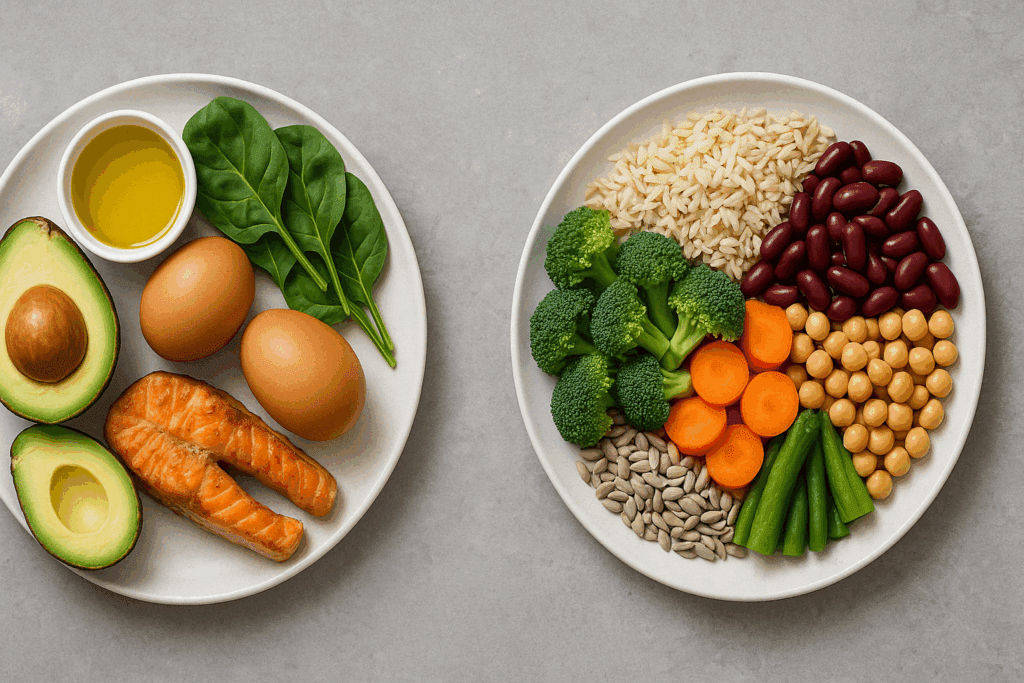
Smart and Simple: Healthy Inexpensive Meal Prep Ideas to Eat Well on a Budget

In today’s fast-paced world, finding the time, energy, and financial bandwidth to consistently eat nutritious meals can feel like an overwhelming challenge. Many people assume that healthy eating comes with a hefty price tag, but the truth is, it doesn’t have to. With a bit of planning, creativity, and knowledge, you can create satisfying, nourishing meals that support both your health and your wallet. This article explores the art and science of healthy inexpensive meal prep, blending nutrition science with real-world practicality to help you craft cheap weekly meal plans that are as kind to your body as they are to your budget.

You may also like: Smart Meal Prep for Weight Loss: Expert-Approved Lunch Ideas and Recipes to Stay on Track

The True Cost of Eating Healthy: Debunking the Myth

The persistent myth that healthy food is prohibitively expensive often deters people from pursuing a better diet. While it is true that some organic and specialty items can carry higher price tags, many nutrient-rich whole foods—such as legumes, whole grains, seasonal produce, and frozen vegetables—are incredibly affordable. Moreover, unhealthy processed foods often cost more per nutrient and contribute to long-term health issues, which can lead to increased medical expenses. In this light, budget meal prep is not only an investment in your immediate well-being but also a strategic move for long-term health savings.

When we talk about a good budget for meal prep, it’s helpful to think in terms of cost per serving and nutrient density. For example, a $2.00 meal made with lentils, brown rice, and steamed broccoli may deliver more fiber, protein, and vitamins than a $5.00 fast food burger. With intentional planning, inexpensive meal prep can offer variety, balance, and flavor, dispelling the notion that cheap food prep is synonymous with bland or boring meals.

The Foundations of Budget-Friendly Nutrition

At the heart of every affordable meal prep strategy lies a strong foundation of whole, minimally processed ingredients. These foods are often sold in bulk, boast long shelf lives, and can be transformed into a multitude of meals. Staples like oats, canned beans, lentils, quinoa, brown rice, sweet potatoes, and frozen mixed vegetables serve as the cornerstone of cheap healthy food prep. These ingredients are not only inexpensive but also rich in macronutrients and micronutrients that support metabolic health, cognitive function, and immune resilience.

Equally important is the strategy of repurposing ingredients across multiple dishes to minimize waste and streamline costs. For instance, a single batch of roasted chickpeas can be used in a salad, a wrap, or a grain bowl. Likewise, a big pot of chili made from beans, tomatoes, and spices can stretch across multiple lunches or dinners, forming the basis of a cheap weekly meal plan that doesn’t feel repetitive.

Side-by-side meals comparing a fast-food burger and a nutritious bowl made with ingredients for healthy inexpensive meal prep

Practical Tips for Easy Cheap Meal Prep at Home

Creating a successful meal prep routine doesn’t require hours in the kitchen or fancy gadgets. In fact, some of the most effective systems are also the simplest. Start by selecting two or three meals to batch cook at the beginning of the week. Choose recipes that store well in the fridge or freezer and maintain their flavor and texture when reheated. Think stews, casseroles, soups, stir-fries, and pasta bakes—all excellent candidates for cheap healthy meal prep.

Organize your cooking sessions with a basic workflow: prep all vegetables at once, cook grains in large batches, and roast or bake proteins simultaneously. Store meals in portioned containers to save time during busy weekdays and reduce the temptation to order takeout. This approach not only streamlines your time in the kitchen but also helps you stick to a budget friendly meal prep routine that delivers consistent results.

How to Build a Cheap Menu Plan That Works

A successful cheap menu plan starts with an inventory of what you already have. Check your pantry, freezer, and fridge to identify usable ingredients. From there, look for simple recipes that complement your existing supplies. This not only cuts costs but also helps prevent food waste. Once you have a core set of recipes, rotate them every two to three weeks to keep things fresh without increasing expenses.

Portion planning is another key component. Over-prepping can lead to spoilage, while under-prepping increases the likelihood of buying convenience foods. Tailor your cheap meal prep meals to your household size and eating habits. If you’re prepping for one, a cheap weekly meal plan for 1 might include single-serving mason jar salads, overnight oats, or freezer-friendly portions of soup that can be thawed as needed.

Simple kitchen scene showing batch-cooked lentils, sweet potatoes, and brown rice as part of healthy inexpensive meal prep

Smart Grocery Shopping: The Key to Low Cost Meal Prep

Your meal prep success hinges on smart shopping strategies. Focus on buying in bulk when it makes sense—items like brown rice, dried beans, oats, and frozen fruits can be much cheaper per unit when purchased in larger quantities. Avoid shopping while hungry, and always go in with a list based on your meal plan. This helps you resist impulse purchases that can derail your budget.

Discount stores, farmers markets, and ethnic grocery stores are often treasure troves for affordable ingredients. When shopping for fresh produce, choose in-season varieties, which are typically more flavorful and less expensive. Frozen vegetables are another excellent option for cheap food prep, as they retain much of their nutritional value while offering convenience and long shelf life.

Maximizing Flavor Without Increasing Cost

One of the biggest misconceptions about inexpensive meal prep ideas is that they lack flavor. In reality, flavor can be built economically with the right use of herbs, spices, and sauces. Garlic, onion, cumin, smoked paprika, and nutritional yeast can transform basic dishes into something truly satisfying. A few drops of soy sauce, lemon juice, or vinegar can brighten up vegetables and grains, while a dollop of hummus or tahini adds creaminess and depth to bowls and wraps.

Meal prep doesn’t mean sacrificing variety, either. Rotate flavor profiles weekly—Mexican-inspired one week, Mediterranean the next, and maybe Asian flavors after that. This approach keeps meals exciting and prevents palate fatigue, even when using the same base ingredients.

Meal Prep Ideas on a Budget That Actually Work

Let’s talk real meals. A simple lentil curry served with brown rice can cost under $1.50 per serving and provides protein, fiber, iron, and B vitamins. Stir-fried tofu with frozen vegetables and soba noodles is another low-cost powerhouse. Sweet potato and black bean burritos can be batch-cooked and frozen, making them perfect for cheap lunch prep during busy workweeks.

For breakfast, overnight oats made with plant milk, chia seeds, and fruit offer a balanced start to the day and can be customized endlessly. Cheap meal prep recipes for snacks might include homemade popcorn, trail mix from bulk bins, or roasted chickpeas with spices. These are satisfying, nourishing, and far more affordable than processed alternatives.

Grocery cart with bulk oats, frozen veggies, lentils, and rice during a smart shopping trip for healthy inexpensive meal prep

How to Make Cheap Healthy Meals for a Week

To plan cheap healthy meals for a week, start with a spreadsheet or notebook where you map out breakfast, lunch, dinner, and snacks for each day. Assign a few recipes that can stretch across multiple meals. For example, a big pot of black bean soup might serve for two lunches and one dinner. Combine it with brown rice one day and avocado toast another.

Repurpose ingredients like cooked quinoa into a grain bowl, a side dish, and a salad topping. Roasted vegetables can go into wraps, serve as sides, or be blended into soup. By overlapping ingredients and planning ahead, your cheap meal prep becomes more efficient and less monotonous.

Budget Meal Prep and the Role of Dietary Patterns

When discussing affordable meal prep, it’s important to consider how different dietary frameworks influence costs and health outcomes. Many people today explore the intersection of budget friendly meal prep with dietary trends like vegetarianism, plant-based eating, or low carbohydrate diets. Each approach offers unique benefits and considerations.

One growing area of debate is the comparison between ketogenic diets and general low-carb diets. While the ketogenic diet is high in fat and very low in carbohydrates, a low-carb diet is more flexible and may include higher levels of non-starchy vegetables, legumes, or whole grains. Understanding the differences in the ketogenic diet vs low carb diets can inform your approach to meal planning, particularly when cost and health are top of mind.

Four reusable containers filled with colorful healthy inexpensive meal prep options like curry, stir-fry, burritos, and oats

Is Keto a Low Carb Diet? Clarifying Confusion for Meal Preppers

It’s a common question: is keto a low carb diet, or are they two distinct approaches? The answer is nuanced. All ketogenic diets are low carb, but not all low carb diets are ketogenic. A standard keto meal plan includes less than 50 grams of carbohydrates per day, which puts the body into a state of ketosis where fat is burned for energy. In contrast, a low carb diet might allow for 100 to 150 grams of carbohydrates and still provide health benefits, including improved insulin sensitivity and weight control.

For budget-conscious meal preppers, this distinction matters. Keto-friendly ingredients like almond flour, coconut oil, and grass-fed meat can be expensive. Conversely, a more moderate low carb diet can rely on affordable staples like eggs, leafy greens, cabbage, tofu, and canned fish. Understanding this helps you create low cost meal prep strategies that fit your dietary goals without overspending.

Is Keto a Good Diet When You’re on a Budget?

Whether keto is a good diet depends on your health goals, lifestyle, and financial flexibility. There is promising evidence suggesting that ketogenic diets can support short-term weight loss, reduce appetite, and stabilize blood sugar. However, the cost of maintaining a strict keto regimen can be significant. The need for specialized ingredients, high-fat animal products, and low-carb alternatives to staples like bread and pasta often leads to higher grocery bills.

If you’re drawn to keto but limited by finances, a budget meal prep plan that leans more toward the low carb diet keto diet hybrid approach may be more sustainable. This allows you to incorporate affordable vegetables, some legumes in moderation, and less expensive protein sources like eggs or canned salmon while still keeping carb intake low enough for metabolic benefits.

Evaluating the Sustainability of Keto for Long-Term Health

Many nutrition professionals ask: is a keto diet sustainable? The answer lies in individual variability. While some people thrive on a ketogenic diet for years, others may experience fatigue, digestive discomfort, or nutrient gaps if not properly balanced. Sustainability also includes financial factors. If your meal plan is not cost-effective, it becomes harder to maintain over time.

Moreover, keto is not a no-carb diet. Despite the common question “is keto no carbs,” even ketogenic plans include small amounts of carbs from leafy greens, nuts, seeds, and non-starchy vegetables. These foods provide fiber, antioxidants, and key micronutrients essential for long-term health.

Healthy Inexpensive Meal Plans for Every Lifestyle

Ultimately, successful meal planning hinges on aligning your nutritional needs, lifestyle, and budget. Healthy inexpensive meal plans are adaptable to various preferences, whether you’re a busy student, a working parent, or someone managing chronic conditions. By focusing on plant-forward, minimally processed foods, you can design budget friendly meal prep systems that support physical energy, mental clarity, and emotional well-being.

To stay consistent, it helps to treat meal prep like a ritual. Set aside a specific time each week to shop, cook, and portion meals. Use this time to experiment with new inexpensive meal prep recipes, get creative with leftovers, and refine your routines. This sense of structure and intentionality can be empowering, helping you stay on track with both your nutritional goals and your financial limits.

Crafting Weekly Meals on a Budget Without Sacrificing Nutrition

When designing weekly meals on a budget, variety and balance are key. A single pot of vegetable soup might meet your fiber needs, but pairing it with whole grain toast and a dollop of hummus boosts protein and satiety. Likewise, a baked sweet potato topped with black beans, salsa, and avocado offers a mix of complex carbs, plant protein, and healthy fats—a satisfying, low-cost combo that doesn’t compromise flavor or nutrition.

The cheapest meal prep doesn’t mean the least enjoyable. Instead, it calls for mindfulness, resourcefulness, and a willingness to plan ahead. You can enjoy diverse meals throughout the week while sticking to a tight grocery budget. The secret lies in combining nutrient-dense foods with cooking techniques that bring out flavor and texture.

Table filled with a full week of healthy inexpensive meal prep including soups, grain bowls, wraps, and roasted vegetables

Frequently Asked Questions: Smart and Simple Healthy Inexpensive Meal Prep

1. How can I make cheap meal prep feel exciting and not repetitive?

Many people associate cheap meal prep with bland, monotonous meals, but incorporating variety doesn’t have to increase your grocery bill. One effective strategy is to rotate global flavor profiles each week—for example, Mexican-inspired beans and rice one week, Mediterranean lentil salad the next, and Asian-style stir-fried noodles after that. These meals rely on inexpensive staples while adding diversity through low-cost seasonings and sauces. A good budget for meal prep includes room for small amounts of flavor-boosting ingredients like soy sauce, vinegar, or lime juice, which elevate taste without adding much cost. By prepping base ingredients like grains and legumes in bulk and changing how you season and serve them, your cheap meal prep ideas can stay both fun and affordable.

2. What are some smart ways to stretch protein in cheap healthy meal prep?

Protein can be one of the most expensive elements in a budget meal prep plan. To keep things affordable, try combining animal and plant proteins. For example, mix lentils or beans into ground meat dishes to create budget friendly meal prep options that offer satiety and nutrition. Eggs, tofu, and canned tuna are all excellent low-cost proteins that work well in cheap meal prep meals. You can also use techniques like marinating tofu or baking eggs into frittatas to create flavorful, inexpensive meal prep recipes that last several days. The key is to treat protein as a complement rather than the centerpiece, especially when aiming for the cheapest meal prep solutions.

3. Is it realistic to follow a cheap weekly meal plan for 1 without wasting food?

Absolutely—meal prepping for one is not only realistic but also highly customizable. The secret is to focus on versatile ingredients that can be used in multiple ways throughout the week. For example, cook a batch of quinoa that you can enjoy in salads, bowls, and stir-fries. Portion control is essential when creating a cheap weekly meal plan for 1, so store food in individual containers to reduce spoilage. Additionally, freezing half-portions of your cheap healthy meals for a week ensures nothing goes to waste while still benefiting from your initial effort. Even with a small household, inexpensive meal prep ideas can be scaled smartly to meet your needs.

4. How do I know if I’m following the cheapest food prep strategy possible?

While there’s no universal benchmark, several signs indicate you’re on the right track. If your meals average under $2 per serving, you’re likely engaging in the cheapest meal prep practices. Shopping bulk bins, avoiding single-use packaged snacks, and planning meals around sales are all hallmarks of cheap food prep. Monitoring your food waste can also be telling—low waste typically means your cheap meal prep recipes are efficient and well-structured. For added assurance, compare your grocery receipts over time to assess trends and identify areas where you can tighten your budget further. A smart, low cost meal prep plan evolves with your habits and preferences.

5. Are there psychological or lifestyle benefits to budget meal prep?

Yes, beyond saving money, budget meal prep contributes to mental clarity and reduced stress. Knowing what you’ll eat in advance eliminates decision fatigue, a common cause of unhealthy impulse eating. Planning a cheap menu plan for the week can also support goal setting and accountability, especially if you’re pursuing health or fitness goals. The act of cooking itself can be therapeutic, creating a mindfulness ritual that promotes well-being. From a social standpoint, sharing easy cheap meal prep meals with others—even virtually—can foster community and shared learning. These benefits make healthy inexpensive meal prep valuable not only for your wallet but for your emotional health.

6. How can I design cheap lunch prep strategies that work for office or remote work?

For cheap lunch meal prep that travels well, opt for meals that are delicious cold or reheat easily. Grain bowls, pasta salads, and wraps filled with roasted vegetables or legumes are ideal for portability and freshness. Use durable, leak-proof containers to avoid mess and plan meals that require minimal assembly. One great option for remote workers is prepping base ingredients that can be quickly combined based on what you feel like each day—this offers flexibility within your weekly meals on a budget. Whether you’re packing lunch for the office or prepping at home, these inexpensive meal prep recipes help ensure you’re never caught without a nourishing option.

7. How can families implement a cheap weekly meal plan without overwhelming the cook?

For families, the key is collaboration and simplicity. Choose 3–4 core dishes per week and rotate ingredients creatively to avoid boredom. Involving kids in meal selection or prep not only teaches life skills but also reduces resistance to new foods. Dishes like sheet pan dinners, slow cooker meals, and soups are excellent cheap healthy food prep options that serve multiple people with minimal effort. Batch cooking on weekends and freezing half of what you make also reduces daily cooking stress. By turning meal prep into a family activity, even the busiest households can enjoy affordable meal prep that supports both nutrition and connection.

8. Can meal prep ideas on a budget support athletic or high-protein diets?

Yes, meal plans for cheap can absolutely meet the needs of active individuals or those aiming to increase protein intake. Budget-friendly proteins like eggs, lentils, chickpeas, and even whey or plant-based protein powder can be included in cheap healthy meal prep routines. Pairing these with calorie-dense foods like oats, sweet potatoes, and nut butters helps meet higher energy needs without exceeding your food budget. Prepping smoothies, protein bars, or bulk stir-fry meals ensures you’re not scrambling for post-workout fuel. Whether you’re a runner, weightlifter, or simply very active, healthy inexpensive meal plans can be adjusted to support performance and recovery.

9. What are some emerging trends or tools that support inexpensive meal prep?

Technology is playing a growing role in how we approach affordable meal prep. Budget meal planning apps now offer recipe suggestions based on your pantry, track ingredient prices, and generate shopping lists. There are also online communities dedicated to cheap meal prep ideas, where members share real-world tips, swaps, and success stories. In addition, more grocery stores are embracing bulk stations and plant-based meal kits geared toward inexpensive meal prep. Innovations like air fryers and multi-cookers make it easier than ever to prepare cheap meal prep meals quickly and with less cleanup. These tools empower users to build smarter, cheaper, and healthier routines.

10. How do I transition from sporadic cooking to consistent budget friendly meal prep?

Shifting from occasional cooking to a routine cheap meal prep strategy starts with mindset and small wins. Begin by planning just three dinners per week and scaling up as you get comfortable. Keep a running list of your favorite inexpensive meal prep recipes so you always have go-to options. Create rituals—such as Sunday evening cooking sessions or Thursday fridge cleanouts—that help anchor your meal prep in your weekly schedule. Over time, as you recognize the financial and health benefits, budget friendly meal prep becomes second nature. Eventually, your kitchen becomes a space of empowerment rather than stress, where meal prep ideas on a budget flourish week after week.

Reusable containers filled with colorful grains, vegetables, and legumes for healthy inexpensive meal prep on a kitchen counter

Conclusion: How Healthy Inexpensive Meal Prep Helps You Eat Well for Less

Mastering the art of healthy inexpensive meal prep is not just about saving money—it’s about reclaiming control over your food choices, your time, and your well-being. Whether you’re exploring meal prep ideas on a budget to cut costs, curious about the ketogenic diet vs low carb plans, or simply looking for affordable ways to nourish yourself, the tools and strategies shared here empower you to thrive.

With a little effort and foresight, you can build cheap meal prep recipes that support sustained energy, mental clarity, and physical health. And while debates like keto diet vs low carb diet or questions like “is keto a good diet” are worth exploring, the ultimate goal is finding a plan that fits your life—nutritionally, financially, and emotionally.

So whether you’re crafting a cheap weekly meal plan for 1 or feeding a household on a budget, remember that healthy eating doesn’t have to be expensive, complicated, or time-consuming. With smart planning, a few core ingredients, and an open mind, you can create delicious, affordable meals that nourish your body and respect your budget every day.

Was this article helpful? Don’t let it stop with you. Share it right now with someone who needs to see it—whether it’s a friend, a colleague, or your whole network. And if staying ahead on this topic matters to you, subscribe to this publication for the most up-to-date information. You’ll get the latest insights delivered straight to you—no searching, no missing out.

Further Reading:

Budget Friendly Meal Prep

19 Ways to Eat Healthy on a Tight Budget

How to Meal Prep Without Going Broke, From Someone Who’s Done It for Years

Disclaimer

The information contained in this article is provided for general informational purposes only and is not intended to serve as medical, legal, or professional advice. While NewsHealthWatch strives to present accurate, up-to-date, and reliable content, no warranty or guarantee, expressed or implied, is made regarding the completeness, accuracy, or adequacy of the information provided. Readers are strongly advised to seek the guidance of a qualified healthcare provider or other relevant professionals before acting on any information contained in this article. NewsHealthWatch, its authors, editors, and contributors expressly disclaim any liability for any damages, losses, or consequences arising directly or indirectly from the use, interpretation, or reliance on any information presented herein. The views and opinions expressed in this article are those of the author(s) and do not necessarily reflect the official policies or positions of NewsHealthWatch.
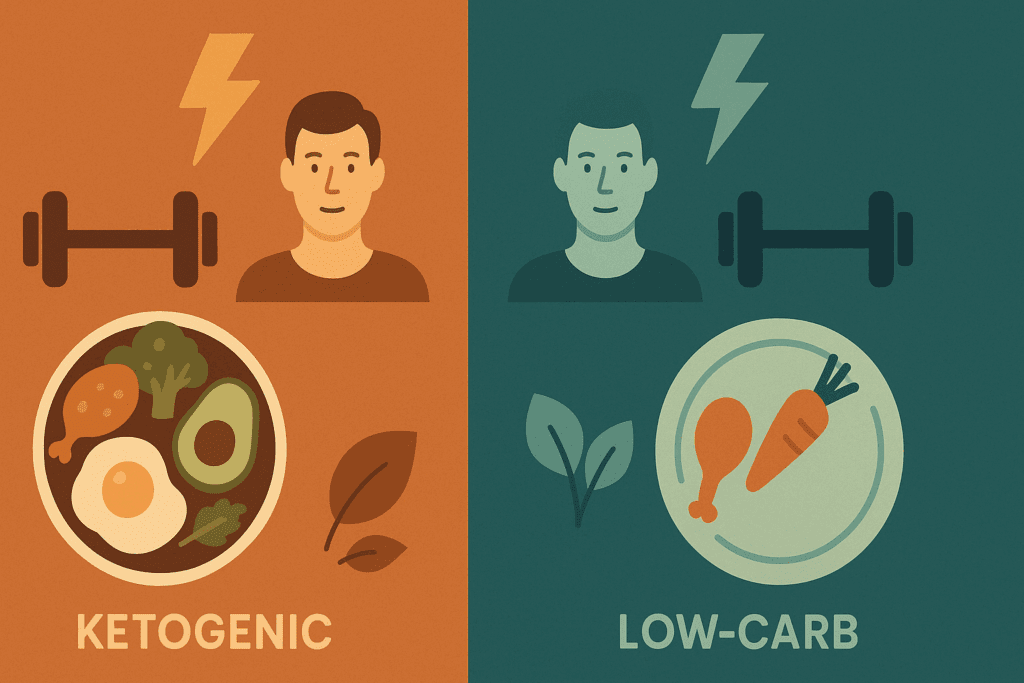
What to Eat While Cutting: Science-Backed Meal Plans to Support Fat Loss and a Healthier Lifestyle

The process of cutting—a phase commonly adopted in bodybuilding and fitness circles—involves reducing body fat while preserving as much lean muscle mass as possible. Unlike bulking, where the primary goal is muscle growth, cutting focuses on strategic nutrition to optimize body composition. For anyone embarking on a cutting phase, one of the most critical factors to success is knowing what to eat while cutting. This goes beyond simply slashing calories; it involves carefully selecting nutrient-dense, satiating foods that support metabolic function, muscle retention, and overall well-being.

You may also like: Smart Meal Prep for Weight Loss: Expert-Approved Lunch Ideas and Recipes to Stay on Track

Understanding the Cutting Phase and Nutritional Strategy

To understand what cutting entails, it’s important to grasp the concept of creating a calorie deficit without compromising nutritional adequacy. The foundation of any effective cutting diet meal plan includes sufficient protein, moderate healthy fats, and strategically cycled carbohydrates. The goal is not only fat loss but also the prevention of muscle breakdown—an all-too-common pitfall for those who cut calories too aggressively without adequate planning.

Muscle tissue is metabolically active, which means preserving it can help maintain a higher resting metabolic rate. Cutting meals that include high-quality plant-based proteins, whole grains, legumes, and fiber-rich vegetables not only promote satiety but also supply essential micronutrients that support cellular function during periods of caloric restriction. A well-designed food plan for cutting ensures that the body has the nutrients it needs to function optimally, even as it sheds excess fat.

Best Foods for Cutting Bodybuilding Goals

The best foods for cutting bodybuilding fat effectively are those that deliver high nutrient density relative to their caloric content. Lean plant-based proteins such as lentils, tempeh, tofu, edamame, and black beans are excellent for muscle maintenance. They are rich in branched-chain amino acids (BCAAs), particularly leucine, which plays a key role in muscle protein synthesis.

Vegetables such as spinach, kale, and broccoli not only supply fiber but are also high in iron, calcium, and vitamins that support energy metabolism. Complex carbohydrates from oats, sweet potatoes, and brown rice provide sustained energy without spiking insulin levels, a key consideration for individuals focused on optimizing fat oxidation.

Fat sources like avocados, flaxseeds, walnuts, and chia seeds provide essential omega-3 fatty acids that reduce inflammation and support cardiovascular health. These fats are especially valuable in a cutting diet because they help regulate hunger hormones, making it easier to adhere to reduced-calorie plans.

Bowl arrangement of lentils, tofu, leafy greens, and sweet potatoes highlighting what to eat while cutting for muscle retention

Creating a Sustainable Cutting Diet Meal Plan

A sustainable cutting diet meal plan should be built on whole food choices that are both satisfying and easy to prepare. Many people fail during the cutting phase not because of the caloric deficit itself, but due to meal fatigue and lack of preparation. Incorporating a variety of textures, colors, and flavors can keep meals interesting and reduce the likelihood of cravings or non-compliance.

Breakfast might include steel-cut oats topped with berries and a spoonful of almond butter, offering a balance of fiber, protein, and healthy fat. Lunch could feature a chickpea and quinoa salad with a lemon-tahini dressing, providing complete proteins and essential vitamins. Dinner may include grilled tofu with roasted Brussels sprouts and a side of mashed cauliflower, rounding out the day with savory satisfaction and nutrient diversity.

Cutting meal prep is one of the most effective strategies to ensure adherence to your food plan for cutting. Dedicating a few hours each week to batch-cooking grains, legumes, and vegetables can save time and reduce the temptation of processed foods that derail progress.

Comparing Cutting Meal Plans to Other Diet Approaches

When it comes to weight loss, there are numerous dietary strategies available, but not all are compatible with cutting goals. A common question among health-conscious readers is how cutting meal plans compare to low-carb and ketogenic diets. While the low carb diet keto diet framework reduces carbohydrate intake to prioritize fat as a fuel source, cutting diets focus more on overall caloric control and macronutrient balance.

The ketogenic diet vs low carb diet distinction lies in the degree of carbohydrate restriction. The keto diet is more extreme, typically allowing fewer than 50 grams of carbs per day, which forces the body into a state of ketosis. In contrast, low-carb diets are more flexible and may allow up to 150 grams daily. This distinction is crucial when evaluating whether is keto a low carb diet. Technically, yes—but not all low-carb diets are ketogenic.

So is keto a good diet for cutting? The answer depends on individual tolerance and goals. While keto can be effective for rapid fat loss, it often leads to reduced glycogen stores, which can negatively impact muscle fullness and workout performance. In contrast, a balanced cutting meal plan supports muscle preservation with sufficient carbs timed around workouts.

A common myth is that is keto no carbs, but this is misleading. Keto diets do include some carbs, primarily from non-starchy vegetables and nuts. Understanding this helps clarify whether is a keto diet sustainable in the long term. While it may offer benefits for specific populations, a plant-forward cutting plan is often more sustainable, enjoyable, and rich in phytonutrients.

Prepared meals with oats, chickpea salad, and tofu dinner showcasing what to eat while cutting to stay satisfied

Building a Diet Plan for Cutting Bodybuilding Safely and Effectively

To build a diet plan for cutting bodybuilding goals, macronutrient tracking and caloric awareness are essential. A common ratio for effective cutting is 40% protein, 30% fat, and 30% carbohydrate, though this can vary based on training intensity, body composition, and metabolic rate. High-protein foods are especially important, as they help retain lean muscle during a caloric deficit.

In the context of a plant-based approach, this means relying on foods like seitan, hemp seeds, and fortified plant milks to ensure adequate protein intake. Fortified nutritional yeast can also contribute not just protein, but B-complex vitamins that support energy production during workouts.

Good meals for cutting are often those that are easy to digest, minimize bloating, and can be prepared quickly. A smoothie with pea protein, frozen spinach, flaxseed, and a banana can be a quick post-workout option that supports recovery without excessive calories. Fat cutting meals that emphasize hydration, electrolyte balance, and micronutrient density offer both immediate satiety and long-term results.

Implementing Meal Plan Cutting Bodybuilding Principles Into Daily Life

A successful meal plan cutting bodybuilding strategy requires not just the right foods but also the right timing. Nutrient timing—especially around workouts—can make a measurable difference in performance and recovery. Consuming complex carbohydrates and a moderate amount of protein before training can optimize energy levels, while a post-workout meal rich in protein and antioxidants can support tissue repair.

Hydration is another critical component of cutting success. Dehydration can impair performance, reduce metabolic efficiency, and increase the risk of injury. Water-rich foods such as cucumbers, oranges, and melons can contribute to hydration goals while providing vitamins and fiber.

To stay on track, it’s helpful to rotate meal options weekly. This allows for nutritional diversity and prevents burnout. Tracking progress through a food journal or digital app can also increase accountability and help identify which cutting meals yield the best results for energy, satiety, and fat loss.

High-protein cutting meal with seitan, broccoli, quinoa, and smoothie representing what to eat while cutting on a plant-based diet

Tailoring a Get Ripped Meal Plan to Your Individual Needs

While general guidelines provide a solid starting point, the most effective get ripped meal plan is one that accounts for individual needs, preferences, and goals. Variables such as age, activity level, and body composition all influence caloric requirements. Personalization ensures the plan is sustainable, enjoyable, and effective.

Incorporating seasonal produce and local ingredients can enhance flavor while reducing cost. For example, incorporating zucchini noodles in place of pasta during summer months provides volume without excess calories. In colder months, hearty soups made with lentils and root vegetables can be deeply satisfying while still aligning with fat loss goals.

Supplementation may also play a role, especially for those on plant-based cutting meal plans. A high-quality vitamin B12 supplement is essential, while vitamin D, iron, and omega-3s from algae oil may be beneficial for those with identified deficiencies. However, supplements should support—not replace—a nutrient-dense whole food foundation.

Debunking Myths Around Cutting Meals and Low-Carb Approaches

Many fitness enthusiasts wonder whether low-carb approaches align with cutting goals. When comparing the ketogenic diet vs low carb diet frameworks to more traditional cutting strategies, it becomes clear that flexibility often yields greater long-term success. While keto diets are effective at rapidly depleting glycogen and promoting water loss, they may not be ideal for those focused on muscle preservation.

The belief that is keto no carbs leads many to adopt unnecessarily restrictive habits. Instead, a smart cutting strategy includes a moderate intake of slow-digesting carbohydrates, particularly around times of increased physical demand. By maintaining insulin sensitivity and providing fuel for resistance training, these carbohydrates play a crucial role in body composition.

Is keto a good diet for all? Not necessarily. For some individuals, especially those with certain metabolic conditions, it may offer benefits. However, when it comes to sustainability, the question of is a keto diet sustainable must be evaluated in light of lifestyle, food preferences, and training goals. Many people find greater adherence and results with a more inclusive approach that emphasizes nutrient quality over rigid macronutrient limits.

Post-workout cutting meal next to gym gear illustrating practical examples of what to eat while cutting

Why Mindful Eating Matters During the Cutting Phase

Beyond food selection and macros, mindful eating is a key component of successful cutting. Eating slowly, savoring flavors, and tuning into hunger and fullness cues can prevent overeating and promote satisfaction even in a caloric deficit. When you’re engaged with your meal—rather than distracted by screens or multitasking—you’re more likely to feel nourished and in control.

Mindful eating also reduces stress, which can otherwise sabotage cutting efforts through elevated cortisol and emotional eating. Preparing meals at home, using herbs and spices to enhance flavor, and sitting down for meals in a relaxed environment all contribute to a healthier lifestyle overall.

For those pursuing a diet plan for shredding or a food plan for cutting, these behavioral strategies are just as important as macronutrient ratios. Cultivating a healthy relationship with food ensures that progress is sustainable and health-promoting rather than a cycle of restriction and rebound.

The Power of Consistency: Building a Lifestyle, Not Just a Diet

Ultimately, the success of any cutting plan hinges on consistency and balance. The most effective fat cutting meals are the ones you enjoy enough to repeat regularly. Small, sustainable changes almost always outperform drastic overhauls in the long run. This is especially true for those integrating a cutting meal prep routine into their lifestyle.

Meal prep doesn’t have to be complicated. Even simple routines like cooking grains in bulk, chopping vegetables for the week, and storing pre-portioned snacks can remove decision fatigue and improve dietary adherence. When these habits become part of your weekly rhythm, they serve as anchors for long-term success.

By adopting a meal plan cutting bodybuilding approach that emphasizes whole foods, strategic timing, and mindful eating, it becomes easier to navigate fat loss without compromising well-being. Whether your goal is a shredded physique or simply a healthier lifestyle, the foundation remains the same: informed choices, consistent habits, and a deep understanding of what to eat while cutting.

Seasonal cutting meals with zucchini noodles, lentil soup, and fresh fruit showing personalized ideas for what to eat while cutting

Frequently Asked Questions: Cutting Meals and Strategic Nutrition for Fat Loss

1. How can I adapt cutting meals for a busy lifestyle without sacrificing results?

Cutting meals don’t need to be overly time-consuming to be effective. If you’re managing a hecticschedule, the key lies in strategic batch preparation and nutrient-dense simplicity. Consider preparing a base, such as roasted vegetables and a high-protein grain like quinoa, at the start of the week. From there, you can rotate proteins like tofu, tempeh, or lentils to keep things interesting. With proper planning, even five-minute meals can align with a well-designed food plan for cutting, ensuring you’re not compromising on your diet plan for cutting bodybuilding goals.

2. What are some unexpected plant-based ingredients that enhance a cutting diet meal plan?

Beyond traditional staples, lesser-known ingredients like lupini beans, freekeh, and teff can addsignificant nutritional value to a cutting diet meal plan. These grains and legumes offer impressive fiber and protein content, which aid digestion and prolong satiety. Seaweed, often overlooked, provides iodine, which supports thyroid health—a critical factor in metabolic regulation during cutting. Incorporating these unique options into cutting meal plans also adds culinary variety, making it easier to stick to long-term goals like a diet to get ripped.

3. Can emotional eating sabotage a get ripped meal plan, and how can it be managed?

Yes, emotional eating can disrupt even the most meticulously structured get ripped meal plan. Stress,boredom, and fatigue often lead to impulsive food choices that deviate from your food plan for cutting. Mindful eating practices—such as journaling before meals, creating screen-free eating zones, and recognizing emotional triggers—can significantly improve adherence. Additionally, including mood-supporting nutrients like omega-3s and magnesium from foods like walnuts and leafy greens may help stabilize emotional responses, reinforcing the psychological aspect of diet plan for shredding success.

4. Are there performance-enhancing benefits to timing good meals for cutting around workouts?

Absolutely. Eating strategically timed meals that balance protein and complex carbs before and afterworkouts can significantly influence performance, recovery, and lean muscle retention. For example, a pre-workout snack of sprouted grain toast with almond butter offers slow-digesting carbs and healthy fats. Post-workout, combining a lentil-based dish with sweet potato replenishes glycogen and stimulates muscle repair. By aligning cutting meal prep with your training schedule, you’re not just fueling workouts—you’re optimizing your meal plan cutting bodybuilding efforts.

5. What role does gut health play in optimizing a cutting diet?

Gut health is increasingly recognized as a cornerstone of effective fat loss and metabolic function.Fermented foods like kimchi, sauerkraut, and miso introduce beneficial bacteria that support digestion and nutrient absorption, especially in a restrictive cutting diet meal plan. A diverse microbiome also correlates with reduced inflammation and better insulin sensitivity, which are crucial during a calorie deficit. Incorporating these elements into cutting meals not only improves digestive comfort but may amplify the effectiveness of your overall food plan for cutting.

6. How can I make cutting meal prep more environmentally sustainable?

Eco-conscious choices in cutting meal prep can align seamlessly with health goals. Opting for locallysourced produce, bulk purchasing dry goods, and reusing containers significantly reduce environmental impact. Legumes and whole grains used in a diet plan for cutting bodybuilding also have a lower carbon footprint than animal-based options. Seasonal meal rotation, such as using squash in fall or berries in summer, ensures freshness and reduces reliance on imported goods. These strategies enhance both the sustainability and integrity of your cutting meal plans.

7. Can intermittent fasting support or hinder a diet plan for shredding?

Intermittent fasting can be a useful tool when integrated thoughtfully into a diet plan for shredding.By compressing your eating window, it may help regulate hunger hormones and improve insulin sensitivity. However, it can backfire if it leads to under-fueling, which may result in muscle loss and energy crashes. To make it work, ensure that all cutting meals within your feeding window are calorie- and nutrient-dense. Timing your workouts within this window can also enhance your body’s utilization of a well-crafted food plan for cutting.

8. What are signs that a cutting meal plan is too aggressive or unsustainable?

Warning signs include constant fatigue, irritability, digestive distress, and disrupted sleep patterns. Ifthese symptoms persist, it may indicate that your diet plan for cutting bodybuilding is too restrictive or lacks critical nutrients. While fat cutting meals are designed to maintain a caloric deficit, they shouldn’t leave you feeling depleted. Adjustments like slightly increasing portion sizes or rotating in higher-calorie good meals for cutting (such as avocado-topped whole grain bowls) can restore balance. Listening to biofeedback is essential to maintaining long-term success.

9. How do social situations affect adherence to a cutting meal plan?

Navigating social settings while on a cutting diet meal plan can be challenging but manageable withforesight. Bringing a dish that aligns with your cutting meals or eating a satiating snack beforehand can prevent poor choices. Communication also plays a role; letting friends or family know about your goals can foster support instead of resistance. Choosing restaurants with customizable plant-forward options helps you stay within the parameters of a meal plan cutting bodybuilding routine without missing out on meaningful moments. With preparation and intention, social events need not derail your progress.

10. Are there mental benefits associated with sticking to a disciplined cutting meal plan?

Yes, following a structured cutting meal plan can enhance self-discipline, confidence, and focusbenefits that often extend beyond physical health. The routine and intentionality behind a cutting diet meal plan foster a sense of achievement that supports mental well-being. Additionally, certain nutrients frequently found in fat cutting meals, such as B vitamins and omega-3 fatty acids, directly support cognitive function and mood stability. Success with a diet to get ripped often brings a positive feedback loop, reinforcing motivation in other areas of life. The psychological rewards can be as transformative as the physical ones.

Peaceful table setup with a balanced meal and water emphasizing mindful habits and what to eat while cutting

Conclusion: Achieving Sustainable Fat Loss with Smart Nutrition and Mindful Planning

Cutting doesn’t have to mean bland meals, constant hunger, or unsustainable restrictions. With the right approach, it becomes a powerful opportunity to reset eating habits, enhance body composition, and develop a more mindful relationship with food. The best cutting meals are not just low in calories—they are rich in nutrients, full of flavor, and aligned with your personal goals.

Whether you’re following a traditional cutting diet meal plan, exploring a get ripped meal plan, or customizing a diet plan for cutting bodybuilding purposes, the key to success lies in strategic planning, balanced macronutrients, and consistency. Understanding the differences between the ketogenic diet vs low carb diet helps clarify whether is keto a good diet for your goals or if a more moderate approach is better suited to your needs.

Sustainability is the cornerstone of any effective fat loss strategy. Instead of wondering “is a keto diet sustainable” or being misled by the idea that “is keto no carbs,” look to whole food, plant-forward principles to guide your decisions. Prioritize variety, preparation, and mindfulness, and you’ll not only transform your physique but also cultivate a healthier, more empowered lifestyle for years to come.

Was this article helpful? Don’t let it stop with you. Share it right now with someone who needs to see it—whether it’s a friend, a colleague, or your whole network. And if staying ahead on this topic matters to you, subscribe to this publication for the most up-to-date information. You’ll get the latest insights delivered straight to you—no searching, no missing out.

Further Reading:

16 of the Best Foods for Your Healthy Weight Journey

Weight loss meal plans

Diet & weight loss

Disclaimer

The information contained in this article is provided for general informational purposes only and is not intended to serve as medical, legal, or professional advice. While NewsHealthWatch strives to present accurate, up-to-date, and reliable content, no warranty or guarantee, expressed or implied, is made regarding the completeness, accuracy, or adequacy of the information provided. Readers are strongly advised to seek the guidance of a qualified healthcare provider or other relevant professionals before acting on any information contained in this article. NewsHealthWatch, its authors, editors, and contributors expressly disclaim any liability for any damages, losses, or consequences arising directly or indirectly from the use, interpretation, or reliance on any information presented herein. The views and opinions expressed in this article are those of the author(s) and do not necessarily reflect the official policies or positions of NewsHealthWatch.
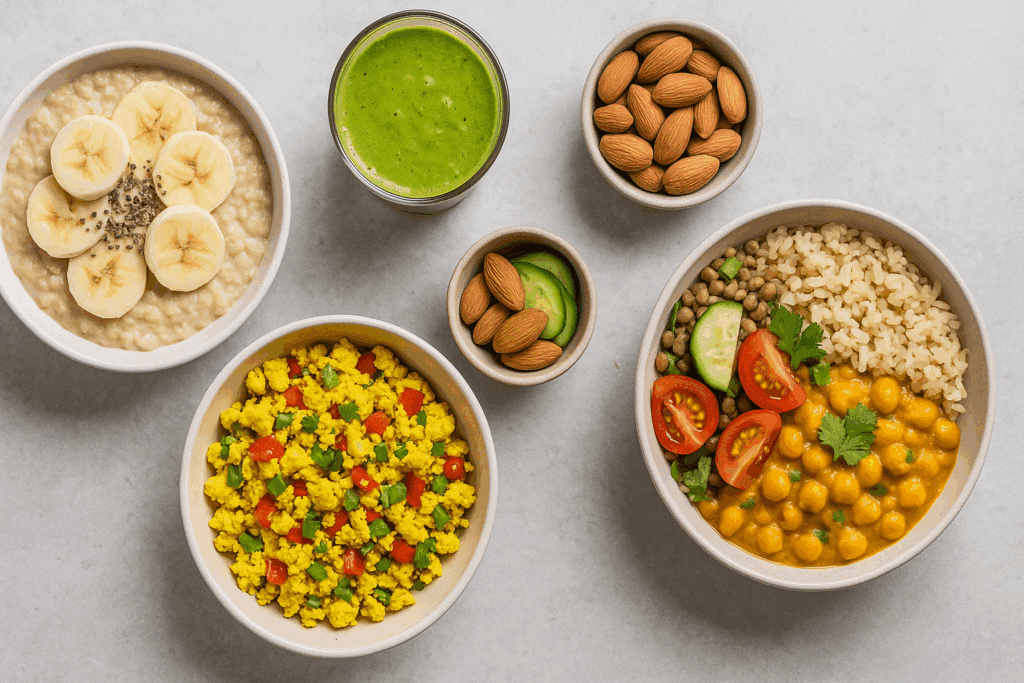
Cutting Back Eating the Smart Way: How to Reduce Calories Without Sacrificing Satisfaction or Health

In an age where convenience foods and oversized portions dominate our dining culture, the concept of cutting back eating without feeling deprived can seem elusive. For many, the pursuit of weight loss or better health often translates into extreme dieting, unsustainable restrictions, or a never-ending cycle of guilt and cravings. However, science offers a more balanced path: one that focuses on mindful, strategic choices that reduce calorie intake without diminishing enjoyment or nutrition. By understanding the physiological, psychological, and behavioral dimensions of eating, individuals can successfully navigate the journey toward healthier eating patterns and sustained well-being.

You may also like: Smart Meal Prep for Weight Loss: Expert-Approved Lunch Ideas and Recipes to Stay on Track

Understanding the Science of Calorie Reduction

Caloric balance is foundational to maintaining or losing weight. Simply put, when calorie intake consistently exceeds energy expenditure, weight gain results. Conversely, consuming fewer calories than the body needs leads to weight loss. This fundamental concept underpins nearly every effective nutrition plan, including whole-food and plant-based approaches. Yet, not all calorie-cutting strategies are created equal.

Reducing calories in a way that supports metabolic health and sustains energy levels requires careful planning. The body adapts to caloric deficits by adjusting its metabolic rate, sometimes making further weight loss more difficult. To avoid this plateau, it’s important to maintain a moderate calorie deficit—often between 250 to 500 calories per day—paired with physical activity. Strategic calorie cutting that avoids nutrient deprivation and psychological stress has been shown to result in more sustainable outcomes, especially when aligned with an individual’s long-term lifestyle.

For those wondering how many calories can I cut from cutting snacks, the answer depends largely on what types of snacks are being consumed and how frequently. Eliminating just one 200-calorie processed snack per day can lead to significant weight changes over time. Replacing that snack with a lower-calorie, nutrient-dense option like sliced cucumber or air-popped popcorn can make the transition smoother without compromising satisfaction.

Visual metaphor of calorie balance with food and exercise symbols illustrating cutting back eating for weight management

The Role of Satiety and Nutrient Density

Satisfaction is often the missing ingredient in many failed dieting efforts. A critical factor in cutting back eating is to prioritize foods that promote satiety without excessive calorie intake. Foods rich in fiber, protein, and water content are especially effective at making us feel full for longer periods. Vegetables, legumes, whole grains, and fruits are particularly valuable in this context.

Whole-food plant-based diets naturally support satiety while reducing calorie density. Unlike ultra-processed foods, which are high in refined sugars, oils, and empty calories, plant-based meals offer fiber-rich, voluminous foods that nourish the body and help regulate hunger hormones. For those focused on cutting weight, emphasizing foods with a low calorie-per-bite ratio is essential. Eating a large, colorful salad with chickpeas and a lemon-tahini dressing provides substantial volume, micronutrients, and fiber without exceeding caloric goals.

It’s also worth noting that satiety is not just about physical fullness. The sensory satisfaction of eating—including flavors, textures, and presentation—also plays a key role. Adding herbs, spices, and a variety of colors to meals can elevate the eating experience, helping individuals feel more content with smaller portions.

Behavioral Strategies for Cutting Back Eating

Changing eating habits isn’t solely a matter of willpower. Psychological cues, environmental triggers, and ingrained routines often drive overeating. Becoming aware of these influences allows for more conscious decision-making around food. Mindful eating—a practice grounded in present-moment awareness and non-judgmental observation—is one of the most effective tools for reducing calorie intake naturally.

Eating without distractions such as television or smartphones improves awareness of hunger and fullness cues. Slowing down meals by putting down utensils between bites or chewing more thoroughly also enhances the eating experience and promotes natural satiety signals. Over time, individuals can train themselves to respond to actual hunger rather than emotional or environmental prompts.

Practical strategies like using smaller plates, pre-portioning snacks, and planning meals ahead of time help create a structured eating environment. When considering how many calories can I cut from cutting snacks, it’s often not just about the calories themselves but the behaviors surrounding them. Are you snacking out of boredom or true hunger? Replacing habitual snacking with alternatives like herbal tea, a walk, or a short breathing exercise can address emotional eating at its root.

Colorful whole-food plant-based dishes showing how nutrient-dense meals support cutting back eating without hunger

Rethinking Snack Culture: Small Changes, Big Impact

Snacking has become an ingrained part of modern life. While snacks can serve a useful purpose—especially for managing blood sugar levels or bridging long gaps between meals—they often become a source of unnecessary calories. Packaged snacks are frequently high in sodium, added sugars, and unhealthy fats, contributing little to nutritional health.

Reevaluating the need for snacks throughout the day is a practical step for cutting weight without feeling deprived. Swapping processed snacks for whole-food alternatives can significantly reduce caloric intake while enhancing nutrient density. For instance, trading a 300-calorie granola bar for an apple with almond butter saves calories and adds fiber, antioxidants, and healthy fats.

It’s helpful to reframe the concept of snacking as an opportunity for nourishment rather than indulgence. If you often ask yourself how many calories can I cut from cutting snacks, begin by tracking your snack intake for a few days. This can reveal patterns and help identify areas for adjustment. Focus on snacks that combine protein and fiber—like hummus with veggies or a handful of nuts with fruit—to keep hunger at bay while maintaining energy.

Cutting Calories Without Cutting Nutrition

One of the biggest challenges in calorie reduction is avoiding nutritional gaps. It’s possible to reduce overall intake without sacrificing key vitamins and minerals—but this requires careful food selection. Plant-based whole foods provide an abundance of micronutrients per calorie, making them ideal for those cutting back eating in a smart, strategic way.

Leafy greens, cruciferous vegetables, legumes, nuts, seeds, and whole grains offer high nutrient density. Even on a reduced-calorie plan, meals can remain satisfying and nourishing with thoughtful composition. Choosing foods that offer multiple health benefits—such as sweet potatoes for fiber, vitamin A, and slow-digesting carbohydrates—maximizes nutritional return for every calorie consumed.

Supplementation may sometimes be necessary, especially for nutrients like B12, iron, or vitamin D on a predominantly plant-based plan. However, food-first strategies should remain the foundation. A colorful, diverse plate is more than visually appealing; it’s a signal that your body is receiving a wide range of phytochemicals and nutrients essential for health and vitality.

Person eating slowly at a quiet table, demonstrating mindful habits that encourage cutting back eating naturally

Keto, Low-Carb, and the Myth of No-Carb Diets

In recent years, the popularity of the ketogenic diet has exploded, often promoted as the ultimate solution for weight loss and metabolic health. While it is true that some individuals experience rapid results on a keto plan, the long-term sustainability and nutritional adequacy of such diets remain controversial. Is keto a good diet? It depends largely on individual goals, medical history, and how the diet is implemented.

When comparing the ketogenic diet vs low carb eating patterns, it’s important to recognize that keto requires a dramatic reduction in carbohydrates—typically less than 50 grams per day—while a standard low-carb diet may still allow for 100 to 150 grams. The low carb diet keto diet debate often centers around sustainability and side effects. Many individuals find that keto’s highly restrictive nature makes it hard to maintain, leading to cycles of restriction and relapse.

Moreover, is a keto diet sustainable for the average person? For most, the answer is no. The lack of fiber-rich fruits, legumes, and whole grains in strict keto diets can lead to digestive issues and nutrient imbalances. While keto may have clinical applications in epilepsy management or short-term weight loss interventions, it should not be viewed as a one-size-fits-all approach. Emphasizing whole, minimally processed carbohydrates in moderate amounts is often more sustainable and supports long-term metabolic health.

Is keto no carbs? Not entirely. Even the most rigid ketogenic plans include small amounts of carbohydrates from leafy greens, nuts, and low-sugar fruits. However, the overall carb intake remains far below what is recommended for optimal fiber intake and gut health. This distinction is essential when evaluating the ketogenic diet vs low carb plans and their implications for cutting weight responsibly.

Smart Substitutions That Cut Calories Naturally

Successful calorie reduction isn’t about deprivation—it’s about substitution. Small, intentional swaps can yield big results over time. Replacing full-fat dairy with unsweetened plant-based milk, choosing spiralized zucchini over pasta, or swapping soda for infused water are simple yet effective strategies. These swaps reduce calorie density without sacrificing enjoyment or cultural relevance.

For individuals navigating the low carb diet keto diet debate, making smart carbohydrate choices is crucial. Opting for quinoa instead of white rice, or lentil pasta instead of wheat-based varieties, can maintain fiber and protein intake while staying within personal carb limits. Such strategies help bridge the gap between traditional eating habits and newer health goals.

Cutting back eating also involves becoming a more conscious consumer. Reading labels, understanding ingredient lists, and identifying hidden sugars or oils can help minimize calorie creep. Whole-food plant-based eaters may find that reducing added oils in cooking is one of the most impactful changes they can make. Oils are the most calorie-dense food group, providing over 120 calories per tablespoon with minimal satiety or micronutrient value.

Side-by-side snacks comparison showing processed vs. whole-food options for cutting back eating strategically

Preserving Pleasure and Social Connection While Eating Less

Eating is not just a biological act; it’s a deeply social and emotional experience. Meals are often tied to celebrations, traditions, and relationships. Cutting back eating doesn’t mean cutting yourself off from these joys. Instead, it involves approaching meals with mindfulness and intention, savoring each bite, and connecting with others in meaningful ways.

Dining out or attending social events can be challenging when reducing calorie intake, but it doesn’t have to be restrictive. Choosing lighter menu options, sharing dishes, or eating a small healthy snack beforehand can prevent overconsumption without dampening the experience. Bringing a healthy dish to gatherings or suggesting plant-forward restaurants can empower others to support your journey.

Mindful eating practices—like expressing gratitude before meals, engaging in conversation while chewing slowly, and pausing between servings—enhance both satisfaction and digestion. These habits make it easier to recognize fullness and reduce unconscious overeating, making cutting back eating feel less like a rule and more like a gift of presence and self-care.

Reframing Weight Loss: A Long-Term Perspective

The fixation on rapid weight loss often leads to short-term fixes that are neither healthy nor sustainable. A smarter approach centers on building lasting habits that align with personal values, medical needs, and lifestyle preferences. Cutting weight should not be synonymous with cutting joy or essential nourishment. Instead, it should reflect a holistic investment in one’s long-term health, energy, and well-being.

Tracking progress through energy levels, mood, sleep quality, and lab markers—rather than just the scale—offers a more comprehensive view of success. Reassessing goals regularly and remaining flexible in dietary choices supports a more resilient and realistic approach. Whether following a low-carb plan, exploring plant-based nutrition, or integrating principles from both, the key is to stay grounded in evidence-based practices that prioritize nourishment over numbers.

A sustainable lifestyle means learning to listen to the body, honoring hunger cues, and respecting the natural ebb and flow of appetite and energy. Cutting back eating with compassion and curiosity can unlock not only physical benefits but also a more peaceful, joyful relationship with food.

Keto and low-carb meals contrasted visually to explore dietary choices for cutting back eating effectively

FAQ: Cutting Back Eating the Smart Way

1. What are some advanced strategies for cutting back eating in a social environment?

Successfully cutting back eating in social settings involves more than just portion control. Oneeffective technique is to subtly prioritize plant-based, fiber-rich options at gatherings—these tend to be lower in calories but high in satiety. You can also focus on engaging more in conversations and eating more slowly, which gives your body time to register fullness. When hosting or attending an event, bringing your own nutrient-dense dish allows you to contribute mindfully while modeling healthy choices. Over time, social eating becomes more about connection and less about consumption, which supports the psychological sustainability of cutting weight over the long term.

2. How many calories can I cut from cutting snacks if I replace processed foods with high-fiber options?

Swapping out processed snacks for whole-food, high-fiber alternatives can save more calories thanmost people realize. For example, replacing a 300-calorie bag of chips with a 100-calorie serving of carrots and hummus saves around 200 calories while providing more vitamins and minerals. If you do this consistently, you could cut over 1,000 calories per week—enough to influence long-term weight trends. The answer to how many calories can I cut from cutting snacks is ultimately personal, but strategic substitution offers both immediate and compounding benefits. It also supports better blood sugar control, which reduces the urge to overeat later in the day.

3. Can cutting back eating lead to muscle loss if not done correctly?

Yes, and it’s a risk that many people overlook when cutting weight rapidly. If you’re aggressivelyreducing calories without paying attention to protein intake or resistance training, muscle tissue can be broken down to meet energy needs. To prevent this, maintain adequate protein—especially from plant-based sources like lentils, tofu, and quinoa—and engage in strength-building activities. Muscle is metabolically active and essential for long-term weight maintenance, so cutting back eating should never mean cutting back on muscle preservation strategies. In fact, preserving muscle while losing fat improves overall body composition and boosts confidence.

4. What psychological factors influence how successful someone is at cutting back eating?

Emotional regulation, mindset, and self-efficacy are key psychological determinants of success.People who reframe the process of cutting back eating as a form of self-care rather than self-denial tend to stick with it longer. Mindful eating practices, journaling about food choices, and having supportive accountability partners can dramatically reduce emotional eating episodes. It’s also helpful to identify cognitive distortions—like “I ruined my diet with one snack, so the day is lost”—and replace them with balanced thoughts. Building emotional resilience in this way supports more consistent progress when cutting weight.

5. How does sleep impact the effectiveness of cutting weight through calorie reduction?

Sleep plays a crucial role in appetite regulation, hormonal balance, and metabolic efficiency.Inadequate sleep increases levels of ghrelin (the hunger hormone) and decreases leptin (the satiety hormone), making cutting back eating far more difficult. Sleep-deprived individuals often crave high-calorie, high-sugar snacks, which can sabotage efforts to cut calories. When exploring how many calories can I cut from cutting snacks, it’s important to also ask: Am I sleeping enough to support these changes? Aiming for 7–9 hours of quality sleep per night enhances decision-making and supports sustained calorie control.

6. Can cutting back eating improve digestion and gut health?

Yes, especially when done through the inclusion of fiber-rich, plant-based foods and the reduction ofprocessed, low-nutrient items. Reducing large, heavy meals in favor of smaller, more frequent portions can relieve digestive stress and support smoother gastrointestinal function. Fermented foods and prebiotic fibers—like garlic, onions, and asparagus—nourish beneficial gut bacteria. As a result, individuals cutting weight often experience less bloating, more regularity, and enhanced nutrient absorption. When cutting back eating is framed as an opportunity to improve gut ecology, the benefits extend far beyond the scale.

7. How many calories can I cut from cutting snacks if I also reduce sugary drinks?

Eliminating just one 12-ounce soda or sweetened beverage daily—which averages 140–180 caloriesadds up to roughly 1,000 calories per week. Combine this with cutting 200-300 calories per day from packaged snacks, and you’re potentially reducing your intake by up to 2,000 calories weekly. The answer to how many calories can I cut from cutting snacks becomes even more impressive when beverages are part of the equation. Switching to unsweetened tea, lemon water, or sparkling water can make a significant difference without triggering cravings. These changes often feel subtle in the moment but can result in meaningful progress when cutting weight.

8. Are there long-term metabolic benefits to cutting back eating gradually versus suddenly?

Gradual reductions in calorie intake tend to preserve metabolic flexibility and hormonal balance moreeffectively than sudden, extreme cuts. When the body senses extreme energy restriction, it may downregulate metabolism and increase hunger signals to protect against perceived starvation. A moderate, steady approach to cutting back eating not only maintains lean muscle mass but also supports hormonal regulators like thyroid hormones and insulin sensitivity. People who reduce calories slowly tend to experience fewer energy crashes, mood swings, and cravings. This makes cutting weight more sustainable and less likely to result in rebound weight gain.

9. How can I measure success beyond the number of pounds lost when cutting back eating?

Non-scale victories are powerful indicators of meaningful progress. These include improved energylevels, better sleep quality, clearer skin, more stable moods, and reduced dependence on caffeine or sugar. Increased confidence in food choices and the ability to delay gratification are also signs that cutting back eating is becoming internalized behavior. Taking progress photos, tracking body measurements, or reflecting on how clothing fits can offer additional data points beyond weight. Long-term success with cutting weight involves aligning your eating habits with your health goals and personal values—not just the number on the scale.

10. What are some future innovations that might support cutting back eating and cutting weight?

Emerging technologies and nutritional science are already beginning to reshape how we approachcalorie reduction. Smart wearable devices that monitor glucose responses or digestive health may soon allow for hyper-personalized meal planning. AI-powered nutrition coaching and real-time food logging apps can support behavior change without the need for constant willpower. Researchers are also exploring plant-based compounds that influence satiety hormones, potentially offering new tools for appetite management. As these innovations develop, they will offer even more effective and individualized pathways for cutting back eating in a sustainable, health-forward manner. This future-forward approach holds promise not just for cutting weight, but for transforming our entire relationship with food.

Diagram of smart food swaps like soda to water and pasta to vegetables promoting cutting back eating with ease

A Smarter Way Forward: Sustainable Eating for Health and Satisfaction

The journey toward better health doesn’t require radical overhauls or rigid dietary dogma. Cutting back eating in a smart, sustainable way begins with awareness, intention, and informed choices. Whether the goal is to reduce snacks, explore how many calories can I cut from cutting snacks, or engage with the complexities of the keto diet vs low carb debate, the guiding principle remains the same: nourish the body while respecting its signals.

While trendy diets may come and go, the science of sustainable eating is rooted in balance, variety, and mindfulness. Choosing nutrient-dense, satisfying foods; embracing behavioral strategies; and maintaining flexibility all contribute to long-term success. Health is not just about calories consumed or pounds lost—it’s about energy, vitality, and the capacity to live fully. By integrating evidence-based practices with personal values and preferences, anyone can embark on a path that supports both well-being and joy.

Ultimately, the smartest way to cut calories is not through deprivation but through informed, empowered decision-making. In this light, cutting back eating becomes less of a sacrifice and more of a strategy for thriving—one delicious, intentional bite at a time.

Was this article helpful? Don’t let it stop with you. Share it right now with someone who needs to see it—whether it’s a friend, a colleague, or your whole network. And if staying ahead on this topic matters to you, subscribe to this publication for the most up-to-date information. You’ll get the latest insights delivered straight to you—no searching, no missing out.

Further Reading:

Tips for Cutting Calories

35 Simple Ways to Cut Lots of Calories

10 ways to cut 500 calories a day

Disclaimer

The information contained in this article is provided for general informational purposes only and is not intended to serve as medical, legal, or professional advice. While NewsHealthWatch strives to present accurate, up-to-date, and reliable content, no warranty or guarantee, expressed or implied, is made regarding the completeness, accuracy, or adequacy of the information provided. Readers are strongly advised to seek the guidance of a qualified healthcare provider or other relevant professionals before acting on any information contained in this article. NewsHealthWatch, its authors, editors, and contributors expressly disclaim any liability for any damages, losses, or consequences arising directly or indirectly from the use, interpretation, or reliance on any information presented herein. The views and opinions expressed in this article are those of the author(s) and do not necessarily reflect the official policies or positions of NewsHealthWatch.
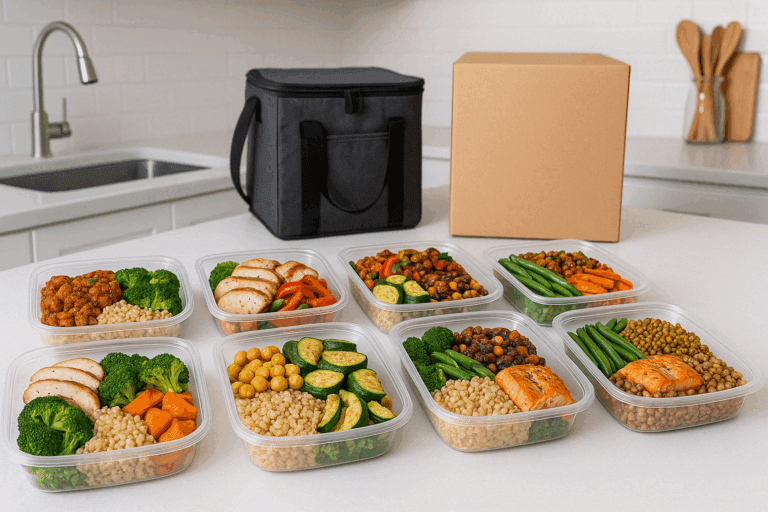
Эволюция живых дилерских игр в казино

0

Варианты живых дилеров изменили сцену онлайн -казино, предлагая игрокам захватывающий опыт, который объединяет комфорт онлайн -игр с подлинностью физического казино. С момента их дебюта в первых 2010 -х годах эти игры приобрели огромную популярность, с документом от Statista, указывающий, что индустрия живых казино, как ожидается, достигнет 3,2 миллиарда долларов к 2025 году.

Одним из заметных человек в этой области является Дэвид Бааазов, экс-генеральный директор Amaya Gaming, который сыграл важную роль в пропаганде вариантов живых дилеров. Вы можете отслеживать его перспективы на игровой области через его профиль Twitter .

Опции живых дилеров обычно демонстрируют настоящих хостов, работающих с места, позволяя игрокам взаимодействовать с ними через потоковую потоковую передачу в прямом эфире. Этот стиль не только повышает участие игроков, но и развивает дух связи между игроками. Согласно произведению 2023 года от азартных игр, спрос на варианты живых дилеров увеличился, и компании расширяют свой выбор, чтобы предложить различные названия таблиц, такие как блэкджек, рулетка и баккара.

Для игроков, желающих улучшить свой опыт, важно выбрать надежные онлайн -казино, которые предоставляют премиальные титулы дилеров. Аспекты для рассмотрения составляют стандарт видеопоток, профессионализм дилеров и разнообразие предлагаемых названий. Для получения более подробной информации об играх живых дилеров, посетите gambling.com .

Кроме того, игроки должны осознавать важность ответственной игры. Установка ограничений на время и деньги может помочь обеспечить полезное взаимодействие. Узнайте больше об ответственных игровых стратегиях по адресу драгон мани .

В заключение, живые дилеры варианты воплощают заметное улучшение в секторе казино, закрывая пропасть между онлайн и традиционными играми. По мере того, как технологии продолжают развиваться, игроки могут рассчитывать на еще более инновационные атрибуты и обновленный опыт в ближайшие годы.

How to Eat for Fat Loss and Muscle Gain: Expert Tips for the Best Diet to Build Muscle and Lose Fat

Achieving both fat loss and muscle gain may seem like a paradox, but modern nutrition science shows that it is possible when approached strategically. For those looking to transform their bodies without sacrificing strength or energy, understanding how to properly fuel the body is crucial. The goal is not just to get leaner or more muscular in isolation but to pursue a balanced, sustainable transformation that supports long-term health and performance. This comprehensive guide explores how to eat for fat loss and muscle gain, offering evidence-based tips to optimize results with a focus on the best diet to build muscle and lose fat.

You may also like: Smart Meal Prep for Weight Loss: Expert-Approved Lunch Ideas and Recipes to Stay on Track

The Science Behind Fat Loss and Muscle Gain

Fat loss and muscle gain occur through distinct yet interrelated processes in the body. Fat loss requires a caloric deficit, while muscle gain typically demands a caloric surplus. However, with the right macronutrient balance and training stimulus, it is possible to strike a middle ground that allows for what’s known as body recomposition. Protein plays a critical role in this process, providing the building blocks for muscle repair while supporting satiety during caloric restriction. Strength training enhances this synergy by stimulating muscle protein synthesis, even when calories are moderately restricted.

Eating patterns that support body recomposition often prioritize high-protein, nutrient-dense whole foods. Incorporating foods that promote satiety while providing sufficient energy for performance is key. This approach supports what many refer to as the best diet for muscle growth and fat loss—an eating plan that emphasizes quality over mere calorie counting. The success of such diets is amplified when they’re aligned with your metabolic needs and activity levels.

Understanding Macronutrients for Body Recomposition

Each macronutrient serves a specific role in body recomposition. Protein is essential for muscle repair and growth. Most experts recommend consuming 1.6 to 2.2 grams of protein per kilogram of body weight per day for active individuals seeking muscle growth while minimizing fat gain. Carbohydrates fuel high-intensity workouts and support recovery, while fats are vital for hormone regulation, including those that influence metabolism and muscle-building processes.

The best weight loss muscle building diet often includes a variety of lean proteins such as legumes, tofu, tempeh, and seitan, particularly for those following a whole-food plant-based diet. Carbohydrates should come from complex sources like oats, quinoa, sweet potatoes, and fruits to maintain energy without spiking insulin unnecessarily. Healthy fats from avocados, nuts, seeds, and olive oil are integral for reducing inflammation and optimizing hormonal balance, both of which are essential for those following a fat loss muscle gain diet.

"Colorful meal prep bowls showing how to eat for fat loss and muscle gain using lean protein and vegetables"

Strategic Caloric Cycling for Optimal Results

To simultaneously lose fat and gain muscle, calorie intake must be carefully timed and adapted to training demands. One popular method is caloric cycling—eating more calories on training days to fuel performance and recovery, and slightly reducing calories on rest days to encourage fat loss. This strategy allows for better adherence and prevents the metabolic slowdown often associated with prolonged dieting.

A diet plan to burn fat and gain muscle often incorporates this technique to enhance metabolic flexibility. For example, one might increase carbohydrates post-workout to replenish glycogen stores and stimulate insulin—a hormone that, in the presence of amino acids, promotes muscle protein synthesis. On non-training days, reducing carbohydrates while maintaining high protein intake can support fat metabolism without compromising muscle maintenance. This method aligns with the core principles behind a proper diet to lose weight and gain muscle.

Protein Timing and Meal Frequency

Although total protein intake is the most important factor, the timing and distribution of protein throughout the day can enhance results. Consuming 20 to 40 grams of protein every 3 to 4 hours has been shown to optimize muscle protein synthesis. This pattern ensures that the body remains in an anabolic state, especially during periods of muscle repair following resistance training.

Pre- and post-workout nutrition are particularly critical for those on a lose weight build muscle diet. Pre-workout meals should contain both protein and carbohydrates to enhance performance and reduce muscle breakdown. Post-workout meals, ideally consumed within 60 minutes of training, should prioritize protein and easily digestible carbohydrates to stimulate recovery. This approach is often emphasized in diets designed to support gaining muscle and losing fat, especially when combined with strategic meal frequency.

Nutrient Density vs. Caloric Density

One of the biggest challenges when trying to reduce fat and build muscle is managing hunger and energy levels. The solution lies in choosing nutrient-dense, low-calorie foods that deliver high amounts of vitamins, minerals, and fiber without excess calories. Leafy greens, cruciferous vegetables, legumes, and whole grains help create a feeling of fullness and provide sustained energy, making them staples in a good diet to lose weight and gain muscle.

Calorically dense but nutrient-poor foods—such as ultra-processed snacks, fried items, and sugar-laden beverages—undermine both fat loss and muscle gain. These foods often promote overeating and inflammation, which can interfere with recovery and metabolism. In contrast, whole foods with high water and fiber content support satiety, stabilize blood sugar, and enhance metabolic health. The best diet to lose weight and build muscle places a premium on quality, not just calorie quantity.

"Fitness coach explaining how to eat for fat loss and muscle gain on a whiteboard with diagrams and food charts"

The Role of Resistance Training and Recovery

No diet alone can stimulate muscle growth. Resistance training is essential to create the stimulus for muscle protein synthesis. Compound movements like squats, deadlifts, presses, and rows recruit large muscle groups and elevate metabolism for hours post-exercise. When combined with a diet for muscle growth and fat loss, this creates the perfect physiological environment for body recomposition.

Equally important is recovery. Chronic stress and inadequate sleep hinder fat metabolism and muscle repair. Prioritizing at least 7 to 9 hours of quality sleep and practicing stress reduction techniques like mindfulness, stretching, and breathwork can significantly enhance results. This holistic approach supports the physiological balance needed for a lean and muscular diet to be effective.

Understanding Keto and Low-Carb Approaches

Many individuals turn to a low-carb or ketogenic approach in hopes of accelerating fat loss. However, it’s essential to distinguish between the two. A ketogenic diet typically restricts carbs to under 50 grams per day to induce ketosis, while a low-carb diet is less restrictive and allows for more carbohydrate intake depending on individual needs. Understanding the nuances of the ketogenic diet vs low carb strategies is critical for tailoring the right plan.

When evaluating the keto diet vs low carb diet, one must consider long-term sustainability, energy levels during training, and dietary preferences. A low carb diet keto diet hybrid may work for those who want flexibility in carb intake while still promoting fat burning. However, questions such as “is keto a low carb diet?” or “is keto no carbs?” highlight the need for individualized guidance. A ketogenic diet is indeed low in carbohydrates but is not entirely free of them. The best outcomes often arise when the chosen approach aligns with the individual’s training demands and lifestyle.

"Grocery haul of lean protein, whole grains, and greens teaching how to eat for fat loss and muscle gain"

Is Keto a Good Diet for Muscle and Fat Goals?

While the ketogenic diet may be effective for rapid fat loss in some individuals, it poses limitations when it comes to building muscle. Carbohydrates are the body’s preferred fuel for anaerobic activities like resistance training. Reducing them too much may impair performance, recovery, and the anabolic response to training. Thus, the answer to “is keto a good diet for muscle gain?” depends largely on the individual’s goals, genetics, and ability to adapt.

For some, a modified ketogenic approach may allow for some carb cycling around workouts, supporting better performance while maintaining a fat-burning state. This is often used in extreme fat loss and muscle gain diet plans, where athletes alternate between low-carb and moderate-carb days to meet specific performance and physique goals. For others, a whole-food-based moderate-carb plan may be more sustainable, particularly if the aim is to optimize energy levels and preserve lean mass.

Choosing the Best Foods for Losing Weight and Gaining Muscle

Food selection plays a pivotal role in any healthy diet aimed at reducing fat and building muscle. The best foods for losing weight and gaining muscle are those rich in protein, fiber, and micronutrients. Plant-based proteins like lentils, chickpeas, black beans, edamame, and quinoa offer not only essential amino acids but also complex carbohydrates and fiber to support digestion and metabolic health.

Vegetables such as broccoli, spinach, kale, and Brussels sprouts should be consumed daily for their antioxidant properties and ability to support detoxification. Healthy fats from flaxseeds, walnuts, and chia seeds contribute to hormone regulation and satiety. These ingredients form the foundation of a healthy diet to lose weight and gain muscle without relying on heavily processed products or extreme restrictions.

Sustainable Meal Planning for Long-Term Success

Consistency is key when it comes to body recomposition. Creating a sustainable meal plan that fits your lifestyle ensures adherence over the long term. A lean mass diet should include a variety of flavors, textures, and foods to reduce boredom and promote compliance. It should also provide enough calories to support activity while creating a slight deficit or surplus depending on the goal.

Batch cooking, meal prepping, and logging meals can improve awareness and reduce decision fatigue. This can be particularly helpful for those following a diet to gain muscle mass and lose fat, where nutrient timing and composition are more critical. Planning ahead helps prevent impulsive food choices and makes it easier to stay aligned with your fitness goals.

How to Eat for Weight Loss and Muscle Gain: Practical Guidelines

Learning how to eat for weight loss and muscle gain involves more than just selecting the right foods—it requires an understanding of hunger cues, mindful eating, and intuitive adjustments. Monitoring energy levels, digestion, and performance can help fine-tune your intake without the need for rigid rules or constant tracking.

Start by identifying your daily caloric needs based on your current body composition and activity level. Choose foods that support your training and recovery, and avoid extremes that compromise either fat loss or muscle maintenance. With a focus on consistency, nutrient quality, and personalized adjustment, even a reduce fat and build muscle diet can be enjoyable and deeply satisfying.

"Infographic detailing how to eat for fat loss and muscle gain with portion sizes and macro breakdowns"

Is a Keto Diet Sustainable for Body Recomposition?

Sustainability is one of the most important factors in long-term success. The question “is a keto diet sustainable?” must be answered on a case-by-case basis. For some, the restrictive nature of keto is manageable and even enjoyable. For others, the lack of carbohydrate flexibility can be a significant barrier. When evaluating keto and low-carb strategies, it’s important to consider not only the short-term results but also the long-term impact on quality of life and relationship with food.

Blending elements of both approaches—such as integrating carb-rich plant foods around workouts while maintaining low-carb meals at other times—can create a more sustainable burn fat gain muscle diet. Ultimately, the goal is to find an eating style that supports your metabolic health, enhances your energy, and aligns with your values.

"Athlete cooking a balanced meal demonstrating how to eat for fat loss and muscle gain at home"

Frequently Asked Questions: How to Eat for Fat Loss and Muscle Gain

1. Can you build muscle while losing fat without tracking calories every day?

Yes, it is possible to follow a diet to build muscle and lose fat without daily calorie tracking, but it requires a strong awareness of portion sizes and hunger cues. Many individuals succeed by using intuitive eating strategies alongside consistent strength training and a whole-food-based diet. By prioritizing protein-rich meals and watching for signs of fullness, you can create the caloric balance needed for a fat loss muscle gain diet. However, some form of periodic assessment—like body measurements, strength performance, or weekly check-ins—helps ensure progress over time. Even when not tracking, staying consistent with meal structure and food choices supports a sustainable diet to lose weight and gain muscle.

2. How does age affect a diet to build muscle and burn fat?

Age impacts hormonal balance, recovery speed, and muscle protein synthesis—all of which influence how effectively you respond to a diet to build muscle and burn fat. As we age, our bodies become less efficient at building muscle and metabolizing fat, making resistance training and protein intake even more essential. For older adults, a best diet to build muscle and lose fat may include slightly more protein and omega-3-rich fats to counteract inflammation and age-related muscle loss. Sleep quality and recovery techniques like mobility work or massage also become more critical. With appropriate modifications, a diet to lose fat and gain muscle remains achievable well into your 50s, 60s, and beyond.

3. What are the social challenges of following a fat loss muscle gain diet, and how can they be managed?

Social events, dining out, and family habits can challenge even the best diet for muscle growth and fat loss. The key is flexibility—allowing for occasional indulgences without derailing progress. Planning ahead by checking menus, bringing a healthy dish, or setting boundaries with supportive communication can reduce pressure in social settings. A good diet to lose weight and gain muscle doesn’t have to be all-or-nothing; balance and consistency matter more than perfection. Focusing on your long-term goals can help you make empowered choices in social environments without sacrificing enjoyment.

4. Are there psychological strategies that support a diet to lose fat and gain muscle?

Absolutely. Mental resilience plays a powerful role in sustaining a proper diet to lose weight and gain muscle. Techniques such as visualization, journaling, and habit stacking can reinforce commitment and reduce decision fatigue. Cognitive reframing—viewing your food choices as acts of self-care rather than restriction—can also prevent burnout. Additionally, building a support system or working with a coach increases accountability and reduces the isolation that can come with body transformation efforts. Integrating mindfulness into your eating habits enhances the overall success of a lose weight build muscle diet.

5. Can plant-based diets be effective for an extreme fat loss and muscle gain diet?

Yes, when properly planned, plant-based eating can support even an extreme fat loss and muscle gain diet. Many athletes thrive on whole-food, plant-based protocols by focusing on legumes, tofu, seitan, nuts, seeds, and whole grains. These foods provide ample protein, complex carbs, and fiber while reducing inflammation and supporting recovery. The best diet to lose weight and build muscle doesn’t require animal products; it only requires nutrient density and sufficient calories from strategic sources. B12, iron, and creatine are nutrients to monitor on a plant-based plan, especially when following a diet for losing weight and gaining muscle.

6. How important is gut health in a gaining muscle and losing fat diet?

Gut health is increasingly recognized as a foundational pillar in any gaining muscle and losing fat diet. A balanced gut microbiome supports digestion, nutrient absorption, inflammation control, and even mood—all of which affect consistency and performance. Fermented foods like kimchi, tempeh, and unsweetened yogurt (or plant-based alternatives) can aid digestion and reduce bloating during a lean and muscular diet. Fiber-rich foods, like legumes and whole grains, not only feed beneficial bacteria but also stabilize blood sugar levels critical to a burn fat gain muscle diet. Addressing gut imbalances can enhance your ability to stick to healthy diets to lose weight and gain muscle.

7. What role does hydration play in a lean mass diet?

Hydration is essential to the success of a lean mass diet because water affects every metabolic process, from muscle contractions to fat oxidation. Dehydration can reduce strength output, hinder protein synthesis, and impair nutrient transport—all of which compromise your diet to put on muscle and lose fat. Additionally, drinking water before meals may help regulate appetite and prevent overconsumption, especially when adjusting to a diet to gain muscle mass and lose fat. Electrolytes like potassium and magnesium are also crucial, particularly for those training in heat or engaging in intense activity. Optimal hydration enhances both muscle growth and fat loss.

8. How can busy professionals follow a diet for cutting fat and gaining muscle?

Time constraints are one of the biggest barriers to maintaining a diet for cutting fat and gaining muscle, but meal prepping and batch cooking can make a world of difference. Prioritizing simple, high-protein meals that travel well—like lentil salads, quinoa bowls, or protein smoothies—helps keep consistency high without demanding hours in the kitchen. Scheduling workouts and setting calendar reminders for meals or hydration also creates structure amidst a hectic schedule. Choosing the best foods for losing weight and gaining muscle often means looking for options with minimal prep time but maximal nutrient impact. With some planning, even the busiest person can thrive on a best diet for weight loss and muscle gain.

9. Are cheat meals compatible with a burn fat gain muscle diet?

Cheat meals can be part of a sustainable burn fat gain muscle diet if approached with mindfulness and intention. Rather than being seen as a break from the plan, they can be viewed as strategic resets—both psychological and metabolic. Occasional indulgences may increase adherence and reduce feelings of deprivation, which are common challenges in any best weight loss muscle building diet. However, frequent binge episodes or emotional eating can undermine progress, so it’s important to differentiate between moderation and overindulgence. Reintegrating structure quickly afterward keeps your diet for muscle growth and fat loss on track.

10. What are the long-term health benefits of following a healthy diet to lose weight and gain muscle?

Beyond aesthetics, a healthy diet to lose weight and gain muscle promotes insulin sensitivity, cardiovascular health, and reduced risk for chronic disease. Muscle tissue is metabolically active and protects against age-related frailty, while reducing excess fat improves hormonal function and immune resilience. A good diet for losing weight and building muscle also fosters improved mental clarity, mood stability, and better sleep. Over time, the lifestyle changes associated with a diet plan to burn fat and gain muscle create a ripple effect—enhancing not just physical wellness but also confidence and emotional resilience. The pursuit of a diet for cutting fat and gaining muscle is ultimately a long-term investment in vitality and longevity.

"Healthy lunchbox ideas highlighting how to eat for fat loss and muscle gain through smart meal planning"

Final Thoughts on Finding the Best Diet to Build Muscle and Burn Fat

Successfully navigating the path to body recomposition requires more than just discipline—it calls for insight, personalization, and a commitment to sustainable habits. Whether you lean toward a plant-based eating pattern, a ketogenic protocol, or a balanced whole-food strategy, the principles of the best diet for weight loss and muscle gain remain the same: prioritize nutrient-dense foods, fuel performance, and maintain consistency.

A truly effective diet to lose fat and gain muscle is not a short-term fix but a lifestyle that supports vitality, strength, and resilience. With science-backed strategies and a flexible mindset, you can create a plan that works with your body rather than against it—allowing you to achieve and maintain your ideal balance of leanness and strength.

By making informed choices and focusing on long-term wellness over quick fixes, you not only reshape your body—you transform your health from the inside out.

Was this article helpful? Don’t let it stop with you. Share it right now with someone who needs to see it—whether it’s a friend, a colleague, or your whole network. And if staying ahead on this topic matters to you, subscribe to this publication for the most up-to-date information. You’ll get the latest insights delivered straight to you—no searching, no missing out.

Further Reading:

How to Lose Fat and Gain Muscle for Body Recomposition

How To Lose Fat and Gain Muscle at the Same Time

How to Lose Fat and Gain Muscle: It Starts With Diet

Disclaimer

The information contained in this article is provided for general informational purposes only and is not intended to serve as medical, legal, or professional advice. While NewsHealthWatch strives to present accurate, up-to-date, and reliable content, no warranty or guarantee, expressed or implied, is made regarding the completeness, accuracy, or adequacy of the information provided. Readers are strongly advised to seek the guidance of a qualified healthcare provider or other relevant professionals before acting on any information contained in this article. NewsHealthWatch, its authors, editors, and contributors expressly disclaim any liability for any damages, losses, or consequences arising directly or indirectly from the use, interpretation, or reliance on any information presented herein. The views and opinions expressed in this article are those of the author(s) and do not necessarily reflect the official policies or positions of NewsHealthWatch.
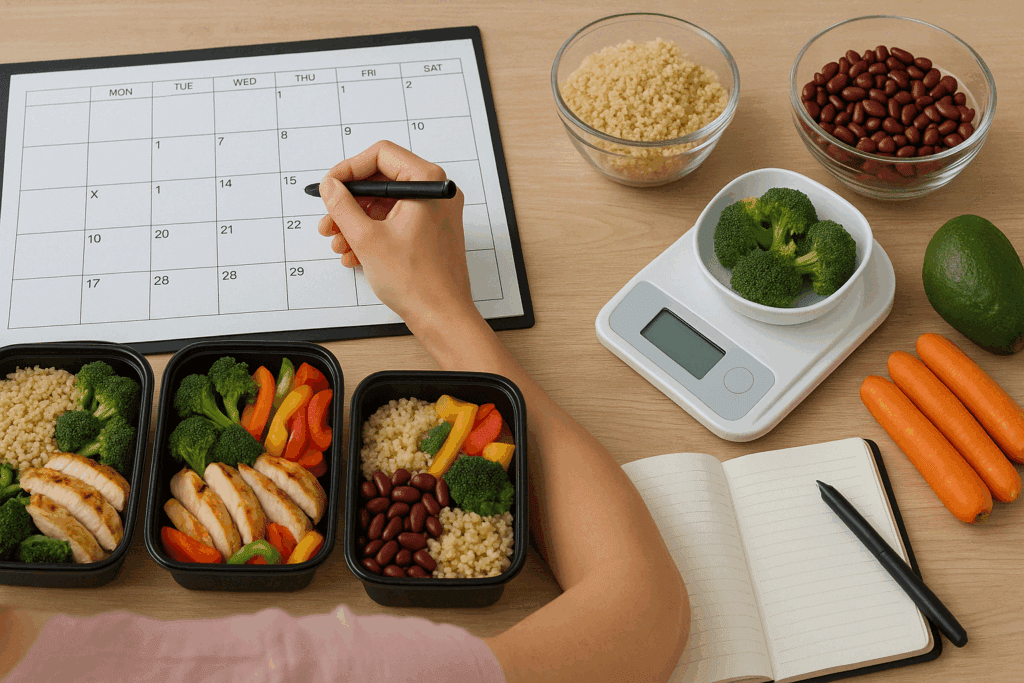
What to Eat to Build Muscle and Burn Fat: A Science-Backed Meal Plan for Strength and Healthy Weight Loss

Gaining muscle while simultaneously losing fat has long been considered a nutritional paradox. However, emerging evidence shows that with the right strategies, it’s not only possible but highly achievable. At the core of this transformation is understanding what to eat to build muscle and burn fat effectively, guided by principles of whole-food nutrition, metabolic science, and personalized eating patterns. A thoughtfully crafted fat loss muscle gain nutrition plan does more than just alter your physique—it can dramatically improve your energy, metabolism, and long-term health.

You may also like: Smart Meal Prep for Weight Loss: Expert-Approved Lunch Ideas and Recipes to Stay on Track

Understanding the Science of Muscle Gain and Fat Loss

Before we explore specific foods and eating schedules, it’s essential to understand the physiological mechanisms behind building muscle and burning fat. Muscle growth, or hypertrophy, is stimulated by resistance training and fueled by adequate protein intake and caloric support. Conversely, fat loss requires a calorie deficit—but not at the expense of muscle mass. The key lies in creating a modest deficit while strategically fueling workouts and recovery with nutrient-dense foods.

Protein synthesis must outweigh protein breakdown for muscle growth to occur, which makes dietary protein vital. Simultaneously, leveraging the thermic effect of food, particularly protein, can support fat burning. This interplay between macros—proteins, carbohydrates, and fats—along with meal timing, forms the foundation of an optimized muscle building diet that also encourages fat loss.

What to Eat to Gain Muscle While Losing Fat

When considering what to eat to gain muscle and lose fat, nutrient quality is as important as quantity. Lean protein sources such as lentils, tempeh, tofu, edamame, and seitan offer the essential amino acids needed for muscle repair and growth, especially when consumed in strategic combinations. Whole plant-based proteins should be paired with legumes, grains, or seeds to ensure a full amino acid profile.

Carbohydrates also play a key role in muscle building. Despite the rise in popularity of s keto low carb diets, carbohydrates remain the body’s preferred energy source, particularly during strength training. The distinction between the ketogenic diet vs low carb approaches is significant: the former aims for ketosis through extremely low carbohydrate intake, while the latter simply reduces carbs to moderate levels without inducing ketosis. It’s crucial to understand this distinction when deciding if a low carb diet keto diet fusion is right for you, especially considering the demands of muscle repair and glycogen replenishment.

Fats are essential too, particularly in hormonal regulation. Avocados, nuts, seeds, and olive oil contribute healthy fats that support muscle recovery and overall metabolic function. Contrary to misconceptions about fat consumption, including fats in your diet does not equate to fat gain—especially when consumed as part of a burn fat build muscle diet plan.

Balanced plate with tempeh, quinoa, and avocado highlighting what to eat to build muscle and burn fat naturally

Meal Timing and Frequency: What to Eat and When to Eat to Build Muscle

Strategic meal timing can enhance both muscle growth and fat loss. Eating every three to four hours helps stabilize blood sugar levels and maintains an anabolic environment. Pre- and post-workout nutrition are particularly important. Understanding what should people eat for a workout to build muscle can make a major difference in performance and recovery.

Before a workout, opt for a light meal that includes slow-digesting carbs and protein, such as oatmeal with chia seeds or a banana with peanut butter and plant-based protein. After training, prioritize quick-digesting carbs and complete proteins—think a smoothie with almond milk, berries, and vegan protein powder. This nutrient timing approach supports muscle protein synthesis and replenishes glycogen stores.

A well-structured eating schedule for gaining muscle may include three main meals and two to three snacks, each balanced with protein, complex carbohydrates, and healthy fats. This layout ensures consistent fuel and muscle support throughout the day.

7 Day Meal Plan to Gain Muscle Mass and Burn Fat

A 7 day muscle building meal plan does not have to be complex or overwhelming. The goal is to balance macronutrients in each meal, focusing on whole, minimally processed ingredients. Here’s a sample breakdown of a muscle gain diet plan 7 days in duration, emphasizing foods that support both hypertrophy and body composition improvements:

  • Day 1: Breakfast – Scrambled tofu with spinach, nutritional yeast, and sweet potatoes. Lunch – Quinoa salad with chickpeas, olive oil, and roasted vegetables. Dinner – Lentil curry with brown rice. Snacks – Protein smoothie with banana and flaxseeds; hummus with carrots.
  • Day 2: Breakfast – Overnight oats with almond butter and blueberries. Lunch – Black bean and corn tacos with avocado. Dinner – Tempeh stir-fry with broccoli and buckwheat noodles. Snacks – Edamame pods; chia pudding with almond milk.
  • Day 3: Breakfast – Smoothie bowl with vegan protein, spinach, mango, and walnuts. Lunch – Lentil and sweet potato stew. Dinner – Grilled seitan with quinoa and arugula salad. Snacks – Trail mix with pumpkin seeds; roasted chickpeas.
  • Day 4: Breakfast – Whole grain toast with mashed avocado and hemp seeds. Lunch – Thai peanut tofu with brown rice and veggies. Dinner – Eggplant and chickpea tagine. Snacks – Coconut yogurt with granola; fresh fruit with almond butter.
  • Day 5: Breakfast – Buckwheat pancakes with almond yogurt and berries. Lunch – Barley and bean bowl with kale and tahini dressing. Dinner – Zucchini noodles with tomato-lentil sauce. Snacks – Protein bar (plant-based); air-popped popcorn with nutritional yeast.
  • Day 6: Breakfast – Chia and oat porridge with sliced banana and cinnamon. Lunch – Grilled veggie sandwich with hummus on sprouted bread. Dinner – Baked tofu with roasted carrots and farro. Snacks – Apple slices with sunflower seed butter; edamame dip with whole grain crackers.
  • Day 7: Breakfast – Green smoothie with spinach, pineapple, and vegan protein. Lunch – Lentil loaf with mashed cauliflower. Dinner – Chickpea pasta with sautéed mushrooms and spinach. Snacks – Almonds with dark chocolate; kefir alternative with berries.

This 7 day meal plan for muscle gain emphasizes variety and includes easy recipes to help build muscle without relying on animal products. It provides sufficient calories, protein, and micronutrients to fuel performance and recovery.

Day of small, portioned meals demonstrating what to eat to build muscle and burn fat through strategic timing

Navigating Popular Diet Trends: Keto Diet vs Low Carb for Muscle Building

The rising popularity of low-carb eating patterns prompts a critical question: is keto a good diet for those aiming to build muscle and lose fat? The ketogenic diet—characterized by high fat, moderate protein, and very low carbohydrate intake—can promote fat loss by inducing a state of ketosis. However, this metabolic state is not optimal for muscle building in many individuals.

When comparing the ketogenic diet vs low carb diets, it’s important to recognize that a strict keto regimen may limit exercise performance and muscle recovery due to restricted glycogen availability. In contrast, a low carb approach, where carbohydrates are reduced but not eliminated, offers greater flexibility and better supports resistance training needs.

Understanding the nuances of keto diet vs low carb diet strategies enables more informed choices. While a ketogenic plan might suit some metabolic types, it’s not universally ideal. For those seeking muscle growth, a moderate intake of complex carbohydrates is typically more sustainable and effective. Additionally, the question “is a keto diet sustainable” remains open-ended, as many find long-term adherence challenging.

Whole-Food Plant-Based Nutrition vs Keto: A Science-Based Perspective

There is a growing body of evidence supporting whole-food plant-based diets as not only compatible with muscle building, but often superior in supporting overall health. Compared to s keto low carb plans, a plant-forward strategy provides more fiber, antioxidants, and anti-inflammatory compounds, which contribute to recovery and hormonal balance.

While some plant-based athletes may experiment with is keto no carbs approaches, this often requires significant supplementation and meal planning. Most find greater long-term success with balanced, diverse plant-based meals. The fiber and phytonutrient density of whole foods like legumes, leafy greens, tubers, and grains support both the digestive system and metabolic function—factors crucial when pursuing a lose fat gain muscle diet plan.

The key distinction lies in sustainability and nutrient diversity. While the low carb diet keto diet model emphasizes macronutrient manipulation, whole-food eating focuses on food quality, which research increasingly links to better health outcomes. Thus, for many, the path to body recomposition lies not in extreme carb restriction, but in consistent, nourishing eating habits rooted in plants.

Colorful plant-based meals prepped for a week illustrating what to eat to build muscle and burn fat consistently

The Role of Macronutrients and Supplements in a Bodybuilding Diet Plan

Creating an effective bodybuilding meal plan requires close attention to macronutrient ratios and nutrient timing. Protein remains the cornerstone, with intake ideally spaced throughout the day. Most individuals aiming to build muscle should consume between 1.6 and 2.2 grams of protein per kilogram of body weight per day.

Carbohydrates are equally important. While some followers of s keto low carb strategies argue that carbs hinder fat loss, they are in fact essential for optimal training intensity and recovery. The best bodybuilding diet plan doesn’t fear carbs—it uses them wisely, timing them around workouts to enhance performance and fuel muscle repair.

Supplementation can support, but not replace, a strong nutritional foundation. Plant-based protein powders, creatine monohydrate, and branched-chain amino acids (BCAAs) are among the most evidence-backed supplements for muscle growth. However, real food should remain the focus.

Side-by-side keto and low-carb meals comparing options for what to eat to build muscle and burn fat

How to Eat for Muscle Growth: Lifestyle and Mindset Factors

Nutrition does not exist in isolation. Lifestyle factors such as sleep, stress management, hydration, and mindset dramatically affect your ability to build muscle and lose fat. Even the most precisely designed meal plan for muscle gain will fall short if recovery and hormonal balance are compromised.

Mindful eating practices—such as slowing down during meals, paying attention to hunger and fullness cues, and savoring flavors—can enhance digestion and improve nutrient absorption. Integrating a lose fat gain muscle eating plan with mindful habits turns nutrition into a holistic self-care ritual.

Consistency is ultimately more important than perfection. Rather than fixating on rigid rules, focus on forming habits that align with your long-term goals. Whether you’re following a 7 day meal plan to gain muscle mass or exploring what do bodybuilders eat to fuel elite performance, the principle remains the same: quality, balance, and intention.

.

Contrast of plant-based foods and keto ingredients visually exploring what to eat to build muscle and burn fat

Frequently Asked Questions (FAQ): What to Eat to Build Muscle and Burn Fat

1. Can I follow a fat loss muscle gain nutrition plan without counting calorie

Yes, it’s entirely possible to follow a fat loss muscle gain nutrition plan without obsessively counting every calorie. Instead, focus on intuitive eating and portion awareness using whole foods with high nutrient density. Prioritize balanced meals with lean proteins, complex carbs, and healthy fats—these naturally regulate appetite and satiety. While tracking may be useful during initial phases, developing awareness of what to eat to gain muscle and how your body responds to different foods can yield sustainable results without constant logging. Many people find success by adhering to an easy-to-follow 7 day meal plan for muscle gain that emphasizes consistency over perfection.

2. What are some easy recipes to help build muscle that don’t require fancy equipment or expensive ingredients?

Muscle-building meals can be incredibly simple. For example, a chickpea and sweet potato hash sautéed in olive oil with garlic is a great post-workout meal that supports a bodybuilding meal plan. Another quick recipe is lentil stew with kale and quinoa—rich in protein and fiber. Even a blended smoothie using almond milk, banana, spinach, and hemp protein can fit perfectly into an easy meal plan for muscle gain. The key is choosing what food you need to make muscle without overcomplicating your kitchen routine. You don’t need to be a gourmet chef to follow a practical fat loss muscle gain nutrition plan at home.

3. How does meal timing affect what to eat when to eat to build muscle efficiently?

Meal timing plays a crucial role in a muscle gain diet plan, especially for those looking to optimizeperformance and recovery. Consuming protein-rich meals or snacks every 3–4 hours can maintain a steady anabolic state. A balanced pre-workout meal with protein and complex carbohydrates improves training energy and performance. Post-workout, fast-digesting carbs with protein—like a fruit and vegan protein shake—are ideal for recovery. Understanding what to eat and when to eat to gain muscle helps structure your day effectively, ensuring your efforts in the gym translate into gains.

4. How do I adapt a bodybuilding diet plan to a vegetarian or vegan lifestyle?

Plant-based bodybuilding is not only possible—it can be highly effective. Focus on pairingcomplementary proteins, such as rice and beans, to ensure a complete amino acid profile. Legumes, tofu, tempeh, and seitan should be central to your bodybuilding diet plan, supplemented by nuts and seeds for added calories and micronutrients. With proper planning, you can create a muscle building diet rich in iron, zinc, and B12 by combining fortified foods and smart supplementation. Many athletes follow a 7 day meal plan to gain muscle mass using only plant-based foods and achieve significant strength improvements.

5. What are the psychological benefits of following a structured meal plan for muscle gain?

Beyond the physical, a structured meal plan for muscle gain fosters a sense of control, self-discipline,and purpose. Following a clear eating schedule for gaining muscle creates routine and stability, reducing decision fatigue and food anxiety. It can also improve confidence and body image as you track strength improvements and physical changes. Furthermore, engaging in the intentional act of fueling your body with what to eat to build muscle can serve as a daily reminder of your broader health goals. The routine becomes an anchor point for positive behavioral reinforcement and long-term adherence.

6. How can I stay consistent with a muscle building diet while traveling or eating out?

Eating out doesn’t have to derail your goals if you approach it with intention. Look for menu items thatprioritize lean protein and fiber—think lentil salads, tofu stir-fries, or bean-based soups. Portable snacks like trail mix, protein bars, or roasted chickpeas help bridge gaps between meals. When dining out, ask for simple modifications such as extra veggies or swapping white rice for quinoa. Remember, the core of a bodybuilder diet isn’t perfection but consistency—choose meals that align with what to eat to grow muscle while accommodating your lifestyle.

7. What should people eat for a workout to build muscle if they train early in the morning?

If you train first thing in the morning, a light pre-workout meal or snack can make a big difference inenergy and output. A slice of whole grain toast with almond butter or a banana with plant-based protein provides quick fuel without causing digestive distress. Post-workout, prioritize a full breakfast with carbs and protein—like oatmeal with protein powder and berries—to support muscle repair. Timing your nutrition around morning workouts helps you align with the principles of what to eat while gaining muscle and reinforces a strong metabolic start to your day. A consistent eating schedule for gaining muscle includes strategic pre- and post-workout meals, especially for early risers.

8. How do I personalize a 7 day muscle building meal plan if I have a fast metabolism or high caloric needs?

If you burn calories quickly, you’ll need to scale your 7 day muscle building meal plan to include moreenergy-dense foods. Avocados, nut butters, dried fruits, and whole grains can help you reach your targets without overeating. Add extra olive oil to meals, double your portion of legumes, or include a second smoothie during the day. Adjusting your bodybuilder diet to match your metabolism ensures you’re eating enough to support muscle synthesis. Understanding what to eat to increase muscle also means identifying your body’s unique demands and adapting your intake accordingly.

9. What’s the difference between what do bodybuilders eat and what everyday fitness enthusiasts should focus on?

While elite bodybuilders often follow strict macros and meticulously timed meals, the average gymgoer can achieve great results with a more flexible approach. The core principles of what to eat to get muscles still apply—adequate protein, nutrient timing, and whole foods—but without the extremes of competitive dieting. Instead of obsessing over every gram, aim for consistency with your lose fat gain muscle diet plan. A sustainable muscle gain diet plan 7 days a week should prioritize real food, smart portions, and enjoyable meals. It’s more about finding balance than mimicking professional regimens.

10. How long does it typically take to see results from a burn fat build muscle diet plan?

Results depend on numerous factors: training consistency, sleep, stress, and adherence to yournutrition strategy. Generally, you might notice strength improvements within a few weeks, with visible muscle gain and fat loss becoming apparent after 8–12 weeks of dedicated effort. A well-executed lose fat gain muscle eating plan doesn’t promise instant transformation but offers sustainable progress over time. Be patient and trust the process, using a 7 day meal plan for muscle gain as a building block for long-term success. When you consistently align your meals with what to eat to gain muscle mass and combine that with smart training, results will follow.

Person mindfully eating a balanced meal showcasing a holistic approach to what to eat to build muscle and burn fat

Conclusion: Fueling Strength and Fat Loss with Purpose and Precision

Understanding what to eat to grow muscle while reducing body fat doesn’t require extreme restriction or unsustainable trends. It requires intention, education, and a science-backed approach to fueling your body. By choosing nutrient-dense whole foods, timing your meals thoughtfully, and building a realistic muscle gain diet plan 7 days at a time, you can make steady progress toward your goals.

While debates like ketogenic diet vs low carb continue to shape dietary discourse, the real power lies in understanding how your body responds to food. Ask yourself: is keto a low carb diet that serves your needs? Or would a balanced, plant-based eating pattern provide more energy and sustainability? There is no one-size-fits-all answer—but the evidence increasingly points toward moderation, variety, and consistency as the keys to lasting transformation.

Whether you’re exploring what food do you need to make muscle or evaluating what to eat lose weight gain muscle, remember that the most successful approach is one that you can maintain—and enjoy. Through mindful choices and a commitment to nourishment, you can build strength, shed fat, and fuel your best self, one powerful meal at a time.

Was this article helpful? Don’t let it stop with you. Share it right now with someone who needs to see it—whether it’s a friend, a colleague, or your whole network. And if staying ahead on this topic matters to you, subscribe to this publication for the most up-to-date information. You’ll get the latest insights delivered straight to you—no searching, no missing out.

Further Reading:

What to Eat and Avoid If You’re Trying to Build Muscle

Create Your Own Meal Plan for Muscle Gain and Fat Loss

How to Lose Fat and Gain Muscle: It Starts With Diet

Disclaimer

The information contained in this article is provided for general informational purposes only and is not intended to serve as medical, legal, or professional advice. While NewsHealthWatch strives to present accurate, up-to-date, and reliable content, no warranty or guarantee, expressed or implied, is made regarding the completeness, accuracy, or adequacy of the information provided. Readers are strongly advised to seek the guidance of a qualified healthcare provider or other relevant professionals before acting on any information contained in this article. NewsHealthWatch, its authors, editors, and contributors expressly disclaim any liability for any damages, losses, or consequences arising directly or indirectly from the use, interpretation, or reliance on any information presented herein. The views and opinions expressed in this article are those of the author(s) and do not necessarily reflect the official policies or positions of NewsHealthWatch.
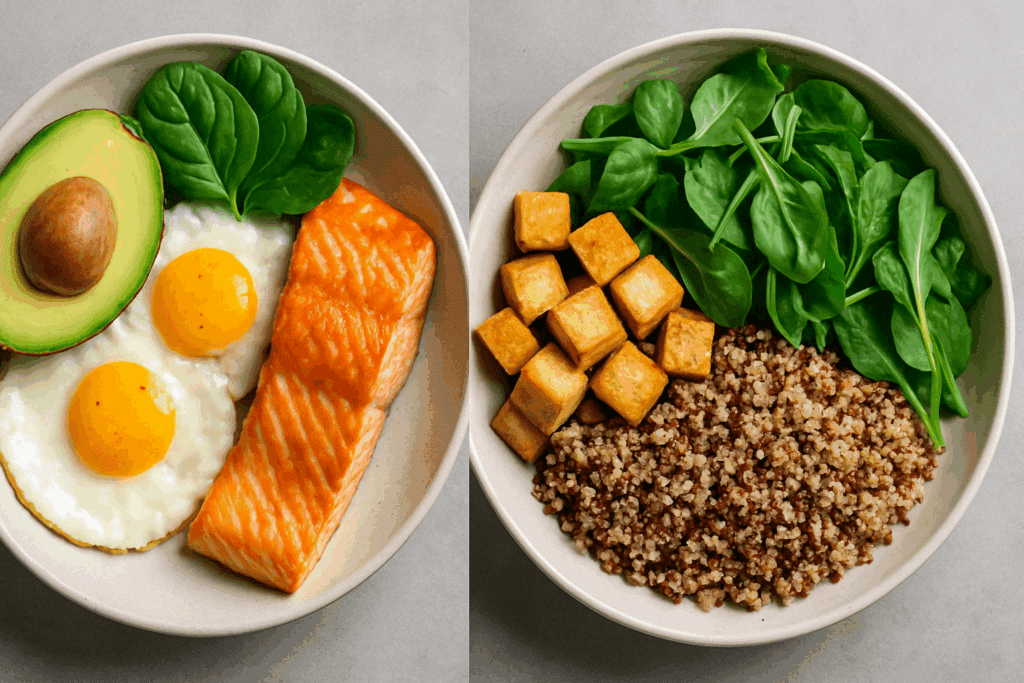
Play exciting online pokies and live games at True Fortune Casino, offering fast payouts, secure deposits, and generous bonuses for Australian players.
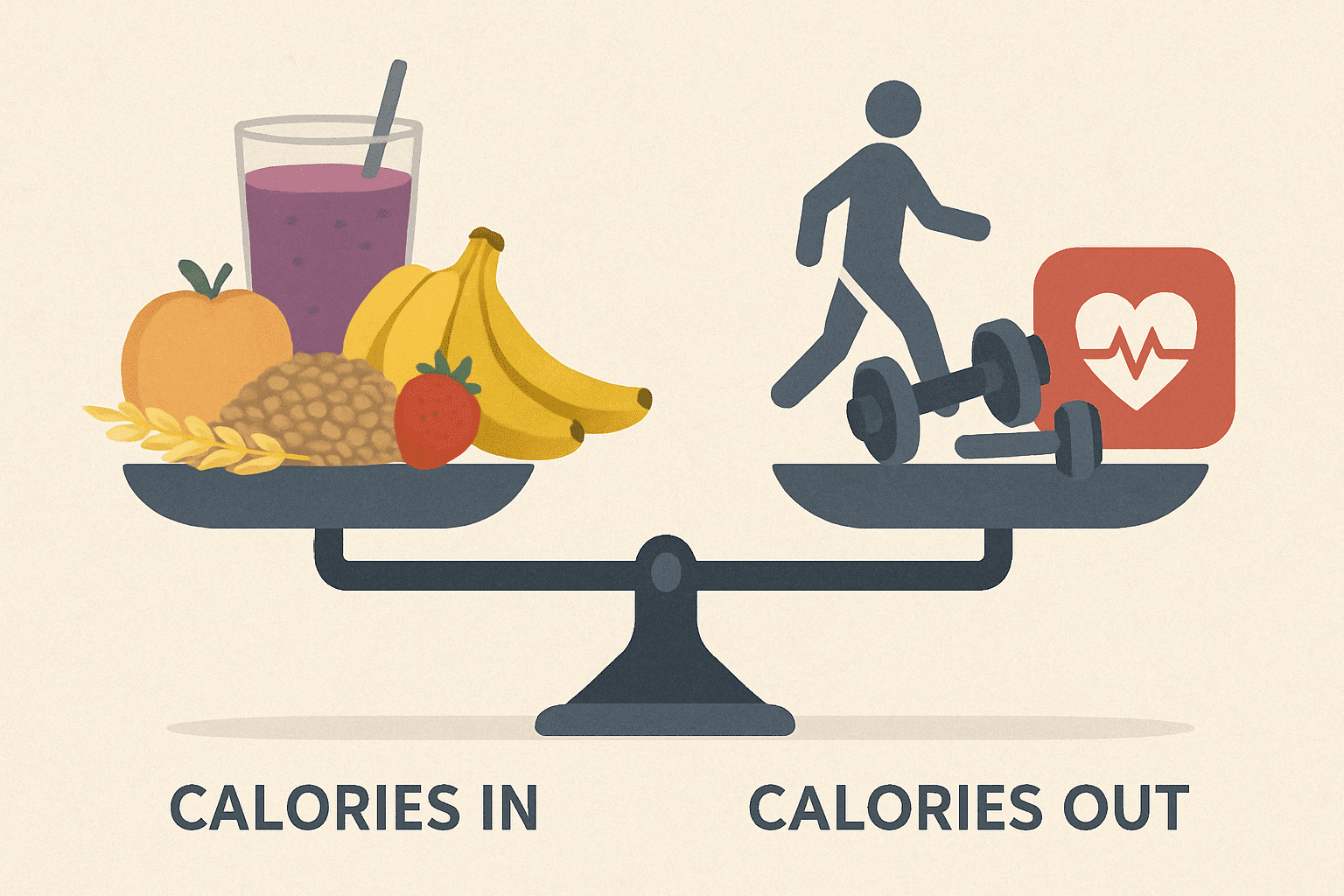
Enjoy top pokies and live dealer tables at Uptown Pokies Casino, with quick withdrawals, safe banking, and rewarding promotions for Australian users.

Join thrilling online slots and live casino action at Uptown Aces, featuring fast deposits, secure withdrawals, and exclusive bonuses for Australian players.

Spin favourite pokies and play live casino games at Velvet Spins Casino, offering safe banking, fast payouts, and generous promotions for Australian enthusiasts.

Experience exciting online pokies and live tables at Woo Casino, with quick withdrawals, secure deposits, and attractive bonuses for Australian casino players.

Play top pokies and live dealer games at King Billy Casino, offering fast payouts, safe banking, and rewarding promotions for Australian online casino users.

Enjoy thrilling online slots and live casino action at Aussie Play Casino, with secure deposits, quick withdrawals, and generous bonuses for Australian players.

Join exciting pokies and live tables at Fastpay Casino, featuring fast payouts, safe banking, and exclusive promotions for Australian online casino enthusiasts.