hacklink hack forum hacklink film izle hacklink
Home Blog Page 166

What to Eat Instead of Meat: Healthy Vegetarian Alternatives That Support Your Body and the Planet

In recent years, more individuals are rethinking their food choices, not just for personal health but also for the well-being of the planet. Concerns over chronic illness, ethical considerations around animal welfare, and the undeniable impact of livestock farming on climate change have led to a surge in interest around plant-based living. As a result, an increasing number of people are exploring what to eat instead of meat without compromising on nutrition, taste, or satisfaction. Fortunately, a diverse array of vegetarian alternatives and the best vegan substitutes now makes this transition more achievable than ever.

You may also like: Healthy Plant-Based Dinners Made Easy: Best Whole Food Plant-Based Recipes for Beginners and Beyond

The shift away from meat doesn’t have to mean giving up your favorite dishes or feeling nutritionally deprived. Instead, it invites the opportunity to rediscover food in vibrant, health-boosting ways. With innovations in food science and growing awareness of whole-food plant-based nutrition, the landscape of vegan alternatives has evolved significantly. From protein-rich legumes to high-tech meat substitutes for vegans, the options available today support not only physical well-being but also contribute to more sustainable food systems.

The Nutritional Foundation of Vegetarian Alternatives

One of the most important considerations when exploring what to eat instead of meat is ensuring nutritional adequacy. Protein, iron, zinc, vitamin B12, and omega-3 fatty acids are among the nutrients most commonly associated with animal products. However, many plant-based sources can provide these essential nutrients when consumed in thoughtful combinations. Legumes, such as lentils, chickpeas, and black beans, are among the best vegan alternatives for protein. When paired with whole grains like quinoa, brown rice, or whole wheat, they create complete protein profiles comparable to those found in meat.

Moreover, soy-based foods such as tofu, tempeh, and edamame offer not only high-quality protein but also phytonutrients like isoflavones that support heart and hormonal health. These soy products are versatile, easy to prepare, and act as ideal meat substitutes for vegans in a wide range of recipes. For individuals seeking an alternative to red meat that retains a similar texture, tempeh’s firm structure and nutty flavor provide a satisfying and nutritious option.

In addition to protein, iron is another nutrient of concern when reducing meat intake. While plant-based iron (non-heme) is less readily absorbed by the body than heme iron from animal products, its bioavailability can be enhanced with the consumption of vitamin C-rich foods. Adding citrus fruits, bell peppers, or tomatoes to meals containing beans, spinach, or fortified cereals can significantly improve iron absorption. Nutritional yeast, fortified plant milks, and certain algae-based supplements can also help address B12 and omega-3 needs, rounding out a nutritionally robust plant-based diet.

Professional content strategist developing image prompts for an article about what to eat instead of meat

Whole-Food Options: Nature’s Best Vegan Substitutes

While the rise of processed plant-based meats has garnered much attention, some of the most nutrient-dense and cost-effective vegetarian alternatives come directly from nature. Whole foods, which undergo minimal processing, retain their full complement of fiber, vitamins, minerals, and antioxidants. Sweet potatoes, mushrooms, eggplants, and jackfruit are just a few examples of whole plant foods that serve as excellent bases in savory dishes typically reliant on meat.

Mushrooms, especially portobello and shiitake varieties, are prized for their umami-rich flavor and meaty texture. They can be grilled, roasted, or sautéed to replicate the mouthfeel of beef or pork in burgers, tacos, and stir-fries. Jackfruit, a tropical fruit with a fibrous consistency, is increasingly used in recipes that mimic pulled pork or shredded chicken. When seasoned properly, jackfruit offers a remarkably similar texture without the saturated fat and cholesterol.

Cauliflower and eggplant also function well as meat substitutes for vegans in hearty meals like curries, cutlets, and stews. With their neutral taste and spongy texture, they absorb marinades and sauces beautifully. These whole-food options provide an easy transition for those new to plant-based eating while offering health advantages such as improved digestion and reduced risk of heart disease.

Innovative Plant-Based Meats: Convenience Meets Conscious Eating

The market for vegan substitutes has expanded rapidly, thanks to innovation in food technology and increased consumer demand. Brands such as Beyond Meat, Impossible Foods, and Gardein have developed products that closely mimic the taste, texture, and even the aroma of conventional meat. These products are designed to appeal to omnivores and flexitarians who want to reduce meat consumption without sacrificing the culinary experience.

Although these plant-based meats are more processed than whole foods, they offer convenience and can serve as transitional tools for those exploring what to eat instead of meat. For example, a Beyond Burger contains a comparable amount of protein to a beef patty but with zero cholesterol and a significantly lower environmental impact. Many of these options are fortified with vitamins and minerals to match the nutritional profile of animal-derived products, making them some of the best vegan substitutes available.

These innovative meat alternatives are especially useful in social situations, such as cookouts or family dinners, where traditional meat dishes are centerpieces. They allow individuals to participate in familiar food rituals while aligning with plant-based values. However, it is important to balance their consumption with whole-food sources to ensure dietary variety and reduce intake of added sodium and preservatives.

Digital workspace showing AI-generated visual concepts focused on what to eat instead of meat

Legumes and Lentils: The Unsung Heroes of Plant-Based Eating

Among the most powerful vegetarian alternatives are legumes and lentils. These humble staples are nutrient-dense, affordable, and versatile. Lentils, in particular, are high in protein, iron, and fiber, making them one of the best vegan alternatives to ground meat. They can be used in shepherd’s pie, tacos, pasta sauces, and veggie burgers, offering a hearty consistency that satisfies even the most skeptical palates.

Chickpeas are another excellent choice, capable of being transformed into savory stews, crispy snacks, or creamy dips like hummus. Black beans, kidney beans, and pinto beans offer diverse textures and flavors, making them suitable for a wide array of global cuisines. Whether used in chili, burritos, or Mediterranean salads, these legumes can easily take center stage on the plate.

One of the greatest advantages of these meat substitutes for vegans is their role in promoting satiety. High fiber content slows digestion, stabilizes blood sugar, and contributes to heart health. Unlike animal proteins, legumes contain no cholesterol and are low in saturated fat, making them ideal for individuals looking to support cardiovascular health through diet.

Tofu, Tempeh, and Seitan: Traditional Proteins with Modern Appeal

Soy-based products like tofu and tempeh, along with wheat-based seitan, have long been used in various culinary traditions. These foods are especially valuable as vegan substitutes because they are rich in protein, adapt well to different flavor profiles, and can mimic the texture of meats. Tofu, often referred to as bean curd, can be grilled, scrambled, baked, or fried. Its ability to absorb spices and marinades makes it a culinary chameleon.

Tempeh, made from fermented soybeans, has a denser texture and a nutty, earthy taste. This fermentation process enhances its digestibility and introduces beneficial probiotics. It can be sliced, crumbled, or cubed into salads, sandwiches, or sautéed dishes. Seitan, also known as wheat meat, is prized for its chewy texture and high protein content. It is often used in dishes that require a firmer bite, such as vegan steaks, kebabs, or stir-fry entrees.

These traditional protein sources are not only among the best vegan substitutes but also bring culinary diversity and nutrition to the table. They are excellent choices for those transitioning to a plant-based diet or looking to expand their repertoire of vegetarian alternatives. Their adaptability in various cuisines makes them favorites among both home cooks and professional chefs.

Content strategist reviewing layout sections to enhance an article on what to eat instead of meat

Environmental and Ethical Benefits of Choosing Vegan Alternatives

Opting for vegetarian alternatives has benefits that extend far beyond personal health. Industrial meat production is a significant contributor to greenhouse gas emissions, deforestation, and water pollution. By choosing vegan substitutes, individuals reduce their carbon footprint and help conserve precious natural resources. According to the United Nations, shifting toward a plant-based diet is one of the most effective actions individuals can take to mitigate climate change.

Moreover, reducing reliance on animal agriculture aligns with ethical considerations regarding animal welfare. Factory farming practices often involve overcrowding, inhumane treatment, and significant environmental degradation. Embracing what to eat instead of meat becomes a compassionate choice that reflects growing awareness of interconnected health, ecological, and ethical issues.

These lifestyle shifts can also inspire collective action. As consumer demand grows for sustainable and cruelty-free food options, businesses respond by developing more innovative and accessible products. This reinforces a positive feedback loop, accelerating the global transition toward food systems that nourish both people and the planet.

Wide-format digital art drafts illustrating plant-based themes related to what to eat instead of meat

Culinary Creativity: Making Meatless Meals Exciting and Satisfying

Adopting a diet rich in vegetarian alternatives need not be a sacrifice; it can be a culinary adventure. The key lies in approaching plant-based cooking with curiosity and creativity. Drawing inspiration from global cuisines can unlock new textures and flavors. Indian dals, Thai curries, Ethiopian lentil stews, and Middle Eastern falafel demonstrate how deeply satisfying meatless meals can be.

Experimentation with herbs, spices, and sauces can also elevate plant-based ingredients. Smoked paprika, tamari, nutritional yeast, and tahini are just a few pantry staples that add depth and umami. Grilling marinated tofu, baking spiced chickpeas, or roasting jackfruit in a barbecue glaze can transform simple ingredients into memorable meals.

Meal planning and batch cooking are practical tools for success when transitioning to vegan substitutes. Preparing components like grains, legumes, and sauces ahead of time makes it easier to assemble quick, nourishing meals throughout the week. This not only saves time but reduces reliance on processed foods, encouraging a deeper connection to whole ingredients.

Creative design process visualizing AI prompts for an article about what to eat instead of meat

Frequently Asked Questions: What to Eat Instead of Meat

1. How can I ensure I’m getting enough protein from vegetarian alternatives without relying on processed products?

While many people turn to processed meat substitutes for vegans when transitioning, it is entirelypossible to meet protein needs with whole-food options. Incorporating a variety of legumes, seeds, nuts, whole grains, and vegetables such as broccoli and spinach creates a well-rounded amino acid profile. One powerful method is to combine grains and legumes in the same meal, like rice and beans or lentils with quinoa. These complementary proteins form complete profiles that rival animal products in quality. For those avoiding soy, lentils, hemp seeds, and black-eyed peas are excellent vegan alternatives that deliver robust nutrition without additives.

2. Are vegan substitutes suitable for athletes or those with high protein requirements?

Yes, with careful planning, vegan substitutes can support even the most demanding physicallifestyles. Many elite athletes thrive on plant-based diets rich in the best vegan alternatives, such as tempeh, seitan, and lentils. Seitan, in particular, offers a protein concentration comparable to chicken, while being entirely plant-based. Smoothies enriched with pea or rice protein powder, almond butter, and chia seeds provide a quick and effective recovery meal. These meat substitutes for vegans don’t just replace meat—they enhance performance with anti-inflammatory benefits and quicker recovery times.

3. What are some lesser-known vegetarian alternatives for people bored with tofu and beans?

When tofu fatigue sets in, variety becomes essential for long-term adherence. Lupini beans, forexample, are a Mediterranean legume packed with protein and fiber, but less commonly used in American kitchens. Sunchokes, also known as Jerusalem artichokes, add prebiotic richness to meals while supporting gut health. Even fermented products like natto or black garlic-infused tempeh can reinvigorate your interest in vegan alternatives. Culinary creativity is key, and rotating your protein sources helps prevent nutrient gaps while adding excitement to the plate.

4. Are there culturally specific best vegan substitutes that I can explore for more diverse meals?

Absolutely—many traditional cuisines offer naturally meat-free dishes that rely on culturally specificingredients. Indian cuisine uses dals and chickpea flour in dishes that are hearty and deeply flavorful. Ethiopian injera paired with lentil stews offers complete protein combinations without a trace of meat. In Southeast Asia, jackfruit and banana blossoms are used as meat substitutes for vegans in curries and stir-fries. Exploring these traditional practices not only adds flavor but offers a deeper appreciation for global vegetarian alternatives that are time-tested and nutritionally sound.

5. Can children thrive on a diet focused on vegan substitutes?

With proper planning, children can thrive on a plant-based diet rich in the best vegan alternatives.Pediatric nutritionists recommend including calorie-dense options like avocado, nut butters, and fortified plant milks to meet energy needs. Foods like tempeh, lentils, and hummus provide iron, protein, and essential fatty acids that support growth and development. It’s important to monitor vitamin B12 and vitamin D levels, supplementing when necessary. Raising kids on a variety of vegan substitutes teaches healthy habits early while reducing their lifetime exposure to cholesterol and saturated fats.

6. Are there vegan alternatives that support hormonal balance, especially for women?

Yes, several vegetarian alternatives can play a key role in supporting hormonal health, particularly forwomen during menstruation, pregnancy, or menopause. Soy-based foods like tofu and tempeh contain isoflavones, which are phytoestrogens that may ease menopausal symptoms. Flaxseeds and pumpkin seeds offer lignans and zinc, both of which contribute to hormone regulation. Incorporating leafy greens, legumes, and omega-3-rich seeds like chia or hemp can provide consistent energy and mood stabilization. These vegan substitutes do more than replace meat—they actively contribute to overall endocrine wellness.

7. What should I look for in packaged meat substitutes for vegans to make healthier choices?

Not all packaged vegan substitutes are created equal, so label literacy is essential. Aim for productsthat list whole-food ingredients at the top and avoid items with excessive sodium, added sugars, or synthetic preservatives. Choose options that use pea protein, quinoa, or brown rice protein rather than isolated soy derivatives if you’re sensitive to soy. Fortified versions that include vitamin B12, iron, and omega-3s are ideal for nutritional balance. In moderation, these meat substitutes for vegans can serve as convenient, health-supportive components of a larger whole-food diet.

8. How can I manage social situations or family meals while exploring what to eat instead of meat?

Navigating traditional meals can be challenging, but preparation and communication are key. Offeringto bring a vegan dish to a gathering not only ensures you have something to eat but also introduces others to delicious vegetarian alternatives. Meat-free versions of familiar favorites—like lentil lasagna, chickpea-based burgers, or jackfruit tacos—often win over skeptics. Over time, your confidence and culinary repertoire grow, making social eating occasions more inclusive and less stressful. Sharing the benefits and flavors of vegan substitutes can even inspire loved ones to try more plant-forward meals themselves.

9. How do vegan alternatives affect gut health and digestion?

One of the most underrated benefits of transitioning to vegan alternatives is the positive impact ongut microbiota. Whole-food meat substitutes for vegans, such as lentils, oats, and fermented soy products, feed beneficial bacteria that enhance digestion and immunity. Unlike many animal-based proteins, plant-based options contain both soluble and insoluble fiber, promoting regularity and reducing bloating. Prebiotic-rich foods like artichokes and leeks further support microbial diversity, which is linked to better mental and metabolic health. Over time, this shift can lead to a more resilient digestive system and improved nutrient absorption.

10. What innovations are on the horizon for the best vegan substitutes in the coming years?

The future of vegetarian alternatives is rapidly evolving thanks to biotechnology, cellular agriculture,and culinary science. Advances in mycoprotein fermentation are producing realistic meat textures without animals, using fungi as a base. Startups are exploring lab-grown meat that eliminates ethical and environmental concerns while preserving the sensory experience of eating meat. Even seaweed- and algae-based protein is being developed as a sustainable, high-nutrient option. As demand grows, the best vegan alternatives will become even more diverse, accessible, and nutritionally comprehensive, ushering in a new era of mindful, inclusive eating.

Image planning interface highlighting in-article visuals for a guide on what to eat instead of meat

A Lasting Commitment to Health and Sustainability

Choosing what to eat instead of meat is more than a dietary decision; it is a commitment to personal vitality and planetary health. The abundance of best vegan alternatives available today empowers individuals to align their eating habits with their values without sacrificing flavor or nutrition. Whether motivated by health, the environment, or animal welfare, embracing vegan alternatives opens doors to a more sustainable and fulfilling way of life.

As this movement continues to grow, the diversity and accessibility of meat substitutes for vegans will only improve. By experimenting with whole foods, traditional plant proteins, and innovative meat analogs, anyone can build a diet that is not only kind to their body but also contributes to a more compassionate world. In doing so, we embrace the true essence of mindful eating—an approach rooted in awareness, respect, and intentionality.

Further Reading:

24 VEGAN SUBSTITUTES FOR MEAT, DAIRY, EGGS & MORE

Vegan Alternatives to Meat, Dairy, and Egg Products

What’s a vegan alternative food that is better than the original?

How to Overcome the Fear of Gaining Weight: Expert Tips for a Healthier Mindset

The fear of gaining weight is an increasingly common concern, particularly in a world where media and societal pressures emphasize thinness as a standard of beauty and health. This fear, sometimes referred to as the fear of being fat or the fear of getting fat, can deeply affect mental, emotional, and physical well-being. It is not just a superficial concern about appearance but often a manifestation of deeper psychological distress, body dissatisfaction, and anxiety. When left unaddressed, this fear can lead to disordered eating patterns, excessive exercise, and a distorted relationship with food and body image.

You may also like: How to Stop Emotional Eating and Regain Control: Mindful Nutrition Strategies That Support a Healthier Lifestyle

However, overcoming this fear is possible with the right mindset, practical strategies, and professional guidance. By cultivating a healthier attitude toward food, body image, and overall well-being, individuals can break free from the cycle of fear and develop a more positive and balanced approach to their health. This article explores expert-recommended strategies to overcome the fear of gaining weight, with a focus on addressing root causes, building resilience, and fostering long-term psychological and emotional well-being.

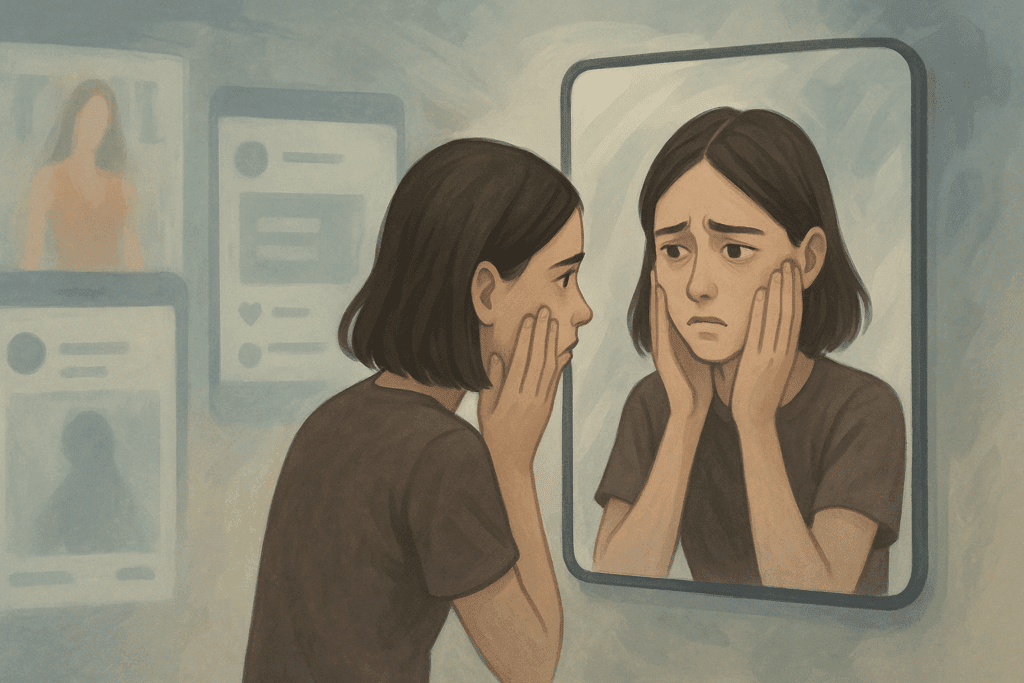
Young woman with a worried expression looking into a mirror, surrounded by blurred social media and magazine imagery symbolizing the fear of gaining weight.

Understanding the Root Causes of the Fear of Gaining Weight

To effectively address the fear of gaining weight, it is essential to understand its underlying causes. This fear often originates from societal expectations, personal experiences, and internalized beliefs about body image and self-worth. Social media, fashion magazines, and celebrity culture perpetuate unrealistic beauty standards that equate thinness with success, desirability, and control. Consequently, many individuals internalize these ideals, believing that any deviation from a slender figure signifies failure or a lack of discipline.

In addition, childhood experiences can shape one’s perception of body image and self-esteem. For instance, individuals who were criticized about their weight during childhood or witnessed family members obsessing over dieting may develop a heightened sensitivity to weight gain. Similarly, traumatic experiences, such as bullying or negative comments about one’s appearance, can create lasting emotional scars that fuel anxiety about gaining weight.

Moreover, perfectionist tendencies and a desire for control can intensify these fears. Individuals who strive for perfection in various aspects of their lives may view weight gain as a sign of losing control. This need for control often leads to rigid eating patterns, compulsive exercise, and an obsession with maintaining a certain body shape.

Person wipes fogged mirror to reveal a confident reflection, symbolizing overcoming the fear of gaining weight.

Challenging Cognitive Distortions and Negative Beliefs

One of the most effective ways to overcome the fear of gaining weight is to challenge cognitive distortions and reframe negative beliefs about body image. Cognitive distortions are irrational thought patterns that contribute to anxiety and self-criticism. Common distortions related to body image include black-and-white thinking (“If I gain weight, I’m a failure”), catastrophizing (“Gaining a few pounds will ruin my life”), and overgeneralization (“If I can’t maintain this weight, I will never be happy”).

To counter these distortions, individuals can practice cognitive restructuring by identifying and replacing negative thoughts with more realistic and balanced perspectives. For example, instead of thinking, “If I gain weight, I will lose control,” one might reframe it as, “My worth is not determined by my weight, and my body is capable of maintaining a healthy balance.” Engaging in cognitive-behavioral therapy (CBT) with a trained professional can provide additional support in challenging these thought patterns.

Smiling woman peacefully eating a colorful meal in a cozy kitchen, embracing intuitive eating despite fear of gaining weight

Embracing Intuitive Eating and Rejecting Diet Culture

Intuitive eating is a powerful approach that encourages individuals to listen to their body’s hunger and fullness cues rather than adhering to rigid dietary rules. By rejecting diet culture and embracing intuitive eating, individuals can develop a more harmonious relationship with food and their bodies. Diet culture promotes the idea that thinness equates to health and morality, often leading to cycles of restriction, binge eating, and guilt.

Intuitive eating consists of ten principles that guide individuals toward trusting their bodies and honoring their nutritional needs. These principles include rejecting the diet mentality, honoring hunger, making peace with food, challenging the food police, respecting fullness, and discovering satisfaction in eating. By practicing intuitive eating, individuals can break free from the cycle of chronic dieting and learn to nourish their bodies in a way that promotes physical and emotional well-being.

Developing Body Acceptance and Self-Compassion

Body acceptance and self-compassion are essential components of overcoming the fear of gaining weight. Body acceptance involves recognizing and respecting one’s body as it is, regardless of size or shape. Rather than striving for an unattainable ideal, individuals can practice gratitude for their bodies’ capabilities and resilience. Self-compassion, on the other hand, entails treating oneself with kindness and understanding, especially during moments of vulnerability.

Self-compassion involves three key components: self-kindness, recognizing common humanity, and mindfulness. Self-kindness encourages individuals to speak to themselves with the same warmth and empathy they would offer a friend. Recognizing common humanity reminds individuals that they are not alone in their struggles, as many people experience similar challenges with body image and self-esteem. Mindfulness allows individuals to observe their thoughts and emotions without judgment, creating space for self-reflection and growth.

Woman with hand on heart looking at her reflection in a mirror, embracing self-love while managing fear of gaining weight.

Incorporating Mindfulness Practices to Reduce Anxiety

Mindfulness practices can play a significant role in reducing anxiety related to the fear of gaining weight. Mindfulness involves cultivating present-moment awareness and observing thoughts and feelings without attachment or judgment. By incorporating mindfulness techniques such as meditation, deep breathing, and body scanning, individuals can develop greater self-awareness and emotional resilience.

Mindful eating, in particular, encourages individuals to engage their senses and savor each bite, promoting a deeper connection with their food and body. This practice can help individuals identify true hunger and fullness cues, reducing the likelihood of emotional or binge eating. Additionally, regular mindfulness practice can decrease the intensity of anxiety and help individuals respond to stressful situations with greater calm and clarity.

Seeking Professional Support and Building a Support System

Overcoming the fear of gaining weight is not a journey that individuals must navigate alone. Seeking professional support from licensed therapists, dietitians, and mental health professionals can provide valuable guidance and evidence-based strategies for addressing these fears. Cognitive-behavioral therapy (CBT), dialectical behavior therapy (DBT), and acceptance and commitment therapy (ACT) are effective therapeutic approaches that can help individuals challenge distorted beliefs, regulate emotions, and develop healthier coping mechanisms.

Building a supportive network of friends, family members, and support groups can also create a sense of belonging and validation. Sharing experiences and receiving encouragement from others who have faced similar challenges can inspire hope and resilience. Furthermore, online communities and forums dedicated to body positivity and intuitive eating can offer additional resources and connection.

Setting Realistic Goals and Celebrating Progress

Setting realistic and achievable goals is essential for maintaining motivation and fostering a sense of accomplishment. Rather than focusing solely on weight-related goals, individuals can set objectives that prioritize overall well-being and self-care. These goals may include practicing self-compassion, incorporating regular movement that feels enjoyable, and experimenting with new nourishing recipes.

Celebrating progress, no matter how small, reinforces positive behavior and encourages continued growth. Acknowledging milestones such as recognizing hunger cues, challenging negative thoughts, or practicing self-care promotes a sense of empowerment and reinforces the importance of maintaining a balanced and sustainable approach to health.

Reframing Exercise as a Form of Self-Care, Not Punishment

Exercise should be viewed as a means of nurturing the body and enhancing overall well-being rather than as a tool for controlling weight. When exercise is associated with punishment or a means of “earning” food, it can perpetuate feelings of guilt and anxiety. Instead, individuals can explore different forms of movement that bring joy and fulfillment, such as yoga, dancing, hiking, or swimming.

Engaging in movement that feels pleasurable rather than obligatory fosters a positive relationship with physical activity. It allows individuals to appreciate their bodies’ strength and capabilities, reinforcing a sense of self-respect and gratitude. By shifting the focus from calorie burning to holistic well-being, individuals can cultivate a more sustainable and enjoyable approach to exercise.

Diverse group joyfully dancing, doing yoga, and hiking outdoors, promoting movement without fear of gaining weight.

Practicing Gratitude and Focusing on Non-Appearance-Based Qualities

Cultivating a gratitude practice can shift the focus away from appearance and weight by highlighting the positive aspects of life and the body’s inherent value. Practicing gratitude involves reflecting on aspects of life that bring joy, fulfillment, and meaning. By acknowledging non-appearance-based qualities, such as kindness, intelligence, creativity, and resilience, individuals can develop a deeper sense of self-worth and appreciation.

Journaling, expressing gratitude verbally, or taking moments of reflection throughout the day can reinforce this positive mindset. Over time, gratitude practice can help individuals detach their sense of self-worth from their physical appearance and embrace a more holistic view of their identity.

Redefining Health Beyond the Scale

True health encompasses more than just body weight or appearance. Redefining health involves considering multiple dimensions of well-being, including mental, emotional, and social health. When individuals shift their focus from a narrow definition of health centered on weight to a more comprehensive understanding, they can make choices that honor their bodies and promote overall vitality.

Engaging in nourishing eating habits, cultivating meaningful relationships, managing stress, and prioritizing rest are all components of a balanced and fulfilling life. By adopting a holistic view of health, individuals can let go of the fear of gaining weight and embrace a more sustainable and compassionate approach to self-care.

Woman journaling peacefully in a cozy sunlit corner, reflecting on gratitude to manage fear of gaining weight

Embracing a Lifelong Journey Toward Self-Acceptance

Overcoming the fear of gaining weight is not an overnight transformation but a lifelong journey of self-discovery, growth, and healing. It requires patience, perseverance, and a commitment to challenging deeply ingrained beliefs about body image and worth. By cultivating self-compassion, practicing mindfulness, seeking support, and reframing negative thoughts, individuals can build a foundation of resilience and acceptance.

Every step taken toward embracing a healthier mindset contributes to a more profound sense of freedom and empowerment. By letting go of fear and embracing a holistic perspective on health and well-being, individuals can reclaim their lives and cultivate a sense of peace and contentment within themselves.

Frequently Asked Questions (FAQ)

1. How can I differentiate between a healthy concern for my weight and an irrational fear of gaining weight?

A healthy concern for maintaining an optimal weight focuses on balanced nutrition, regular physical activity, and overall well-being. It involves making mindful choices that promote health without causing anxiety or distress. However, the fear of gaining weight goes beyond this, often leading to obsessive behaviors, constant body checking, and an overwhelming sense of anxiety when weight fluctuates. This fear may cause individuals to restrict food intake, engage in excessive exercise, or experience feelings of guilt after eating. A key distinction lies in emotional responses—while healthy concern encourages positive actions, the fear of getting fat is driven by negative emotions and distorted beliefs about body image. If thoughts of weight gain dominate daily life or lead to harmful behaviors, professional intervention may be necessary.

2. Can the fear of being fat contribute to the development of eating disorders?

Yes, the fear of being fat is a significant risk factor for the development of various eating disorders, including anorexia nervosa, bulimia nervosa, and binge-eating disorder. This fear often triggers extreme dietary restriction, purging behaviors, or episodes of emotional eating, as individuals attempt to control their weight. Over time, the constant preoccupation with body size can lead to a cycle of guilt, shame, and emotional distress. Research shows that individuals who internalize societal pressure to maintain a thin physique are more likely to develop unhealthy relationships with food. Early intervention, such as cognitive-behavioral therapy (CBT), can help address these fears and prevent the progression of eating disorders by promoting healthier coping mechanisms and fostering body acceptance.

3. How does social media exacerbate the fear of gaining weight?

Social media platforms, particularly those that emphasize image-based content, contribute significantly to the fear of gaining weight by perpetuating unrealistic beauty standards. Influencers and fitness enthusiasts often showcase highly curated images that promote an idealized version of health and attractiveness. Exposure to these images can create a distorted perception of normal body shapes and sizes, leading individuals to compare themselves unfavorably. Moreover, social media algorithms reinforce content that aligns with users’ insecurities, deepening feelings of inadequacy. To combat this influence, individuals can curate a healthier online environment by following accounts that promote body positivity, diversity, and mental health awareness. Limiting time spent on social media and practicing mindful consumption of content can also mitigate its negative impact.

4. Are there specific personality traits that make someone more prone to the fear of getting fat?

Certain personality traits can predispose individuals to develop a fear of getting fat. Perfectionists, for example, often strive for control and flawlessness in every aspect of life, including their physical appearance. This intense desire for perfection can lead to rigid dieting and an obsession with maintaining a certain weight. Similarly, people with high levels of anxiety or obsessive-compulsive tendencies may become fixated on weight-related concerns, viewing weight gain as a threat to their self-worth. Low self-esteem and a history of trauma, such as bullying or body shaming, can also contribute to heightened sensitivity about weight changes. Recognizing these traits and addressing them through therapy can help individuals develop healthier thought patterns and coping strategies.

5. How can I manage anxiety associated with the fear of gaining weight during life transitions?

Life transitions, such as starting college, pregnancy, or menopause, often bring about changes in routine and body composition, which can intensify the fear of gaining weight. Managing this anxiety involves anticipating these changes and approaching them with self-compassion and realistic expectations. Practicing mindfulness can help individuals stay present and reduce catastrophic thinking about future weight changes. Establishing a support system, whether through friends, family, or a therapist, provides emotional validation and reassurance. Additionally, setting non-weight-related goals, such as improving strength, increasing energy levels, or focusing on emotional resilience, can shift attention away from fear and toward holistic well-being.

6. Can hormonal fluctuations increase the fear of being fat?

Yes, hormonal fluctuations, particularly those related to menstrual cycles, pregnancy, or menopause, can heighten the fear of being fat by causing temporary changes in body weight, water retention, and mood. For example, during the luteal phase of the menstrual cycle, many women experience bloating, increased appetite, and mild weight fluctuations. These changes can trigger anxiety in individuals who are highly sensitive to variations in their body shape. Understanding that these fluctuations are a normal part of the body’s natural processes can alleviate fear. Tracking cycles and identifying patterns can also empower individuals to differentiate between temporary changes and lasting weight gain, fostering a more rational and compassionate response.

7. What role does emotional regulation play in overcoming the fear of getting fat?

Emotional regulation is a critical factor in managing the fear of getting fat because it helps individuals respond to distressing thoughts and emotions in a balanced and constructive manner. Poor emotional regulation can lead to impulsive behaviors, such as emotional eating or excessive exercise, as a way of coping with anxiety related to weight gain. Developing emotional intelligence through mindfulness, journaling, and therapy enables individuals to recognize triggers, process emotions effectively, and reframe negative thoughts. Over time, enhanced emotional regulation allows for a more measured response to weight-related concerns and fosters resilience in the face of body image challenges.

8. How can parents prevent their children from developing a fear of gaining weight?

Parents play a pivotal role in shaping their children’s attitudes toward body image and preventing the fear of gaining weight from taking root. Modeling a positive relationship with food and body image sets a healthy foundation for children. Parents should avoid making negative comments about their own or others’ bodies and refrain from discussing diets or weight loss in front of their children. Encouraging intuitive eating and allowing children to listen to their hunger and fullness cues fosters trust in their bodies. Open conversations about media literacy can also help children critically evaluate societal beauty standards and develop resilience against unrealistic ideals. By creating a supportive and body-positive environment, parents can promote self-confidence and body acceptance in their children.

9. How can individuals cultivate resilience against societal pressure to remain thin?

Cultivating resilience against societal pressure requires a multifaceted approach that emphasizes self-awareness, critical thinking, and boundary-setting. Individuals can build resilience by consciously challenging the cultural narrative that equates thinness with worth and success. Engaging in media literacy helps individuals recognize and reject unrealistic beauty standards, empowering them to redefine health and beauty on their own terms. Developing a strong support system that reinforces positive body image and practicing self-compassion in moments of self-doubt strengthens emotional resilience. Additionally, setting boundaries with toxic environments or relationships that perpetuate body shaming can protect individuals from negative influences and promote lasting self-acceptance.

10. Are there emerging therapies or treatments that address the fear of being fat?

Emerging therapies are offering promising solutions for addressing the fear of being fat, combining evidence-based approaches with innovative techniques. Acceptance and Commitment Therapy (ACT) helps individuals accept their thoughts and feelings about body image without judgment while committing to behaviors aligned with their values. Exposure therapy, traditionally used for anxiety disorders, is being adapted to gradually expose individuals to situations that trigger anxiety about weight gain, allowing them to build tolerance and reduce fear over time. Additionally, virtual reality (VR) exposure therapy is gaining traction, offering a controlled environment where individuals can confront their fears and develop healthier coping mechanisms. These emerging therapies, along with traditional cognitive-behavioral approaches, offer new avenues for those seeking to overcome body image anxiety and achieve lasting peace with their bodies.

Final Thoughts: Building a Positive Relationship with Your Body

The journey to overcoming the fear of gaining weight is ultimately about cultivating a positive and nurturing relationship with one’s body. It is about recognizing that true health and happiness extend beyond physical appearance and acknowledging the body’s remarkable capacity to support and sustain life. Through self-compassion, mindfulness, and a commitment to rejecting diet culture, individuals can liberate themselves from the grip of fear and embrace a more authentic and fulfilling way of living. By honoring their bodies and embracing self-acceptance, individuals can find lasting peace and confidence in their own skin.

Was this article helpful? Don’t let it stop with you. Share it right now with someone who needs to see it—whether it’s a friend, a colleague, or your whole network. And if staying ahead on this topic matters to you, subscribe to this publication for the most up-to-date information. You’ll get the latest insights delivered straight to you—no searching, no missing out.

Further Reading:

Nutrition and healthy eating

Obesophobia (Fear of Gaining Weight)

Obesophobia: Fear of Gaining Weight

Can Food Trigger Anxiety? Understanding Food-Induced Anxiety and How to Manage Panic After Eating

Anxiety is often viewed through the lens of psychological stress, past trauma, or neurochemical imbalances. However, a growing body of scientific literature and clinical observation points to an unexpected but increasingly recognized trigger: food. For some individuals, what they eat may significantly impact how they feel mentally and emotionally. This phenomenon, known as food-induced anxiety, invites an important question—can food truly trigger anxiety, and if so, what can be done to manage the resulting symptoms, including the distressing experience of a panic attack after eating?

You may also like: How to Stop Emotional Eating and Regain Control: Mindful Nutrition Strategies That Support a Healthier Lifestyle

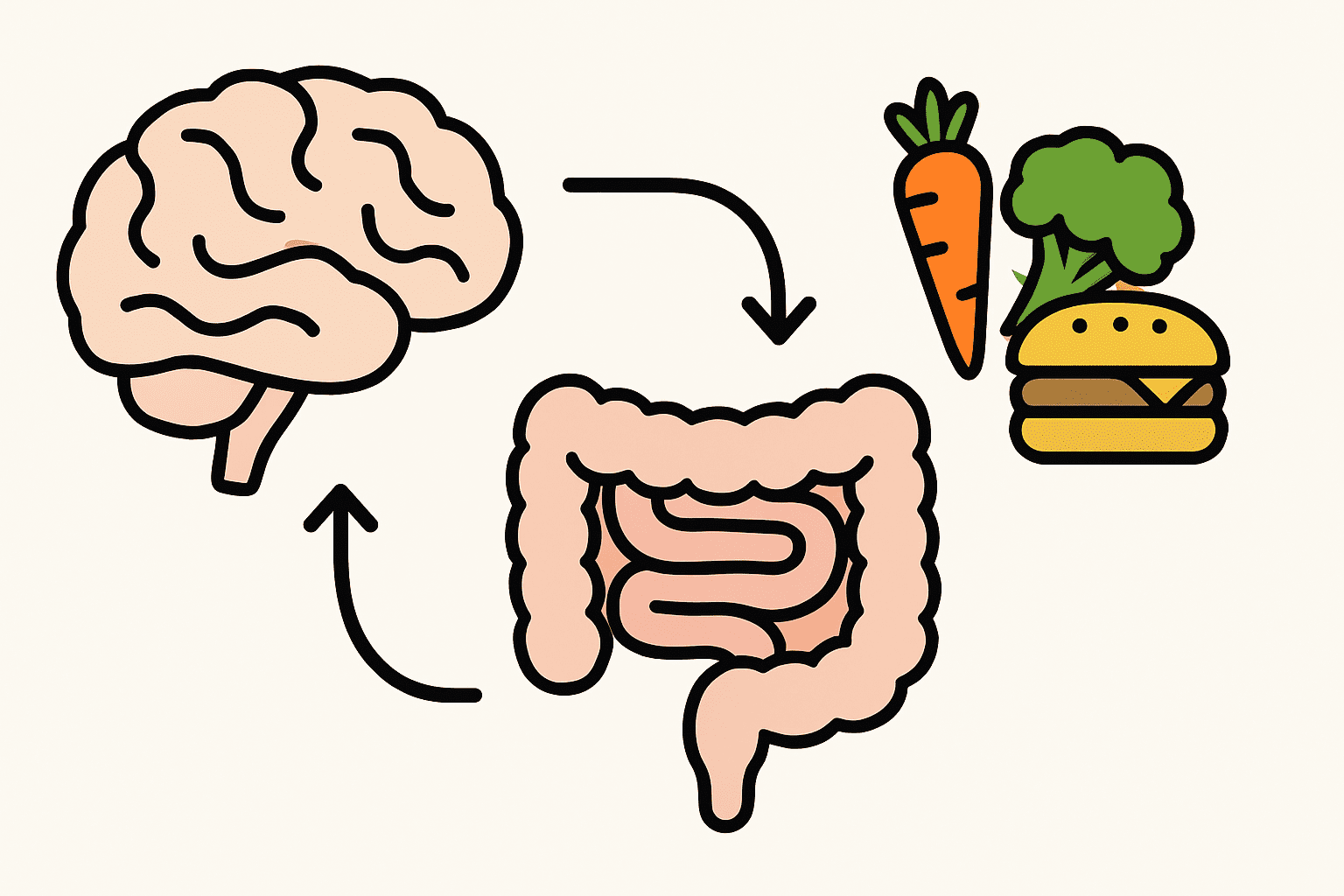
Diagram of the gut-brain axis showing how vegetables and processed foods influence the brain and gut connection in Food-Induced Anxiety

Understanding the Complex Relationship Between Food and Anxiety

The interplay between diet and mental health is complex and multifaceted. While it is well-known that poor nutrition can impair cognitive function and emotional stability, the specific link between food and anxiety is only recently gaining widespread clinical attention. Food-induced anxiety refers to anxiety symptoms that either arise or intensify following the consumption of certain foods. These reactions may be tied to physiological responses, such as blood sugar fluctuations, food sensitivities, or gastrointestinal distress, all of which can activate the body’s stress response.

The human brain and gut are closely connected through the gut-brain axis, a bidirectional communication system involving neural, hormonal, and immunological signaling. When the digestive system is upset—whether due to poor food choices, underlying gut conditions, or intolerances—it can send stress signals to the brain. This may result in a feeling of unease, restlessness, or full-blown anxiety. For people prone to anxiety disorders, even mild gastrointestinal discomfort can heighten mental distress.

It’s also important to consider the role of nutrient deficiencies. Inadequate intake of essential nutrients like magnesium, omega-3 fatty acids, B vitamins, and amino acids has been associated with increased anxiety symptoms. When the brain lacks the raw materials it needs to produce neurotransmitters such as serotonin and gamma-aminobutyric acid (GABA), mood regulation becomes impaired. As such, food-induced anxiety can arise not just from what is eaten but from what is lacking in the diet.

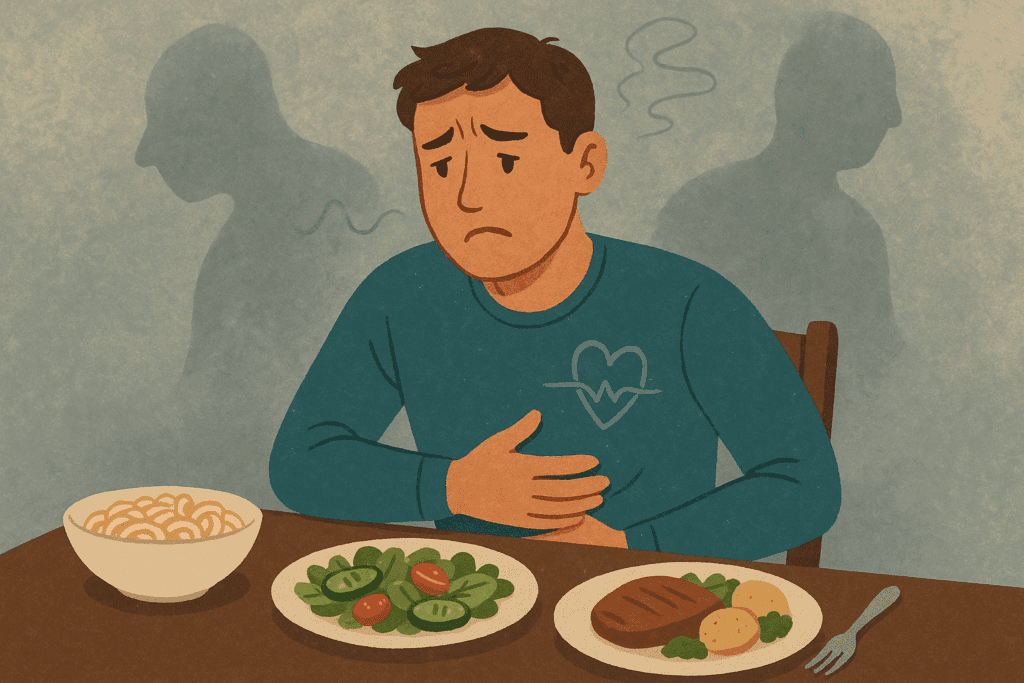
Worried man holding his stomach at a dining table with uneaten food, depicting symptoms of Food-Induced Anxiety

Recognizing the Signs of Anxiety After Eating

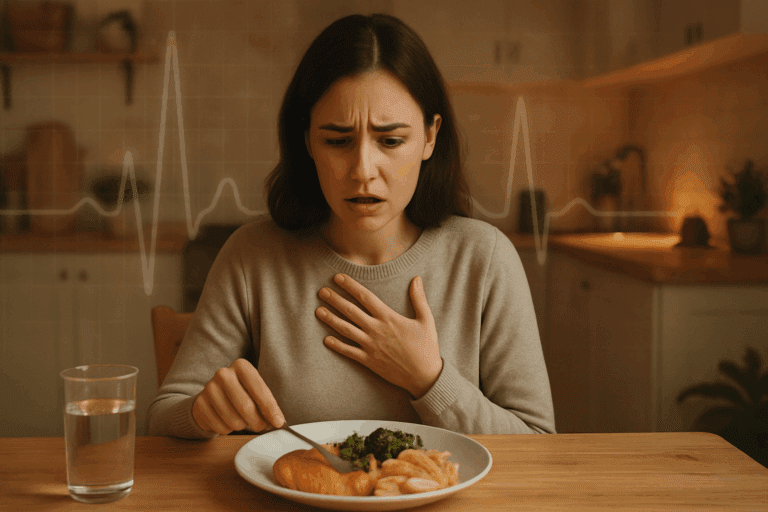
For many individuals, anxiety after eating can feel mystifying and deeply unsettling. One moment, they may be enjoying a meal, and shortly thereafter, experience a cascade of mental and physical symptoms—racing heart, shortness of breath, dizziness, nausea, or an overwhelming sense of dread. These symptoms often overlap with those of panic attacks, which can be terrifying when they occur without warning or an obvious cause.

The key to recognizing anxiety after eating lies in identifying patterns. Does anxiety consistently arise after consuming certain types of food, such as sugar, caffeine, or processed carbohydrates? Do symptoms tend to appear within a specific time frame following a meal? Is there a history of food sensitivities, irritable bowel syndrome, or other digestive issues that could be contributing to the problem?

It’s crucial to differentiate between anxiety that is truly food-induced and anxiety that is triggered by other factors, such as social dining situations or restrictive eating patterns. Sometimes, the act of eating itself becomes a stressor for individuals with food anxiety—a condition in which fear, guilt, or worry about eating certain foods becomes a recurring theme. This emotional distress can further exacerbate physiological symptoms and reinforce the anxiety cycle.

How Food Sensitivities and Intolerances Contribute to Food-Induced Anxiety

Food sensitivities, intolerances, and allergies represent a significant but often overlooked factor in the development of food-induced anxiety. Unlike food allergies, which trigger an immediate immune response, food sensitivities may lead to delayed reactions that manifest as mood changes, fatigue, and gastrointestinal symptoms—many of which are also common in anxiety disorders.

One well-documented example is gluten sensitivity. Although gluten intolerance is most commonly associated with celiac disease, non-celiac gluten sensitivity can also produce a range of neurological and psychological symptoms, including brain fog, irritability, and anxiety. Similarly, lactose intolerance can lead to bloating and cramping, which may cause discomfort and, in anxious individuals, fuel a fear response.

Additionally, artificial additives, preservatives, and colorings found in processed foods have been implicated in mood disturbances. Some studies suggest that these substances may interfere with neurotransmitter function or promote inflammation, both of which can negatively affect mental health. For people with heightened sensitivity to these chemicals, even small amounts can result in pronounced anxiety symptoms.

Distressed woman in background with hands on head behind table of gluten, dairy, and processed foods, symbolizing Food-Induced Anxiety

Blood Sugar Spikes and Crashes: A Common Culprit

One of the most common physiological mechanisms behind food-induced anxiety is blood sugar instability. When we consume high-glycemic foods—those that rapidly elevate blood glucose levels—the body releases a surge of insulin to bring blood sugar back down. This response can lead to a subsequent crash, causing symptoms like shakiness, irritability, fatigue, and a sense of nervousness that closely mimics anxiety.

Frequent blood sugar fluctuations can disrupt the body’s natural homeostasis, leaving individuals in a state of metabolic stress. Over time, this can contribute to adrenal fatigue, insulin resistance, and heightened cortisol levels—all of which may compound the experience of anxiety. Individuals who experience panic attacks after eating may be particularly sensitive to these shifts in blood sugar.

To mitigate these effects, it is recommended to consume meals that include complex carbohydrates, fiber, protein, and healthy fats, which help slow the absorption of glucose and promote stable energy levels. Regular, balanced meals can act as a buffer against mood swings and help regulate the body’s stress response. Being mindful of how different foods affect blood sugar levels is a practical step toward reducing anxiety after eating.

Man in distress at dining table with white bread, candy, and a donut, symbolizing Food-Induced Anxiety from blood sugar spikes and crashes.

Gut Health, Inflammation, and the Brain

An increasing number of studies underscore the importance of gut health in regulating mental well-being. The gut microbiome—a diverse ecosystem of microorganisms living in the digestive tract—plays a critical role in neurotransmitter production, immune function, and inflammation. Disruptions in the gut microbiome have been linked to a wide array of mental health conditions, including anxiety, depression, and panic disorders.

Food choices directly influence the composition of the microbiome. Diets high in refined sugars, artificial sweeteners, and saturated fats have been shown to reduce microbial diversity and promote the growth of pro-inflammatory bacteria. Conversely, diets rich in whole foods, particularly those containing prebiotic fibers and fermented foods, support a healthy gut environment that may protect against food-induced anxiety.

When gut inflammation becomes chronic, it can increase intestinal permeability, a condition often referred to as “leaky gut.” This allows endotoxins and partially digested food particles to enter the bloodstream, triggering systemic inflammation that may reach the brain. Neuroinflammation is a recognized contributor to anxiety and other mood disorders, suggesting that improving gut health may alleviate symptoms of food anxiety and reduce the likelihood of a panic attack after eating.

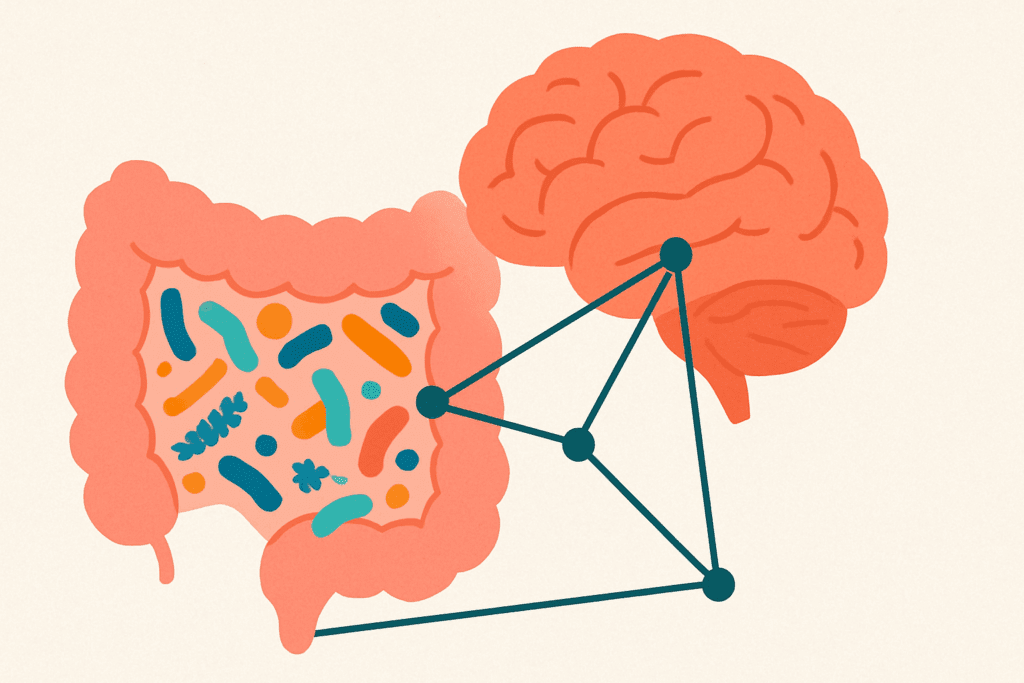
Abstract illustration of the gut microbiome with colorful bacteria in the intestines connected to the brain, symbolizing the gut-brain axis and its link to Food-Induced Anxiety.

The Psychological Dimension of Food Anxiety

While much attention is paid to the biological pathways through which food may trigger anxiety, the psychological dimension is equally important. For individuals with food anxiety, meals can become a source of dread rather than nourishment. This fear may stem from past experiences of discomfort after eating, rigid dietary rules, or a distorted relationship with body image and control.

Disordered eating patterns, such as orthorexia or restrictive dieting, can intensify food-related anxiety. The internal narrative becomes one of fear—fear of eating the wrong food, fear of gaining weight, or fear of triggering a physical reaction. Over time, this anxiety becomes self-perpetuating, reinforcing hypervigilance around food and making it difficult to enjoy meals.

Social situations can further complicate matters. Dining out, attending parties, or eating in public may provoke significant anxiety for those worried about digestive upset or panic attacks. The anticipation of judgment, embarrassment, or lack of control can make eating an emotionally fraught experience. In these cases, therapy and nutritional counseling may be essential tools for breaking the cycle and promoting healthier, more confident relationships with food.

Person journaling at a kitchen table with a healthy meal, practicing mindfulness to manage Food-Induced Anxiety.

Practical Strategies for Managing Food-Induced Anxiety

Managing food-induced anxiety requires a multifaceted approach that addresses both physiological and psychological factors. First and foremost, keeping a detailed food and symptom journal can help identify potential triggers. Recording meals, ingredients, timing, and emotional responses allows individuals to notice patterns and correlations that may otherwise go undetected.

Working with a qualified nutritionist or integrative physician can provide clarity on whether underlying food sensitivities or nutritional imbalances are contributing to anxiety after eating. Comprehensive testing, such as food sensitivity panels, micronutrient assessments, and gut health evaluations, can guide targeted dietary adjustments. These changes should be gradual, evidence-based, and sustainable—extreme elimination diets can sometimes increase food anxiety rather than resolve it.

Mindful eating practices can also make a significant difference. Slowing down at meals, chewing thoroughly, and focusing on the sensory experience of eating can reduce stress and improve digestion. Avoiding distractions like screens while eating promotes interoceptive awareness—the ability to tune in to bodily sensations—which is essential for recognizing hunger, fullness, and emotional responses to food.

In cases where anxiety is pronounced or interferes with daily life, mental health support may be necessary. Cognitive-behavioral therapy (CBT), exposure therapy, and somatic-based approaches can help individuals reframe negative thoughts around food and regain a sense of safety and control. These interventions are particularly helpful for those experiencing panic attacks after eating or struggling with food anxiety rooted in trauma or past experiences.

Whole, unprocessed foods like leafy greens, salmon, nuts, and seeds on a kitchen counter, supporting a diet to ease Food-Induced Anxiety.

Building a Nourishing, Anxiety-Reducing Diet

While food can be a trigger for anxiety, it can also be a powerful tool for healing. A nourishing diet rich in whole, unprocessed foods supports mental health by stabilizing blood sugar, reducing inflammation, and supplying the nutrients needed for optimal brain function. Emphasizing foods that promote gut health—such as leafy greens, legumes, yogurt, kefir, and fermented vegetables—can enhance microbial diversity and improve mood regulation.

Incorporating omega-3 fatty acids from sources like fatty fish, walnuts, and flaxseeds may help reduce anxiety symptoms by supporting anti-inflammatory pathways and promoting neuroplasticity. Magnesium-rich foods such as spinach, almonds, and black beans have been shown to have calming effects, while B-vitamin complexes, found in whole grains, eggs, and nutritional yeast, play a vital role in neurotransmitter synthesis.

Herbal remedies and adaptogens, such as ashwagandha, chamomile, and lemon balm, may offer additional support, especially when used under the guidance of a healthcare provider. These natural options can gently reduce stress responses without the side effects associated with conventional medications. However, dietary supplements should never replace professional mental health treatment or a balanced eating plan.

Importantly, a supportive and non-restrictive approach to nutrition is essential. Instead of focusing on fear-based food avoidance, individuals should be encouraged to explore how different foods make them feel and to cultivate curiosity rather than judgment around eating. This mindset shift can help reduce food anxiety and restore a sense of empowerment at the table.

Frequently Asked Questions: Food-Induced Anxiety and Panic After Eating

1. Can long-term dietary patterns influence the development of food-induced anxiety? Absolutely. Over time, consistently consuming a diet high in ultra-processed foods, refined sugars, and artificial additives can create an internal environment that is more prone to anxiety responses. When the gut microbiome is continually exposed to inflammatory foods, it may shift toward dysbiosis, a condition that has been increasingly linked to mood instability and heightened sensitivity to stress. This can set the stage for chronic food-induced anxiety, where even moderate dietary deviations trigger discomfort. Additionally, long-term nutritional imbalances—such as low levels of magnesium, omega-3s, or tryptophan—can subtly impair neurotransmitter function, leading to a gradual erosion of emotional resilience. Over time, these patterns may not only exacerbate anxiety after eating but also make panic responses more likely.

2. Is food anxiety more common in individuals with a history of eating disorders? Yes, individuals with past or present eating disorders often experience heightened food anxiety due to their history of restrictive or controlling food behaviors. The psychological residue from disordered eating can make reintroducing feared foods deeply triggering, even in small amounts. For these individuals, food-induced anxiety is not just about physical reactions, but also about psychological trauma associated with body image, control, and fear of weight gain. It is not unusual for someone recovering from an eating disorder to experience a panic attack after eating something they previously avoided for years. Mental health support that includes trauma-informed therapy is crucial in navigating this complex relationship between food and anxiety.

3. How do social and cultural factors influence the experience of food-induced anxiety? Social pressures and cultural expectations can significantly shape one’s emotional responses to food. In environments where dieting, food labeling, and restrictive eating are normalized, individuals may internalize fear-based narratives around eating. These cultural messages can create anticipatory stress about meals, particularly when dining with others or consuming foods perceived as “unhealthy.” This social tension can turn into food anxiety over time, especially when the individual feels judged or scrutinized for their choices. For those already prone to anxiety after eating, the added burden of cultural expectations can intensify both emotional and physiological responses.

4. Can food-induced anxiety be mistaken for a food allergy or intolerance? Yes, it is not uncommon for food-induced anxiety to mimic or be misinterpreted as a food allergy or intolerance. Both conditions can produce overlapping symptoms, such as nausea, bloating, heart palpitations, or dizziness. However, while a true intolerance or allergy involves a physiological reaction to specific compounds in food, food anxiety can trigger similar sensations purely through the body’s stress response. This confusion can lead individuals to unnecessarily restrict their diets, which may further entrench food anxiety and reduce dietary diversity. Working with both a medical provider and a therapist can help distinguish between genuine food sensitivities and psychosomatic reactions rooted in anxiety.

5. Are there specific personality traits that increase susceptibility to food anxiety? Research suggests that individuals with high levels of neuroticism, perfectionism, or obsessive-compulsive tendencies may be more vulnerable to developing food anxiety. These traits can lead to increased vigilance around food choices, heightened sensitivity to bodily sensations, and a tendency to catastrophize minor symptoms. For example, someone with perfectionist tendencies might interpret a slight stomach discomfort as evidence of having eaten the “wrong” food, which could spiral into a full-blown panic attack after eating. Recognizing how personality traits interact with food-related stress can help tailor therapeutic interventions that address both cognitive patterns and emotional triggers.

6. How does intermittent fasting affect food-induced anxiety in some individuals? While intermittent fasting may have metabolic benefits for some, it can also backfire for individuals prone to food-induced anxiety. Skipping meals or eating within narrow time windows may destabilize blood sugar and cortisol levels, particularly in those with preexisting anxiety or adrenal sensitivity. The result can be increased irritability, restlessness, and even panic episodes after breaking the fast. For some people, the pressure to “eat perfectly” within a restricted timeframe also introduces unnecessary stress, which can heighten food anxiety over time. A more balanced approach that prioritizes consistency, nourishment, and flexibility may be more supportive for mental wellness in these cases.

7. Can a panic attack after eating occur without any conscious food fear? Yes, some individuals experience a panic attack after eating without any clear emotional trigger or conscious food fear. This often happens due to physiological mechanisms such as reactive hypoglycemia, histamine intolerance, or vagus nerve activation during digestion. In such cases, the person may suddenly feel dizzy, flushed, or short of breath after eating, leading to a panic response with no obvious psychological cause. The unpredictability of these episodes can create secondary food anxiety, as individuals begin to fear the act of eating itself. Identifying and addressing the physiological root cause is essential in breaking this cycle.

8. Are there emerging therapies that show promise for treating food-induced anxiety? Yes, several integrative and emerging therapies are gaining traction in the treatment of food-induced anxiety. One example is gut-directed hypnotherapy, which uses guided visualization techniques to calm both gastrointestinal and psychological symptoms simultaneously. Another promising approach is neurofeedback, which trains individuals to modulate brainwave activity to improve emotional regulation and reduce anxiety responses. Additionally, functional medicine protocols that target gut health, inflammation, and micronutrient optimization are being used more frequently to support those dealing with chronic food anxiety. These newer modalities can offer hope, especially for individuals who have not responded well to traditional therapy alone.

9. What role does anticipatory anxiety play in panic attacks after eating? Anticipatory anxiety can be a powerful driver of panic attacks after eating, especially in individuals who have previously experienced distress following meals. The mere expectation of a negative outcome—such as bloating, pain, or embarrassment—can activate the sympathetic nervous system before a bite is even taken. This preemptive stress creates a self-fulfilling prophecy: the body enters a fight-or-flight state, digestion slows, and physical symptoms intensify. Over time, this can condition the brain to associate eating with fear, compounding food-induced anxiety. Cognitive-behavioral strategies that challenge catastrophic thinking and promote relaxation before meals can be highly effective in breaking this pattern.

10. How can someone support a loved one experiencing food anxiety or anxiety after eating? Supporting someone with food anxiety requires empathy, patience, and a nonjudgmental approach. Rather than focusing solely on their food choices, it’s more helpful to inquire about how they’re feeling and what support they might need in that moment. Avoid making comments about portion sizes, nutritional value, or dietary habits, as these can unintentionally fuel anxiety. If a loved one frequently experiences a panic attack after eating, encourage them to seek professional help, but refrain from pressuring or pathologizing their behavior. Creating a calm, supportive environment where meals are associated with safety and connection can go a long way in reducing food-induced anxiety over time.

Moving Forward with Confidence and Clarity

Understanding the connection between food and anxiety represents a meaningful step toward greater self-awareness and well-being. For those who have experienced food-induced anxiety or a panic attack after eating, it is validating to know that these reactions are not imaginary or irrational—they are rooted in a dynamic interplay between biology, psychology, and environment.

By identifying food triggers, supporting gut health, stabilizing blood sugar, and addressing underlying emotional patterns, individuals can begin to reclaim their relationship with food. It is not always a linear journey, and setbacks are to be expected. However, with the right support, knowledge, and self-compassion, it is entirely possible to find relief and create a nourishing, anxiety-reducing lifestyle.

Rather than viewing food as a potential threat, it can become a powerful ally in mental health. Through mindful eating, strategic nutrition, and therapeutic support, those who struggle with food anxiety can develop a sense of peace around meals and reduce the likelihood of experiencing anxiety after eating. This holistic approach offers hope, clarity, and a path toward greater freedom—not just at the dinner table, but in daily life as a whole.

Was this article helpful? Don’t let it stop with you. Share it right now with someone who needs to see it—whether it’s a friend, a colleague, or your whole network. And if staying ahead on this topic matters to you, subscribe to this publication for the most up-to-date information. You’ll get the latest insights delivered straight to you—no searching, no missing out.

Further Reading:

How to Cope with Anxiety About Food

Coping with anxiety: Can diet make a difference?

6 Reasons You Might Feel Anxious After Eating

The Rise of Live Dealer Casinos: A New Era in Online Gaming

0

Live dealer gambling establishments have surfaced as a popular trend in the digital gaming industry, merging the convenience of online gaming with the genuine atmosphere of a traditional betting establishment. This innovative structure allows participants to interact with live dealers via visual transmission, producing an captivating atmosphere. According to a 2023 analysis by Statista, the live dealer segment is projected to grow significantly, reaching a industry value of $4.5 trillion by 2025.

One notable firm in this field is Evolution Gaming, a pioneer in live gambling services. Their site provides a variety of options, including a card game, roulette wheel, and baccarat game, all hosted by expert dealers. You can learn more about their offerings on their official website. Evolution Gaming has been key in advancing live dealer options, offering top-notch broadcasting and interactive features that enhance user engagement.

In 2022, the business launched a new product called "Lightning Roulette," which features random multipliers to boost potential profits, further attracting players. For more details into the progression of live dealer betting venues, visit The New York Times.

As the online gaming scene continues to progress, users should consider the gains of live dealer betting venues. These sites not only present a more immersive encounter but also provide clarity and trust, as participants can see the game develop in actual time. Investigate a platform utilizing these tools at пин ап.

In summary, live dealer gambling establishments represent a significant progress in online gambling, combining the top features of classic betting establishments with cutting-edge technology. As this sector grows, players can look forward to even more innovative features and titles that boost their betting interaction.

The Future of Live Casino Gaming

0

Live casino gaming has emerged as a popular fashion in the gambling field, combining the excitement of conventional casinos with the accessibility of online sites. As of 2023, the live dealer segment is projected to grow by 20% each year, motivated by developments in streaming technology and player desire for immersive experiences.

One crucial player in this area is Evolution Gaming, a front-runner in live casino services. Their creative approach has set the benchmark for live gaming interactions. You can discover more about their products on their official website.

In 2022, the Venetian Resort in LasVegas City increased its real-time gaming selections, presenting fresh sets for favored games like black jack and roulette game. This action shows the growing fascination in real host contests, which allow players to engage with authentic croupiers in actual time. For a thorough summary of real gambling trends, visit NY Times piece.

To improve the live casino experience, players should evaluate a few helpful tips. First, select a trustworthy platform that provides premium streaming and a range of games. Additionally, introduce yourself with the rules and approaches of the games you want to play, as this can enhance your odds of success. Explore more tips on live gaming at пин ап.

As technology goes on to evolve, the future of live casino gaming looks bright. With developments such as simulated reality and augmented reality on the forefront, players can expect even more engaging and involving encounters. Embracing these advancements will not only improve player satisfaction but also drive development in the casino sector.

The Future of Virtual Reality in Casinos

0

Virtual Reality (VR) is set to transform the casino atmosphere by providing immersive environments that enhance player participation. In twenty twenty-three, the first fully VR casino, known as "Casino VR," opened its doors, enabling players to engage with games and other players in a 3D space. This creative approach is attracting a new generation of gamers who want more than just classic gaming.

One distinguished figure in the VR gaming sector is Palmer Luckey, the founder of Oculus VR. His vision for immersive gaming encounters has notably shaped the advancement of VR technology in diverse sectors, including gambling establishments. You can discover more about his efforts on his Twitter profile.

According to a publication by Newzoo, the global VR gaming industry is anticipated to hit $22.9 billion by 2024, with a substantial portion assigned to the casino field. This expansion is motivated by advancements in VR technology, making it more attainable and inexpensive for customers. For a thorough examination of VR patterns in gaming, visit The New York Times.

Casinos are employing VR to create unique experiences, such as virtual poker rooms and slot machines that simulate real-life connections. Players can enjoy the excitement of gambling from the convenience of their homes while interacting with others in a virtual environment. This shift not only boosts the gaming experience but also creates new revenue streams for casinos.

As the technology continues to develop, casinos must stay ahead of the trend by putting in VR features. Explore innovative VR applications in the gaming sector at best online casinos. By embracing these developments, casinos can capture a larger audience and redefine the future of gaming.

How Inpatient Eating Disorder Clinics Support Long-Term Recovery: What to Expect from Eating Disorder Inpatient Treatment

Understanding the Role of Inpatient Eating Disorder Clinics

In the realm of modern mental health care, inpatient eating disorder clinics provide a structured and intensive level of support for individuals battling severe eating disorders. These facilities are designed to offer round-the-clock medical, psychological, and nutritional care in a safe and controlled environment. For individuals whose conditions have escalated beyond the scope of outpatient treatment, eating disorder inpatient treatment often becomes a necessary step in the path to recovery. The controlled setting allows for close monitoring of both physical and psychological health, ensuring that patients receive timely interventions and continuous support throughout their stay.

You may also like: How to Stop Emotional Eating and Regain Control: Mindful Nutrition Strategies That Support a Healthier Lifestyle

The role of an inpatient eating disorder clinic is multifaceted, involving a team of experts from different fields—psychiatrists, psychologists, dietitians, nurses, and therapists—all collaborating to address the complex nature of these disorders. This comprehensive, multidisciplinary approach helps to uncover and manage the root causes of the condition, which often extend beyond food and body image to include trauma, anxiety, and co-occurring mental health disorders. Inpatient care not only stabilizes the individual medically but also provides a foundation for long-term psychological healing and emotional regulation.

One of the primary advantages of inpatient eating disorder treatment is the removal of external triggers. Being removed from potentially harmful environments—whether they be family-related, socially influenced, or digitally perpetuated—helps patients focus entirely on their recovery. It’s a sanctuary where meals are supervised, unhealthy behaviors are monitored and addressed, and therapeutic goals can be pursued with intention and consistency. This structured environment is critical for individuals who have become trapped in dangerous patterns of restriction, purging, or binge eating that threaten both their physical health and quality of life.

Moreover, inpatient settings offer a crucial sense of community. Isolation is a common theme among those suffering from eating disorders, and being surrounded by others who share similar experiences can foster empathy, understanding, and motivation. Group therapy sessions and peer interactions help patients recognize that they are not alone in their struggles, which in itself is a powerful therapeutic tool. When patients feel seen and validated, their sense of self-worth begins to rebuild, creating space for genuine healing to occur.

Ultimately, the goal of an inpatient eating disorder clinic is not only to treat the symptoms but to equip individuals with the skills and resilience needed to maintain recovery in the long term. From personalized meal plans and behavior modification strategies to cognitive therapy and family education, the tools provided in this environment extend far beyond discharge. Recovery is a lifelong journey, and inpatient care lays the critical groundwork needed to embark on that path with confidence.

Diverse healthcare team in discussion over a digital recovery plan, representing collaborative care in inpatient eating disorder clinics

When Is Inpatient Eating Disorder Treatment Necessary?

Determining the appropriate level of care for someone with an eating disorder involves a careful evaluation of physical, emotional, and behavioral factors. Inpatient eating disorder treatment is generally recommended when outpatient care is no longer sufficient to ensure safety or therapeutic progress. This often includes individuals with dangerously low body weight, electrolyte imbalances, cardiac complications, or other life-threatening conditions that result from prolonged disordered eating behaviors.

One of the most critical indicators for inpatient care is medical instability. For instance, when vital signs such as heart rate, blood pressure, or organ function are significantly compromised, the immediate need is to stabilize the body. Eating disorder inpatient treatment facilities are equipped to manage such acute conditions with medical oversight, while simultaneously initiating psychological support. This dual focus ensures that treatment addresses both the physical symptoms and the underlying emotional turmoil that drives the disorder.

Psychological deterioration is another strong indication for inpatient treatment. Individuals who experience overwhelming feelings of depression, suicidal ideation, or severe anxiety in connection with their eating habits may benefit from the intensive support available in an inpatient setting. These emotional disturbances often act as both causes and consequences of disordered eating, creating a vicious cycle that requires concentrated therapeutic intervention to break.

Behavioral patterns also play a role in identifying the need for inpatient care. For individuals who engage in extreme behaviors—such as frequent self-induced vomiting, laxative abuse, excessive exercise, or severe food restriction—an inpatient setting provides the necessary supervision and intervention to prevent further harm. These behaviors can escalate quickly, putting the individual at increased risk of long-term physical and psychological damage if not promptly addressed in a structured environment.

Additionally, failure to progress in less intensive treatment settings can prompt a transition to inpatient care. When individuals have participated in outpatient or intensive outpatient programs without notable improvement, or when they repeatedly relapse, it may be time to consider the more immersive support offered by an inpatient eating disorder clinic. Making this transition can mark a turning point, offering a higher level of care that may finally initiate meaningful progress.

Young adult sitting in deep thought on a hospital bed in a softly lit room with monitors glowing in the background, symbolizing care provided by inpatient eating disorder clinics.

The Multidisciplinary Approach to Treatment in Inpatient Clinics

Inpatient eating disorder clinics are grounded in a multidisciplinary model that ensures patients receive holistic, individualized care. Unlike general hospital admissions that may focus solely on medical stabilization, these specialized clinics incorporate an array of therapeutic disciplines to treat the condition from every possible angle. This integration of expertise helps to unravel the complex interplay between biological, psychological, and social factors that contribute to eating disorders.

At the heart of this approach is medical care, which involves constant monitoring by physicians and nurses trained in eating disorder management. These professionals track weight restoration, hydration, cardiovascular health, and potential refeeding syndrome—an often-overlooked complication in patients who begin nutritional rehabilitation. Medical staff also adjust medications when necessary and collaborate with psychiatrists to manage any coexisting psychiatric conditions, such as obsessive-compulsive disorder, PTSD, or mood disorders.

Nutritional rehabilitation is another cornerstone of inpatient eating disorder treatment. Registered dietitians work with patients to develop personalized meal plans that not only restore physical health but also challenge harmful beliefs about food. These plans are often flexible yet structured, providing a safe and supportive path toward normalized eating behaviors. Patients receive education on balanced nutrition, food groups, and portion sizes, helping to demystify and destigmatize the act of eating.

Psychotherapy is equally central in the treatment process. Inpatient clinics typically offer a range of therapeutic modalities, including cognitive behavioral therapy (CBT), dialectical behavior therapy (DBT), and family-based therapy. These interventions help patients identify and reframe destructive thoughts, regulate emotions, and improve communication with loved ones. Individual sessions provide a private space to delve into personal trauma and internal conflicts, while group therapy offers opportunities for social support and shared insight.

Moreover, recreational and expressive therapies—such as art therapy, yoga, and movement therapy—are often incorporated to help individuals reconnect with their bodies in a non-judgmental, affirming way. These modalities can be particularly effective in rebuilding body image, developing mindfulness, and promoting emotional expression without the use of words. The inclusion of such therapeutic options reinforces the notion that healing is not linear and must encompass the whole self.

Visual model of integrated care in inpatient eating disorder clinics showing a patient surrounded by therapy, nutrition, art, and medical support

Life Inside an Inpatient Eating Disorder Clinic

Life inside an inpatient eating disorder clinic is structured, intentional, and highly therapeutic. Days are organized around a carefully planned schedule that includes meals, therapy sessions, medical check-ins, and activities designed to support recovery. This structure helps patients establish routine and consistency, which are crucial elements in disrupting the chaotic patterns associated with disordered eating. Every part of the day is purposeful, offering multiple touchpoints for healing and personal growth.

Meal times are central to the inpatient experience, not only as a means of physical nourishment but as opportunities for therapeutic engagement. All meals and snacks are monitored by trained staff, who provide support, guidance, and intervention when anxiety or resistance arises. These supervised meals help reframe eating as a necessary and manageable part of life rather than a source of fear or control. Over time, patients begin to rebuild trust in their bodies and develop a more balanced relationship with food.

Therapy is woven throughout the day, often taking place in both individual and group settings. Patients explore topics such as body image, self-worth, coping strategies, and interpersonal relationships in a space designed to foster safety and openness. These sessions are not only about understanding the disorder but also about constructing a new identity separate from it. Through storytelling, role play, and skill-building exercises, patients start to reclaim autonomy and self-acceptance.

Medical care is ongoing and seamlessly integrated into the daily routine. Vital signs are regularly monitored, medications are administered as needed, and health education is provided to help patients understand the physical impacts of their eating behaviors. This medical oversight reassures both patients and their families that recovery is progressing safely and that any complications will be addressed promptly.

Daily life also includes moments of rest, reflection, and recreation. These aspects of care are vital for developing a sustainable lifestyle post-discharge. Activities like journaling, nature walks, or creative arts offer therapeutic value while reinforcing the idea that joy, pleasure, and relaxation are essential to well-being. The clinic environment thus becomes a microcosm for real life, allowing patients to practice recovery in a setting that mirrors the complexities and rewards of the outside world.

Daily routine visualized at inpatient eating disorder clinics, showing shared meals, group therapy, mindfulness, art activities, and medical check-ins in a modern therapeutic setting

Transitioning from Inpatient Care to Independent Living

One of the most critical phases of recovery occurs not during inpatient care but immediately after discharge. Transitioning from the highly supportive environment of an inpatient eating disorder clinic to the relative independence of everyday life can be both empowering and daunting. The goal of discharge planning is to ensure that patients leave with a roadmap, a support system, and the coping tools necessary to maintain the gains achieved during treatment.

The discharge process typically begins well before the end of the inpatient stay. Clinical teams collaborate with patients to develop a comprehensive aftercare plan tailored to their individual needs. This may include referrals to outpatient therapists, dietitians, support groups, or partial hospitalization programs (PHP). By connecting patients with ongoing care, the transition becomes less abrupt and more manageable, reducing the likelihood of relapse.

Education plays a key role in post-inpatient success. Patients are equipped with knowledge about their condition, relapse warning signs, and self-care practices that support ongoing recovery. They learn how to navigate social situations involving food, manage stress, and advocate for their needs in personal and professional environments. These practical skills help bridge the gap between treatment and real life, empowering individuals to reclaim their autonomy without sacrificing their well-being.

Family and community involvement are also crucial. Many inpatient programs offer family therapy and education sessions to help loved ones understand the recovery process and learn how to provide appropriate support. When families are informed and involved, they become allies in the recovery journey, offering encouragement and accountability during vulnerable moments.

Moreover, many clinics offer alumni programs or follow-up check-ins to help former patients stay connected. These resources provide a safety net, reminding individuals that support remains available even after they leave the facility. The transition to independence is not the end of the journey but a continuation of it—an opportunity to apply what was learned in treatment to the unpredictable but ultimately rewarding landscape of everyday life.

Young man exiting inpatient eating disorder clinic with support plan in hand, greeted by family on a sunny path to recovery

Sustaining Long-Term Recovery Beyond Inpatient Treatment

While inpatient eating disorder treatment serves as a pivotal turning point, sustained recovery requires continued effort, support, and self-awareness. Long-term recovery involves more than just the absence of disordered behaviors; it signifies the development of a fulfilling life that is not dominated by thoughts of food, weight, or appearance. It requires cultivating resilience, embracing imperfection, and actively engaging in practices that nurture physical and emotional health.

One of the most effective ways to support long-term recovery is through consistent outpatient care. Regular therapy sessions, nutritional counseling, and medical check-ins help individuals stay grounded and accountable. These services reinforce the progress made in an inpatient setting and provide a safe space to process challenges as they arise. It’s not uncommon for individuals to continue outpatient treatment for months or even years following discharge, particularly during high-stress periods or life transitions.

Developing a support network is equally essential. Friends, family, peer groups, and mentors who understand the complexities of eating disorders can offer encouragement and guidance. Whether through formal support groups or informal relationships, staying connected with others reduces feelings of isolation and helps individuals stay focused on recovery goals. The presence of supportive, understanding people can make a significant difference during difficult moments.

Daily routines and self-care habits also contribute to sustained wellness. Establishing consistent eating patterns, engaging in joyful movement, getting adequate sleep, and setting healthy boundaries are all practices that reinforce stability. Many individuals find mindfulness and meditation helpful for managing anxiety and reconnecting with their bodies in a compassionate way. These habits act as protective factors, shielding against the internal and external stressors that can trigger relapse.

Finally, a mindset of growth and self-compassion is vital. Recovery is not linear, and setbacks do not equate to failure. Individuals who approach their journey with curiosity, flexibility, and kindness toward themselves are more likely to maintain long-term success. Inpatient eating disorder clinics lay the groundwork, but it is the ongoing commitment to healing—and the belief that a better life is possible—that sustains recovery over time.

Frequently Asked Questions (FAQ) About Inpatient Eating Disorder Clinics and Long-Term Recovery

What makes inpatient eating disorder treatment different from outpatient care?
The primary difference lies in the level of intensity and structure. Inpatient eating disorder treatment provides 24/7 care in a medically supervised environment, which is critical for individuals who are medically unstable or facing acute psychological distress. Unlike outpatient programs that allow patients to return home daily, inpatient care immerses individuals in a therapeutic setting where disordered behaviors can be closely monitored and interrupted. The structure of daily meals, constant emotional support, and access to multiple therapeutic modalities allows for a deeper, more focused recovery process. This high-touch model often yields faster stabilization and lays the groundwork for long-term change.

How long do patients typically stay in an inpatient eating disorder clinic?
The length of stay varies depending on the severity of the disorder and the patient’s response to treatment. Most inpatient eating disorder clinics recommend a stay of several weeks to a few months to ensure both medical stabilization and meaningful psychological progress. While short-term programs can initiate recovery, many patients benefit from longer stays to develop coping skills, process trauma, and build new thought patterns. Some clinics offer step-down programs to ease the transition into lower levels of care, which can help prevent relapse. Ultimately, duration is tailored to the individual’s unique medical and emotional needs.

Can patients continue their education or work responsibilities during treatment?
Most inpatient eating disorder clinics prioritize health and recovery above all else, so traditional work and academic responsibilities are often paused. However, some advanced programs do provide structured academic or vocational support, particularly for adolescents and young adults. Educational liaisons may help patients stay on track with schoolwork, while job coaching or remote access might be allowed in later stages of treatment for those further along in recovery. Still, participation is carefully managed to avoid stressors that could interfere with progress. The emphasis remains on full emotional and physical restoration before reintegrating complex responsibilities.

What kind of therapies are used beyond traditional talk therapy?
Inpatient eating disorder treatment goes far beyond standard talk therapy. Clinics often employ expressive therapies such as art, music, and movement therapy to help patients reconnect with their emotions and bodies in nonverbal ways. Somatic experiencing and trauma-informed yoga are increasingly used to address physiological responses tied to past trauma. Culinary therapy, where patients learn to prepare and interact with food in a controlled setting, also helps reshape dysfunctional eating patterns. These integrative approaches enrich recovery by addressing multiple dimensions of healing—physical, emotional, and spiritual.

Do inpatient eating disorder clinics accommodate diverse identities and needs?
Leading inpatient eating disorder clinics are increasingly striving to provide inclusive care that respects gender identity, cultural background, neurodiversity, and body diversity. Clinics now offer gender-affirming policies, bilingual staff, and culturally competent programming to better support a broader range of patients. Some facilities also specialize in treating marginalized communities who often face barriers to traditional treatment. This shift acknowledges that one-size-fits-all care is ineffective and that recovery must be tailored to reflect the patient’s lived experience. Representation and inclusion are now seen as essential aspects of ethical and effective treatment.

How are families involved during inpatient eating disorder treatment?
Family involvement is a crucial component of successful recovery, particularly for adolescents and young adults. In many inpatient eating disorder clinics, family-based therapy is offered to rebuild communication, address conflict, and teach supportive skills. Educational workshops help families understand the complexity of eating disorders and prepare them for post-discharge challenges. Even in adult programs, family or partner sessions may be incorporated to foster healthy relationship dynamics. When families are equipped with knowledge and compassion, they can become vital allies in relapse prevention and long-term healing.

Is it possible to relapse after inpatient eating disorder treatment, and what can reduce that risk?
Relapse is a recognized part of many recovery journeys, but it doesn’t indicate failure. The risk of relapse can be significantly reduced through structured aftercare plans, ongoing therapy, support groups, and consistent self-monitoring. Inpatient eating disorder clinics often prepare patients for discharge with detailed strategies that include relapse prevention skills, emotional regulation tools, and crisis planning. Continued connection to outpatient services and a strong support network also reinforce recovery efforts. Success hinges on viewing recovery as a lifelong process, not a fixed destination.

How do inpatient programs address co-occurring mental health issues?
Most eating disorder inpatient treatment programs are equipped to treat co-occurring conditions such as depression, anxiety disorders, PTSD, and substance abuse. These issues are not viewed as secondary but rather as interwoven threads in the fabric of the eating disorder itself. Psychiatrists and psychologists work in tandem to assess and treat these overlapping diagnoses through integrated care plans. Medications may be introduced or adjusted, and specialized therapies like trauma-focused CBT or EMDR are sometimes used. The goal is to heal the whole person—not just the symptoms related to food and body image.

What role does nutrition education play in inpatient eating disorder clinics?
Nutrition education is a cornerstone of inpatient eating disorder treatment, helping patients rebuild not just physical strength but also confidence in their relationship with food. Registered dietitians guide patients through meal planning, nutritional science, and food myth-busting sessions that demystify common fears. Education is delivered in a compassionate, non-judgmental way that encourages curiosity over shame. By understanding how nutrients affect energy, cognition, and mood, patients begin to make informed food choices grounded in self-care rather than fear. This empowers them to carry forward balanced eating patterns after discharge.

Are there innovations or future trends emerging in eating disorder inpatient treatment?
Yes, the field of inpatient eating disorder treatment is evolving with promising innovations. Virtual reality exposure therapy, for example, is being explored as a way to desensitize patients to anxiety-provoking situations like dining out. Genetic and neurobiological research is uncovering biomarkers that may eventually help personalize treatment approaches. More clinics are also incorporating mindfulness-based interventions and trauma-informed care models to improve outcomes. The future points toward increasingly individualized, tech-supported, and integrative care that adapts to each patient’s needs. As science and empathy continue to converge, inpatient eating disorder clinics are better equipped than ever to support long-term recovery.

Woman practicing wellness habits like meal prepping, journaling, yoga, and telehealth at home after discharge from inpatient eating disorder clinics

Conclusion: How Inpatient Eating Disorder Clinics Build the Foundation for Lifelong Healing

Inpatient eating disorder clinics play a vital role in initiating recovery and preparing individuals for the complexities of life beyond treatment. These clinics offer a sanctuary where healing begins—not just of the body, but of the mind and spirit. By combining medical oversight with psychological support, nutritional rehabilitation, and therapeutic structure, inpatient eating disorder treatment provides a comprehensive foundation that addresses every facet of the disorder. It is an immersive, transformative experience that equips individuals with the tools, insights, and confidence needed to reclaim their lives.

Long after discharge, the impact of an inpatient eating disorder clinic continues to resonate. The skills learned, the connections formed, and the self-discoveries made during treatment all contribute to a more grounded, resilient recovery journey. When individuals leave these facilities, they do so with a deeper understanding of themselves and a renewed sense of hope. They are not cured in the traditional sense, but they are changed—stronger, more self-aware, and better prepared to live fully and freely.

For anyone considering eating disorder inpatient treatment, the path may seem daunting at first. But the potential for healing, growth, and transformation is real. With the right support, recovery is not just possible—it’s achievable, sustainable, and life-affirming. Whether you are seeking help for yourself or a loved one, know that inpatient care is a powerful step toward long-term recovery and a healthier, more fulfilling future.

Was this article helpful? Don’t let it stop with you. Share it right now with someone who needs to see it—whether it’s a friend, a colleague, or your whole network. And if staying ahead on this topic matters to you, subscribe to this publication for the most up-to-date information. You’ll get the latest insights delivered straight to you—no searching, no missing out.

Further Reading:

Anorexia Nervosa

Eating disorder treatment: Know your options

Eating Disorder

Влияние искусственного интеллекта на операции казино

0

Искусственный интеллект (ИИ) революционизирует индустрию казино, повышая эксплуатационную эффективность и повышая встречи с клиентами. В 2023 году документ Deloitte подчеркнул, что решения ИИ могут увеличить доход до 30% для казино, которые эффективно применяют тактику, управляемую данными.

Одним из заметных фигур в этой области является Билл Хорнбакл, генеральный директор MGM Resorts International. Под его руководством MGM интегрировала ИИ в различные компоненты своих функций, от помощников по обслуживанию клиентов до прогнозной аналитики для поведения игроков. Вы можете узнать больше о его инициативах на его профиль Linkedin .

AI используется для изучения информации игрока, позволяя казино адаптировать рекламные акции и предложения к личным симпатиям. Этот индивидуальный подход не только улучшает счастье игрока, но и усиливает лояльность. Например, казино могут использовать методы искусственного интеллекта для распознавания игроков с высокой стоимостью и представлять им уникальные награды, оптимизируя их игровое взаимодействие.

Кроме того, системы наблюдения, управляемые ИИ, повышают безопасность в казино. Эти системы могут обнаружить аномальное поведение в режиме реального времени, помогая предотвратить мошенничество и мошенничество. Согласно отчету 2024 года Совета по контролю за играми, наблюдение за ИИ снизило инциденты мошенничества на 25% в участвующих казино.

Поскольку поле продолжает развиваться, игроки должны оставаться в курсе того, как ИИ влияет на их игровое путешествие. Понимание этих инструментов может помочь игрокам принимать более образованные решения и принять выгоду из индивидуальных сделок. Для получения дополнительной информации о роли ИИ в казино, посетите игры сегодня .

В закрытии ИИ собирается сыграть решающую роль в перспективах области казино, повышая как оперативную производительность, так и привлечение клиентов. Игроки могут стремиться ожидать более персонализированных и безопасных игровых обстановков, поскольку эти достижения продолжают развиваться. Узнайте больше об этих улучшениях по адресу казино онлайн.

Understanding EDNOS and Unspecified Eating Disorders: How Nutrition and Lifestyle Choices Can Support Healing

A New Look at EDNOS and Unspecified Eating Disorders

Eating disorders are often misunderstood, and one of the most commonly overlooked categories involves diagnoses that don’t quite fit traditional criteria. Known as “eating disorder not otherwise specified” or EDNOS, this term was widely used prior to updates made in the DSM-5, which have since reclassified and expanded diagnostic options. Still, many individuals find themselves in diagnostic gray areas. Whether referred to as EDNOS, eating disorder NOS, or unspecified eating disorder, these conditions remain real, serious, and deserving of attention.

You may also like: How to Stop Emotional Eating and Regain Control: Mindful Nutrition Strategies That Support a Healthier Lifestyle

Despite the evolving terminology, the lived experience of those struggling with disordered eating patterns that don’t align neatly with anorexia nervosa, bulimia nervosa, or binge eating disorder DSM-5 criteria remains just as significant. The challenge for healthcare professionals and patients alike lies in addressing these complex and often fluid conditions. Fortunately, growing awareness and evolving diagnostic standards have begun to shift the focus toward more nuanced treatment pathways. This shift includes not only clinical interventions but also integrative approaches that emphasize nutrition, lifestyle changes, and supportive environments.

Understanding these disorders from a modern, multidimensional perspective is essential. Many individuals who fall under the classification of eating disorders not otherwise specified EDNOS may cycle through different symptoms over time. This variability underscores the importance of a flexible, holistic approach to treatment—one that considers mental health, nutritional support, physical well-being, and the social determinants of health. By viewing EDNOS and unspecified eating disorder diagnoses as valid and treatable, rather than as diagnostic leftovers, the health and wellness community can better serve those who might otherwise slip through the cracks.

Medical professional comforting a thoughtful patient beside DSM manuals, symbolizing diagnostic changes and Unspecified Eating Disorders.

DSM Changes and the Ongoing Relevance of EDNOS

With the publication of the DSM-5, major updates were made to the way eating disorders are diagnosed. Binge eating disorder, once often diagnosed under the umbrella of EDNOS, was given its own distinct diagnostic category. This adjustment reflected the growing body of research highlighting the unique psychological and physiological dimensions of what is now referred to as DSM-V binge eating disorder. Despite this shift, many individuals still experience symptoms that don’t meet full criteria for any one disorder and continue to be diagnosed with what is now known as an unspecified eating disorder.

The terminology transition from EDNOS to unspecified eating disorder has not eliminated diagnostic ambiguity. In practice, healthcare providers still encounter individuals with significant eating-related distress who do not meet the strict criteria for anorexia, bulimia, or binge eating disorder DSM-5. The persistence of such cases emphasizes the continued relevance of understanding and addressing EDNOS eating disorder diagnoses. Importantly, the label should not be perceived as a lesser form of illness. Instead, it indicates a need for personalized treatment strategies that adapt to the complexity of each case.

Furthermore, the cultural and environmental contexts in which eating disorders develop can shape how symptoms are expressed. For instance, disordered eating patterns driven by trauma, chronic stress, or inconsistent access to food may not align with existing diagnostic categories. This highlights the need for inclusive diagnostic models and the importance of a compassionate approach that acknowledges the full spectrum of disordered eating behavior. Such an approach is foundational for delivering effective, stigma-free care.

Person standing at a foggy crossroads with blurry signposts, symbolizing diagnostic confusion in Unspecified Eating Disorders.

The Hidden Challenges of Diagnosing Eating Disorders Not Otherwise Specified

Diagnosing eating disorders not otherwise specified EDNOS is often fraught with challenges. Because the criteria are less defined, symptoms may be minimized or misinterpreted by both patients and healthcare providers. Individuals may not perceive themselves as “sick enough,” and medical professionals might overlook key behavioral or psychological indicators that suggest an underlying problem. This underdiagnosis can delay access to treatment and prolong suffering.

One key issue is that many people with EDNOS or an eating disorder not specified may present with mixed or fluctuating symptoms. For example, someone may restrict their food intake but not meet the weight criteria for anorexia, or they may binge without purging, leading to a misclassification. This makes accurate diagnosis highly dependent on detailed clinical assessment and ongoing observation over time. Practitioners must consider the broader context of the patient’s behavior, including emotional distress, compulsive thoughts, and functional impairment.

There is also a notable stigma surrounding these ambiguous diagnoses. Patients may internalize the notion that their struggles are not as serious as those with more defined disorders, which can undermine their willingness to seek help. The healthcare system, too, often prioritizes more visible or acute conditions, contributing to gaps in care. These challenges make it even more essential to build awareness around the legitimacy of EDNOS and unspecified eating disorders.

Addressing these challenges requires more than just clinical intervention; it also involves public education and systemic changes in how disordered eating is perceived and treated. Broader acceptance and understanding can help ensure individuals receive timely and appropriate care. Promoting visibility and inclusivity for those with eating disorder NOS diagnoses can foster a more compassionate healthcare environment that supports long-term recovery.

Therapist and young adult client in a supportive counseling session, discussing recovery strategies for Unspecified Eating Disorders.

The Role of Nutrition in EDNOS Recovery

Nutrition plays a central role in healing from any eating disorder, and this is no less true for those diagnosed with an eating disorder not otherwise specified. Unlike traditional diet plans or restrictive regimens, nutritional rehabilitation for EDNOS focuses on re-establishing a healthy relationship with food, balancing macronutrient intake, and addressing specific deficiencies that may result from prolonged disordered eating patterns. A personalized, non-judgmental approach is essential in this process.

Malnutrition and nutrient imbalances are common among individuals with EDNOS, even if they do not appear underweight or exhibit overt signs of illness. These imbalances can exacerbate physical symptoms like fatigue, hormonal disruption, and digestive issues, while also impacting mental health. For instance, inadequate intake of omega-3 fatty acids, B vitamins, or iron can worsen mood disorders, cognitive function, and energy levels. Addressing these gaps through targeted nutritional support can significantly improve both physical and psychological outcomes.

Intuitive eating frameworks have gained traction in the recovery space for EDNOS eating disorder cases. This model encourages individuals to listen to internal hunger and fullness cues, reject diet culture, and prioritize body respect. Although not a substitute for clinical treatment, intuitive eating can be a valuable complement to therapy, particularly for individuals working to rebuild trust in their own bodies. This approach reinforces self-awareness, fosters empowerment, and helps dismantle the shame often associated with food.

Incorporating mindful eating practices is also beneficial. Slowing down during meals, savoring flavors, and recognizing emotional eating triggers can help individuals with an unspecified eating disorder reconnect with the eating experience in a positive way. These practices support not only physical nourishment but also emotional healing. Nutrition education delivered with empathy and free of judgment is a powerful tool for building resilience and supporting long-term recovery.

Balanced whole-food meal with lean protein, grains, fruits, and supplements arranged with mindful elements, supporting nutrition in Unspecified Eating Disorders recovery

Lifestyle Changes That Promote Healing and Stability

In addition to nutritional interventions, lifestyle changes can make a meaningful difference in managing and recovering from EDNOS. Establishing consistent daily routines, prioritizing sleep hygiene, and reducing exposure to stressors are foundational aspects of healing. While these changes may seem simple, they often require intentional effort and support, particularly for individuals whose lives have been disrupted by disordered eating.

Physical activity, when approached with care, can also play a supportive role in recovery. The emphasis should not be on weight loss or performance but rather on joyful movement and reconnecting with one’s body. Activities such as yoga, walking, or swimming can help reduce anxiety, enhance body awareness, and foster a sense of competence. However, exercise should be carefully tailored to each individual’s needs and should not become a means of control or punishment.

Psychosocial support is equally critical. Building a recovery-oriented environment that includes supportive friends, family members, and professionals helps counteract the isolation that often accompanies eating disorders. Participating in group therapy or peer support networks can provide validation, encouragement, and a sense of belonging. These connections remind individuals that they are not alone and that healing is not only possible but also sustainable.

Mindfulness practices, including meditation and breathing techniques, can reduce compulsive behaviors and promote emotional regulation. These tools help individuals with eating disorders not otherwise specified develop healthier coping mechanisms, replacing harmful habits with constructive strategies. Integrating mindfulness into daily life builds resilience and cultivates self-compassion—an essential quality for those navigating the ups and downs of recovery.

Ultimately, lifestyle changes should be implemented gradually and compassionately, allowing space for setbacks without judgment. The goal is not perfection, but progress—creating a life that feels balanced, manageable, and fulfilling. When combined with medical and nutritional support, these changes contribute to a comprehensive recovery framework that honors the complexity of EDNOS and unspecified eating disorders.

Collage showing positive daily rituals supporting recovery from Unspecified Eating Disorders—calm bedroom, meditation, outdoor stretching, and supportive friendship

Integrating Therapeutic Support for Lasting Recovery

Therapeutic interventions remain a cornerstone of effective treatment for EDNOS and related conditions. Cognitive Behavioral Therapy (CBT), Dialectical Behavior Therapy (DBT), and Acceptance and Commitment Therapy (ACT) are all evidence-based modalities that have shown promise for individuals with an eating disorder not specified. These approaches help individuals challenge unhelpful thoughts, regulate emotions, and develop healthier coping strategies.

CBT, in particular, is widely used to address disordered eating behaviors and the underlying beliefs that fuel them. For those diagnosed with binge eating disorder DSM-5 or who display patterns of emotional eating, CBT can help break the cycle of binge-restrict behaviors. It focuses on reshaping thought patterns, identifying triggers, and setting realistic goals for behavioral change. In cases of EDNOS, CBT can be adapted to fit a wide range of symptom profiles.

DBT is especially helpful for individuals who struggle with intense emotional fluctuations or co-occurring mental health conditions such as borderline personality disorder or PTSD. By teaching skills for distress tolerance, interpersonal effectiveness, and emotional regulation, DBT empowers individuals to navigate daily challenges more effectively. This is particularly beneficial for those with complex, overlapping symptoms that may fall under the category of unspecified eating disorder.

ACT, with its emphasis on values-based living, encourages individuals to accept uncomfortable thoughts and feelings without allowing them to dictate behavior. This can be transformative for those who have spent years feeling trapped by perfectionism, shame, or body dissatisfaction. When integrated into a broader treatment plan, ACT offers a pathway toward self-acceptance and intentional living.

Therapy is not a one-size-fits-all solution, and it works best when tailored to the unique needs and preferences of each person. Incorporating expressive therapies such as art, music, or movement can offer additional pathways to healing, particularly for those who struggle with verbal expression. The key is to create a flexible, responsive treatment plan that evolves over time as the individual’s needs change.

Frequently Asked Questions About EDNOS and Unspecified Eating Disorders

What is the difference between EDNOS and an unspecified eating disorder?

While these terms are often used interchangeably, there are subtle distinctions based on diagnostic frameworks. EDNOS eating disorder was a classification used primarily before the DSM-5 update, encompassing individuals with disordered eating symptoms that didn’t fit criteria for anorexia or bulimia. After the DSM-5 revision, the term “unspecified eating disorder” replaced EDNOS to capture similar diagnostic gaps. However, the core concern remains the same—these individuals experience serious eating-related distress that does not fully align with established categories. Understanding this evolution helps clarify why eating disorder NOS is still relevant in both clinical and recovery conversations today.

Why might someone not meet criteria for binge eating disorder DSM-5 but still need treatment?

DSM V binge eating disorder includes specific diagnostic thresholds, such as frequency of binge episodes and associated behaviors. However, many individuals may engage in binge-like eating without meeting all criteria, which often results in a diagnosis of an eating disorder not otherwise specified. These individuals still experience emotional distress, body dissatisfaction, and disruption in daily functioning. The absence of full diagnostic criteria does not mean the absence of suffering or risk. For this reason, even those who fall under eating disorder NOS deserve comprehensive, compassionate treatment.

Can eating disorders not otherwise specified EDNOS change over time into more defined disorders?

Yes, eating disorders not otherwise specified EDNOS can evolve over time as symptoms become more defined or meet new criteria. Someone initially diagnosed with an eating disorder not specified might later meet full criteria for binge eating disorder DSM-5 or another recognized eating disorder. This fluidity reflects how eating behaviors and psychological states can shift depending on life events, stress levels, or comorbid conditions. Early intervention is key because it may prevent progression or help stabilize emerging symptoms. It also underlines the importance of viewing EDNOS as a dynamic, not static, condition.

What role does culture play in how EDNOS and unspecified eating disorders are diagnosed?

Cultural context plays a profound role in eating disorder diagnosis. Behaviors that may be considered disordered in one culture might be normalized in another, leading to underdiagnosis or misclassification. This is particularly true for EDNOS eating disorder cases, where the criteria are more flexible and culturally influenced. Societal beauty ideals, stigma around mental health, and access to care all impact how eating disorder NOS is perceived and treated. Health professionals must apply a culturally sensitive lens when evaluating symptoms and determining whether an unspecified eating disorder is present.

How does social media impact individuals with eating disorder NOS or EDNOS?

Social media can exacerbate disordered eating tendencies, particularly in individuals with vulnerable or undiagnosed conditions. Those with EDNOS eating disorder symptoms may feel invalidated by posts that portray eating disorders in extreme or stereotypical ways. Additionally, the constant exposure to diet culture, comparison, and body-focused content can worsen symptoms associated with eating disorder NOS. While social media can offer community and resources, it can also trigger anxiety, shame, and relapse in those with an unspecified eating disorder. Curating feeds with recovery-focused and body-positive accounts can be a helpful coping strategy.

Are there specific challenges in treating EDNOS that differ from treating anorexia or bulimia?

Absolutely. One major challenge in treating EDNOS is diagnostic ambiguity, which can lead to uncertainty in treatment planning. Many providers may default to general eating disorder protocols that do not address the unique and fluctuating symptoms of an eating disorder not specified. This can make individuals feel misunderstood or underserved. Furthermore, insurance coverage is often tied to specific DSM V diagnoses, making it more difficult for those with EDNOS or an unspecified eating disorder to access care. Customized, client-centered approaches are especially important for this population.

Can someone recover fully from an unspecified eating disorder without a formal diagnosis?

Yes, full recovery is possible even without a formal diagnosis. Many people with eating disorders not otherwise specified EDNOS never receive a definitive label but still benefit from therapy, nutritional support, and lifestyle changes. The key is addressing the underlying thought patterns, emotional triggers, and behavioral cycles contributing to disordered eating. Whether or not someone meets the criteria for binge eating disorder DSM-5 or another specific diagnosis, their recovery journey is just as valid. Recognition, rather than labeling, is often the first step toward healing.

What are the long-term risks if an EDNOS eating disorder goes untreated?

When left untreated, eating disorder NOS can result in both psychological and physiological complications. These may include nutrient deficiencies, hormonal imbalances, digestive issues, and an increased risk of anxiety, depression, or substance use. The chronic stress associated with an unspecified eating disorder can also weaken immune function and impair cognitive performance. Socially, relationships may suffer as individuals withdraw or become preoccupied with food and body image. The sooner EDNOS is addressed, the better the chances of preventing long-term damage and supporting sustainable recovery.

How can family and friends best support someone with an eating disorder not otherwise specified?

Support systems play a pivotal role in recovery, but it’s important that loved ones approach with sensitivity and awareness. Educating themselves on the nuances of EDNOS and other unspecified eating disorders helps avoid harmful assumptions or language. Rather than focusing on food or appearance, offering emotional validation and asking open-ended questions encourages connection. In many cases, helping the individual find professional support, whether for EDNOS or binge eating disorder DSM-5, can make all the difference. Most importantly, maintaining consistent, judgment-free communication builds trust and promotes healing.

Is it possible to experience remission from EDNOS while still facing occasional disordered thoughts?

Yes, remission from EDNOS or an eating disorder not specified does not necessarily mean the complete absence of all disordered thoughts. Recovery often involves managing residual symptoms with tools learned in therapy, such as cognitive reframing and emotion regulation. It’s normal for old patterns to resurface during periods of stress or life transition. The key difference in remission is that individuals are equipped to respond to these thoughts without engaging in harmful behaviors. Acknowledging this reality helps set realistic expectations and empowers long-term resilience.

Reclaiming Health: A Comprehensive Path Forward for EDNOS and Unspecified Eating Disorders

Recovery from EDNOS and unspecified eating disorders is a deeply personal and non-linear process. There is no singular roadmap, but with the right combination of clinical support, nutritional rehabilitation, lifestyle changes, and therapeutic engagement, healing is not only possible—it is sustainable. Recognizing the validity of eating disorders not otherwise specified EDNOS and providing evidence-based, compassionate care paves the way for long-term wellness.

In this journey, nutrition is not merely a matter of eating more or less—it is about rebuilding a relationship with food rooted in trust, nourishment, and respect. Integrating holistic lifestyle practices such as mindful eating, joyful movement, and emotional self-regulation supports not only physical recovery but also emotional and psychological resilience. These practices are especially meaningful for those who may feel overlooked or misunderstood within traditional diagnostic frameworks.

Therapy remains a cornerstone of recovery, offering individuals a space to unpack their experiences, challenge harmful beliefs, and cultivate new patterns of thought and behavior. Whether dealing with symptoms that resemble dsm v binge eating disorder or fluctuating between disordered behaviors, therapy provides a foundation of safety and transformation. Importantly, therapeutic support validates the experiences of those with an eating disorder not specified, affirming that their struggles are both real and treatable.

As understanding continues to evolve, the health and wellness community must remain committed to inclusivity and nuance. No one should be denied care because their symptoms do not fit neatly into a diagnostic box. By embracing the complexity of EDNOS eating disorder presentations and responding with flexibility and empathy, we can create systems that support true healing for everyone. In doing so, we honor the courage it takes to seek help and affirm the hope that recovery offers—a future grounded in nourishment, balance, and self-compassion.

Was this article helpful? Don’t let it stop with you. Share it right now with someone who needs to see it—whether it’s a friend, a colleague, or your whole network. And if staying ahead on this topic matters to you, subscribe to this publication for the most up-to-date information. You’ll get the latest insights delivered straight to you—no searching, no missing out.

Further Reading:

Eating Disorders

Eating Disorders

Anorexia nervosa

How Eating Disorder Specialists and Therapy Can Support a Healthier Lifestyle Through Mindful Nutrition

Understanding the Connection Between Eating Disorders and Lifestyle Health

The intricate relationship between eating behaviors and overall lifestyle health is far more nuanced than it may appear at first glance. Eating disorders are not merely about food; they are complex mental health conditions that often intertwine with emotional well-being, self-perception, and physiological health. Recognizing this multifaceted connection is the first step toward addressing disordered eating patterns in a meaningful and lasting way. For many individuals, the pathway to recovery and better health involves more than simple dietary changes—it requires a deeper psychological and emotional transformation supported by professional care.

You may also like: How to Stop Emotional Eating and Regain Control: Mindful Nutrition Strategies That Support a Healthier Lifestyle

When discussing lifestyle improvements, it’s crucial to note that nutrition alone doesn’t ensure well-being if it’s influenced by obsessive control, restriction, or fear. This is where an eating disorder specialist plays a vital role. These professionals are trained to identify and treat not just the visible symptoms but also the psychological roots of disordered eating behaviors. Through personalized care, they help individuals establish a healthier relationship with food, their bodies, and themselves. Over time, such holistic support enables people to integrate mindful nutrition into their lives in a way that promotes sustainable wellness.

An eating disorder specialist attentively listens to a young adult client during a therapy session in a comfortable, warm consultation room, emphasizing the compassionate role of Eating Disorder Specialists in supporting mental wellness

The Role of an Eating Disorder Specialist in Comprehensive Wellness

An eating disorder specialist is not simply a therapist with a general understanding of nutrition or psychology. Rather, this professional is uniquely trained in the diagnosis and treatment of a wide spectrum of eating-related conditions. Whether someone is struggling with anorexia, bulimia, binge eating, or an unspecified eating disturbance, the guidance of a specialist ensures that treatment is evidence-based and tailored to the individual’s specific psychological and physiological needs. Their expertise extends beyond basic counseling to include a thorough grasp of medical monitoring, behavioral interventions, and nutritional rehabilitation.

Working with an eating disorder specialist often involves a team-based approach, where the specialist coordinates care with dietitians, physicians, and sometimes psychiatrists. This multidisciplinary collaboration ensures that all aspects of the disorder—from nutritional deficits and physical complications to underlying trauma or anxiety—are addressed cohesively. By aligning therapeutic strategies with medical insights and nutritional planning, these specialists lay the foundation for recovery that is both comprehensive and lasting.

Importantly, eating disorder specialists promote a culture of empathy and nonjudgment. Many people facing eating disorders are burdened by shame or fear of being misunderstood, which can deter them from seeking help. The therapeutic environment created by specialists encourages openness and trust, allowing individuals to confront their behaviors without fear of stigma. This compassionate framework is essential for healing and for building the confidence necessary to embrace mindful eating habits that enhance lifestyle quality.

Therapist guiding a client through a nutrition-focused discussion, holding a colorful food plate chart to facilitate awareness of balanced eating, with a warm, collaborative atmosphere. Eating Disorder Specialists help individuals make healthier food choices and build trust in therapy

How Eating Disorder Therapy Facilitates Nutritional Awareness and Balance

Eating disorder therapy is a critical component of the recovery process and directly contributes to the cultivation of mindful eating practices. Unlike traditional talk therapy, eating disorder therapy often incorporates specific therapeutic modalities such as cognitive-behavioral therapy (CBT), dialectical behavior therapy (DBT), and family-based therapy (FBT), all of which are tailored to disrupt the destructive thought patterns that fuel disordered eating. These therapies aim to replace harmful beliefs about food and body image with healthier, more realistic perspectives.

Within the therapeutic process, individuals learn to recognize the emotional triggers that influence their eating behaviors. This increased awareness allows them to respond with mindfulness rather than compulsion or avoidance. For example, someone who previously used binge eating to cope with anxiety might, through therapy, develop skills such as distress tolerance and emotional regulation. These tools not only address the disordered behavior but also empower individuals to make food choices that reflect their body’s actual needs.

In many cases, eating disorder therapy also involves structured meal planning and nutritional education. By demystifying food and debunking dietary myths, therapists help individuals rediscover food as a source of nourishment and joy rather than anxiety and control. This is where the principles of mindful eating become particularly transformative. Through therapy, individuals gradually learn to listen to their hunger cues, savor their meals, and honor their body’s unique requirements—all of which support a balanced and health-conscious lifestyle.

A young woman entering a wellness clinic, greeted by a friendly receptionist in medical scrubs. The welcoming atmosphere highlights the importance of early intervention and access to Eating Disorder Specialists for timely care and support.

Why Early Intervention and Access to Eating Disorder Doctors Near Me Matters

Timely access to care can be a decisive factor in the recovery process. Many individuals delay seeking help due to stigma, unawareness of their condition, or uncertainty about where to turn. This is why searching for “eating disorder doctors near me” can be a pivotal moment in someone’s wellness journey. Local access to specialized care not only reduces logistical barriers but also fosters consistency in treatment, which is crucial for recovery.

When people begin to notice patterns of restrictive eating, compulsive exercise, or emotional bingeing, connecting with a nearby professional allows for quicker diagnosis and intervention. Early-stage treatment is often less intensive and more responsive, which can prevent the disorder from becoming deeply ingrained or leading to severe medical complications. Moreover, the sooner a person can begin treatment, the sooner they can start learning mindful nutrition strategies that support long-term health.

Eating disorder doctors near me are more than just convenient—they are lifelines within the community. These practitioners often have established relationships with local therapists, dietitians, and support groups, which enhances the coordination of care. Their understanding of regional resources can also help patients and families navigate treatment options with greater ease. Importantly, proximity to care may encourage ongoing follow-up, which is essential for monitoring progress and preventing relapse.

A person practicing mindful eating during their recovery journey, sitting alone at a clean table with a small, colorful meal. The individual, with closed eyes and a calm expression, is savoring their food in a peaceful setting with soft natural lighting, representing the mindful approach supported by Eating Disorder Specialists

Integrating Mindful Eating Into the Recovery Journey

Mindful eating is not a trend or quick fix—it is a practice rooted in self-awareness, presence, and compassion. For individuals recovering from eating disorders, adopting a mindful approach to food can feel both unfamiliar and liberating. It requires them to slow down, notice physical hunger and fullness cues, and pay attention to the emotional context of their meals. While this may sound simple, for someone who has long struggled with disordered patterns, it is a radical shift that often requires therapeutic support and practice over time.

The process of integrating mindful eating involves undoing years of habitual thought patterns and replacing them with intentional, present-focused behavior. It teaches individuals to become curious rather than judgmental about their food choices. For example, instead of labeling foods as “good” or “bad,” mindful eating encourages people to consider how different foods make them feel, both physically and emotionally. This perspective allows for a more flexible and less restrictive relationship with food, one that is aligned with overall wellness rather than rigid dietary rules.

Therapists often guide clients in using mindfulness techniques during meals, such as deep breathing, body scans, or gratitude practices. These techniques not only enhance the sensory experience of eating but also foster a sense of calm and connection to the present moment. Over time, such practices can reduce the anxiety and guilt that often accompany eating for those with disordered habits. The result is a more intuitive, peaceful, and self-respecting approach to nourishment that supports sustainable health and well-being.

Practical applications of therapy for eating disorders: a person journaling, preparing a healthy meal, and practicing mindfulness through yoga, illustrating the role of Eating Disorder Specialists in bridging clinical care and daily life

The Long-Term Impact of Working With an Eating Disorder Specialist

One of the most valuable aspects of working with an eating disorder specialist is the long-term impact on a person’s relationship with food, body, and self. Recovery is rarely a linear path, and having consistent support makes a profound difference in sustaining progress. Specialists provide not only clinical expertise but also emotional validation and practical tools that continue to serve individuals long after therapy ends. This continuity is essential for building resilience and maintaining lifestyle improvements.

Over time, individuals often report increased confidence in making food choices, decreased anxiety around meals, and a stronger connection to their body’s needs. These are not just signs of recovery—they are indicators of a transformed lifestyle rooted in mindful nutrition and self-compassion. Many people also find that as their eating behaviors stabilize, other areas of life begin to flourish, including their social relationships, career pursuits, and overall emotional regulation.

Additionally, specialists are equipped to support individuals through life transitions that might challenge their recovery. Whether it’s starting college, entering a new relationship, or facing health-related changes, having access to ongoing care ensures that setbacks are addressed early and constructively. This proactive approach reinforces the idea that health is not a destination but a dynamic and evolving process—one that is enriched by the ongoing presence of compassionate, knowledgeable care providers.

Illustration showing a person’s journey with eating disorder specialists, transitioning from anxiety over unhealthy food to feeling empowered while preparing a healthy meal

Bridging the Gap Between Clinical Care and Daily Life Through Eating Disorder Therapy

While medical intervention is vital, recovery truly takes root when therapeutic insights are applied to everyday life. This is where eating disorder therapy plays an irreplaceable role. Therapists help clients translate clinical knowledge into practical habits, whether that’s planning meals, setting boundaries with diet culture influences, or managing stress without turning to food. These skills anchor recovery in the real world, where triggers are inevitable but manageable with the right tools.

Many individuals come to therapy with the belief that they must either control their eating perfectly or abandon their health altogether. Eating disorder therapy dispels this false dichotomy and instead promotes a model of flexibility and self-trust. Clients learn that they can pursue nutrition and wellness without succumbing to the rigid thinking that often accompanies eating disorders. This balanced mindset not only supports physical health but also empowers individuals to lead fuller, more meaningful lives.

Importantly, therapy provides a space for continuous reflection and adjustment. As individuals encounter new challenges or milestones, they are encouraged to revisit and refine their coping strategies. This iterative process mirrors the evolving nature of life itself and helps ensure that recovery remains relevant and sustainable. Through regular engagement with therapeutic practices, individuals cultivate a robust inner foundation that supports mindful living in all its dimensions.

Frequently Asked Questions: Eating Disorder Recovery, Therapy, and Specialized Support

What makes eating disorder therapy different from general mental health counseling?

While general mental health counseling may address anxiety, depression, or stress, eating disorder therapy takes a highly specialized approach to disordered eating behaviors and their psychological underpinnings. Eating disorder therapy incorporates techniques such as cognitive restructuring, meal-related exposure, and nutritional psychoeducation that are specifically designed to target the complex interplay between food, emotions, and self-image. Therapists often work in conjunction with an eating disorder specialist to ensure that medical and psychological needs are fully addressed. What truly sets this therapy apart is its integration of food-related rituals, distorted body image, and physiological recovery into each treatment plan. It also commonly involves close monitoring of medical symptoms, which is not always the case in general therapy settings.

How can I find eating disorder doctors near me who understand both medical and psychological aspects of treatment?

Many individuals searching for eating disorder doctors near me may not realize that dual-competency in medical and psychological care is a key criterion in effective treatment. A well-qualified eating disorder physician typically has experience not only with the physical complications of disordered eating—such as electrolyte imbalance, malnutrition, or cardiac irregularities—but also with the emotional and behavioral patterns that sustain the condition. It’s often helpful to consult with a hospital’s behavioral health department, university health centers, or eating disorder treatment programs to locate such professionals. You may also look for doctors affiliated with the Academy for Eating Disorders or other national organizations that certify expertise in this field. Locating eating disorder doctors near me with this kind of integrated training can streamline referrals and support a more cohesive recovery process.

Can an eating disorder specialist help with less severe or atypical eating behaviors?

Yes, an eating disorder specialist can be extremely helpful even for individuals who don’t meet the clinical criteria for anorexia or bulimia. Disordered eating occurs on a spectrum, and behaviors like emotional eating, orthorexia (obsession with healthy eating), or chronic dieting may still warrant professional attention. Working with a specialist allows you to unpack the underlying cognitive and emotional patterns fueling those behaviors before they develop into more severe conditions. In many cases, early intervention with an eating disorder specialist can prevent the need for more intensive treatment later. These professionals are trained to recognize subtler signs of distress and can offer tailored strategies for restoring balance before behaviors become entrenched.

What role do support systems play in the success of eating disorder therapy?

Support systems—including family, friends, or even peer recovery communities—can significantly influence the outcome of eating disorder therapy. While therapy provides professional guidance, a strong support network reinforces behavioral change outside the clinical setting. In family-based therapy models, for example, loved ones are directly involved in meal support and relapse prevention strategies, creating a united front against the disorder. Therapists often help clients navigate difficult social situations where food and body image become triggers, and this is where community support proves invaluable. Whether you’re working with an eating disorder specialist or exploring eating disorder doctors near me, consider how your social environment can be leveraged for healing.

Are there emerging trends in eating disorder therapy that go beyond traditional talk therapy?

Absolutely. One of the most promising developments in eating disorder therapy involves integrating somatic therapies, such as trauma-informed yoga or sensorimotor psychotherapy, into treatment plans. These methods help clients reconnect with their bodies in a safe, nonjudgmental way—an important aspect given how many people with eating disorders experience dissociation or body dysmorphia. Biofeedback tools, virtual reality exposure therapy, and neurofeedback are also being explored as adjunct therapies to traditional approaches. Some eating disorder specialists are incorporating digital platforms that use AI-driven tracking to monitor behavioral progress and mood patterns in real time. These innovations reflect a growing understanding that recovery is not just mental—it is also deeply embodied and neurological.

How do eating disorder doctors near me typically collaborate with other professionals during treatment?

Integrated care is a cornerstone of successful recovery, and most eating disorder doctors near me are accustomed to working as part of a multidisciplinary team. These collaborations often include dietitians, psychotherapists, and sometimes psychiatrists or endocrinologists, depending on the medical complexities involved. Weekly or bi-weekly case reviews ensure all team members are aligned on treatment goals and symptom monitoring. Effective collaboration also includes coordinating lab tests, sharing nutritional guidelines, and making adjustments to medication or meal planning as needed. This collective approach allows the care team to treat not just the symptoms, but the person as a whole—emotionally, physically, and psychologically.

What are some signs that it’s time to seek help from an eating disorder specialist?

Certain red flags suggest it may be time to consult an eating disorder specialist. These include an overwhelming preoccupation with food or body weight, erratic eating patterns, secrecy around meals, or a sudden change in physical health without a clear cause. Emotional signs, such as guilt after eating, social withdrawal, or excessive exercise, can also indicate the need for professional evaluation. Many people wait until symptoms worsen before searching for help, but early signs should never be ignored. Even if you’re unsure whether your behaviors are “serious enough,” a consultation with an eating disorder specialist can provide clarity and direction. Their goal is not to label you but to support a healthier, more sustainable relationship with food and your body.

How can I prepare for my first session with an eating disorder specialist?

Preparation for your first session with an eating disorder specialist involves both emotional and practical readiness. Emotionally, it’s important to approach the meeting with openness—even if you’re feeling anxious or skeptical. Practically, you may be asked to complete intake forms detailing your eating habits, mental health history, and current concerns. Bringing a food journal or documenting recent eating episodes can also provide valuable insights. The specialist will likely explore your goals, current routines, and challenges in depth to design a plan tailored specifically for you. Remember, the first session is not about judgment—it’s about starting a conversation that could transform your relationship with food and health.

Is it possible to work with eating disorder doctors near me through telehealth services?

Yes, telehealth has made eating disorder treatment more accessible than ever. Many eating disorder doctors near me now offer virtual appointments, which can be particularly beneficial for individuals in rural areas or those with transportation or time constraints. While some aspects of care—such as physical assessments or lab work—may still require in-person visits, much of the therapeutic and nutritional counseling can be done remotely. In fact, many patients find virtual sessions to be more flexible and less intimidating, which can enhance treatment engagement. Telehealth also allows for more frequent check-ins, which can be crucial during periods of crisis or relapse risk.

What should I expect in long-term eating disorder therapy?

Long-term eating disorder therapy focuses on evolving goals, deeper emotional work, and relapse prevention strategies. As therapy progresses, sessions may shift from symptom management to exploring identity, purpose, and emotional regulation beyond food. You’ll likely work on repairing self-image, setting healthy boundaries, and building resilience to societal pressures. Therapists may also help navigate new life stages—college transitions, pregnancy, aging—that can trigger old patterns. Whether you’re still seeing an eating disorder specialist or maintaining follow-ups with eating disorder doctors near me, long-term therapy provides continuity and adaptability, helping ensure that recovery is not just achieved but sustained.

Conclusion: Reclaiming Health Through Mindful Nutrition and Specialized Care

The journey to a healthier lifestyle does not begin and end with food—it starts with self-awareness, healing, and the courage to seek help. Working with an eating disorder specialist or engaging in eating disorder therapy offers more than symptom relief; it provides a roadmap for holistic wellness. These professionals guide individuals through the complexities of recovery, empowering them to reconnect with their bodies and redefine their relationship with nutrition. In doing so, they illuminate a path toward mindful eating that is grounded in compassion and sustainability.

The availability of eating disorder doctors near me ensures that specialized support is accessible and integrated into the fabric of everyday life. This proximity fosters not just convenience but continuity, which is essential for long-term success. As therapy becomes a regular part of one’s routine, it bridges the gap between clinical knowledge and lived experience, anchoring recovery in daily practice. With each mindful choice, each compassionate meal, and each therapeutic insight, individuals move closer to a lifestyle that honors both their physical and emotional well-being.

In reclaiming their health through mindful nutrition and specialized care, individuals not only heal from disordered eating—they rediscover joy, vitality, and purpose. This transformation, guided by expert support and nurtured through daily intention, stands as a testament to the power of integrated, human-centered care in creating lasting wellness.

Was this article helpful? Don’t let it stop with you. Share it right now with someone who needs to see it—whether it’s a friend, a colleague, or your whole network. And if staying ahead on this topic matters to you, subscribe to this publication for the most up-to-date information. You’ll get the latest insights delivered straight to you—no searching, no missing out.

Further Reading:

Mindful Eating 101 — A Beginner’s Guide

Eating Disorders

Binge-eating disorder

Play exciting online pokies and live games at True Fortune Casino, offering fast payouts, secure deposits, and generous bonuses for Australian players.

Enjoy top pokies and live dealer tables at Uptown Pokies Casino, with quick withdrawals, safe banking, and rewarding promotions for Australian users.

Join thrilling online slots and live casino action at Uptown Aces, featuring fast deposits, secure withdrawals, and exclusive bonuses for Australian players.

Spin favourite pokies and play live casino games at Velvet Spins Casino, offering safe banking, fast payouts, and generous promotions for Australian enthusiasts.

Experience exciting online pokies and live tables at Woo Casino, with quick withdrawals, secure deposits, and attractive bonuses for Australian casino players.

Play top pokies and live dealer games at King Billy Casino, offering fast payouts, safe banking, and rewarding promotions for Australian online casino users.

Enjoy thrilling online slots and live casino action at Aussie Play Casino, with secure deposits, quick withdrawals, and generous bonuses for Australian players.

Join exciting pokies and live tables at Fastpay Casino, featuring fast payouts, safe banking, and exclusive promotions for Australian online casino enthusiasts.