hacklink hack forum hacklink film izle hacklink
Home Blog Page 161

How Social Media May Influence Eating Disorders: Exploring the Link Between Anorexia and Online Culture

In today’s digital world, where likes, shares, and comments carry social currency, the intersection of social media and mental health has become a subject of increasing scrutiny. For adolescents and young adults in particular, social media platforms such as Instagram, TikTok, and YouTube shape not only trends and self-expression but also body image, food behaviors, and self-worth. Among the many mental health concerns amplified in this environment, eating disorders such as anorexia nervosa are alarmingly prevalent. Understanding the relationship between social media and eating disorders is crucial for both prevention and recovery, especially as digital spaces continue to influence perceptions of beauty and control. The link between anorexia and social media is not merely anecdotal—it is supported by a growing body of psychological, sociological, and clinical research.

You may also like: How to Stop Emotional Eating and Regain Control: Mindful Nutrition Strategies That Support a Healthier Lifestyle
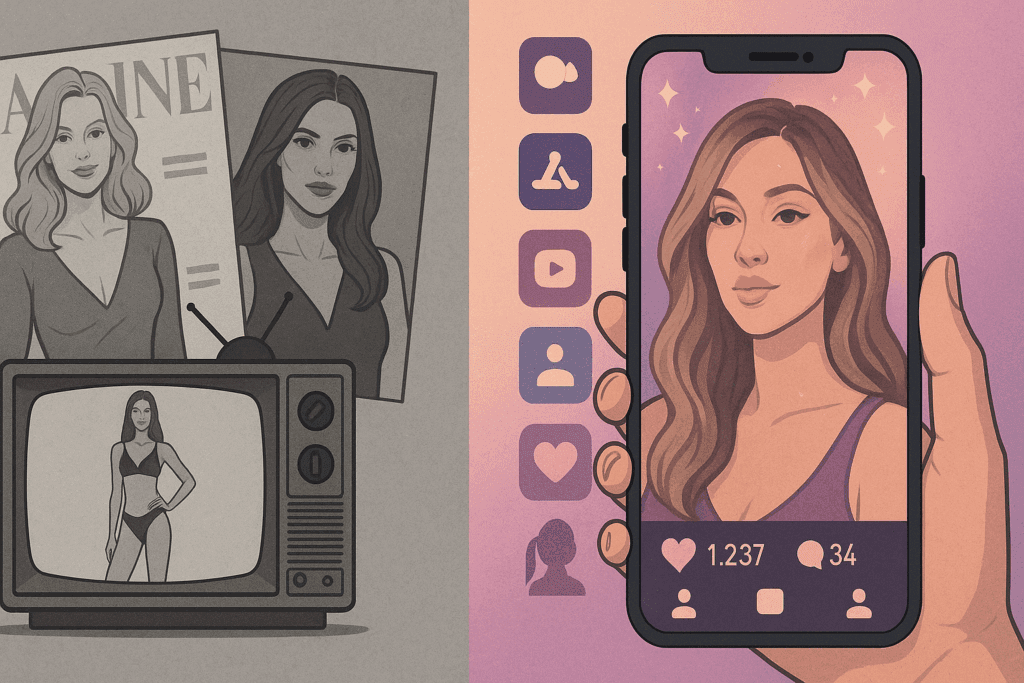
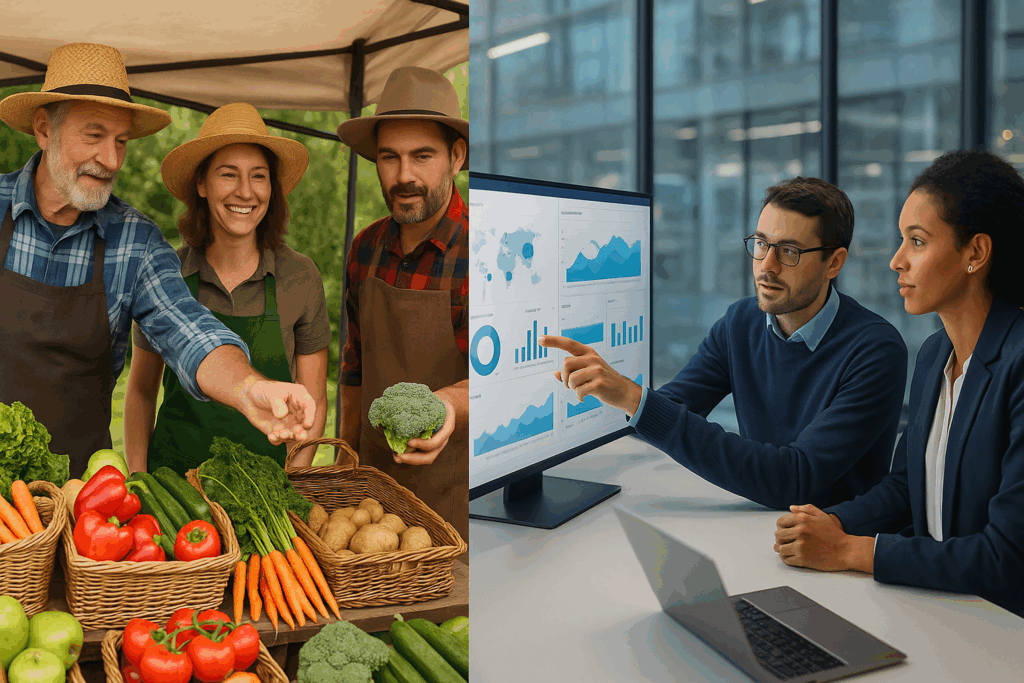
Split-screen comparison of traditional media and smartphone social feeds illustrating how social media may influence eating disorders through evolving beauty ideals.

The Evolution of Social Media and Body Image Ideals

The rise of image-centric platforms has redefined how individuals interact with cultural ideals of beauty. Before social media, traditional media outlets like magazines and television already propagated narrow beauty standards. However, social media has democratized content creation, allowing anyone to share and promote images. While this development has enabled body positivity movements, it has also intensified appearance-based comparisons. The constant exposure to curated, filtered, and often digitally altered images can erode self-esteem and fuel dissatisfaction with one’s body.

For individuals susceptible to perfectionistic tendencies or low self-worth—both of which are common risk factors for anorexia—these comparisons can become internalized. The link between anorexia and social media becomes particularly pronounced when users consume content promoting extreme thinness or “thinspiration,” a term describing posts that glorify being underweight. In such digital environments, users may begin to equate thinness with value, discipline, and social acceptance, reinforcing unhealthy eating patterns and rigid behaviors.
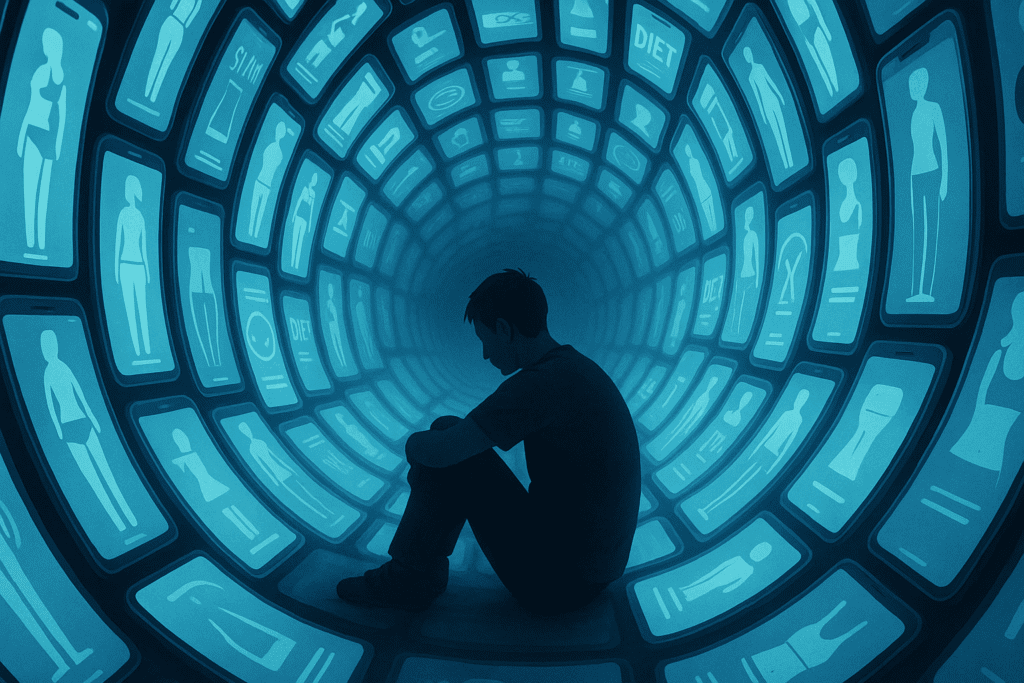
Teen surrounded by glowing diet-focused phone screens in a tunnel, symbolizing How Social Media May Influence Eating Disorders

Understanding Anorexia Nervosa in the Digital Age

Anorexia nervosa is a complex and multifaceted eating disorder characterized by an intense fear of gaining weight, a distorted body image, and restrictive food intake that leads to significant weight loss. While it can stem from a combination of genetic, psychological, and environmental factors, cultural and social influences play a pivotal role in its development. The online world amplifies these influences in unique ways.

Social media can serve as a constant feedback loop for those with anorexic tendencies. The immediate validation offered by likes and compliments on weight loss or body shape can encourage increasingly restrictive behaviors. Additionally, the anonymity and reach of online platforms allow pro-anorexia communities to form, where users may share dangerous dieting tips, fasting schedules, or motivational content designed to support disordered behaviors. Although many platforms have made efforts to ban or flag such content, the persistence of coded language and euphemisms makes it difficult to control. As a result, the correlation between social media and eating disorders continues to concern public health professionals, educators, and caregivers.

Glamorous influencer poses with diet teas as anxious viewer watches, illustrating how social media may influence eating disorders

Algorithms, Echo Chambers, and Content Personalization

One of the lesser-discussed but highly influential aspects of the social media experience is algorithmic content delivery. Platforms are designed to keep users engaged by feeding them content similar to what they have previously liked, watched, or interacted with. This means that someone who engages with fitness videos, dieting tips, or thinness-promoting posts is likely to be shown more of the same. Over time, this curated feed can create an echo chamber, reinforcing narrow ideals and disordered thinking.

In cases related to anorexia and social media, this echo chamber effect can be especially harmful. A user exploring health or wellness content with innocent intent may find themselves gradually exposed to more extreme narratives that promote food restriction or glamorize emaciation. Because these posts often present themselves under the guise of self-improvement or fitness, it can be difficult to distinguish helpful advice from harmful influence. As exposure increases, so too can internalized pressure, contributing to the development or exacerbation of an eating disorder.

Influencer Culture and the Pressure to Conform

Influencer culture plays a significant role in shaping norms around body image, diet, and lifestyle. Many influencers present themselves as authorities on wellness, despite lacking medical or psychological credentials. They often showcase highly edited versions of their lives, including what they eat, how they work out, and how they maintain a certain physique. While this content may be inspirational for some, it can also be deeply damaging for others, especially when it promotes unrealistic standards or unsustainable habits.

The relationship between social media and eating disorders becomes more evident in the context of influencer marketing. Influencers may promote diet teas, weight loss supplements, or extreme workout plans that are not evidence-based and can have harmful side effects. For someone vulnerable to anorexia, these promotions can validate and normalize dangerous behaviors. Additionally, constant exposure to these idealized lifestyles can create a sense of inadequacy and failure, reinforcing the cycle of disordered eating. The visual nature of platforms like Instagram and TikTok only exacerbates this dynamic, where appearance often outweighs substance in measuring worth and success.
Diverse teens in a blurred school hallway looking anxiously at phones, symbolizing How Social Media May Influence Eating Disorders.

Adolescents and the Fragility of Developing Identities

Adolescence is a critical period for identity formation, self-esteem, and body image. During this stage, individuals are particularly susceptible to peer influence and external validation. Social media platforms, which often serve as a primary source of social interaction for teens, can deeply shape their understanding of self. The desire to be accepted, admired, or validated by peers can lead to the adoption of extreme behaviors to achieve perceived beauty standards.

When considering the connection between anorexia and social media, it’s important to acknowledge the developmental vulnerabilities of young users. Teens may engage in restrictive dieting, excessive exercise, or other harmful behaviors not because of clinical intent, but because these actions are modeled, celebrated, and rewarded in their online environments. Without adequate guidance, they may internalize disordered behaviors as normal or even aspirational. Parents, educators, and health professionals must be aware of these dynamics to foster early intervention and promote healthy digital engagement.

The Role of Mental Health in Digital Vulnerability

Mental health conditions such as anxiety, depression, and obsessive-compulsive tendencies are often comorbid with eating disorders, including anorexia. Social media can exacerbate these underlying issues by creating environments of constant comparison, unrealistic expectations, and emotional reactivity. Individuals struggling with perfectionism or low self-worth may be more likely to seek validation online, making them more vulnerable to content that reinforces disordered behaviors.

The connection between social media and eating disorders is not merely about exposure to harmful content—it is about how that content interacts with preexisting psychological vulnerabilities. A teen with high anxiety may feel compelled to control their body as a way to manage their internal distress, and social media may provide a blueprint for how to do so through restriction and discipline. Likewise, someone experiencing depression may turn to social media for escape, only to find themselves spiraling deeper into disordered thinking when faced with constant images of unattainable perfection. Recognizing this interaction between mental health and digital exposure is essential for both prevention and treatment.

Glamorous influencer poses with diet teas as anxious viewer watches, illustrating how social media may influence eating disorders

Pro-Anorexia Communities and Harmful Online Spaces

Despite efforts to regulate harmful content, pro-anorexia (or “pro-ana”) communities continue to thrive in the shadows of social media platforms. These communities often use coded language, symbols, and hashtags to evade content moderation, allowing them to remain accessible to those seeking them out. While some users may initially stumble upon these spaces out of curiosity, others actively search for them, especially when feeling isolated or misunderstood.

Pro-ana spaces typically reinforce the belief that anorexia is not a disorder but a lifestyle choice. They may offer tips on suppressing hunger, hiding weight loss from loved ones, or achieving certain weight goals. For individuals already struggling with disordered eating, participation in these communities can intensify symptoms and prolong recovery. The dangerous normalization of anorexia within these digital enclaves highlights the urgent need for more effective regulation, digital literacy education, and support systems that provide constructive alternatives.

The Double-Edged Sword of Recovery Content

While much of the focus has been on the dangers of social media and eating disorders, it is important to note that online platforms can also offer support and healing. Recovery influencers, therapists, and peer support accounts often use social media to spread awareness, share personal stories, and promote body acceptance. For individuals in recovery, these spaces can provide validation, community, and hope. However, even recovery content must be approached critically.

Not all recovery advice shared online is grounded in evidence-based practices. Some accounts may inadvertently trigger viewers by sharing graphic details of disordered behaviors or before-and-after images. Others may glamorize recovery in ways that feel unattainable, creating another set of ideals to live up to. Therefore, while social media can be a valuable tool in the recovery journey, it must be navigated thoughtfully. Users should be encouraged to seek professional guidance and use social media as a supplement, not a substitute, for real-world treatment.

Strategies for Building a Healthier Digital Relationship

Given the inextricable link between anorexia and social media, developing healthier digital habits is essential. One of the first steps is cultivating media literacy—understanding that not everything online is real, healthy, or helpful. Learning to recognize filters, paid promotions, and editing techniques can reduce the power of comparison and help users develop more realistic standards.

Curating one’s feed is another effective strategy. This involves unfollowing accounts that promote harmful ideals and instead following content that encourages self-acceptance, diverse body types, and balanced lifestyles. Time limits, screen-free routines, and mindful scrolling can also help reduce the emotional toll of constant exposure. In some cases, digital detoxes or breaks from triggering platforms may be necessary for mental health recovery. Importantly, these strategies should be accompanied by supportive conversations with mental health professionals, peers, or trusted adults who can help reinforce positive change.
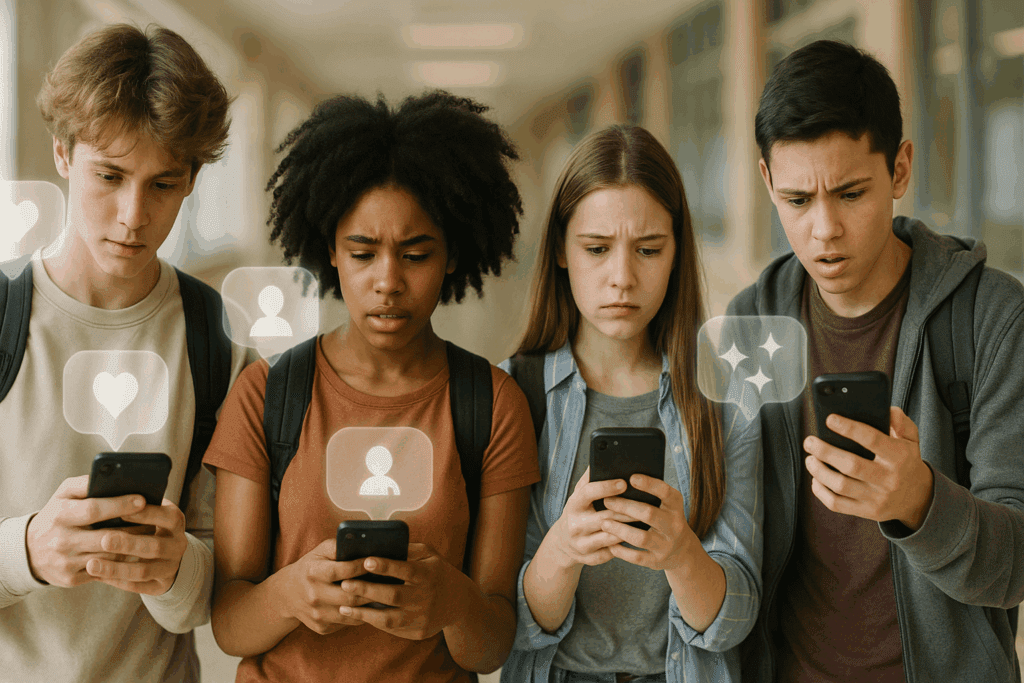
Diverse teens in a blurred school hallway looking anxiously at phones, symbolizing How Social Media May Influence Eating Disorders.

The Importance of Education, Advocacy, and Policy Change

To address the complex relationship between social media and eating disorders, systemic change is needed alongside individual efforts. Schools, healthcare providers, and parents must be equipped with resources to educate young people about body image, media influence, and emotional regulation. Incorporating discussions about digital well-being into school curricula can foster early awareness and resilience.

On a broader level, social media platforms must take greater responsibility for the content they promote. While algorithmic recommendations are designed to boost engagement, they must also be regulated to prevent the amplification of harmful content. Transparent policies, improved moderation, and collaboration with mental health experts can help create safer online environments. Policymakers can also play a role by mandating clearer labeling of digitally altered images or implementing regulations on diet product advertising targeted at youth. Ultimately, reducing the impact of anorexia and social media on public health requires a collaborative effort across sectors.

Frequently Asked Questions: Social Media, Anorexia, and Mental Health

What role does anonymity play in the relationship between social media and eating disorders?

Anonymity can significantly influence how social media and eating disorders intersect. Online anonymity allows users to engage in communities or consume content without revealing their identity, which can lower the threshold for participation in harmful behaviors. Individuals struggling with anorexia may feel safer sharing restrictive habits or seeking validation in anonymous forums, where there is less fear of real-world judgment. This can make recovery more challenging because it encourages secrecy and reduces accountability. At the same time, anonymity can also be harnessed in positive ways when used to seek out support groups, professional resources, or recovery communities without stigma.

How do cultural differences affect the connection between anorexia and social media?

Cultural values play a nuanced role in shaping how anorexia and social media interact across different regions. In Western cultures, where thinness is often equated with beauty and success, social media may intensify pressure to conform to those ideals. In contrast, in some Eastern or African cultures, body ideals may differ, potentially buffering or altering the manifestation of disordered eating. However, as global media converges, even traditionally body-positive societies are seeing a rise in eating disorders, often paralleling increased access to platforms that idealize thinness. Understanding cultural context is crucial in developing interventions that are both sensitive and effective.

Can artificial intelligence be used to monitor or reduce the impact of harmful content related to social media and eating disorders?

Yes, artificial intelligence (AI) holds promising potential in identifying and mitigating the dangers posed by the link between social media and eating disorders. AI algorithms can be trained to detect harmful hashtags, language patterns, or imagery associated with anorexia and social media content that glamorizes disordered behaviors. Some platforms already employ AI to flag content, but the technology is still developing and often struggles with context. Ethical AI use must balance content moderation with free expression, particularly in mental health spaces. With further refinement, AI could play a key role in early detection, referral to help resources, and real-time content filtering to protect vulnerable users.

How do social media trends like ‘What I Eat in a Day’ videos contribute to disordered eating?

Trends such as “What I Eat in a Day” videos can be particularly problematic when exploring the relationship between social media and eating disorders. These videos often showcase highly restrictive or meticulously curated meals that may not reflect the nutritional needs of most viewers. When consumed frequently, they can create unrealistic expectations and promote food comparison, especially for individuals vulnerable to anorexia. While some content creators aim to share balanced meals, many perpetuate the idea that minimal eating equates to health or discipline. These trends can subtly reinforce the disordered belief that food should be tightly controlled or minimalized to achieve social approval.

Are there long-term psychological effects from prolonged exposure to disordered content on social media?

The psychological effects of long-term exposure to content related to anorexia and social media can be both deep and enduring. Repeated viewing of thin-ideal imagery and restrictive eating tips can alter cognitive schemas, leading individuals to associate self-worth with body size or control over food. Over time, this exposure can result in chronic low self-esteem, social withdrawal, or even co-occurring disorders like anxiety or depression. In adolescents, whose identities are still forming, these effects may persist into adulthood, shaping lifelong attitudes toward health, appearance, and self-worth. Preventive education and early intervention are essential to interrupt this cycle.

How can parents navigate conversations about social media and eating disorders without shaming or pushing their children away?

Navigating conversations about social media and eating disorders requires empathy, patience, and informed dialogue. Rather than focusing on body weight or eating behaviors directly, parents can start discussions around digital literacy—teaching their children how to critically evaluate online content. Creating a safe, non-judgmental space where teens feel heard is crucial to encouraging openness. It also helps to model balanced digital use and self-compassion so that children see healthy behaviors in action. Importantly, involving a licensed therapist when concerns arise can provide professional guidance without placing undue pressure on the parent-child relationship.

What are the emerging alternatives to mainstream platforms that offer safer spaces for body image and mental wellness?

In response to growing concerns about social media and eating disorders, several emerging platforms are being developed to offer safer digital spaces. Apps like “Body Positive Me” or moderated forums through mental health nonprofits provide curated content that prioritizes self-acceptance and medically informed guidance. Some platforms even integrate built-in check-ins or AI-assisted mental health prompts to encourage reflection and discourage harmful behaviors. These alternatives aim to combine the community aspects of traditional social media with safer boundaries and professional oversight. While they may not yet rival the reach of major platforms, their rise signals a shift toward digital responsibility in the wellness space.

How do algorithmic design and monetization models contribute to the spread of harmful content?

The very structure of many social media platforms contributes to the problem. Algorithms prioritize engagement, and content that triggers strong emotional reactions—whether admiration, envy, or aspiration—tends to perform better. Posts that idealize extreme thinness or showcase dramatic weight transformations often receive more likes, shares, and comments, inadvertently rewarding disordered content. Additionally, monetization models incentivize influencers to post content that performs well, even at the expense of authenticity or health. This dynamic deepens the complex connection between anorexia and social media, as users are drawn into content cycles that prioritize clicks over well-being.

Can digital detoxes help reduce the impact of social media on body image?

Digital detoxes can offer valuable relief, particularly for those feeling overwhelmed by constant exposure to idealized images. Temporarily stepping away from platforms associated with poor body image allows users to reconnect with offline values and rediscover their internal sense of worth. While a detox alone cannot resolve eating disorders, it can serve as a reset button—interrupting harmful content cycles and providing space for reflection. When combined with therapy, mindfulness practices, and community support, detoxing can be a powerful part of recovery. The positive impact is especially notable when users return to social media with clearer boundaries and more intentional usage patterns.

What steps can schools and universities take to reduce the influence of harmful online content on students?

Educational institutions can play a transformative role in reducing the impact of social media and eating disorders on students. Integrating media literacy into health curricula helps students critically assess online content and recognize manipulation tactics like filters, ads, or edited photos. Schools can also offer workshops on self-esteem, emotional regulation, and digital citizenship to strengthen resilience. Peer support groups and on-campus counseling services provide safe spaces for dialogue and early intervention. Universities, in particular, can partner with mental health organizations to offer campaigns that de-stigmatize eating disorders and promote balanced digital habits. By normalizing these conversations in educational settings, institutions empower students to navigate social media with awareness and confidence.

Reflecting on the Impact of Social Media and Eating Disorders

The intersection of social media and eating disorders reveals a pressing need for awareness, compassion, and strategic action. Anorexia is not merely a personal struggle but a reflection of the cultural and digital ecosystems in which we live. As social media continues to influence how individuals see themselves and others, the potential for harm must be taken seriously—but so too must the potential for healing and connection.

By acknowledging the unique vulnerabilities of adolescents, the dangers of algorithmic echo chambers, and the influence of unqualified influencers, we can begin to mitigate some of the damage. At the same time, promoting recovery-centered content, supporting digital literacy, and advocating for policy change can help shift the narrative from one of harm to one of hope. Ultimately, recognizing and addressing the connection between anorexia and social media is not just a task for researchers and clinicians—it is a responsibility we all share in fostering a healthier, more compassionate digital world.

Was this article helpful? Don’t let it stop with you. Share it right now with someone who needs to see it—whether it’s a friend, a colleague, or your whole network. And if staying ahead on this topic matters to you, subscribe to this publication for the most up-to-date information. You’ll get the latest insights delivered straight to you—no searching, no missing out.

Further Reading:

Eating Disorders and Social Media

Social Media Effects Regarding Eating Disorders and Body Image in Young Adolescents

The impact of the media on eating disorders in children and adolescents

Эволюция программ лояльности казино

0

Программы лояльности казино значительно развивались за эти годы, изменив то, как казино соединяются со своими покровителями. Эти программы предназначены для стимулирования игроков к их лояльности, предлагая несколько стимулов, таких как очки, кэшбэк и уникальный доступ к событиям. Согласно двадцати двадцать три отчета Американской игровой ассоциации, почти 80% участников казино принимают участие в какой-либо программе лояльности, подчеркивая их важность в отрасли.

Одной из значительных показателей в этой области является Джим Муррен, бывший директор MGM Resorts International, который сыграл ключевую роль в развитии программ лояльности в местах компании. Вы можете узнать больше о его проектах на его LinkedIn Profile .

В 2022 году Caesars Entertainment пересмотрела свою программу лояльности Caesars Rewards, чтобы предложить более персонализированный опыт для своих клиентов. Этот пересмотр включал структурированные преимущества, которые обслуживают различные уровни игроков, гарантируя, что как случайные, так и с высокими ставками считаются ценными. Для получения более подробной информации о влиянии программ лояльности в казино, посетите New York Times .

Современные программы лояльности часто используют расширенную аналитику данных для наблюдения за поведением и лайками игроков, позволяя казино адаптировать свои услуги. Изучая эти данные, казино могут разработать целевые акции, которые связаны с уникальными игроками, повышают взаимодействие и удержание. Откройте для себя различные тактики программы лояльности, которые улучшают обслуживание клиентов по адресу драгон мани.

Поскольку поле казино продолжает адаптироваться к изменению требований потребителей, программы лояльности, вероятно, станут еще более сложными. Казино должны сконцентрироваться на предоставлении подлинной ценности и незабываемого опыта для поддержания лояльности игроков на сложном рынке.

Strategia vincenti nei tornei con dealer live: un’analisi tecnica delle piattaforme leader

Strategia vincenti nei tornei con dealer live: un’analisi tecnica delle piattaforme leader

Negli ultimi due anni i tornei online con dealer live hanno trasformato il panorama del gioco d’azzardo digitale, attirando sia high‑roller che giocatori amatoriali alla ricerca di un’esperienza più reale e competitiva. Le piattaforme hanno integrato tavoli dal vivo dotati di telecamere HD, microfoni diretti al croupier e sistemi di streaming a bassa latenza, creando ambienti dove la pressione psicologica è quasi identica a quella dei casinò fisici di Monte Carlo o di Las Vegas.

Per chi desidera confrontare le offerte più vantaggiose e scoprire i migliori casino non AAMS, la nostra guida fornisce tutti i criteri di valutazione. Parlarecivile.It ha testato più di cinquanta siti nel corso dell’anno scorso e pubblica ranking basati su RTP medio, volatilità dei tornei e qualità del servizio clienti; il risultato è una panoramica trasparente per gli utenti italiani che vogliono scegliere il partner più affidabile, anche sotto licenza ADM o per sport betting su Admiralbet.

Nel prosieguo dell’articolo esamineremo i meccanismi tecnici che regolano i tornei live, dal protocollo video al matchmaking dinamico, passando per la struttura dei premi e le strategie dei vincitori recenti. Concluderemo con consigli pratici per ottimizzare la postazione domestica e uno sguardo alle innovazioni future come AR e AI coaching. L’obiettivo è fornire una mappa completa per chi vuole passare da semplice giocatore a vero professionista dei tornei con dealer live.

Architettura tecnica dei tavoli live nei tornei

L’infrastruttura dietro ai tavoli live è una catena complessa di componenti hardware e software progettata per ridurre al minimo ritardi percepiti dal giocatore e garantire la sincronizzazione perfetta tra immagine del dealer e dati delle puntate.

  • Il flusso video viene codificato con codec moderni come H.265/HEVC o AV1, capaci di comprimere contenuti in HD o persino in risoluzione 4K mantenendo bitrate tra 1 e 3 Mbps a seconda della larghezza di banda disponibile.
  • La latenza totale – dalla cattura dell’immagine al rendering sul browser dell’utente – si aggira intorno ai 150‑250 ms grazie a server edge distribuiti globalmente; queste unità operano su reti fibre ottiche con capacità di almeno 10 Gbps.
  • I dati delle puntate (stack, bet size) viaggiano su canali separati protetti da TLS 1.3; un timestamp ad alta precisione consente al motore del gioco di allineare ogni azione al fotogramma corrispondente del video.
  • Per evitare interruzioni improvvise, le piattaforme implementano sistemi di ridondanza basati su fail‑over automatico: se un nodo si guasta il traffico viene reindirizzato entro 50 ms verso un nodo secondario identico per zona geografica.

L’impatto della connessione personale è cruciale: una rete Wi‑Fi congesta può aumentare la latenza fino a 500 ms, penalizzando chi gioca in modalità “turbo”. Gli operatori consigliano sempre Ethernet cablata o Wi‑Fi mesh con canale dedicato per mantenere jitter sotto i 30 ms, soprattutto nei momenti decisivi degli sprint finali del torneo.

Protocollo di trasmissione video HD/4K

Il flusso utilizza UDP multiplexing combinato con RTP per gestire pacchetti persi senza interrompere l’esperienza visiva; il player client ricostruisce le sequenze on‑the‑fly grazie a buffer dinamico regolabile dall’utente.

Sistemi di ridondanza e fail‑over

Le architetture multi‑region includono bilanciatori L7 che monitorano health check ogni millisecondo; qualora rilevino degradazione della QoS attivano istantaneamente un percorso alternativo mantenendo la continuità della sessione.

Algoritmi di matchmaking e bilanciamento delle sfide

Il cuore pulsante dei tornei live è l’algoritmo che assegna i partecipanti ai tavoli garantendo equità statistica e sfide avvincenti per gli spettatori.

  • Il rating iniziale deriva da una combinazione tra historic win‑rate (media negli ultimi 30 giorni), VPIP (volte in cui il giocatore entra nel piatto) e bankroll dichiarato durante la registrazione.
  • Un modulo “seed generator” sfrutta numeri pseudo‑casuali certificati da RNG NIST 800‑90B; questo determina l’ordine di ingresso nei vari round evitando pattern prevedibili.
  • Durante lo svolgimento del torneo il rating diventa dinamico: ogni mano vinta incrementa lo score con peso proporzionale alla difficoltà dell’avversario (ELO‐style).
  • Le pause programmate – ad esempio break da 5 minuti ogni 15 minuti – sono gestite da un scheduler che mantiene gli stack equilibrati trasferendo i giocatori inattivi verso tavoli meno affollati senza rompere la sequenza logica del torneo.

Calcolo del rating dinamico durante il torneo

Il sistema aggiorna lo score ogni 30 secondi usando una formula logaritmica che penalizza errori grossolani ma premia streaks superiori al 3% della media globale.

Gestione delle pause e rientri dei giocatori

Un buffer “re‑entry credit” permette ai partecipanti eliminati di rientrare pagando una fee fissa (es.: €15) purché mantengano almeno il 20% del bankroll originale; l’algoritmo verifica disponibilità posti liberi prima dell’autorizzazione.

Struttura dei premi e modelli di bonus nei tornei live

I premi variano notevolmente tra gli operatori leader ed è fondamentale comprendere come vengano costruiti i pool per massimizzare il ritorno sul wagering.

Piattaforma Pool totale % destinato al Top 1 Bonus re‑entry Promo dealer live
CasinoX €120.000 40% €10 +200% sul primo deposito
BetLive €95.000 35% €15 Cashback settimanale del 5%
LivePlay €110.000 38% Gratis Crediti bonus pari al 10% del buy‑in
  • Il cash prize principale spesso supera il 30 % del pool totale, mentre il resto viene distribuito fra top 10 finché top 100 con quote decrescenti.
  • Molti siti offrono “bonus re‑entry” sotto forma di crediti gratuiti o sconti sul buy‑in successivo; ad esempio BetLive consente un re‑entry gratuito dopo tre eliminazioni consecutive entro lo stesso evento.
  • Le promozioni legate al dealer live includono moltiplicatori sui payout quando il croupier annuncia “Lucky Deal”, aumentando temporaneamente l’RTP da 96 % a circa 98 % su specifiche mani.

Analisi dei casi studio: vincitori recenti dei principali tornei live

Negli ultimi sei mesi tre player hanno dominato la scena italiana conquistando premi complessivi superiori a €250 000 combinati.

Strategia “Early Aggression” di Marco B.

Marco ha iniziato ogni torneo con puntate aggressive sui primi tre giri quando il dealer mostrava carte basse (“low shoe”). Utilizzando un bankroll management rigido (1 % per mano), ha accumulato rapidamente stack elevati prima che gli avversari potessero adeguarsi alle sue dinamiche.

Approccio “Statistical Edge” di Lucia R.

Lucia impiega software avanzato per tracciare le frequenze delle carte distribuite dal dealer in tempo reale; ha scoperto una lieve bias del 0,4 % nella sequenza delle carte nei tavoli gestiti da LivePlay.com durante le ore serali italiane.

Altri dettagli tecnici delle loro postazioni

  • Hardware: CPU Intel i9‑12900K, RAM DDR5 da 32 GB, SSD NVMe da 2TB.
  • Monitor: pannello IPS da 27″ a refresh rate 144Hz con supporto HDR10.
  • Software: OBS Studio configurato per acquisire solo audio dealer + overlay stats personalizzato sviluppato in Python.
  • Connessione: fibra FTTH con velocità garantita  100/100 Mbps via router ASUS ProArt AX88U configurato su VLAN dedicata gaming.

Queste scelte hanno ridotto jitter sotto i 20 ms e permesso a Marco e Lucia di reagire quasi istantaneamente alle variazioni della pista d’azzardo.

Ottimizzare l’ambiente di gioco domestico per i tornei live

Per competere ai massimi livelli è indispensabile trasformare il salotto in una vera postazione professionale.

  • Hardware consigliato
  • Monitor gaming almeno ​24″​ con tempo risposta ≤1 ms
  • Scheda grafica dedicata (RTX 3060 o superiore) per decodifica HEVC hardware
  • Webcam Full HD posizionata sopra lo schermo per monitorare eventuali glitch visivi

  • Rete

  • Preferire connessione Ethernet CAT6A ; se obbligatorio Wi‑Fi utilizzare banda 5GHz con canale esclusivo
  • Configurare QoS prioritizzando traffico UDP/9000 (video stream) rispetto a download torrent

Software utili
– Tracker statistico open source “PokerTracker Live” integrabile via API
– Plugin Chrome “Latency Monitor” che visualizza RTT direttamente sulla dashboard del tavolo
– App VPN dedicata ai casinò non AAMS per bypassare throttling ISP

Seguendo queste linee guida si può ridurre la latenza percepita sotto i 100 ms anche su connessioni domestiche standard, migliorando significativamente le probabilità nelle fasi critiche dei turni finali.

Sicurezza e fair play nei tornei con dealer live

La fiducia degli utenti dipende dalla capacità delle piattaforme di dimostrare integrità assoluta sia nei flussi video sia negli algoritmi RNG.

Verifica dell’integrità del flusso video in tempo reale

I provider impiegano firme digitali SHA‑256 calcolate frame by frame; qualsiasi alterazione genera allarme immediatamente inviato al centro SOC dove specialisti analizzano l’anomalia entro pochi secondi.

Policy di segnalazione degli abusi da parte dei giocatori

Gli utenti possono aprire ticket tramite widget integrato nella lobby; le segnalazioni vengono valutate dal team anti‑fraud interno entro ​24​ ore lavorative ed eventualmente inoltrate all’autorità competente ADM se si sospetta violazione della licenza ADM.

Le tecniche anti‑cheating includono:
– Analisi comportamentale AI che confronta pattern betting contro profili storici
– Controllo incrociato tra feed video multipli (camera overhead + close up croupier)
– Audit post‑torneo effettuati da auditor terzi certificati NVDIA

Prospettive future: innovazioni tecnologiche nei tornei live

Il prossimo ciclo evolutivo porterà realtà aumentata (AR) direttamente sulle scrivanie dei giocatori.

  • Con AR headsets come Meta Quest Pro sarà possibile vedere le carte virtualmente sovrapposte alla mano reale del dealer, riducendo ancora la distanza percettiva tra online e offline.
  • L’intelligenza artificiale entrerà come coach personale: algoritmi predittivi suggeriranno percentuali ottimali basandosi su storico mano–dealer specifico ed evidenzieranno momenti “high variance” dove conviene adottare uno stile difensivo.
  • Previsioni indicano che entro il 2028 circa il ‑30% dei grandi tournament sarà svolto su piattaforme VR immersive dove ogni scommessa avrà effetto sonoro tridimensionale sincronizzato col movimento fisico del croupier.

Queste novità richiederanno nuove competenze tecniche ma offriranno anche margini più ampi per differenziare strategia vincente dalla pura fortuna.

Conclusione

Abbiamo esaminato tutti gli aspetti critici che determinano il successo nei tornei con dealer live: dall’infrastruttura video ultra low latency alla sofisticata logica dinamica del matchmaking, passando attraverso pool premio strutturati ed esempi concreti di strategie vincenti adottate dai campioni italiani recenti. L’ambiente domestico deve essere equipaggiato con hardware performante e rete ottimizzata perché anche pochi millisecondi possono fare la differenza tra vittoria ed eliminazione precoce. Infine abbiamo guardato alle tendenze emergenti—AR, VR e AI coaching—che rivoluzioneranno ulteriormente questo segmento altamente competitivo.
Parlarecivile.It continuerà a monitorare questi sviluppi fornendo classifiche aggiornate sui migliori casino non AAMS disponibili in Italia sotto licenza ADM, così da guidarti verso le offerte più vantaggiose sia sul fronte promozionale sia sulla sicurezza operativa. Preparati oggi alle sfide domani: combina competenze strategiche solide con condizioni tecniche ottimali e sarai pronto a scalare podio dopo podio nei tornei live più prestigiosi.</>

The Evolution of Casino Loyalty Programs

0

Casino loyalty schemes have changed considerably over the years, evolving from straightforward punch cards to advanced digital platforms that track player actions and choices. These programs are intended to compensate repeated visitors with various perks, including complimentary play, food, and exclusive access to activities. According to a 2023 analysis by the American Gaming Association, nearly 80% of casino income comes from faithful customers, emphasizing the importance of these initiatives in propelling business.

One significant figure in the casino loyalty field is Jim Murren, former CEO of MGM Resorts International, who highlighted the importance for personalized experiences in loyalty programs. You can discover more about his views on his LinkedIn profile.

In 2022, Caesars Entertainment revamped its loyalty scheme, Caesars Rewards, to incorporate graded benefits that cater to various player tiers. This approach not only incentivizes higher expenditure but also improves customer contentment by delivering personalized rewards. For a more profound understanding of loyalty initiatives in the gaming field, visit The New York Times.

Modern fidelity programs leverage technology, utilizing mobile software and data metrics to monitor player behaviors and likes. This data enables casinos to offer customized promotions, boosting the overall gaming experience. Additionally, many casinos are now integrating playful elements into their loyalty programs, making the method of gaining rewards more engaging. Investigate cutting-edge loyalty options at pinko casino.

While loyalty programs can offer considerable benefits, players should be aware of the terms and stipulations associated with these incentives. Understanding how points are gained and claimed is crucial to enhancing the benefit of a loyalty program. As the casino sector continues to progress, staying updated about the latest trends in loyalty initiatives can help players make the best of their gaming experiences.

The Evolution of Casino Loyalty Programs

0

Casino loyalty schemes have changed dramatically over the years, progressing from straightforward ticket cards to sophisticated online systems. These programs are designed to compensate frequent participants with various advantages, comprising free play, dining discounts, and exclusive occasion entry. Based to a 2023 study by the American Gaming Association, nearly 70% of casino customers take part in some variation of reward program, emphasizing their significance in consumer retention.

An remarkable individual in the development of current membership programs is Jim Murren, the previous CEO of MGM Resorts. Under his guidance, MGM debuted the M Life Rewards initiative, who enables members to accrue credits for gambling, catering, and accommodation stays. You can discover further concerning his projects on his LinkedIn profile.

Within 2022, the introduction of smartphone programs revolutionized how gamers interact with reward programs. These applications enable customers to monitor their credits in actual time, get customized propositions, and also exchange incentives straight from their phones. This shift towards online involvement has made it more convenient for gamers to optimize their benefits and keep aware concerning deals.

In players wanting to boost their gaming encounter, grasping the details of loyalty schemes is crucial. Gamers should regularly check their point totals and be mindful of due deadlines to make certain they do not lose out on incentives. Furthermore, numerous casinos present graded reward levels, where participants can gain additional significant advantages as they accumulate credits. For further further understanding into the impact of membership systems in the gambling industry, explore New York Times.

When the gaming environment continues to develop, players should continue vigilant in utilizing membership systems to their advantage. By staying updated and engaged, they can relish a further rewarding playing interaction. Discover multiple loyalty schemes and locate one that suits your gaming approach at online casino.

The Impact of Responsible Gambling Initiatives in Casinos

0

Responsible gambling programs are becoming increasingly vital in the casino sector, aiming to promote safe gaming methods and reduce the threats associated with gambling. In 2023, the American Gaming Association (AGA) announced that 80% of casinos in the U.S. have executed responsible gaming programs, reflecting a growing commitment to player security.

One notable figure in this initiative is Keith Whyte, the Chief Director of the National Council on Problem Gambling (NCPG). His promotion for responsible gambling has contributed to the establishment of various initiatives that inform players about the risks of gambling. You can track his views on responsible gaming through his Twitter profile.

In 2022, the UK Gambling Commission implemented new rules requiring casinos to supply clear details on responsible gambling. This includes self-exclusion alternatives and entry to support services for those who may be battling with gambling addiction. For more details on responsible gambling approaches, visit Gambling Commission.

Casinos are also harnessing technology to augment responsible gambling initiatives. Many venues now offer tools that allow players to set restrictions on their expenditure and time used gambling. These features allow players to keep control over their gaming habits. Additionally, some casinos are using AI to identify patterns of problematic behavior, permitting them to intervene when required. Investigate more about these developments at casino ohne oasis.

While responsible gambling initiatives are essential, players must also take personal responsibility. Comprehending the odds, setting limits, and identifying the signs of gambling compulsion are essential steps for a safe gaming adventure. By staying informed and using available resources, players can enjoy the rush of casinos while lessening potential dangers.

Why Does My Stomach Hurt After I Eat? Understanding Common Causes of Abdominal Pain and How to Find Relief Naturally

Feeling stomach pain after eating is an experience that many people face yet few understand fully. For some, it may be an occasional nuisance, but for others, it can become a chronic and distressing pattern. From a mild sensation of stomach discomfort after eating to a terrible stomach ache after eating every meal, the causes can range from benign digestive quirks to more serious underlying conditions. Understanding why your belly hurts every time you eat is not just about avoiding discomfort—it’s about protecting your overall health. This article will explore the many reasons behind abdominal pain after eating and offer natural strategies for lasting relief.

You may also like: How to Stop Emotional Eating and Regain Control: Mindful Nutrition Strategies That Support a Healthier Lifestyle

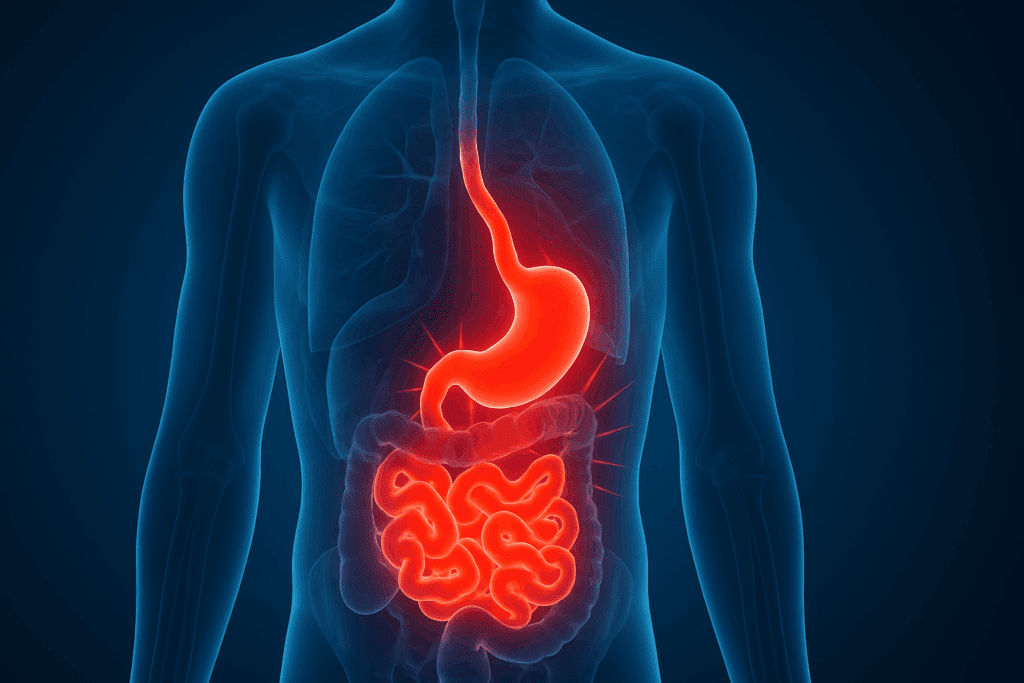
Transparent X-ray view of human torso highlighting inflamed stomach and intestines, showing Why does my stomach hurt after I eat?

What Does Stomach Pain After Eating Really Mean?

Stomach pain after eating is a broad term that covers various types of gastrointestinal distress, including bloating, cramping, burning, or sharp pain. It can arise in the upper, middle, or lower abdomen and may last minutes or persist for hours. For some individuals, the experience is described as a dull ache, while others report intense, cramping sensations. Stomach cramps after eating may come on suddenly or build gradually depending on the underlying cause. It’s important to distinguish whether the pain is fleeting or recurring, as this can guide both diagnosis and treatment.

This type of pain often signals that something about the digestive process isn’t working smoothly. Gastric discomfort after eating could be caused by the food itself, the way it’s eaten, or by how the digestive organs are functioning. In many cases, the simple act of eating triggers pain due to existing inflammation, food intolerances, or structural problems within the digestive tract. If you frequently find yourself thinking, “Every time I eat, my tummy hurts,” or “Why does my stomach always hurt after I eat?” you are not alone—and you deserve answers.

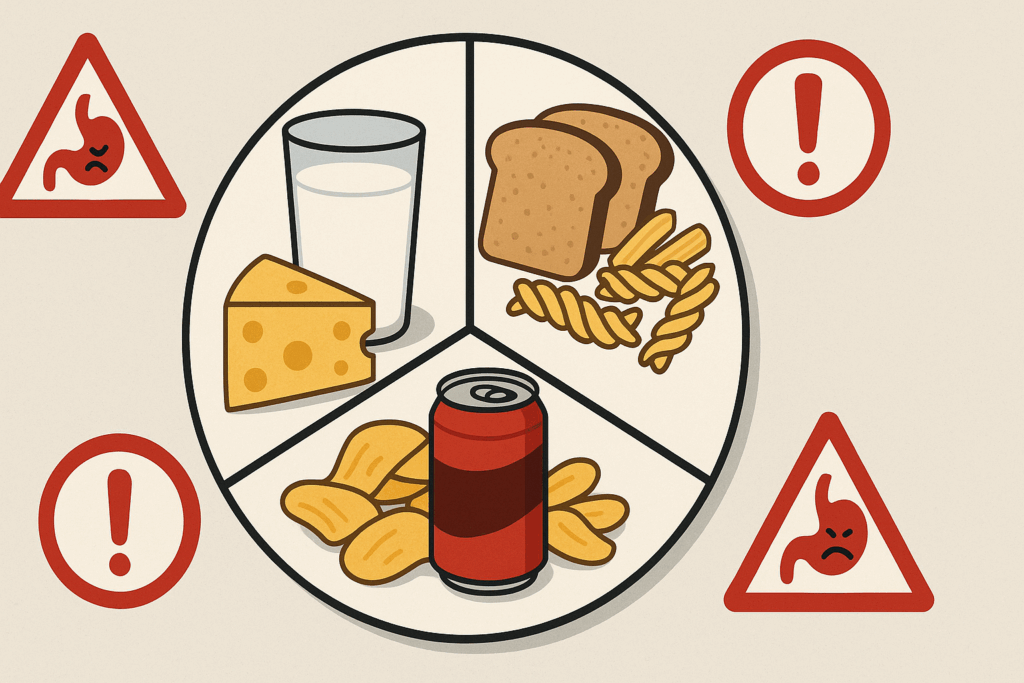
Diet plate with dairy, gluten, and junk food surrounded by red warning signs, symbolizing triggers behind 'Why does my stomach hurt after I eat?

Common Digestive Causes of Abdominal Pain After Eating

Several digestive conditions can lead to abdominal pain after eating. One of the most common culprits is functional dyspepsia, often referred to as indigestion. This condition is characterized by a feeling of fullness, bloating, or burning in the upper abdomen after meals. In many cases, the stomach pain after every meal doesn’t correlate with how much food is consumed, which can be especially confusing for sufferers.

Another frequent cause is gastritis, or inflammation of the stomach lining. Gastritis can produce burning pain in the upper abdomen, often triggered or worsened by meals. This condition may stem from infections like H. pylori, regular use of NSAIDs, or excessive alcohol intake. Gastric discomfort after eating is often pronounced in those with gastritis, especially when the meal contains spicy or acidic components.

Irritable bowel syndrome (IBS) is another major factor behind post-meal abdominal pain. IBS-related cramps after eating are often linked to bowel movement irregularities and can occur alongside bloating, diarrhea, or constipation. For individuals with IBS, even a small amount of food can provoke an outsized response in the digestive tract. If you often think, “Whenever I eat, my stomach hurts,” IBS could be worth exploring with a healthcare provider.

Food Intolerances and Sensitivities: Hidden Triggers of Pain

Food intolerances are often overlooked when evaluating causes of stomach pain. Lactose intolerance, for example, affects individuals who lack the enzyme needed to digest lactose, the sugar found in milk. When lactose isn’t broken down properly, it ferments in the gut, causing gas, bloating, and stomach cramps after eating dairy products. Similarly, those with gluten sensitivity or celiac disease experience abdominal pain after eating foods containing wheat, rye, or barley.

Even without a formal allergy or intolerance, some people experience gastric discomfort after eating due to highly processed foods, artificial sweeteners, or high-fat meals. These foods can slow down digestion, increase gas production, or irritate the intestinal lining. Individuals who say “everything I eat makes my stomach hurt” may be dealing with broad-spectrum sensitivities that require dietary adjustments and professional guidance.

Man clutching his stomach in discomfort on a couch after overeating, surrounded by empty dishes—highlighting why does my stomach hurt after I eat?

What Happens If You Eat Too Much? Understanding the Impact of Overeating

One of the simplest explanations for post-meal stomach discomfort is overeating. Eating more food than your stomach can comfortably handle stretches the stomach lining and triggers pressure-related pain. When people ask, “What happens when you overeat?” the answer lies in both mechanical and hormonal responses. The stomach produces more acid to break down the food, which can lead to reflux, while distention activates stretch receptors that signal discomfort.

This sensation of fullness may lead to a lower stomach ache after eating or an overall sense of sluggishness and malaise. If you find yourself frequently saying, “My tummy hurts after I eat,” particularly after large meals, your body may be signaling that it’s time to scale back portion sizes. Learning how to ease your stomach after eating too much can involve strategies like walking after meals, staying upright, or sipping herbal teas to aid digestion.

Serious Conditions That May Cause Stomach Pain After Eating

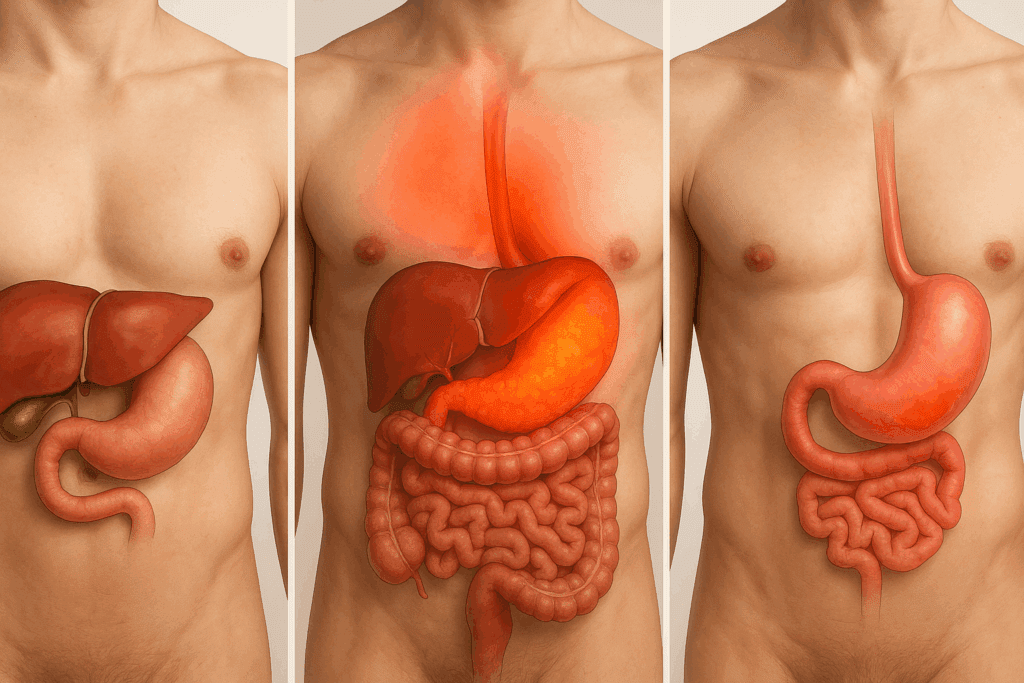
While many cases of abdominal pain after eating are benign or functional, some can signal more serious conditions that require medical evaluation. Gallstones, for instance, often trigger a terrible stomach ache after eating fatty foods. Pain from gallstones typically originates in the upper right abdomen and may radiate to the back or shoulder. The discomfort may appear suddenly and mimic a heart attack in its intensity.

Pancreatitis is another condition that can provoke significant pain after meals. The pancreas plays a vital role in digestion by releasing enzymes, and when it becomes inflamed, the resulting pain can be severe. People with pancreatitis may experience worsening pain after eating, especially high-fat foods. If you’re wondering, “Why does my stomach hurt so bad after I eat?” and the pain is severe and persistent, it’s important to seek medical attention promptly.

Peptic ulcers, which are sores that develop in the stomach lining or the upper part of the small intestine, are also notable causes. These ulcers can cause burning or gnawing pain that may worsen with or shortly after eating. If you’re experiencing stomach pain after every meal, particularly one that feels sharp or acidic, ulcers should be considered as a possible cause.

Medical illustration comparing gallstones, pancreatitis, and peptic ulcers to explain why does my stomach hurt after I eat.

Why Does It Hurt When I Eat? Behavioral and Emotional Influences

Beyond physical conditions, behavioral and psychological factors can significantly influence digestive comfort. Stress and anxiety are closely linked to gut function through the brain-gut axis. When under emotional distress, the body diverts energy away from digestion, which can lead to symptoms like cramps after eating, bloating, or nausea. If you notice that your symptoms worsen during times of stress, this could be a sign of psychogenic abdominal pain.

Eating too quickly or without mindfulness can also exacerbate discomfort. Rapid eating often leads to swallowing air, which contributes to gas and bloating. Moreover, failing to chew thoroughly puts extra pressure on the stomach to break down food, delaying digestion. People who say “why does my stomach cramp after I eat?” may benefit from slowing down their meals and practicing mindful eating habits to reduce these functional issues.

Sipping herbal tea and applying a warm compress for stomach relief at home, illustrating natural answers to why does my stomach hurt after I eat?

How to Relieve Stomach Pain From Overeating: Natural and Practical Approaches

Relieving stomach pain after overeating doesn’t always require medications. Several natural methods can help soothe the digestive system and alleviate symptoms. One effective strategy is gentle movement—taking a short walk after a meal can promote peristalsis and help move food through the digestive tract more efficiently. This can be especially helpful if you ate too much and feel heavy or bloated.

Hydration is another key element. Drinking water before or after meals—not during—can aid digestion without diluting stomach acids. Warm beverages like ginger tea or peppermint tea are known to have carminative properties that relax the digestive tract, reducing cramps and gastric discomfort after eating. Applying a warm compress to the abdomen may also relieve muscle tension and promote blood flow to the area, easing pain.

Mindfulness around meal size and timing plays a preventative role. Eating smaller, more frequent meals and avoiding late-night snacking can reduce the likelihood of experiencing lower stomach ache after eating. Keeping a food journal to identify and eliminate personal triggers can also be highly effective for those who feel, “Whenever I eat, my stomach hurts.”

When to Seek Medical Advice for Persistent Symptoms

Although many cases of post-meal stomach pain are mild and manageable at home, certain signs indicate the need for professional evaluation. If you experience stomach pain after eating that is severe, recurring, or accompanied by symptoms like weight loss, vomiting, or changes in bowel habits, it is important to consult a healthcare provider. These may be signs of a more serious condition like an ulcer, gallbladder disease, or even gastrointestinal cancer.

Furthermore, if the pain disrupts your ability to enjoy meals or impacts your quality of life, don’t ignore it. Statements like “Why does my tummy hurt after I eat?” or “Why does my stomach hurt after I ate?” should not become daily reflections. Getting a clear diagnosis allows for targeted treatment and avoids the cycle of guesswork and unnecessary suffering.

Person preparing a fiber-rich salad with yogurt, sauerkraut, and legumes in a clean kitchen—answers the question why does my stomach hurt after I eat? by highlighting gut-friendly foods.

Building a Gut-Healthy Lifestyle for Long-Term Relief

Creating a lifestyle that supports digestive health can go a long way in preventing abdominal pain after eating. A diet rich in fiber from fruits, vegetables, whole grains, and legumes promotes regular bowel movements and reduces bloating. Probiotic-rich foods like yogurt, kefir, sauerkraut, and kimchi help maintain a healthy gut microbiome, which is essential for optimal digestion.

Equally important is managing stress through mindfulness techniques such as meditation, yoga, or deep-breathing exercises. These practices help regulate the nervous system and can reduce the likelihood of experiencing cramps after eating due to emotional distress. Physical activity also plays a role in stimulating digestion and reducing the risk of constipation, a common contributor to post-meal discomfort.

Avoiding common triggers such as carbonated beverages, highly processed snacks, and artificial sweeteners may also be helpful. For those who feel that “everything I eat makes my stomach hurt,” working with a registered dietitian or gastroenterologist to tailor a low-FODMAP or elimination diet may reveal hidden sensitivities that can be managed effectively with the right plan.

Frequently Asked Questions: Understanding and Managing Stomach Pain After Eating

Why does my stomach hurt more after healthy meals than junk food?
It might seem counterintuitive, but some people experience more stomach pain after eating nutrient-dense meals than processed ones. This can occur when switching too quickly to high-fiber foods, like legumes or cruciferous vegetables, which may cause gas and bloating in sensitive individuals. While these foods are beneficial for long-term digestive health, the transition period may cause temporary gastric discomfort after eating due to fermentation of undigested fibers in the gut. Junk foods, being lower in fiber and often high in fat, may digest differently and trigger fewer immediate symptoms—though they contribute to inflammation over time. If every time you eat your stomach hurts, even with healthy meals, try introducing new foods slowly and chew thoroughly to ease the process.

Can posture affect stomach pain after eating?
Yes, posture can play a significant role in digestion and comfort after meals. Sitting or slouching immediately after eating can compress the abdominal cavity and slow gastric emptying, which may increase abdominal pain after eating. Those experiencing lower stomach ache after eating may benefit from sitting upright or walking lightly for 10 to 15 minutes post-meal. The position of your body affects how food travels through the digestive tract, and poor posture may worsen stomach cramps after eating by creating pressure on the intestines. Adopting better posture, especially during and after meals, can make a noticeable difference for those who say, “My tummy hurts after I eat.”

Why do I get bloated and nauseous in addition to stomach pain after every meal?
Bloating and nausea, combined with stomach pain after every meal, could signal a problem with delayed gastric emptying or gastroparesis. This condition prevents the stomach from emptying properly, causing food to remain undigested for too long, which can lead to stomach discomfort after eating and feelings of fullness even after small portions. While overeating can temporarily mimic these symptoms, persistent issues may require diagnostic evaluation. For individuals who report, “Every time I eat my tummy hurts,” and experience prolonged fullness, slow digestion or food intolerances could be contributing factors. Treatment often includes dietary adjustments, such as smaller, more frequent meals, and avoiding foods high in fat or fiber until symptoms stabilize.

What role do gut bacteria play in stomach pain after eating?
The gut microbiome—the collection of trillions of bacteria living in your digestive tract—has a profound influence on digestion and discomfort. An imbalance in gut bacteria, often called dysbiosis, can result in excess gas, bloating, and stomach cramps after eating. When certain bacterial strains are overrepresented, they may ferment carbohydrates more aggressively, leading to gastric discomfort after eating fiber-rich or sugary meals. If you feel that everything you eat makes your stomach hurt, your gut flora might be sending distress signals. Working with a practitioner to test and restore balance with probiotics and prebiotic-rich foods could help alleviate recurring symptoms.

Could emotional stress cause stomach pain even if I haven’t eaten too much?
Absolutely. Emotional stress can trigger the release of cortisol and adrenaline, which interfere with normal digestive processes. These hormones divert blood away from the gastrointestinal tract, slow peristalsis, and can lead to symptoms like stomach pain after eating, even in the absence of overeating. Stress-related cramps after eating are often described as a knot or tightness in the gut and may be accompanied by urgency to use the bathroom. For those thinking, “Why does it hurt when I eat, even if I’m calm and eat light meals?” the answer may lie in the body’s stress response. Incorporating relaxation techniques such as deep breathing or mindfulness before meals may help reduce the intensity of post-meal discomfort.

How can hormone fluctuations impact post-meal stomach pain?
Hormonal changes, particularly in women, can exacerbate gastrointestinal symptoms. Fluctuations in estrogen and progesterone can influence how food moves through the digestive tract, often slowing it down during certain phases of the menstrual cycle. This can lead to increased bloating, constipation, and lower stomach ache after eating. Hormonal shifts can also increase visceral sensitivity, making the gut more reactive to normal digestion. If you’ve noticed that your symptoms—such as “why does my belly hurt every time I eat”—are worse during specific times of the month, tracking them alongside your hormonal cycle could provide valuable insight and guide treatment.

Is it dangerous to constantly feel pain after eating, even in the absence of other symptoms?
Persistent stomach pain after eating, even without other symptoms, should not be dismissed. While it might stem from functional disorders like IBS or mild food sensitivities, it can also indicate structural or inflammatory conditions, such as ulcers or chronic gastritis. Chronic discomfort, including phrases like “why does my stomach always hurt after I eat,” suggests ongoing irritation or dysfunction that warrants medical evaluation. Over time, constant pain can interfere with appetite, nutritional intake, and quality of life. It’s important to consult with a healthcare provider if you find yourself saying, “My tummy hurts after I eat,” on a daily or weekly basis.

What should I avoid doing immediately after eating to reduce stomach cramps and pain?
Certain habits post-meal can significantly aggravate gastric discomfort after eating. Lying down immediately after a meal, drinking carbonated beverages, or engaging in strenuous exercise can all intensify symptoms of abdominal pain after eating. These behaviors may increase pressure in the abdominal cavity or slow digestion, leading to more frequent complaints like “Why does my stomach cramp after I eat?” Instead, consider gentle movement and staying upright to help your body transition smoothly into the digestive phase. Even your clothing can make a difference—tight waistbands can constrict the digestive organs and trigger a terrible stomach ache after eating.

How can mindful eating help prevent the feeling that everything I eat makes my stomach hurt?
Mindful eating encourages awareness of hunger and fullness cues, meal pacing, and food selection. Eating slowly and chewing thoroughly allows enzymes in saliva to begin the digestive process more effectively, which can reduce the risk of stomach pain after eating. Being present during meals may help individuals notice which specific foods cause discomfort and foster healthier eating behaviors that prevent overeating. For those who often say, “Whenever I eat my stomach hurts,” slowing down can significantly change the digestive experience. It also helps prevent accidental triggers—like allergens or high-fat ingredients—that might contribute to ongoing gastric distress.

What are the most effective steps to take when you’ve eaten too much and feel immediate pain?
The first step is to avoid panic and allow the body some time to adjust. Gentle movement, like a short walk, can stimulate digestion and ease pressure from a stretched stomach. Herbal teas such as chamomile or fennel may offer fast relief for stomach cramps after eating too much. Lying on your left side can also assist in gastric emptying and reduce symptoms like bloating or sharp lower stomach ache after eating. Understanding what to do if you eat too much is essential for preventing this discomfort from becoming chronic; practicing portion control and choosing lighter meals in the future can make a significant difference. If this happens often, consider how to ease your stomach after eating too much by preparing simpler meals that are easier to digest.

Conclusion: Listening to Your Gut—Why Addressing Post-Meal Stomach Pain Matters

Stomach pain after eating is more than a fleeting annoyance—it can be a critical clue that something deeper is going on with your digestive health. Whether it’s due to overeating, food intolerances, or a more serious condition, addressing the root cause of abdominal pain after eating empowers you to take control of your well-being. Ignoring symptoms like “every time I eat my stomach hurts” or “why does my stomach always hurt after I eat” can lead to long-term health complications and decreased quality of life.

Natural solutions such as mindful eating, herbal teas, portion control, and stress management offer effective ways to reduce symptoms and prevent flare-ups. For those who frequently ask, “What to do if you overeat?” or “How to relieve stomach pain from overeating?” the answer lies in building habits that support your digestive system’s natural rhythm. Ultimately, your body is constantly giving you feedback—and your stomach’s discomfort after eating is one way it asks for care, attention, and healing. By responding to these messages thoughtfully, you can restore comfort, vitality, and joy to your relationship with food.

Was this article helpful? Don’t let it stop with you. Share it right now with someone who needs to see it—whether it’s a friend, a colleague, or your whole network. And if staying ahead on this topic matters to you, subscribe to this publication for the most up-to-date information. You’ll get the latest insights delivered straight to you—no searching, no missing out.

Further Reading:

Why Does My Stomach Hurt After Eating?

12 home remedies for stomach pain

Abdominal Pain

Why Do I Feel Full So Quickly? Understanding the Causes of Early Satiety and What It Could Mean for Your Digestive Health

Feeling unexpectedly full after just a few bites of food can be puzzling, especially when it becomes a persistent experience. Many individuals find themselves asking, “Why do I feel full so quickly?” or noting that they still feel full from lunch 6 hours ago. These sensations might seem trivial at first, but when they begin to disrupt daily life, they can raise important questions about one’s digestive health, nutritional intake, and even underlying medical conditions. Early satiety, the clinical term for feeling full faster than expected, is more than just an inconvenience—it may serve as a crucial signal from your body.

You may also like: How to Stop Emotional Eating and Regain Control: Mindful Nutrition Strategies That Support a Healthier Lifestyle

Although it’s normal to occasionally feel very full after eating, feeling full all the time or experiencing a tight stomach after small meals may indicate something more significant. Whether you’re dealing with a full stomach feeling without eating or wondering why your belly feels heavy even when your portions are small, understanding the underlying mechanisms is essential. In this comprehensive exploration, we will delve into the possible reasons behind feeling full quickly, from benign dietary habits to more serious gastrointestinal or metabolic conditions, while offering practical insights on how to manage these sensations.

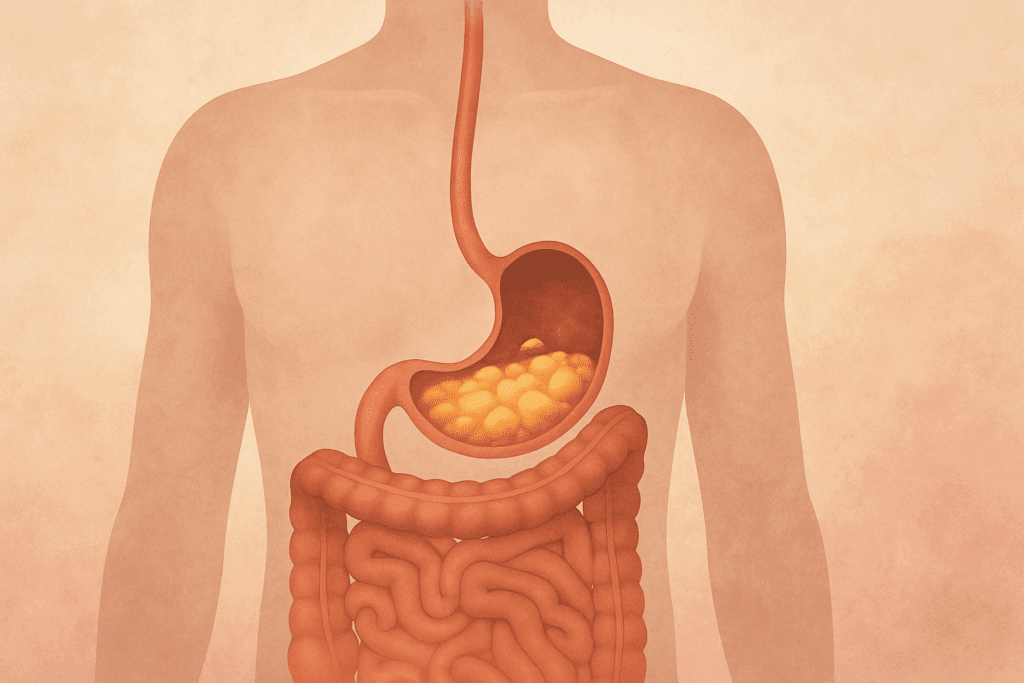
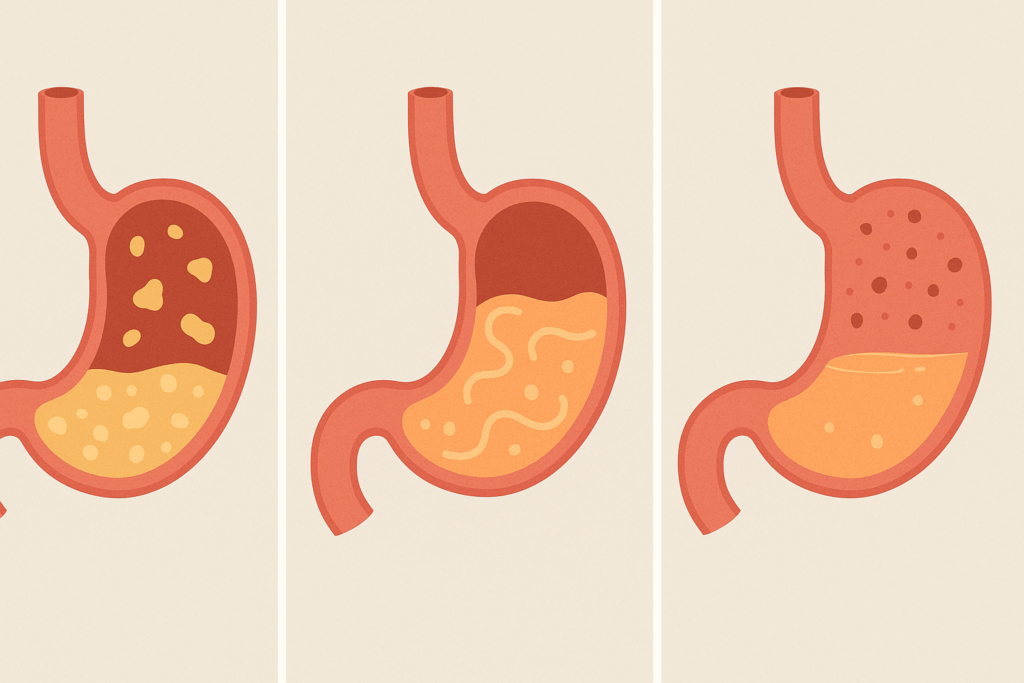
Stylized medical illustration of slow digestion with food remaining in a semi-transparent stomach, representing Why Do I Feel Full So Quickly

Decoding Early Satiety: When Feeling Full Too Fast Becomes a Pattern

For many people, the phrase “feeling full after eating small amount” describes a fleeting experience—perhaps tied to eating too quickly, stress, or a single indulgent meal. But when this pattern becomes a recurring event, it often leads to deeper questions. Why do I get full so easily? Why do I constantly feel full, even without eating much? These are not just casual concerns. They reflect a bodily response that may stem from issues such as delayed gastric emptying, gastrointestinal inflammation, or altered hunger signals.

Gastric emptying is a natural process where the stomach gradually transfers partially digested food into the small intestine. If this process slows down, as is the case with gastroparesis, one might feel full for hours after eating. Feeling full hours after eating, particularly when the meal was small, is a classic symptom of such delayed digestion. Additionally, factors like certain medications (such as GLP-1 agonists), stress, or inflammation can impair gastric motility.

Moreover, individuals using medications such as Ozempic for type 2 diabetes or weight management may encounter a similar phenomenon. It’s not uncommon for users to report that they still feel full from lunch 6 hours ago on Ozempic, highlighting how pharmaceutical interventions can modulate appetite and fullness sensations. Understanding whether this sensation is physiological, pharmacological, or pathological is key to addressing it appropriately.

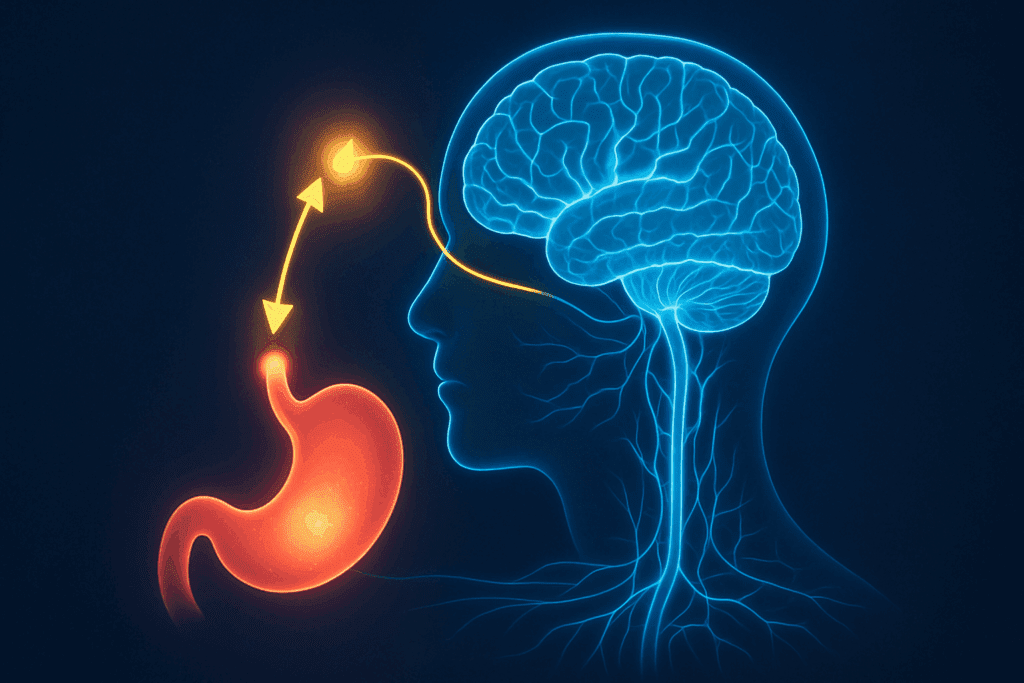
Abstract illustration of gut-brain communication with vagus nerve and hormones like leptin and ghrelin, visualizing appetite signals to explain Why Do I Feel Full So Quickly.

Gut-Brain Communication: How Signals Influence Appetite and Fullness

To truly understand why someone might feel full so fast, we must look beyond the stomach and explore the neurobiological mechanisms that regulate appetite. The gut and the brain maintain a continuous and complex dialogue through hormonal, neural, and biochemical pathways. Ghrelin, often called the hunger hormone, and leptin, the satiety hormone, play pivotal roles in this communication. An imbalance or misfiring in this system can make you feel full quickly, even when caloric needs haven’t been met.

Feeling full quickly isn’t always a sign of eating enough. For example, people who report that they feel full after eating a small amount often experience this due to hypersensitive stretch receptors in the stomach or dysregulation in hormonal signaling. These responses can be triggered by stress, certain medications, or metabolic changes. It’s crucial to distinguish between physiological satiety and pathological early satiety—the former being a natural part of digestion, and the latter potentially signaling an underlying health issue.

When this gut-brain feedback system goes awry, the result can be a persistent sensation of fullness that feels disproportionate to actual intake. This leads to common complaints such as feeling full fast, tummy feels heavy, or stomach feels bloated and tight. These are more than vague discomforts; they may point toward a malfunction in the body’s natural appetite regulation system that deserves careful medical evaluation.

Medical illustration comparing gastroparesis, functional dyspepsia, and gastritis to explain Why Do I Feel Full So Quickly

Digestive Disorders That Can Lead to Feeling Full All the Time

There are a variety of gastrointestinal conditions that can contribute to feeling full all the time. One of the most common is gastroparesis, a condition characterized by delayed stomach emptying without an actual blockage. It often presents as feeling very full after eating, nausea, bloating, and even unintentional weight loss. Diabetics, especially those with longstanding type 2 diabetes, are at increased risk due to vagus nerve damage.

Another condition worth noting is functional dyspepsia. This disorder, often categorized under the umbrella of “indigestion,” can result in upper abdominal discomfort, early satiety, and a heaviness feeling in the stomach. Individuals with functional dyspepsia often report that they are hungry but feel full after only a few bites, which can lead to reduced nutrient intake and fatigue over time.

Peptic ulcers, gastritis, and even more serious conditions such as stomach tumors can also manifest as early satiety. When patients express that they always feel full or that their tummy feels heavy and uncomfortable regardless of diet, these more concerning diagnoses must be ruled out. While not every case of feeling really full after eating is serious, persistent or worsening symptoms should prompt a consultation with a gastroenterologist.

The Role of Medications and Hormonal Changes in Appetite Regulation

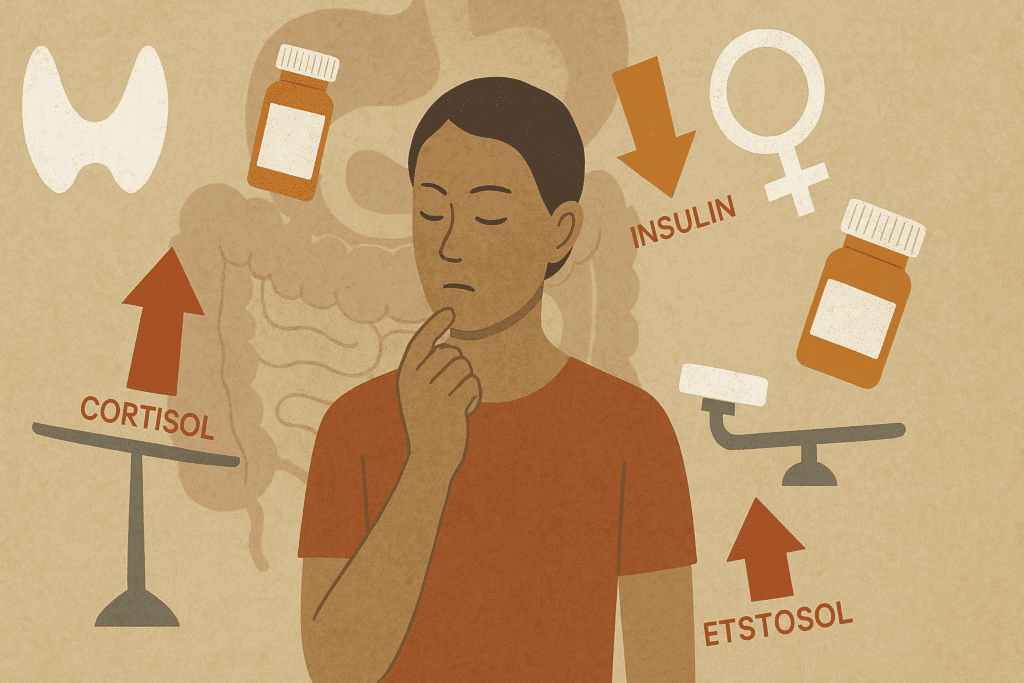
Medications play a critical role in how the body processes hunger and fullness cues. In recent years, GLP-1 receptor agonists like Ozempic have gained attention for their ability to regulate blood sugar and promote weight loss by slowing gastric emptying. Many users report that they still feel full from lunch 6 hours ago on Ozempic, illustrating the drug’s potent effect on satiety mechanisms. While this can be beneficial for weight management, it may also lead to discomfort, reduced appetite, and inadequate nutrient intake if not carefully monitored.

Hormonal fluctuations, particularly those associated with thyroid disorders, polycystic ovary syndrome (PCOS), and menopause, can also affect hunger regulation. Individuals with hypothyroidism often ask, “Why do I feel so full after eating?” due to slower metabolism and digestion. Conversely, estrogen imbalances can lead to bloating and a tight stomach, even in the absence of large meals.

Cortisol, the stress hormone, is another influential player. Chronic stress can heighten gut sensitivity and slow down digestion, leading to complaints such as feeling full after eating a small amount or experiencing a full stomach feeling without eating. In such cases, addressing the underlying hormonal imbalances or stress-related factors can dramatically improve symptoms.

Person surrounded by floating hormone symbols and medication bottles, visualizing imbalances that explain why do I feel full so quickly.

Psychological Factors That Influence Fullness and Appetite

While physiological and hormonal explanations are essential, the psychological dimension of appetite regulation should not be underestimated. Conditions like anxiety, depression, and eating disorders can significantly affect how full or hungry someone feels. People with high anxiety levels often report sensations like stomach feels bloated and tight or why does my belly feel heavy, even when objective intake is minimal.

Anorexia nervosa and other restrictive eating disorders can lead to physical changes in stomach capacity, resulting in early satiety. In these cases, individuals may feel full very quickly due to both physical and psychological factors. The repeated behavior of undereating conditions the body to accept smaller portions, while also reinforcing distorted beliefs about food and fullness.

Additionally, somatic symptom disorders may cause individuals to perceive gastrointestinal discomfort more intensely. When someone says they always feel full or that they are hungry but feel full simultaneously, it may reflect heightened interoceptive sensitivity—a deeper awareness of internal body sensations often amplified by mental health conditions.

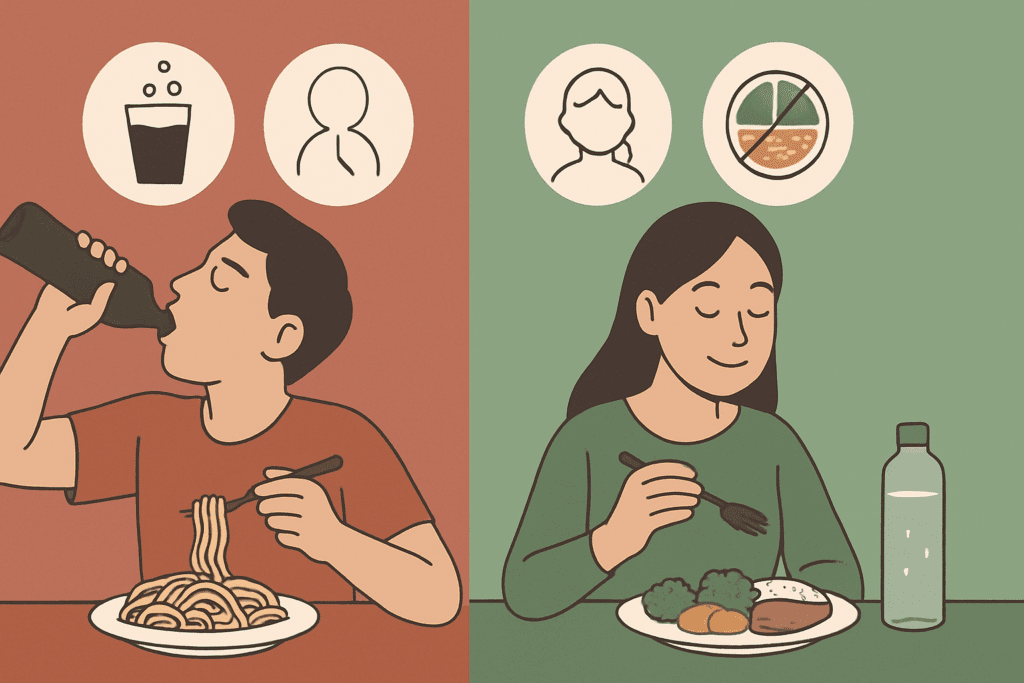
Split-screen illustration showing habits that explain Why Do I Feel Full So Quickly: one side with a man drinking soda and eating fast; the other with a woman practicing mindful eating and hydration.

Nutritional Habits and Lifestyle Choices That Contribute to Feeling Full Too Fast

While it’s essential to rule out medical causes, lifestyle and dietary habits also play a crucial role in how full you feel. For instance, high-fiber meals, though beneficial for digestion, can lead to feeling very full after eating. Fiber expands in the stomach, triggering stretch receptors that signal fullness. While this is generally healthy, excessive fiber intake without adequate water can result in bloating and tightness in the abdomen.

Carbonated beverages are another contributor. The bubbles in these drinks can expand in the stomach, leading to sensations like why do I feel heavy in my stomach or why does my stomach feel heavy after eating even a small amount. Similarly, eating too quickly can disrupt the body’s natural fullness cues. When you eat fast, you may not give your brain enough time to register satiety, leading to discomfort shortly after.

Intermittent fasting or irregular eating schedules can also cause the digestive system to react unpredictably. If you delay meals for extended periods, your stomach may shrink slightly in volume, making you feel full quickly once you resume eating. This phenomenon can cause a pattern where people report that they feel full fast or that their tummy feels heavy despite eating relatively small meals.

When to Be Concerned: Identifying Red Flags and Seeking Medical Advice

Not every episode of early satiety warrants medical intervention. However, when the experience is persistent, worsening, or accompanied by other symptoms such as unexplained weight loss, vomiting, or anemia, it is essential to seek professional guidance. Feeling full all the time or experiencing a full stomach feeling without eating should not be ignored if it interferes with your ability to maintain a balanced diet.

Warning signs include consistent nausea, significant bloating, or a tight stomach that lasts beyond a few hours. If you find yourself asking why do I get full so fast and bloated or why do I feel so full consistently across meals, it might point toward a chronic digestive condition or metabolic imbalance that requires evaluation.

A comprehensive medical assessment may include endoscopy, imaging studies, gastric emptying tests, and blood work to rule out conditions such as gastroparesis, ulcers, or malignancies. Addressing these symptoms early can prevent complications such as malnutrition, fatigue, and decreased quality of life.

Woman journaling in a cozy kitchen while preparing a small balanced meal, illustrating lifestyle strategies for managing early satiety—Why Do I Feel Full So Quickly

Managing Early Satiety: Practical Strategies for Everyday Wellness

For those experiencing frequent early satiety, a thoughtful and individualized approach to eating can offer significant relief. Small, nutrient-dense meals spaced throughout the day can provide adequate nutrition without overwhelming the digestive system. If you still feel full from lunch 6 hours ago, consider adjusting your portion sizes or eating more slowly to give your body time to process.

Hydration is another key factor. Drinking large amounts of water before or during meals can sometimes contribute to feeling full too quickly. Instead, spacing out fluid intake between meals may improve digestion. Paying attention to food textures and temperature can also help. Warm, soft foods are often easier to digest and less likely to trigger symptoms like a heaviness feeling in the stomach.

Mindful eating practices, such as chewing thoroughly and minimizing distractions during meals, can help reestablish the connection between hunger and fullness cues. If you find yourself asking why do I feel full so fast repeatedly, keeping a food and symptom journal may help identify patterns and triggers, allowing for more targeted interventions with the guidance of a healthcare provider or registered dietitian.

Frequently Asked Questions: Understanding Early Satiety and Unexplained Fullness

Why do I still feel full from lunch 6 hours ago while taking Ozempic?

Feeling full for extended periods after eating is a common experience for those using GLP-1 receptor agonists like Ozempic. These medications slow gastric emptying, which means food remains in your stomach longer than usual. While this is useful for managing blood sugar and promoting satiety, it can result in discomfort or persistent fullness, especially if your meal was high in fat or fiber. If you still feel full from lunch 6 hours ago on Ozempic, it may help to adjust meal composition and portion size. You might also consider discussing alternative dosing strategies or timing with your healthcare provider to minimize this side effect while maintaining therapeutic benefits.

What could it mean if I feel full after eating a small amount?

When you find yourself feeling full after eating a small amount, it might indicate that your stomach is not accommodating food normally. One possible explanation is visceral hypersensitivity, a condition in which the nerves in the digestive tract react too strongly to stretching. This sensation can also occur in people who experience psychological stress, particularly those with underlying anxiety disorders. If you consistently feel full quickly and without consuming much food, it may be worth exploring whether emotional stress, inflammatory responses, or even microbiome imbalances are contributing to your symptoms. Keeping a food and symptom diary can uncover overlooked triggers that exacerbate this response.

Is it normal to feel full all the time even if I haven’t eaten recently?

While occasional feelings of fullness are part of normal digestion, feeling full all the time without recent food intake could signal an issue with your gastrointestinal motility or hormone levels. For example, elevated leptin levels or imbalances in ghrelin signaling may falsely inform the brain that your body doesn’t need more food. In some cases, people who feel full all the time are experiencing low-grade inflammation in the gut or have developed food intolerances that lead to bloating and discomfort. If you’re concerned, a functional medicine approach involving hormone panels and food sensitivity testing might uncover the root causes. Additionally, conditions such as hypothyroidism or small intestinal bacterial overgrowth (SIBO) can also create a sense of persistent fullness.

Why do I get full so fast and feel bloated afterward?

Rapid fullness combined with bloating often points to a mismatch between digestion rate and food composition. For instance, meals high in fermentable carbohydrates (like onions, garlic, or beans) can produce gas and swelling, contributing to both feeling full quickly and experiencing abdominal distension. Another contributing factor could be air swallowing, known as aerophagia, which occurs during rapid eating or drinking carbonated beverages. If you’re wondering why you get full so fast and bloated afterward, it could be helpful to experiment with a low-FODMAP diet under professional supervision. This method identifies food triggers and helps reduce gastrointestinal discomfort while improving digestion efficiency.

Can psychological stress explain why I always feel full?

Absolutely. Chronic psychological stress can alter gut-brain signaling, suppress appetite, and slow down gastric motility, making you feel full fast even if your caloric intake is low. Stress activates the sympathetic nervous system, diverting blood away from the digestive tract and slowing the breakdown of food. Over time, this can lead to persistent feelings of satiety or a tight stomach, particularly after meals. People who always feel full often underestimate the impact of emotional stress and how it disrupts hormonal and neural digestion pathways. Incorporating stress-reducing practices like meditation, breathwork, or therapy may be an effective and sustainable way to address this symptom.

What should I do if I’m hungry but feel full at the same time?

Feeling simultaneously hungry but full is paradoxical and often reflects dysfunction in the body’s internal feedback systems. It may indicate that your stomach is sending stretch signals of fullness while your blood glucose and nutrient levels are low, triggering hunger. This disconnect is common in individuals with hormonal dysregulation, such as insulin resistance or polycystic ovary syndrome (PCOS). Addressing why you feel so full despite hunger may involve a detailed nutritional review and possibly endocrine evaluation. Tailoring your meals to include more protein and healthy fats may also help rebalance hunger and satiety cues over time.

Why does my stomach feel heavy even when I eat lightly?

A heaviness feeling in the stomach can be attributed to impaired digestive enzyme activity, sluggish gastric motility, or postprandial hypotension (a drop in blood pressure after eating). If you’re eating light meals yet consistently thinking, “Why does my stomach feel heavy?”, you might want to evaluate your intake of difficult-to-digest ingredients such as raw cruciferous vegetables or high-fat foods. Sometimes, supplementing with digestive enzymes or using bitter herbs like gentian or dandelion root before meals can stimulate digestion. Additionally, pacing your meals and chewing thoroughly can help reduce that heavy, weighted feeling.

Is a tight stomach after meals something to be concerned about?

Occasional tightness in the stomach post-meal is often a benign response to overeating or gas buildup. However, if you consistently experience a tight stomach or ask yourself, “Why do I feel full so fast and bloated?”, it could point to issues such as functional bloating, gastritis, or even food intolerance. Tightness may also be associated with abdominal wall tension due to stress or postural habits. Practicing diaphragmatic breathing and gentle abdominal massage can sometimes relieve the sensation, particularly if it’s caused by muscular tension. But if the tightness persists or worsens, consulting a healthcare provider is crucial to rule out underlying gastrointestinal or structural conditions.

How do I differentiate between normal fullness and signs of a health issue?

Understanding the difference between physiological satiety and abnormal fullness starts with context. Normal fullness should fade within 1-2 hours and not interfere with subsequent hunger or meal planning. On the other hand, if you frequently wonder why you constantly feel full or feel really full after eating even small meals, there might be a larger issue at play. Red flags include weight loss, nausea, early satiety, and fatigue following meals. In such cases, you might be dealing with conditions like gastroparesis or intestinal blockages, which require prompt medical attention and often diagnostic imaging to confirm.

Are there long-term consequences of always feeling full quickly?

Yes, feeling full quickly on a regular basis can have cascading effects on your health. For starters, inadequate nutrient intake can result in vitamin and mineral deficiencies, leading to fatigue, immune dysfunction, and even mental fog. Over time, individuals who always feel full may unintentionally restrict food to the point of malnutrition. This can affect muscle mass, cognitive performance, and hormone production. Addressing why you get full so easily isn’t just about comfort—it’s essential for maintaining long-term metabolic and physical health. A registered dietitian or integrative physician can help you strategize how to optimize your nutrition despite satiety challenges.

Conclusion: What Persistent Fullness Reveals About Your Digestive Health and When to Take Action

Feeling full quickly, especially when it happens frequently or without explanation, is not just a dietary annoyance—it may be a sign that something deeper is going on. Whether it’s tied to lifestyle habits, medications like Ozempic, or more complex gastrointestinal or hormonal conditions, the body’s signals should be respected and understood. Asking questions like why do I always feel full, why do I get full so easily, or why does my belly feel heavy can be the first step toward uncovering meaningful insights into your digestive health.

Persistent symptoms like feeling full after eating a small amount, feeling really full after eating, or even experiencing a full stomach feeling without eating should not be ignored. These experiences may impact your nutritional intake, energy levels, and overall quality of life. By understanding the root causes—whether mechanical, hormonal, neurological, or psychological—and seeking appropriate guidance, you empower yourself to manage your health with awareness and precision.

Ultimately, listening to your body and responding with informed, compassionate care is essential. If you constantly feel full or are hungry but feel full at the same time, consider this an invitation to tune in rather than push through. With the right support and strategies, it’s entirely possible to restore balance to your digestive system and reclaim your sense of comfort and well-being.

Was this article helpful? Don’t let it stop with you. Share it right now with someone who needs to see it—whether it’s a friend, a colleague, or your whole network. And if staying ahead on this topic matters to you, subscribe to this publication for the most up-to-date information. You’ll get the latest insights delivered straight to you—no searching, no missing out.

Further Reading:

Early Satiety: Why Do I Feel So Full After a Few Bites?

Early Satiety

Early satiety: Why do I feel full so quickly?

Inside Whole Foods Market HQ: How Amazon’s Ownership is Shaping the Future of Healthy, Mindful Eating

The modern food landscape is changing at a rapid pace, and at the epicenter of this shift lies a fascinating intersection of innovation, technology, and mindful nutrition. Inside the Whole Foods Market headquarters, these forces converge under the direction of Amazon, one of the world’s most powerful and data-driven companies. Since Amazon bought Whole Foods Market in 2017, the question of who owns Whole Foods Market has taken on new implications—ones that extend far beyond financials into the realms of access, affordability, and the evolving definition of healthy living.

Located in Austin, Texas, the Whole Foods Market HQ serves as the nerve center of a brand that has redefined grocery shopping for health-conscious consumers. But now, under Amazon’s stewardship, Whole Foods Market Inc. headquarters has become a testing ground for how technology and efficiency can coexist with core values like sustainability, clean eating, and organic sourcing. This article explores the evolution of Whole Foods’ ownership, the cultural changes within the Whole Foods corporate headquarters, and how Amazon’s influence is reshaping the future of health and nutrition for millions of shoppers.

You may also like: How a Whole Foods Diet Supports Sustainable Weight Loss: Expert Tips for Eating Whole Foods to Lose Weight Safely

Drone flying above Whole Foods Market HQ with stock ticker in background representing multibillion-dollar acquisition

A New Era Begins: Whole Foods Bought by Amazon

In 2017, when it was announced that Amazon owns Whole Foods, the reaction was both swift and polarizing. The $13.7 billion deal sent shockwaves through the retail world. For some, it was a bold move signaling Amazon’s deeper commitment to groceries and healthy lifestyle markets. For others, it raised concerns about how a tech giant known for automation and price-cutting would manage a brand built on community, quality, and integrity. Yet, this merger marked the beginning of a transformative chapter in the story of Whole Foods ownership.

The Whole Foods Market headquarters became the focal point of sweeping operational changes. Amazon’s initial goal was to integrate its e-commerce strength into Whole Foods’ brick-and-mortar operations, expanding both online reach and in-store efficiencies. These changes were not only visible at the consumer level, such as discounted items for Prime members and faster checkout processes but also in how the Whole Foods head office began aligning with Amazon’s data-driven approach. This combination of values and analytics started to redefine what it means to eat mindfully in a digital era.

Whole Foods Market HQ office with analytics dashboards, natural lighting, indoor plants, and organic food samples on modern desks

Inside the Whole Foods Market HQ: Innovation Meets Integrity

Inside the Whole Foods HQ, now synonymous with the Whole Foods Market Inc. headquarters, innovation pulses through every department. Whether it’s how inventory is tracked or how product placements are optimized, Amazon’s proprietary technologies are being integrated into nearly every operational layer. However, Whole Foods has been careful not to abandon its foundational mission of providing the highest quality natural and organic products.

Executives at the Whole Foods Market corporate headquarters have taken a dual-pronged approach: enhancing data capabilities while retaining a focus on sustainable sourcing and nutritional transparency. The headquarters continues to act as a think tank for health-forward food strategies, often spearheading initiatives that blend science-backed nutrition with ethical supply chains. What’s especially unique about the Whole Foods Market headquarters is how it merges high-tech efficiencies with human-centered values, setting a precedent for other wellness brands seeking balance between innovation and health integrity.

Local farmers selling fresh produce beside employees analyzing data at the Whole Foods Market HQ, reflecting cultural contrast.

The Culture Shift Within the Whole Foods Corporate Headquarters

Since Amazon bought Whole Foods, there has been a palpable culture shift within the Whole Foods Market HQ. For longtime employees, the changes are multifaceted. While some have embraced new tools and metrics that boost productivity and customer engagement, others worry that the emotional connection to local farmers, community partnerships, and small-batch suppliers may be diluted by large-scale automation.

However, leadership at the Whole Foods main office remains vocal about retaining the company’s original ethos. Initiatives aimed at supporting local growers and maintaining organic certifications have not waned, even as the logistics and backend processes have become more technologically complex. At its core, the Whole Foods Market headquarters still positions itself as a champion of clean, nourishing food—but now does so with a new set of tools designed for scalability.

Digital financial dashboard overlaying a busy grocery aisle at Whole Foods Market HQ, showing data analytics, revenue charts, and shoppers using Prime benefits.

Whole Foods Revenue in the Amazon Era

One of the most significant outcomes of the acquisition has been the changes in Whole Foods revenue streams. Historically positioned as a premium grocery store with high price points, Whole Foods was often nicknamed “Whole Paycheck” due to its costly offerings. Under Amazon’s ownership, the brand has gradually shifted its pricing strategy, leveraging Amazon’s massive distribution network and economies of scale to offer more competitive pricing.

These pricing changes have helped widen the customer base while also boosting Whole Foods revenue through increased volume. The data-driven pricing models emerging from Whole Foods HQ have allowed the company to better meet consumer demand while maintaining profit margins. The Whole Foods Market headquarters is now not only a hub for innovation but also a control center for financial strategy, where decisions about margins, promotions, and Prime integration are crafted with surgical precision.

Futuristic produce aisle at Whole Foods Market HQ with AI kiosks, virtual nutrition assistant, and smart shelves of organic vegetables

Whole Foods HQ and the Integration of Health and Technology

The fusion of Amazon’s technological infrastructure with Whole Foods’ nutrition-centered brand has created a new paradigm for the future of health food retail. At the Whole Foods HQ, algorithms now help identify local trends, seasonal product needs, and emerging dietary interests. This enables the company to stock shelves more strategically and reduce food waste—a win for both consumers and environmental sustainability.

Yet, while the digital transformation has been profound, it hasn’t come at the expense of Whole Foods’ core values. The Whole Foods head office continues to emphasize transparency in labeling, ethical sourcing, and nutritional education. The goal isn’t to replace humans with machines but to empower both staff and customers with better tools for mindful decision-making. In this sense, the Whole Foods corporate headquarters is crafting a blueprint for how retail can evolve responsibly.

Leadership and Vision at the Whole Foods Main Office

As one might expect, the leadership team at the Whole Foods Market HQ plays a critical role in navigating this hybrid identity. Amazon’s data-centric mindset has undoubtedly influenced decision-making structures, but the original Whole Foods leadership has not disappeared. Instead, what’s emerged is a unique collaboration between seasoned food advocates and forward-thinking tech professionals.

The Whole Foods main office now serves as more than just a business headquarters—it’s a cultural hub that reflects the evolving values of today’s health-savvy consumer. Whether addressing climate concerns, updating ingredient policies, or innovating plant-based offerings, leadership remains dedicated to promoting nutrition and wellness without compromising on ethical standards. This balance of mission and modernization is perhaps one of the most powerful legacies Amazon’s ownership will leave behind.

Global logistics map showing glowing lines connecting Whole Foods Market HQ in Austin to farms, grocery carts, and delivery trucks worldwide.

A Global Vision from Whole Foods Market Inc. Headquarters

While Whole Foods started as a single store in Austin in 1980, today its influence extends globally. With Amazon’s logistical muscle, the Whole Foods Market Inc. headquarters has turned into a launchpad for global expansion. Products once only available regionally can now reach international audiences through Amazon’s vast delivery network.

This has increased access to healthy, whole foods for countless people who might otherwise not have easy options for clean eating. And while challenges remain—such as maintaining quality control across continents—the centralized oversight from the Whole Foods headquarters ensures that standards remain high. The same set of nutritional principles and transparency expectations that define stores in the U.S. are increasingly being applied globally, making the Whole Foods HQ a beacon of consistency in the often-fragmented world of international food retail.

Frequently Asked Questions: Whole Foods Market Ownership, Headquarters, and Evolution Under Amazon

1. How has Amazon’s acquisition impacted the long-term vision of Whole Foods Market HQ? Amazon’s acquisition has not only expanded Whole Foods’ digital footprint but also redirected the strategic focus at the Whole Foods Market HQ toward scalable innovation. The long-term vision has shifted from simply being a high-end organic grocer to becoming a tech-enabled food retailer that serves both online and offline customers. At the Whole Foods headquarters, there’s a greater emphasis on predictive analytics, real-time inventory management, and AI-driven consumer behavior modeling—elements previously foreign to the food retail space. While sustainability and nutrition still dominate the brand’s mission, Whole Foods Market Inc. headquarters now also operates as a hub of experimental logistics. As Whole Foods ownership evolves under Amazon, the goal is to blend personalized nutrition with algorithmic precision, fundamentally changing how consumers approach mindful eating.

2. What role does the Whole Foods corporate headquarters play in global supply chain innovation? The Whole Foods corporate headquarters serves as a command center for integrating global supply chains that emphasize both speed and ethical sourcing. With Amazon’s expertise in logistics, the Whole Foods Market headquarters has adopted a streamlined model that uses cloud-based platforms to monitor supplier performance, reduce shipping times, and minimize environmental impact. The Whole Foods main office also houses cross-functional teams tasked with reimagining sustainable farming partnerships and global vendor contracts. This proactive approach ensures that Whole Foods HQ can scale responsibly, maintaining nutritional quality and environmental integrity even as it expands internationally. Ultimately, Whole Foods Market Inc. headquarters sets the tone for the company’s operational ethos worldwide.

3. How does the Whole Foods head office integrate nutrition science into product strategy? At the Whole Foods head office, nutrition science plays a foundational role in shaping product offerings, recipe development, and educational outreach. The Whole Foods Market HQ collaborates with dietitians, food scientists, and holistic health experts to review ingredient standards and vet new product lines. This integration ensures that decisions made at the Whole Foods Market Inc. headquarters are rooted in evidence-based nutritional guidelines rather than fleeting food trends. The approach also includes partnerships with academic institutions conducting longitudinal studies on plant-based diets and whole food eating. As a result, shoppers benefit from options that are not only trendy but also nutritionally sound—a direct reflection of the scientific rigor embedded in Whole Foods Market headquarters operations.

4. What innovations in customer experience originate from Whole Foods HQ? Whole Foods HQ is a laboratory for customer experience innovations that fuse technology with hospitality. One of the latest developments includes a proprietary app-based nutrition coach feature that offers real-time suggestions based on dietary preferences and health goals. These features were conceptualized and piloted within the Whole Foods Market HQ before being rolled out to stores. Additionally, Whole Foods Market Inc. headquarters has worked on refining sensory experience through advanced lighting, in-store layout optimizations, and ambient sound design, all aimed at improving shopper satisfaction. As Whole Foods ownership continues to leverage Amazon’s tech assets, expect more personalized, data-enriched retail experiences emerging from the Whole Foods corporate headquarters.

5. How is the Whole Foods main office shaping future food trends in retail? The Whole Foods main office operates as a forecasting engine for emerging food trends, frequently influencing national and global consumption patterns. Teams at the Whole Foods Market headquarters analyze vast amounts of consumer data to identify shifts in dietary habits, from gut health awareness to regenerative agriculture. Insights generated within the Whole Foods Market HQ often lead to exclusive vendor partnerships and new product launches, giving the company first-mover advantage. Because Amazon owns Whole Foods, the ability to scale trend-based products globally has improved dramatically. This makes the Whole Foods Market Inc. headquarters not only a corporate office but also a trendsetter in the evolving world of health-centric retail.

6. Why does Whole Foods Market HQ focus on hyper-local sourcing despite global reach? Despite its global reach, the Whole Foods Market HQ has doubled down on hyper-local sourcing to preserve community ties and regional authenticity. The Whole Foods head office has dedicated teams that partner with local farmers, bakers, and artisans to bring unique, regionally relevant products to individual store shelves. This strategy enhances freshness and fosters trust, which aligns with the nutritional transparency goals championed by Whole Foods Market Inc. headquarters. By maintaining strong regional networks, Whole Foods HQ ensures that the brand remains grounded even as it scales under Amazon. This approach also mitigates supply chain risks and supports economic resilience in local communities—an often-overlooked benefit of decentralized sourcing.

7. How does Whole Foods HQ influence the brand’s sustainability policies? Sustainability policies at Whole Foods HQ are no longer confined to packaging and recycling initiatives. The Whole Foods Market corporate headquarters has established internal sustainability labs that explore carbon-neutral practices, regenerative agriculture, and zero-waste initiatives. Decisions made at the Whole Foods Market headquarters impact everything from seafood sourcing protocols to animal welfare standards and food loss prevention. As Whole Foods ownership evolves within Amazon, the Whole Foods head office is tasked with preserving the brand’s green reputation while aligning with tech-driven operational goals. This dual mandate ensures that environmental stewardship remains central even in a high-efficiency, high-volume retail model.

8. What influence does Amazon exert over Whole Foods Market Inc. headquarters on data use? Since Amazon owns Whole Foods, data strategy has become a cornerstone of operations at Whole Foods Market Inc. headquarters. Predictive modeling, demand forecasting, and targeted marketing are all executed through advanced analytics platforms shared with Amazon’s retail ecosystem. The Whole Foods headquarters now uses machine learning to predict seasonal inventory needs and optimize store layouts. While this integration has improved efficiency and customer satisfaction, the Whole Foods corporate headquarters still exercises discretion to ensure that data usage aligns with its ethical and nutritional values. Balancing data-driven decision-making with Whole Foods’ commitment to holistic well-being remains a key challenge and area of ongoing innovation.

9. Has Whole Foods revenue changed significantly since Amazon’s acquisition? Whole Foods revenue has experienced a strategic shift since the acquisition, with a focus on volume growth and accessibility. Previously reliant on high-margin, low-volume strategies, the Whole Foods Market HQ has now adopted Amazon’s playbook of scale and affordability. Through the Whole Foods Market headquarters, pricing policies have been revised to attract a broader customer base without diluting product integrity. This transition has resulted in increased traffic both in-store and online, particularly among Amazon Prime members. Revenue streams are now diversified through new verticals such as private labels, health apps, and even prepared meal delivery systems piloted from the Whole Foods main office.

10. What future innovations can we expect from Whole Foods headquarters? Future innovations from Whole Foods headquarters are expected to center around AI-driven health personalization, blockchain traceability for food ethics, and next-gen urban farming partnerships. The Whole Foods head office is actively exploring how biometric data can inform product recommendations for individual shoppers. Additionally, Whole Foods Market HQ is investing in blockchain to ensure transparent tracking of food origin, quality, and environmental impact—a response to growing consumer demand for accountability. These developments signal that the Whole Foods corporate headquarters will remain at the forefront of not just food retail, but also of tech-integrated wellness ecosystems. As Whole Foods ownership continues to evolve, the Whole Foods Market Inc. headquarters will likely serve as a model for the future of ethically conscious, data-enhanced nutrition.

Infographic showing data flow from Whole Foods Market HQ to store shelf optimization, online suggestions, and personalized nutrition tech

Conclusion: How Whole Foods Ownership Is Transforming Mindful Eating

The question of who is the owner of Whole Foods Market no longer represents just a legal or financial concern—it stands as a symbol of where food, technology, and health intersect. With Amazon firmly at the helm, the Whole Foods Market headquarters has become a laboratory for reinventing what it means to shop and eat well. Whether it’s through refined supply chains, greater accessibility, or data-informed nutritional strategies, the influence of Whole Foods corporate headquarters now radiates far beyond Austin.

Ultimately, what’s happening inside the Whole Foods Market HQ is a redefinition of health-forward retail. By blending Amazon’s digital capabilities with Whole Foods’ legacy of nutrition and sustainability, the Whole Foods head office has created a blueprint for a future where mindful eating is not just aspirational but accessible. For the millions of shoppers looking to nourish themselves and their families, the evolution of Whole Foods ownership is more than a corporate headline—it’s a glimpse into a healthier tomorrow.

Was this article helpful? Don’t let it stop with you. Share it right now with someone who needs to see it—whether it’s a friend, a colleague, or your whole network. And if staying ahead on this topic matters to you, subscribe to this publication for the most up-to-date information. You’ll get the latest insights delivered straight to you—no searching, no missing out.

Further Reading:

Amazon’s Whole Foods Strategy: It’s Not What You Think

Amazon & Whole Foods: The Everything Store for Everyone

Whole Foods Is Becoming Amazon’s Brick-and-Mortar Pricing Lab

Disclaimer

The information contained in this article is provided for general informational purposes only and is not intended to serve as medical, legal, or professional advice. While NewsHealthWatch strives to present accurate, up-to-date, and reliable content, no warranty or guarantee, expressed or implied, is made regarding the completeness, accuracy, or adequacy of the information provided. Readers are strongly advised to seek the guidance of a qualified healthcare provider or other relevant professionals before acting on any information contained in this article. NewsHealthWatch, its authors, editors, and contributors expressly disclaim any liability for any damages, losses, or consequences arising directly or indirectly from the use, interpretation, or reliance on any information presented herein. The views and opinions expressed in this article are those of the author(s) and do not necessarily reflect the official policies or positions of NewsHealthWatch.

Встание живых дилерских игр в онлайн -казино

0

Варианты живых дилеров стали основной тенденцией в секторе онлайн -казино, предлагая игрокам увлекательный опыт, который имитирует атмосферу физического казино. Согласно отчету Statista 2023 года, ожидается, что сектор живых дилеров будет расти на 25% каждый год, что обусловлено достижениями в области потоковых технологий и спроса игроков на реальные игровые встречи.

Одной замечательной компанией в этом секторе является Evolution Gaming, лидер в сфере живых казино. Их передовый подход установил эталон для живых дилеров, предлагая выбор таких игр, как Блэкджек, Рулетка и Баккара. Вы можете узнать больше об их услугах на их Официальный веб -сайт .

В 2022 году венецианский курорт в Лас -Вегасе сотрудничал с несколькими онлайн -услугами для представления развлечений в прямом эфире, что позволило игрокам общаться с реальными дилерами от удобства своих домов. Этот альянс подчеркивает растущую конвергенцию между наземной и онлайн-игрой. Для получения дополнительной информации о влиянии развлечений живых дилеров, посетите The New York Times .

Опционы живых дилеров используют видео-трансмиссию и привлекательные функции, позволяющие игрокам взаимодействовать с дилерами и другими игроками в прямое время. Это взаимодействие повышает социальный аспект игр, что делает его более привлекательным для более крупной аудитории. Откройте для себя платформу, которая демонстрирует эти разработки по адресу вавада казино кз.

В то время как живые дилерские игры предоставляют четкий опыт, игроки должны осознавать значение выбора лицензированных и заслуживающих доверия онлайн -казино. Обеспечение контролируемой платформы может обеспечить спокойствие ума и улучшить общее игровое взаимодействие.

Play exciting online pokies and live games at True Fortune Casino, offering fast payouts, secure deposits, and generous bonuses for Australian players.

Enjoy top pokies and live dealer tables at Uptown Pokies Casino, with quick withdrawals, safe banking, and rewarding promotions for Australian users.

Join thrilling online slots and live casino action at Uptown Aces, featuring fast deposits, secure withdrawals, and exclusive bonuses for Australian players.

Spin favourite pokies and play live casino games at Velvet Spins Casino, offering safe banking, fast payouts, and generous promotions for Australian enthusiasts.

Experience exciting online pokies and live tables at Woo Casino, with quick withdrawals, secure deposits, and attractive bonuses for Australian casino players.

Play top pokies and live dealer games at King Billy Casino, offering fast payouts, safe banking, and rewarding promotions for Australian online casino users.

Enjoy thrilling online slots and live casino action at Aussie Play Casino, with secure deposits, quick withdrawals, and generous bonuses for Australian players.

Join exciting pokies and live tables at Fastpay Casino, featuring fast payouts, safe banking, and exclusive promotions for Australian online casino enthusiasts.