hacklink hack forum hacklink film izle hacklink
Home Blog Page 156

Why Do I Never Feel Full? Understanding Hunger Signals, Late-Night Cravings, and the “Eating Till Full But Still Hungry” Symptom

Introduction: When Fullness Feels Elusive

For many people, eating until full should provide a sense of satiety and satisfaction. Yet, there is a growing number of individuals who find themselves constantly asking, “Why do I never feel full?” Despite consuming what would be considered a normal or even large meal, the sensation of hunger can linger, sometimes immediately or just a short while after eating. This disconnection between food intake and feeling satiated is not only frustrating but can also signal deeper issues related to physiology, psychology, and dietary patterns.

You may also like: How to Stop Emotional Eating and Regain Control: Mindful Nutrition Strategies That Support a Healthier Lifestyle

This article explores the underlying mechanisms that explain why someone might experience the “eating til full but still feel hungry” symptom. It also examines the common question, “Why do I feel hungry at night even after eating?” and how modern dietary habits, stress, hormones, and even lifestyle choices contribute to this phenomenon. By the end of this piece, readers will gain a deeper understanding of how hunger works, what can disrupt natural satiety cues, and how to regain control over eating patterns through mindful nutrition and evidence-based strategies.
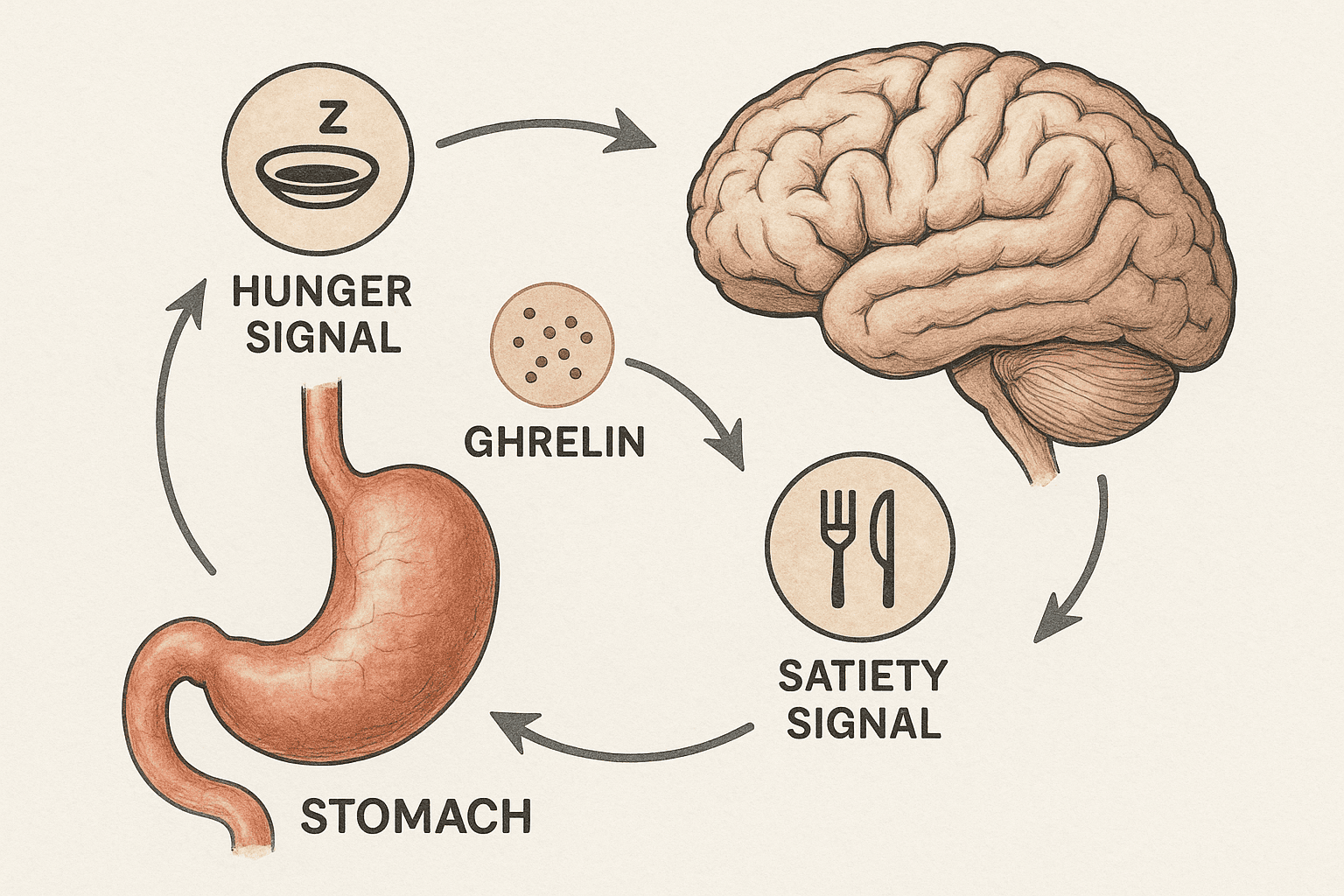
Anatomical illustration showing the interaction between the stomach, brain, and hormones ghrelin and leptin in regulating hunger and fullness, helping to understand 'Why Do I Never Feel Full.

Understanding Hunger: More Than Just an Empty Stomach

To understand why someone might never feel full, it’s essential to unpack what hunger really is. Hunger is a complex biological and psychological signal. At its core, it is the body’s way of telling us that it requires energy. However, hunger is not merely a stomach-driven cue. It involves the coordination of hormones, neurotransmitters, and even the brain’s reward system.

The primary hormones involved in hunger and satiety include ghrelin, often referred to as the “hunger hormone,” and leptin, known as the “satiety hormone.” Ghrelin levels rise before meals and fall after eating, while leptin signals to the brain when the body has enough stored energy. In individuals who frequently feel hungry even after eating, this delicate hormonal balance may be disrupted.

Psychological hunger, on the other hand, is more subtle and complex. It can be triggered by emotions, stress, boredom, or social situations. This type of hunger is often less about physiological need and more about habit or comfort. Understanding the distinction between physical and psychological hunger is key for addressing the ongoing struggle of never feeling full.
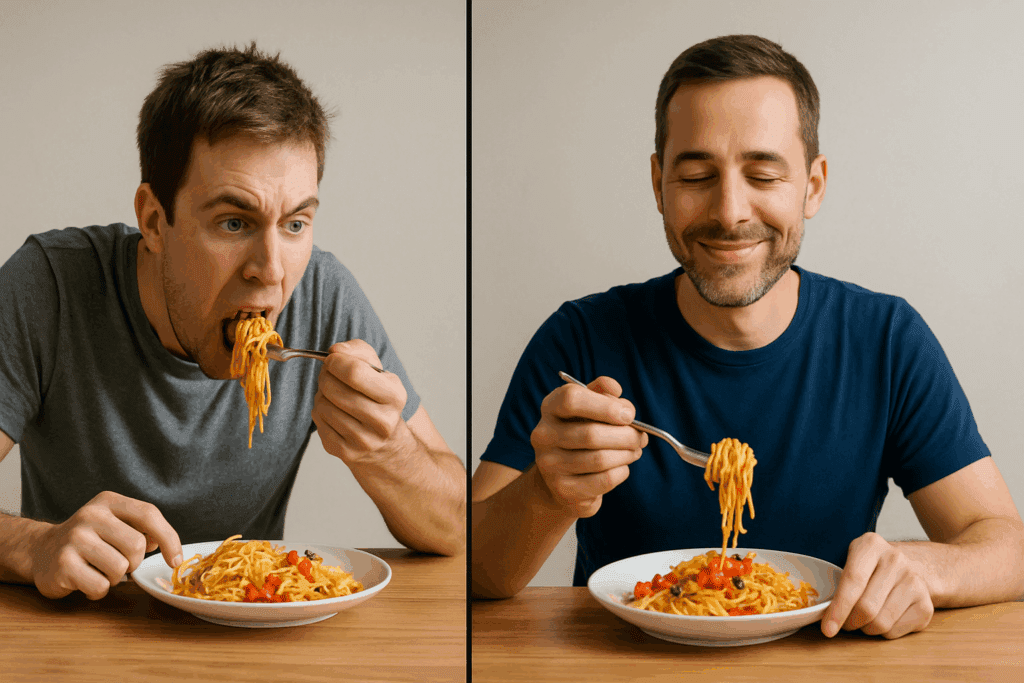
Split-screen image comparing a young man eating quickly, looking unsatisfied, and an older man eating slowly, looking content. This visual demonstrates the eating habits associated with the question 'Why Do I Never Feel Full' and the impact of eating speed on satiety

The Science Behind the “Eating Til Full But Still Hungry” Symptom

The paradox of eating until full yet still feeling hungry is more common than many realize. One explanation lies in the speed of eating. When individuals eat quickly, their body doesn’t have sufficient time to register fullness. Satiety signals typically take about 20 minutes to reach the brain. Thus, those who rush through meals may consume more food than necessary and still feel unsatisfied.

Another contributor to this symptom is the composition of the meal itself. Meals high in refined carbohydrates and low in fiber or protein can cause rapid spikes and subsequent drops in blood sugar. This fluctuation often leads to increased hunger shortly after eating. In contrast, meals that include healthy fats, lean proteins, and complex carbohydrates tend to promote longer-lasting satiety.

A third factor is emotional and habitual eating. Individuals who have learned to eat in response to stress, sadness, or even as a reward may continue feeling hungry even after eating because the emotional craving remains unmet. This disconnect between physical nourishment and emotional fulfillment is a common root of the “eating til full but still feel hungry” symptom.
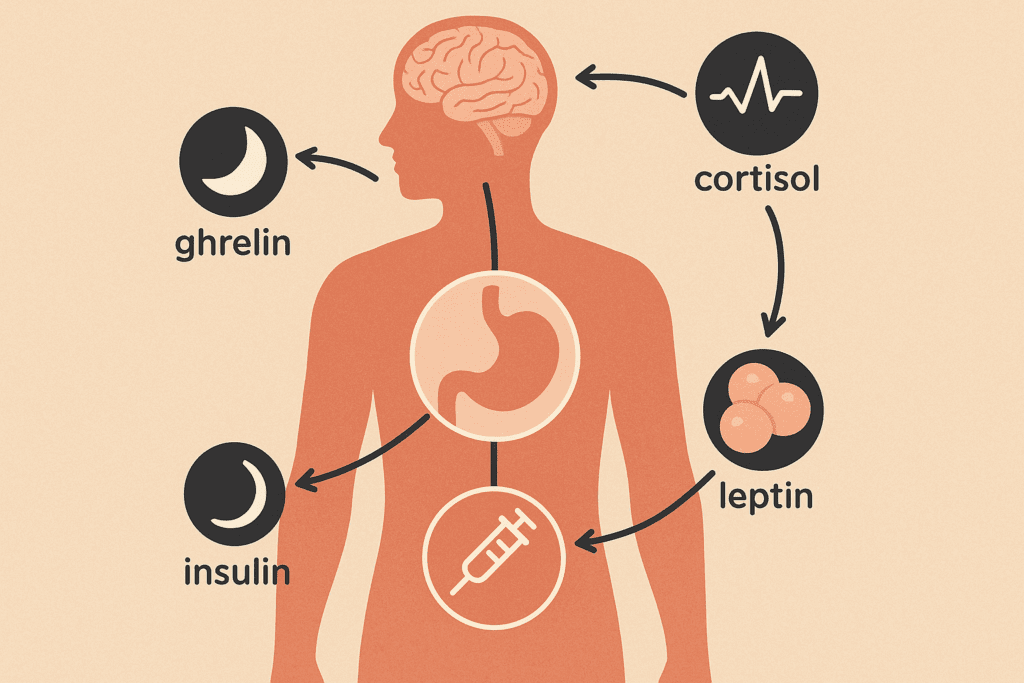
Diagram illustrating how hormones like ghrelin, leptin, insulin, and cortisol influence hunger and satiety in the body. The image highlights the stomach, brain, and fat cells, showing their interaction in relation to hunger signals. Key hormones are represented by icons and arrows. This visual helps explain 'Why Do I Never Feel Full' and how hormones impact appetite and cravings

How Hormones Influence Satiety and Cravings

Hormonal imbalances are a significant and often overlooked cause of persistent hunger. Ghrelin and leptin are critical in regulating appetite, but other hormones also play a role. For instance, insulin not only helps regulate blood sugar but also affects hunger. Insulin resistance, common in people with prediabetes or type 2 diabetes, can lead to feelings of constant hunger.

Cortisol, the body’s primary stress hormone, is another major player. Elevated cortisol levels, often the result of chronic stress, can increase appetite and cravings for high-fat, high-sugar foods. This can contribute to overeating and the persistent feeling of being unsatisfied, regardless of caloric intake.

Thyroid hormones also deserve mention. An underactive thyroid (hypothyroidism) can slow down metabolism, lead to fatigue, and paradoxically make people feel hungrier as their body struggles to produce energy. When hormone regulation is off, it becomes harder for the brain to interpret true hunger versus other physiological imbalances.

Why Do I Feel Hungry at Night Even After Eating?

Feeling hungry at night, even after a full dinner, is a common experience for many adults. This nighttime hunger can often be traced back to dietary patterns earlier in the day. Skipping meals or eating too little during the day can trigger the body to seek compensation later, often in the form of late-night snacking.

Additionally, the quality of the evening meal plays a role. Meals high in simple carbohydrates may lead to a quick rise and fall in blood glucose, triggering hunger signals soon after. Nighttime hunger can also be behavioral—many people associate late-night TV or winding down with snacks, creating a habitual cycle that’s difficult to break.

Sleep quality also influences this phenomenon. Poor sleep disrupts the regulation of ghrelin and leptin, often resulting in increased appetite and cravings the next day. It can also skew hunger cues at night, leaving individuals wondering, “Why do I feel hungry at night even after eating?” Despite having sufficient caloric intake, sleep-deprived brains often send mixed signals about hunger and fullness.

Person sitting on a couch at night, looking at a half-eaten dinner plate, feeling hungry, illustrating the question 'Why Do I Never Feel Full' despite eating

Mindful Eating as a Strategy to Reconnect with Fullness

One powerful approach to overcoming the feeling of never being full is mindful eating. This practice involves being fully present during meals, paying close attention to the body’s cues, and slowing down the pace of eating. Mindful eating encourages individuals to savor their food, chew thoroughly, and stop eating once satisfaction—not fullness or discomfort—is reached.

Research shows that mindful eating can improve satiety and reduce overeating. It allows individuals to distinguish between true hunger and emotional or environmental triggers. When practiced consistently, mindful eating helps reset the body’s natural hunger and satiety cues.

It’s also helpful to avoid distractions like screens during meals. Watching television or scrolling through a phone while eating often leads to unconscious consumption, resulting in the “eating til full but still hungry” symptom. Mindfulness fosters a deeper connection to food and can enhance satisfaction, even with smaller portions.

Nutritional Deficiencies That Disrupt Satiety

Certain nutritional deficiencies can impair the body’s ability to feel full. For example, inadequate intake of dietary fiber can lead to rapid digestion and a shorter window of satiety. Fiber slows the digestive process and promotes the release of satiety hormones.

Low protein intake is another concern. Protein is essential for maintaining lean muscle mass and has a strong satiating effect. Meals that lack protein may leave individuals feeling hungry sooner, even if they’ve consumed sufficient calories.

Micronutrients also play a role. Deficiencies in magnesium, zinc, or B vitamins can impair energy metabolism and appetite regulation. When the body lacks essential nutrients, it may send hunger signals as a way of seeking what it needs, further contributing to the question of “why do I never feel full?”

The Role of the Brain in Hunger and Reward

The brain’s reward system is intricately tied to hunger and eating behaviors. Dopamine, the neurotransmitter associated with pleasure and reward, is released in response to highly palatable foods—those high in sugar, fat, and salt. This dopamine release can drive individuals to eat more, even when they’re not physically hungry.

This phenomenon is particularly relevant in cases of food addiction or compulsive eating. In these situations, the body’s physical hunger may be satisfied, but the brain continues to seek the pleasurable experience of eating. Over time, this can dull the body’s natural satiety signals and reinforce the cycle of overeating.

Modern food environments, filled with hyper-palatable processed foods, exacerbate this issue. The accessibility and convenience of these foods make it easy to override the body’s natural cues. Addressing these patterns requires a combination of nutritional rehabilitation, behavioral therapy, and in some cases, professional medical support.

Serene dining scene with a woman eating mindfully, savoring each bite of her meal. The calm setting focuses on her peaceful expression and the well-balanced plate of grilled chicken, roasted vegetables, and green broccoli. This mindful eating moment highlights a deliberate approach to mealtime, offering a solution to the question: Why Do I Never Feel Full?

Lifestyle Factors That Undermine Satiety

In addition to food and hormonal influences, lifestyle factors such as stress, lack of sleep, and sedentary behavior can significantly affect how full someone feels after eating. Chronic stress can dysregulate cortisol levels, which in turn influence hunger and cravings. People under stress are more likely to seek comfort foods and may eat impulsively rather than mindfully.

Poor sleep hygiene not only impacts hormonal balance but also alters appetite-regulating centers in the brain. Studies have shown that individuals who sleep fewer than six hours a night tend to consume more calories and report more frequent hunger throughout the day. The circadian rhythm also plays a role—eating late at night when the body is less metabolically active can disrupt digestion and fullness cues.

Physical inactivity can blunt the body’s sensitivity to hunger and satiety hormones. Regular exercise, on the other hand, has been shown to improve leptin sensitivity and support better appetite control. A holistic approach that includes stress management, quality sleep, and physical activity is essential to address the root causes of persistent hunger.

Medical Conditions Linked to Constant Hunger

While lifestyle and psychological factors are often the culprits behind ongoing hunger, certain medical conditions can also be at play. Diabetes, especially when poorly managed, can cause frequent hunger due to blood sugar fluctuations. In type 2 diabetes, insulin resistance prevents glucose from entering cells efficiently, prompting the body to seek more fuel in the form of food.

Hyperthyroidism, or an overactive thyroid, can increase metabolic rate and energy demands, leading to excessive hunger. Similarly, certain gastrointestinal conditions that impair nutrient absorption, such as celiac disease or Crohn’s disease, can result in ongoing hunger as the body tries to compensate for what it’s missing.

Polycystic ovary syndrome (PCOS), a hormonal disorder common in women of reproductive age, is also linked with insulin resistance and increased appetite. If someone experiences the “eating til full but still hungry” symptom regularly and has accompanying health concerns, seeking medical evaluation is a crucial step.
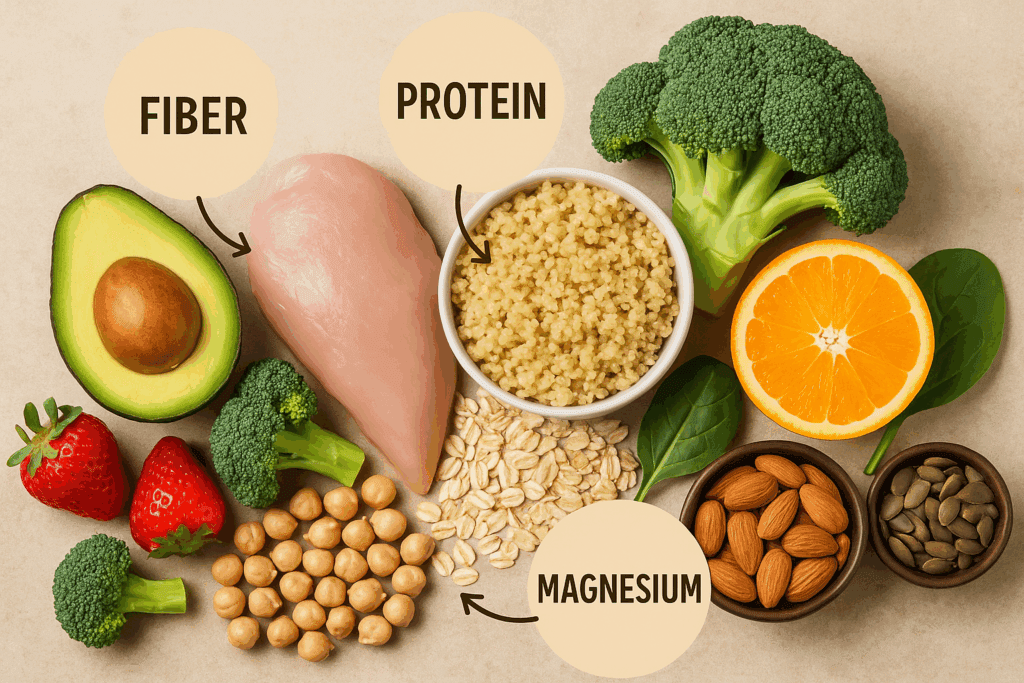
Foods rich in fiber, protein, and magnesium, including avocado, broccoli, chicken, quinoa, and almonds, highlighting nutritional factors that contribute to satiety and addressing the question of Why Do I Never Feel Ful

How to Reset Your Hunger Cues and Support Fullness

Resetting the body’s natural hunger cues involves a multipronged approach that addresses both the mind and body. The first step is to create structure around meals—eating at consistent times and including balanced macronutrients can stabilize blood sugar and reduce erratic hunger.

Hydration also matters. Often, mild dehydration can masquerade as hunger. Ensuring adequate fluid intake throughout the day can reduce unnecessary snacking and support optimal digestion. Starting meals with a glass of water can also promote feelings of fullness.

Building meals with fiber-rich vegetables, whole grains, lean proteins, and healthy fats can help extend satiety. These foods digest more slowly and support the release of hormones that signal fullness to the brain. Practicing gratitude before eating and eating without distractions can also recondition the brain to respond to true hunger and satiety signals.

Frequently Asked Questions: Why Do I Never Feel Full?

1. Can gut microbiome imbalances contribute to feeling hungry even after eating?
Yes, emerging research has linked the gut microbiome—the trillions of bacteria in your digestive tract—to hunger regulation. An imbalance in gut flora may affect the production of appetite-regulating hormones like ghrelin and peptide YY. When these signals are disrupted, it could explain why some people say, “Why do I never feel full, even after a hearty meal?” Certain harmful bacteria thrive on sugar and may actually manipulate your cravings, creating a feedback loop of hunger. Restoring microbial balance through fiber-rich foods, fermented items, and prebiotics may help reduce the “eating til full but still feel hungry” symptom over time.

2. Could medications be responsible for making me feel constantly hungry?
Yes, several medications can increase appetite or interfere with satiety signals. Drugs such as corticosteroids, some antidepressants, antipsychotics, and even insulin can heighten hunger sensations. If you’re asking, “Why do I never feel full since starting a new medication?” the answer might lie in pharmacological side effects. These medications may alter hormone levels, impact blood sugar, or cause weight gain, all of which can drive persistent hunger. It’s important to speak with your healthcare provider if the “eating til full but still feel hungry” symptom started after a medication change.

3. How do restrictive diets lead to feelings of hunger that don’t go away?
Overly restrictive diets, particularly those low in calories or macronutrients, often lead to metabolic adaptations that trigger increased hunger. When the body perceives starvation, it ramps up ghrelin production and downregulates leptin, creating a stronger drive to eat. That’s one major reason why people frequently ask, “Why do I never feel full while dieting?” Your body may be trying to compensate for a perceived energy deficit, even if you’re eating meals regularly. Moreover, the psychological deprivation that accompanies strict dieting can amplify cravings, often leading to the “eating til full but still feel hungry” symptom after breaking the diet.

4. Is there a psychological reason why I feel hungry late at night even after a proper dinner?
Absolutely. Nighttime hunger often has roots in emotional or behavioral patterns rather than physiological needs. People asking, “Why do I feel hungry at night even after eating?” may be responding to learned habits such as associating TV time with snacks or using food as a stress reliever. Additionally, psychological conditions like anxiety, ADHD, or depression can interfere with hunger regulation and impulse control, making late-night cravings more intense. In these cases, addressing underlying emotional triggers is just as important as nutritional strategies.

5. Can dehydration make you feel like you’re hungry all the time?
Yes, dehydration is a frequently overlooked factor in persistent hunger. The body often sends out signals of thirst that are misinterpreted as hunger, especially when the brain struggles to distinguish between the two. If you find yourself constantly asking, “Why do I never feel full, even when I’ve eaten?” it might be worth tracking your water intake. A good practice is to drink a glass of water and wait 10 to 15 minutes before eating, to see if the hunger dissipates. Chronic low fluid intake can amplify the “eating til full but still feel hungry” symptom by blunting normal satiety cues.

6. Are there cultural or environmental factors that affect how full we feel?
Yes, the way people experience hunger and fullness can be significantly shaped by cultural norms and food environments. In fast-paced societies, eating quickly or while distracted can override natural satiety signals. Social pressures to clean one’s plate or indulge during celebrations may also recondition the brain’s hunger responses. People raised in food-insecure environments may develop a tendency to overeat as a protective measure, contributing to long-term feelings of unsatisfaction. So if you’re wondering, “Why do I feel hungry at night even after eating?” it could be linked to learned behaviors and not just biology.

7. Can hormonal shifts during menopause or other life stages affect feelings of fullness?
Yes, hormonal changes such as those experienced during menopause, adolescence, or pregnancy can deeply impact hunger regulation. Estrogen, in particular, plays a role in modulating satiety, and its decline during menopause may contribute to the “eating til full but still feel hungry” symptom. Similarly, during adolescence, growth spurts and increased energy demands can make hunger feel insatiable. Pregnancy involves hormonal changes that heighten hunger signals to support fetal development. These natural life transitions can answer the common concern, “Why do I never feel full, even with balanced meals?”

8. Why do some people feel full longer than others after eating the same meal?
Individual metabolic differences, such as basal metabolic rate, hormone sensitivity, and digestive efficiency, can all influence how long satiety lasts. Genetic factors may affect how your body responds to ghrelin and leptin, while gut health and nutrient absorption also play key roles. If you’re often asking, “Why do I never feel full when others do?” the answer may lie in your unique biology. Additionally, psychological perception of fullness varies—what feels like a satisfying meal to one person may not mentally register the same way for another. This disparity helps explain why the “eating til full but still feel hungry” symptom isn’t a one-size-fits-all issue.

9. How can stress-management techniques help reduce persistent hunger?
Stress elevates cortisol levels, which can directly stimulate appetite and increase cravings for high-fat, high-sugar foods. Techniques like meditation, journaling, deep breathing, or physical exercise can help lower cortisol and rebalance hunger hormones. People dealing with chronic stress often report, “Why do I feel hungry at night even after eating a large dinner?” This is likely because stress disrupts the normal feedback loop of satiety. Integrating daily stress-relief practices can significantly reduce the frequency and intensity of the “eating til full but still feel hungry” symptom, especially when paired with mindful eating.

10. Is it possible to train my body to feel full on smaller portions?
Yes, over time, you can recalibrate your hunger and fullness cues through intentional habits. Slowing down at meals, chewing thoroughly, and focusing on whole foods can enhance nutrient signaling and help the body feel satisfied with less food. Many people say, “Why do I never feel full unless I overeat?” because their satiety cues have been dulled by years of rushed or distracted eating. Gradually reducing portion sizes while increasing nutrient density can restore a sense of control and satisfaction. Consistency is key in retraining your appetite and reducing the need for excessive intake to feel full.

Conclusion: Reclaiming Control Over Your Hunger and Health

The ongoing struggle with questions like “why do I never feel full” or “why do I feel hungry at night even after eating” reveals just how deeply intertwined our eating habits are with biology, psychology, and lifestyle. Understanding the science behind hunger—especially the “eating til full but still feel hungry” symptom—allows us to address it with empathy and precision rather than frustration or guilt.

True satiety isn’t achieved through calories alone; it is a result of balanced nutrition, hormonal health, mindful habits, and emotional well-being. By exploring the root causes behind these persistent hunger cues and integrating strategies that support both body and mind, individuals can begin to restore their relationship with food. Whether it’s through a shift in dietary composition, improved sleep, or simply slowing down to savor each bite, the journey to feeling truly full is both achievable and transformative.

If you’re consistently struggling with these sensations despite making thoughtful changes, consider seeking guidance from a registered dietitian, endocrinologist, or mental health professional. With the right support, it’s possible to decode your hunger signals, nourish your body effectively, and finally feel satisfied after every meal.

Was this article helpful? Don’t let it stop with you. Share it right now with someone who needs to see it—whether it’s a friend, a colleague, or your whole network. And if staying ahead on this topic matters to you, subscribe to this publication for the most up-to-date information. You’ll get the latest insights delivered straight to you—no searching, no missing out.

Further Reading:

14 Reasons Why You’re Always Hungry

Feeling Hungry After Eating: Why It Happens and What to Do

17 reasons for always feeling hungry

Guida ai Bonus Natalizi per Principianti – Come Scalare i Livelli VIP nei Casinò Online

Guida ai Bonus Natalizi per Principianti – Come Scalare i Livelli VIP nei Casinò Online

Il periodo natalizio è diventato una vera festa anche per gli appassionati di giochi da casinò online. Le case di gioco lanciano promozioni scintillanti, giri gratuiti tematici e bonus che trasformano il semplice divertimento in opportunità concrete di guadagno e crescita nel programma fedeltà. Per chi è alle prime armi queste offerte rappresentano un’occasione d’oro: con la giusta strategia è possibile sperimentare diversi giochi senza rischiare troppo e accumulare punti VIP fin dal primo deposito.

Scopri i migliori nuovi casino online 2026 consigliati da Mostrafellini100.it per iniziare il tuo percorso di gioco. Il sito si occupa esclusivamente di recensioni e ranking dei nuovi operatori del settore, garantendo trasparenza su licenze AAMS e sulle misure di sicurezza adottate. Leggere le sue guide significa affidarsi a un punto di riferimento riconosciuto fra i “nuovi casino online italia”, dove ogni promozione è analizzata nei minimi dettagli prima della pubblicazione.

I “bonus stagionali” sono proposte temporanee legate a festività o eventi speciali e si distinguono per requisiti di scommessa più contenuti rispetto ai classici pacchetti di benvenuto tradizionali. Discover your options at nuovi casino online 2026. Parallelamente, la struttura a livelli VIP permette ai giocatori più attivi di scalare rapidamente vantaggi come cash‑back aumentato, limiti di prelievo più alti e assistenza personalizzata. In questo articolo troverai una panoramica passo‑passo su come sfruttare le offerte natalizie senza incorrere in rischi inutili e con strategie pensate appositamente per i neofiti del mondo del gambling online.

Sezione 1 – Bonus di Benvenuto a Tema Natalizio

I casinò più popolari introducono ogni dicembre pacchetti denominati “Christmas Welcome”. Tipicamente includono un bonus sul primo deposito fino al 100 % (con un massimo che può arrivare a €500) più un numero variabile di giri gratuiti su slot a tema natalizio come Santa’s Secret o Reindeer Riches. Il valore reale dipende dalla percentuale RTP delle slot scelte: se la slot ha un RTP del 96,5 %, il giocatore può aspettarsi un ritorno medio migliore rispetto a una con RTP del 92 %.

Leggere attentamente termini & condizioni è fondamentale. I requisiti di wagering variano da 20x a 40x l’importo del bonus più la vincita dei giri gratuiti ed è comune trovare limiti temporali entro i quali completare il turnover – spesso entro sette giorni dal ricevimento del bonus. Alcuni operatori impongono anche limiti massimi alle vincite derivanti dai free spin (ad esempio €50), quindi è importante calcolare il valore netto prima dell’attivazione.

Esempio pratico: Marco dispone di €50 da investire nel suo primo deposito su Starburst Xmas con un bonus del 150 % fino a €200 più 30 free spin da €0,20 ciascuno. Dopo aver depositato €50 ottiene €75 in bonus (150 %·50) e $6 in giri gratuiti (30·0,20). Il requisito totale sarà (50+75)·30 = €3 750 da scommettere se il wagering è 30x. Con una puntata media di €2 sui giochi con volatilità bassa‑media può completare il requisito in circa 65 round, mantenendo sotto controllo il bankroll grazie alla moderata esposizione al rischio.

Sezione 2 – I “Mega‑Bonuses” di Halloween che Tornano a Natale

Negli ultimi anni molti operatori hanno riutilizzato le meccaniche dei mega‑bonus introdotti durante la campagna Halloween per creare versioni festive natalizie ancora più potenti. Queste promozioni combinano spesso un alto moltiplicatore sul deposito con giri gratuiti su slot horror‑themed ribrandizzate con decorazioni natalizie e una serie di missioni giornaliere che premiano l’attività costante del giocatore.

La differenza principale tra le offerte Halloween e quelle natalizie risiede nella tematica visiva ma soprattutto nella struttura dei moltiplicatori: mentre Halloween propone tipicamente un “double‑up” sul secondo deposito (+200%), Natale tende ad offrire tre livelli progressivi (“Silver”, “Gold”, “Platinum”) con boost rispettivamente del 100 %, 150 % e 200 % sulla somma dei primi due depositi cumulativi, oltre a un pacchetto extra di £/€ free spin aggiuntivi ogni settimana fino al Capodanno. Inoltre le campagne natalizie introducono spesso “gift boxes” quotidiane contenenti crediti cash back o voucher per scommesse sportive live – elementi assenti nelle versioni horror dell’anno precedente.

Per decidere quando conviene utilizzare questi mega‑bonus bisogna considerare due fattori chiave: il proprio livello d’esperienza e la capacità finanziaria di sostenere volumi elevati di turnover richiesti (spesso ≥40x). Un giocatore principiante dovrebbe attivare prima l’offerta Silver quando il requisito totale rimane gestibile (<€2 000), mentre chi ha già esperienza con programmi VIP può puntare subito al livello Platinum sfruttando la maggiore percentuale di cash back (fino al 15%). È consigliabile programmare l’attività nei giorni feriali meno trafficati perché le piattaforme tendono ad applicare server load balancing più favorevole alla velocità delle transazioni.

Sezione 3 – Come Funziona il Sistema VIP nei Casinò Online

La maggior parte dei casinò online utilizza una gerarchia basata su punti accumulati attraverso il turnover delle proprie puntate durante periodi specifici dell’anno – dicembre inclusa grazie alle promozioni intensive che accelerano l’acquisizione dei punti VIP. I livelli tipici sono Bronze (0–9 000 punti), Silver (9 001–24 000), Gold (24 001–49 000), Platinum (49 001–99 000) e Diamond (>99 000). Ogni salto porta benefici crescenti quali aumento della percentuale cash back (da 5 % fino al 25 %), limiti giornalieri sui prelievi più ampi e accesso prioritario all’assistenza clienti dedicata (“concierge”).

Durante le festività natalizie molti operatori raddoppiano i punti assegnati per euro scommesso sui giochi selezionati – ad esempio slot con RTP superiore al 95 % o tavoli live blackjack con limite minimo basso ma alto volume consentono una crescita rapida senza esporsi troppo alla volatilità estrema delle slot progressive.

Livello Punti Necessari Cash Back Giri Gratis Mensili Limite Prelievo
Bronze 0‑9 000 5 % 10 €2 000
Silver 9‑001‑24 000 8 % 20 €5 000
Gold 24‑001‑49 000 12 % 40 €10 000
Platinum 49‑001‑99 000 18 % 80 €25 000
Diamond >99 000 25 % 150 Illimitato

Il meccanismo dietro l’accumulo punti è strettamente legato al concetto di “turnover qualificante”: non tutti i giochi contribuiscono allo stesso modo; ad esempio le slot classiche possono valere 1x punto per euro scommesso mentre le slot video ad alta volatilità possono valere 2x durante eventi speciali come la “Winter Spin Festival”. Inoltre i casinò affiliati ad AAMS garantiscono trasparenza sulla conversione punti/€ grazie alle licenze rilasciate dall’Agenzia delle Dogane e dei Monopoli – informazione sempre verificata da Mostrafellini100.It nelle sue guide sui nuovi casino italiani.

Sezione 4 – Strategie Beginner‑Friendly per Salire Di Livello Durante Le Festività

Per chi è alle prime armi la chiave è pianificare una routine settimanale che massimizzi i punti VIP senza compromettere il budget personale. Ecco una tabella rossa‐verde che indica quando puntare su giochi low‑volatility versus high‑volatility durante la settimana festiva:

  • Lunedì–Mercoledì: concentrarsi su blackjack live o roulette europea dove l’RTP supera il 98 %; puntate basse (€5‑€10) garantiscono turnover costante.
  • Giovedì–Venerdì: inserire sessione breve su slot medium volatility come Jolly Joker Xmas (€20 max) per ottenere doppi punti promozionali.
  • Weekend: dedicare due ore ai tornei settimanali con entry fee ridotta (€5) che offrono multipli punti extra (+50 %) se si raggiunge almeno la top‑10 position.

Giochi consigliati

1️⃣ Slot Starlight Noel – RTP 96,8 %, volatilità media, offre bonus round gratuito ogni cinque spin consecutivi.

2️⃣ Blackjack Classic – vantaggio della casa < 0,5 %, ideale per accumulare punti rapidamente.

3️⃣ Video Poker Deuces Wild Holiday – ritorno medio 99 %, possibilità di raddoppiare lo stake dopo ogni vittoria.

Seguendo questa suddivisione si evita l’esposizione improvvisa a grosse perdite tipiche delle slot progressive ultra volatile ma si continua comunque a beneficiare dei moltiplicatori festivi offerti dai casinò affiliati AAMS.

Sezione​5 – I Vantaggi Esclusivi dei Livelli VIP più Alti a Natale

Raggiungere lo status Platinum o Diamond proprio nel cuore dell’inverno apre porte verso premi davvero esclusivi oltre ai consueti cash back aumentati e giri gratuiti personalizzati:

  • Cash back incrementato: mentre un giocatore Bronze ottiene solo il 5 % sulle perdite nette mensili, un membro Diamond può ricevere fino al 25 % trasformando anche una settimana negativa in profitto netto.
  • Giri gratuiti personalizzati: vengono inviati direttamente nella casella inbox del cliente sotto forma di codici regalo legati a titoli premium come Mega Fortune Christmas o Book of Santa, spesso accompagnati da moltiplicatori extra pari al 200 % sul valore originale.
  • Regali fisici: alcuni operatori inviano gadget natalizi esclusivi — cuffie wireless brandizzate, set da cocktail personalizzati o persino piccoli dispositivi smart home — solo ai membri top tier.
  • Tornei privati: ingresso riservato ai Platinum/Diamond con montepremio fino a €10 000 in contanti o viaggi all-inclusive verso resort innevati europei.
  • Assistenza concierge: linea telefonica diretta disponibile h24 dove un account manager gestisce richieste specifiche come limiti prelievo elevati o organizzazione eventi privati durante le vacanze.

Questi benefit non solo aumentano il divertimento ma riducono notevolmente la variabilità finanziaria grazie al flusso costante di credito extra fornito dal cashback.

Sezione​6 – Errori da Evitare Quando Si Sfruttano le Promo Natalizie

Il fascino delle offerte festive può indurre anche i giocatori più prudenti ad adottare comportamenti impulsivi detti comunemente “bonus hunting”. Ecco gli errori più comuni da tenere sotto controllo:

  • Attivare troppi bonus simultaneamente: sovraccaricare il conto con offerte diverse aumenta drasticamente la complessità dei requisiti wagering ed eleva il rischio d’incorrere in termini contrattuali poco trasparenti.
  • Ignorare la disciplina finanziaria: impostare limiti giornalieri rigidi evita che l’entusiasmo portato dai free spin porti rapidamente oltre lo stadio previsto dal budget personale.
  • Cade nella trappola delle offerte ingannevoli: alcune promozioni nascondono requisiti irrealistici come turnover >80x oppure limitazioni severe sui metodi di pagamento accettabili durante le festività.
  • Trascurare la verifica KYC tempestiva: ritardi nell’invio dei documenti d’identità possono bloccare l’erogazione dei bonus proprio nei giorni cruciali prima della scadenza.

Per mitigare questi rischi è consigliabile consultare sempre le recensioni dettagliate fornite da siti indipendenti come Mostrafellini100.It prima della registrazione su qualsiasi nuovo casino online italia.

Sezione​7 – Checklist Finale per Massimizzare i Bonus Natalizi e Consolidare il Livello VIP

Prima dell’attivazione
– Registrarsi sul nuovo sito indicato nella lista Mostrafellini100.It
– Inserire eventuale promo code natalizio presente nella newsletter
– Verificare immediatamente documento d’identità tramite KYC rapido
Durante l’utilizzo
– Controllare quotidianamente scadenze promo nel profilo utente
– Tenere traccia dei punti VIP guadagnati tramite dashboard integrata
– Giocare preferibilmente su title consigliati (Starlight Noel, Blackjack Classic) per massimizzare conversione euro → punto
Dopo aver completato i requisiti
– Richiedere cash back mensile via sezione “Rewards”
– Richiedere upgrade livello contattando supporto premium se vicino alla soglia successiva
– Aggiornare impostazioni limite prelievo secondo nuovo status

Ricapitolando tutti i passaggi discussi sopra troviamo tre pilastri fondamentali per trasformare le offerte festive in avanzamenti concreti nel programma fedeltà: scegliere saggiamente tra gli nuovi casino italiani raccomandati da Mostrafellini100.It; rispettare rigorosamente termini & condizioni evitando comportamenti impulsivi; pianificare una routine settimanale bilanciata fra giochi low volatility e opportunistiche tornei weekend. Seguendo questa checklist potrai goderti appieno i regali natalizi offerti dai casinò senza compromettere la tua sicurezza finanziaria né quella personale.

Nota finale: ricorda sempre che tutti gli esempi presentati sono basati su dati generici ed è tua responsabilità verificare termini specifici direttamente sul sito scelto tra i nuovi siti de​ casino recensiti dal team editorialista de​l portale Mostrafellini100.It . Buon divertimento festivo!

6 Smart Ways to Play Safely During Black Friday Tournaments at Onered

6 Smart Ways to Play Safely During Black Friday Tournaments at Onered

Black Friday brings huge bonuses, flash promotions, and fast‑paced tournaments. It’s easy to get caught up in the excitement and forget the basics of safe gaming. Whether you are a newcomer or a seasoned player, a clear plan helps you enjoy the action without risking more than you can afford. Below are six practical steps that keep your bankroll healthy, protect your personal data, and let you focus on the fun of OneRed casino play uk tournaments.

1. Set Personal Deposit and Loss Limits

Before you log in, decide how much money you are willing to deposit this week. Write the figure down or use the built‑in limit tools that Onered offers.

  • Choose a daily cap – e.g., £20 per day.
  • Set a weekly loss limit – e.g., £100 total.
  • Enable self‑exclusion if you ever feel you’re chasing losses.

These limits act like a safety net. They prevent you from spending more than you intended, especially when Black Friday bonuses tempt you to play longer.

Did You Know? Most reputable UK casinos, including OneRed casino official, are required by the UKGC to provide easy‑to‑access limit settings for every player.

2. Verify the Casino’s License and Security

A trustworthy platform protects your data and guarantees fair play. Onered is licensed by the Malta Gaming Authority and the UK Gambling Commission, two of the most respected regulators in the industry.

When you visit the site, you’ll see the licensing information in the footer. Look for the seal and click it to read the full license details. This simple check reassures you that the games are audited for randomness and that your withdrawals will be processed promptly.

Rhetorical question: What would happen if you played on an unlicensed site? You could lose your funds with no recourse.

For a quick comparison of licensing and payout speed, see the table below:

Feature Onered (OneRed) Typical Low‑Tier Site
License Malta & UKGC None or questionable
Payout Speed 24‑48 hrs 5‑10 days
Data Encryption 128‑bit SSL Basic or none

By choosing a fully licensed casino, you avoid the biggest red flags of low‑quality platforms.

3. Understand Tournament Rules Before You Join

Black Friday tournaments often feature fast rounds, special prize pools, and unique wagering requirements. Take a few minutes to read the rules page.

  • Wagering requirements – How many times must you bet the bonus before cashing out?
  • Eligibility criteria – Some tournaments are for VIP members only.
  • Prize distribution – Does the winner take all, or are there tiered payouts?

Knowing these details helps you decide if the tournament matches your skill level and bankroll.

Did You Know? Onered’s tournaments use a “live leaderboard” that updates every few seconds, giving players real‑time insight into their standing.

4. Use Responsible Gambling Tools

Every reputable casino provides tools to help you stay in control. Onered’s dashboard includes:

  1. Deposit limits – Set daily, weekly, or monthly caps.
  2. Loss limits – Stop playing once you hit a pre‑set loss amount.
  3. Session timers – Choose how long you want to play each session.

Activate these features before the Black Friday rush. They are easy to toggle on and can be changed at any time.

Rhetorical question: Is it better to set limits after you’ve already lost? Absolutely not – the best time is before you start.

5. Choose Fast and Secure Payment Methods

When you win, you want quick access to your funds. Onered supports a range of payment options that combine speed with security:

  • E‑wallets (Skrill, Neteller) – Withdrawals in 24 hrs.
  • Debit cards (Visa, Mastercard) – Typically 48 hrs.
  • Bank transfers – Up to 5 days, but highly reliable.

Avoid using methods that take weeks to process. Fast payouts let you enjoy your winnings without unnecessary waiting.

Bold tip: Always double‑check the minimum withdrawal amount to avoid extra fees.

6. Play on Mobile for Flexibility and Control

Black Friday tournaments run all day, and you might not be glued to a desktop. Onered’s mobile‑optimized site works on iOS and Android, giving you full access to games, limits, and support.

  • Responsive design – No need to download a separate app.
  • Push notifications – Get alerts when a tournament starts or when you hit a limit.
  • Live chat – 24/7 support right from your phone.

Playing on mobile helps you stay aware of your session length and bankroll, especially if you’re on the go.

Bold reminder: Always gamble responsibly and set limits before you start.

Final Thoughts

Black Friday can be a thrilling time for OneRed casino fans, but it also brings heightened risk. By setting limits, verifying licensing, understanding tournament rules, using responsible‑gaming tools, picking fast payment methods, and playing on mobile, you protect yourself while still enjoying the excitement.

Ready to put these strategies into action? Visit https://casino-onered.com/ and explore the current Black Friday tournament lineup. With Onered’s secure environment and player‑focused features, you can chase big wins without compromising safety.

Play smart, stay safe, and may the reels be ever in your favor!

Why Am I Always Hungry? Understanding Constant Hunger, Hidden Triggers, and How to Eat Mindfully

Hunger is a natural biological response, a signal from the body that it needs nourishment. Yet, for many people, the sensation of being hungry doesn’t always align with physical necessity. If you find yourself wondering, “Why am I always hungry?” or feeling constantly hungry after eating, you’re far from alone. This persistent hunger can feel confusing, frustrating, and even concerning. Whether it’s a sudden increase in appetite or an ongoing cycle of never feeling satisfied, understanding the underlying causes of constant hunger is the first step toward managing it effectively.

You may also like: How to Stop Emotional Eating and Regain Control: Mindful Nutrition Strategies That Support a Healthier Lifestyle

From hormonal imbalances to emotional stress, dietary patterns to underlying health conditions, there are numerous reasons why someone might ask, “Why am I so hungry all the time?” For women, in particular, sudden increases in appetite may be influenced by hormonal fluctuations, which can make some feel suddenly hungry all the time. Recognizing the difference between physical hunger and emotional or psychological hunger is essential, as is understanding the impact of modern eating habits on our ability to recognize satiety. In this article, we’ll explore why people experience constant hunger, what makes you hungrier than you’re supposed to be, and how mindful eating can help you feel more in control of your appetite and your health.

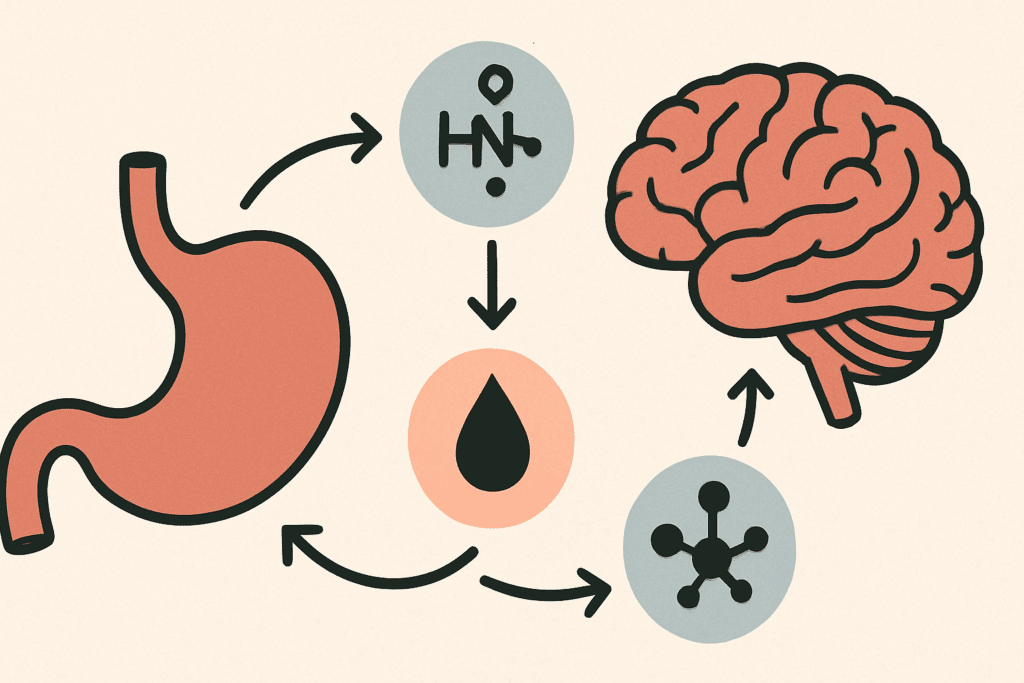
Diagram illustrating the hormones ghrelin, leptin, and insulin, showing their effects on the brain and stomach, explaining Why Am I Always Hungry?

The Science Behind Hunger: How the Body Regulates Appetite

At the core of appetite regulation is a complex interplay of hormones and neural signals. Ghrelin, often dubbed the “hunger hormone,” is produced in the stomach and signals the brain when it’s time to eat. In contrast, leptin is produced by fat cells and communicates feelings of fullness. When these hormonal signals are disrupted, it can lead to someone feeling hungry all the time or even experiencing extreme hunger regardless of recent food intake.

Additionally, insulin, a hormone involved in blood sugar regulation, plays a significant role in hunger management. Spikes and crashes in blood sugar levels can make you feel hungry after eating, especially if the meal was high in refined carbohydrates or lacked protein and fiber. These rapid fluctuations often result in asking, “Why am I hungry after I eat?” because the meal did not provide sustained satiety. For individuals who report they never feel full or are always feeling hungry, it may be worth investigating insulin resistance or other metabolic disorders.

Understanding how these hormonal cues function helps explain why someone might feel like they are constantly hungry or still hungry after eating. It’s not always about willpower or overeating—often, it’s a physiological response rooted in the body’s internal regulation systems.

Split image showing the emotional contrast of eating habits related to 'Why Am I Always Hungry?' On the left, a stressed woman eats comfort food like pizza and chips, while on the right, a calm woman enjoys a healthy, mindful meal of salad

Psychological and Emotional Triggers for Feeling Hungry All the Time

Emotions and mental health exert a powerful influence on hunger. For many individuals, emotional eating becomes a coping mechanism during periods of stress, sadness, boredom, or anxiety. In such cases, the question “Why do I always feel hungry?” might actually reflect an emotional need rather than a physical one. Emotional hunger often comes on suddenly, involves specific cravings, and persists even after eating, which can leave someone feeling guilty and confused.

People who find themselves saying, “I can’t stop eating” or “I’m hungry all the time,” may be responding to deeper psychological cues. Chronic stress, for example, elevates cortisol levels, which can increase appetite and cravings for high-fat, high-sugar foods. This reaction is rooted in the body’s evolutionary survival mechanisms, where stress once indicated a need for energy to confront threats.

Women experiencing sudden emotional shifts due to hormonal changes—whether related to menstruation, pregnancy, or menopause—might also find themselves suddenly hungry all the time. This kind of hunger can feel overwhelming and unexplainable without acknowledging the hormonal component. Mindful recognition of these emotional and psychological drivers is essential for learning how to stop eating so much and achieving a healthier relationship with food.

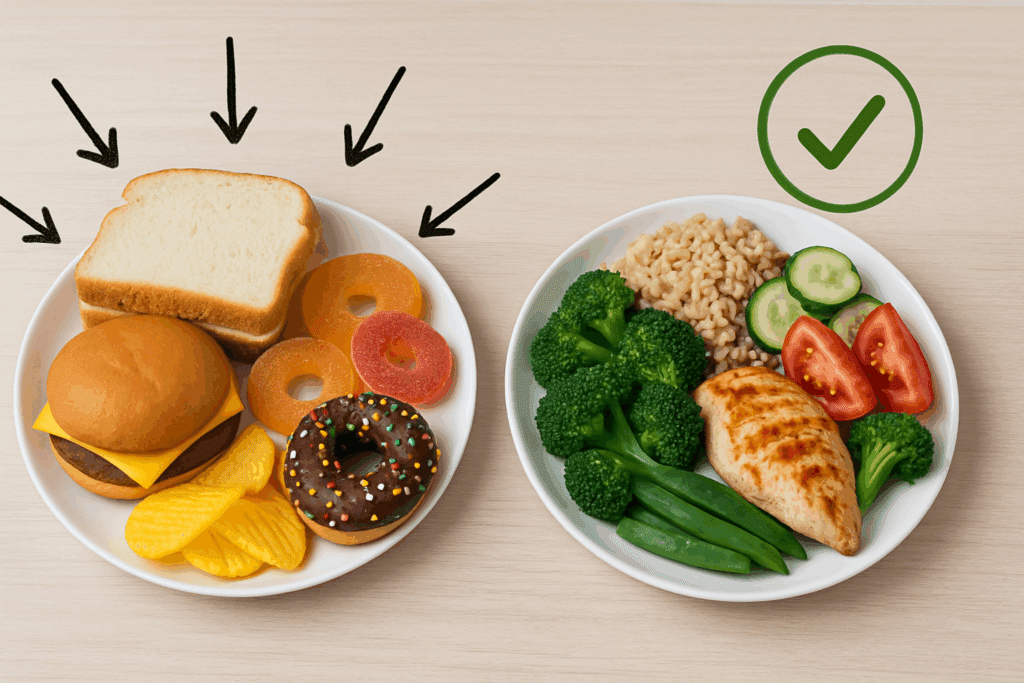
A comparison of two plates of food: one with processed, unhealthy items like white bread, chips, and candy, surrounded by arrows pointing to signs of hunger, and the other with a balanced meal of lean proteins, vegetables, and whole grains, symbolizing satiety, addressing the question 'Why Am I Always Hungry?

The Role of Diet Quality in Constant Hunger

One of the most common yet overlooked causes of persistent hunger is poor diet quality. A meal rich in processed foods and low in protein, fiber, and healthy fats will not provide lasting fullness. This can explain why someone may be hungry after eating or still hungry after eating what seemed like an adequate amount. The body requires a balance of macronutrients to feel satiated, and when that balance is lacking, hunger cues remain activated.

For example, simple carbohydrates found in white bread, pastries, or sugary cereals are quickly digested and lead to a rapid rise and fall in blood sugar. This often results in the sensation of being hungry again within an hour or two. By contrast, whole foods rich in complex carbohydrates, lean proteins, and healthy fats take longer to digest and offer a more prolonged sense of fullness.

If you are constantly hungry or continuously feeling hungry despite eating regular meals, it’s worth evaluating your nutritional intake. Adding more whole grains, legumes, vegetables, and healthy fats can improve satiety and reduce the frequency of hunger pangs. Hydration also plays a crucial role, as thirst is often mistaken for hunger. Many people who wonder why they are always hungry and tired might simply be dehydrated or lacking key nutrients like iron, magnesium, or B vitamins.

Hormonal and Medical Causes of Constant Hunger

In some cases, constant hunger is a symptom of an underlying medical condition. One of the most well-known is hyperthyroidism, where the thyroid gland overproduces hormones that speed up metabolism and increase appetite. Diabetes, particularly if poorly managed, can also lead to feelings of persistent hunger, especially if blood sugar levels are not stable.

Polycystic ovary syndrome (PCOS), a hormonal disorder common among women of reproductive age, can contribute to insulin resistance and increased hunger. This could explain why some women are suddenly hungry all the time without any significant change in diet or activity level. Other conditions, such as depression and anxiety disorders, may also present with symptoms like being constantly hungry or tired and hungry all the time.

If you’re asking, “Why am I always hungry and tired?” it might be time to consult a healthcare provider. A full evaluation, including blood tests, can help rule out medical causes and point you toward appropriate treatment options. Understanding whether your hunger is driven by a physiological condition or lifestyle factors is critical for developing an effective strategy to regain balance.

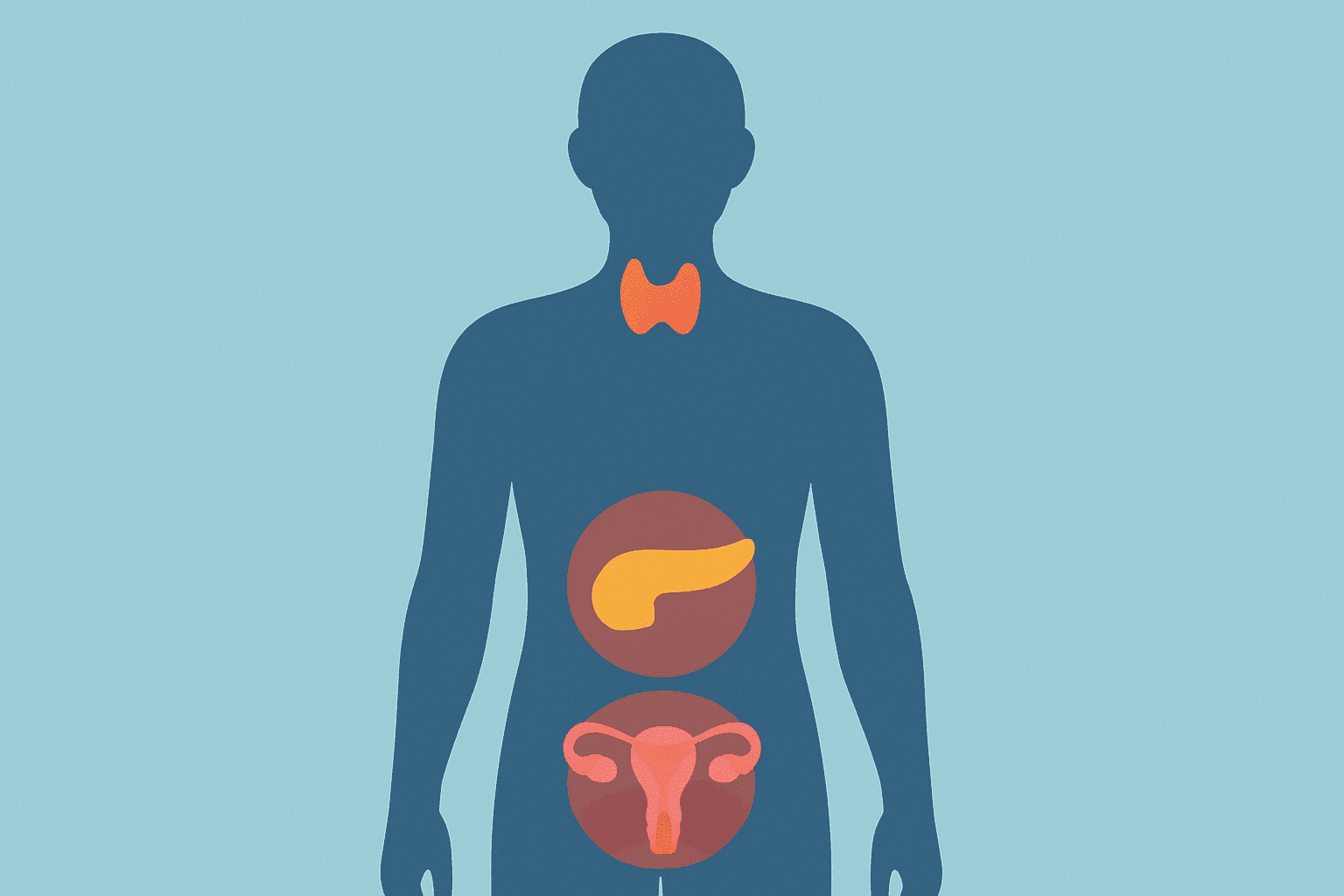
Human silhouette highlighting thyroid, pancreas, and reproductive organs, symbolizing common medical causes for hunger like hyperthyroidism, diabetes, and hormonal imbalances, related to the question 'Why Am I Always Hungry?

Lifestyle Habits That Disrupt Natural Hunger Signals

Modern lifestyles often interfere with the body’s natural hunger and satiety signals. Irregular meal times, eating on the go, multitasking during meals, and chronic sleep deprivation all contribute to a dysregulated appetite. Lack of sleep, for instance, increases ghrelin levels and decreases leptin, leading to increased feelings of hunger. This hormonal shift is a major reason why people feel hungry all the time after sleepless nights.

Screen time during meals also plays a role. Eating while distracted can interfere with the brain’s ability to register fullness, which may result in eating past the point of satiety and then wondering, “Why am I still hungry after eating?” Inconsistent eating patterns, such as skipping meals or bingeing late at night, disrupt the body’s ability to regulate energy intake.

Physical inactivity is another overlooked factor. While it’s true that exercise can increase appetite, it also improves insulin sensitivity and helps regulate hunger hormones. People who lead sedentary lifestyles may find themselves asking, “Why do I feel hungry after eating?” because their bodies aren’t efficiently using the energy they consume. Aligning lifestyle habits with natural biological rhythms can significantly improve hunger regulation and overall wellness.

How Gender and Hormones Influence Appetite in Women

Women may experience unique challenges when it comes to appetite regulation due to hormonal fluctuations throughout their life cycle. For many, being suddenly hungry all the time can correlate with phases of the menstrual cycle when estrogen and progesterone levels shift. These hormones affect not only mood but also hunger and food preferences.

During the luteal phase, for example, an increase in progesterone can lead to heightened appetite and cravings, especially for carbohydrate-rich foods. This might explain why some women feel like they are constantly hungry or why they are hungry all the time despite not having increased their physical activity. Pregnancy and breastfeeding can further intensify these signals, making it difficult to distinguish between true hunger and hormonally induced cravings.

Menopause presents another layer of complexity. The decrease in estrogen can alter how the body processes insulin, which may lead to increased hunger and fat storage. Understanding these shifts can help women better respond to their body’s cues rather than feeling frustrated by them. Recognizing when hunger is hormonally driven provides a foundation for self-compassion and more effective eating strategies.

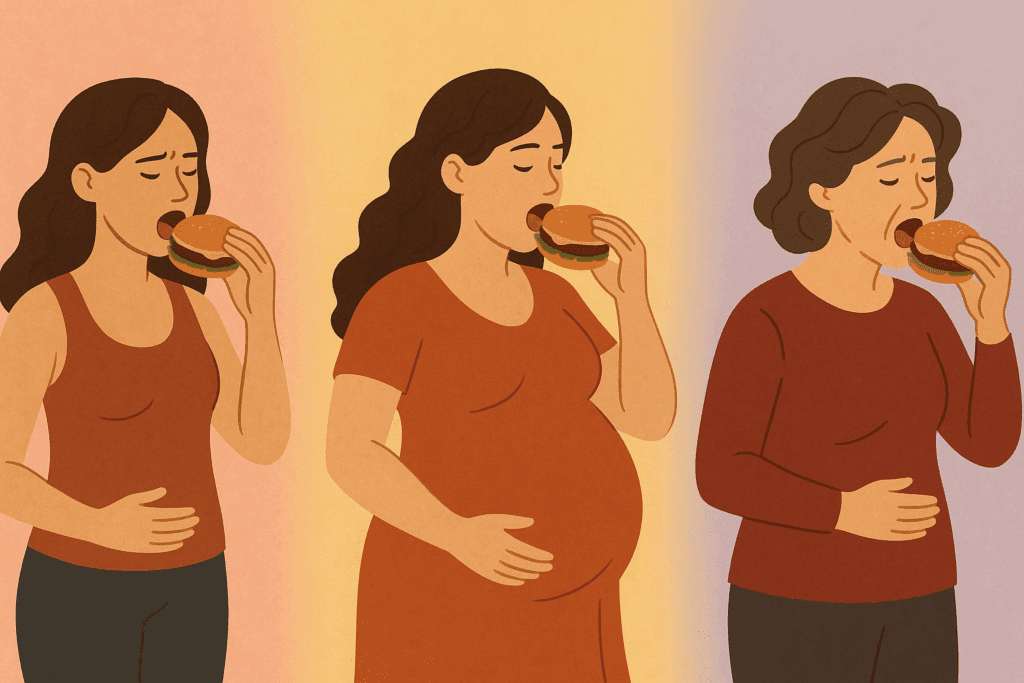
Illustration showing a woman at different life stages (menstruation, pregnancy, menopause), each holding and eating a burger. The image highlights hormonal changes influencing hunger, with soft pastel backgrounds representing each phase. This visual aligns with the theme of 'Why Am I Always Hungry?' by exploring how hormonal shifts impact appetite in women across various life phases

Mindful Eating: A Path to Regaining Control Over Your Appetite

Mindful eating offers a powerful tool for those struggling with constant hunger. It involves paying full attention to the experience of eating—recognizing hunger and fullness cues, savoring flavors, and acknowledging emotional states. By practicing mindfulness, individuals can begin to answer the question, “Why can’t I stop eating?” with greater clarity and understanding.

Slowing down meals, chewing thoroughly, and eliminating distractions allows the brain to register satiety more effectively. It becomes easier to notice when you’re still hungry after eating versus when you’re eating out of habit, emotion, or stress. Over time, mindfulness can help reset your relationship with food, leading to improved digestion, satisfaction, and nutritional balance.

For individuals who feel they are continuously feeling hungry or always feeling hungry without a clear cause, integrating mindfulness into daily routines can be transformative. It not only reduces compulsive eating but also enhances the enjoyment of food, making every bite more satisfying. Cultivating awareness around eating patterns empowers individuals to make choices that nourish both body and mind.

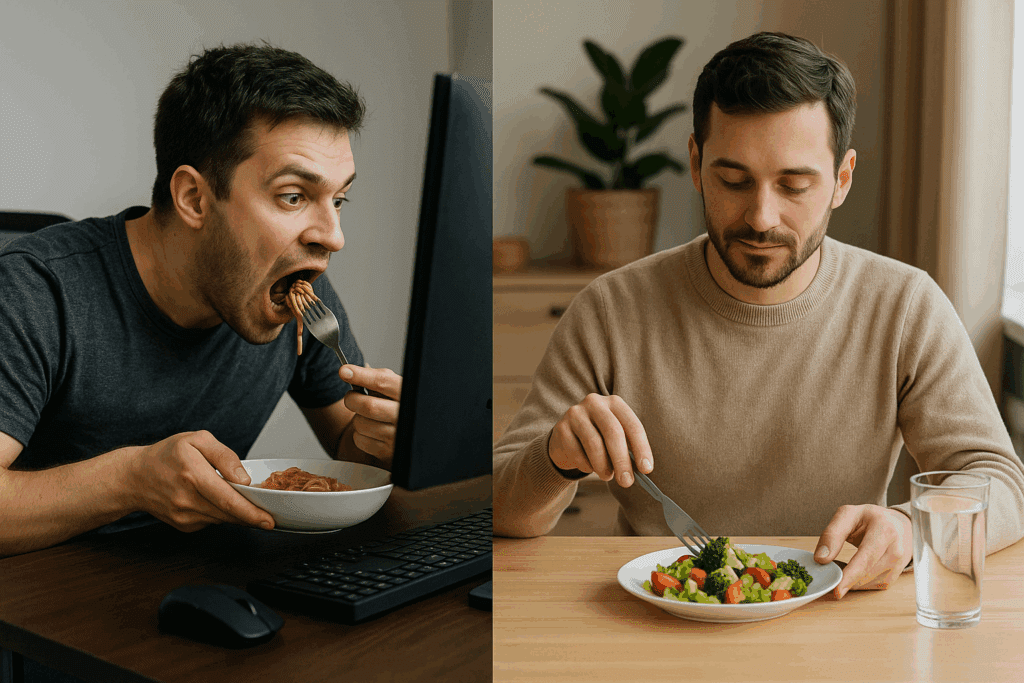
Why Am I Always Hungry? A side-by-side comparison showing two people with different eating habits: one eating quickly at a desk while distracted by a screen, and the other eating mindfully and slowly at a dining table, highlighting how lifestyle habits affect hunger signals

Practical Tips to Manage Constant Hunger Without Restrictive Dieting

While restrictive diets might seem like a quick fix for excessive hunger, they often exacerbate the problem. Instead, focus on creating balanced meals that include all macronutrients—protein, fats, and complex carbohydrates—along with micronutrients and fiber. Eating regularly throughout the day can prevent the intense hunger that leads to overeating.

Another helpful strategy is to identify patterns. Keep a food and mood journal to track when you’re most likely to feel constantly hungry or why you might be hungry after eating certain foods. This can reveal hidden triggers such as emotional stress, dehydration, or lack of sleep. Once these patterns are recognized, they can be addressed through supportive habits rather than restriction.

Hydration is especially important. Many people who ask, “Why am I so hungry today?” may simply be dehydrated. Drinking water before meals and staying hydrated throughout the day can significantly reduce unnecessary hunger cues. Prioritizing sleep, engaging in regular physical activity, and incorporating nutrient-dense foods are all foundational to reducing feelings of hunger all the time.

Frequently Asked Questions About Constant Hunger and Appetite Control

Why do I feel hungry even after a large meal?
Feeling hungry after eating a substantial meal can be disorienting and frustrating. One reason for this is rapid eating, which can prevent your body from registering satiety in time. Additionally, meals high in refined carbs and low in protein and fiber can cause blood sugar spikes followed by crashes, prompting renewed hunger. If you’re wondering “why am I still hungry after eating,” it’s worth reviewing your macronutrient balance and considering whether you’re hydrated, as thirst can mimic hunger. Emotional factors, such as stress or anxiety, can also override fullness signals, leaving you feeling hungry all the time even when your nutritional needs have been met.

Why am I so hungry when I’m stressed or overwhelmed?
Stress often intensifies hunger because cortisol, the primary stress hormone, signals the body to replenish energy—even when it doesn’t need to. People under chronic stress may find themselves constantly hungry or suddenly reaching for high-calorie comfort foods. This is more than just habit; it’s a neurochemical response meant to provide quick energy. If you’re feeling hungry all the time during stressful periods, it’s not simply a lack of willpower but a biologically programmed reaction. Learning how to stop eating so much during emotional highs or lows involves identifying these triggers and substituting mindful techniques like breathing exercises or physical movement.

Why am I always hungry and tired, even when I sleep well?
If you feel tired and hungry all the time, even with adequate rest, your body may be signaling a nutrient deficiency or metabolic imbalance. Low levels of iron, B12, or magnesium can leave you depleted and craving energy-dense foods. Another factor could be insulin resistance, which impairs your ability to utilize glucose, leading to both fatigue and constant hunger. Many people overlook the role of underlying inflammation or poor mitochondrial function in this cycle. If you find yourself asking “why am I always hungry and tired,” a complete blood panel and dietary analysis can uncover deeper physiological issues that need addressing.

Is it normal to feel suddenly hungry all the time as a woman?
Yes, many women experience sudden appetite shifts tied to hormonal changes throughout the menstrual cycle. These variations affect leptin and ghrelin, the hormones that regulate hunger and fullness. Women may feel suddenly hungry all the time before menstruation or during ovulation, and this isn’t just in their heads—it’s hormonally driven. If you’re wondering “why am I so hungry today” and it’s a pattern tied to your cycle, tracking your symptoms can provide valuable insights. A protein-rich diet and consistent meal timing can help ease the extremes of hormonal hunger swings.

What causes constant hunger without weight gain?
Some individuals are continuously feeling hungry but do not experience significant changes in body weight. This could be due to high energy expenditure, such as with physically active people or those with fast metabolisms. It might also relate to medical conditions like hyperthyroidism, where increased metabolic rate keeps appetite elevated. If you find yourself asking “why am I hungry all the time” but aren’t gaining weight, it’s essential to consider both caloric output and nutrient absorption. In rare cases, conditions affecting the gut’s ability to absorb nutrients can result in being always hungry without noticeable weight gain.

How can I tell if I’m hungry or just emotionally triggered to eat?
Distinguishing between emotional and physical hunger is crucial if you often wonder “why do I always feel hungry” even after eating. Physical hunger builds gradually, is satisfied by a variety of foods, and ends when you’re full. Emotional hunger, on the other hand, comes on suddenly, is linked to specific cravings (like sweets or salty snacks), and often persists even after eating. If you feel hungry after eating or still hungry after eating familiar meals, it’s worth exploring your emotional context at that moment. Practicing mindfulness and journaling can be effective tools for identifying emotional eating patterns and learning how to stop eating when you’re not physically hungry.

Why can’t I stop eating even when I know I’ve had enough?
The question “why can’t I stop eating” often stems from more than just a lack of discipline—it can relate to conditioned eating patterns, hedonic hunger, or a history of restriction. In some cases, constant hunger can be linked to previous dieting cycles that disrupted normal hunger cues, making you more sensitive to food stimuli. Brain imaging studies show that high-sugar and high-fat foods activate reward centers, encouraging continued eating even when full. If you’re always feeling hungry, resetting your relationship with food through intuitive eating techniques can help. Incorporating consistent mealtimes and non-food-based coping strategies may also reduce the compulsion to overeat.

Does being hungry all the time mean something is medically wrong?
Feeling hungry all the time could be a benign signal from an active metabolism, or it could indicate an underlying issue. Conditions like diabetes, thyroid disorders, and even infections such as H. pylori can provoke increased appetite. If you’re constantly hungry or experiencing other symptoms like unexplained weight changes, mood swings, or fatigue, it’s wise to seek medical advice. Asking yourself “why am I extremely hungry” on a regular basis may be a clue to a physiological imbalance that requires attention. While lifestyle factors often play a role, persistent hunger without an obvious cause shouldn’t be ignored.

What makes you hungrier than you’re supposed to be?
Many modern lifestyle factors can override your body’s natural hunger regulation, making you feel hungrier than necessary. Skipping meals, relying on processed foods, or getting poor sleep can all make you feel more hungry than you should be. Social cues and environmental stimuli—like food advertisements and screen time while eating—also play a role in making you constantly hungry. If you’re puzzled by “why am I often hungry” despite a seemingly normal diet, reassessing your environment, habits, and sleep hygiene could make a meaningful difference. Being mindful of portion sizes and food quality can restore the balance between true hunger and overstimulation.

How can I train my body to feel full more naturally?
Training your body to feel satisfied involves more than just reducing food intake; it’s about retraining your hunger cues and optimizing your diet. Eating slowly and choosing foods high in fiber, protein, and healthy fats can naturally extend satiety. If you often wonder “why do I feel hungry after eating,” incorporating more whole foods and minimizing sugar can help stabilize blood sugar levels and promote longer-lasting fullness. Developing a regular meal schedule and minimizing snacking can also recalibrate appetite signals. Over time, these strategies help address issues like feeling hungry all the time and teach your body how to stop eating when it no longer needs more fuel.

Conclusion: Understanding Constant Hunger and Creating a Mindful Approach to Eating

The question “Why am I always hungry?” is a multifaceted one, rooted in the complex interplay of biology, emotions, lifestyle, and environment. Whether you’re feeling hungry after eating or constantly feeling hungry throughout the day, the cause is rarely singular. It could be as simple as needing more fiber and protein or as complex as dealing with hormonal imbalances or emotional stressors.

Understanding the various triggers of hunger—from medical conditions to modern lifestyle habits—allows for a more compassionate and informed approach to managing appetite. Rather than blaming oneself for being always hungry or wondering, “Why do I always feel hungry?” reframing the question to explore root causes can lead to more effective, sustainable solutions.

By embracing mindful eating and nourishing your body with intention, it becomes possible to tune into hunger cues with greater precision and trust. Whether you’re a woman who is suddenly hungry all the time due to hormonal shifts or someone constantly hungry because of dietary imbalances, awareness and self-care are key. Ultimately, developing a mindful relationship with food supports not just physical health but emotional well-being—transforming the experience of eating into one of balance, satisfaction, and joy.

Was this article helpful? Don’t let it stop with you. Share it right now with someone who needs to see it—whether it’s a friend, a colleague, or your whole network. And if staying ahead on this topic matters to you, subscribe to this publication for the most up-to-date information. You’ll get the latest insights delivered straight to you—no searching, no missing out.

Further Reading:

Mindful Eating 101 — A Beginner’s Guide

14 Reasons Why You’re Always Hungry
Why Am I Always Hungry?

The Impact of Artificial Intelligence on Casino Operations

0

Artificial intelligence (AI) is changing the casino sector by enhancing operational efficiency and enhancing customer encounters. In 2023, a document by Deloitte emphasized that AI technologies could boost revenue by up to 30% for casinos that effectively implement them.

One significant example is Caesars Entertainment, which has combined AI-driven analytics to optimize game choices and customize marketing strategies. You can learn more about their creative techniques on their official website. By examining player data, casinos can tailor promotions and game selections to fulfill the likes of their clientele, thereby enhancing engagement and commitment.

Moreover, AI is being employed for fraud recognition and security enhancements. Systems powered by machine learning can identify unusual betting trends and likely cheating in actual time, allowing casinos to respond swiftly. For additional insights into the role of AI in gambling, visit Gambling.com.

As AI keeps to progress, it is also opening the way for more immersive gaming encounters. Virtual reality (VR) and augmented reality (AR) technologies, merged with AI, are developing interactive spaces that captivate players like not before. This combination of technologies is expected to draw a younger demographic, further expanding the market.

However, while AI offers numerous benefits, casinos must also examine ethical implications, such as data confidentiality and responsible gaming. Utilizing AI responsibly will be crucial in upholding player faith and securing a safe gaming atmosphere. For more information on responsible gaming practices, check out online casino australia.

In closing, the implementation of artificial intelligence in casinos is changing the sector, providing chances for growth and better player experiences. As technology advances, casinos that embrace AI will probably lead the way in creativity and customer fulfillment.

Why Do I Feel Bad After I Eat? Understanding Food Guilt, Nausea, and Emotional Eating Triggers

Why Do I Feel Bad After I Eat? Understanding Food Guilt, Nausea, and Emotional Eating Triggers

Eating is a basic human necessity, a source of nourishment, and for many, a moment of pleasure and connection. Yet, for an increasing number of people, mealtimes are followed not by satisfaction but by a flood of negative emotions or physical discomfort. If you’ve ever asked yourself, “Why do I feel bad after I eat?” you’re far from alone. This question reflects a complex web of psychological, emotional, and physiological factors that can make eating a deeply conflicted experience. Whether it’s the overwhelming sensation of food guilt, feeling guilty after eating something deemed “unhealthy,” or struggling with sensations like nausea even when hungry, the experience is real—and it matters.

You may also like: How to Stop Emotional Eating and Regain Control: Mindful Nutrition Strategies That Support a Healthier Lifestyle

The body and brain are intricately connected, and how we eat can be influenced by more than just appetite. Cultural messaging, personal experiences, mental health conditions, and physiological responses can all contribute to the unsettling feelings that follow eating. For many, it’s not just a matter of digestion—it’s a moment of emotional reckoning. Understanding the roots of these responses is the first step toward healing your relationship with food. This article explores the causes, manifestations, and remedies for those unpleasant feelings after eating, with insights that go beyond surface-level advice. We’ll delve into the underlying issues that contribute to food guilt, nausea, and emotional triggers that complicate the act of eating.

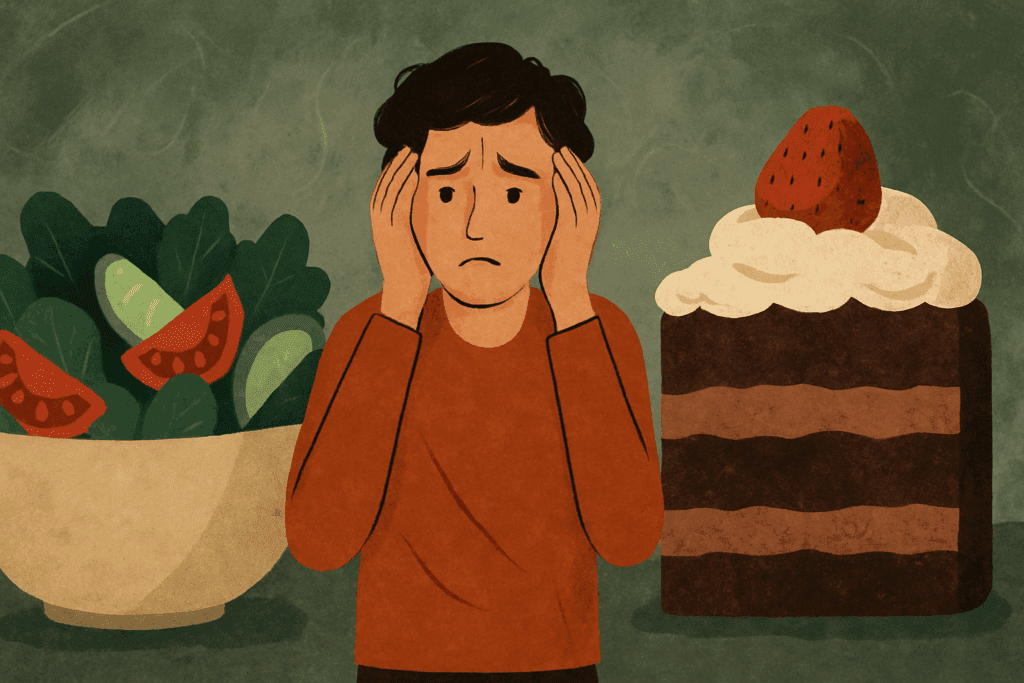
Conflicted person between a healthy salad and a decadent cake, symbolizing emotional food choices tied to the question Why Do I Feel Bad After I Eat

The Psychology Behind Food Guilt and Why It Persists

Food guilt is not a new phenomenon, but its pervasiveness has increased in recent decades due to shifting cultural norms and the rise of diet culture. At its core, food guilt stems from internalized beliefs that label certain foods as “good” and others as “bad.” When someone consumes a food that they’ve mentally placed in the “bad” category, they may experience shame, regret, or self-criticism. These emotional reactions are not always logical; they are deeply rooted in learned behaviors and societal conditioning.

A common reason people feel guilty after eating is because they have associated their self-worth with dietary choices. The messaging from influencers, wellness programs, and even medical professionals can reinforce the idea that being disciplined around food is synonymous with being morally superior or more health-conscious. As a result, deviating from these expectations—even slightly—can trigger a disproportionate emotional response. Feeling guilty after eating a dessert, fast food, or even an extra portion of a home-cooked meal can create a cycle of self-blame and restriction that becomes hard to break.

Complicating matters further is the role of perfectionism and black-and-white thinking. Many people believe that unless their diet is “perfect,” they are failing. This all-or-nothing mentality sets the stage for guilt whenever eating strays from that unrealistic ideal. Moreover, food guilt often goes beyond the moment—it can color someone’s perception of themselves long after the meal is over. This lingering sense of failure may lead to compensatory behaviors like skipping the next meal, overexercising, or obsessively tracking calories, which only deepen the emotional rift between the individual and food.

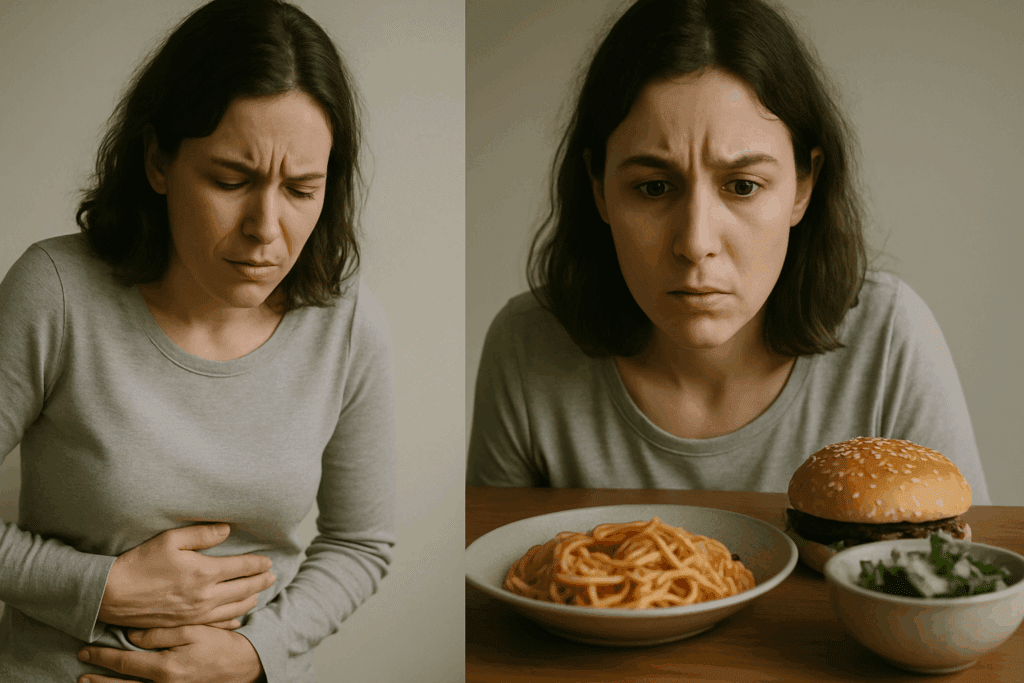
Split-screen of a woman clutching her stomach in discomfort and then staring at food with mixed hunger and nausea, illustrating the question Why Do I Feel Bad After I Eat.

When Hunger and Nausea Collide: A Confusing Physical Response

One of the more physically disorienting experiences people report is feeling hungry but nauseous when they try to eat. This seemingly contradictory reaction can be distressing, especially when it happens frequently. While it may appear paradoxical, this phenomenon often has an understandable basis in the body’s stress response. When the brain perceives danger or distress—whether real or psychological—it activates the sympathetic nervous system, commonly known as the fight-or-flight response. This causes digestion to slow down, as the body redirects energy away from non-essential functions in moments of perceived threat.

So, why do some individuals feel hungry but feel like throwing up when they eat? Stress, anxiety, and unresolved emotional tension can all play a role. For people who have a history of disordered eating or food-related trauma, mealtimes themselves may trigger anxiety. This emotional arousal can inhibit the digestive system and lead to symptoms such as nausea, bloating, or even vomiting. Additionally, gastrointestinal conditions like gastritis, acid reflux, or gastroparesis can create similar symptoms, though they originate from physical imbalances rather than psychological distress.

It’s also worth noting that irregular eating patterns—such as skipping meals or following overly restrictive diets—can exacerbate these symptoms. When the body is deprived of consistent nourishment, it may respond with confusion. The individual might feel ravenous yet physically unable to consume food, creating a feedback loop of discomfort and fear. Addressing both the physiological and emotional dimensions of this experience is essential to breaking the cycle and fostering a healthier, more intuitive relationship with food.

Man sitting alone on a couch at night, eating chips with a downcast expression, illustrating the question Why Do I Feel Bad After I Eat

Emotional Eating and the Role of Internalized Shame

Emotional eating is often misunderstood as a simple lack of willpower. In reality, it is a coping mechanism developed in response to emotional distress, psychological discomfort, or unmet needs. People who engage in emotional eating do not always do so because they’re hungry; they eat to soothe feelings of sadness, anger, boredom, or even loneliness. However, what follows is often not relief but regret. It’s common for people to feel guilty after eating in these scenarios, especially if they consumed foods they were trying to avoid or ate beyond the point of physical fullness.

The connection between food and emotion is deeply ingrained, sometimes starting in childhood when sweets were given as rewards or comfort during difficult times. As we grow older, those patterns often remain intact. When emotions become overwhelming and there are few outlets for processing them, food becomes a stand-in for self-soothing. Unfortunately, while the act of eating may temporarily mask discomfort, it rarely addresses the root of the issue. In fact, it can add another layer of emotional burden.

This is where the concept of internalized shame enters the picture. Feeling guilty after eating often carries an implicit message: “I’ve done something wrong.” But when that feeling evolves into “I am wrong,” it morphs into shame—a much deeper and more corrosive emotion. Shame is isolating and often leads to secrecy and further disordered behavior around food. Recognizing the difference between situational guilt and chronic shame is an important step in reclaiming a healthier narrative around eating.

How Diet Culture Fuels the Cycle of Guilt and Discomfort

Diet culture thrives on the promise of transformation and control. It often markets itself as a path to wellness, but its underlying messages can be harmful and counterproductive. The pervasive idea that thinness equates to health, or that certain foods must be avoided at all costs, fuels feelings of inadequacy and shame when those ideals aren’t met. Diet culture tends to moralize food choices—labeling them as “clean,” “cheat,” or “junk”—which reinforces the idea that eating is a test of character.

For individuals trying to recover from chronic dieting or disordered eating, navigating a world saturated with these messages can feel impossible. Even well-meaning advice like “watch your portions” or “avoid carbs” can trigger guilt, especially for those who have internalized the idea that eating less is inherently better. When someone repeatedly feels guilty after eating, especially in social or celebratory contexts, it often reflects the influence of these external pressures.

Ironically, diet culture rarely delivers the long-term results it promises. Studies show that restrictive dieting is not only ineffective in sustaining weight loss but also associated with increased weight cycling, metabolic disruption, and psychological distress. The backlash against perceived dietary failure often manifests in episodes of overeating or bingeing, which then further amplify feelings of guilt. This pattern reinforces the question: Why do I feel bad after I eat, even when I’m trying to be “good”? The answer often lies in the unrealistic and harmful standards that diet culture imposes.

Overwhelmed person surrounded by magazine covers and fitness influencers, illustrating the emotional toll of diet culture and why do I feel bad after I eat.

Navigating Physical Discomfort After Eating

In some cases, the discomfort that follows eating is more physical than emotional—but it’s no less significant. Individuals who frequently feel bloated, sluggish, or nauseous after meals may be dealing with undiagnosed digestive issues. Conditions such as irritable bowel syndrome (IBS), food intolerances, and functional dyspepsia can cause discomfort that is wrongly interpreted as emotional distress or even guilt. This can blur the lines between physiological and psychological reactions, making it harder to identify the root cause.

For instance, someone might regularly feel bad after eating due to lactose intolerance or gluten sensitivity, but because these symptoms are subtle or intermittent, they might be overlooked. When the individual also has a complicated emotional relationship with food, they may assume the discomfort is their fault—yet another example of food guilt masquerading as a digestive issue. Consulting with a medical professional to rule out physical causes is an essential step, particularly when symptoms are persistent.

Moreover, the pace at which someone eats, their hydration levels, and even their posture can affect how their body processes food. Eating too quickly, while distracted, or in a state of stress can hinder digestion and contribute to discomfort. Creating mindful rituals around mealtime—such as taking deep breaths before eating, chewing thoroughly, and minimizing distractions—can significantly improve the physical experience of eating. When the body is treated with care, it becomes easier to disentangle emotional discomfort from physical sensations.

A woman grimacing and holding her abdomen in discomfort after a meal, illustrating the question Why Do I Feel Bad After I Eat

Breaking the Cycle: How to Rebuild a Healthy Relationship with Food

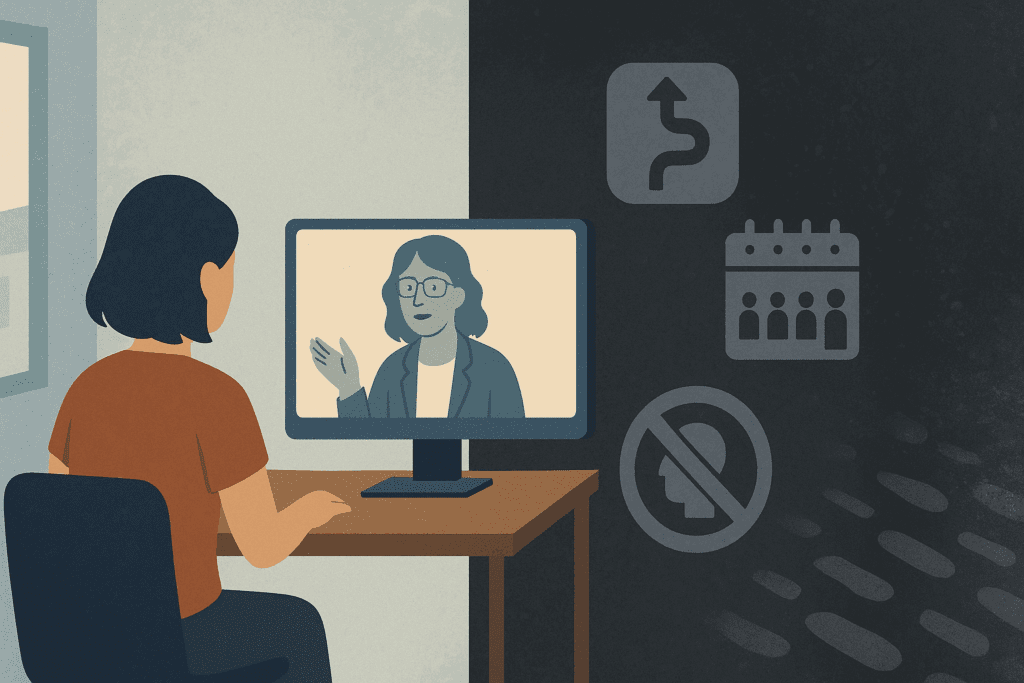
Overcoming food guilt and post-meal discomfort requires more than willpower; it demands a fundamental shift in perspective. One of the most effective starting points is practicing self-compassion. Instead of viewing food choices as moral decisions, it helps to reframe them as acts of nourishment and self-care. This reframing takes time and often benefits from the support of therapists, dietitians, or health coaches who specialize in intuitive eating and eating disorder recovery.

Learning to recognize the difference between physical hunger and emotional hunger is also key. Keeping a journal of eating habits and emotions before and after meals can help illuminate patterns that may be influencing how you feel. Over time, this practice can foster greater awareness and make it easier to identify emotional triggers before they lead to distress. Equally important is the ability to sit with discomfort without judgment. Sometimes, feelings of guilt or nausea are signs that deeper healing is needed, and that’s okay.

Creating a supportive food environment can also help reduce feelings of guilt after eating. This might involve setting boundaries with people who reinforce diet culture, curating your social media feed to include body-positive voices, or learning to prepare meals that are both nourishing and enjoyable. The goal is not perfection but consistency in treating yourself with respect and curiosity. Reconnecting with the pleasure of eating—without shame—can transform not only your meals but your overall well-being.

Circular healing journey infographic with icons for self-compassion, mindful eating, therapy, and body positivity, illustrating emotional recovery from disordered eating, related to Why Do I Feel Bad After I Eat.

Why Understanding Emotional Triggers Matters

To truly address the question of why you feel bad after you eat, it’s essential to understand the emotional triggers that precede and follow meals. Emotions are not random; they are often tied to past experiences, beliefs, or unspoken needs. For instance, someone who grew up in an environment where food was scarce or conditional may associate eating with anxiety or guilt. Others may have learned to suppress emotions and turn to food as a means of emotional regulation.

Bringing these triggers into conscious awareness is an empowering step. It shifts the narrative from self-blame to self-inquiry. Rather than seeing yourself as someone who “lacks control,” you can begin to understand yourself as someone whose eating behaviors make sense in the context of your life story. This lens of compassion doesn’t excuse harmful behavior, but it does create space for healing. Therapy—especially approaches like cognitive behavioral therapy (CBT) or acceptance and commitment therapy (ACT)—can be particularly effective in addressing emotional eating patterns.

Incorporating mindfulness practices into your daily routine can also build emotional resilience. Techniques like body scans, guided meditation, or mindful eating exercises help you stay present and observe your thoughts without judgment. Over time, this mindfulness can interrupt the automatic loop of emotional eating, nausea, and guilt, allowing you to respond to your needs more skillfully. When you understand what drives your eating patterns, you’re better equipped to shift them in meaningful, lasting ways.

Frequently Asked Questions: Food Guilt, Post-Meal Discomfort, and Emotional Eating

Why do I feel emotionally drained or anxious after eating a meal I normally enjoy?

Feeling emotionally depleted after a meal that typically brings joy can be a sign of hidden food-related anxieties. Often, when individuals ask, “Why do I feel bad after I eat?” they’re not just referring to physical symptoms—they’re identifying subtle psychological tensions that emerge after eating. This may stem from conflicting beliefs about what is considered “healthy,” guilt tied to calorie counting, or previous episodes of judgment from others. People who grew up in households where food was tightly controlled or moralized may feel internal pressure to “earn” or “justify” enjoyable meals, leading to post-meal emotional exhaustion. Addressing the root cause of this internal conflict, often through therapy or guided mindfulness, can help reframe eating as a nurturing experience rather than a test of discipline.

What could it mean if I’m hungry but feel like throwing up when I eat?

When someone says they’re hungry but feel like throwing up when they eat, it’s important to examine both the emotional and physiological landscape. This paradox may be linked to underlying anxiety disorders, particularly those involving anticipatory worry or gastrointestinal hypersensitivity. Stress hormones like cortisol can inhibit digestion, leading to nausea or tightness in the stomach even when hunger cues are present. Additionally, certain patterns of trauma—especially those involving food insecurity or body image shaming—can manifest as nausea during eating. In these cases, nervous system regulation strategies, such as breathwork or vagal toning exercises, may help resolve the disconnect between hunger and appetite.

Is it normal to feel guilty after eating something that doesn’t align with my diet plan?

It is surprisingly common to feel guilty after eating foods that diverge from personal diet goals, but common doesn’t mean healthy. The real question isn’t just “Why do I feel guilty after eating?”—it’s “Where does that guilt come from?” Often, it originates from rigid rules imposed by diet culture or self-imposed expectations of perfection. People tend to internalize these standards so deeply that any perceived deviation, even a minor one, is met with disproportionate self-criticism. Recognizing this as a learned response—and not a reflection of actual wrongdoing—is a vital step toward self-liberation from chronic food guilt.

Why do I feel bad after I eat even when the food is nutritious?

Many people associate discomfort after eating with poor food choices, but feeling bad after eating something healthy often indicates a deeper psychological conflict. This could stem from internalized pressure to meet unrealistic body standards or a history of disordered eating where even nourishing meals trigger stress. For those wondering, “Why do I feel bad after I eat when I know it was a good meal?” the issue may lie in an unconscious association between eating and perceived loss of control. Another possibility is that the act of eating, regardless of nutritional value, activates a stress response due to unresolved emotional patterns. Therapeutic approaches that decouple food intake from moral judgment can be transformative.

How can social media impact food guilt and post-meal regret?

The curated world of social media plays a powerful role in reinforcing food guilt, often through idealized portrayals of “clean eating” or body transformation. Constant exposure to highly edited images and self-proclaimed nutrition experts can distort a person’s perception of what constitutes a normal meal. For someone already prone to feeling guilty after eating, these messages act as triggers, deepening shame and self-criticism. Social media also tends to oversimplify complex health issues, making it easier to internalize harmful messages about food and body image. A digital detox or following accounts that promote body neutrality and intuitive eating can help reduce this form of guilt-inducing content.

Are there biological reasons why someone might feel bad after eating?

Absolutely—while emotions play a role, biology should not be overlooked. Digestive issues such as lactose intolerance, small intestinal bacterial overgrowth (SIBO), or food sensitivities can cause a range of symptoms like bloating, fatigue, or irritability after meals. For someone asking, “Why do I feel bad after I eat?” and noticing patterns regardless of food type, it may be worthwhile to consult a healthcare provider for gastrointestinal testing. Blood sugar fluctuations are another common culprit; eating high-glycemic meals can lead to a quick energy spike followed by a crash, which affects both mood and physical state. Managing these conditions often requires personalized medical support in tandem with emotional healing.

Can trauma influence the experience of feeling guilty after eating?

Yes, trauma can significantly impact how one feels about food, often in subconscious ways. Many individuals who have survived emotional or physical trauma develop a conflicted relationship with nourishment, associating eating with vulnerability, control, or punishment. For those who often wonder, “Why do I feel guilty after eating even when I was genuinely hungry?” unresolved trauma might be influencing their inner narrative. This is especially true if food was used as a reward, punishment, or withheld in childhood. Working with a trauma-informed therapist can uncover these associations and facilitate a safer, more compassionate approach to eating.

How can someone distinguish between true hunger and emotional hunger?

Understanding the difference between physical hunger and emotional hunger is essential for resolving issues like food guilt and discomfort. Physical hunger builds gradually and can be satisfied by a variety of foods, while emotional hunger arises suddenly and is often specific to comfort foods or cravings. People who ask, “Why do I feel guilty after eating when I was hungry?” may actually be reacting to emotional hunger cues that mimic physical ones. One technique for clarity is to pause and check in with the body before eating—asking questions like, “What am I feeling emotionally?” and “Would a simple, balanced meal satisfy me right now?” Developing this awareness helps reduce reactive eating and the guilt that often follows.

What are some long-term effects of consistently ignoring food guilt?

Suppressing feelings of food guilt doesn’t make them disappear—it typically causes them to resurface in more disruptive ways. Over time, persistent guilt can lead to chronic stress, increased cortisol levels, and even metabolic disruption. It can also damage self-esteem and contribute to the development of disordered eating patterns, including binge-restrict cycles. When someone repeatedly brushes off the question, “Why do I feel guilty after eating?” without exploring it, they miss the opportunity to understand their deeper emotional needs. Long-term healing involves not just ignoring guilt but actively working to dismantle the beliefs that generate it in the first place.

Why do I feel bad after I eat when I’m around certain people or in social situations?

Social settings often introduce layers of pressure, judgment, or comparison that can significantly alter the eating experience. Many people feel bad after they eat not because of the food itself, but because of the emotional dynamics present during the meal. If someone regularly feels guilty after eating in public or with family, it may indicate a fear of being scrutinized or judged for their choices. Cultural norms, critical comments, or witnessing others eat differently can all contribute to this discomfort. Creating boundaries and choosing supportive environments can help reduce these social triggers and make eating a more relaxed experience.

Conclusion: Reclaiming Peace With Food by Listening to Your Body and Emotions

If you’ve ever wondered, “Why do I feel bad after I eat?” the answer is not simple—but it is deeply meaningful. Whether you’re battling food guilt, struggling with feeling guilty after eating, or facing the strange sensation of being hungry but feeling like throwing up when you eat, you’re not alone. These experiences are reflections of a complex interplay between body, mind, and emotion. They are also deeply human.

Rebuilding a peaceful, trusting relationship with food requires more than cutting out sugar or counting macros. It involves turning inward, questioning the stories you’ve inherited about food and your body, and learning to meet yourself with empathy rather than judgment. Healing doesn’t happen overnight, but it is absolutely possible with the right tools, support, and mindset. Remember that food is not the enemy—shame, fear, and disconnection are. By cultivating curiosity, practicing self-compassion, and seeking guidance when needed, you can learn to eat in a way that feels nourishing, joyful, and free from guilt.

Ultimately, understanding your unique relationship with food is a journey worth taking. It holds the promise not only of better digestion or fewer moments of regret, but of a deeper connection to yourself and a richer, more satisfying life overall.

Was this article helpful? Don’t let it stop with you. Share it right now with someone who needs to see it—whether it’s a friend, a colleague, or your whole network. And if staying ahead on this topic matters to you, subscribe to this publication for the most up-to-date information. You’ll get the latest insights delivered straight to you—no searching, no missing out.

Further Reading:

Overeating

Emotional Eating and How to Stop It

Weight loss

Cuori e Jackpot: perché NetEnt domina i casinò online mobile in questa stagione di San Valentino, offrendo slot romantiche, bonus tematici e innovazioni AR per gli amanti del gioco digitale

Cuori e Jackpot: perché NetEnt domina i casinò online mobile in questa stagione di San Valentino, offrendo slot romantiche, bonus tematici e innovazioni AR per gli amanti del gioco digitale

Negli ultimi cinque anni il gioco d’azzardo su smartphone è passato da semplice curiosità a vero punto di riferimento per i giocatori di tutto il mondo. La potenza dei processori mobili e la diffusione del 5G hanno permesso esperienze grafiche paragonabili a quelle da console, mentre le piattaforme di pagamento integrate hanno semplificato le transazioni in pochi tap. In questo contesto i provider premium, come NetEnt, sono diventati i veri artefici della qualità, garantendo giochi con animazioni fluide, RTP competitivi e temi accattivanti. Febbraio si avvicina e con esso la festa più romantica dell’anno: San Valentino, un’occasione ideale per combinare amore e adrenalina nelle slot più cupe ma al tempo stesso più dolci.

Per chi vuole provare subito queste esperienze senza dover attendere licenze locali, Ethos Europe.Eu ha compilato una lista accurata dei migliori casino non AAMS dove è possibile accedere alle slot più accattivanti di NetEnt direttamente dal cellulare. Scopri migliori casino non AAMS dove poter provare le slot più accattivanti di NetEnt e vivere un’esperienza d’amore digitale. Le piattaforme selezionate offrono app native ottimizzate sia per iOS che per Android, depositi istantanei via carte prepagate o wallet elettronici ed un servizio clienti multilingua disponibile h24. Grazie alle certificazioni rilasciate da enti indipendenti come MGA o Curacao Gaming Authority , ogni sito garantisce RNG verificati ed una protezione completa dei dati personali degli utenti.

Sezione 1 – NetEnt in sintesi: storia, innovazione e presenza mobile

NetEnt nasce nel 1996 come sviluppatore svizzero specializzato nella creazione di giochi basati su server dedicati per casinò fisici emergenti sul mercato europeo. Nei primi dieci anni l’azienda si distingue grazie a titoli iconici quali Starburst e Gonzo’s Quest, che introducono meccaniche innovative come expanding wilds ed avalanche reels . L’investimento costante nella ricerca grafica porta alla migrazione verso HTML5 nel 2014 , consentendo agli sviluppatori di produrre contenuti cross‑platform senza sacrificare dettagli visivi né velocità di caricamento.

Tra le tecnologie proprietarie spiccano il motore “Neon” , capace di gestire migliaia simultaneamente frame‑rate elevati sui dispositivi mobili moderni , ed il sistema “Game Engine Optimizer”, che riduce l’utilizzo della batteria del telefono fino al 20 %. Queste soluzioni rendono le slot NetEnt tra le più performanti sul mercato delle app gambling.

“Dalla console al pocket”: la transizione verso il gioco su smartphone

Il passaggio dalla tradizionale esperienza desktop alla fruizione on‑the‑go richiede una revisione totale dell’interfaccia utente . NetEnt ha introdotto layout touch‑first con pulsanti ingranditi ed evidenziati da effetti luminosi adattivi alle dimensioni dello schermo . Inoltre gli sviluppatori hanno implementato supporto nativo ai gesti swipe per attivare funzioni quali “Turbo” o “Auto‑Play”, riducendo drasticamente il tempo necessario tra una spin e l’altra.

“Il valore dell’IPR”: brevetti e licenze che garantiscono performance superiori

La proprietà intellettuale rappresenta uno scudo fondamentale contro copie low‑cost . Nel 2018 NetEnt ha registrato oltre trenta brevetti relativi a rendering GPU avanzato , algoritmi RNG ottimizzati per ambienti mobili e sistemi anti‑cheating basati su machine learning . Queste licenze assicurano agli operatori partner una stabilità operativa senza interruzioni anche durante picchi traffic­hi nei periodi festivi come San Valentino.

Sezione 2 – Confronto tra le principali piattaforme mobile che ospitano NetEnt

Tre operatori spiccano nella capacità di valorizzare l’offerta Mobile NetEnt: CasinoX , LuckySpin e RoyalPlay . Tutti tre propongono app native scaricabili gratuitamente dai rispettivi store Apple & Google.

CasinoX privilegia un’interfaccia minimalista con icone grandi disposte su tre tab principali : Home , Giochi e Profilo . Il caricamento medio della home page è pari a 1{·}2 secondi sia su iPhone 13 Pro Max che su Samsung Galaxy S22 Ultra , grazie all’impiego del CDN proprietario “FastEdge”. LuckySpin sceglie invece un layout tipo dashboard ricco di promozioni animate ; lo speed test indica tempi leggermente superiori (≈ 1{·}8 secondi), ma compensa con una sezione “Live Chat” integrata direttamente nella schermata delle slot .
RoyalPlay opta infine per una UI stile lounge : sfondi dinamici basati sui temi delle proprie campagne Valentine’s Day . Il risultato è un tempo medio di caricamento pari a 0{·}9 secondo quando l’app utilizza la rete Wi‑Fi domestica ; tuttavia su connessioni cellulari lente può arrivare a 2{·}0 secondi .

User Experience : layout responsive vs app native

Le versioni web responsive offerte dagli stessi operatori mostrano performance inferiori rispetto alle app native : media loading time ≈ 2{·}5 secondi su Chrome Mobile Safari , mentre l’app riduce tale valore almeno del 30 %. Tuttavia la versione browser conserva vantaggi legati alla compatibilità cross‑device senza necessità d’installazione.

Sicurezza e certificazioni : SSL , RNG e audit indipendenti

Tutti tre casinò possiedono certificazione ISO/IEC 27001 sulla gestione della sicurezza informatica . Inoltre vengono sottoposti ad audit trimestrali da parte dell’Audit Commission International (ACI) che verifica l’integrità degli algoritmi RNG utilizzati nelle slot NetEnt . Le connessioni sono protette tramite crittografia TLS 1.{·}3 con chiavi RSA‑4096 .

Sezione 3 – Le slot più romantiche di NetEnt per celebrare San Valentino

NetEnt riserva ogni anno alcune gemme tematiche dedicate ai cuori innamorati ; quest’anno ne emergono cinque particolarmente indicate:
* Love Potion – video‑slot a cinque rulli con simbolismo alchemico ; RTP = 96{·}02% , volatilità media .
* Heart’s Desire – presenta reel curvi a forma di cuore ; offre free spin attivati dal simbolo Cupido + moltiplicatore fino a×12 .
* Cupid’s Quest – adventure‑slot con livelli progressivi ; RTP alta ‑96{·}58% , volatilità alta consigliata ai giocatori esperti .
* Passionate Pearl – tema oceano rosso fuoco ; scatena bonus love‑triggered quando compaiono tre simboli rosseggiate .
* Romance Reels – classico fruit machine rivisitato con cuoricini wilds ; volatilità bassa ideale ai principianti .
Ognuna delle sopra citate propone meccaniche speciali legate ad eventi stagionali : ad esempio Love Potion raddoppia tutti i pagamenti durante le ore centrali della notte del giorno de San Valentino grazie ad un timer interno chiamato “Midnight Kiss”.

Sezione 4 – Bonus & promozioni dedicate alle slot NetEnt su dispositivi mobili

I casinò citati nella sezione precedente offrono pacchetti promozionali studiati specificatamente per gli utenti mobile :
* Welcome package : fino a €500 +150 giri gratuiti riservati esclusivamente alle prime tre depositanze effettuate dall’app.
* Free spin daily : ogni giorno nuovo set di spin gratuiti valido solo sulle nuove uscite Valetine themed .
* Cash‑back settimanale : rimborso del 5 % sulle perdite nette generate dalle sole sessione Mobile.
La verifica dell’eleggibilità avviene automaticamente dopo il login nell’app ; basta collegare il wallet preferito (PayPal , Skrill oppure crypto) affinché il sistema riconosca l’attività mobile rispetto alla versione desktop tradizionale.
Tra gli elementi contrattuali ricorrenti troviamo requisiti tipici quali wagering multiplo pari a 35× sull’importo del bonus , limite temporale entro cui utilizzare free spin pari a 48 ore dalla concessione …​ questi termini sono chiaramente indicati nella sezione FAQ delle app.

Valentine’s Day Pack : offerte temporanee a tema cuore

Durante la settimana precedente al 14 febbraio CasinoX lancia “Heartbeat Boost” : deposito minimo €20 sblocca €30 bonus +30 giri gratuiti utilizzabili solo sulle slot Love Potion o Heart’s Desire . LuckySpin propone invece “Cupid’s Arrow” con cash‐back del 8 % sui turnover generati dalle proprie slots romance .

Programmi VIP : vantaggi esclusivi per i fan delle slot NetEnt

I programmi fedeltà premiano gli high roller con punti convertibili in crediti free spin riservati alle release future . Un membro tier Platinum riceve accesso anticipato alla beta AR‐slot Love in the Sky oltre ad aumentare il limite giornaliero sui prelievi fino a €20 000 .

Sezione 5 – Strategie vincenti per massimizzare i bonus nelle slot NetEnt mobile

Gestire correttamente il bankroll su uno schermo ridotto richiede disciplina mentale oltre alla conoscenza delle funzioni offerte dall’app :
* Impostare limiti giornalieri via notifiche push prima dell’avvio della sessione.
* Utilizzare la modalità Turbo solo quando si punta ad aumentare rapidamente la quantità totale scommessa entro limiti prefissati.
* Sfruttare Auto‑Play selezionando impostazioni personalizzate quali numero massimo spin consecutivi prima della pausa obbligatoria (es.: ogni 50 spin).
Inoltre conviene pianificare l’utilizzo dei free spin ricevuti nei pacchetti Valentine’s Day Pack nei momenti in cui lo stake è minimo ma la volatilità resta alta — così si massimizza il potenziale ritorno pur mantenendo basso l’esposizione economica.
Infine ricordarsi sempre delle regole responsabili suggerite da Ethos Europe.Eu : giocare solo denaro destinato all’intrattenimento ed evitare sessioni prolungate oltre le due ore consecutive .

Sezione 6 – Impatto della realtà aumentata (AR) sui giochi NetEnt per smartphone

Nel corso del 2024 NetEnt ha sperimentato prototipi AR integrando elementi tridimensionali direttamente nella visuale della fotocamera dello smartphone . La prima demo pubblica è stata inserita nella versione speciale Valentine’s Edition della popolare Love Potion, dove cuoricini virtuali fluttuano intorno al tavolo reale creando interazione tattile tramite vibrazioni haptic .
L’esperienza immersiva supera quella tradizionale UI poiché permette ai giocatori di muovere fisicamente il dispositivo per scoprire simboli nascosti dietro oggetti real‐world — aumentando così engagement fino al 45 % secondo dati interni forniti dal dipartimento R&D .

Case study: ‘Love in the Sky’ — una slot AR che ha conquistato gli utenti giovani

‘Love in the Sky’ combina meccaniche classiche netent con scenari AR dove gli avatar degli utenti volano sopra nuvole rosse raccogliendo stelle bonus . Il tasso medio di retention settimanale supera l’80 % tra gli over‑18 italiani grazie anche alla possibilità condividere screenshot live sui social tramite integrazione Instagram Stories .
Le prospettive future includono partnership con produttori hardware italiani interessati allo sviluppo di occhiali smart glasses dedicati al gaming responsabile — progetto promosso da Ethos Europe.Eu nel suo ultimo report sul futuro dell’intrattenimento digitale .

Sezione 7 – Scelta finale: quale casinò mobile offre il miglior pacchetto NetEnt + bonus Valentine?

Casinò Bonus Valentine Slot NetEnt disponibili Supporto multilingua
CasinoX €500 +150 FS + Heartbeat Boost >120 Italiano / Inglese
LuckySpin €300 +200 FS + Cupid’s Arrow >95 Italiano / Spagnolo
RoyalPlay €400 +100 FS + VIP Platinum tier >110 Italiano / Francese

Per chi è alle prime armi consigliamo CasinoX, grazie al welcome package generoso ed all’interfaccia intuitiva pensata proprio ai nuovi giocatori mobile . Gli high roller dovrebbero orientarsi verso RoyalPlay, dove la combinazione tra cash‑back settimanale alto (+8 %) e accesso anticipato alla beta AR aumenta notevolmente le opportunità profittevoli . Infine gli amanti del romance troveranno perfetto equilibrio fra numero elevato de​lli titoli tematiche love‑slot ed eventi live specializzati nel pacchetto offerto da LuckySpin .

Iscriversi rapidamente è semplice :
1️⃣ scaricare l’app dal rispettivo store ;
2️⃣ completare verifica KYC usando selfie guidato ;
3️⃣ inserire codice promo VALENTINE2024 presente nella pagina promozioni ;
4️⃣ effettuare primo deposito minimo €20 tramite carta prepagata o crypto .

Con questi passaggi si può iniziare subito a girare Love Potion o Heart’s Desire sfruttando tutti i vantaggi descritti sopra.

Conclusione

NetEnt dimostra ancora una volta perché sia leader indiscusso nel panorama dei casinò online mobile: tecnologia HTML5 avanzata , catalogo ricco di titoli romance perfetti per San Valentino e partnership strategiche con operator​hi capac­ili di offrire bonus tematic­hi irresistibili . Grazie ai consigli forniti da Ethos Europe.Eu — sito independentemente riconosciuto nella classifica dei migliori casino online stranieri non AAMS — ora puoi scegliere facilmente tra CasinoX , LuckySpin o RoyalPlay quello che meglio risponde al tuo profilo giocatore​. Prova subito una delle cinque slot consigliate nell’articolo e condividi la tua esperienza d’amore digitale sulla community : racconta quale cuore hai conquistato col jackpot!

How Online Eating Disorder Treatment Supports Recovery: A Mindful Approach to Nutrition and Mental Wellness

The rise of virtual health care has dramatically transformed how individuals access mental health and nutrition services. Nowhere is this more impactful than in the realm of eating disorder recovery, where shame, isolation, and logistical barriers have historically prevented many from seeking help. Today, thanks to innovations in technology and a growing emphasis on holistic wellness, online eating disorder treatment has emerged as a powerful and flexible solution. Through this approach, individuals can receive evidence-based therapy, personalized nutritional guidance, and compassionate support from licensed professionals—all without leaving their homes.

You may also like: How to Stop Emotional Eating and Regain Control: Mindful Nutrition Strategies That Support a Healthier Lifestyle

This article explores how online eating disorder therapy fosters healing by combining the principles of mindful eating with the accessibility of virtual care. Drawing on clinical insights and real-world applications, we examine how this model enhances recovery outcomes, supports emotional resilience, and promotes sustainable lifestyle changes. By embracing digital solutions grounded in empathy and evidence, online eating disorder treatment offers a lifeline to those navigating complex relationships with food and body image.

Split-screen concept showing Online Eating Disorder Treatment via virtual therapy at home, contrasted with fading barriers like clinic waitlists and stigma

The Evolution of Virtual Eating Disorder Treatment: Accessibility Meets Compassion

In the past, individuals struggling with eating disorders often faced numerous hurdles when trying to access treatment. From geographic limitations and high costs to long waitlists and societal stigma, the traditional model left many without timely or adequate care. Virtual eating disorder treatment disrupts this outdated system by removing many of these barriers. With the click of a button, patients can connect with credentialed therapists, registered dietitians, and peer support networks from virtually anywhere.

What sets online treatment apart isn’t just convenience—it’s the sense of agency it provides. For someone managing an eating disorder, regaining a sense of control is often one of the first steps toward healing. The ability to choose where and when therapy takes place, and to tailor sessions to one’s specific needs, reinforces autonomy and self-efficacy. Furthermore, online platforms often integrate secure messaging, meal tracking tools, and guided mindfulness exercises, creating a comprehensive ecosystem that supports recovery in real time.

Moreover, virtual care models have been particularly beneficial for adolescents and young adults, who are among the most affected by eating disorders. These age groups are digital natives, already comfortable with video calls and mobile apps. By meeting them in their comfort zones, online eating disorder therapy reduces the intimidation often associated with in-person clinical environments. This familiarity can lower psychological defenses and foster more honest, productive therapeutic exchanges.

Young woman practicing mindful eating at a sunlit table, part of a holistic approach in online eating disorder treatment

Reframing Recovery Through Mindful Eating and Digital Therapeutics

Mindful eating is more than just a trend—it is a transformative practice rooted in awareness, intention, and nonjudgment. In the context of eating disorder recovery, it serves as both a therapeutic tool and a philosophical shift. Rather than framing food as the enemy or a source of fear, mindful eating encourages individuals to approach meals with curiosity, presence, and compassion. This approach aligns perfectly with the ethos of many online treatment platforms, which emphasize holistic healing over rigid behavioral correction.

Virtual programs often incorporate mindfulness-based interventions, such as guided meditations, body scans, and journaling exercises, into their therapeutic framework. These tools help patients develop a deeper connection with their physical sensations, emotional triggers, and thought patterns. As a result, individuals become better equipped to recognize and challenge disordered eating behaviors before they escalate. By integrating these practices into everyday routines, patients build resilience and self-trust—two essential components of long-term recovery.

In addition, many online eating disorder treatment programs partner with registered dietitians who specialize in intuitive eating. This method, which rejects restrictive dieting in favor of honoring internal hunger and fullness cues, complements mindful eating practices. Together, these approaches foster a more peaceful, sustainable relationship with food. Patients learn not just what to eat, but how and why—empowering them to nourish their bodies without fear or guilt.

Young person expressing emotion during an Online Eating Disorder Treatment session via video call with a compassionate therapist in a calm, private setting

Building Trust and Connection in a Virtual Environment

Skeptics often question whether virtual therapy can match the emotional depth and connection of in-person sessions. Yet research—and lived experience—suggests otherwise. In many cases, online eating disorder therapy allows for even deeper therapeutic relationships, thanks to the comfort and safety of the home environment. When individuals feel at ease, they’re more likely to disclose vulnerable thoughts, explore painful memories, and experiment with new coping strategies.

Licensed clinicians who specialize in eating disorders are trained to recognize the nuanced signs of distress, even through a screen. They employ evidence-based modalities such as Cognitive Behavioral Therapy (CBT), Dialectical Behavior Therapy (DBT), and Acceptance and Commitment Therapy (ACT), which have all been successfully adapted for virtual formats. These therapies provide structured, research-backed frameworks for addressing distorted thinking patterns, emotional dysregulation, and body image distress—all core features of eating disorders.

Peer support is another essential component of recovery that thrives in the online space. Virtual support groups and moderated forums provide opportunities for shared experiences, validation, and community building. Participants often find solace in knowing they are not alone, which can reduce feelings of isolation and shame. In turn, this sense of belonging reinforces motivation and accountability, both of which are critical for sustained recovery.

Virtual nutrition consultation showing a dietitian reviewing a food chart with a client at home, representing Online Eating Disorder Treatment support.

Addressing Nutritional Rehabilitation with Remote Guidance

Nutrition is a cornerstone of eating disorder treatment, and online programs are increasingly adept at delivering tailored guidance in this area. Registered dietitians who work within virtual eating disorder treatment platforms often conduct comprehensive assessments to understand each individual’s dietary history, medical needs, and psychological relationship with food. From there, they co-create meal plans and nutrition strategies that prioritize balance, flexibility, and gradual progress.

Unlike generic meal plans, these approaches take into account the complexities of each individual’s recovery journey. For example, someone recovering from anorexia nervosa may require a refeeding protocol that addresses medical complications and supports weight restoration, while another person with binge eating disorder might focus on stabilizing blood sugar levels and identifying emotional eating patterns. Through ongoing sessions and real-time tracking tools, dietitians can adjust recommendations as needs evolve.

Education is another key pillar of nutritional rehabilitation. Patients are often encouraged to explore topics such as metabolism, gut health, and the psychological impact of nutrient deficiencies. Understanding the science behind nutrition can demystify the eating process and reduce anxiety around food choices. Moreover, learning to trust one’s body signals and internal cues is reinforced by consistent support and positive reinforcement from care providers.

Smiling woman using a tablet at home, surrounded by virtual icons for meal tracking, emotions, support groups, and reminders—illustrating Online Eating Disorder Treatment tools.

Overcoming Stigma and Cultivating Mental Wellness

Despite growing awareness, eating disorders are still often misunderstood and stigmatized. Many individuals delay seeking help due to fear of judgment, shame, or the mistaken belief that their struggles are not “severe enough.” Online eating disorder treatment helps dismantle these barriers by normalizing mental health care and emphasizing that recovery is possible for everyone, regardless of diagnosis or severity.

Virtual care offers a level of privacy and discretion that can be especially comforting to those hesitant to pursue traditional treatment. Logging into a session from one’s bedroom or living room creates a layer of emotional safety that encourages openness. This privacy also enables individuals to engage with treatment earlier, potentially preventing the escalation of symptoms into more dangerous territory. Early intervention is crucial, as eating disorders can become entrenched over time and lead to serious medical complications.

Mental wellness is not just the absence of disordered behaviors—it is the presence of emotional regulation, self-awareness, and a supportive internal dialogue. Online eating disorder therapy reinforces these qualities by providing tools to manage stress, build coping skills, and foster self-compassion. As patients begin to reclaim their mental space, they are better positioned to pursue goals, relationships, and passions beyond the eating disorder. In this way, treatment becomes not just about symptom reduction, but about life enrichment.

Person walking from dark emotional shadows into warm light symbolizing hope and support through Online Eating Disorder Treatment

Sustaining Recovery with Ongoing Virtual Support

Recovery from an eating disorder is not a linear process. It involves setbacks, breakthroughs, and continuous growth. Online eating disorder treatment recognizes this complexity and provides ongoing support that adapts to the individual’s changing needs. After initial stabilization, many patients transition into maintenance programs that include check-ins, coaching, and relapse prevention planning.

Continuity of care is a major strength of the virtual model. Because patients can remain connected to their providers regardless of location or life changes, there is less disruption in treatment. This consistency helps maintain progress and prevents regression, especially during stressful periods such as academic transitions, career shifts, or family changes. In contrast, traditional models often involve abrupt terminations due to relocation, cost, or availability constraints.

Technology also plays a role in reinforcing healthy habits. Many platforms offer interactive apps that allow users to log meals, track emotions, and set recovery goals. These digital tools promote accountability and self-reflection while empowering individuals to take an active role in their healing. Some programs even include AI-powered features that detect patterns and provide personalized feedback, enhancing the precision and impact of care.

Families and caregivers can also benefit from virtual resources. Many programs offer educational modules, coaching sessions, and support groups for loved ones, helping them understand the recovery process and how to provide constructive support. When the entire support system is informed and aligned, the chances of long-term success increase significantly.

Frequently Asked Questions: Online Eating Disorder Treatment and Recovery

What makes virtual eating disorder treatment effective for individuals in rural or underserved areas?

One of the most valuable aspects of virtual eating disorder treatment is its ability to reach individuals in geographically isolated or medically underserved communities. In regions where specialized clinics are rare or nonexistent, access to care can be limited by distance, transportation challenges, and clinician shortages. Virtual platforms eliminate these obstacles by bringing therapy and nutritional guidance directly to a patient’s device, regardless of their location. This increases the likelihood of earlier intervention, which is critical for improving outcomes in eating disorder recovery. Additionally, many online eating disorder treatment programs include culturally sensitive components, making care more relatable and inclusive for diverse populations.

How does online eating disorder therapy address the role of family dynamics in recovery?

Family involvement plays a crucial role in the recovery journey, especially for adolescents and young adults. Online eating disorder therapy often integrates family-based treatment models that focus on restructuring eating behaviors within a supportive home environment. These virtual sessions can include parents, guardians, or partners and are tailored to educate and empower loved ones. In some programs, family members receive training on how to respond to emotional distress, set boundaries, and reinforce healthy habits. The convenience of virtual access ensures consistent participation, which can be difficult to maintain with in-person sessions due to work or caregiving responsibilities.

Can online eating disorder treatment be tailored for co-occurring conditions like anxiety or depression?

Yes, one of the strengths of online eating disorder treatment is its flexibility in addressing co-occurring mental health conditions. Many individuals with eating disorders also struggle with anxiety, depression, OCD, or trauma-related symptoms. Reputable virtual programs are staffed by multidisciplinary teams that include licensed therapists experienced in dual-diagnosis care. This allows for integrated treatment plans that address the root causes of both the eating disorder and associated psychological conditions. Some platforms even offer access to psychiatric consultations for medication management, ensuring comprehensive and coordinated care.

Are there specific benefits to online therapy for college students coping with disordered eating?

College students often face unique stressors, including academic pressure, social anxiety, and the challenge of living away from home. These factors can intensify eating disorder symptoms, yet campus health services may not offer specialized or timely support. Online eating disorder therapy offers a flexible, discreet solution that fits into busy class schedules. Students can attend sessions from their dorm rooms or apartments, reducing the likelihood of missed appointments due to logistical constraints. Additionally, some virtual programs provide 24/7 support features, which can be especially valuable during high-stress periods like exams or holidays.

How do virtual platforms ensure accountability in the absence of in-person monitoring?

Accountability is a key component of recovery, and virtual eating disorder treatment programs employ several strategies to maintain it. Many platforms incorporate meal logging, symptom tracking, and journaling features that allow both patients and providers to monitor progress between sessions. Video check-ins offer real-time feedback and can include therapeutic meal support, where clients eat with a clinician present via video. Some programs use wearable devices or app-based reminders to reinforce consistency. These tools create a feedback loop that promotes honesty and engagement without the need for constant physical supervision.

What kinds of technological tools are integrated into online eating disorder therapy programs?

Modern virtual eating disorder therapy often includes a suite of tech-enabled features to enhance engagement and outcomes. These may include secure messaging, guided meditation libraries, cognitive behavioral skill-building modules, and AI-assisted journaling tools that analyze thought patterns. Some platforms also use biofeedback technology to help clients regulate physiological stress responses. By combining traditional therapy methods with digital innovations, these programs offer a personalized and interactive healing experience. The result is an ecosystem of care that supports daily progress and self-reflection.

How does virtual care impact long-term relapse prevention?

Sustained recovery from an eating disorder requires ongoing support, and virtual treatment models are uniquely positioned to provide it. Unlike inpatient or time-limited outpatient programs, online eating disorder treatment can be extended indefinitely and adjusted as needs evolve. This continuity reduces the disruption that often leads to relapse after discharge from traditional care. Additionally, digital platforms make it easier to re-engage with services quickly if symptoms resurface. Features like monthly check-ins, peer support forums, and refresher modules help reinforce coping skills and resilience over the long haul.

Are there cost advantages to choosing online eating disorder treatment over traditional therapy?

Cost is a significant factor for many individuals seeking mental health support. Virtual eating disorder treatment is often more affordable than in-person care due to reduced overhead expenses for providers. Many programs offer tiered pricing models, subscription plans, or financial aid options, making them more accessible to a broader demographic. Furthermore, clients save money on transportation, childcare, and time off work—all common barriers associated with traditional therapy. The increased affordability does not necessarily compromise quality, as many leading virtual platforms are accredited and employ highly credentialed professionals.

What innovations are shaping the future of online eating disorder therapy?

The future of online eating disorder therapy is being shaped by a combination of clinical research, user feedback, and technological advancement. Innovations such as predictive analytics, personalized treatment algorithms, and virtual reality exposure therapy are beginning to be explored. These tools aim to enhance engagement, personalize interventions, and simulate real-world challenges in a controlled digital environment. As telehealth regulations become more streamlined, cross-state licensure will allow for even broader access to expert providers. Ultimately, the goal is to make treatment more adaptive, proactive, and inclusive.

Can online eating disorder therapy work for individuals who have previously relapsed in traditional treatment settings?

Absolutely. Many individuals turn to online eating disorder therapy after feeling disillusioned by conventional treatment approaches. The flexibility, privacy, and personalized pace of virtual care can foster renewed motivation and engagement. Online platforms also empower clients to take an active role in shaping their treatment goals, which can lead to greater internal commitment. For some, the less clinical, more conversational environment of online sessions helps reduce resistance and defensiveness. These factors make virtual care a valuable option for individuals seeking a fresh start on the road to lasting recovery.

A Mindful Future: How Online Eating Disorder Therapy Redefines Recovery

The integration of virtual care and mindful healing has revolutionized how we approach eating disorder treatment. No longer confined to physical clinics or constrained by geography, individuals now have access to compassionate, high-quality care that fits into their real lives. Online eating disorder therapy empowers people to heal on their own terms, surrounded by tools and professionals that honor their unique journeys.

By weaving together evidence-based therapy, nutritional rehabilitation, and mindfulness practices, this approach creates a robust framework for sustainable recovery. It acknowledges that healing is not just about food or weight—it’s about self-worth, emotional balance, and the freedom to live authentically. Through the accessibility of online eating disorder treatment, more individuals can find hope, resilience, and a renewed relationship with their bodies.

As technology continues to evolve and awareness grows, the future of eating disorder recovery is undeniably digital—and deeply human. With the right support and intentional care, healing is not only possible, but profoundly transformative. For those seeking a path forward, virtual eating disorder treatment may be the bridge that leads to lasting wellness and peace.

Was this article helpful? Don’t let it stop with you. Share it right now with someone who needs to see it—whether it’s a friend, a colleague, or your whole network. And if staying ahead on this topic matters to you, subscribe to this publication for the most up-to-date information. You’ll get the latest insights delivered straight to you—no searching, no missing out.

Further Reading:

Anorexia Nervosa

Eating disorder treatment: Know your options

Orthorexia and Orthorexia Nervosa: A Comprehensive Examination of Prevalence, Risk Factors, Diagnosis, and Treatment

Where to Find Trusted Eating Disorder Help Near You: A Guide to Local Support and Treatment Options

Eating disorders are serious mental health conditions that affect millions of individuals across diverse age groups, socioeconomic backgrounds, and cultures. Whether it manifests as anorexia nervosa, bulimia nervosa, binge eating disorder, or other specified feeding or eating disorders (OSFED), the impact is profound—physically, emotionally, and psychologically. Despite their prevalence, eating disorders often remain misunderstood and stigmatized, leading many to suffer in silence. Fortunately, help is available, and timely intervention can make a critical difference. This guide is designed to help individuals and families recognize the importance of early treatment and understand where and how to find trusted eating disorder help near them, with particular attention to the growing demand for local, accessible options.

You may also like: How to Stop Emotional Eating and Regain Control: Mindful Nutrition Strategies That Support a Healthier Lifestyle

Person struggling with dark thoughts reaching out to a therapist, symbolizing the emotional shift that comes with seeking eating disorder help near you.

Recognizing the Signs: When Is It Time to Seek Help?

Recognizing when to seek treatment for an eating disorder can be challenging. Many symptoms are subtle at first, easily dismissed as personal quirks or lifestyle choices. Skipping meals, obsessively tracking calories, compulsively exercising, or expressing intense fear around gaining weight may be rationalized by both the individual and those around them. Over time, however, these behaviors can intensify, leading to serious health complications. When eating habits begin to interfere with daily life, relationships, or physical well-being, it is time to consider professional support.

Binge eating disorder, in particular, is often overlooked because it lacks the visible signs associated with other eating disorders. Individuals may feel out of control during episodes, followed by intense guilt or shame. If these patterns persist, seeking binge eating disorder treatment near me or in one’s community can provide a crucial turning point. Early intervention not only improves recovery outcomes but also helps prevent long-term health consequences such as gastrointestinal problems, heart issues, or severe nutrient deficiencies.

Community members connect at a local health center, symbolizing personalized eating disorder help near you in a supportive setting.

Understanding the Importance of Localized Support

Access to local treatment for eating disorders near me plays a vital role in recovery. While online therapy and national programs offer benefits, local support services provide convenience, familiarity, and a sense of community that can significantly enhance treatment outcomes. Proximity allows for more consistent appointments, easier family involvement, and the opportunity to engage in group therapy with individuals from similar backgrounds or cultural contexts. Moreover, being treated in a familiar environment can reduce stress and promote continuity in care.

Localized treatment centers are also more likely to have connections with nearby medical professionals, including dietitians, therapists, and general practitioners, creating a collaborative care network. For someone seeking comprehensive eating disorder help near me, this integrated approach ensures that both the psychological and physical aspects of recovery are addressed holistically. Community-based programs may also provide peer mentorship or alumni groups that offer ongoing encouragement and accountability.

Types of Treatment Options Available Locally

The level and type of care required vary based on the severity of the eating disorder, the presence of co-occurring conditions, and the individual’s medical history. Outpatient treatment is often the first step, offering flexibility while allowing patients to maintain work or school commitments. These programs typically include individual therapy, nutritional counseling, and sometimes group therapy sessions. For more intensive cases, partial hospitalization programs (PHPs) or intensive outpatient programs (IOPs) offer structured care without full-time residential stays.

Residential treatment centers provide round-the-clock supervision and a comprehensive suite of therapeutic services. These facilities are ideal for individuals with severe or long-standing disorders who require a break from their daily environment to fully focus on recovery. For many, finding residential or day treatment for eating disorders near me helps reduce the logistical burden and fosters better family participation, which is often an essential component of long-term healing. Local facilities may also offer specialized tracks for adolescents, athletes, or individuals with co-occurring disorders such as anxiety, depression, or trauma.

Three types of eating disorder help near you shown side by side: outpatient therapy session, group therapy circle, and a residential treatment center with nature views

Navigating the Search: How to Find the Right Support Near You

Finding the right eating disorder help near me requires more than a quick internet search. Begin by consulting your primary care physician or a mental health professional, as they often have a referral network and can recommend reputable providers. University counseling centers, especially for college students, can be a valuable resource for connecting with local services. Additionally, national organizations such as the National Eating Disorders Association (NEDA) offer directories that allow users to filter by location, level of care, and specialization.

When evaluating local providers, it is important to ask about their treatment philosophy, staff credentials, and experience with your specific diagnosis. Look for programs that employ evidence-based therapies such as cognitive-behavioral therapy (CBT), dialectical behavior therapy (DBT), and family-based treatment (FBT). Facilities that promote a multidisciplinary approach—incorporating medical, nutritional, and psychological expertise—tend to provide more comprehensive care. Moreover, consider accessibility factors such as insurance acceptance, waitlists, transportation, and whether telehealth options are available as a supplement to in-person care.

Registered dietitian and client preparing a colorful, healthy meal together in a bright kitchen, symbolizing eating disorder help near you.

What to Expect from Local Treatment Providers

Treatment for eating disorders near me typically begins with a thorough assessment, which includes medical evaluations, psychological testing, and dietary history. This initial intake helps the care team develop an individualized treatment plan that targets both symptoms and underlying causes. Therapy sessions may focus on developing healthier relationships with food, challenging distorted thoughts about body image, and building coping skills for stress and emotion regulation. Nutritional counseling helps individuals rebuild a balanced and sustainable approach to eating.

For those pursuing binge eating disorder treatment near me, treatment often emphasizes emotional awareness, self-compassion, and behavioral change. Many local programs incorporate meal support, mindfulness practices, and psychoeducation to empower clients with practical strategies for managing cravings and preventing relapse. Family involvement is encouraged, especially for adolescents or young adults, and can include family therapy sessions, educational workshops, or multi-family groups. Continued monitoring of medical indicators such as weight, heart rate, and electrolyte balance ensures that physical health is also prioritized.

Barriers to Access and How to Overcome Them

Despite the growing awareness and availability of treatment, many individuals still face barriers when trying to access eating disorder help near me. These barriers may include financial limitations, lack of local providers, long waitlists, or cultural stigma. Insurance coverage can be inconsistent, with some plans offering limited benefits for mental health treatment. In rural or underserved areas, specialized providers may be scarce, forcing individuals to travel long distances or forgo care altogether.

To overcome these challenges, individuals should explore a combination of options. Community health centers, sliding scale clinics, and nonprofit organizations may provide affordable services or scholarships. Many treatment centers offer payment plans or assistance with navigating insurance appeals. Virtual care has also expanded access, allowing individuals in remote areas to connect with specialists via telehealth. While seeking binge eating disorder treatment near me might seem daunting in a rural setting, blending online and in-person services can create a viable treatment path. Advocacy efforts continue to push for better insurance coverage and increased funding for eating disorder programs nationwide.

Support group meeting in a cozy living room where diverse adults share stories and offer eating disorder help near you

The Role of Nutrition in Recovery and Everyday Life

Nutrition is a cornerstone of recovery, and reconnecting with food in a nourishing, sustainable way is essential for long-term wellness. Eating disorder treatment often involves working with a registered dietitian who understands the complexities of disordered eating behaviors. These professionals help individuals relearn intuitive eating, recognize hunger and fullness cues, and dispel harmful myths about food. A key part of nutritional rehabilitation is reestablishing regular eating patterns to stabilize metabolism, energy levels, and mood.

For those who have struggled with binge eating, nutrition therapy may also address emotional eating triggers, teach portion balance, and create meal plans that support satiety without restriction. The journey toward healing is not about rigid diets or weight targets, but rather about building a healthy relationship with food. Locally based programs that emphasize mindful eating can make nutrition feel accessible and culturally appropriate. In fact, seeking treatment for eating disorders near me often means finding a provider who understands regional food practices and can incorporate them into meal planning, promoting both emotional and physical nourishment.

Building a Support Network Close to Home

Recovery from an eating disorder is rarely a solo endeavor. Surrounding oneself with a compassionate, informed support network can make a significant difference in the healing process. Friends, family, mentors, and peers all play a role in reinforcing healthy behaviors, challenging unhelpful patterns, and offering emotional encouragement. Community support groups, whether hosted at local treatment centers or affiliated with national organizations, create safe spaces where individuals can share experiences, gain insight, and feel less isolated.

Local support can also come from therapists, school counselors, and wellness coaches who collaborate as part of a broader recovery plan. Engaging in extracurricular activities, volunteering, or spiritual practices can provide additional sources of connection and meaning. For many, finding trusted eating disorder help near me is not just about therapy—it’s about rebuilding a life rooted in joy, connection, and purpose. By fostering resilience within one’s immediate environment, individuals create the foundation for lasting change.

Young woman journaling by a sunlit window with a wellness app open and progress tools nearby, symbolizing eating disorder help near you

Relapse Prevention and Long-Term Maintenance Strategies

Recovery is not a linear journey, and setbacks may occur. That is why relapse prevention is an essential component of any treatment plan. Local providers typically address this by helping clients identify triggers, develop coping strategies, and create action plans for high-risk situations. Continued access to therapy, medical monitoring, and peer support helps maintain progress and addresses challenges before they escalate.

One of the most effective strategies for relapse prevention is ongoing connection to care. Even after formal treatment ends, periodic check-ins with a therapist or dietitian can reinforce healthy behaviors and offer a sense of accountability. Additionally, engaging in community wellness events, educational workshops, or alumni gatherings keeps individuals connected to the recovery community. By remaining vigilant and proactive, those who have sought binge eating disorder treatment near me or elsewhere can sustain their recovery while adapting to new life phases and stressors.

Frequently Asked Questions: Eating Disorder Help and Local Treatment Options

1. What are some overlooked early signs that might suggest the need for eating disorder help near me?

Many people associate eating disorders with dramatic weight loss, but early warning signs can be far more nuanced. Changes in eating habits, such as avoiding meals with others, excessive interest in food preparation without actually eating, or erratic fluctuations in energy levels, may indicate a deeper issue. Some individuals may begin to isolate socially or develop rigid routines around food and exercise that disrupt daily functioning. For those wondering if they should seek eating disorder help near me, it’s crucial to recognize that early psychological symptoms—like persistent guilt after eating or body-checking behaviors—often emerge before physical signs. Addressing these concerns with a qualified professional nearby can prevent escalation into more severe health complications.

2. How can I support a friend who is hesitant to seek binge eating disorder treatment near me?

Supporting a friend who may be dealing with binge eating disorder requires empathy, patience, and informed communication. Begin by fostering a nonjudgmental space where they feel safe sharing their experiences. Avoid focusing solely on food or weight and instead emphasize how their behaviors may be impacting their mental well-being. If they express interest in help, offer to explore binge eating disorder treatment near me together—perhaps by helping them identify local therapists or attending an initial appointment for moral support. The goal isn’t to force treatment but to gently encourage them to consider options for healing and self-care within their community.

3. What role does cultural sensitivity play in finding effective treatment for eating disorders near me?

Cultural context significantly shapes how individuals experience and express symptoms of eating disorders. In diverse communities, treatment programs must be equipped to understand varying attitudes toward food, body image, and mental health. Seeking culturally competent treatment for eating disorders near me increases the likelihood of successful engagement, especially when providers integrate traditions and values into therapy. For example, someone from a collectivist culture may benefit from family-oriented care, while others may feel more at ease in group sessions that include peers from similar backgrounds. Cultural fluency isn’t just a bonus—it’s a necessity for nuanced, respectful, and effective care.

4. Are there emerging trends in treatment approaches that I should consider when searching for eating disorder help near me?

Yes, the landscape of eating disorder treatment is evolving. Newer approaches often incorporate mindfulness-based interventions, somatic therapies, and trauma-informed care to address the complex roots of disordered eating. When exploring eating disorder help near me, consider whether local providers offer holistic methods that extend beyond traditional talk therapy. Some centers now include movement therapy, art therapy, and even nature-based treatments as part of their programming. These approaches can provide powerful breakthroughs for individuals who may not respond fully to cognitive-based models alone.

5. How do I evaluate whether a provider offering binge eating disorder treatment near me is truly specialized?

Not all therapists or clinics advertising treatment services have in-depth training in eating disorders. When evaluating binge eating disorder treatment near me, ask about the provider’s specific experience and certifications, such as CEDS (Certified Eating Disorder Specialist) credentials. Inquire about how they assess for co-occurring conditions like anxiety, depression, or trauma, which frequently accompany binge eating. A strong provider should also be able to explain their treatment model—whether they use evidence-based approaches like CBT-E (Enhanced Cognitive Behavioral Therapy) or IPT (Interpersonal Therapy). The presence of a multidisciplinary team including a dietitian and medical support is another marker of comprehensive, specialized care.

6. Can seeking treatment for eating disorders near me help address underlying trauma or emotional issues?

Absolutely. Eating disorders often serve as coping mechanisms for unresolved emotional pain or trauma. Local treatment centers increasingly acknowledge the connection between trauma and disordered eating, offering therapies designed to treat both simultaneously. If you pursue treatment for eating disorders near me, ensure that the program integrates trauma-informed principles such as emotional safety, empowerment, and choice. Therapeutic modalities like EMDR (Eye Movement Desensitization and Reprocessing) and somatic experiencing are sometimes used alongside nutritional counseling. This dual-focus approach addresses the emotional origins of disordered behavior while helping individuals restore a healthy relationship with food.

7. What should I do if I need eating disorder help near me but worry about privacy in a small town?

Concerns about confidentiality can be a real barrier, particularly in close-knit communities. Fortunately, many providers now offer discreet options such as virtual sessions, after-hours appointments, or therapy locations outside of town. When seeking eating disorder help near me, don’t hesitate to ask about their privacy policies and how they ensure discretion. You might also consider contacting out-of-town centers that offer remote services, allowing you to begin treatment without compromising your anonymity. Prioritizing your well-being is paramount, and mental health professionals are bound by strict confidentiality standards regardless of location.

8. How can I continue progress after completing binge eating disorder treatment near me?

Recovery doesn’t end when formal treatment concludes—it evolves into long-term maintenance. After completing binge eating disorder treatment near me, consider working with a therapist on a less frequent basis to reinforce progress. Joining alumni groups or ongoing peer support communities can also provide ongoing encouragement and accountability. Nutrition follow-ups, journaling practices, and regular physical check-ups are practical tools to sustain your health. Remember, recovery is a lifelong journey that benefits from consistent reflection and support, especially when accessible through local and familiar resources.

9. Are there benefits to involving loved ones in treatment for eating disorders near me?

Involving family members or close friends can significantly improve treatment outcomes. Many local centers offer family therapy, educational workshops, or multi-family groups to enhance understanding and communication. By including loved ones in treatment for eating disorders near me, individuals receive validation, shared accountability, and emotional support from those closest to them. This inclusion also allows family members to address any enabling behaviors or miscommunications that may be unintentionally contributing to the disorder. With guidance from professionals, the entire household can become a more supportive and healing environment.

10. How can I advocate for better eating disorder help near me if services are limited or unavailable?

Advocacy begins with awareness. If you find that eating disorder help near me is lacking, consider connecting with national organizations like NEDA, Project HEAL, or The Alliance for Eating Disorders Awareness, which often offer resources and templates for local advocacy. Reach out to local clinics, hospitals, or community health boards to express the need for specialized services. Sharing your story—when you feel ready—can humanize the issue and prompt action. You may also support telehealth initiatives, mental health funding measures, or education campaigns that push for expanded access to care. Your voice can spark meaningful change in your community.

Empowering the Next Steps in Your Healing Journey

Taking the first step toward recovery is often the hardest. Acknowledging the need for help and searching for treatment for eating disorders near me requires courage, vulnerability, and hope. But it also opens the door to a future free from the constraints of disordered eating, where self-worth is not tied to weight or control, but rooted in resilience, authenticity, and self-compassion. Whether you are struggling personally or supporting a loved one, there is power in seeking local solutions that align with your values, needs, and community.

Remember that you are not alone. Across neighborhoods, campuses, and clinics, there are professionals and peers committed to walking alongside you. By choosing to pursue eating disorder help near me, you are making a powerful investment in your health and future. With the right support, healing is not just possible—it is within reach.

Was this article helpful? Don’t let it stop with you. Share it right now with someone who needs to see it—whether it’s a friend, a colleague, or your whole network. And if staying ahead on this topic matters to you, subscribe to this publication for the most up-to-date information. You’ll get the latest insights delivered straight to you—no searching, no missing out.

Further Reading:

Anorexia Nervosa: What to Know

Eating Disorders

Eating disorder treatment: Know your options

The Evolution of Casino Gaming: From Traditional to Online

0

The casino industry has experienced a significant change over the previous few eras, developing from traditional brick-and-mortar venues to a thriving online play space. This transition has been propelled by technics advancements and shifting consumer choices. In 2023, the international online gambling industry was estimated at approximately (63 billion, with forecasts showing it could attain )114 billion by 2028, per to a study by Grand View Research.

Single of the pioneers in the online casino space is Microgaming, a firm that launched the primary true online casino in 1994. Their groundbreaking method set the foundation for the quick development of internet gaming. You can discover more about their history on their official|authorized|certified} website.

In recent years, live dealer titles have gained immense popularity, bridging the gap between internet and conventional casinos. These options allow participants to interact with authentic dealers via film streaming, providing an engaging experience. In 2022, Evolution Gaming reported a 50% rise in revenue, largely assigned to the achievement of their live casino services.

For individuals interested in the legislative framework, the UK Gambling Commission has been at the forefront of ensuring fair play and customer protection in internet gaming. Their directives have aided shape a more secure setting for players. For more information on gambling regulations, visit Gambling Commission.

As the industry continues to evolve, participants should stay informed concerning the newest trends and technologies. The growth of mobile gambling has made it easier than ever to obtain casino options on the go. In fact, a 2023 poll indicated that over 70% of internet bettors prefer using mobile tools for their playing pursuits. To investigate various mobile-friendly venues, check out mostbet casino.

In closing, the progression of casino gambling reflects larger technological movements and consumer demands. As the industry adapts, participants can expect more innovative features and enhanced gaming events, making it an exciting time to be participating in the domain of casinos.

Play exciting online pokies and live games at True Fortune Casino, offering fast payouts, secure deposits, and generous bonuses for Australian players.

Enjoy top pokies and live dealer tables at Uptown Pokies Casino, with quick withdrawals, safe banking, and rewarding promotions for Australian users.

Join thrilling online slots and live casino action at Uptown Aces, featuring fast deposits, secure withdrawals, and exclusive bonuses for Australian players.

Spin favourite pokies and play live casino games at Velvet Spins Casino, offering safe banking, fast payouts, and generous promotions for Australian enthusiasts.

Experience exciting online pokies and live tables at Woo Casino, with quick withdrawals, secure deposits, and attractive bonuses for Australian casino players.

Play top pokies and live dealer games at King Billy Casino, offering fast payouts, safe banking, and rewarding promotions for Australian online casino users.

Enjoy thrilling online slots and live casino action at Aussie Play Casino, with secure deposits, quick withdrawals, and generous bonuses for Australian players.

Join exciting pokies and live tables at Fastpay Casino, featuring fast payouts, safe banking, and exclusive promotions for Australian online casino enthusiasts.