hacklink hack forum hacklink film izle hacklink
Home Blog Page 146

How to Strengthen Lungs with Asthma: Breathing Exercises That May Boost Endurance and Performance

Living with asthma doesn’t mean you have to accept limitations on your physical capabilities. While asthma is a chronic respiratory condition characterized by inflammation and narrowing of the airways, modern research and holistic techniques alike suggest that targeted breathing practices can significantly improve respiratory efficiency, particularly in individuals seeking to enhance endurance and overall performance. By mastering specific breathing exercises for asthma and understanding how to strengthen lungs with asthma through consistent practice, people with asthma can achieve improved stamina, resilience, and lung capacity. This article explores how such techniques can serve as both therapeutic tools and performance-enhancing strategies for asthmatics.

You may also like: How to Increase Stamina and Endurance Naturally: Smart Training Tips and Nutrition Habits That Support Cardiovascular Fitness
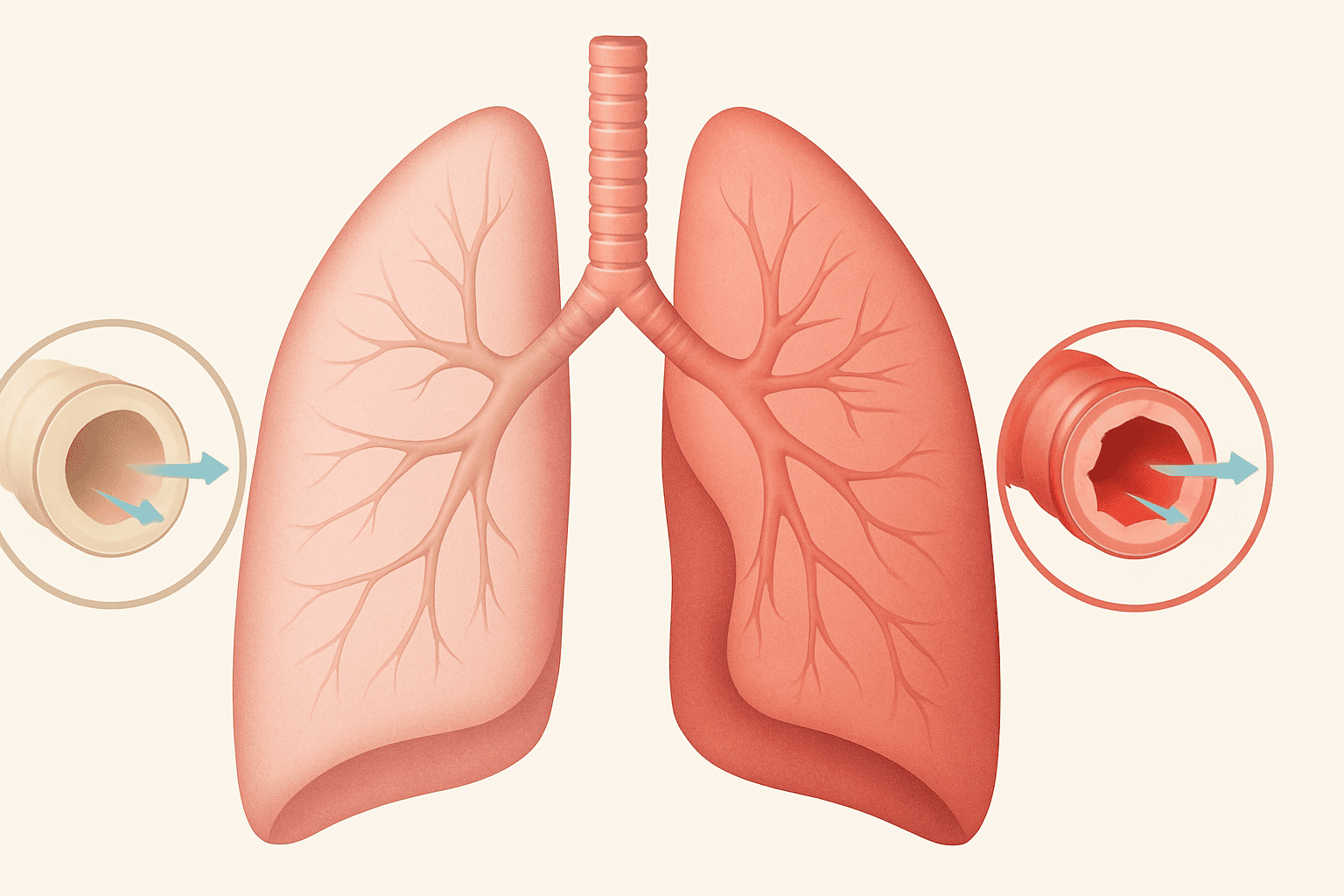
Medical illustration comparing healthy lungs and inflamed airways during an asthma attack to show how to strengthen lungs with asthma

Understanding the Respiratory Challenges of Asthma

Asthma is fundamentally a disorder of airway hyperreactivity, which means the bronchi in the lungs are more sensitive and prone to constriction, particularly in response to triggers such as allergens, cold air, or intense physical exertion. During an asthma attack, this narrowing severely restricts airflow, leading to symptoms such as wheezing, coughing, shortness of breath, and chest tightness. This presents a unique challenge for individuals pursuing endurance training or performance-based activities, where oxygen demand rises sharply and sustained lung function becomes critical.

One of the key issues lies in the reduced ability of asthmatic lungs to efficiently ventilate during stress. This inefficiency can reduce oxygen delivery to the muscles, which can in turn limit stamina. However, while asthma poses certain challenges, it does not equate to a complete restriction on physical activity. In fact, strategic training that includes breathing exercises for asthmatics can help optimize pulmonary function and promote a more resilient respiratory system over time.

The Science Behind Breathing Exercises for Asthma

Scientific inquiry has long supported the idea that regular respiratory training can yield measurable improvements in lung function and asthma management. Certain breathing techniques for asthma aim to normalize breathing patterns, reduce airway hyperreactivity, and enhance diaphragmatic strength. These methods are rooted in principles of controlled inhalation and exhalation, often incorporating mindfulness and body awareness to retrain how individuals breathe both at rest and during activity.

One widely studied technique is the Buteyko method, which involves shallow nasal breathing designed to reduce hyperventilation and encourage carbon dioxide tolerance. Another notable approach is the Papworth method, which emphasizes relaxed diaphragmatic breathing and helps reduce over-reliance on the accessory muscles of respiration. Both have been shown in clinical studies to improve quality of life in asthma patients and reduce reliance on rescue inhalers. Breathing exercises for asthma are not just theoretical—they have tangible, evidence-backed effects when practiced consistently.

Man practicing deep breathing at sunrise on a hilltop, promoting mindfulness to strengthen lungs with asthma

How to Strengthen Lungs with Asthma Through Practice

Strengthening the lungs when living with asthma is not about building muscle in the traditional sense but about optimizing respiratory efficiency and endurance. Just as athletes condition their cardiovascular system through repeated exposure to aerobic stress, asthmatics can benefit from progressively challenging their respiratory system under safe and controlled conditions. This involves incorporating regular breathing exercises for asthmatics that gradually build tolerance to physical activity and promote healthier breathing patterns.

A simple yet effective strategy is integrating breath-hold techniques into a daily routine. Holding the breath after exhalation—under medical guidance—can improve carbon dioxide tolerance, a key factor in reducing the sensation of breathlessness. Additionally, breathing exercises for wheezing and other asthma symptoms can train individuals to stay calm during flare-ups, preventing panic and promoting better control of airflow.

Consistency is crucial. Just as strength training for the body requires time and repetition, the same principle applies when learning how to strengthen lungs with asthma. Daily or near-daily practice of specific breathing methods for asthma can yield measurable improvements in lung capacity and stamina, often within weeks.

Building Endurance with Breathing Techniques for Asthma

Endurance athletes, whether asthmatic or not, understand that respiratory conditioning is integral to optimal performance. For those managing asthma, the ability to increase stamina hinges on both pharmacological support and behavioral interventions such as breathing technique asthma training. Proper breathing during physical exertion can help maintain airflow and prevent airway constriction, reducing the risk of exercise-induced bronchospasm.

One effective approach involves rhythmic breathing, where breath patterns are synchronized with movement—for example, inhaling for three steps and exhaling for two while running. This helps establish a consistent flow of oxygen and minimizes erratic breathing patterns that can exacerbate asthma symptoms. Breathing for asthmatics should also include warm-up and cool-down phases that feature slower, deeper breathing to prime the lungs and ease the transition into and out of activity.

Cardiovascular exercises like swimming, cycling, and walking are also ideal for building endurance without overtaxing the lungs. When combined with targeted breathing tips for asthma, these activities can support both respiratory health and physical performance, reinforcing the idea that asthma does not preclude athletic or active lifestyles.

Athletic man jogging outdoors using rhythmic breathing to strengthen lungs with asthma in a green, scenic setting

Using Breathing Methods for Asthma to Enhance Athletic Performance

Athletic performance is a product of numerous physiological factors, including cardiovascular output, muscular strength, and neuromuscular coordination. However, respiratory efficiency remains a foundational element, particularly for endurance sports. For asthmatics, mastering breathing methods for asthma can make a significant difference in both training outcomes and competitive results.

Techniques such as box breathing (inhaling, holding, exhaling, and holding again in equal parts) can promote mental calmness and respiratory rhythm, both of which are essential during intense exertion. Similarly, alternate nostril breathing, commonly used in yoga traditions, has been linked to improvements in parasympathetic tone, helping the body recover more efficiently after strenuous activity. These techniques align with modern understandings of how to increase lung capacity for asthmatics while simultaneously enhancing focus and reducing performance anxiety.

It’s also important for athletes to be proactive about tracking their respiratory metrics. Using peak flow meters or spirometry tools can help asthmatics understand their baseline lung function and identify trends over time. Incorporating data-driven feedback into a training regimen ensures that breathing for asthma becomes an intentional, measurable part of athletic development.

Woman practicing pursed-lip breathing in a bedroom to strengthen lungs with asthma, eyes closed and expression calm.

Managing Flare-Ups with Asthma Attack Breathing Exercises

Despite best efforts, flare-ups are still a possibility for individuals with asthma, particularly during allergy seasons or in polluted environments. In such cases, asthma attack breathing exercises can serve as critical tools for regaining control. These exercises focus on slowing the breath, promoting relaxation, and maximizing the efficiency of each inhalation and exhalation during distressing moments.

Pursed-lip breathing, for example, involves inhaling slowly through the nose and exhaling gently through pursed lips, as if blowing out a candle. This method helps maintain positive airway pressure, preventing airway collapse and making it easier to expel trapped air. Diaphragmatic breathing, or belly breathing, also proves effective by reducing the reliance on upper chest muscles and encouraging fuller breaths that use the entire lung volume.

Educating individuals on these techniques before a crisis occurs is essential. Practicing them regularly ensures they become second nature when needed most. For caregivers and trainers, teaching these methods empowers individuals to navigate episodes of acute bronchoconstriction with greater confidence and less reliance on emergency interventions.

Person preparing anti-inflammatory foods like salmon, turmeric, and leafy greens to support a healthy diet that helps strengthen lungs with asthma

The Role of Lifestyle in Supporting Lung Strength and Function

While breathing exercises for asthma are powerful tools, they are most effective when combined with a comprehensive lifestyle approach. Nutrition, hydration, sleep quality, and environmental management all influence lung health and should not be overlooked in any strategy aimed at increasing endurance and lung capacity for asthmatics.

Anti-inflammatory diets rich in omega-3 fatty acids, antioxidants, and flavonoids may help reduce systemic inflammation, including within the airways. Maintaining adequate hydration supports the thin layer of mucus that lines the airways, aiding in the clearance of irritants. Good sleep hygiene ensures the body is well-rested and capable of managing daily respiratory demands, while air quality control—through filters or avoiding known triggers—can prevent unnecessary exposure to irritants.

In combination, these factors contribute to a more resilient respiratory system. They create the foundation upon which targeted breathing practices can thrive, allowing individuals to truly benefit from their efforts in how to strengthen lungs with asthma and increase physical performance.

Customizing Breathing Tips for Asthma by Individual Needs

Asthma is a heterogeneous condition, meaning its presentation and severity vary widely among individuals. What works for one person may not be effective for another, which makes personalization essential in any breathing regimen. Some may respond well to dynamic exercises like power breathing, while others might benefit more from restorative practices that emphasize slow, meditative breath control.

Customizing breathing tips for asthma requires a thoughtful evaluation of an individual’s triggers, lifestyle, activity level, and baseline lung function. Consulting with healthcare professionals—including pulmonologists, respiratory therapists, and certified athletic trainers—can provide clarity and direction. They can guide individuals in choosing the most appropriate breathing exercises for wheezing, endurance training, or anxiety management related to asthma.

Wearable technology and digital health platforms have also advanced the ability to personalize respiratory training. Apps that provide guided breathing sessions, monitor breath rate, and offer biofeedback can make it easier to integrate effective practices into daily life. With proper customization, breathing for asthmatics becomes not just a coping mechanism, but a performance-enhancing lifestyle tool.

Woman meditating peacefully by a forest lake to strengthen lungs with asthma through controlled breathing

The Psychological Benefits of Controlled Breathing for Asthmatics

Beyond the physiological benefits, controlled breathing offers profound psychological advantages for individuals managing asthma. Anxiety and panic are common during asthma episodes, and these emotional responses can intensify symptoms. Learning and regularly practicing controlled breathing exercises for asthmatics can mitigate these effects by fostering a greater sense of internal control and resilience.

Mindfulness-based interventions, which often include breathing components, have been shown to reduce perceived stress and improve asthma-related quality of life. The simple act of tuning into the breath helps ground individuals in the present moment, making it easier to respond calmly to symptoms or triggers. In performance settings, this same psychological resilience can help athletes with asthma remain focused and composed under pressure.

When breathing methods for asthma are practiced with intention, they can serve as both a physical and emotional anchor. This dual benefit makes them especially valuable in long-term asthma management and in cultivating the mindset needed for endurance-based goals.

Frequently Asked Questions (FAQ): Breathing Exercises and Lung Strengthening for Asthma

1. Can breathing exercises for asthma actually change long-term lung function?

Yes, when practiced consistently and correctly, breathing exercises for asthma can have a meaningful long-term impact on lung function. These exercises don’t alter the anatomical structure of the lungs but can dramatically improve functional efficiency by strengthening respiratory muscles and optimizing oxygen exchange. Over time, this training can reduce breathlessness during everyday activities and increase tolerance for physical exertion. Individuals who incorporate structured breathing for asthma into their daily routine often report fewer symptoms and a decreased need for quick-relief inhalers. These improvements tend to accumulate gradually, especially when breathing exercises for asthmatics are paired with medical supervision and lifestyle changes.

2. What makes a breathing technique for asthma more effective than simply breathing deeply?

A well-developed breathing technique for asthma goes beyond just taking deep breaths; it involves deliberate control of breath pace, volume, and rhythm to stabilize the airways. Deep breathing alone may lead to hyperventilation if not guided properly, whereas proven techniques like nasal breathing, paced exhalation, or breath-holding after exhale are designed to improve CO2 tolerance and reduce airway sensitivity. This kind of structured training helps train the body to function with less oxygen, which is particularly useful for people prone to exercise-induced bronchospasm. More advanced breathing methods for asthma also work on reducing unnecessary tension in the neck and chest, which further aids in improving breathing efficiency. Ultimately, the technique must be tailored to the individual’s asthma triggers and symptom patterns.

3. Are there specialized breathing exercises for wheezing that differ from general techniques?

Yes, breathing exercises for wheezing are typically designed to restore airflow when the airways are partially obstructed. Unlike general breathing for asthmatics that focuses on long-term resilience, these acute-phase exercises emphasize gentle airflow and prolonged exhalation. Pursed-lip breathing is a common example, where the slow release of air through pursed lips keeps the airways open longer and makes it easier to expel trapped air. Another useful technique is “reverse breathing,” where the exhale is emphasized more than the inhale, which helps reduce the sensation of tightness. Such practices are particularly helpful during episodes of wheezing and can complement asthma attack breathing exercises to bring faster symptom relief.

4. How can athletes with asthma safely incorporate breathing methods for asthma into high-performance training?

Athletes with asthma can benefit greatly from integrating targeted breathing methods for asthma into their training routines. These methods should be introduced gradually during lower-intensity workouts to monitor their effect on lung function and perceived exertion. For example, rhythmic breathing coordinated with movement—like breathing every three pedal strokes during cycling—helps create consistency and improves stamina. When combined with proper warm-up routines and cooldown phases, this can prevent bronchospasm and enhance recovery. As athletes increase the intensity of their training, these breathing techniques should evolve into customized regimens that support their specific sport and competition demands, especially when focusing on how to increase lung capacity for asthmatics.

5. What role do psychological techniques play in mastering asthma attack breathing exercises?

Psychological readiness is often underestimated in managing asthma attacks. Incorporating mindfulness and relaxation practices into asthma attack breathing exercises enhances their effectiveness by calming the nervous system and reducing panic-driven hyperventilation. Techniques such as guided imagery, body scanning, or mindfulness-based stress reduction (MBSR) can be paired with breathing for asthma to create a more holistic response to stress-induced flare-ups. For example, if someone begins wheezing during a stressful situation, integrating a breathing exercise for wheezing with a visual cue or calming phrase can help reduce symptoms more rapidly. This blend of psychological resilience and respiratory control is especially useful in high-pressure environments like competitive sports or public speaking.

6. How do you know if you’re doing breathing exercises for asthmatics correctly?

Proper technique matters as much as consistency. One of the best ways to determine if your breathing exercises for asthmatics are effective is by tracking outcomes over time—this includes reduced frequency of symptoms, easier recovery after exertion, and better control during known trigger exposures. Subjectively, you should notice smoother, quieter breathing and less upper chest movement, which indicates better diaphragmatic engagement. If you’re unsure, working with a respiratory therapist or certified trainer familiar with breathing tips for asthma can provide personalized feedback and adjustments. Wearable health technology, such as respiratory rate monitors, can also offer real-time insight into your progress, especially as you work on how to strengthen lungs with asthma.

7. Are there specific tools or devices that can support breathing for asthmatics?

Yes, several tools are available to enhance breathing for asthmatics and ensure proper technique. Inspiratory muscle trainers (IMTs) can be used to strengthen the muscles involved in inhalation, making it easier to draw in air during exertion. Spirometers and peak flow meters can monitor lung capacity and variability in performance, which is crucial when assessing how to strengthen lungs for asthmatics systematically. Apps that guide users through breathing sequences and offer biofeedback can also be valuable, especially for those seeking structure in their daily training. These tools can provide both accountability and reassurance that the exercises are being done correctly and effectively.

8. Can children benefit from breathing exercises for asthma, or are these practices best suited for adults?

Children with asthma can absolutely benefit from tailored breathing exercises for asthma, though the approach should be age-appropriate and engaging. Games that involve blowing bubbles, controlled humming, or singing can be modified to act as effective breathing exercises for wheezing and general lung support. Incorporating these exercises into play makes them less intimidating and more enjoyable, fostering long-term respiratory health. It’s especially important to involve caregivers and educators in teaching breathing techniques so that they become a natural part of a child’s routine. Pediatric versions of breathing methods for asthma have shown promise in reducing symptoms and medication dependency when consistently practiced.

9. How can people with severe asthma adapt breathing tips for asthma to avoid triggering attacks?

Individuals with more severe asthma need to modify breathing tips for asthma to suit their sensitivity levels. This might involve shortening the duration of breath holds or limiting breath control exercises to seated or reclining positions until confidence and capacity improve. Nasal breathing may be emphasized to reduce cold air and particulate intake, especially in outdoor settings. People in this group may also benefit from pairing breathing exercises with gentle movement, such as yoga or tai chi, to avoid sudden respiratory stress. Above all, collaboration with healthcare providers is key when adjusting how to strengthen lungs with asthma in a safe and controlled way.

10. Is it possible to reverse decreased lung capacity, and how long does it take to see progress?

While structural changes in lung tissue cannot be reversed, functional improvements are absolutely possible. With consistent breathing technique asthma training, users often report noticeable gains in endurance, breath control, and symptom reduction within a few weeks. Progress may be faster when breathing for asthma is part of a comprehensive care plan that includes medication, nutrition, and physical activity. Monitoring improvements through peak flow readings or symptom diaries can reinforce motivation and fine-tune routines. The path to learning how to increase lung capacity for asthmatics is rarely linear, but with dedication, it often yields significant gains in quality of life and physical performance.

Conclusion: Breathing Exercises for Asthma as a Pathway to Resilience, Endurance, and Enhanced Performance

Living with asthma does not mean resigning oneself to diminished physical potential. With the right tools, techniques, and mindset, individuals can harness the power of breathing to transform their lung function and overall well-being. Breathing exercises for asthma, when practiced consistently and mindfully, offer more than symptom relief—they provide a strategic pathway to greater stamina, emotional balance, and athletic performance.

Through evidence-based methods, such as diaphragmatic breathing, breath holds, rhythmic techniques, and asthma attack breathing exercises, those with asthma can improve lung strength and endurance. These practices, when coupled with holistic lifestyle choices and professional guidance, create a resilient foundation for both daily wellness and peak performance. As we deepen our understanding of how to strengthen lungs with asthma, it becomes clear that breath—our most fundamental biological function—holds the key to unlocking untapped physical and psychological potential for asthmatics around the world.

Was this article helpful? Don’t let it stop with you. Share it right now with someone who needs to see it—whether it’s a friend, a colleague, or your whole network. And if staying ahead on this topic matters to you, subscribe to this publication for the most up-to-date information. You’ll get the latest insights delivered straight to you—no searching, no missing out.
Further Reading:

Breathing Exercises

Breathing Exercises for Asthma

Breathing Exercises for Severe Asthma

Best Aerobic Exercise at Home for Weight Loss: How to Build Endurance and Burn Fat Naturally

Introduction: Why Aerobic Exercise at Home Matters for Sustainable Weight Loss and Endurance

The pursuit of sustainable weight loss and improved physical endurance has led many individuals to seek practical, effective fitness routines that integrate seamlessly into their daily lives. Among the most accessible and scientifically supported strategies is aerobic exercise, a form of cardiovascular training that enhances both fat metabolism and overall stamina. As more people shift toward home-based fitness due to convenience, cost, or personal comfort, the need for accessible and effective aerobic routines has grown exponentially. Understanding how aerobic exercise at home for weight loss can be a powerful tool in transforming both body composition and cardiovascular health is essential, especially for those aiming to achieve lasting results without access to a gym.

You may also like: How to Increase Stamina and Endurance Naturally: Smart Training Tips and Nutrition Habits That Support Cardiovascular Fitness

Aerobic training, by its very definition, involves prolonged physical activity that requires oxygen to generate energy. This sustained, rhythmic movement—whether it’s dancing, brisk walking, jump roping, or cycling—promotes calorie burning, strengthens the heart and lungs, and improves endurance. Home-based aerobic routines offer a flexible, low-barrier entry point for individuals of all fitness levels, allowing them to develop consistency and achieve results with minimal equipment. More importantly, these routines help build the mental and physical resilience needed for long-term health improvements.

This article delves into the science and strategy behind choosing the best aerobic exercise to reduce weight from the comfort of your own home. It explores the physiological mechanisms that make aerobic activity a fat-burning powerhouse, practical techniques to build stamina without leaving the house, and tips to ensure that your efforts lead to lasting change. We’ll also discuss how to avoid common pitfalls and make smart, evidence-backed choices that reflect EEAT principles—Experience, Expertise, Authoritativeness, and Trustworthiness—while ensuring optimal search visibility through effective, natural keyword integration.

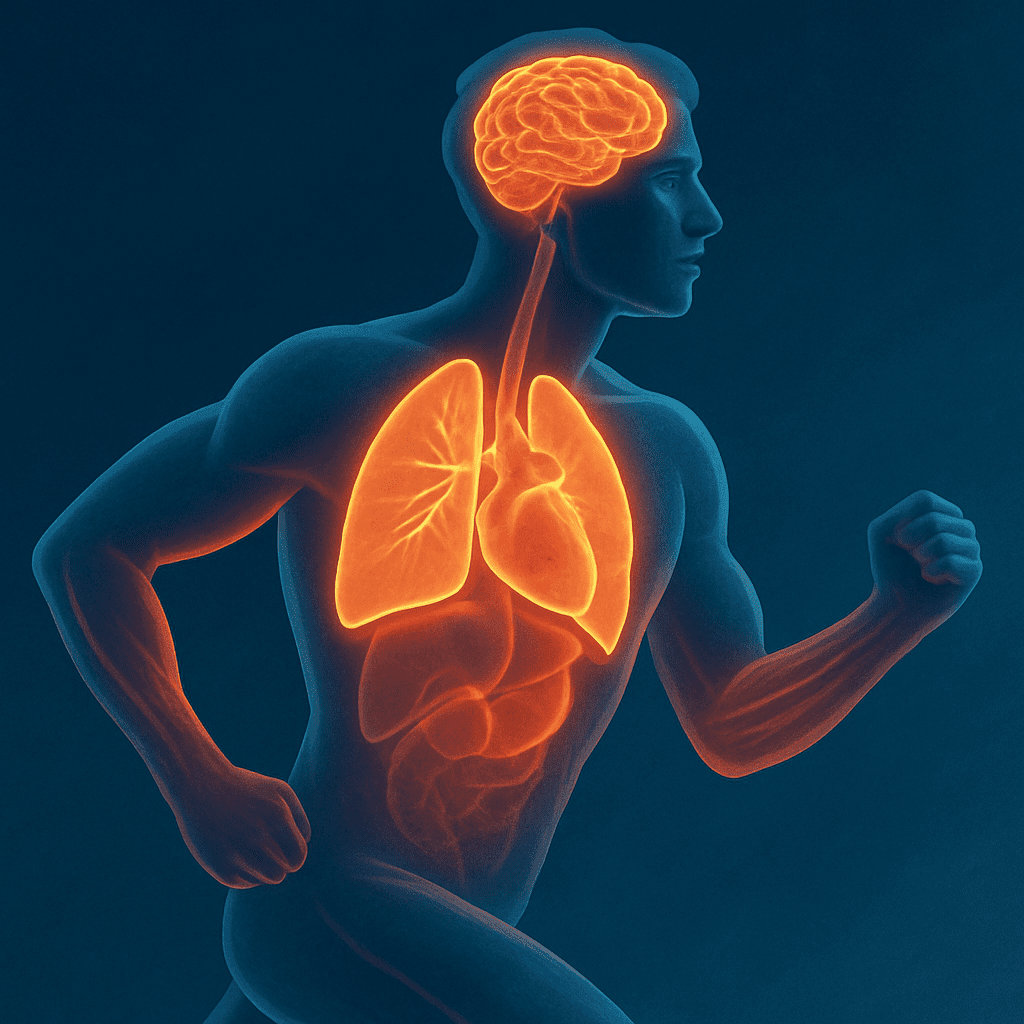
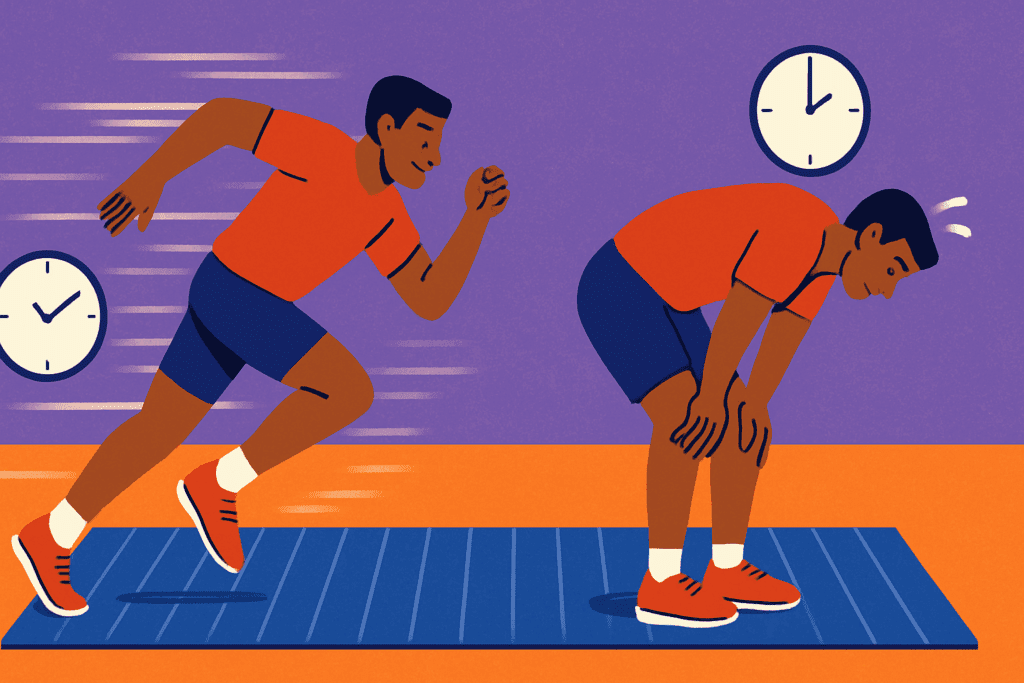
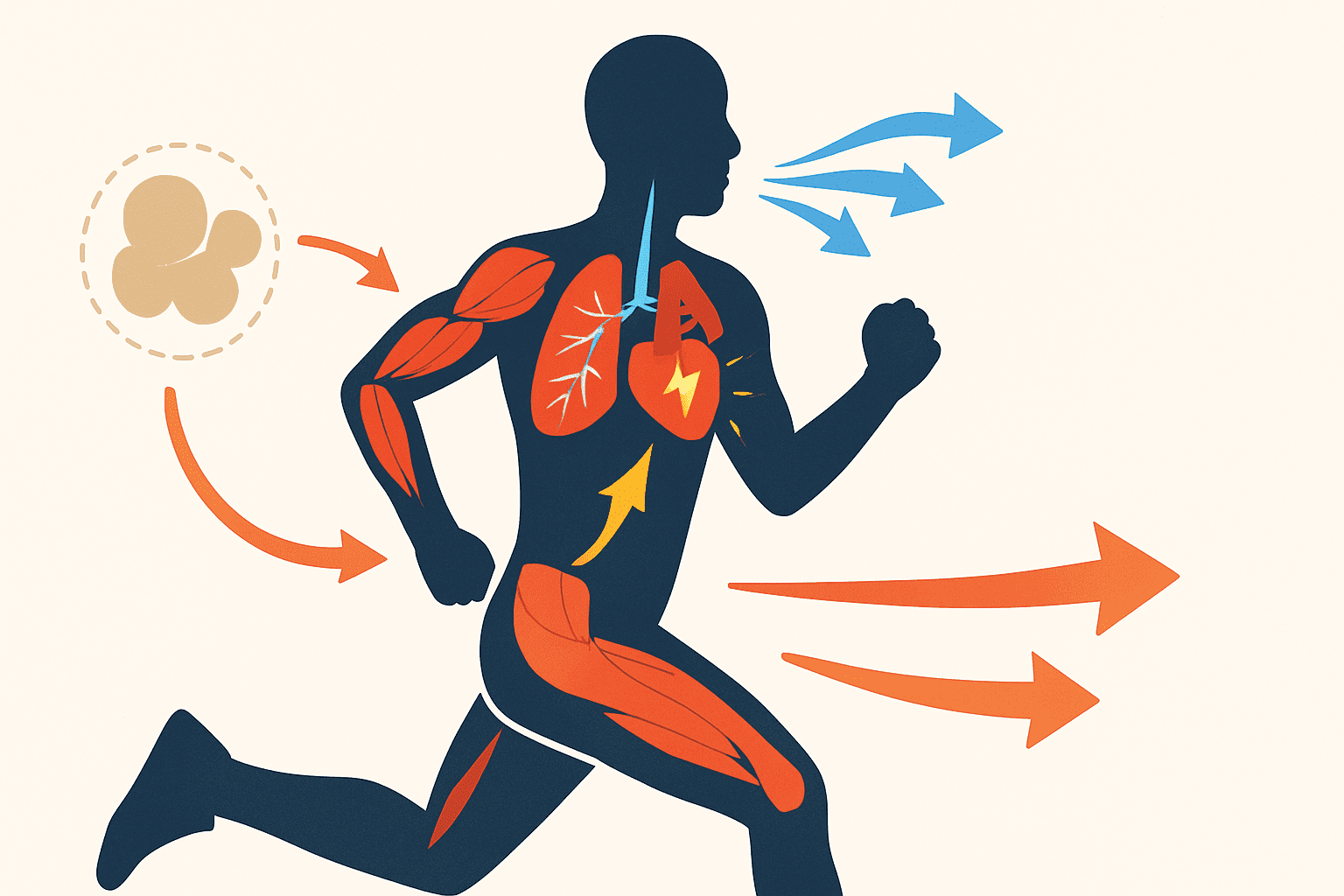
Infographic-style diagram of a person jogging with highlighted muscles, heart, and lungs to illustrate fat burning and oxygen flow during the best aerobic exercise at home for weight loss

Understanding the Science Behind Aerobic Exercise and Fat Loss

At its core, aerobic exercise engages large muscle groups in rhythmic, continuous movement over extended periods, elevating heart rate and respiratory function to meet increased oxygen demands. This oxygen-centric energy production process allows the body to efficiently burn fat stores, especially when performed at moderate intensity. When aerobic activity is sustained beyond 20 minutes, the body begins to rely more heavily on stored fat as its primary energy source, which is a key reason why aerobic exercise to reduce weight is highly recommended by fitness and health professionals alike.

From a biochemical perspective, aerobic activity increases the rate of lipolysis—the breakdown of triglycerides into glycerol and free fatty acids—making fat available for energy. This mechanism, combined with a calorie deficit achieved through dietary balance, results in weight loss. Furthermore, aerobic exercise improves insulin sensitivity, which can aid in preventing fat storage and promoting a leaner body composition. The longer and more consistently one engages in aerobic training, the more efficient the body becomes at metabolizing fat, reinforcing the long-term benefits of regular cardio.

Unlike high-intensity anaerobic training, which primarily utilizes glycogen stores and produces lactic acid as a byproduct, aerobic workouts are more sustainable and accessible, particularly for individuals with limited fitness experience. This makes them ideal for beginners or those recovering from injury, offering a lower-impact path to better health. Moreover, aerobic routines can be scaled up in intensity as fitness improves, allowing for progressive overload and continued fat-burning gains.

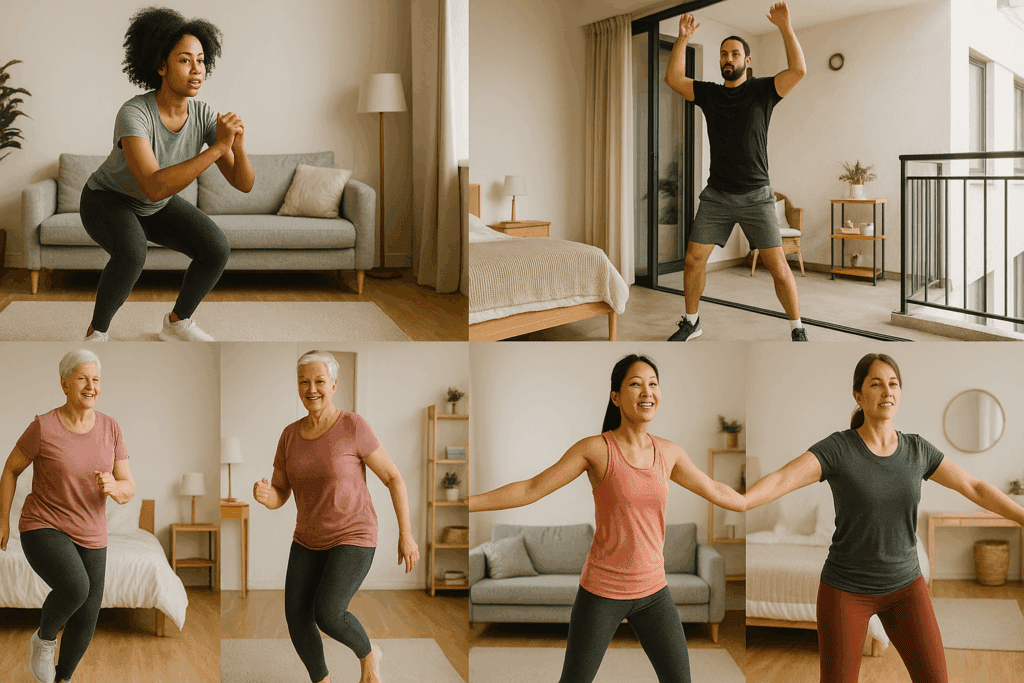
People performing the best aerobic exercise at home for weight loss, including jump roping, dancing, walking in place, and step aerobics indoors.

Best Aerobic Exercise Options for Home-Based Weight Loss

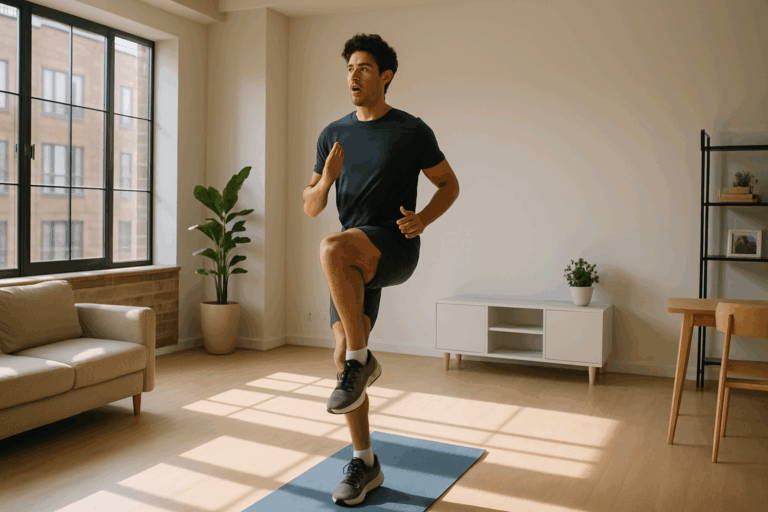
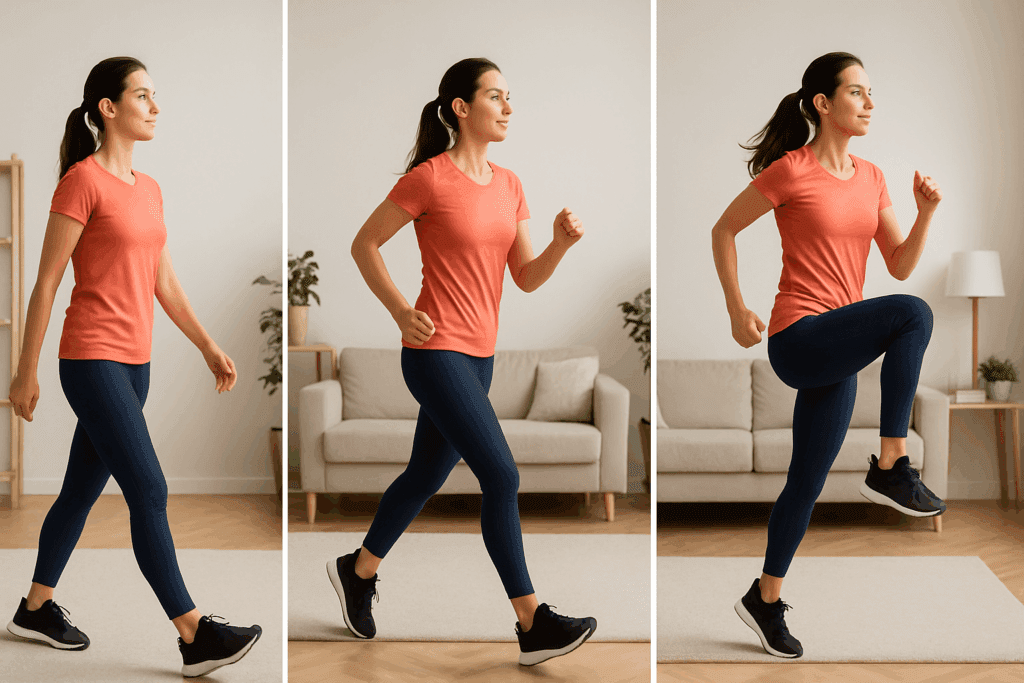
Designing a home-based aerobic routine that supports weight loss and endurance training involves selecting exercises that are effective, safe, and easily adaptable. Fortunately, a variety of aerobic options meet these criteria and require little to no equipment. Brisk walking in place, especially when done with high knees or exaggerated arm swings, can significantly elevate heart rate. When paired with short intervals of jogging or marching, it provides a solid cardiovascular workout ideal for beginners.

Jump rope is another powerful aerobic tool. Just ten minutes of continuous jump roping can rival the calorie burn of a 30-minute jog. It improves coordination, cardiovascular health, and muscular endurance. Those without a rope can mimic the motion in place, using the same arm and foot rhythm to achieve similar benefits. Dance workouts—whether freestyle or choreographed routines—blend fun with fitness, making it easier to sustain longer sessions. The joy of movement, set to music, can transform aerobic exercise at home for weight loss from a chore into a lifestyle.

More structured routines, such as step aerobics or HIIT-style circuits with low-impact movements, offer time-efficient ways to burn fat and build stamina. These routines can be adapted using household items like a sturdy step, water bottles for light resistance, or even a yoga mat for added comfort during floor-based exercises. The key is to choose activities that you enjoy and can commit to regularly, ensuring long-term adherence and continuous improvement.

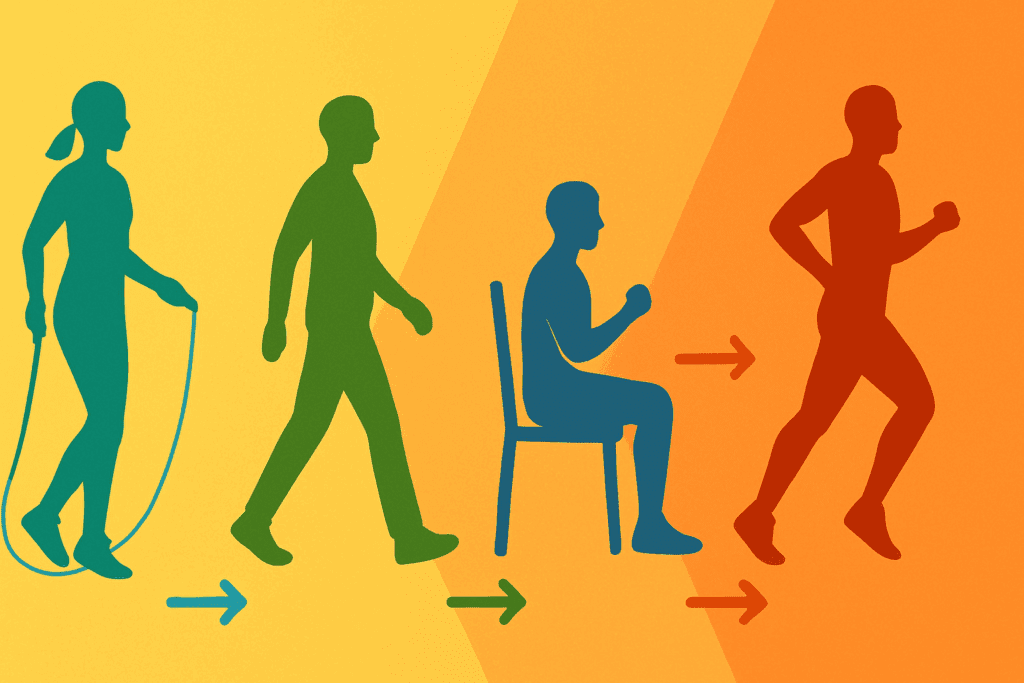
Progression of a woman doing the best aerobic exercise at home for weight loss, from walking to jogging to high-knee running in a cozy living room"

How Aerobic Exercise Builds Endurance Over Time

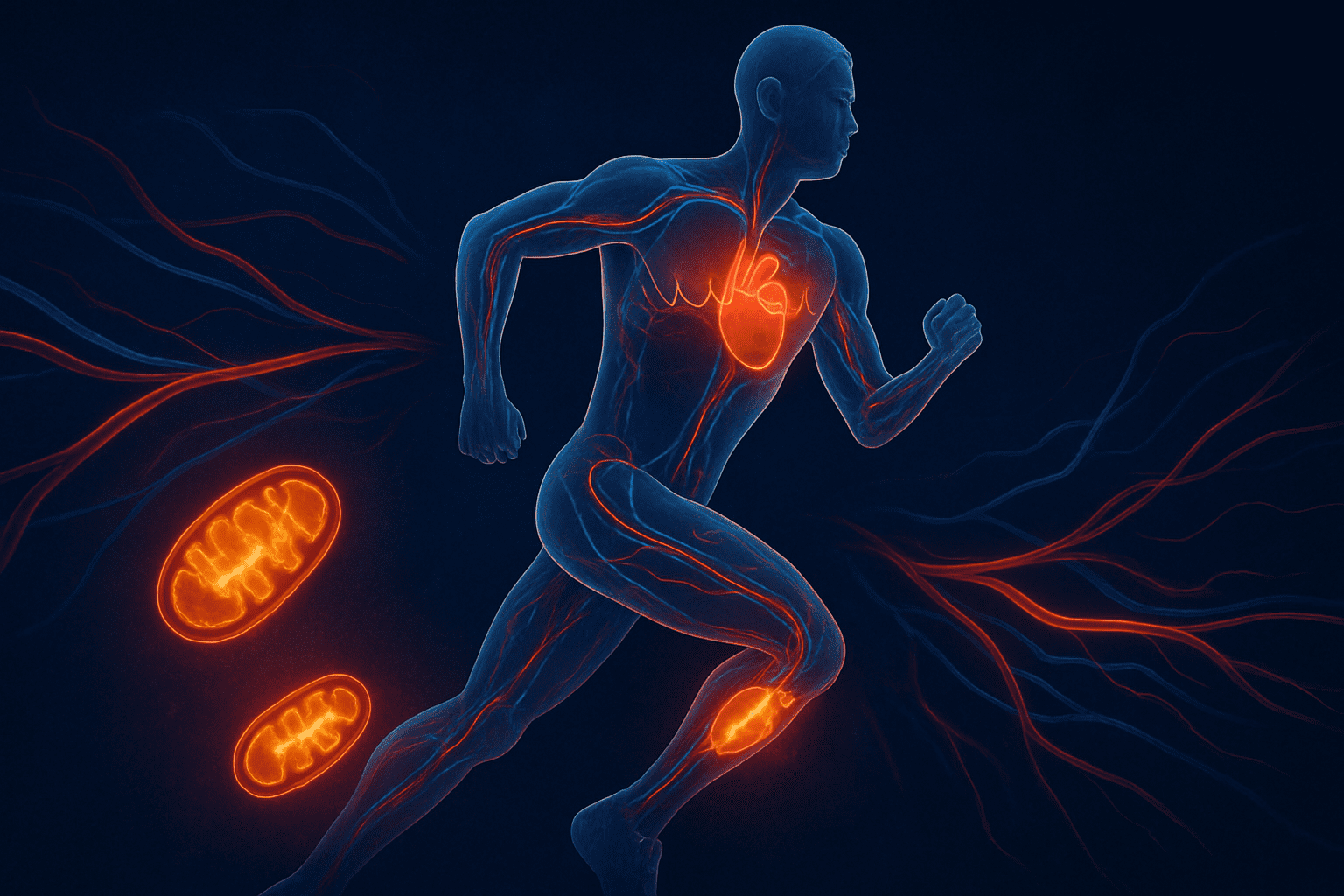
While weight loss is often the primary motivator for starting an aerobic routine, the endurance benefits of consistent cardiovascular exercise are equally significant. As aerobic capacity increases, the body becomes more efficient at utilizing oxygen, allowing you to sustain physical activity for longer periods with less fatigue. This improvement is directly linked to enhanced mitochondrial function, capillary density, and cardiac output—all hallmarks of endurance training.

Endurance is built gradually, with cumulative sessions strengthening the heart muscle, expanding lung capacity, and increasing muscular stamina. This process not only improves physical performance but also contributes to a greater sense of energy and resilience in everyday life. For individuals who begin with limited stamina, the improvements can be profound. A simple walking routine can evolve into power walking, then light jogging, and eventually more intense routines that deliver even greater cardiovascular benefits.

One of the most remarkable aspects of building endurance through aerobic exercise at home for weight loss is the compounding effect it has over time. With each session, the body adapts, becoming more efficient and better equipped to handle longer durations or greater intensities. This translates into not only improved fat metabolism but also better mental focus, stress reduction, and a sense of achievement that reinforces motivation.

Focused woman doing plank on a yoga mat with timer, resistance bands, and guided workout video—Best Aerobic Exercise at Home for Weight Loss.

Structuring an Effective Home-Based Aerobic Routine

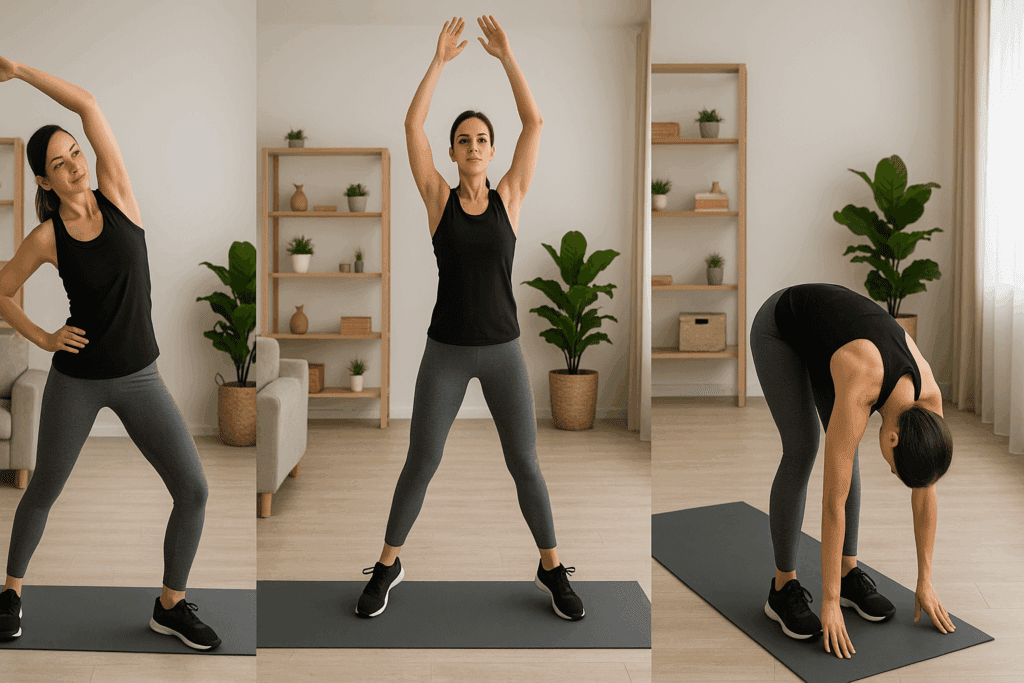
A well-designed aerobic routine incorporates variety, progression, and adequate recovery to maximize results. Begin with a warm-up that includes light cardio and dynamic stretching to prepare the muscles and cardiovascular system. For beginners, a 20- to 30-minute session performed three to five times per week is a good starting point. As fitness levels increase, gradually extend the duration and incorporate more complex movements to maintain challenge and engagement.

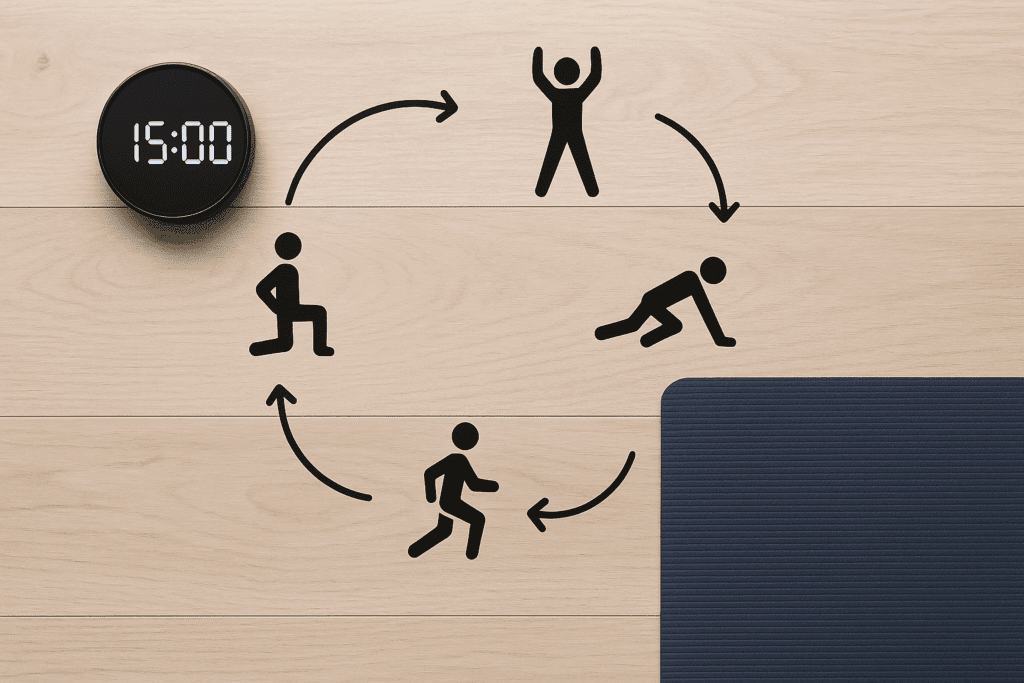
Interval training can be particularly effective when space and time are limited. Alternating between moderate and high-intensity bursts—such as 30 seconds of jumping jacks followed by 30 seconds of marching in place—can elevate calorie burn and improve both aerobic and anaerobic capacity. Incorporating movements that engage the upper and lower body simultaneously will further enhance intensity and promote greater energy expenditure.

To sustain progress, it’s essential to track your workouts, monitor heart rate, and set realistic goals. A fitness tracker or smartphone app can provide insights into calorie burn, time spent in target heart zones, and overall activity levels. This data not only reinforces accountability but also offers motivation as endurance improves and weight begins to shift. Cool-down routines with static stretching and mindful breathing help aid recovery and prevent injury, ensuring that your aerobic exercise routine is both effective and sustainable.

Maximizing Fat Burn with Nutrition and Lifestyle Alignment

Aerobic exercise alone can support weight loss, but its effectiveness is significantly enhanced when paired with proper nutrition and lifestyle habits. Consuming a balanced diet that emphasizes whole, nutrient-dense foods—such as lean proteins, complex carbohydrates, and healthy fats—provides the energy needed to sustain aerobic activity and recover afterward. Timing meals to align with workouts can also boost performance and fat utilization.

For example, eating a light, carb-rich snack 30 to 60 minutes before aerobic training can provide readily available glucose for initial energy demands, allowing fat stores to be tapped into more efficiently as the workout progresses. Post-exercise nutrition should focus on replenishing glycogen and supporting muscle repair, with a combination of protein and carbohydrates being ideal. Hydration is equally critical, as even mild dehydration can impair performance and recovery.

In addition to dietary alignment, lifestyle factors such as sleep, stress management, and daily movement patterns influence how the body responds to aerobic exercise. Poor sleep, chronic stress, and sedentary behavior can all blunt fat-burning efficiency and undermine endurance gains. Establishing a holistic routine that prioritizes recovery, mental well-being, and consistent physical activity outside of formal workouts enhances the long-term effectiveness of aerobic exercise to reduce weight.

Healthy whole foods including lean protein, vegetables, whole grains, fruits, and fitness tracker on kitchen table promoting the Best Aerobic Exercise at Home for Weight Loss

Avoiding Common Mistakes and Staying Motivated at Home

While home-based fitness offers convenience and flexibility, it also presents challenges that can hinder progress if not addressed. One common mistake is a lack of structure or variation, which can lead to plateaus or diminished motivation. To avoid this, regularly update your workout routine with new movements, music, or formats to keep it engaging. Setting specific, attainable goals—such as increasing workout duration by five minutes each week or mastering a new aerobic move—can provide a sense of direction and accomplishment.

Another pitfall is neglecting form and technique, which can result in injury or reduced effectiveness. Unlike a gym environment where professional guidance is available, home workouts require greater self-awareness and discipline. Watching instructional videos from certified trainers, using mirrors to check form, or even recording yourself for review can help maintain proper biomechanics and ensure safety.

Motivation can also wane in the absence of external accountability. Creating a workout schedule, joining virtual fitness communities, or involving family members can help maintain consistency. Remember that results from aerobic exercise at home for weight loss may not be immediate, but perseverance and adaptation are key. Celebrate small milestones along the way, and remind yourself of the broader health benefits that extend far beyond the scale.

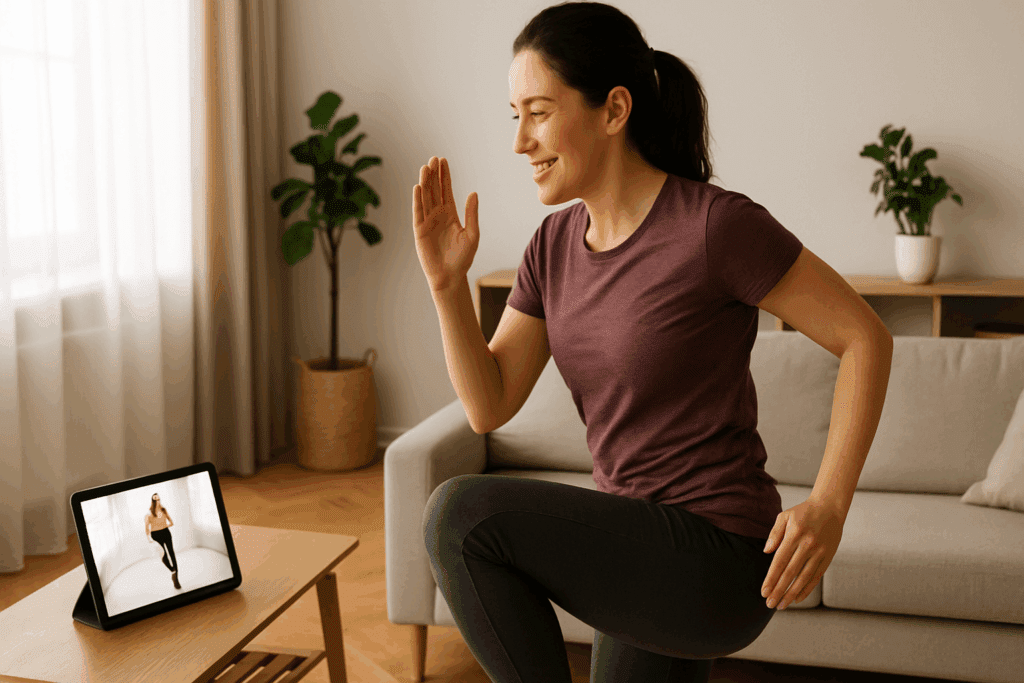
Cheerful woman doing lunges in a cozy home gym while following a virtual class, illustrating the best aerobic exercise at home for weight loss.

Monitoring Progress and Adjusting for Continued Success

Effective weight loss and endurance building require ongoing evaluation and adjustment. What works well in the initial weeks may need to be modified as your fitness level improves. Regularly assess your progress by tracking changes in weight, body measurements, workout duration, and perceived exertion. Additionally, note improvements in energy, sleep quality, and mood—these are valuable indicators of overall health enhancement.

As your capacity grows, consider increasing the complexity of your aerobic routines. Adding resistance bands, ankle weights, or plyometric elements can challenge the cardiovascular and muscular systems in new ways. Alternatively, extending your workout time or integrating new forms of movement, such as kickboxing or shadow dancing, can renew enthusiasm and prevent stagnation.

Recognizing plateaus and responding appropriately is essential. If weight loss stalls or endurance gains taper off, revisit your nutrition plan, rest periods, and workout intensity. Often, minor tweaks can reignite progress and provide renewed motivation. Embrace the process as a dynamic journey, not a static routine, and be willing to experiment to discover what yields the best results for your unique body and goals.

Frequently Asked Questions: Aerobic Exercise at Home for Weight Loss and Endurance

1. Can I still lose weight with aerobic exercise if I only have 20 minutes a day? Absolutely. While longer sessions may yield higher calorie expenditure, even short, focused workouts can be highly effective when done consistently. A 20-minute aerobic session, especially when performed at a moderate to vigorous pace, can create a meaningful caloric deficit over time. What matters most is maintaining the right intensity and frequency. Many people underestimate the power of consistency, but 20 minutes of aerobic exercise at home for weight loss performed five or six days a week can lead to significant results over a few months. By progressively increasing either intensity or duration, individuals can enhance endurance and continue burning fat efficiently.

2. What are some creative ways to make aerobic exercise at home more enjoyable? One of the most effective ways to make aerobic exercise to reduce weight more enjoyable is to incorporate elements of play and personalization. Dancing to your favorite playlist, turning workouts into a game with fitness apps, or challenging a friend virtually can elevate the fun factor. Switching up routines weekly also keeps things interesting—try kickboxing one week and cardio yoga the next. For many, the monotony of repetition is a barrier to staying active, so infusing variety and personal goals into your sessions can make a huge difference. If your exercise routine reflects your personality, it’s far more likely to become a long-term habit.

3. How does aerobic training influence hormones related to weight loss? Aerobic exercise has a profound effect on hormonal balance, particularly those hormones that regulate appetite, metabolism, and fat storage. It increases the release of endorphins, which not only boost mood but can reduce emotional eating. Regular aerobic exercise to reduce weight also helps lower insulin levels and improve insulin sensitivity, making it easier for your body to access fat stores. Additionally, it can reduce levels of cortisol when performed at moderate intensity—this is important, as elevated cortisol is associated with increased abdominal fat. Hormonal shifts may not always be visible on the scale, but they support deeper metabolic changes that sustain weight loss and increase vitality.

4. Can I combine strength training with aerobic workouts at home for better results? Yes, and doing so can be especially powerful. While aerobic exercise at home for weight loss focuses on fat burning and cardiovascular endurance, strength training contributes to increased muscle mass, which elevates resting metabolic rate. This means you’ll burn more calories even when not exercising. An integrated approach—such as alternating strength days with aerobic days or incorporating resistance into cardio circuits—ensures a more balanced fitness routine. Simple tools like resistance bands or bodyweight moves (e.g., squats, lunges, push-ups) can be seamlessly added to a home workout for compounded benefits.

5. How do I prevent injury while doing aerobic exercise at home for weight loss? Preventing injury begins with preparation and mindfulness. Always include a warm-up and cool-down segment to gradually increase and decrease your heart rate. Choosing proper footwear, even when exercising indoors, can reduce stress on joints. Many people overlook the importance of form and pacing—rushing into high-impact moves without proper alignment can lead to strains or joint discomfort. Consider recording your sessions or using a mirror to check your technique, especially if you’re following online classes. Prioritizing safe movement ensures that aerobic exercise to reduce weight remains sustainable and pain-free.

6. What’s the best way to measure progress when doing home aerobic workouts? Traditional scales can be misleading, as they don’t differentiate between fat loss and muscle gain. Instead, consider tracking inches lost, clothing fit, or improvements in endurance—such as how long you can exercise before tiring. Heart rate monitors and fitness apps can also help track aerobic capacity and calorie expenditure. Journaling how you feel post-workout—energy levels, sleep quality, stress reduction—can reveal less visible but meaningful progress. Aerobic exercise at home for weight loss is about more than numbers; it’s about the full spectrum of wellness changes you experience over time.

7. How does the environment affect the quality of my aerobic exercise at home? Your environment plays a significant role in exercise consistency and motivation. A well-lit, ventilated space free from clutter enhances focus and minimizes distractions. Background music or visuals—such as nature videos or virtual group classes—can increase engagement. Even room temperature matters: cooler environments are ideal for higher-intensity aerobic sessions. If your home lacks dedicated workout space, consider using modular furniture or portable equipment that can be easily stored. Making your space inviting and functional supports both consistency and enjoyment in aerobic exercise to reduce weight.

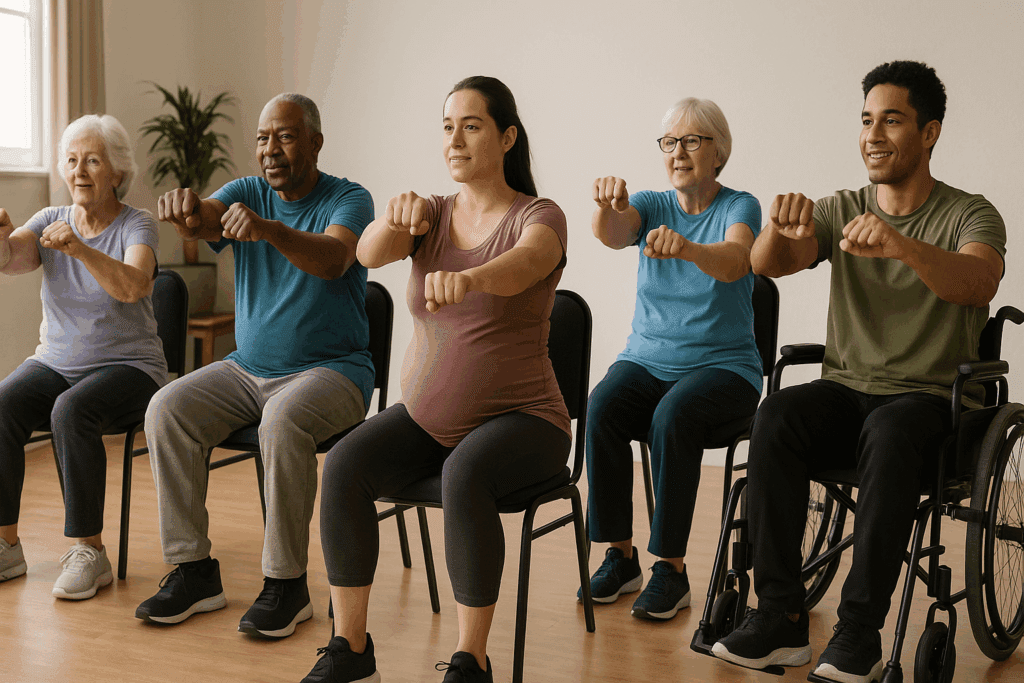
8. Are there specific types of aerobic exercise best suited for older adults trying to lose weight? Yes, and the key lies in choosing low-impact movements that minimize joint stress while still elevating heart rate. Chair aerobics, water-based movements (for those with access to a pool), and modified dance routines are excellent options. These activities are particularly effective when combined with light resistance or balance training. For older adults, aerobic exercise at home for weight loss can improve not only body composition but also bone density, coordination, and cognitive health. It’s important to consult a healthcare provider before starting any new program, especially if there are underlying health concerns, but most aerobic activities can be safely adapted for older populations.

9. How soon should I expect to see results from aerobic exercise to reduce weight? While results vary depending on diet, intensity, and consistency, many individuals begin noticing changes in energy levels and mood within the first two weeks. Physical changes such as improved endurance, slightly looser clothing, or more defined muscles can appear within four to six weeks. Weight loss may occur more gradually, especially if the body is adjusting to a new routine or building muscle simultaneously. It’s crucial to focus on non-scale victories and long-term gains rather than immediate outcomes. With steady aerobic exercise at home for weight loss, true transformation becomes not just visible—but sustainable.

10. What trends are emerging in home-based aerobic exercise for weight loss? The future of home fitness is being shaped by technology and personalization. Interactive platforms that use AI to adapt routines in real-time, or gamified fitness programs that turn aerobic exercise to reduce weight into engaging challenges, are growing in popularity. Virtual reality workouts, wearable biometric trackers, and smart mirrors with built-in trainers are also redefining the home workout landscape. Additionally, hybrid approaches that blend mindfulness and aerobic movement—like breath-focused cardio yoga or dance meditation—are appealing to individuals seeking both physical and emotional wellness. As demand for flexible, science-backed programs continues to rise, home-based aerobic training is likely to become even more dynamic, inclusive, and results-driven.

Conclusion: The Long-Term Power of Aerobic Exercise at Home for Weight Loss and Endurance

Embarking on a home-based aerobic routine offers more than a means to lose weight—it provides a gateway to lasting endurance, improved metabolic health, and a more empowered relationship with your body. The best aerobic exercise to reduce weight is not a one-size-fits-all solution but rather a personalized approach that aligns with your preferences, lifestyle, and fitness level. When integrated with mindful nutrition and consistent habits, aerobic training becomes a sustainable, rewarding part of everyday life.

Aerobic exercise at home for weight loss is particularly valuable because it fosters independence and resilience. Without relying on gyms, classes, or expensive equipment, individuals can cultivate a sense of ownership over their fitness journey. The flexibility of home workouts also encourages regularity, which is essential for long-term success. By understanding the science, structuring effective routines, and addressing common obstacles, anyone can harness the fat-burning and endurance-boosting power of aerobic training.

Ultimately, the key to success lies in consistency, variety, and self-compassion. Celebrate progress, adapt to challenges, and remember that each session contributes to a stronger, healthier future. Whether your goal is to shed pounds, build stamina, or simply feel more energized, aerobic exercise at home offers a natural, effective path forward. When approached with intention and informed strategy, it becomes not just a workout—but a lifestyle.

Was this article helpful? Don’t let it stop with you. Share it right now with someone who needs to see it—whether it’s a friend, a colleague, or your whole network. And if staying ahead on this topic matters to you, subscribe to this publication for the most up-to-date information. You’ll get the latest insights delivered straight to you—no searching, no missing out.

Further Reading:

What are some of the top cardio workouts?

12 Exercises That Burn the Most Calories

Best Cardio Exercises for Weight Loss: Top 8 Workouts to Burn Fat Fast

Boost Your Endurance at Home: Best Apartment Cardio Exercises for Stamina and Strength Without Disturbing the Neighbors

In an era of remote work, compact urban living, and evolving wellness trends, maintaining cardiovascular health from the comfort of one’s own home has become both a necessity and a creative challenge. For millions who live in apartments or shared spaces, finding effective, neighbor-friendly workouts that don’t require expansive room or noisy equipment is a growing priority. The good news is that building stamina and improving endurance does not have to involve a gym membership or a sprawling backyard. In fact, some of the most effective training can take place right in your bedroom or living room. This article explores the power and practicality of the bedroom cardio workout and other apartment friendly cardio options, emphasizing how intentional movements can unlock both physical resilience and mental clarity without disturbing those who live nearby.

You may also like: How to Increase Stamina and Endurance Naturally: Smart Training Tips and Nutrition Habits That Support Cardiovascular Fitness

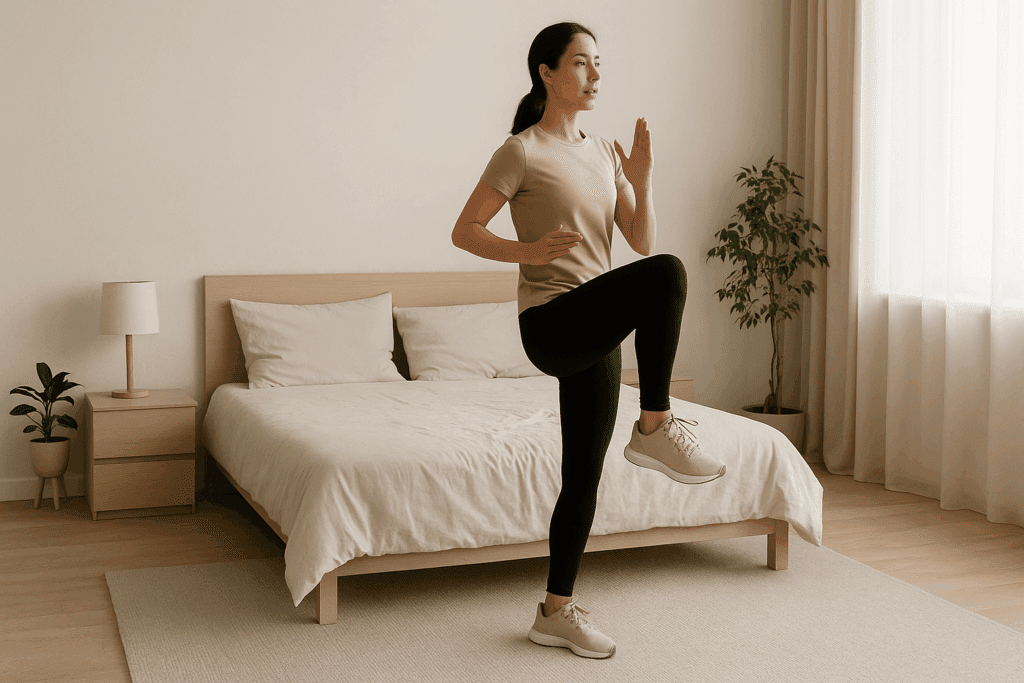
Woman doing Apartment Cardio Exercises on a yoga mat in a sunlit modern living room with wooden floor and indoor plant.

Understanding the Value of Cardio in Small Spaces

Cardiovascular exercise is widely recognized for its role in improving heart health, enhancing lung capacity, and boosting overall energy levels. But when confined to smaller living quarters, traditional routines involving jumping jacks, treadmill runs, or high-impact circuits may not be feasible. That’s where the beauty of apartment cardio lies: it adapts to space limitations while delivering significant fitness results.

A consistent cardio routine is especially important for individuals who lead predominantly sedentary lifestyles, such as office workers or remote professionals. Apartment cardio exercises allow individuals to integrate movement into their daily routines without having to leave their homes. Furthermore, these workouts often require minimal to no equipment, making them both accessible and economical. The key is understanding how to creatively combine movement, breath, and intensity to craft routines that challenge the cardiovascular system while respecting the spatial and acoustic constraints of apartment living.

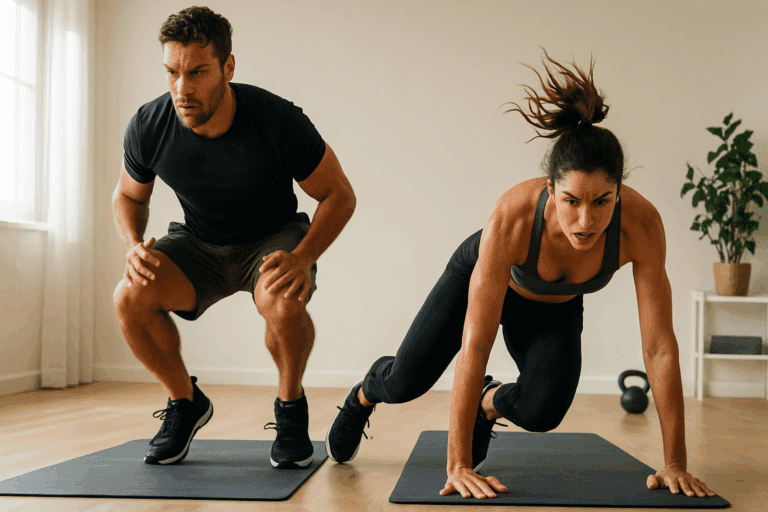
Woman performing slow mountain climbers on a yoga mat during apartment cardio exercises with another person using resistance bands in the background

The Science of Low-Impact, High-Efficiency Movement

One of the primary concerns with in-home exercise is the potential noise created by repetitive impact on floors, which can easily disturb neighbors living below. However, low-impact cardio movements have been shown to offer comparable benefits to high-impact counterparts when executed with proper form and intensity. A bedroom cardio workout, for example, can elevate the heart rate, strengthen the lower body, and improve coordination without ever leaving the confines of a carpeted floor.

Research in sports medicine supports the use of high-efficiency, bodyweight-based cardio for improving endurance and muscle tone. Movements such as standing knee lifts, slow mountain climbers, and step-backs create consistent cardiovascular demand without jarring impacts. By leveraging time under tension, balance, and rhythm, these routines can burn calories, reduce stress, and support metabolic health while keeping noise to a minimum. This makes them ideal apartment friendly cardio solutions, especially for early morning or late-night workouts when silence is golden.

Crafting the Ideal Apartment Cardio Routine

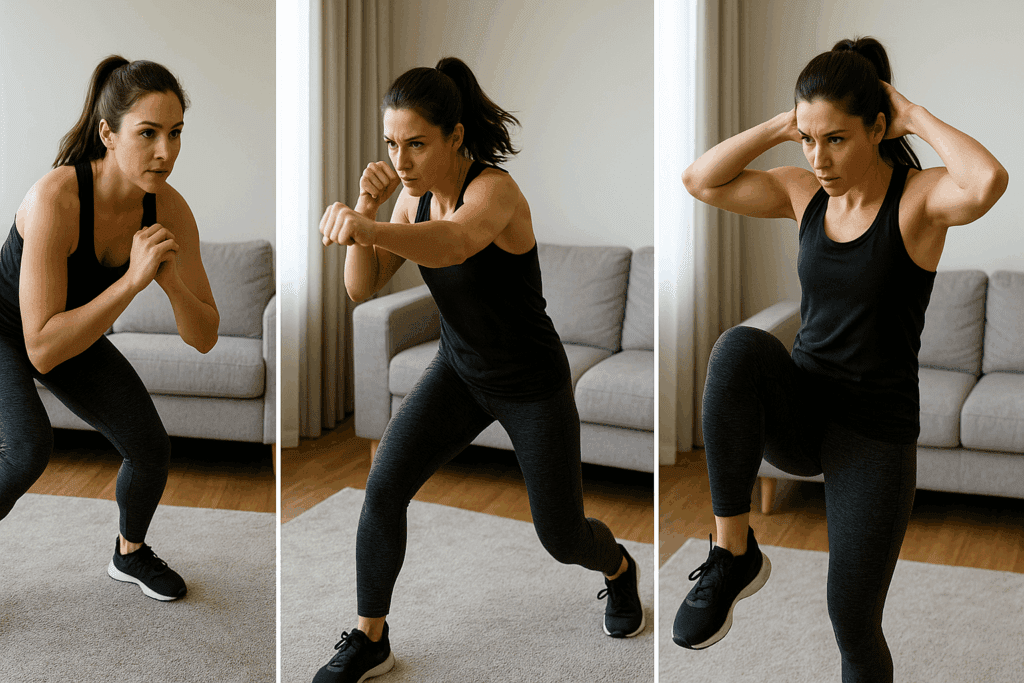
Designing an effective apartment cardio workout involves more than simply avoiding noise. It requires structure, variety, and progression. A balanced routine should engage multiple muscle groups, elevate the heart rate consistently, and include brief rest periods to prevent burnout. For example, a 30-minute session might alternate between shadow boxing, lateral steps, and standing oblique crunches, followed by short bouts of deep breathing or dynamic stretching.

A good apartment cardio routine also evolves with the individual’s fitness level. Beginners might start with five minutes of cardio in the bedroom using light movements such as toe taps, step touches, and arm circles. Over time, these can be intensified with added resistance or tempo changes. More advanced practitioners can incorporate plyometric-inspired moves such as silent squat pulses or slow skater lunges, which mimic the explosiveness of jumps without the associated noise. This progressive approach ensures that apartment cardio exercises remain challenging and effective while adapting to each user’s needs.

Woman performing apartment cardio exercises including lateral steps, shadowboxing, and standing oblique crunches in a modern living room.

Leveraging Body Awareness and Breathwork

While much attention is often paid to the physical exertion of cardio workouts, the integration of breathwork and mindfulness plays an equally important role in boosting endurance. In confined settings, breath control can enhance oxygen efficiency, reduce fatigue, and promote mental resilience. Incorporating deliberate breathing into a bedroom cardio workout not only improves physical performance but also grounds the practitioner in the present moment.

This awareness of breath and body alignment also enhances safety and effectiveness. In small spaces, it’s easy to become careless with posture or form, leading to overuse injuries or imbalances. By tuning into how the body moves and breathes during each phase of the workout, individuals can optimize their mechanics and get more out of every movement. This is particularly vital in apartment friendly cardio routines where space limitations demand precision and intentionality.

Noise-Free Tools to Elevate Your Workout

Although many apartment cardio exercises can be performed without equipment, incorporating simple tools can elevate the intensity and variety of your workout without adding noise. Resistance bands, sliders, and yoga mats are excellent additions that support full-body engagement and allow for smoother transitions between exercises.

For instance, resistance bands can be used during stationary lunges or glute bridges to intensify muscle activation without increasing impact. Sliders can facilitate low-friction movement for exercises like standing mountain climbers or reverse lunges, enhancing core activation. Even a folded towel on a hardwood floor can serve this purpose. These tools amplify the benefits of cardio in the bedroom while maintaining the neighbor-friendly quietness that apartment dwellers appreciate.

Neatly arranged yoga mat, resistance bands, sliders, and towel in a sunlit home gym space for quiet apartment cardio exercises.

Mental Health Benefits of Cardio in Bedroom Spaces

There is growing evidence linking physical exercise to improved mental health, and this holds true for workouts done in compact spaces. A regular bedroom cardio workout not only helps manage stress and anxiety but also boosts dopamine and serotonin levels, promoting a sense of well-being. The act of carving out time and space for self-care in a familiar, private environment enhances motivation and creates a positive feedback loop for mental and emotional health.

Incorporating apartment cardio into a daily or weekly routine provides a structured outlet for physical expression, which is particularly important during seasons of isolation or limited outdoor activity. The mental discipline required to maintain a home workout practice mirrors the resilience needed to navigate modern life’s uncertainties, further supporting emotional endurance. This emotional stamina complements physical gains, offering a holistic approach to wellness that begins right in your own room.

Creating an Apartment Cardio Schedule That Works

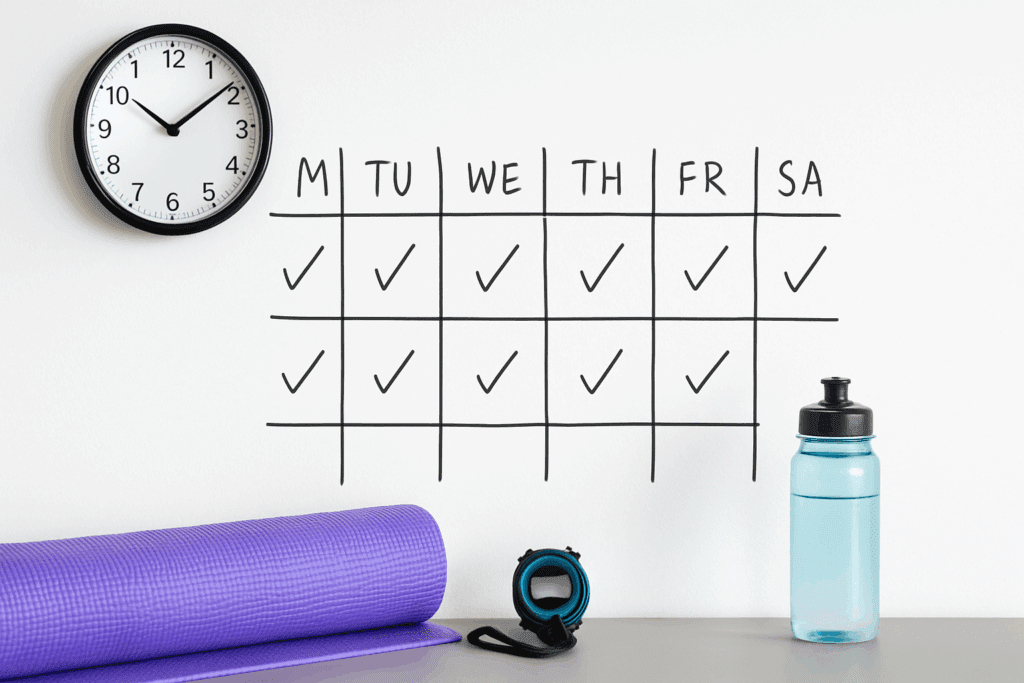
To ensure sustainability, it’s essential to create a schedule that integrates cardio in the bedroom as a natural part of your lifestyle. Morning routines, midday movement breaks, or post-work wind-downs are all opportunities to commit to regular cardiovascular activity. Consistency, more than duration or intensity, is the cornerstone of endurance building.

One effective strategy is to structure weekly sessions with variety and purpose. A Monday morning workout might focus on low-impact cardio and breathwork, while Wednesday could emphasize core-focused apartment cardio exercises, and Friday might feature a full-body endurance challenge using resistance bands. This variety prevents plateaus and keeps motivation high while respecting the physical constraints of your living space. Over time, these intentional movements become second nature, embedding endurance training into your daily rhythm.

Weekly schedule setup with a clock, yoga mat, stopwatch, and water bottle illustrating consistent Apartment Cardio Exercises routine.

Tailoring Apartment Friendly Cardio to Personal Goals

The beauty of apartment cardio is its adaptability to individual goals. Whether you’re training for a 5K, seeking to lose weight, or simply trying to boost your mood and energy levels, your routine can be customized accordingly. For those focused on endurance, steady-state cardio movements such as shadowboxing or step-back lunges performed over longer durations may be ideal. For strength and stamina, interval-based routines that alternate between cardio and resistance moves offer significant benefits.

Even within the confines of a small bedroom, workout programming can be as sophisticated and goal-oriented as any gym-based plan. Tracking progress, setting benchmarks, and gradually increasing challenge levels all contribute to a sense of achievement. With just a yoga mat and a little creativity, apartment friendly cardio can be a cornerstone of a focused and results-driven fitness regimen.

Common Mistakes and How to Avoid Them

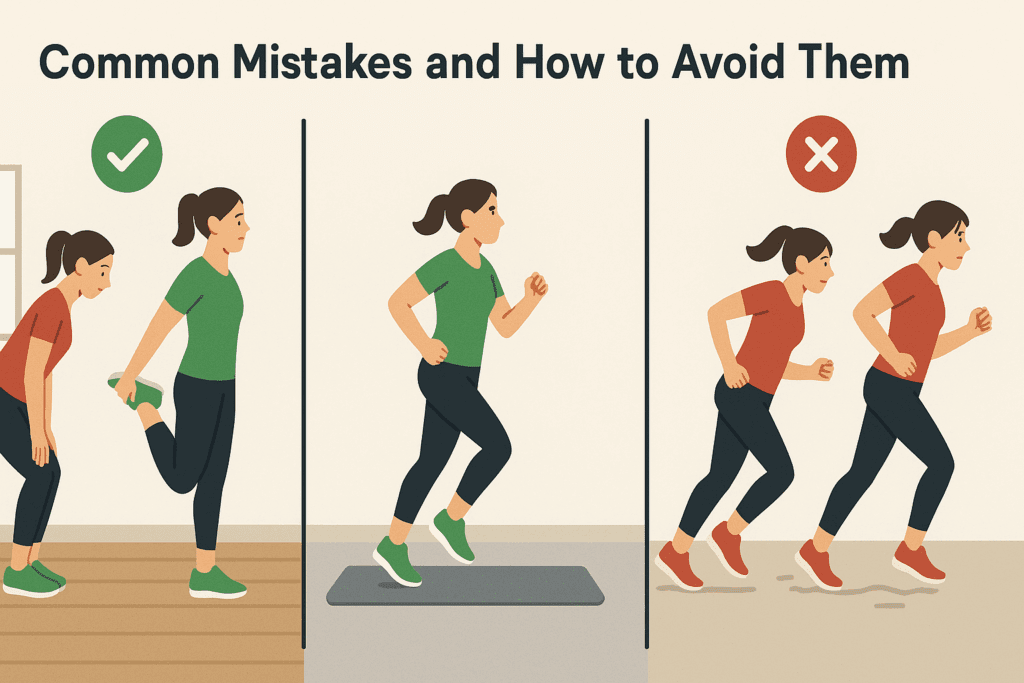
As with any fitness program, it’s important to avoid common pitfalls when doing cardio in the bedroom or other small spaces. One frequent mistake is neglecting warm-ups and cool-downs. Jumping straight into high-energy movement can lead to muscle strain or joint discomfort, particularly in tight environments where movement is more restricted. A gentle five-minute warm-up of shoulder rolls, hip circles, and deep breathing prepares the body for exercise while setting the tone for mindful movement.

Another error is sacrificing form for intensity. In a limited space, people often try to do too much in too little room, leading to improper alignment and overcompensation. Slowing down, focusing on quality over quantity, and using mirrors or video recordings for feedback can mitigate this. Lastly, inconsistency can undermine results. Sticking to a regular apartment cardio schedule ensures steady progress and helps develop both physical endurance and mental discipline, which are key to long-term health outcomes.

Side-by-side comparison of proper and improper Apartment Cardio Exercises with clear visuals of stretching, surface prep, and posture form

Nutrition and Recovery to Support Your At-Home Cardio Routine

Cardio is only one pillar of endurance training; nutrition and recovery are equally critical. Proper hydration, balanced meals, and post-workout snacks contribute significantly to performance and recovery. Consuming protein and complex carbohydrates after a cardio session helps repair muscle tissue and replenish energy stores. In the context of at-home workouts, it can be easier to fall into poor eating habits due to the proximity of the kitchen. Establishing post-workout routines that include healthy snacks like Greek yogurt with fruit or a smoothie with protein powder helps reinforce positive habits.

Recovery practices such as stretching, foam rolling, and adequate sleep also support cardiovascular fitness. After completing a bedroom cardio workout, taking 10 minutes to stretch or meditate can enhance flexibility and calm the nervous system. Sleep, often undervalued, plays a vital role in hormone regulation and muscle repair, making it a cornerstone of performance enhancement. When paired with smart recovery and nutrition strategies, apartment cardio exercises become even more impactful.

Frequently Asked Questions: Apartment Cardio and At-Home Endurance Training

1. Can apartment cardio be as effective as gym workouts for building endurance?
Absolutely. While gyms offer specialized machines and dedicated spaces, the effectiveness of an endurance workout is less about location and more about intensity, consistency, and progression. Apartment cardio routines can effectively improve cardiovascular health by combining bodyweight exercises, breath control, and interval timing. A well-structured bedroom cardio workout that includes varied movements such as low-impact steps, isometric holds, and resistance band work can significantly enhance stamina. When performed consistently with strategic progression, these workouts can rival traditional gym sessions in terms of endurance-building benefits.

2. What are some common mistakes people make when doing cardio in bedroom spaces?
A frequent error is underestimating the importance of surface preparation. Carpets can shift or bunch, and hard floors may require extra cushioning for joint protection. Another mistake is performing high-impact movements that may seem effective but cause structural vibrations, disrupting neighbors and risking injury. For a sustainable and respectful routine, apartment cardio exercises should be tailored for low-noise impact while still engaging the full body. It’s also crucial to pay attention to airflow; opening a window or using a fan can improve oxygen circulation and help regulate body temperature.

3. How can I stay motivated to do apartment cardio regularly without getting bored?
Variety is the cornerstone of long-term motivation. Integrate different formats such as dance-inspired routines, yoga-cardio hybrids, or themed challenges into your week to maintain engagement. Utilizing digital platforms or fitness apps that offer guided apartment friendly cardio sessions can also break the monotony. Adding ambient music or lighting changes can simulate new environments and keep your cardio in the bedroom fresh and stimulating. Set mini-goals like mastering a specific move or improving time-under-tension metrics to foster a sense of achievement.

4. Is there an ideal time of day to perform a bedroom cardio workout?
The best time ultimately depends on your personal rhythm and energy levels, but there are advantages to each window. Morning sessions help kickstart metabolism and promote discipline, while evening workouts can relieve stress and tension accumulated throughout the day. Cardio in bedroom environments is especially convenient at any hour because it minimizes the need to travel or adhere to a gym schedule. For apartment dwellers, mid-morning or late afternoon may offer the best compromise between energy levels and avoiding disturbing neighbors. Whichever time you choose, consistency and listening to your body’s signals are key.

5. How can I measure progress with apartment cardio exercises without fitness machines?
Tracking progress in at-home workouts doesn’t require expensive equipment. You can measure improvements by noting reduced rest time between movements, increased repetitions during intervals, or enhanced balance and control during complex moves. Many who practice apartment friendly cardio use heart rate monitors or smartphone apps to track intensity zones. Video recordings can also serve as visual benchmarks for posture, range of motion, and fluidity over time. Journaling after each bedroom cardio workout helps document mood, energy, and performance for a more holistic view of progress.

6. What are the long-term health benefits of consistent cardio in bedroom routines?
Beyond immediate cardiovascular gains, regular apartment cardio can reduce the risk of hypertension, Type 2 diabetes, and stroke. It also supports metabolic health, improves sleep quality, and boosts cognitive function through improved blood flow. A consistent bedroom cardio workout strengthens both the muscular and respiratory systems without requiring large spaces or heavy equipment. Over time, these exercises help regulate cortisol levels, reducing chronic stress and enhancing emotional well-being. The accessibility of cardio in the bedroom means you’re more likely to stay consistent, making the long-term health impacts even more pronounced.

7. Can apartment friendly cardio routines support muscle toning and fat loss simultaneously?
Yes, especially when structured strategically with circuit or interval-based formats. Apartment cardio exercises that combine dynamic movements with strength-based holds, such as wall sits or plank variations, can simultaneously engage muscle fibers and elevate heart rate. This dual action creates an ideal environment for fat oxidation while building lean muscle mass. Incorporating progressive overload using resistance bands or time-under-tension principles adds challenge without requiring loud or heavy equipment. Because apartment friendly cardio often minimizes downtime, it keeps the metabolism elevated longer, supporting sustained fat loss.

8. Are there specific modifications for older adults doing apartment cardio exercises?
Absolutely. For older adults or those with joint concerns, the emphasis should be on stability, control, and gradual progression. Gentle forms of cardio in bedroom settings, like seated marches, slow step-touches, or modified standing kicks, offer low-impact cardiovascular engagement. Using a sturdy chair or countertop for support can increase confidence and reduce fall risk. Emphasizing breathwork and joint mobility alongside cardio helps preserve functionality and enhances daily living. With proper guidance and attention to form, apartment friendly cardio is not only accessible but highly beneficial for aging populations.

9. How can I design an apartment cardio space that feels motivating and functional?
Creating an inviting workout zone doesn’t require a lot of square footage. Start by dedicating a corner or area with ample natural light and ventilation. Use a non-slip yoga mat to define your cardio in bedroom area and add calming or energizing visuals, such as motivational quotes or minimalist decor. Storage bins for resistance bands, sliders, or towels keep the space organized and reduce friction when starting your workout. Some even use mirrors to monitor form and foster a more immersive experience. The key is designing a space that encourages you to return consistently.

10. What trends are emerging in the world of apartment friendly cardio and home-based endurance training?
Several innovations are reshaping how people engage with at-home fitness. Virtual reality workouts are beginning to merge immersive gaming with cardiovascular training, making cardio in the bedroom more interactive and fun. Wearable tech now tracks heart rate variability and recovery, providing data that can fine-tune your apartment cardio strategy. Additionally, there’s a growing emphasis on “quiet cardio,” where fitness creators develop routines specifically engineered for minimal noise, appealing to apartment dwellers. Hybrid classes that combine strength, mobility, and cardio continue to evolve, often delivered via on-demand streaming platforms. As interest in sustainable, location-flexible fitness grows, the possibilities for apartment friendly cardio continue to expand with impressive creativity and accessibility.

Final Thoughts: Redefining Fitness With Apartment Cardio Exercises

The modern landscape of fitness is shifting away from rigid definitions and towards flexibility, adaptability, and inclusivity. Apartment cardio exercises exemplify this transformation by proving that effective endurance and stamina training can happen in any space, regardless of size or noise restrictions. With the right approach, a simple bedroom cardio workout can rival the cardiovascular benefits of a gym session, all while fitting seamlessly into a busy lifestyle.

By embracing quiet, intentional movement and aligning workouts with personal goals and space constraints, individuals can unlock lasting physical resilience and mental clarity. These workouts not only offer a path to improved endurance but also serve as daily acts of self-care that promote holistic health. Whether you’re performing cardio in the bedroom or creating a full apartment friendly cardio circuit in your living room, remember that consistency, mindfulness, and creativity are the most important tools in your training arsenal. In the end, the best workout is the one that fits your life—quietly, powerfully, and right at home.

Was this article helpful? Don’t let it stop with you. Share it right now with someone who needs to see it—whether it’s a friend, a colleague, or your whole network. And if staying ahead on this topic matters to you, subscribe to this publication for the most up-to-date information. You’ll get the latest insights delivered straight to you—no searching, no missing out.
Further Reading:

33 Cardio-Based Bodyweight Exercises

20 cardio exercises to do at home with minimal equipment, from beginner to advanced

19 Cardio Exercises You Can Do at Home

Official Game Website

To start playing Chicken Road, you need to download the app from your device’s app store or our official website. The game has an easy-to-understand progression system, where your goal is to keep the chicken moving forward. Once you’ve set your bet amount, hit the “Start” button, and your chicken will begin its journey. Players who enjoy quick decision-making and the excitement of risk will appreciate this game most. Chicken Road offers high-speed action and simple mechanics, but like any game, it has both strengths and limitations.

Chicken Road Gameplay

Players must manually place their bets and decide when to cash out, adding an element of strategic decision-making and timing to each round. To cash out, press the designated button before the chicken is fired in the oven. This guide breaks down the main functions of the Chicken Road game.

  • The lighthearted, humorous design gives Chicken Road a playful personality that appeals to gamers of all ages.
  • With each step, the multiplier of that steps increases which further increases the value of money you put into it.
  • Chicken Road betting game is available in various online casinos in India.
  • Understanding both sides helps players decide whether the game matches their preferences and risk tolerance.
  • 🎯 Our community’s biggest win this month?

Save my name, email, and website in this browser for the next time I comment. When that happens, no amount of “doubling your bet” will save you. Cashing out at 2-4x multipliers keeps you profitable while avoiding the heartbreak of losing everything to a sudden flame. Players who manage their money properly last way longer and get more chances to hit those massive multipliers.

Here, players use real funds, and every decision—whether to cash out or stay in—carries financial weight. Players can try Chicken Road demo mode to learn the game without any financial risk. If you don’t cash out in time, the game ends and the bet is lost.

Progressing further increases the multiplier, potentially boosting payouts. Players guide a chicken across a busy street, avoiding ovens with fire that can burn the main character. The following table provides key details about the company. It is a well-established site known for its massive game library and flexible payment options. 1xBet offers various gambling services for users in India, including Chicken Road.

BONUS 700% UP TO 40,000 INR

You can find the demo version conveniently located at the top of this page, allowing you to dive right into the action. The potential payouts vary based on the chosen difficulty level, with higher risks leading to more substantial rewards. Other symbols may include safe zones or bonus multipliers, though these vary depending on the chosen difficulty level. The mobile compatibility extends to various operating systems, ensuring that whether you’re using an iOS or Android device, you can access Chicken Road with ease. The fiery obstacles are strategically placed along the chicken’s path, creating a visually engaging contrast with the charming chicken character and the countryside backdrop. The game employs a visually intuitive hazard system, with fire symbols representing danger zones.

Chicken Road vs Other Fantasy Platforms

With an impressive 98% RTP, Chicken Road offers players one of the highest return rates in the online casino industry. It’s particularly important in the online gambling world, where trust between players and casinos is paramount. This feature also allows for diverse playing styles, accommodating both conservative players who prefer frequent, smaller wins and risk-takers aiming for those big, rare payouts.

From Registration to First Spin: Step-by-Step

Chicken Road is a unique gambling game developed by our – Inout Games. The legality depends largely on the player’s location and local gambling laws. The betting history feature helped me fine-tune my strategy.

In a world of look-alike mobile games, Chicken Road stands out from the crowd with its innovative mix of gameplay and style. Love the adrenaline rush of casino crash games or the timeless appeal of Frogger-style arcade games? Chicken Road offers multiple gameplay options and difficulty levels to keep players engaged. The availability may vary, but the game can usually be found on most Chicken Road online casino sites, as well as apps to play on mobile. The Chicken Road game in India offers players a unique experience with both advantages and drawbacks. The Chicken Road game offers a demo mode for players to explore.

Even though slot outcomes are random, different player types approach games differently. Many experienced players use simple rules to avoid emotional decisions during losing streaks. For new players, it is wise to start with low bets, observe how often features trigger and only then decide whether to increase the stake size. After certain wins, you may be given the choice to risk your payout for a chance to double or quadruple it through a simple mini-game (for example, guessing card colour or suit). Modern players expect more than simple line wins, and Chicken Road delivers through wilds, scatters, free spins and additional modifiers. We will break down the reels and paylines, explain how the bonus features work, show how volatility affects your bankroll, and share practical tips for both casual and high-risk players.

Prediction, Strategies, and Tips For Chicken Road Players in India

The mobile version liberates the game from the confines of your home, making every moment a potential gaming opportunity. This fluidity between platforms means your gaming experience remains uninterrupted, just the way it should be. We have picked up on this page a list of licensed casinos that feature this exciting crash game. This allows you to practice and familiarize yourself with the game mechanics without risking real money.

  • Cashing out at 2-4x multipliers keeps you profitable while avoiding the heartbreak of losing everything to a sudden flame.
  • 5、Not surprisingly, the chicken in the salads also has MSG.
  • All their attention can go to the game while their funds are managed intelligently and securely.
  • It connects identity, wallet, and play history for safe playing and payments.
  • You don’t need complex rules or long tutorials—everything happens in real time, and every decision is yours.

How to Deposit Funds in Your Chicken Road Account:

The game’s bright graphics and smooth animations create an engaging world that pops off the screen, keeping you hooked for hours. Use them wisely – they might make the difference between a narrow escape and a feathery fiasco! Grab invincibility helmets, extra lives, or coin magnets to help your chicken make it further. The farther you go without crashing, the more coins and points you collect. Start at a humble ×2 and climb through ×10, ×50, ×100… all the way up to an epic ×1000 multiplier if you’re skilled (and lucky!) enough.

Play Chicken Road Game for Real Money

Four difficulty levels enable players to adjust risk and reward. It allows them to switch effortlessly between games. 1win is an online gaming company with perhaps the best services in India.

On mobile, the game runs without lag, loads quickly, and has smooth controls. Chicken Road betting game works seamlessly across all devices. The chicken sprints across the screen with urgency, building tension as the multiplier climbs.

Game Difficulty

This approach can lead to big wins—but only if timed perfectly. It means holding your bet as long as possible to hit a high multiplier. Difficulty settings adjust the game’s rhythm to match player behavior. As players grow confident, they can try more aggressive settings for higher rewards.

How do I win in Chicken Road casino game?

Players can examine the gameplay patterns and trend analysis of chicken road previous rounds to improve their subsequent strategies. If you wish to approach Chicken Road, the practice demo mode is available for you to use where you can freely play the game without spending anything at first. This allows players to meet their needs instantly and makes the game player friendly. What sets Chicken Road apart are the cashout features unique to the game as players do not have to submit withdrawal requests which makes everything easy to access. Space Mode is a feature that enhances visual effects and gameplay interactions.

The Importance of Responsible Gaming in Casinos

0

Accountable gambling is a vital aspect of the gambling industry, confirming that players engage in wagering practices securely and sustainably. In 2023, the State Board on Problem Gambling reported that approximately 1 in 20 adults in the U.S. faces some form of gambling compulsion. This figure underscores the need for gambling establishments to execute effective accountable play measures.

One prominent champion for accountable gaming is Whyte, the Managing Director of the Federal Council on Challenge Betting. His group offers assets and help for individuals battling with betting concerns. You can learn more about his projects on his Twitter profile.

Many gambling venues have implemented initiatives that support responsible gaming, such as voluntary exclusion options, where participants can voluntarily forbid themselves from gambling activities for a set timeframe. Moreover, gambling venues often provide details on how to gamble responsibly, including setting limits on duration and cash used. For more information into sustainable gambling methods, visit The New York Times.

Furthermore, technology plays a crucial role in encouraging responsible gambling. Many gambling venues now employ applications that tracks player actions, permitting them to recognize trends that may signal concerning wagering. This anticipatory method helps gaming establishments intervene before issues intensify. Explore a platform using these tools at casino.

Finally, cultivating a environment of responsible gaming not only safeguards participants but also improves the image of gaming establishments. By valuing player welfare, the field can ensure a sustainable outlook while offering pleasurable interactions for everybody.

Guide complet du casino en ligne : tout ce que vous devez savoir en 2026

Guide complet du casino en ligne : tout ce que vous devez savoir en 2026

Introduction

Le marché du casino online france connaît une croissance soutenue depuis plusieurs années ; les revenus mondiaux dépassent désormais les 30 milliards d’euros, et la France représente l’un des pôles les plus dynamiques grâce à la régulation de l’ANJ et à l’essor du mobile. Les plateformes s’appuient sur des technologies de streaming ultra‑rapide, l’intelligence artificielle pour personnaliser les offres et les cryptomonnaies pour diversifier les dépôts. Cette évolution crée un environnement à la fois plus attractif et plus exigeant pour les joueurs français qui recherchent sécurité et transparence.

Découvrez le nouveau casino en ligne qui vient d’être lancé et qui offre des bonus attractifs pour les joueurs français. Basketnews.Net, site de revue et de classement indépendant, a déjà testé la plateforme et publie une analyse détaillée des conditions de mise, du catalogue de jeux et du service client. Le lien ci‑dessus dirige directement vers la page de présentation où vous pourrez consulter les premiers retours des membres de la communauté.

L’objectif de cet article est de fournir aux lecteurs de Basketnews.Net un guide pratique, transparent et à jour pour choisir, jouer et rester maître de leur expérience de jeu en ligne. Vous y trouverez des critères de sélection rigoureux, des stratégies sur les jeux populaires, des conseils sur la sécurité technique ainsi que des outils concrets pour jouer de façon responsable tout au long de l’année 2026.

Choisir le bon casino en ligne : critères de sélection

La première étape consiste à vérifier la licence du site : une autorisation délivrée par l’ANJ (ex‑ARJEL), la Malta Gaming Authority ou encore Curaçao garantit le respect du cadre légal français ou européen. Sans licence reconnue, aucune protection n’est assurée en cas de litige.

Ensuite, la réputation se mesure à travers les avis des joueurs et les audits indépendants réalisés par eCOGRA ou iTech Labs. Ces organismes testent le RNG (Random Number Generator) et valident le taux de redistribution (RTP) moyen des jeux proposés. Un score élevé dans les revues Basketnews.Net indique généralement un opérateur fiable et transparent.

Le catalogue doit couvrir plusieurs fournisseurs majeurs : NetEnt pour ses slots à haute volatilité comme Gonzo’s Quest, Microgaming avec le légendaire Mega Moolah progressive, ou Evolution pour les tables live dealer telles que le Blackjack Squeeze ou la Roulette Immersive. La variété permet d’équilibrer divertissement et chances réelles de gains importants.

Modes de paiement courants

  • Cartes bancaires : Visa, Mastercard – dépôts instantanés, retraits sous 48 h
  • Portefeuilles électroniques : Skrill, Neteller – limites flexibles, frais réduits
  • Cryptomonnaies : Bitcoin, Ethereum – anonymat partiel, délais de retrait rapides

Les limites de dépôt quotidien ainsi que les plafonds maximaux influencent directement votre gestion budgétaire ; privilégiez les sites affichant clairement ces informations dans leur FAQ.

Le service client doit être disponible au moins 24/7 via chat live multilingue, email et téléphone ; un temps moyen de réponse inférieur à deux minutes est un bon indicateur de professionnalisme selon les tests menés par Basketnews.Net sur plusieurs opérateurs français en 2025.

Compatibilité mobile & expérience utilisateur

Un design responsive assure que chaque jeu s’adapte aux écrans Android, iOS ou aux navigateurs desktop sans perte graphique ni latence notable. Les casinos qui proposent une application native offrent souvent des bonus exclusifs mobiles (par exemple +10 % sur le premier dépôt via l’app).

Licence Temps moyen de retrait Bonus max autorisé Support client
ANJ (France) 24‑48 h €1 000 Chat + téléphone
Malta Gaming Authority 12‑24 h €2 000 Chat uniquement
Curaçao ≤72 h €500 Email

Cette comparaison montre clairement que la licence maltaise combine rapidité financière et généreux programmes promotionnels, tandis que l’ANJ reste la référence française en matière de protection du joueur.

En résumé, un bon casino doit réunir licence solide, réputation vérifiée par Basketnews.Net, catalogue riche, options bancaires adaptées et support client réactif sur tous les appareils mobiles.

Les jeux de casino les plus populaires et comment y jouer

Machines à sous vidéo

Les slots vidéo affichent généralement un RTP compris entre 95 % et 98 %. Starburst (NetEnt) propose un RTP de 96,1 % avec des re‑spins gratuits ; la volatilité moyenne signifie que les gains sont fréquents mais modestes. Une stratégie basique consiste à miser la mise maximale sur chaque spin pendant une session courte afin d’activer toutes les lignes payantes et d’optimiser le potentiel du jackpot progressif.*

Roulette européenne vs américaine

La roulette européenne possède un seul zéro (0), ce qui réduit l’avantage maison à 2,7 %. En revanche, la version américaine ajoute le double zéro (00), portant l’avantage à 5,26 %. Pour minimiser le risque, privilégiez les paris « outside » comme rouge/noir ou pair/impair qui offrent près de 50 % de chances avec un gain égal à votre mise. Les paris combinés (« corner », « street ») augmentent le paiement mais diminuent fortement la probabilité d’occurrence ; ils sont réservés aux joueurs cherchant plus d’action que de stabilité financière.

Blackjack classique & variantes

Le tableau stratégique « basic strategy » indique la décision optimale selon votre main et celle du croupier – par exemple doubler sur un total de 11 contre un croupier montrant un 6 augmente l’espérance mathématique à près de 0,5 % au-dessus du simple hit‑stand. La gestion du split est cruciale : séparer deux As vous donne deux chances supplémentaires d’obtenir un blackjack naturel avec une mise supplémentaire égale à votre mise initiale. Les variantes comme le Spanish 21 suppriment les cartes « 10 », modifiant légèrement les calculs mais conservant un RTP global supérieur à 99 % lorsqu’on suit la stratégie optimale.

Poker vidéo & Texas Hold’em Live

Les machines vidéo poker telles que Jacks or Better utilisent un RNG certifié ; elles offrent souvent un RTP supérieur à 99 % lorsqu’on suit une stratégie « full pay ». En live dealer Texas Hold’em, le facteur humain intervient : observez le rythme du croupier et utilisez les temps morts pour analyser vos adversaires virtuels – même si ceux-ci sont représentés par des avatars IA contrôlés par le logiciel du casino live Evolution Gaming. Commencez toujours avec une mise minimale afin d’évaluer la qualité du streaming avant d’augmenter votre bankroll sur des tables à enjeux plus élevés.

Baccarat & craps simplifiés

Au baccarat traditionnel, miser sur la banque génère un avantage maison minime (~1,06 %) après prise en compte de la commission sur les gains ; c’est donc le pari recommandé pour les débutants soucieux de limiter leurs pertes. Le craps peut sembler intimidant mais se résume souvent à deux paris simples : « Pass Line » (avantage maison ≈1,41 %) et « Don’t Pass » (≈1,36 %). Ces options offrent un bon point d’entrée pour ceux qui souhaitent expérimenter l’ambiance du dés sans se perdre dans la multitude d’options secondaires proposées dans les versions américaines plus complexes.

En maîtrisant ces bases – RTP moyen des slots vidéo, probabilités différenciées entre roulette européenne et américaine, tableau stratégique du blackjack – vous augmentez vos chances d’obtenir des gains réguliers tout en profitant pleinement du divertissement offert par chaque jeu phare répertorié sur Basketnews.Net.

Sécurité et licences : jouer en toute confiance

Cryptage SSL/TLS

Tous les sites sérieux affichent le cadenas vert HTTPS dans la barre d’adresse ; cela signifie que vos données personnelles sont protégées par un chiffrement SSL/TLS au minimum AES‑256 bits. Pour vérifier vous pouvez cliquer sur le cadenas afin d’afficher le certificat détaillé : il doit indiquer une autorité reconnue comme DigiCert ou Sectigo ainsi que la période de validité couvrant toute l’année en cours.

Audits RNG indépendants

Les logiciels générateurs aléatoires sont soumis à des audits réguliers par eCOGRA ou iTech Labs ; leurs rapports publics contiennent notamment le taux exact d’erreur statistique (<0,01 %) prouvant l’équité du jeu. Sur Basketnews.Net, chaque revue inclut un lien direct vers le PDF du dernier audit afin que vous puissiez vérifier vous‑même que le RNG n’a pas été manipulé depuis son lancement en janvier 2026 pour certains nouveaux casinos en ligne .

Politique KYC (Know Your Customer)

La procédure KYC requiert généralement une copie d’une pièce d’identité officielle (carte nationale ou passeport) ainsi qu’un justificatif de domicile datant de moins de trois mois (facture EDF ou relevé bancaire). Ces documents permettent aux opérateurs conformes aux exigences légales françaises d’éviter le blanchiment d’argent tout en protégeant votre compte contre toute utilisation frauduleuse par tiers non autorisés.

Protection contre la fraude financière

Les limites automatiques – dépôt maximum journalier configurable dans votre tableau personnel – empêchent toute surcharge accidentelle du portefeuille électronique ; certaines plateformes offrent aussi des alertes SMS ou e‑mail dès qu’une activité inhabituelle est détectée (par exemple plusieurs dépôts consécutifs supérieurs à €500). Ces mécanismes sont essentiels pour prévenir le vol d’identifiants bancaires ou l’exploitation abusive des comptes inactifs par des cybercriminels externes au casino lui‑même .

Responsabilité sociale du casino

Les opérateurs agréés doivent afficher clairement leurs programmes d’aide aux joueurs problématiques : partenariat avec GamCare France ou ADTPG garantit un accès gratuit à une hotline disponible 24/7 ainsi qu’à des outils d’auto‑exclusion intégrés directement dans l’interface utilisateur du site web . Certains nouveaux casinos lancés en 2026 proposent même des modules éducatifs interactifs afin que chaque joueur puisse tester ses limites avant d’engager des sommes importantes .

En suivant ces cinq piliers – chiffrement SSL/TLS visible, audits RNG publiés, procédure KYC transparente, contrôles anti‑fraude actifs et programmes sociaux certifiés – vous pouvez jouer sereinement sur n’importe quel site recommandé par Basketnews.Net, sachant que votre argent et vos données restent protégés par les standards internationaux les plus exigeants .

Bonus et promotions : maximiser vos gains

Bonus de bienvenue typique

Le package standard comprend généralement un match deposit allant jusqu’à 100 % sur votre premier dépôt + 50 tours gratuits sur une machine populaire comme Book of Dead. Les exigences de mise sont souvent fixées à ×30 fois le montant bonus + mise initiale ; ainsi un dépôt de €100 donne €100 bonus + €50 tours dont chaque tour équivaut à €0,20 = €10 valeur totale → wagering requis = (€100+€10)×30 = €3 300 avant retrait possible .

Promotions récurrentes

Les casinos maintiennent l’intérêt avec :

  • Cash‑back hebdomadaire jusqu’à 15 % sur pertes nettes
  • Reload bonus mensuel 50 % jusqu’à €200
  • Programme VIP où chaque €100 misé rapporte 1 point convertible en cash ou cadeaux exclusifs (voyages événementiels ou billets sport)

Ces offres sont souvent limitées aux joueurs résidant en France ; il faut donc vérifier que votre compte est bien géolocalisé dans l’hexagone avant d’accepter une promotion spécifique proposée par Basketnews.Net lors de ses comparatifs mensuels .

Conditions à surveiller attentivement

  • Jeux éligibles au wagering : généralement slots uniquement ; tables comme blackjack ou roulette comptent souvent partiellement voire pas du tout
  • Plafond maximal sur gains issus du bonus : certains sites limitent ce plafond à €200 malgré un gros bonus initial
  • Restrictions géographiques : même si l’offre semble alléchante , elle peut être bloquée pour les IP françaises non vérifiées

Astuces pour “casser” efficacement le rollover

Choisissez toujours des titres avec RTP ≥ 96 % où chaque mise compte intégralement dans le calcul du wagering – par exemple Mega Joker (NetEnt) possède un RTP théorique proche de 99 % lorsqu’on joue avec la mise maximale sur toutes les lignes actives . En combinant ces jeux avec vos sessions habituelles vous réduisez considérablement le nombre total de mises nécessaires pour atteindre ×30 .

Risques liés aux offres trop généreuses

Un “no‑deposit bonus” affichant une exigence ×200 ou plus est généralement inutile car il nécessite plusieurs milliers d’euros misés avant toute possibilité de retrait réel ; ces conditions abusives sont signalées systématiquement dans nos revues sur Basketnews.Net, où nous attribuons une note rouge aux promotions jugées déloyales . Toujours comparer plusieurs offres avant de déposer afin d’éviter ce piège courant chez certains nouveaux casinos en ligne .

Gestion responsable du jeu et outils d’auto‑exclusion

Auto‑limitation financière

Dans votre tableau personnel vous pouvez fixer :

  • Un budget quotidien maximal (exemple : €50)
  • Un plafond hebdomadaire (exemple : €250)
    Une fois atteint, le système bloque automatiquement toute transaction supplémentaire jusqu’au prochain cycle financier défini par l’utilisateur .

Limite temporelle

Paramétrez une alerte après X minutes passées devant l’écran – typiquement entre 60 et 120 minutes – puis choisissez soit une pause forcée soit une déconnexion complète jusqu’au lendemain ; cette fonction est intégrée dans la plupart des applications mobiles proposées par les casinos recommandés par Basketnews.Net .

Outils nationaux d’auto‑exclusion

Le dispositif FIJEL (France Interdiction Jeux En Ligne) permet une auto‑exclusion définitive pendant au moins six mois via inscription directe sur son site officiel ou via demande auprès du support client du casino partenaire . La procédure se fait habituellement en trois étapes simples : formulaire en ligne → validation identité → blocage effectif du compte sous 48 heures .

Détection précoce des comportements à risque

Les indicateurs clés comprennent :

  • Augmentation soudaine (>30 %) du montant moyen misé
  • Sessions nocturnes prolongées (>3 heures entre minuit et 4 h)
  • Multiplication des dépôts successifs sans gain notable

Lorsque ces signaux apparaissent dans vos historiques personnels , activez immédiatement l’une des fonctions précédentes ou contactez l’assistance dédiée aux joueurs problématiques présentée dans nos revues Basketnews.Net .

Ressources externes d’accompagnement

En France plusieurs lignes téléphoniques gratuites offrent soutien immédiat :

  • S.O.S Joueurs → 09 72 90 90 90
  • Fédération Française Française Lutte contre l’Addiction au Jeu → www.fgj.org

Par ailleurs , Basketnews.Net héberge depuis début année un forum dédié aux joueurs responsables où chacun peut partager ses expériences , poser des questions aux experts ou accéder aux liens directs vers les associations partenaires comme GamCare France . Ce réseau communautaire constitue souvent la première porte d’entrée vers une prise conscience saine avant même qu’une auto‑exclusion officielle ne devienne nécessaire .

Conclusion

Nous avons passé en revue tous les éléments indispensables pour choisir judicieusement son casino : licence fiable délivrée par l’ANJ ou Malta Gaming Authority , audits RNG certifiés , catalogue riche incluant slots haute volatilité et tables live dealer évolutives , méthodes bancaires sécurisées ainsi qu’un support client disponible partout où vous jouez grâce au mobile moderne . Nous avons également détaillé comment aborder chaque jeu phare – slots vidéo, roulette européenne , blackjack stratégique , poker vidéo vs live – tout en gardant à l’esprit les exigences techniques comme le RTP élevé ou la volatilité maîtrisée . Enfin nous avons présenté concrètement comment exploiter bonus attractifs sans tomber dans leurs pièges cachés et surtout comment protéger votre santé financière grâce aux outils d’auto‑limitation financière/temporelle ainsi qu’au dispositif national FIJEL .

En suivant ces bonnes pratiques publiées régulièrement sur Basketnews.Net, vous maximisez votre plaisir tout en limitant vos risques financiers et psychologiques . Restez informés des dernières nouveautés concernant les nouveaux casinos en ligne dès leur lancement grâce à nos revues actualisées chaque mois – votre guide fiable pour jouer sereinement dans l’univers dynamique du casino online france en 2026.​

Aerobic vs. Cardiovascular Exercise: What Young Adults Need to Know for Peak Endurance and Performance

Understanding the Foundation: Aerobic Activity Definition and Core Concepts

When young adults begin to explore options for improving their fitness and health, terms like “aerobic” and “cardiovascular” often emerge interchangeably. Yet while they are closely related, understanding the aerobic activity definition is key to grasping the distinctions and optimizing training outcomes. Aerobic exercise is defined as any form of physical activity that relies on the presence of oxygen to generate energy. This process engages large muscle groups over an extended period and is designed to improve the efficiency of the body’s cardiovascular and respiratory systems. It includes familiar activities like running, cycling, swimming, and brisk walking. Cardiovascular exercise, often shortened to cardio, shares significant overlap but technically encompasses any activity that elevates the heart rate and strengthens the heart, including both aerobic and anaerobic exercises.

You may also like: How to Increase Stamina and Endurance Naturally: Smart Training Tips and Nutrition Habits That Support Cardiovascular Fitness

This distinction is important because the aerobic activity definition emphasizes sustained, rhythmic movements that primarily improve endurance and oxygen uptake. In contrast, cardio is a broader term that may include short, intense anaerobic bursts, such as sprinting or high-intensity interval training (HIIT), depending on the activity’s structure. For early adulthood fitness planning, grasping these nuances allows for more intentional program design. This level of clarity is critical for achieving specific outcomes, such as enhancing cardiorespiratory function or building muscular endurance. The terminology may seem nuanced, but knowing the difference between aerobic vs. cardiovascular exercise helps young adults make informed, strategic fitness choices.

Split-screen showing jogging woman with oxygen and glowing heart symbol, illustrating Aerobic vs. Cardiovascular Exercise.

Do Adults Need Aerobic Exercise or Anaerobic Exercise? A Balanced Approach to Endurance and Power

The question of whether adults need aerobic exercise or anaerobic exercise is not merely academic—it is a crucial decision that shapes fitness outcomes and long-term health. Both exercise types offer unique physiological benefits, and choosing one over the other often depends on individual goals. Aerobic exercise, such as long-distance running or cycling, improves heart health, boosts oxygen delivery, and builds endurance. Anaerobic exercise, on the other hand, includes short bursts of high-intensity activity such as weightlifting or sprinting, which primarily improve muscle strength, speed, and power.

While it may be tempting to focus solely on one type, especially for performance athletes or aesthetic goals, early adulthood is the ideal time to develop a foundation that includes both. This is when the body is typically most responsive to training adaptations, offering an optimal window for long-term conditioning. Combining aerobic conditioning with anaerobic bursts helps create a more comprehensive fitness profile. For example, a young adult training for a marathon can benefit from anaerobic sprints to improve lactate threshold, while a powerlifter can integrate aerobic sessions to enhance recovery and cardiovascular health.

This integrated approach is especially relevant given the growing body of research suggesting that all forms of aerobic activity can promote cardiorespiratory fitness while also supporting metabolic health, cognitive function, and emotional well-being. Choosing between the two should not be an either/or proposition but rather a question of how to blend them for maximum performance, longevity, and resilience. Therefore, rather than asking if early adulthood should do aerobic or anaerobic exercise, a more useful inquiry is how to effectively combine them.

Young adult training in split scene showing endurance running and kettlebell power moves to contrast Aerobic vs. Cardiovascular Exercise.

Benefits of Aerobic Activity: More Than Just Endurance

Too often, aerobic exercise is narrowly associated with weight loss or stamina-building. However, the benefits of aerobic activity extend far beyond the obvious. Regular aerobic training improves the body’s ability to transport and utilize oxygen efficiently, reducing resting heart rate and improving circulation. This leads to more efficient energy use during both exercise and daily activities. The enhanced oxygen delivery also supports brain function, potentially improving memory, focus, and overall mood through increased production of neurotrophic factors.

Furthermore, all forms of aerobic activity can promote cardiorespiratory fitness, which in turn reduces the risk of chronic diseases such as hypertension, type 2 diabetes, and certain cancers. For young adults, this foundational fitness sets the stage for a longer, healthier life with fewer medical complications. Another often-overlooked benefit is its effect on hormonal regulation. Aerobic activity can reduce stress hormone levels, including cortisol, while promoting the release of endorphins and other mood-enhancing neurotransmitters.

Beyond internal changes, aerobic activity also cultivates discipline, routine, and resilience. Whether training for a half-marathon or simply committing to daily brisk walks, consistency in aerobic training fosters a mindset of self-mastery. And from a public health perspective, early adulthood is the ideal time to form habits that will significantly reduce the burden of chronic illness later in life. Ultimately, the benefits of aerobic activity transcend mere physical outcomes—they establish a holistic framework for wellness.

Human figure running with glowing heart, lungs, brain, and muscles to depict internal benefits of Aerobic vs. Cardiovascular Exercise

Aerobic Conditioning: Building a Stronger, More Efficient Body

Aerobic conditioning refers to the systematic improvement of the body’s ability to perform sustained physical activity over time. This involves enhancing the function of the heart, lungs, blood vessels, and muscles to work together more efficiently. Young adults in particular benefit from aerobic conditioning because their bodies are still highly adaptable, capable of making dramatic gains in endurance, oxygen uptake, and muscular efficiency with the right training stimulus.

Effective aerobic conditioning results from progressively challenging the cardiovascular system. Activities such as distance running, cycling, and swimming—performed at moderate intensity for extended periods—help increase mitochondrial density and improve the muscles’ ability to utilize oxygen. Over time, these adaptations allow individuals to perform the same work with less perceived effort. This physiological economy is essential not just for athletes, but for anyone seeking to improve their quality of life through increased physical capability and reduced fatigue.

Aerobic conditioning also enhances recovery from both aerobic and anaerobic efforts. For example, a well-conditioned athlete will recover more quickly between sprints or weightlifting sets due to improved blood flow and oxygen delivery. Importantly, conditioning need not be monotonous. Modern training methodologies incorporate varied approaches like tempo runs, long slow distance training, and low-intensity steady-state cardio (LISS), allowing for creativity and personalization. These strategies ensure that aerobic conditioning remains both effective and engaging for young adults committed to long-term fitness development.

Fit young man cycling with glowing pathways symbolizing oxygen flow, illustrating Aerobic vs. Cardiovascular Exercise benefits.

Does Aerobic Exercise Help Build Stronger Muscles? Rethinking the Role of Endurance Training

It’s a common misconception that aerobic exercise is only useful for weight loss or cardiovascular health, with little to no role in muscular development. However, when asking whether aerobic exercise helps build stronger muscles, the answer is more nuanced. While it’s true that aerobic training doesn’t typically produce the hypertrophy associated with heavy resistance training, it does enhance muscular endurance and efficiency, which are critical components of strength in real-world settings.

In endurance sports and functional fitness, strength is not solely measured by how much weight one can lift, but by the ability of muscles to perform consistently over time. Aerobic exercise stimulates slow-twitch muscle fibers, which are more fatigue-resistant and essential for prolonged activity. This makes aerobic training invaluable for improving movement quality, reducing the risk of injury, and supporting joint stability. For example, long-distance runners develop robust lower body musculature adapted for endurance, while swimmers gain upper-body strength and flexibility through repetitive motion and resistance.

Moreover, aerobic training supports muscle health by improving capillary density and nutrient delivery, ensuring that working muscles receive the oxygen and fuel they need for sustained performance. It also enhances the removal of metabolic byproducts, contributing to quicker recovery. Therefore, while aerobic exercise may not significantly increase muscle size, it undeniably contributes to muscular strength and integrity in ways that support overall athleticism and longevity. Understanding this broadens the definition of strength beyond aesthetics to include resilience, durability, and functional capacity.

Long-distance runner and swimmer mid-motion with highlighted muscles to illustrate endurance strength, contrasting Aerobic vs. Cardiovascular Exercise.

Aerobic vs. Cardiovascular Exercise: Clearing Up the Confusion for Optimal Results

The terms aerobic and cardiovascular exercise are often used interchangeably, creating confusion about how best to train for specific fitness goals. Although the overlap is substantial, understanding the difference between aerobic vs. cardiovascular exercise helps clarify the intended outcomes of various workouts. As established earlier, aerobic exercise specifically refers to prolonged activities that rely on oxygen-based energy production. Cardiovascular exercise, in contrast, is a broader category that includes both aerobic and anaerobic forms, provided they significantly elevate heart rate.

For young adults focused on endurance and stamina training, aerobic exercise is a cornerstone, promoting adaptations in oxygen delivery and utilization. This includes classic modalities like steady-state running or cycling at a moderate intensity. Cardiovascular training, however, can also include HIIT workouts that intersperse intense anaerobic bursts with recovery periods, challenging both aerobic and anaerobic systems. These sessions are particularly effective for improving overall conditioning and burning calories efficiently, but they may not provide the same foundational endurance benefits as traditional aerobic workouts.

Selecting between these training styles depends on one’s specific goals. For those aiming to improve cardiorespiratory fitness, all forms of aerobic activity can promote meaningful adaptations. On the other hand, if the goal is to enhance metabolic conditioning or peak power output, integrating anaerobic components into a cardiovascular framework may be more effective. In practice, the most successful training regimens balance both modalities, capitalizing on the strengths of each. This nuanced understanding enables young adults to move beyond vague fitness goals toward targeted, evidence-based strategies.

Infographic comparing Aerobic vs. Cardiovascular Exercise using icons for intensity, duration, energy source, and activity types in split-screen format.

Should Early Adulthood Do Aerobic or Anaerobic Exercise? Personalized Training for a Critical Life Stage

The early adult years represent a critical window for establishing lifelong fitness habits, making it essential to address the question: should early adulthood do aerobic or anaerobic exercise? The answer is both—strategically and intentionally. This life stage offers peak physical resilience, faster recovery, and enhanced adaptive capacity, all of which are ideal conditions for exploring diverse exercise modalities.

Aerobic exercise lays the groundwork for long-term health by strengthening the heart, improving lung function, and supporting metabolic efficiency. These benefits are crucial for maintaining energy, mental clarity, and emotional balance during a time often characterized by academic and career pressures. Anaerobic exercise complements this foundation by building muscular strength, enhancing athletic performance, and boosting metabolism. For example, resistance training and sprinting not only improve body composition but also support bone density and functional strength, reducing the risk of injury over time.

By integrating both forms of exercise, early adults can create a resilient, adaptable physique capable of meeting a wide range of physical and psychological demands. A week might include aerobic runs, cycling sessions, and anaerobic strength circuits, creating a dynamic training schedule that targets multiple systems. This personalized blend ensures that fitness is sustainable, engaging, and effective. Far from being a binary choice, the decision about whether to do aerobic or anaerobic exercise in early adulthood should focus on developing a lifelong relationship with movement that evolves with individual needs and goals.

Frequently Asked Questions: Aerobic vs. Cardiovascular Exercise for Young Adults

1. How can young adults effectively transition from sedentary habits into an aerobic or cardiovascular training routine?

For young adults emerging from sedentary lifestyles, the transition into fitness doesn’t have to be overwhelming. One of the most accessible ways to begin is by integrating low-intensity forms of aerobic activity that require minimal equipment, such as walking, light cycling, or swimming. These options align well with the aerobic activity definition by focusing on sustained movement fueled by oxygen. Since all forms of aerobic activity can promote cardiorespiratory fitness, even short but consistent sessions yield noticeable health improvements. The key is to begin gradually and prioritize consistency, progressively increasing duration and intensity to enhance aerobic conditioning and minimize the risk of injury.

2. What psychological benefits are associated with aerobic conditioning in early adulthood?

Aerobic conditioning offers more than just physical transformation—it’s deeply linked to mental and emotional well-being, particularly during the often turbulent years of early adulthood. Regular aerobic sessions have been shown to reduce symptoms of depression and anxiety, improve sleep quality, and enhance cognitive performance. These psychological shifts are facilitated by neurochemical responses, including increased production of endorphins and brain-derived neurotrophic factor (BDNF). By improving blood flow and oxygen delivery to the brain, aerobic activity also sharpens focus and reduces mental fatigue. This makes a compelling case for why early adulthood should not overlook the psychological benefits of aerobic exercise, especially as stress levels rise during academic, career, and social transitions.

3. In what ways do different sports blur the lines between aerobic vs cardiovascular exercise?

Many popular sports challenge the distinction between aerobic vs cardiovascular exercise because they incorporate both sustained and high-intensity intervals. Take soccer, for instance: players jog, sprint, and walk interchangeably throughout a match, engaging both aerobic and anaerobic systems. This hybrid approach enhances cardiovascular efficiency while reinforcing muscle strength and stamina. Although aerobic activity is often emphasized in endurance-based sports, most athletic disciplines require a blend of energy systems to optimize performance. This illustrates how the phrase aerobic exercise vs cardio oversimplifies what is, in reality, a highly integrated spectrum of physical effort.

4. Does aerobic exercise help build stronger muscles, or should that goal be left to anaerobic training?

While aerobic training doesn’t lead to muscle hypertrophy in the same way as anaerobic lifting routines, it plays a crucial role in developing muscular endurance, efficiency, and fatigue resistance. Activities like rowing, swimming, or distance running can contribute to strength development by recruiting stabilizing and postural muscles, particularly in the core and lower body. Additionally, aerobic exercise helps build stronger muscles indirectly by improving blood circulation and nutrient delivery during recovery. It enhances capillarization and mitochondrial density, making muscles more efficient and resilient. Therefore, it’s short-sighted to believe that only anaerobic training strengthens the body—there are multifaceted benefits of aerobic exercise for muscle health.

5. How do cultural and social factors influence the decision on whether early adulthood should do aerobic or anaerobic exercise?

Cultural expectations, peer influence, and even social media trends can play a major role in shaping preferences between aerobic and anaerobic exercise in early adulthood. For instance, weightlifting and bodybuilding often receive more visibility on platforms like Instagram, drawing young adults toward anaerobic training for aesthetic gains. However, group-oriented aerobic classes such as Zumba or spinning appeal to those seeking social connection, community, and stress relief. The decision of whether early adulthood should do aerobic or anaerobic exercise should therefore factor in not only physical goals but also personal values, cultural relevance, and long-term sustainability. Fitness must be enjoyable to become a lasting habit, and aligning exercise modes with one’s lifestyle and social circle enhances adherence.

6. What are some overlooked benefits of aerobic activity that extend beyond health and fitness?

In addition to enhancing cardiorespiratory and muscular function, the benefits of aerobic activity include life skills such as discipline, time management, and perseverance. Training regularly builds a sense of routine and personal accountability, traits that are transferable to academic and professional domains. Moreover, engaging in aerobic routines often increases environmental awareness; individuals may choose to bike or walk rather than drive, reducing their carbon footprint. These broader implications show that aerobic activity has the power to reshape habits, values, and priorities in meaningful ways. Thus, the benefits of aerobic exercise go well beyond physiological metrics and into realms of social, ethical, and behavioral development.

7. How does technology help optimize aerobic conditioning for young adults today?

Advancements in wearable technology, mobile apps, and biometric tracking have revolutionized how young adults approach aerobic conditioning. Devices like heart rate monitors and smartwatches offer real-time data on performance, allowing users to stay within optimal heart rate zones for aerobic development. These tools also help measure variables like VO2 max, sleep quality, and recovery time, making aerobic conditioning more personalized and data-driven. Many apps provide structured programs that gradually progress in intensity, helping young users avoid burnout and plateaus. This technological integration enhances the precision, engagement, and sustainability of aerobic training, especially for tech-savvy individuals who thrive on feedback and structure.

8. What role does aerobic exercise play in career and academic performance during early adulthood?

The benefits of aerobic activity directly support the cognitive and emotional stamina required for success in academic and early career settings. Enhanced oxygen delivery improves concentration, memory retention, and processing speed—key assets during long study sessions or demanding workdays. Aerobic conditioning also promotes stress resilience, which is crucial during high-pressure periods like finals or job interviews. Unlike quick fixes such as caffeine or energy drinks, aerobic activity provides a sustainable cognitive boost without side effects. When young adults prioritize aerobic exercise, they’re not just investing in fitness—they’re strengthening the mental and emotional foundation required for professional success.

9. What’s the practical difference between aerobic exercise vs cardio in everyday workout programming?

In everyday usage, the terms aerobic exercise vs cardio are often used interchangeably, but distinguishing them can help fine-tune workout design. Aerobic exercise refers to sustained, rhythmic movements like jogging or rowing that primarily use oxygen for energy, making them ideal for long-term endurance development. Cardiovascular training includes these but also embraces shorter, high-intensity bouts such as sprints or circuit workouts that may lean anaerobic. Understanding this difference helps young adults match their workouts with specific goals: improving heart health, burning fat, or enhancing performance. Thoughtfully alternating between traditional aerobic workouts and high-intensity cardio sessions offers a balanced training approach with broader benefits.

10. Do adults need aerobic exercise or anaerobic exercise more as they age, and how should early adulthood prepare for this?

While both forms of exercise remain valuable throughout life, the emphasis may shift slightly with age toward aerobic activity due to its protective effects on heart health, metabolism, and mobility. Early adulthood is the ideal time to build aerobic conditioning habits that will serve as a buffer against age-related decline. This stage of life is also perfect for developing muscular strength and bone density through anaerobic exercise, which helps prevent sarcopenia and osteoporosis later on. So, when evaluating whether adults need aerobic exercise or anaerobic exercise more, the answer depends on the life stage and health context—but early adulthood is where the dual foundation should be laid. A well-rounded regimen started in youth creates a fitness reserve that pays dividends in energy, independence, and resilience well into the later decades.

Conclusion: Embracing Aerobic and Cardiovascular Training for a Lifetime of Performance and Wellness

Understanding the differences—and intersections—between aerobic vs. cardiovascular exercise is more than a matter of semantics. For young adults committed to building endurance, enhancing stamina, and supporting overall health, the distinctions shape training effectiveness and sustainability. Aerobic activity, with its emphasis on prolonged, oxygen-fueled effort, provides foundational benefits such as improved heart function, respiratory capacity, and mental clarity. These benefits make it indispensable for establishing lifelong health and performance potential.

Meanwhile, cardiovascular training includes a broader range of movements that can be tailored to suit diverse goals, from fat loss to peak power output. Whether a workout leans more aerobic or incorporates anaerobic intensity, it has the potential to contribute to physical growth, mental resilience, and emotional well-being. Integrating both forms of movement creates a well-rounded, capable body that can adapt to life’s many challenges.

Rather than framing the conversation as aerobic exercise vs cardio or aerobic vs cardiovascular exercise, it is more productive to view these modalities as complementary tools. When young adults recognize that all forms of aerobic activity can promote cardiorespiratory fitness while also contributing to muscular strength and endurance, they are better positioned to design smart, personalized training plans. Ultimately, the decision of whether adults need aerobic exercise or anaerobic exercise becomes irrelevant in light of the greater truth: a healthy, high-performing life demands both.

By embracing this integrative approach, early adulthood becomes a launchpad for enduring health, optimal performance, and resilient vitality across the lifespan.

Was this article helpful? Don’t let it stop with you. Share it right now with someone who needs to see it—whether it’s a friend, a colleague, or your whole network. And if staying ahead on this topic matters to you, subscribe to this publication for the most up-to-date information. You’ll get the latest insights delivered straight to you—no searching, no missing out.
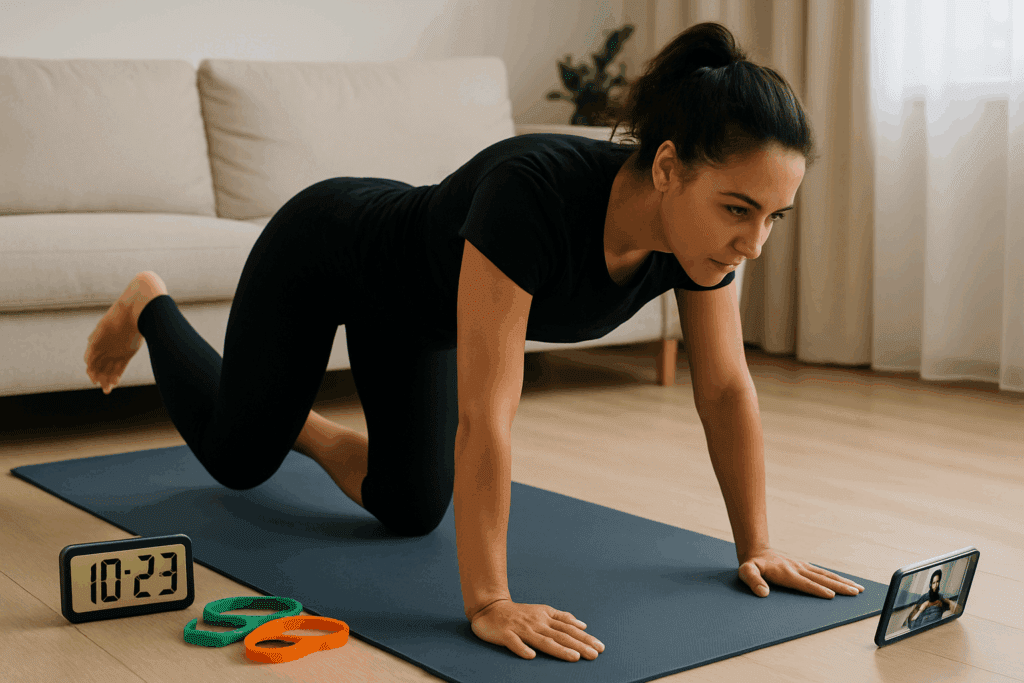
Further Reading:

Health-Related Fitness Measures for Youth: Cardiorespiratory Endurance

Aerobic vs anaerobic exercise training effects on the cardiovascular system

Cardiovascular Endurance

Boost Endurance and Burn Fat Fast: How a 15 Minute Cardio Workout Can Support Daily Performance Goals

In a fast-paced world where time is a luxury, finding an effective workout that delivers results in just a quarter of an hour can feel like a revelation. Whether you’re an athlete striving to improve performance or a busy professional looking to stay fit, a 15 minute cardio workout offers a compelling blend of efficiency and efficacy. The idea that you can boost endurance, enhance fat metabolism, and elevate your overall physical performance with such a short investment of time is not only motivating—it’s backed by growing scientific consensus. When approached with the right intensity and strategy, a 15 minute aerobic workout can yield results comparable to longer sessions, without requiring an hour-long commitment each day.

You may also like: How to Increase Stamina and Endurance Naturally: Smart Training Tips and Nutrition Habits That Support Cardiovascular Fitness

Cardiovascular fitness is the cornerstone of stamina, endurance, and metabolic health. Yet, many individuals struggle to incorporate consistent exercise into their routines due to time constraints or the misconception that longer always means better. Fortunately, evidence-based training strategies like high-intensity interval training (HIIT) and circuit-based cardio have redefined our understanding of what effective exercise can look like. A cardio exercise 15 minutes in length, done consistently and with proper form, can stimulate cardiovascular adaptations, improve respiratory efficiency, and trigger fat-burning mechanisms—all of which contribute to enhanced daily performance.

Runner mid-stride with glowing heart, muscles, and mitochondria illustrating body changes during a 15 Minute Cardio Workout

The Science Behind 15 Minute Cardio Workouts

A 15 min cardio workout might seem too brief to yield measurable results, but current research strongly suggests otherwise. Studies published in journals such as the American College of Sports Medicine have demonstrated that short bursts of high-intensity cardio can increase VO2 max (a key measure of cardiovascular endurance), promote muscle efficiency, and stimulate the production of mitochondria—the powerhouses of our cells. These benefits are especially pronounced when workouts involve full-body movements that engage multiple muscle groups simultaneously.

Physiologically, cardiovascular training triggers several important changes. As heart rate increases and breathing becomes deeper, the body improves its oxygen transport system, leading to more efficient delivery of nutrients and oxygen to working muscles. Over time, this translates to enhanced aerobic capacity, reduced fatigue, and better endurance across a range of activities. Moreover, when individuals perform a 15 minute aerobic workout at sufficient intensity, they can enter the “afterburn” effect, known scientifically as excess post-exercise oxygen consumption (EPOC). This phenomenon allows the body to continue burning calories at an elevated rate even after the workout is over, increasing the fat-burning potential of such short sessions.

Man alternating between sprinting and resting during a 15 Minute Cardio Workout on a gym mat, with motion blur and clock icons showing intervals

Why Duration Isn’t Everything in Cardio

The common belief that a workout must last 30, 45, or even 60 minutes to be effective is slowly being debunked by sports scientists and fitness professionals alike. While longer sessions certainly have their place, it’s the quality and structure of the workout—not its duration—that determines its effectiveness. A cardio for 15 minutes session, when performed with maximal or near-maximal effort, can elevate heart rate sufficiently to enter the target training zone, stimulate fat metabolism, and provide significant cardiovascular benefits.

Short-duration workouts are particularly beneficial when they are planned with precision. This means incorporating exercises that elevate the heart rate quickly, such as jumping jacks, mountain climbers, burpees, high knees, or jump squats. When these exercises are performed in rapid succession with minimal rest, they mimic the effects of longer steady-state workouts in terms of cardiovascular stimulation and calorie expenditure. This makes a 15 minute cardio workout not only a time-saver but also a metabolic booster that supports fat loss and physical conditioning.

Man performing jump squats in a gym with glowing muscles and fiery energy trails, illustrating a 15 Minute Cardio Workout for fat burn.

The Role of High-Intensity Interval Training (HIIT)

High-Intensity Interval Training has emerged as a highly effective method for maximizing results in a minimal timeframe. HIIT typically alternates between periods of intense effort and short recovery intervals, creating a pattern that challenges both the aerobic and anaerobic systems. In the context of a 15 min cardio workout, HIIT can be structured to include intervals such as 40 seconds of high-intensity movement followed by 20 seconds of rest, repeated across different exercises for the full session.

One of the key advantages of HIIT is its ability to enhance endurance while promoting fat loss. This dual benefit makes it an ideal format for individuals seeking to improve stamina and body composition simultaneously. Moreover, HIIT has been shown to improve insulin sensitivity, blood pressure regulation, and even cognitive function—making it a powerful tool not only for physical performance but also for long-term health. The versatility of HIIT allows it to be adapted to different fitness levels, making it accessible for beginners and challenging enough for advanced athletes.

Maximizing Fat Burn in Minimal Time

For those aiming to burn fat efficiently, a 15 minute aerobic workout performed at a high intensity can serve as an effective metabolic catalyst. Fat oxidation, the process through which the body breaks down fat for energy, increases during and after high-effort cardio sessions. This is particularly true when the workout includes compound movements that activate large muscle groups and elevate the heart rate quickly.

To optimize fat burning, it’s important to consider both workout structure and nutritional timing. Performing cardio 15 minutes a day in a fasted state (such as before breakfast) may enhance fat utilization, although this approach should be undertaken with medical guidance, especially for individuals with blood sugar concerns. Post-exercise nutrition also plays a role—consuming a balanced meal with lean protein and complex carbohydrates can support muscle recovery and sustain metabolic activity. Ultimately, consistency, intensity, and recovery are the cornerstones of an effective fat-burning cardio routine.

Top-down view of a minimalist home gym setup featuring a timer, yoga mat, and illustrated circuit flow of bodyweight exercises for a 15 Minute Cardio Workout.

Supporting Daily Performance Through Cardio

Daily performance is not limited to athletic endeavors—it encompasses the energy, focus, and stamina required to navigate work, family, and social commitments. Cardiovascular health is a critical determinant of how well we perform in all areas of life. A regular 15 min cardio workout can significantly improve oxygen delivery, reduce resting heart rate, and enhance overall energy levels, leading to more productivity and less fatigue throughout the day.

Engaging in aerobic exercise 15 minutes each morning can also create a positive mental shift. Physical activity is known to release endorphins—neurochemicals associated with improved mood, reduced stress, and enhanced cognitive clarity. This psychological uplift, combined with physiological benefits, helps set the tone for a more focused and energetic day. As little as 15 minutes of consistent movement can create a sustainable foundation for better health and improved day-to-day performance.

Designing an Effective 15 Minute Cardio Routine

Crafting an efficient 15 minute cardio workout requires a strategic blend of intensity, variation, and rest. Exercises should be selected based on their ability to elevate heart rate quickly while engaging multiple muscle groups. Common choices include burpees, jumping jacks, squat jumps, lunges with hops, and mountain climbers. The key is to transition between these movements with minimal rest to maintain cardiovascular engagement throughout the session.

It’s also important to include a brief warm-up and cool-down within the 15 minute window. A two-minute dynamic warm-up involving arm circles, leg swings, and light jogging can prepare the body for more intense activity. Similarly, a two-minute cooldown with deep breathing and gentle stretching can aid recovery and reduce muscle soreness. The remaining 11 minutes can be structured into circuits, such as three rounds of four exercises performed for 45 seconds each with 15 seconds of rest. This format allows for high intensity while maintaining a manageable structure.

Woman doing a 15 Minute Cardio Workout at home, following a virtual trainer on a tablet in a cozy, well-lit living room.

The Convenience of Cardiovascular Exercise Videos

One of the biggest barriers to fitness is accessibility. For individuals without access to a gym or personal trainer, a cardiovascular exercise video can be a game-changer. Online platforms now offer thousands of free or subscription-based videos that cater to different fitness levels and goals. These resources provide guided instruction, visual cues for form, and motivational encouragement—all from the comfort of home.

Using a cardiovascular exercise video to follow a 15 min cardio routine eliminates guesswork and promotes consistency. Many video-based workouts incorporate music, countdown timers, and real-time modifications to accommodate various abilities. Whether you’re using YouTube, fitness apps, or curated video libraries, these tools provide structure and accountability, making it easier to stay committed. Furthermore, the flexibility of working out at home means there’s no commute, no waiting for equipment, and no gym fees—only your body, your space, and your will to move.

15 Minutes a Day: Building a Habit for Lifelong Fitness

Establishing a daily habit of cardio 15 minutes a day can have profound long-term benefits. Behavioral psychology suggests that smaller, manageable goals are more likely to be sustained over time. Committing to a short but effective daily routine fosters consistency, which is the single most important factor in achieving lasting results. Over time, the physical and psychological gains accumulate, leading to improved endurance, fat loss, and overall wellness.

This approach also mitigates one of the most common pitfalls in fitness: burnout. Long, grueling sessions can be intimidating or unsustainable for many people, leading to dropout. In contrast, a daily 15 minute cardio workout feels achievable and invigorating. It becomes a non-negotiable part of the day, much like brushing teeth or taking a shower. This consistency can serve as the foundation for broader fitness goals, whether they involve strength training, endurance sports, or weight management.

Silhouettes performing a 15 Minute Cardio Workout with jump rope, brisk walking, chair cardio, and running shown in color-coded progression

The Psychological and Cognitive Benefits of Short Cardio Sessions

While much attention is given to the physical outcomes of cardio, the mental and cognitive benefits are equally significant. Aerobic exercise has been shown to increase neuroplasticity—the brain’s ability to form new neural connections—which supports learning, memory, and problem-solving. A 15 minute aerobic workout can stimulate these processes by increasing blood flow to the brain, elevating neurotransmitter levels, and reducing the presence of stress hormones such as cortisol.

These effects are particularly valuable for individuals facing demanding academic, professional, or creative challenges. A brisk cardio session can serve as a mental reset, improving focus, clarity, and emotional resilience. Additionally, the release of endorphins and serotonin during exercise helps regulate mood and combat symptoms of depression and anxiety. Integrating short cardio sessions into the day provides not only a physical break but also a cognitive boost that enhances overall quality of life.

Frequently Asked Questions: 15 Minute Cardio Workouts for Endurance and Performance

Can a 15 minute cardio workout help improve endurance over time? Yes, a well-structured 15 minute cardio workout can significantly improve endurance when practiced consistently. Short bursts of high-intensity cardiovascular activity promote cardiovascular adaptations such as increased stroke volume and oxygen uptake, both of which support greater stamina. Over time, this training stimulates mitochondrial efficiency and enhances the body’s ability to use fat as a fuel source. While traditional endurance programs emphasize longer sessions, research now supports the idea that intensity can substitute for duration in many cases. When performed with focused effort, a cardio exercise 15 minutes in length can condition the heart and lungs in ways that translate into noticeable gains in both athletic and daily performance.

Is a 15 minute aerobic workout suitable for older adults or individuals with limited mobility? Absolutely, a 15 minute aerobic workout can be adapted to suit a wide range of fitness levels and mobility concerns. For older adults or individuals recovering from injury, the intensity and impact level can be adjusted without compromising the cardiovascular benefits. Low-impact movements such as seated marches, gentle step touches, or arm raises performed rhythmically can constitute an effective aerobic exercise 15 minutes in duration. The key is maintaining a pace that keeps the heart rate moderately elevated while avoiding excessive strain. For these populations, focusing on joint mobility, balance, and breath control during the 15 min cardio session can also improve circulation and cognitive alertness.

How can I ensure I stay consistent with cardio 15 minutes a day? Consistency is often more challenging than the workout itself. To maintain a regular cardio 15 minutes a day routine, it helps to build it into your existing daily structure—such as setting a fixed time each morning or pairing it with another habit like brushing your teeth. Keeping your gear accessible, choosing enjoyable exercises, and using a cardiovascular exercise video that aligns with your pace can also reinforce adherence. Moreover, varying your workout weekly can prevent boredom and boost motivation. By integrating short bursts of movement into your routine and treating it as a non-negotiable self-care activity, the habit becomes more sustainable and rewarding over time.

Are there specific advantages of doing a cardio exercise 15 minutes in the morning versus later in the day? There can be notable benefits to performing a cardio exercise 15 minutes in the morning, particularly in terms of mental clarity and metabolic priming. Morning workouts may enhance focus, stabilize mood through endorphin release, and help establish a productive rhythm for the day. Physiologically, early movement can regulate cortisol levels and jumpstart glucose metabolism, potentially enhancing fat utilization throughout the day. However, evening workouts might benefit those looking for stress relief after a long day or those who naturally feel stronger in the afternoon. The most effective 15 min cardio workout schedule ultimately depends on individual circadian rhythms, energy levels, and lifestyle preferences.

What types of equipment can enhance a 15 min cardio workout at home? While bodyweight routines are highly effective, adding simple equipment can increase resistance and variety in your 15 min cardio workout. Tools like resistance bands, a jump rope, light dumbbells, or a kettlebell can elevate intensity and add muscular endurance challenges. For instance, alternating jump rope intervals with dumbbell thrusters boosts both heart rate and muscle engagement. Mini-steppers and aerobic platforms can also be used to simulate step classes or incline training in small spaces. The addition of equipment allows for progression and personalization, enabling users to tailor their 15 minute cardio workout as their fitness evolves.

Can a 15 minute aerobic workout be effective for weight loss, or is longer duration needed? Yes, a 15 minute aerobic workout can play a significant role in weight loss when paired with consistent effort and supportive nutrition. The emphasis should be on workout intensity and frequency rather than sheer length. High-intensity intervals performed during a short workout stimulate afterburn (EPOC), leading to continued calorie expenditure post-exercise. If performed five or more times weekly, these workouts can contribute to a meaningful calorie deficit over time. Combining a cardio for 15 minutes plan with mindful eating, adequate hydration, and sufficient sleep enhances fat metabolism and long-term weight management without requiring marathon training sessions.

Are cardiovascular exercise videos a good option for people new to fitness? Cardiovascular exercise videos are ideal for beginners due to their visual guidance, structured routines, and built-in pacing. They provide clear demonstrations of form, modifications, and timing cues that help build confidence in movement execution. For those doing a 15 min cardio workout for the first time, a guided video can reduce the learning curve and offer motivation that mimics the presence of a live trainer. Many platforms now feature videos sorted by difficulty, duration, and style—ensuring that even complete novices can find a 15 minute cardio workout that suits their needs. These tools are particularly helpful in reinforcing proper posture, safe progression, and goal tracking.

How can I make a 15 minute cardio workout more fun and engaging? Making a 15 minute cardio workout enjoyable increases the likelihood of maintaining it long-term. Music plays a powerful role—creating a playlist with upbeat tracks or following a cardiovascular exercise video with energizing soundtracks can elevate mood and pace. Gamifying the workout with interval timers, personal challenges, or fitness apps that track progress can also inject novelty into the routine. Partnering with a friend virtually or in person adds social accountability and enjoyment. Even changing the setting—doing your 15 min cardio outdoors, in a park, or on the beach—can offer sensory variation and make the experience more dynamic.

Is it better to do one 15 minute session per day or split it into shorter segments? While a full 15 minute cardio workout offers optimal continuity and intensity, splitting it into smaller bouts can still yield meaningful health benefits, especially for beginners. Performing three five-minute bursts of aerobic activity spread throughout the day can improve circulation, regulate blood sugar, and break up long periods of sitting. That said, one continuous 15 minute aerobic workout provides a stronger cardiovascular stimulus and is more likely to reach the intensity needed for EPOC and fat oxidation. If splitting sessions is the only feasible option, it’s still preferable to skipping exercise altogether—especially when integrated with a healthy lifestyle. The choice should reflect your current schedule, physical capacity, and personal preference.

What are some overlooked benefits of doing cardio for 15 minutes every day? Beyond the obvious physical outcomes, cardio for 15 minutes a day can have profound effects on mental resilience, sleep quality, and metabolic flexibility. Daily aerobic activity has been linked to reduced symptoms of anxiety and improved sleep latency, making it a valuable tool for emotional regulation. It also enhances insulin sensitivity, helping the body manage blood glucose more effectively throughout the day. Moreover, short daily workouts train the mind to embrace consistency and discipline—two traits that positively influence habits beyond fitness. These cumulative benefits help explain why a consistent 15 minute aerobic workout can be life-enhancing, not just calorie-burning.

Conclusion: The Power of Consistent, Efficient Movement

Incorporating a 15 minute cardio workout into your daily routine offers a powerful strategy for enhancing endurance, burning fat, and improving overall performance—both physically and mentally. Far from being a mere compromise for the time-strapped, this approach embodies the principle of training smarter, not longer. Whether through a guided cardiovascular exercise video, a high-intensity circuit, or a simple routine done in your living room, cardio 15 minutes a day can redefine your fitness journey.

The true beauty of a 15 min cardio workout lies in its accessibility and adaptability. It meets you where you are, requiring no fancy equipment or extensive planning—just commitment, movement, and a willingness to invest in your own well-being. From improved metabolic health to enhanced mood and cognitive function, the benefits extend far beyond the physical. As research continues to validate the effectiveness of short, high-quality workouts, the case for a 15 minute aerobic workout as a cornerstone of performance enhancement grows stronger by the day.

With consistency and intention, cardio for 15 minutes each day can become a lifelong habit—one that supports not only endurance and stamina but also the pursuit of excellence in every domain of life. So lace up your shoes, press play on that cardiovascular exercise video, and take those fifteen minutes. Your body, your brain, and your future self will thank you.

Was this article helpful? Don’t let it stop with you. Share it right now with someone who needs to see it—whether it’s a friend, a colleague, or your whole network. And if staying ahead on this topic matters to you, subscribe to this publication for the most up-to-date information. You’ll get the latest insights delivered straight to you—no searching, no missing out.

Further Reading:

Cardio and Strength Training for Fat Loss: Why You Should Do Both

7 Benefits of High Intensity Interval Training (HIIT)

10 Aerobic Exercise Examples: How to, Benefits, and More

Quick and Effective: How a 30 Minute Low Impact Cardio Workout Can Support a Healthier Lifestyle Naturally

For many individuals seeking to improve their health and fitness, finding the right kind of workout can feel overwhelming. Between high-intensity trends and complex gym regimens, those looking for a sustainable, joint-friendly, and time-efficient option may not know where to start. Yet for those navigating busy schedules or managing chronic conditions, the appeal of a 30 minute low impact cardio workout cannot be overstated. This type of routine offers a practical, gentle way to build cardiovascular endurance, improve mobility, and boost overall wellness without the physical toll of high-impact exercise. The science, accessibility, and versatility of these workouts make them an invaluable tool for achieving a healthier lifestyle, naturally and sustainably.

You may also like: How to Increase Stamina and Endurance Naturally: Smart Training Tips and Nutrition Habits That Support Cardiovascular Fitness

Woman walking on a treadmill in a home gym setting, demonstrating joint-friendly movement for a 30 Minute Low Impact Cardio Workout.

Understanding Low Impact Cardio: The Foundation of Functional Fitness

Low impact cardio is often misunderstood as being less effective or only suited for older adults. In reality, this form of exercise can be just as powerful as high-intensity alternatives—especially when consistency, safety, and longevity are priorities. The defining characteristic of a low impact workout is its minimal strain on the joints. Rather than movements that involve jumping or pounding, low impact routines include exercises where at least one foot remains on the ground at all times. This includes walking, elliptical training, step aerobics, swimming, and cycling, among others.

What distinguishes a 30 minute low impact cardio workout from other fitness formats is its intentional blend of intensity and gentleness. You still elevate your heart rate, encourage oxygen flow to muscles, and activate the cardiovascular system, but in a way that reduces wear and tear on ligaments and joints. For individuals recovering from injury, managing arthritis, or simply preferring a kinder workout modality, this balance is key. Additionally, such workouts are inherently scalable. Whether you’re a beginner or more advanced, you can adapt the pace, resistance, or complexity to suit your current abilities and goals.

Smartwatch on a wrist during a brisk park walk, displaying a completed 30 Minute Low Impact Cardio Workout with heart and mood icons.

Why 30 Minutes Matters: The Science of Time-Efficient Movement

The choice to center workouts around the 30-minute mark is not arbitrary. Research in exercise physiology supports the idea that moderate-intensity cardiovascular activity performed for 30 minutes a day can significantly impact heart health, metabolic function, and even mood regulation. In fact, the World Health Organization recommends at least 150 minutes of moderate-intensity aerobic physical activity per week, which aligns perfectly with doing a 30 minute low impact workout five times weekly.

For those managing tight schedules, family responsibilities, or full-time jobs, a 30 minute low impact aerobic workout can be realistically integrated into the day without requiring major sacrifices. Unlike high-intensity training, which often demands lengthy recovery periods, low impact cardio can be performed daily without overwhelming the body. This allows for consistency, one of the most critical factors in achieving long-term fitness goals.

Furthermore, research from the American Heart Association shows that even shorter bouts of exercise, when accumulated throughout the day, offer similar benefits to a single continuous session. Still, dedicating a focused 30-minute block allows for mental presence, stress reduction, and the meditative qualities of rhythmic movement. It becomes not just a physical exercise, but a ritual of self-care that enhances mental clarity and emotional balance.

Split-screen comparison of a 30 Minute Low Impact Cardio Workout with a serene group yoga class on one side and a high-intensity gym session on the other

Cardiovascular Benefits Without the Burnout

One of the greatest advantages of incorporating a 30 minute low impact cardio workout into your routine is that it protects your body from burnout. Many people approach fitness with an all-or-nothing mindset, pushing themselves to extremes in the hope of quick results. However, high-impact or high-intensity routines often come with increased risk of overtraining, fatigue, and injury—especially when not properly supervised or progressed.

Low impact cardio, by contrast, offers a steady, sustainable approach to cardiovascular conditioning. Your heart and lungs still work efficiently, and over time, the cumulative benefits include lowered blood pressure, improved circulation, and enhanced aerobic capacity. Moreover, consistent aerobic activity supports the body’s ability to regulate blood sugar and cholesterol levels, reducing the risk of chronic diseases like type 2 diabetes and cardiovascular disease.

By choosing a 30 min low impact cardio workout over an aggressive high-impact session, you’re prioritizing long-term wellness over short-term exertion. This mindset not only promotes physical health but encourages a healthier relationship with movement—one that is rooted in care, consistency, and respect for the body’s needs.

Woman doing a 30 Minute Low Impact Cardio Workout on an elliptical in a sunlit room with indoor plants, appearing calm and mindful

Metabolic Support and Weight Management

While high-intensity workouts are often touted as the gold standard for fat loss, they’re not the only effective strategy for supporting a healthy metabolism. A well-designed 30 min low impact cardio session can stimulate fat oxidation, improve insulin sensitivity, and increase caloric expenditure—all without pushing the body to its limits. Because low impact cardio can be sustained for longer periods with lower perceived exertion, it encourages adherence and reduces the likelihood of exercise dropout.

This type of movement is particularly beneficial for those experiencing metabolic disorders, thyroid dysfunction, or hormonal imbalances, where overly intense training may worsen symptoms. A 30 minute low impact cardio workout performed consistently can create a modest calorie deficit while preserving muscle mass and maintaining energy levels. Over time, this leads to gradual, sustainable weight loss or weight maintenance, depending on one’s goals.

Moreover, combining this routine with mindful eating habits enhances its effectiveness. When paired with whole foods, proper hydration, and a balanced approach to nutrition, low impact cardio serves as a powerful complement to metabolic health. It helps regulate appetite hormones such as leptin and ghrelin, encourages regular bowel movements, and supports the detoxification pathways—all of which contribute to a healthier lifestyle naturally.

Mental Health Benefits and Cognitive Support

The psychological impact of physical activity is widely documented, but the unique benefits of low impact cardio in supporting mental wellness often go underappreciated. Engaging in a daily 30 minute low impact workout helps release endorphins—commonly known as feel-good hormones—which contribute to a sense of calm and elevated mood. Because low impact fitness emphasizes rhythm, breathing, and sustained motion, it doubles as a form of moving meditation.

Studies in neuroscience suggest that regular aerobic activity, even at moderate intensities, can increase the size of the hippocampus, the brain region associated with memory and learning. In this context, low impact cardio doesn’t just support emotional resilience but enhances cognitive function, focus, and creativity. These outcomes are particularly valuable in a world saturated with stressors, digital distractions, and mental fatigue.

Low impact workouts also offer a unique opportunity to practice mindfulness. Unlike aggressive routines that demand full physical exertion, a 30 minute low impact cardio session allows space for introspection, breath awareness, and mind-body connection. For individuals managing anxiety, depression, or burnout, this type of movement can become a grounding, restorative practice that complements other holistic interventions such as therapy, nutrition, and sleep hygiene.

Diverse group of adults, including a senior man, pregnant woman, and wheelchair user, doing seated exercises during a 30 Minute Low Impact Cardio Workout in a bright community space.

Accessibility and Inclusivity in Fitness

Another key strength of the 30 minute low impact cardio model lies in its accessibility. Because it requires little to no equipment and can be adapted to various skill levels, it opens the door for broader participation across ages, abilities, and backgrounds. Whether you’re using low impact fitness videos at home or following a structured gym plan, the options are virtually limitless.

This inclusivity makes low impact workouts particularly valuable in community health settings, senior care programs, and rehabilitation centers. They are often recommended for postpartum women, individuals with obesity, and people recovering from surgery or illness. With proper guidance, nearly anyone can benefit from these routines—regardless of prior experience or fitness level.

Low impact fitness videos have especially democratized access to high-quality instruction. With platforms offering on-demand classes led by certified trainers, users can find targeted routines that address specific needs, whether it’s flexibility, core stability, or cardiovascular conditioning. This level of personalization fosters autonomy, empowerment, and accountability, helping individuals stay engaged and motivated over the long term.

Practical Strategies to Make It a Habit

Turning a 30 minute low impact workout into a consistent habit requires more than good intentions—it demands structure, motivation, and a bit of creativity. One effective strategy is to treat your workout as a non-negotiable appointment. Block off time in your calendar, prepare your space, and set realistic expectations about what you hope to achieve in each session.

Start by identifying the time of day when your energy is highest or your schedule most flexible. Some people find early morning sessions energizing and meditative, while others prefer winding down with movement in the evening. Choose an environment that supports your efforts—whether it’s a quiet room, a scenic walking path, or a local fitness studio.

Integrate variety into your routine to avoid plateaus and boredom. Alternate between different low impact activities such as brisk walking, indoor cycling, or following a dance-based workout. Utilizing different low impact fitness videos throughout the week can provide fresh challenges while keeping the body engaged and responsive.

Set meaningful goals that go beyond aesthetics. Rather than focusing solely on weight loss, consider tracking your progress in terms of endurance, energy levels, or mood improvements. Celebrate small wins and reflect on how your 30 minute low impact cardio workout is enhancing not just your physical health, but your quality of life as a whole.

The Synergy of Movement and Nutrition

Movement and nutrition are two sides of the same wellness coin. Engaging in regular low impact exercise creates a physiological state that enhances the body’s ability to metabolize nutrients efficiently. After a 30 minute low impact cardio workout, the body is primed to absorb glucose into the muscles, replenish glycogen stores, and repair tissues using dietary protein.

This synergy is especially important for individuals navigating blood sugar fluctuations, digestive issues, or hormonal imbalances. A light, protein-rich meal combined with fiber and healthy fats after exercise can stabilize insulin response and promote muscle recovery. Similarly, staying hydrated and fueling with complex carbohydrates before a workout helps sustain energy and prevent fatigue.

Mindful eating practices complement this physical routine by encouraging slower, more intentional meals that improve digestion and satiety. When combined, a 30 min low impact cardio workout and a balanced nutrition strategy can work in tandem to promote long-term vitality, resilience, and metabolic harmony.

Woman completing a 30 Minute Low Impact Cardio Workout at home, followed by a balanced post-exercise meal with quinoa, greens, avocado, and grilled chicken.

Redefining Fitness Through Sustainability and Joy

In a culture obsessed with quick fixes and dramatic transformations, low impact cardio offers a refreshing alternative grounded in sustainability and joy. Rather than chasing extreme outcomes, it invites individuals to move with intention, tune into their bodies, and prioritize wellness from the inside out.

A daily or near-daily 30 minute low impact aerobic workout becomes a form of self-respect. It teaches us to appreciate gradual progress, build self-efficacy, and reconnect with the innate pleasure of movement. For those who’ve been alienated by diet culture or high-pressure fitness environments, this approach provides a gentler, more compassionate path to health.

Low impact cardio also fosters intergenerational movement. Families can walk together, participate in gentle yoga, or explore low impact fitness videos suited for all ages. These shared experiences not only build physical health but strengthen relationships and emotional bonds, reinforcing the holistic nature of well-being.

Frequently Asked Questions: 30 Minute Low Impact Cardio Workouts

What are some creative ways to vary my 30 minute low impact cardio workout at home?
Variety is key to maintaining interest and maximizing the benefits of a 30 minute low impact cardio workout. Consider integrating themed days, such as “dance cardio” on Mondays using upbeat music or “mobility flow” Fridays that blend dynamic stretching with gentle aerobic movements. You can also explore seasonal or nature-inspired routines, like mimicking hiking motions or gardening tasks, which transform your space and mind. To further personalize your session, rotate between different low impact fitness videos from diverse instructors and platforms, which keeps things fresh and exposes you to new movement styles. Small equipment like resistance bands or light hand weights can also be incorporated without turning your session into high impact training, ensuring you preserve the integrity of a low impact structure.

Can a 30 min low impact cardio workout be beneficial for athletes during recovery phases?
Absolutely—active recovery is crucial for injury prevention and long-term performance, and a 30 min low impact cardio workout fits seamlessly into this strategy. During recovery phases, athletes often need to maintain cardiovascular endurance while minimizing joint strain or muscle overload. Low impact modalities like water aerobics, slow cycling, or elliptical training offer gentle stimulation of circulation and lymphatic drainage without creating undue fatigue. Incorporating these workouts into a recovery week helps speed up muscle repair and can also improve mobility. The reduced intensity allows the nervous system to recalibrate while still reinforcing neuromuscular patterns, keeping athletes engaged and resilient.

What role do low impact workouts play in managing hormonal health, especially in women?
A consistent 30 minute low impact aerobic workout can play a significant role in supporting hormonal balance, particularly for women dealing with PMS, menopause, or thyroid issues. Gentle cardio promotes the release of endorphins while helping regulate cortisol, the body’s primary stress hormone. Excessive high-intensity workouts can sometimes exacerbate adrenal fatigue or dysregulate estrogen and progesterone levels, making low impact exercise a safer long-term choice. This makes low impact cardio an excellent option during phases of hormonal fluctuation, when the body is more sensitive to physical and psychological stress. Moreover, pairing these routines with mindful breathing techniques amplifies their restorative effect on the endocrine system.

Is a 30 minute low impact cardio workout effective for improving posture and spinal health?
Yes, particularly when the routine includes movements that activate the posterior chain and core stabilizers. Many low impact exercises such as marching in place, step touches, or side lunges can be modified to engage muscles that support the spine. When done mindfully, a 30 min low impact cardio session can promote spinal alignment and reduce postural fatigue caused by prolonged sitting. Over time, consistent movement strengthens neuromuscular coordination between the back, glutes, and core—areas essential for upright posture. Additionally, many low impact fitness videos now incorporate posture-focused segments or guided alignment cues, making this benefit more accessible to home exercisers.

How do low impact fitness videos enhance the long-term sustainability of fitness routines?
Low impact fitness videos provide the structure, guidance, and accessibility that many people need to maintain consistency. They remove common barriers such as time constraints, gym intimidation, and lack of variety, making it easier to stick with a routine. Many platforms offer programs specifically designed around 30 minute low impact cardio workouts, allowing users to progress gradually and revisit favorites. Additionally, these videos often include motivational coaching or modifications, which fosters inclusivity and helps users feel seen and supported. When combined with community forums or virtual accountability groups, these digital tools make it more likely that individuals will stay committed for the long haul.

Can a 30 minute low impact cardio workout support lymphatic drainage and immune function?
Yes, regular rhythmic movement is essential for stimulating the lymphatic system, which relies on muscular contraction and movement for flow. A 30 minute low impact cardio session, especially one involving large muscle groups and fluid transitions, enhances this process naturally. This can help with toxin clearance, reduce inflammation, and potentially improve immune surveillance. Unlike more intense workouts that can temporarily suppress immune function, a moderate 30 minute low impact workout supports immunity without overtaxing the system. Activities such as rebounding on a mini trampoline or flowing step routines are especially effective in promoting lymph flow while keeping impact low.

How can people with limited mobility benefit from a 30 minute low impact aerobic workout?
There are numerous adaptations available for those with mobility restrictions, ensuring that everyone can engage in a meaningful 30 minute low impact aerobic workout. Chair-based routines are a popular option and can include upper-body cardio, resistance work, and flexibility training. Seated workouts featured in many low impact fitness videos often involve creative sequencing that challenges coordination and cardiovascular endurance without requiring standing. For individuals with joint conditions or balance concerns, these sessions can offer the same benefits—such as improved circulation, better respiratory function, and reduced muscle stiffness—as traditional formats. By prioritizing accessibility, these workouts empower more people to participate in wellness without fear of injury or overexertion.

How do 30 min low impact cardio workouts influence sleep quality?
Low impact cardio has a powerful effect on sleep, particularly when timed strategically during the day. A 30 min low impact cardio workout performed in the late afternoon or early evening can help regulate circadian rhythms and promote deeper sleep onset. Unlike high-intensity training that may elevate cortisol and interfere with rest, low impact routines support the parasympathetic nervous system—helping you wind down more effectively. This benefit becomes more pronounced when the workout includes elements of rhythmic breathing or is followed by a relaxing cooldown. Consistency is key; regular movement helps reduce sleep latency and increases time spent in restorative stages of sleep, especially for individuals with insomnia or stress-related sleep disruptions.

Are there psychological or behavioral benefits unique to doing low impact cardio in short daily sessions?
Yes, integrating a daily 30 minute low impact workout into your routine can help build psychological resilience and support habit formation. Unlike sporadic, intense training schedules, daily low impact cardio helps foster a reliable routine, which can reduce decision fatigue and improve overall life structure. Over time, this predictability builds intrinsic motivation and a sense of accomplishment, reinforcing mental discipline. It can also help reduce all-or-nothing thinking often associated with exercise avoidance or guilt. The relatively low barrier to entry means you’re less likely to skip workouts, and that consistency nurtures self-trust—laying a foundation for other healthy lifestyle behaviors.

What emerging trends are shaping the future of 30 minute low impact cardio workouts?
The future of low impact cardio is being influenced by wearable tech, AI-driven customization, and hybrid fitness models that blend live coaching with on-demand flexibility. Many smart watches and fitness platforms now tailor suggestions based on biometrics, recommending low impact cardio sessions when recovery metrics are low. In addition, companies are producing immersive low impact fitness videos that incorporate virtual reality, making at-home workouts more engaging. Another growing trend is “movement snacking,” where multiple shorter bouts of low impact movement are spread throughout the day, collectively totaling a full 30 minute low impact cardio workout. These innovations are not only making fitness more accessible but are aligning with a broader shift toward personalized, sustainable wellness practices.

Conclusion: Embracing a Healthier Lifestyle with a 30 Minute Low Impact Cardio Workout

Adopting a 30 minute low impact cardio workout as part of your lifestyle is more than a fitness choice—it’s a declaration of commitment to your long-term well-being. It reflects a philosophy that values consistency over intensity, presence over performance, and progress over perfection. Whether you’re just beginning your fitness journey or returning after a hiatus, this approach offers a safe, sustainable, and deeply empowering path forward.

By integrating low impact movement with mindful eating and supportive routines, you’re crafting a lifestyle that honors your body, nurtures your mind, and aligns with your values. Thanks to the accessibility of low impact fitness videos, the flexibility of 30 min low impact cardio routines, and the wealth of evidence supporting their benefits, anyone can take that first step today. In doing so, you’re not just working out—you’re cultivating health, energy, and joy that will carry you through all stages of life.

Was this article helpful? Don’t let it stop with you. Share it right now with someone who needs to see it—whether it’s a friend, a colleague, or your whole network. And if staying ahead on this topic matters to you, subscribe to this publication for the most up-to-date information. You’ll get the latest insights delivered straight to you—no searching, no missing out.
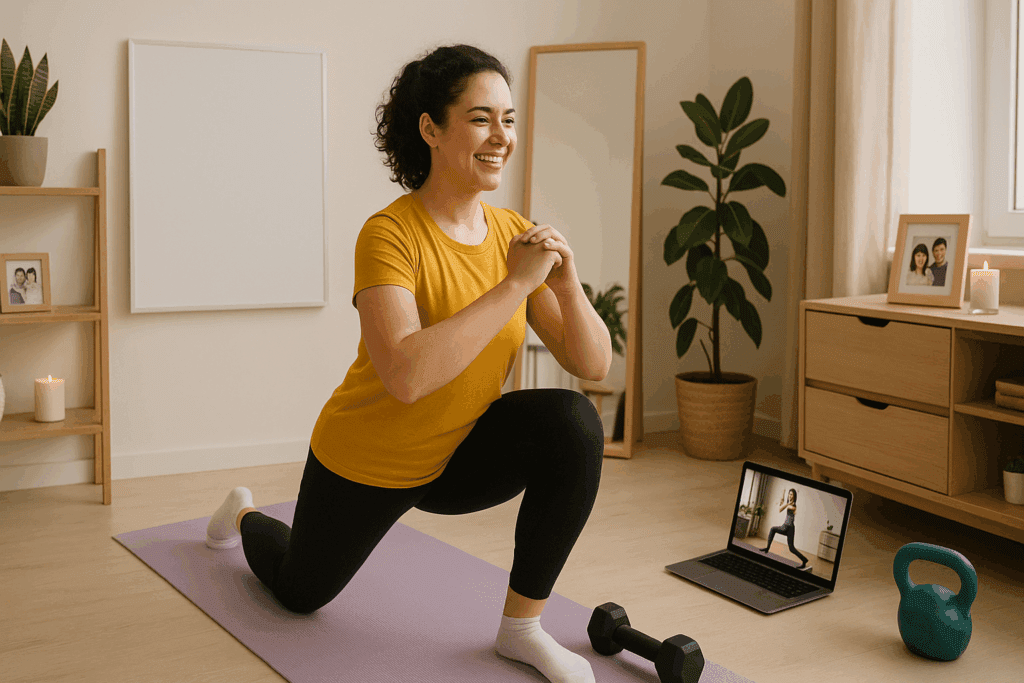
Further Reading:

3 Kinds of Exercise That Boost Heart Health

Try This: 6 Low-Impact Cardio Exercises in 20 Minutes or Less

What Happens to Your Body When You Exercise 30 Minutes Every Day

Top Cardio Workouts in Small Spaces: Boost Endurance with Aerobic Exercise in Limited Areas

In today’s fast-paced world, carving out time and space for physical activity can be an ongoing challenge. Urban living, small apartments, and packed schedules often mean that access to large gyms or outdoor tracks is limited. Yet the benefits of cardiovascular exercise are too significant to overlook. Fortunately, it is entirely possible to perform effective aerobic workouts within confined spaces without sacrificing results. This article explores expert-endorsed strategies, techniques, and science-backed approaches to achieving endurance and stamina through cardio workouts in small spaces, focusing on the unique advantages and nuances of aerobic exercise in limited environments.

You may also like: How to Increase Stamina and Endurance Naturally: Smart Training Tips and Nutrition Habits That Support Cardiovascular Fitness

Diverse individuals performing top cardio workouts in small spaces like living rooms and balconies, including squat jumps and step-touches.

Why Cardio Workouts in Small Spaces Matter

The need for flexibility in modern fitness routines has never been more urgent. With remote work becoming commonplace and living spaces shrinking, fitness solutions that adapt to spatial constraints are essential. Cardio workouts in small spaces present an efficient, accessible way to support heart health, manage weight, and improve mood—all without requiring bulky equipment or expansive rooms. These workouts are particularly relevant for students, professionals, and older adults who might not have the resources or physical capacity for outdoor running or gym-based routines.

Moreover, limited space cardio workouts are not merely a compromise; they can offer distinct benefits. By focusing on bodyweight movements and dynamic routines, individuals can increase proprioception, functional strength, and metabolic conditioning. High-intensity interval training (HIIT), low-impact aerobic sequences, and controlled breathing techniques can all be incorporated into tight quarters while still delivering comprehensive cardiovascular conditioning. As we’ll discuss, the constraints of space can often foster creativity and precision in movement, leading to highly effective training sessions.

Woman doing jumping jacks, planks, and forward folds on a yoga mat in a living room, demonstrating top cardio workouts in small spaces

The Science Behind Aerobic Exercise in Small Space Settings

Aerobic exercise, by definition, engages large muscle groups in a rhythmic, sustained manner that elevates heart rate and improves the efficiency of the cardiovascular and respiratory systems. Traditionally, this conjures images of jogging, cycling, or swimming—activities that require significant space or infrastructure. However, scientific literature affirms that similar physiological adaptations can occur with well-designed routines performed in limited space.

One key element is intensity. Research shows that shorter bouts of high-intensity activity can elicit comparable, if not superior, cardiovascular benefits compared to longer-duration, moderate-intensity workouts. This makes small-space cardio not just feasible, but optimal in many cases. Another factor is consistency. Having the ability to train from home or a compact area increases the likelihood of regular exercise, which is a critical determinant of long-term cardiovascular health. Structured routines tailored to small environments can leverage bodyweight resistance, plyometric sequences, and agility drills to provide holistic aerobic stimulation without requiring movement across large distances.

Man performing jumping lunge in a home gym, demonstrating Top Cardio Workouts in Small Spaces with high-intensity bodyweight movement.

Designing the Perfect Limited Space Cardio Workout

Creating an effective workout for small areas requires a balance of movement selection, sequencing, and time management. Start by considering exercises that require minimal lateral or forward motion. For example, jumping jacks, high knees, mountain climbers, and squat jumps can all be performed in place but deliver substantial aerobic stimulation. Pairing these with core-focused moves like plank variations or standing oblique crunches enhances total-body activation and prevents muscular imbalances.

Time-based structures such as EMOM (Every Minute On the Minute) or Tabata (20 seconds work, 10 seconds rest) are ideal for limited space cardio workouts. These formats promote sustained effort without the need for complex spatial transitions. Additionally, warm-up and cool-down components should not be neglected. A dynamic warm-up might include arm swings, leg circles, and marching in place, while the cool-down could involve static stretches and deep breathing to aid recovery.

By customizing intensity, duration, and rest intervals, individuals can tailor routines to match their fitness level and space constraints. This approach is not only practical but encourages body awareness and discipline, key traits in performance enhancement.

Maximizing Endurance with Bodyweight Aerobics

One of the most effective ways to boost endurance in tight quarters is through bodyweight aerobics. These routines utilize the body’s natural resistance to elevate heart rate and engage multiple muscle groups simultaneously. Movements like burpees, skaters, and jumping lunges create dynamic cardiovascular demands while also promoting muscular endurance.

The beauty of aerobic exercise in small space formats is that they can be scaled to accommodate all fitness levels. Beginners might start with low-impact variations—such as step jacks instead of jumping jacks—while advanced exercisers can increase the tempo or add plyometric elements for additional challenge. This adaptability ensures that individuals can progressively build endurance without outgrowing their space.

Consistency is key to endurance development. By incorporating cardio workouts in small spaces into daily or weekly routines, individuals can experience marked improvements in VO2 max, lactate threshold, and muscular efficiency. These adaptations contribute not only to physical performance but also to mental resilience and energy regulation throughout the day.

Person performing a bear crawl in a living room circuit workout, showing top cardio workouts in small spaces

Cardio Without Compromise: Equipment-Free Strategies

While exercise equipment can enhance a workout, it is by no means necessary for achieving cardiovascular success. In fact, some of the most effective limited space cardio workouts are entirely equipment-free. The emphasis here is on continuous movement, time under tension, and compound motions that engage multiple joints and muscles.

For example, a sequence of jump squats, plank jacks, and high knees performed in succession can generate significant cardiovascular stress, triggering adaptations that enhance stamina and metabolic function. These types of routines eliminate the need for setup time, storage space, or mechanical maintenance, making them ideal for urban dwellers or frequent travelers.

Furthermore, the absence of equipment often forces practitioners to focus more on form, breathing, and tempo—elements that contribute greatly to the overall quality of the workout. This inward focus not only minimizes injury risk but also cultivates a deeper mind-body connection, aligning with performance enhancement goals that extend beyond mere physical metrics.

Incorporating Functional Movement Patterns for Lasting Benefits

Functional movement involves patterns that mimic everyday actions—like bending, twisting, lifting, and reaching—and are crucial for both athletic performance and daily life. Integrating these patterns into limited space cardio workouts enhances their utility and effectiveness. Movements such as squat-to-stand, lateral lunges, and bear crawls challenge balance, coordination, and joint mobility while sustaining aerobic intensity.

Functional aerobic exercise in small space settings also aids in injury prevention by reinforcing muscular coordination and stability. For instance, dynamic single-leg exercises can help correct asymmetries and improve proprioception, particularly beneficial for older adults or those recovering from injury. This aspect of training bridges the gap between traditional fitness and real-world physical demands, underscoring the holistic value of small-space cardio.

Additionally, functional patterns can be seamlessly blended into high-repetition sequences or short circuits, allowing for both endurance and strength development within the same session. This multifaceted approach promotes efficiency and diversity in training, keeping workouts engaging and sustainable over time.

Smartwatch showing heart rate and interval timer during home exercise, highlighting top cardio workouts in small spaces

The Role of Interval Training in Space-Constrained Environments

High-intensity interval training (HIIT) has emerged as a cornerstone of modern fitness, and for good reason. It allows individuals to achieve significant cardiovascular and metabolic benefits in a fraction of the time required by steady-state cardio. When applied in small spaces, HIIT becomes a powerful tool for maximizing results without exceeding spatial limitations.

In these routines, short bursts of intense effort are interspersed with periods of active rest or lower-intensity movement. This format is ideal for limited space cardio workouts because it emphasizes quality over quantity and reduces the need for extensive movement. Examples include 30 seconds of squat jumps followed by 30 seconds of step taps or jogging in place.

Scientific studies have shown that even four to seven minutes of true HIIT can improve insulin sensitivity, cardiac output, and aerobic capacity. This makes it a suitable choice for busy individuals who want to optimize their health within the confines of their home or office. Furthermore, the variability inherent in interval training keeps both the body and mind engaged, reducing the monotony that can come with repeated routines.

Mental and Emotional Benefits of Small-Space Cardio

Cardiovascular training is often celebrated for its physical advantages, but the mental and emotional gains are equally important. Regular aerobic exercise stimulates the release of endorphins, improves cognitive function, and enhances mood regulation. These effects are particularly valuable in confined environments, where feelings of restlessness or isolation may arise.

Limited space cardio workouts provide a practical means of releasing pent-up energy and managing stress, especially for those who spend long hours indoors. The act of moving rhythmically and elevating heart rate can serve as a meditative anchor, fostering mindfulness and emotional clarity. When performed consistently, such workouts can play a pivotal role in mental well-being, complementing other wellness strategies like sleep hygiene and nutrition.

Moreover, the sense of accomplishment that comes from completing a challenging workout in a small space can enhance self-efficacy and motivation. This psychological reinforcement encourages long-term adherence and positions exercise as a source of empowerment rather than obligation. It’s a subtle yet powerful shift in mindset that transforms how we perceive our environment and our ability to thrive within it.

Three women demonstrate top cardio workouts in small spaces, including high-intensity, step-touch, and seated aerobics in compact living areas.

Tailoring Cardio Routines for Specific Goals and Limitations

Not all cardio workouts are created equal, and personalization is key to maximizing results. Whether the goal is fat loss, endurance building, or stress relief, workouts should be tailored to the individual’s objectives, fitness level, and physical limitations. Small-space routines are inherently flexible, making them suitable for customization.

For weight loss, circuits that emphasize high repetition and minimal rest can create a metabolic afterburn effect that continues to burn calories post-exercise. For endurance, steady-paced movements like shadowboxing or step-touch sequences can sustain heart rate over longer durations without inducing fatigue. Those recovering from injury might focus on low-impact, joint-friendly movements such as marching in place, chair aerobics, or gentle core activations.

Personalizing the routine also involves considering time of day, available space, and energy levels. Morning routines might prioritize energizing movements and light plyometrics, while evening sessions could incorporate slower, breath-focused exercises to wind down. By honoring the body’s signals and environmental conditions, individuals can create sustainable, goal-aligned workouts that consistently yield positive results.

Frequently Asked Questions: Cardio Workouts in Small Spaces

Can small-space cardio workouts be as effective as gym-based training? Absolutely. The effectiveness of any workout hinges more on the intensity, consistency, and structure than on the location or equipment. Limited space cardio workouts can be highly efficient when designed with focused, compound movements that elevate heart rate and sustain energy output. Unlike many gym-based routines that rely heavily on machines, aerobic exercise in small space settings often demands greater body awareness and coordination, which can enhance neuromuscular efficiency. Additionally, working out in familiar home environments may reduce psychological barriers, making long-term adherence more likely, which is ultimately the most critical factor for cardiovascular health improvement.

What are some creative ways to keep small-space workouts engaging over time? One of the primary challenges with cardio workouts in small spaces is avoiding monotony. To combat this, rotating through themed workout days—such as balance training, tempo intervals, or agility drills—can provide variety without requiring new equipment. Incorporating elements like dance-inspired sequences or virtual fitness challenges introduces novelty and excitement. Apps and streaming platforms now offer guided routines tailored for aerobic exercise in small space environments, giving users access to evolving programming and community support. Keeping track of personal milestones or experimenting with time trials can also inject new motivation into familiar surroundings.

How can I prevent overuse injuries when training in confined spaces? In smaller environments, it’s easy to fall into repetitive motion patterns that stress specific joints or muscle groups. A balanced limited space cardio workout should alternate between high-impact and low-impact days to allow recovery. Incorporating dynamic stretching and joint mobility exercises before each session is especially important in tight quarters, where your range of motion may already be somewhat restricted. Changing movement planes—such as shifting from sagittal (forward and back) to frontal (side to side)—can help distribute physical stress more evenly. Listening to your body and programming intentional rest intervals will significantly reduce injury risk.

What are the best strategies for warming up and cooling down in small spaces? A proper warm-up is essential even when the workout itself is low-tech and spatially minimal. Start with light aerobic movements like toe taps, shoulder rolls, and marching in place to increase circulation. Follow this with controlled mobility drills like hip openers and thoracic rotations, which are particularly useful for prepping the joints for complex movement patterns in limited space cardio workouts. For the cool-down, transition into slower-paced activity such as walking in place, followed by static stretching that targets hamstrings, calves, and hip flexors. Adding breathwork at the end of your session helps promote parasympathetic nervous system activation, supporting recovery and emotional regulation.

Can small-space cardio help improve mental clarity and focus? Yes, and often more quickly than many people expect. Aerobic exercise in small space routines, particularly when done regularly, can enhance executive function, working memory, and emotional resilience. The consistent flow of oxygen-rich blood to the brain improves neural connectivity and reduces inflammation, contributing to sharper mental performance. Furthermore, the constraints of a confined workout space can actually improve focus by minimizing external distractions, allowing users to fully engage in the present moment. Integrating mindfulness techniques such as breath-synchronized movement or rhythmic music can further deepen this cognitive benefit.

How do I adapt a cardio routine in a small space if I live with others or have noise constraints? Quiet, low-impact routines are key for shared living environments or multi-unit housing. Swap jumping for step-based alternatives like step-touches or heel digs, and avoid exercises that involve pounding the floor. Many cardio workouts in small spaces can be adapted to include resistance bands, sliders, or yoga-style movements to reduce noise while still maintaining elevated heart rates. Working out during off-hours or using a mat for shock absorption can further reduce disruption. Communicating with housemates or neighbors about your schedule can also prevent misunderstandings and build a supportive environment for your health goals.

What role does breath control play in small-space aerobic workouts? Breath control is an often overlooked component of cardiovascular training, yet it plays a foundational role in performance and endurance. In a limited space cardio workout, the absence of forward momentum or external airflow from outdoor settings means you must be even more mindful of respiratory patterns. Using diaphragmatic breathing during rest intervals can accelerate recovery and enhance oxygen exchange. Breath pacing—synchronizing inhales and exhales with movement—also helps regulate rhythm and reduce perceived exertion. Over time, cultivating conscious breathwork can significantly improve your stamina and stress resilience during high-effort sets.

Are there specific types of flooring that are better suited for cardio workouts in small spaces? Yes, flooring can greatly influence both safety and comfort. Hardwood or tile floors may be too slippery or jarring on joints unless covered with a mat or cushioned surface. Foam puzzle tiles, yoga mats, or compact foldable gym flooring provide traction and absorb impact without requiring permanent installation. For apartment dwellers, carpeted areas can help minimize noise but may impede certain movements, like sliders or fast footwork. Ideally, the flooring for aerobic exercise in small space settings should strike a balance between grip, cushioning, and stability to support a wide range of motion without promoting fatigue or injury.

How can I progressively challenge myself without expanding my workout space? Progressive overload can be achieved through intensity, duration, complexity, or recovery manipulation. For instance, shortening rest intervals while maintaining the same work output increases cardiovascular strain. Adding more complex movement sequences, such as combining a lunge with an overhead reach, boosts neuromuscular demand. Incorporating wearable weights or tempo variations can also amplify a limited space cardio workout without requiring any additional square footage. Tracking heart rate variability or perceived exertion over time gives valuable feedback for when to push harder or when to scale back, ensuring continuous adaptation and progress.

What does the future hold for small-space cardio training trends? Emerging technologies and shifting lifestyles suggest that cardio workouts in small spaces will only grow in popularity and sophistication. Virtual reality fitness, motion-sensing apps, and AI-powered personal training are already beginning to offer highly personalized programs designed for minimal spatial requirements. There’s also a growing focus on inclusivity and accessibility, with programs being tailored to accommodate aging populations or those with mobility challenges. As awareness grows around the psychological and community benefits of fitness, we can expect more hybrid models that blend solo aerobic exercise in small space settings with online social engagement or goal-tracking. In essence, spatial constraints are becoming an innovation catalyst rather than a limitation.

Final Thoughts: Building Stamina and Endurance with Smart, Small-Space Training

In an era where time, space, and resources are often limited, the ability to maintain cardiovascular fitness through small-space training is a game changer. Cardio workouts in small spaces not only fulfill essential health and performance goals but also cultivate discipline, creativity, and resilience. Through well-structured routines that utilize bodyweight movements, functional patterns, and interval formats, anyone can engage in aerobic exercise in a small space and see meaningful improvements in endurance and stamina.

The success of limited space cardio workouts lies not in grand gestures or elaborate equipment, but in the intentionality and consistency of practice. By embracing the constraints of your environment as opportunities for growth, you open the door to a more empowered, capable, and energized version of yourself. Whether you’re in a studio apartment, a hotel room, or a busy office, the ability to take ownership of your health is always within reach. Let your space work for you—not against you—and experience the transformative potential of smart, space-efficient cardio training.

Was this article helpful? Don’t let it stop with you. Share it right now with someone who needs to see it—whether it’s a friend, a colleague, or your whole network. And if staying ahead on this topic matters to you, subscribe to this publication for the most up-to-date information. You’ll get the latest insights delivered straight to you—no searching, no missing out.
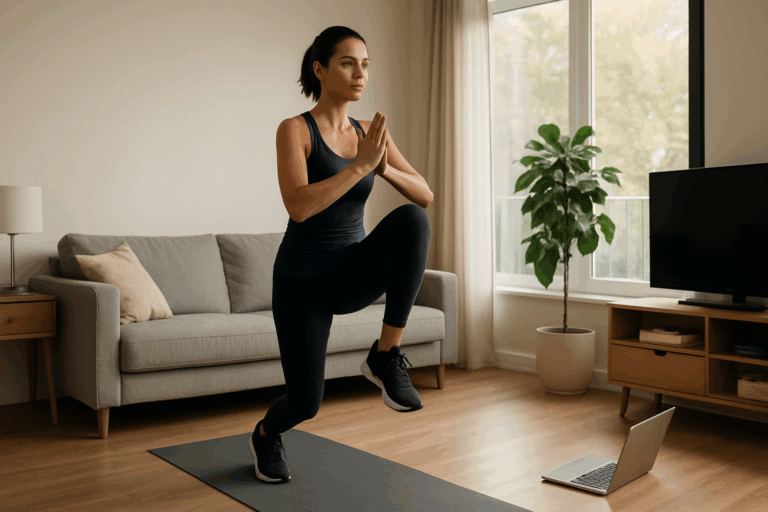
Further Reading:

A List of 14 Types of Cardio Exercises to Get You Moving

20 cardio exercises to do at home with minimal equipment, from beginner to advanced

10 Aerobic Exercise Examples: How to, Benefits, and More

Play exciting online pokies and live games at True Fortune Casino, offering fast payouts, secure deposits, and generous bonuses for Australian players.
Enjoy top pokies and live dealer tables at Uptown Pokies Casino, with quick withdrawals, safe banking, and rewarding promotions for Australian users.

Join thrilling online slots and live casino action at Uptown Aces, featuring fast deposits, secure withdrawals, and exclusive bonuses for Australian players.

Spin favourite pokies and play live casino games at Velvet Spins Casino, offering safe banking, fast payouts, and generous promotions for Australian enthusiasts.

Experience exciting online pokies and live tables at Woo Casino, with quick withdrawals, secure deposits, and attractive bonuses for Australian casino players.

Play top pokies and live dealer games at King Billy Casino, offering fast payouts, safe banking, and rewarding promotions for Australian online casino users.

Enjoy thrilling online slots and live casino action at Aussie Play Casino, with secure deposits, quick withdrawals, and generous bonuses for Australian players.

Join exciting pokies and live tables at Fastpay Casino, featuring fast payouts, safe banking, and exclusive promotions for Australian online casino enthusiasts.