hacklink hack forum hacklink film izle hacklink
Home Blog Page 125

The Essential Guide to Easy-to-Digest Foods That Are Gentle on Your Stomach and Support a Healthier Gut

Digestive health plays a central role in our overall well-being, yet it is often overlooked until discomfort strikes. Whether you’re recovering from an illness, managing a digestive disorder, or simply seeking to support your gut through nutrition, incorporating easy-to-digest foods into your diet can have transformative effects. These foods reduce strain on the digestive system, allowing the gut to function more efficiently while promoting nutrient absorption, minimizing bloating, and maintaining regularity. In this guide, we explore the science behind digestion, reveal which foods are the easiest to digest, and show how these gentle choices can foster a more resilient and balanced gut.

You may also like: The Ultimate Guide to Gut Healthy Meals: Best Meals for Gut Health and Nourishing Recipes You’ll Love

Easy-to-Digest Foods including white rice, applesauce, banana, poached eggs, and bone broth on a neutral background

Understanding Digestion and Why Gentle Foods Matter

Digestion is the complex process through which the body breaks down food into nutrients that can be absorbed and utilized. It involves mechanical action, like chewing and stomach churning, and chemical processes facilitated by enzymes and gastric acids. When this process becomes impaired due to stress, illness, or dietary imbalances, symptoms such as gas, bloating, and discomfort can occur. Consuming foods that are gentle on the stomach helps minimize these issues and supports optimal gastrointestinal function.

The easiest foods to digest often require minimal enzymatic breakdown and contain low levels of fat and fiber. While fiber is generally beneficial for long-term digestive health, during periods of sensitivity or flare-ups, high-fiber foods can be irritating. In such cases, choosing foods that are digested quickly can ease the workload of the stomach and intestines, allowing healing and restoration.

Understanding what nutrient digests the fastest can also guide food choices. Carbohydrates, especially simple ones, are broken down more quickly than fats or proteins. For instance, rice, bananas, and certain vegetables offer quick energy without overburdening the gut. Recognizing these patterns empowers individuals to tailor their diets to their digestive needs.
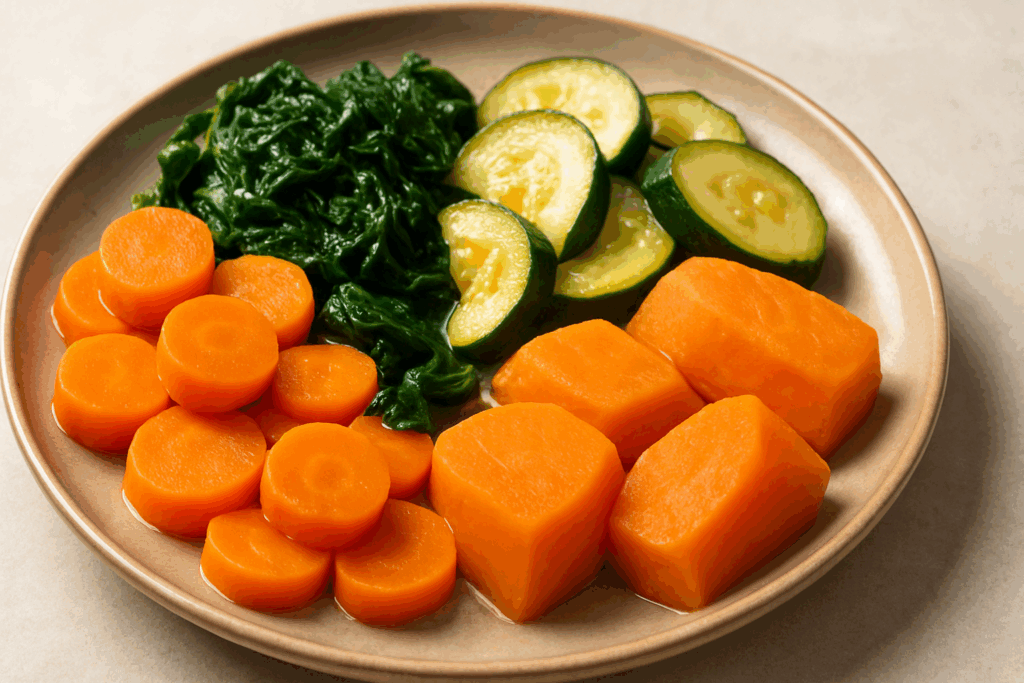
Soft-cooked carrots, zucchini, spinach, and sweet potatoes on a ceramic plate under natural light, showcasing easy-to-digest foods.

Easy-to-Digest Foods for Everyday Wellness

Among the many options available, certain foods consistently rank as easy to digest and are favored in gastrointestinal nutrition. White rice is a staple in this category. Unlike brown rice, which is high in fiber and can be harder to break down, white rice is processed to remove the bran and germ, making it a more digestible choice. The question “is rice easy to digest?” is answered with a resounding yes, particularly in its white form.

Bananas are another top-tier option. Rich in potassium and low in fiber, they are soothing to the stomach and help replenish electrolytes during gastrointestinal distress. Applesauce, made by cooking down apples and removing the skins, provides a gentle form of fruit that retains beneficial antioxidants without the harshness of raw apple fiber. Similarly, bone broth, with its high collagen content, is hydrating, nourishing, and light on the stomach, making it one of the gentlest foods for stomach healing.

Incorporating eggs into a soft diet also comes highly recommended. For those wondering, “are eggs easy to digest?” the answer lies in preparation. Soft-boiled or poached eggs are particularly mild and provide high-quality protein in a form that is relatively simple for the digestive system to process. When scrambled with minimal fat, they offer an easy-to-digest meal that is both nutritious and satisfying.

Why Easy-to-Digest Foods Are Essential for Gut Health

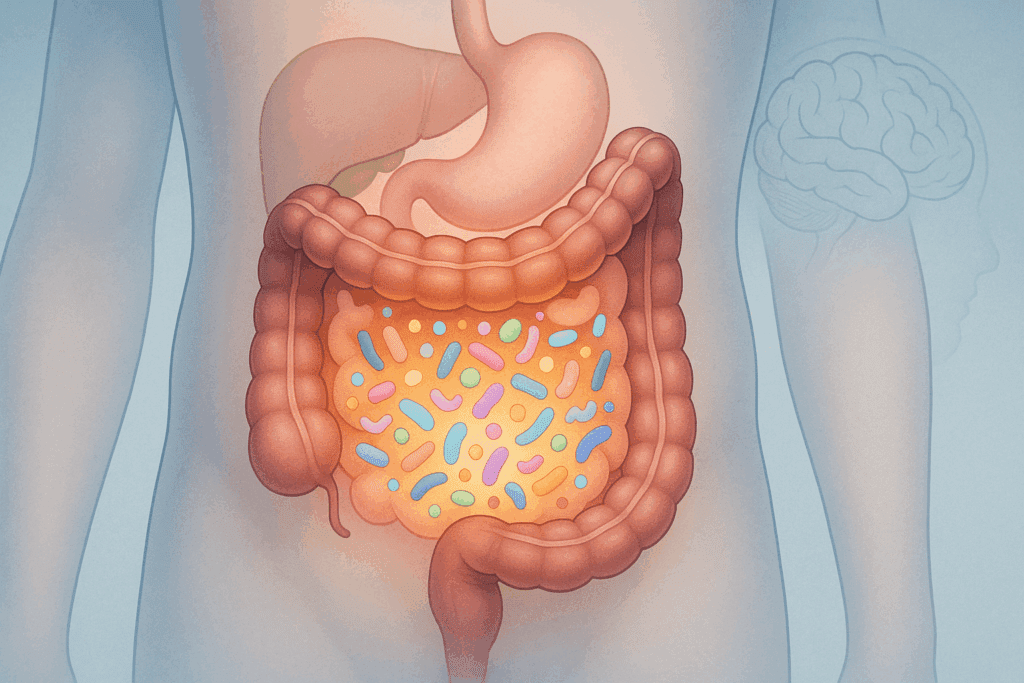
The gut microbiome, a complex ecosystem of microorganisms living in the digestive tract, plays a crucial role in immune function, nutrient absorption, and mental health. Easy-to-digest foods allow the microbiome to thrive by reducing inflammation and providing substrates that support beneficial bacteria.

Foods that are digested quickly don’t linger in the gastrointestinal tract, which helps prevent the buildup of gas and toxins. This is especially important for those with conditions like irritable bowel syndrome (IBS), gastritis, or small intestinal bacterial overgrowth (SIBO), where slow digestion can exacerbate symptoms.

An easy digestion diet is also vital during periods of stress or recovery from illness. Stress can slow gastric emptying and alter enzyme secretion, making digestion less efficient. During such times, the body benefits from light foods for the stomach that require minimal effort to process. Incorporating easily digestible vegetables and proteins ensures that the body continues to receive essential nutrients without exacerbating gastrointestinal issues.

Balanced dinner plate with baked sweet potato, scrambled eggs, white fish over rice, and broth—perfect example of easy-to-digest foods.

Easy-to-Digest Vegetables: The Best Choices for Gut-Friendly Nutrition

Vegetables are indispensable for a balanced diet, but not all are created equal when it comes to digestion. Cruciferous vegetables like broccoli, cabbage, and cauliflower, though nutrient-dense, are often difficult to digest due to their high fiber content and gas-producing compounds. For sensitive stomachs, it is better to choose easy to digest vegetables that have been cooked to soften fibers and break down complex carbohydrates.

Carrots, for example, are among the easiest vegetables to digest. When cooked, they become soft and lose much of their fibrous texture, while retaining valuable nutrients such as beta-carotene. Zucchini is another excellent choice. With its high water content and soft texture when sautéed or steamed, it places minimal strain on the gut. Spinach, when cooked, offers a wealth of vitamins and minerals without the digestive resistance of raw leafy greens.

For those seeking veggies easy to digest that also provide a soothing effect, peeled and cooked sweet potatoes are ideal. Their natural sweetness and smooth texture make them palatable and nourishing. This class of foods, referred to collectively as easily digestible vegetables, forms the foundation of an effective easy digestion diet. They provide energy and micronutrients while allowing the gastrointestinal system to operate without stress.
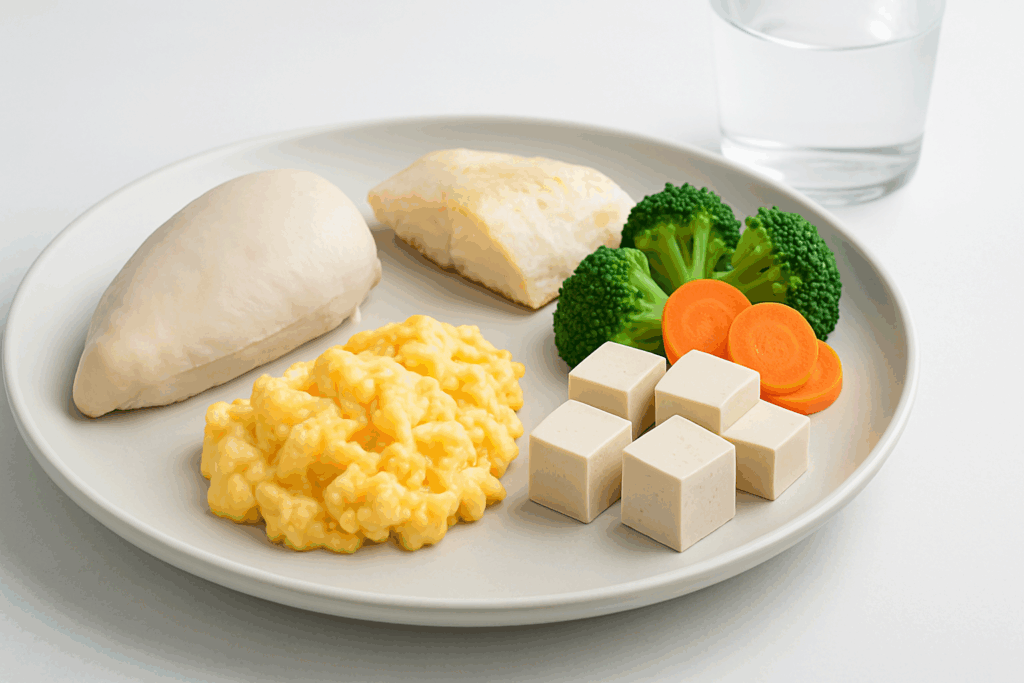
Easy-to-digest foods including poached chicken, baked white fish, scrambled eggs, tofu cubes, and steamed vegetables on a white plate

Easy-to-Digest Meals for Daily Support

Building meals around easy-to-digest foods allows for consistency in digestive comfort. A typical easy-to-digest breakfast might include oatmeal made with water or a lactose-free milk alternative, topped with mashed banana or cooked apples. These ingredients offer soluble fiber in a gentle form, along with slow-burning carbohydrates that sustain energy without bloating.

For lunch and dinner, soups made with well-cooked vegetables and lean proteins such as chicken or tofu are both nutritious and easy to digest. Incorporating rice noodles or white rice adds bulk without digestive burden. A comforting example is a chicken and rice soup with carrots and zucchini, seasoned lightly to avoid triggering acid reflux or stomach upset.

Dinner might feature a baked sweet potato paired with scrambled eggs or steamed fish, which represents what is considered the easiest meat to digest. Fish like cod or sole are not only low in fat but also cook quickly and flake easily, minimizing the digestive effort required. Such meals provide a balance of protein, vitamins, and easy-to-absorb carbohydrates, making them ideal for those seeking gut-friendly nourishment.

Exploring Protein Options: What Is the Easiest Meat to Digest?

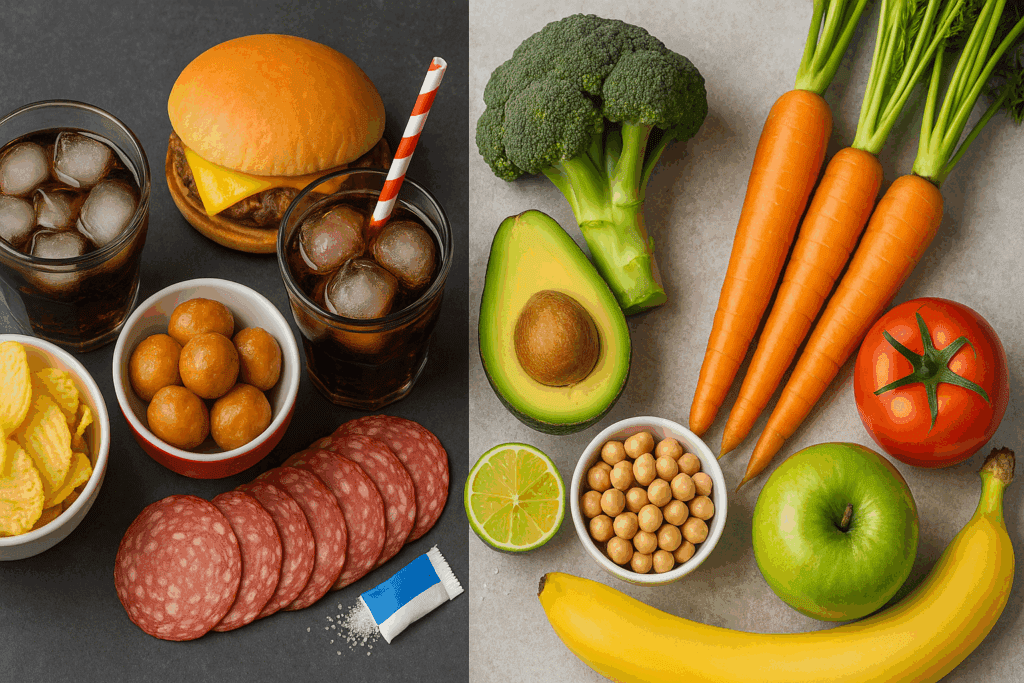
While protein is vital for tissue repair and immune function, not all protein sources are equally digestible. Fatty cuts of meat, processed sausages, and heavily spiced dishes can be taxing on the digestive system. When considering what is the easiest meat to digest, lean cuts and cooking method matter greatly.

Poached chicken breast and baked or steamed white fish are consistently recommended as fast digesting foods in the protein category. Their low fat content and simple muscle structure allow them to be broken down efficiently by digestive enzymes. Turkey is another gentle option, especially when served ground and well-cooked.

Avoiding fried meats or those with heavy sauces is key, as added fat slows gastric emptying and increases the risk of bloating. For vegetarians, eggs and tofu are excellent protein alternatives. In particular, tofu is versatile and soft in texture, making it one of the foods that are easy on the stomach when seasoned simply and cooked thoroughly.

Before-and-after concept showing a man looking sluggish, then energized after eating Easy-to-Digest Foods like banana and rice.

Are Avocados and Peanut Butter Easy to Digest?

Avocados and peanut butter, while nutrient-rich, present a more nuanced discussion when it comes to digestion. Both are high in fat—albeit healthy fat—which naturally slows digestion. However, when consumed in moderation and in the right context, they can still be part of a diet that supports gut health.

So, is avocado easy to digest? For most people, the answer is yes, provided it is consumed in small amounts and is ripe. Its creamy texture and soluble fiber content can actually help soothe the digestive tract. It is particularly beneficial when paired with faster-digesting carbohydrates like rice or toast.

Similarly, is peanut butter easy to digest? That depends on the brand and portion size. Natural, smooth peanut butter without added sugars or oils is easier on the stomach than processed varieties. However, due to its density and fat content, it should be limited during periods of acute digestive distress. Incorporating small amounts in an otherwise easy-to-digest meal can provide healthy calories without overwhelming the digestive system.

How Fast Digesting Foods Affect Energy and Comfort

Fast digesting foods, such as white bread, rice, ripe fruits, and boiled vegetables, are broken down rapidly into glucose, providing quick energy. This is especially beneficial before physical activity or during recovery from illness. However, relying solely on these foods can lead to blood sugar spikes and crashes, so they are best balanced with proteins or fats when appropriate.

These foods are particularly useful during times when the digestive system needs a break, such as after gastrointestinal infections, surgery, or during episodes of chronic illness. They also serve a purpose in sports nutrition, where immediate energy availability is crucial. Athletes often consume bananas, rice cakes, or applesauce as pre-event snacks for their digestibility and energy release.

In a broader wellness context, foods that are digested quickly can serve as dietary bridges—gentle options that reintroduce nourishment after fasting, stress, or poor appetite. Their inclusion in an easy digestion diet ensures that the gut is not overworked, while still receiving the sustenance it requires to function optimally.
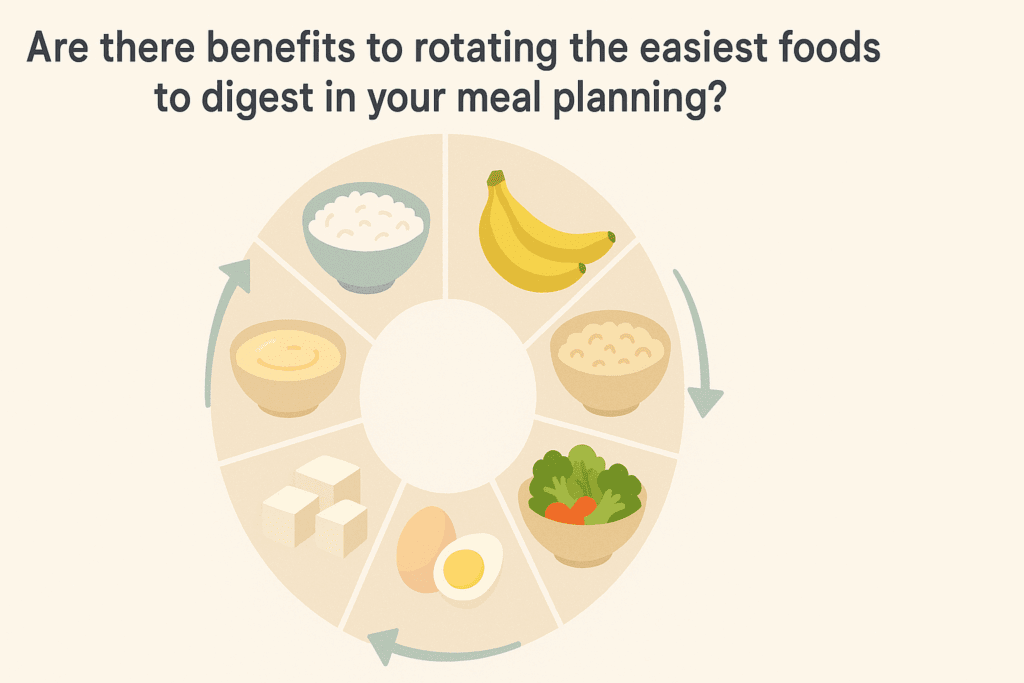
Infographic showing a 7-day rotation of Easy-to-Digest Foods including rice, bananas, oatmeal, tofu, eggs, steamed vegetables, and applesauce in a circular meal plan layout

Easy-to-Digest Foods for Adults With Sensitive Stomachs

Digestive sensitivity is not uncommon among adults, whether due to age, medical conditions, or stress. For these individuals, choosing foods that are easy on the stomach becomes a daily necessity rather than an occasional adjustment. Understanding what foods are easily digested allows them to manage symptoms proactively.

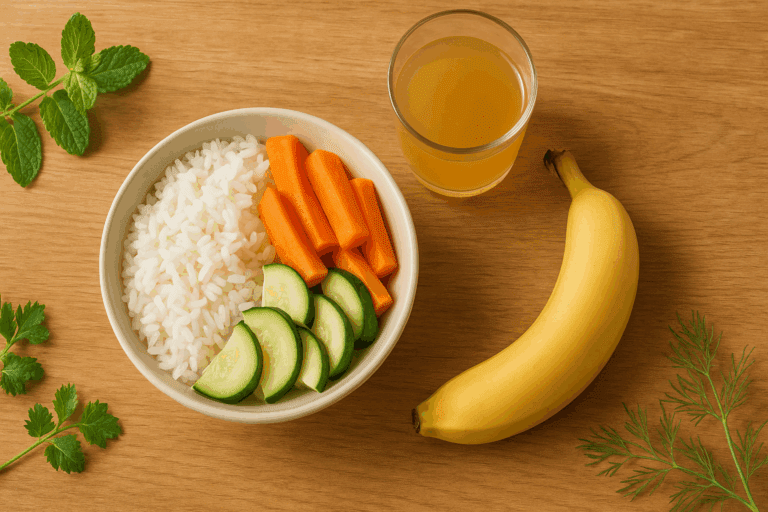
Foods easiest on the stomach often overlap with those recommended during recovery from illness. These include rice, applesauce, bananas, toast (often referred to collectively as the BRAT diet), as well as low-fat yogurt, gelatin, and herbal teas. These foods provide hydration, electrolytes, and energy without irritating the stomach lining.

An easy digestion diet for adults may also limit raw vegetables, dairy products high in lactose, spicy seasonings, and greasy meals. Cooking techniques such as steaming, boiling, and baking are preferred over frying or grilling. Consistency in choosing easy-to-digest foods reduces the frequency and intensity of digestive flare-ups, contributing to a more stable and comfortable day-to-day life.

The Role of Supplementation and Holistic Support for Gut Health

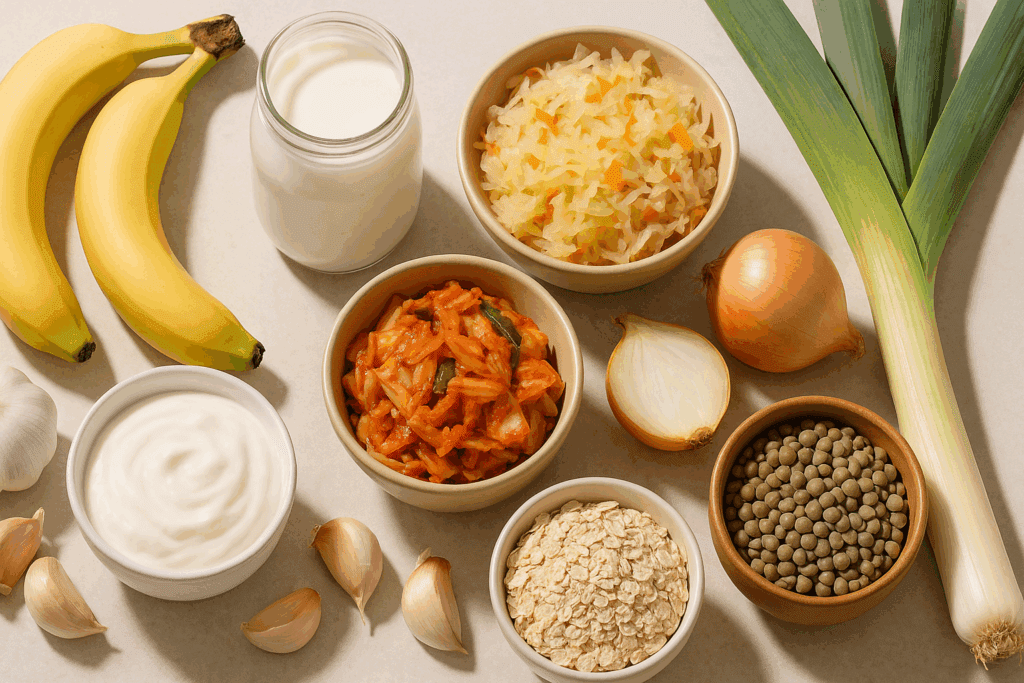
While whole foods are the foundation of digestive wellness, targeted supplements can enhance the benefits of an easy digestion diet. Probiotics, for example, help populate the gut with beneficial bacteria, improving both digestion and immune function. Prebiotics, found in small amounts in cooked onions, garlic, and bananas, serve as food for these bacteria.

Digestive enzymes, when taken with meals, can help break down proteins, fats, and carbohydrates more efficiently, especially for those with pancreatic insufficiency or food intolerances. Herbal supplements such as ginger, fennel, and peppermint have been shown to relax intestinal muscles and reduce bloating.

From a holistic perspective, stress management also supports digestive health. Mindful eating, adequate hydration, and regular physical activity all contribute to gut motility and comfort. Combining these approaches with easy-to-digest meals creates a comprehensive strategy for long-term digestive resilience.

Frequently Asked Questions About Easy-to-Digest Foods and Gut Health

How can easy-to-digest foods benefit people with high stress lifestyles?

High stress levels can significantly impair digestion by slowing gastric emptying, reducing enzyme production, and increasing gut permeability. For individuals leading stressful lives, easy-to-digest foods provide much-needed relief to an overtaxed gastrointestinal system. These foods allow the body to extract essential nutrients with minimal energy expenditure, helping maintain energy levels and reduce inflammation. When consumed regularly, light foods for the stomach such as bananas, oatmeal, and well-cooked vegetables can improve mental clarity and even sleep quality by lessening the physiological burden on the gut. A consistent easy digestion diet may also support adrenal recovery by freeing up resources for hormonal balance rather than continuous digestive effort.

What are some surprising foods that are digested quickly but often overlooked?

Beyond the commonly recognized choices like rice and applesauce, there are lesser-known foods that are digested quickly and can easily be integrated into a gut-friendly routine. For example, ripe papaya contains a natural enzyme called papain that aids protein digestion and soothes the stomach lining. Mashed pumpkin, when cooked thoroughly, is another underrated option; it is rich in antioxidants and very gentle on the digestive tract. Gelatin-based snacks, often seen as desserts, actually help repair gut lining due to their collagen content and are considered fast digesting foods. Rice noodles are also overlooked; they provide simple carbohydrates that convert rapidly to energy without irritating the gut. All of these are examples of foods that are digested quickly and can be easily added to easy to digest meals.

Are there benefits to rotating the easiest foods to digest in your meal planning?

Absolutely. Rotating the easiest foods to digest within your diet can prevent nutrient gaps and reduce the risk of developing food sensitivities due to overexposure. While the BRAT diet (bananas, rice, applesauce, toast) is a staple during flare-ups, relying exclusively on this set for extended periods may cause deficiencies in essential vitamins and minerals. Introducing a rotation of easy to digest vegetables like carrots, zucchini, and peeled squash ensures that the body receives diverse phytonutrients. Incorporating occasional protein changes—such as switching from fish to tofu or eggs—can optimize amino acid intake while maintaining digestive ease. Rotational planning supports digestive resilience and fosters long-term adherence to an easy digestion diet without boredom or nutritional imbalance.

How does food temperature impact the digestibility of easy-to-digest foods?

Temperature plays a subtle but important role in how foods are tolerated by the digestive system. Warm or room temperature foods are generally easier on the stomach than those served cold or very hot. This is because extreme temperatures can irritate the gastrointestinal lining, especially for individuals with conditions like gastritis or acid reflux. For instance, gently heated soups containing easily digestible vegetables and lean proteins are often more soothing than refrigerated meals. Moreover, heating helps break down fibers and starches in veggies easy to digest, such as sweet potatoes and carrots, making them even more palatable for sensitive systems. Therefore, food preparation techniques should consider both content and temperature to optimize digestion.

What is the easiest meat to digest and how should it be prepared for best results?

Among all animal-based proteins, the easiest meat to digest is typically white fish, such as cod or sole, due to its low fat content and delicate structure. When prepared by steaming or baking without heavy oils or spices, fish digests efficiently and minimizes the risk of bloating or gastric discomfort. Skinless chicken breast and ground turkey are also favorable when simmered or baked with minimal seasoning. The preparation method can significantly influence how the body handles meat—grilling or frying adds fats and compounds that slow down digestion. For individuals transitioning back to solid food after illness, finely shredded meat added to soups or broths offers a protein-rich, easy to digest meal that supports tissue repair without overburdening the stomach.

Can easy-to-digest foods still be high in fiber?

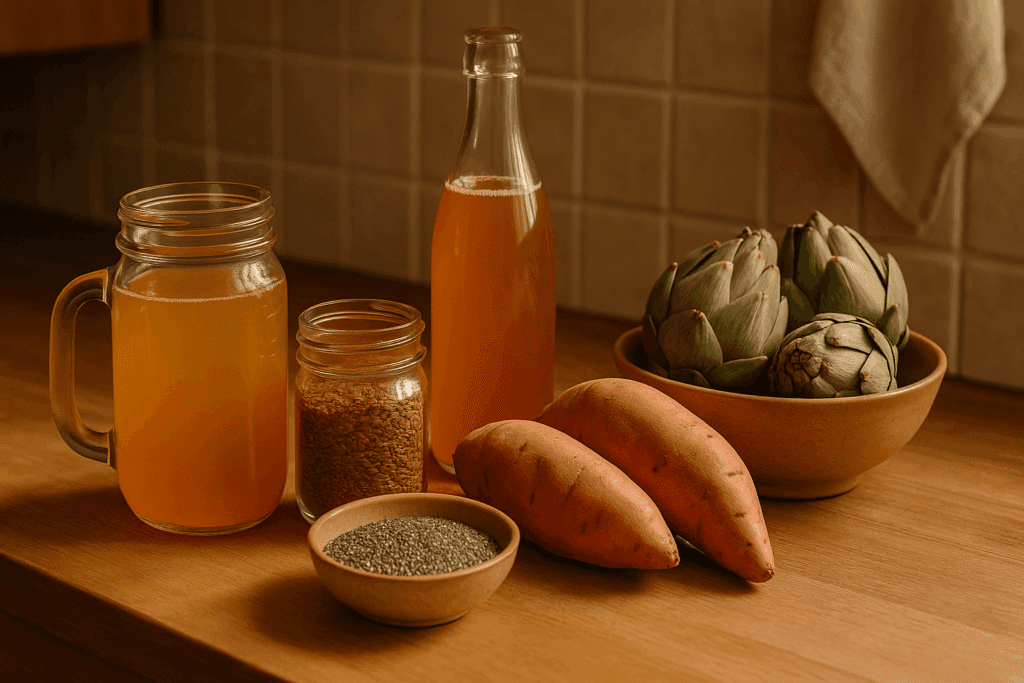
While high fiber foods are generally more difficult to digest, certain types of fiber—especially soluble fiber—are easier on the digestive tract and can be found in many easy-to-digest foods. Soluble fiber dissolves in water to form a gel-like substance, which can help regulate digestion and soothe the gut lining. Examples include cooked carrots, peeled apples, oats, and mashed sweet potatoes. These are often classified as foods that are easy on the stomach because they provide bulk without irritating the intestinal walls. Incorporating easily digestible vegetables with soluble fiber can improve stool consistency and feed beneficial gut bacteria without causing gas or bloating, which is crucial for maintaining gut balance in an easy digestion diet.

Is peanut butter easy to digest for all individuals?

Peanut butter is somewhat of a gray area in digestive health. While it is a good source of protein and healthy fats, its digestibility largely depends on individual tolerance, portion size, and product formulation. For example, natural peanut butter with minimal ingredients is generally easier on the stomach than commercial varieties containing hydrogenated oils and added sugars. For many adults, a small spoonful of smooth peanut butter paired with bread or bananas constitutes one of the more comforting easy to digest foods for adults. However, those with fat malabsorption issues, IBS, or sensitivities to legumes may find that even small amounts of peanut butter lead to discomfort. Moderation, mindfulness, and brand selection are key when considering whether is peanut butter easy to digest in your personal routine.

Do easy-to-digest foods support gut health during antibiotic therapy?

Yes, integrating easy-to-digest foods during and after antibiotic therapy can significantly reduce digestive disruption and promote faster gut microbiome recovery. Antibiotics not only kill harmful bacteria but also reduce populations of beneficial microbes in the intestines. This can lead to temporary digestive issues like bloating, diarrhea, or constipation. During this vulnerable phase, easy to digest meals composed of white rice, yogurt with active cultures, and steamed veggies easy to digest can support microbial balance while avoiding further irritation. Additionally, fermented foods such as miso or kefir—which are also often foods easiest on the stomach—can help reintroduce beneficial bacteria. The strategy should be to combine microbial replenishment with dietary gentleness to stabilize the gut ecosystem.

Why are easy-to-digest vegetables better tolerated when peeled or cooked?

The outer skins of many vegetables contain insoluble fiber, which resists digestion and can aggravate sensitive digestive systems. Peeling vegetables like zucchini, carrots, and cucumbers removes much of this fiber, making them easier for the gut to process. Cooking breaks down tough cell walls and starches in the vegetables, transforming them into softer, easily digestible forms. For example, steaming spinach significantly reduces its oxalate content, which can otherwise interfere with mineral absorption and digestion. The process of peeling and cooking essentially pre-digests the vegetables, converting them into the easiest vegetables to digest, especially for individuals recovering from illness or managing chronic gastrointestinal conditions.

How do easy-to-digest foods fit into long-term wellness and not just short-term recovery?

While often associated with temporary digestive distress, easy-to-digest foods have enduring value in preventive health and chronic disease management. These foods help maintain a balanced gut microbiota, reduce inflammation, and support metabolic efficiency. In cultures with high longevity rates, such as Japan and parts of the Mediterranean, diets emphasize foods that are gentle on stomach function, like steamed vegetables, fermented grains, and mild broths. By routinely including easy to digest foods for adults in daily meals, individuals may experience improved mood, better energy levels, and enhanced immune resilience. The long-term adoption of an easy digestion diet is not about restriction, but rather about fostering digestive harmony that supports holistic health for years to come.

Conclusion: Embracing Easy-to-Digest Foods for Lifelong Gut Health

Incorporating easy-to-digest foods into your daily routine is not just a temporary solution for digestive distress—it’s a sustainable strategy for fostering long-term gut health and overall wellness. By understanding what foods are easily digested, such as white rice, cooked vegetables, soft proteins, and gentle fruits, you empower your digestive system to function more efficiently and comfortably.

These foods, when used as part of an easy digestion diet, offer relief to adults with sensitive stomachs and support the recovery process for those managing illness or stress. They can be personalized based on tolerance levels and combined with holistic practices and supplements to enhance their effects. The question of whether eggs, rice, avocado, or peanut butter are easy to digest becomes less about a simple yes or no, and more about how, when, and in what form they are consumed.

As you consider the importance of gut health, remember that the foods you choose have the power to soothe, support, and strengthen your digestive system. Prioritizing light foods for the stomach and listening to your body’s cues can lead to greater comfort, vitality, and resilience in your everyday life. This essential guide offers a starting point, but your journey with easy-to-digest foods can evolve into a transformative lifestyle rooted in nourishment and care for your gut.

Further Reading:

What Foods Are Easy to Digest?

18 Easy-to-Digest Foods and What to Avoid with a Sensitive Stomach

Easy-to-Digest Foods

The Rise of Mobile Casinos: Gaming on the Go

0

Mobile casinos have revolutionized the gambling sector by permitting players to experience their preferred games at any time and in any location. Since the introduction of the first mobile casino in 2004, the field has seen rapid growth. According to a 2023 analysis by Newzoo, mobile gaming is projected to create over $100 billion in revenue by 2025, making it a powerful force in the gaming market.

One of the main players in this sector is Bet365, a company that has successfully modified its interface for mobile users. Founded in 2000, Bet365 features a extensive range of titles, including slots, texas hold’em, and live dealer games. You can learn more about their offerings on their official website.

The ease of mobile casinos is a significant element in their appeal. Players can utilize games through their cell phones or iPads without the requirement for a stationary computer. This versatility has captivated a younger demographic, who prefer gaming on the run. For more details into mobile gaming trends, visit Gaming Americas.

Moreover, mobile casinos often provide exclusive incentives and deals to draw new players. These benefits can consist of free spins, deposit matches, and loyalty rewards, boosting the overall gaming interaction. However, players should always verify the terms and requirements associated with these promotions to confirm they are getting the best deal.

As mobile innovation continues to progress, we can anticipate even more developments in mobile casinos, such as augmented reality (AR) and virtual reality (VR) gaming experiences. These tools promise to create even more immersive environments for players. Explore a site offering advanced mobile gaming experiences at online pokies australia.

In closing, mobile casinos are transforming the gambling scene by providing exceptional convenience and accessibility. As this industry continues to grow, players can anticipate an increasingly captivating and vibrant gaming environment.

The Ultimate Guide to Finding Good Vegetarian Food Near You: Smart, Healthy Choices for a Plant-Based Lifestyle

Introduction: Embracing a Plant-Based Path Toward Better Living

In today’s dynamic culinary landscape, seeking out good vegetarian food near you is not just a matter of preference; it is an essential step toward a healthier, more vibrant life. Whether you are newly embracing a vegetarian lifestyle or have long been committed to plant-based living, the abundance of options available today can be both exciting and overwhelming. This guide delves deeply into how to navigate the myriad vegetarian restaurants, vegetarian friendly restaurants near me, and veggie friendly restaurants near me to make smart, satisfying choices. Beyond just where to eat, it explores the why and how of living healthfully through plant-based nutrition, ensuring that every dining experience aligns with your goals of wellness, sustainability, and joy.

You may also like: The Ultimate Guide to Finding the Best Vegan Food Products and Plant-Based Essentials for a Healthier Lifestyle

Diverse group of people enjoying fresh plant-based meals at a bustling street market, offering good vegetarian food near you.

Understanding the Rise of Vegetarian and Vegan Dining Options

The past decade has seen a transformative shift in dining culture, with vegetarian eateries near me and vegan restaurant places springing up across cities, suburbs, and even small towns. This surge is not mere trendiness; it reflects a profound change in consumer values and nutritional awareness. Diners are increasingly looking for vegetarian options near me that prioritize fresh, local, and sustainably sourced ingredients. Many are motivated by a desire to reduce environmental impact, support animal welfare, and manage chronic health conditions such as diabetes, hypertension, and obesity. This widespread demand has led to a flourishing ecosystem of nearby vegetarian restaurants, where chefs are innovating boldly with global cuisines to offer flavors that are as nourishing as they are thrilling.

Nutrient-dense bowl of good vegetarian food near you with avocado, chickpeas, spinach, brown rice, broccoli, and seeds on a rustic ceramic plate

Why Finding Good Vegetarian Food Near You Matters for Health

Locating good vegetarian food near you is not just about convenience; it is central to maintaining a nutritionally balanced diet. Whole-food plant-based eating focuses on minimally processed vegetables, fruits, grains, legumes, nuts, and seeds, supplying an abundance of fiber, antioxidants, vitamins, and minerals. Research consistently shows that plant-based diets are linked to lower risks of heart disease, certain cancers, and cognitive decline. Choosing high-quality vegetarian places near me ensures that meals are crafted with fresh, nutrient-dense ingredients, avoiding the hidden pitfalls of overly processed, carbohydrate-heavy vegetarian fare. Whether enjoying a vegetarian lunch near me filled with vibrant salads and whole grains or a hearty vegetarian dinner near me featuring lentil stews and vegetable stir-fries, the quality of your food choices directly impacts your long-term health outcomes.

How to Identify Vegetarian Friendly Food Near Me That Supports Wellness

Navigating the wealth of vegetarian restaurants near me requires a discerning eye. Not all vegetarian meals are created equal; some vegetarian places to eat near me may focus heavily on cheese, fried foods, and refined carbohydrates, which, while technically meat-free, may not align with whole-food, plant-based principles. To find vegetarian friendly food near me that genuinely supports wellness, prioritize eateries that feature extensive vegetable-forward dishes, utilize whole grains instead of white flour, and emphasize legumes, seeds, and nuts. Reading menus carefully and looking for restaurants near me with vegetarian options that highlight local produce and seasonal specialties can also be an excellent indicator of quality.

Smiling traveler using her phone to search for good vegetarian food near you on a lively street filled with cafes and food shops

Smart Strategies for Discovering Good Vegetarian Food Near You When Traveling

Traveling can present both challenges and opportunities for vegetarians. Finding good vegetarian food near you while on the road often requires research and flexibility. Mobile apps and online platforms that specialize in listing vegetarian eateries near me can be indispensable tools. In addition, seeking out non meat restaurants near me or restaurants with vegetarian food for groups near me ensures a wider range of options even when traveling with non-vegetarian companions. Don’t hesitate to ask locals for recommendations; they often know hidden gems like a cozy vegetarian cafe near me that may not appear in major directories. In airports and train stations, look for chains that offer clearly labeled vegetarian meals near me, and pack snacks like nuts, fruits, and energy bars to ensure you are never caught without a plant-based option.

The Role of Raw Food Restaurants Near Me in a Whole-Food Plant-Based Lifestyle

Raw food restaurants near me offer a unique and compelling way to experience plant-based eating. By focusing on uncooked or minimally heated fruits, vegetables, nuts, seeds, and sprouted grains, raw food chefs create dishes that are bursting with enzymes, phytonutrients, and vibrant flavors. Incorporating occasional visits to raw food establishments can invigorate your palate and provide a nutritional boost. Moreover, the experience of dining at raw food restaurants introduces a deeper appreciation for the natural textures and tastes of plants, enhancing your overall relationship with food.

Choosing Between Vegetarian Eateries Near Me: Casual Cafes Versus Fine Dining

The search for good vegetarian food near you often presents a delightful dilemma: should you opt for a laid-back vegetarian cafe near me or indulge in a more upscale vegetarian friendly restaurant near me? Casual cafes are often havens for innovative, health-forward menus that spotlight smoothie bowls, grain salads, and inventive sandwiches. They are perfect for a quick vegetarian lunch near me or a casual meet-up with friends. Fine dining vegetarian establishments, on the other hand, offer meticulously crafted tasting menus and gourmet interpretations of plant-based cuisine, ideal for special occasions or deep culinary exploration. Both settings have their merits, and exploring the full spectrum enhances your plant-based dining experience.

Understanding the Importance of Sustainability in Vegetarian Places Near Me

When seeking good vegetarian food near you, sustainability should be a key consideration. More vegetarian restaurants are sourcing their ingredients from local farmers, adopting eco-friendly packaging, and striving for zero-waste kitchen practices. Choosing to support nearby vegetarian restaurants that emphasize sustainability magnifies the impact of your dining choices, contributing not just to personal health but also to the health of the planet. Look for mentions of organic produce, farm-to-table sourcing, and commitments to ethical labor practices when selecting where to dine.

Global spread of good vegetarian food near you, featuring Indian curries, Mediterranean mezze, Thai stir-fries, and Mexican salads on a vibrant table.

Exploring the Diversity of Global Flavors in Vegetarian Restaurants

One of the greatest joys of seeking good vegetarian food near you is the opportunity to explore an astonishing diversity of global cuisines. From Indian curries brimming with spices and legumes to Mediterranean mezze plates piled high with hummus, falafel, and roasted vegetables, the world’s culinary traditions offer an endless array of vegetarian delights. Asian cuisines, particularly Thai and Vietnamese, often feature dishes that are either naturally vegetarian or easily adapted. Exploring vegetarian options near me that specialize in ethnic foods expands your palate and introduces powerful anti-inflammatory ingredients like turmeric, ginger, garlic, and fresh herbs into your diet.

What to Expect From Vegan and Vegetarian Food Near Me Open Now

When hunger strikes and you need vegetarian food near me open now, knowing what to expect can make all the difference. Many urban centers feature vegan restaurants around me that cater to late-night cravings with wholesome bowls, wraps, and stir-fries. It’s worth exploring veggie restaurants near me open now to find nourishing meals prepared with minimal oils, whole grains, and abundant vegetables. The focus at reputable vegetarian places near me open now should be on fresh preparation, ingredient transparency, and flavor-rich profiles that sustain energy without unnecessary additives.

Discovering Hidden Gems: Vegetarian Bars and Cafes Near You

Sometimes the most memorable meals are discovered off the beaten path. Vegetarian bars near me and vegetarian cafe near me often offer intimate atmospheres, inventive menus, and strong community connections. These spaces frequently partner with local artisans, offering house-made plant-based pastries, organic coffees, and vibrant smoothie bowls. Exploring lesser-known vegetarian eateries near me adds a dimension of adventure to your plant-based journey while supporting small businesses that prioritize health, quality, and sustainability.

Balanced plant-based plate with colorful vegetables, whole grains, and plant-based proteins, representing good vegetarian food near you

Building a Balanced Plant-Based Diet with Local Vegetarian Options

Creating a well-rounded plant-based diet involves more than just choosing vegetarian food; it demands thoughtful planning and balance. Locating good vegetarian food near you can provide the foundation for building meals rich in diverse nutrients, especially when you focus on variety. Incorporating different colors of fruits and vegetables, various types of legumes, and multiple whole grains ensures that your meals are nutritionally complete. Many vegetarian places to eat near me offer customizable bowls and platters where you can mix and match ingredients, allowing for a perfect balance of macronutrients and micronutrients. Dining at restaurants with vegetarian food for groups near me can also expose you to diverse preparations and recipes, offering inspiration for replicating similar meals at home.

Futuristic vegetarian kitchen with chefs preparing jackfruit tacos, hemp salads, and plant-based meat—showcasing good vegetarian food near you.

The Future of Plant-Based Eating: Trends to Watch

Plant-based dining is not just a passing phase; it is the future of food innovation. More and more vegetarian restaurants near me are experimenting with sustainable protein alternatives like jackfruit, tempeh, lentils, and hemp seeds. Restaurants near me with vegetarian options are also showcasing ancient grains such as quinoa, farro, and amaranth, enriching their menus with nutrient-dense choices. There is also a growing emphasis on regenerative agriculture practices, which means that nearby vegetarian restaurants are sourcing ingredients in ways that restore and enhance the soil. Observing these trends helps diners align their choices with broader health and sustainability goals, making it easier to find good vegetarian food near you that supports both personal wellness and environmental stewardship.

Finding Good Vegetarian Food Near You: Essential Apps and Tools

Technology has transformed the ease with which plant-based eaters can find nourishing meals. Whether you are looking for vegan restaurants around me or vegetarian eateries near me while traveling, a host of mobile apps make it simple to locate restaurants with vegetarian food for groups near me. Tools like HappyCow, Yelp, and Google Maps’ specialized filters allow users to pinpoint nearby vegetarian restaurants based on location, reviews, and menu offerings. Many veggie restaurant near me options are now listed with detailed user feedback, menu snapshots, and photos, giving diners an advantage in choosing the best spots before arriving. Utilizing technology ensures that your search for vegetarian friendly food near me is efficient, accurate, and aligned with your personal preferences.

Best Practices for Eating Out at Vegetarian Friendly Restaurants Near Me

When eating out, being proactive enhances both your experience and nutritional intake. It’s helpful to preview menus online for restaurants near me with vegetarian options, allowing you to make informed decisions ahead of time. Calling ahead to inquire about vegan or gluten-free alternatives can also ensure that you are fully accommodated. At vegetarian friendly restaurants near me, don’t hesitate to ask for ingredient substitutions or menu modifications that prioritize whole foods over processed ingredients. Engaging with restaurant staff courteously can open doors to custom meal options, ensuring you receive a dish that aligns with your dietary goals while still savoring a memorable dining experience.

Unlocking the Secrets to Finding Good Vegetarian Food Near You on a Budget

Finding good vegetarian food near you does not have to be expensive. Budget-friendly options abound if you know where to look. Many vegetarian places near me offer lunch specials or happy hour deals that feature generous portions at lower prices. Visiting local vegetarian cafes near me rather than upscale bistros can also stretch your dining dollars while still providing nourishing meals. Farmers’ markets and co-ops often partner with nearby vegetarian restaurants, allowing for farm-to-table experiences at reasonable costs. Seeking out raw food restaurants near me and veggie friendly restaurants near me that offer ‘build-your-own’ meal options can be another way to control spending without sacrificing nutrition or quality.

How to Host Plant-Based Gatherings with Help from Nearby Vegetarian Restaurants

Hosting a successful vegetarian gathering starts with finding good vegetarian food near you that can cater to diverse tastes and dietary needs. Whether planning a corporate lunch, family reunion, or birthday celebration, many restaurants with vegetarian food for groups near me offer specialized catering menus. Choosing establishments known for a wide variety of vegetarian meals near me ensures that guests feel included and satisfied, regardless of their usual eating habits. Collaborating with vegetarian friendly restaurants near me to customize a menu based on seasonal produce or thematic cuisine can create a memorable event that emphasizes inclusivity, health, and gastronomic delight.

Modern vegetarian restaurant counter with eco-friendly grab-and-go meals like quinoa bowls, lentil wraps, and smoothies—perfect for finding good vegetarian food near you.

How Local Vegetarian Restaurants Are Redefining Fast Food

Gone are the days when fast food meant greasy, nutrient-poor meals. Today, good vegetarian food near you can be found even in fast-casual formats that prioritize health without sacrificing speed or taste. Vegetarian friendly restaurants near me are innovating with grab-and-go options like quinoa salads, chickpea wraps, and hearty vegetable stews. Vegan restaurants around me often feature meal-prep boxes or daily specials ready in minutes. These new models are making it easier than ever to fit wholesome vegetarian meals near me into busy schedules, demonstrating that convenience and nutrition are no longer mutually exclusive.

Why Community Matters: Supporting Local Vegetarian Cafes and Eateries

Choosing to dine at vegetarian eateries near me strengthens more than just personal health; it builds community. Local vegetarian bars near me and vegetarian cafes near me often act as community hubs, hosting workshops, cooking classes, and events that promote plant-based living. Supporting these small businesses keeps money circulating within the local economy and fosters a sense of belonging among health-conscious consumers. Moreover, frequenting non meat restaurants near me contributes to a cultural shift towards more ethical, sustainable eating practices, amplifying the positive impact of each dining choice.

Frequently Asked Questions About Finding Good Vegetarian Food Near You

1. How Can I Quickly Find Good Vegetarian Food Near You When Traveling?

When traveling, finding good vegetarian food near you can feel challenging, especially in unfamiliar cities. One effective method is using specialized apps like HappyCow or Yelp filters to locate vegetarian restaurants and vegan restaurant places based on real-time reviews. Planning ahead is crucial; researching vegetarian friendly restaurants near me before departure can ensure you always have reliable dining options at your fingertips. Airport directories increasingly highlight restaurants near me with vegetarian options, making transit dining less stressful. Additionally, connecting with local vegetarian communities through social media often reveals hidden gems that aren’t widely advertised.

2. What Should I Look for When Choosing the Best Vegetarian Places Near Me?

Selecting the best vegetarian places near me involves assessing more than just the menu offerings. Prioritize restaurants that emphasize whole-food, plant-based ingredients rather than heavily processed mock meats. Look for evidence of partnerships with local farmers or mentions of sustainable sourcing, which often indicate higher food quality. Reading recent reviews about vegetarian friendly food near me can provide insights into portion sizes, ingredient freshness, and service consistency. Exploring a variety of vegetarian eateries near me, from upscale spots to casual cafes, can also give you a richer understanding of your options. Finally, consider whether the restaurant offers seasonal menus, which typically showcase the freshest local produce.

3. Why Are Raw Food Restaurants Near Me Gaining Popularity Among Vegetarians?

Raw food restaurants near me have been rising in popularity due to growing awareness of enzyme preservation and nutrient density. Raw meals often include sprouted grains, dehydrated vegetable snacks, and creative desserts made with natural sweeteners, appealing to health-conscious diners. These establishments offer a unique contrast to the heavier fare often found in traditional vegetarian restaurants. Choosing a veggie restaurant near me that specializes in raw cuisine can also introduce you to unique flavor profiles and preparation techniques. Furthermore, many raw food chefs focus on sourcing organic, non-GMO ingredients, elevating the nutritional quality of every dish.

4. What Are the Advantages of Dining at Vegetarian Bars Near Me?

Vegetarian bars near me offer a casual, community-driven atmosphere perfect for socializing while maintaining a healthy diet. Unlike standard bars, these establishments frequently feature vegetarian options near me such as jackfruit tacos, tempeh sliders, and craft cocktails made with fresh herbs. They often serve as local hubs for plant-based advocacy, hosting cooking classes or sustainability workshops. Dining at these spots can connect you to like-minded individuals passionate about healthy living. Additionally, vegetarian bars often collaborate with local farms, meaning your meals are not just delicious but also sustainably sourced.

5. How Can I Enjoy Vegetarian Meals Near Me Late at Night?

Finding vegetarian food near me open now late at night is easier than ever thanks to the growth of 24-hour cafes and late-night vegan restaurants around me. Many vegetarian places to eat near me have extended hours, offering lighter nighttime menus focused on wholesome soups, grain bowls, and dairy-free desserts. Opt for veggie restaurants near me open now that emphasize fresh cooking even during off-peak times to avoid heavily processed midnight snacks. Having a few go-to spots mapped out can help ensure you’re never forced to settle for unhealthy fast food. Late-night plant-based dining can be both satisfying and health-supportive when approached mindfully.

6. What Social Benefits Come from Supporting Vegetarian Friendly Restaurants Near Me?

Supporting vegetarian friendly restaurants near me fosters more than just personal wellness; it cultivates a vibrant local community. These establishments often become meeting grounds for activists, educators, and environmentally conscious individuals. Attending events or community nights hosted by nearby vegetarian restaurants can lead to valuable networking opportunities and friendships. Economically, your patronage helps sustain businesses that prioritize ethical food sourcing and fair labor practices. Choosing restaurants with vegetarian food for groups near me also encourages more businesses to expand their plant-based offerings, making healthy eating accessible to all.

7. How Can I Discover Hidden Gems Offering Good Vegetarian Food Near You?

One exciting strategy for uncovering good vegetarian food near you is to explore neighborhoods known for diversity and cultural vibrancy. Often, family-owned spots tucked away from main tourist areas offer the most authentic vegetarian meals near me. Talking to farmers’ market vendors can also lead to insider recommendations for nearby vegetarian restaurants serving farm-to-table dishes. Visiting independent bookstores or co-op bulletin boards sometimes reveals flyers for newly opened vegetarian eateries near me. Embracing a spirit of adventure can turn the search for vegetarian places near me into a rewarding culinary exploration.

8. How Are Non Meat Restaurants Near Me Adapting to Modern Tastes?

Non meat restaurants near me are rapidly adapting by diversifying their menus to cater to broader tastes and dietary needs. Innovations like plant-based charcuterie boards, gourmet mushroom steaks, and nut-based cheeses are redefining expectations around vegetarian dinner near me options. Restaurants near me with vegetarian options are now more likely to offer gluten-free, low-carb, and high-protein plant-based meals. Many newer establishments also emphasize customizable dishes, allowing diners to personalize flavors and textures according to preference. As demand increases, these trends are making vegetarian friendly food near me more exciting and accessible than ever.

9. Why Is the Demand for Vegetarian Food Near Me Open Now Surging?

The rise of remote work, flexible schedules, and evolving social habits has fueled demand for vegetarian food near me open now. Consumers increasingly expect healthy options to be available at all hours, pushing veggie friendly restaurants near me to expand their service windows. Technological integration, such as app-based ordering and meal delivery, has further normalized around-the-clock vegetarian dining. Vegan and vegetarian food near me providers are responding with extended hours, simplified late-night menus, and partnerships with food delivery platforms. These changes empower diners to maintain plant-based lifestyles without compromising convenience.

10. How Can Technology Help You Find the Best Vegetarian Places Near Me?

Technology is a game-changer when it comes to discovering the best vegetarian places near me. GPS-enabled apps can instantly locate vegetarian restaurants based on your preferences, offering personalized suggestions. Social media platforms showcase real-time reviews, menu updates, and special promotions at vegetarian cafes near me and vegan restaurants around me. Augmented reality (AR) tools are beginning to allow users to virtually “visit” restaurants before dining, offering a glimpse of ambiance and crowd size. Integrating loyalty apps also enables diners to earn rewards at their favorite vegetarian friendly restaurants near me, creating incentives for consistent healthy choices.

Conclusion: Choosing Good Vegetarian Food Near You for a Lifelong Plant-Based Journey

In the ever-expanding world of plant-based dining, finding good vegetarian food near you is more than a practical necessity—it is a joyful expression of health, sustainability, and community engagement. From discovering vibrant vegetarian restaurants near me to savoring new flavors at vegetarian cafes near me, every meal is an opportunity to nourish both body and soul. By making informed, mindful choices, leveraging technology, supporting local businesses, and embracing the diversity of plant-based cuisines, you can transform everyday eating into an ongoing journey of vitality. The abundance of vegetarian meals near me ensures that healthy living is accessible, delicious, and inspiring, paving the way for a vibrant, resilient future grounded in whole-food plant-based nutrition.

Further Reading :

Find Vegan Restaurants Nearby

Vegetarian Friendly San Jose, CA

16 Vegan and Vegetarian Restaurants in Charlotte

The Impact of Artificial Intelligence on Casino Operations

0

Artificial Intelligence (AI) is revolutionizing the casino field by enhancing operational productivity and upgrading customer encounters. In 2023, a report by Deloitte highlighted that AI technologies could raise revenue by up to 25% for casinos that efficiently adopt them. AI is being used for various uses, including customer service chatbots, customized marketing, and fraud detection.

One prominent figure in this sector is David Baazov, the previous CEO of Amaya Gaming, who has been a staunch proponent of embedding AI into gaming systems. You can find out more about his perspectives on his LinkedIn profile.

In 2022, the Bellagio in Las Vegas introduced an AI-driven system to assess player actions and preferences, enabling for tailored promotions and packages. This system has significantly improved player retention levels and overall happiness. For more details on AI in the gaming field, visit The New York Times.

Moreover, AI models are being used to enhance game design, creating more captivating and participatory experiences for players. By examining vast volumes of data, casinos can recognize trends and inclinations, leading to the development of games that appeal with their audience. Investigate how AI is transforming the future of gaming at мелстрой геймс.

While the advantages of AI are considerable, casinos must also address the ethical implications of its use. Ensuring data security and mitigating bias in AI models are critical challenges that the industry must overcome. As AI persists to evolve, it will play an increasingly vital role in shaping the future of casino operations.

The Future of Virtual Reality in Casinos

0

Virtual Reality (VR) is set to transform the casino atmosphere by providing immersive environments that enhance player participation. In twenty twenty-three, the first fully VR casino, known as "Casino VR," opened its doors, enabling players to engage with games and other players in a 3D space. This creative approach is attracting a new generation of gamers who want more than just classic gaming.

One distinguished figure in the VR gaming sector is Palmer Luckey, the founder of Oculus VR. His vision for immersive gaming encounters has notably shaped the advancement of VR technology in diverse sectors, including gambling establishments. You can discover more about his efforts on his Twitter profile.

According to a publication by Newzoo, the global VR gaming industry is anticipated to hit $22.9 billion by 2024, with a substantial portion assigned to the casino field. This expansion is motivated by advancements in VR technology, making it more attainable and inexpensive for customers. For a thorough examination of VR patterns in gaming, visit The New York Times.

Casinos are employing VR to create unique experiences, such as virtual poker rooms and slot machines that simulate real-life connections. Players can enjoy the excitement of gambling from the convenience of their homes while interacting with others in a virtual environment. This shift not only boosts the gaming experience but also creates new revenue streams for casinos.

As the technology continues to develop, casinos must stay ahead of the trend by putting in VR features. Explore innovative VR applications in the gaming sector at casino online deutschland. By embracing these developments, casinos can capture a larger audience and redefine the future of gaming.

The Surprising Truth About Fiber: Can a High-Fiber Diet Make You Gain Weight or Help You Feel Full for Weight Loss?

A high-fiber diet is often heralded as a cornerstone of digestive health and a powerful tool for weight management. However, a question that has increasingly surfaced among health-conscious individuals is, can a high-fiber diet make you gain weight? This inquiry, though seemingly contradictory to the conventional wisdom that fiber helps with weight loss, reveals deeper layers of nutritional complexity. As with many aspects of diet and wellness, the truth about fiber’s impact on body weight is not as binary as one might assume. This article delves into the nuanced relationship between fiber intake, satiety, and body composition, aiming to illuminate both the benefits and potential misconceptions surrounding dietary fiber.

You may also like: The Ultimate Guide to Gut Healthy Meals: Best Meals for Gut Health and Nourishing Recipes You’ll Love

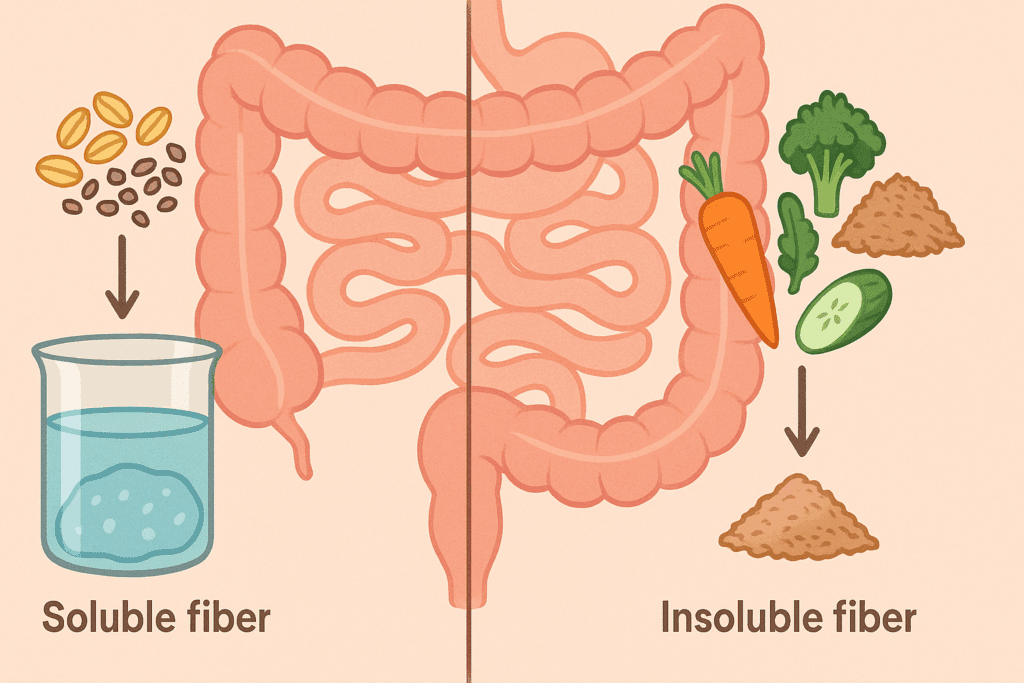
Split diagram showing how soluble and insoluble fiber travel through the intestines, illustrating effects relevant to the question: can a high-fiber diet make you gain weight

Understanding Fiber: The Indigestible Carbohydrate with Powerful Effects

To fully appreciate the role fiber plays in the body, one must understand its biological function. Fiber, a type of carbohydrate that the human body cannot digest, passes through the digestive tract largely intact. Found primarily in plant-based foods such as fruits, vegetables, legumes, and whole grains, dietary fiber is categorized into two main types: soluble and insoluble. Soluble fiber dissolves in water and forms a gel-like substance that slows digestion, while insoluble fiber adds bulk to stool and aids in regular bowel movements. Both forms of fiber are essential for maintaining gut health and play unique roles in digestive function.

Unlike other macronutrients that are broken down and absorbed, fiber’s resistance to digestion means it contributes minimal calories. Yet, it exerts a profound influence on satiety hormones, gastrointestinal transit time, and the gut microbiome. In doing so, fiber not only promotes fullness but also supports metabolic health by modulating blood sugar levels and reducing cholesterol. Despite its inability to be absorbed as energy, fiber is far from inert—it is metabolically active in ways that extend beyond caloric contribution.

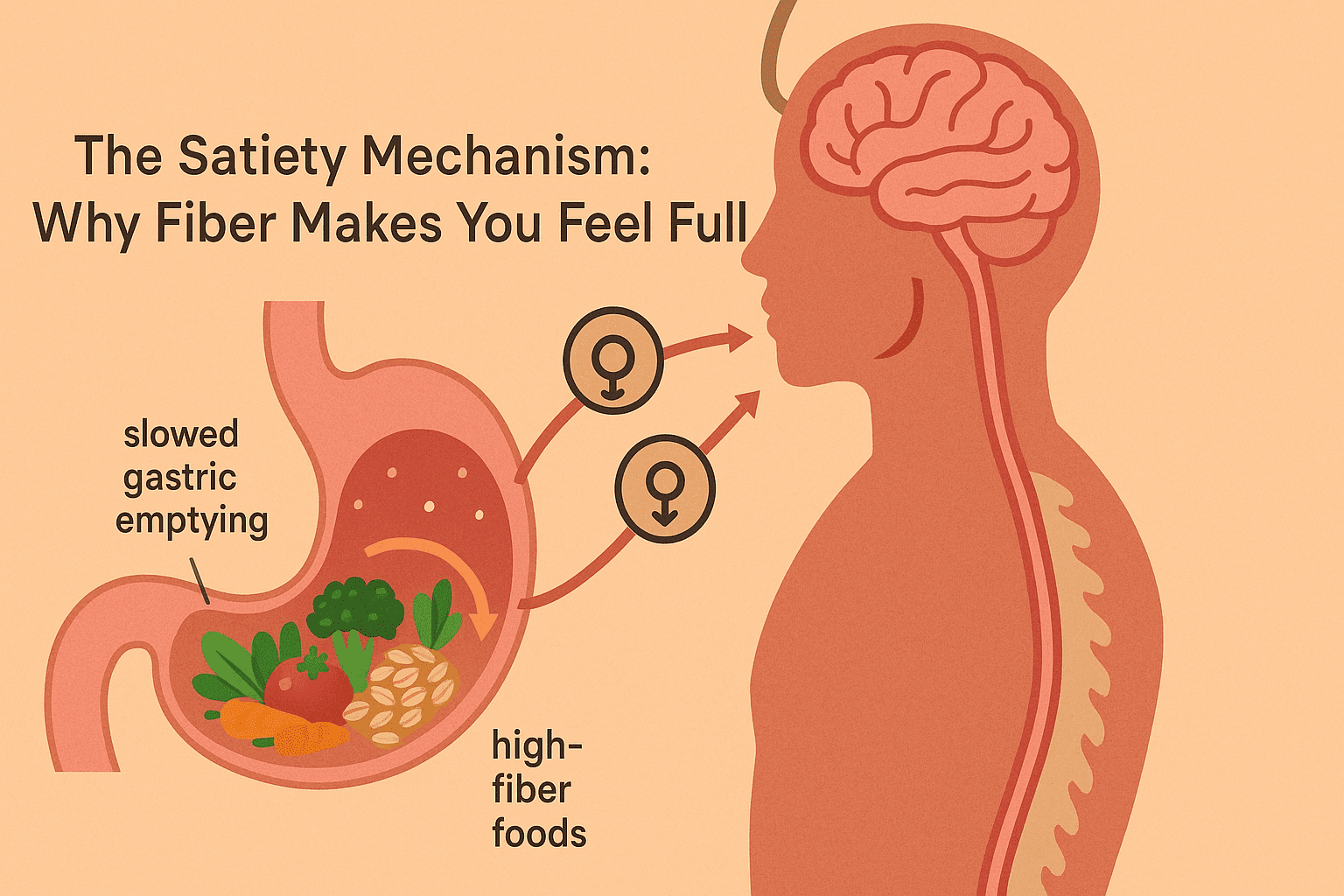
Cross-sectional diagram of a human torso showing stomach filled with high-fiber foods signaling fullness to the brain, illustrating how can a high-fiber diet make you gain weight by delaying gastric emptying

The Satiety Mechanism: Why Fiber Makes You Feel Full

One of the most celebrated attributes of fiber is its ability to promote satiety. But does fiber make you feel full, and if so, how? The answer lies in its interaction with digestive processes and the gut-brain axis. Soluble fiber slows gastric emptying, meaning food remains in the stomach longer, which helps prolong the sensation of fullness. This delay in digestion sends signals to the brain that reduce hunger cues, effectively curbing appetite and lowering overall calorie intake.

In addition, fiber-rich foods often require more chewing and take longer to eat, giving the body more time to register fullness. These physical characteristics, combined with fiber’s chemical properties, create a powerful combination for appetite regulation. The hormonal response is equally compelling—fiber intake stimulates the release of satiety hormones such as peptide YY (PYY) and glucagon-like peptide-1 (GLP-1), both of which are involved in signaling fullness to the brain. By enhancing these natural mechanisms, fiber serves as a valuable ally in controlling caloric intake and preventing overeating.

Can a High-Fiber Diet Make You Gain Weight? Examining the Nuances

While fiber is often associated with weight loss, the question can a high-fiber diet make you gain weight deserves careful consideration. In theory, fiber should aid weight management by increasing satiety and reducing calorie consumption. However, certain factors may lead to unintended weight gain when transitioning to a fiber-rich diet. For instance, individuals who increase their fiber intake without adjusting portion sizes or total caloric intake may inadvertently consume more food overall.

Moreover, many fiber-enriched or fiber-labeled processed foods are marketed as healthful options but contain hidden sugars and fats that contribute to excess calories. Snack bars, cereals, and baked goods may boast high fiber content while simultaneously delivering a caloric punch that undermines weight loss efforts. In such cases, it’s not the fiber itself that causes weight gain, but rather the surrounding ingredients and lack of dietary balance. Misinterpreting fiber’s role as a free pass to overeat can paradoxically hinder weight loss and promote weight gain.

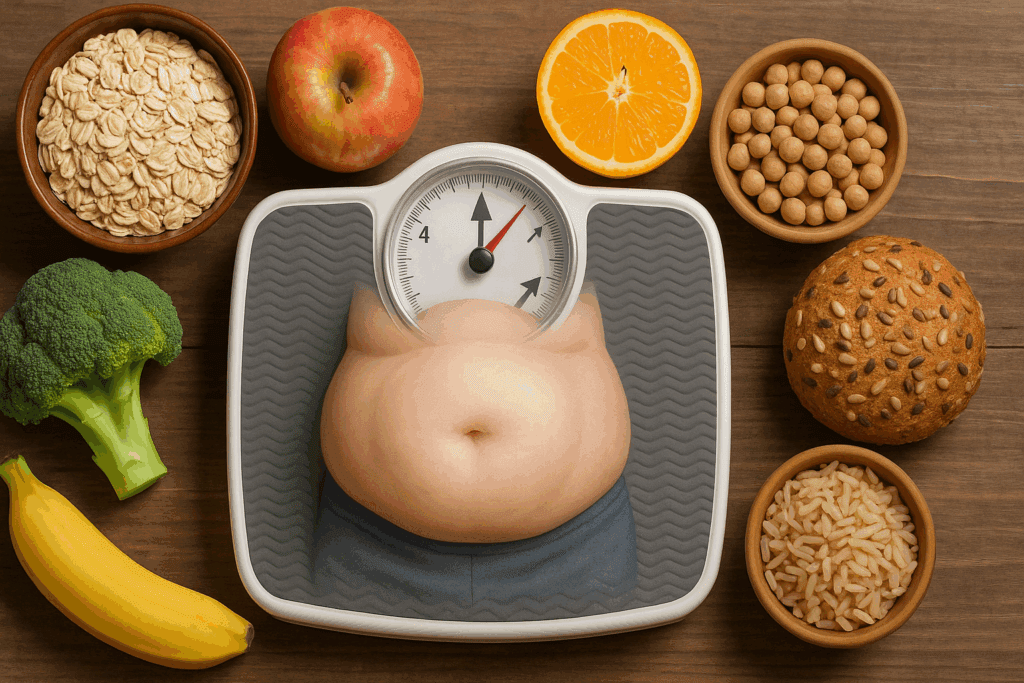
Additionally, sudden increases in fiber consumption can lead to bloating and water retention, which some may misinterpret as fat gain. While this is a temporary physiological response rather than an actual increase in body fat, it may cause concern among those monitoring their weight closely. Understanding the context in which fiber is consumed is crucial for leveraging its benefits without falling into the trap of unintended consequences.

Bathroom scale showing weight gain surrounded by fiber-rich foods like bananas, broccoli, oats, and whole grain bread, illustrating the question: can a high-fiber diet make you gain weight.

Fiber and Caloric Density: A Hidden Key to Weight Control

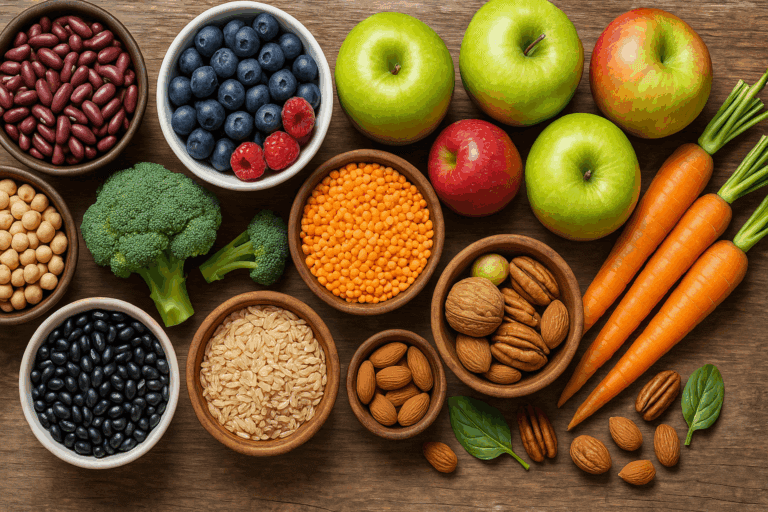
One of the most compelling arguments for fiber’s role in weight management lies in its impact on caloric density. Foods that are high in fiber typically have a low energy density, meaning they provide fewer calories per gram. Vegetables, fruits, legumes, and whole grains offer a rich array of nutrients and fiber while being relatively low in calories. This allows individuals to consume satisfying portions without exceeding their caloric needs, making fiber a natural ally in weight control.

By displacing higher-calorie, low-fiber foods, a fiber-rich diet helps reduce overall energy intake. This concept is supported by numerous studies demonstrating that individuals who consume more fiber tend to have lower body weight and reduced risk of obesity. When paired with mindful eating habits and an understanding of portion control, fiber becomes a strategic tool for achieving and maintaining a healthy weight. Therefore, the question does eating fiber increase your weight must be answered within the context of the total dietary pattern and caloric balance.

Gut Microbiota: The Fiber Connection to Metabolic Health

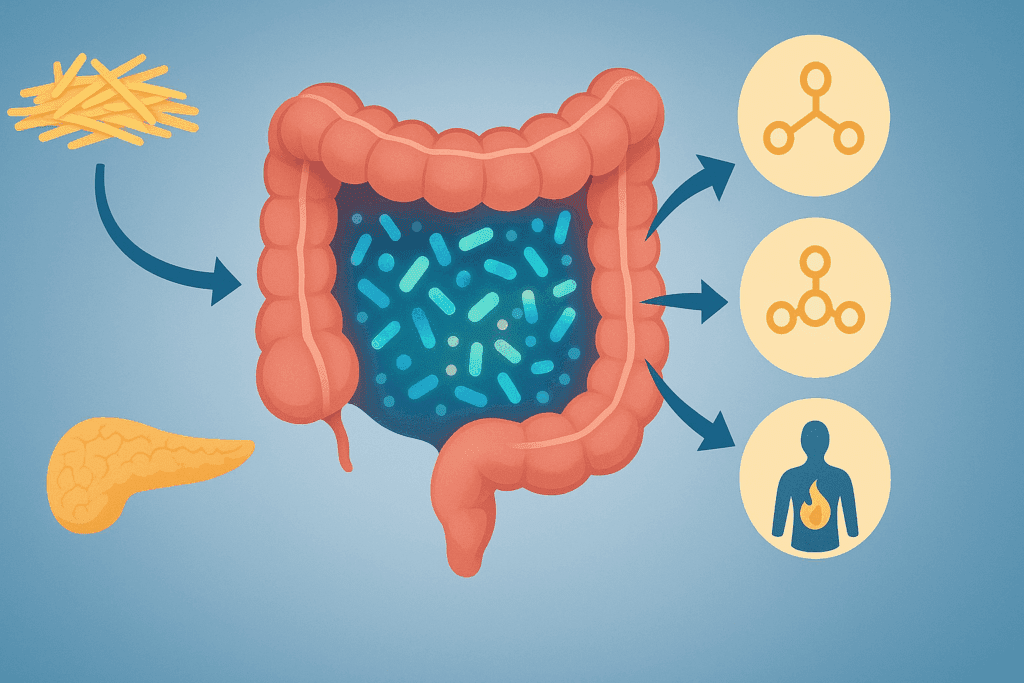
The relationship between fiber and gut health is well established, but emerging research highlights the profound influence of the gut microbiota on body weight. Dietary fiber acts as a prebiotic, feeding beneficial gut bacteria that ferment it into short-chain fatty acids (SCFAs). These SCFAs, such as butyrate, acetate, and propionate, have been shown to regulate metabolism, reduce inflammation, and improve insulin sensitivity—all of which are critical factors in preventing weight gain and promoting fat loss.

In particular, butyrate has been associated with enhanced fat oxidation and energy expenditure, suggesting that fiber may indirectly contribute to weight loss through its effect on microbial metabolism. The diversity and balance of gut bacteria play a pivotal role in determining how the body stores fat, extracts energy from food, and responds to dietary interventions. As such, a fiber-rich diet that supports a healthy microbiome is not only beneficial for digestion but also instrumental in long-term weight management.

Side-by-side comparison showing how portion size varies in a high-fiber vs low-fiber meal, exploring can a high-fiber diet make you gain weight

Can a High-Fiber Diet Make You Gain Weight If Combined with Processed Foods?

Returning to the focus keyword, can a high-fiber diet make you gain weight, we must explore one of the most overlooked aspects: the type of fiber consumed. While whole-food sources of fiber are nutrient-dense and beneficial, fiber added to processed foods may not confer the same metabolic advantages. Isolated fibers, such as inulin or polydextrose, are often included in manufactured products to boost fiber content without altering taste or texture. However, these additives do not always produce the same satiety or gut health benefits as natural fibers found in whole foods.

More concerning is the trend of combining added fiber with sugar, salt, and unhealthy fats to create the illusion of a healthful product. Consuming these processed options under the assumption that they promote weight loss can backfire, especially if they lead to excess calorie consumption. The illusion of healthfulness can result in what psychologists call the “health halo effect,” where people unconsciously eat more of a food they perceive as healthy. Thus, the type, source, and context of fiber are critical considerations when evaluating its impact on body weight.

Does Fiber Make You Gain Weight or Simply Shift Water Balance?

Another common concern relates to short-term weight fluctuations following increased fiber intake. Many individuals observe that they feel heavier or see a rise in scale weight after adopting a high-fiber diet, prompting the belief that fiber makes you gain weight. However, this phenomenon is more accurately attributed to changes in water retention and stool volume. Fiber attracts water into the gastrointestinal tract, which adds bulk to stool and may temporarily increase body weight.

This effect, while disconcerting to some, is not indicative of fat gain and usually stabilizes once the body adapts to the new dietary pattern. It is essential to distinguish between actual adipose tissue accumulation and transient shifts in body weight due to physiological factors. For those who weigh themselves daily, understanding these nuances can prevent unnecessary alarm and encourage long-term adherence to a fiber-rich diet. In this light, fiber’s role should be evaluated based on health outcomes rather than short-term fluctuations on the scale.

Infographic showing how fiber fuels gut microbiota to produce SCFAs that boost metabolism, answering can a high-fiber diet make you gain weight

Fiber Diet for Weight Loss: Strategic Choices That Matter

To effectively use a fiber diet for weight loss, strategic planning is essential. Not all fibers are created equal, and their impact varies based on food source, preparation, and individual tolerance. Soluble fibers from foods like oats, beans, and flaxseeds are particularly effective for appetite regulation and blood sugar control. Insoluble fibers from whole grains and vegetables support bowel regularity and may indirectly aid weight loss by improving digestive efficiency.

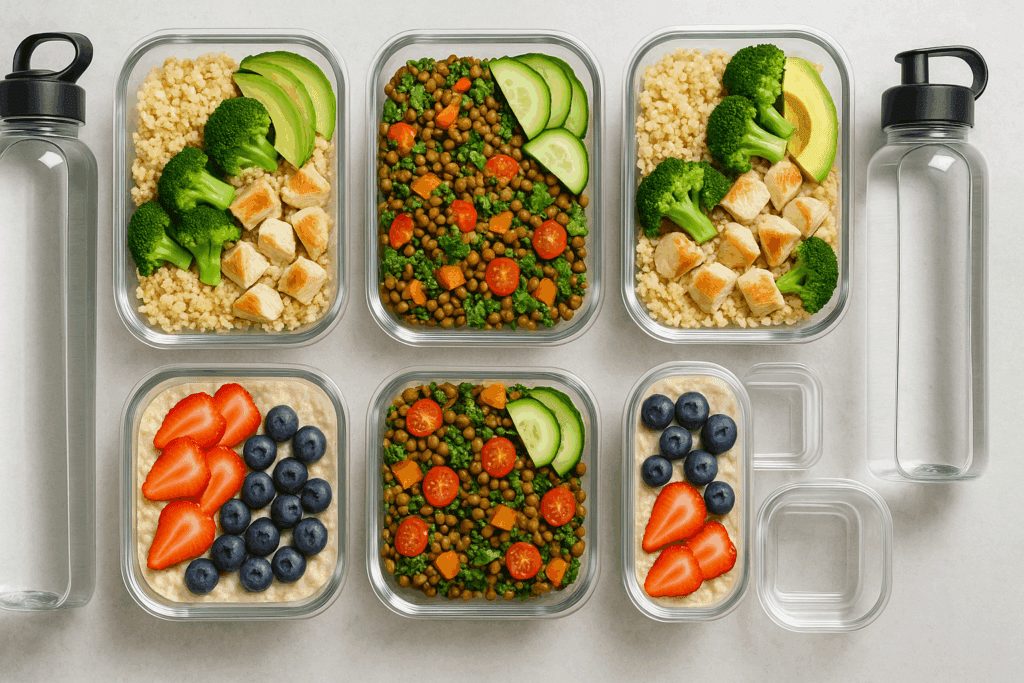
Incorporating a diverse range of fiber-rich foods ensures a broad spectrum of prebiotic compounds that nourish different strains of gut bacteria. This diversity fosters a more resilient microbiome, which in turn supports better metabolic function. Portion control, mindful eating, and hydration are also key components of a successful high-fiber weight loss plan. Drinking plenty of water helps prevent constipation and bloating, common side effects during the transition to a higher fiber intake. When combined thoughtfully, these practices transform fiber from a passive component to an active agent of holistic health.

Meal prep containers with quinoa, lentils, oats, and fruit arranged with water bottles, illustrating mindful eating and asking can a high-fiber diet make you gain weight

The Final Word: Can Fiber Make You Gain Weight or Help You Lose It?

The dichotomy presented by the question can fiber make you gain weight reflects broader misconceptions about nutrition. The answer is not a definitive yes or no, but rather a context-dependent understanding of how fiber interacts with other dietary components, lifestyle factors, and individual physiology. When sourced from whole foods and consumed as part of a balanced diet, fiber is an invaluable tool for promoting satiety, regulating metabolism, and supporting long-term weight control.

However, when misunderstood or misapplied—such as in the case of processed fiber-enriched products—fiber can contribute to weight gain by masking poor dietary choices. Awareness, education, and a commitment to whole-food nutrition are essential for maximizing fiber’s benefits while avoiding its potential pitfalls. Ultimately, fiber should not be feared but respected for its multifaceted role in human health.

FAQ: The Surprising Truth About Fiber and Weight Management

Can a high-fiber diet make you gain weight if you’re consuming it from processed sources? Yes, the source of your fiber matters significantly. Fiber derived from processed foods often comes alongside added sugars, refined oils, and excess calories. While the fiber may still contribute to digestive regularity, these accompanying ingredients can undermine your weight goals. Products like fiber-fortified snack bars, high-fiber ice creams, or cereal bars are often marketed as healthy but may contain more calories than a balanced homemade alternative. Therefore, can a high-fiber diet make you gain weight? Absolutely—if the fiber comes from highly processed or sugary sources that promote overconsumption.

How does fiber affect energy extraction from food and does eating fiber increase your weight through calorie absorption? Emerging research suggests that fiber may actually reduce the amount of energy absorbed from food. Certain types of fiber bind to fats and carbohydrates in the gut, preventing their full digestion and absorption. Moreover, when fiber is fermented by gut bacteria, it results in short-chain fatty acids (SCFAs), which improve metabolic health rather than increase body fat. Thus, the notion that fiber directly increases calorie absorption and leads to weight gain is inaccurate. Instead, fiber tends to create a more metabolically favorable environment that can help with weight management rather than hinder it.

Does fiber make you feel full even if it adds bulk without calories? Yes, and that’s one of fiber’s most beneficial effects. Soluble fiber forms a gel-like substance in the gut, which delays gastric emptying and increases the sensation of fullness. Even without being digested for calories, this bulk sends satiety signals to the brain. That’s why eating a fiber-rich salad or a bowl of lentils can reduce the urge to snack between meals. When you ask does fiber make you feel full, you’re really asking how non-caloric volume can impact hunger—and in fiber’s case, the answer is impressively.

Can a high-fiber diet make you gain weight due to overcompensation in portion sizes? In some cases, individuals new to a high-fiber diet may overestimate its appetite-suppressing effect and overeat as a result. They might assume that simply because a meal is high in fiber, it allows for unlimited portion sizes. This can backfire if caloric intake isn’t accounted for holistically. For instance, eating two cups of oatmeal with dried fruit and nuts could easily push you into a caloric surplus, even though each component is healthful. Thus, can a high-fiber diet make you gain weight? Yes—if it leads to a false sense of security around portion control.

Does fiber make you gain weight by increasing gut mass or water retention? Fiber can cause an increase in stool bulk and water retention in the gastrointestinal tract, especially during the initial stages of a diet change. This increase in mass might reflect temporarily on the scale but is not equivalent to fat gain. Insoluble fiber draws water into the intestines, aiding motility but also adding to body weight in the short term. While this might appear as weight gain, it’s important to differentiate between water/stool weight and actual increases in fat stores. In this case, fiber is merely facilitating normal digestive function, not contributing to obesity.

Is a fiber diet for weight loss equally effective for everyone? Not always. While fiber is generally beneficial, individual factors like gut microbiome composition, metabolic rate, and digestive sensitivity can influence how a person responds. For example, someone with a sluggish metabolism or imbalanced gut flora might not derive the same weight loss benefits as someone with a diverse, healthy microbiome. Moreover, certain individuals experience bloating or cramping with sudden increases in fiber, which can affect adherence to the diet. Thus, while a fiber diet for weight loss is effective in principle, its real-world impact depends heavily on individual physiology.

How can you tell if your fiber intake is helping or hindering your weight goals? It’s crucial to monitor more than just the number on the scale. Improved satiety, reduced cravings, and better blood sugar regulation are all positive signs that fiber is working in your favor. Conversely, if you notice persistent bloating, erratic hunger, or unexpected weight gain, you may need to reassess the sources and balance of your fiber intake. Journaling meals and noting digestive patterns can offer insights into how your body is responding. Rather than asking only does fiber make you gain weight, a better question is whether your fiber choices align with your overall dietary and metabolic goals.

Can fiber make you gain weight if consumed in liquid form, like smoothies? Blended foods and smoothies, even when fiber-rich, don’t always provide the same satiety as whole foods. Liquids move through the stomach more quickly, which may reduce the fullness effect that fiber usually provides. In a smoothie, fiber may be mechanically broken down, changing how it interacts with the digestive system. Additionally, the caloric density of smoothies can be high, especially with added sweeteners or nut butters. Therefore, can fiber make you gain weight when consumed this way? If not carefully formulated, yes, because the form in which fiber is consumed matters as much as the quantity.

Does eating fiber increase your weight if your activity level is low? If you’re leading a sedentary lifestyle, even healthful diets can lead to weight gain if energy expenditure is consistently below intake. Fiber-rich foods still contain calories—particularly when paired with grains, legumes, and healthy fats. Without physical activity to create a caloric deficit or promote metabolic health, these extra calories can contribute to weight gain. So, does eating fiber increase your weight? Not inherently, but in the context of inactivity and excess energy intake, even high-fiber diets can tip the scale.

Psychological Impact: Can a High-Fiber Diet Make You Gain Weight Due to Misconceptions? Absolutely. Believing that all high-fiber foods are low-calorie can create a mental loophole where people give themselves permission to overeat. This cognitive bias—known as the health halo effect—can result in consuming large amounts of calorie-dense “healthy” foods like whole grain granola, trail mix, or energy bars. If people aren’t mindful of overall portions and calorie content, can a high-fiber diet make you gain weight simply because of this psychological trap? Yes, especially when individuals don’t account for energy balance. Recognizing and addressing these mental shortcuts is as important as dietary planning itself.

Conclusion: The Powerful Role of Fiber in Weight and Gut Health—What You Should Know

Understanding the relationship between fiber, weight, and digestive wellness is essential for anyone seeking sustainable health improvements. The focus keyword can a high-fiber diet make you gain weight uncovers the intricacies of dietary fiber’s impact, challenging the oversimplified narratives often perpetuated in popular media. Through its effects on satiety, microbiome composition, and caloric density, fiber proves to be a powerful asset when used wisely.

The keys to success lie in choosing whole, unprocessed fiber sources, balancing intake with adequate hydration, and aligning fiber consumption with overall caloric goals. While temporary changes in water weight or digestion may occur, these should not overshadow the long-term benefits of a fiber-rich diet. For those navigating the world of gut health and holistic nutrition, fiber offers a potent, scientifically grounded pathway to better health—one that deserves both appreciation and thoughtful application.

By demystifying the question of whether fiber contributes to weight gain, this article provides a comprehensive framework for incorporating fiber into a health-promoting lifestyle. In doing so, it bridges the gap between traditional wisdom and emerging science, empowering readers to make informed, evidence-based decisions about their dietary habits and wellness goals.

Further Reading:

Does Eating High-Fiber Foods Cause Weight Gain? Here’s What a Dietitian Says

Making one change — getting more fiber — can help with weight loss

Fiber Can Help You Lose Weight — But Only a Specific Type

Paiements prépayés dans les casinos en ligne : Sécurité renforcée et exploitation des tours gratuits – Analyse détaillée des cartes anonymes, du rôle de Paysafecard comme pionnier, comparaison avec Neosurf, Skrill Prepaid et les crypto‑cards, décryptage des risques de phishing et des mesures d’atténuation, intégration stratégique des free spins dans les offres promotionnelles, guide pratique pour maximiser chaque spin grâce à un budget maîtrisé, perspectives réglementaires françaises et impact sur l’anonymat des joueurs, conseils pour choisir un casino fiable en ligne qui accepte les vouchers sans divulguer de données bancaires, astuces pour éviter le wager excessif tout en profitant du meilleur RTP et de la volatilité adaptée, recommandations d’experts pour les amateurs de jeux de table et de machines à sous, étude de cas d’un opérateur français offrant X free spins pour chaque tranche de vingt euros chargée via Paysafecard, impact économique pour le casino et acquisition client efficace, futur des paiements prépayés face aux exigences de l’ANJ et du MGA, comment Cambox.Eu évalue ces solutions dans ses classements de casino en ligne france – cette synthèse s’appuie sur les dernières données d’audit réalisées par Cambox.Eu au premier semestre 2024.

Paiements prépayés dans les casinos en ligne : Sécurité renforcée et exploitation des tours gratuits – Analyse détaillée des cartes anonymes, du rôle de Paysafecard comme pionnier, comparaison avec Neosurf, Skrill Prepaid et les crypto‑cards, décryptage des risques de phishing et des mesures d’atténuation, intégration stratégique des free spins dans les offres promotionnelles, guide pratique pour maximiser chaque spin grâce à un budget maîtrisé, perspectives réglementaires françaises et impact sur l’anonymat des joueurs, conseils pour choisir un casino fiable en ligne qui accepte les vouchers sans divulguer de données bancaires, astuces pour éviter le wager excessif tout en profitant du meilleur RTP et de la volatilité adaptée, recommandations d’experts pour les amateurs de jeux de table et de machines à sous, étude de cas d’un opérateur français offrant X free spins pour chaque tranche de vingt euros chargée via Paysafecard, impact économique pour le casino et acquisition client efficace, futur des paiements prépayés face aux exigences de l’ANJ et du MGA, comment Cambox.Eu évalue ces solutions dans ses classements de casino en ligne france – cette synthèse s’appuie sur les dernières données d’audit réalisées par Cambox.Eu au premier semestre 2024.

Le jeu en ligne connaît une croissance exponentielle depuis la pandémie 2020 ; aujourd’hui plus d’un tiers des joueurs français privilégient les plateformes qui offrent à la fois rapidité d’accès et protection renforcée des données personnelles. Dans ce contexte hyper‑connecté où le suivi bancaire devient monnaie courante, les méthodes de paiement anonymes se démarquent comme un véritable levier concurrentiel.

Les opérateurs rivalisent non seulement sur le taux RTP ou la variété des machines à sous mais aussi sur la capacité à délivrer des free spins sans exposer le portefeuille du joueur. C’est pourquoi il est crucial d’analyser comment un simple voucher peut débloquer un bonus généreux tout en restant conforme aux exigences légales françaises. Pour découvrir une sélection rigoureuse d’établissements testés par une source indépendante , consultez le site casino en ligne argent réel dès maintenant afin d’obtenir une vue d’ensemble fiable sur les meilleures offres disponibles.

Cet article se décline en six parties : premièrement nous décortiquons l’historique et le fonctionnement de Paysafecard ; deuxièmement nous passons en revue les alternatives émergentes telles que Neosurf ou les crypto‑cards ; troisièmement nous identifions les risques inhérents aux paiements prépayés ; quatrième nous montrons comment les opérateurs intègrent intelligemment les tours gratuits ; cinquièmement nous proposons un guide pas‑à‑pas pour optimiser chaque spin ; enfin nous projetons l’évolution règlementaire française qui pourrait remodeler ce paysage.

Section 1 – 350 mots

Paysafecard : Le leader historique du paiement anonyme

Depuis sa création en 2000 par la société allemande paysafe.com™, Paysafecard s’est imposée comme la solution la plus répandue parmi les joueurs européens recherchant l’anonymat complet. La carte se présente sous forme d’un code PIN à usage unique que l’on achète chez plus de 200 000 points de vente physiques ou via des plateformes numériques agréées.

Le processus technique est simple : après avoir acheté un voucher d’une valeur comprise entre 10 € et 1000 €, le joueur reçoit un code à six chiffres qu’il saisit directement sur la page dépôt du casino fiable en ligne. Aucun renseignement bancaire n’est requis ; le solde restant est consultable uniquement via le compte Paysafecard personnel protégé par mot‑de‑passe ou authentification biométrique lorsqu’elle est liée à une application mobile officielle.

Pour le public français cette méthode offre trois avantages majeurs :

  • aucune donnée bancaire n’est transmise au site marchand,
  • le contrôle budgétaire est strict grâce aux plafonds fixes par transaction,
  • la disponibilité immédiate évite les délais habituels liés aux virements SEPA ou aux portefeuilles électroniques classiques.

Cependant quelques limites subsistent. Les plafonds journaliers varient selon le point de vente (souvent entre 250 € et 500 €), ce qui peut contraindre les gros dépôts nécessaires à certaines promotions « sans wager ». De plus un frais de conversion d’environ 2 % s’applique si le joueur utilise une devise différente du euro lors du rechargement via certains revendeurs étrangers.

Ces contraintes sont compensées par l’attrait marketing que représente le voucher : nombreux sont les casino en ligne paysafecard qui offrent jusqu’à 50 free spins* dès le premier dépôt parce que le code garantit une transaction proprement vérifiée sans risque d’annulation bancaire ultérieure.

Section 2 – 280 mots

Alternatives prépayées émergentes : Neosurf, Skrill Prepaid & crypto‑cards

Le marché ne se limite plus à Paysafecard ; plusieurs acteurs tentent aujourd’hui d’allier confidentialité et rapidité d’utilisation :

Solution Disponibilité Confidentialité Temps moyen d’activation
Neosurf > 15 000 points Europe Aucun renseignement bancaire requis < 30 secondes
Skrill Prepaid Boutiques partenaires & kiosques Adresse e‑mail uniquement Instantanée
Crypto‑card (ex.: BitPay Card) Enregistrement KYC limité Adresse wallet publique uniquement Quelques minutes

Neosurf fonctionne exactement comme un bon cadeau : on achète un code numérique ou papier puis on le rentre sur le site du casino fiable. L’avantage majeur réside dans son absence totale d’interaction avec une banque traditionnelle ; même le numéro IBAN reste inconnu du commerçant.

Skrill Prepaid propose quant à elle une carte physique rechargeable via virement ou portefeuille électronique Skrill™. Bien que légèrement plus exposée parce qu’elle nécessite une adresse e‑mail liée au compte Skrill®, elle conserve une bonne marge d’anonymat grâce à la séparation entre compte bancaire principal et carte prépayée distincte.

Les crypto‑cards permettent enfin aux joueurs possédant déjà des actifs numériques (Bitcoin®, Ethereum®) de convertir instantanément leurs fonds en euros utilisables chez les casino en ligne france. Cette solution contourne pratiquement toutes les vérifications KYC classiques mais reste soumise aux régulations anti‑blanchiment européennes qui pourraient évoluer rapidement.

Dans certains cas ces alternatives offrent davantage que Paysafecard lorsqu’il s’agit d’obtenir des free spins sans restriction géographique : plusieurs opérateurs excluent explicitement Paysafecard mais acceptent volontiers Neosurf ou une crypto‑card afin d’attirer une clientèle internationale désireuse d’éviter toute trace bancaire.

Section 3 – 320 mots

Sécurité des transactions prépayées : Décryptage des risques et mesures d’atténuation

Malgré leurs atouts évidents, les vouchers ne sont pas immunisés contre la fraude. Les menaces récurrentes comprennent :

  • Phishing – courriels ou SMS frauduleux incitant l’utilisateur à saisir son code PIN sur un site clone.
  • Codes compromis – revente illégale sur le dark web où un acheteur récupère un voucher déjà utilisé.
  • Fraude à la revente – revendeurs non autorisés proposant des codes à prix réduit mais souvent déjà bloqués par l’émetteur.

Bonnes pratiques recommandées

1️⃣ Toujours acheter son voucher auprès d’un revendeur officiel affiché sur le site officiel du prestataire (ex.: www.paysafecard.com/fr/points-de-vente).
2️⃣ Vérifier que la page où vous saisissez votre code utilise bien le protocole HTTPS ; l’URL doit commencer par « https:// ».
3️⃣ Activer immédiatement votre code via votre espace personnel afin qu’il soit lié à votre compte sécurisé avant toute utilisation sur un casino.
4️⃣ Conserver la preuve d’achat (ticket ou capture écran) pendant au moins trente jours au cas où vous auriez besoin d’une assistance client.

Rôle des licences européennes

Les autorités telles que la Malta Gaming Authority (MGA) ou l’Autorité Nationale des Jeux (ANJ) imposent aux opérateurs licenciés une vérification rigoureuse des moyens de paiement acceptés. Un casino fiable doit ainsi afficher clairement quels vouchers sont autorisés et garantir que chaque transaction passe par une passerelle certifiée PCI‑DSS afin d’éviter toute interception malveillante.

En appliquant ces mesures concrètes on protège non seulement son capital mais aussi son accès aux promotions gratuites comme les tours gratuits conditionnés à un dépôt préalable via voucher prépayé.

Section 4 – 260 mots

Intégration des free spins dans la stratégie paiement‑prépayé

Les opérateurs associent fréquemment un bonus “free spins” à un dépôt réalisé avec Paysafecard ou autre carte prépayée afin d’inciter l’utilisateur à choisir ce mode anonyme plutôt qu’un virement bancaire traditionnel plus traçable.

Analyse économique

Le coût marginal pour le casino est très faible : chaque spin gratuit représente généralement entre 0 € (si aucune mise n’est requise) et 0·05 € selon la volatilité du jeu proposé (ex.: Starburst vs Gonzo’s Quest). En contrepartie l’acquisition client peut coûter jusqu’à 30 % moins cher que via campagnes publicitaires classiques parce que le joueur a déjà démontré son intention financière réelle.

Étude de cas rapide

Un casino en ligne france propose 30 free spins dès que l’on charge 20 € avec Paysafecard :

  • Dépôt initial = 20 €
  • Valeur moyenne estimée du spin = 0·03 €
  • Coût total estimé = 0·60 €
  • Retour potentiel moyen sur mise = RTP ≈96 %, donc gain espéré ≈ 0·58 €

Le ratio gain/dépense reste très attractif pour le joueur tout en générant une forte visibilité organique grâce aux partages sur forums spécialisés.

En résumé cette synergie crée un cercle vertueux où la confidentialité offerte par le voucher alimente la prise de risque calculée liée aux tours gratuits.

Section 5 – 310 mots

Guide pratique : Optimiser ses free spins grâce aux paiements prépayés

1️⃣ Choisir un casino fiable qui accepte Paysafecard ou ses alternatives tout en proposant un pack généreux de tours gratuits dès le premier dépôt.

Exemple : Casino XYZ offre 50 free spins + 10 % bonus cash dès €10 chargés via voucher.

2️⃣ Acheter son voucher sans laisser trace bancaire.

– Se rendre dans un point vente agréé (Tabac®, bureau REWE®, boutique Carrefour).

– Privilégier l’achat numérique via l’application officielle qui génère immédiatement un code PIN sécurisé.

3️⃣ Convertir intelligemment le crédit prépayé afin d’atteindre rapidement le seuil déclenchant le bonus gratuit.

– Si l’offre nécessite €20 minimum mais vous avez acheté deux vouchers €10 chacun,

– Connectez-vous au portefeuille Paysafecard → “Fusionner mes codes” → obtenez un seul crédit €20 prêt à être dépensé.

4️⃣ Gestion responsable du bankroll pendant la période promotionnelle.

– Créez une feuille Excel avec colonnes : Date, Montant déposé, Spins utilisés, Gain net, Wager restant.

– Fixez-vous une limite maximale quotidienne (ex.: €30) afin d’éviter toute perte incontrôlée.

– Utilisez une appli mobile dédiée au suivi budgétaire comme “Gambler’s Ledger” pour visualiser instantanément votre progression vers le wagering requis.

Astuces supplémentaires

  • Privilégiez les jeux à faible volatilité (Book of Dead, Cleopatra) pendant la phase gratuite afin d’accumuler rapidement plusieurs petites victoires.
  • Vérifiez toujours si le bonus comporte une clause “no max cashout” ; certains casinos limitent fortement le gain issu uniquement des free spins.

En suivant ce protocole vous maximisez vos chances transformer chaque spin gratuit en profit réel tout en conservant votre anonymat grâce au paiement prépayé.

Section 6 – 320 mots

Perspectives futures : L’évolution réglementaire française et l’impact sur les paiements anonymes

Depuis deux ans l’ANJ intensifie son contrôle sur les méthodes permettant aux joueurs français de masquer leur identité financière. Les principales décisions récentes comprennent :

  • Obligation accrue de vérifier l’identité du titulaire du voucher lorsqu’il dépasse €500 cumulés annuellement.
  • Interdiction progressive des cartes prépayées émises hors Union européenne sauf si elles sont enregistrées auprès d’un organisme agréé.
  • Renforcement du dispositif « jeu responsable » obligeant chaque plateforme à proposer automatiquement une option auto‑exclusion après trois dépôts consécutifs supérieurs à €200.

Scénarios possibles

1️⃣ Renforcement du KYC même avec Paysafecard – Les joueurs devront fournir une pièce justificative lors du premier dépôt supérieur à €100 ; cela pourrait réduire légèrement l’attractivité du modèle anonyme mais resterait compatible avec la plupart des vouchers européens.

2️⃣ Libéralisation progressive – Sous pression concurrentielle internationale certaines juridictions européennes envisagent d’assouplir leurs exigences afin de conserver leurs revenus fiscaux liés au jeu online ; cela pourrait créer un cadre plus souple où Cambox.Eu verrait apparaître davantage d’opérateurs acceptant pleinement les paiements anonymes sans contrainte supplémentaire.

Implications pour les joueurs

Dans tous les cas il sera crucial :

  • De surveiller régulièrement les mises à jour législatives publiées sur le site officiel ANJ.
  • D’utiliser systématiquement des revendeurs officiels afin que chaque transaction soit traçable uniquement par l’émetteur du voucher mais pas par le casino.
  • D’adopter dès maintenant une stratégie hybride combinant vouchers petits montants (< €50) avec méthodes traditionnelles sécurisées (carte bancaire protégée par tokenisation) afin de rester conforme tout en profitant continuellement des promotions “free spins”.

Conseils stratégiques

  • Anticipez la possible exigence KYC future : créez dès aujourd’hui votre compte player profile chez Cambox.Eu qui stocke vos préférences anonymes afin que vous puissiez rapidement mettre à jour vos documents si nécessaire.
  • Diversifiez vos sources financières : ne misez jamais plus qu’une fraction (< 20 %) du total disponible sur vos différents vouchers afin de réduire l’impact éventuel d’une restriction soudaine.

En adoptant ces bonnes pratiques vous resterez maître de votre anonymat tout en continuant à exploiter efficacement les offres promotionnelles offertes par les casinos français.

Conclusion

Les paiements prépayés tels que Paysafecard offrent aujourd’hui une combinaison rare : sécurité budgétaire stricte associée à une confidentialité quasi totale grâce à l’absence totale de données bancaires partagées avec le casino. Cette solidité technique explique pourquoi ils sont privilégiés dans presque toutes les campagnes “free spins” visant à attirer rapidement une clientèle française exigeante.

En suivant les meilleures pratiques décrites — choix judicieux du site évalué par Cambox.Eu , achat sécurisé auprès revendeurs officiels , gestion rigoureuse du bankroll pendant la période promotionnelle — chaque joueur peut transformer ses vouchers anonymes en véritables leviers financiers sans compromettre sa conformité légale.

L’avenir reste incertain mais prometteur : alors que l’ANJ continue son dialogue avec l’industrie européenne , il est probable que davantage d’opérateurs proposeront encore plus tôt des solutions hybrides mêlant anonymat contrôlé et exigences KYC allégées. Restez informés via Cambox.Eu afin d’ajuster votre stratégie dès que nouvelles réglementations apparaissent.

Testez prudemment ces méthodes dès aujourd’hui sur un site recommandé (casino en ligne argent réel), gardez toujours votre capital ludique sous contrôle et profitez pleinement des tours gratuits qui font vibrer votre expérience Casino online France moderne.

The Essential Guide to the Best Fruits and Vegetables for Gut Health and Better Digestion

In today’s wellness-centered world, understanding how nutrition supports our digestive system has become a topic of vital interest. For individuals exploring ways to enhance their digestive health naturally, incorporating the best fruits and vegetables for gut health is both a practical and scientifically supported strategy. As research on the gut microbiome expands, we increasingly recognize the powerful role of plant-based foods in nurturing a balanced, thriving digestive ecosystem. This comprehensive guide explores the science behind gut health, the role of dietary fiber, the impact of specific fruits and vegetables, and how to make informed, sustainable dietary choices that promote optimal digestion.

You may also like: The Ultimate Guide to Gut Healthy Meals: Best Meals for Gut Health and Nourishing Recipes You’ll Love

Cross-section of human digestive system showing colorful gut microbiome to illustrate the best fruits and vegetables for gut health

Understanding Gut Health: Why It Matters

Gut health refers to the balance and function of bacteria and other microorganisms living in the digestive tract, collectively known as the gut microbiota. These microorganisms perform essential tasks, including synthesizing vitamins, breaking down complex carbohydrates, supporting immune function, and communicating with the brain via the gut-brain axis. A diverse and balanced microbiome is widely regarded as a cornerstone of overall health, while disruptions—known as dysbiosis—can contribute to a host of conditions, ranging from irritable bowel syndrome (IBS) and leaky gut to mental health concerns such as anxiety and depression.

Maintaining gut health depends largely on what we consume. While probiotics and fermented foods often dominate the conversation, prebiotics—non-digestible plant fibers that serve as food for beneficial bacteria—are equally vital. The body does not digest these fibers, but the gut microbiota metabolizes them, producing short-chain fatty acids that nourish colon cells and maintain gut barrier integrity. In this context, the inclusion of fruits that are good for digestion and rich in prebiotic fiber becomes a foundational pillar of digestive wellness.

The Science Behind Fiber: Soluble vs. Insoluble

To understand the role of fruits and vegetables in digestive health, it’s crucial to grasp the distinction between soluble and insoluble fiber. Soluble fiber dissolves in water, forming a gel-like substance that slows digestion and stabilizes blood sugar levels. This type of fiber is especially helpful for softening stool and promoting regularity. Common sources include apples, bananas, berries, carrots, and oats.

In contrast, insoluble fiber adds bulk to stool and promotes its movement through the digestive tract, which can help prevent constipation and support detoxification. This variety is found in foods like leafy greens, cucumbers, bell peppers, and whole grains. Ideally, a balanced diet will incorporate both types of fiber to support a diverse and healthy gut microbiome.

Side-by-side display of the best fruits and vegetables for gut health, including bananas, oats, apples, kale, carrots, and bell peppers.

Best Fruits and Vegetables for Gut Health: A Functional Overview

When selecting the best fruits and vegetables for gut health, variety and nutrient density are paramount. Each fruit and vegetable offers a unique blend of vitamins, minerals, antioxidants, and fiber types, all of which contribute to microbial diversity and digestive efficiency. For example, bananas contain resistant starch, a type of prebiotic fiber, while leafy greens like kale and spinach offer magnesium and folate that support enzymatic functions in the gut.

Fruits such as kiwis and papayas are rich in natural digestive enzymes like actinidin and papain, respectively, which aid protein breakdown and ease post-meal bloating. Meanwhile, vegetables like asparagus, garlic, and onions are excellent sources of inulin, a well-studied prebiotic compound known to enhance bifidobacteria populations in the colon. Incorporating a rotating selection of these produce items ensures a robust intake of fiber and phytochemicals, fueling the gut microbiome in diverse and complementary ways.

Spotlight on the Best Fruit for Gut Health: Bananas, Berries, and Beyond

Identifying the best fruit for gut health depends on specific digestive needs, but several fruits consistently earn high marks in nutritional science. Bananas, particularly when underripe, are rich in resistant starch and pectin, both of which act as prebiotics. They are also soothing to the gastrointestinal lining, making them ideal for individuals with sensitive stomachs or recovering from gastrointestinal illness.

Berries—including blueberries, raspberries, and blackberries—offer soluble fiber and a wealth of polyphenols, which have been shown to increase beneficial gut bacteria and reduce inflammation. Apples contain both soluble fiber (pectin) and flavonoids that support microbial balance. Kiwis, less commonly cited but incredibly effective, contain both fiber and natural digestive enzymes. Regular consumption of these fruits can lead to improvements in stool frequency, reduction in bloating, and better overall gut function.

Colorful salad bowl with spinach, kiwi, papaya, berries, and shredded carrots—showcasing the best fruits and vegetables for gut health.

Best Vegetables for Gut Health: Leafy Greens, Cruciferous Choices, and Root Power

Vegetables play a foundational role in promoting gut health, offering a dense source of fiber, hydration, and phytochemicals. Among the best vegetables for gut health, leafy greens such as spinach, kale, and Swiss chard stand out for their magnesium content, which supports muscle contractions in the intestinal tract. These vegetables also provide folate, a B-vitamin essential for cell repair and growth in the gut lining.

Cruciferous vegetables like broccoli, cauliflower, and Brussels sprouts contain glucosinolates, which are broken down into bioactive compounds that support liver detoxification and modulate gut bacteria. Though they may cause gas in sensitive individuals, introducing them gradually can allow the microbiota to adapt. Root vegetables such as sweet potatoes, carrots, and beets offer both soluble and insoluble fiber, along with antioxidant compounds that nourish gut epithelial cells and combat oxidative stress. Consistently including a variety of these vegetables supports the structural integrity of the gut and the richness of its microbial communities.

Fresh chopped spinach, kale, broccoli, cauliflower, carrots, and beets on a wooden cutting board, showcasing the best fruits and vegetables for gut health.

How Fruits for Gut Health Influence Microbial Diversity

Consuming fruits for gut health does more than support digestion in the traditional sense; it actively shapes the microbial ecosystem within the gut. Polyphenols in fruits act as antioxidants and fuel for specific bacterial strains. For instance, the polyphenols in grapes and pomegranates have been associated with increases in Lactobacillus and Bifidobacterium species, both considered beneficial for digestion and immune health.

Moreover, the water content in fruits like watermelon, oranges, and pineapple contributes to stool softness and regular bowel movements, which are essential for detoxification and microbial balance. The synergy between water, fiber, and phytonutrients creates an internal environment where beneficial bacteria can thrive while opportunistic pathogens are kept in check. When integrated into a daily dietary routine, fruits for gut health provide a flavorful and effective means of maintaining digestive balance and resilience.

Exploring the Best Fruits and Vegetables for Gut Health in Holistic Nutrition

From a holistic standpoint, food is more than fuel—it is medicine. This perspective aligns well with the growing body of evidence supporting the inclusion of the best fruits and vegetables for gut health in integrative and functional medicine protocols. By treating food as a therapeutic tool, practitioners can address root causes of digestive distress, such as dysbiosis, inflammation, and nutrient deficiencies.

For example, individuals struggling with IBS may benefit from soluble-fiber-rich fruits like papaya and applesauce, which are easier on the digestive tract than high-FODMAP choices. Those with sluggish digestion may find relief in lightly steamed vegetables paired with lemon juice and ginger, both of which stimulate digestive enzyme production. In this way, the combination of food quality, preparation method, and individualized needs creates a comprehensive approach to digestive wellness that is both evidence-based and personalized.

Meal prep scene featuring a green smoothie, fruit salad, and overnight oats with the best fruits and vegetables for gut health.

How to Incorporate More Fruits That Are Good for Digestion Into Daily Life

Although the benefits of fruits that are good for digestion are well documented, integrating them into a busy lifestyle can pose challenges. However, small, consistent changes can yield significant results over time. Starting the day with a smoothie containing banana, berries, and spinach provides a rich blend of fiber, antioxidants, and hydration. Midday snacks like apple slices with almond butter or kiwi wedges can offer satisfying, digestion-friendly alternatives to processed options.

Meal planning and batch preparation can also facilitate the inclusion of gut-supportive produce. Roasted vegetable medleys, fruit salads, and soups made with root vegetables and leafy greens can be prepared in advance and enjoyed throughout the week. Incorporating fermented condiments such as sauerkraut alongside vegetable-rich meals introduces probiotics to further complement prebiotic fibers. With intention and planning, supporting digestion through diet becomes an effortless and enjoyable endeavor.

The Synergistic Power of Whole Plant Foods

One of the most important concepts in gut health nutrition is synergy—the idea that the combined effect of whole plant foods is greater than the sum of their parts. For example, consuming an orange with its pith intact provides not only vitamin C but also flavonoids and fiber that work together to enhance nutrient absorption and support the gut lining. Similarly, pairing a prebiotic food like garlic with a probiotic source like kimchi can create a dynamic duo that boosts microbial diversity more effectively than either food alone.

This principle underscores the value of consuming whole, minimally processed fruits and vegetables. Juices and supplements, while occasionally helpful, often lack the fiber and structural integrity needed for lasting digestive benefits. By focusing on whole plant foods in their natural state, individuals can tap into nature’s inherent intelligence and offer their bodies a complete package of nutrients designed to nourish and heal.

Woman meditating in a serene living room with a bowl of the best fruits and vegetables for gut health beside her.

Cultivating a Gut-Friendly Lifestyle Beyond the Plate

While the best fruits and vegetables for gut health form a critical foundation, other lifestyle factors play a significant role in shaping digestive function. Stress management is perhaps the most underrated element of gut health, given the intimate connection between the brain and the gut. Practices such as meditation, deep breathing, and yoga can reduce cortisol levels, improving both motility and microbial diversity.

Sleep quality also influences gut bacteria, with research showing that disrupted circadian rhythms can alter microbial composition and compromise digestion. Prioritizing restful sleep, along with moderate physical activity, further enhances digestive function and nutrient assimilation. Together, these lifestyle components form a holistic framework that empowers individuals to achieve gut health from multiple angles.

Frequently Asked Questions About the Best Fruits and Vegetables for Gut Health

What Are Some Underrated Fruits That Can Support Gut Health Effectively?

While bananas and berries often dominate the spotlight, there are several lesser-known fruits that offer impressive digestive benefits. Guava, for example, contains both soluble and insoluble fiber and is rich in vitamin C and lycopene, promoting regularity and microbial balance. Persimmons, a fiber-dense autumn fruit, are excellent for those struggling with irregular bowel movements. Dragon fruit is another emerging favorite due to its unique prebiotic fiber content that encourages the growth of lactobacilli and bifidobacteria. These underrated choices add both nutritional diversity and microbial support to a gut-focused diet.

How Do Seasonal Changes Affect the Best Fruits and Vegetables for Gut Health?

The availability of fresh produce changes with the seasons, influencing gut health strategies throughout the year. During spring and summer, fruits like watermelon, peaches, and apricots can hydrate the digestive tract while offering soluble fiber and antioxidants. Autumn brings root vegetables like squash and sweet potatoes, ideal for maintaining digestive warmth and bulk. Winter greens such as kale and collards provide nutrients essential for mucosal lining integrity during colder months. Eating seasonally ensures microbial diversity and introduces a wider array of gut-supportive compounds throughout the year.

Can Cooking Methods Change the Effectiveness of Fruits and Vegetables for Gut Health?

Yes, preparation methods significantly affect the digestive impact of plant foods. Steaming vegetables like broccoli and cauliflower makes their fiber more digestible while preserving glucosinolates that support detoxification. Lightly poaching or baking fruits such as pears and apples can make them easier on sensitive stomachs without diminishing their prebiotic potential. On the other hand, deep-frying or over-boiling may destroy beneficial nutrients and fiber. By choosing gentler cooking techniques, individuals can optimize the benefits of the best vegetables for gut health while minimizing digestive distress.

Are There Specific Food Pairings That Enhance the Digestive Effects of Fruits for Gut Health?

Pairing fruits with complementary foods can enhance their digestive impact. For example, eating pineapple with yogurt provides a synergistic blend of bromelain (a digestive enzyme) and probiotics, which together enhance protein digestion and microbial diversity. Combining apples with walnuts offers fiber along with omega-3 fatty acids, which reduce inflammation in the gut. Citrus fruits paired with leafy greens improve iron absorption, supporting healthy red blood cell production and overall energy. Strategic pairings allow for better nutrient bioavailability and maximize the functional value of fruits for gut health.

How Can You Tell If a Fruit or Vegetable Is Improving Your Digestion?

Physical markers like improved stool consistency, reduced bloating, and more regular bowel movements can indicate positive changes. Mentally, users often report enhanced clarity and mood—a reflection of the gut-brain connection. Over time, foods that support digestion may reduce reliance on antacids or laxatives. Lab markers like decreased inflammation and improved microbial diversity in stool samples can also confirm efficacy. Ultimately, consistent improvements in daily comfort, energy levels, and digestive regularity serve as strong signs that your chosen fruits and vegetables are positively influencing gut health.

Best Fruits and Vegetables for Gut Health in a Plant-Based Lifestyle

Adopting a plant-based lifestyle offers a natural foundation for gut health due to its high fiber and antioxidant content. In this context, the best fruits and vegetables for gut health include fiber-rich legumes, cruciferous vegetables, and tropical fruits like mango and papaya that offer digestive enzymes. Sea vegetables such as wakame and dulse add prebiotic polysaccharides and minerals often missing from land-grown produce. Fermented vegetables like kimchi and fruit-based chutneys can also amplify microbial support. Combining whole plant foods with naturally fermented options creates a robust framework for sustainable digestive wellness.

What Psychological Benefits Are Linked to Eating Fruits That Are Good for Digestion?

Emerging studies in psychogastroenterology have identified strong links between gut health and mental wellness. Fruits that are good for digestion, such as blueberries and kiwi, supply not only fiber but also neuroprotective compounds like flavonoids that may influence mood. A well-functioning gut enhances serotonin production, the majority of which occurs in the intestines. People who regularly consume digestion-supportive fruits often experience improved mood stability, better stress resilience, and reduced symptoms of anxiety. This bi-directional gut-brain connection underscores the holistic benefits of dietary choices.

Can You Overdo It with the Best Fruit for Gut Health?

Even the best fruit for gut health should be consumed mindfully, especially for individuals with fructose intolerance or small intestinal bacterial overgrowth (SIBO). Excessive intake of high-FODMAP fruits like apples and cherries can cause gas and bloating in sensitive individuals. Moderation is key; spacing out servings and rotating fruit types prevents overexposure to any one fermentable sugar. Listening to one’s body and potentially consulting a dietitian can ensure that benefits are optimized without unintended discomfort. Balancing variety, quantity, and personal tolerance remains essential.

What Role Do Soil and Farming Practices Play in the Quality of Fruits for Gut Health?

The nutritional and microbial integrity of produce is directly influenced by soil quality and agricultural methods. Organic farming tends to maintain higher microbial biodiversity, which may enrich the skin of fruits with beneficial compounds and bacteria. Conventionally grown produce may carry pesticide residues that can impact gut flora negatively. Local, regenerative farming methods often yield fruits for gut health that are fresher, more diverse in their phytochemical profile, and less contaminated. Sourcing mindfully grown produce not only supports the gut but also promotes environmental sustainability.

Choosing the Best Vegetables for Gut Health Based on Your Body’s Needs

Individual responses to vegetables can vary widely depending on one’s microbiome composition, medical history, and digestive strength. While the best vegetables for gut health generally include leafy greens, root vegetables, and cruciferous plants, personalization enhances results. Someone with IBS may do better with cooked carrots over raw kale, while another with sluggish digestion might benefit more from bitter greens like dandelion. Tracking reactions through a food journal and working with a nutrition expert can refine your vegetable choices to match your unique biology. Personalized nutrition is the future of functional gut care.

Reflecting on the Best Fruits and Vegetables for Gut Health and Better Digestion

Ultimately, the journey to better digestion and vibrant health begins with consistent, informed dietary choices. By emphasizing the best fruits and vegetables for gut health, individuals can proactively shape their microbiome, reduce inflammation, and support the intricate processes that sustain human life. From the resistant starch in bananas to the glucosinolates in cruciferous vegetables, each plant offers unique compounds that contribute to digestive harmony.

Making these foods a regular part of one’s diet not only improves physical comfort but also enhances energy levels, mental clarity, and immune resilience. The synergy between fruits, vegetables, lifestyle habits, and mindful eating creates a powerful ecosystem within the body, allowing it to heal, renew, and thrive. As we continue to explore the profound connection between diet and digestion, one truth becomes abundantly clear: investing in gut health through whole, nutrient-dense plant foods is one of the most effective and empowering decisions we can make for our long-term wellness.

Further Reading:

The Best Fruit for Your Gut Health, According to a Gastroenterologist

The Top 10 Fruits That Are Good for Digestion and Wellness

16 High-Fiber Fruits That Can Boost Your Gut and Overall Health

The Surprising Truth About Apple Juice and Constipation: Can This Popular Drink Really Help You Poop Naturally?

Constipation is a common digestive concern that affects millions of people globally, often prompting a search for natural, gentle remedies that don’t require synthetic laxatives. Among these natural options, apple juice is frequently discussed, especially in relation to digestive regularity. The relationship between apple juice and constipation is of particular interest not only to those pursuing gut health but also to individuals who prefer holistic approaches to wellness. In this article, we will explore whether apple juice is truly an effective solution, how it compares to other natural remedies, and what science says about its role in promoting digestive health.

You may also like: The Ultimate Guide to Gut Healthy Meals: Best Meals for Gut Health and Nourishing Recipes You’ll Love

Understanding the Digestive Process and How It Affects Bowel Movements

To fully appreciate the potential impact of apple juice on constipation, it’s essential to first understand how the digestive system functions. Digestion begins in the mouth, where enzymes start breaking down food, and continues through the stomach and intestines, where nutrients are absorbed and waste is eventually expelled. A healthy digestive process relies on factors like sufficient hydration, fiber intake, microbial balance in the gut, and proper gastrointestinal motility.

When any part of this process is disrupted, constipation can occur. This may mean infrequent bowel movements, difficulty passing stool, or hard, dry stools that are painful to expel. Certain foods and beverages can play an important role in alleviating these symptoms, either by stimulating peristalsis (the wave-like contractions that move food through the intestines) or by softening the stool to make passage easier. Apple juice is often recommended as one of those potential remedies.

Apple Juice and Constipation: What Makes It Work?

The connection between apple juice and constipation stems largely from its natural sugar and fiber content, particularly fructose and sorbitol. Sorbitol is a type of sugar alcohol that acts as an osmotic laxative by drawing water into the intestines. This increase in water can soften the stool and stimulate bowel movements. Many commercial laxatives actually use synthetic versions of this mechanism, which makes apple juice a more holistic and less abrasive alternative.

In addition to sorbitol, apple juice contains fructose, a simple sugar that is only partially absorbed by the small intestine. When fructose reaches the colon, it can have a laxative effect similar to that of sorbitol. However, excessive consumption may lead to bloating or discomfort in sensitive individuals. The natural acidity of apple juice may also help stimulate digestive enzymes, further encouraging bowel movement.

Glass of apple juice flanked by scientific beakers with glowing trails linking to intestines, symbolizing the connection between apple juice and constipation relief.

The Surprising Benefits of Apple Juice Beyond Sorbitol

While sorbitol is the star of the show, apple juice offers other properties that make it beneficial for digestive health. For instance, it contains phytonutrients and antioxidants that support gut lining integrity and reduce inflammation, which can be a contributing factor in chronic constipation. Additionally, apple juice offers hydration, which is a key factor in keeping the digestive system running smoothly.

Fiber is another important consideration. Though apple juice is relatively low in fiber compared to whole apples or applesauce, it can still be part of a fiber-friendly diet when consumed in moderation. Incorporating apple juice into a balanced eating plan that includes whole fruits and vegetables may enhance its effectiveness in relieving constipation.

Does Apple Juice Make You Poop? The Science Behind the Question

When people ask, “Does apple juice make you poop?” they’re usually looking for a simple yes or no answer. The reality is more nuanced. Research has demonstrated that both apple juice and prune juice can be effective in managing mild constipation in children and adults. However, the degree to which apple juice works depends on factors such as age, hydration status, dietary habits, and individual tolerance to fructose and sorbitol.

For some, especially young children and the elderly, apple juice can act quickly and efficiently. For others, especially those with conditions like irritable bowel syndrome (IBS), the high fructose content may cause gas or discomfort. Nevertheless, the question of whether apple juice and constipation are meaningfully linked is largely answered with a cautious yes, provided it is consumed in appropriate quantities and as part of a broader strategy for digestive health.

Whole apples, applesauce, and a glass of apple juice on a rustic table illustrating differences in fiber content linked to apple juice and constipation

How Does Apple Juice Compare to Whole Apples and Applesauce?

When evaluating the best form of apple-based remedy for constipation, it’s important to consider how apple juice and constipation compare to the effects of whole apples and applesauce. Whole apples are rich in both soluble and insoluble fiber. Soluble fiber, such as pectin, absorbs water and forms a gel-like substance that helps soften stool. Insoluble fiber adds bulk, which helps speed up the passage of waste through the digestive tract.

Applesauce, though cooked, retains some of the pectin found in whole apples and is often considered easier to digest, making it a good choice for children or those with sensitive stomachs. Does applesauce help with constipation? The answer is generally yes, especially if the applesauce is unsweetened and retains much of the fruit’s natural fiber.

In contrast, apple juice contains little to no fiber due to the juicing process. Yet, its higher levels of fructose and sorbitol offer their own digestive benefits. In essence, each form has its advantages, and the choice between whole apples, applesauce, or apple juice may depend on the individual’s digestive sensitivity, dietary restrictions, and personal preference.

Will Apple Juice Help With Constipation in All Age Groups?

The question of whether apple juice and constipation are connected across different demographics is worth examining. For infants and toddlers, pediatricians often recommend a small amount of apple juice to alleviate mild constipation. This approach leverages the gentle laxative effect of sorbitol without resorting to harsher medications. In adults, especially those who are otherwise healthy, apple juice may be effective when paired with other lifestyle changes such as increased fiber and water intake.

Among the elderly, constipation is a common issue due to slower gastrointestinal motility and decreased physical activity. Apple juice can be a useful tool in these cases, but care must be taken to avoid overconsumption, which may lead to elevated blood sugar levels or gastrointestinal discomfort. For each group, moderation and balance are key. Understanding personal tolerance to ingredients like sorbitol and fructose will help tailor the use of apple juice as a supportive remedy.

Four glasses of fresh juice—apple, prune, pear, and orange—lined up with their fruits on marble, highlighting apple juice and constipation relief options.

Do Apples Help With Constipation More Than Apple Juice?

The debate about whether do apples help with constipation more effectively than juice is rooted in the distinction between fiber content and osmotic effect. Apples, especially when eaten raw and with the skin, are high in dietary fiber, which is essential for maintaining bowel regularity. Fiber not only adds bulk to the stool but also facilitates its movement through the colon.

Apple juice, by contrast, lacks the same fiber content but provides hydration and sugars that help stimulate bowel movements. From a holistic perspective, the ideal approach might involve a combination of both. A fiber-rich diet that includes apples, supplemented with occasional servings of apple juice, could offer a more comprehensive digestive benefit than either option alone.

Exploring the Best Juice for Constipation Relief

While the relationship between apple juice and constipation is well supported by anecdotal and clinical evidence, it’s worth comparing it to other juices commonly used for constipation relief. Prune juice is often considered the gold standard because it contains both sorbitol and fiber. Pear juice, similarly, has a high sorbitol content and is frequently recommended for infants.

Grapefruit juice and orange juice also contain natural sugars and mild laxative effects, though they are more acidic and may not be suitable for all individuals. Ultimately, the best juice for constipation may vary based on individual digestive sensitivity, but apple juice remains a strong contender due to its gentle action and palatable taste.

Fiber-rich meal with apples, leafy greens, legumes, and grains arranged on a wooden table, supporting apple juice and constipation relief.

Is Apple Juice Good for Constipation When Paired With a Holistic Diet?

A truly holistic approach to digestive health involves more than just adding one beverage to your diet. It means examining the overall dietary pattern and ensuring it supports gut function on multiple levels. So, is apple juice good for constipation in this context? The answer is a qualified yes.

When consumed as part of a diet rich in whole grains, fruits, vegetables, and fermented foods, apple juice can provide an extra boost in maintaining regularity. The hydrating properties of apple juice complement the bulking action of fiber-rich foods, while the natural sugars enhance intestinal motility. Combined with probiotic-rich foods that balance the gut microbiome, apple juice becomes a useful addition rather than a standalone solution.

Addressing the Myth: Do Apples Cause Constipation?

Among the many questions surrounding apple juice and constipation is the counterclaim: do apples cause constipation in some people? While apples are generally recognized for their digestive benefits, certain individuals may experience bloating or discomfort due to the presence of fermentable carbohydrates known as FODMAPs. These compounds can be problematic for people with IBS or similar sensitivities.

That said, apples typically relieve rather than cause constipation for the general population. Cooking apples or choosing applesauce over raw apples may alleviate any discomfort. As always, it’s important to listen to your body’s signals and adjust dietary choices accordingly.

Drinks That Make You Poop: Where Apple Juice Fits In

There are many drinks that make you poop, and apple juice consistently ranks among the most popular and effective. Beyond the apple, beverages such as prune juice, warm water with lemon, and even herbal teas like senna or peppermint have reputations for supporting bowel regularity. Apple juice’s combination of hydration, natural sugars, and mild acidity places it firmly in this group.

However, it’s essential to distinguish between short-term relief and long-term digestive health. While apple juice can certainly assist in relieving occasional constipation, it should be viewed as part of a broader strategy that includes adequate water intake, physical activity, and a balanced diet.

The Role of Applesauce in Constipation Relief

Much like juice, applesauce constipation remedies are common, especially for young children and the elderly. Applesauce retains some fiber and pectin, which are valuable for softening stool and improving gut motility. Does applesauce help with constipation as effectively as juice? In some cases, it may work even better, particularly when fiber is the key missing element in the diet.

For best results, it’s important to choose unsweetened, unprocessed applesauce, which maintains a higher concentration of natural fibers and fewer additives. Is applesauce good for constipation on its own? Absolutely—and it can also be combined with oatmeal, yogurt, or flaxseed to further enhance its digestive benefits.

Foods to Bulk Up Stool: Apples as Part of the Solution

When it comes to foods to bulk up stool, apples, along with other fiber-rich fruits and vegetables, play a critical role. Bulky stools move more efficiently through the intestines and are easier to pass, reducing the likelihood of straining or developing hemorrhoids. The pectin found in apples is particularly useful in this regard.

Adding apples, applesauce, or apple juice to a diet that includes whole grains, legumes, and leafy greens can help achieve the desired stool consistency. These are also foods that add bulk to stool, promoting a more complete evacuation and reducing the sensation of incomplete elimination.

The Verdict: Can Apple Juice Help With Constipation Naturally?

After considering the evidence and examining how apple juice and constipation are interlinked, it becomes clear that apple juice is indeed a natural remedy with potential benefits. Its sorbitol and fructose content, combined with hydrating properties and mild digestive stimulation, make it a useful tool for alleviating occasional constipation.

Still, it should not be used in isolation or as a cure-all. Incorporating apple juice into a fiber-rich, probiotic-friendly diet will yield better, more sustainable results. Whether through apples, juice, or applesauce, the key is to remain mindful of balance, portion size, and personal tolerance.

Frequently Asked Questions: Apple Juice and Constipation

Can drinking apple juice daily maintain long-term digestive balance?

While apple juice can support occasional constipation relief, using it daily as a long-term digestive solution may not be ideal for everyone. Its natural sorbitol and fructose content can help stimulate bowel movements, but regular consumption could lead to excessive sugar intake, especially if the juice is not fresh or contains added sweeteners. For individuals prone to blood sugar fluctuations or insulin resistance, daily apple juice could pose challenges. To maintain long-term digestive balance, it’s better to incorporate a range of juice for constipation options and prioritize whole-food sources of fiber. Rotating between apple juice and other drinks that make you poop such as pear or prune juice may prevent dependency and improve gut diversity.

How does the effect of apple juice on constipation compare to that of fermented juices?

Fermented juices, such as kefir-based or probiotic-enriched drinks, offer additional benefits over standard apple juice due to their microbial content. These drinks populate the gut with beneficial bacteria that can support motility, whereas apple juice and constipation remedies primarily rely on osmotic laxation through sugars like sorbitol. While apple juice may prompt more immediate bowel relief, fermented juices contribute to a healthier microbiome, which in turn promotes regular bowel habits over time. For individuals struggling with chronic issues, alternating between juice for constipation and fermented options could yield complementary effects. This is particularly helpful for those who do not respond well to high-sugar juices but still seek gentle digestive support.

What time of day is best for drinking apple juice for constipation relief?

Timing matters when using apple juice and constipation remedies strategically. Drinking apple juice on an empty stomach in the morning may lead to more noticeable results due to enhanced gastrointestinal responsiveness. The natural sugars in the juice can stimulate peristalsis more effectively when there are fewer digestive contents present. For others, consuming it before bedtime may result in a bowel movement the following morning, as nighttime gut activity slows but remains responsive to osmotic shifts. Testing different times while observing how your body reacts can help determine the best schedule to enhance regularity. Always pair the juice with water throughout the day to reinforce hydration.

Can apple juice help manage constipation related to travel or jet lag?

Travel-induced constipation is a common issue, often triggered by dehydration, irregular meals, and changes in routine. In these situations, will drinking apple juice help constipation during travel? Yes, it can serve as a practical tool when used mindfully. Apple juice can promote hydration and provide a mild laxative effect through sorbitol, making it useful during flights or hotel stays where dietary fiber is limited. Choosing shelf-stable, organic apple juice in single-serve containers ensures convenience and cleanliness while on the go. Pairing it with foods that add bulk to stool, such as bananas or granola, can offer a holistic defense against travel-related digestive disruptions.

Is apple juice effective for constipation in people with sensitive digestion?

People with sensitive guts or IBS may wonder whether does apple juice make you poop or just cause bloating. While the sorbitol in apple juice does encourage bowel movement, it can also ferment in the colon, potentially leading to gas and discomfort. In such cases, smaller servings diluted with water may reduce the likelihood of bloating while still supporting mild laxation. Additionally, opting for low-FODMAP juices or using apple juice in conjunction with applesauce constipation strategies can provide balance. For sensitive individuals, exploring do pears make you poop alternatives may yield similar relief with less gastrointestinal side effects due to different sugar profiles.

How does applesauce compare to apple juice in preventing constipation relapse?

Once relief from constipation is achieved, preventing relapse becomes important. Does applesauce help with constipation over the long term? Compared to juice, applesauce contains more dietary fiber, especially if it includes the skin. This fiber helps maintain stool bulk and moisture, reducing the chances of re-experiencing constipation. Unlike juice, which primarily draws water into the colon for temporary effect, applesauce provides structural support to stool formation. Including applesauce constipation options in daily meals can establish a more stable digestive rhythm, especially when used alongside foods to bulk up stool like legumes and whole grains.

Can combining apple juice with fiber supplements enhance results?

Pairing apple juice and constipation protocols with fiber supplements can enhance the overall effect but should be done strategically. Soluble fibers like psyllium or inulin can absorb water and swell, potentially improving stool consistency. When consumed with apple juice, which stimulates intestinal water flow, the two can work synergistically to ease passage. However, if taken without enough hydration, fiber supplements can worsen constipation. It’s crucial to drink additional water alongside the apple juice-fiber combo to prevent this issue and avoid interactions with medications that require a clear digestive window.

Do apples help with constipation better when eaten raw or cooked?

The question of do apples help with constipation often invites exploration into preparation methods. Raw apples contain both insoluble and soluble fiber, which are key for stimulating gut motility and adding stool bulk. However, for some, raw apple skins can be tough to digest, leading to gas or discomfort. Cooking apples, such as in stews or homemade applesauce, breaks down tough fibers and makes the fruit easier to digest without sacrificing pectin content. If someone is dealing with sensitive digestion or recovering from illness, cooked apples may offer a gentler alternative to raw while still addressing do apples help you poop concerns.

Can drinking multiple types of fruit juice prevent over-reliance on apple juice?

Overusing a single juice for constipation may reduce its effectiveness over time or create sugar imbalance. Including a variety of best fruit juice for constipation options such as prune, pear, and even kiwi juice can diversify the effects and improve gut responsiveness. Different fruits contain different types and ratios of sugars and acids, stimulating the bowel through various pathways. For example, does applesauce make you poop because of fiber, whereas prune juice relies on phenolic compounds and sorbitol. This variety supports a more resilient gut and prevents tolerance buildup. As a rotating practice, alternating juices week to week may yield more consistent results.

Could long-term use of apple juice contribute to irregular bowel function?

Although apple juice offers short-term relief, extended reliance can disrupt the body’s natural regulatory mechanisms. When used too frequently, the gut may adapt to expect osmotic stimulation from sorbitol, weakening its innate peristalsis response. This could lead to rebound constipation if the juice is suddenly removed. Furthermore, the sugar load may alter the gut microbiome, especially if not balanced with foods to bulk up stool like oats and vegetables. Ensuring that do apples make you poop naturally through whole food intake remains part of the dietary strategy is crucial for preventing laxative dependency. A measured approach ensures that can apple juice help with constipation without creating new digestive issues down the line.

Conclusion: Why Apple Juice May Be a Gentle Yet Powerful Ally for Constipation Relief

In the ever-expanding landscape of holistic health and natural remedies, few options are as accessible and gentle as apple juice. Its ability to support digestion and provide mild relief from constipation makes it a valuable addition to the toolkit of anyone seeking natural wellness strategies. While not as fiber-rich as whole apples or as potent as prune juice, apple juice offers a palatable, hydrating, and scientifically supported approach to easing digestive discomfort.

Understanding the link between apple juice and constipation encourages us to look at food not just as fuel, but as a dynamic force for healing and balance. By embracing apple juice as part of a larger gut-health regimen that includes fiber, hydration, and probiotics, we can take meaningful steps toward improving not only our digestive function but our overall sense of wellness.

Further Reading:

Foods for Constipation

Which Juices Can Help Relieve Constipation?

Foods that Relieve Constipation: Help Get Things Flowing Again

The Essential Guide to the Best Foods for Healthy Gut Flora and Long-Term Digestive Wellness

A thriving digestive system is central to our overall health, and the key to nurturing it lies in understanding the best foods for healthy gut flora. These beneficial microorganisms—collectively referred to as the gut microbiota—play a pivotal role in regulating digestion, supporting immunity, modulating mood, and even influencing metabolic processes. The foods we choose to eat can dramatically shift the balance of this complex ecosystem, either promoting the proliferation of good intestinal bacteria or encouraging the growth of harmful microbes. In this comprehensive guide, we’ll explore how nutrition shapes our gut microbiome, what foods enhance or hinder its health, and how to create sustainable habits that nourish your digestive tract for long-term well-being.

You may also like: The Ultimate Guide to Gut Healthy Meals: Best Meals for Gut Health and Nourishing Recipes You’ll Love

Stylized illustration of the digestive tract with glowing lines linking to the brain, immune system, and mood, symbolizing how the best foods for healthy gut flora support overall wellness.

Why Gut Health Matters More Than You Think

Recent scientific breakthroughs have redefined the gut as a dynamic “second brain,” highlighting its far-reaching influence over both physical and mental health. Beyond simply digesting food, the gut serves as a hub for immune function and hormone regulation. Over 70% of the immune system resides within the gut lining, where it responds to dietary inputs and microbial signals. Meanwhile, a well-balanced microbiome produces short-chain fatty acids, neurotransmitters like serotonin, and other compounds that support cognitive function and mood stability. When gut flora becomes imbalanced—often due to poor diet, stress, or medication—individuals may experience a cascade of health problems including bloating, fatigue, anxiety, food sensitivities, and chronic inflammation. Therefore, nourishing the gut isn’t a fringe wellness trend but a critical investment in long-term health.

Flat lay of yogurt, kefir, kimchi, sauerkraut, garlic, onions, leeks, bananas, oats, and lentils—some of the best foods for healthy gut flora.

The Science Behind Good Intestinal Bacteria Foods

To understand why certain foods are better than others for your microbiome, it’s essential to grasp how gut bacteria interact with what you eat. Prebiotics—found in fibrous plant foods—are essentially food for beneficial bacteria, enabling them to flourish and crowd out less desirable strains. Probiotics, on the other hand, are live microorganisms present in fermented foods that can bolster the diversity of your gut ecosystem. Synbiotics combine both, offering a one-two punch for microbial health. Scientific studies consistently show that individuals who consume a varied, plant-rich diet tend to have more diverse and resilient gut flora than those whose meals rely heavily on processed foods, sugars, and red meat. As we delve into the top 10 foods for gut health, remember that the most effective dietary strategies support microbial diversity and stability over time.

Top 10 Foods for Gut Health: What the Research Says

While no single food can single-handedly transform your gut microbiome, certain staples stand out for their profound effects on microbial balance. Yogurt, for instance, is one of the best foods for microbiome health due to its abundance of Lactobacillus strains that aid digestion and strengthen the intestinal barrier. Similarly, kefir—a fermented dairy beverage—offers a broader spectrum of probiotic cultures and is often better tolerated by individuals with lactose sensitivity. Sauerkraut and kimchi provide both lactic acid bacteria and fiber, making them excellent dual-action choices.

In the realm of plant-based options, garlic, onions, and leeks are rich in inulin, a prebiotic fiber that stimulates the growth of bifidobacteria. Bananas, especially when slightly green, provide resistant starch that ferments in the colon, nourishing healthy bacteria. Berries, known for their antioxidant content, also promote microbial diversity. Whole grains like oats and barley introduce beta-glucans and other fermentable fibers that feed good gut microbes. Legumes such as lentils and chickpeas offer a triple benefit: protein, prebiotic fiber, and slow-digesting carbohydrates that support metabolic health.

Kitchen counter with bone broth, kombucha, flaxseeds, chia seeds, sweet potatoes, and artichokes—some of the best foods for healthy gut flora.

The Best Foods for Healthy Gut Flora and Immune Resilience

Among the best foods for healthy gut flora are those that not only enhance digestion but also support immune function. One compelling example is miso, a traditional Japanese paste made from fermented soybeans. Miso is rich in isoflavones and enzymes that modulate immune responses and stabilize gut flora. Tempeh, another fermented soy product, offers a complete protein along with probiotics and prebiotic fibers.

Leafy greens such as spinach, kale, and arugula contain sulfoquinovose, a sugar molecule that specifically feeds beneficial bacteria in the gut. Seaweed, although less commonly consumed in Western diets, provides polysaccharides that resist digestion in the upper GI tract, reaching the colon intact to support microbial fermentation. These foods exemplify how immune and gut health are deeply interconnected, as a diverse and thriving microbiota equips the body to fend off pathogens and maintain balance.

Split-screen comparison of unhealthy processed foods and the best foods for healthy gut flora like avocado, broccoli, and carrots.

What Foods to Eat to Restore Gut Microbiome After Disruption

Life circumstances—whether it’s a course of antibiotics, a period of stress, or dietary upheaval—can disrupt the gut microbiome, reducing its diversity and impairing its function. Fortunately, targeted dietary interventions can accelerate recovery and restore microbial harmony. The best foods to restore gut health include fermented items like kombucha and yogurt, as well as fiber-rich vegetables such as asparagus, artichokes, and sweet potatoes.

Bone broth, while not a probiotic, contains collagen and glutamine that help repair the intestinal lining. Flaxseeds and chia seeds add mucilaginous fiber that soothes inflamed tissue and feeds healthy bacteria. Reintroducing polyphenol-rich foods—such as pomegranates, green tea, and cocoa—can also facilitate microbial rebalance by encouraging the growth of anti-inflammatory bacteria. Importantly, restoration is a process, not a quick fix; consistency in dietary choices plays a pivotal role in gut recovery.

Understanding Foods Bad for Gut Health and Why They Matter

Just as certain foods promote a thriving gut ecosystem, others can cause considerable harm. Diets high in refined sugars and saturated fats tend to foster the growth of pathogenic bacteria, leading to dysbiosis—a state of microbial imbalance. Artificial sweeteners, particularly sucralose and saccharin, have been shown to disrupt gut microbial communities and may impair glucose tolerance over time. Similarly, excessive alcohol consumption alters bacterial ratios and damages the intestinal lining.

Highly processed foods, often devoid of fiber and loaded with preservatives, not only starve beneficial bacteria but also introduce additives that may trigger inflammation. Red meat, when consumed in large amounts, increases the presence of bile-tolerant bacteria that have been linked to inflammatory conditions. To preserve gut health, it’s crucial to minimize these items and opt instead for nutrient-dense alternatives that support microbial resilience.

Pregnant woman, senior, and athlete eating yogurt, leafy greens, kombucha, oats, and bananas—some of the best foods for healthy gut flora.

The Best Foods to Heal Your Gut After Inflammation or Illness

Chronic inflammation, whether from autoimmune conditions, infections, or poor dietary habits, can impair gut function and compromise the integrity of the intestinal lining. The best foods to heal your gut in such cases are those that offer anti-inflammatory, mucosal-protective, and regenerative properties. Bone broth, again, serves as a cornerstone in gut-healing protocols, delivering key amino acids like glycine and proline that support tissue repair.

Cooked vegetables—particularly squash, carrots, and zucchini—are easier to digest and less likely to irritate a compromised gut. Fermented foods, when tolerated, introduce probiotics that outcompete harmful bacteria and reduce inflammation. Omega-3-rich foods such as salmon, walnuts, and chia seeds help quell systemic inflammation and improve intestinal permeability. Rebuilding a healthy gut after illness is a nuanced endeavor, requiring patience and a steady intake of foods good for gut flora and overall digestive wellness.

Nutrition and Gut Health: Creating a Long-Term Strategy

Sustaining a healthy gut is not about adhering to rigid rules or following fad diets; it’s about cultivating a holistic nutritional philosophy rooted in variety, balance, and mindfulness. The relationship between nutrition and gut health is bidirectional: what we eat affects our microbes, and in turn, our microbes influence how we absorb and utilize nutrients. Fiber, for example, not only feeds gut bacteria but also slows glucose absorption, enhances satiety, and supports regularity.

To create a resilient microbiome, aim for a diet rich in plant diversity—think of eating the rainbow as not just a visual goal but a microbial one. Fermented foods should be incorporated regularly, and high-quality fats from nuts, seeds, and oily fish can support gut integrity. Rotating food choices prevents microbial monotony and encourages broader species richness. Lastly, staying hydrated, managing stress, and maintaining regular sleep patterns round out the lifestyle practices that anchor digestive health.

Overhead view of the best foods for healthy gut flora, including Jerusalem artichokes, red grapes, green tea, seaweed, apples, legumes, and dark chocolate on a rustic wooden table.

Best Foods for Gut Health and Weight Loss: Is There a Link?

The growing body of research on the gut microbiome has shed light on its potential role in weight management and metabolic health. While the relationship is complex, evidence suggests that a diet rich in the best foods for gut health and weight loss can positively influence energy balance, reduce inflammation, and improve insulin sensitivity. High-fiber foods like legumes, berries, and whole grains promote satiety and reduce overall caloric intake by slowing digestion and prolonging fullness.

Additionally, certain bacteria in the gut are more efficient at extracting energy from food, and dietary interventions can help modulate these populations. For example, increasing the intake of foods good for gut flora—such as inulin-rich vegetables and fermented products—can shift the microbial balance toward species associated with leanness. It’s important to note that while dietary changes alone are not a panacea for weight loss, they are a foundational strategy that complements other lifestyle interventions.

Best Foods for Healthy Gut Flora During Life Transitions

Periods of physiological or lifestyle change—such as pregnancy, aging, or intense physical training—can place unique demands on the digestive system. During these times, paying attention to gut health becomes even more essential. For pregnant individuals, the microbiome plays a role in immune programming and nutrient absorption, making probiotic-rich foods like yogurt and kefir valuable additions to the diet.

Older adults often experience reduced microbial diversity and slower gut motility. Introducing prebiotic fibers from sources like oats, bananas, and asparagus can stimulate beneficial strains and support regular digestion. Athletes undergoing rigorous training may face increased gut permeability and inflammation; fermented foods, polyphenols, and collagen-rich broths can mitigate these effects and promote recovery. Life transitions are ideal opportunities to reinforce habits that maintain a balanced gut environment.

Best Foods for Microbiome Diversity and Resilience

Microbial diversity is a hallmark of a healthy gut, and diversity is nurtured through dietary variation. The best foods for microbiome diversity include a wide array of fibrous fruits, vegetables, whole grains, and legumes, each offering different substrates for bacterial fermentation. For example, apples provide pectin, a unique fiber that supports butyrate-producing bacteria, while legumes contribute resistant starch that nourishes bifidobacteria.

Adding lesser-known items such as Jerusalem artichokes, sunchokes, or seaweed can further enrich the microbial landscape. Polyphenol-rich foods—like green tea, dark chocolate, and red grapes—act as prebiotic agents that modulate bacterial expression. Consistently rotating your diet, even within food categories, helps introduce novel compounds that different microbial species can utilize, ensuring that no single group dominates. This not only enhances resilience but also fosters a gut environment equipped to handle stress, illness, and dietary changes.

Best Foods for Healthy Gut Flora and Sustainable Wellness

At the heart of long-term digestive health is consistency—building a diet around the best foods for healthy gut flora and maintaining those choices as part of a broader wellness framework. Foods that contribute to microbial balance, immune support, and anti-inflammatory action offer compounding benefits when consumed regularly. For example, a daily serving of sauerkraut or kimchi introduces a steady stream of live cultures, while rotating fibrous vegetables sustains prebiotic supply.

Meal timing and mindfulness also play a role in gut function. Eating slowly, chewing thoroughly, and avoiding distractions during meals can enhance digestion and microbial processing. Planning meals with balance—incorporating proteins, healthy fats, fermentable fibers, and polyphenols—creates a stable environment for beneficial bacteria to thrive. This sustainable approach to nutrition is not only accessible but transformative, supporting gut health across all stages of life.

Frequently Asked Questions: Best Foods for Healthy Gut Flora and Digestive Wellness

What are some surprising sources of prebiotics beyond the common choices?

While most people associate prebiotics with familiar vegetables like onions and garlic, there are several lesser-known yet potent sources worth exploring. Chicory root, for instance, is one of the richest natural sources of inulin, a prebiotic fiber that enhances the activity of good intestinal bacteria. Dandelion greens, often overlooked as a weed, also pack a prebiotic punch while delivering vitamins A and K. Green bananas and plantains provide resistant starch that feeds beneficial gut microbes more effectively than ripe bananas. Even cocoa, particularly in its raw or dark form, contains polyphenols that serve as food for healthy gut microbes, encouraging microbial diversity and intestinal harmony.

How do travel and changes in environment affect gut health, and what can you eat to stay balanced?

Travel disrupts routines, diet, and even circadian rhythms—all of which can stress the digestive system and impact gut flora. One proactive approach involves packing portable fermented foods such as shelf-stable sauerkraut or travel-friendly probiotic capsules. Staying hydrated is critical, as dehydration can affect bowel regularity and microbial transport. Incorporating high-fiber snacks like roasted chickpeas or dried seaweed can help maintain continuity in your dietary intake of foods good for gut flora. When dining out, opt for meals that feature legumes, leafy greens, or pickled vegetables, all of which contribute to the best foods for microbiome support while away from home.

Why do some people experience bloating when increasing fiber-rich foods, and how can they adjust?

Bloating from increased fiber intake usually stems from a sudden surge in fermentable carbohydrates that the gut flora isn’t yet adapted to process efficiently. The key to avoiding discomfort is gradual incorporation—starting with small servings of foods good for gut flora, such as oats, lentils, and asparagus, then slowly increasing volume. Chewing thoroughly and eating mindfully also supports smoother digestion by aiding enzymatic breakdown. Soaking beans and grains before cooking can reduce certain oligosaccharides responsible for gas production. Over time, the gut adapts by increasing microbial populations that specialize in breaking down fiber, ultimately improving tolerance and digestive efficiency.

Are there best practices for combining probiotic and prebiotic foods for enhanced benefit?

Yes, strategically pairing probiotic and prebiotic foods—known as synbiotic eating—can magnify gut health benefits. For instance, combining yogurt (a probiotic) with berries and flaxseed (prebiotics) offers a synergistic effect that supports both the introduction and nourishment of good intestinal bacteria. A stir-fry made with tempeh, garlic, and asparagus can also serve as a powerful microbiome-boosting meal. Timing matters as well; consuming prebiotics earlier in the day may prime the gut to receive probiotics more effectively later. Rotating your sources, rather than sticking to a single pairing, ensures diverse strains are supported. This method is particularly effective for individuals aiming to identify the best foods for healthy gut flora with sustainable long-term results.

What are the social and psychological implications of poor gut health?

Emerging research highlights that the gut-brain axis—an intricate communication network between the digestive system and the central nervous system—plays a significant role in mental well-being. Dysbiosis, or an imbalance in gut flora, has been linked to anxiety, depression, and even impaired cognition. Socially, these symptoms may contribute to withdrawal, low energy, or irritability, affecting personal and professional relationships. Including top 10 foods for gut health such as fermented vegetables, leafy greens, and legumes can help restore microbial balance and alleviate some of these mood-related concerns. Addressing nutrition and gut health holistically can support both emotional resilience and improved social engagement.

Can fermented foods alone restore a disrupted microbiome?

While fermented foods are valuable contributors to gut health, relying solely on them to restore a disrupted microbiome may not be sufficient. Fermented products like kimchi, kombucha, and kefir introduce beneficial strains, but a diverse and resilient microbiome depends on a broad spectrum of inputs. A more effective strategy includes pairing probiotics with fiber-rich vegetables, omega-3 fatty acids, and polyphenol-containing fruits for a comprehensive approach. Also important is consistency—short-term inclusion of fermented foods offers transient benefits, while long-term dietary patterns dictate microbial permanence. Ultimately, the best foods to restore gut health include both fermented and whole plant-based options to maximize microbial stability.

What are the best foods for healthy gut flora during high-stress periods?

Stress can negatively influence the gut through hormonal shifts that alter microbial composition and increase intestinal permeability. During high-stress times, it’s essential to prioritize calming, anti-inflammatory foods that double as microbial allies. Fatty fish like salmon and sardines offer omega-3s that reduce inflammation and support the gut-brain axis. Root vegetables such as carrots, beets, and sweet potatoes provide fiber that stabilizes digestion and blood sugar. Fermented dairy, when tolerated, helps reintroduce beneficial microbes. For those under chronic stress, the best foods for healthy gut flora also include adaptogenic herbs like ashwagandha, which may help modulate cortisol and protect gut integrity indirectly.

How do seasonal changes impact the availability and effectiveness of gut-friendly foods?

Seasonal variations influence not only the availability of foods but also their microbial diversity and nutrient profile. For example, summer yields fresh berries and leafy greens, rich in polyphenols and fermentable fibers, ideal for supporting gut flora diversity. Winter, on the other hand, may favor root vegetables and fermented foods like sauerkraut that can be preserved. Eating seasonally exposes the body to a rotating portfolio of prebiotics and probiotics, which may help prevent microbial stagnation. Additionally, foods grown locally in their native season often contain more viable compounds, making them superior choices among the best foods for gut flora throughout the year. Planning meals around seasonal produce offers both practical and microbiological advantages.

Are there specific gut-friendly foods that support athletic performance and recovery?

Yes, certain gut-friendly foods also aid in physical performance and recovery. Tart cherries and pomegranates are not only rich in polyphenols but also help reduce exercise-induced inflammation. Greek yogurt and cottage cheese provide probiotics and protein, supporting muscle repair and microbial balance. Legumes, especially lentils and black beans, offer complex carbohydrates and fiber that promote endurance and feed good intestinal bacteria. Hydrating foods like cucumber and watermelon support electrolyte balance while aiding digestion. For athletes, aligning recovery nutrition with the best foods for gut health and weight loss offers dual benefits: enhanced performance and improved digestive resilience.

What are some commonly misunderstood foods that are actually bad for gut health?

Some foods marketed as healthful can be misleading when it comes to gut wellness. For instance, protein bars often contain sugar alcohols and artificial sweeteners that disrupt gut microbial populations. Gluten-free packaged goods may lack fiber and include preservatives that harm beneficial bacteria. Excessive fruit juice consumption, despite its vitamin content, delivers high fructose loads without the fiber necessary to buffer microbial impact. Overuse of antibacterial mouthwash can also affect oral microbiota, which serves as the first line of microbial defense for the gut. Understanding which foods to avoid for gut health can help refine dietary choices and foster more accurate perceptions of what constitutes a gut-friendly lifestyle.

Conclusion: Practical Takeaways for Gut-Conscious Living

Building a sustainable strategy for gut health means staying attuned to how seasonal shifts, lifestyle changes, and stressors affect your digestive ecosystem. Instead of relying on one-size-fits-all lists, aim to create a personal inventory of the best foods to heal your gut based on tolerance, availability, and diversity. Integrate fermented items, colorful produce, and minimally processed whole foods to enrich your microbial environment. Remember that nutrition and gut health are not static—they evolve with your habits, environment, and needs. By understanding and implementing the best foods for healthy gut flora at every stage of life, you empower your body to thrive from the inside out.

Further Reading:

Signs of an Unhealthy Gut and What to Do About It

Feed your gut

Adding key foods to a diet will help restore gut health

Play exciting online pokies and live games at True Fortune Casino, offering fast payouts, secure deposits, and generous bonuses for Australian players.

Enjoy top pokies and live dealer tables at Uptown Pokies Casino, with quick withdrawals, safe banking, and rewarding promotions for Australian users.

Join thrilling online slots and live casino action at Uptown Aces, featuring fast deposits, secure withdrawals, and exclusive bonuses for Australian players.

Spin favourite pokies and play live casino games at Velvet Spins Casino, offering safe banking, fast payouts, and generous promotions for Australian enthusiasts.

Experience exciting online pokies and live tables at Woo Casino, with quick withdrawals, secure deposits, and attractive bonuses for Australian casino players.

Play top pokies and live dealer games at King Billy Casino, offering fast payouts, safe banking, and rewarding promotions for Australian online casino users.

Enjoy thrilling online slots and live casino action at Aussie Play Casino, with secure deposits, quick withdrawals, and generous bonuses for Australian players.

Join exciting pokies and live tables at Fastpay Casino, featuring fast payouts, safe banking, and exclusive promotions for Australian online casino enthusiasts.