hacklink hack forum hacklink film izle hacklink
Home Blog Page 104

The Vital Health Benefits of Preventive Medicine: Why Early Detection Matters More Than Ever

Preventive medicine is no longer a fringe concept or a secondary aspect of health care; it is now at the forefront of public health strategy and clinical practice. The health benefits of preventive medicine have become increasingly evident in light of rising health care costs, aging populations, and the increasing prevalence of chronic diseases. Far beyond a set of early screenings or annual checkups, preventive medicine represents a paradigm shift toward anticipating health risks before they manifest into severe or life-threatening conditions. For individuals, families, and entire health systems, this approach translates into healthier lives, fewer hospitalizations, and a significantly improved quality of life.

You may also like: How to Increase Stamina and Endurance Naturally: Smart Training Tips and Nutrition Habits That Support Cardiovascular Fitness
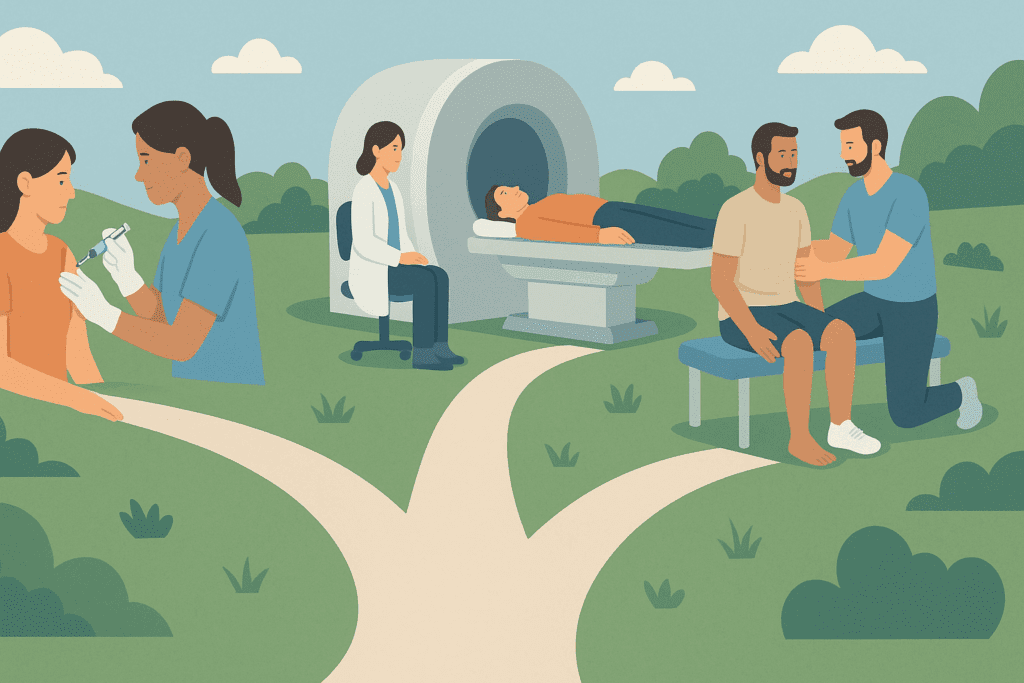
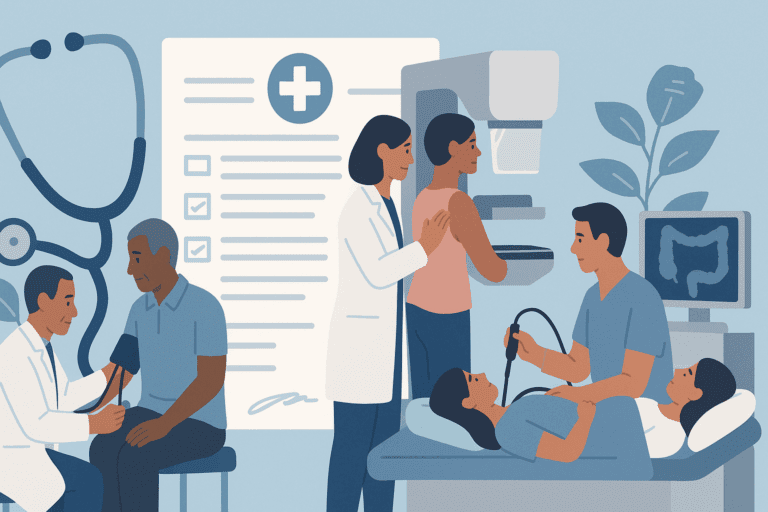
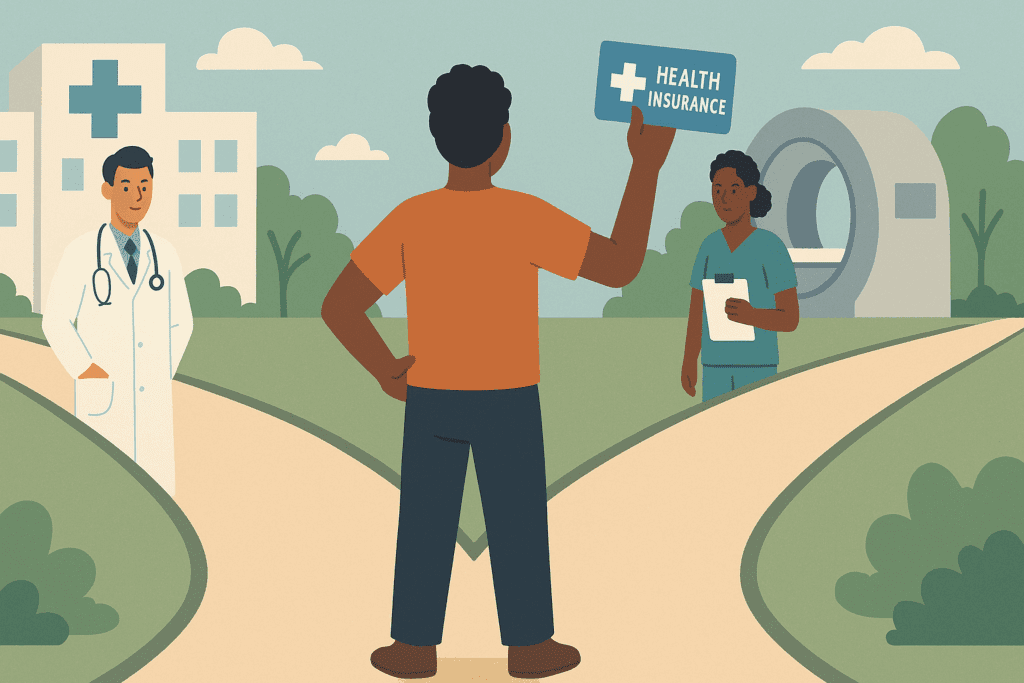
Three healthcare scenes illustrate the health benefits of preventive medicine, from vaccination to diagnostic scanning and physical therapy.

Understanding Preventive Medicine: Definition and Scope

To grasp the transformative impact of preventive medicine, one must first understand its scope and foundational principles. Preventive medicine is a branch of medical science focused on the health of individuals and communities with the goal of preventing disease, disability, and premature death. It encompasses primary, secondary, and tertiary prevention strategies. Primary prevention aims to avert disease before it occurs through measures such as vaccinations, health education, and lifestyle interventions. Secondary prevention focuses on early detection and prompt treatment to halt the progression of illness, often through screenings and diagnostic tools. Tertiary prevention involves managing existing conditions to prevent complications and enhance quality of life.

This tripartite framework illustrates how preventive care works across a spectrum of interventions, beginning well before a patient experiences symptoms. It includes everything from prenatal counseling to cancer screenings to rehabilitation services after a stroke. The preventive healthcare definition, therefore, extends far beyond routine doctor visits; it’s a comprehensive, multi-layered strategy that encompasses physical, mental, and social well-being. By understanding this definition, we can better appreciate why preventive care is essential for achieving optimal health outcomes.
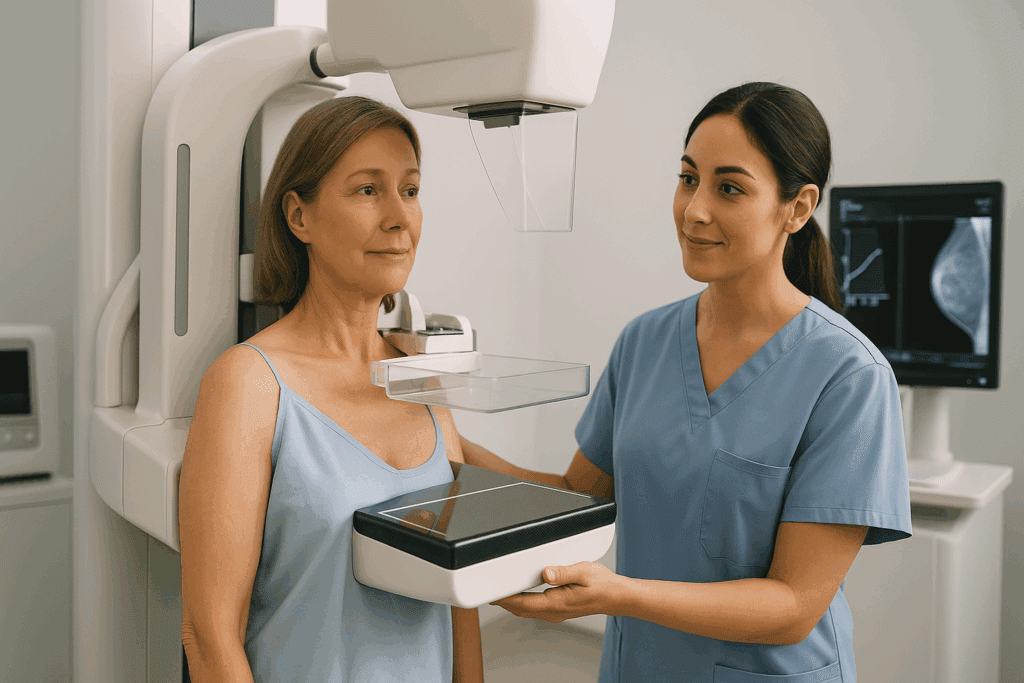
Woman receiving a mammogram with a caring healthcare provider nearby, illustrating the health benefits of preventive medicine

The Critical Role of Early Detection in Modern Healthcare

Early detection lies at the heart of effective preventive medicine. Through targeted screening programs and timely interventions, health care providers can identify conditions such as hypertension, diabetes, or cancer before symptoms arise. This allows for more effective and less invasive treatment options and greatly enhances a patient’s prognosis. For instance, colorectal cancer detected at stage I has a five-year survival rate of approximately 90%, compared to only 14% when discovered at stage IV. Similarly, early detection of type 2 diabetes can prevent the onset of serious complications like neuropathy, vision loss, or cardiovascular disease.

From a systemic perspective, early detection also offers significant cost-saving advantages. Diagnosing and treating conditions in their early stages often requires fewer resources than managing advanced disease. It also reduces the burden on health systems by decreasing hospital admissions and long-term care requirements. These benefits illustrate the importance of preventive health care, especially as chronic diseases continue to challenge both individual well-being and national economies.

The Health Benefits of Preventive Medicine in Chronic Disease Management

Chronic diseases such as heart disease, stroke, diabetes, and cancer are the leading causes of death and disability worldwide. However, many of these conditions are preventable or can be effectively managed through preventive strategies. The health benefits of preventive medicine in this context are particularly profound. For example, lifestyle interventions such as nutritional counseling, physical activity promotion, and smoking cessation programs can significantly reduce the risk of cardiovascular disease.

Preventive screenings for cholesterol levels, blood pressure, and glucose can identify risk factors early, prompting timely interventions. Moreover, preventive care doesn’t just focus on physical health. Mental health screenings and behavioral therapies are vital components, recognizing the intricate link between psychological well-being and chronic disease progression. Preventive medicine thus addresses both the roots and branches of chronic illness, making it a cornerstone of modern, holistic health care.
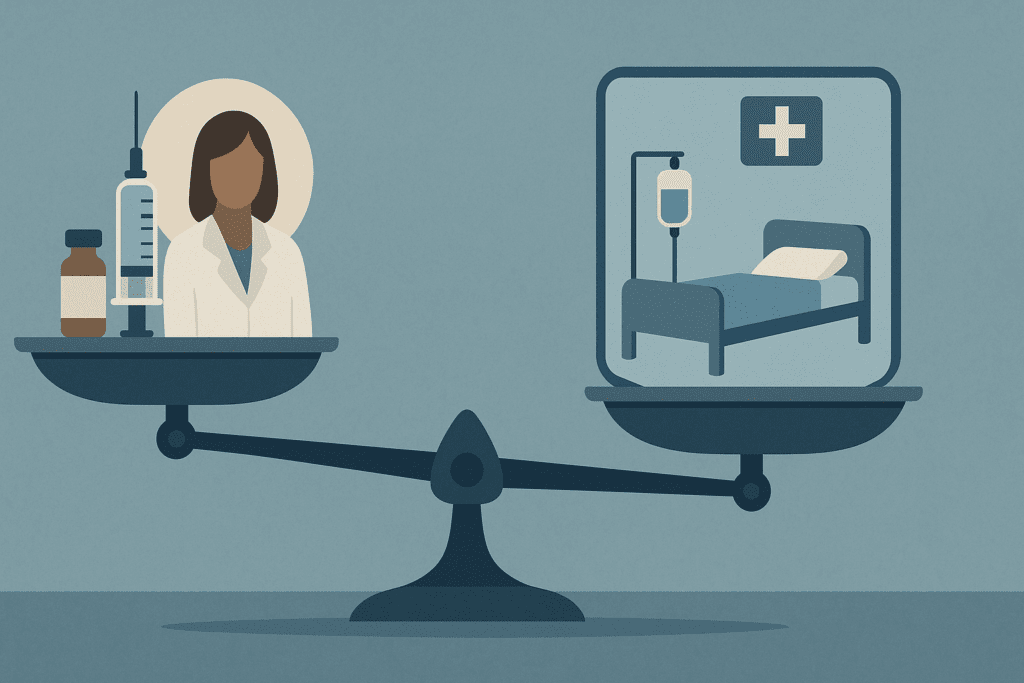
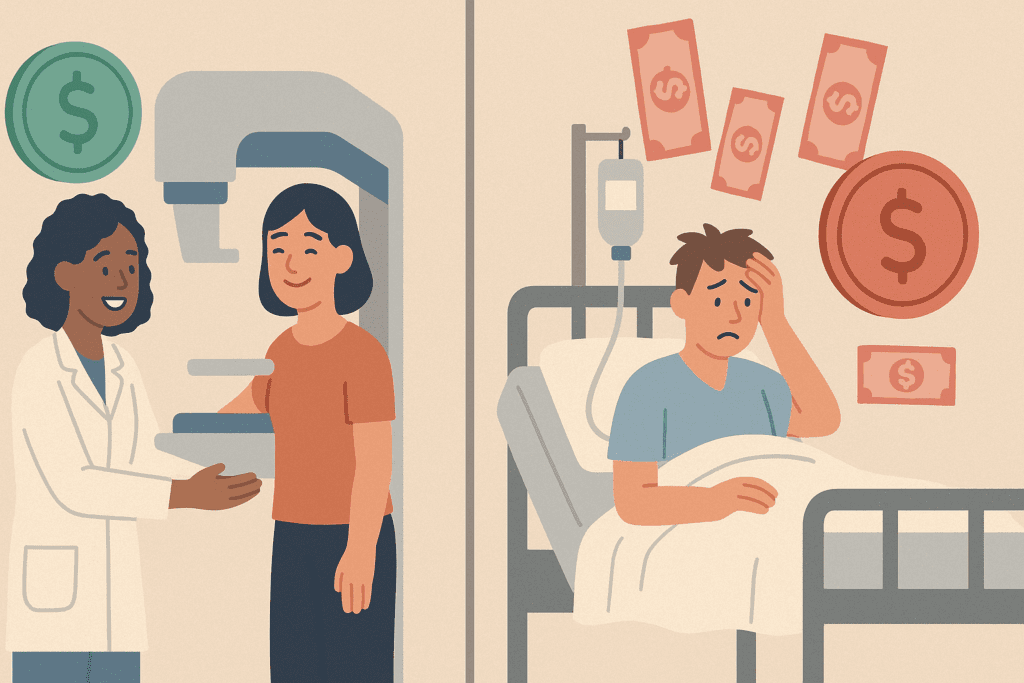
Balance scale comparing flu vaccine and doctor to costly hospital bed, symbolizing economic health benefits of preventive medicine.

Why Is Preventive Care Important for Long-Term Wellness?

The importance of preventive care is not limited to disease avoidance; it’s about empowering individuals to lead longer, healthier, and more fulfilling lives. Regular check-ups, lifestyle assessments, immunizations, and age-appropriate screenings provide ongoing insight into a person’s health status. This proactive approach enables individuals to make informed decisions about their habits, environments, and treatments.

Moreover, preventive care fosters stronger patient-provider relationships. By engaging patients in their own health maintenance and offering consistent communication, health care professionals can tailor recommendations to each individual’s risk profile and life circumstances. These ongoing partnerships contribute to sustained behavioral change, greater adherence to medical advice, and improved health literacy. All of these factors culminate in better long-term outcomes, affirming why preventive care is important in every phase of life.

Economic Implications: How Preventive Health Care Saves Costs

While the benefits of preventive care for patients are well-documented, its economic value is equally compelling. Preventive health measures often entail relatively low upfront costs compared to the substantial expenses associated with acute and emergency care. For example, a flu vaccine may cost under $50, while treating flu-related complications could amount to thousands in hospitalization costs. Similarly, managing hypertension through medication and lifestyle coaching is far more economical than addressing the consequences of a heart attack or stroke.

Research consistently shows that preventive services such as screenings, vaccinations, and counseling yield high returns on investment. On a national scale, integrating preventive medicine into public health policy can help control spiraling health care expenditures. Businesses also benefit from healthier employees, with reduced absenteeism, increased productivity, and lower insurance premiums. This broad spectrum of economic advantages underscores the importance of preventive healthcare as both a personal and societal imperative.

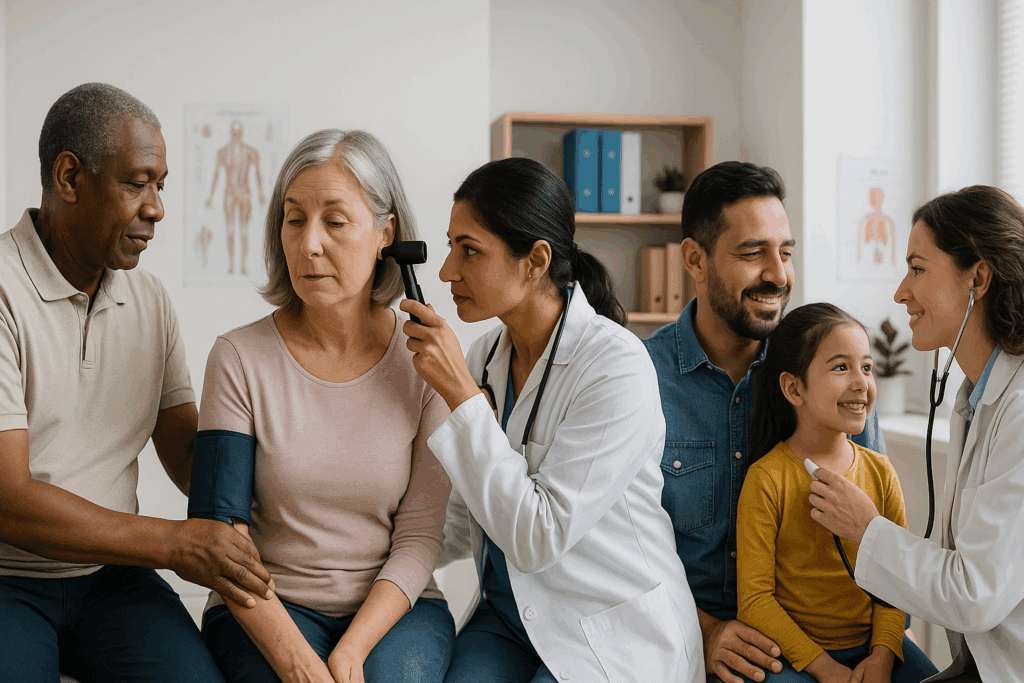
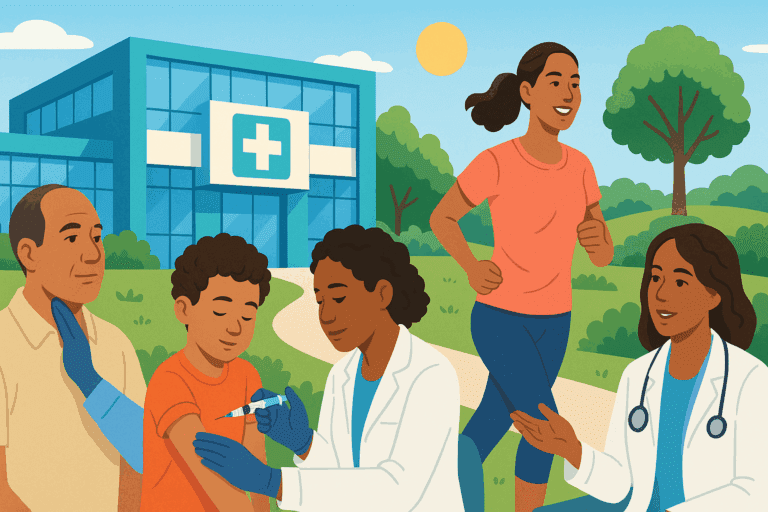
Children receiving vaccinations and wellness check-ups in a cheerful clinic with caring doctors and parents, showing the health benefits of preventive medicine.

Health Equity and Access to Preventive Services

A crucial component in realizing the full potential of preventive medicine is ensuring equitable access to services. Historically marginalized and underserved populations often face significant barriers to care, including geographic limitations, financial constraints, and systemic biases. These barriers contribute to health disparities that preventive medicine is uniquely positioned to address.

Community health programs, mobile clinics, and telehealth services have proven effective in bridging access gaps. Educational outreach and culturally competent care also enhance trust and engagement, encouraging more people to seek preventive services. When deployed thoughtfully, preventive health strategies can help dismantle long-standing inequities, ensuring that all individuals have the opportunity to benefit from early detection and wellness support.

The Science Behind Prevention: Evidence-Based Guidelines and Tools

The practice of preventive medicine is guided by robust scientific evidence. Organizations such as the U.S. Preventive Services Task Force (USPSTF) and the World Health Organization (WHO) issue evidence-based recommendations for screenings, immunizations, and lifestyle interventions. These guidelines are continually updated based on emerging research, ensuring that care remains effective and relevant.

Technological innovations have further enhanced preventive tools. Genetic testing, wearable devices, and digital health apps allow for real-time monitoring and personalized recommendations. Artificial intelligence is increasingly being used to predict disease risk and tailor prevention strategies accordingly. The integration of technology with evidence-based practice is revolutionizing how preventive care is delivered and expanding the range of tools available to both providers and patients.

Man meditating during a counseling session in a calm setting, illustrating the mental health benefits of preventive medicine.

Health Benefits of Preventive Medicine for Children and Adolescents

The value of preventive care extends across all age groups, beginning with children and adolescents. Immunizations, developmental screenings, and nutritional counseling form the bedrock of pediatric preventive medicine. By addressing issues such as childhood obesity, behavioral disorders, and infectious diseases early, providers lay the foundation for lifelong health.

Adolescents benefit from preventive counseling on mental health, sexual health, and substance use. These interventions are crucial during formative years when habits and behaviors are still being established. Regular wellness visits during childhood and adolescence not only catch medical issues early but also instill health-conscious values that persist into adulthood. The health benefits of preventive medicine during youth thus resonate well into later life, reducing disease burden and enhancing population health trajectories.

Adult Preventive Care: Building a Lifelong Health Plan

For adults, preventive medicine plays a pivotal role in maintaining vitality, detecting risk factors, and managing health conditions. Services such as mammograms, colonoscopies, cholesterol screenings, and mental health evaluations are essential components of adult wellness plans. These services are often tailored based on age, sex, family history, and lifestyle, ensuring personalized care that aligns with individual risk profiles.

Preventive care also supports reproductive health through family planning, prenatal care, and screenings for sexually transmitted infections. For older adults, fall risk assessments, osteoporosis screenings, and cognitive evaluations gain prominence. These measures are vital in preserving independence and quality of life as one ages. By making preventive care a lifelong priority, adults can better navigate health challenges and maintain function well into their senior years.

Mental and Emotional Wellness in Preventive Health Care

An often underappreciated facet of preventive care is its impact on mental and emotional well-being. Mental health screenings, stress management education, and behavioral therapies are integral components of comprehensive preventive strategies. These services not only address psychiatric conditions such as depression and anxiety but also contribute to better management of physical illnesses, given the bidirectional relationship between mind and body.

Early intervention in mental health can significantly reduce the severity and duration of disorders, improve coping skills, and enhance overall resilience. Moreover, preventive strategies that focus on emotional wellness can mitigate the risk of substance abuse, relationship problems, and workplace burnout. Recognizing the importance of preventive care in the mental health domain ensures a more holistic approach to individual and public health.

Healthcare educator presenting to a diverse adult audience in a classroom setting, highlighting the health benefits of preventive medicine through charts and digital tools.

The Preventive Approach in Workplace and Occupational Health

Employers and organizations are increasingly embracing preventive health care as part of their wellness initiatives. On-site screenings, fitness programs, and mental health resources contribute to healthier, more productive workforces. By integrating preventive strategies into employee benefits and workplace culture, organizations can reduce absenteeism, lower insurance costs, and improve morale.

Occupational health specialists also play a crucial role in injury prevention and health promotion within specific industries. Ergonomic assessments, hazard controls, and vaccination campaigns all fall within the purview of workplace preventive medicine. These proactive efforts not only protect workers but also enhance organizational resilience and operational efficiency.

Public Health Campaigns and the Importance of Preventive Health Care

Public health campaigns have long been instrumental in promoting preventive care and shaping societal attitudes toward wellness. Initiatives such as anti-smoking efforts, nutrition labeling, and vaccination drives have had profound impacts on population health. These campaigns leverage mass communication, policy advocacy, and community engagement to effect behavioral change at scale.

The importance of preventive health care in these efforts cannot be overstated. Campaigns are most effective when they are evidence-based, culturally sensitive, and supported by accessible services. For instance, a campaign to reduce obesity must be accompanied by access to healthy foods and physical activity spaces. When aligned with policy and infrastructure, public health initiatives can drive lasting improvements in health behaviors and outcomes.

Integrating Preventive Medicine into Health Education and Policy

Educating the public about the benefits of preventive care is essential to its widespread adoption. Health literacy programs in schools, workplaces, and communities can demystify medical concepts and empower individuals to make informed decisions. Training for health professionals should also emphasize preventive approaches, ensuring that future clinicians are equipped to guide patients in proactive health management.

Policy makers play a critical role in embedding preventive medicine into health systems. Coverage mandates, funding for community programs, and incentives for preventive services can create an environment that prioritizes wellness. Health policies should reflect the long-term value of prevention and allocate resources accordingly. Such systemic support is crucial to realizing the full potential of the health benefits of preventive medicine.

Frequently Asked Questions: Unlocking the Health Benefits of Preventive Medicine

How do the health benefits of preventive medicine extend to family and community well-being?
Preventive medicine isn’t just a personal health choice—it’s a public health investment. When individuals commit to regular screenings, vaccinations, and healthy lifestyle habits, they reduce the risk of spreading contagious diseases within families and communities. For example, widespread immunization campaigns have historically led to herd immunity, protecting vulnerable populations such as infants, the elderly, and the immunocompromised. Furthermore, parents who prioritize preventive health routines often model healthy behavior for children, influencing generational attitudes toward wellness. In turn, these community-level efforts foster a culture of prevention, reducing long-term disease prevalence and encouraging more proactive public health policies.

What are some innovative technologies transforming preventive health care today?
Emerging technologies are reshaping the landscape of preventive medicine, allowing for earlier and more personalized detection of disease. Wearable devices now monitor heart rate variability, sleep quality, and activity levels, offering real-time insights that encourage behavioral change. Genetic screening tools can identify predispositions to specific illnesses, enabling targeted lifestyle interventions long before symptoms appear. Artificial intelligence is increasingly used to analyze complex health data and predict patient risk, helping clinicians design tailored prevention plans. These tools, when integrated with electronic health records and patient portals, enhance the efficiency and precision of preventive health strategies while empowering individuals to take ownership of their well-being.

Why is preventive care important in reducing health disparities across different populations?
The importance of preventive health care becomes even more evident when addressing health disparities. Marginalized communities often experience reduced access to quality care due to socioeconomic barriers, geographic isolation, or language and cultural differences. Preventive care initiatives—such as mobile health units, telemedicine platforms, and community-based outreach—can bridge these gaps by bringing services directly to underserved populations. Culturally tailored health education also builds trust and engagement, increasing participation in screenings and vaccinations. As a result, preventive healthcare efforts not only improve individual outcomes but also advance equity by narrowing the gap in health status across different social groups.

How can employers better support the health benefits of preventive medicine in the workplace?
Workplaces are powerful venues for promoting the health benefits of preventive medicine. Employers can offer on-site health assessments, flu shot clinics, and mental wellness workshops, making preventive care both convenient and normalized. Incentivizing participation through wellness credits or insurance discounts further boosts engagement. Additionally, cultivating a culture that prioritizes health—such as by encouraging breaks for movement, offering nutritious food options, or supporting flexible scheduling for medical appointments—reinforces preventive behaviors. When employees have consistent access to such resources, they are more likely to detect issues early and manage chronic conditions effectively, resulting in reduced absenteeism and higher job satisfaction.

How does understanding the preventive healthcare definition help tailor care across life stages?
A nuanced understanding of the preventive healthcare definition helps providers and individuals align interventions with age-specific needs. In pediatrics, this might mean vaccinations and developmental screenings, while adolescence calls for emotional and reproductive health support. During adulthood, the emphasis shifts to metabolic monitoring, cancer screenings, and cardiovascular risk management. In older adulthood, preventive care includes fall risk assessments, cognitive evaluations, and management of polypharmacy. Recognizing that prevention evolves with life’s milestones allows for a more strategic, dynamic, and responsive health plan that respects individual needs at every stage of development.

In what ways does preventive medicine impact mental health care access and outcomes?
Preventive medicine is increasingly integral to mental health care, which often suffers from delayed intervention and social stigma. Incorporating routine mental health screenings into primary care normalizes emotional wellness and facilitates earlier diagnoses. Preventive strategies such as mindfulness programs, stress-reduction techniques, and resilience training can lower the risk of developing chronic psychological conditions. Moreover, digital platforms offering confidential therapy or mood tracking reduce barriers to seeking help. The importance of preventive healthcare in mental wellness lies in its capacity to intervene before crises emerge, enabling individuals to maintain emotional balance and seek treatment with less hesitation.

What are the long-term societal implications of widespread adoption of preventive medicine?
Broad adoption of preventive medicine carries far-reaching implications for societal resilience and sustainability. A healthier population places less strain on emergency rooms, long-term care facilities, and health insurance systems. Productivity gains are realized as people experience fewer sick days, longer working years, and enhanced cognitive function. Preventive strategies also reduce the intergenerational burden of disease by lowering childhood exposure to harmful environments and reducing inherited risk factors. In the long term, countries that invest in prevention tend to experience more stable economies, improved educational outcomes, and greater social cohesion due to reduced health-related inequality.

Why is preventive care important for managing environmental and occupational exposures?
The importance of preventive care becomes especially critical in identifying and mitigating risks related to environmental toxins and occupational hazards. Workers in agriculture, construction, and manufacturing may be exposed to chemicals, dust, or repetitive strain injuries that can result in chronic conditions if unaddressed. Preventive measures—like ergonomic assessments, protective equipment mandates, and regular health monitoring—help catch early signs of occupational illnesses such as asthma or musculoskeletal disorders. Similarly, monitoring air and water quality in high-risk communities allows for interventions that prevent long-term exposure-related illnesses. This proactive surveillance is key to maintaining population health in a rapidly changing environment.

How do social determinants of health intersect with the importance of preventive health care?
Social determinants such as income, education, housing, and transportation deeply influence access to and efficacy of preventive health care. For instance, a person living in a food desert may struggle to follow dietary recommendations, even after receiving sound medical advice. Preventive strategies that fail to consider these contextual barriers often fall short of their intended impact. Innovative programs that incorporate social support—such as transportation vouchers, school-based health centers, or community gardens—enhance the real-world applicability of preventive care. Understanding the interplay between structural factors and individual behavior is crucial for optimizing the health benefits of preventive medicine across all communities.

Health Benefits of Preventive Medicine: What Role Will Personalized Prevention Play in the Future?
As health care advances, personalized prevention is poised to redefine the health benefits of preventive medicine. Instead of one-size-fits-all checklists, future models will leverage individual genetic data, biometric trends, and lifestyle patterns to craft uniquely tailored health plans. For example, someone with a genetic marker for high cholesterol may begin lipid screenings earlier and adopt dietary interventions more rigorously than standard guidelines suggest. Machine learning algorithms will further refine risk assessments, predicting disease trajectories with increasing accuracy. This evolution makes preventive care not only more precise but also more engaging, as patients receive recommendations that resonate with their unique experiences and needs.

Rethinking the Importance of Preventive Health Care in the Post-Pandemic World
The COVID-19 pandemic has spotlighted the urgency of preventive strategies on both individual and global scales. Delayed screenings, missed vaccinations, and rising mental health issues during lockdowns have highlighted vulnerabilities in health systems overly reliant on reactive care. In response, public and private sectors are reinvesting in robust preventive infrastructure, including contact tracing, telemedicine, and remote monitoring tools. The importance of preventive health care now encompasses pandemic preparedness, emphasizing early surveillance, behavioral adaptability, and community resilience. As we rebuild post-pandemic systems, embedding the principles of prevention into everyday life will be vital for sustaining global health and preventing future crises.

Conclusion: Embracing the Full Potential of Preventive Medicine for a Healthier Future

As we navigate increasingly complex health challenges, from chronic diseases to global pandemics, the case for preventive medicine has never been more compelling. The health benefits of preventive medicine span the entire spectrum of care—from reducing disease incidence to improving mental wellness to alleviating financial burdens on individuals and health systems. Early detection, personalized interventions, and sustained education form the pillars of this transformative approach.

Understanding the preventive healthcare definition helps clarify its scope, while recognizing why preventive care is important strengthens the case for its universal implementation. By embracing the importance of preventive health care in clinical practice, public policy, and personal lifestyle, we pave the way for a more resilient, equitable, and vibrant society. Preventive medicine is not merely a strategy; it is an essential commitment to sustaining life, dignity, and well-being for generations to come.

Further Reading:

Why Preventive Care Is Important

Preventive Care

Introduction

The Future of Live Dealer Games in Casinos

0

Real dealer titles are changing the online gambling landscape by delivering an engaging encounter that merges the ease of online play with the realness of a physical gaming establishment. According to a twenty twenty-three document by Statista, the interactive croupier segment is expected to expand by 25% annually, driven by developments in streaming systems and participant demand for real-time engagement.

One prominent individual in this change is Martin Carlesund, the Chief Executive Officer of EvolutionEvolution gaming company, a front-runner in real-time casino options. You can follow his thoughts on his Twitter profile. Evolution Gaming has led the creation of interactive dealer titles, offering a broad range of options from the card game to baccarat, all transmitted in excellent definition from advanced locations.

In the year 2022, the Venetian in LasVegas Las Vegas Strip launched a novel real-time croupier section, improving the gaming experience for both physical and virtual players. This groundbreaking strategy allows players to connect with actual dealers via streaming streams, establishing a communal environment that traditional virtual gambling lack. For further information on interactive croupier play, explore The New York Times.

As innovation persists to progress, gambling venues are examining the combination of digital reality (VR) with interactive host titles. This blend promises to enhance the gambling interaction more, permitting gamers to perceive as if they are physically in attendance at the table. For those interested in exploring the most recent patterns in live croupier gaming, visit beste online casino deutschland.

While interactive croupier options offer countless advantages, participants should be aware of the value of choosing licensed and reliable sites. Confirming that the gaming establishment functions under a valid authorization can deliver tranquility of mind and enhance the complete playing experience.

The Impact of Artificial Intelligence on Casino Operations

0

Artificial Intelligence (AI) is revolutionizing the casino industry by optimizing operations and enhancing customer experiences. In 2023, a report by Deloitte highlighted that AI solutions could enhance operational productivity by up to 30%, permitting casinos to better manage resources and refine service delivery.

One notable figure in this transformation is David Baazov, the ex CEO of Amaya Gaming, who has been a staunch proponent of AI integration in gaming. You can learn more about his views on his LinkedIn profile.

In recent years, casinos have begun using AI for multiple purposes, including customer service chatbots, tailored marketing, and deception detection. For case, the Bellagio in Las Vegas implemented an AI-driven system in 2022 that assesses player actions to tailor promotions and enhance engagement. This strategy not only improves customer happiness but also increases revenue through focused marketing tactics.

Moreover, AI formulas are being employed to observe gaming trends and detect anomalies that may suggest dishonesty or fraud. This proactive approach helps uphold the integrity of the gaming setting. For more insights on AI in gambling, visit The New York Times.

As AI continues to progress, casinos are also exploring its possibility in game design. AI can produce responsive gaming interactions that adapt to player choices, making games more engaging and enjoyable. Additionally, AI-driven analytics provide valuable understandings into market movements, helping casinos make wise judgments about game offerings and advertisements. Explore more about these innovations at pinco kazino.

While the advantages of AI are notable, it is vital for casinos to implement these technologies responsibly. Maintaining data security and safety should be a top concern as casinos leverage AI to enhance their operations and customer satisfaction.

The Future of Live Dealer Games in Casinos

0

Real dealer titles are changing the online gambling landscape by delivering an engaging encounter that merges the ease of online play with the realness of a physical gaming establishment. According to a twenty twenty-three document by Statista, the interactive croupier segment is expected to expand by 25% annually, driven by developments in streaming systems and participant demand for real-time engagement.

One prominent individual in this change is Martin Carlesund, the Chief Executive Officer of EvolutionEvolution gaming company, a front-runner in real-time casino options. You can follow his thoughts on his Twitter profile. Evolution Gaming has led the creation of interactive dealer titles, offering a broad range of options from the card game to baccarat, all transmitted in excellent definition from advanced locations.

In the year 2022, the Venetian in LasVegas Las Vegas Strip launched a novel real-time croupier section, improving the gaming experience for both physical and virtual players. This groundbreaking strategy allows players to connect with actual dealers via streaming streams, establishing a communal environment that traditional virtual gambling lack. For further information on interactive croupier play, explore The New York Times.

As innovation persists to progress, gambling venues are examining the combination of digital reality (VR) with interactive host titles. This blend promises to enhance the gambling interaction more, permitting gamers to perceive as if they are physically in attendance at the table. For those interested in exploring the most recent patterns in live croupier gaming, visit https://www.brickworksbrewing.com.au/.

While interactive croupier options offer countless advantages, participants should be aware of the value of choosing licensed and reliable sites. Confirming that the gaming establishment functions under a valid authorization can deliver tranquility of mind and enhance the complete playing experience.

Essential Early Steps for Colon and Rectal Cancer Prevention: What You Need to Know Now

Understanding the importance of early interventions in reducing the risk of colorectal malignancies is a crucial component of public health strategy today. Colon and rectal cancer prevention is not merely a medical goal but a social imperative, as these cancers rank among the most prevalent and deadly forms of cancer worldwide. Recognizing this reality, both individuals and health systems must prioritize early detection, lifestyle modification, and awareness campaigns to combat the incidence and severity of these conditions. Prevention strategies rooted in evidence-based practices can significantly lower cancer risks, improve patient outcomes, and reduce healthcare burdens. As our understanding of colorectal cancer evolves, so must our strategies to prevent it, starting from a foundation of knowledge and moving toward actionable, transformative behaviors.

You may also like: The Vital Health Benefits of Preventive Medicine: Why Early Detection Matters More Than Ever

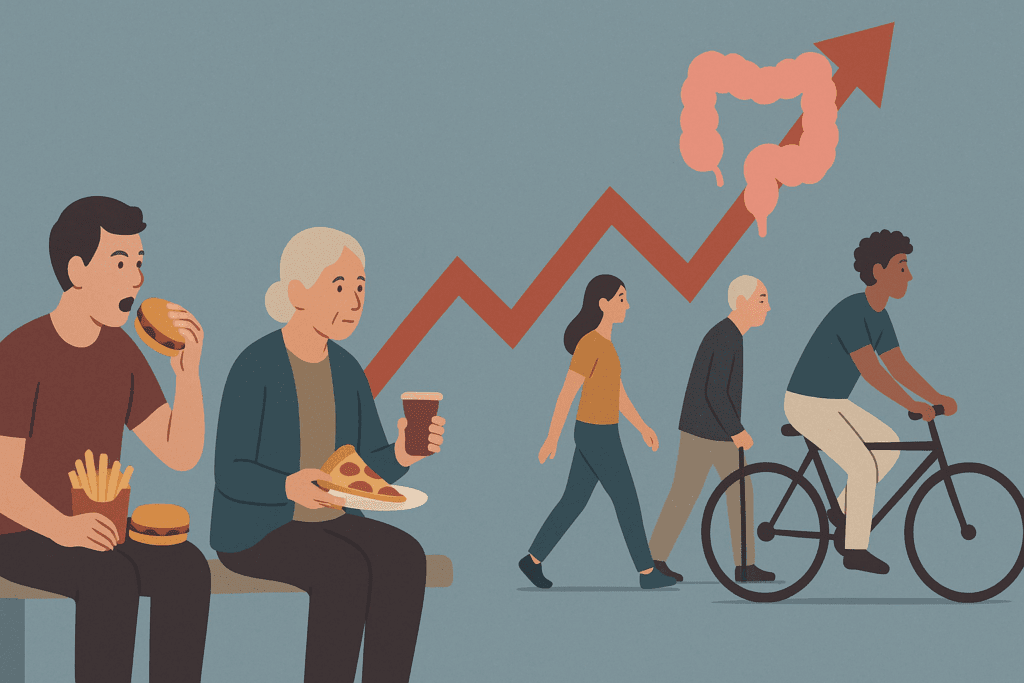
Conceptual illustration showing rising colon and rectal cancer prevention challenges with diverse people eating fast food or exercising beneath a red upward graph

The Growing Burden of Colorectal Cancer in Modern Society

Colorectal cancer has steadily climbed the ranks of global health concerns, particularly in developed nations where sedentary lifestyles and processed diets have become the norm. The disease’s prevalence has surged not only among older adults, as traditionally observed, but alarmingly among younger populations as well. This trend underscores the necessity of shifting our focus from reactive treatment to proactive prevention. While medical advances have increased survival rates, they have not stemmed the tide of new diagnoses. Addressing the roots of colon and rectal cancer through lifestyle interventions, dietary changes, and early screening can profoundly alter this trajectory.

In the United States alone, the American Cancer Society estimates over 150,000 new cases of colorectal cancer annually, with nearly 53,000 resulting in death. Globally, it is the third most commonly diagnosed cancer and the second leading cause of cancer-related deaths. These sobering statistics highlight a critical need for both systemic changes in public health policy and individual accountability in wellness practices. Understanding these trends empowers communities to take more control over their health outcomes and to advocate for greater access to preventative healthcare resources.

Recognizing Risk Factors and Their Role in Colon and Rectal Cancer Prevention

Effective colon and rectal cancer prevention hinges on a comprehensive understanding of risk factors. These can be broadly categorized into non-modifiable and modifiable risks. Non-modifiable risks include age, genetics, and personal history of inflammatory bowel diseases such as Crohn’s disease or ulcerative colitis. Individuals with a first-degree relative who has had colorectal cancer have a two- to threefold increased risk of developing the disease themselves. Likewise, hereditary conditions like Lynch syndrome or familial adenomatous polyposis dramatically elevate risk levels.

However, modifiable risk factors provide a critical window for prevention. Diets high in red and processed meats, lack of physical activity, obesity, tobacco use, and excessive alcohol consumption all contribute significantly to colorectal cancer development. Studies have shown that people who adopt healthier lifestyles, rich in fruits, vegetables, and whole grains, and who maintain a healthy weight through regular exercise, have a substantially lower risk of developing these cancers. Understanding these modifiable risk factors enables individuals to make informed choices about their health while giving clinicians a framework for targeted interventions.

Flat-lay of high-fiber fruits, vegetables, grains, and nuts beside processed meats, illustrating dietary choices linked to colon and rectal cancer prevention

The Role of Diet and Nutrition in Colorectal Health

Nutrition is one of the most potent tools in the arsenal for cancer colorectal prevention. The gastrointestinal system is directly affected by dietary intake, meaning the food choices individuals make daily can either contribute to carcinogenesis or help ward it off. Diets high in fiber have been associated with a reduced risk of colorectal cancer due to their role in speeding up the digestive process and reducing the time potential carcinogens remain in the colon.

Conversely, high consumption of processed meats, such as sausages, bacon, and deli meats, has been classified as carcinogenic by the World Health Organization. Reducing intake of these foods while increasing consumption of plant-based foods can lead to significant improvements in colorectal health. Moreover, calcium and vitamin D have shown protective benefits against colorectal cancer in some studies, suggesting that dairy products and sunlight exposure, in moderation, can also be beneficial.

Incorporating anti-inflammatory foods, such as omega-3-rich fish, leafy greens, nuts, and berries, into one’s diet may further contribute to lowering cancer risk. These foods help regulate the body’s immune response and decrease chronic inflammation, a condition linked to cancer development. Thus, dietary modifications not only serve as preventive measures but also enhance overall digestive health and well-being.

Exercise and Physical Activity as Preventive Strategies

Physical activity has been consistently linked to lower rates of colorectal cancer. Regular exercise reduces inflammation, improves immune function, enhances metabolism, and helps maintain a healthy weight—all factors associated with reduced cancer risk. Engaging in at least 150 minutes of moderate-intensity exercise per week can significantly influence one’s likelihood of developing colon and rectal cancer.

The protective effects of exercise are partly due to improved bowel motility, which reduces the contact time between potential carcinogens and the colon lining. Additionally, physical activity can positively influence hormone levels and insulin sensitivity, further reducing cancer risk. Whether through brisk walking, cycling, swimming, or structured fitness routines, the incorporation of physical activity into daily life should be a priority for those seeking to mitigate cancer risk.

Beyond its physiological benefits, exercise also contributes to mental health, which is often overlooked in cancer prevention. A positive mental state can lead to better adherence to healthy behaviors, improved sleep, and reduced stress—all of which play a role in holistic wellness. Encouraging communities to adopt active lifestyles through accessible programs and public health campaigns remains a pivotal strategy in the prevention effort.

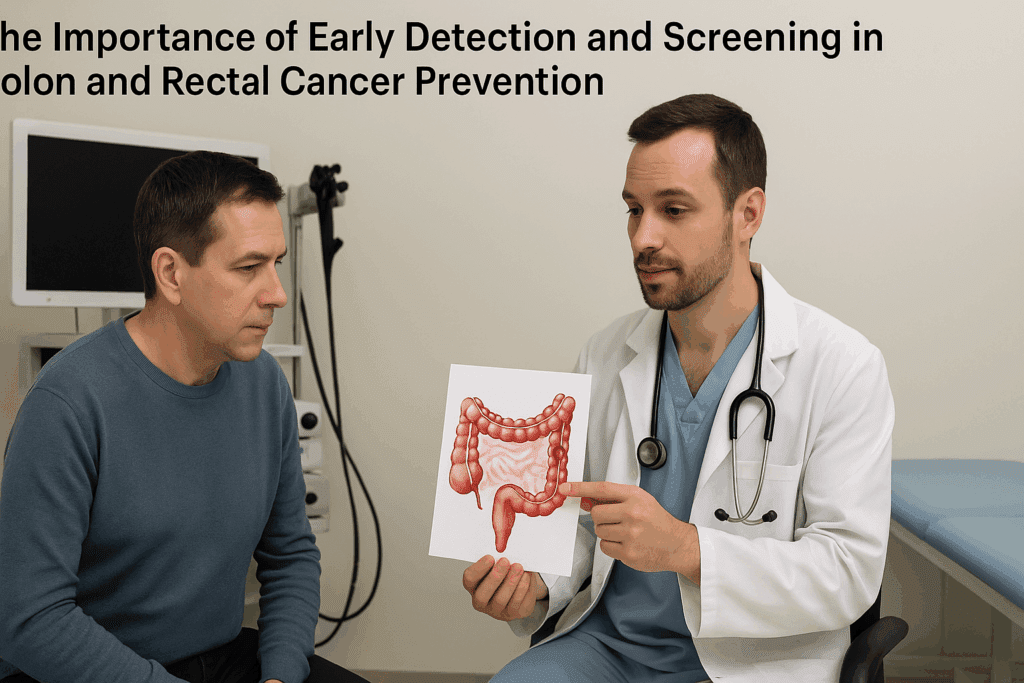
Doctor explaining a colonoscopy diagram to a patient in a medical exam room, highlighting the importance of colon and rectal cancer prevention

The Importance of Early Detection and Screening in Colon and Rectal Cancer Prevention

Among the most effective tools in colon and rectal cancer prevention is early detection through regular screening. Screening allows for the identification and removal of precancerous polyps before they progress to malignancy. Colonoscopy, the gold standard for colorectal screening, can detect both early-stage cancers and polyps that might later develop into cancer if left untreated.

The U.S. Preventive Services Task Force recommends that individuals at average risk begin colorectal screening at age 45. However, those with a family history or other risk factors may need to start earlier. Screening options also include stool tests, such as the fecal immunochemical test (FIT) and stool DNA tests, which detect signs of cancer or polyps through non-invasive means. While these tests do not replace colonoscopy, they serve as valuable alternatives for individuals unwilling or unable to undergo more invasive procedures.

Early detection significantly improves prognosis. When colorectal cancer is caught at an early stage, the five-year survival rate exceeds 90%. Unfortunately, many cases are still diagnosed at advanced stages due to lack of screening. Increasing awareness about the benefits of early detection and breaking down barriers to screening access—whether due to cost, fear, or misinformation—is critical in reducing colorectal cancer mortality.

Colon and Rectal Cancer Prevention Through Gut Microbiome Health

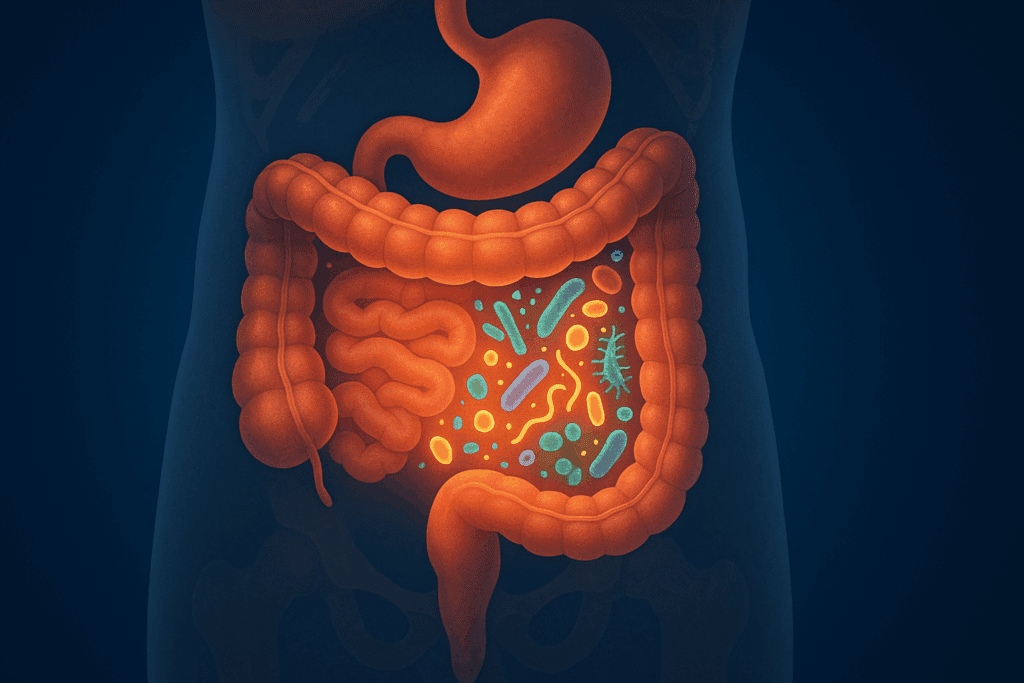
Recent research has illuminated the role of the gut microbiome in colon and rectal cancer prevention. The human gut contains trillions of microorganisms that influence digestion, immune function, and even gene expression. Disruptions in the balance of this microbiome—often due to poor diet, antibiotic overuse, or chronic stress—have been linked to inflammation and carcinogenesis in the colon.

Promoting a healthy microbiome through diet and lifestyle can enhance colorectal cancer prevention efforts. Prebiotics (found in foods like onions, garlic, bananas, and oats) and probiotics (such as those found in yogurt, kefir, and fermented vegetables) help cultivate beneficial bacteria in the gut. These microbes produce short-chain fatty acids, such as butyrate, that protect colon cells and may inhibit tumor formation.

In addition to diet, avoiding unnecessary antibiotic use and managing stress also support microbial diversity. Emerging research even suggests that the microbiome could one day inform personalized screening protocols or targeted therapies. While more studies are needed to fully understand this connection, fostering microbiome health represents a promising frontier in cancer colorectal prevention.

Illustration of the human digestive system showing diverse gut microbes glowing in the colon to highlight colon and rectal cancer prevention

Genetics, Family History, and Personalized Prevention Plans

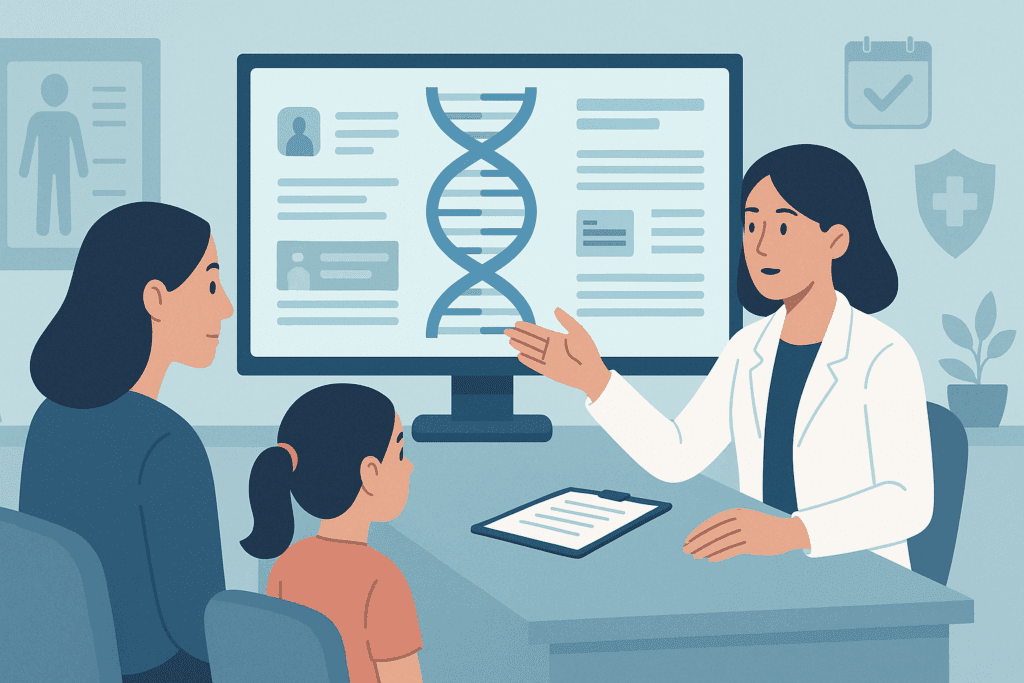
Genetic predispositions play a significant role in colorectal cancer risk, particularly in individuals with inherited conditions such as Lynch syndrome or familial adenomatous polyposis. Genetic counseling and testing can help identify high-risk individuals who may benefit from more aggressive screening or preventative interventions. These personalized plans may include earlier and more frequent colonoscopies, prophylactic surgeries, or chemoprevention strategies.

Family history also serves as a strong indicator of potential risk. Individuals with one or more first-degree relatives diagnosed with colorectal cancer should consult with their healthcare providers to determine an appropriate screening schedule. Understanding genetic risks empowers individuals and families to take proactive steps toward prevention.

Furthermore, advancements in precision medicine are enabling tailored risk assessments based on genetic markers and lifestyle factors. These individualized approaches offer more nuanced strategies for prevention, moving away from one-size-fits-all recommendations and toward a future where prevention is as personalized as treatment.

The Influence of Socioeconomic and Cultural Factors on Prevention Access

Access to preventive healthcare services, including screening and nutritional counseling, varies widely based on socioeconomic status, geographic location, and cultural background. Populations in rural or underserved areas often face significant barriers to care, including transportation challenges, lack of healthcare providers, and financial constraints.

Cultural beliefs and stigmas also impact willingness to undergo screening or discuss digestive health. In some communities, talking about bowel movements or undergoing invasive procedures may be considered taboo, deterring individuals from seeking timely care. Public health initiatives must therefore be culturally sensitive and linguistically appropriate to bridge these gaps.

Addressing these disparities requires systemic changes, such as expanding insurance coverage, investing in mobile screening units, and training community health workers. By acknowledging and actively working to eliminate these barriers, society can ensure that colon and rectal cancer prevention is equitable and inclusive.

Family receiving genetic counseling from a doctor reviewing DNA on screen, highlighting colon and rectal cancer prevention through personalized care.

Medical Innovations Advancing Colon and Rectal Cancer Prevention

The medical field continues to develop innovative technologies that enhance colorectal cancer prevention and detection. Advanced imaging techniques, such as high-definition colonoscopy and narrow-band imaging, have improved the accuracy of polyp detection. Meanwhile, artificial intelligence is being integrated into colonoscopy software to help identify abnormalities that may be missed by the human eye.

Non-invasive tests are also advancing rapidly. Liquid biopsies that detect circulating tumor DNA offer the potential for earlier and less invasive diagnosis. Researchers are developing blood-based tests that could supplement or even replace traditional stool tests, making screening more accessible and less burdensome.

In addition, research into chemoprevention—the use of medications to prevent cancer—is showing promise. Aspirin and other nonsteroidal anti-inflammatory drugs (NSAIDs) have been linked to a reduced risk of colorectal cancer in some populations, although their use must be carefully considered due to potential side effects. As these innovations mature, they offer new avenues for prevention and broaden the scope of available tools.

Integrating Colon and Rectal Cancer Prevention into Daily Life

Prevention is most effective when it becomes an integral part of daily living rather than an occasional consideration. Individuals can take meaningful steps each day to reduce their risk of colorectal cancer. These include preparing balanced meals rich in fiber and nutrients, scheduling routine screenings, engaging in regular physical activity, managing stress, and avoiding tobacco and excessive alcohol.

Workplaces and schools can play a role by promoting healthy environments. Offering nutritious meal options, encouraging movement breaks, and providing educational resources about cancer prevention fosters a culture of wellness. Communities can further support prevention through accessible parks, walking trails, and wellness programs that bring health education directly to the public.

Creating supportive environments that normalize conversations about digestive health and remove stigma is also essential. Open dialogue with healthcare providers about symptoms, family history, and risk factors enables timely interventions. Prevention is not a solitary effort; it requires the participation of families, communities, healthcare systems, and policymakers.

Education, Awareness, and the Power of Public Health Campaigns

Public health campaigns have the power to transform awareness into action. Educational initiatives that demystify colonoscopy, highlight the importance of early detection, and provide clear guidance on prevention strategies can motivate individuals to prioritize their health. Effective campaigns use storytelling, visual media, and community engagement to resonate with diverse audiences.

Colorectal Cancer Awareness Month, observed every March, serves as a focal point for such efforts. During this time, healthcare providers, advocacy organizations, and media outlets collaborate to spread crucial information. Social media campaigns, community events, and partnerships with influencers further amplify the message.

These campaigns are most effective when sustained year-round and supported by policy changes that facilitate access to screening and wellness services. Education and awareness are powerful tools that equip individuals with the knowledge and motivation to make health-conscious choices that reduce their cancer risk.

Frequently Asked Questions: Colon and Rectal Cancer Prevention

How does stress influence colon and rectal cancer prevention?
Chronic stress may seem disconnected from gastrointestinal health, but long-term psychological strain can subtly impair immune function and gut microbiota, both of which play a role in cancer colorectal prevention. Cortisol, the body’s primary stress hormone, can increase inflammation and disrupt cellular repair mechanisms, potentially creating an environment more conducive to carcinogenesis. Furthermore, stressed individuals are more likely to adopt unhealthy coping habits, such as poor dietary choices, alcohol overconsumption, or smoking, which are well-established risk factors. Incorporating mindfulness practices, cognitive behavioral therapy, or regular physical activity can buffer these effects and support both mental and physical well-being. Although stress alone does not cause cancer, managing it is an often-overlooked element of a holistic prevention strategy.

What is the role of environmental toxins in colon and rectal cancer risk?
Environmental exposure to certain toxins can subtly influence long-term colorectal cancer risk, particularly for those working in industries involving heavy metals, pesticides, or industrial solvents. Prolonged contact with such substances may increase systemic inflammation and oxidative stress, potentially triggering DNA mutations over time. Drinking water contaminants like arsenic or nitrates have also been investigated for their links to gastrointestinal malignancies. While the evidence is still emerging, individuals in high-risk regions may benefit from water filtration systems and occupational health evaluations. A proactive approach to minimizing environmental exposure aligns well with broader cancer colorectal prevention strategies.

Are there early signs of risk that are not yet classified as symptoms?
Yes, there are several physiological changes that may precede obvious symptoms and warrant attention even if they are not yet classified as clinical signs. For instance, subtle shifts in bowel regularity, mild but consistent bloating, or the presence of microinflammation in colon tissue may signal increased risk, especially for individuals with a family history. Emerging research also suggests that epigenetic changes—alterations in gene expression without DNA mutation—can serve as early biomarkers for susceptibility. Tracking these indicators through advanced screening or digital health monitoring tools may lead to earlier interventions. Awareness of these subclinical changes enhances the overall effort in colon and rectal cancer prevention.

How can artificial intelligence help improve colonoscopy outcomes?
Artificial intelligence (AI) is revolutionizing colonoscopy by enhancing the detection of polyps, particularly flat or small lesions that are easy to miss. AI algorithms can now analyze video feeds in real time, flagging suspicious growths for closer inspection. Studies show that AI-assisted colonoscopy improves adenoma detection rates significantly compared to traditional methods. This not only improves diagnostic accuracy but also contributes to long-term colon and rectal cancer prevention by ensuring fewer precancerous polyps go unnoticed. In the future, AI might also personalize screening intervals based on individual risk profiles, optimizing both safety and resource use.

What emerging trends are shaping future cancer colorectal prevention strategies?
One compelling trend is the shift toward precision prevention—using genetic, environmental, and lifestyle data to create customized risk reduction plans. Another is the integration of wearable health technology, such as smartwatches and biosensors, which can track indicators like inflammation, sleep patterns, and exercise levels. These insights provide real-time feedback and help individuals adhere more closely to prevention guidelines. Nutrigenomics, the study of how diet interacts with genes, is also gaining traction, suggesting that some people may benefit from personalized nutrition plans to reduce cancer risk. Together, these innovations are paving the way for a more proactive, individualized approach to colon and rectal cancer prevention.

How can workplace culture influence colon and rectal cancer prevention?
Workplace environments play a surprisingly impactful role in promoting or inhibiting preventive behaviors. Offices that encourage long periods of sedentary work, for instance, may inadvertently raise colorectal cancer risk due to reduced physical activity. Conversely, companies that provide healthy meal options, on-site fitness classes, or flexible schedules for medical appointments foster a culture of well-being. Offering educational sessions about cancer colorectal prevention can empower employees to make informed health decisions. By integrating wellness into daily operations, workplaces can serve as a frontline defense in public health efforts.

What lesser-known dietary strategies support prevention?
Beyond fiber intake, certain phytochemicals found in herbs and spices may offer protective benefits. Curcumin, a compound in turmeric, has demonstrated anti-inflammatory and anti-carcinogenic properties in lab studies, while garlic’s allicin may support gut immunity. Incorporating fermented foods, such as miso or kimchi, further enhances gut flora diversity, a key aspect of cancer colorectal prevention. Additionally, time-restricted eating, which aligns eating schedules with circadian rhythms, may improve metabolic efficiency and reduce systemic inflammation. These nuanced dietary shifts can complement broader nutritional guidelines for prevention.

How do sleep patterns relate to colon and rectal cancer risk?
Poor sleep has been linked to increased inflammation, hormonal imbalance, and insulin resistance—all of which can heighten cancer susceptibility. Shift workers, in particular, face disrupted circadian rhythms that have been associated with increased colorectal cancer incidence. Ensuring adequate and consistent sleep allows the body to regulate cellular repair processes critical for long-term health. Sleep hygiene practices such as limiting screen time before bed, creating a dark sleep environment, and sticking to regular sleep schedules can bolster preventive efforts. Integrating sleep quality assessments into routine health evaluations could offer additional layers of insight for colon and rectal cancer prevention.

Is there a link between hormone therapy and colorectal cancer risk?
Hormone replacement therapy (HRT), often used during menopause, has been associated with both risks and benefits regarding colorectal cancer. Some studies suggest that certain forms of HRT may lower colorectal cancer incidence, possibly due to hormonal regulation of cell growth in the colon. However, the type, dosage, and duration of hormone therapy matter significantly, and these benefits must be weighed against other potential health risks. It’s essential for individuals considering HRT to engage in shared decision-making with their healthcare providers. Personalized assessments are critical to determine whether HRT aligns with comprehensive cancer colorectal prevention goals.

How do community health programs enhance prevention success?
Community health programs bring awareness and services directly to populations that may face barriers to traditional healthcare systems. By offering mobile screening units, culturally tailored education, and language-accessible resources, these initiatives address social determinants of health. Programs that involve trusted local leaders often achieve greater engagement, particularly in marginalized or rural communities. Collaborative partnerships between public health agencies and community organizations can drive early screening and foster sustainable behavior change. Through localized efforts, community health programs act as a powerful extension of broader colon and rectal cancer prevention campaigns.

Conclusion: Embracing a Lifelong Commitment to Colon and Rectal Cancer Prevention

Colon and rectal cancer prevention is not a one-time initiative but a lifelong commitment to proactive health management. From understanding risk factors and adopting healthy habits to prioritizing early detection and embracing medical innovations, the journey toward prevention is multifaceted and dynamic. As individuals become more informed and empowered, and as systems evolve to support equitable access to care, the potential to reduce the global burden of colorectal cancer becomes increasingly attainable.

This commitment requires action at every level: personal responsibility for lifestyle choices, familial awareness of genetic risks, community support for wellness initiatives, and societal investment in accessible healthcare. By integrating these strategies into everyday life and advocating for systemic change, we can make significant strides in reducing the incidence and impact of this disease.

Ultimately, prevention is about more than avoiding illness; it is about cultivating a life of vitality, awareness, and resilience. As we move forward, let us prioritize colon and rectal cancer prevention as a cornerstone of public health and individual well-being, recognizing that early steps today lay the foundation for a healthier, cancer-free future tomorrow.

Further Reading:

Reducing your risk for colorectal cancer

We will end colorectal cancer, together

Colorectal Cancer Prevention (PDQ®)–Patient Version

Recognizing the Symptoms of Being Roofied

“It’s scary how fast you can be drugged unknowingly, even when you think you’re being alert and aware of your surroundings,” she said. Hansen, the woman drugged at an Austin bar, said she’s still speaking with a therapist to work through her trauma. Remind yourself that this all too commonly happens ― to women and men, and to people of all ages, not just college students ― and that you’re not alone or to blame for the violence done to you. Most of all, don’t underestimate the stress and trauma of your experience.

What to Do if You Think You’ve Been Roofied

“If we were all more aware of roofies, we might be better able to spot or prevent attacks,” she says. Many people mistake what happened to them for an alcohol overdose and never even consider that someone else may be at fault. “So, it’s common to feel shame, paranoia, rage, embarrassment, depression and anxiety after the fact. “Being roofied is an unexpected and destabilizing occurrence,” Dr. Albers empathizes. Spiking a drink, like any other form of abuse, is about asserting power and control over another person. With any luck, this practice will expand to include more of the substances commonly used to spike drinks.

Sometimes the only sign you’ve been drugged is waking up and having no recollection of how the night went down. “Oftentimes this is perceived as worse than usual after drinking,” he said. People often report waking up and feeling thirsty or extremely hungover, or even vomiting, said Dr. Ralph Riviello, a professor who chairs the emergency medicine department at the University of Texas Health Science Center at San Antonio. You might experience blurred sight, or some form of tunnel vision or double vision, Michonski said. In a Twitter thread last year, Abughazaleh, who lives in the Washington area, detailed how she came to realize something had been put in her drink one night.

Roofied: 7+ Signs of Drink Spiking & How to Recover

A roofied drink is one in which a drug has been surreptitiously added, leaving the unsuspecting consumer at risk. In many cases, perpetrators use roofies or other drugs to incapacitate their victims. Date rape is a form of sexual assault that occurs during social situations, such as dates, parties, or gatherings. When mixed with alcohol, the effects of these drugs are significantly enhanced, increasing the risk of respiratory problems, unconsciousness, and overdose. The roofied meaning in common conversation points to any instance where someone’s drink is drugged to incapacitate them.

It is also important to note that a substance can be slipped into a drink almost instantly, especially if it is in powder form. It is also important to go out with people you trust and ensure everyone signs you were roofied looks out for each other. Drink spiking can occur within seconds, so it is essential to be observant and careful any time you are out drinking. These effects can make it more difficult for victims to escape dangerous situations.

Receive Compassionate, Science-Based Addiction Treatment at Renaissance Recovery

Cleveland Clinic is a non-profit academic medical center. Nobody goes out for a night on the town expecting to be drugged.

How Common Is Getting Roofied?

  • Rohypnol is no longer the most popular drug being used for this purpose, but the term stuck.
  • Carry them with you and use them if you feel uncertain about your drink’s safety.
  • If you have been roofied, you should have someone trustworthy with you throughout the night to make sure you are okay.
  • For individuals recovering, our New Jersey addiction treatment center can provide trauma-informed care and medical support.
  • RAINN provides a convenient chat feature as well as the National Sexual Assault Hotline for those who believe they have fallen victim to sexual assault.

If you ever suspect that a drink has been tampered with, it is best to leave immediately and seek help. This rapid onset means that you may not have much time to react before the drug takes full effect. Understanding what a roofie attack is can help you recognize the dangers in social settings. This assault tactic is premeditated and designed to leave the victim vulnerable. These effects mean that if you are exposed to Rohypnol, your entire body’s ability to function normally is compromised. The primary goal is to disable the victim’s ability to say no or remember the event later.

sexual assault

  • Whether it’s talking with others, seeking professional help, or even joining support groups, you’ll find your path towards recovery.
  • We also explore how outpatient drug rehab in Atlanta can support you or your loved ones if you’ve been affected by these dangerous drugs.
  • Rohypnol, the drug often referred to as a roofie, primarily affects your central nervous system, which controls many essential functions.
  • When someone is roofied, they might be unable to say no, leaving them exposed to further harm.
  • You won’t remember what happened after taking the drug.
  • If you believe you’ve been roofied, it’s important to seek help immediately.

It’s scary to think you might have been roofied, but seeking assistance can be a powerful step toward healing. Write down your experiences, interactions, and any symptoms you’ve noticed. Maintaining awareness of these symptoms can give you clarity on your experience. Nausea and vomiting are other common symptoms; it can feel like your stomach is doing somersaults.

Sometimes people will used the term “spiked” to refer to drinks that have been tampered with, but this doesn’t always refer to roofies. However, in average conversation, “roofies” meaning is usually any date-rape drug that is used to target victims for sexual violence. Now that you know the signs and symptoms of when you were roofied, it’s crucial to stay alert and informed. Recognizing the signs and symptoms of being roofied is crucial to understanding your experience and helping you regain a sense of control. Another indicator that someone has been roofied is if they have been talking to strangers shortly before effects present themselves, especially if said strangers have bought them drinks. Despite roofies being mainly used in rape crimes, there are other reasons that someone may use the drug on another person.

Date Rape & Sexual Assault Support Resources

Because the window of time is so short, it’s crucial to be vigilant about your drink and surroundings. Typically, you might start to feel the impact within 10 to 20 minutes after the drug is ingested. Remember, if you suspect that you have been roofied, it is crucial to seek help and support immediately.

Because roofies can make a person throw up, it can be hard to tell if a person has been roofied or is just recovering from alcohol consumption. Being roofied is never the victim’s fault, but there are signs and symptoms to watch out for to help keep you and the people around you safe. When a person gets roofied, they can become dizzy, nauseous, unconscious, and experience a loss in memory, along with many other symptoms. Unfortunately, roofies are commonly used to make victims weaker to sexual assault. Roofies are often abused to target victims of sexual assault, which is why it is known as a “date-rape drug.” A roofied drink occurs when a drug has been slipped into a person’s drink without them knowing it.

Take the first step. Start addiction treatment today.

This unsettling experience can be incredibly confusing and scary, but there are steps you can follow to protect yourself and seek the help you need. Remember, the key to recovery is dialogue, whether with friends or professionals, to help you process the experience and ensure your safety moving forward! Trust your instincts – if something feels wrong, don’t hesitate to get the support you need. Don’t brush it off as just feeling under the weather.

Some studies suggest that around 30% of sexual assault victims think they were drugged, either by alcohol, drugs, or a combination of both. However, when a person is roofied, they likely only had 1 or 2 drinks and don’t remember very much after that point until they have woken up. Being roofied can make a person really sick, especially when they are given a drug in combination with alcohol, or they are taking prescription drugs already. To be “roofied” or “getting roofied” refers to an instance (often involving sexual assault or rape) where the victim has been given Rohypnol (flunitrazepam) without their knowledge. Remember, if you experience any signs of having been roofied, reach out to a trusted friend, contact medical professionals immediately, and report the incident to law enforcement. Since roofies can cause lasting impairment, it is important to seek medical help if you experience any lingering symptoms.

Most criminals who use roofies on rape victims will do so by picking targets in bars or clubs and spiking their alcoholic drinks with the drug. During a roofie attack, the perpetrator may use the drug’s sedative effects to commit sexual assault or rob the victim. The roofied meaning extends beyond just the drug itself; it represents a breach of trust and a dangerous tactic used by criminals to commit sexual assault or other crimes. If you’ve been roofied (or had your drink spiked with drugs), you might experience mental fogginess, muscle relaxation, and blackouts. Unfortunately, because date-rape drugs aren’t always easy to detect ― they blend in too well with drinks ― many victims don’t realize they’ve been drugged or assaulted until hours later.

Others might experience extreme drowsiness, making it nearly impossible to stay awake. Your muscles may feel weak, making it tough to stand, walk, or hold objects. Act quickly if you notice any of these symptoms in yourself or someone else. Research indicates that 1 in 13 college students report being drugged without their knowledge. They affect the brain’s ability to process information and control the body, leaving victims feeling weak, confused, and unable to defend themselves. Effective treatment, founded by people in recovery.

The next day, many people feel like they have a severe hangover, even if they didn’t drink much alcohol. The symptoms of being roofied don’t stop when the drug wears off. The name comes from Rohypnol, a powerful sedative so notorious for its role in drink spiking it’s nicknamed the date rape drug. The term roofied refers to being unknowingly drugged, often by having a drink spiked with substances that can impair, sedate, or incapacitate. Seek care in the emergency room, preferably one that has sexual assault nurse examiners to conduct a medical forensic examination, Riviello said.

The Vital Importance of a Health Checkup for Senior Citizen Wellness and Early Detection

Aging is an inevitable journey, and as individuals transition into their senior years, the significance of proactive health management becomes more prominent than ever. One of the most impactful and essential strategies for safeguarding longevity and enhancing quality of life is a routine health checkup for senior citizen populations. These assessments, when done consistently and comprehensively, serve not only as a preventive mechanism but also as a gateway to early detection of potentially life-threatening conditions. Senior health is a multifaceted domain, where subtle changes in bodily function can signal the onset of critical ailments. Understanding the immense value of routine screenings and medical evaluations empowers older adults to make informed decisions, enabling them to thrive physically, mentally, and emotionally.

You may also like: The Essential Guide to the Different Types of Screening Tests for Early Detection and Lasting Wellness

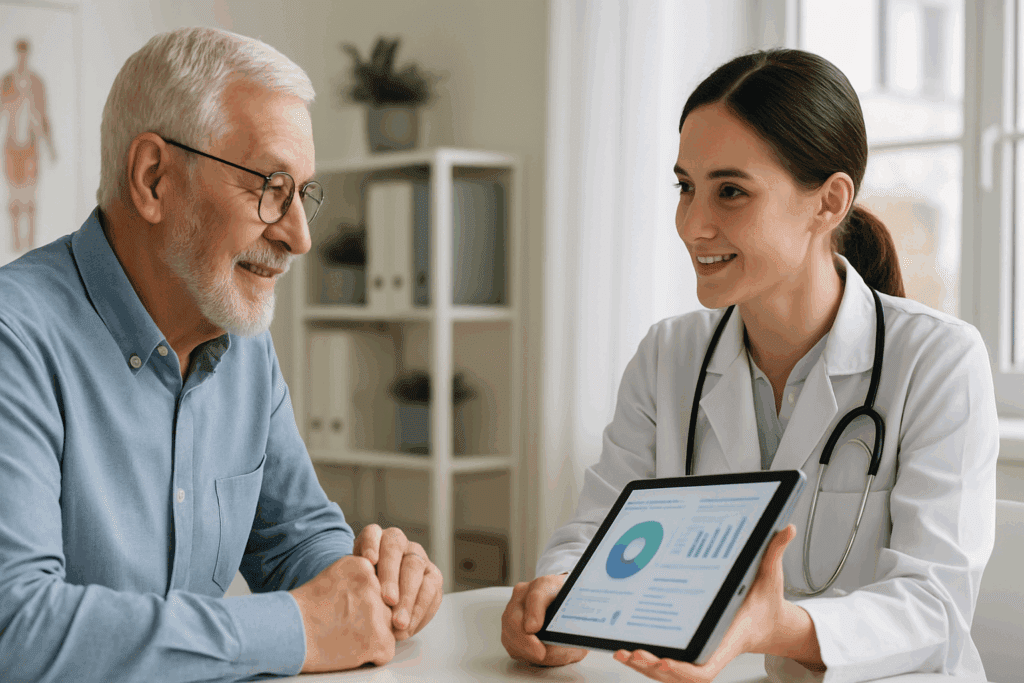
Senior man discussing digital wellness charts with female doctor during a health checkup for senior citizen in a bright medical office

The Role of Preventive Care in Senior Wellness

Preventive healthcare for seniors is not merely about addressing current symptoms but about anticipating future challenges before they escalate. In contrast to reactive medical care, preventive interventions rely on systematic screenings, lifestyle modifications, and personalized monitoring. As seniors age, their susceptibility to chronic conditions such as hypertension, diabetes, cardiovascular disease, osteoporosis, and cognitive decline increases significantly. Through structured health screening for older adults, healthcare providers can detect early indicators of these ailments and implement timely interventions.

Furthermore, the preventive model contributes to cost-effectiveness in long-term care. By avoiding emergency interventions or hospital admissions through early diagnosis, families and healthcare systems alike benefit from reduced financial burdens. Preventive care also helps older adults maintain independence for longer, reducing reliance on assisted living or institutional care. A preventive approach, therefore, is not only medical in nature but deeply personal, preserving dignity, autonomy, and peace of mind for aging individuals.

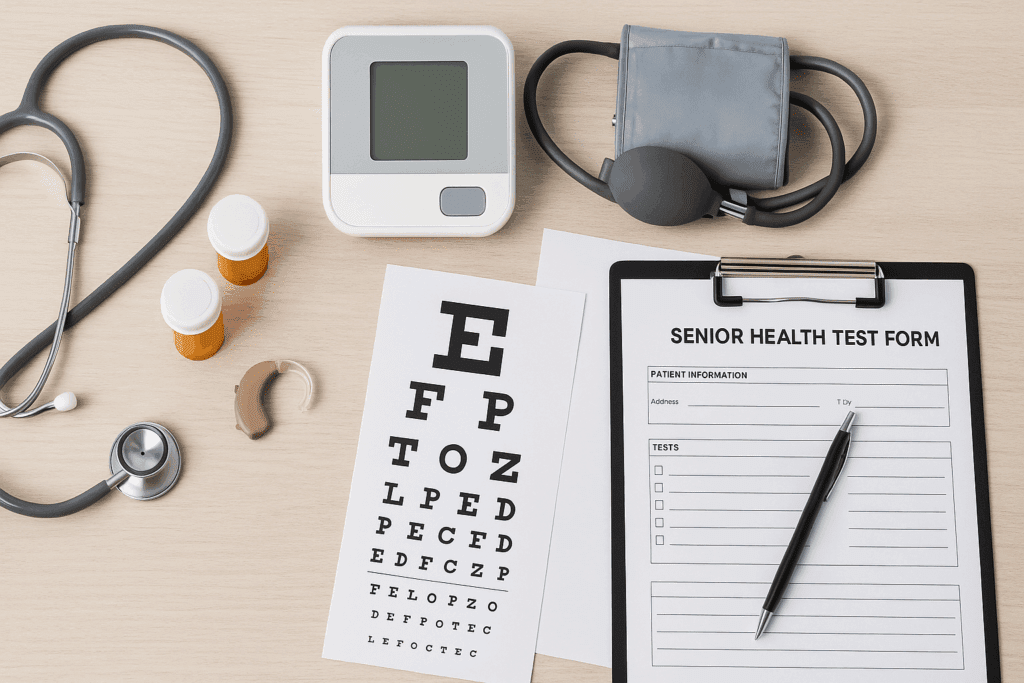
Clinical table setup for a comprehensive health checkup for senior citizen with stethoscope, blood pressure monitor, hearing aid, medications, eye chart, and test forms

Why a Health Checkup for Senior Citizen Populations Should Be Routine

Integrating a regular health checkup for senior citizen groups into their wellness routine bridges the gap between early signs of illness and advanced disease states. Many conditions affecting seniors progress insidiously, often lacking noticeable symptoms until irreversible damage has occurred. For instance, bone density loss due to osteoporosis may not be evident until a fracture occurs, and early-stage hypertension can persist silently until it leads to a stroke or cardiac event. Regular screenings create a critical feedback loop for seniors and their caregivers, allowing for timely responses to emerging health issues.

Moreover, health checkups provide a structured opportunity to review medication regimens, monitor side effects, and prevent drug interactions, which are particularly prevalent in older populations due to polypharmacy. These visits also offer valuable space for discussing mental health concerns, which may otherwise be overlooked. Depression, anxiety, and cognitive disorders like dementia often go unreported by seniors due to stigma or lack of awareness. With a proactive care model in place, these dimensions of health can be addressed holistically, enhancing overall well-being.

Understanding the Scope of Health Screening Tests for Elderly Patients

Health screening tests for elderly individuals encompass a wide range of physical, cognitive, and psychological evaluations. Each test is designed with the age-related risks in mind, allowing clinicians to tailor care plans with precision. Routine screenings include blood pressure measurements, lipid panels, blood glucose testing, and cancer screenings such as mammograms, colonoscopies, and prostate evaluations. These tests provide foundational insights into the body’s systemic functioning.

Bone density scans become particularly important for detecting osteoporosis, especially in postmenopausal women and men over 70. Additionally, hearing and vision exams are vital in preserving communication abilities and preventing injury from falls or accidents. Vaccination reviews, such as pneumococcal, shingles, and influenza vaccines, are also typically included to bolster the aging immune system. In cognitive screening, tools like the Mini-Mental State Examination (MMSE) help identify early signs of dementia or Alzheimer’s disease, enabling more effective planning and support.

Thoughtful elderly man reviewing a medical checklist at home, preparing for a health checkup for senior citizen

Tests for Seniors That Shouldn’t Be Overlooked

In addition to the standard evaluations, there are several often underappreciated tests for seniors that deserve consistent attention. For instance, thyroid function tests are critical, as hypothyroidism or hyperthyroidism can cause symptoms that mimic depression or cognitive decline. Kidney function and liver panels also provide insights into organ health, especially for seniors on long-term medications.

Sleep studies are increasingly important given the prevalence of sleep apnea among older adults, which can affect cardiovascular health, mood, and daytime functioning. Nutritional assessments, including vitamin B12, iron, and folate levels, can help address unexplained fatigue or cognitive fog. Dermatological screenings for skin cancer, especially for seniors with prolonged sun exposure in earlier years, are another critical component of a comprehensive health evaluation. Incorporating these nuanced tests into routine checkups creates a more robust and responsive picture of overall health.

Health Screening for Older Adults: A Key to Longer, Healthier Lives

The benefits of health screening for older adults extend beyond early detection; they encompass a philosophy of empowered aging. With regular checkups, seniors can take ownership of their health journey, informed by evidence-based recommendations and transparent discussions with providers. This proactive approach fosters a strong therapeutic alliance between the patient and clinician, facilitating shared decision-making.

Moreover, health screening contributes to emotional well-being. When seniors are confident that their health is being monitored, they often experience reduced anxiety and improved psychological resilience. They can pursue hobbies, travel, and social engagement with fewer concerns about undiagnosed conditions. Family members, too, gain reassurance, knowing their loved ones are under competent care and that any emerging concerns will be addressed promptly. The ripple effect of this confidence improves family dynamics, reduces caregiver stress, and enhances community cohesion.

Older woman practicing yoga and preparing a healthy meal at home, promoting daily habits that support a health checkup for senior citizen.

What Medical Tests Do I Need at 75? Insights for This Critical Milestone

Turning 75 is a significant health milestone that warrants a thoughtful reassessment of medical needs. At this stage, some tests become more frequent, while others may be reconsidered based on life expectancy, comorbidities, and personal values. A comprehensive health checkup for senior citizen individuals aged 75 and older typically includes cardiovascular screenings, including EKGs and echocardiograms if symptoms are present. Blood tests to assess cholesterol, glucose, and kidney function are still essential, as is continued screening for colorectal cancer.

Cognitive assessments take on increased importance at this age, helping differentiate normal age-related forgetfulness from more serious memory disorders. Vision and hearing screenings should continue annually, as impairments in these areas can compromise safety and independence. Fall risk assessments, including gait and balance evaluations, become critical, especially for those with osteoporosis or a history of falls. Immunization reviews are also important to ensure protection against infectious diseases that can have severe consequences in this age group. While some cancer screenings may be reduced depending on risk factors, individualized care planning ensures the right balance between benefit and burden.

Caring daughter supporting her elderly father during a health checkup for senior citizen with a doctor in a warm medical office.

Reevaluating Needs: What Medical Tests Do I Need at 80?

As individuals reach their 80s, medical priorities often shift toward preserving quality of life, minimizing invasive procedures, and focusing on symptom management. The question of what medical tests do I need at 80 is nuanced, often guided by functional status rather than chronological age. While many of the same screenings from earlier years still apply, the frequency and intensity may be adjusted.

Geriatric assessments become more comprehensive, encompassing evaluations of mobility, cognition, nutrition, and social support. Tests for seniors at this age should include bone density scans, cardiovascular reviews, and monitoring for metabolic conditions like diabetes. However, the emphasis often shifts from detection to management. For example, blood pressure monitoring may become less aggressive if overly strict control leads to dizziness or falls.

Additionally, mental health evaluations are crucial in this decade. Loneliness, grief, and depression can have profound impacts on physical health. Screening for anxiety, mood disorders, and cognitive decline continues to play a key role in comprehensive care. Ultimately, these evaluations should reflect the values, preferences, and overall goals of each individual, promoting dignity and comfort in advanced age.

The Intersection of Lifestyle and Diagnostic Testing

While diagnostic tools form the backbone of senior health evaluations, they must be viewed in conjunction with lifestyle assessments. Nutrition, physical activity, sleep hygiene, and stress management all modulate the outcomes of health screenings. A sedentary lifestyle, for example, may accelerate cardiovascular risk, while a poor diet can exacerbate blood sugar fluctuations.

Incorporating lifestyle interventions into health checkup routines enhances the utility of medical data. When physicians interpret test results alongside lifestyle factors, their recommendations become more targeted and actionable. For instance, elevated cholesterol levels in a senior who exercises regularly and follows a Mediterranean diet might prompt a different approach than in someone with a high-saturated-fat intake and sedentary habits. The integration of lifestyle coaching with diagnostic precision creates a feedback loop that fosters long-term wellness.

Mental and Emotional Dimensions of Health Screenings

The emotional terrain of aging is often overlooked in clinical settings. However, it is critical to address the psychological impact of health screenings on seniors. The anticipation of test results, the stigma around cognitive decline, and the fear of losing independence can all influence how older adults approach medical evaluations. Compassionate communication and transparent dialogue go a long way in easing these anxieties.

It is also essential to involve seniors in conversations about their health goals. Some may prioritize longevity, while others emphasize comfort or independence. This understanding helps shape the interpretation and utility of health screening for older adults. When seniors feel heard and respected, their engagement with preventive care increases. Clinicians must be equipped not only with diagnostic expertise but with the emotional intelligence to navigate these complex conversations.

Senior woman checking heart rate and sleep data on smartwatch at home, symbolizing modern health checkup for senior citizen

The Influence of Family and Caregiver Support on Screening Outcomes

Support networks play a pivotal role in shaping health behaviors and outcomes among seniors. Whether it is a spouse, adult child, or professional caregiver, these individuals often facilitate access to medical care, provide emotional encouragement, and help implement healthcare recommendations. Family involvement can significantly enhance adherence to treatment plans, follow-up schedules, and lifestyle changes.

Health screenings also offer an avenue to educate caregivers about early warning signs, disease progression, and caregiving strategies. Empowering families with knowledge fosters a collaborative care model, where decisions are shared and responsibilities distributed. The role of family in encouraging a regular health checkup for senior citizen loved ones cannot be overstated; it is often the difference between early detection and delayed diagnosis.

Overcoming Barriers to Effective Health Screenings

Despite the clear benefits, several barriers can hinder the widespread adoption of regular health screening tests for elderly individuals. These include logistical challenges such as transportation, mobility issues, and long wait times. Socioeconomic factors, including lack of insurance or fixed incomes, may also deter seniors from seeking preventive care.

Cultural beliefs and generational attitudes toward healthcare further complicate this landscape. Some seniors may view medical care as necessary only when symptoms arise, underestimating the importance of proactive screenings. Addressing these barriers requires a multi-pronged approach, including community outreach programs, telehealth initiatives, and policy interventions that reduce financial and logistical burdens. Healthcare providers must also adopt flexible models of care that accommodate the unique needs of elderly patients.

Technological Advances and the Future of Senior Health Screenings

Emerging technologies are revolutionizing the way health screenings are conducted and interpreted. Wearable devices can now track heart rate variability, sleep patterns, and activity levels, offering real-time data that complements traditional diagnostic tools. Telehealth has expanded access for seniors in remote or underserved areas, allowing them to consult specialists without leaving home.

Artificial intelligence is also enhancing the accuracy of diagnostic interpretations, particularly in imaging and predictive analytics. For example, machine learning algorithms can identify early markers of disease on mammograms or CT scans with remarkable precision. These innovations promise to make health screenings more accessible, personalized, and efficient, aligning with the evolving needs of an aging population.

Frequently Asked Questions: Enhancing the Value of a Health Checkup for Senior Citizen Wellness

How does a health checkup for senior citizen individuals support mental well-being?
While physical tests often take center stage, mental and emotional health should not be overlooked in any comprehensive health checkup for senior citizen adults. These evaluations can uncover early signs of conditions like depression, anxiety, and cognitive decline, all of which are common but frequently underdiagnosed in aging populations. Including screenings such as the Geriatric Depression Scale or memory recall tests during health evaluations can provide essential insights that prevent long-term psychological deterioration. Additionally, these appointments give seniors a structured opportunity to voice their personal concerns, often reducing the stigma around mental health. Ultimately, the psychological benefits of routine checkups can lead to improved mood, greater self-awareness, and a stronger sense of agency over one’s future.

What role do health screening tests for elderly patients play in identifying nutrition deficiencies?
Nutrition often becomes more complex with age due to changing appetite, medication interactions, and dental challenges. Health screening tests for elderly individuals can detect deficiencies in vital nutrients like vitamin D, B12, and iron, which are essential for maintaining cognitive clarity, muscle strength, and immune resilience. Malnutrition in seniors isn’t always visible; it may manifest subtly through fatigue, confusion, or increased susceptibility to illness. Routine blood panels and physical exams can reveal these deficiencies early, prompting tailored interventions such as nutritional counseling or supplementation. These proactive adjustments can significantly elevate quality of life and prevent the spiral of health complications that often begins with a minor dietary imbalance.

Why should families take an active role in scheduling tests for seniors?
Family involvement is crucial in ensuring that tests for seniors are completed consistently and interpreted within a supportive context. Seniors often face logistical hurdles like transportation limitations, digital literacy barriers for appointment scheduling, and cognitive confusion over complex medical instructions. When family members or caregivers step in to assist with coordination, they not only increase compliance but also create an opportunity for intergenerational dialogue around health values. This shared responsibility fosters a safety net that enhances emotional reassurance and accountability. Moreover, families who are engaged in the process are better equipped to recognize subtle changes in health between checkups and can relay those observations to healthcare providers for a more accurate diagnostic picture.

What emerging trends are shaping the future of health screening for older adults?
Technological innovation is revolutionizing health screening for older adults by making evaluations more accessible, personalized, and efficient. Portable diagnostic tools and remote monitoring devices are allowing seniors to track blood pressure, blood glucose, and oxygen levels from home, reducing the need for frequent clinic visits. Artificial intelligence is also being integrated into screening protocols, helping physicians detect anomalies in imaging scans or lab results more rapidly and with higher accuracy. Additionally, personalized screening schedules—based on genomic data and health history—are becoming more common, allowing clinicians to tailor evaluations precisely to an individual’s risk profile. These advancements not only enhance care delivery but also empower seniors to be active participants in managing their health.

What medical tests do I need at 75 that differ from those in earlier decades?
At age 75, a shift occurs from aggressive disease detection toward function-preserving assessments. While many standard evaluations such as lipid profiles and blood glucose monitoring still apply, more nuanced tests become essential. Fall risk assessments, medication interaction reviews, and visual acuity tests gain prominence because they directly impact daily independence and safety. At this age, health practitioners may also begin tailoring cancer screening frequency based on remaining life expectancy and comorbid conditions. Additionally, assessments for frailty—such as grip strength and walking speed—help identify risks that traditional lab tests might miss. All of these components collectively reflect a shift toward a more holistic understanding of what medical tests do I need at 75 to support quality living.

How can regular health checkups help prevent hospitalization in seniors?
Routine checkups can significantly reduce emergency room visits and hospital admissions by detecting conditions before they become acute. Health screening tests for elderly individuals can reveal asymptomatic concerns such as silent urinary tract infections, anemia, or electrolyte imbalances that may otherwise lead to falls, confusion, or heart complications if untreated. Furthermore, regular evaluations can fine-tune medication dosages, helping to prevent adverse drug reactions—a leading cause of senior hospitalizations. Doctors can also assess functional decline early, providing assistive devices or home modifications that prevent injury. Preventing hospitalization not only saves costs but also protects seniors from the stress and disorientation often associated with inpatient care.

Understanding Long-Term Value: Why a Health Checkup for Senior Citizen Adults is a Lifelong Investment
Rather than being seen as a one-time obligation, a health checkup for senior citizen individuals should be viewed as a lifelong strategy for maintaining wellness. The true value lies not only in catching diseases early but also in building a consistent medical history that tracks subtle changes over time. This longitudinal insight enables clinicians to detect patterns—like fluctuating blood pressure or recurring inflammation—that might otherwise go unnoticed. Moreover, these regular appointments build trust between patient and provider, which encourages more honest communication and shared decision-making. A lifelong commitment to checkups becomes a proactive shield against preventable deterioration, ensuring that aging is managed with dignity and foresight.

How do clinicians decide what medical tests do I need at 80?
The decision-making process for what medical tests do I need at 80 often shifts from universal protocols to highly personalized assessments. Clinicians consider the senior’s overall functional ability, chronic disease burden, and personal values regarding intervention. For example, while cancer screenings may be scaled back if the individual has limited mobility or a short life expectancy, evaluations for cognitive function, balance, and sleep quality may be intensified. Doctors also review whether medications should be deprescribed to reduce pill burden and potential side effects. Ultimately, the focus turns toward enhancing comfort, preventing complications, and aligning medical interventions with the patient’s lifestyle and goals.

What makes health screening for older adults different from those in younger age groups?
Health screening for older adults is uniquely tailored to detect age-related vulnerabilities rather than solely focusing on common adult illnesses. While cholesterol and blood sugar checks are universal, screenings in older adults emphasize cognitive function, bone density, hearing, vision, and fall risk—areas rarely covered in younger individuals. Additionally, seniors may undergo more frequent reviews of medication effectiveness and interaction potential due to polypharmacy concerns. Age-specific assessments are also influenced by coexisting conditions that may mask or alter typical symptoms, requiring clinicians to interpret results within a broader physiological context. This personalized approach ensures that medical evaluations remain relevant, precise, and attuned to the changing realities of aging bodies.

What are some practical steps seniors can take between checkups to extend the value of health screening tests for elderly adults?
To maximize the benefits of health screening tests for elderly individuals, it’s essential to maintain health-promoting routines between medical visits. This includes tracking daily health metrics like blood pressure, pulse, or blood sugar when applicable, and documenting any physical or cognitive changes that arise. Engaging in low-impact exercise like walking or tai chi can enhance mobility, balance, and cardiovascular resilience. Keeping a medication diary can help identify any adverse reactions early, allowing timely updates during future appointments. Seniors should also maintain an open line of communication with their care team, reporting issues as they occur rather than waiting for the next scheduled checkup. These steps collectively enhance the utility and relevance of each screening, making future diagnostics more actionable and informed.

Conclusion: Embracing Preventive Wisdom for Lifelong Health

The journey of aging is not simply about extending the number of years lived but about enriching the quality of those years. The vital importance of a health checkup for senior citizen wellness and early detection lies in its transformative potential to identify, prevent, and manage health conditions before they escalate. When seniors engage in regular, comprehensive screenings, they empower themselves with knowledge, confidence, and agency over their health trajectories.

From cardiovascular and metabolic assessments to cognitive and emotional evaluations, the spectrum of tests for seniors must be tailored to individual needs, values, and aspirations. Whether considering what medical tests do I need at 75 or reevaluating needs at 80, each stage of aging demands thoughtful, evidence-based attention. Health screening for older adults is more than a clinical obligation—it is an act of respect, foresight, and compassion. By embracing preventive care and fostering supportive environments, we create a future where seniors are not only living longer but living better.

Further Reading:

14 Important Health Screenings for Older Adults

Health screenings for men age 65 and older

Geriatric Screening and Preventive Care

How to Tell if You’ve Been Roofied

These aftereffects can be emotionally and physically draining, leaving you questioning your experience. Rohypnol, the drug often referred to as a roofie, primarily affects your central nervous system, which controls many essential functions. The responsibility lies solely with the person who spiked your drink.

Mental Health

The duration a roofie remains in your system depends on the specific drug used to spike your drink. One of the reasons roofies are so dangerous is that they usually do not alter the taste of your drink. A roofie attack is when someone deliberately slips a drug into your drink with the intent to take advantage of you. These sensations are a direct result of the roofied drug interfering with your brain and body functions. Because these effects can occur rapidly, victims may not realize they have been roofied until it is too late. Recognizing the signs of being roofied can be crucial for your safety.

How Common Is Getting Roofied?

Its effects, like sedation and memory loss, usually last 6 to 12 hours. Rohypnol can stay in the body for up to 72 hours, depending on how it’s tested. This is why it is critical to consult medical professionals to make sure there is nothing that can cause long-term harm still in the victim’s system. Roofies typically take around 20 minutes to kick in, and side effects can last up to 12 hours. They can have a hard time moving and feel disoriented or “foggy.”

But these days, GHB and ketamine are more commonly used in drug-facilitated sexual assault cases, according to Maria Michonski, a statewide training specialist at the Sexual Assault Center service provider in Nashville, Tennessee. Most people don’t think of alcohol as a date rape drug. The manufacturer changed its appearance after roofies became a date rape drug. If you think you’ve been roofied or raped, call 911 or seek medical attention immediately.

Do Roofies Show Up on Blood Tests?

  • The roofied meaning extends beyond just the drug itself; it represents a breach of trust and a dangerous tactic used by criminals to commit sexual assault or other crimes.
  • Some of the residual effects, such as memory loss and confusion, can last 12 hours or more after administration.
  • Act quickly if you notice any of these symptoms in yourself or someone else.
  • As roofies cause gaps in memory, it is often difficult to recognize if you have been a victim the following day.
  • However, when a person is roofied, they likely only had 1 or 2 drinks and don’t remember very much after that point until they have woken up.

CDC (Centers for Disease Control and Prevention) reveals that millions of individuals experience sexual violence annually in the United State]. These drugs are usually tasteless, colorless, and odorless, making them almost impossible to detect. This page outlines issues like what is roofied, what does it mean to get roofied, and how to recover if this happens to you. If you’re feeling distressed in the days, weeks, months or even years after being drugged, reach out for help. They can also perform drug and alcohol testing using blood or urine specimens. Also, try to save the beverage you were drinking; it could potentially be tested to see what you were drugged with.

Analyzing Dopamine Addiction And Its Effects

  • The drug most commonly used in roofies, Rohypnol, is illegal in the United States and is classified as a Schedule IV substance under the Controlled Substances Act.
  • Recognizing the symptoms of being roofied is essential for your safety.
  • Sometimes, a bitter or salty taste to your drink can be a sign that someone has added something to your drink without your consent.
  • During a roofie attack, the perpetrator may use the drug’s sedative effects to commit sexual assault or rob the victim.
  • The sedative effects of Rohypnol are up to 10 times stronger than Valium.

If you feel that you have been roofied and subsequently assaulted, know that you are not to blame. Each of these drugs shares common characteristics—they are all CNS depressants that impair your ability to think clearly, move effectively, and remember events. Several drugs fall under the roofie category because of their potent sedative and amnesiac effects.

It is estimated that around 80% of all reported rape cases are date rape. You can read more here about how long GHB lasts and how to spot signs of GHB spiking. Some of the residual effects, such as memory loss and confusion, can last 12 hours or more after administration. This means the onset of effects on the body can appear within 20 minutes of being ingested and can last for over six hours. The sedative effects of Rohypnol are up to 10 times stronger than Valium. Physical and sexual violence reinforce behaviors that create a power imbalance in an abusive relationship

Signs & Symptoms of Being Roofied and How to Recover

By following these simple tips, you can reduce your risk of falling victim to roofieing. Following these steps can help ensure that the person receives the necessary care and that any potential criminal activity is properly investigated. The powerful sedative effects can slow your breathing and heart rate to dangerous levels, which may lead to fatal respiratory depression. Other factors like your body size, age, and metabolism can also influence how long a roofie stays in your system. Keep in mind, a drug’s half-life is the time it takes for its active substance to decrease by half.

Recognizing the Symptoms of Being Roofied

Many states also have their own sexual assault hotlines and support services. RAINN provides a convenient chat feature as well as the National Sexual Assault Hotline for those who believe they have fallen victim to sexual assault. While most people recover from a single episode of being roofied without long-term physical challenges, the psychological impact can be profound. Many common date rape drugs come in the form of pills, powders, or liquids.

Because roofies are colorless, tasteless, and odorless, it is nearly impossible to tell if a drink has been tampered with. It has legitimate medical uses in some countries, such as for muscle relaxation or as an anesthetic, but it is infamous for its misuse as a date rape drug. When a drink is roofieing, a sedative drug is added to your beverage, often without you even noticing. Knowing what does roofied mean and understanding its effects can help you take steps to protect yourself and seek help if needed. Remember, you are not alone—there are numerous resources and support systems available, including the national sexual assault hotline and local treatment centers.

Knowing how to recognize and respond to the symptoms can help protect you and others from harm. For individuals recovering, our New Jersey addiction treatment center can provide trauma-informed care and medical support. There are some ways to cope with long-term effects. While many people recover fully, others may face challenges that require ongoing support. Emotional reactions like panic, fear, or paranoia may also take over as the drug affects your brain.

However, roofies are just one type of the many drugs used to sedate victims. Most often, people refer to being roofied when it occurs in the form of drink spiking. If you feel you were roofied, it’s crucial to seek help. If you think you were roofied, it’s crucial to pay attention to your body and any physical reactions you may be experiencing, as signs can vary wildly.

The term “roofies” generally refers to a drug called Rohypnol, though it has become a generic term for any substance that is slipped into someone’s drink without their knowledge. We explain what roofies are, how they work, what symptoms to watch out for, and what you can do if you suspect you or someone you know has been roofied. Being roofied involves a drink being spiked with a drug that depresses your central nervous system. These symptoms can feel similar to being overly intoxicated, but if they are unexpectedly strong based on how much you drank, you may have been roofied.

One of the first signs you might notice is memory loss. Understanding these signs can help you regain a sense of clarity and take the necessary steps towards your safety and recovery. This lack of control can be alarming, and recognizing these feelings can be the first step towards seeking help. Often, victims can feel a strange sense of disconnection or an overwhelming sense of dread without knowing precisely why.

Recovering from the physical drug effects of being roofied often takes about a day, but recovering emotionally and mentally may take many years. Mental health treatment can help victims to feel safe, heard, empowered, and healed as they recover from the experience of being roofied. If a person has been sexually assaulted after being spiked, they may experience depression, signs you were roofied post-traumatic stress disorder (PTSD), flashbacks, or suicidal thoughts. Benzodiazepines are commonly used drug to spike people’s drinks.

If you see the drug, you’ll recognize its color and shape. Try not to urinate, bathe, shower, douche, wash your hands, brush your hair, change clothes, or have anything to eat or drink. Or, you may wake up in an unexpected location and not remember how you got there.

Seeking help from mental health professionals is crucial for processing the trauma and reducing symptoms of PTSD. This can significantly disrupt daily life, causing victims to withdraw from social interactions and feel uncomfortable in social settings. If you notice anything suspicious or feel uncomfortable, trust your instincts and remove yourself from the situation.

There are several physical reactions that might suggest you were roofied. It could be more than just some late-night snacks or too many drinks. Did your personality feel like it shifted dramatically?

The Critical Role of Early Screenings: Why Medical Insurance Is Important for Preventive Health

In the landscape of modern healthcare, early screenings serve as the cornerstone of preventive health. These proactive medical assessments allow individuals to detect diseases in their earliest stages, often before symptoms even appear. For many, access to such screenings—and the broader framework of preventive care—depends on a crucial element: health coverage. That is why medical insurance is important not only as a safeguard against catastrophic illness but as a vehicle for long-term wellness. It enables individuals to engage with healthcare systems regularly, thus improving outcomes and reducing costs in the long run.

You may also like: The Vital Health Benefits of Preventive Medicine: Why Early Detection Matters More Than Ever

Infographic showing preventive health services like screenings, vaccines, and counseling, illustrating why medical insurance is important for early disease detection

Understanding Preventive Health: The Science of Staying Ahead

Preventive health is a holistic approach to healthcare that emphasizes the early detection and prevention of disease rather than reactive treatment. It encompasses a variety of services, including routine physical exams, immunizations, blood pressure monitoring, cholesterol checks, cancer screenings, and lifestyle counseling. These services, often bundled into wellness programs, are designed to intercept health issues before they evolve into complex, high-cost conditions. The strategy is rooted in epidemiological studies that show early interventions can dramatically reduce morbidity and mortality rates.

Consider, for instance, the case of colorectal cancer. When caught in its early stages through routine screenings such as colonoscopies, this cancer has a five-year survival rate of over 90%. Without early detection, however, survival rates plummet, and treatment becomes more invasive and expensive. Similarly, conditions like hypertension and Type 2 diabetes can be managed effectively if detected early, often through simple annual check-ups covered by insurance. These examples underscore how preventive health, supported by consistent access to care, creates a virtuous cycle of wellness.

Person at a crossroads holding a health insurance card, choosing between high medical costs and preventive care, symbolizing why medical insurance is important

Why Medical Insurance Is Important in Facilitating Preventive Health

The presence or absence of medical insurance significantly determines whether individuals can access preventive health services. Without insurance, routine screenings and wellness visits can be prohibitively expensive, especially for lower-income populations. Even minor procedures can carry costs that deter people from seeking timely care. Medical insurance breaks down these financial barriers, offering a structured means to obtain essential screenings at little to no out-of-pocket cost.

Moreover, insured individuals are more likely to establish long-term relationships with primary care providers, which encourages continuity of care. This continuity is essential for building trust, identifying risk factors, and creating personalized health plans. Health insurance plans typically include a comprehensive list of covered preventive services, such as mammograms, Pap smears, and lipid panels, all of which are essential for early detection. The broader the coverage, the greater the scope for identifying health threats before they escalate. This accessibility is among the top advantages of health insurance, linking fiscal protection with improved health outcomes.

How Early Screenings Reduce Healthcare Costs

One of the most compelling arguments for early screenings lies in their capacity to reduce long-term healthcare costs. While screenings do involve upfront expenditures, they often prevent far more expensive treatments later. For instance, the cost of managing late-stage cancer is exponentially higher than diagnosing and treating a tumor in its initial phase. According to the CDC, for every dollar spent on preventive care, several dollars are saved in future medical expenses.

From an economic standpoint, medical insurance companies also benefit from promoting early screenings. Lower costs per patient equate to better actuarial outcomes, which in turn allows insurers to maintain more sustainable risk pools. Encouraging preventive care through comprehensive insurance plans thus becomes a financially sound strategy for all parties involved. This economic incentive contributes to the increasing emphasis on value-based care, which rewards outcomes rather than volume of services. Here again, we see why medical insurance is important: it creates a framework for cost-efficient, patient-centered care.

Cost comparison illustration showing early cancer screening with minimal expense and a happy patient versus late-stage hospital treatment with high bills and distress, visualizing why medical insurance is important.

Access and Equity: Bridging Gaps Through Insurance

Despite advances in healthcare access, disparities persist along socioeconomic, racial, and geographic lines. These disparities often manifest in preventable diseases going undiagnosed in underserved populations. One of the key ways to bridge this gap is through comprehensive medical insurance coverage. Insurance provides a pathway for marginalized communities to receive routine screenings that they might otherwise forgo due to cost or lack of access.

Studies have shown that individuals with insurance are more likely to receive age-appropriate screenings for diseases like breast cancer, cervical cancer, and hypertension. In communities where public insurance programs like Medicaid are robust, early detection rates improve significantly. Conversely, uninsured populations suffer from delayed diagnoses and higher rates of advanced disease at the time of first treatment. Health insurance serves not only as a fiscal safety net but also as a tool for health equity. By ensuring that preventive services are available to all, insurance systems can help eliminate one of the most persistent forms of healthcare inequality.

Policy Implications: Legislative Support for Preventive Care

The role of government policy in promoting preventive health cannot be overstated. Legislation such as the Affordable Care Act (ACA) mandates coverage of a suite of preventive services without co-pays or deductibles. These include cancer screenings, immunizations, and chronic disease assessments. By embedding preventive care into the structure of mandatory insurance plans, the ACA acknowledges why medical insurance is important—not merely as a shield against catastrophic costs but as a facilitator of early, life-saving interventions.

In addition, policy frameworks that support Medicaid expansion, subsidized health plans, and community health initiatives amplify the reach of early screenings. Public-private partnerships, grants for preventive care research, and employer-sponsored wellness programs all contribute to an ecosystem where prevention is prioritized. These legislative and institutional efforts reinforce the message that preventive care is not a luxury but a foundational element of a healthy society.

Diverse patients receiving preventive care at a clinic, highlighting why medical insurance is important for equal healthcare access

The Psychological Impact of Coverage on Health Behavior

Beyond financial access, medical insurance also plays a psychological role in how individuals engage with their health. Knowing that screenings are covered can reduce anxiety about costs and encourage proactive behavior. This phenomenon, often referred to as “coverage confidence,” leads to higher rates of health-seeking actions among insured individuals. They are more likely to schedule annual check-ups, follow through with diagnostic tests, and adhere to medical advice.

Moreover, insurance coverage can mitigate the fear associated with potential diagnoses. When individuals are uninsured, they may avoid screenings out of fear that they won’t be able to afford subsequent treatment if something is found. This delay can lead to worse outcomes and more intensive interventions. By alleviating these fears, insurance empowers individuals to take control of their health journey. This empowerment reinforces why medical insurance is important in cultivating not just physical well-being, but mental resilience and agency.

Workplace Wellness and the Role of Employer-Sponsored Plans

Employers have increasingly embraced their role in fostering preventive health through insurance. Employer-sponsored health plans often include incentives for completing annual physicals, biometric screenings, and health risk assessments. These plans may offer reduced premiums, wellness stipends, or other benefits to encourage participation in preventive programs. This alignment of workplace culture with personal health initiatives creates a powerful feedback loop.

Such programs have been shown to reduce absenteeism, improve productivity, and boost employee morale. When workers know that their insurance covers preventive care, they are more likely to engage in healthy behaviors. Employers, in turn, benefit from a healthier workforce with fewer days lost to preventable illnesses. This synergy illustrates another of the many advantages of health insurance—its capacity to harmonize individual and organizational health goals.

Courthouse symbol on a healthcare policy document surrounded by diverse doctors, illustrating why medical insurance is important through legislative support.

Health Literacy and Navigating Preventive Services

Even with insurance, navigating the complexities of preventive care can be daunting. Health literacy plays a crucial role in determining how well individuals can understand, access, and act upon preventive services. Insurers and healthcare providers must therefore invest in educational campaigns that clearly explain which screenings are available, how often they should be undertaken, and what the results mean.

Digital portals, nurse hotlines, and multilingual outreach materials are examples of tools that can enhance health literacy. When people understand the purpose and process of early screenings, they are more likely to participate. Health insurance companies that proactively support these educational efforts create a more informed customer base, which in turn leads to better health outcomes. Clarity and transparency in coverage further enhance trust and utilization rates, reinforcing the strategic importance of insurance in public health.

Preventive Health Across the Lifespan

Preventive health is not a one-size-fits-all endeavor; it evolves with age and life stage. Pediatric preventive care includes vaccinations, developmental screenings, and nutritional guidance, all typically covered under family insurance plans. As individuals age, the focus shifts to reproductive health, mental wellness assessments, and chronic disease screening. In later years, preventive care targets cognitive decline, bone density, and cardiovascular risks.

Medical insurance provides the continuity necessary to manage these shifting needs. Without insurance, people often delay or forgo care during critical transitions, such as adolescence to adulthood or into senior years. This interruption can allow preventable conditions to take root and progress. A lifetime of consistent, insured preventive care offers the best chance for maintaining health, reducing hospitalizations, and achieving quality of life across all stages. This cradle-to-grave benefit profile underscores why medical insurance is important not just episodically but as a sustained investment in well-being.

Employees participating in workplace biometric screenings during a wellness program, illustrating why medical insurance is important for preventive care.

Global Perspectives on Preventive Care and Insurance Models

The importance of insurance in preventive care is recognized globally, though the models vary. Countries with universal healthcare systems, such as the UK, Canada, and Sweden, integrate preventive screenings into publicly funded services. These systems often achieve high screening rates because there are minimal financial or logistical barriers. In contrast, countries with more fragmented insurance markets, like the United States, face challenges in consistency and access.

However, innovative insurance models around the world offer valuable lessons. For example, Japan emphasizes annual health check-ups as a social norm, supported by both employers and the government. Germany’s statutory health insurance mandates coverage for a comprehensive set of preventive services. In each case, the interplay between policy, culture, and insurance infrastructure determines how effectively early screenings are utilized. Examining these models reveals common threads: accessibility, affordability, and awareness. These are the pillars upon which effective preventive care rests, and they all trace back to robust insurance mechanisms.

Digital Health Technologies and the Evolution of Screening

The rise of digital health has expanded the landscape of preventive care. Wearable devices, telemedicine, and at-home testing kits offer new modalities for early detection. These tools can monitor heart rate variability, glucose levels, sleep patterns, and even mental health indicators in real time. Integrating these technologies into insurance-covered care pathways enables a more responsive and personalized approach to health.

Insurance companies are beginning to recognize the value of these tools and incorporate them into wellness incentives. For example, policyholders may receive premium discounts for using fitness trackers or participating in telehealth screenings. Such initiatives lower the threshold for preventive engagement, especially for individuals in remote or underserved areas. By supporting these technological advancements, insurance providers modernize the delivery of early screenings, making them more accessible and user-friendly. This evolution enhances the advantages of health insurance, aligning cutting-edge innovation with public health goals.

A Closer Look at Cost-Effectiveness and ROI

Preventive care yields a strong return on investment (ROI), both for individuals and insurers. A study by the Robert Wood Johnson Foundation found that investments in community-based prevention could return over five dollars for every one dollar spent within five years. This ROI is not limited to economic factors; it includes improved quality of life, increased productivity, and reduced caregiver burden.

Medical insurance plays a pivotal role in realizing this ROI by ensuring that preventive services are widely utilized. When insurers cover screenings, they reduce the incidence of emergency room visits, hospitalizations, and chronic disease complications. Over time, this translates into lower premiums, improved public health statistics, and a healthier society. These cascading benefits demonstrate not just why medical insurance is important, but why it is indispensable in any sustainable healthcare model.

Frequently Asked Questions: The Long-Term Value of Preventive Screenings and Insurance Coverage

How does medical insurance support individuals with chronic illnesses in managing their preventive care needs?

Medical insurance provides a critical structure for individuals with chronic conditions to manage their health proactively. It often includes coverage for frequent monitoring, lab tests, and check-ins with specialists—services that are essential for adjusting treatment plans and preventing complications. For instance, a person with diabetes may need quarterly A1C tests and annual eye exams to prevent long-term damage, all of which are typically covered under comprehensive insurance plans. Without coverage, these preventive touchpoints might be delayed or skipped, leading to avoidable hospitalizations or disease progression. The advantages of health insurance in this context go beyond cost savings—they provide continuity, reduce emotional burden, and foster accountability in managing lifelong health conditions.

What are some emerging technologies in early screenings, and how does insurance play a role in access to these innovations?

Emerging technologies such as AI-powered diagnostics, genetic screening panels, and home-based health monitoring devices are rapidly transforming preventive care. These tools can detect subtle health indicators with unprecedented precision, allowing for earlier intervention than traditional methods. However, access to such technologies is often limited by high costs. Medical insurance providers that integrate these tools into their covered benefits enable broader participation and adoption. As these innovations become mainstream, understanding why medical insurance is important includes recognizing its role in democratizing access to cutting-edge preventive strategies.

How does health insurance impact the timing and frequency of preventive screenings?

The timing and frequency of screenings are vital factors in their effectiveness. Medical insurance helps establish routine by aligning preventive services with recommended care schedules—such as annual mammograms for women over 40 or cholesterol checks every five years for adults over 20. These guidelines are often embedded within insurance policies, and reminders may be sent to patients to prompt timely action. This systematic approach reduces gaps in care and improves adherence to public health recommendations. One of the overlooked advantages of health insurance is its role in operationalizing these standards, making timely care less dependent on memory or personal motivation alone.

What are the social implications of widespread preventive care access through insurance?

When large populations have insurance that covers preventive care, the broader social benefits extend beyond individual health. Community-wide screening initiatives can help reduce disease prevalence, ease pressure on emergency departments, and improve productivity in workplaces. These ripple effects contribute to stronger public health infrastructure and can even reduce health disparities over time. Moreover, preventive insurance coverage empowers individuals to become more engaged with their well-being, fostering a culture of health literacy. This is another lens through which to view why medical insurance is important—not only as a personal asset, but as a catalyst for social change.

In what ways does insurance affect mental health screenings and support?

Mental health often goes undiagnosed due to stigma or lack of coverage, but insurance is changing that narrative. Many plans now cover routine mental health screenings during primary care visits, making it easier to identify issues like anxiety, depression, or substance misuse early. Once identified, individuals can access therapy, medication, or counseling programs with reduced financial burden. Early mental health intervention leads to better outcomes and less disruption in work and relationships. The advantages of health insurance here include both practical coverage and the normalization of seeking help, a major step in tackling the global mental health crisis.

Why medical insurance is important for sustaining preventive care across generations

Intergenerational wellness is increasingly tied to how consistently families access preventive care, and medical insurance plays a pivotal role in this continuity. Parents with coverage are more likely to ensure their children receive timely vaccinations, developmental assessments, and dental check-ups. Likewise, insured adults are better prepared to manage age-related conditions that might otherwise strain family resources later. Over time, this creates a familial norm where health maintenance is routine rather than reactive. Recognizing why medical insurance is important includes seeing its role in building preventive habits that can be passed from one generation to the next.

How does medical insurance influence patient-provider relationships in preventive health?

Long-term relationships with trusted providers are essential for personalized preventive care, and insurance greatly facilitates this continuity. Patients who are insured are more likely to maintain regular appointments with the same physicians, enabling nuanced tracking of changes in health status. These providers can tailor screening recommendations based on family history, occupational risks, or lifestyle factors. Insurance coverage also enables follow-up care that might otherwise be deferred due to cost, reinforcing the relationship further. This personalized care model is one of the understated advantages of health insurance, fostering deeper trust and better outcomes through familiarity and consistency.

Why medical insurance is important when planning for life transitions and health milestones

Health milestones—like adolescence, pregnancy, and retirement—come with specific screening and preventive needs. Medical insurance helps individuals navigate these transitions by covering targeted services such as prenatal visits, mammograms, or bone density scans. For young adults transitioning off their parents’ plans, having access to preventive care through college or workplace coverage can maintain the momentum of lifelong wellness. Likewise, retirees benefit from screenings that help manage chronic conditions before they lead to hospitalization. These stages of life highlight why medical insurance is important as a stabilizing factor during periods of physiological and lifestyle change.

What role does employer-sponsored insurance play in expanding preventive care access?

Employer-sponsored insurance is one of the most effective vehicles for widespread access to preventive services. Companies often negotiate broad coverage that includes wellness perks like biometric screenings, health risk assessments, and tobacco cessation programs. Employees with such plans are more likely to complete their annual check-ups, which allows for early detection of issues that could reduce productivity or lead to long-term disability. The business case is strong: healthier employees lead to lower absenteeism and fewer claims. Therefore, one of the often-cited advantages of health insurance through employers is its dual role in safeguarding both workforce vitality and financial sustainability.

Can medical insurance reduce healthcare-related anxiety and improve decision-making confidence?

Absolutely. One underexplored benefit of medical insurance is its psychological reassurance. When people know they can afford screenings or specialist consultations without financial distress, they’re more likely to make timely health decisions. This confidence reduces stress during medical uncertainty and empowers people to engage proactively with their health. It also curbs the tendency to avoid care due to fear of unaffordable bills. As healthcare decisions grow increasingly complex, having a safety net enhances mental clarity, helping individuals weigh options with less emotional friction. This emotional security adds another dimension to why medical insurance is important in today’s high-stakes healthcare environment.

Conclusion: Investing in Prevention for a Healthier Future

In a world where chronic diseases are on the rise and healthcare costs are escalating, preventive health is more essential than ever. Early screenings, facilitated through comprehensive medical insurance, provide a pathway to timely diagnosis, effective treatment, and improved quality of life. They serve as the frontline defense against a host of preventable conditions, from cancer to cardiovascular disease.

This is why medical insurance is important—not merely as a financial buffer, but as a vital enabler of health equity, behavioral change, and systemic efficiency. It connects individuals to a continuum of care that supports wellness at every stage of life. The advantages of health insurance are manifold, extending far beyond coverage of emergencies to encompass proactive, personalized, and preventive services.

As we look toward the future, the integration of policy, technology, and education will be crucial in enhancing the effectiveness of early screenings. But at the foundation of this advancement lies access. Ensuring that everyone has the medical insurance they need to pursue preventive health will shape not only individual outcomes but the collective well-being of our society. In that sense, the choice to prioritize early screenings and health coverage is not just wise—it is transformative.

Further Reading:

Why is health insurance important?

5 Reasons You Should Consider Health Insurance

Why health insurance is important

3 Astuces Incontournables pour Booster vos Bonus au casino en ligne Stake Casino 5

3 Astuces Incontournables pour Booster vos Bonus au casino en ligne Stake Casino 5

Lancez votre aventure de jeu avec des stratégies simples et efficaces. En suivant ces trois conseils, vous tirerez le meilleur parti des offres de Stake Casino 5 tout en restant en sécurité.

1. Profitez du bonus sans dépôt dès votre inscription

Le premier avantage de Stake Casino 5 est le bonus sans dépôt offert aux nouveaux joueurs. Ce cadeau vous permet de tester les jeux sans risquer votre argent.

  • Comment le réclamer ? Créez votre compte, validez votre adresse e‑mail, puis activez le bonus dans le tableau de bord.
  • Valeur moyenne : 10 € ou l’équivalent en cryptomonnaies, utilisable sur plus de 3 200 jeux de casino.

Selon les dernières études, 68 % des joueurs qui utilisent ce bonus gagnent au moins une fois pendant leur première session. Le taux de conversion du bonus en gains réels se situe autour de 22 %, ce qui est supérieur à la moyenne du marché.

Important : lisez toujours les exigences de mise. La plupart des offres demandent de miser 30 fois le montant du bonus avant de pouvoir retirer les gains. Respecter ces conditions vous évite les déceptions.

2. Maximisez le programme VIP et le rakeback

Stake Casino 5 propose un programme VIP à plusieurs niveaux, conçu pour récompenser la fidélité. Plus vous jouez, plus vous accumulez de points, qui se transforment en avantages concrets.

Niveau Points requis Avantages clés
Bronze 0‑5 000 Bonus hebdo + 5 % de rakeback
Argent 5 001‑15 000 Bonus mensuel + 10 % de rakeback
Or 15 001‑30 000 Cashback quotidien + 15 % de rakeback
Platine >30 000 Gestionnaire personnel + 20 % de rakeback

Le rakeback représente une partie des mises que le casino vous rend. Chez Stake Casino 5, le taux moyen atteint 12 %, bien au‑dessus de la norme de 5‑7 % observée ailleurs.

Expert Tip : concentrez vos mises sur les jeux à RTP élevé (96 % et plus) pour augmenter vos points VIP plus rapidement.

3. Utilisez les cryptomonnaies pour des dépôts rapides et des retraits instantanés

Stake Casino 5 accepte plusieurs cryptomonnaies : Bitcoin, Ethereum, Litecoin et Ripple. Ces monnaies offrent des transactions quasi instantanées et des frais très bas.

  1. Choisissez votre portefeuille et assurez‑vous qu’il supporte la crypto désirée.
  2. Envoyez la somme vers l’adresse fournie dans la section « Dépôt ».
  3. Confirmez la transaction ; les fonds apparaissent généralement en moins de 5 minutes.

Les joueurs qui utilisent les cryptomonnaies constatent un temps de retrait moyen de 15 minutes, contre 24‑48 heures pour les cartes bancaires. De plus, les bonus en crypto sont souvent 15 % supérieurs aux bonus en euros.

Warning : veillez à bien copier l’adresse de dépôt. Une erreur de caractère entraîne la perte des fonds.

4. Jouez aux jeux en direct pour des gains plus élevés

Les jeux en direct de Stake Casino 5 offrent une expérience immersive avec de vrais croupiers. Cette catégorie comprend le blackjack, la roulette, le baccarat et le poker live.

  • Réalité augmentée : vidéo HD, chat en temps réel.
  • Taux de redistribution : la plupart des tables live affichent un RTP de 98 %.
Jeu live RTP moyen Mise minimale
Blackjack 98,2 % 0,10 €
Roulette 97,5 % 0,05 €
Baccarat 98,0 % 0,20 €

Les gains sont souvent plus importants grâce aux options side‑bet exclusives. En misant sur ces paris, vous pouvez augmenter votre profit de 30 % à 50 % par rapport aux mises standards.

5. Sécurité, licences et protection des joueurs

Stake Casino 5 opère sous licence de Malte Gaming Authority et de Curacao eGaming. Ces autorités garantissent le respect des normes de jeu équitable et de protection des données.

  • Cryptage SSL 256 bits protège toutes les transactions.
  • Vérification d’identité obligatoire avant le premier retrait, afin de prévenir la fraude.
  • Outils de jeu responsable : limites de dépôt, auto‑exclusion, et suivi du temps de jeu.

Note : utilisez les filtres de mise et les alertes de perte pour rester maître de votre budget. Stake Casino 5 propose un tableau de bord clair pour ajuster ces paramètres en quelques clics.

Prêt à profiter de ces avantages ? Explorez dès maintenant le Stake Casino bonus sans dépôt et démarrez votre aventure de jeu avec un cadeau gratuit. Bonne chance et jouez toujours de façon responsable !

Play exciting online pokies and live games at True Fortune Casino, offering fast payouts, secure deposits, and generous bonuses for Australian players.

Enjoy top pokies and live dealer tables at Uptown Pokies Casino, with quick withdrawals, safe banking, and rewarding promotions for Australian users.

Join thrilling online slots and live casino action at Uptown Aces, featuring fast deposits, secure withdrawals, and exclusive bonuses for Australian players.

Spin favourite pokies and play live casino games at Velvet Spins Casino, offering safe banking, fast payouts, and generous promotions for Australian enthusiasts.

Experience exciting online pokies and live tables at Woo Casino, with quick withdrawals, secure deposits, and attractive bonuses for Australian casino players.

Play top pokies and live dealer games at King Billy Casino, offering fast payouts, safe banking, and rewarding promotions for Australian online casino users.

Enjoy thrilling online slots and live casino action at Aussie Play Casino, with secure deposits, quick withdrawals, and generous bonuses for Australian players.

Join exciting pokies and live tables at Fastpay Casino, featuring fast payouts, safe banking, and exclusive promotions for Australian online casino enthusiasts.